1.Istanbul was born as Lygos. It became Byzantium before being colonized by the Greeks led by King Byzas. It was ransacked and rebuilt by Roman emperor Septimius Severus. But it did not embark on its path to greatness until Constantine the Great laid eyes on Byzantium in 324. He emerged victorious in the civil war and established Constantinopolis as the capital city of the Roman empire in 330. After he passed on, his sons split the empire and Constantinople became the capital of the Eastern Roman empire called Byzantine empire. This empire emerged with its distinctive Greek roots and became the center of Greek Orthodox Christianity. Justinian, the famous Byzantine emperor led major conquests and built Hagia Sophia as one of the largest cathedrals of that time. The Byzantine empire waned in power and in 1453 Sultan Mehmed II besieged and took over Constantinople. He rode straight into Hagia Sophia and ordered it be converted into a Mosque.
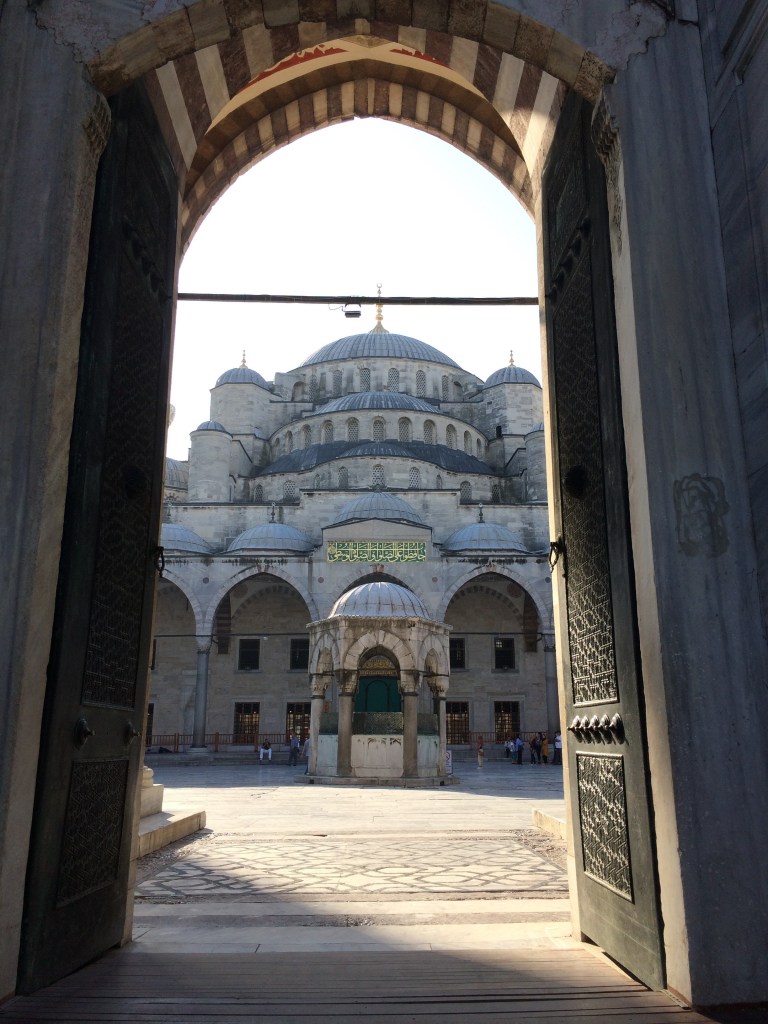
2. Ottoman architecture is reflected in its grand mosques. Their unique style is characterized by large central domes, smaller buildings with small semi-domes and tall minarets. As I entered Sulthanamet for the first time in the dead of the night, it felt like traveling back in time.While Blue Mosque is the most popular and undoubtedly great, it can get very crowded. I found the less popular ones like Fatih, Selim, Suleymaniye, Şehzade to be better for observing the architectural nuances and to be able to generally sit in awe for longer. Each of the domes are magnificent with intricate carvings and color patterns.
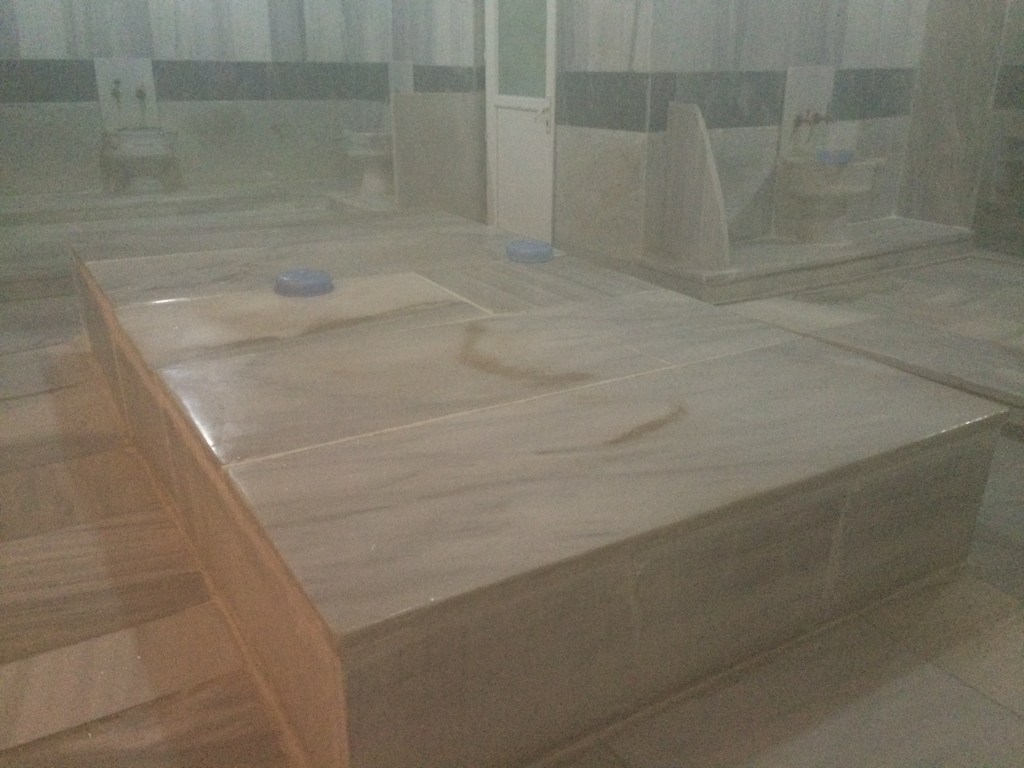
3. Hamman baths were an Ottoman tradition derived from Roman baths but these days it seems to be mostly a tourist thing. My Hamman experience was weird but fun. It started with lying on a hot stone in a steamy room, followed by intense scrubbing and cold water cleansing. There are very few old school hammans still left in Istanbul, Çemberlitaş Hamami is one of them which was designed by Mimar Sinan, the chief Ottoman architect.
4. The Ottoman Empire dominated the region since its inception. The last reigning monarch of the Ottoman empire tried enacting constitutional reforms but reverted to monarchy soon after. The Young Turk movement forced the monarch to enact reforms yet again and eventually forced him out in a coup in 1913. After being defeated as an ally of Germany in the first World War, the British and French forced occupied Anatolia. During this occupation, Muslims in that territory were persecuted by Greek and Armenian rebels. A resistance movement led by Mustafa Kemal Atatürk was born and eventually led to the formation of the Republic of Turkey. It was established as a progressive state with secular civil code and political rights for women. In recent times, Ataturk Secularism has morphed into Islamist resurgence under Erdogan.
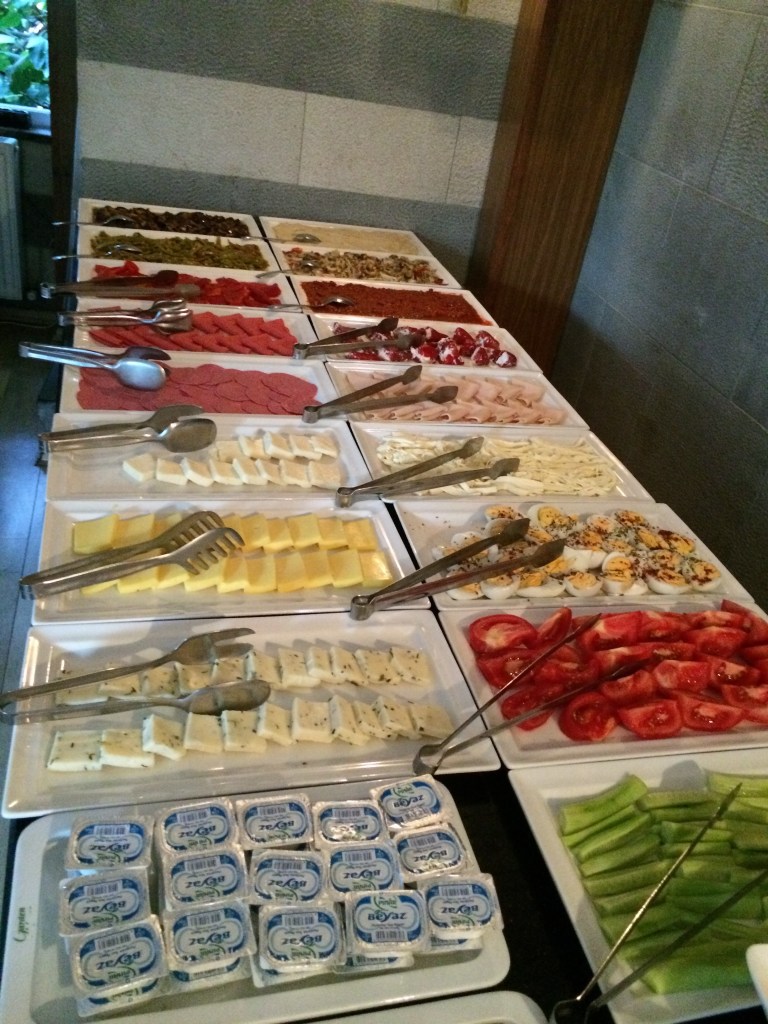
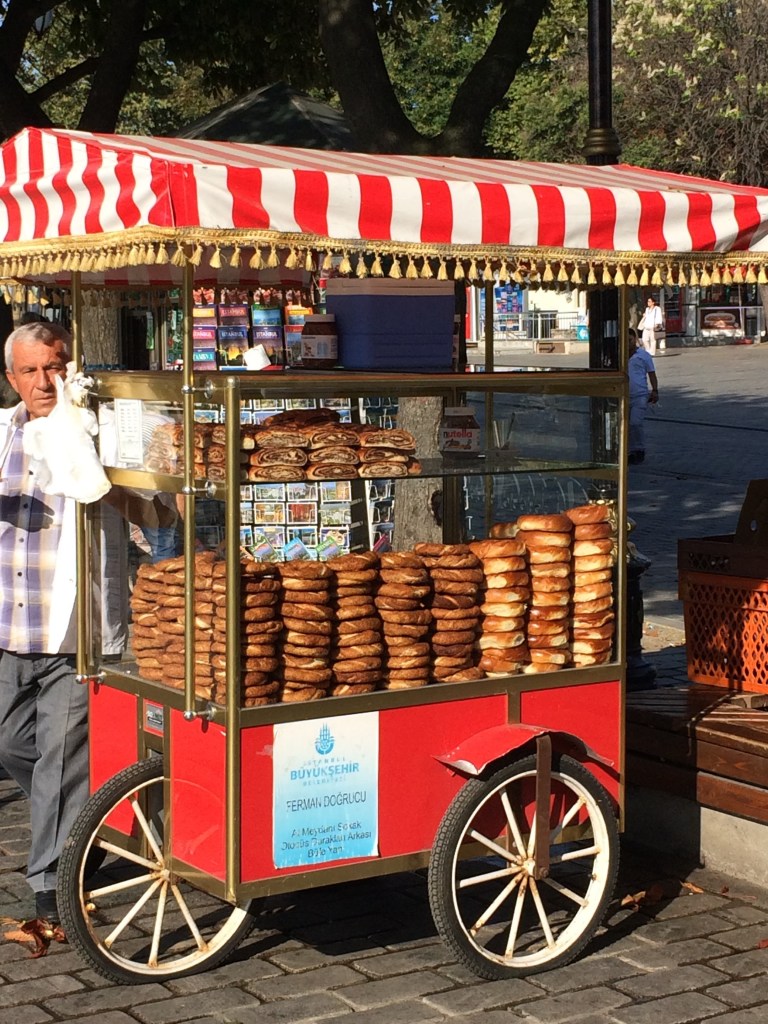
5. At most hotel/hostels, Turkish Breakfast involves a lavish spread consisting of an array of breads,cheese and spreads but is Simit is a popular on the go option. It is Turkey’s version of bagel, eaten with cheese or jam. Menemen is a simple one pan dish with eggs, tomatoes and peppers stewed together to resemble a Shakshouka but is usually topped with sausage(sujuk).
6. Baklava has become a part of Turkish culinary identity despite its Arab origins, in part due to great produce available in Turkey like the pistachios from Gaziantep. The sweetness in the Baklava can be a bit intense. Pair it with tea and it is perfect accompaniment to a good conversation. Karakoy Gullugolu and Hafiz Mustafa are local favorites but they are scores of good places all over the city. Turkish ice cream is more about the entertainment value.The addition of mastic lends a stretchy texture to the ice cream that is used for performing antics. I found the taste rather unpalatable due to its gumminess. However, I liked sahlep – a hot drink made from milk, sahlep powder (made from tubers of orchid) and topped with cinnamon and pistachios. I found it similar in consistency to the Mexican Atole. Ayran is Turkey’s version of buttermilk, Indians tourist would rejoice at its ubiquity. It is the drink of choice after most meals.

7. Turkish Coffee is basically Arabic Coffee. It is brewed in a long narrow brass pots called Cezve. Since it is unfiltered, taste is bold and caffeine hit strong. My favorite moment in Turkey was drinking coffee with a bunch of middle aged locals right off Istikal Avenue. By using a combination of broken Hindi and English, I managed to make conversation and even share a laugh or two.
8. Sulthanamet is basically the the old town of Istanbul encompassing an area that includes Hagia Sophia, the Sultan Ahmed Mosque, the Hippodrome, Topkapı Palace, and the Basilica Cisterns. Beyoglu is an upscale neighborhood with lots of foreign embassies and lot of history. It was known as Galata in the Byzantine empire. The area became the base of European merchants, particularly from Genoa and Venice, in what was then known as Pera. In fact, the Genoans built the Galata tower. The famous Istikal Caddesi is home to tons of cafes, restaurants, coffee shops and shopping.
9. Istanbul is every modern as any major European city. The business district of Maslask is home to skyscrapers of all sizes.
10. Istanbul is split into two by the Bosphorous – one part of the European sub-continent and the in the Asian side as well. The more popular monuments are in the European side but there are remnants on the Asian side as well. Ferries help connect the city – most popular route from Eminomu to Kadikoy. The Asian side is much quieter and most parts of its are mostly residential. The Kadikoy food market is popular and Bagdat Caddessi is like the 5th Avenue of Istanbul.
 flagsandforks