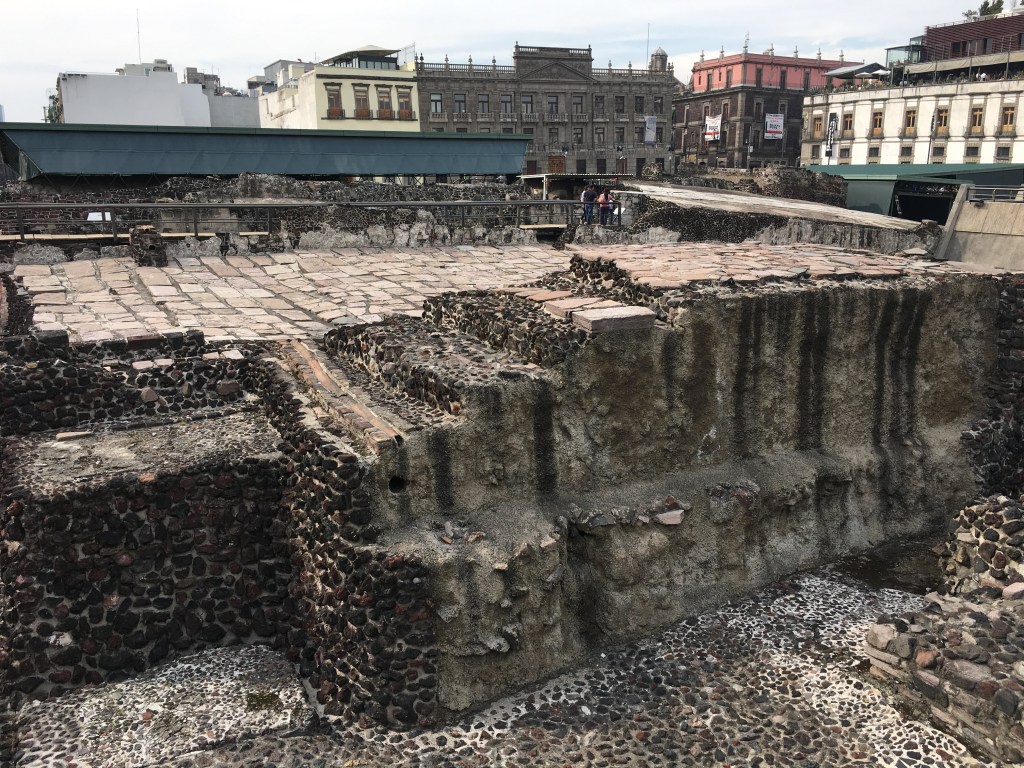
1.Although the area around today’s Mexico City was inhabited by various indigenous tribes as early as 100 AD, it was the Aztecs that laid the foundation of an actual city – Tenochtitlán. It was initially built over a lake, the Lago de Texcoco. Aztecs built an artificial island by dumping soil into the lagoon. Remnants of this ancient city are found at the Templo Mayor museum. When the Spanish came, they demolished most of the Aztec city and built a typical Spanish style city on top of it with its characteristic grand squares, cathedrals and palaces.
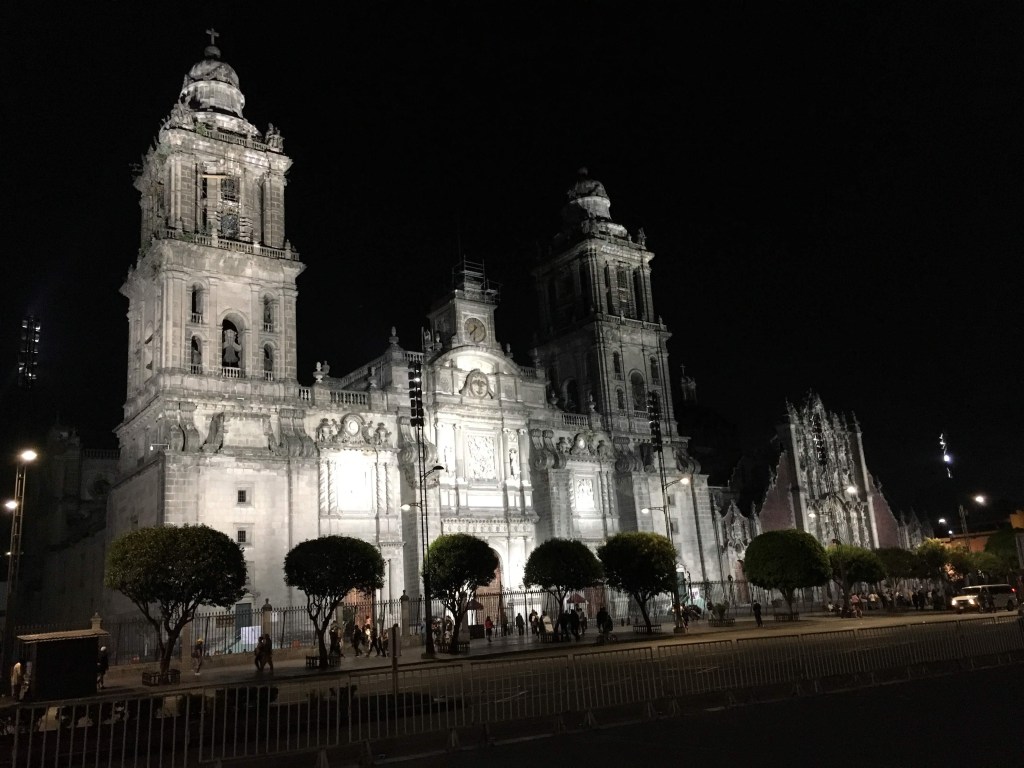
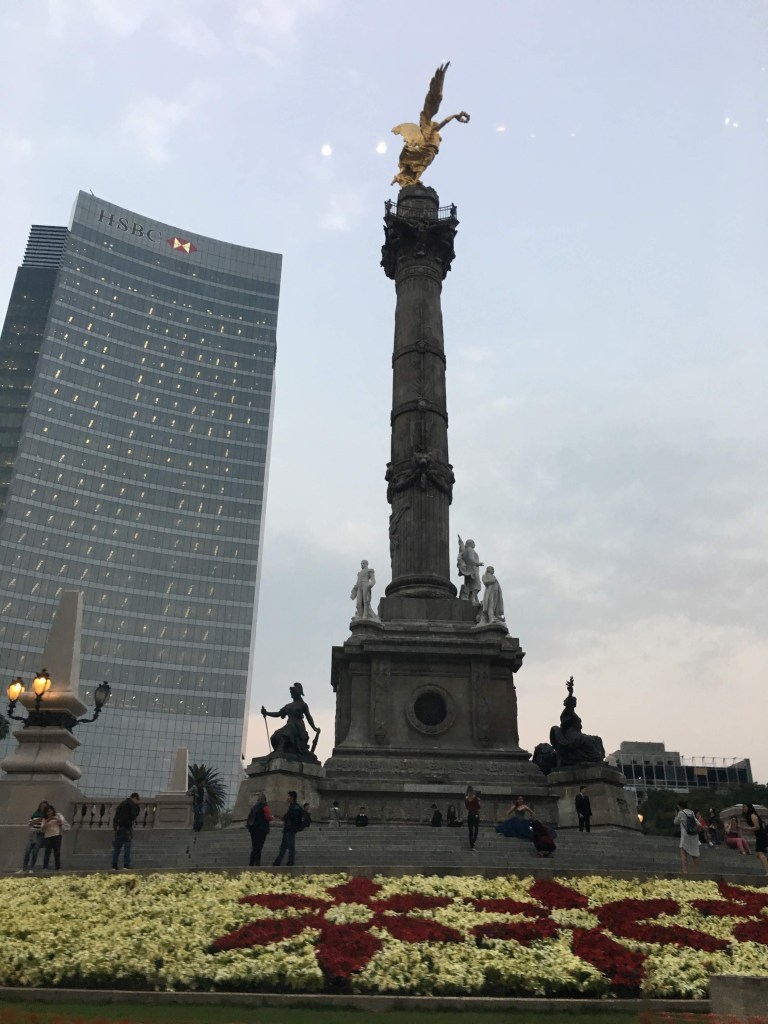
2. City is a sprawling metropolis with a population of about 9 million while the greater Mexico City area is home to about 21 million people.There is the fashionable but leafy neighborhood of Condesa, fancy but uptight Polamco, the bohemian Roma and its gentrifying cousin Juarez or the artsy Coyoacán, Mexico City has something for everyone much like every large city similar to its size. While general caution needs to be exercised in parts of La Merced, Tepito, Doctores and Centro Historic they are not dangerous. Plus, there is a usually a heavy police presence in touristy parts of these “difficult” neighborhoods. I stayed in Centro Historico and it was perfectly safe at all time of the day.
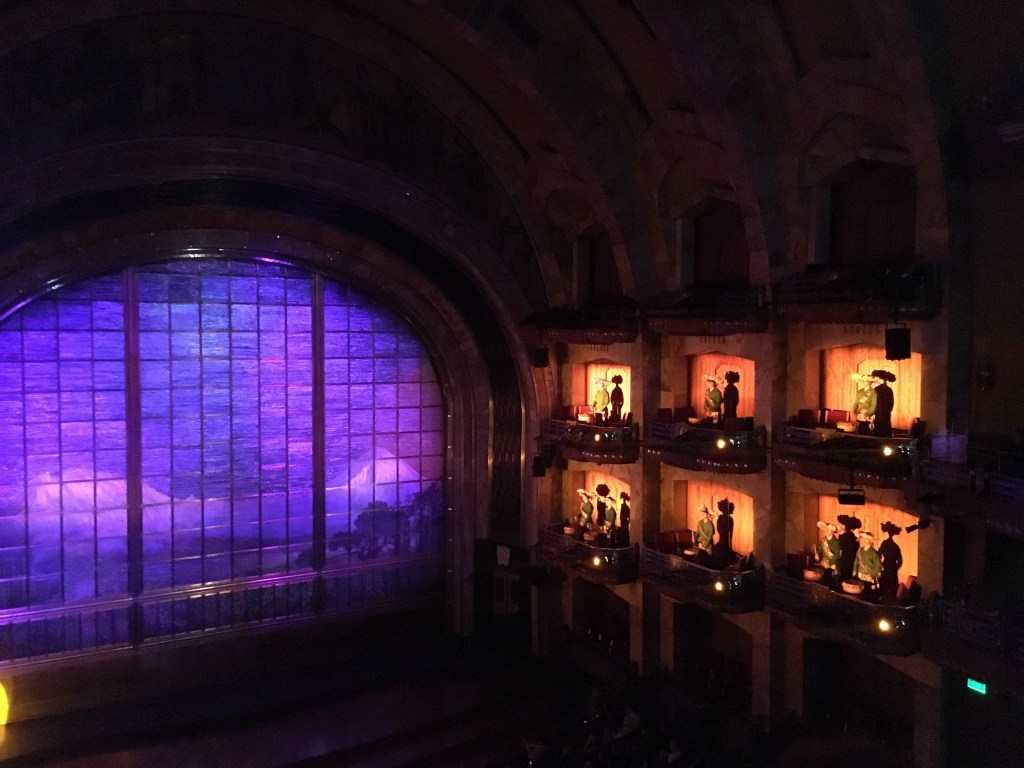
3. Given that Mexico was colonized by Spain for over 300 years, the influence on the Mexican identity is well known. But the founders of Ballet Folklórico de México created a dance ensemble to showcase the culture from the Mesoamerican times.The show is a visual spectacle with a mix of colorful and acrobatic dance performances. It usually runs a few times a week at the Bella Artes Museum. Lucha Libre (wresting show similar to WWE) is the polar opposite of the ballet with its grimy venues, loud audience and affordable options. Arena Mexico and Arena Coliseo are the top choices.The luchador mask defines the identity of the wrestler and also makes a good souvenir.
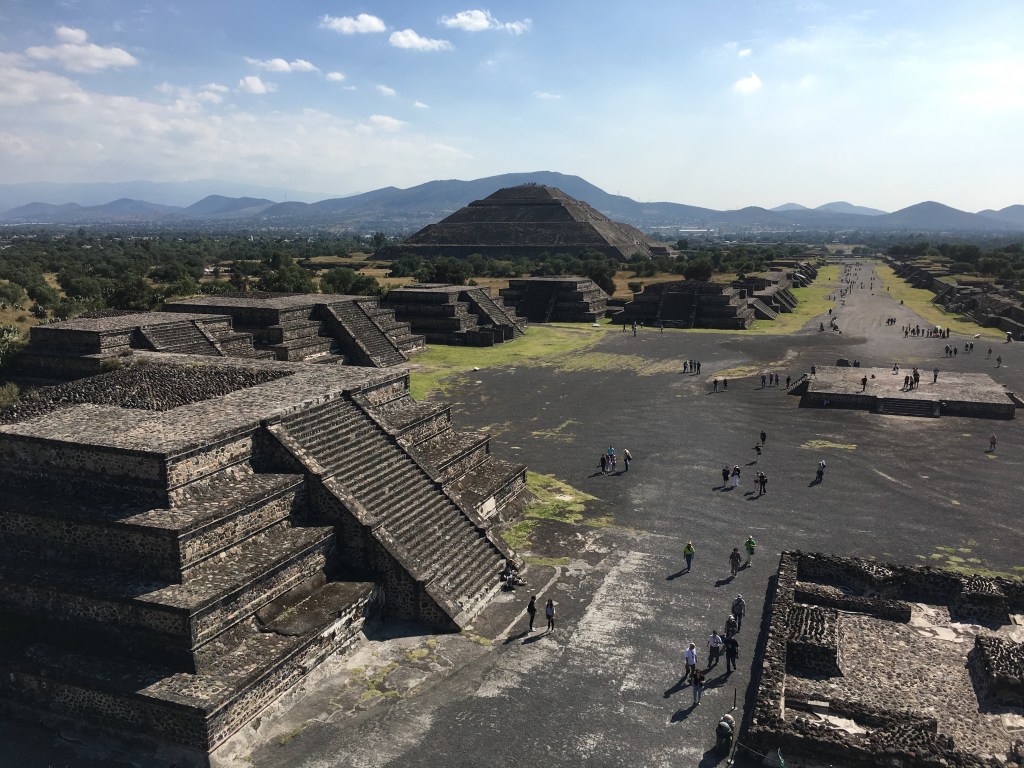
4. Teotihuacan is a mesoamerican city located in the central valley of Mexico about 90 minutes drive from Mexico City. While the original city predates the Aztecs, it was them who named it as Teotihuacan – “a place where gods are created”. In modern day, it is well known for its well preserved pyramids. The Pyramid of the Sun is a massive step pyramid. The best part is that is still open for climbing. Although the steps are a bit too narrow, it is fun to climb all the way to the top and get a bird’s eye view of the ancient city.
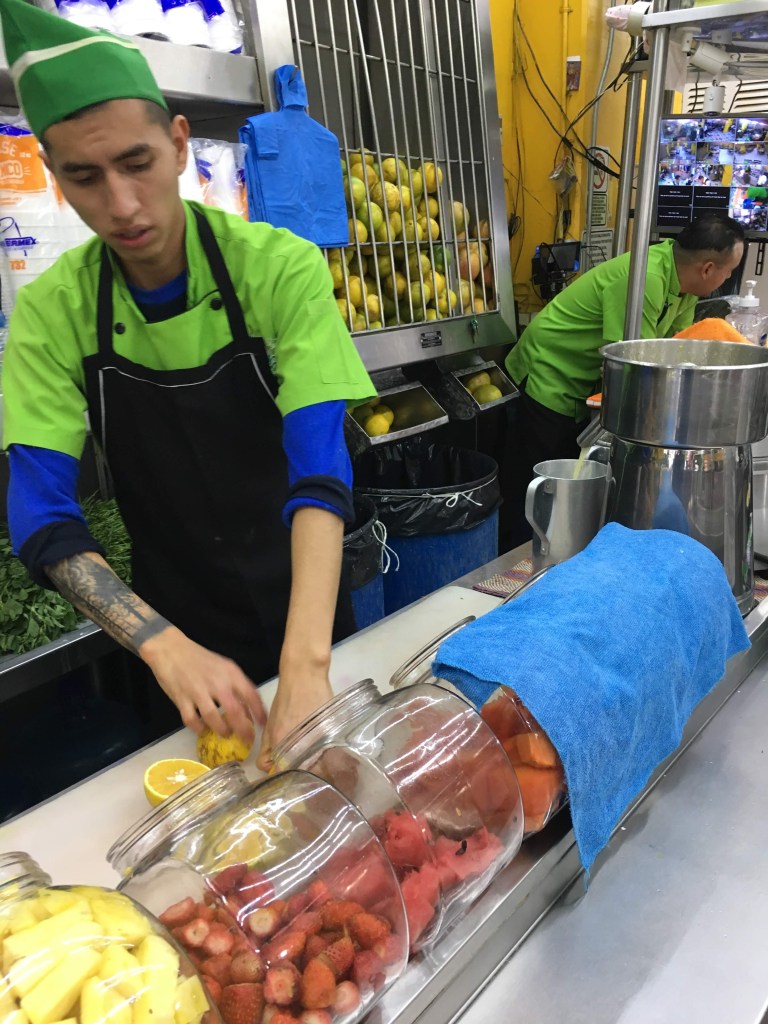
5. Something that struck me about Mexico city were how industrious the people were. For the most part, everybody wanted to do their job well. The guy at the juice shop, the taco masters, cab drivers were very professional. Although this might seem like a random generalization, there was a certain quality to their execution that led to me this conclusion.
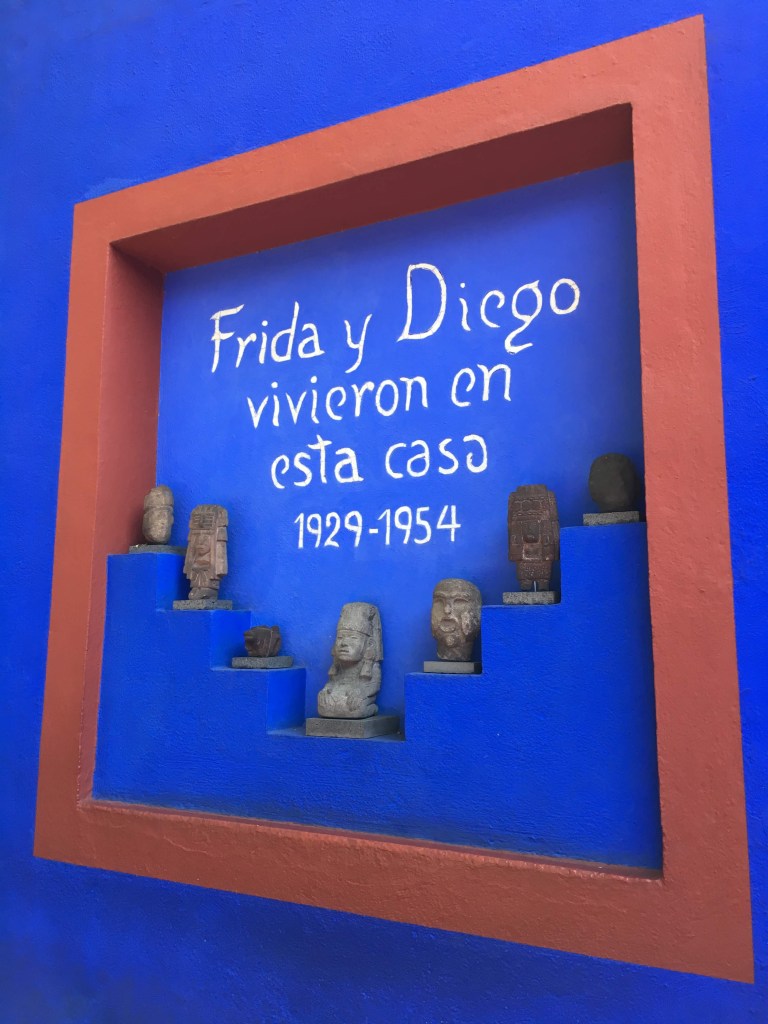
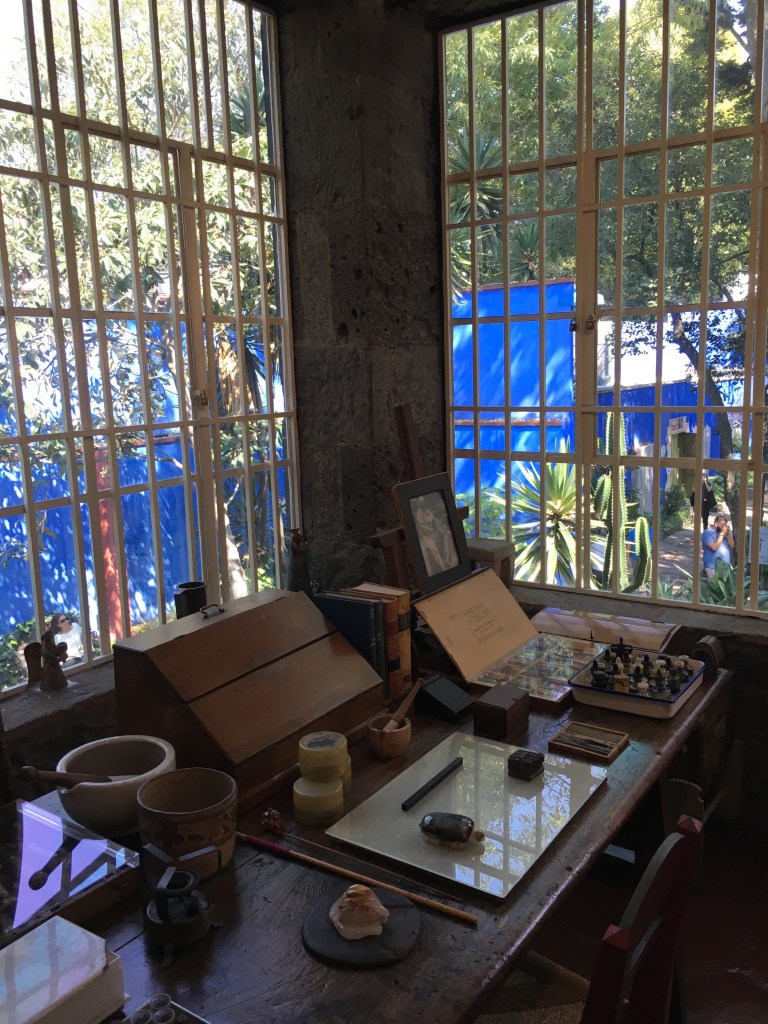
6. Frida Kalho and Diego Riviera are much lauded for their contribution to art in Mexico but they were controversial figures looking back into history. Frida was an accidental artist. Although affected by polio early in the childhood, it was the devastating accident that had her bedridden for months and it is during this time that she took up painting. At 22, she had an affair with her teacher Diego Riviera and eventually married him. Frida and Diego joined the Mexican Communist Party and even petitioned the Mexican government to grant asylum to the soviet leader Leon Trotsky. They even hosted him at their Casa Azul house. Despite their mutual infidelities and the resulting complicated relationship, they were married until Frida’s death. The Casa Azul now a museum is very bohemian and rustic.
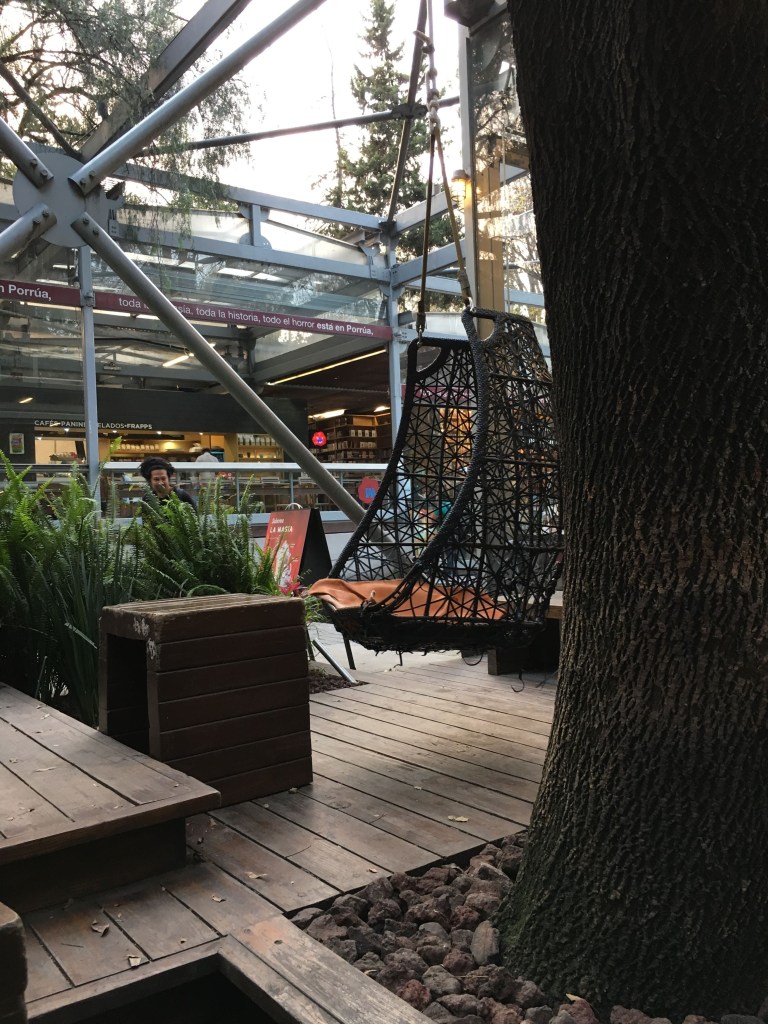
7. The greenery of Chapultepec Park are the lungs of Mexico City. Flanked by Polanco, Condesa and Colonia neighborhoods, it is home to the botanical garden, art and a number of museums and the Chapultepec castle. The Museo Nacional de Antropología is a must visit, it is an expedition into the history of Mexico centered around thoughtfully curated artifacts. I liked relaxing in the park and enjoying drinks at the fancy Starbucks with its bamboo chair swings.
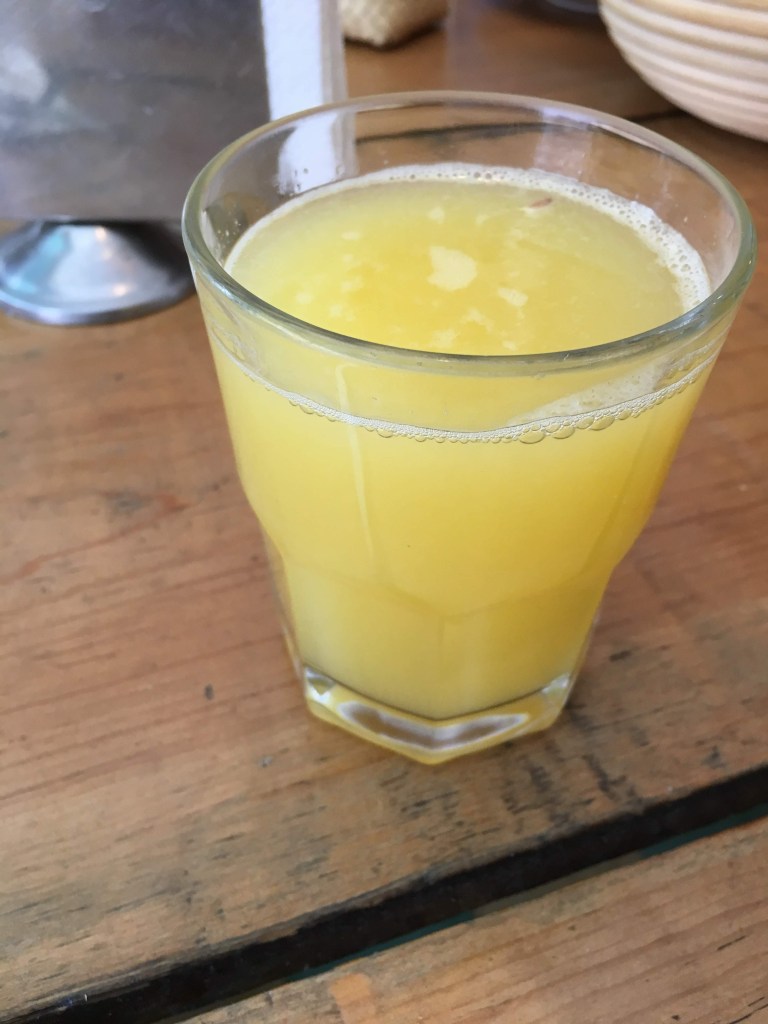
8. Oranges were one of the imports from Spain who themselves were introduced to it during the period of Arab domination.There is almost always freshly squeezed orange juice available at most restaurants and cafes. I got one with my breakfast everyday. It was perfectly orangey and sweet.
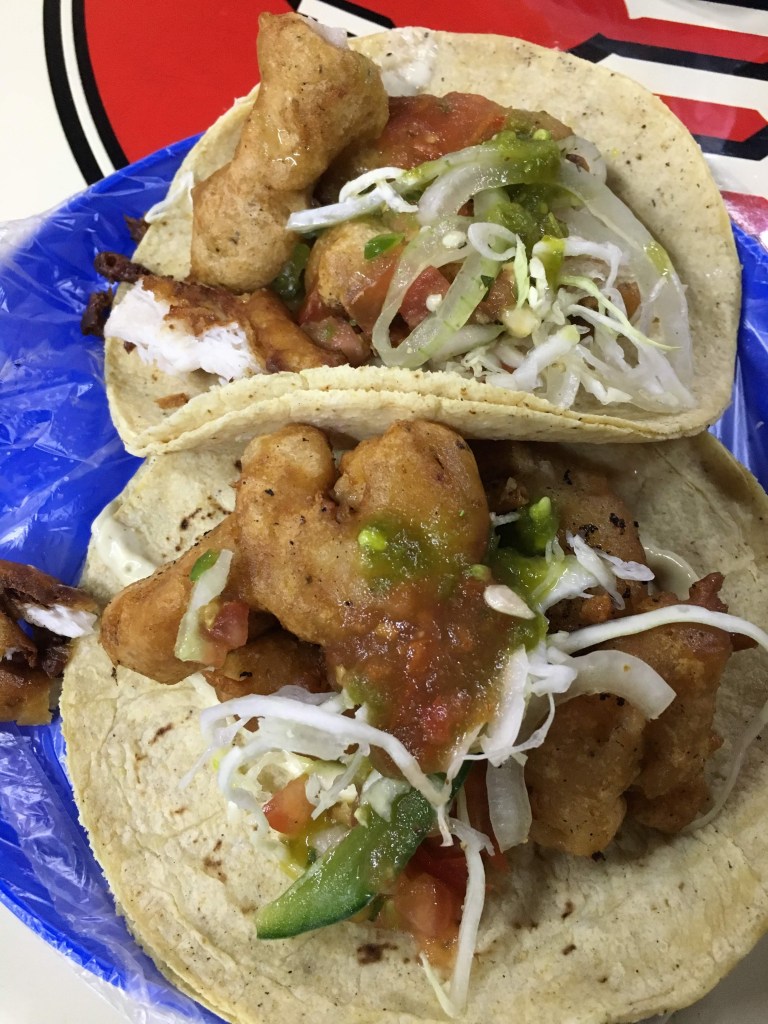
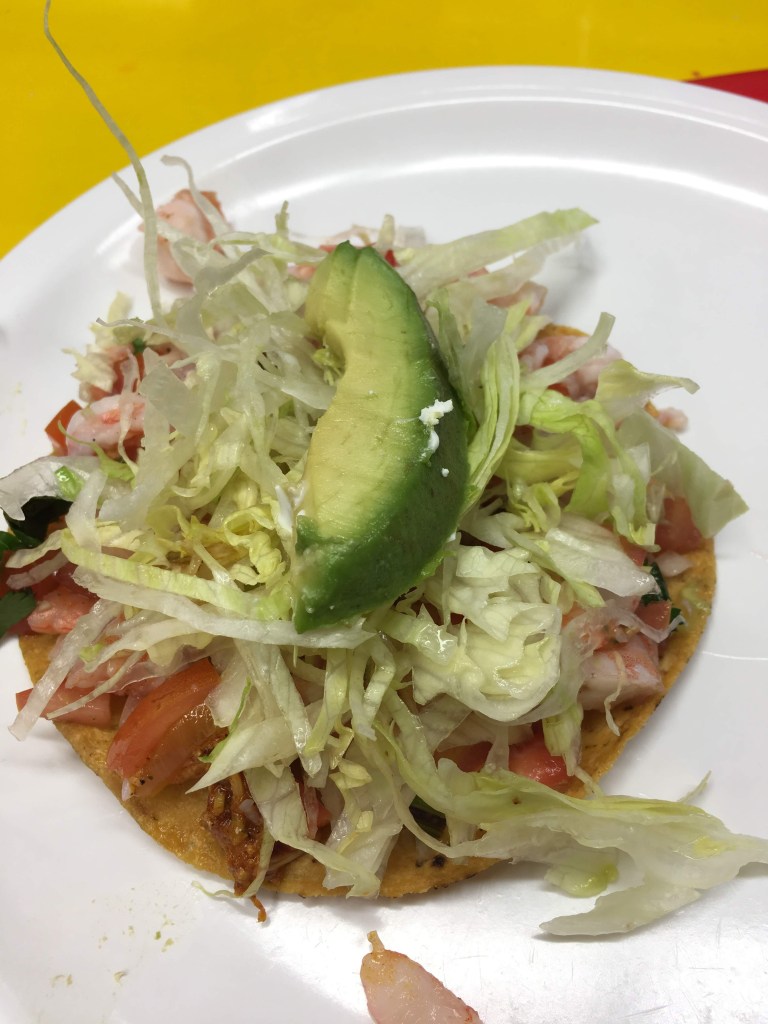
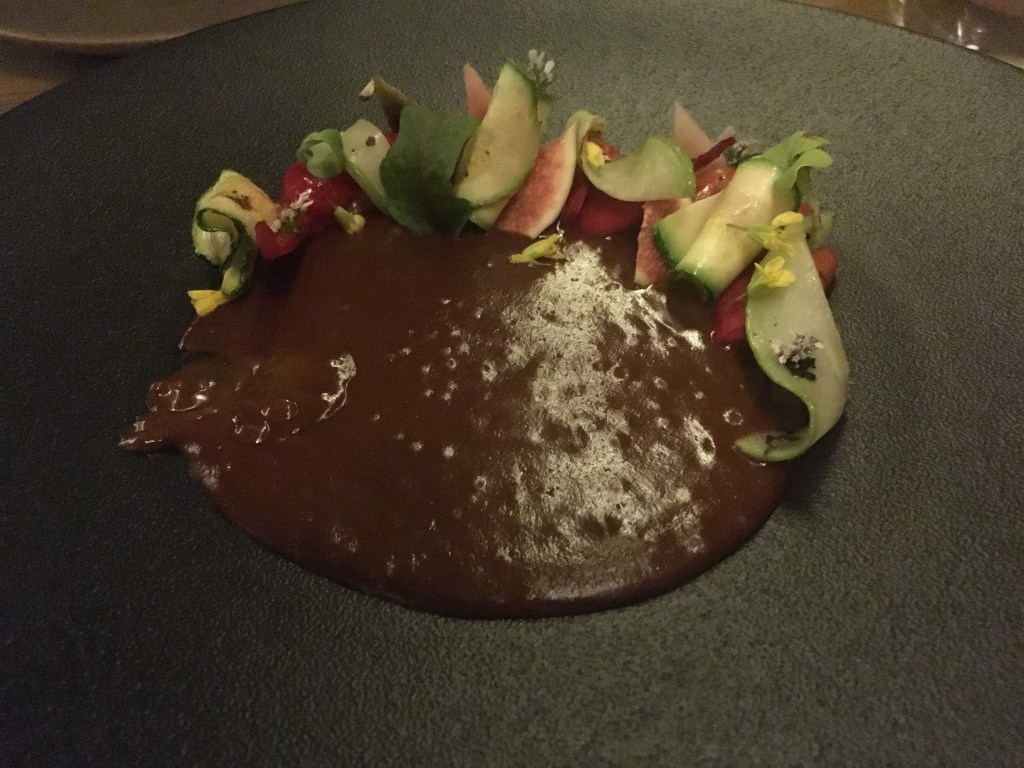
9. The shrimp and fish tacos at El Pescadito set the bar really high for any taco I have in the future. The seafood is fried per order and the salsas are supremely flavorful. It was flavor explosions in my mouth. Another such experience was at the Mercado Coyocan while eating the shrimp tostadas. The salsas were mind-blowing. They are masters at balancing acidity and heat. Mole has complexity of flavor. Although I wasn’t a fan of it at first, I couldn’t resist licking it off my plate at Quintonail.
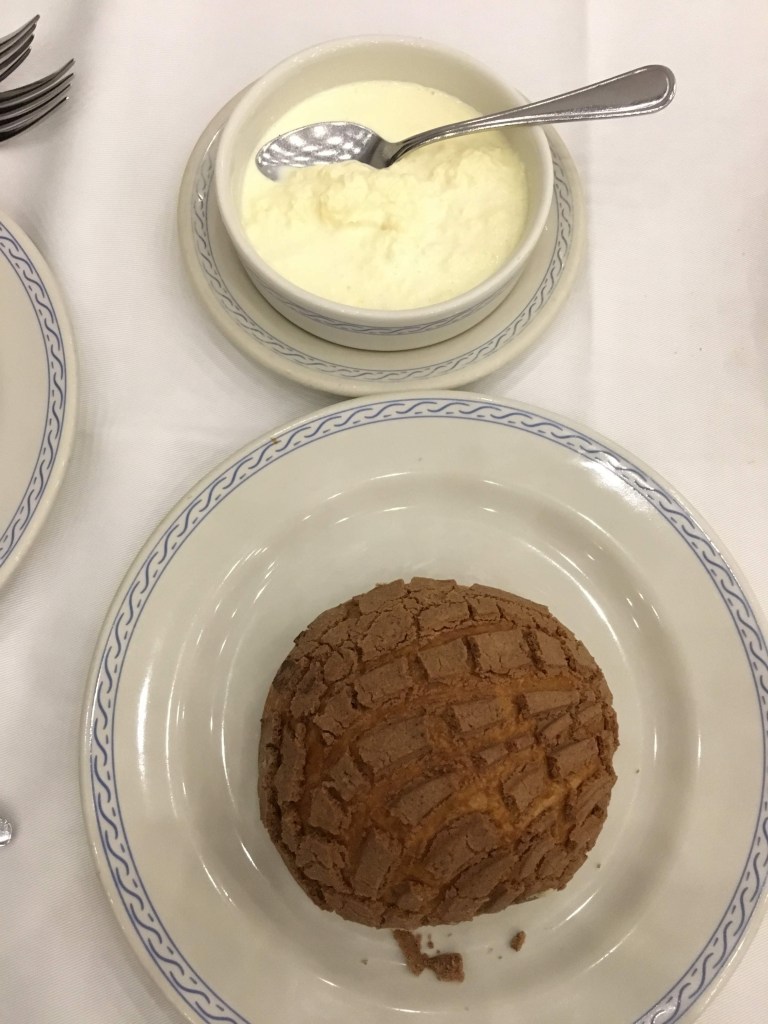
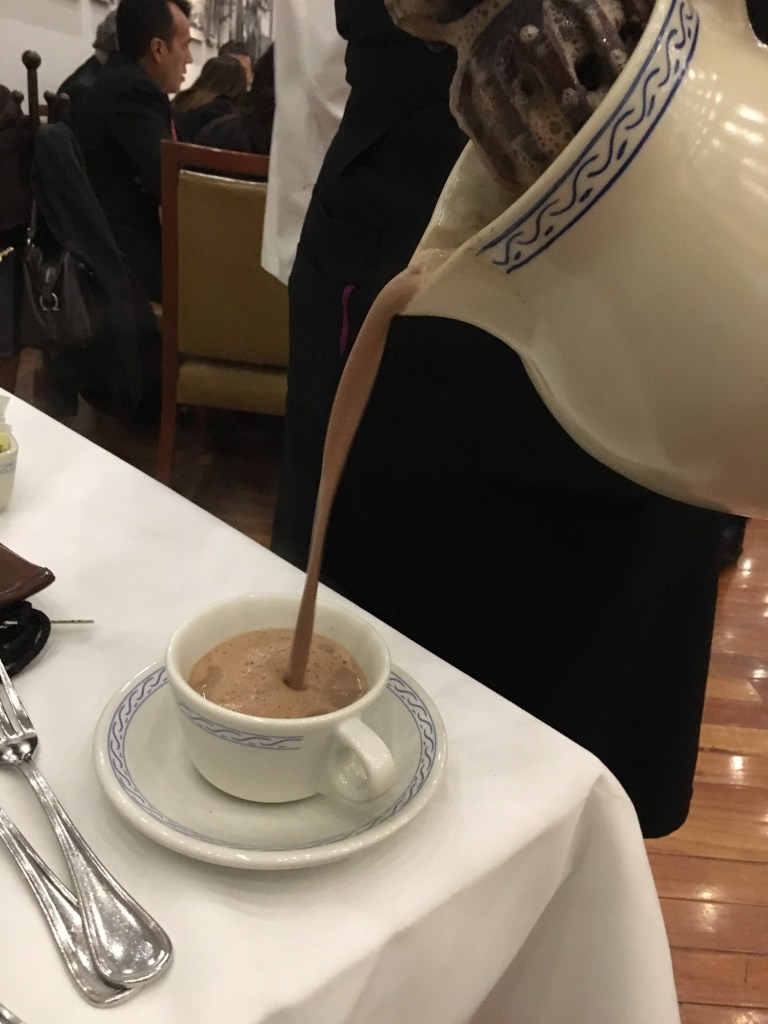
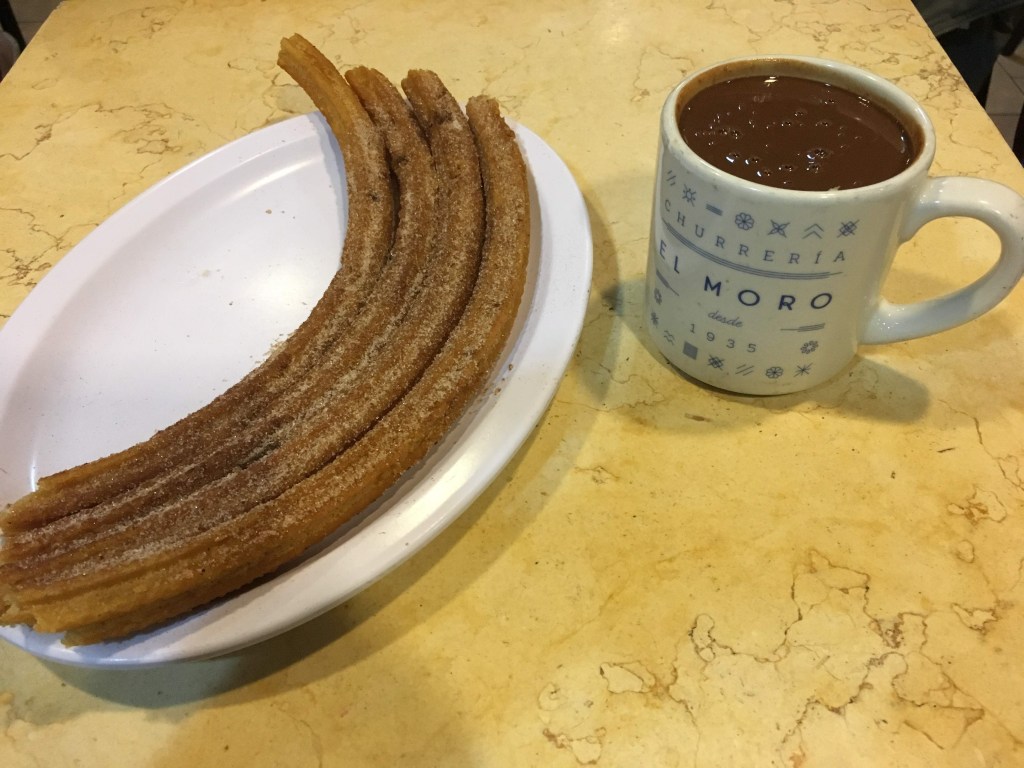
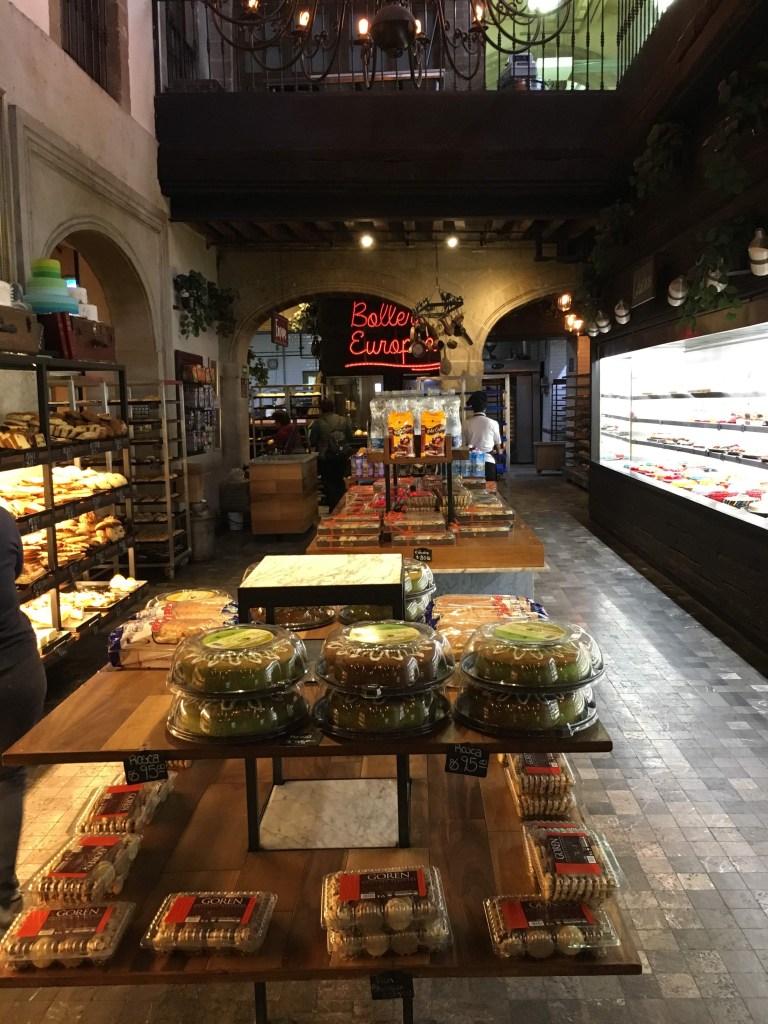
10. Churros, Conchas, Chocolate complete the sweet tooth trifecta in Mexico City. Lining up at El Moro and getting a pack of fresh churros is a memory on its own. Dunk it in house made european style hot chocolate, it becomes addictive. El moro churros are not greasy, they are crunchy on the outside and soft on the inside. It was fried food perfection. While Conchas are what croissants are to the French, the ones at the El Cardenal are pillowy soft. The table side hot chocolate is much more than the show, it is absolutely delicious – intense chocolate with just the right amount of sweetness. La Esperanza bakery chain is a solid option for both Mexican panaderia breads as well as viennoiseries.
 flagsandforks