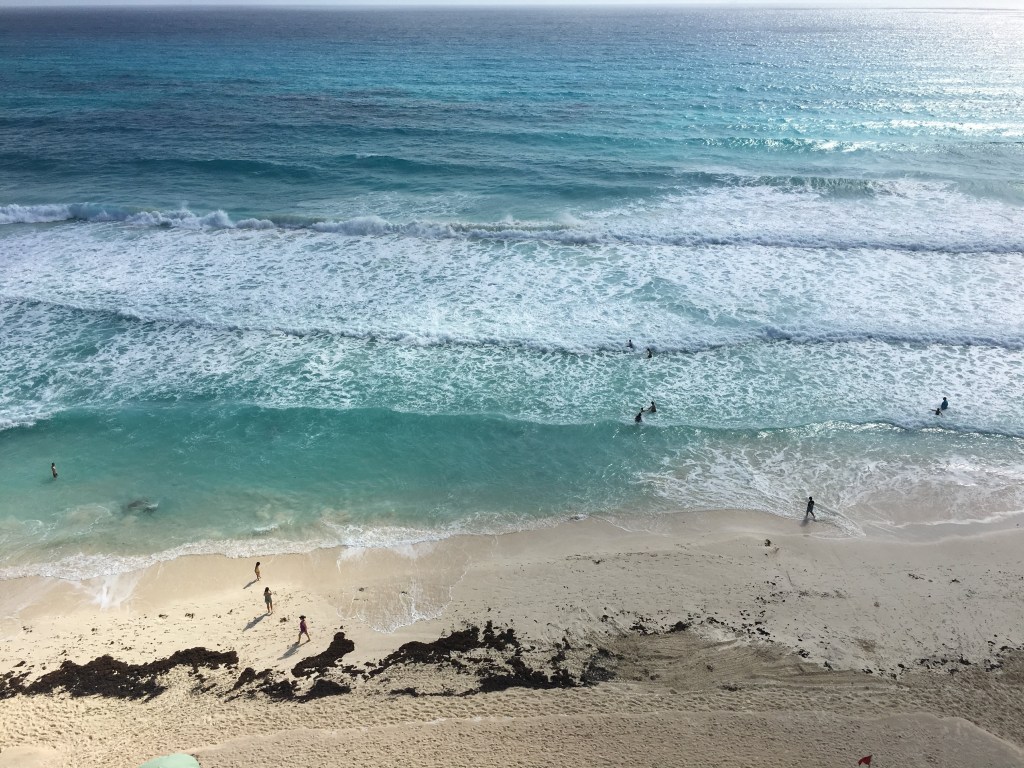
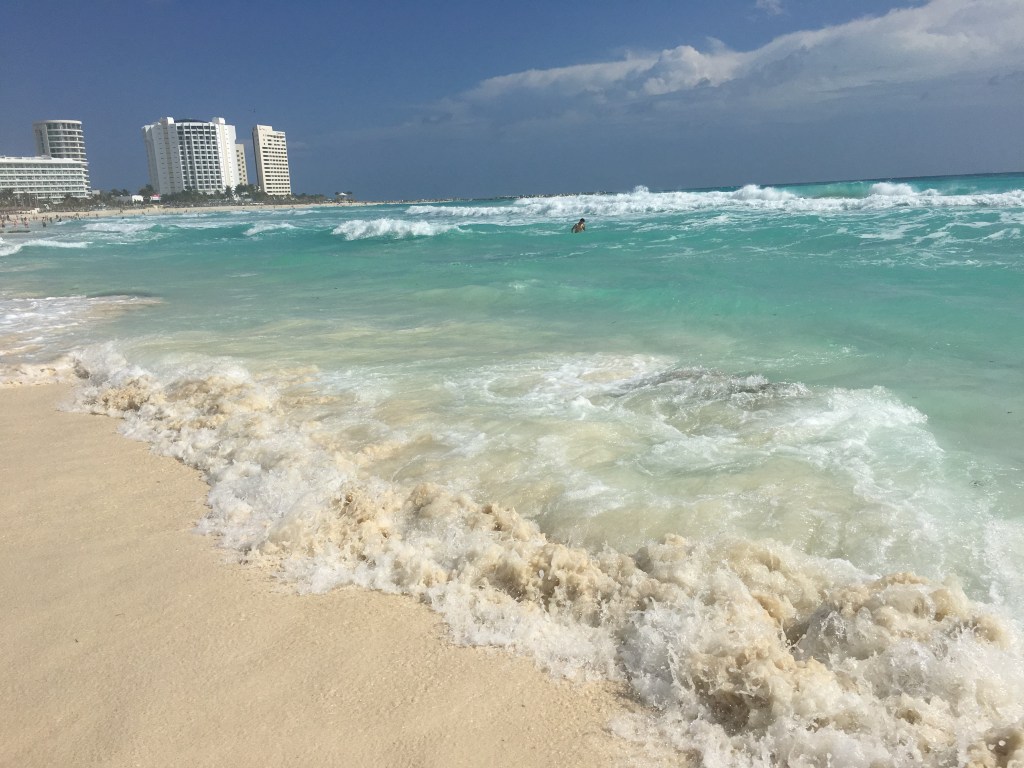
1.Cancun is popular among spring breakers and beach seeking vacationers alike. While the beaches were very good ignoring the recent seaweed phenomenon, I thought the overall experience in the hotel zone was a tad worse than beach towns in Florida. Everything from the overpriced taxis, tourist trap restaurants led me to the conclusion that Cancun is best suited for resort travel. I was kind of relieved to decamp to Playa del Carmen.
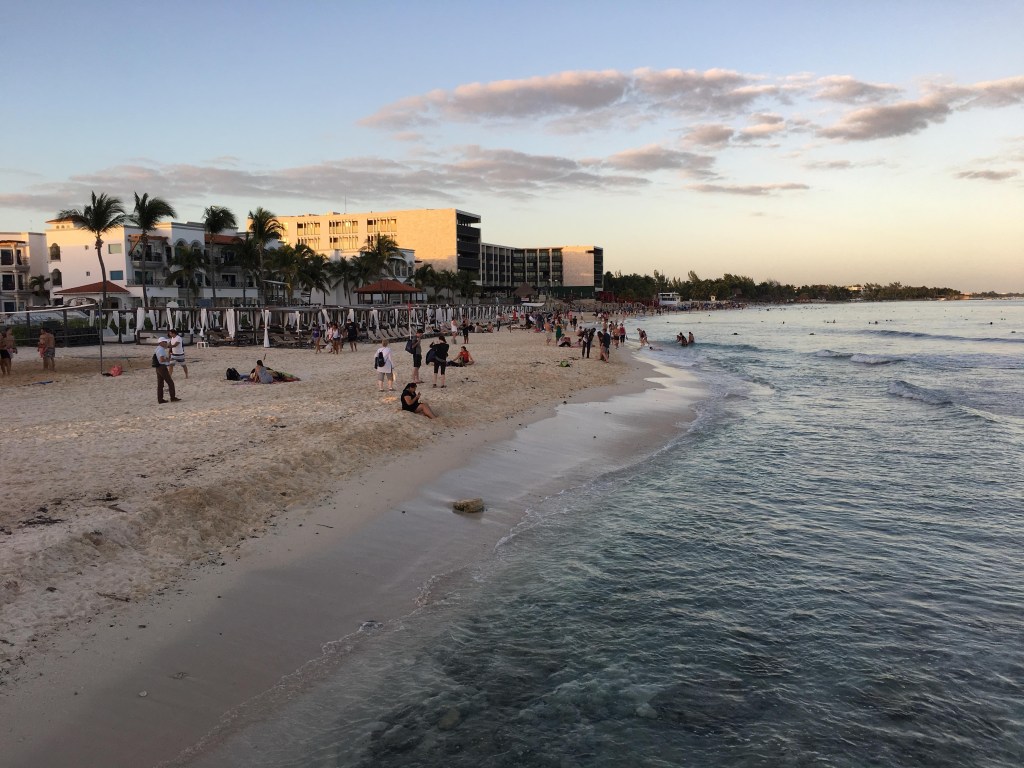
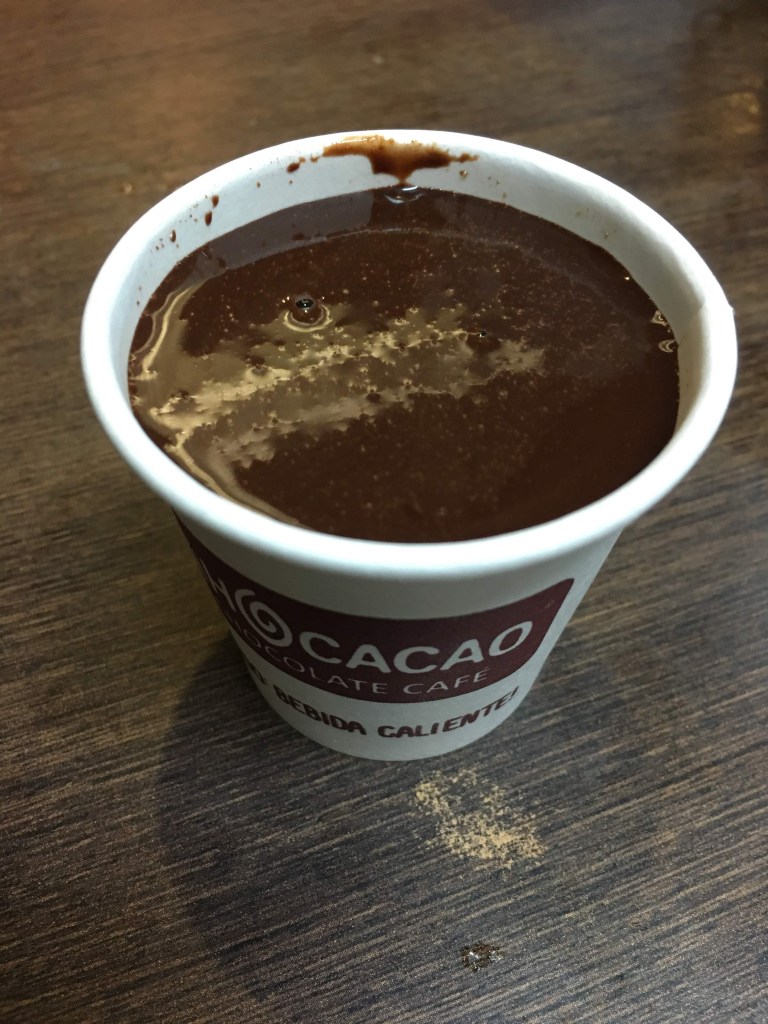
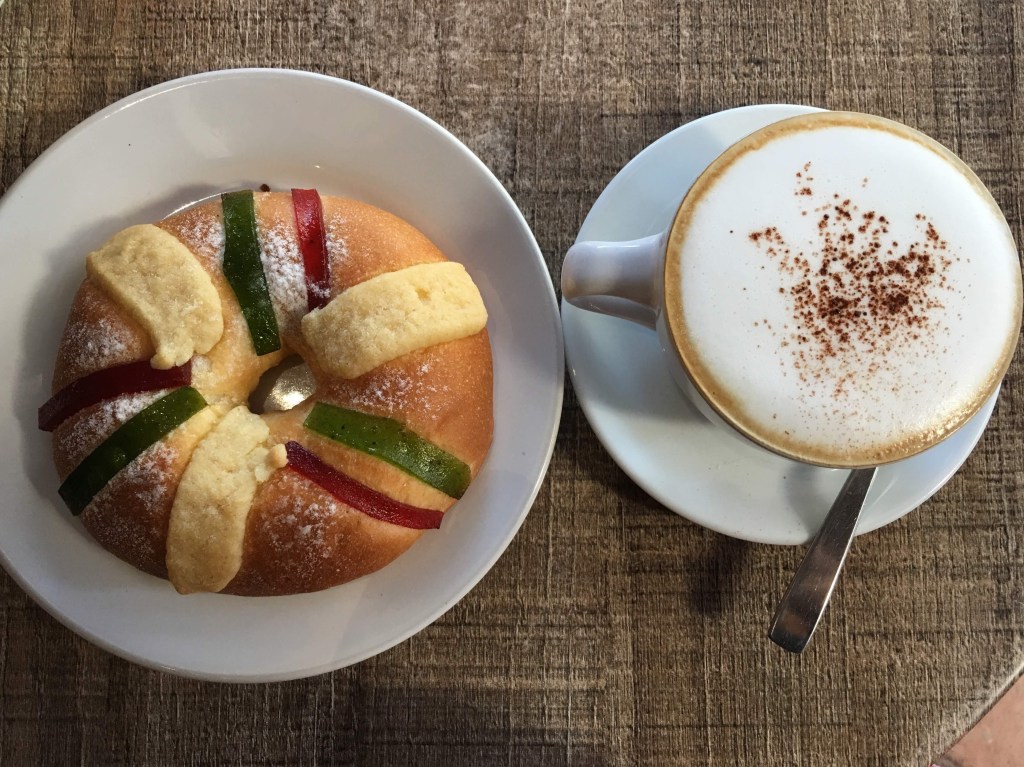
2. Playa Del Carmen was our base for exploring the Mayan Riviera. Although it has its share of resorts hotels and timeshares, it was not as busy or isolated as the hotel zone in Cancun. The town is also much smaller. It has a busy and vibrant downtown in the form of Calle Corazon, parts of which are charming. The Ah Cacao Cafe has fantastic hot chocolate – their rich european style hot chocolate is intensely chocolatey and perfectly portioned. I was also introduced to the Rosca de Reyes cake here.It is a ring or oval shaped bread decorated with colorful candied fruits. Rosca de Reyes or the King’s Cake is baked as part of the Christmas tradition in Mexico to remember the Magi or Three Wise Men (Kings from the East) who went to adore Baby Jesus. It is customary to bake it with a doll of baby Jesus inside it and the lucky recipient would have to provide for the dinner celebration.
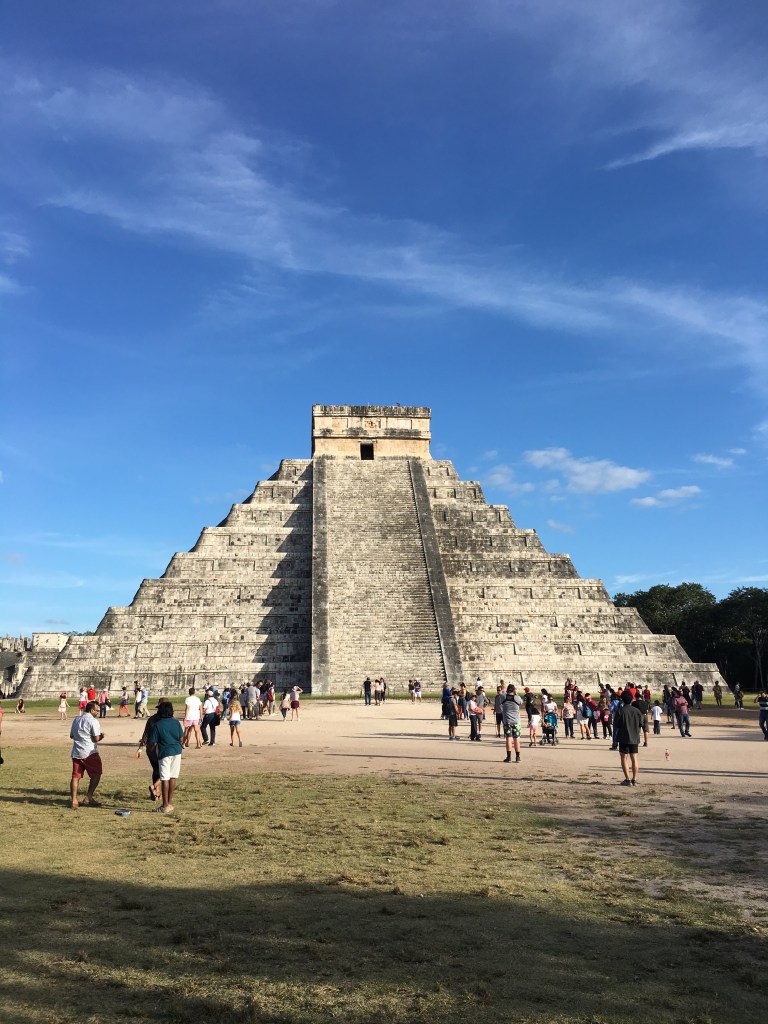
3. Chichen Itza was once the seat of the Mayan empire bewteen 750 to 1200 AD It is known for its well preserved ruins demonstrating Mayan expertise in astronomy. The El Castillo also known as the Temple of Kukulkan has 365 steps supposedly to mark the number of days in the calendar. During the equinoxes, a shadow in the shape of a serpent falls on the step pyramid. Chichén Itzá’s ball court is unique in the largest in America and apparently Mayans conducted their own version of hunger games here. Chichen is a long day trip from any of the hub towns in the region but drive has been made easy with a shiny new expressway, the average drive time is about 2.5 hours each way. But the crowds can be unrelenting especially during holidays and weekends when locals have no admission fees. Although we avoided entry lines be timing our visit towards the end of the day, the insides of the complex were still crowded.
4. Valladolid is a town on the way to Chichen Itza. It is designated as one of the Pueblos Magicos by the Mexican Tourism Board and is known for a variety of cenotes. It can also serve as a base for exploring the Mayan ruins at Izamal, another Pueblo Magico as well as the lesser known Ek Balam. Add on with the historic town of Merida and Uxmal, it can be its own mini trip.
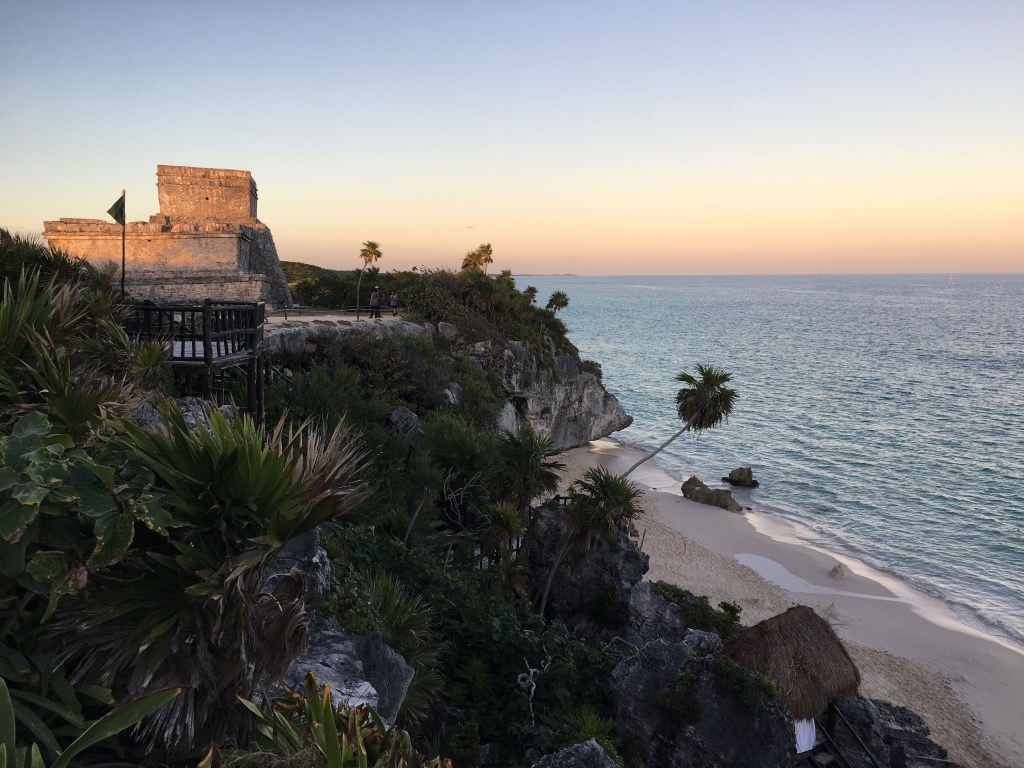
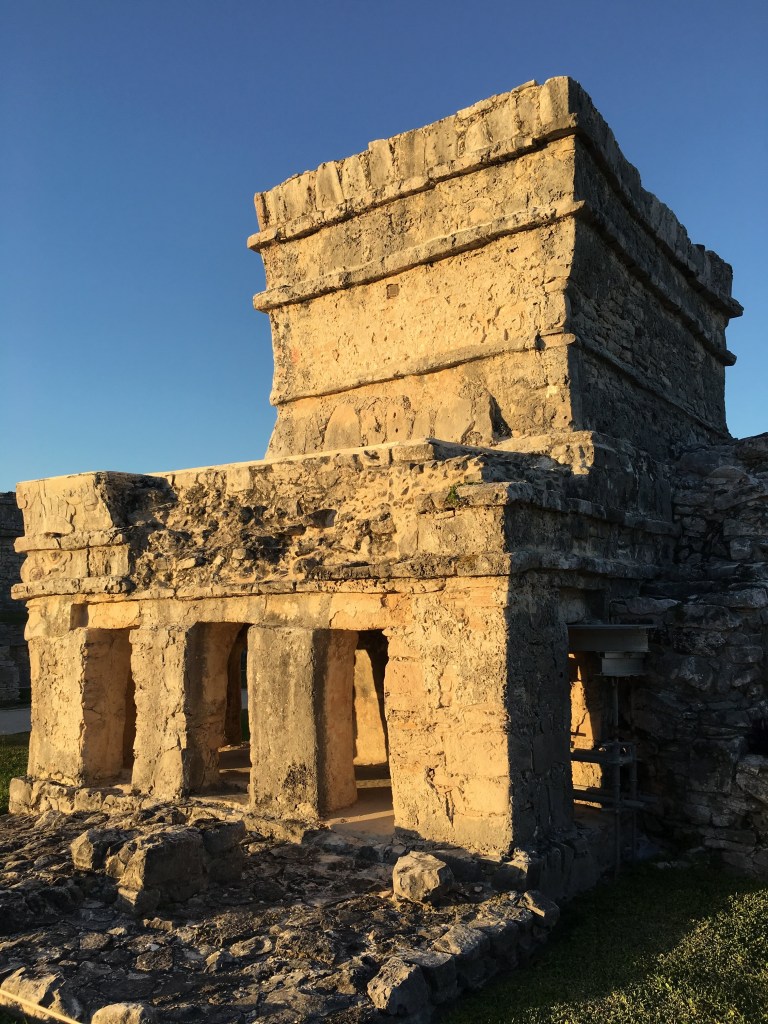
5. Tulum is no doubt more bohemian and relatively underdeveloped relative to Cancun or even Playa del Carmen but it has a great collection of boutique resorts. The beaches are much more accessible and less crowded. The Mayan ruins at Tulum are as picturesque as it gets. It was primarily build as a seaport and thrived between 1200 to 1500 AD trading jade and turquoise. It is fortified on three sides and protected by a steep cliff facing the sea on the other. This site has frescoes depicting Mayan good and motifs which are not found elsewhere in the region.
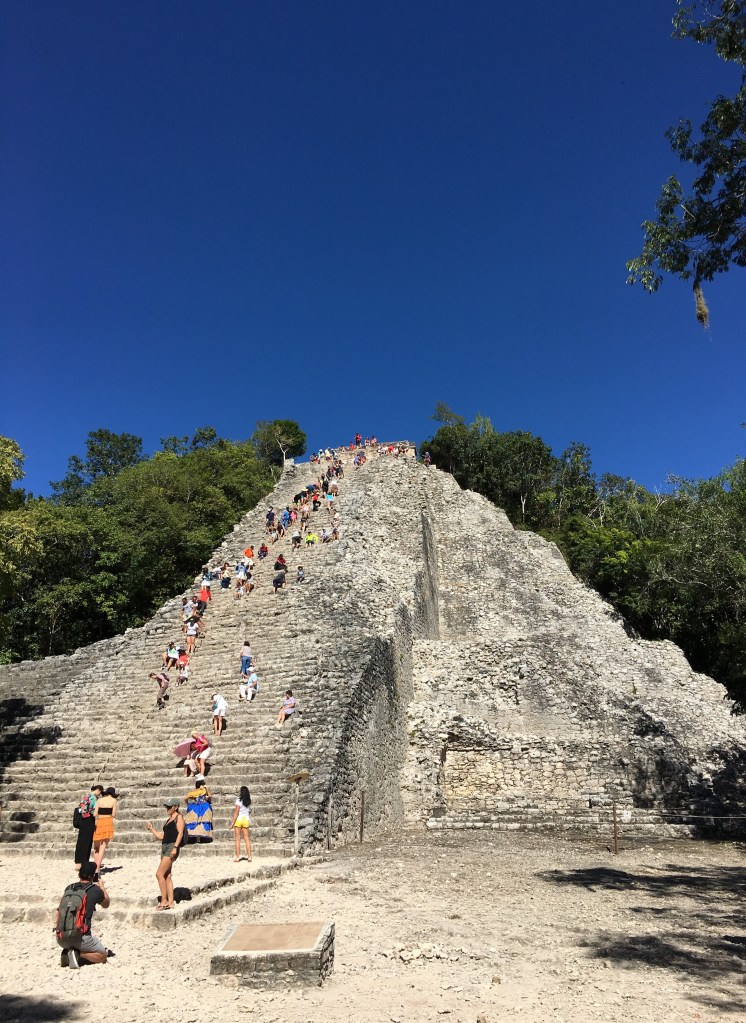
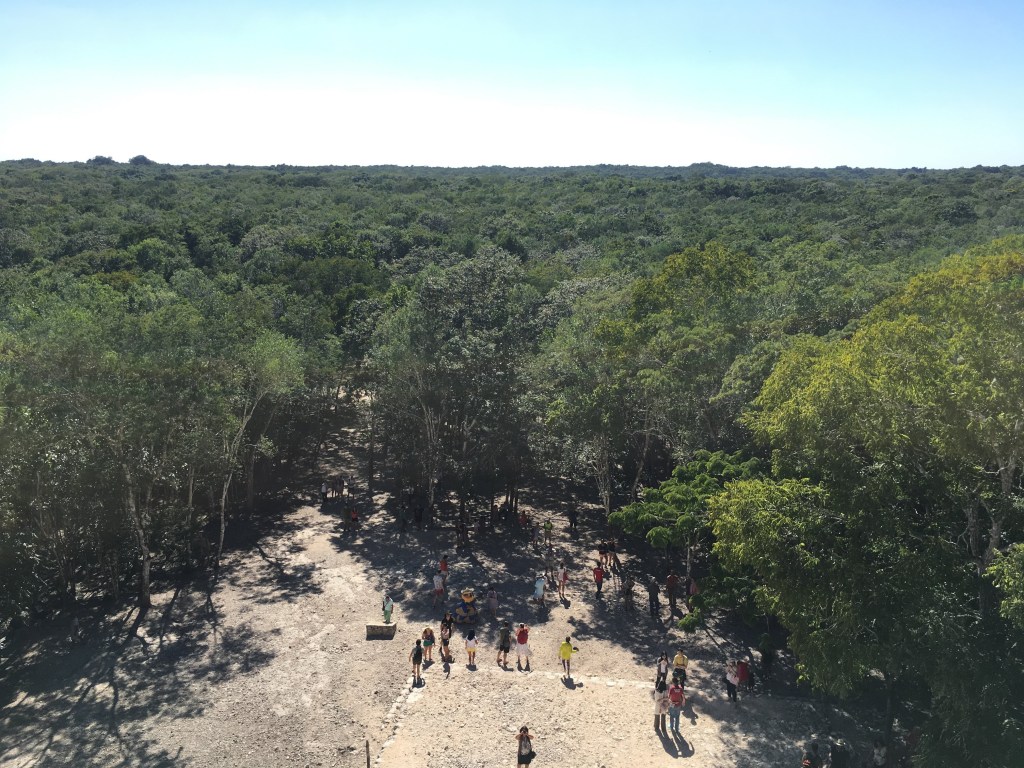
6. Coba ruins are unique in the sense that they are located in the middle of a jungle similar to Tikal in Guatemala. It predates Chichen and Tulum peaking around 600 AD. The main pyramid is smaller but very steep. It is totally worth the climb though. The tricycle carts that ferry people from the gate into the ruins is unique and fun.
7. Cenotes are very unique to Mexico or at least Mexico has large number of them. They are basically sinkholes that expose ground water directly. While some cenotes have open water pools, most of them are partially or fully underground. The water inside is usually clean and has a spectacular turquoise color. Cenote Sac Actun, Cenotes Dos Ojos, Gran Cenote in Tulum and Cenote Zaci near Valladolid are popular ones. The sacred cenote at Chichen was plain sad.
 flagsandforks