1. Warsaw or Warszawa in Polish was born out of a fishing settlement established along the banks of the Vistula river. Warsaw became the capital of Poland in 1596 when the then king of Poland, Sigismund III chose to move the capital from Krakow. It later became part of the Kingdom of Prussia in 1795 and became the capital of the Grand Duchy of Warsaw. Soon after it was annexed by the Russian empire and finally emerged as the capital of an independent Poland in 1918. Today, Warsaw like any modern city in EU promises a great quality of life for the Poles.
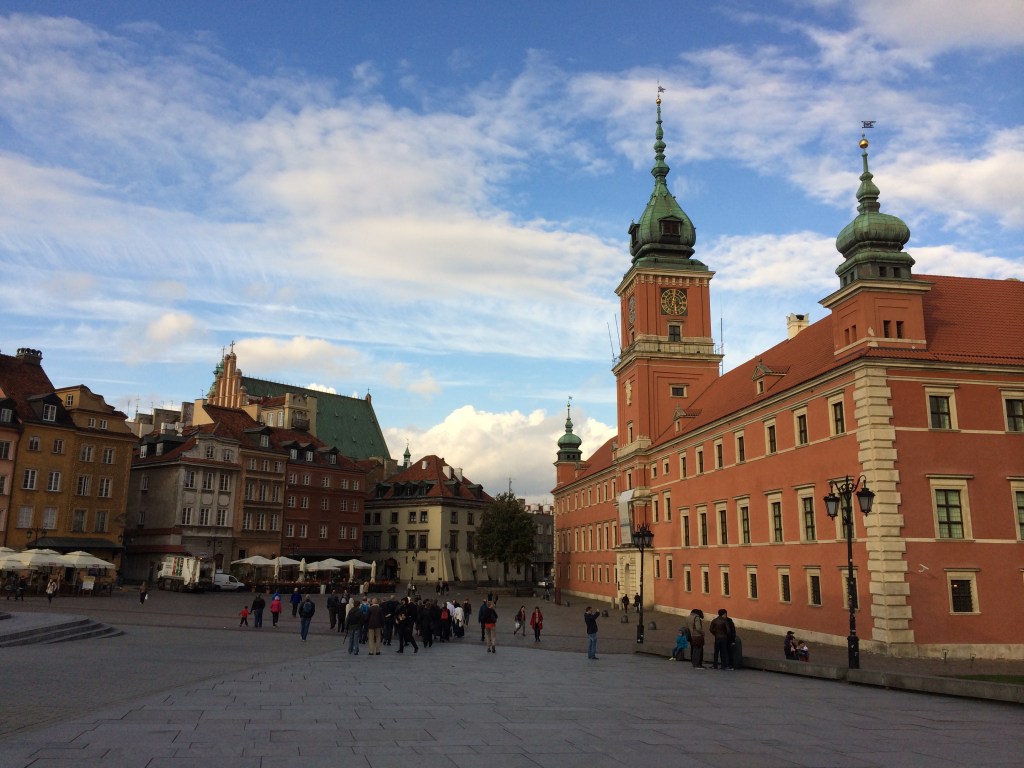
2. The World wars were dark times for Poland in general and Warsaw in particular. The city was obliterated by Nazi bombings in WW2 as retribution to the Warsaw uprising. The uprising itself was one of the largest resistance movement of WW2. The Old Town has been painstakingly renovated for 14 years to its colorful modern day version. Plac Zamkowy or Castle Square is at the centre of the Old town. It is a popular gathering point for visitors and locals like. Christmas, concerts, football live casts makes the square vibrant in all seasons. The red brick facade of the castle has an aesthetic appeal about it and I couldn’t enough of that color tone. The Old town market square is also picturesque and usually teeming with local artisans.


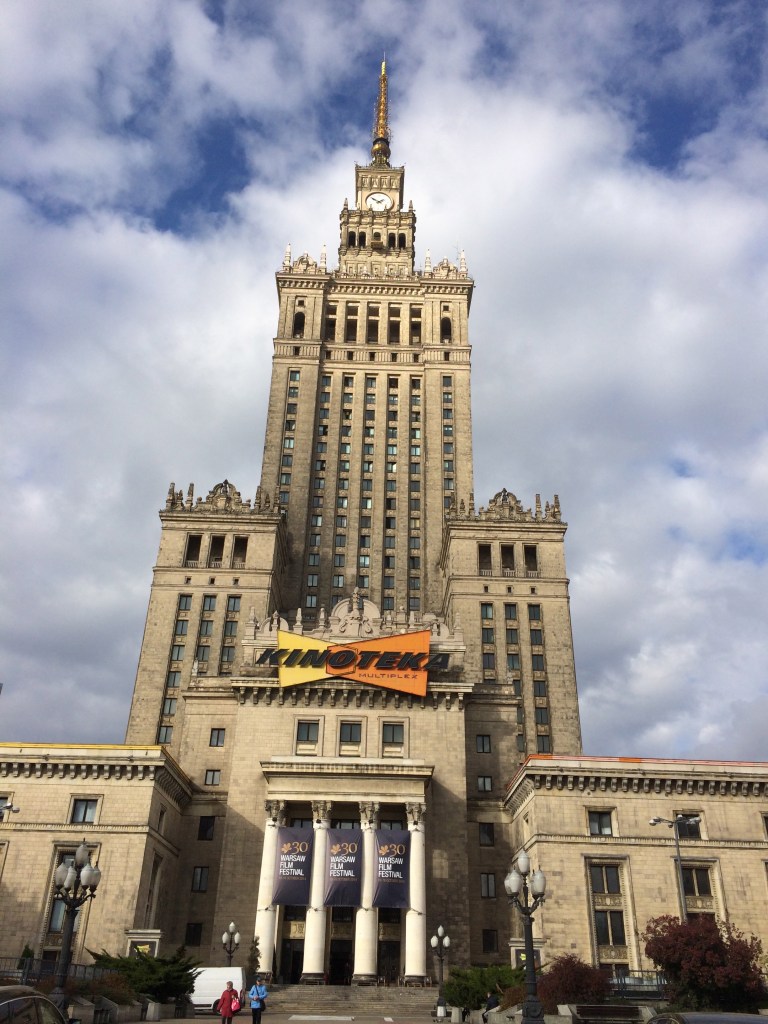
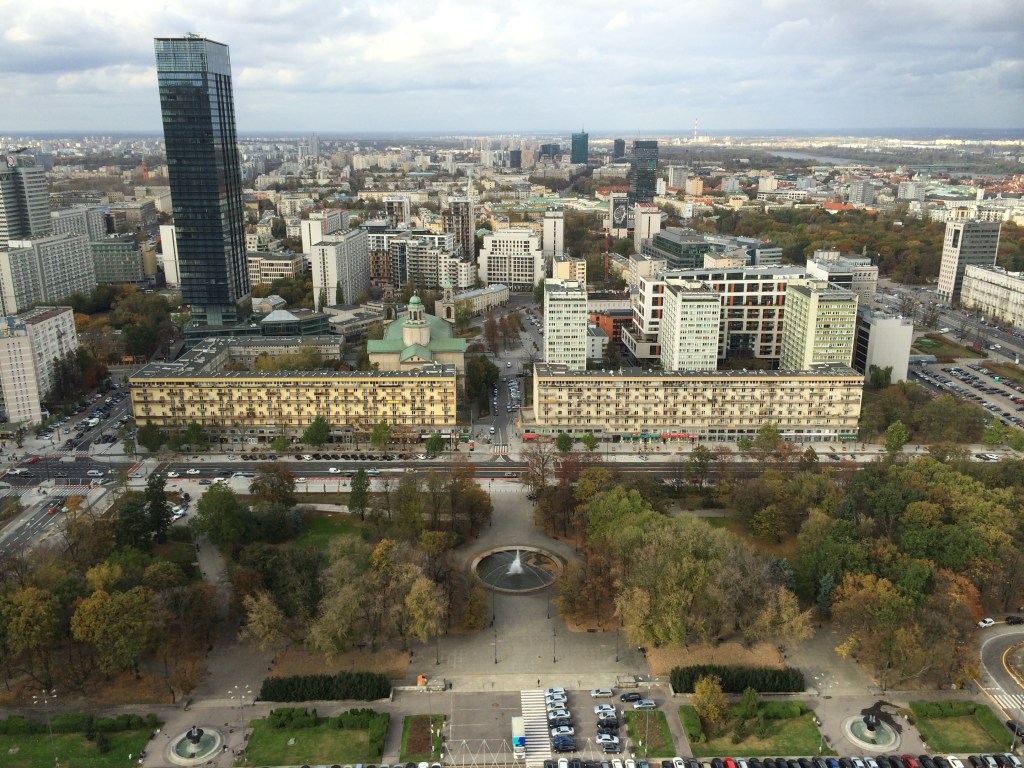
3. The Russian Communist regime influence is so obvious in many ways. Most notably, the Palace of Culture and Science 237 meters high still stands tall. It was a “gift” from Stalin to Poland and one of those things that Poles loves to hate. It is a majestic but is largely uninspiring. I actually thought that the interiors were much nicer. The view from the top was alright but I wished there was a building tour. I later found that the building was host to many conference and cultural centers.
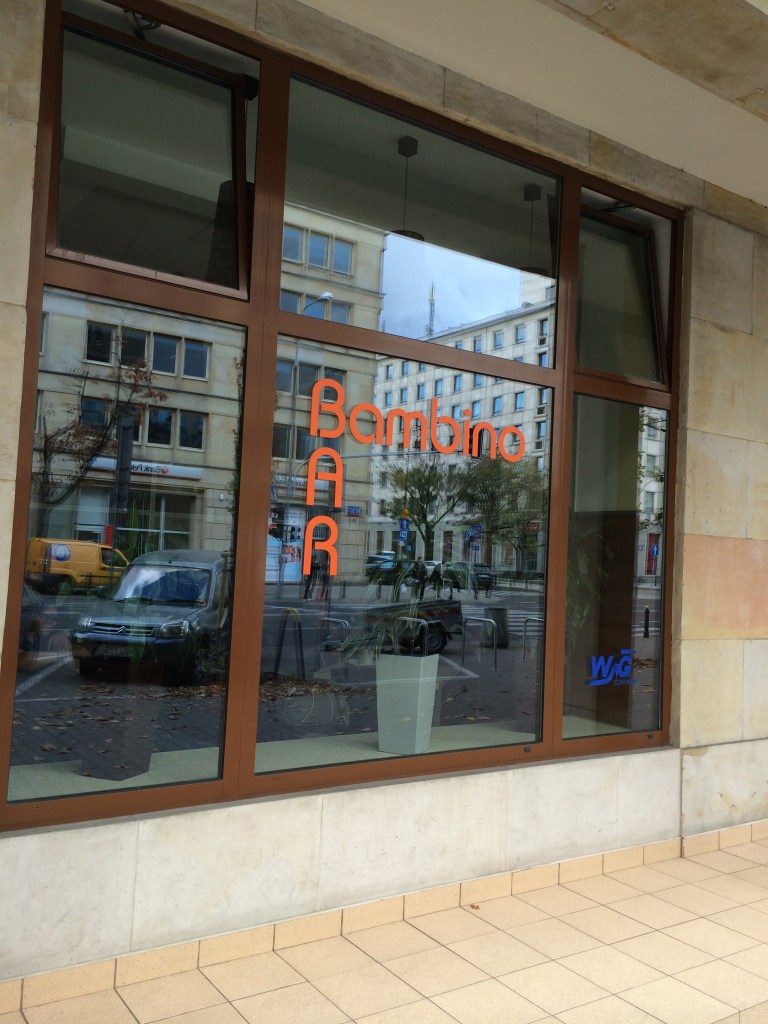
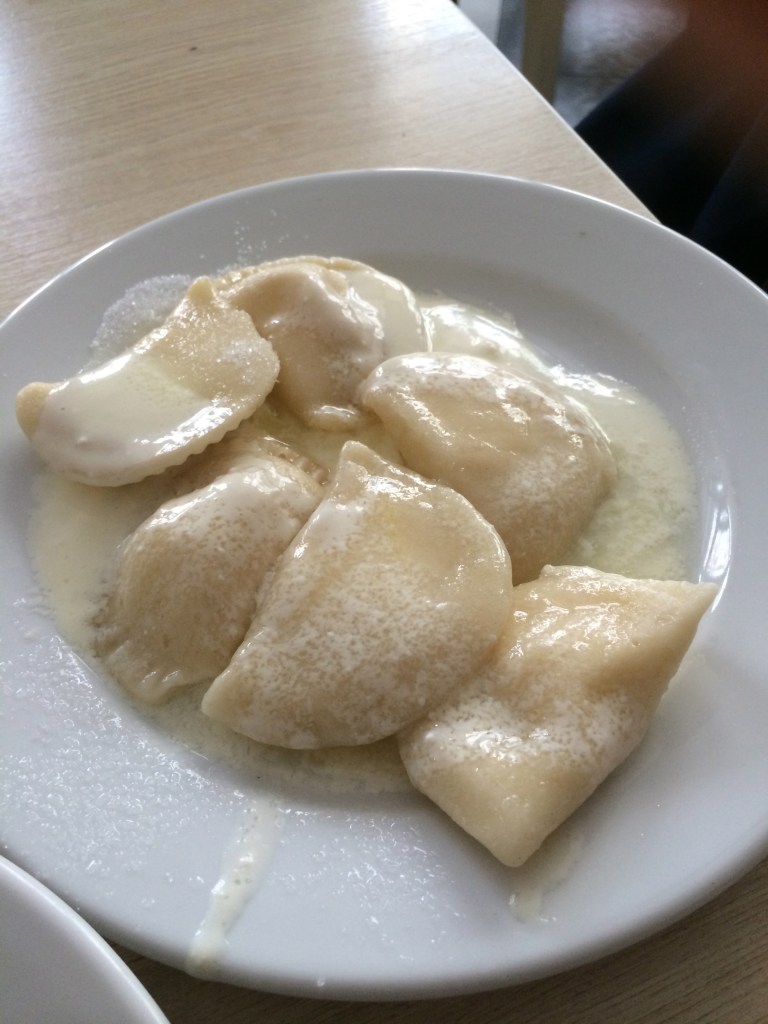
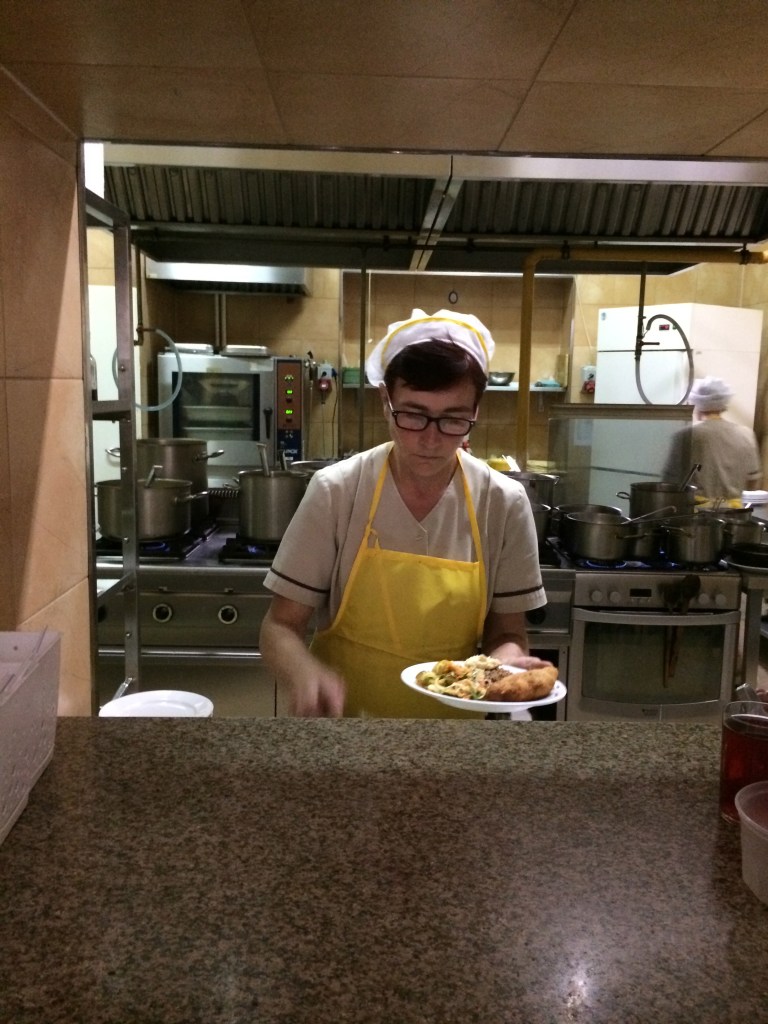
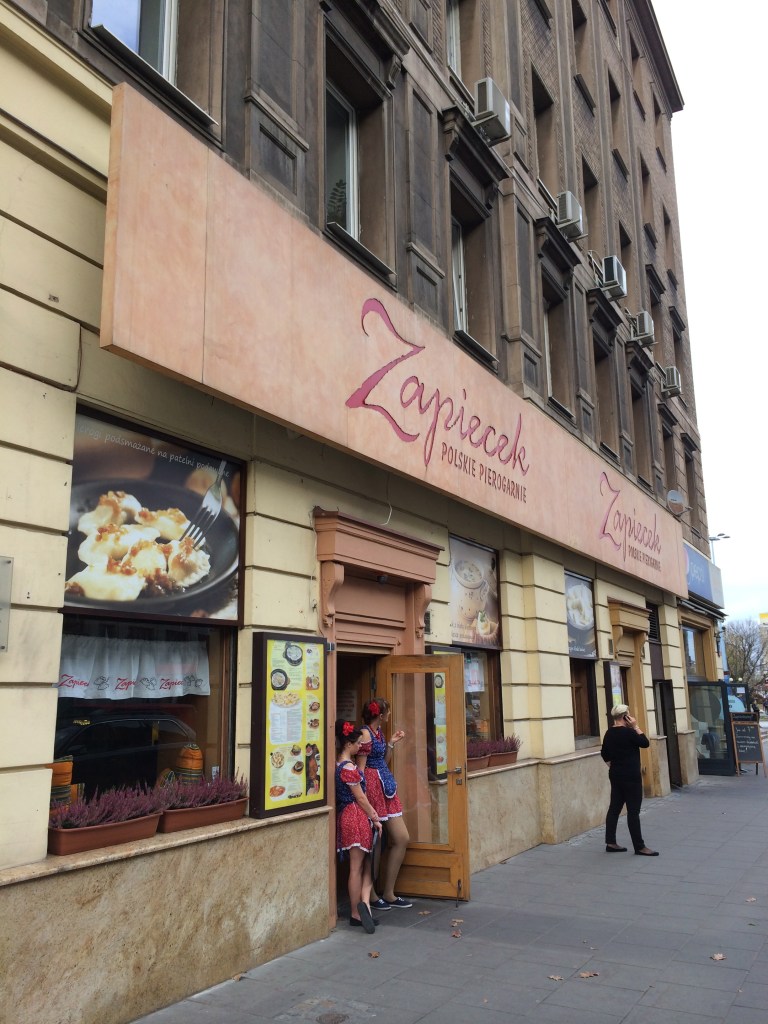
4. Milk bars are another remnant of the communist era. They functioned as subsidized cafeterias catering to the masses. Today, some of them have been restored to provide affordable rustic meals made by adorable grandmas. Bar Bambino is a relatively modernized milk bar but the menu is still old school. Pierogis, cabbage salad, potatoes and coffee for all under $10 USD but most importantly the ladies running the cafe are very hospitable even more so to curious tourists. The Zapiecek chain is also popular for the pierogis but it felt showy and had long lines. In general, food was hearty and nutritious. I didn’t get tired of all the dill seasoning as much as I thought.
5. Warsaw was home to some major celebrities back in the day. Of which, Chopin is a world renowned and my favorite. He was pianist and composer of the Romantic age. (1800s). He spent his early years in Warsaw before moving to Paris. Fryderyk Chopin Museum captures some of this history and is a must visit for every Chopin fan. Also, the Warsaw international airport is named after him. Nicolaus Copernicus, the famous astronomer who proposed the heliocentric system i.e planets orbited the sun is also memorialized in Warsaw through statues and street names. The science museum in Warsaw is also named after him.
 flagsandforks