1. Lisbon is a picturesque city and easy to fall in love with. The hilly neighborhoods with their bright red roofed houses and pastel colored walls is as quaint as it gets for any capital city. But most of it was constructed after the devastating 1755 earthquake financed by the gold riches from the region of Minas Gerais in their colony, Brazil. But the foundation of Lisbon was laid by the Phoenicians. It was then conquered by Greeks, Carthaginians, Romans, Germanic tribes and finally by the Moors. Alfonso I of Asturias undid the Moorish conquest. Alfonso III moved the capital from Coimbra to Lisbon and laid the foundation for centuries for maritime expansion. In the end, it was the merchant class that made the port of Lisbon one of the most important in the world. They enthroned the Aviz dynasty and helped establish Casa da Guiné e Mina which evolved into Casa de India to manage Portuguese trading interests (including slave trade) across Asia, Africa and Brazil.
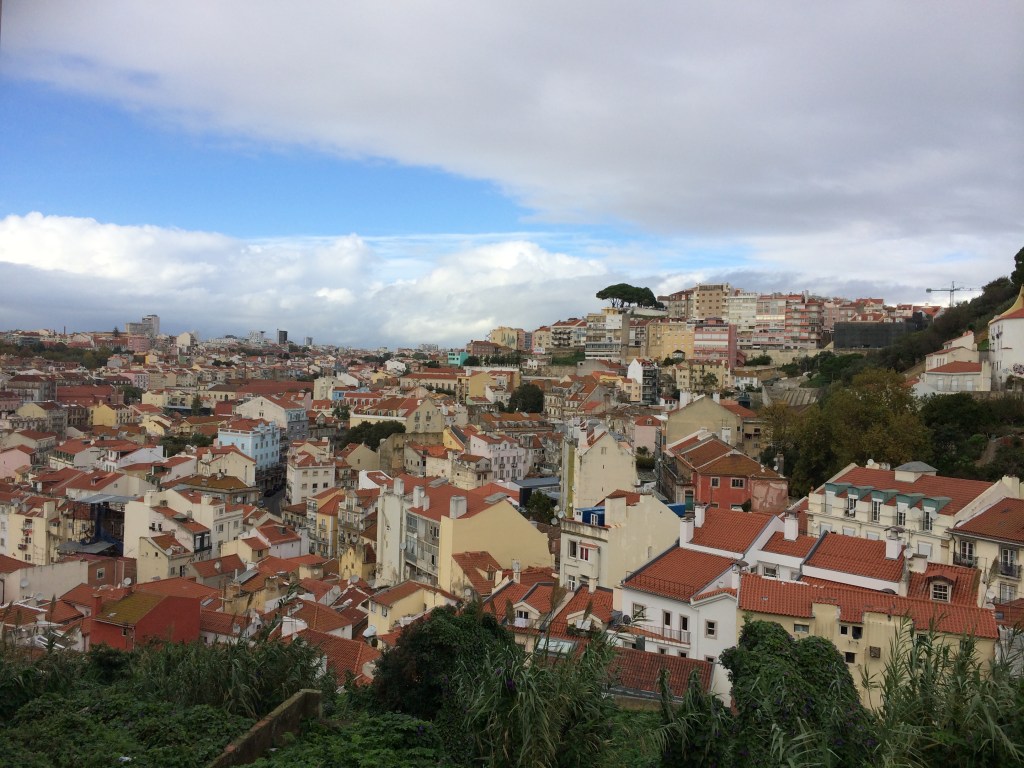
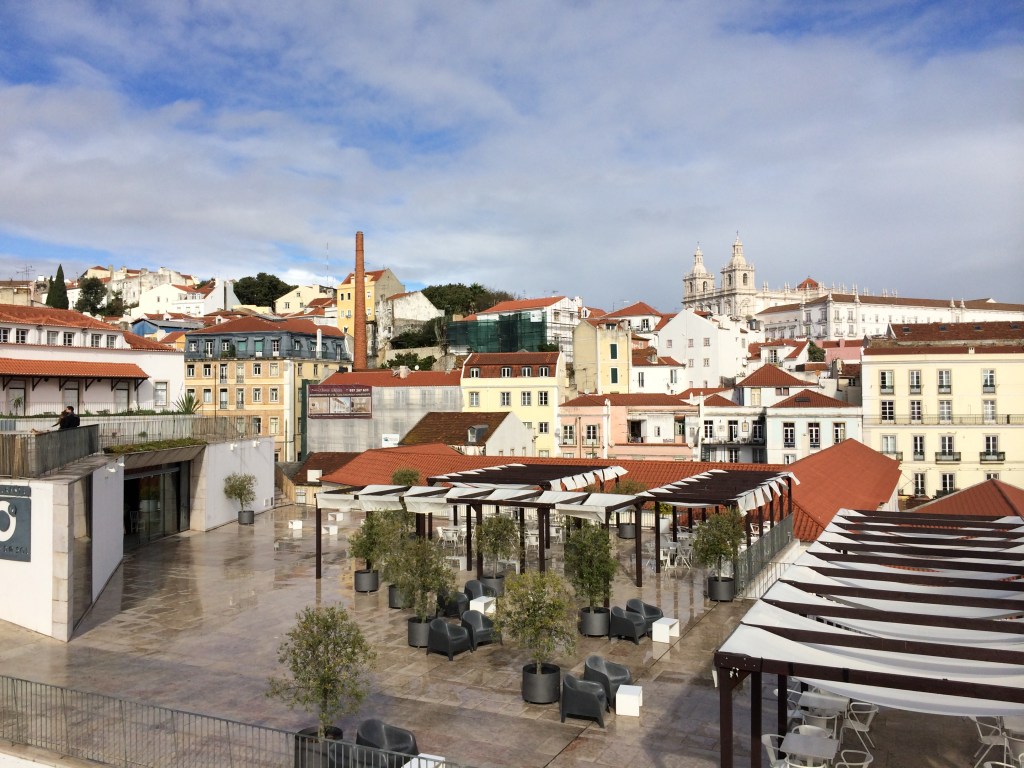
2. The tram system is very convenient and affordable. A ride on the heritage Tram 28 is a must since it crisscrosses almost every old neighborhood – Baixa, Chaido, Bairro Alto, Alfama. Miradouro de Santa Luzia viewpoint in the Alfama neighborhood is a popular stop on this tram. The funiculars were designed for the citizens of Lisbon to navigate the hilly train. The Elevador da Glória is a fun ride ending at San Pedro de Alcántara viewpoint in the artsy Bairro Alto neighborhood.


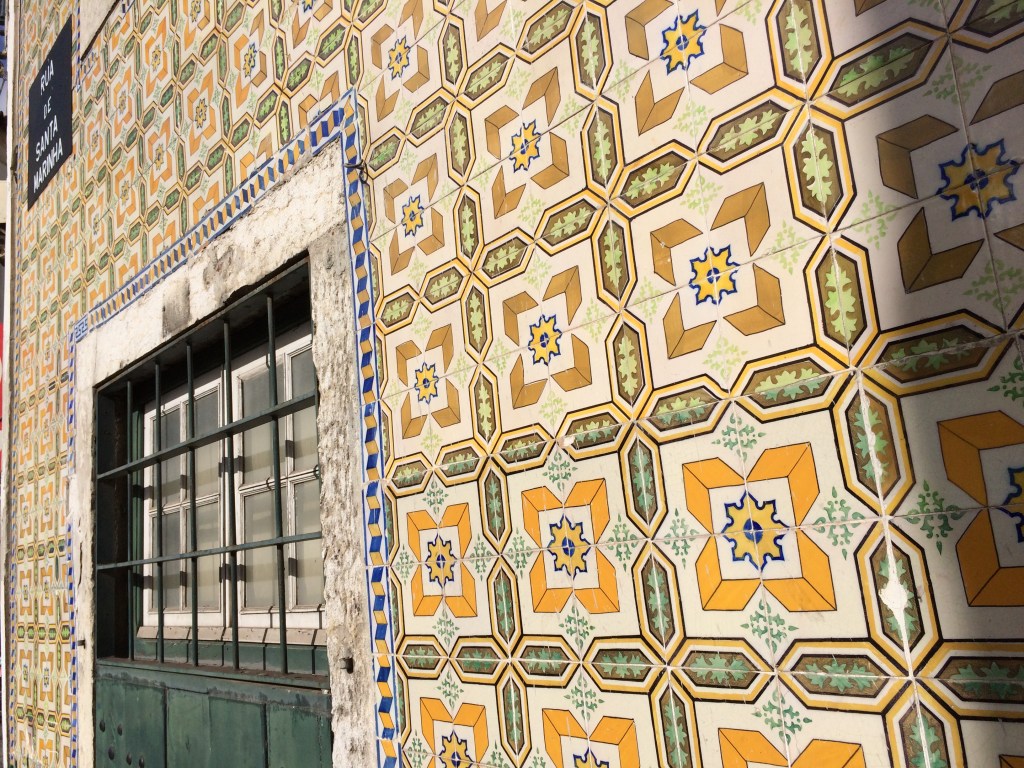
3. Portuguese ceramic tiles called Azulejo are renowned. It is hard to miss them in Lisbon. Almost every house and commercial building have facades with colorful azulejos in them, each of it is a work of art. These ceramic tiles were a cultural influence of the Moorish rule in the Iberian Peninsula. King Manuel I of Portugal brought home these tile making techniques he observed in Sevilla which was then the centre of the tile industry.
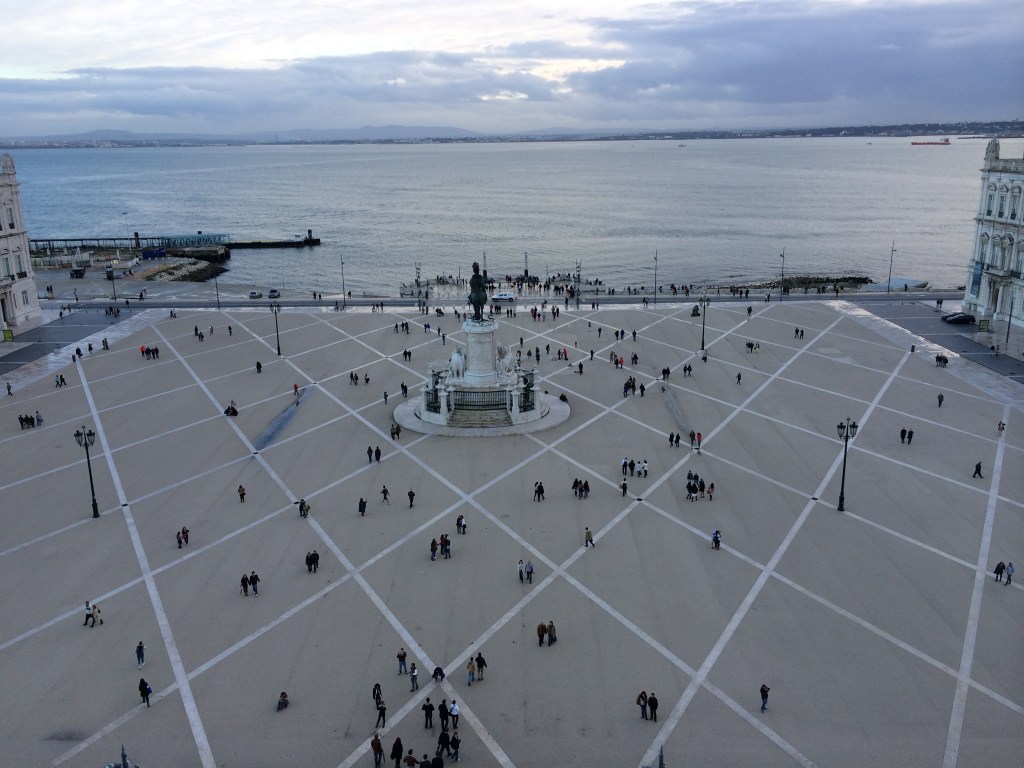
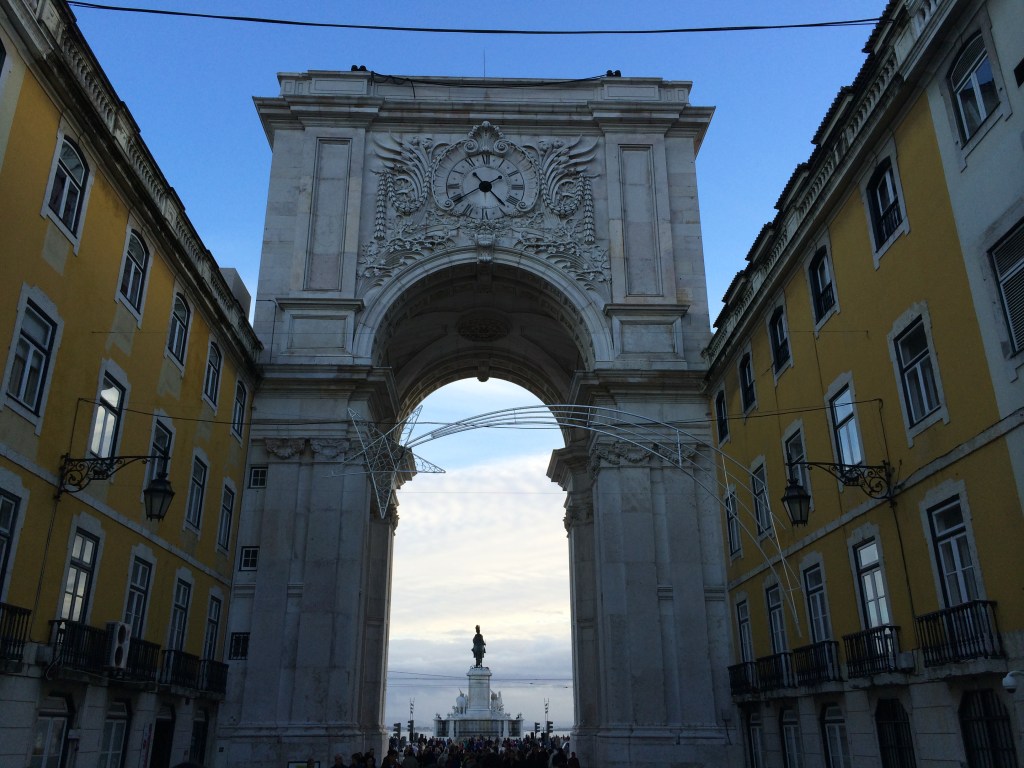
4. Praça do Comércio is one of the older commercial centres in Lisbon. While the square is great for people watching, the sunset views from the top of Rua Augusta arch are stunning. Boulevard Rua Augusta connects to the square which is flanked by pretty yellow buildings on two sides and opens up to the Tagus river at the other end. The arch itself was built to commemorate the reconstruction of Lisbon after the 1755 earthquake. It is decorated with statues of some important citizens of Portugal like the explorer Vasco da Gama, Marquis of Pombal (diplomat who led the reconstruction of Lisbon after the earthquake) and Viriato (war resistance hero from Roman times).

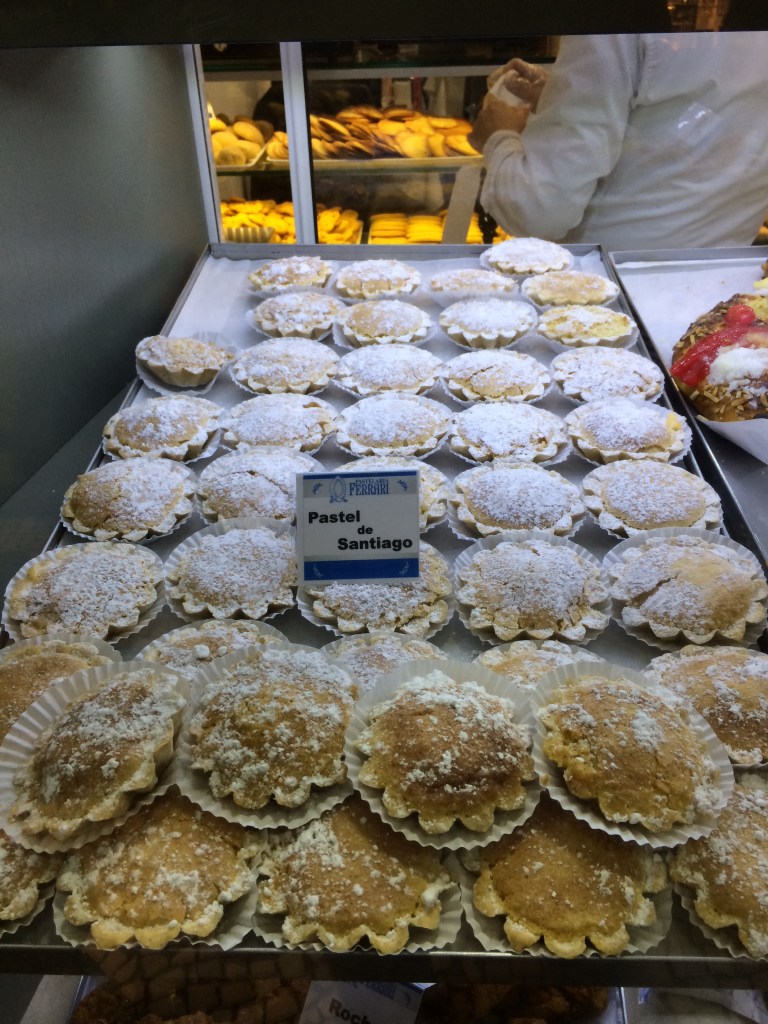
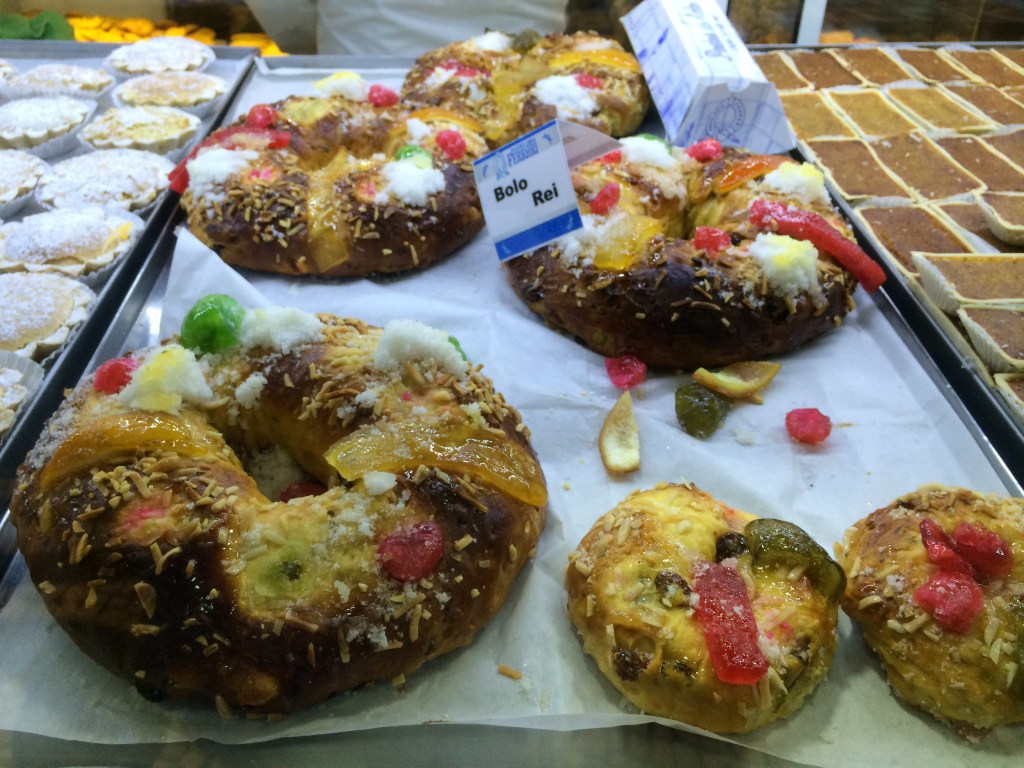
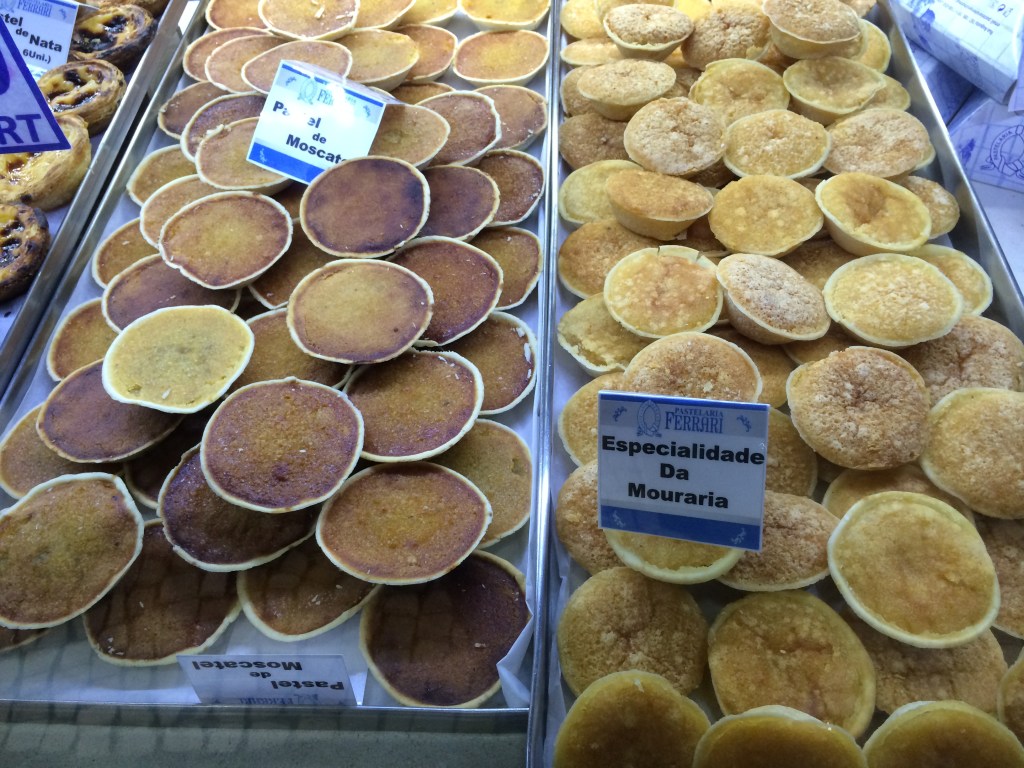
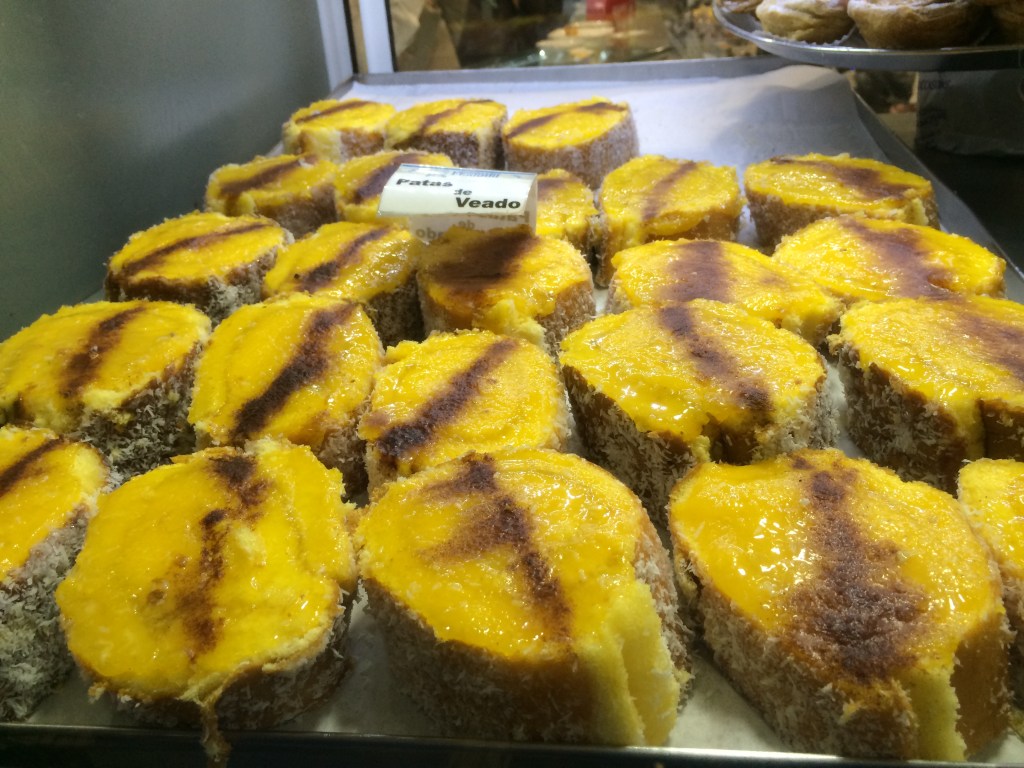
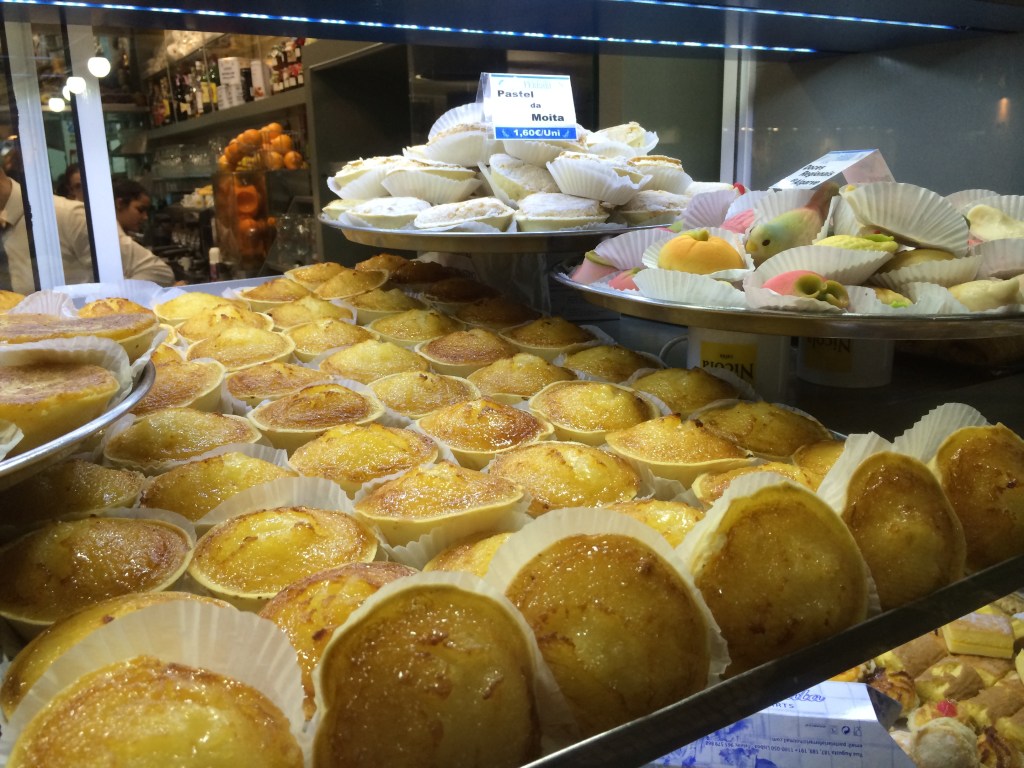
5. Portuguese baked offerings are rather under rated. The egg custard tarts(pastel del nata) have got their fair share of fame across in the culinary world especially the ones at Belem(Pastel de Belém) are world famous and does lives to the hype. But there are a variety of pasteles and cakes that live in relative obscurity. Although I have to admit, they end up looking very similar with their brown and yellow hues. Pastel de Santiago (almond cake/pie), pastel del moscato, patas de veado (swiss roll topped with egg custard) and Bolo rei (King’s cake) are among the few that I sampled.


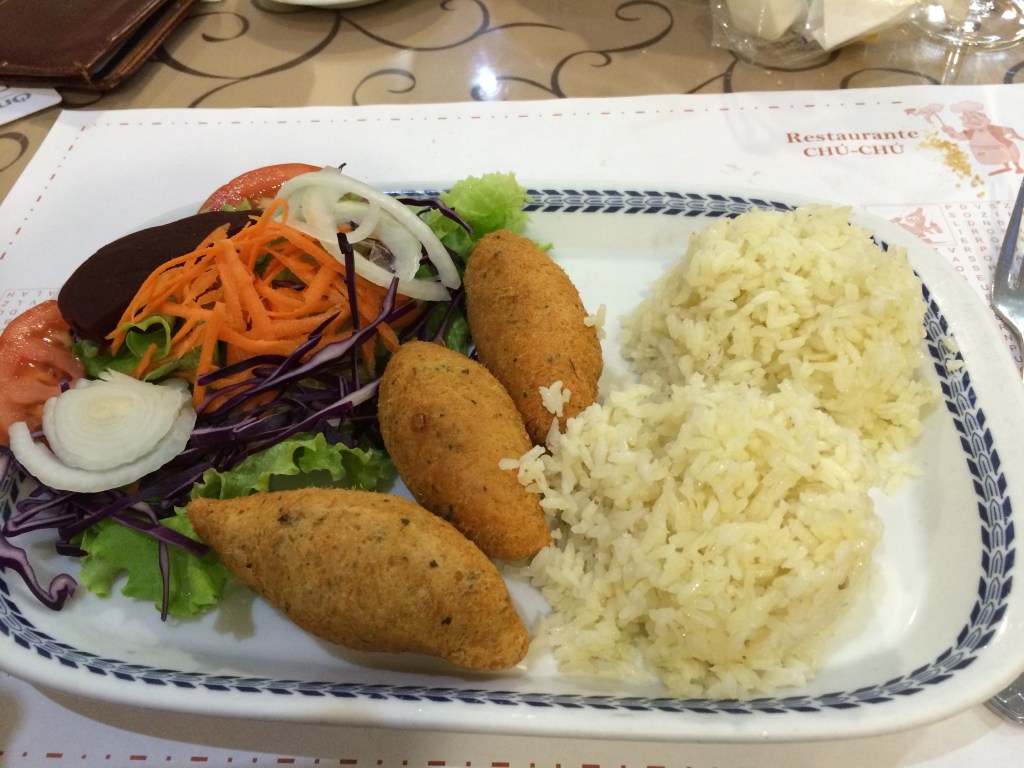
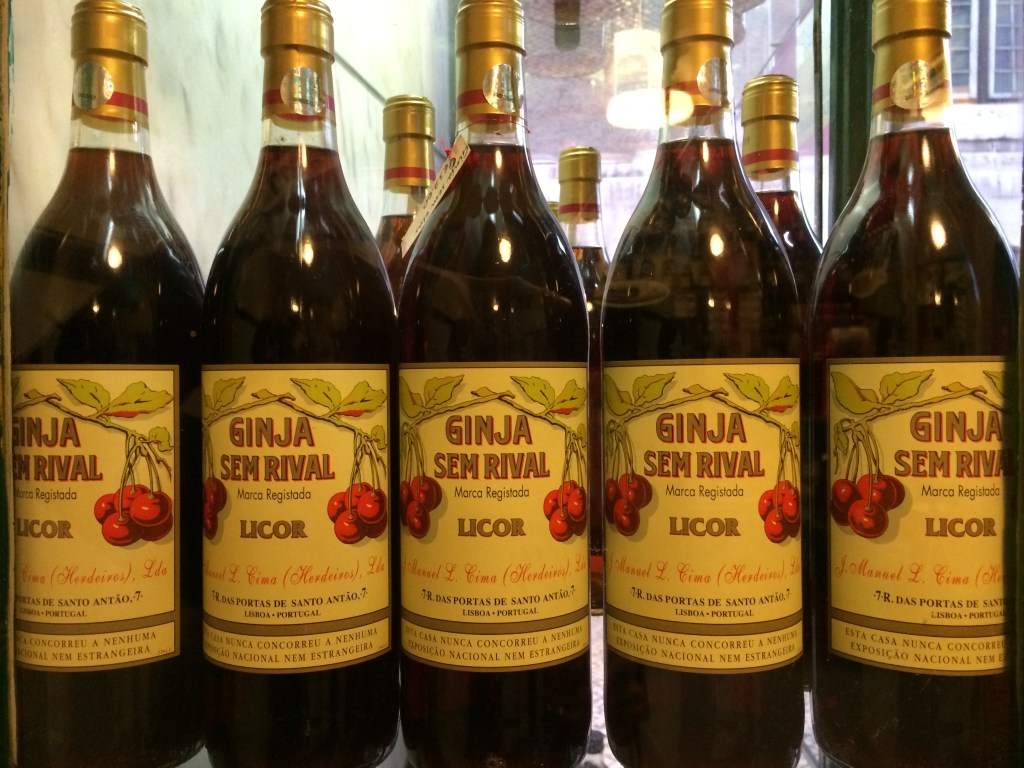
6. Bacalhau (dry salted cod) is as ubiquitous as it gets and probably the national dish of Portugal. It is usually into made into croquettes(pasties de bacalhau) or stews but there are probably hundreds of Bacalhau based Portuguese recipes. Bacalhau itself was a result a clever hack invented by sailors to transport cod from distant seas to their homeland. Cod preserves well with salting and drying as it has a lower oil content compared to other fish. As time went by, Portuguese palates acclimatized to the preserved version and is now a kitchen staple. Giginja is a cherry liqueur made by soaking sour cherries and spices in a high proof alcohol. It is sharp, sour, sweet and strong, licorice-ish but better. Aguardente de Medronho dubbed as firewater is what you drink to get hammered quick. It is vile and will heat up your throat on its way down.
7. Fado music is very unique to Lisbon. It is very evocative and meant to create ‘saudade’ which is a feeling of longing. It is thought to have originated in the sailor bars of Alfama wherein sailors would express their pent up emotions from their maritime explorations. Today, it has evolved into a performance art. There are plenty of Fado dinners to get a taste of this soulful musical style.
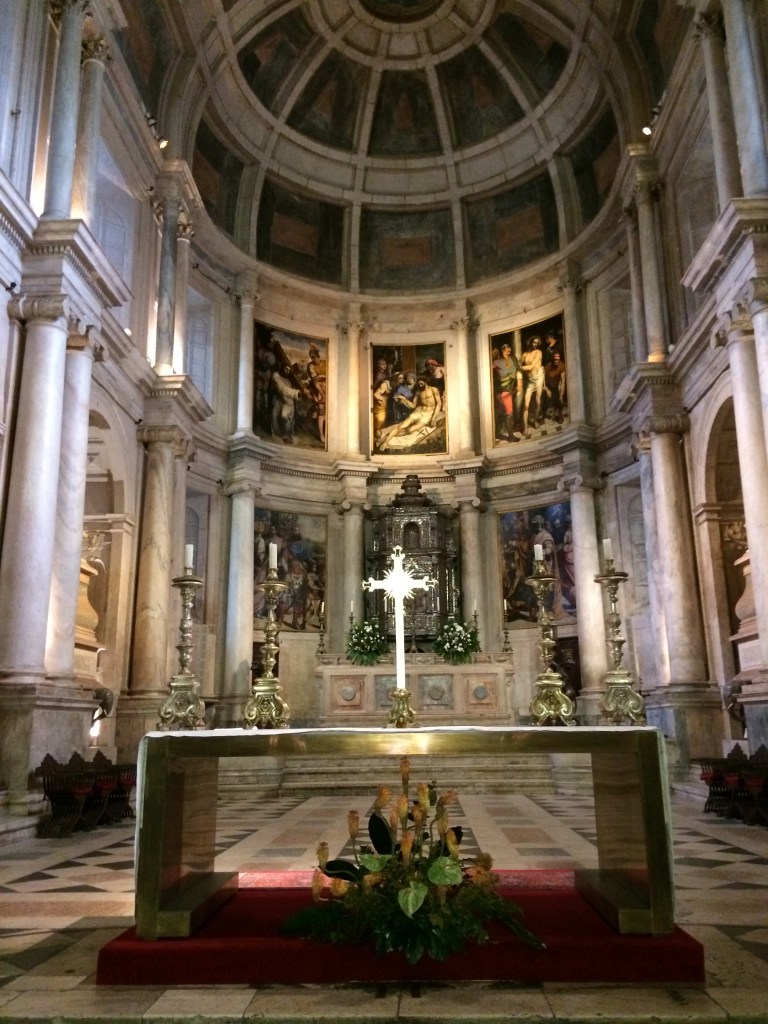
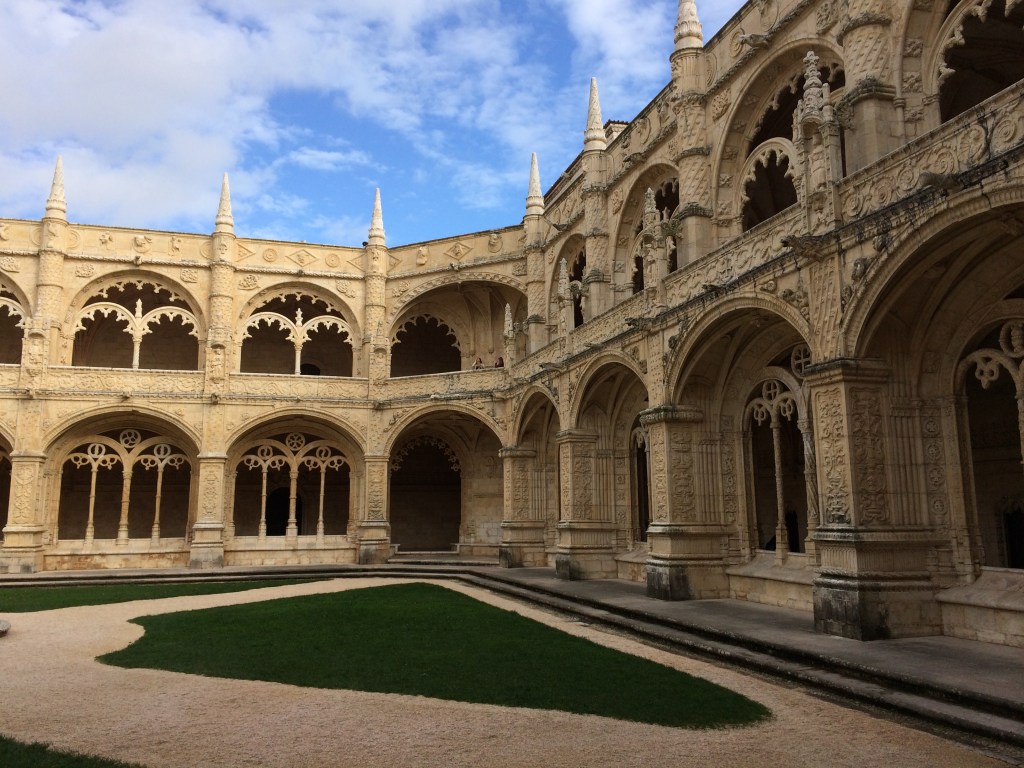
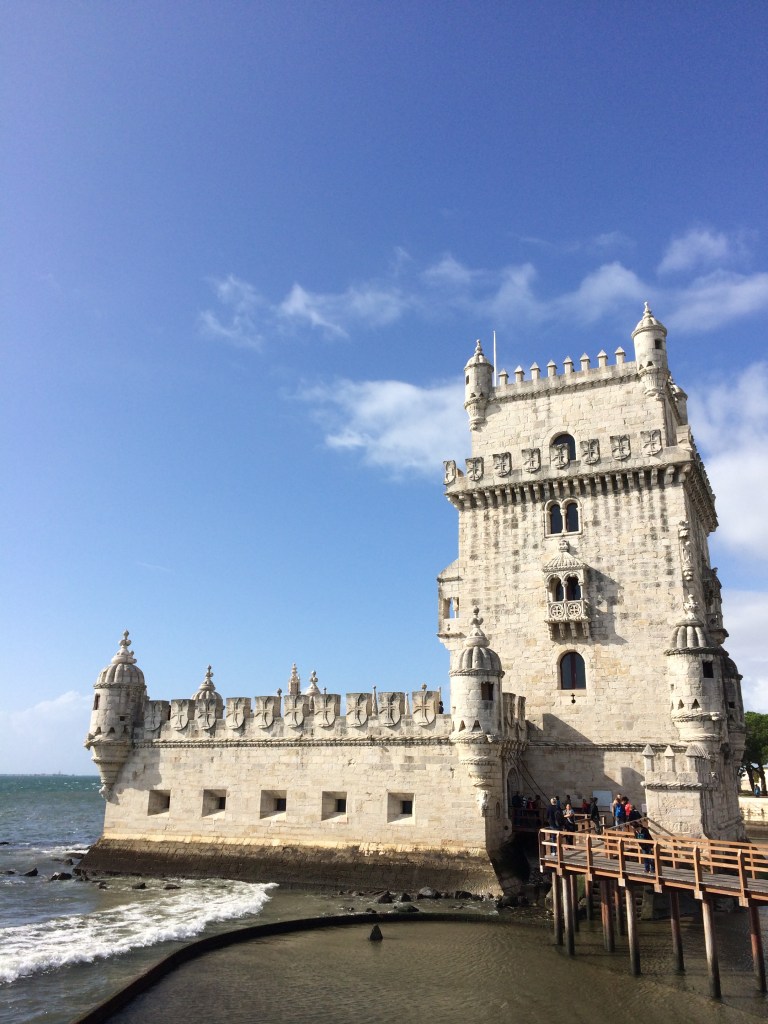
8. Belem has more to it than Pastéis de Belém although that alone is a good enough reason to pay a visit. The Jerónimos Monastery which is down the road is a UNESCO monument with stunning ornamentation both in the Santa Maria church and the adjoining cloister. Belem tower might look pretty with its whitewashed walls and intricate carvings but it was primarily built as a defensive post. The ground floor once housed 16 cannons. The prisoners pits are unique due to the space constraints in the tower but then again human race hasn’t changed much in this regard even centuries later. Thankfully, It was later transformed into a lighthouse.
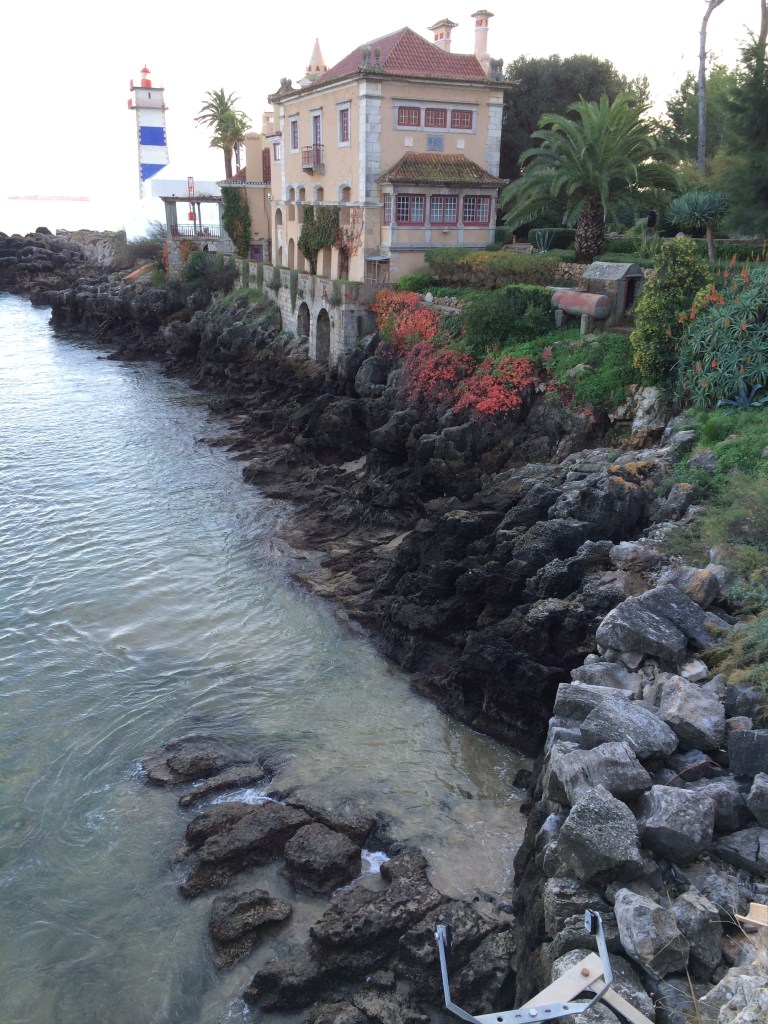
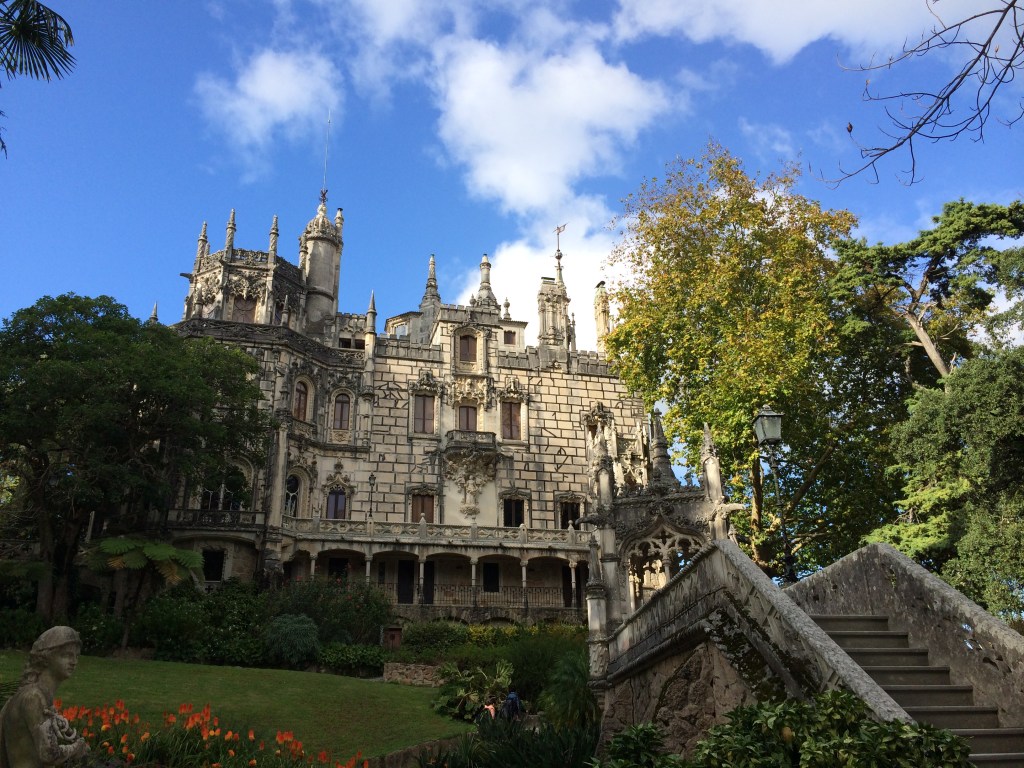
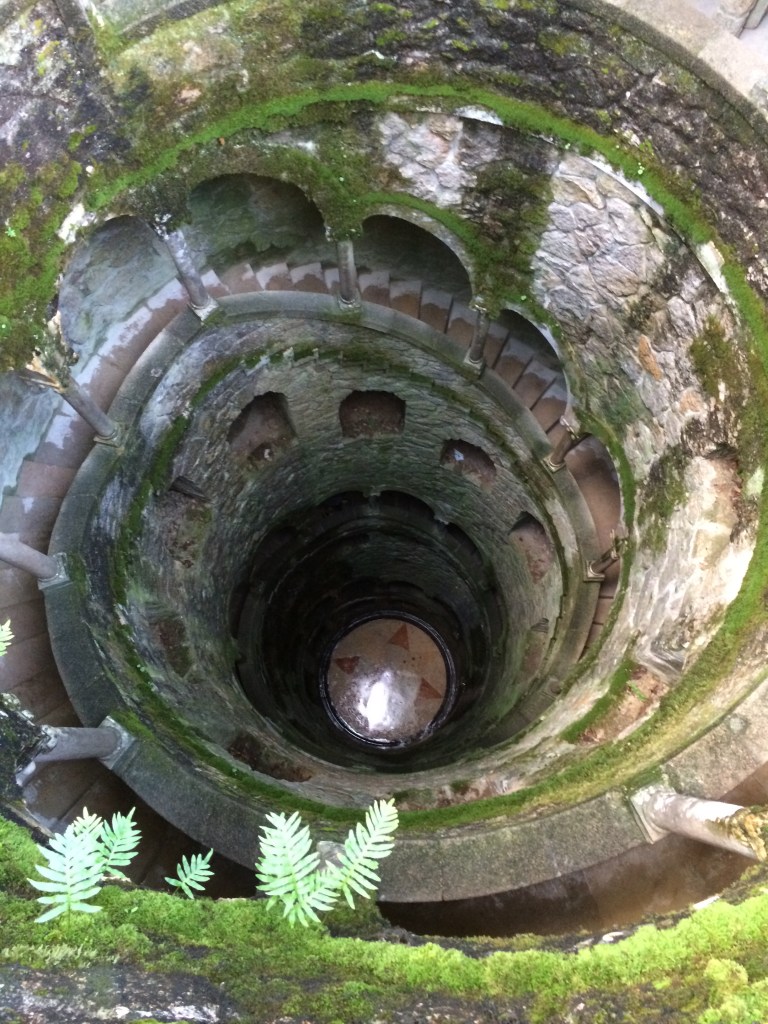
9. The Santa Marta beach at Cascais is perfect for a sunny day. The beach isn’t too crowded and there is a nicely restored lighthouse that is a perfect backdrop for sunsets.Sintra merits a few days on its own but I was glad I squeezed in at least day trip.Quinta da Regaleira is by far the most fascinating building that I have ever visited. It is so mystical and worthy of days of exploration so much so that I could write an essay about it.
10. Sintra merits a few days on its own but I was glad I squeezed in at least day trip.Quinta da Regaleira is by far the most fascinating building that I have ever visited. It is so mystical and worthy of days of exploration so much so that I could write an essay about it.

 flagsandforks