1. Budapest is divided into two by the Danube river – Buda and Pest. However, it was originally created by merging 3 cities – Buda, Óbuda and Pest in 1873. The origins of the city go back to Roman times. It was founded as Aquincum. Romans were succeeded by the Huns, Germanic tribes and Avars. The Bulgarians scattered the tribes while one clan stayed back and established the Arpad dynasty. It was under them that Hungary was born and established as a Christian state. But after a couple of centuries of relative stability, the Ottomans and Hapsburgs occupations ensued. After the Austro Hungarian compromise of 1867, there was a period of phenomenal growth and building. Pest was actually modeled after Paris and built to include to large boulevards and gardens. The 20 century was more tumultuous dominated by Nazi influenced fascist rule followed by a very long Soviet occupation. It was only in 1989 that Hungary became an independent republic.
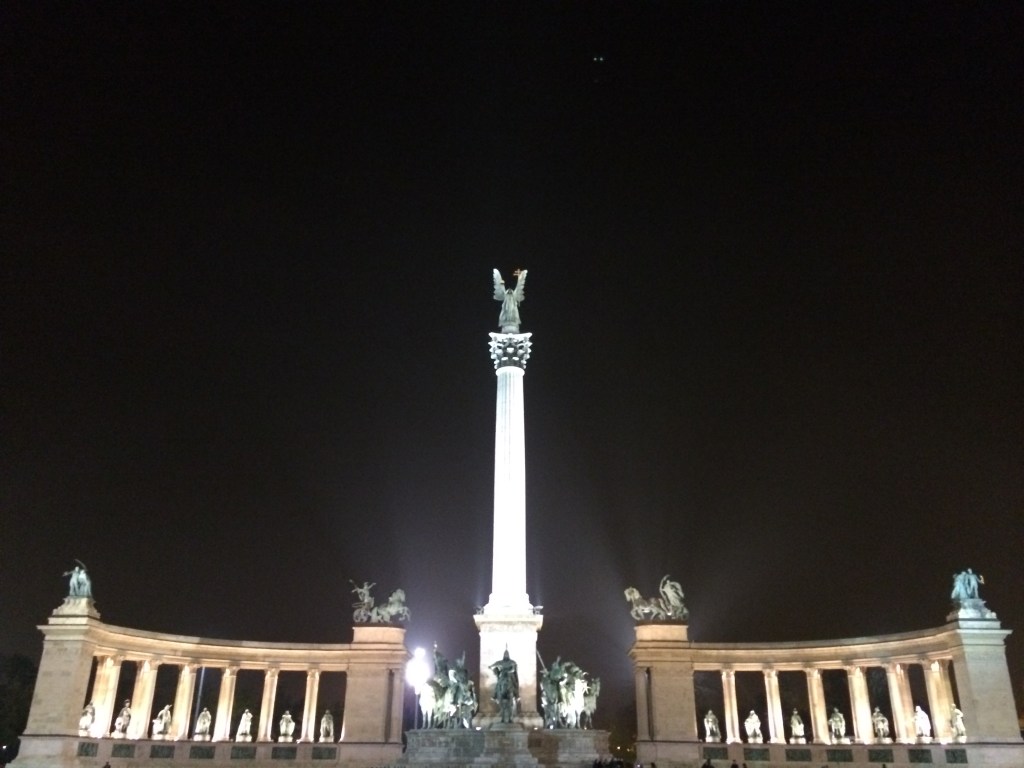
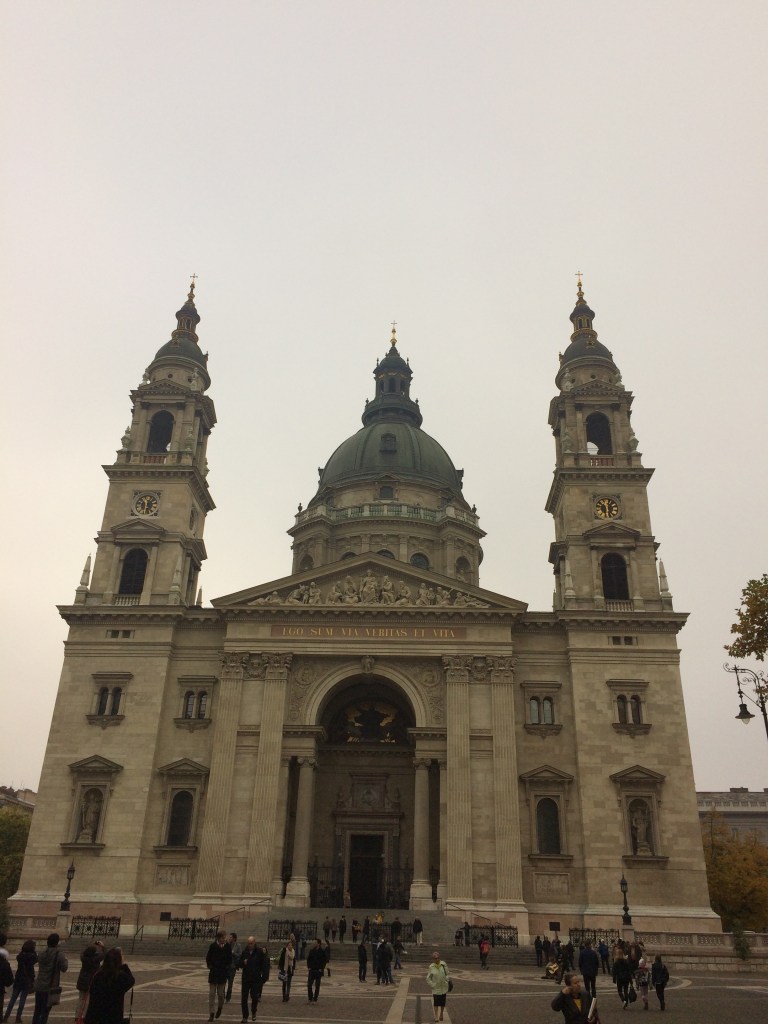
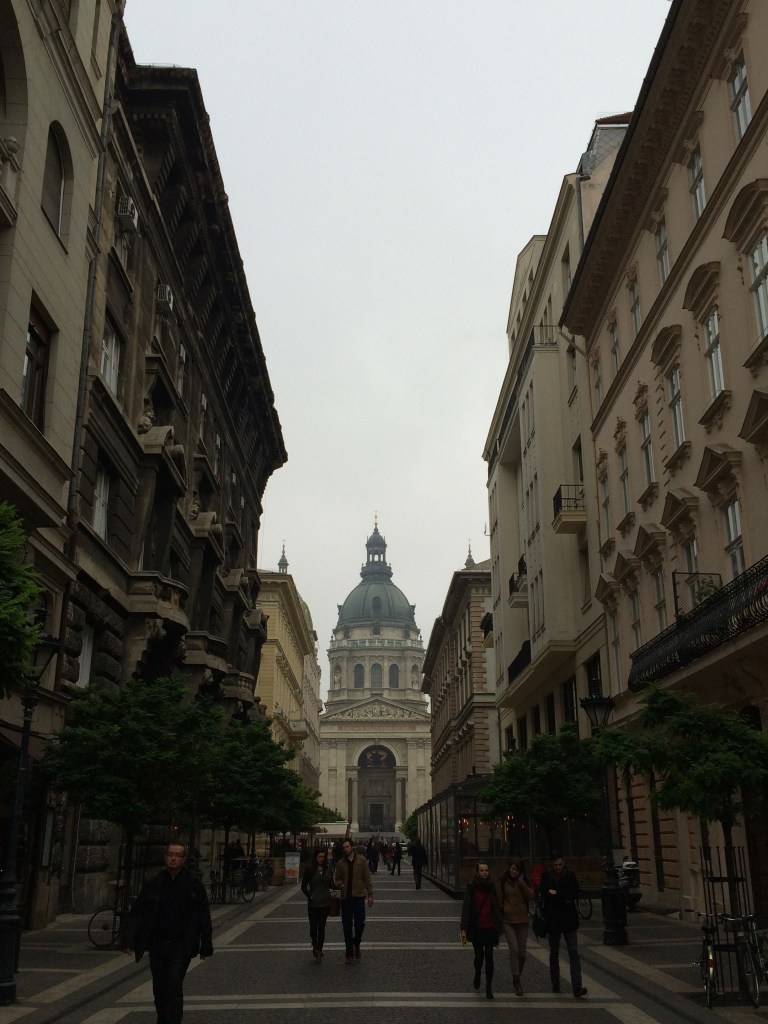
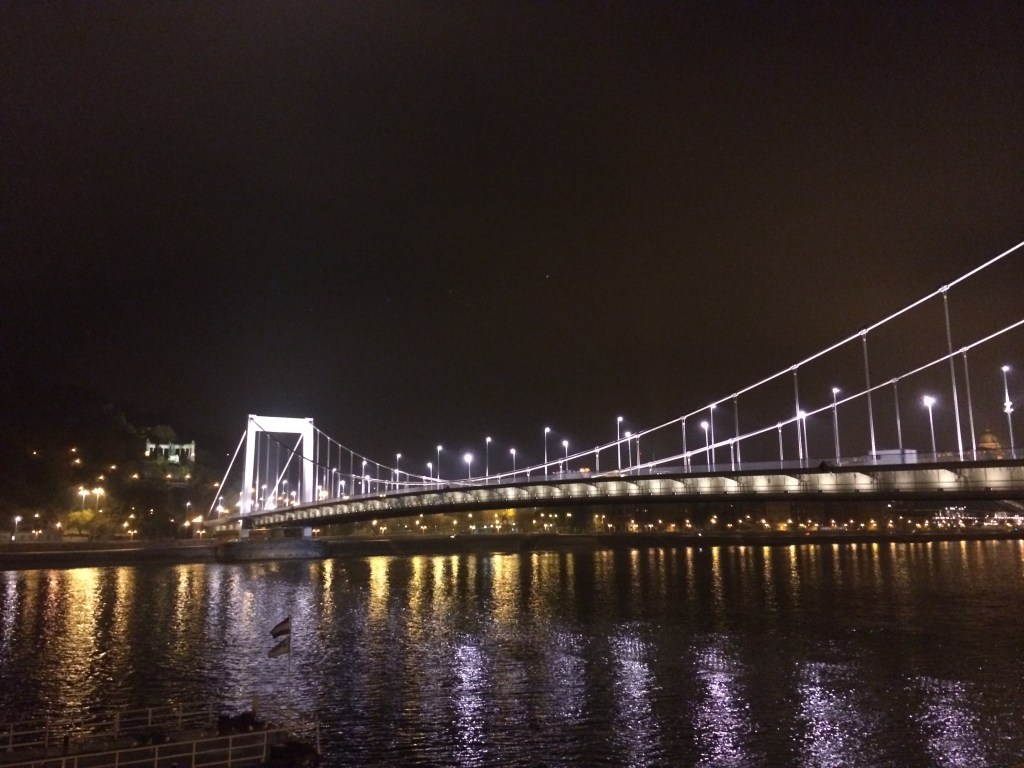
2. Buda and Pest (pronounced as Phest) are twin cities and have their distinct personalities. Geographically, Buda is hilly while Pest is flat. Buda has a more aristocratic air to it with the former Austrian Hapsburg court reigning from Castle Hill.They are 8 bridges connecting Buda and Pest today but they were mostly rebuilt after being destroyed in the second world war. The Heroes’ Square and St Stephen’s Basilica are important monuments on the Buda. The Heroes’s square was built to commemorate the thousandth anniversary of the Hungarian conquest of the Carpathian Basin. Hence, the complex prominently features the seven chieftains of the Magyars. The St Stephen’s Basilica is one of the highest churches in the country and is named after the first king on Hungary. It is also one of the tallest buildings in Budapest.

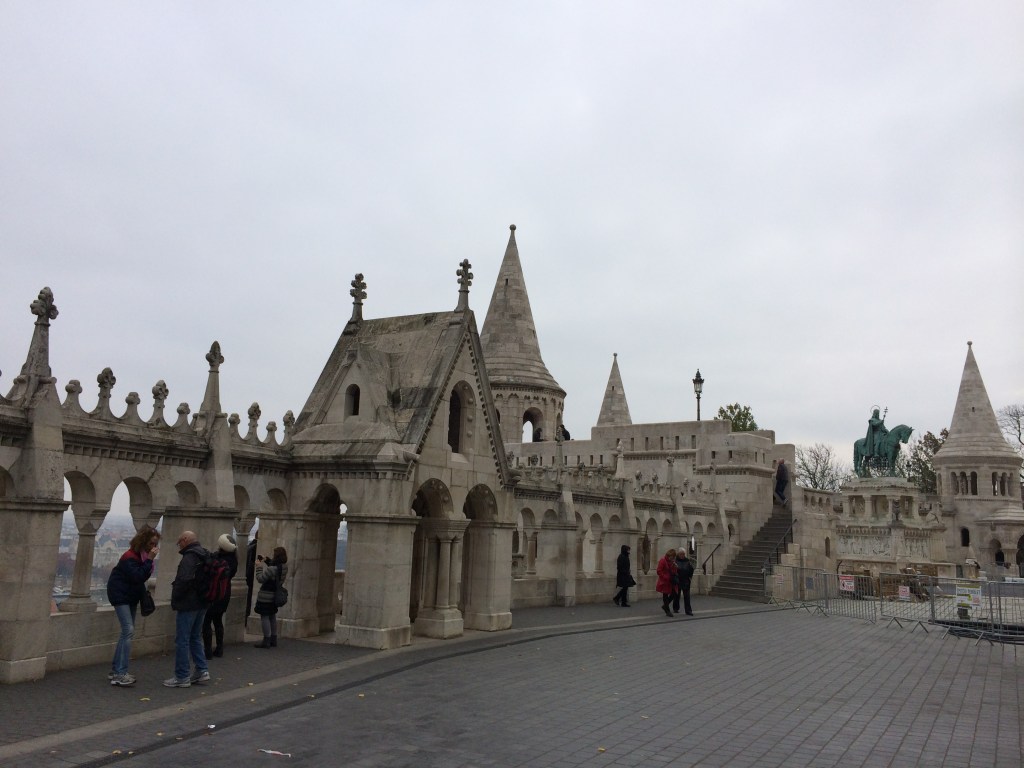
3. Buda Castle district preserves the history of Budapest in a nutshell. The Royal Palace and the Gothic Mathias Church are wonderful pieces of architecture. The fisherman’s bastion is built to enjoy those beautiful views of Pest especially the parliament. I could have sat there for hours if not for the cold weather during my visit. The castle funicular was intended to make the climb up the hill a bit easier but it just a tourist attraction now. It is worth it for views of the Széchenyi Chain Bridge and the St Stephen’s Basilica but the lines can be long.

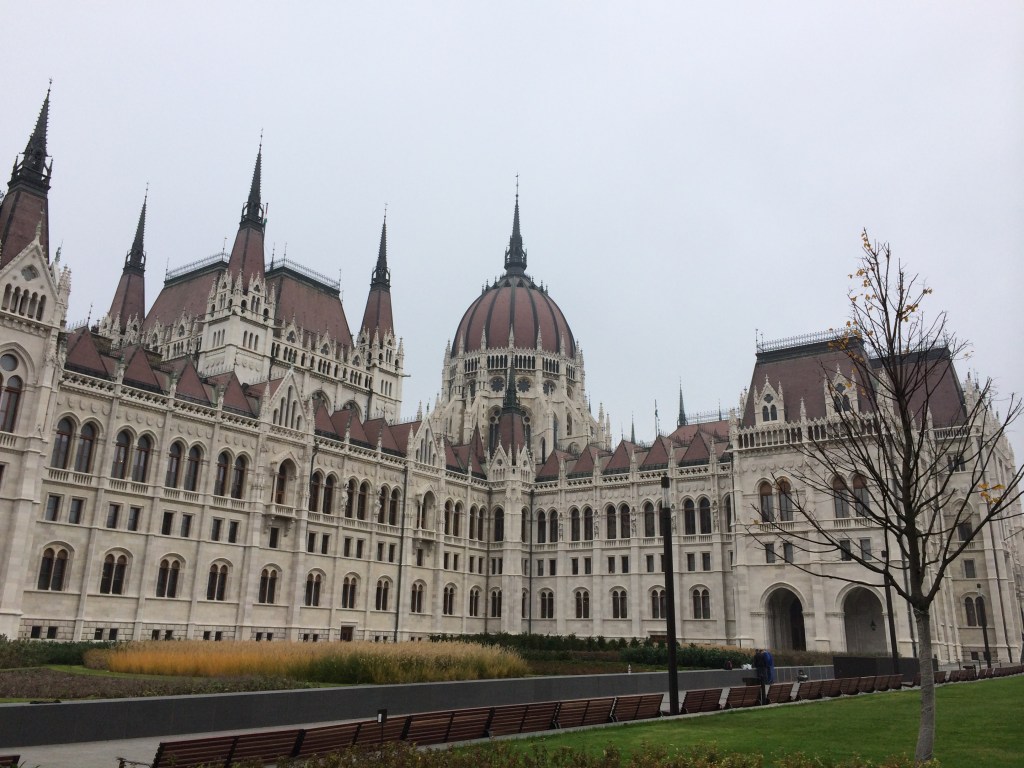
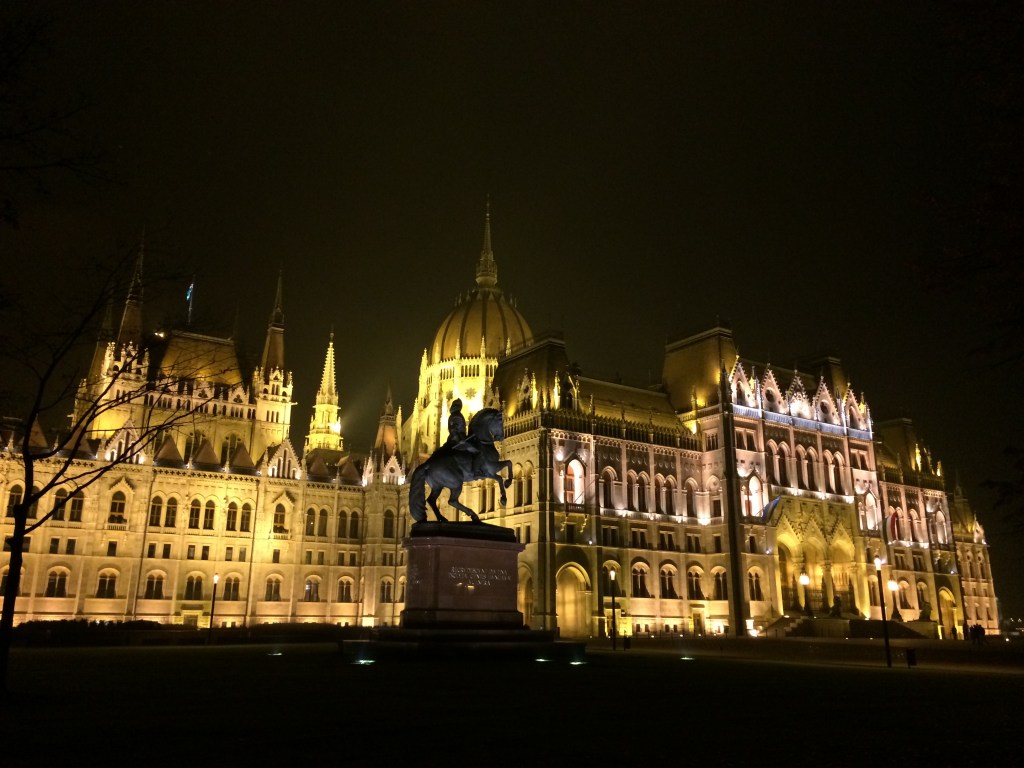
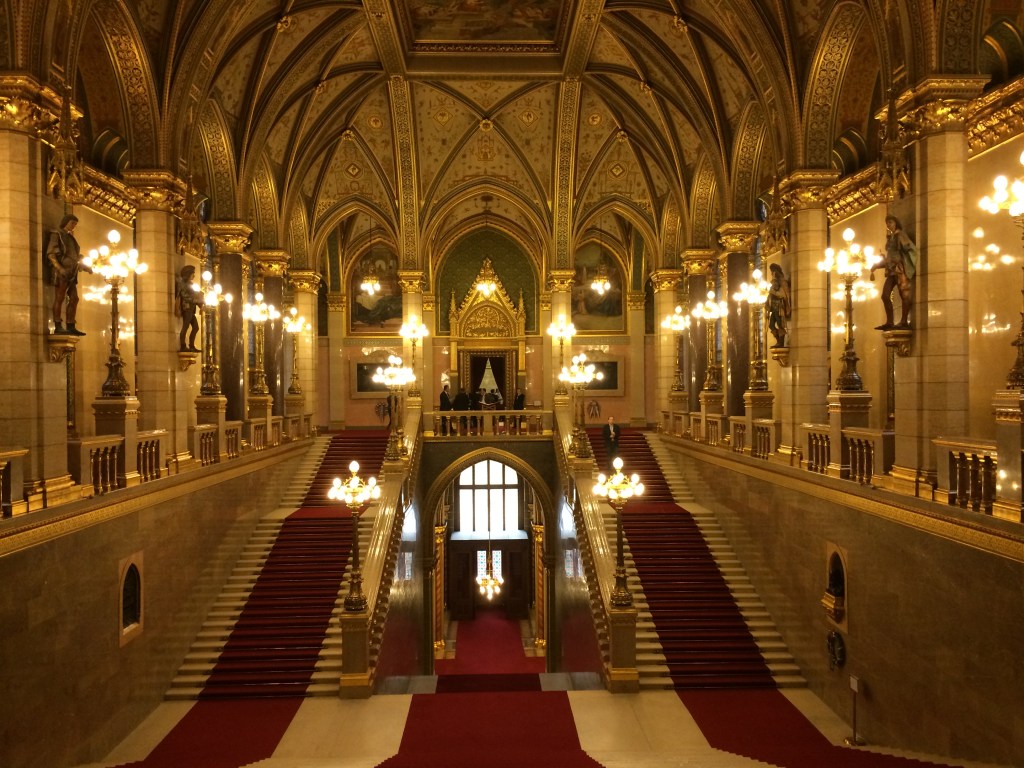
4. The parliament building is worth the trip by itself. It was designed by architect Imre Steindl who ironically went blind and died before its completion. His design was apparently inspired by the architecture of the British parliament. Built in neo-gothic style with intricate ornamentation, it has a symmetrical facade and a dome in the centre. The interiors are equally well anointed with gold and velvet hues dominating the color palette.The building tour is the only way to get a glimpse into the insides of the building. While the tours can get a bit crowded at times, it is still worth it.

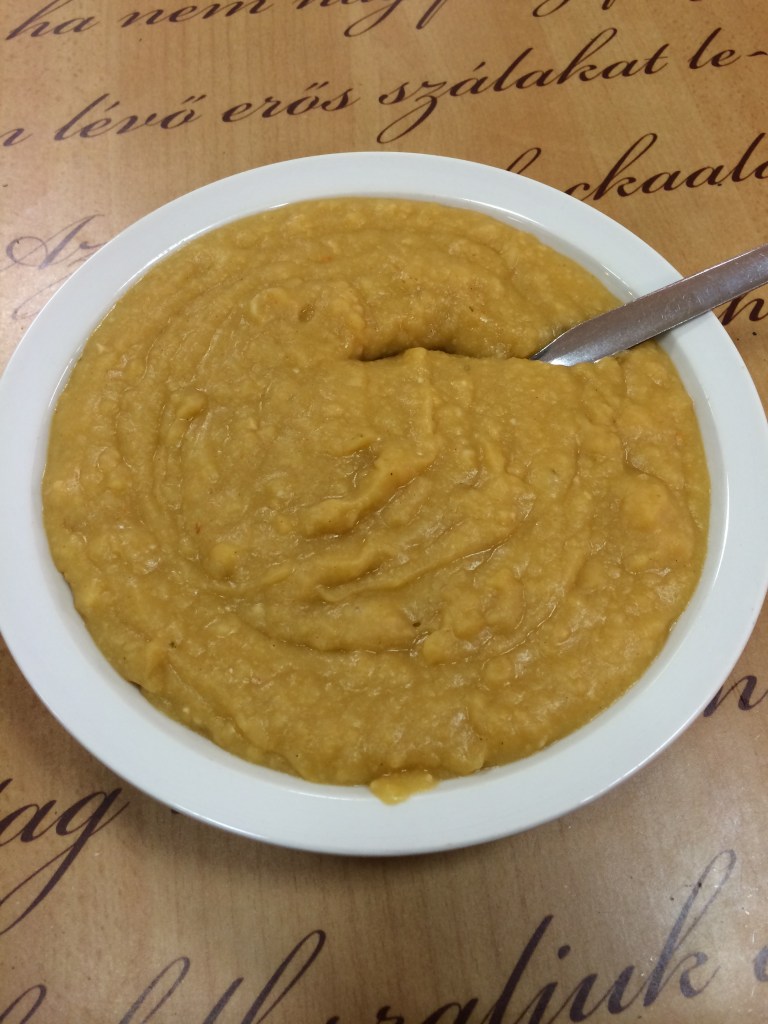
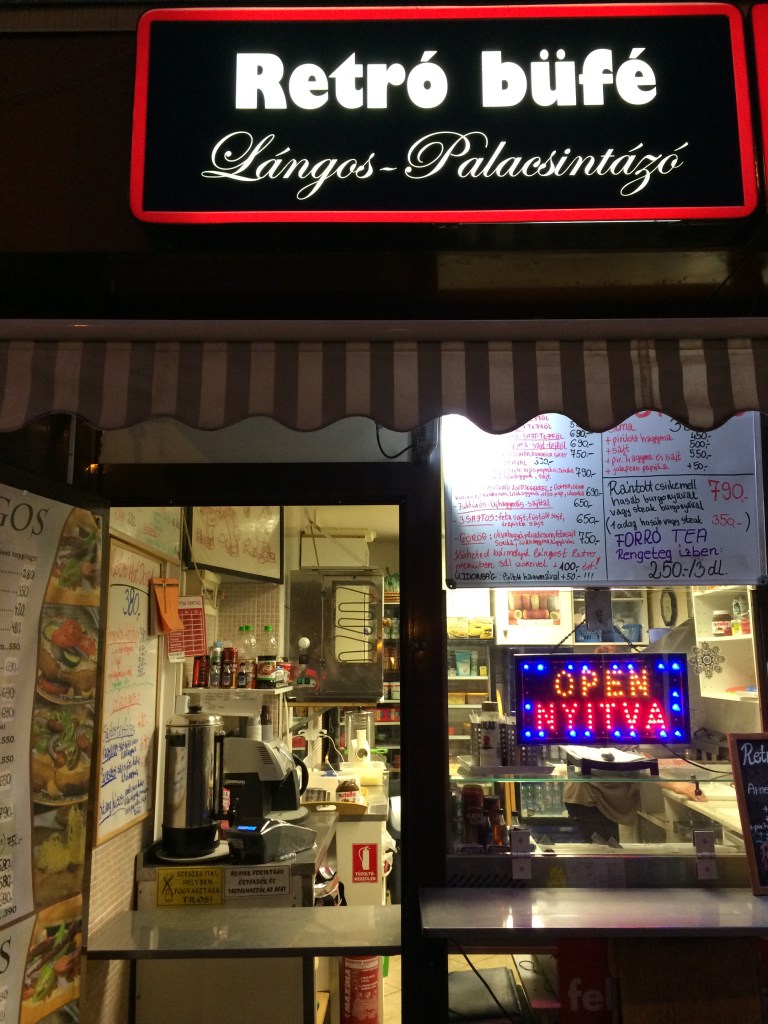
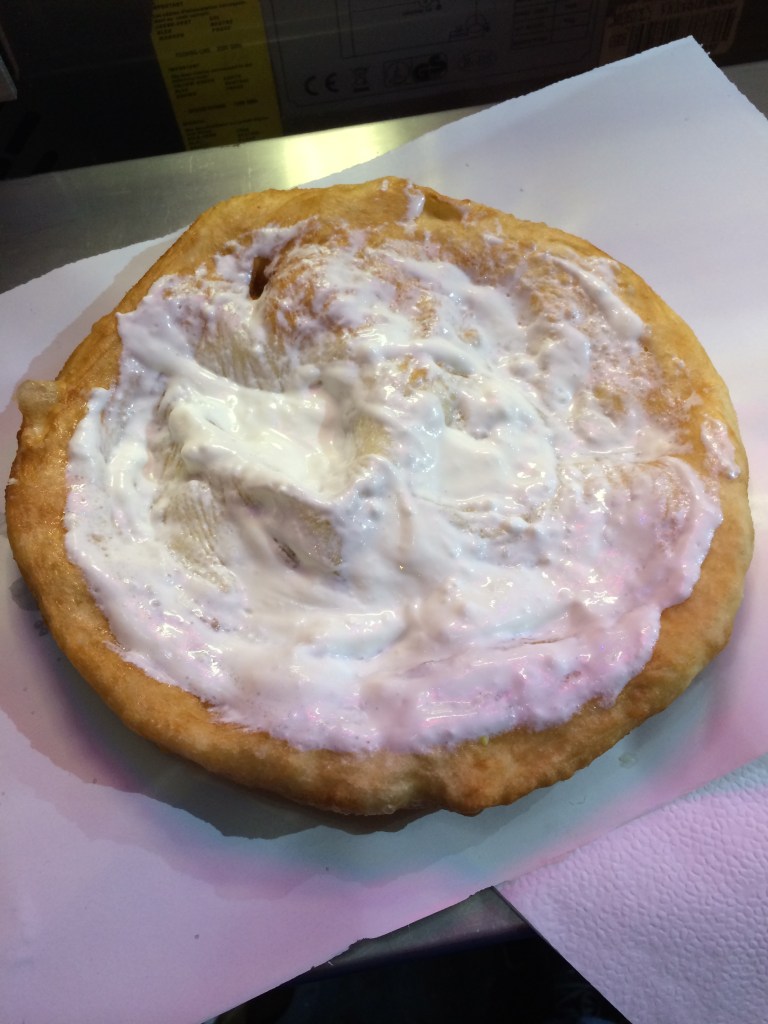
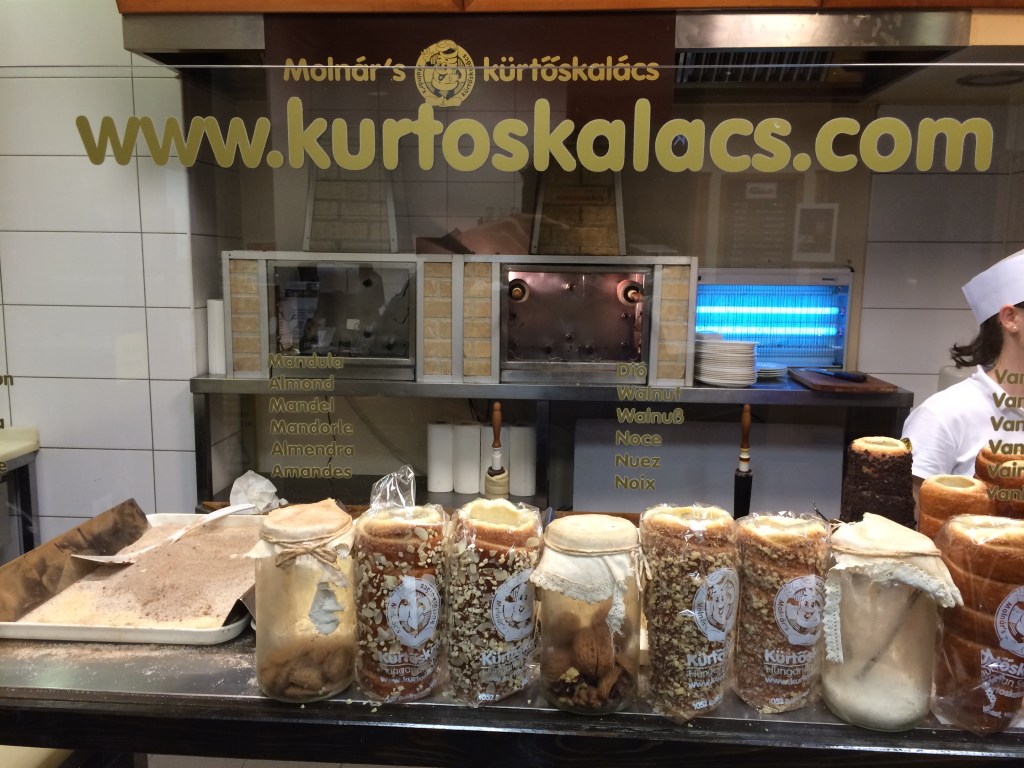
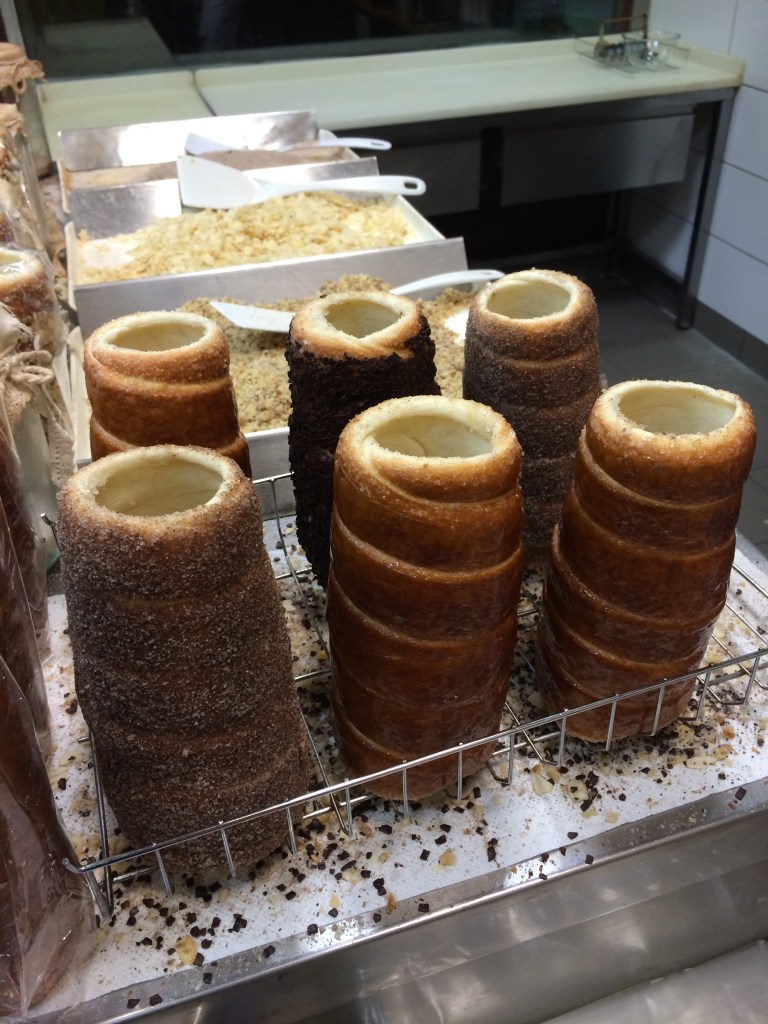
5. Fozelek was my go to dish in the meat heavy Hungarian cuisine.It is made by cooking vegetables and/or beans to a mush and thickened with roux or sour cream very similar in texture and taste to the Indian Khichdi. But I kept discovering interesting street food that made it easier. Langos is a deep fried bread similar to the native America Navajo bread topped with sour cream. It is usually made to order and eaten hot to enjoy the greasy fatty goodness. The Kürtöskalác or chimney cones is an addictive sweet snack. It is cross between a bread and pastry. It is made with raised dough that is rolled and wrapped on a dowel, rolled in sugar and baked on an open rotisserie grill. The caramelized sugar makes the outer layer crunchy while the insides are soft and doughy. It is perfect for a long walk along the river bank. While the food scene at the newish Central Market was underwhelming, I had a comforting meal at an old school Hungarian restaurant, Kadar Etkezde in the Jewish Quarter. The senior waitress fully intended that I leave stuffed but I had to make do with Fozelek yet again due to my dietary restrictions.

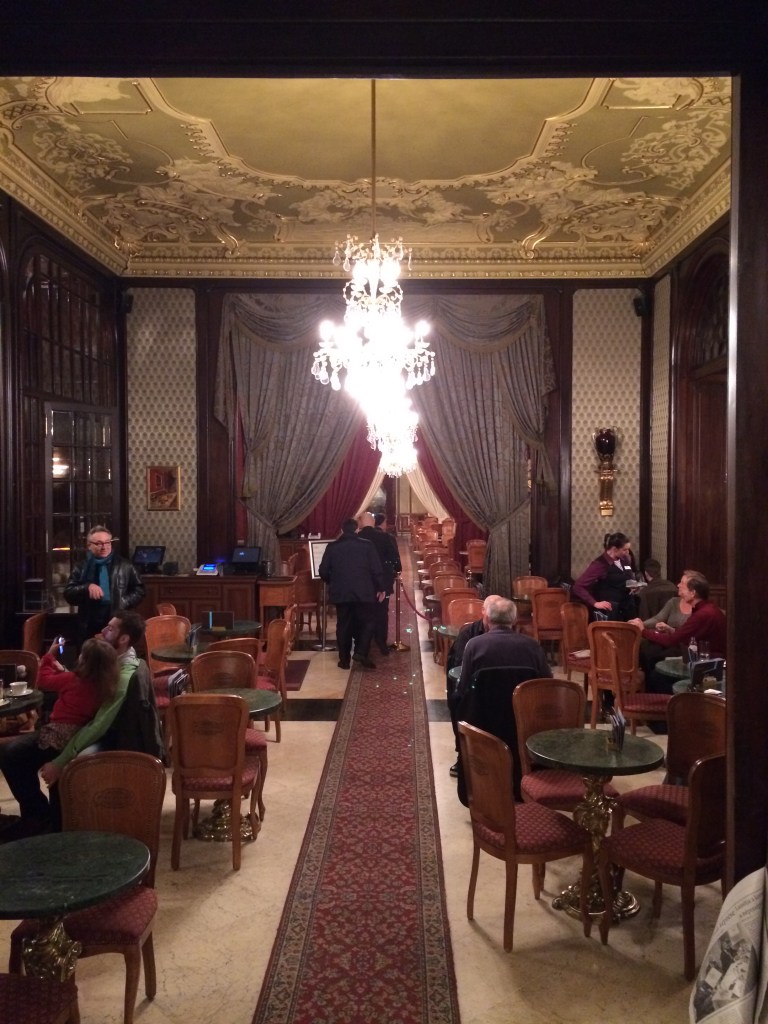
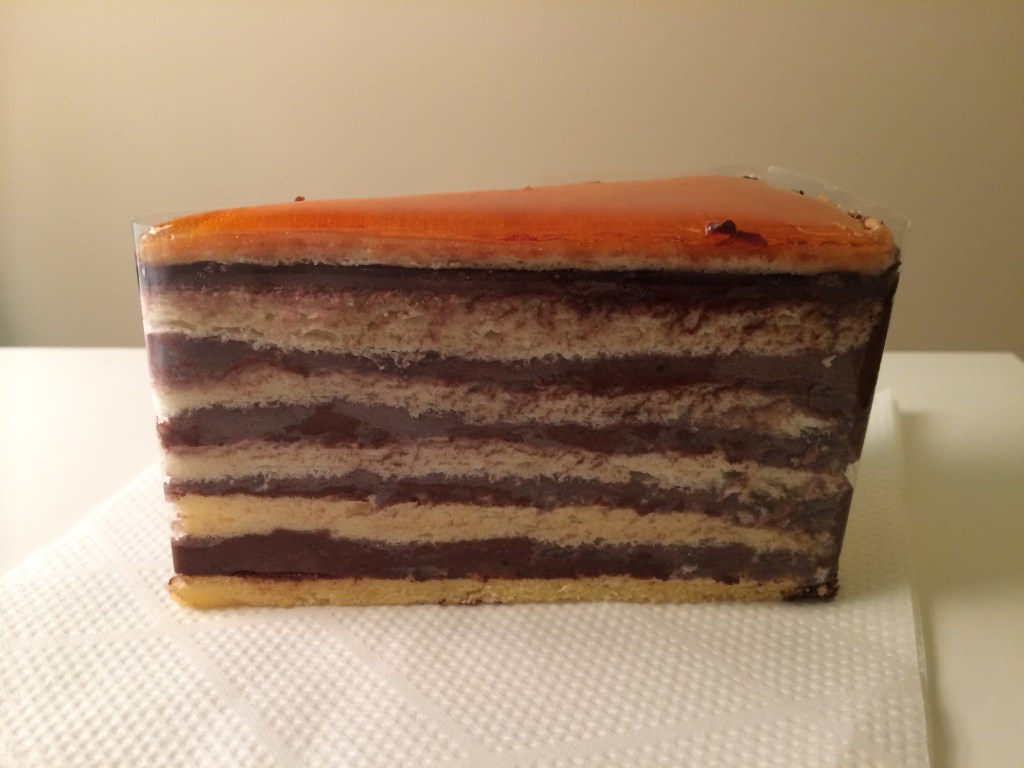
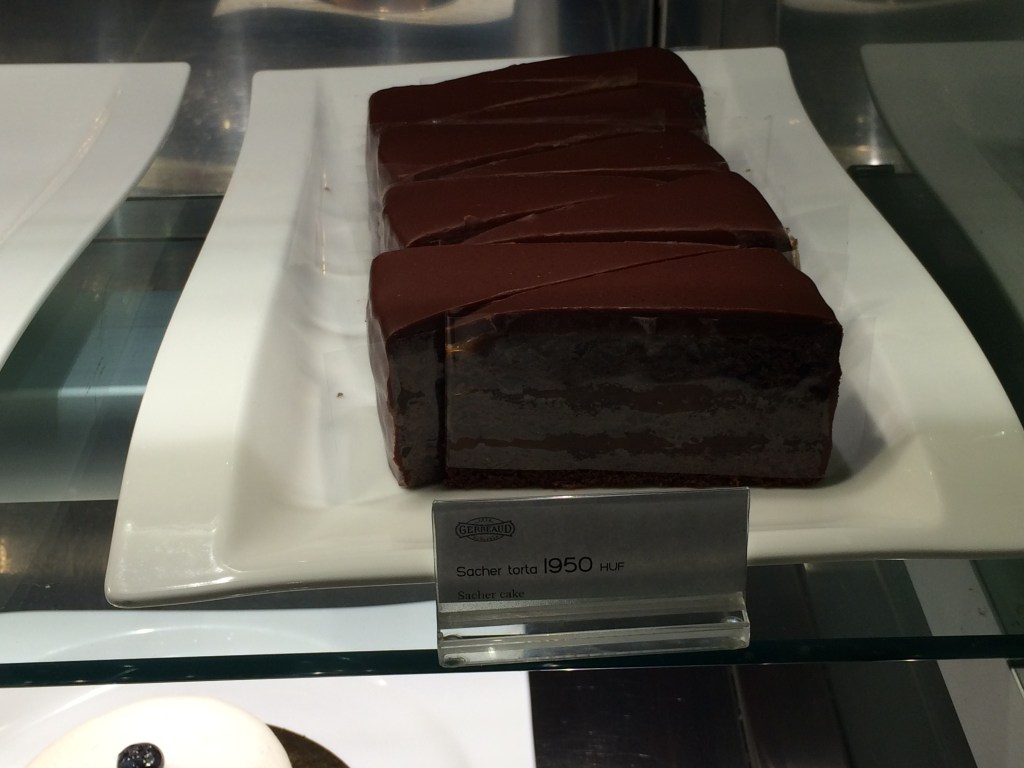
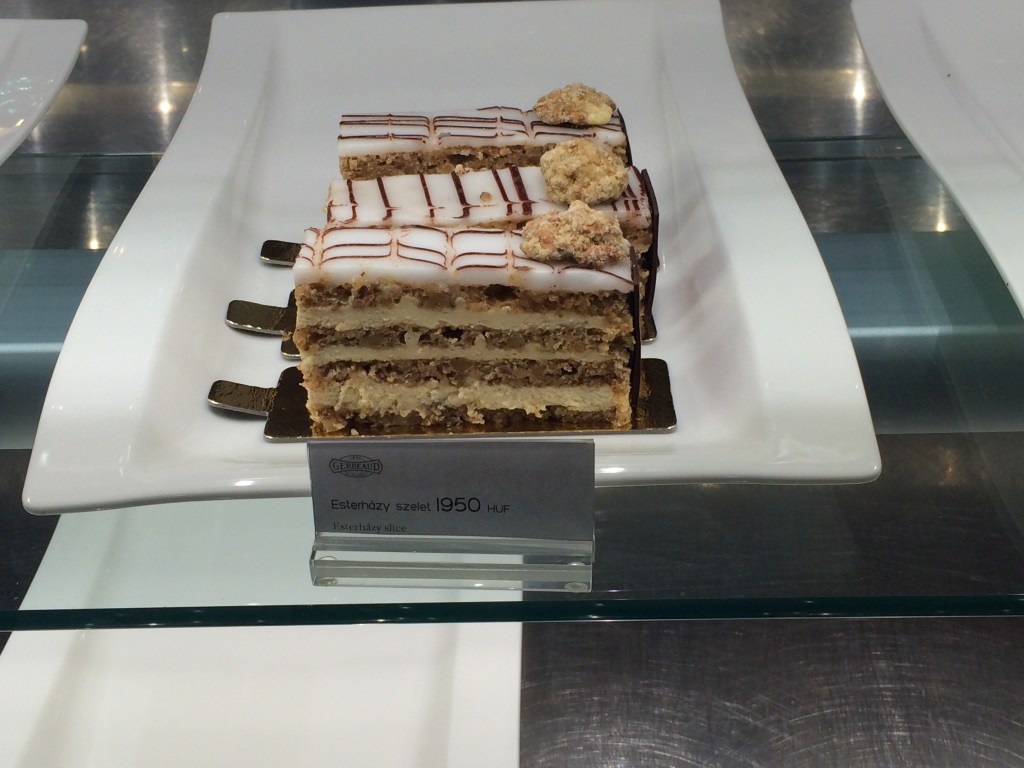
6. The cafe culture in Budapest only rivaled by Vienna. There are many 3rd wave coffee shops but places like Café Gerbeaud and Ruszwurm reek of old school elegance and warmth. While Gerbeaud is pricier and touristy, the pastries are definitely fantastic. I couldn’t get a reservation for a dine-in experience but the warm servers at the pastry counter sent me home with one too many pastries. Dobos Torte was my favorite. Named after the famed Hungarian pastry chef Josef Dobos, it is a sponge cake layered with chocolate butter cream and topped with caramel. Apparently, it was intentionally designed for a long shelf life compared to other cakes at that time. Dare I say that the infamous Sacher Torte here was better tasting than the ones in Vienna.
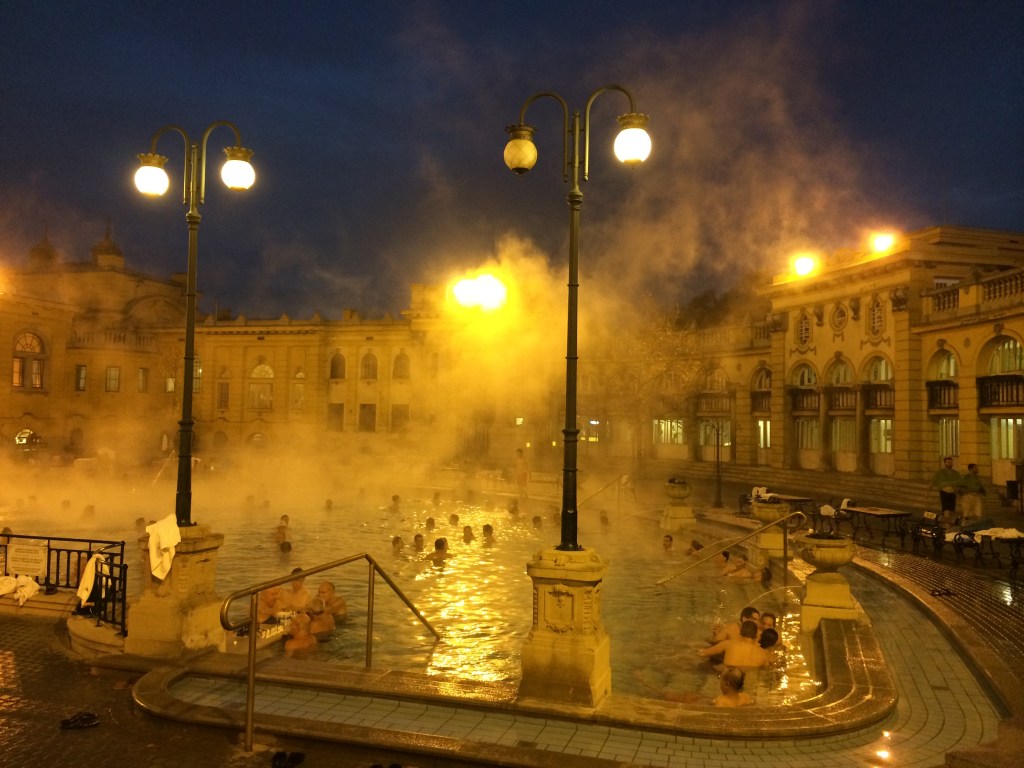
7. Thermal baths are remnants of the Roman and the Turkish period but the city is blessed with hot springs. In fact, Budapest was crowned at the “City of Spas” in 1935. While the Rudas and Lukács Baths were originally built during the Turkish period, the bigger and popular ones – Gellert and Széchenyi were built in the early 20th century. Széchenyi Baths is a massive complex that is served by two hot springs with temperatures ranging from 74C to 77C. Of course, they are made tolerable with cold water. The whole experience is well designed and the Neo-Baroque architecture adds more aesthetic appeal. Baths are popular among locals as well. It is not uncommon to find bands of seniors engrossed in chess in the milder thermal pools.

 flagsandforks