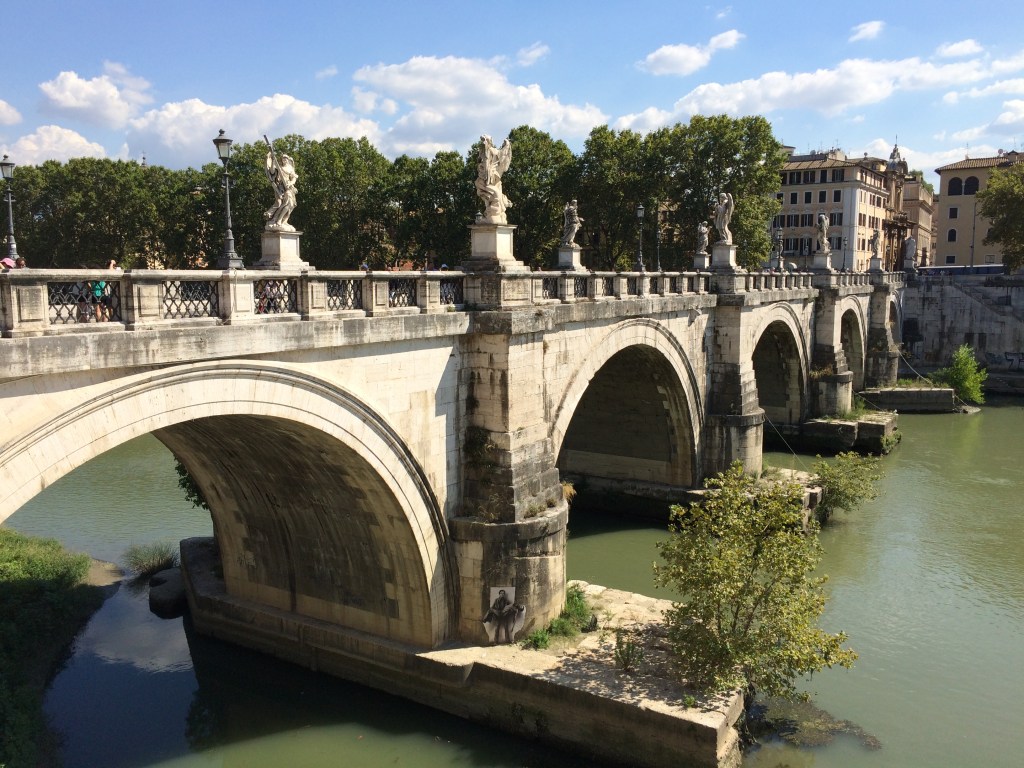
1. There are many platitudes about Rome but for a living breathing city it has incredible amount of history at every nook and corner. The survival of all those ancient Roman monuments is surprisingly due to Rome’s utter irrelevance in the medieval period when the city was almost depopulated. But the greatest contribution of the Roman Republic (509 BC) was abolishing kingship and transferring power to elected representatives called consuls. That legacy is preserved today in the emblem of Rome – SPQR “Senātus Populusque Rōmānus” translated as “The Senate and People of Rome”.
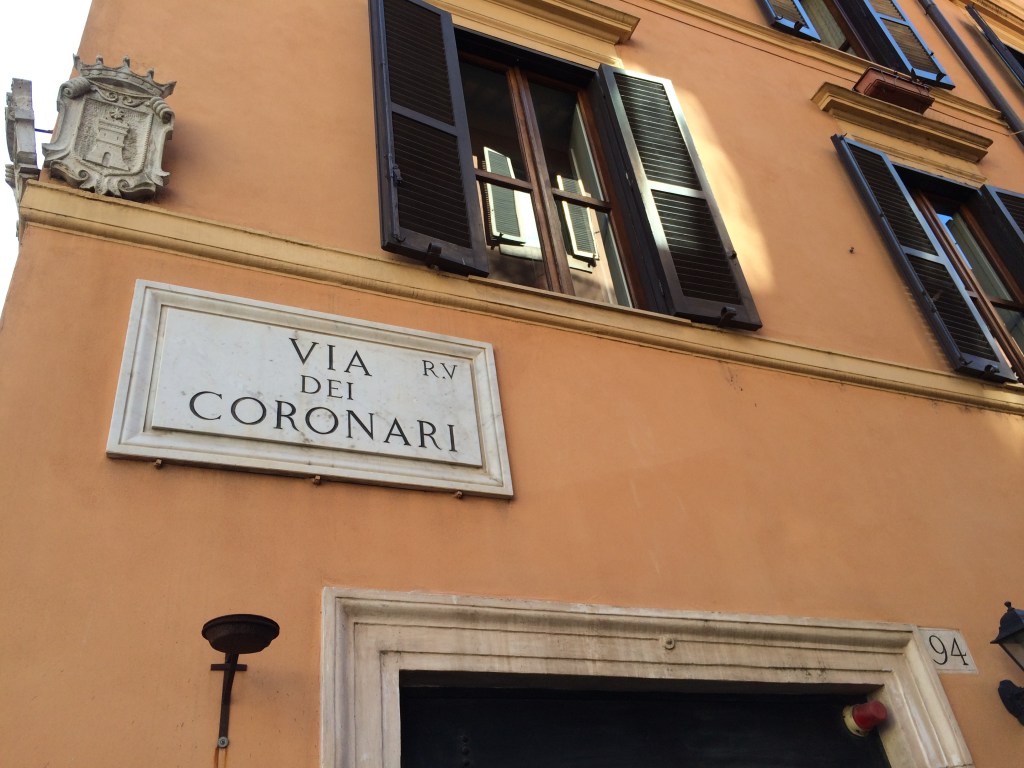
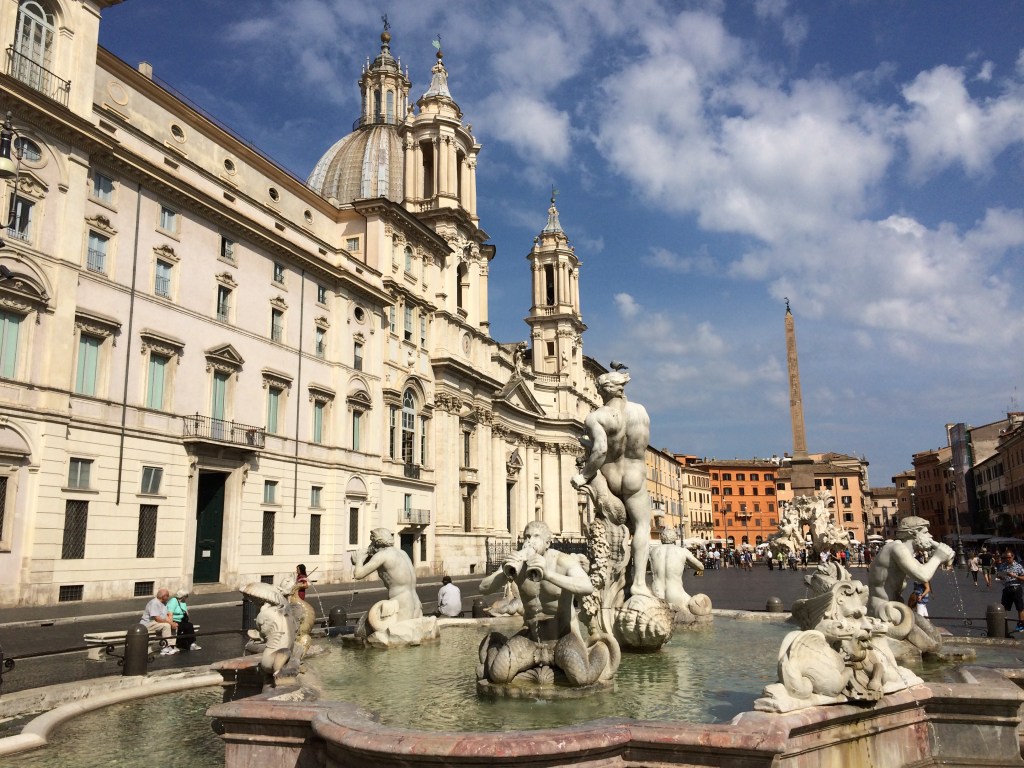
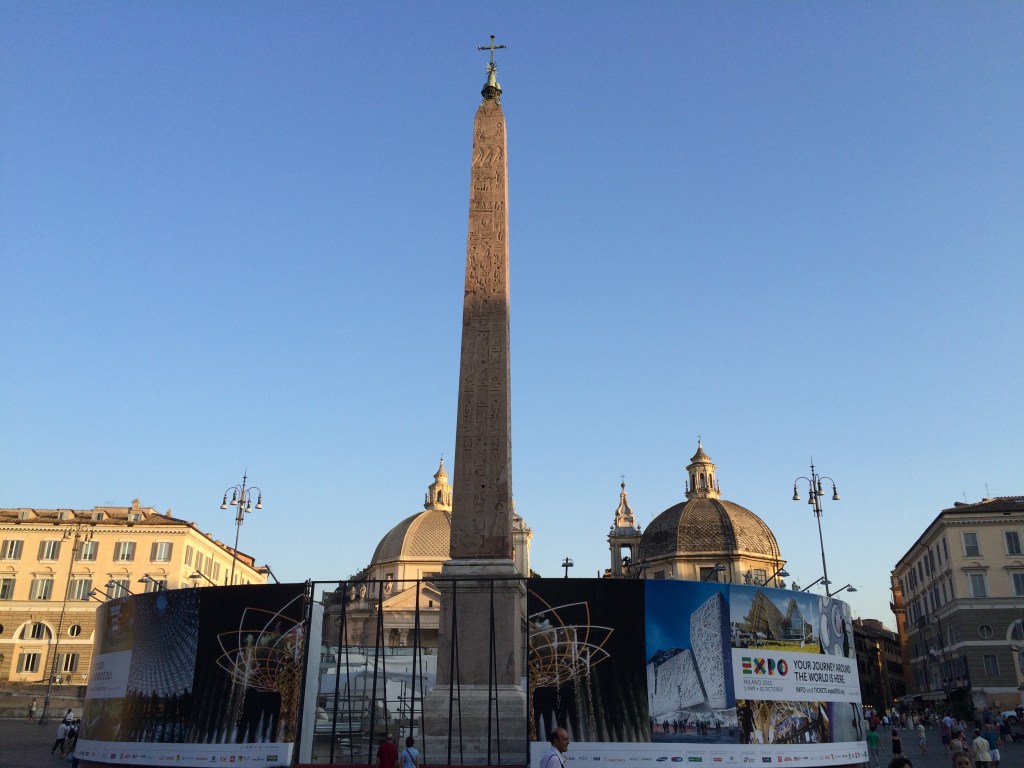
2. Piazza is the Italian equivalent of a market square. Similar to the Spanish word “Plaza, it is derived from the Greek word plateia (broad street). Piazzas define Rome’s urban landscape. Piazza di Spagna is known for its grand steps that were built to connect the Trinita De Monti church above the hill to the Spanish embassy to the Holy See in the square. Piazza Navona is decked with baroque grandeur best represented by Bernini’s Fountain of the Four Rivers water fountain. Piazza del Popolo (People’ Square) is by far the largest one in Rome and is similar in layout to the renowned Piazza San Pietro in the Vatican. The larger piazzas tend to have Obelisks which were mostly brought in from Egypt.

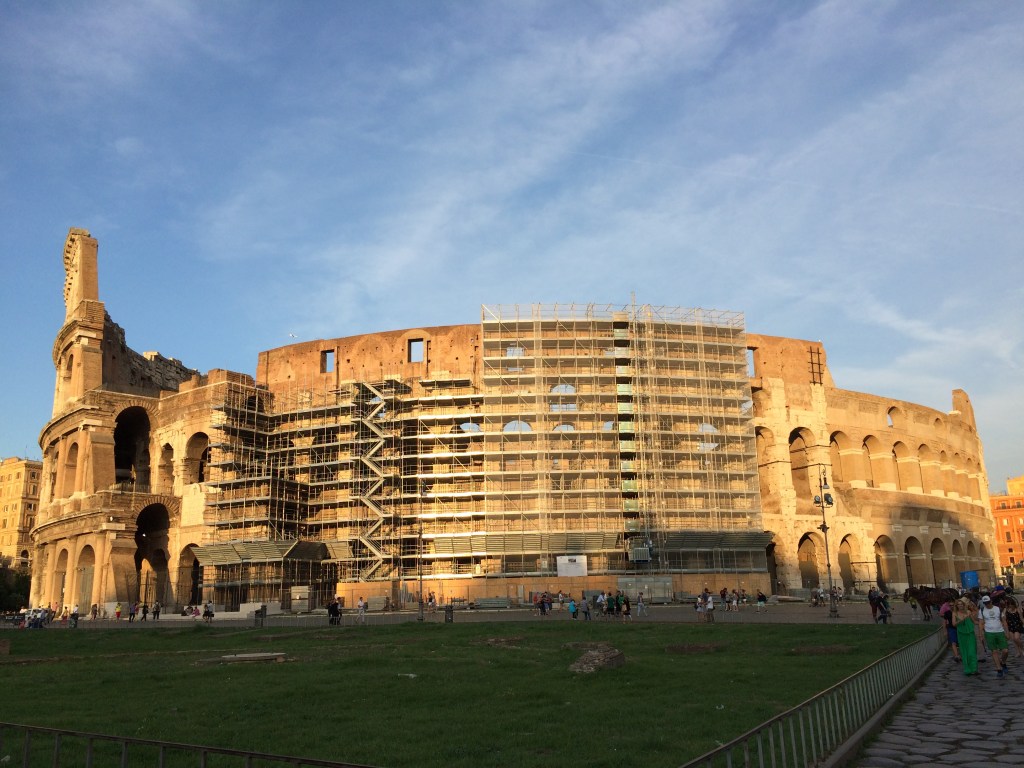
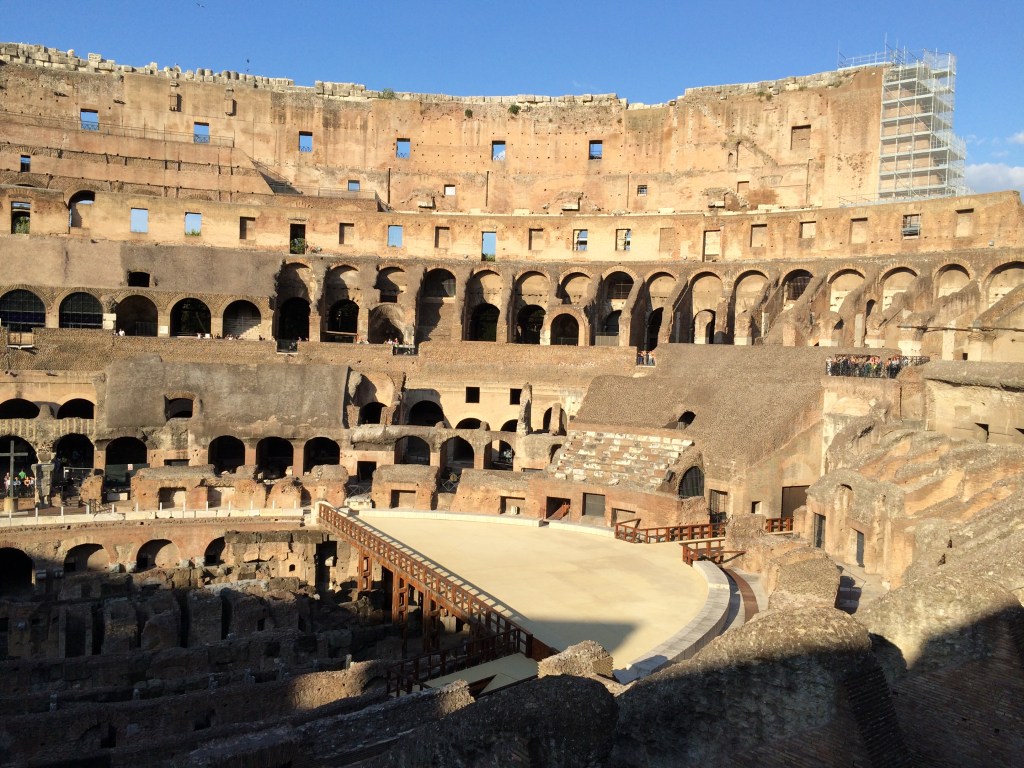
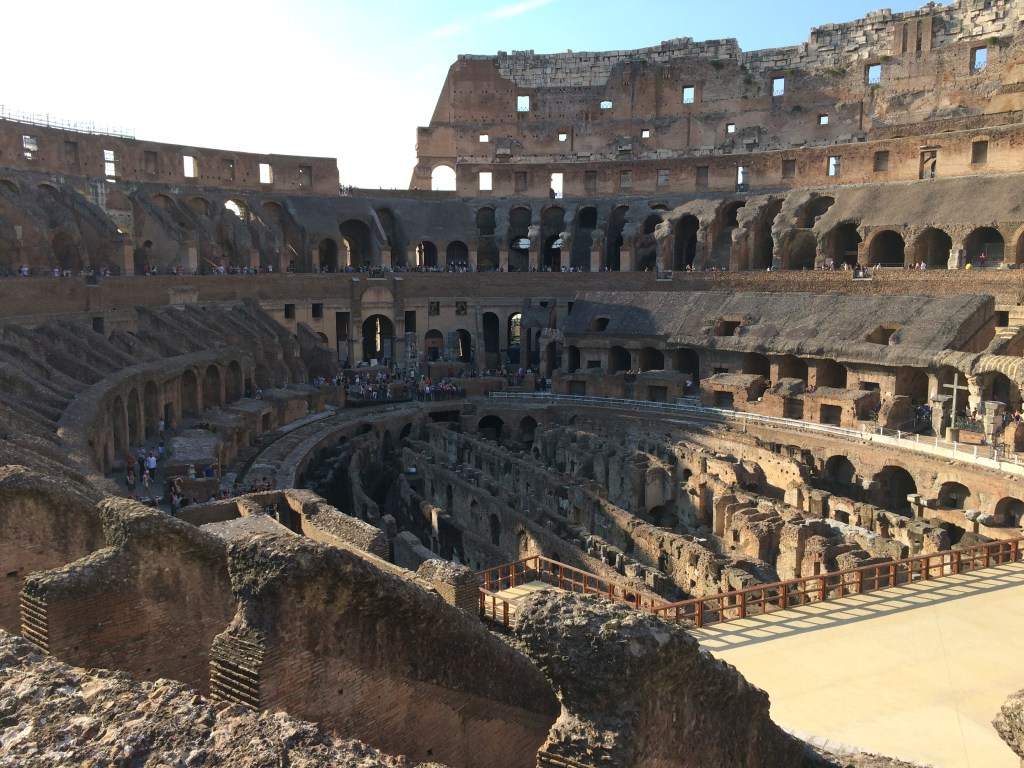
3. Colosseum is undoubtedly the most recognized monument in the city of Rome. It is the mother of all theaters and stadiums in the world. Built to accommodate an audience of about 50,00 to 80,000 spectators, it was used to stage everything from gladiatorial contests, mock sea battles and re-enactments of Roman mythology.The hypogeum (“the underground”) consists of cages and tunnels meant for staging the animals and gladiators before the show. However, after the medieval era it seized to used for entertainment purposes and withered with time. In modern day, it is a popular tourist attraction. The tours are super informative and piques one’s interest in understanding the early Roman era.
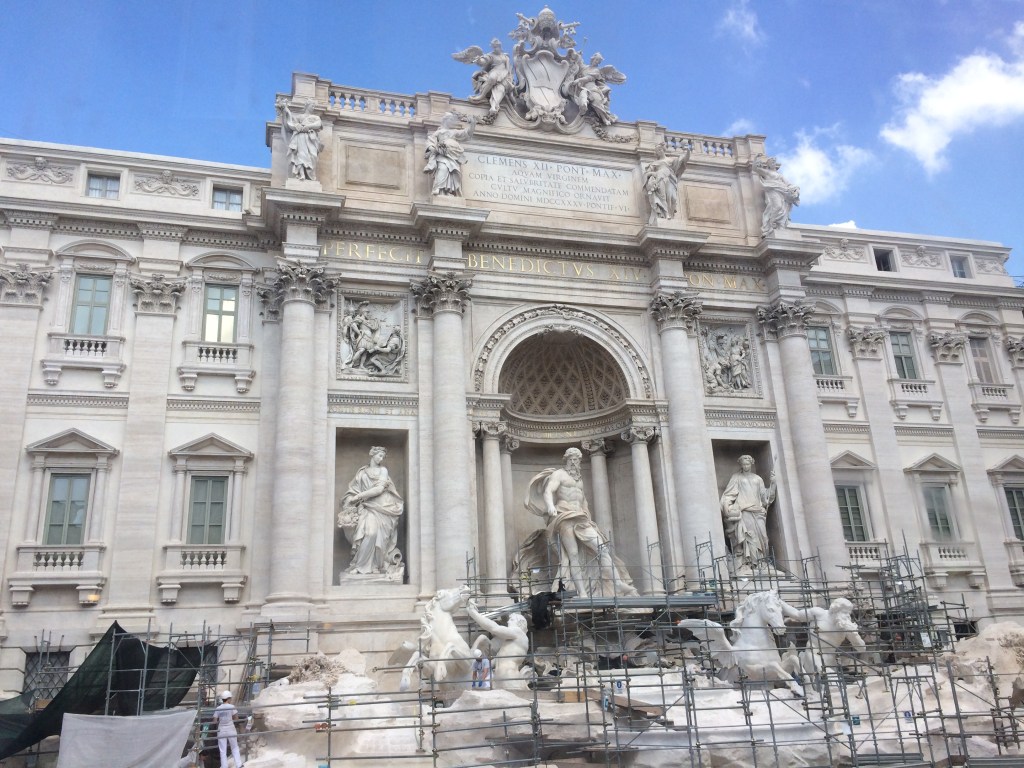
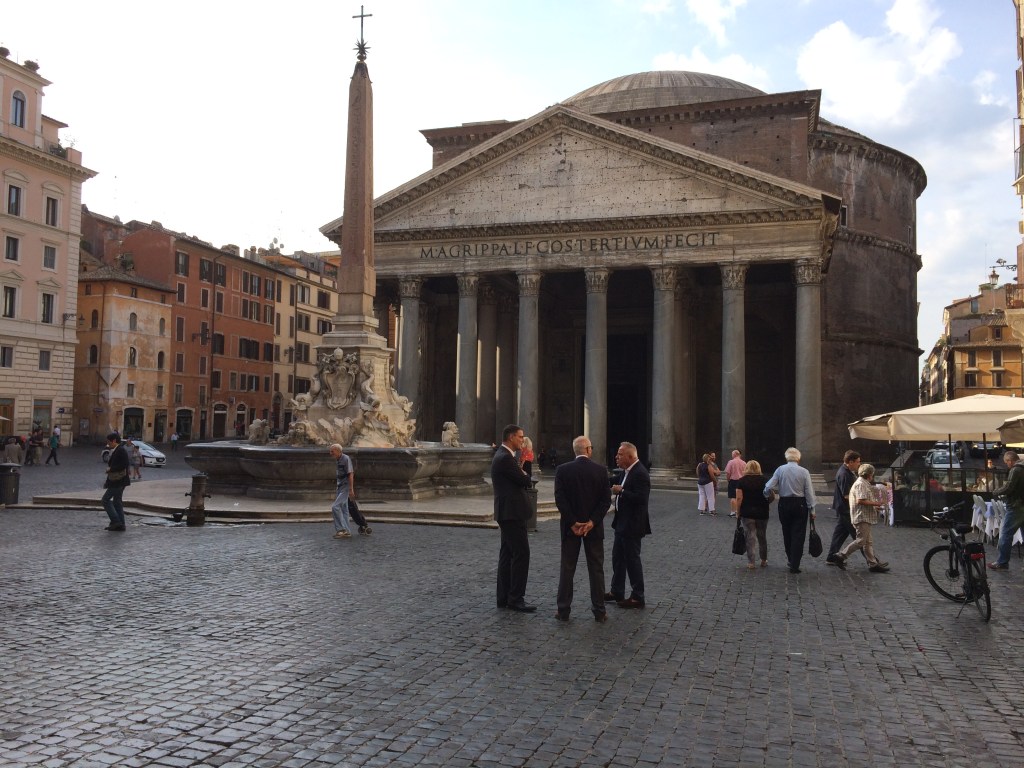
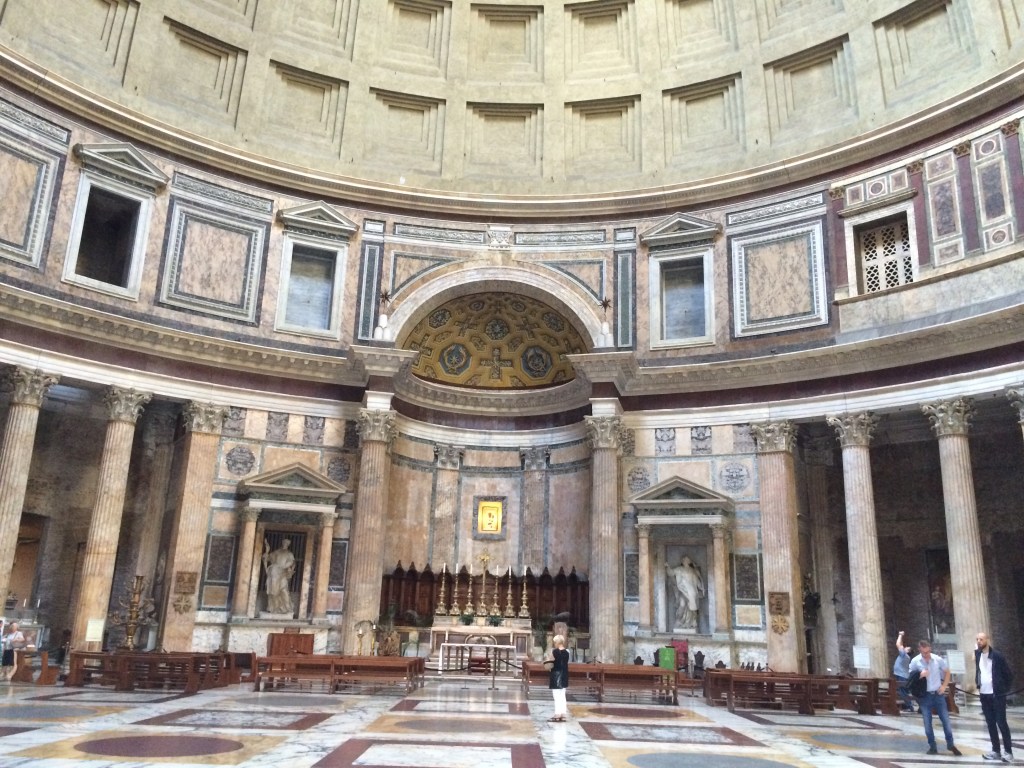
4. Trevi is one of the most famous fountains in the world brimming with baroque excess . The name is derived from the Latin word Trivium (intersection of three streets). The fountain is also famous for its coin throwing. It is estimated that US$1.5 million was thrown into the fountain in 2016. Pantheon is an underrated but inspiring monument that has survived since 126 AD. With its portico of Corinthian columns under a pediment, Pantheon resembles a Greek temple. In fact, it was originally a Roman temple that was later converted to a Church. Also, the word Pantheon is derived from the Greek word Pantheion translated as Temple of Gods. The interiors are grand but I was awestruck by the coffered dome with an oculus (classy word for skylight). It is easy to step back in time here as it one of the best preserved buildings from ancient Roman period.
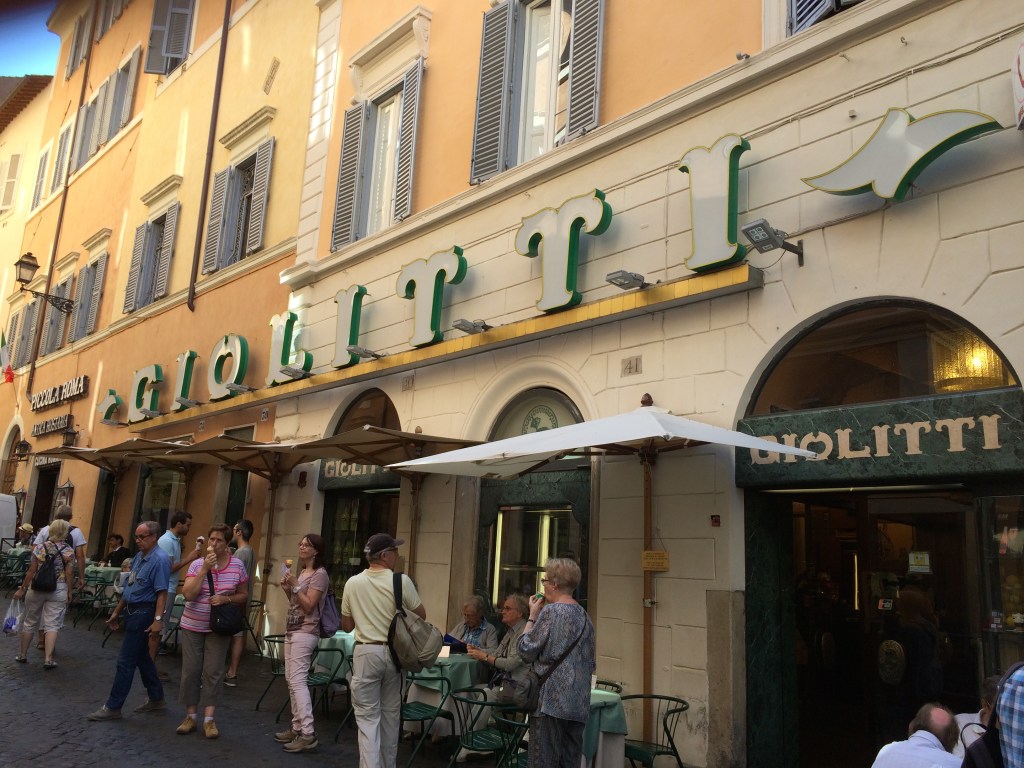
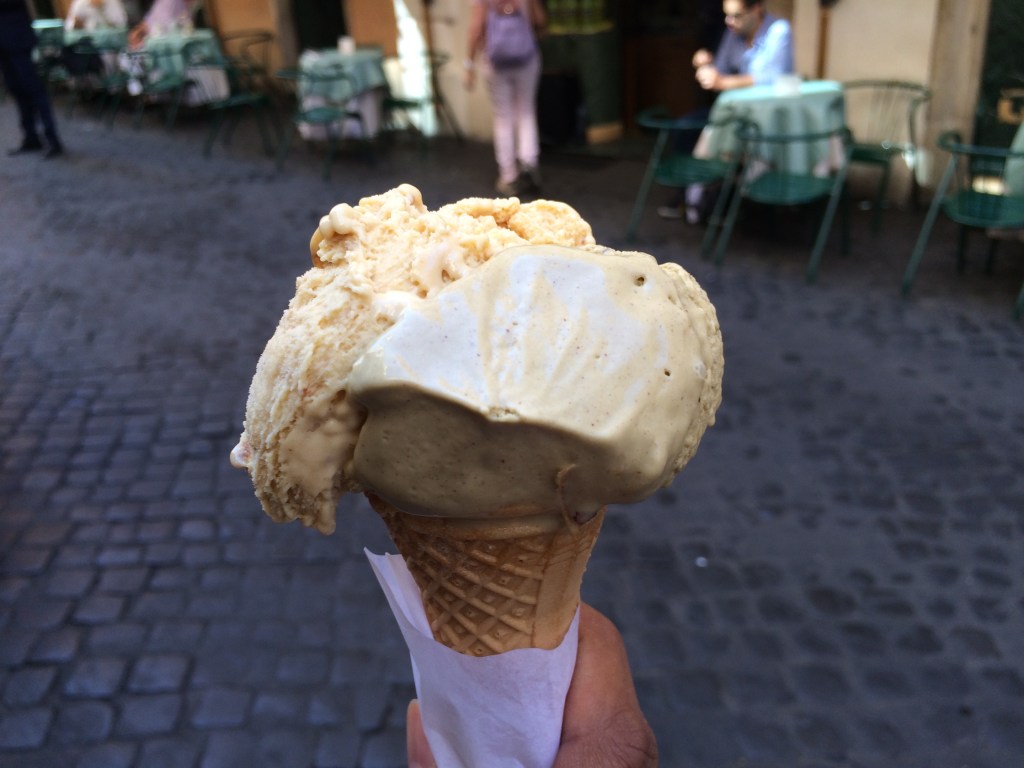
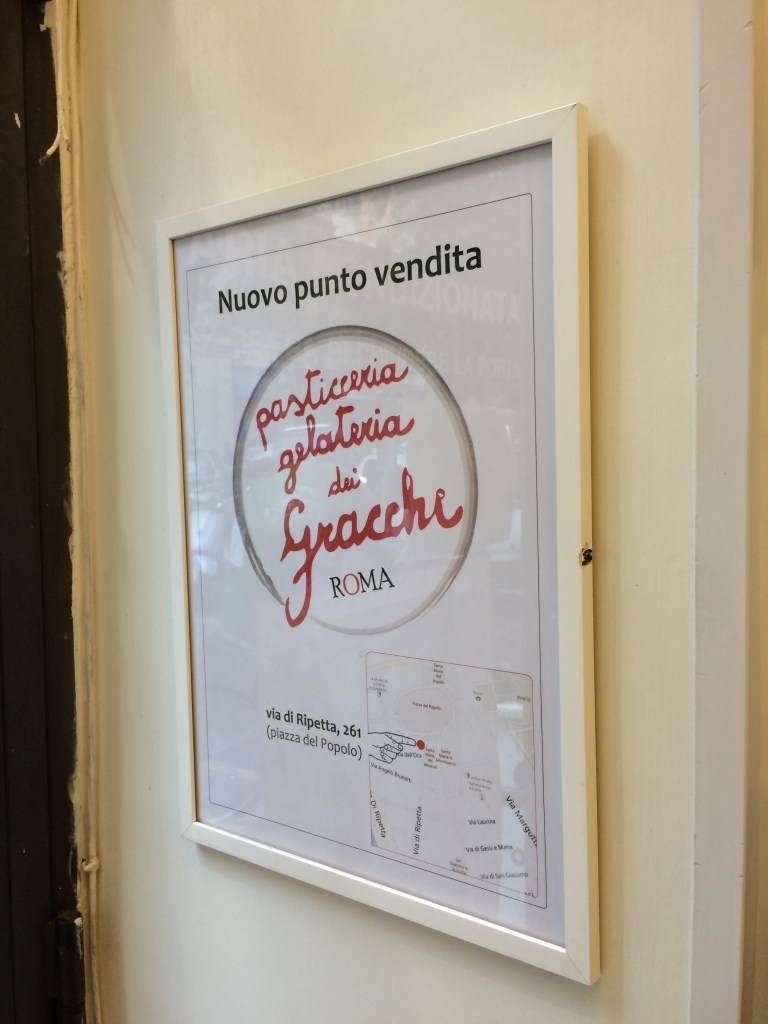
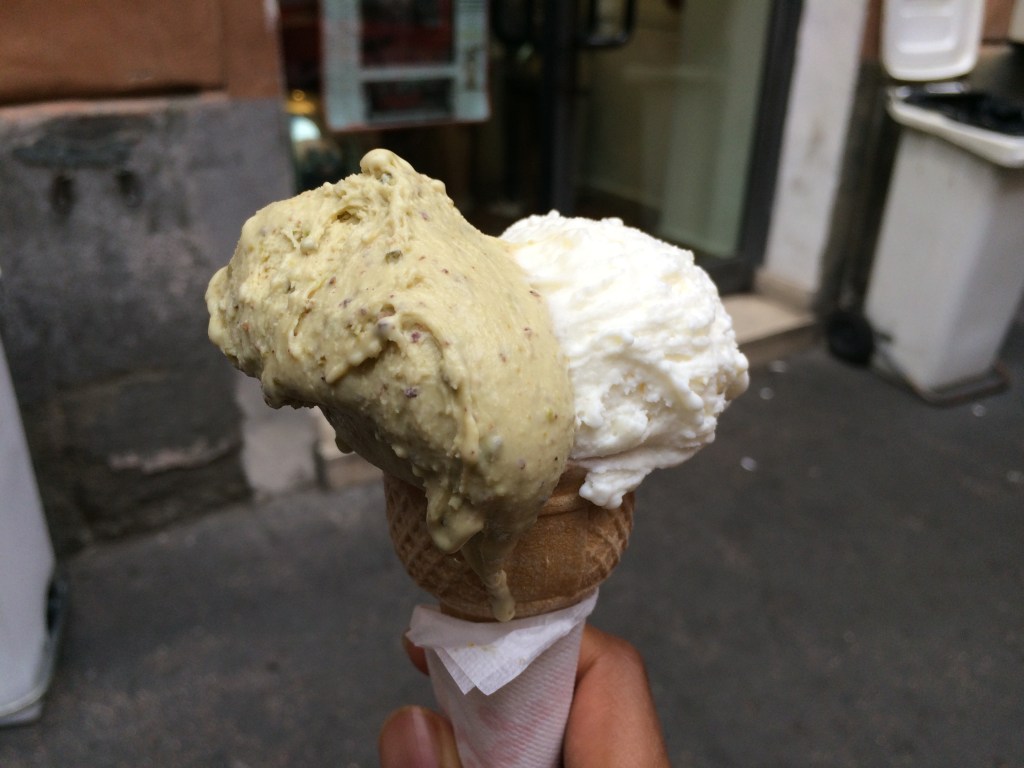
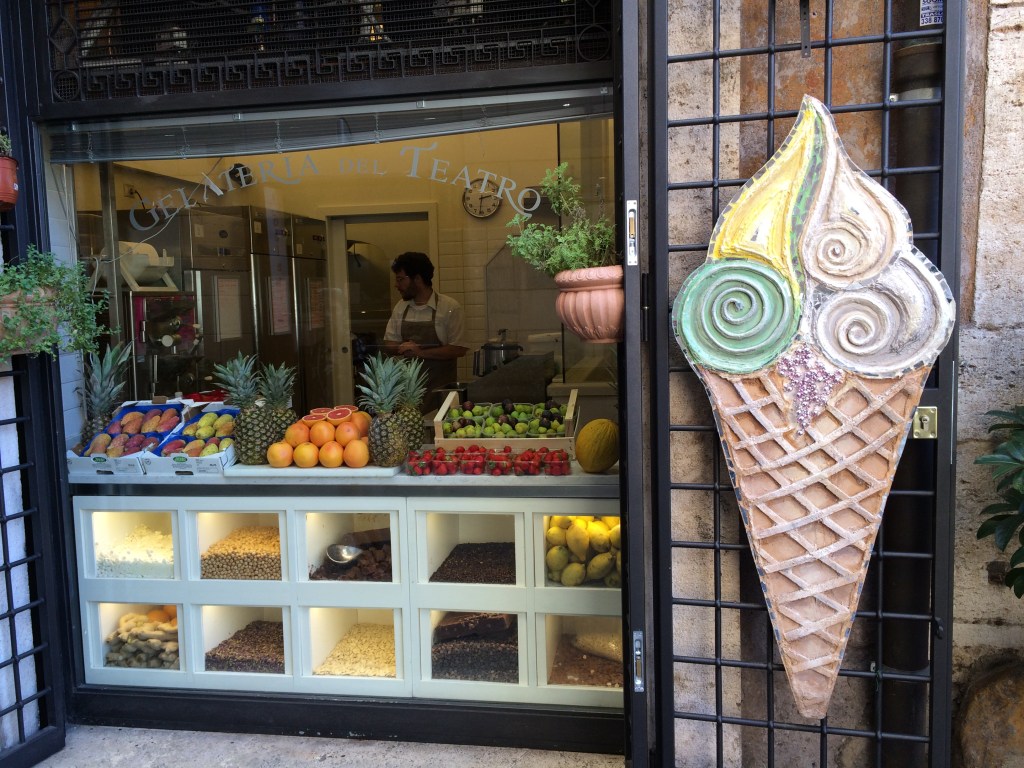
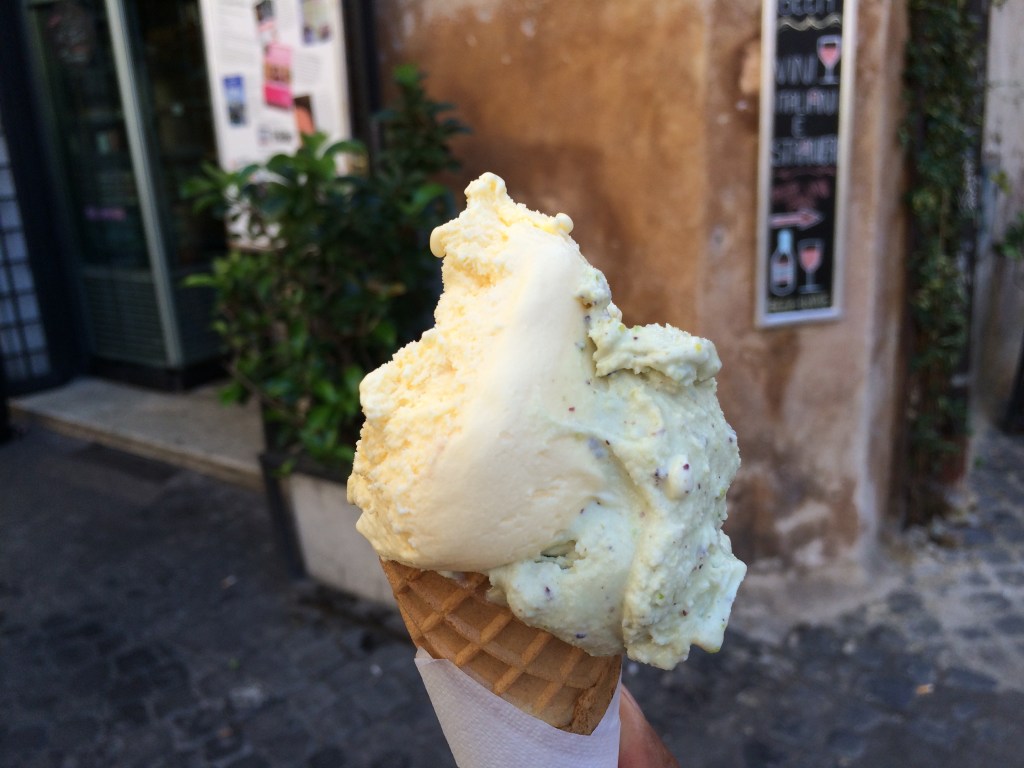
5. I was introduced to real gelato and it sort of ruined ice cream for me forever. The marquee gelato flavors like pistachio and hazelnut completely blew my mind. The intensity of the flavors and the creamy but not icy texture makes gelato very special. I had gelato almost everyday at the some of the popular spots – Giolitti, Gelateria Del Gracci, Gelateria del Teatro, Gelateria Fassi. Giolitti and Gracci were my favorite but I couldn’t get the past the classic nut flavors despite multiple visits.
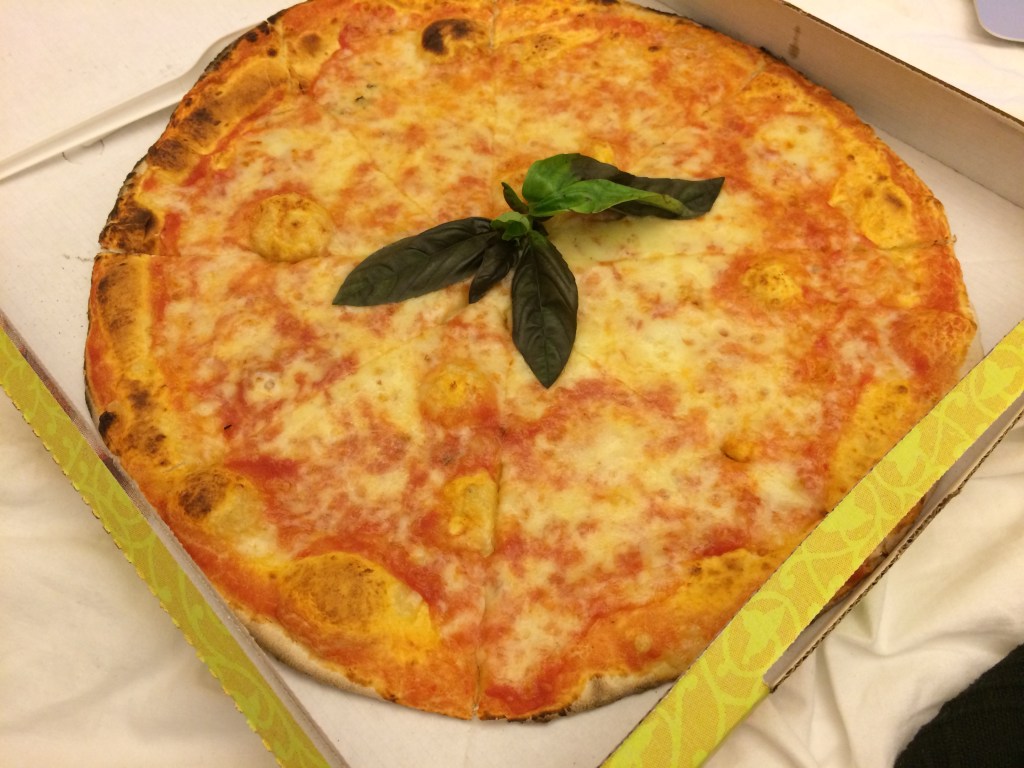
6. There are fewer things Italy makes better than Pizza. The reputation of neapolitan pizza is well deserved but the Roman version was a pleasant surprise. Most pizzerias in Rome serve pizzas with a thin crispy crust unlike their airy and chewy counterparts from Naples. The addition of oil in the dough apparently contributes to the crispness of the base. The less common Pizza al taglio (pizza by the slice) is also very good where the colorful and fancy toppings outshine the almost focaccia like crust. It is usually sold by weight and packaged to-go. Pizzarium Bonci is a star in this category.

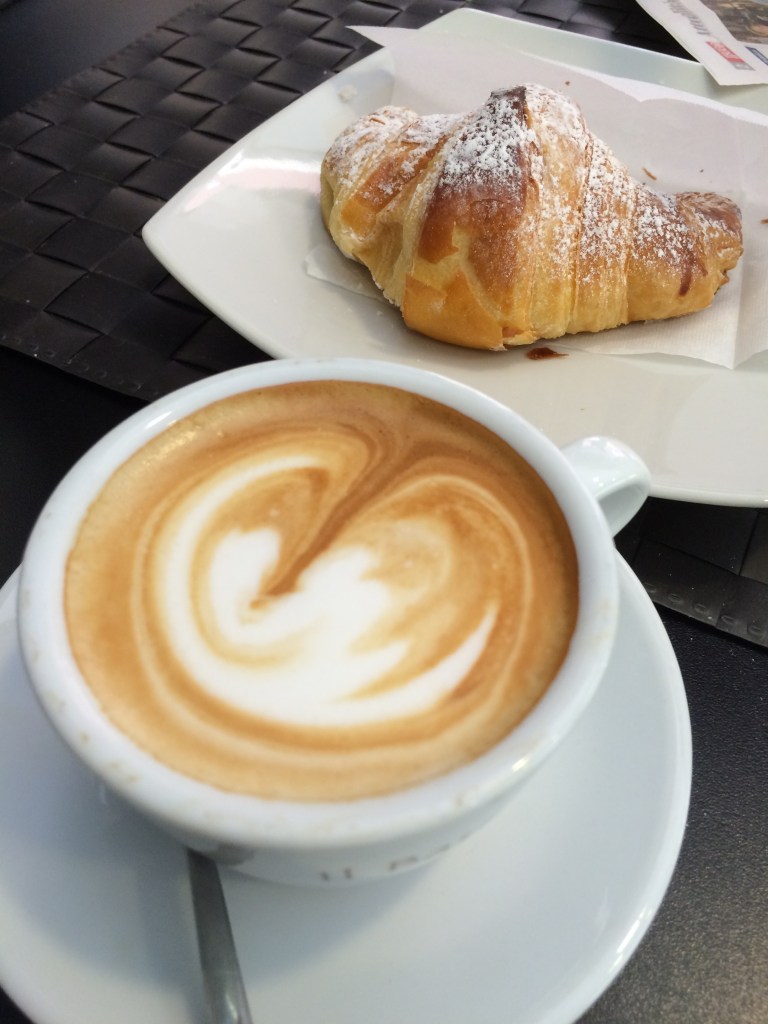
7. Cornetto is another variation of the classic Viennoiserie – the croissant. The cornetti though are sweeter, denser and less buttery. I am partial to the ones with filled with cream or custard. Paired with a cappuccino, there is hardly a better pick me up for the day. No wonder Italians standardized on the cornetto-capuccino combination for breakfast.

 flagsandforks