1. Japanese culture is known to be insular but it has fascinating extremes. At one end of the spectrum are overly formal things like elaborate tea ceremonies and at the other end there are crazy irreverent things like anime, exotic fetish clubs including kogals (young women in uniforms), fuzoku(“pleasure”services) culture.
2. I thought America symbolized convenience with 24 hours availability of almost anything. Japan takes it to a whole another level with a mind boggling variety of vending machines that dish out almost anything and everything.

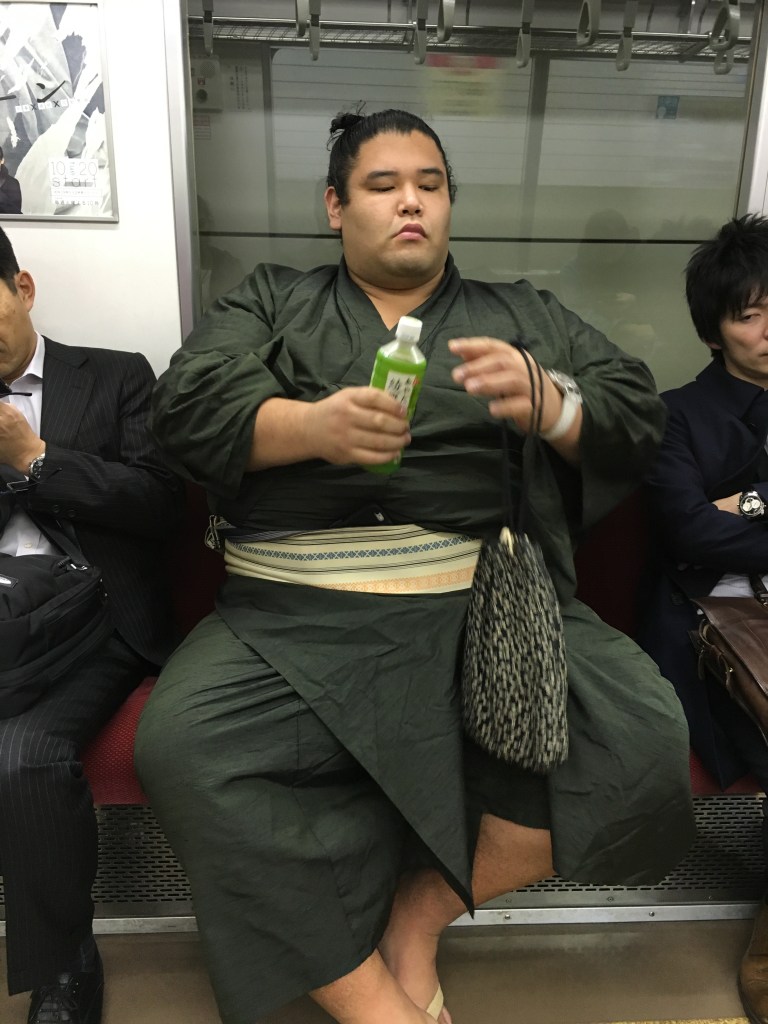
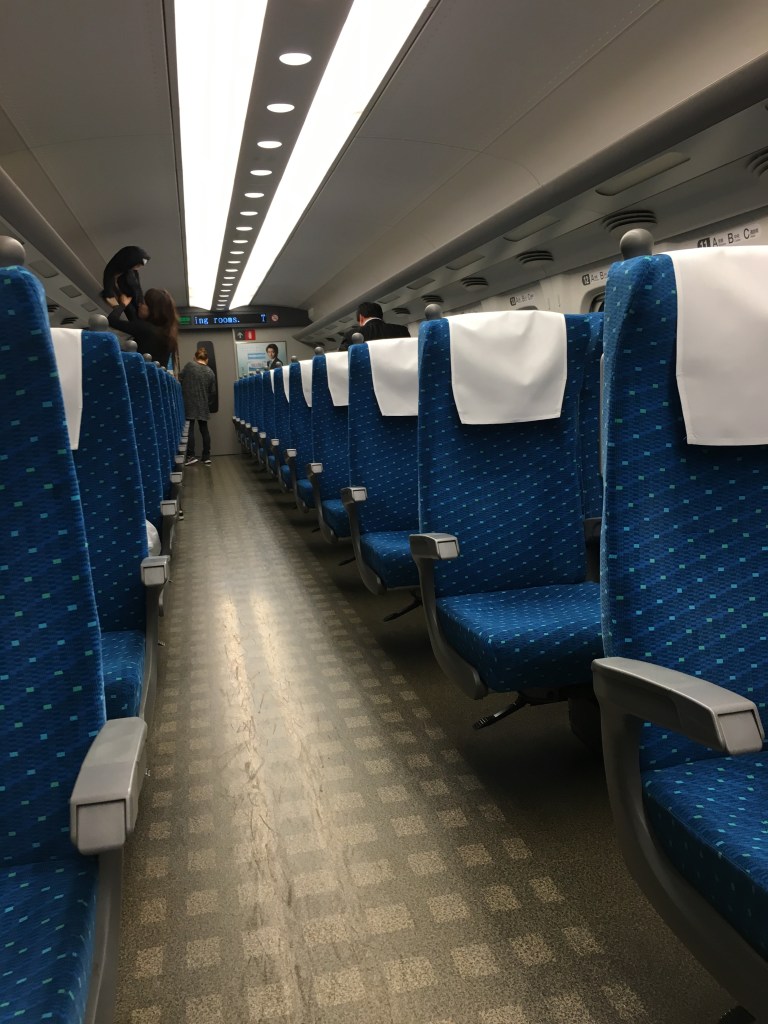
3. It is incredible to see how Tokyo is both vast and dense, some of the wards/municipalities in the Tokyo metro region could be cities by themselves. Yet there is an understated efficiency in how the city functions, the subway in particular does a phenomenal job ferrying people from end of the metro area to another every day. For intercity travel, the Shinkansen bullet trains are simply the gold standard for the world to emulate (China likely being the only exception). They are known for their punctuality so much so that apologies are issued for even 1-2 minute delays.
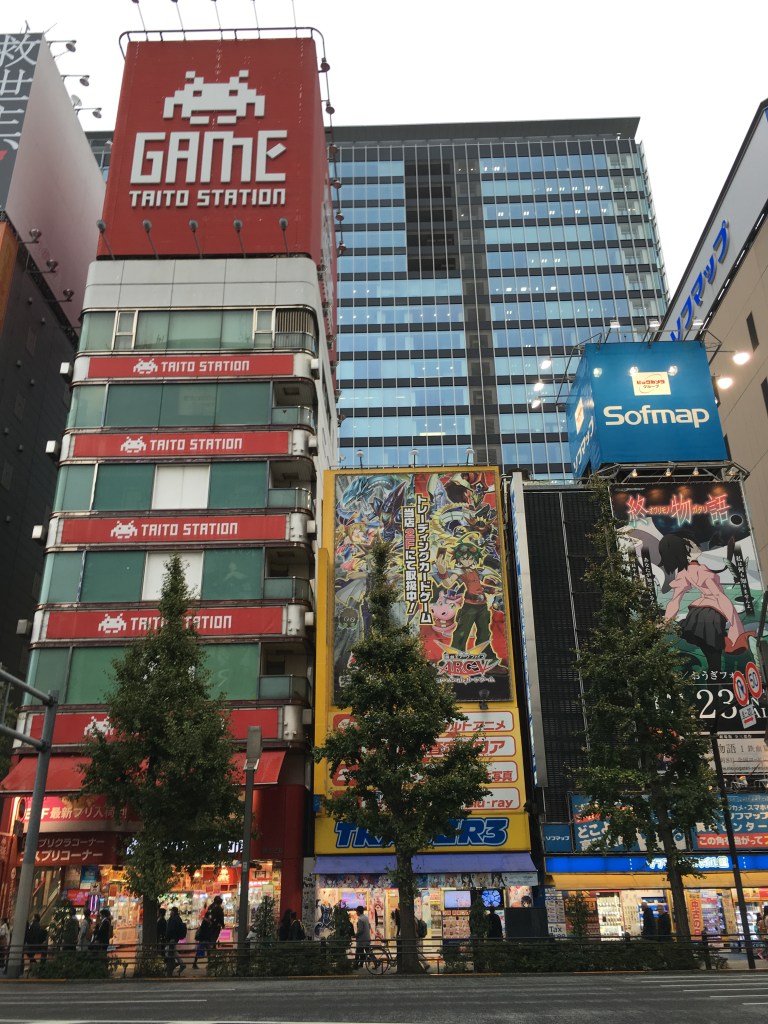
4. While every neighborhood in Tokyo is self contained, they do have their unique characteristics. Akhiabhara is a treasure trove for gaming, manga, electronics geeks alike. There is a smaller version of Akhiabhara across town in Ikebukuro. Ginza is the shopping district dominated by showrooms of global brands while Roppongi is jeweled with upscale restaurants in high rises and classy bars. Harajuku is great for people watching and its is not uncommon to see some of Tokyo’s best haute couture here. It also the home to the beautiful tree lined boulevard, Omotesandō and numerous themed cafes along its side streets. Needless to say, it was my favorite neighborhood. Shibuya and Shinjuku are both busy and have a ‘Times Square’ vibe thanks to a plethora of digital billboards.


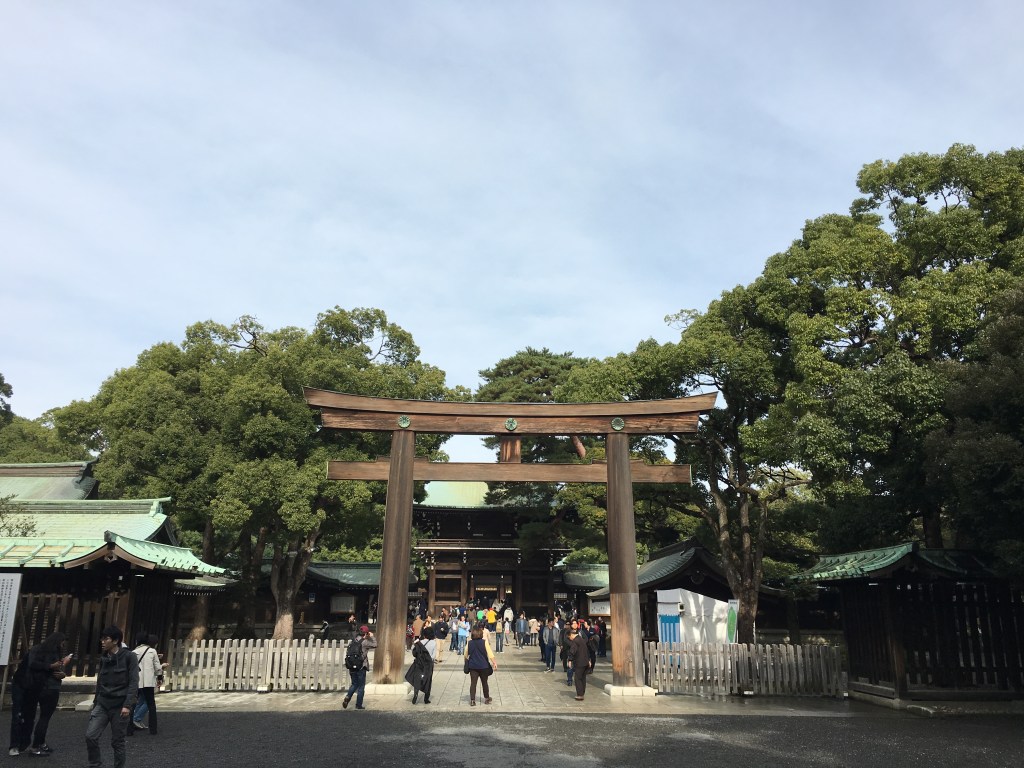
5. The Meiji Shrine is of great significance to the Japanese. It is dedicated to Emperor Meiji and his wife in honor of their role in reforming the political system and modernizing the country. The campus of the shrine is very serene thanks to the abundance of vegetation in the form of 120,000 trees. Being adjacent Yoyogi park and the trendy Harajuku neighborhood, it attracts both visitors and locals alike. Harajuku is great for people watching and its is not uncommon to see some of Tokyo’s best haute couture. It also the home to the beautiful tree lined boulevard, Omotesandō and numerous cafes along its side streets. Needless to say, it was my best favorite neighborhood. Shibuya and Shinjuku are both busy and have a ‘Time Square’ vibe thanks to a plethora of digital billboards.
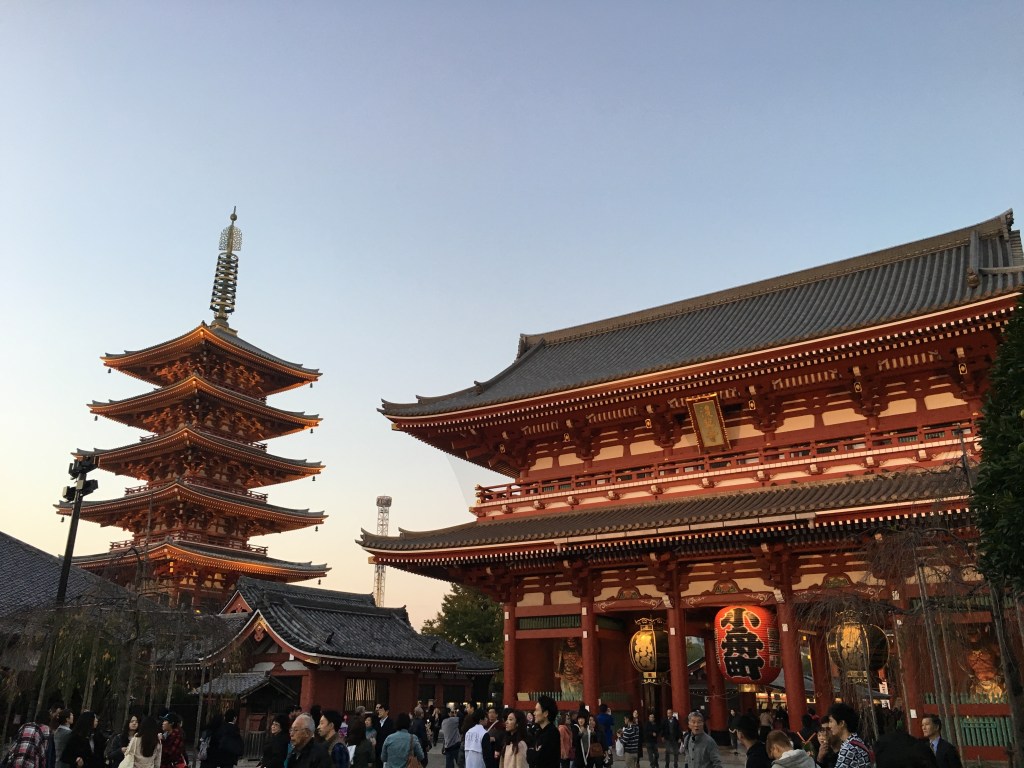
6. While Kyoto is home to some of the best Buddhist temples in Japan, Tokyo has Sensoji. It has all the hallmarks of classic temple architecture – large gently curved roof, storied pagoda, main hall with the altar and entrance gates. However, Sensoji temple has an attractive red color that glistens at night. It is dedicated to Kannon, goddess of mercy. It is also known as the Asakusa Kannon temple.
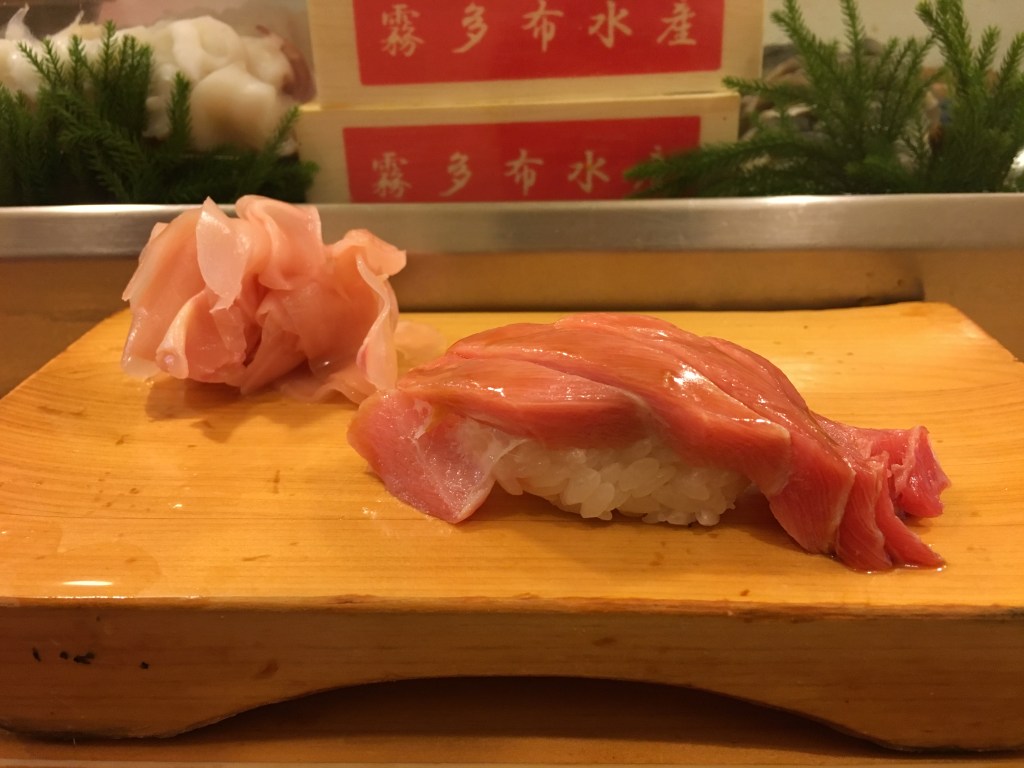
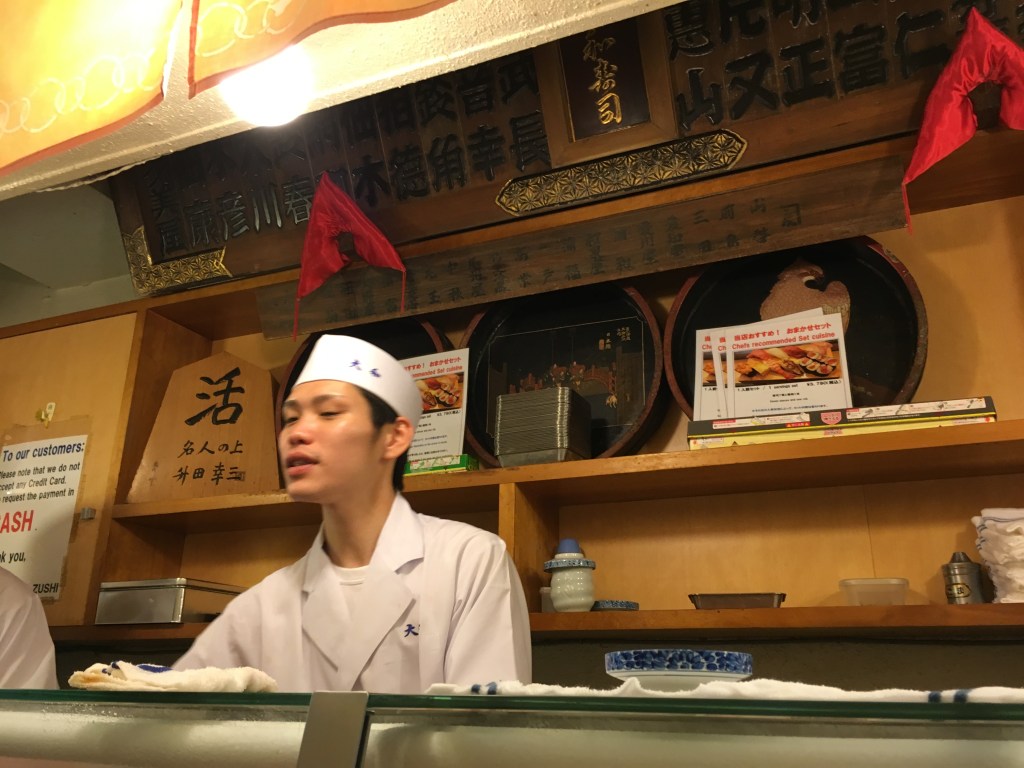
7. There is no better place to try sushi on the planet. Japan obsesses over the quality of their fish. Chefs form long standing relationships with their suppliers to source the best. Tsukuji market used (now relocated and renamed as Toyosu market) to be the place that enabled chefs to identify those suppliers.The 4am tuna auctions with its eye watering bids are testament to that obsession with quality. No wonder Tokyo has the most 3 Michelin star restaurants in the world. There a few omakase joints adjoining the market, most notably Sushi Dai and Sushi Daiwa. After a long wait, I was glad to try my first ever sushi at Daiwa. The Itamae (or the master sushi chef) contrary to popular opinion was very friendly and paid close attention to our likes/dislikes through the courses.


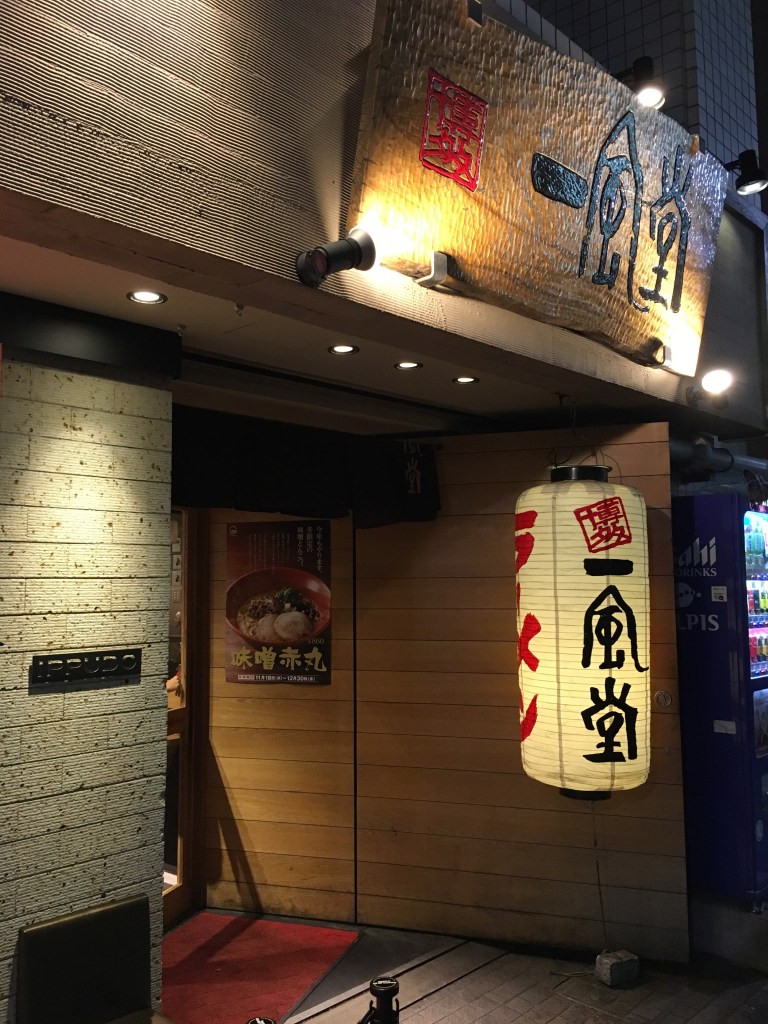
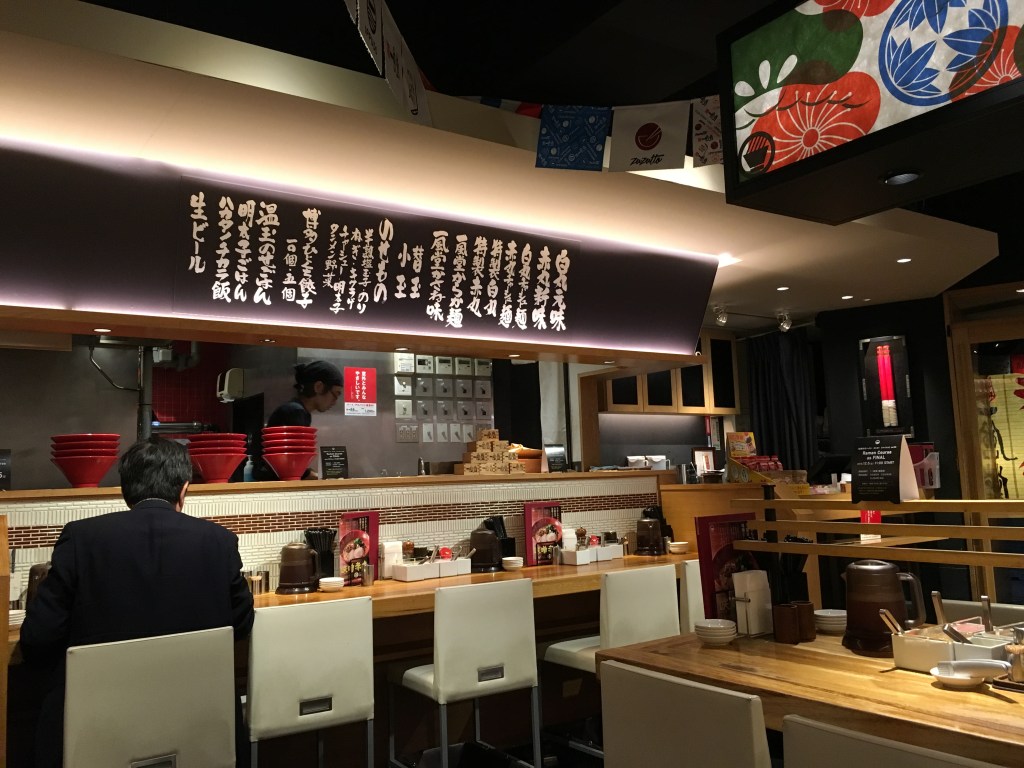
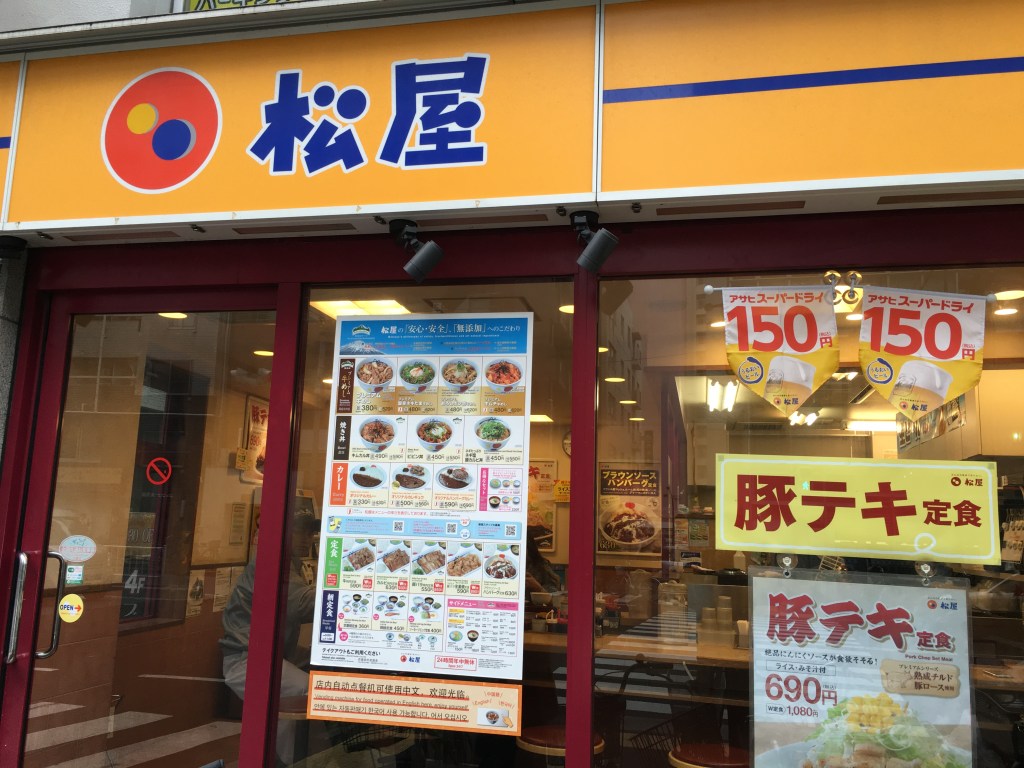
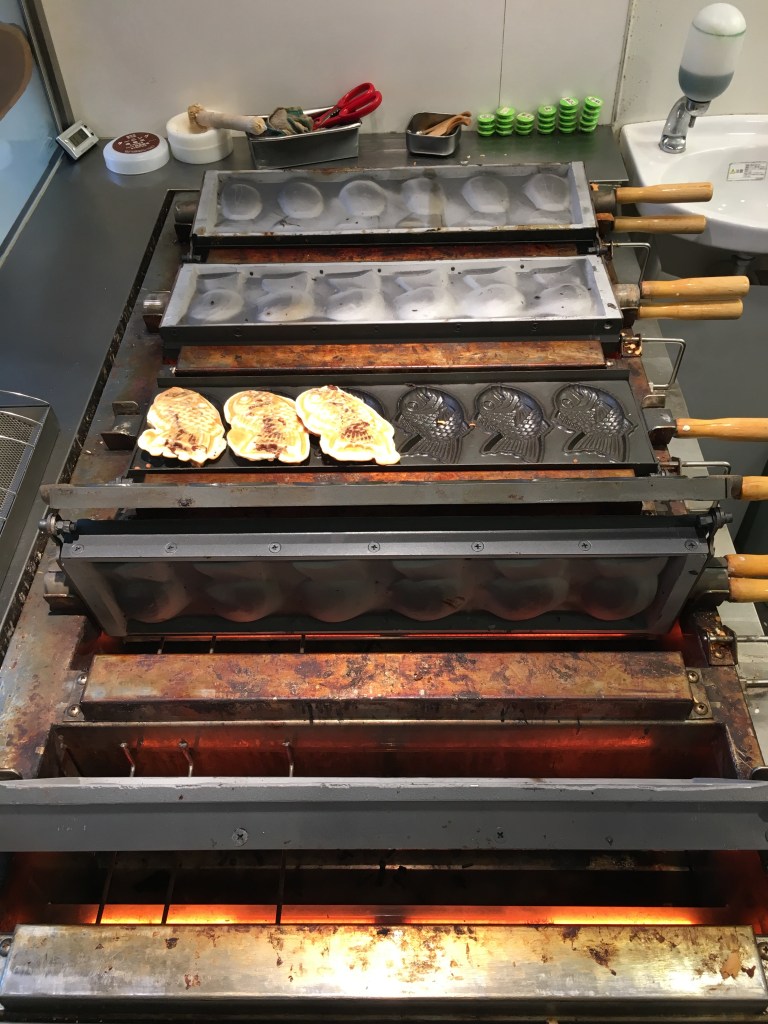
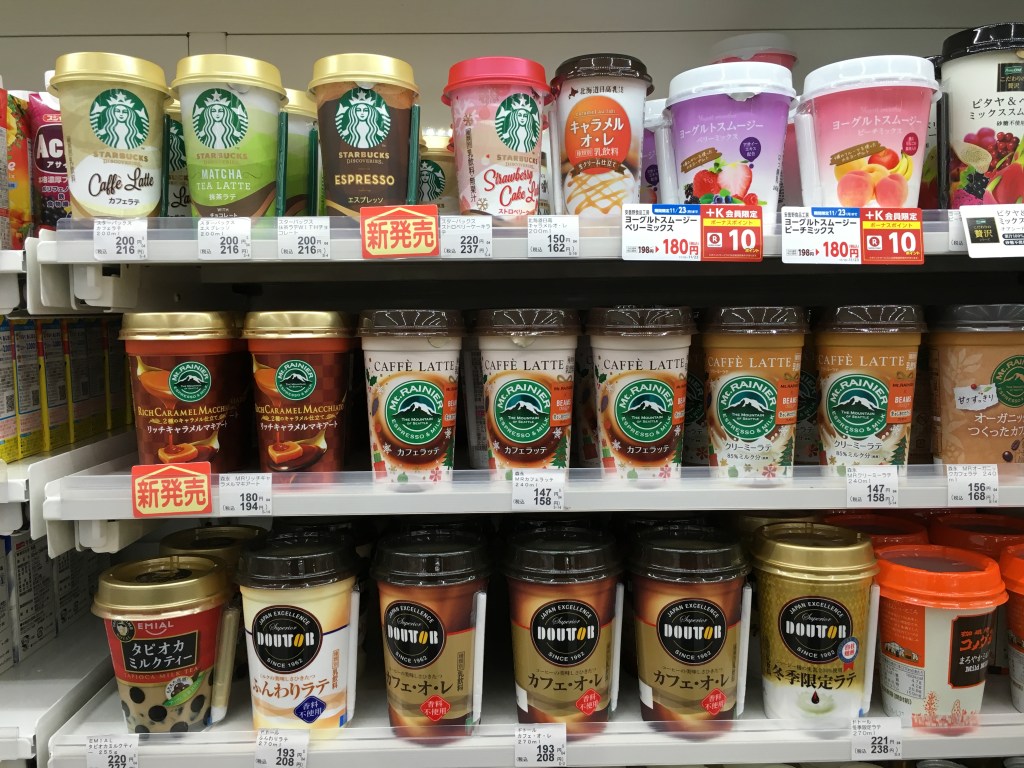
8. After sushi, Ramen is the next big Japanese export. Due to my dietary preferences, I desperately searched for non-pork broths and it led me to Ippudo in Ginza. The chefs were surprised by this odd request for a vegetarian broth but did oblige. It underwhelmed but I am sure that it was a far cry from the traditional tonkotsu broths. The Japanese breakfast experience was much more memorable. It was fun to order a real meal on a very opinionated automated kiosk. The set consisted of a semi boiled egg, cold tofu, miso soup, salad, steamed rice and smoked fish. I couldn’t point to anything that was unhealthy. May be this is Japan’s secret to live a healthy long life. Onigiri (rice balls wrapped in nori) and Ichigo Daikfuku (whole strawberry mochi) from the neighborhood 7-11 was my stand by meal. It worked out ok because there were enough street snacks to fuel up on the go. Taiyaki is especially a popular one, it is a fish shaped cake filled with red bean paste. It is typically made to order on hot coals. They aren’t too sweet so I didn’t feel guilty gobbling up a few at a time. There is no tipping anywhere and no expectation whatsoever. It was so refreshing to experience this coming from the West.


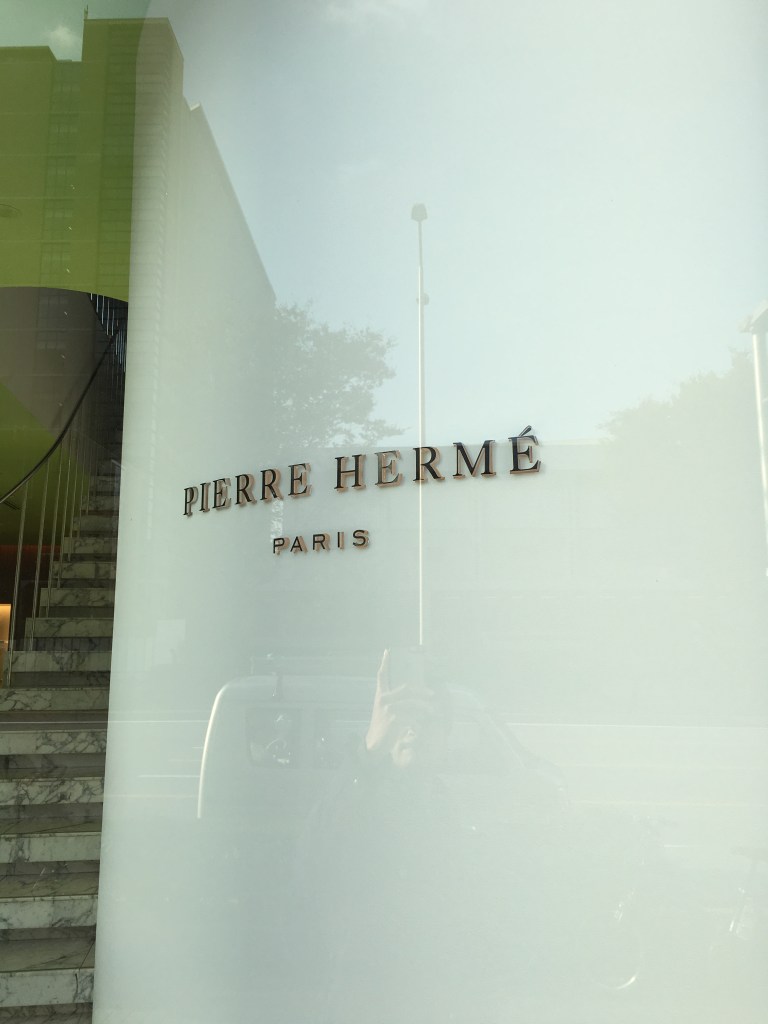
9. There is also this fascination with high quality patisseries – Maison Kayser, Pierre Herme, Dominique Ansel, Sadaharu Aoki all have flashy outlets in Tokyo. So, there is no shortage of viennoiseries or pastries if you are a sweet tooth.


10. Tea and Zen buddhism both were Chinese imports to Japan. However, it was the Japanese that blended tea drinking and Zen principles to create a spiritual experience around it. Sen no Rikyu is widely credited for having created this rustic style referred to as Wabi-Cha. There are still traditional tea houses that are trying to preserve this tradition albeit with a few subtle twists. As a visitor, the tea ceremony at Hamarikyu Gardens is good way to get acquainted with the Japanese tea culture. Tea is served in a traditional tearoom with tatami floor surrounded by a lush garden. The ceremony is relatively informal. So, the tea is not not prepared in front of the guests but there are still some explicit etiquette definitions. Here are a few – the wagashi(Japanese confection) served along with the tea has to be eaten first. The tea bowl should be picked up with the right hand, played on the left palm and turned so that front of bowl is no longer facing the guest. Nevertheless, it was certainly a very soothing activity.


 flagsandforks