1. The origins of Seville data back to the 8th century BC when it was an island on Guadalquivir river. It was called Hisbaal by the Phoenicians and by the Tartessians who predated Romans on the Iberian peninsula. It later flourished as a market and an industrial center under the Romans and was referred to as Hispalis. The Moors(Muslim rulers from the Barbary coast) conquered Hispalis in 712 and made it the capital of the Cordoba Caliphate which was ruled by the Umayyad dynasty who had their origins in Mecca. The Muslim rule continued under the Almoravid and Almohad dynasties who were both from North Africa. King Ferdinand of Castile led the conquest of Andalusia in 1247 and finally took over Sevilla after a 15 month long siege.

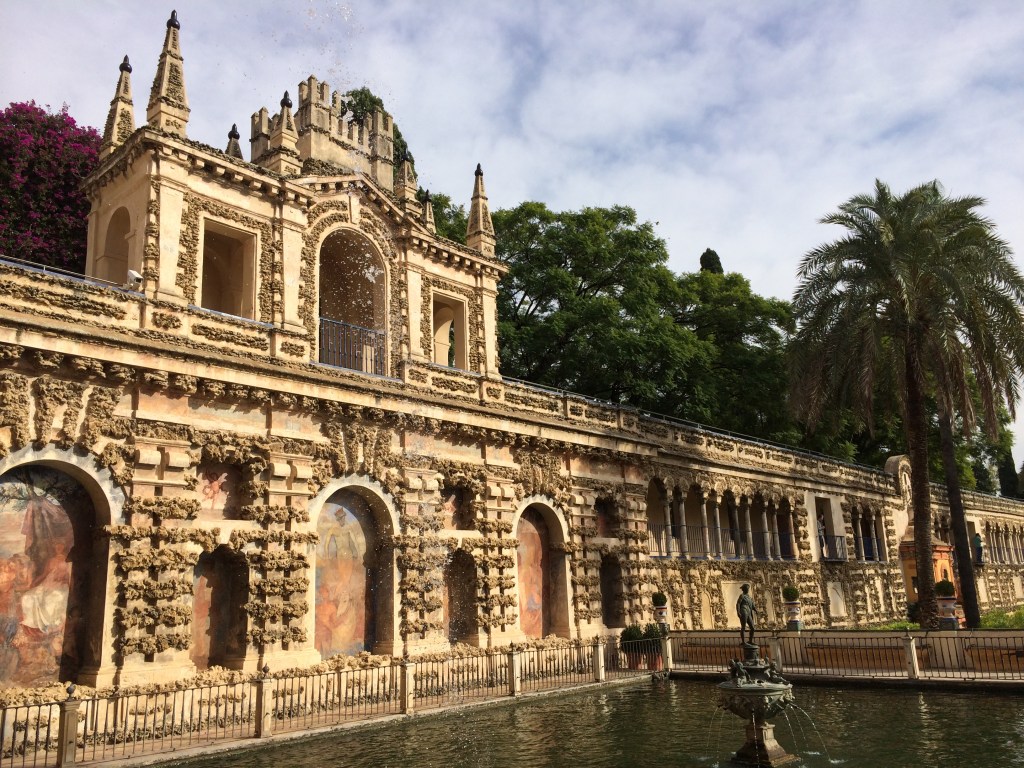
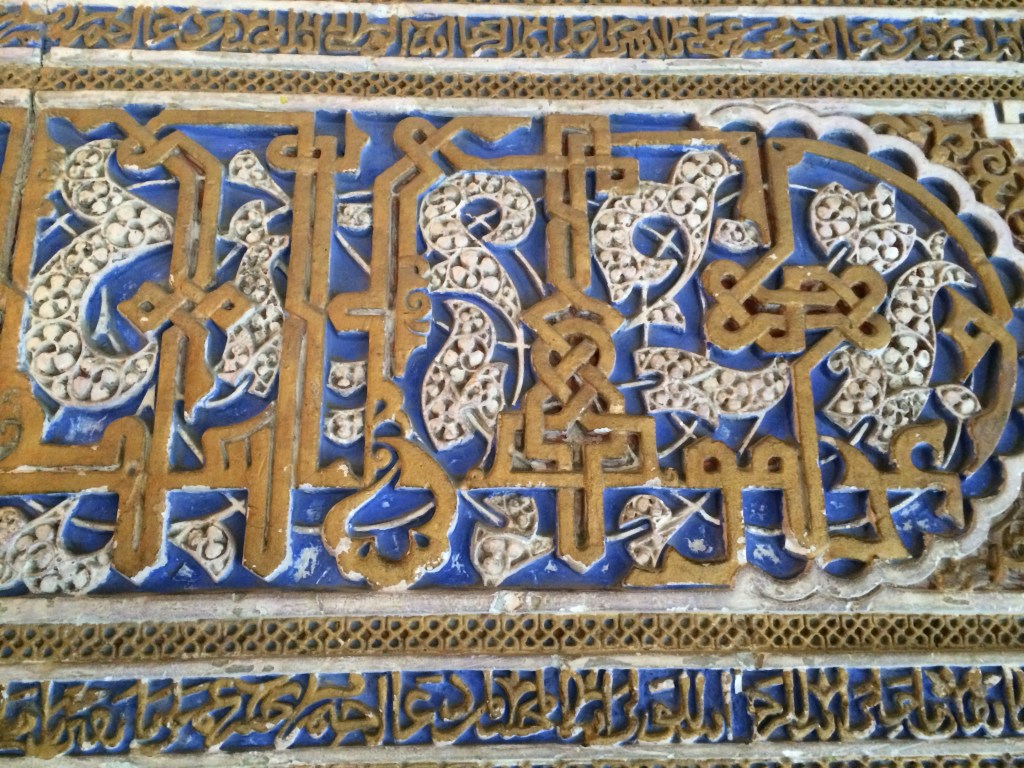
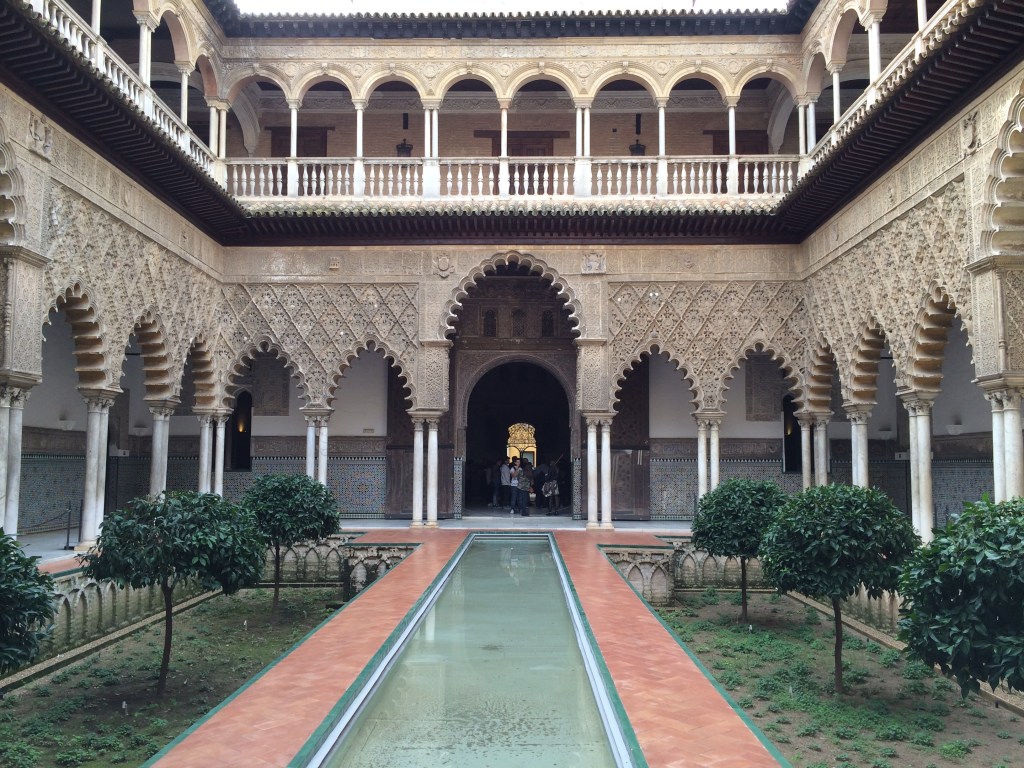
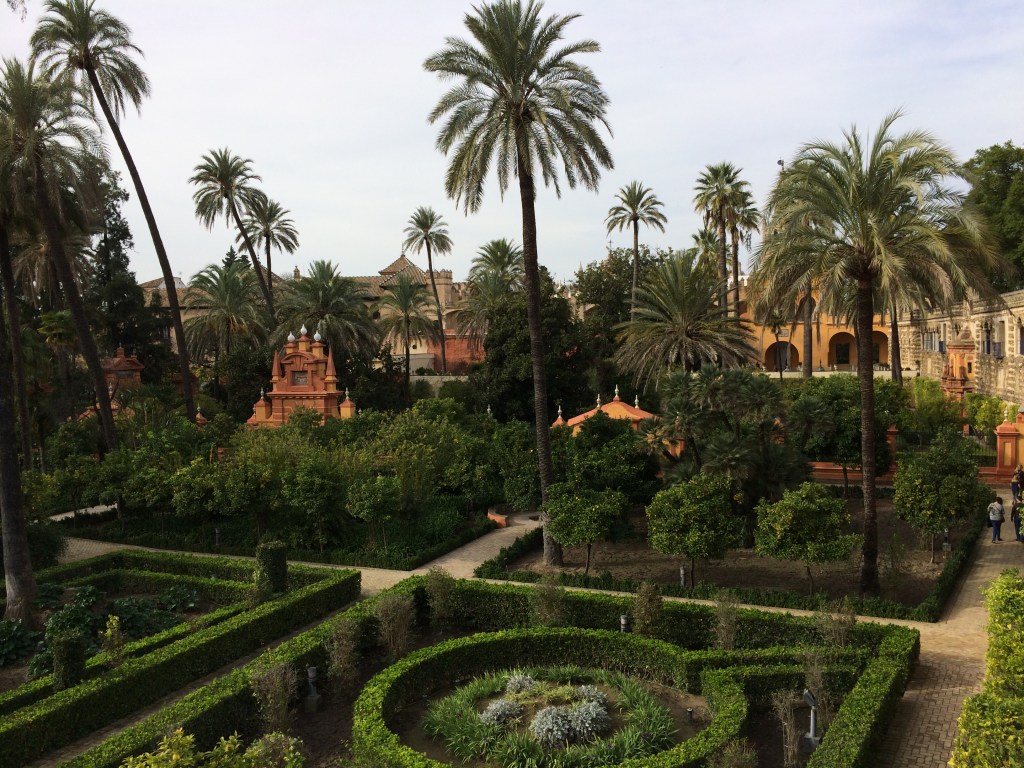
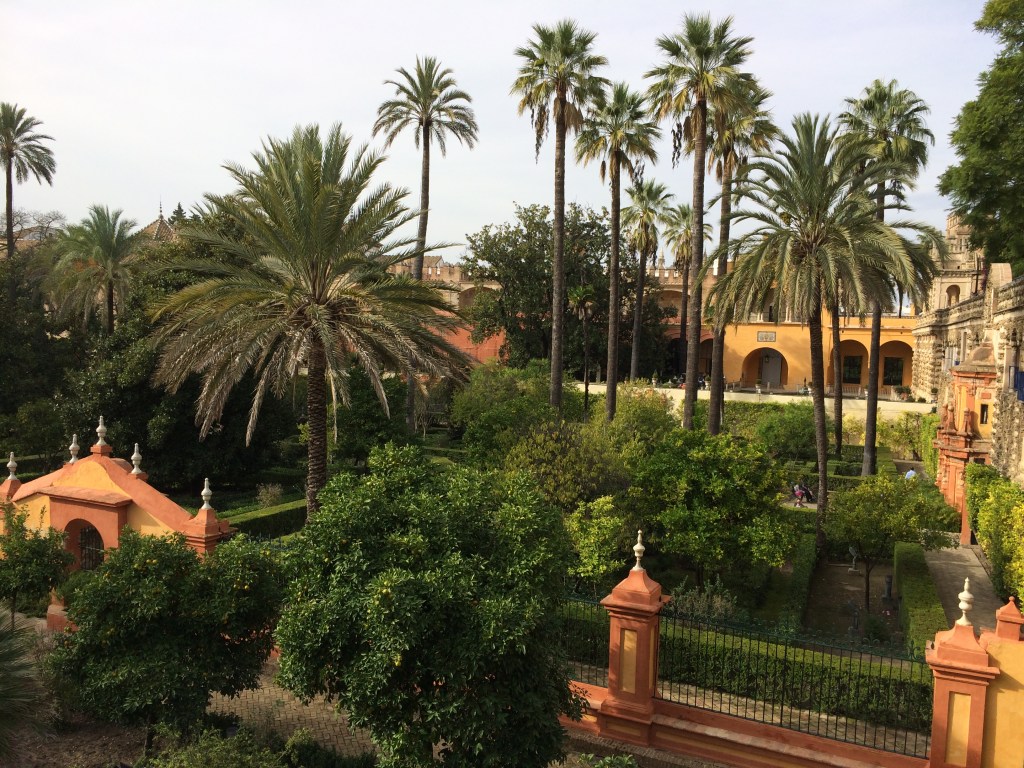
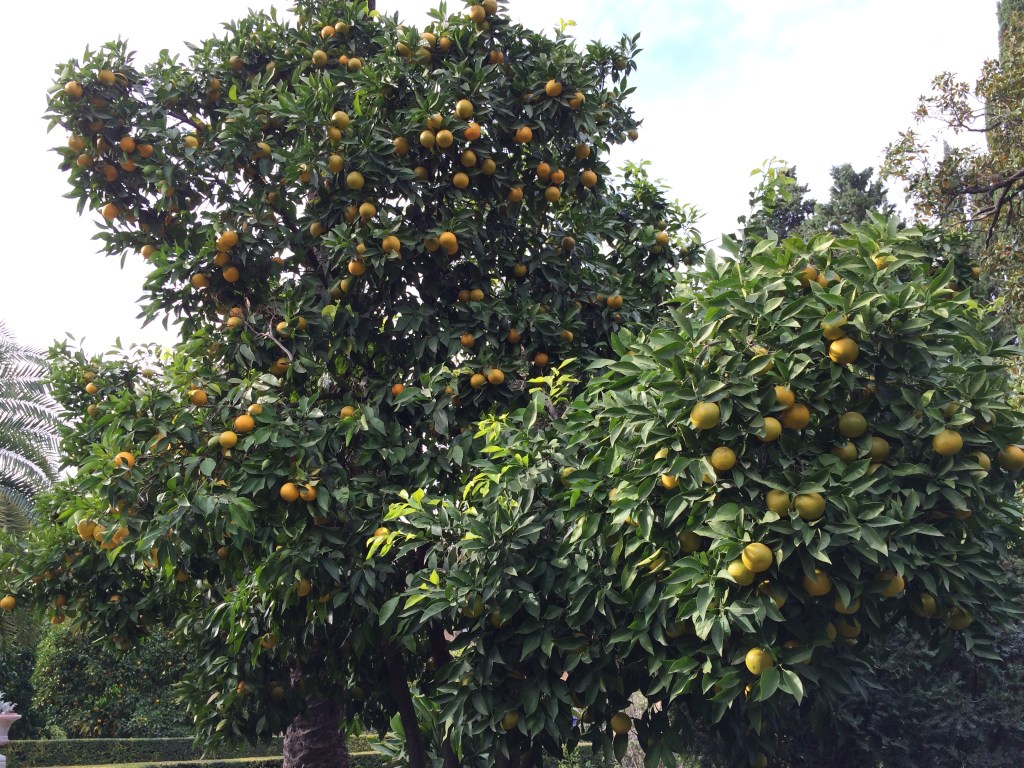
2. 500 years of Moorish rule left a lasting impression on Seville. Most notably, in terms of architecture referred to as Mujedar art. It was characterized by ornamental elements like calligraphy, intricate geometry and vegetal forms. The term Mujedar was used to refer to Muslims who remained after the Christian reconquest. The most notable example of Mujedar art can be seen at the Alcazar of Sevilla. Alcazars were residential fortresses built by the Moorish kings but the Christian kings like Pedro I, Isabella and Fernando embraced the architecture style and built their own palaces in the complex. The patios and gardens in the Alcazar complex are absolutely breathtaking. Filled with verdant trees, orchards and fragrant flowers, these gardens also serviced the needs of the royal kitchen.
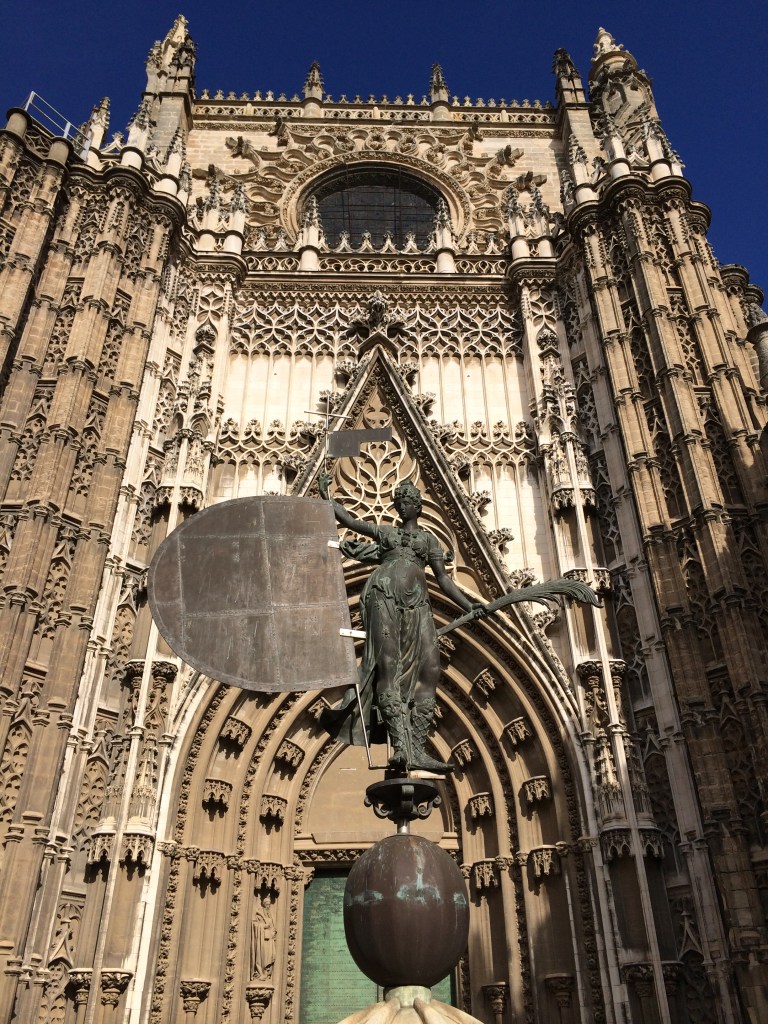
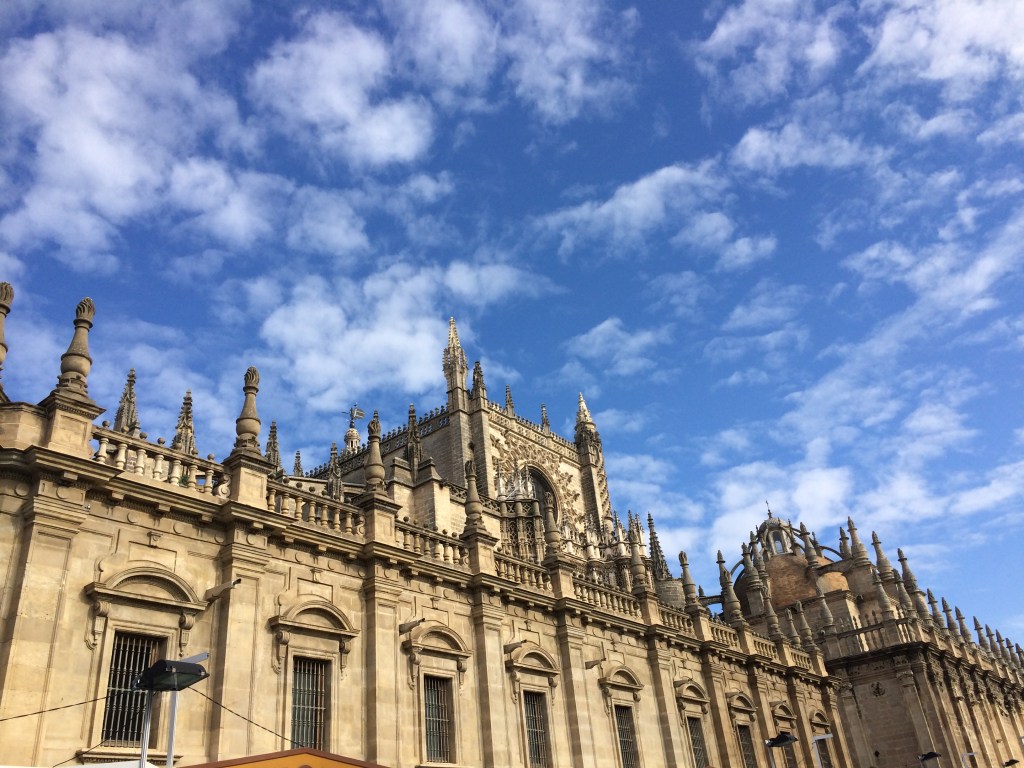
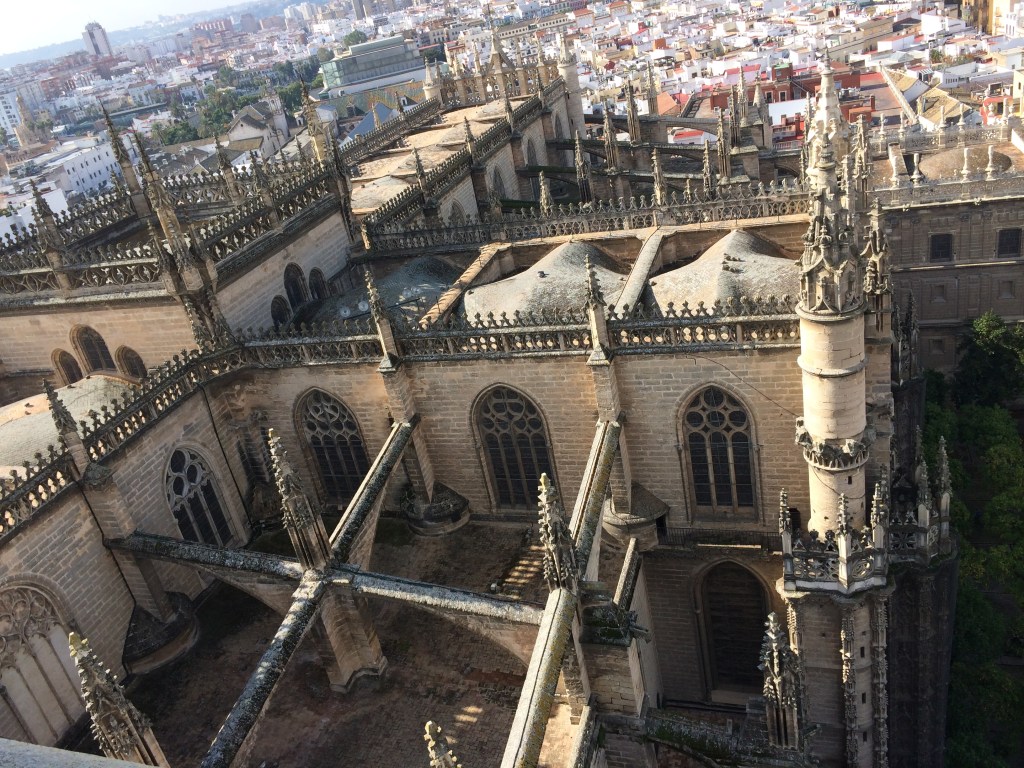
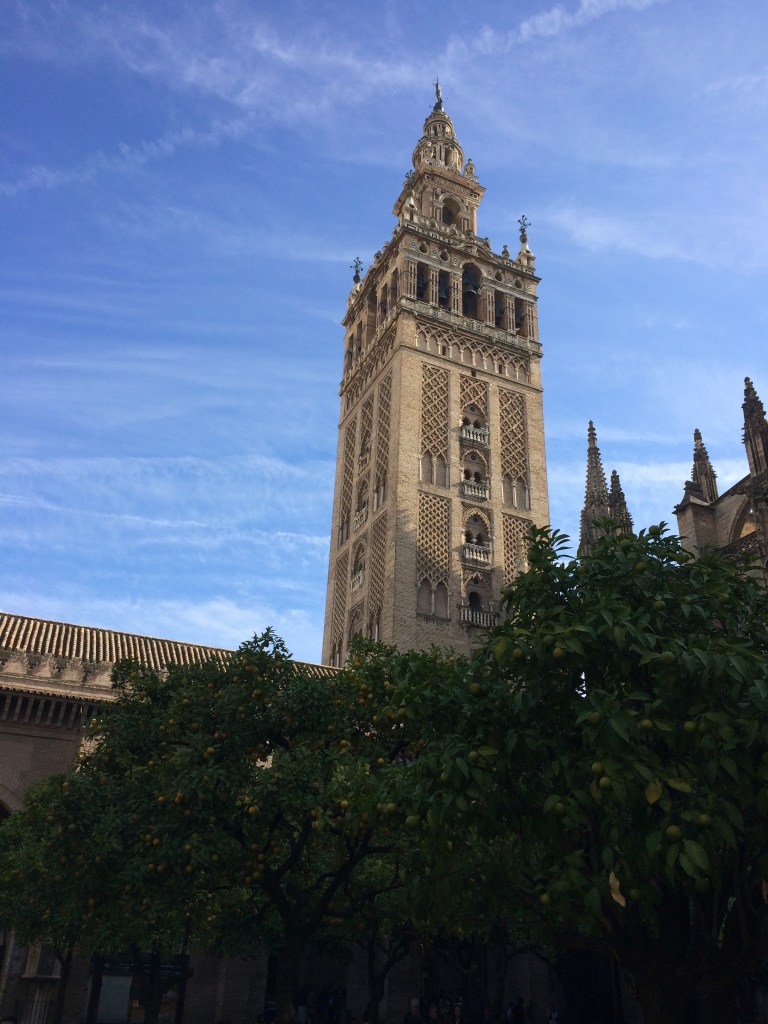
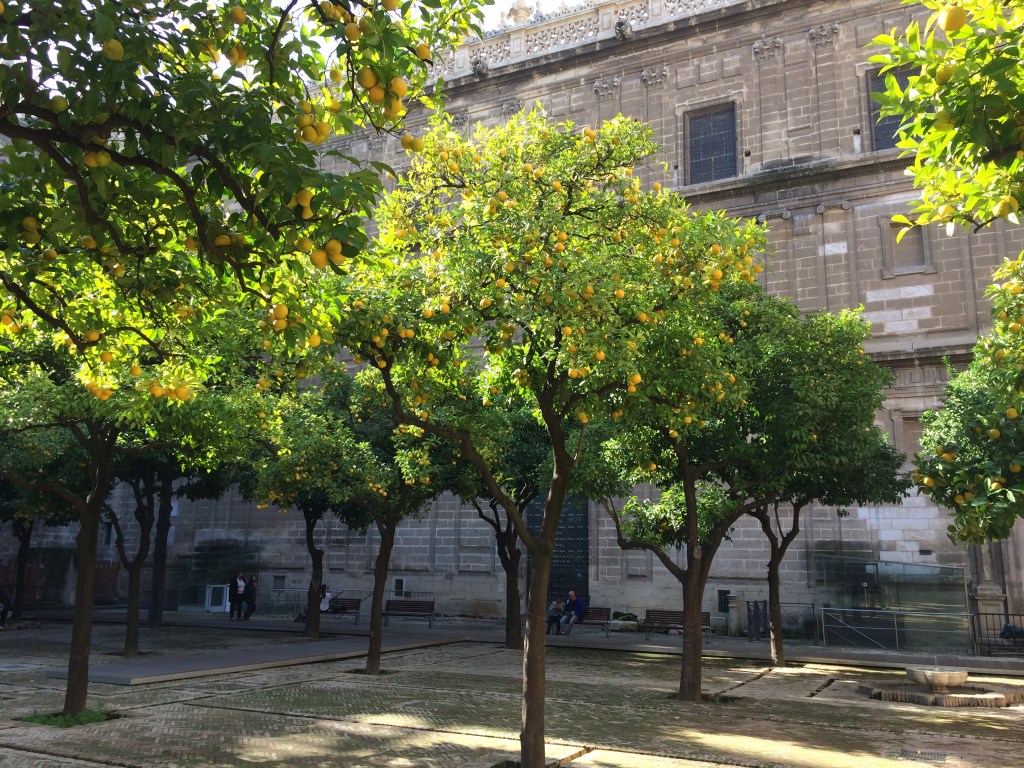
3. Seville Cathedral was commissioned to celebrate Sevilla’s growing wealth and power after the Reconquista led by King Ferdinand. Upon inauguration, it became the largest Gothic church in world. So, every characteristic of Gothic architecture like large stained glass windows, vaulted ceilings, pointed arches, ornate decorations can be found in abundance. However, it was built on top of the Almohad mosque which was christianized after the Reconquista. So, some of those aspects have survived. The mosque’s courtyard was converted to a stunning tree lined courtyard called Patio de los Naranjos. The mosque’s minaret was extended and made into a bell tower called Giraldi.
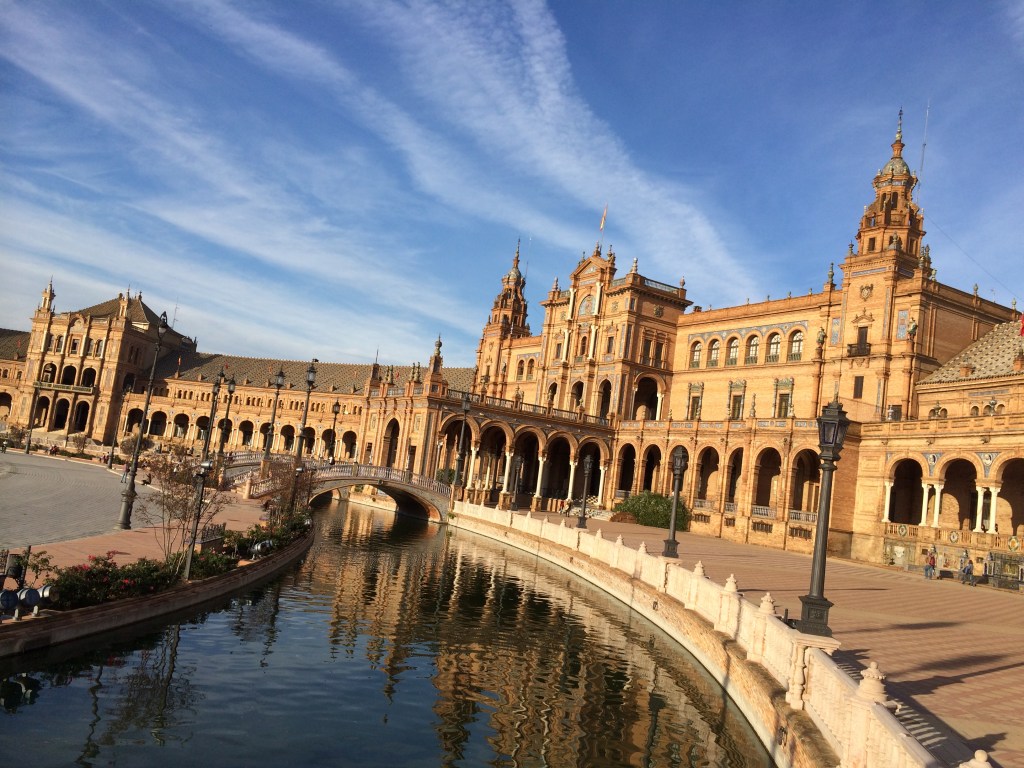
4. Plaza de Espana is one of the iconic buildings in Spain. Believe it or not, it was built to host a trade fair, Ibero-American Exposition of 1929. The building consists of tall towers at both ends and a canal along its perimeter. Colorful tiles dedicated to each of the 49 provinces of Spain are embedded in the front facade of the building. Being adjacent to the city’s planned green belt in Maria Luisa park, it is an easy stop for a great photo-op.

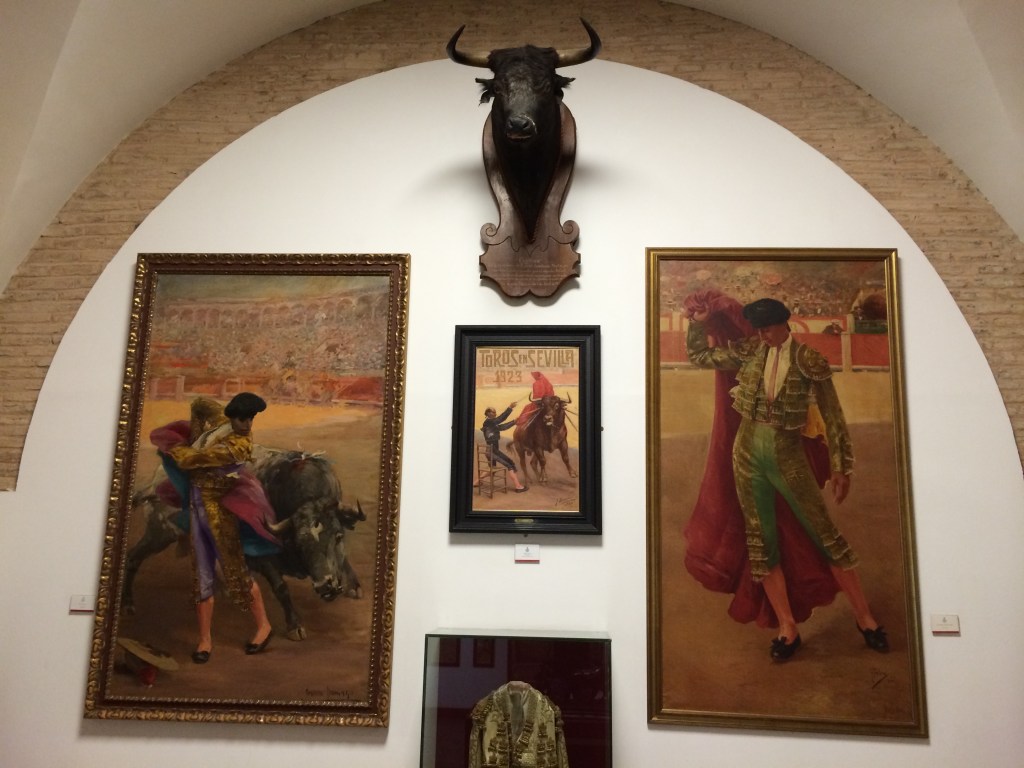
5. Bull fighting seemed to have been derived from gladiator contests from Roman times. But it not only managed to survive but also thrive in Iberia. Moors, Catholic, Bourbons all banned bull fighting under their rule but eventually relented and let the tradition continue. Costillares, a bullfighter from Sevilla is considered the father of modern day bullfighting which is staged as performance as much as a blood sport. Incidentally, he was also one of the first performers at the Plaza de toros de la Real Maestranza in Seville. Maestranza is an impressive bull ring with a capacity of 12,000. The color palette (yellow, white,brown) of the ring is also aesthetically pleasing. The ring is worth a visit even outside of the fighting season which runs from March to October.

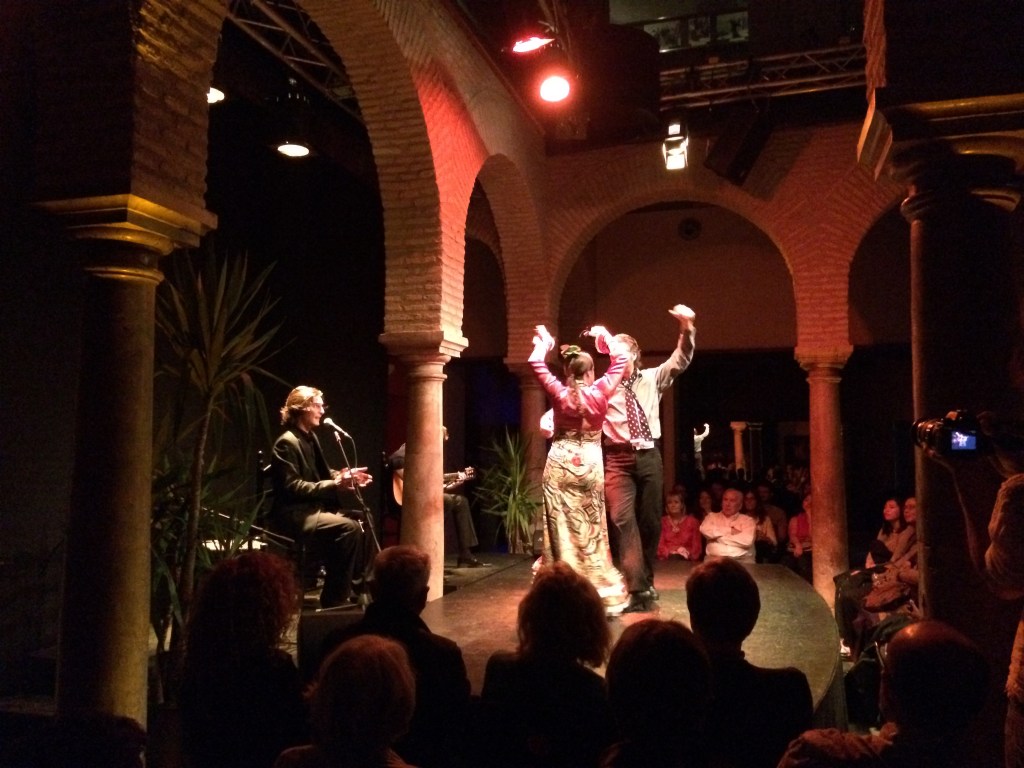
6. Flamenco is a beautiful art form that is a combination of guitar music and an evocative dance performance. Known to have originated from the nomadic Roma tribe, flamenco is now an important part of Andalusian identity. The high pitched strumming by the guitarist combined with the intense dance moves with foot stomping and clapping can propel the audience through a wide range of emotions. There are a number of performance centers in Sevilla but the shows at Museo del Baile Flamenco are both intimate and affordable.
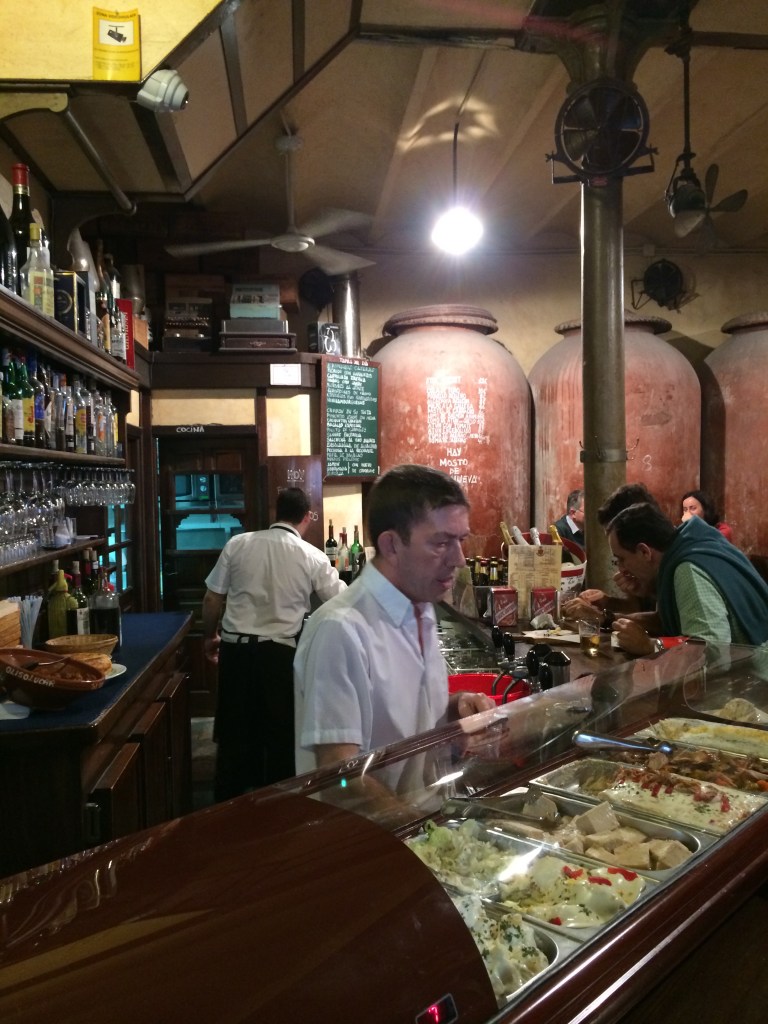
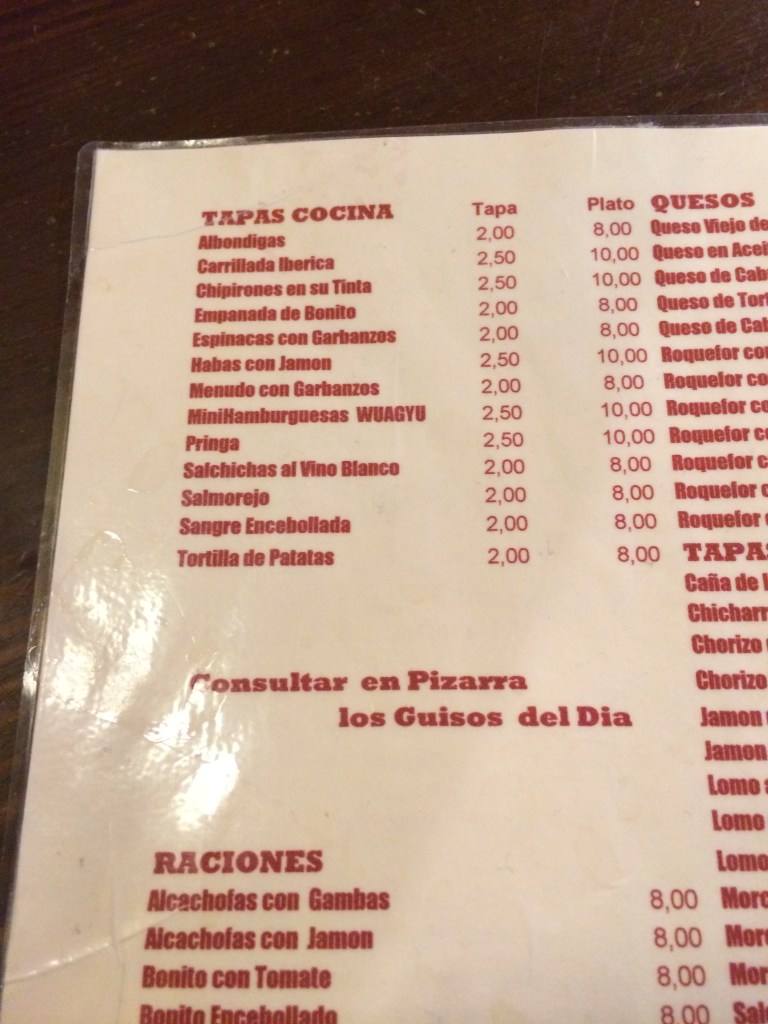
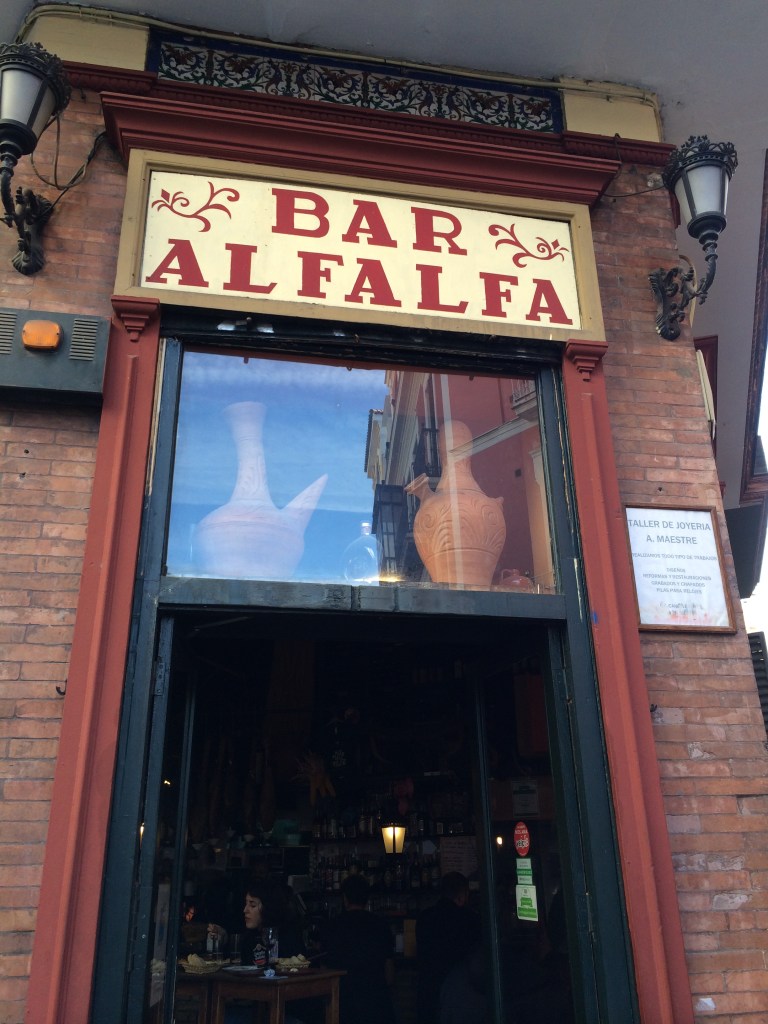
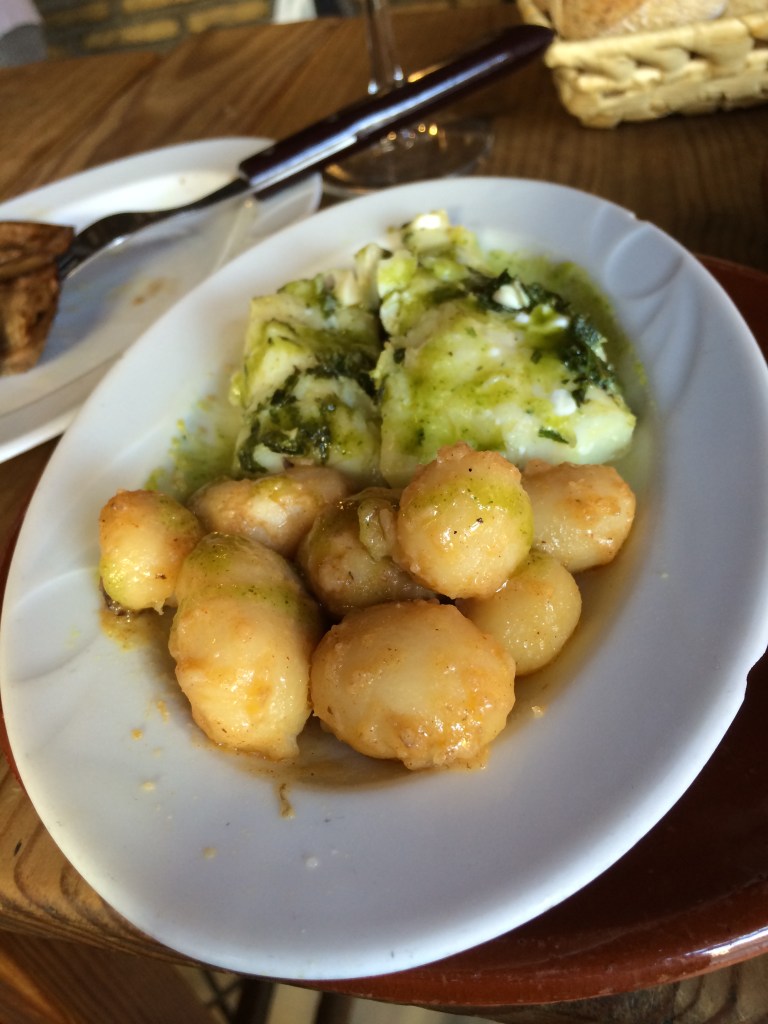
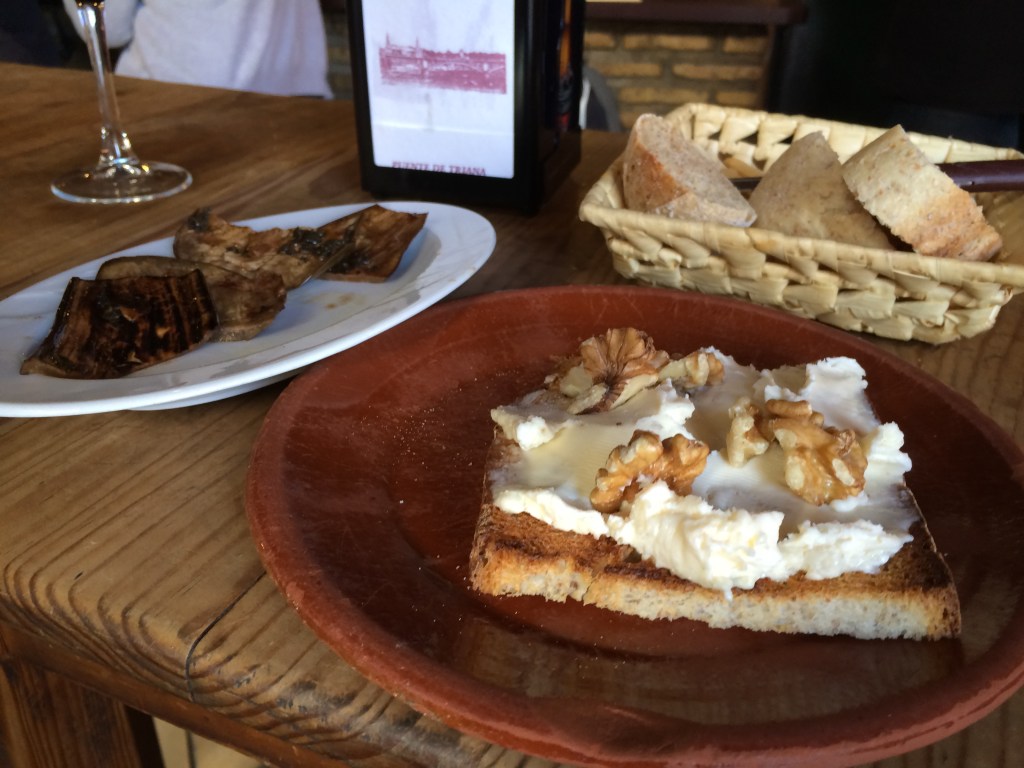
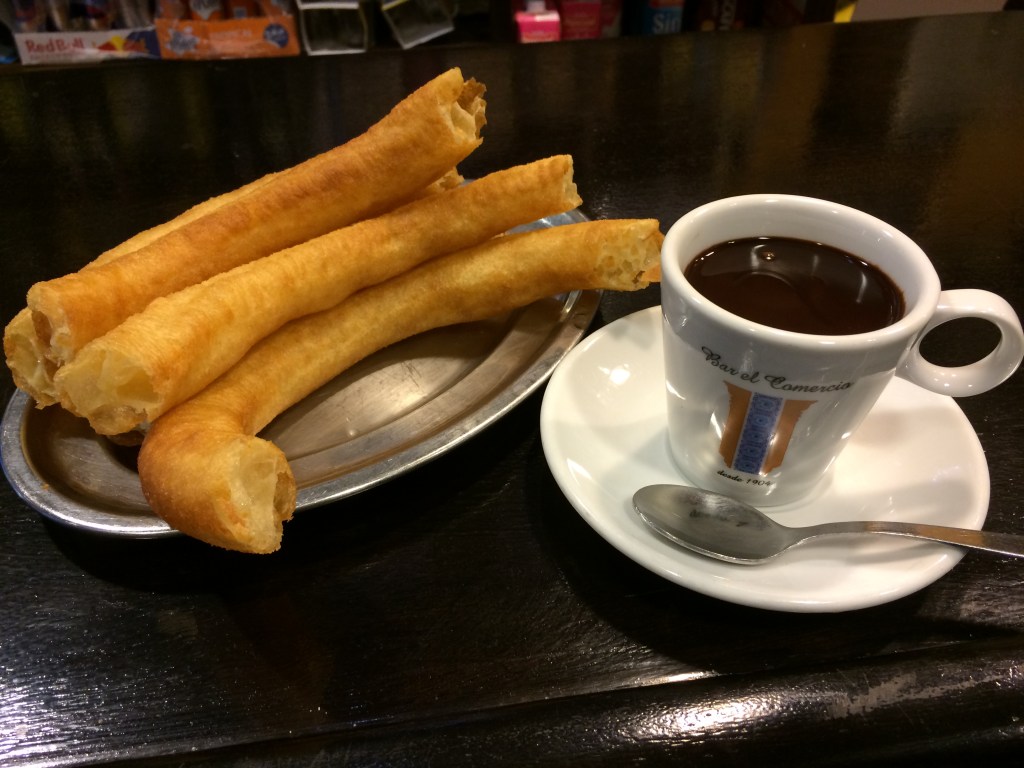
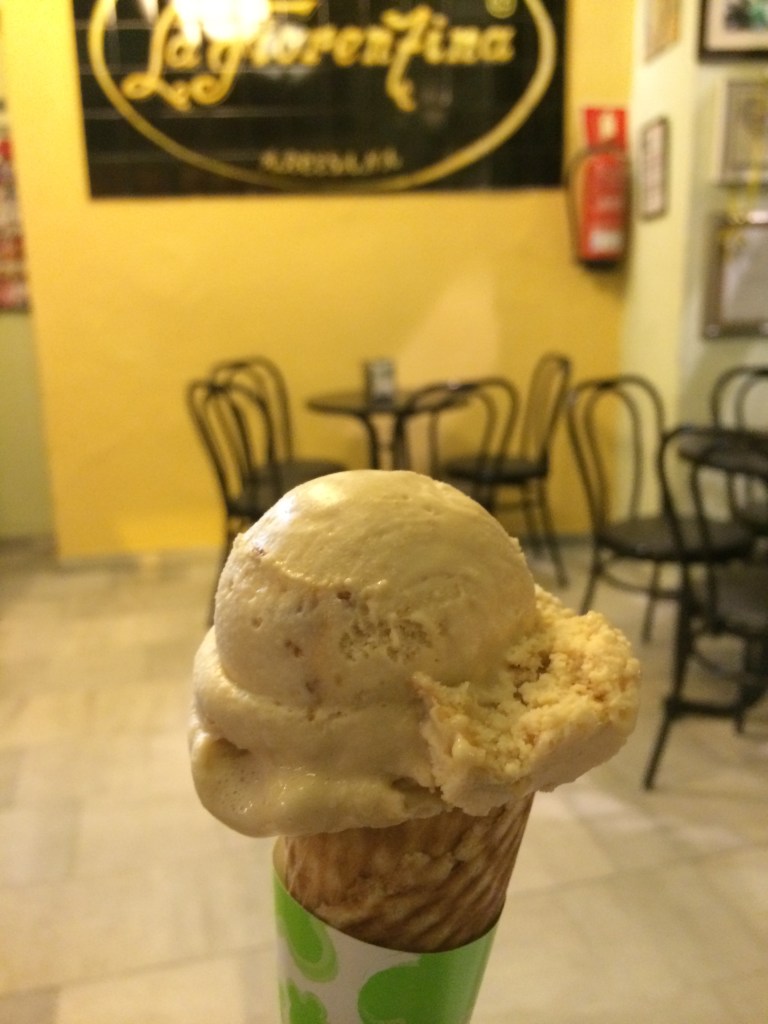
7. Food was simple, local and seasonal. A lot of dishes centered around beans, cheese and cod fish. More than standalone restaurants, bars were the place to grab a meal. They were happy to serve tapas as full plates on request. On the sweeter side, Bar Del Comercio serves solid churros con chocolate but the Fiorentina Heladeria is known for their Andalusian ice-cream flavors. My favorite flavor was the roasted chestnut which is also a popular street food in this region.

 flagsandforks