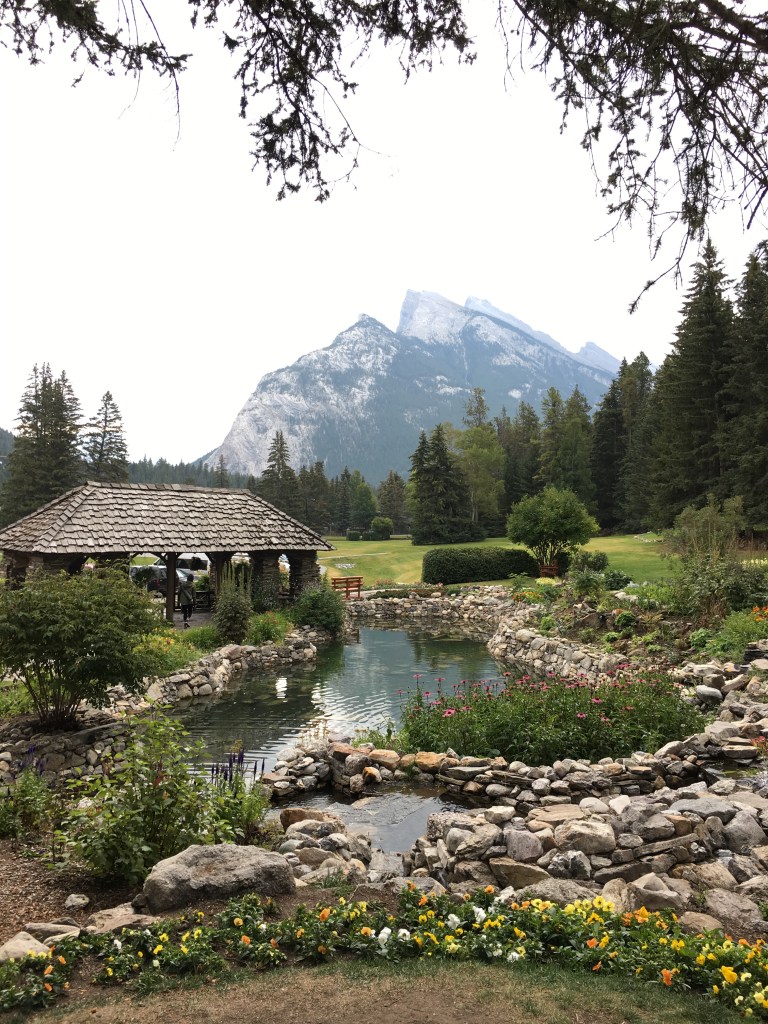
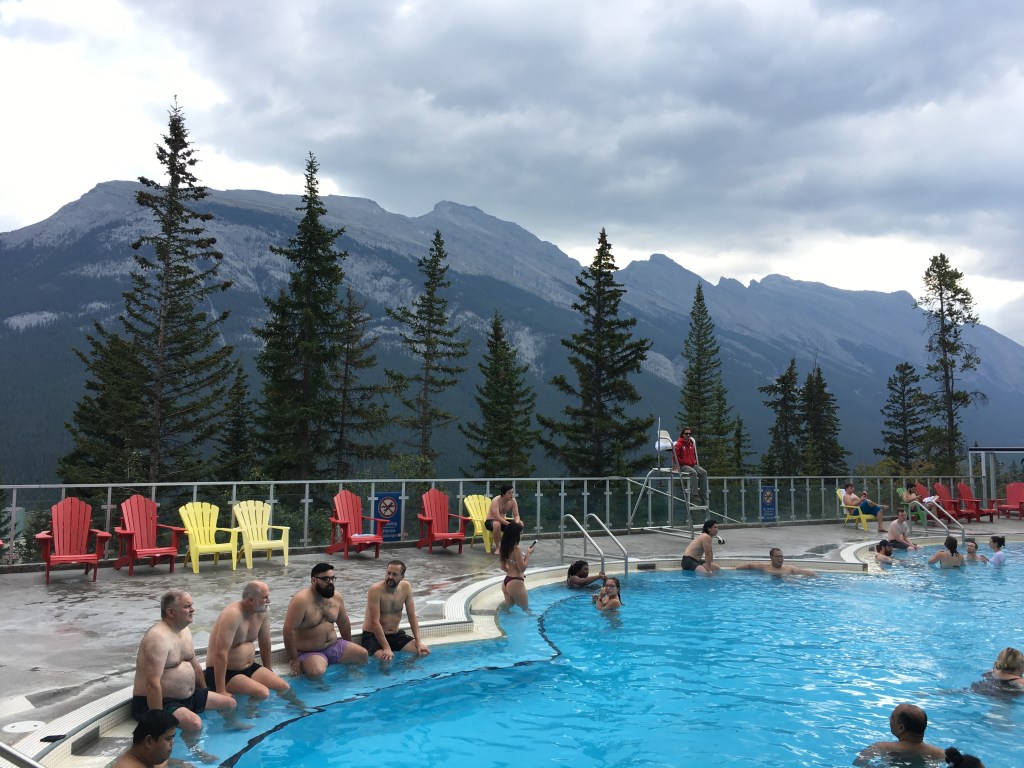
1. Banff is a resort town that is best known for its namesake national park. It is an all season destination with hiking opportunities in the summer and skiing in the winter. While most visitors use the town as the base for exploring the park, it is not without its charm. The quaint downtown has a good mix of galleries, restaurants and shopping. Banff Upper hot springs is an alluring option after a long day of park activities. It was one among the nine hot springs that were discovered on the slopes of the Sulphur mountain and is now the only one open to public.
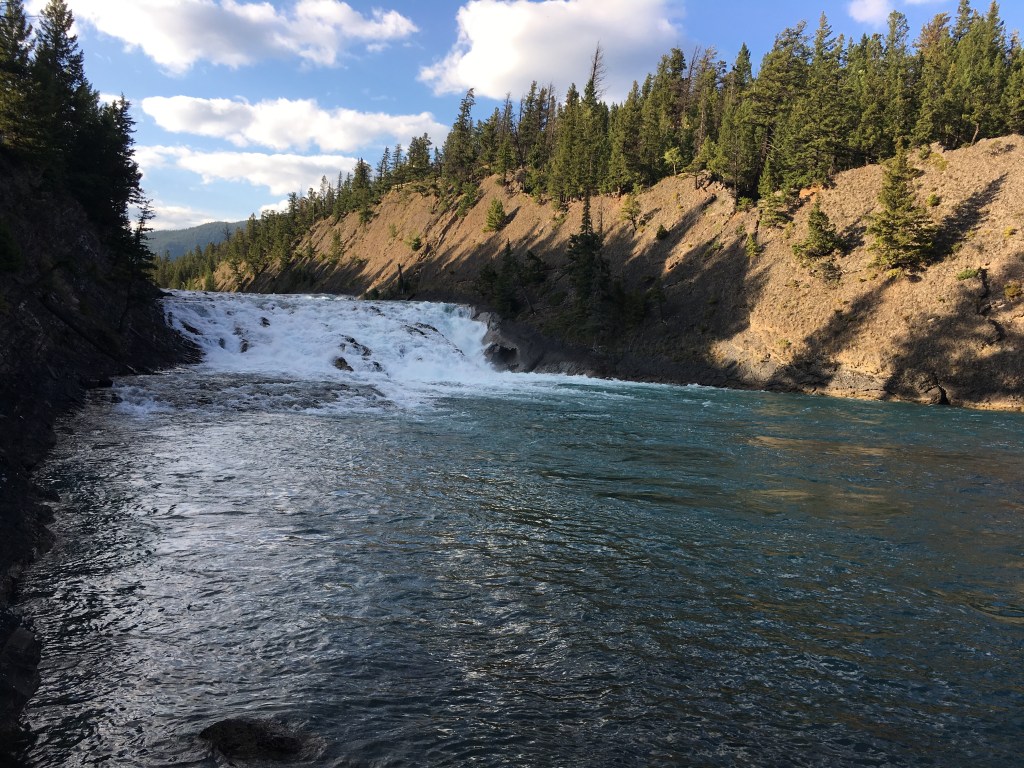
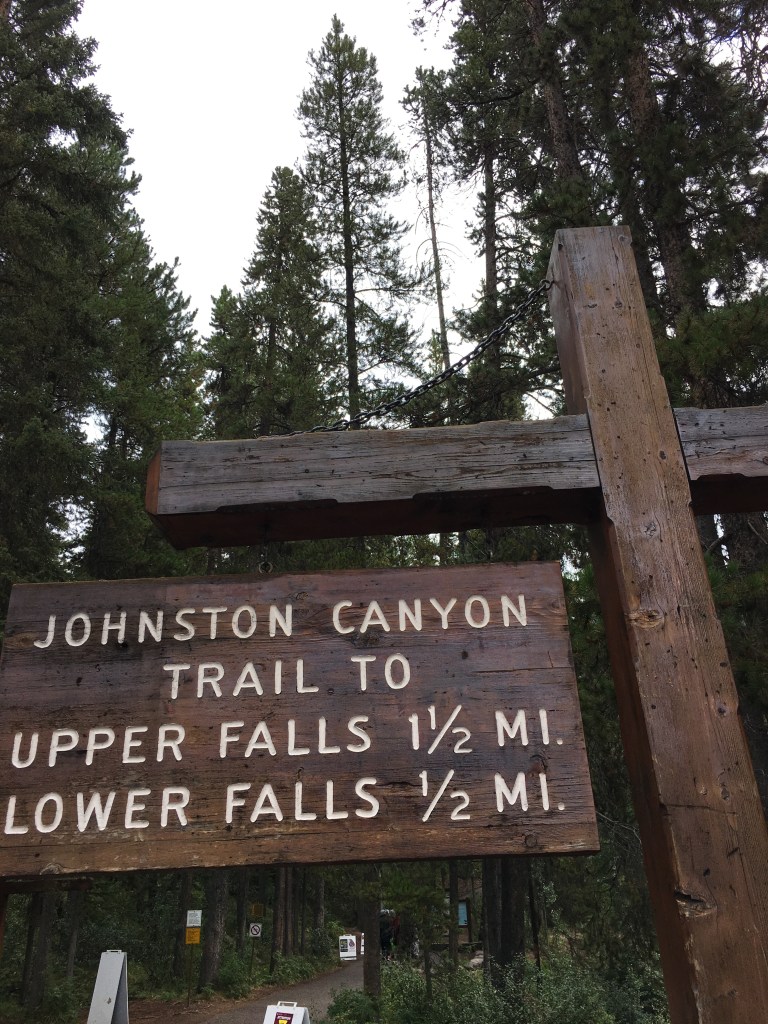
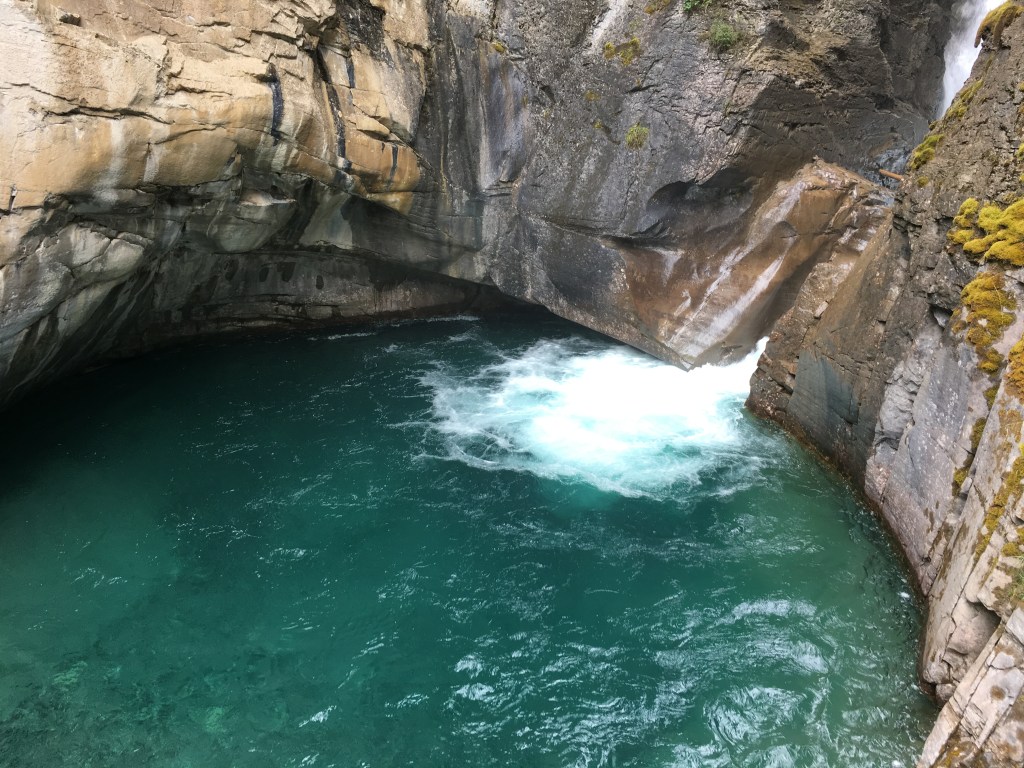
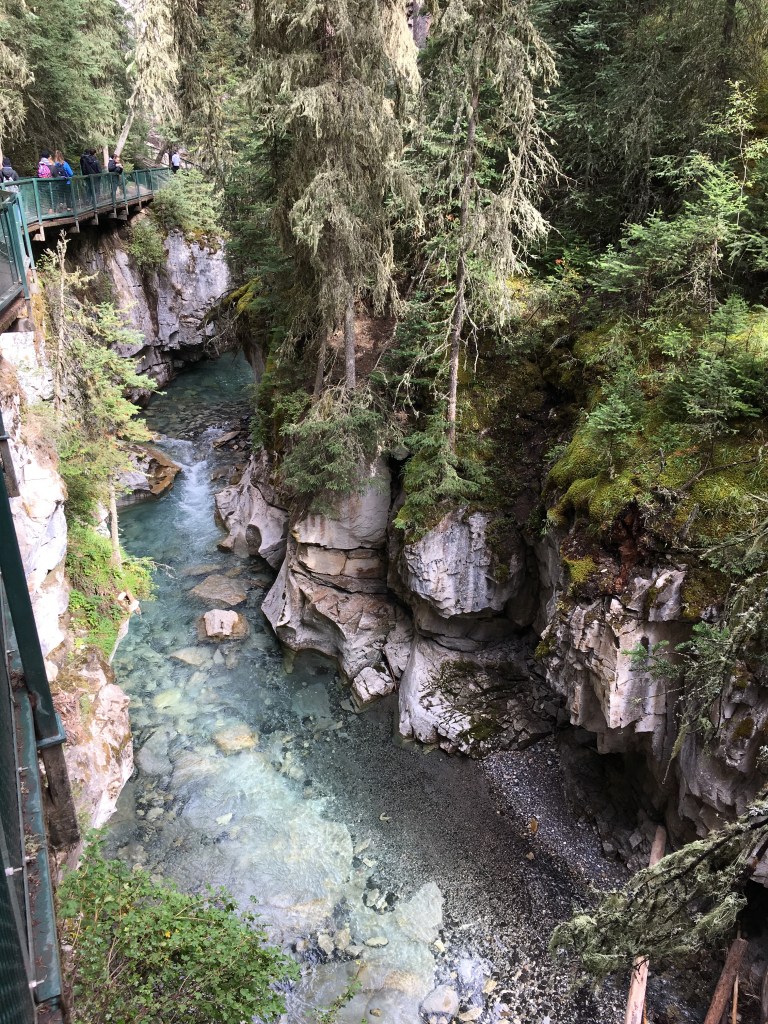
2. Bow Falls is located at the edge of town. It provides a sneak peak of the beauty that lies ahead in the park. It is an easy walk across its perimeter and is even possible to walk in the water at some points. Johnston Canyon is another popular stop that was carved out in the limestone bedrock due to years of water erosion. The lower falls are easily accessible via a walking trail that cuts across forest and canyon. The upper falls view point trail is a bit steeper and longer but provides a top view of the falls. The upper falls freeze during the winter and is a considered a ice climbing destination for all levels.

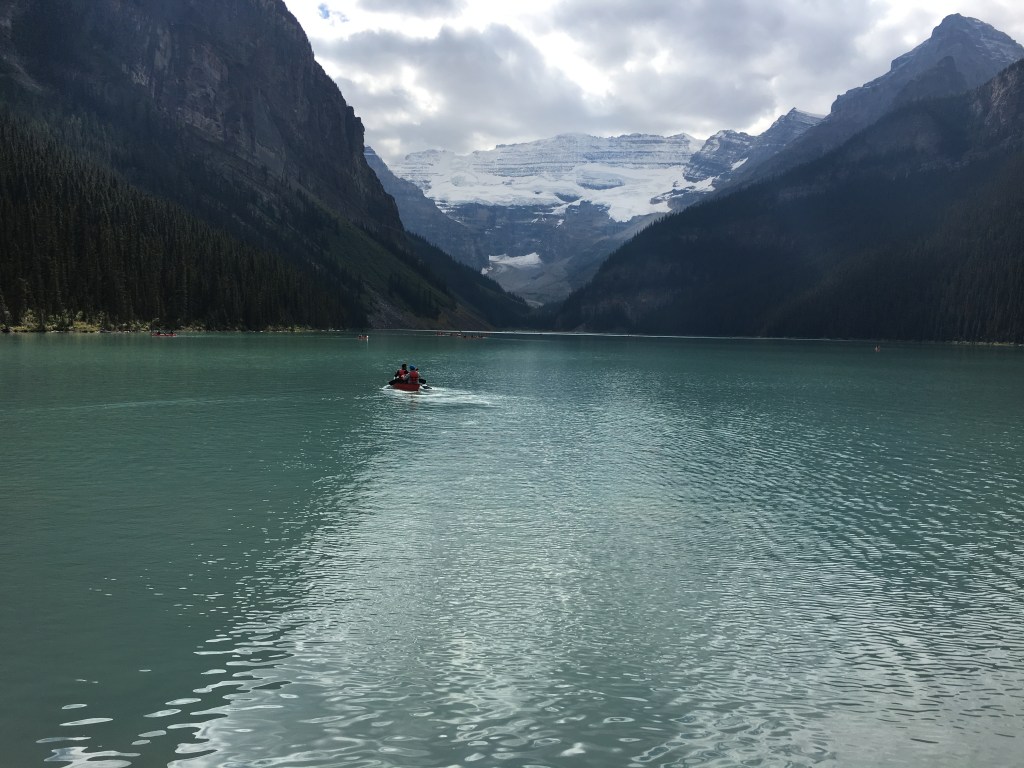
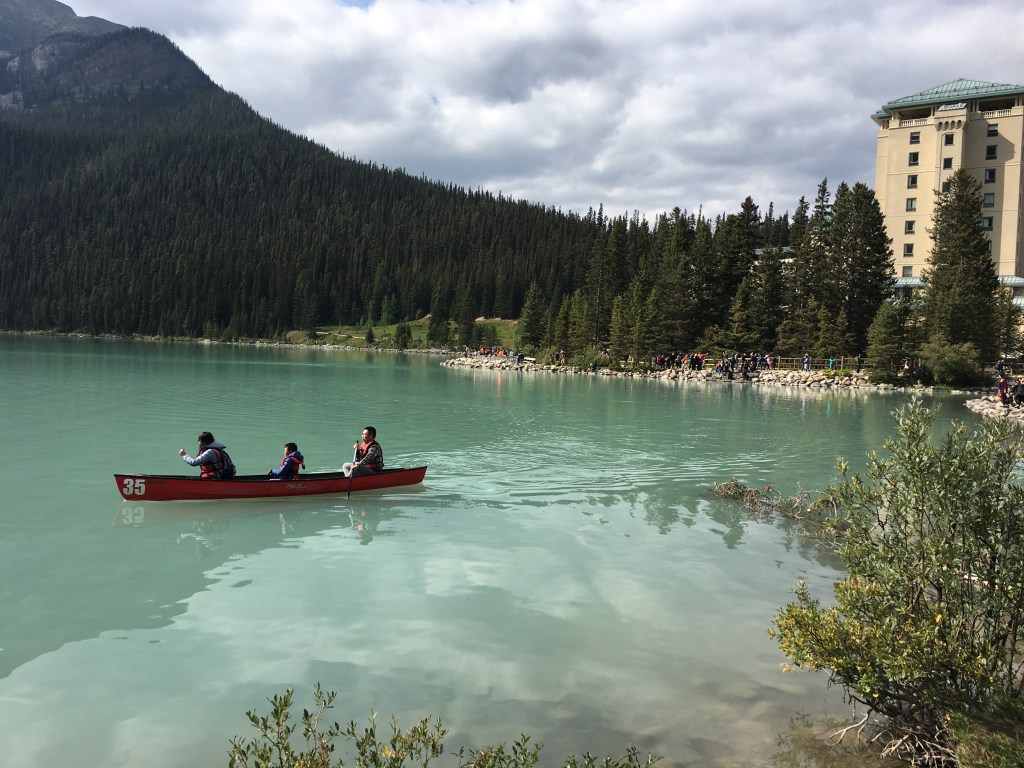
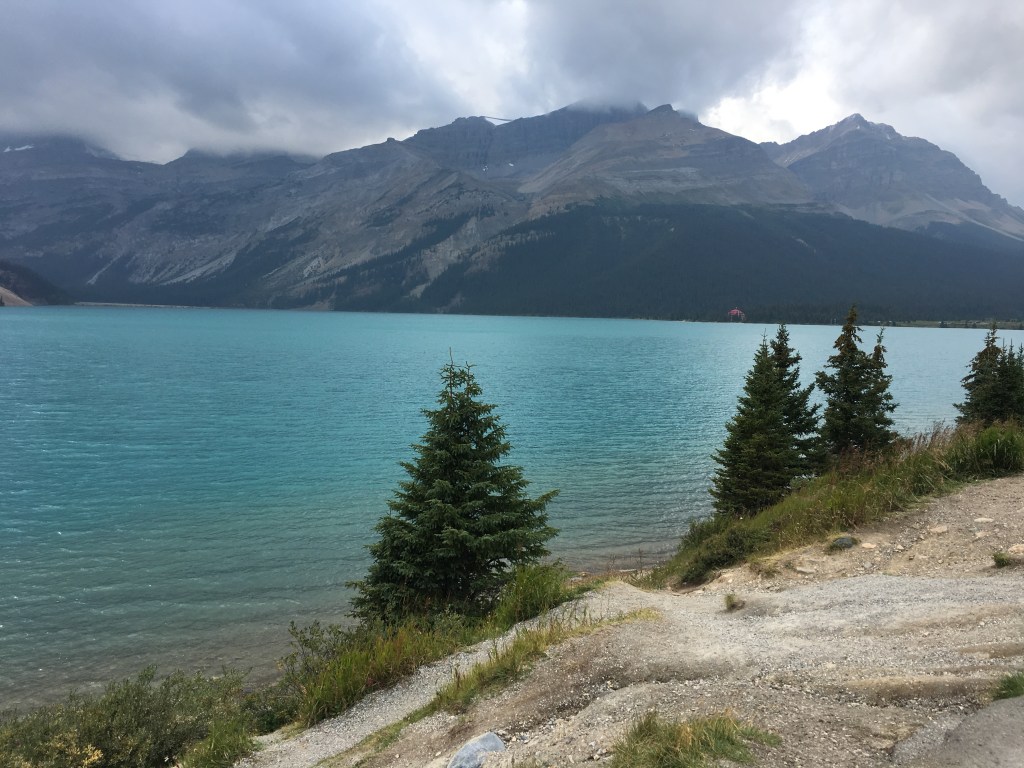
3. The crown jewels in the Banff national park are definitely its glacial lakes. There are many of them strewn across the park shimmering in various hues of blue. These colors are a result of salt and minerals that these lakes absorb on their way. The best among them are certainly Lake Louise and Moraine Lake. Flanked by snow capped mountains on three sides, Lake Louise color changes with the movement of clouds. On my visit, the lake was an ethereal turquoise green. Due to its easy accessibility, it seemed popular with bus tours. The best way to take it all in is by kayaking the lake. It felt like a dream floating through the glistening lake. Moraine Lake is one of the best natural sceneries that I have ever seen. The turquoise blue is so vibrant that I simply couldn’t take my gaze away. No one can take a bad picture here but even the best cameras can do justice to this beautiful lake.


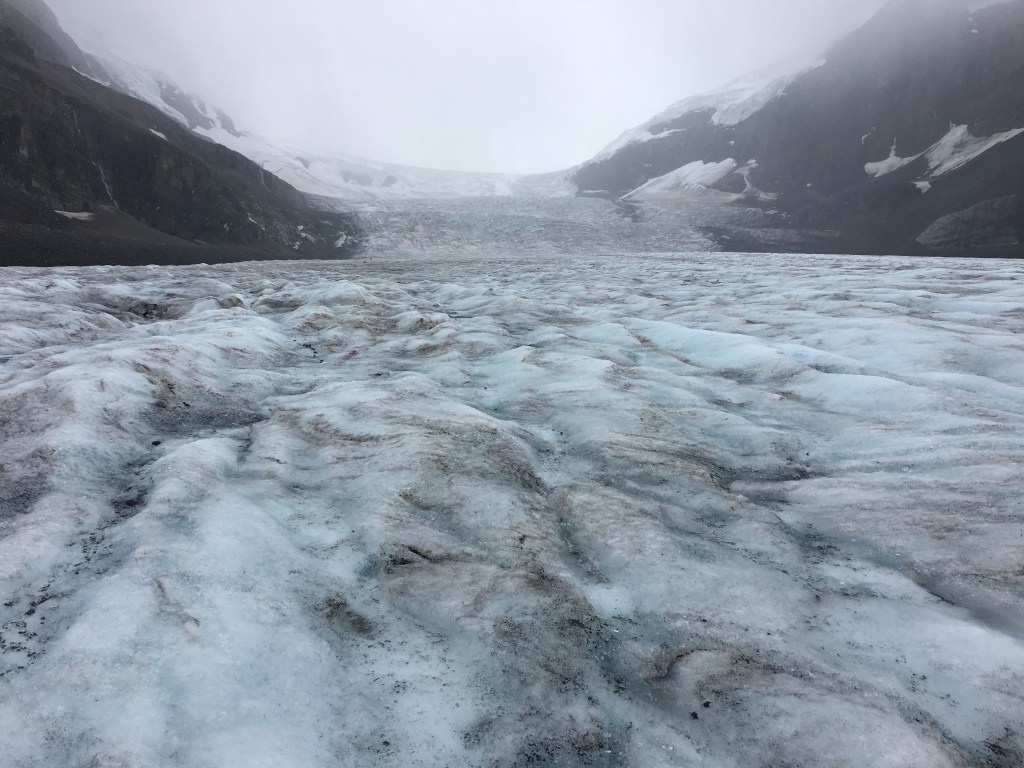
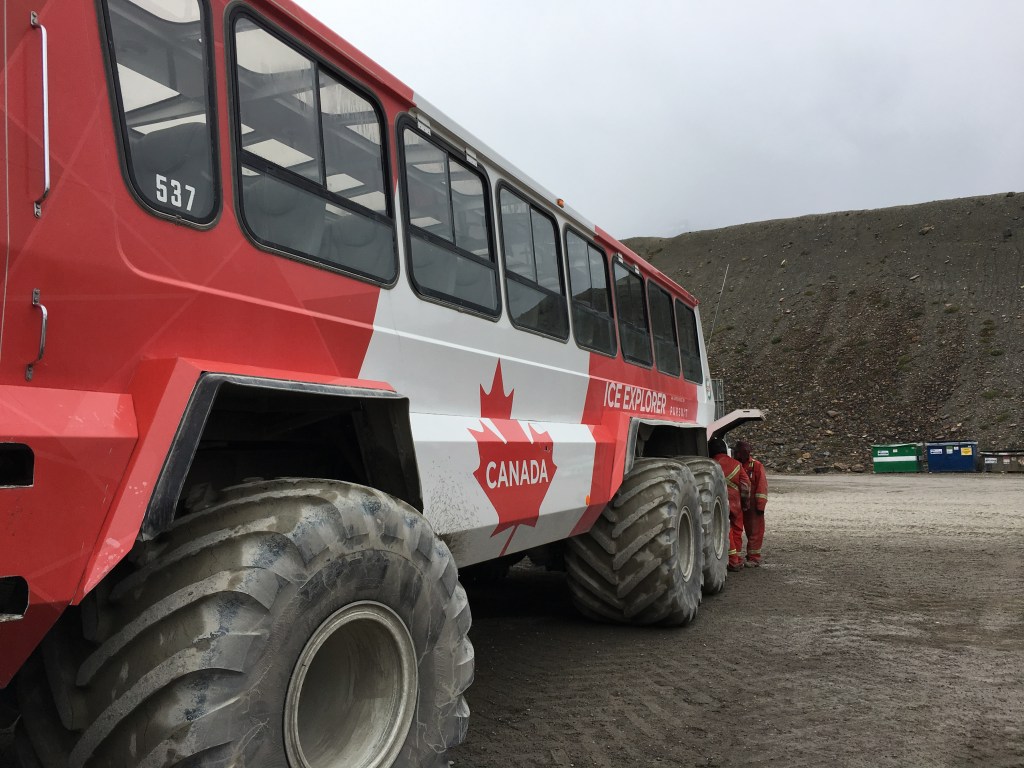
4. Columbia Icefield is the largest ice field in the Rocky mountains. It covers an area of 125 square miles extending into northern edges of Banff national park and the southern edge of Jasper national park. The Athabasca glacier is one of the few accessible areas in the icefield. It does take some serious transportation to set foot on the glacier though. So, a visit is very expensive. Then again, it is a unique experience to hop on one of those all terrain vehicles that are only deployed elsewhere in Antartica. The winds on the glacier do pack a vicious chill factor even during peak summer. Climate change has even impacted this monstrous glacier, it is said to have retreated more than 1.5 kms and also lost half of its volume.

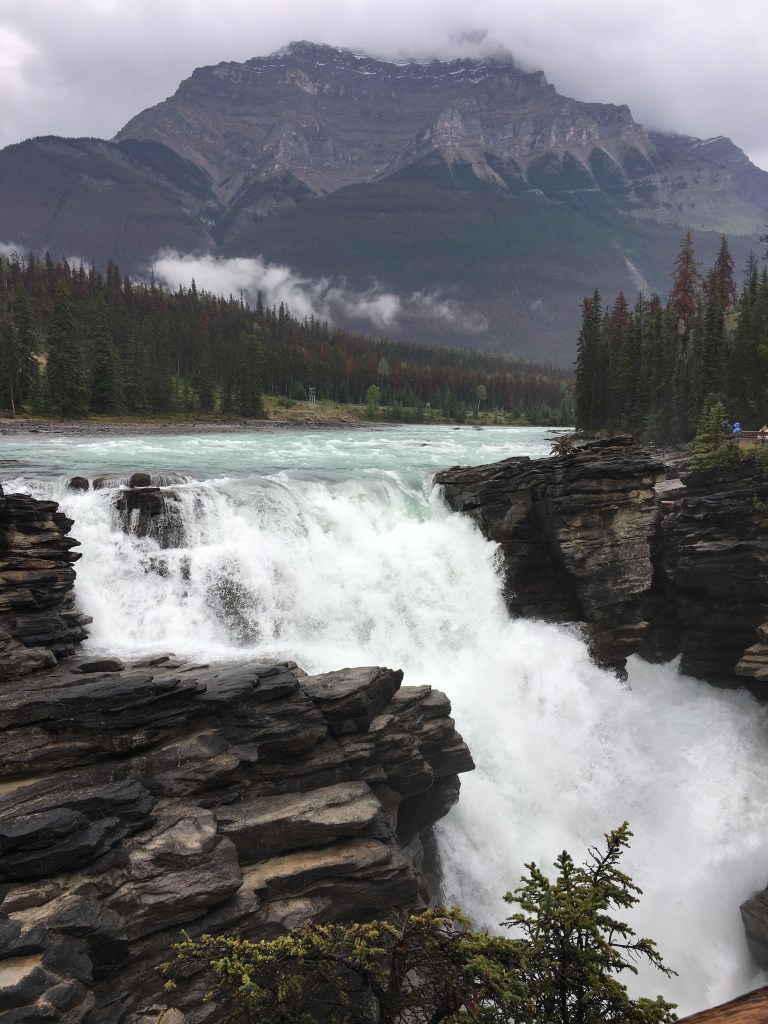
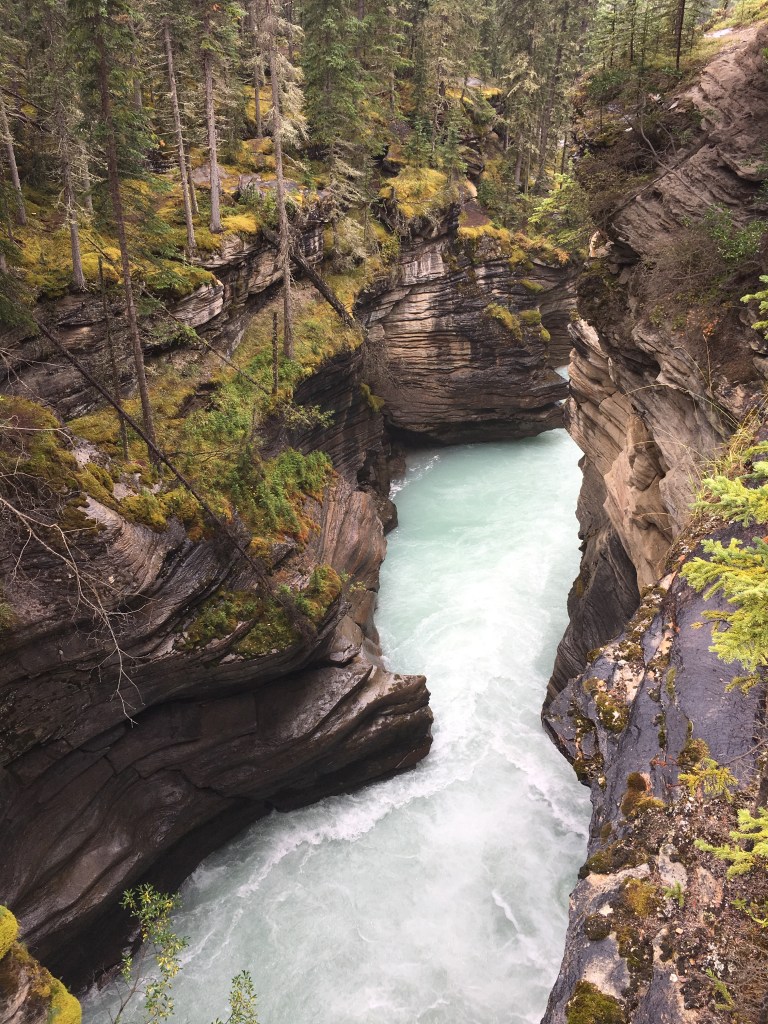
5. Jasper national park is overshadowed its cousin Banff but has its share of beautiful glacial lakes.Jasper is known for its wildlife – caribou, moose, elk are easily spotted. I even noticed grizzlies crossing the road here. Athabasca falls is easily the best spot in the park. Although not very high, the flow is very powerful due to the large quantity of water it pushes into the gorge.
 flagsandforks