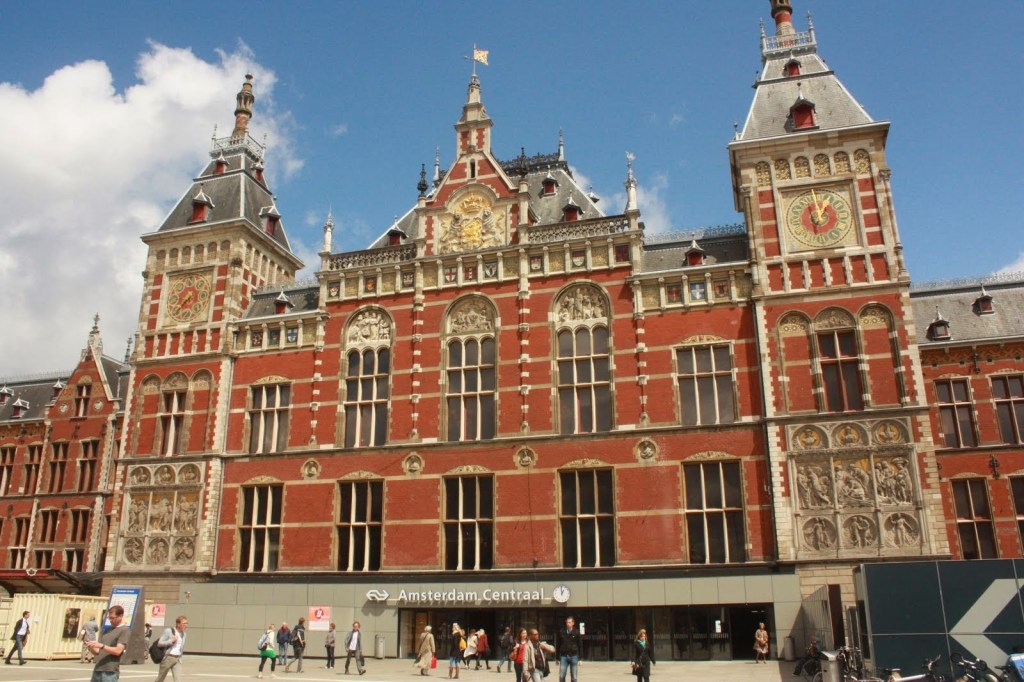
1. The city of Amsterdam was founded around 1250 with the building of the Dam that gave it its name. it was built to safeguard the city from flooding caused by the Amstel river. The word Amsterdam is derived from “Aeme Stelle Redamme” which in medieval Dutch meant a dam in a watery area. The Dam Square eventually became the as the centre of the city. It houses the Koninklijk Palace which was once the home of the royal Dutch family. The central train station is also a stone’s throw from Dam Square.
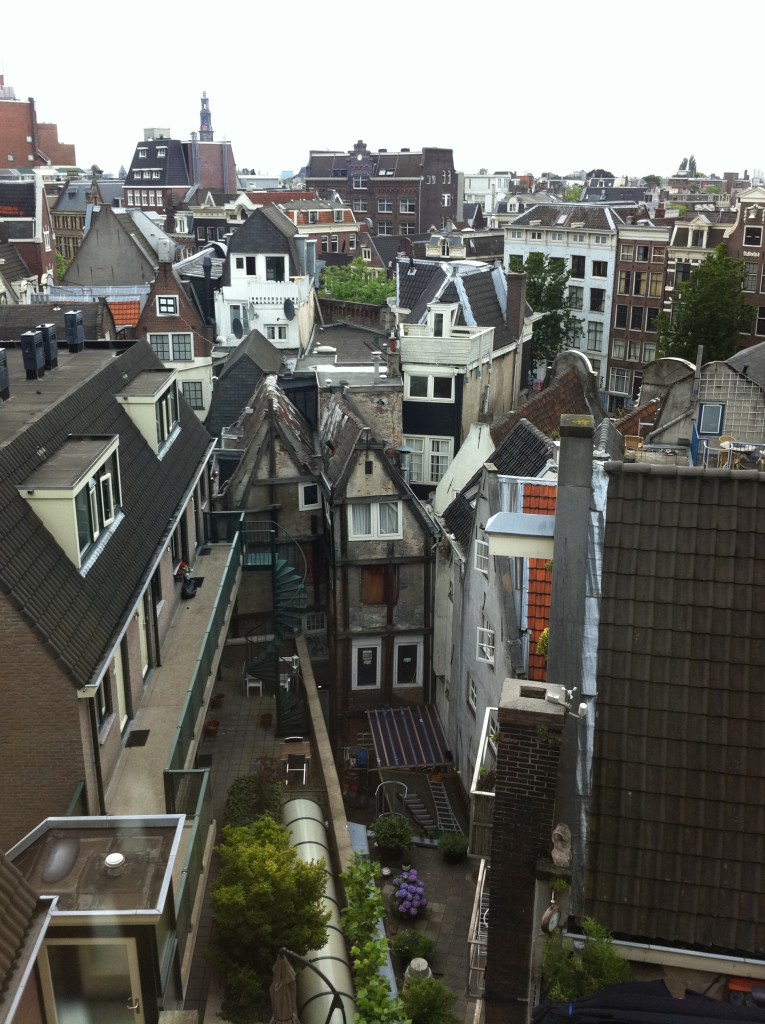
2. Canals are an integral part of the Amsterdam’s identity. But it was built in the 17th century for an important reason – to accommodate growth. In the 16th century, Amsterdam was a fast growing port, it was bursting at it seams with new immigrants. So, the city decided to drain the swamps using canals to create more livable space.The three main canals – Herengracht, Prinsengracht and Keizersgracht were built in concentric circles paving the way for more land and a nicer way of transportation around the city.

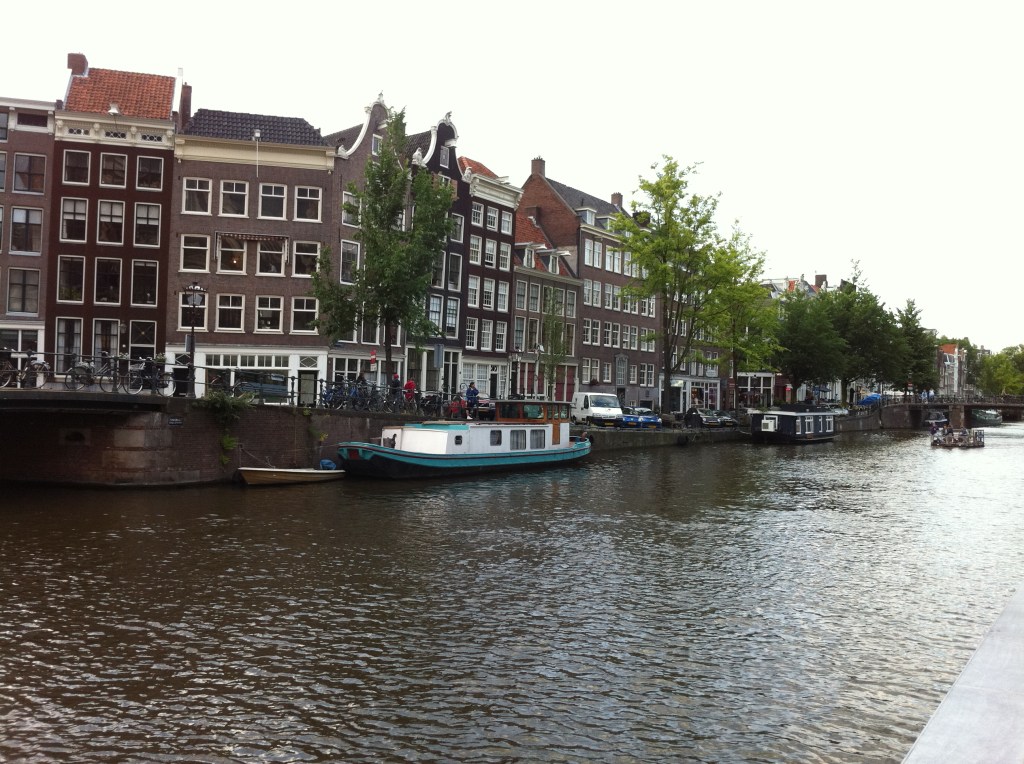
3. The cute buildings along the canals are very characteristic of the architecture of the Dutch Golden age. The gabled facades are eye catching but they also distract visitors from other details like large windows, hooks hanging out of the rooftops as well as the narrowness of the building itself. Since housing was hard to come by in Amsterdam, the state handed some of its worthy citizens precious plots of land along the canal that were long but relatively narrow Those citizens promptly utilized it also as a business front or a warehouse due to its proximity to the canals. The roof mounted hooks were an easy way to haul good from the boats. The larger windows not only helped bring in more natural light but also structurally necessary to reduce the load on the wooden foundations as the soil beneath is very soft.
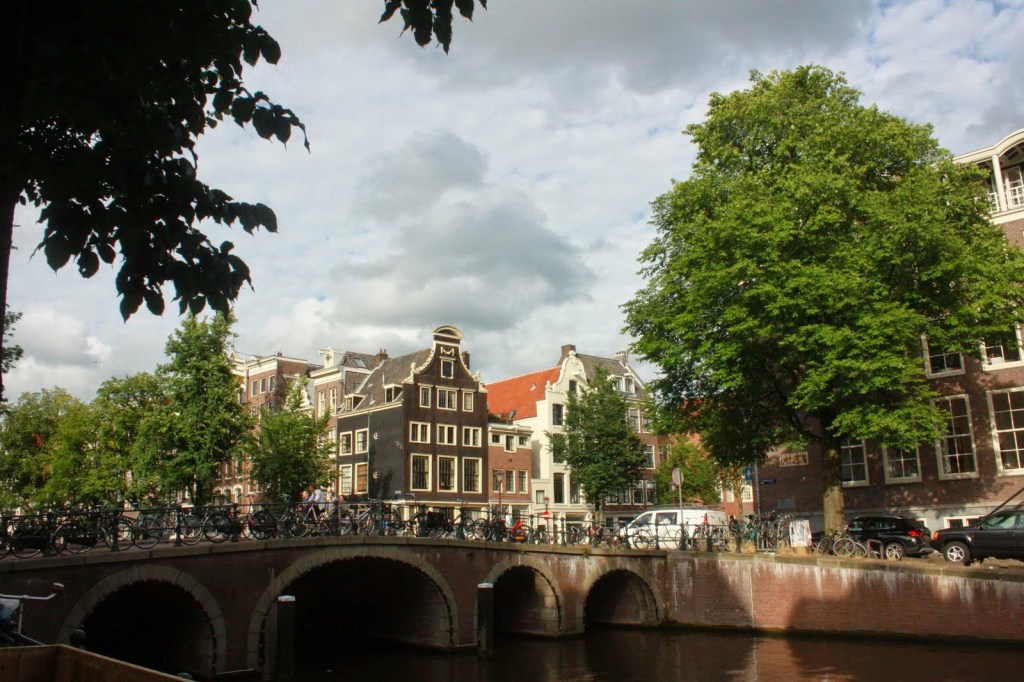
4. Given its relatively compact size and beautiful canals, cycling is one of the preferred modes of transport in the city. About 30% of city travel happens on cycles. Perhaps, a close second behind Copenhagen. There are ~ 2 bicycles per household in Amsterdam. So, it is not surprising that some of them end up in the canals often. About 12,000 bicycles are pulled out from the canals every year. The Dutch even have a name for it – fietsen vissen (bike fishing).
5. It is shame that Amsterdam came to be known for its vice. The coffee shops in Amsterdam are essentially places that allow usage of pot. They very much operate in this gray zone as use, possession and distribution of non-medicinal drugs is still illegal under Dutch law. However, usage of some “soft drugs” is tolerated which led to the cottage industry of coffee shops. The red light district in De Wallen is an area where registered sex work is legal. Due to its proximity to the harbor, De Wallen had a long history of small scale and/or underground prostitution. It was not until the 18th century, when the demand from wealthier men grew, gambling houses started providing posher room/board for the women. Prostitution was legalized and regulated starting 1811 with workers being subject to health checks. Today, the legacy continues with rows of women advertising their wares standing behind glass windows in dimly lit rooms with red or blue lights.

6. Amsterdam’s museum quarter is world class. The national art collections are housed at the Rijksmuseum. The collections of Rembrandt, Frans Hals, and Johannes Vermeer were my favorite sections. The Van Gogh museum next door is dedicated to the art and personal history of the influential Dutch painter. The museum houses his unsold works that were inherited by his extended family and eventually donated to the state. The uniqueness of his brush strokes is well known but they look more expressive in real life. The self portraits are equally noteworthy. The Anne Frank House is a biographical museum dedicated to Anne Frank, a young girl who chronicle her family’s experience in hiding from Nazi persecution. Anne and her family hid in the secret annex of the same building for 2 years before being arrested and sentenced to concentration camps. Some of the writings that were salvaged after their arrest were compiled into The Diary of Anne Frank.
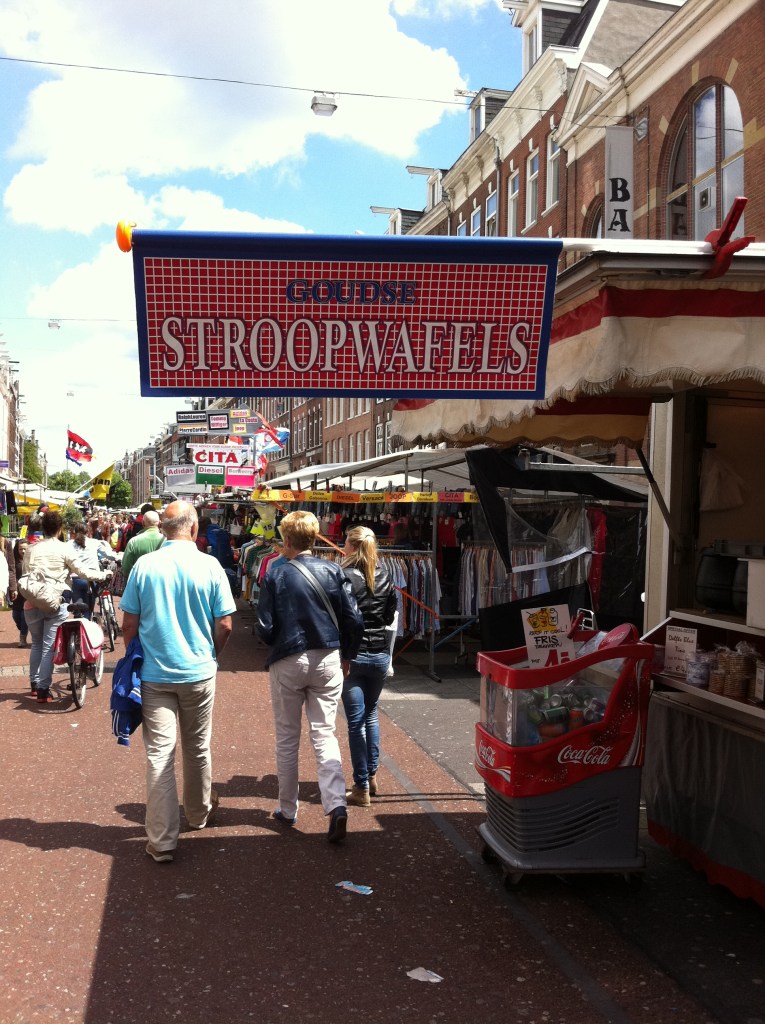
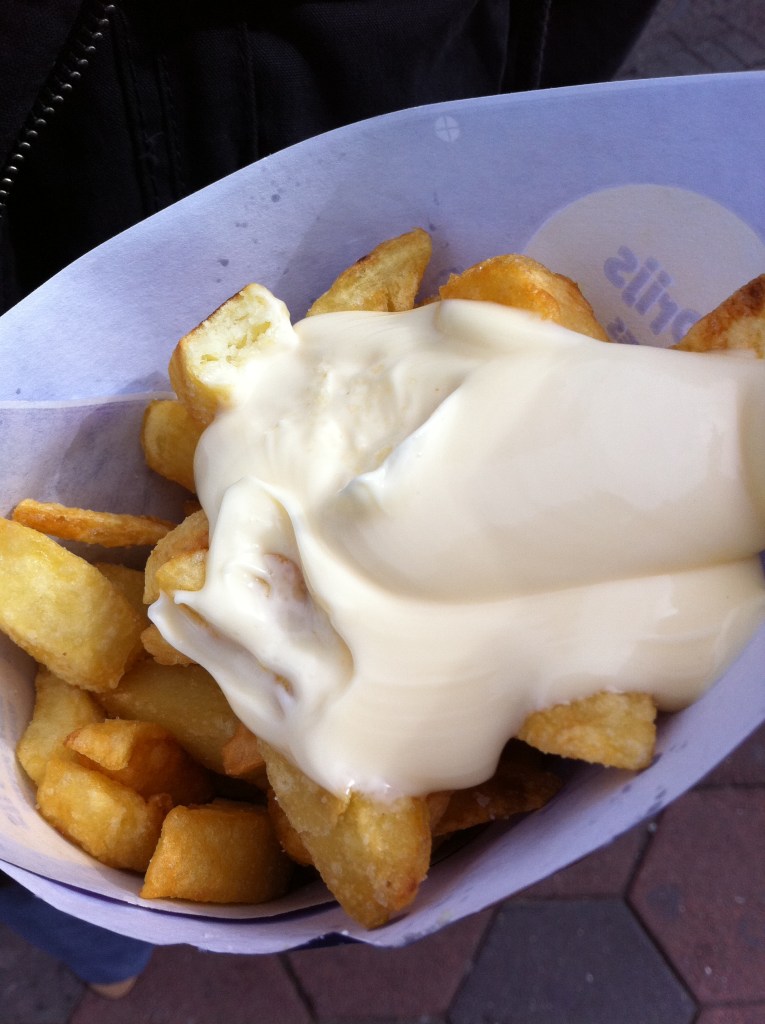
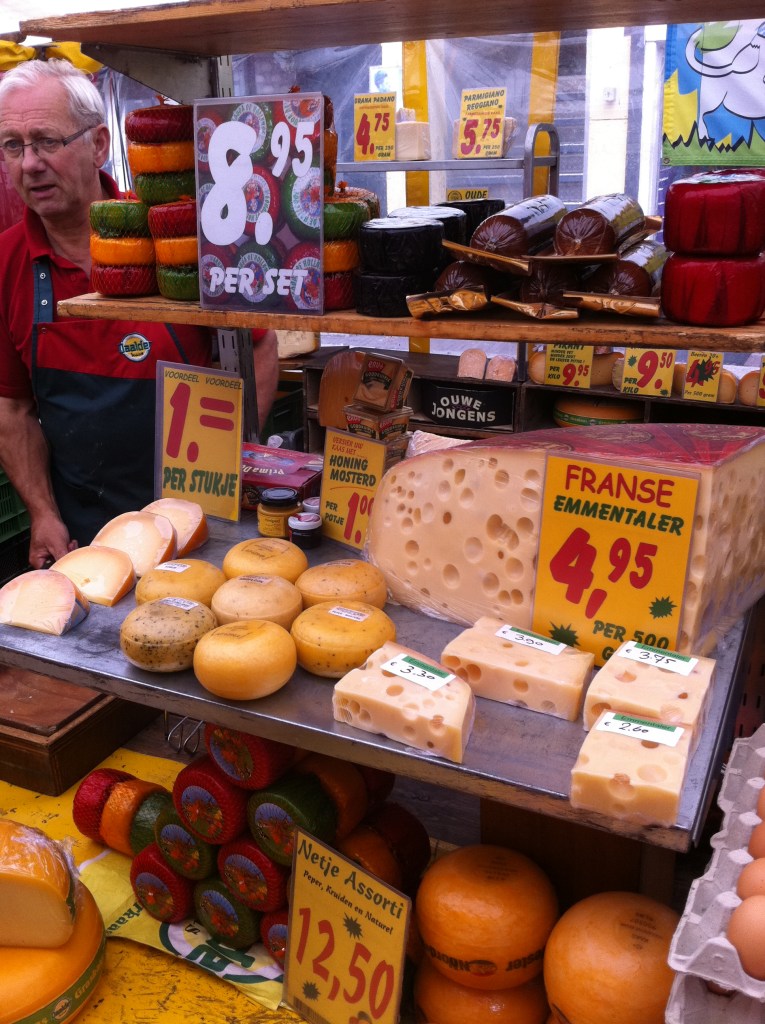
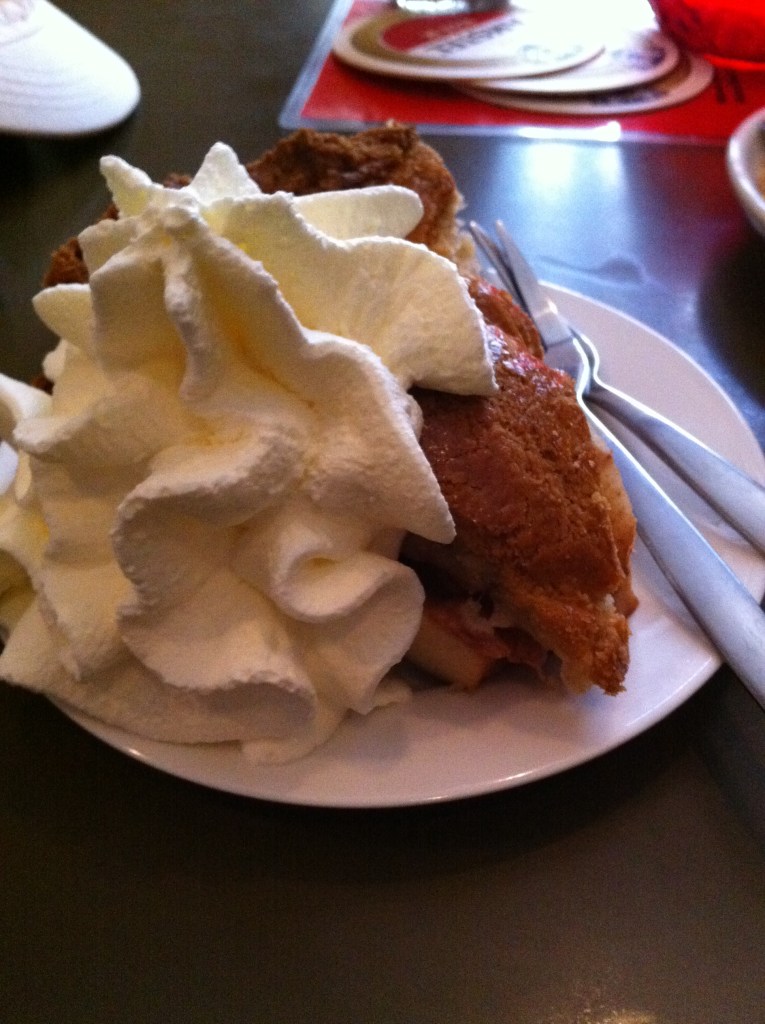
7. Dutch food isn’t particularly popular and even the Dutch would readily admit. However, there are solid snack options that make it hard to complain. Stroopwafel is ubiquitous, it consists of two waffle cookies joined by a caramel filling. It is usually eaten with coffee or tea but you don’t need an excuse them. The thick cut fries with mayo are sinful and addictive. Apparently, apple pie is a cafe standby. The version at Winkel 43 is popular with visitors but I thought it was strictly ok. The cheese selection is one of the best in Europe – Gouda, Edam and Leyden are highly rated but more eccentric varieties are available at the Albert Cuyp market. I also heard about the availability of quality Indonesian food thanks to their colonial influence.

 flagsandforks