1. The land now known as Colombia has been inhabited since 12,000 BC. However, it was the Spanish colonists who significantly shaped the country. They established the Kingdom of Granada, which included modern-day Colombia, Panama, Venezuela, Ecuador, and parts of Brazil, with Bogota as its capital. After gaining independence from the Spanish in 1819 and several attempts at creating a federalist state, the Republic of Colombia was established in 1886. In 1903, the U.S.-backed secession of Panama from Colombia occurred, and since then, the country’s borders have remained largely unchanged.
2. For several decades, starting in the 1960s, Colombia developed a reputation for being unsafe for the average traveler. While this reputation was partly deserved due to internal conflicts and the narcotics trade, the country has always had much to offer. Since the 1990s, Colombia has made substantial investments in infrastructure and security, making it more accessible to visitors.
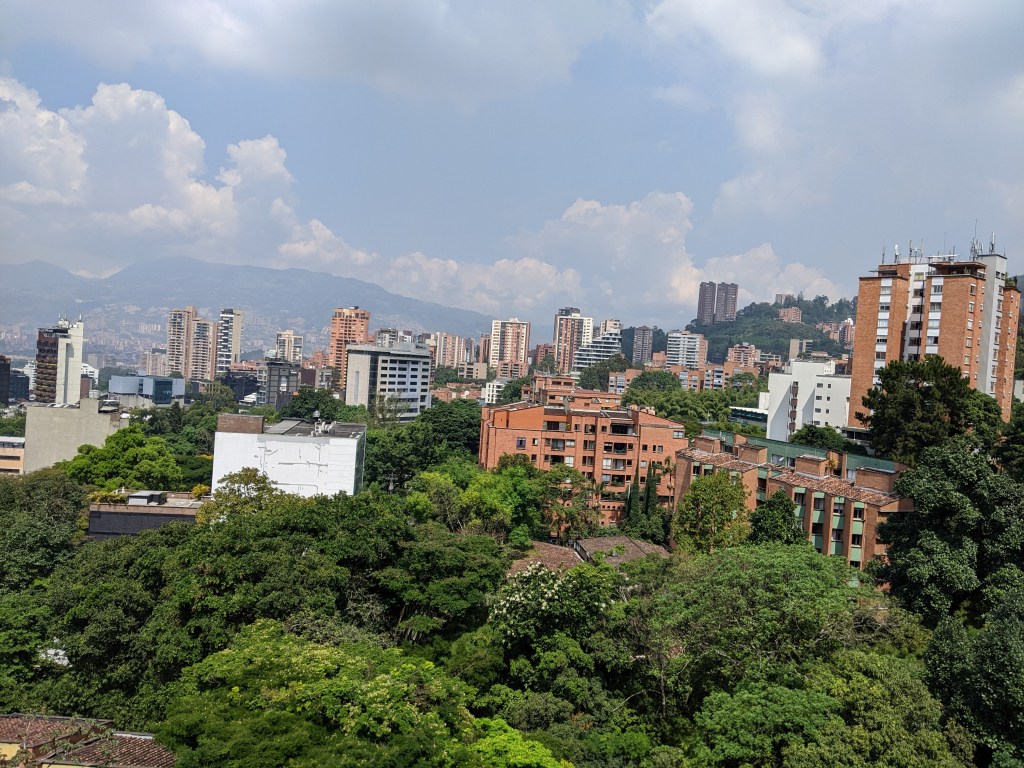
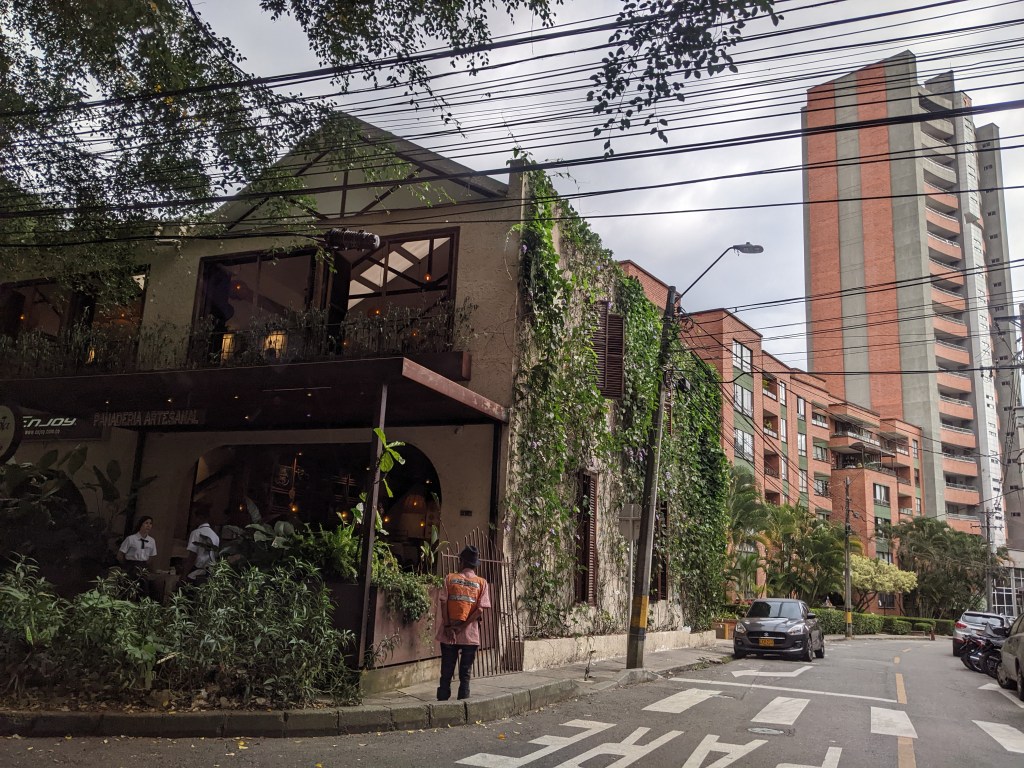
3. Medellin, known as the ‘land of eternal spring,’ boasts nearly perfect weather for most of the year. Its hilly topography and the prevalence of red brick buildings give the city a unique charm. The comfortable weather, affordability, and convenient timezone make it a popular destination for digital nomads although they are mostly clustered in a few neighborhoods like Poblado and Laureles. While parts of Poblado are incredibly posh, it can also get equally grimy not too far away especially after sundown. It is not uncommon to see open solicitation for private intimacy services.
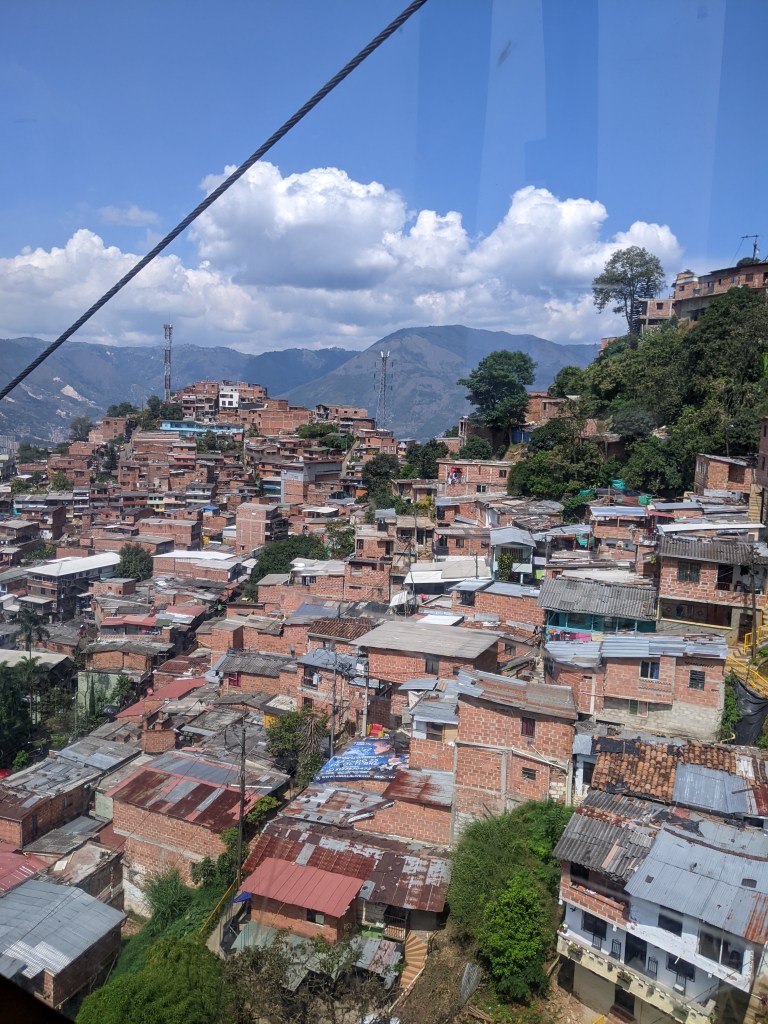
4. In Latin America, slum developments are typically located in the hills at the peripheries of large cities.The communas in the hills of Medellin are some of the biggest in the world. These communities formed as a result of large scale domestic migration, citizens from the countryside fleeing persecution and poverty in search of a better life. I was initially hesitant to take the popular Communa 13 tour, fearing it might exploit poverty for entertainment. However, the tour, led by community members, offered insight into the structural issues affecting these communities while also providing art, entertainment, and food experiences. Many of the entertainers in the tour were self-taught, using their talents to avoid getting involved in criminal activities.


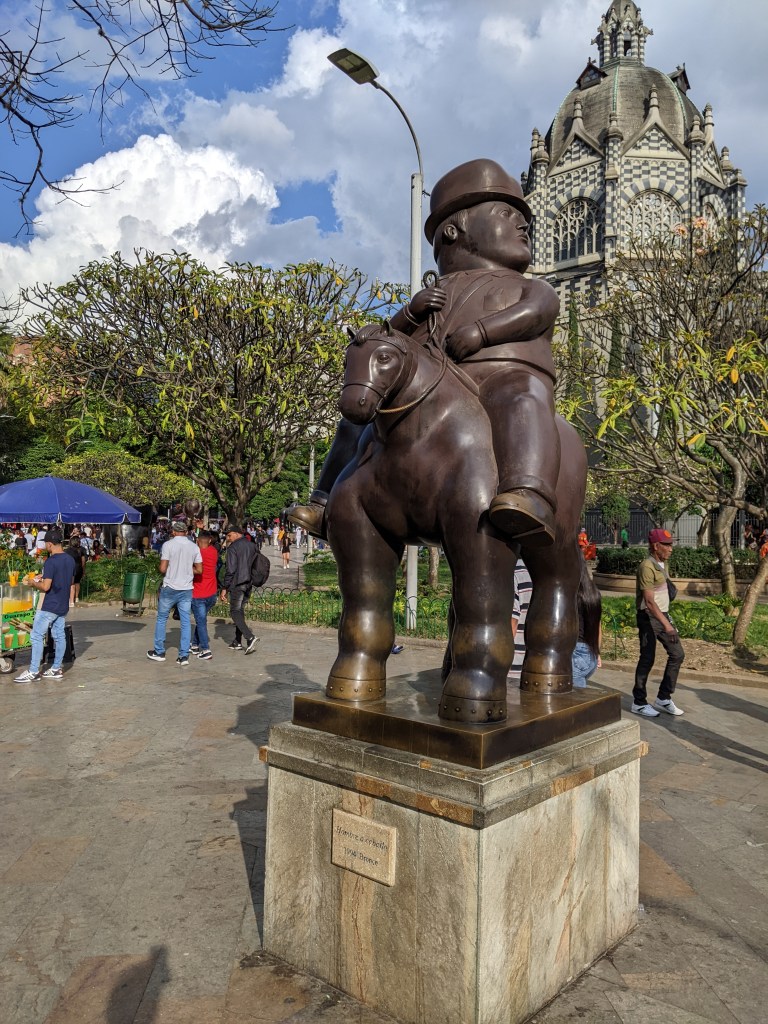
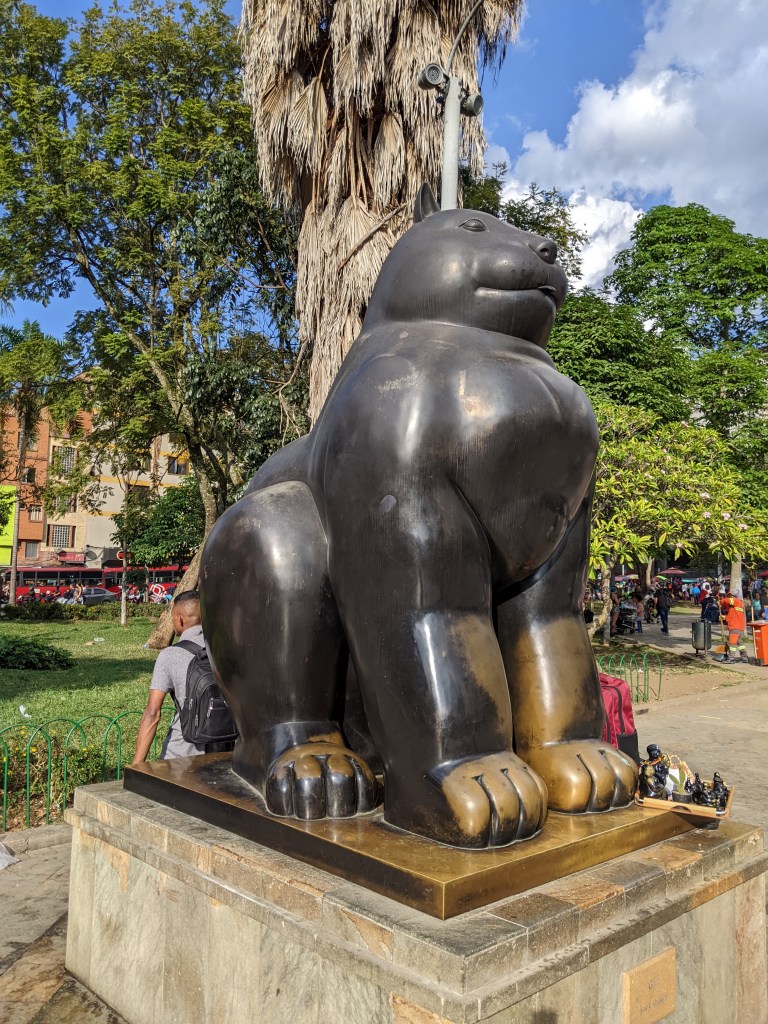
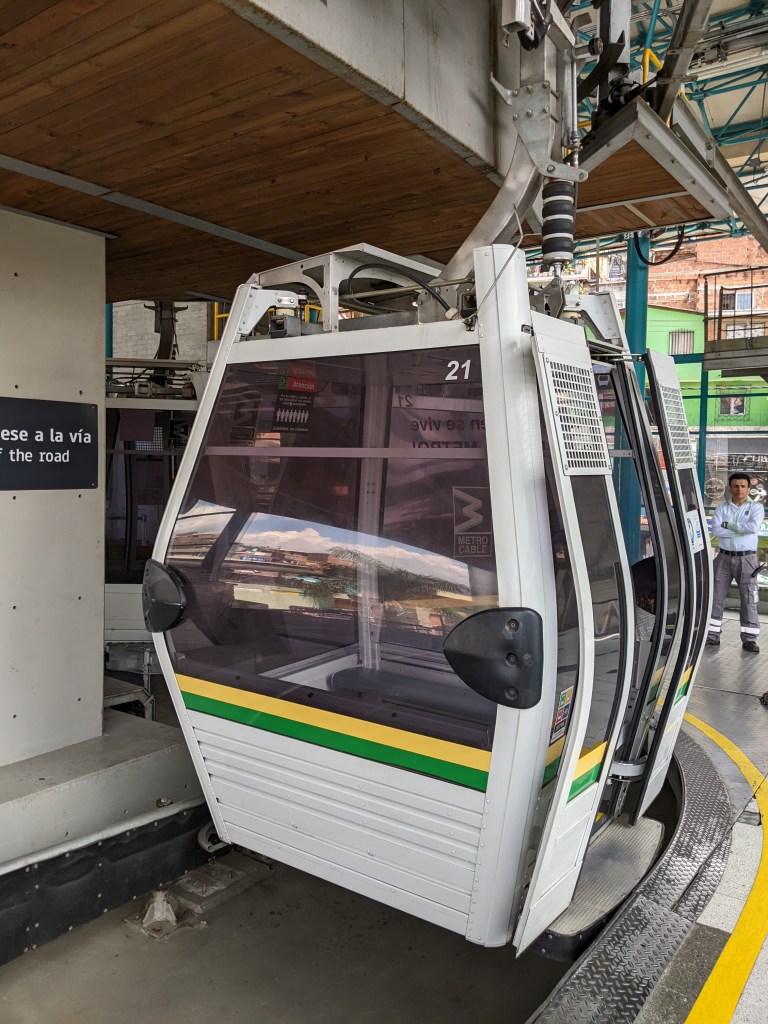
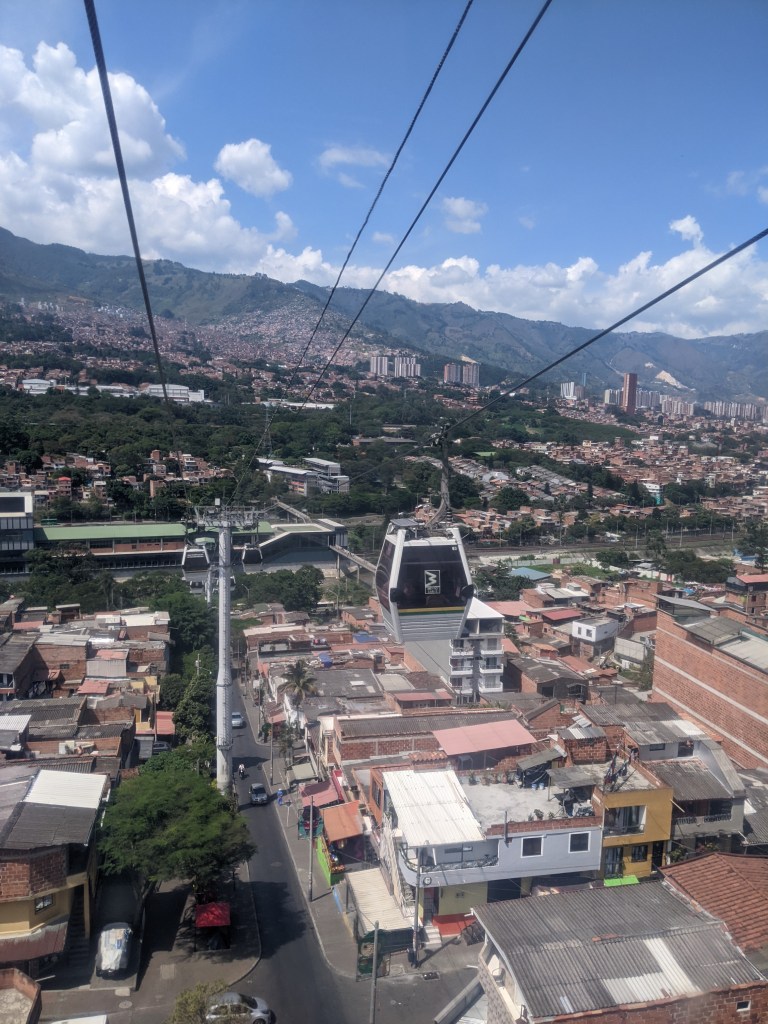
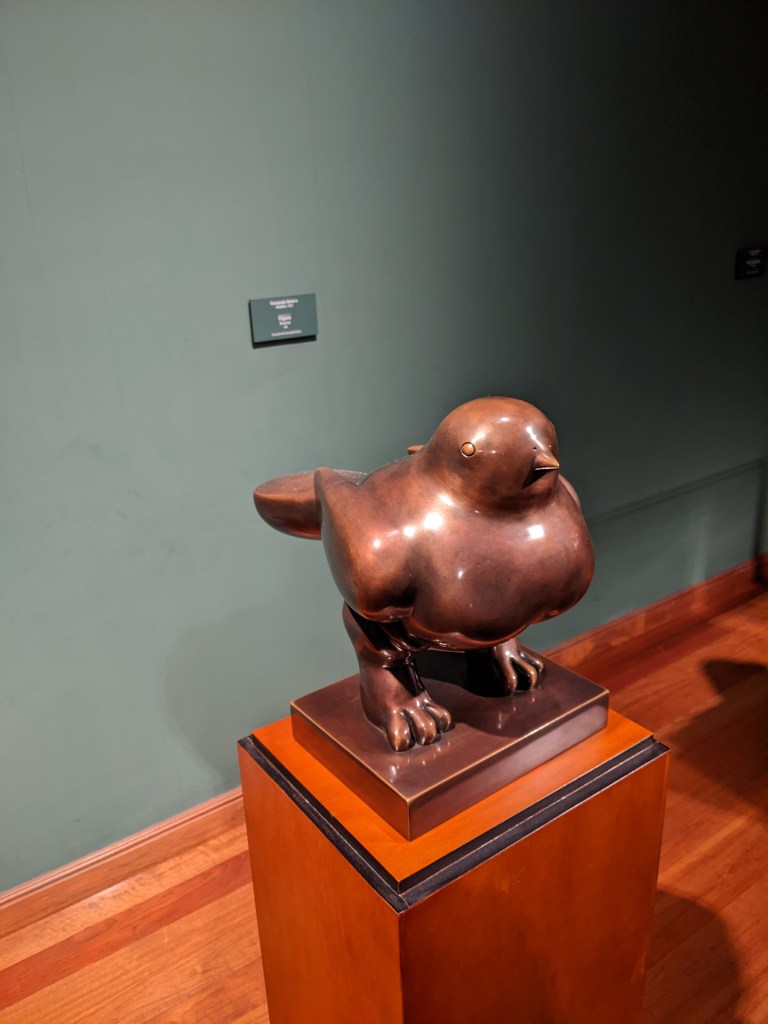
5. Medellin is home to the Museum of Antioquia, showcasing the work of the renowned artist Fernando Botero, famous for his ‘fat figures’ in sculptures and paintings. The museum had closed early due to the winter holidays but the plaza in front was adorned with some of the best sculptures by Botero. This immediate vicinity of the plaza was shady and we were warned multiple time to secure valuables. Parque Arvi is an escape from city, it is a bit of a trek of get there but the last mile journey via two different cable cars is itself an experience. The first cable car from Acevedo to Santa Domingo offers an aerial view of the communas while the next leg from Santo Domingo to Parque Arvi involves breezing over the green cover of the slopes of Aburra Valley.
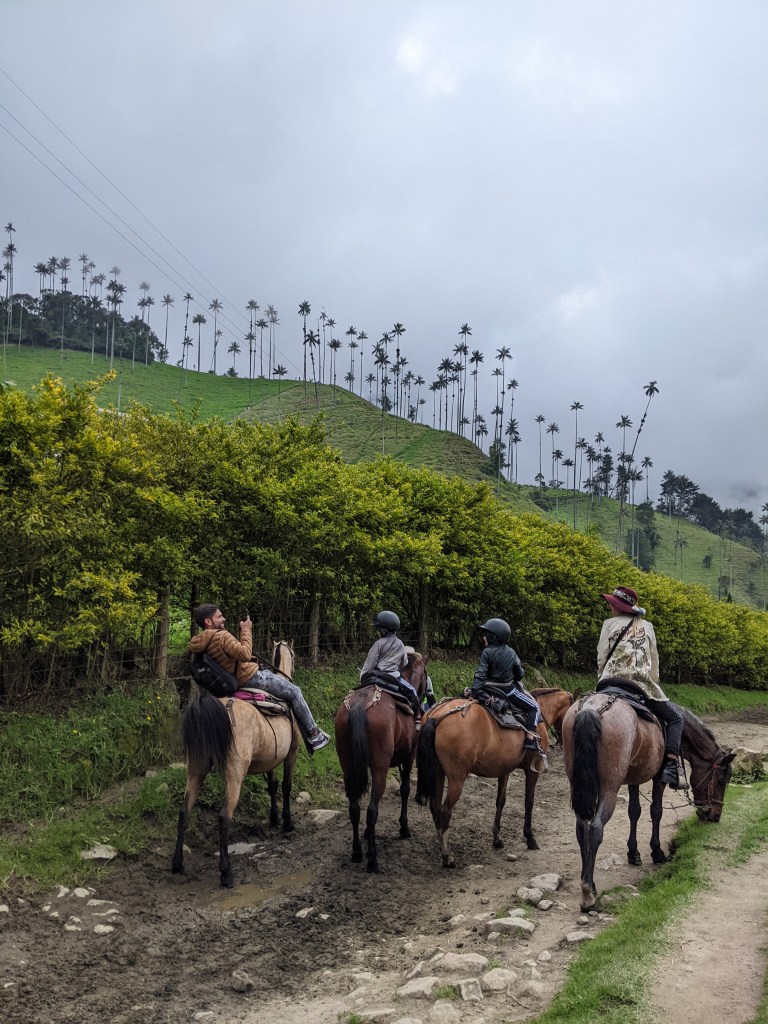
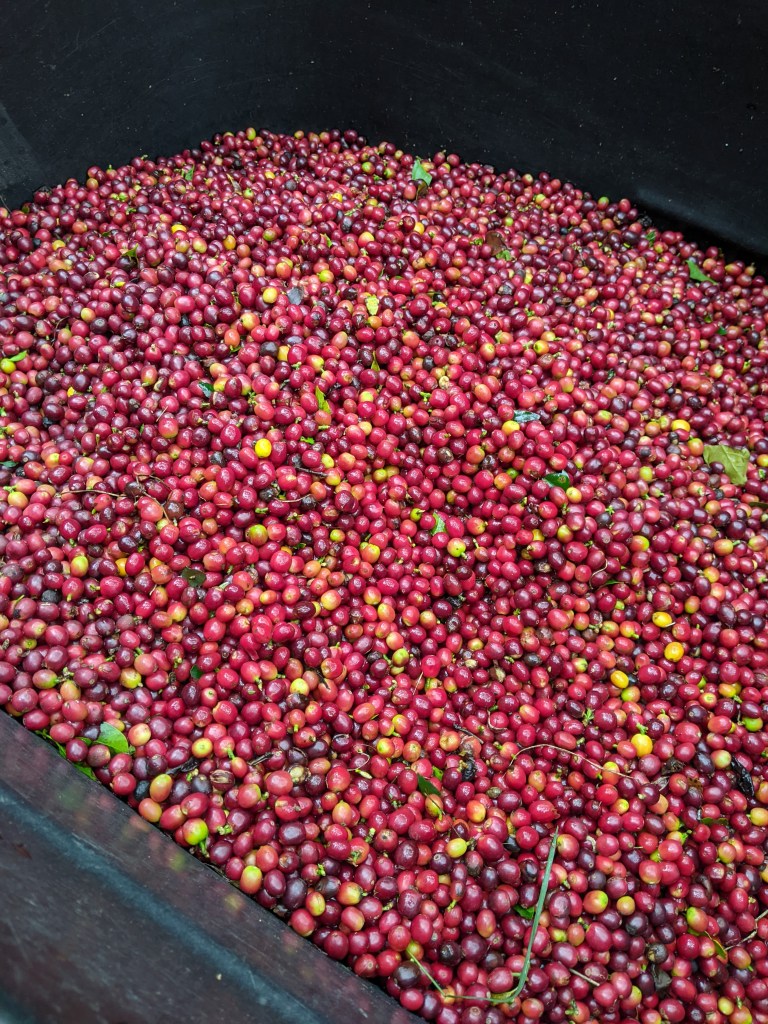
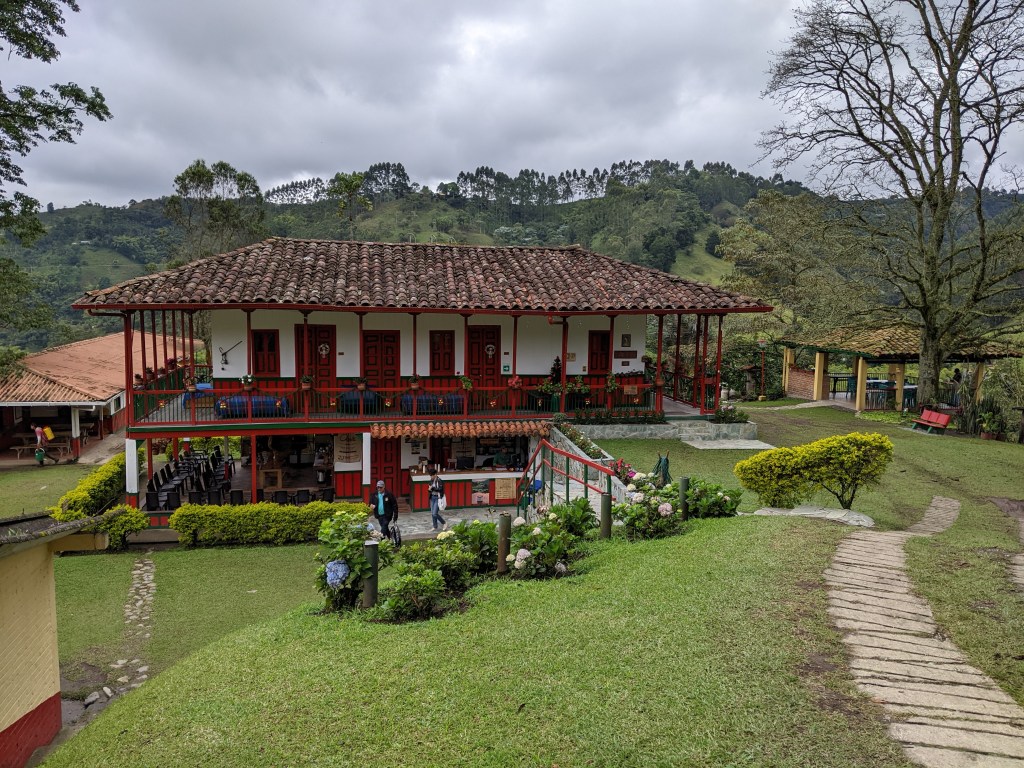
6. Colombia is the third largest producer of coffee in the world. Almost all of it is the sought after Arabica bean. Most of it grows in the coffee triangle of the Paisa region in 3 departments – Caldas, Quindío and Risaralda. Salento is a colorful touristy town in Quindio. It is a great base to see what the region has to offer especially Cocora Valley. The landscape of Cocora valley is one of the most unique ones in the world. The verdant hills surrounding the valley are dotted with wax palms. This species of palm can grow up to 150 feet with their trunks being covered in wax. The popular trek routes are accessible only on horses as the frequent rains makes the trails slushy. This was easily one of my favorite places in Colombia. The paisas are proud of their coffee. They believe that their coffee should be consumed unadulterated (no milk or sugar). Their preferred coffee drink is called tinto. It is brewed similar to drip coffee. While the coffee was very good and strong, it can also be very acidic for those used to tamer everyday versions.



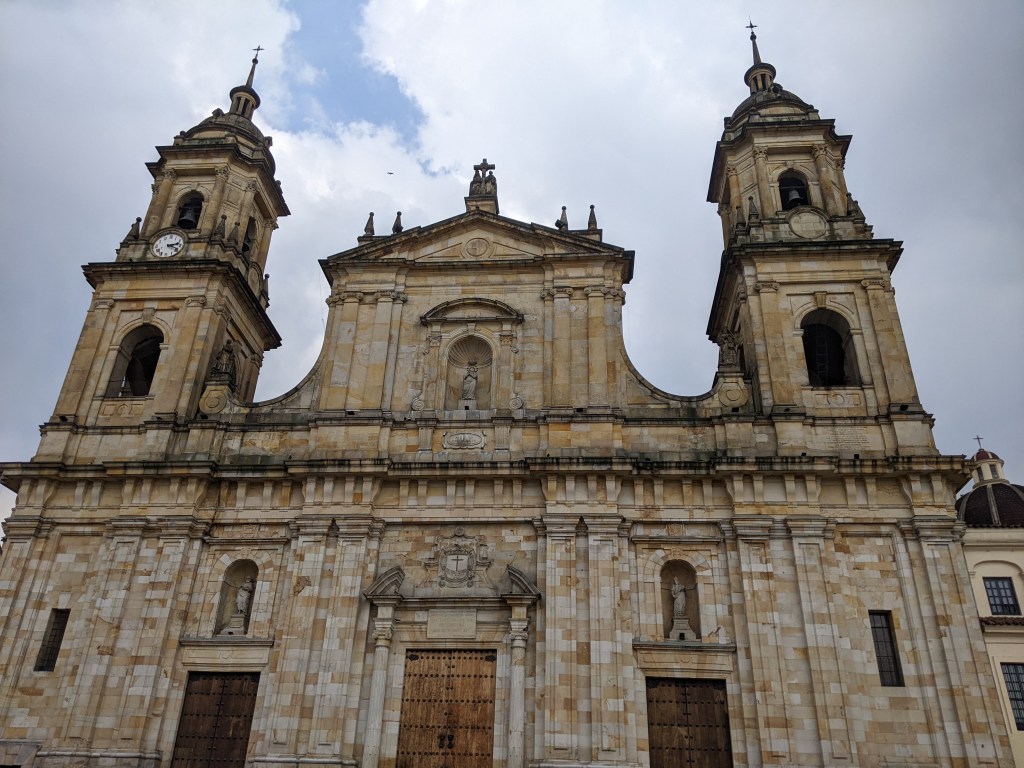
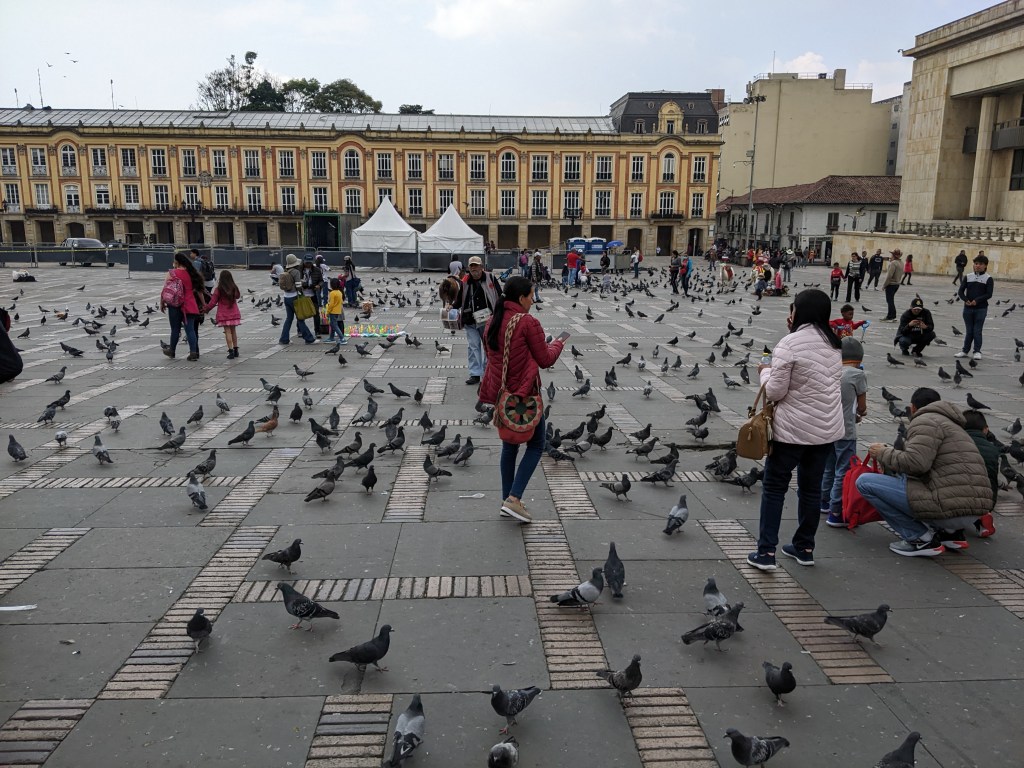
7. Bogota, the capital of Colombia is a large metropolis of 8 million people. The city’s public transport infrastructure with its mega bus lanes is designed to accommodate vast numbers of people. However, like any large city, traffic can be daunting. Due to its elevation, weather can be cold and grey most times of the year. The city is defined by its neighborhoods – the historical neighborhood of La Calendaria with its Spanish Colonial architecture, the bohemian Usaquen, the buzzy Zona rosa with the its luxury stores and hotels, the elegant Chapinero with its tree lined streets and Parque 93 for its high rises and restaurants offers something for everyone. Monserrate mountain is the top attraction in the city. It rises to 10,000 feet overlooking the historic center of Bogota and offers sweeping views of the city on a clear day. The fun part is the funicular or cable car ride to the mountain top.


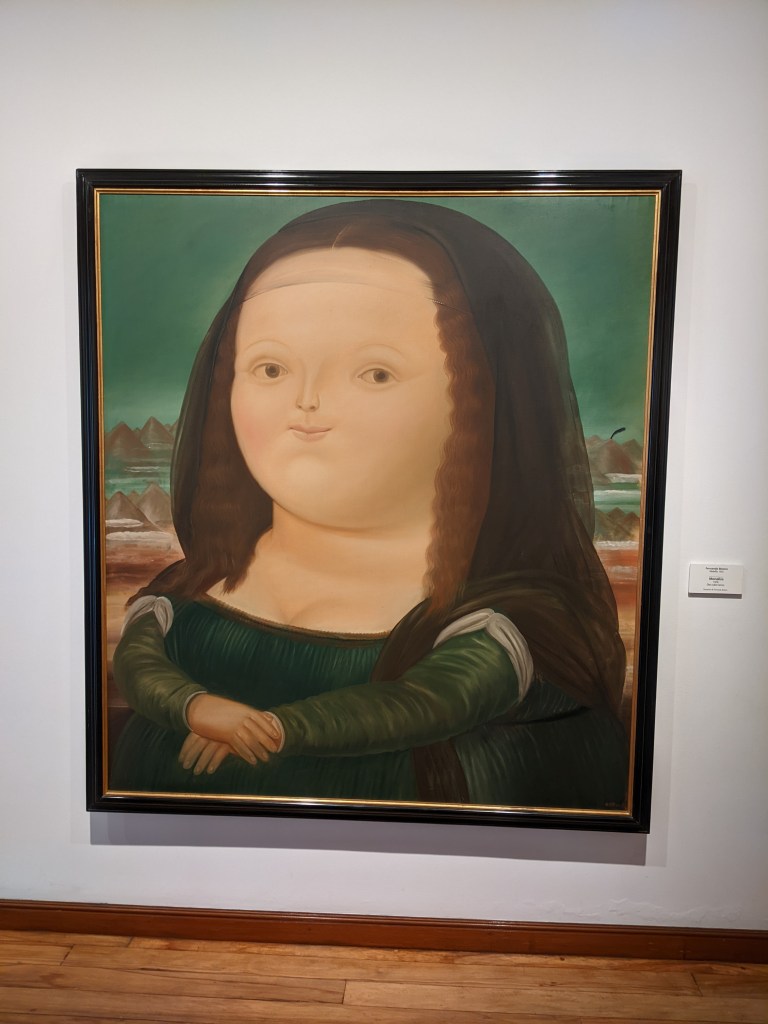
8. Being the capital and with not so ideal weather days, Bogota has its share of museums.The Botero Museum features a curated collection of the artist’s unique paintings, which we missed in Medellin. Botero’s quirky style, including his ‘Gordita’ version of the Mona Lisa, is a highlight. The Gold Museum delves into pre-Columbian history with artifacts from indigenous tribes like the Muisca, known for the legend of El Dorado, which originated from their use of gold. It is believed that the Muiscas offered their gold treasures to the Guatavita goddess in the sacred namesake lake. The legend led many to embark on gold expeditions in the lake by but with very little success till date.


9. Colombian cuisine is diverse due to its geography. Ajiaco, a chicken and potato soup, is popular in the cold climate of Bogota. In Medellin and the northwest, Bandeja Paisa, a hearty meal with rice, beans, avocado, plantains, and meat, is a favorite. The accompanying aji sauces (picante or dulce) add explosive flavor. In the coffee region, trucha (trout) is a specialty, often served with a giant but thin patacon (fried plantain).
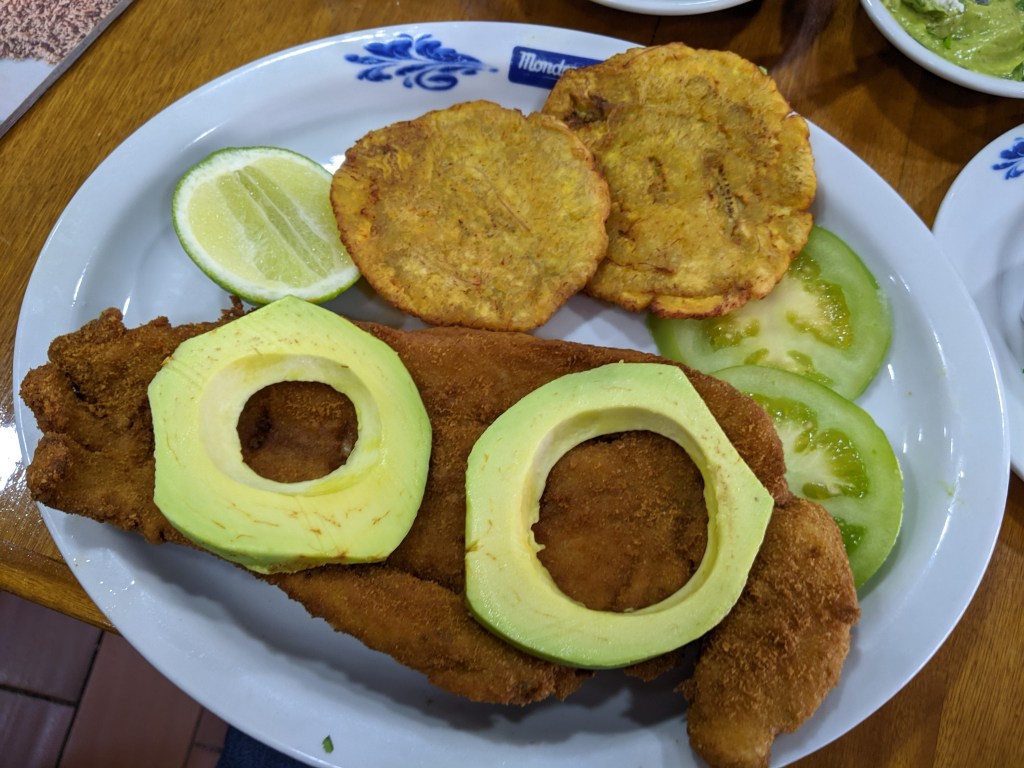

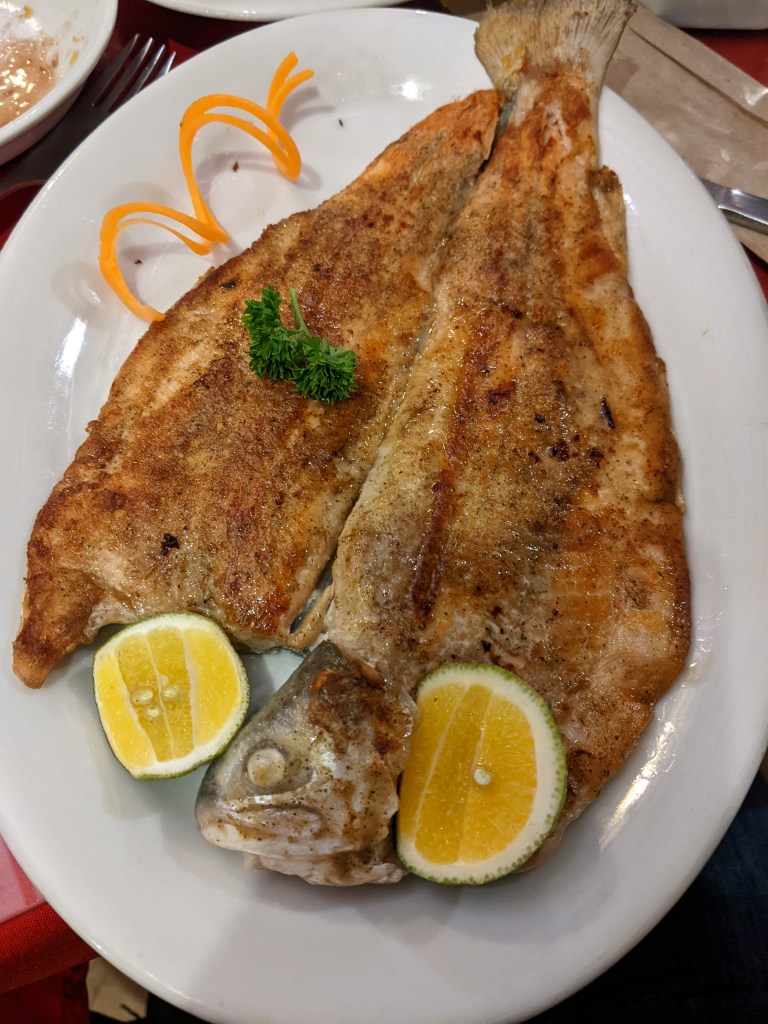

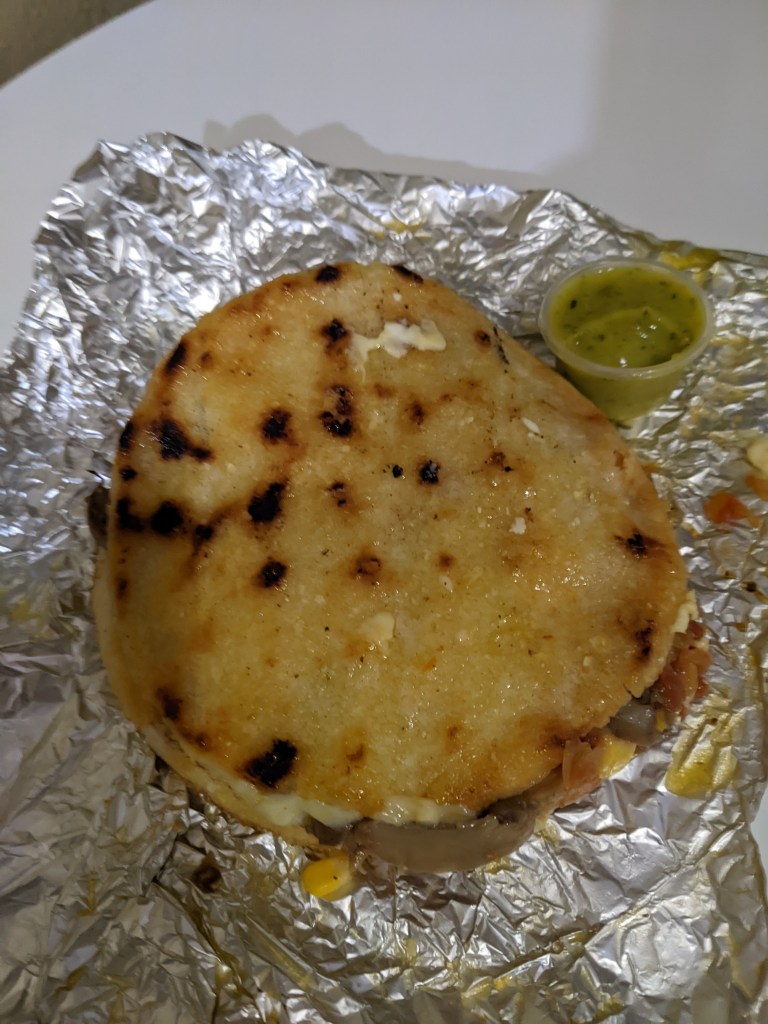
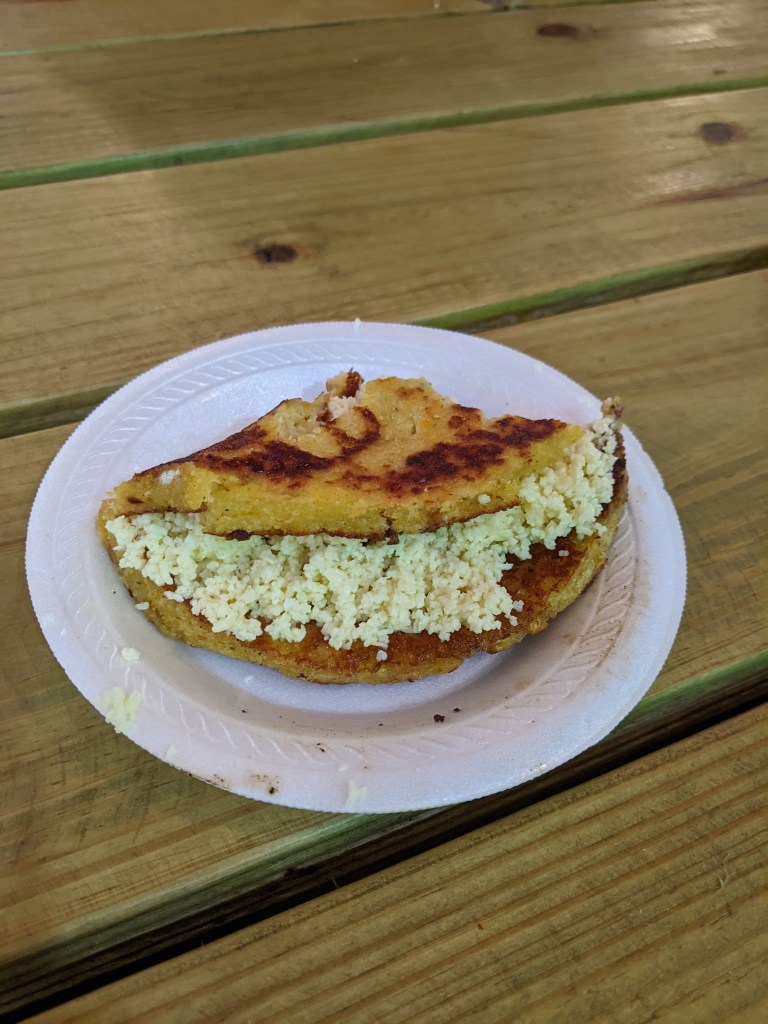
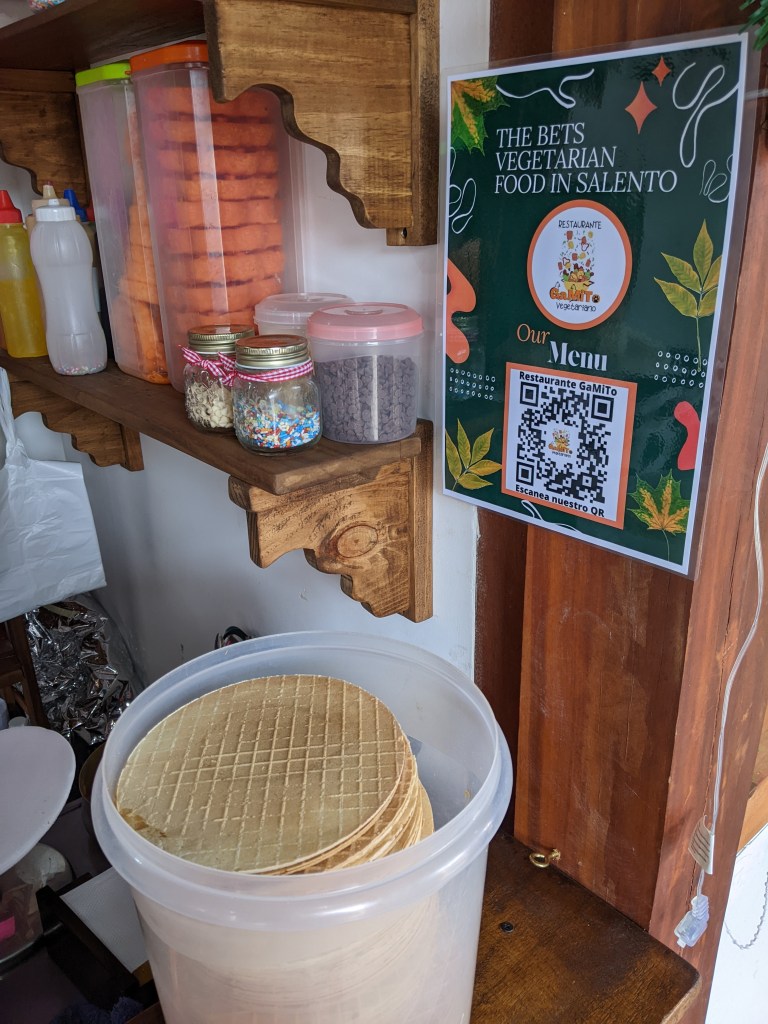
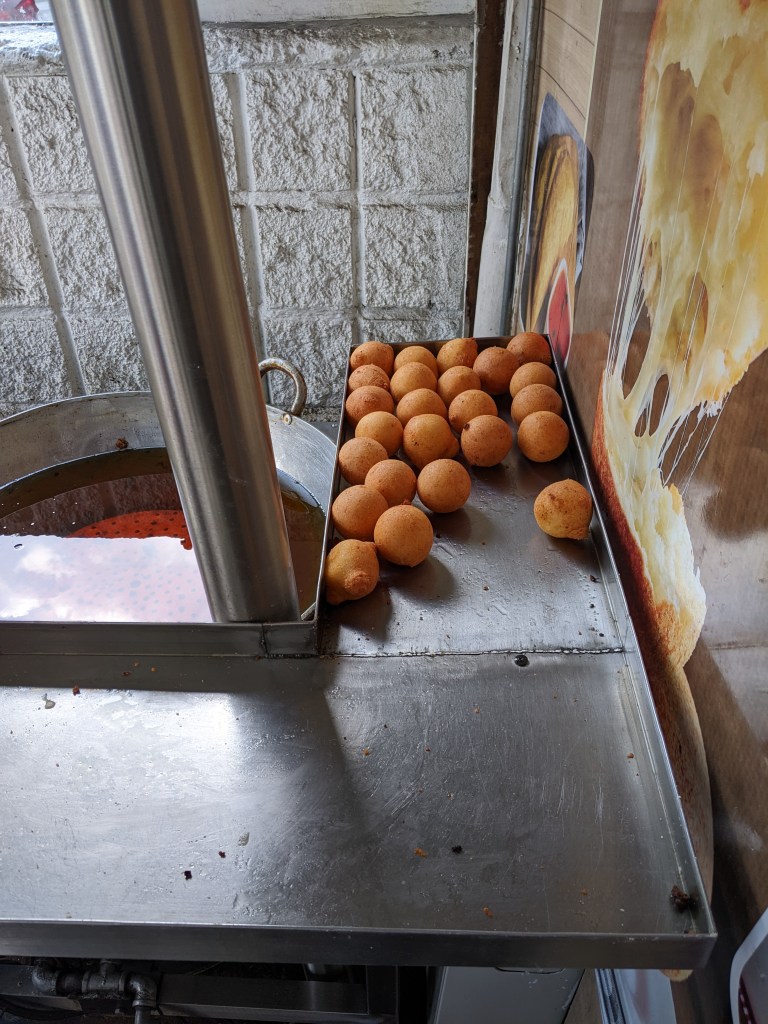
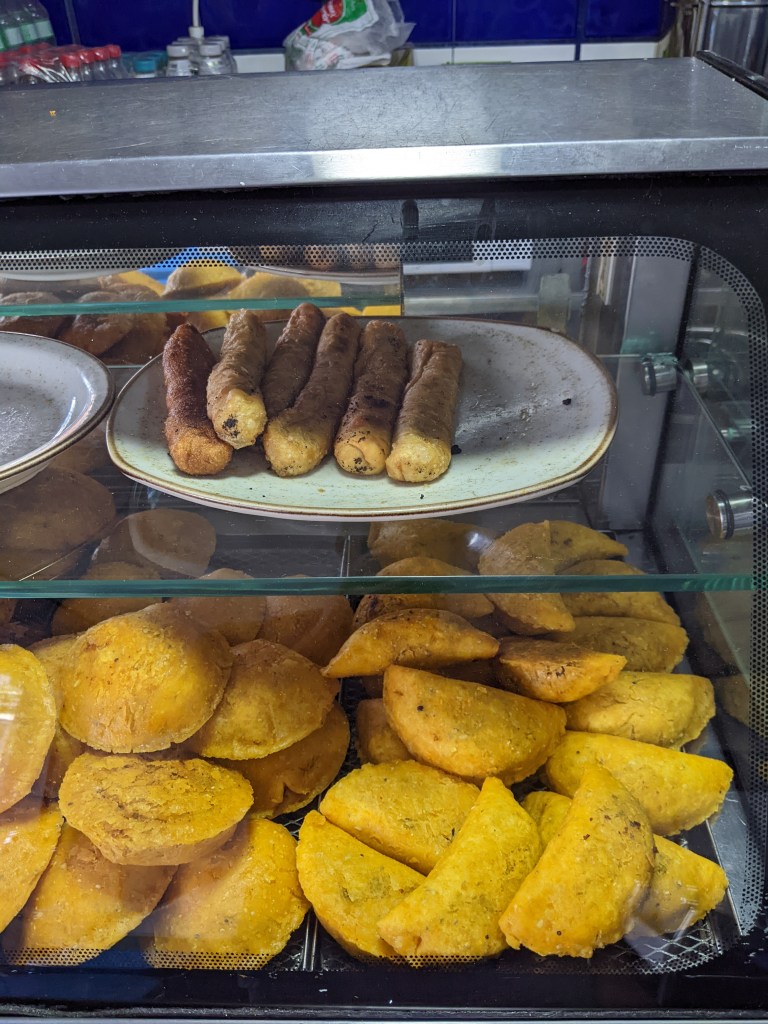
10. Colombia boasts a vibrant street food culture. Arepas are akin to tacos in Mexico, offering affordable, customizable open-pocket sandwiches. Obleas, sweet wafer sandwiches held together with dulce de leche, are a popular sweet snack. Arepa Choclo, grilled corn cakes often filled with cheese, border on dessert territory. Buñuelos are fried doughnuts , they are crispy on outside and soft on the inside. The round ones are typically savory and can be stuffed with meat or cheese. Empanadas, ubiquitous in South America, get a unique Colombian touch with their aji sauces.
 flagsandforks