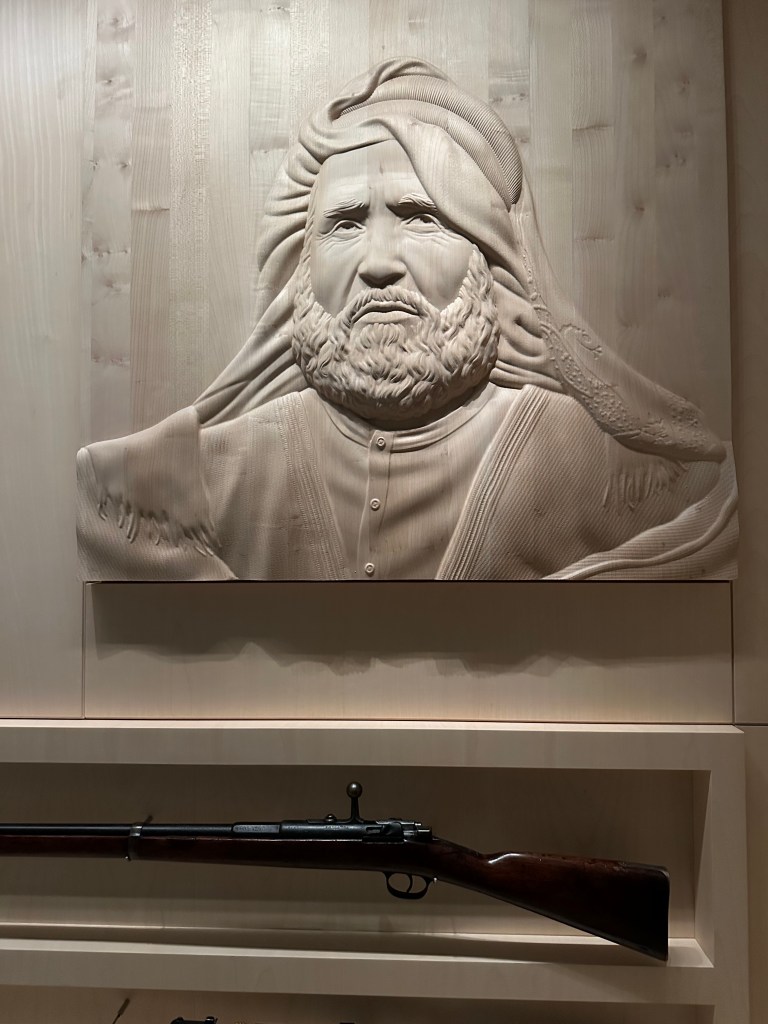
1. Qatar’s emergence as a nation-state was shaped by its position between two competing empires—the Ottoman Turks and the British. Its founder, Jassim bin Mohammed Al Thani, united the tribes and skillfully navigated these power dynamics to establish a self-managed entity. Most of today’s towns began as fishing and pearl-diving settlements. That changed dramatically in the early 1900s with the discovery of oil, which now contributes around 60% of the GDP and 85% of exports. Doha, the capital, is being actively developed to mirror the scale and ambition of Dubai. This transformation is powered by a large immigrant workforce from the Philippines, Nigeria, India, and Bangladesh, who are present across every visible sector—concierge desks, construction sites, retail stores, and taxis. Malayalam, like in much of the Gulf, often feels like the second most spoken language—I heard it far more than Arabic during my visit.
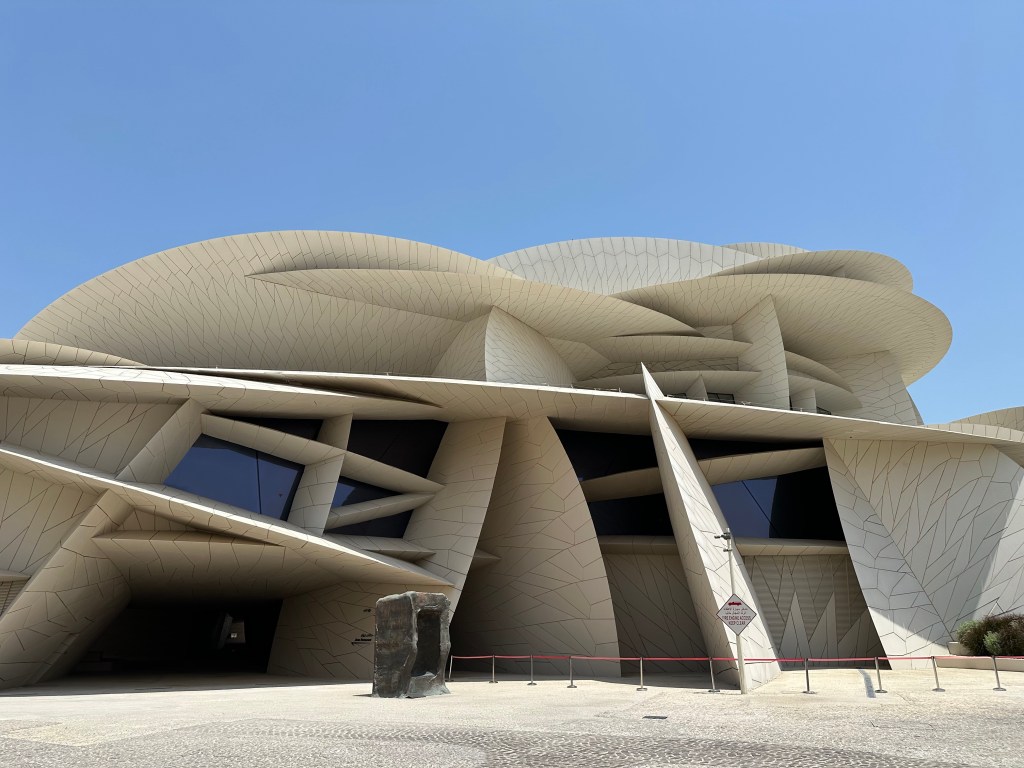
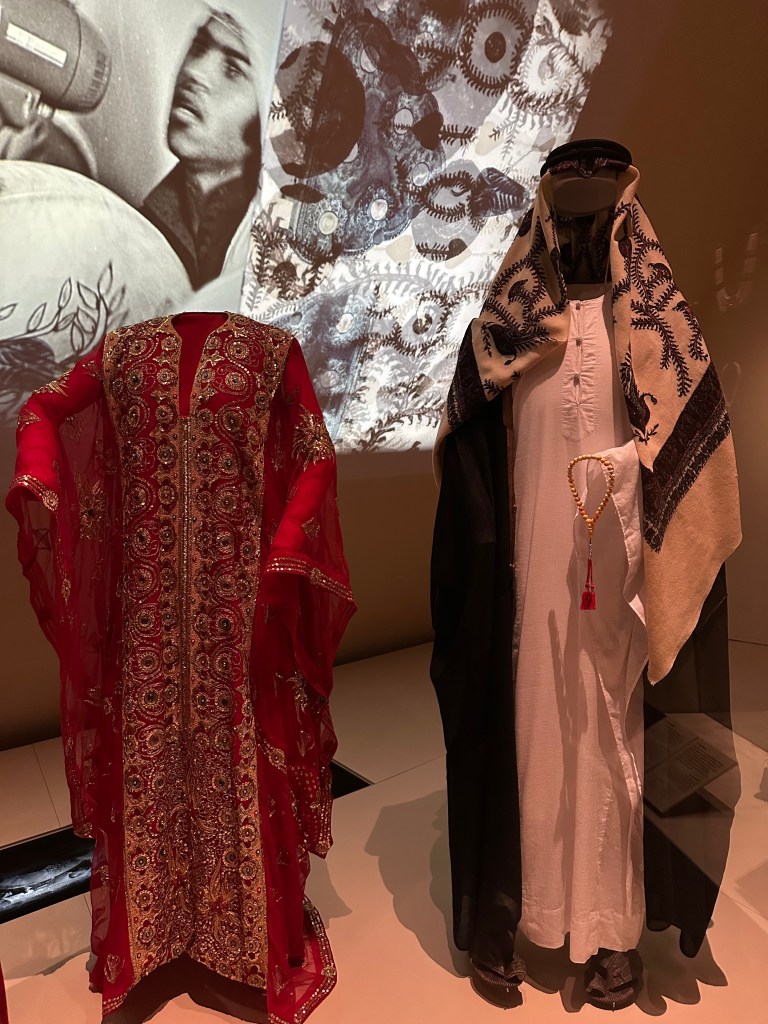
2. Oil wealth is also being channeled into cultural investments. Both the Museum of Islamic Art and the National Museum of Qatar are bold architectural statements. The latter, designed by French architect Jean Nouvel, takes the form of a desert rose—an arid-region flower known for surviving with little water. While the building itself is stunning, the exhibits inside were slightly underwhelming. The curation does a solid job showcasing local history and culture, but the layout and storytelling could be more engaging and accessible for visitors.
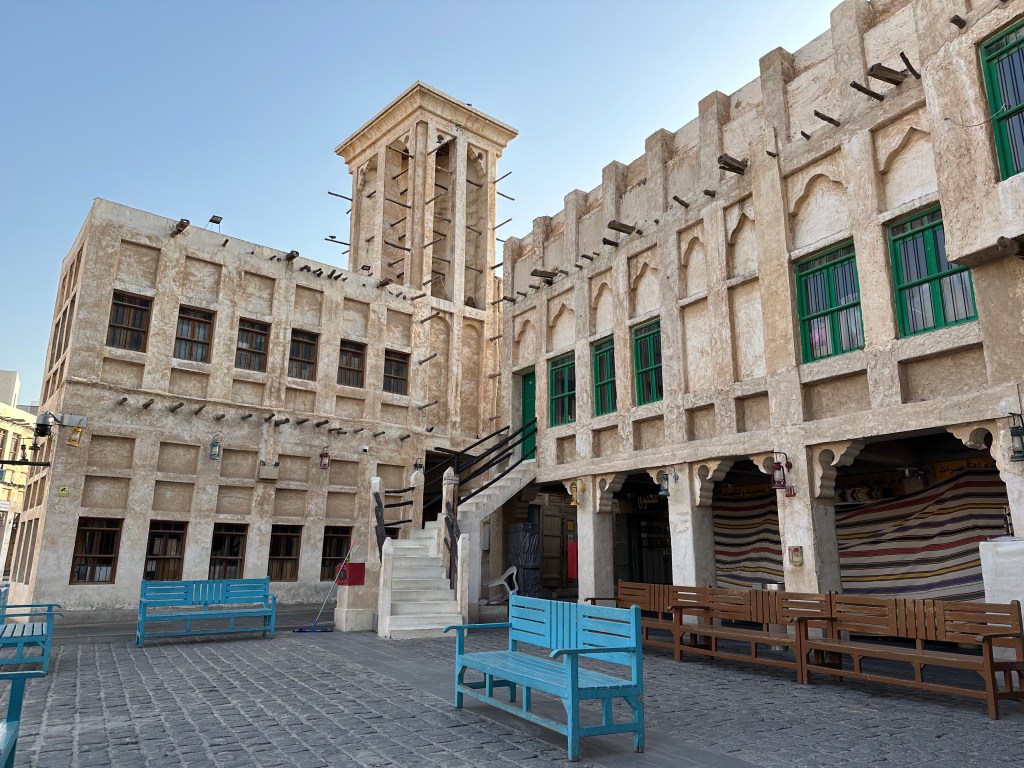
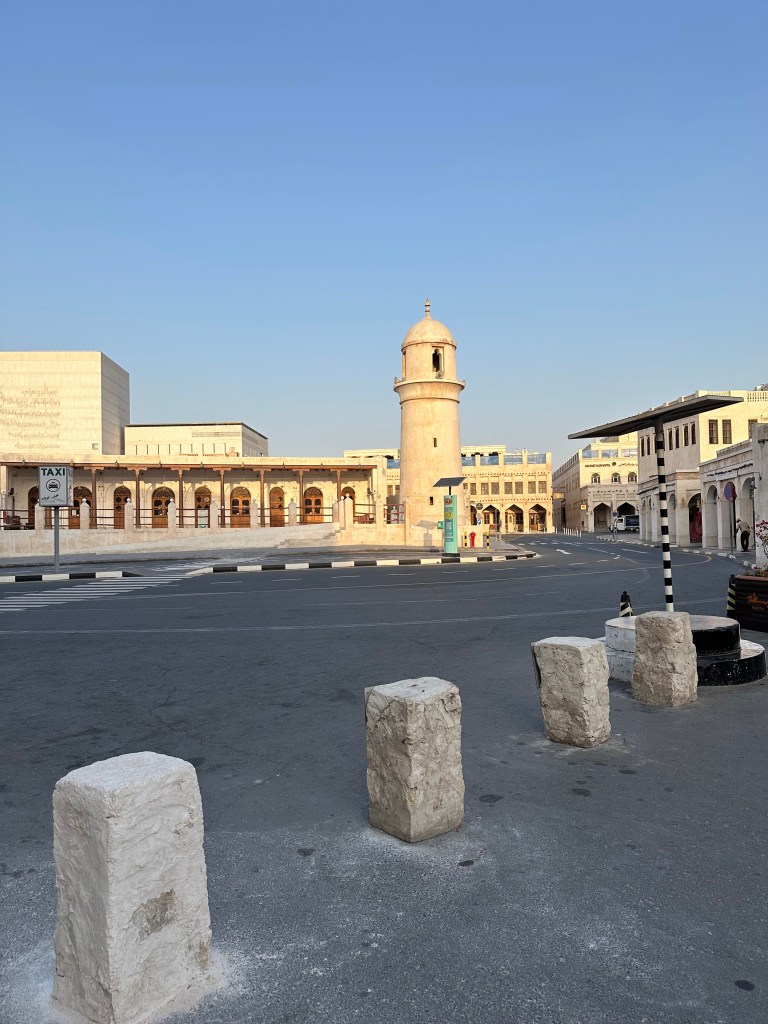
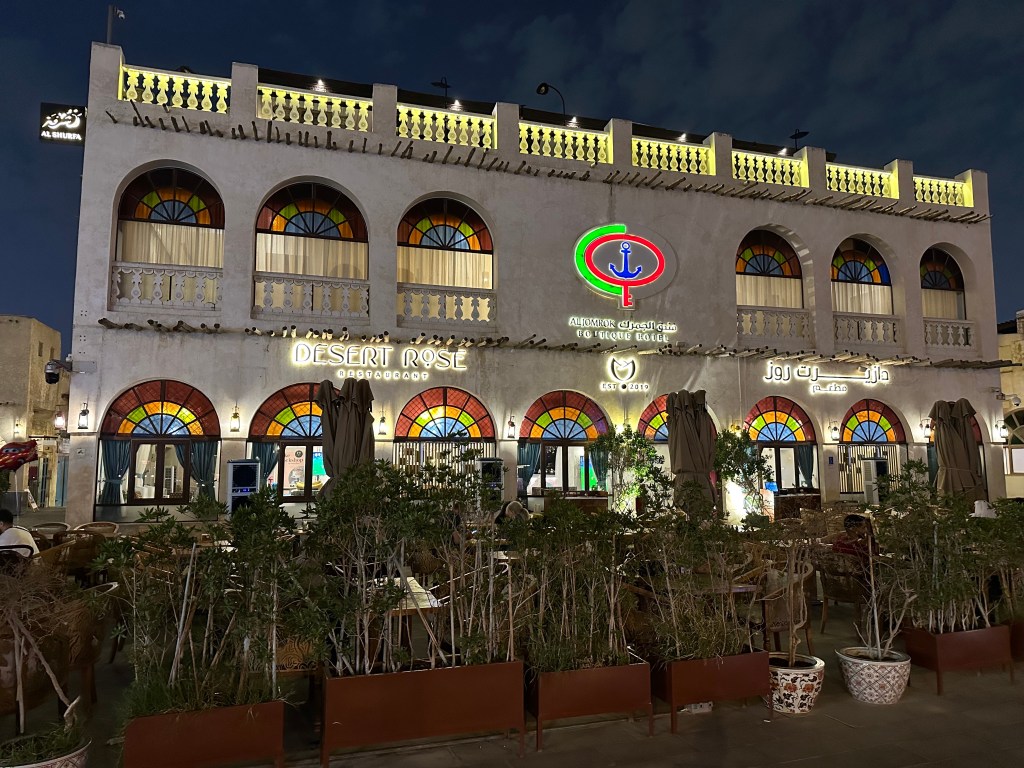
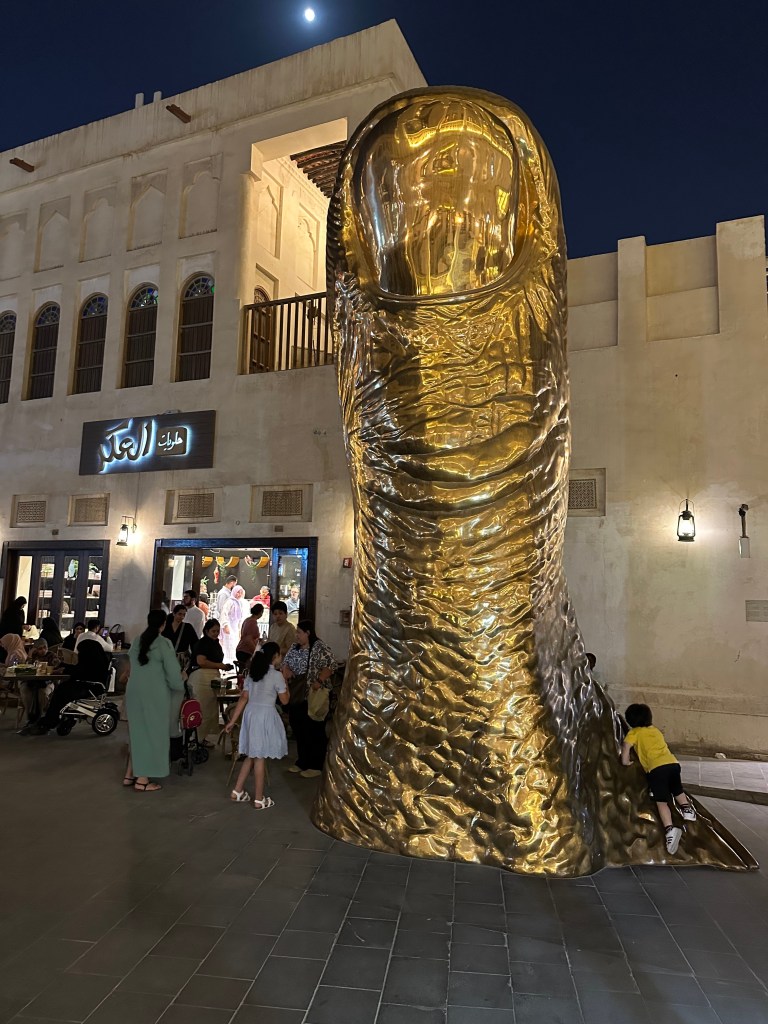
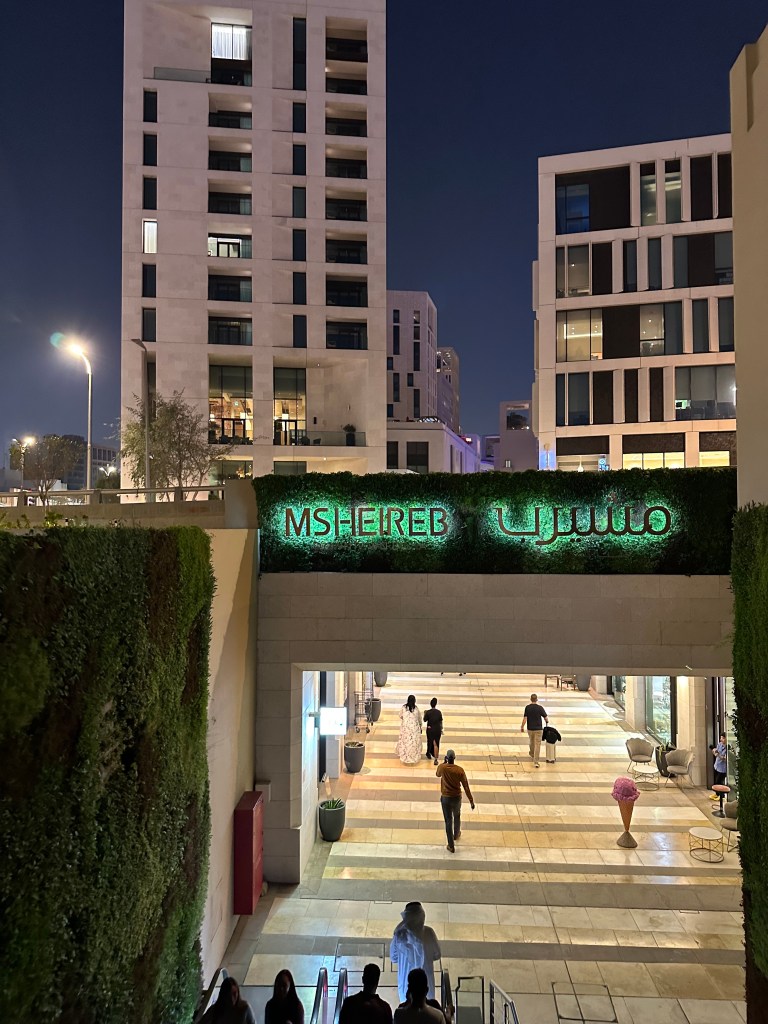
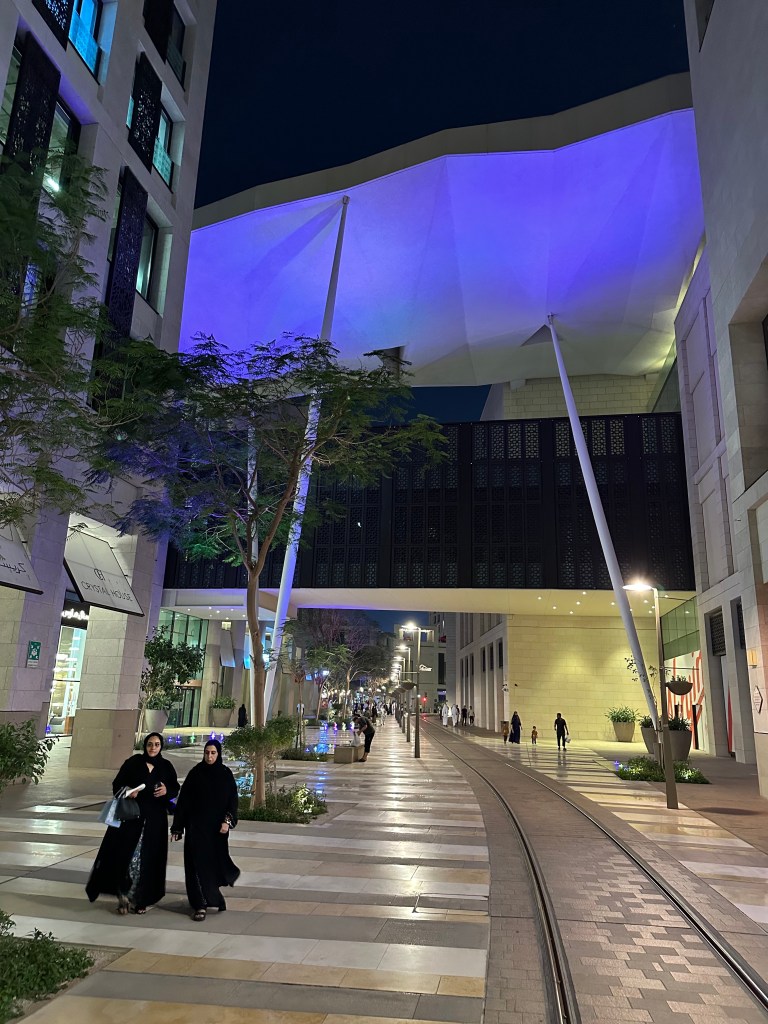
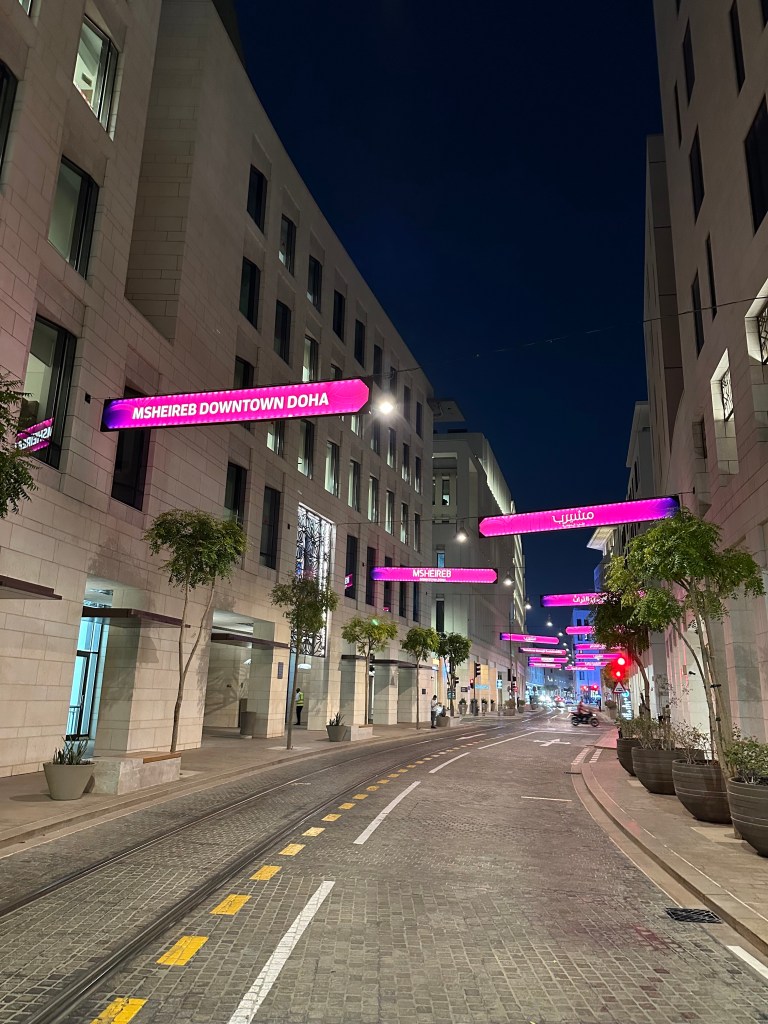
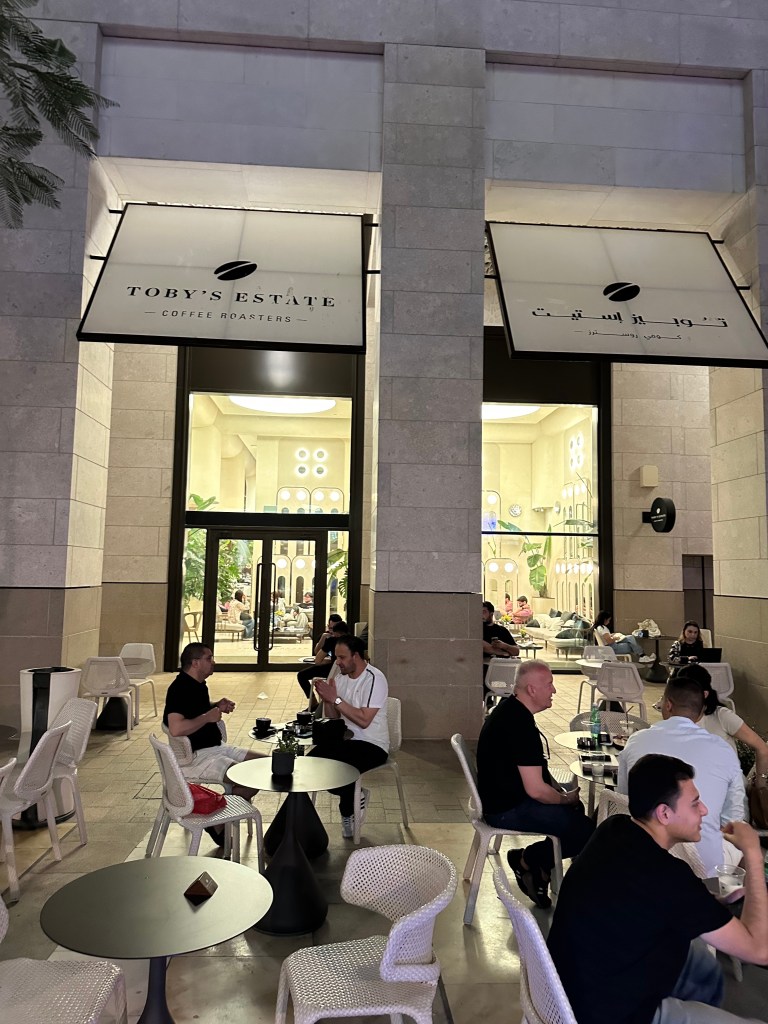
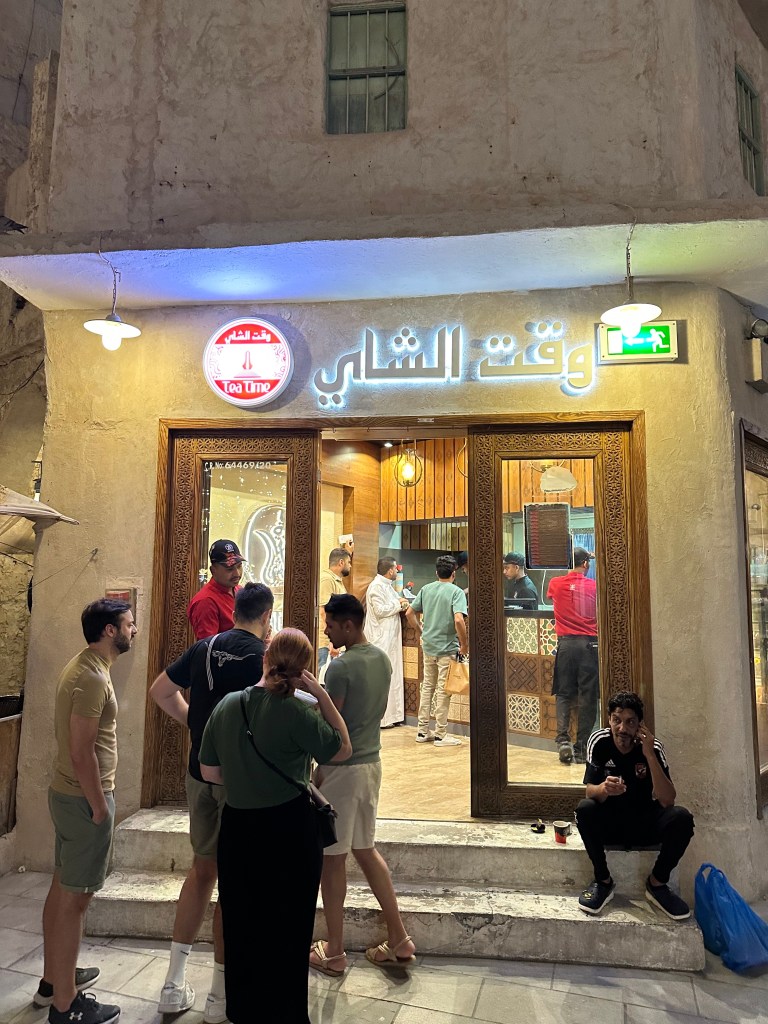
3. Souq Waqif, located in the Al Jasra neighborhood, is a maze of shops built on the foundations of an actual historic market that dates back to the late 19th and early 20th centuries. After falling into disrepair, it was carefully restored in 2006 to preserve its original character. The souq is divided into sections—clothing, cookware, perfumes, pets, spices, and food—and is kept spotlessly clean, with end-of-day cleanups that erase the day’s hustle. Despite its polished appearance, it retains an old-world charm that makes wandering through its narrow alleyways feel like stepping back in time. On weekend nights, the energy picks up as locals and tourists flock in to eat, shop, and unwind. Just adjacent to it, the sister neighborhood of Msheireb is being developed as a modern downtown district, filled with sleek architecture, high-end retail, global restaurant chains, and even its own tram system. I loved the way the old blends into the new—from the traditional textures of Souq Waqif to the gleaming streets of Msheireb. It makes for a seamless and memorable walk, especially at night when both districts are beautifully lit and buzzing with activity.
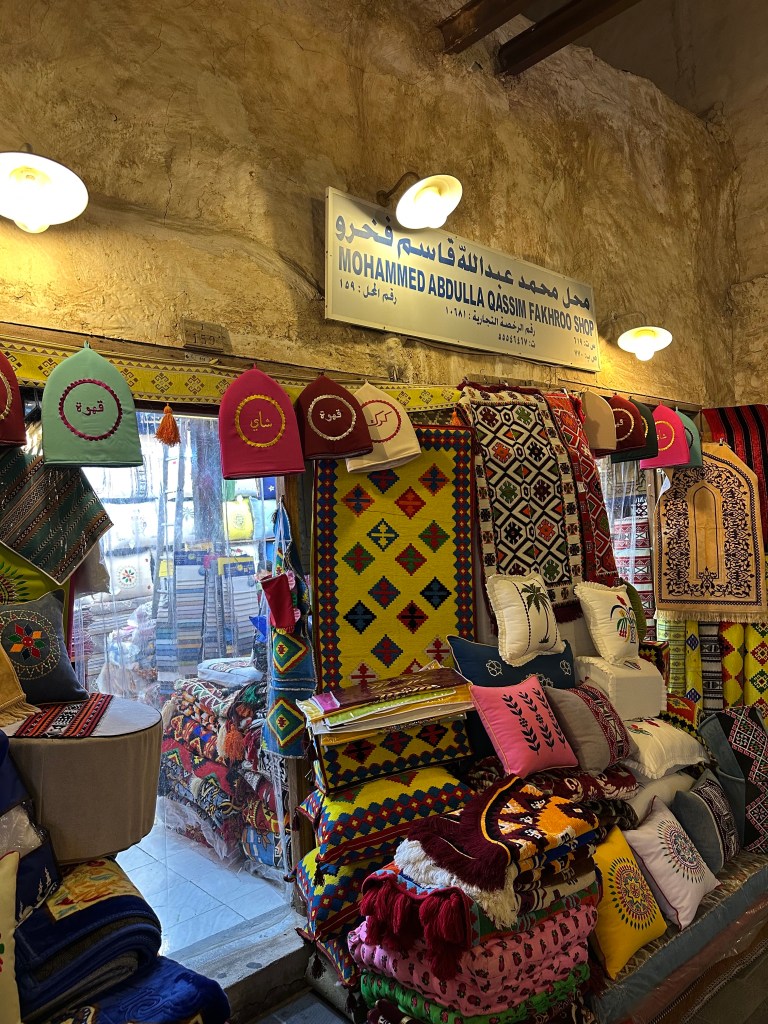

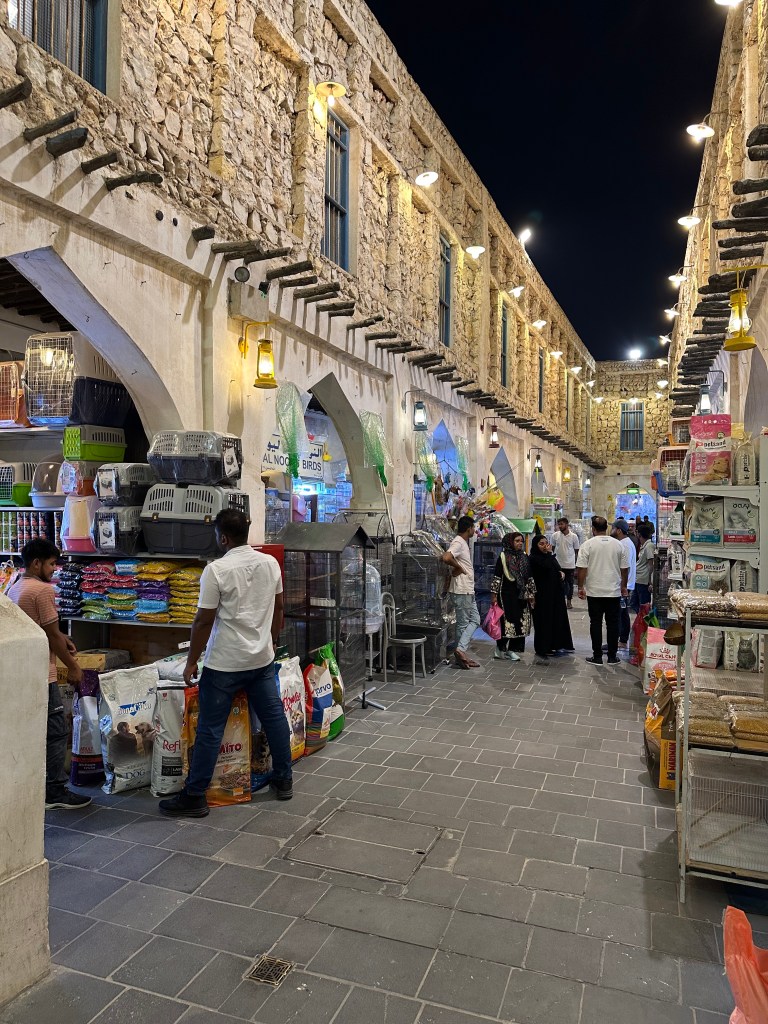
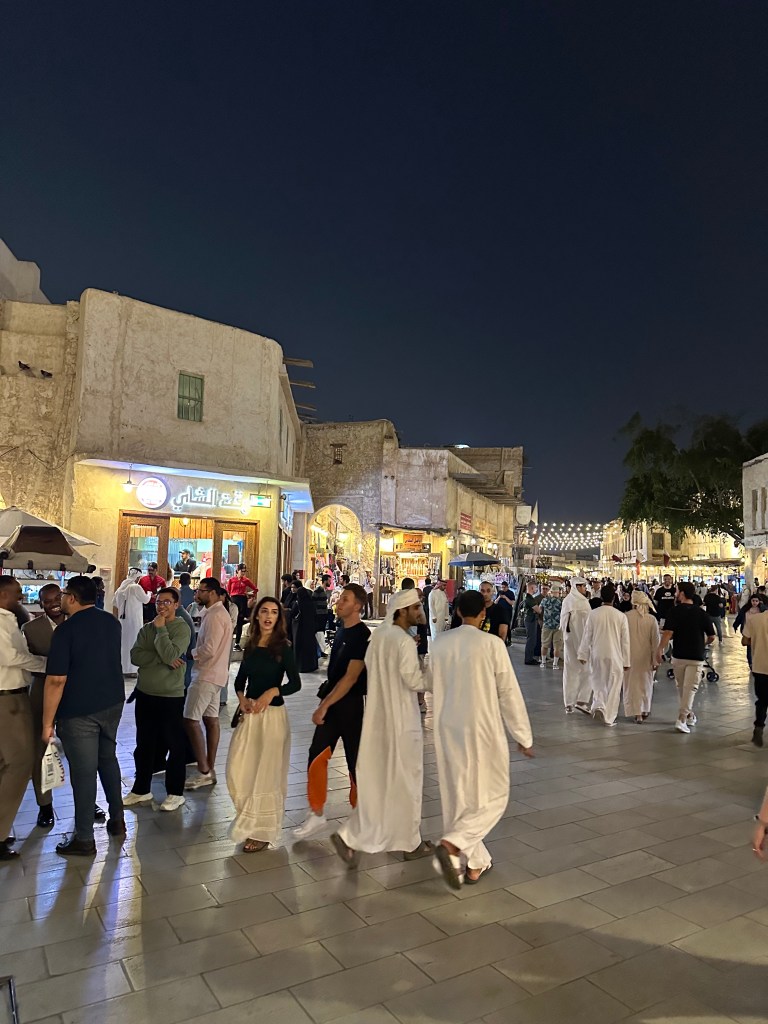
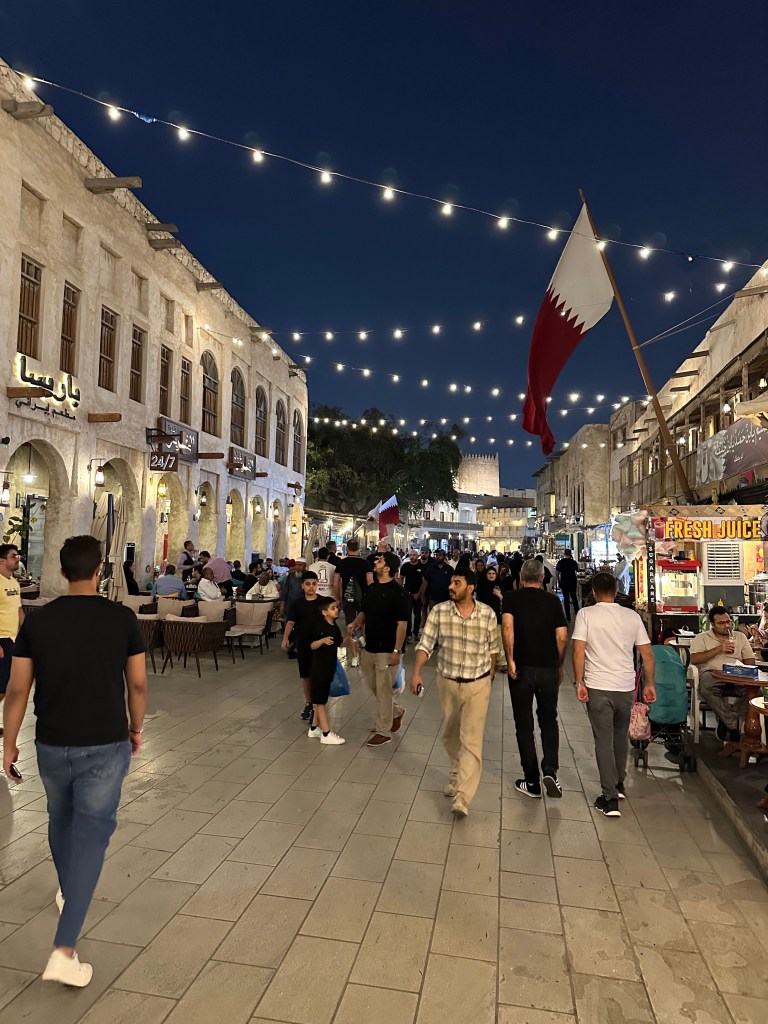


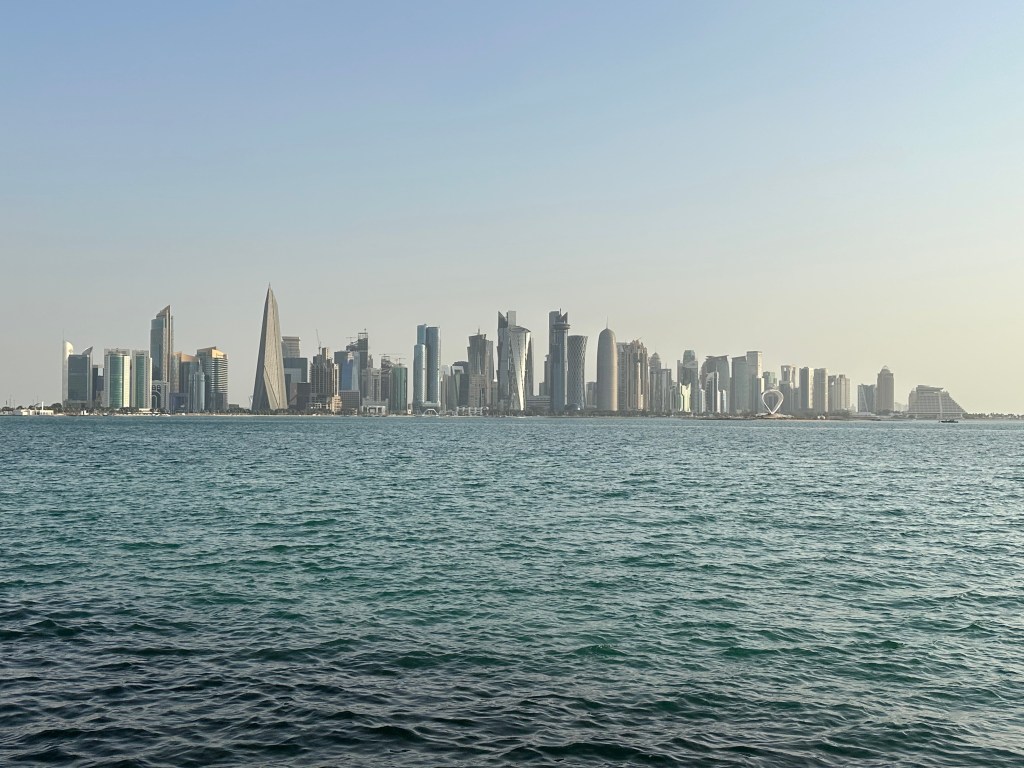
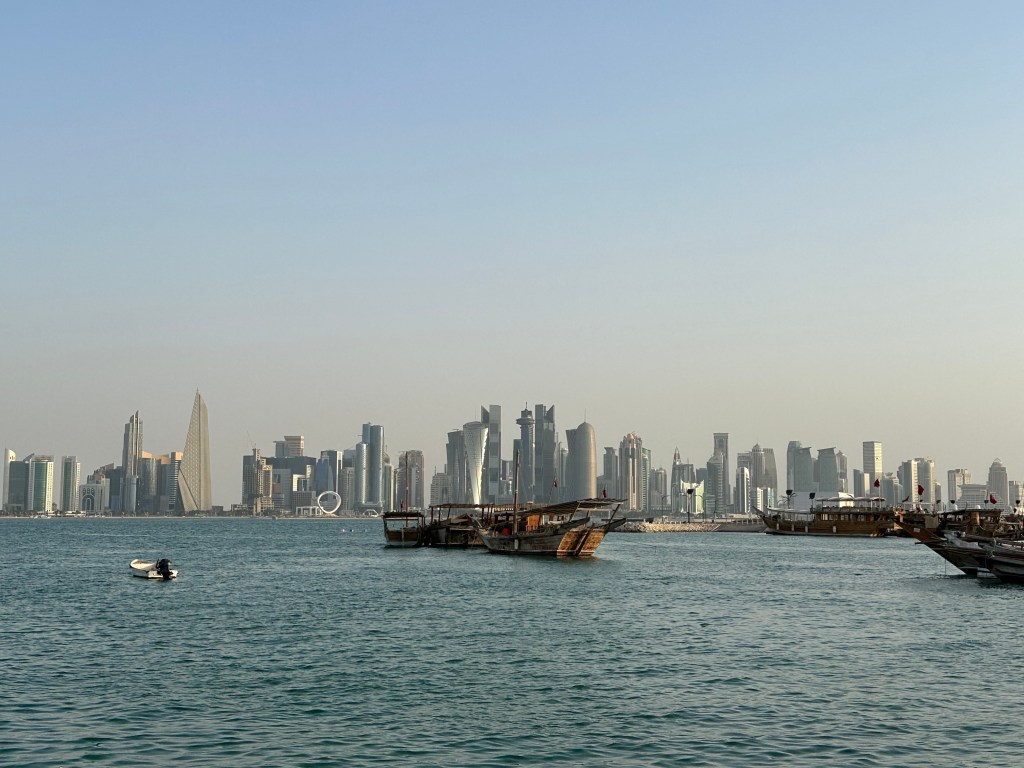
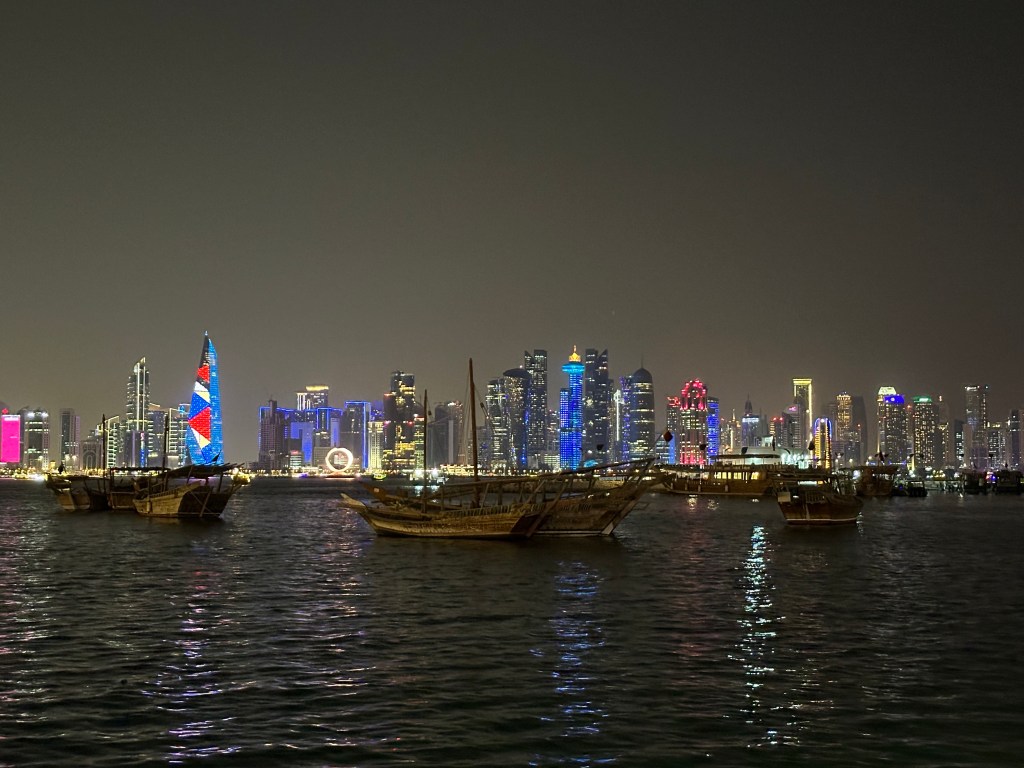
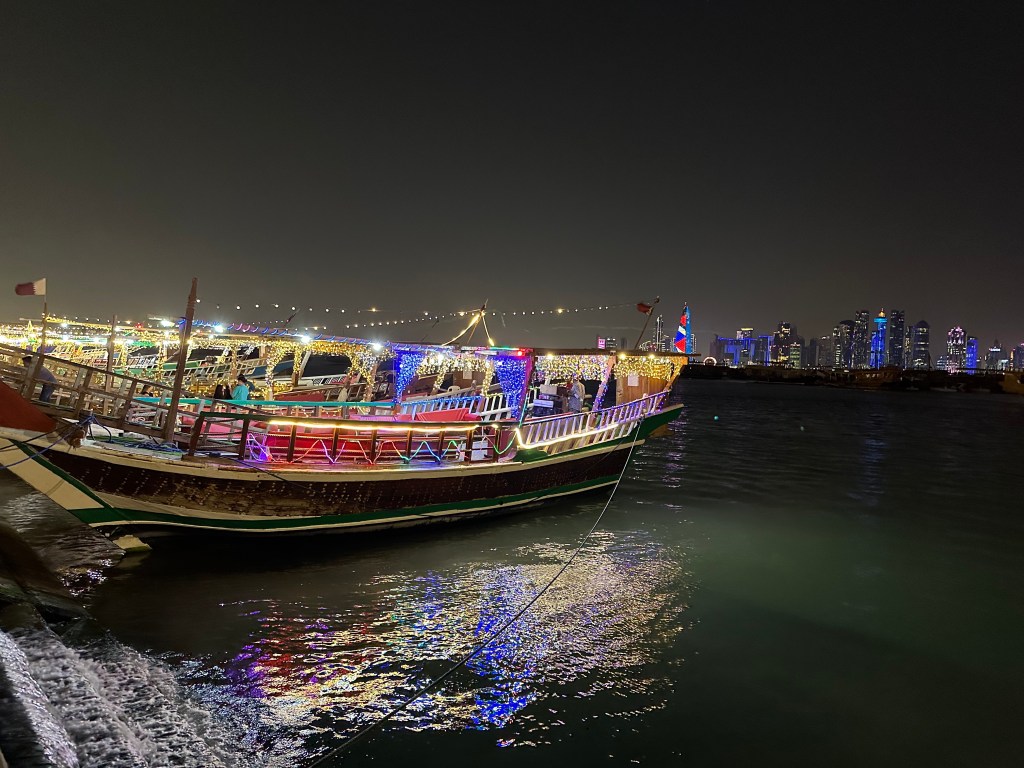
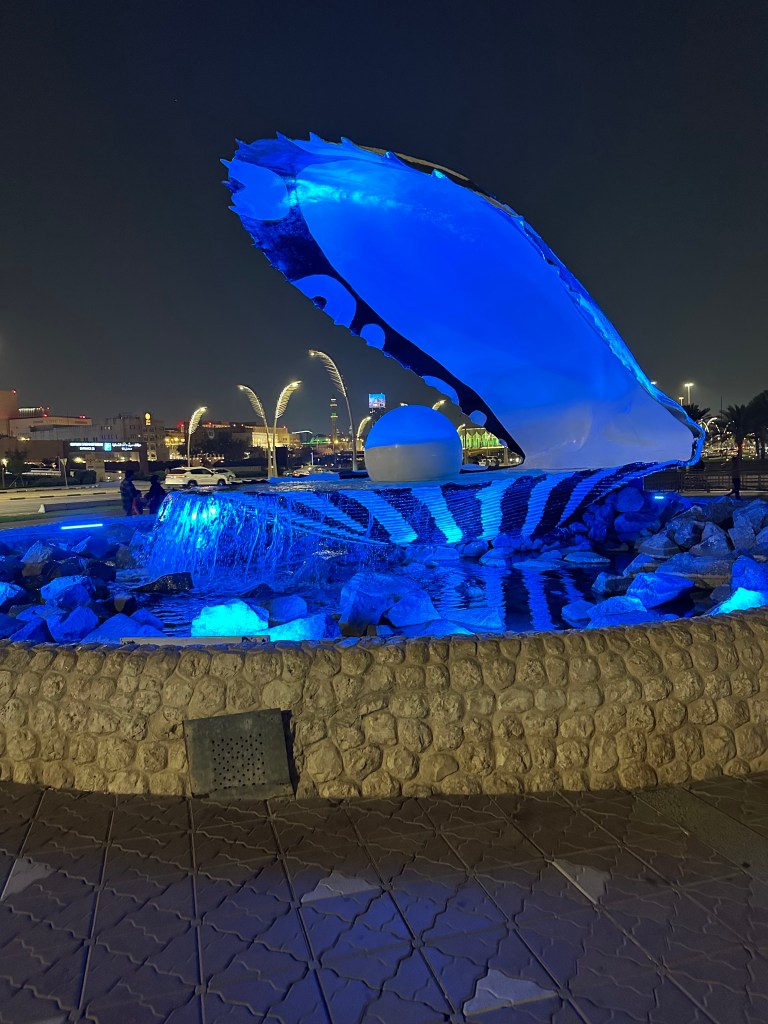
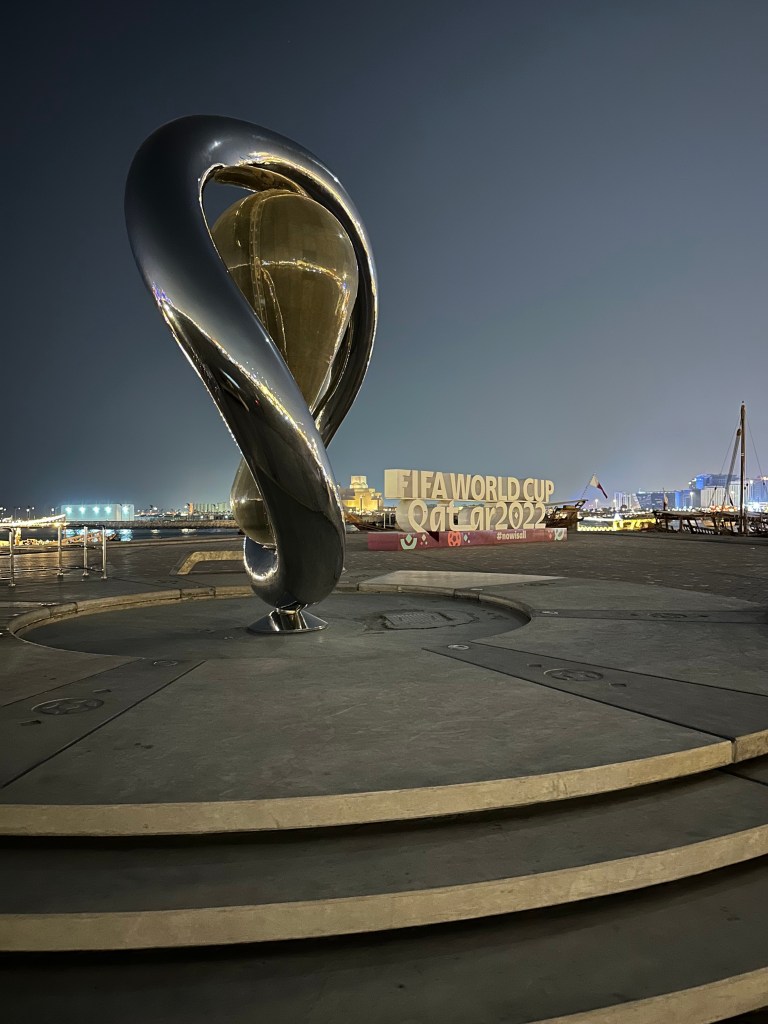
4. The Corniche is a 4.5-mile-long promenade that hugs Doha Bay and offers sweeping views of the downtown skyline. Along the way, you’ll find a handful of public art installations—the large pearl sculpture stands out as a nod to the city’s origins before oil wealth. The Dhow port nearby offers short cruises on traditional wooden boats that once carried goods across the Gulf. These boats now cater to visitors, though many seem past their prime. The wear-and-tear on the boats, coupled with loud Bollywood music, undercut what could have been a nostalgic and serene experience.
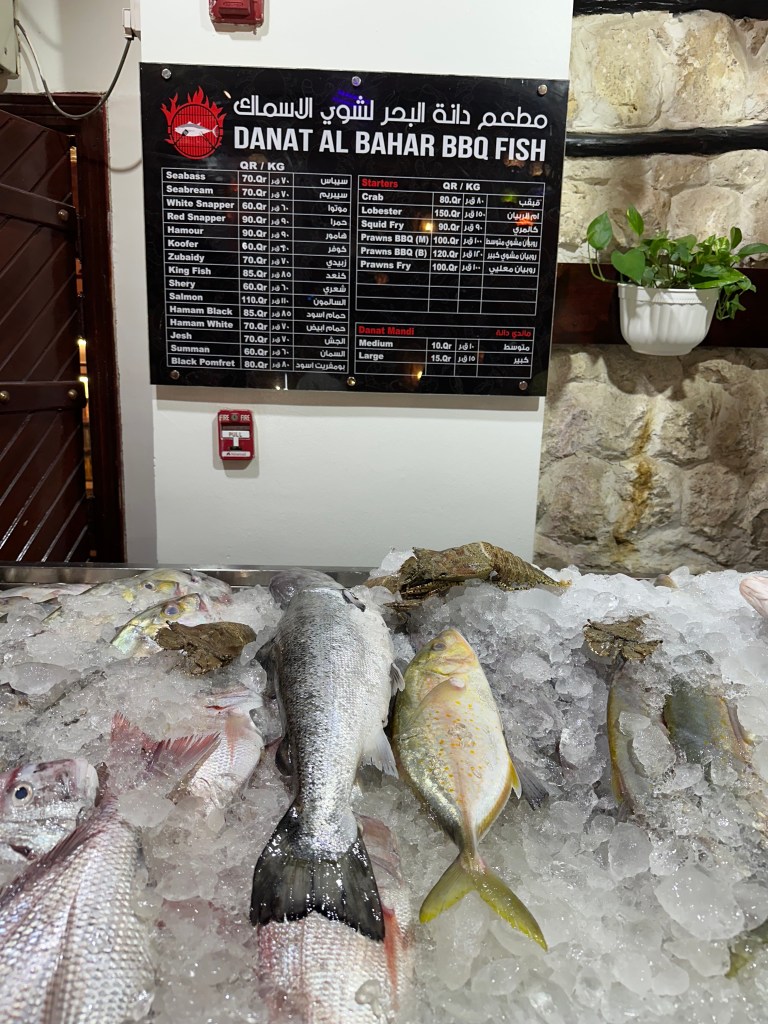
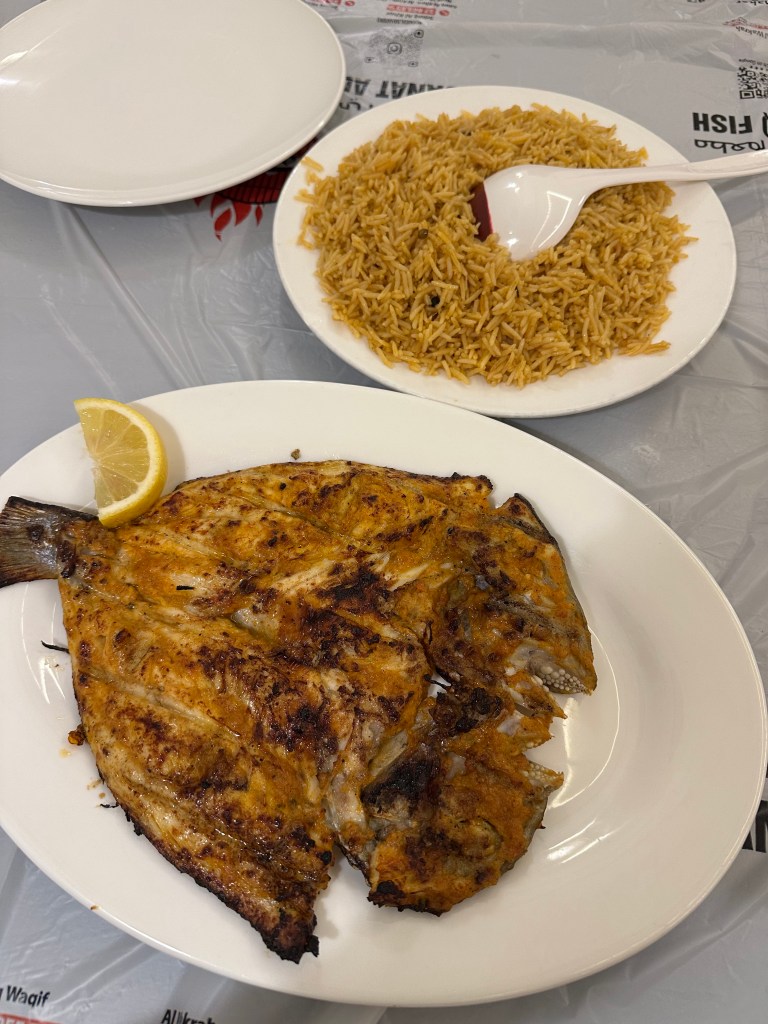
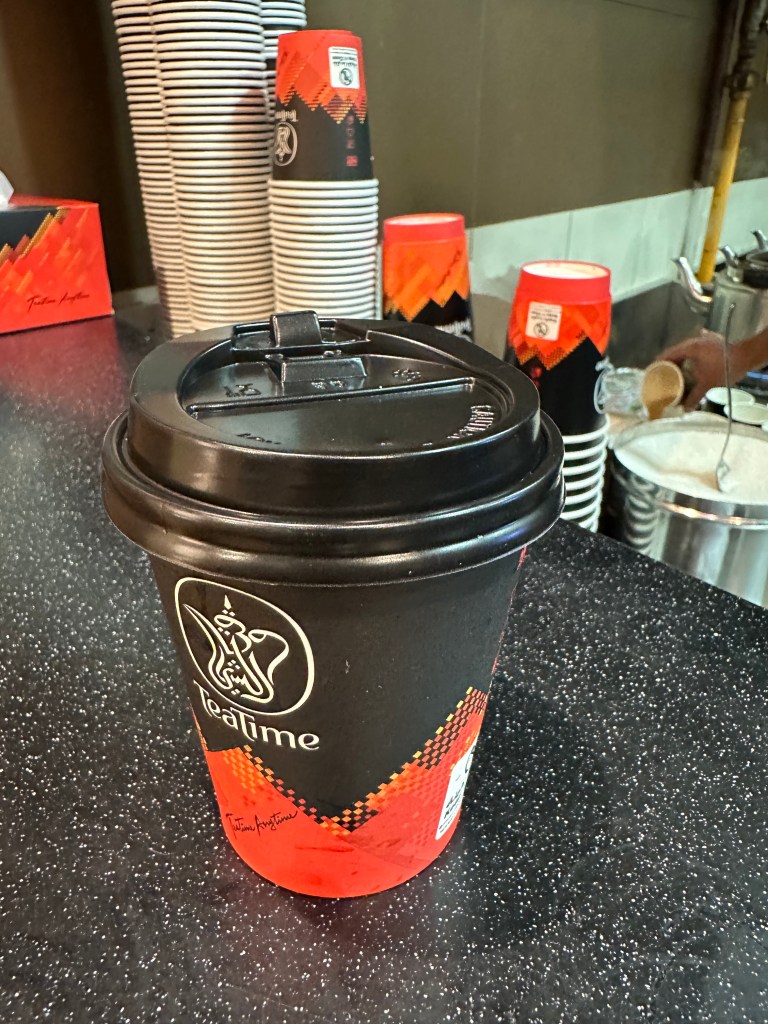
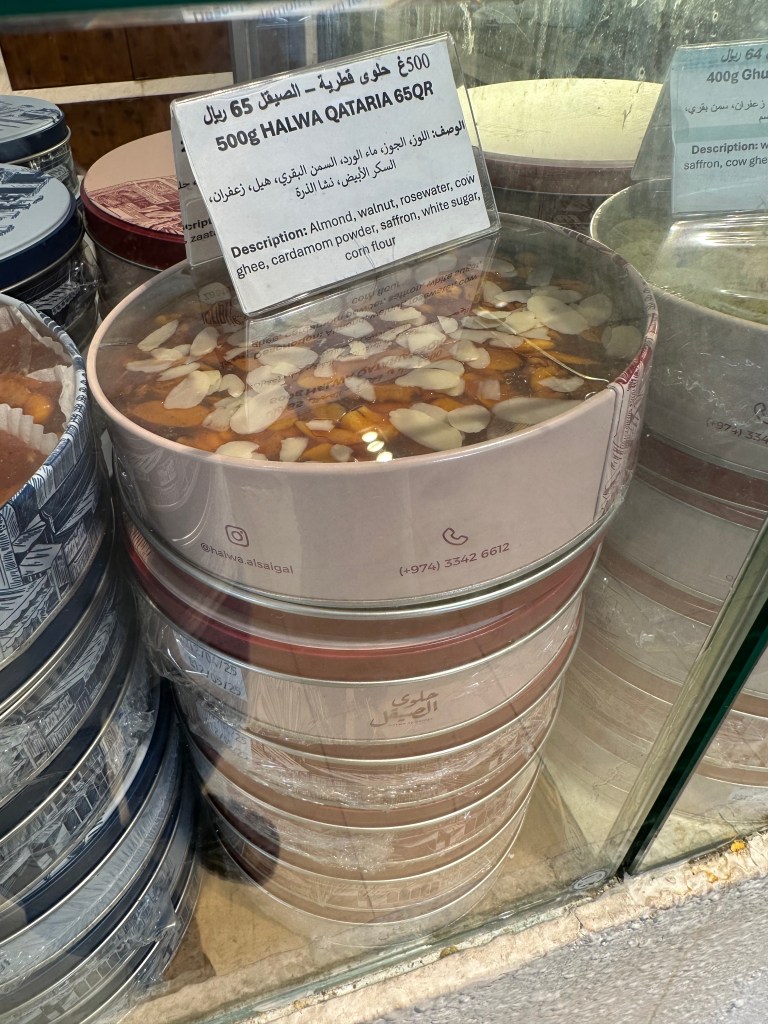
5. Qatari cuisine blends local and regional influences, with a strong showing of seafood. Machboos, a spiced meat and rice dish, is the national staple—akin to biryani, but with its own flavor profile. Yemeni dishes like mandi, grilled fish platters, and spiced stews are also popular. One drink that stands out is karak tea—imported from India and now deeply embedded in Qatari culture much like its neighbors. It’s strong, sweet, and slightly smoky, and available everywhere as a more affordable alternative to Arabic coffee. For dessert, try Qatari halwa, made from cornstarch, saffron, sugar, and nuts. Its gelatinous texture and flavor reminded me of Bombay halwa from India—possibly another culinary echo of the region’s long history of trade. And if you’re craving Arabic sweets, head to Al Aker. Their kunafa is world-class—crisp, gooey, and perfectly balanced—easily holding its own alongside the famed kunafa from Al Aqsa in Nablus.



 flagsandforks