1. Marrakesh derives its name from the Berber phrase amur n akush, meaning “land of God.” Founded in the 11th century by the Almoravids, a Berber dynasty that unified warring tribes and expanded their empire into the Iberian Peninsula, the city became a coveted prize passed through multiple ruling dynasties. The Almohads took control, followed by the Marinids who relocated the capital to Fes, before the Alawites reclaimed Marrakesh as a strategic military outpost. French colonial forces controlled it as part of their protectorate until Morocco’s independence in 1956, leaving architectural and urban planning influences that remain visible today.
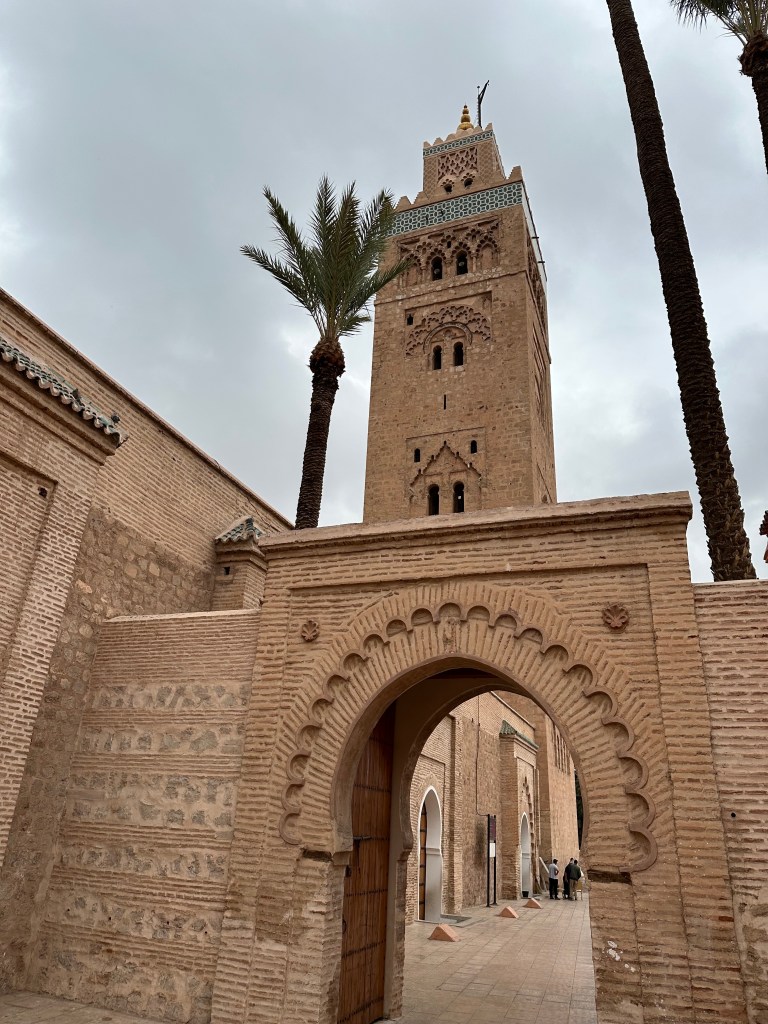
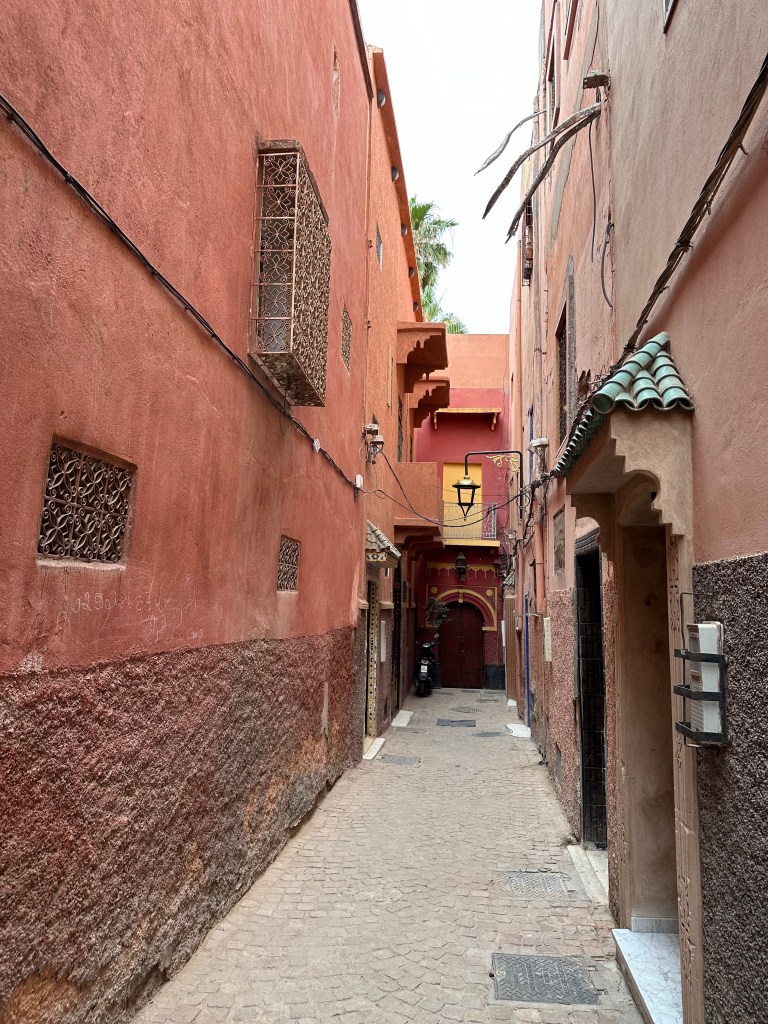
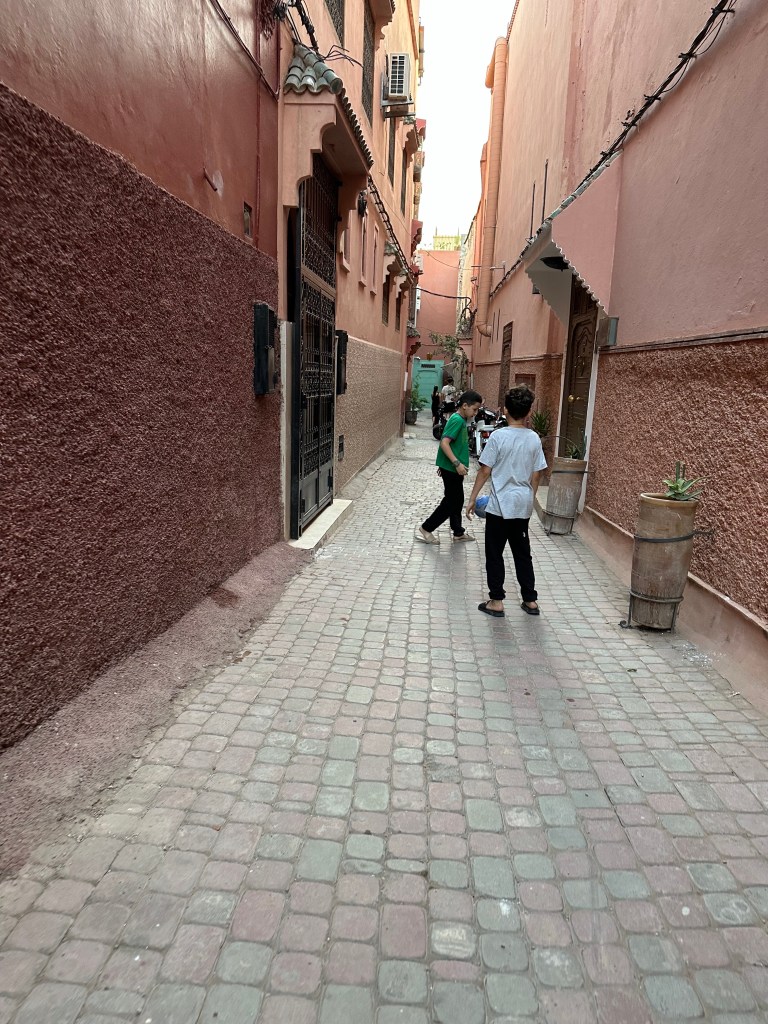
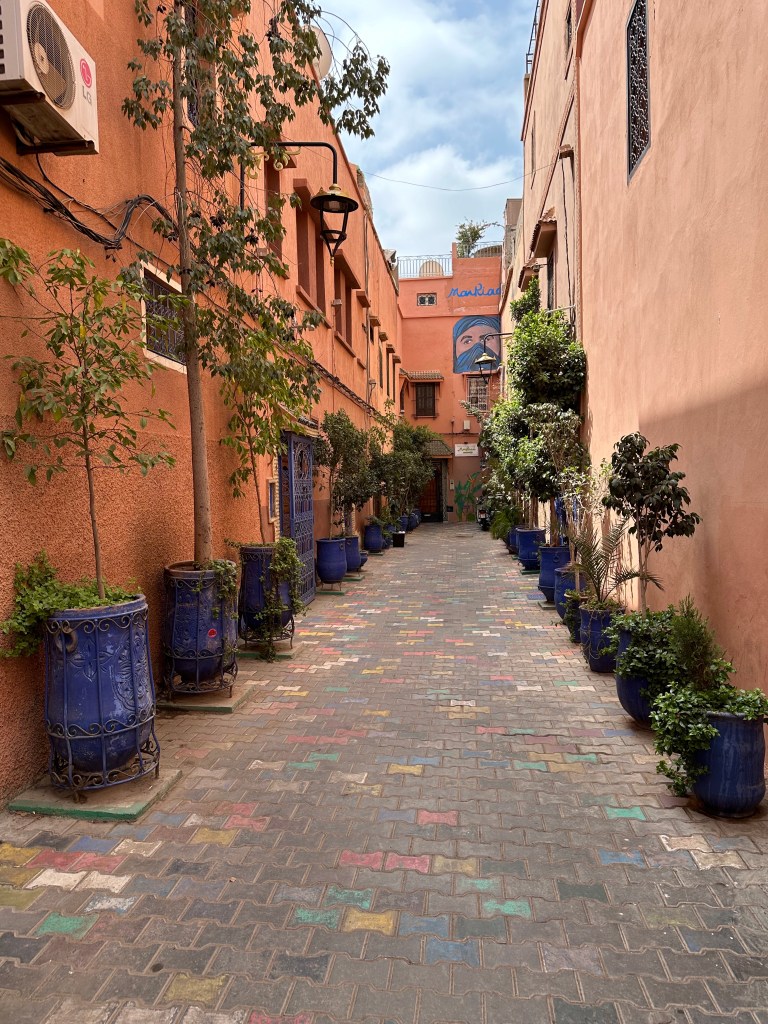
2. The Medina, Marrakesh’s walled old city, represents living history. The iconic walls, constructed from orange-red clay and chalk, create the distinctive pink hue that earned the city its “Red City” moniker. Modern regulations require all buildings to maintain this traditional red ochre color, preserving the city’s visual heritage. Beyond the landmarks like Jemaa el-Fnaa square, the souks, and Koutoubia Mosque, the Medina remains an active residential area. Navigating its labyrinthine alleys—best done with a local guide or reliable offline map—offers glimpses of daily life: children playing in small squares, residents conducting daily commerce, and scenes of domestic life unfolding in courtyards.
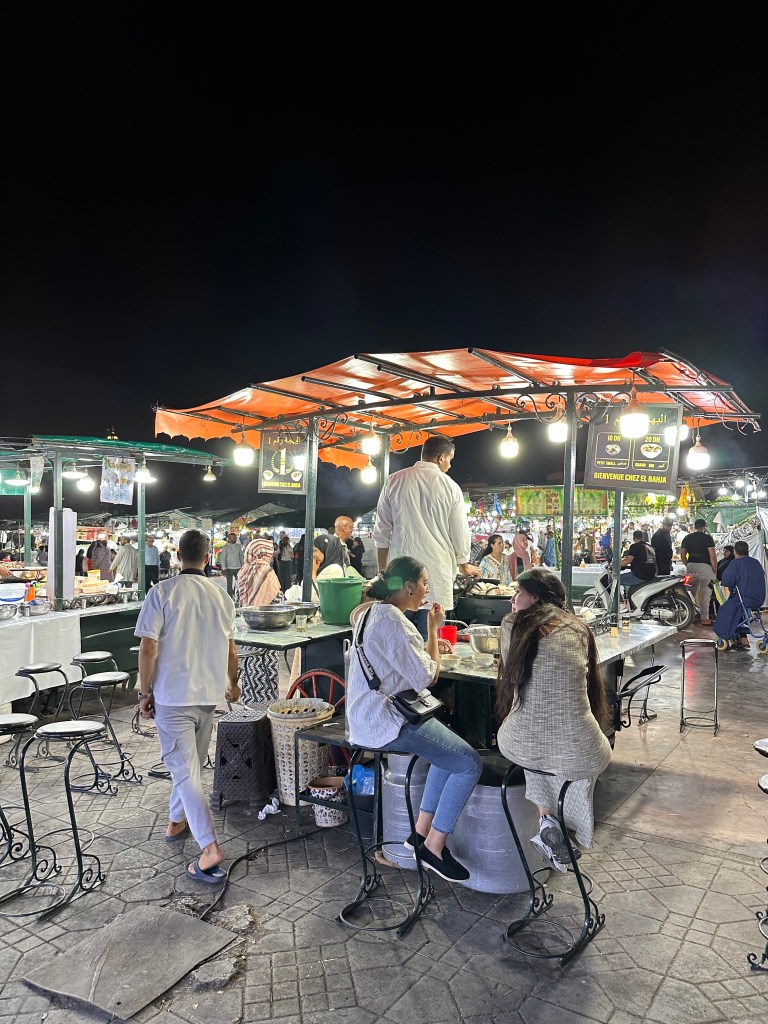
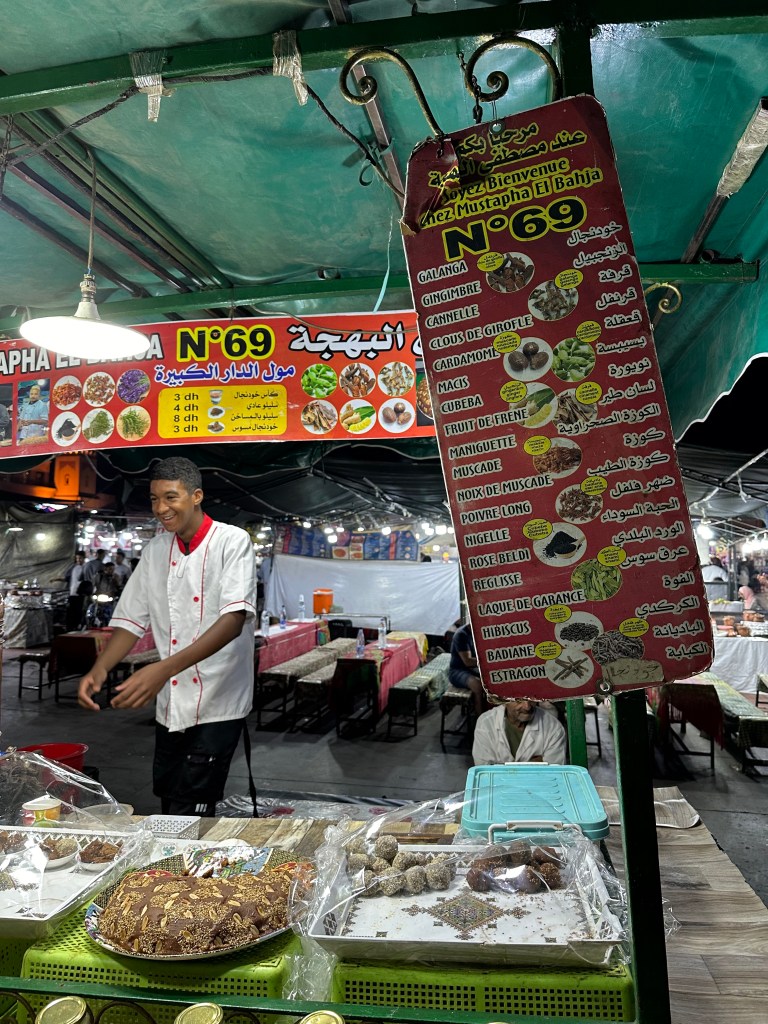
3. Jemaa el-Fnaa undergoes a dramatic transformation at nightfall. Food vendors establish their stalls, entertainers draw crowds, and the traditional snake charmers continue their ancient practice. Despite the tourist traffic, merchant interactions were generally respectful, allowing for uninterrupted exploration. The square’s name has dark historical roots—roughly translating to “Assembly of the Dead”—likely referencing its past use as a site for public executions.
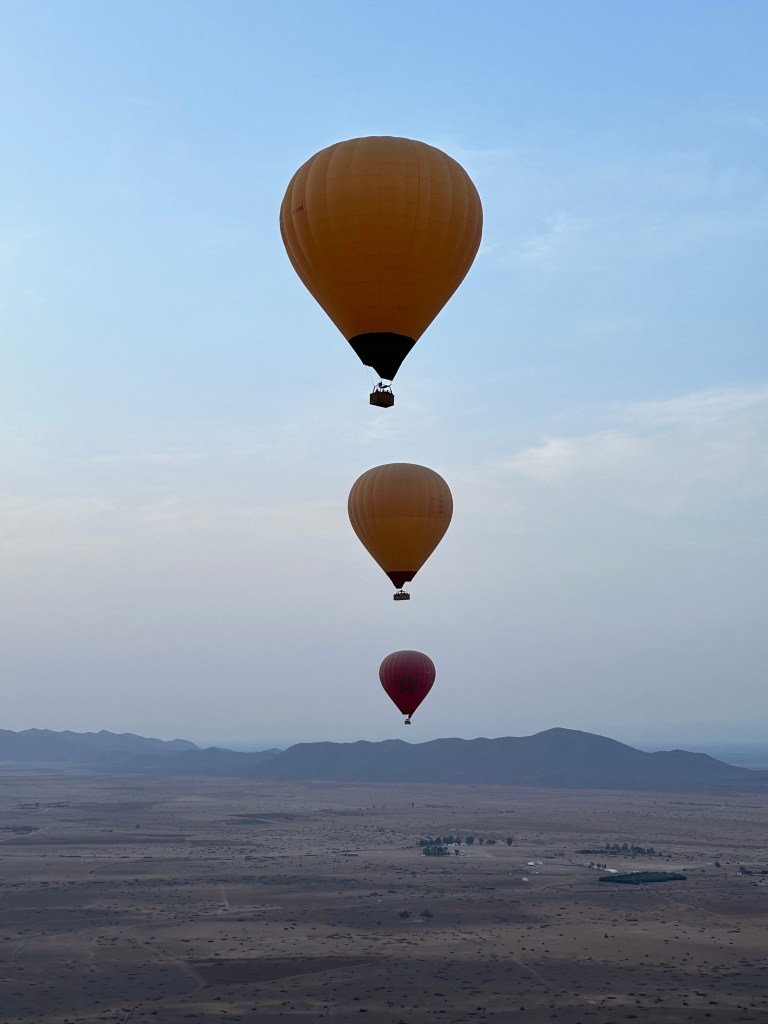
4. While Marrakesh doesn’t possess Cappadocia’s unique landscape, hot air balloon excursions offer exceptional views of the Atlas Mountains and provide welcome respite from the city’s intensity. The operators demonstrated exceptional professionalism and hospitality, contributing to an experience marked by serenity and well-appointed pre and post-flight service.


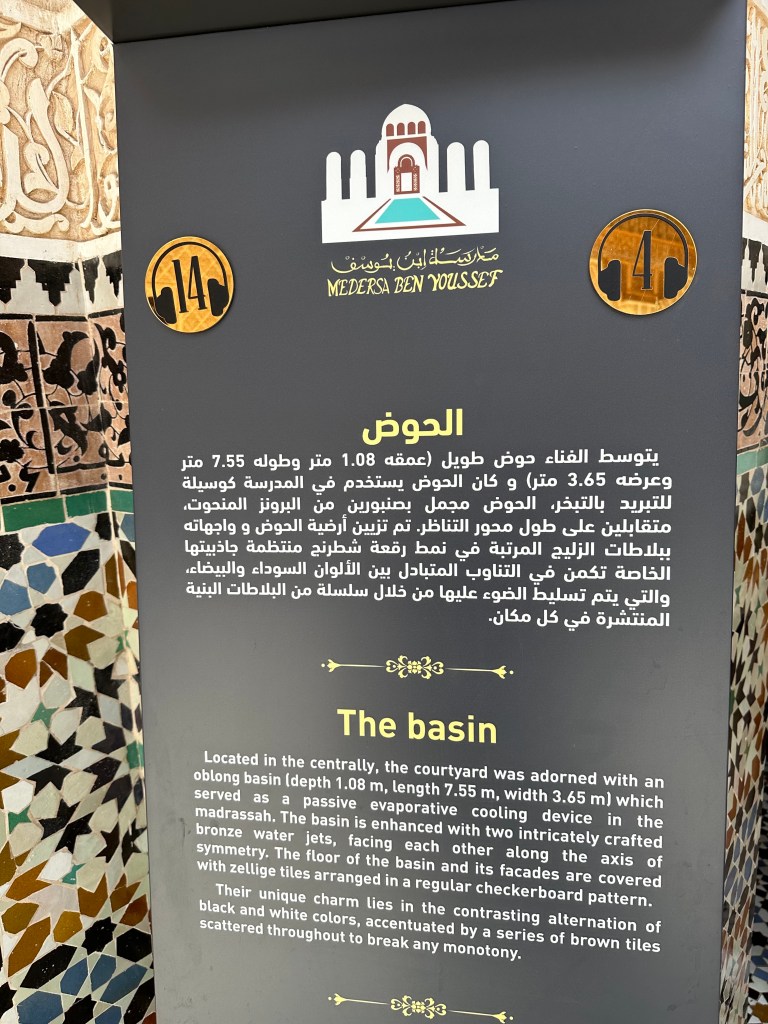
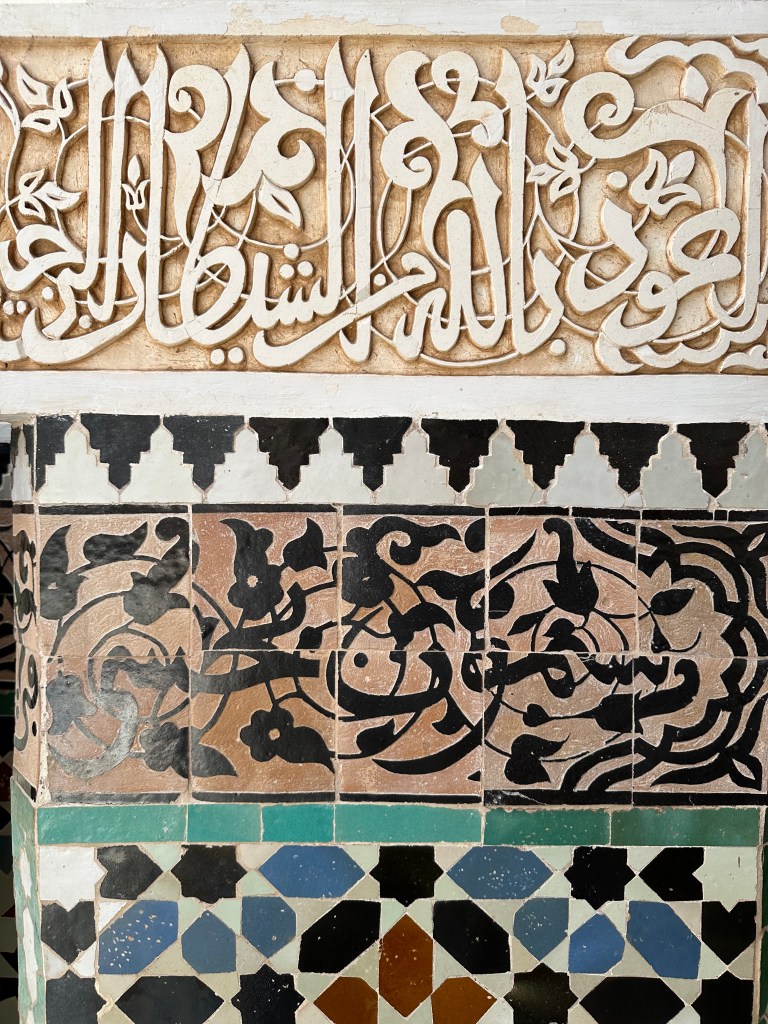
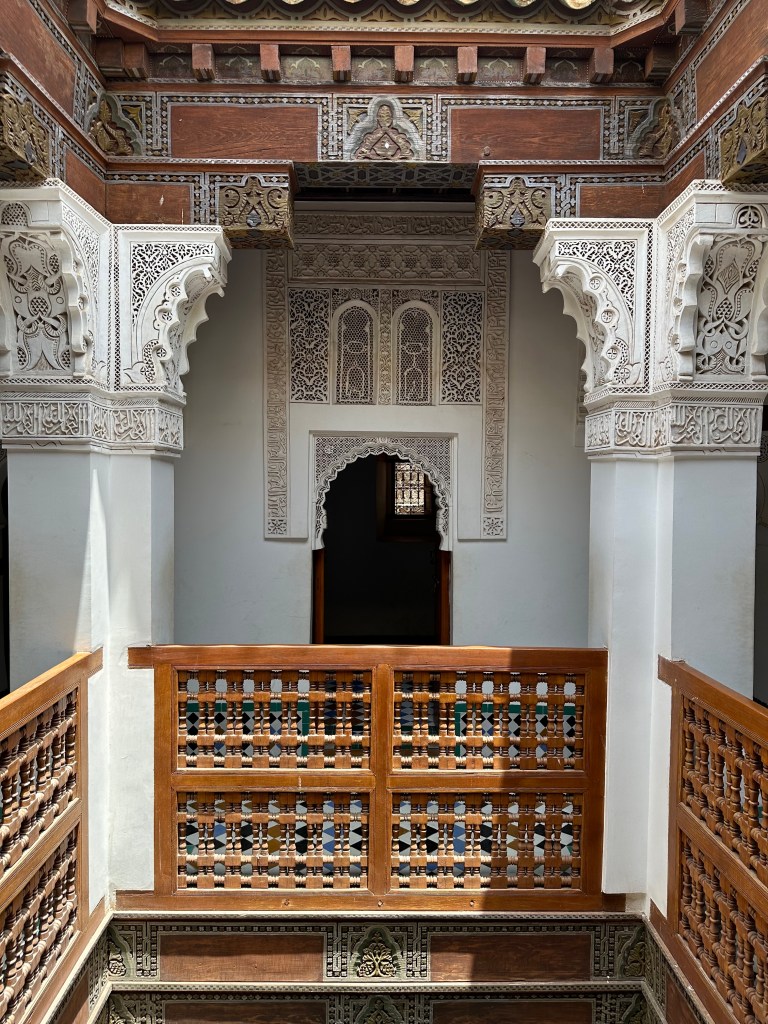
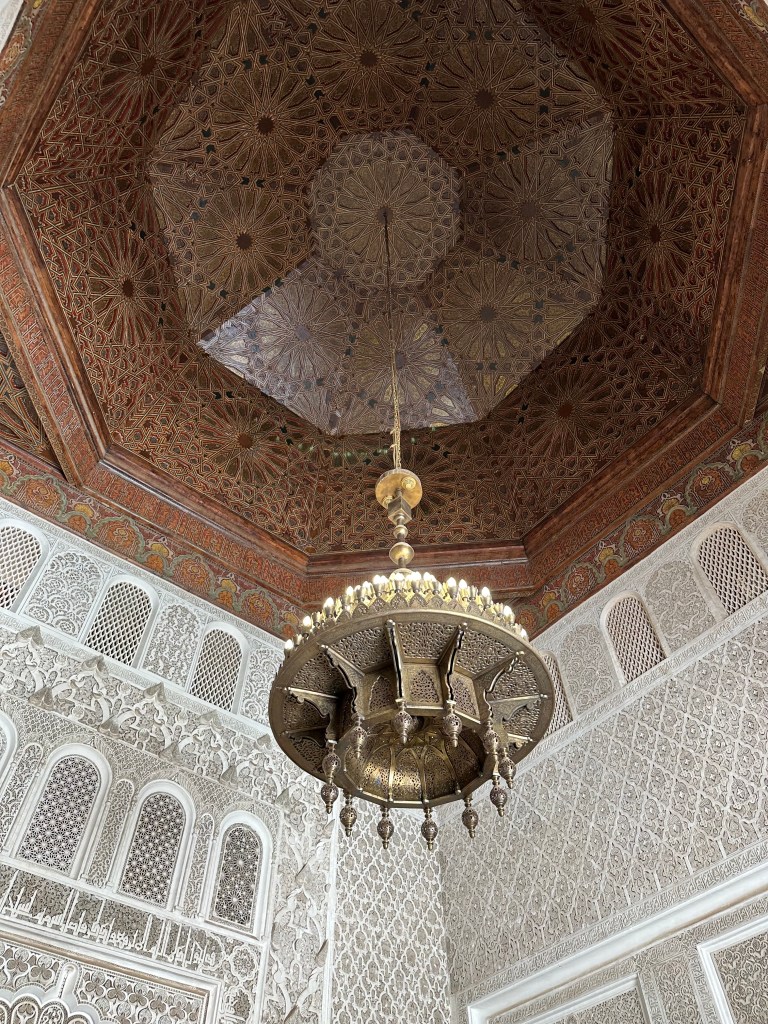
5. Marrakesh’s architectural heritage showcases the sophistication of Islamic geometric design. Zellij tilework, a technique refined since the 10th century, involves cutting glazed terracotta into precise geometric shapes and arranging them into complex mathematical patterns. Each piece is unique, yet together they create perfect tessellations. The Ben Youssef Madrasa exemplifies this craftsmanship, featuring hand-cut tiles forming intricate star and polygon motifs alongside delicate carved plaster work. Many traditional riads have been restored as boutique accommodations, preserving these architectural treasures for contemporary visitors.
6. Fragrance holds significant cultural importance in Morocco. Incense and perfumes are commonly used in homes to promote positive energy and dispel negative influences, extending beyond religious practices. Traditional perfume markets offer established varieties: Amber, White Musk, Oud, Jasmine, and Patchouli. Oud commands premium pricing due to its production process—it’s derived from aquilaria tree resin that forms only when the tree combats fungal infection, resulting in a complex, prized scent requiring extensive processing.


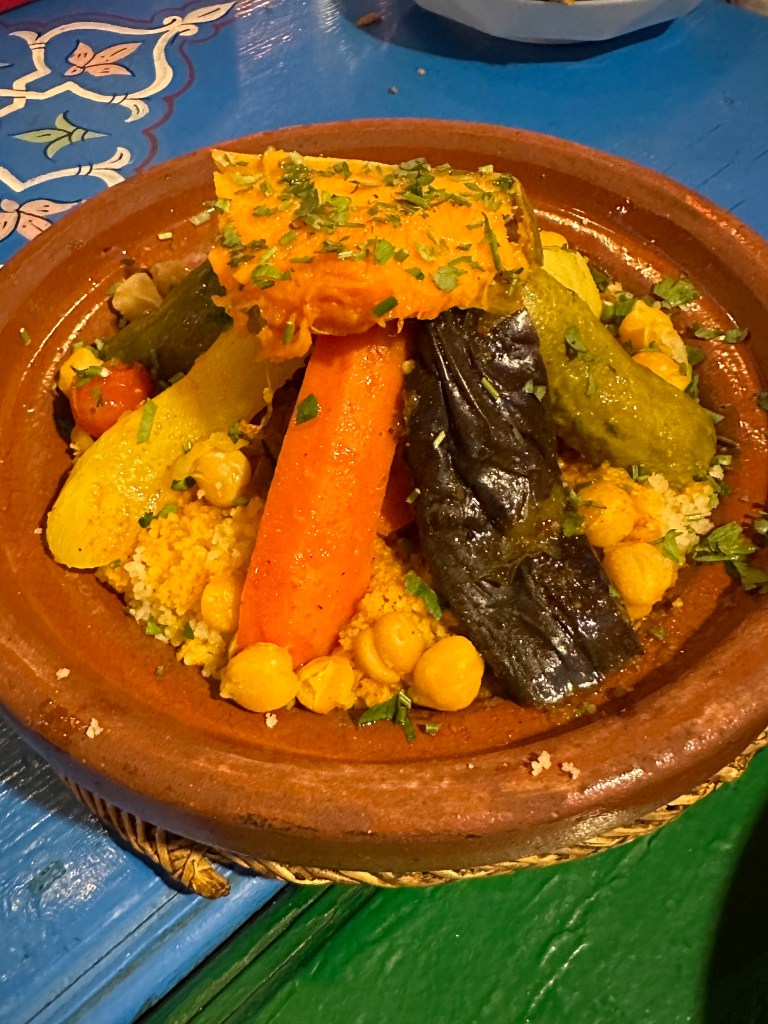
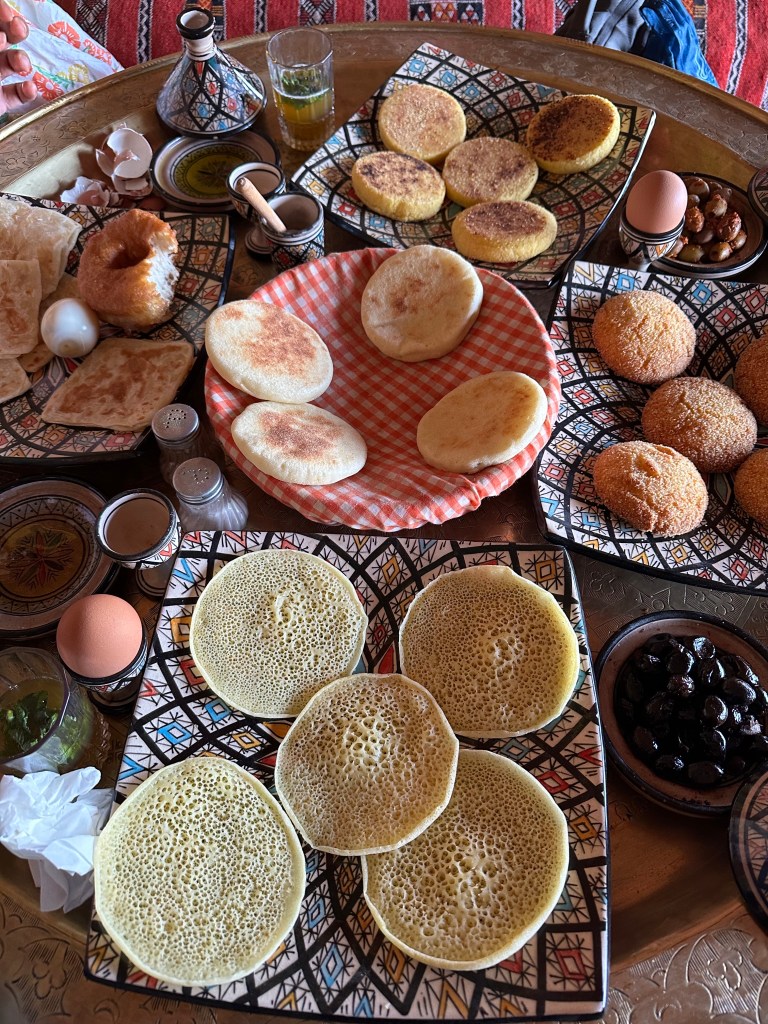
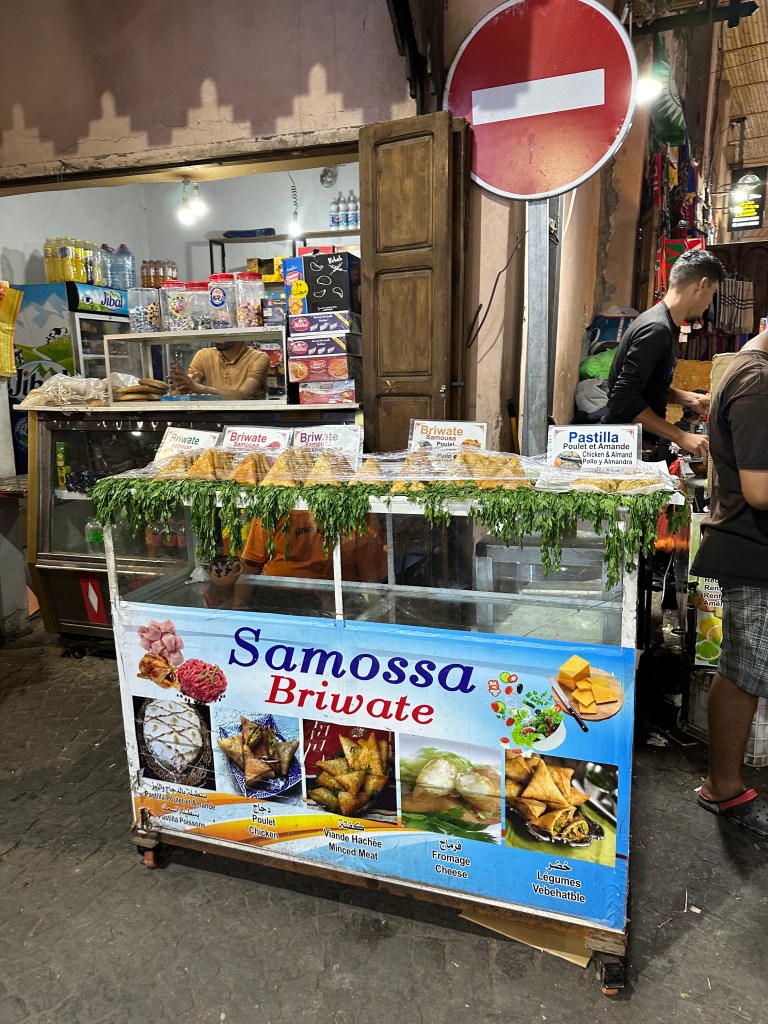
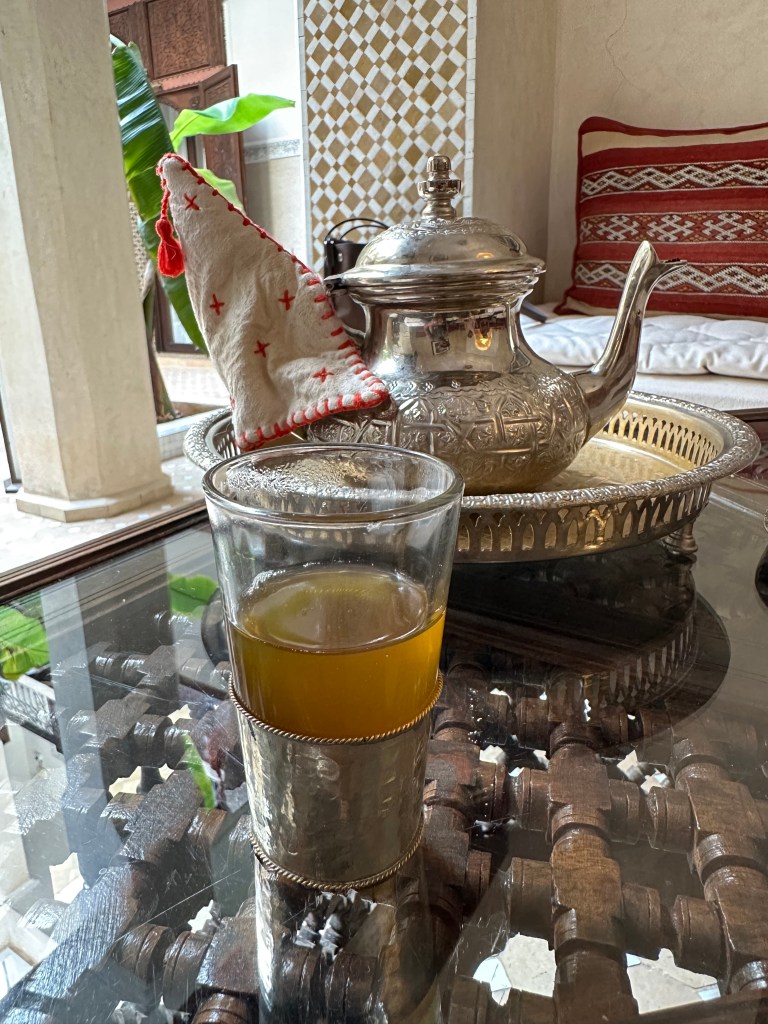
7. The tagine is Morocco’s signature dish, named after the distinctive clay pot used to cook it. This cone-shaped vessel works like a natural pressure cooker, slowly steam-cooking ingredients to perfect tenderness. Traditional versions combine lamb with couscous, caramelized onions, prunes, and seasonal vegetables. Briwat can be confusing—it’s used for both sweet and savory pastries, though the sweet ones with nuts and almond paste are street food favorites. Moroccan breakfasts are feasts in themselves: an array of breads, cheeses, and jams. Beghrir (honeycomb pancakes made with semolina) soak up honey beautifully, while zalabiya offers familiar comfort for those who’ve tried Indian jalebi. Mint tea is ubiquitous here, though the standard sugar levels can be overwhelming—don’t hesitate to ask for less sweetness.



 flagsandforks