1. Tirana has a fascinating mix of Greek, Ottoman, and native Albanian influences. The area was once part of the Ancient Greek kingdom of Illyria before becoming a Roman territory. Modern-day Tirana was officially founded in 1614 by an Ottoman-Albanian general, Sylejman Pasha Bargjini. His legacy lives on in the city’s old architecture and layered history.
2. Skanderbeg Square is the heart of Tirana. It’s named after Albania’s national hero, Gjergj Kastrioti better known as Skanderbeg who led a rebellion against Ottoman rule in 1444 and formed an alliance with the Venetians. Around the square, you’ll find the Et’hem Bey Mosque, a beautiful 18th-century remnant of Ottoman times that somehow endured years of political turmoil. Just a short walk away are the ruins of Tirana Castle. Though only fragments of the original Byzantine-era structure remain, the area has been transformed into a lively hub of restaurants, bars, and cafés.

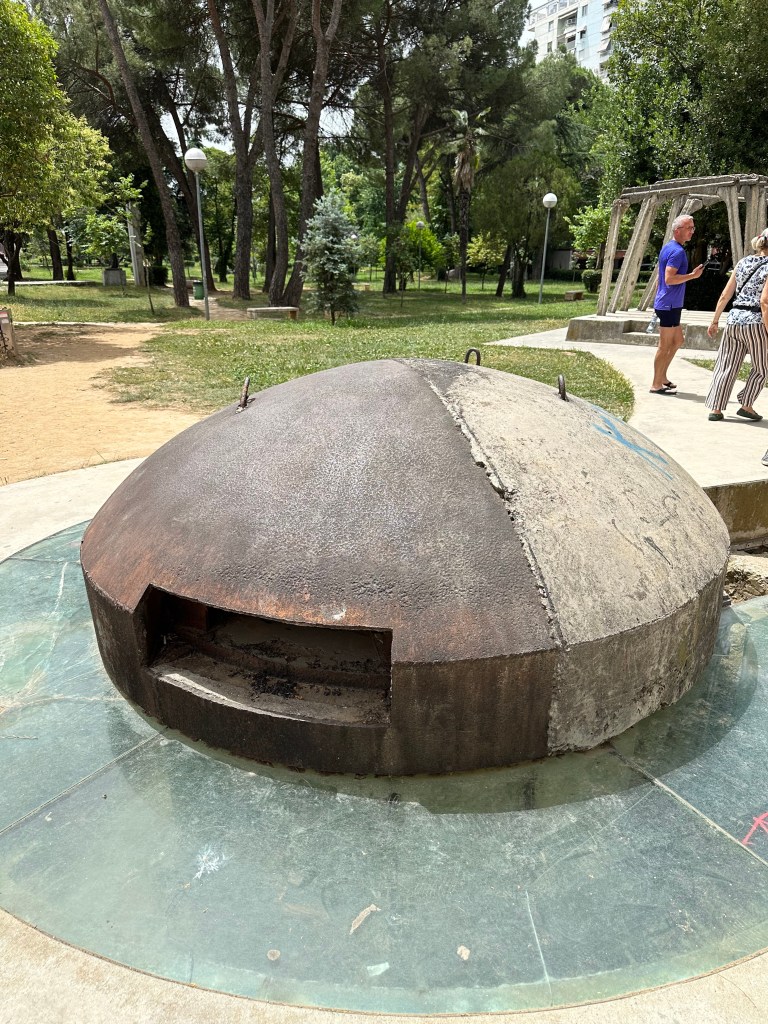
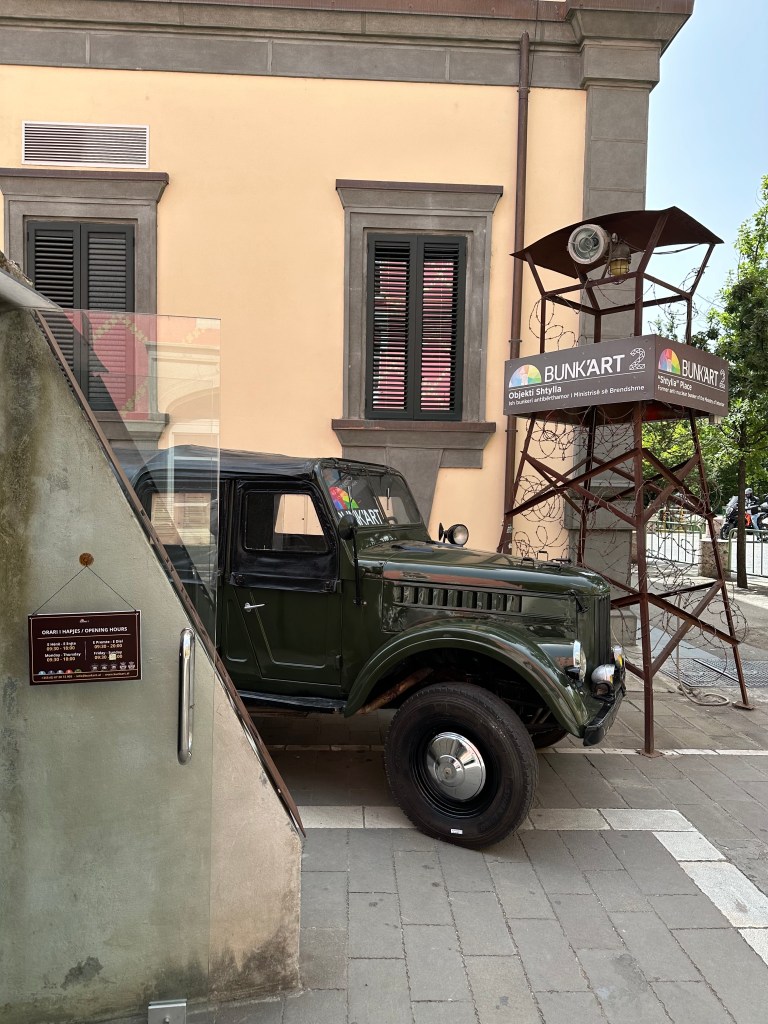
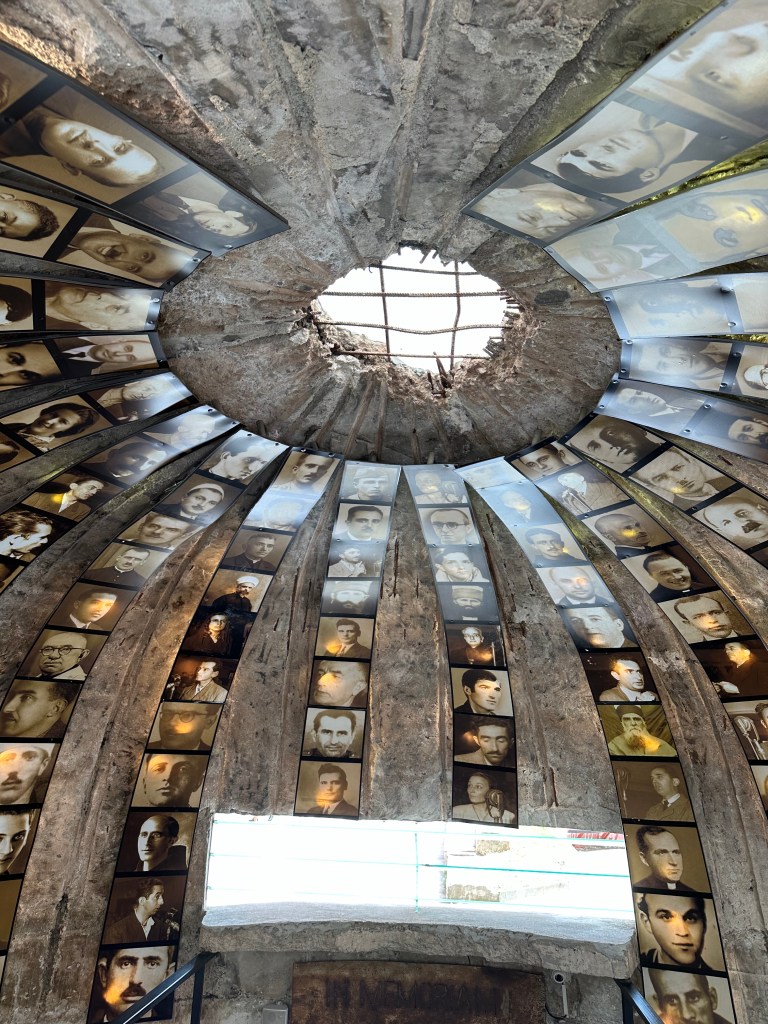
3. After WWII, Albania became a Communist state under Enver Hoxha, who ruled with an iron grip from 1946 onward. He adopted an extreme form of Marxist-Leninism, eventually severing ties with both the USSR and China. Albania became one of the most isolated countries in the world. While some modernization efforts were made to improve living standards, they came at the cost of intense political repression. One of the most bizarre legacies of this era is the construction of over 750,000 bunkers across the country. Hoxha maintained frosty relations with neighboring Yugoslavia and Greece and grew increasingly paranoid about potential invasions. The bunkers were part of a massive fortification strategy—never used, but a significant drain on national resources. Today, two excellent museums—Bunk’Art and Bunk’Art 2 dive into this dark chapter, exploring both the bunkerization of Albania and the broader political climate of the time.

4. Fast forward to the present, and there’s a palpable sense of renewal and optimism in Tirana. A powerful symbol of this shift is the Pyramid of Tirana—once a lavish, controversial monument to Hoxha’s legacy, it has now been repurposed into TUMO, a vibrant youth center focused on creative technologies. Walk around the city center and you’ll notice striking new buildings reshaping the skyline, including one with a pixelated silhouette of the Albanian map—a favorite among locals and visitors alike.


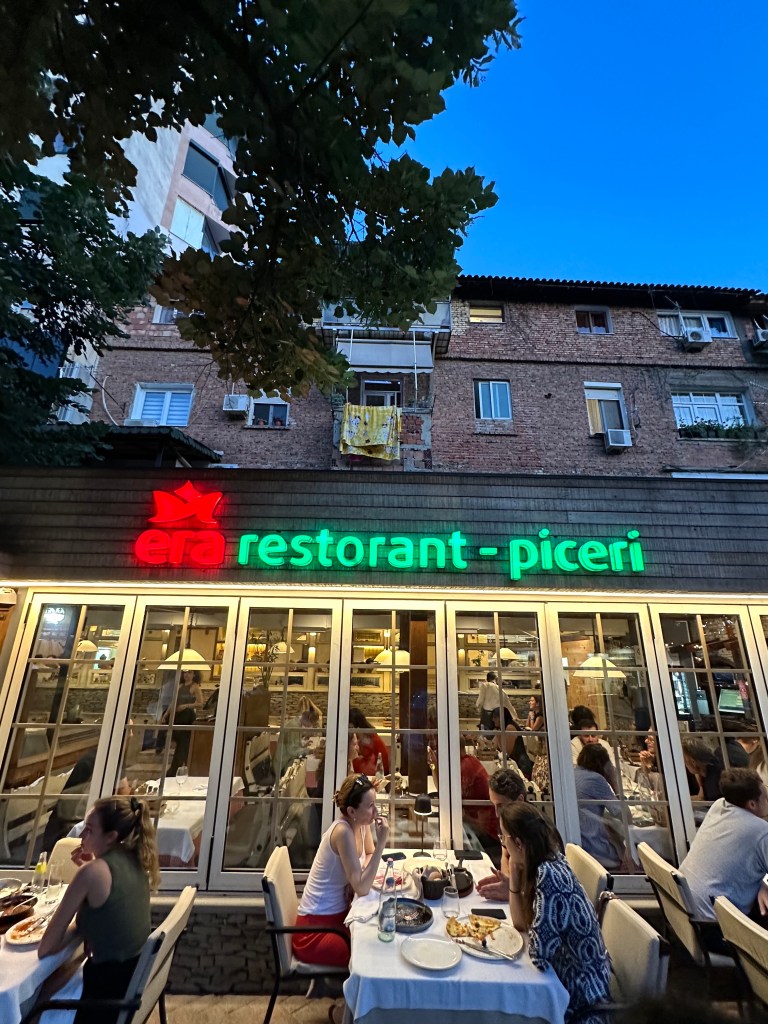
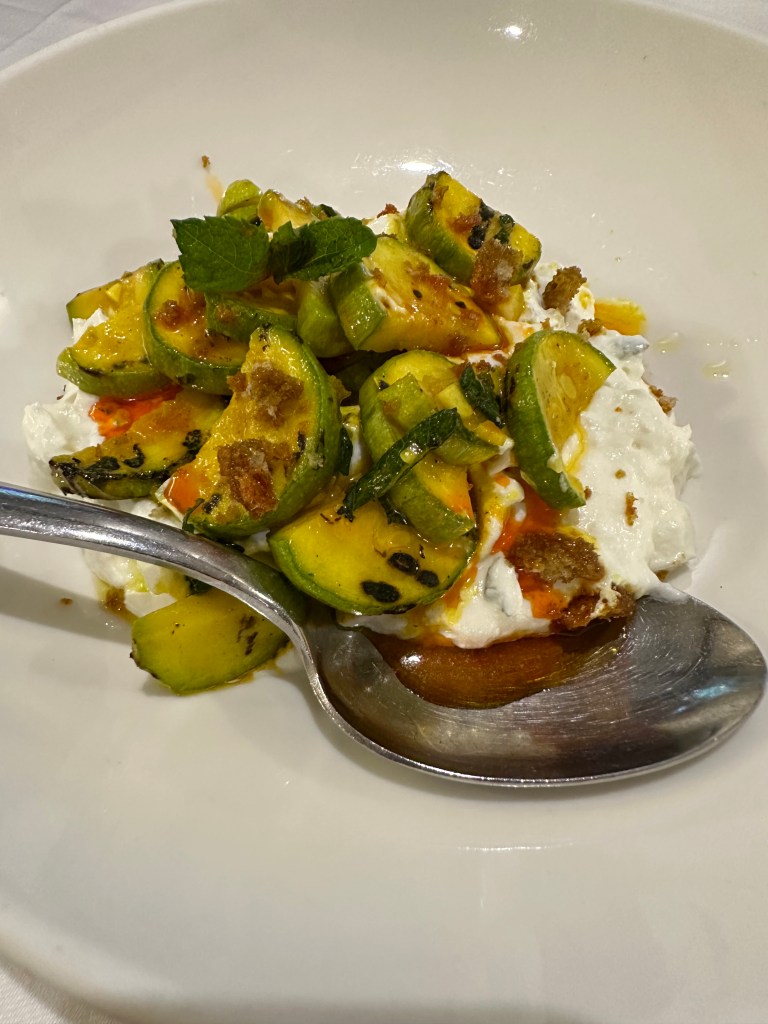
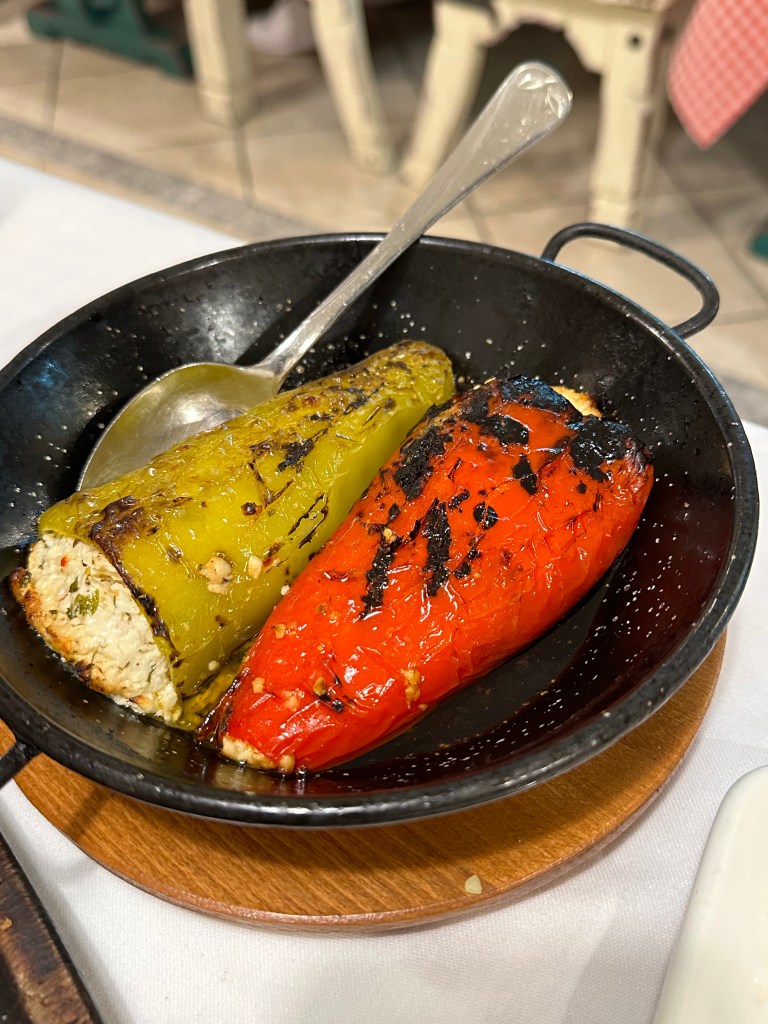
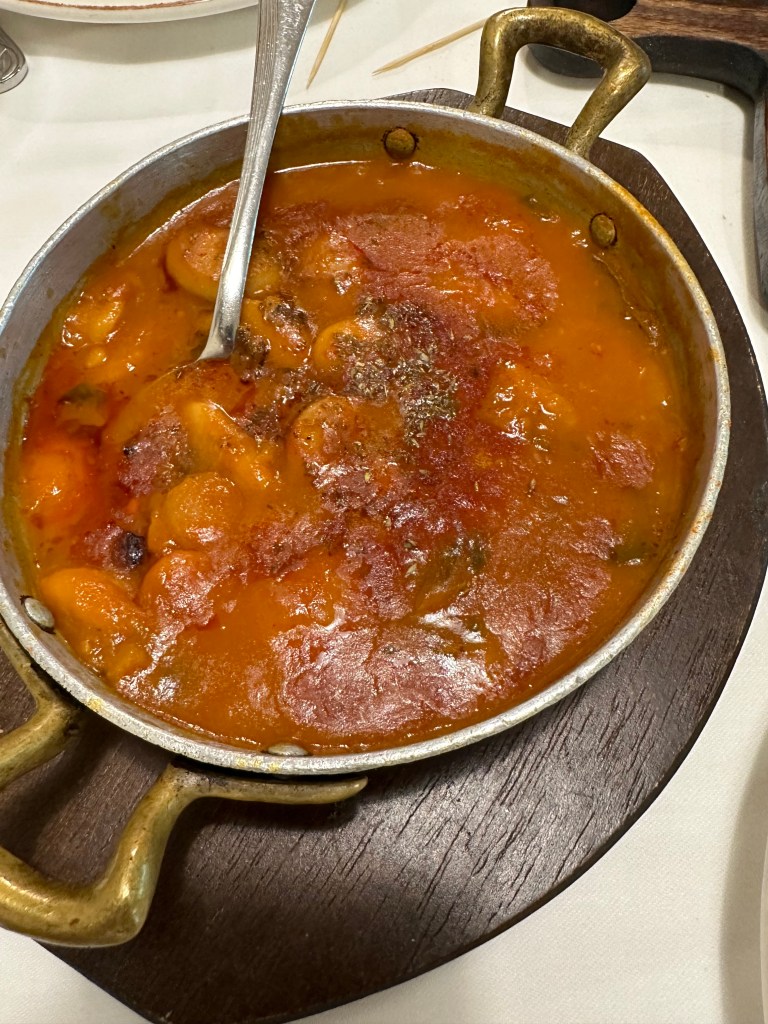
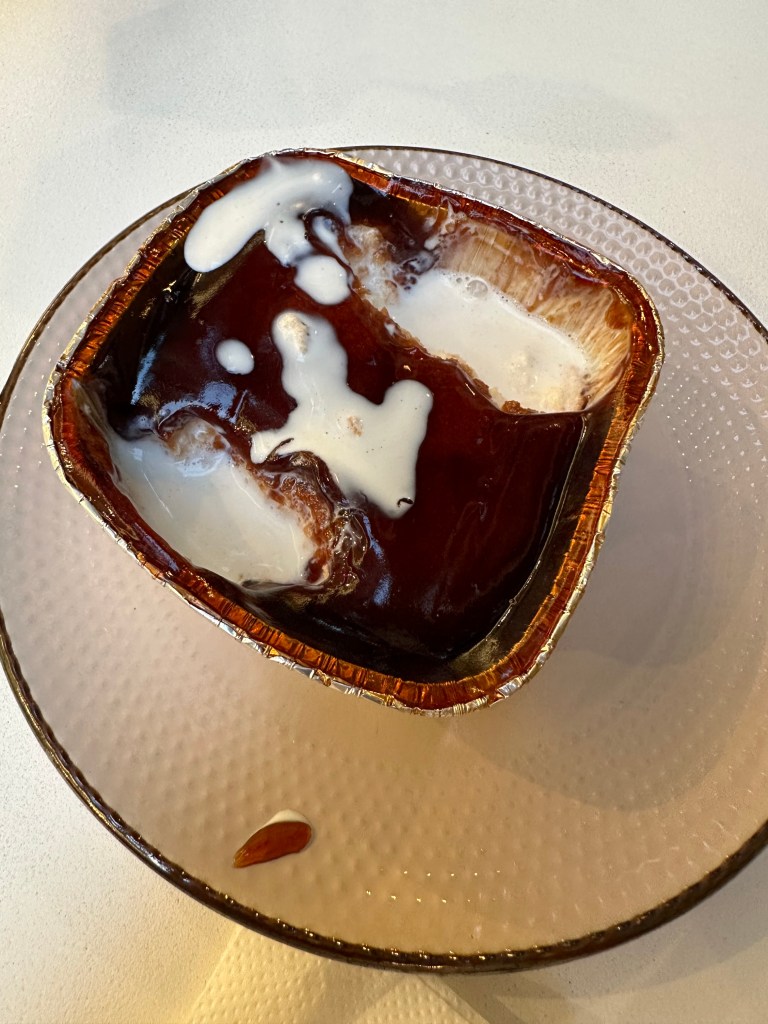
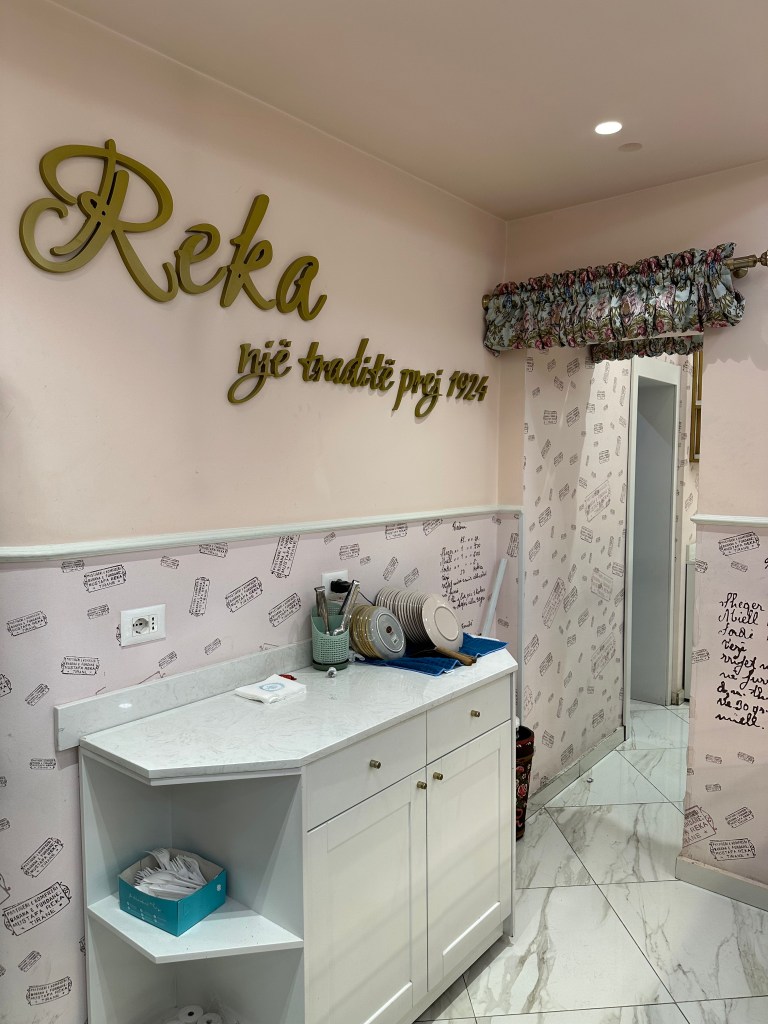
5. Albanian cuisine feels familiar if you’ve had Greek food—think lots of cheese, dairy, and vegetables. At Restaurant Piceri Era in the Blloku neighborhood, we couldn’t pick a favorite and ended up sampling most of the menu over multiple visits. Tirana also has a thriving café culture, it’s practically a national pastime—with Mulliri and Mon Cheri as local staples. One unexpected standout? The trilece at Patisserie Reka. It’s easily one of the best milk cakes I’ve ever had, rivaling the top bakeries in Turkey and the Middle East. The sponge was luscious and moist, and the caramel glaze struck that elusive balance of sweet and slightly bitter.



 flagsandforks