1. Norway is famously known as the land of the Vikings, world explorers with a well-earned reputation for discovering new territories. In the 9th century they stumbled upon Iceland and even Newfoundland while sailing toward the Faroe Islands. Later, Harald Fairhair united the Viking tribes and became the first king of Norway. The country’s story took many turns over the centuries. In the 14th century, King Olaf Haakonsson inherited the Danish throne, bringing Denmark and Norway together. His mother, Margaret, later added Sweden to form the Kalmar Union. Sweden eventually broke away in 1521, but Norway remained under Danish rule until 1814 before passing under Swedish control. Independence finally came in 1905. For decades Norway was the poor cousin of its neighbors, until the discovery of offshore oil in 1967 transformed its future. The benefits didn’t materialize until the late 1990s, but instead of splurging, Norway invested wisely in its sovereign wealth fund, which is now worth a staggering $1.8 trillion.
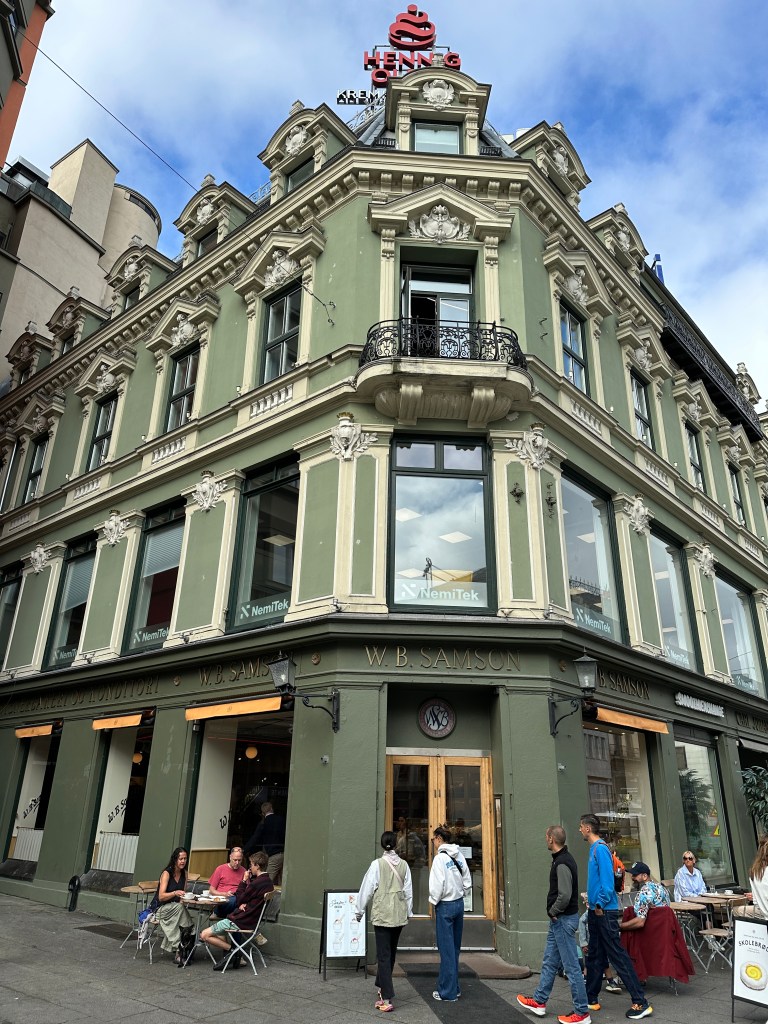
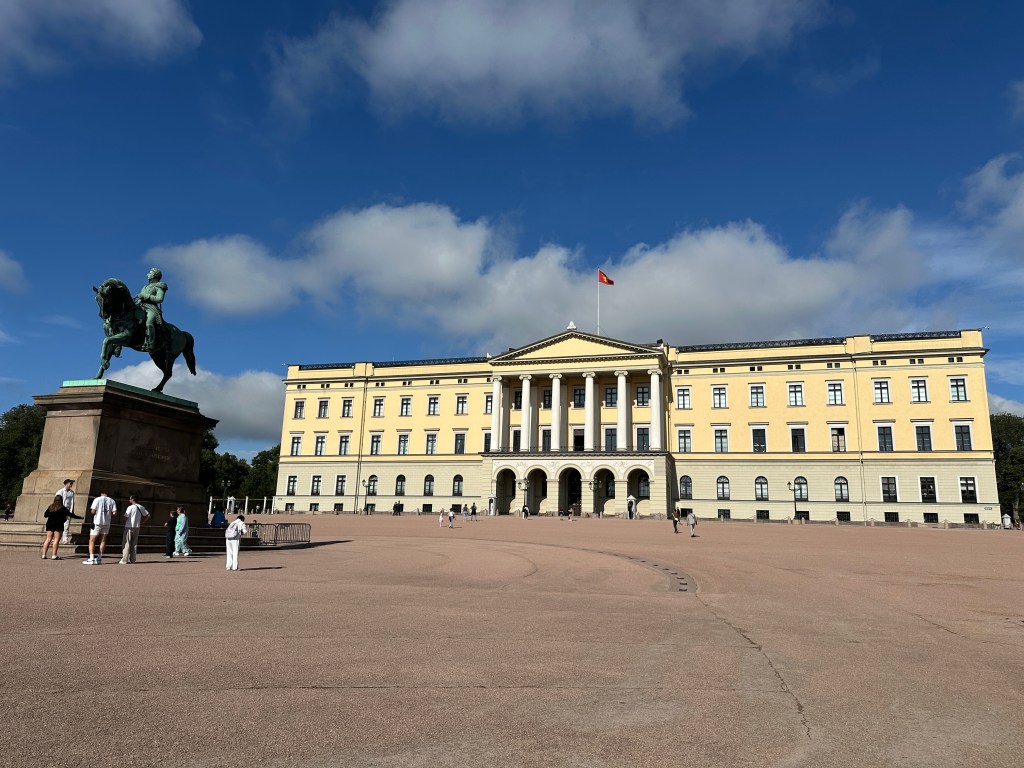
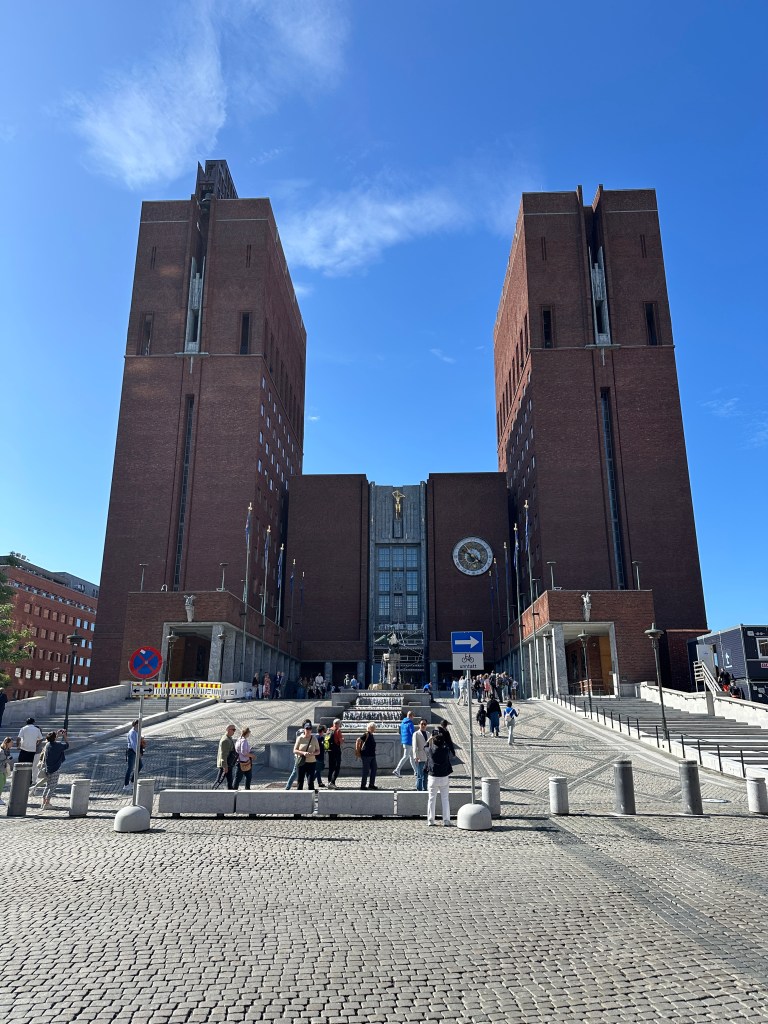
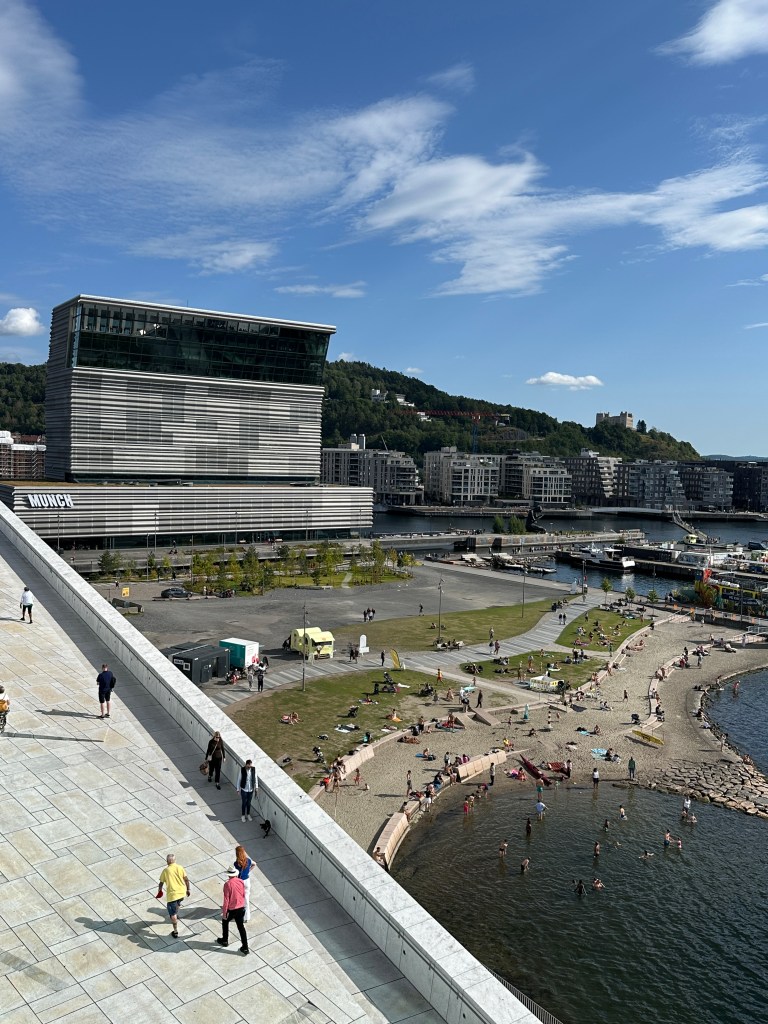
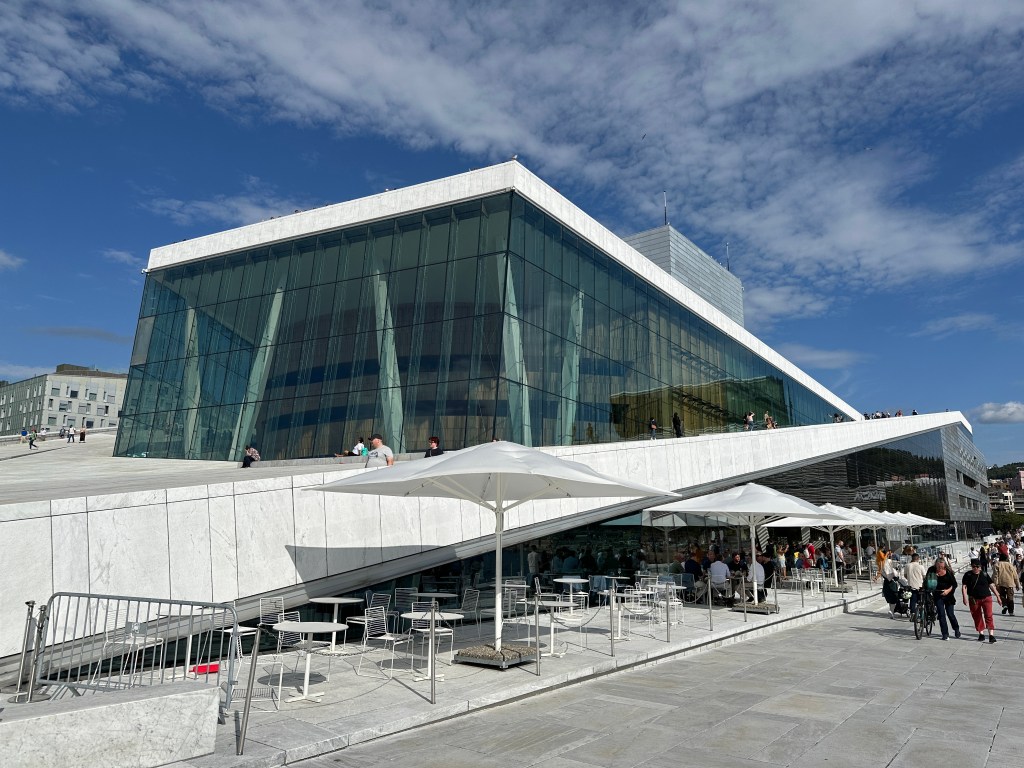
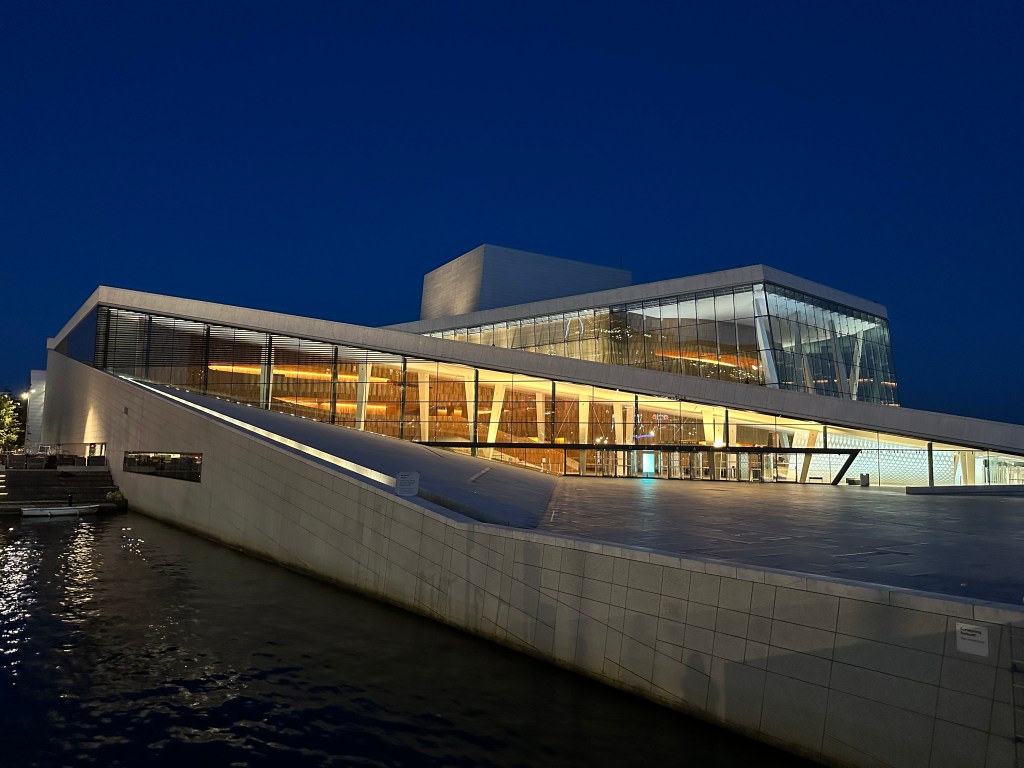
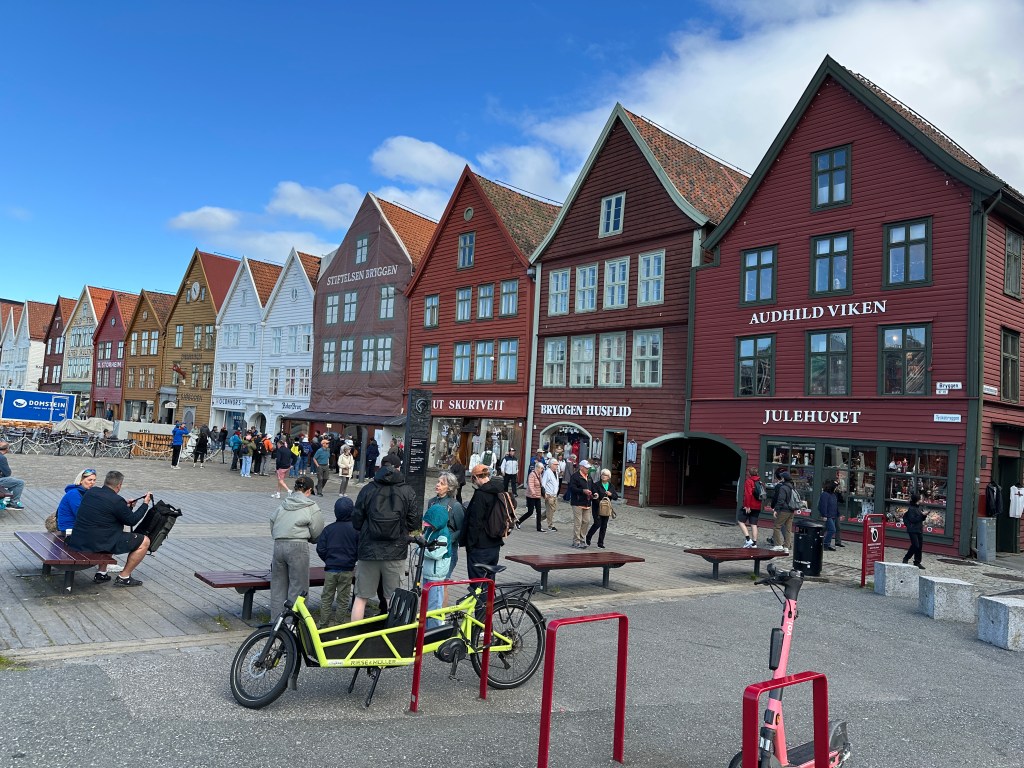
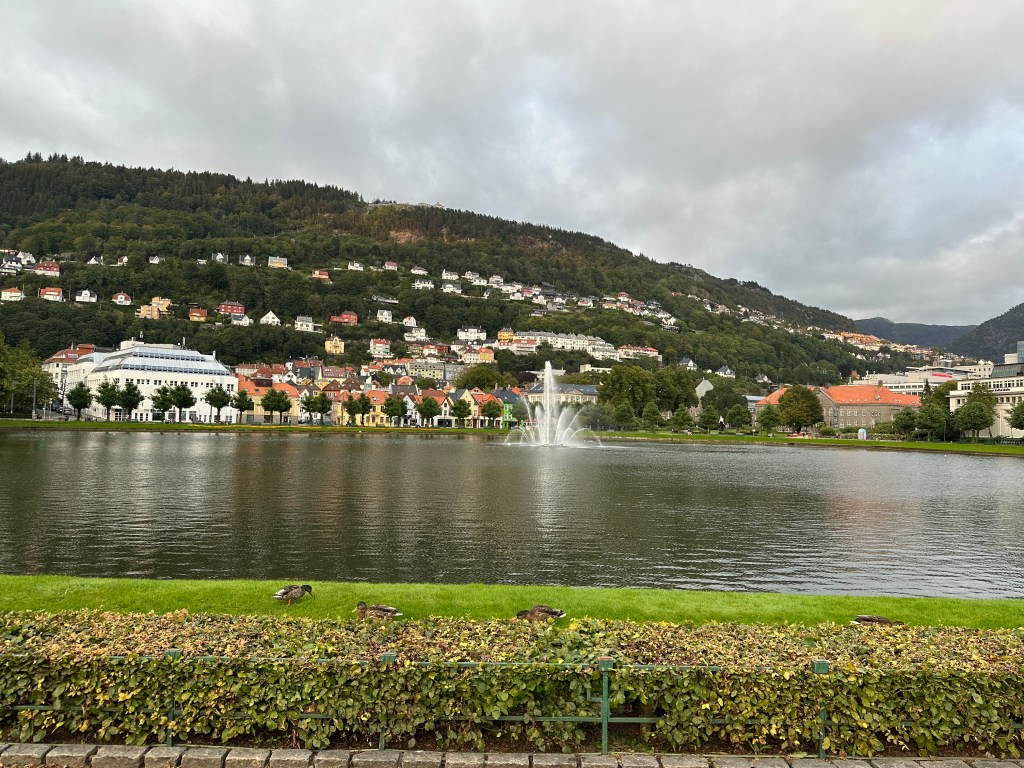
2. Oslo felt compact, clean, and quietly charming in that distinct Scandinavian way. The downtown core holds the Royal Palace, Parliament, and University buildings, alongside lively shopping streets. The modern Opera House is a highlight, and walking its rooftop for sweeping coastal views is a must on a sunny day. The city’s museums are equally compelling, especially the Munch Museum, dedicated to Edvard Munch, best known for The Scream. Bergen, by contrast, struck me as more of a working city. While it offered fewer sights, it was no less expensive. Most travelers use it as a base for the Norway in a Nutshell tour, so “tourist pricing” is definitely at play.

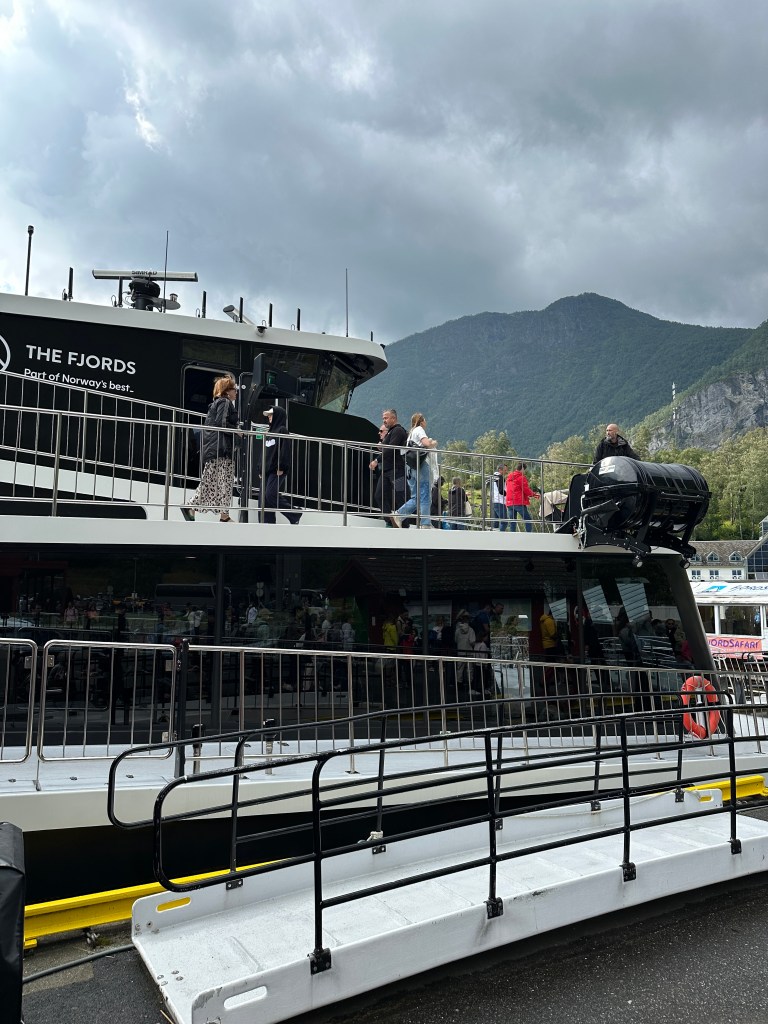
3. The fjords are the biggest reason to visit Norway in summer. A fjord is a long, narrow sea inlet with steep cliffs carved by glaciers. While they exist in places like Alaska, Chile, Antarctica, and New Zealand, in Norway they are everywhere and often breathtaking. The country has over 1,700 named fjords, each with its own character. The most visited are Sognefjord, Naeroyfjord, and Geirangerfjord, partly because they are more accessible to cruise ships. I took the Naeroyfjord cruise from Flam to Gudvangen, and although the modern boat with its floor-to-ceiling windows was packed with tourists, the narrowness of the fjord made the experience unforgettable. In contrast, the Geirangerfjord ferry felt more like a commuter ride — far less crowded, though also less dramatic.


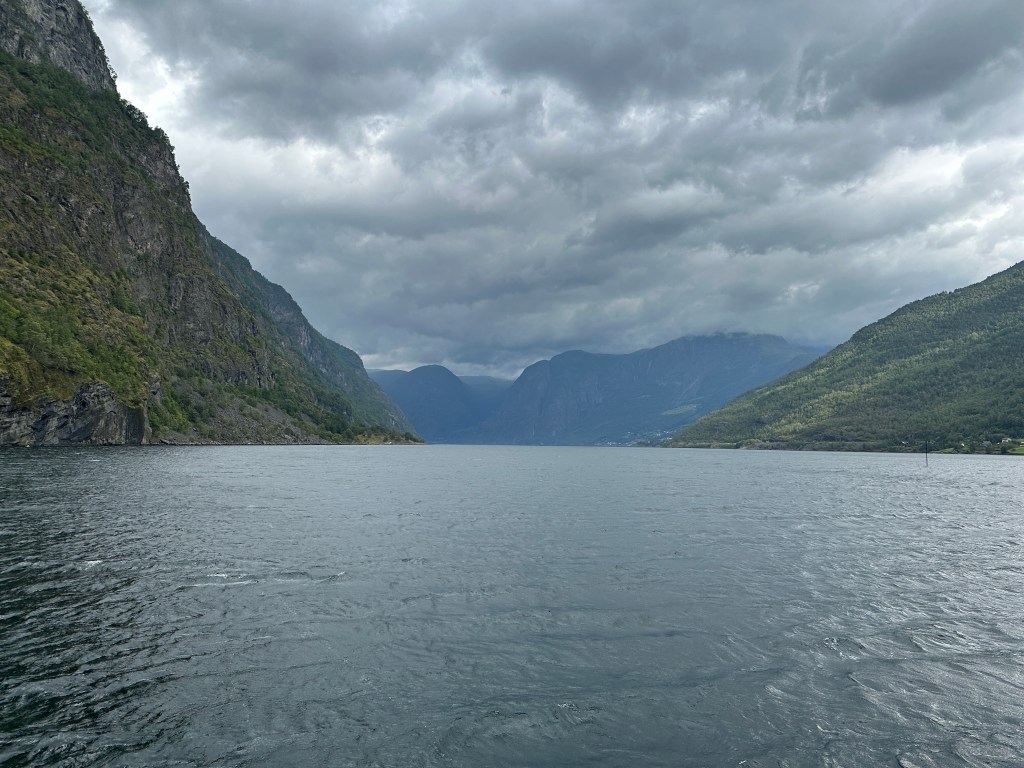
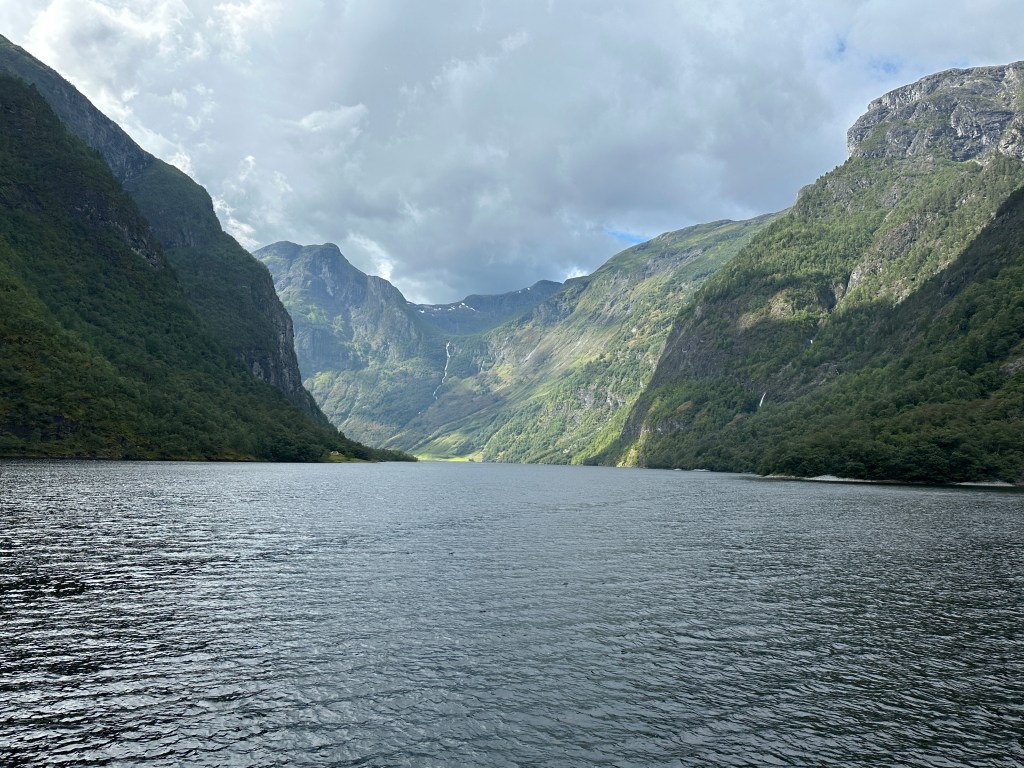
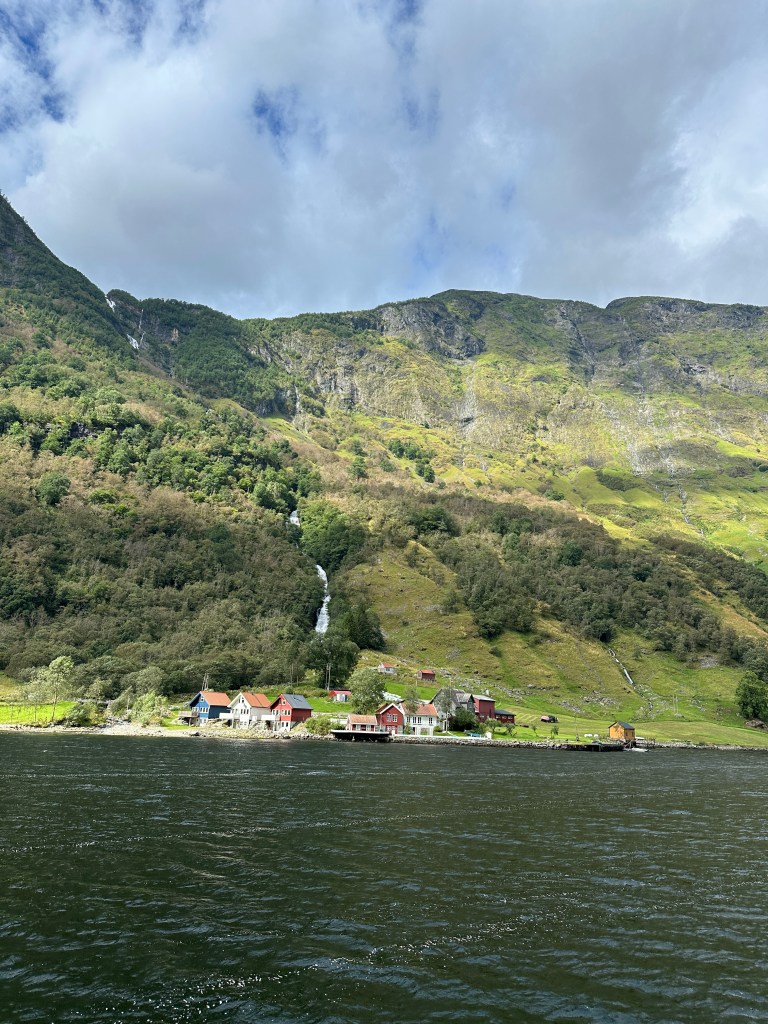
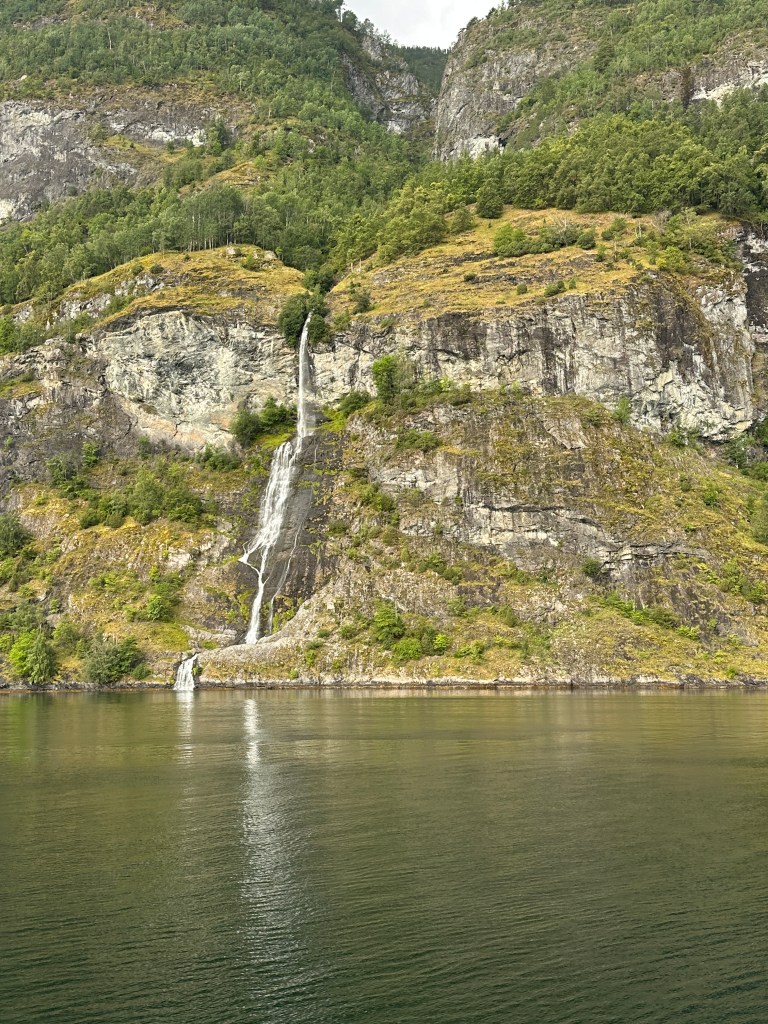

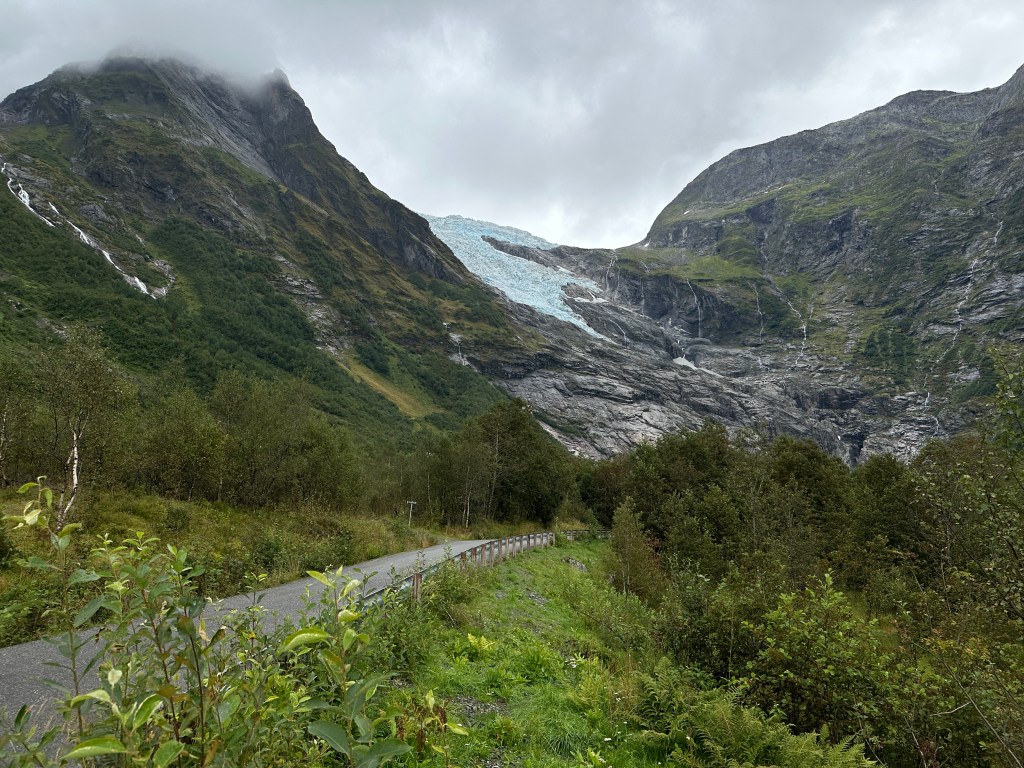
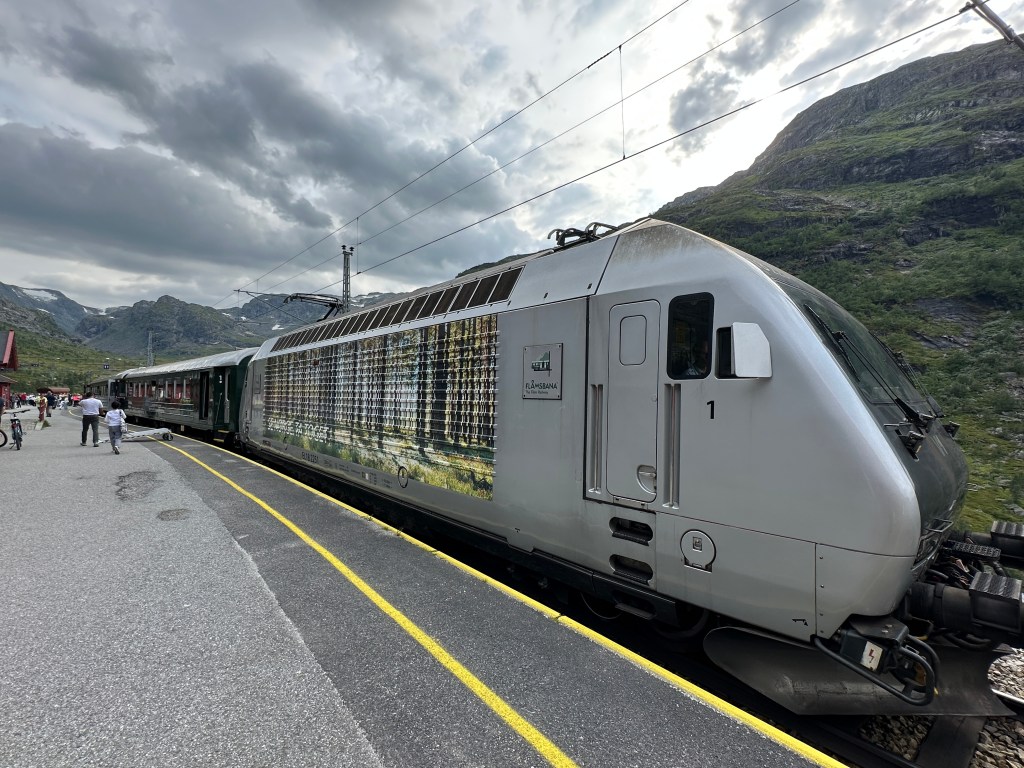
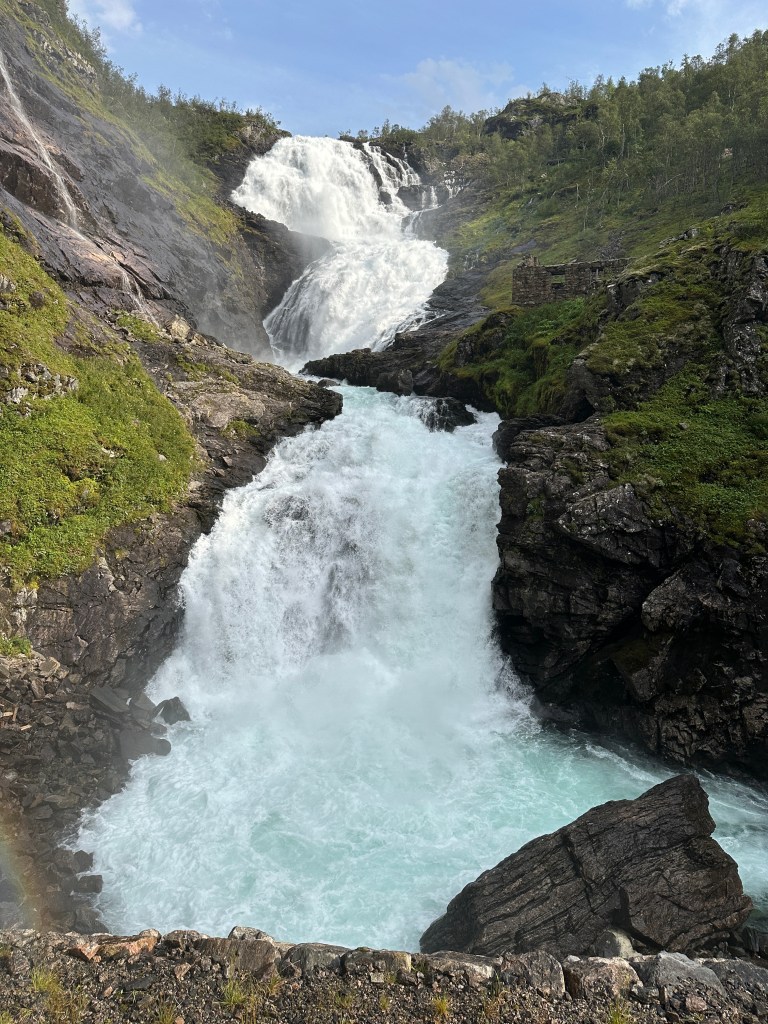
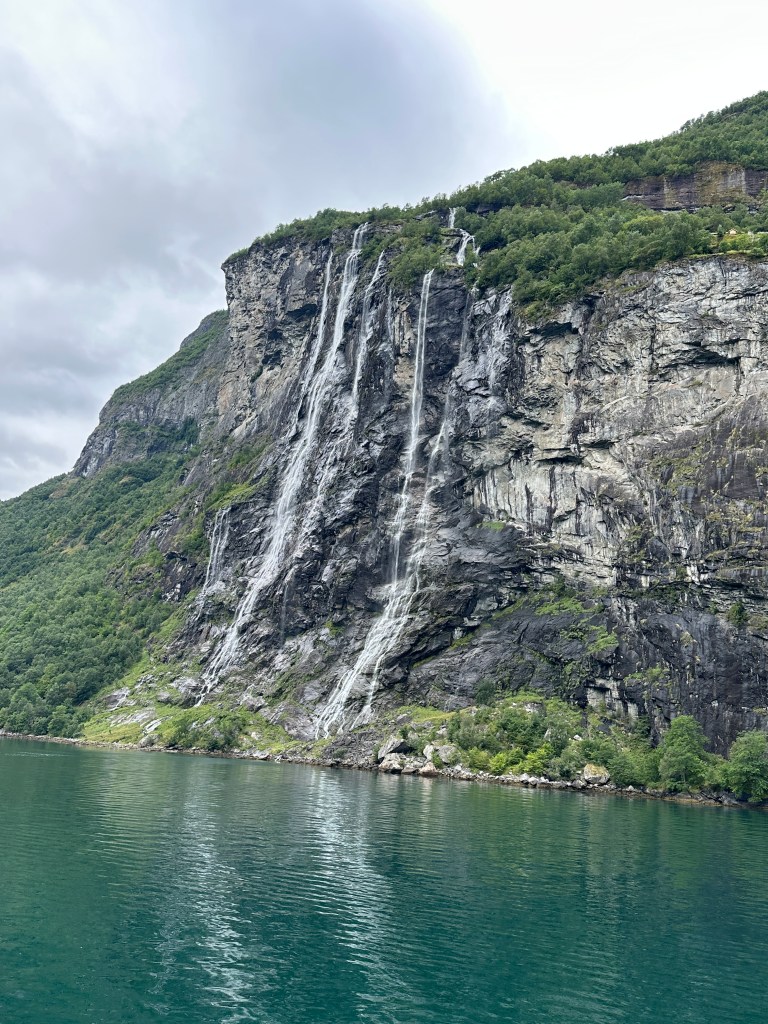
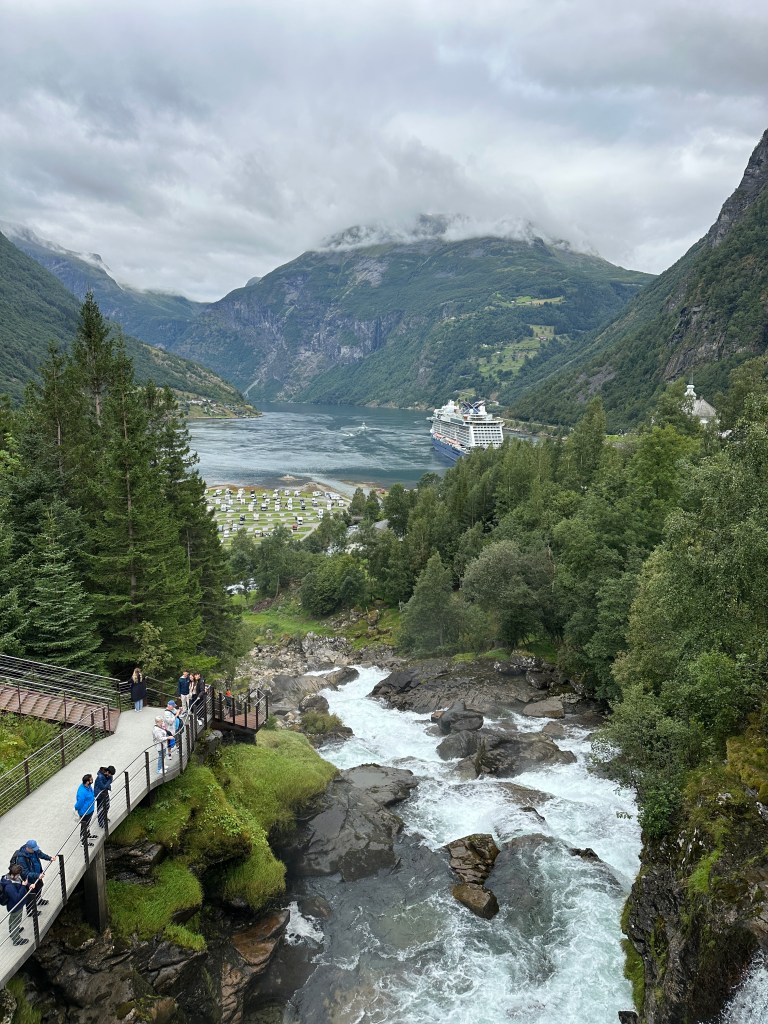
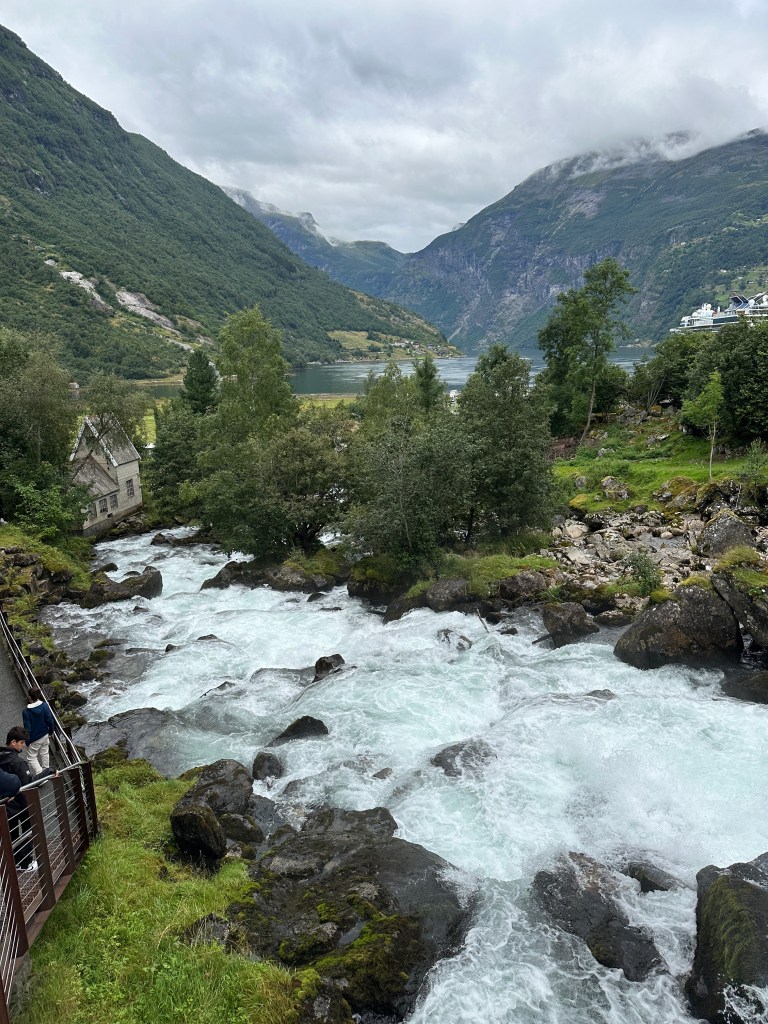
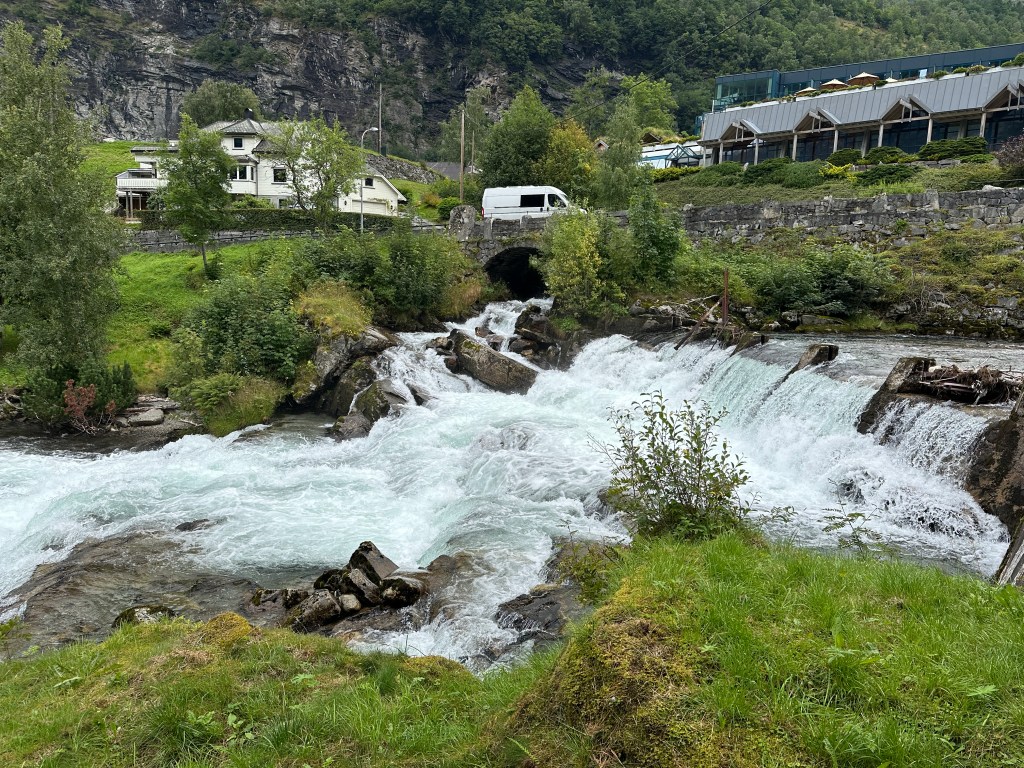
4. Norway’s glaciers feed hundreds of waterfalls, so many that you almost become numb to them after a while. At one point, I stopped counting. Boyabreen, a glacier visible right from the highway, was a reminder of just how close nature sits to daily life here. Among the waterfalls, a few stood out: Kjosfossen, which appears as a surprise stop on the Flåmsbana Railway, was both dramatic and perfectly staged. Laegdafossen tumbling into Naeroyfjord and Bridal Veil Falls on Geirangerfjord were spectacular in their own ways. In Geiranger town, Storsæterfossen offered the rare chance to walk behind the cascading water, making for one of the most memorable encounters.

5. Norway’s rugged terrain makes road-building a challenge, and the solution has been tunnels. The country has more than 1,260 of them stretching over 1,550 kilometers in total. Many run for multiple kilometers, and the engineering is world-class. The Lærdal Tunnel is the longest in the world at 24.5 kilometers, while the Gudvanga Tunnel, on the tourist route between Gudvangen and Flam, stretches 14 kilometers. Designers even added streaks of mood lighting to make the drives less monotonous.

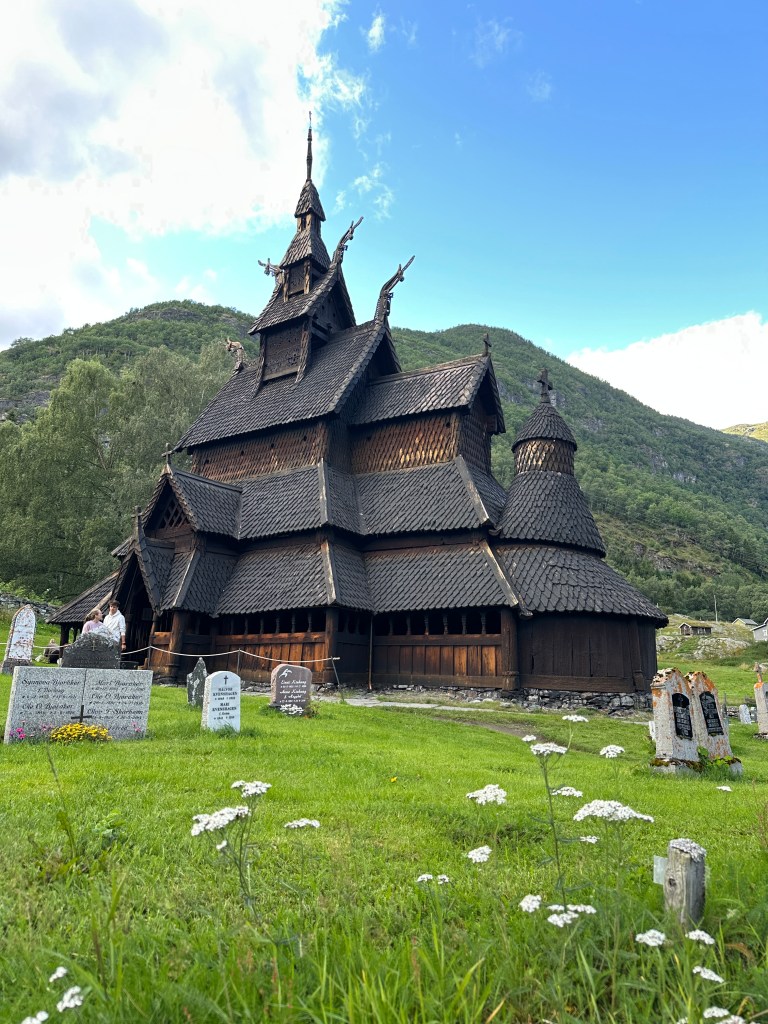
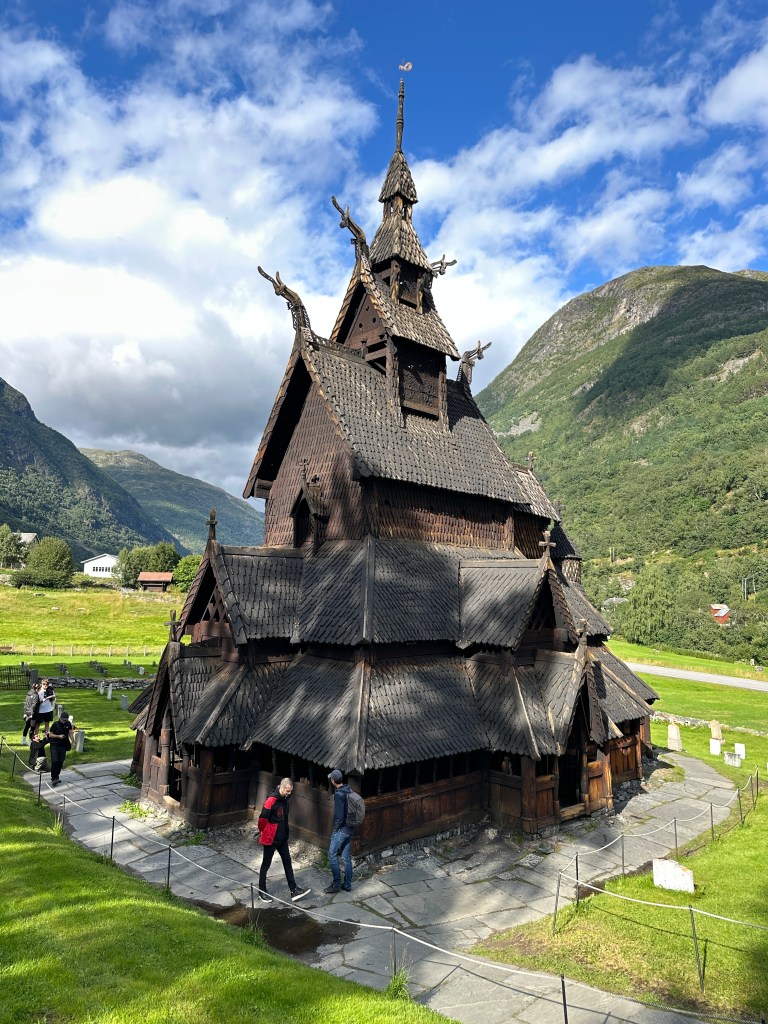
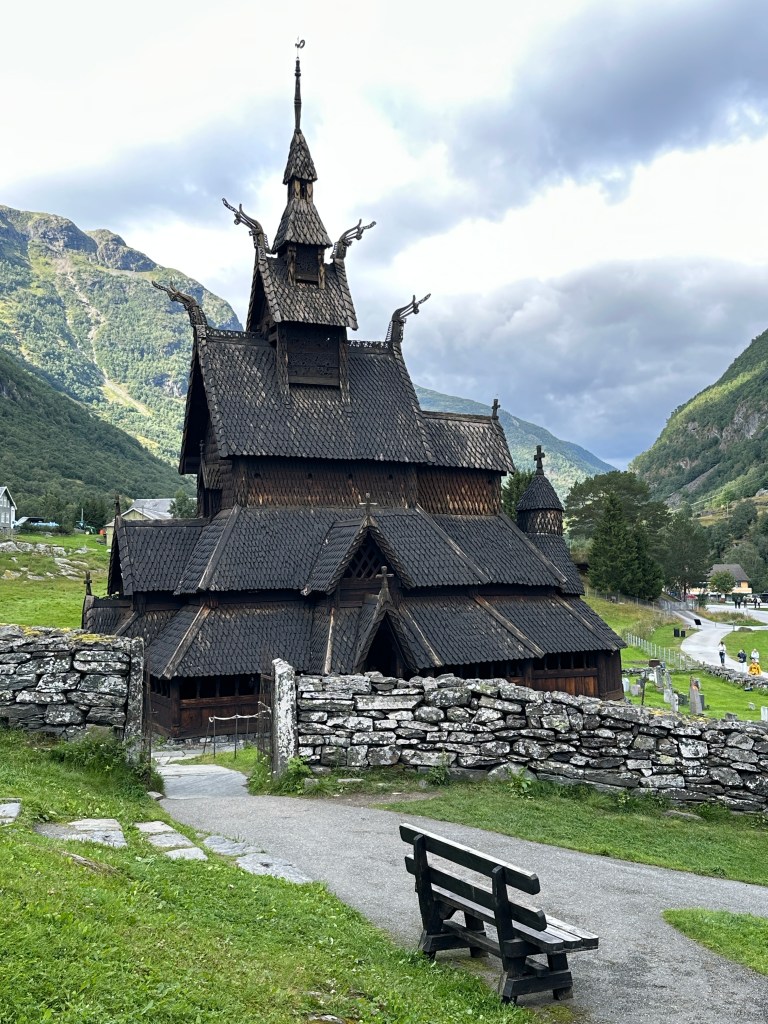
6. Stave churches are another distinctive part of Norway’s heritage, remnants of its medieval Christian era built with Viking craftsmanship. Once widespread, only 28 remain. The Borgund Stave Church is the most iconic. Built around 1180, its striking black exterior, originally a protective sealant, gives it a dramatic presence. I found myself marveling at its intricate details, which have stood the test of time for centuries.

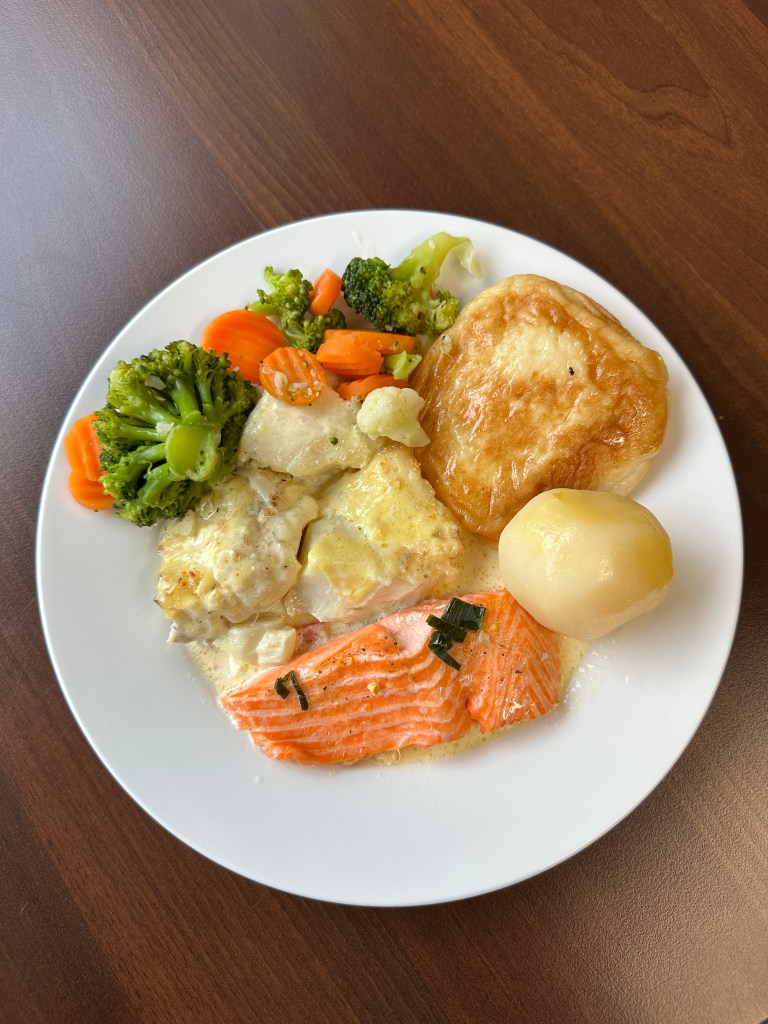
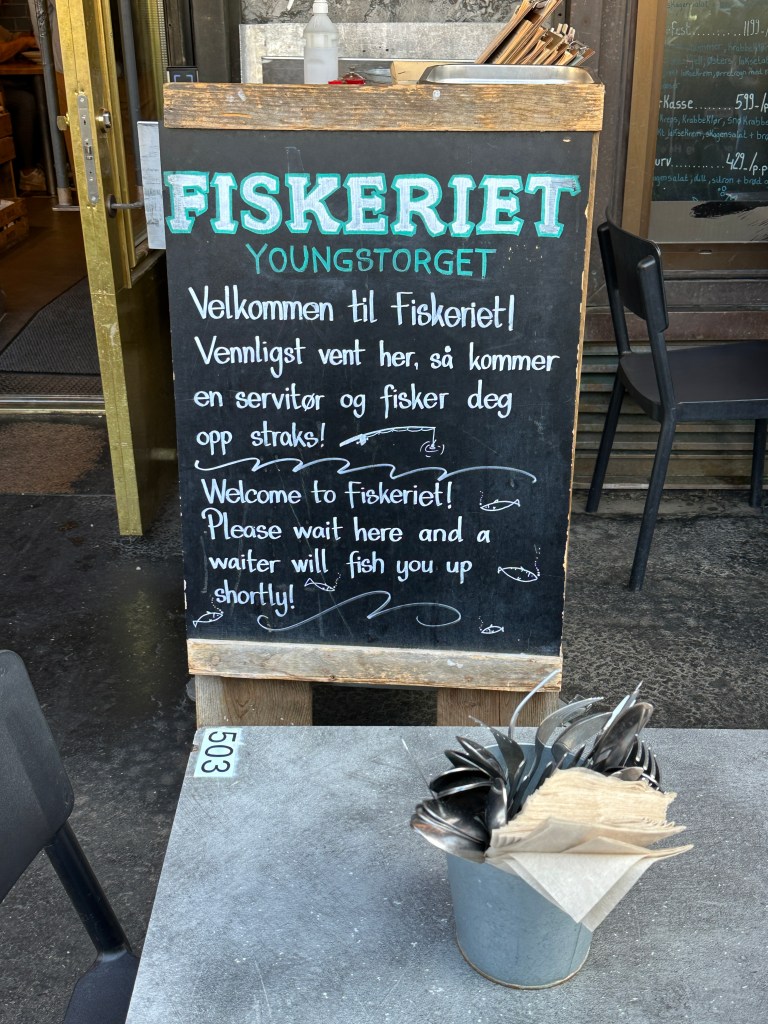
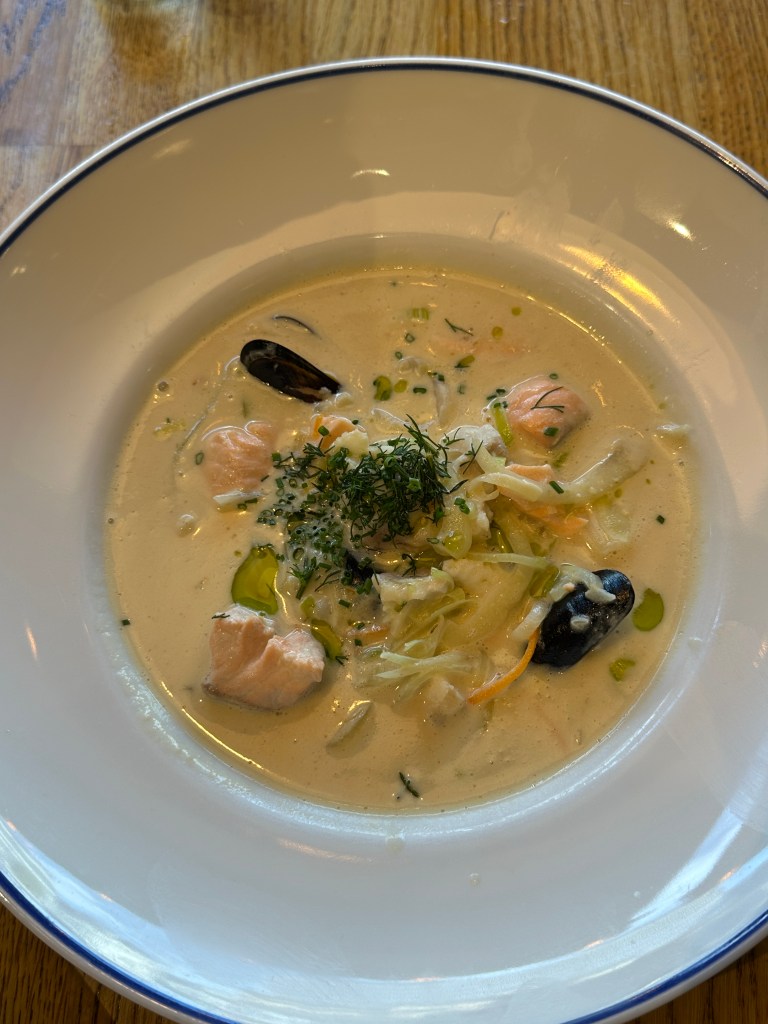
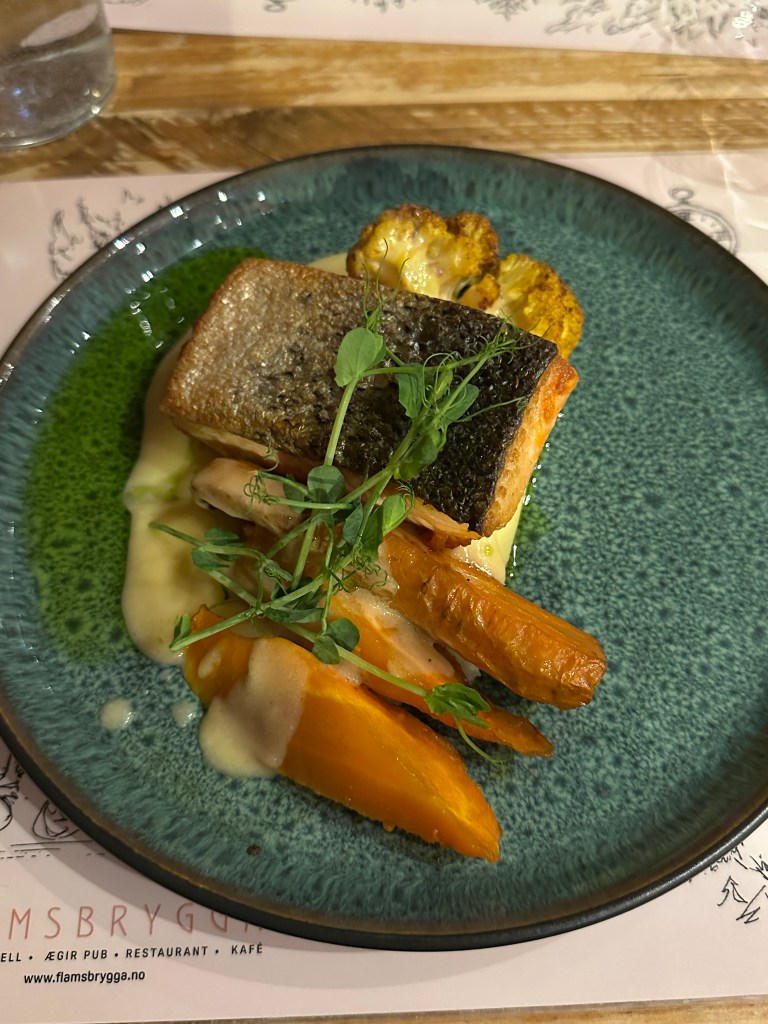
7. It’s nearly impossible to go wrong with salmon in Norway. The freshness and quality are consistently excellent, but the salmon I had at O L Brekke AS in Stryn was especially memorable, buttery, delicate, and melt-in-your-mouth. Fish cakes are also common, a clever way to ensure no part of the catch goes to waste.

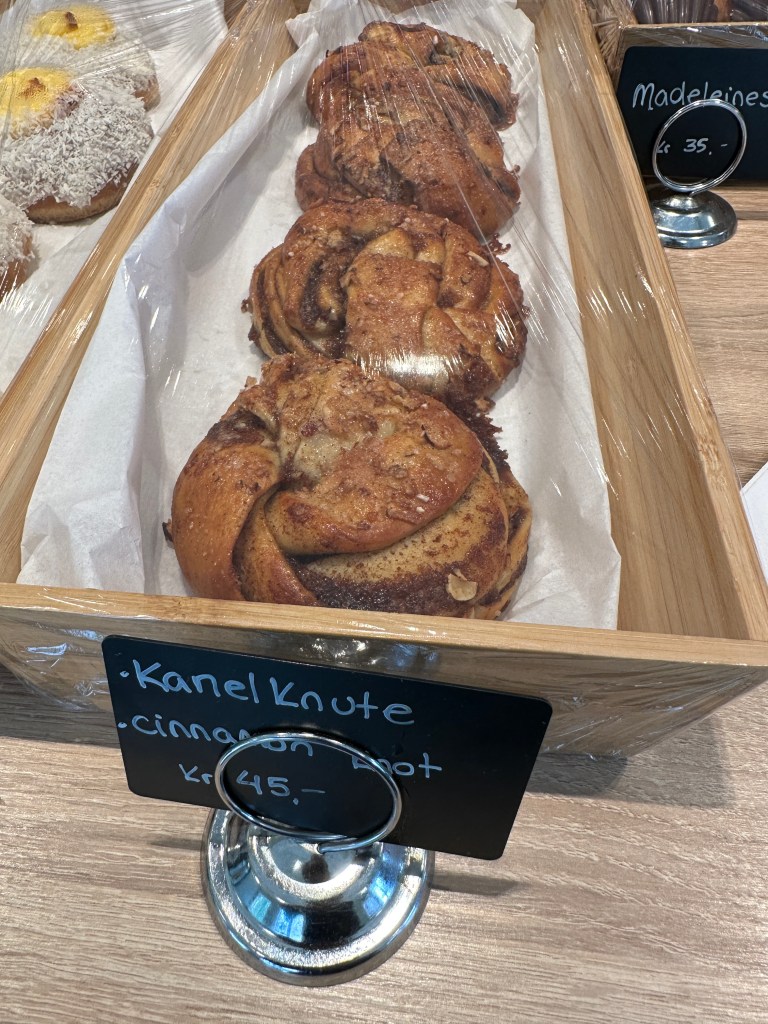
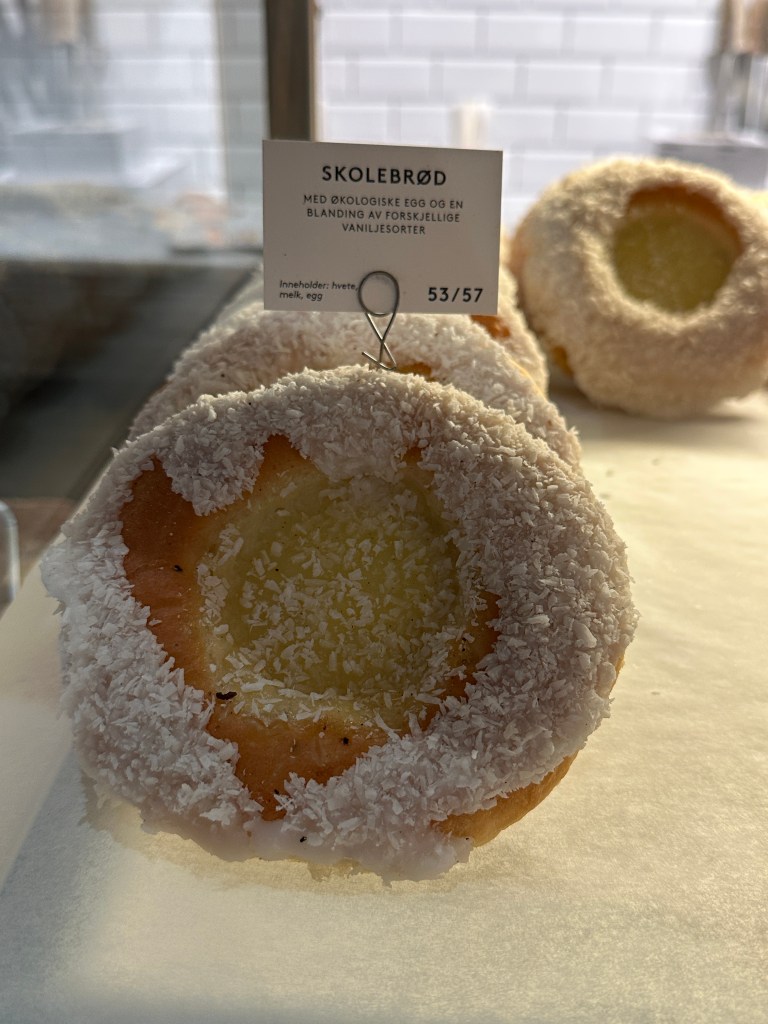
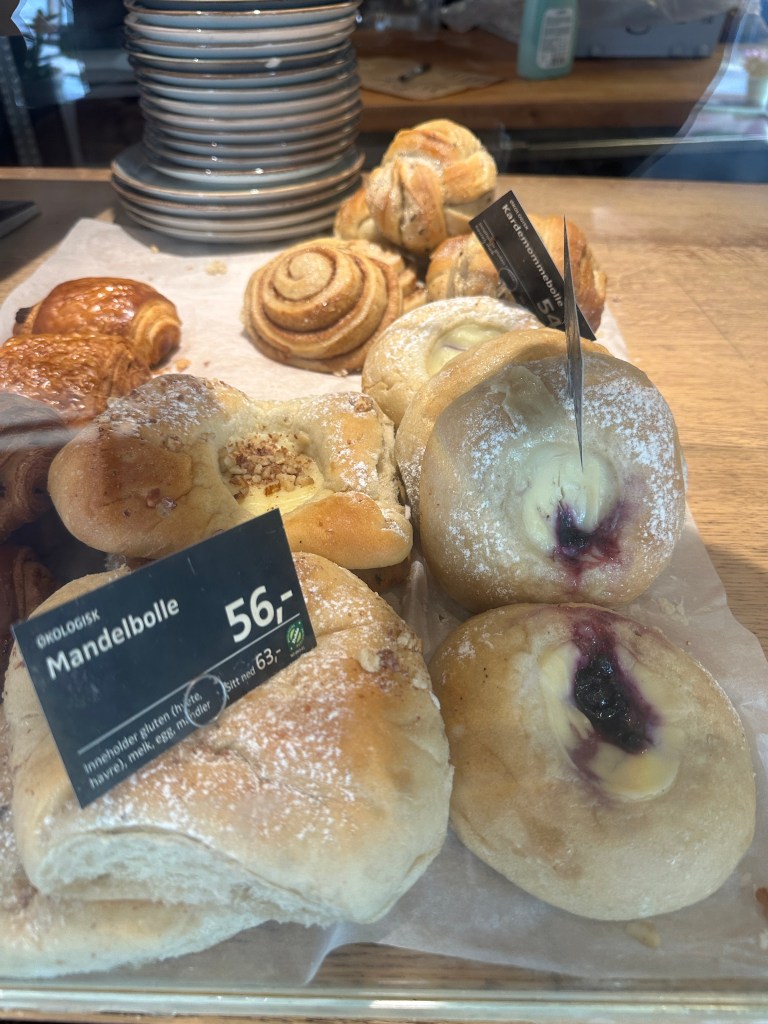
8. Norwegians may not indulge in sweets often, but their baked goods are worth seeking out. Cinnamon and cardamom buns are reliable staples, but the more unique ones stood out for me. Skolebrød (school buns), Solboller (sun buns), and Mandelbolle (almond paste buns) were delicious yet on the sugary side, perhaps because sweets are treated as occasional indulgences. Among them, Skolebrød was my favorite. The cardamom-scented bun filled with custard struck the perfect balance, although the coconut frosting made it a little too sweet and I found myself scraping some off.
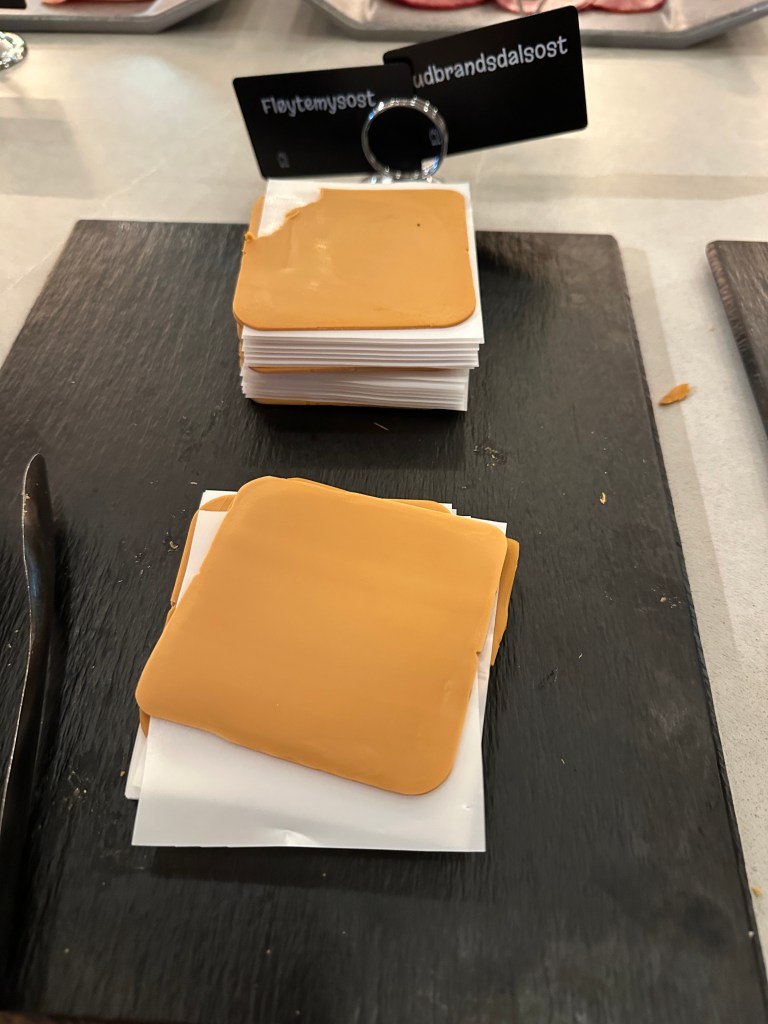
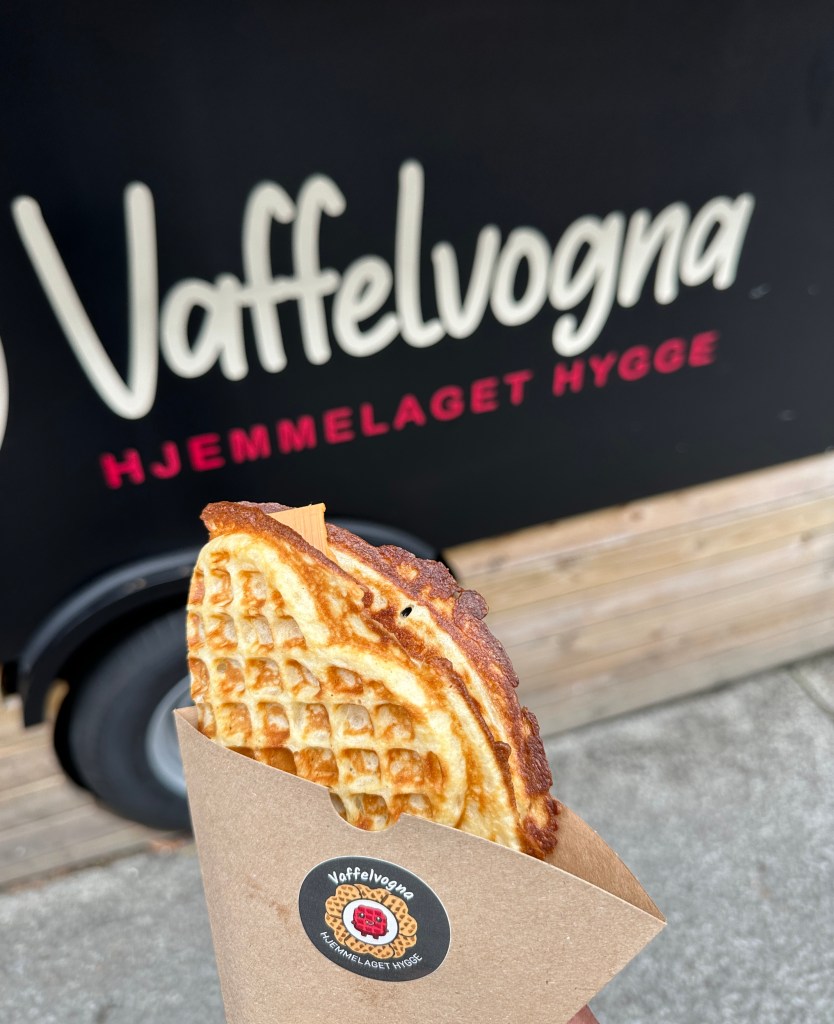
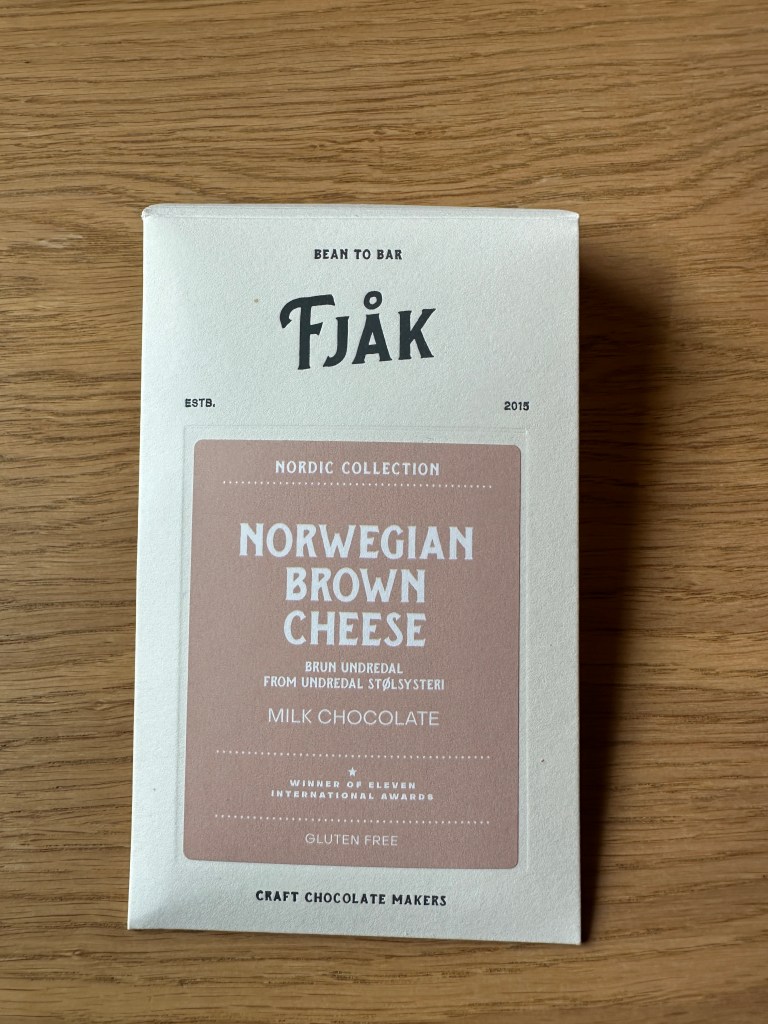
9. Brunost or brown cheese, is another Norwegian specialty. Despite its name, it isn’t technically cheese but a byproduct of cheesemaking. Leftover whey is boiled with cream until the sugars caramelize, giving it its caramel-butterscotch flavor and signature brown color. Smooth and velvety, it’s popular on waffles and even pairs surprisingly well with chocolate.
10. For all its culinary highlights, coffee is not Norway’s strong suit. Across Oslo, Bergen, and Sogndal, every cup I tried, whether from chains or independent cafes, was either burnt or overly acidic. It was so consistently disappointing that it became memorable for the wrong reasons. I still wonder where Norwegians get their caffeine fix
 flagsandforks