1. Riga is the largest city in Latvia and the second largest in the Baltics, just behind Vilnius. The region was first settled by the Livs, a Finnic tribe of fishermen and traders. But it was in the 12th century that trade truly began to flourish, drawing attention from the north. As Christianity spread, traders were followed by crusaders eager to convert the Livonians from paganism. After several failed attempts, the Church finally found success under Bishop Albert, who established Riga as a trading post in 1201 and secured its recognition as a city in 1225.
2. Riga’s strategic location made it a key part of the Hanseatic League, a powerful network of merchant cities. The alliance brought stability, prosperity, and architectural ambition. The iconic House of the Black Heads was originally built for a merchant guild during this era. The version standing today is a reconstruction from the late 1990s, as the original was destroyed during World War II but it still captures the grandeur and spirit of the city’s mercantile past.

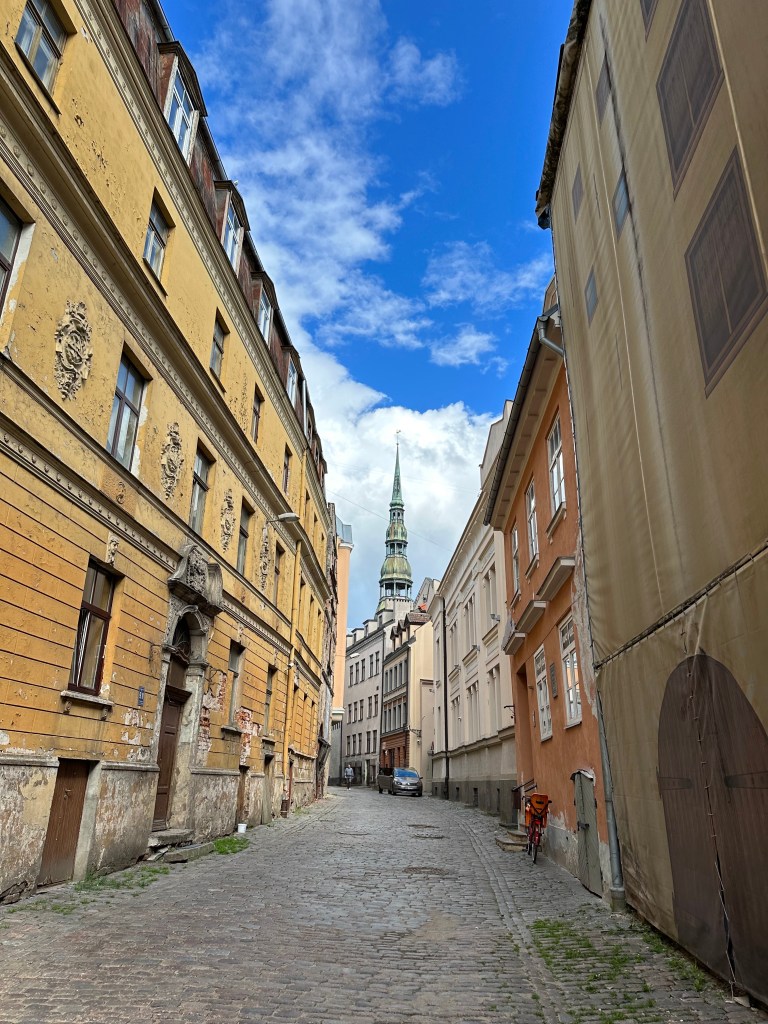
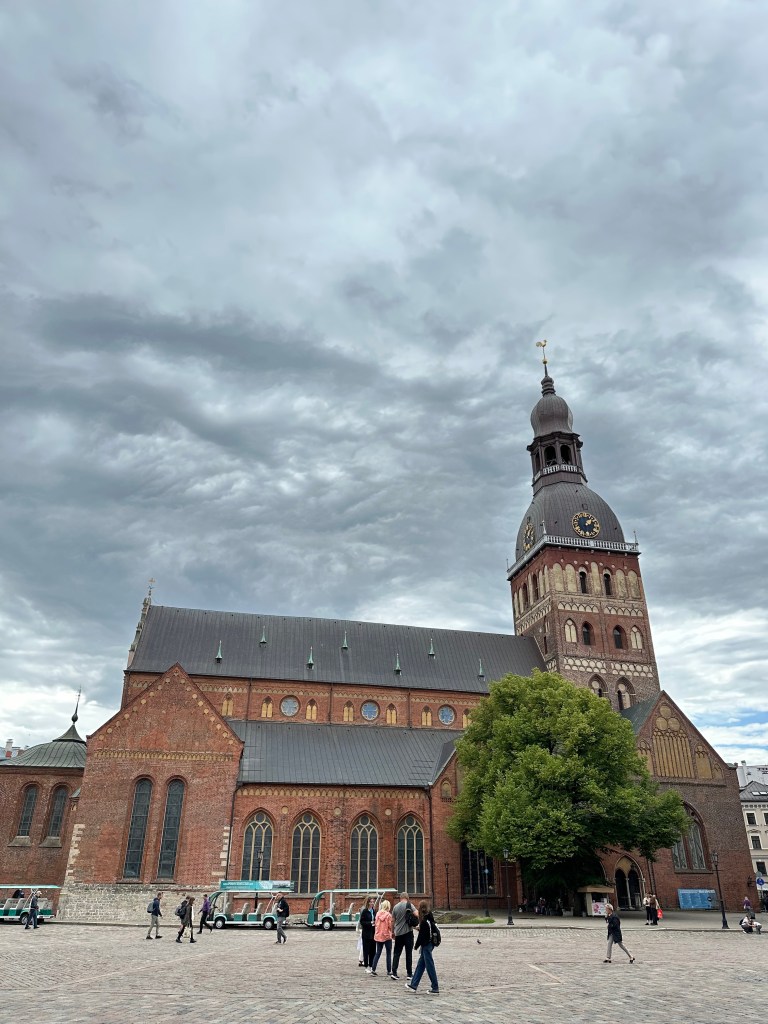
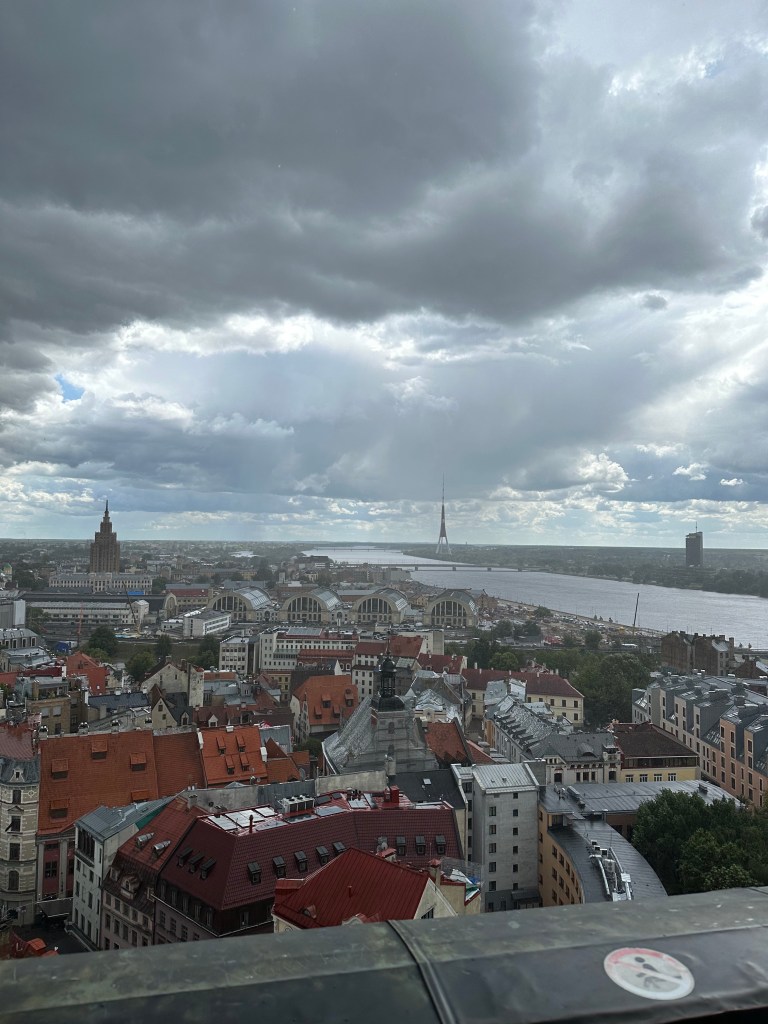
3. The Old Town offers a glimpse of how a thriving medieval city once looked. St. Peter’s Church, with its striking red-brick façade, stands out as one of its most recognizable landmarks. The viewing platform atop its tower provides a sweeping 360-degree view of the city. Nearby, the Riga Cathedral dates back to the same era and was considered one of the largest churches in the Baltics at the time. The Three Brothers, a row of adjoining houses, might look like just another photo stop, but they hold the distinction of being among the oldest surviving residential buildings in Riga.


4. Riga was part of the Russian Empire from the early 1700s to the early 1900s. During this time, it grew into one of the empire’s most important economic centers and busiest ports. Towards the end of this period, the city experienced an extraordinary architectural boom. It became home to one of the largest collections of Art Nouveau buildings in the world, most of which were constructed between 1904 and 1914.
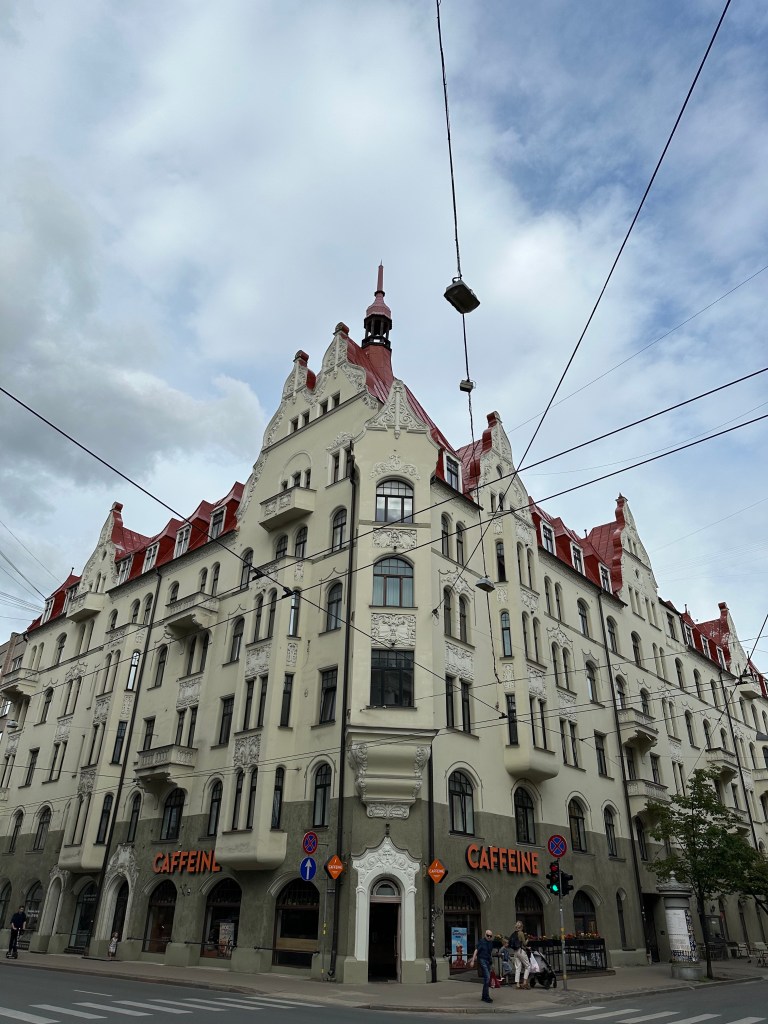

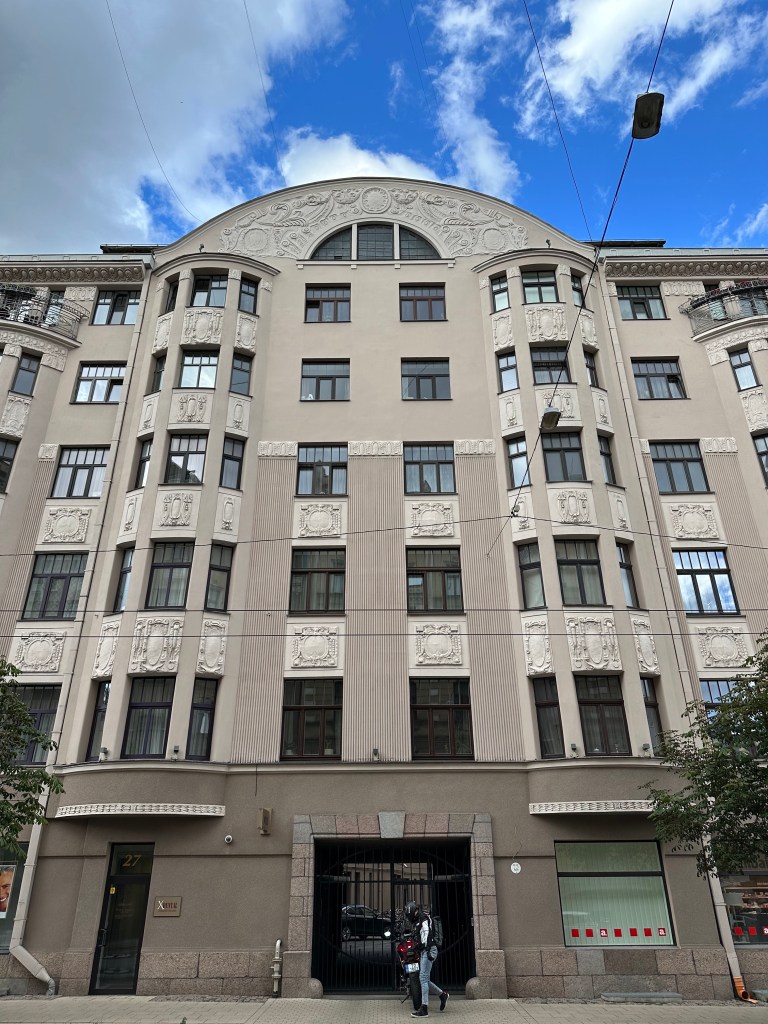


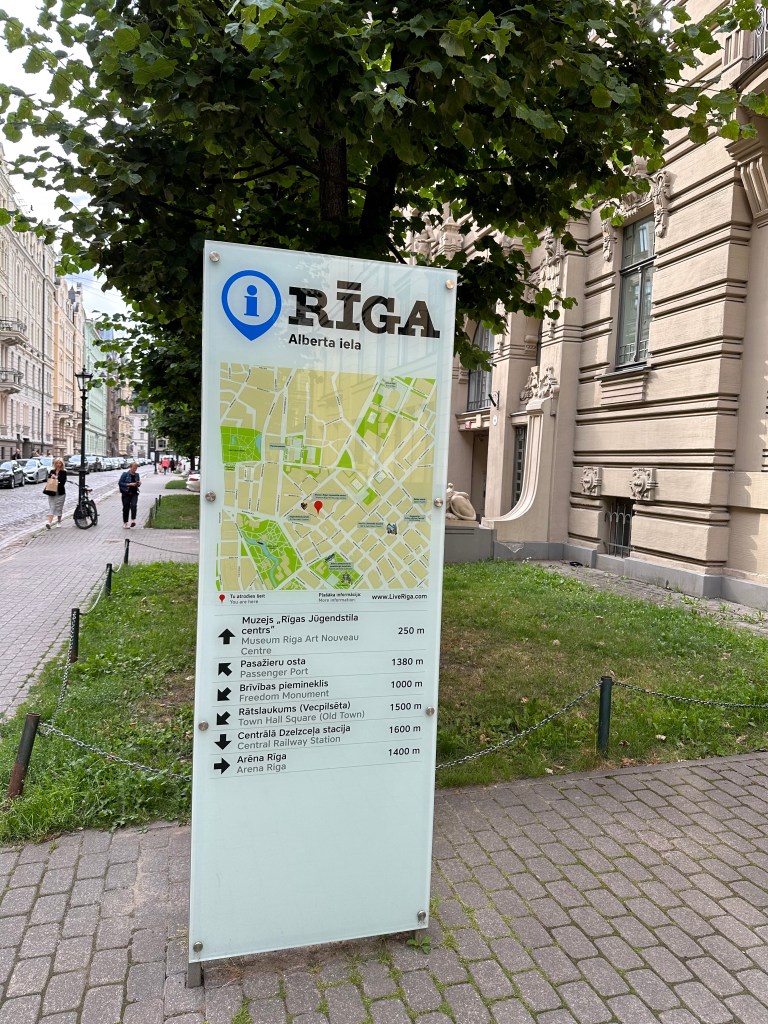
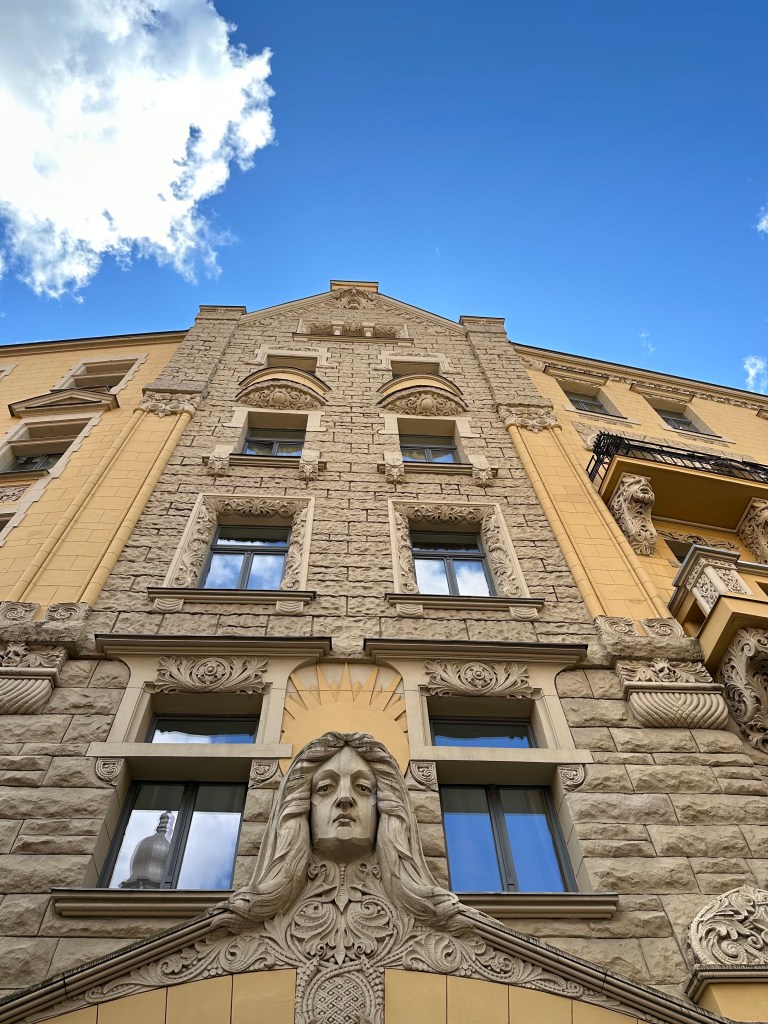
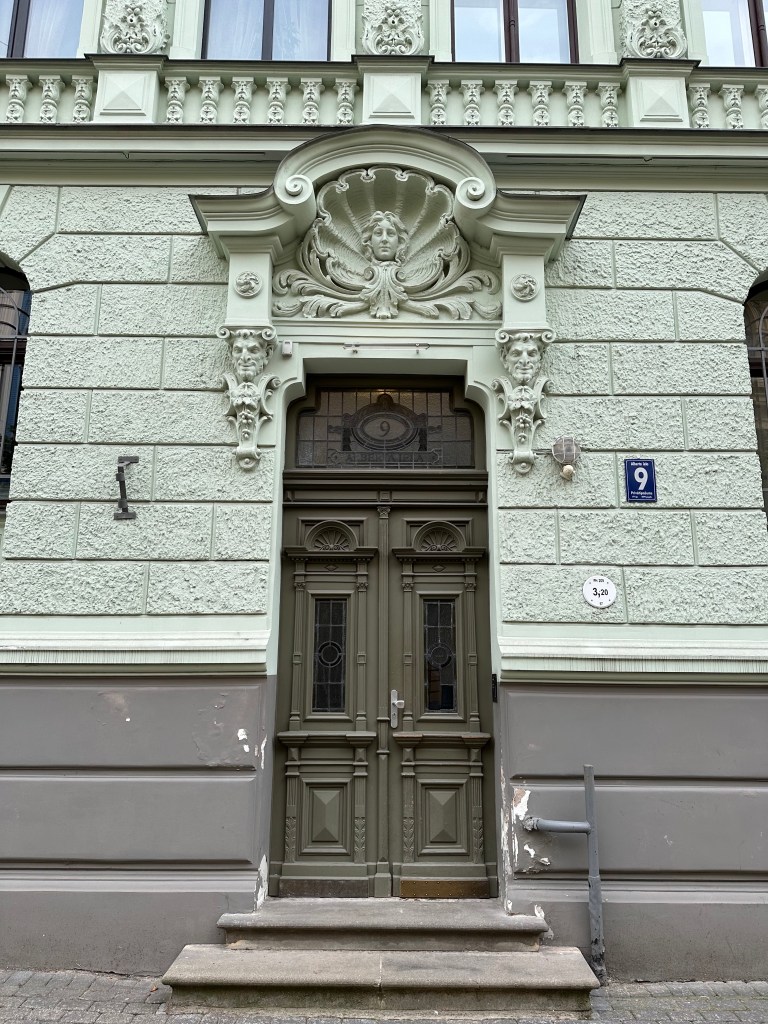
5. Art Nouveau was inspired by natural forms such as plants and flowers, characterized by flowing lines, asymmetrical curves, and stylized figures. About a third of the buildings in Riga’s city center are built in this style, making it impossible to miss. Walking down Alberta iela, an open-air gallery of Art Nouveau architecture, I couldn’t help thinking about how modern design has become so focused on function and minimalism that we’ve lost some of that artistic soul. Interestingly, even artists from that era like Eugène Viollet-le-Duc felt the same about the architectural trends of their time, which helped spark the movement in the first place. The facades on these buildings are genuinely breathtaking, and every detail, from sculpted faces to swirling vines, feels alive.


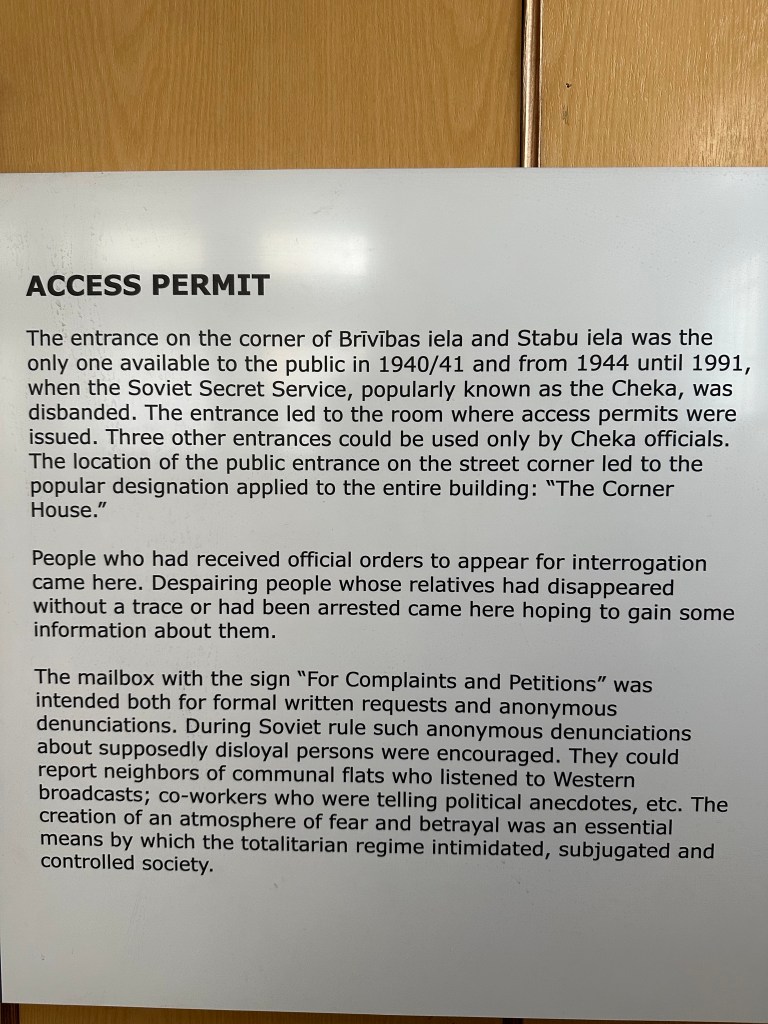
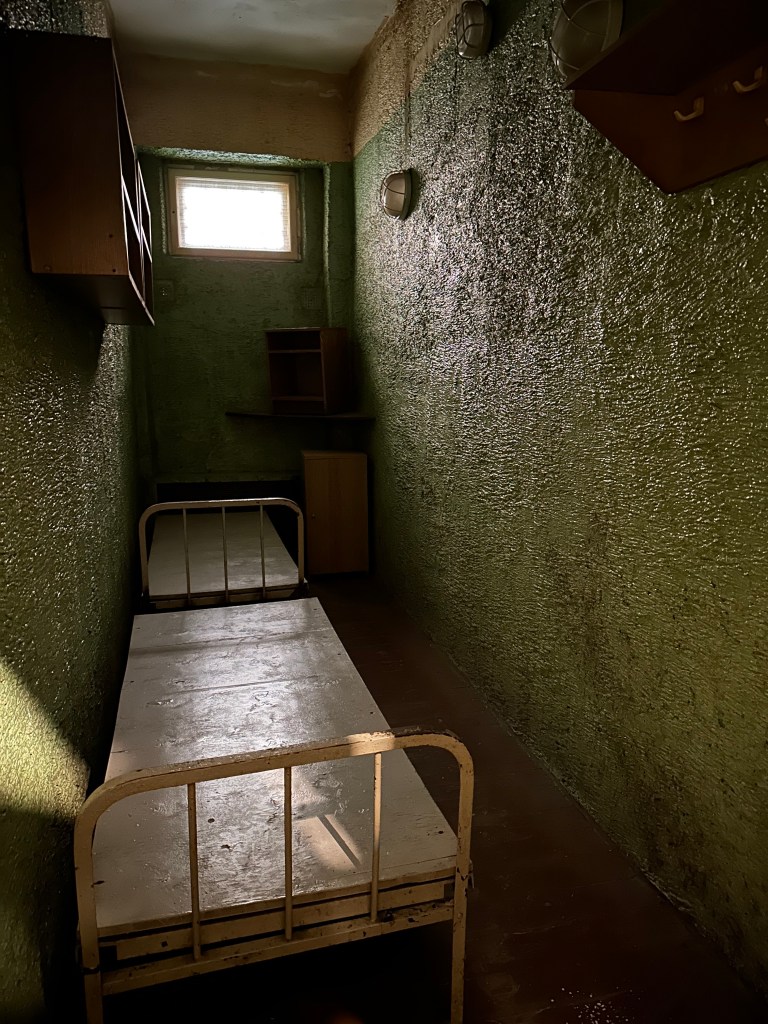
6. The KGB building, locally known as the Corner House, is a haunting reminder of Latvia’s communist past. It was once occupied by the Soviet secret police during the height of Soviet rule. Touring it was deeply moving; the narrow, dimly lit corridors and cramped cells evoke an almost physical sense of the fear and repression people endured.




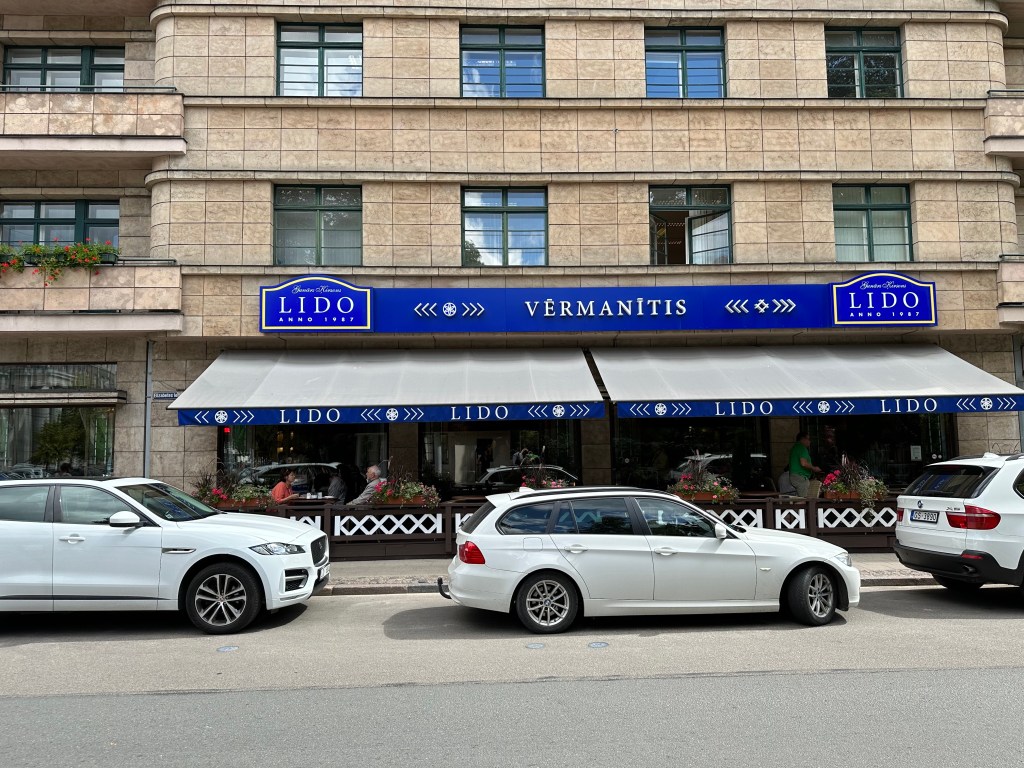
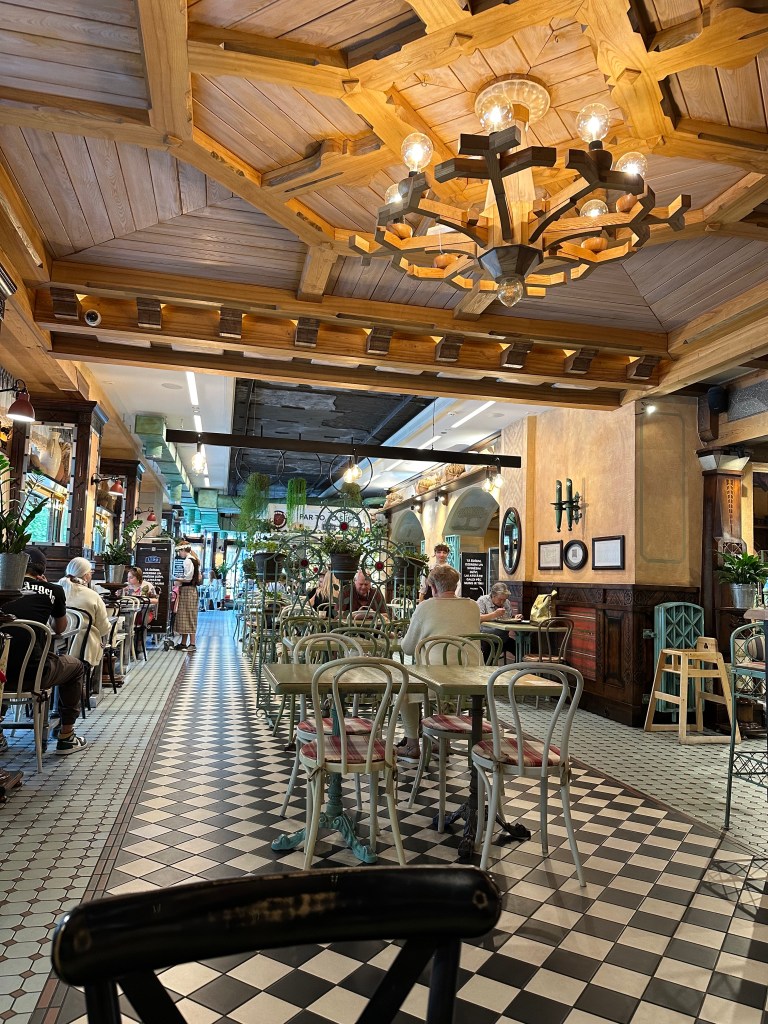
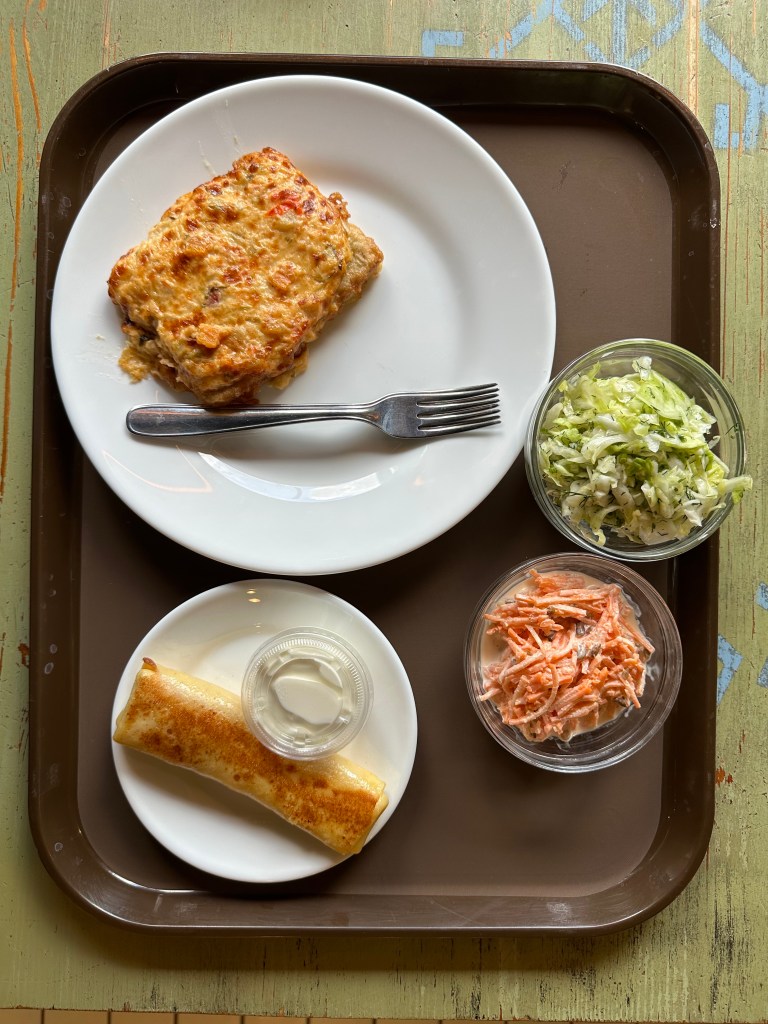
7. LIDO, practically an institution in Riga’s food scene. At first glance, it looks like an upscale buffet, perhaps a Baltic cousin of Sweet Tomatoes, but it’s much more than that. The menu is full of simple, hearty dishes made in a home-style way, nourishing, unpretentious, and comforting. The atmosphere feels just right: cozy and inviting without crossing into kitsch. A meal there pairs perfectly with a taste of Latvia’s national drink, Black Balsam, a liqueur made from 24 botanicals including ginger root and peppermint, blended with high-proof alcohol, honey, caramel, and fruit juices. I expected a sharp, licorice-like flavor, but it turned out surprisingly smooth, rich, and complex, with a warmth that lingers long after.

 flagsandforks