1. Vilnius is the largest city in the Baltics, home to over 600,000 people and a magnet for students from across Lithuania and neighboring countries thanks to affordable housing and generous student subsidies. According to the 2024 World Happiness Report, Lithuanians under 30 are the happiest people on Earth, and it shows in the city’s easy, upbeat vibe. Vilnius traces its origins to Grand Duke Gediminas, who founded it with a modest wooden castle and invited merchants to settle in the area. Granted city rights in 1387, it became the heart of the Grand Duchy of Lithuania before centuries of Russian and Soviet influence shaped its history.
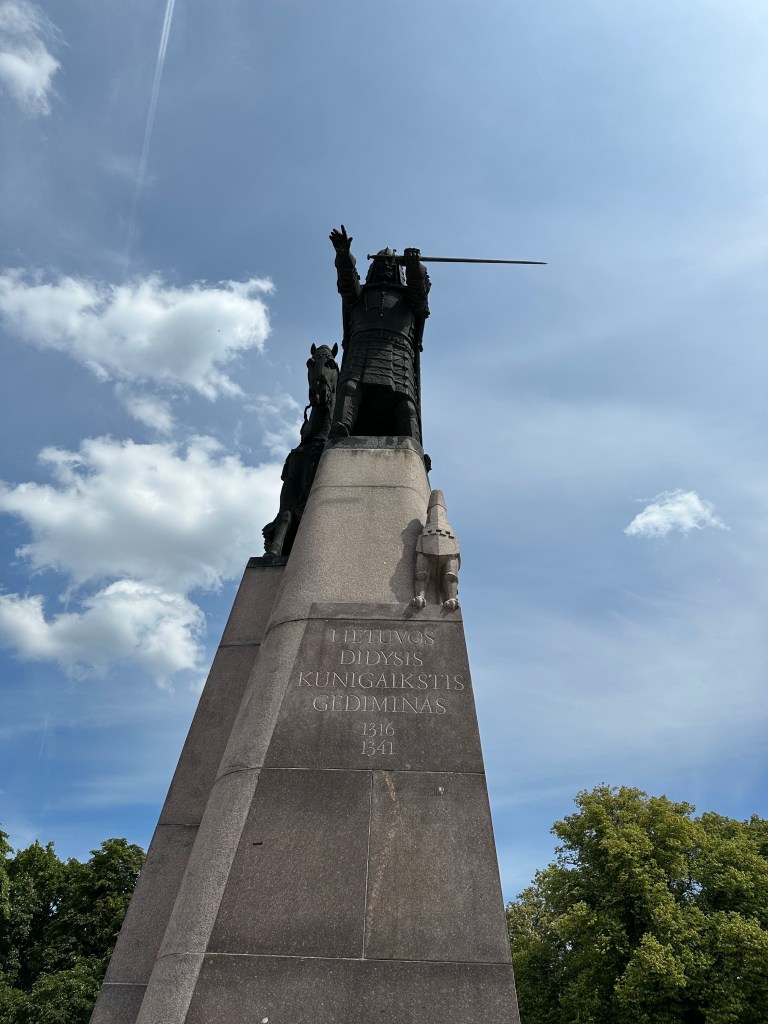
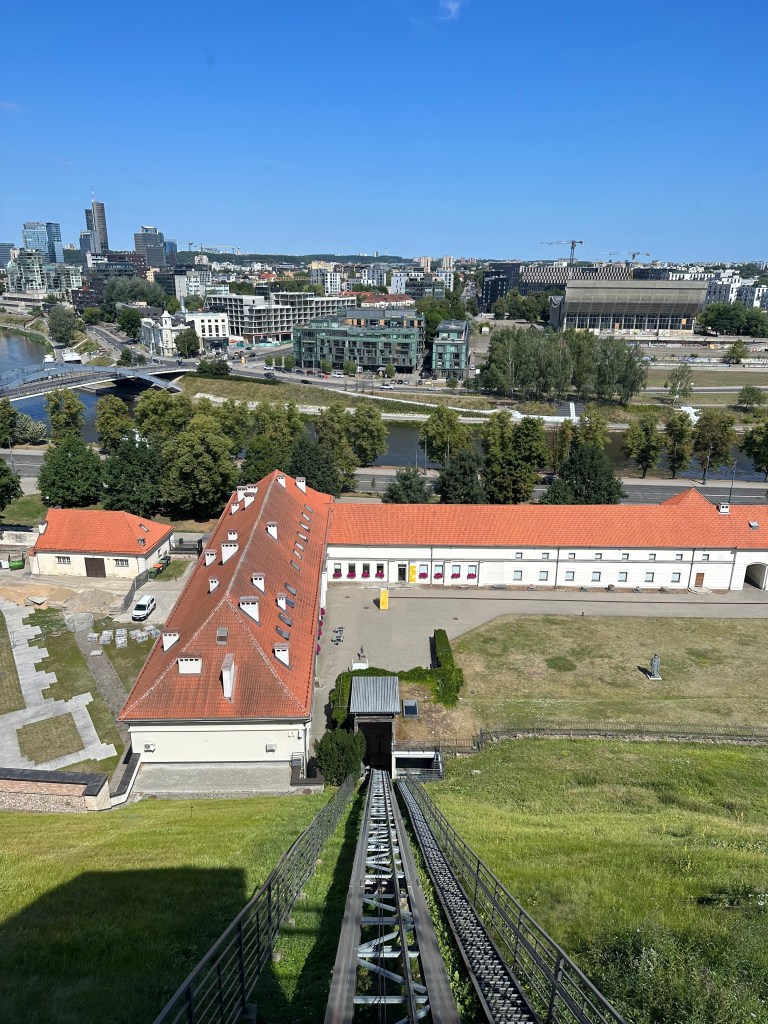
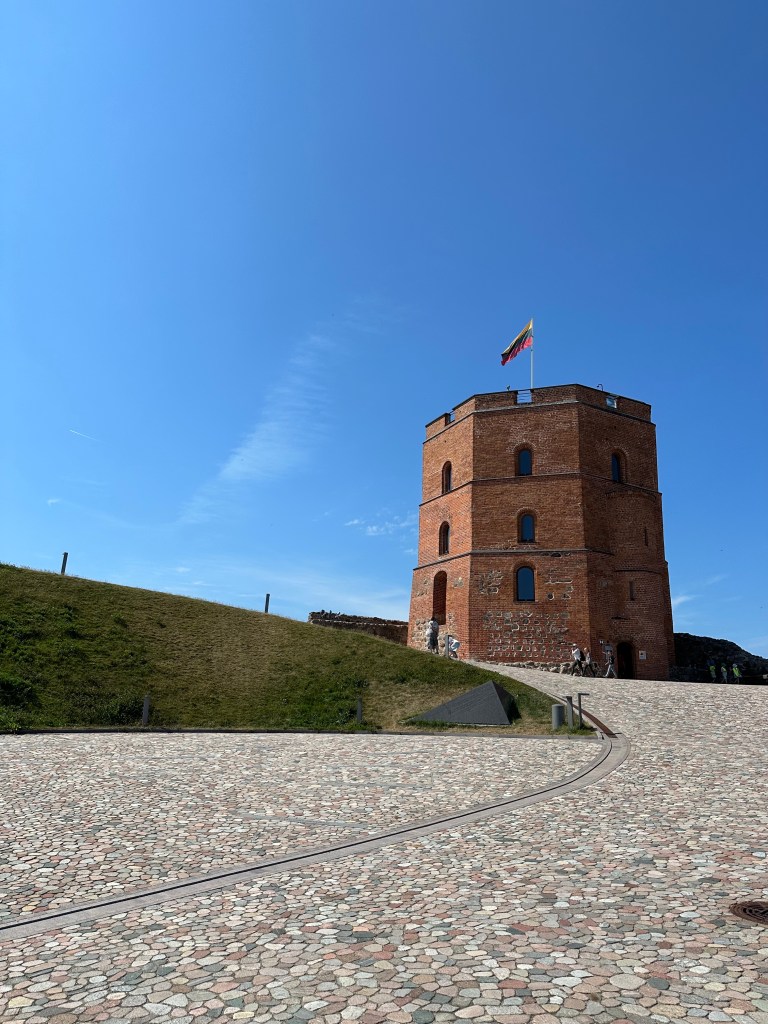
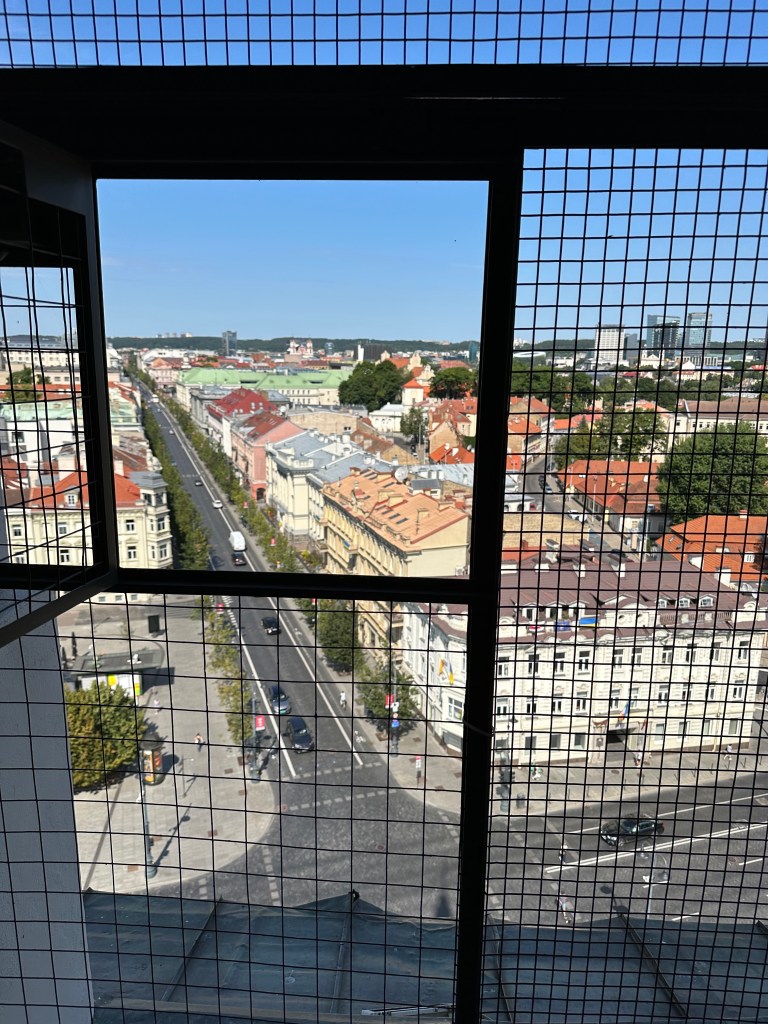
2. Vilnius’s Old Town, a UNESCO World Heritage Site since 1994, has seen a remarkable transformation in recent years. Many heritage buildings have been restored and repurposed into lively mixed-use spaces, driven by a tourism boom and government support. The Gediminas Tower, part of the Vilnius Castle Complex, is worth visiting; the original 15th-century brick fort was expanded in 1933, and the top offers sweeping views of the Old Town and the Neris River. I also enjoyed wandering through Vilnius University’s historic campus, where Gothic, Renaissance, and Baroque buildings coexist beautifully.
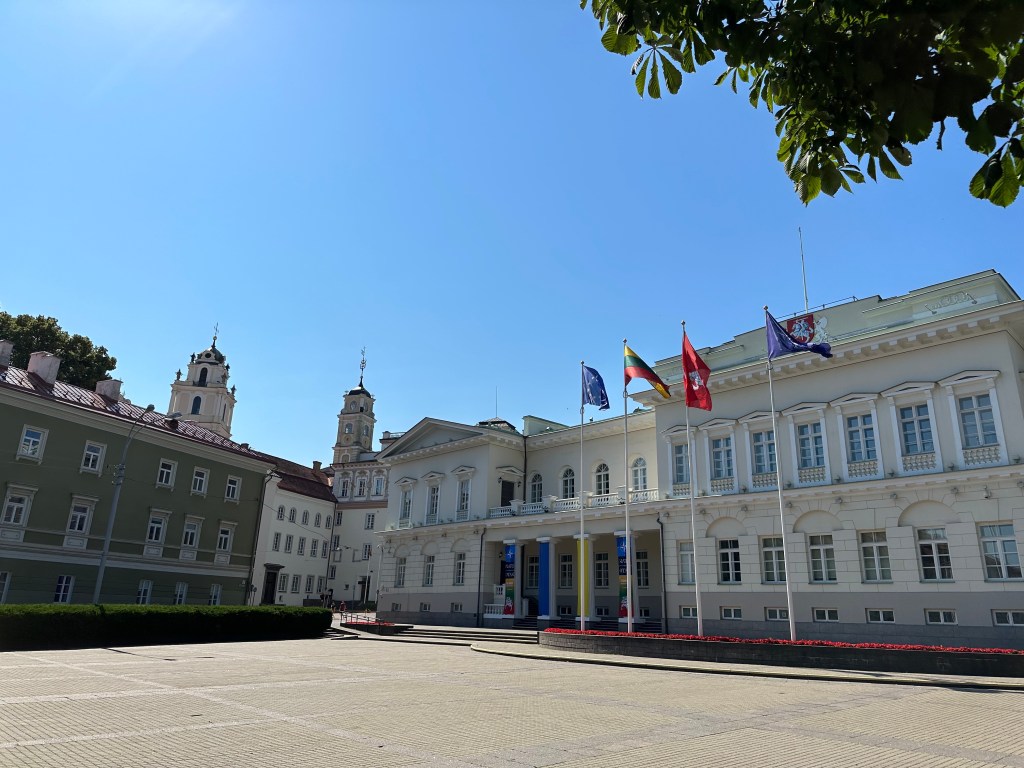
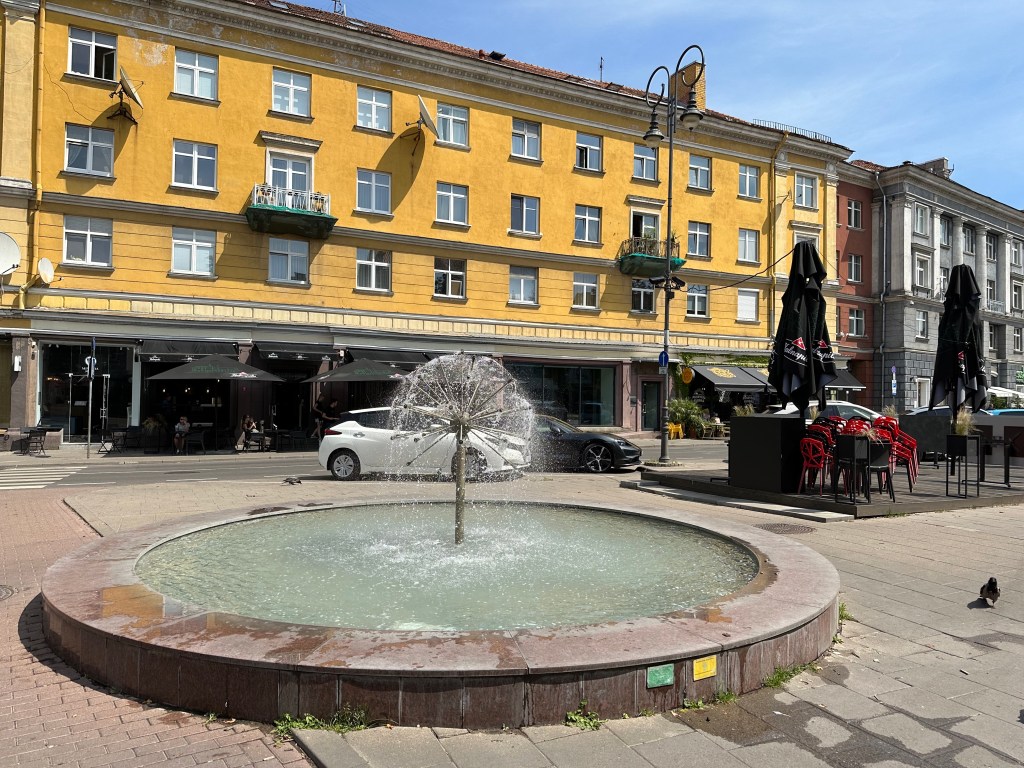
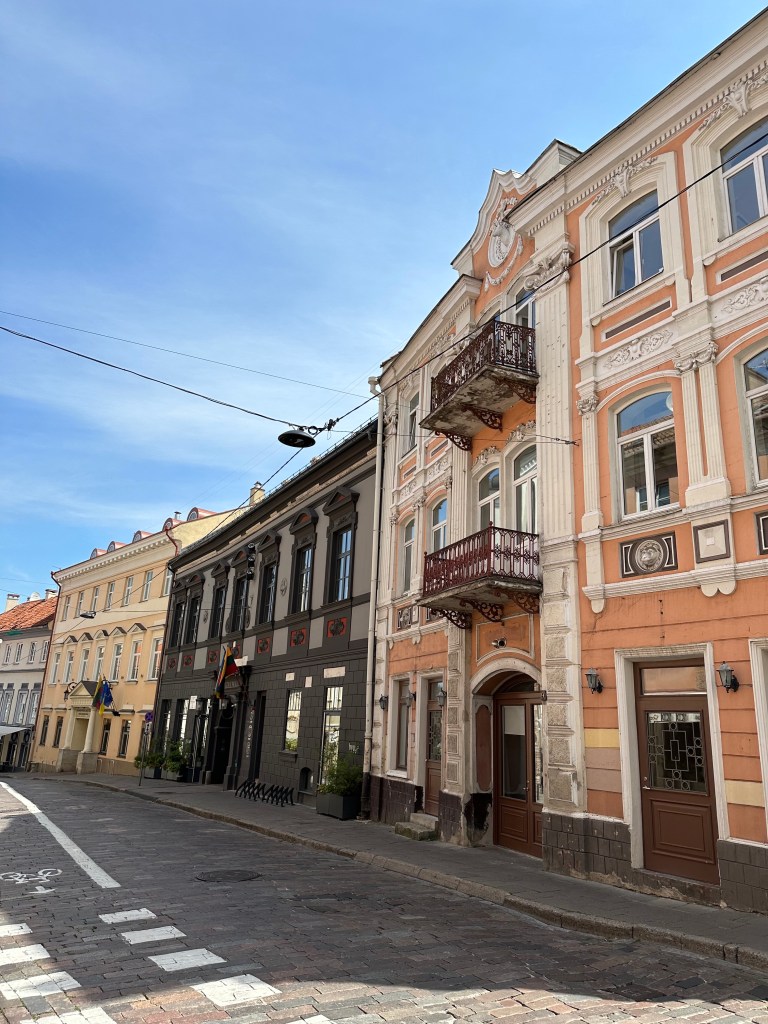
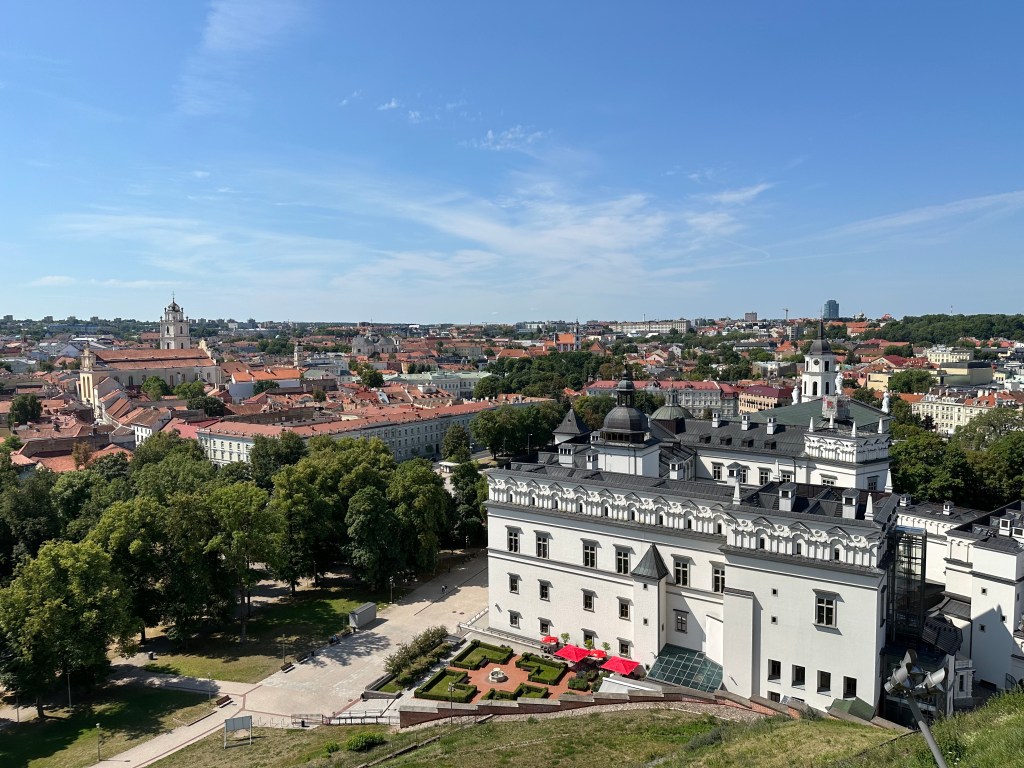
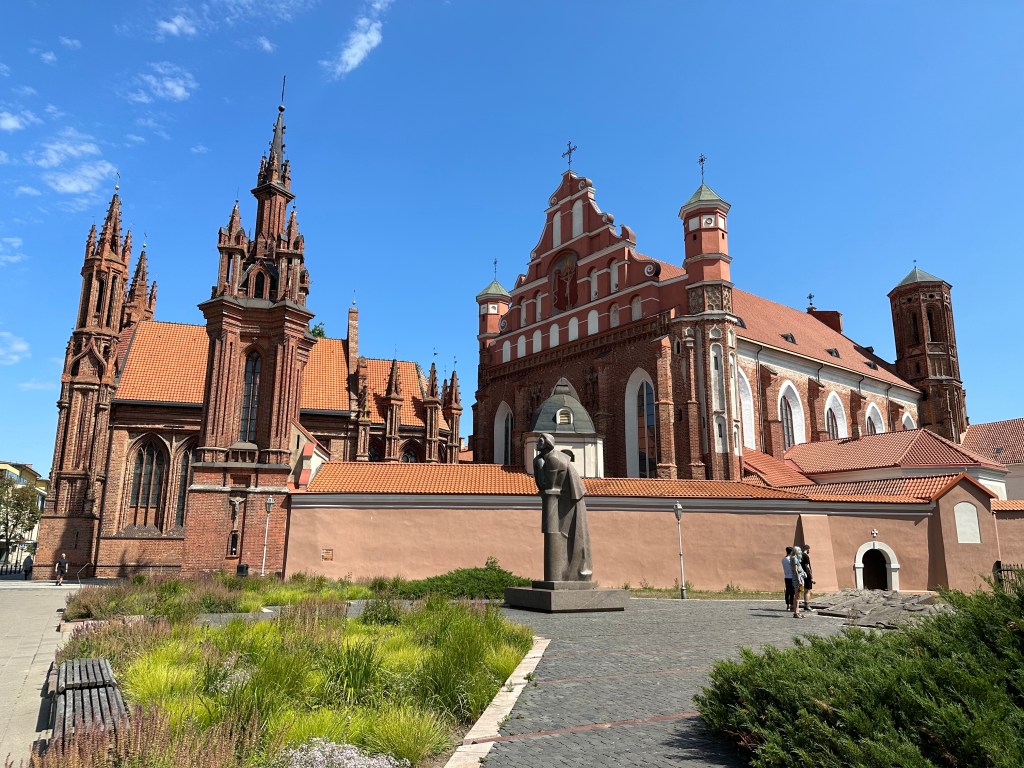
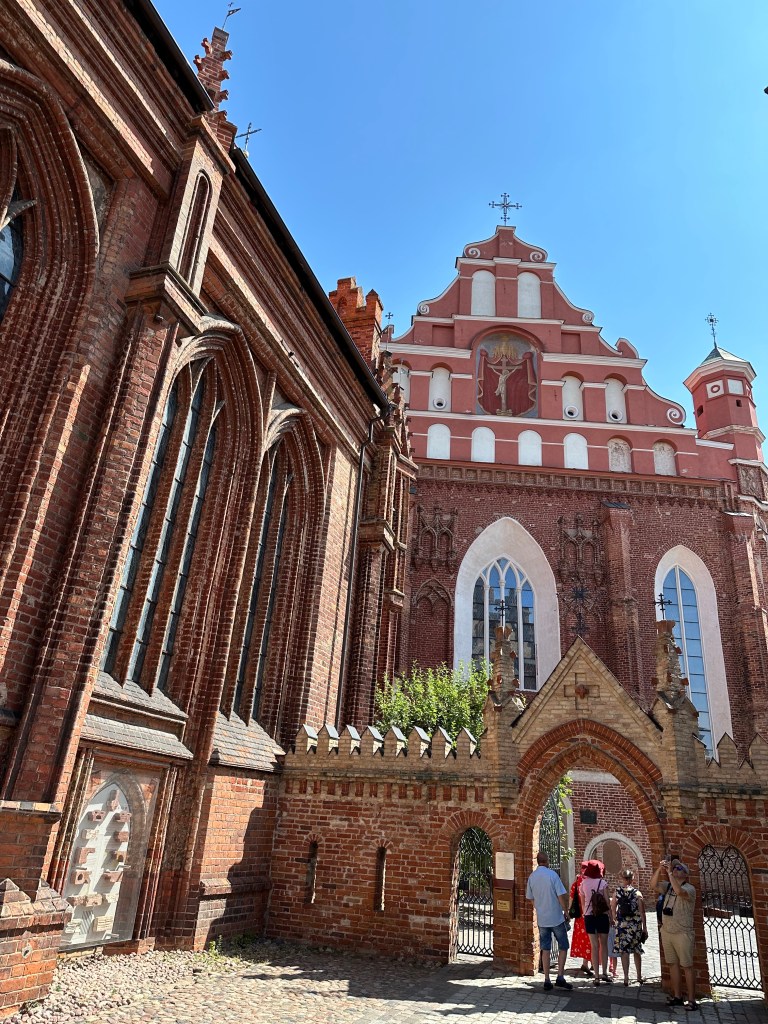
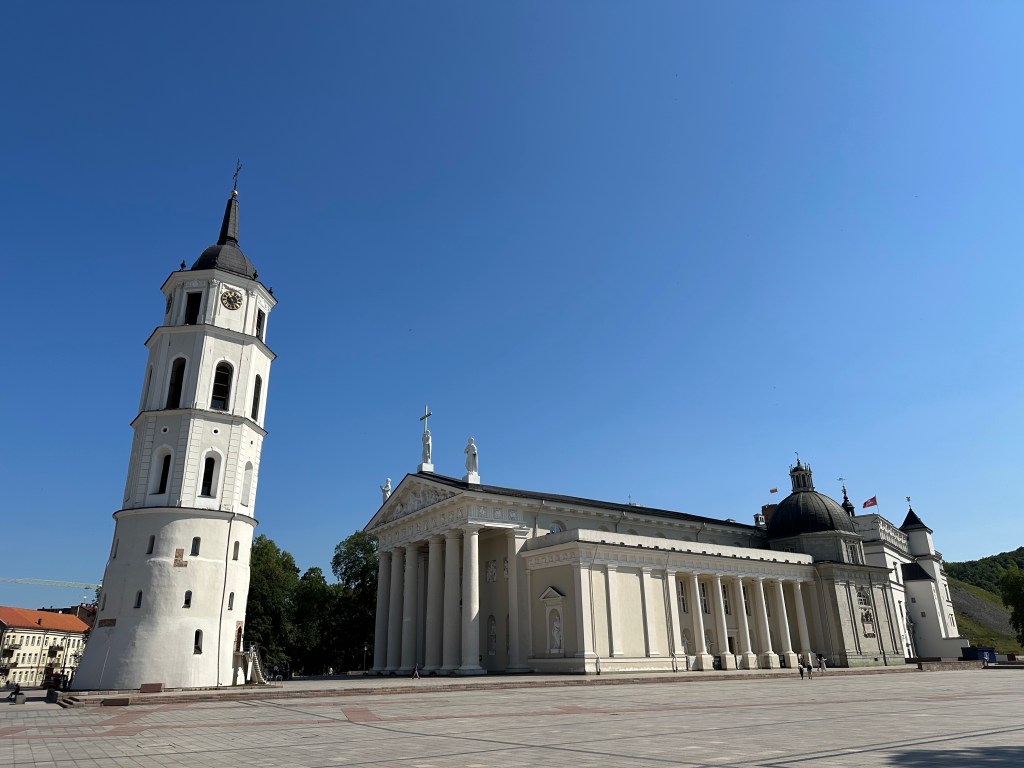
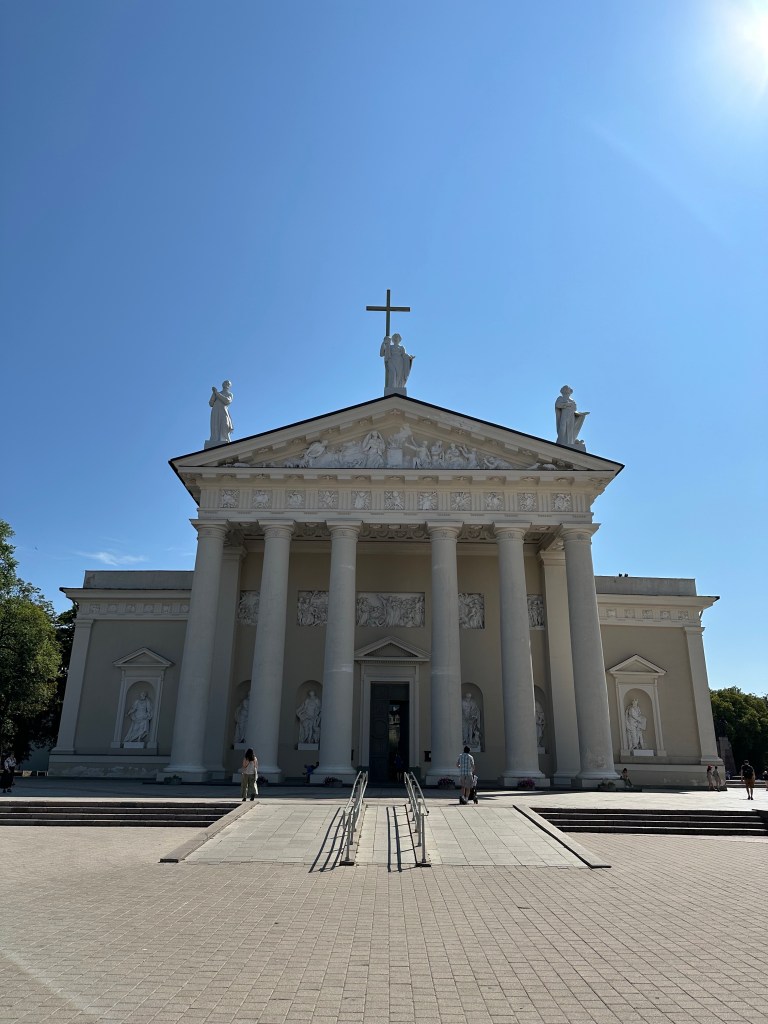
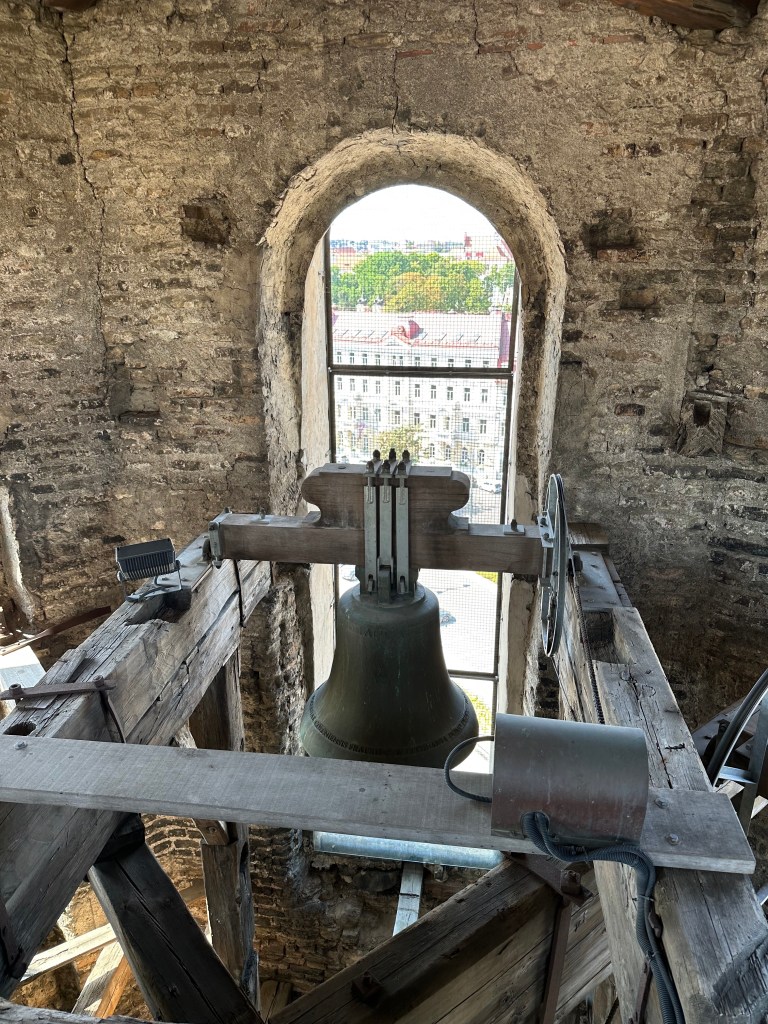
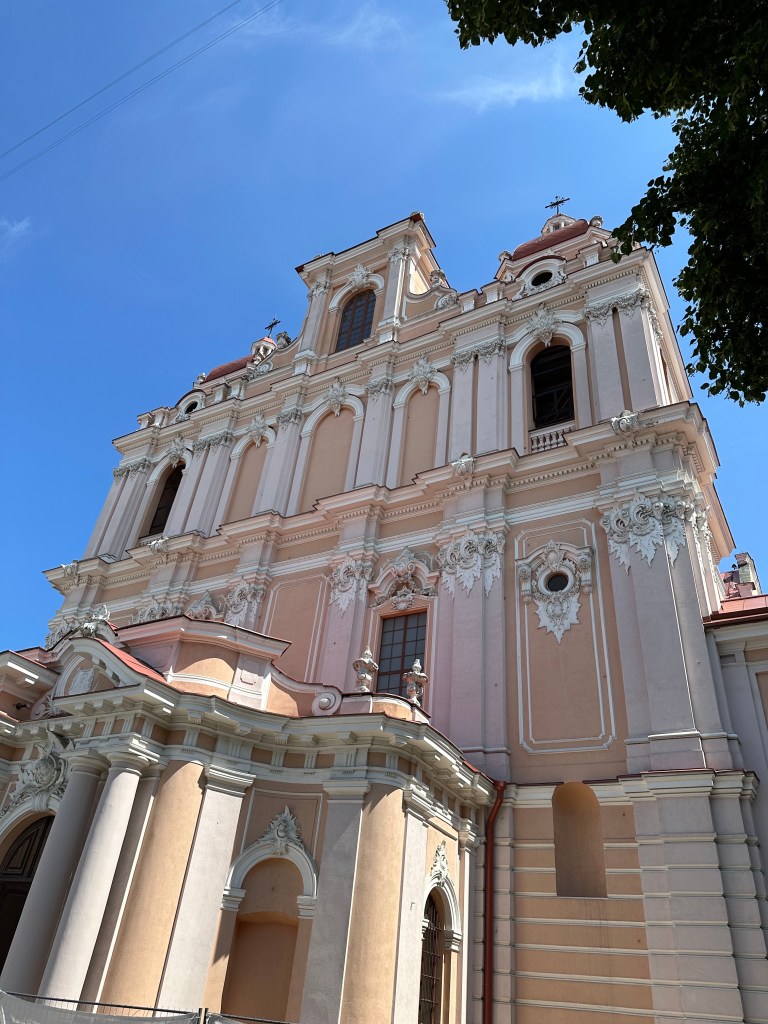
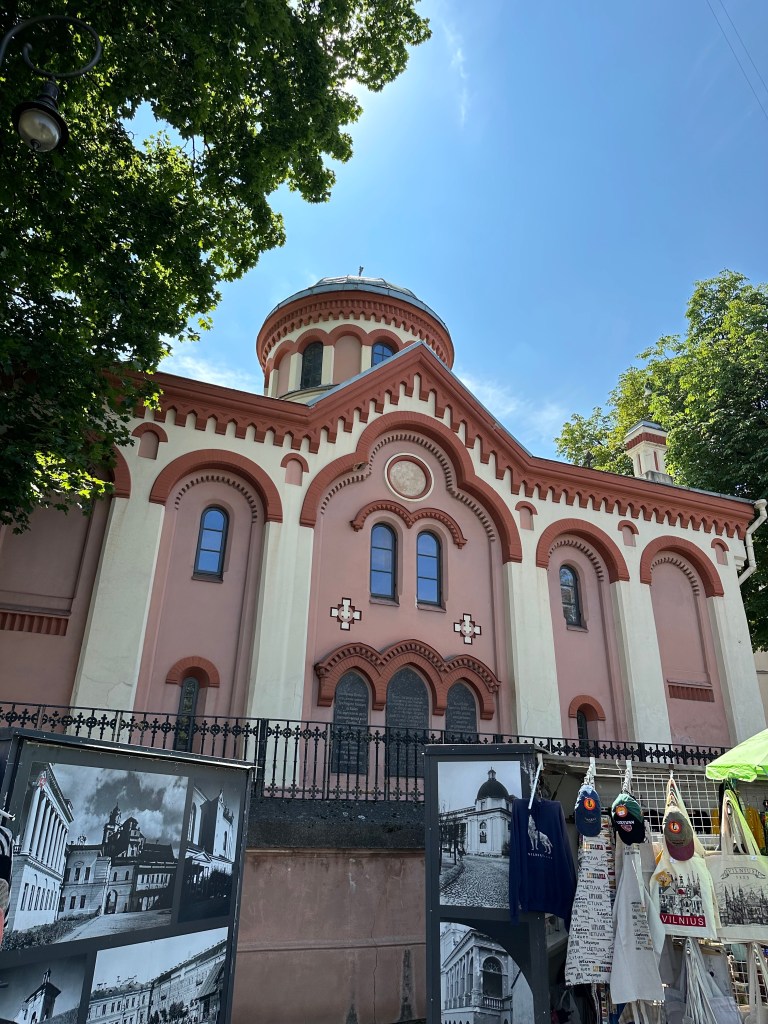
3. After Lithuania converted to Christianity in 1387, church building flourished, leaving Vilnius with a skyline rich in spires. St. Anne’s Church, with its red-brick Gothic façade, was my favorite. The nearby Vilnius Cathedral stands out for its simplicity, while the bell tower next door offers lovely views of the city. Saint Casimir’s Church in Rotušės Square, painted in pink-orange tones, adds yet another burst of charm to the Old Town.



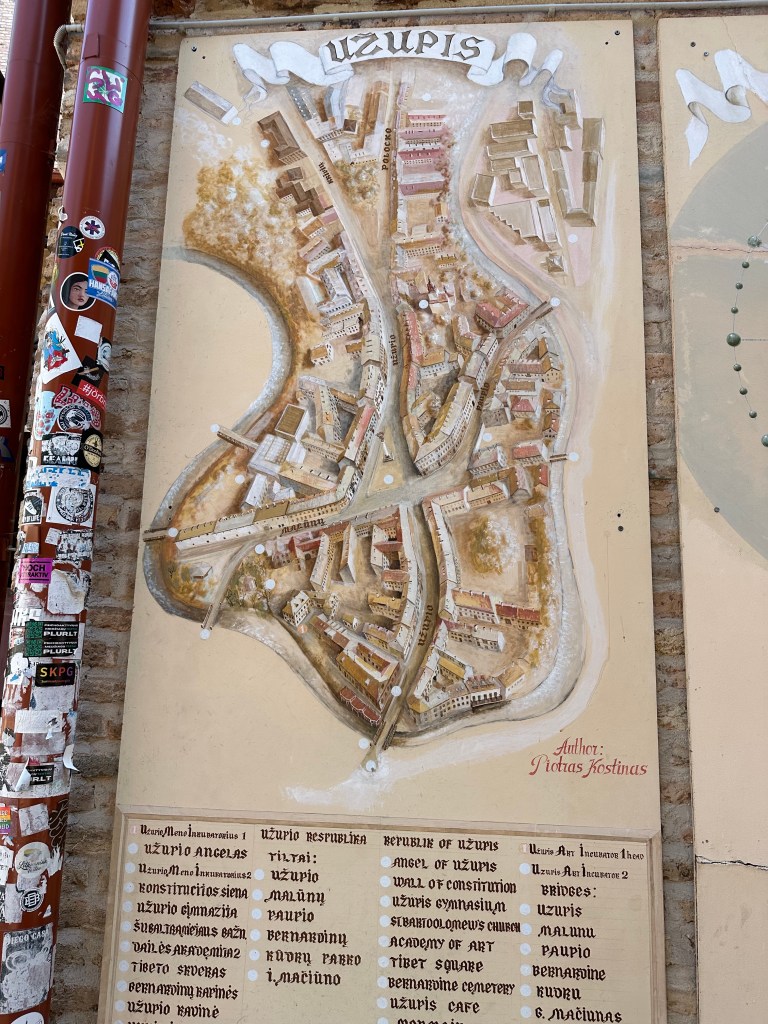
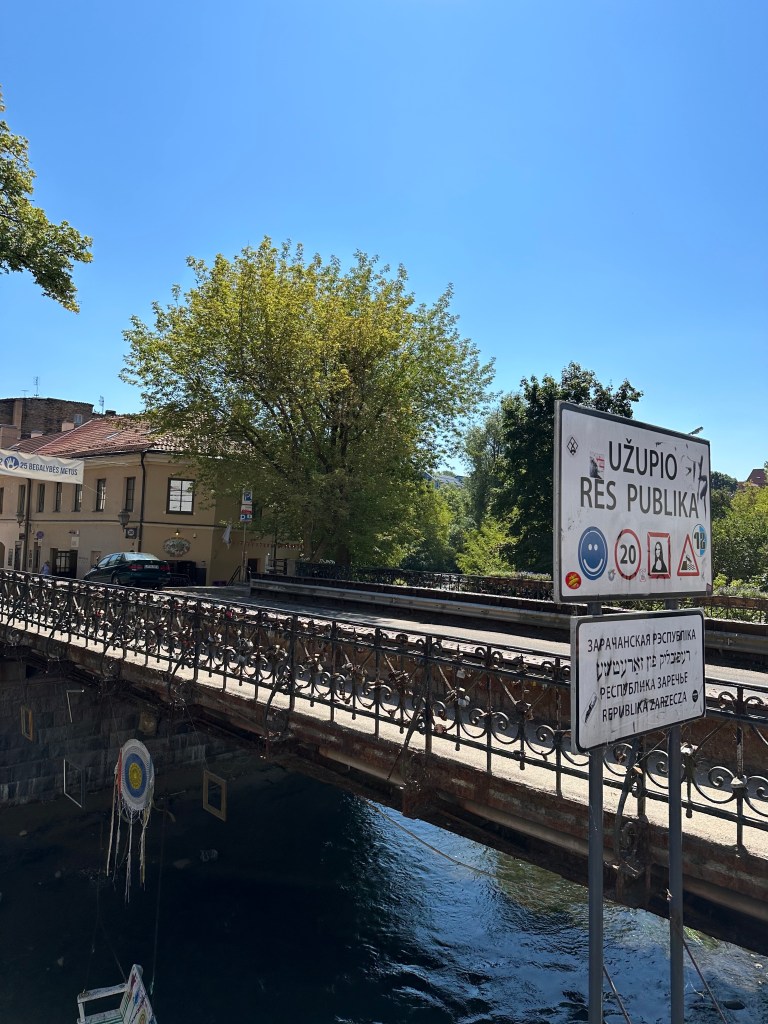
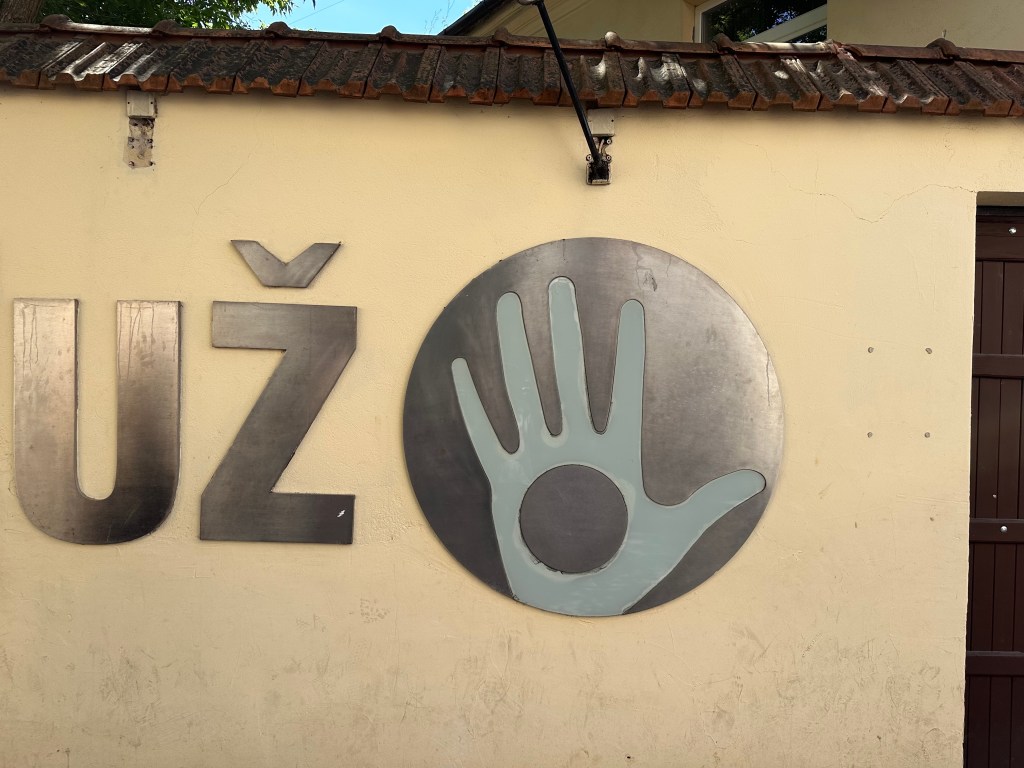
4. Across the river from Old Town lies Užupis, a bohemian enclave that reminded me of Copenhagen’s Freetown Christiania, though with a lighter and more whimsical character. Founded by artists, Užupis declared itself an independent republic in 1997, complete with its own constitution, currency, and president, though all in playful spirit. Its national day is celebrated on April 1st, a nod to its sense of humor. Once a neglected area, Užupis was revived by artists and is now filled with galleries, cafés, and quirky public art. It even has honorary ambassadors, including the 14th Dalai Lama, and a small Tibet Square named in his honor.
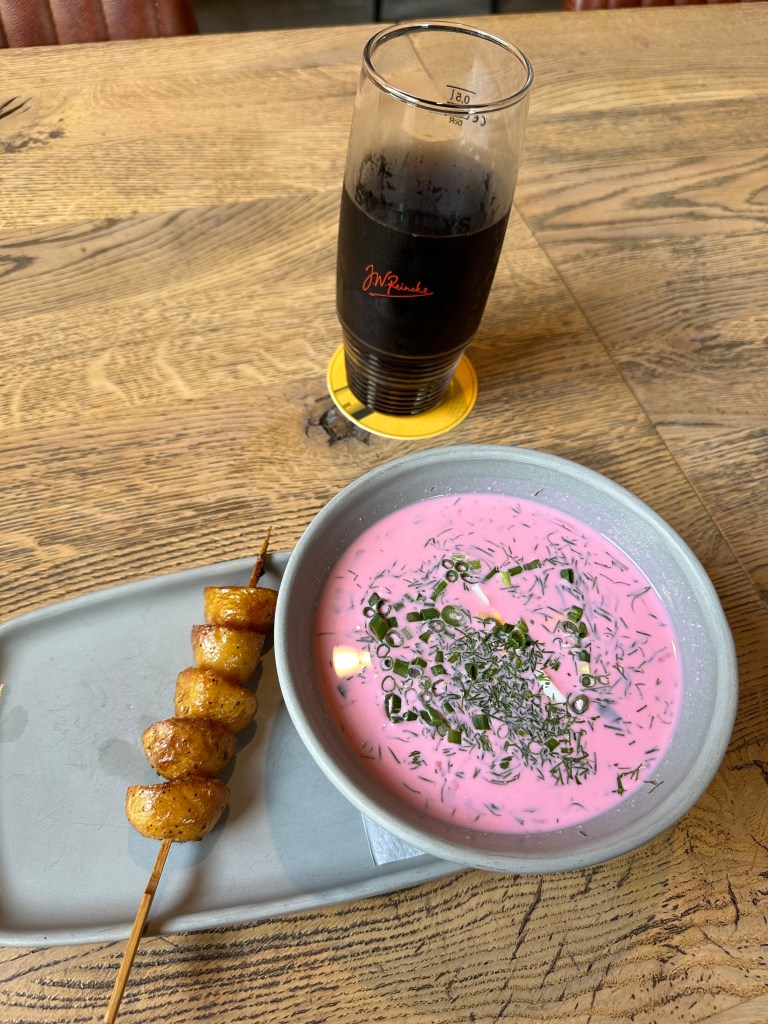
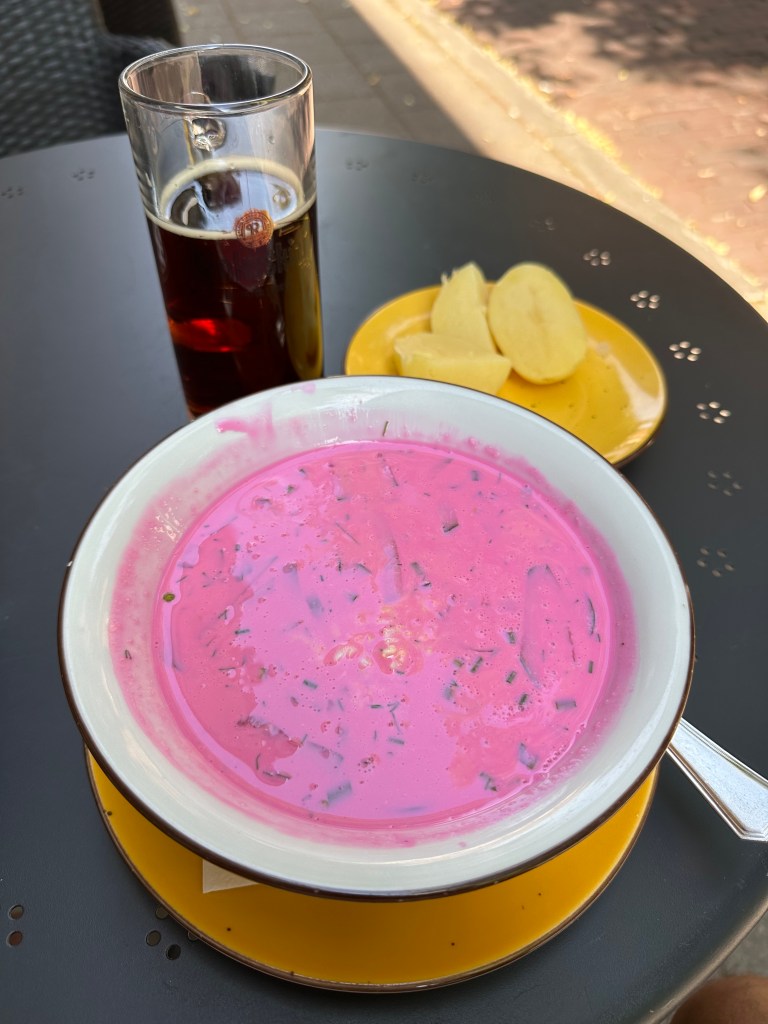
5. Lithuanian food is rich and comforting, full of fried doughs, potatoes, and meats, but the pink soup (Šaltibarščiai) is a standout both in flavor and appearance. Made from kefir and beets, and topped with cucumbers, dill, and hard-boiled eggs, it’s refreshing and visually striking. Another local staple is kvass, a fermented rye-bread drink that is sweet, malty, and surprisingly addictive. Both are great introductions to Lithuania’s hearty yet soulful food culture.
 flagsandforks