1. Luxembourg is a tiny landlocked country tucked between Belgium, France, and Germany, and it’s still officially the Grand Duchy of Luxembourg. Its history reads like a revolving door of European powers: once part of the Holy Roman Empire, then under the Habsburgs, then France, then partitioned multiple times, losing territory bit by bit until regaining independence in 1867. Today it’s small but globally relevant: a financial hub, a founding member of the EU, and home to the Court of Justice of the European Union.
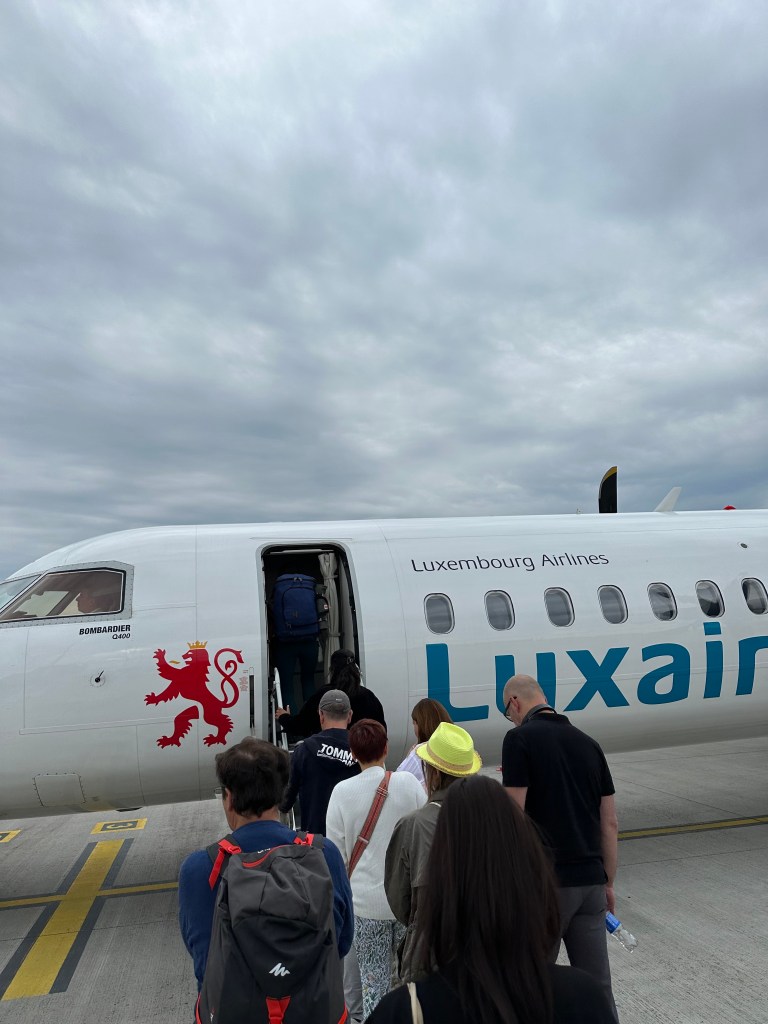
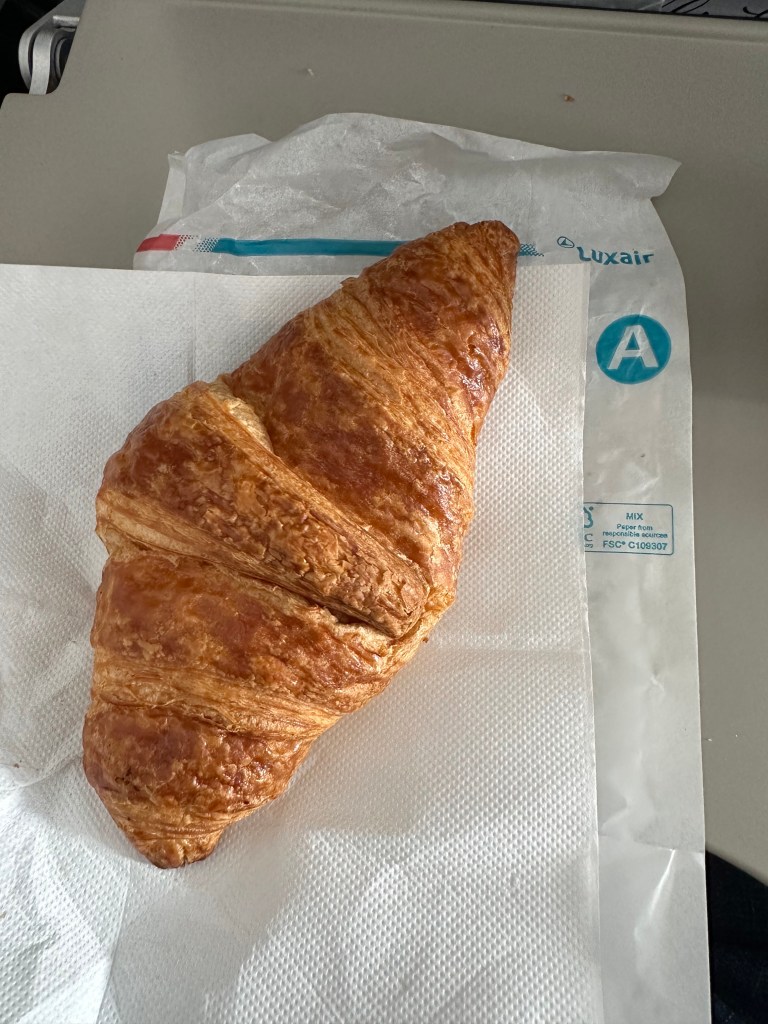
2. I didn’t expect Luxembourg to feel this French. The feeling began on LuxAir with a croissant so buttery and warm that it rivaled the best from Parisian patisseries. In the city, parts of Luxembourg look like an upscale, immaculately restored French town—elegant façades, quiet streets, and pastry shops with polished marble counters. At one patisserie, I got politely but firmly corrected for how I was taking a photo—an unexpectedly charming “you must do it properly” moment that felt very French in spirit.
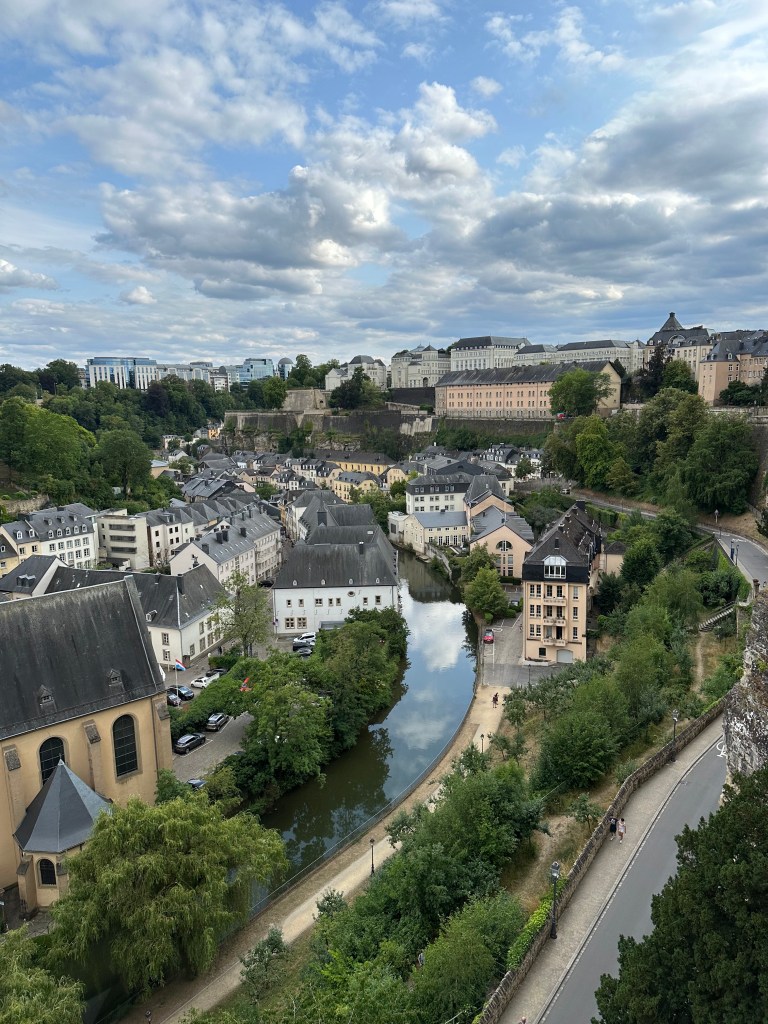
3. The views in Luxembourg City are phenomenal and genuinely feel like stepping back in time. Chemin de la Corniche offers the best panorama in the city. The walk down into the Grund, a historic district in the valley below, was serene and full of postcard-perfect houses tucked into greenery and stone terraces. From there I continued toward Vallée de la Pétrusse, crossed Pont Adolphe, looped back to Place de la Constitution and passed by the Grand Ducal Palace. I eventually ended in Pfaffenthal looking back across the Grund valley, which is one of those scenes you hold onto long after.
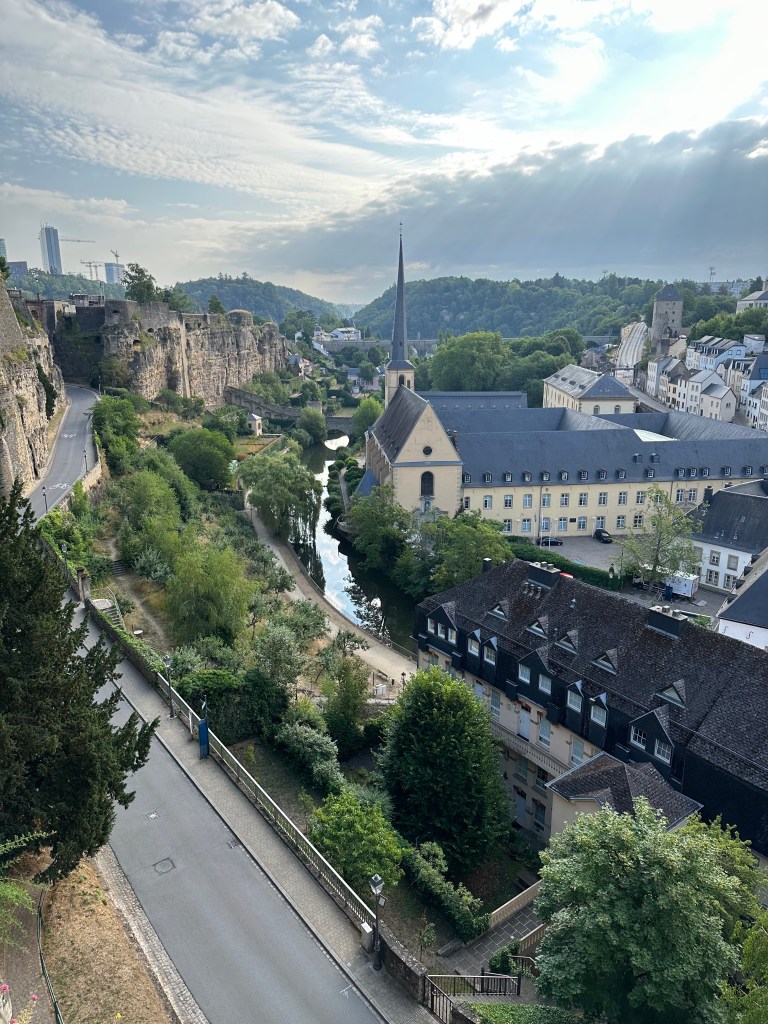
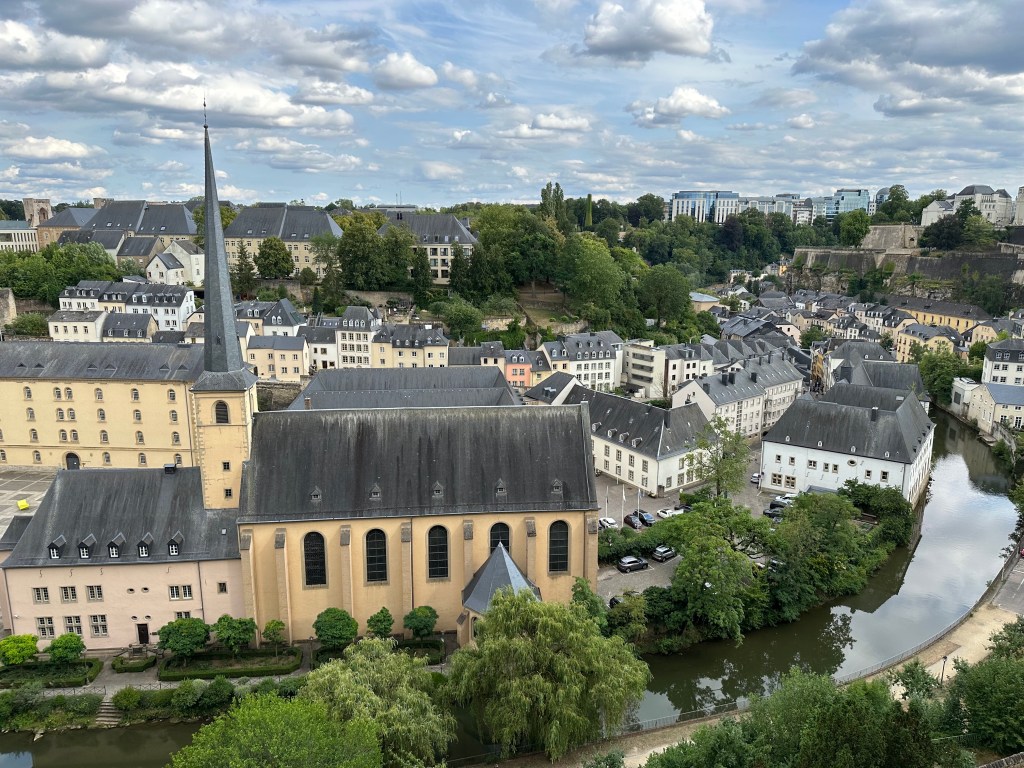
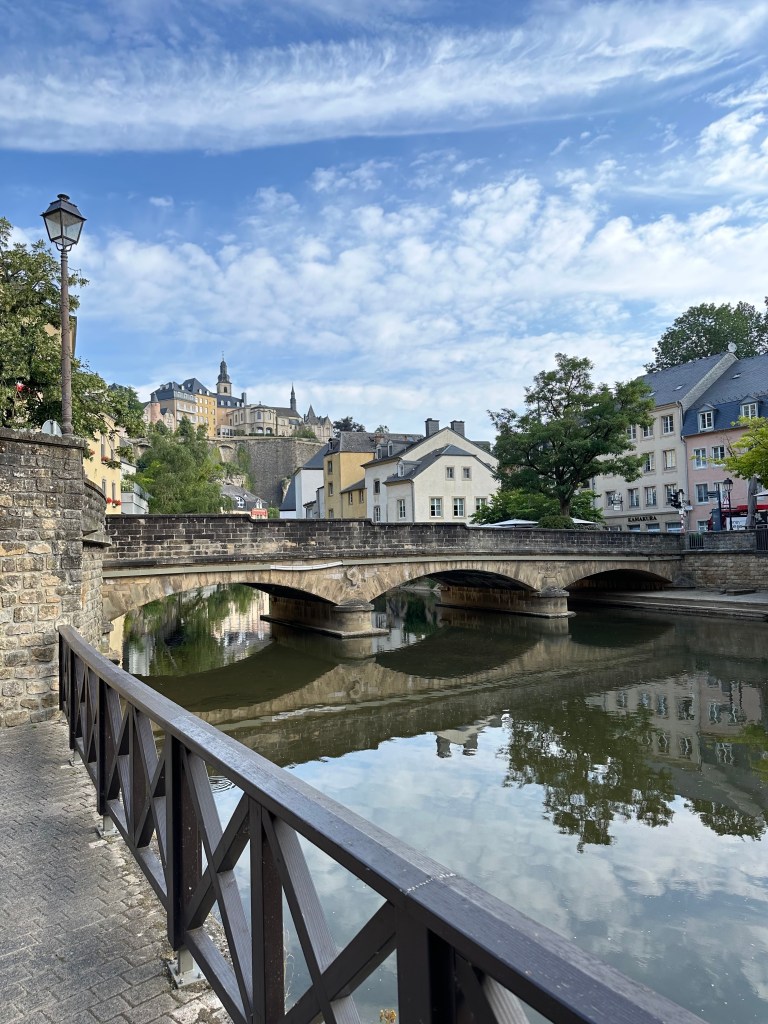

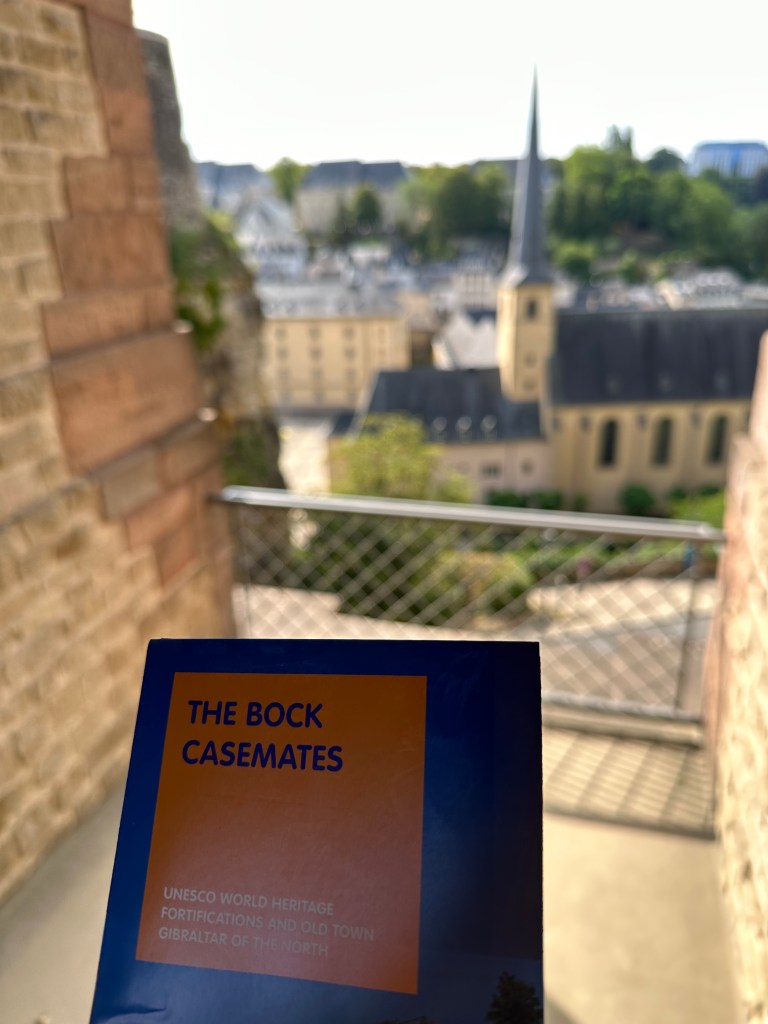
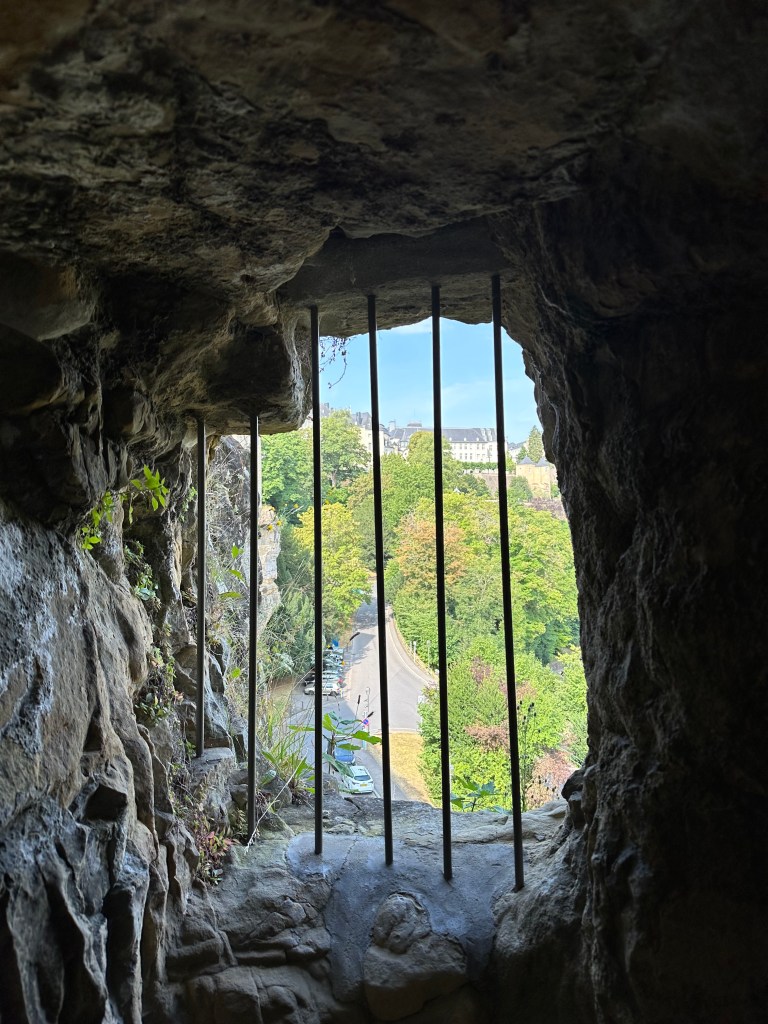
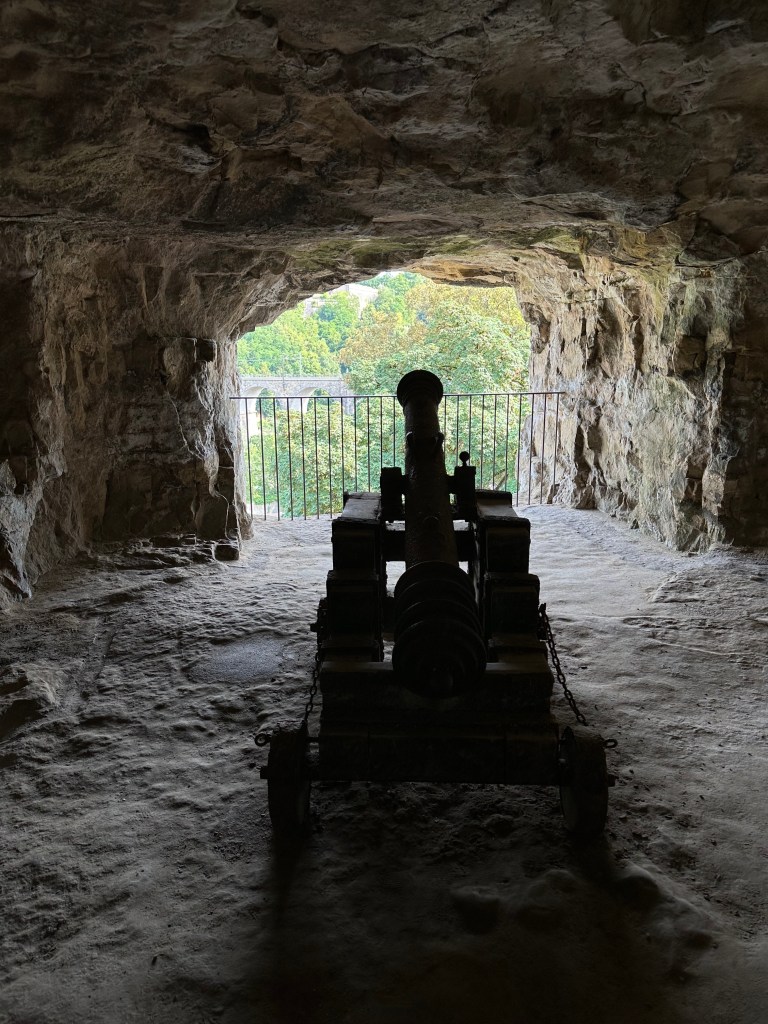
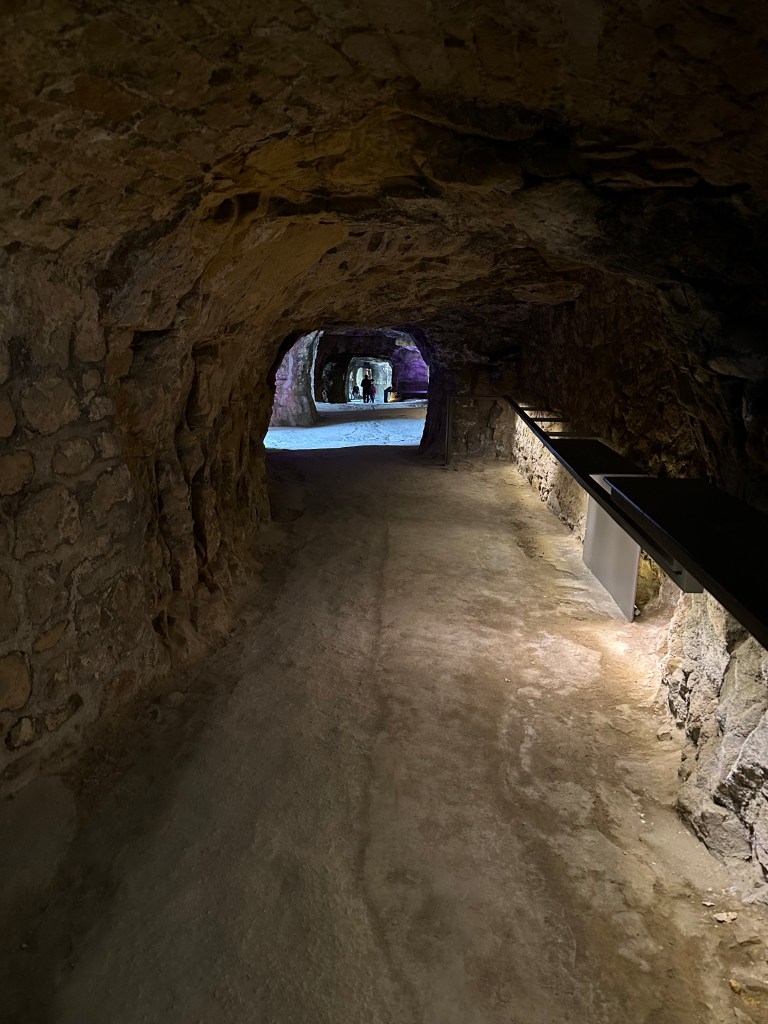
4. Casemates du Bock is the main tourist attraction, consisting of underground tunnels carved into the rock in the 17th century to defend the city. I found the idea more compelling than the experience itself and came away slightly underwhelmed. However, the elevated river views from the upper fortifications afterward were absolutely worth the stop and offered a clearer sense of how dramatic the city’s cliffs and valley structure really are.
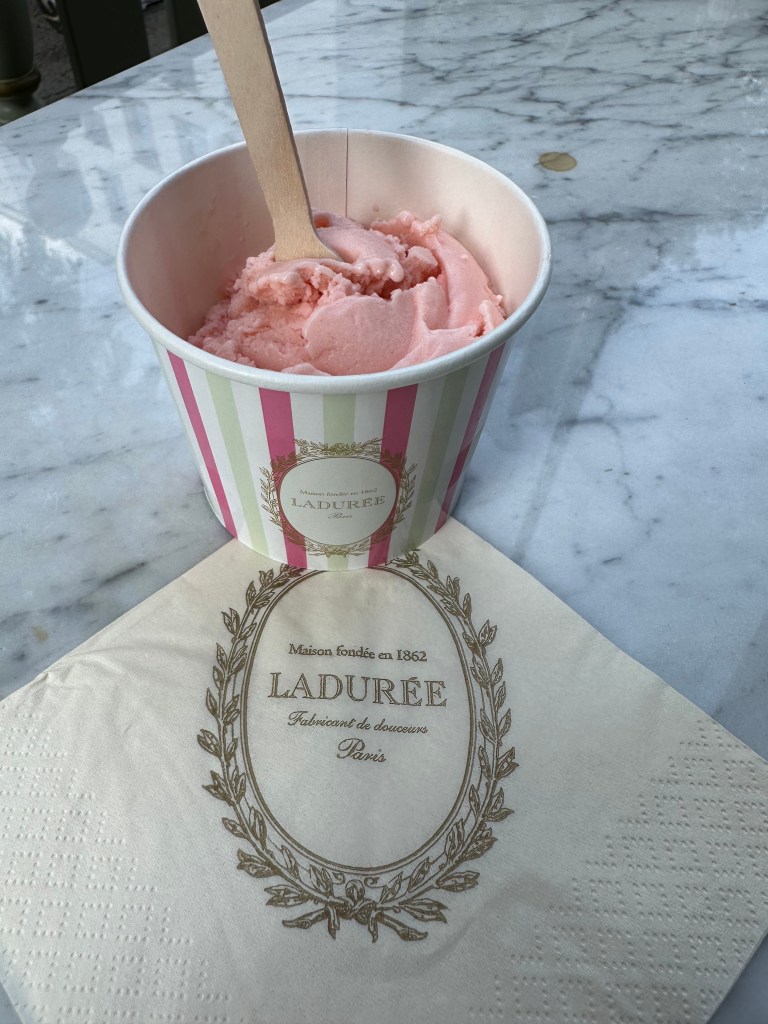
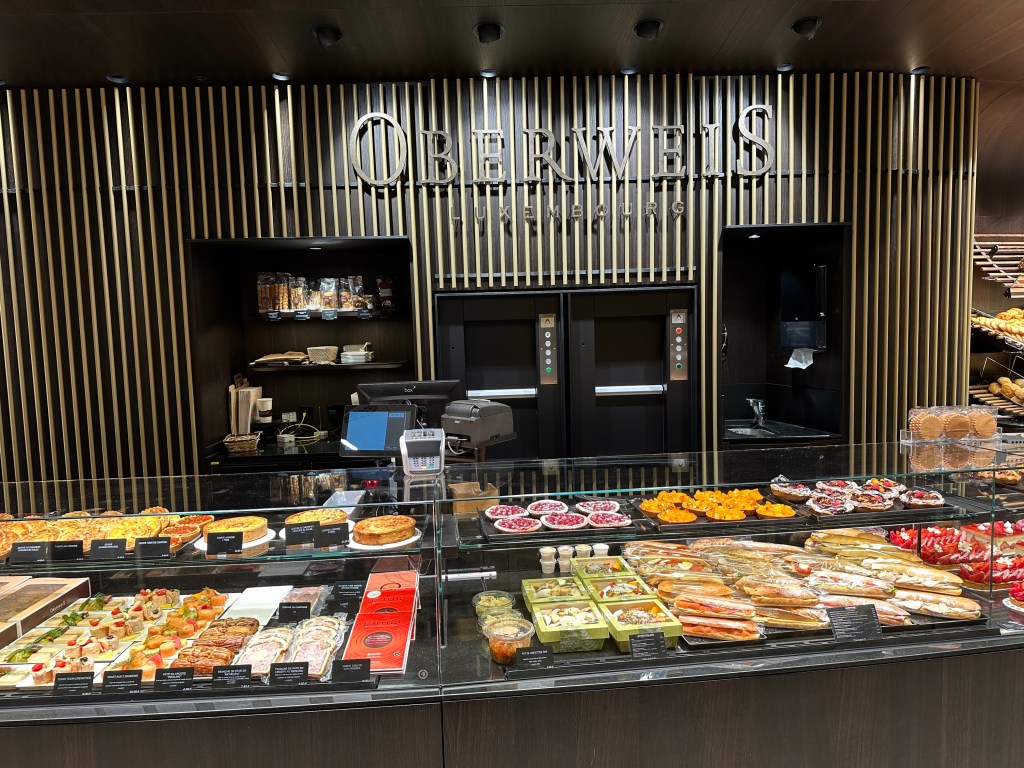
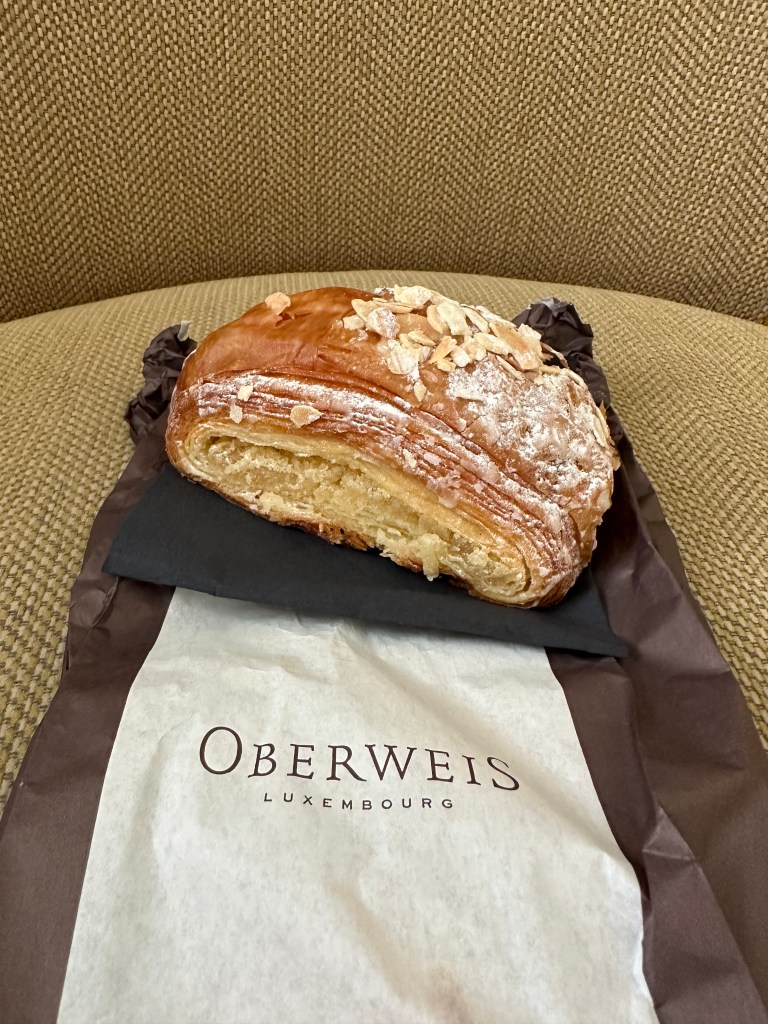
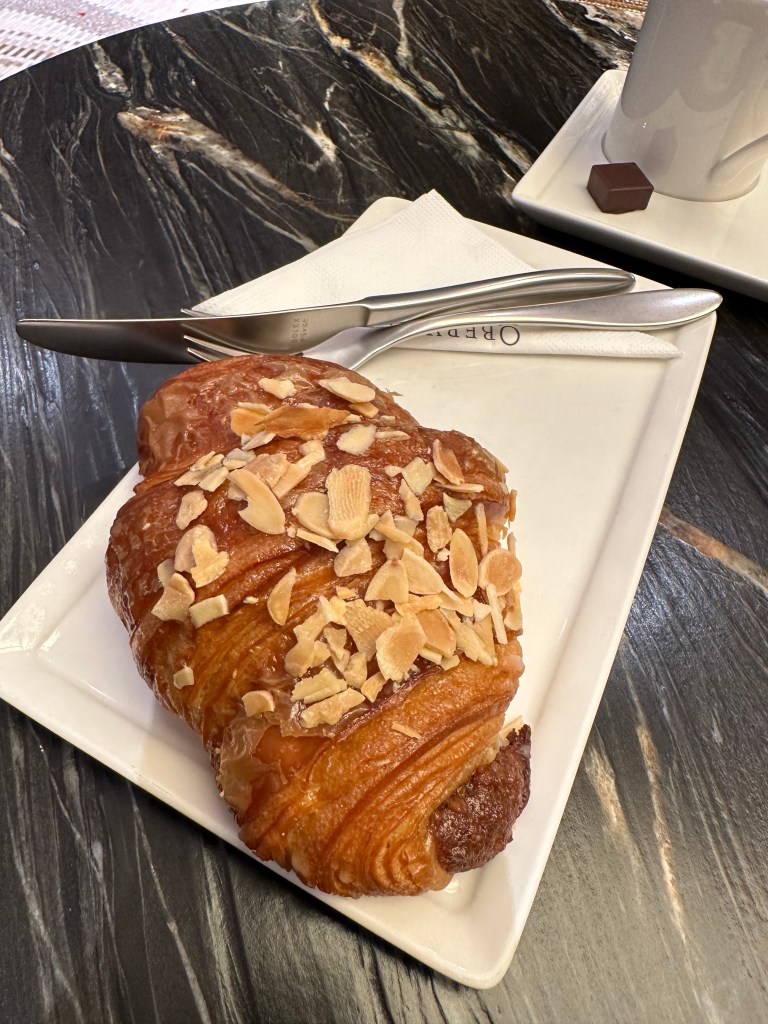
5. Luxembourg’s food scene isn’t globally famous, but the French culinary influence is unmistakable. There are excellent patisseries and chocolate shops, including Ladurée and Pierre Marcolini, but Oberweis is the local institution that stands out. Its viennoiseries genuinely match quality you would find in Paris. The highlight was their dacquoise, with layers of almond meringue, crème pâtissière, and ganache. The textural contrast, especially from the nuts, made it one of the most distinct pastries I tried on the trip.


 flagsandforks