5 things about San Ignacio, Belize

    1. Belize stands out as an English-speaking country in predominantly Spanish-speaking Central America, a legacy of its colonial past as British Honduras. While known for its world-class diving sites along the Caribbean coast like Hol Chan Marine Reserve and the Great Blue Hole, the country also shares rich Mayan heritage with its neighbors. The Cayo district near the Guatemalan border is home to some of Belize’s best archaeological sites, many of which remain under the radar compared to those in neighboring countries.

    2. San Ignacio was more economically modest than I anticipated, with most consumer goods being imported. The local business landscape reveals interesting patterns: grocery stores are predominantly operated by Chinese immigrants, while clothing shops are largely run by Indian merchants. These businesses maintain a straightforward approach—store names are typically anglicized versions of Chinese names without attempting to blend into local culture.

    Chinese run grocery stores

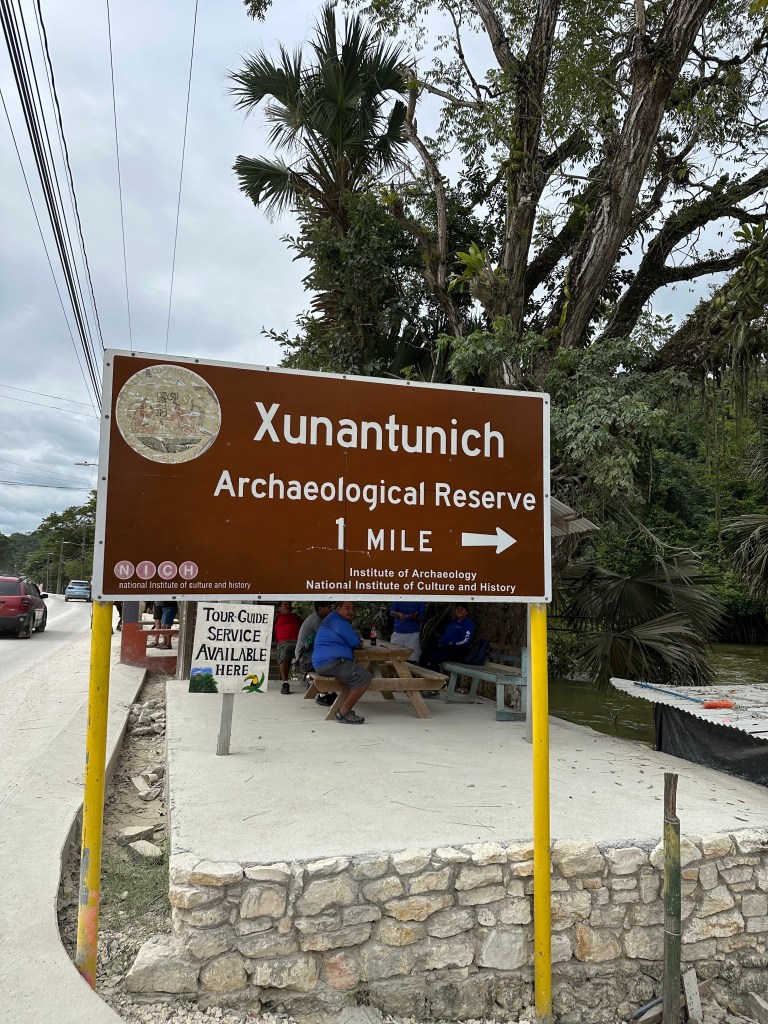
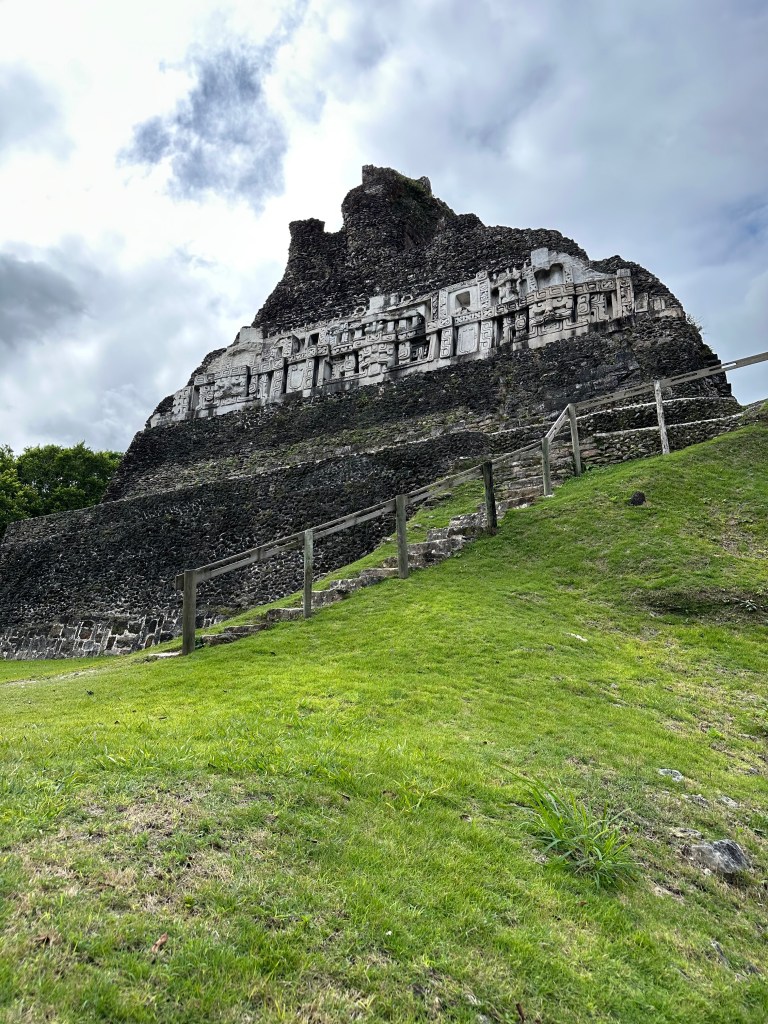
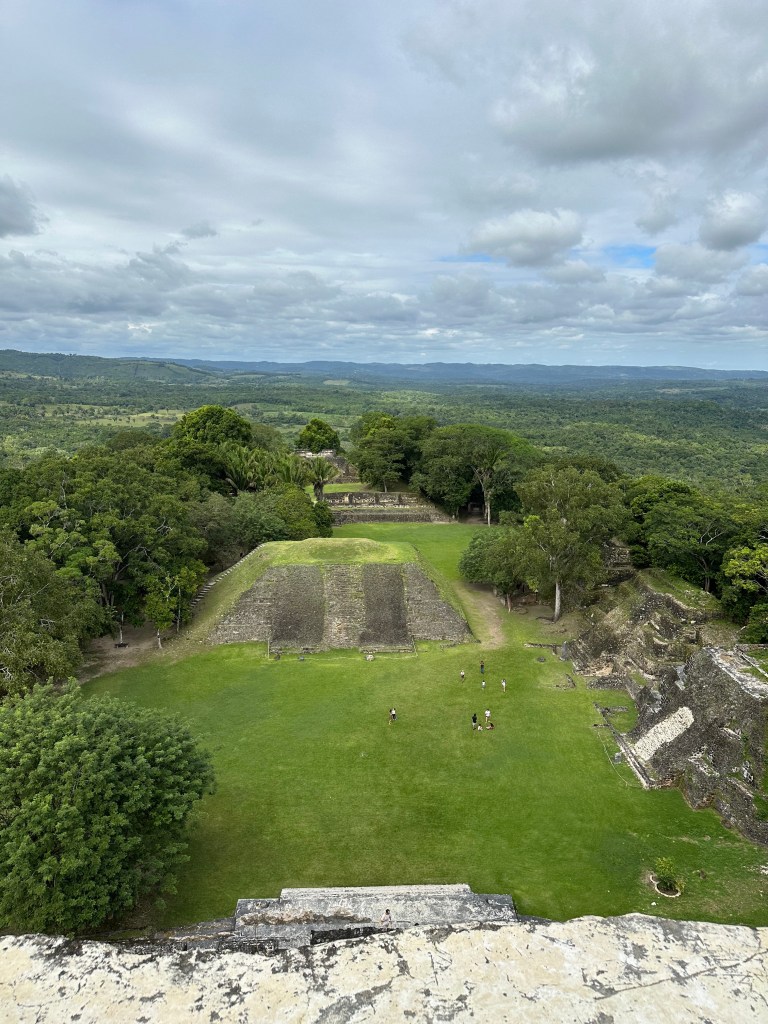
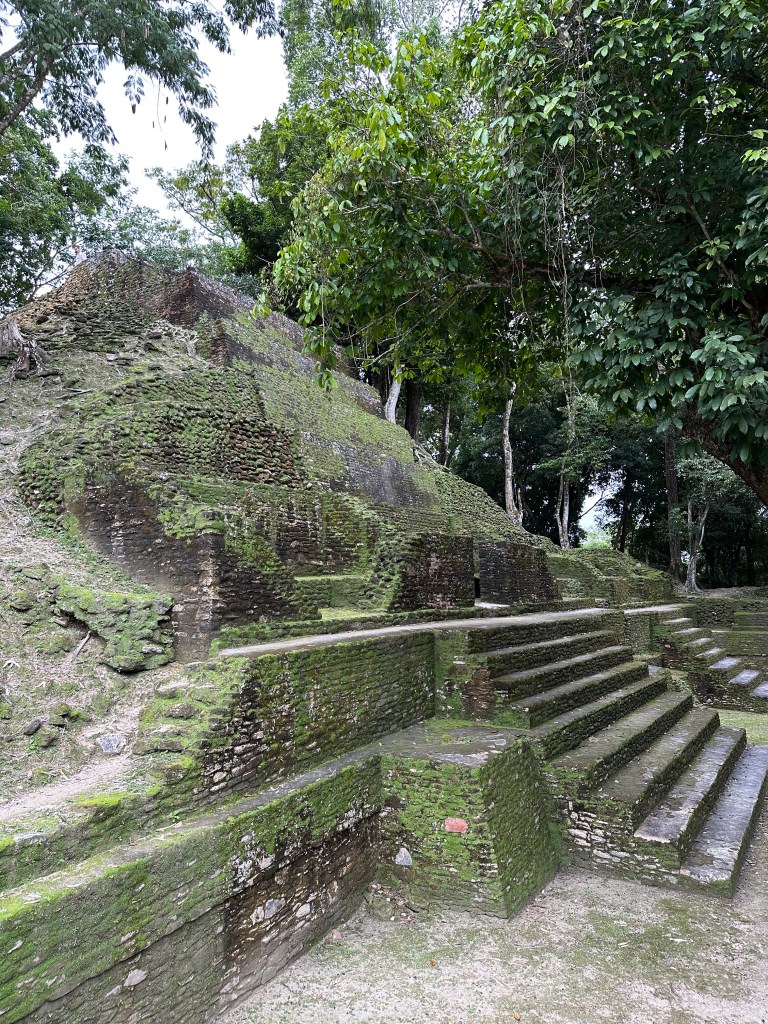
    3. The biggest draw of San Ignacio is its proximity to exceptional Mayan ruins. Cal Pech sits right within town limits and dates back to 1200 BCE, making it one of the oldest sites in the region. Just 8 miles west, Xunantunich impresses as the area’s largest complex, featuring the second-tallest structure in Belize. The panoramic view from atop El Castillo alone makes the trip worthwhile. The site includes six plazas with temples, palaces, and classic Mayan structures like the ceremonial ball court. The journey to Xunantunich adds to the adventure—a short hand-cranked ferry across the Mopan River followed by a 1-mile hike through lush jungle canopy.

    El Castillo

    View from the Castillo

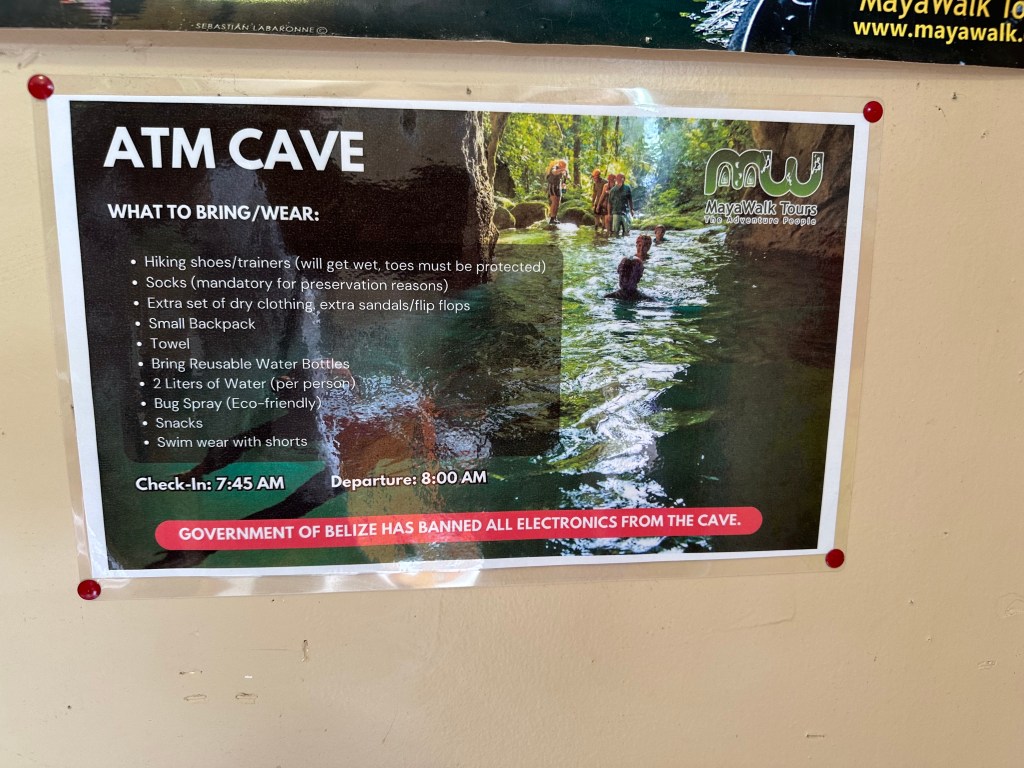
    4. The ATM (Actun Tunichil Muknal) cave tour offers a thrilling archaeological adventure just 45 minutes from town. The main attraction is seeing Mayan artifacts preserved in an underground cave system, culminating in the “Crystal Maiden” chamber containing fully intact skeletal remains of sacrifice victims. While large tour groups can sometimes diminish the mystique, the full experience—involving a 45-minute jungle hike, multiple river crossings, and cave swimming—creates an unforgettable expedition. Be aware that the physical demands are significantly more challenging than advertised, even for active adults, primarily due to narrow passageways with sharp rocks.

    ATM Cave

    Cave tour is the only option to visit the cave

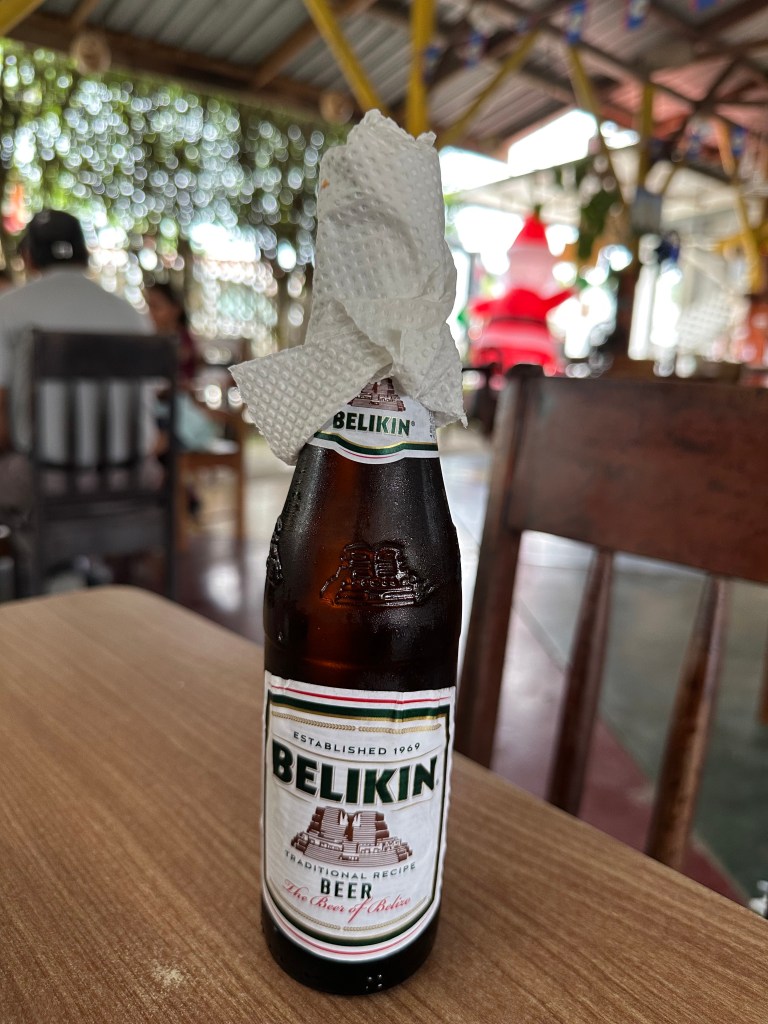
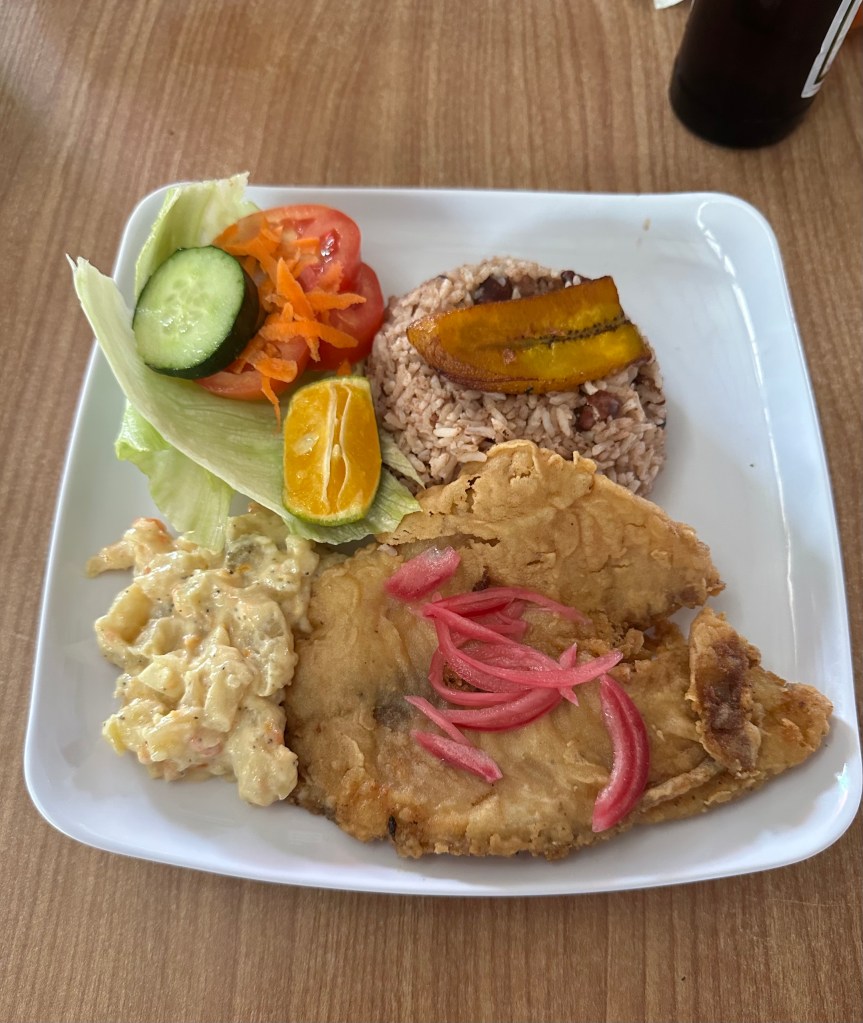
    5. Central American cuisine rarely earns international acclaim, and Belizean food was surprisingly understated even within the region. The national dish of rice and beans lacked the depth and flavor I’ve enjoyed elsewhere. Nevertheless, food at mom and pop restaurants is freshly made, with Benny’s Kitchen offering solid meals. The true culinary highlight was Belikin beer—one of the best mass-produced beers I’ve tried. This European-style lager achieves a perfect balance of crispness and malty flavor. It’s puzzling how Belize perfected its beer recipe before mastering its rice and beans.

    Belikin beer

      Typical Belizean lunch

      5 things about San Ignacio, Belize

      5 Things about San Salvador, El Salvador 

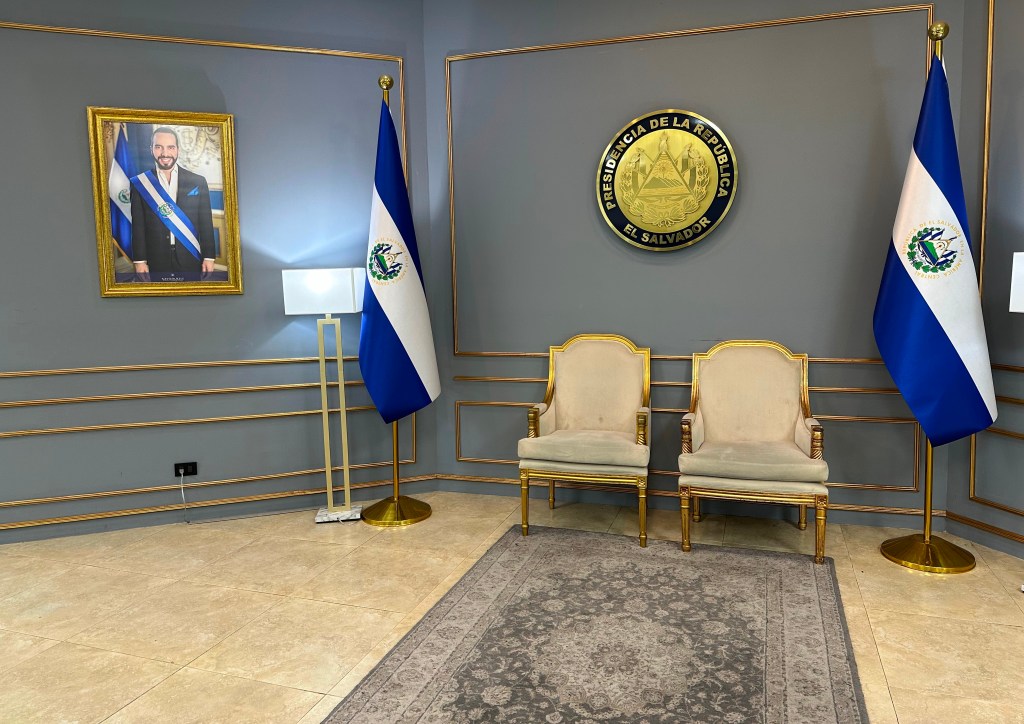
      1. El Salvador has recently captured global attention through its enigmatic President Nayib Bukele. Known for his bold moves, Bukele has garnered international recognition for two major initiatives: his aggressive campaign to combat gang violence, which has dramatically transformed the country’s security landscape, and his controversial decision to make Bitcoin legal tender – a world first that put this small Central American nation in the financial spotlight.

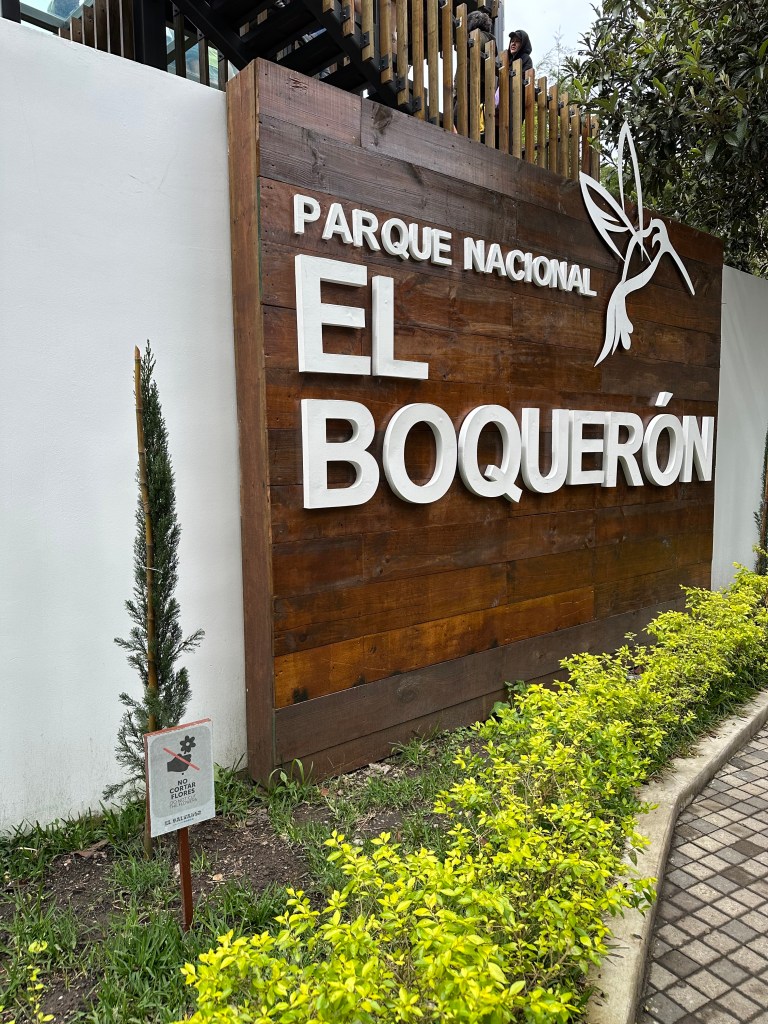
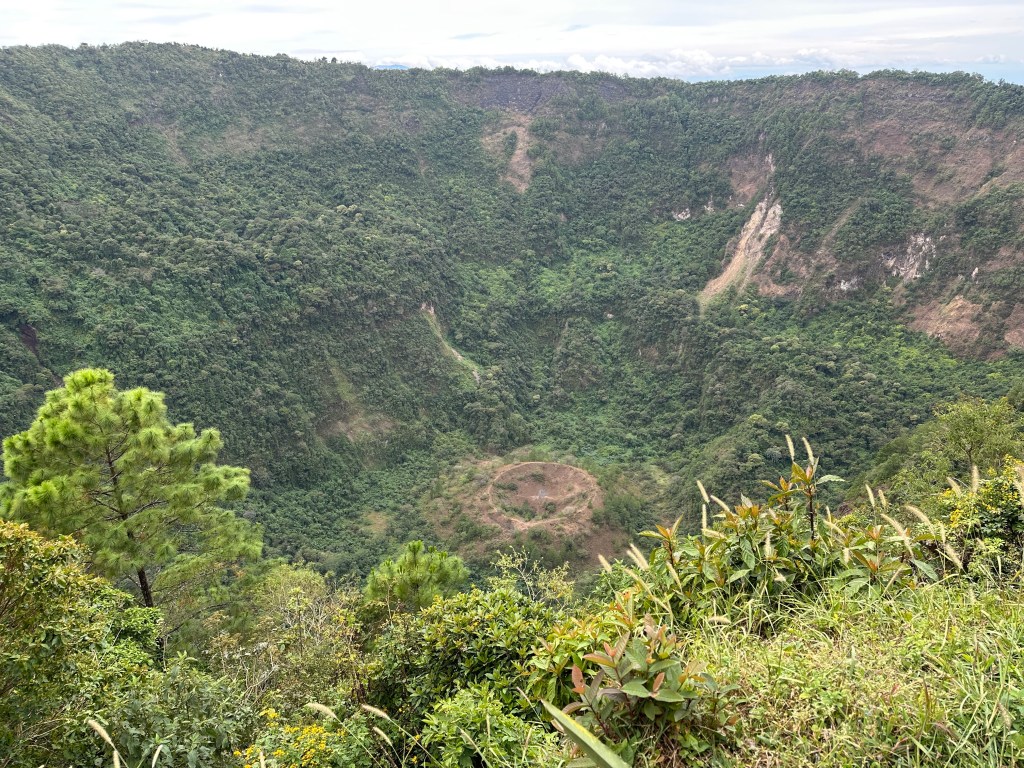
      2. Beyond its contemporary politics, El Salvador’s landscape tells an ancient story through its 200+ volcanoes, 36 of which remain active today. These fiery giants so dominated the region that even the mighty Mayans, despite their attempts to settle here, eventually retreated to other parts of Central America due to the constant eruptions. Today, the majestic San Salvador Volcano watches over the capital city, offering visitors a spectacular natural attraction at El Boquerón National Park. A leisurely hike leads to breathtaking views of the massive crater, with a glass walkway adding an extra thrill for adventure seekers.

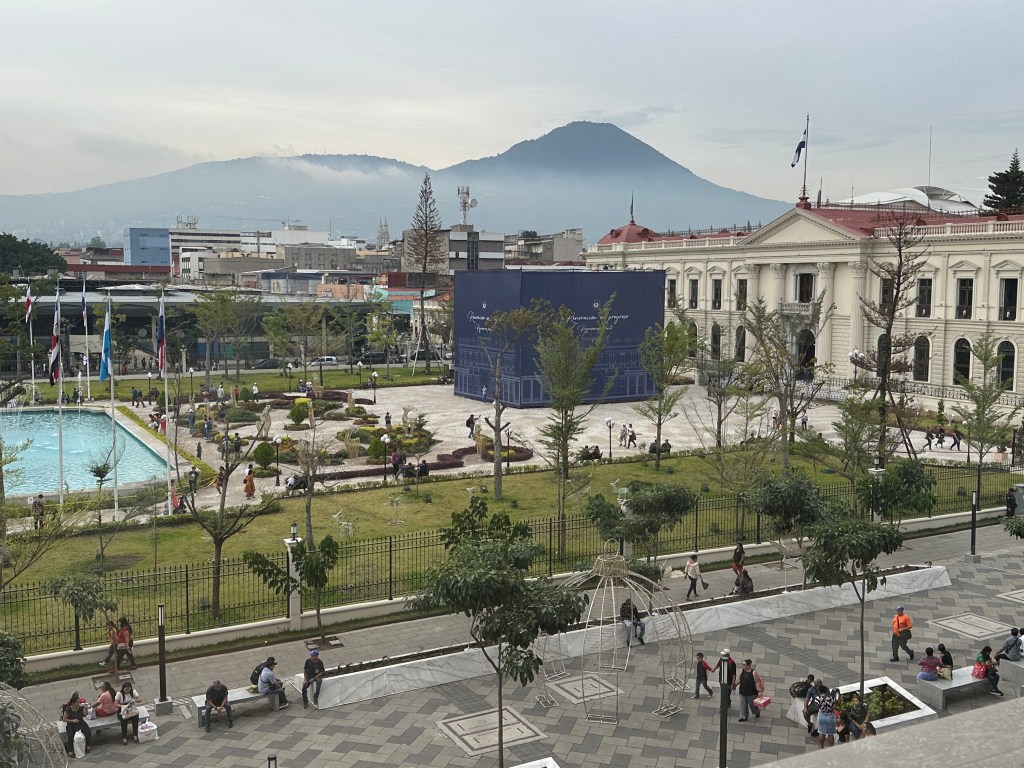
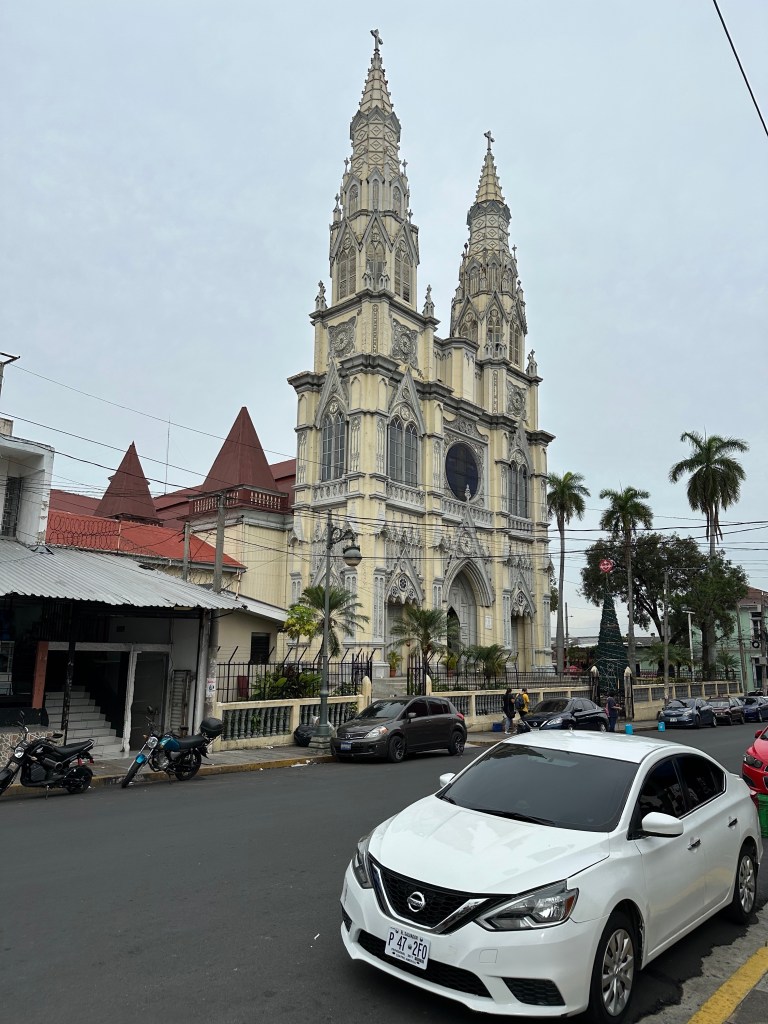
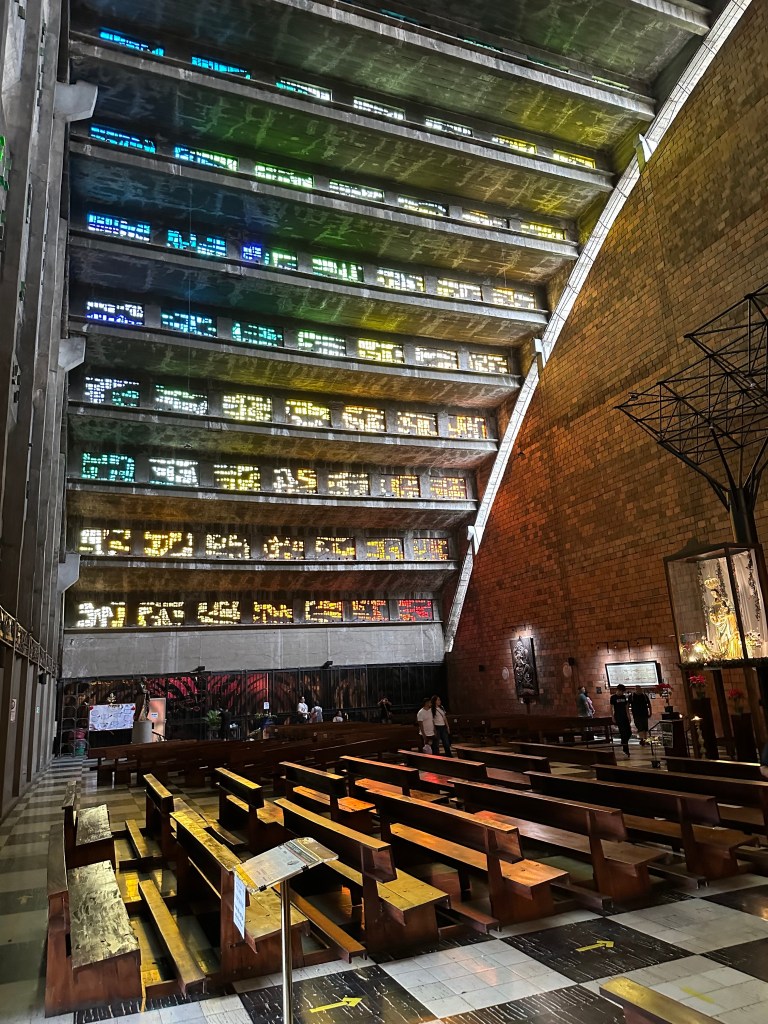
      3. In the heart of the capital, San Salvador’s Historic Downtown is experiencing a renaissance. Plaza Libertad showcases elegant Art Deco architecture that hints at the city’s golden age, while Plaza Gerardo Barrios forms a cultural nucleus with the former Presidential Palace, the Chinese-donated National Public Library, and the National Church. The city’s religious architecture proves particularly fascinating, blending innovation with tradition. The Basilica Sagrado Corazón stands out with its unique all-metal façade, while the El Rosario Church, built in 1964, surprises visitors with its modernist design – featuring a stepped roof and stunning stained glass that wouldn’t look out of place in contemporary Dubai. 

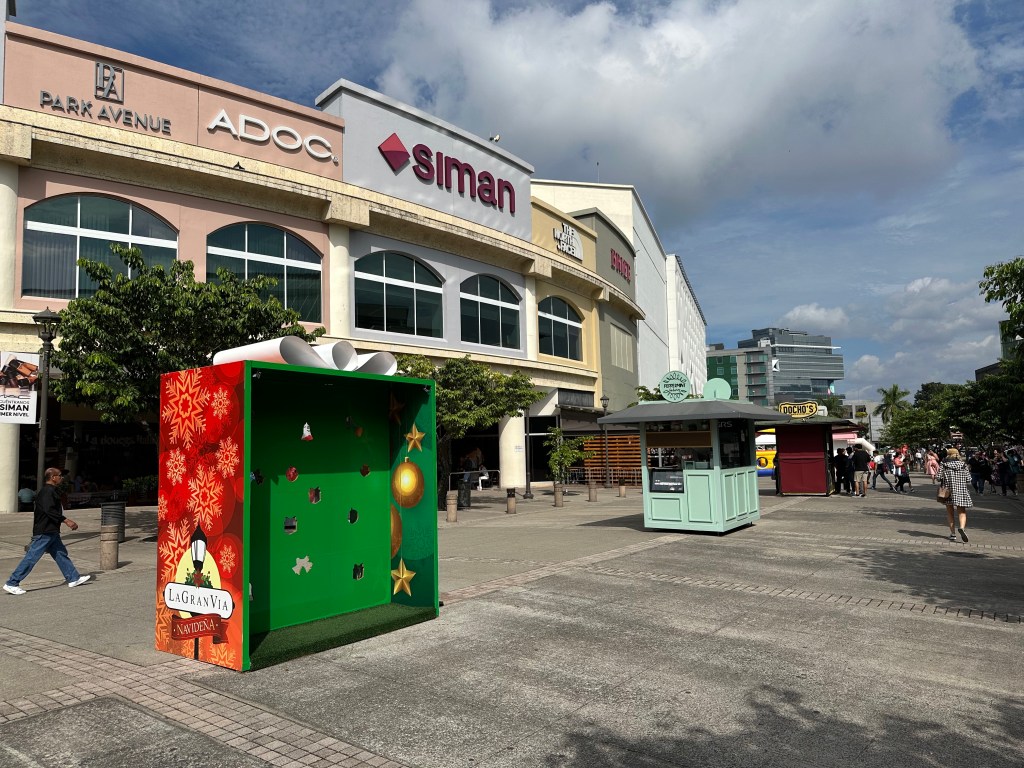
      4. Modern San Salvador presents an interesting contrast through its upscale malls, which serve as peaceful sanctuaries from the city’s grittier areas. While the economics of luxury shopping centers in a middle-income country might raise eyebrows, these air-conditioned oases have become integral to urban life. 

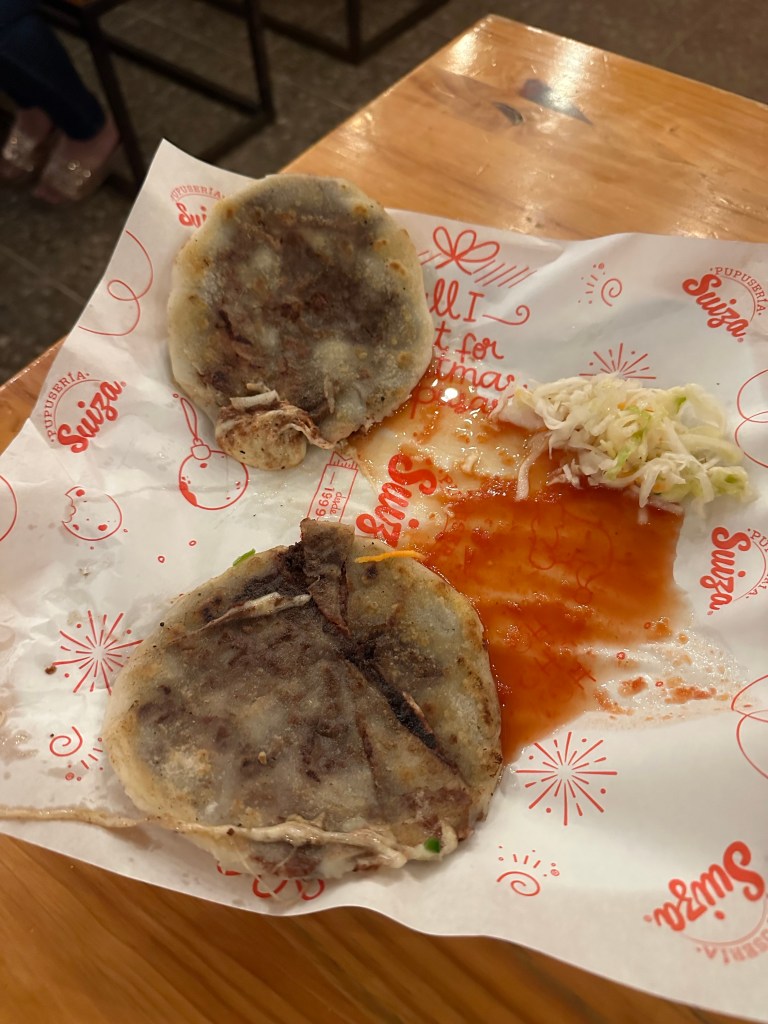
      5. No visit to El Salvador is complete without experiencing pupusas, the country’s beloved national dish. These grilled corn flour pancakes come stuffed with various fillings – cheese, meat, or beans – and are served with a light tomato salsa and curtido, a tangy slaw made from cabbage, carrots, and onions. The best pupusas are enjoyed fresh off the griddle, with melted cheese oozing from the edges. Interestingly, these delicacies follow strict cultural timing – they’re perfectly acceptable for breakfast or dinner, but never for lunch. While locals passionately debate their favorite pupuserías, often championing small neighborhood establishments, my personal highlight was Pupuseria Suiza, which served the finest pupusas I’ve tasted – even compared to those I’ve tried in California.

      5 Things about San Salvador, El Salvador 

      5 things about Liechtenstein

      1. Liechtenstein is a micro-state that is flanked by Switzerland and Austria. It is 6th smallest country in the world with a limited monarchy. Like most tiny countries, it is a tax haven. It has one of the highest GDPs in world thanks to its financial services sector which likes the country’s low tax rates. 

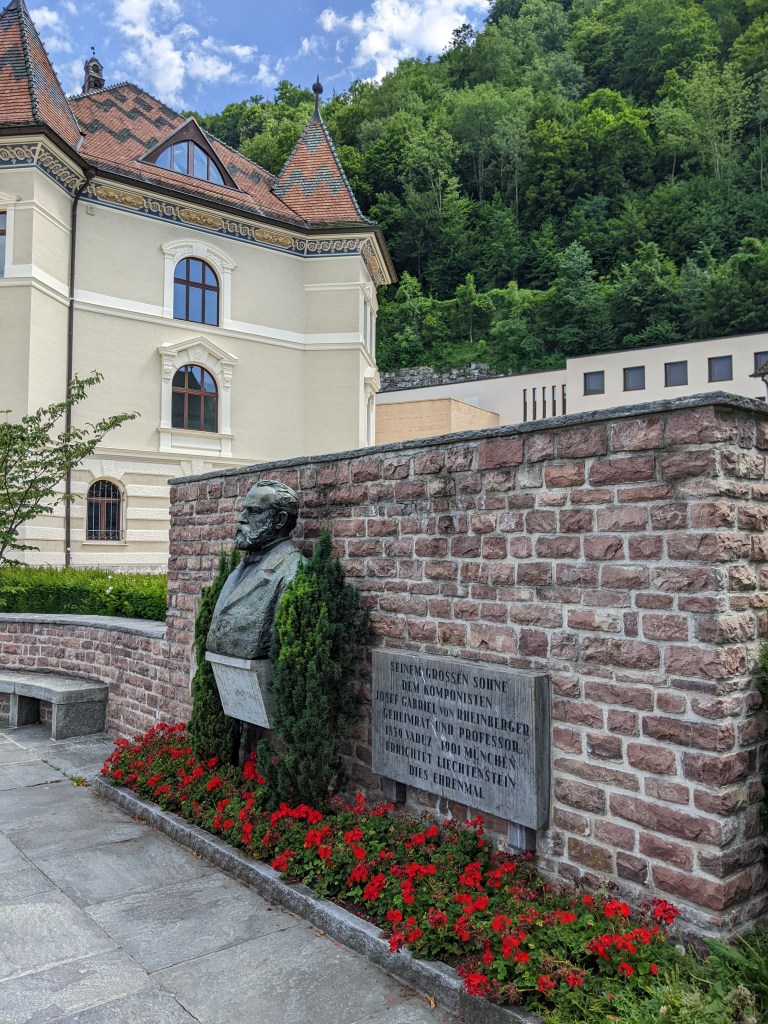
      2. Liechtenstein’s history traces back to its Roman roots within Raetia. Over time, it passed through various hands, including Charlemagne and the Holy Roman Empire. Vaduz and Schellenberg, now forming Liechtenstein, changed ownership multiple times before being acquired by the House of Liechtenstein, driven by their ambition within the Holy Roman Empire under Charles VI. Uniting Vaduz and Schellenberg strengthened their power, elevating the territory to an Imperial Principality—a status it maintains today. Liechtenstein also had stints in the Confederation of the Rhine and the German Confederation before gaining full independence in 1866.

      Liechtenstein

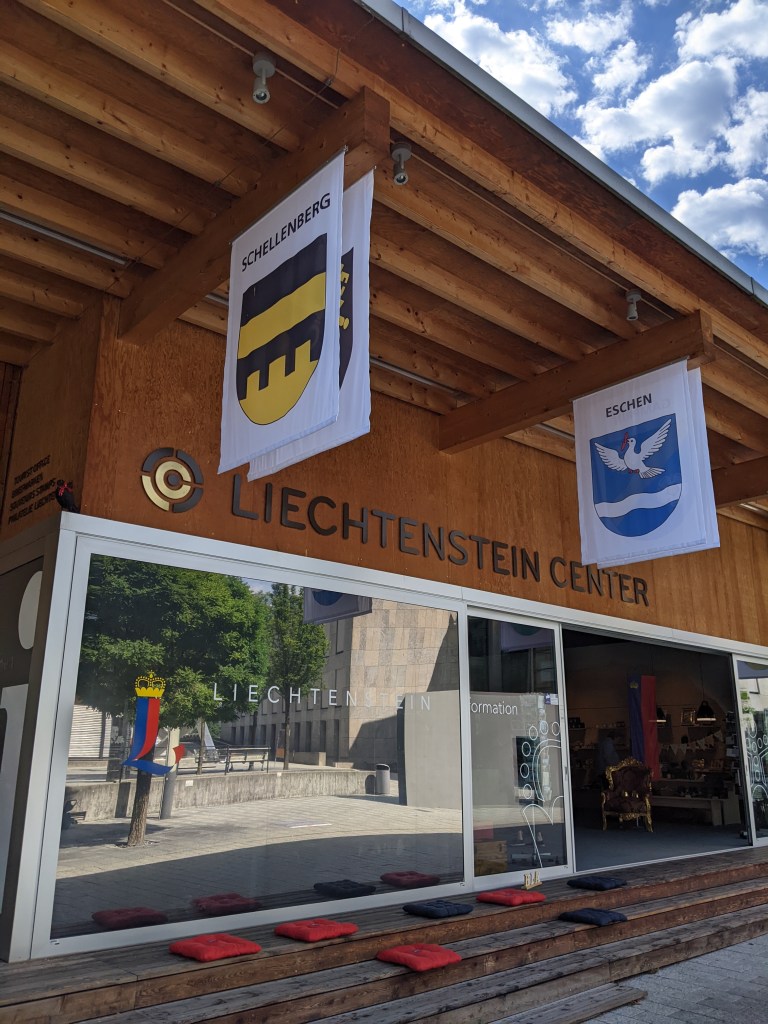
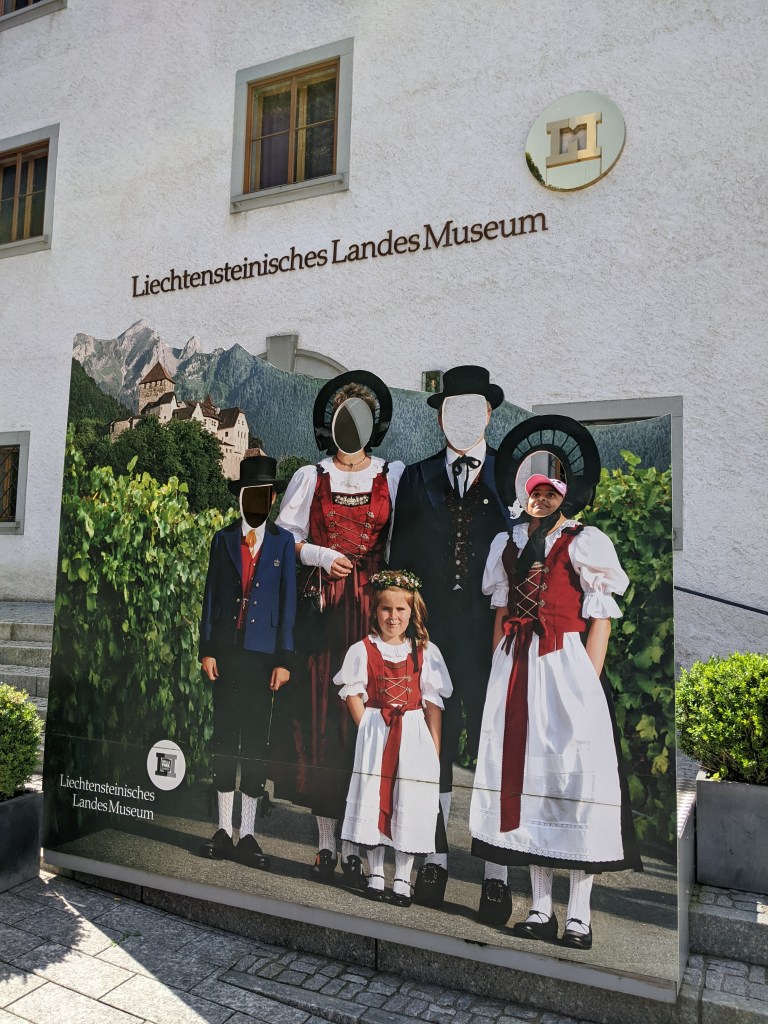
      3. Vaduz, the capital, is a picturesque, compact town that can be leisurely explored in under an hour. The Städtle, the main thoroughfare, is home to a plethora of hotels, restaurants, and museums. A quirky delight at the Liechtenstein Center is the opportunity to receive Liechtenstein passport stamps, a curiosity given the nation’s lack of international airports or border controls. The friendly staff at the information desk are always ready to assist. Don’t miss the Liechtenstein National Museum, offering a captivating overview of the country’s rich history and culture.

      Liechtenstein Center
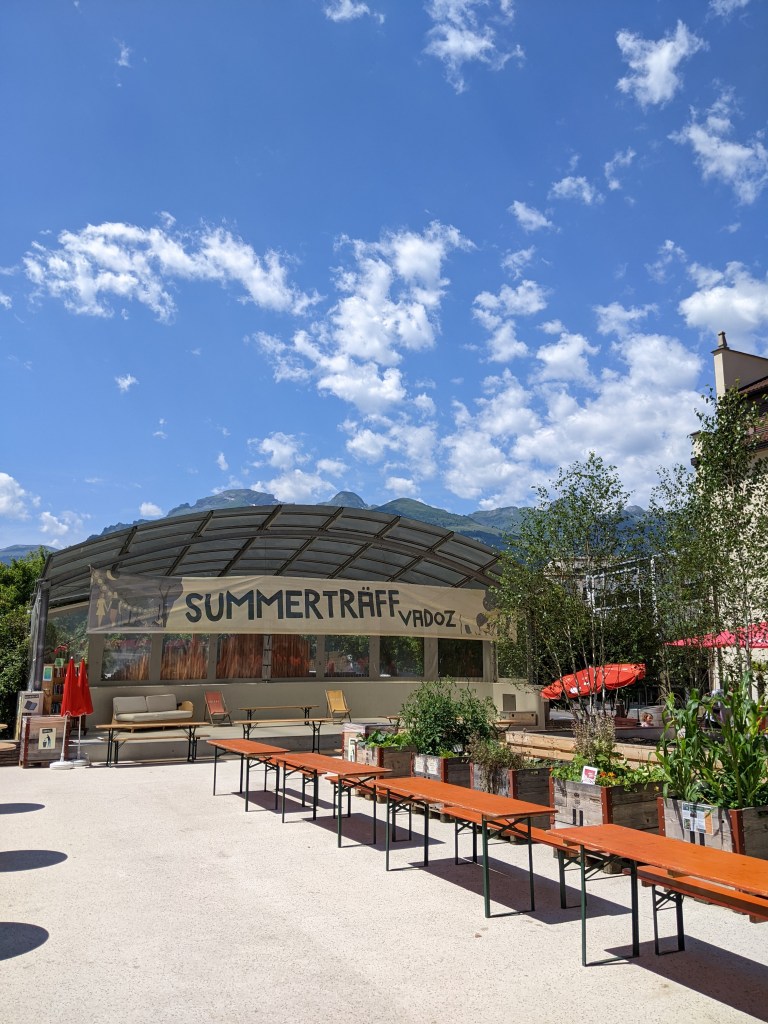
      Städtle, Vaduz
      Städtle, Vaduz
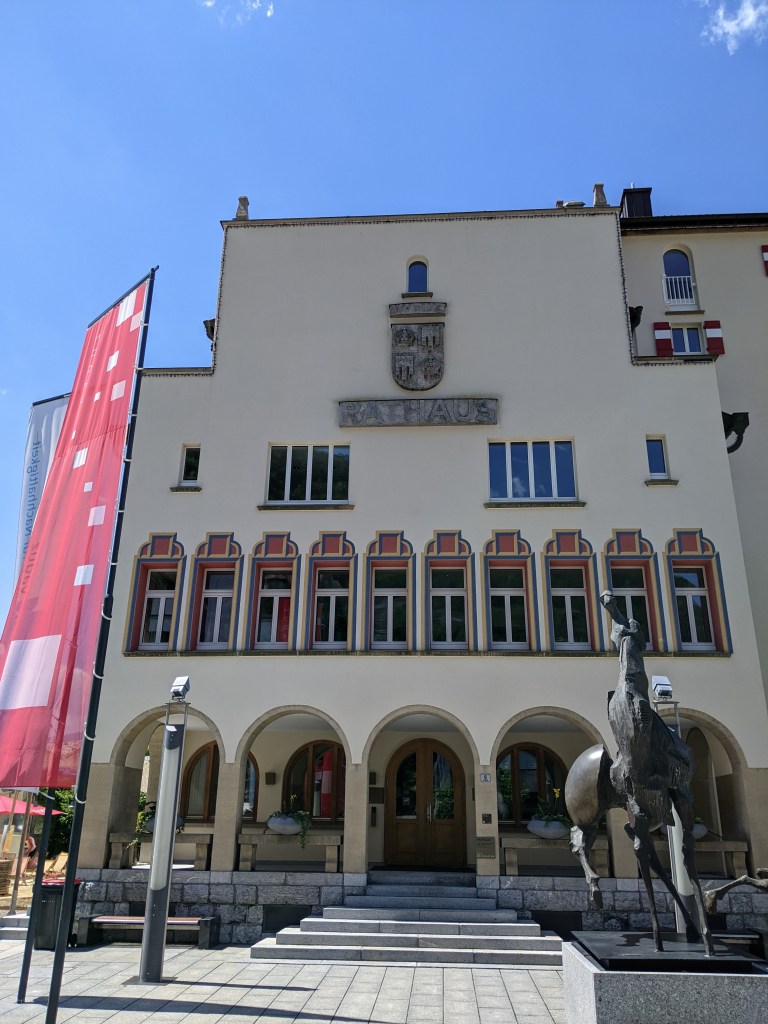
      Rathaus, Vaduz
      Liechtenstein National Museum
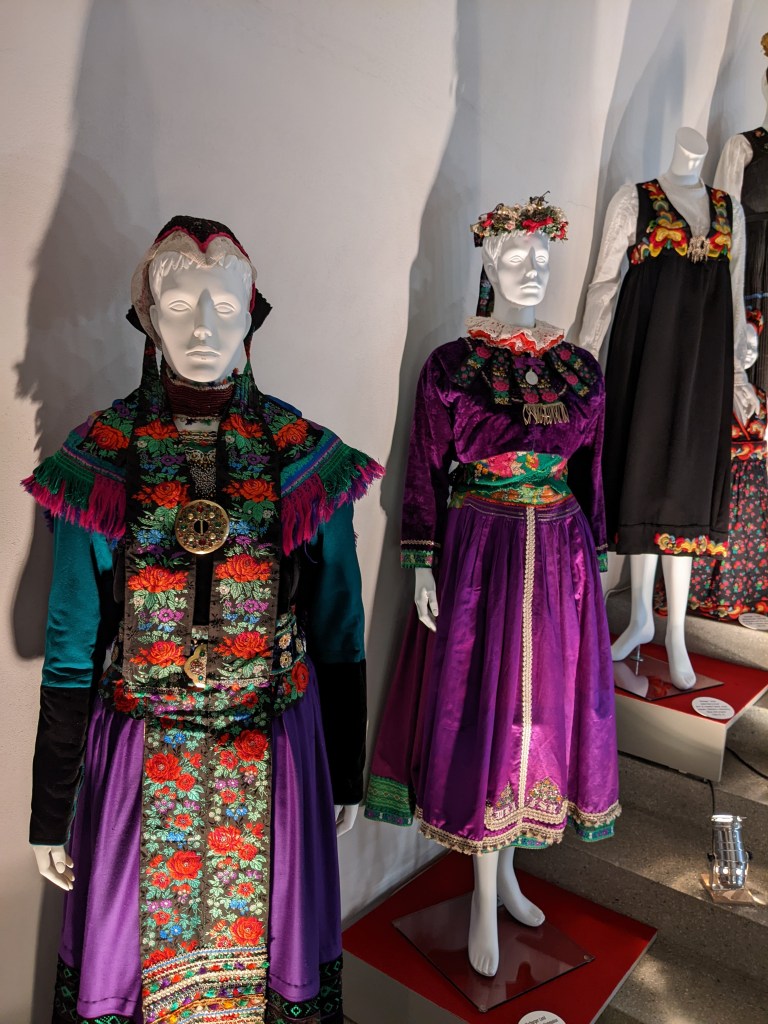
      Traditional Liechtenstein dress
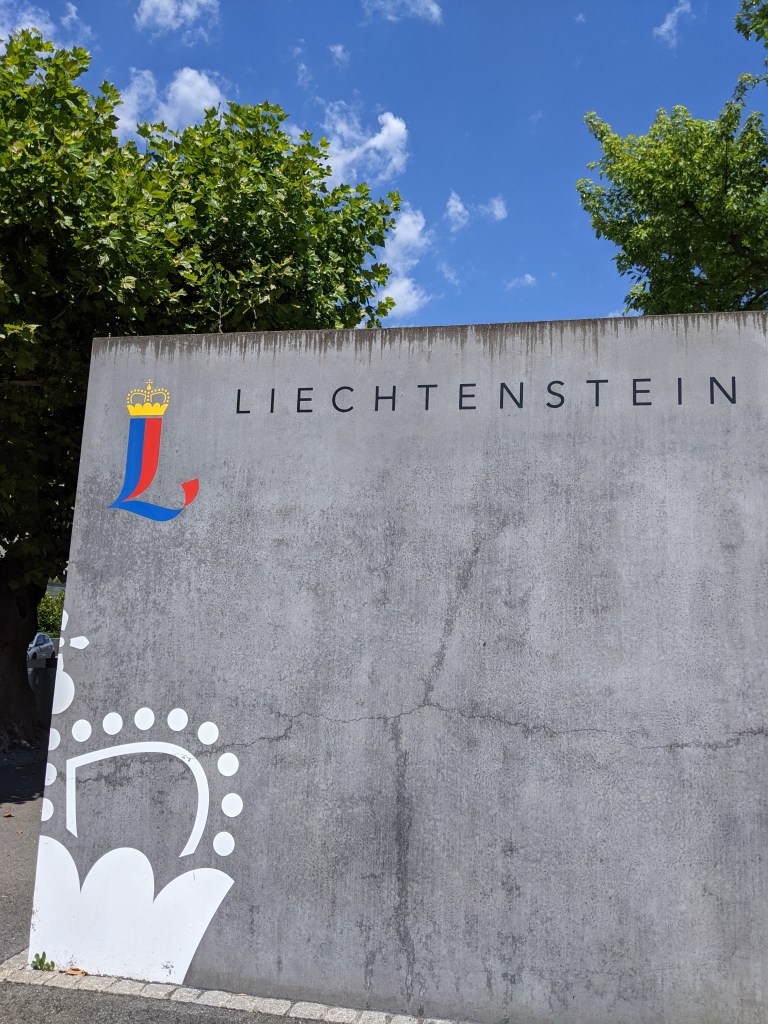
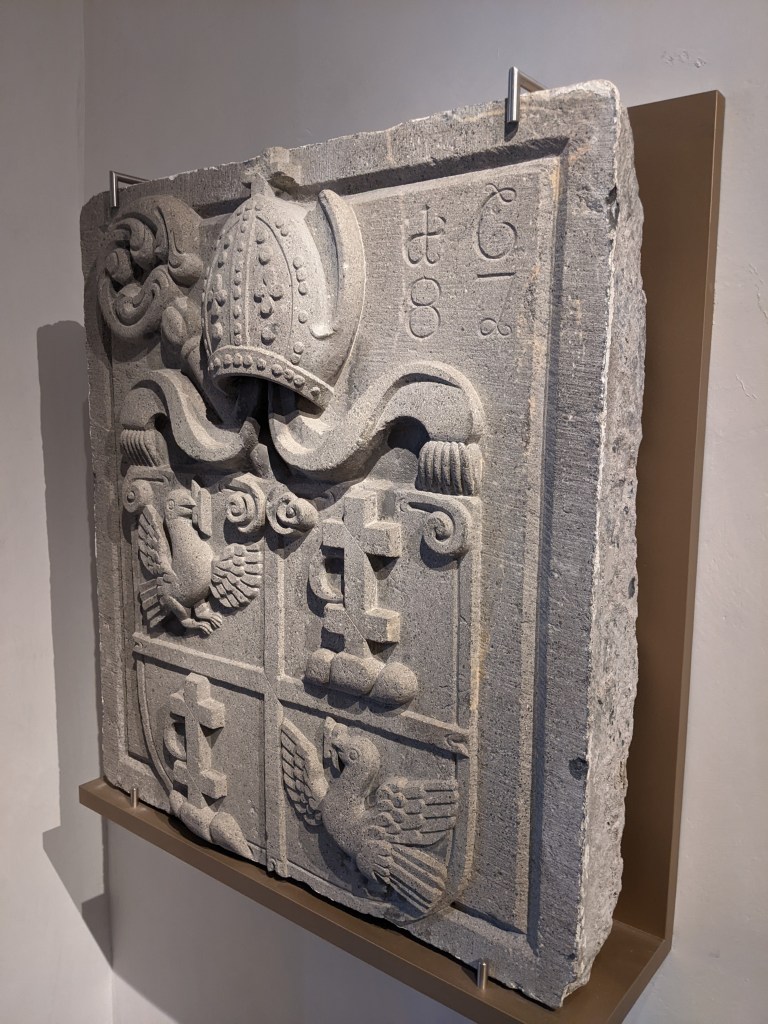
      Liechtenstein Coat of Arms

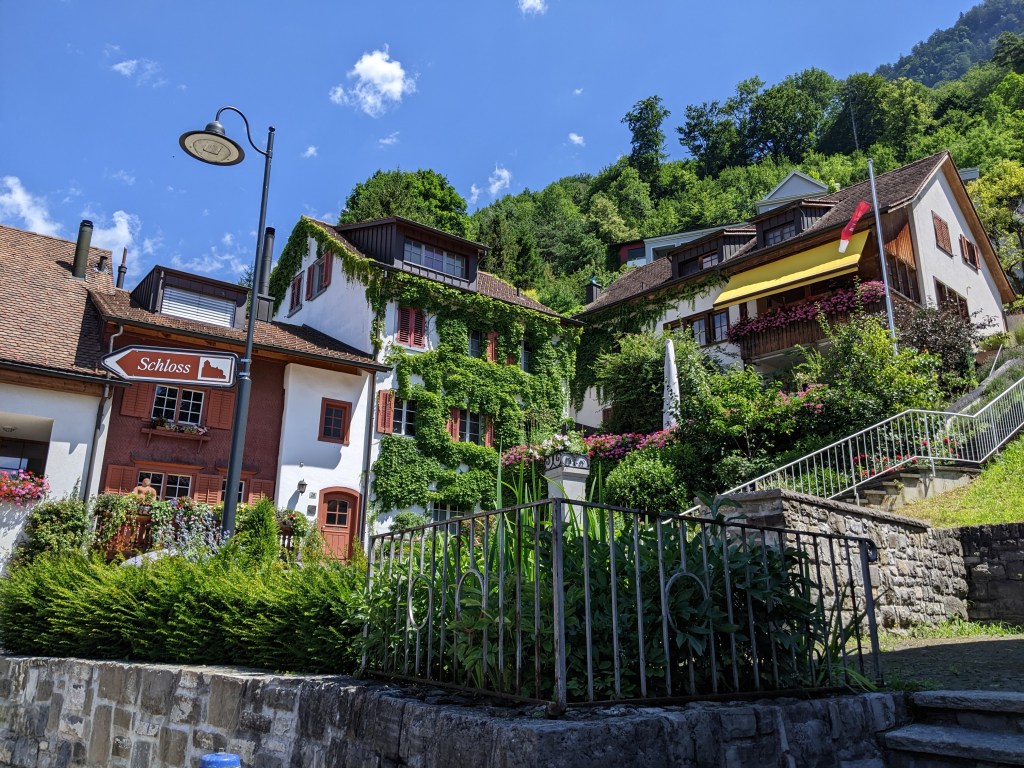
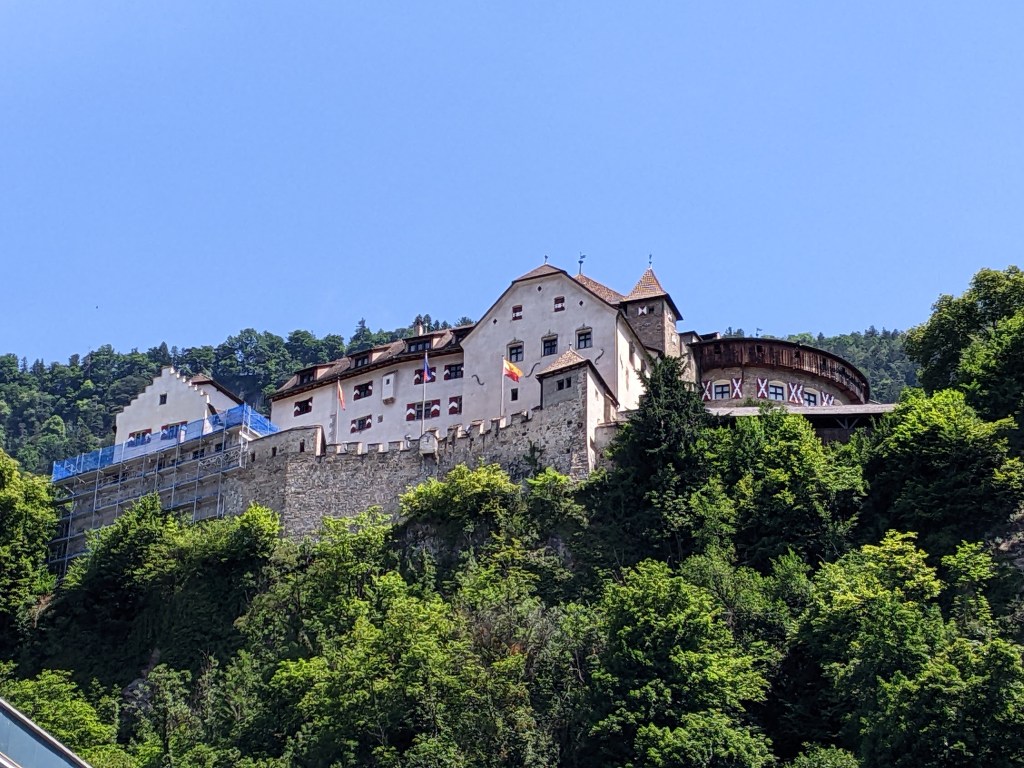
      4. For an enjoyable urban adventure, consider taking a short hike to Vaduz Castle. While the castle itself isn’t open to visitors, the journey presents numerous charming corners and lookout points, perfect for capturing memorable photographs.

      Walk to Castle
      Vaduz Castle
      Mountain view from the castle path
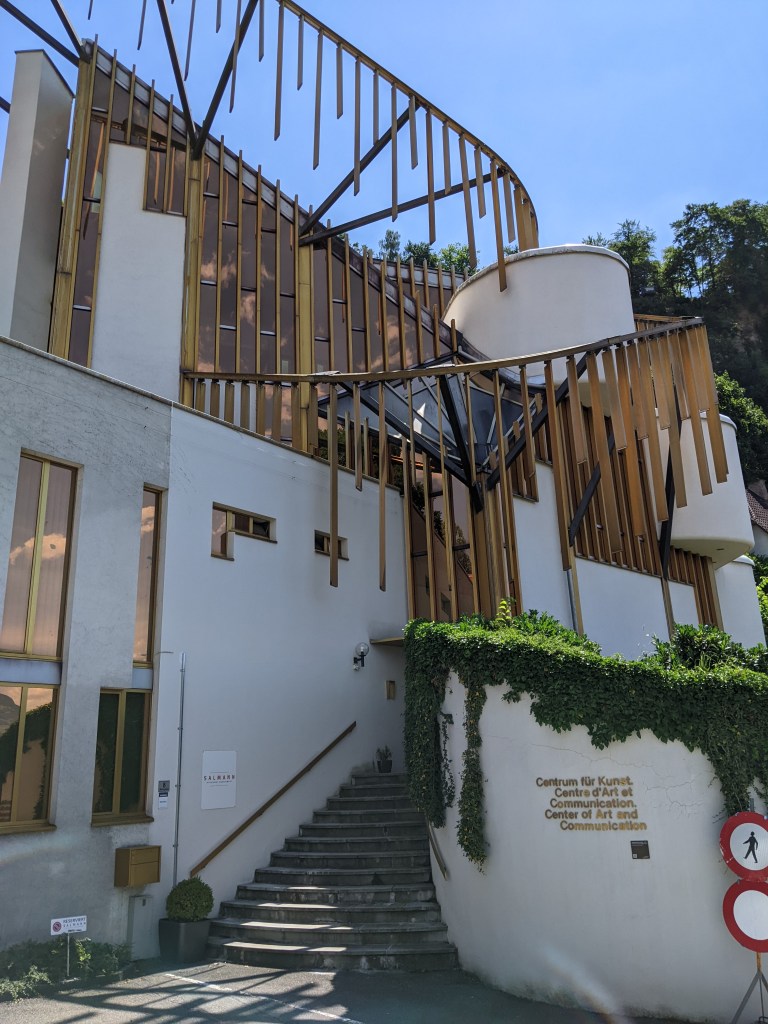
      Center of Art and Communication
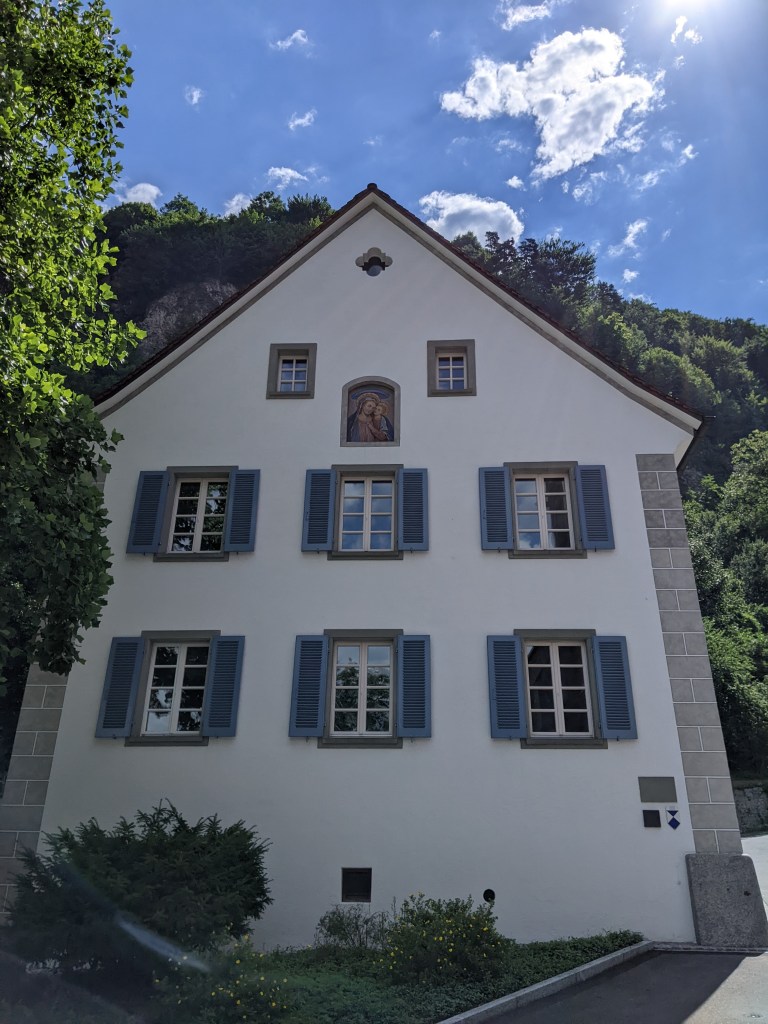
      Quaint buildings on the way to castle
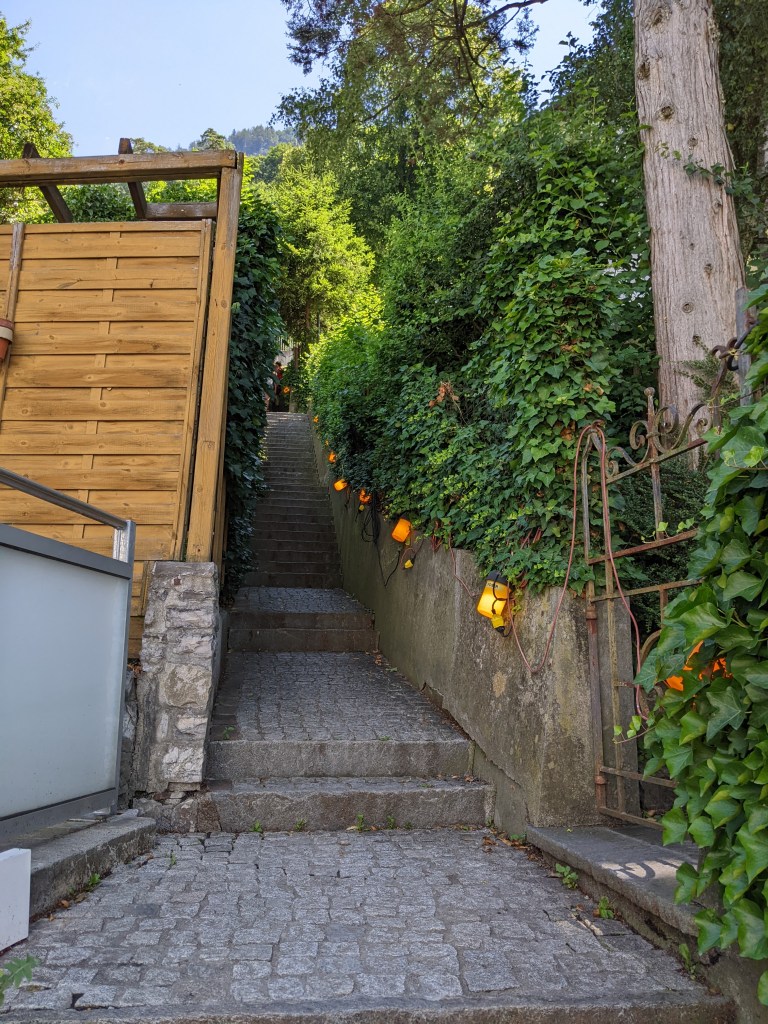
      Stairway to castle

      5. Just outside Vaduz lies Alte Rheinbrucke, a quaint wooden bridge dating back to 1901, spanning the Rhine River and connecting Liechtenstein to Switzerland. The international border lies approximately at the midpoint of the bridge, allowing you to experience the novelty of standing in two countries at once. 

      5 things about Liechtenstein

      7 things about Sri Lanka

      1. Sri Lanka, an island off the southern coast of India, witnessed governance by 181 monarchs from the 3rd century BC until the 15th century. The Anuradhapura monarchs held sway until the 11th century AD, followed by different dynasties. The final dynasty emerged in Kandy. Colonial rule by the Portuguese, Dutch, and British lasted from the 16th to the 19th century. Sri Lanka gained independence in 1948 but remained in the Commonwealth until 1972 when it became a republic.

      2. Sri Lanka boasts a tropical climate with plains, coastal areas, and numerous beaches. The south-central region, a high plateau housing several ancient cities as well as Pidurutalagala, Sri Lanka’s largest mountain. This region experiences two main seasons: rainy and dry, with most rivers originating here.

      3. Buddhism significantly shaped Sri Lanka’s history, introduced by emissaries from India in the 3rd century BC, possibly including Emperor Ashoka’s children. It was embraced wholeheartedly by the Anuradhapura Kingdom and peaked under the reigns of Dutugamy and Valgamba. Several dome shaped Stupas that were unique to Sri Lanka were built during this period.  Despite attempts by South Indian kingdoms to impose Hinduism, Buddhism thrived and remains the largest religion. Sri Lanka follow Theravada Buddhism  much like its South Asian neighbors and even made it into the state religion. Sri Lanka’s Cultural Triangle (Anuradhapura, Dambulla, Polonoruwa, Sigirya) is rich in Buddhist culture and houses many world-class monuments. 

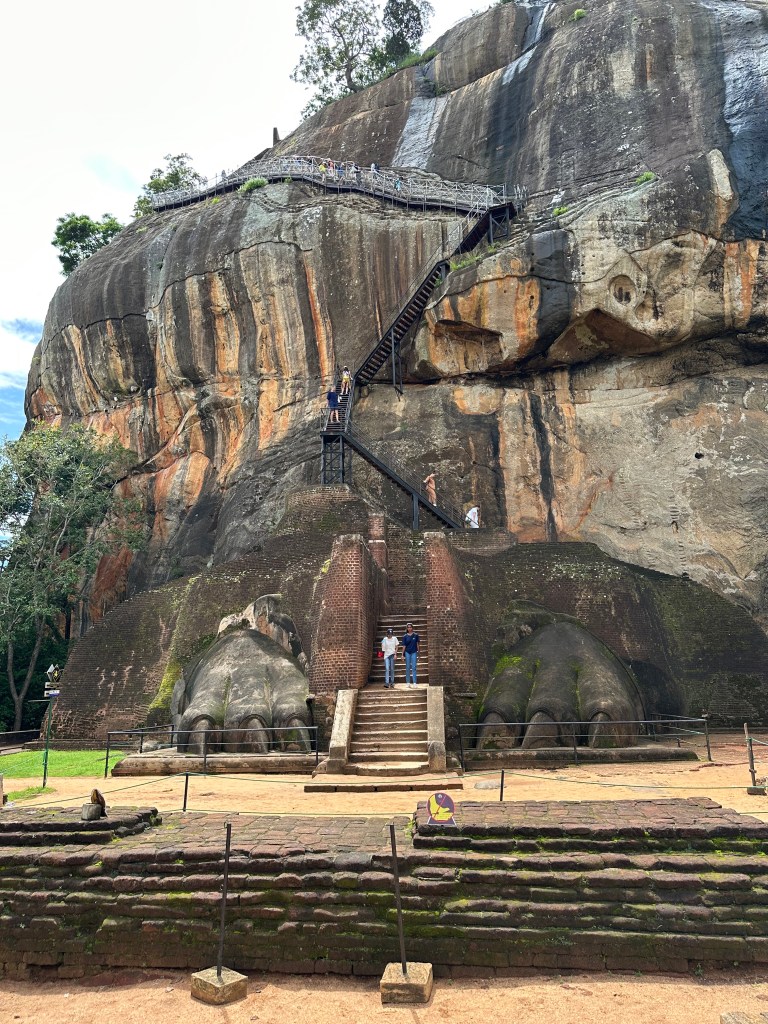
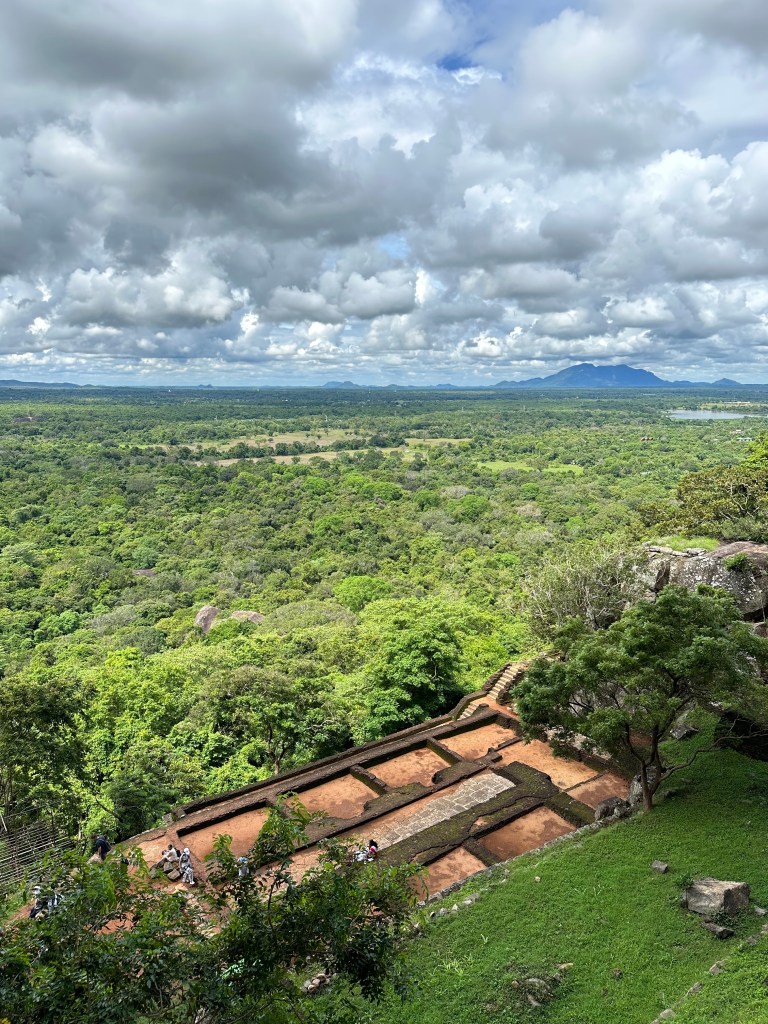
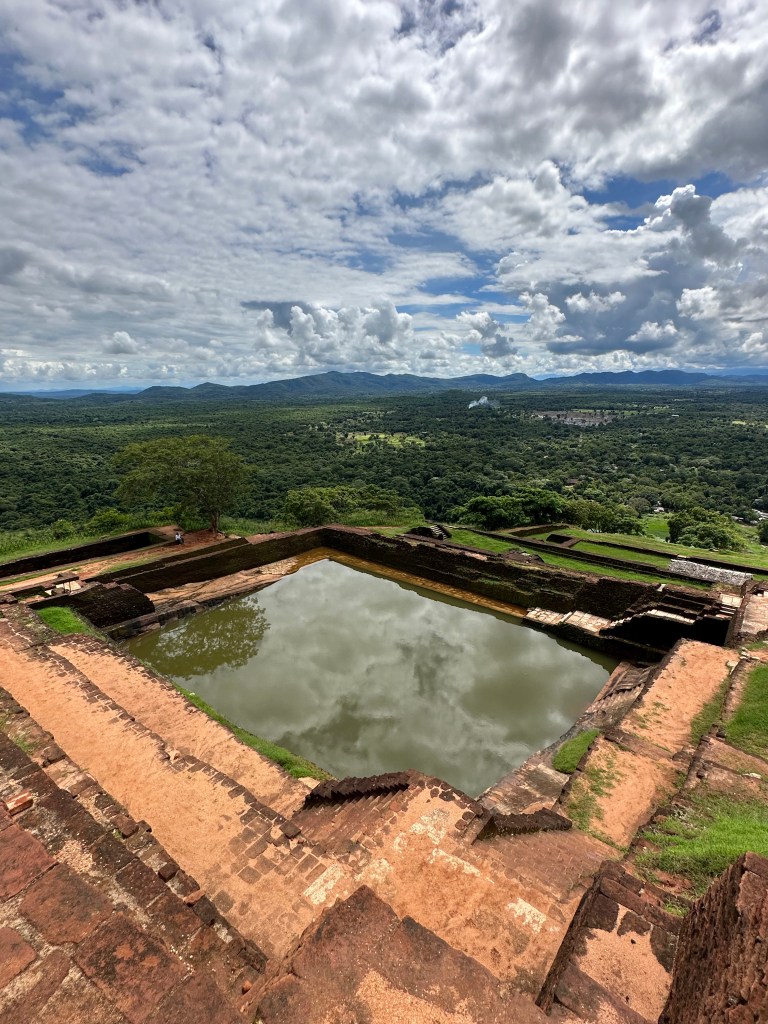
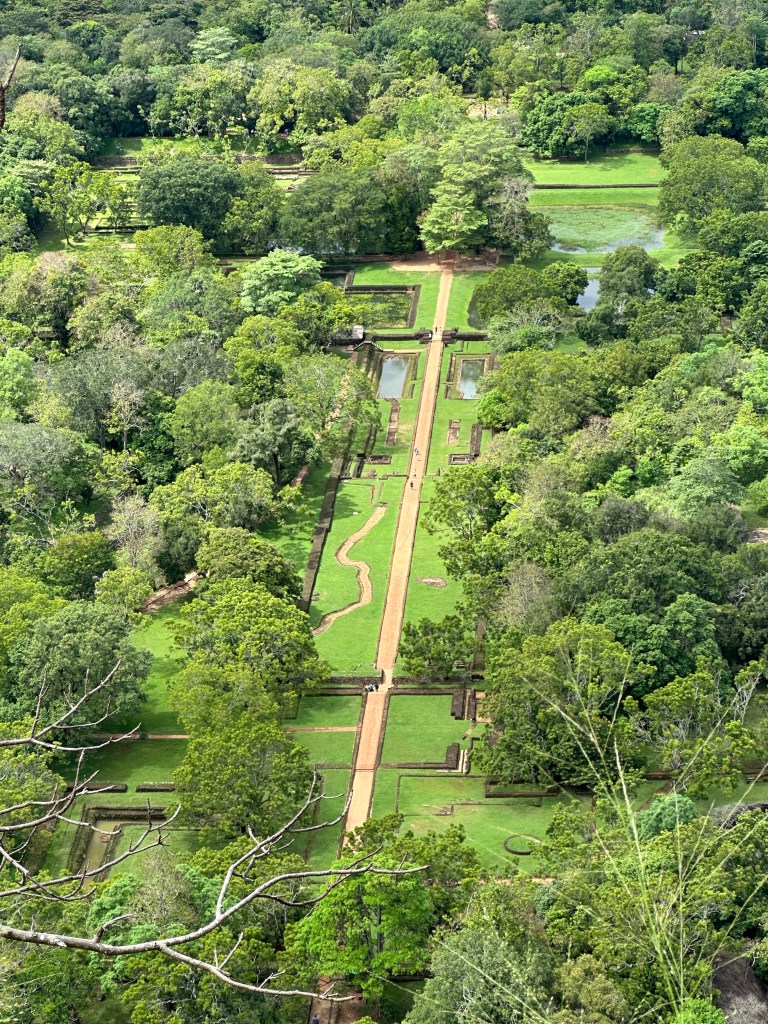
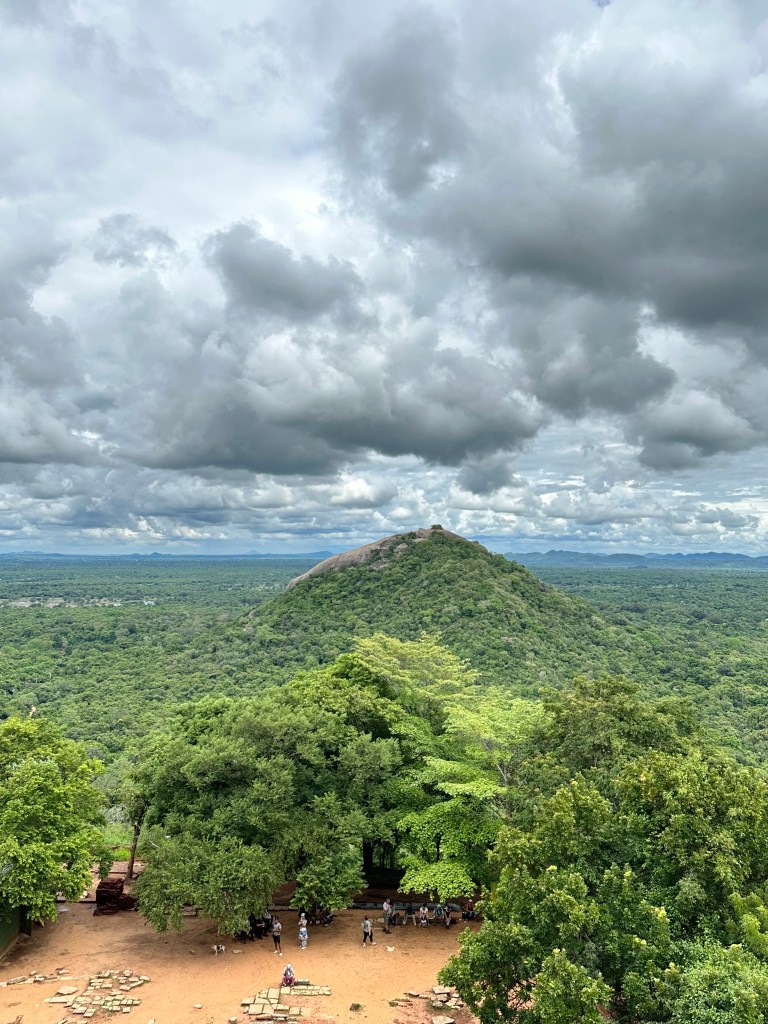
      4. Sigirya had its origins as a Buddhist monastery in the 3rd century BC. Kashyapa I who usurped the Sri Lankan throne moved the capital from Anuradapura fearing retribution. He built a fortress on the rock to given him a strategic advantage and ruled from there from 477 AD to 495 AD. Eventually Kashyapa was killed in war and the capital was moved back. The urban planning features were way ahead of its time. Rainwater was extensively harvested, stored and transported via aquifers to fill the moat. Since the fort also housed the royal palace, no expense was spared in building out the grandeur. The entrance to the fort was in the shape of a lion that was carved off the face of the rock. Only the claws of the the original lion shaped are preserved till date but it is easy to imagine how it could have been. Sigirya is best visited in early morning because the heat and humidity is no joke. 

      Sigirya Fort
      Sigirya Fort
      Lion Entrance Sigirya Fort
      Lion Entrance
      Sigirya Fort – Rooms in the Palace
      Water Reservoir Sigirya Fort Palace
      Sigirya Fort – View from the top
      Pidurangala Rock

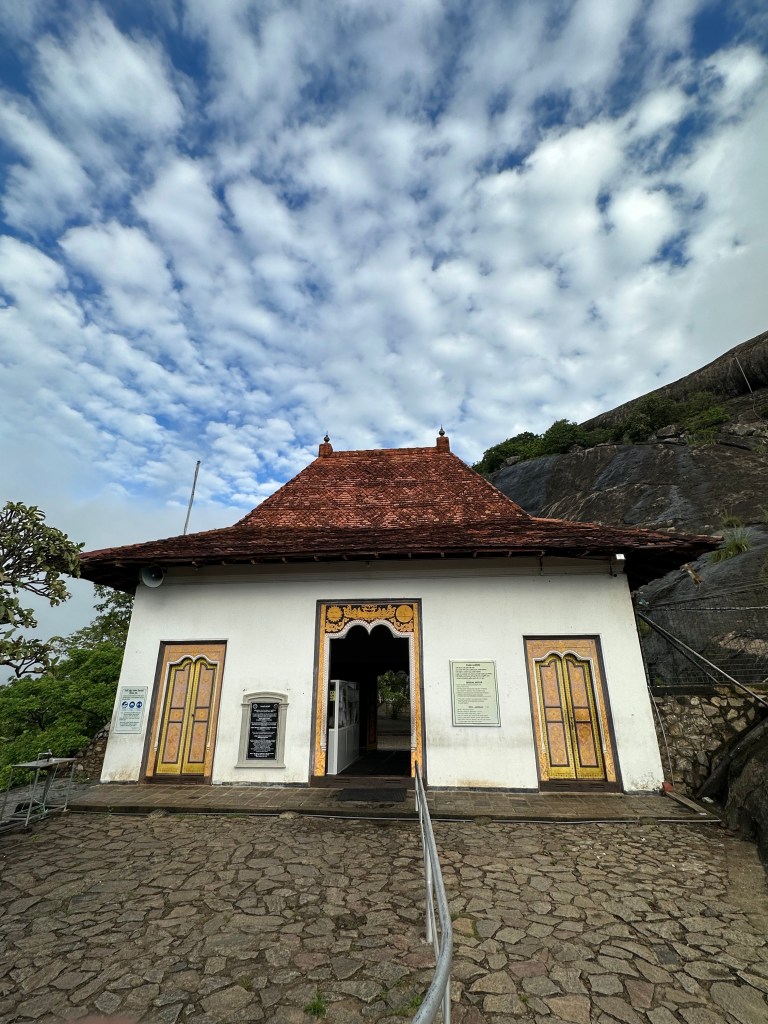
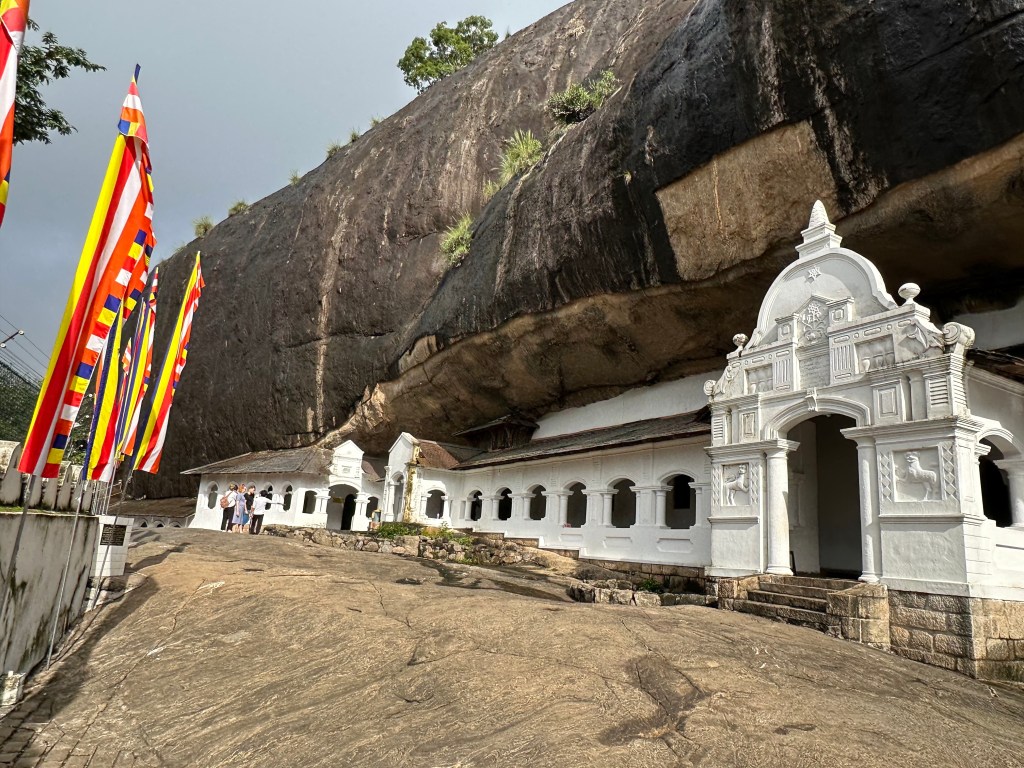
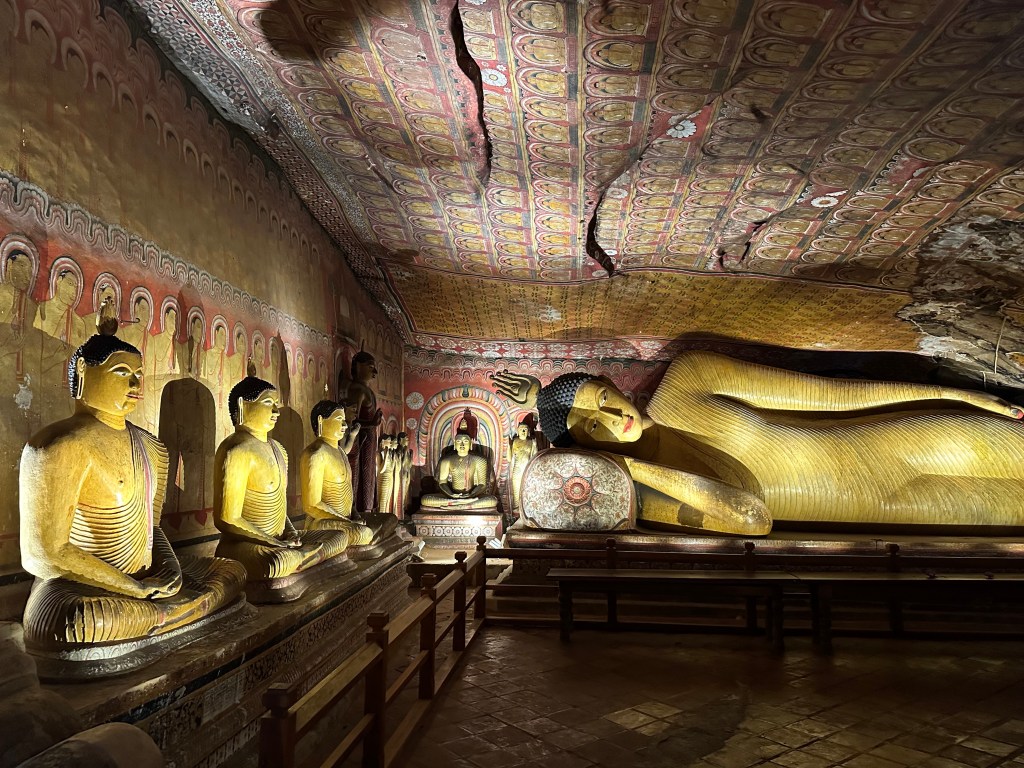
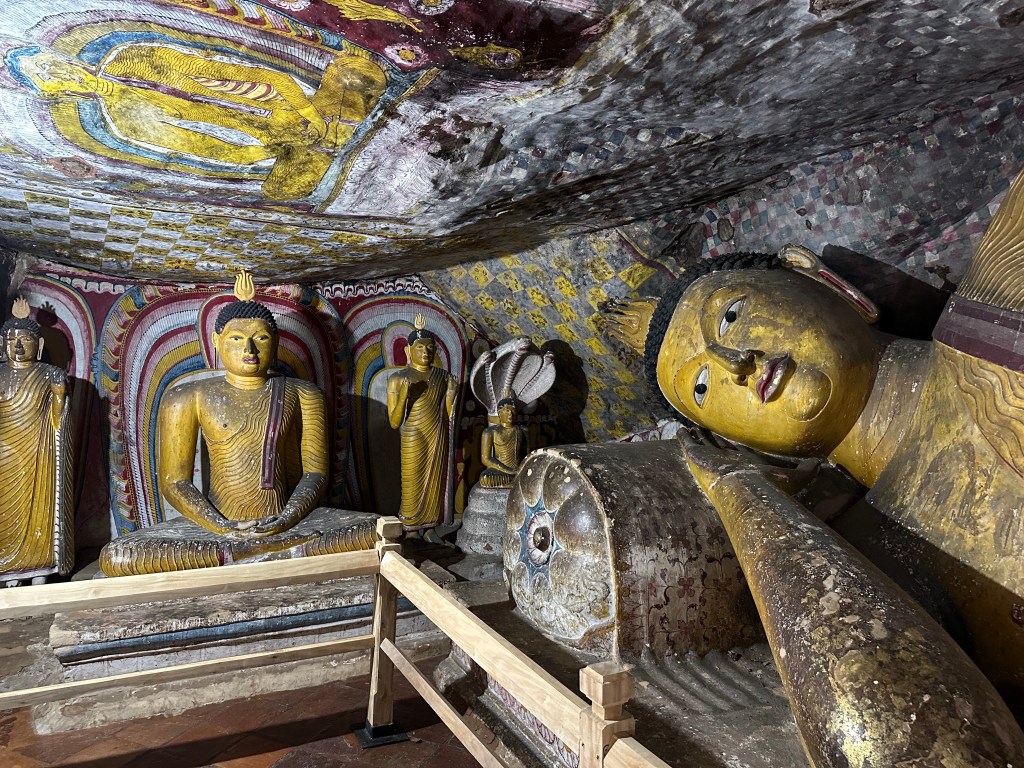
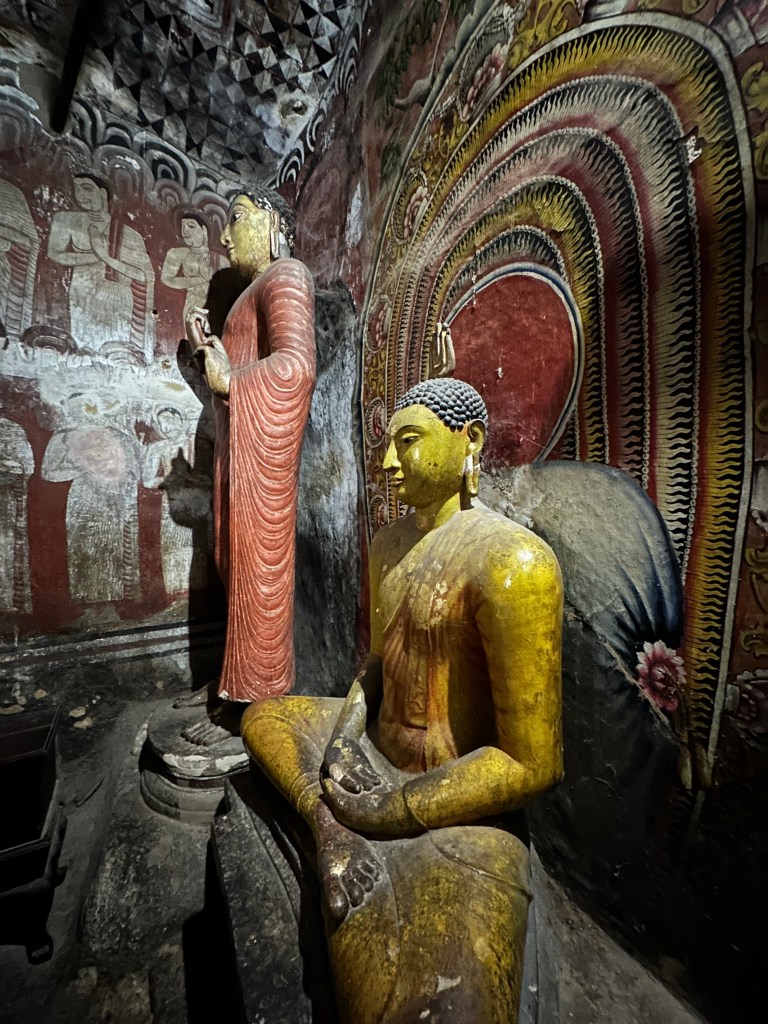
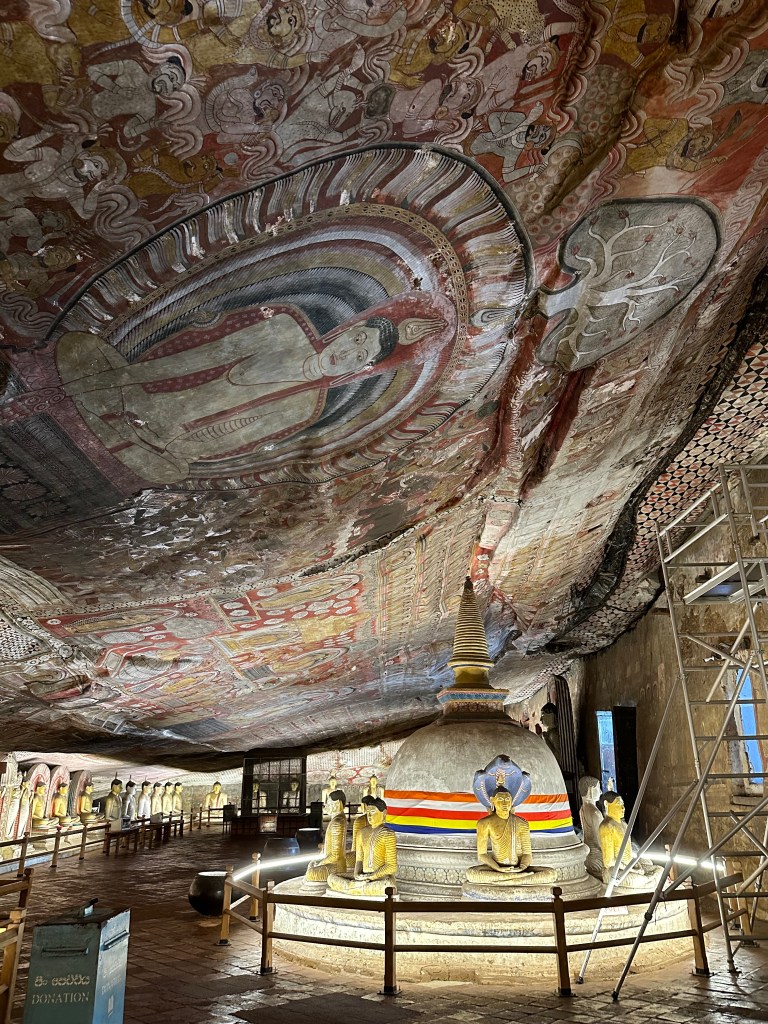
      5. Dambulla Rock Cut Temple, initially a monastery, was converted into a temple by King Valagamba in the 1st century BC. Seeking refuge during conflict with South Indian conquerors, he later converted it as an act of gratitude. The complex, with five caves, showcases 150 Buddha statues and paintings. The Cave of the Great Kings, the largest, contains statues of Hindu gods and King Valagamba.

      Dambulla Cave Temple
      Dambulla Cave Temple – Rock Cuts
      Buddha statues in the caves
      Buddha statues in the caves
      Cave paintings
      Cave paintings on the roof

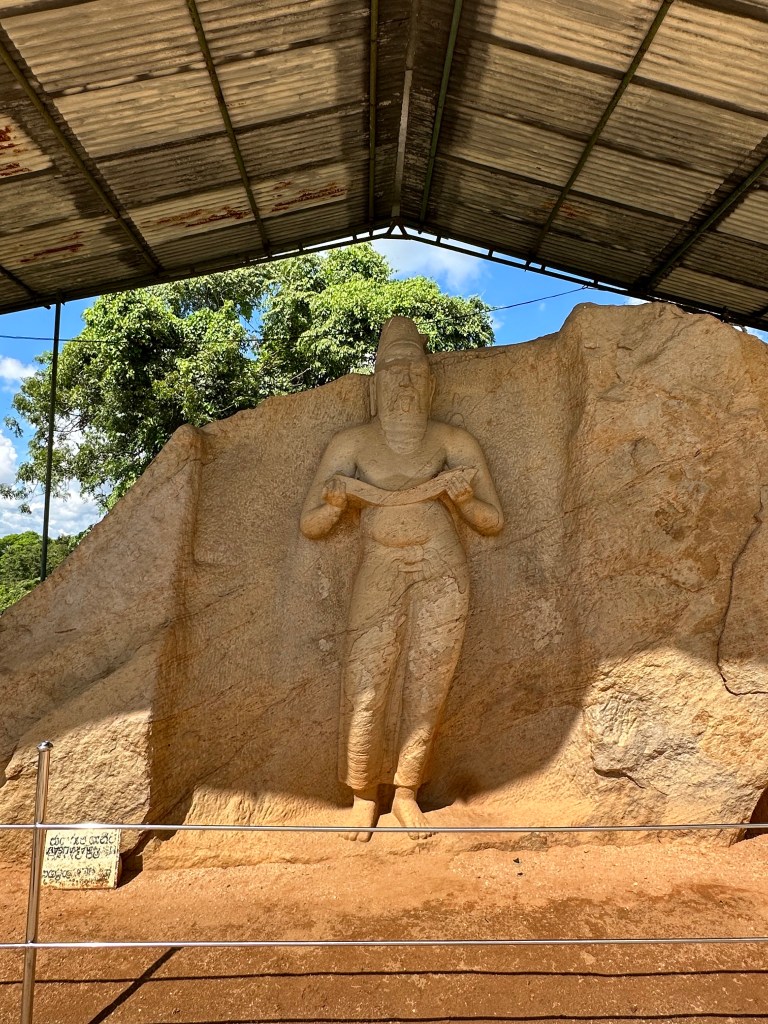
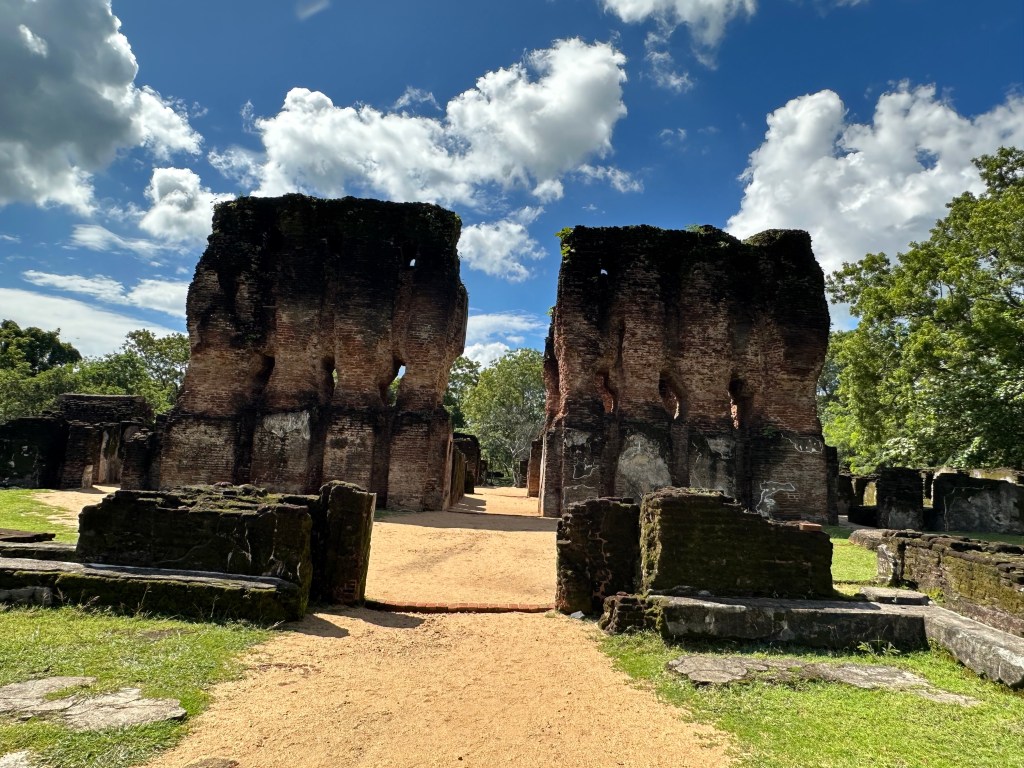
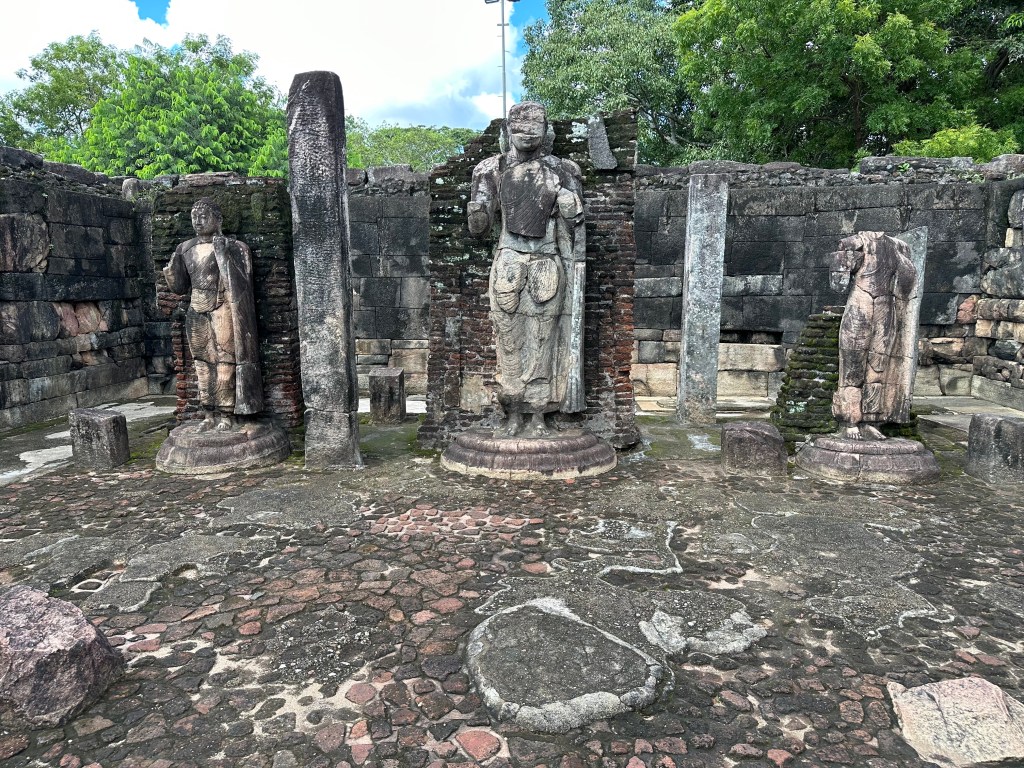
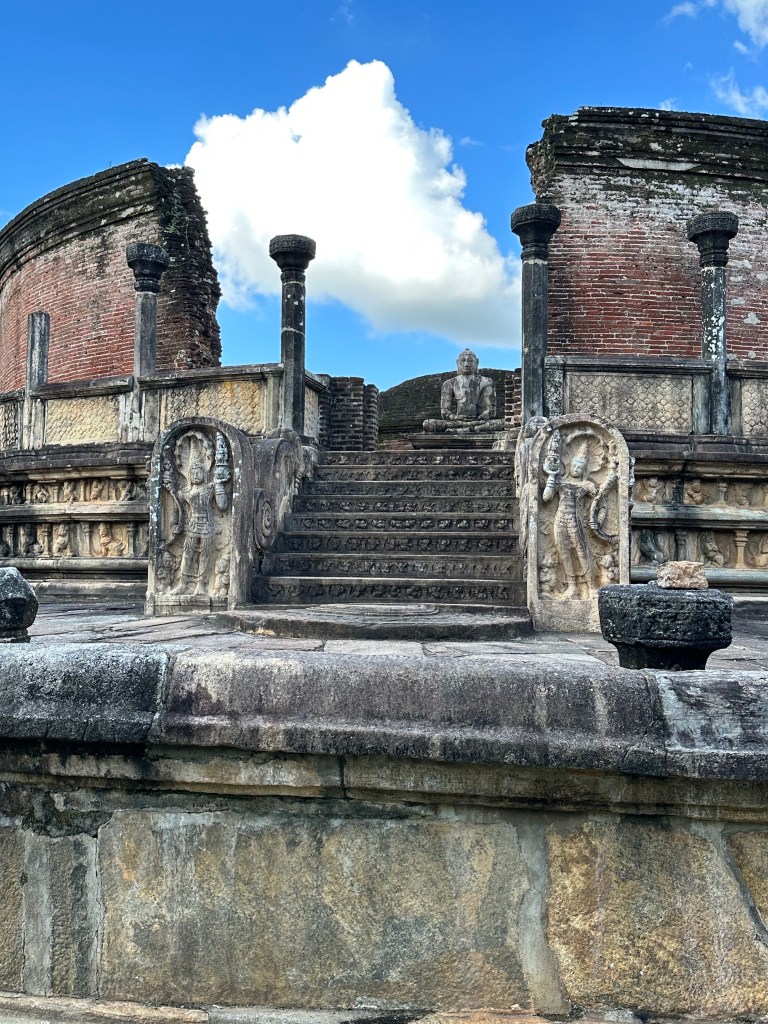
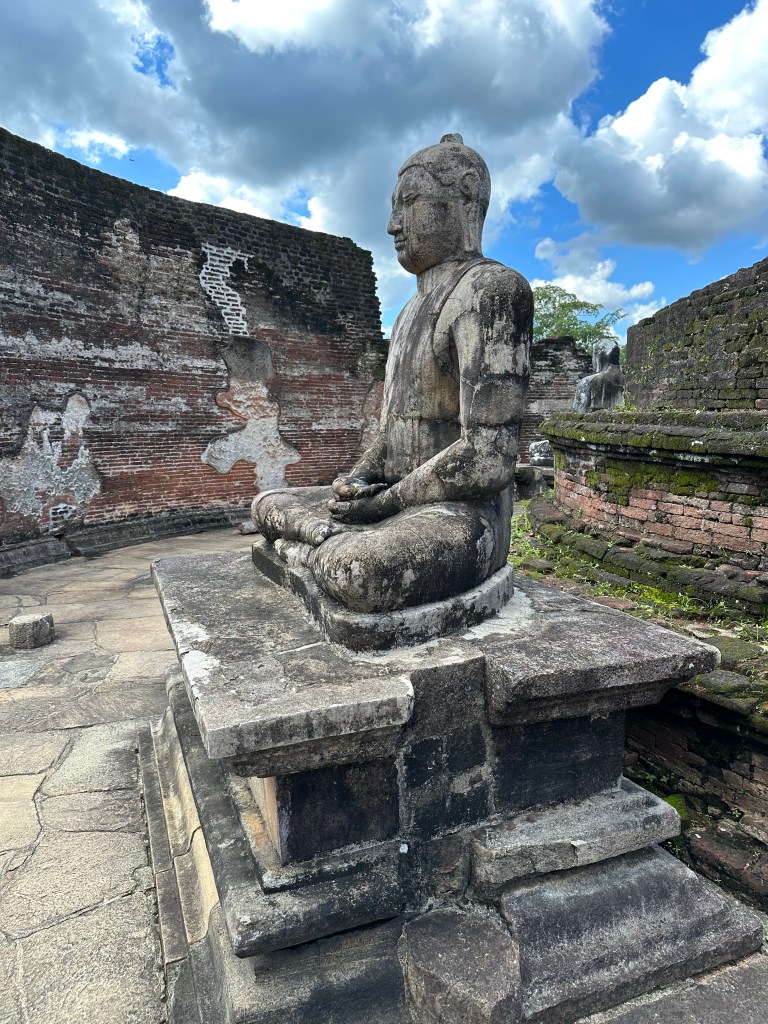
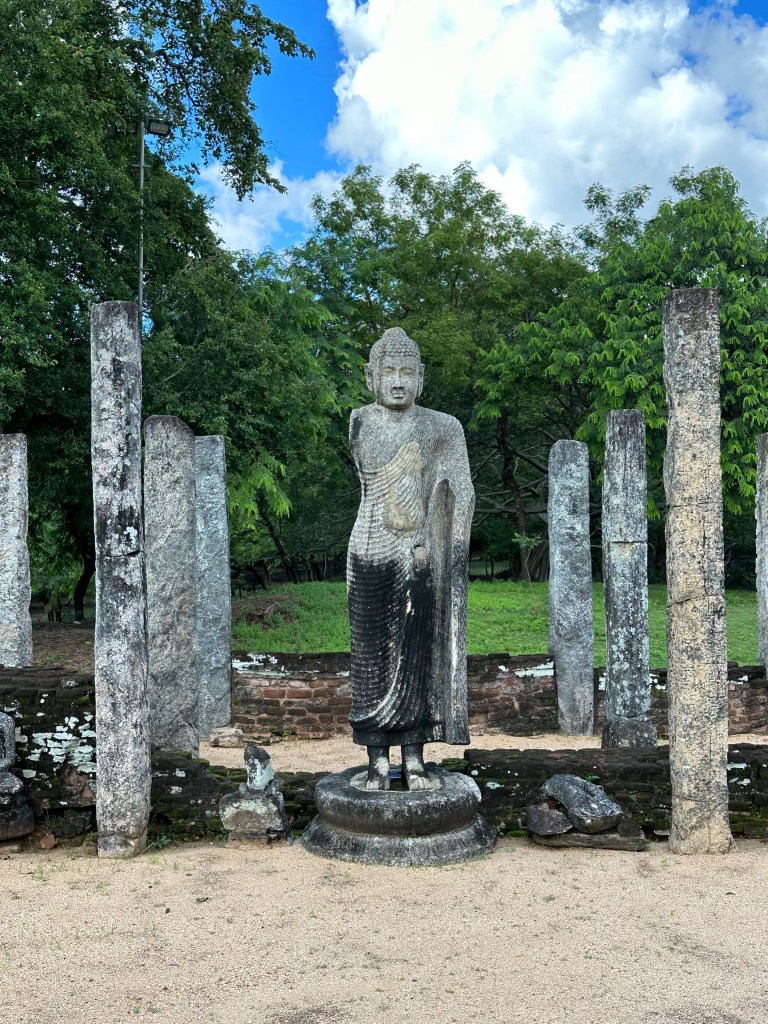
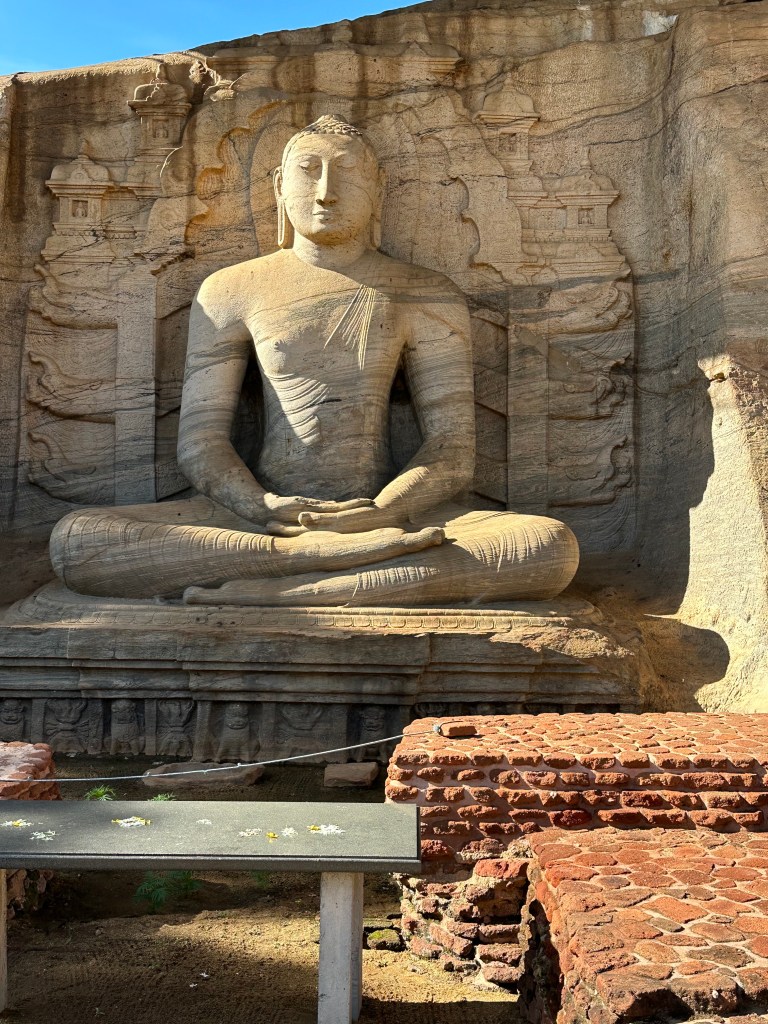
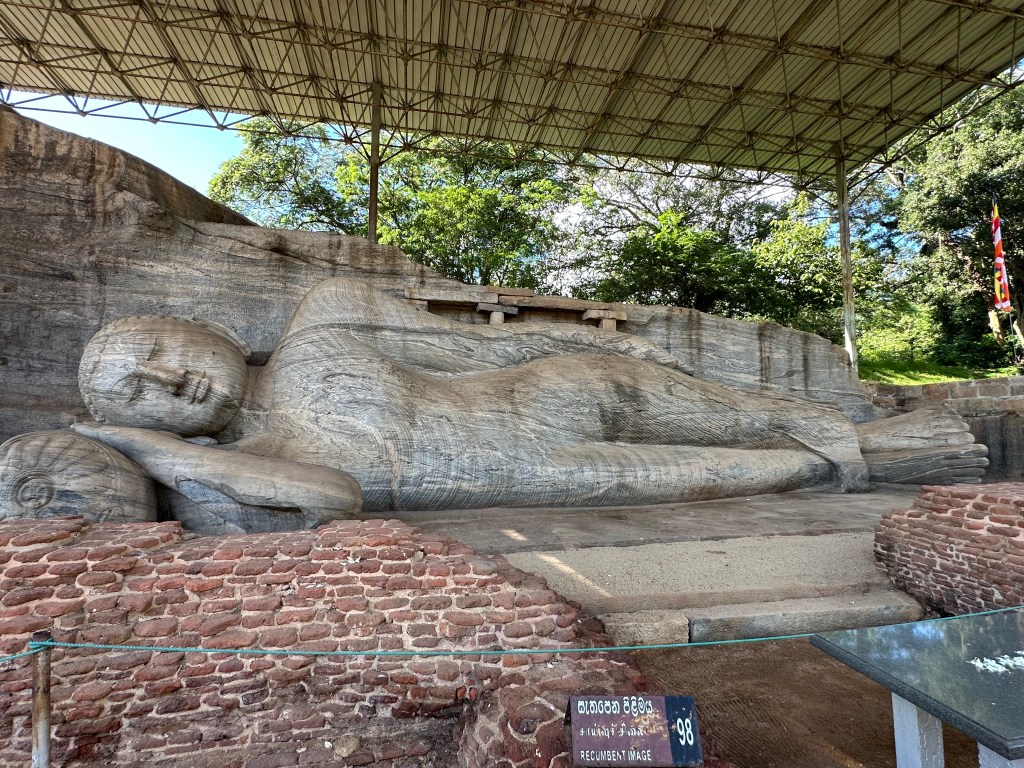
      6. Polonnaruwa was one of the ancient capitals of Sri Lanka preceded by Anuradhapura and Sigiriya. Established by King Vijayabahu I who ended the Chola rule, the town really flourished under his grandson Parakramabahu I. Several monuments that stand today including the water reservoir (Parakrama Samudra) were all developed during his reign. The kings of this dynasty were to known to form marital alliances with southern Indian kingdoms to keep territory. They were tolerant of Hindu religion but were very much committed to Buddhism. The temples to house the tooth of Buddha got bigger as the dynasty thrived. The statues of Buddha (Gal Vihara) are the best preserved ones in the complex. Despite highlights, Polonnoruwa might seem underwhelming compared to Sigirya and Dambulla. 

      Statue of King Parakramabahu
      Ruins of the multi-storey palace
      Temple of Sacred Tooth by King Vikramabahu
      Temple of Sacred Tooth by King Parakramabahu
      Temple of Sacred Tooth by King Parakramabahu
      Temple of Sacred Tooth by King Vijayabahu
      Gal Vihara
      Gal Vihara
      Stupa

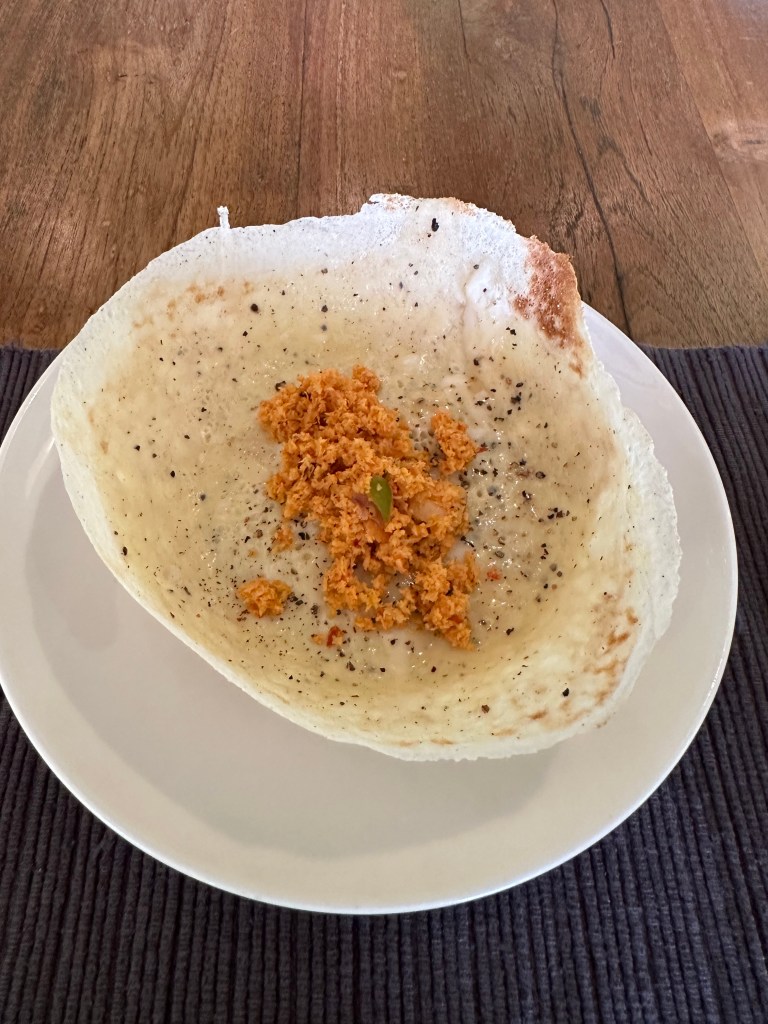
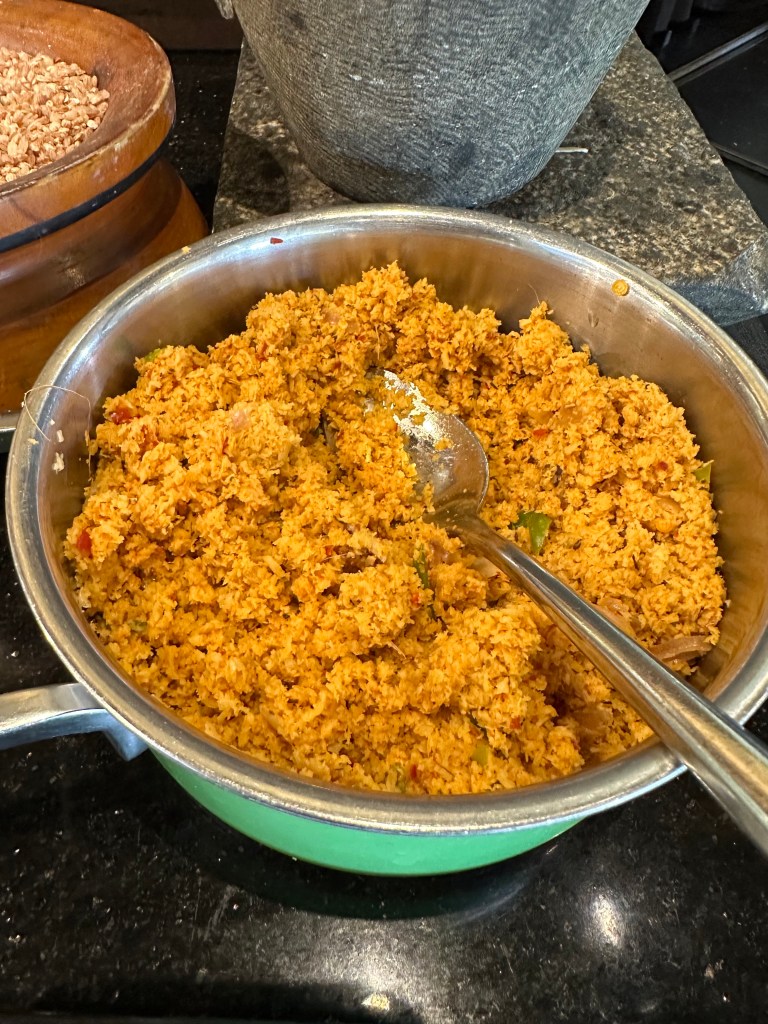
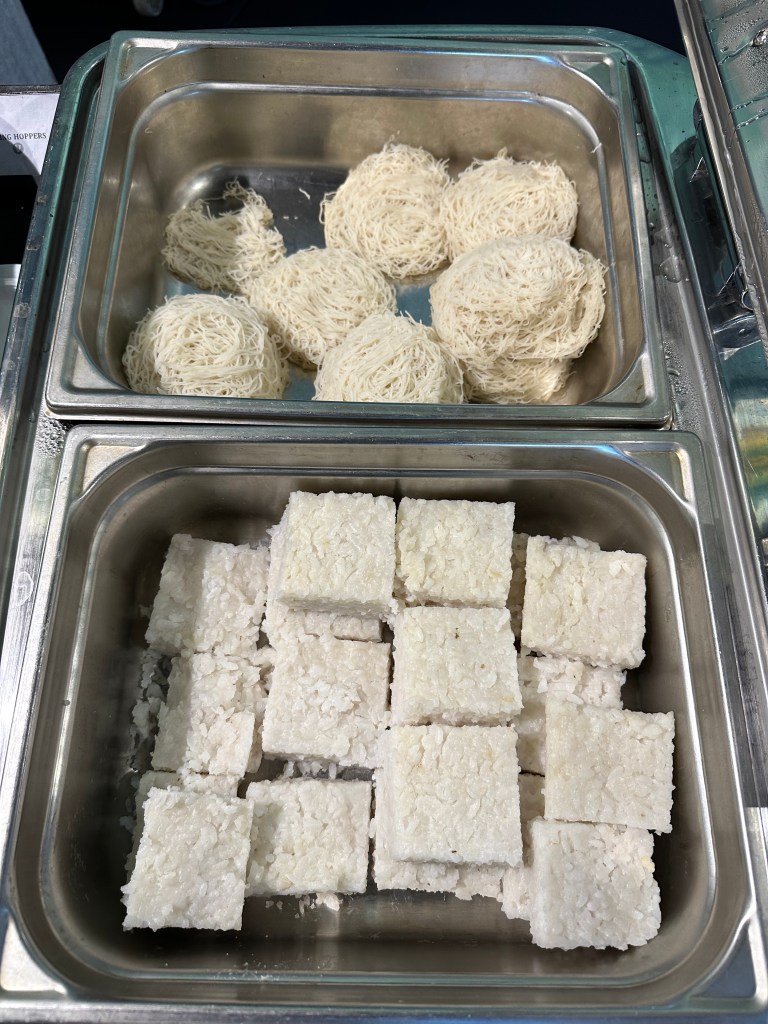
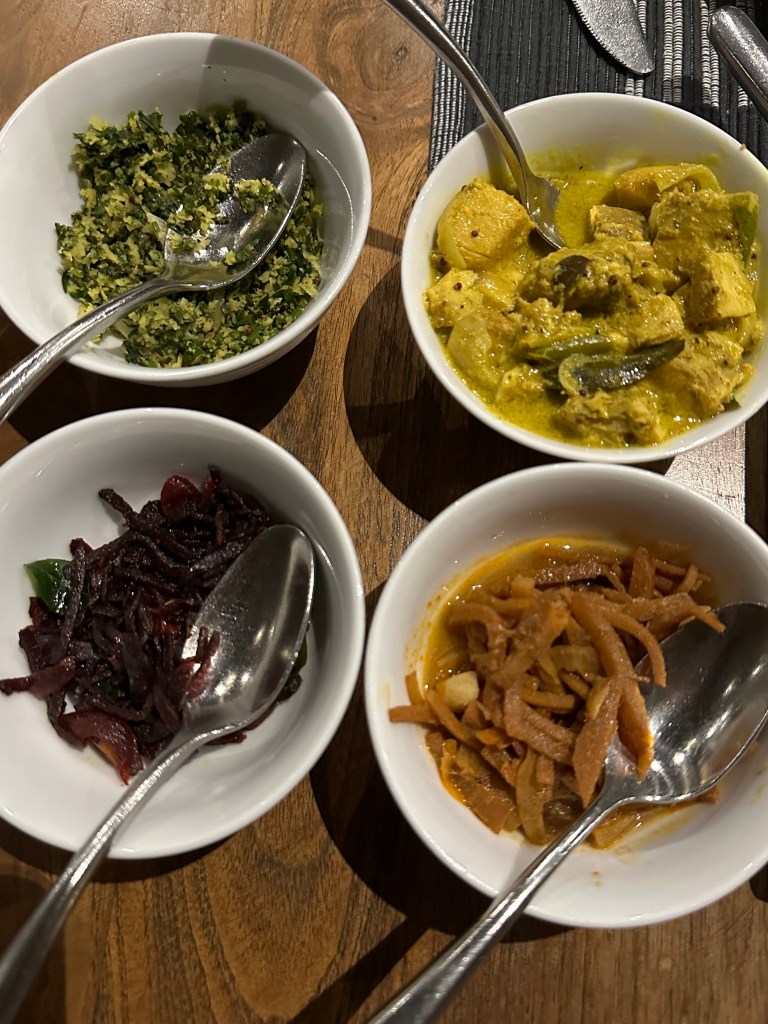
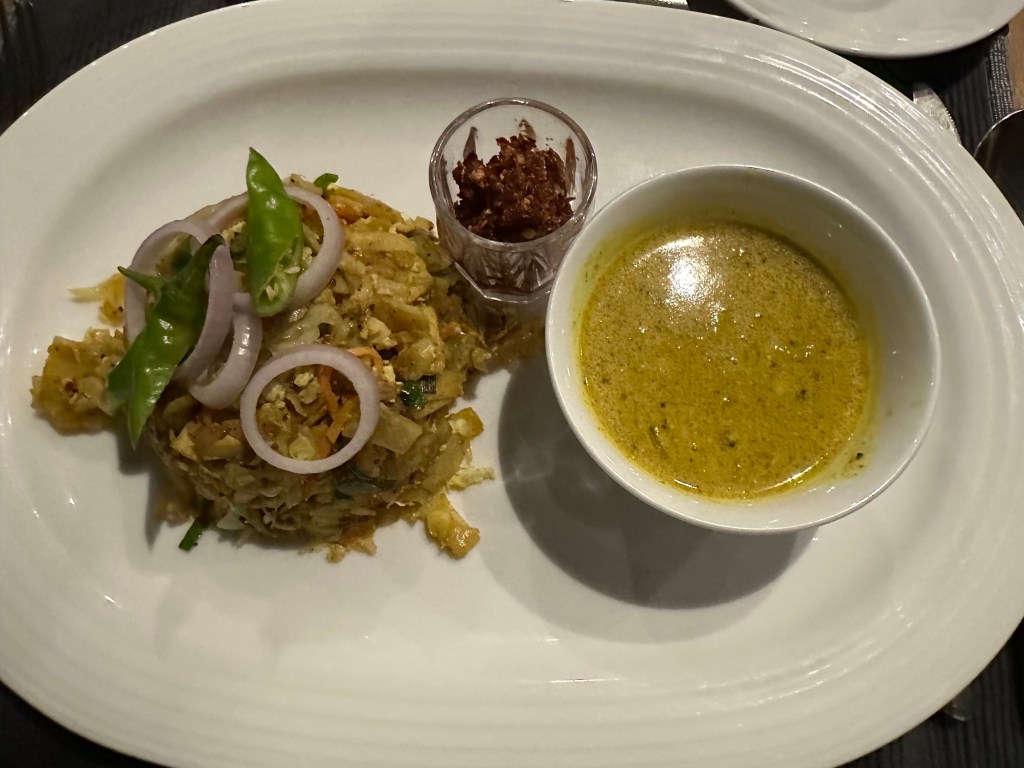
      7. Paddy is the main crop in Sri Lanka. Hence, a lot of dishes are rice based. For breakfast, there is pittu (steamed rice flour), hoppers (rice crepes made in custom pans), string hoppers (steam rice flour noodles) and Kiribath (rice cakes cooked in coconut milk). They are all usually served with pol sambol, a relish made with grated coconut, chili, roasted onion and lime. Lunch and dinner are very similar with an array of curries and vegetables. Typically, meat or fish curry, parippu (lentils), Gotu Kola Mallum Sambola (shredded greens with coconut). There is also Kottu (minced roti in curry) which is also a kitchen sink dish. It is Sri Lanka’s equivalent of Pad Thai. The abundance of tea plantations contributes to the popularity of tea in the country.

      Hopper with Sambol
      Coconut Sambol
      String Hoppers and Kiribath
      Traditional Sri Lankan Meals
      Traditional Sri Lankan Meals
      Kottu
      7 things about Sri Lanka

      7 things about Dubai, UAE

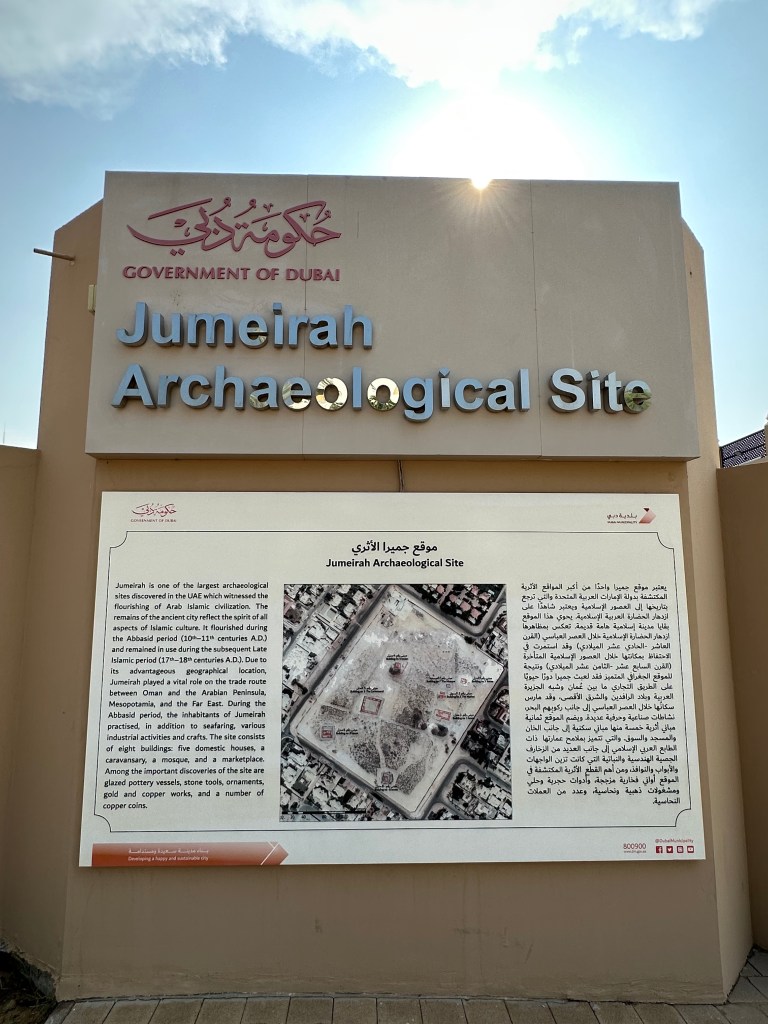
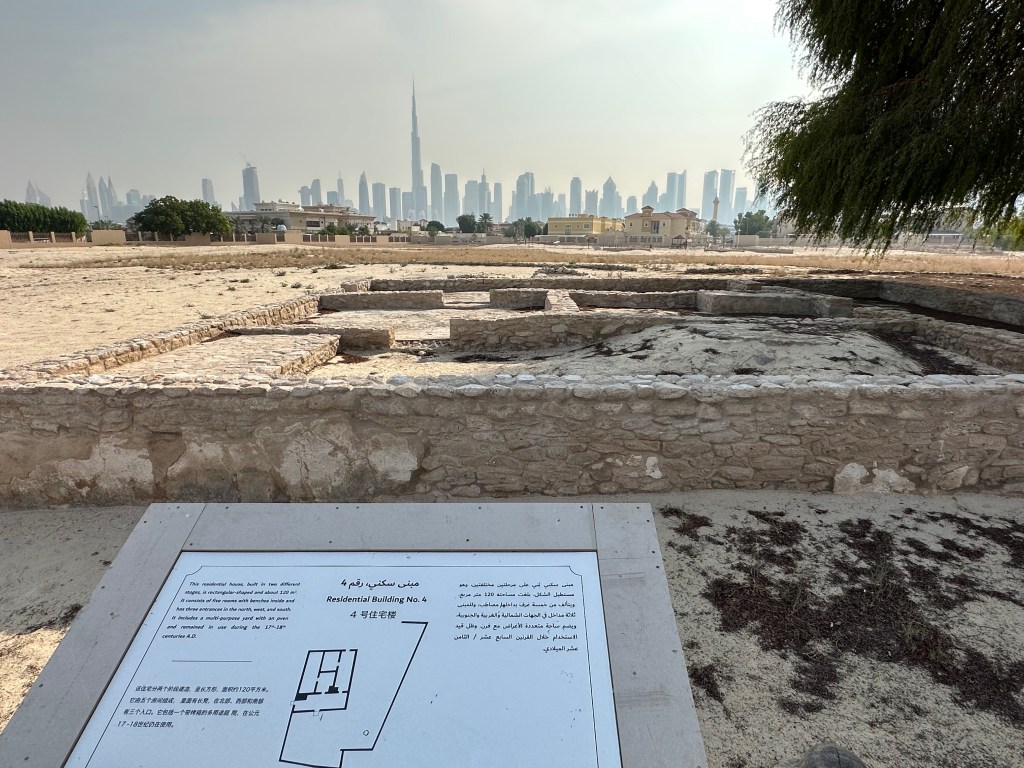
      1. Dubai was once a fishing village dependent on pearl trade from the late 16th century until the mid-20th century. Key political events occurred during that period. In 1793, Dubai became a dependency under the rule established by the Bani Yas tribe in Abu Dhabi. In 1833, Maktoum bin Butti of the same tribe declared independence from the rulers in Abu Dhabi, but the Dubai economy remained largely the same. The invention of artificial pearls in Japan devastated the city’s economy until it struck oil in 1966. This newfound fortune completely changed Dubai’s trajectory. Sheikh Rashid bin Saeed Al Maktoum, then ruler of Dubai from the Maktoum family, led its transformation into a modern city and port.

      Jumeirah Archaeological Museum
      Downtown View from Jumeirah Archaeological Site

      2. Tourism significantly contributes to the city’s economy and prestige, fostering some of the world’s highest service standards. Beyond mere professionalism, there is a genuine warmth, a rarity in today’s world. While Dubai may be known for its expensive offerings, the accompanying service expectations are met. Interestingly, in comparison to several Western countries, where expenses are high but service quality is lacking, the Emiratis seem to have mastered the balance, though the exact explanation eludes me.

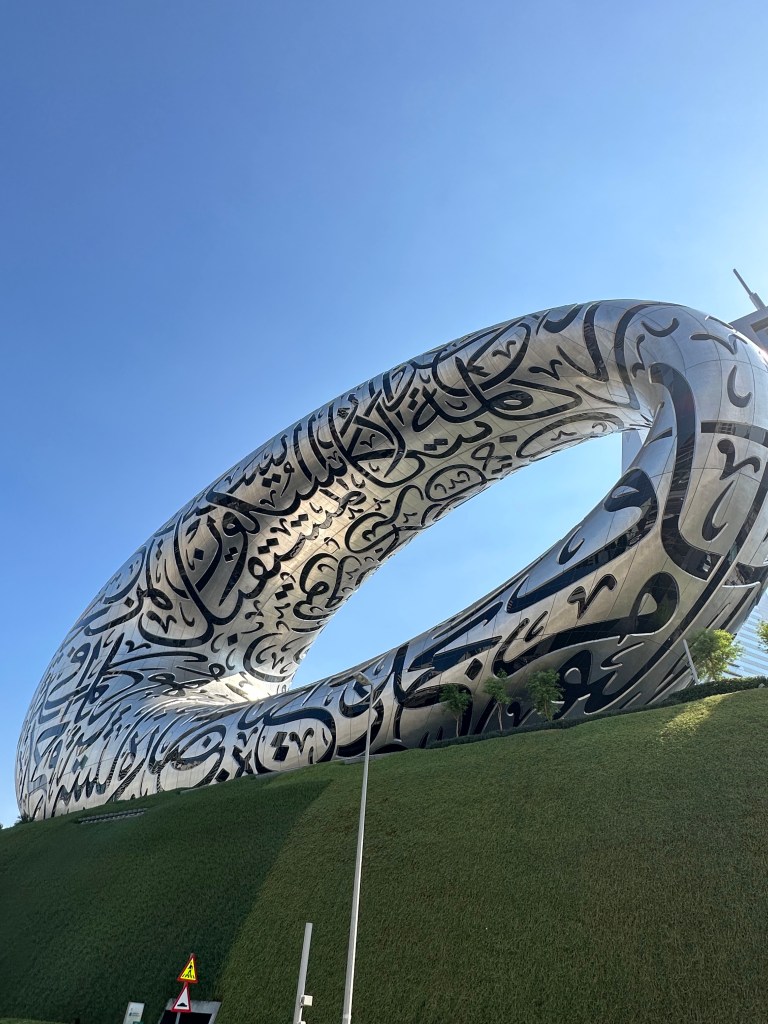
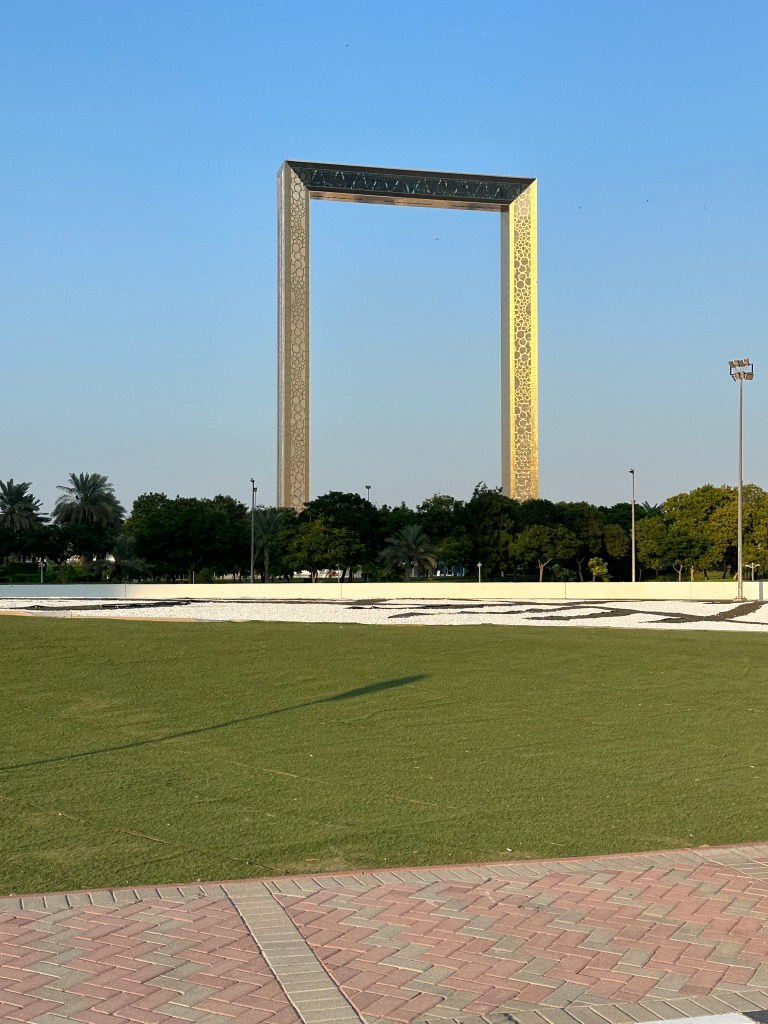
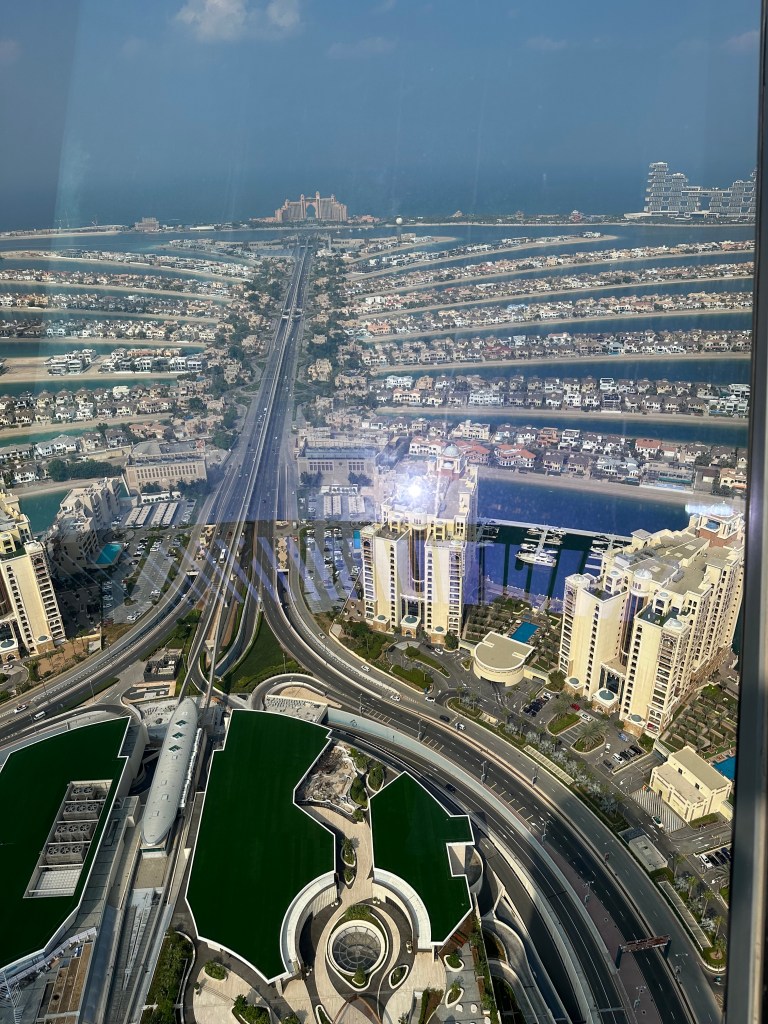
      3. Big is better in Dubai, where every building is meant to be a statement. While it’s impressive to see Dubai pushing the boundaries of modern architecture, it’s hard to ignore the profligacy. The Palm Islands, one such undertaking, put Dubai on the luxury tourism map. Constructing almost 56 km of net new coastline, equivalent to the city’s natural coastline, takes courage. For a breathtaking view of these man-made islands, the observation deck on the 52nd floor of the Palm Tower is unparalleled. Despite hefty entry fees, the spectacular views make it a top attraction, often bustling with visitors. Consider an upgrade for access to the 54th floor to escape the crowds. However, the awe of such grandeur is accompanied by a lingering question of whether this excess can be justified. Unlike infrastructure projects aimed at improving the living standards of millions, these developments seem more like trophy assets for the elite of the elite. For a close-up experience, the Palm monorail is the ideal way to explore both the island and the popular Atlantis resort.

      Museum of the Future
      Fancy Building
      Dubai Frame

      View of Palm Islands

      View of Palm Islands
      Atlantis The Palm Dubai

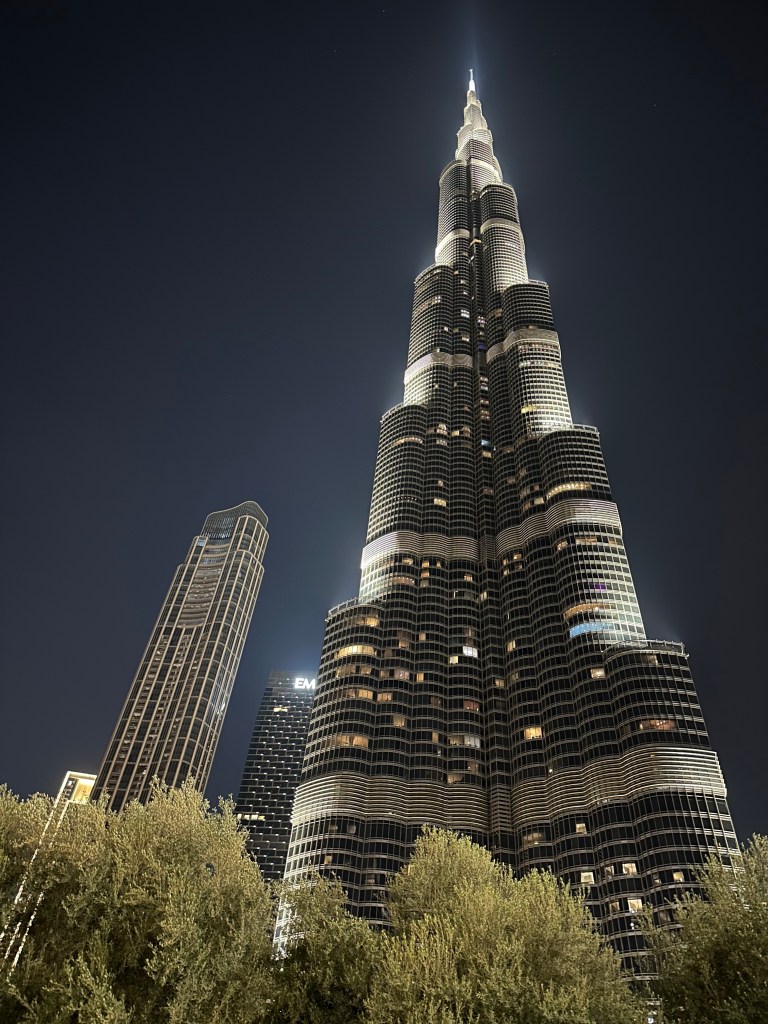
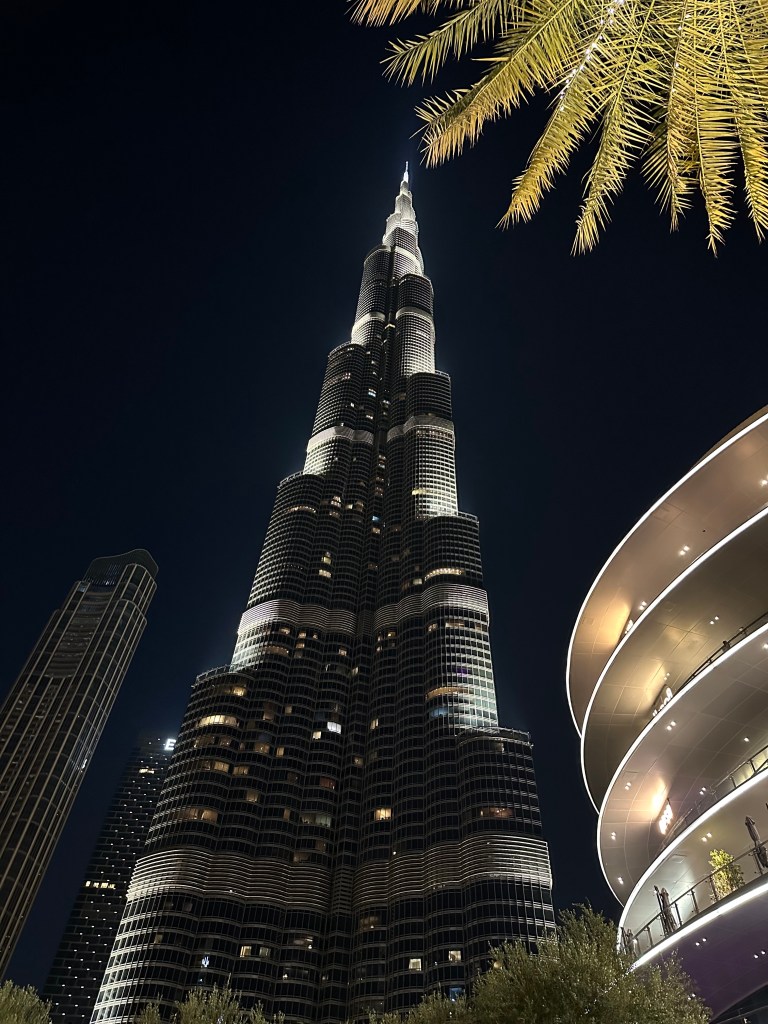
      4. The Burj Khalifa needs no introduction. As the tallest man-made structure globally at 2,722 feet, it is an engineering marvel. Developed to anchor tourist entertainment in downtown Dubai and part of the country’s diversification from oil, it was named after Sheikh Khalifa bin Zayed, then ruler of the UAE. The building was designed was by the same architects as that of the Sears tower and built by the Samsung C&T which also built other tall buildings like Taipei 101 and Petronas Towers. The design is itself is inspired from the Great Mosque of Samarrah in Iraq as well as the Tower Palace III in South Korea. There are a few observatories –  on the 124th floor, 148th and 152th floor with the cheapest tickets starting at $170 AED (~50 USD). The tower looks its dazzling best when the sun goes down.

      Burj Khalifa
      Burj Khalifa

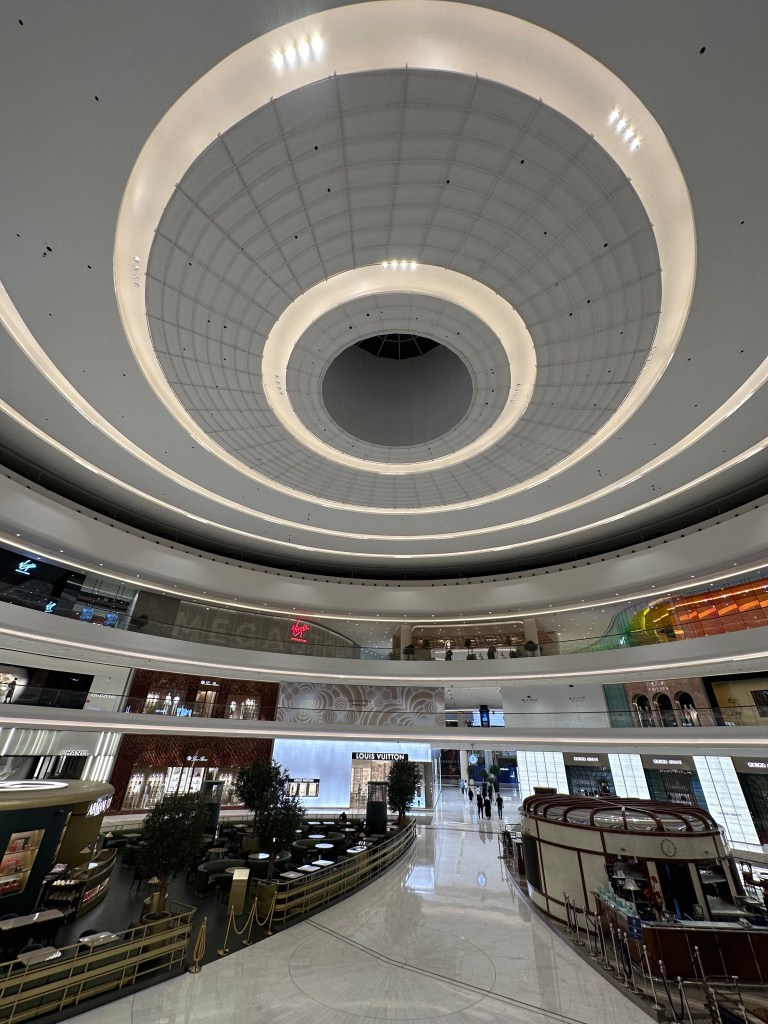
      5. Mall culture in Dubai is not just a trend but a lifestyle necessity, especially due to the extreme weather. The Dubai Mall, boasting an impressive 1,200 stores and an exclusive zone for ultra-luxury brands known as Fashion Avenue, is akin to a city within itself. Adjacent to it, the Dubai Fountains add to its allure, making it a must-visit destination. Each major mall in Dubai comes with its own distinctive attraction. For instance, the Mall of the Emirates features a full-scale indoor ski slope, providing a unique recreational experience. On the other hand, the Nakheel Mall offers access to The Palm viewing deck, allowing visitors to enjoy panoramic views of this iconic man-made marvel.

      Dubai Mall
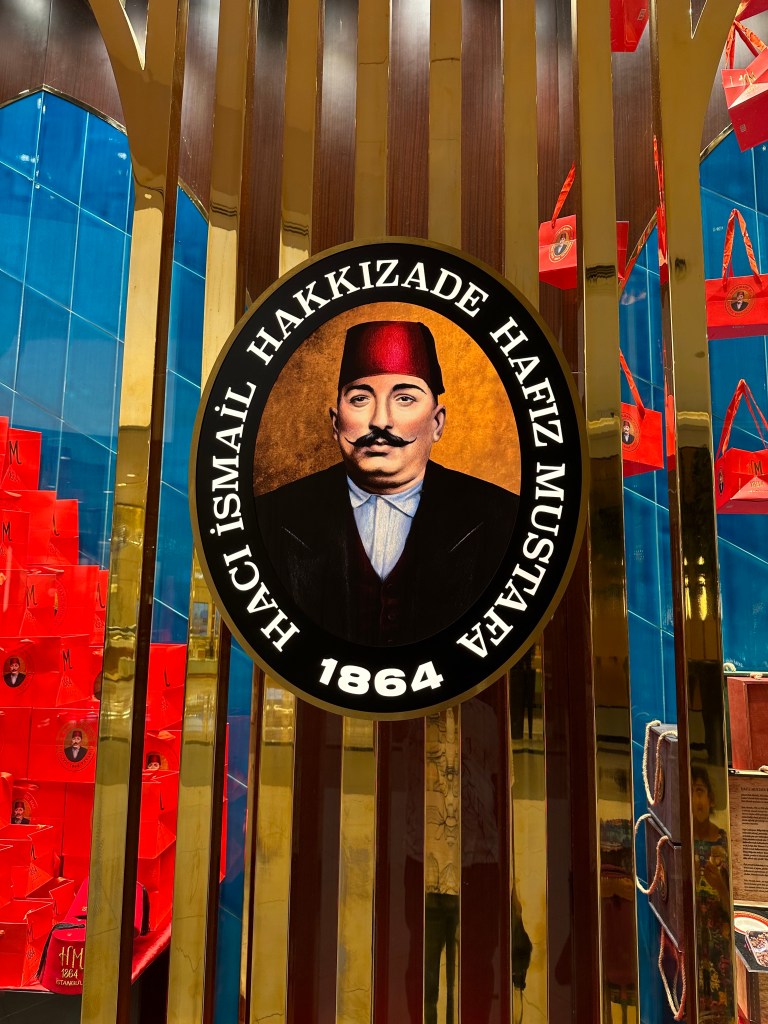
      Hafiz Mustafa Dubai Mall
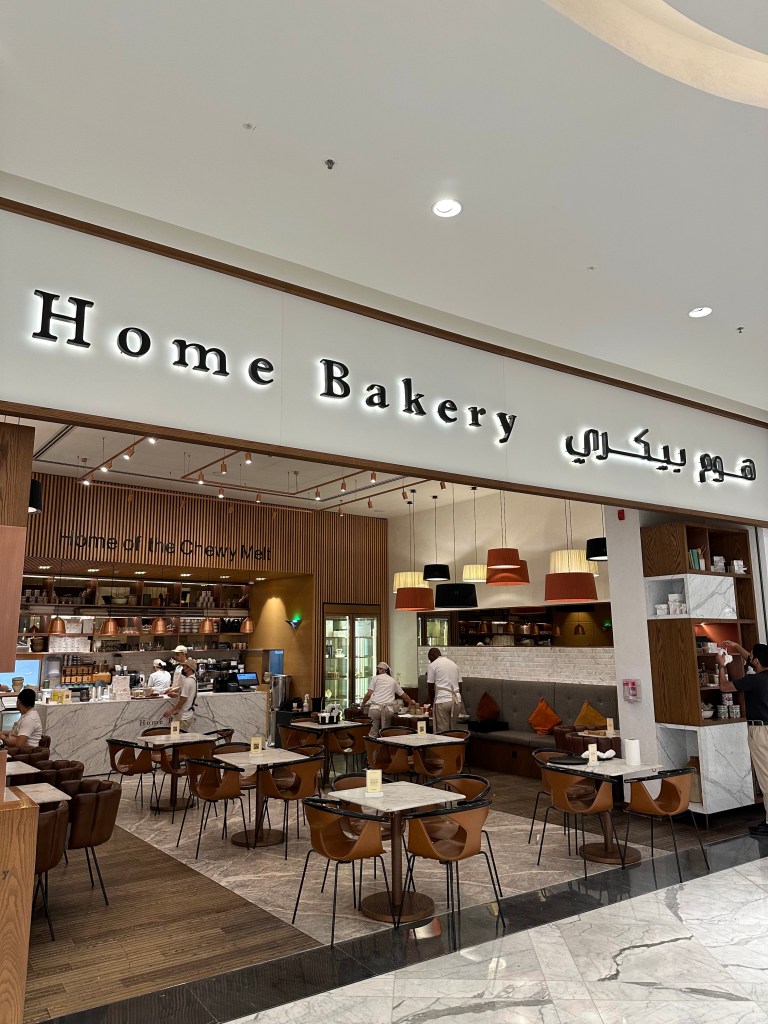
      Home Bakery Dubai Mall
      Dubai Creek View – Dubai Mall

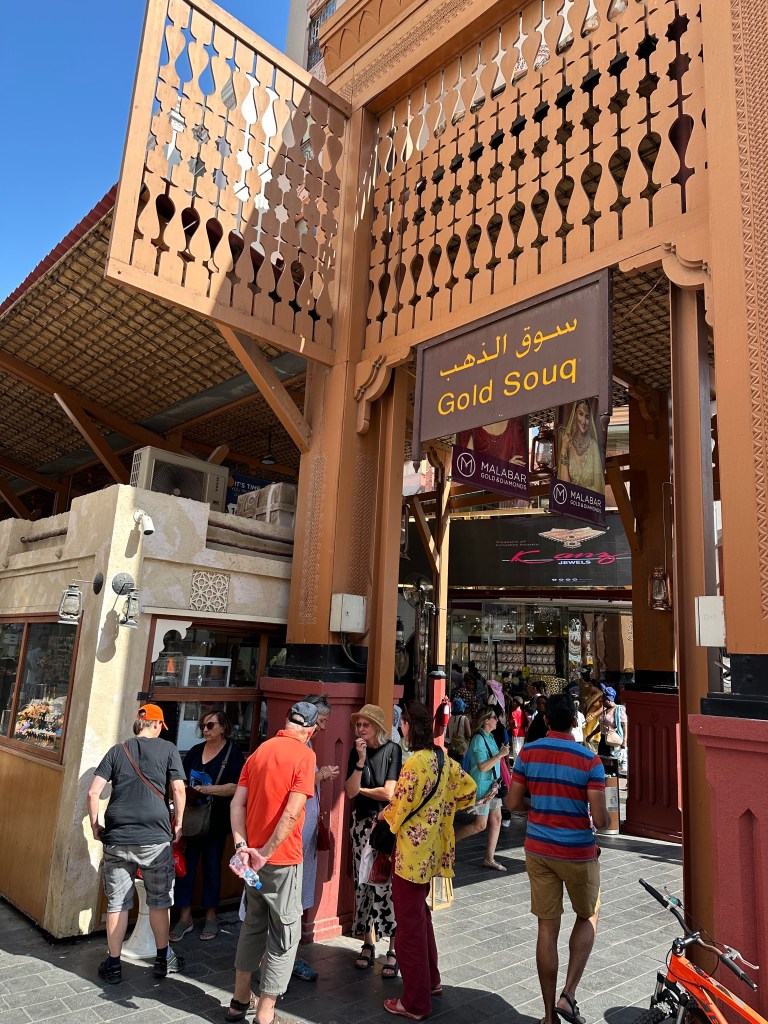
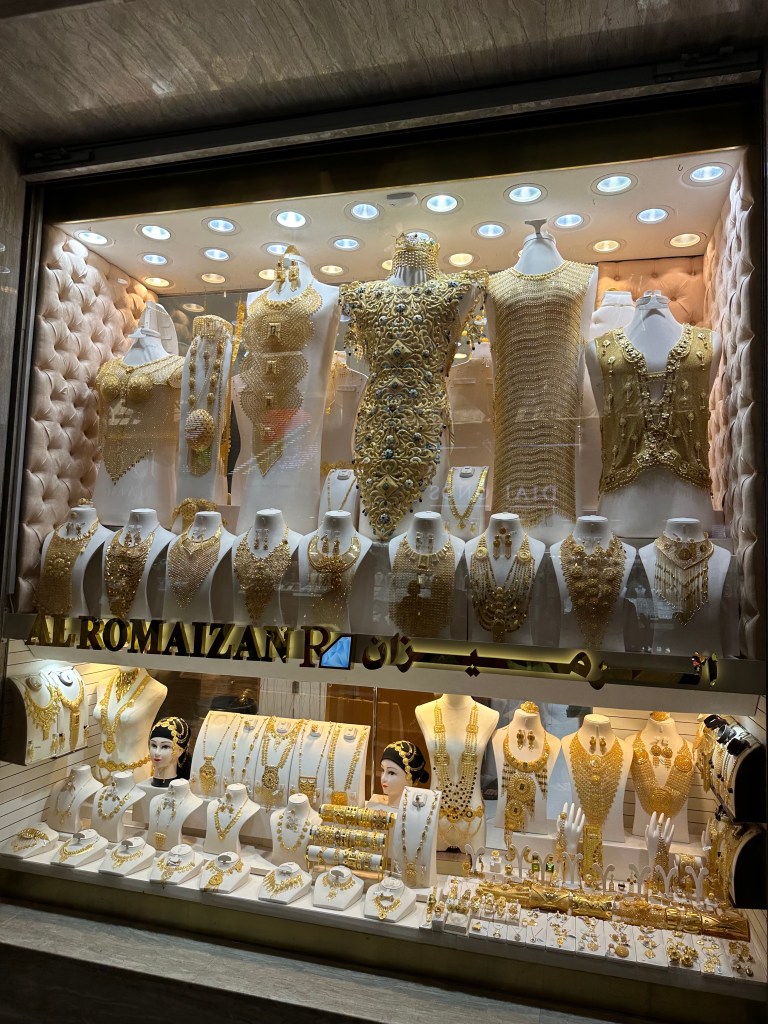
      6. The neighborhoods of Al Karama and Deira offer a fascinating glimpse into the lives of migrants and the secondary economy that caters to their needs. Al Karama, a more developed area, stands as a foodie paradise for the South Asian community. In contrast, Deira, situated across the creek, preserves original fishing village features with its narrow, meandering streets adorned with spice shops. Deira is also home to the Gold Souk, an extended alleyway boasting numerous jewelry stores. While most establishments are small-scale, family-run businesses, they might not warrant a detour for every visitor. However, for those seeking an authentic experience, the 1 AED Abra ferry from Deira to Bur Dubai is worth considering, especially if the weather is conducive.

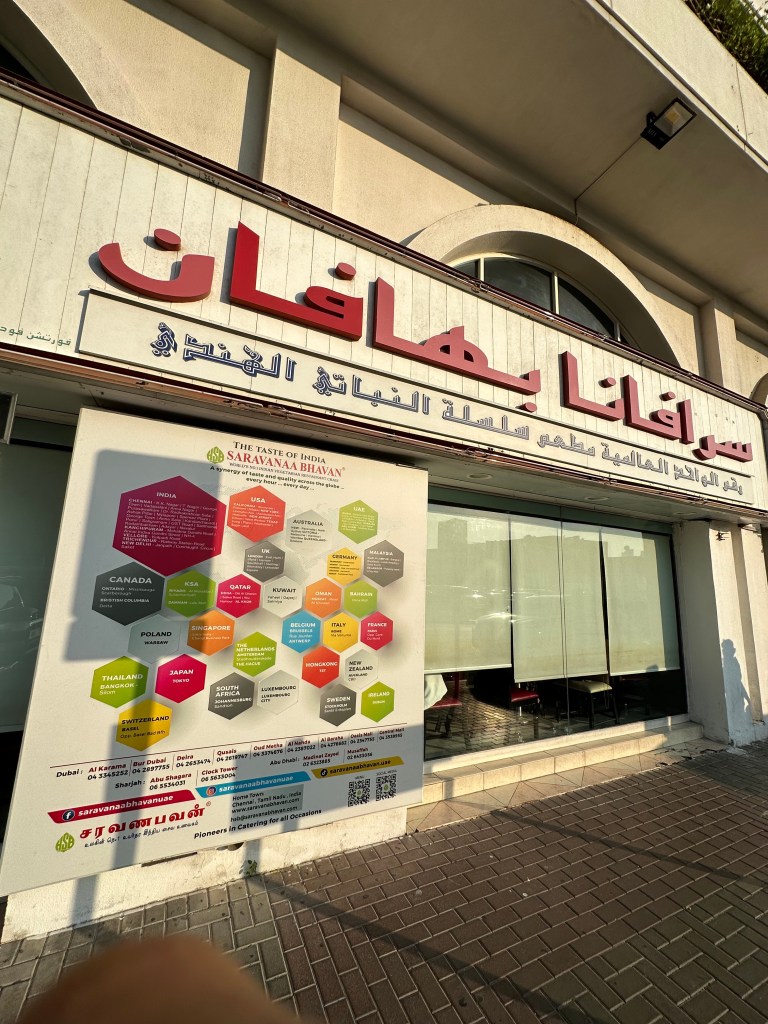
      Indian food at Al Karama
      Spice Shops Souq
      Gold Souq
      Gold Store at the Gold Souq

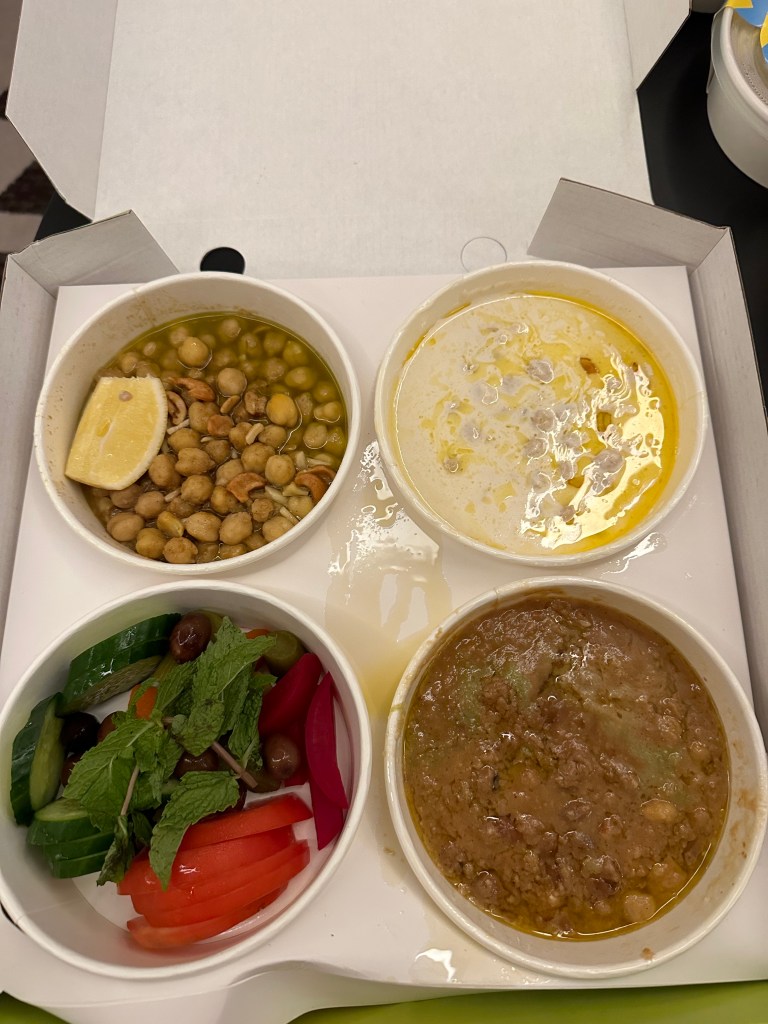
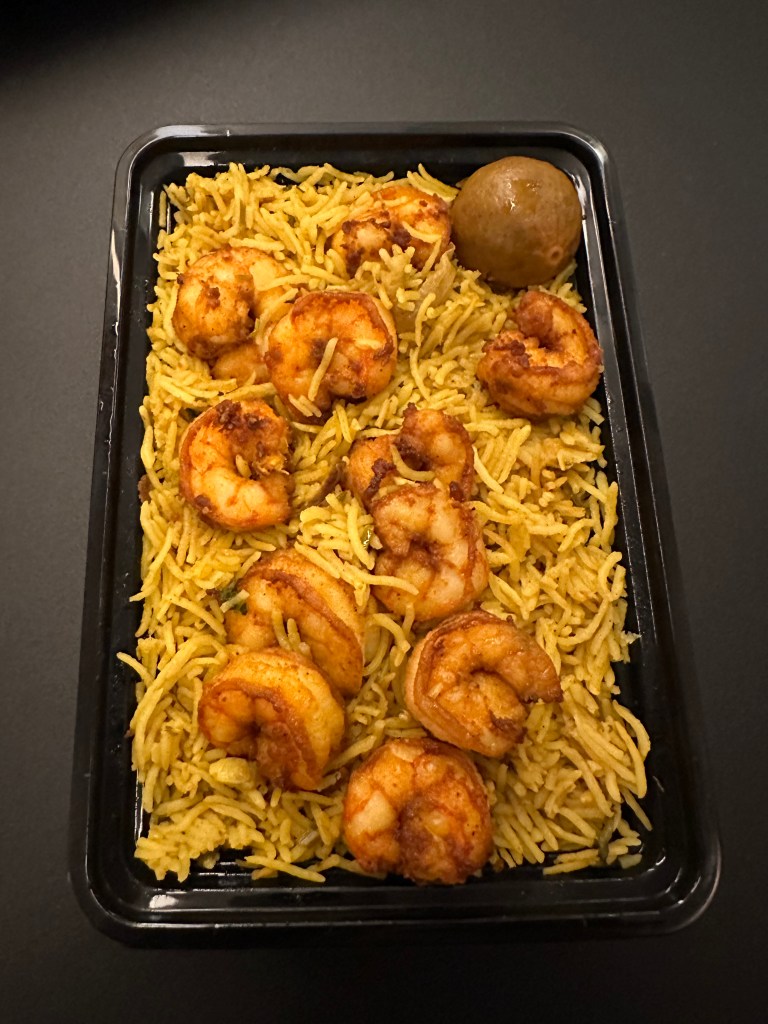
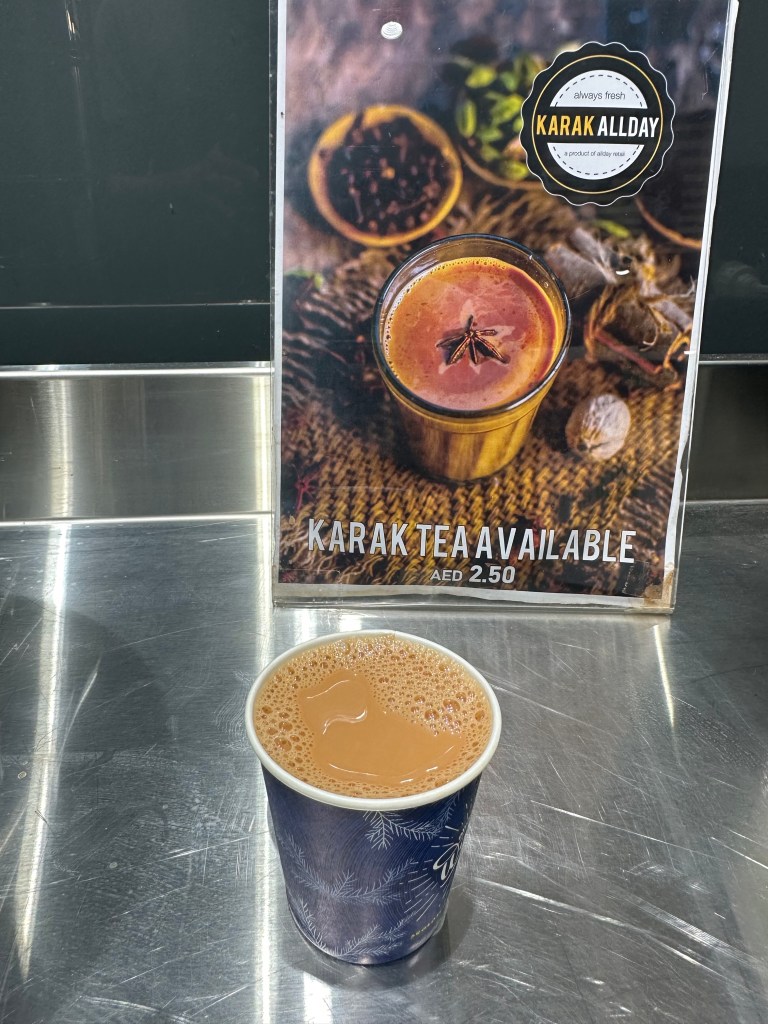
      7. Dubai is now a cosmopolitan city with world-class cuisine. High-end restaurants from New York, London, and Paris coexist with excellent Lebanese and Indian food scenes. Emirati cuisine, unfortunately, remains in the shadows. A staple in Emirati cuisine is Macboos, a rice and meat dish akin to its close cousin, biriyani. The use of an Arabic spice blend called Baharat, along with preserved limes, imparts a distinct flavor to this dish. Nashef, a curry made with tomato sauce and the same spice blend, features variations with chicken, lamb, or preserved fish (Maleh). Thareed, a classic dish, involves simmering bread with a meat stew, reminiscent of a one-pot wonder, rooted in the nomadic lifestyles of ancient Arabs. For dessert, the sweet indulgence of Luqaimat, mini donuts served with date syrup, adds a perfect finishing touch. While Emirati restaurants are scarce, Al Fanar stands tall among them. The Emirati breakfast is a true delight, featuring a spiced vermicelli dish topped with an omelet (Balateet), an assortment of breads (Chebab, Khameer, and Tannour), date molasses, local cheeses, and baked beans—a culinary journey reflecting the rich flavors of Emirati traditions. Indulge in Karak tea, a pocket-friendly and ubiquitous milk tea akin to Indian chai. In contrast, Arabic coffee, a drip coffee scented with cardamom, is more of a sit-down experience. 

      Lebanese Breakfast Dubai/Zaroob
      Macboos
      Luqaimat
      Arabic Coffee
      Karak Tea
      7 things about Dubai, UAE

      10 things about Colombia 

      1. The land now known as Colombia has been inhabited since 12,000 BC. However, it was the Spanish colonists who significantly shaped the country. They established the Kingdom of Granada, which included modern-day Colombia, Panama, Venezuela, Ecuador, and parts of Brazil, with Bogota as its capital. After gaining independence from the Spanish in 1819 and several attempts at creating a federalist state, the Republic of Colombia was established in 1886. In 1903, the U.S.-backed secession of Panama from Colombia occurred, and since then, the country’s borders have remained largely unchanged.  

      2. For several decades, starting in the 1960s, Colombia developed a reputation for being unsafe for the average traveler. While this reputation was partly deserved due to internal conflicts and the narcotics trade, the country has always had much to offer. Since the 1990s, Colombia has made substantial investments in infrastructure and security, making it more accessible to visitors.

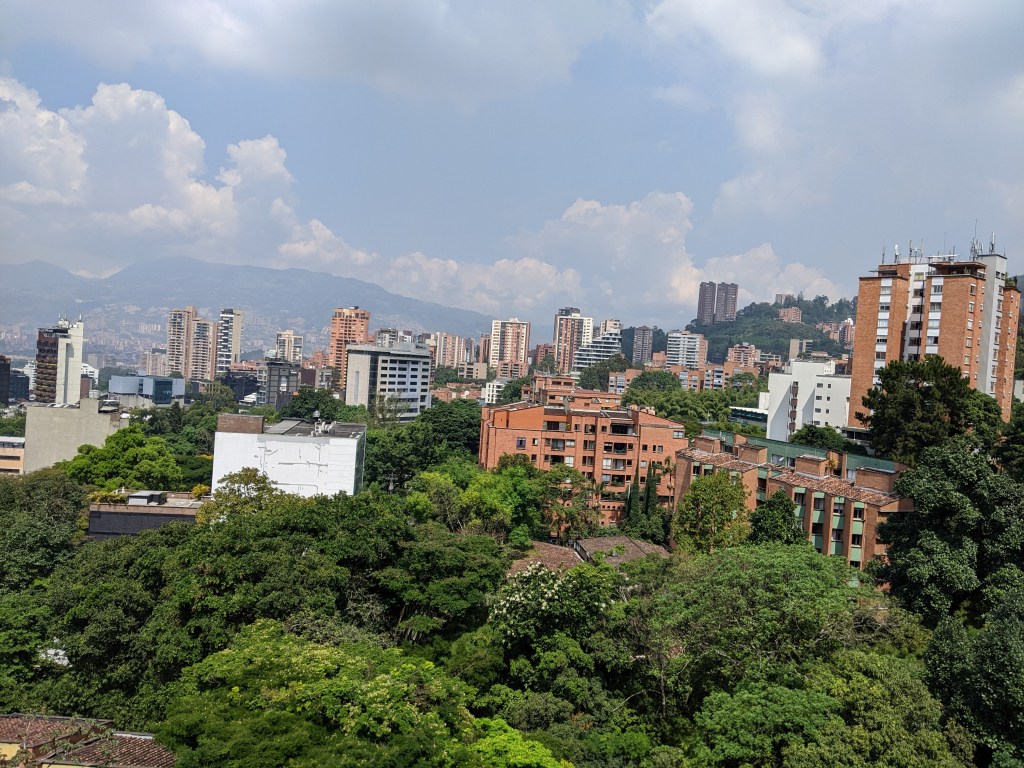
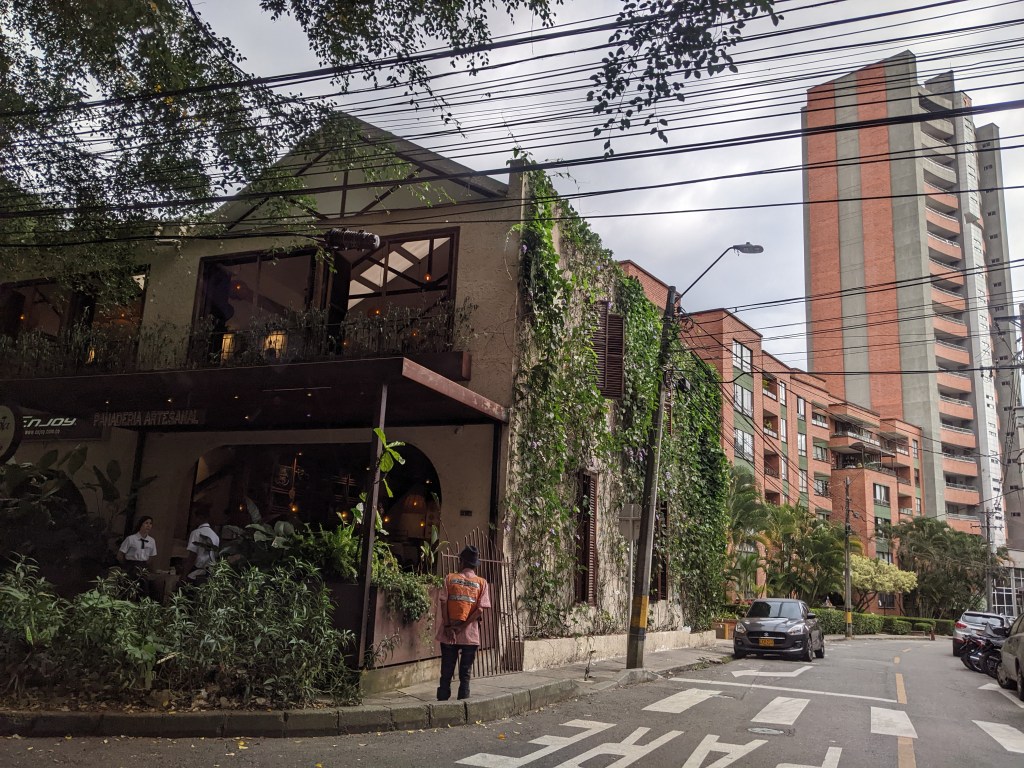
      3. Medellin, known as the ‘land of eternal spring,’ boasts nearly perfect weather for most of the year. Its hilly topography and the prevalence of red brick buildings give the city a unique charm. The comfortable weather, affordability, and convenient timezone make it a popular destination for digital nomads although they are mostly clustered in a few neighborhoods like Poblado and Laureles. While parts of Poblado are incredibly posh, it can also get equally grimy not too far away especially after sundown. It is not uncommon to see open solicitation for private intimacy services. 

      Medellin Skyline
      Medellin Skyline
      Poblado, Medellin

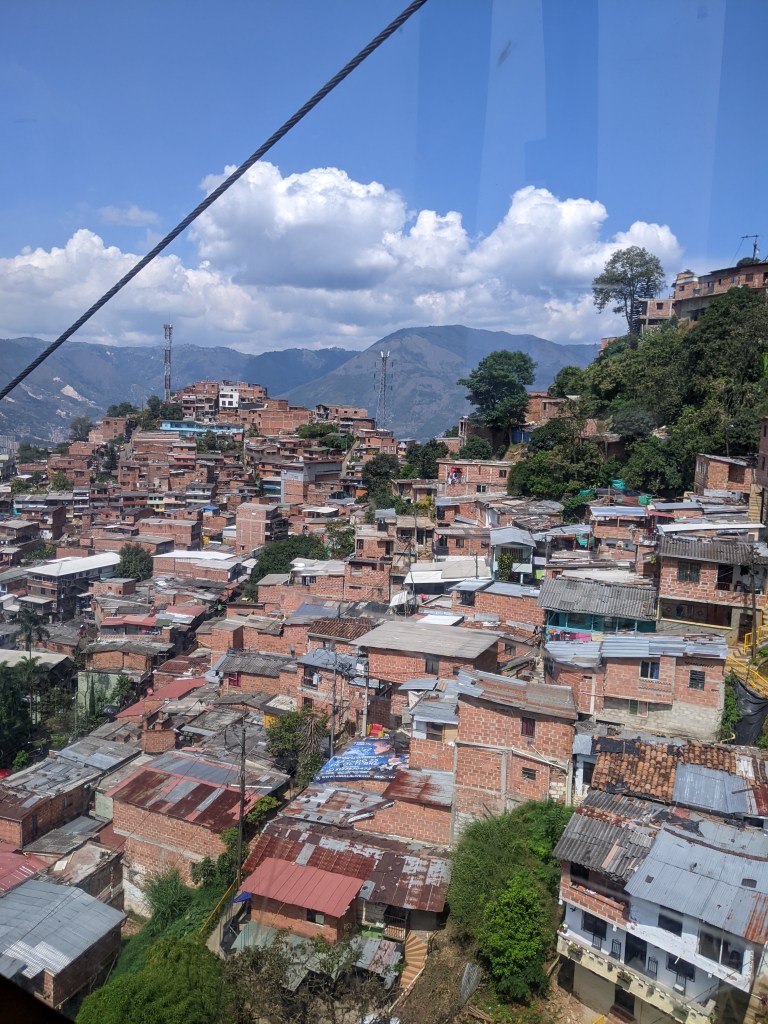
      4. In Latin America, slum developments are typically located in the hills at the peripheries of large cities.The communas in the hills of Medellin are some of the biggest in the world. These communities formed as a result of large scale domestic migration, citizens from the countryside fleeing persecution and poverty in search of a better life. I was initially hesitant to take the popular Communa 13 tour, fearing it might exploit poverty for entertainment. However, the tour, led by community members, offered insight into the structural issues affecting these communities while also providing art, entertainment, and food experiences. Many of the entertainers in the tour were self-taught, using their talents to avoid getting involved in criminal activities.

      Communa 13 Medellin
      Entertainers Communa 13 Medellin
      Graffiti Communa 13

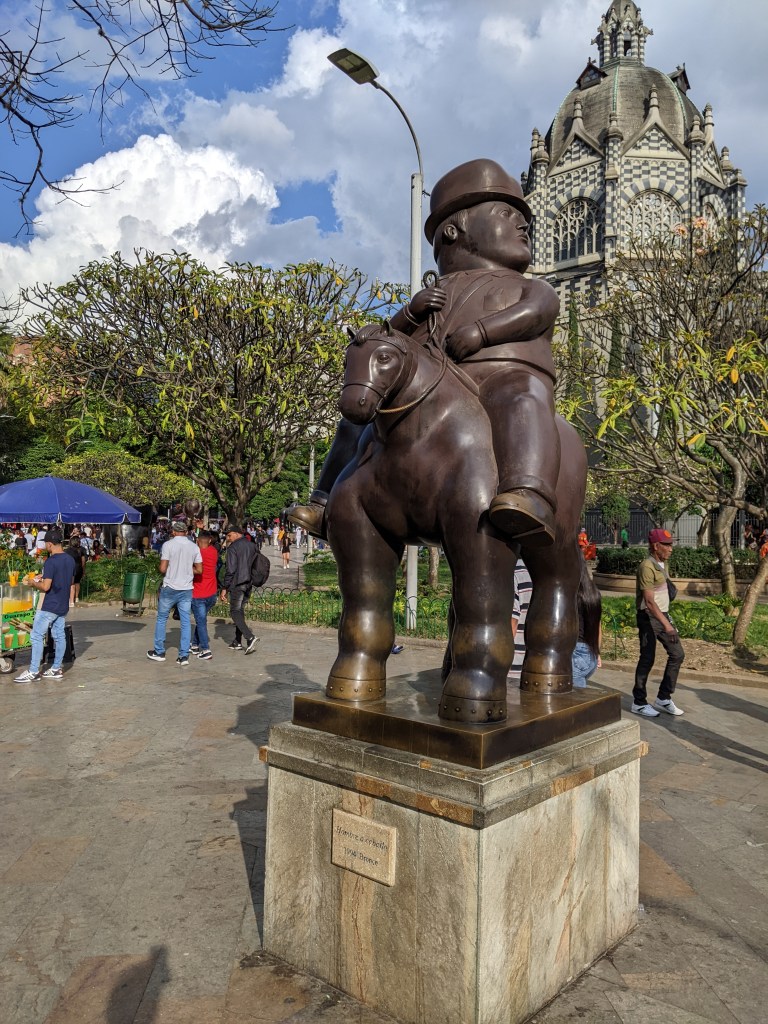
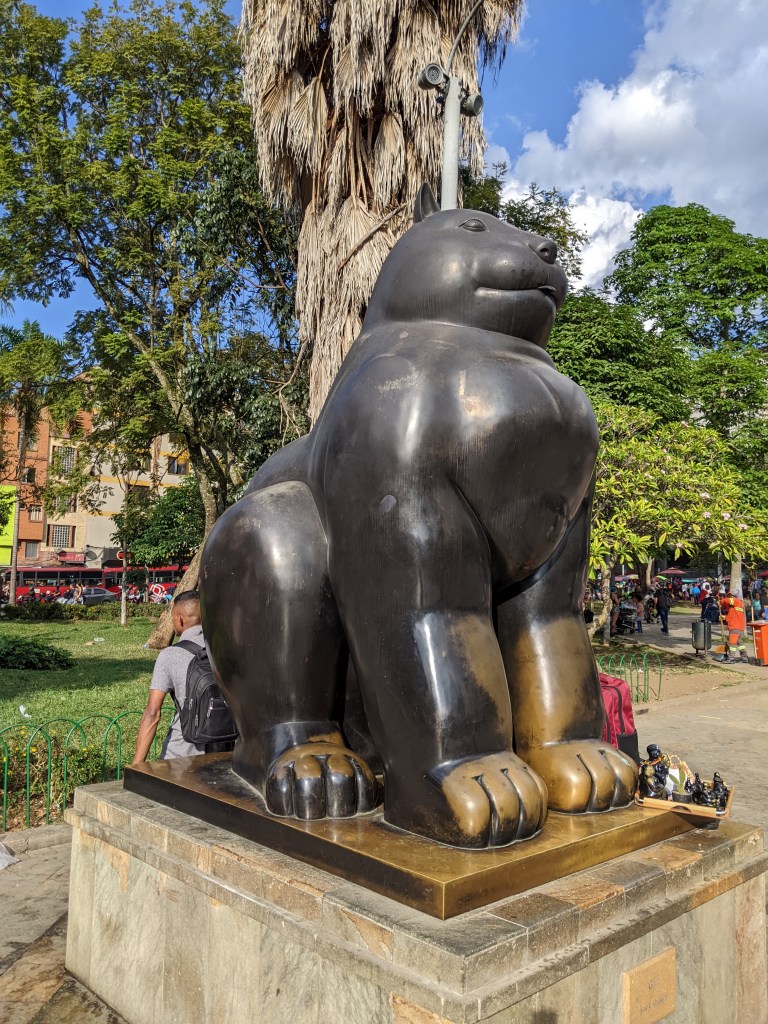
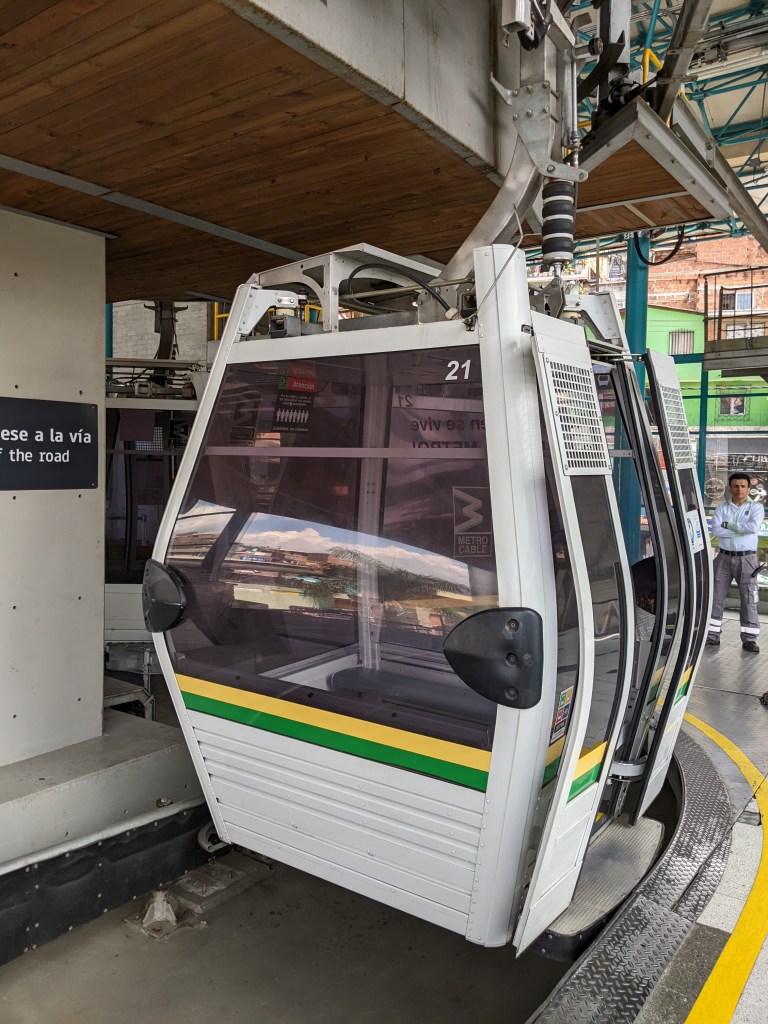
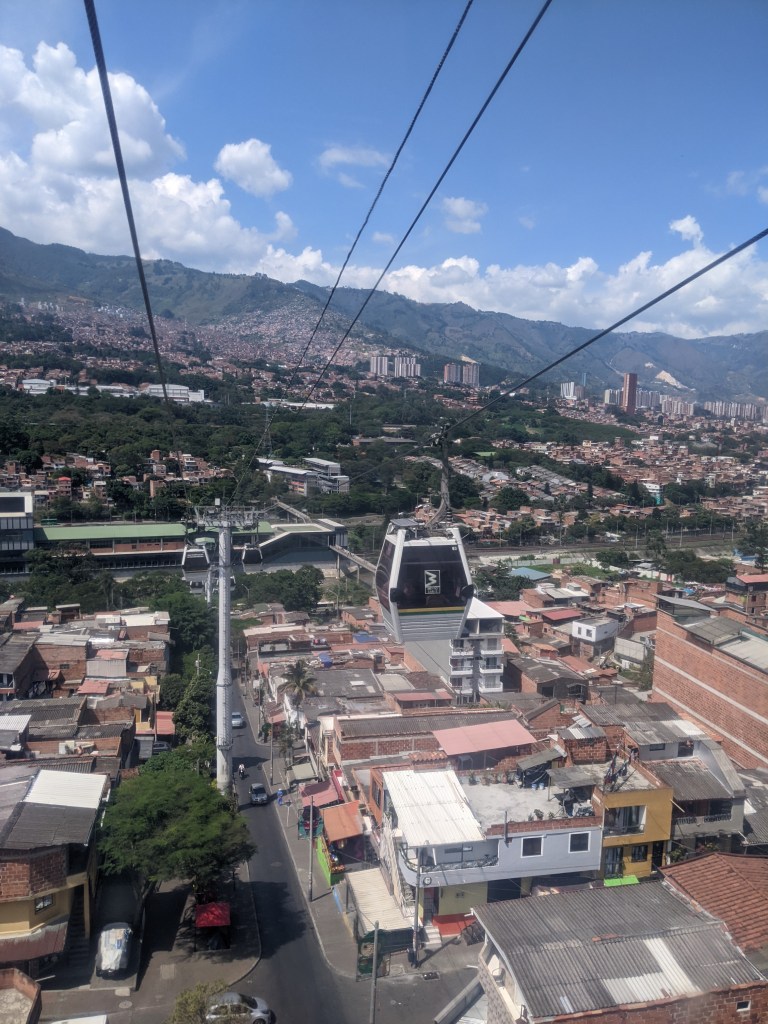
      5. Medellin is home to the Museum of Antioquia, showcasing the work of the renowned artist Fernando Botero, famous for his ‘fat figures’ in sculptures and paintings. The museum had closed early due to the winter holidays but the plaza in front was adorned with some of the best sculptures by Botero. This immediate vicinity of the plaza was shady and we were warned multiple time to secure valuables. Parque Arvi is an escape from city, it is a bit of a trek of get there but the last mile journey via two different cable cars is itself an experience. The first cable car from Acevedo to Santa Domingo offers an aerial view of the communas while the next leg from Santo Domingo to Parque Arvi involves breezing over the green cover of the slopes of Aburra Valley. 

      Botero Plaza Medellin
      Botero Plaza Medellin
      Cable Car Over Communas
      Cable Car
      Cable car over communa

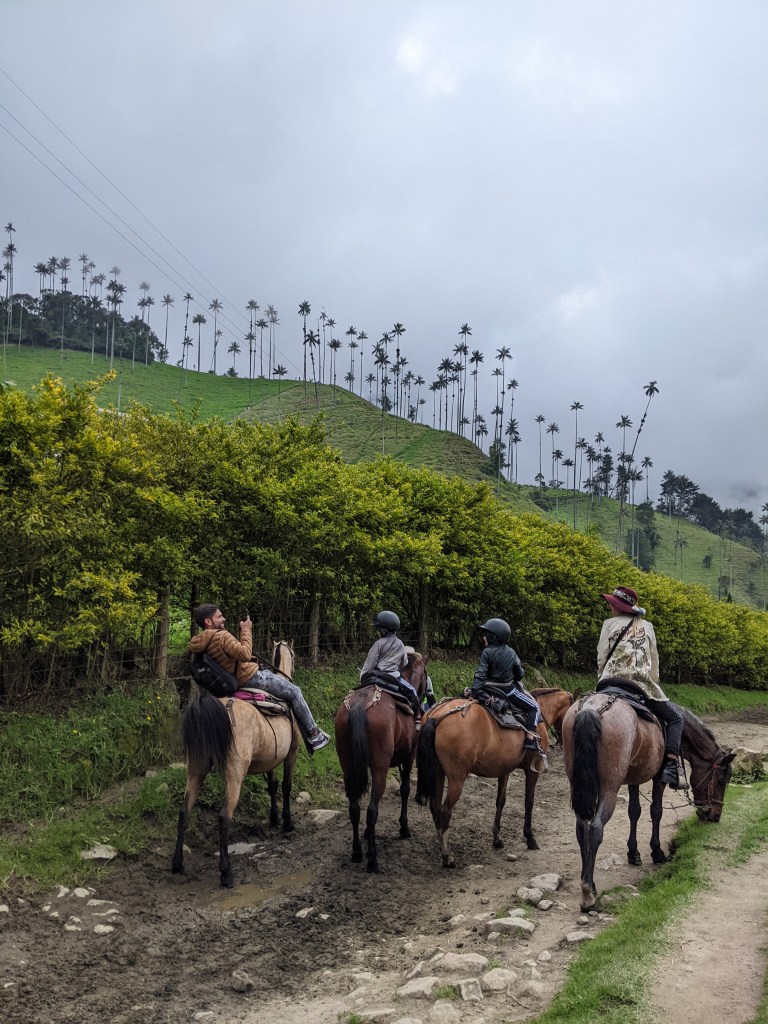
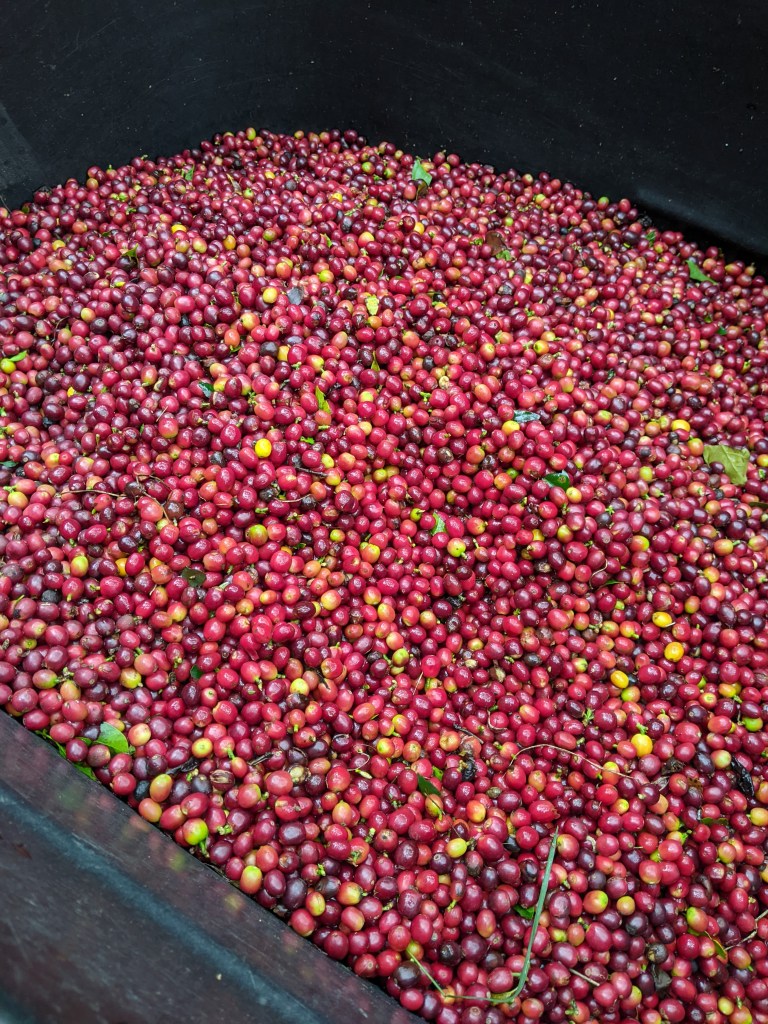
      6. Colombia is the third largest producer of coffee in the world. Almost all of it is the sought after Arabica bean. Most of it grows in the coffee triangle of the Paisa region in 3 departments – Caldas, Quindío and Risaralda.  Salento is a colorful touristy town in Quindio. It is a great base to see what the region has to offer especially Cocora Valley. The landscape of Cocora valley is one of the most unique ones in the world. The verdant hills surrounding the valley are dotted with wax palms. This species of palm can grow up to 150 feet with their trunks being covered in wax. The popular trek routes are accessible only on horses as the frequent rains makes the trails slushy. This was easily one of my favorite places in Colombia. The paisas are proud of their coffee. They believe that their coffee should be consumed unadulterated (no milk or sugar). Their preferred coffee drink is called tinto. It is brewed similar to drip coffee. While the coffee was very good and strong, it can also be very acidic for those used to tamer everyday versions.

      Salento Town
      Willy Jeep ride to Cocora Valley
      Cocora Valley Colombia
      Slopes of Cocora Valley
      Horse Rides
      Cafe Tinto
      Coffee Cherry
      Finca Coffee Plantation

      7. Bogota, the capital of Colombia is a large metropolis of 8 million people. The city’s public transport infrastructure with its mega bus lanes is designed to accommodate vast numbers of people. However, like any large city, traffic can be daunting. Due to its elevation, weather can be cold and grey most times of the year. The city is defined by its neighborhoods – the historical neighborhood of La Calendaria with its Spanish Colonial architecture, the bohemian Usaquen, the buzzy Zona rosa with the its luxury stores and hotels, the elegant Chapinero with its tree lined streets and Parque 93 for its high rises and restaurants offers something for everyone. Monserrate mountain is the top attraction in the city. It rises to 10,000 feet overlooking the historic center of Bogota and offers sweeping views of the city on a clear day. The fun part is the funicular or cable car ride to the mountain top. 

      La Calendaria, Bogota
      La Calendaria, Bogota
      Chapinero, Bogota
      Parque 93, Bogota

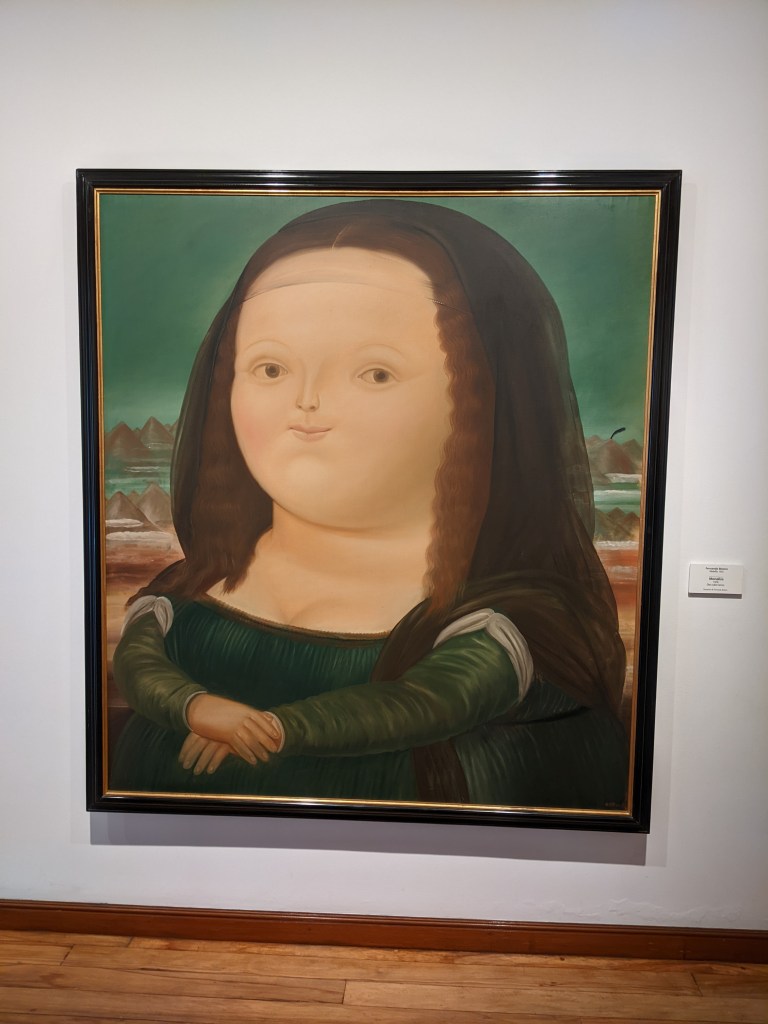
      8. Being the capital and with not so ideal weather days, Bogota has its share of museums.The Botero Museum features a curated collection of the artist’s unique paintings, which we missed in Medellin. Botero’s quirky style, including his ‘Gordita’ version of the Mona Lisa, is a highlight. The Gold Museum delves into pre-Columbian history with artifacts from indigenous tribes like the Muisca, known for the legend of El Dorado, which originated from their use of gold. It is believed that the Muiscas offered their gold treasures to the Guatavita goddess in the sacred namesake lake. The legend led many to embark on gold expeditions in the lake by but with very little success till date. 

      Botero Museum, Bogota with Monserrate in the background
      Botero Sculpture
      La Gordita Painting by Botero
      Gold Artifacts Museo del Oro

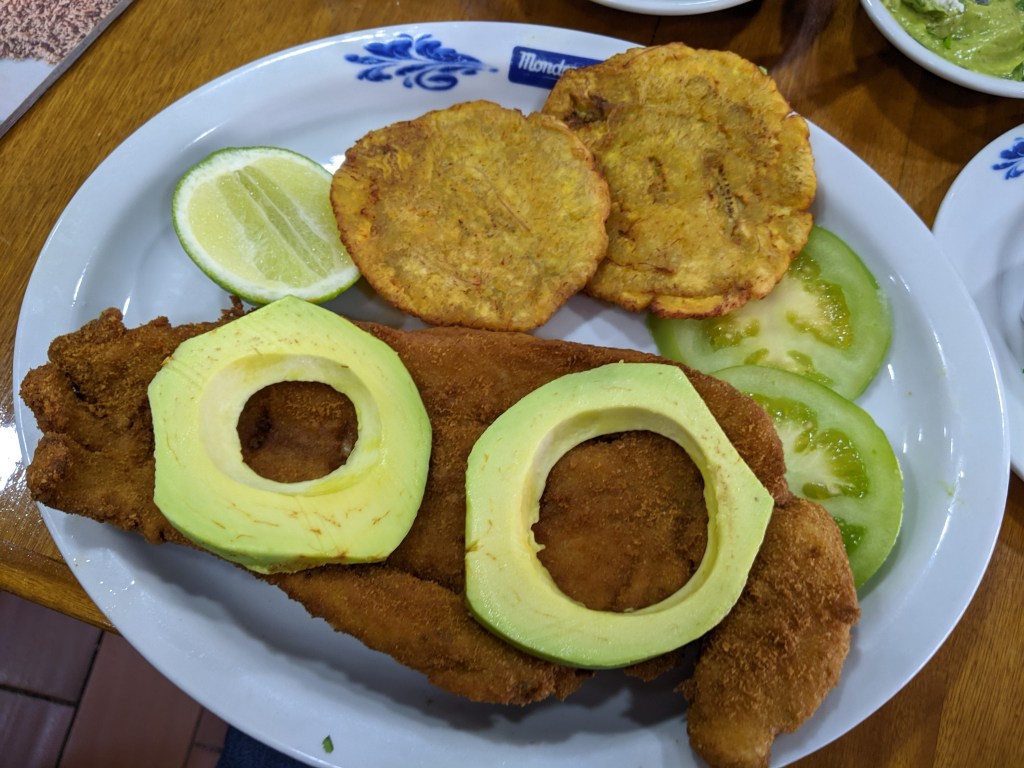
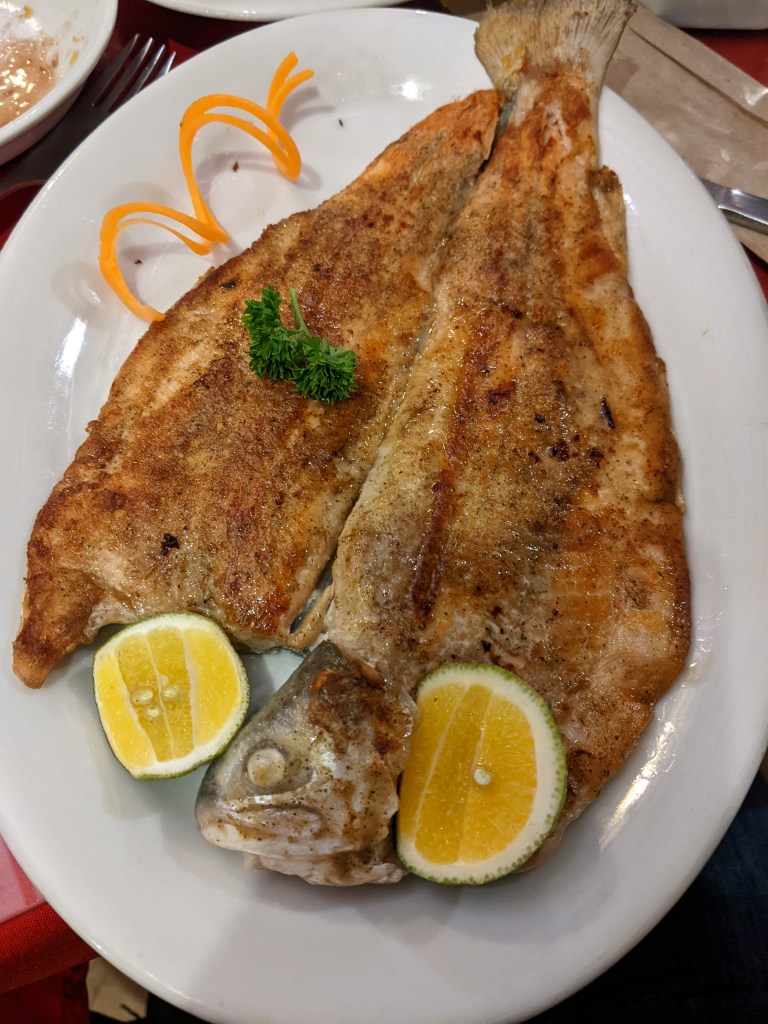
      9. Colombian cuisine is diverse due to its geography. Ajiaco, a chicken and potato soup, is popular in the cold climate of Bogota. In Medellin and the northwest, Bandeja Paisa, a hearty meal with rice, beans, avocado, plantains, and meat, is a favorite. The accompanying aji sauces (picante or dulce) add explosive flavor. In the coffee region, trucha (trout) is a specialty, often served with a giant but thin patacon (fried plantain).

      Bandeja Paisa
      Aji Sauces
      Trucha
      Patacon

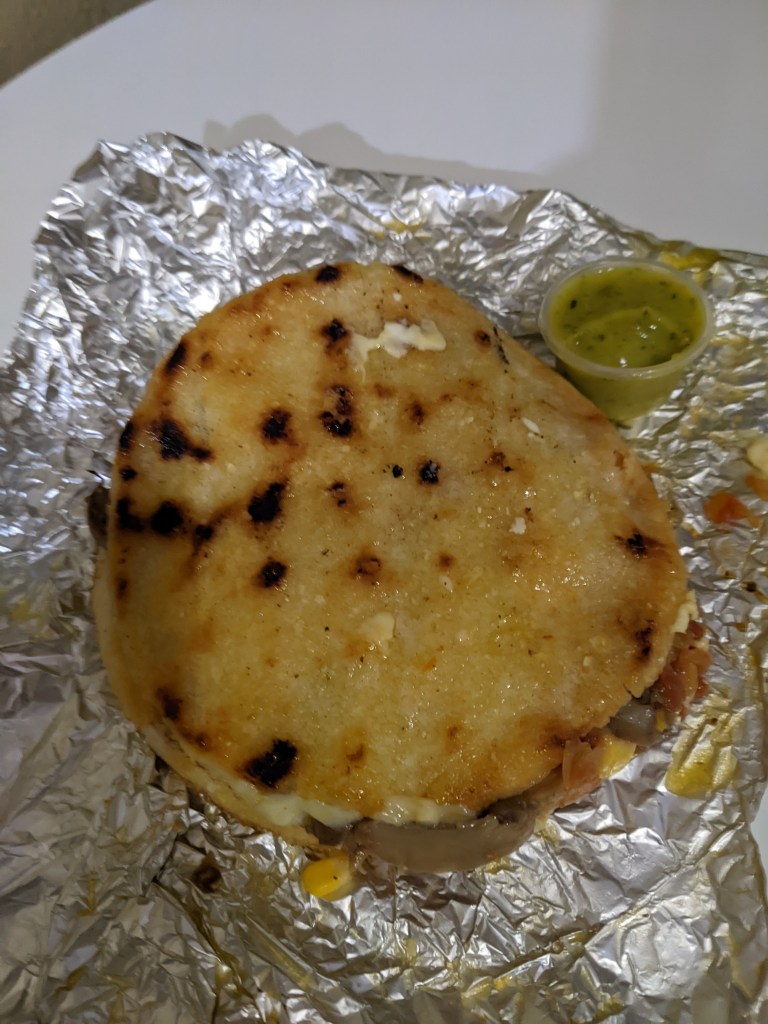
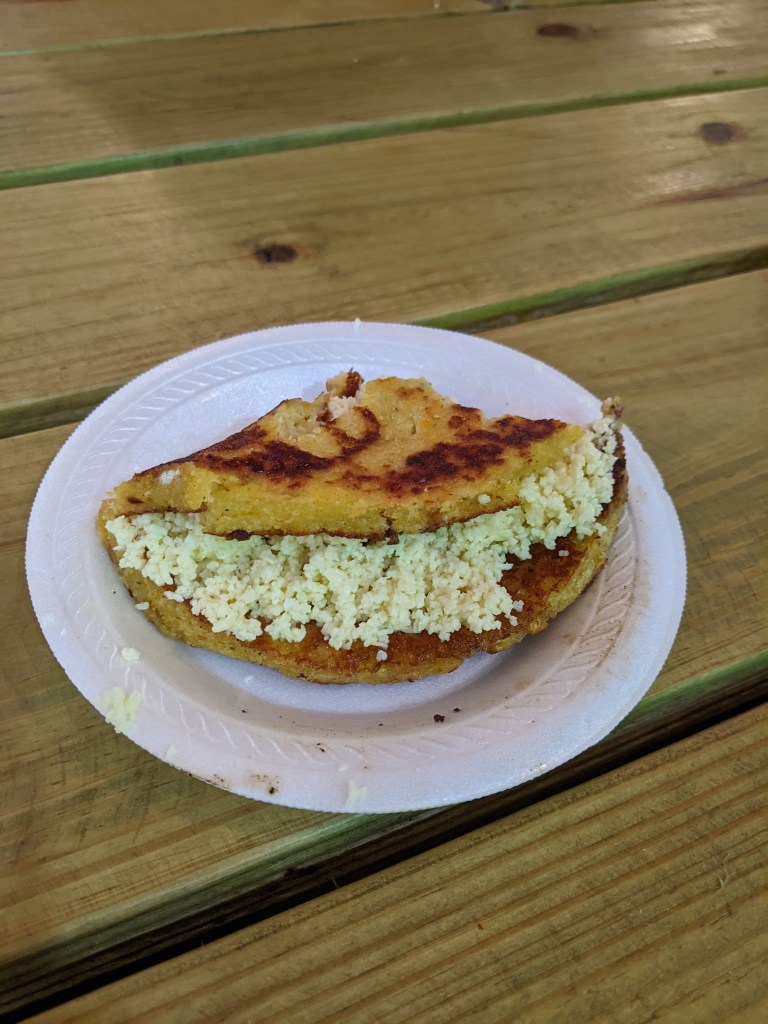
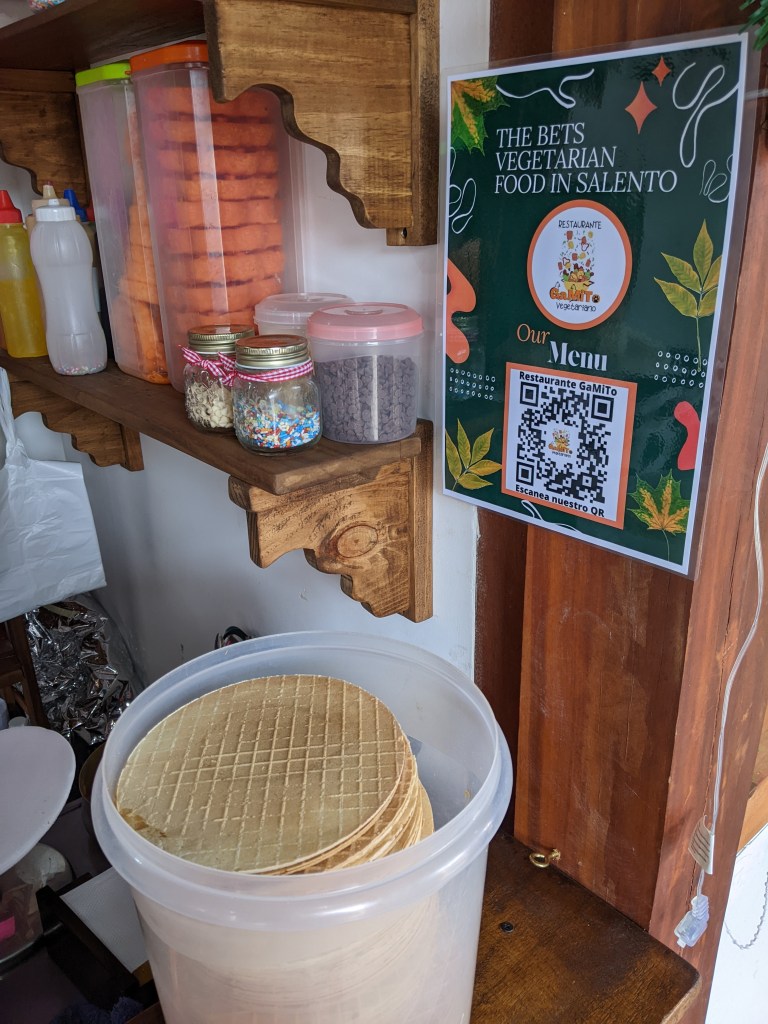
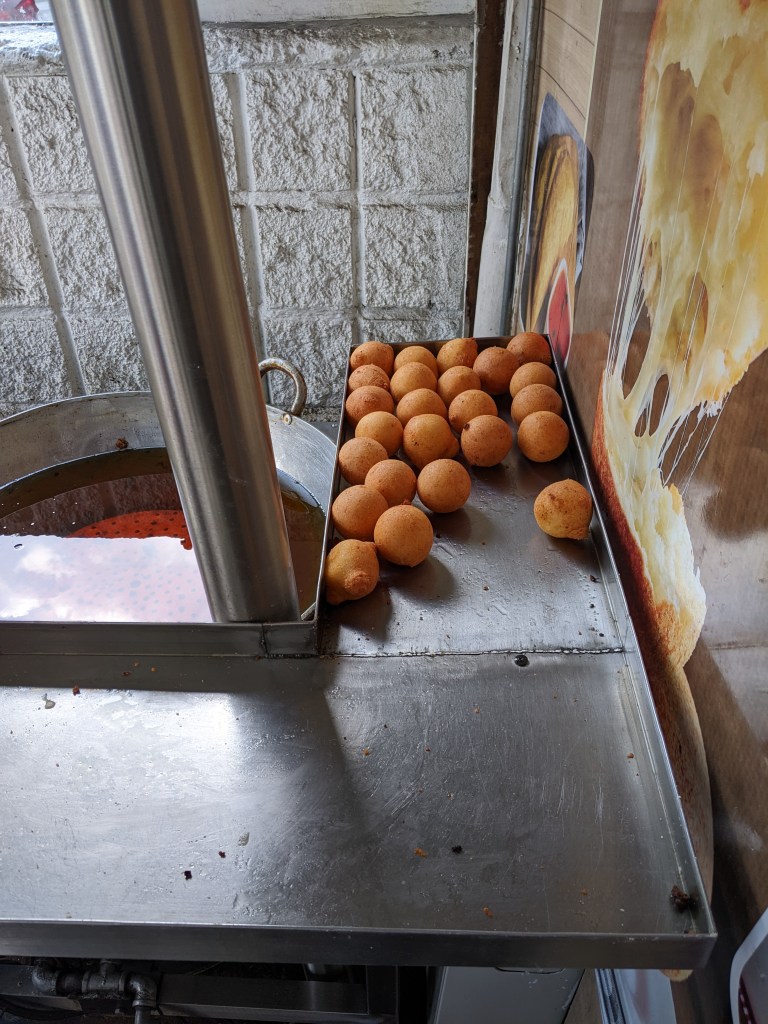
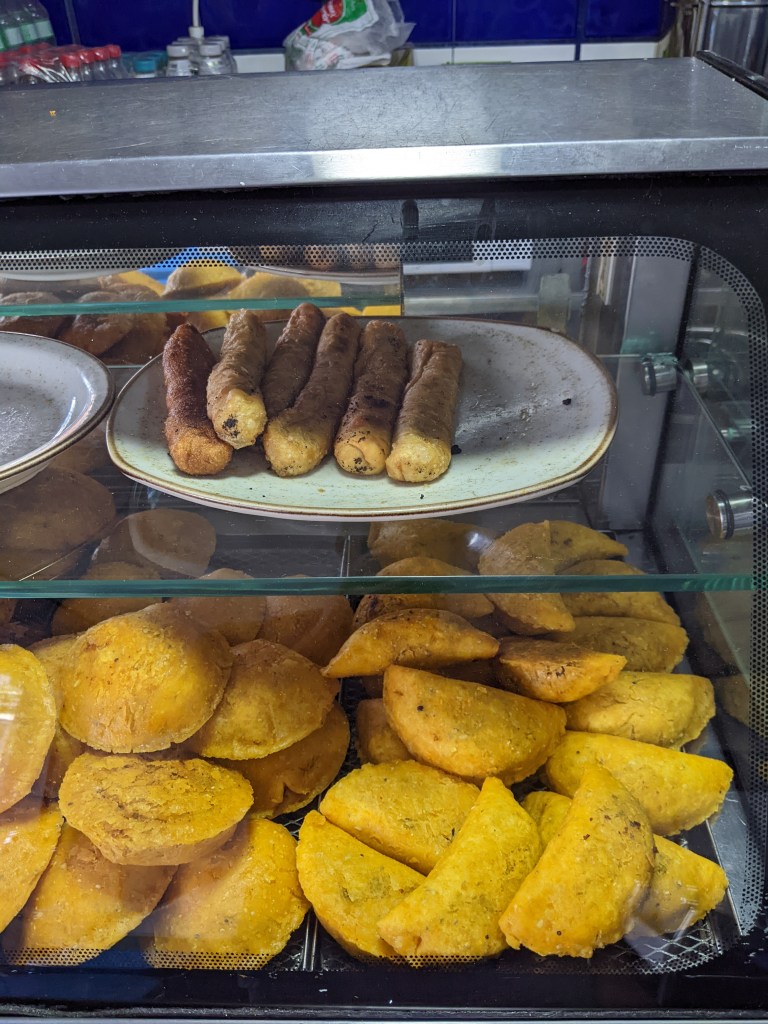
      10. Colombia boasts a vibrant street food culture. Arepas are akin to tacos in Mexico, offering affordable, customizable open-pocket sandwiches. Obleas, sweet wafer sandwiches held together with dulce de leche, are a popular sweet snack. Arepa Choclo, grilled corn cakes often filled with cheese, border on dessert territory. Buñuelos are fried doughnuts , they are crispy on outside and soft on the inside. The round ones are typically savory and can be stuffed with meat or cheese. Empanadas, ubiquitous in South America, get a unique Colombian touch with their aji sauces.

      Arepa Maiz
      Arepa Choclo
      Obleas
      Buñuelos
      Empanadas

      10 things about Colombia 

      7 things about Arenal, Costa Rica

      1. Costa Rica is known for its rich biodiversity. In fact, it makes up about 5% of all biodiversity on earth. After a period of rapid deforestation, Costa Rica made a conscious choice to preserve its forest cover. Today, more than 20% of its land is marked for conservation. Starting early 1990s, eco-tourism started to gain traction with the help of biologists who visited the country primarily for research. Aided by its conservation choices as well as smart marketing from its tourism board, Costa Rica established itself as one of the top destinations for nature and ecotourism. Visitors across the world particularly from North America flock to regions like Arenal, Monteverde and Manuel San Antonio to experience the rainforests along with its unique flora and fauna.  

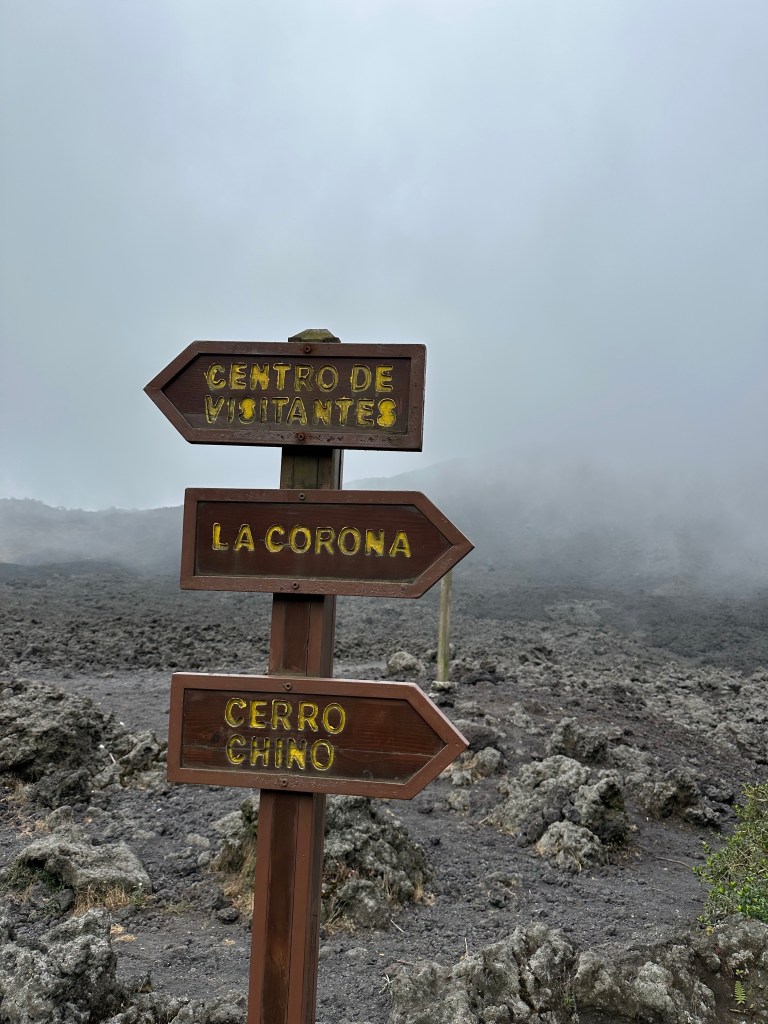
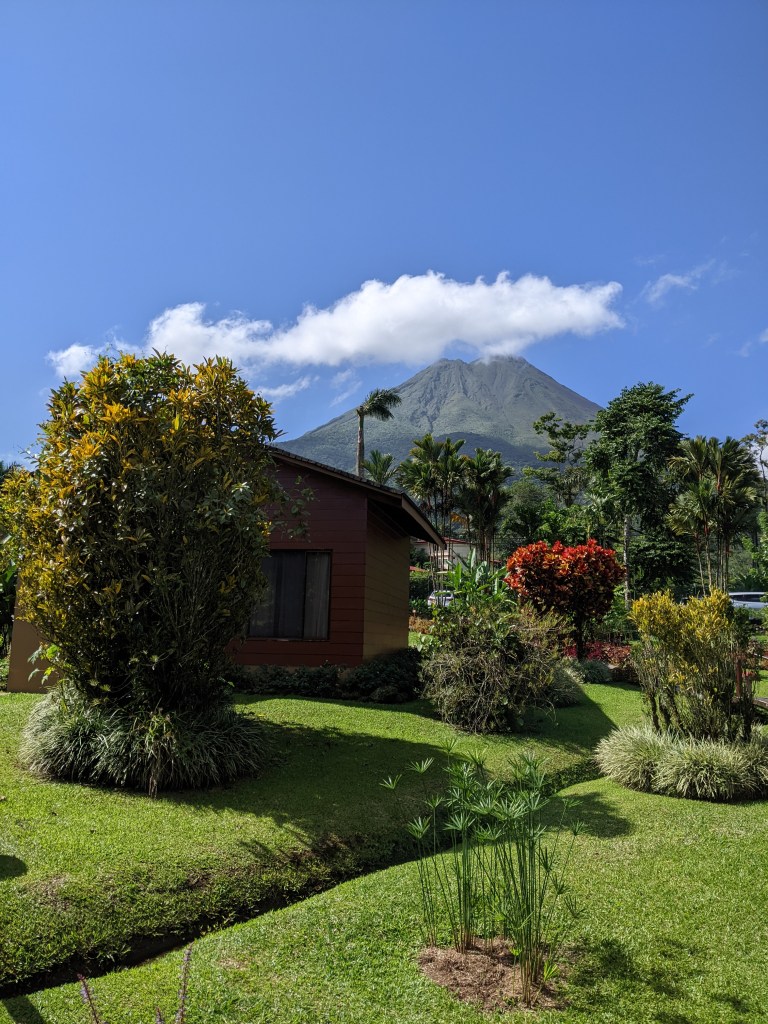
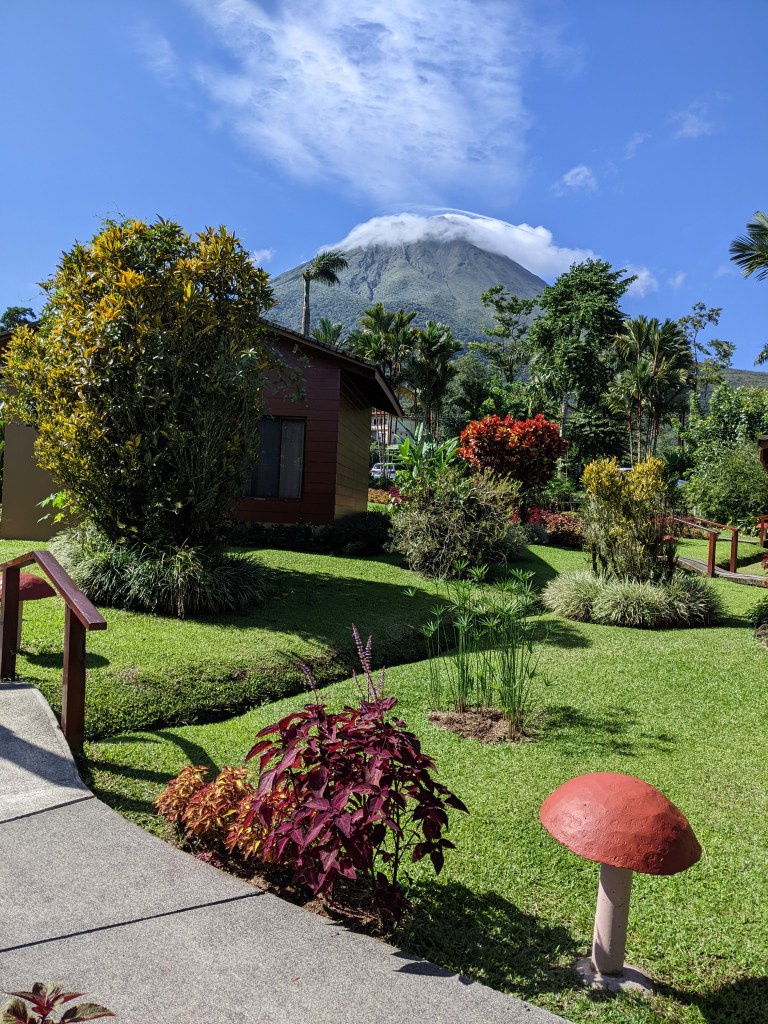
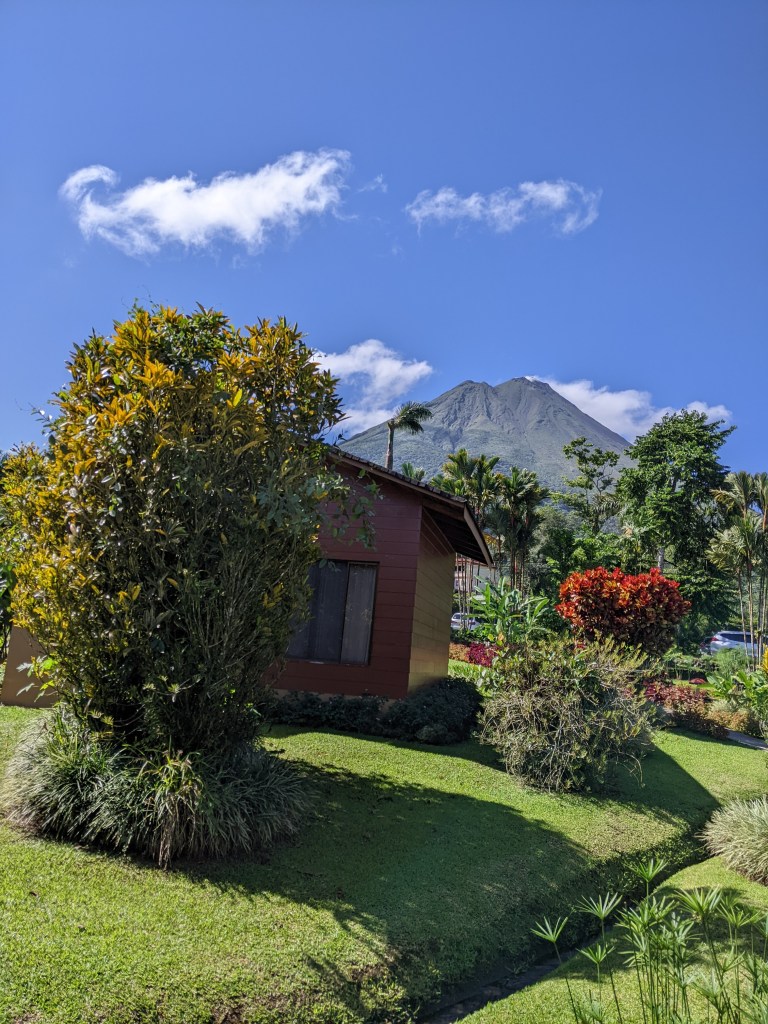
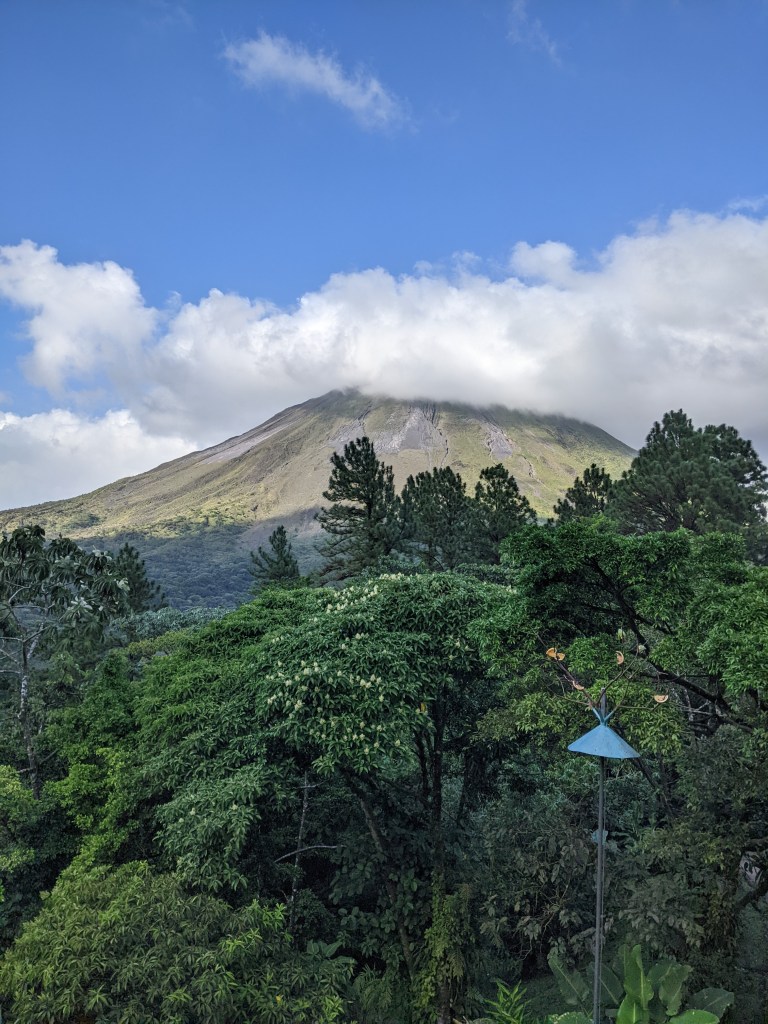
      2. Arenal Volcano gave the region its name. It is best known for its textbook volcano shape and stands tall at 5358 feet. It is usually shrouded in clouds which makes the occasional glimpses of its perfect conical shape special. It continuously erupted from 1968 until 2010 and has been dormant since then. There are lava trails that are accessible as part of the Arenal Volcanic National Park. 

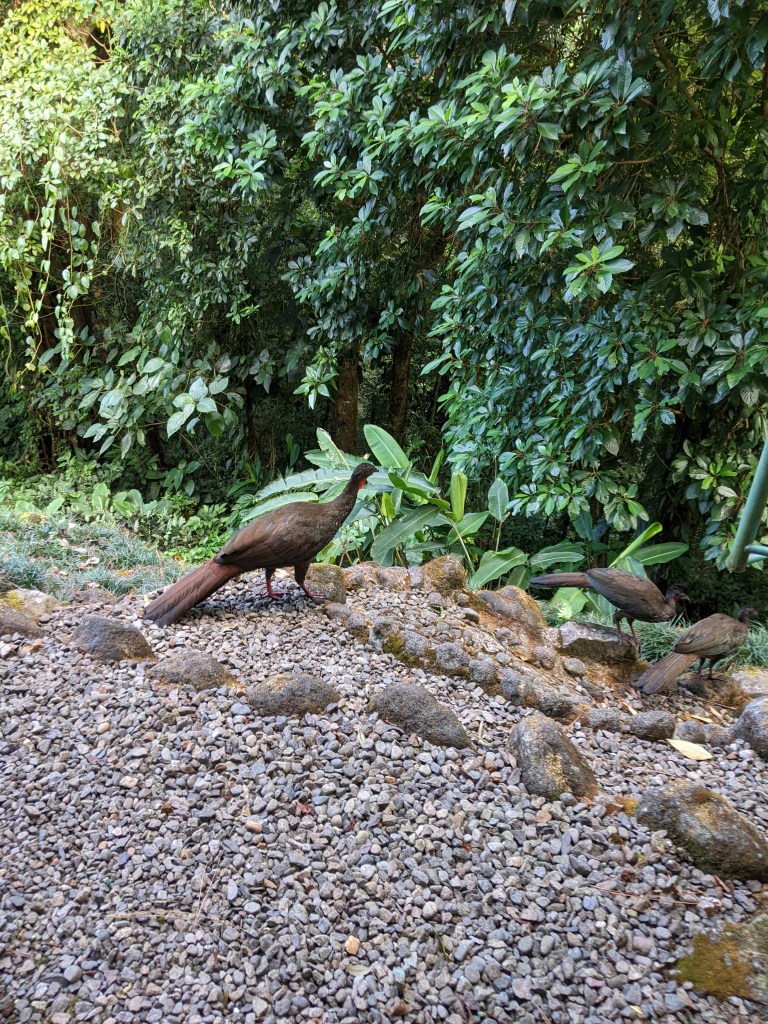
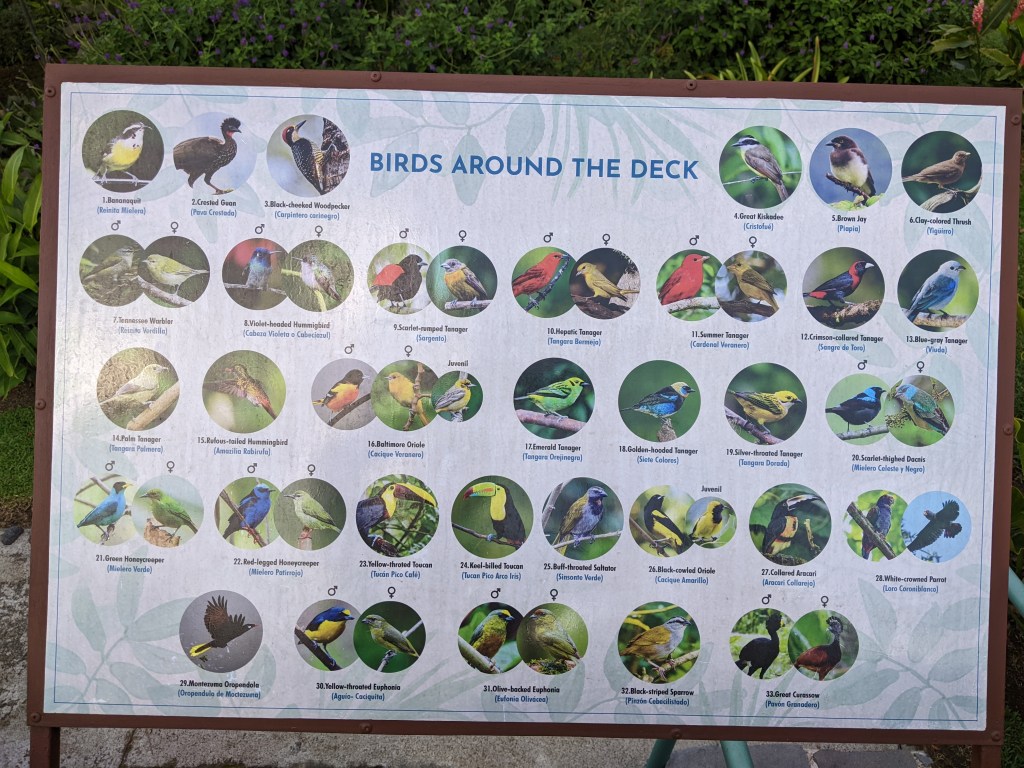
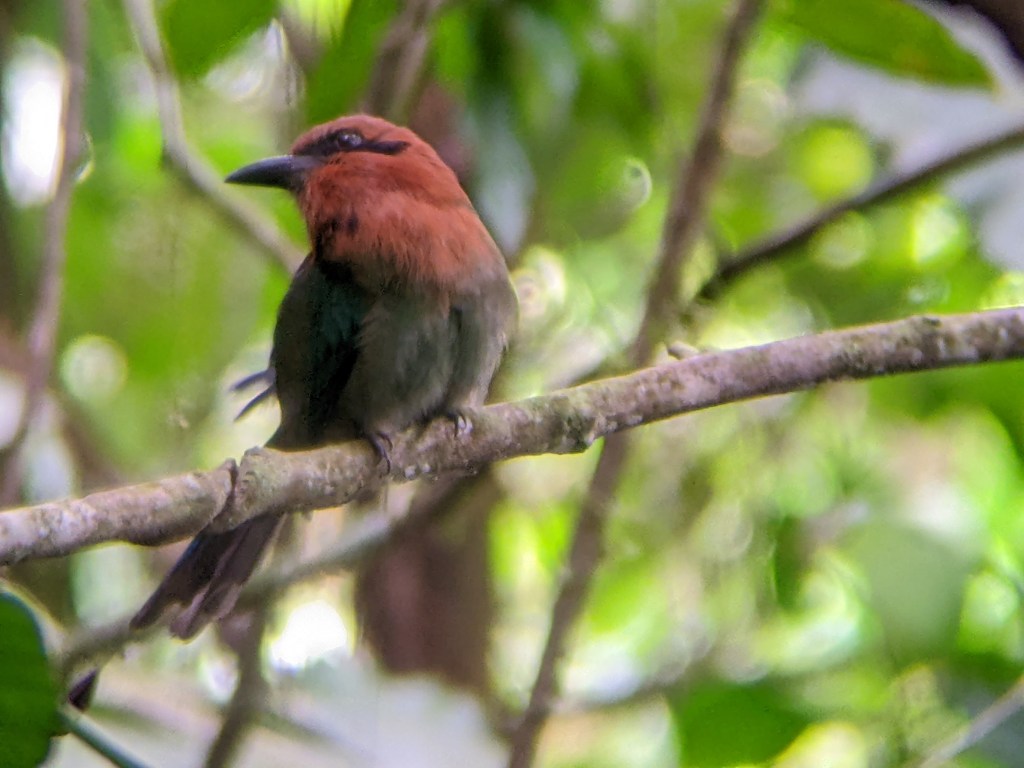
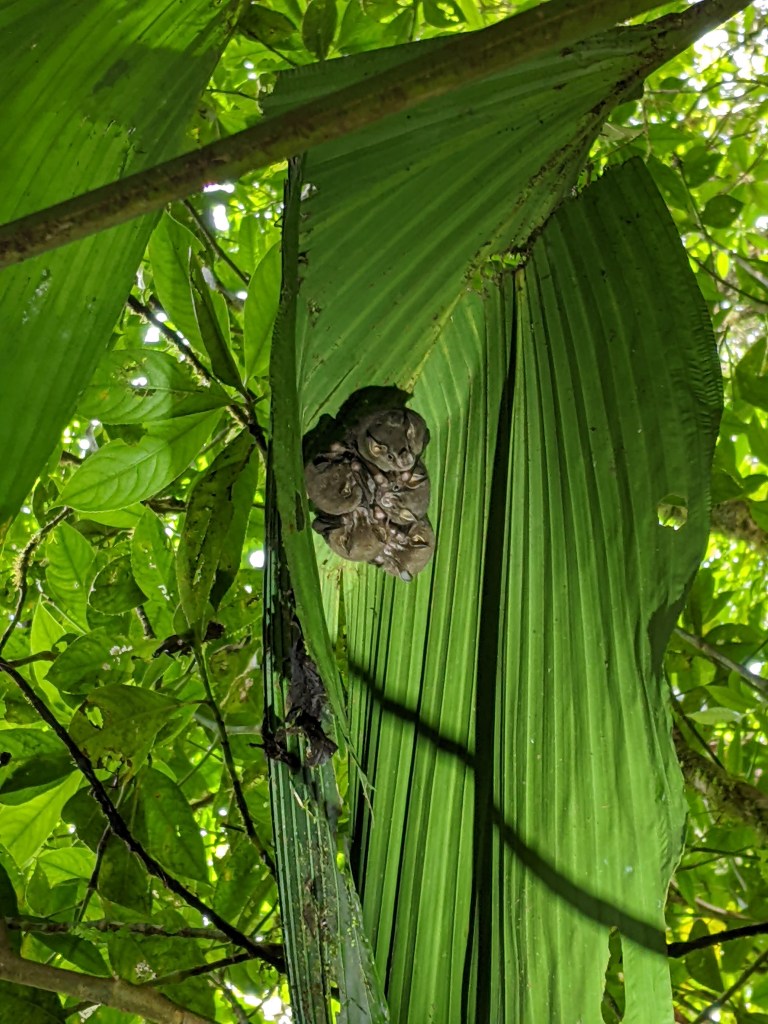
      3. Arenal Observatory and Lodge was built as a research facility for scientists of the Smithsonian Institute. It is located deep in the jungles of the Arenal National Park and is a birding hotspot as it is home to more than 500 species of birds. The observatory has tons of trails and viewpoints which are well suited to see all kinds of wildlife. It is not uncommon to see bands of coatis roaming around the Arenal Observatory itself. The lodge itself offers rustic accommodations but the location is unparalleled. 

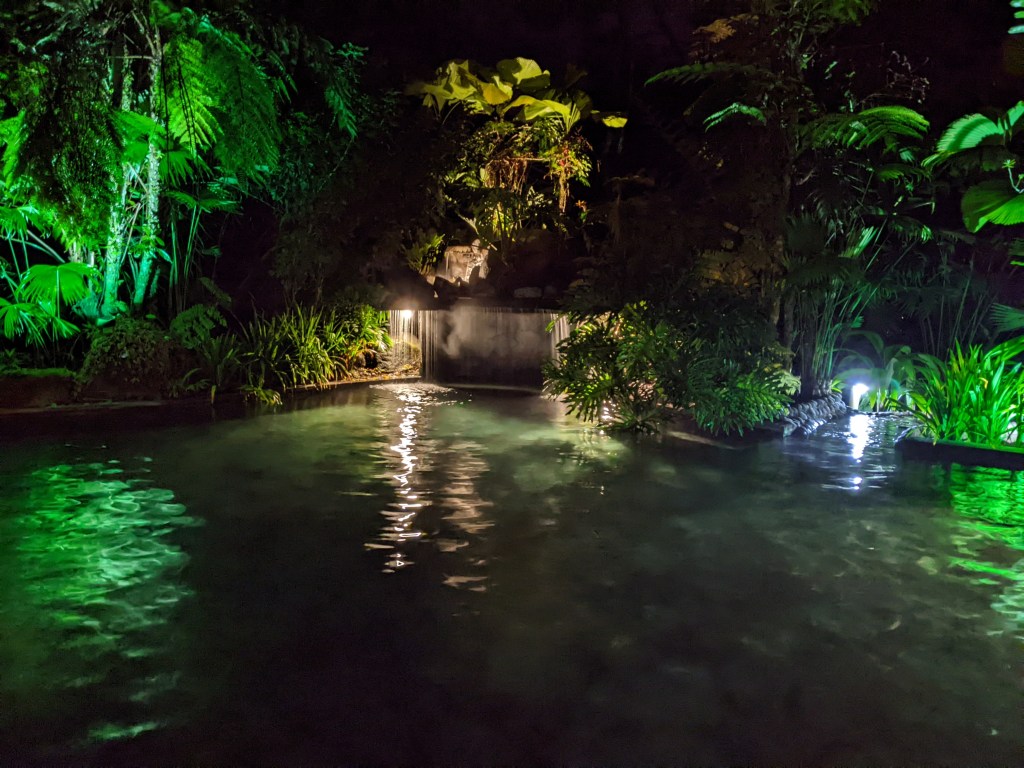
      4. As a result of all the volcanic activity in the region, there are many naturally occurring hot springs. Today, most have been commercialized with resorts built around them. Tabacon is the biggest and the most popular among them. Many resorts including Tabacon sell day passes for those who don’t stay at their properties. Ironically, the only free hot springs in the area is right past Tabacon on Route 142 where hustlers will point those interested in the right direction in exchange for a small car watcher fee. 

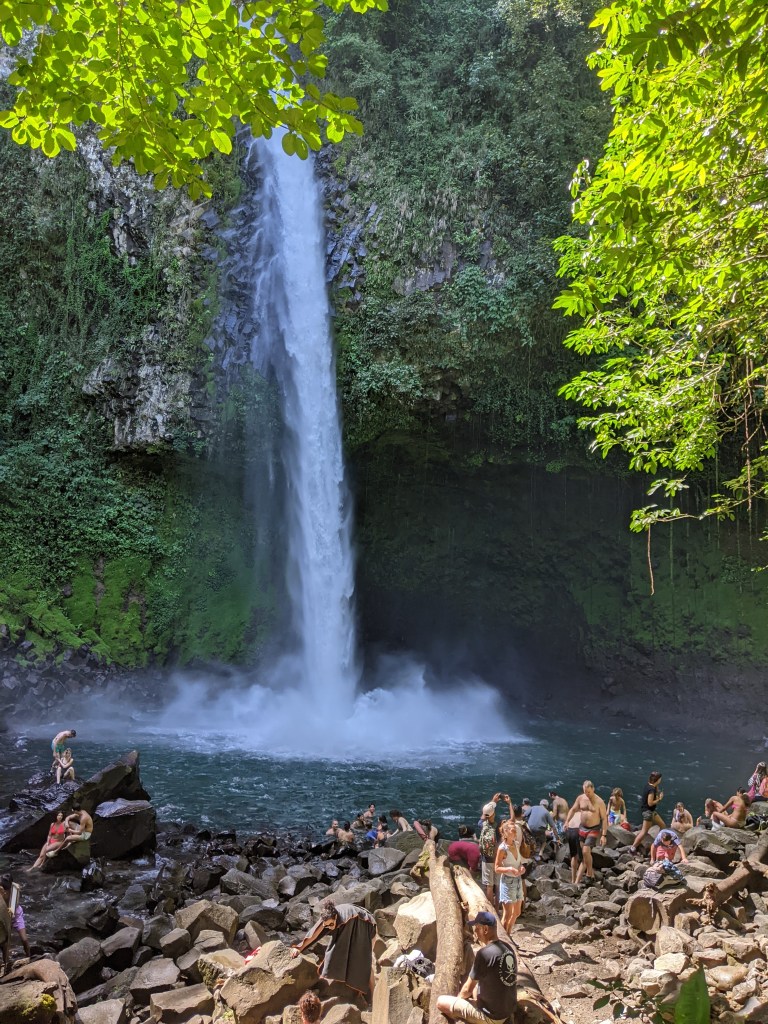
      5. The Rio Fortuna falls is one of the best accessible waterfalls in the Arenal area. While it is not possible to get directly underneath the falls due to its intensity, swimming in the waterfall pool is itself exhilarating and fun. The currents are pretty strong so it is best to stay closer to of the edges of the pool. 

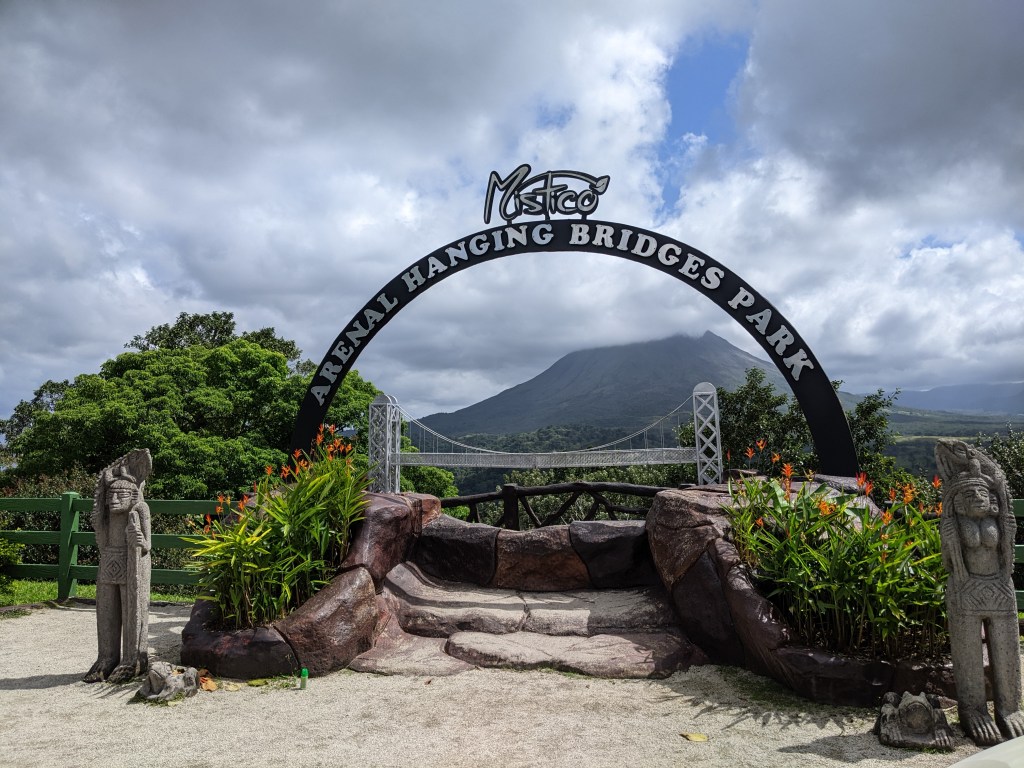
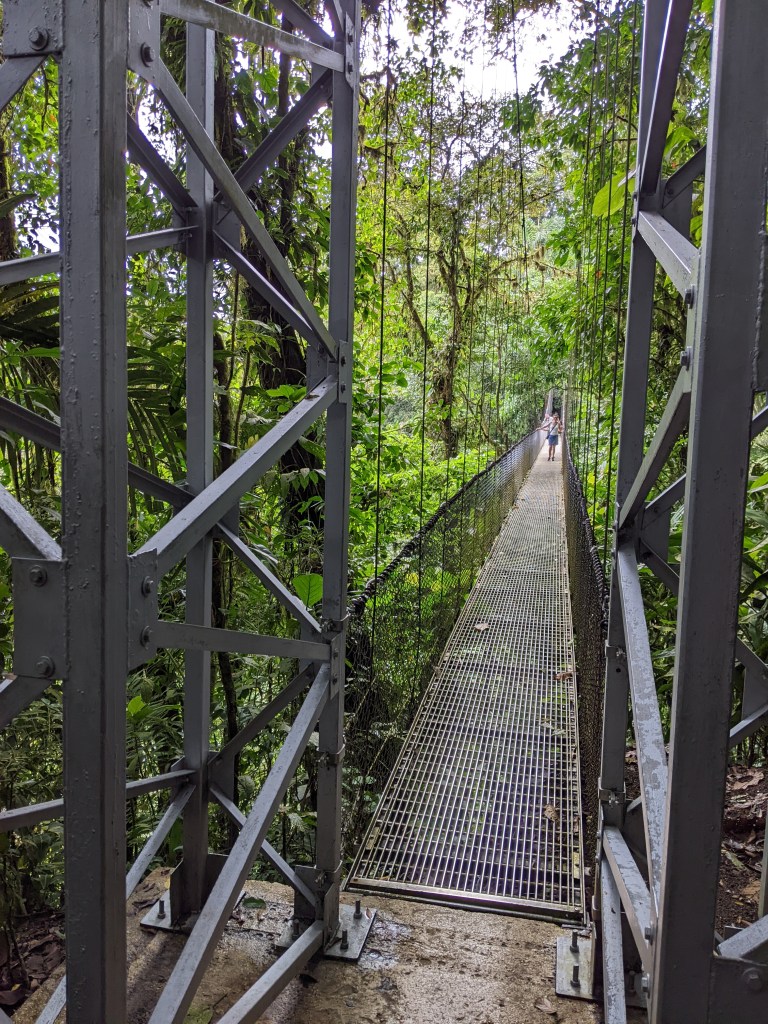
      6. Mistico Arenal hanging bridges park is a curated rainforest experience. The guided walking tour is the best way to experience what this natural park has to offer. There are plenty of hanging bridges built across the rainforest at varying altitudes and this certainly adds to the thrill. We saw plenty of unique flora and fauna, most notably tarantula, cutter ants and chameleons. The cutter ants were unique, the colony of ants literally cut pieces of leaves, haul them back to their burrows, ferment it with their saliva in order to consume them. Their coordination and industriousness is certainly a sight to see. 

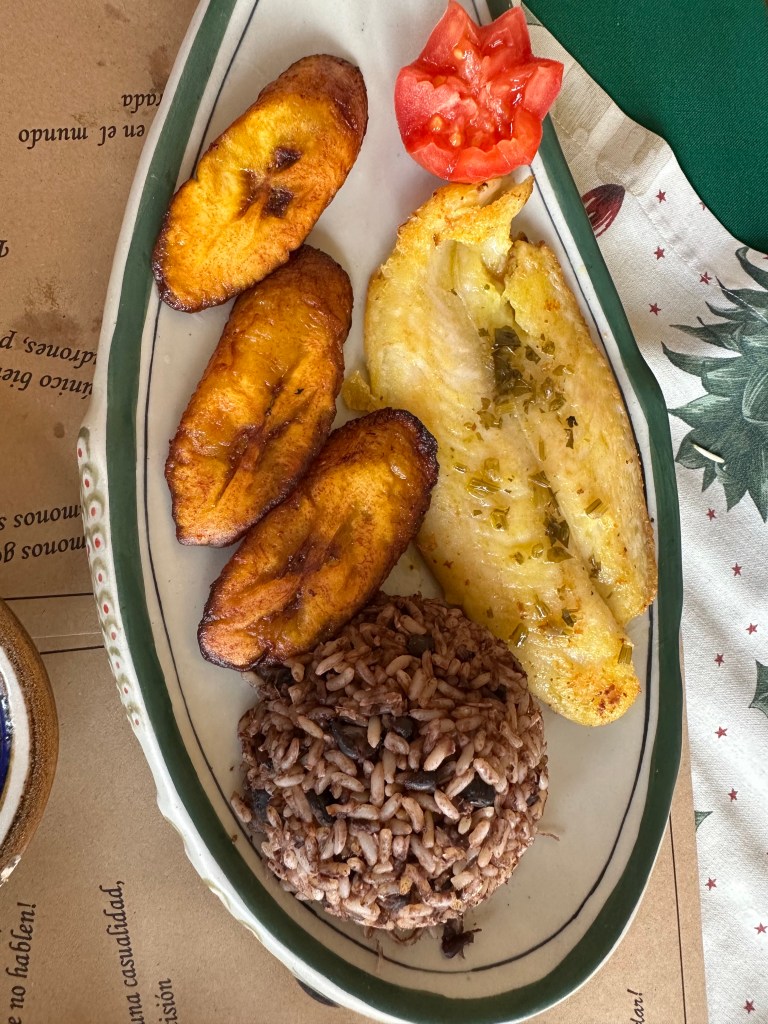
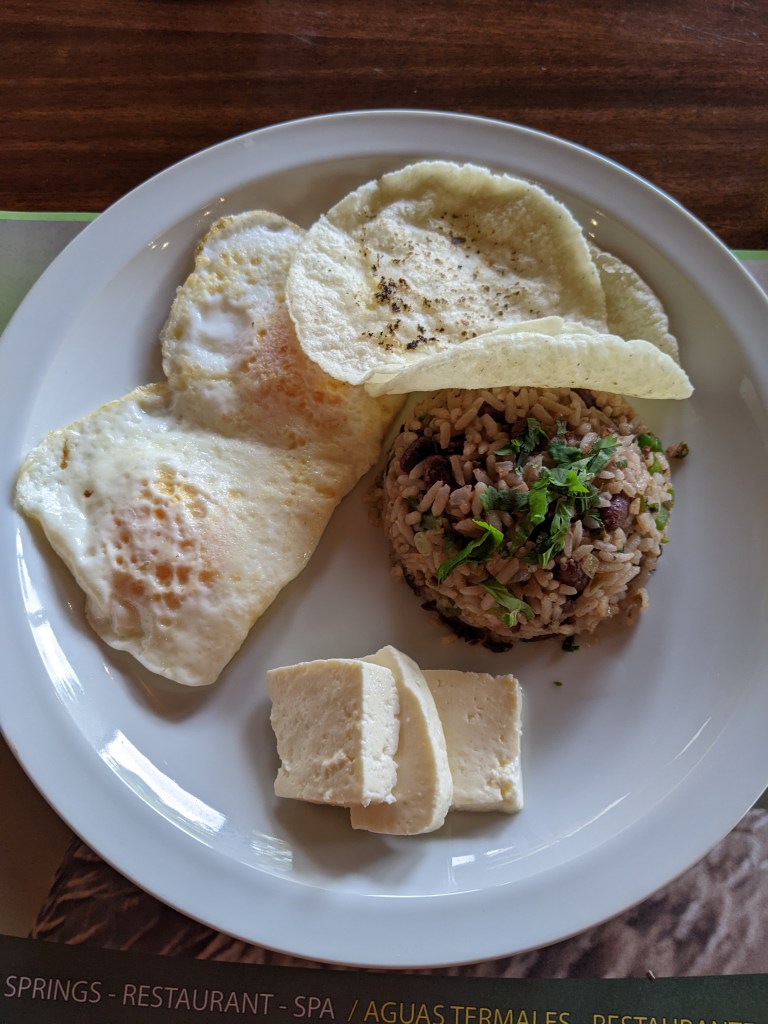
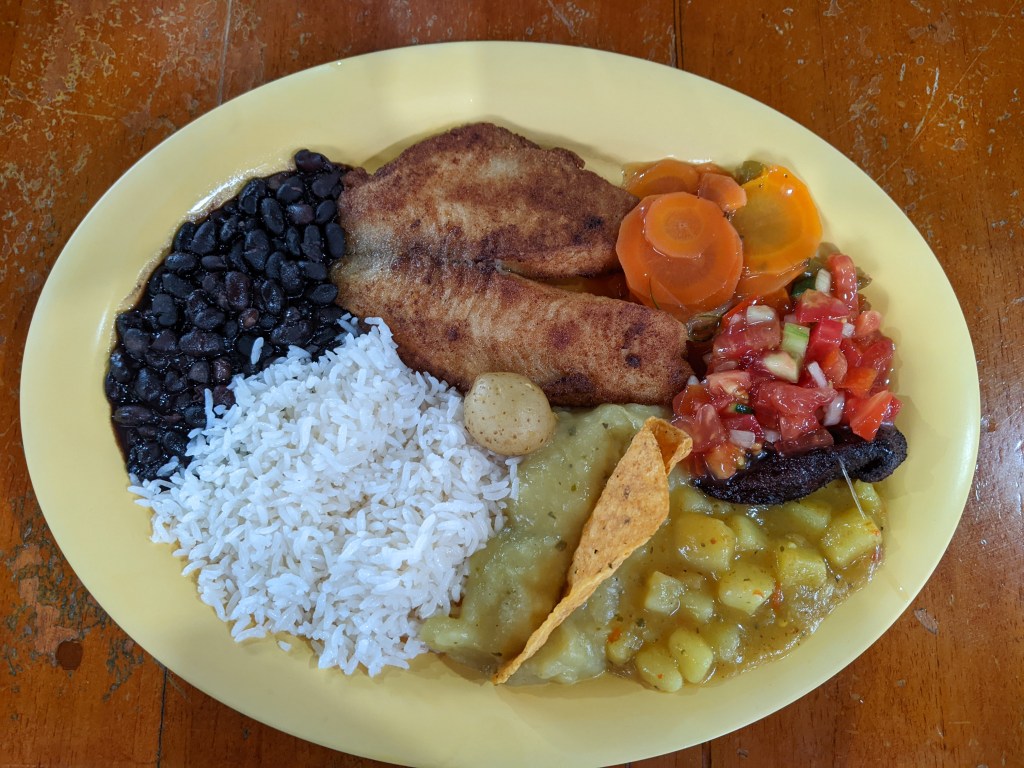
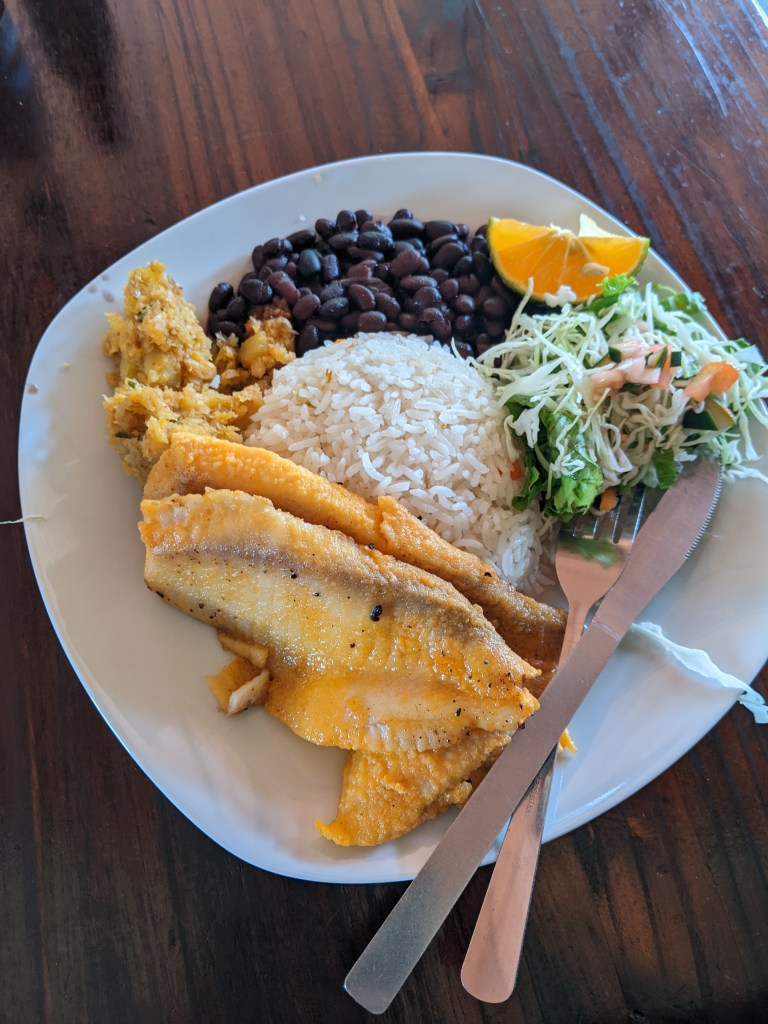
      7. Gallo Pinto (rice and beans) with eggs is the breakfast stand by in Costa Rica. It was better than I thought but was on the blander side, some kind of salsa would have helped. Tropical fruits especially pineapple and papaya are in abundance and find their way into fruit juices, milkshakes and ice creams. As for lunch and dinner, casado plates are the answer. These are set meals built for large appetites. They are composed of rice, beans, vegetables with meat as the main dish. These are typically served at sodas which are low key family run eateries. 

      7 things about Arenal, Costa Rica

      5 things about Panama 

      1. Panama Canal is probably why most people in the world have even heard of the country – Panama. The country’s history is intertwined with the canal. While the idea of creating a canal on the isthmus of Panama dates all the way to the 15th century Spanish conquistadors but it really came to fruition in the early 20th century led by an enterprising French businessman Philippe Bunau-Varilla. He had originally landed in Panama as part of the Ferdinand de Lesseps canal company. After that effort failed, he continued to hustle and eventually lobbied United States government to approve the construction of a canal in Panama. When Colombia failed to ratify the deal with the United States (Hay–Herrán Treaty), he persuaded Panamian rebels to fight back with support from US military and declare independence on November 4th 1903. Within a few weeks, Hay–Bunau-Varilla Treaty was signed to establish the Panama Canal Zone as a territory of the United States. This arrangement continued until 1979 and the canal itself was handed over to Panama in 1999. 

      2. The Panama Canal system has two main locks – Miraflores and Aqua Clara. Miraflores is the most visited as it is about 20 minutes from the country’s eponymous capital – Panama City. During my visit, the visitors center was being remodeled so there was nothing else than some limited outdoor viewing space. It was very hot and poor crowd management made it a sub par experience. After hustling a bit, we managed to find a spot to watch a large container ship cross the canal. 

      3. Panama City is a modern metropolis with an impressive skyline. However, the number of high rises seemed oddly disproportionate to the economic might and population of the country. Panama is a tax haven, it only taxes territorial revenue while income from offshore revenue is tax exempt. This attracts many types of businesses to have their nominal HQs in Panama. Also, real estate is a good way to launder money. 

      4. Casco Viejo (Spanish quarter) is one of the oldest and touristy neighborhoods in Panama City. While it lacks the scale and grandeur of other Spanish colonial capitals, it was still nice walking around. There are some quaint buildings including many churches, the Basilica Santa Maria la Antigua and Iglesia de San Jose are worth checking out. More recently, it has been spruced up with new tenants ranging from boutique hotels, coffee shops and art galleries. Cafe Unido is 3rd wave coffee shop that is known for its geisha coffee. Geisha beans are some of the most expensive due to the intense care it takes to grow them. The pour-over was a whopping $10 USD but was well worth it. It was significantly better than any pour over I have had before. The coffee was very fruity but quite acidic which is consistent with coffees from the region. 

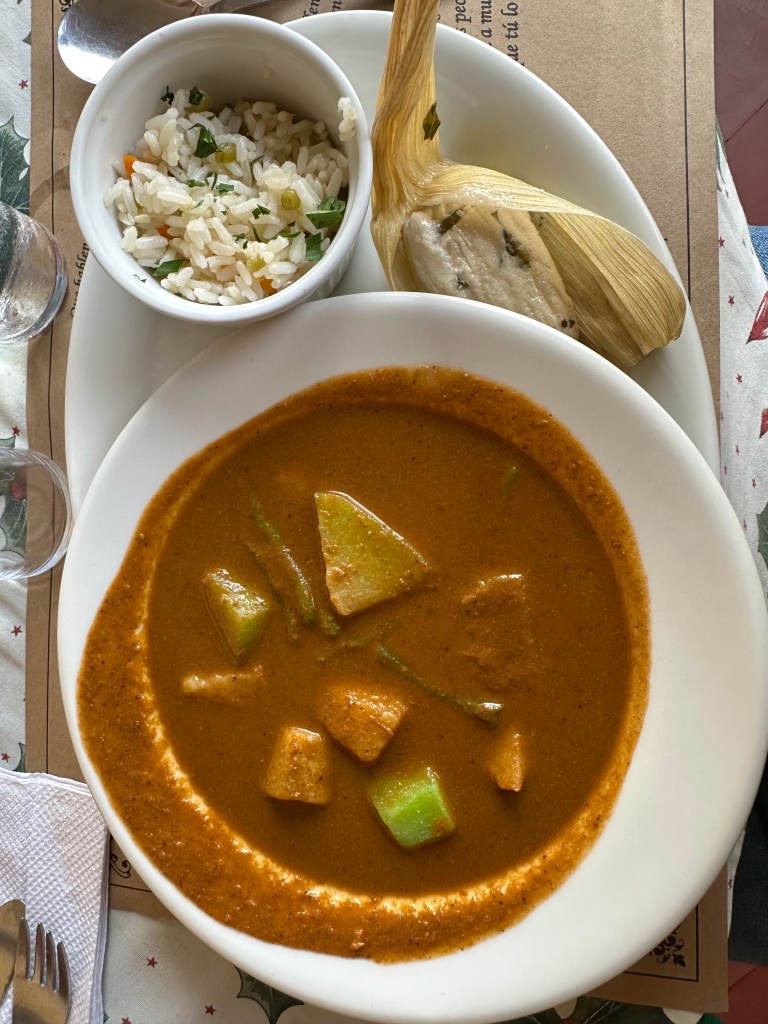
      5. Panamanian cuisine doesn’t stray too far from those of other Central American countries. It is dominated by meat and starch (rice, beans and plantains) plates. El Trapiche is an institution preferred by locals and tourists alike. The classics at El Trapiche are Olla de Tamal(masa soup), Patacones (double fried plantains), carimanola (stuffed yuca fritter). Also, major props to them as they offered vegan versions of their popular menu items.

      5 things about Panama 

      7 things about Slovenia

      1. Slovenia was originally part of the former Yugoslavia which was officially formed as the State of Slovenes, Croats and Serbs in 1918. It became an independent Republic after Yugoslavia disintegrated in the post Communist era. Ljubljana is the capital of Slovenia. Its old town is charming with cobblestone streets, colorful buildings and Ljubljanica flowing through it. There are many little bridges (Butcher, Dragon) built across the river that serve as good photo ops. The most popular spot is the Prešernov trg Square near the Venetian styled Triple Bridge and the Franciscan church with its attractive pink facade. Beyond the immediate vicinity of the old town, everything felt suburban filled with mid-rise Soviet style buildings.

      Ljubljana Old Town
      Prešernov trg Square

      2. Roads are fantastic especially the major highways. This is particularly useful when speeding off to the countryside which is beautiful. You can’t help but notice the churches that are dotted across the landscape. There are around 3000 of them in the country. 

      3. Bled is one of the quintessentials stops of Slovenia. The town gets its name from the eponymous lake which is one of the most beautiful in the world. At its center is a tiny island with a few medieval buildings including a chapel. While the island itself is quaint, it is the ride to the island on the hand operated pletna (small boats) that is the main draw. Only a handful of licenses are issued to operate a pletna and are mostly passed down from generation to generation. So, the lake is never swarming with one too many boats. The turquoise calm waters makes for a pleasing ride, I only kept wishing it was longer. 

      Lake Bled
      Bled Island
      Water Lake Bled

      4. While underground cave systems are prevalent across the globe, Slovenia has some of the most accessible ones – Postonja and Skocjan. While the former is much more organized Disneyesque experience catering to all age groups.The latter is aimed at adventure lovers. Postonja is impressive nevertheless. It has a beautiful and huge collection of stalagmites, stalagmites and pillars. The Postonja cave system is 24 km  long and was carved by the Pivka River. The cave also has some interesting history, it was one of the first places to electrified in the whole country. Only 5 km of the cave is open to the public today, most of which is traversed via the cave train. 
      Postonja Cave

      5. Predjama castle is an impressive architectural marvel as it is carved right into the cave. It is located within a few miles of the Postjona cave and usually combined with the cave visit. The castle belonged to a lord so the interiors are a bit sparse but the unique engineering is what makes it different than most. 

      Predjama castle

      6. Slovenian cuisine is very much developing and still heavily influenced by its neighbors. So, there are plenty of Bosnian restaurants selling Bureks and various types of grilled meats. Nobel burek was one such place where you can get stuffed for under 5 euros. As for chains, I was impressed by a brand new McDonalds that I found on my way to Bled. The had a fresh salad on the menu which I had never seen anywhere else before. 
      Nobel Burek
      Burek and Ayran
      Brand new McD
      McD fresh salad

      7. Slovenia punched above its weight in sweets- Struklji, Gibanica, Kremsnita are standbys. Strukjli are dumpling rolls that can be made both sweet and savory. It is not uncommon to eat a course of each for a meal. Kremsnita  is a speciality of Lake Bled that is virtually sold in every cafe and restaurant in the area. It looked like a poor man’s version of Napoleon but it completely blew my mind. It is basically custard and chantilly cream sandwiched between layers of puff pastry. It was perfectly enjoyable without being decadent. Gibanica is a pastry cake with layers of poppy seeds, walnuts, apples, raisins and quark cheese. It is considered to be a Slovenian speciality. The overall taste profile was similar to the of an Austrian Strudel. 

      Sweet Strukjli
      Kremsnita Cake
      Gibanica Cake
      7 things about Slovenia

      7 things about Barcelona,Spain

      1. Although the exact dates of origin of Catalonia are not clear, Emperor Charlemagne is widely credited for establishing the first Catalan counties centered on fortresses at the edge of the Muslim-ruled Iberian peninsula. They later unified as Catalonia in 1162. Barcelona was actually one of them. Following the death of Charlemagne, Catalonia merged with the kingdom of Aragon. It was brought closer to Spain when Queen Isabella of Castile and King Ferdinand of Aragon married in 1649. Until the 18th century, Catalonia maintained its own identity, language and political institutions. Following which, Catalonia backed two losing sides in wars that ensued, first Hapsburgs and then Republicans which completely changed the trajectory of their path to self determination. The Bourbons and the Fascists retaliated by repressing the Catalonian identity. It was only after the second World War that General Francisco Franco relented a bit to help the Catalan culture grow and finally the democratic transition greatly helped the Catalan cause.

      2. The Gothic Quarter is the cultural hub of Barcelona. It’s well preserved medieval era buildings make it special. The most important of all is the magnificent gothic Cathedral of Barcelona. It is a stunning piece of architecture dedicated to Eulalia, the co-patron saint of Barcelona. It is also the seat of Archbishop of Catalonia. Iglesia de Santa Maria del Pí and Iglesia de Santa Maria del Mar are other Gothic churches know for their rich facades and stained glass windows. La Rambla is a treelined street that forms the border of the Gothic quarter and connects it to the defacto city center,Plaça Catalunya. I found it to be a tourist trap. My experience was ruined by a failed pickpocket attempt. Apparently, it is one of the hotbeds of pickpocketing in western Europe. It was the brazenness of the attempt that bothered me the most. 

      Cathedral of Barcelona

      3. Outside the old city, Barcelona has a very distinct building pattern. It wasn’t always like that. In order to cope with the growing population in the middle of the 19th century, principles of urban planning were applied to create the modern day Barcelona. The brain child behind all of this was Ildefons Cerda, an Catalan architect. He proposed a larger planned city by combining the old city of Barcelona and a few adjacent towns. As part of his research on ideal urban living conditions for the citizens of the city, Cerda conceived a unique urban building pattern. He aimed to create hundreds of small communities with clean air and enclosed garden spaces while allowing easy access and navigation for goods to be transported across the city. The newly built city extension (Eixample) was characterized by long straight streets, a strict grid pattern crossed by wide avenues, and octagonal city blocks – rectangular blocks with the corners cut off.

      4. The city’s architecture is dominated by the creations of Antoni Gaudi. Gaudi was a son of the soil. He was born in Catalonia and studied architecture in Barcelona. He gained prominence for his modernista works in the late 19th century. Eusebi Güell, a local mogul commissioned some of his best work – Park Guell, Guell Palace, Guell paviollios and Colonia Guell. Park Guell is a popular tourist attraction. The architectural elements are quirky and unique. It felt like a modernist wonderland designed with a playful elegance. The Sagrada Familia Church is truly one of a kind wherein Gaudi has challenged the traditional architectural paradigms of a Catholic church. Gaudi took over from architect Villar in 1883 and worked on it until his death in 1926. It was said to only 20% complete at that time. Further interruptions during Spanish civil war and the destruction of the original Gaudi designs slowed the construction of the church. It still remains incomplete till date. 

      Park Guell

      Park Guell

      Sagrada Familia
      Sagrada Familia Interiors
      Sagrada Familia

      5. Football Club Barcelona is an integral part of the city’s identity. It’s fans are among the most passionate in the world. During the playing season, experiencing a Barca match is a must even for non-football fans. Camp Nou stadium tour is worth it for fans and non-fans alike. The stadium is the largest one in Europe with a capacity of 100,000. 

      6. At its heart, Barcelona is a beach town. So, it manages to maintain a relaxed vibe despite being a busy city otherwise. There is a beach for everyone. The younger crowd congregates at Barcelonata and Sant Sebastia for their endless entrainment and people watching opportunities. Barcelonata has a very South beach vibe to it. Bogatell, Mar Bella and Nova Marbella beaches are relatively quieter and mostly preferred by an older demographic. 

      7. Barcelona has a gazillion tapas places that serve the typical dishes like Spanish Tortilla, Patatas Bravas and Crema Catalana. It has also co-opted some regional dishes like Paella (originally from Valencia), Pa amb tomàquet and made it its own. Bombas (potato croquettes) is one dish that is steeped in Catalan history. It is made to resemble crude bombs used by anarchists in early 1900s.  However, the city truly shines in its innovative culinary offerings centered around molecular gastronomy pioneered by Ferran Adria of the legendary El Bulli (closed in 2011). Molecular Gastronomy allows chefs to reconstruct known flavors in playful ways. Some common techniques used are flash freezing, dehydrating, foams and sous vide cooking. Disfrutrar and Tickets are more accessible versions from the El Bulli alumni who still want to keep the movement alive.

      Tapas Barcelona
      Churro Bar
      7 things about Barcelona,Spain