5 things about Panama 

1. Panama Canal is probably why most people in the world have even heard of the country – Panama. The country’s history is intertwined with the canal. While the idea of creating a canal on the isthmus of Panama dates all the way to the 15th century Spanish conquistadors but it really came to fruition in the early 20th century led by an enterprising French businessman Philippe Bunau-Varilla. He had originally landed in Panama as part of the Ferdinand de Lesseps canal company. After that effort failed, he continued to hustle and eventually lobbied United States government to approve the construction of a canal in Panama. When Colombia failed to ratify the deal with the United States (Hay–Herrán Treaty), he persuaded Panamian rebels to fight back with support from US military and declare independence on November 4th 1903. Within a few weeks, Hay–Bunau-Varilla Treaty was signed to establish the Panama Canal Zone as a territory of the United States. This arrangement continued until 1979 and the canal itself was handed over to Panama in 1999. 

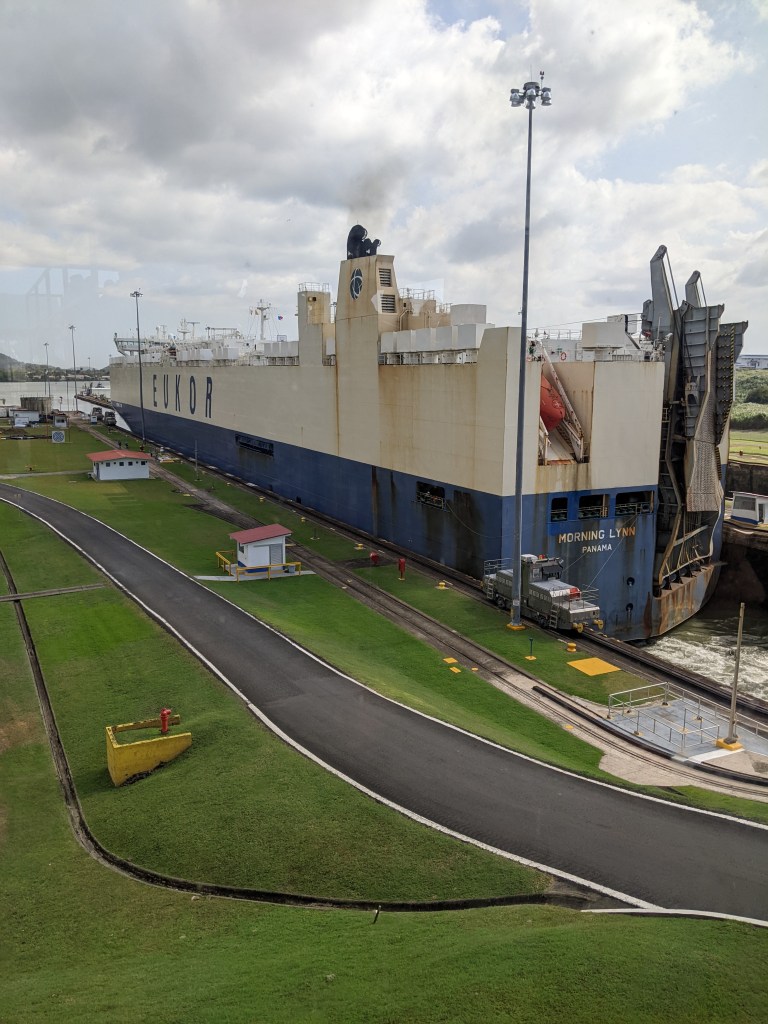
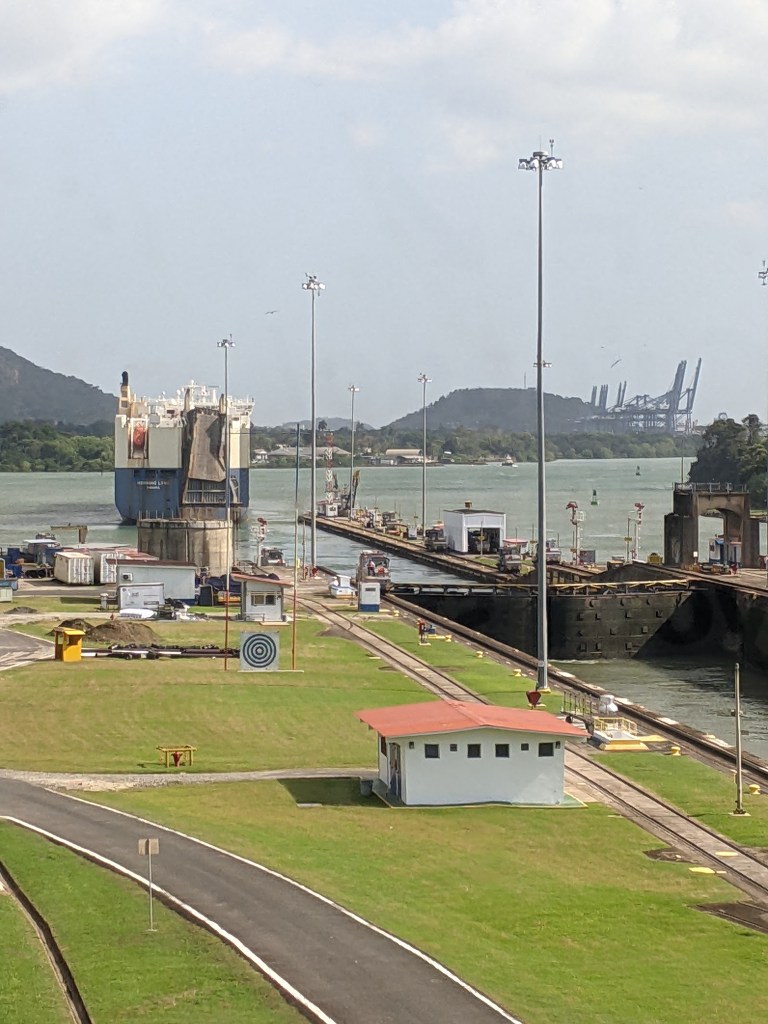
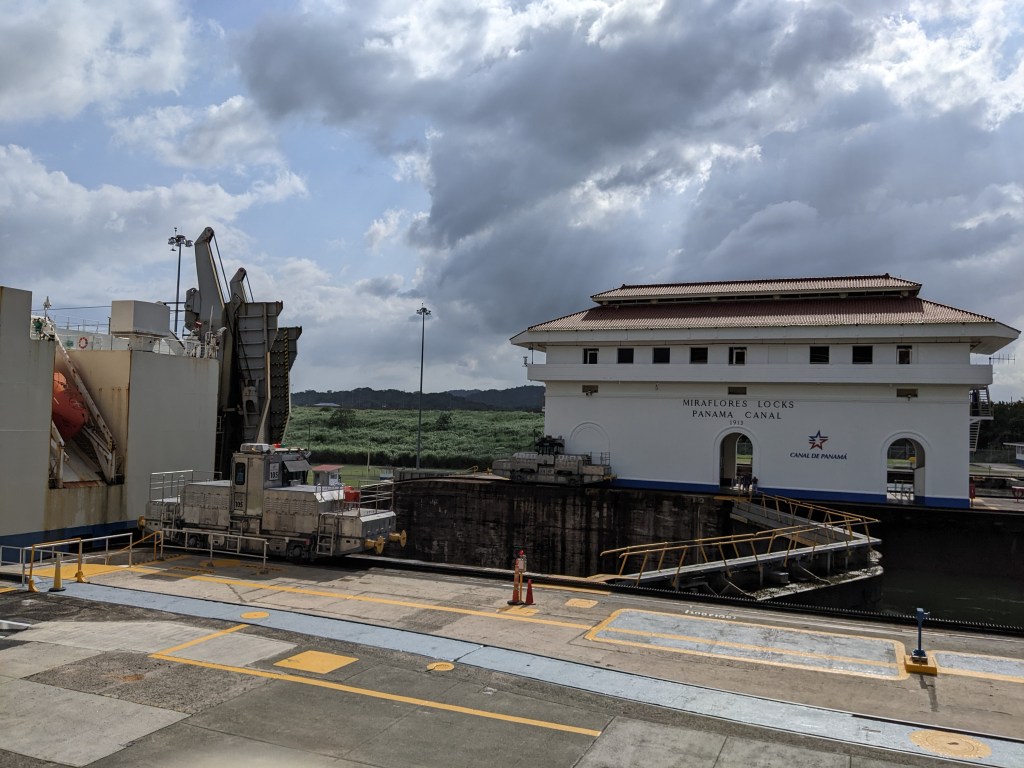
2. The Panama Canal system has two main locks – Miraflores and Aqua Clara. Miraflores is the most visited as it is about 20 minutes from the country’s eponymous capital – Panama City. During my visit, the visitors center was being remodeled so there was nothing else than some limited outdoor viewing space. It was very hot and poor crowd management made it a sub par experience. After hustling a bit, we managed to find a spot to watch a large container ship cross the canal. 

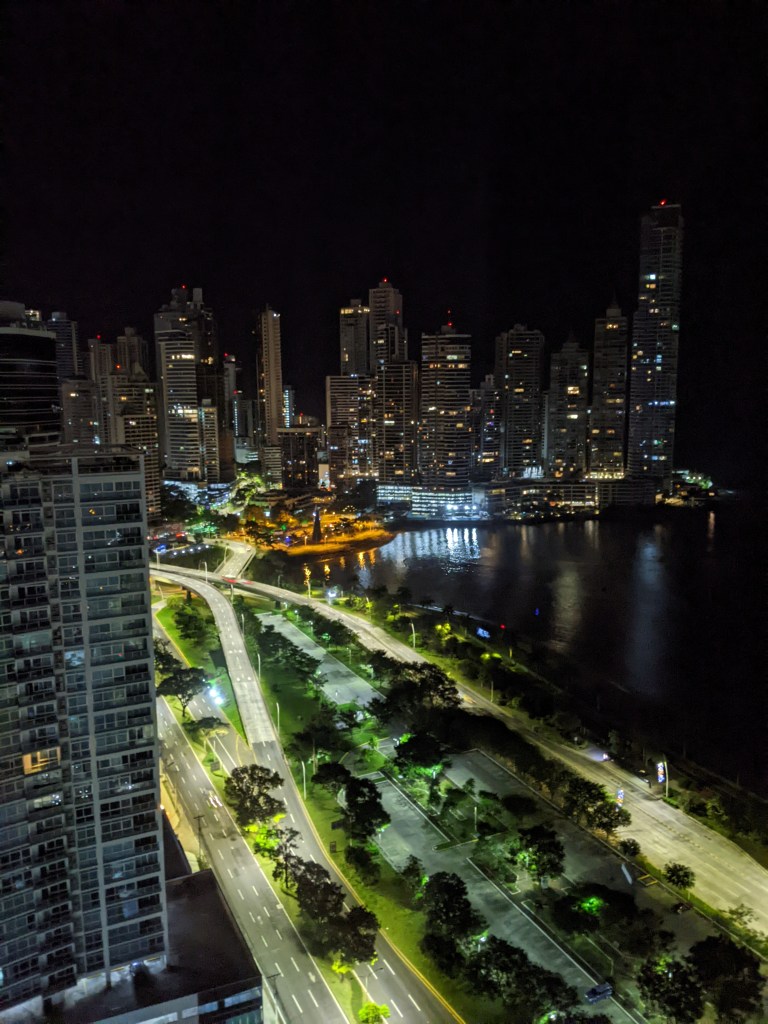
3. Panama City is a modern metropolis with an impressive skyline. However, the number of high rises seemed oddly disproportionate to the economic might and population of the country. Panama is a tax haven, it only taxes territorial revenue while income from offshore revenue is tax exempt. This attracts many types of businesses to have their nominal HQs in Panama. Also, real estate is a good way to launder money. 

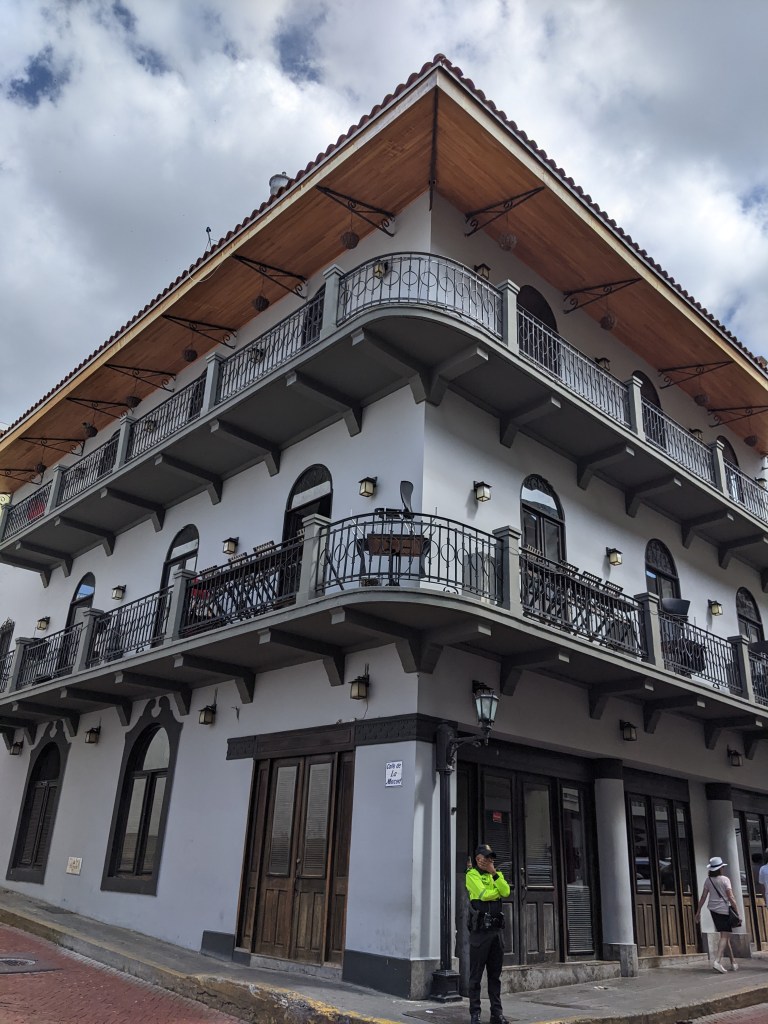
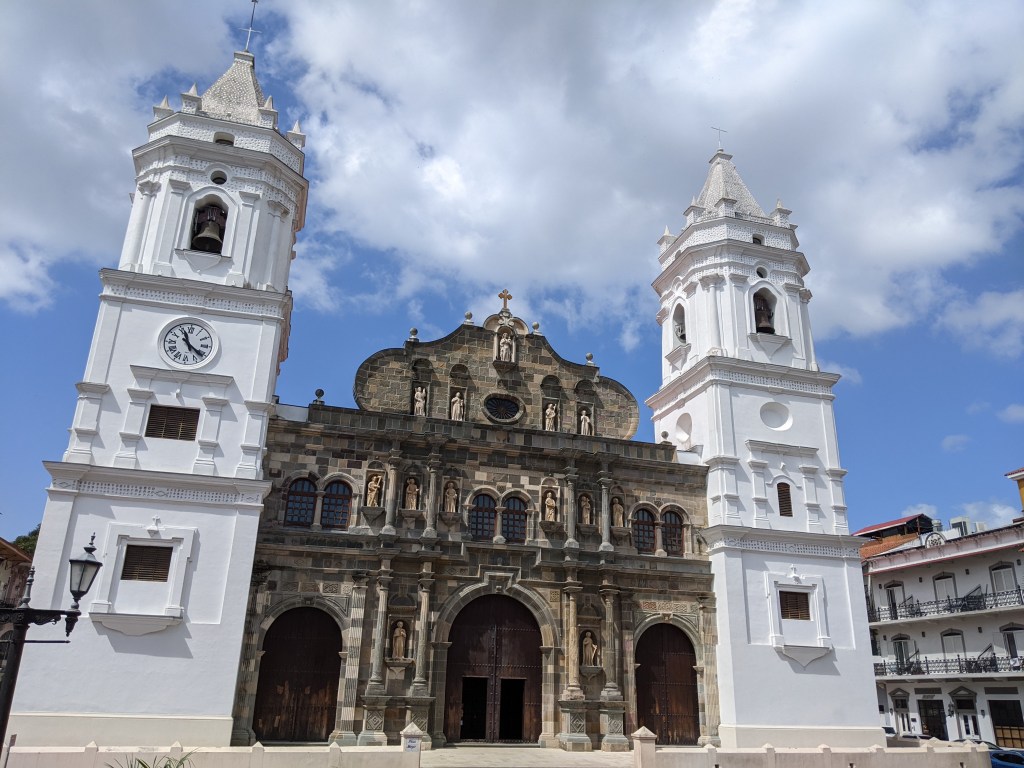
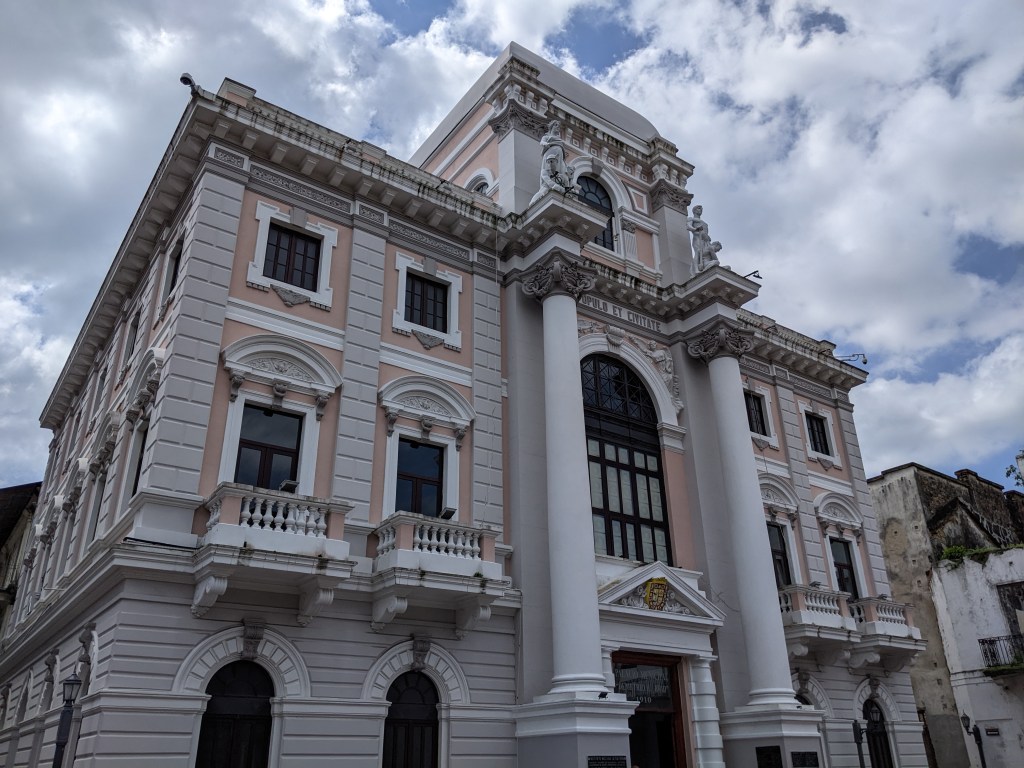
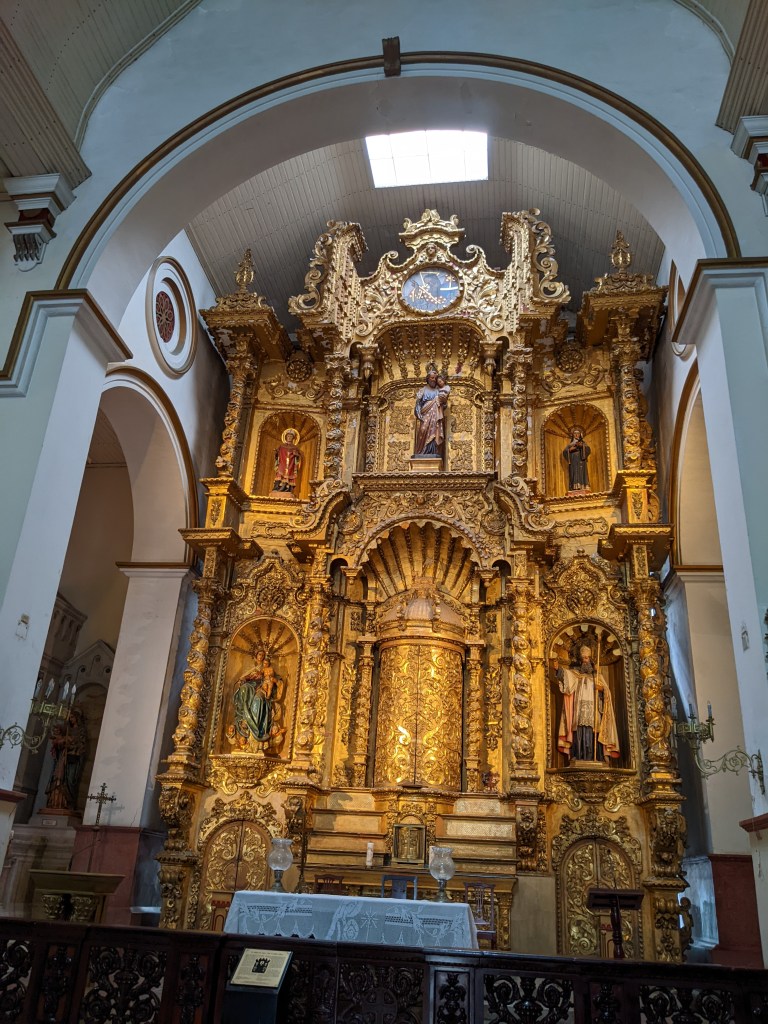
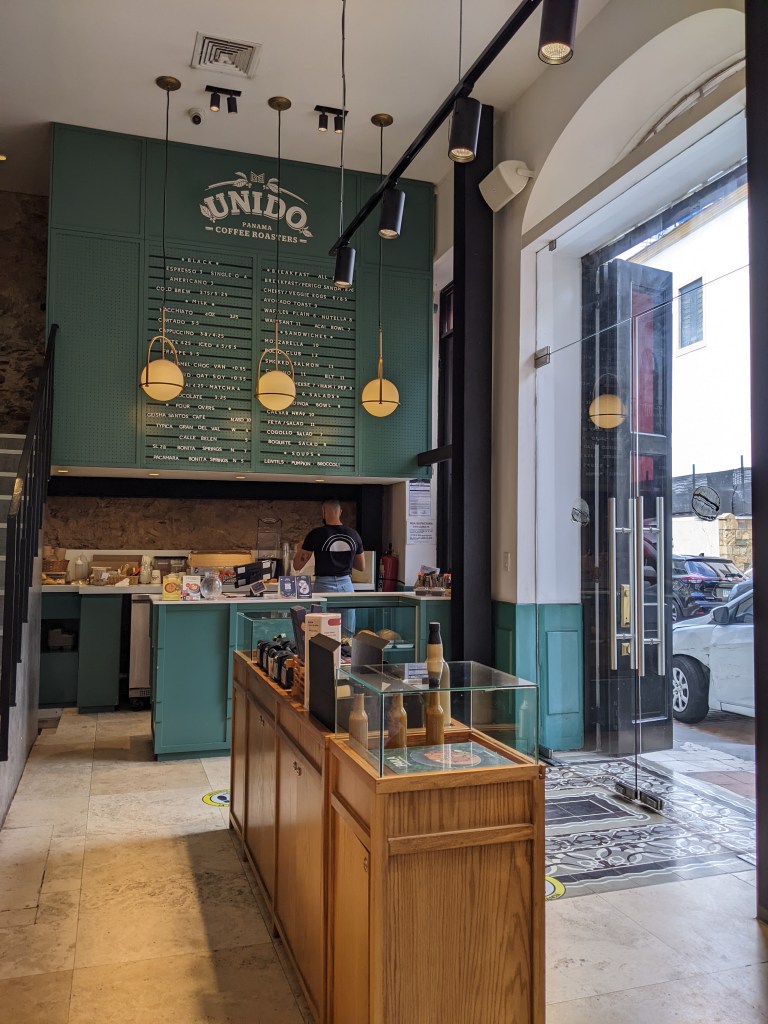
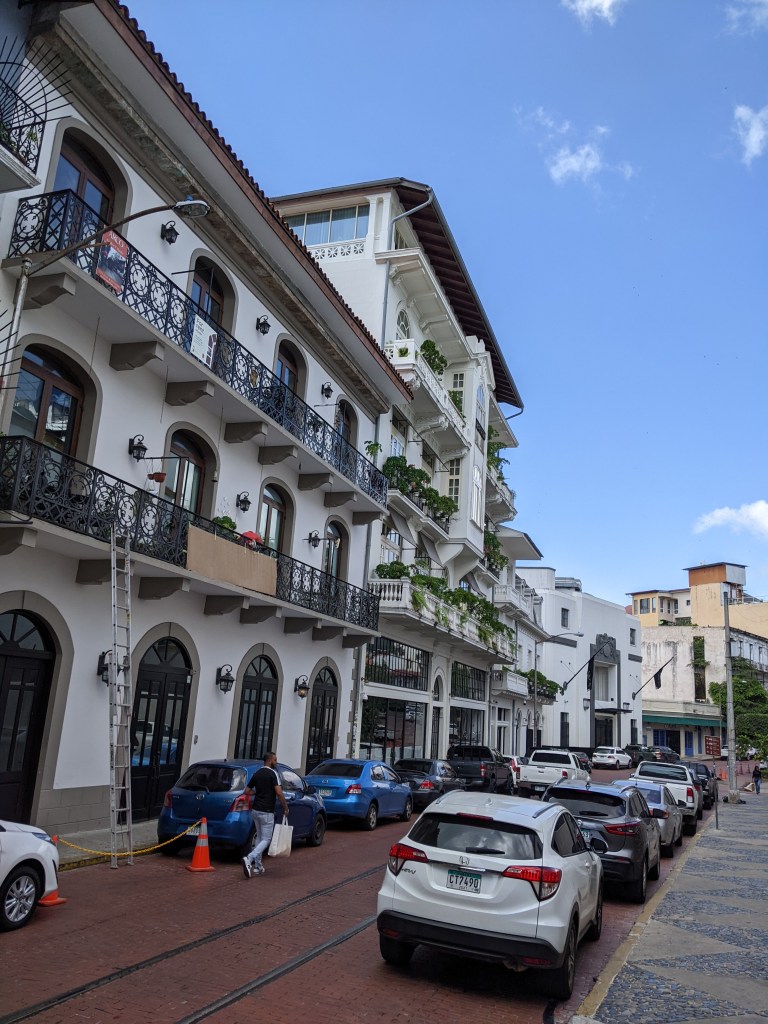
4. Casco Viejo (Spanish quarter) is one of the oldest and touristy neighborhoods in Panama City. While it lacks the scale and grandeur of other Spanish colonial capitals, it was still nice walking around. There are some quaint buildings including many churches, the Basilica Santa Maria la Antigua and Iglesia de San Jose are worth checking out. More recently, it has been spruced up with new tenants ranging from boutique hotels, coffee shops and art galleries. Cafe Unido is 3rd wave coffee shop that is known for its geisha coffee. Geisha beans are some of the most expensive due to the intense care it takes to grow them. The pour-over was a whopping $10 USD but was well worth it. It was significantly better than any pour over I have had before. The coffee was very fruity but quite acidic which is consistent with coffees from the region. 
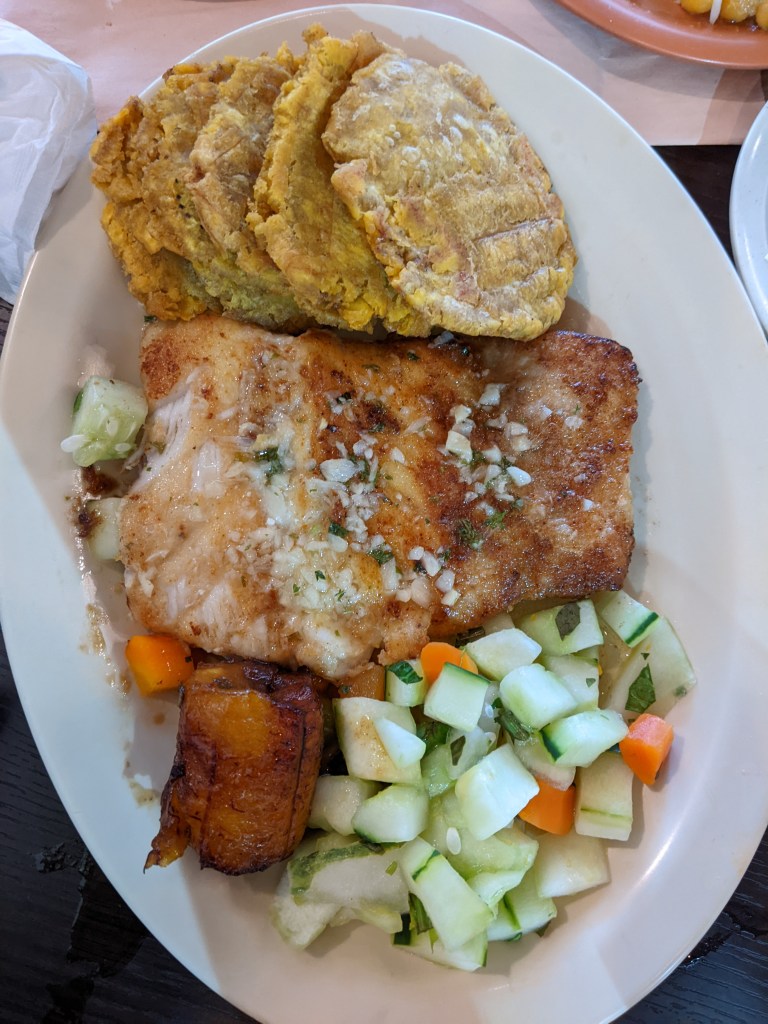
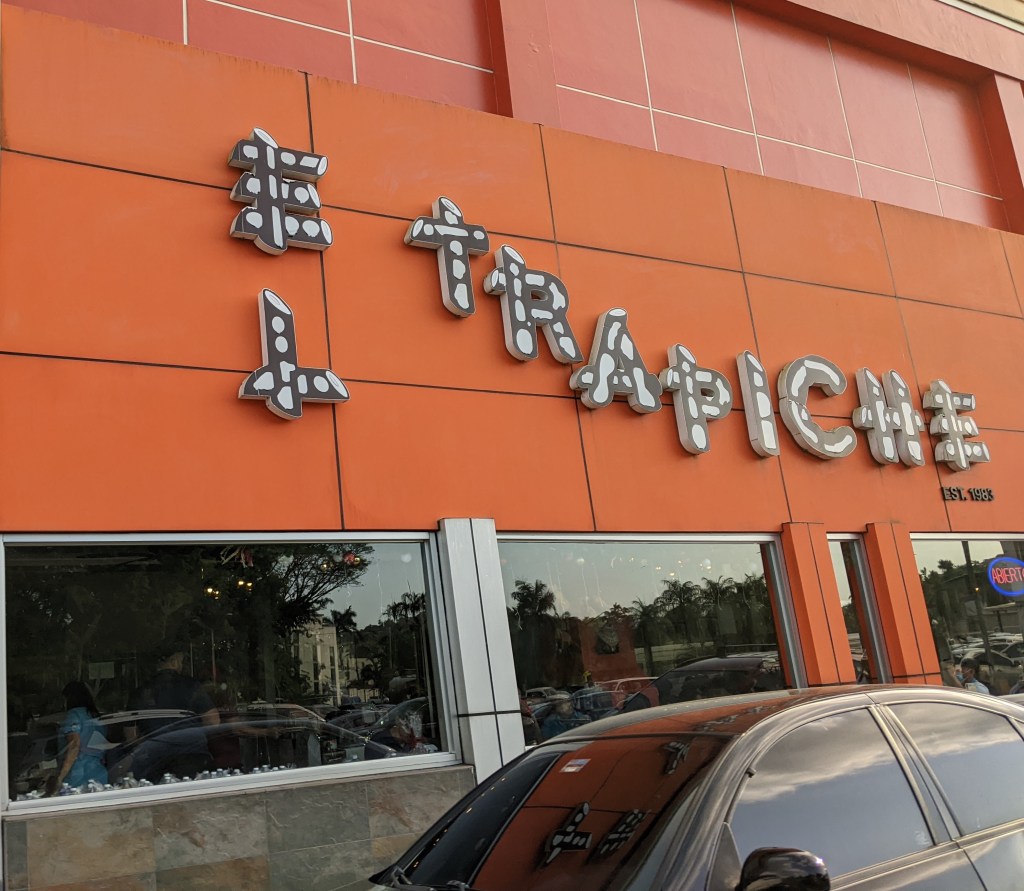
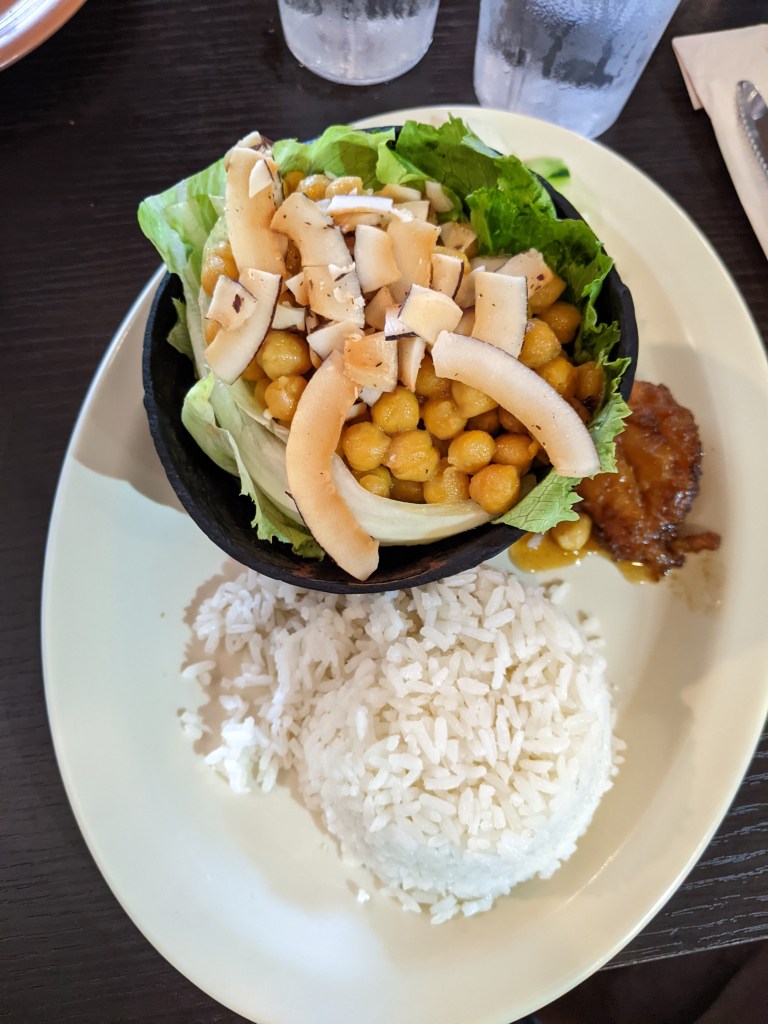
5. Panamanian cuisine doesn’t stray too far from those of other Central American countries. It is dominated by meat and starch (rice, beans and plantains) plates. El Trapiche is an institution preferred by locals and tourists alike. The classics at El Trapiche are Olla de Tamal(masa soup), Patacones (double fried plantains), carimanola (stuffed yuca fritter). Also, major props to them as they offered vegan versions of their popular menu items.
5 things about Panama 

7 things about Slovenia

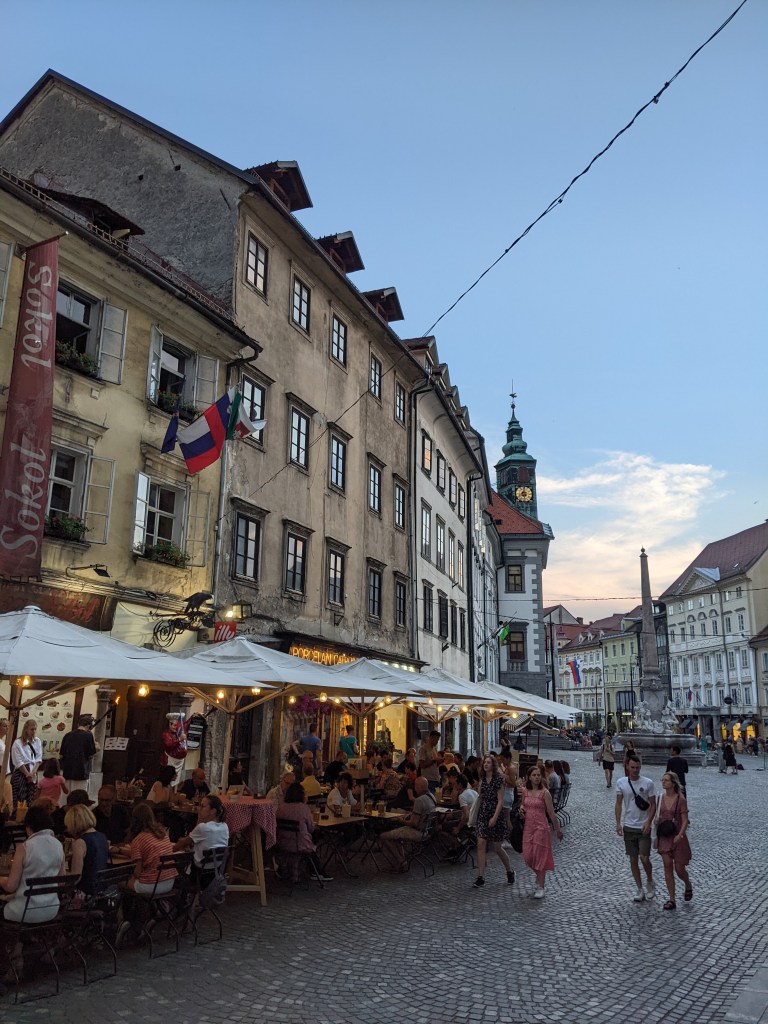
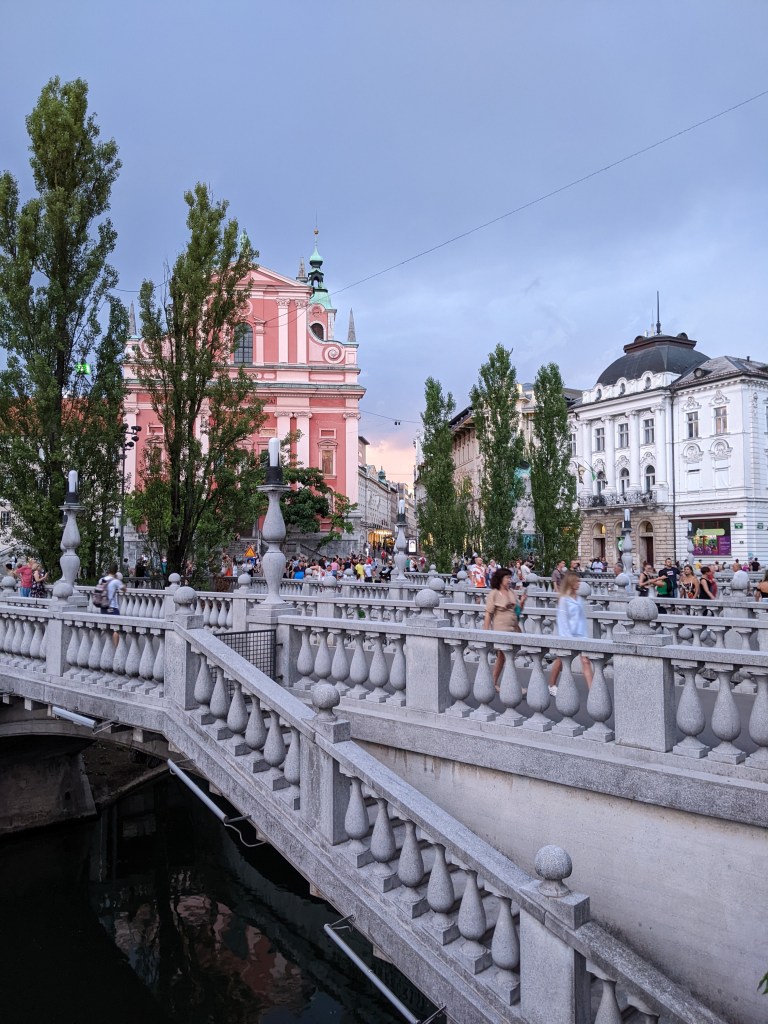
1. Slovenia was originally part of the former Yugoslavia which was officially formed as the State of Slovenes, Croats and Serbs in 1918. It became an independent Republic after Yugoslavia disintegrated in the post Communist era. Ljubljana is the capital of Slovenia. Its old town is charming with cobblestone streets, colorful buildings and Ljubljanica flowing through it. There are many little bridges (Butcher, Dragon) built across the river that serve as good photo ops. The most popular spot is the Prešernov trg Square near the Venetian styled Triple Bridge and the Franciscan church with its attractive pink facade. Beyond the immediate vicinity of the old town, everything felt suburban filled with mid-rise Soviet style buildings.

Ljubljana Old Town
Prešernov trg Square

2. Roads are fantastic especially the major highways. This is particularly useful when speeding off to the countryside which is beautiful. You can’t help but notice the churches that are dotted across the landscape. There are around 3000 of them in the country. 

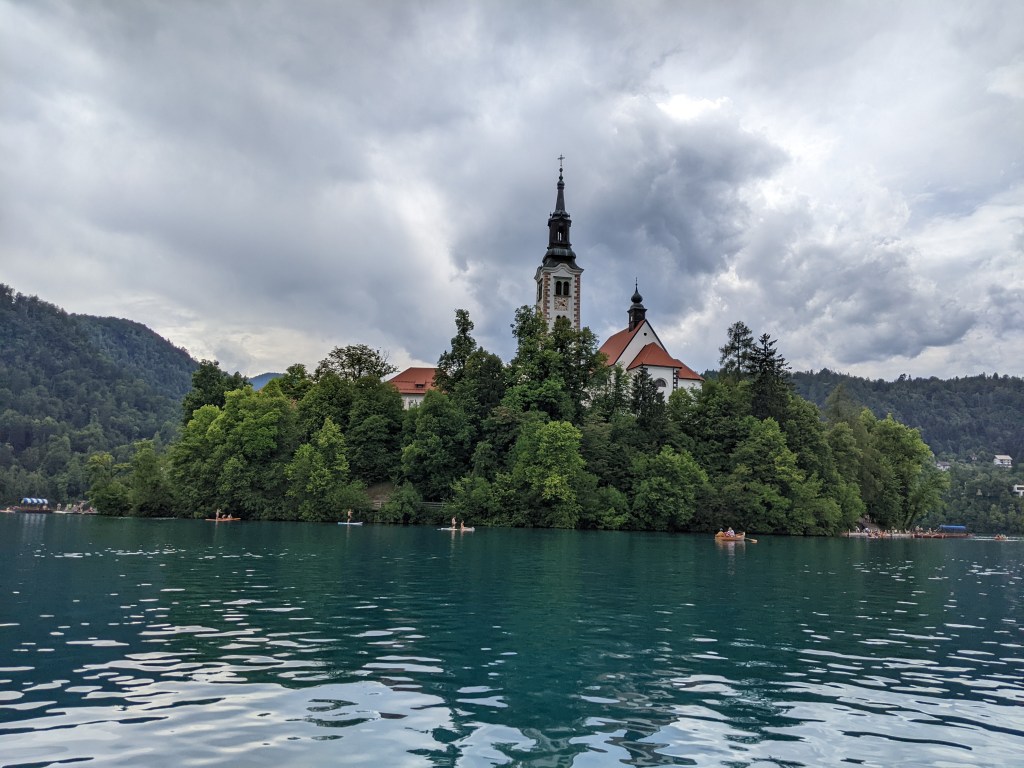
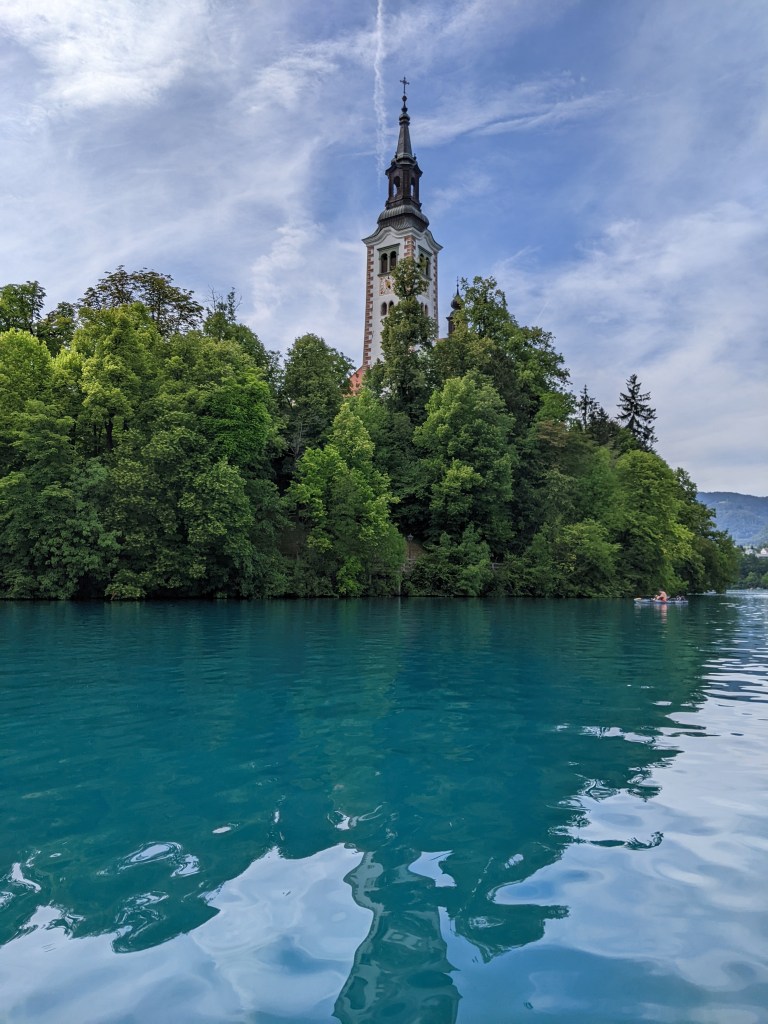
3. Bled is one of the quintessentials stops of Slovenia. The town gets its name from the eponymous lake which is one of the most beautiful in the world. At its center is a tiny island with a few medieval buildings including a chapel. While the island itself is quaint, it is the ride to the island on the hand operated pletna (small boats) that is the main draw. Only a handful of licenses are issued to operate a pletna and are mostly passed down from generation to generation. So, the lake is never swarming with one too many boats. The turquoise calm waters makes for a pleasing ride, I only kept wishing it was longer. 

Lake Bled
Bled Island
Water Lake Bled

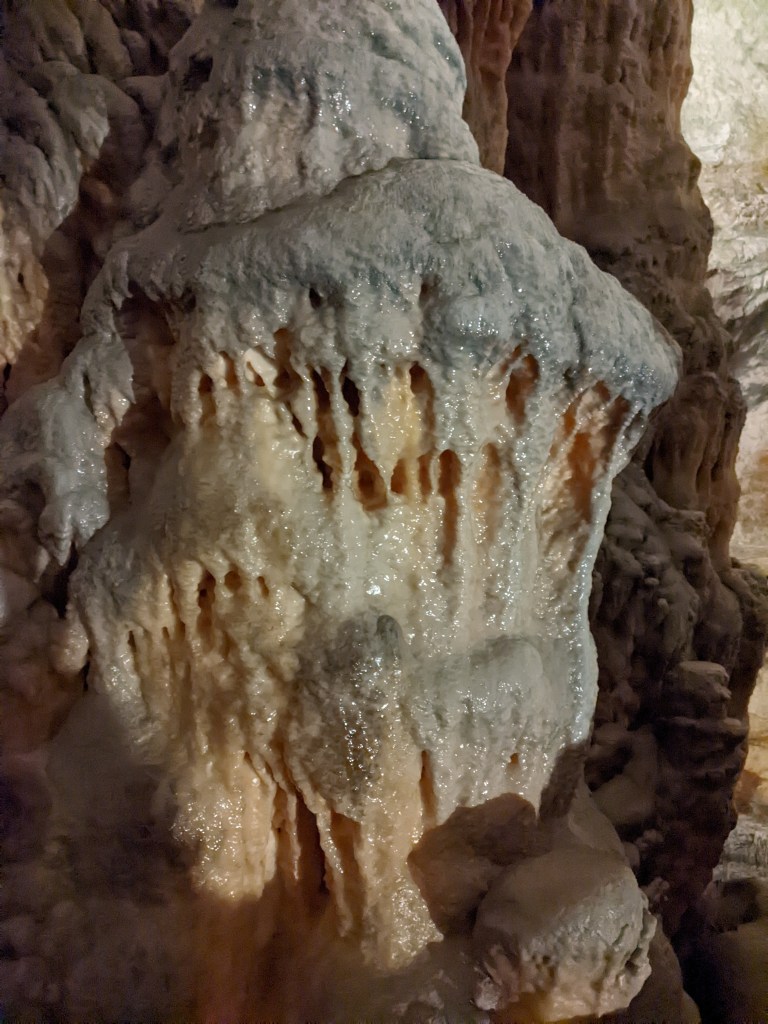
4. While underground cave systems are prevalent across the globe, Slovenia has some of the most accessible ones – Postonja and Skocjan. While the former is much more organized Disneyesque experience catering to all age groups.The latter is aimed at adventure lovers. Postonja is impressive nevertheless. It has a beautiful and huge collection of stalagmites, stalagmites and pillars. The Postonja cave system is 24 km  long and was carved by the Pivka River. The cave also has some interesting history, it was one of the first places to electrified in the whole country. Only 5 km of the cave is open to the public today, most of which is traversed via the cave train. 

Postonja Cave

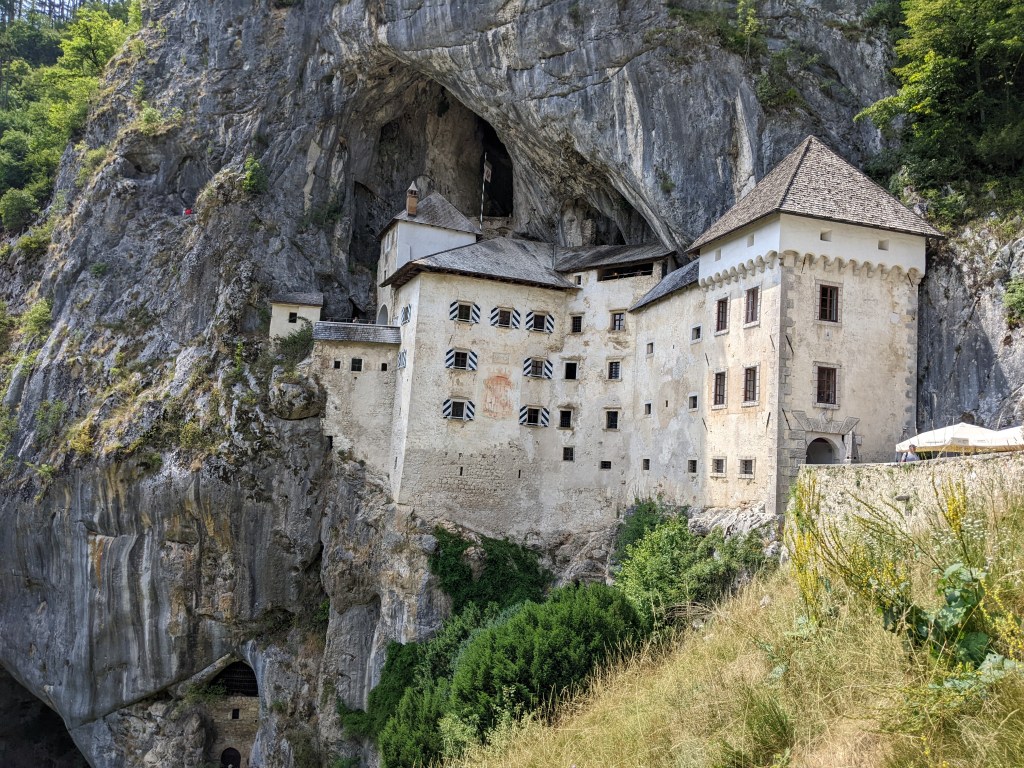
5. Predjama castle is an impressive architectural marvel as it is carved right into the cave. It is located within a few miles of the Postjona cave and usually combined with the cave visit. The castle belonged to a lord so the interiors are a bit sparse but the unique engineering is what makes it different than most. 

Predjama castle

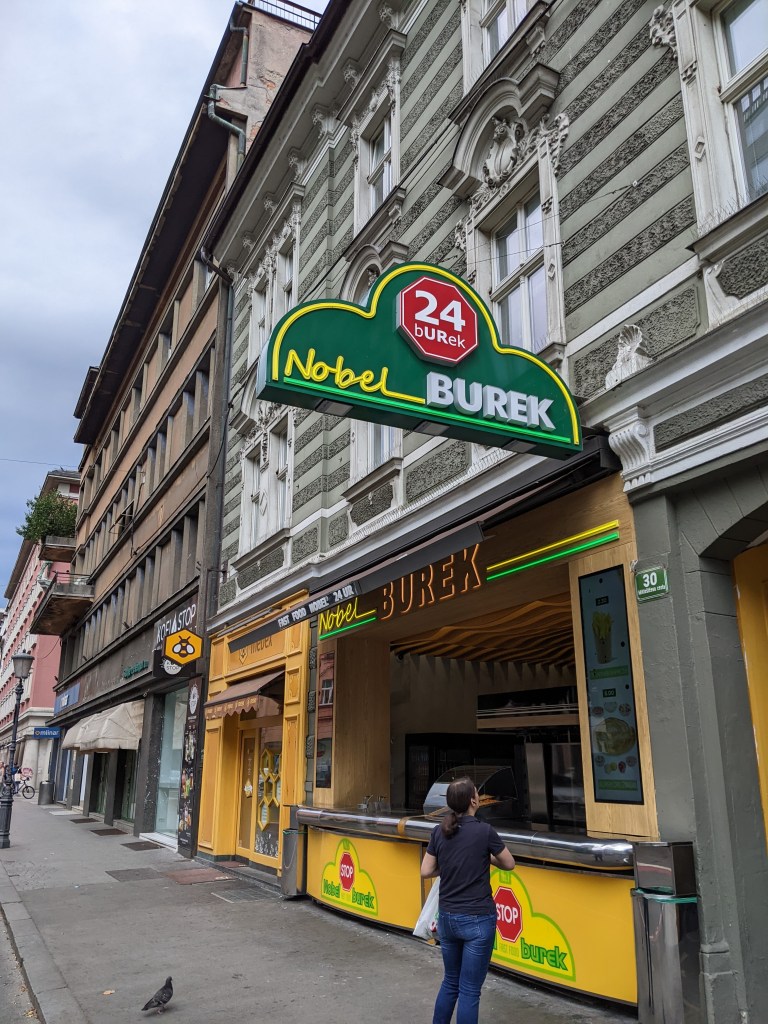
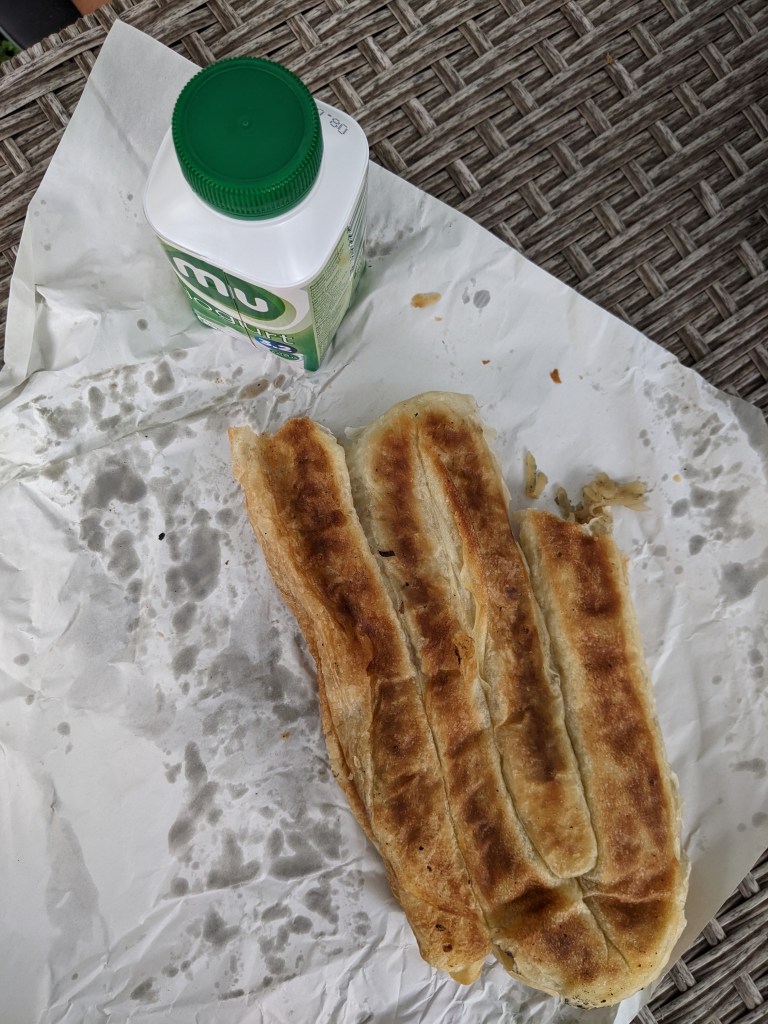
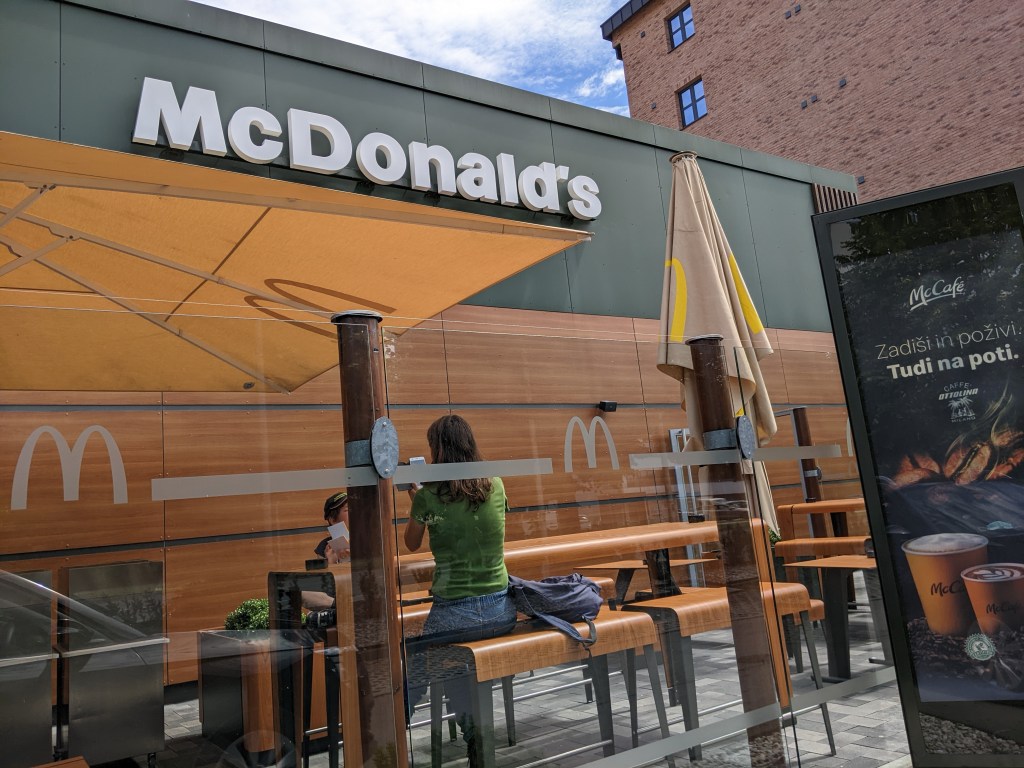
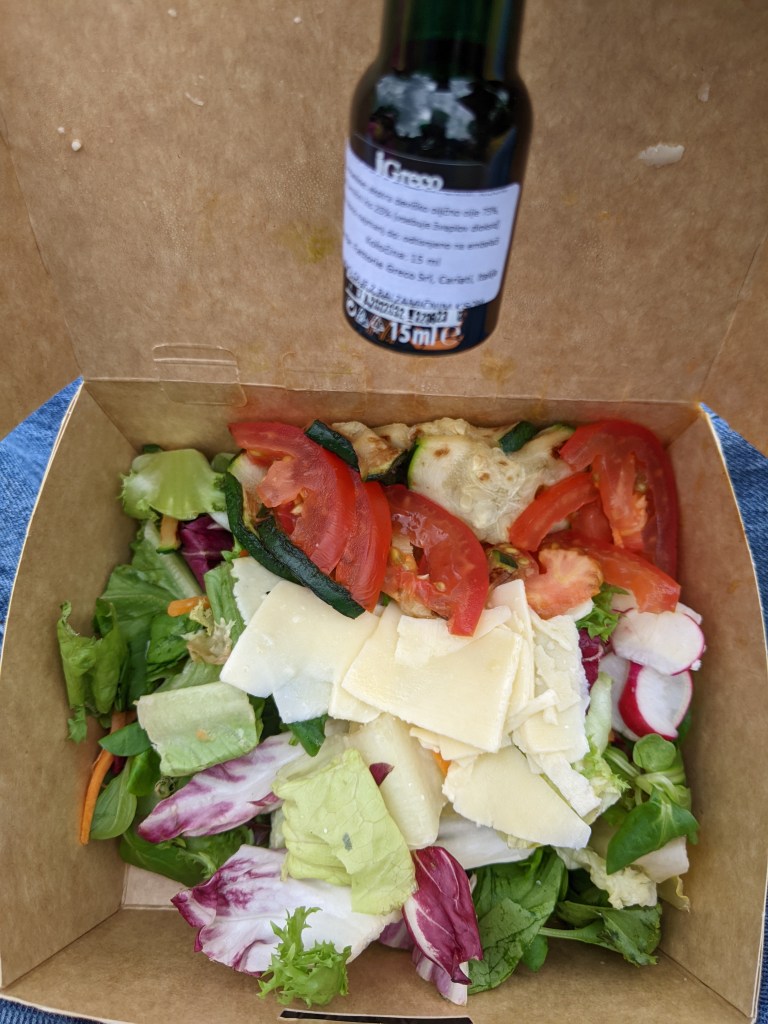
6. Slovenian cuisine is very much developing and still heavily influenced by its neighbors. So, there are plenty of Bosnian restaurants selling Bureks and various types of grilled meats. Nobel burek was one such place where you can get stuffed for under 5 euros. As for chains, I was impressed by a brand new McDonalds that I found on my way to Bled. The had a fresh salad on the menu which I had never seen anywhere else before. 

Nobel Burek
Burek and Ayran
Brand new McD
McD fresh salad

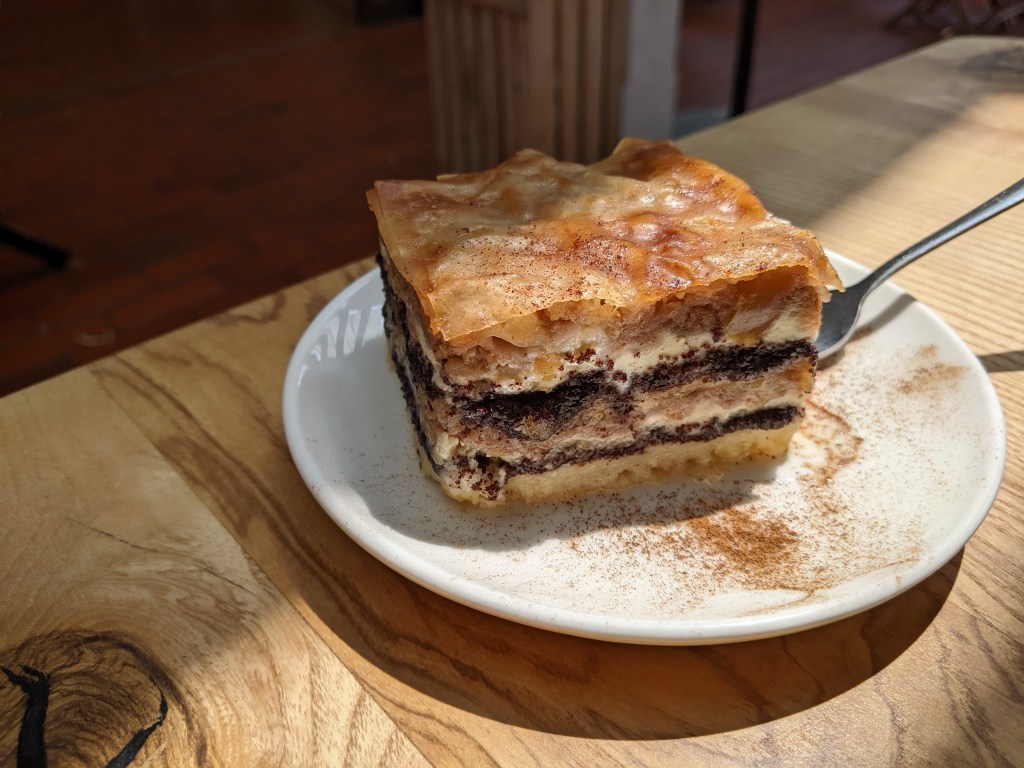
7. Slovenia punched above its weight in sweets- Struklji, Gibanica, Kremsnita are standbys. Strukjli are dumpling rolls that can be made both sweet and savory. It is not uncommon to eat a course of each for a meal. Kremsnita  is a speciality of Lake Bled that is virtually sold in every cafe and restaurant in the area. It looked like a poor man’s version of Napoleon but it completely blew my mind. It is basically custard and chantilly cream sandwiched between layers of puff pastry. It was perfectly enjoyable without being decadent. Gibanica is a pastry cake with layers of poppy seeds, walnuts, apples, raisins and quark cheese. It is considered to be a Slovenian speciality. The overall taste profile was similar to the of an Austrian Strudel. 

Sweet Strukjli
Kremsnita Cake
Gibanica Cake
7 things about Slovenia

7 things about Barcelona,Spain

1. Although the exact dates of origin of Catalonia are not clear, Emperor Charlemagne is widely credited for establishing the first Catalan counties centered on fortresses at the edge of the Muslim-ruled Iberian peninsula. They later unified as Catalonia in 1162. Barcelona was actually one of them. Following the death of Charlemagne, Catalonia merged with the kingdom of Aragon. It was brought closer to Spain when Queen Isabella of Castile and King Ferdinand of Aragon married in 1649. Until the 18th century, Catalonia maintained its own identity, language and political institutions. Following which, Catalonia backed two losing sides in wars that ensued, first Hapsburgs and then Republicans which completely changed the trajectory of their path to self determination. The Bourbons and the Fascists retaliated by repressing the Catalonian identity. It was only after the second World War that General Francisco Franco relented a bit to help the Catalan culture grow and finally the democratic transition greatly helped the Catalan cause.

2. The Gothic Quarter is the cultural hub of Barcelona. It’s well preserved medieval era buildings make it special. The most important of all is the magnificent gothic Cathedral of Barcelona. It is a stunning piece of architecture dedicated to Eulalia, the co-patron saint of Barcelona. It is also the seat of Archbishop of Catalonia. Iglesia de Santa Maria del Pí and Iglesia de Santa Maria del Mar are other Gothic churches know for their rich facades and stained glass windows. La Rambla is a treelined street that forms the border of the Gothic quarter and connects it to the defacto city center,Plaça Catalunya. I found it to be a tourist trap. My experience was ruined by a failed pickpocket attempt. Apparently, it is one of the hotbeds of pickpocketing in western Europe. It was the brazenness of the attempt that bothered me the most. 

Cathedral of Barcelona

3. Outside the old city, Barcelona has a very distinct building pattern. It wasn’t always like that. In order to cope with the growing population in the middle of the 19th century, principles of urban planning were applied to create the modern day Barcelona. The brain child behind all of this was Ildefons Cerda, an Catalan architect. He proposed a larger planned city by combining the old city of Barcelona and a few adjacent towns. As part of his research on ideal urban living conditions for the citizens of the city, Cerda conceived a unique urban building pattern. He aimed to create hundreds of small communities with clean air and enclosed garden spaces while allowing easy access and navigation for goods to be transported across the city. The newly built city extension (Eixample) was characterized by long straight streets, a strict grid pattern crossed by wide avenues, and octagonal city blocks – rectangular blocks with the corners cut off.

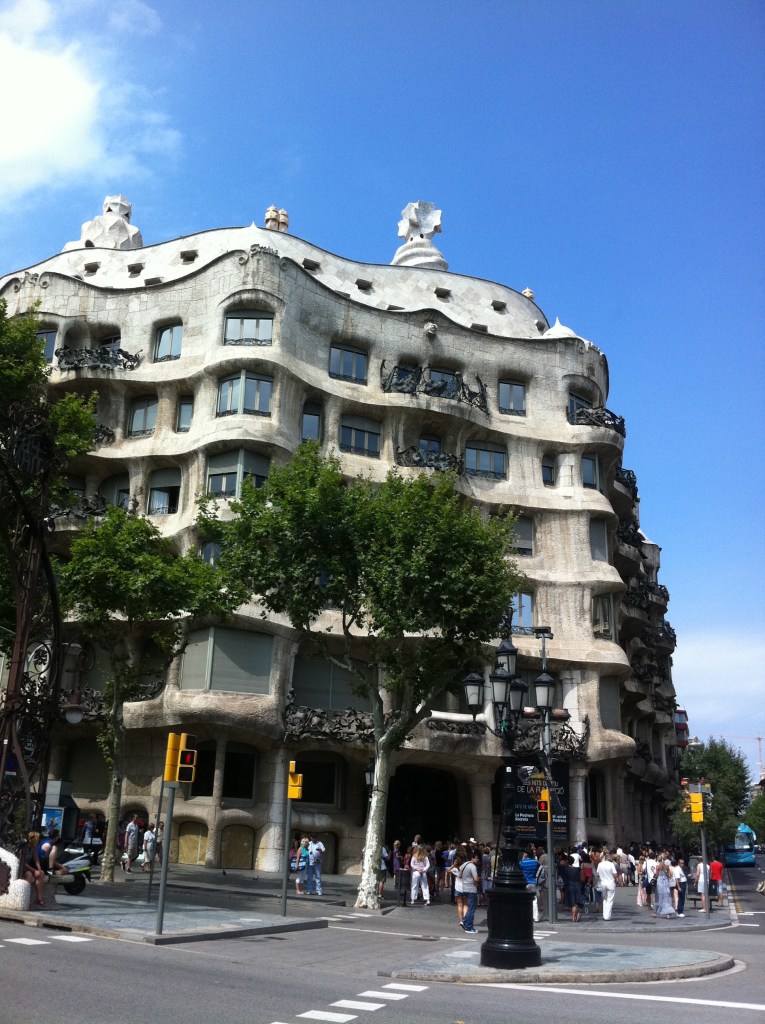
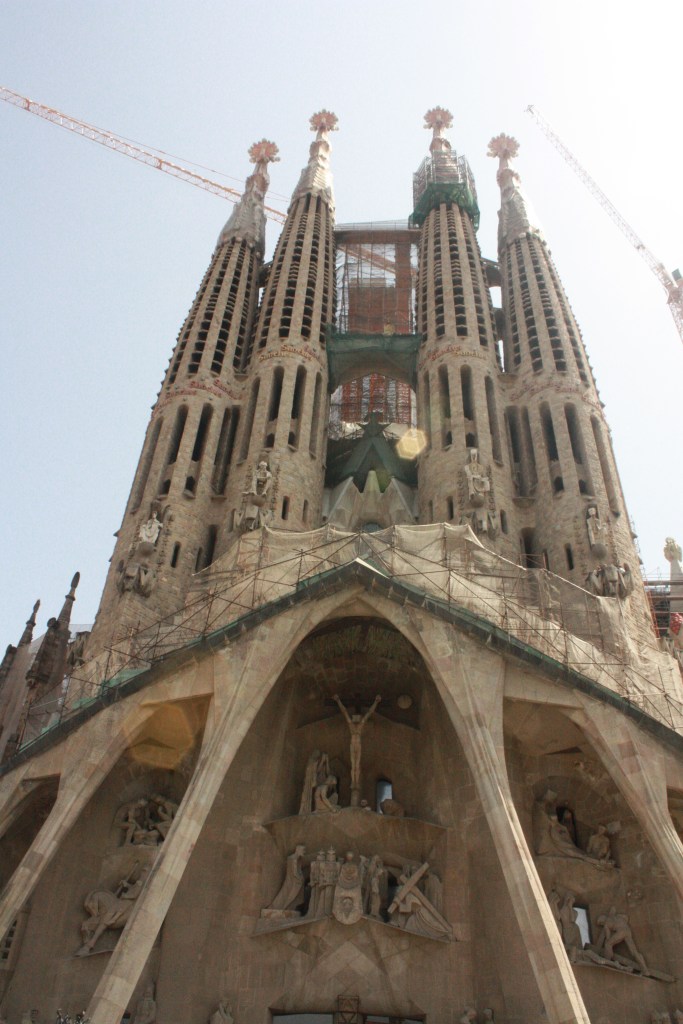
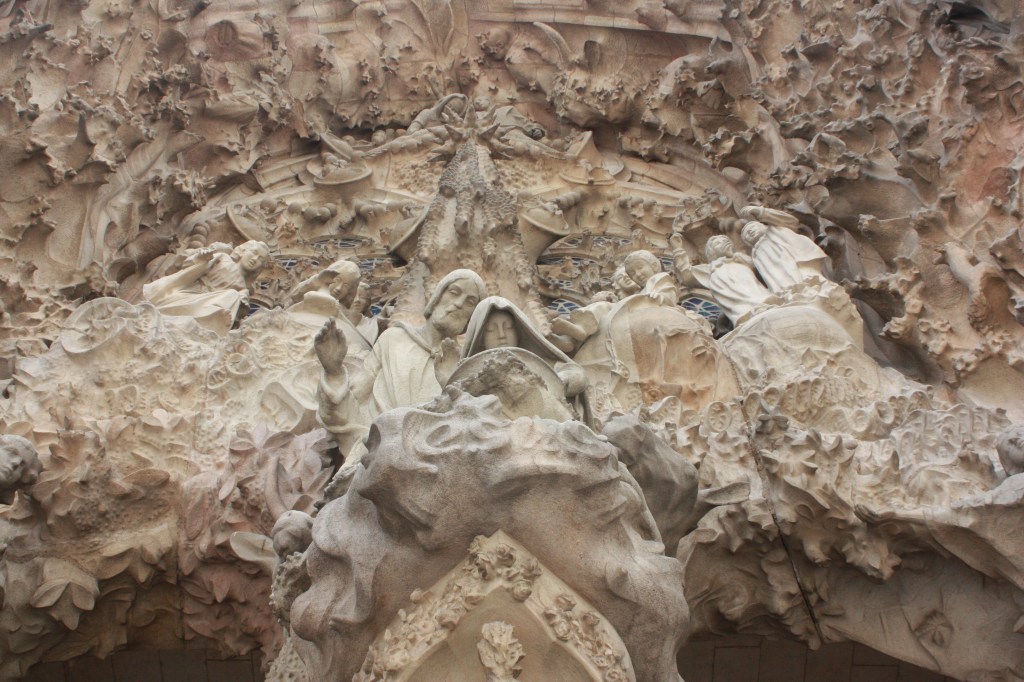
4. The city’s architecture is dominated by the creations of Antoni Gaudi. Gaudi was a son of the soil. He was born in Catalonia and studied architecture in Barcelona. He gained prominence for his modernista works in the late 19th century. Eusebi Güell, a local mogul commissioned some of his best work – Park Guell, Guell Palace, Guell paviollios and Colonia Guell. Park Guell is a popular tourist attraction. The architectural elements are quirky and unique. It felt like a modernist wonderland designed with a playful elegance. The Sagrada Familia Church is truly one of a kind wherein Gaudi has challenged the traditional architectural paradigms of a Catholic church. Gaudi took over from architect Villar in 1883 and worked on it until his death in 1926. It was said to only 20% complete at that time. Further interruptions during Spanish civil war and the destruction of the original Gaudi designs slowed the construction of the church. It still remains incomplete till date. 

Park Guell

Park Guell

Sagrada Familia
Sagrada Familia Interiors
Sagrada Familia

5. Football Club Barcelona is an integral part of the city’s identity. It’s fans are among the most passionate in the world. During the playing season, experiencing a Barca match is a must even for non-football fans. Camp Nou stadium tour is worth it for fans and non-fans alike. The stadium is the largest one in Europe with a capacity of 100,000. 

6. At its heart, Barcelona is a beach town. So, it manages to maintain a relaxed vibe despite being a busy city otherwise. There is a beach for everyone. The younger crowd congregates at Barcelonata and Sant Sebastia for their endless entrainment and people watching opportunities. Barcelonata has a very South beach vibe to it. Bogatell, Mar Bella and Nova Marbella beaches are relatively quieter and mostly preferred by an older demographic. 

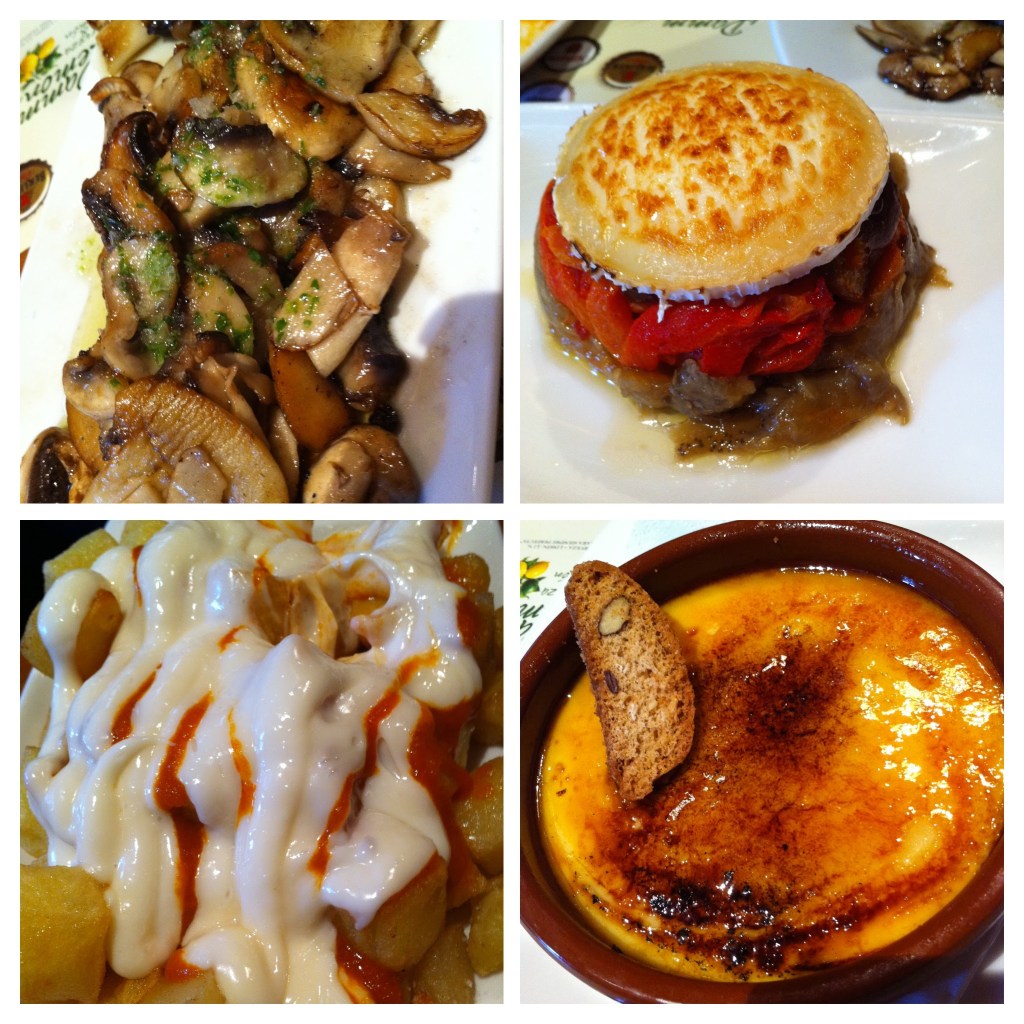
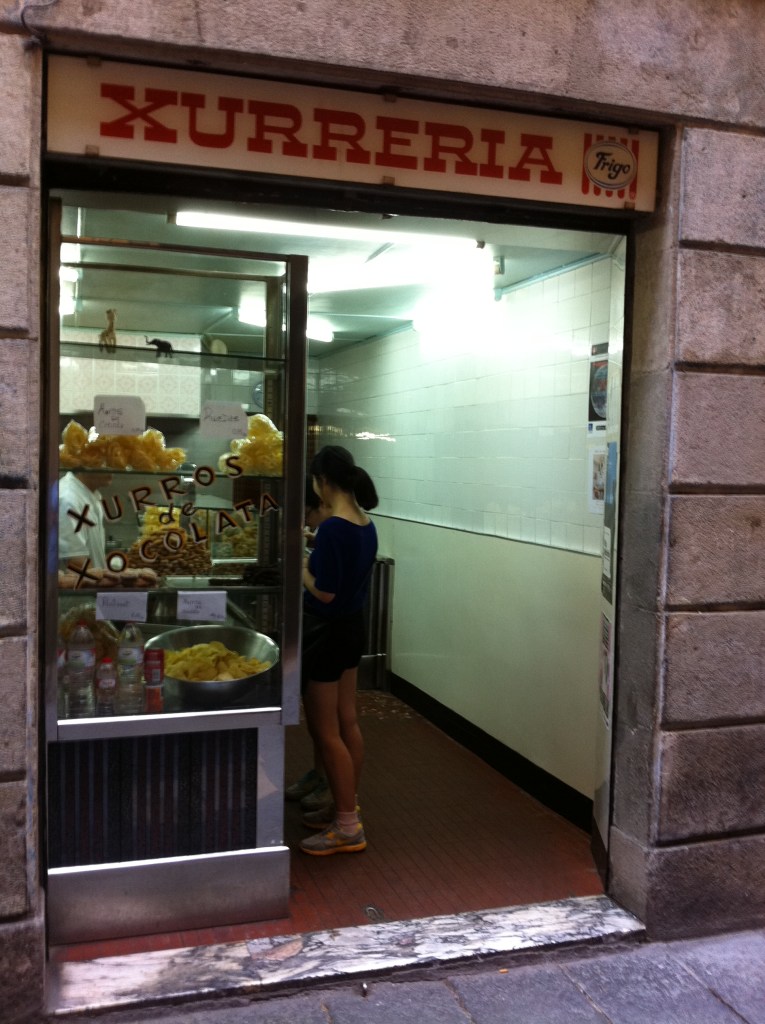
7. Barcelona has a gazillion tapas places that serve the typical dishes like Spanish Tortilla, Patatas Bravas and Crema Catalana. It has also co-opted some regional dishes like Paella (originally from Valencia), Pa amb tomàquet and made it its own. Bombas (potato croquettes) is one dish that is steeped in Catalan history. It is made to resemble crude bombs used by anarchists in early 1900s.  However, the city truly shines in its innovative culinary offerings centered around molecular gastronomy pioneered by Ferran Adria of the legendary El Bulli (closed in 2011). Molecular Gastronomy allows chefs to reconstruct known flavors in playful ways. Some common techniques used are flash freezing, dehydrating, foams and sous vide cooking. Disfrutrar and Tickets are more accessible versions from the El Bulli alumni who still want to keep the movement alive.

Tapas Barcelona
Churro Bar
7 things about Barcelona,Spain

7 things about Amsterdam, Netherlands

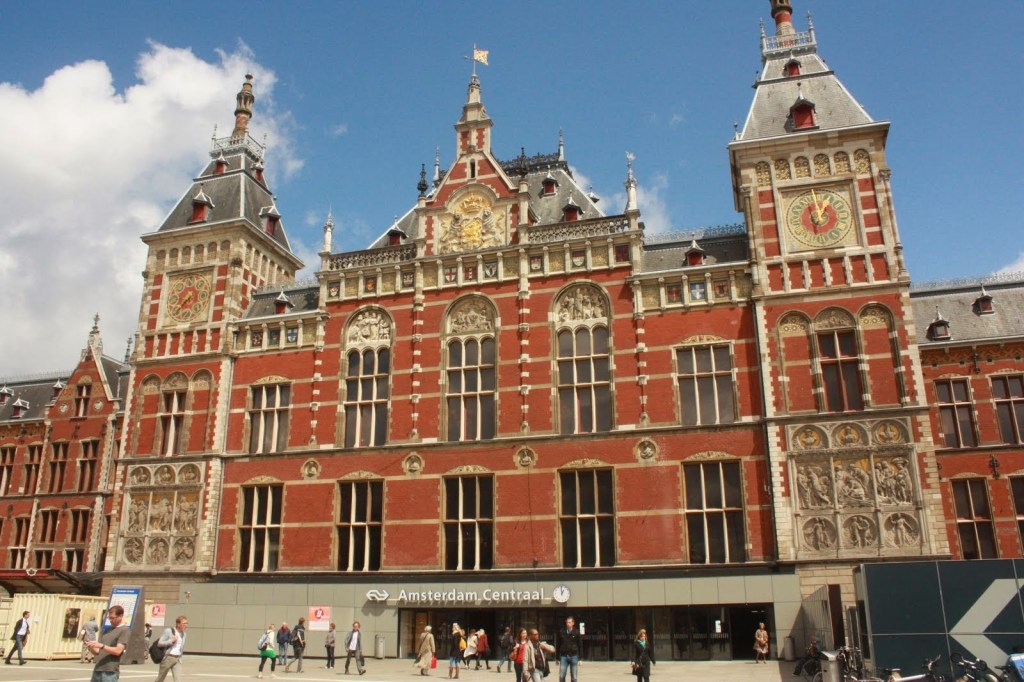
1. The city of Amsterdam was founded around 1250 with the building of the Dam that gave it its name. it was built to safeguard the city from flooding caused by the Amstel river. The word Amsterdam is derived from “Aeme Stelle Redamme” which in medieval Dutch meant a dam in a watery area. The Dam Square eventually became the as the centre of the city. It houses the Koninklijk Palace which was once the home of the royal Dutch family. The central train station is also a stone’s throw from Dam Square.

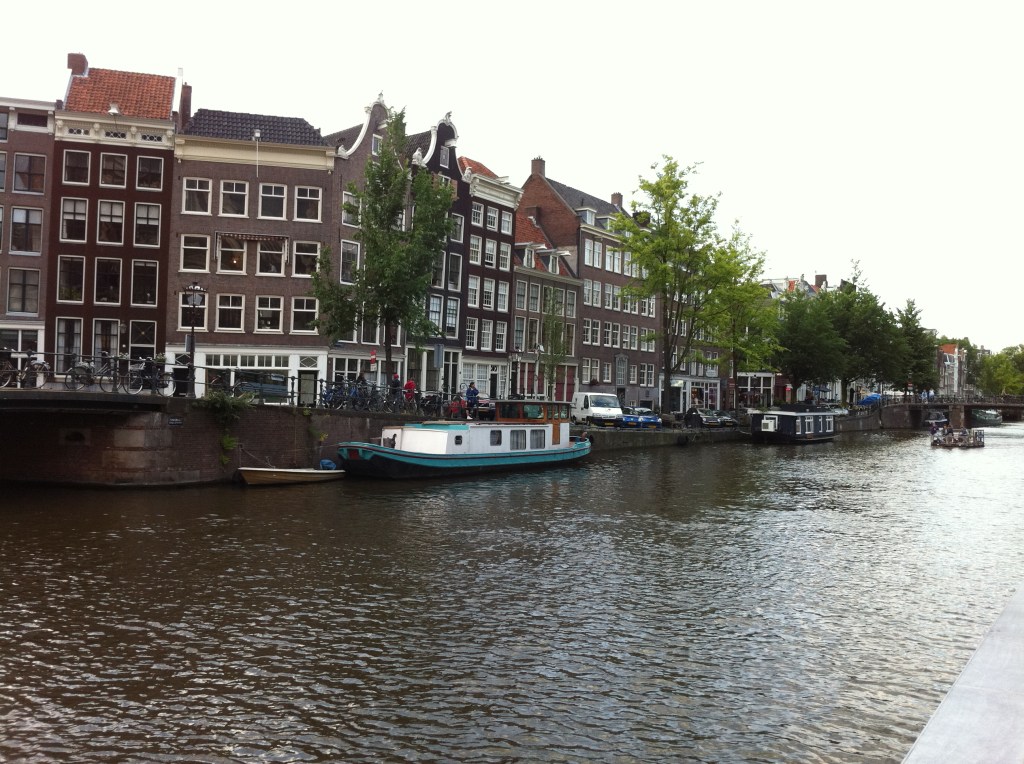
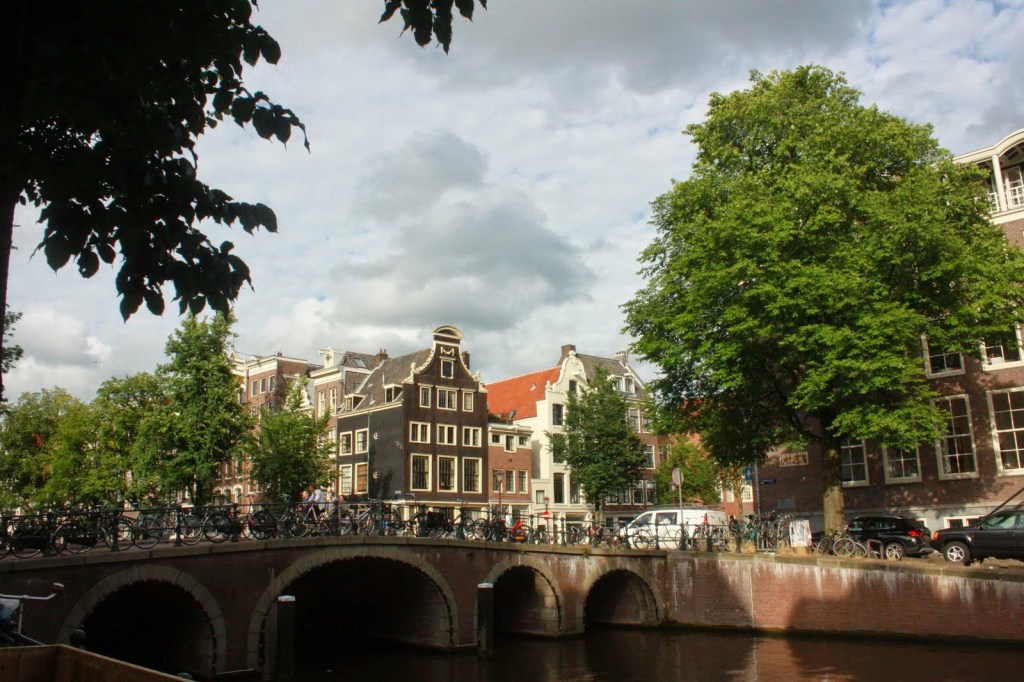
2. Canals are an integral part of the Amsterdam’s identity. But it was built in the 17th century for an important reason – to accommodate growth. In the 16th century, Amsterdam was a fast growing port, it was bursting at it seams with new immigrants. So, the city decided to drain the swamps using canals to create more livable space.The three main canals – Herengracht, Prinsengracht and Keizersgracht were built in concentric circles paving the way for more land and a nicer way of transportation around the city.

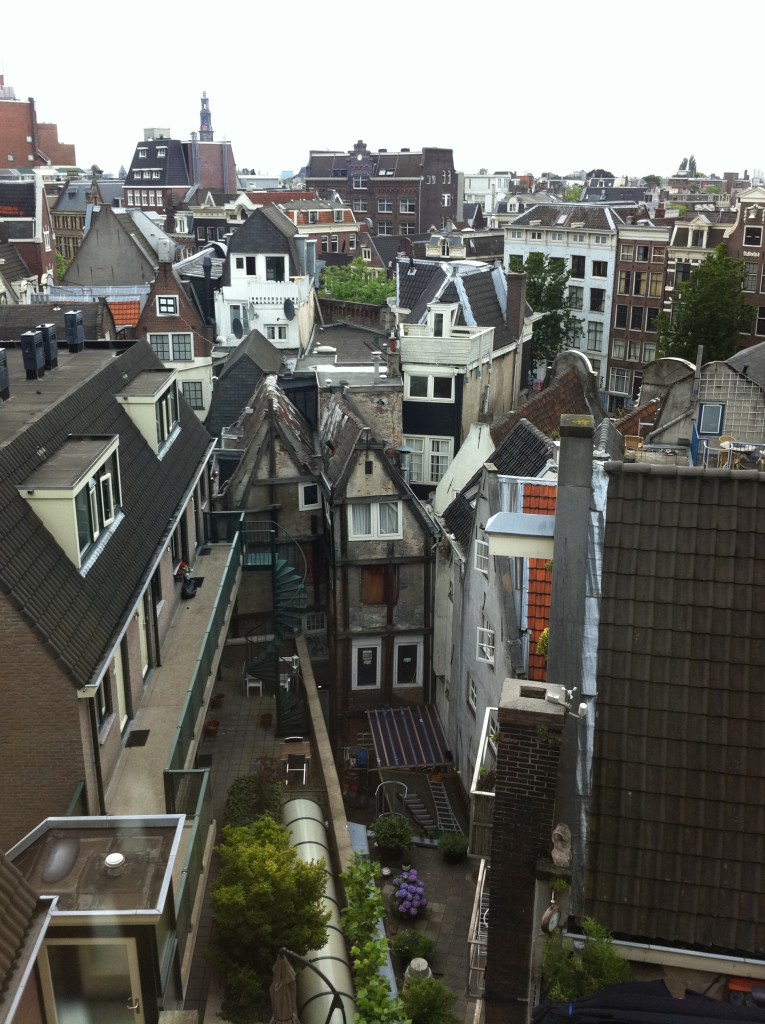
3. The cute buildings along the canals are very characteristic of the architecture of the Dutch Golden age. The gabled facades are eye catching but they also distract visitors from other details like large windows, hooks hanging out of the rooftops as well as the narrowness of the building itself. Since housing was hard to come by in Amsterdam, the state handed some of its  worthy citizens precious plots of land along the canal that were long but relatively narrow Those citizens promptly utilized it also as a business front or a warehouse due to its proximity to the canals. The roof mounted hooks were an easy way to haul good from the boats. The larger windows not only helped bring in more natural light but also structurally necessary to reduce the load on the wooden foundations as the soil beneath is very soft. 

4. Given its relatively compact size and beautiful canals, cycling is one of the preferred modes of transport in the city. About 30% of city travel happens on cycles. Perhaps, a close second behind Copenhagen. There are ~ 2 bicycles per household in Amsterdam. So, it is not surprising that some of them end up in the canals often. About 12,000 bicycles are pulled out from the canals every year. The Dutch even have a name for it – fietsen vissen (bike fishing). 

5. It is shame that Amsterdam came to be known for its vice. The coffee shops in Amsterdam are essentially places that allow usage of pot. They very much operate in this gray zone as use, possession and distribution of non-medicinal drugs is still illegal under Dutch law. However, usage of some “soft drugs” is tolerated which led to the cottage industry of coffee shops. The red light district in De Wallen is an area where registered sex work is legal. Due to its proximity to the harbor, De Wallen had a long history of small scale and/or underground prostitution. It was not until the 18th century, when the demand from wealthier men grew, gambling houses started providing posher room/board for the women. Prostitution was legalized and regulated starting 1811 with workers being subject to health checks. Today, the legacy continues with rows of women advertising their wares standing behind glass windows in dimly lit rooms with red or blue lights.  

6. Amsterdam’s museum quarter is world class. The national art collections are housed at the Rijksmuseum. The collections of Rembrandt, Frans Hals, and Johannes Vermeer were my favorite sections. The Van Gogh museum next door is dedicated to the art and personal history of the influential Dutch painter.  The museum houses his unsold works that were inherited by his extended family and eventually donated to the state. The uniqueness of his brush strokes is well known but they look more expressive in real life. The self portraits are equally noteworthy. The Anne Frank House is a biographical museum dedicated to Anne Frank, a young girl who chronicle her family’s experience in hiding from Nazi persecution. Anne and her family hid in the secret annex of the same building for 2 years before being arrested and sentenced to concentration camps. Some of the writings that were salvaged after their arrest were compiled into The Diary of Anne Frank. 

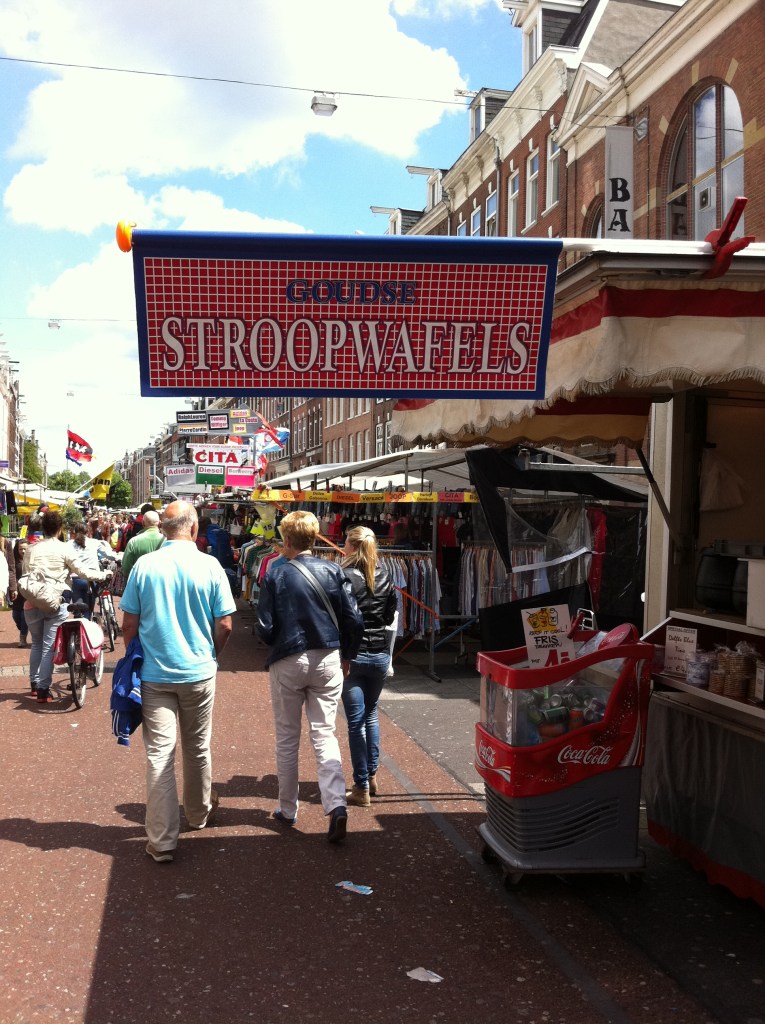
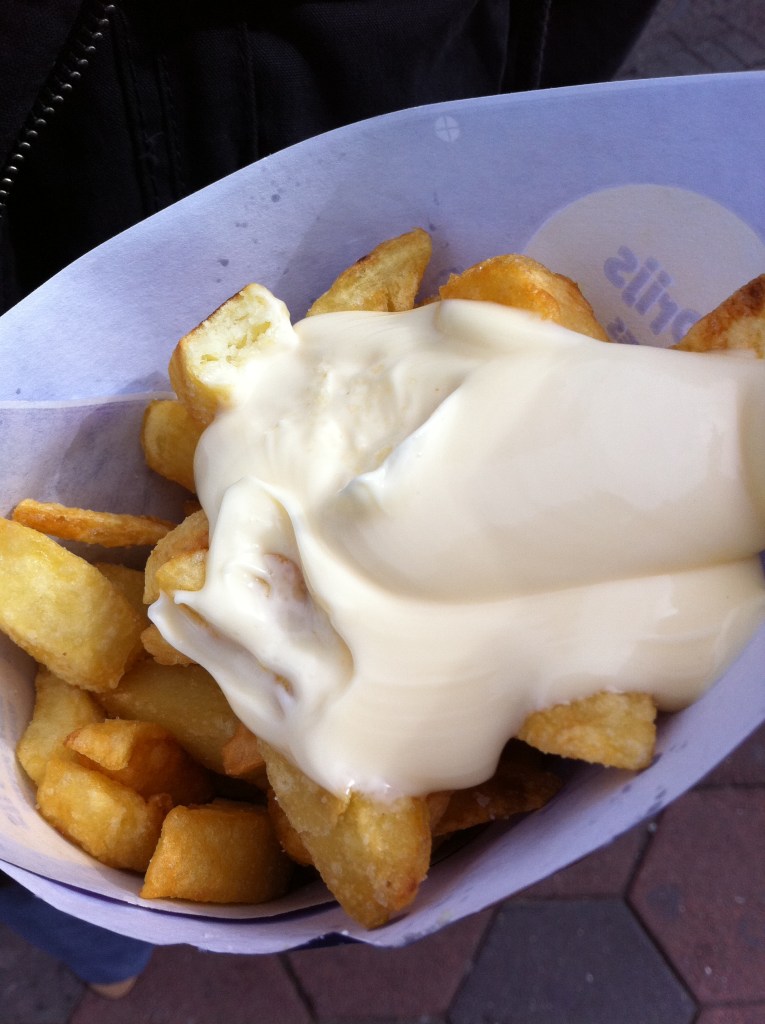
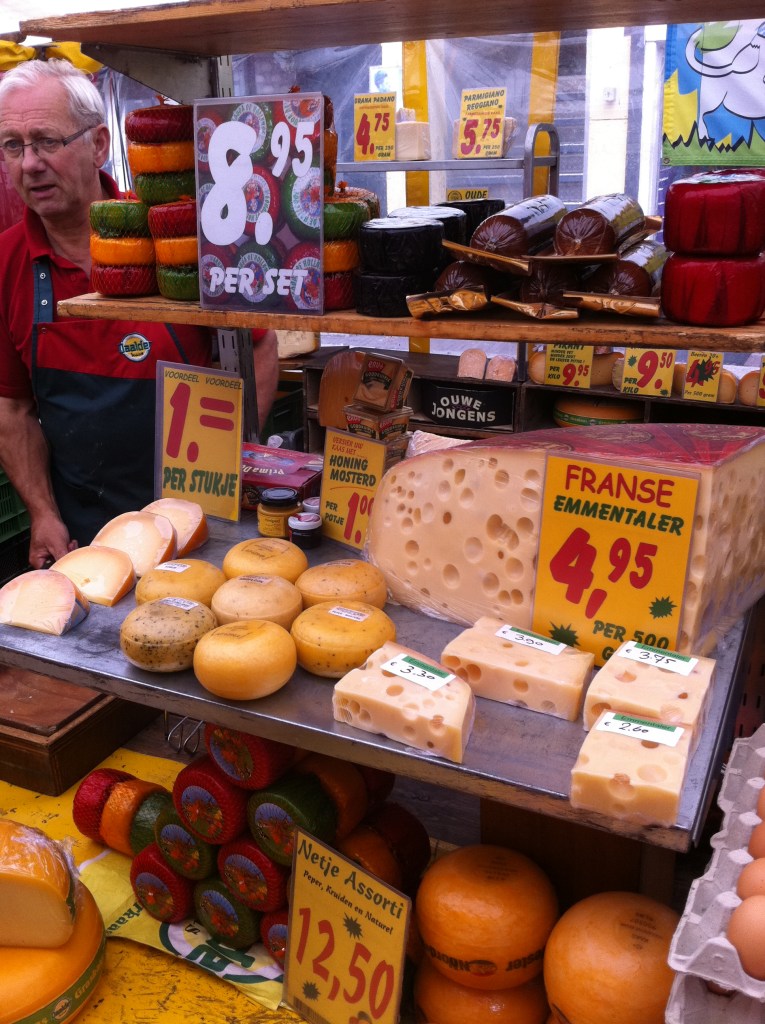
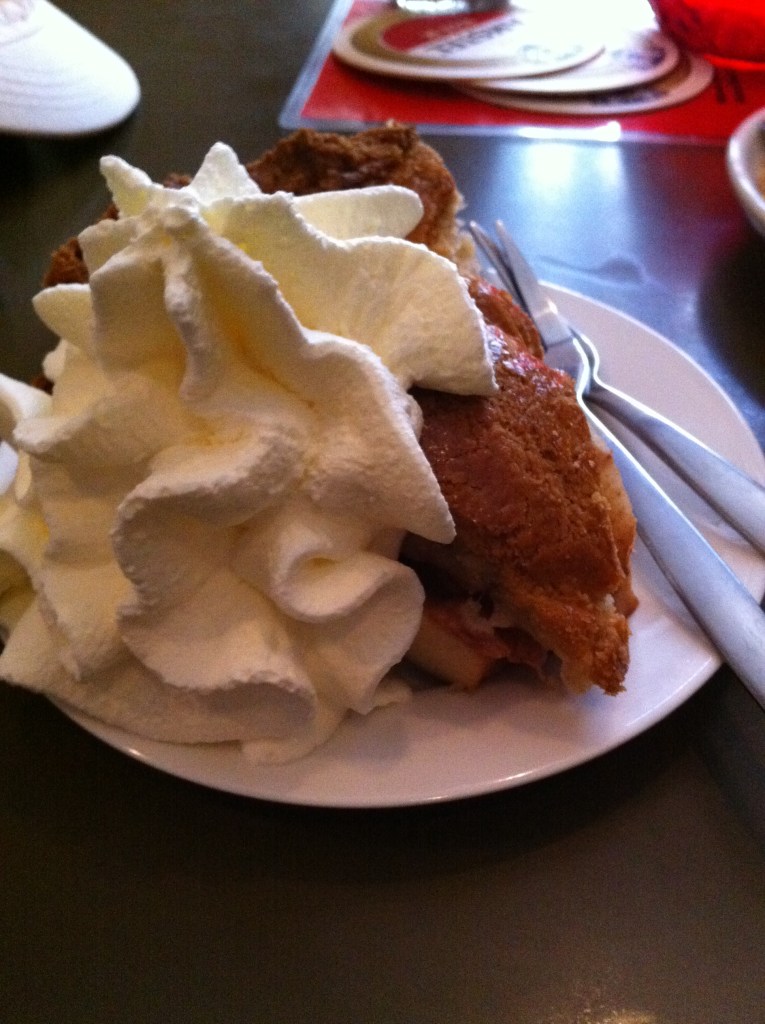
7. Dutch food isn’t particularly popular and even the Dutch would readily admit. However, there are solid snack options that make it hard to complain. Stroopwafel is ubiquitous, it consists of two waffle cookies joined by a caramel filling. It is usually eaten with coffee or tea but you don’t need an excuse them. The thick cut fries with mayo are sinful and addictive. Apparently, apple pie is a cafe standby. The version at Winkel 43 is popular with visitors but I thought it was strictly ok. The cheese selection is one of the best in Europe – Gouda, Edam and Leyden are highly rated but more eccentric varieties are available at the Albert Cuyp market. I also heard about the availability of quality Indonesian food thanks to their colonial influence. 

7 things about Amsterdam, Netherlands

10 things about Peru

1. Lima is a cosmopolitan city and the second largest one in South America. Like any large city, there are pockets of rough neighborhoods but the upscale ones like San Isidro and Miraflores are just as good as anywhere else in the world. The marine climate makes Lima an all year destination, there are no extremes in weather. 

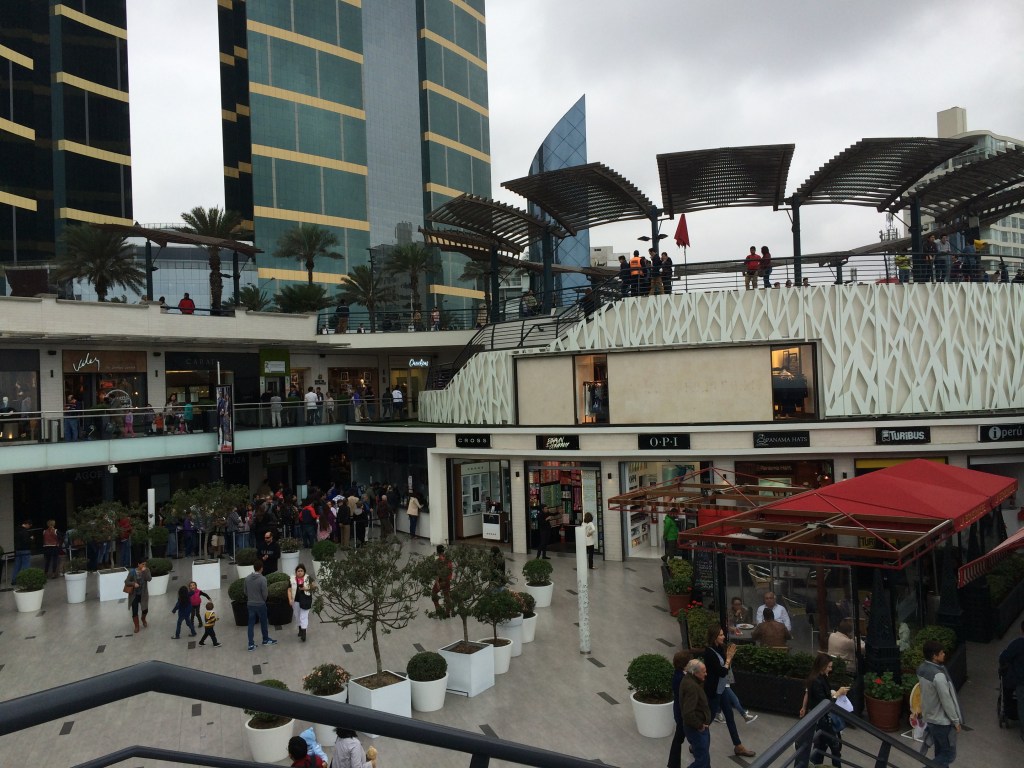
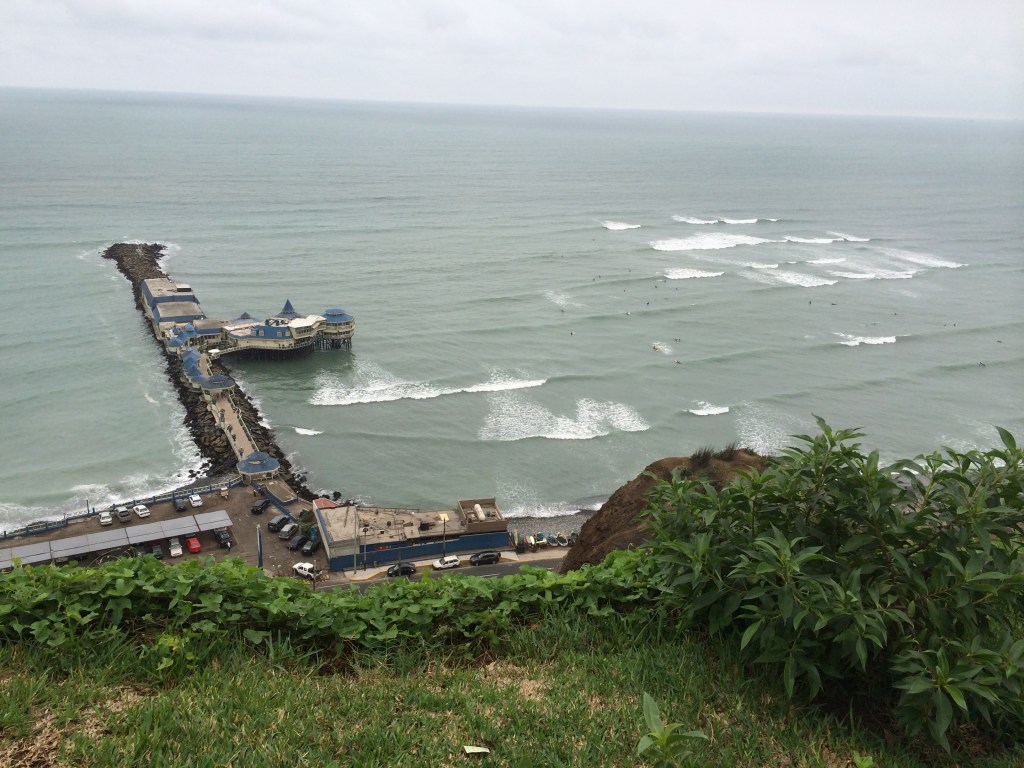
2. Miraflores is tourist and entertainment central. It is home to all the luxury hotels in Lima along with plenty of restaurants, bars and shopping.The Larcomar outdoor mall is a neighborhood highlight because of its unique geography, it is built into a sea cliff facing the Pacific Ocean.  

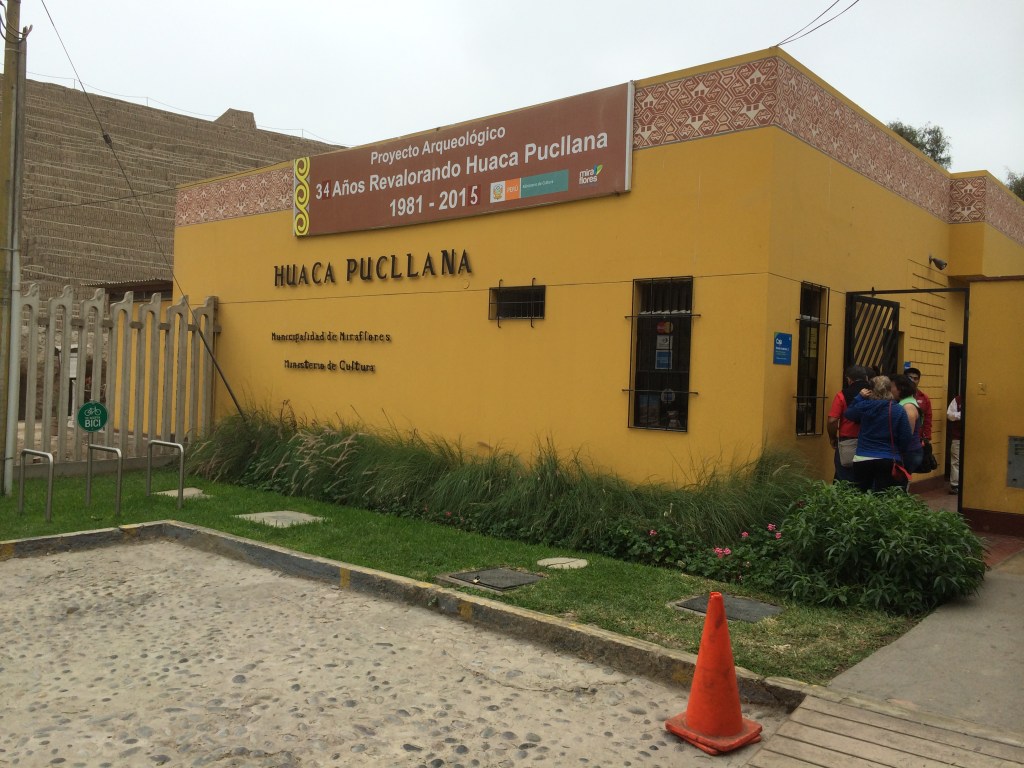
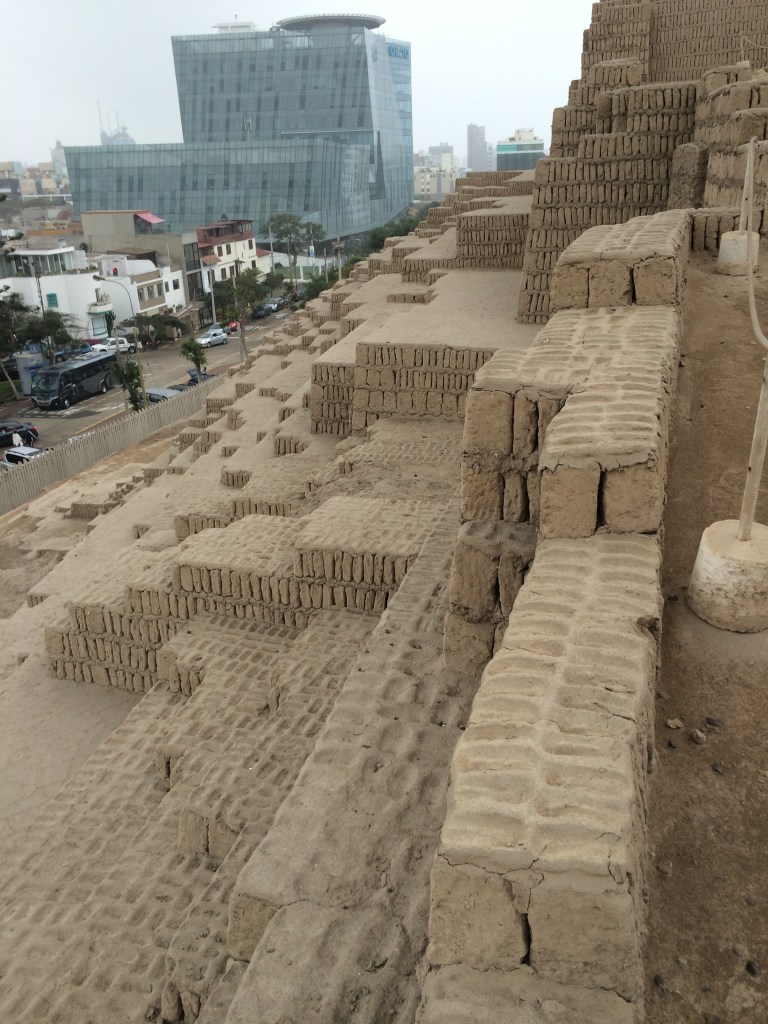
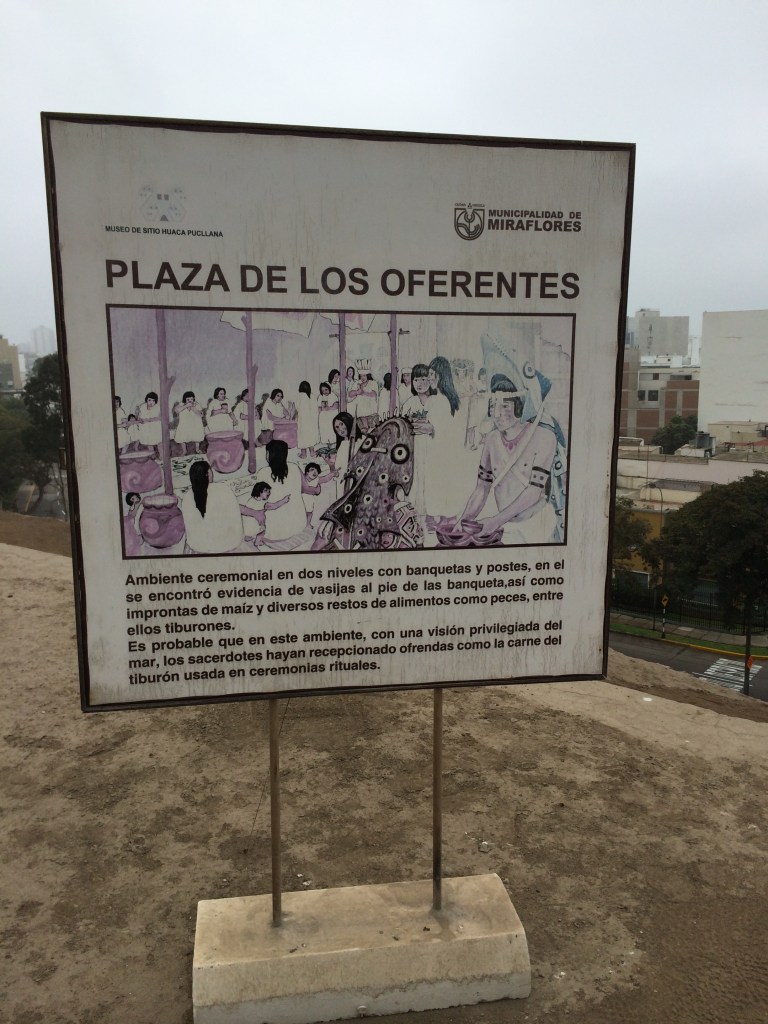
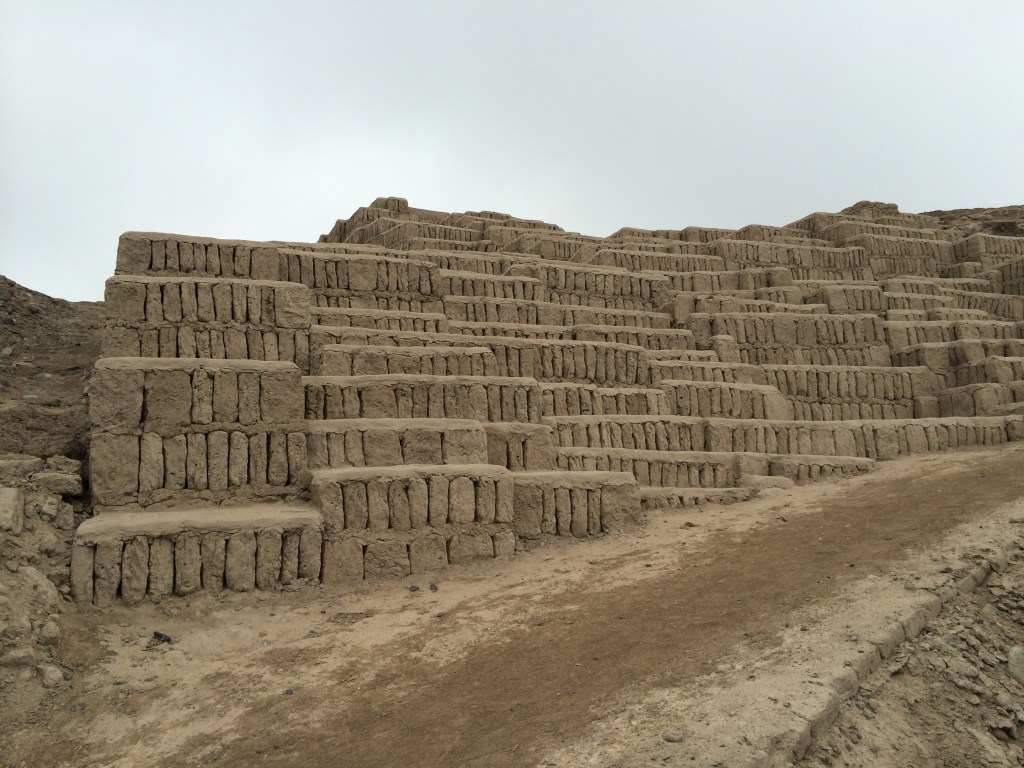
3. Located right in the center of the Miraflores neighborhood, the clay brick pyramid  structures called Huaca Pucallana look out of place. But it is one of the most ancient monuments in Peru. The structures dates back to the pre-Incan days between 100 AD – 650 AD and were erected by the indigenous civilization called the Lima culture. 

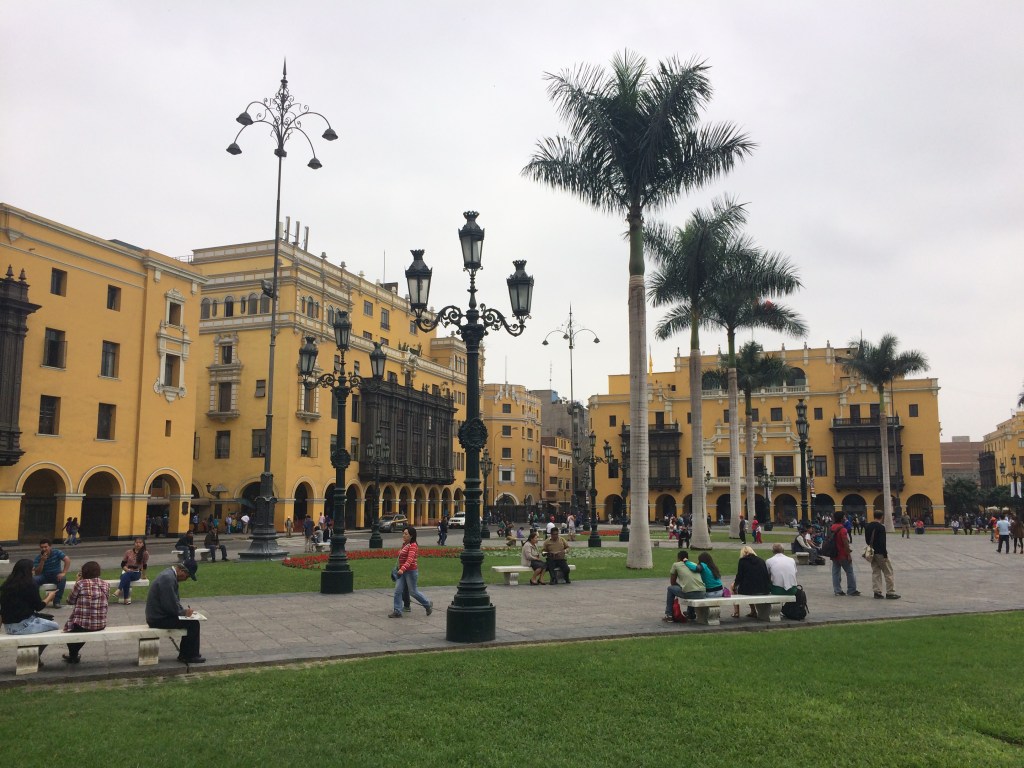
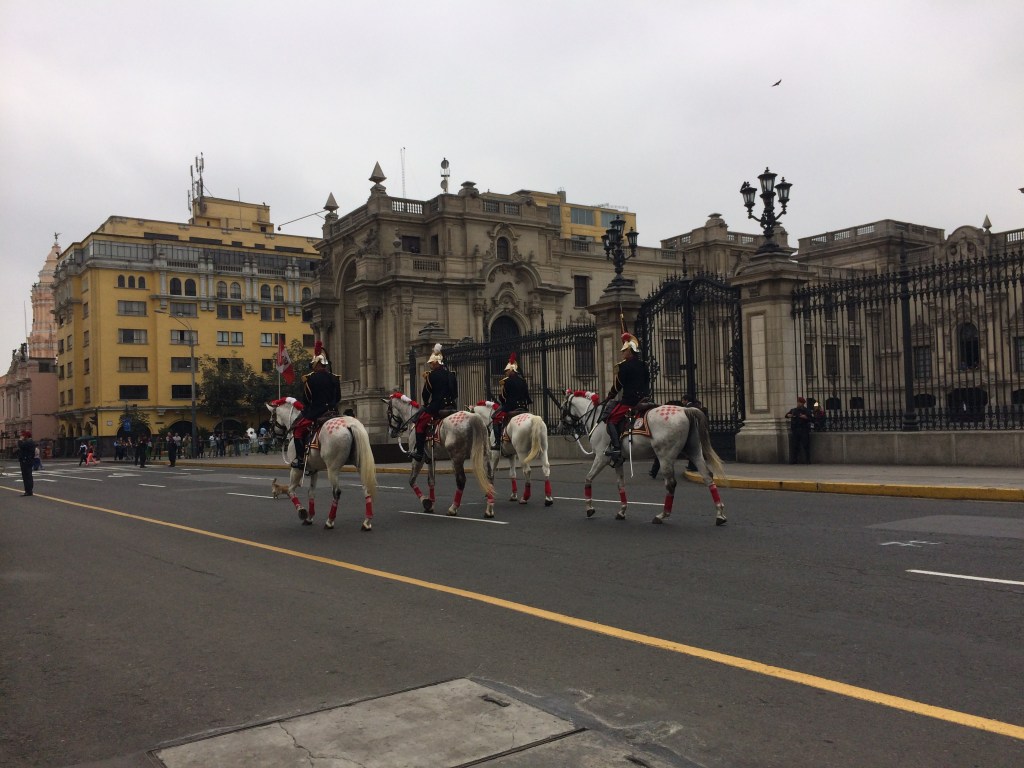
4. Plaza Mayor or Plaza de Armas is the historic center of the city. Like other city plazas built by the Spanish conquistadores, Lima’s plaza is home to the presidential palace, the Cathedral, the Archbishop’s palace and the municipal palace. The change of guard ceremony at the presidential palace is a grand affair with a marching band and a musical performance. It is even more special on Sundays when the royal performance horses are added to the mix. 

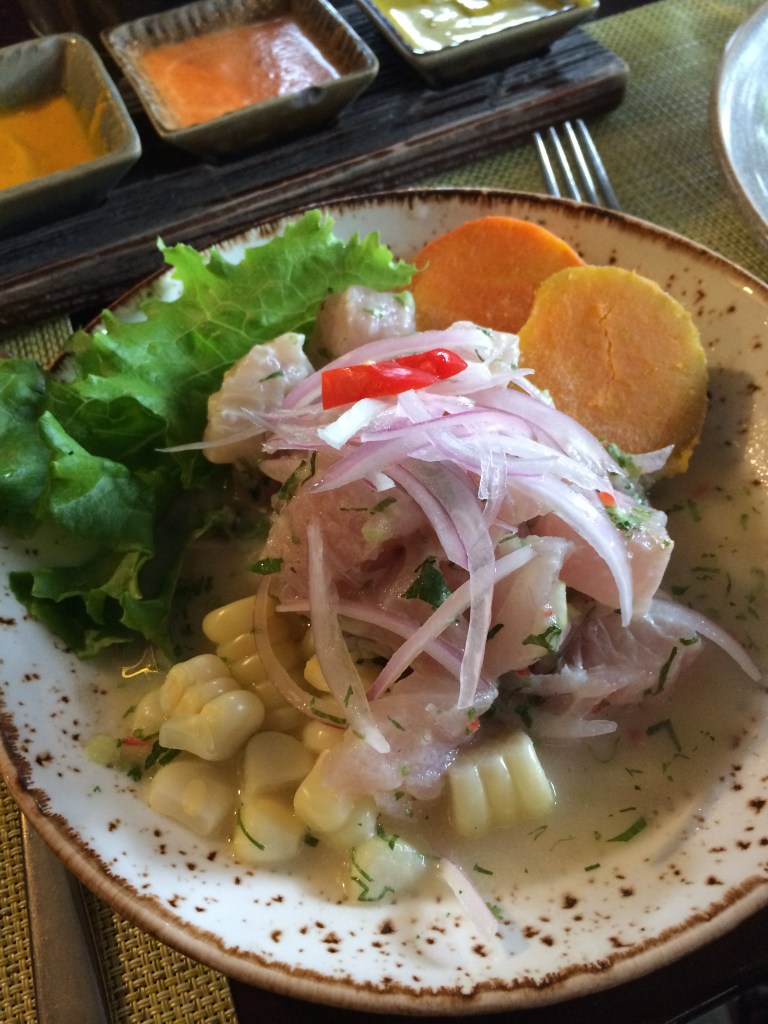
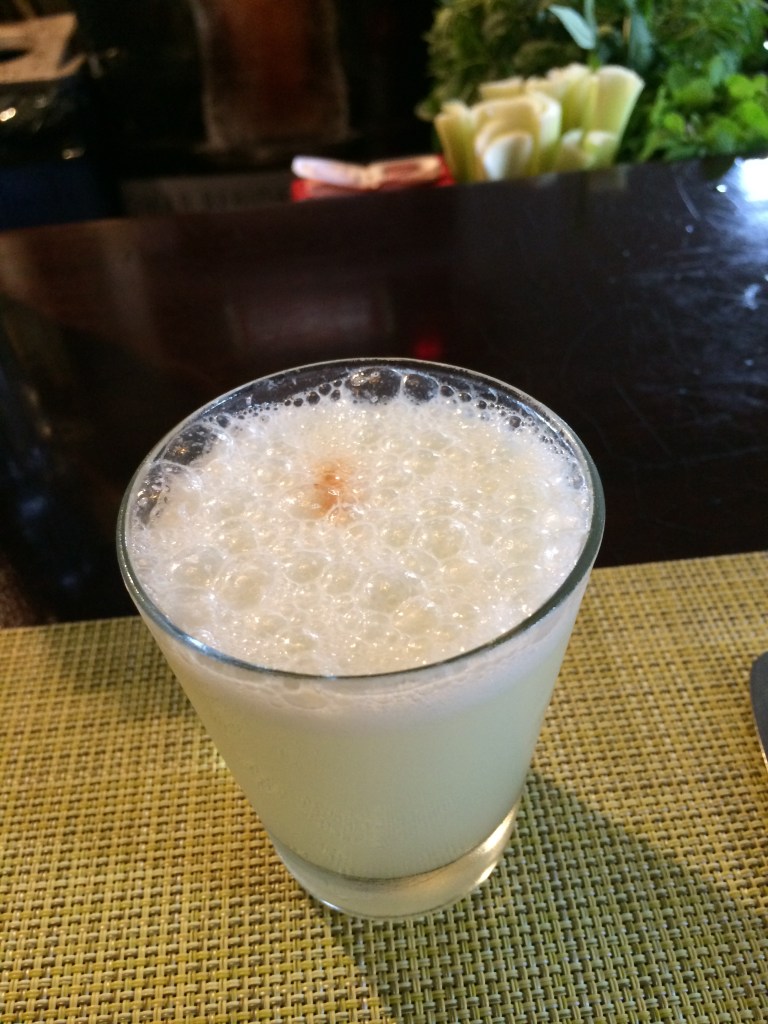
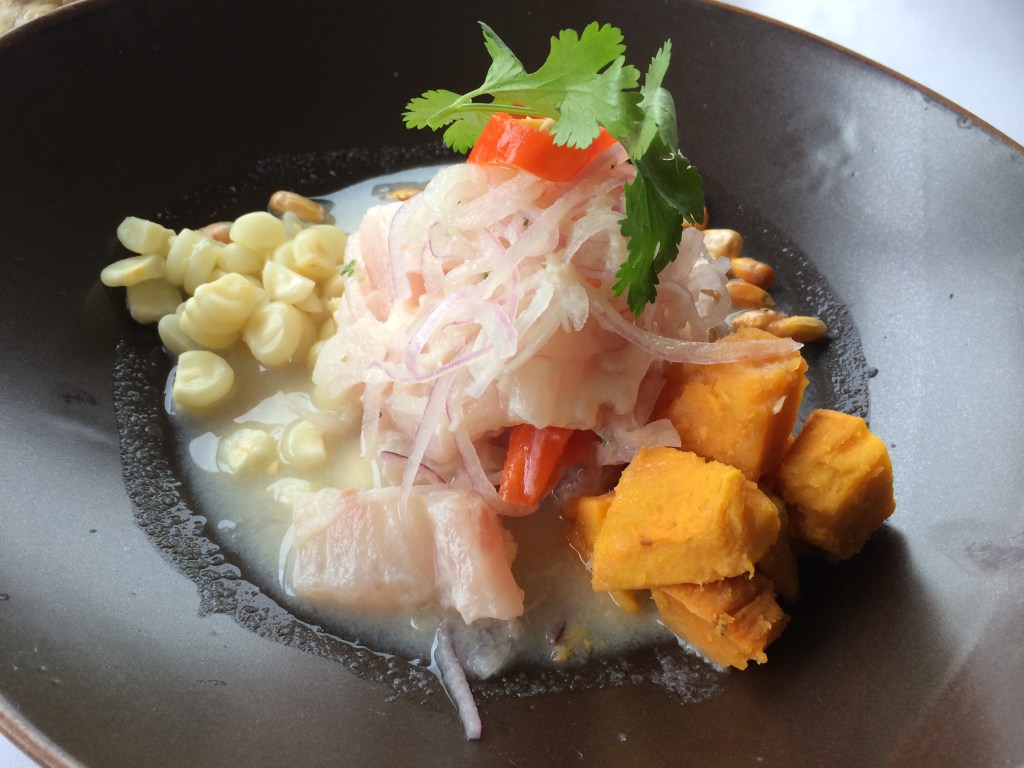
5. Lima punches about its way about its weight in the culinary department with restaurants like Astrid y Gaston, El Mercado, La Mar Cebiceria. At first it seemed liked such an unlikely candidate for a gastronomic destination but after a few days I learned about the diversity of produce available in the country. Peru has an astounding 4000+ varieties of potatoes that are native to the region. The coastline is 2,500km long. So, it has one of the world’s great fisheries, the third-biggest after China and Indonesia. The ceviche at La Mar is superlative, their Leche de tigre packs quite a flavor punch. Pisco sour is a cocktail of choice when in Peru. The primary ingredient is Pisco, a high ABV distilled liquor made from grapes. 

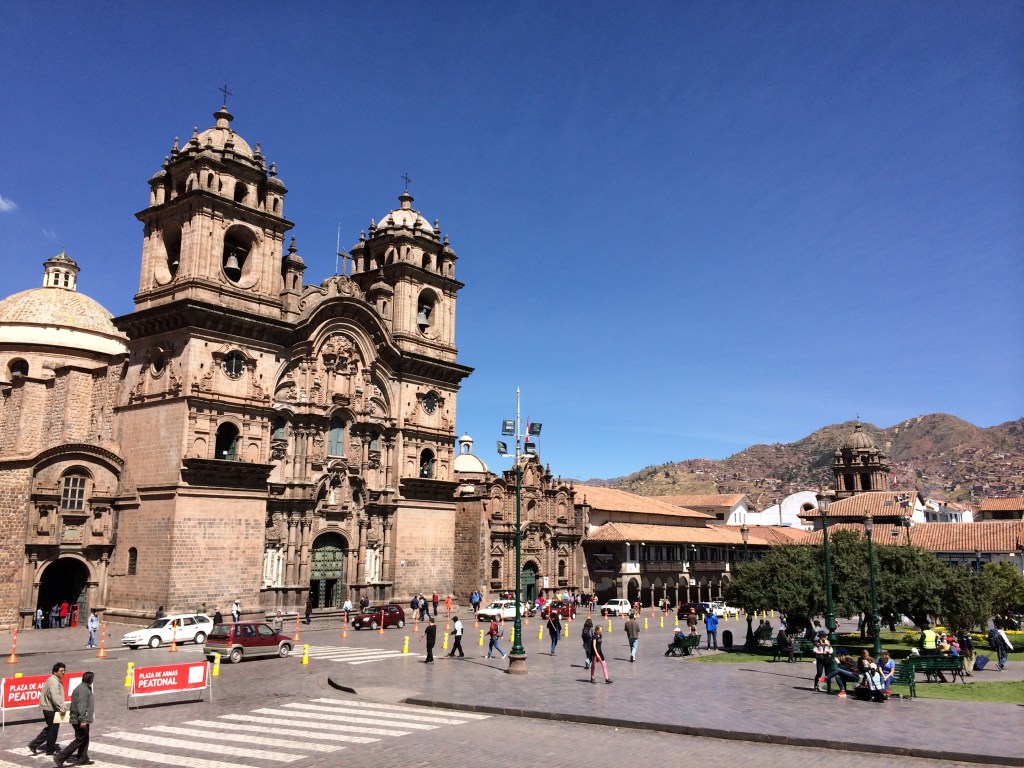
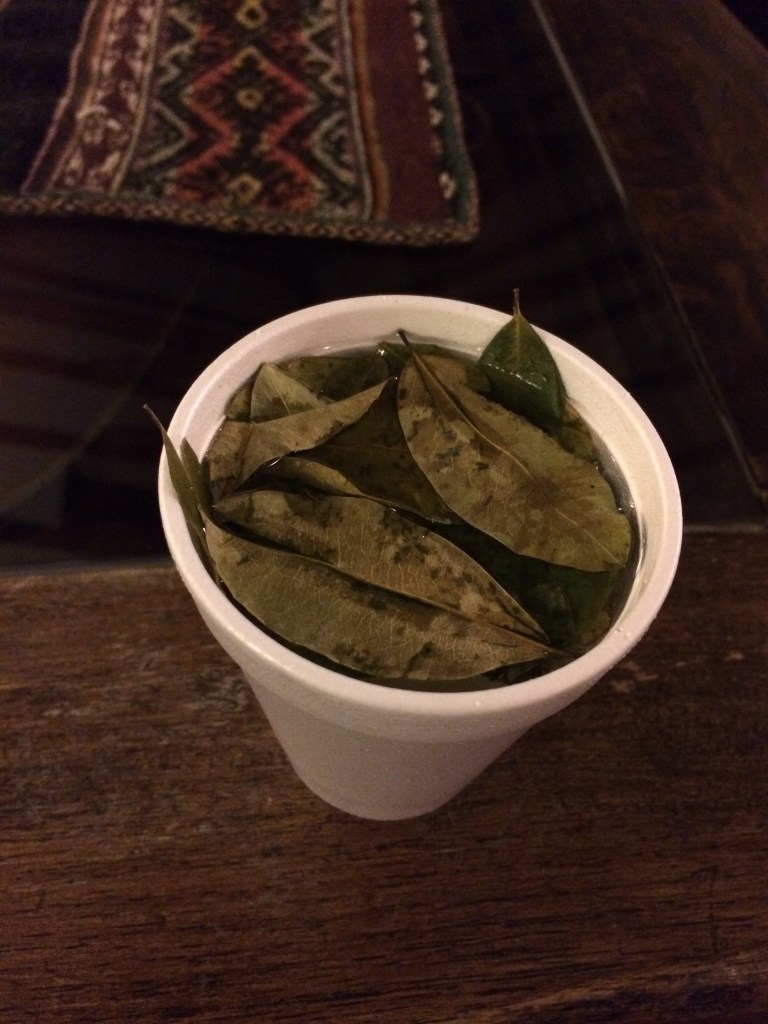
6. Cusco is usually the starting point for visitors heading to Macchu Picchu but it is a charming city on its own. It is located at an elevation of 3400 meters above sea level much which is much higher than Macchu Picchu at 2430 meters. So, altitude sickness is very common. I distinctly remember feeling lightheaded and confused right from the time when we landed at the airport. It took almost 3 days and plenty of coca tea to acclimatize to the high altitude. Machu Picchu was a breeze after this but it is recommended to plan one’s itinerary with a gradual increase in elevation. One of the best things to do in Cusco is to relax and take in the views from one of the cafes in Plaza De Armas. It is also not uncommon to see Andean women dressed in native clothing along with their Alpacas in Cusco. Many will oblige for photos in exchange for a small donation.

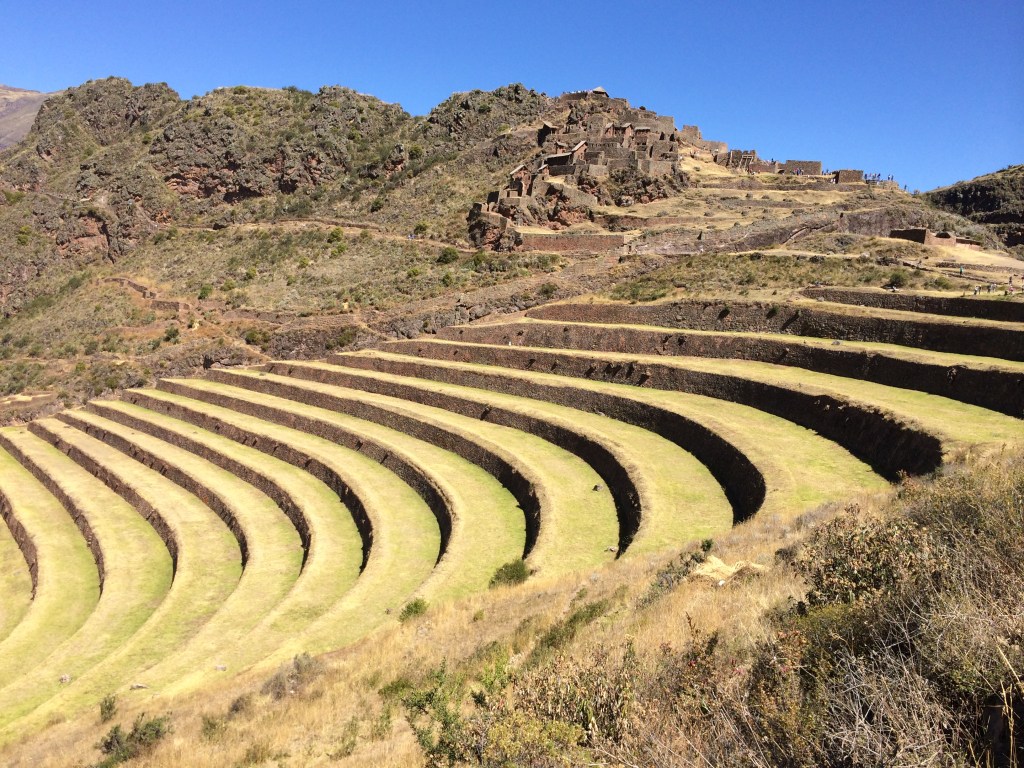
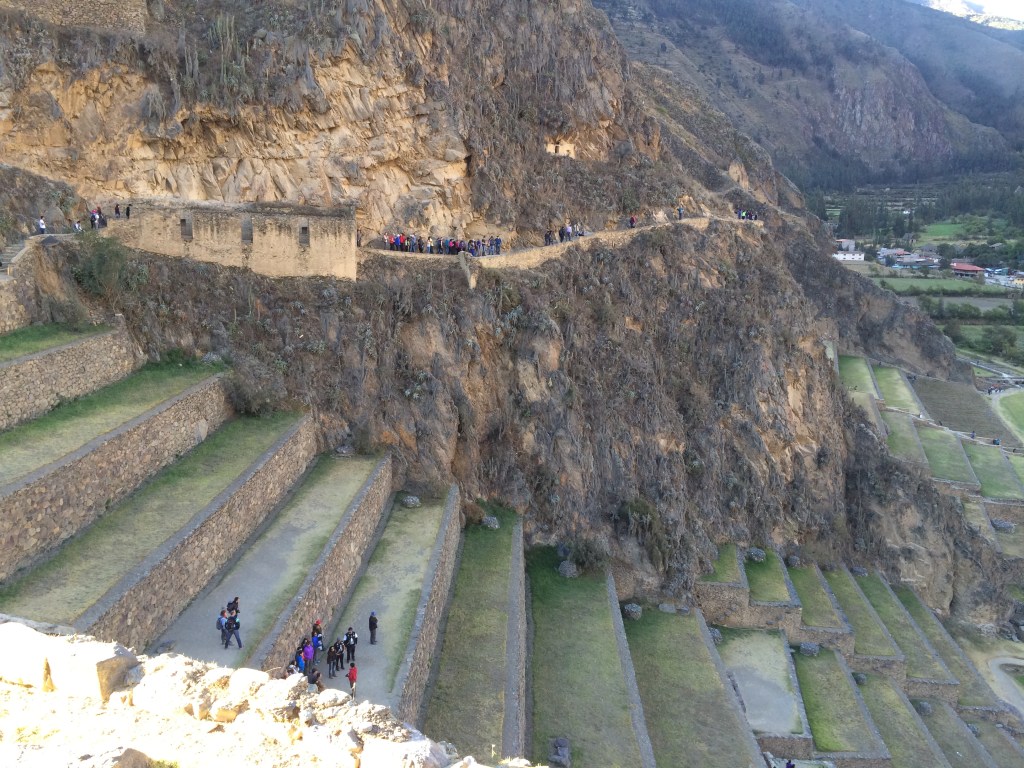
7. The Sacred Valley of the Incas is a valley formed by the Urubamba river. The early Incas had inhabited the Sacred Valley for its geographical advantages. The lower elevation and fertile valley allowed large scale cultivation of maize(corn) using terrace farming techniques. Corn was a prestige crop for them. It was used to make the fermented corn drink called Chicha Morada. The ruins of agricultural terraces at Moray, Ollyanthambo and Pisaq are all proof of this. 

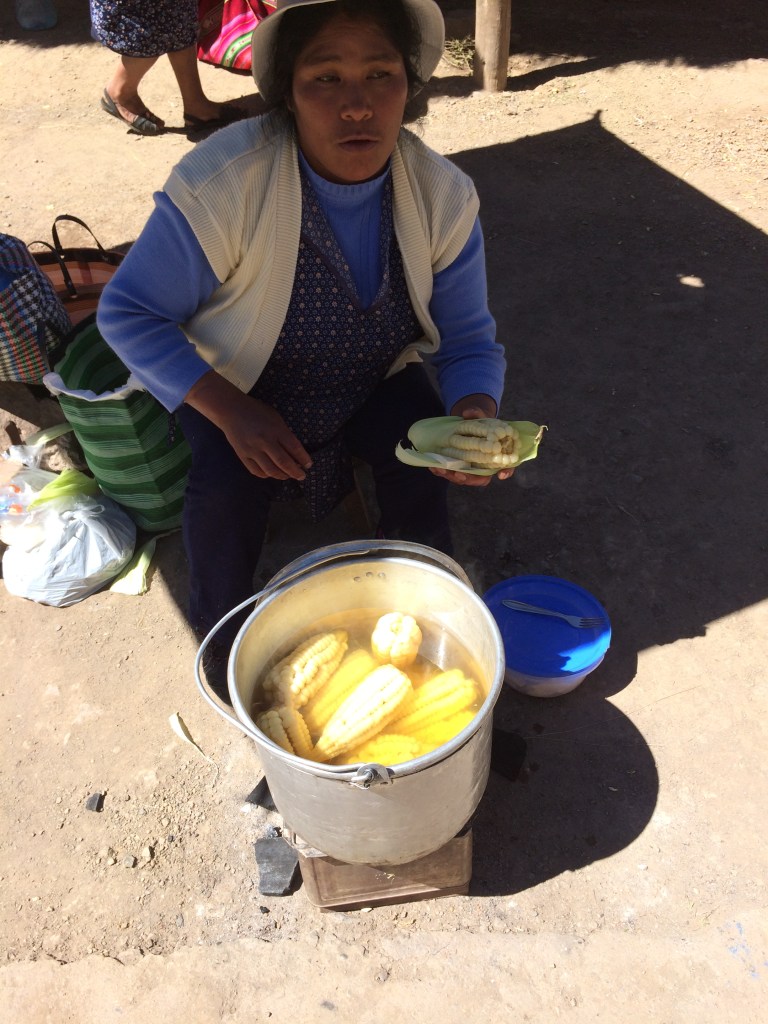
8. Peruvian Corn (also called Cusco corn) is very distinct from the sweet corn varieties found in rest of the world. This Peruvian variety has much larger kernels with a starchy and chewy texture. Commonly served as an accompaniment to ceviche, it is also eaten with cheese (choclo con queso). 

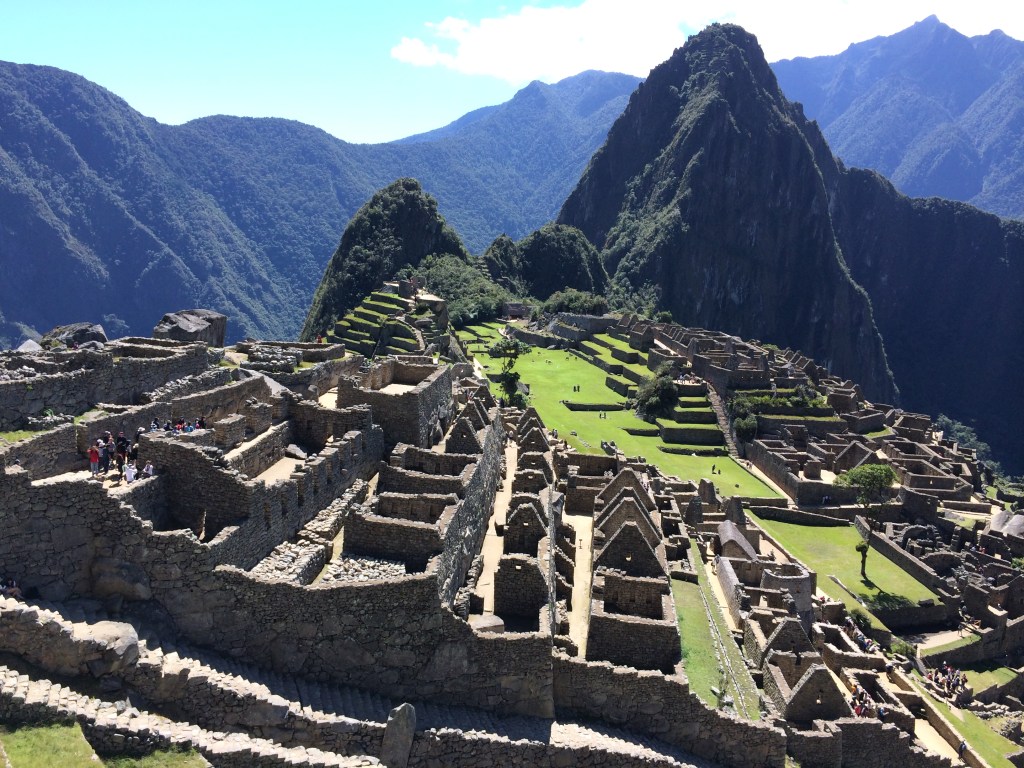
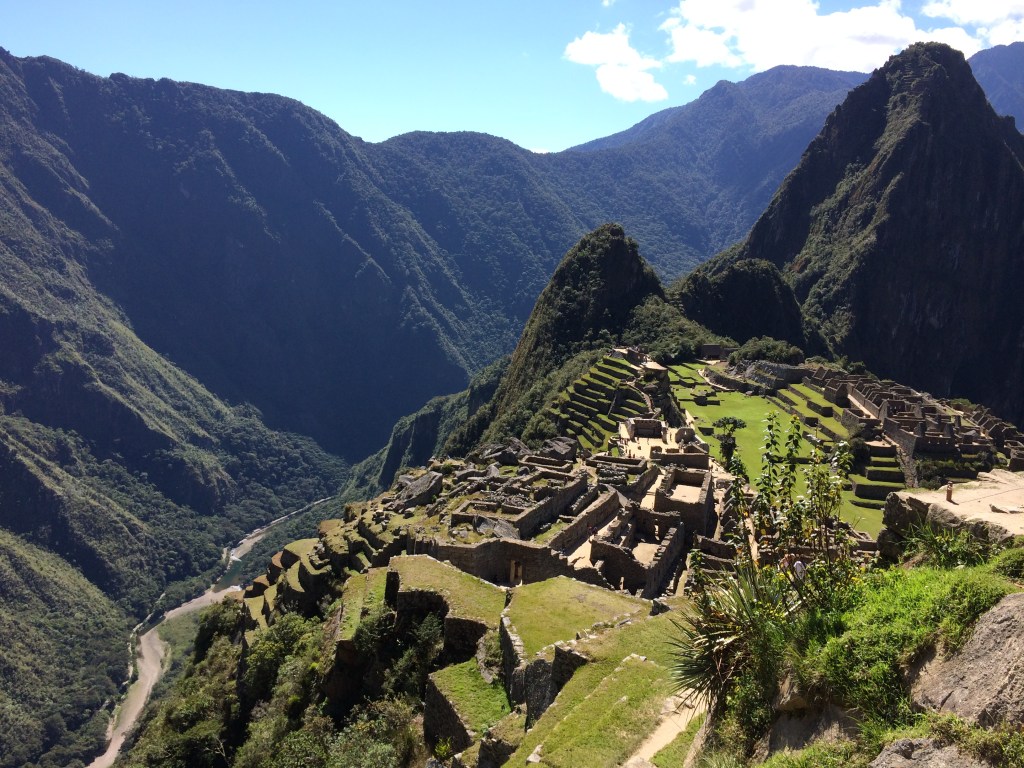
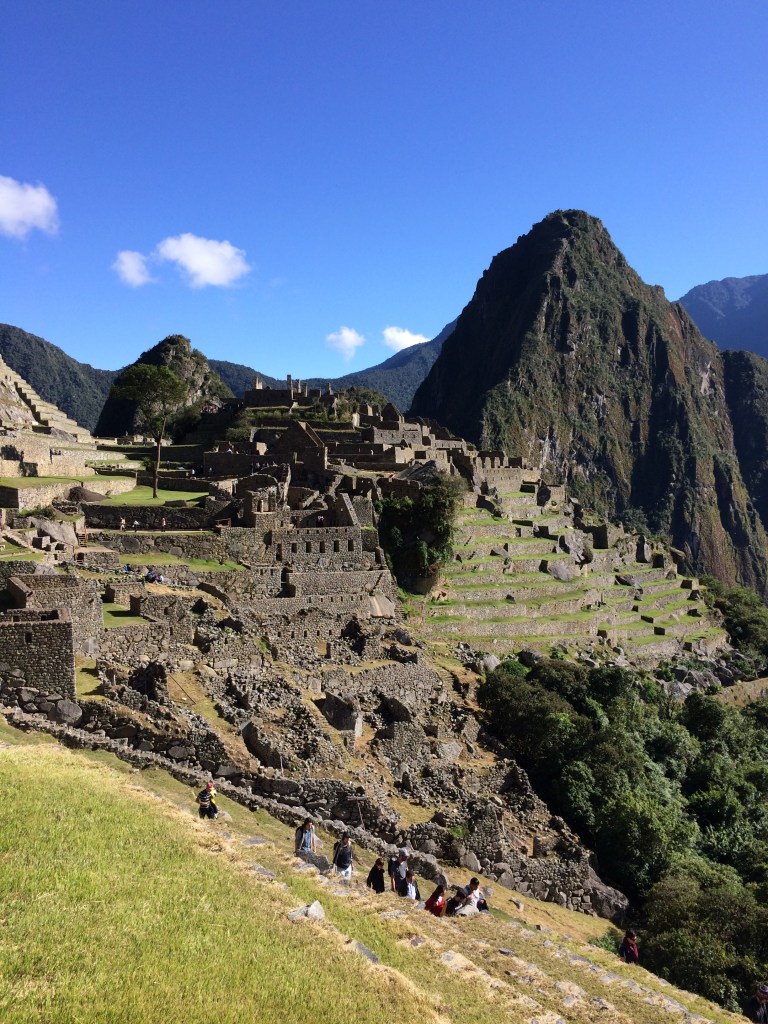
9. Machu Picchu was exactly as magical as it looked it pictures. My jaw dropped as I got my first glimpse. Thanks to Hiram Bingham, an American academic and explorer who re-discovered this hidden Incan site in 1911. It was very interesting to learn about the cultural beliefs and agricultural innovations of the Incas. The masonry skills of the Incas are best showcased in the structures that are still intact. No mortar was used and stones were cut exactly to fit together. The Incas were also good astronomers, there is evidence to believe that Machu Picchu complex was once used as an astronomy lab. Today, it is one of trafficked tourist sites in the world. The free roaming Llamas at this complex are very friendly, it is not uncommon for them to photo bomb pictures. 

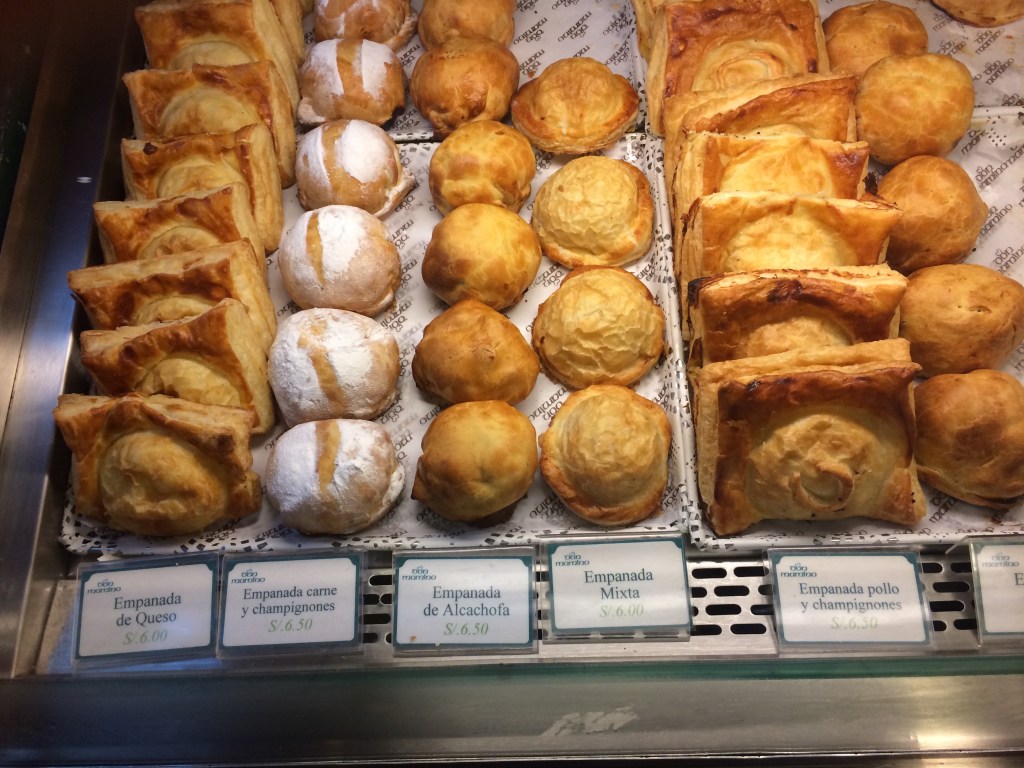
10. Alfajores is a popular sweet snack in Peru. It is a shortbread sandwich stuck together with dulche de leche (milk jam). It was absolutely scrumptious and even mildly addictive. While they are available at all food stores or supermarkets, the ones at La Casa del Alfajor chain are among the best. On the savory side, Empanadas (fried or baked turnovers) are popular like most of South America. It comes in all shapes and sizes with a variety of meat or vegetable fillings. 

10 things about Peru

5 things about the Canadian Rockies

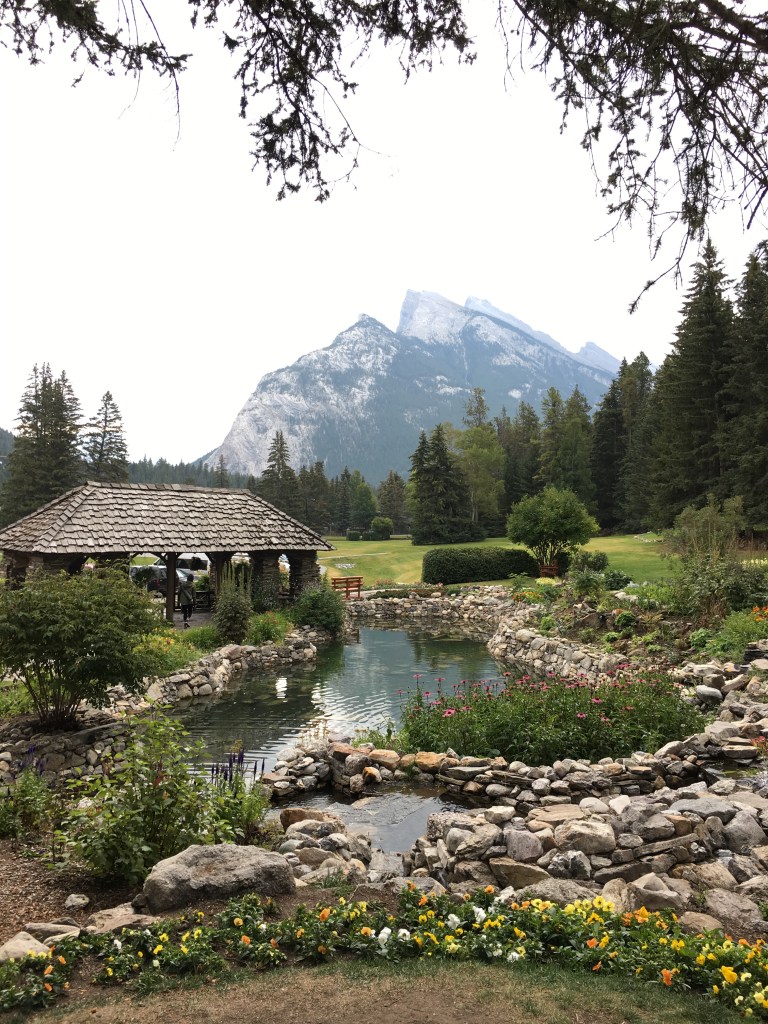
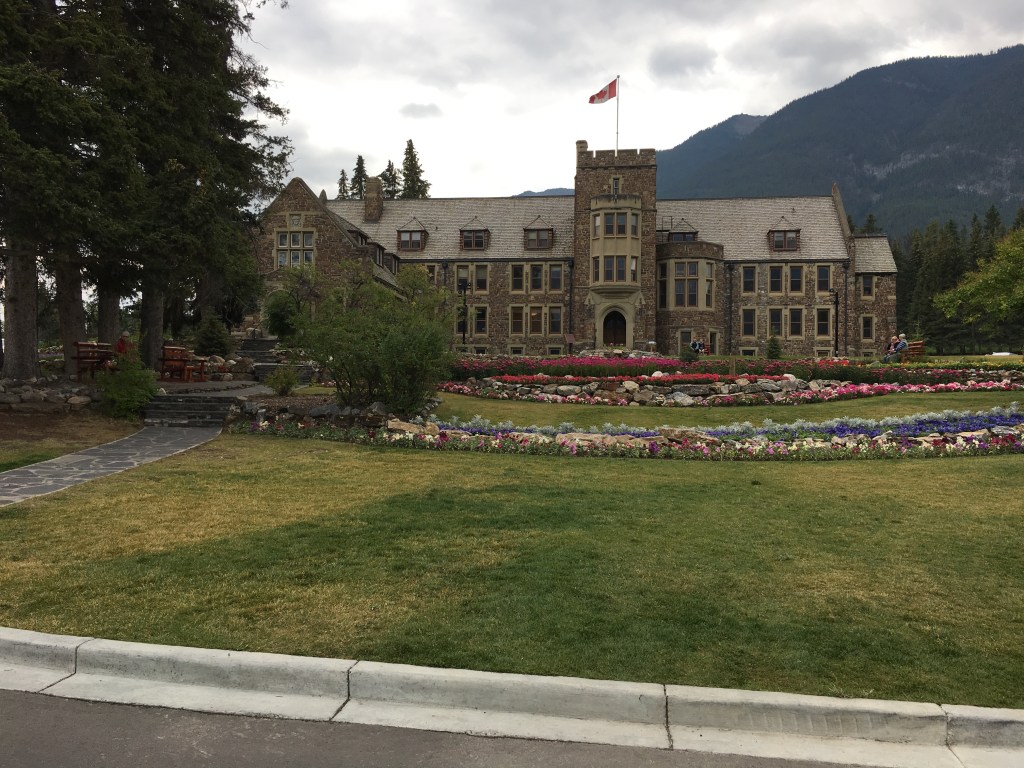
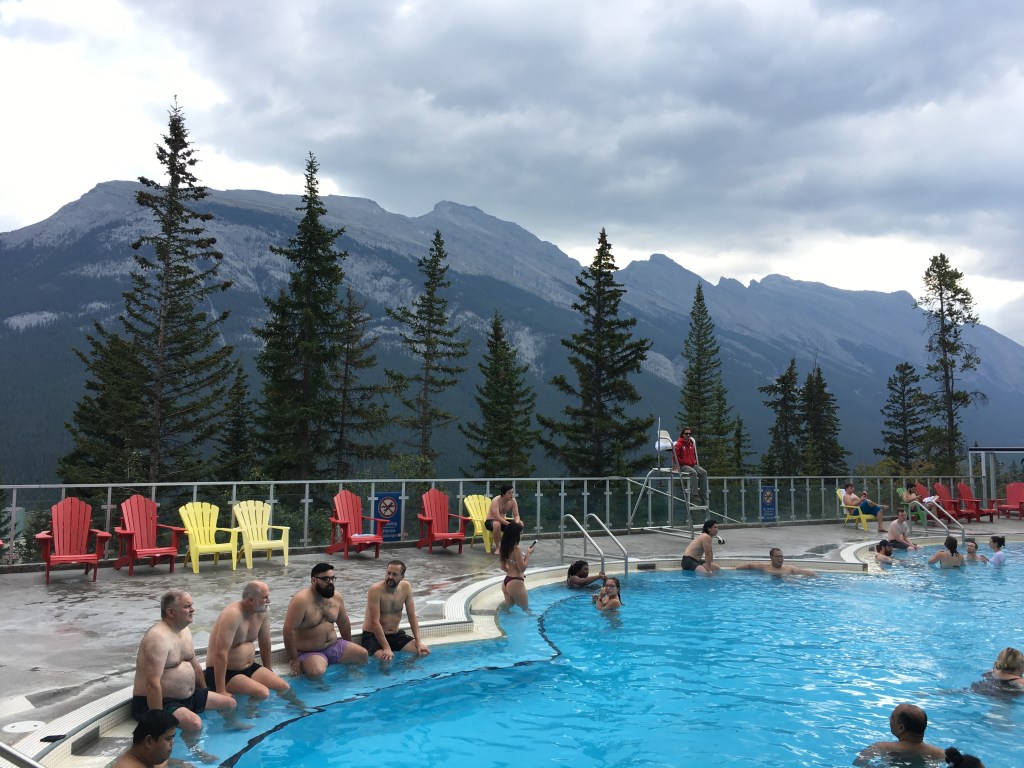
1. Banff is a resort town that is best known for its namesake national park. It is an all season destination with hiking opportunities in the summer and skiing in the winter. While most visitors use the town as the base for exploring the park, it is not without its charm. The quaint downtown has a good mix of galleries, restaurants and shopping. Banff Upper hot springs is an alluring option after a long day of park activities. It was one among the nine hot springs that were discovered on the slopes of the Sulphur mountain and is now the only one open to public. 

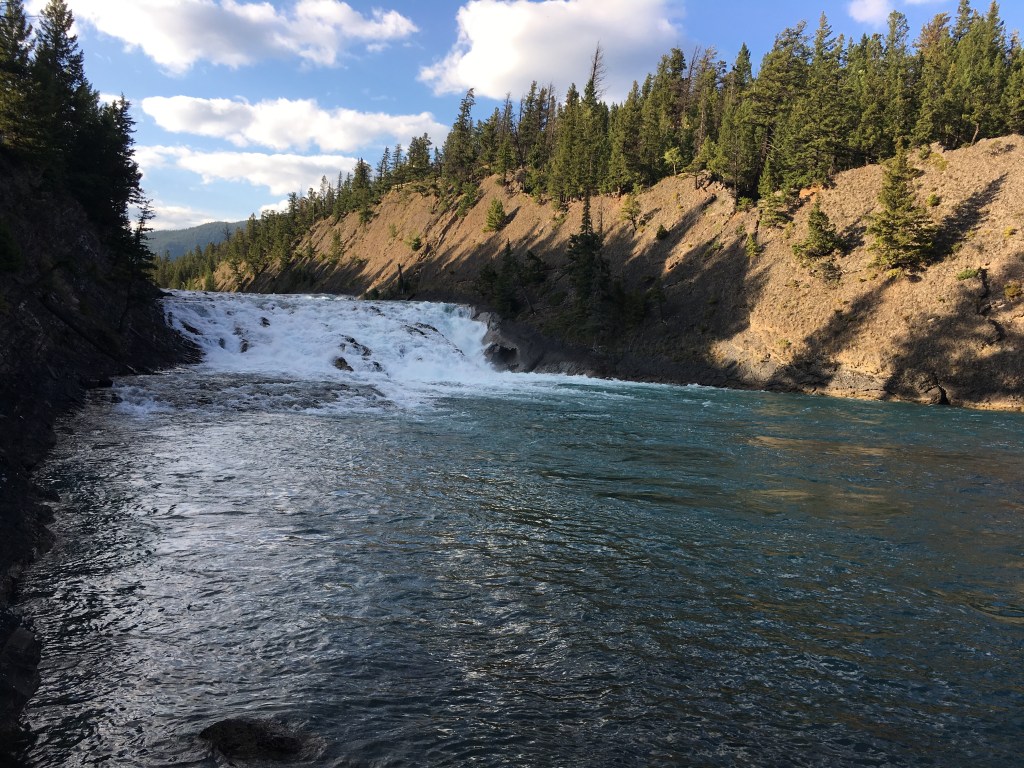
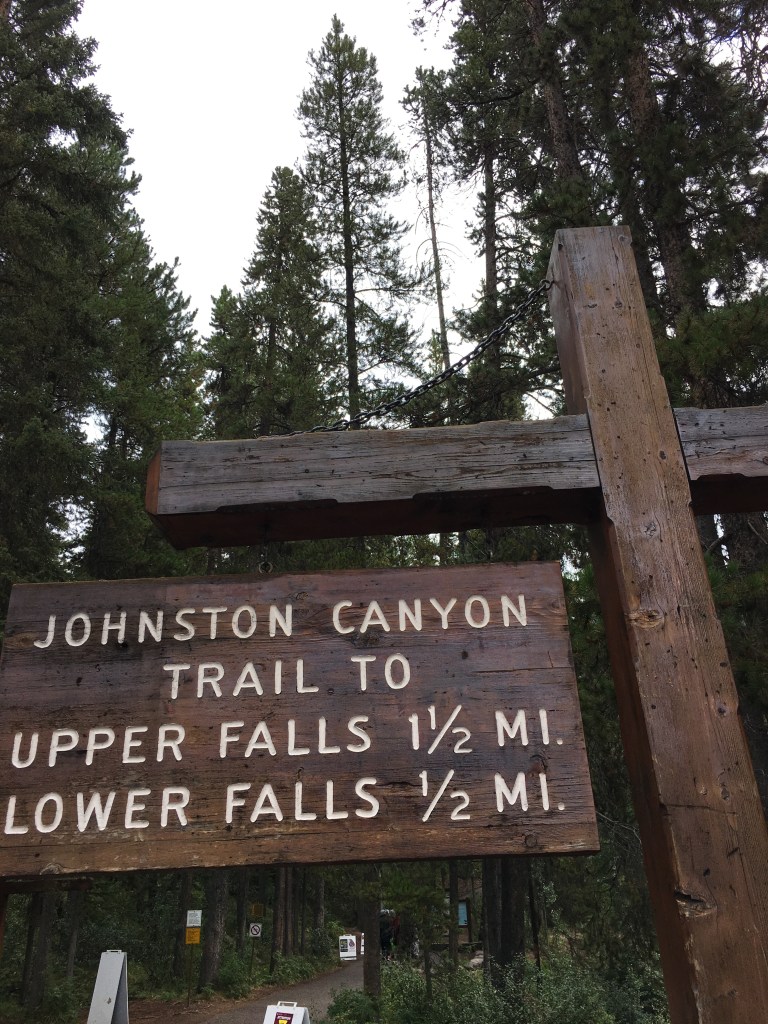
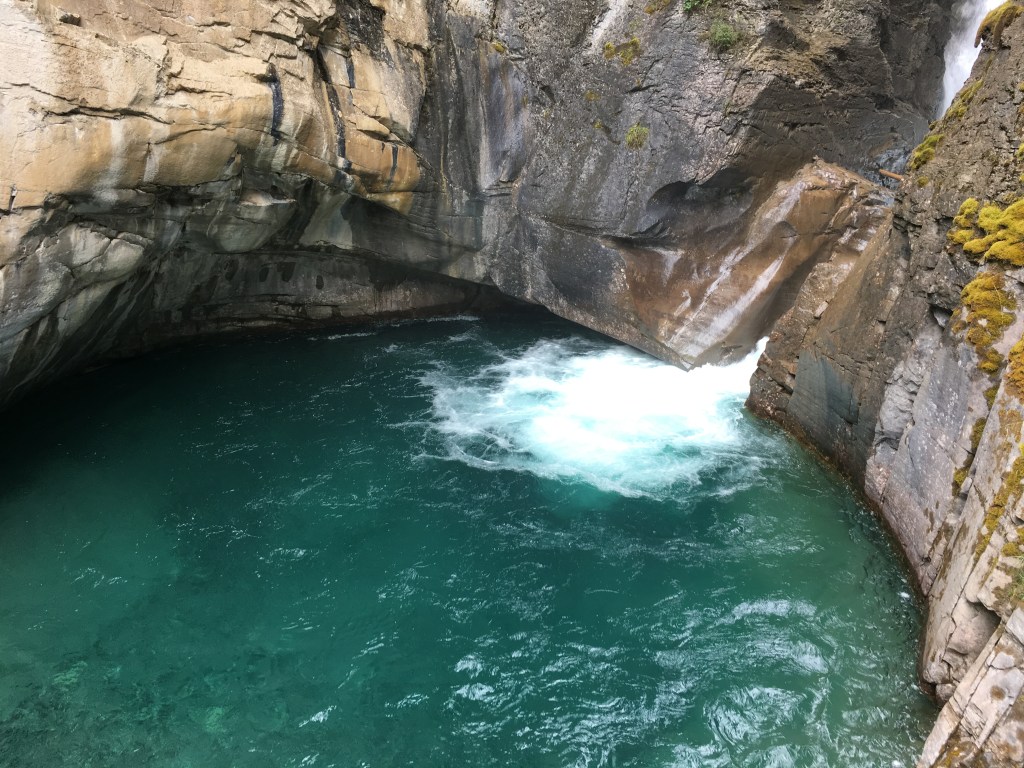
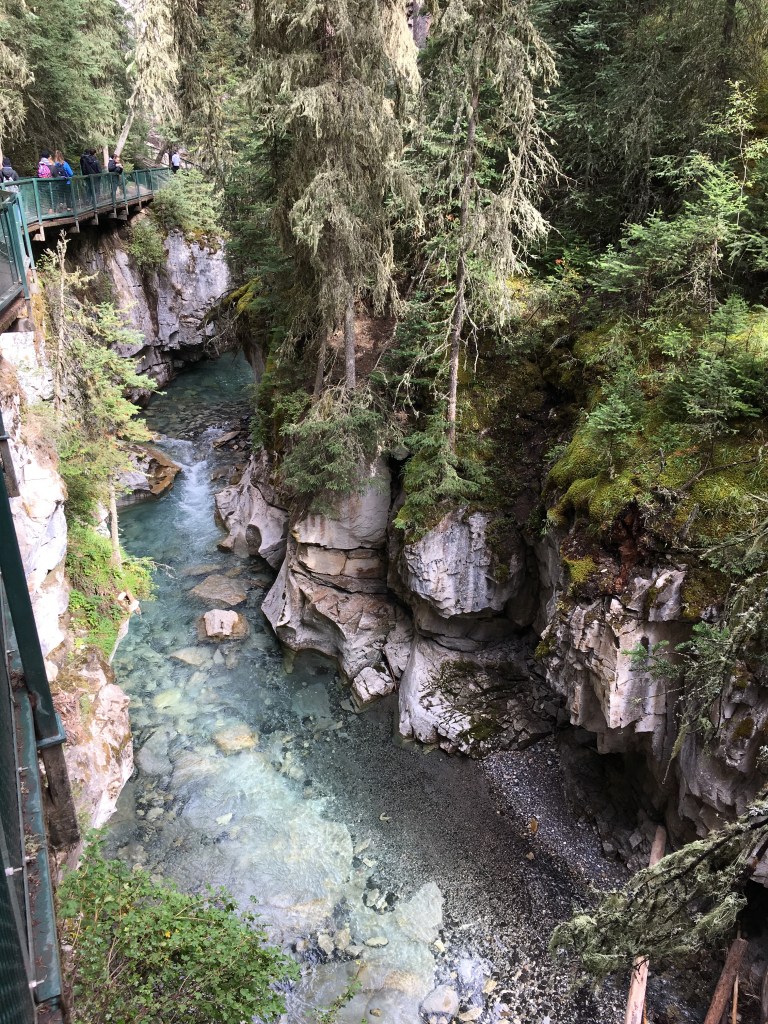
2. Bow Falls is located at the edge of town. It provides a sneak peak of the beauty that lies ahead in the park. It is an easy walk across its perimeter and is even possible to walk in the water at some points. Johnston Canyon is another popular stop that was carved out in the limestone bedrock due to years of water erosion. The lower falls are easily accessible via a walking trail that cuts across forest and canyon. The upper falls view point trail is a bit steeper and longer but provides a top view of the falls. The upper falls freeze during the winter and is a considered a ice climbing destination for all levels. 

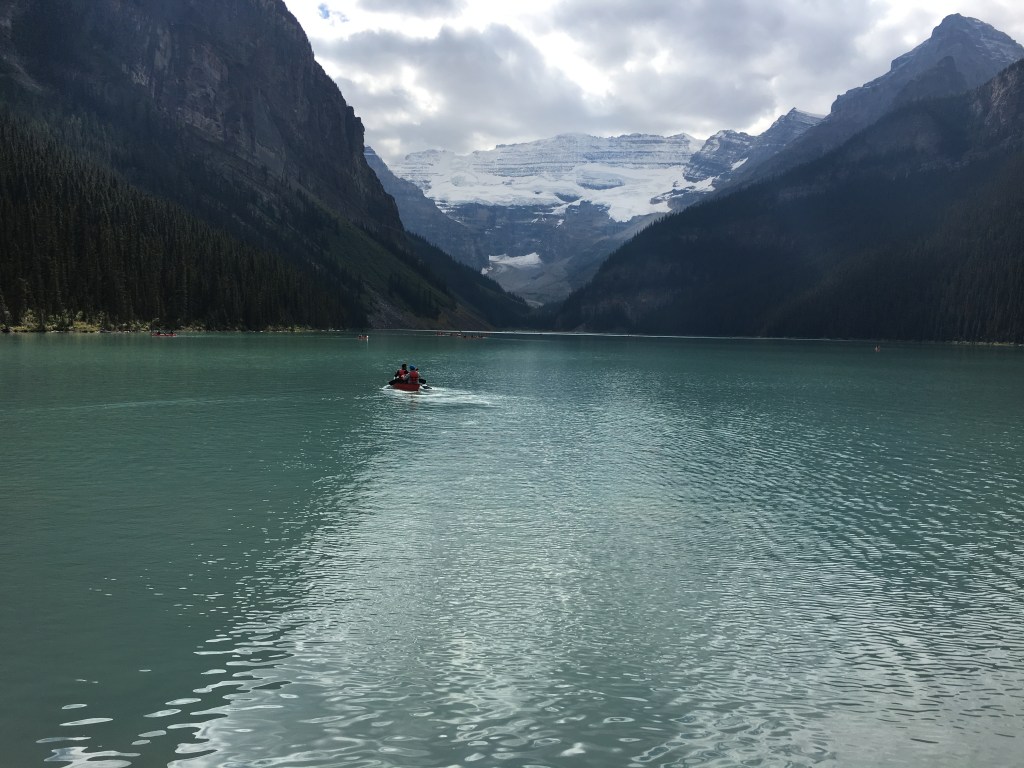
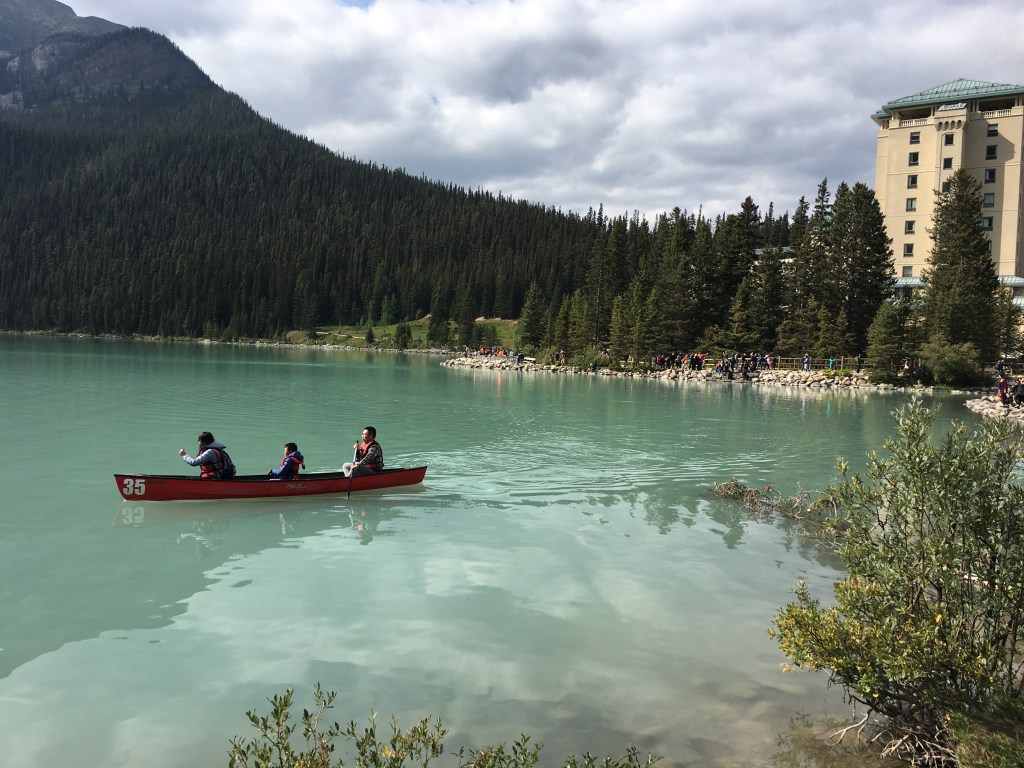
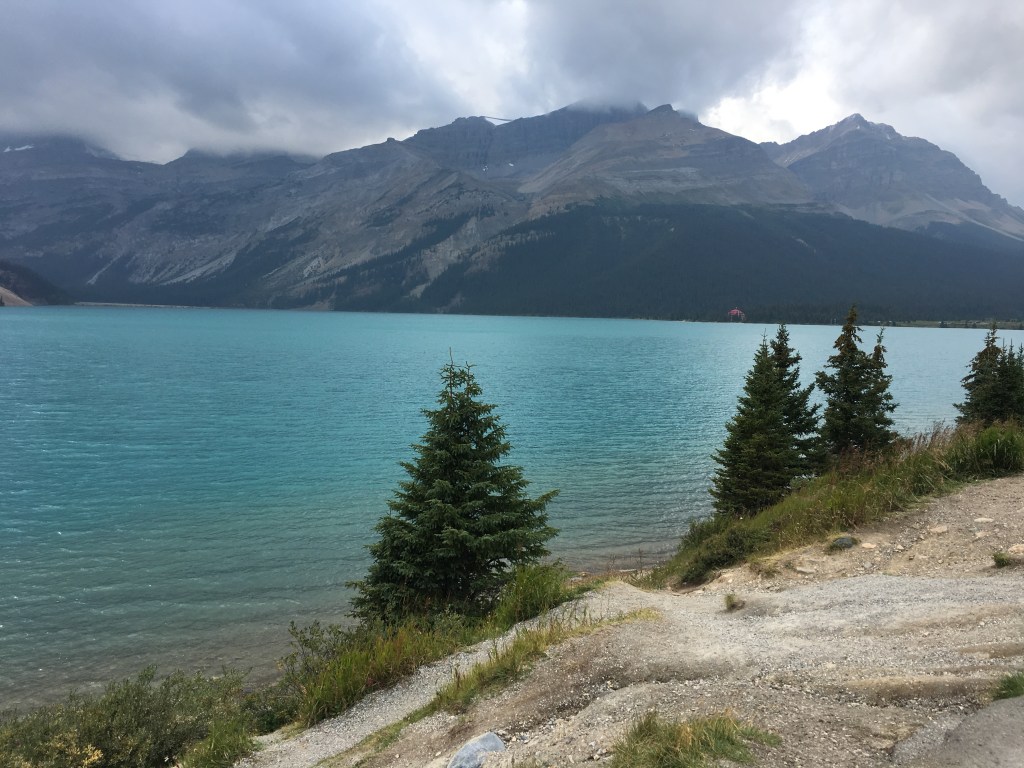
3. The crown jewels in the Banff national park are definitely its glacial lakes. There are many of them strewn across the park shimmering in various hues of blue. These colors are a result of salt and minerals that these lakes absorb on their way. The best among them are certainly Lake Louise and Moraine Lake. Flanked by snow capped mountains on three sides, Lake Louise color changes with the movement of clouds. On my visit, the lake was an ethereal turquoise green. Due to its easy accessibility, it seemed popular with bus tours. The best way to take it all in is by kayaking the lake. It felt like a dream floating through the glistening lake. Moraine Lake is one of the best natural sceneries that I have ever seen. The turquoise blue is so vibrant that I simply couldn’t take my gaze away. No one can take a bad picture here but even the best cameras can do justice to this beautiful lake. 

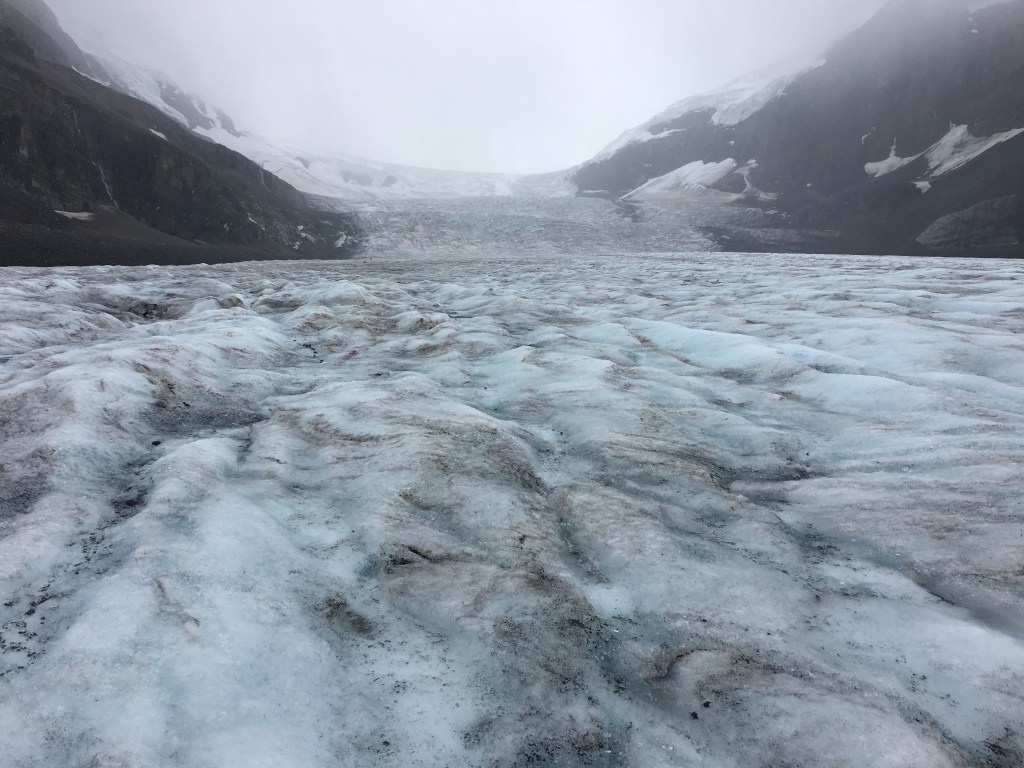
4. Columbia Icefield is the largest ice field in the Rocky mountains. It covers an area of 125 square miles extending into northern edges of Banff national park and the southern edge of Jasper national park. The Athabasca glacier is one of the few accessible areas in the icefield. It does take some serious transportation to set foot on the glacier though. So, a visit is very expensive. Then again, it is a unique experience to hop on one of those all terrain vehicles that are only deployed elsewhere in Antartica. The winds on the glacier do pack a vicious chill factor even during peak summer. Climate change has even impacted this monstrous glacier, it is said to have retreated more than 1.5 kms and also lost half of its volume.

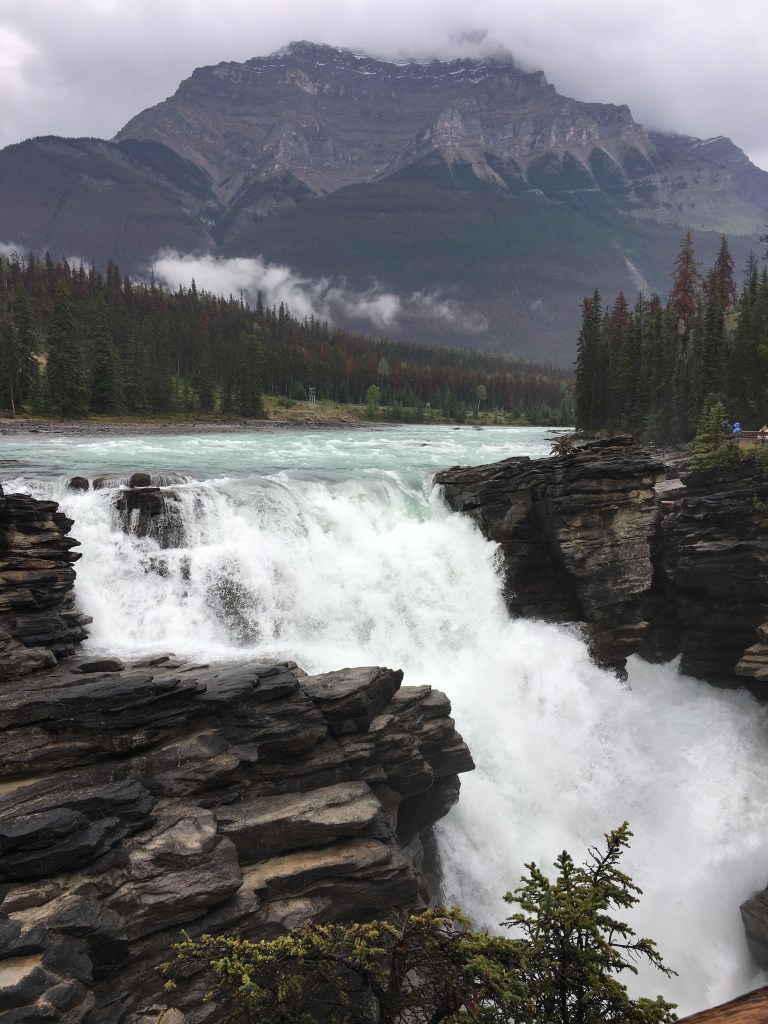
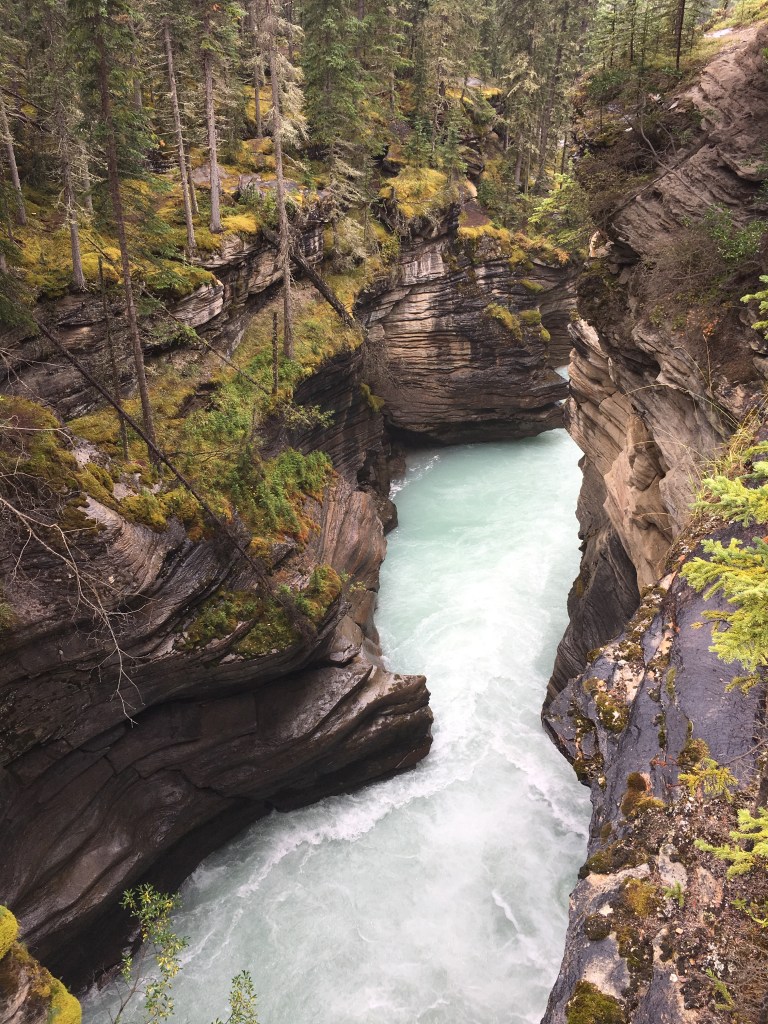
5. Jasper national park is overshadowed its cousin Banff but has its share of beautiful glacial lakes.Jasper is known for its wildlife – caribou, moose, elk are easily spotted. I even noticed grizzlies crossing the road here. Athabasca falls is easily the best spot in the park. Although not very high, the flow is very powerful due to the large quantity of water it pushes into the gorge. 

5 things about the Canadian Rockies

5 things about Brussels, Belgium

1. Brussels is the administrative capital of the Europe Union. Although the EU parliament is located in Strasbourg, France, the daily operations are run out of the EU offices in Brussels.Through the modern ages, Belgium was ruled by generations of Hapsburgs before becoming independent in 1831 following a revolution. Brussels was declared the capital city and has remained so ever since. The cultural identity of both the city and nation were shaped by the mixed heritage of the Hapsburg rulers. Belgium has 3 official languages – Dutch, French and German. Dutch or Flemish (a Belgian version of Dutch with French influence) is the most prevalent but French is widely spoken as well especially in Brussels.

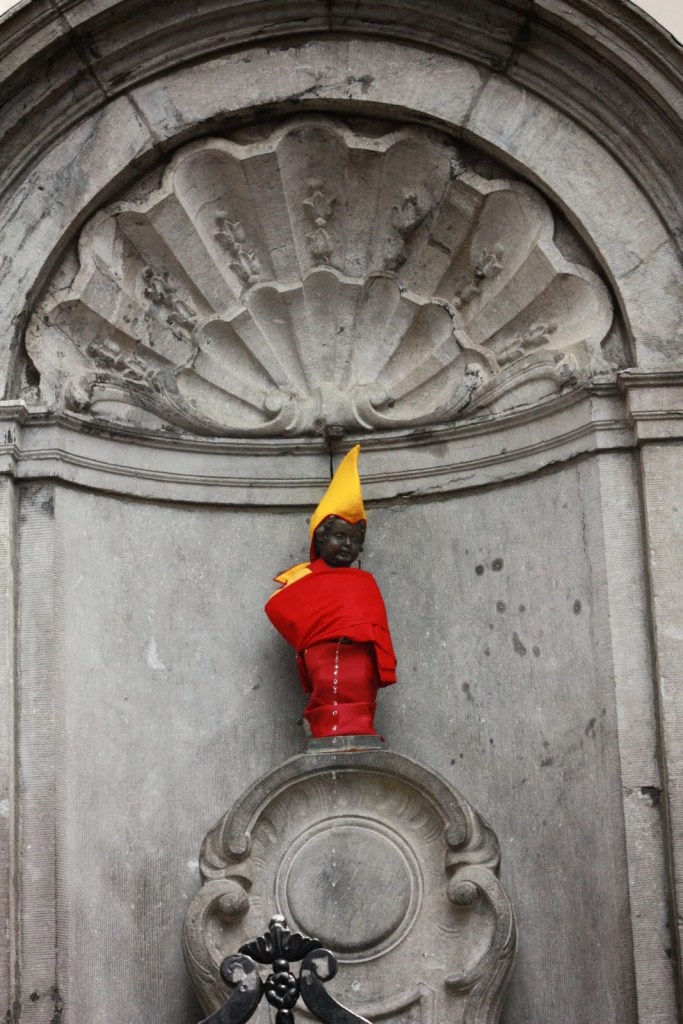
2. Grand Place is the most popular square in Belgium. The name is derived from the grandness of the Baroque, Gothic and Neo-gothic structures in the Square. The Town Hall is definitely the center piece but the guild houses are prominent too. The square is considered to be the starting point for the city of Brussels itself. It started out as a fort but commerce took over and marketplaces for bread, cloth and meat trading were added. The town hall and other structures came much later. All except the town hall were destroyed in 1695 by the French army during a battle with the League of Augsburg. It was rebuilt by the city’s guilds but continue to declined before being revitalized in the late 19th century. Today, the Square is great place to grab a beer or a meal and soak in the atmosphere. Manneken Pis is a sculpture that depicts a naked boy urinating into the fountain’s basin. It is unclear what led to its popularity but for some reason it is considered a stop when in the vicinity of Grand Place. 

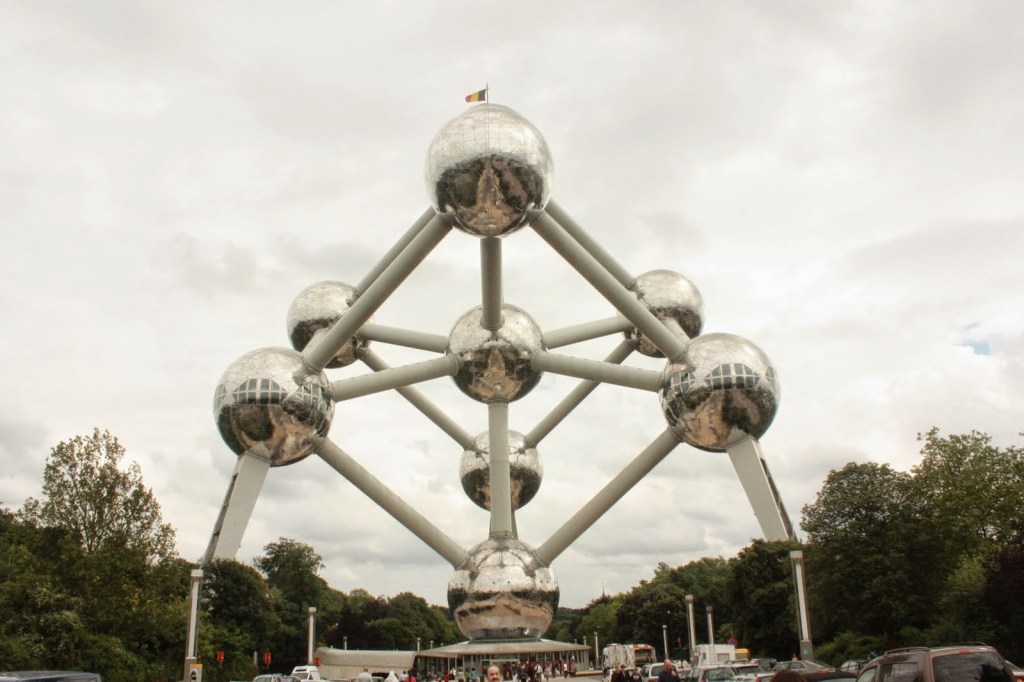
3. Atomium is a popular tourist attraction that was constructed for the World Expo that was held here in 1958. It is shaped like an atom with nine spheres. The shape is cool but I was fascinated to learn that it was never intended to last beyond the expo timeframe but it became too popular to be dismantled. It was even renovated in the early 2000s and now serves as a museum. It was much smaller than I thought. So, I passed on the viewing opportunity from the topmost sphere. 

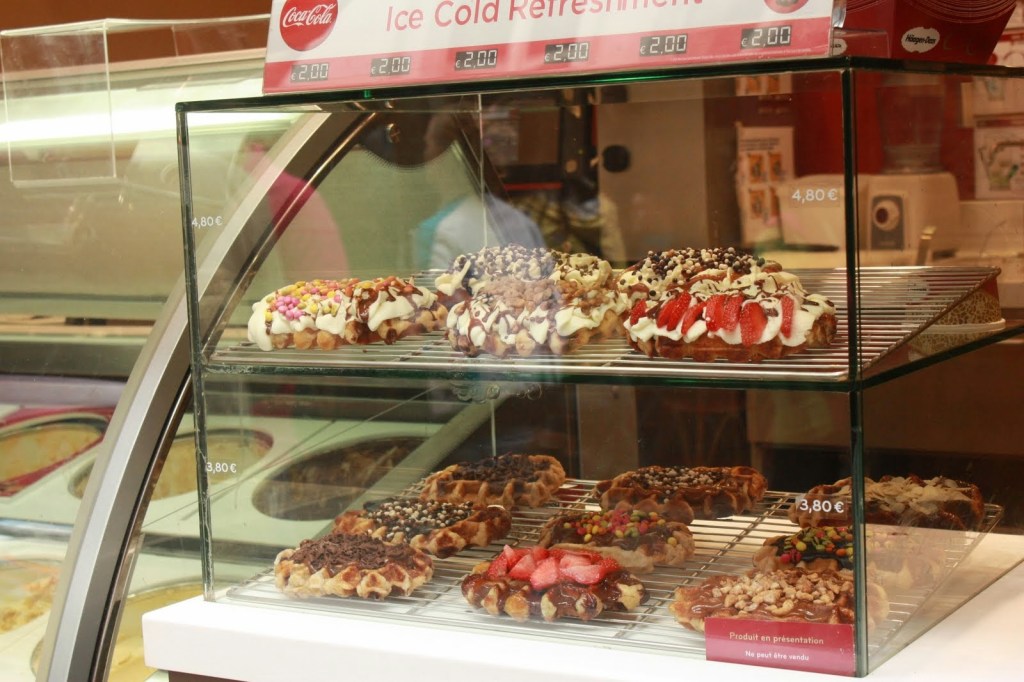
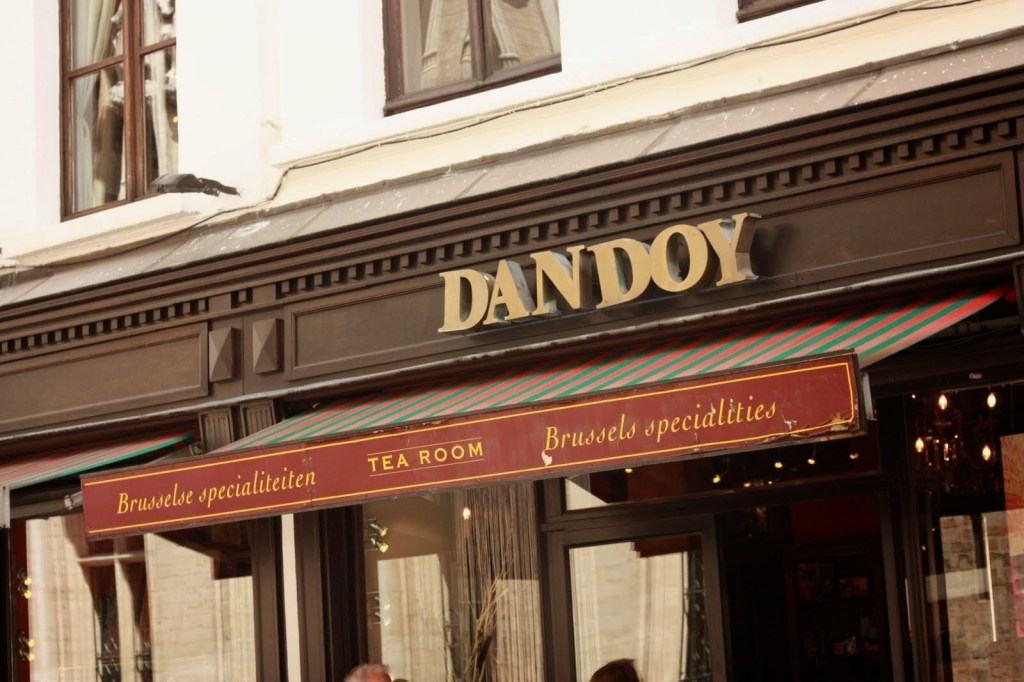
4. Belgian cuisine may not have made much of a name outside the country. But we are guaranteed to have heard of the Belgian waffle, an American appropriation. In Belgium, there are two types of waffles – Brussels Waffle and Liege Waffle. Brussels waffles are light and crispy with deep pockets as they are made with a yeast leavened batter while the Liege waffles are thick and chewy as they are made with bread like dough with pearl sugar mixed in. Visually, they are easily distinguishable with Brussels waffle being rectangular with defined edges while the Liege one is uneven. My pick was definitely the liege waffle at the local chain Belgaufra. It is a great snack to eat on the go and stands on its own with its caramelized sugar coating. Maison Antoine is known for the thick thrice cooked fries. It was served with mayo and it totally made me question about this thing called Ketchup. Maison Dandoy is a classy joint for a cup of coffee. Plus, they serve delicious waffles, hot chocolate and their famous gingerbread. 

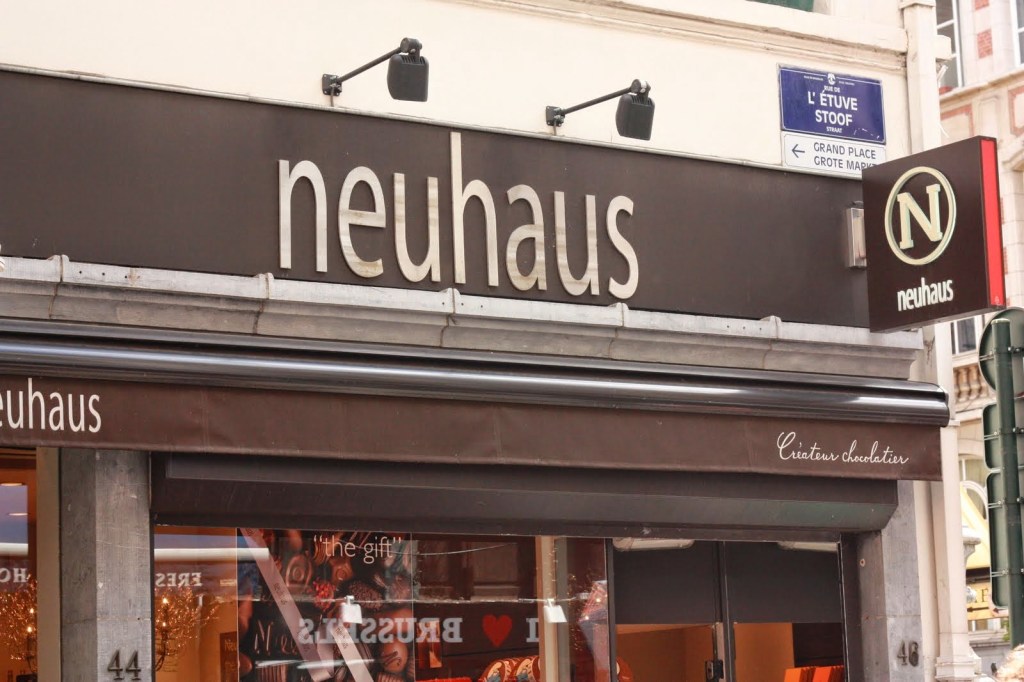
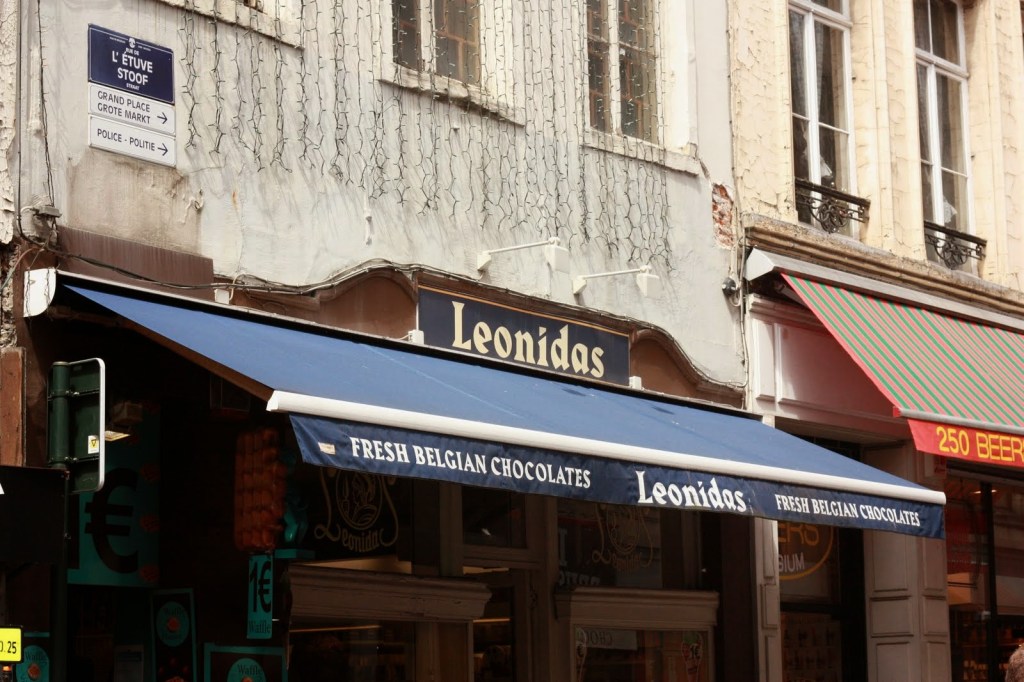
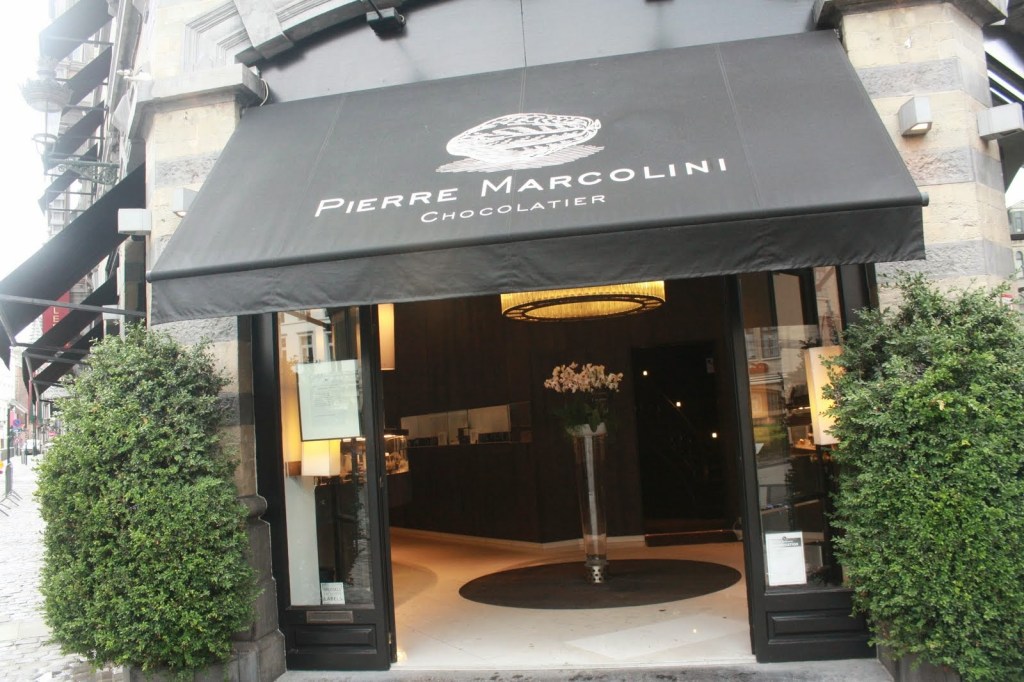
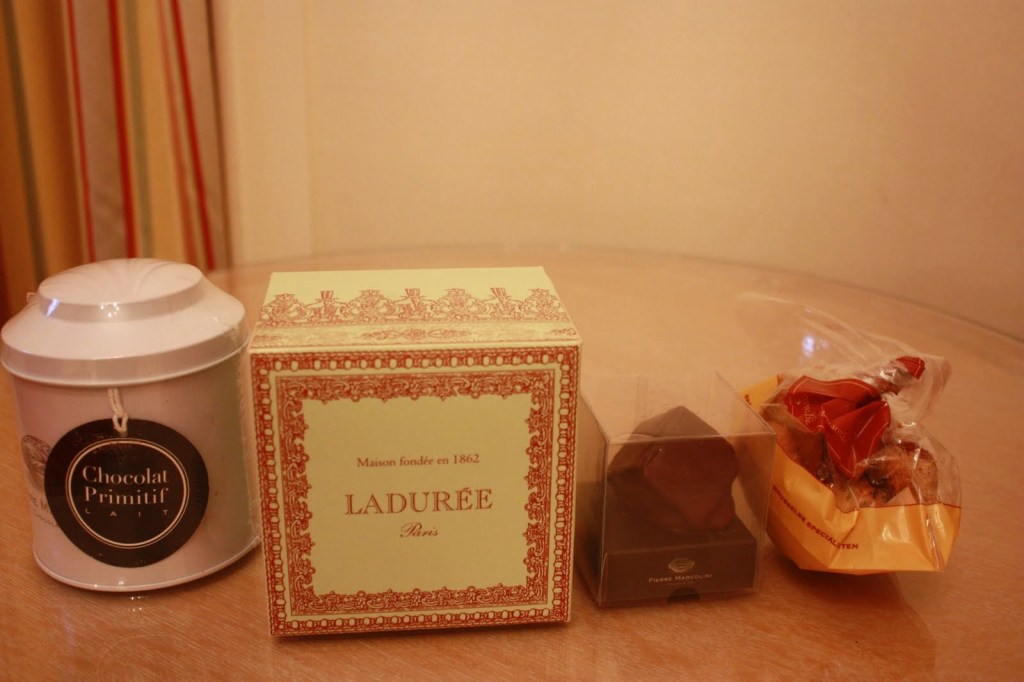
5. Connoisseurs of chocolate rejoice, Brussels is known for it. There is interesting history behind it too. Even though Spanish explorers introduced the Belgian royalty to cocoa in the 17th century, it was the colonization of Congo that gave Belgium access to high quality cocoa.This helped Belgium become be the top trader of raw cocoa as well as chocolate. It was Jean Neuhaus that pioneered the boutique chocolate business in Brussels in 1857 by converting his pharmacy to a chocolaterie. His grandson, also a Jean cemented that position by inventing the now famous praline in 1912. Godiva was started in Brussels by the Draps family with their own version of the praline in 1926 and is now a worldwide brand. Leonidas, another global brand was born in Ghent but soon established their brand in Brussels. Today, chocolatiers like Pierre Marcolini are carrying on the legacy. Everything I tried there blew my mind. 

5 things about Brussels, Belgium

7 things about Seville, Spain

1. The origins of Seville data back to the 8th century BC when it was an island on Guadalquivir river. It was called Hisbaal by the Phoenicians and by the Tartessians who predated Romans on the Iberian peninsula. It later flourished as a market and an industrial center under the Romans and was referred to as Hispalis. The Moors(Muslim rulers from the Barbary coast) conquered Hispalis in 712 and made it the capital of the Cordoba Caliphate which was ruled by the Umayyad dynasty who had their origins in Mecca. The Muslim rule continued under the Almoravid and Almohad dynasties who were both from North Africa. King Ferdinand of Castile led the conquest of Andalusia in 1247 and finally took over Sevilla after a 15 month long siege. 

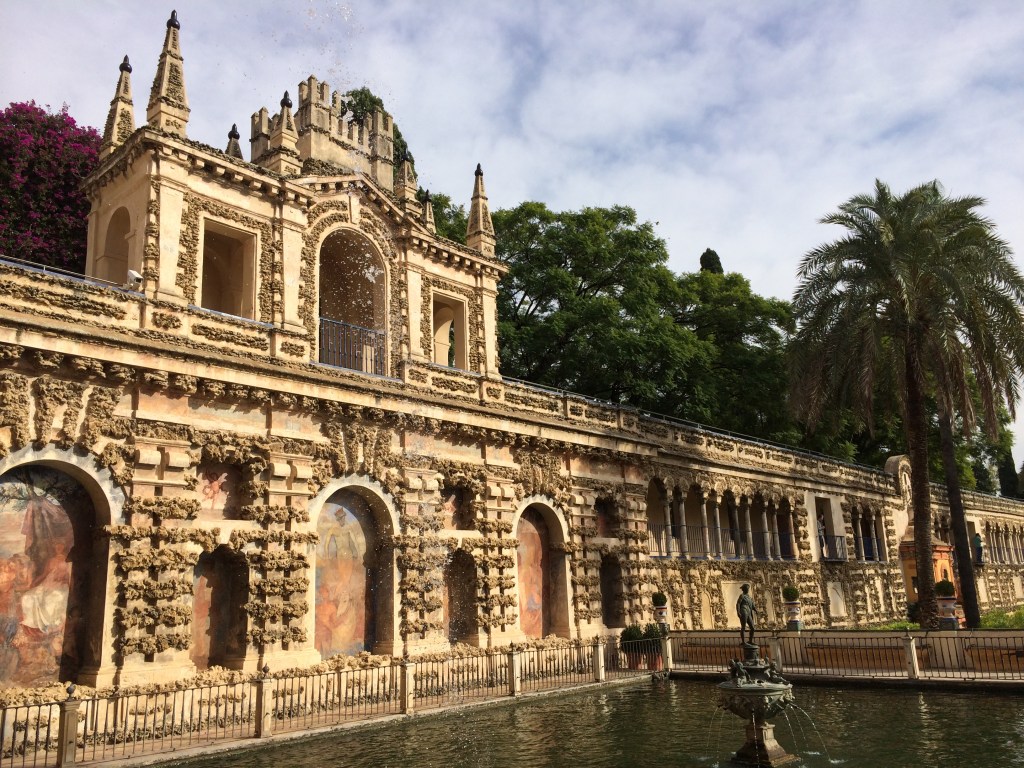
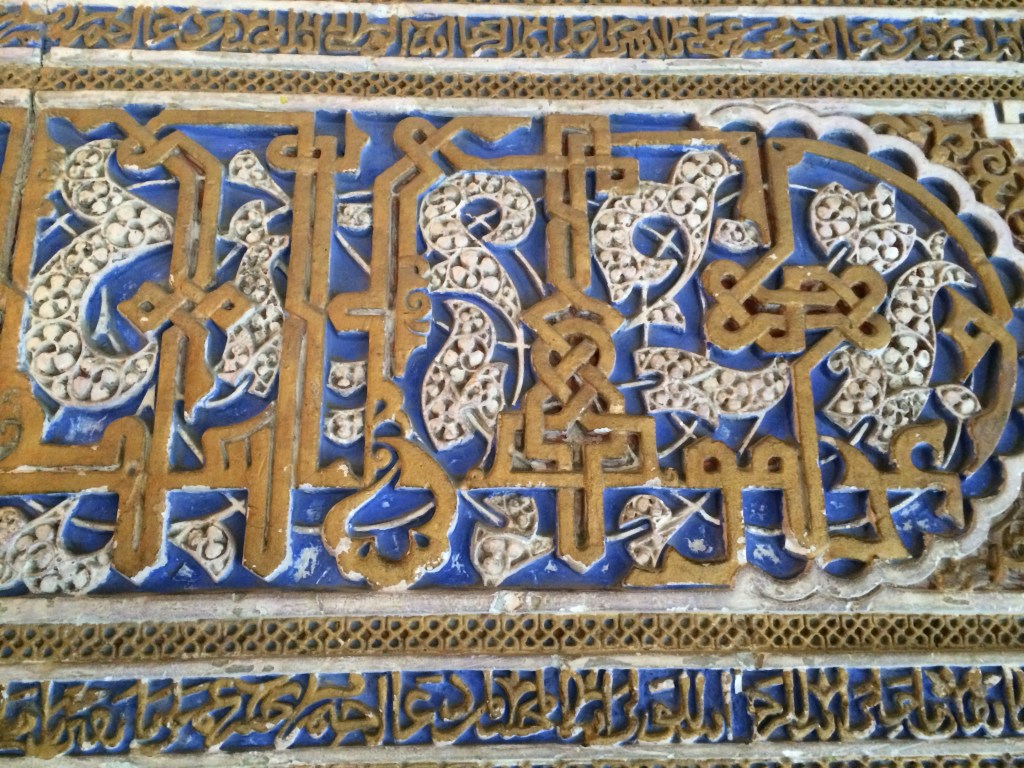
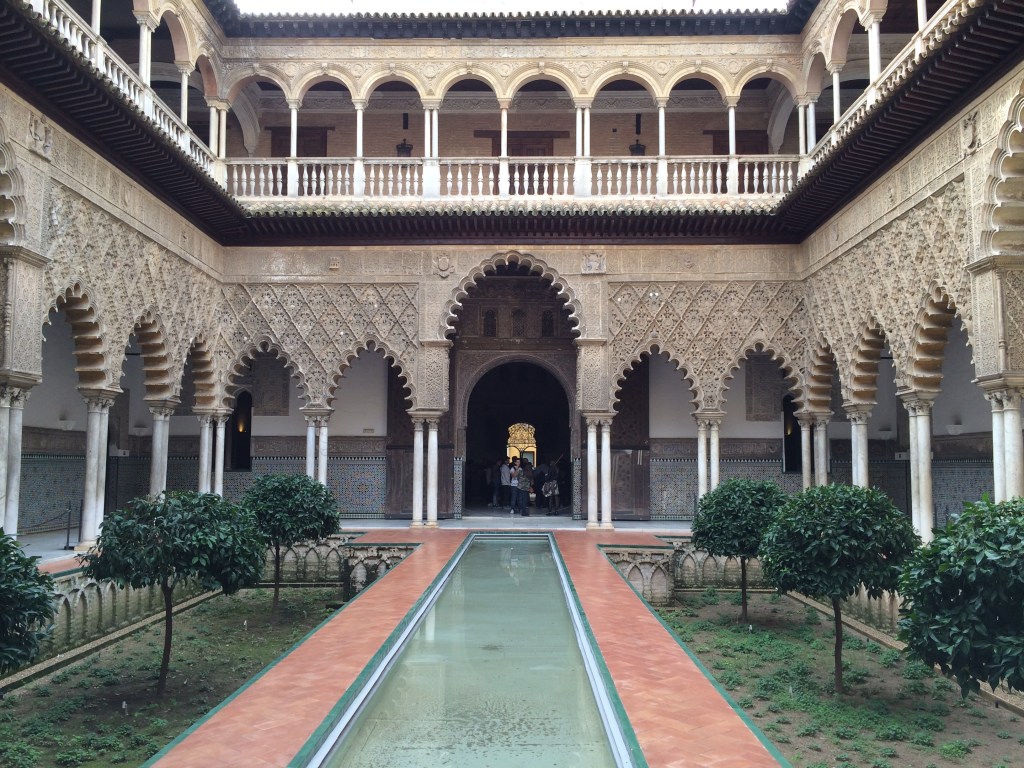
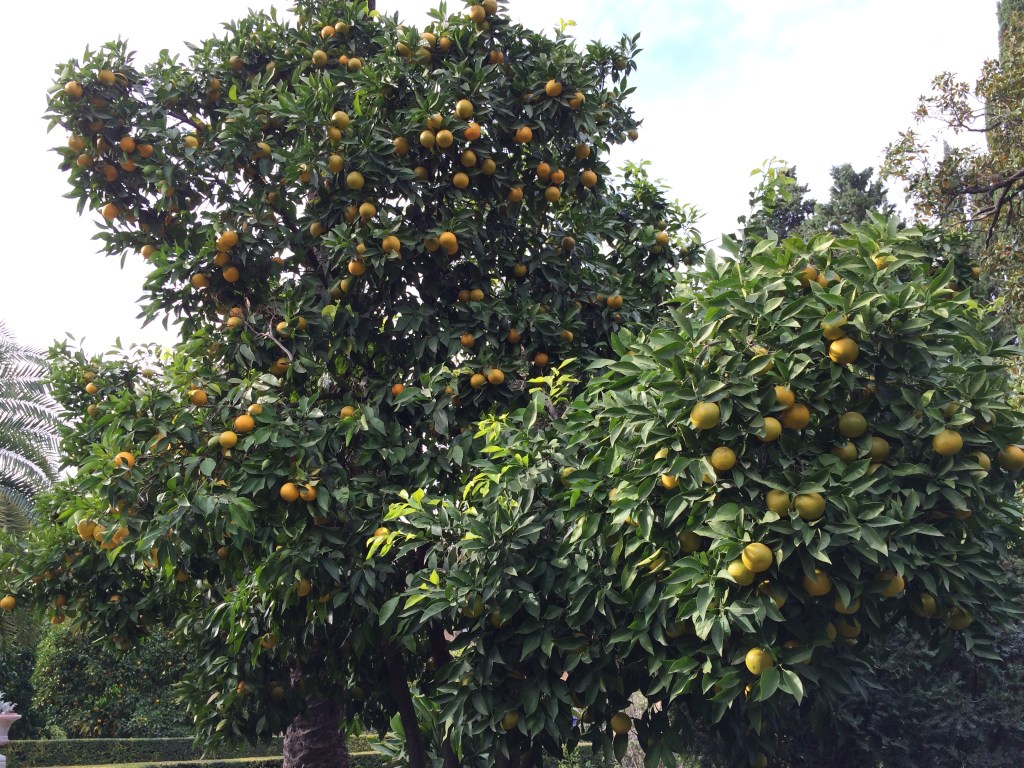
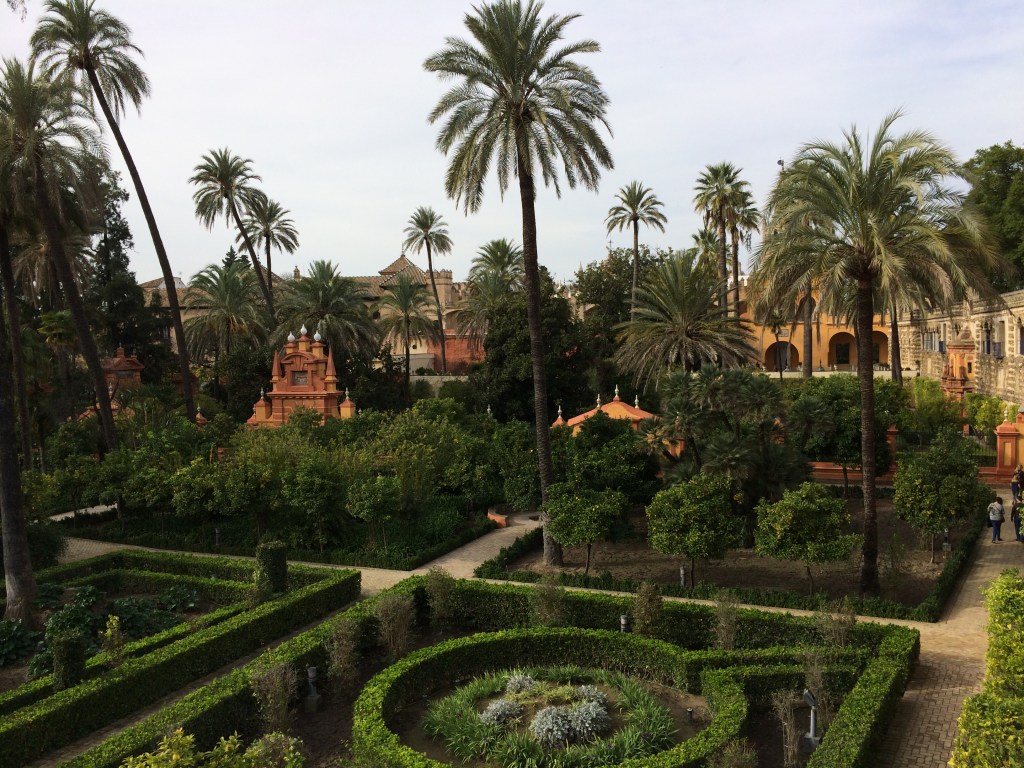
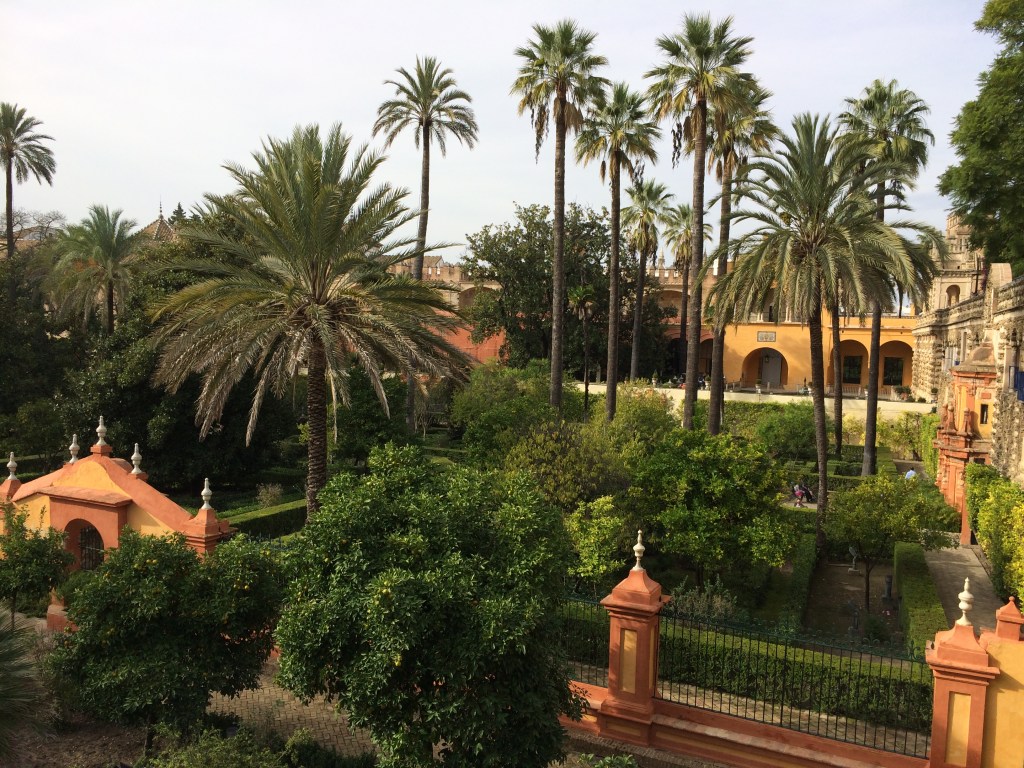
2. 500 years of Moorish rule left a lasting impression on Seville. Most notably, in terms of architecture referred to as Mujedar art. It was characterized by ornamental elements like calligraphy, intricate geometry and vegetal forms. The term Mujedar was used to refer to Muslims who remained after the Christian reconquest. The most notable example of Mujedar art can be seen at the Alcazar of Sevilla. Alcazars were residential fortresses built by the Moorish kings but the Christian kings like Pedro I, Isabella and Fernando embraced the architecture style and built their own palaces in the complex. The patios and gardens in the Alcazar complex are absolutely breathtaking. Filled with verdant trees, orchards and fragrant flowers, these gardens also serviced the needs of the royal kitchen.
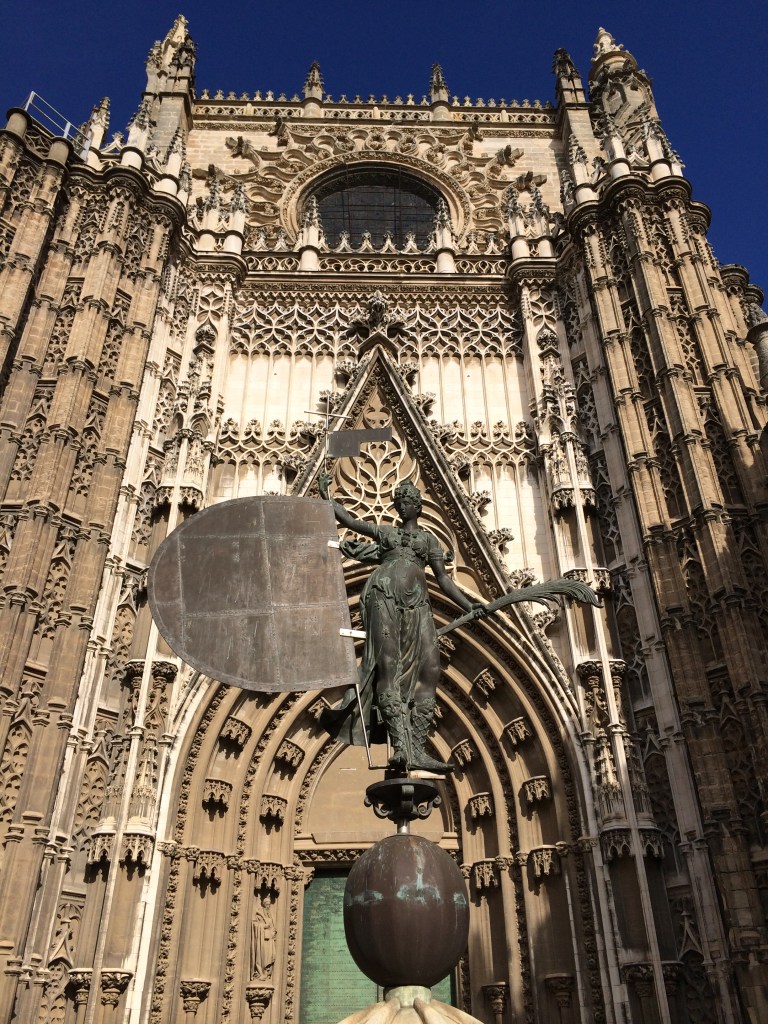
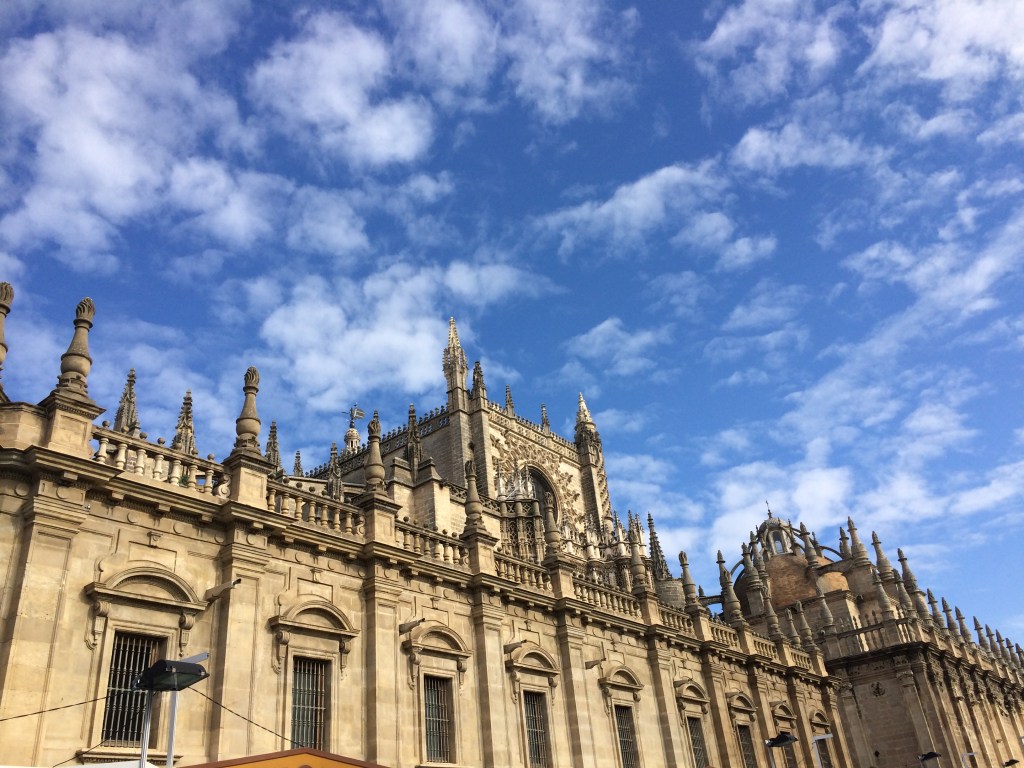
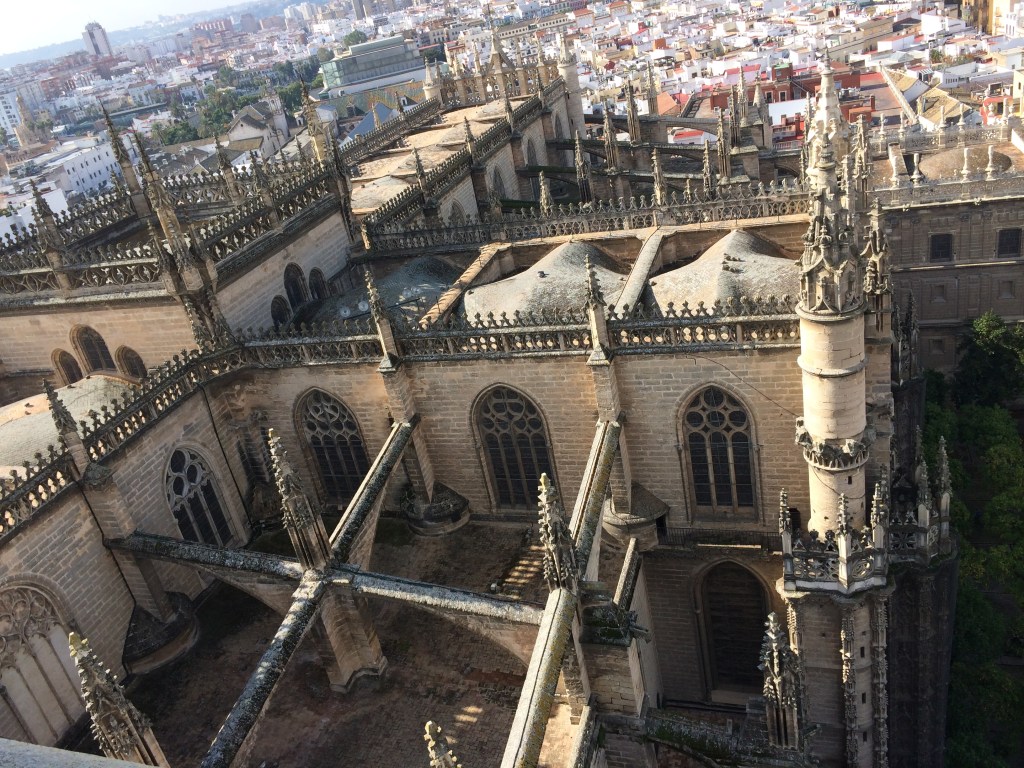
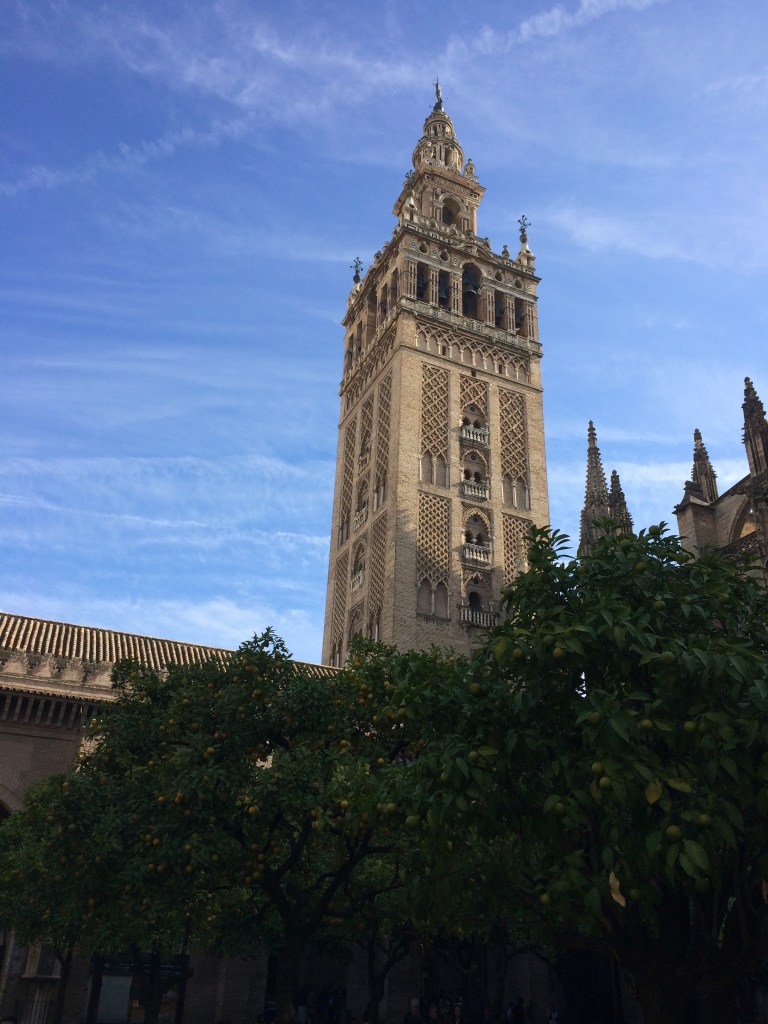
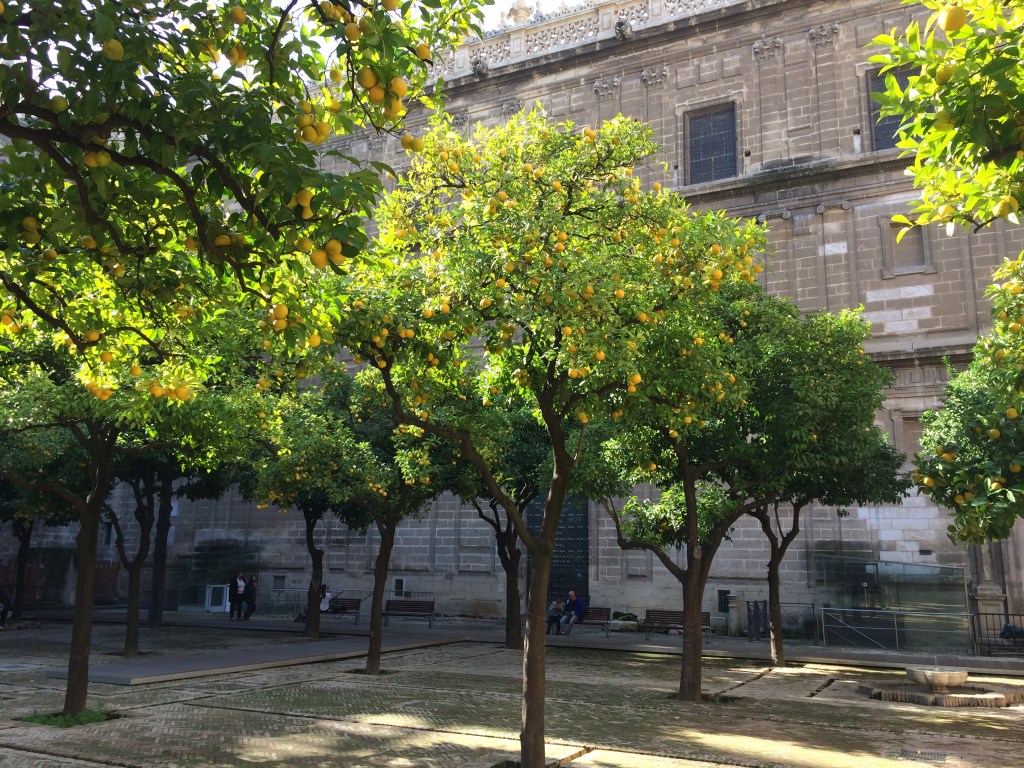
3. Seville Cathedral was commissioned to celebrate Sevilla’s growing wealth and power after the Reconquista led by King Ferdinand. Upon inauguration, it became the largest Gothic church in world. So, every characteristic of Gothic architecture like large stained glass windows, vaulted ceilings, pointed arches, ornate decorations can be found in abundance. However, it was built on top of the Almohad mosque which was christianized after the Reconquista. So, some of those aspects have survived. The mosque’s courtyard was converted to a stunning tree lined courtyard called Patio de los Naranjos. The mosque’s minaret was extended and made into a bell tower called Giraldi. 
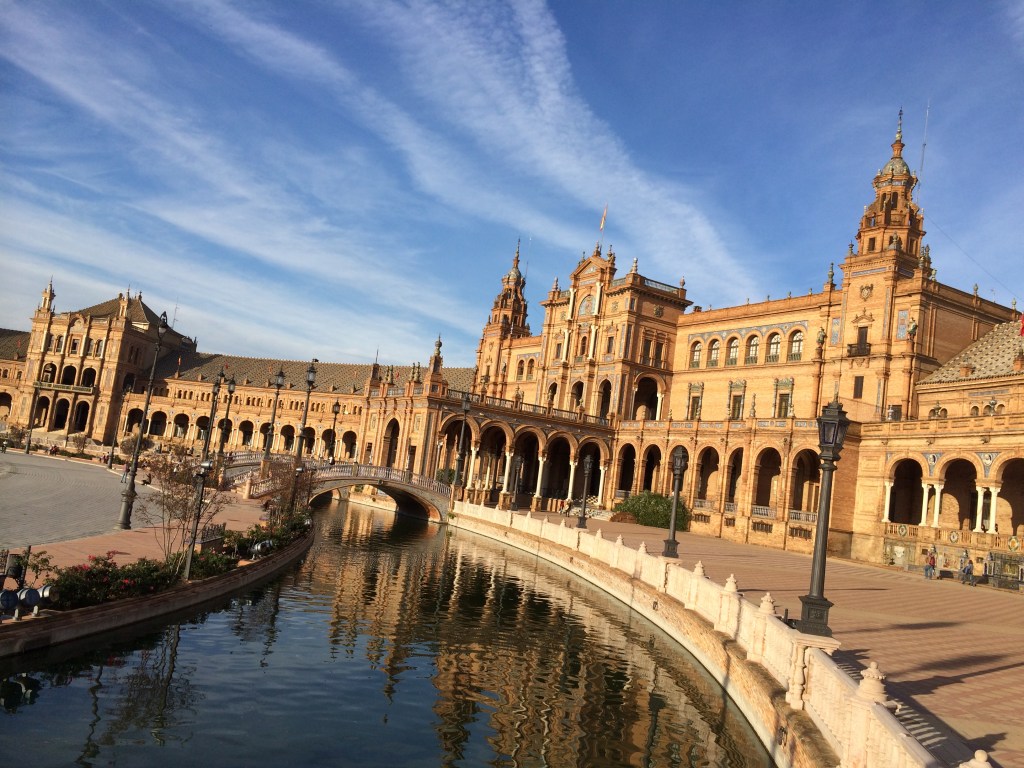
4. Plaza de Espana is one of the iconic buildings in Spain. Believe it or not, it was built to host a trade fair, Ibero-American Exposition of 1929. The building consists of tall towers at both ends and a canal along its perimeter. Colorful tiles dedicated to each of the 49 provinces of Spain are embedded in the front facade of the building. Being adjacent to the city’s planned green belt in Maria Luisa park, it is an easy stop for a great photo-op. 

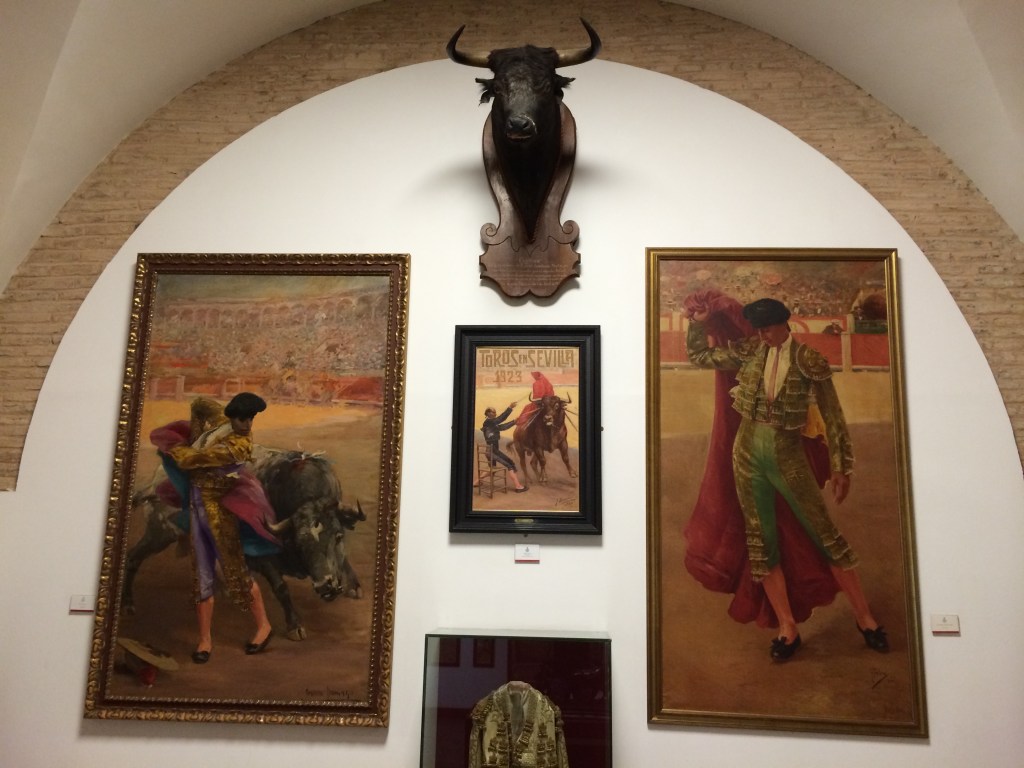
5. Bull fighting seemed to have been derived from gladiator contests from Roman times. But it not only managed to survive but also thrive in Iberia. Moors, Catholic, Bourbons all banned bull fighting under their rule but eventually relented and let the tradition continue. Costillares, a bullfighter from Sevilla is considered the father of modern day bullfighting which is staged as performance as much as a blood sport. Incidentally, he was also one of the first performers at the Plaza de toros de la Real Maestranza in Seville. Maestranza is an impressive bull ring with a capacity of 12,000. The color palette (yellow, white,brown) of the ring is also aesthetically pleasing. The ring is worth a visit even outside of the fighting season which runs from March to October. 
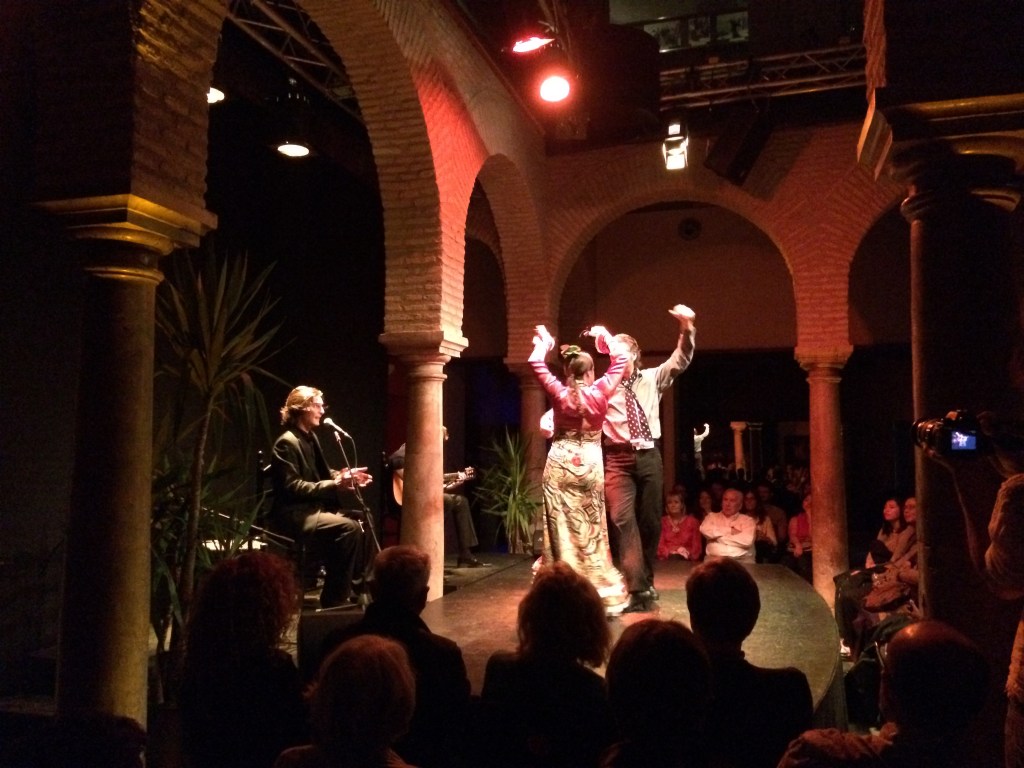
6. Flamenco is a beautiful art form that is a combination of guitar music and an evocative dance performance. Known to have originated from the nomadic Roma tribe, flamenco is now an important part of Andalusian identity. The high pitched strumming by the guitarist combined with the intense dance moves with foot stomping and clapping can propel the audience through a wide range of emotions. There are a number of performance centers in Sevilla but the shows at Museo del Baile Flamenco are both intimate and affordable. 

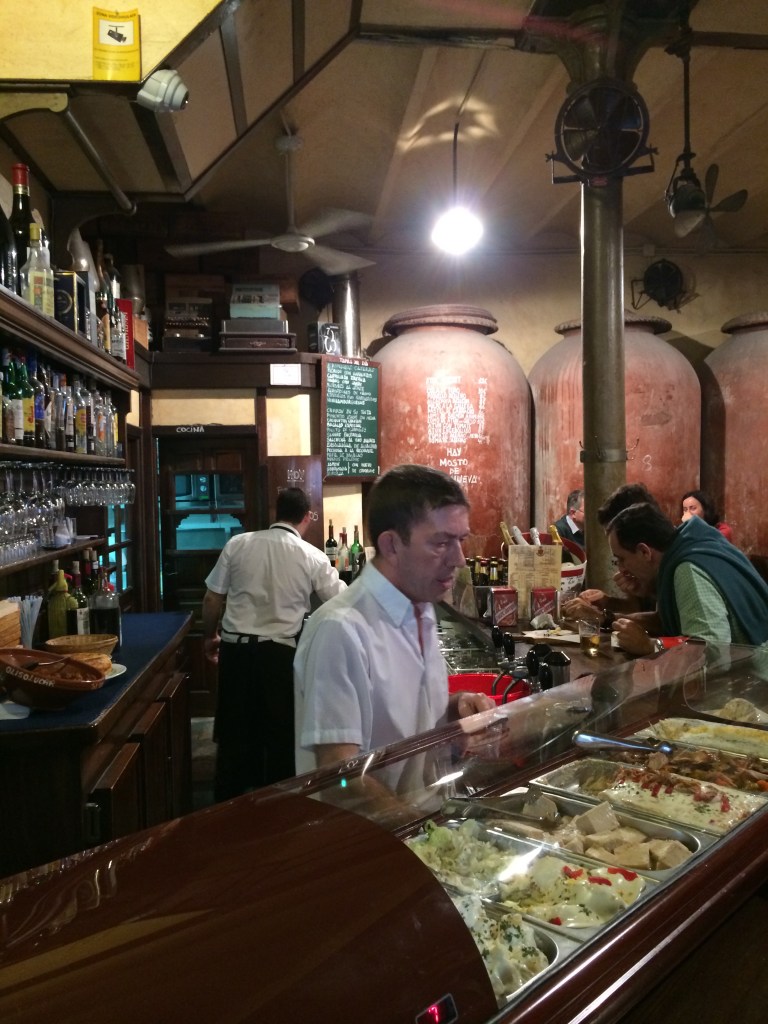
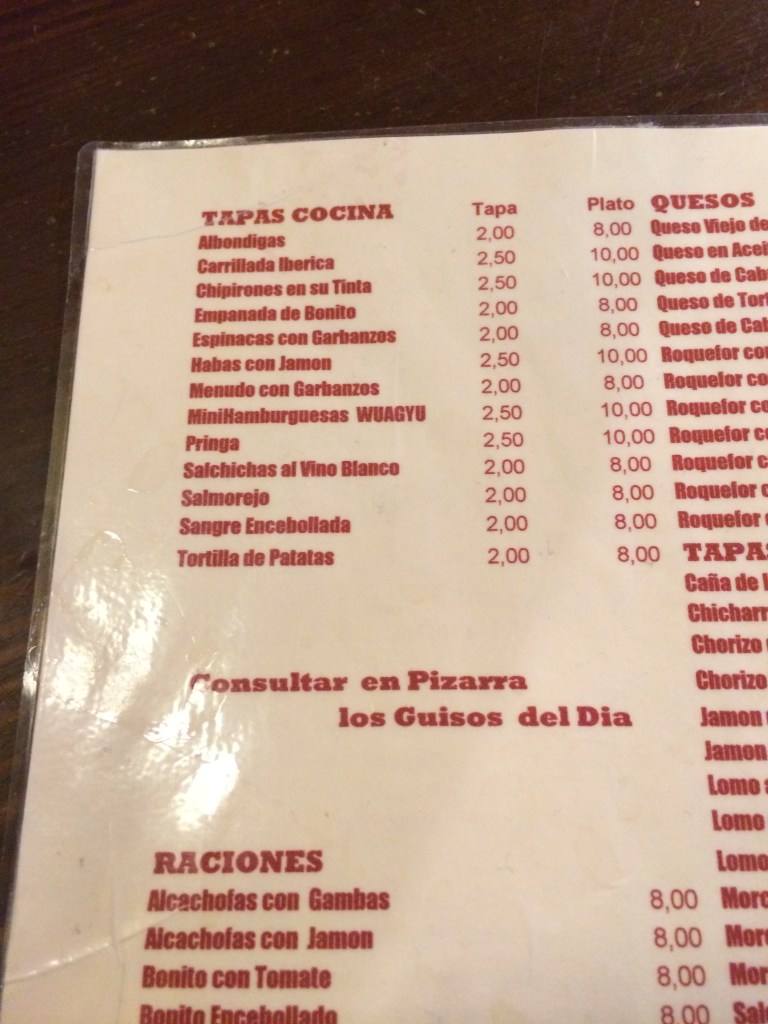
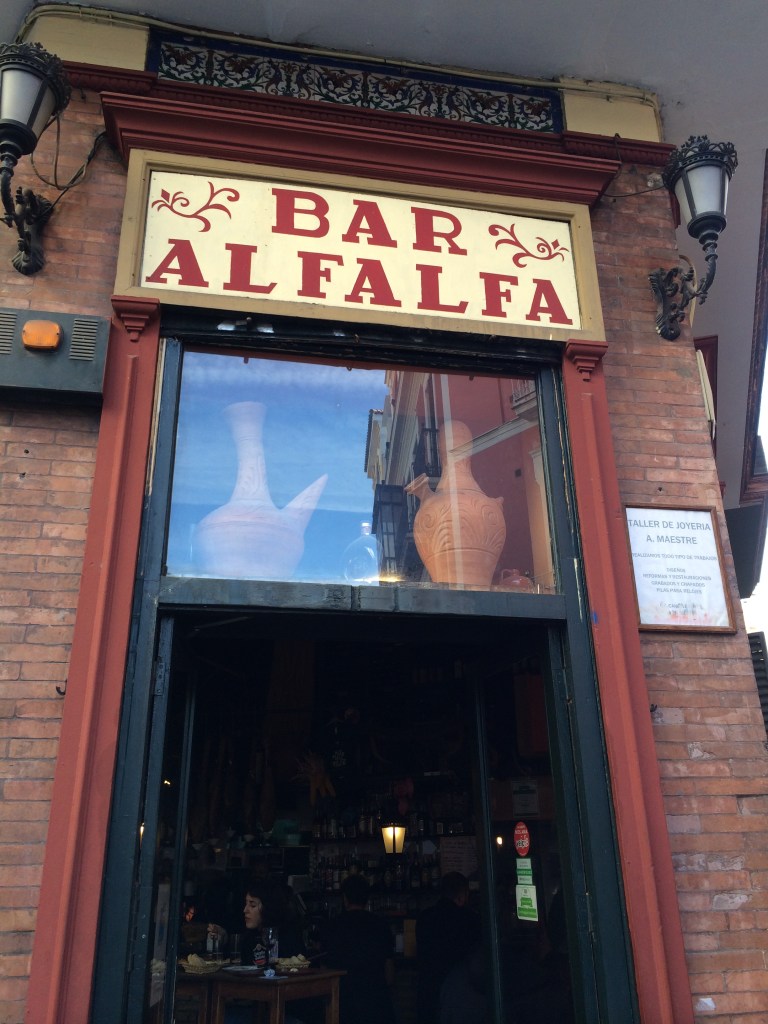
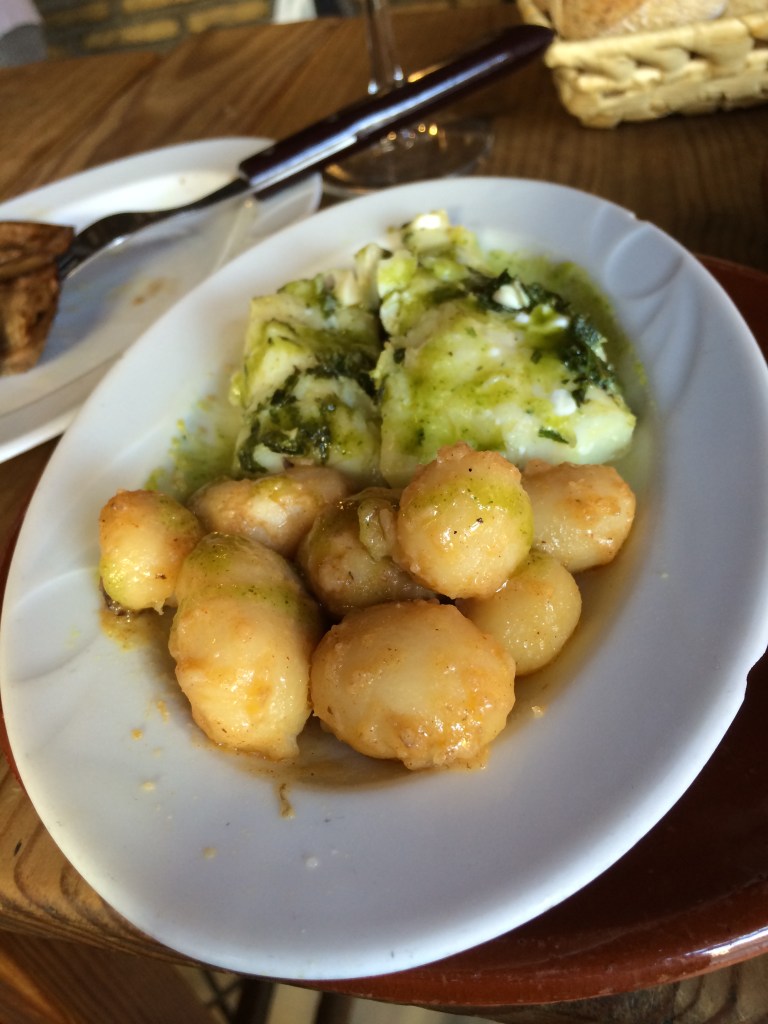
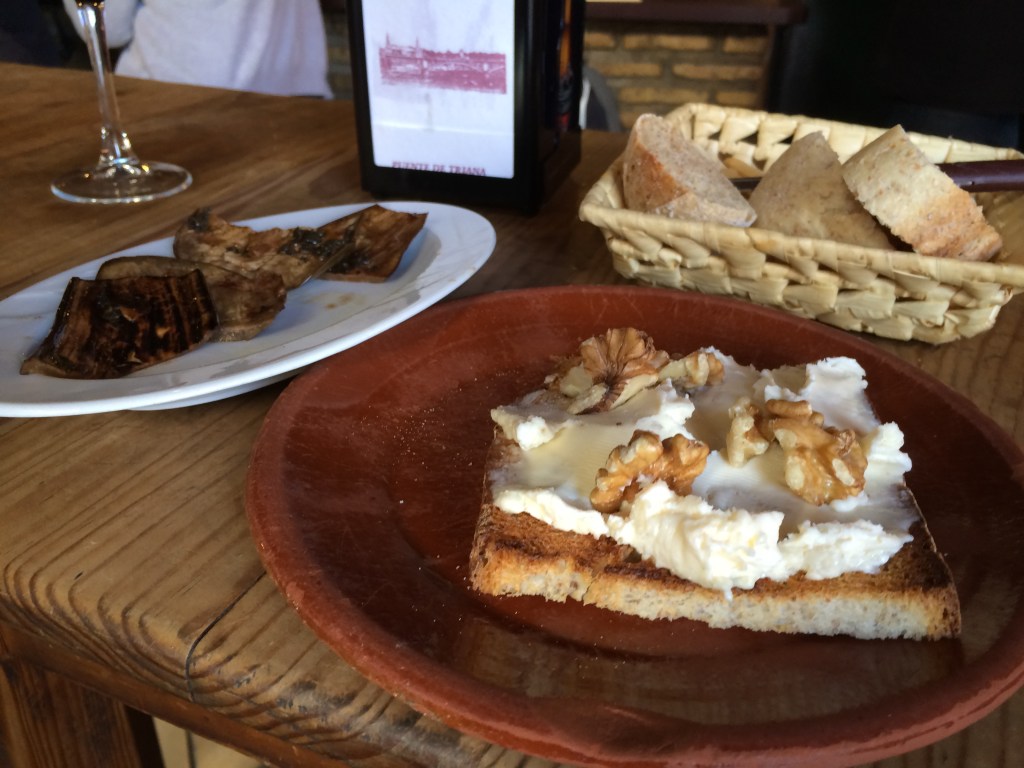
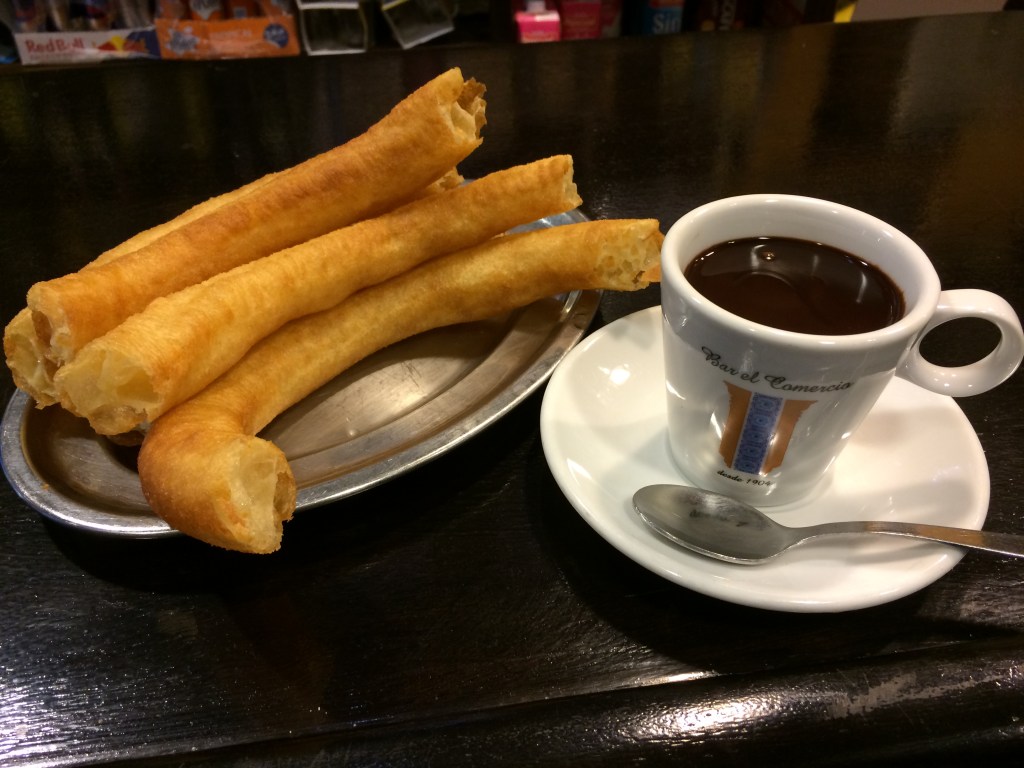
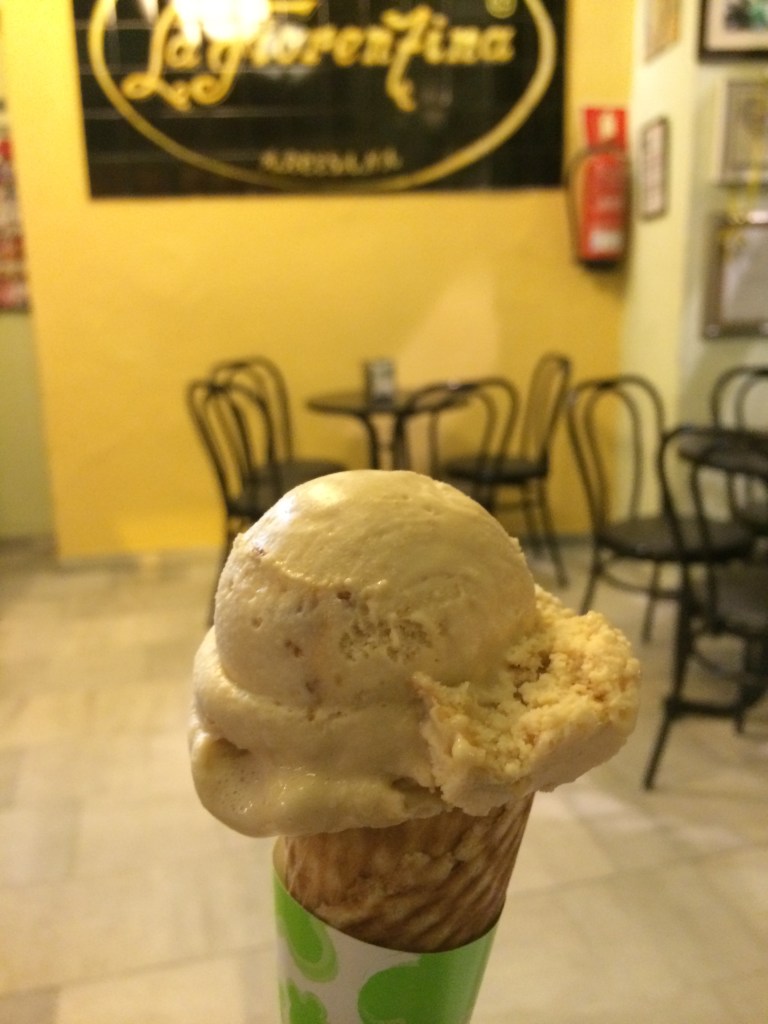
7. Food was simple, local and seasonal. A lot of dishes centered around beans, cheese and cod fish. More than standalone restaurants, bars were the place to grab a meal. They were happy to serve tapas as full plates on request. On the sweeter side, Bar Del Comercio serves solid churros con chocolate but the Fiorentina Heladeria is known for their Andalusian ice-cream flavors. My favorite flavor was the roasted chestnut which is also a popular street food in this region. 

7 things about Seville, Spain

10 things about Tokyo, Japan

1. Japanese culture is known to be insular but it has fascinating extremes. At one end of the spectrum are overly formal things like elaborate tea ceremonies and at the other end there are crazy irreverent things like anime, exotic fetish clubs including kogals (young women in uniforms), fuzoku(“pleasure”services) culture.

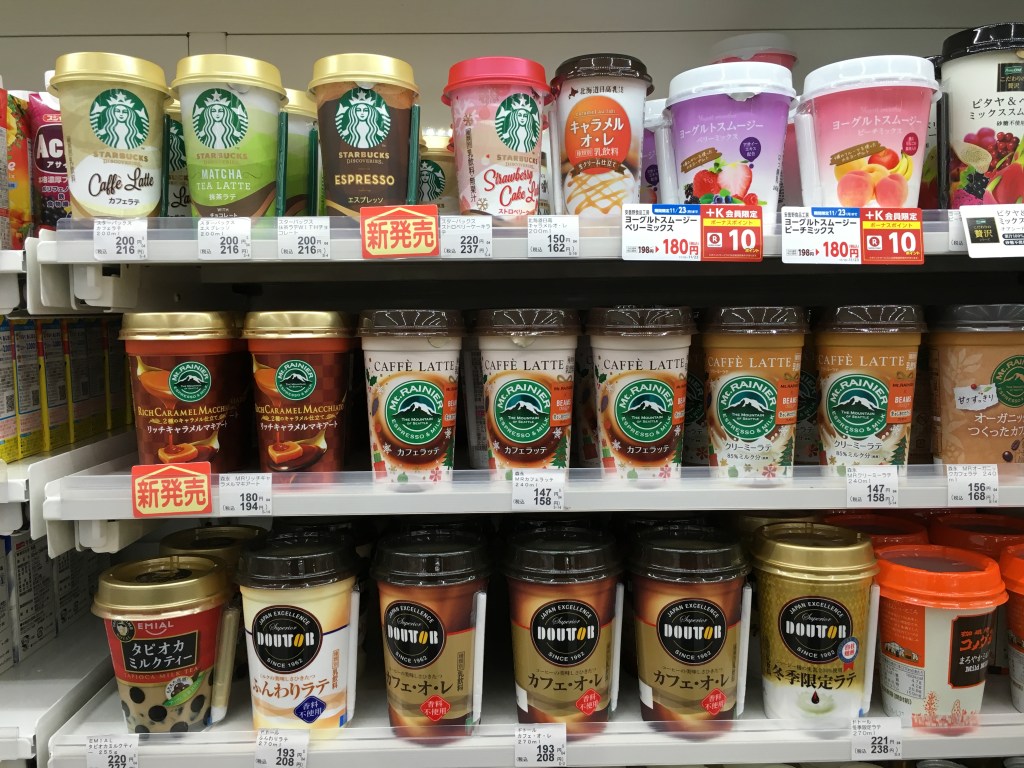
2. I thought America symbolized convenience with 24 hours availability of almost anything. Japan takes it to a whole another level with a mind boggling variety of vending machines that dish out almost anything and everything. 

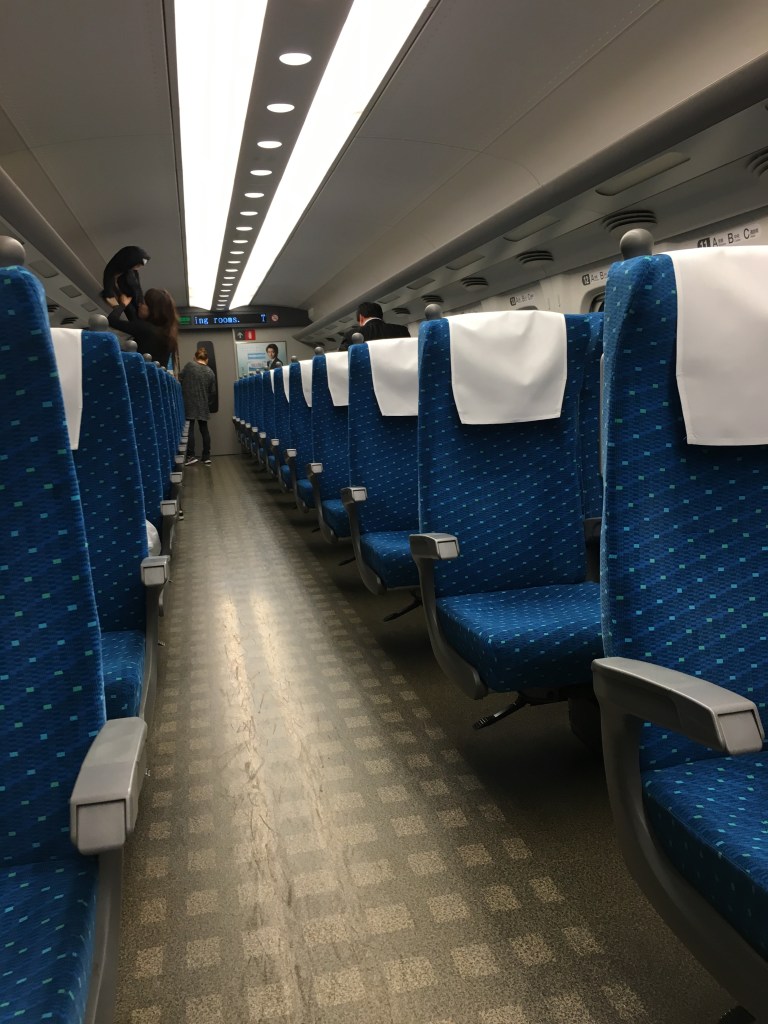
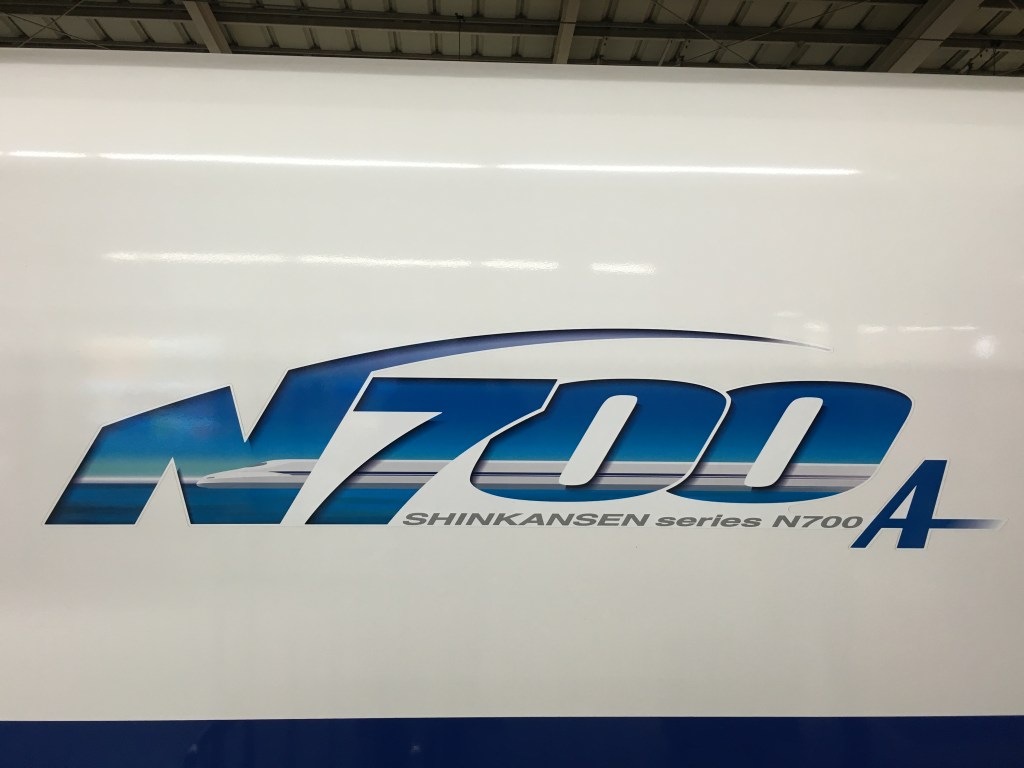
3. It is incredible to see how Tokyo is both vast and dense, some of the wards/municipalities in the Tokyo metro region could be cities by themselves. Yet there is an understated efficiency in how the city functions, the subway in particular does a phenomenal job ferrying people from end of the metro area to another every day. For intercity travel, the Shinkansen bullet trains are simply the gold standard for the world to emulate (China likely being the only exception). They are known for their punctuality so much so that apologies are issued for even 1-2 minute delays.

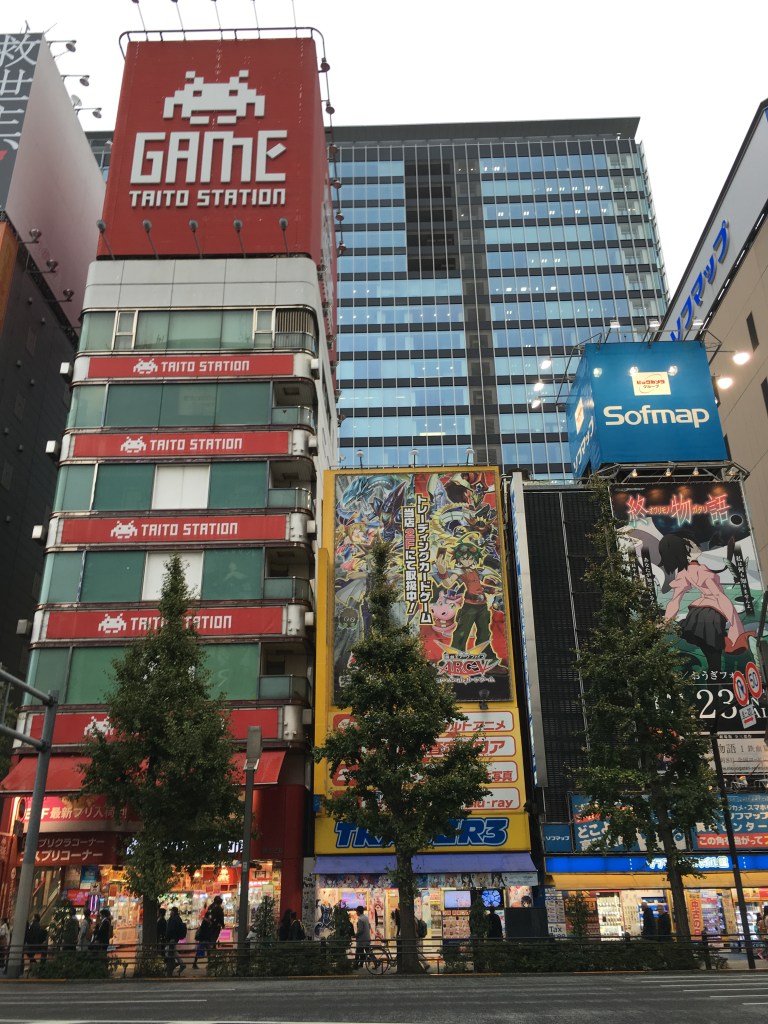
4. While every neighborhood in Tokyo is self contained, they do have their unique characteristics. Akhiabhara is a treasure trove for gaming, manga, electronics geeks alike. There is a smaller version of Akhiabhara across town in Ikebukuro. Ginza is the shopping district dominated by showrooms of global brands while Roppongi is jeweled with upscale restaurants in high rises and classy bars. Harajuku is great for people watching and its is not uncommon to see some of Tokyo’s best haute couture here. It also the home to the beautiful tree lined boulevard, Omotesandō and numerous themed cafes along its side streets. Needless to say, it was my favorite neighborhood. Shibuya and Shinjuku are both busy and have a ‘Times Square’ vibe thanks to a plethora of digital billboards. 

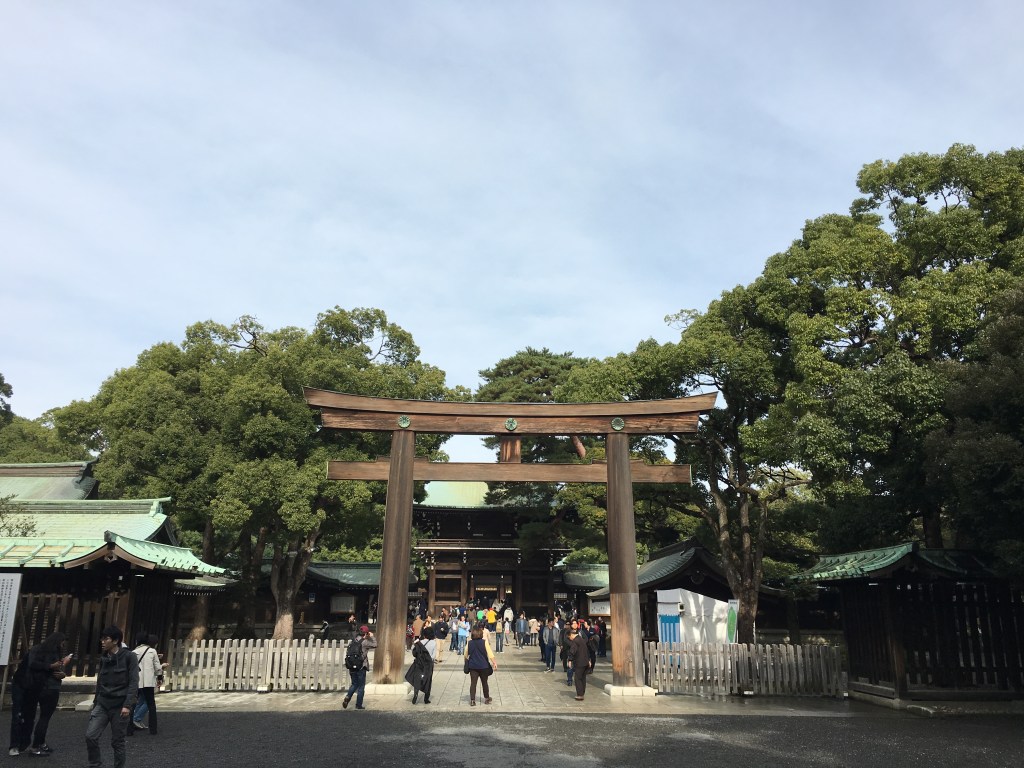
5. The Meiji Shrine is of great significance to the Japanese. It is dedicated to Emperor Meiji and his wife in honor of their role in reforming the political system and modernizing the country. The campus of the shrine is very serene thanks to the abundance of vegetation in the form of 120,000 trees. Being adjacent Yoyogi park and the trendy Harajuku neighborhood, it attracts both visitors and locals alike. Harajuku is great for people watching and its is not uncommon to see some of Tokyo’s best haute couture. It also the home to the beautiful tree lined boulevard, Omotesandō and numerous cafes along its side streets. Needless to say, it was my best favorite neighborhood. Shibuya and Shinjuku are both busy and have a ‘Time Square’ vibe thanks to a plethora of digital billboards. 

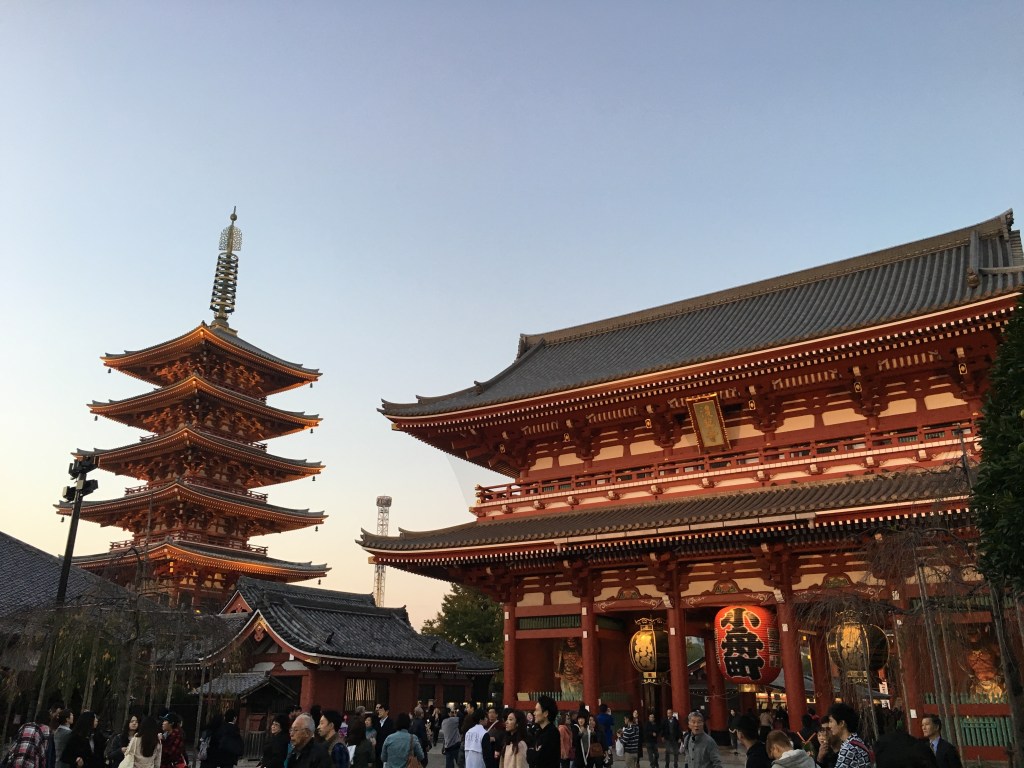
6. While Kyoto is home to some of the best Buddhist temples in Japan, Tokyo has Sensoji. It has all the hallmarks of classic temple architecture –  large gently curved roof, storied pagoda, main hall with the altar and entrance gates. However, Sensoji temple has an attractive red color that glistens at night. It is dedicated to Kannon, goddess of mercy. It is also known as the Asakusa Kannon temple.

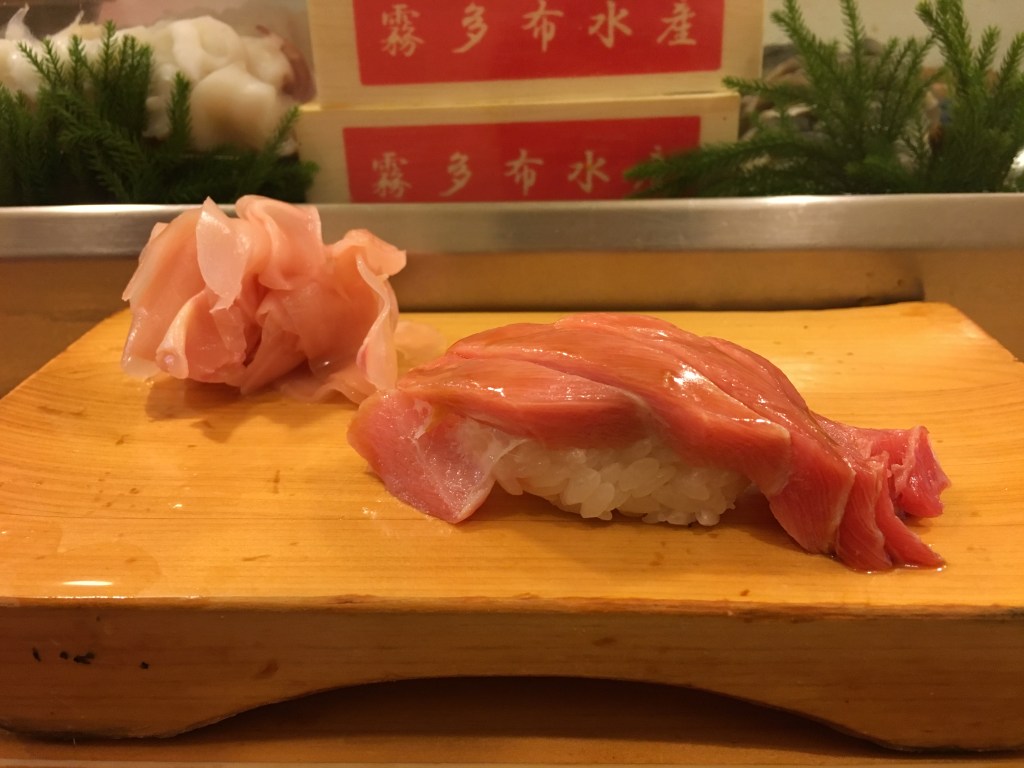
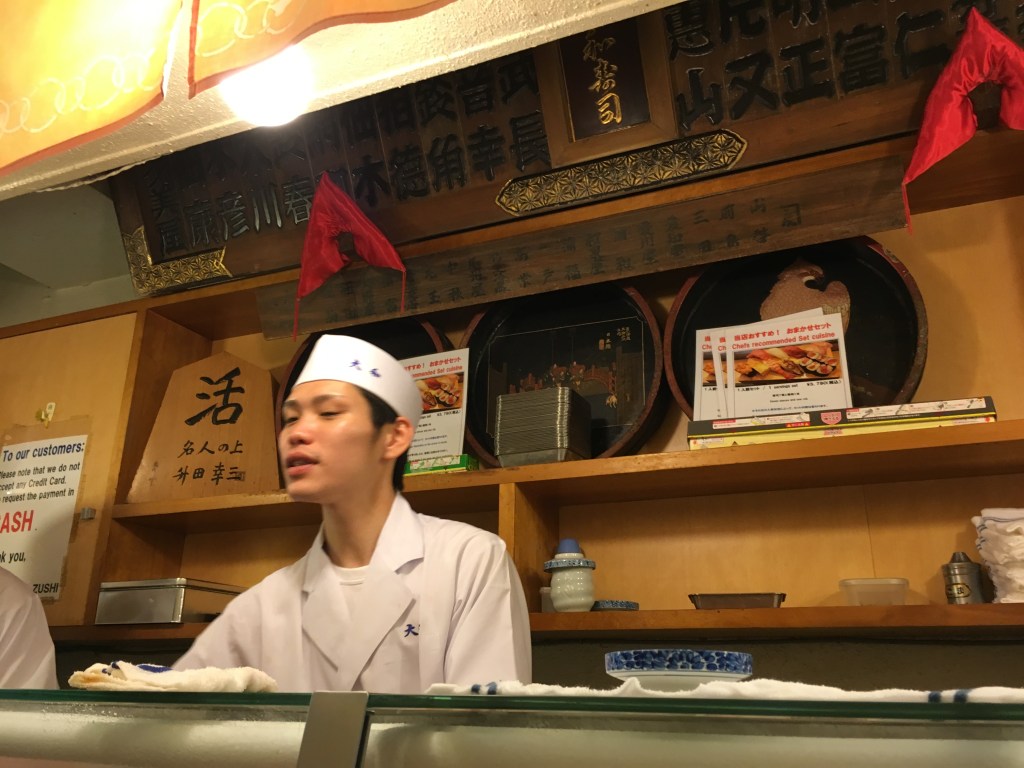
7. There is no better place to try sushi on the planet. Japan obsesses over the quality of their fish. Chefs form long standing relationships with their suppliers to source the best. Tsukuji market used (now relocated and renamed as Toyosu market) to be the place that enabled chefs to identify those suppliers.The 4am tuna auctions with its eye watering bids are testament to that obsession with quality. No wonder Tokyo has the most 3 Michelin star restaurants in the world. There a few omakase joints adjoining the market, most notably Sushi Dai and Sushi Daiwa. After a long wait, I was glad to try my first ever sushi at Daiwa. The Itamae (or the master sushi chef) contrary to popular opinion was very friendly and paid close attention to our likes/dislikes through the courses. 

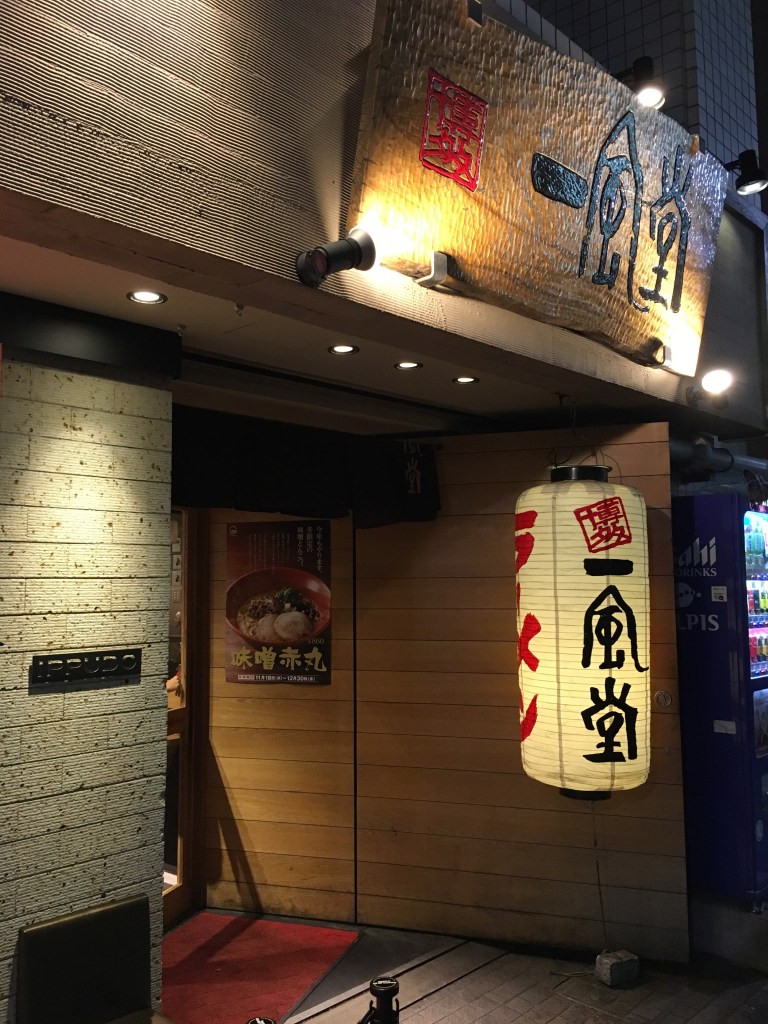
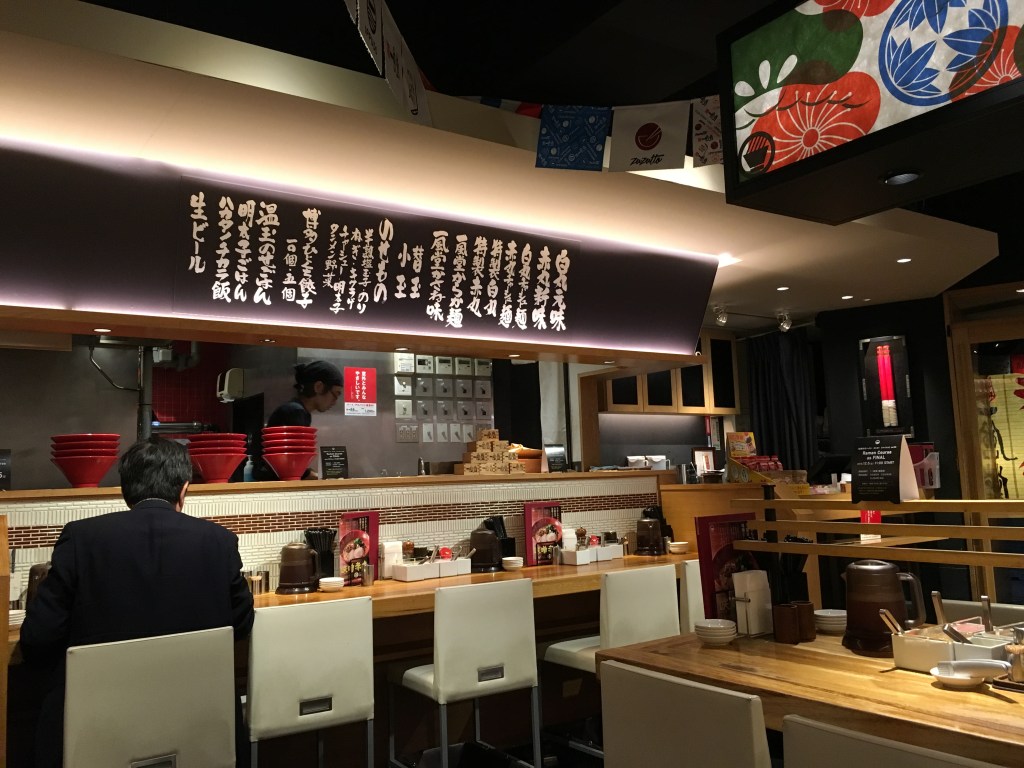
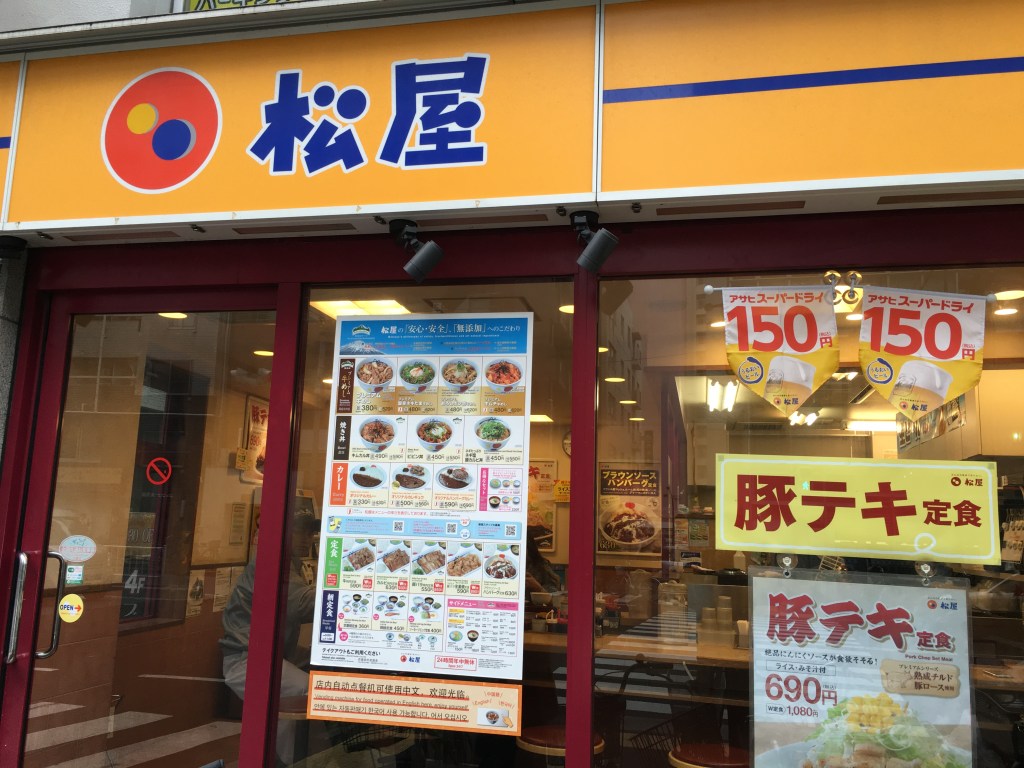
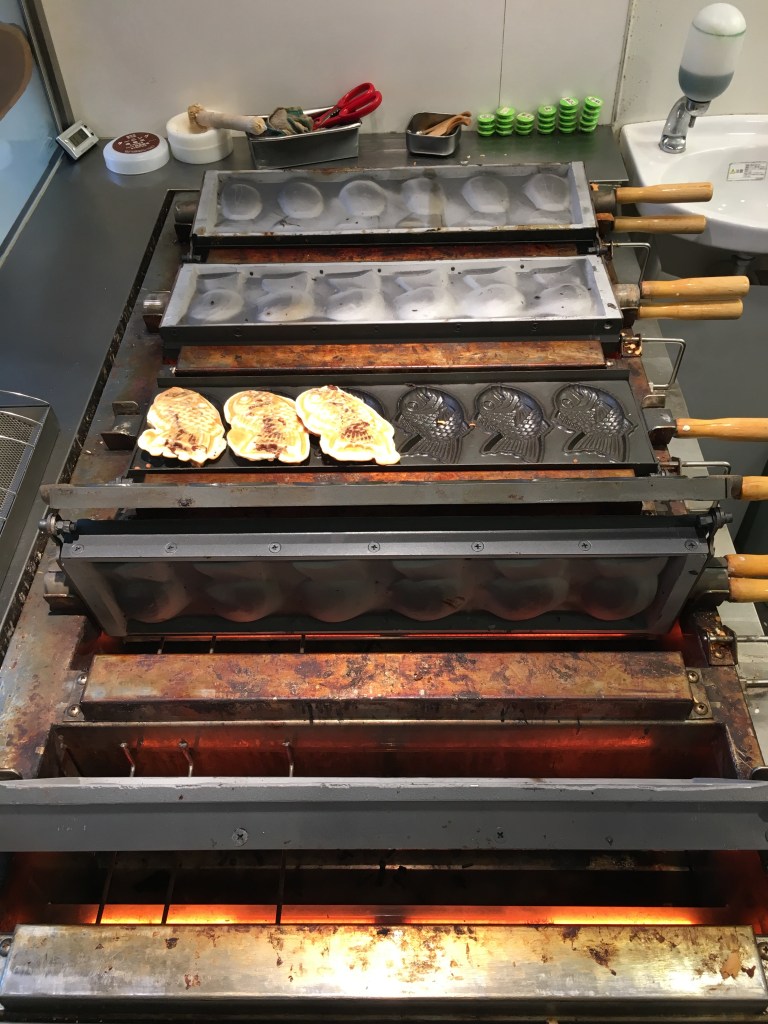
8. After sushi, Ramen is the next big Japanese export. Due to my dietary preferences, I desperately searched for non-pork broths and it led me to Ippudo in Ginza. The chefs were surprised by this odd request for a vegetarian broth but did oblige. It underwhelmed but I am sure that it was a far cry from the traditional tonkotsu broths. The Japanese breakfast experience was much more memorable. It was fun to order a real meal on a very opinionated automated kiosk. The set consisted of a semi boiled egg, cold tofu, miso soup, salad, steamed rice and smoked fish. I couldn’t point to anything that was unhealthy. May be this is Japan’s secret to live a healthy long life. Onigiri (rice balls wrapped in nori) and Ichigo Daikfuku (whole strawberry mochi) from the neighborhood 7-11 was my stand by meal. It worked out ok because there were enough street snacks to fuel up on the go. Taiyaki is especially a popular one, it is a fish shaped cake filled with red bean paste. It is typically made to order on hot coals. They aren’t too sweet so I didn’t feel guilty gobbling up a few at a time. There is no tipping anywhere and no expectation whatsoever. It was so refreshing to experience this coming from the West. 

9. There is also this fascination with high quality patisseries – Maison Kayser, Pierre Herme, Dominique Ansel, Sadaharu Aoki all have flashy outlets in Tokyo. So, there is no shortage of viennoiseries or pastries if you are a sweet tooth.

10. Tea and Zen buddhism both were Chinese imports to Japan. However, it was the Japanese that blended tea drinking and Zen principles to create a spiritual experience around it. Sen no Rikyu is widely credited for having created this rustic style referred to as Wabi-Cha. There are still traditional tea houses that are trying to preserve this tradition albeit with a few subtle twists. As a visitor, the tea ceremony at Hamarikyu Gardens is good way to get acquainted with the Japanese tea culture. Tea is served in a traditional tearoom with tatami floor surrounded by a lush garden. The ceremony is relatively informal. So, the tea is not not prepared in front of the guests but there are still some explicit etiquette definitions. Here are a few –  the wagashi(Japanese confection) served along with the tea has to be eaten first. The tea bowl should be picked up with the right hand, played on the left palm and turned so that front of bowl is no longer facing the guest. Nevertheless, it was certainly a very soothing activity.

10 things about Tokyo, Japan

7 things about Rome, Italy

1. There are many platitudes about Rome but for a living breathing city it has incredible amount of history at every nook and corner. The survival of all those ancient Roman monuments is surprisingly due to Rome’s utter irrelevance in the medieval period when the city was almost depopulated. But the greatest contribution of the Roman Republic (509 BC) was abolishing kingship and transferring power to elected representatives called consuls. That legacy is preserved today in the emblem of Rome – SPQR “Senātus Populusque Rōmānus” translated as “The Senate and People of Rome”. 

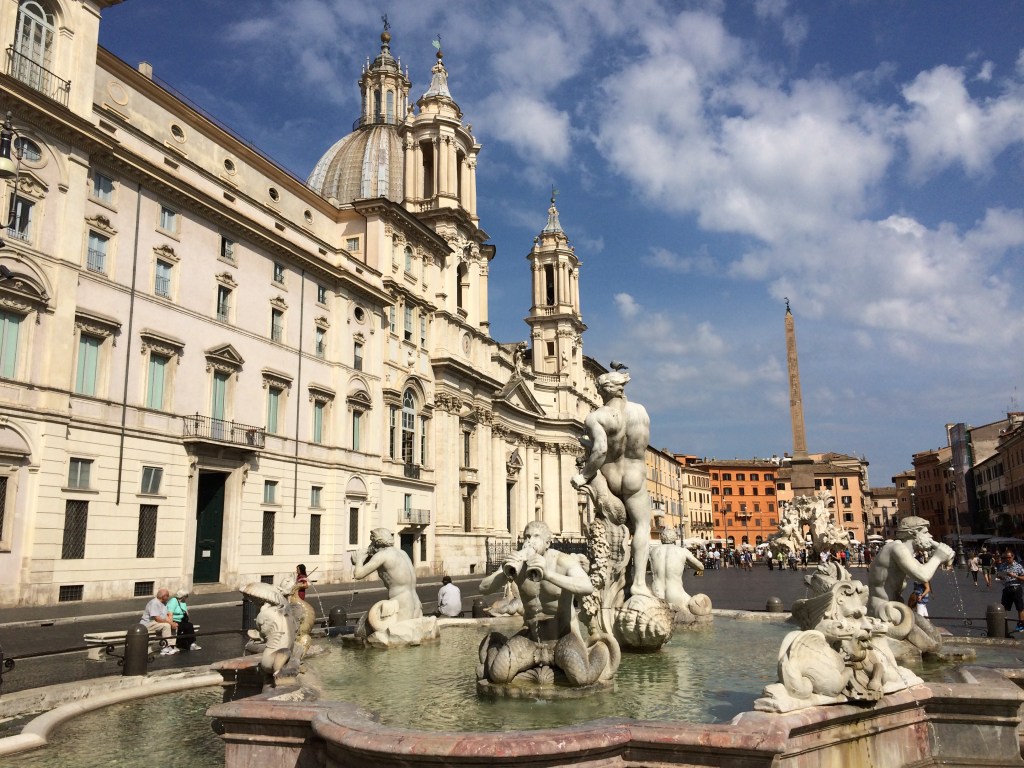
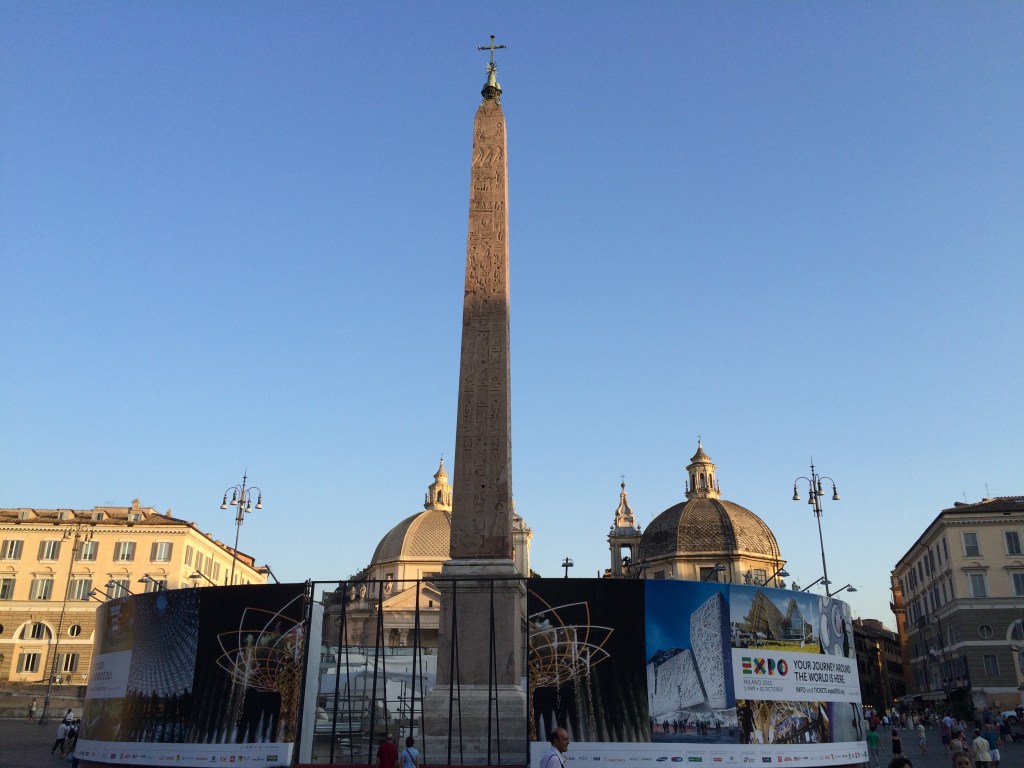
2. Piazza is the Italian equivalent of a market square. Similar to the Spanish word “Plaza, it is derived from the Greek word plateia (broad street). Piazzas define Rome’s urban landscape. Piazza di Spagna is known for its grand steps that were built to connect the Trinita De Monti church above the hill to the Spanish embassy to the Holy See in the square. Piazza Navona is decked with baroque grandeur best represented by Bernini’s Fountain of the Four Rivers water fountain. Piazza del Popolo (People’ Square) is by far the largest one in Rome and is similar in layout to the renowned Piazza San Pietro in the Vatican. The larger piazzas tend to have Obelisks which were mostly brought in from Egypt. 

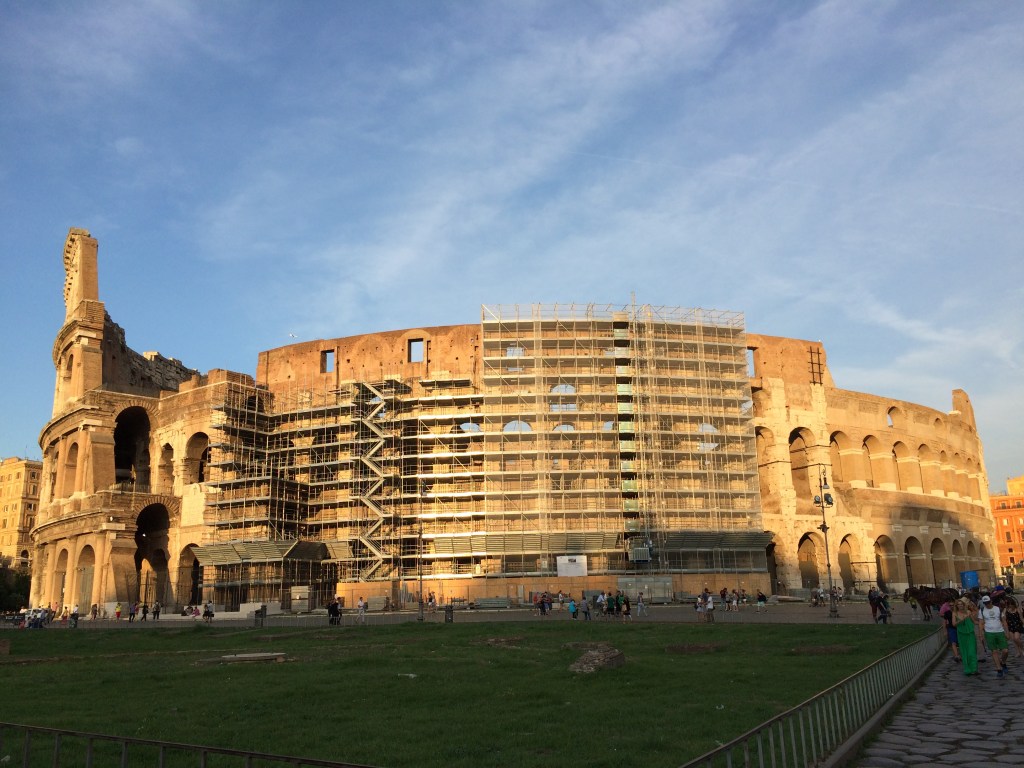
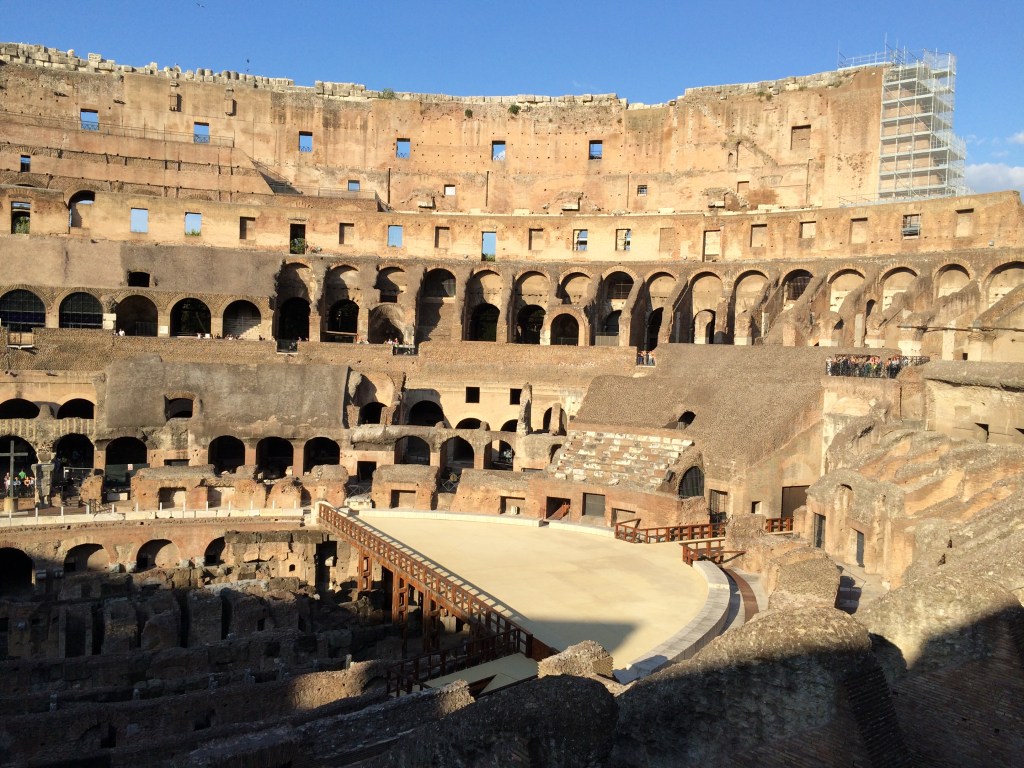
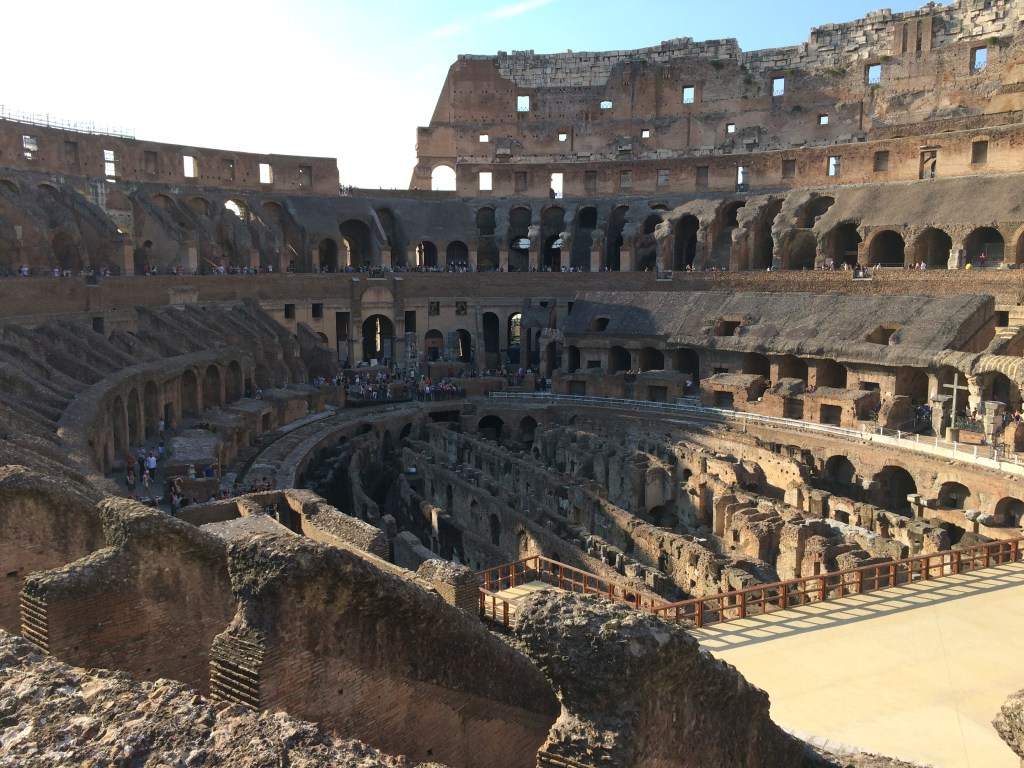
3. Colosseum is undoubtedly the most recognized monument in the city of Rome. It is the mother of all theaters and stadiums in the world. Built to accommodate an audience of about 50,00 to 80,000 spectators, it was used to stage everything from gladiatorial contests, mock sea battles and re-enactments of Roman mythology.The hypogeum (“the underground”) consists of cages and tunnels meant for staging the animals and gladiators before the show. However, after the medieval era it seized to used for entertainment purposes and withered with time. In modern day, it is a popular tourist attraction. The tours are super informative and piques one’s interest in understanding the early Roman era. 

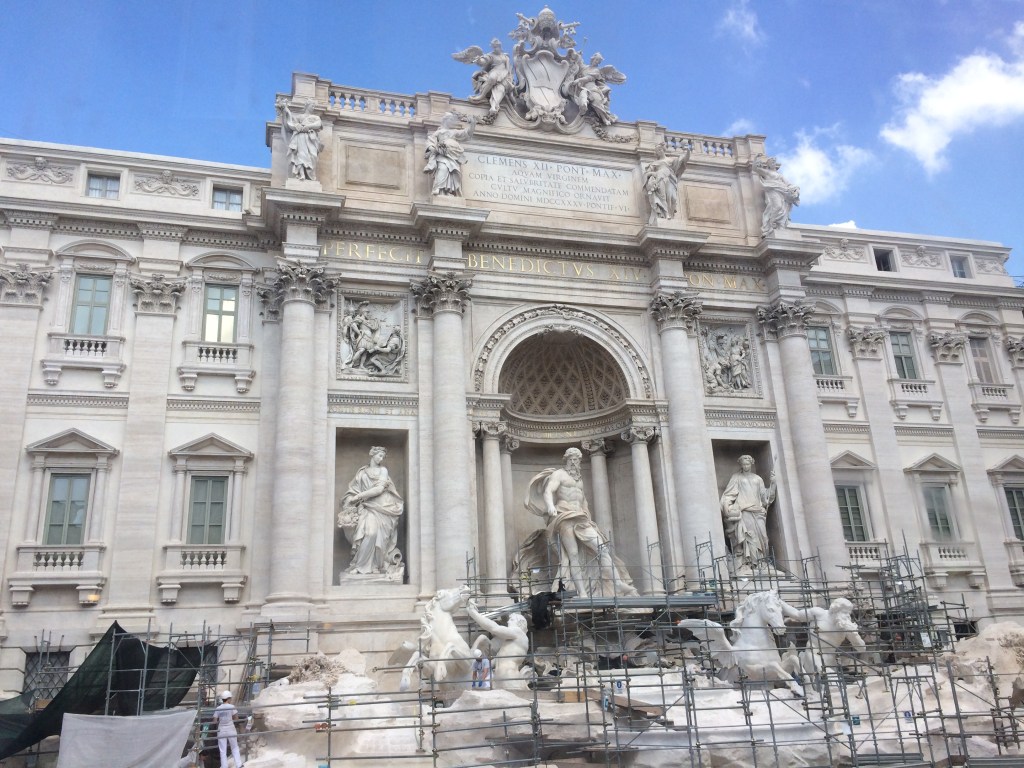
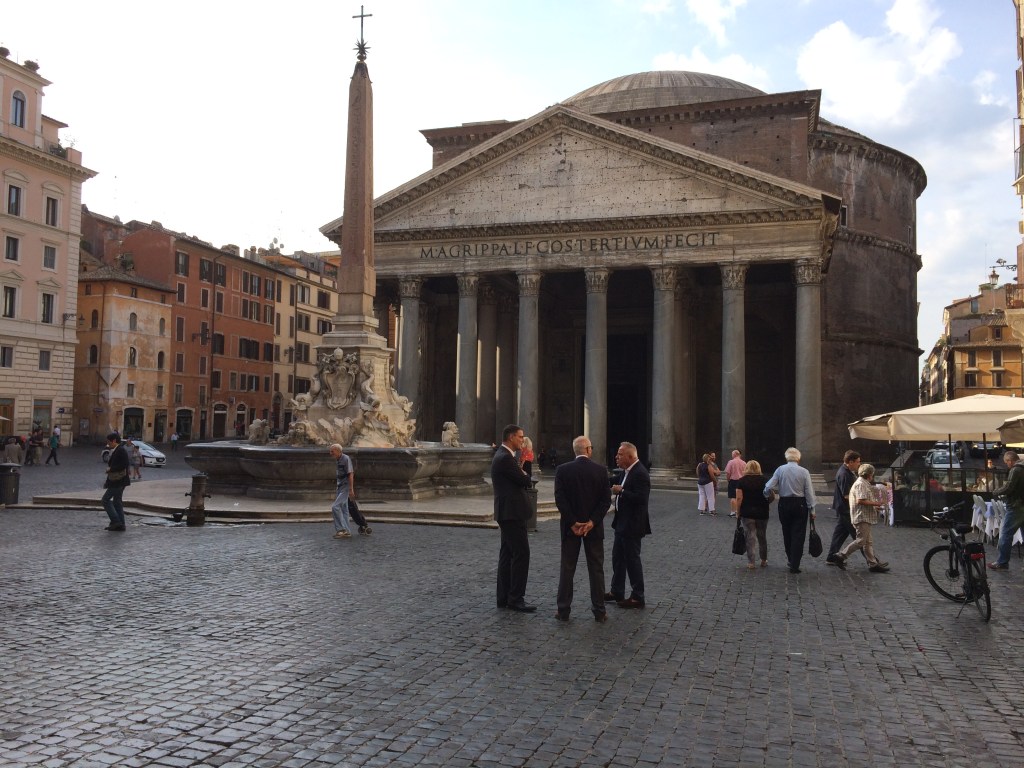
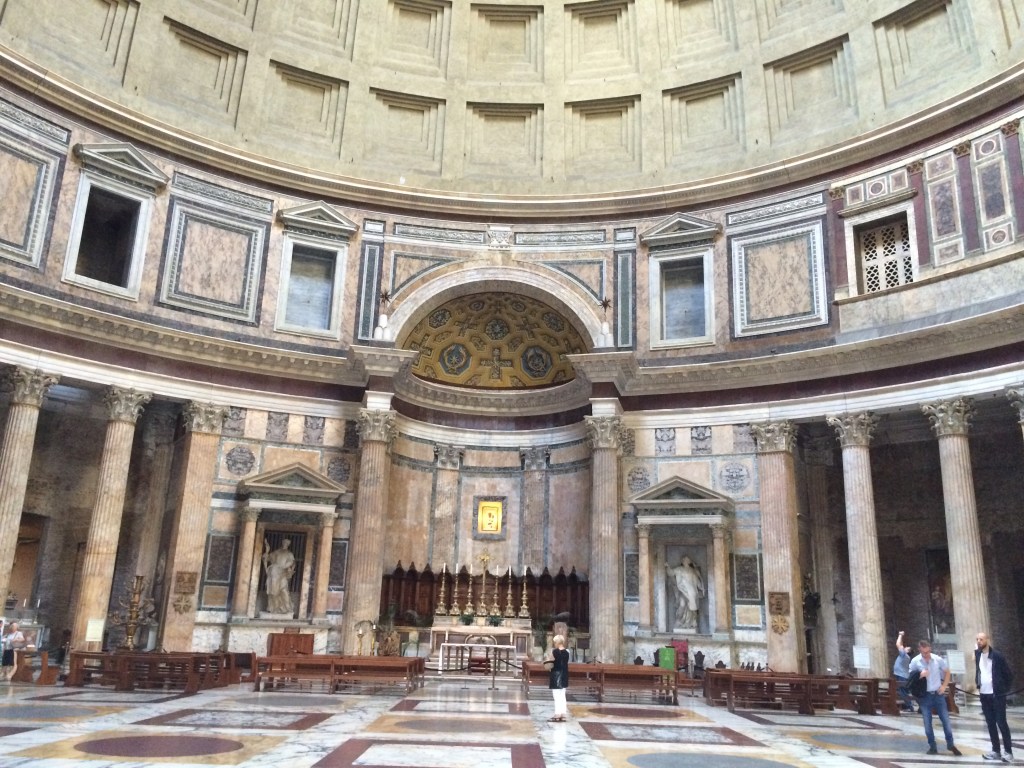
4. Trevi is one of the most famous fountains in the world brimming with baroque excess . The name is derived from the Latin word Trivium (intersection of three streets). The fountain is also famous for its coin throwing. It is estimated that US$1.5 million was thrown into the fountain in 2016. Pantheon is an underrated but inspiring monument that has survived since 126 AD. With its portico of Corinthian columns under a pediment, Pantheon resembles a Greek temple. In fact, it was originally a Roman temple that was later converted to a Church. Also, the word Pantheon is derived from the Greek word Pantheion translated as Temple of Gods. The interiors are grand but I was awestruck by the coffered dome with an oculus (classy word for skylight). It is easy to step back in time here as it one of the best preserved buildings from ancient Roman period. 

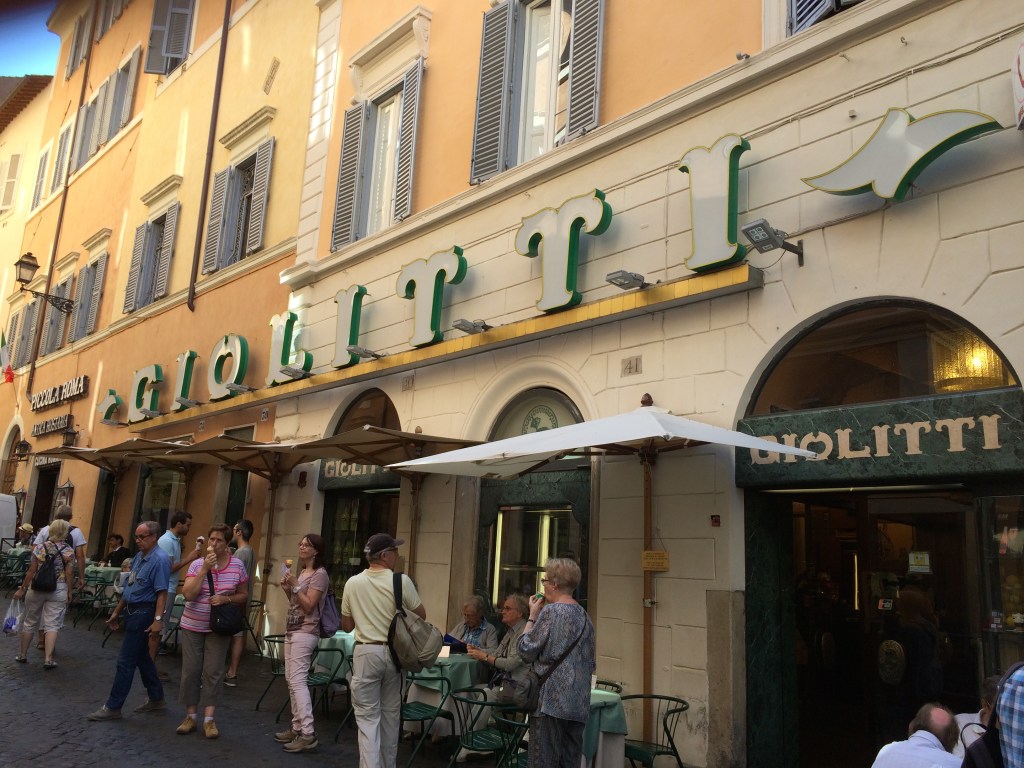
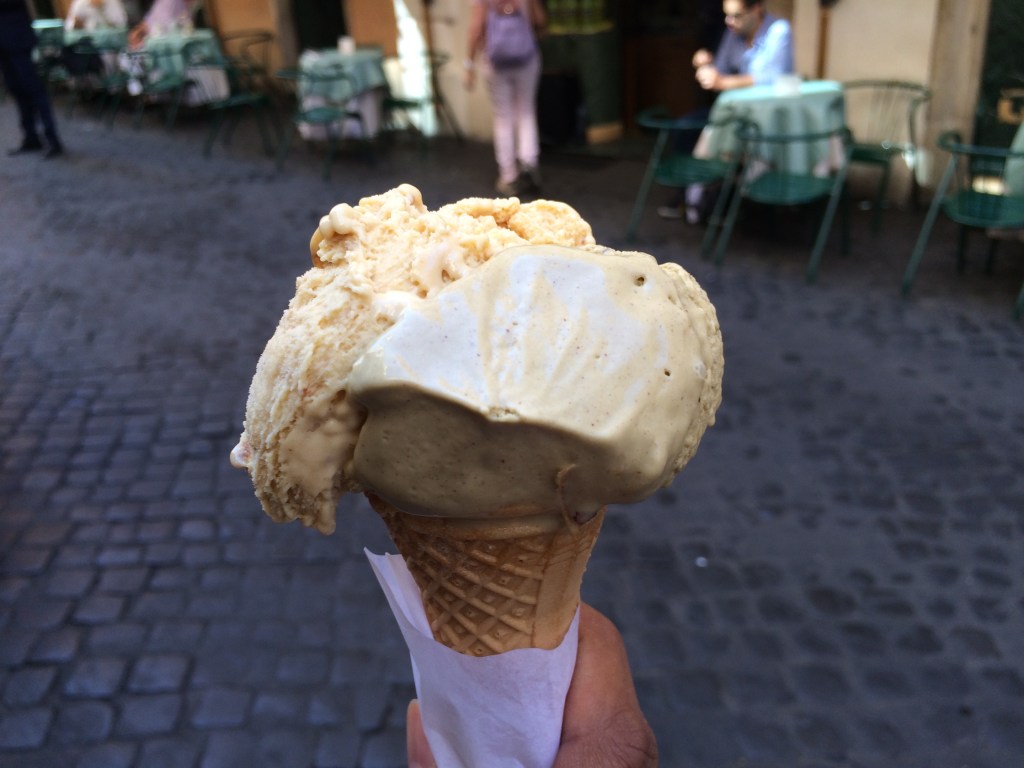
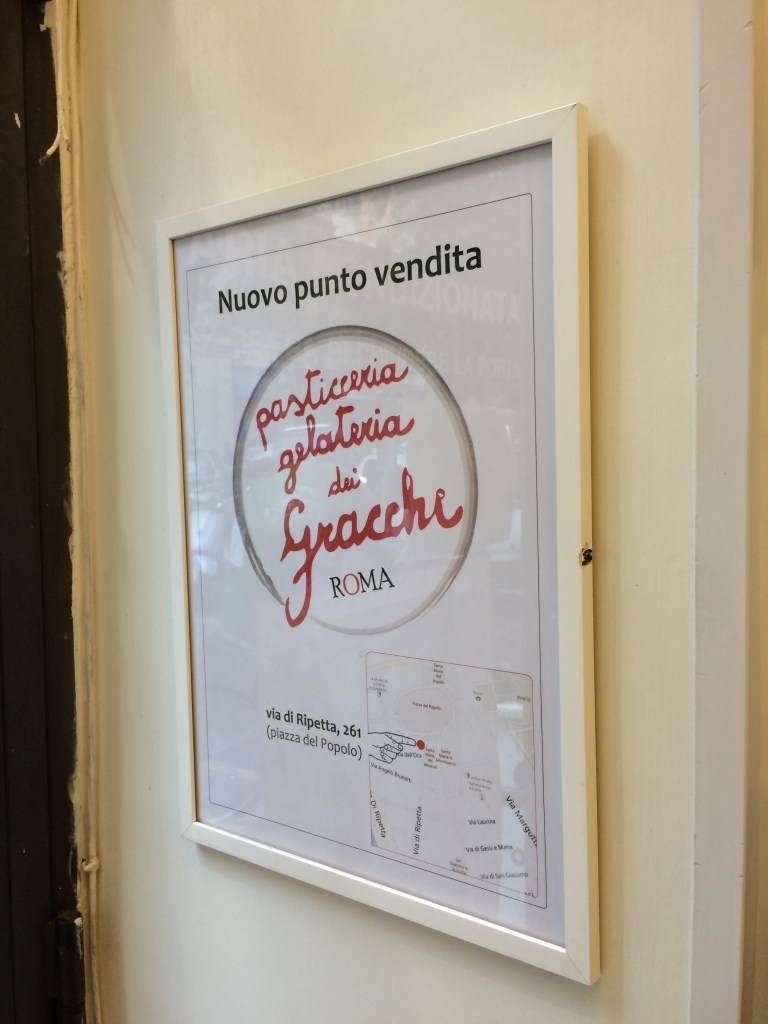
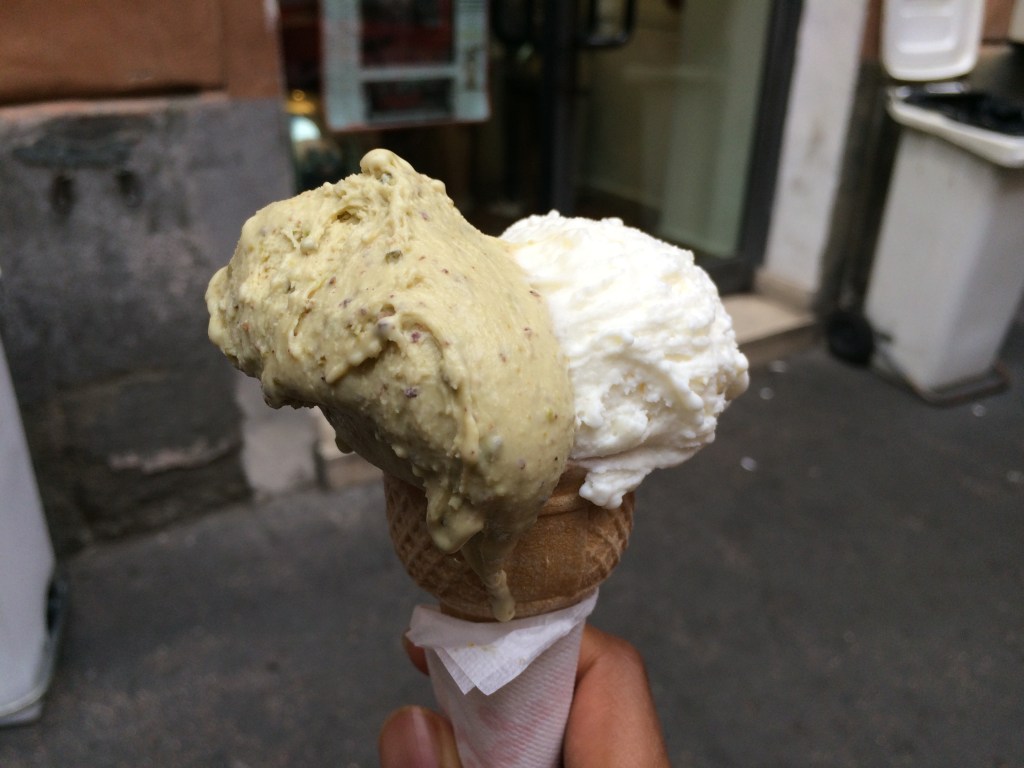
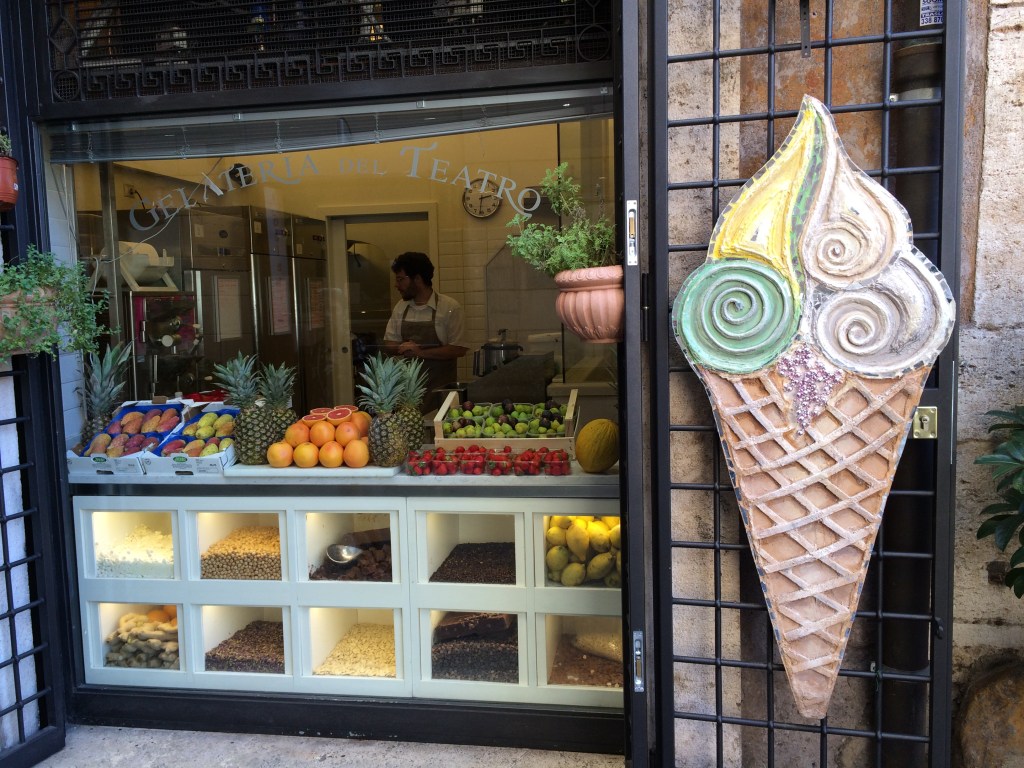
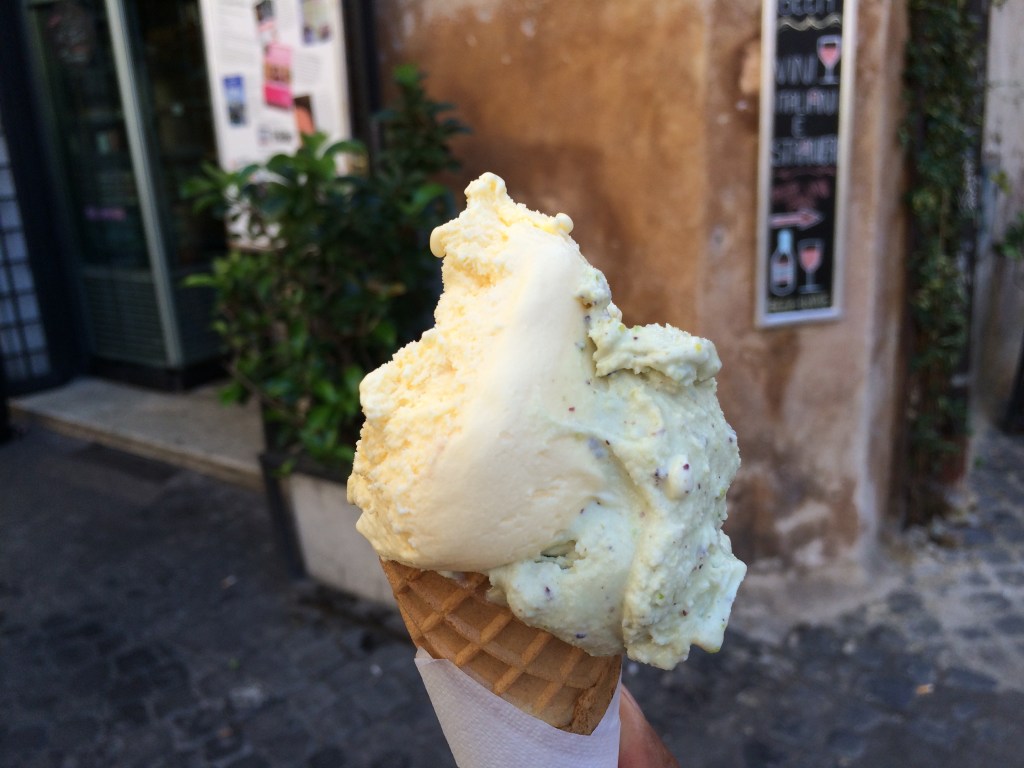
5. I was introduced to real gelato and it sort of ruined ice cream for me forever. The marquee gelato flavors like pistachio and hazelnut completely blew my mind. The intensity of the flavors and the creamy but not icy texture makes gelato very special. I had gelato almost everyday at the some of the popular spots –  Giolitti, Gelateria Del Gracci, Gelateria del Teatro, Gelateria Fassi. Giolitti and Gracci were my favorite but I couldn’t get the past the classic nut flavors despite multiple visits. 

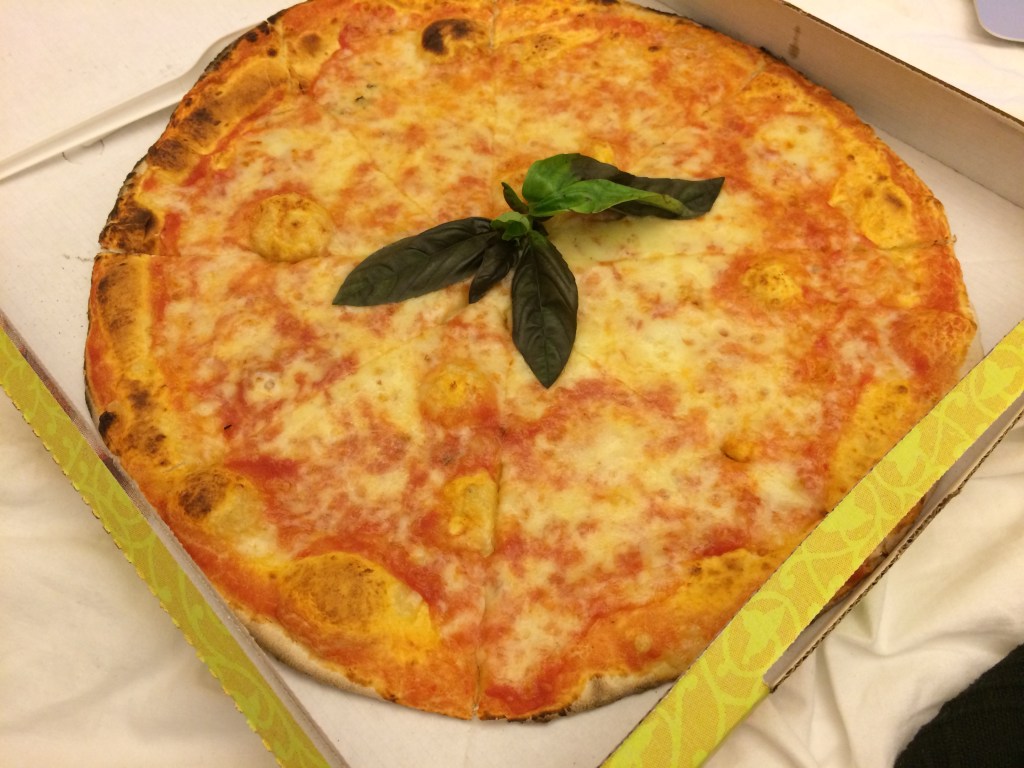
6. There are fewer things Italy makes better than Pizza. The reputation of neapolitan pizza is well deserved but the Roman version was a pleasant surprise. Most pizzerias in Rome serve pizzas with a thin crispy crust unlike their airy and chewy counterparts from Naples.   The addition of oil in the dough apparently contributes to the crispness of the base. The less common Pizza al taglio (pizza by the slice) is also very good where the colorful and fancy toppings outshine the almost focaccia like crust. It is usually sold by weight and packaged to-go. Pizzarium Bonci is a star in this category. 

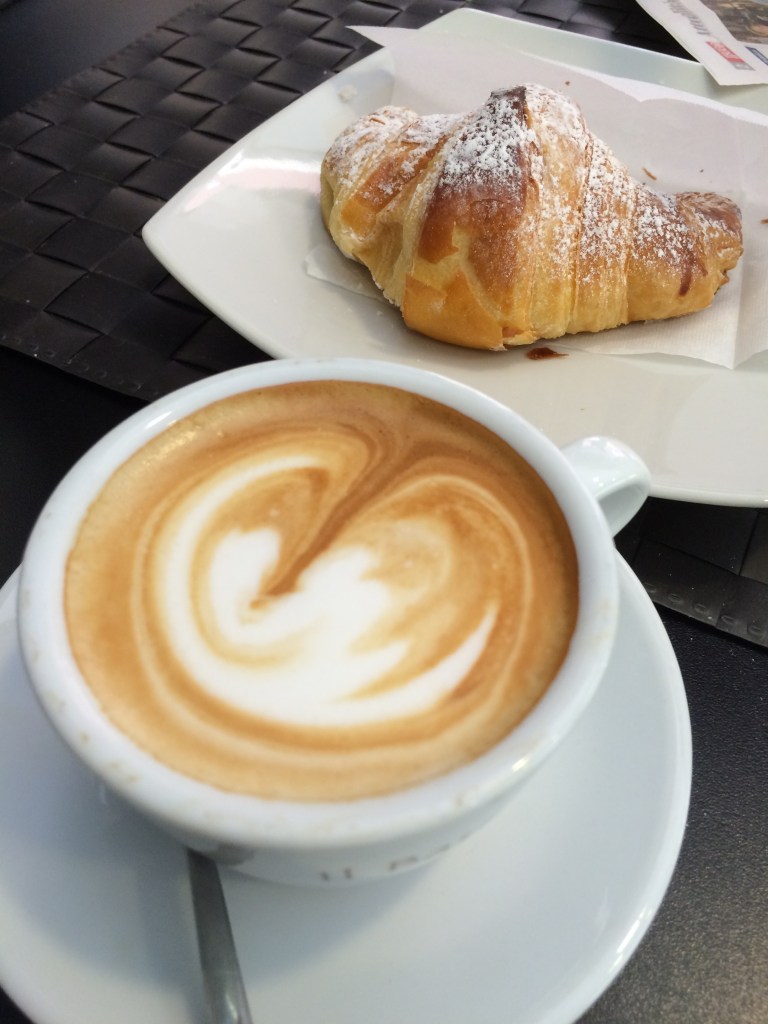
7. Cornetto is another variation of the classic Viennoiserie – the croissant. The cornetti though are sweeter, denser and less buttery. I am partial to the ones with filled with cream or custard. Paired with a cappuccino, there is hardly a better pick me up for the day. No wonder Italians standardized on the cornetto-capuccino combination for breakfast. 

7 things about Rome, Italy