1. Vienna grew from a Roman settlement called Vindobona. It developed as a trading site and became of the capital of the Babenburg dynasty. But it was the Hapsburg dynasty that elevated the profile of the city and transformed it to a major hub.
2. The early growth strategy of the Hapsburg dynasty is classic. The Hapsburg kings acquired new territories primarily through marriage. King Rudolf I of Germany laid the foundation of the empire in 1282 when he assigned the Duchy of Austria to his sons. Maximilian I married Mary of Burgundy and added Netherlands to the empire. Philip the Handsome married Joanna the Mad of Spain, thus adding more territory in the south. Their son, Charles V inherited Austria, Spain and Netherlands. Eventually, Hapsburgs became synonymous with Austria and the term ‘monarchia austriaca’ was coined. They reigned supreme until their defeat in the First World War and were formally dissolved in 1918.
3. The Hapsburgs left behind their architectural legacy with their regal palaces – Schonbrunn, Hofburg and Belvedere. Even though Hofburg was the principal residence of the Hapsburg dynasty and continues to be the official residence of the President of Austria, Schonbrunn is undoubtedly more grand and elegant. Being the summer palace, it has a stunning garden embellished with a gloriette, parterre and a large fountain. The palace boasts of 1440 rooms with elaborate decorative tapestries and furnishings. Public tours allow visitors to get sneak peek into the lives of the Hapsburg monarchs. The Upper Belvedere palace does share some of the characteristics of Schoenbrunn especially the facade and the garden but is better known for its art collection. These design of these palaces was overwhelmingly baroque.

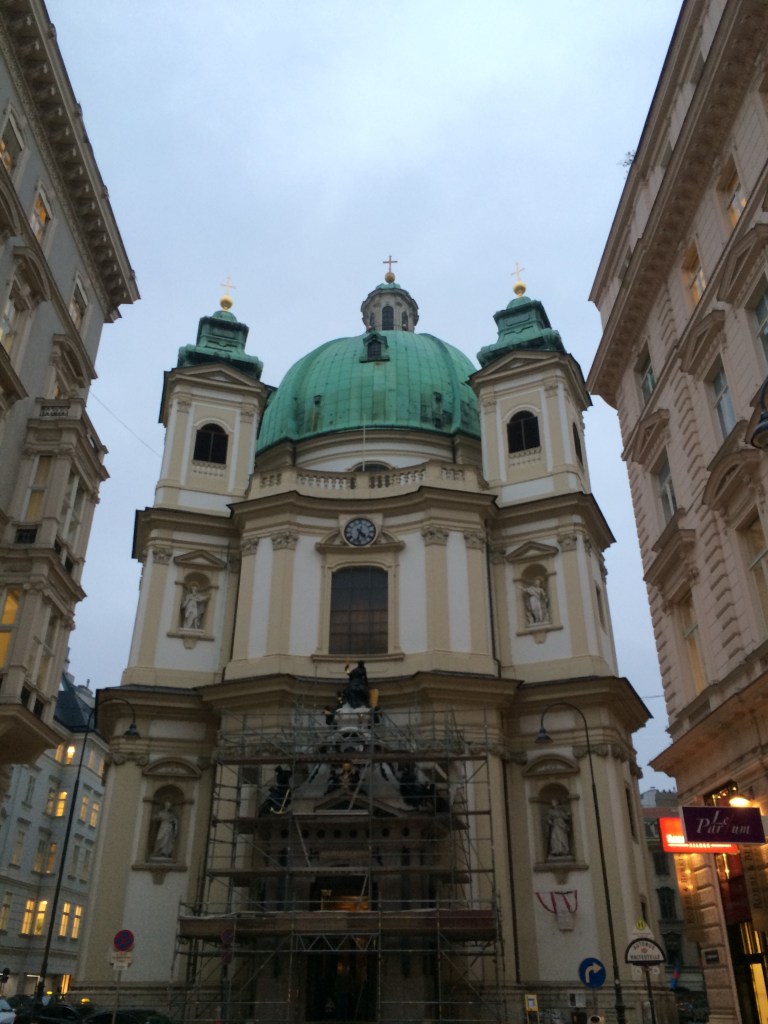
4. Austrian Baroque architecture was an Italian import. Johann Bernhard Fischer von Erlach is one of Austria’s renowned architects. He trained under Bernini and Borromini in Rome and adopted Baroque style in his designs most notably with Karlskirche and later with the Schonbrunn palace. Johann Lukas von Hildebrandt continued Erlach’s Baroque legacy with his designs for Belvedere Palace and St. Peter’s Church.
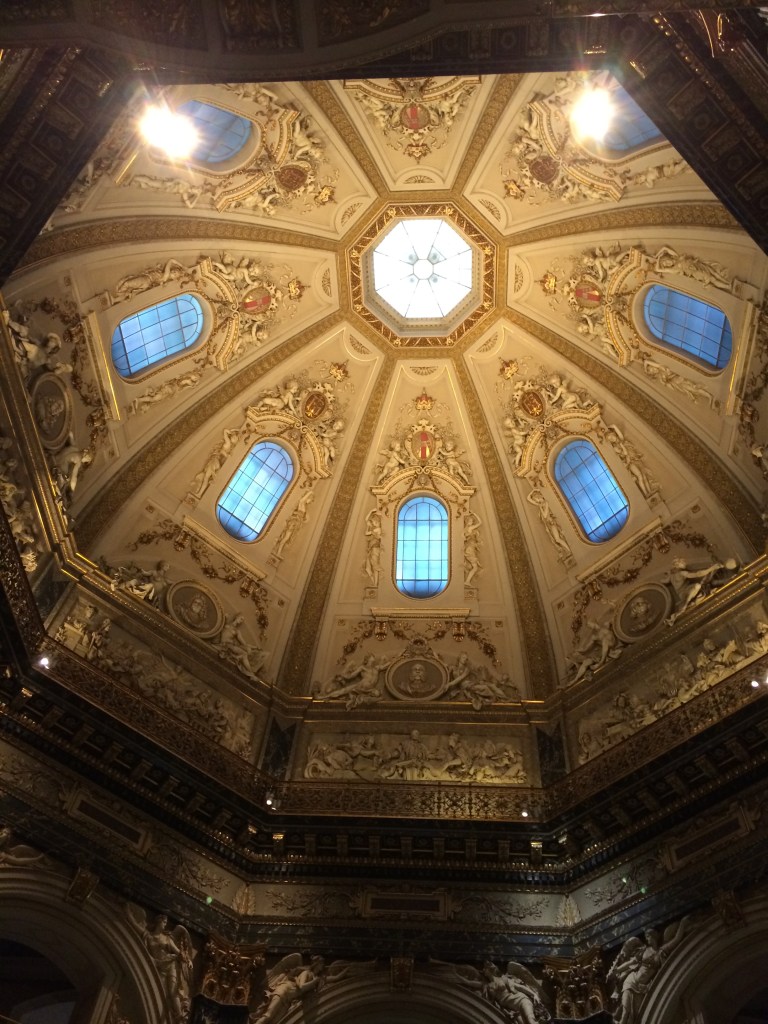
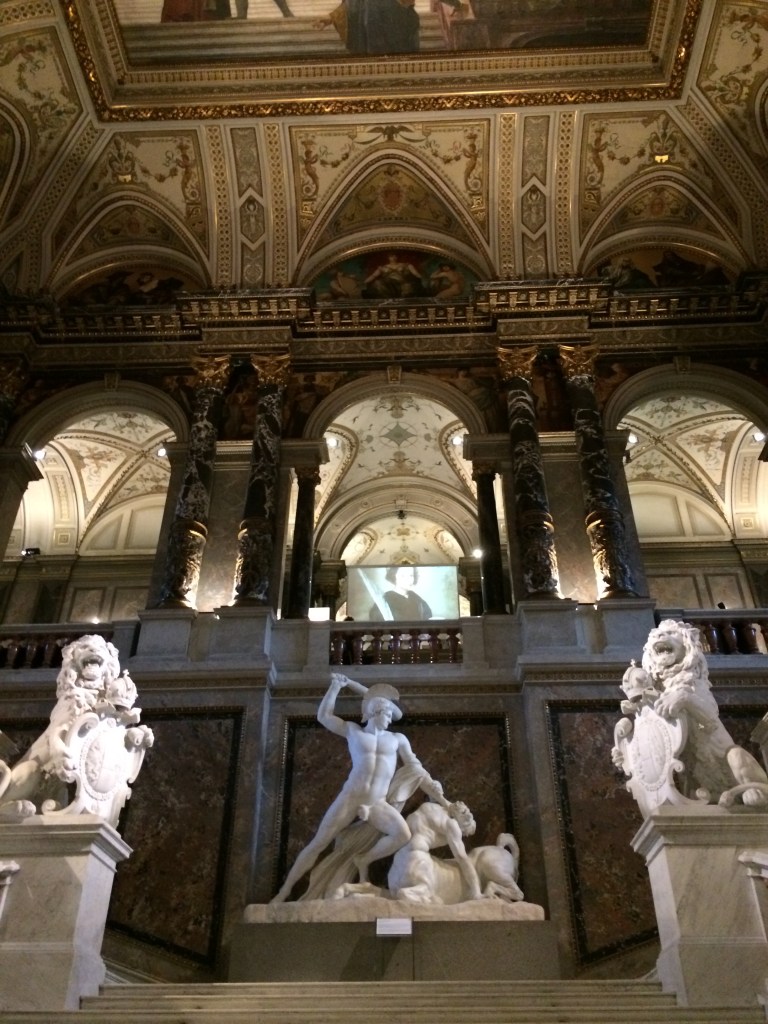
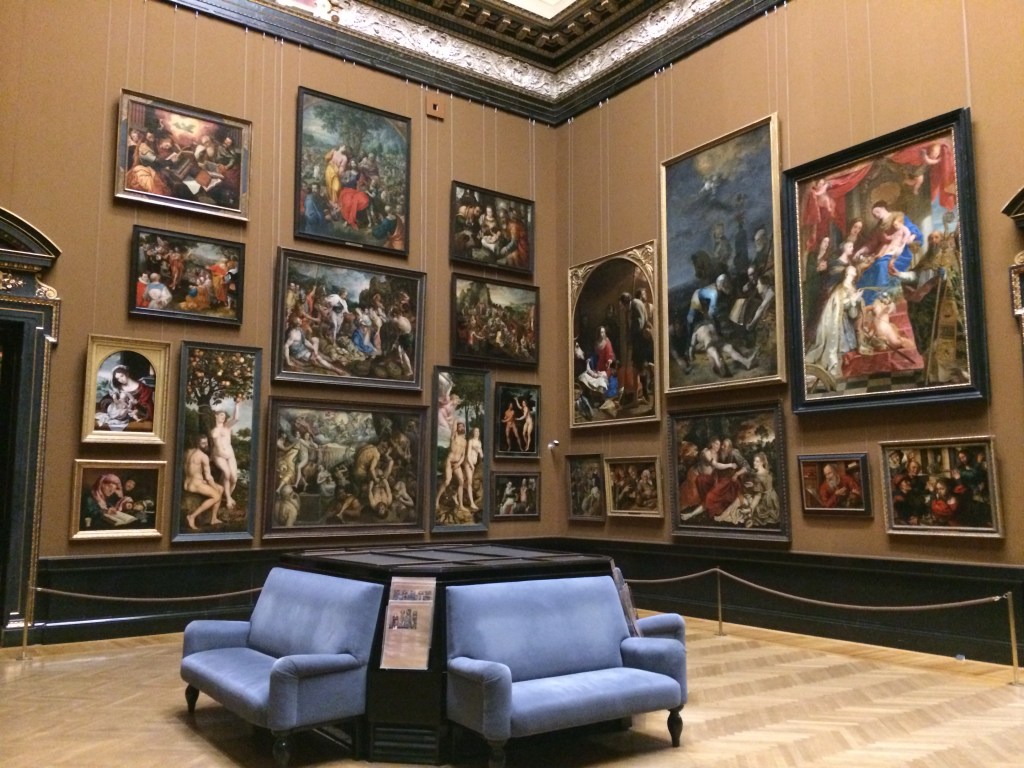
5. Vienna’s museum quarter is a sprawling complex that was originally built to serve as the imperial stables. I was more interested in the art museum across the street in Marienplatz. Kunsthistorisches Museum literally translated as Museum of Art History is the largest museum in the country. Established by Emperor Franz Joseph I with the intention of making the royal collection of the Hapsburg dynasty accessible to the general public, the museum’s design and ornamentation is on par with the palaces. The grand stairway and the cupola make it obvious that no expense was spared. The collection is massive and worth of days of exploration. The paintings from Renaissance era greats like Raphael, Michelangelo and Pieter Brueghel are highlights.
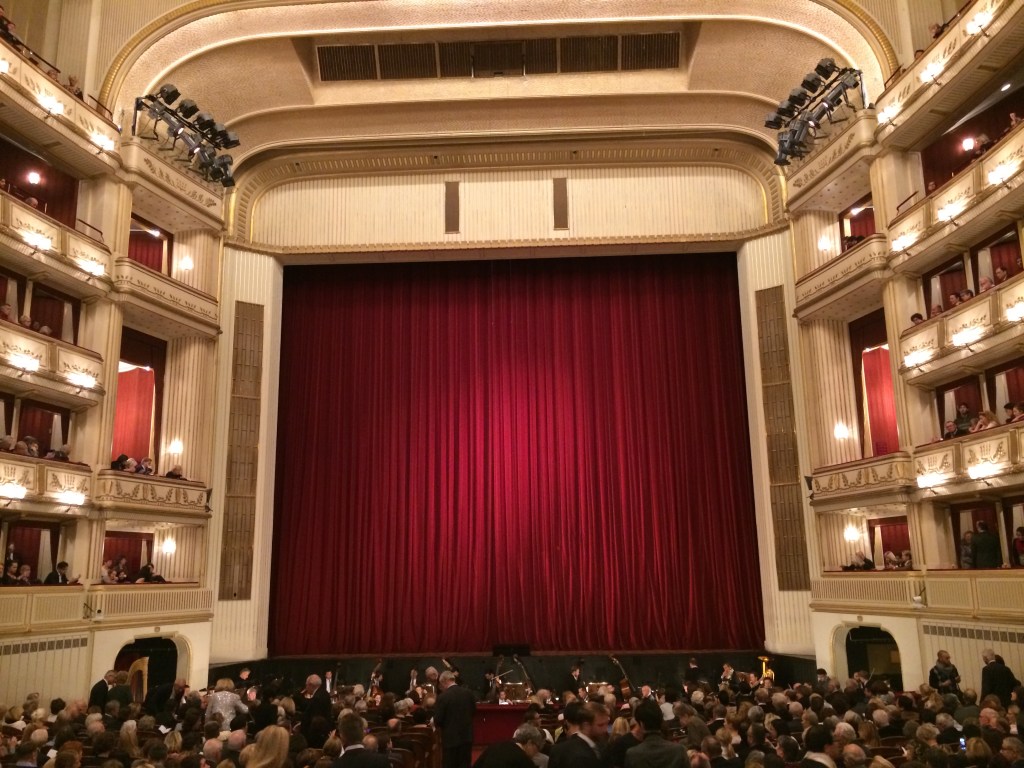
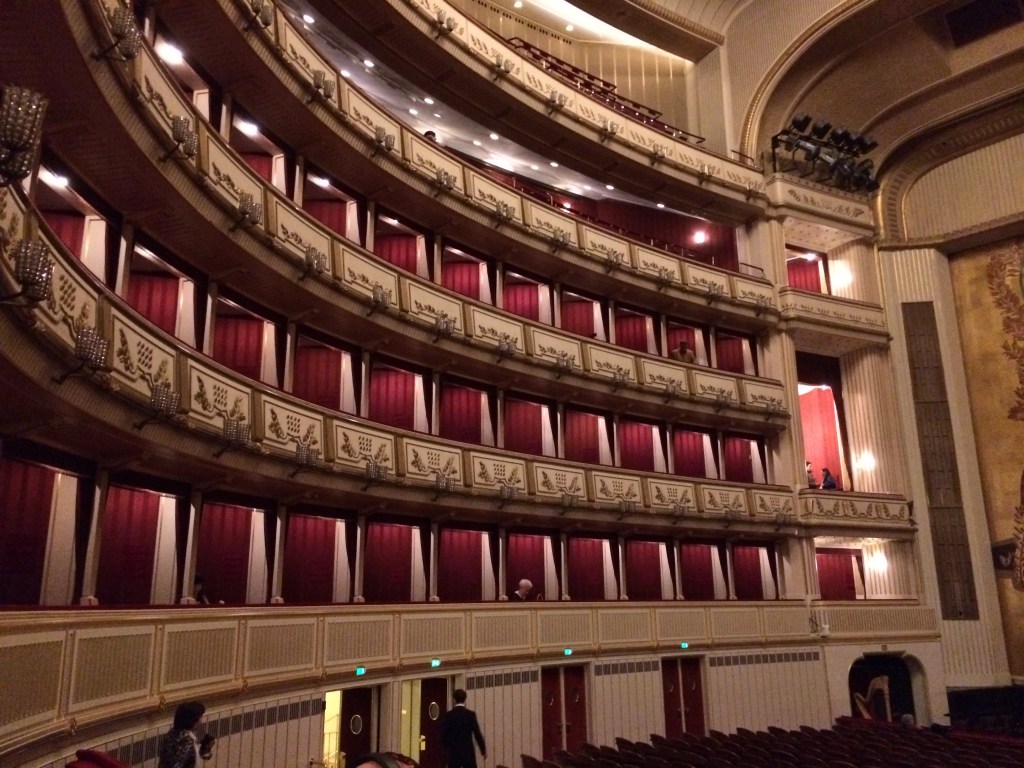
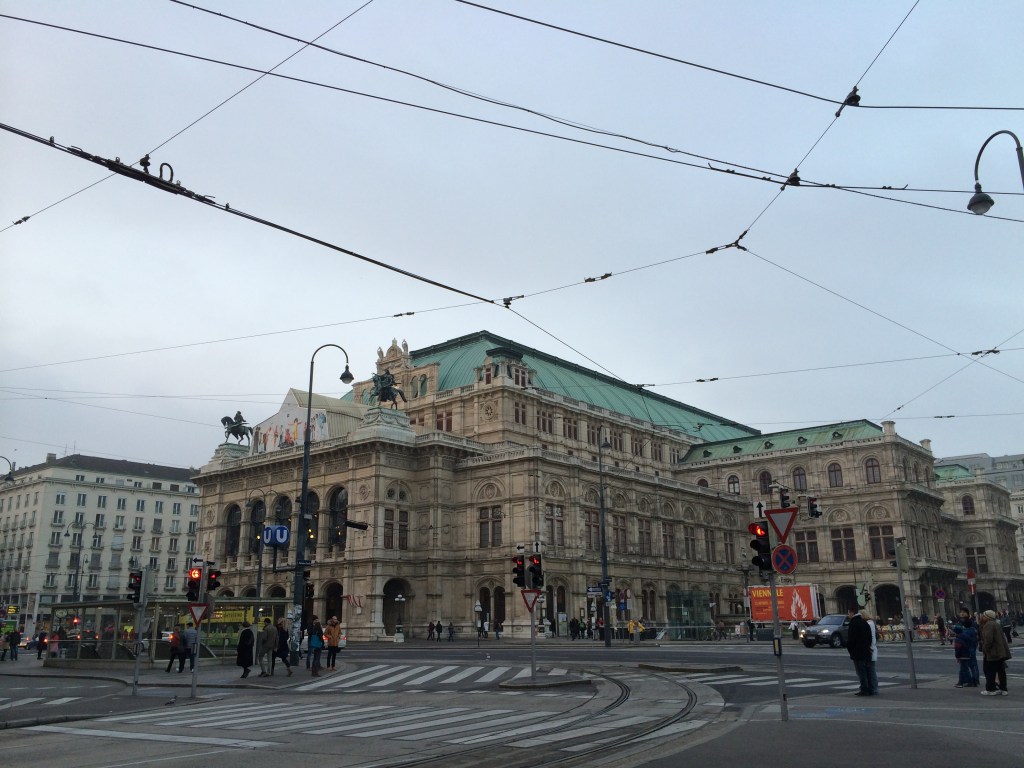
6. Viennese State Opera is a massive theatre complex that is the crown jewel of the culture venues in Vienna. Not only can it seat 1700 people, it has every bit of aristocratic flair with red velvet seats, rich tapestry and panoramic booths. I only had a chance to grab the standing room seats which are issued 90 minutes prior to the show. For 10 euros, I was able to experience Viennese opera but it was bit strenuous for a 3 act play.
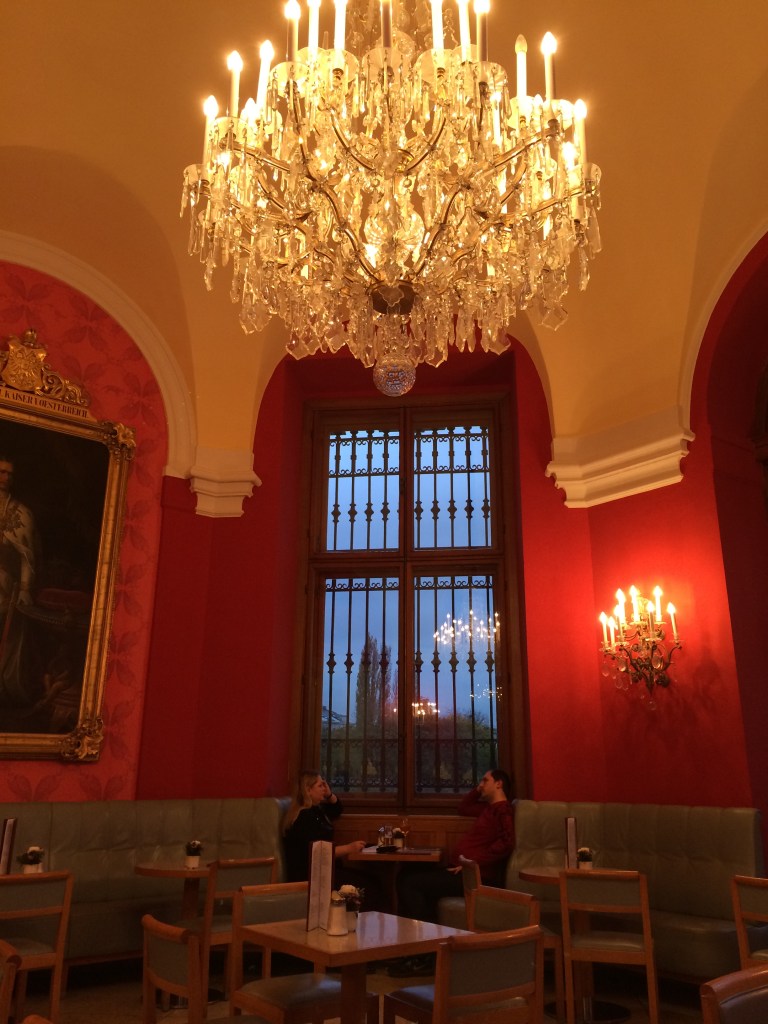
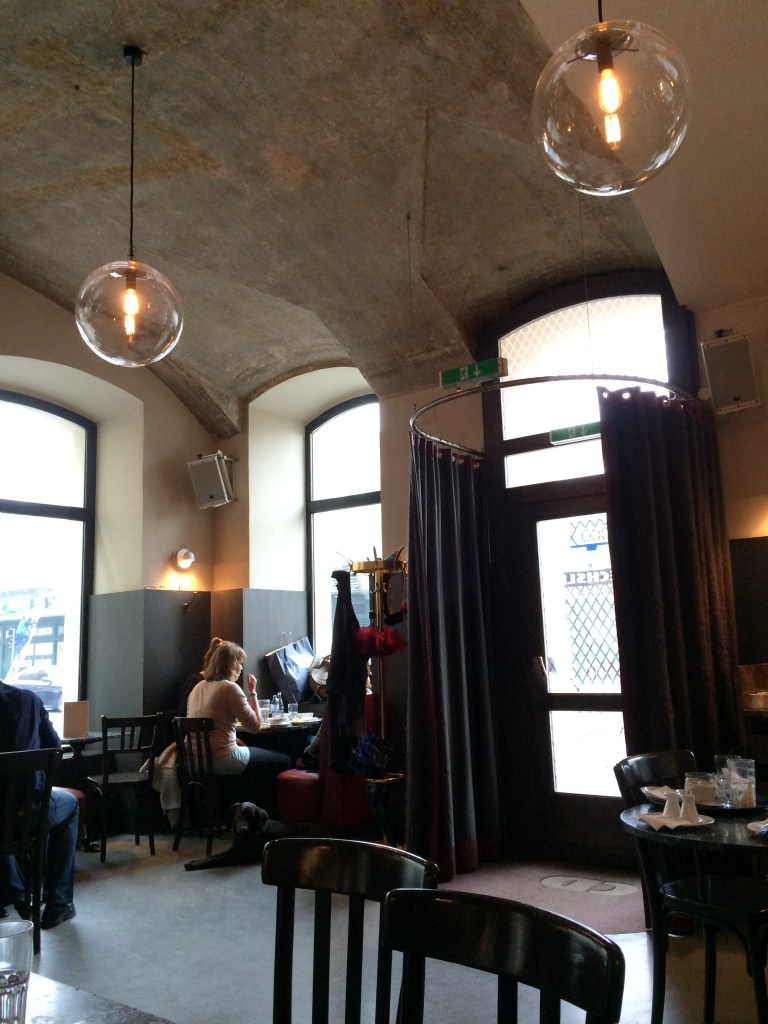
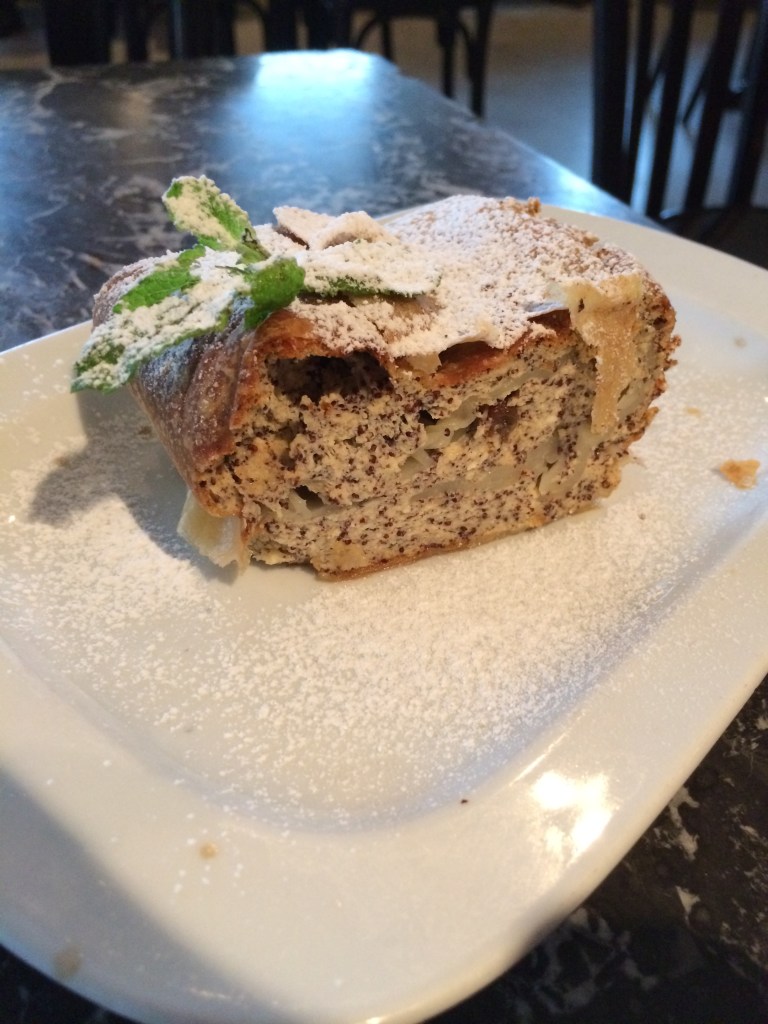
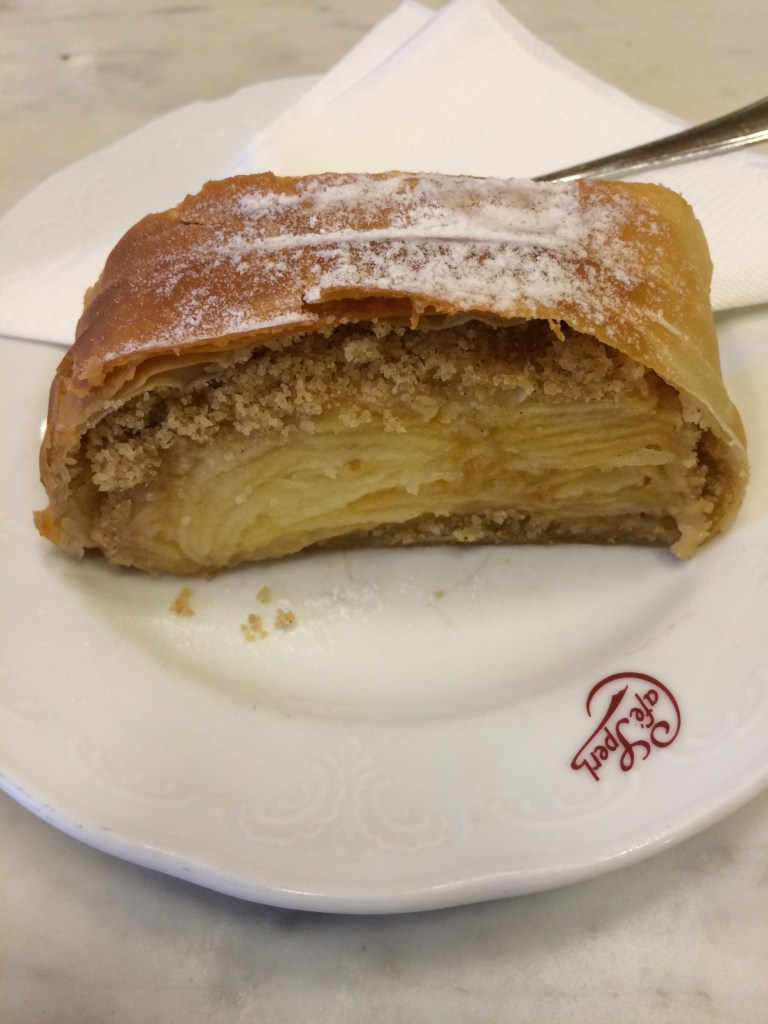
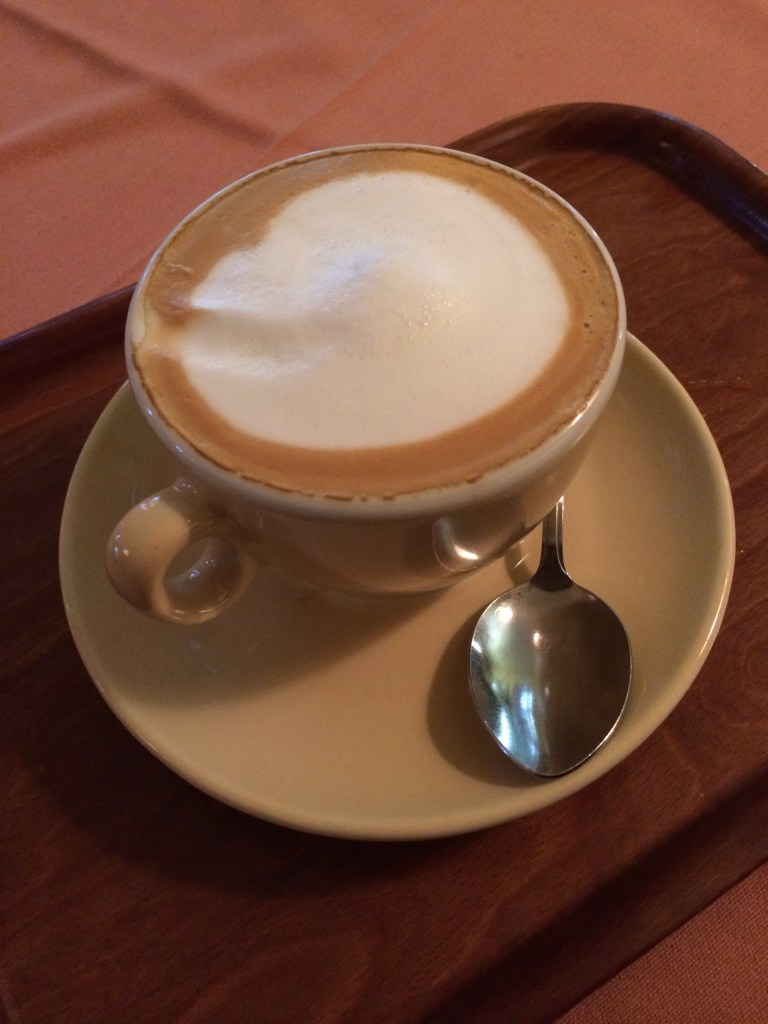
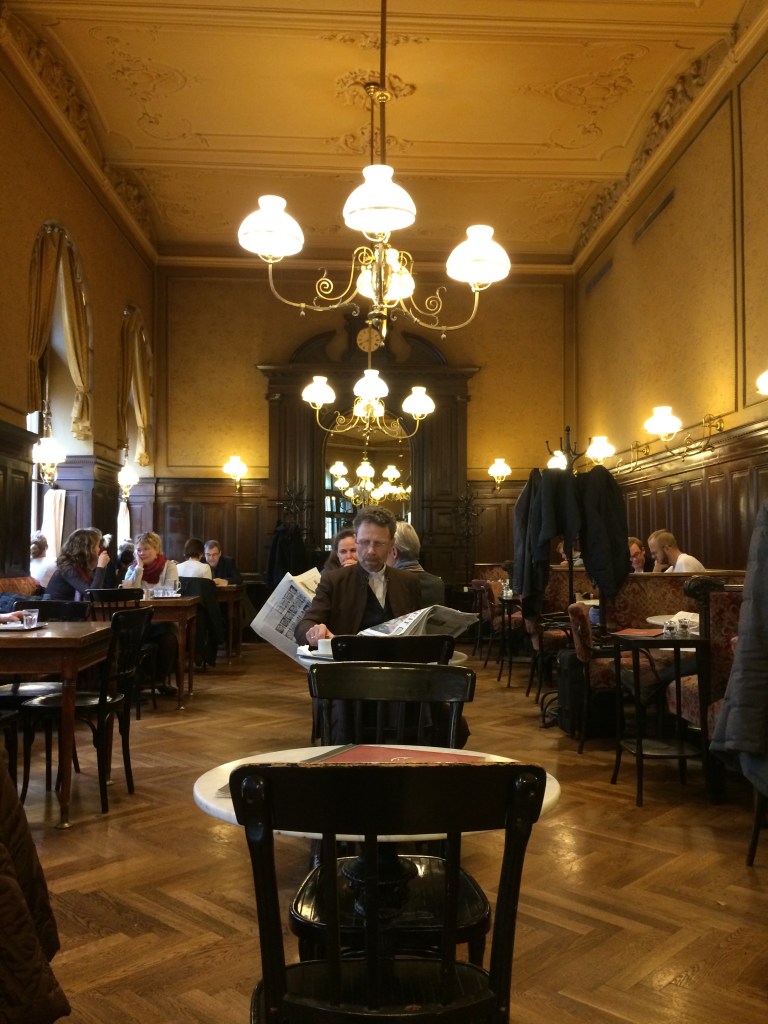
7. Today, cafes are flourishing everywhere in the world serving coffee, food and a convivial atmosphere to meet and socialize. But Viennese coffee houses had been so for hundreds of years now and incredibly proud of it. So much so that Viennese coffee house culture was included by the UNESCO in the national inventory of intangible cultural heritage.The Austrians have to thanks the Ottomans for introducing then to coffee on way or the other. Legend has it that one Mr Georg Franz Kolschitzky discovered the magic beans left over by the Turks and started the a cafe in the city. However, the first coffee house in Vienna was actually opened by an Armenian Diodato. He got this expertise from his home country which unsurprisingly also happened to be part of the Ottoman empire. Coffee houses in Vienna are about practicing slow life. Part of the allure is in the regal old school old ambience that coffee houses like Cafe Dreschler, Cafe Sperl, Cafe Hawelka have managed to preserve till today. The high ceiling embellished with grand chandeliers, cosy interiors and delicious strudels. It was as romantic as it sounds. The tradition of tendering change from a purse was very unique.


 flagsandforks