1. Khmer is the largest ethnic group in Cambodia. Informally, people of Cambodia are called Khmer. The official language is also called Khmer and so is the cuisine. The Khmer were both polite and friendly. Apparently, the Cambodian government while keen on growing the tourist economy is also serious about keeping the flesh trade outside their border.
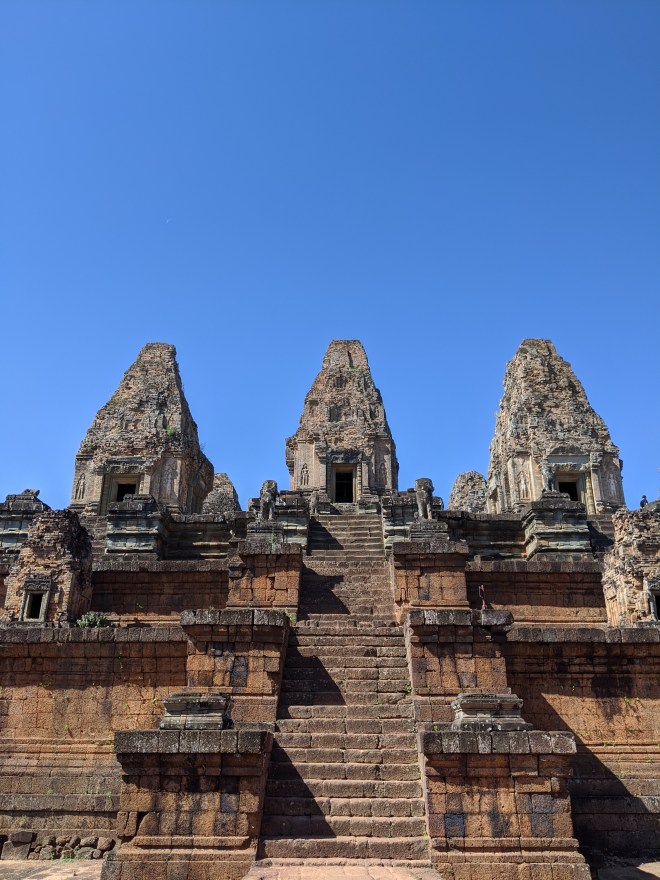
2. The Temple of Angkor Wat is very important to the Khmers. So much so that it is also on the national flag.They take immense pride in their cultural roots. The temple is grand and imposing. It captures the waxing and waning of religious orders in Cambodia. The first Khmer empire – Angkor started out as Hindu Shaivite Kingdom established by Jayavarman ll in the 9th century. Suryavarman ll built the Angkor Wat as a Vishnu Temple as a break from their Shaivite tradition in early 12th century. In the latter half of 12th century under Jayavarman Vll became a Mahayana Buddhist kingdom. The Vishnu Temple Angkor Wat was converted to a Buddhist temple. After a short tryst again with Shaivite Hinduism, Khmer empire transitioned into the popular Theravada Buddhism in the 13th century. The Angkor complex has several other monuments but the Bayon temple is surreal. The Ta Prohm temple got its fame thanks to Tomb Raider. Among the smaller temple, Ta Keo, Mebon, Pre Rup are all worth visiting. They all have the hallmarks of the Angkor architecture – central sanctuary, prangs, enclosures and gopuras.
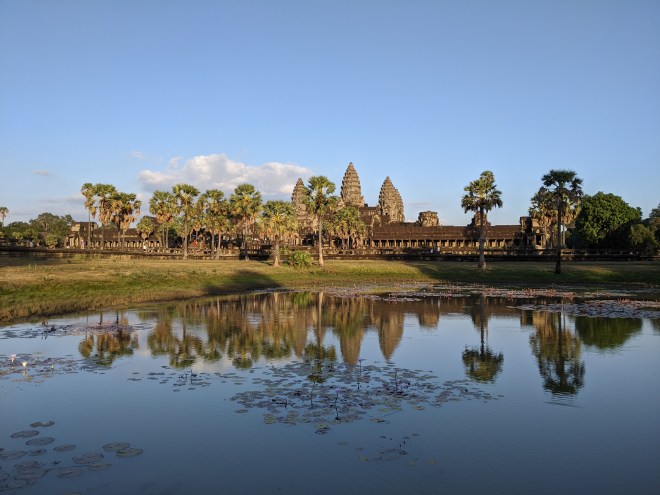
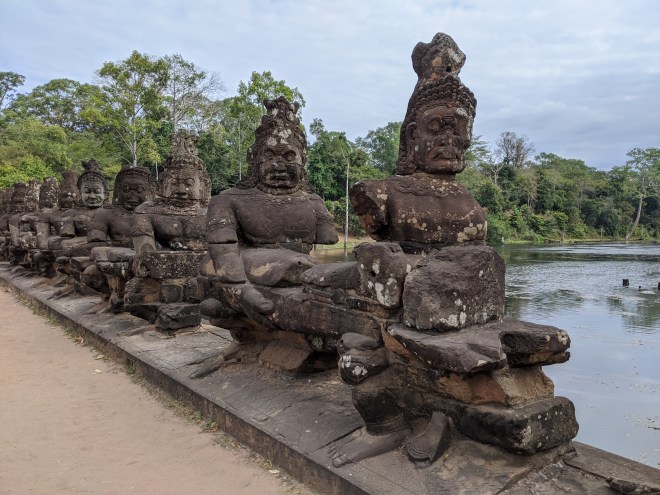
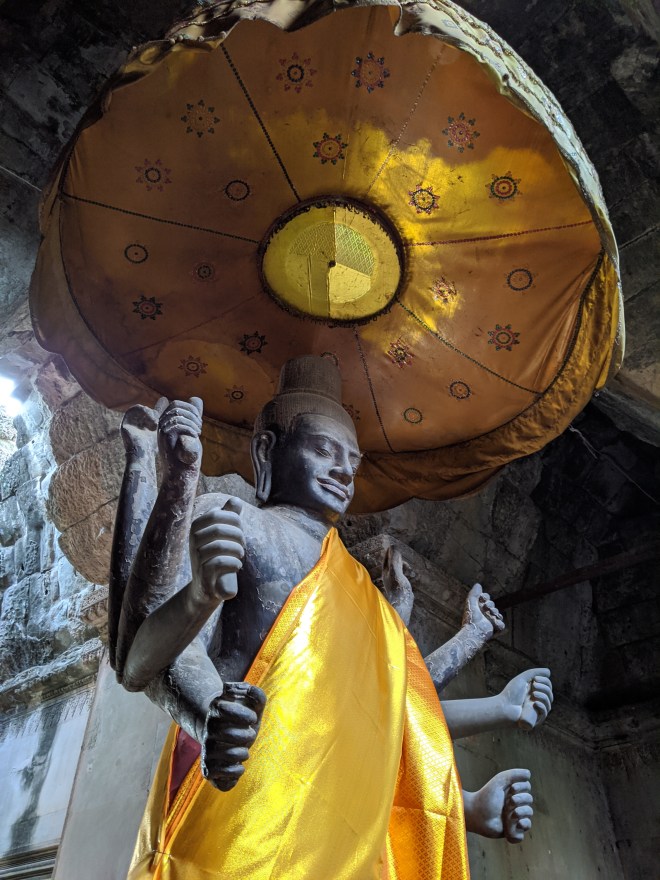

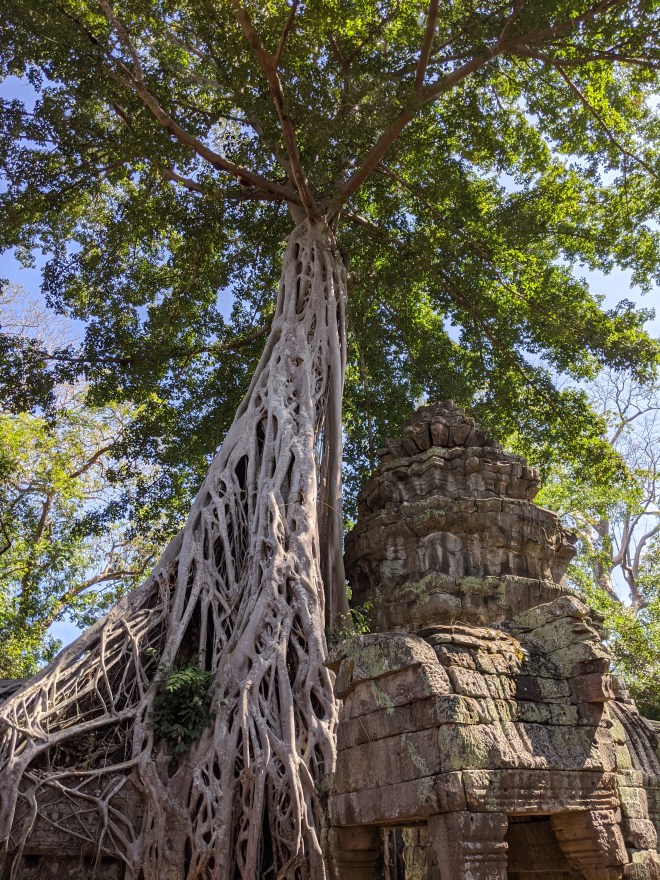
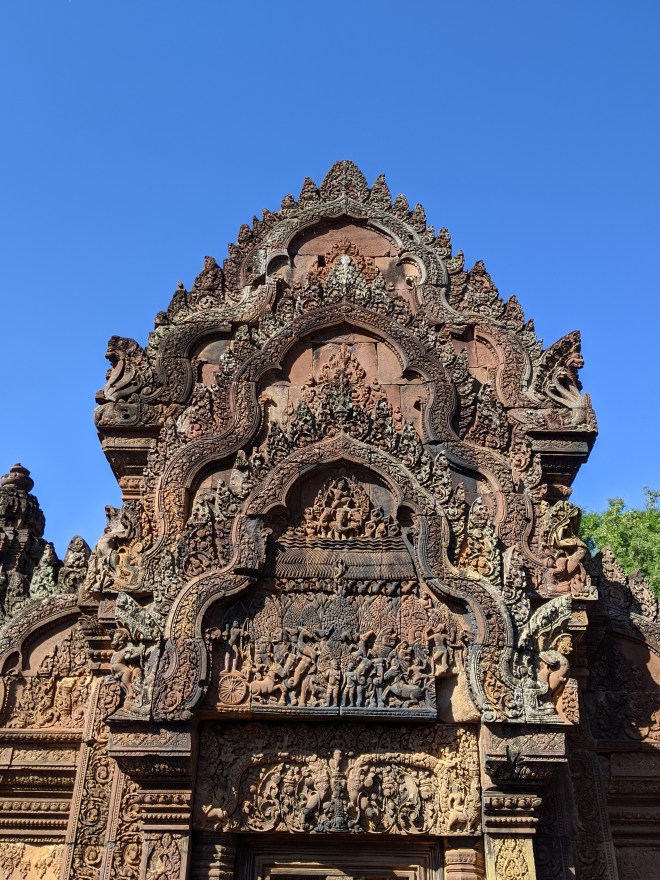
3. The word ‘Angkor’ means the Capital City. It is said to have been derived from the Sanskrit word ‘nagara’. The founder of Angkor empire even crowned himself ‘Chakravarthin’ meaning lord of the universe, also borrowed from Sanskrit. The Hindu roots are visible even more at Bantaey Srei( 20 km from Siem Reap) which resembles an ancient temple in South India depicting scenes from Hindu Mythology. It is also unique that it wasn’t ordered by a King but a courtier in Rajendravaraman’s court. Kbal Spean archaeological site is home to stone carvings of myriads of lingams (Symbol of Lord Shiva) as well as other Hindu gods. The Khmers are proud of their mixed heritage (Hindu and Buddhist).
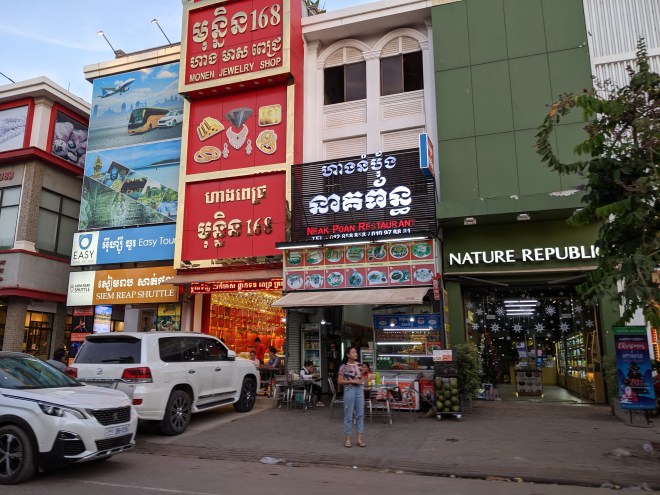
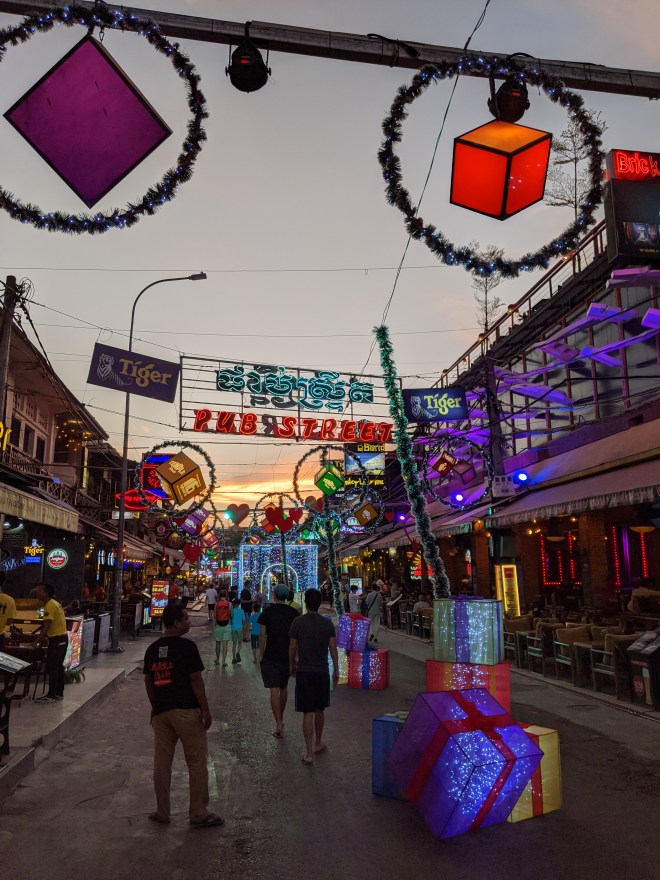
4. The city of Siem Reap is actually a living city. It is fully equipped with super markets, pharmacies and even some popular brand stores. The pub street is tourist central for eating out and shopping. Prices for tourists listed in USD can be a bit jarring. Things aren’t as cheap as one might think but still goes a long way. There is an official local currency but even ATMs spit out US dollars.
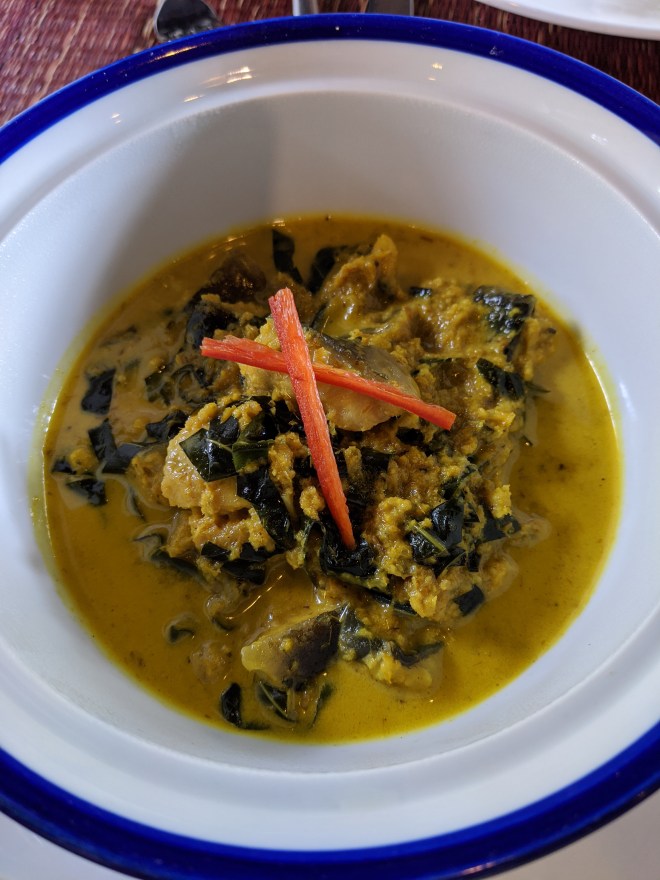
5. Amok is a classic Khmer Dish. It is kind of custardy steamed fish in a coconut milk curry. Although very similar to a Thai curry preparation(coconut milk, chilly, kaffir lime,galangal,lemongrass, fish sauce), the key difference is the generous addition of noni leaves. The noni leaves have a bitter aftertaste but is known to have a slew of health benefits including its anti-inflammatory and anti-oxidant properties.

 flagsandforks