1. Croatia’s history stretches back to the Illyrians. The Dalmatae, a powerful Illyrian tribe, formed Dalmatia, which later became a Roman province. The Croatian identity began to take shape in the 7th century when Slavic tribes took over Dalmatian lands. Starting in the 13th century, Croatia came under the rule of powerful neighbors, including the Kingdom of Hungary, the Habsburgs, and the Ottomans. After World War I, it became part of Yugoslavia before regaining independence in 1991.
2. Game of Thrones may have put Croatia on the global map, but Dubrovnik’s real-life history is just as compelling. Once called Ragusa, the city was a master of diplomacy—striking deals with powerful kingdoms like the Venetians and Ottomans not out of loyalty, but to protect its trading interests and wealth. It prioritized independence and prosperity, functioning as a self-governed city-republic for centuries. That foresight allowed it to invest in public works that were rare for the time, including accessible hospitals and urban planning that elevated quality of life.
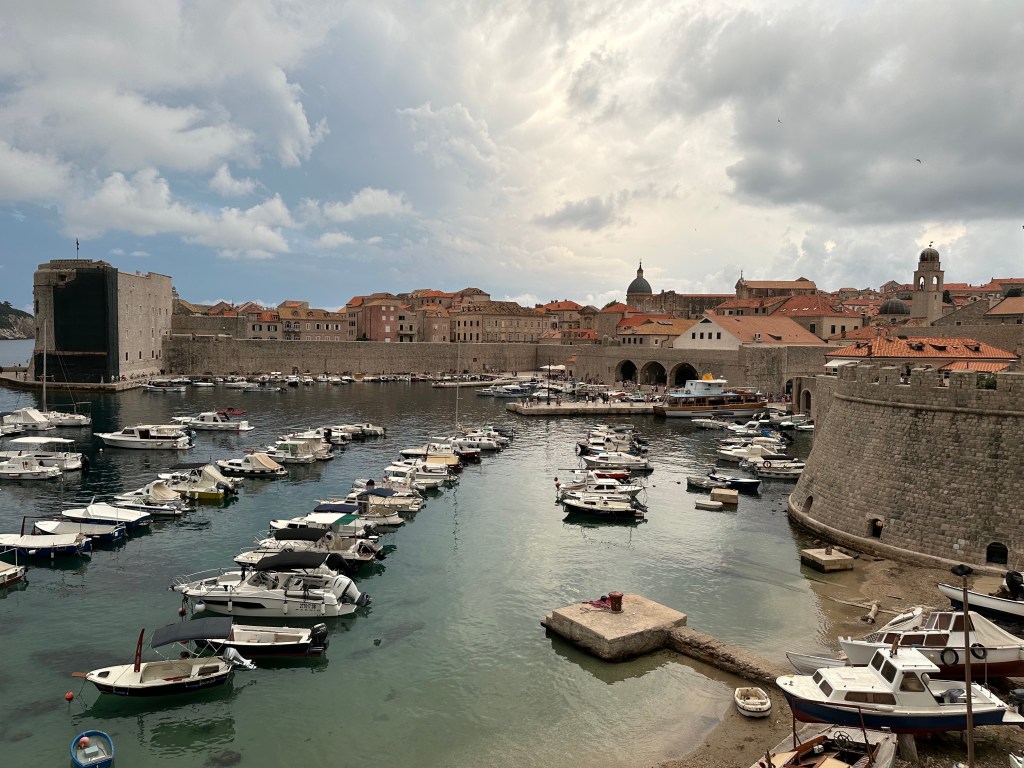
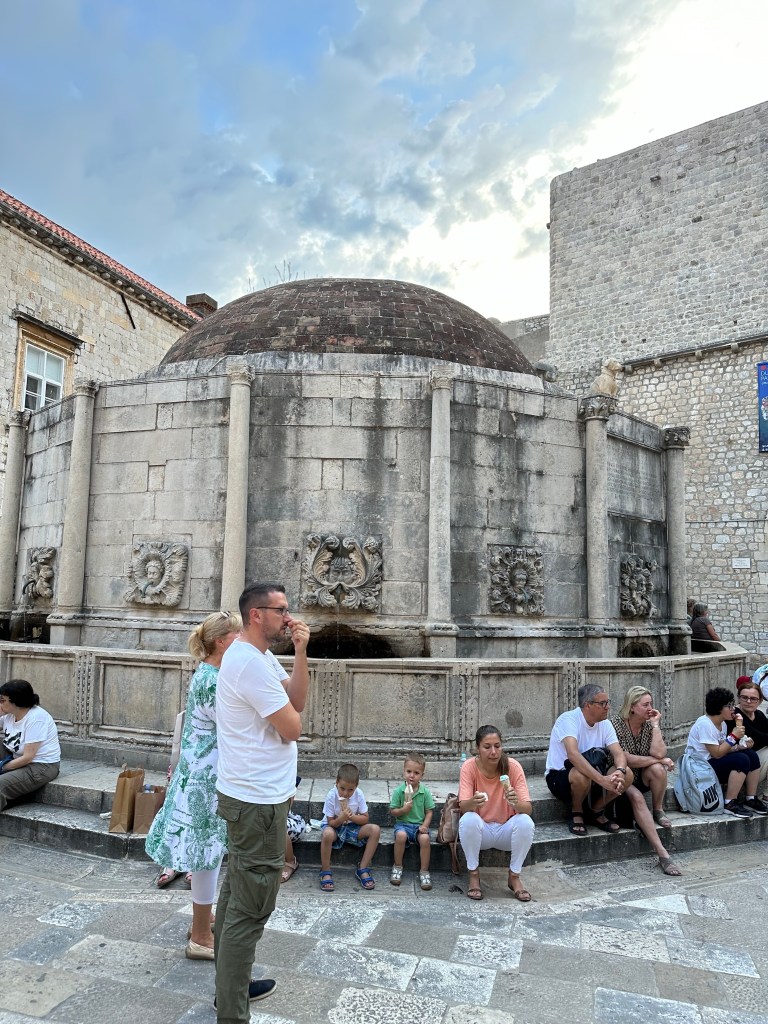
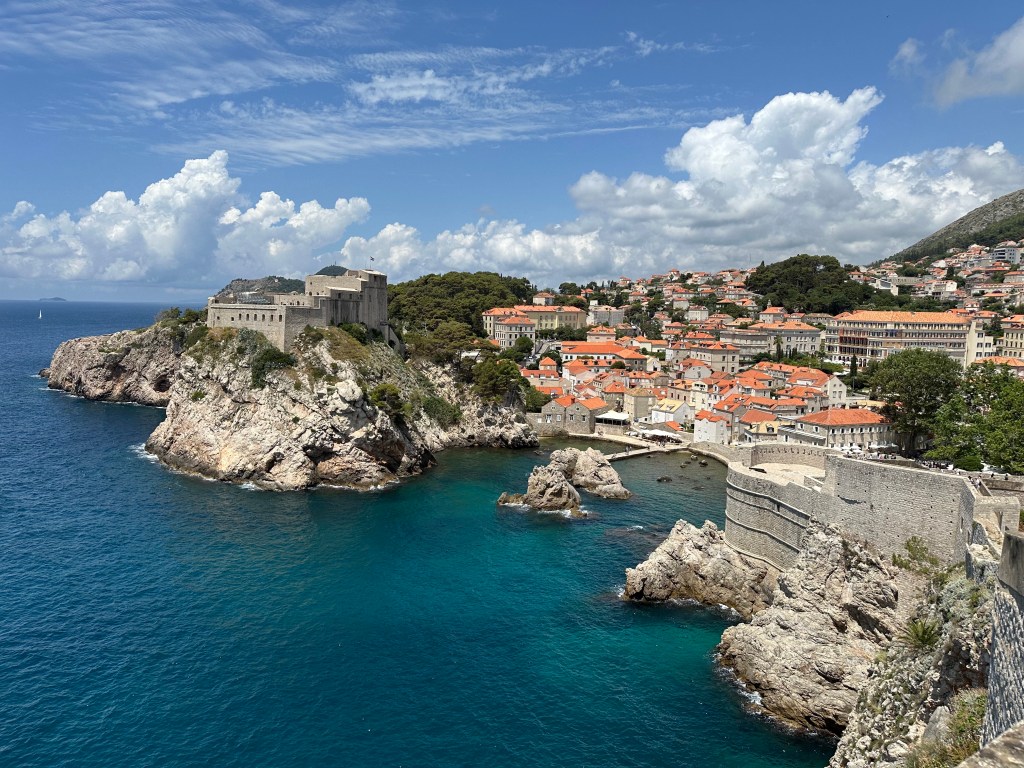
3. Dubrovnik’s Old Town is one of the most beautifully preserved medieval centers in Europe. Walking along its ancient stone walls offers a cinematic sweep of burnt-orange rooftops set against the dazzling backdrop of the Adriatic Sea. Built between the 13th and 17th centuries, the walls stretch over 6,000 feet and were designed to keep invaders like the Venetians from breaching the city. Along the way, you’ll pass towers, forts, and lookout points that offer panoramic views of a city built to endure.
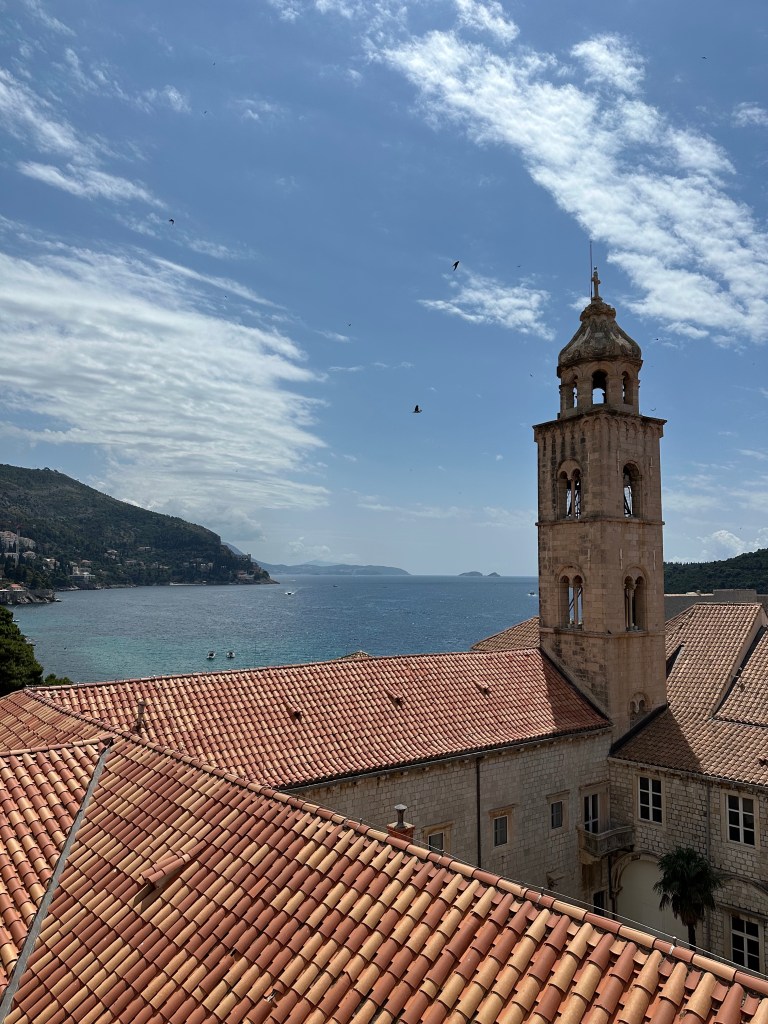
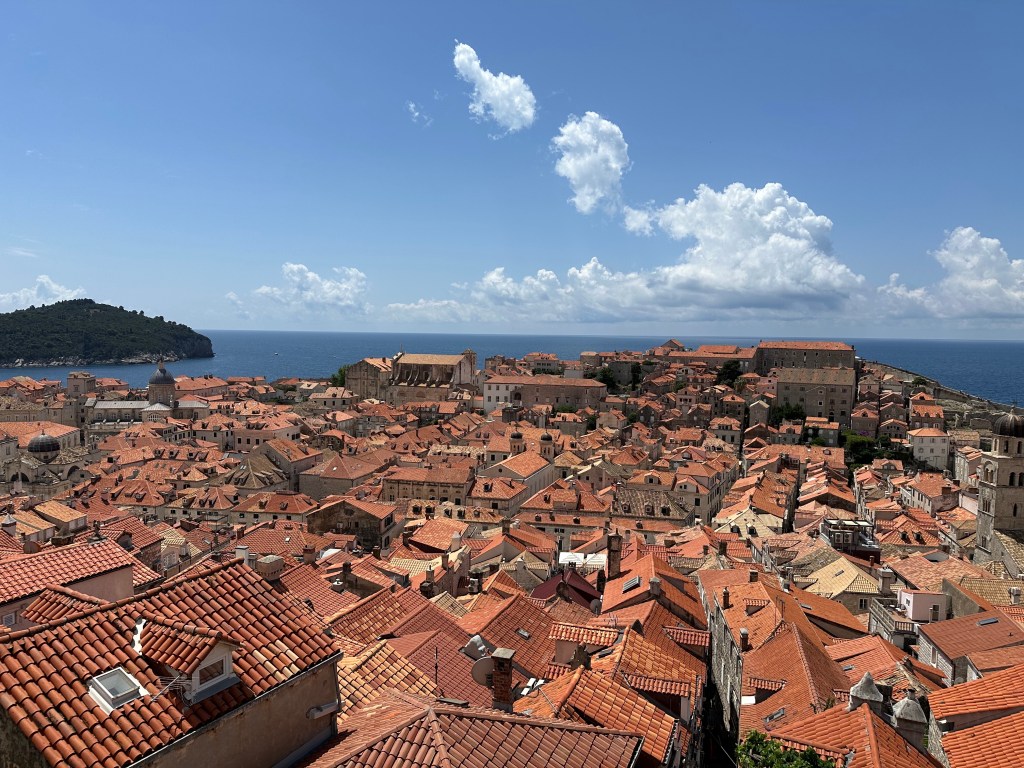
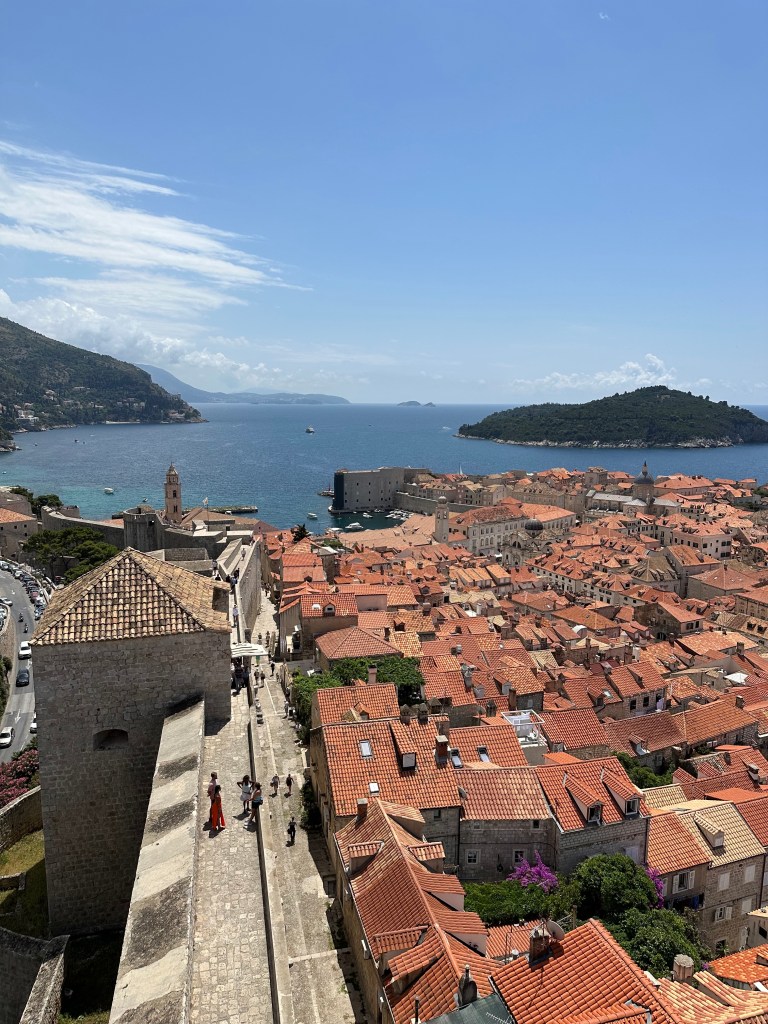
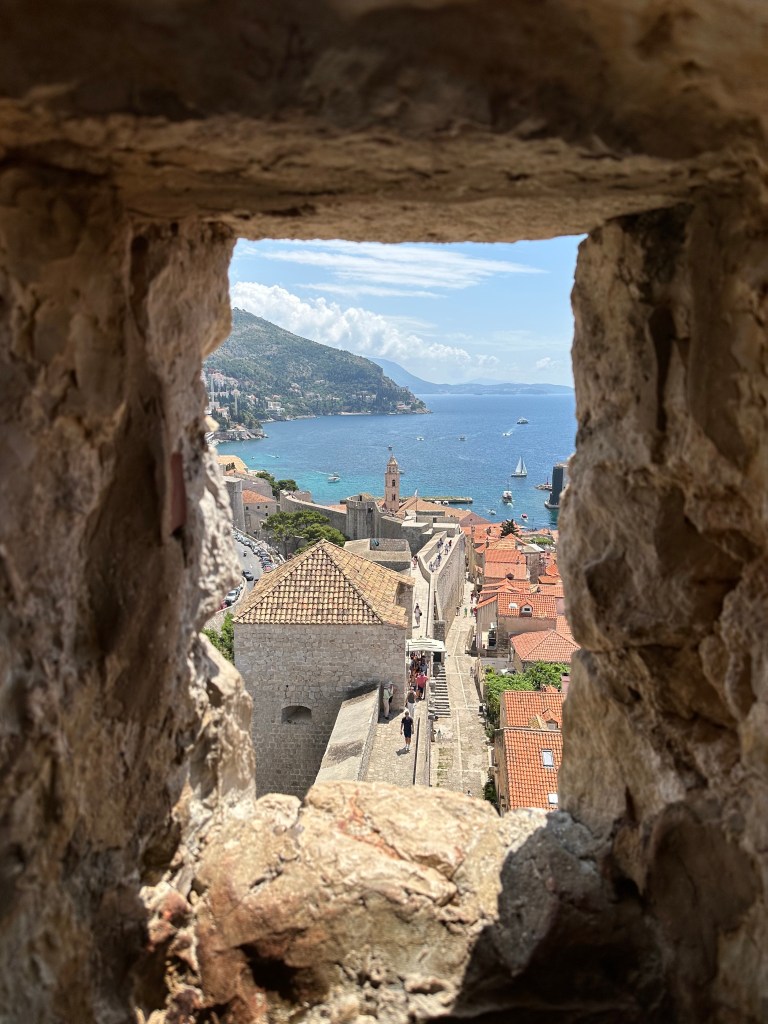
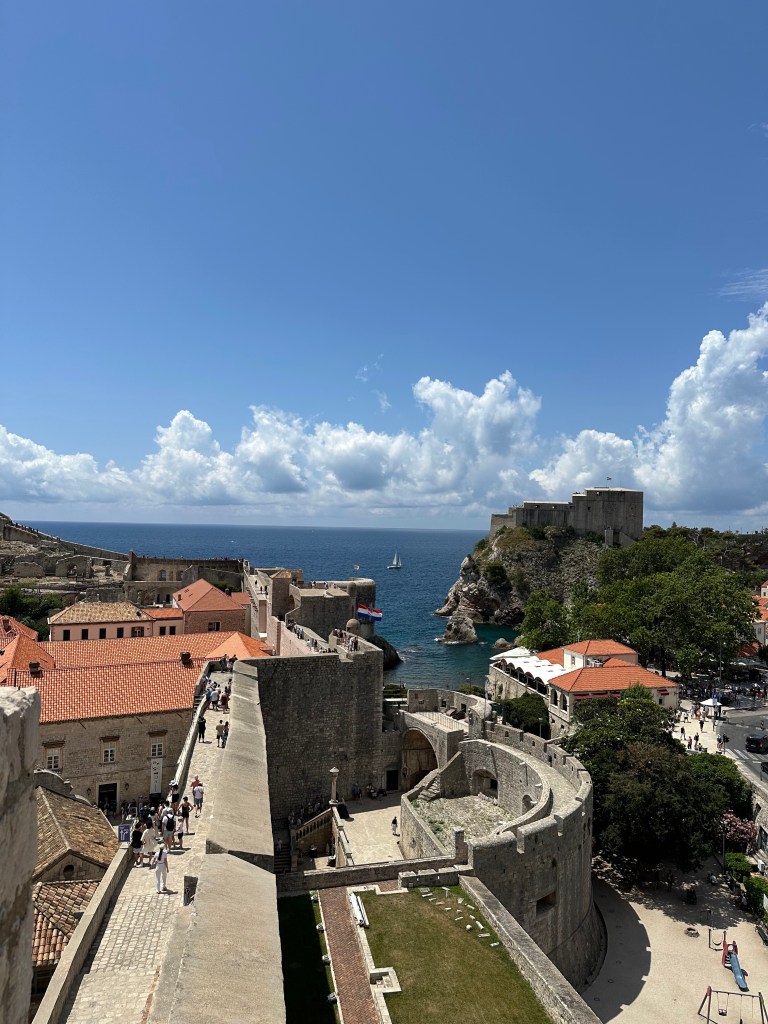

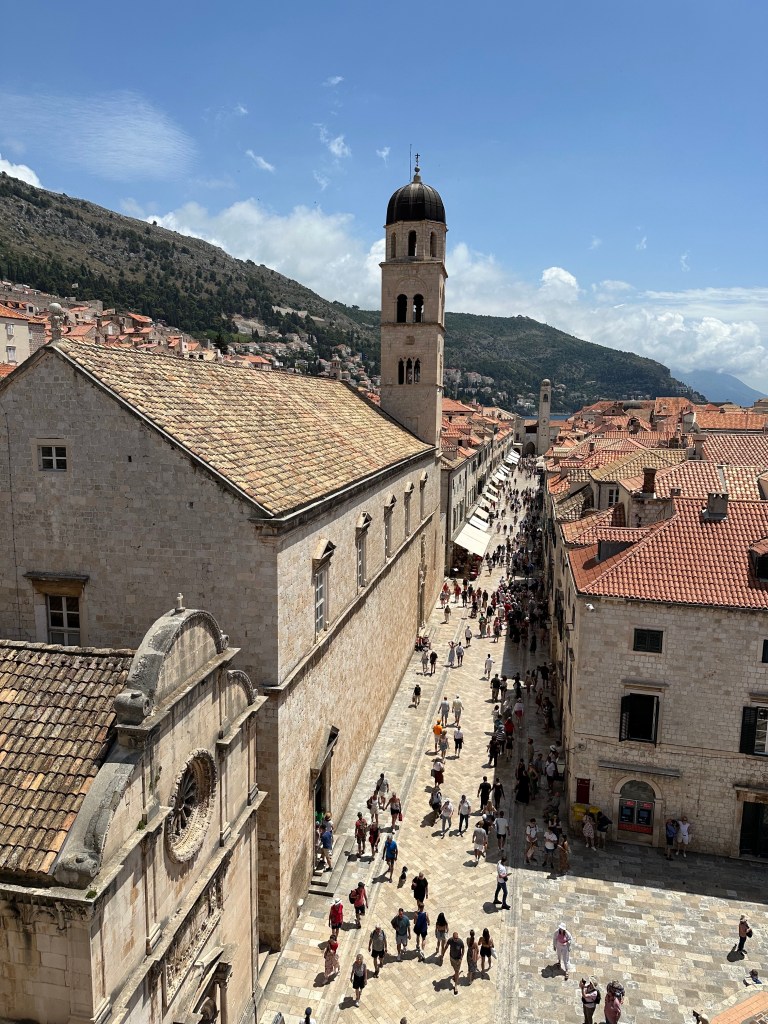


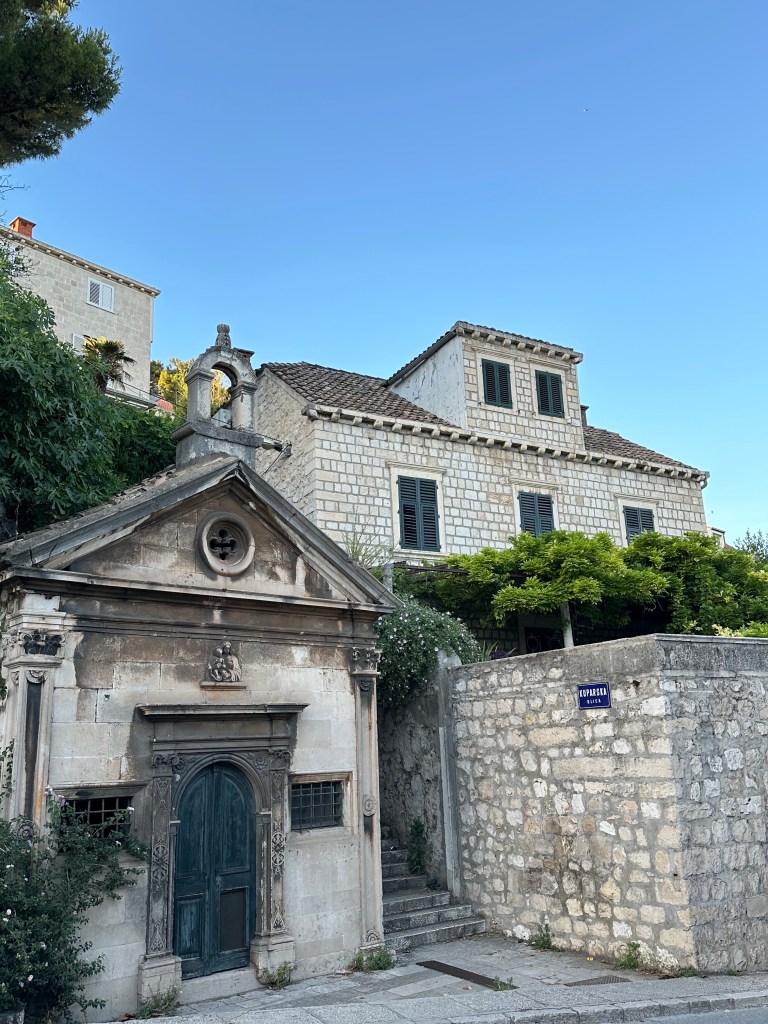
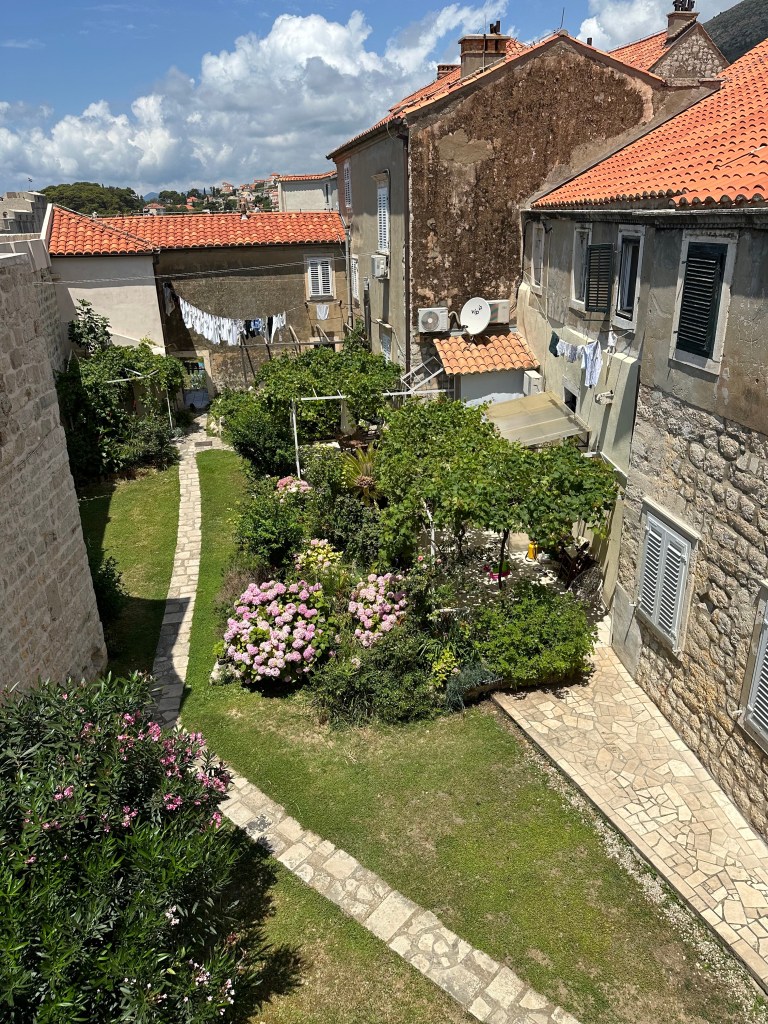
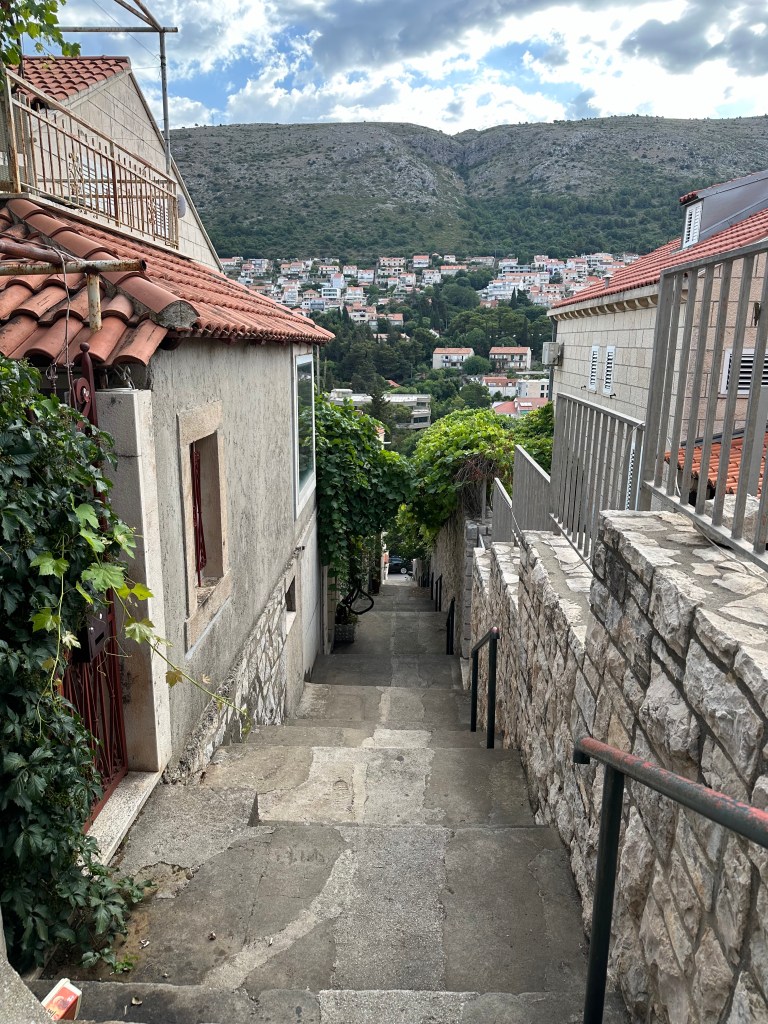
4. While noble homes reflect Venetian influence, everyday houses were built for practicality. They were made of stone and had small, well-placed windows designed to maximize light and regulate indoor temperatures. Functional, yes—but still charming in their simplicity.
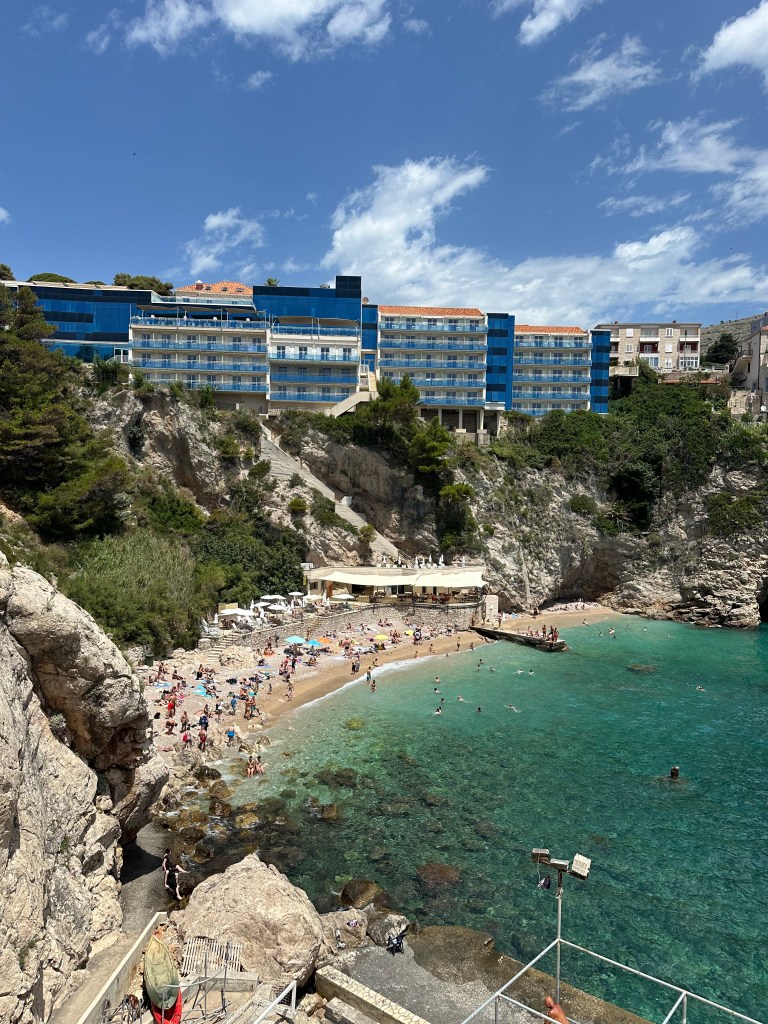
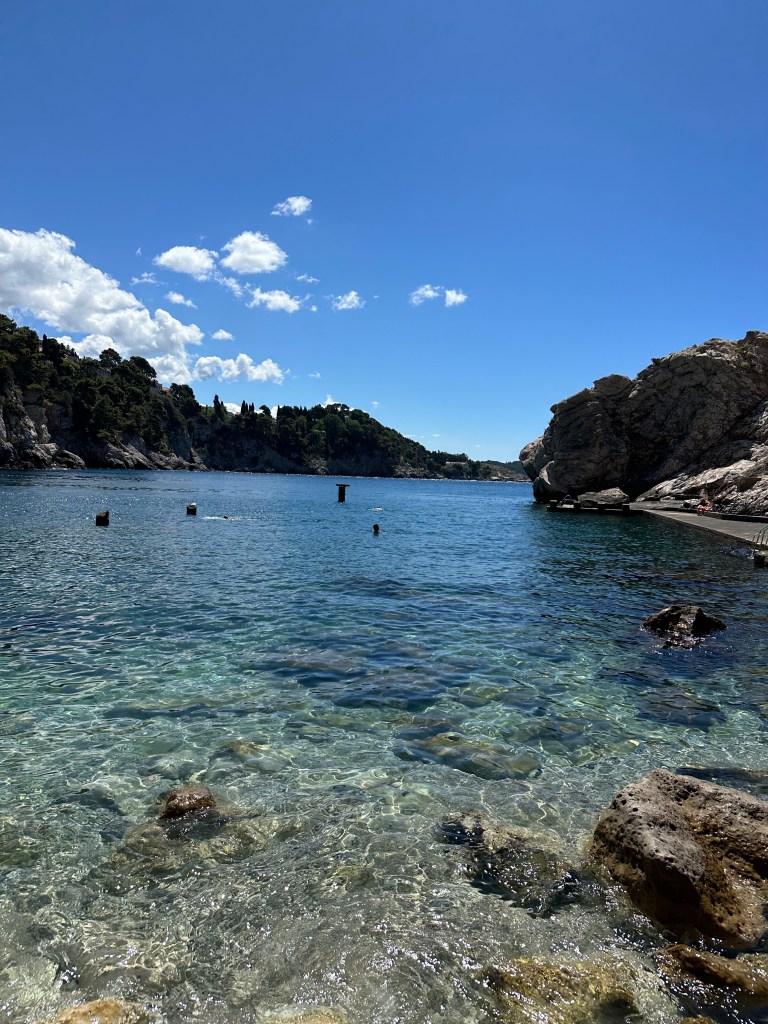
5. The beaches along the Adriatic are beautiful, though not sandy in the tropical sense. Dubrovnik is a beach destination too, with spots like Sveti Jakov, Srebreno, and Lapad offering plenty of sun. Bellevue Beach, nestled under a cliff near Old Town, is small but unforgettable. The turquoise water, perfect temperature, and dramatic setting make it hard not to dive in.
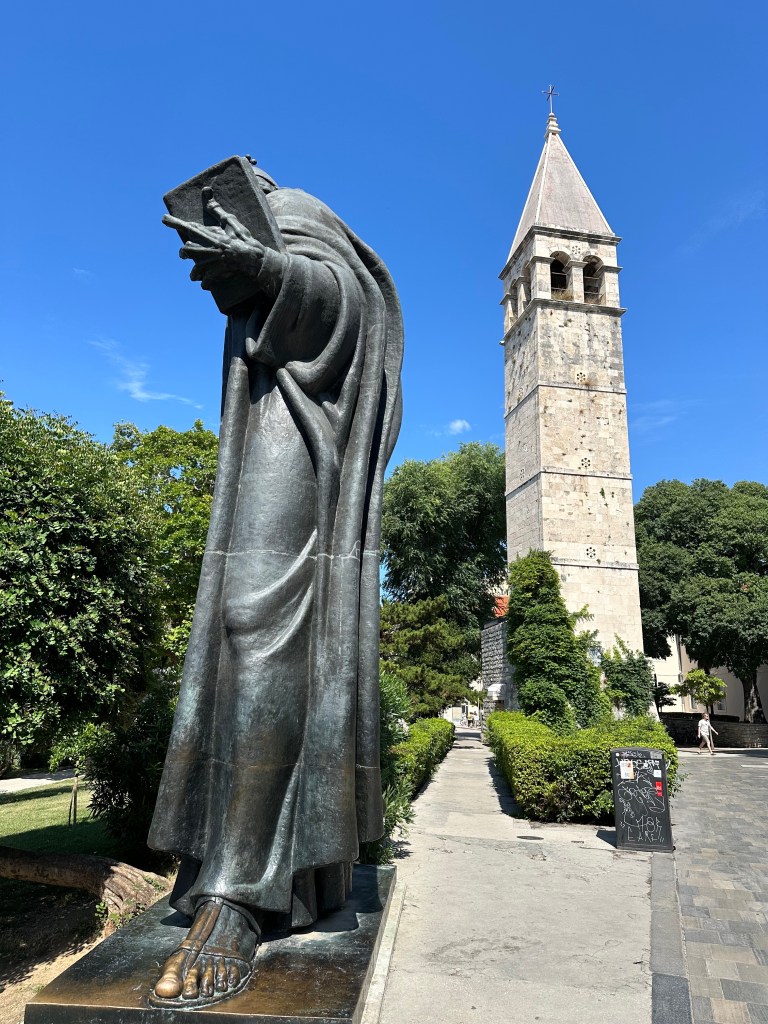
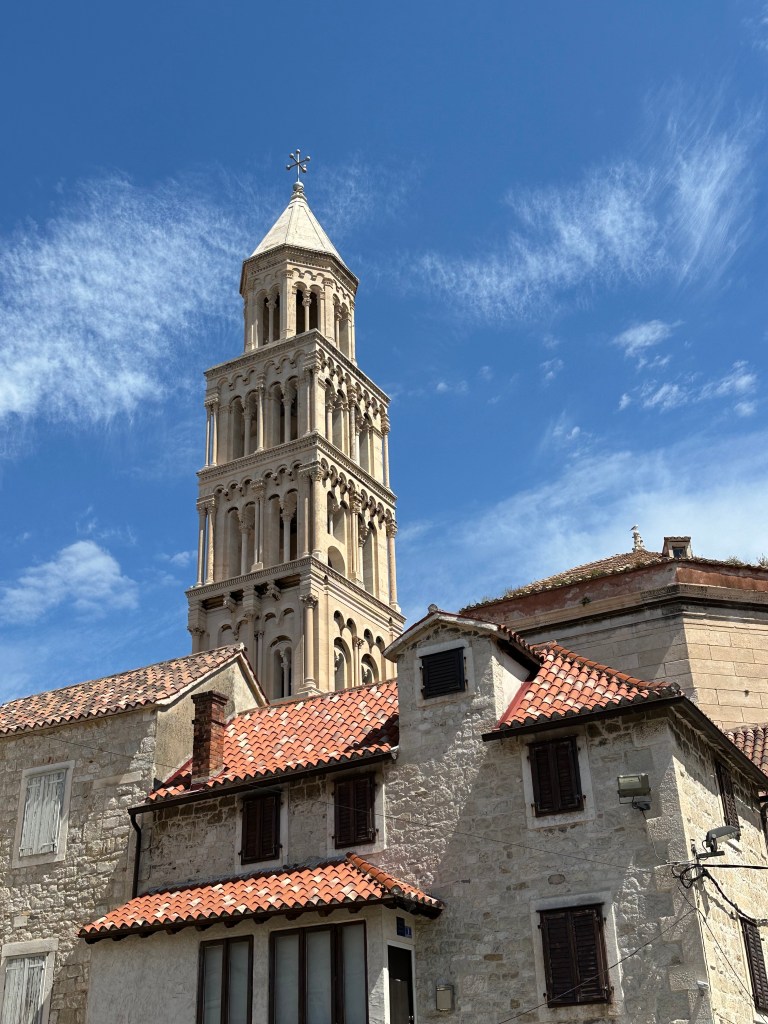
6. The cityscapes of Croatia were similar to other living cities in Europe. Among the top two largest cities, Split had a tad more charm. It owes its origin and fame to Diocletian, Roman Emperor. He was the son of the soil, rose through the Roman military ranks serving under emperors Aurelian, Probus and Carus before becoming an Emperor itself. Diocletian was a great administrator and even introduced the tetrarchy system to manage the vast empire. However, he was the first emperor to abdicate his throne and retired to his homeland to lead quiet life on the Dalmatian coast. The ruins of his palace is now a popular tourist attraction.
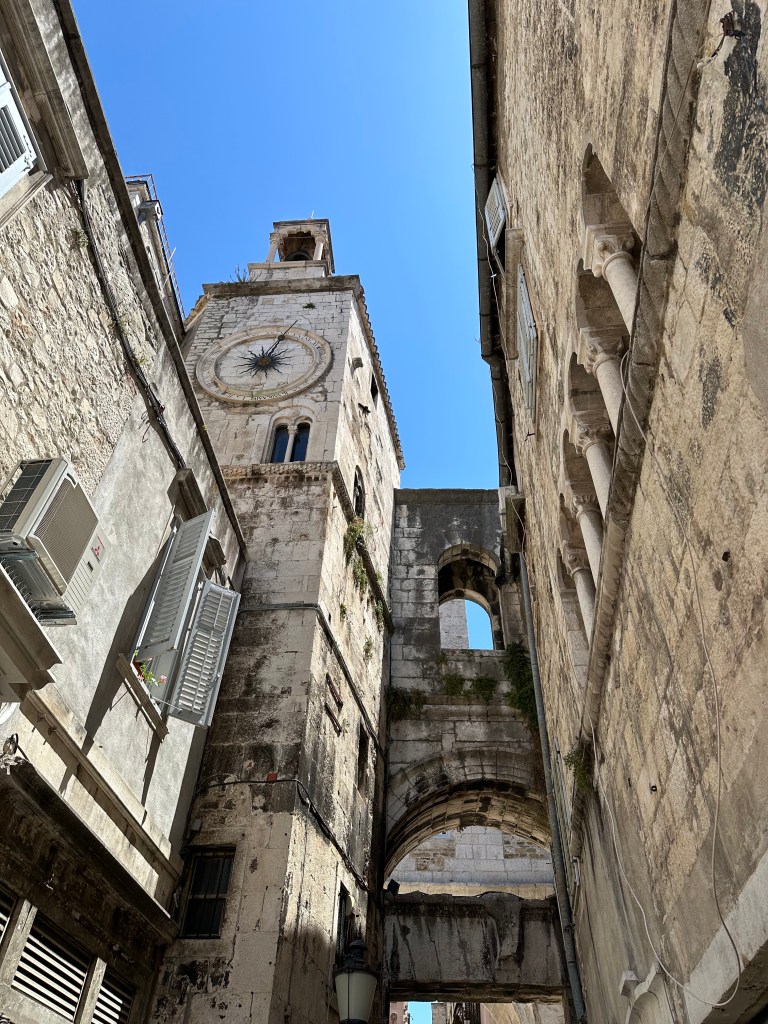
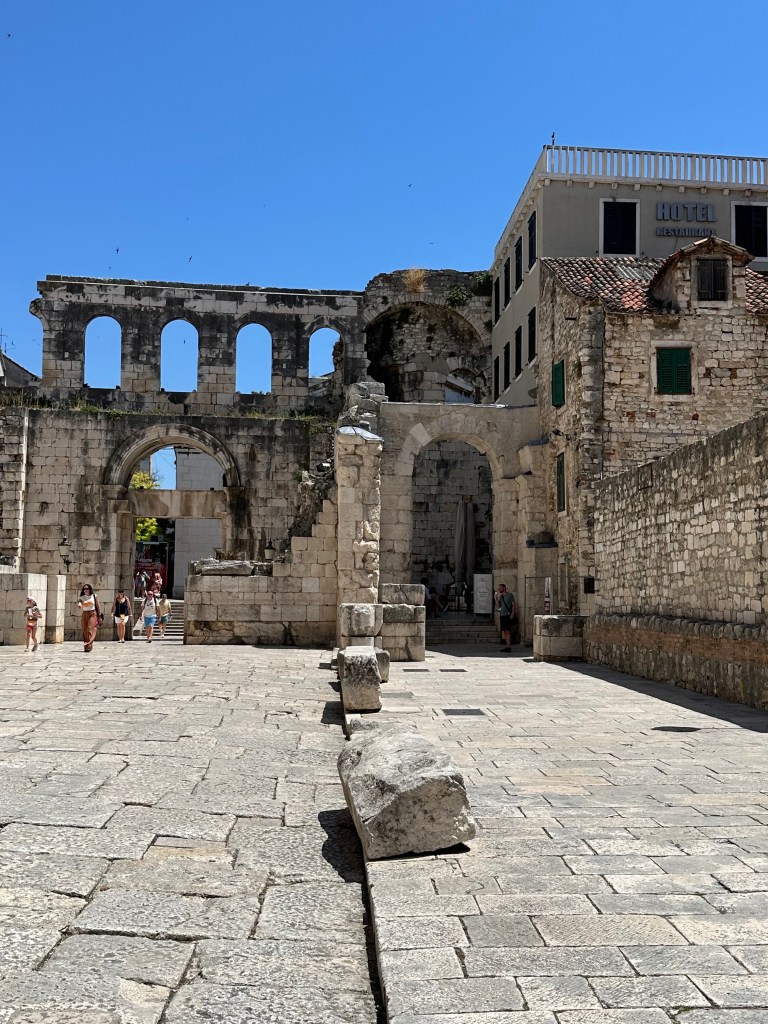
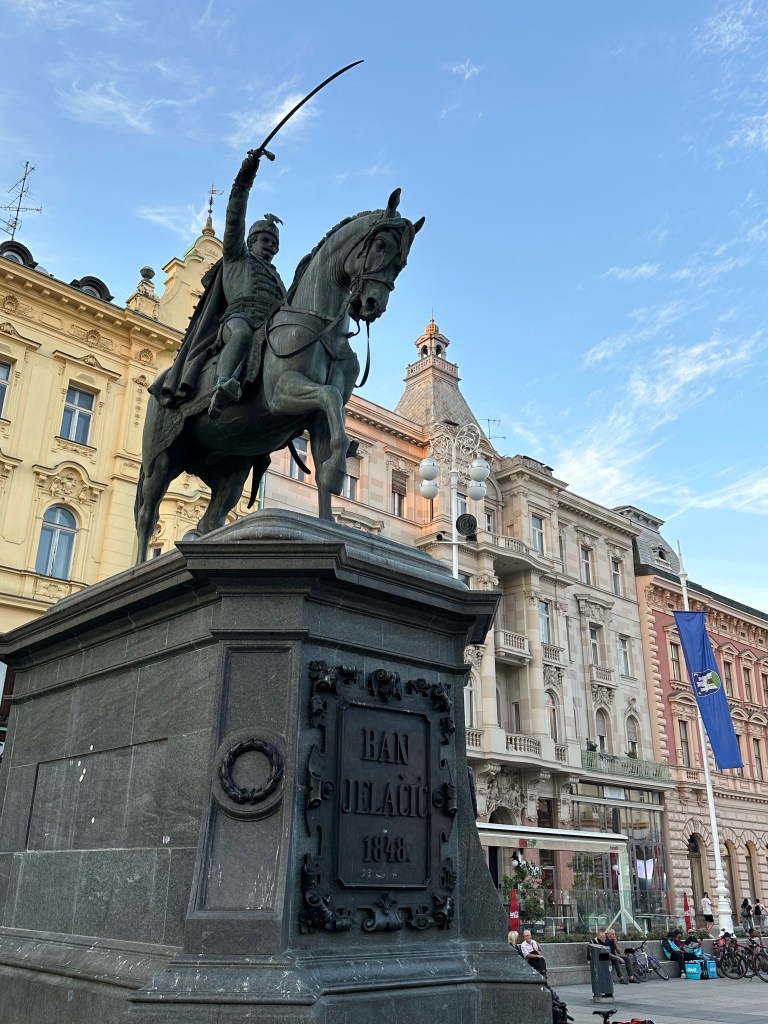
7. Zagreb had a different energy—more of a working city than a tourist draw. Outside of a few charming pockets in the old town, the city has a distinct Soviet-era vibe, with wide boulevards and dense residential blocks. It’s gritty in places, but that’s part of its character.
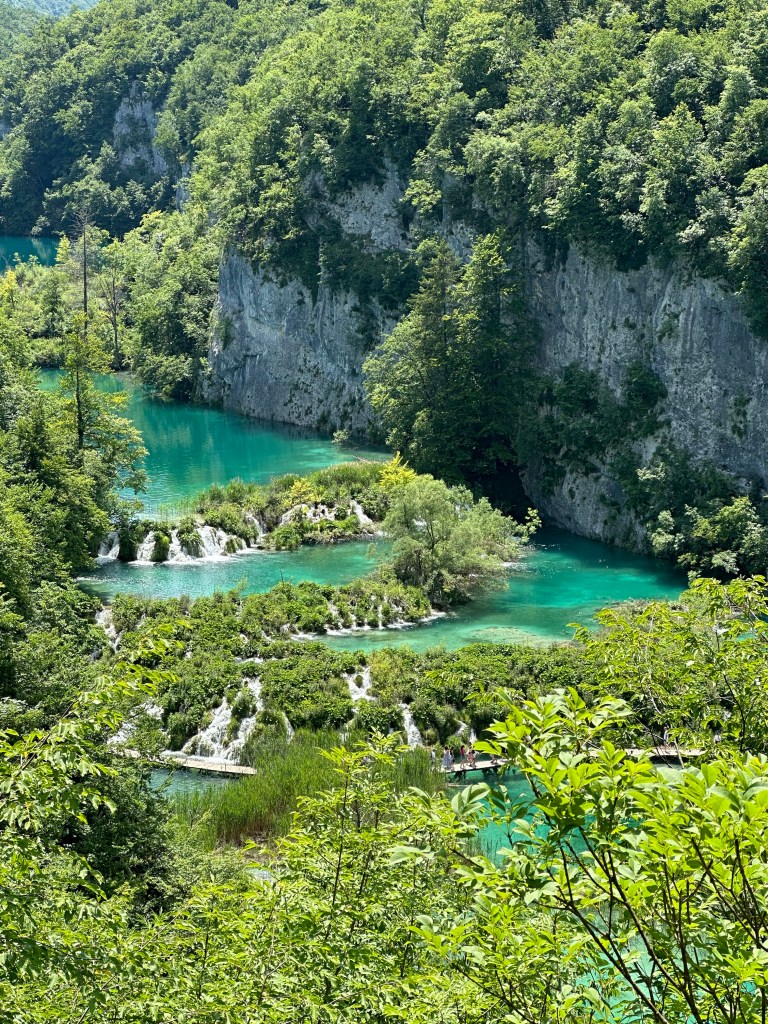
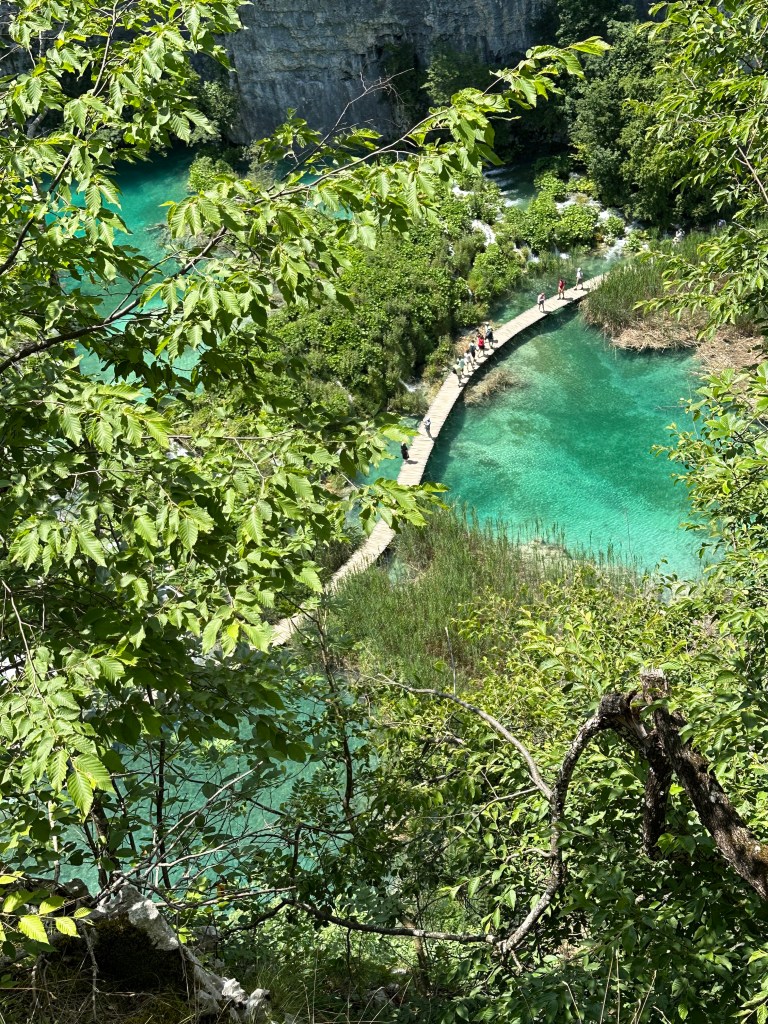
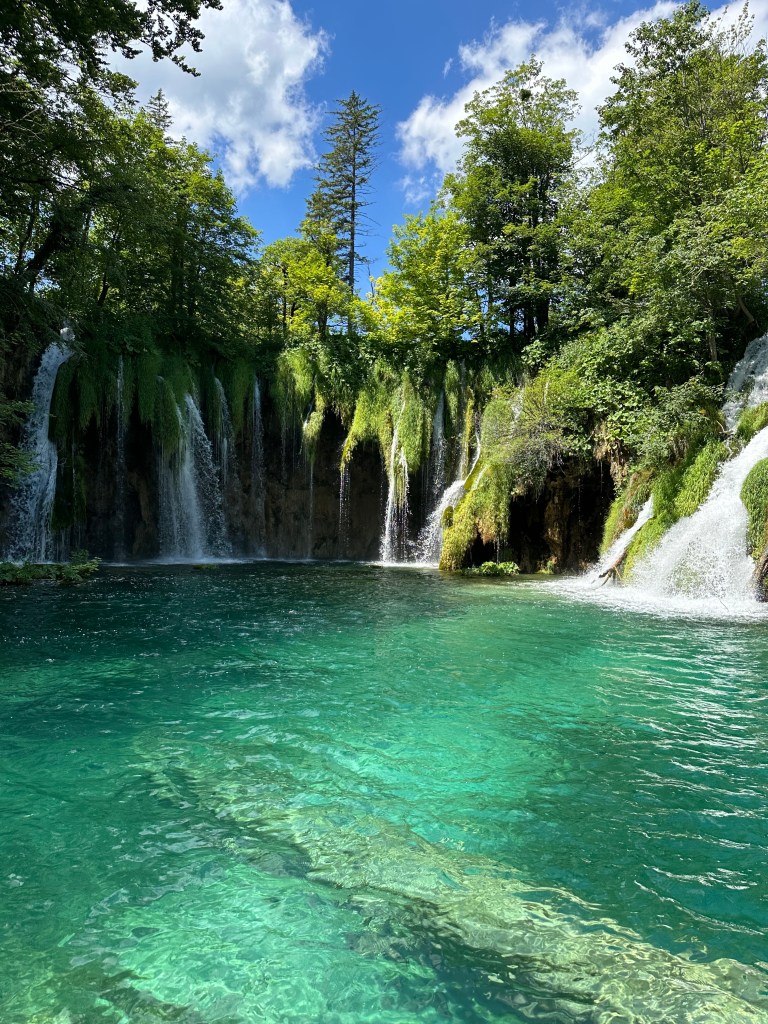
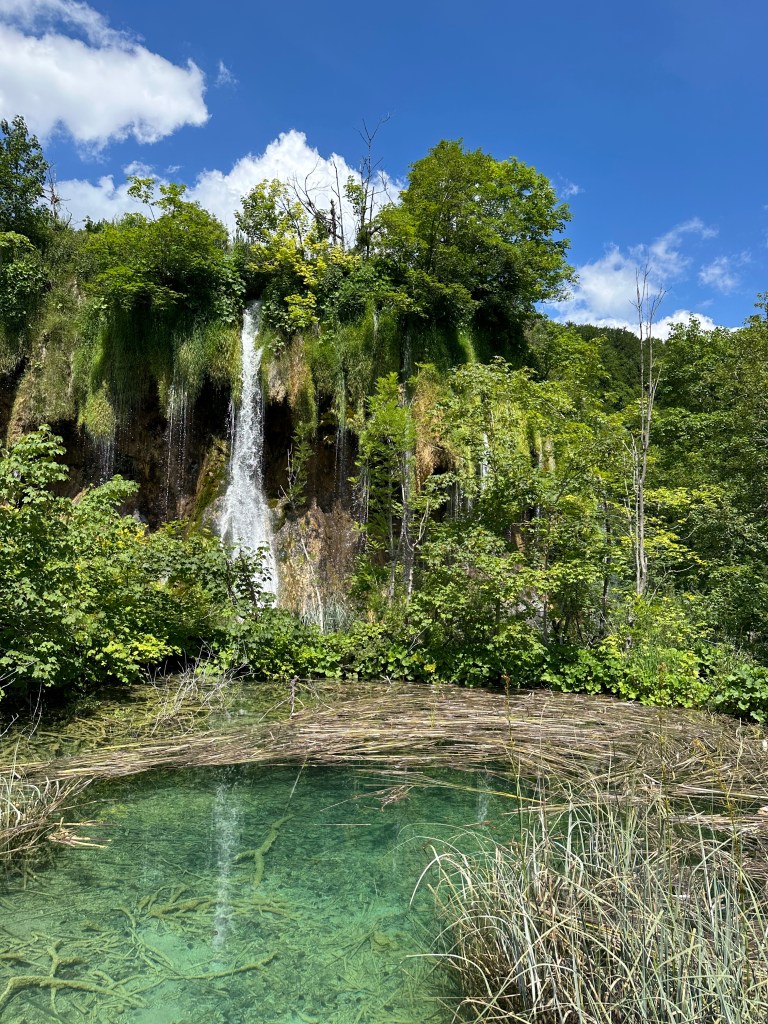
8. Plitvice Lakes National Park is surreal. There were moments I genuinely had to pause and take it in, unsure if what I was seeing was real. Yes, there are crowds, but many areas are still peaceful and just as stunning. Starting early, with the upper lakes and moving downward, makes the experience even better. Krka is a quieter alternative, but Plitvice felt truly special.


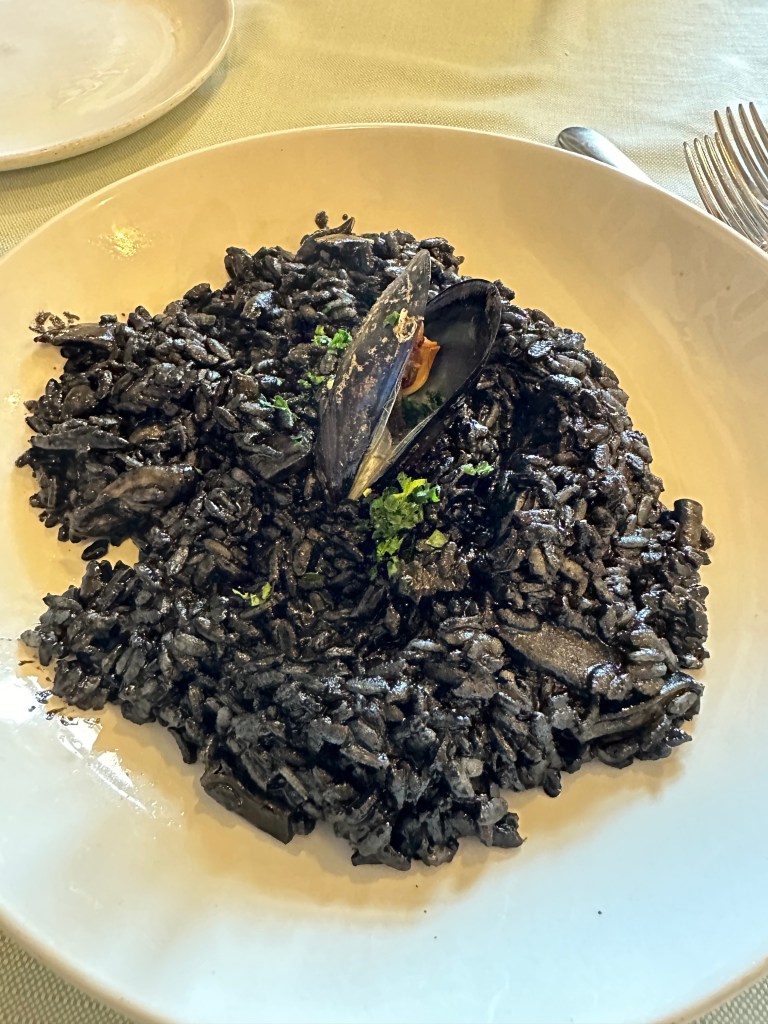
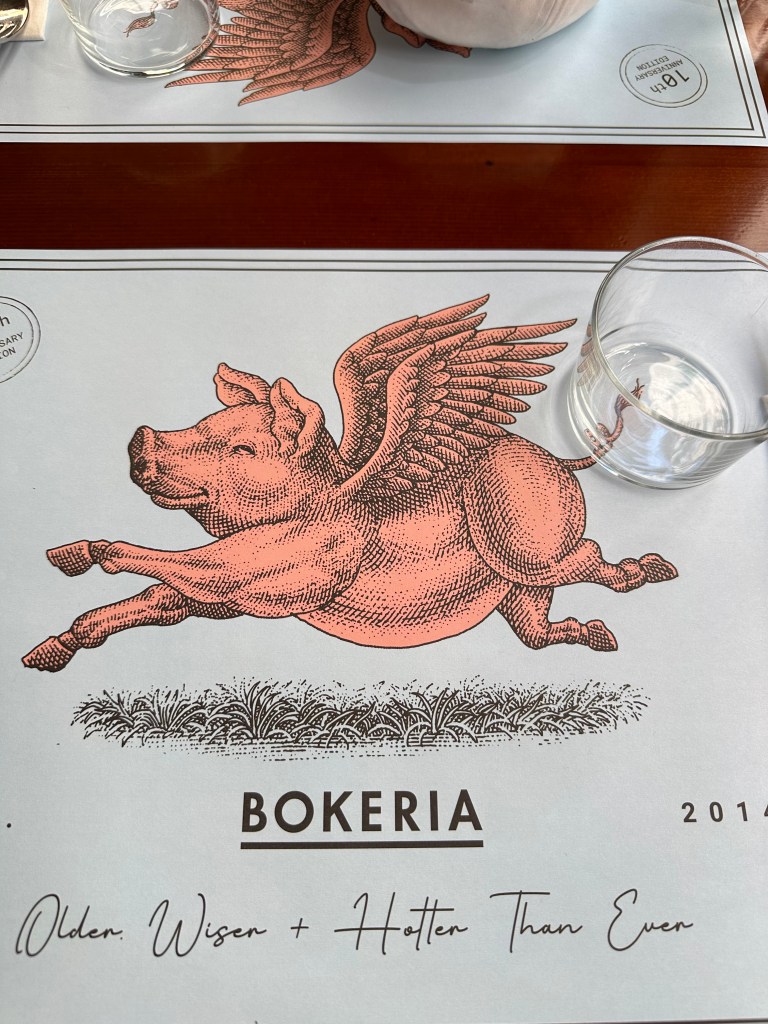
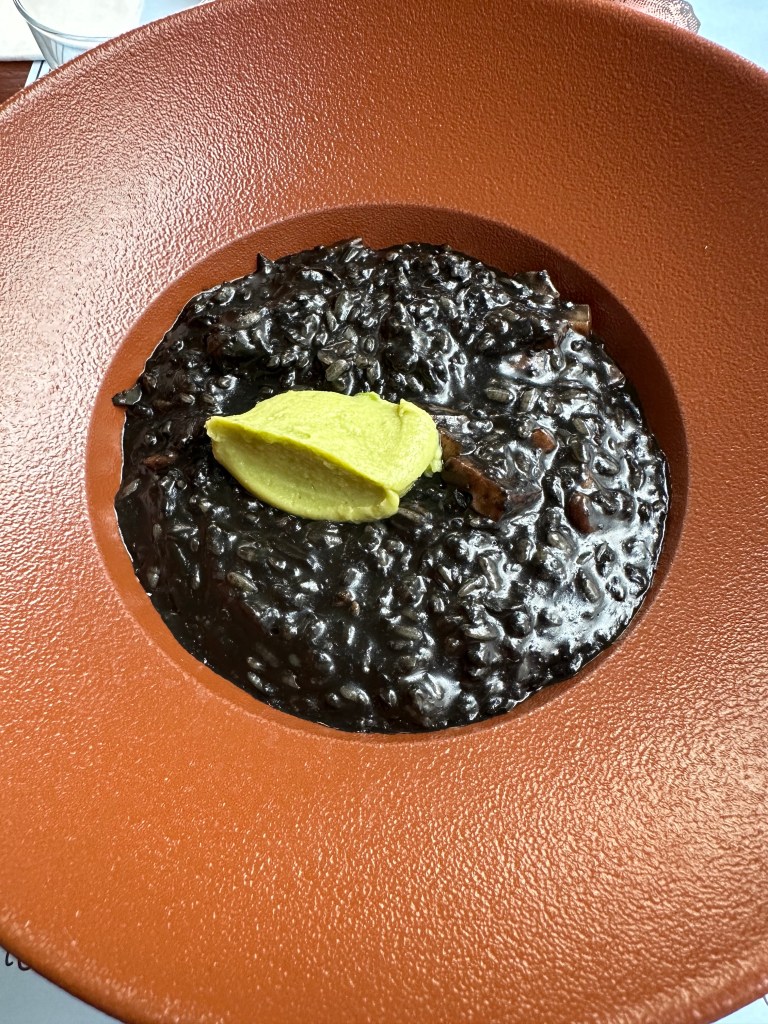
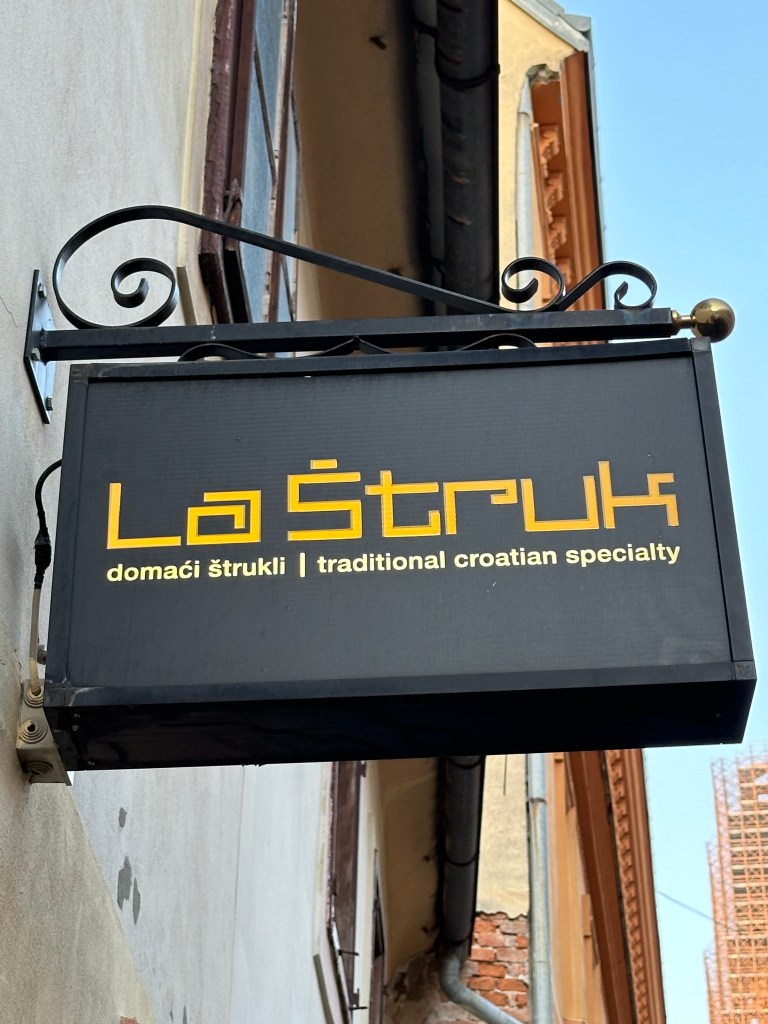
9. Two traditional dishes really stood out: black risotto and štrukli. The risotto, made with cuttlefish ink, isn’t unique to Croatia but reflects its shared heritage with Italy. I tried several versions, and the one at Bokeria in Split was the best—rich, creamy, and subtly oceanic. Štrukli is a thin-layered dough dish filled with local cheese, served sweet or savory. La Štruk in Zagreb does it best; the walnut and honey version was unforgettable.

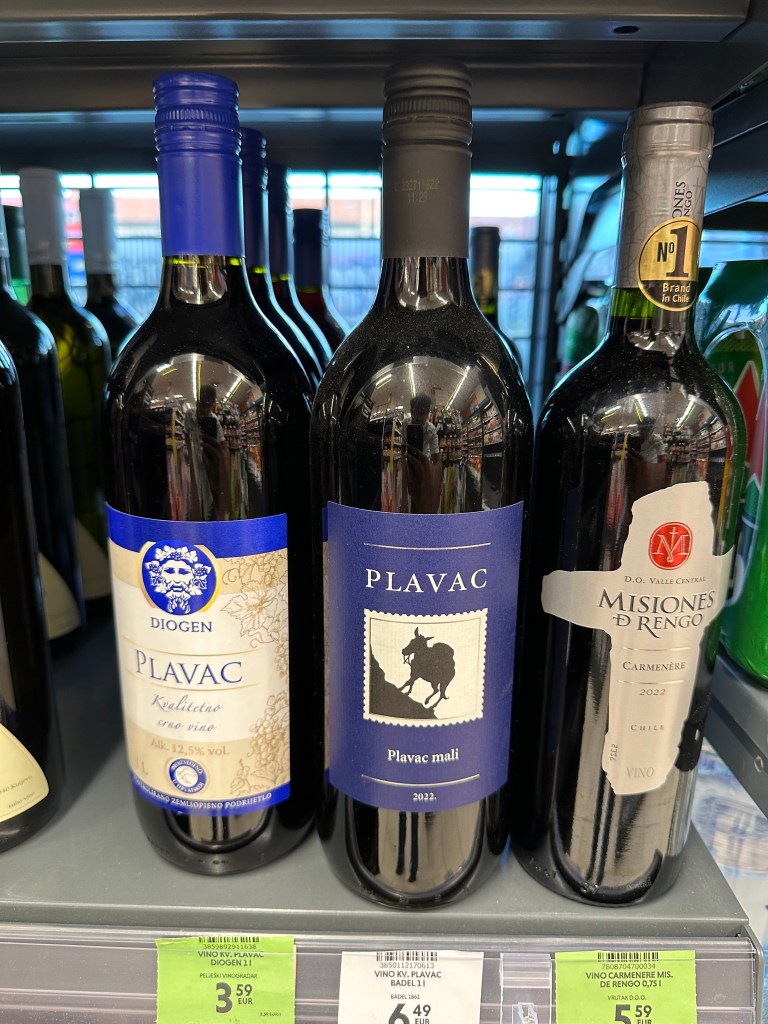
10. Croatian wine was an unexpected highlight. Winemaking here dates back to the Ancient Greeks, and that long tradition shines through. While most local wines are white, I especially loved the Plavac Mali red. It was fruity and full-bodied without being heavy. If I’d had checked baggage, I definitely would’ve brought a few bottles home.

 flagsandforks