1. Paris is a grand city—it’s clear it was built to impress. But what many don’t realize is that this urban beauty didn’t exist until the mid-19th century. With a population boom that outpaced its medieval layout, Napoleon III ordered a full-scale transformation. He appointed a young bureaucrat, Georges-Eugène Haussmann, to lead it. In 1859, the first major intersection—la grande croisée de Paris—was introduced, followed by wide, tree-lined boulevards that still define the city today.
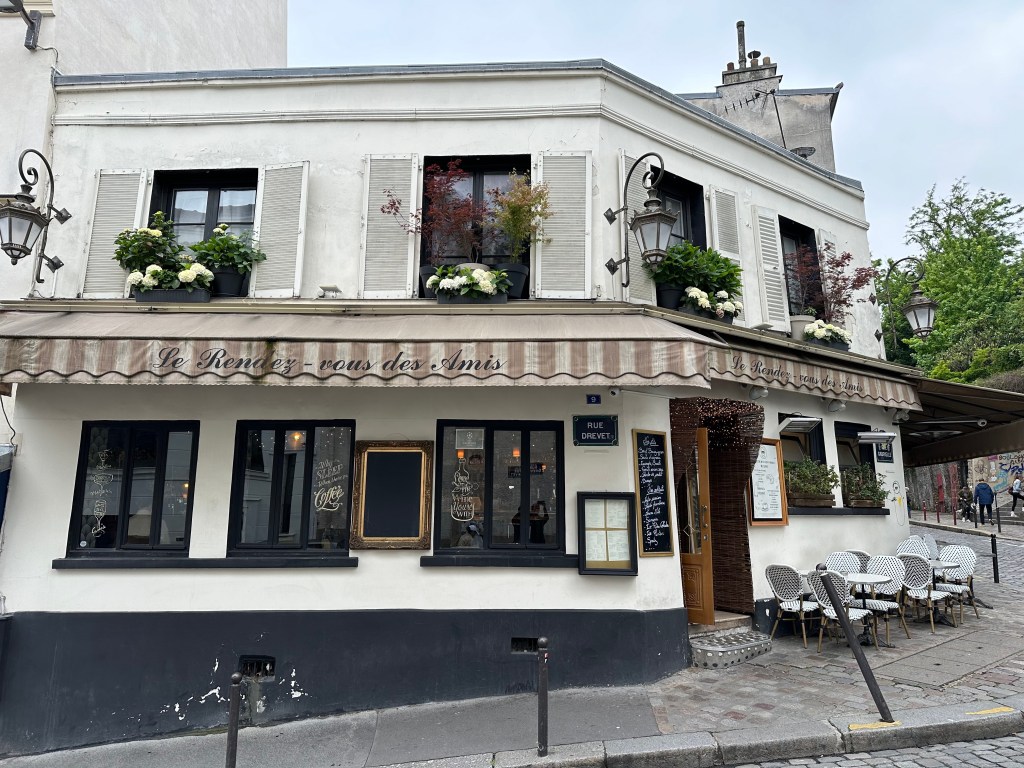
2. Haussmann’s impact went beyond roads—he redefined the look of the city. Uniform cream-colored façades, locally sourced limestone, mansard roofs, and strict height limits created a harmonious, timeless skyline. Ground floors became home to shops and cafés, upper floors for residences. Walking those streets, it struck me how Paris mastered mixed-use urban planning long before it became trendy elsewhere.
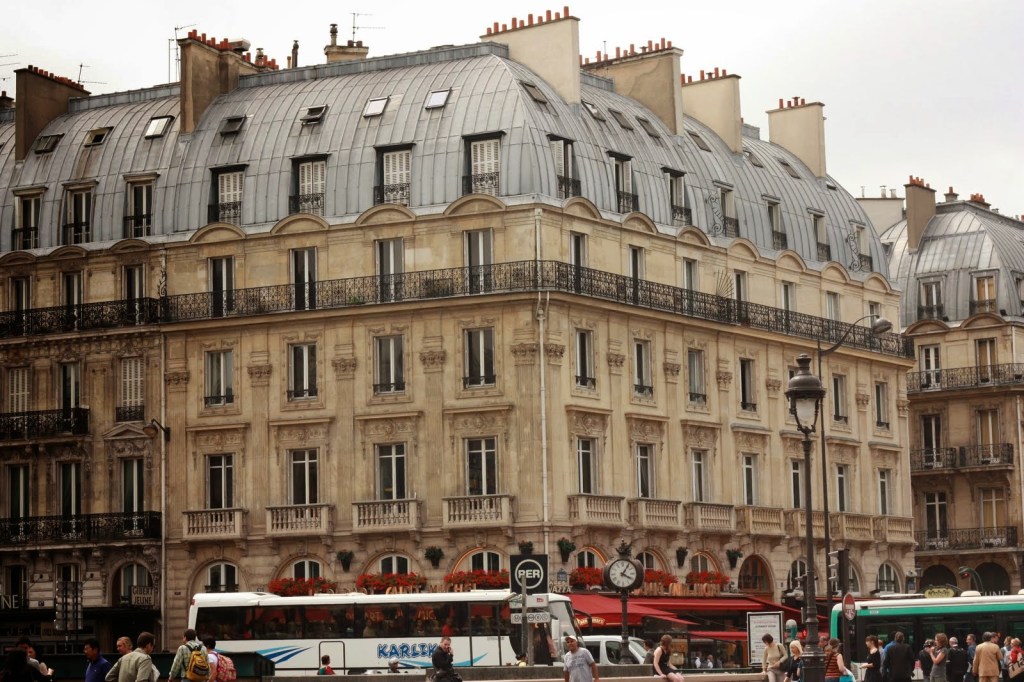
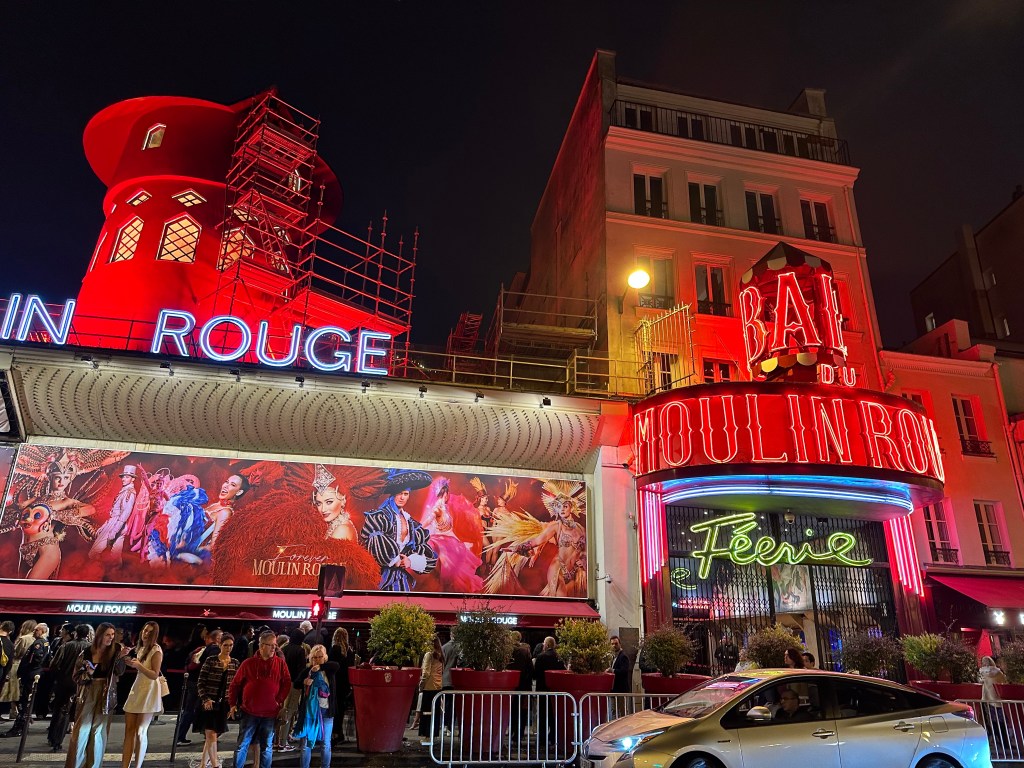
3. Paris is a city of neighborhoods—each “arrondissement” has its own personality. Montmartre’s winding streets felt like a painting come to life—bohemian, romantic, and a little gritty. The 1st was regal and museum-rich, Le Marais was buzzing with food and life, the Latin Quarter was intellectual and vibrant, and Saint-Germain felt refined and effortlessly cool. One of my favorite things to do was just wander. Despite the clichés, I found Parisians kind and open—even when I led with English. Of course, there are gritty corners too, especially near Gare du Nord and Saint-Denis.

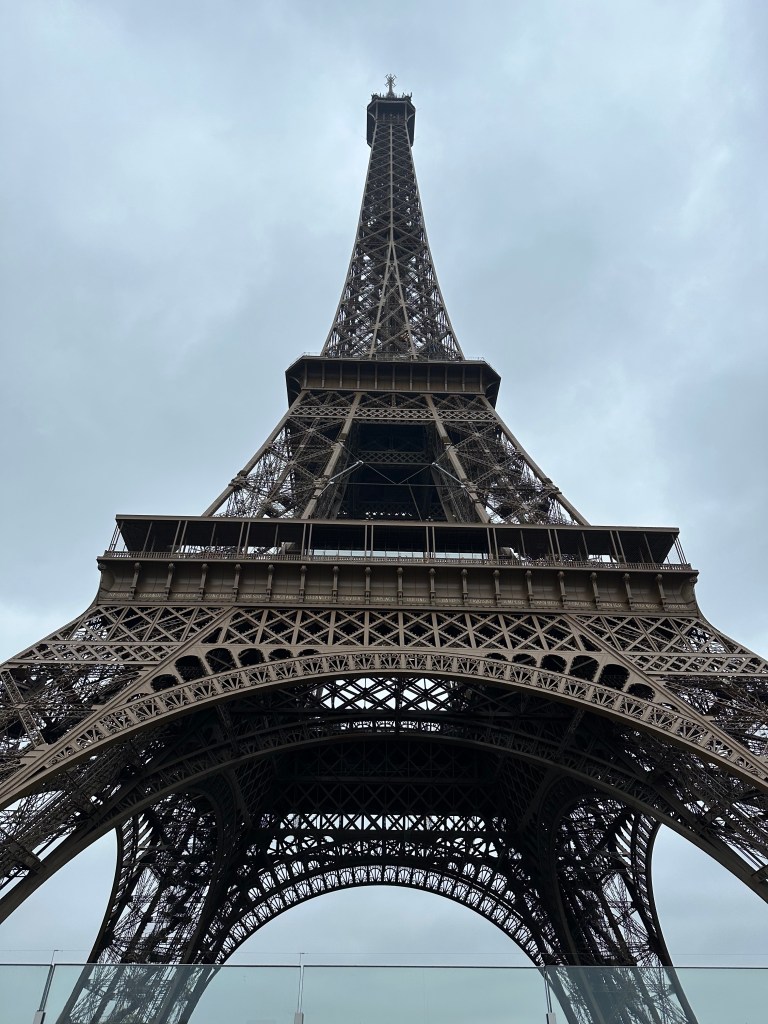
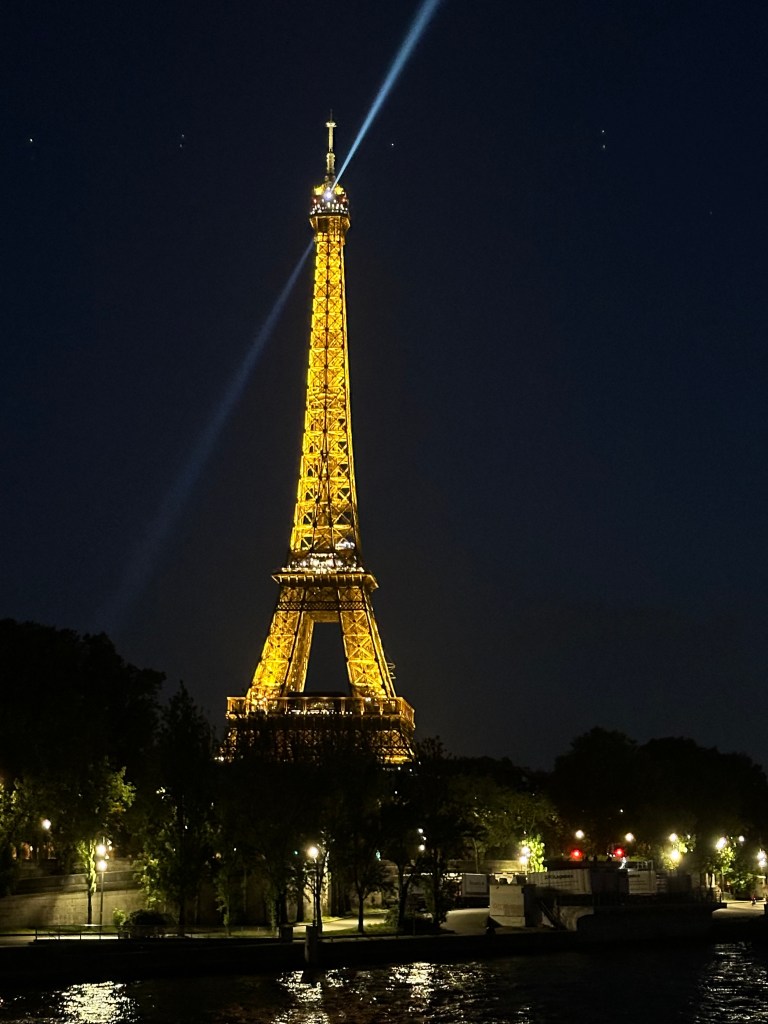
4. The Eiffel Tower is exactly as romantic as you’d hope—but better admired from a distance. Seeing it in full from the Trocadéro Gardens, without crowds or lines, was a highlight. It’s an engineering marvel that somehow feels delicate and monumental at once. Sitting there with a snack, watching the light show, and doing absolutely nothing? Le farniente at its finest.

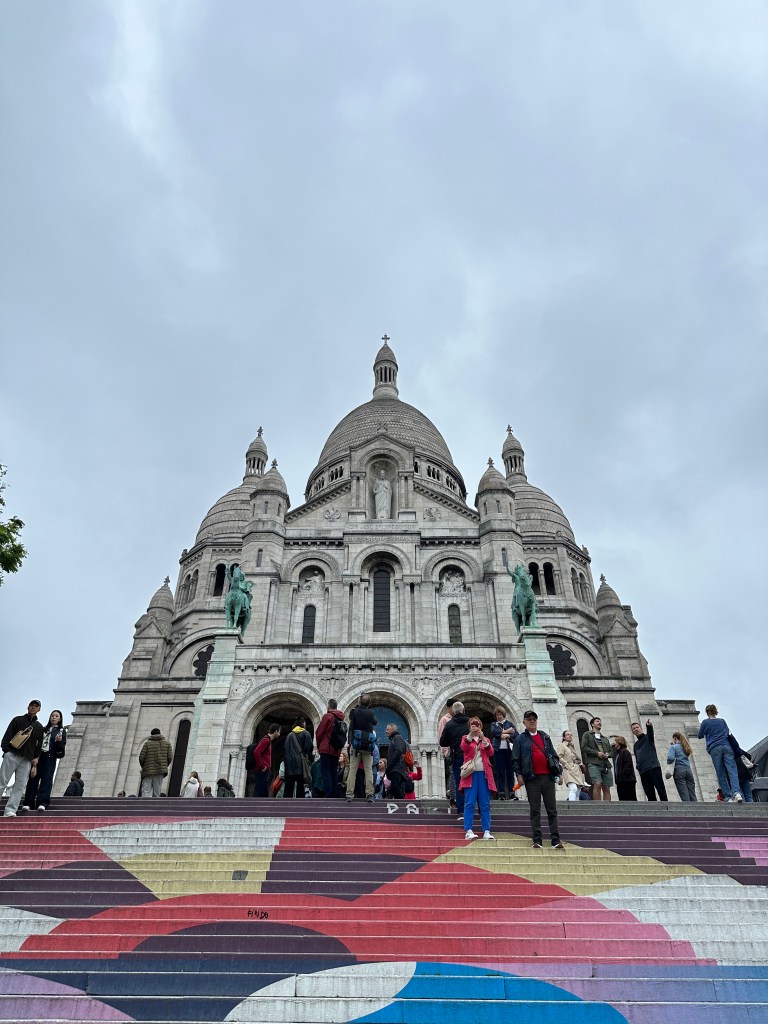
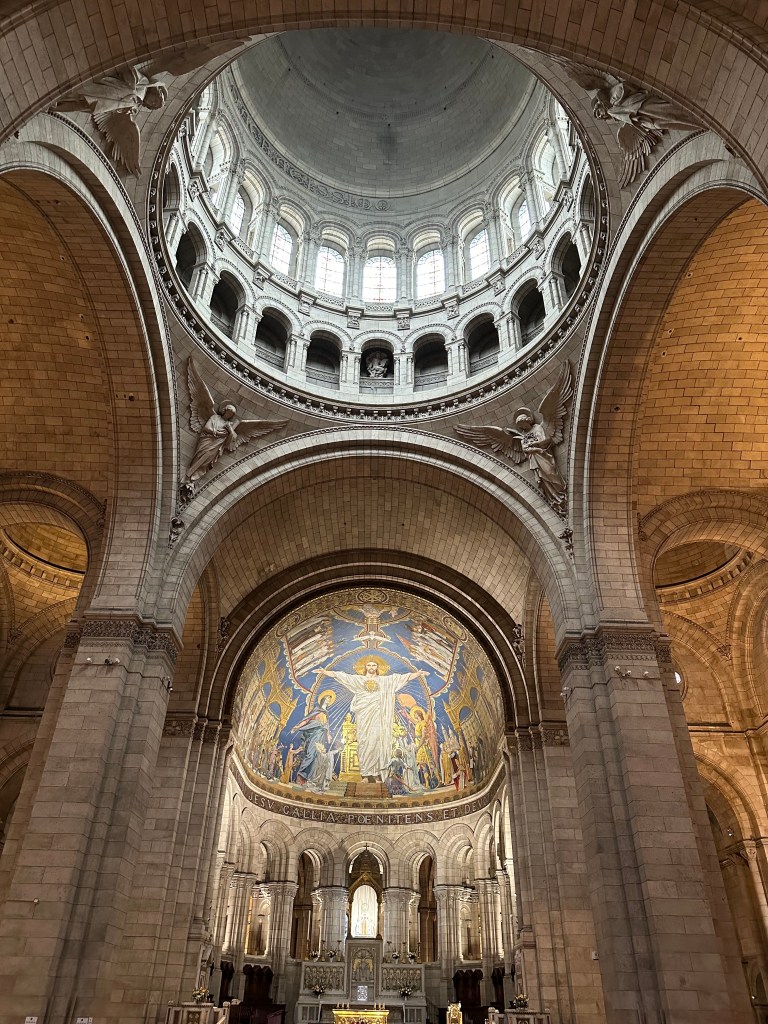
5. Paris is home to some of the world’s most striking cathedrals, each reflecting a different era. Notre-Dame, a Gothic icon, features gargoyles, flying buttresses, and intricate stained glass—centuries of history etched into stone. Its ongoing restoration after the 2019 fire has come to symbolize resilience. In contrast, Sacré-Cœur atop Montmartre stands out with its bright white domes and Romano-Byzantine design. Built in the late 1800s after France’s defeat in the Franco-Prussian War, it was meant to inspire hope. Today, it’s both a place of worship and one of the city’s most popular viewpoints, surrounded by Montmartre’s creative energy.

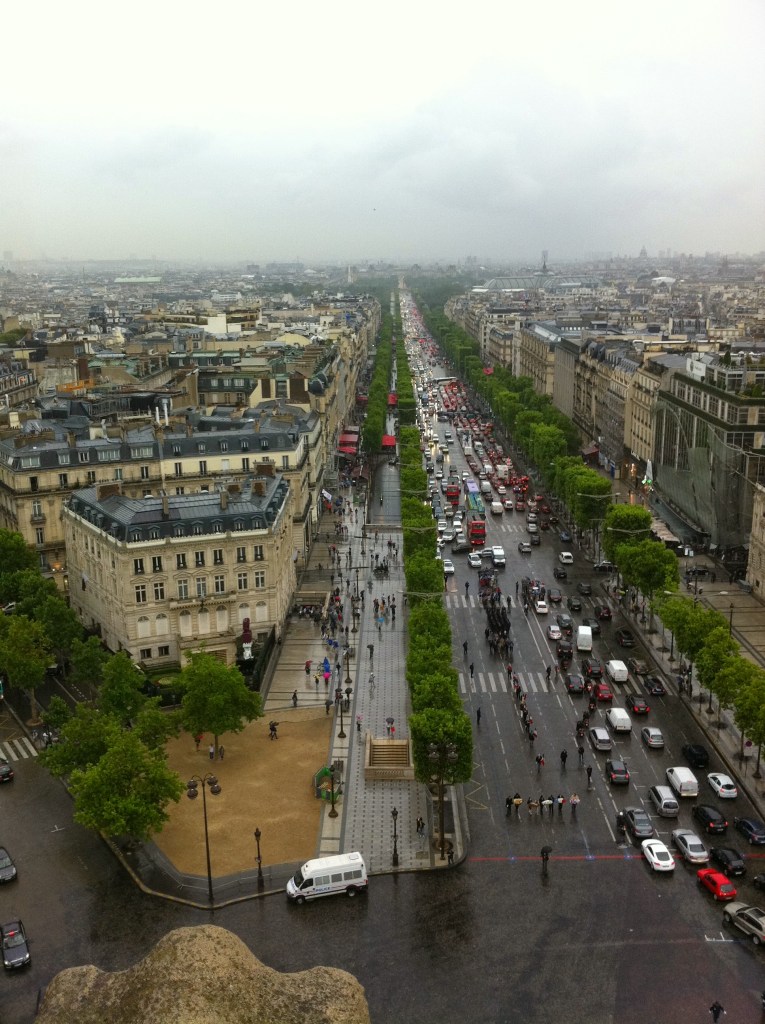
6. Champs-Élysées is one of the world’s most iconic boulevards. Just over a mile long, it stretches from Place de la Concorde to Place Charles de Gaulle and is lined with luxury stores, cafés, and theaters. While branded shopping is now everywhere, Champs-Élysées was once the heart of global luxury. At its western end stands theArc de Triomphe, honoring France’s military history with panoramic views from the top. On the other end, Place de la Concorde features the Luxor Obelisk, a 3,000-year-old Egyptian monument. Not far off, the Opéra Garnier dazzles with its ornate interiors and remains a symbol of Parisian grandeur.
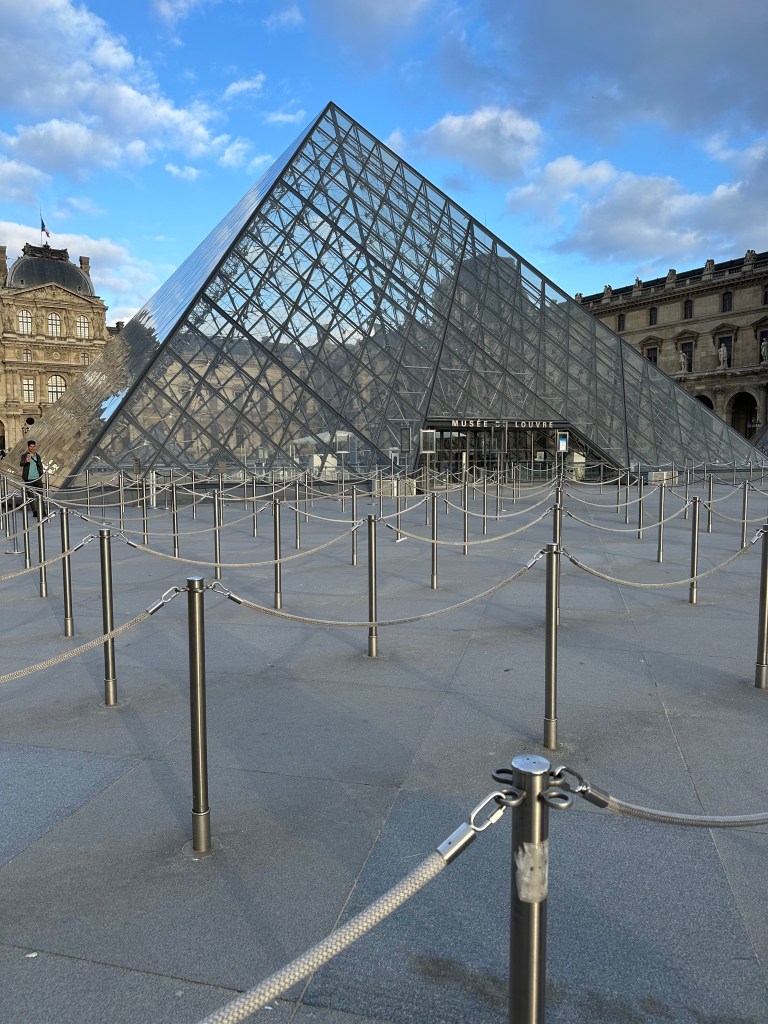
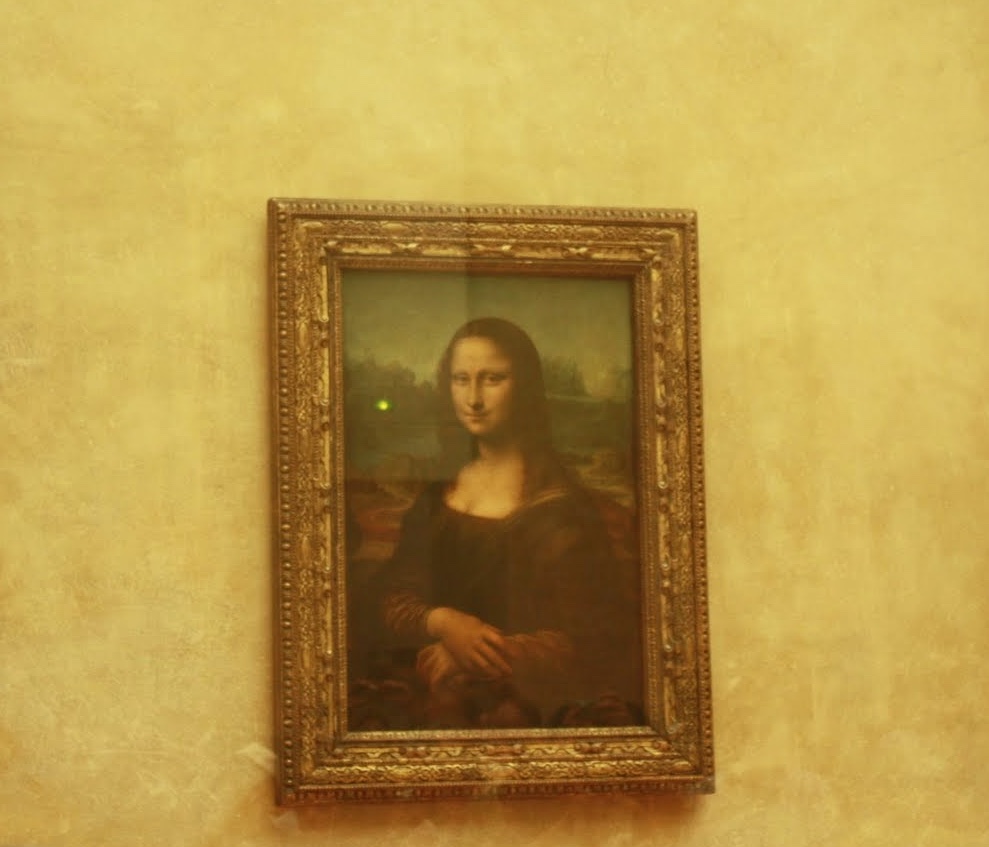
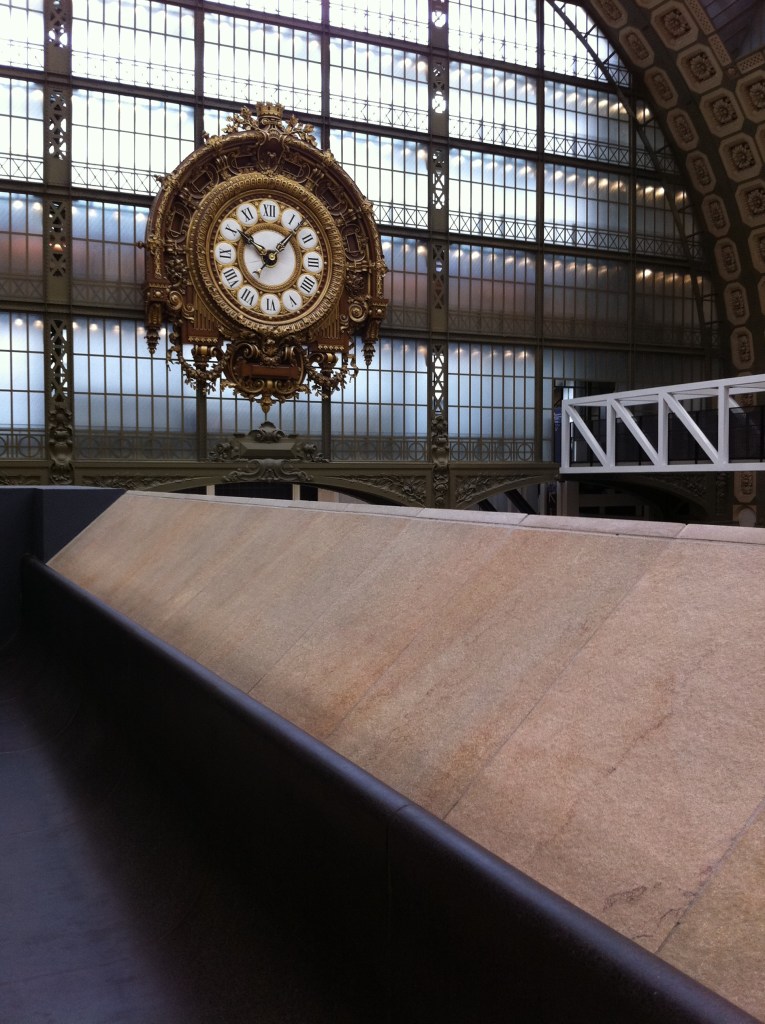
7. Paris is a museum lover’s paradise. With over 300 museums, it’s impossible to see them all. The Louvre is overwhelming in the best way—not just for the Mona Lisa but for the quiet corners and overlooked gems. I did the highlights tour, which helped a lot. Musée d’Orsay’s Impressionist collection was a favorite—Cézanne, Van Gogh, Monet in one place. I missed the Orangerie, Rodin, and Dalí museums, but they’re on my list for next time.

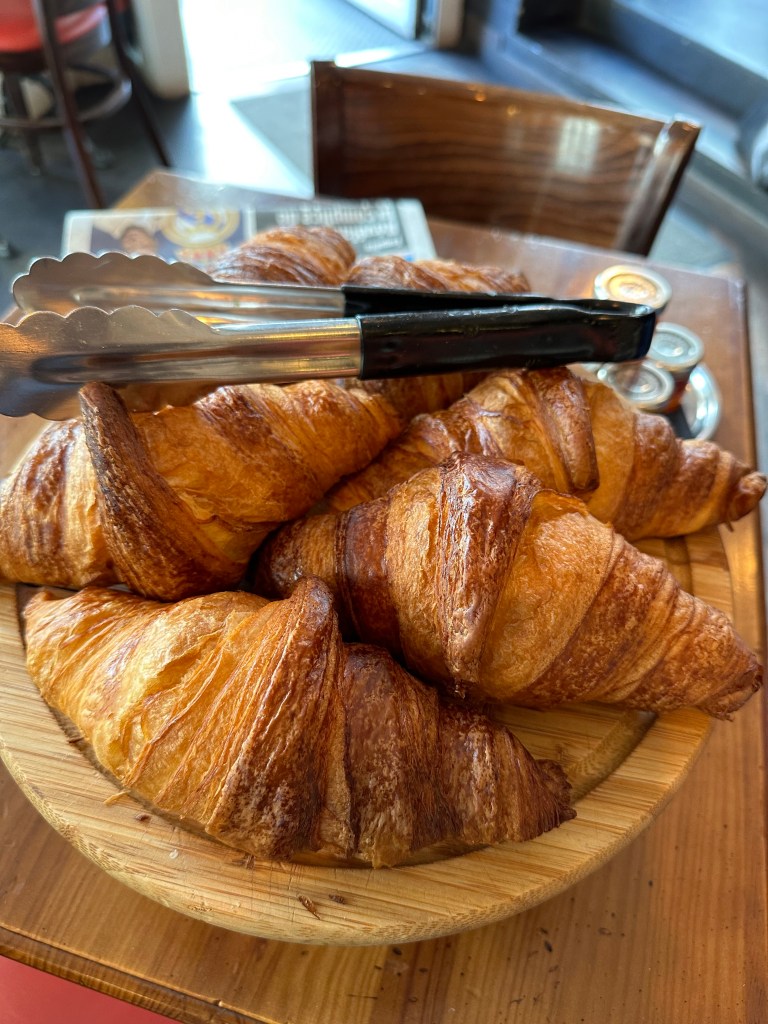
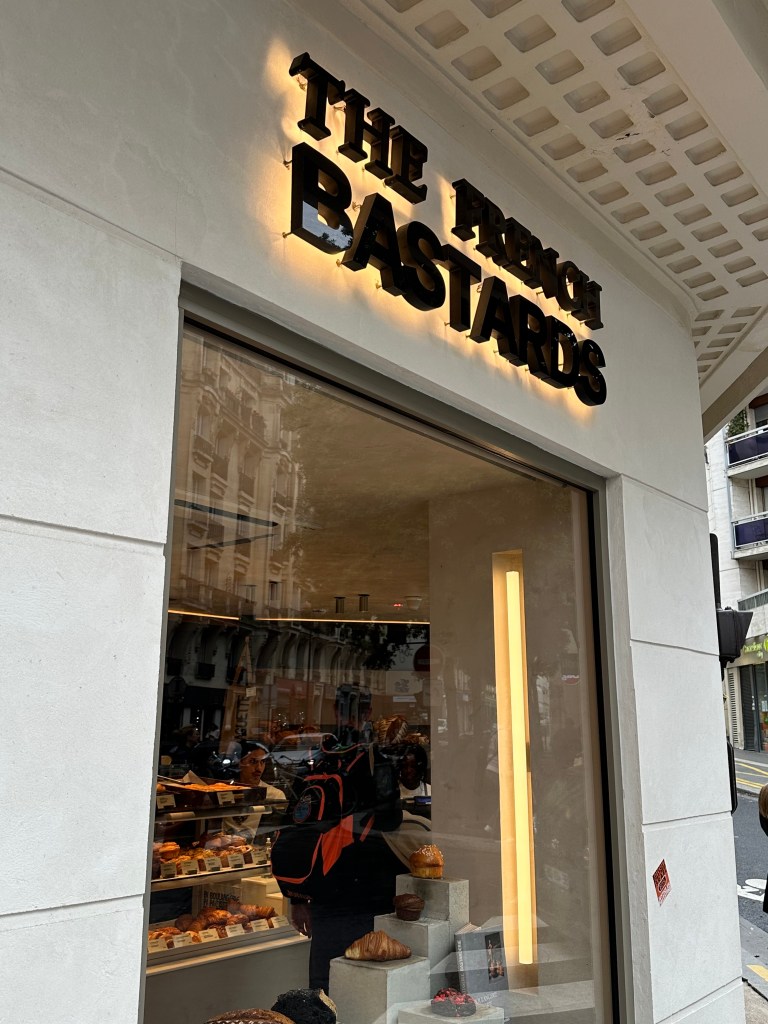
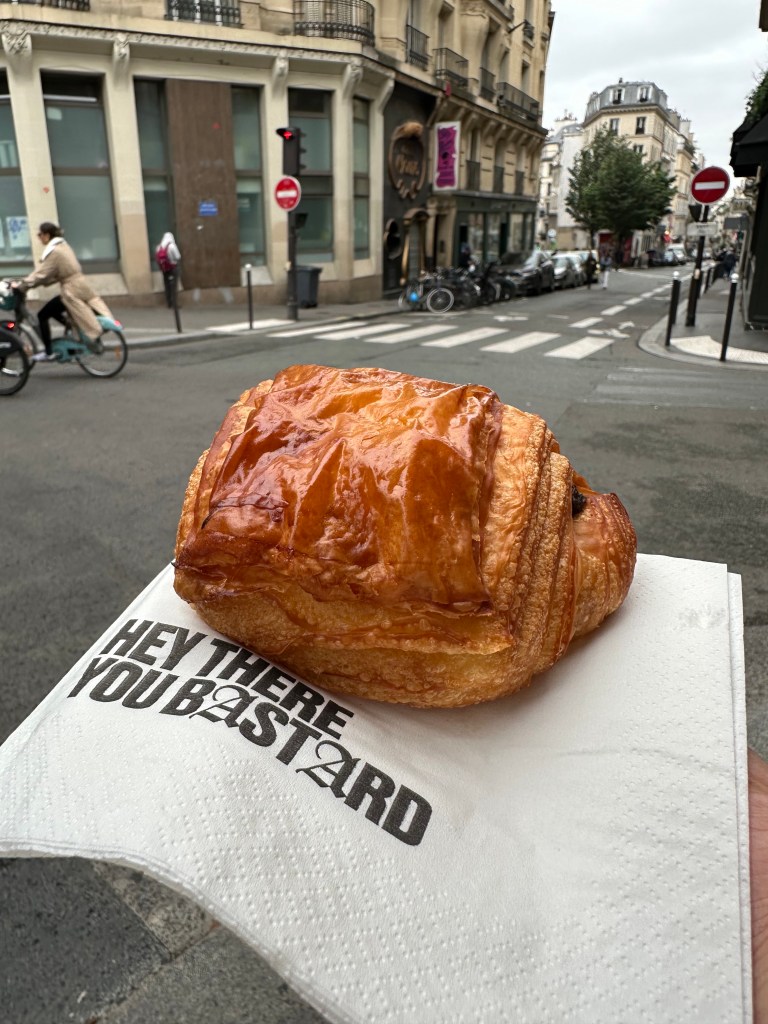
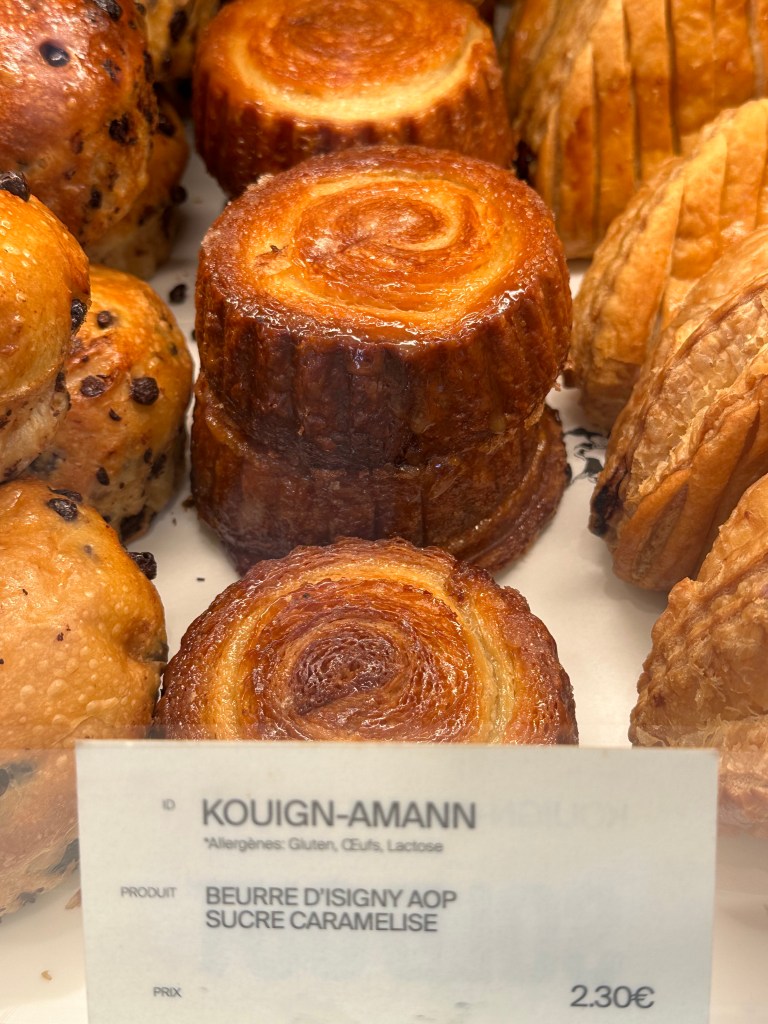
8. The French truly adore their neighborhood boulangeries. Bread is an essential part of every meal, and it’s almost a daily ritual to pick up a fresh baguette or two. It felt like everyone had their favorite local spot. Croissants were consistently excellent, even from humble neighborhood bakeries, but I also tried the classics—Ble Sucré, Du Pain et Des Idées, Poilâne, and Stohrer. Each has its own specialty and legacy. That said, newer places like Cédric Grolet, Mamiche, and French Bastards are giving the old guard a real run for their money.


9. Ladurée and Pierre Hermé introduced me to the wonder that is the macaron—and I’ve been spoilt ever since. Nothing else really compares. The almond cookie shell is feather-light with just the right amount of crunch, and the fillings are ethereal. I’m partial to Pierre Hermé, especially for his rose-flavored macaron—floral flavors are tough to balance, but this one is near perfect. If it’s too subtle, you can’t taste it; if it’s too strong, it feels artificial. Hermé nails it. His signature Ispahan—a blend of rose, lychee, and raspberry—is a standout. It’s worth noting that Hermé was once the head pastry chef at Ladurée before launching his own brand. While you can now find both brands at luxury stores around the world, having them in Paris just hits differently.


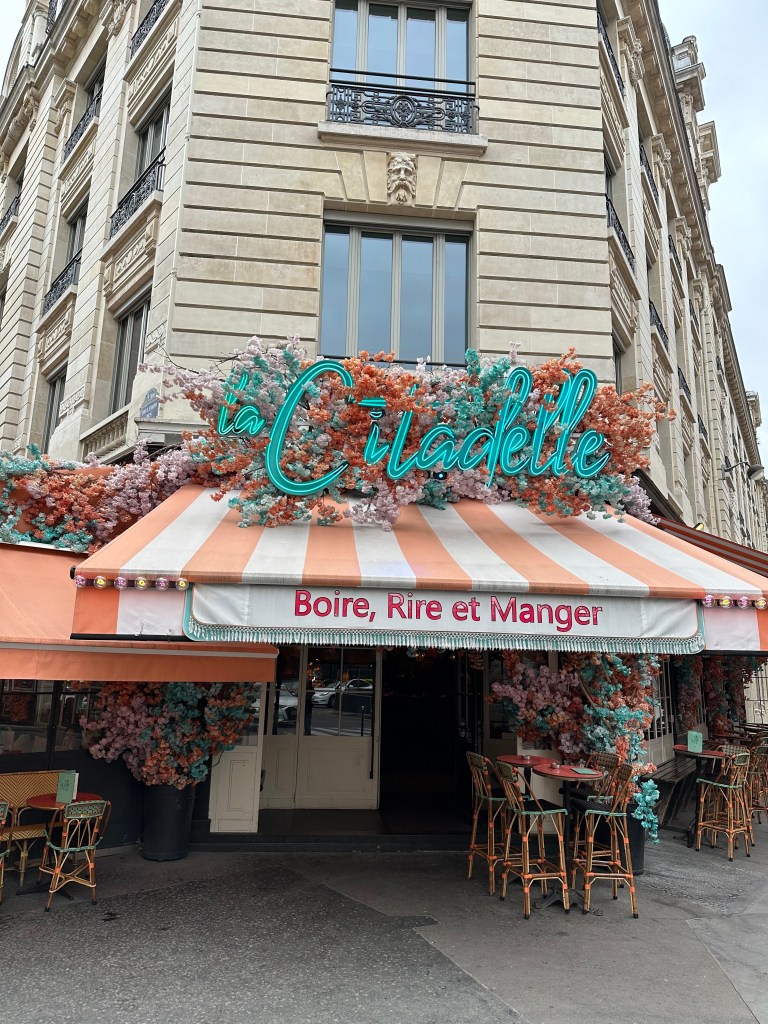
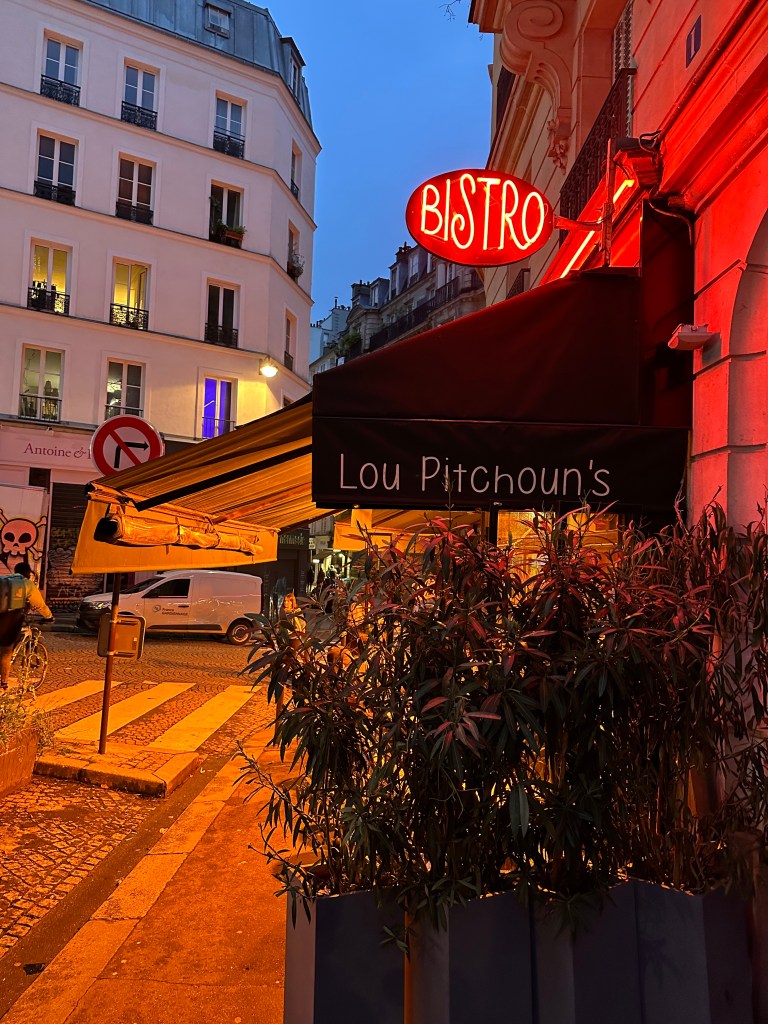
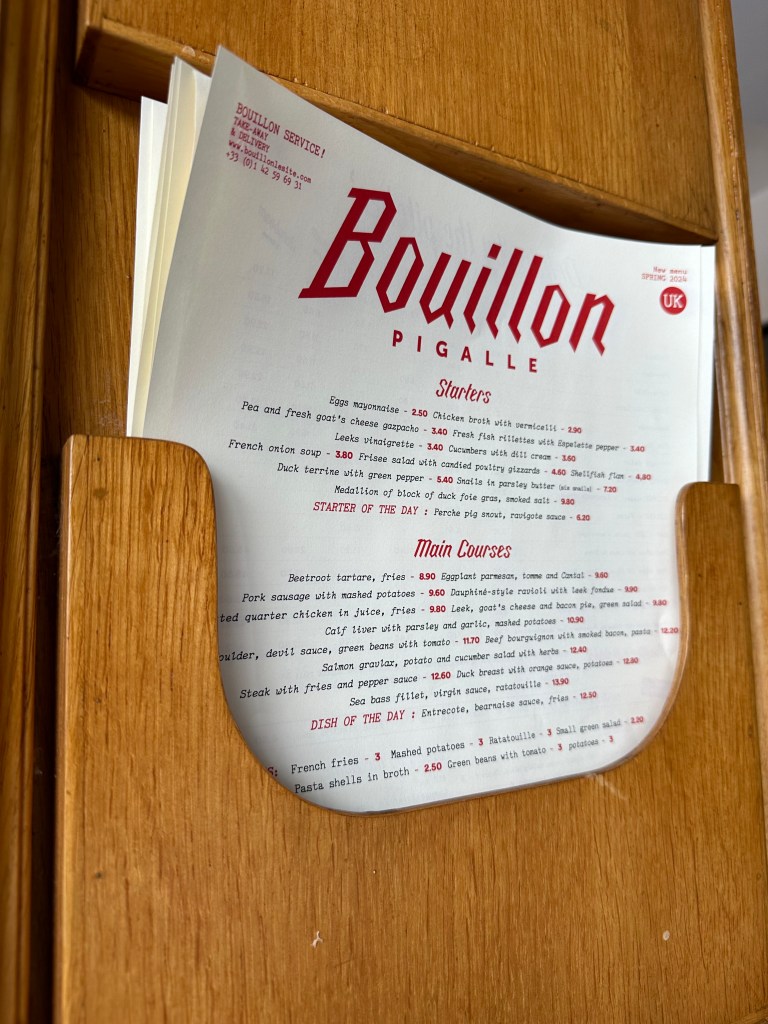
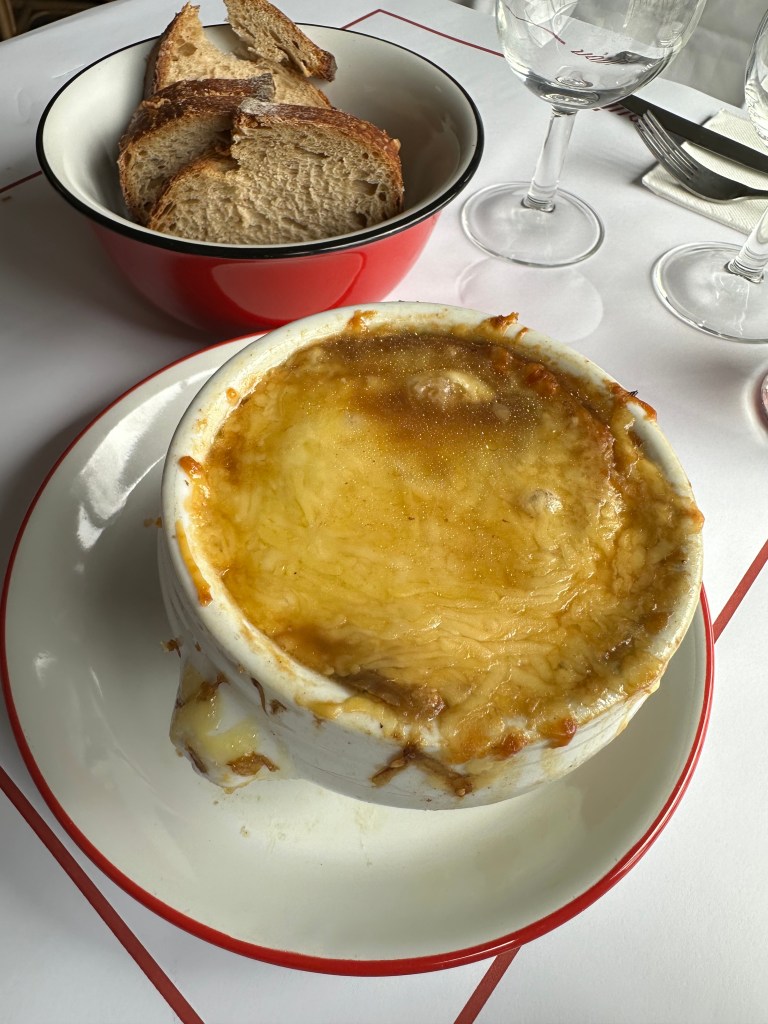
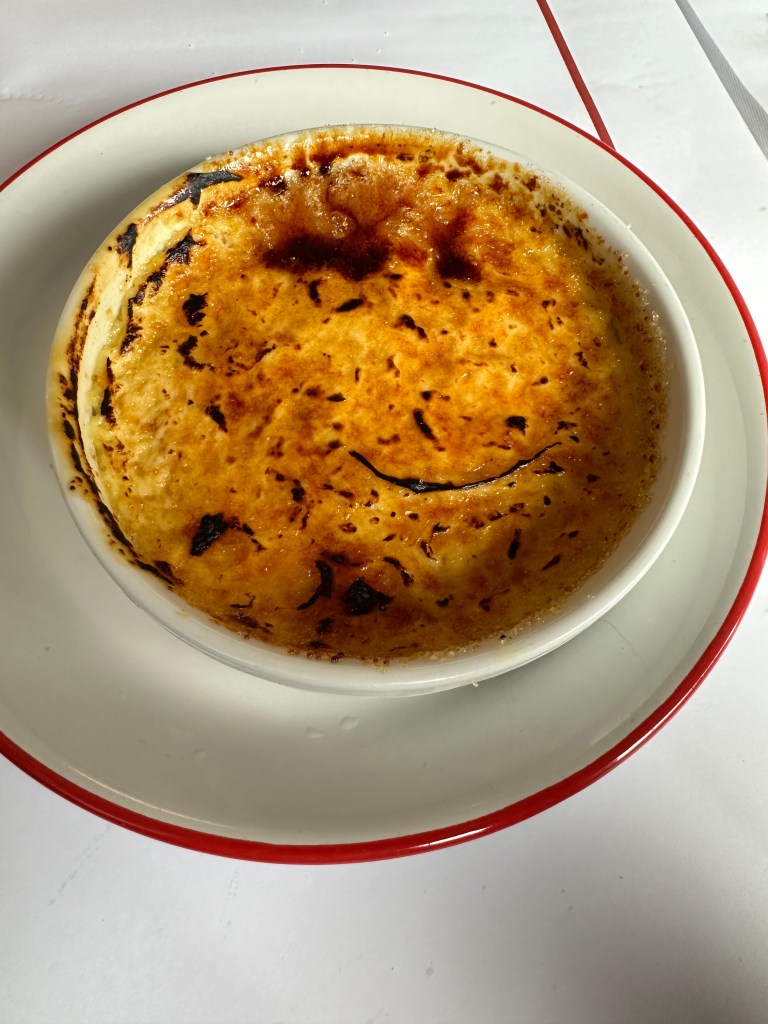
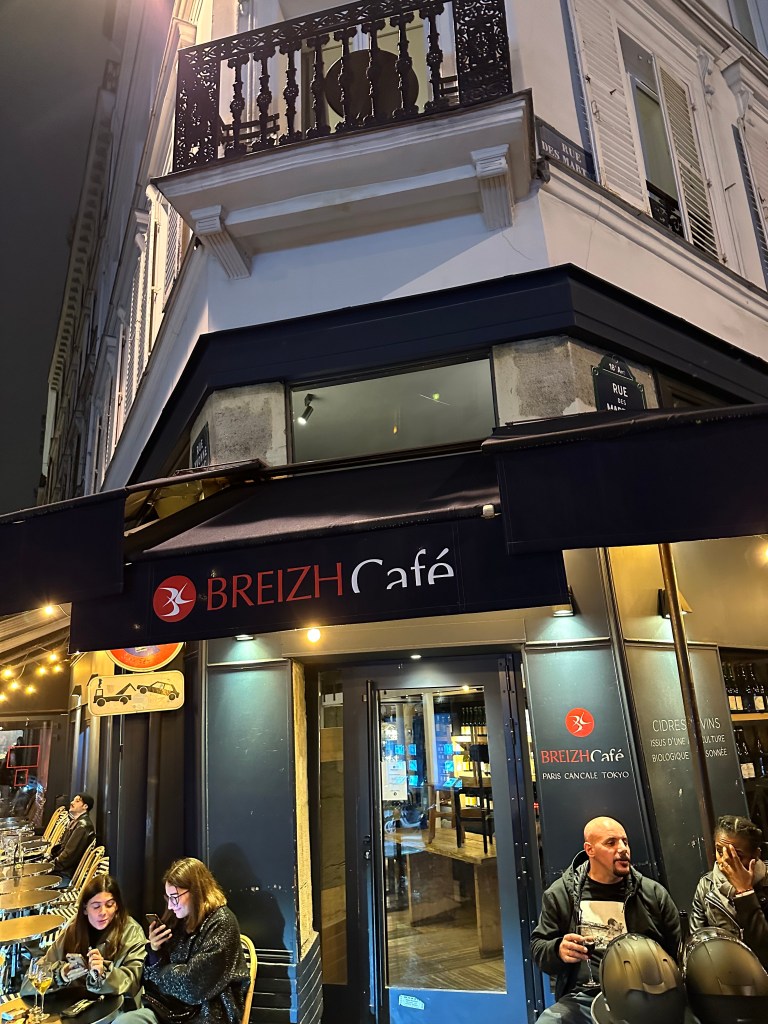
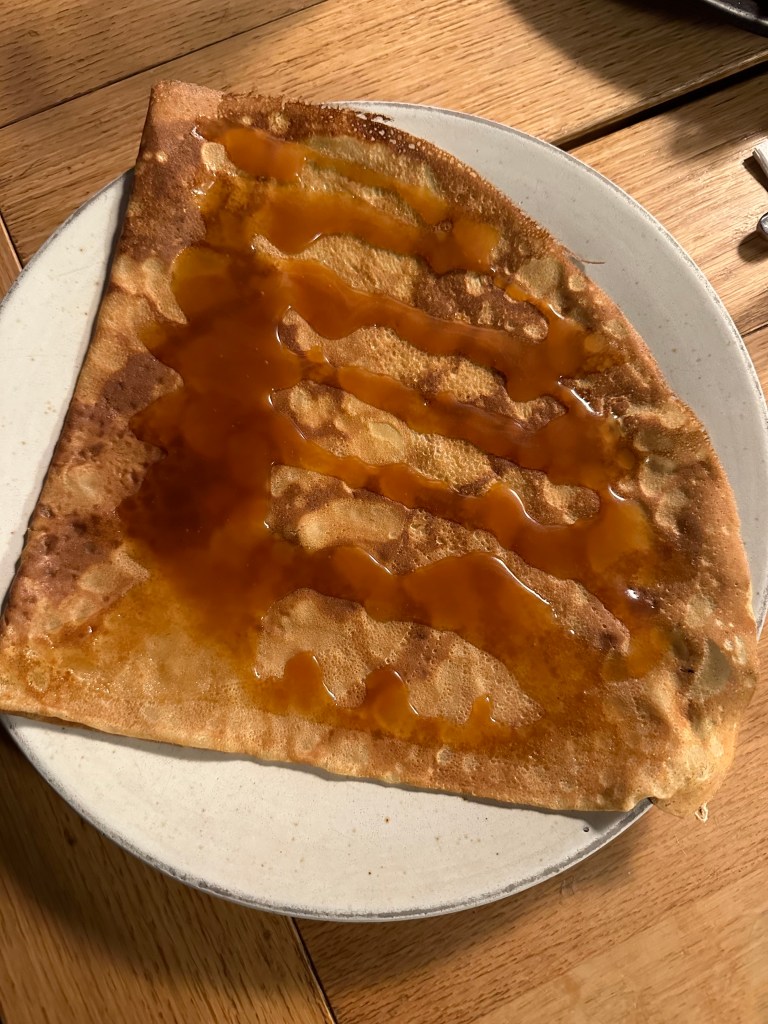
10. Parisians take dining culture seriously—and I quickly learned there’s a whole vocabulary to it. A brasserie is for all-day dining and beer on tap; a bistro is more casual but still offers multi-course meals; a café is a wine bar with small plates or light fare; and a restaurant leans toward more refined cooking. I loved how every spot had a personality. Bouillon stood out for how it brought fast-casual dining to French classics—great execution at very reasonable prices. The long lines of both locals and tourists are a testament to its popularity. And then there are creperies. Breizh Café was a highlight, serving traditional buckwheat galettes paired with apple cider. Both savory and sweet options were great, but their salted caramel crepe was unforgettable. One thing that surprised me: there’s very little street food, and that’s by design. The French treat meals as a pleasure to be lingered over, not rushed.



 flagsandforks