1. Berlin began along the River Spree in the 12th century when German settlers under Albert the Bear turned a stretch of marshland into a small trading center. Two towns grew side by side: Berlin on the north bank and Cölln on an island that is now Museum Island. They shared bridges, markets, and families, slowly becoming one community. By 1432, the two officially joined as Berlin-Cölln, setting the stage for a city that would keep reinventing itself for centuries to come.

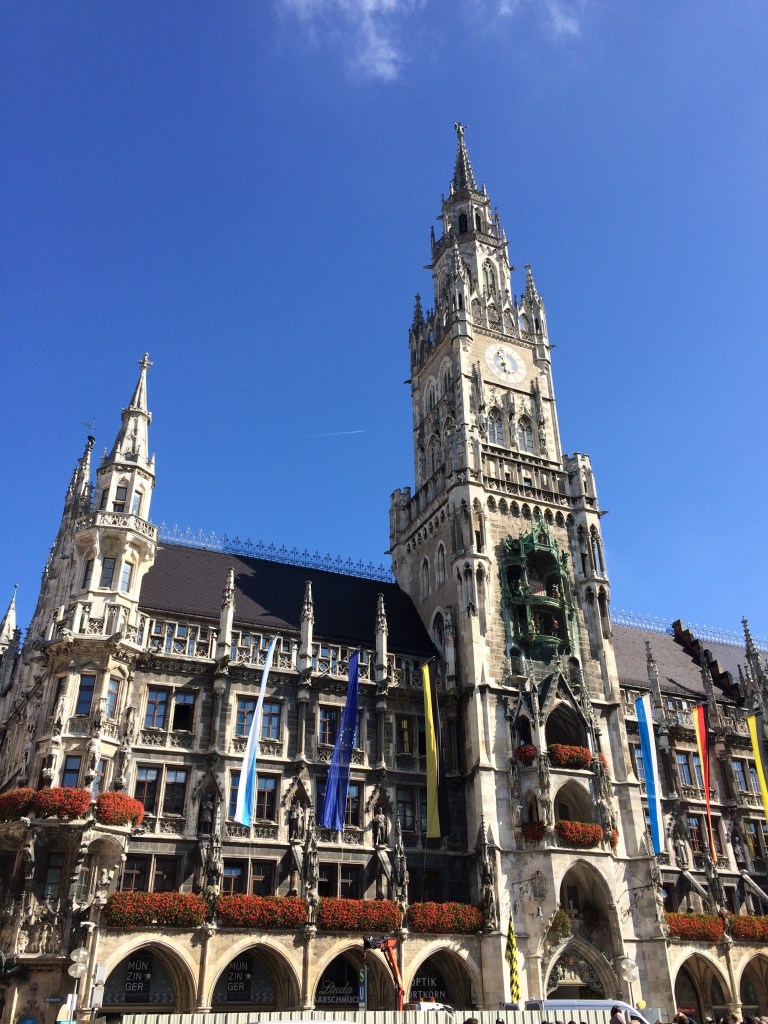
2. By the early 1700s, Berlin was no longer a cluster of river towns. In 1709, nearby settlements like Friedrichswerder and Friedrichstadt were brought together under one administration, creating Greater Berlin. Under Frederick the Great, the city filled with palaces, wide avenues, and cultural life. The Industrial Revolution gave it new momentum, and when Bismarck united Germany in 1871, Berlin became the capital of a growing empire. Its population exploded from under a million to four million by the 1920s. Even today, Berlin feels different from cities like Munich. It is gritty, diverse, and full of contradictions. I know it is an unfair comparison but its soul feel so different from that of a typical German city.
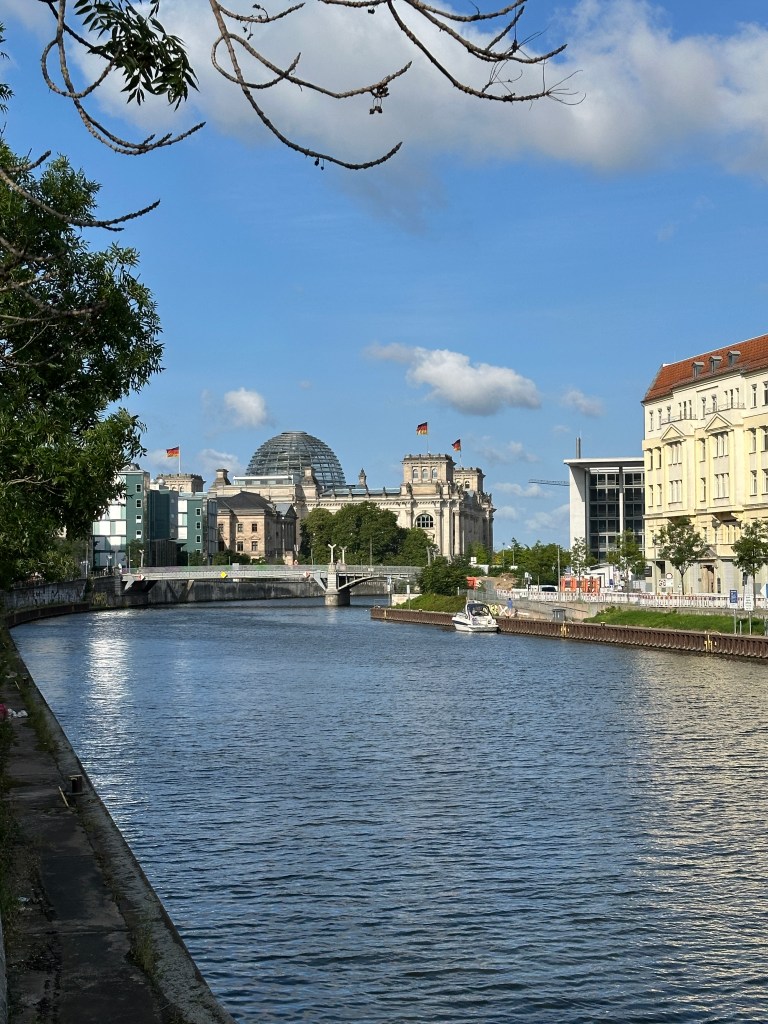
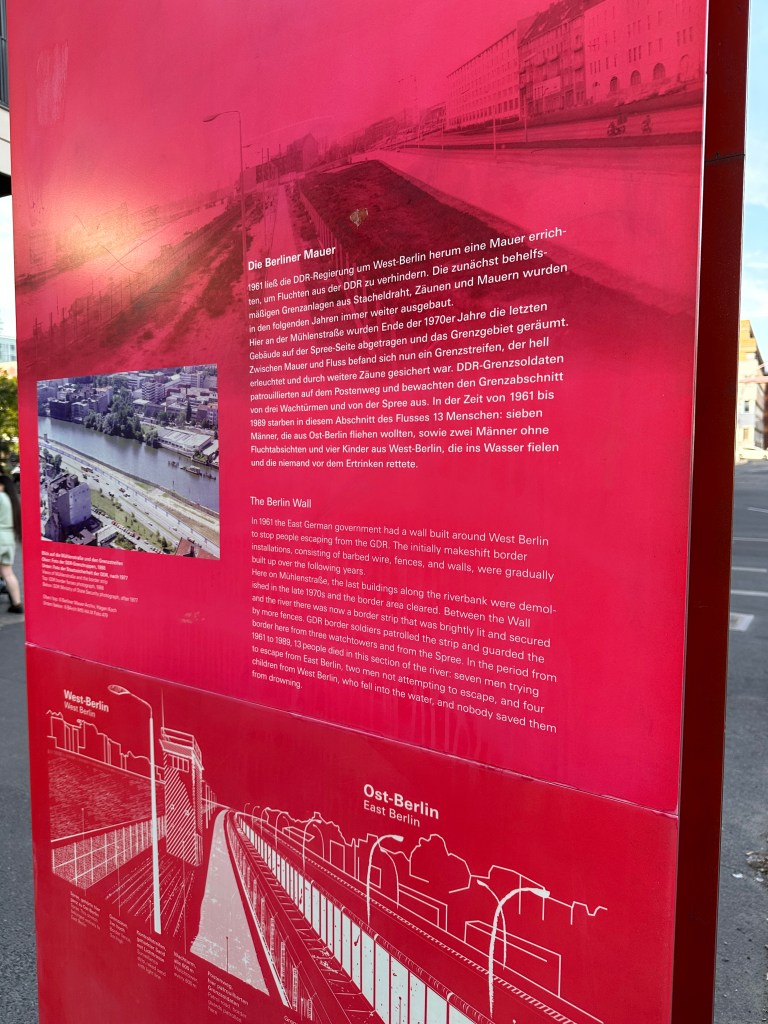
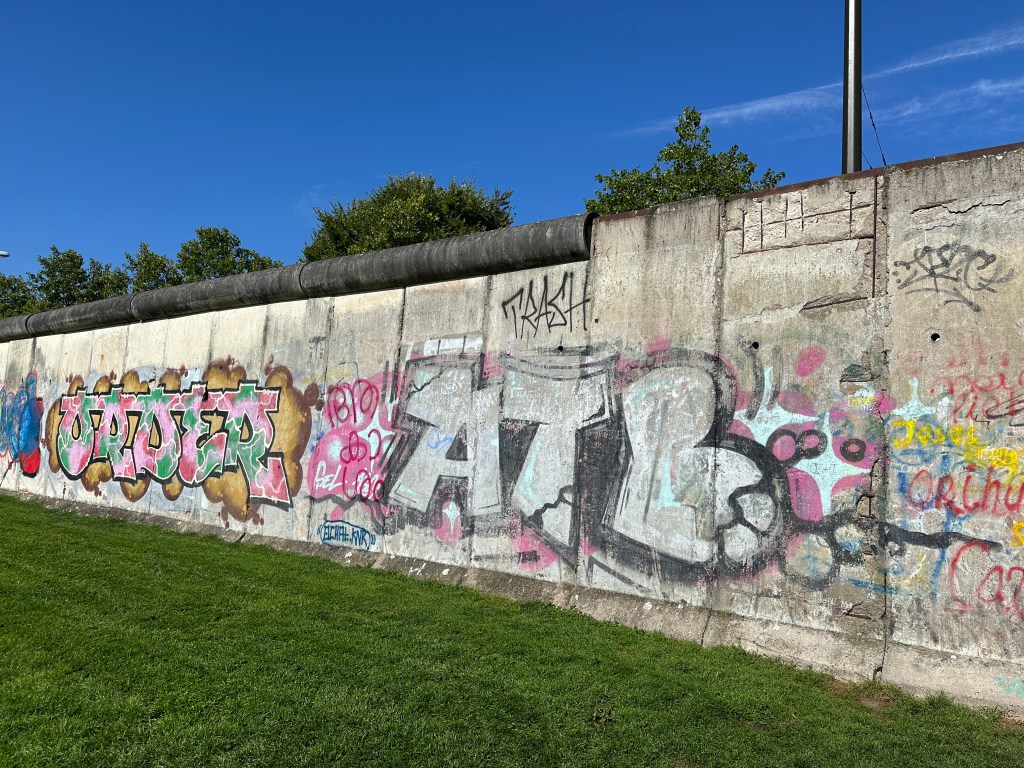
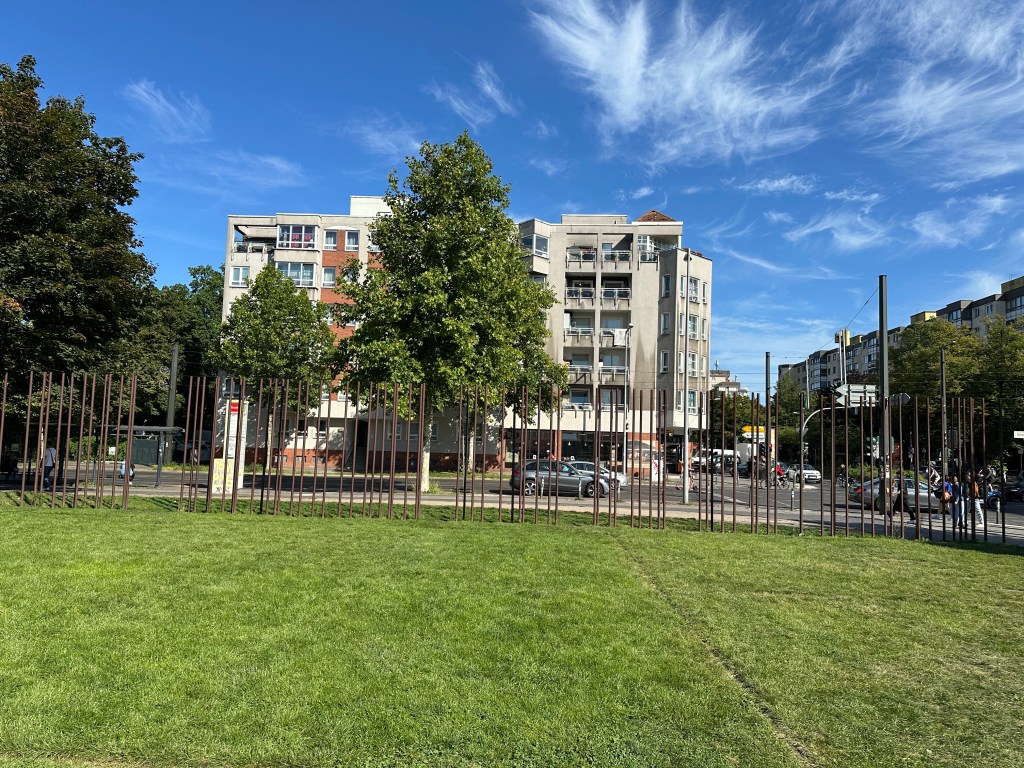
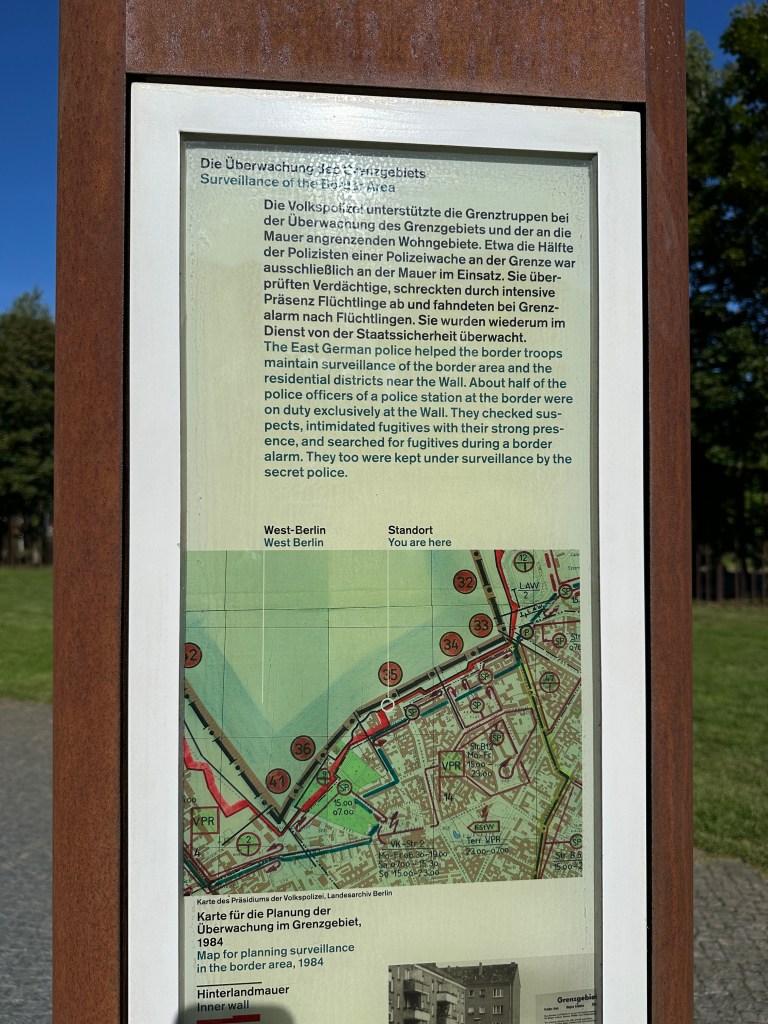
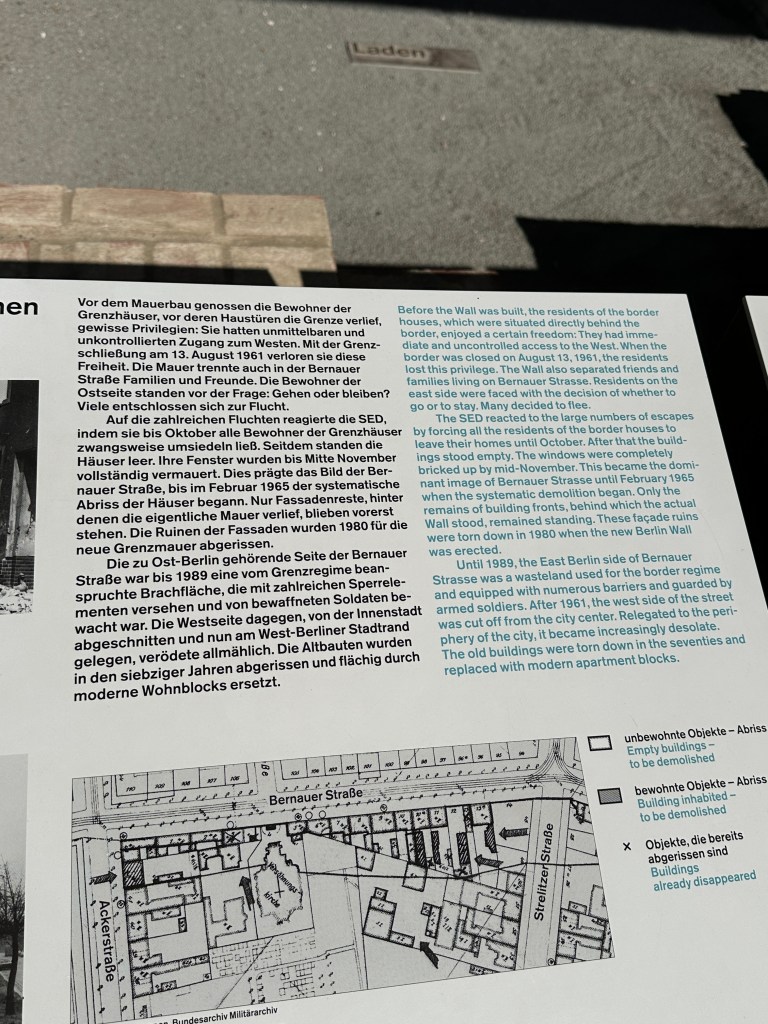
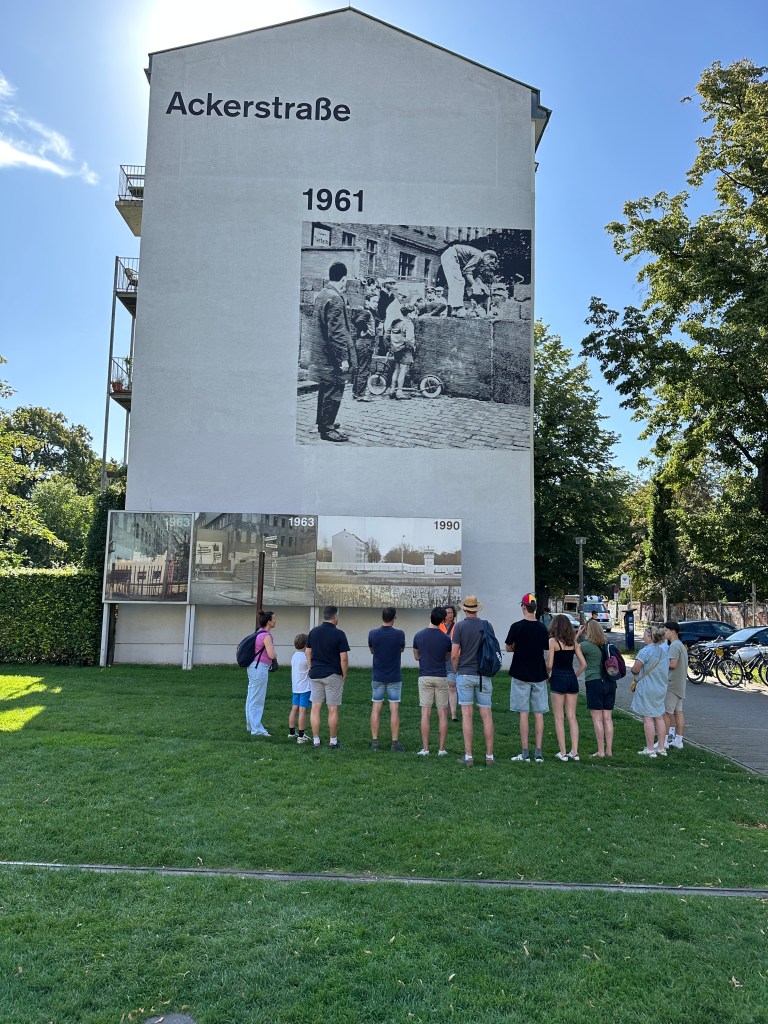
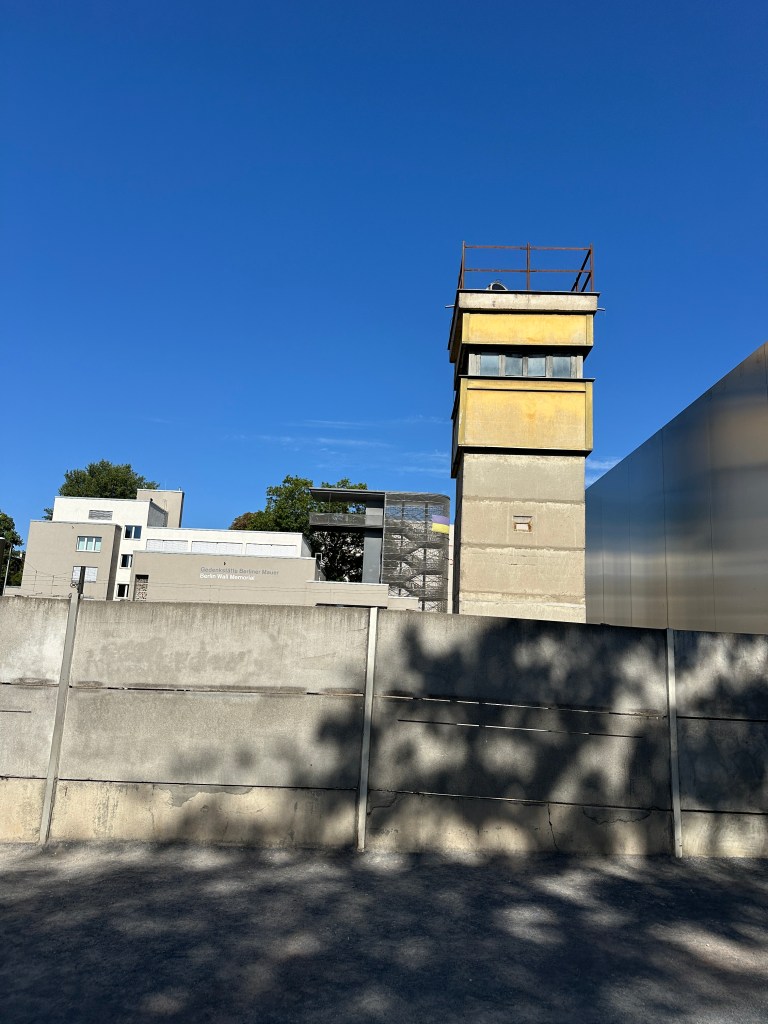
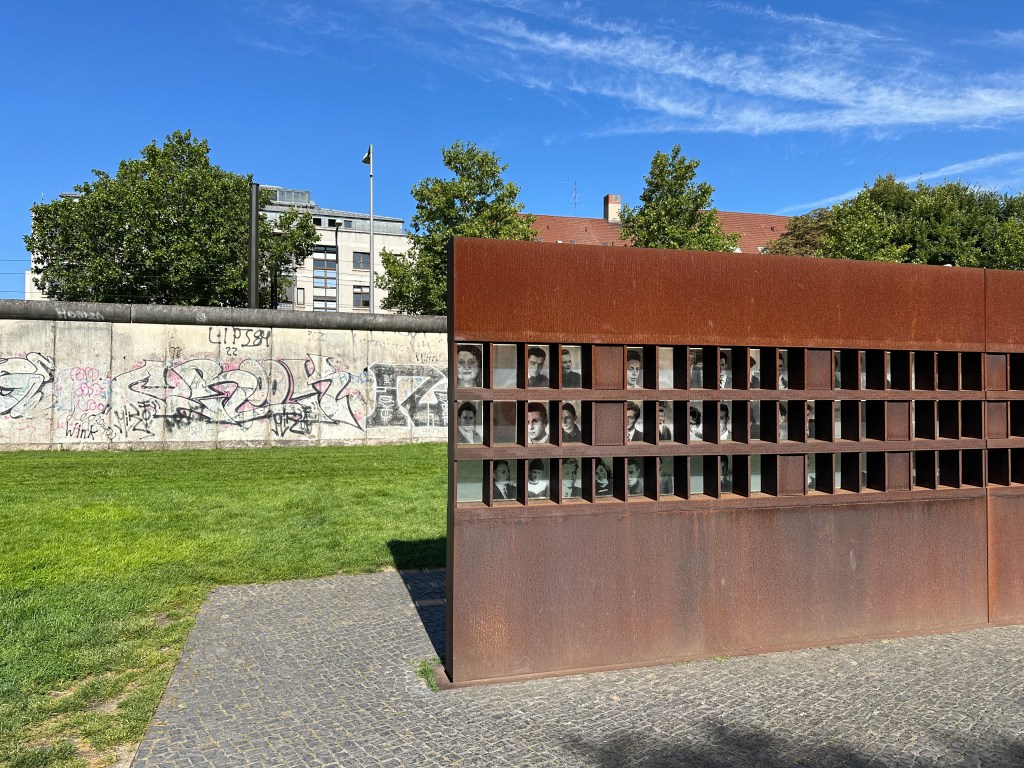
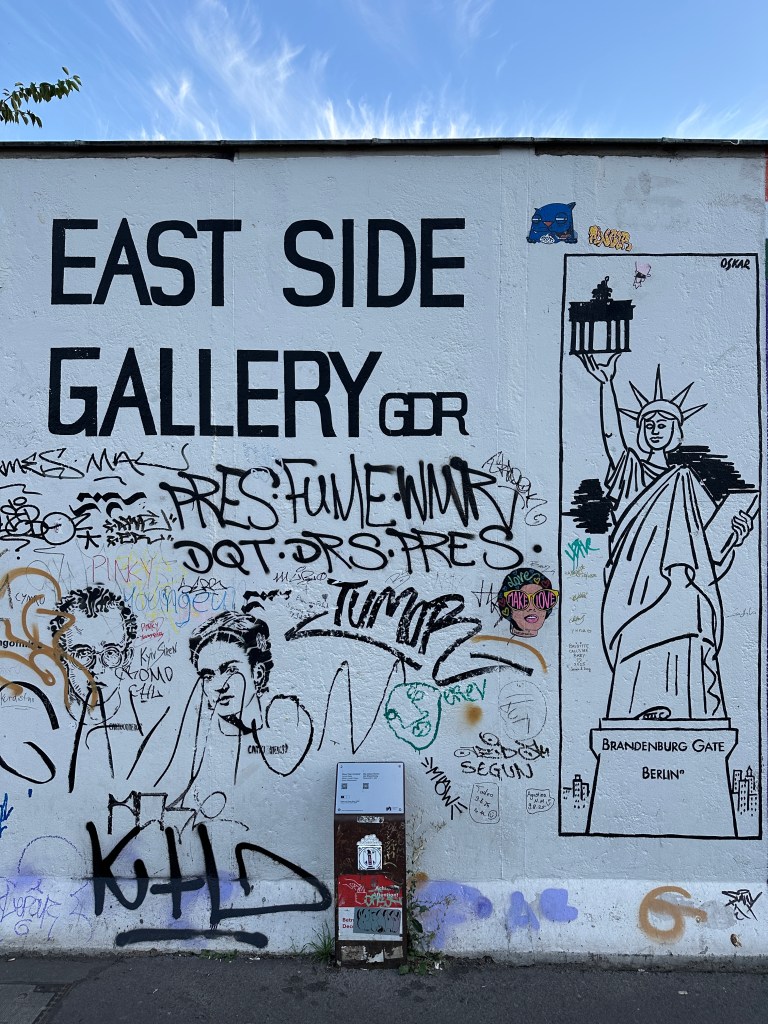
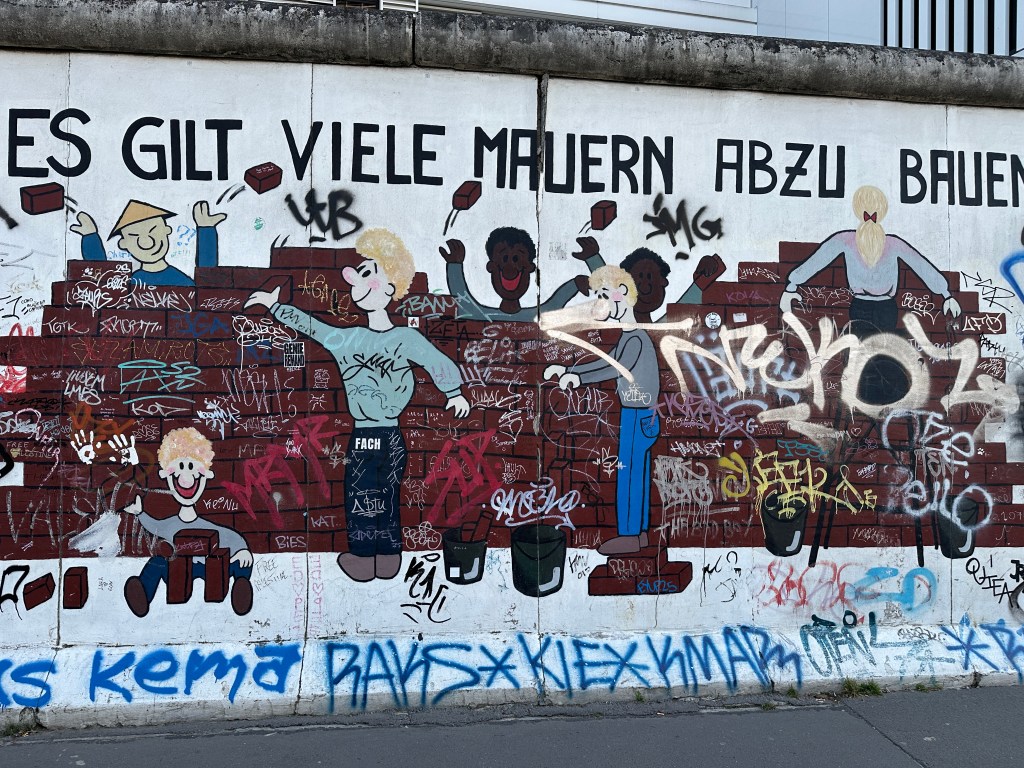
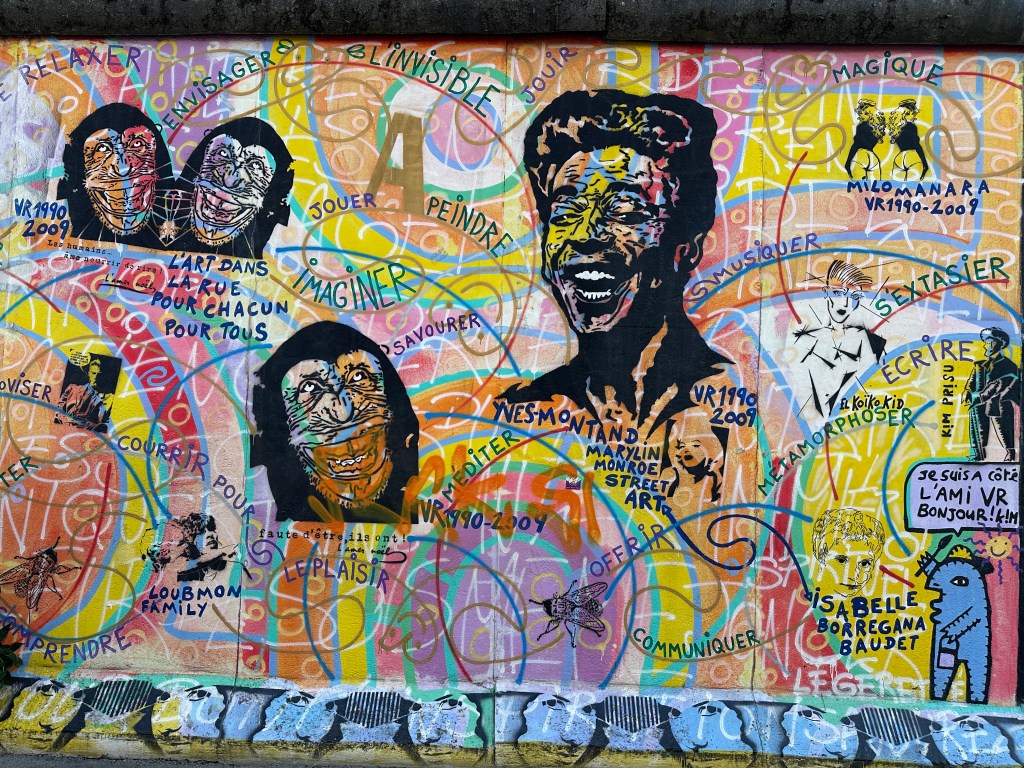
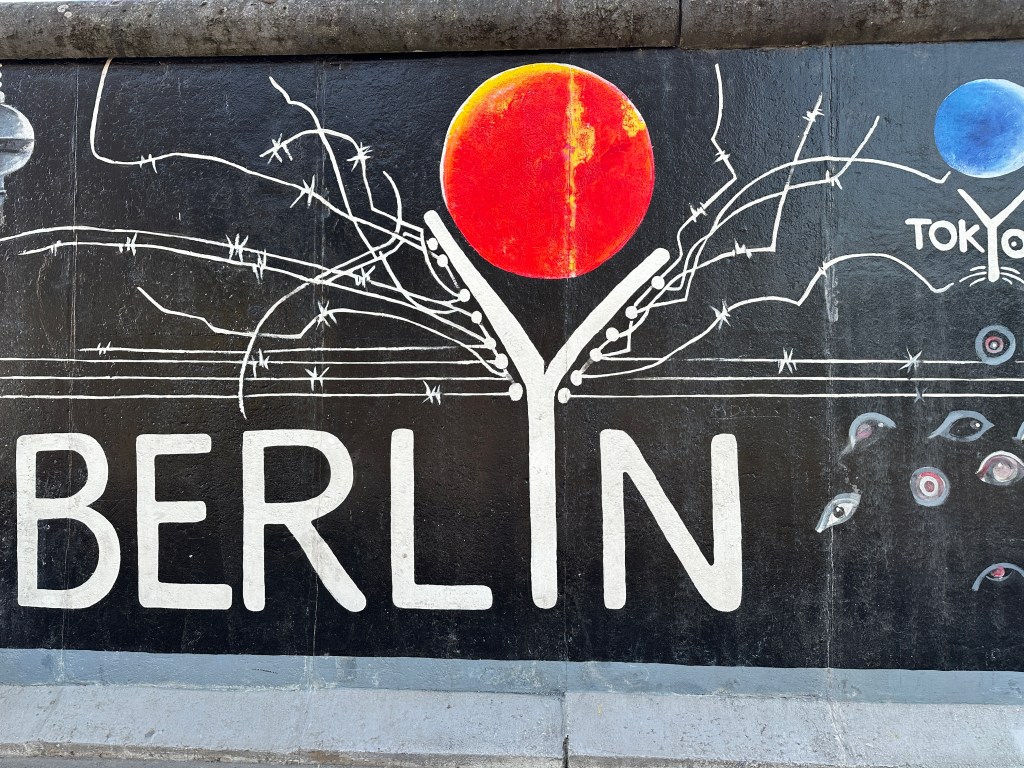
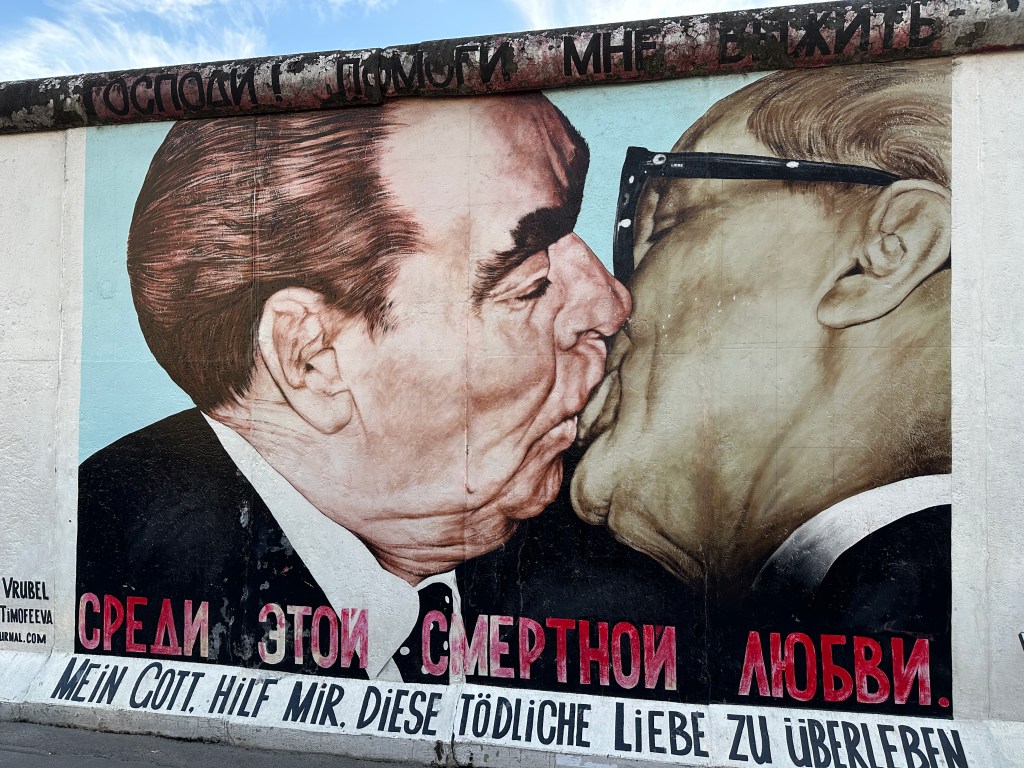
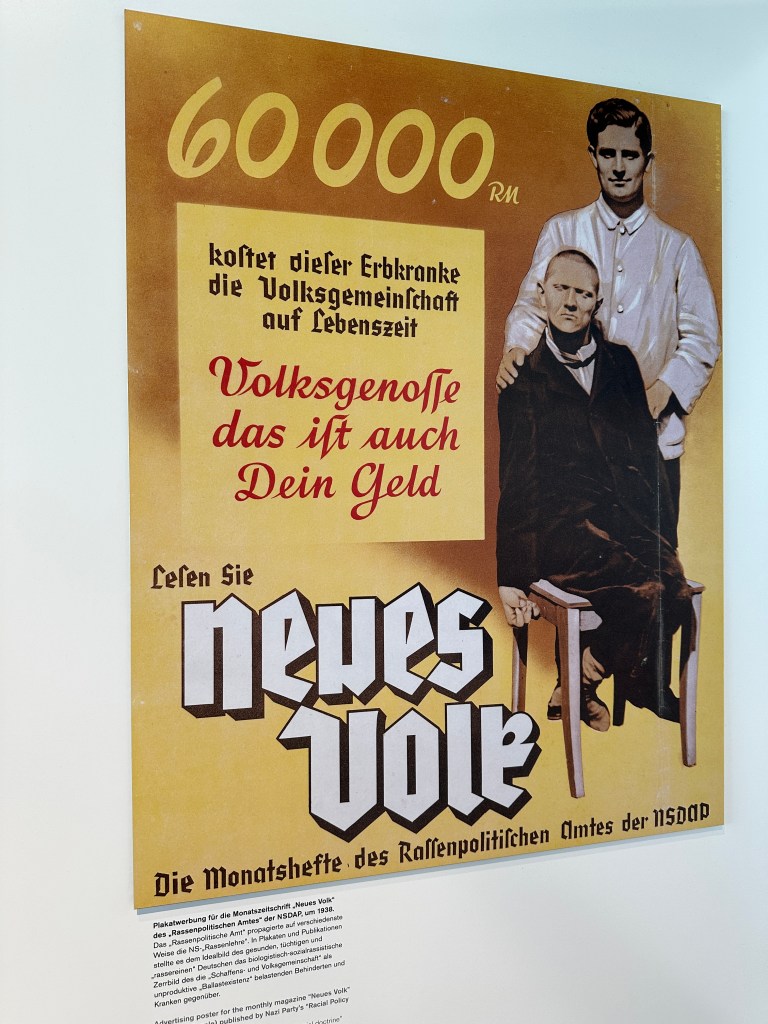
3. Berlin was once the epicenter of so many historic events leading up to World War II. It has tried to move on from many painful memories but preserved just enough as a reminder not to repeat those mistakes. The stretch of the Berlin Wall along Bernauerstrasse, culminating in the Berlin Wall Memorial, documents the lives of ordinary Germans who were affected by the wall. The stories were so well presented that they put me in the shoes of those who lost agency, faced harsh realities, and even perished during that time. Another section of the wall, now called the East Side Gallery, has been turned into an open-air art installation, almost as if the wall’s weight has been transformed into creative expression. The Memorial to the Murdered Jews of Europe is another moving monument dedicated to the Jewish lives lost to the Nazi regime.


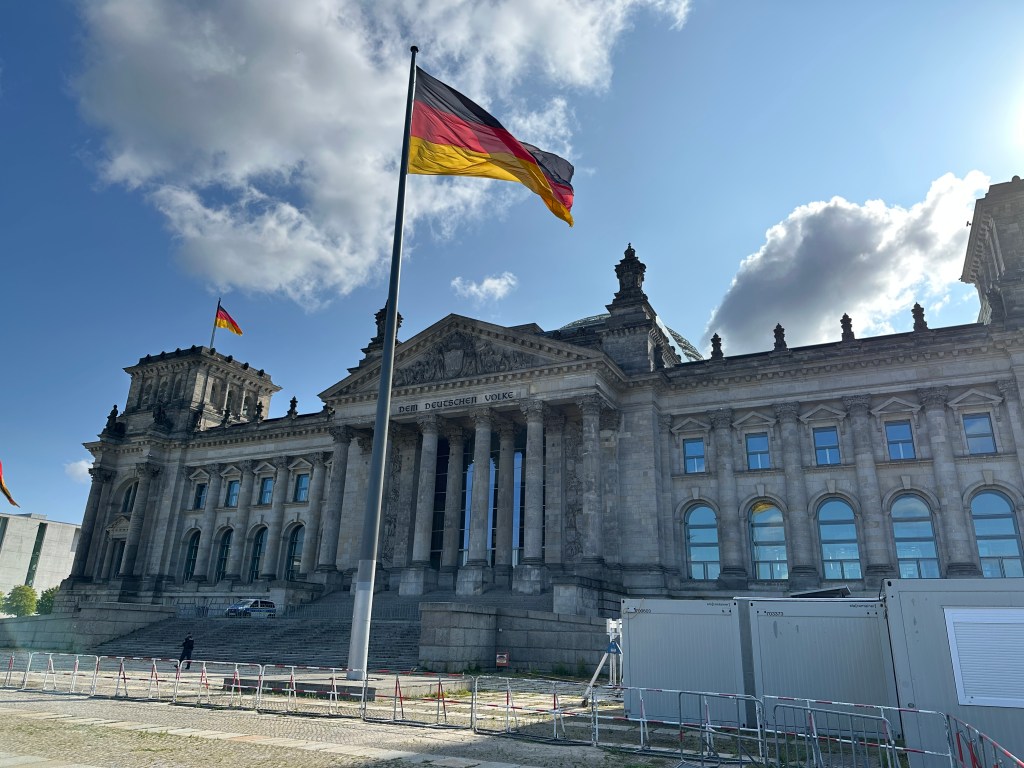
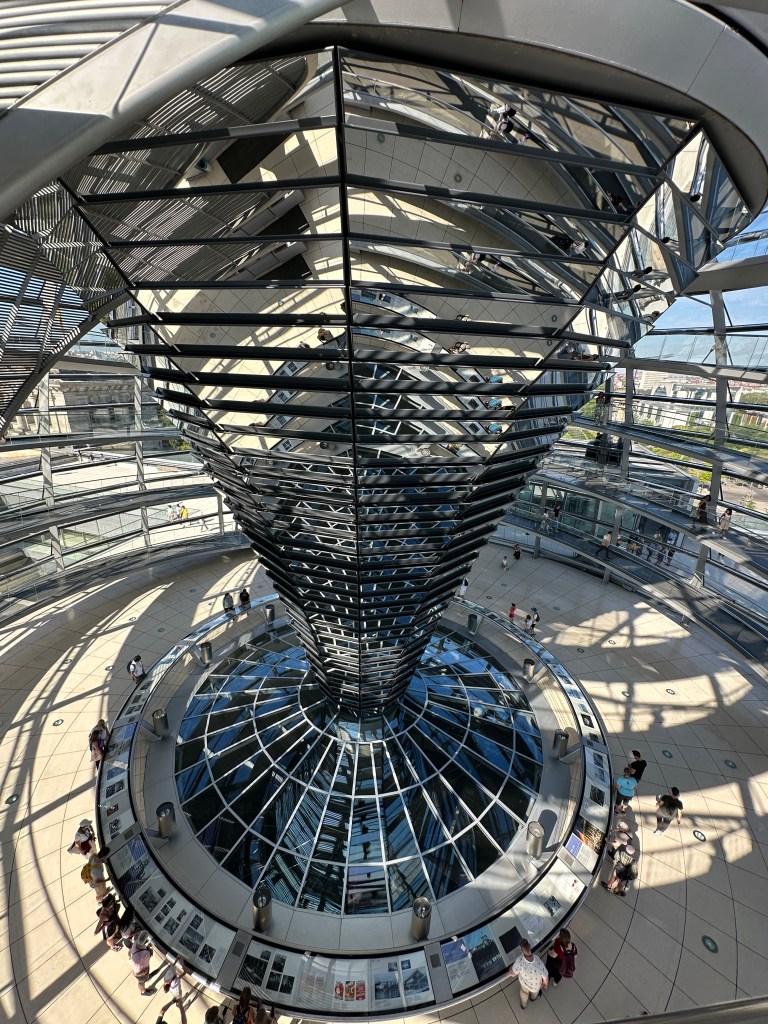
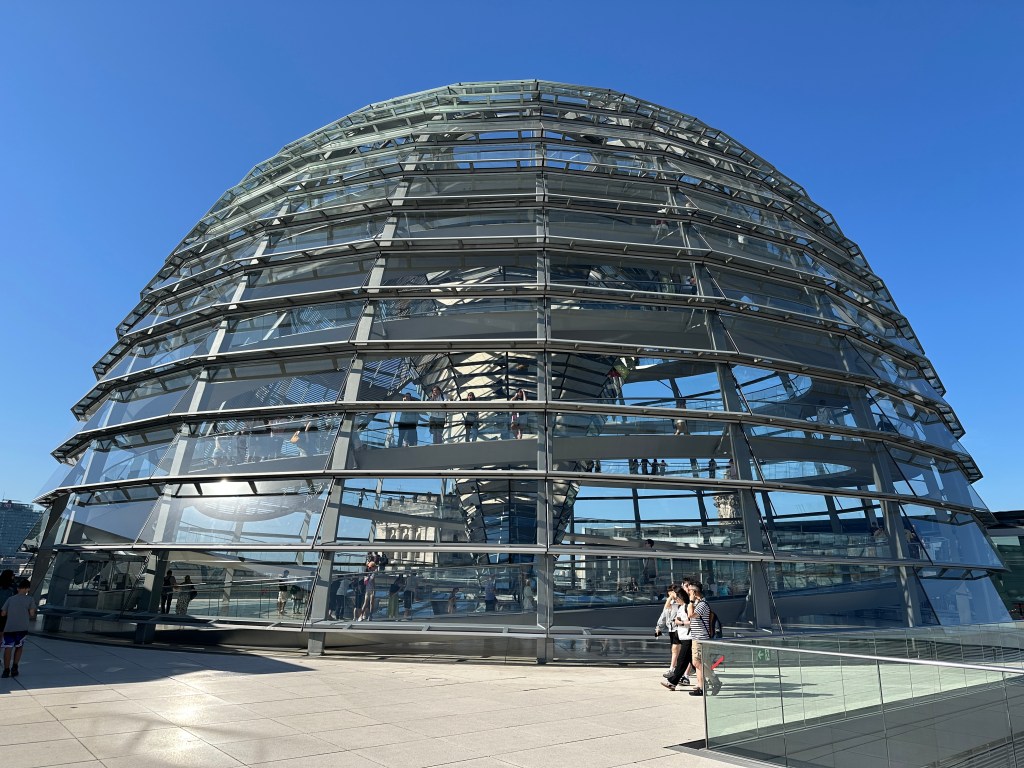
4. The Reichstag is the German parliament building. It was constructed between 1884 and 1894 and served as the legislature of the German Empire, the Weimar Republic, and later Nazi Germany. A fire in 1933 forced the legislature to move out, and although it was restored after World War II, its location in West Berlin prevented its use as a parliamentary building for decades. After reunification, the building was redesigned by Norman Foster and re-commissioned in 1999. Its most striking feature is the glass dome, symbolizing transparency between lawmakers and the public. The dome is a beautiful piece of architecture, and visitors including foreigners can visit it for free.
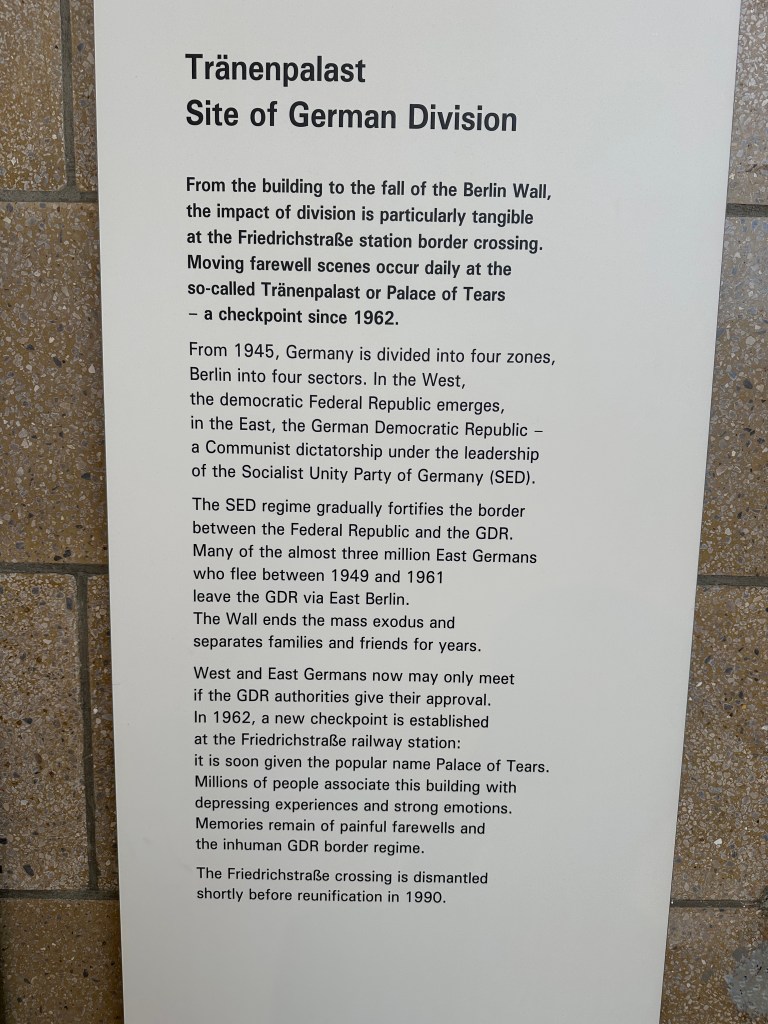
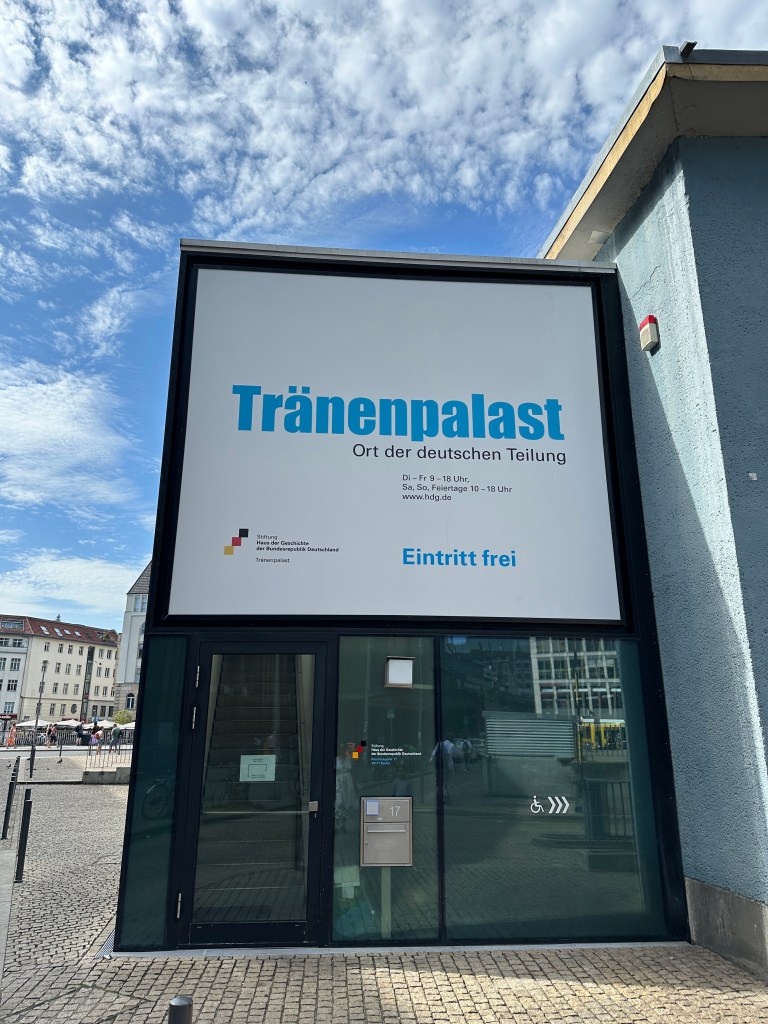
5. Berlin is a city of museums, in fact it has 170 of them. It even has an entire island block, Museum Island, home to some of the best ones like the Pergamon and Neues Museum. Tränenpalast is a small museum at Friedrichstrasse that punches above its weight. Originally a border checkpoint connecting East and West Germany, it has been mostly left as it was. The stories of people who passed through are deeply emotional, and its name fittingly translates to “Palace of Tears.”

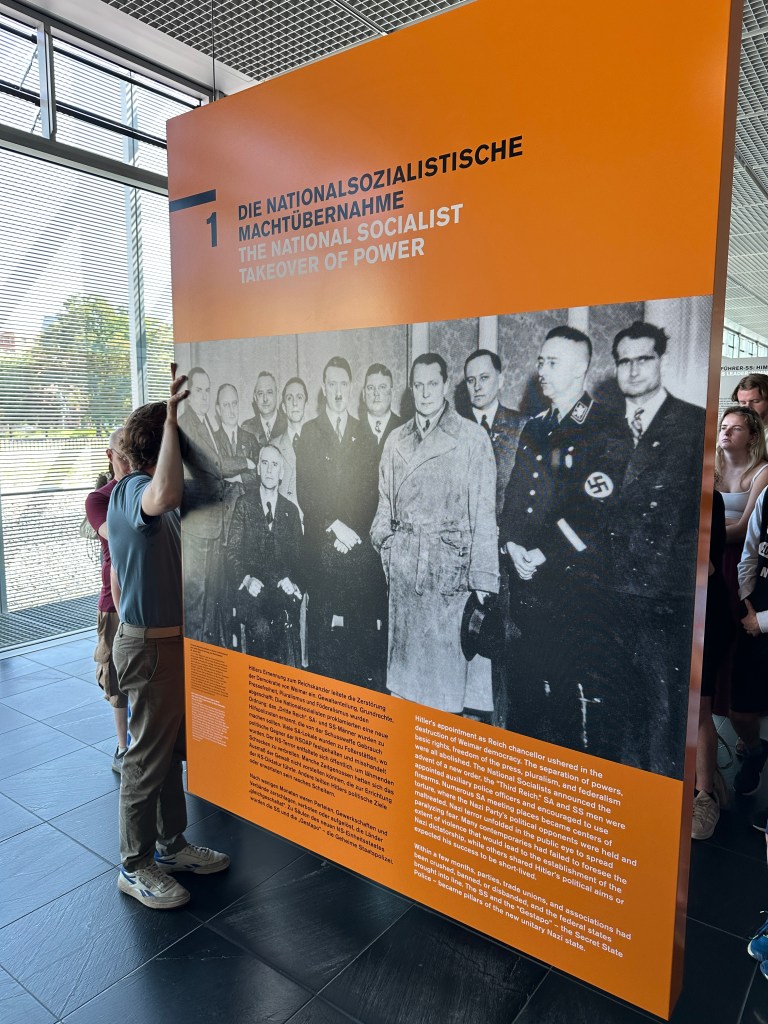
6. The Topography of Terror museum is a powerful and detailed documentation of the systemic violence inflicted by the Nazi regime through the Schutzstaffel (SS) under Himmler. It’s revealing to see how a seemingly ordinary protection squad evolved into the primary enforcer of the regime’s discrimination and extermination policies. The museum is text-heavy, but the free guided tour helps make sense of the narrative.

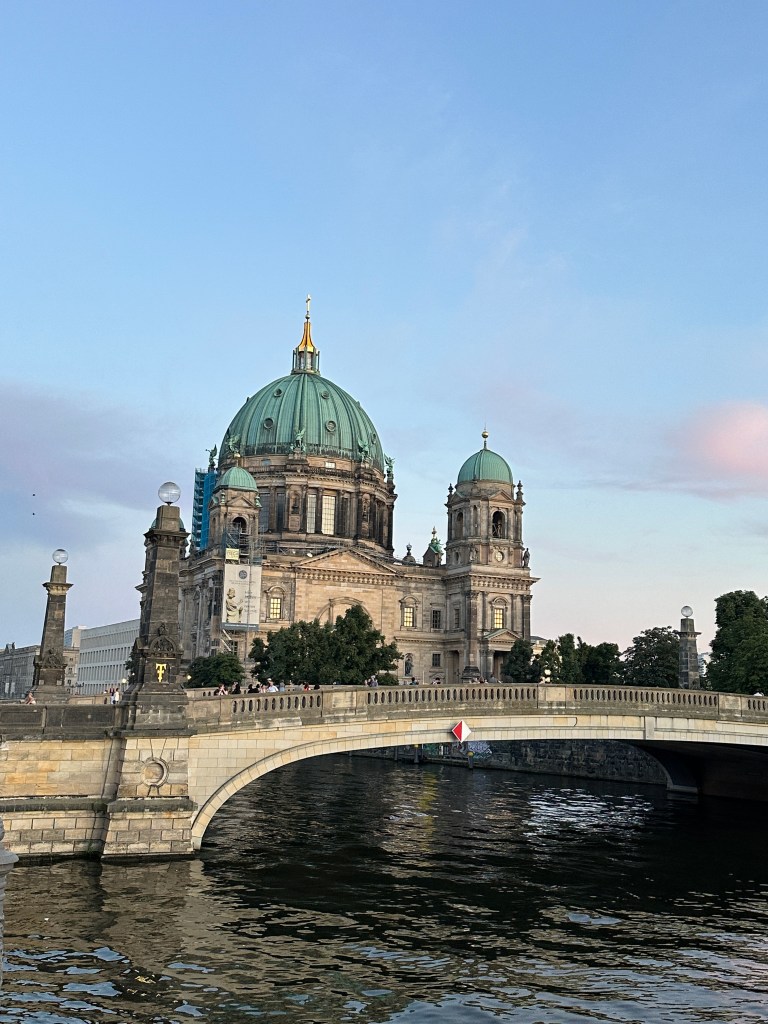
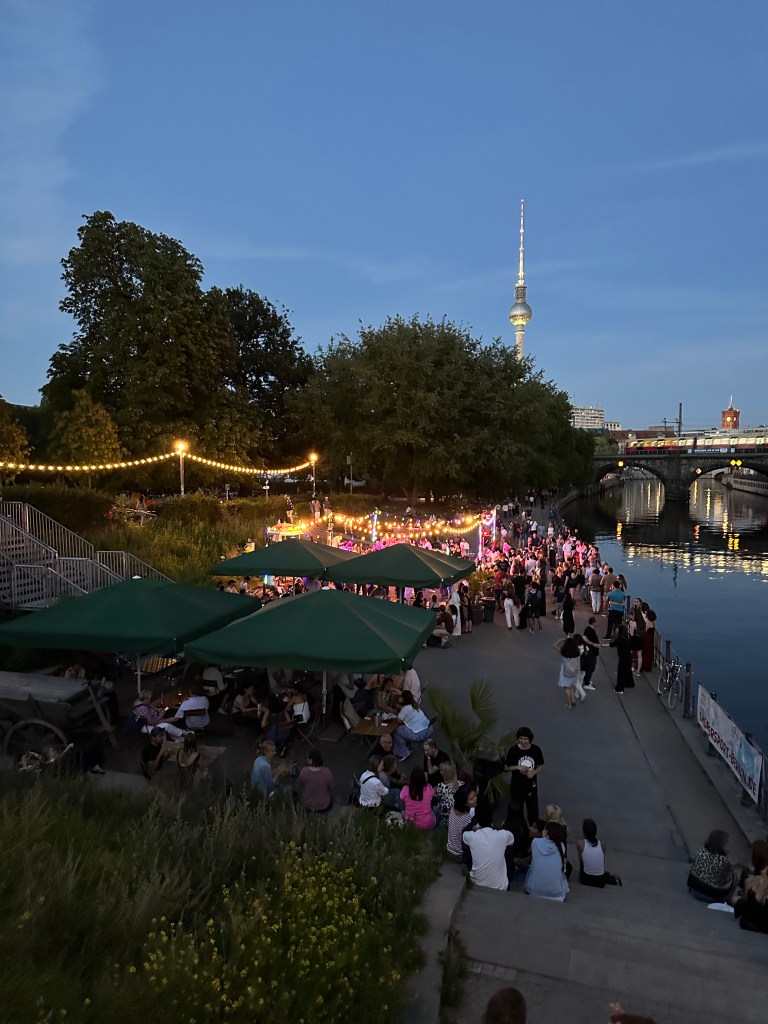
7. The city truly comes alive at night, especially along the Spree near the Berlin Cathedral. People picnic, dance, or simply relax by the water. Berlin has a unique energy after dark that feels spontaneous and free, and I’m not even talking about its spectacular club scene. Urban decay isn’t really a European phenomenon, and certainly not in Berlin.
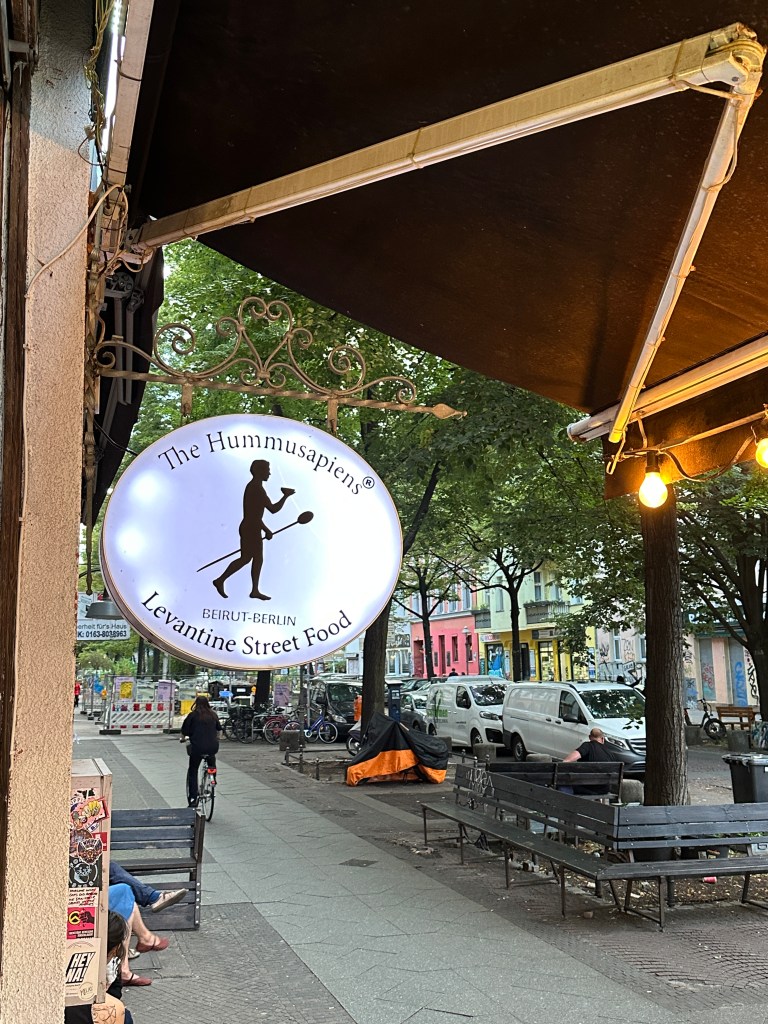
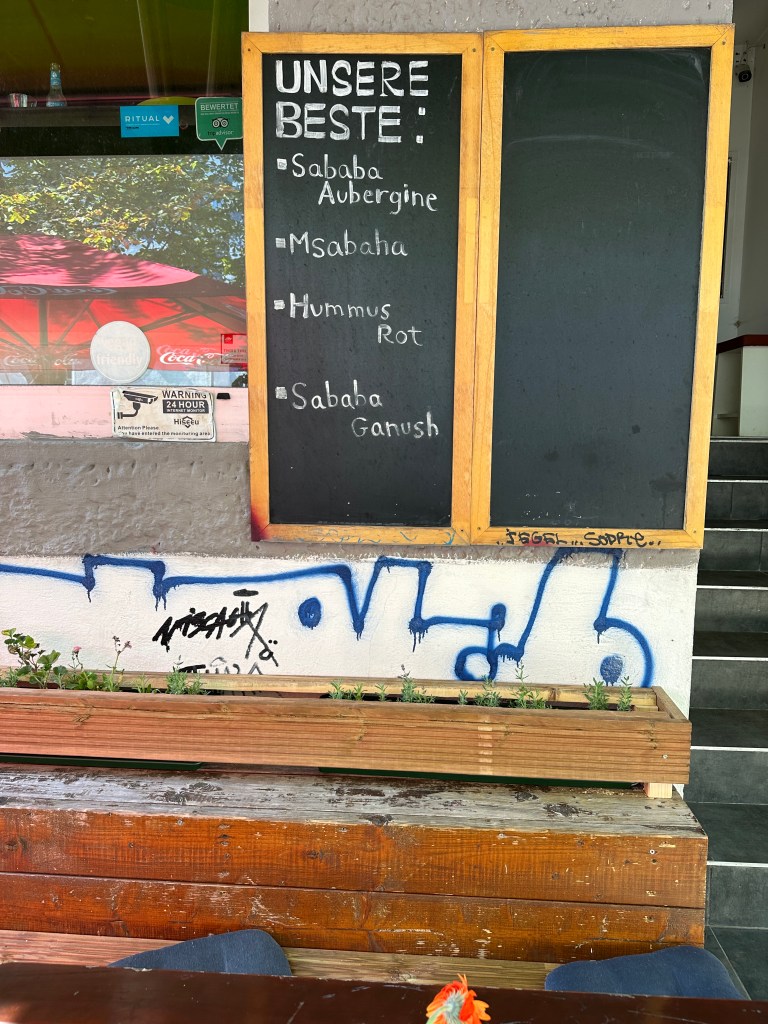
8. The food scene is wonderfully diverse, covering everything from regional Chinese cuisines to Lebanese, Indian, Vietnamese, Somali, and Ethiopian. Kreuzberg is the best neighborhood for food lovers, closely followed by Prenzlauer Berg, Friedrichshain, and Charlottenburg. We missed the Sudanese falafel place (Sahara Imbiss), but the Levantine food at The Hummussapiens was as authentic as it gets. The aubergine at Sababa in Prenzlauer Berg could easily have come from a café in Tel Aviv.

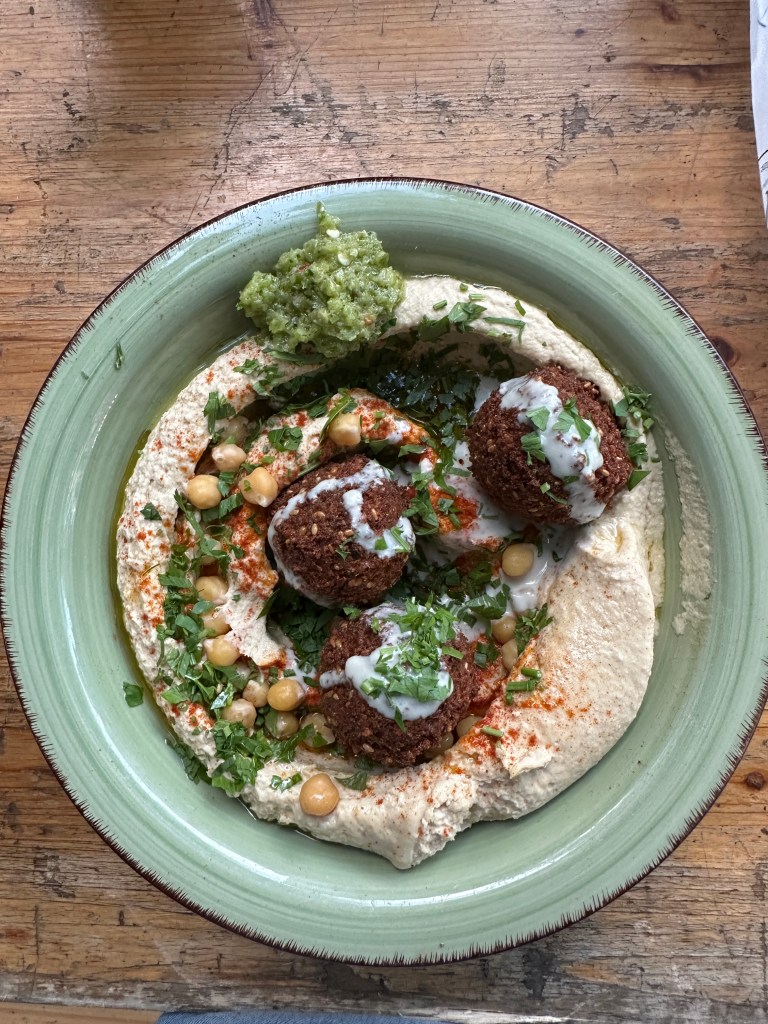
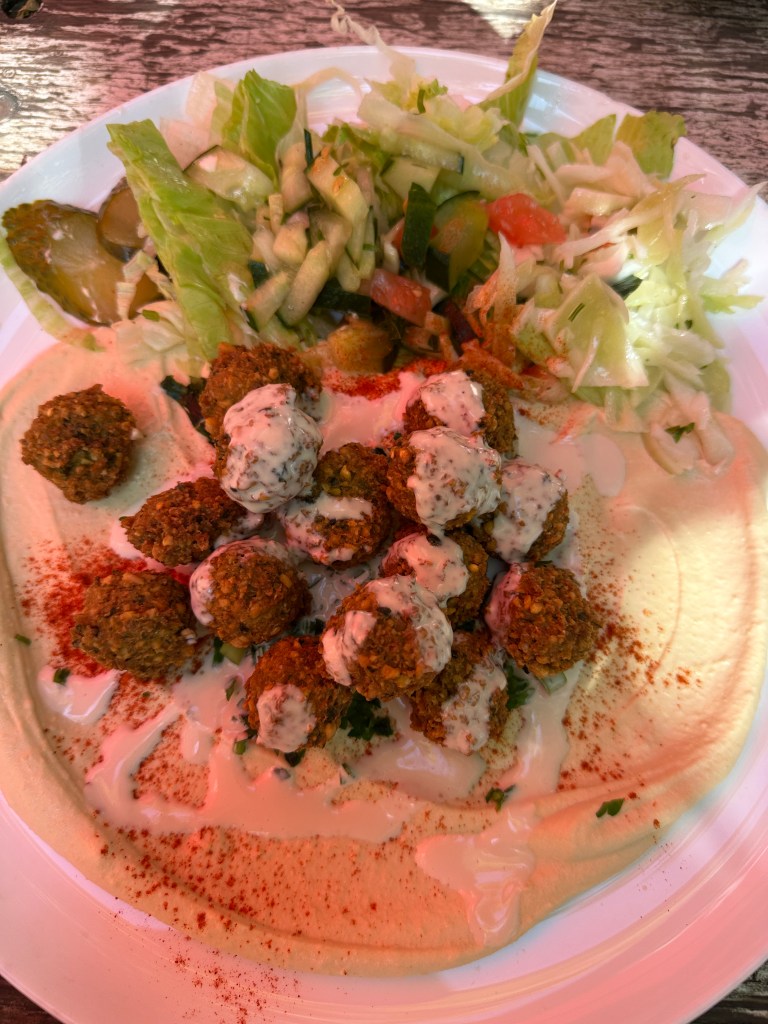
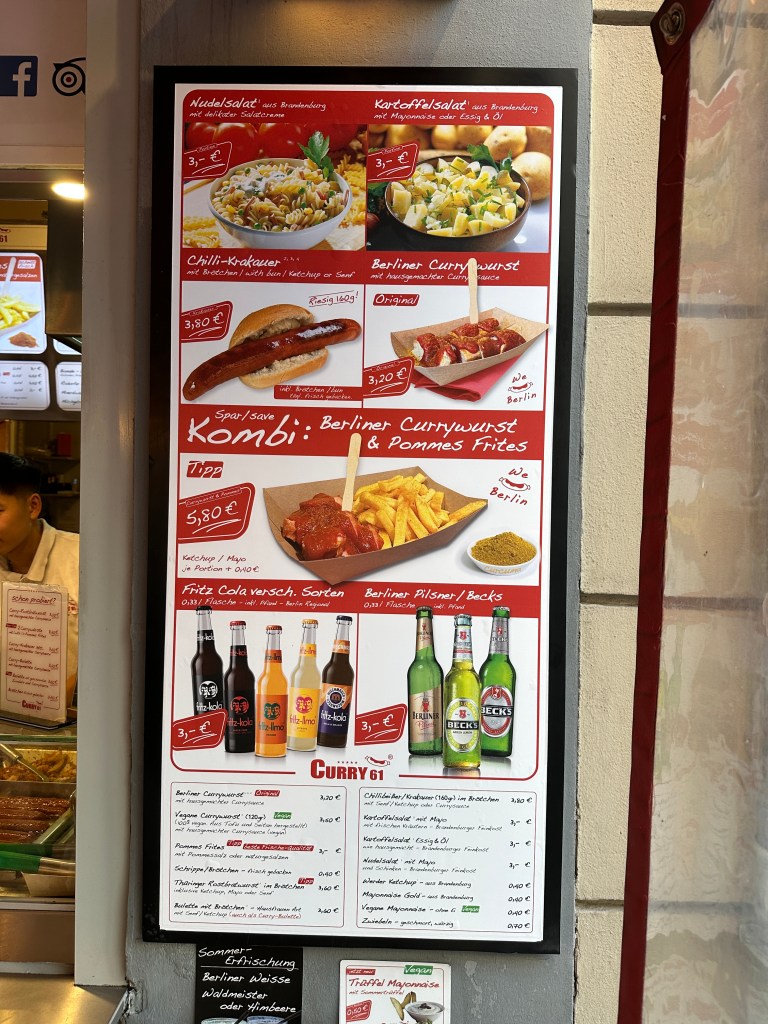
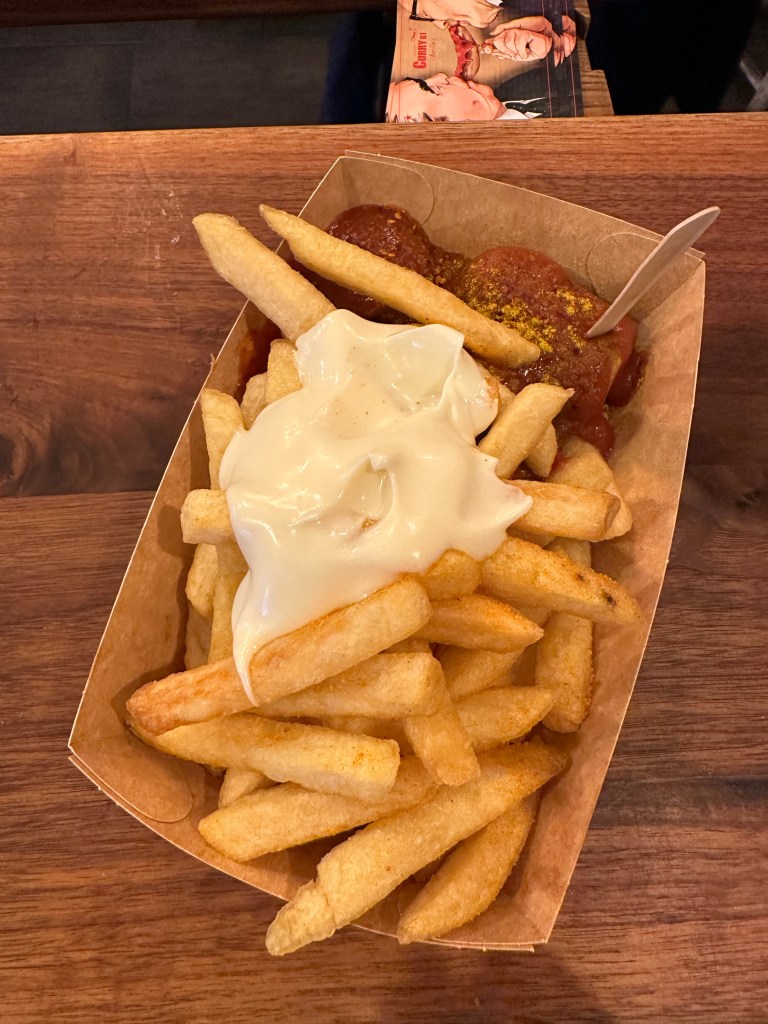
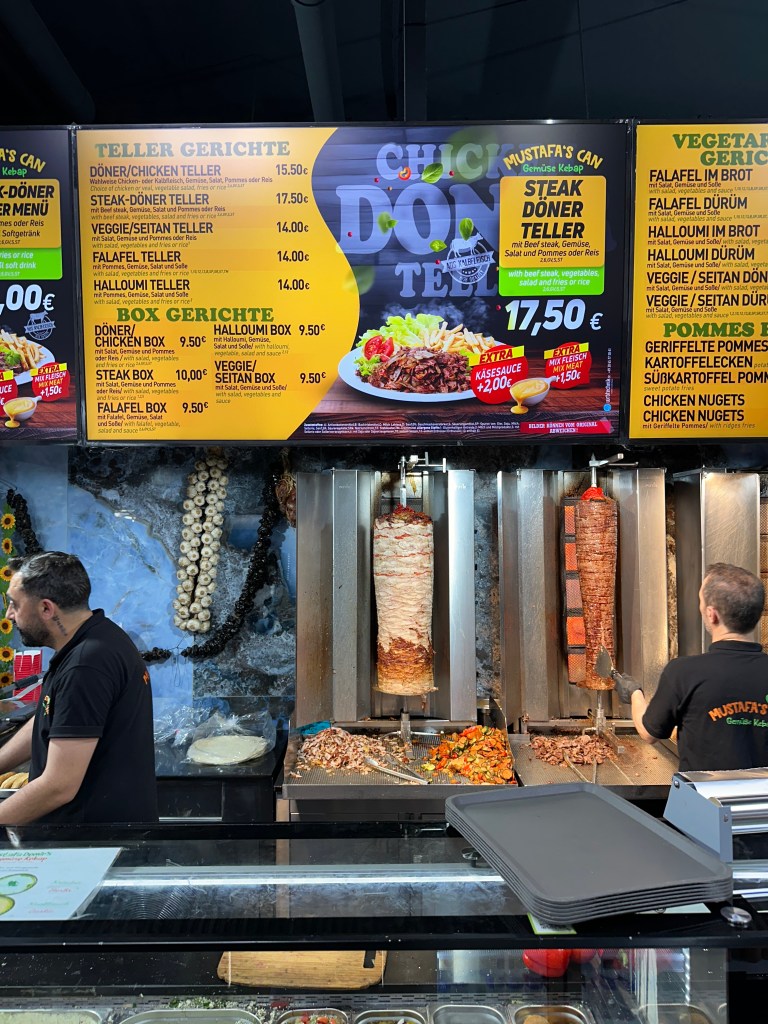
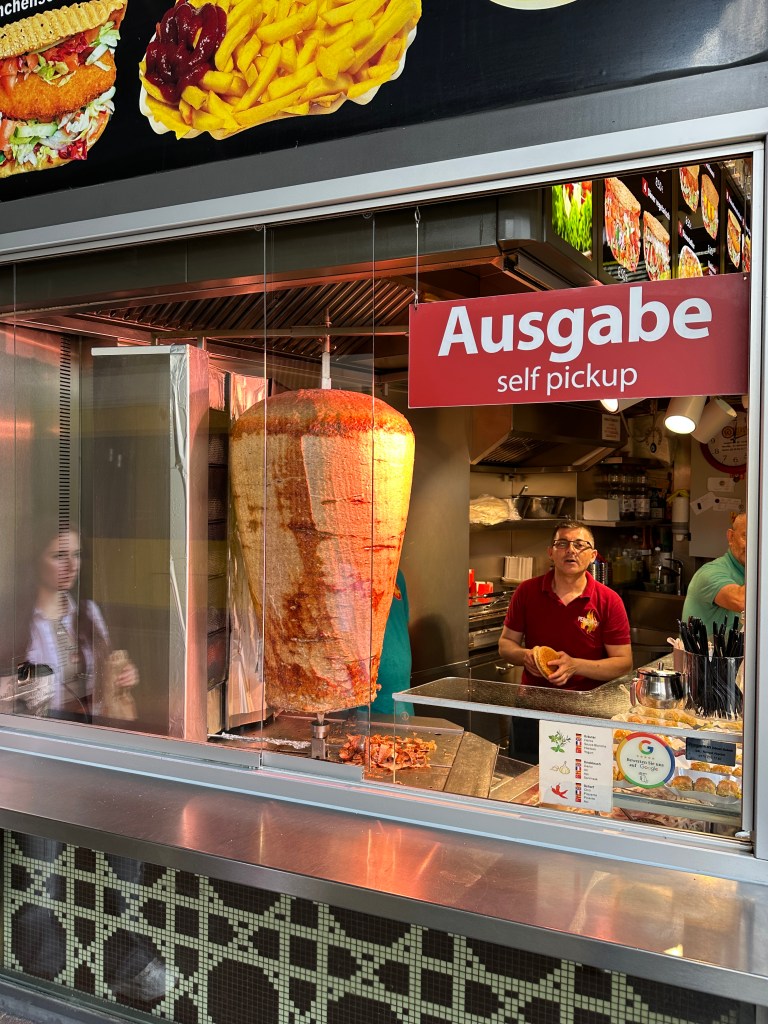
9. Berlin’s native culinary invention is the currywurst — a sliced sausage covered in curry sauce and dusted with curry powder. It perfectly captures the city’s melting-pot spirit. I tried the vegan version at Curry61, and it was better than any I’ve had before. Another Berlin staple is the döner kebab, a Turkish import turned local classic. It’s believed to have originated in the Ottoman Empire, where vertical meat roasting began, but became popular in Germany during the wave of Turkish immigration in the 1960s and 70s. Made with roasted meat (or falafel as a substitute), salad, and garlic or spicy sauce in a cut-open flatbread called pide. It is the perfect street food – affordable, filling, and full of flavor.

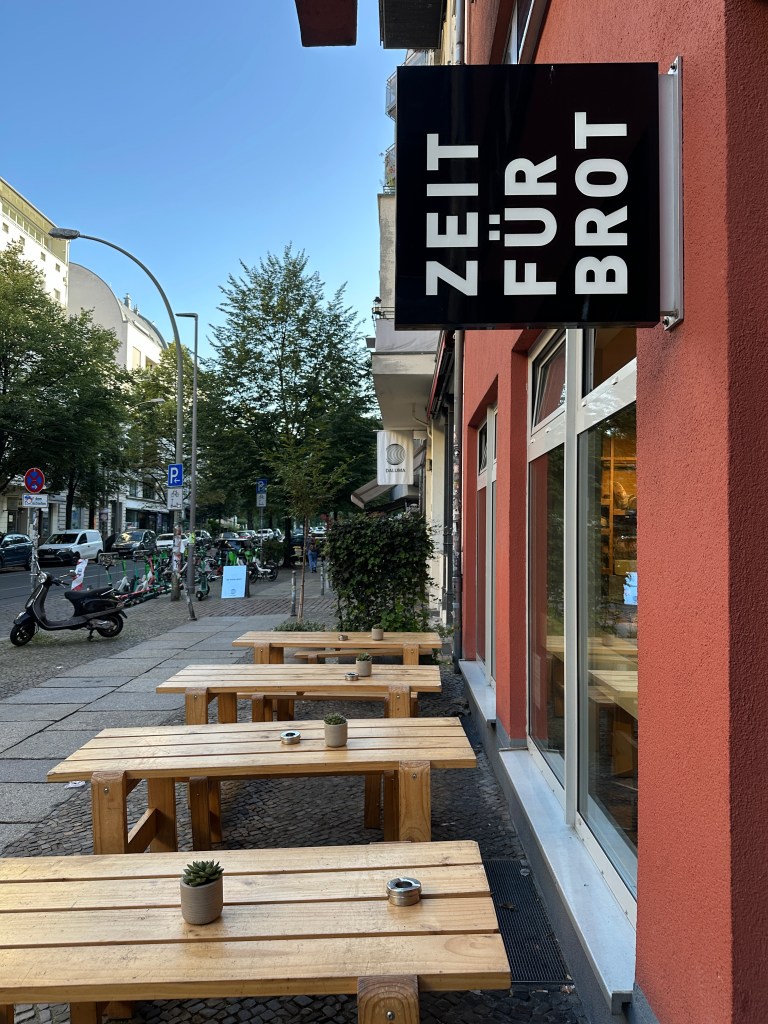
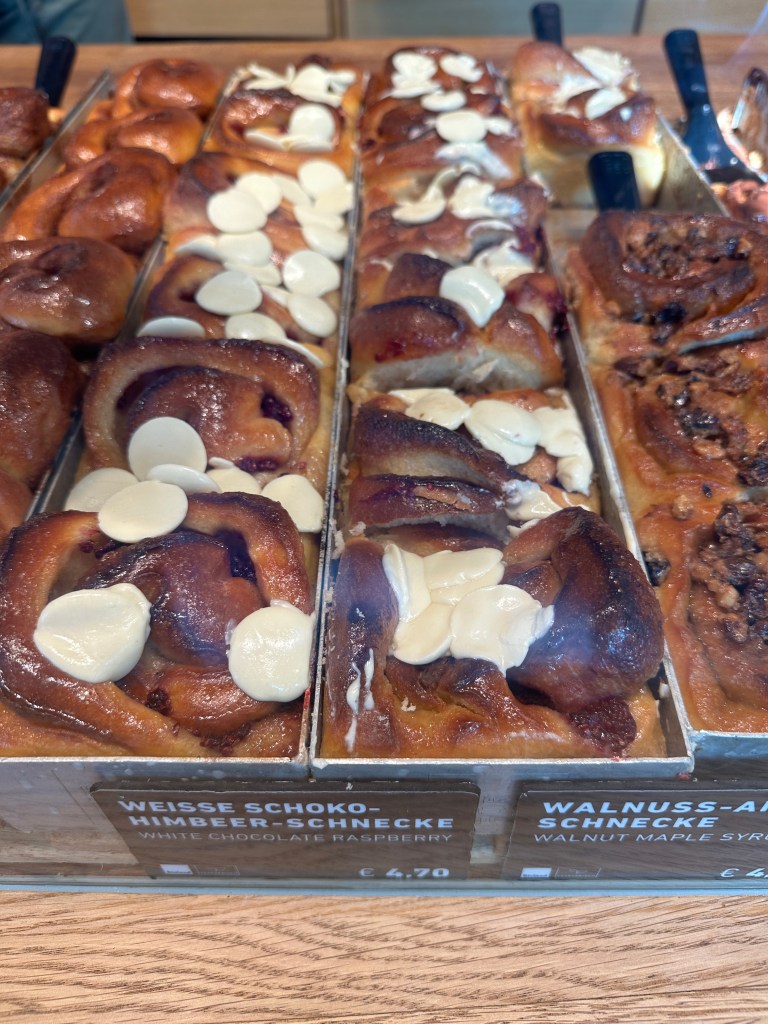
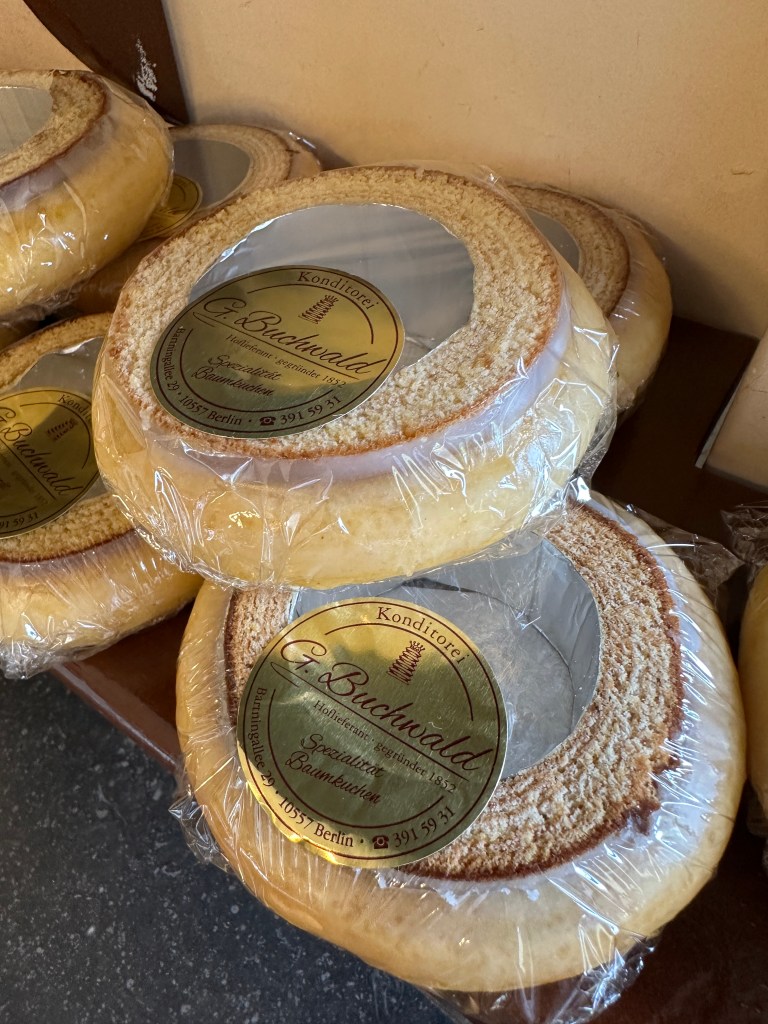
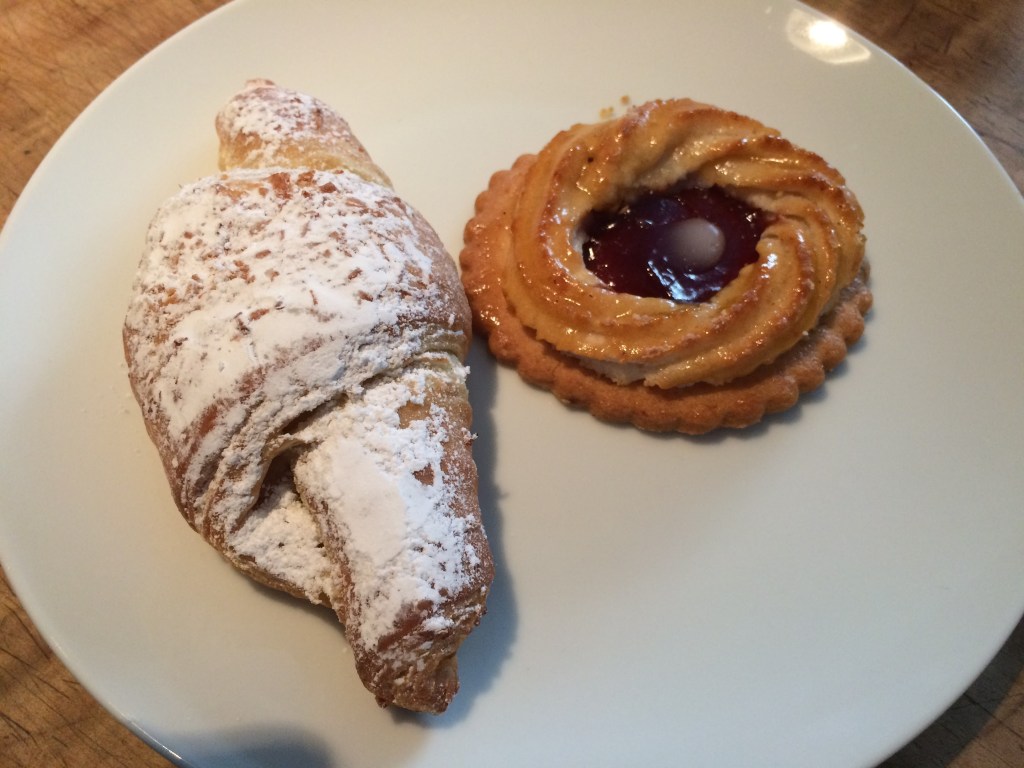
10. German bread is great, but Berlin has its own baking culture. Zeit für Brot is a local favorite known for its Schnecken – spiral-shaped sticky buns layered with cinnamon and raisins, or modern flavors like white chocolate and raspberry. Baumkuchen is another local specialty, a “tree cake” baked on a rotating spit that gives it its signature rings. It’s a simple butter cake layered with patience, and Konditorei Buchwald makes the best version in the city.





 flagsandforks