7 things about the Mexican Caribbean(Riviera Maya)

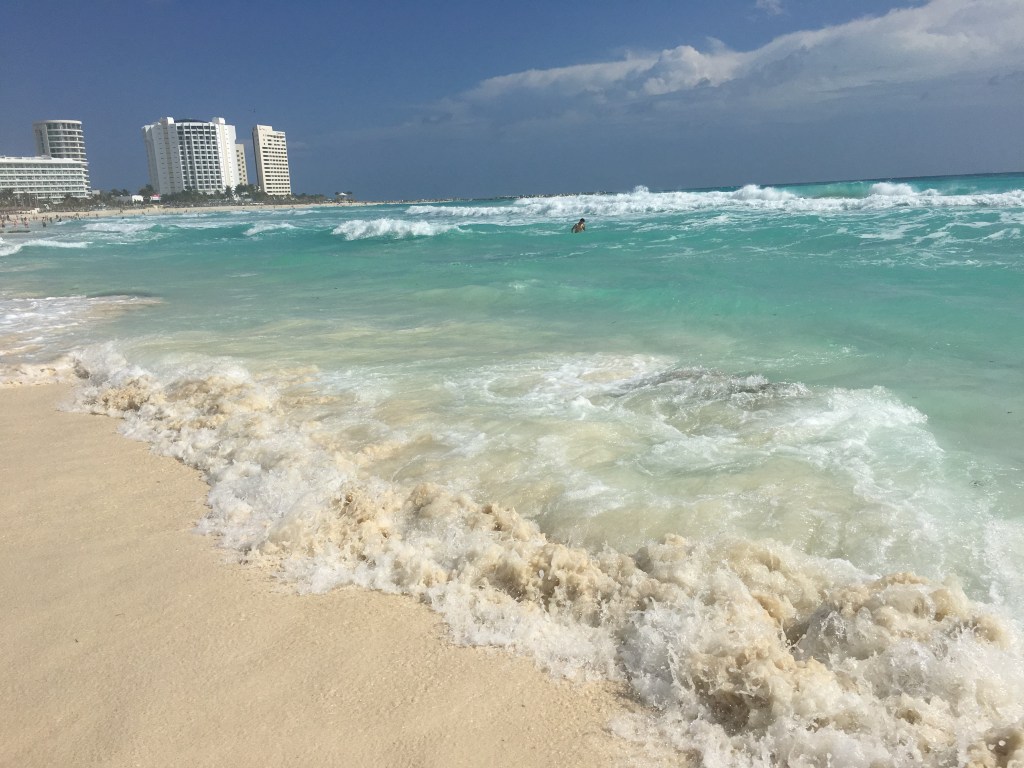
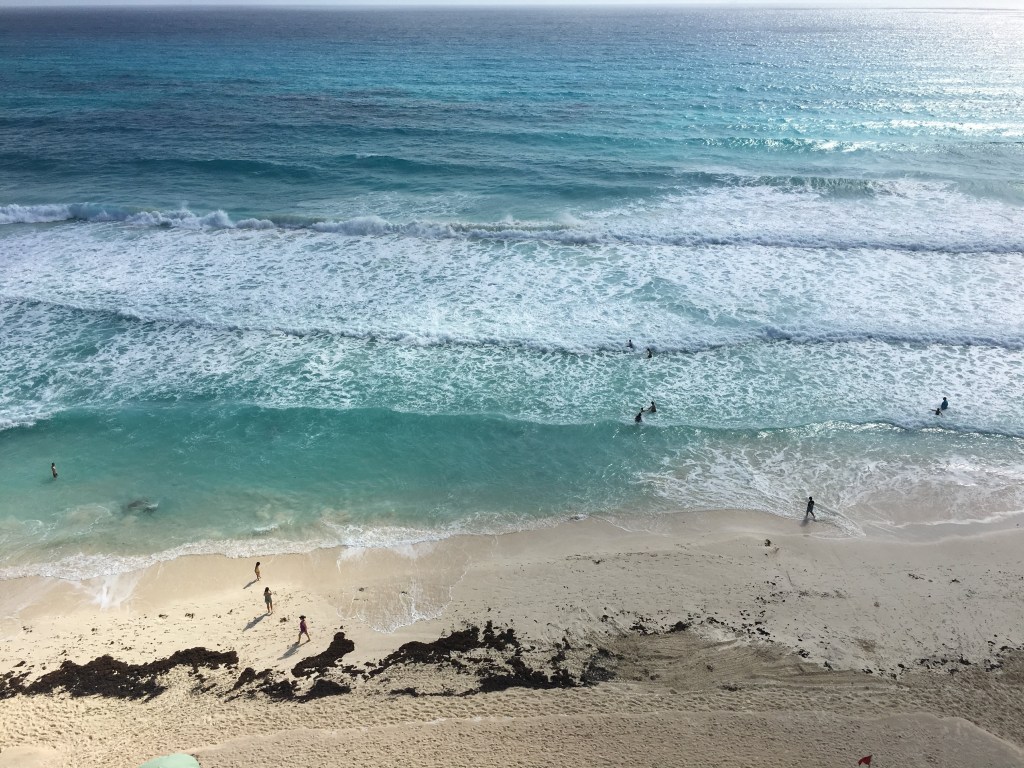
1.Cancun is popular among spring breakers and beach seeking vacationers alike. While the beaches were very good ignoring the recent seaweed phenomenon, I thought the overall experience in the hotel zone was a tad worse than beach towns in Florida. Everything from the overpriced taxis, tourist trap restaurants led me to the conclusion that Cancun is best suited for resort travel. I was kind of relieved to decamp to Playa del Carmen. 
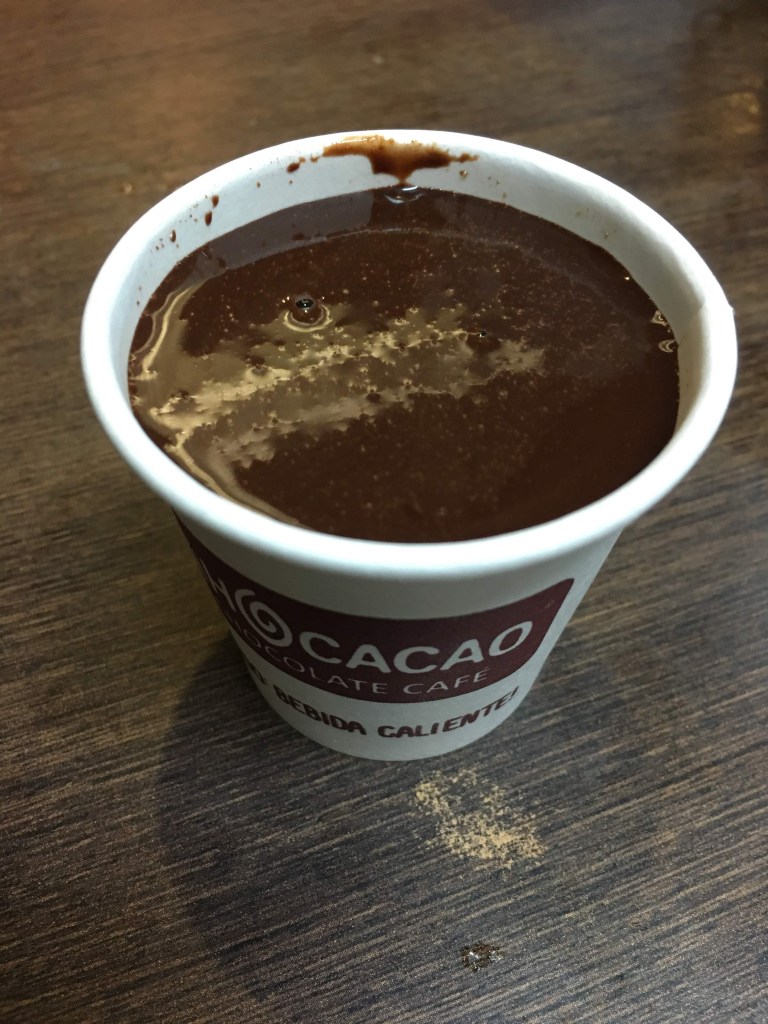
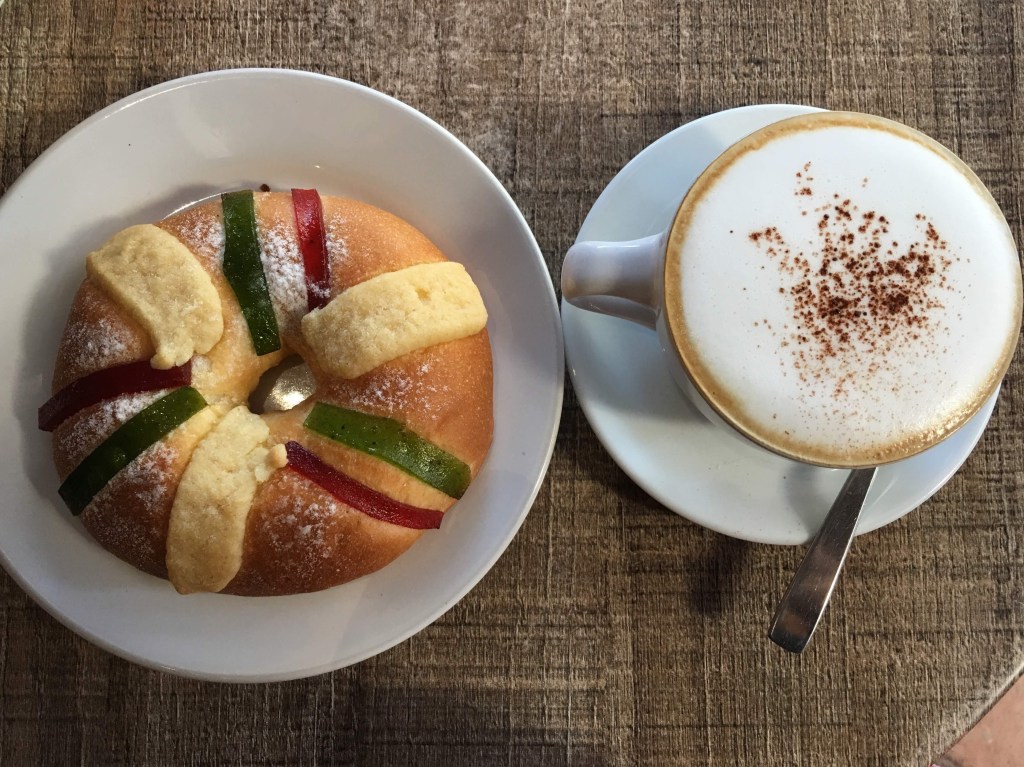
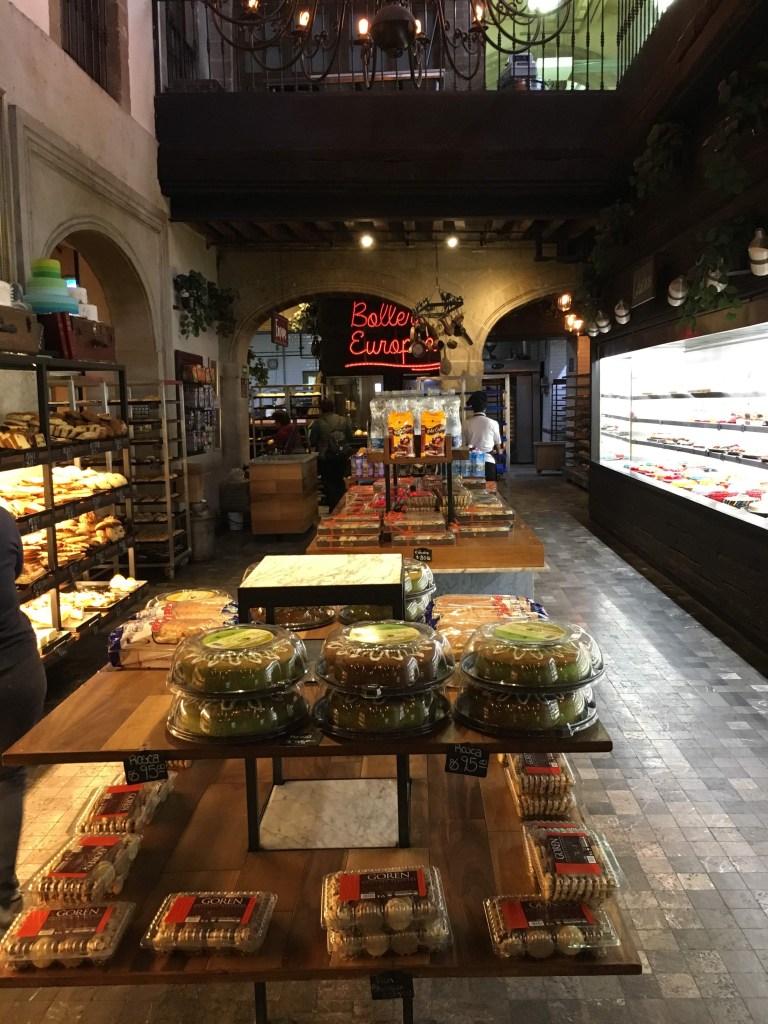
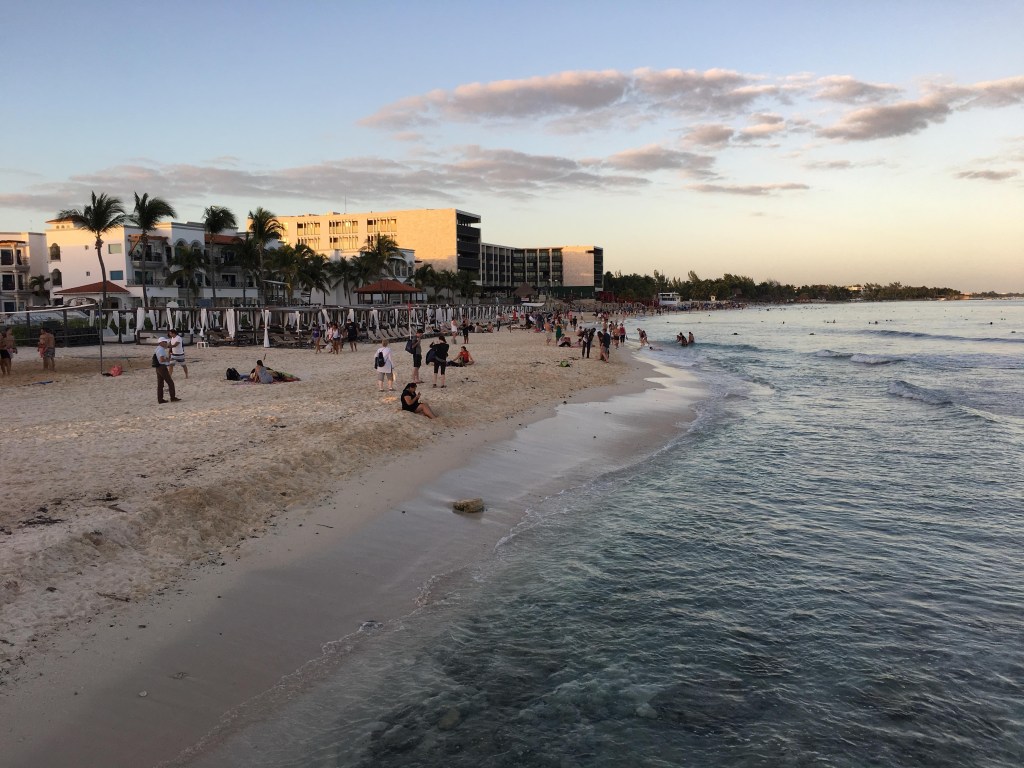
2. Playa Del Carmen was our base for exploring the Mayan Riviera. Although it has its share of resorts hotels and timeshares, it was not as busy or isolated as the hotel zone in Cancun. The town is also much smaller. It has a busy and vibrant downtown in the form of Calle Corazon, parts of which are charming. The Ah Cacao Cafe has fantastic hot chocolate – their rich european style hot chocolate is intensely chocolatey and perfectly portioned. I was also introduced to the Rosca de Reyes cake here.It is a ring or oval shaped bread decorated with colorful candied fruits. Rosca de Reyes or the King’s Cake is baked as part of the Christmas tradition in Mexico to remember the Magi or Three Wise Men (Kings from the East) who went to adore Baby Jesus. It is customary to bake it with a doll of baby Jesus inside it and the lucky recipient would have to provide for the dinner celebration. 
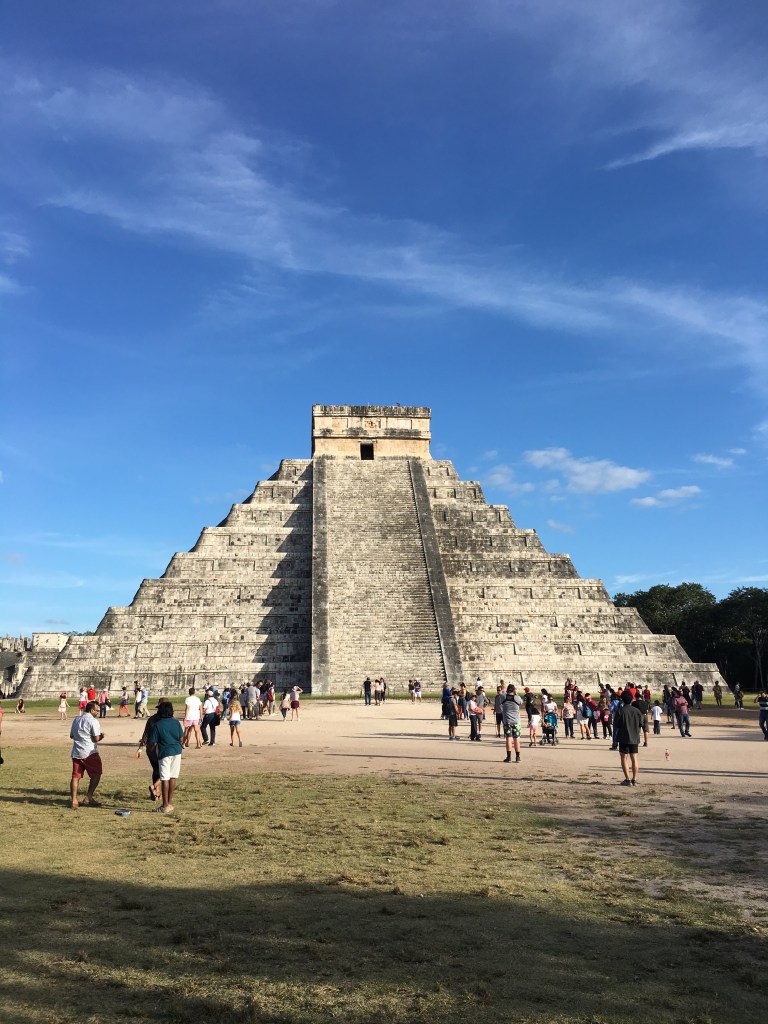
3. Chichen Itza was once the seat of the Mayan empire bewteen 750 to 1200 AD It is known for its well preserved ruins demonstrating Mayan expertise in astronomy. The El Castillo also known as the Temple of Kukulkan has 365 steps supposedly to mark the number of days in the calendar. During the equinoxes, a shadow in the shape of a serpent falls on the step pyramid. Chichén Itzá’s ball court is unique in  the largest in America and apparently Mayans conducted their own version of hunger games here. Chichen is a long day trip from any of the hub towns in the region but drive has been made easy with a shiny new expressway, the average drive time is about 2.5 hours each way. But the crowds can be unrelenting especially during holidays and weekends when locals have no admission fees. Although we avoided entry lines be timing our visit towards the end of the day, the insides of the complex were still crowded.
4. Valladolid is a town on the way to Chichen Itza. It is designated as one of the Pueblos Magicos by the Mexican Tourism Board and is known for a variety of cenotes. It can also serve as a base for exploring the Mayan ruins at Izamal, another Pueblo Magico as well as the lesser known Ek Balam. Add on with the historic town of Merida and Uxmal, it can be its own mini trip. 

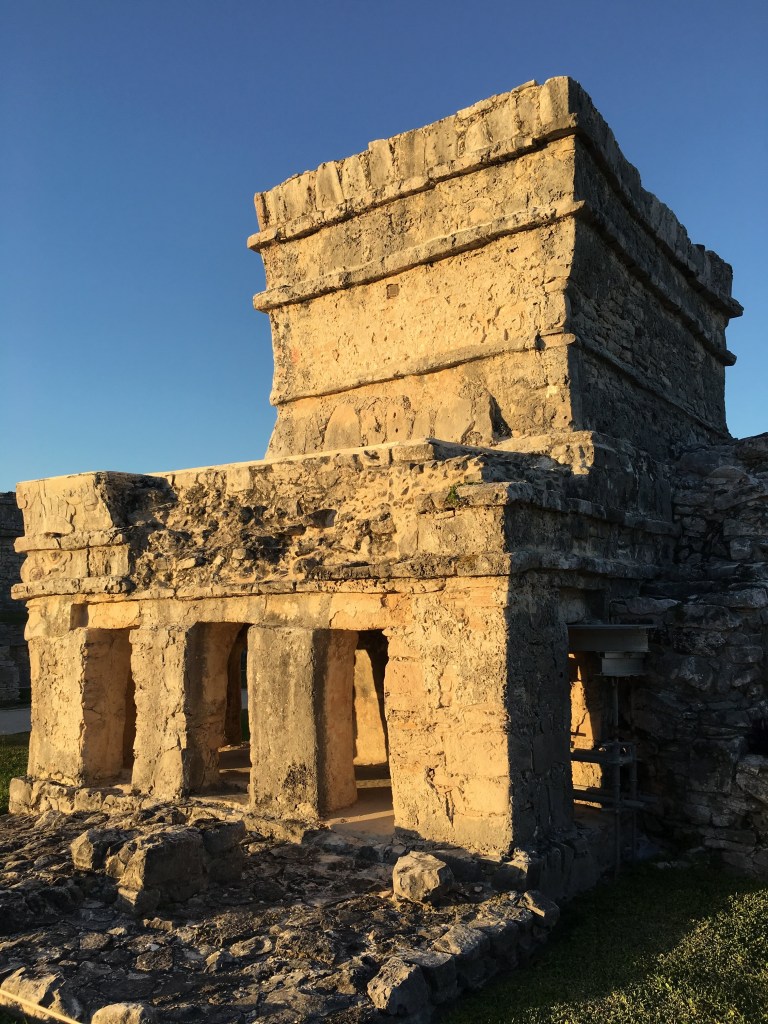
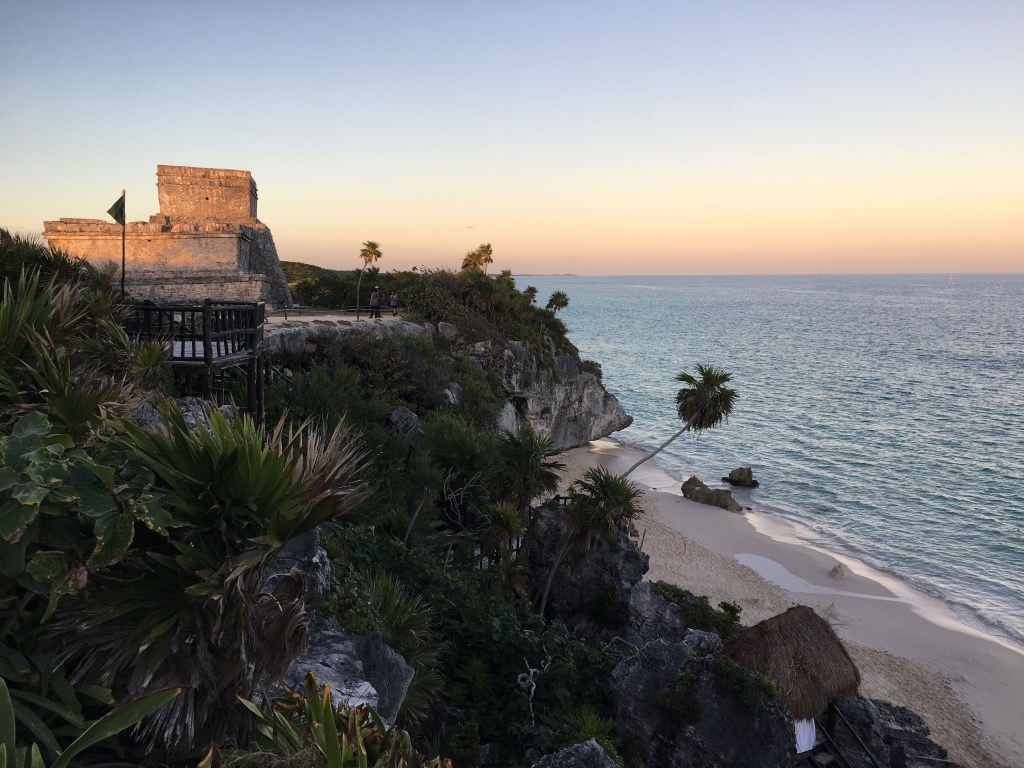
5. Tulum is no doubt more bohemian and relatively underdeveloped relative to Cancun or even Playa del Carmen but it has a great collection of boutique resorts. The beaches are much more accessible and less crowded. The Mayan ruins at Tulum are as picturesque as it gets. It was primarily build as a seaport and thrived between 1200 to 1500 AD trading jade and turquoise. It is fortified on three sides and protected by a steep cliff facing the sea on the other. This site has frescoes depicting Mayan good and motifs which are not found elsewhere in the region. 
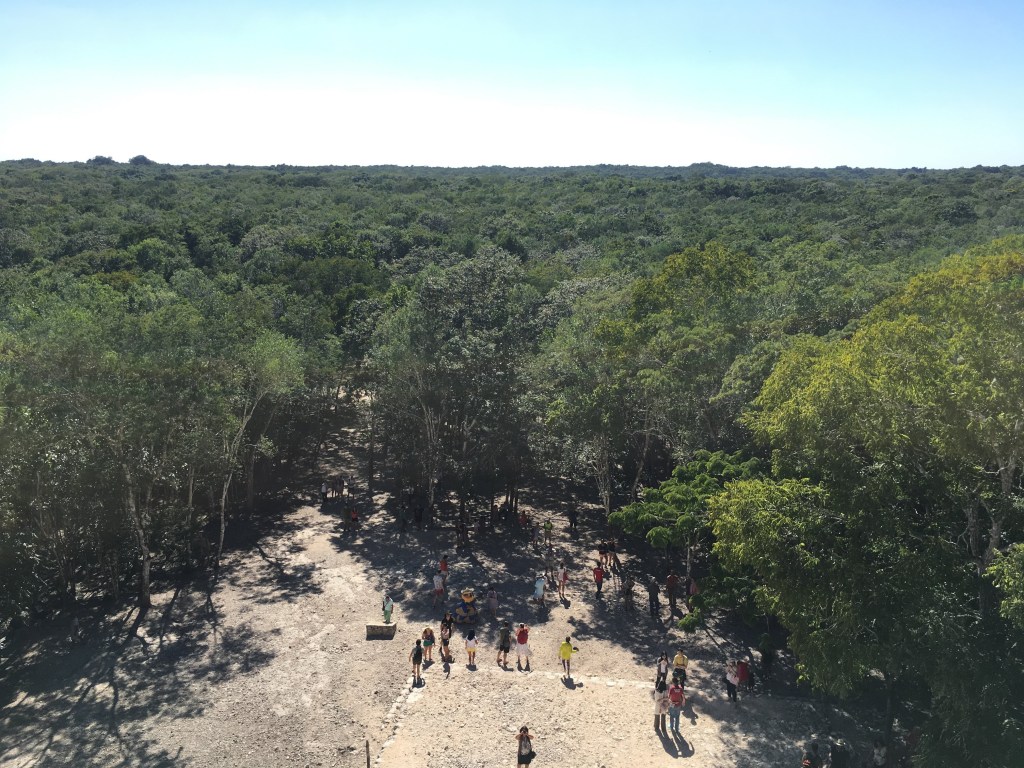
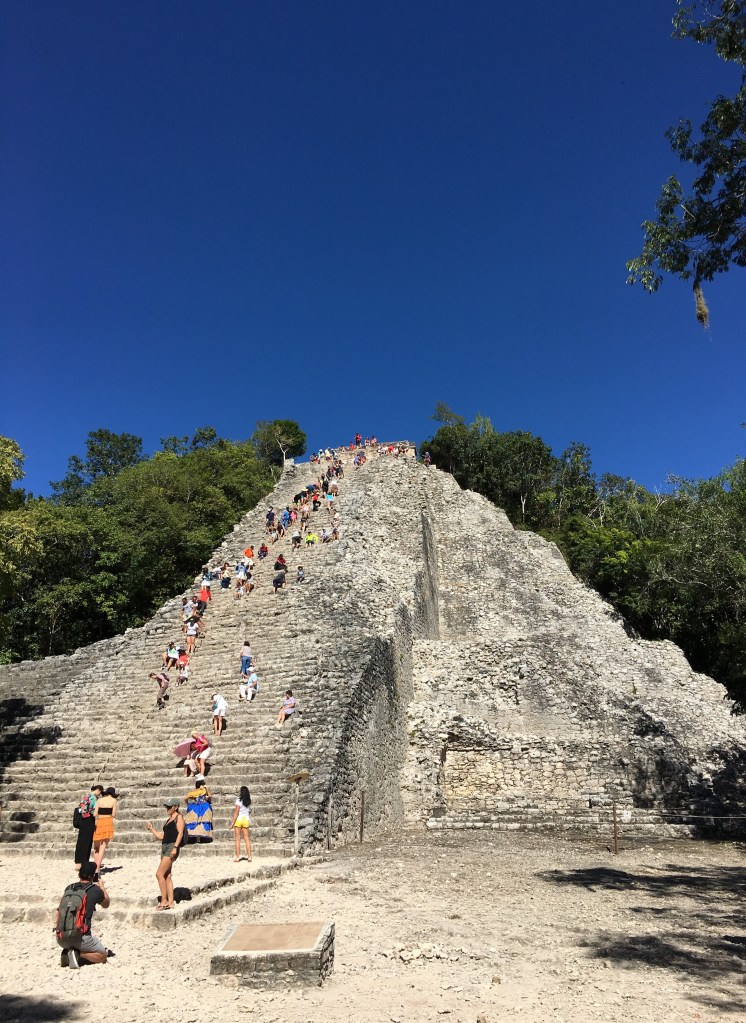
6. Coba ruins are unique in the sense that they are located in the middle of a jungle similar to Tikal in Guatemala. It predates Chichen and Tulum peaking around 600 AD. The main pyramid is smaller but very steep. It is totally worth the climb though. The tricycle carts that ferry people from the gate into the ruins is unique and fun. 
7. Cenotes are very unique to Mexico or at least Mexico has large number of them. They are basically sinkholes that expose ground water directly. While some cenotes have open water pools, most of them are partially or fully underground. The water inside is usually clean and has a spectacular turquoise color. Cenote Sac Actun, Cenotes Dos Ojos, Gran Cenote in Tulum and Cenote Zaci near Valladolid are popular ones. The sacred cenote at Chichen was plain sad. 
7 things about the Mexican Caribbean(Riviera Maya)

10 things about Mexico City, Mexico

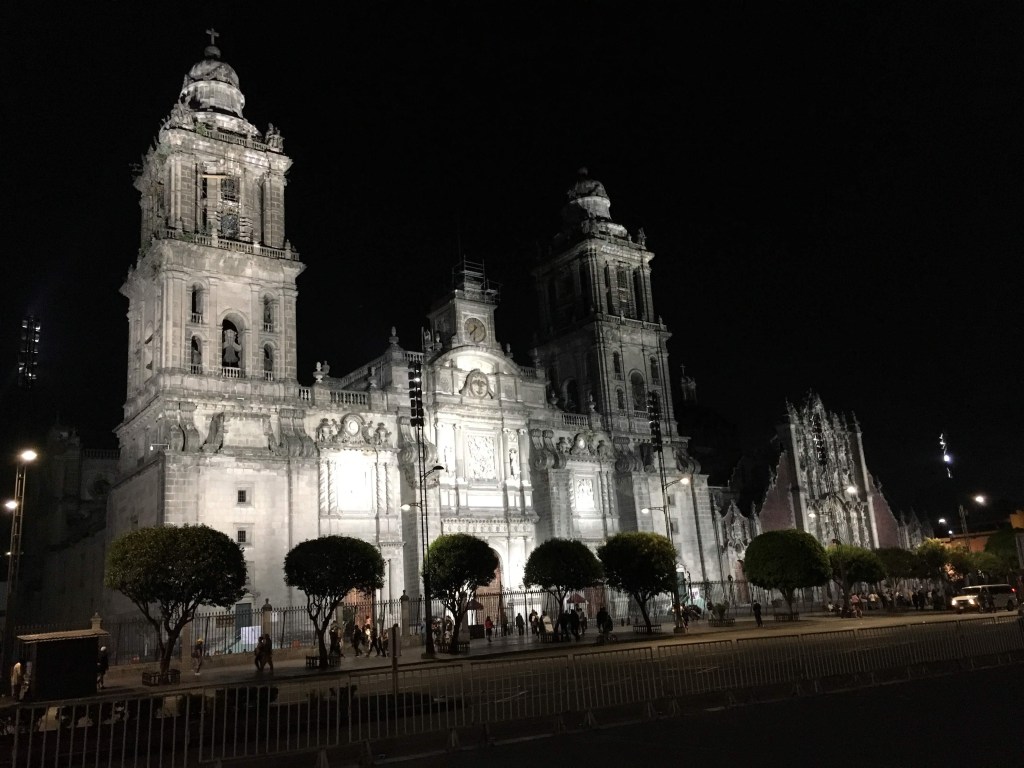
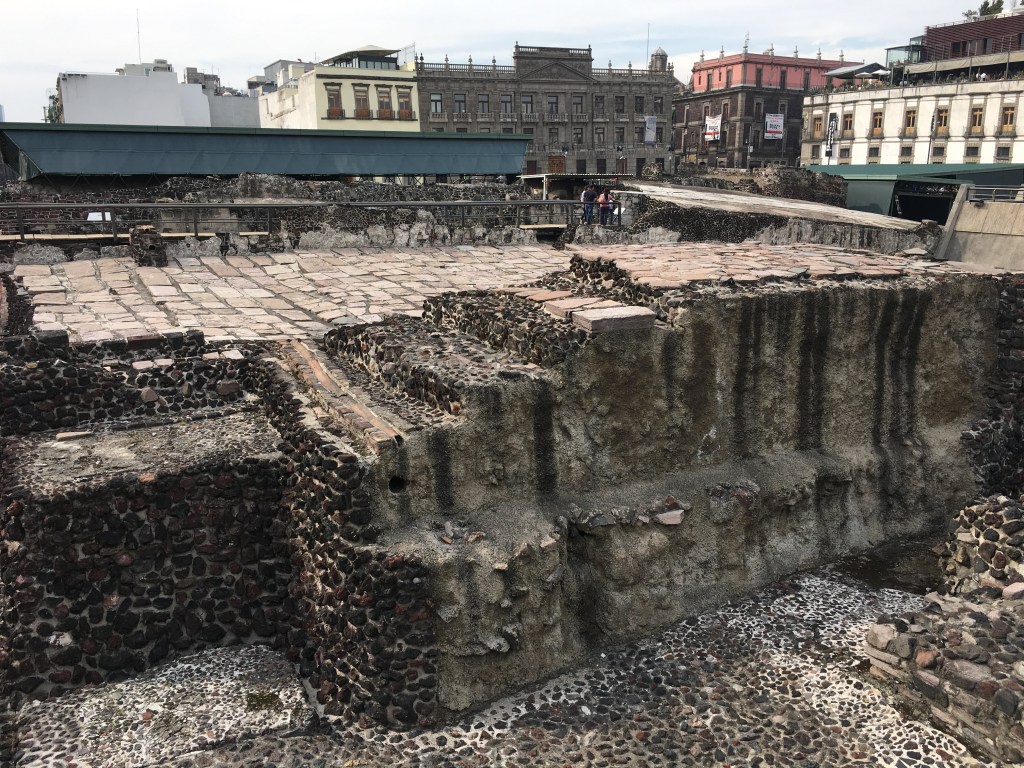
1.Although the area around today’s Mexico City was inhabited by various indigenous tribes as early as 100 AD, it was the Aztecs that laid the foundation of an actual city – Tenochtitlán. It was initially built over a lake, the Lago de Texcoco. Aztecs built an artificial island by dumping soil into the lagoon. Remnants of this ancient city are found at the Templo Mayor museum. When the Spanish came, they demolished most of the Aztec city and built a typical Spanish style city on top of it with its characteristic grand squares, cathedrals and palaces. 

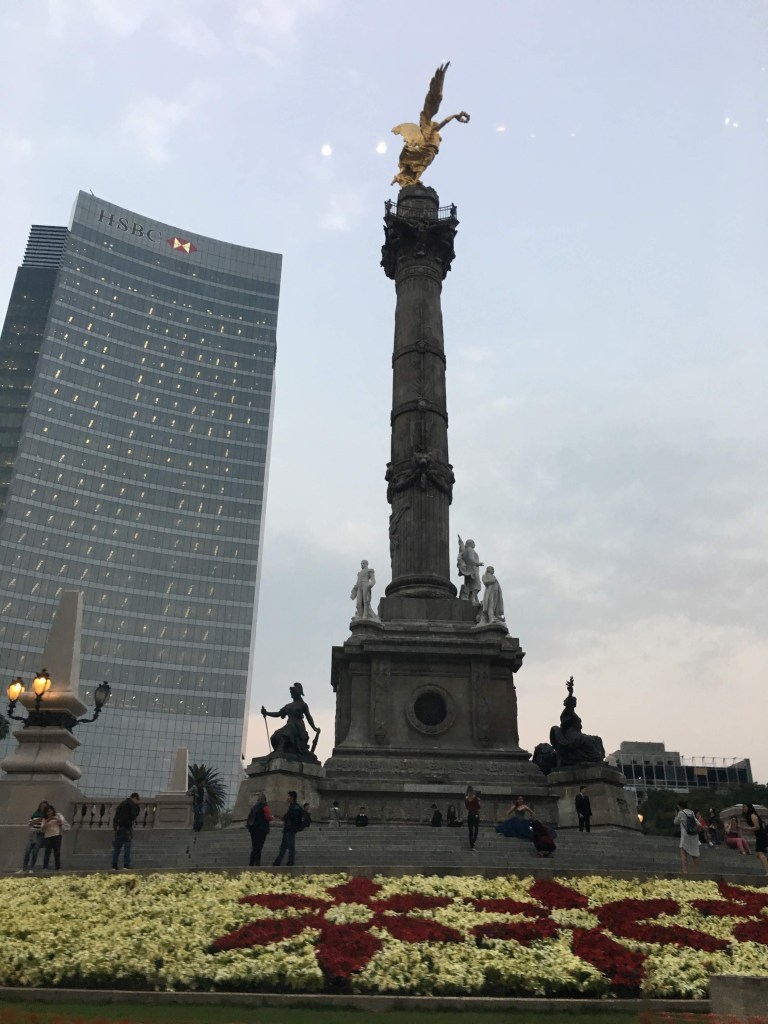
2. City is a sprawling metropolis with a population of about 9 million while the greater Mexico City area is home to about 21 million people.There is the fashionable but leafy neighborhood of Condesa, fancy but uptight Polamco, the bohemian Roma and its gentrifying cousin Juarez or the artsy Coyoacán, Mexico City has something for everyone much like every large city similar to its size. While general caution needs to be exercised in parts of La Merced, Tepito, Doctores and Centro Historic they are not dangerous. Plus, there is a usually a heavy police presence in touristy parts of these “difficult” neighborhoods. I stayed in Centro Historico and it was perfectly safe at all time of the day. 

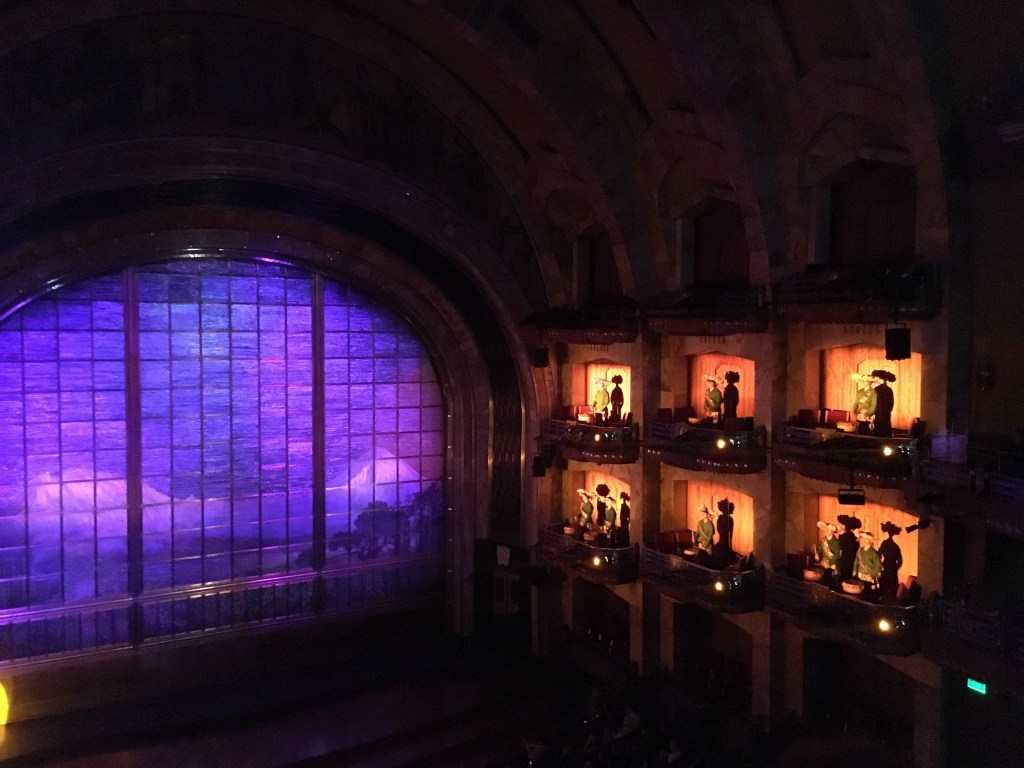
3. Given that Mexico was colonized by Spain for over 300 years, the influence on the Mexican identity is well known. But the founders of Ballet Folklórico de México created a dance ensemble to showcase the culture from the Mesoamerican times.The show is a visual spectacle with a mix of colorful and acrobatic dance performances. It usually runs a few times a week at the Bella Artes Museum. Lucha Libre (wresting show similar to WWE) is the polar opposite of the ballet with its grimy venues, loud audience and affordable options. Arena Mexico and Arena Coliseo are the top choices.The luchador mask defines the identity of the wrestler and also makes a good souvenir. 

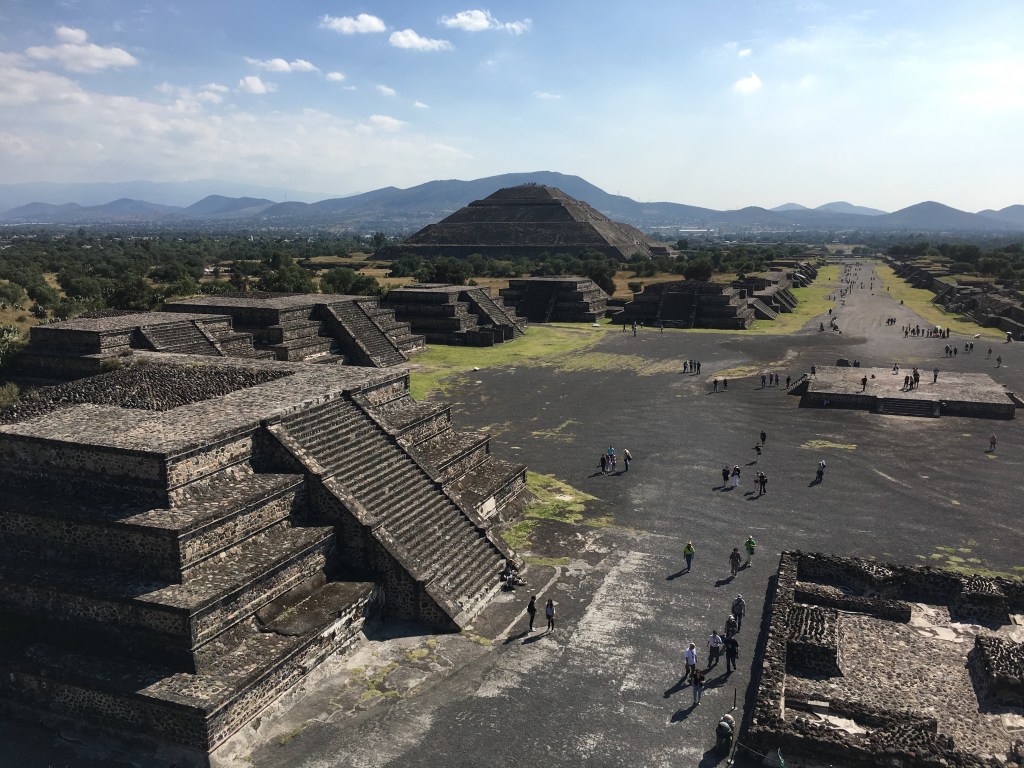
4. Teotihuacan is a mesoamerican city located in the central valley of Mexico about 90 minutes drive from Mexico City. While the original city predates the Aztecs, it was them who named it as Teotihuacan – “a place where gods are created”. In modern day, it is well known for its well preserved pyramids. The Pyramid of the Sun is a massive step pyramid. The best part is that is still open for climbing. Although the steps are a bit too narrow, it is fun to climb all the way to the top and get a bird’s eye view of the ancient city. 

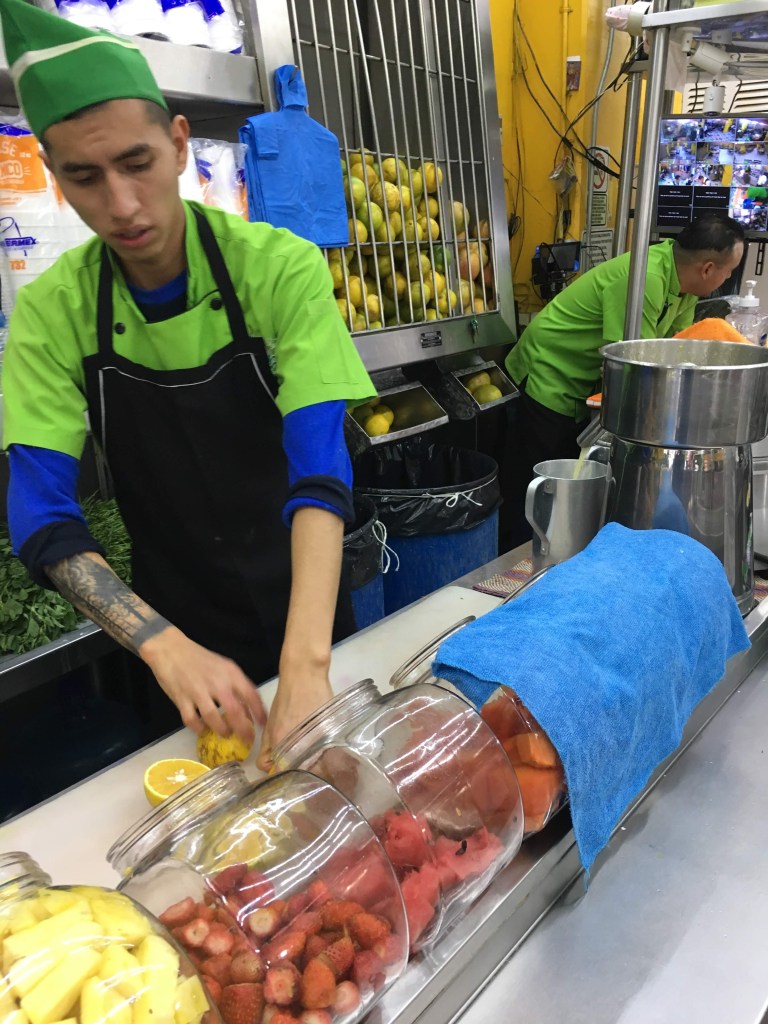
5. Something that struck me about Mexico city were how industrious the people were. For the most part, everybody wanted to do their job well. The guy at the juice shop, the taco masters, cab drivers were very professional. Although this might seem like a random generalization, there was a certain quality to their execution that led to me this conclusion. 

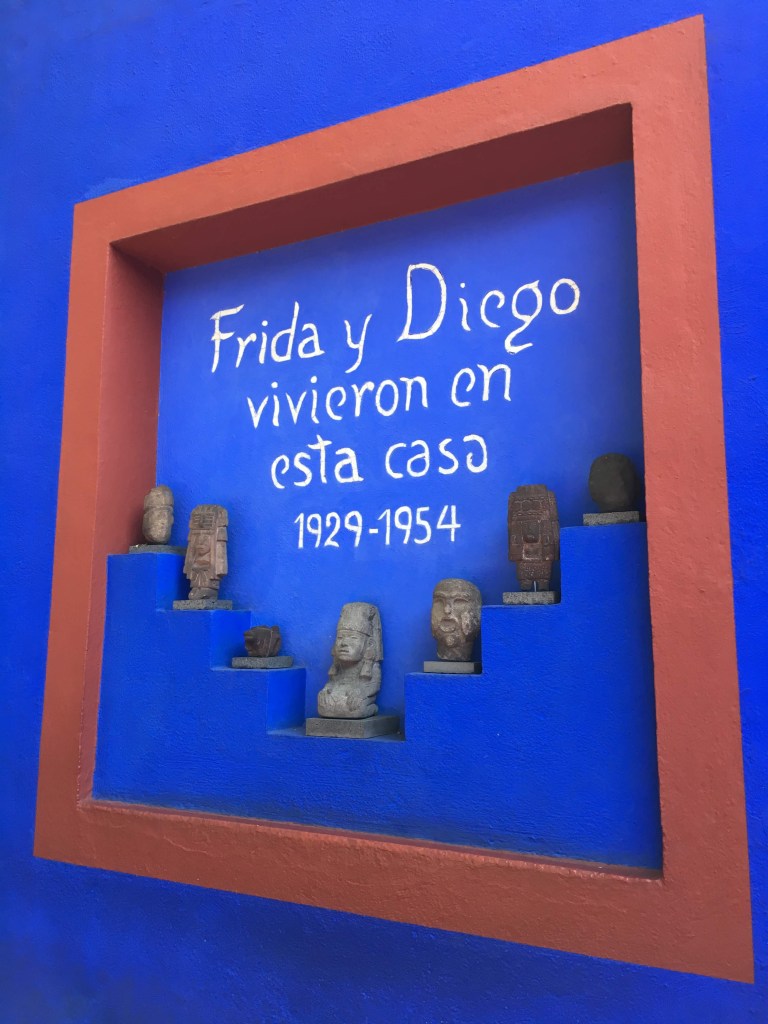
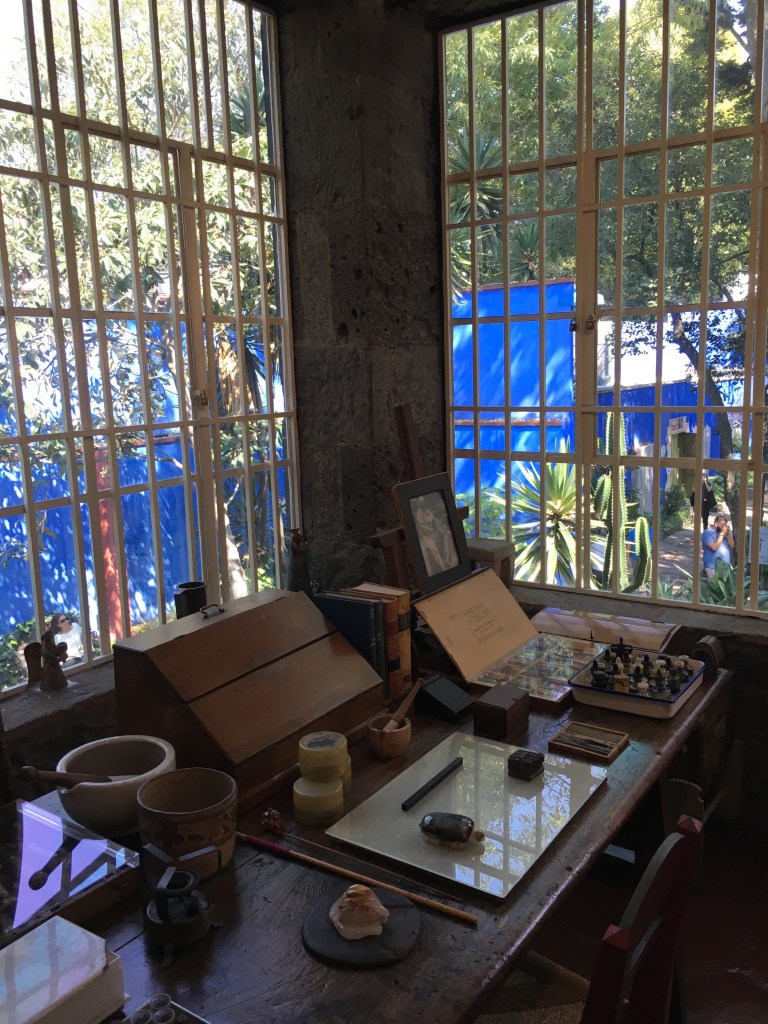
6. Frida Kalho and Diego Riviera are much lauded for their contribution to art in Mexico but they were controversial figures looking back into history. Frida was an accidental artist. Although affected by polio early in the childhood, it was the devastating accident that had her bedridden for months and it is during this time that she took up painting. At 22, she had an affair with her teacher Diego Riviera and eventually married him. Frida and Diego joined the Mexican Communist Party and even petitioned the Mexican government to grant asylum to the soviet leader Leon Trotsky. They even hosted him at their Casa Azul house. Despite their mutual infidelities and the resulting complicated relationship, they were married until Frida’s death. The Casa Azul now a museum is very bohemian and rustic. 

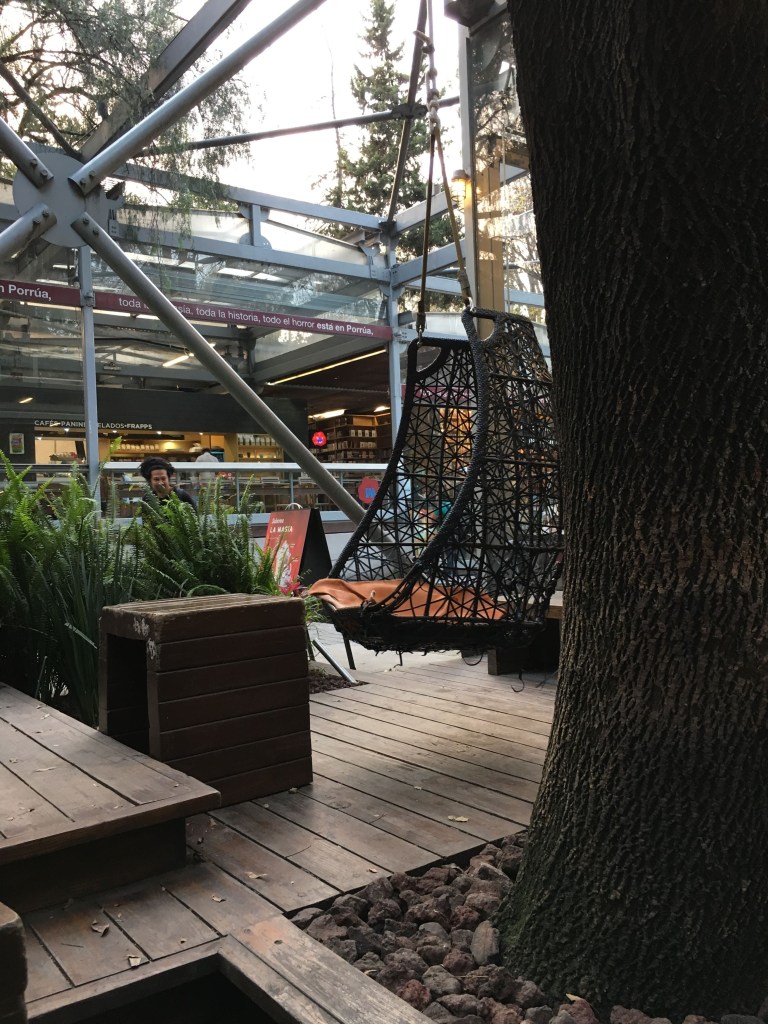
7. The greenery of Chapultepec Park are the lungs of Mexico City. Flanked by Polanco, Condesa and Colonia neighborhoods, it is home to the botanical garden, art and a number of museums and the Chapultepec castle. The Museo Nacional de Antropología is a must visit, it is an expedition into the history of Mexico centered around thoughtfully curated artifacts. I liked relaxing in the park and enjoying drinks at the fancy Starbucks with its bamboo chair swings. 

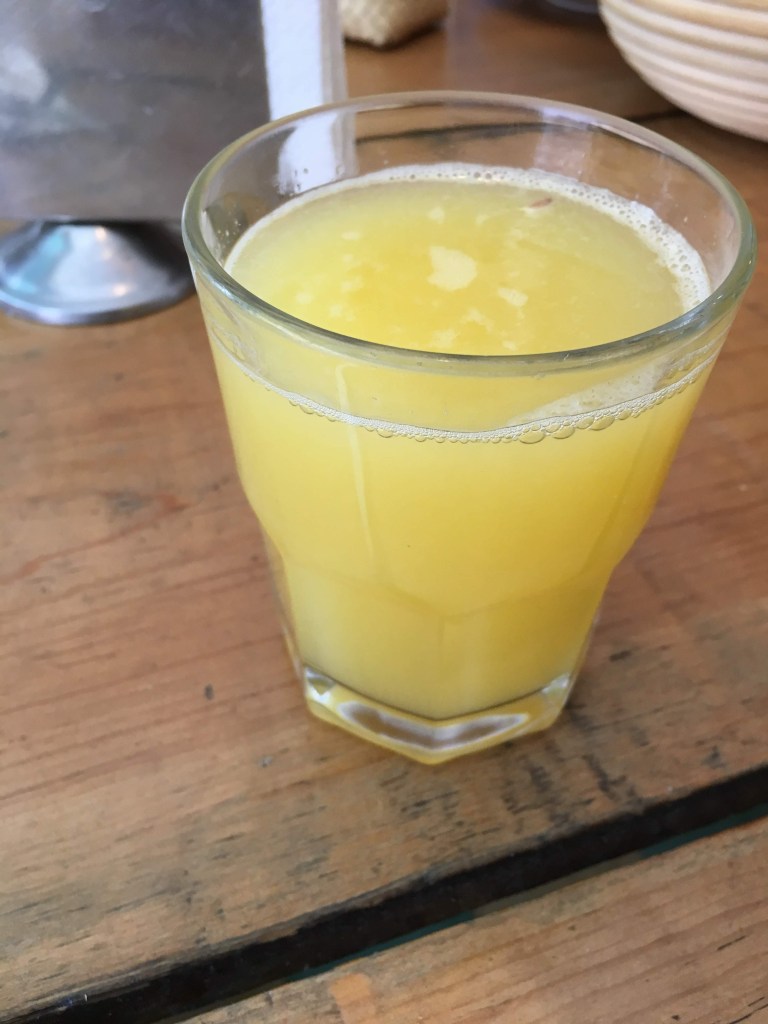
8. Oranges were one of the imports from Spain who themselves were introduced to it during the period of Arab domination.There is almost always freshly squeezed orange juice available at most restaurants and cafes. I got one with my breakfast everyday. It was perfectly orangey and sweet. 

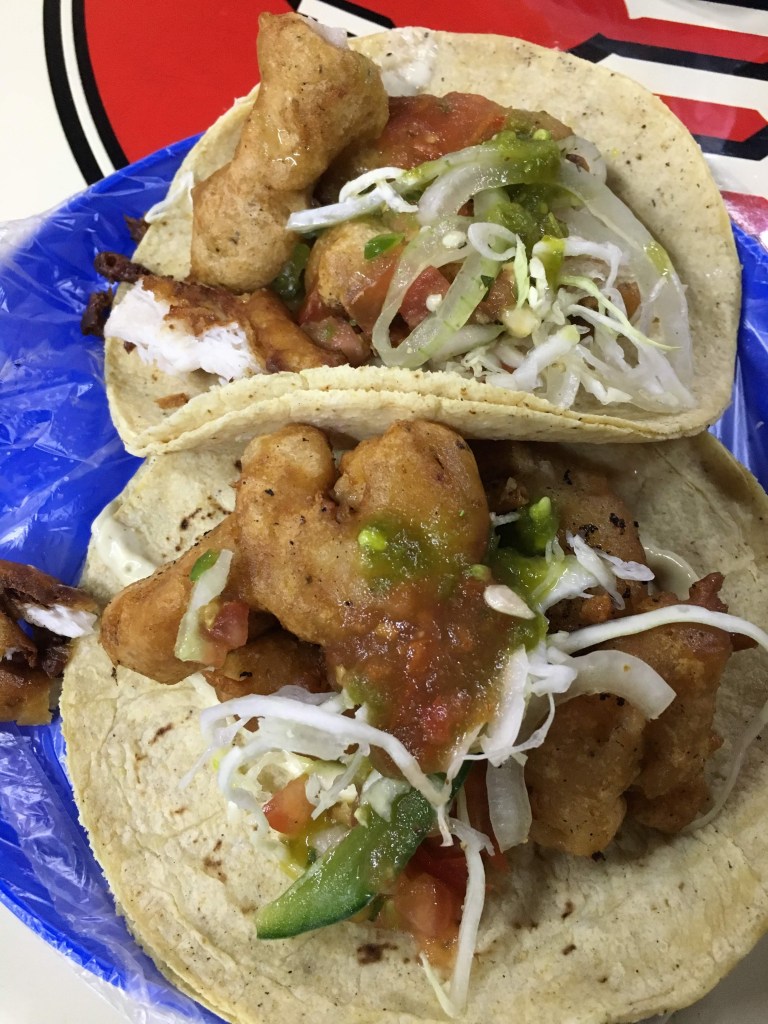
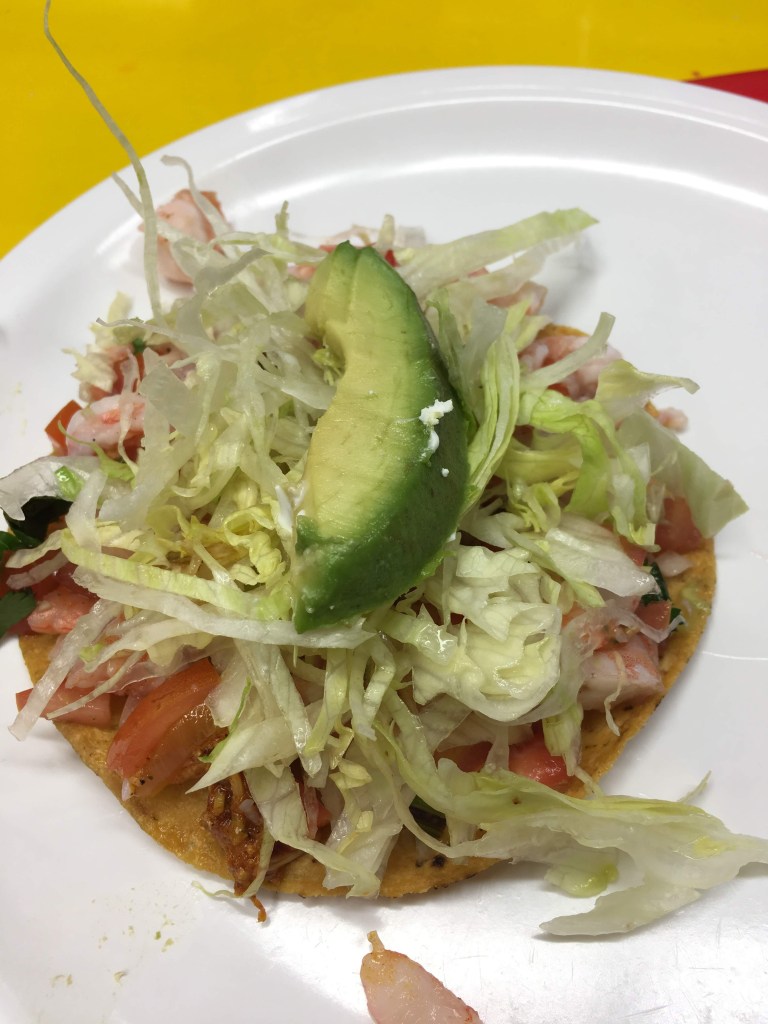
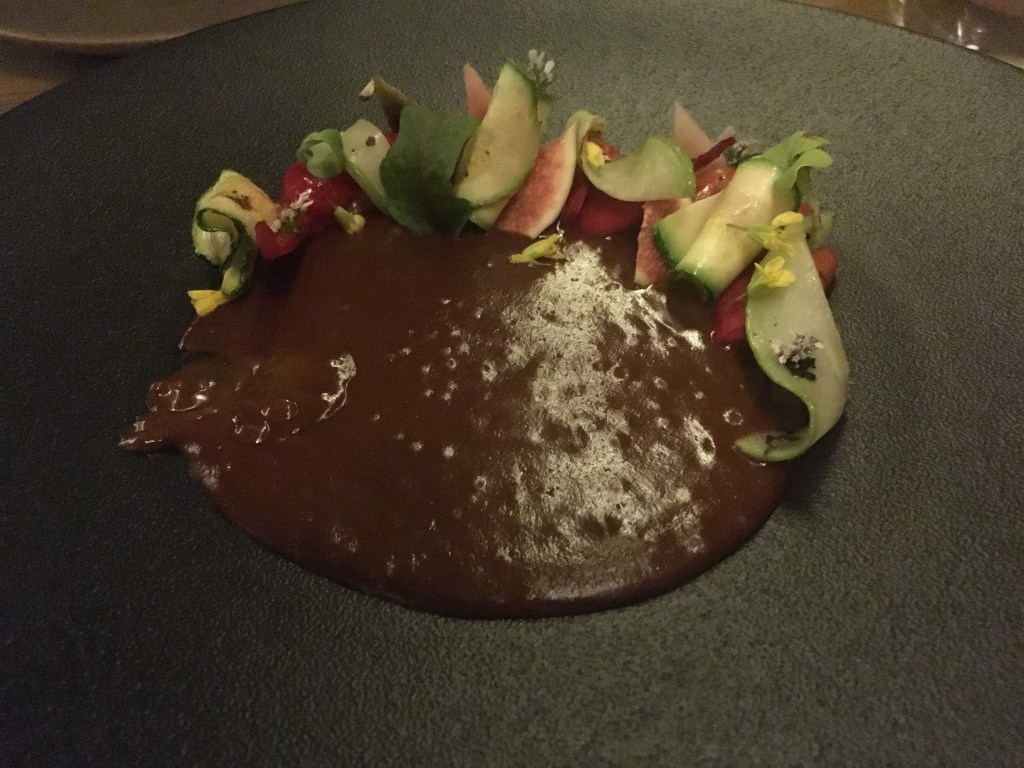
9. The shrimp and fish tacos at El Pescadito set the bar really high for any taco I have in the future. The seafood is fried per order and the salsas are supremely flavorful. It was flavor explosions in my mouth. Another such experience was at the Mercado Coyocan while eating the shrimp tostadas. The salsas were mind-blowing. They are masters at balancing acidity and heat. Mole has complexity of flavor. Although I wasn’t a fan of it at first, I couldn’t resist licking it off my plate at Quintonail. 

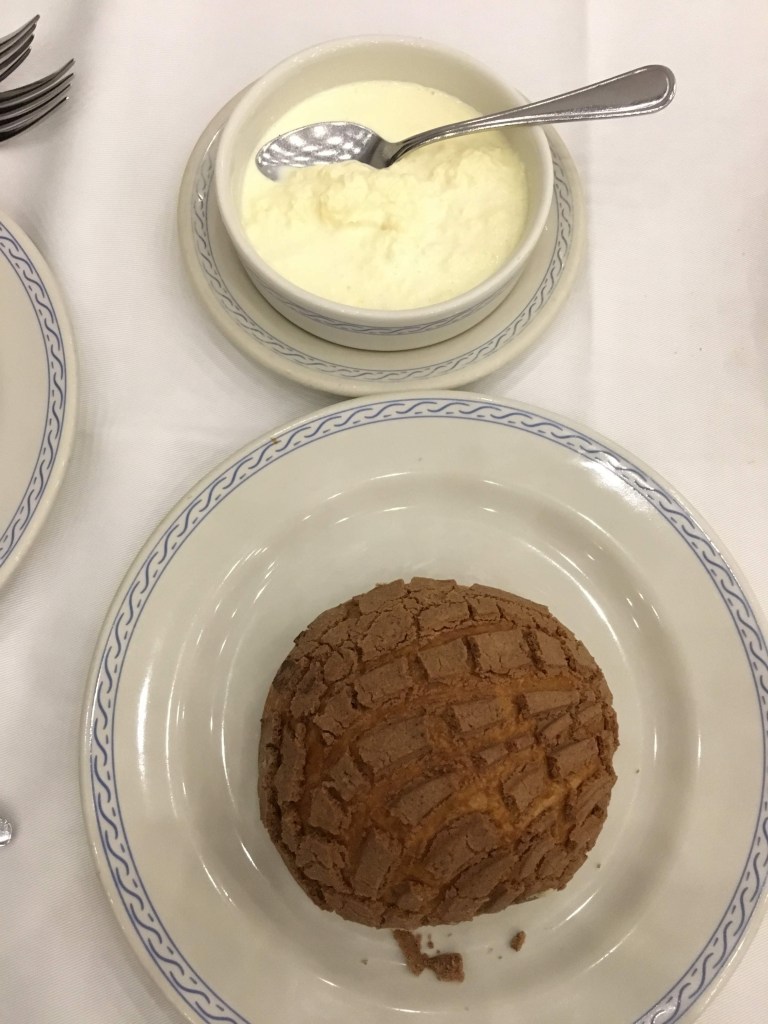
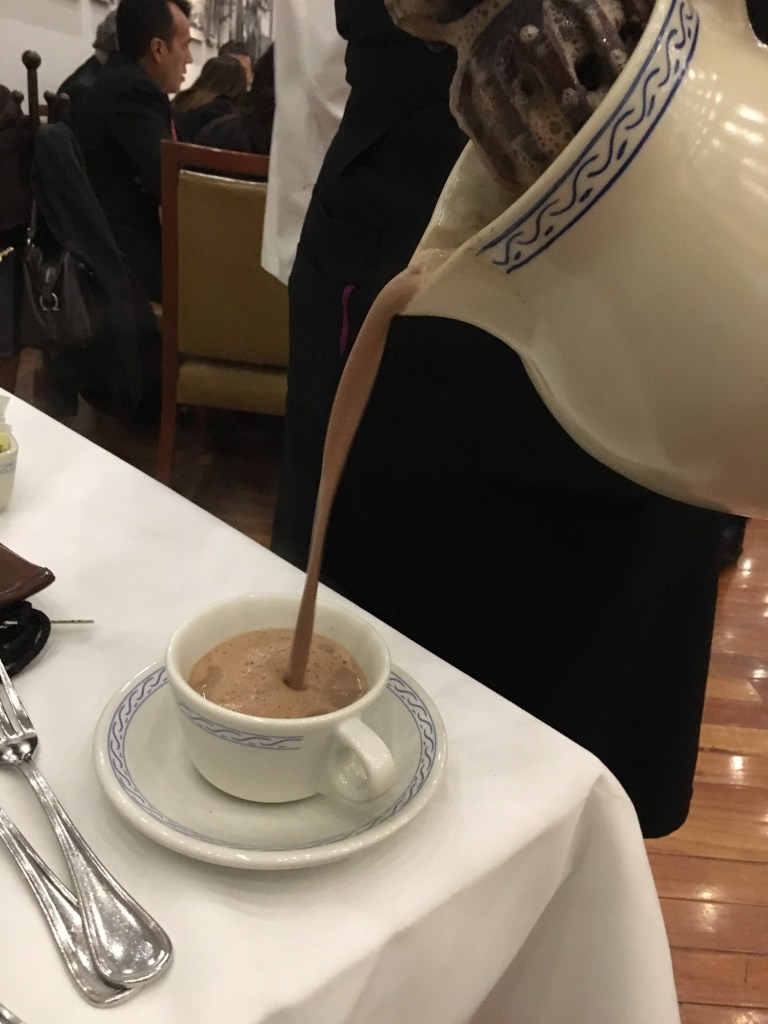
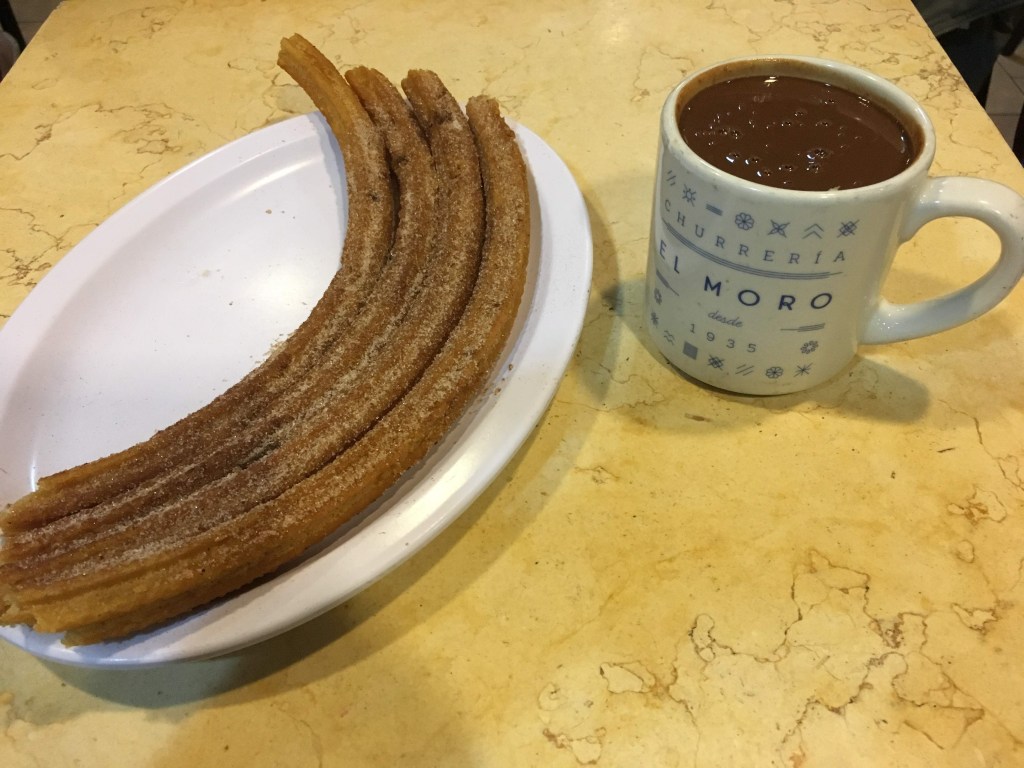
10. Churros, Conchas, Chocolate complete the sweet tooth trifecta in Mexico City. Lining up at El Moro and getting a pack of fresh churros is a memory on its own. Dunk it in house made european style hot chocolate, it becomes addictive. El moro churros are not greasy, they are crunchy on the outside and soft on the inside. It was fried food perfection. While Conchas are what croissants are to the French, the ones at the El Cardenal are pillowy soft. The table side hot chocolate is much more than the show, it is absolutely delicious – intense chocolate with just the right amount of sweetness. La Esperanza bakery chain is a solid option for both Mexican panaderia breads as well as viennoiseries.

10 things about Mexico City, Mexico

6 things to do in Puerto Vallarta, Mexico

Puerto Vallarta is a resort town in the Jalisco, Mexico. With remnants of their colonial past, PV seems to thrive with the sun-seeking Gringos coming here in droves. It was hard to hear much Spanish unless you are walking deep into the Old Town. Condos and apartment rentals are huge in PV, I guess even big hotels are hugely outnumbered in comparison. The resort side is very family friendly, we saw a ton of kids and an equal number of seniors as part of family reunions.

6 things to do in Puerto Vallarta, Mexico

Be a tourist and hit the beach

You waited all year to use those stingy vacation days that you have to accumulate. You paid premium on your flights to get here. The heat is serious. What are you waiting for? The culture, food can wait, head to Los Muertos beach or whatever beach that is close to you. Sip on those pina coladas/margaritas and live it up on your well deserved break.

Pv beach

Los Muertos Beach

Eat your weight in guacamole/fish tacos/salsas

The avocados are probably grown within 30 minutes from your accommodation in PV. They are fresh and most local restaurants know how to make guacamole right. So,don’t pass on them. The salsas that are served also pack a nice punch.This ain’t your chipotle or our “chef is from Mexico” versions, the salsas are made fresh with tomatoes, lime,jalapeños and salt. It is a delicate balance between these flavors that makes it superlative compared to anything you have ever had before.

PV - Food

Salsa,Guacamole with Chips, Grilled fish tacos

Catch a sunset and walk the malecon

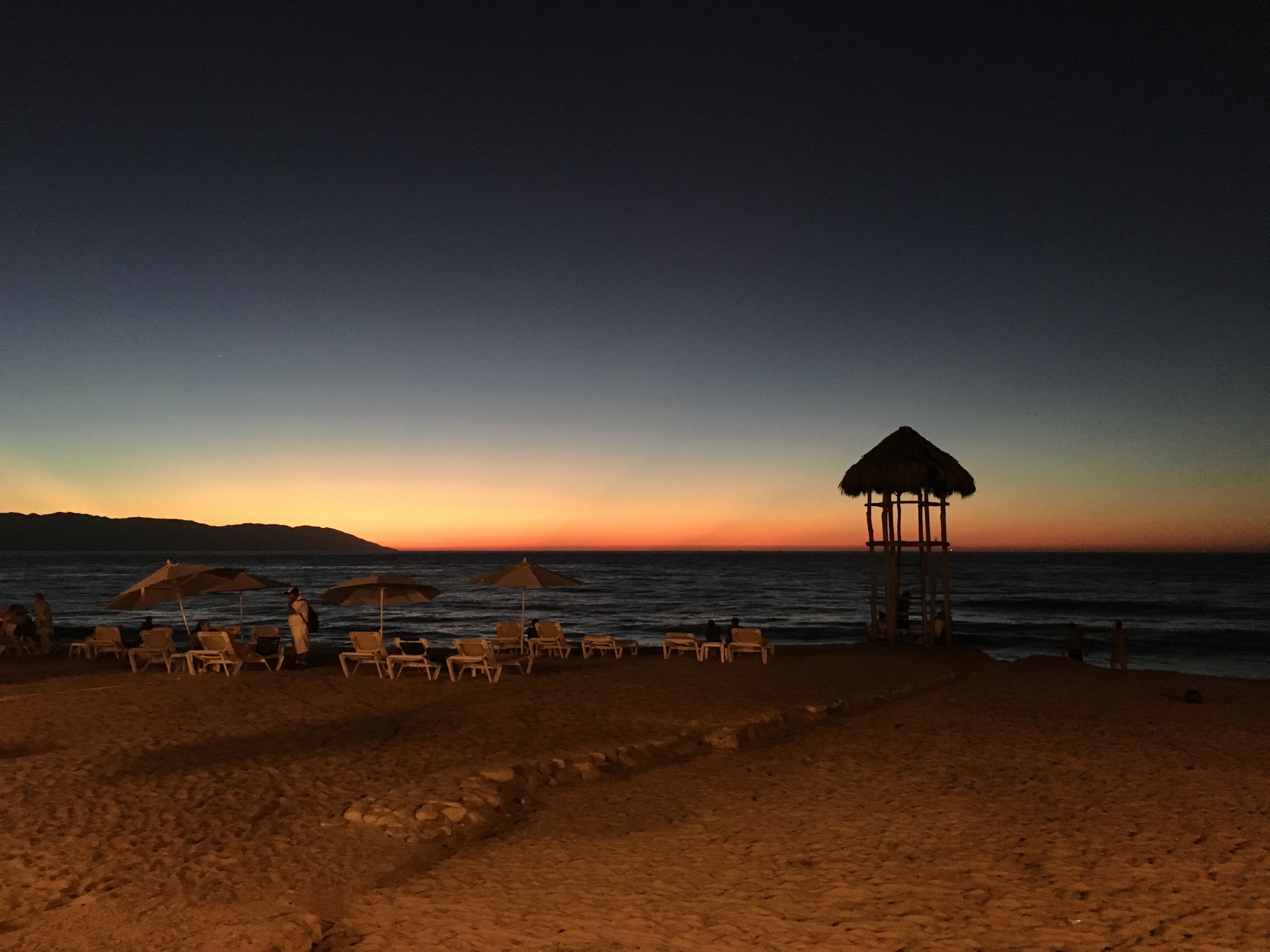
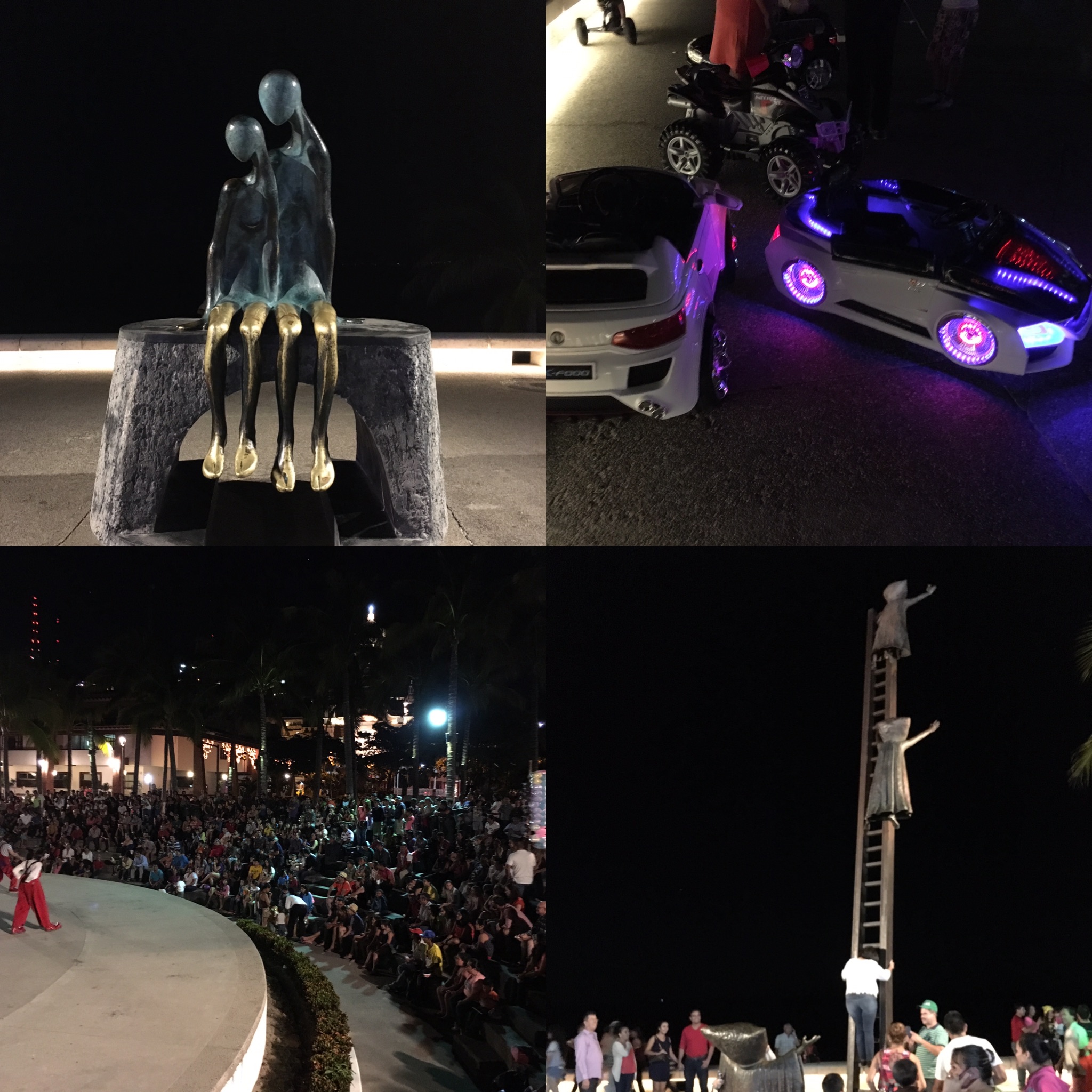
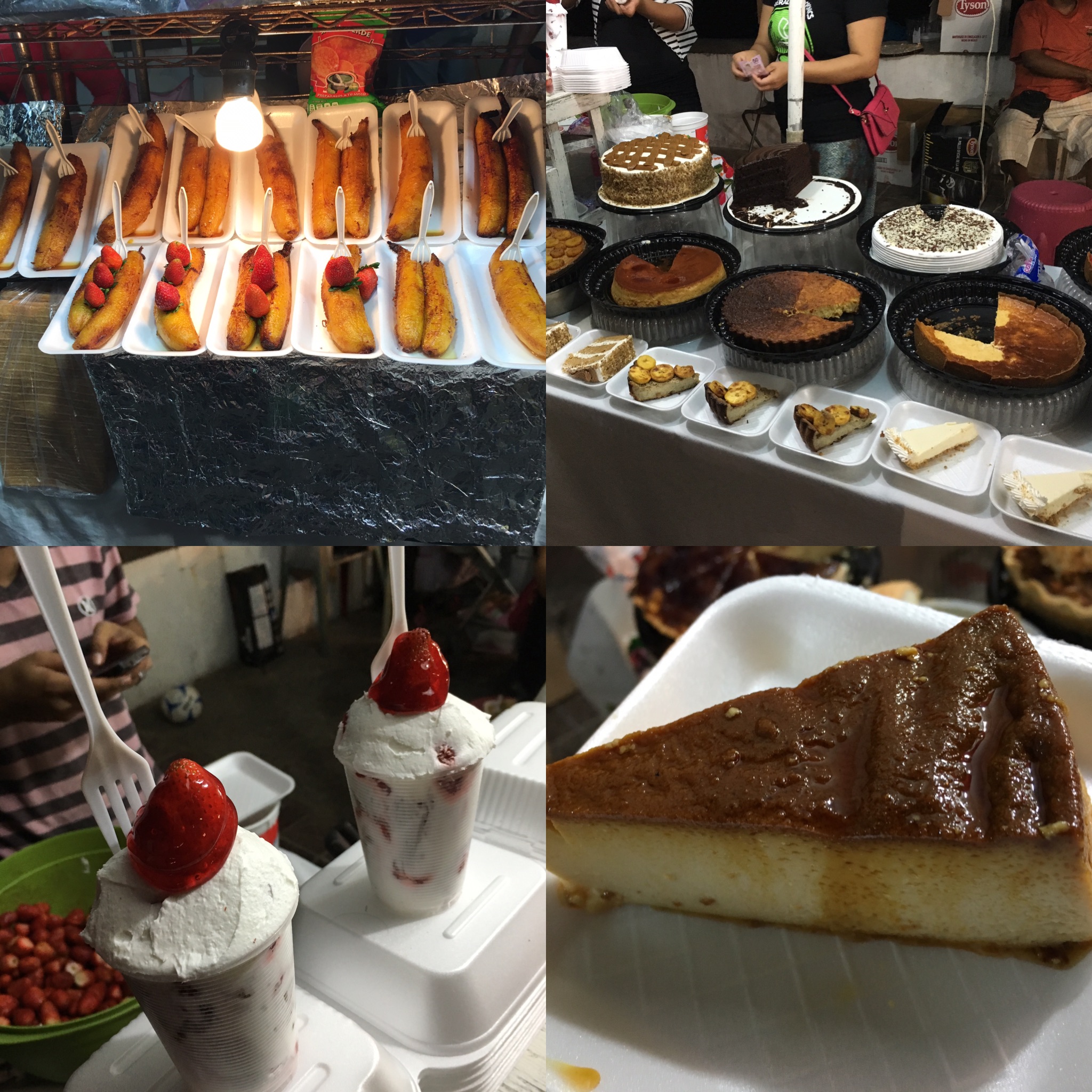
The sunsets are gorgeous from the malecon, the red orange hues that we seldom see are worth instragramming. Walk along the malecon and as the sun goes down and watch the city come to life.Street artists, comedy acts and food vendors come out in full force in the evenings. You have your pick with the food vendors- if you need sugar you have deep fried bananas, strawberries with cream, homemade flan/cakes, horchata. On the savory side, marinated shrimp and pretty much any type of meat on sticks. The art installations along the malecon are quite fun and serve as good photo ops.

pv-sunset.JPG

Sunset on the beach

pv-malecon at night.jpg

Along the Malecon

pv-street food sweet

Street food along the Malecon

Hit up a bodega or a mom and pop store

After 3 straight days of good sunshine and much needed heat, rains lashed out in PV. Literally,when it rains it pours here. Our “lazy walk to brunch” strategy was put to test. But we decided to brave the rains and headed out under the cover of incomplete patio roofs onto the next block to look out for the closest place listed on Yelp. But it was closed and hunger prangs were starting to grow. On our way back, we found a pleasant little man selling some breakfast items right out of his house. Better half quickly chose the cake and I got introduced to cafe de olla. As the mexican man explained it to me as a local version of coffee with hints of chocolate and cinnamon. I was sold and it was a refreshing wake up call on a rainy morning. So, don’t wait hit up a bodega and try the real deal.

pv-rainy day bodega.JPG

Rainy Day/Cafe Olla/ Bodega

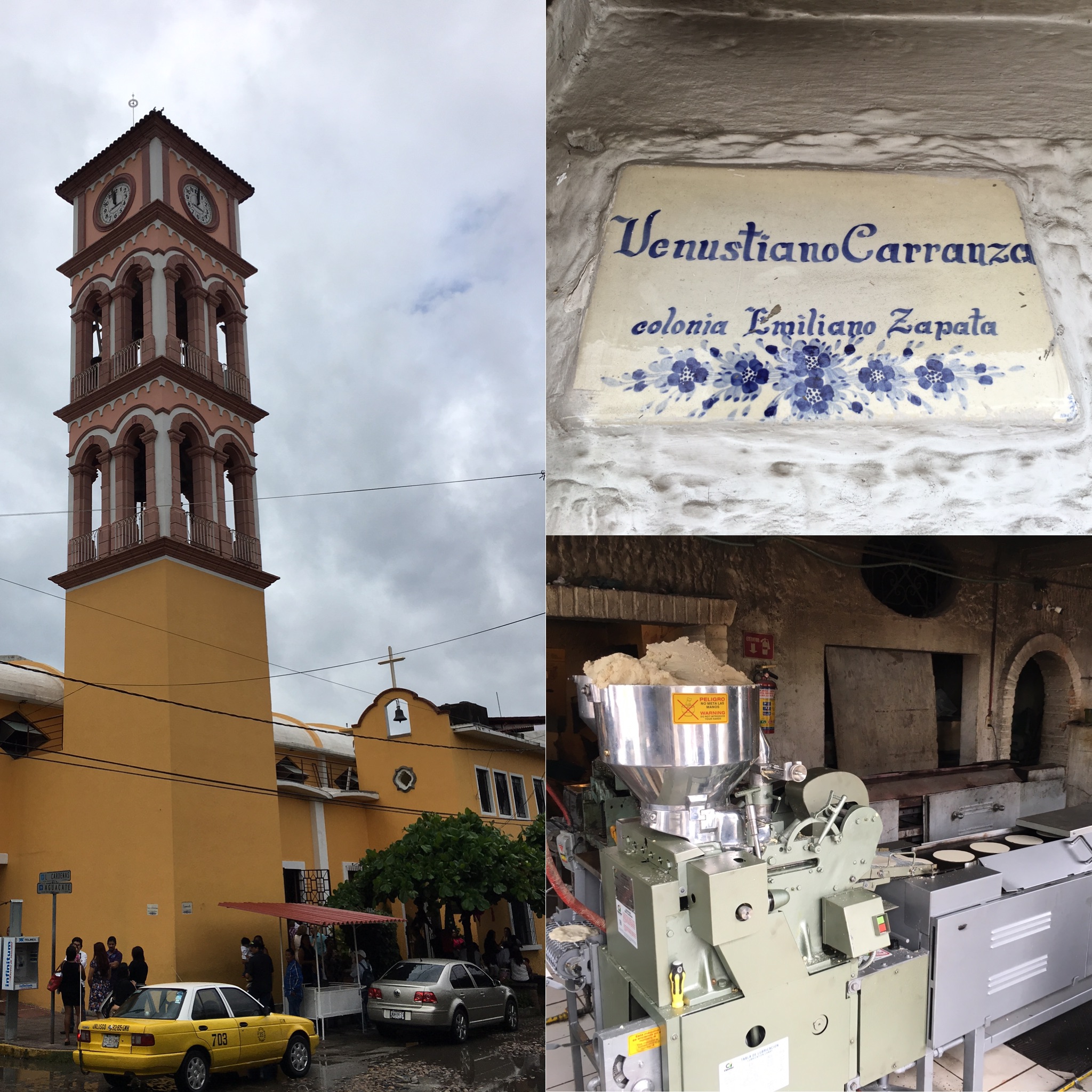
Crossover from the resorts area and head deep into Emiliano Zapata

We stayed in a functional Airbnb in Puerto Vallarta in Old Town. Our daily itinerary was hitting the beach during the day and walking the malecon in the evenings. But it was not until the final day that we decided to break the pattern and explore the town. We came across a real tortilleria – they have a huge ass machine spewing out fresh tortillas. Our mythical mental image of old grandmas making them by hand was completely shattered. The mexicans take their tortillas seriously  and dammit they don’t want inefficiencies in their supply chain. We also encountered well-dressed locals heading in/out from their Sunday mass. This gave us a great view into the local culture.

pv-old town

Old Town

If you need a break from the PV, day trip

There are a couple of decent day trip options from PV. The most exciting of which is the Marietas islands- it is a giant crater caused by a bomb explosion by a beach. Swimming skills essential as the only way to get in there is via snorkelling. Head to Yelapa for some easy day hikes or try your hand at some zip lining.

Bonus:

We managed to catch lunch at the iconic La Palapa and thought it was overrated. The service is ridiculously slow.  Go with low expectations and you might be surprised.

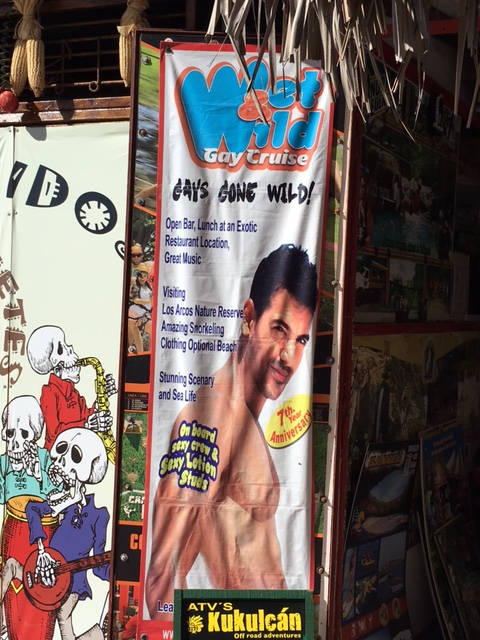
If you are from India, you might know who this is. He is a popular Bollywood star John Abraham. His role in the movie “Dostana” has made him the poster boy for gay cruises in Puerto Vallarta.

John Abraham PV


6 things to do in Puerto Vallarta, Mexico