1. Panama Canal is probably why most people in the world have even heard of the country – Panama. The country’s history is intertwined with the canal. While the idea of creating a canal on the isthmus of Panama dates all the way to the 15th century Spanish conquistadors but it really came to fruition in the early 20th century led by an enterprising French businessman Philippe Bunau-Varilla. He had originally landed in Panama as part of the Ferdinand de Lesseps canal company. After that effort failed, he continued to hustle and eventually lobbied United States government to approve the construction of a canal in Panama. When Colombia failed to ratify the deal with the United States (Hay–Herrán Treaty), he persuaded Panamian rebels to fight back with support from US military and declare independence on November 4th 1903. Within a few weeks, Hay–Bunau-Varilla Treaty was signed to establish the Panama Canal Zone as a territory of the United States. This arrangement continued until 1979 and the canal itself was handed over to Panama in 1999.
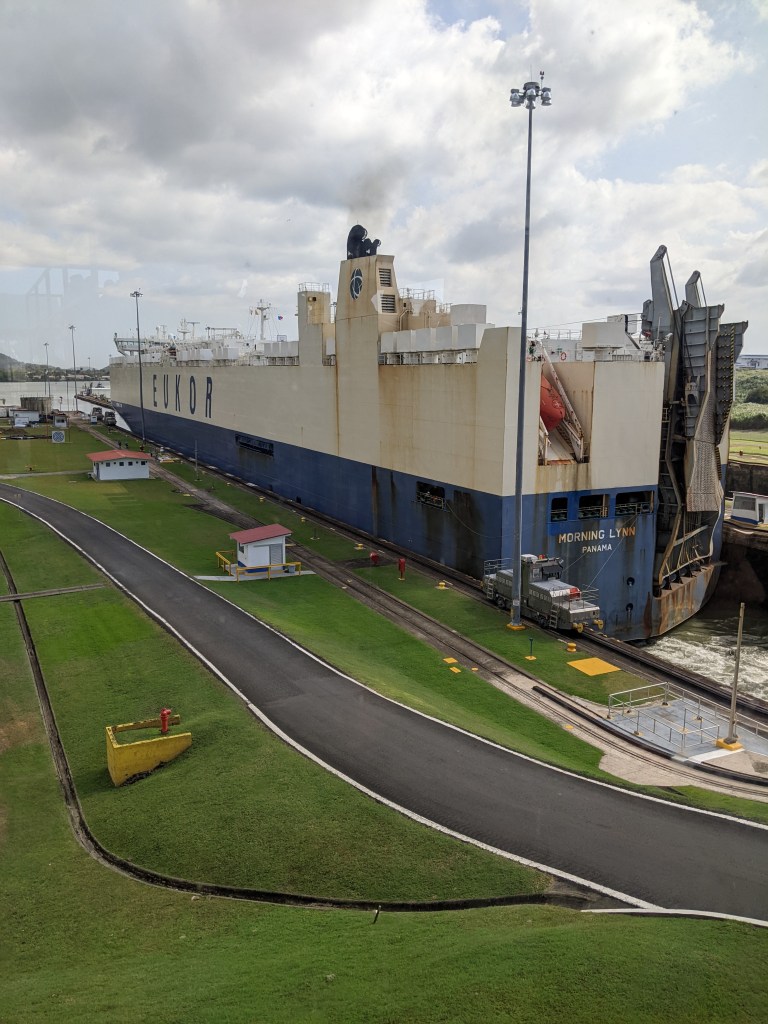
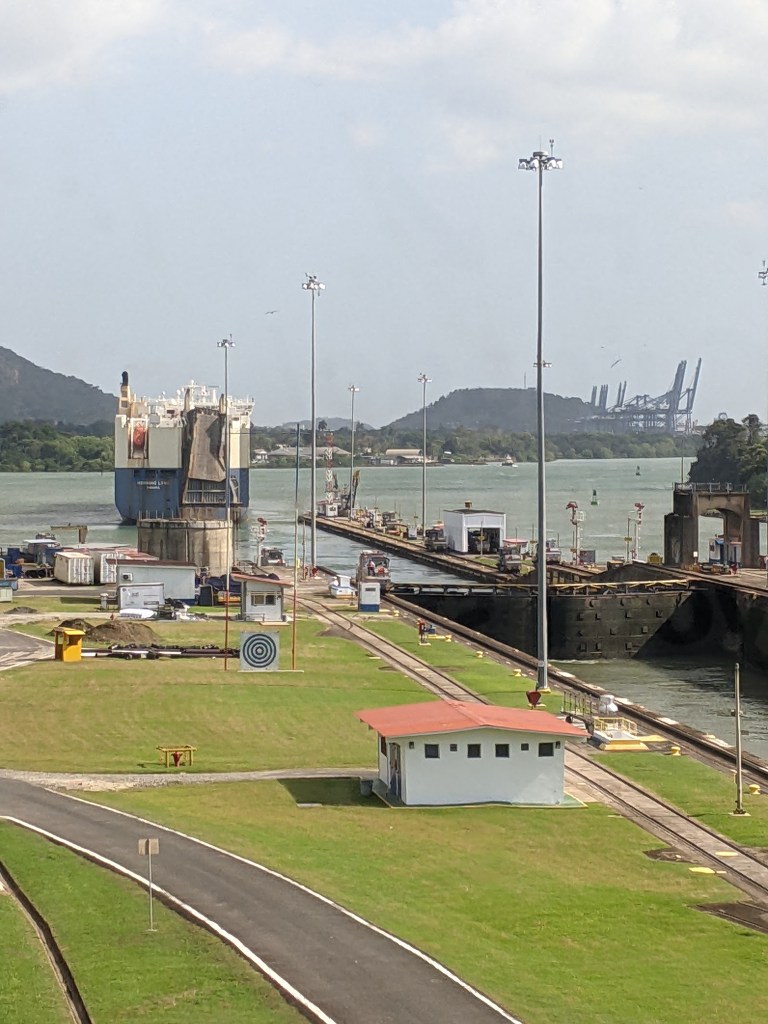
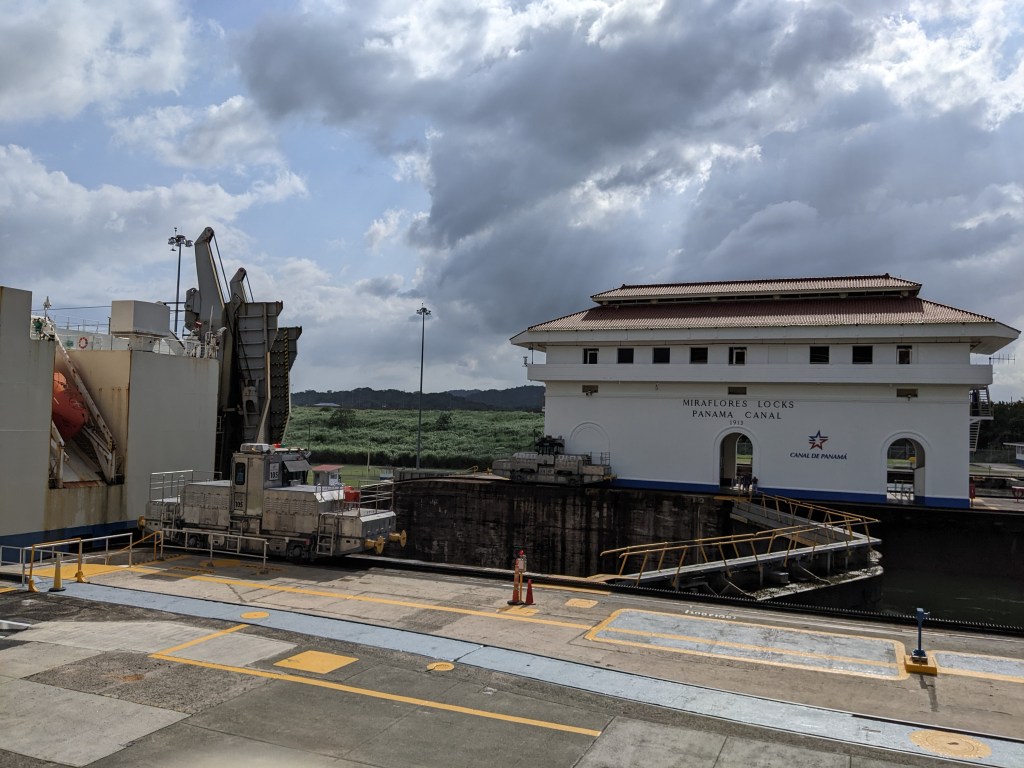
2. The Panama Canal system has two main locks – Miraflores and Aqua Clara. Miraflores is the most visited as it is about 20 minutes from the country’s eponymous capital – Panama City. During my visit, the visitors center was being remodeled so there was nothing else than some limited outdoor viewing space. It was very hot and poor crowd management made it a sub par experience. After hustling a bit, we managed to find a spot to watch a large container ship cross the canal.

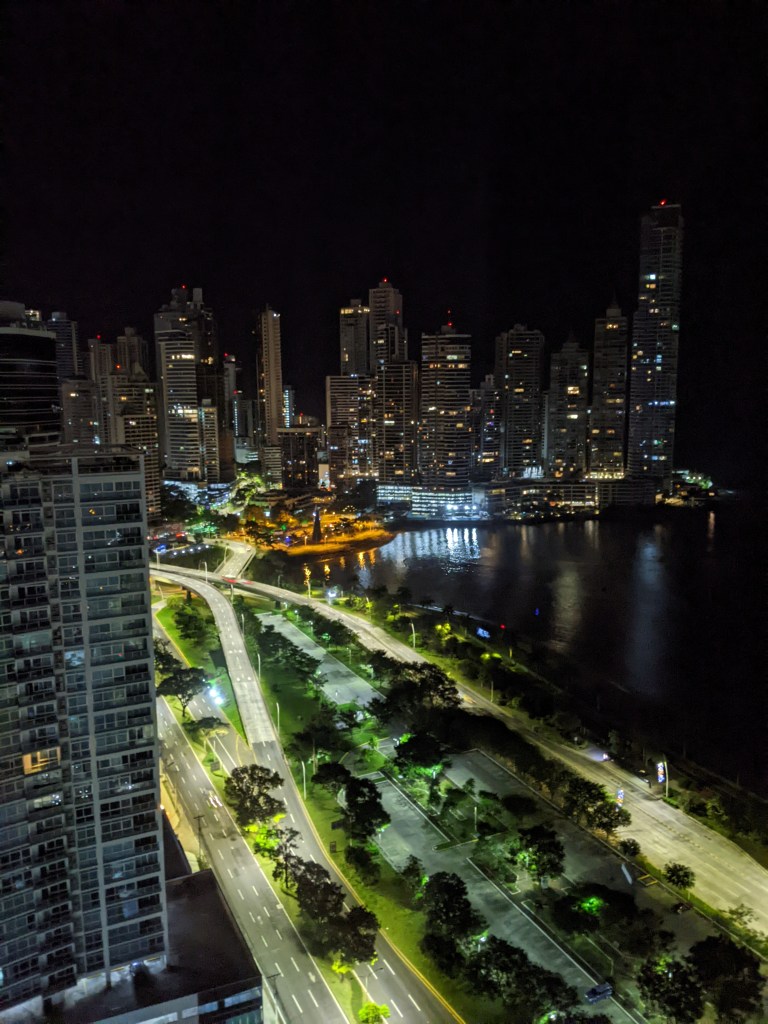
3. Panama City is a modern metropolis with an impressive skyline. However, the number of high rises seemed oddly disproportionate to the economic might and population of the country. Panama is a tax haven, it only taxes territorial revenue while income from offshore revenue is tax exempt. This attracts many types of businesses to have their nominal HQs in Panama. Also, real estate is a good way to launder money.

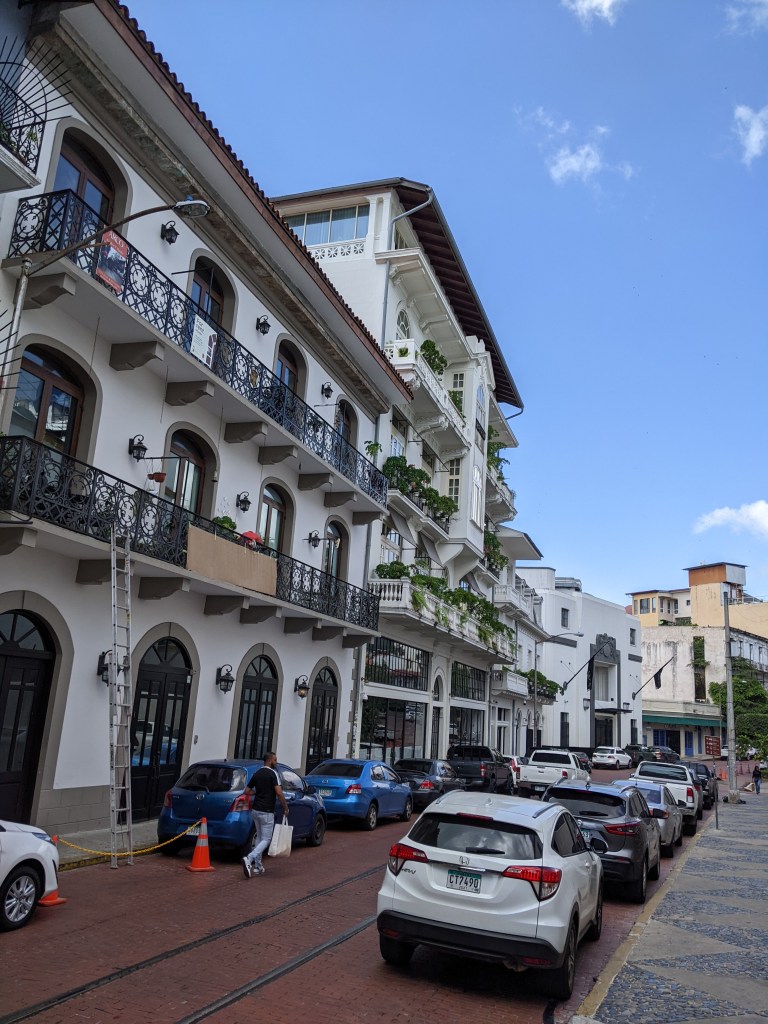
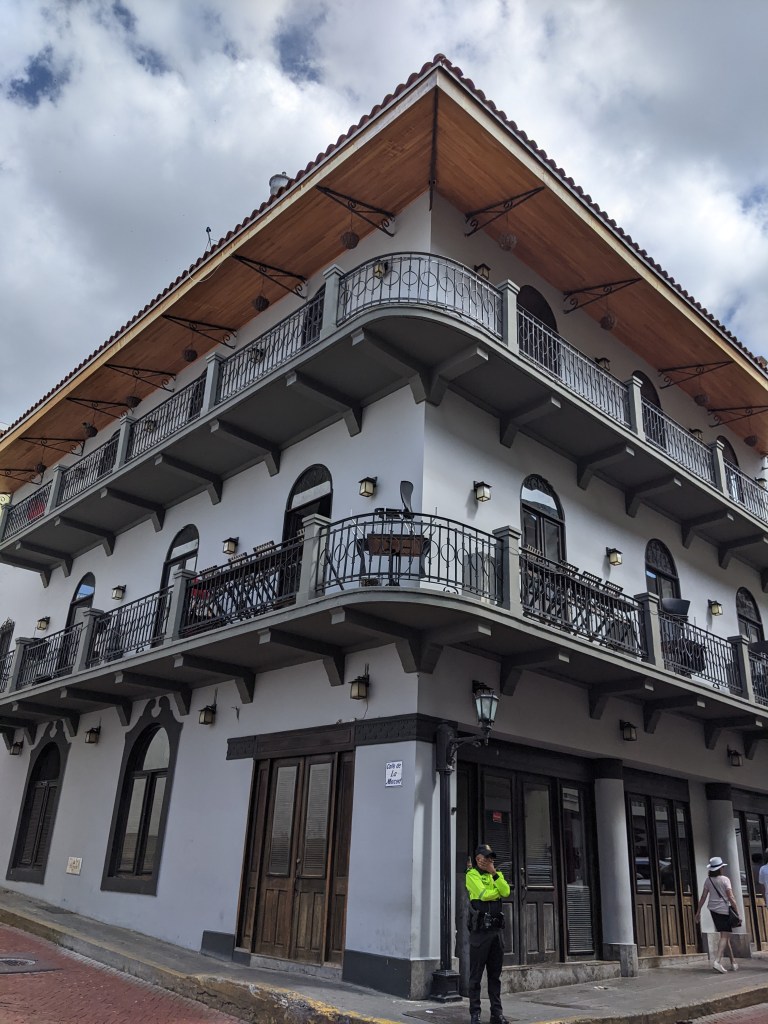
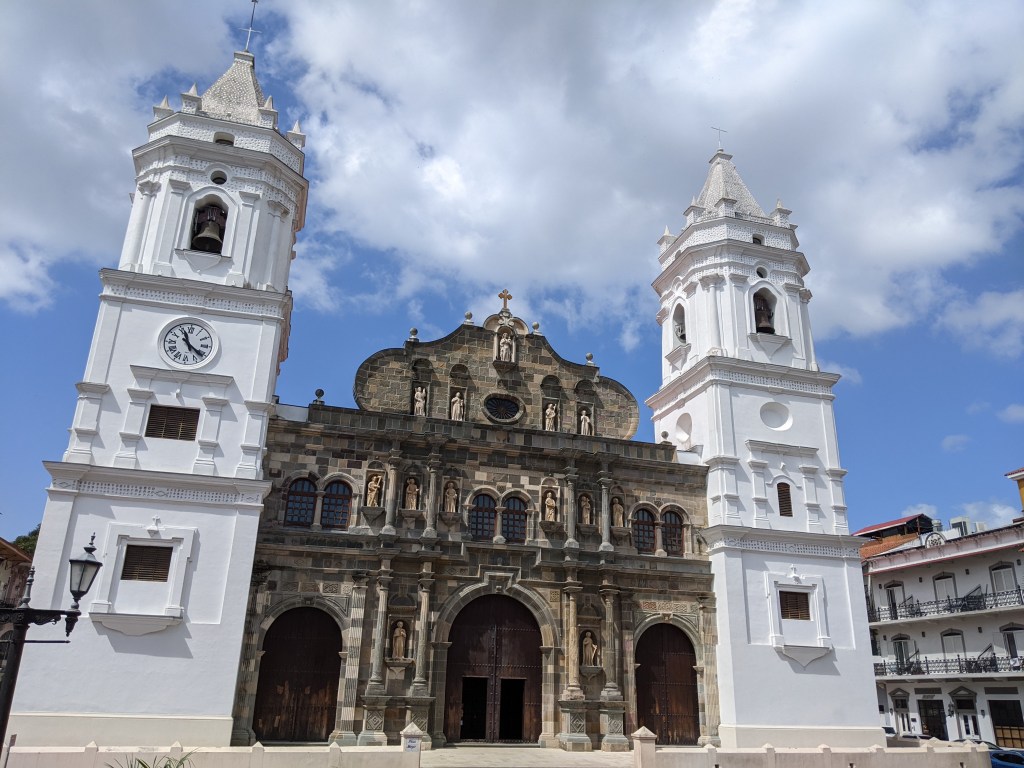
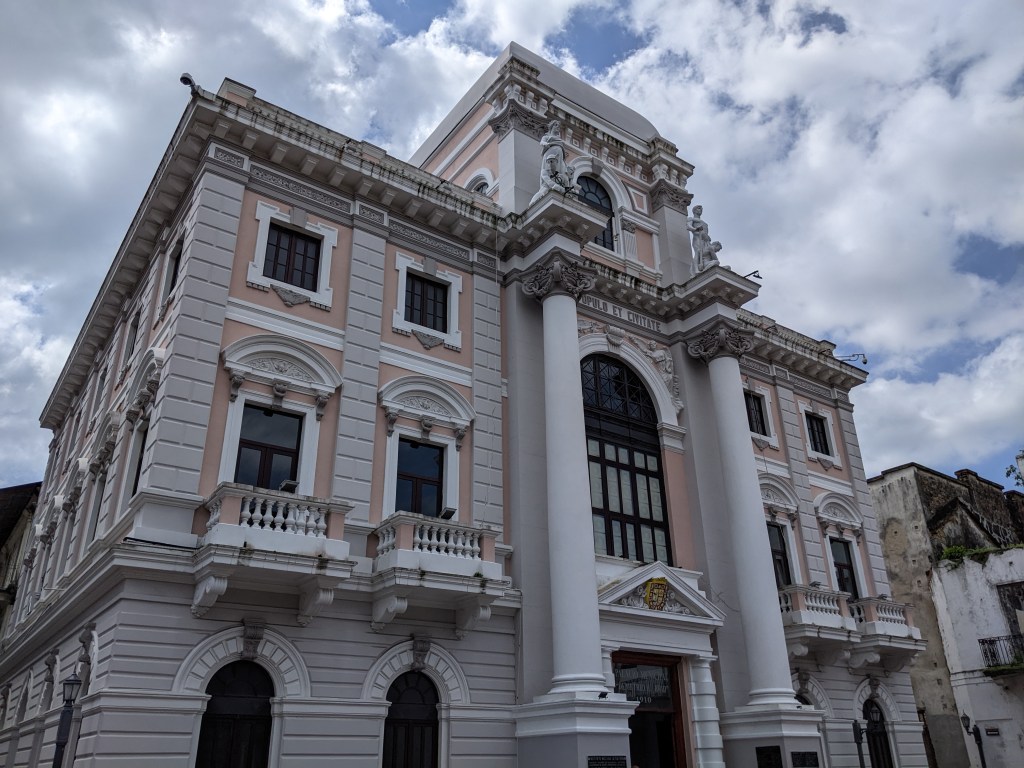
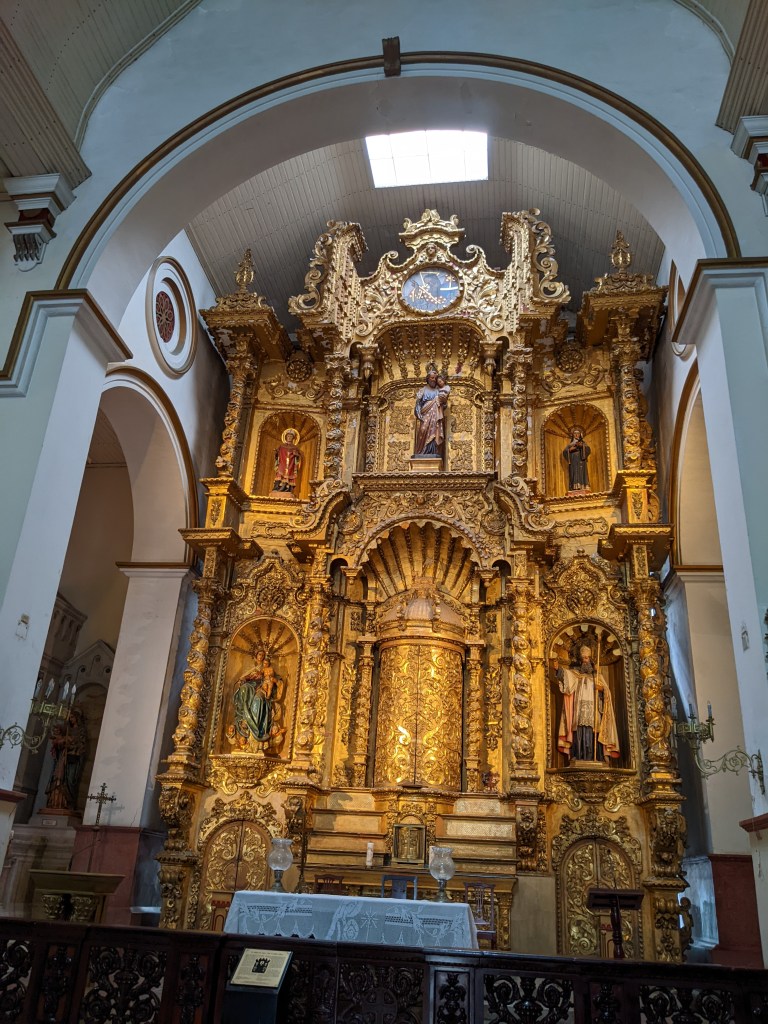
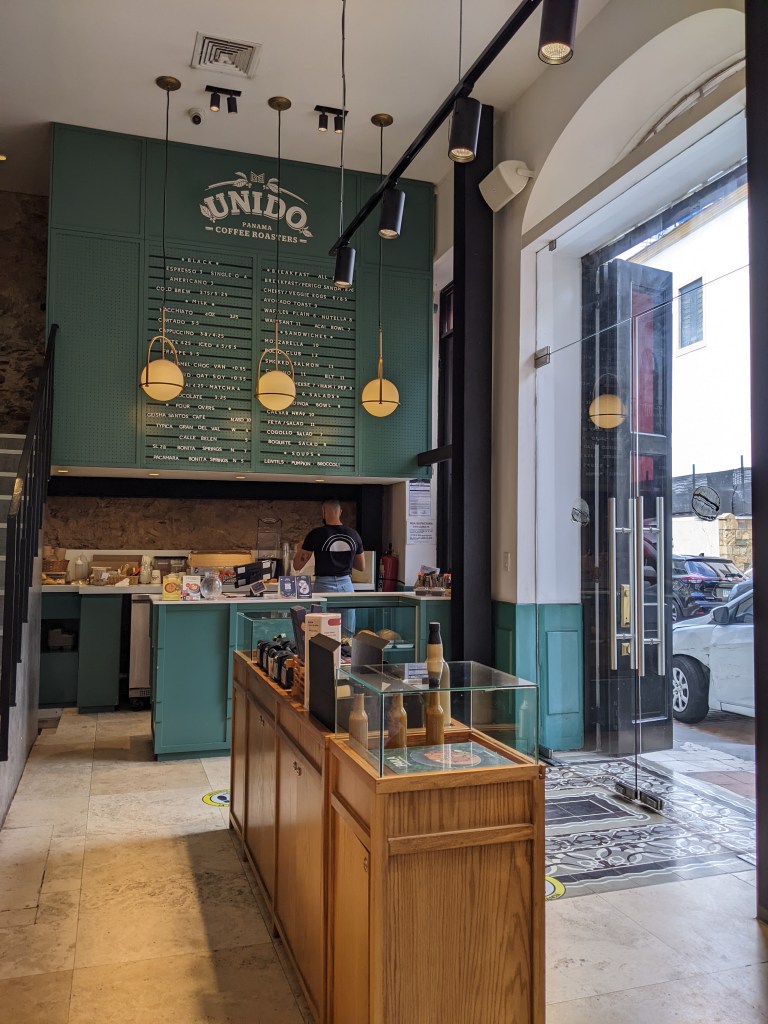
4. Casco Viejo (Spanish quarter) is one of the oldest and touristy neighborhoods in Panama City. While it lacks the scale and grandeur of other Spanish colonial capitals, it was still nice walking around. There are some quaint buildings including many churches, the Basilica Santa Maria la Antigua and Iglesia de San Jose are worth checking out. More recently, it has been spruced up with new tenants ranging from boutique hotels, coffee shops and art galleries. Cafe Unido is 3rd wave coffee shop that is known for its geisha coffee. Geisha beans are some of the most expensive due to the intense care it takes to grow them. The pour-over was a whopping $10 USD but was well worth it. It was significantly better than any pour over I have had before. The coffee was very fruity but quite acidic which is consistent with coffees from the region.

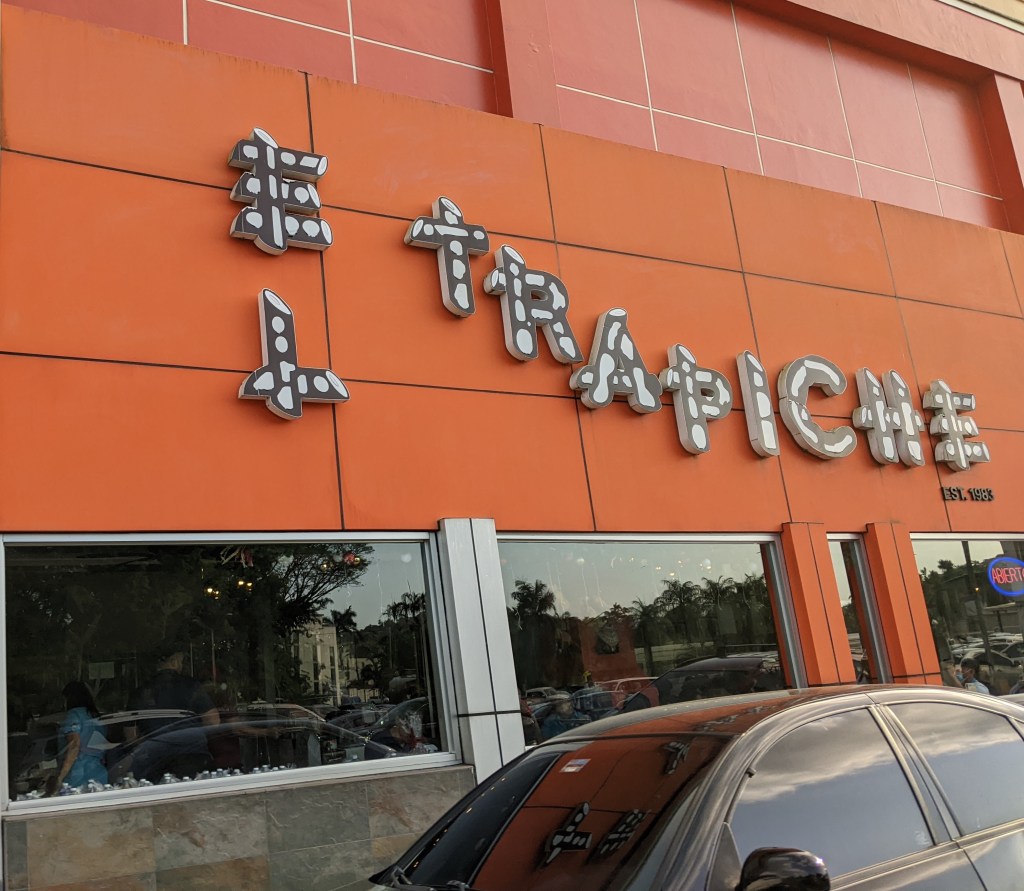
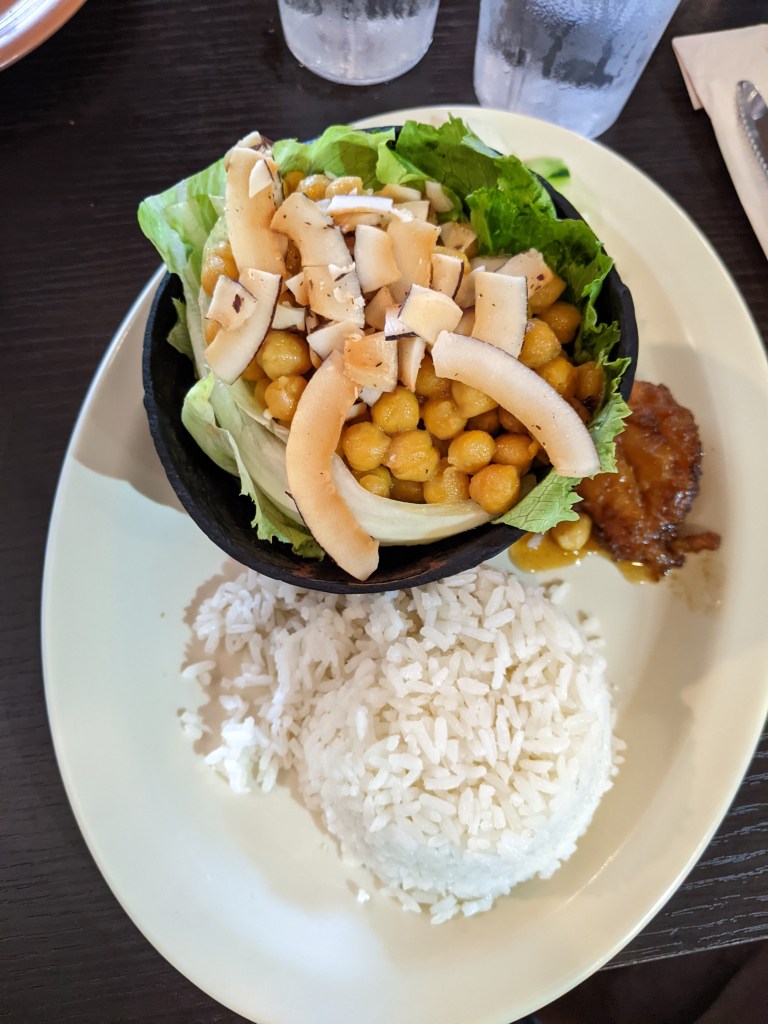
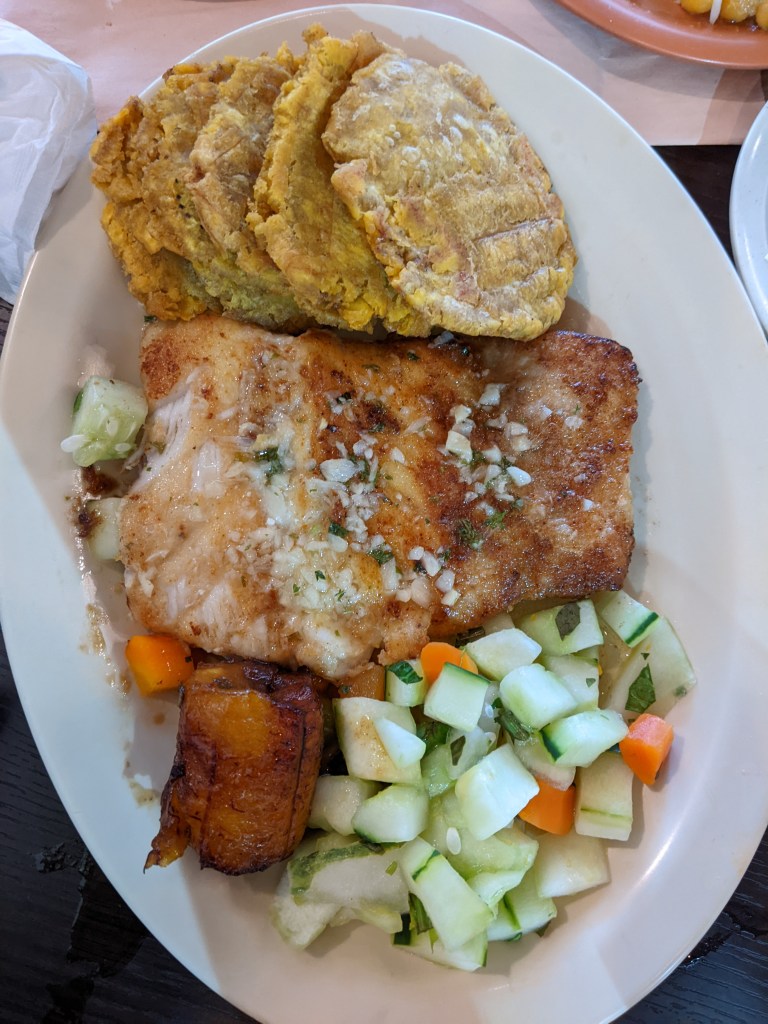
5. Panamanian cuisine doesn’t stray too far from those of other Central American countries. It is dominated by meat and starch (rice, beans and plantains) plates. El Trapiche is an institution preferred by locals and tourists alike. The classics at El Trapiche are Olla de Tamal(masa soup), Patacones (double fried plantains), carimanola (stuffed yuca fritter). Also, major props to them as they offered vegan versions of their popular menu items.
 flagsandforks