1. Lima is a cosmopolitan city and the second largest one in South America. Like any large city, there are pockets of rough neighborhoods but the upscale ones like San Isidro and Miraflores are just as good as anywhere else in the world. The marine climate makes Lima an all year destination, there are no extremes in weather.
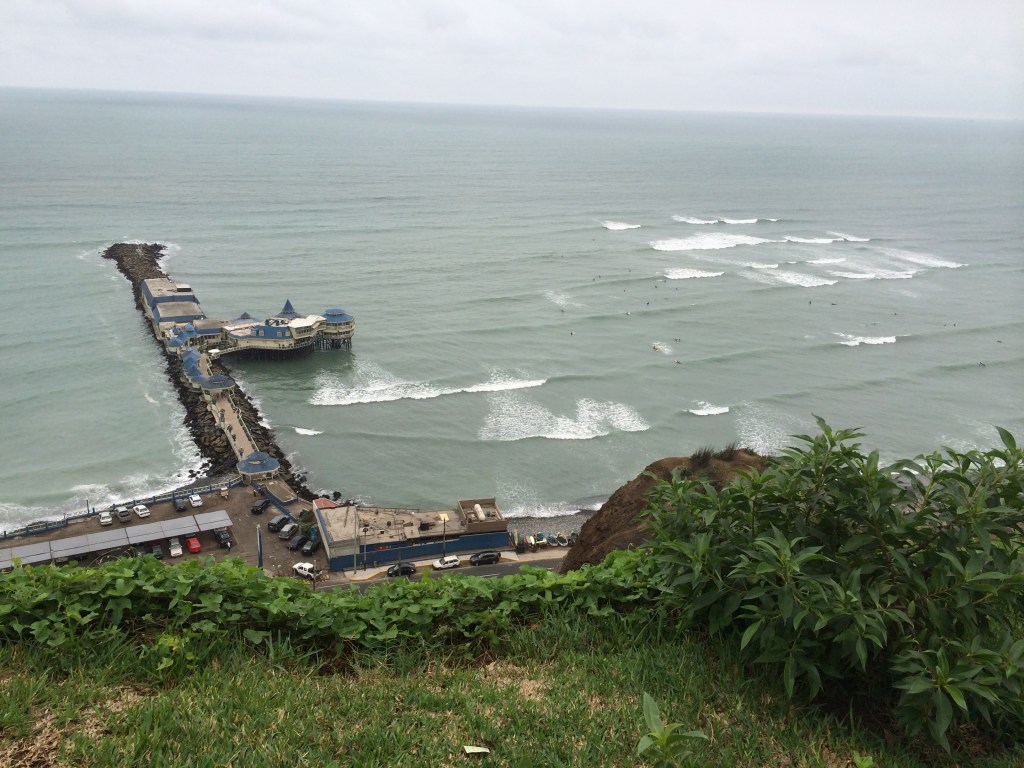
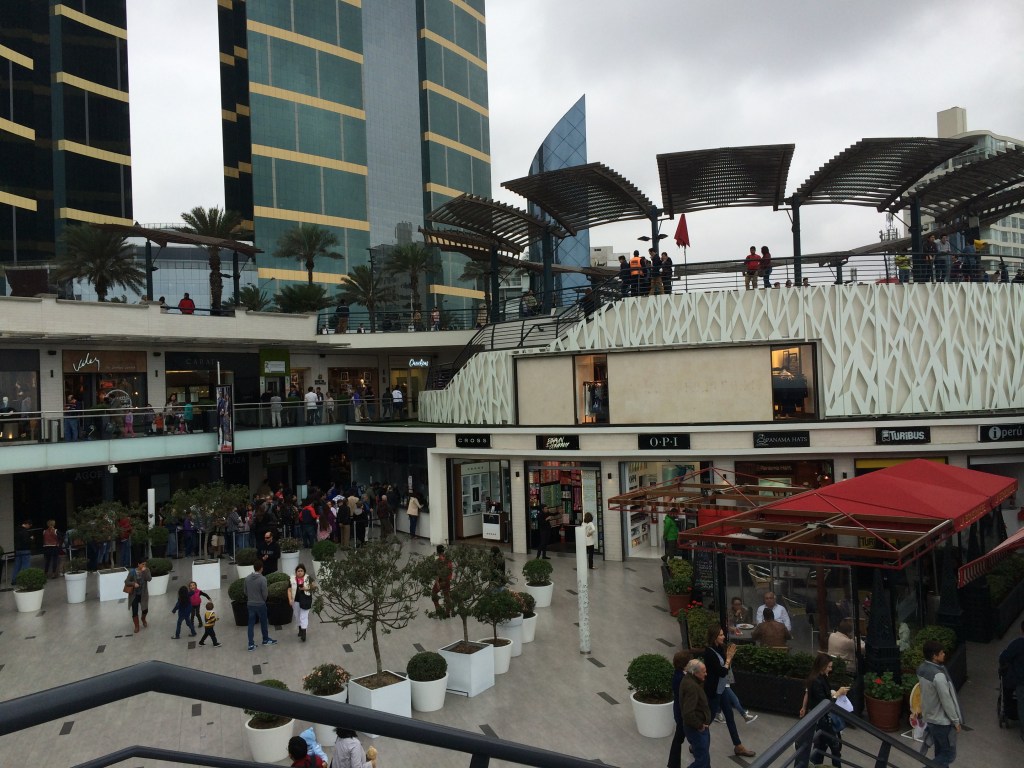
2. Miraflores is tourist and entertainment central. It is home to all the luxury hotels in Lima along with plenty of restaurants, bars and shopping.The Larcomar outdoor mall is a neighborhood highlight because of its unique geography, it is built into a sea cliff facing the Pacific Ocean.

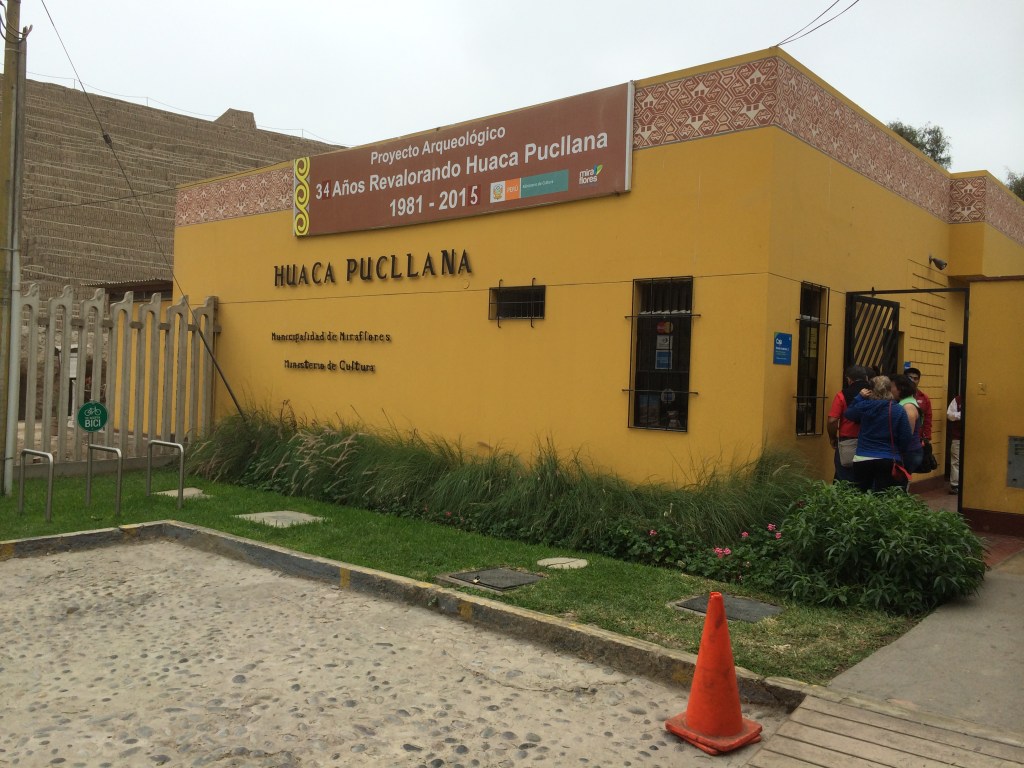
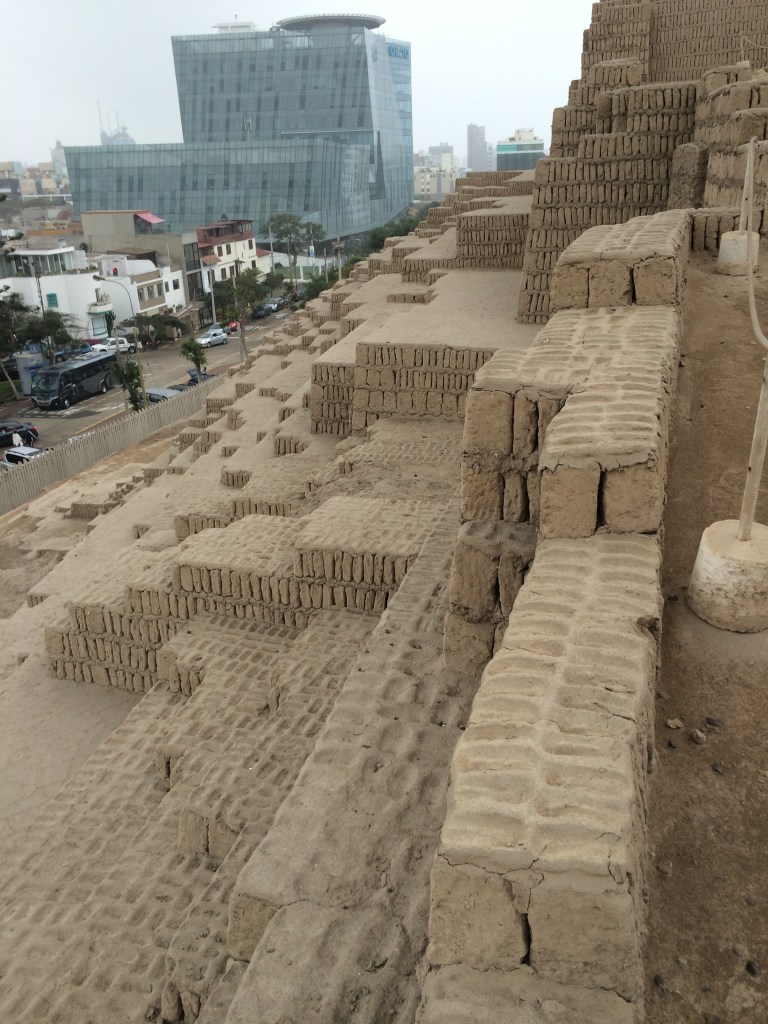
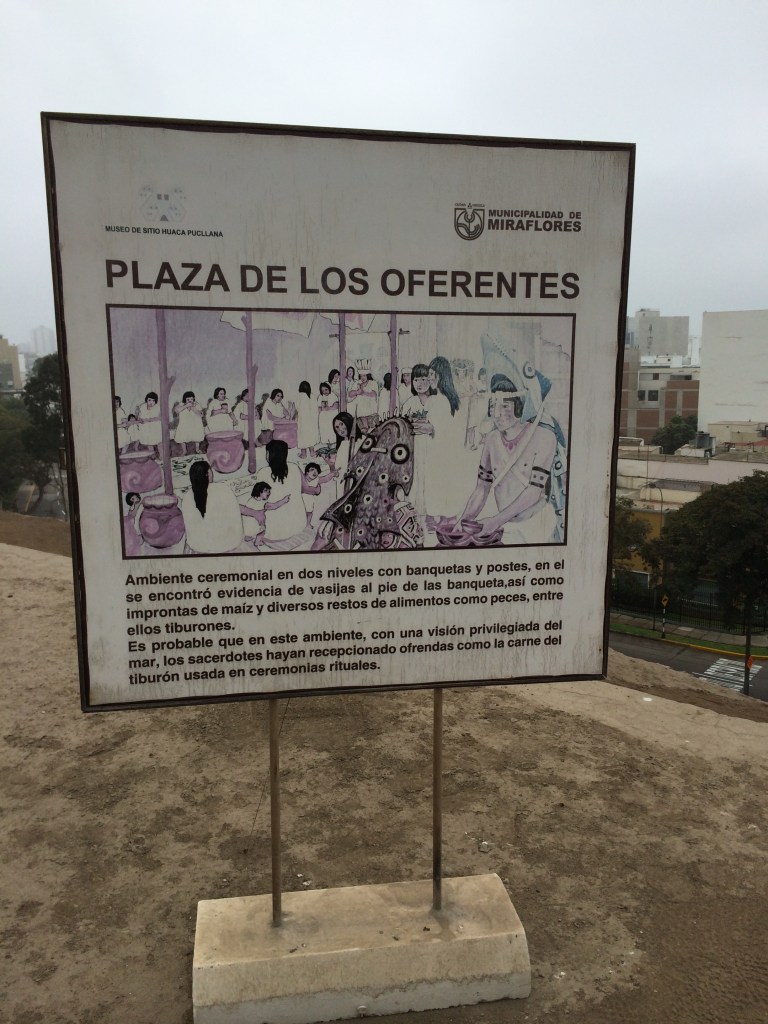
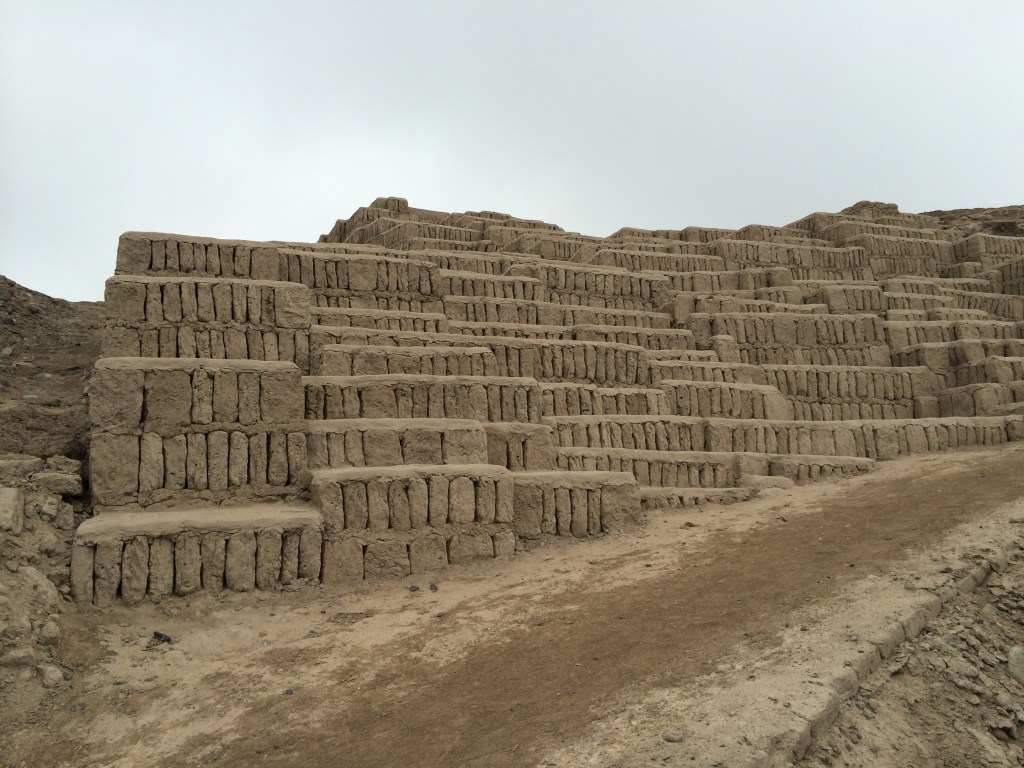
3. Located right in the center of the Miraflores neighborhood, the clay brick pyramid structures called Huaca Pucallana look out of place. But it is one of the most ancient monuments in Peru. The structures dates back to the pre-Incan days between 100 AD – 650 AD and were erected by the indigenous civilization called the Lima culture.
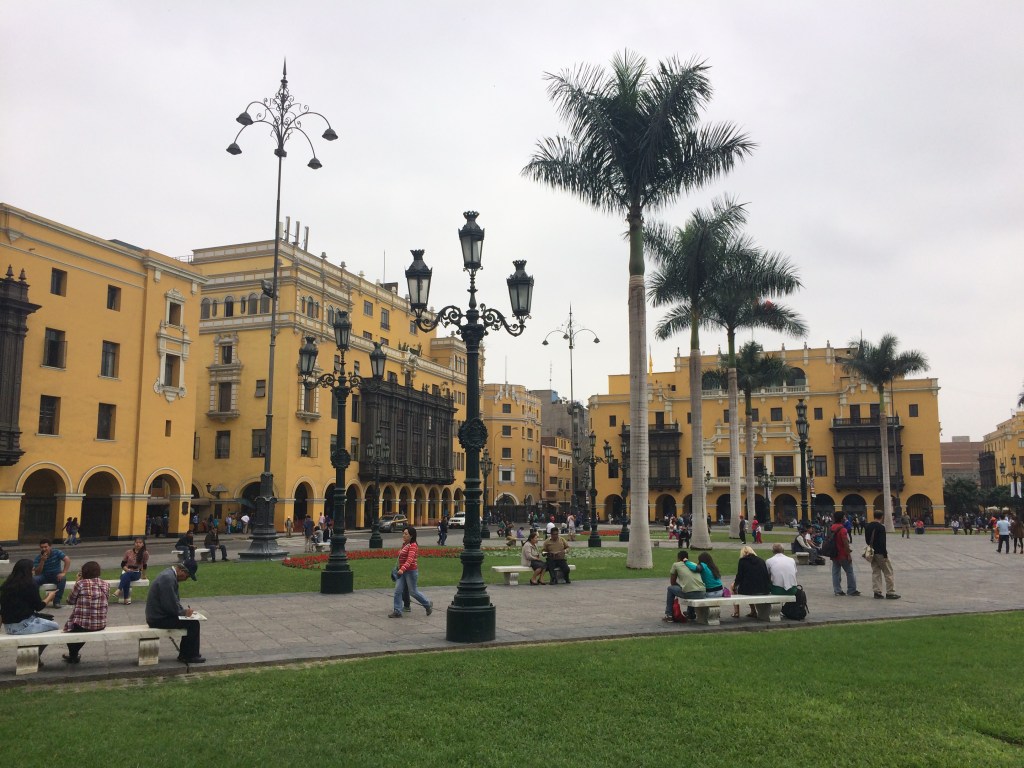
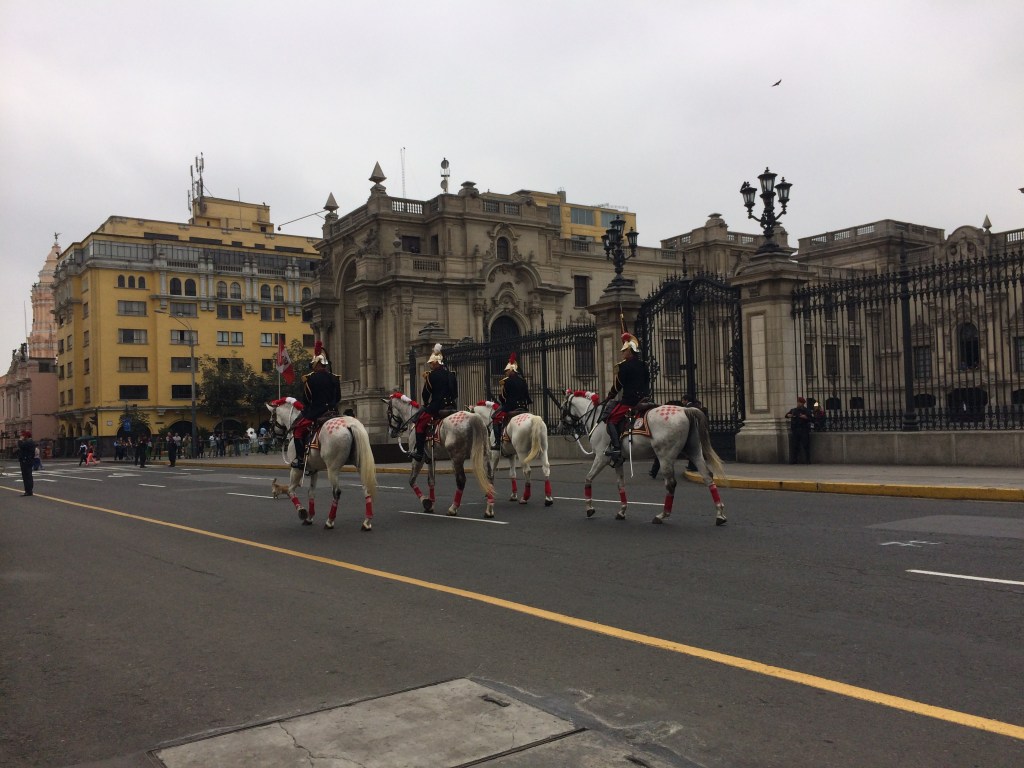
4. Plaza Mayor or Plaza de Armas is the historic center of the city. Like other city plazas built by the Spanish conquistadores, Lima’s plaza is home to the presidential palace, the Cathedral, the Archbishop’s palace and the municipal palace. The change of guard ceremony at the presidential palace is a grand affair with a marching band and a musical performance. It is even more special on Sundays when the royal performance horses are added to the mix.

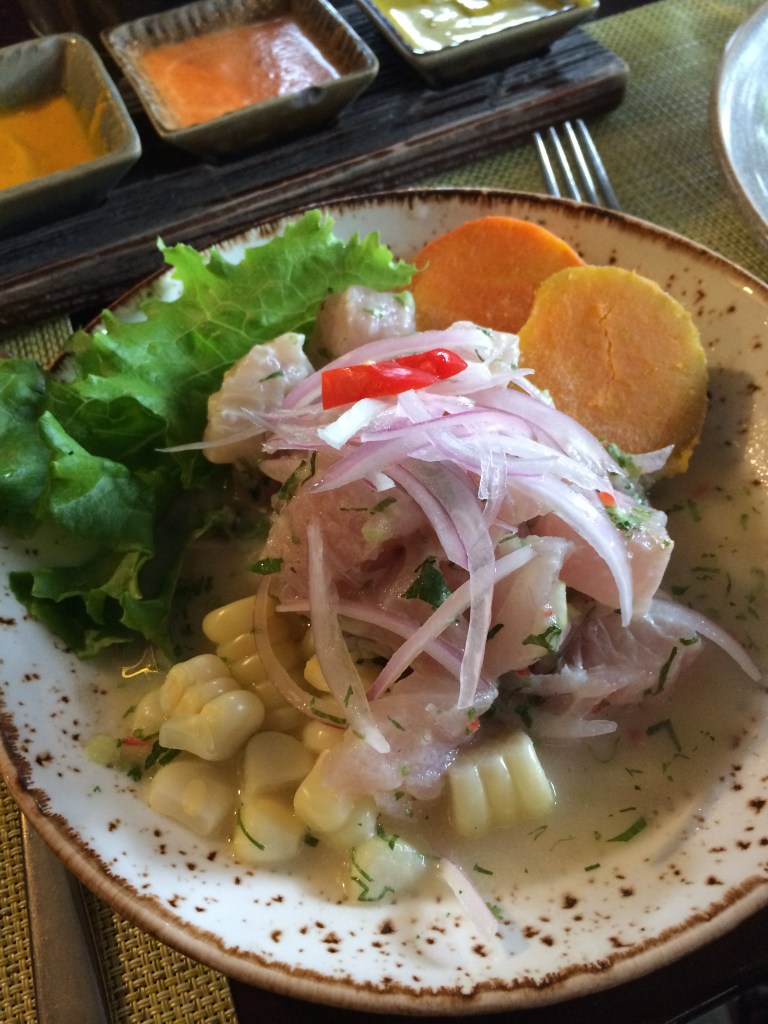
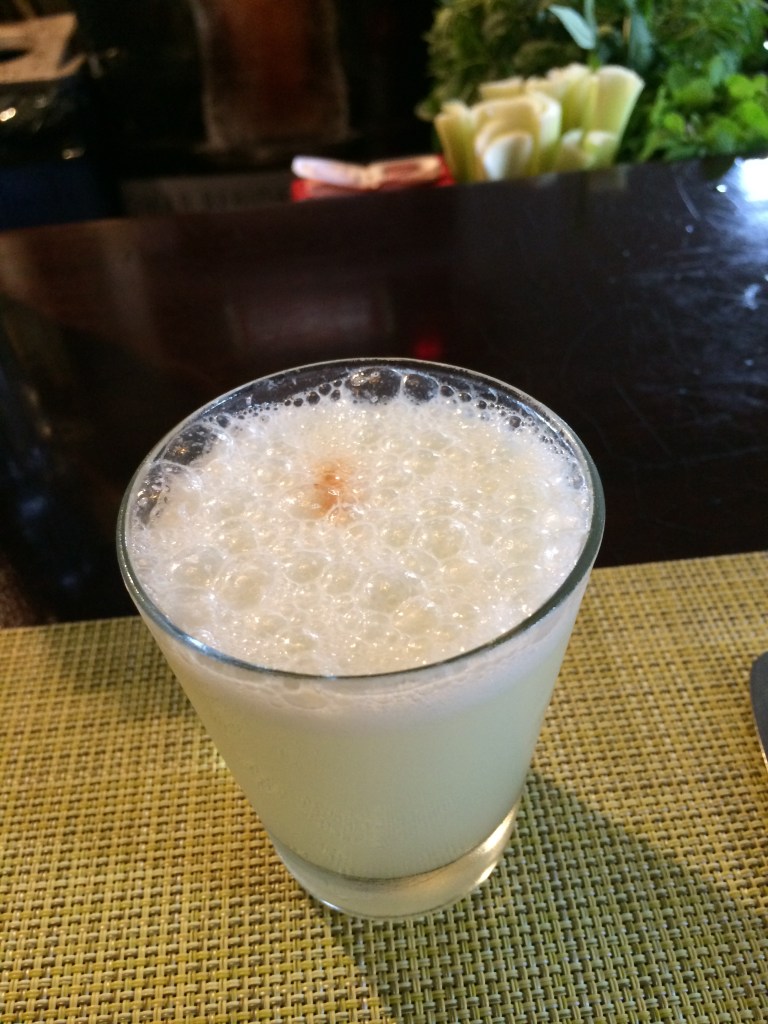
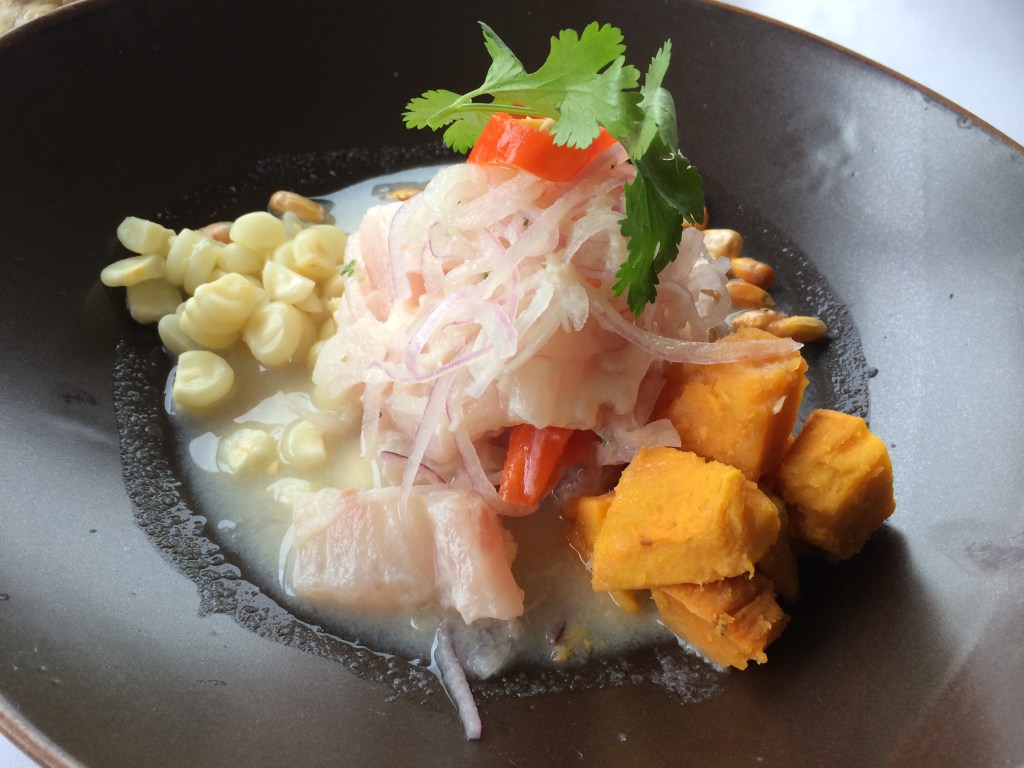
5. Lima punches about its way about its weight in the culinary department with restaurants like Astrid y Gaston, El Mercado, La Mar Cebiceria. At first it seemed liked such an unlikely candidate for a gastronomic destination but after a few days I learned about the diversity of produce available in the country. Peru has an astounding 4000+ varieties of potatoes that are native to the region. The coastline is 2,500km long. So, it has one of the world’s great fisheries, the third-biggest after China and Indonesia. The ceviche at La Mar is superlative, their Leche de tigre packs quite a flavor punch. Pisco sour is a cocktail of choice when in Peru. The primary ingredient is Pisco, a high ABV distilled liquor made from grapes.

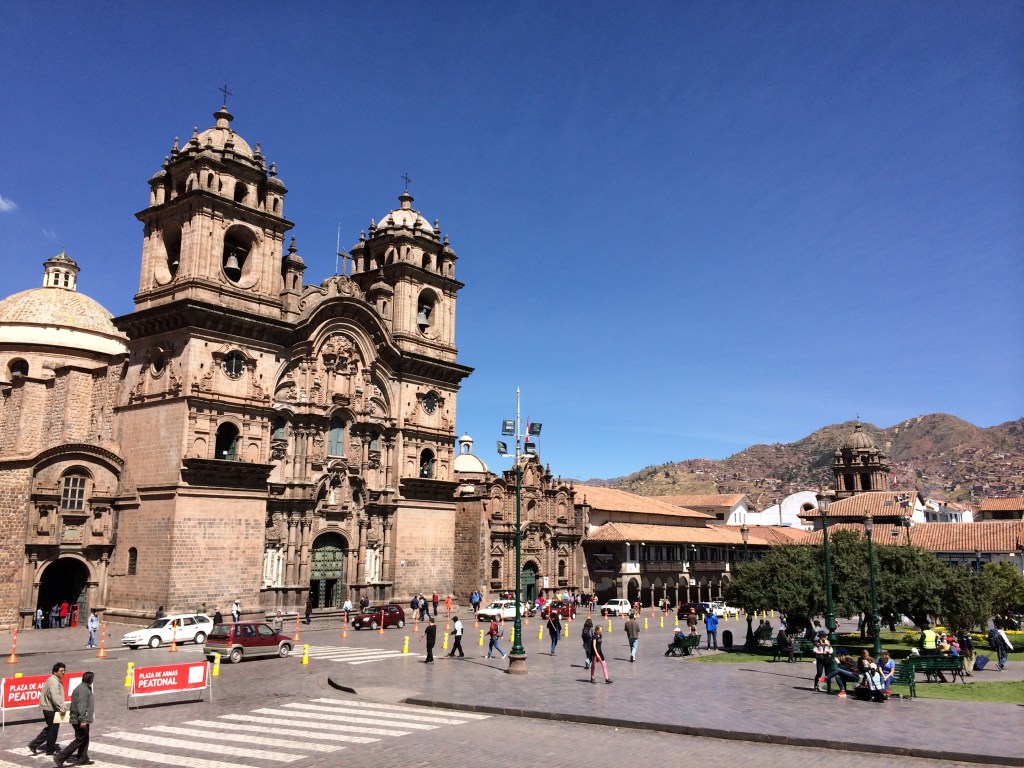
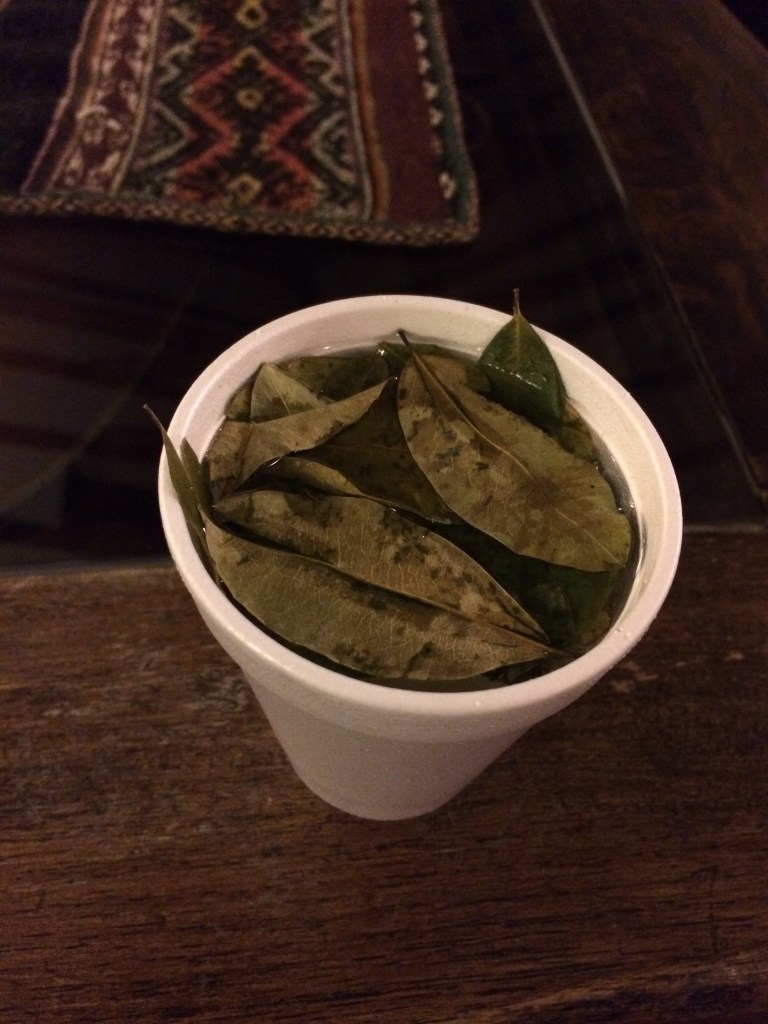
6. Cusco is usually the starting point for visitors heading to Macchu Picchu but it is a charming city on its own. It is located at an elevation of 3400 meters above sea level much which is much higher than Macchu Picchu at 2430 meters. So, altitude sickness is very common. I distinctly remember feeling lightheaded and confused right from the time when we landed at the airport. It took almost 3 days and plenty of coca tea to acclimatize to the high altitude. Machu Picchu was a breeze after this but it is recommended to plan one’s itinerary with a gradual increase in elevation. One of the best things to do in Cusco is to relax and take in the views from one of the cafes in Plaza De Armas. It is also not uncommon to see Andean women dressed in native clothing along with their Alpacas in Cusco. Many will oblige for photos in exchange for a small donation.

7. The Sacred Valley of the Incas is a valley formed by the Urubamba river. The early Incas had inhabited the Sacred Valley for its geographical advantages. The lower elevation and fertile valley allowed large scale cultivation of maize(corn) using terrace farming techniques. Corn was a prestige crop for them. It was used to make the fermented corn drink called Chicha Morada. The ruins of agricultural terraces at Moray, Ollyanthambo and Pisaq are all proof of this.
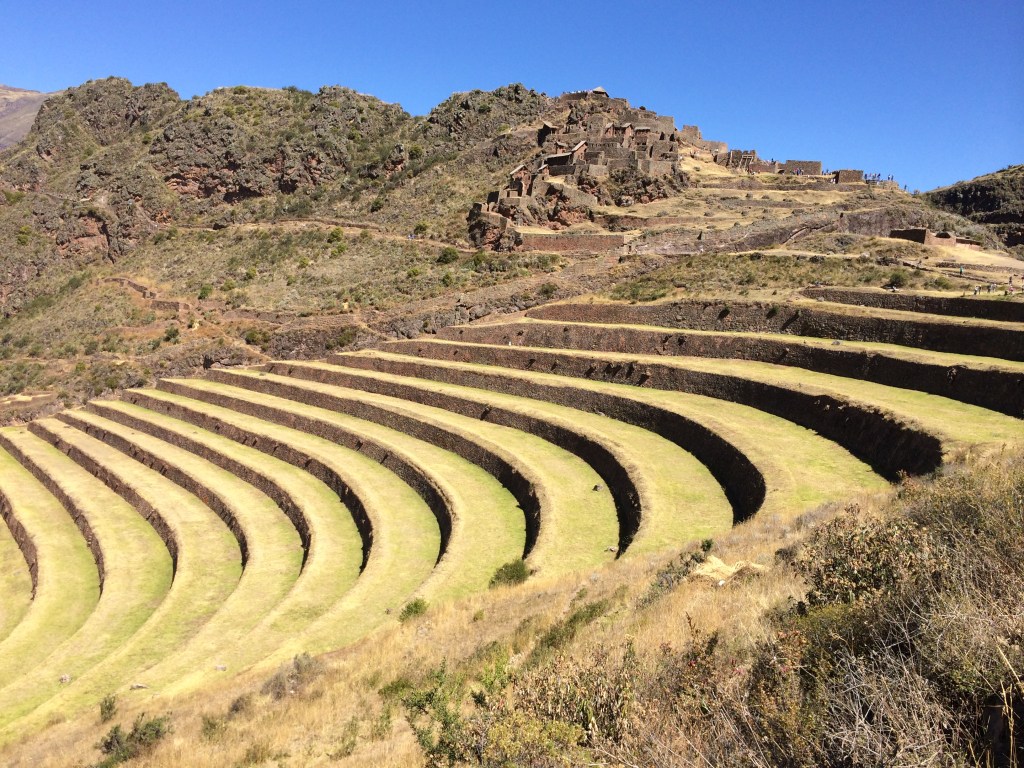
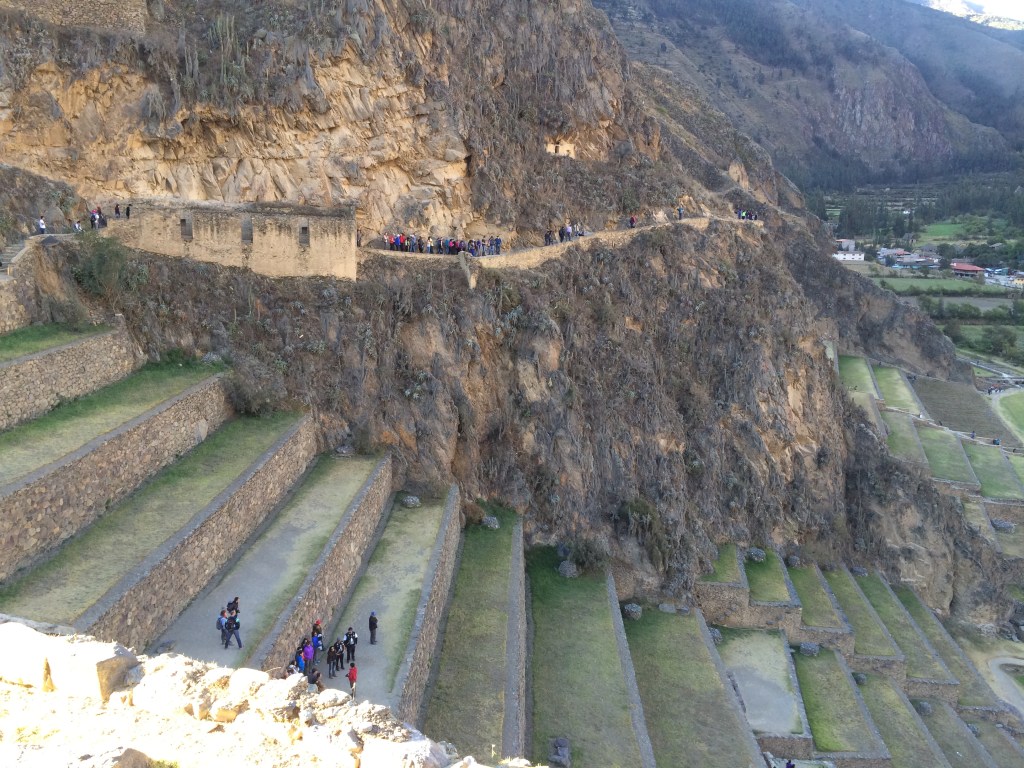
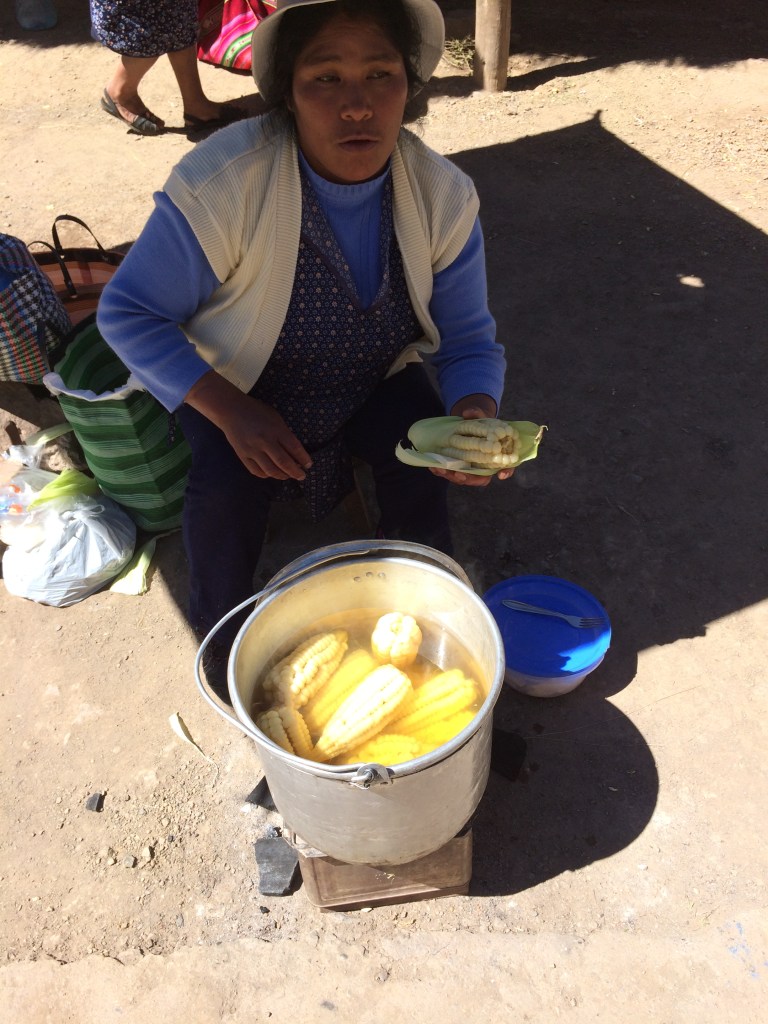
8. Peruvian Corn (also called Cusco corn) is very distinct from the sweet corn varieties found in rest of the world. This Peruvian variety has much larger kernels with a starchy and chewy texture. Commonly served as an accompaniment to ceviche, it is also eaten with cheese (choclo con queso).
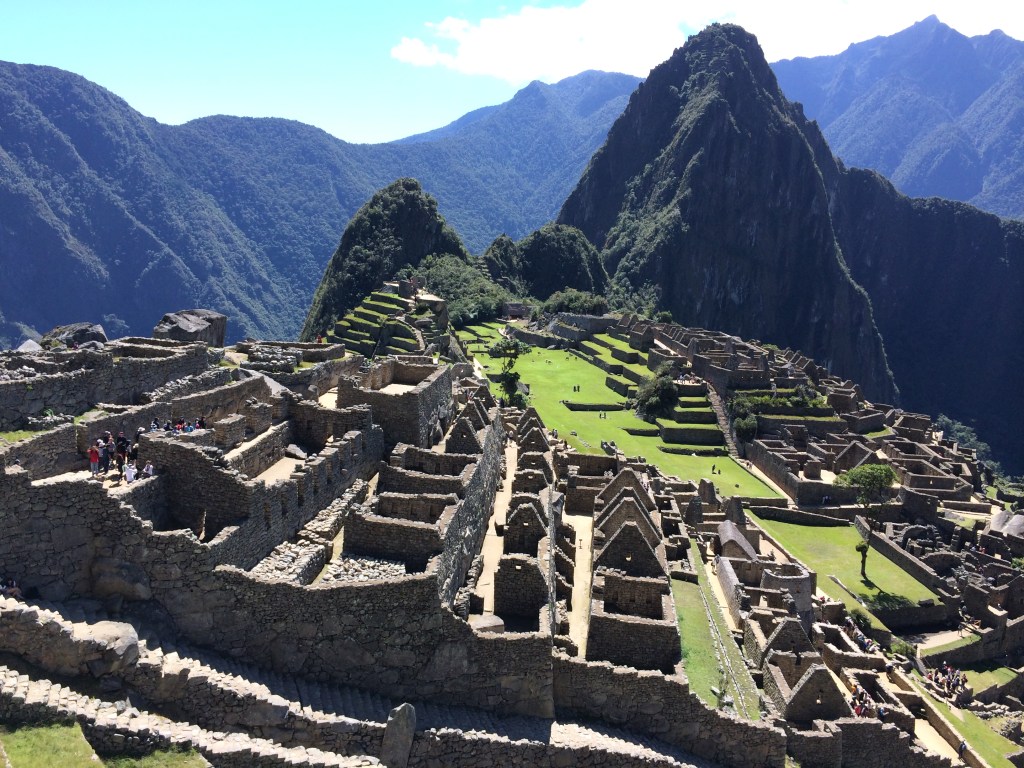
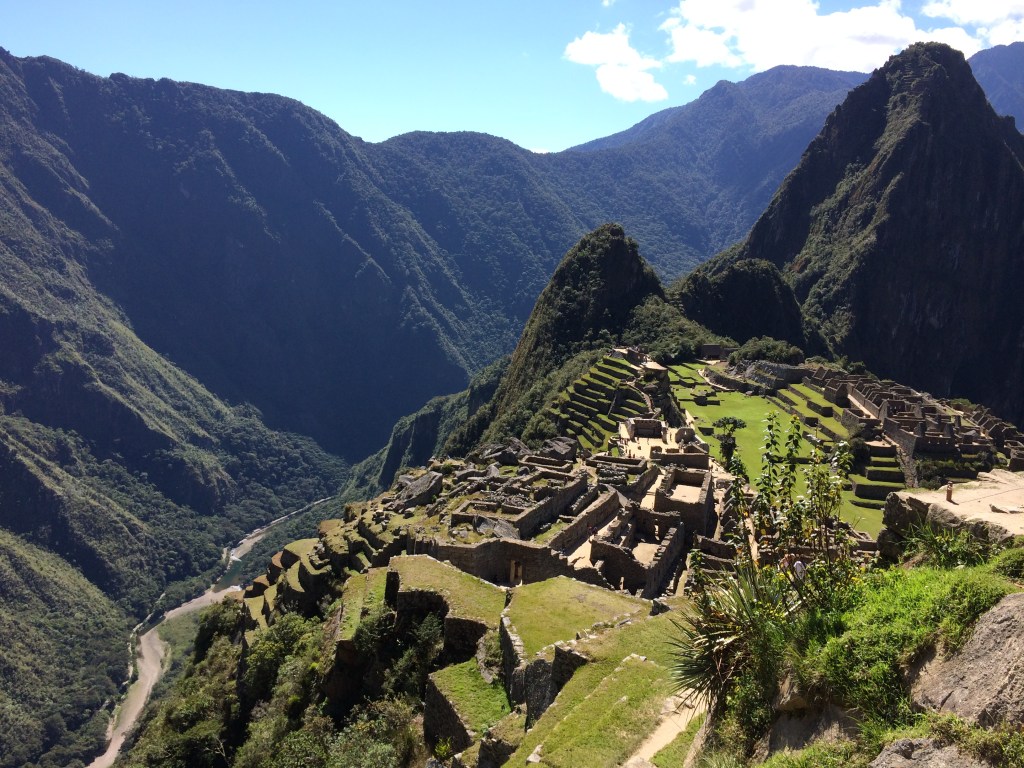
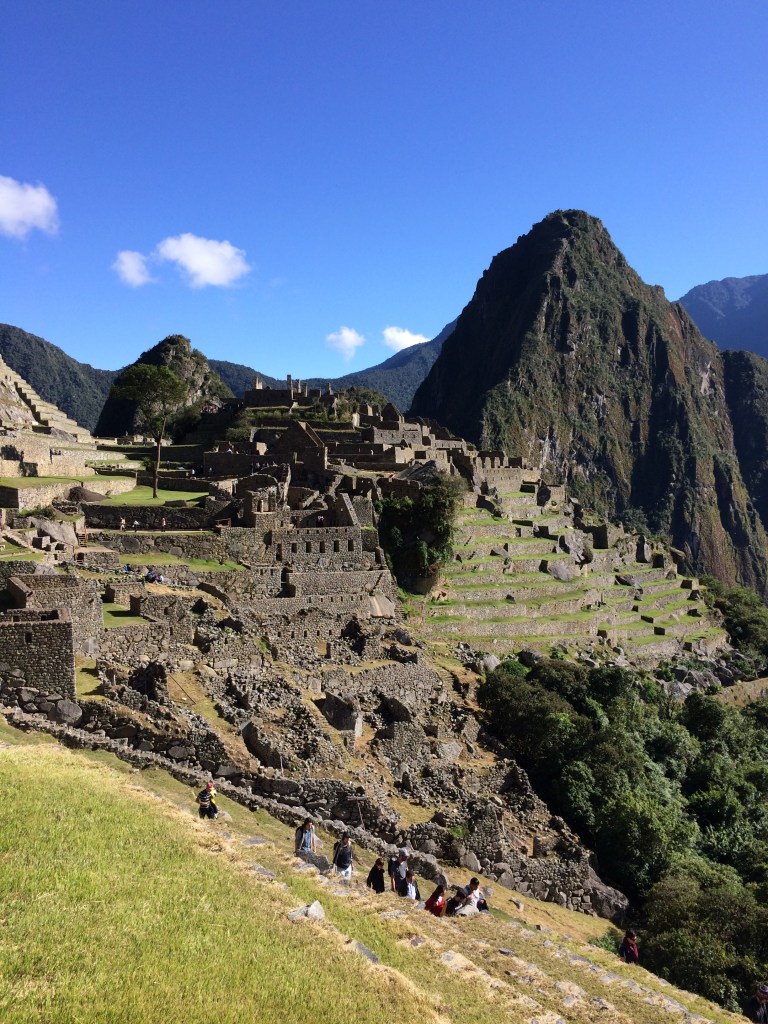
9. Machu Picchu was exactly as magical as it looked it pictures. My jaw dropped as I got my first glimpse. Thanks to Hiram Bingham, an American academic and explorer who re-discovered this hidden Incan site in 1911. It was very interesting to learn about the cultural beliefs and agricultural innovations of the Incas. The masonry skills of the Incas are best showcased in the structures that are still intact. No mortar was used and stones were cut exactly to fit together. The Incas were also good astronomers, there is evidence to believe that Machu Picchu complex was once used as an astronomy lab. Today, it is one of trafficked tourist sites in the world. The free roaming Llamas at this complex are very friendly, it is not uncommon for them to photo bomb pictures.
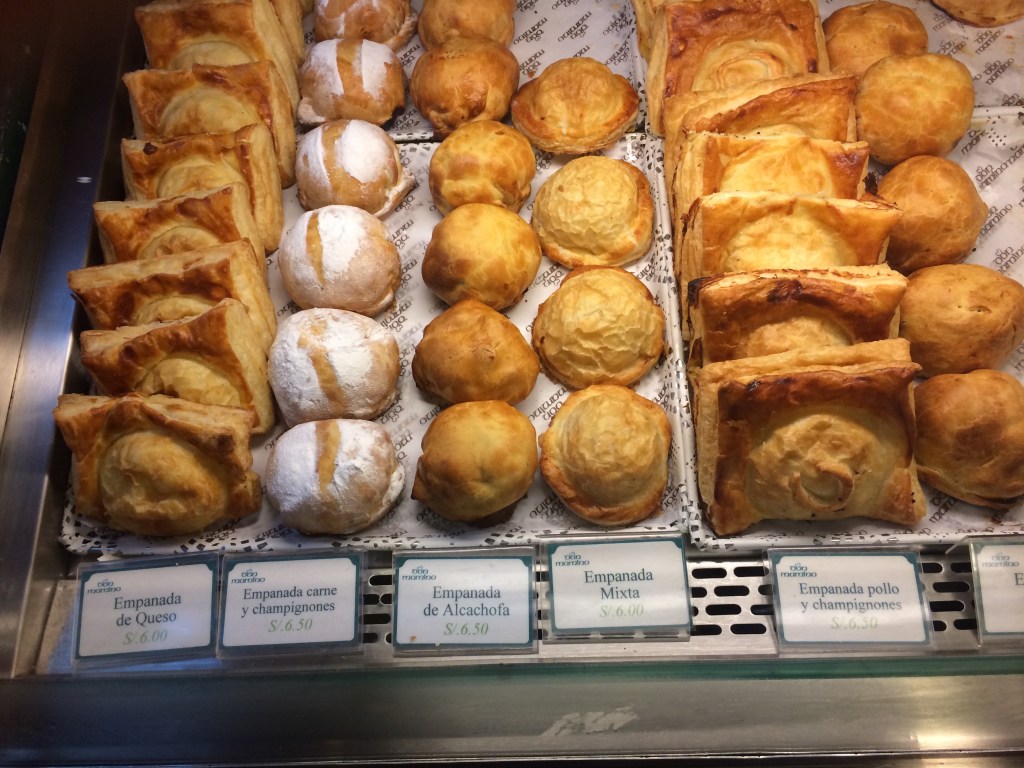
10. Alfajores is a popular sweet snack in Peru. It is a shortbread sandwich stuck together with dulche de leche (milk jam). It was absolutely scrumptious and even mildly addictive. While they are available at all food stores or supermarkets, the ones at La Casa del Alfajor chain are among the best. On the savory side, Empanadas (fried or baked turnovers) are popular like most of South America. It comes in all shapes and sizes with a variety of meat or vegetable fillings.


 flagsandforks