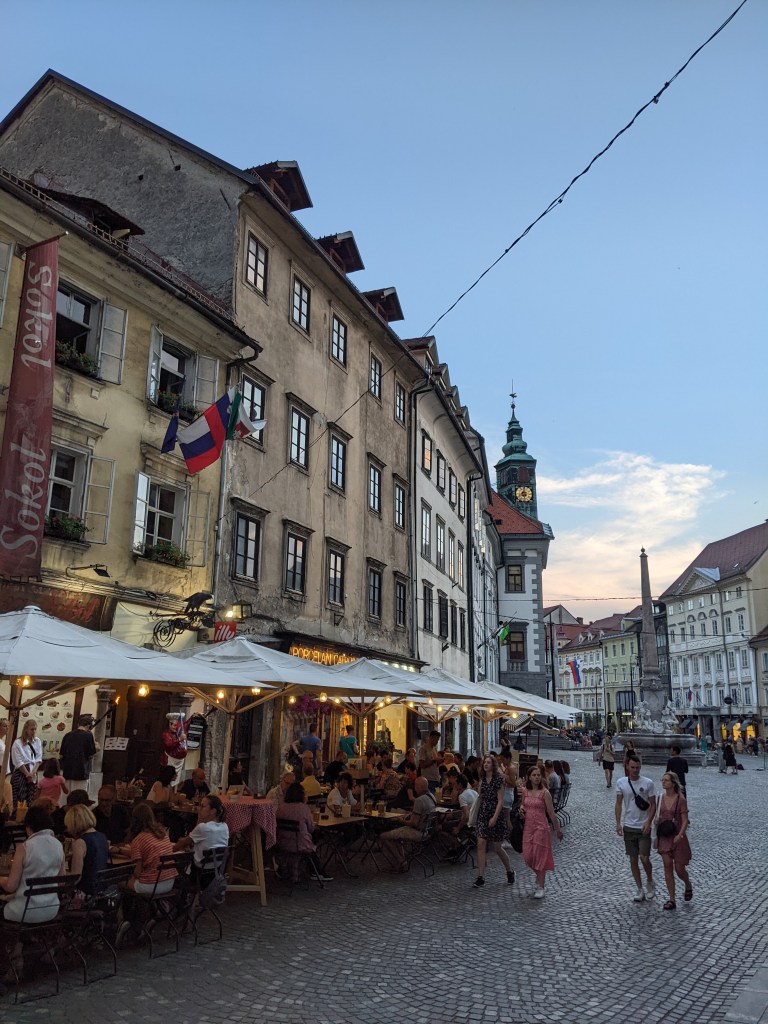
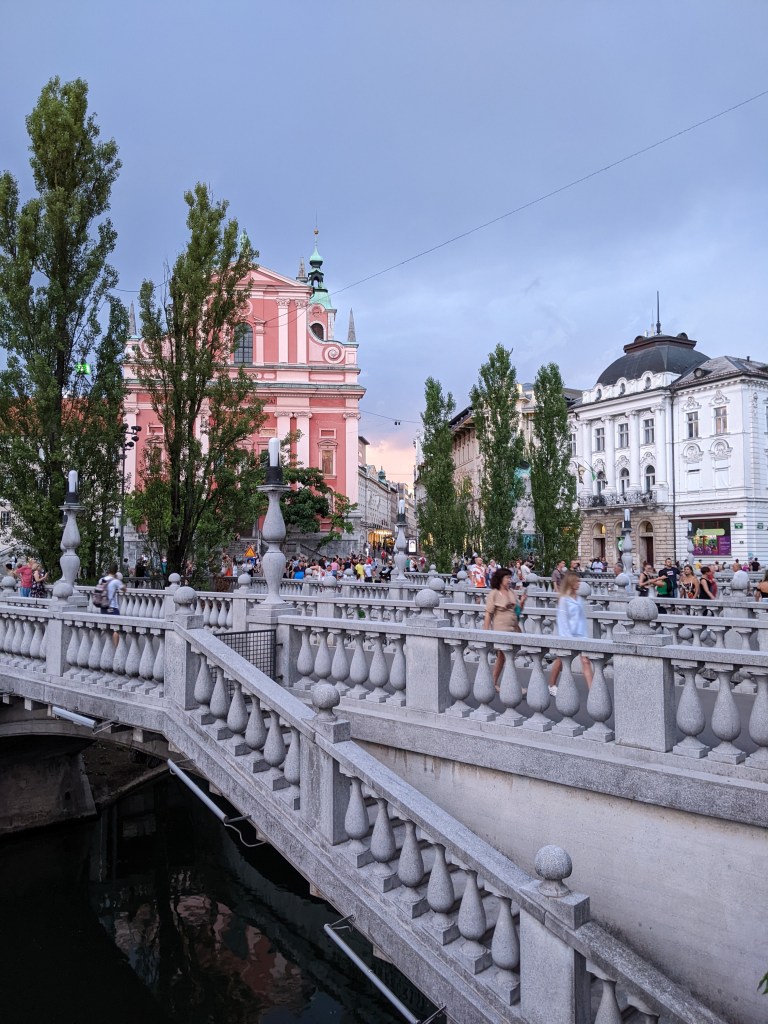
1. Slovenia was originally part of the former Yugoslavia which was officially formed as the State of Slovenes, Croats and Serbs in 1918. It became an independent Republic after Yugoslavia disintegrated in the post Communist era. Ljubljana is the capital of Slovenia. Its old town is charming with cobblestone streets, colorful buildings and Ljubljanica flowing through it. There are many little bridges (Butcher, Dragon) built across the river that serve as good photo ops. The most popular spot is the Prešernov trg Square near the Venetian styled Triple Bridge and the Franciscan church with its attractive pink facade. Beyond the immediate vicinity of the old town, everything felt suburban filled with mid-rise Soviet style buildings.
2. Roads are fantastic especially the major highways. This is particularly useful when speeding off to the countryside which is beautiful. You can’t help but notice the churches that are dotted across the landscape. There are around 3000 of them in the country.
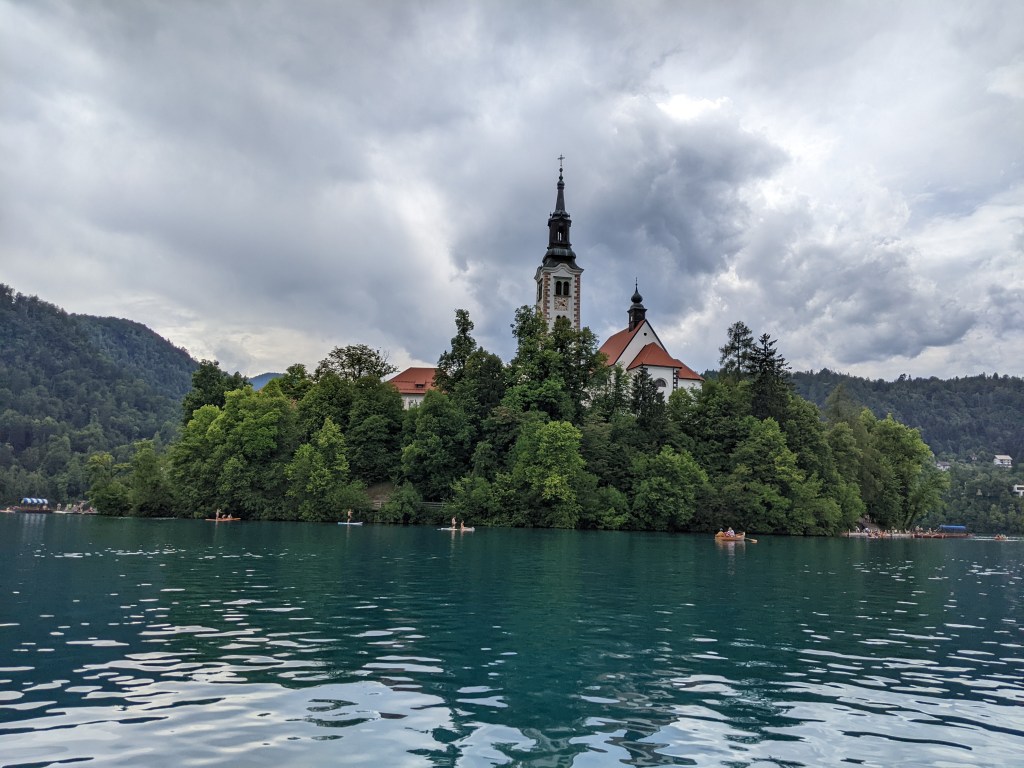
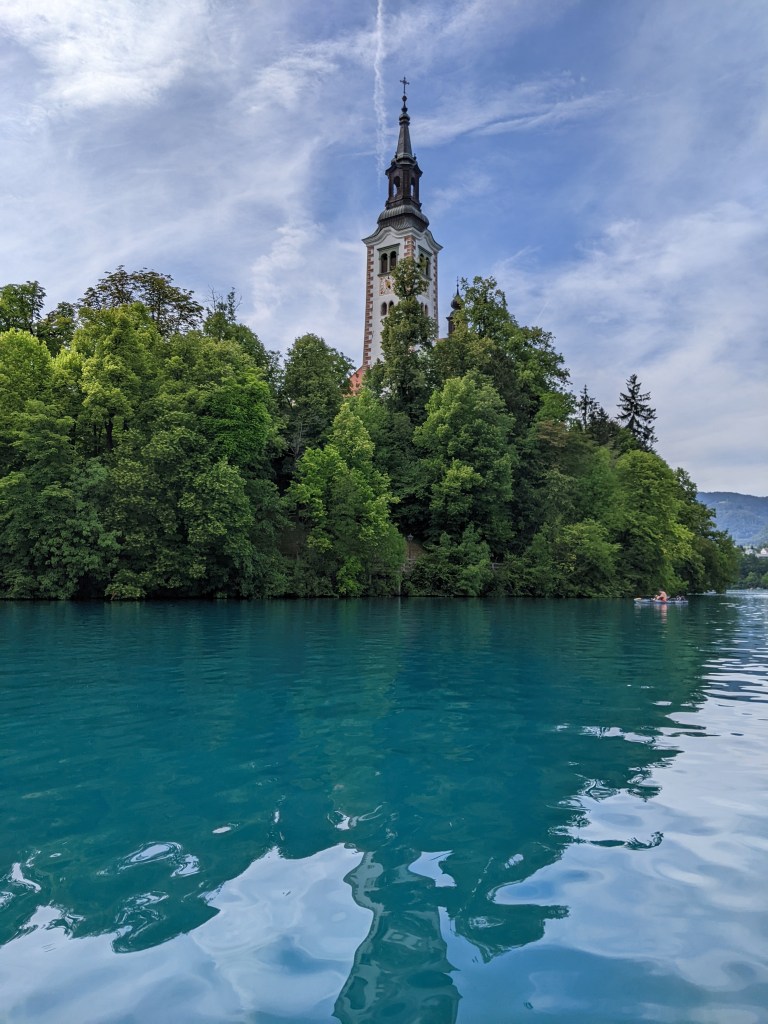
3. Bled is one of the quintessentials stops of Slovenia. The town gets its name from the eponymous lake which is one of the most beautiful in the world. At its center is a tiny island with a few medieval buildings including a chapel. While the island itself is quaint, it is the ride to the island on the hand operated pletna (small boats) that is the main draw. Only a handful of licenses are issued to operate a pletna and are mostly passed down from generation to generation. So, the lake is never swarming with one too many boats. The turquoise calm waters makes for a pleasing ride, I only kept wishing it was longer.

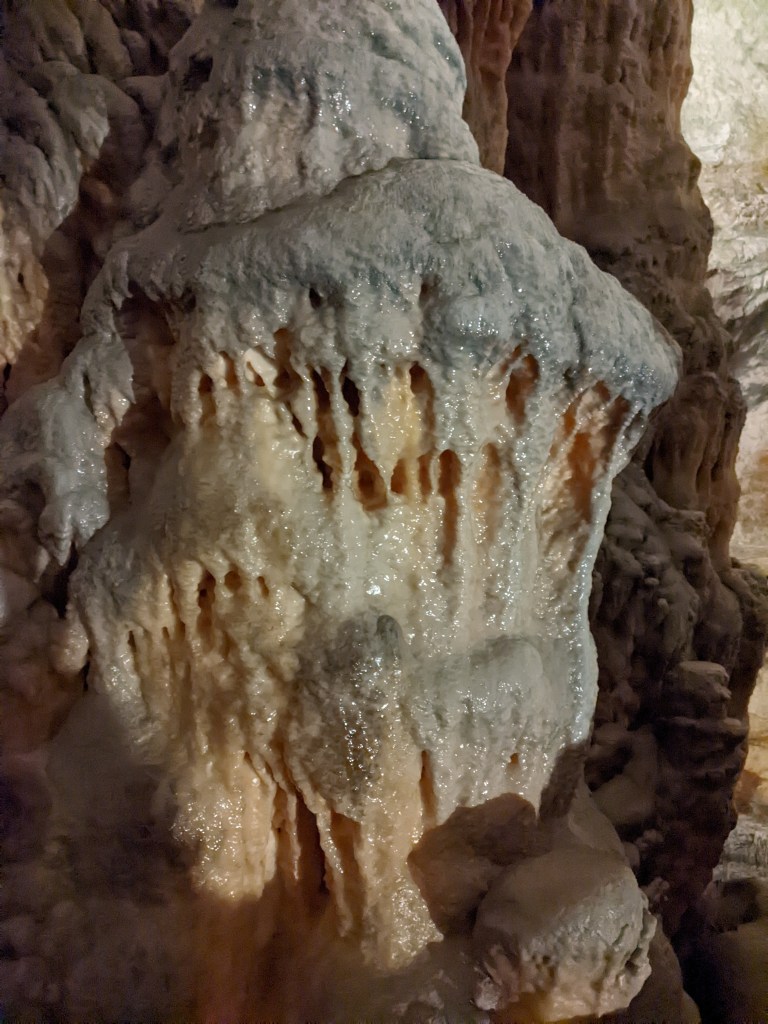
4. While underground cave systems are prevalent across the globe, Slovenia has some of the most accessible ones – Postonja and Skocjan. While the former is much more organized Disneyesque experience catering to all age groups.The latter is aimed at adventure lovers. Postonja is impressive nevertheless. It has a beautiful and huge collection of stalagmites, stalagmites and pillars. The Postonja cave system is 24 km long and was carved by the Pivka River. The cave also has some interesting history, it was one of the first places to electrified in the whole country. Only 5 km of the cave is open to the public today, most of which is traversed via the cave train.
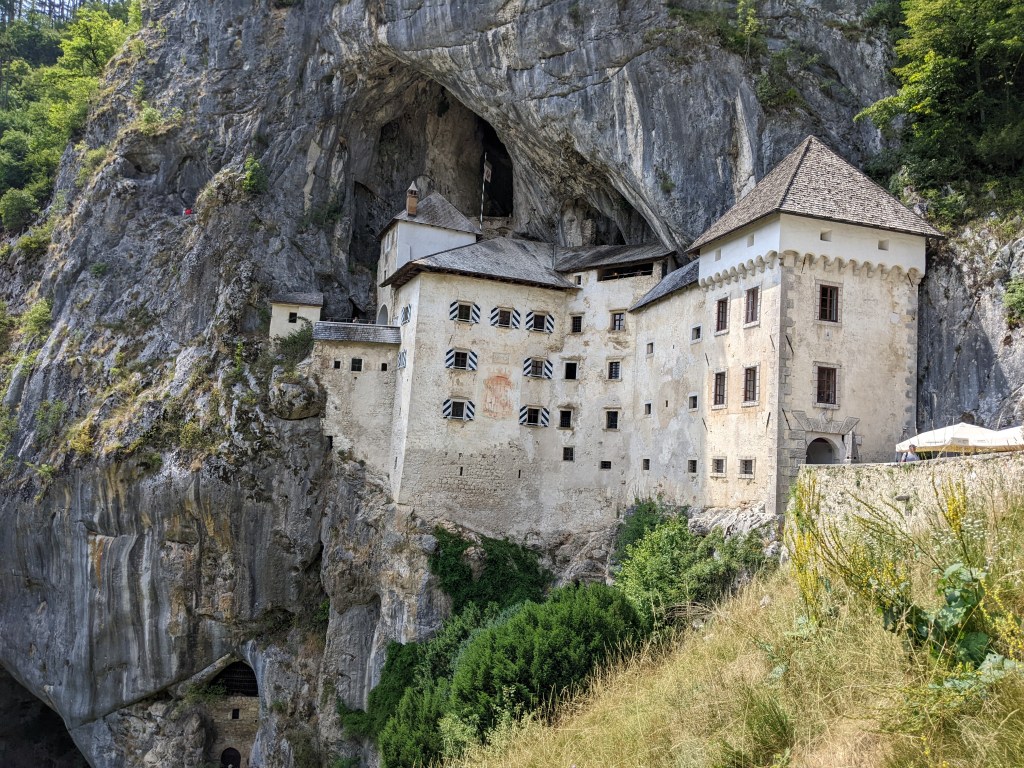
5. Predjama castle is an impressive architectural marvel as it is carved right into the cave. It is located within a few miles of the Postjona cave and usually combined with the cave visit. The castle belonged to a lord so the interiors are a bit sparse but the unique engineering is what makes it different than most.
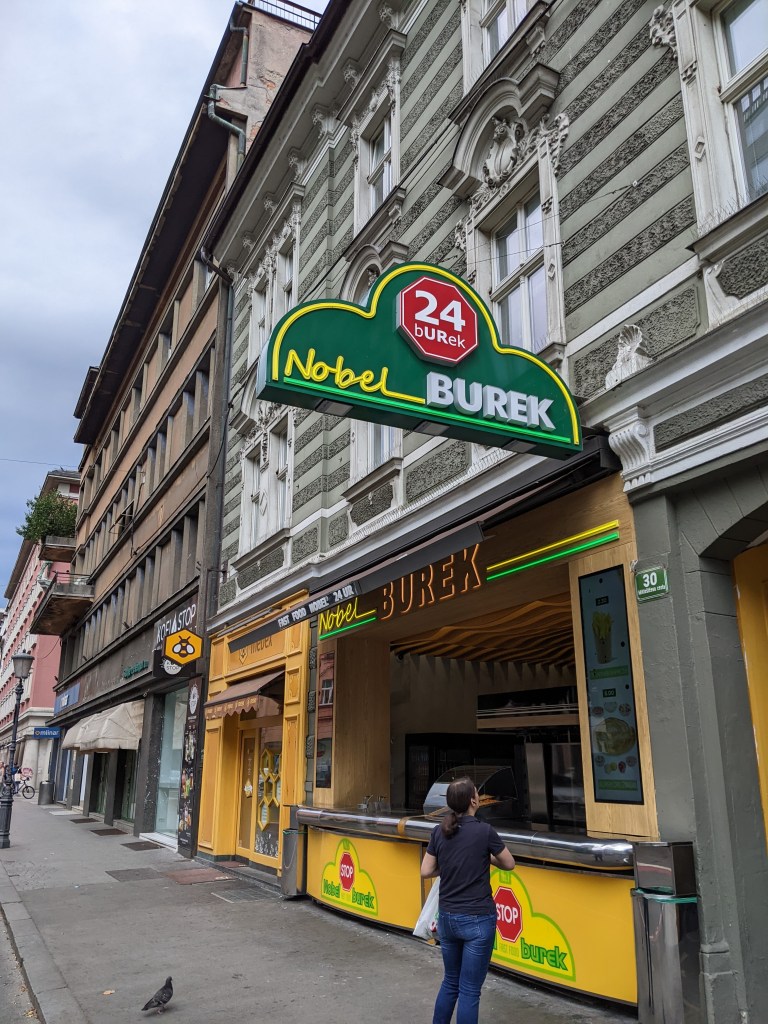
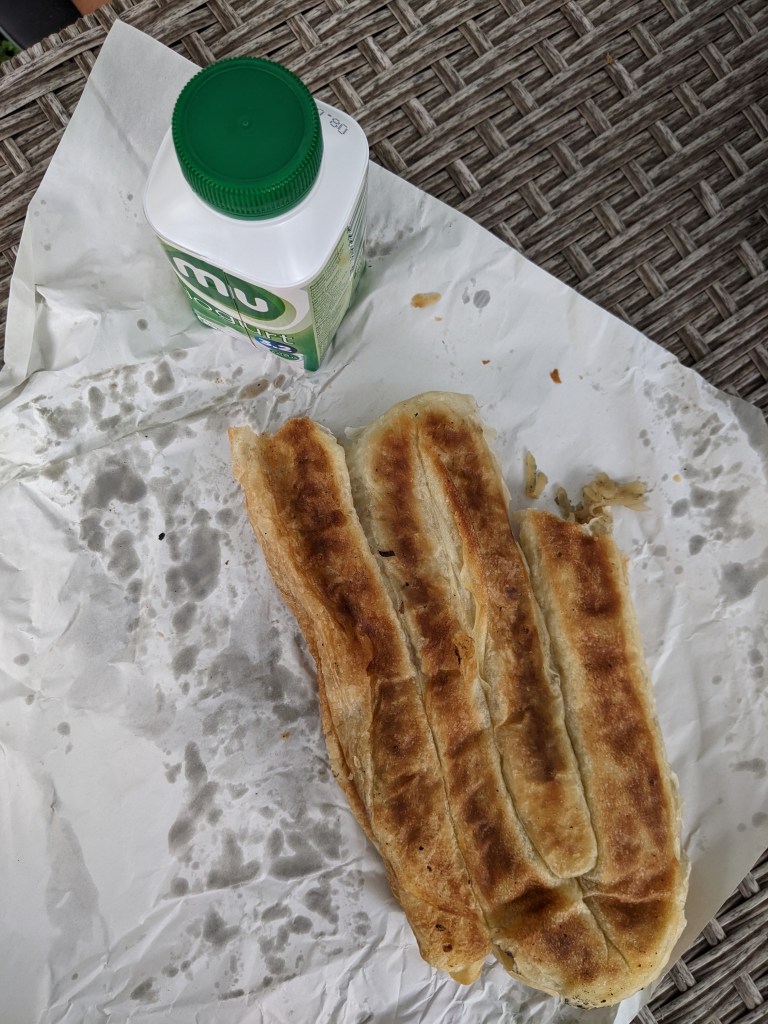
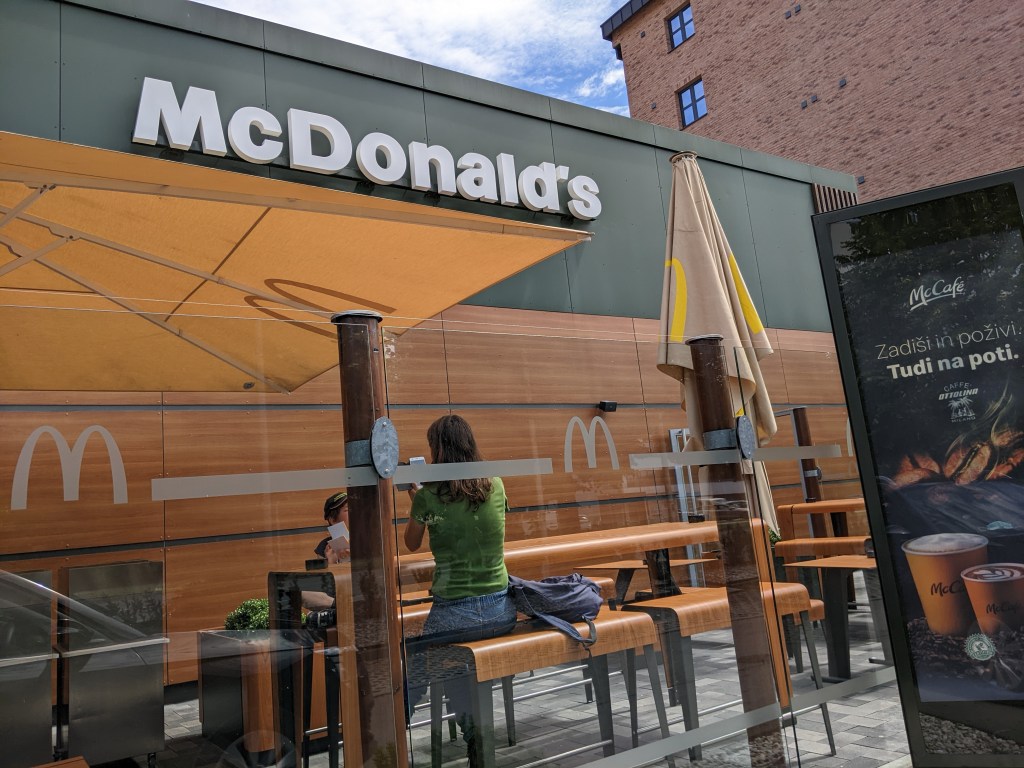
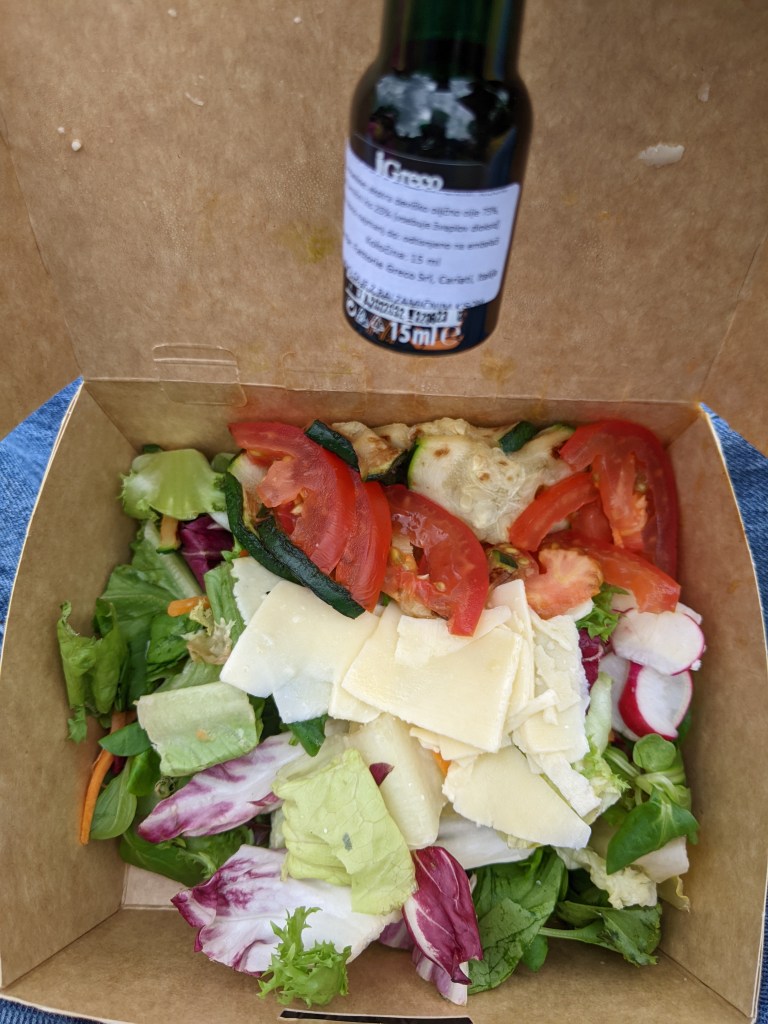
6. Slovenian cuisine is very much developing and still heavily influenced by its neighbors. So, there are plenty of Bosnian restaurants selling Bureks and various types of grilled meats. Nobel burek was one such place where you can get stuffed for under 5 euros. As for chains, I was impressed by a brand new McDonalds that I found on my way to Bled. The had a fresh salad on the menu which I had never seen anywhere else before.
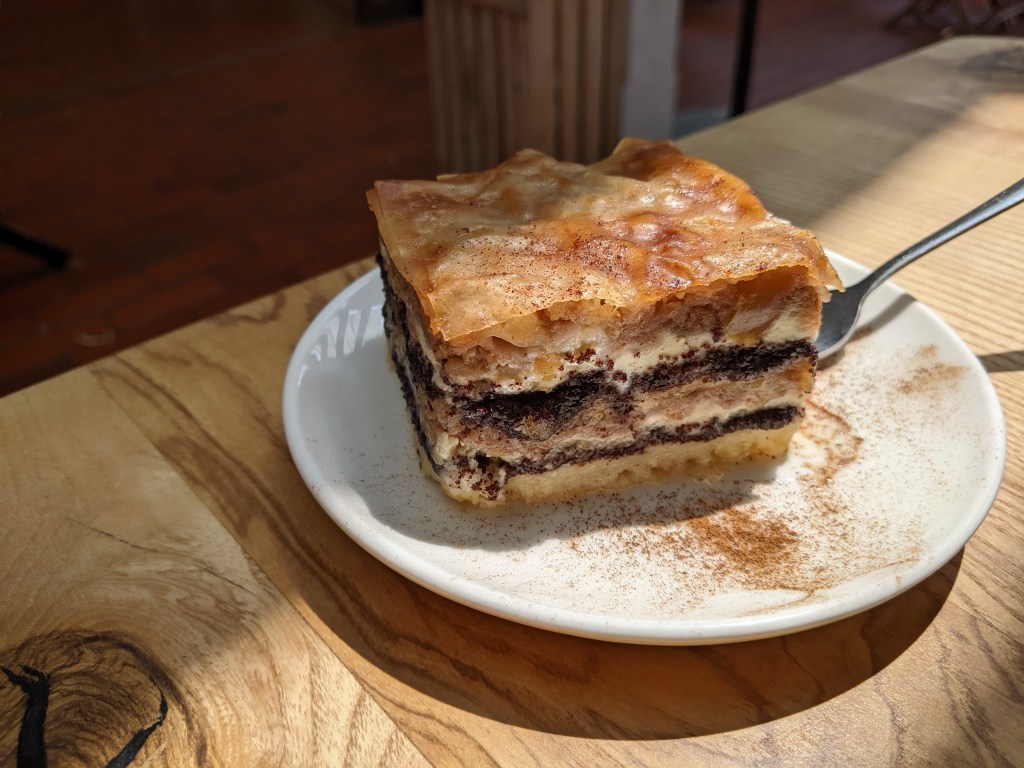
7. Slovenia punched above its weight in sweets- Struklji, Gibanica, Kremsnita are standbys. Strukjli are dumpling rolls that can be made both sweet and savory. It is not uncommon to eat a course of each for a meal. Kremsnita is a speciality of Lake Bled that is virtually sold in every cafe and restaurant in the area. It looked like a poor man’s version of Napoleon but it completely blew my mind. It is basically custard and chantilly cream sandwiched between layers of puff pastry. It was perfectly enjoyable without being decadent. Gibanica is a pastry cake with layers of poppy seeds, walnuts, apples, raisins and quark cheese. It is considered to be a Slovenian speciality. The overall taste profile was similar to the of an Austrian Strudel.


 flagsandforks