1. Although the exact dates of origin of Catalonia are not clear, Emperor Charlemagne is widely credited for establishing the first Catalan counties centered on fortresses at the edge of the Muslim-ruled Iberian peninsula. They later unified as Catalonia in 1162. Barcelona was actually one of them. Following the death of Charlemagne, Catalonia merged with the kingdom of Aragon. It was brought closer to Spain when Queen Isabella of Castile and King Ferdinand of Aragon married in 1649. Until the 18th century, Catalonia maintained its own identity, language and political institutions. Following which, Catalonia backed two losing sides in wars that ensued, first Hapsburgs and then Republicans which completely changed the trajectory of their path to self determination. The Bourbons and the Fascists retaliated by repressing the Catalonian identity. It was only after the second World War that General Francisco Franco relented a bit to help the Catalan culture grow and finally the democratic transition greatly helped the Catalan cause.
2. The Gothic Quarter is the cultural hub of Barcelona. It’s well preserved medieval era buildings make it special. The most important of all is the magnificent gothic Cathedral of Barcelona. It is a stunning piece of architecture dedicated to Eulalia, the co-patron saint of Barcelona. It is also the seat of Archbishop of Catalonia. Iglesia de Santa Maria del Pí and Iglesia de Santa Maria del Mar are other Gothic churches know for their rich facades and stained glass windows. La Rambla is a treelined street that forms the border of the Gothic quarter and connects it to the defacto city center,Plaça Catalunya. I found it to be a tourist trap. My experience was ruined by a failed pickpocket attempt. Apparently, it is one of the hotbeds of pickpocketing in western Europe. It was the brazenness of the attempt that bothered me the most.

3. Outside the old city, Barcelona has a very distinct building pattern. It wasn’t always like that. In order to cope with the growing population in the middle of the 19th century, principles of urban planning were applied to create the modern day Barcelona. The brain child behind all of this was Ildefons Cerda, an Catalan architect. He proposed a larger planned city by combining the old city of Barcelona and a few adjacent towns. As part of his research on ideal urban living conditions for the citizens of the city, Cerda conceived a unique urban building pattern. He aimed to create hundreds of small communities with clean air and enclosed garden spaces while allowing easy access and navigation for goods to be transported across the city. The newly built city extension (Eixample) was characterized by long straight streets, a strict grid pattern crossed by wide avenues, and octagonal city blocks – rectangular blocks with the corners cut off.
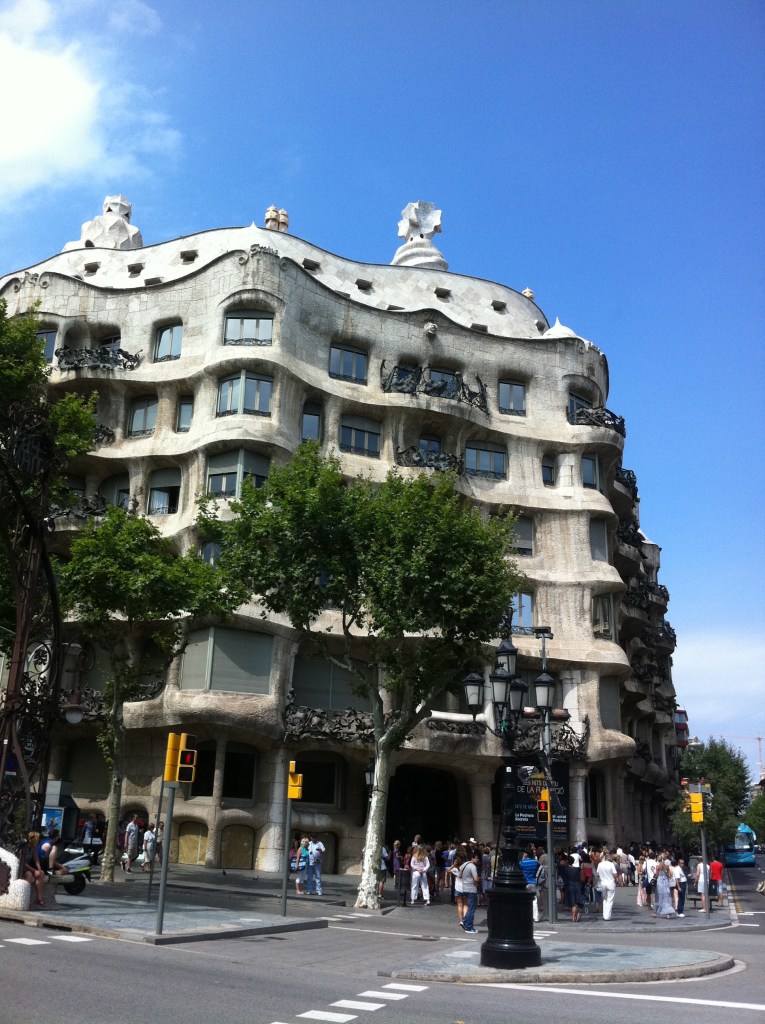
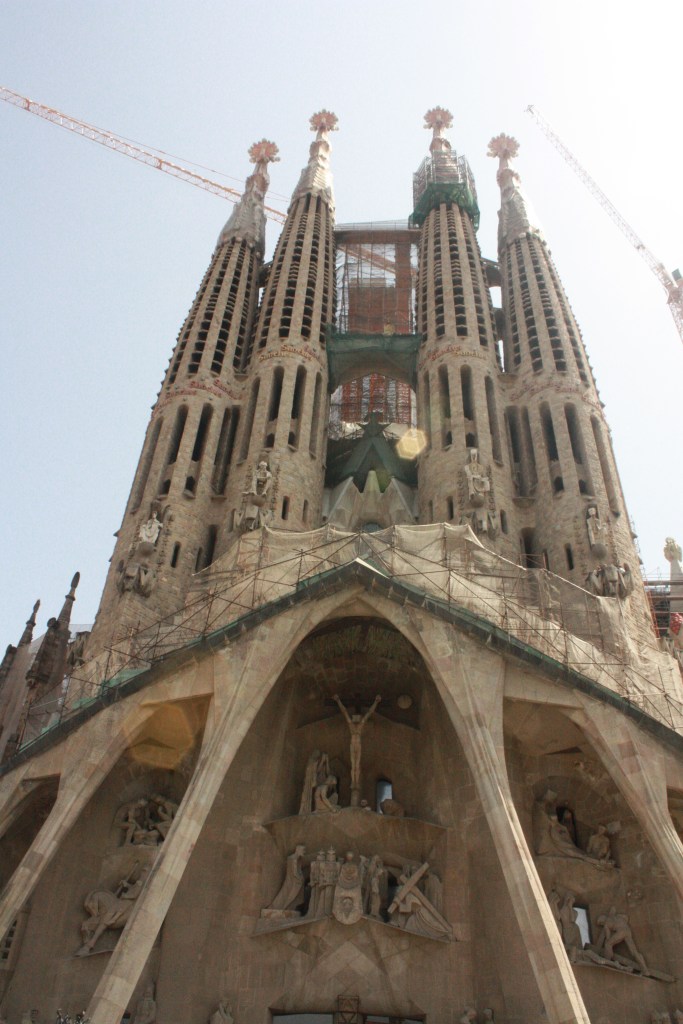
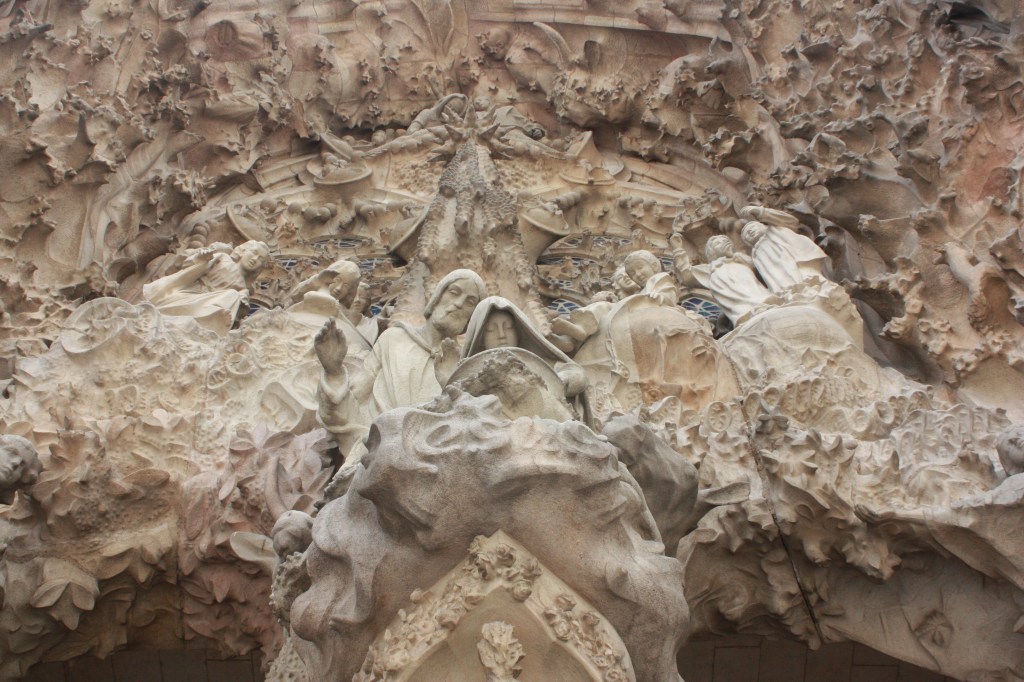
4. The city’s architecture is dominated by the creations of Antoni Gaudi. Gaudi was a son of the soil. He was born in Catalonia and studied architecture in Barcelona. He gained prominence for his modernista works in the late 19th century. Eusebi Güell, a local mogul commissioned some of his best work – Park Guell, Guell Palace, Guell paviollios and Colonia Guell. Park Guell is a popular tourist attraction. The architectural elements are quirky and unique. It felt like a modernist wonderland designed with a playful elegance. The Sagrada Familia Church is truly one of a kind wherein Gaudi has challenged the traditional architectural paradigms of a Catholic church. Gaudi took over from architect Villar in 1883 and worked on it until his death in 1926. It was said to only 20% complete at that time. Further interruptions during Spanish civil war and the destruction of the original Gaudi designs slowed the construction of the church. It still remains incomplete till date.


Park Guell

5. Football Club Barcelona is an integral part of the city’s identity. It’s fans are among the most passionate in the world. During the playing season, experiencing a Barca match is a must even for non-football fans. Camp Nou stadium tour is worth it for fans and non-fans alike. The stadium is the largest one in Europe with a capacity of 100,000.
6. At its heart, Barcelona is a beach town. So, it manages to maintain a relaxed vibe despite being a busy city otherwise. There is a beach for everyone. The younger crowd congregates at Barcelonata and Sant Sebastia for their endless entrainment and people watching opportunities. Barcelonata has a very South beach vibe to it. Bogatell, Mar Bella and Nova Marbella beaches are relatively quieter and mostly preferred by an older demographic.
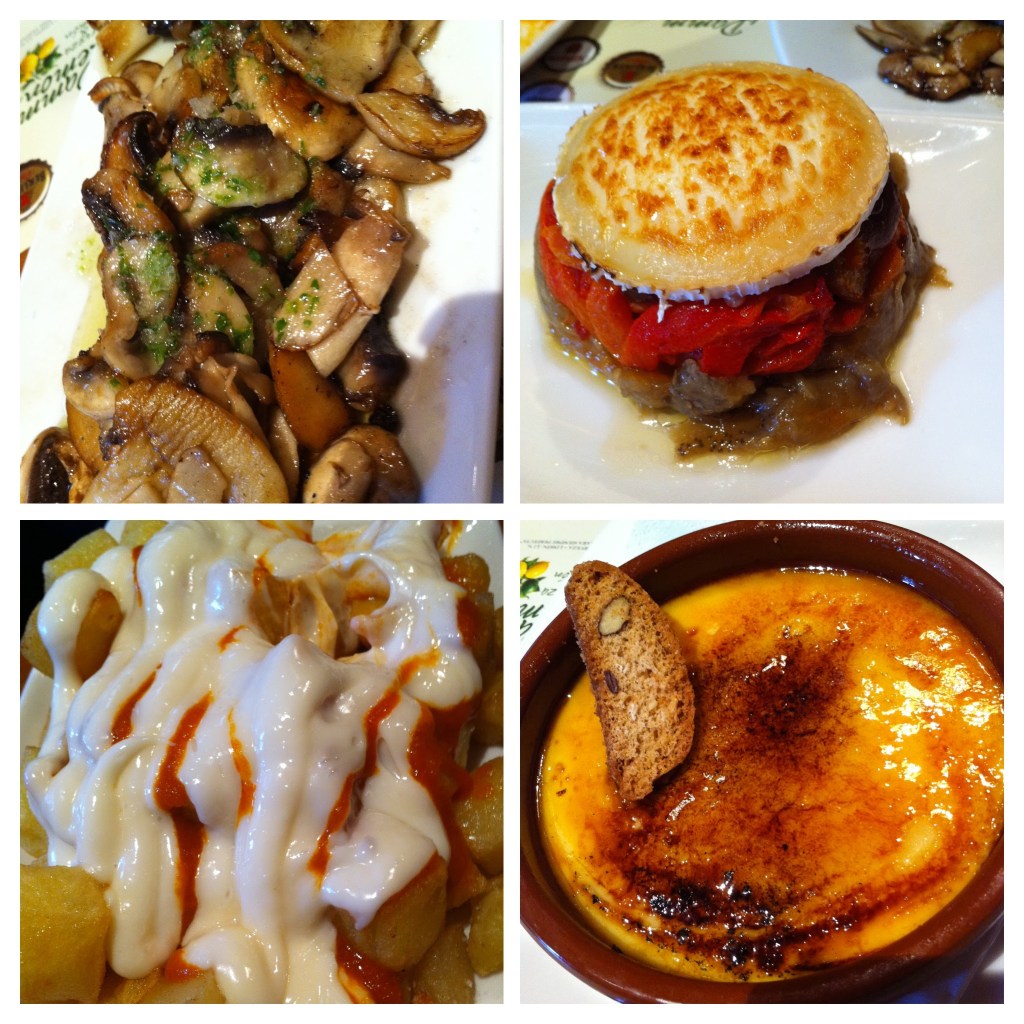
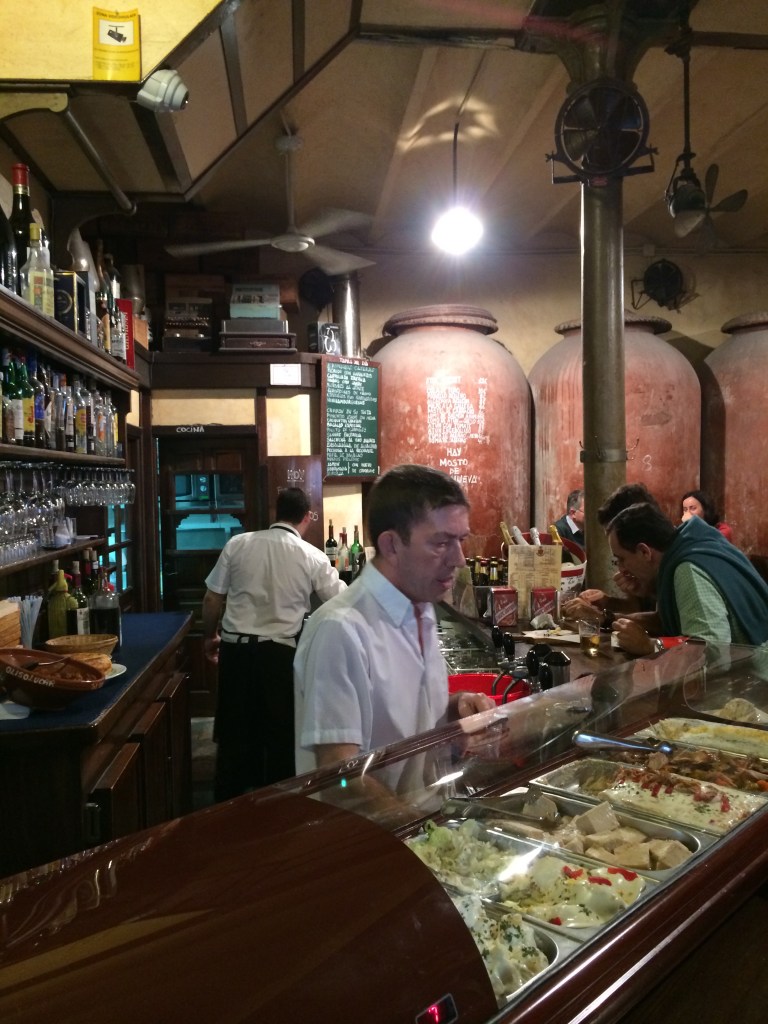
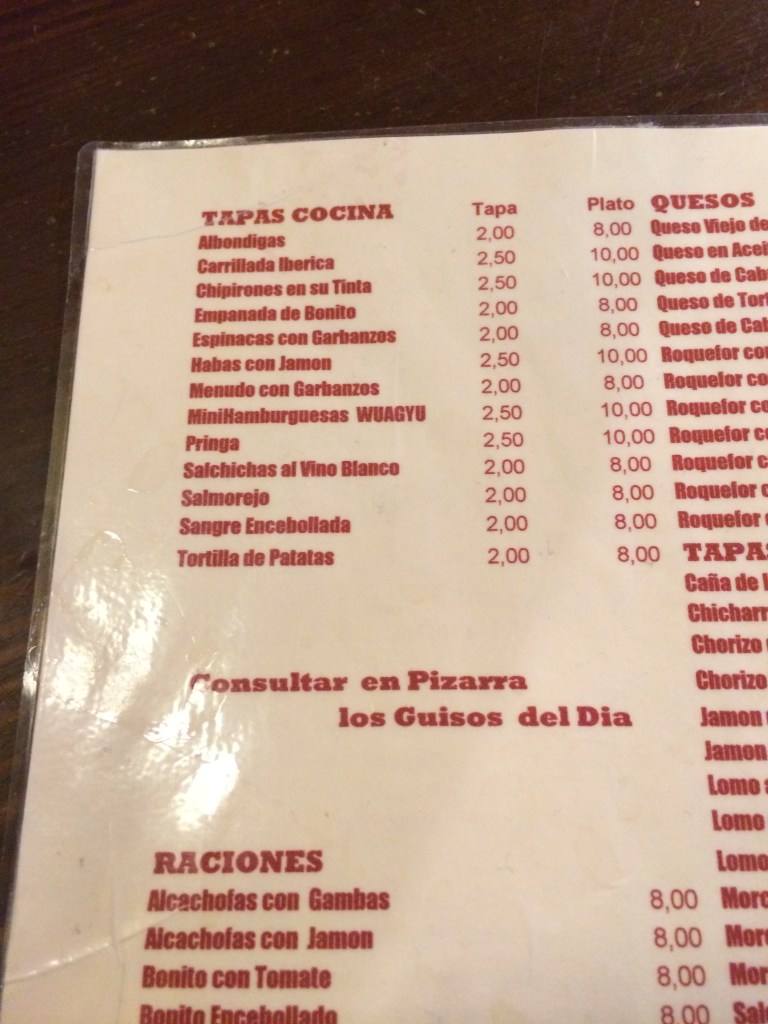
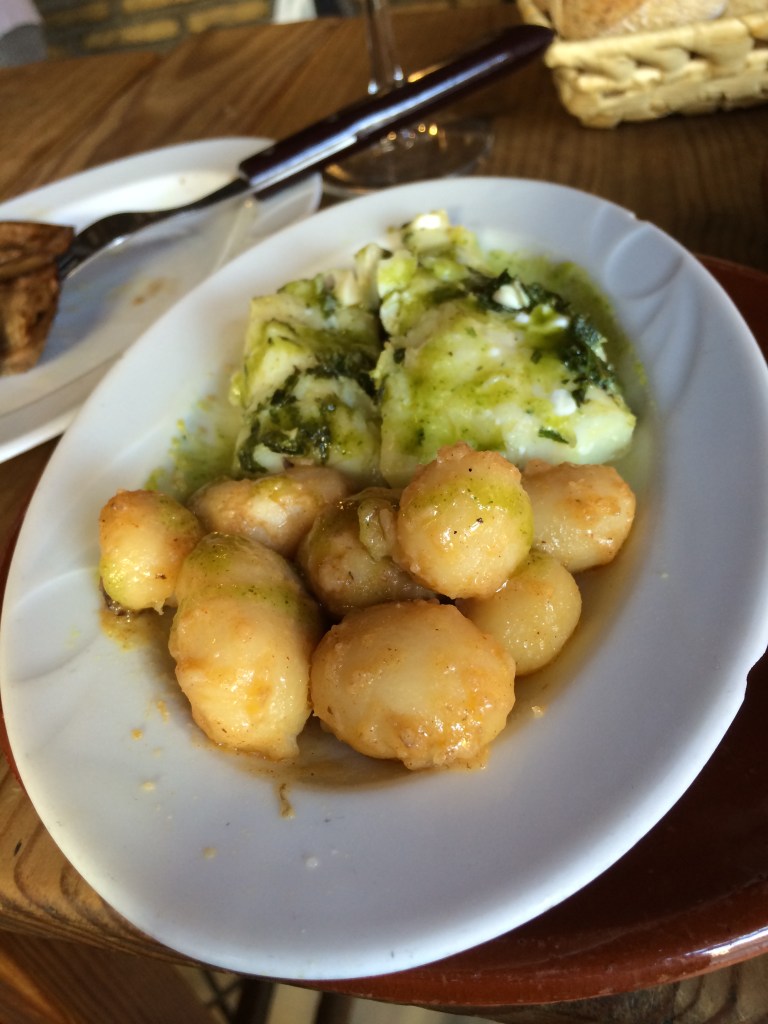
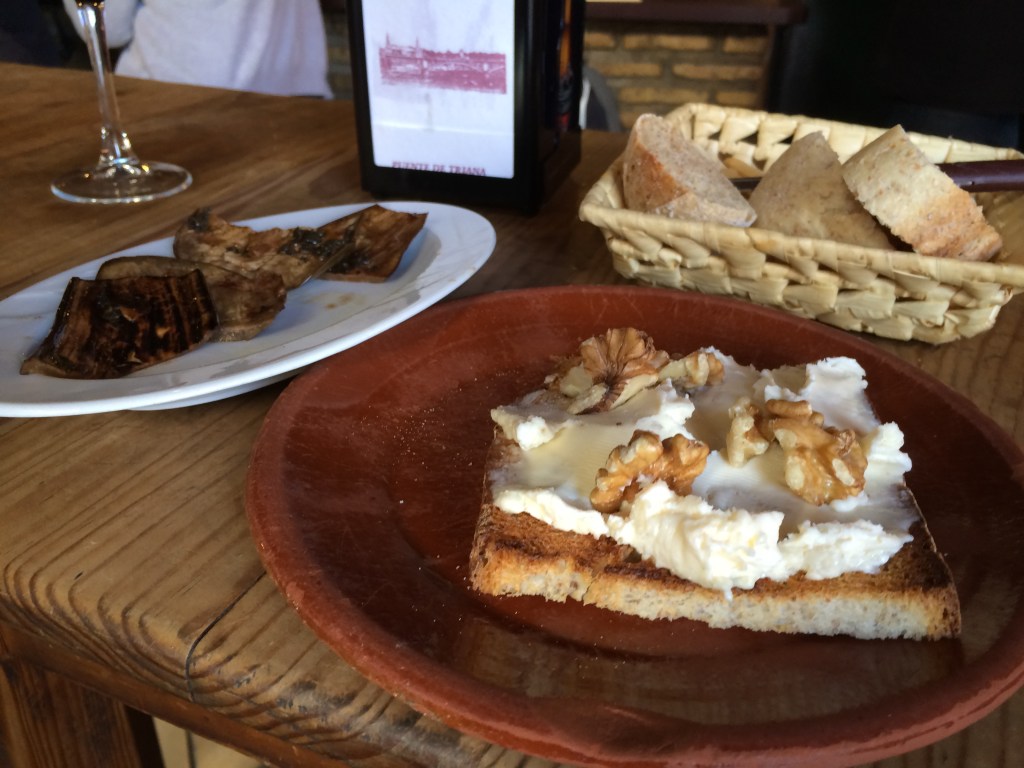
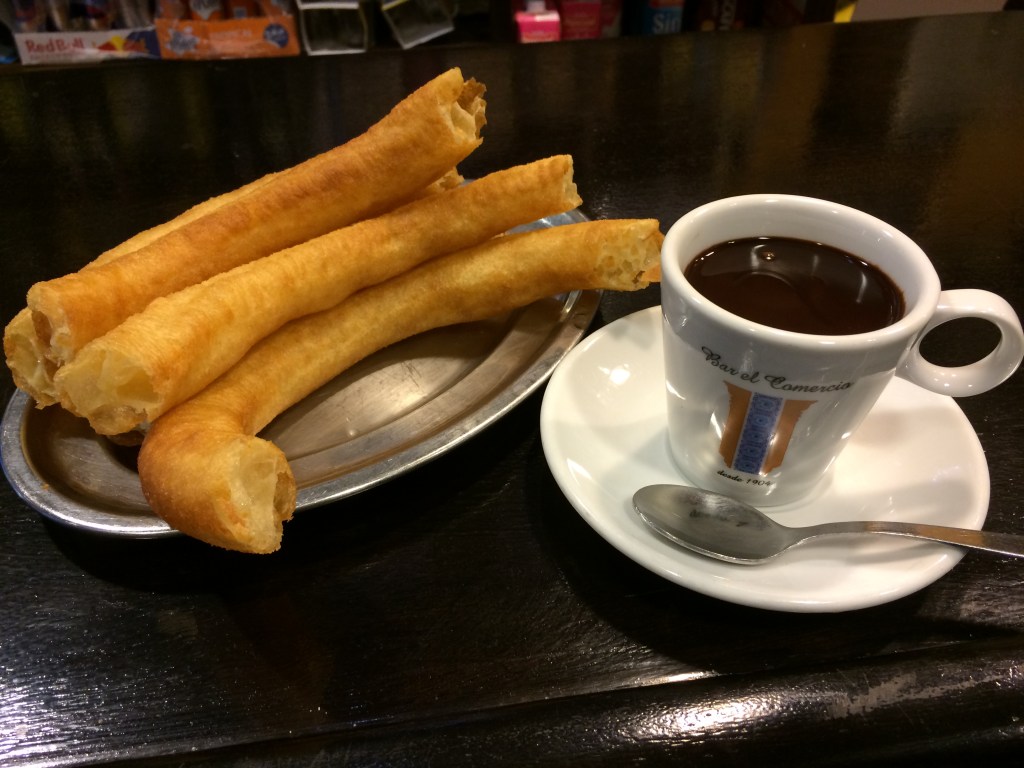
7. Barcelona has a gazillion tapas places that serve the typical dishes like Spanish Tortilla, Patatas Bravas and Crema Catalana. It has also co-opted some regional dishes like Paella (originally from Valencia), Pa amb tomàquet and made it its own. Bombas (potato croquettes) is one dish that is steeped in Catalan history. It is made to resemble crude bombs used by anarchists in early 1900s. However, the city truly shines in its innovative culinary offerings centered around molecular gastronomy pioneered by Ferran Adria of the legendary El Bulli (closed in 2011). Molecular Gastronomy allows chefs to reconstruct known flavors in playful ways. Some common techniques used are flash freezing, dehydrating, foams and sous vide cooking. Disfrutrar and Tickets are more accessible versions from the El Bulli alumni who still want to keep the movement alive.




 flagsandforks