1. Vatican is a city-state and the smallest one at that with an area of just 49 hectares and resident population of 825. However, it is a sovereign entity recognized by international law governed by the Holy See. Named after the Vatican hill on which it is situated, the city state was born in 1929 because of the Lateran Treaty which put to rest a long standing sovereignty dispute between the Pope and the Republic of Italy.
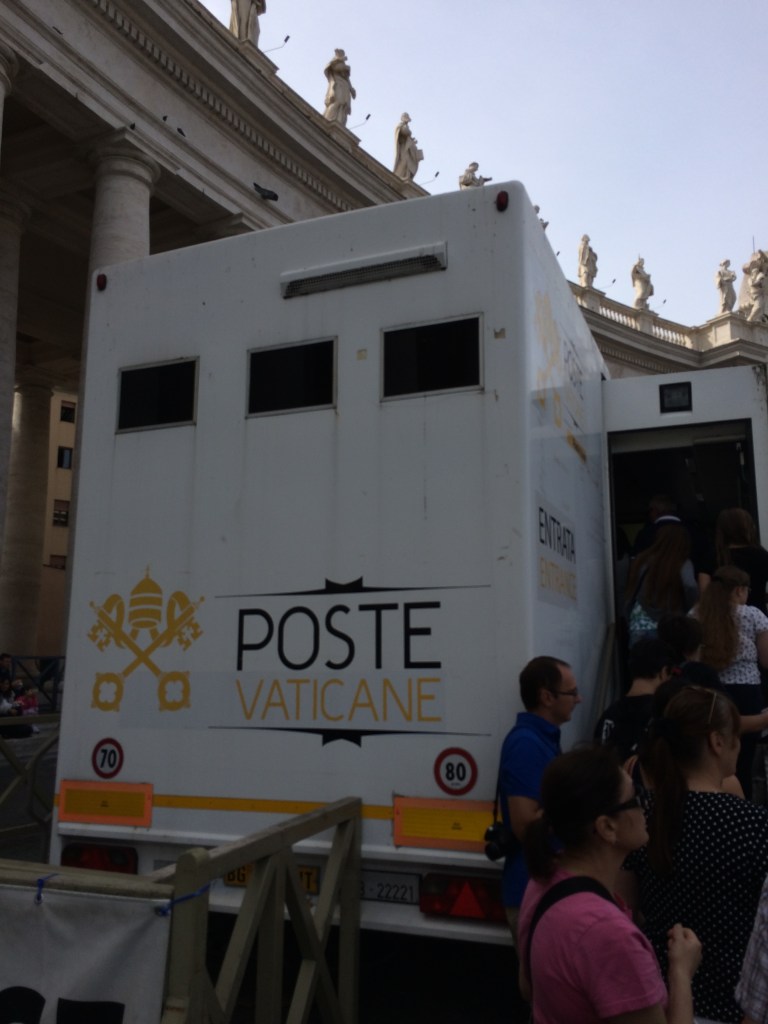
2. The economy of Vatican City is supported by the sale of stamps, coins, souvenirs as well as admission fees to Vatican museums. There is even a post office in the St Peter’s plaza that is popular with visitors to mail postcards back home. However, the budget of the Holy see is entirely different. It is funded by donations collected from Catholics worldwide as well as a slew of investments in real estate, stocks and stakes in Italian companies.
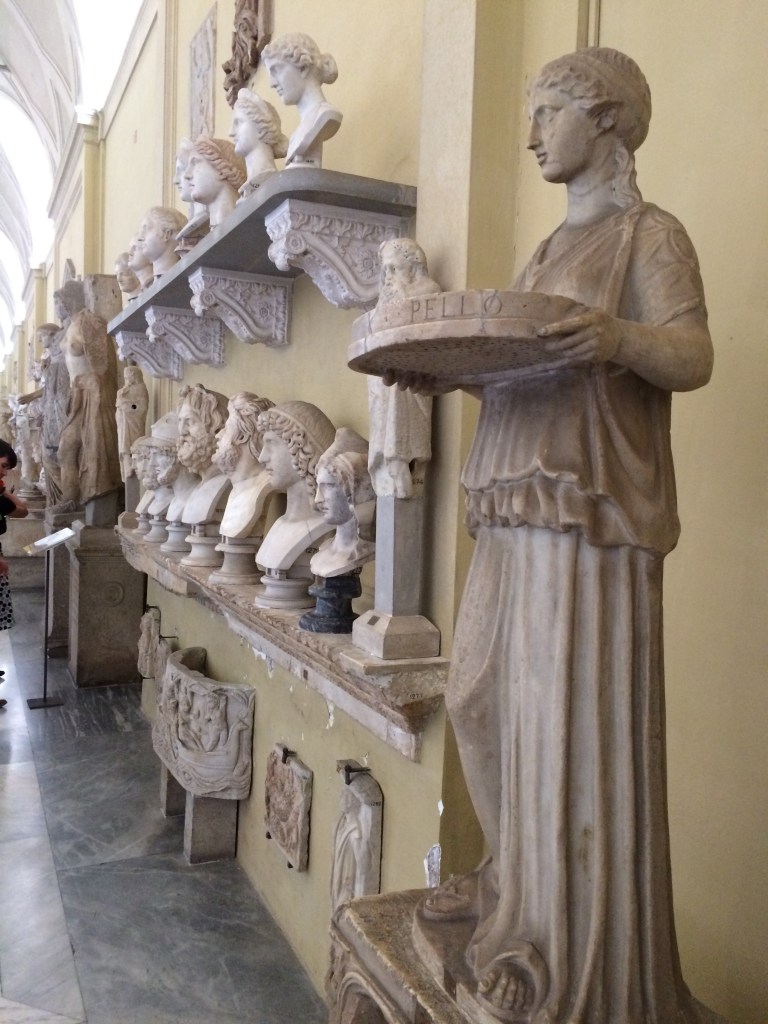
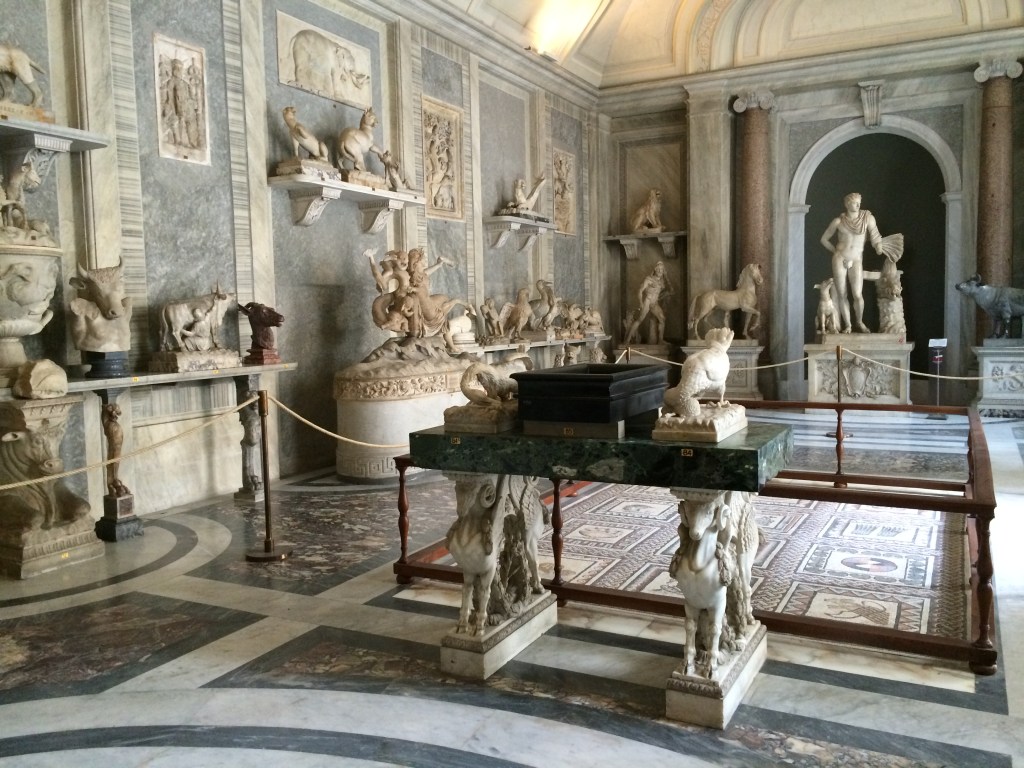
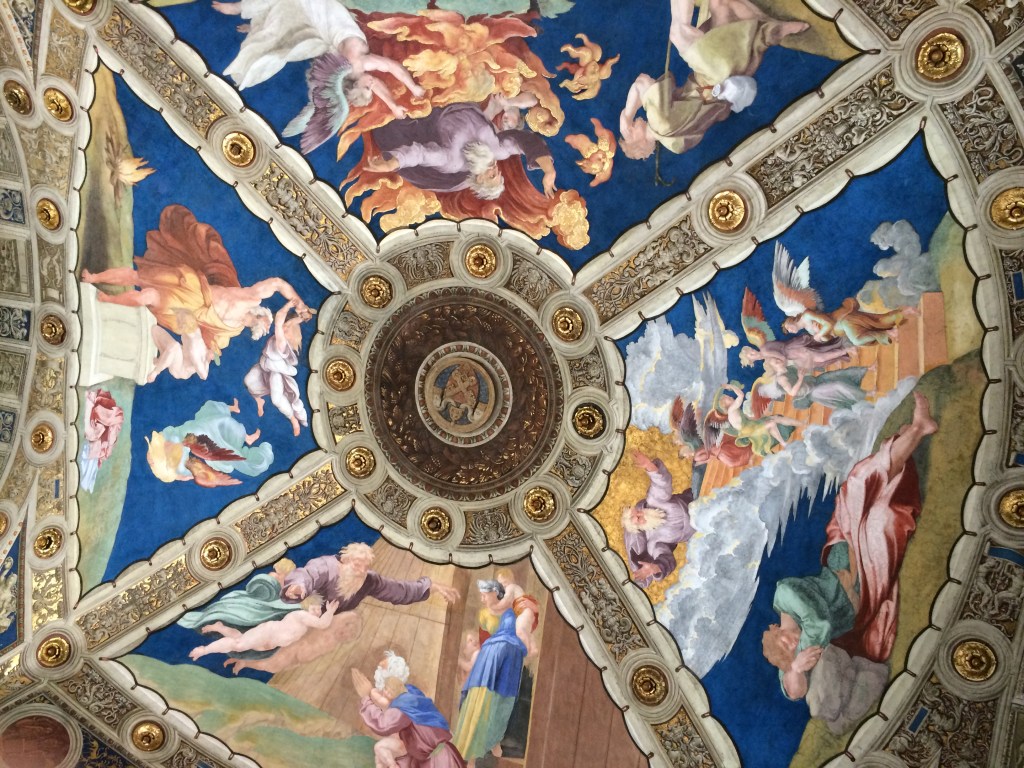
3. Vatican Museum is a wealth of paintings from important artists across multiple eras. The frescoes in Raphael rooms is one of the greatest works of the influential Renaissance painter, Raffaelo Sanzio.One could spend days if not months in the museum taking in all the art if not for the unrelenting crowds. Unsurprisingly, it is the fourth most visited museum in the world. As for me, I couldn’t take my eyes off the ceilings. They were equally studded with art.
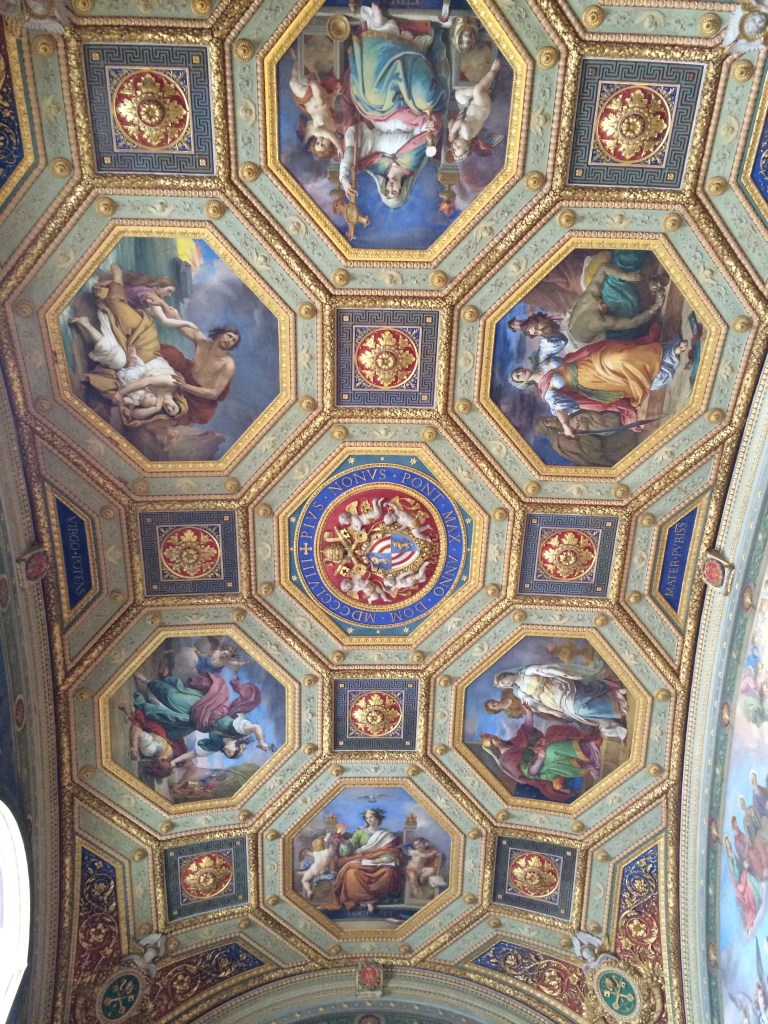
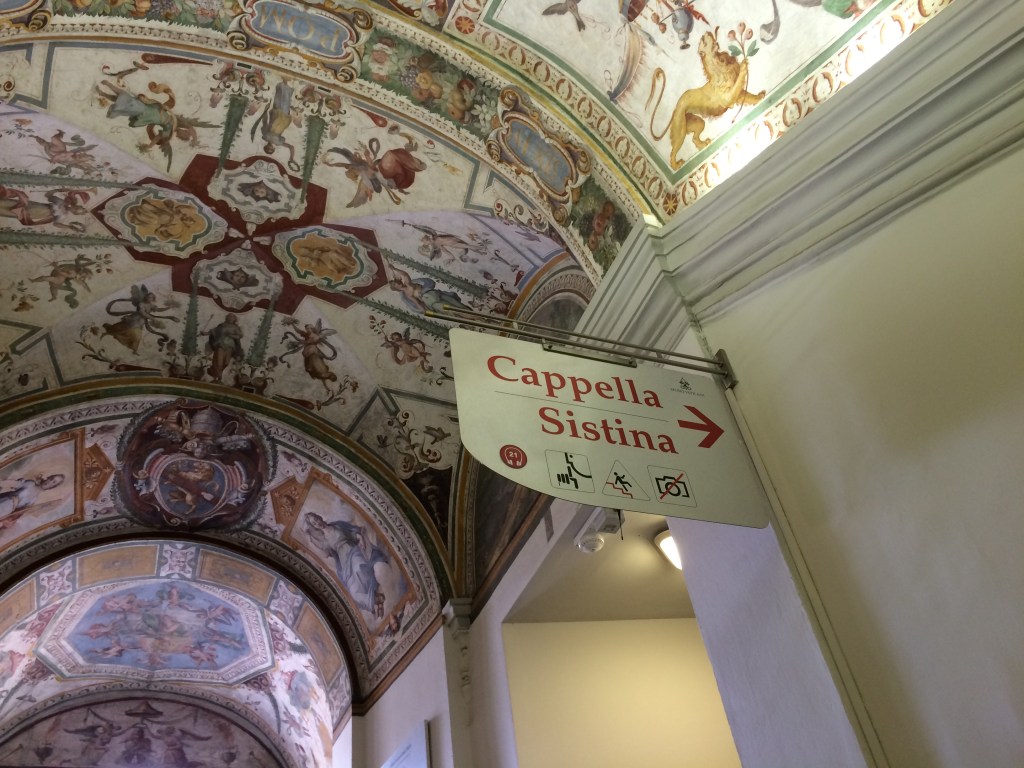
4. Sistine Chapel located in Apostolic palace is considered the epitome of the Renaissance era art thanks to all the amazing frescos from greats like Botticelli, Peruguino, Rosselli, Pinturicchio and Michelangelo. Sistine Chapel was originally called the Great Chapel, it was renamed in memory of Pope Sixtus IV who led the restoration and led its first mass in 1483. It was only under Pope Julius almost 25 years later did Michelangelo paint the ceiling frescoes. He returned to create his Magnum Opus ‘Last Judgment” which survives till date. It is glorious but the amount of nudity in the painting can be a bit jarring given it is in one of the most exclusive places of the Catholic Church. Sistine Chapel is also the site of the Papal conclave, the process in which Popes are chosen. To preserve all of this for future generations, photography is prohibited.
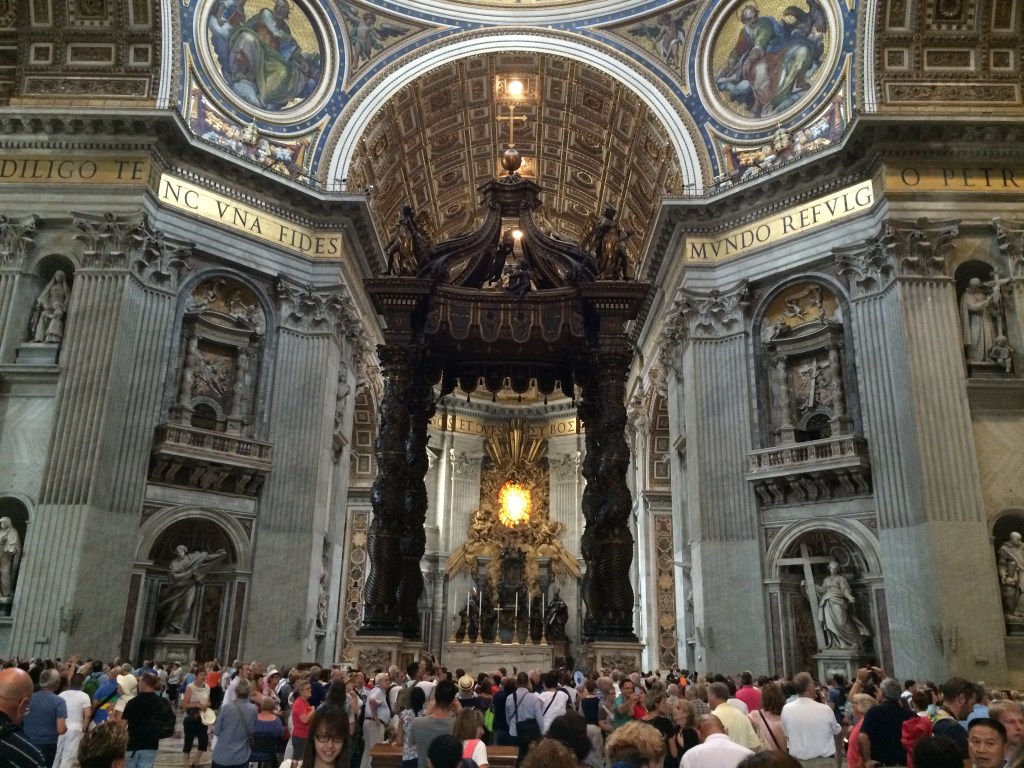
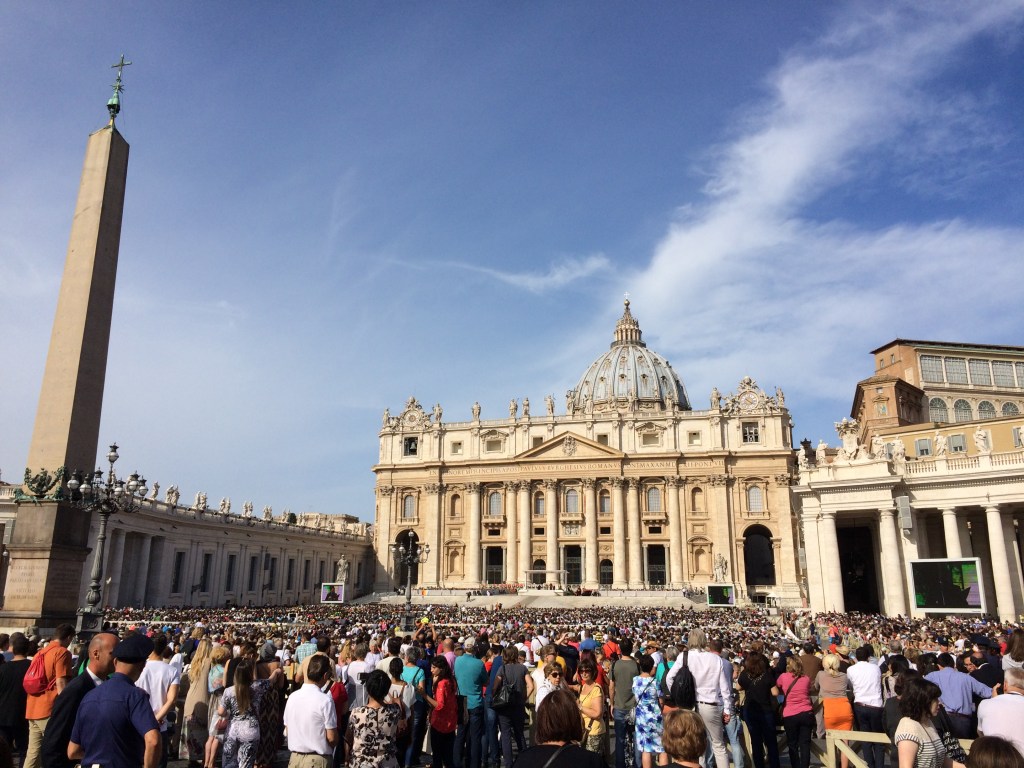
5. St Peters Basilica is truly an impressive building. It was meant to awe inspire visitors and it definitely does that with its grand hallways and richly decorated interiors. It is the largest church in the world and is the holiest of holy sites for the Catholic community. The view of the plaza from the top of Basilica is fantastic. The tall obelisk at the centre of the plaza is an import from the Egyptian civilization. The papal audience day (typically Wednesdays) held in the square is an intense religious experience for Catholics.

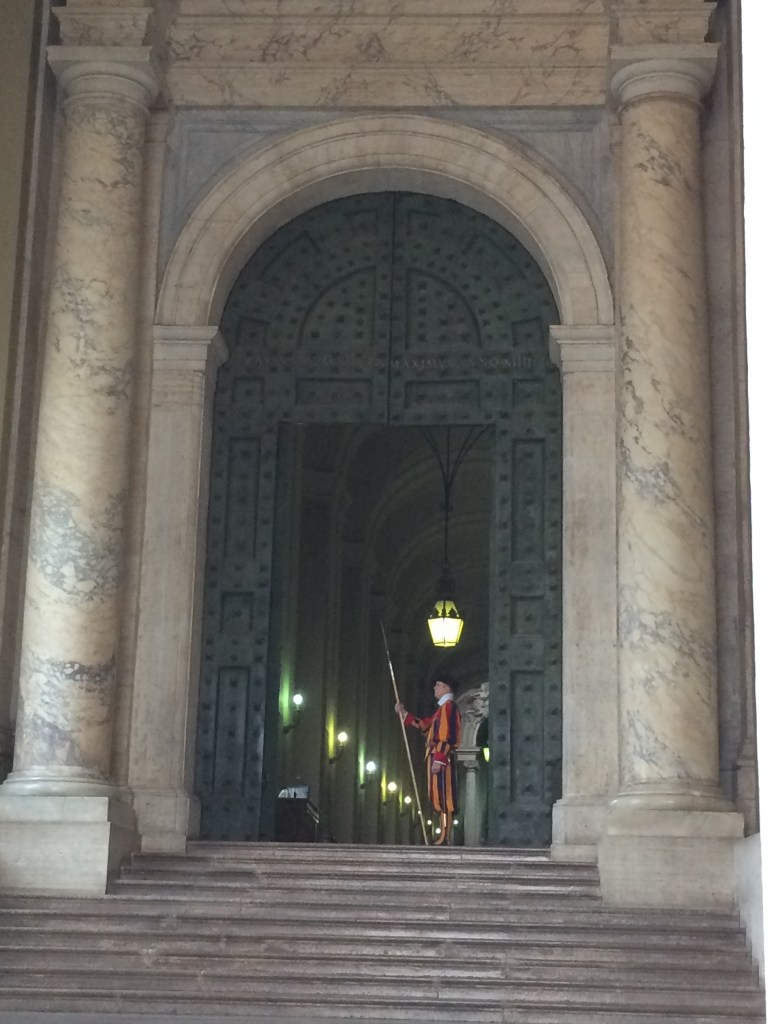
6. The guards dressed in colorful Renaissance gear are officially the armed forces unit of the Holy See although they don’t look the part. The recruits to the Swiss Guard must be unmarried Swiss Catholic males between the ages of 19 and 30 and must have completed armed forces training in this Swiss army. The history of Swiss Guard dates dates back to the 15th century when Pope Sixtus IV made an alliance with the Swiss rulers back then to recruit Swiss mercenaries.Today, they are primarily tasked with protecting the Pope.
7. The Vatican bank ATMs offer Latin as a language option. It is the only bank in the world to do so. It probably made Robert Langdon very happy.
 flagsandforks