1. History that still shapes the present
Taiwan entered Western awareness in the 16th century when Portuguese sailors named it Formosa, meaning “beautiful.” After brief European involvement, the island came under Chinese rule, first by Ming loyalists and later the Qing dynasty. In 1895, Taiwan was ceded to Japan after the First Sino-Japanese War and remained a Japanese colony for fifty years, a period that strongly shaped its modernization. After World War II, Taiwan was placed under the Republic of China, and in 1949 the losing side of the Chinese Civil War retreated there and rebuilt the state. Decades of martial law eventually gave way to a vibrant democracy. Today, there is a quiet tension tied to the relationship with China. Patriotic sentiment runs high, but politics often split by generation, with the older generation leaning toward the KMT and younger Taiwanese strongly preferring the Democratic Progressive Party and its more skeptical view of reconciliation.
2. A dense city with real neighborhood texture
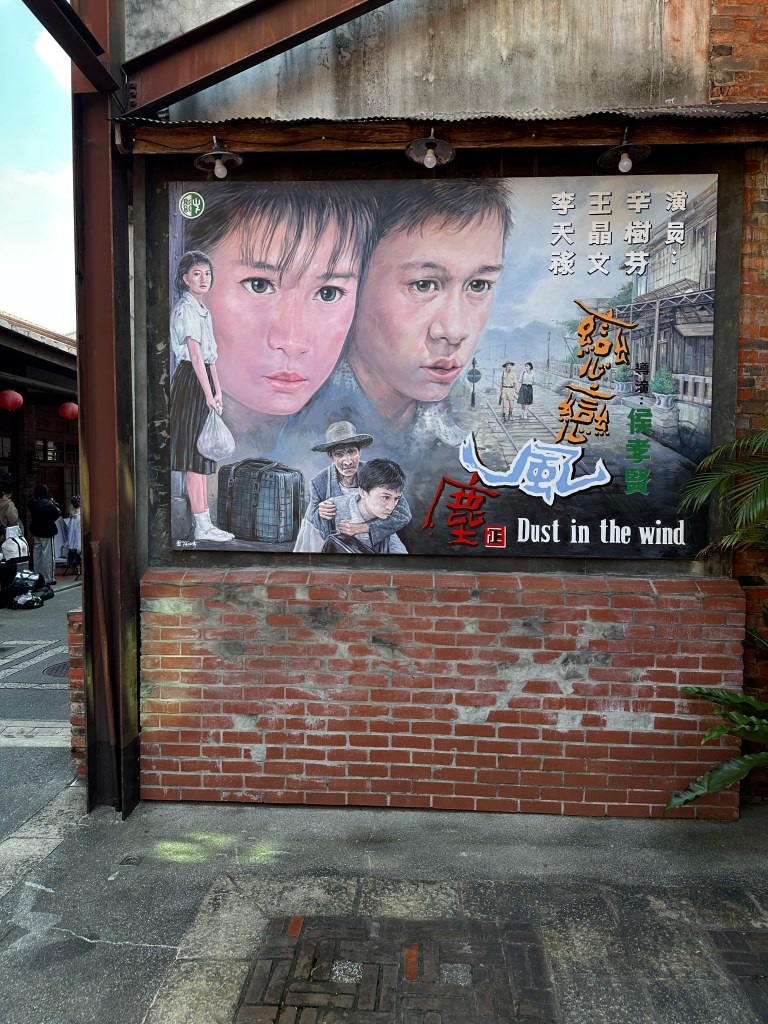
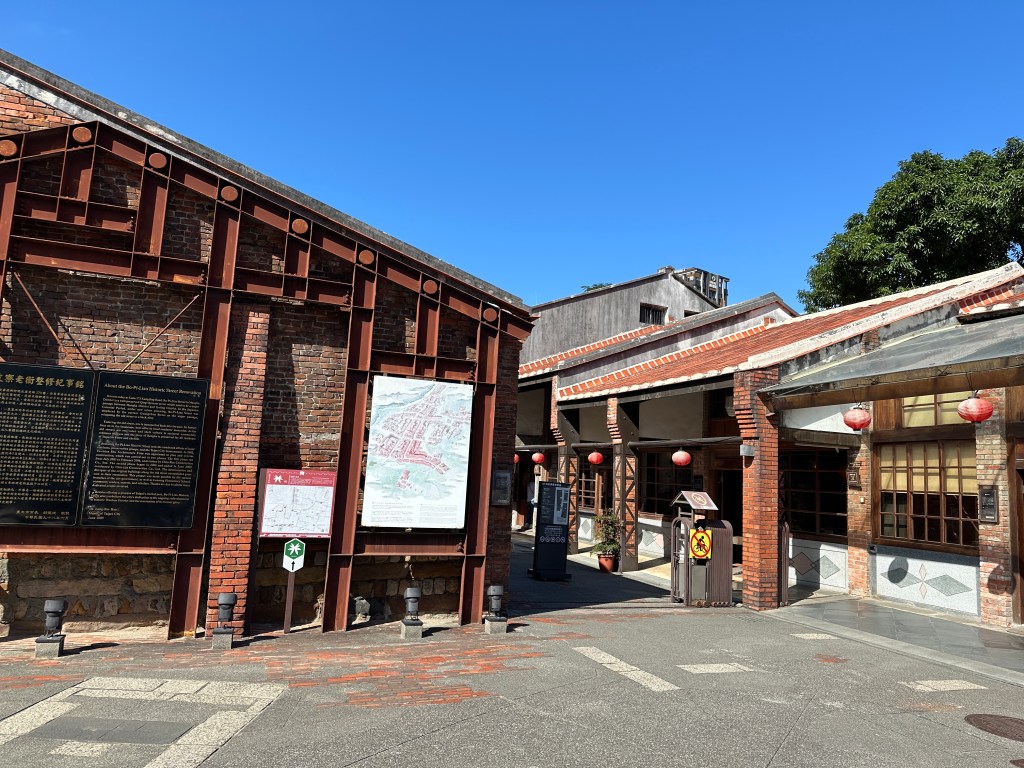
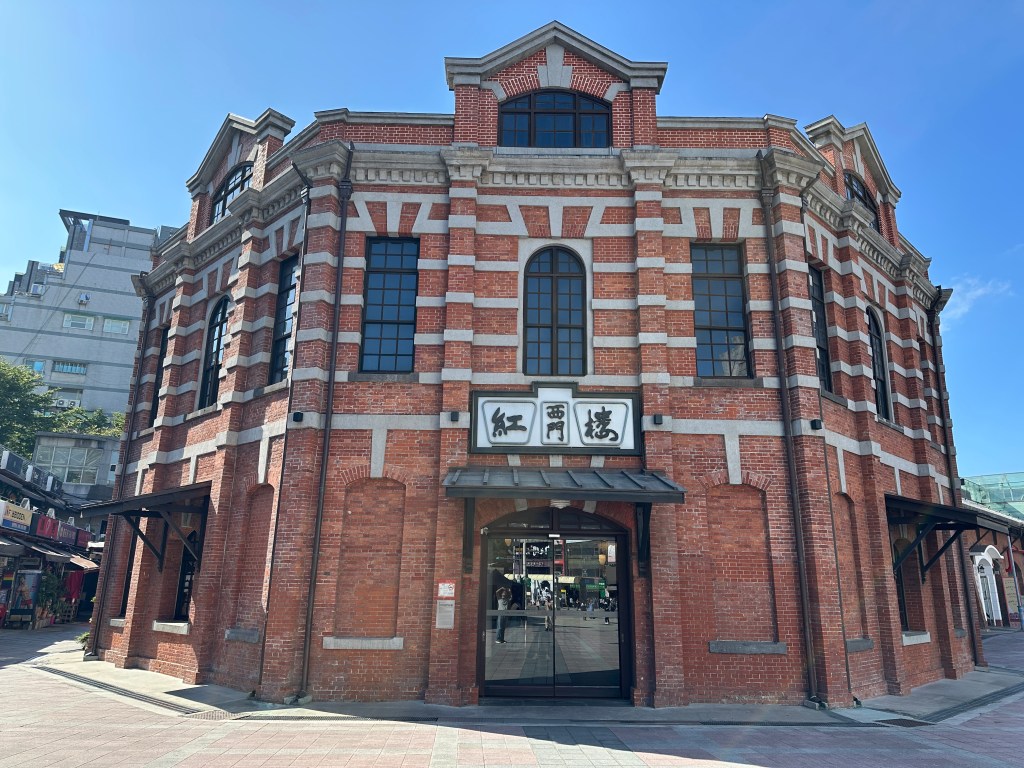
Taipei is a city of about 2.5 million people, with 7.5 million in the larger metro area. It is not a global megacity, but it is very dense, which gives rise to neighborhoods with distinct identities. Xinyi is the modern business district, while adjacent Songshan has luxury hotels, shopping, and one of the largest night markets. Wanhua is one of the oldest parts of the city, named after an indigenous word meaning canoe or raft, reflecting its early role as a trading hub. Ximending, or Ximen, is foodie central, with walkable streets and a nonstop stream of local eateries. Zhongshan feels like a more polished, upscale version of Ximen, with better international food and a quieter confidence.
3. Taipei 101 is more interesting up close
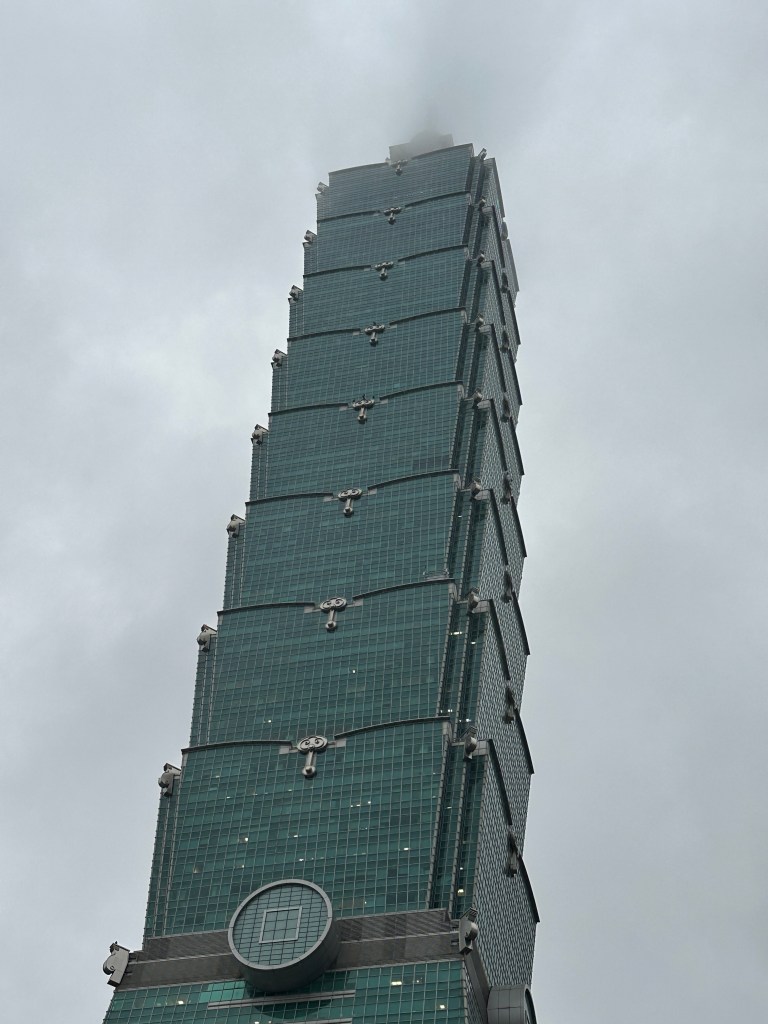
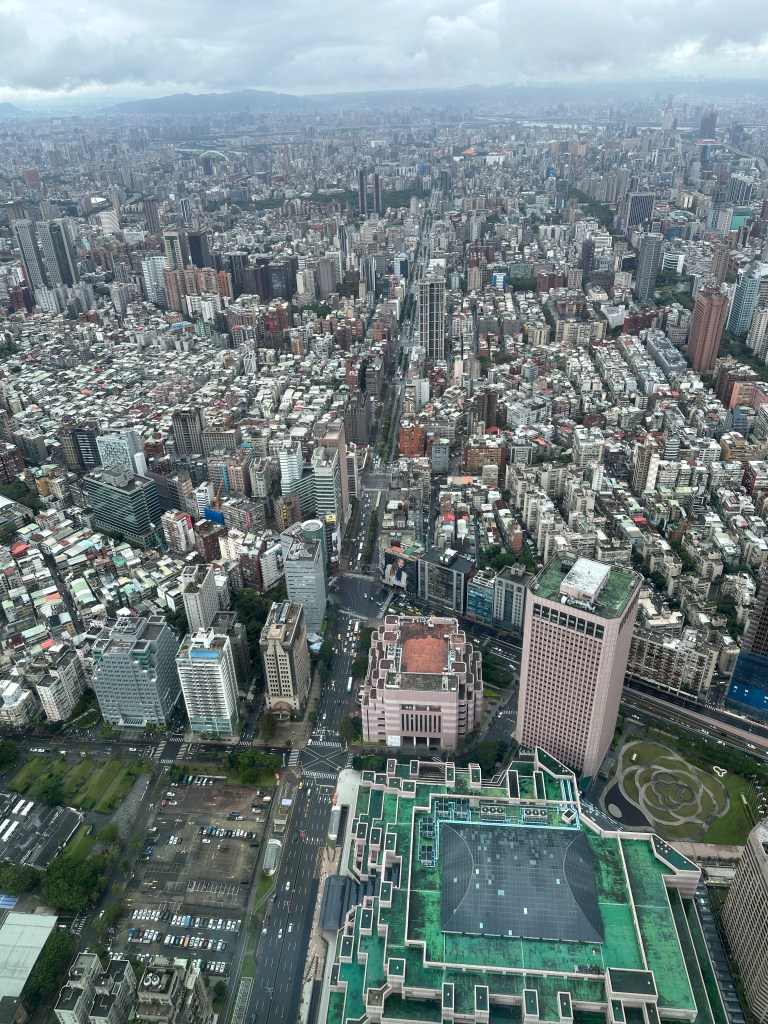
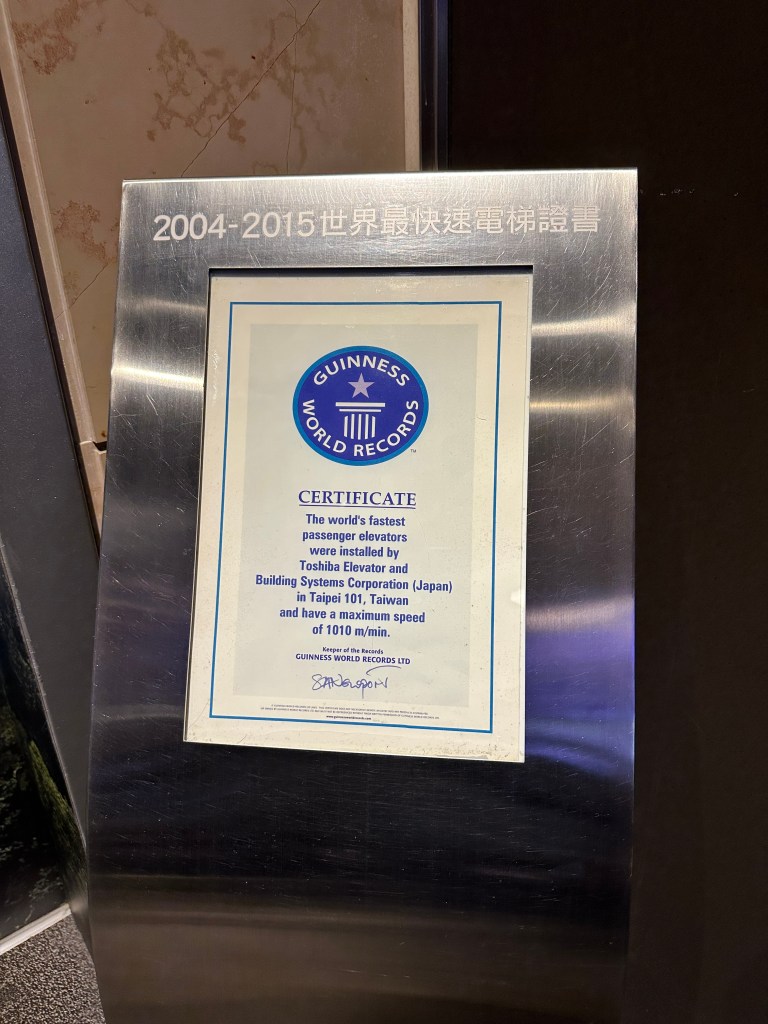
Taipei 101 is Taiwan’s most recognizable landmark and was once the tallest building in the world when it opened in 2004. What makes it interesting is not the height but the engineering. Taiwan deals with frequent earthquakes and typhoons, and the building sits close to a fault line. To handle this, a 660-ton tuned mass dampener was installed near the top to absorb movement, and it is visible to visitors. The foundation is reinforced with hundreds of piles drilled deep into bedrock. Videos from past earthquakes show just how effective this system is.

4. Monumental spaces and serious culture
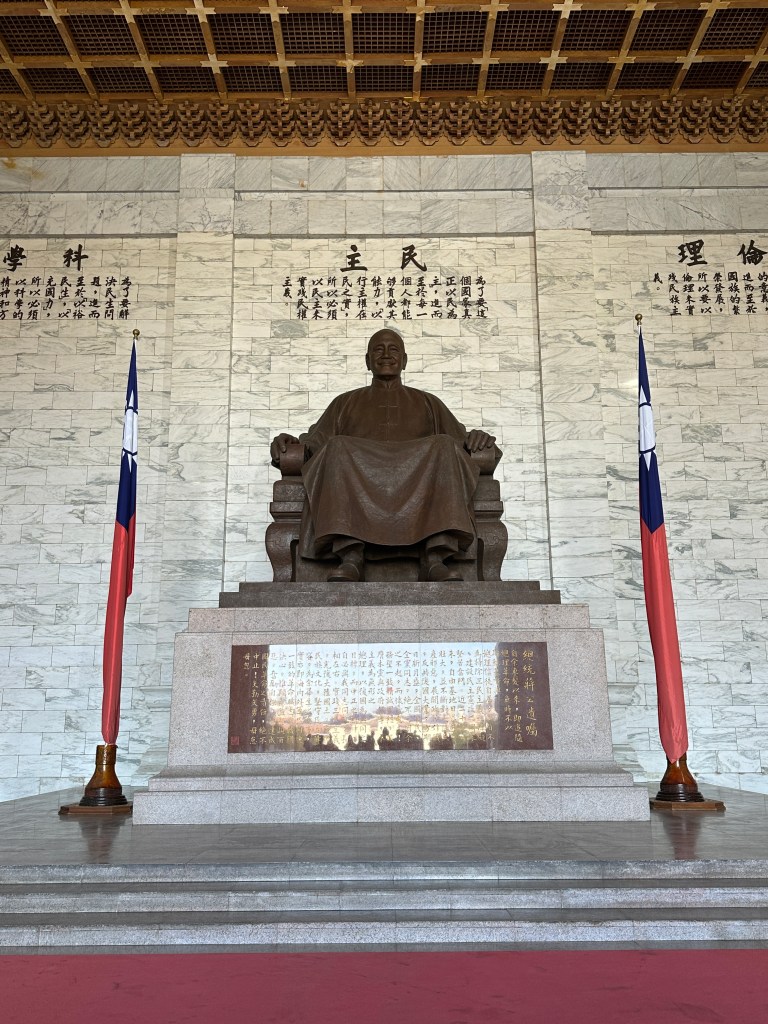
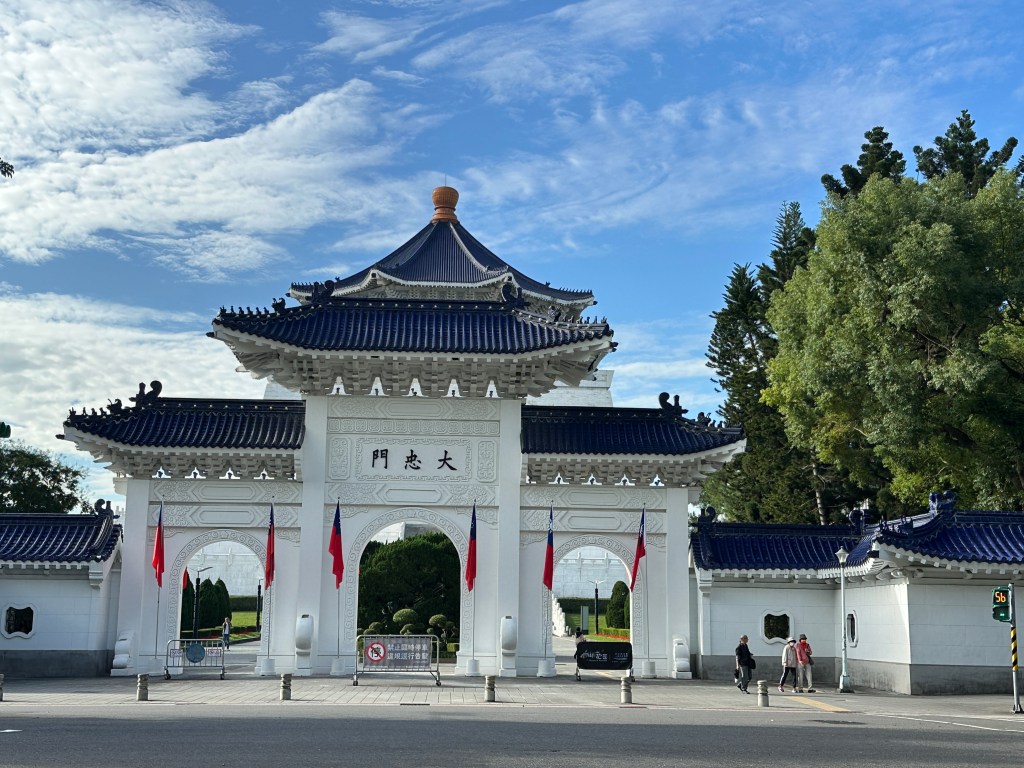
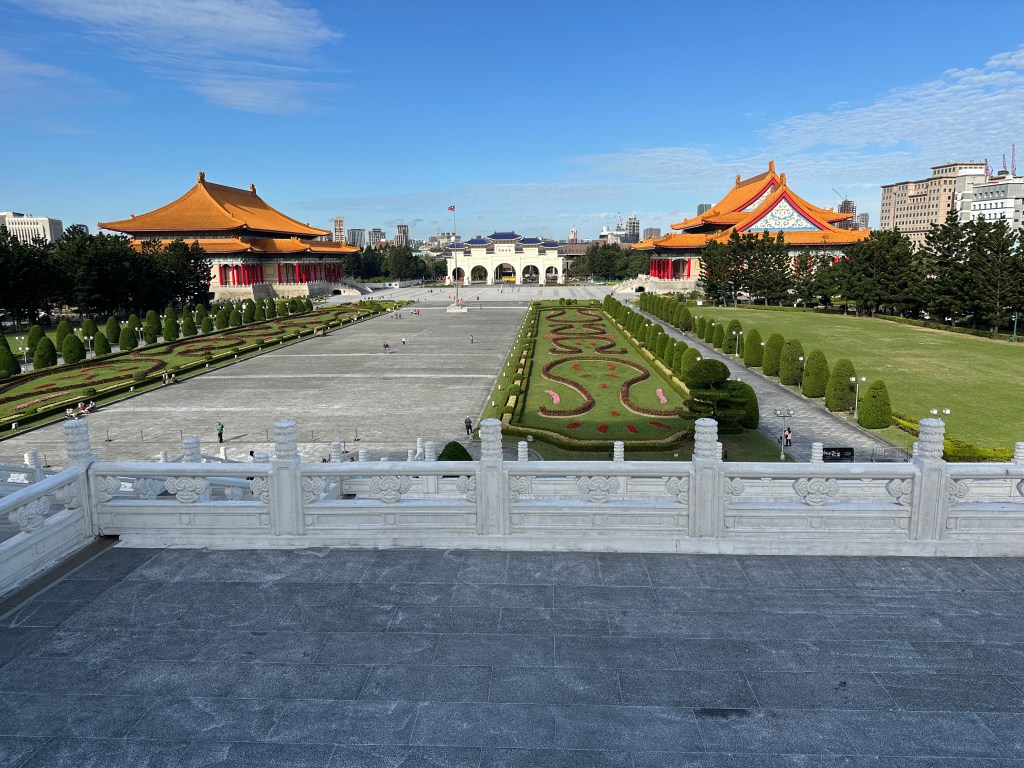
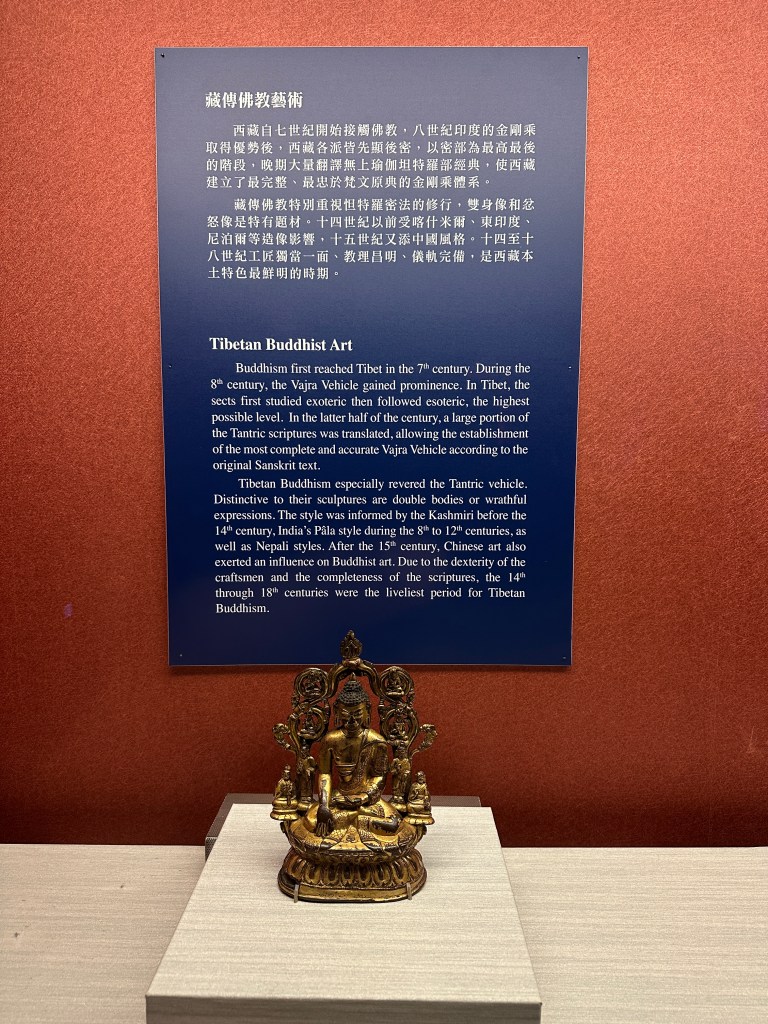
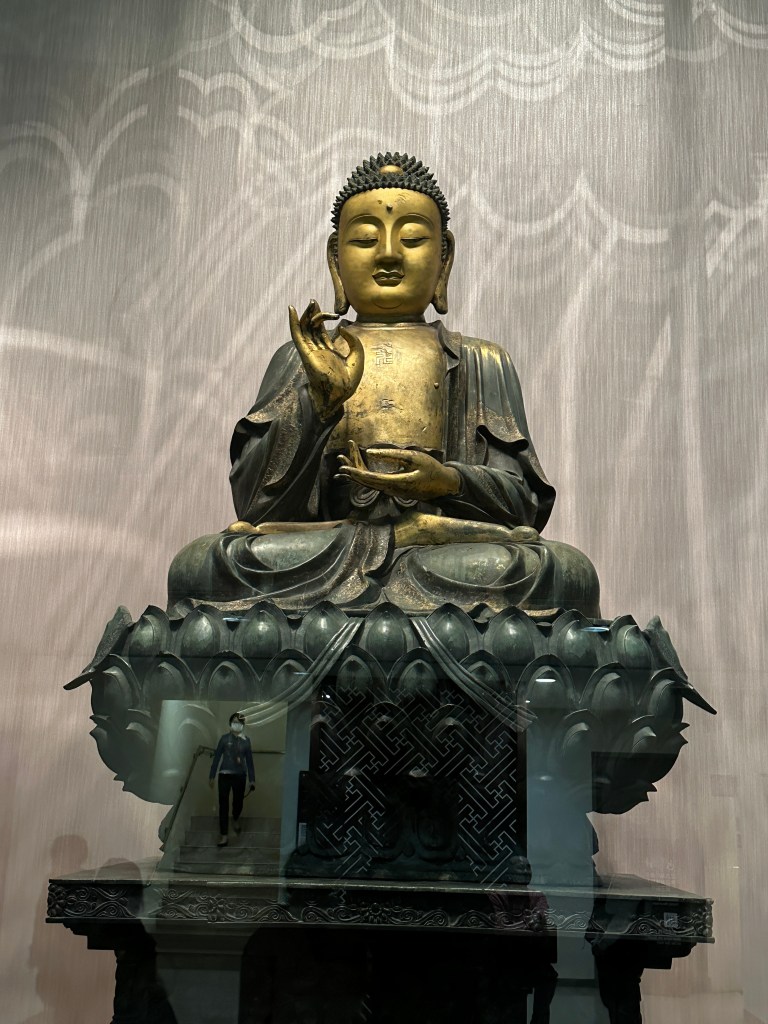
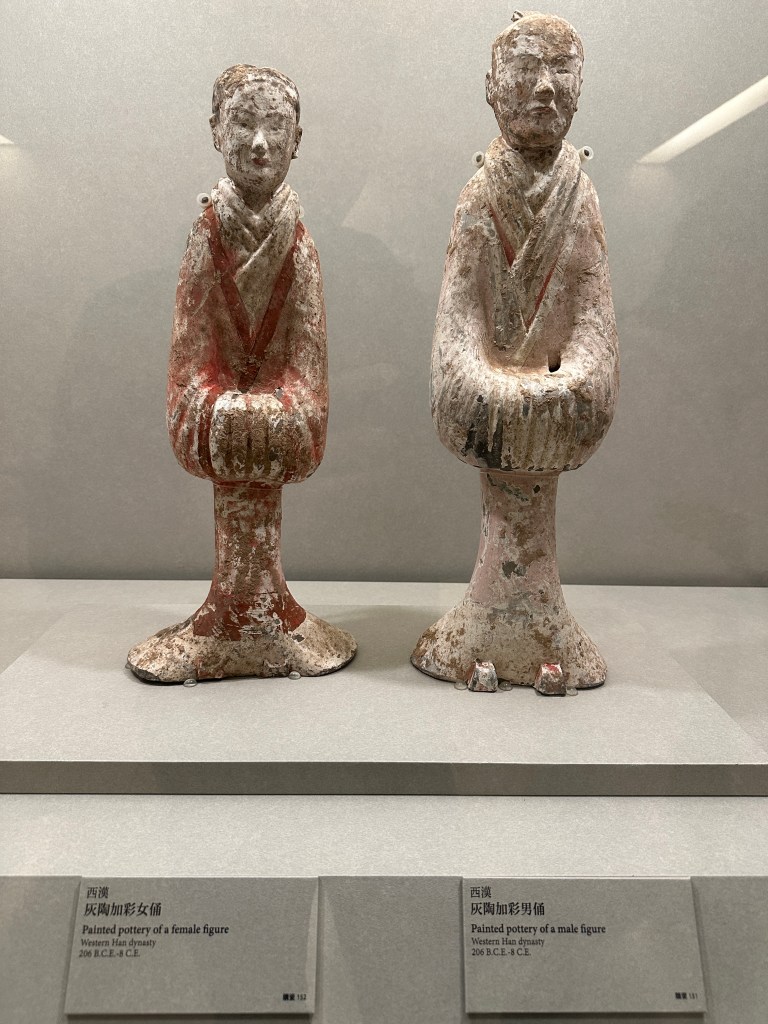
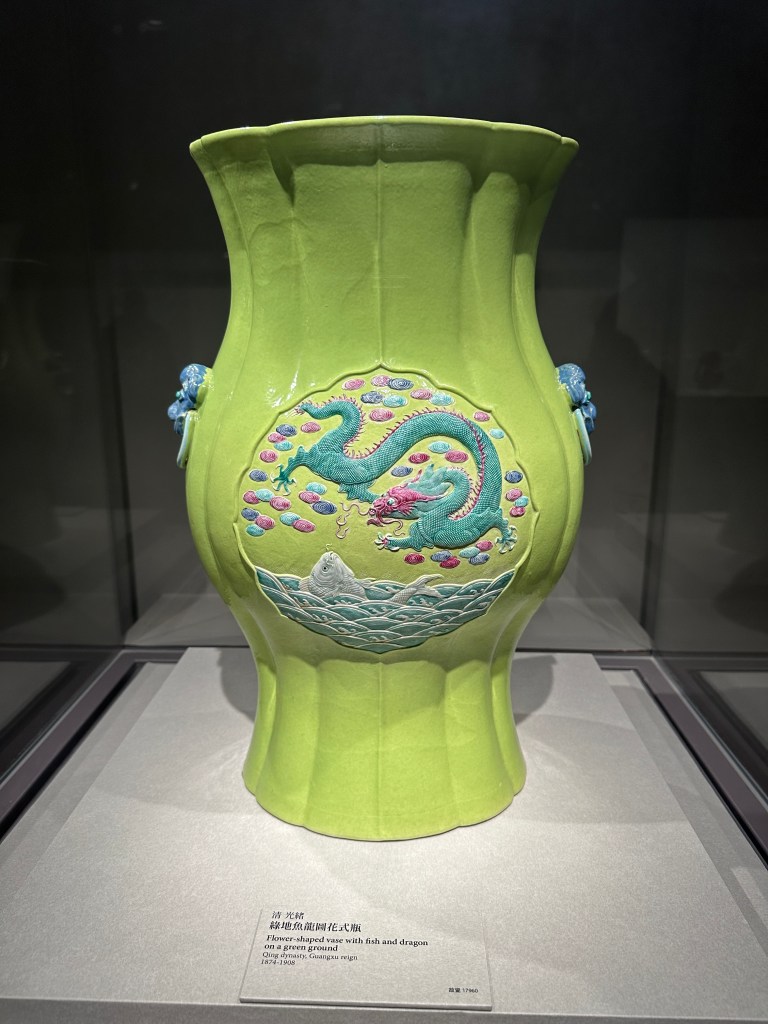
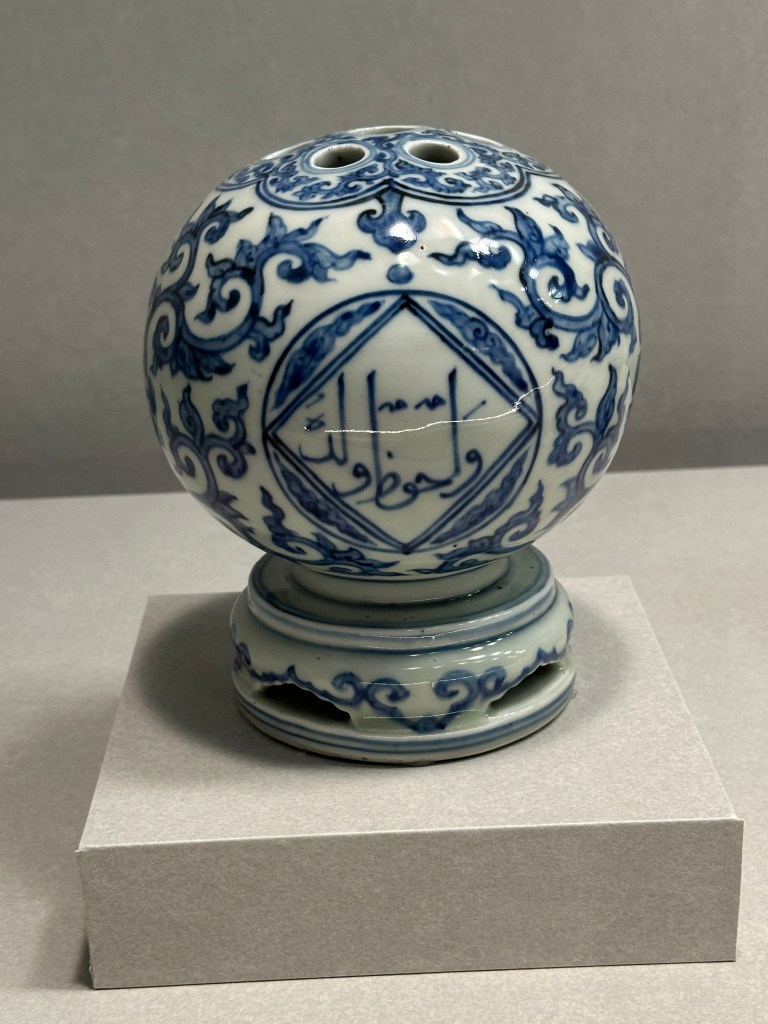
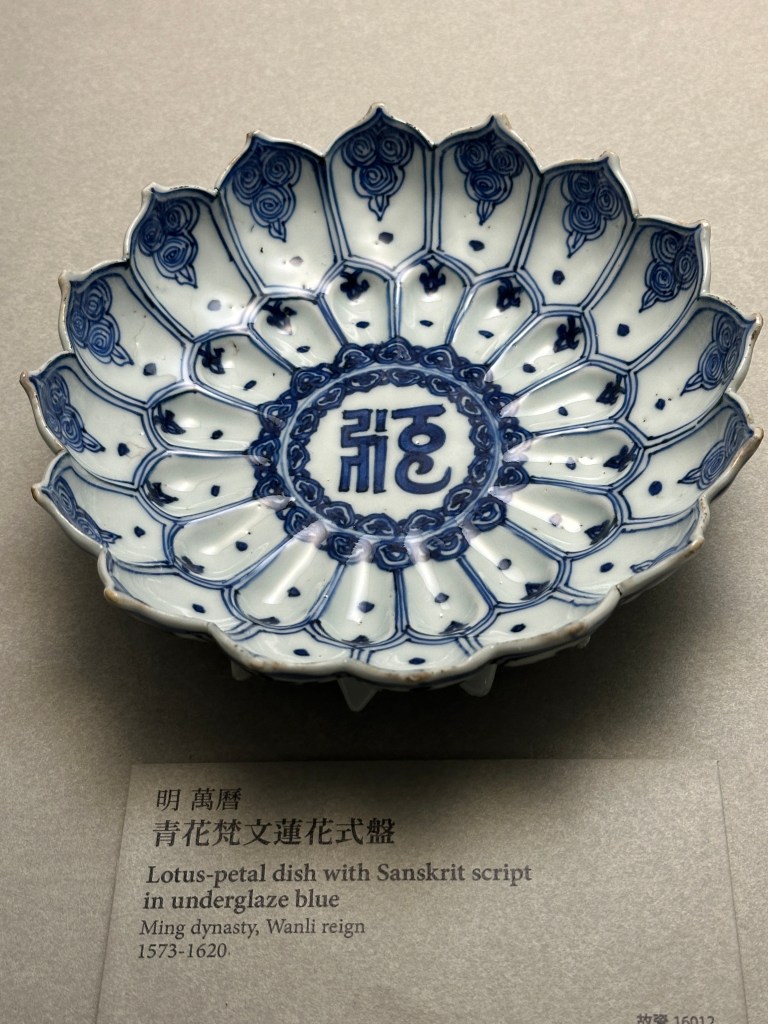
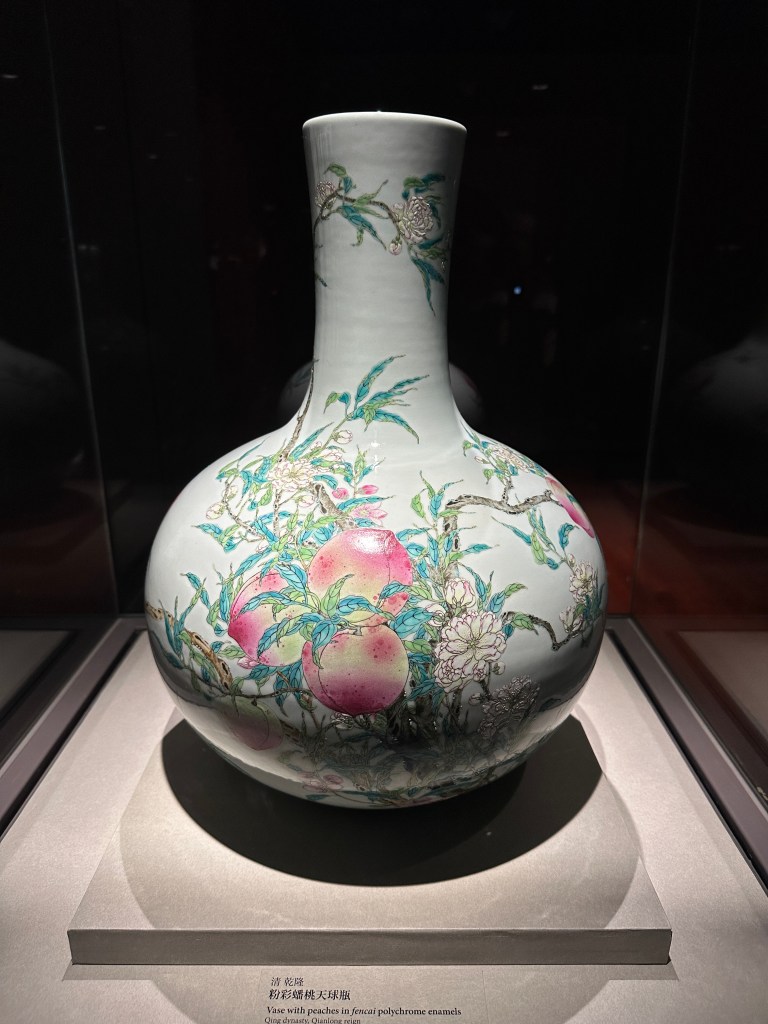
The Chiang Kai-shek Memorial Hall is a sprawling complex of traditional architecture centered on a memorial to the state’s founder. It reminded me of the Lincoln Memorial in Washington DC, which turns out to be intentional. The National Theater and National Concert Hall nearby are also striking examples of classical design. The National Palace Museum, about 30 minutes from the city center, is the crown jewel of Taiwan’s cultural heritage and holds some of the most important Chinese art in the world, spanning thousands of years of shared history. Visit on a non-holiday if possible, as it was packed on a long weekend.
5. Hot springs on the metro line
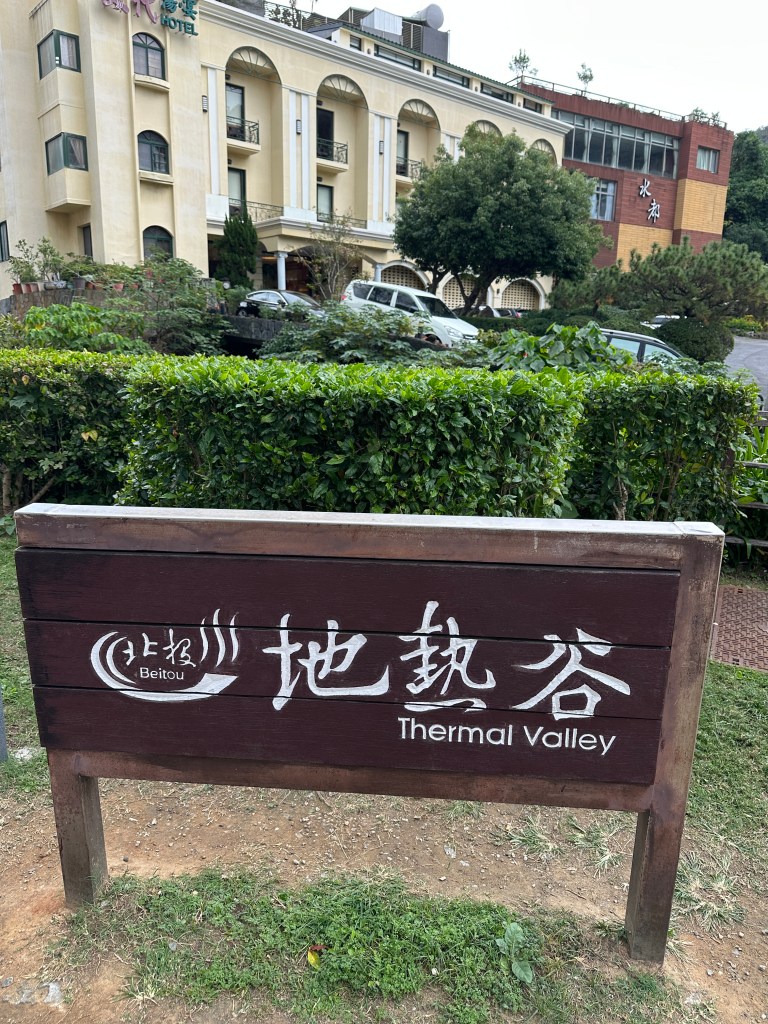
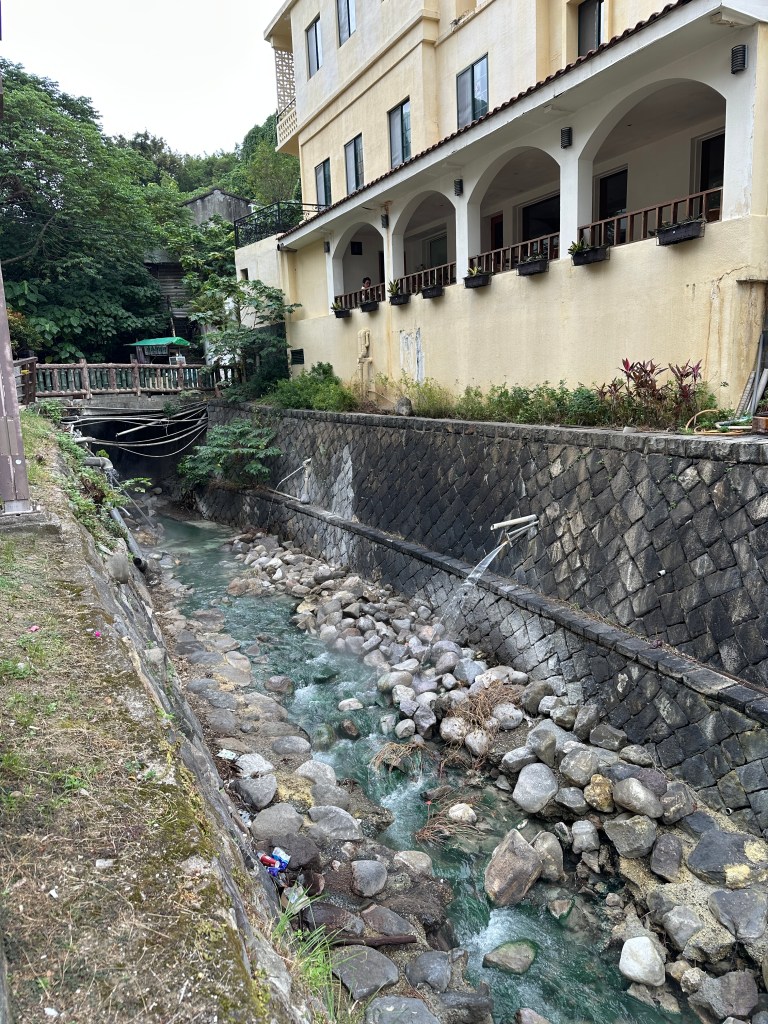
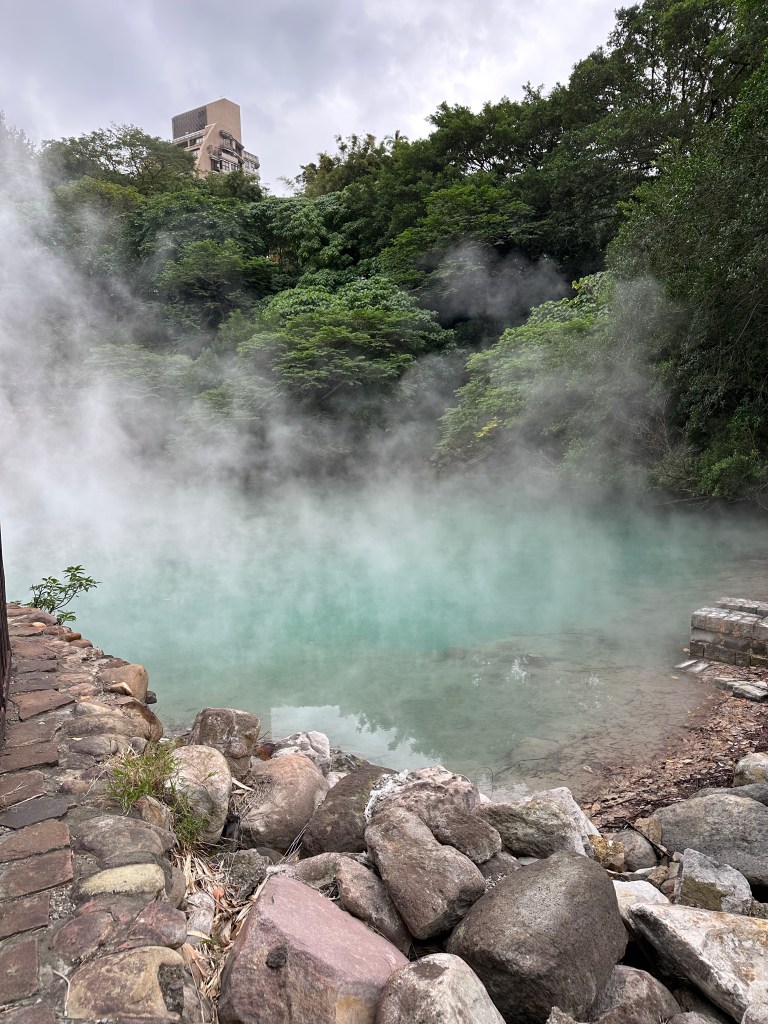
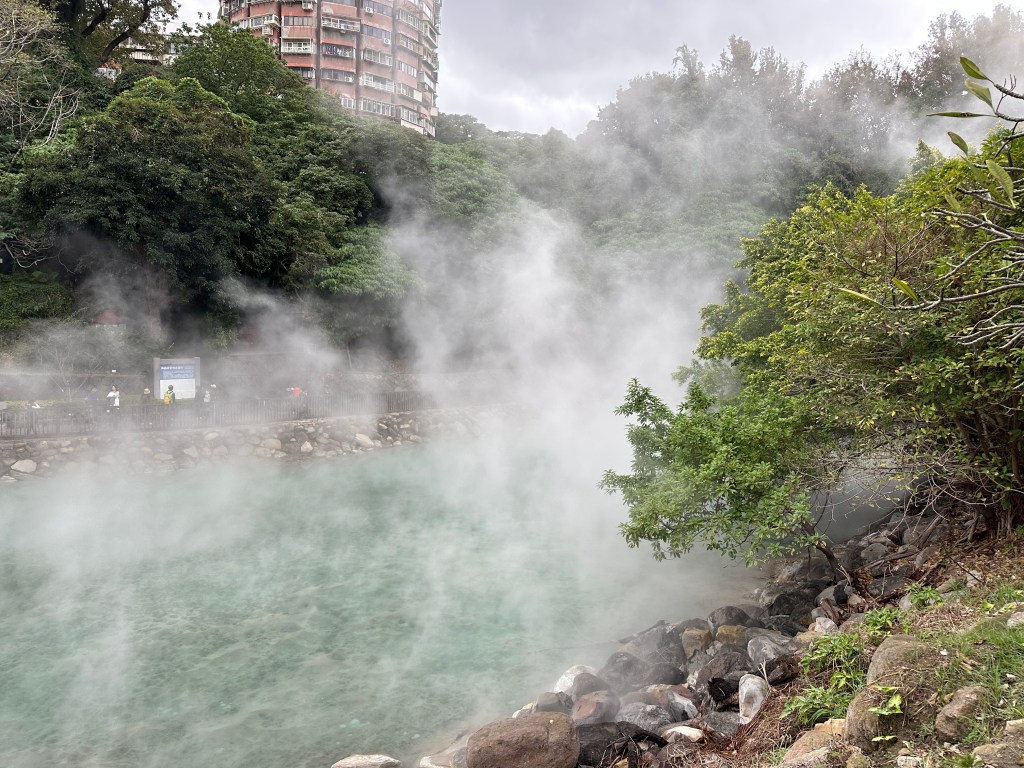
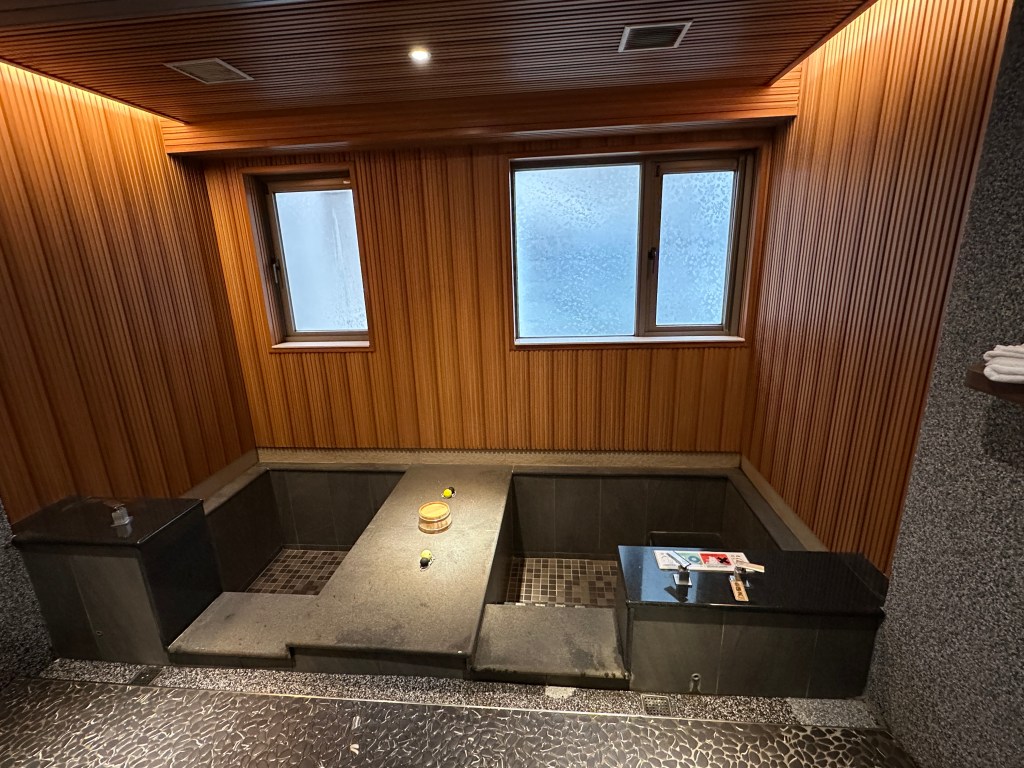
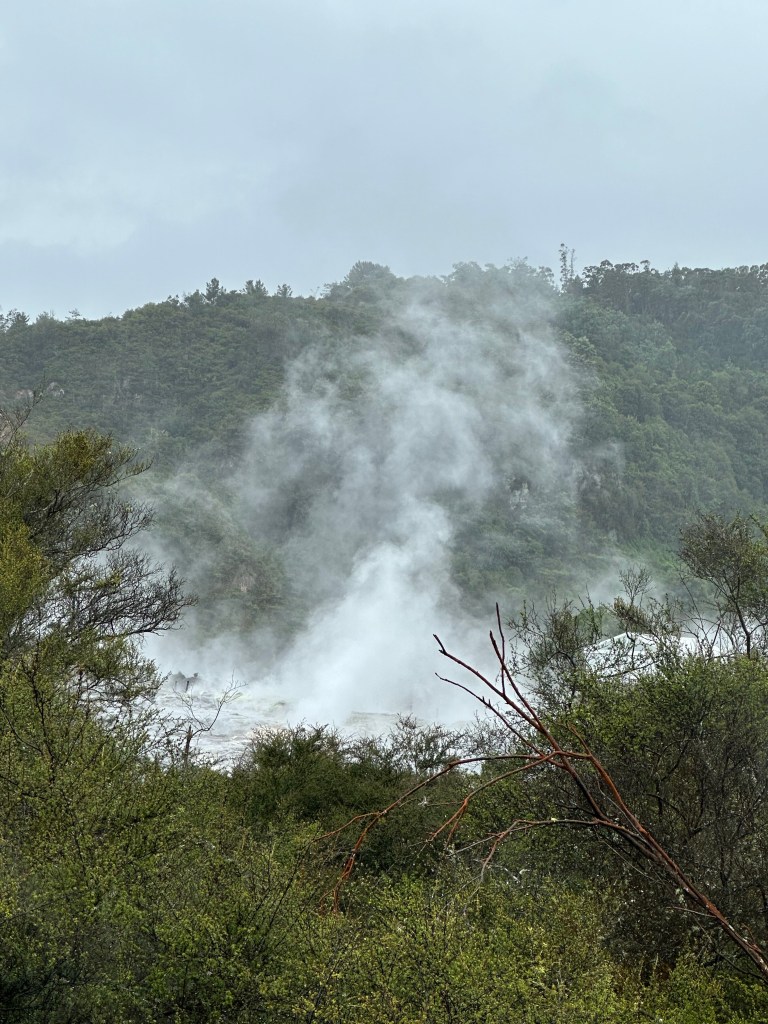
Beitou Hot Springs is a genuine gem. It is rare to find a major city with large hot springs within city limits, and even rarer to have them accessible by metro. The Thermal Valley with its boiling sulfuric water was larger and cleaner than I expected. There are many spa hotels nearby offering hot spring pools. It is hard to go wrong, though the experience itself felt closer to a well-executed hot tub than something dramatically different.
6. Religion without rigid boundaries
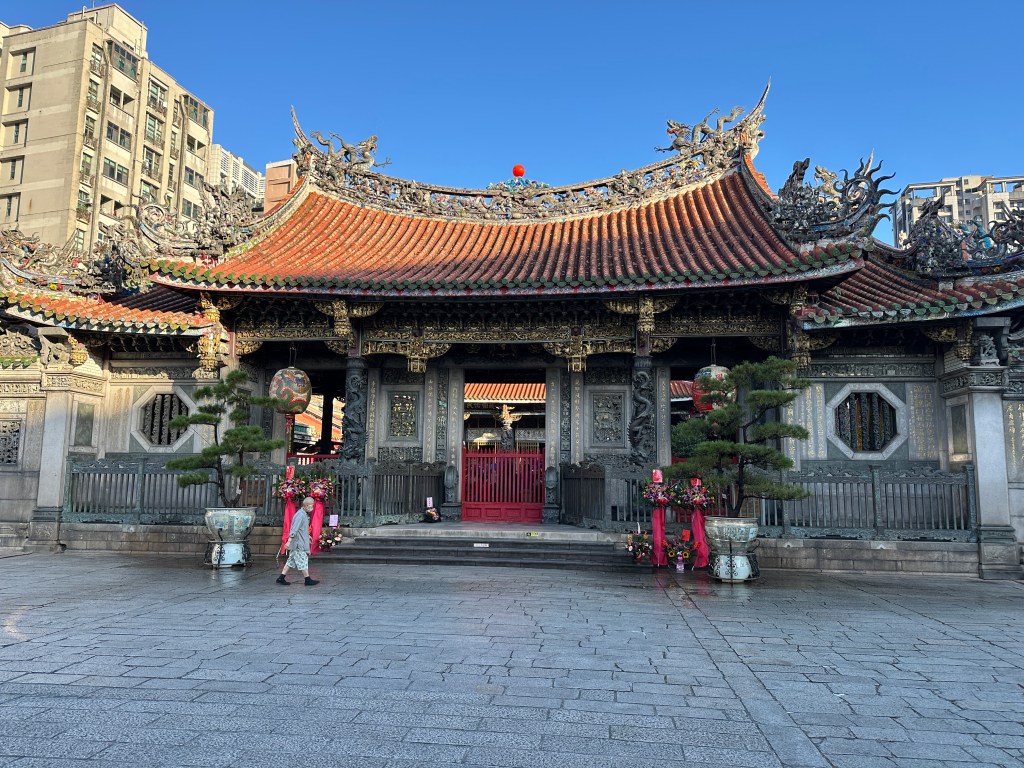
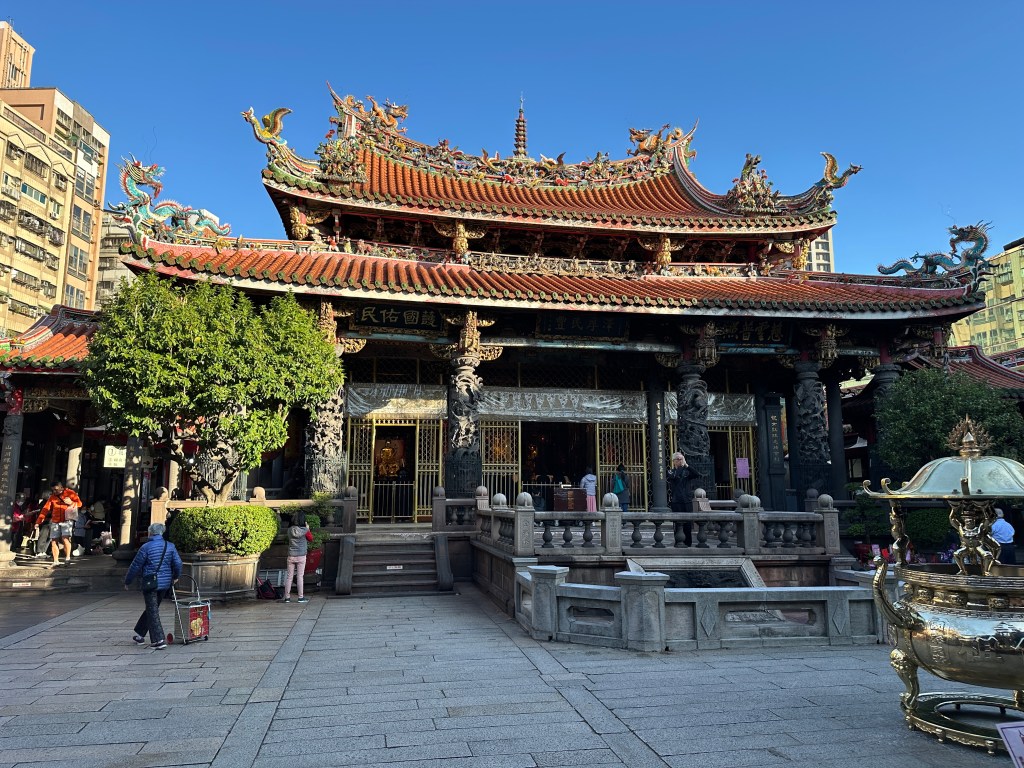
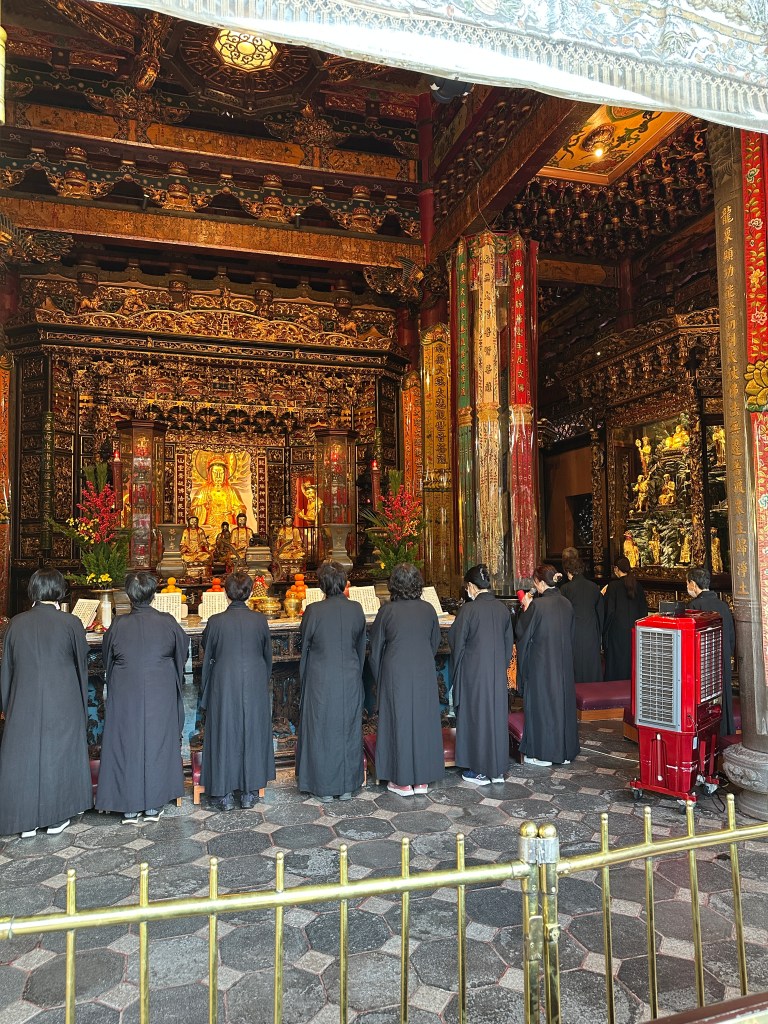
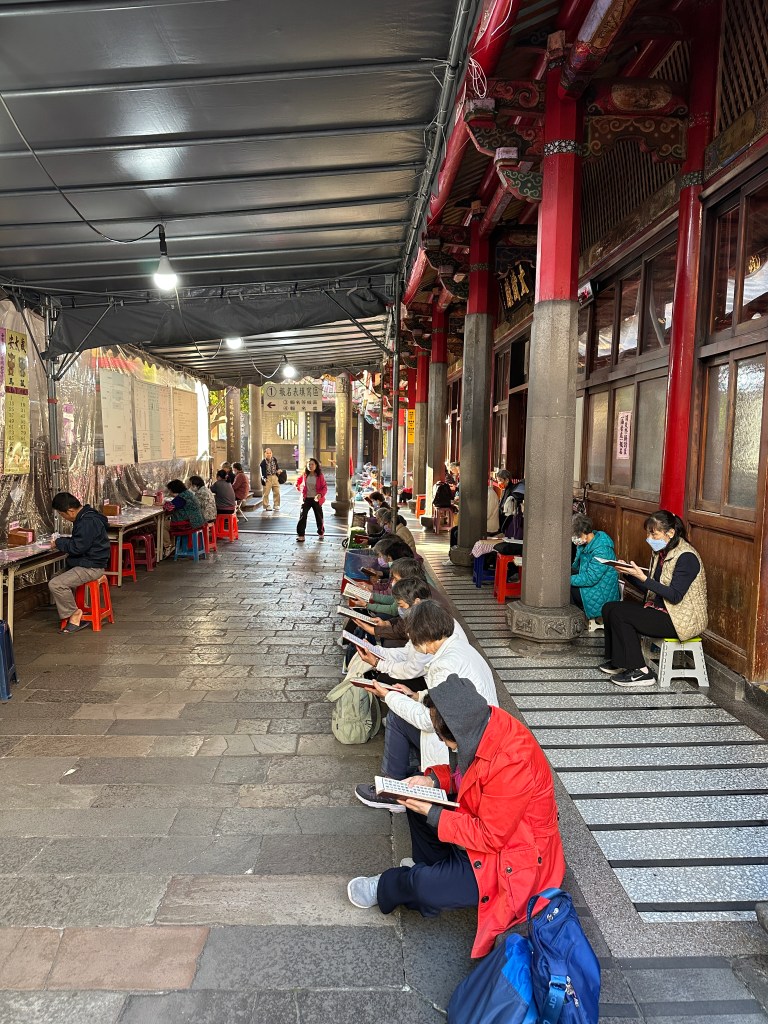
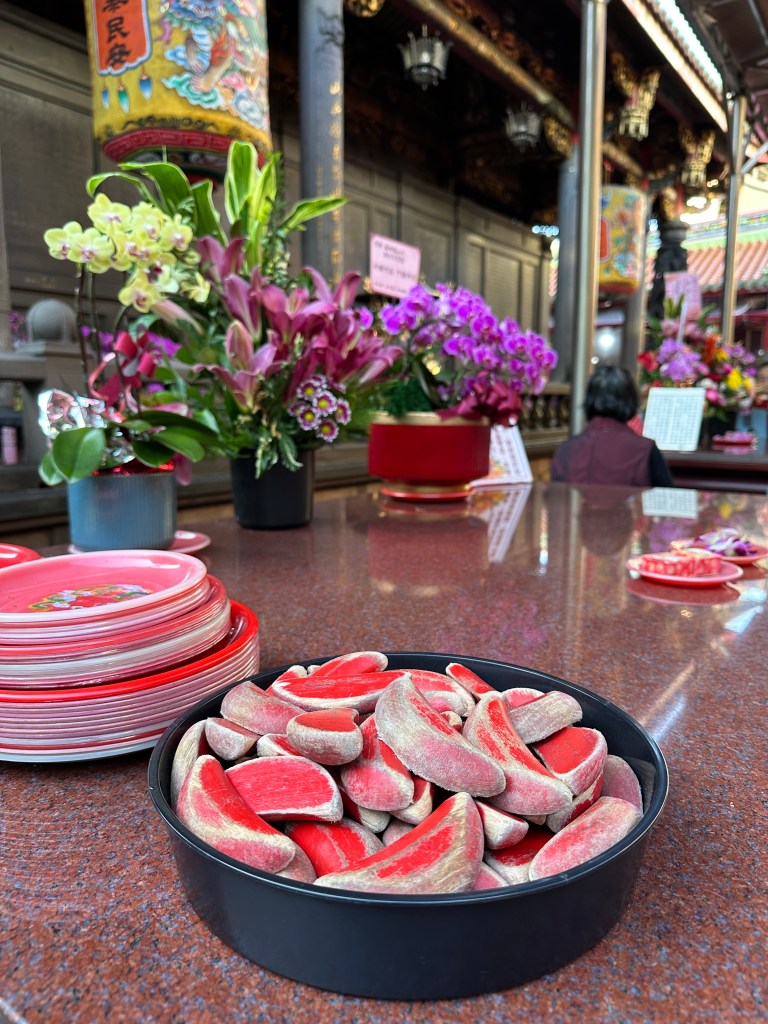
Longshan Temple in Wanhua is one of Taiwan’s oldest and most important temples, founded in 1738 and primarily dedicated to Guanyin. It also houses dozens of Buddhist, Taoist, and folk deities, reflecting how religion in Taiwan is rarely confined to a single tradition. People blend beliefs depending on the moment and the need. One practice I had not seen elsewhere involved moon blocks, which are used to ask yes or no questions by tossing them and interpreting how they land. It felt practical, conversational, and very Taiwanese.
7. Din Tai Fung still earns the hype
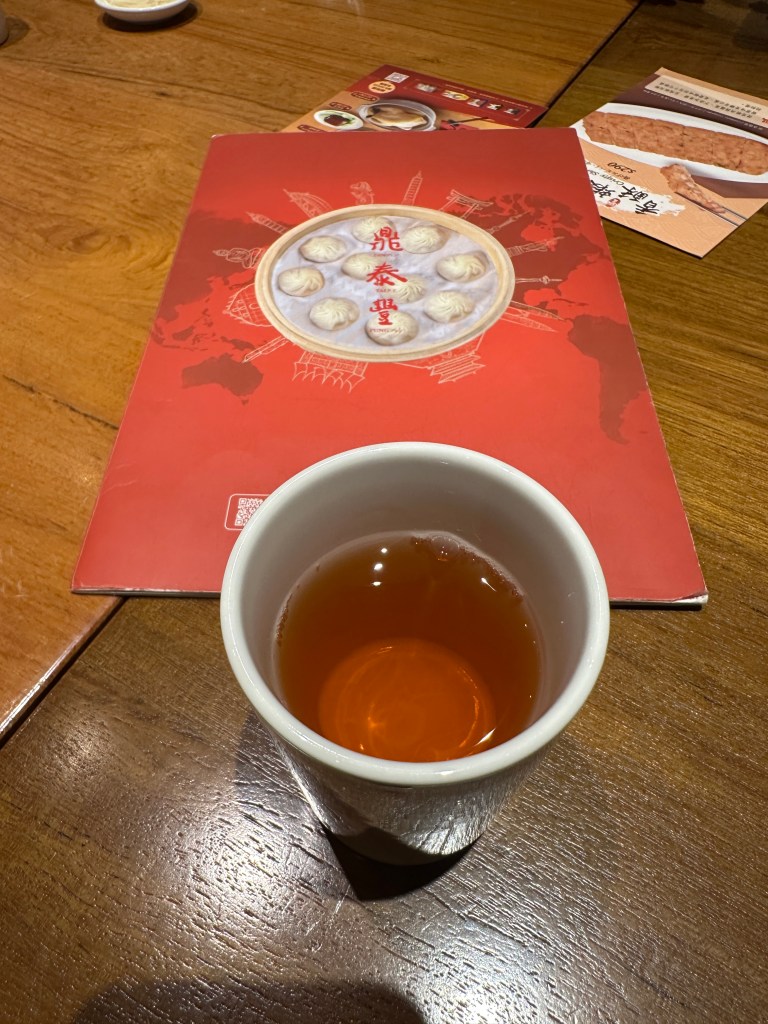
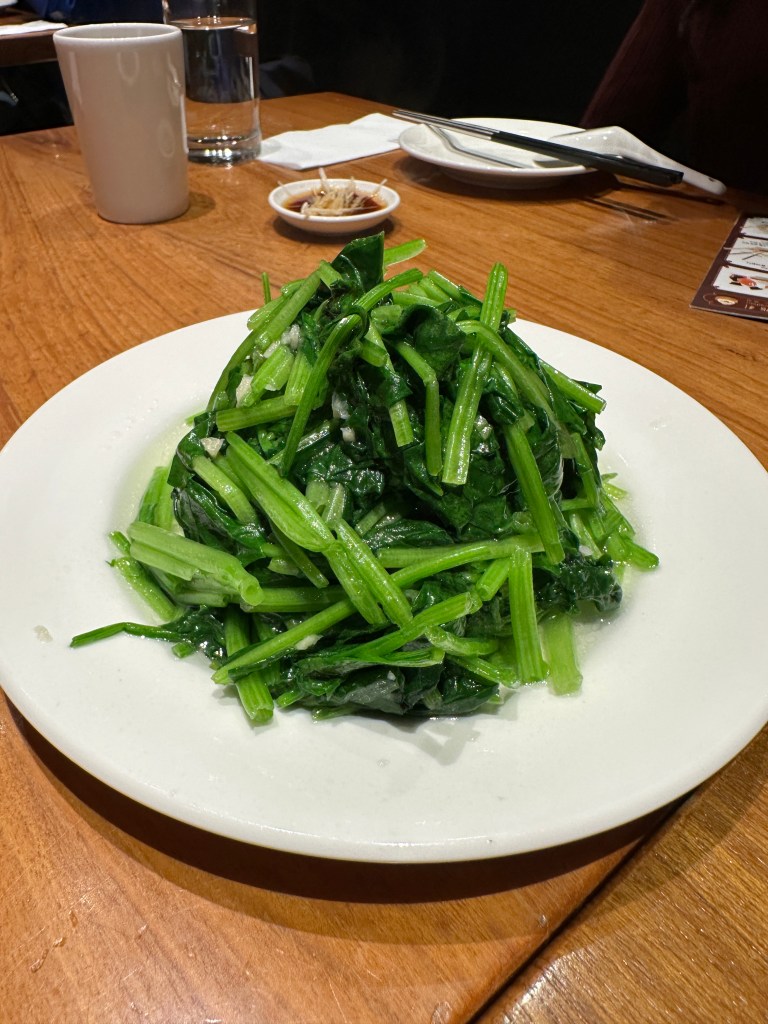
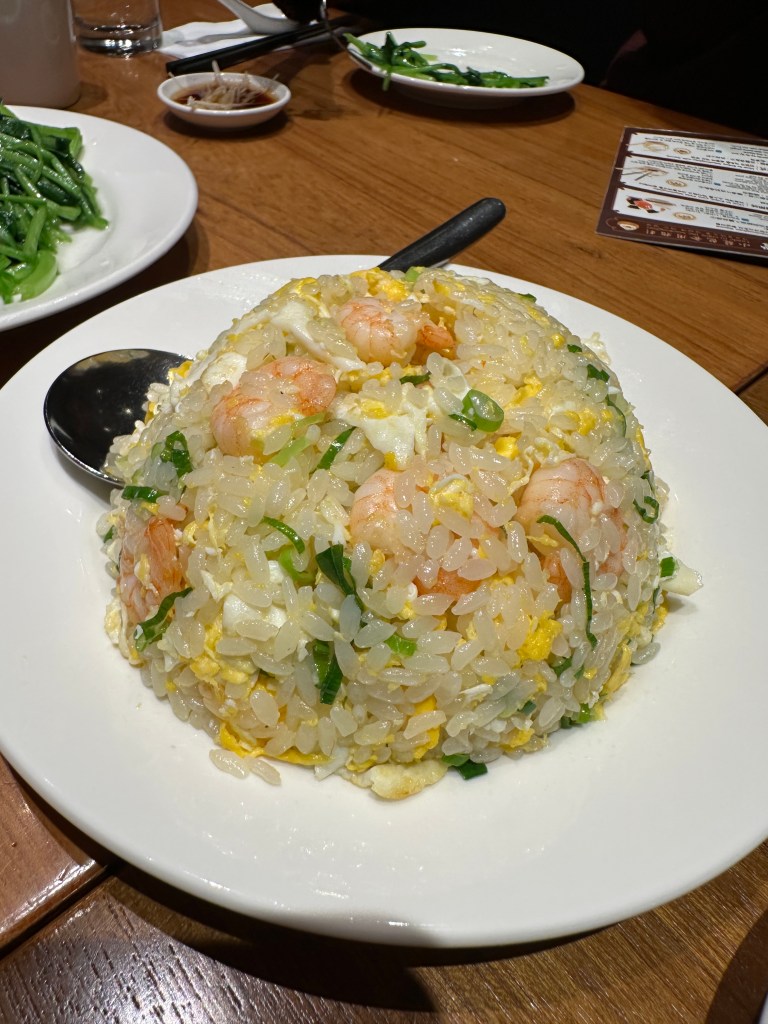
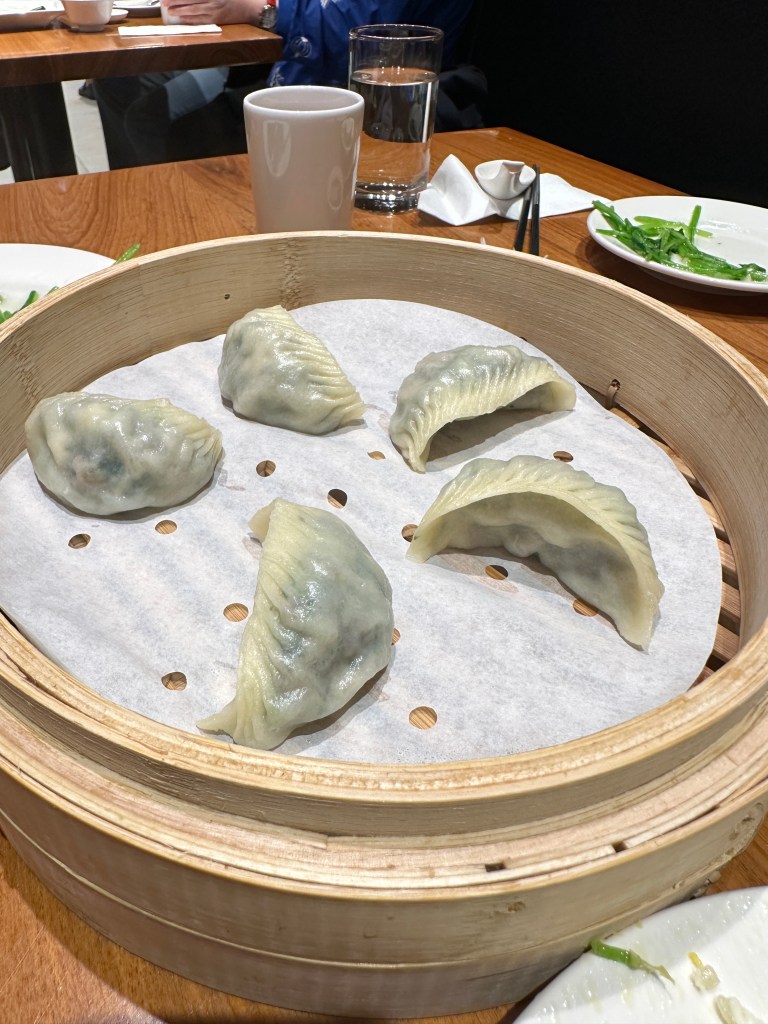
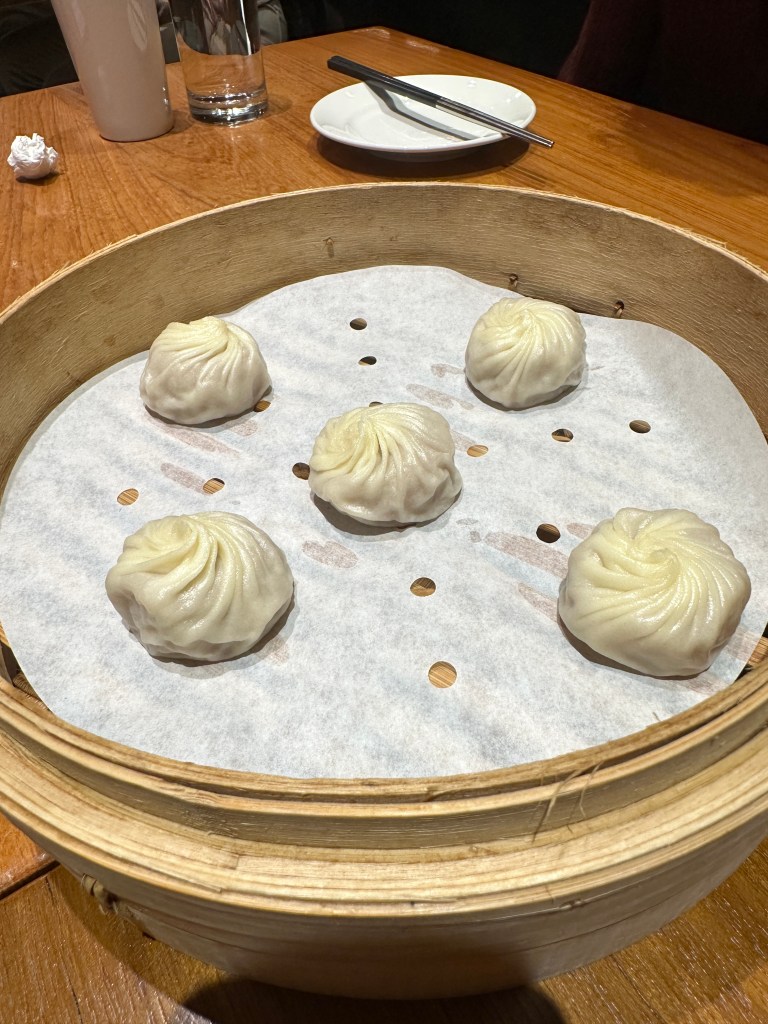
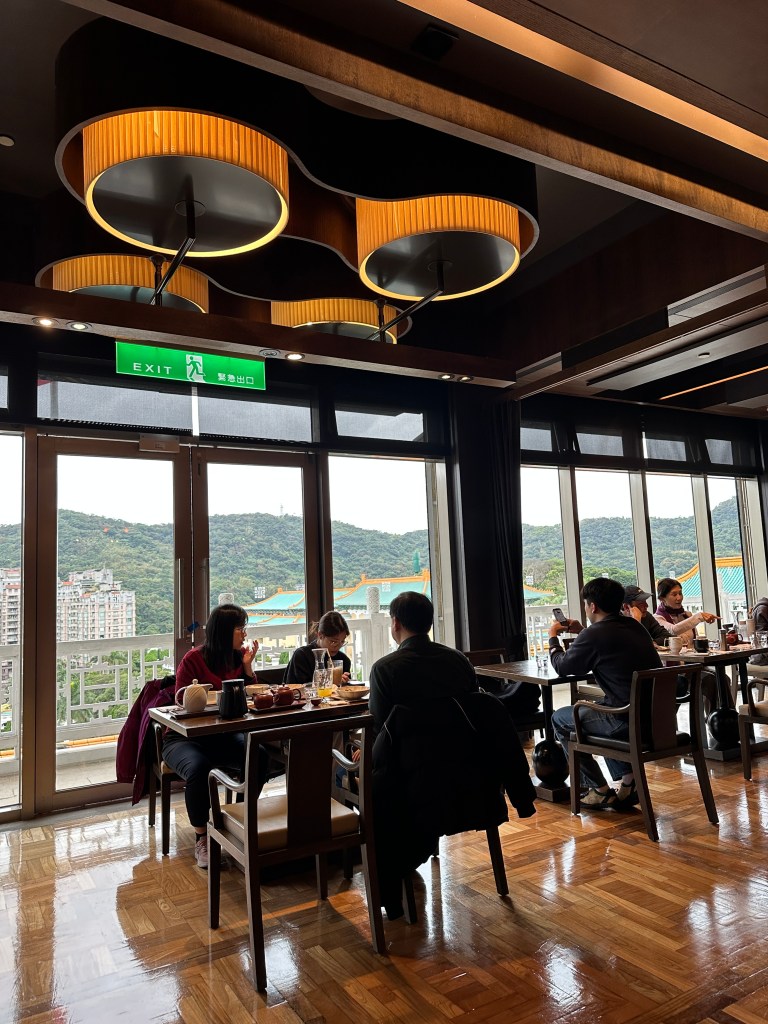
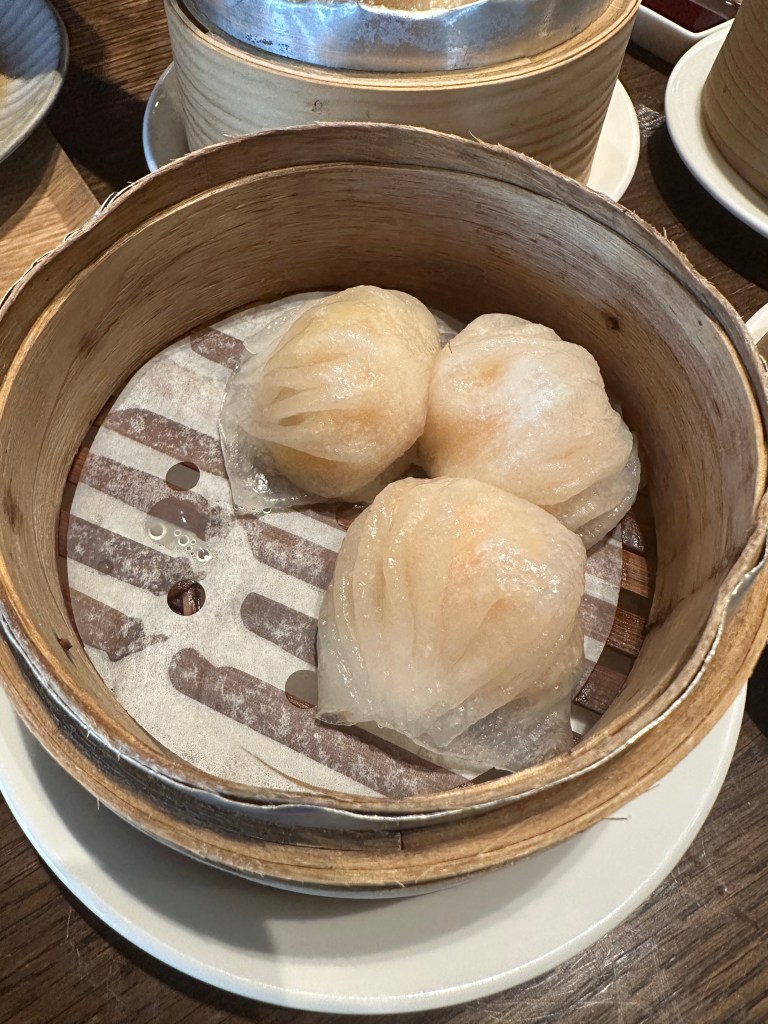
Din Tai Fung is one of Taiwan’s most successful culinary exports, but in Taipei it feels like a world-class institution rather than a chain. Everything from reservations to ordering runs like a well-oiled machine. The food was excellent, especially the xiao long bao, with delicate skins that held hot soup perfectly. I was surprised to find a vegetarian xiao long bao, which I have not seen elsewhere. Even the sides like greens and shrimp fried rice were executed at a high level. I went back multiple times, helped by the fact that it was far more affordable than in the US.
8. Boba as a daily staple
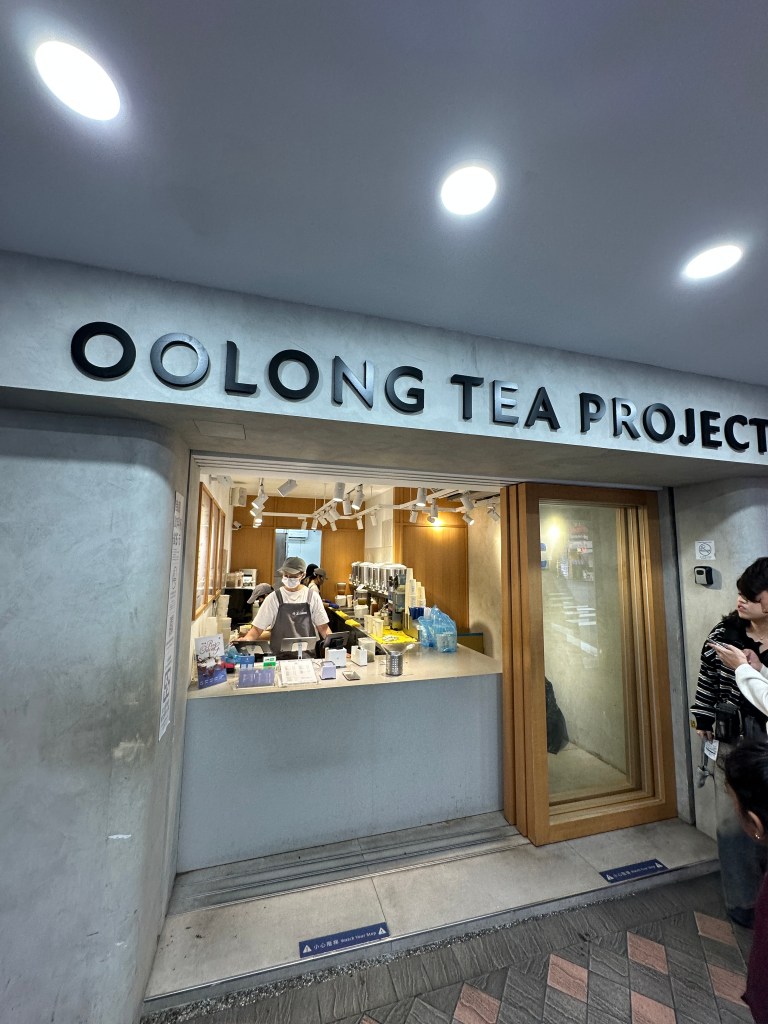
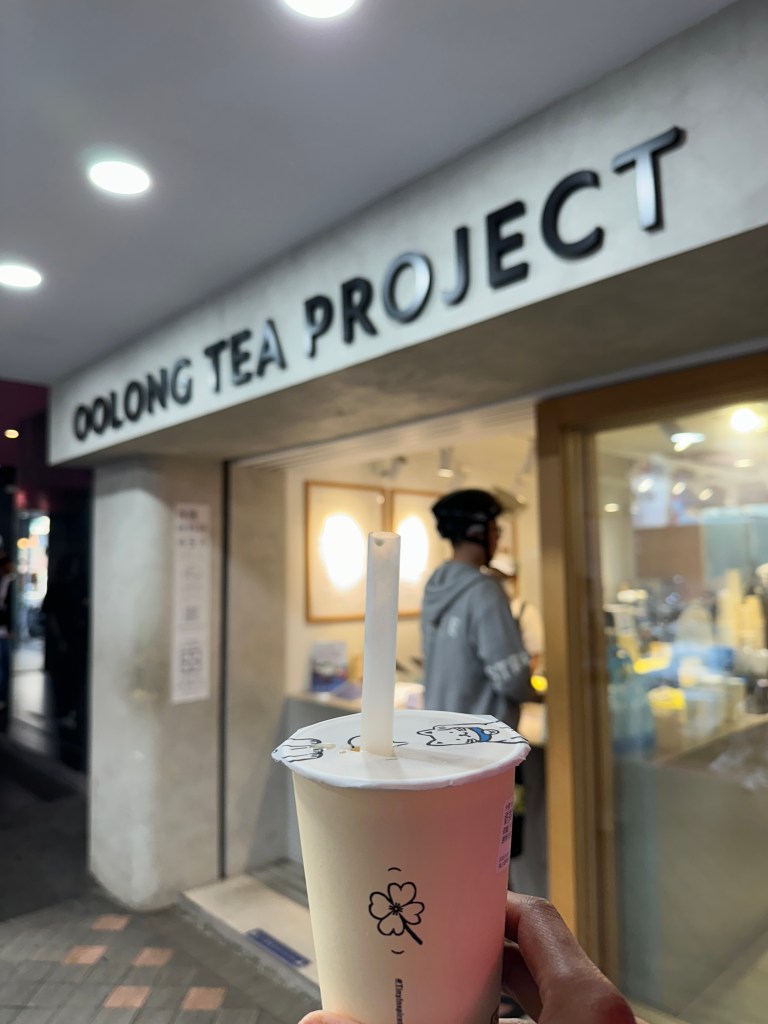
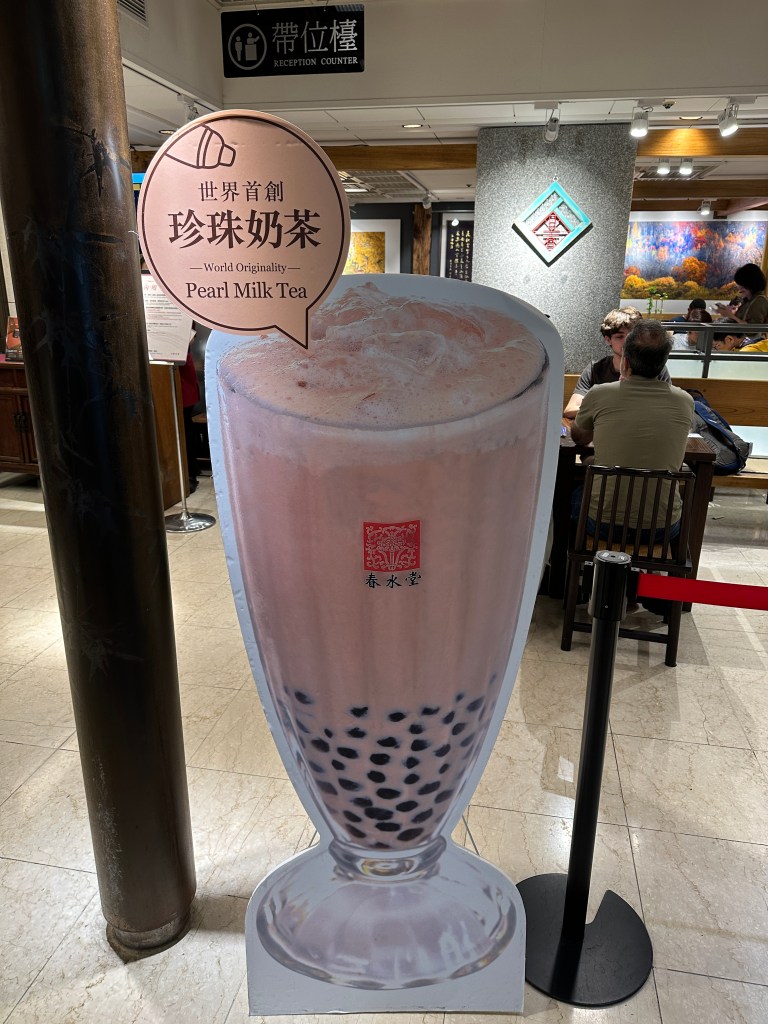
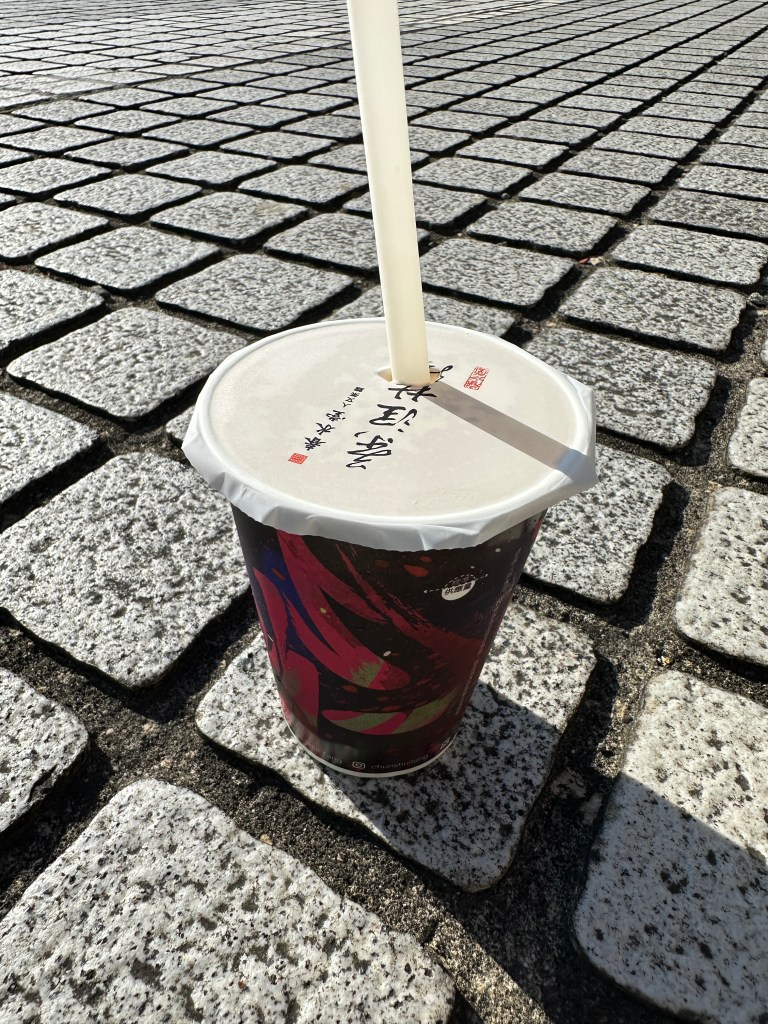
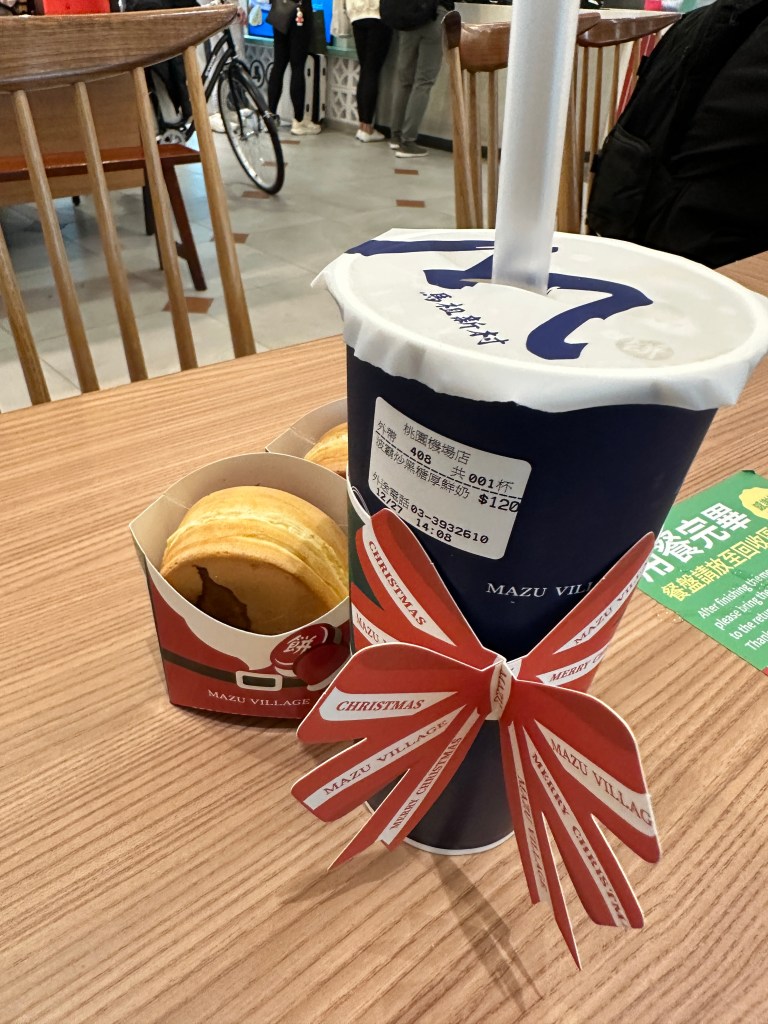
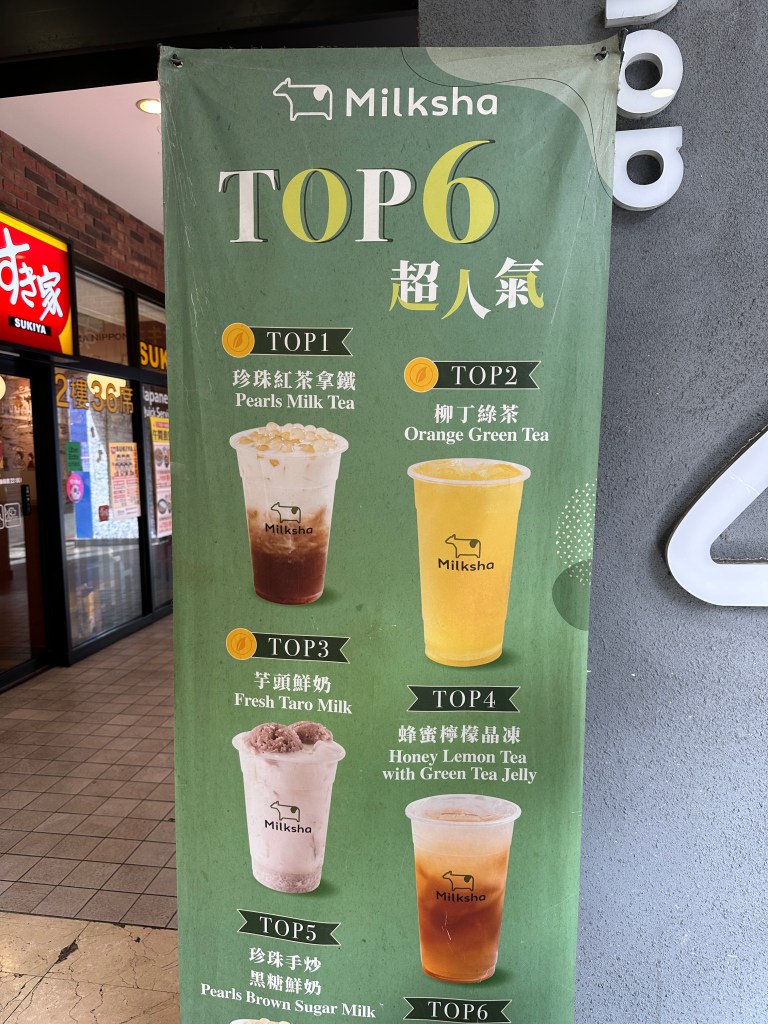
Taiwan is the home of world-class boba tea, and it shows. It is high quality, cheap, and everywhere. My favorite classic milk tea was from Oolong Tea Project, where the tea flavor was prominent and the sweetness restrained. Chun Shui Tang was a close second but felt slightly heavier. Traditional milk teas often use non-dairy creamers, which have great mouthfeel but can feel heavy on the stomach. Fresh milk options are common in Taipei and a better alternative. Mazu Factory’s brown sugar milk was excellent but almost felt like a meal due to their use of very thick milk.
9. Breakfast done simply
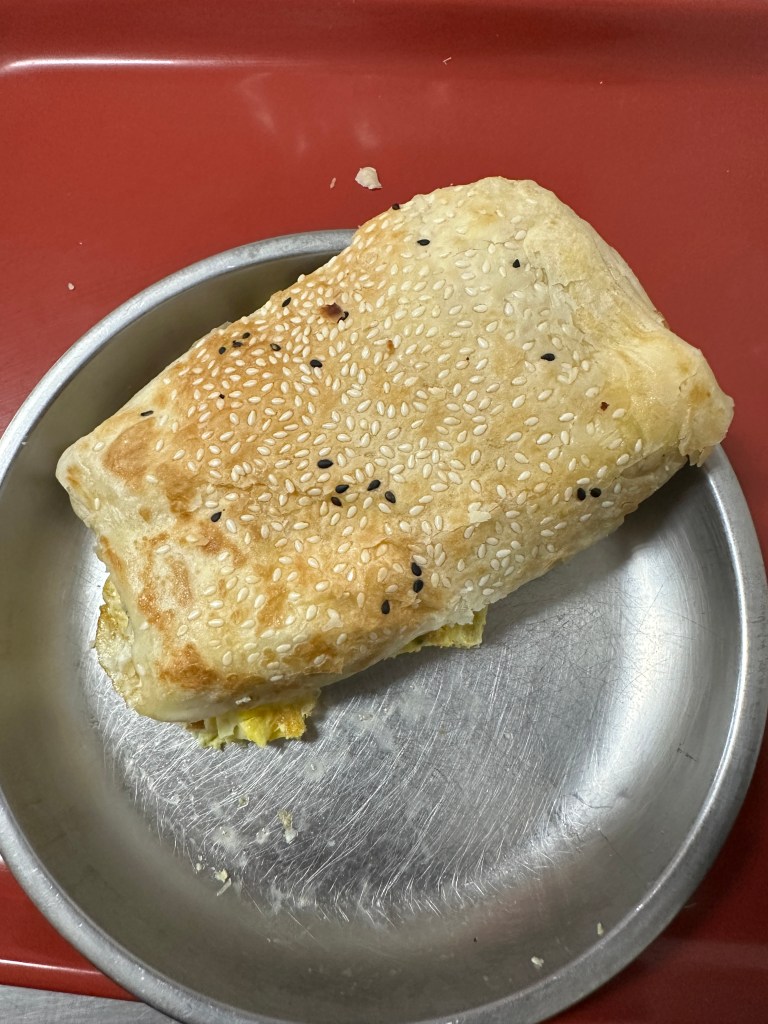
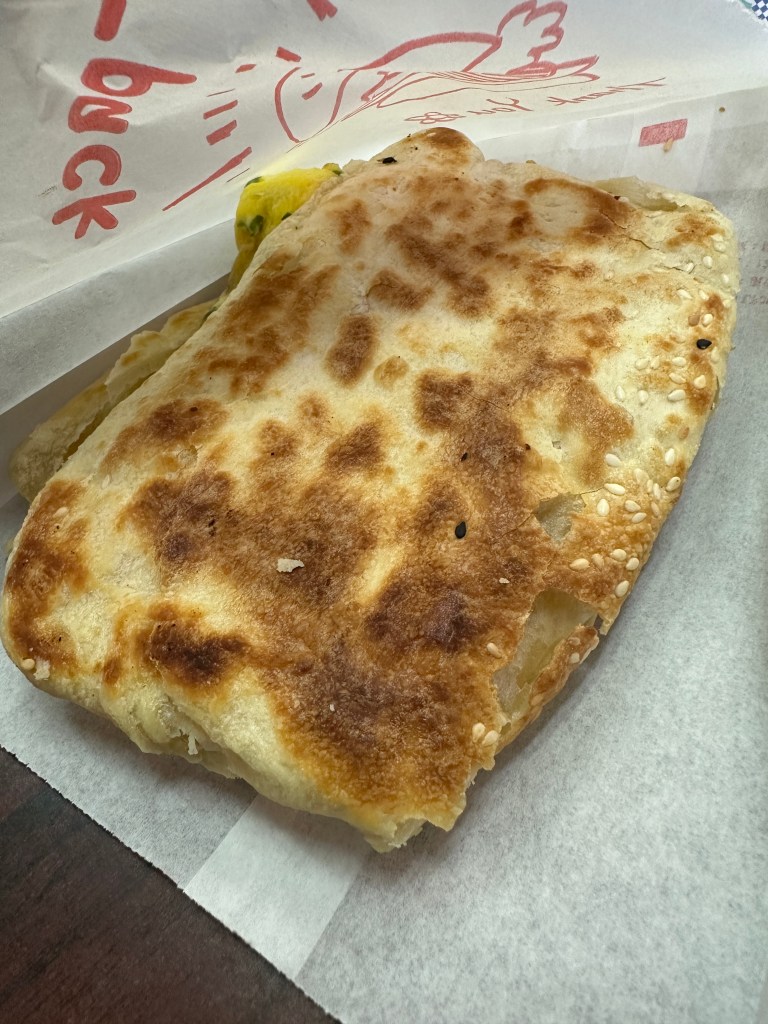
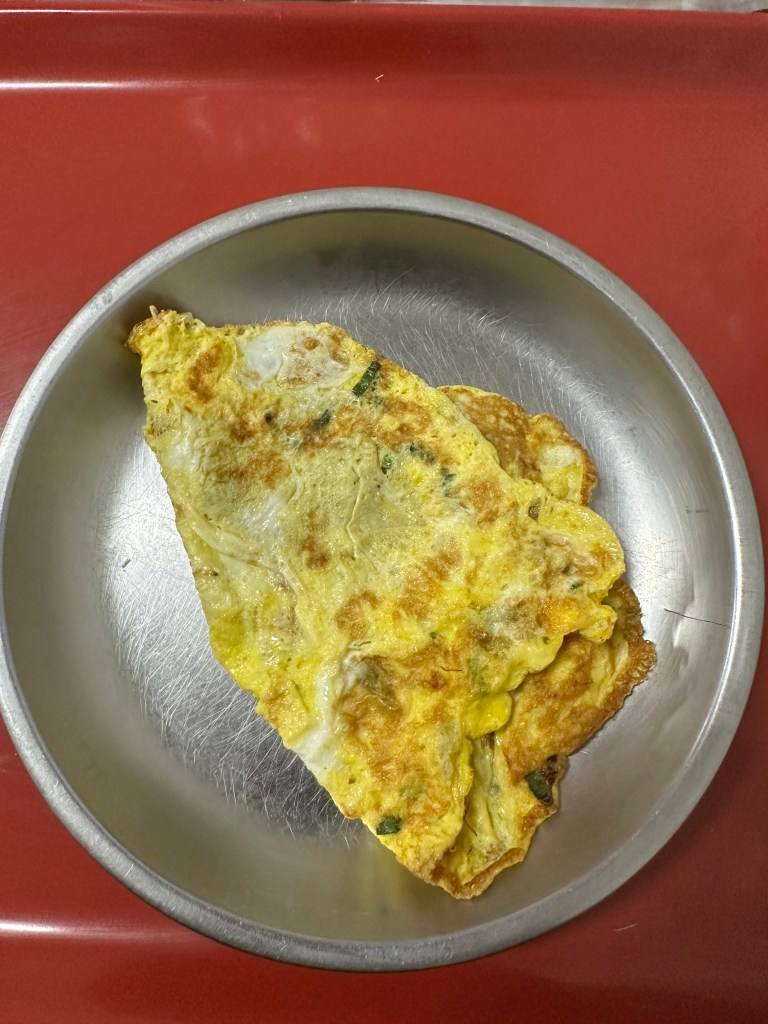
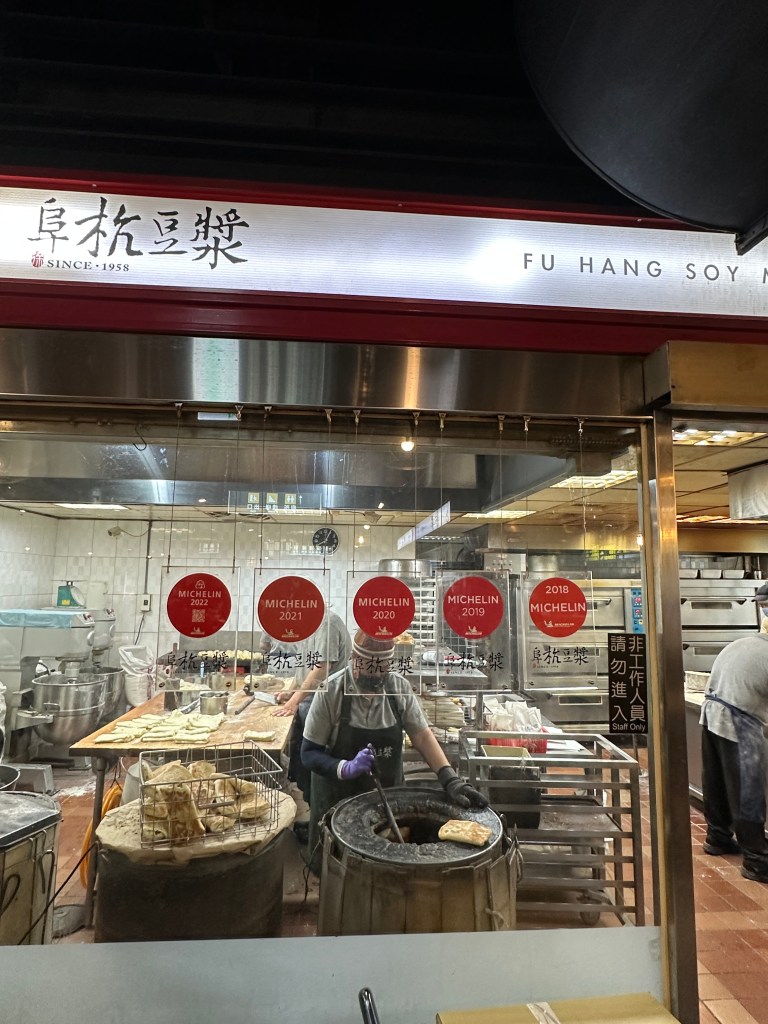
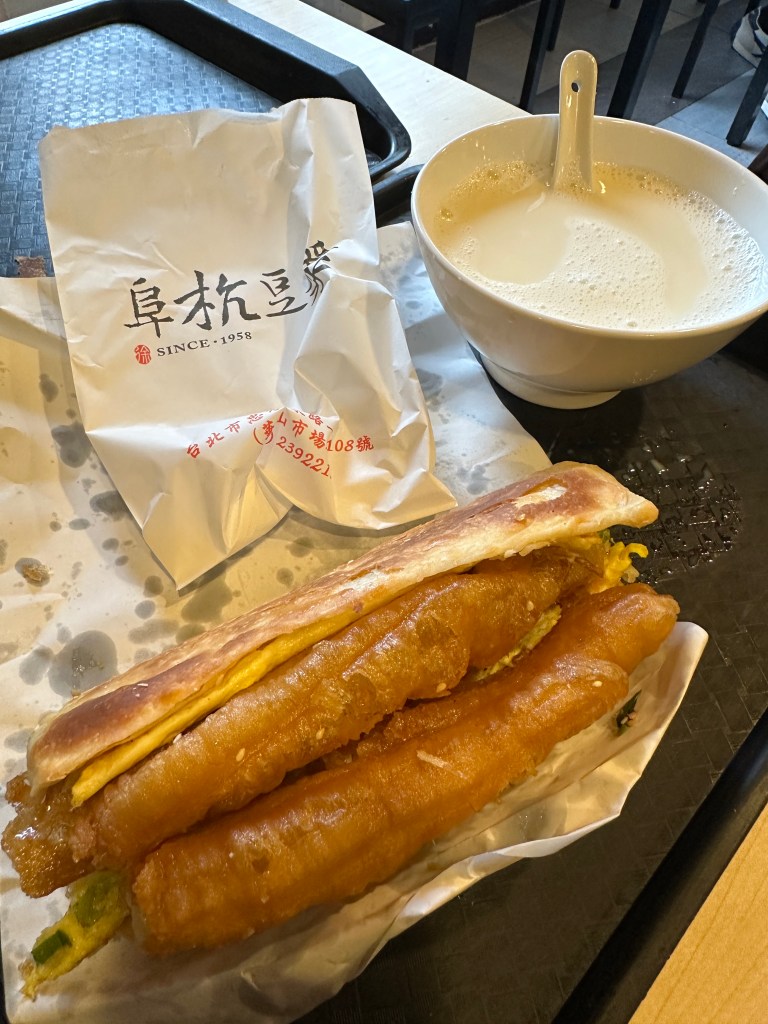
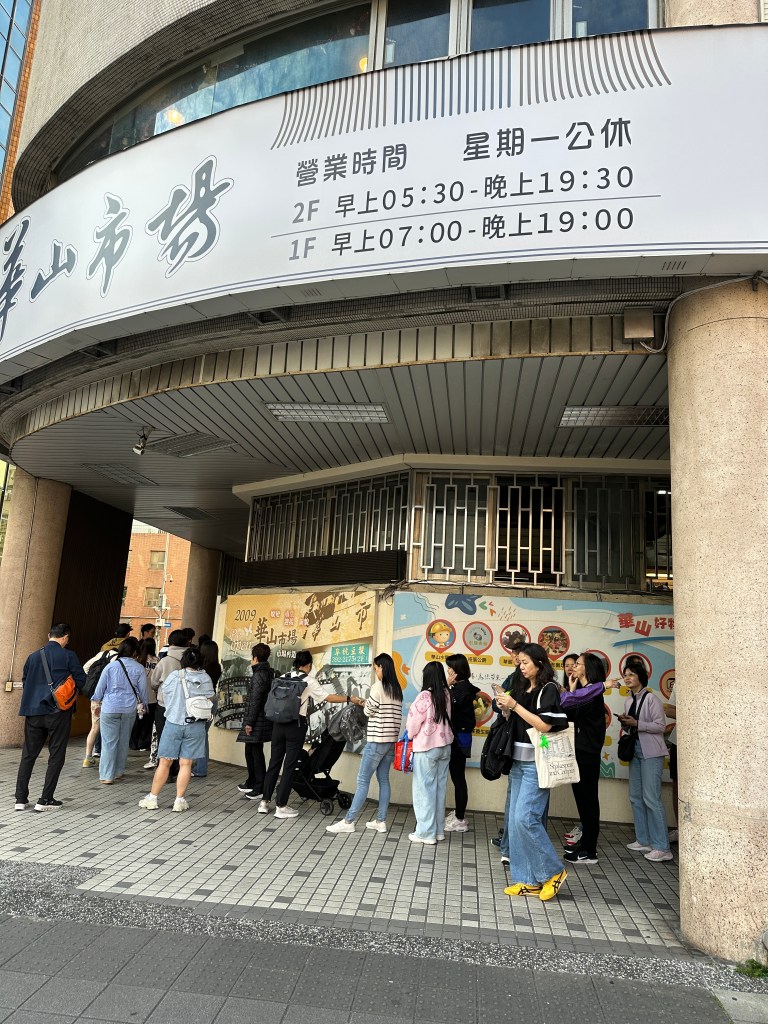
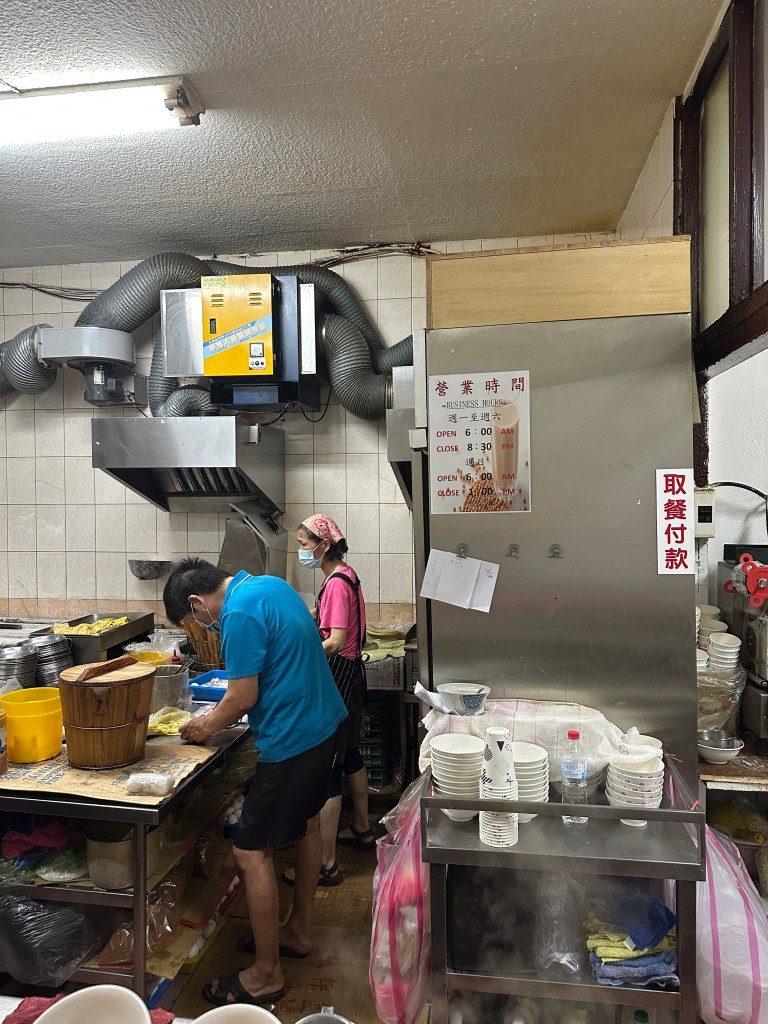
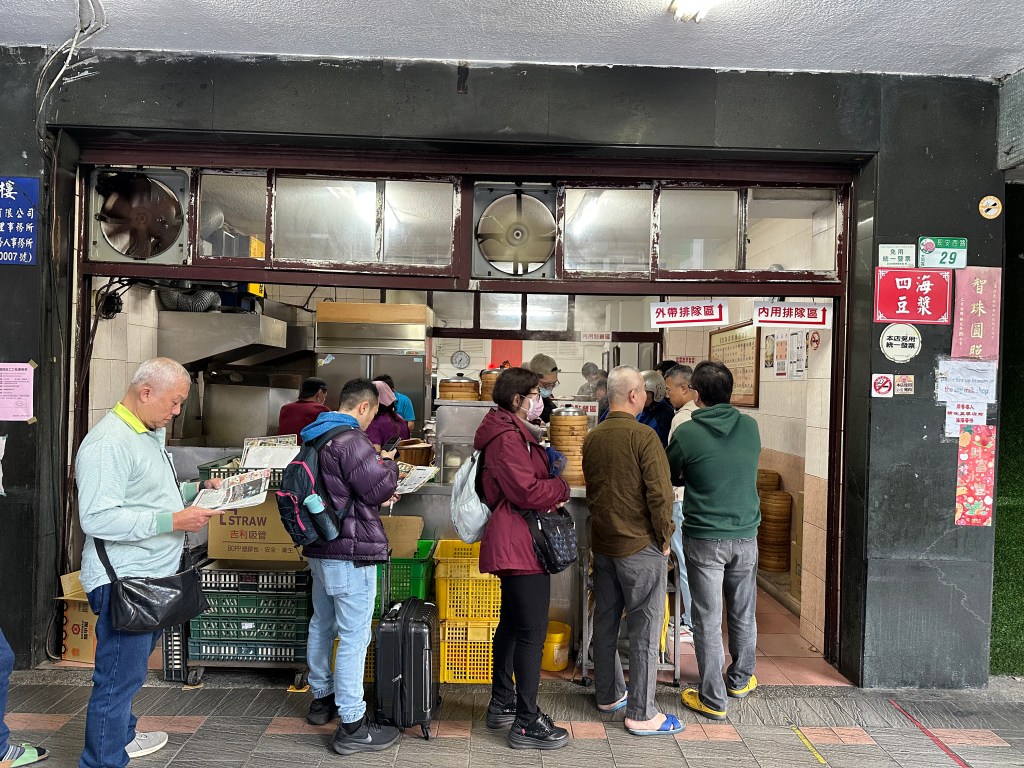
Taiwan does breakfast well, mostly through small mom and pop shops serving traditional fare. The standout for me was shaobing, a sesame flatbread stuffed with an omelet loaded with scallions. Soy milk was more inconsistent than expected and often sweeter, though still worth trying. Fuhang Soy Milk was extremely crowded and touristy. The sesame buns were very good, but adding youtiao made the sandwich greasy and too heavy.
10. Night markets did not work for me
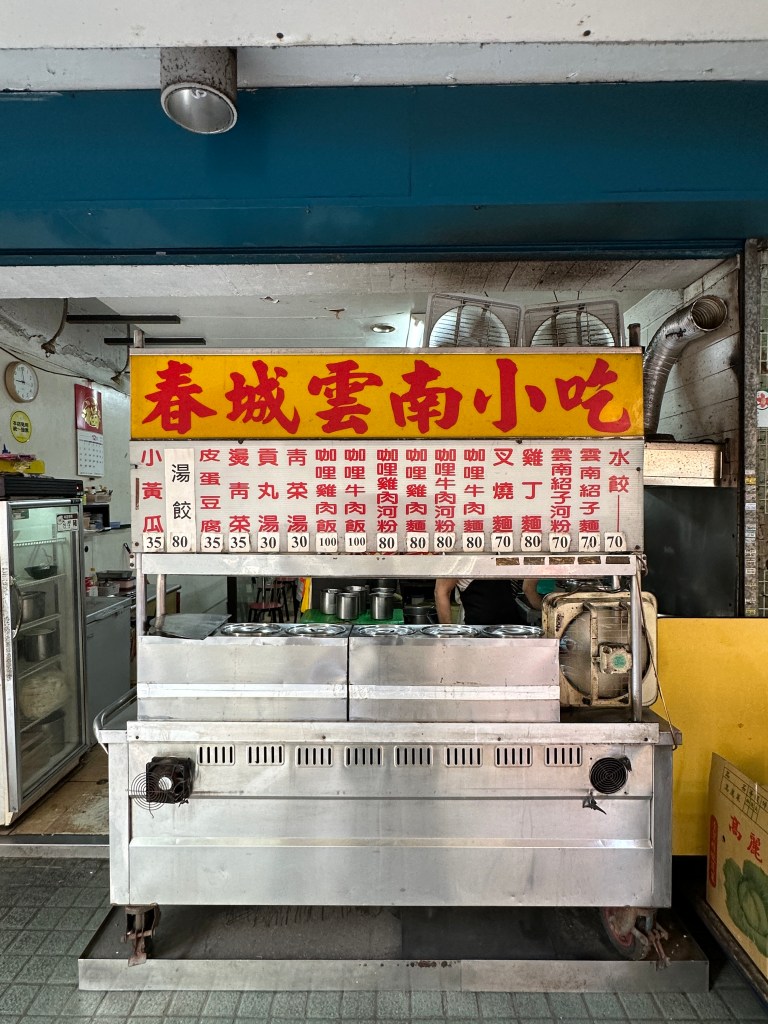
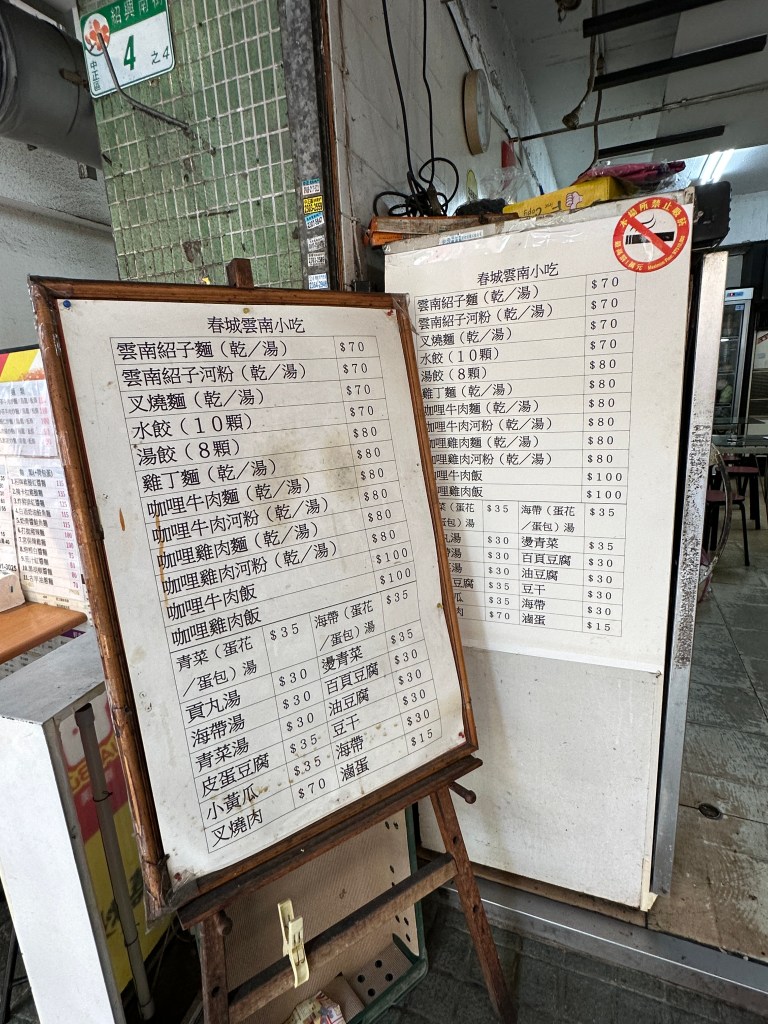
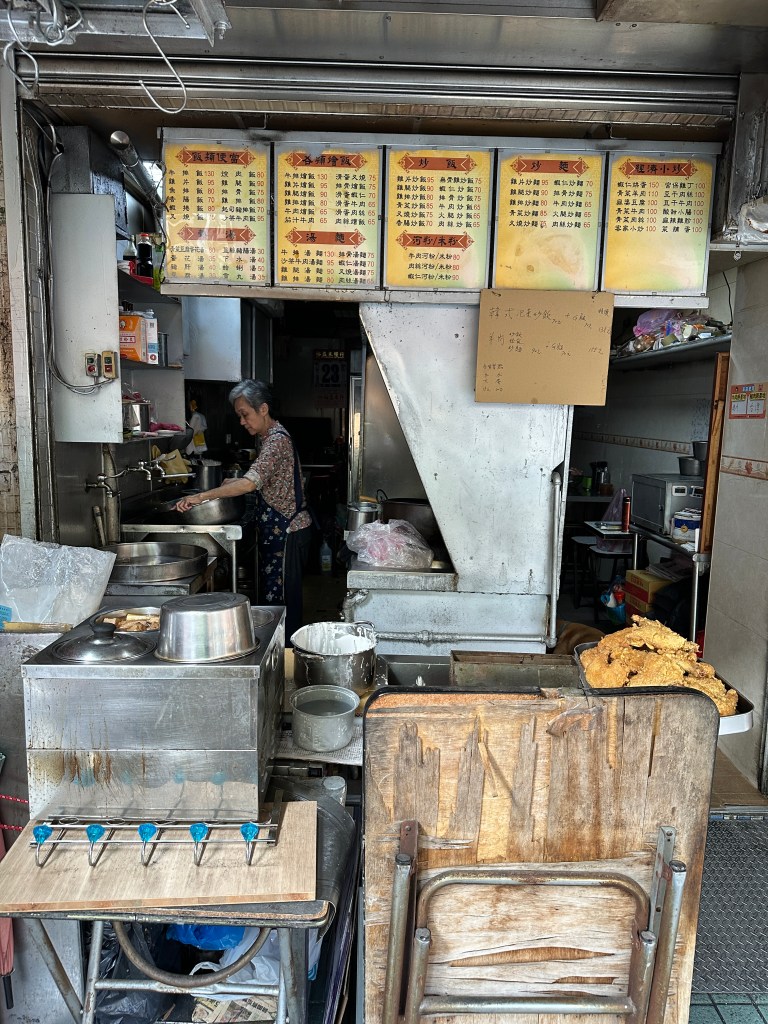
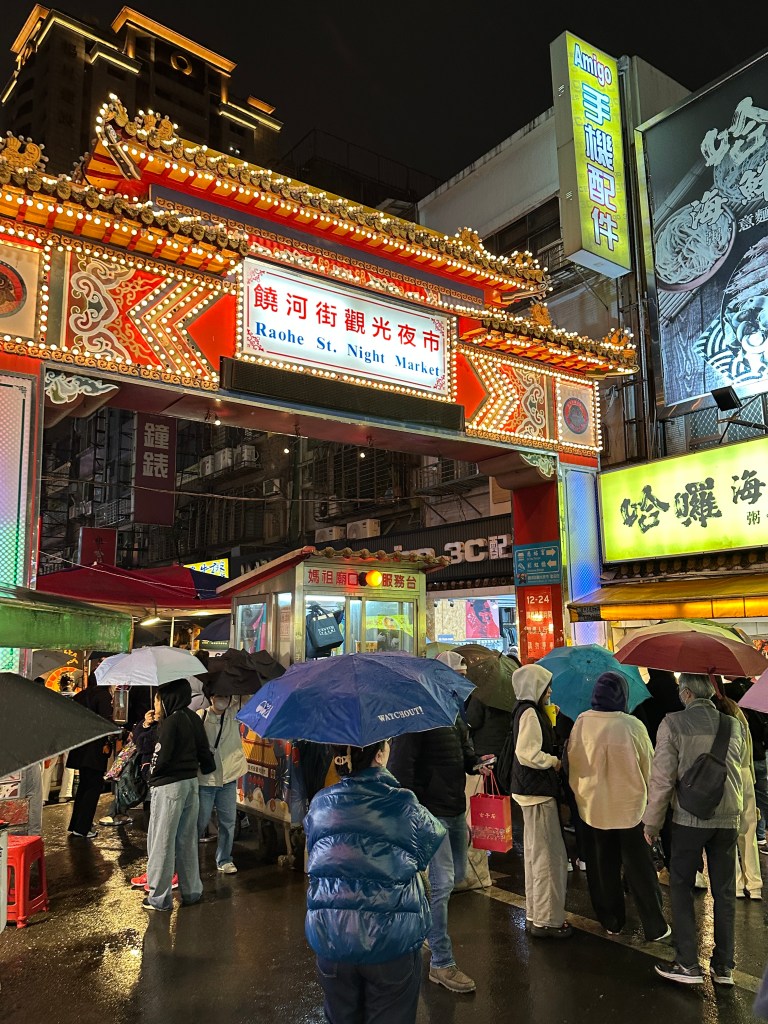
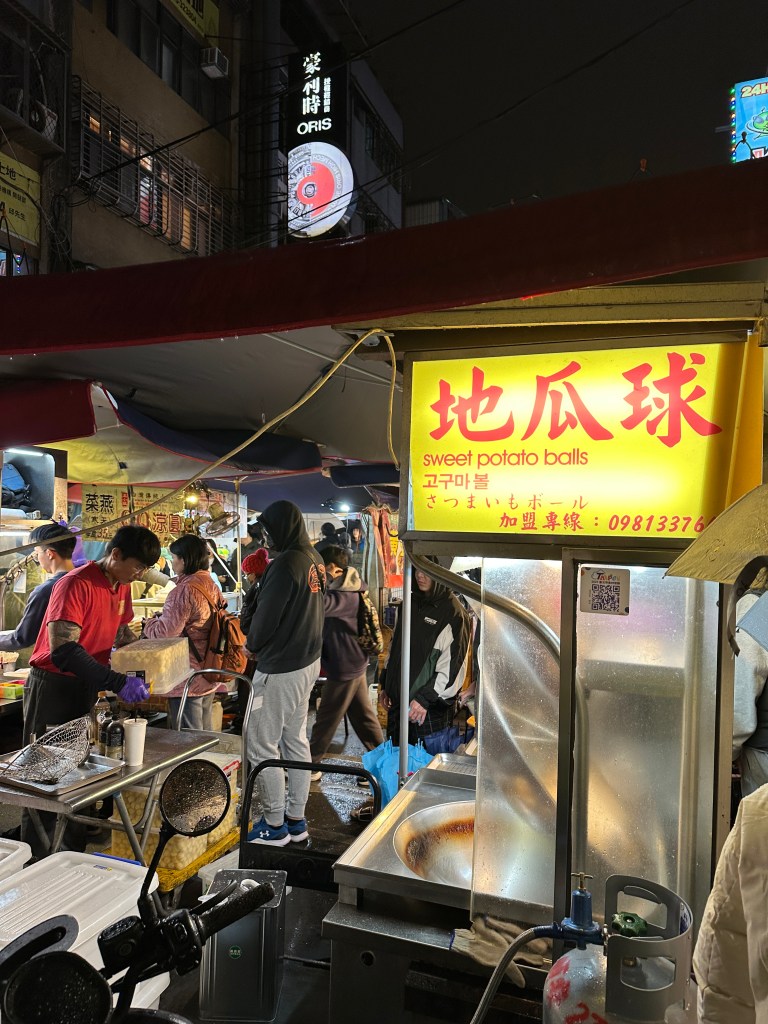
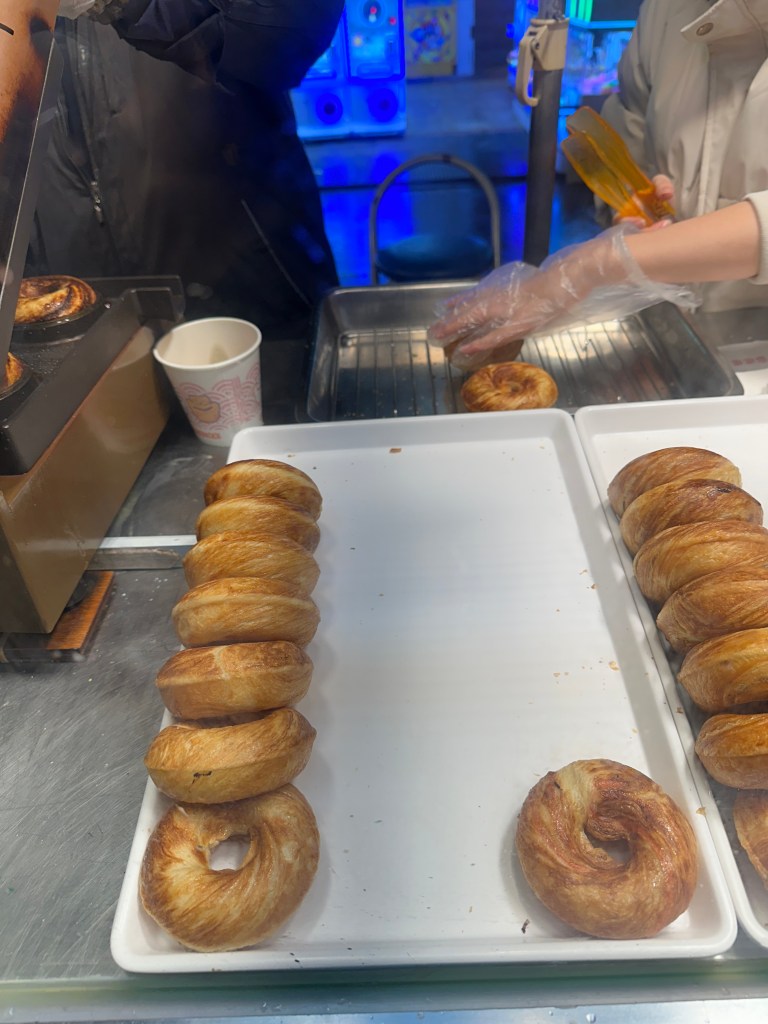
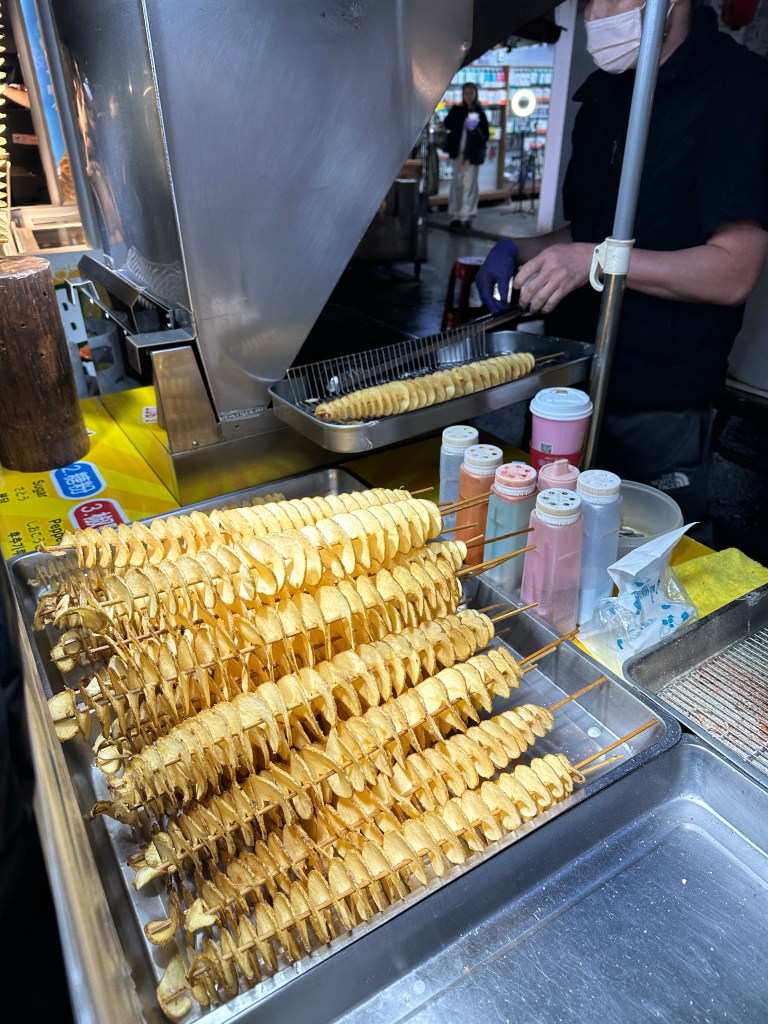
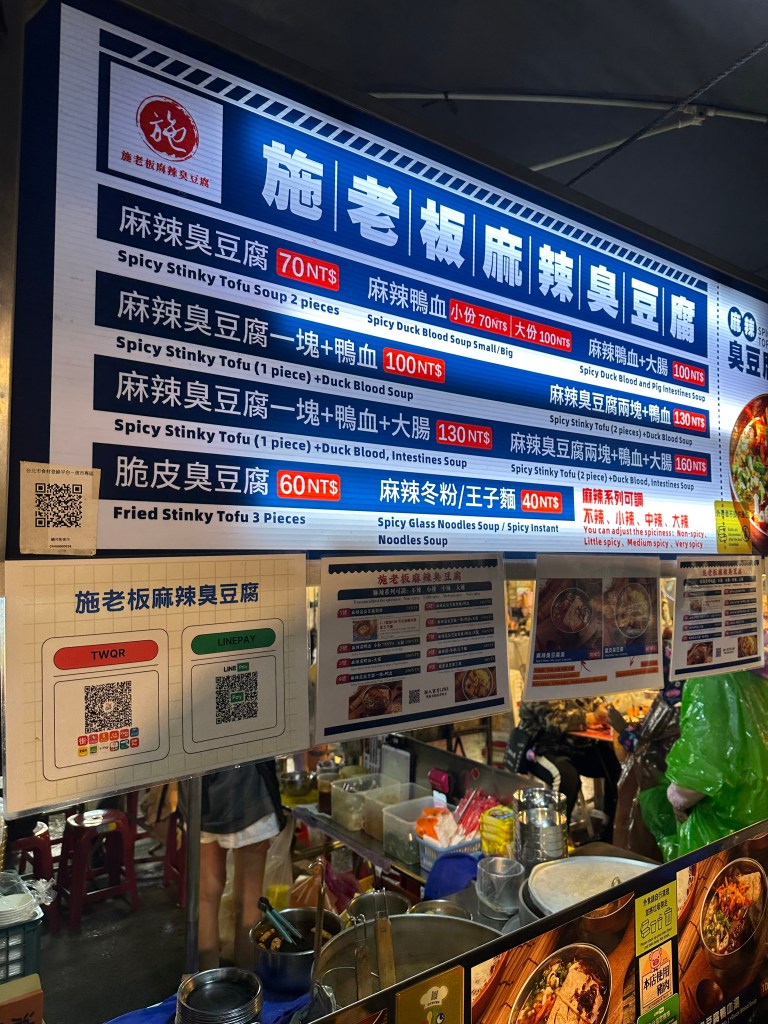
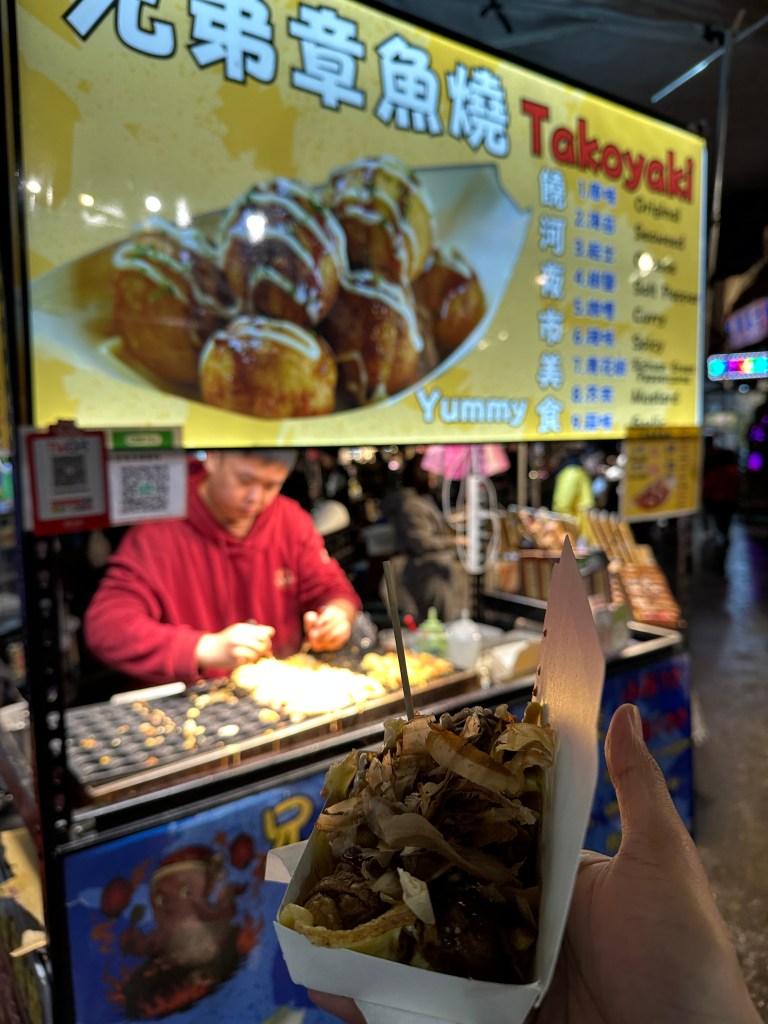
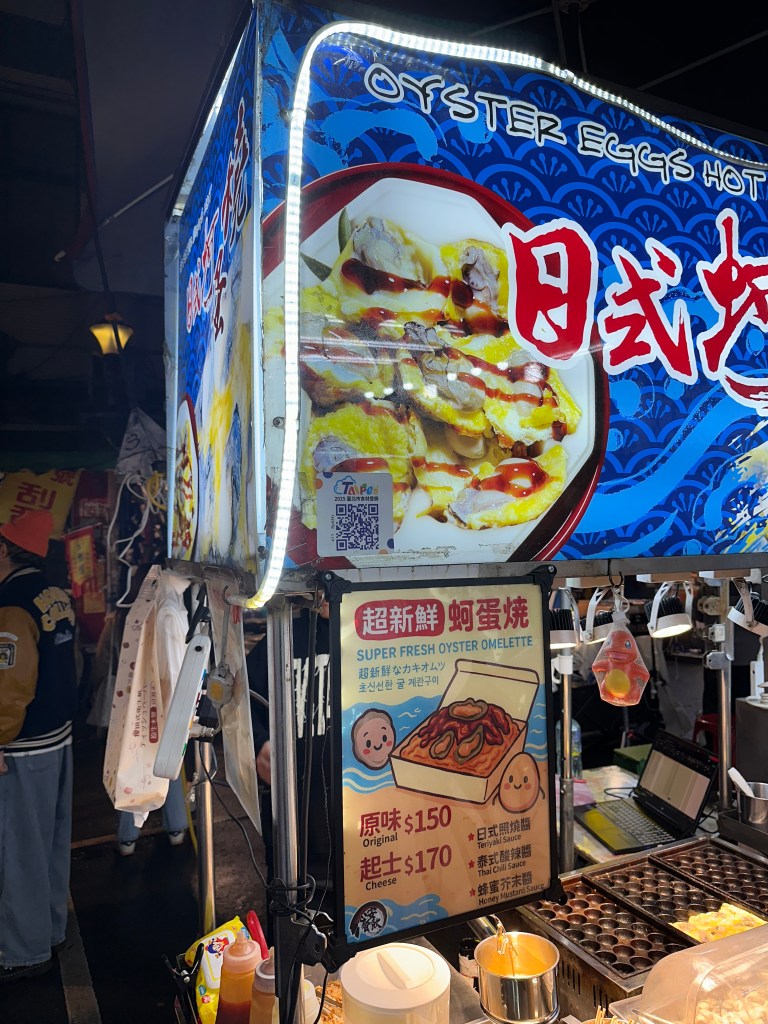
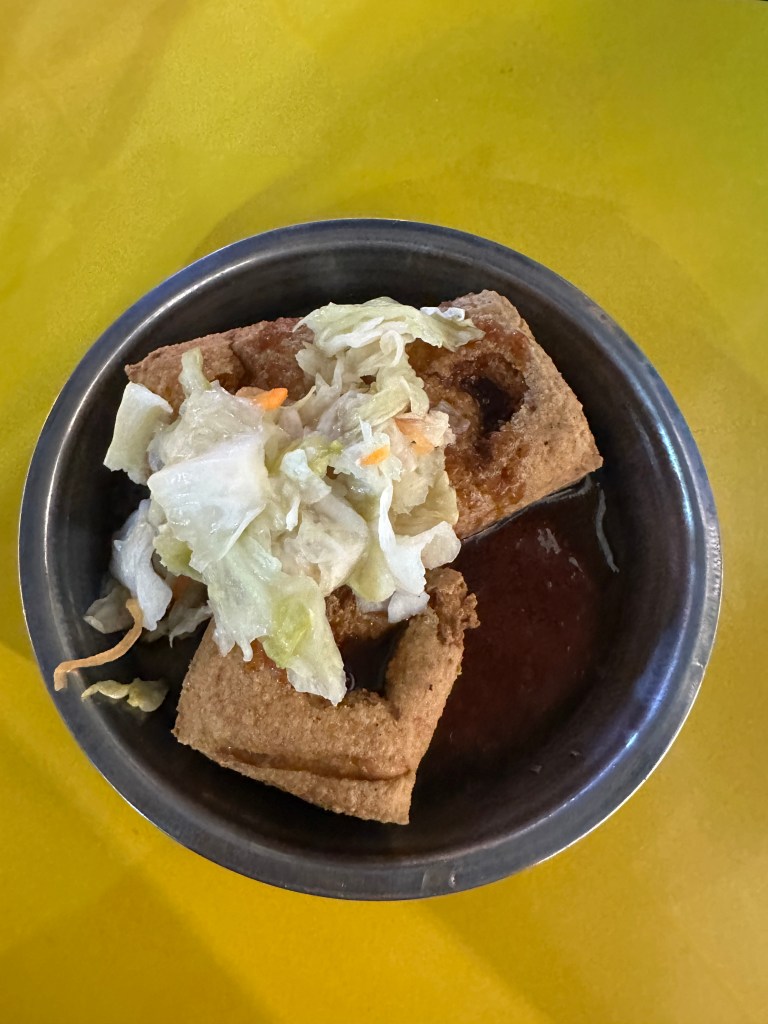
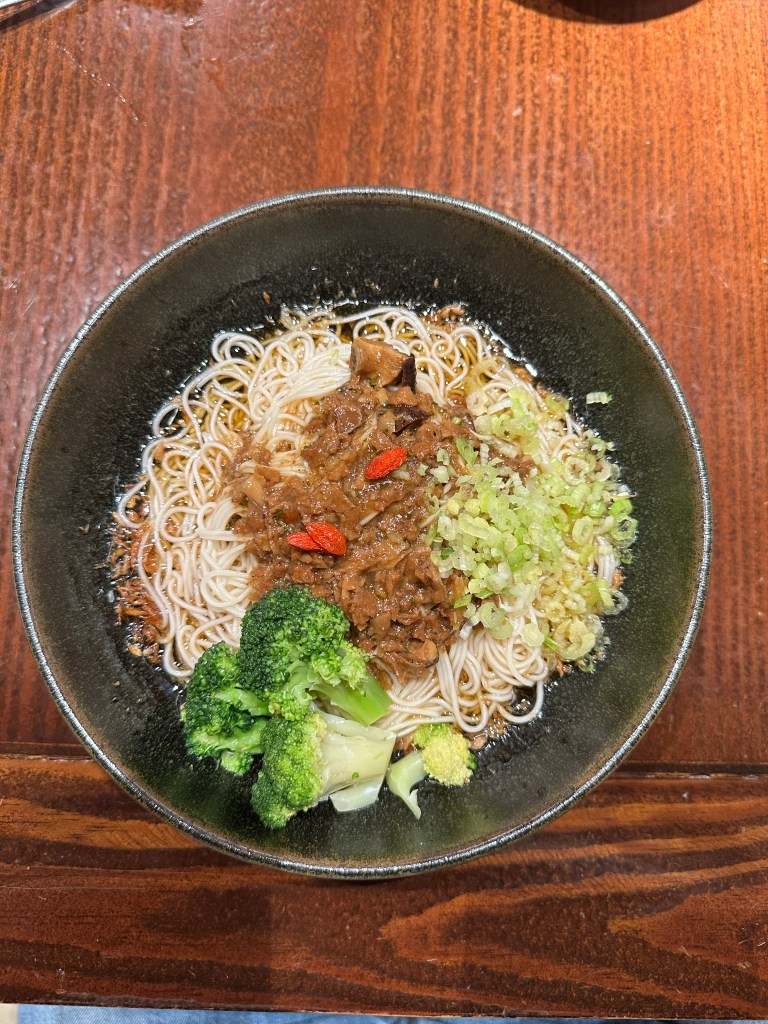
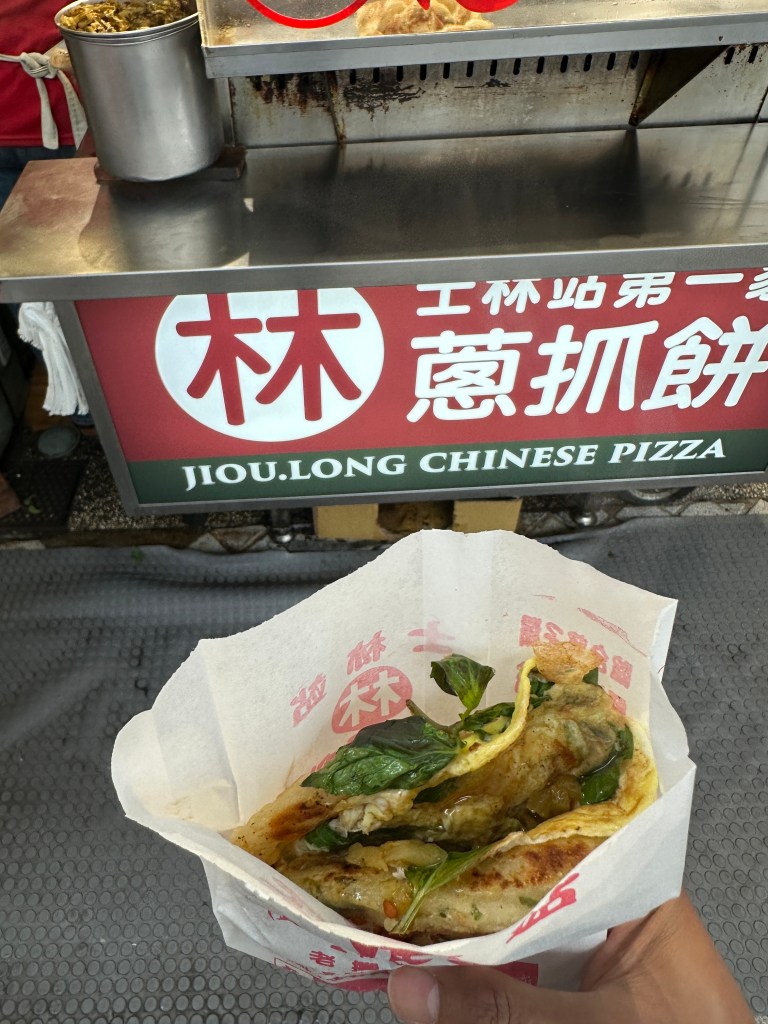
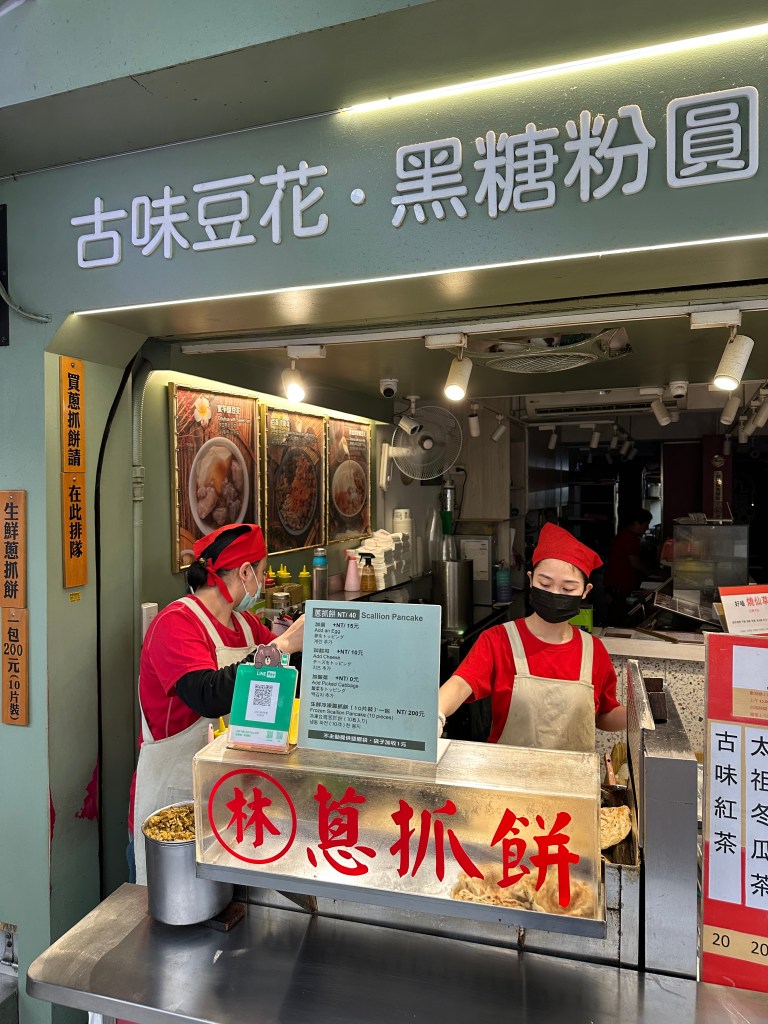
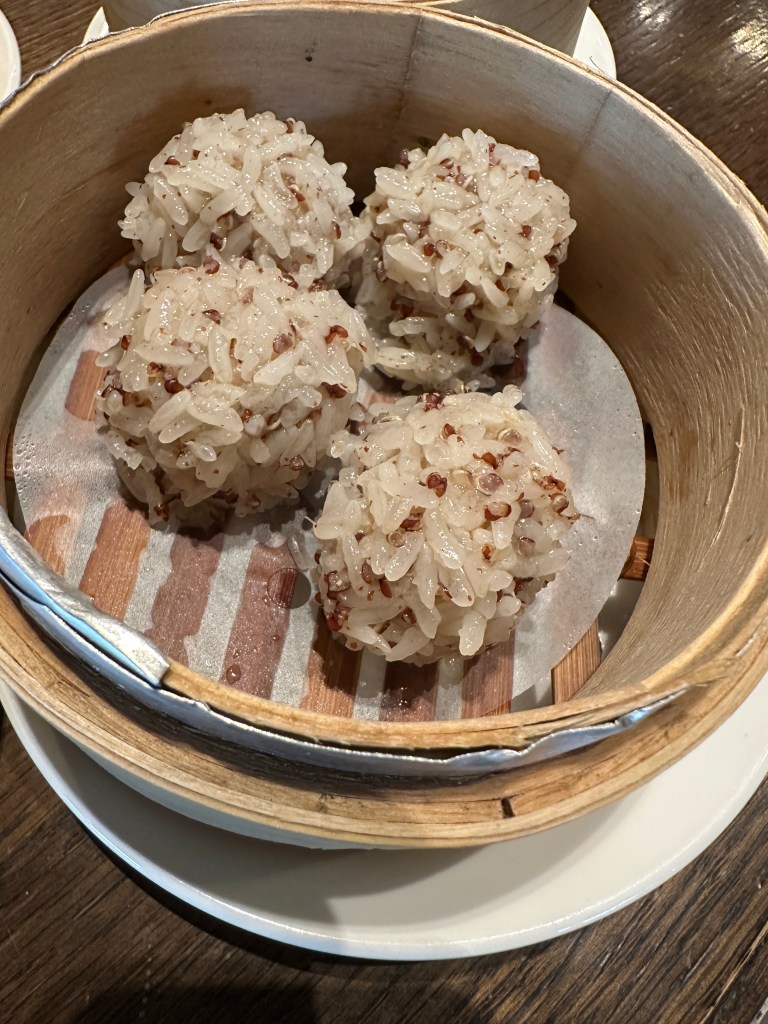
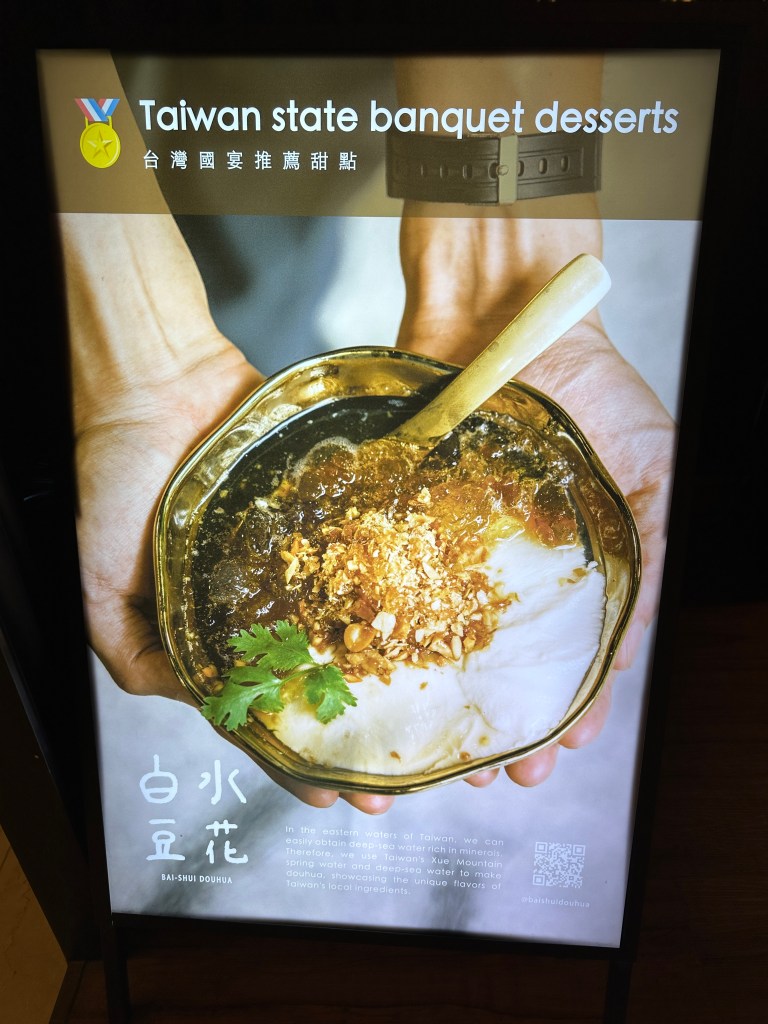
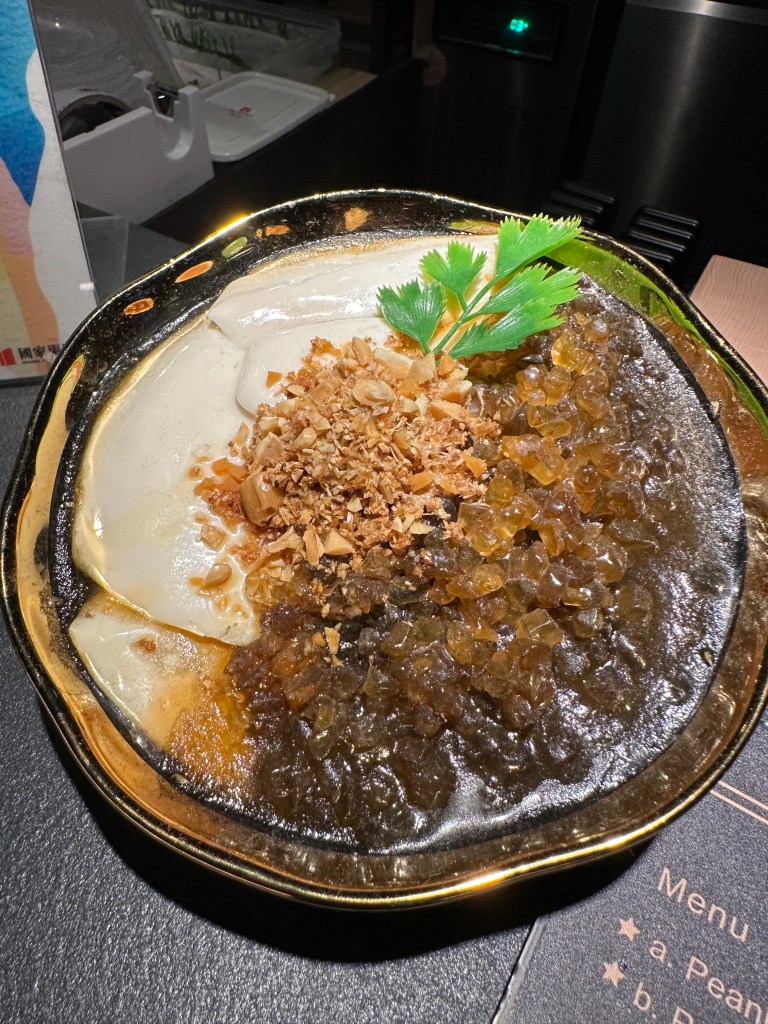
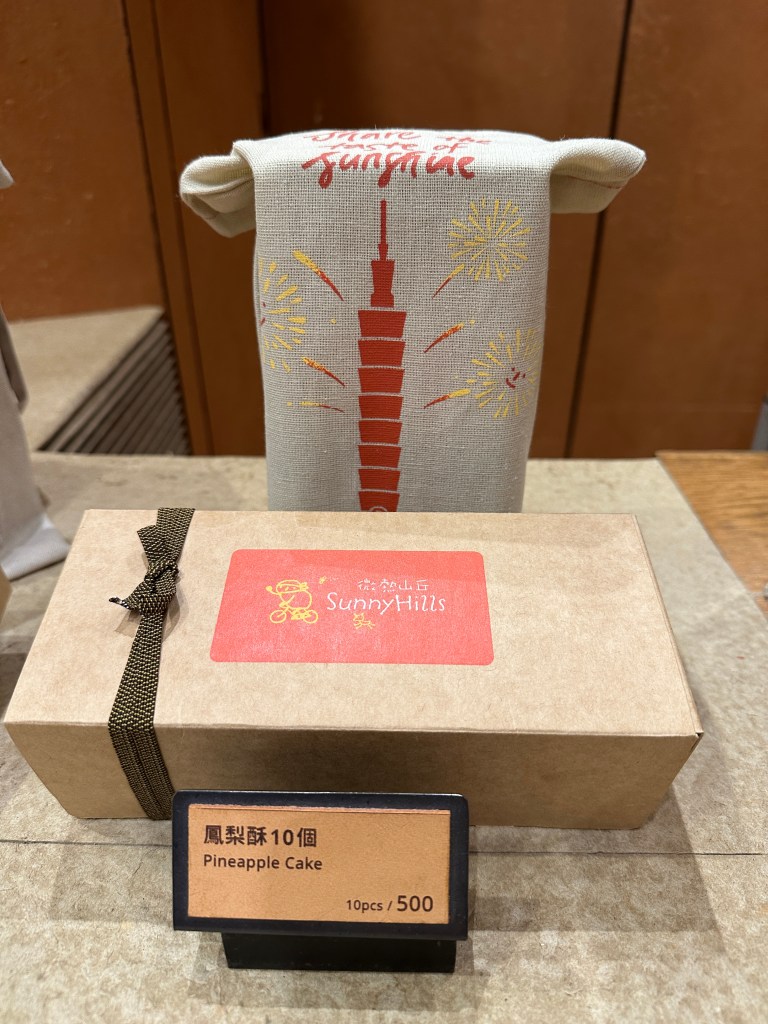
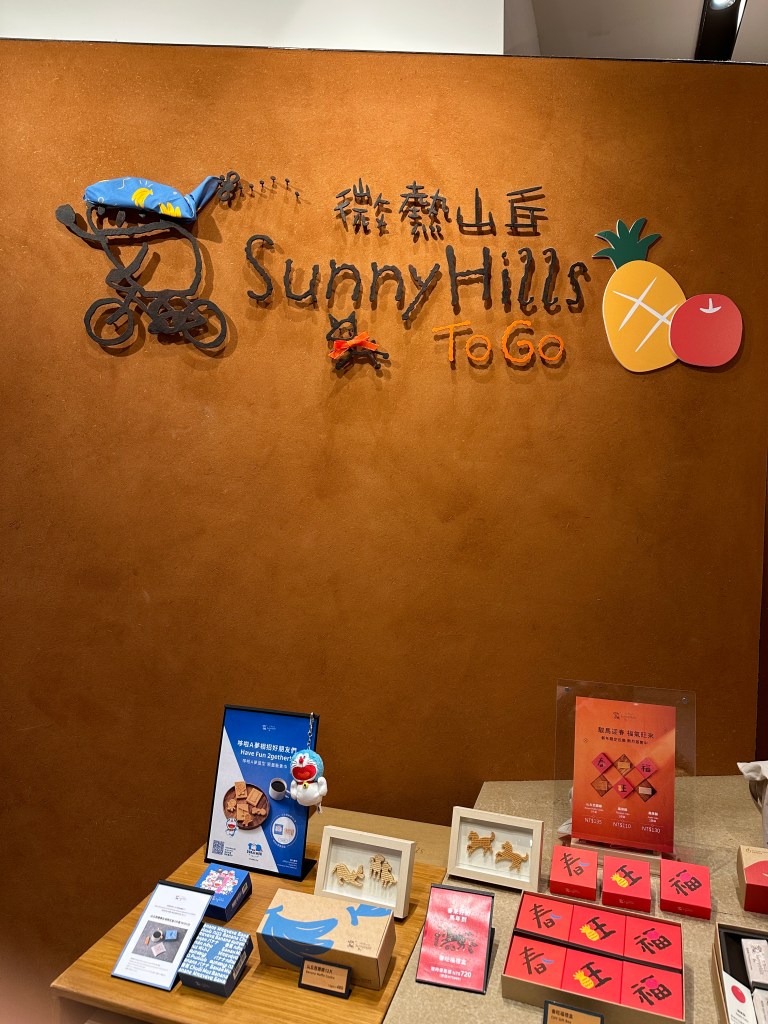
Taiwanese night markets are supposed to be legendary, but they were a miss for me. Raohe Night Market was large, but many vendors sold similar items that were mostly deep fried and average. It reminded me of American state fairs, except those benefit from being seasonal. Night markets here operate daily, and some vendors seemed genuinely bored. One was playing a mobile game while making my oyster omelet. Stinky tofu was unique, but the smell was off-putting enough that I did not want to try it again. In contrast, the noodles at Chun Shui Tang, the dumplings at Silks Palace in the National Palace Museums, scallion pancakes from a street vendor off Shilin metro station and the tofu pudding at National Concert Hall were spectacular. The pineapple cakes, however, were excellent. SunnyHills stood out as the gold standard. They are pricier, but the quality shows.












 flagsandforks