1. A country shaped by occupation, war, and reinvention
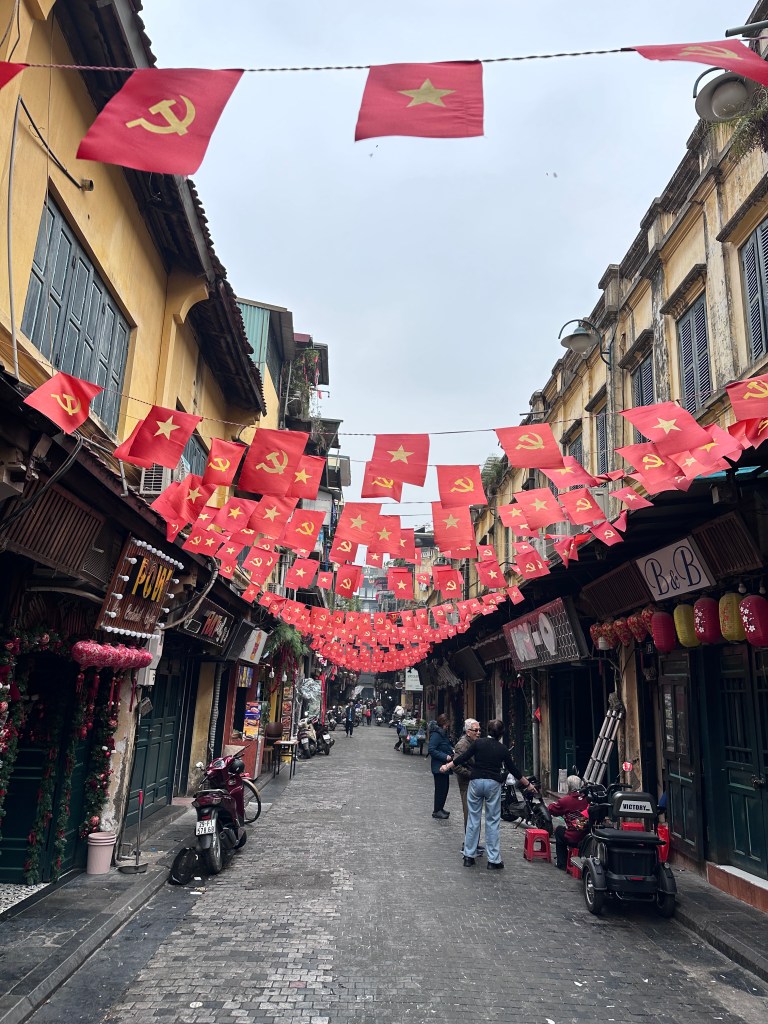
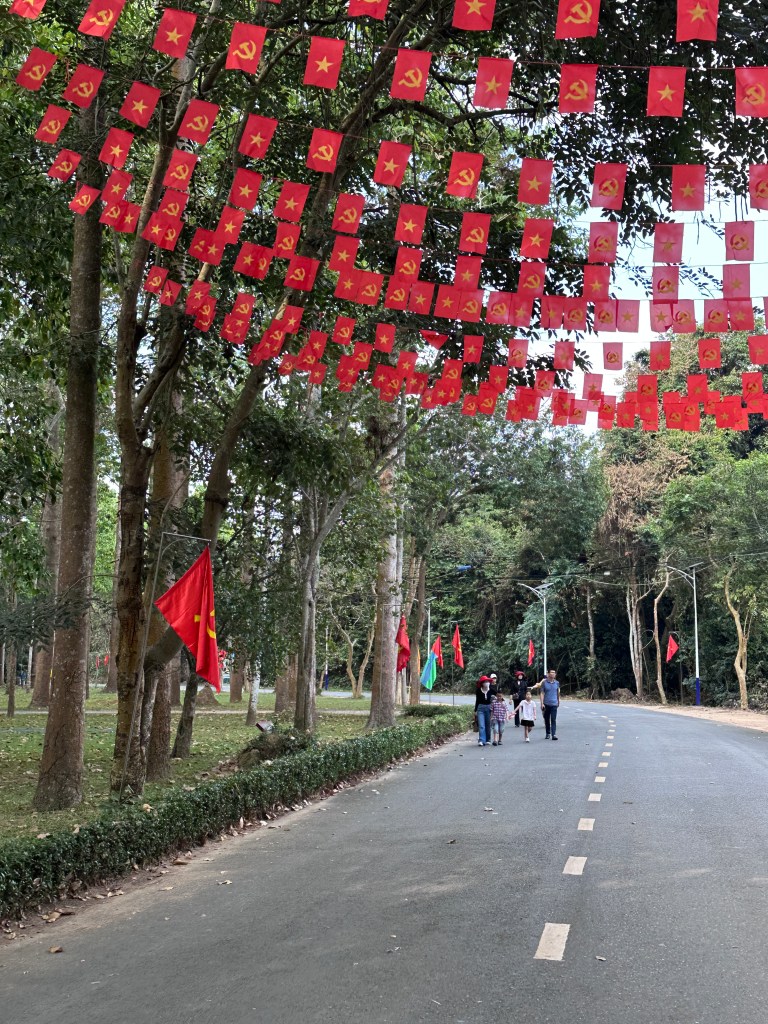
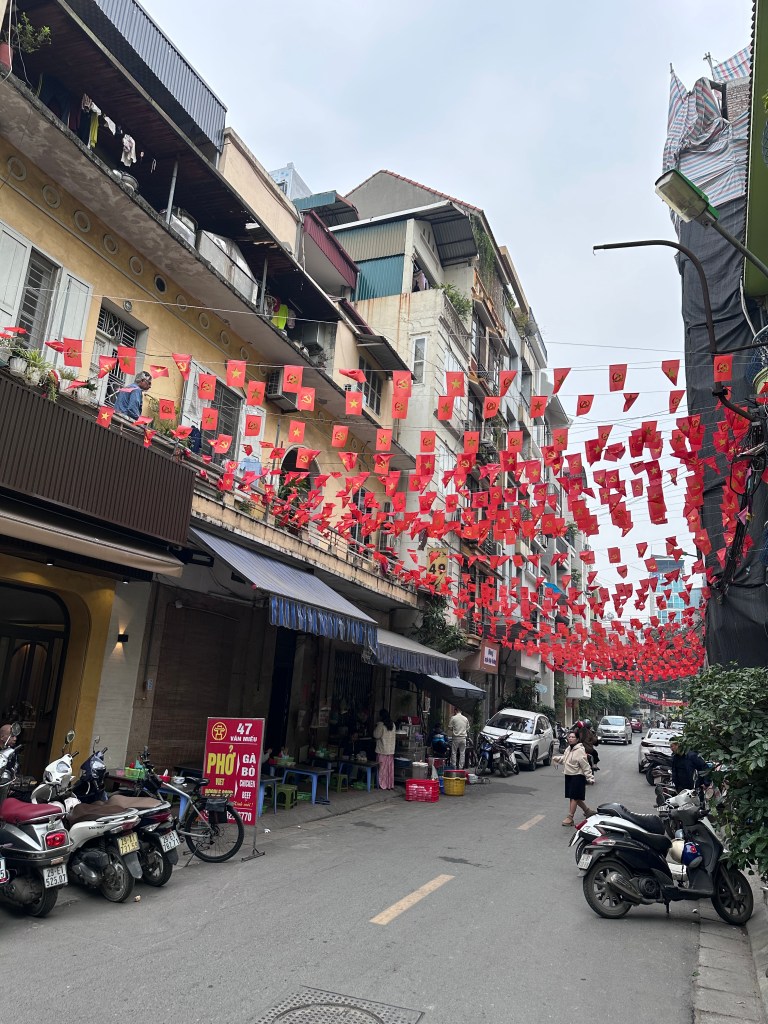
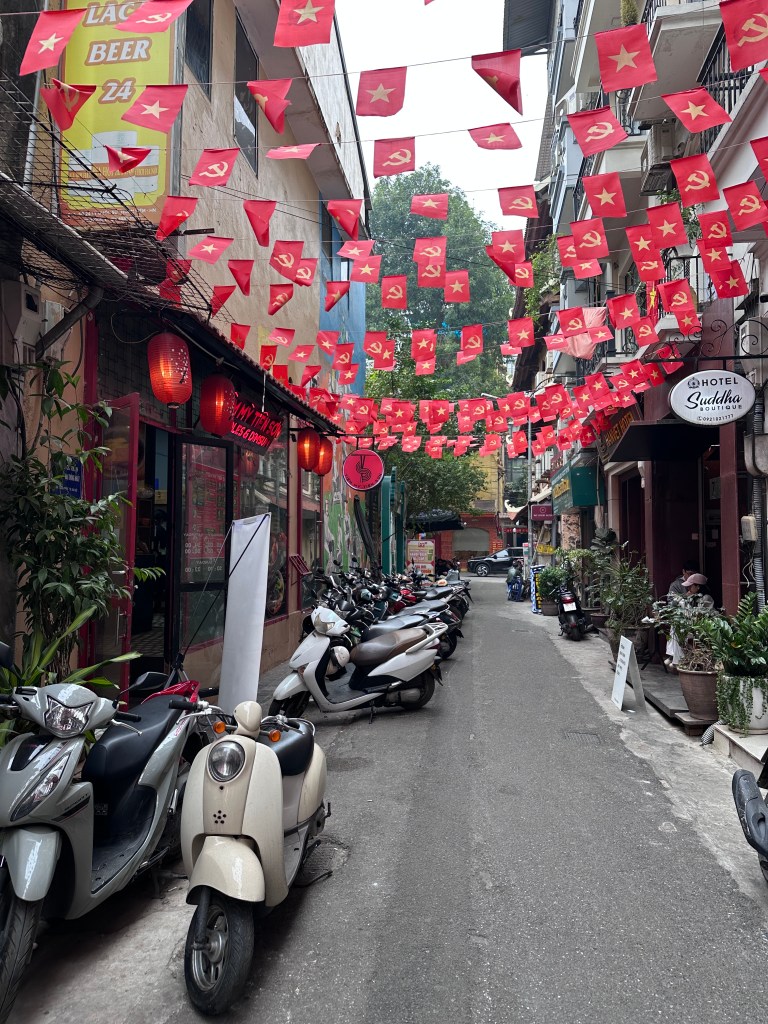
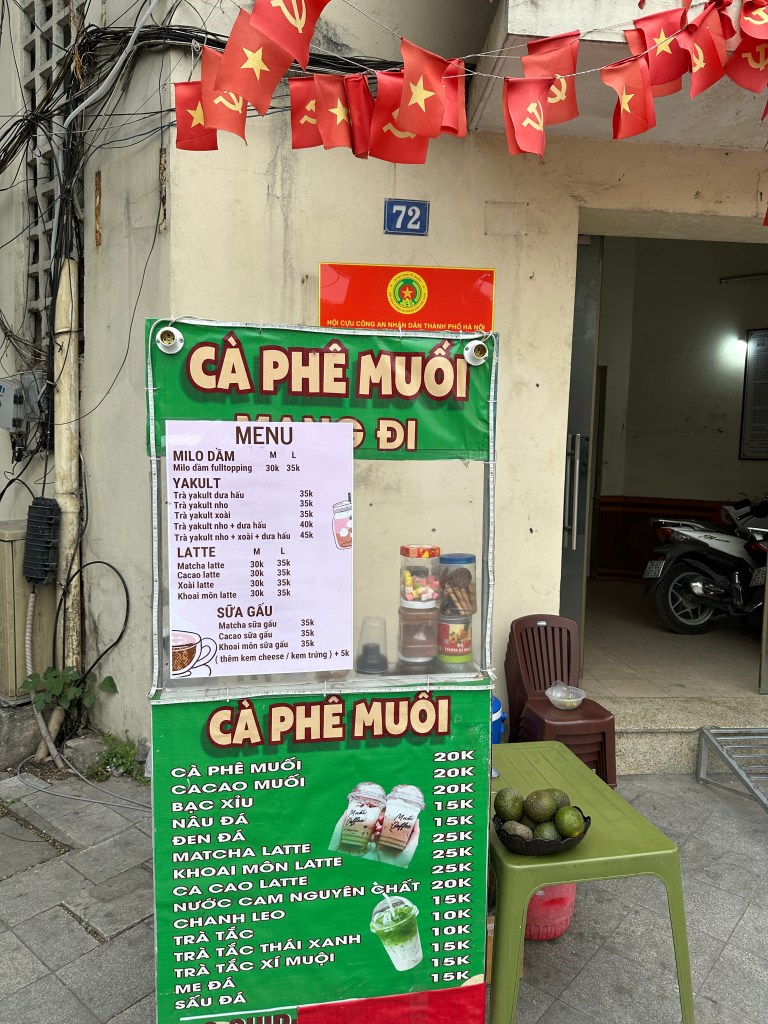
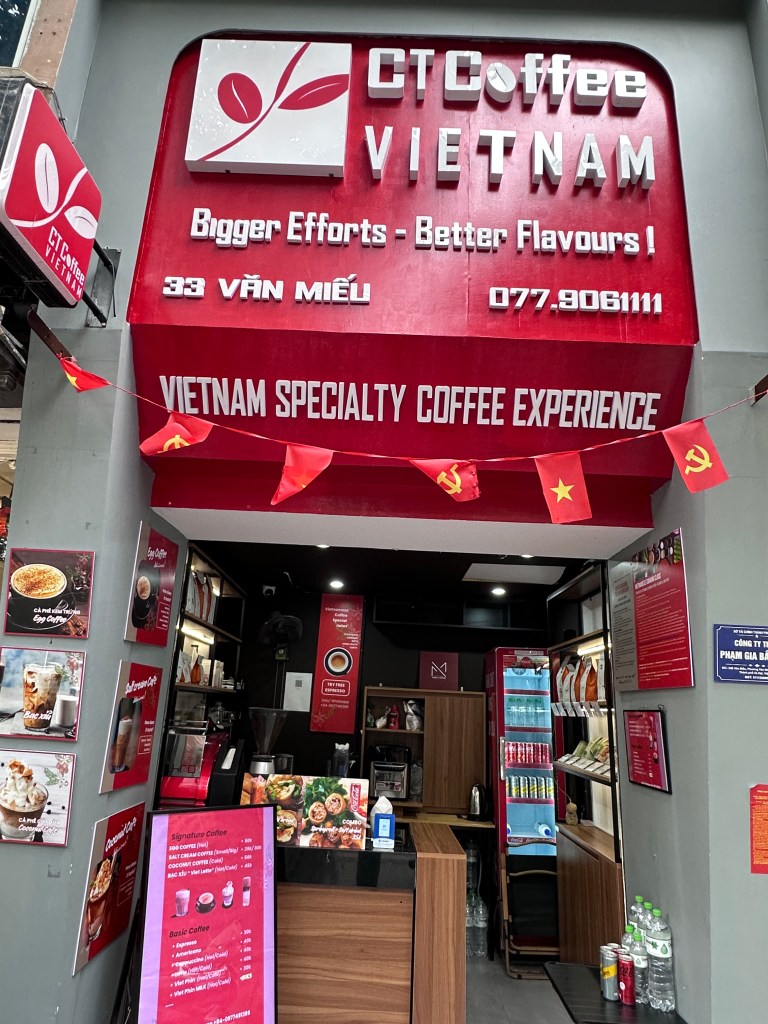
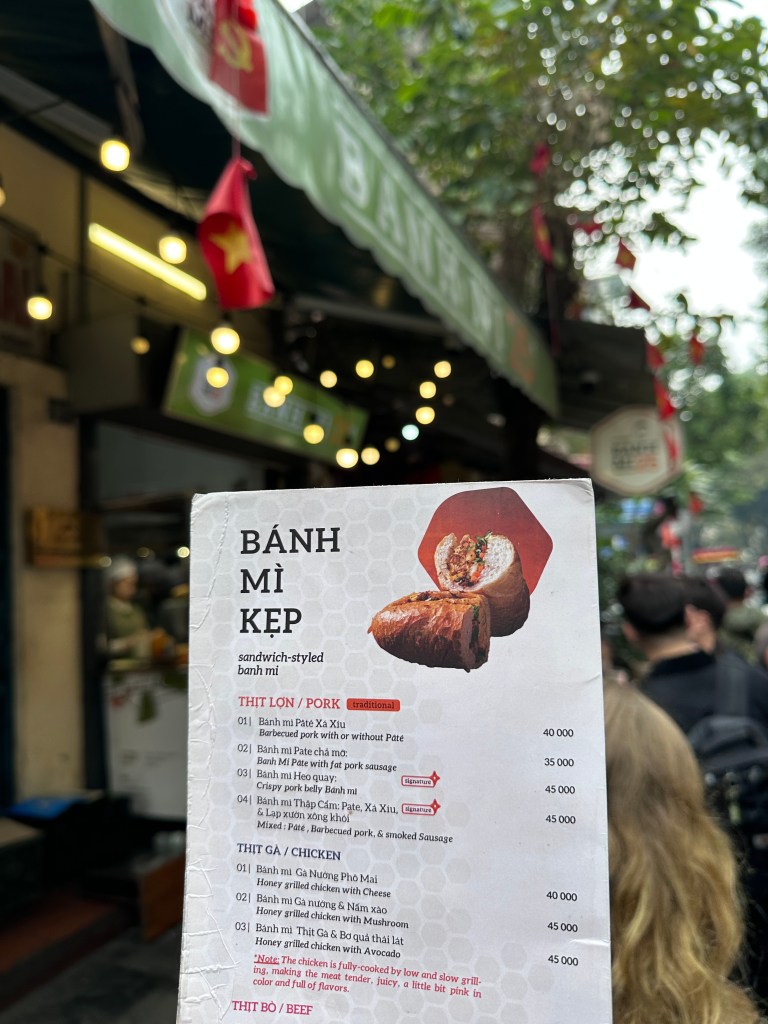
Vietnam’s history is layered and relentless. Centuries of Chinese domination were followed by powerful indigenous dynasties before the country fell under French colonial rule in the 19th century as part of French Indochina. After Japan’s occupation during World War II, revolutionaries led by Ho Chi Minh defeated the French in 1954. Decades of war followed, ending in reunification under communist rule in 1975. Early central planning brought hardship and isolation, but the 1986 Đổi Mới reforms opened the economy to markets and global trade. That long arc of occupation and resistance still feels present. Vietnamese patriotism is not subtle. Red flags with the yellow star hang from homes, storefronts, alleyways, cafés, and government buildings. It does not feel staged. It feels embedded. Whatever the politics, the collective identity is unmistakable. Today, Vietnam is one of Asia’s fastest-growing manufacturing and export economies, absorbing ideology and conflict while remaining commercially pragmatic.
2. Hanoi’s Old Quarter feels inherited, not designed
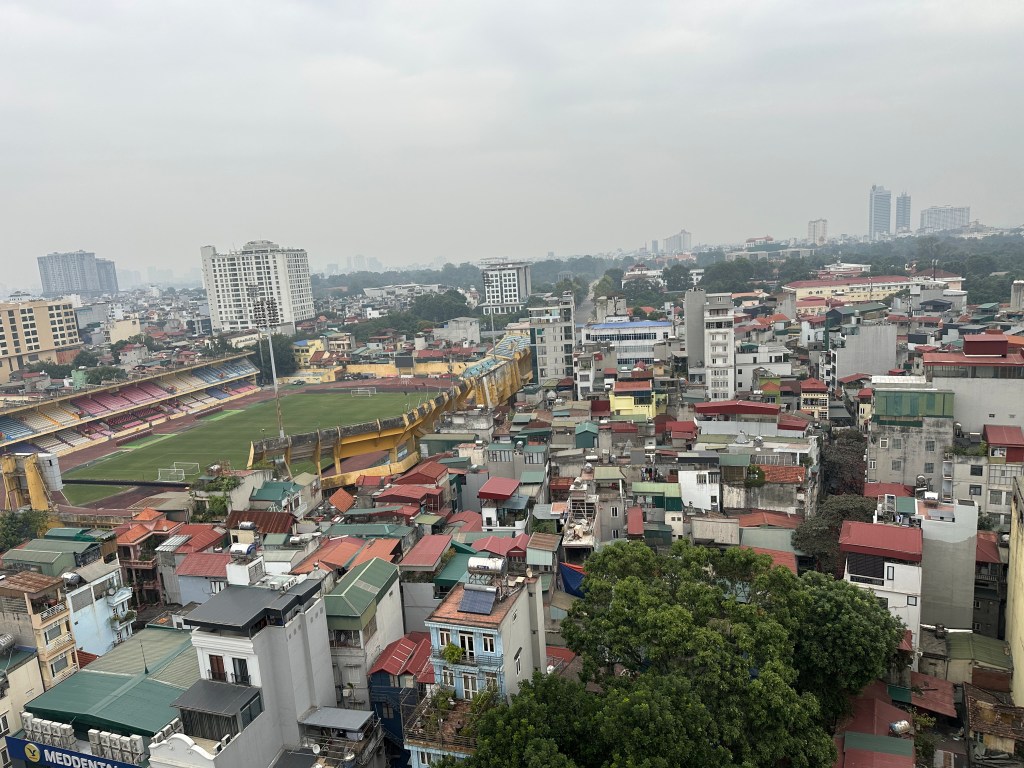
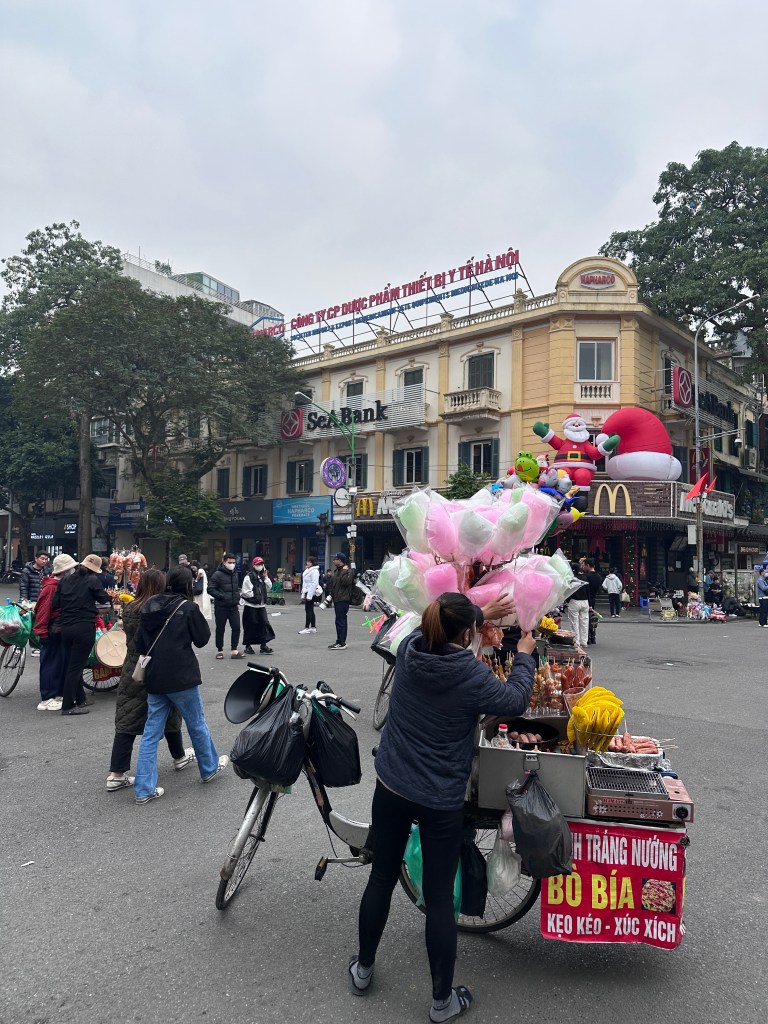
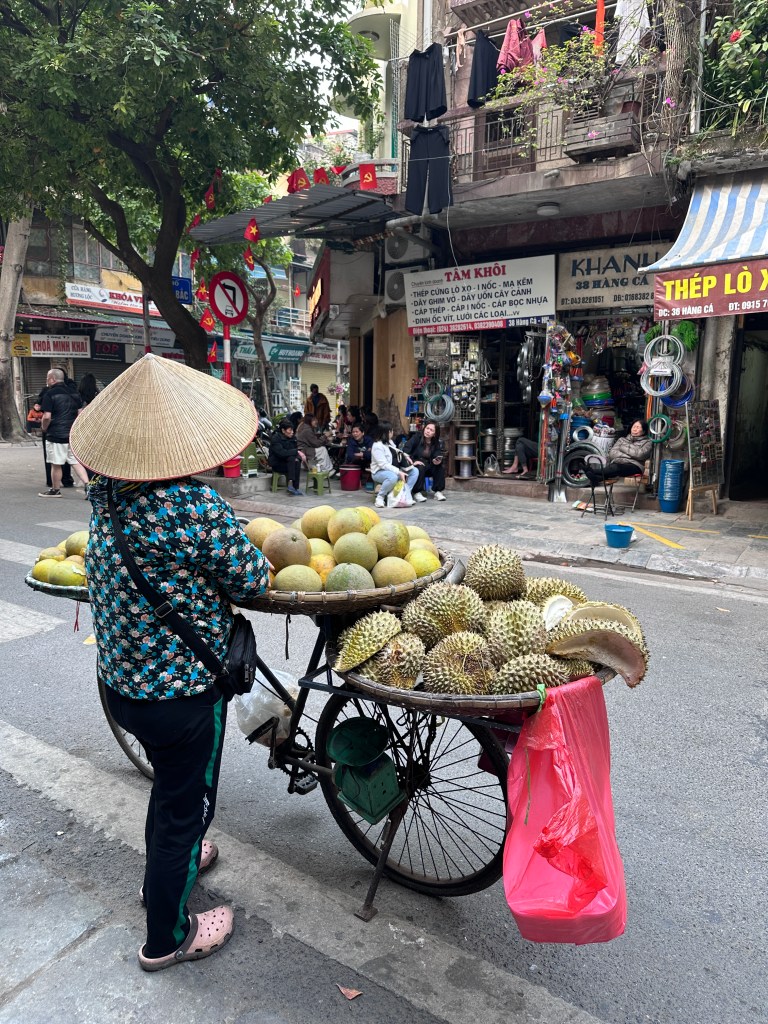
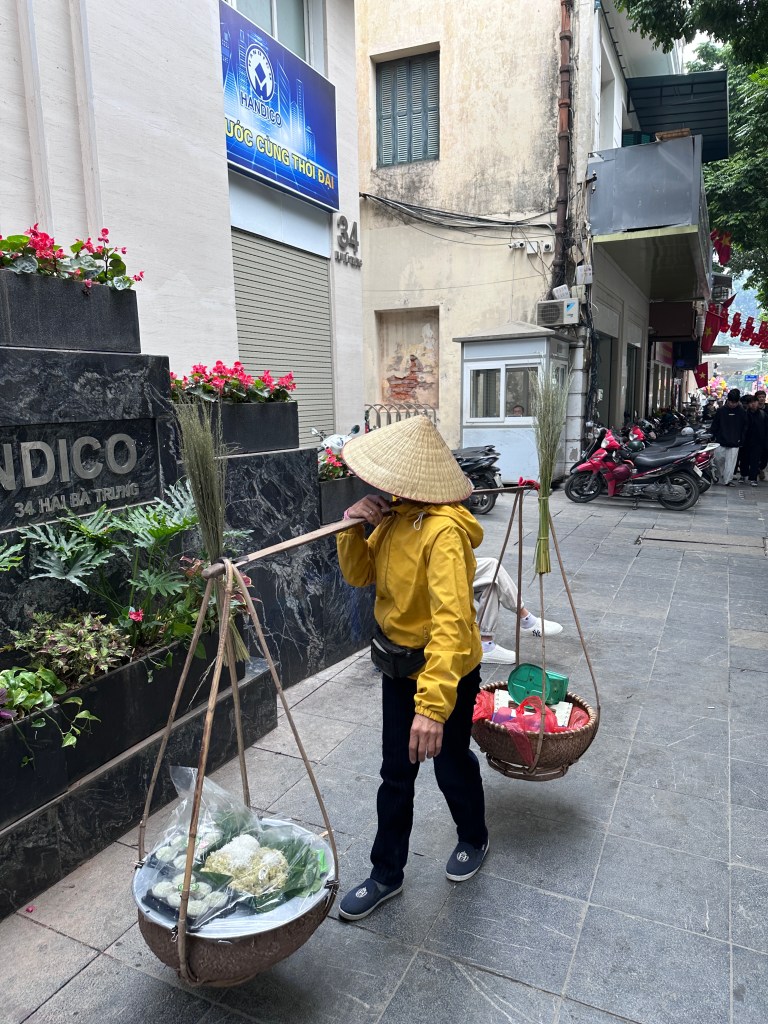
Hanoi has a chaotic energy that feels authentic rather than engineered. Nowhere is this more evident than in the Old Quarter, where narrow tube houses lean into tight streets buzzing with scooters, street food, and commerce. It is a mix of old and new. Vendors still wear traditional conical hats and sell food from pushcarts and shoulder poles, weaving through traffic as if choreography were involved. The area dates back to the Lý and Trần dynasties between the 11th and 14th centuries, when artisan guilds formed around specific trades. Many of those guild streets still exist today, though in muted form. Some even maintain small temples dedicated to their craft leaders. It feels like an economy that never fully reset, only adapted.
3. A lake, a sword, and a turtle
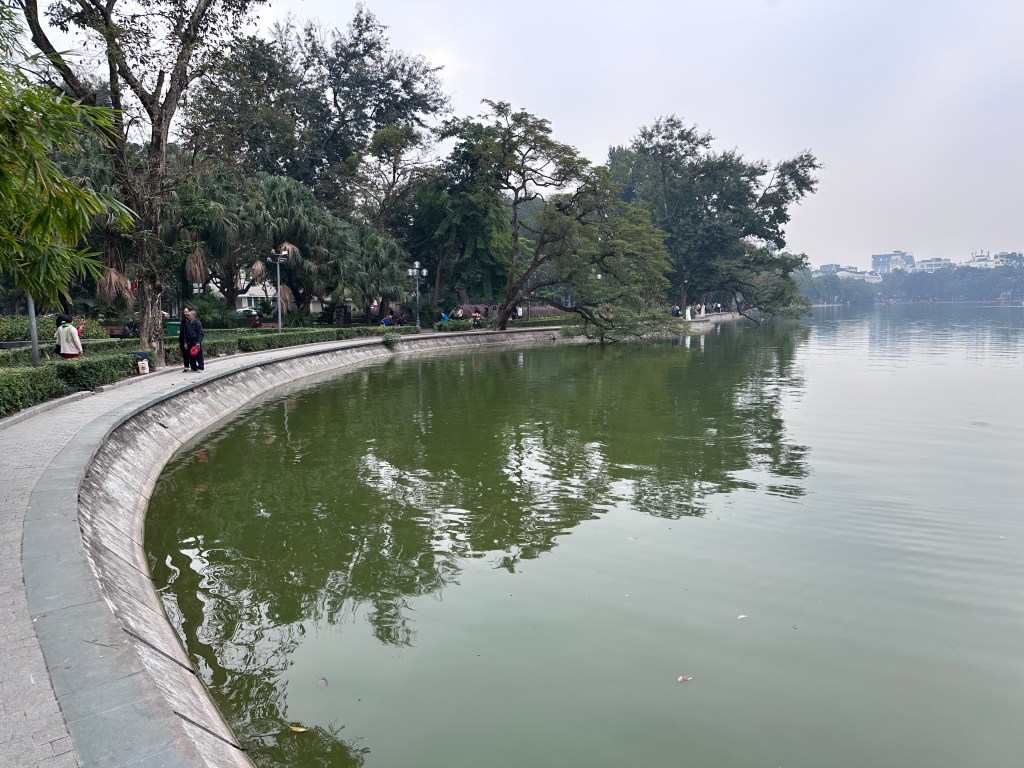
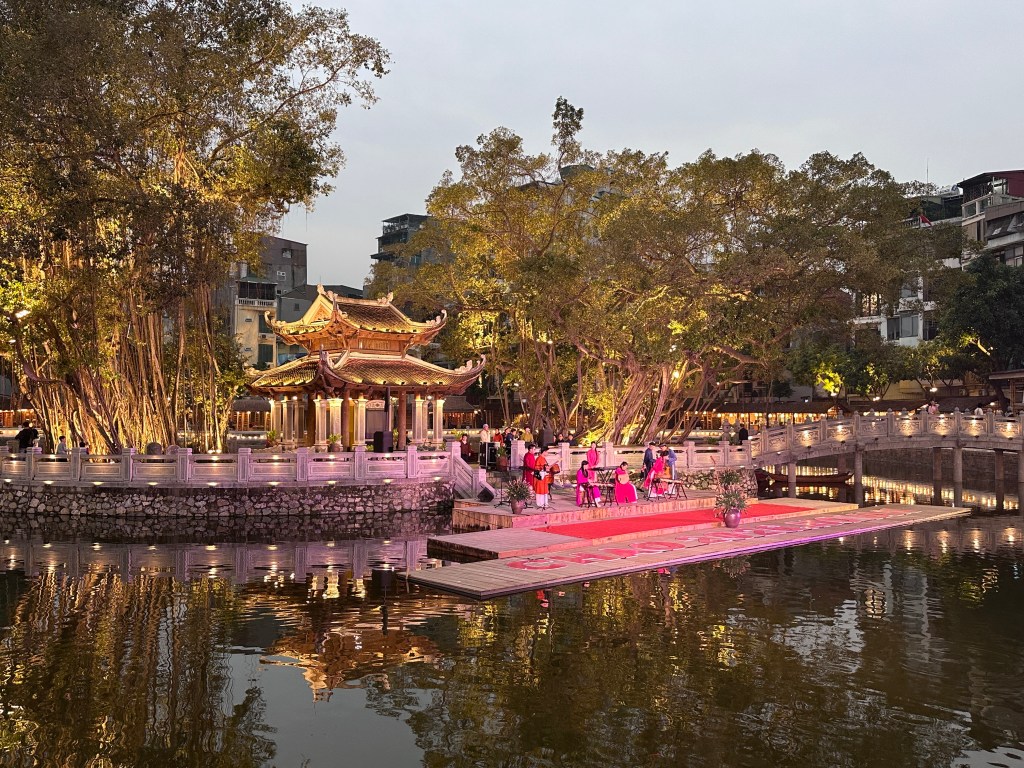
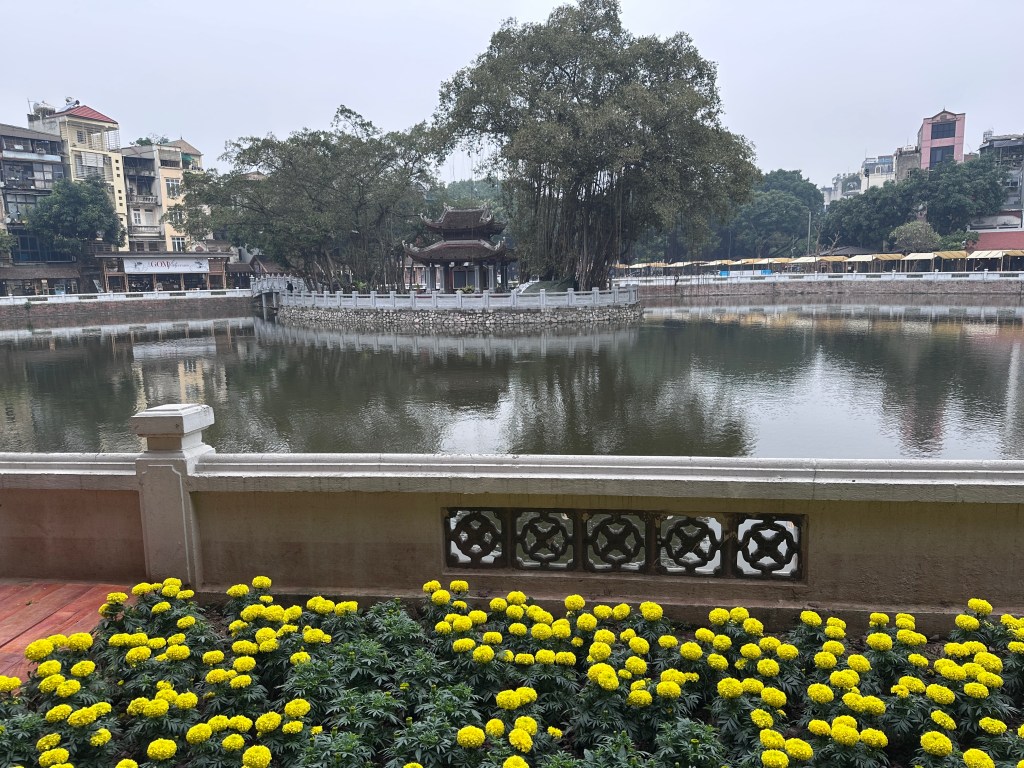
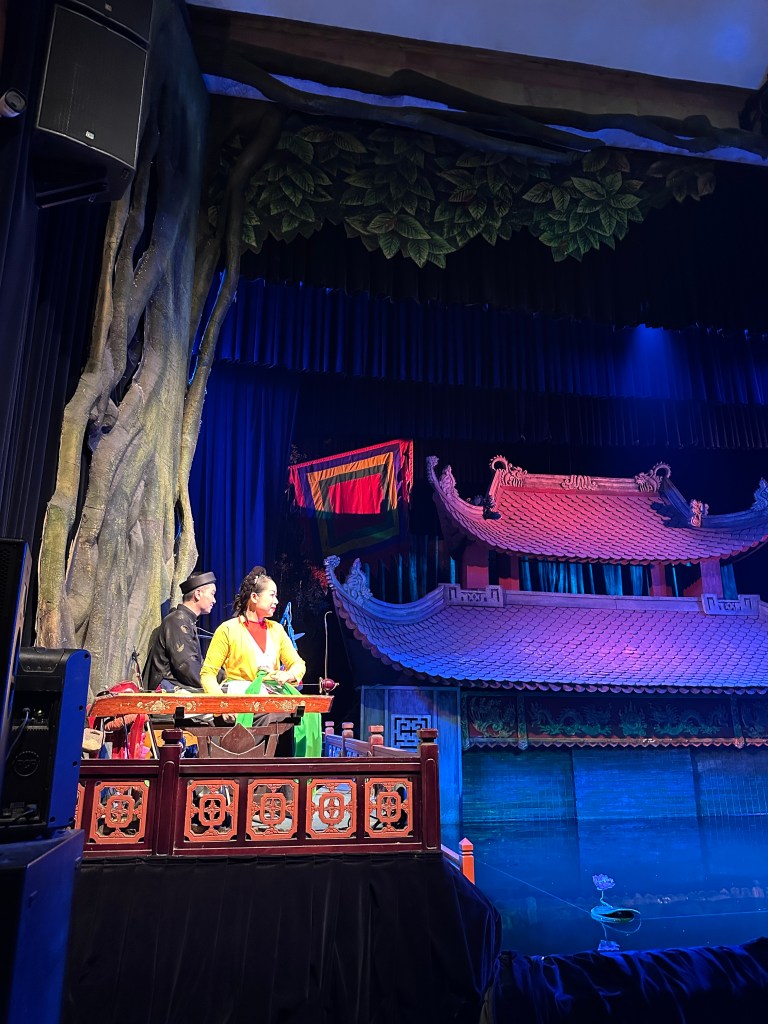
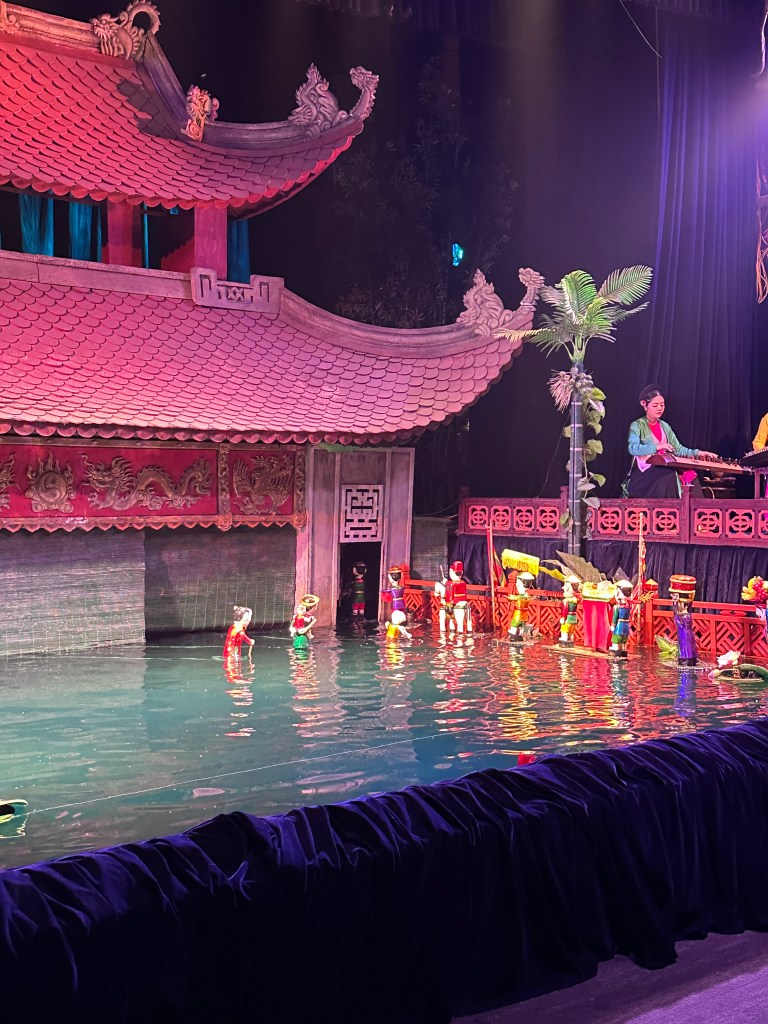
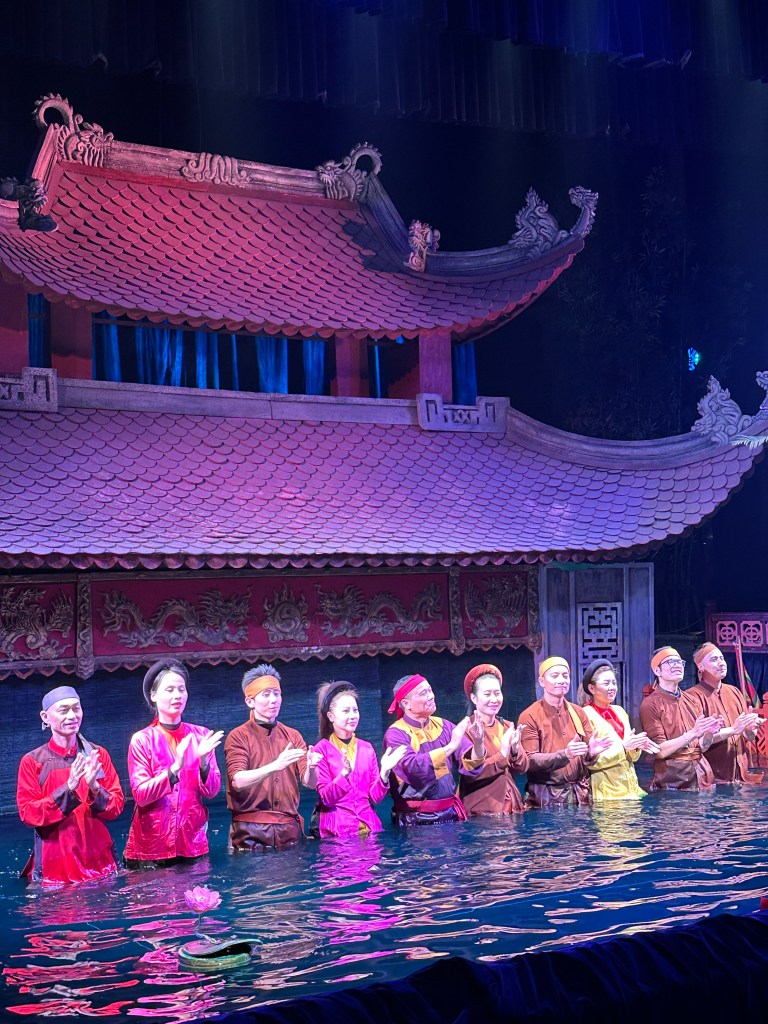
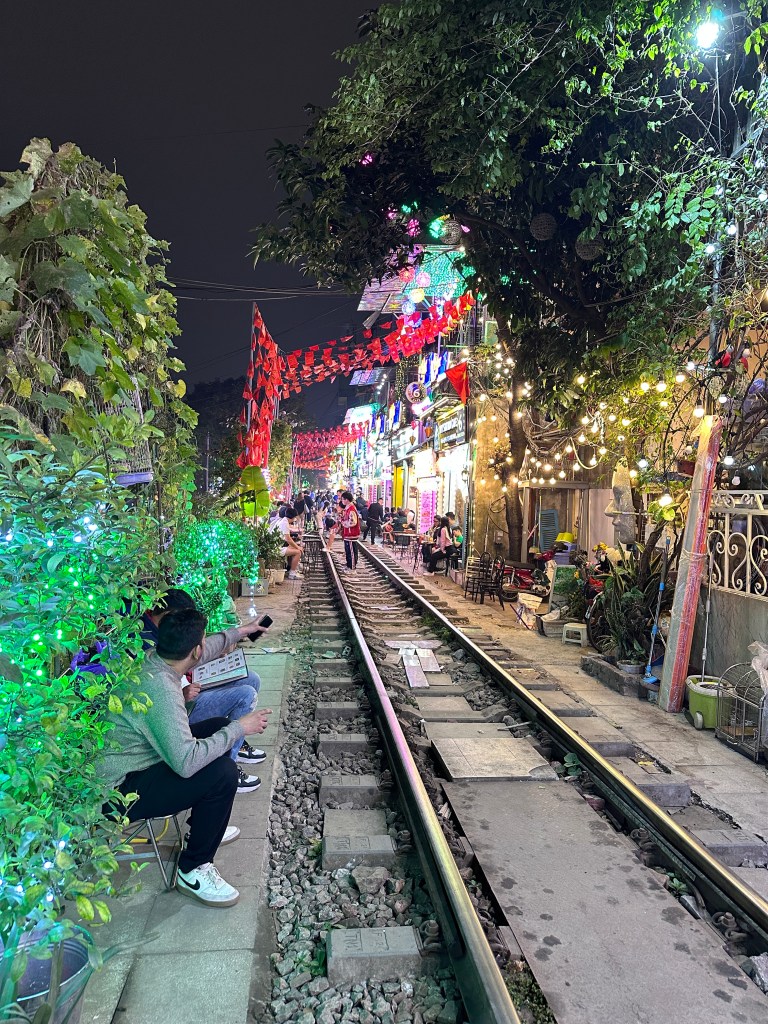
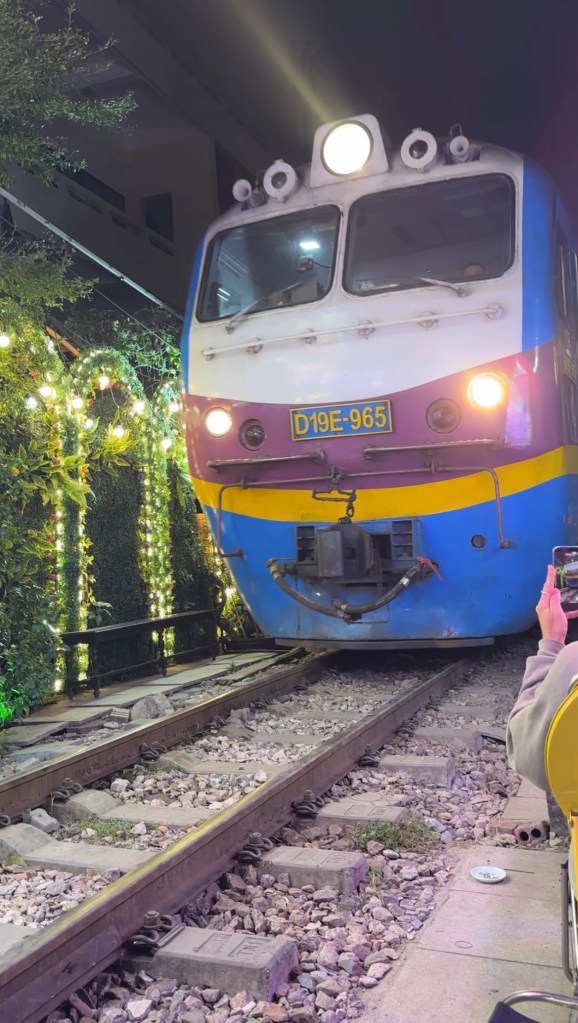
Hà Nội literally means “inside the rivers,” referring to its position between the Red River and the Đáy River. The Red River shaped much of the city’s geography, including Hoàn Kiếm Lake at the edge of the Old Quarter. According to legend, Emperor Lê Lợi received a magical sword inscribed with “Thuận Thiên,” meaning The Will of Heaven, to defeat the Ming Dynasty. After victory, a giant turtle emerged from the lake to reclaim it. The emperor returned the sword and renamed the lake Hoàn Kiếm, or Sword Lake. The legend lives on in Hanoi’s water puppet theatre, a performance staged entirely in water that blends agrarian life with folklore. Train Street, once a few local eateries along a railway track, has now become an Instagram spectacle. I am still unsure what the bragging rights are in sitting inches away from a slow-moving train, but it is undeniably unique.
4. Egg coffee was born out of constraint
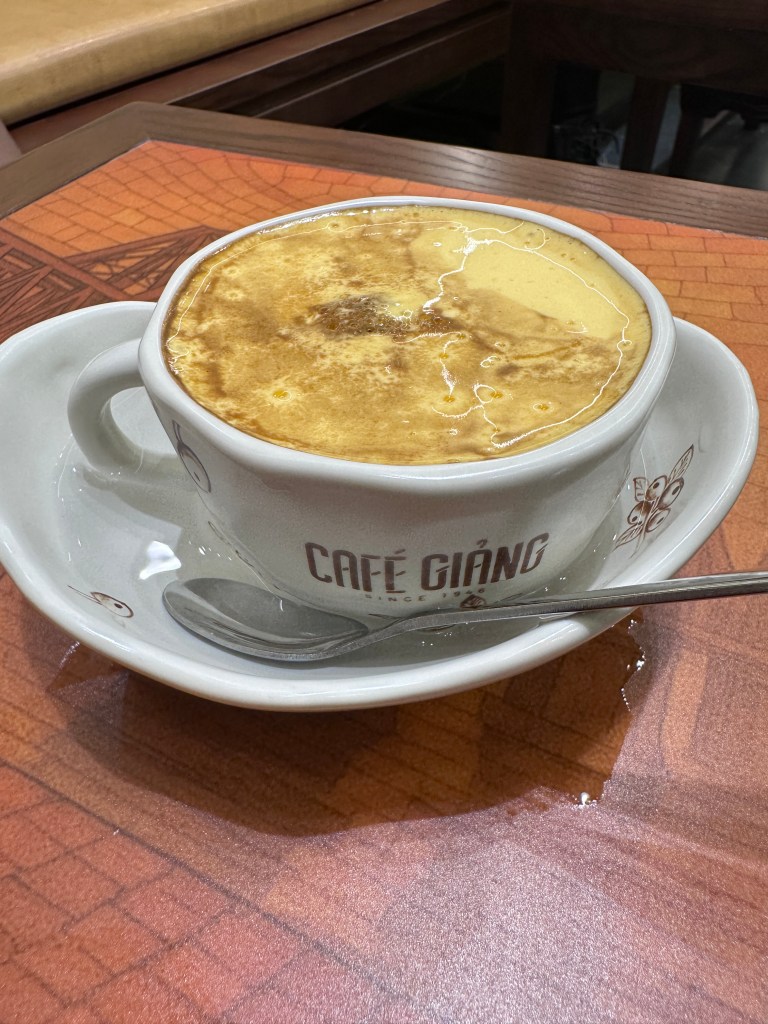
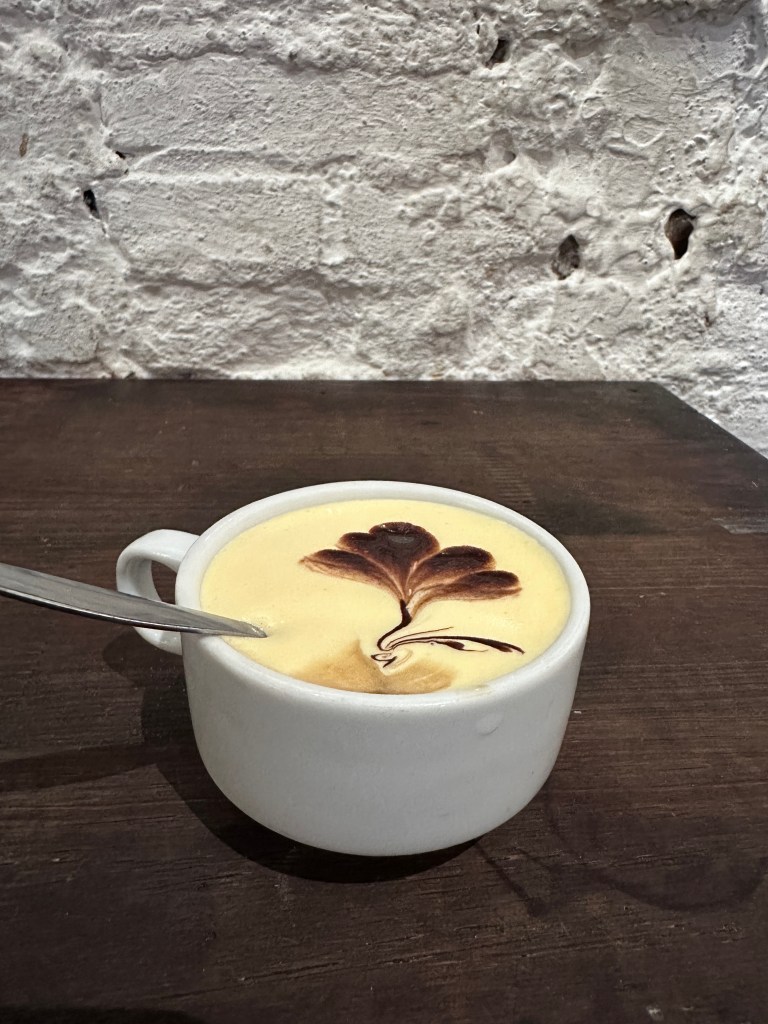
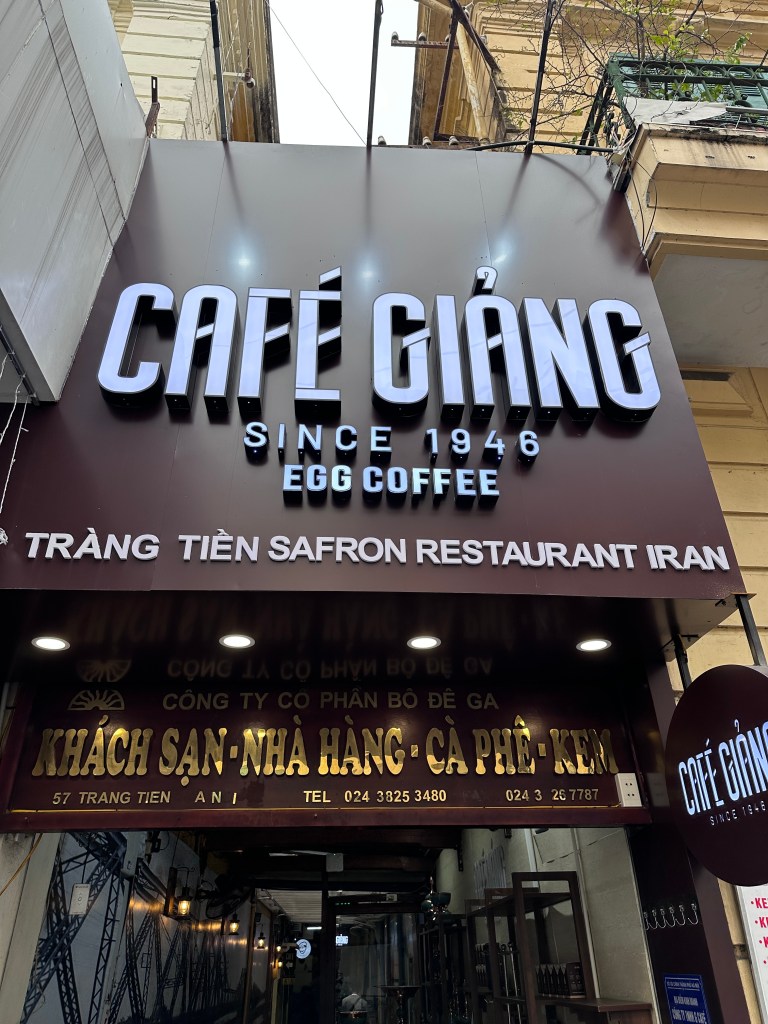
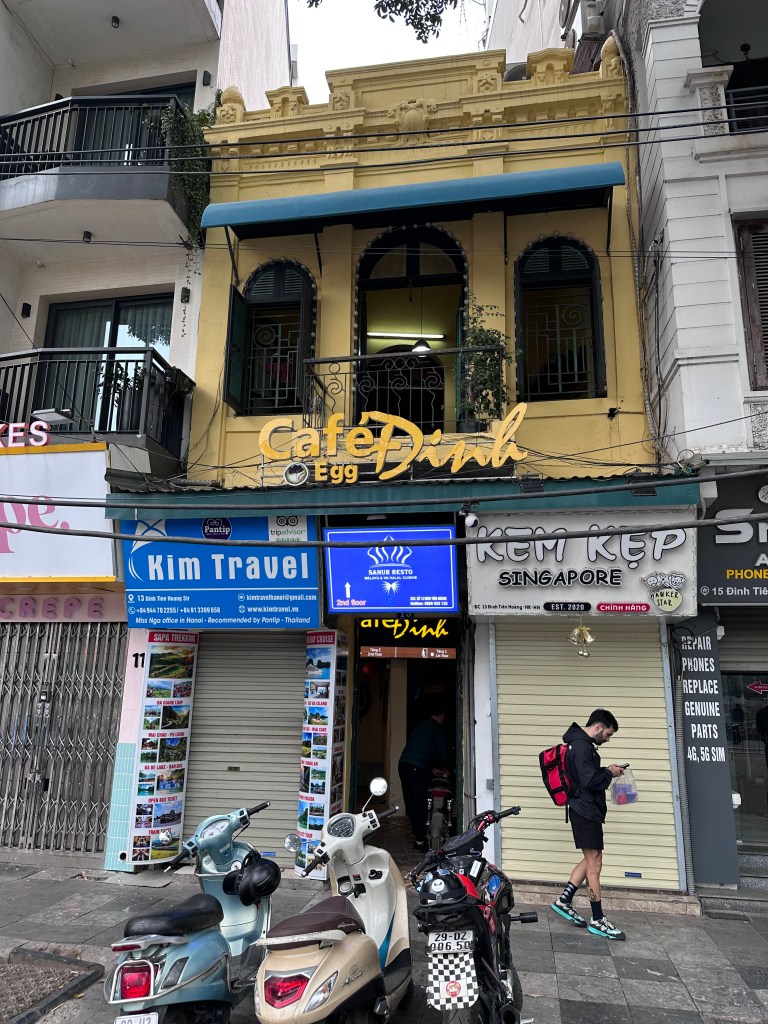
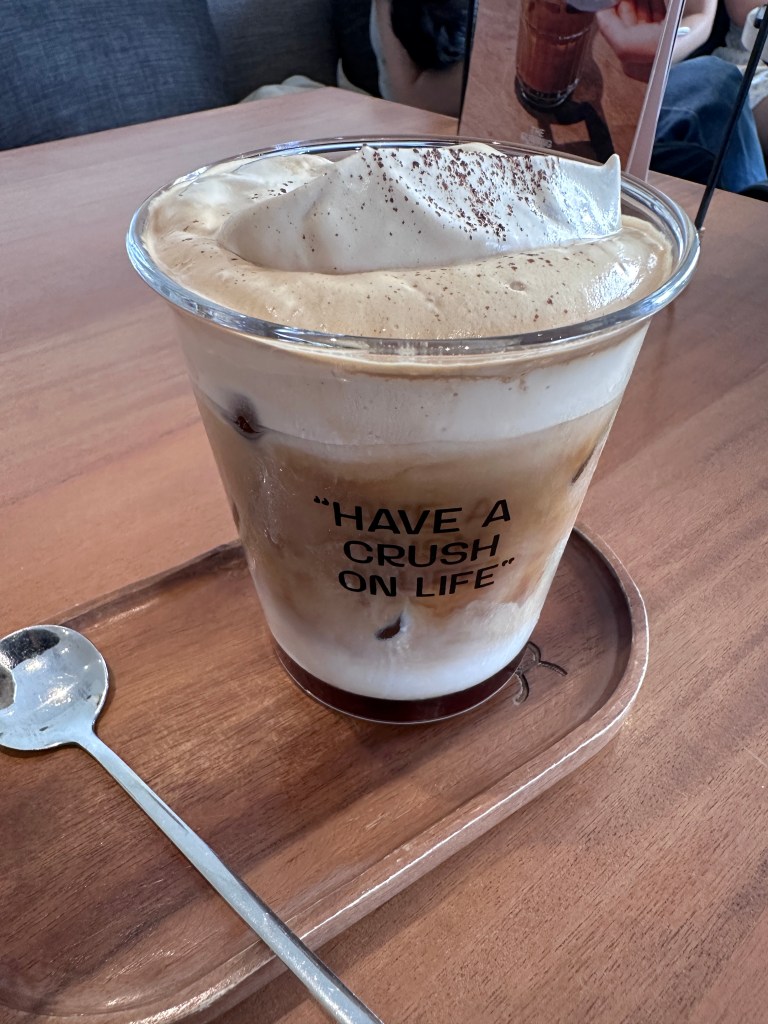
In 1946, during milk shortages caused by war, a bartender named Nguyen Giang experimented with egg yolk as a substitute while working at what is now the Sofitel Legend Metropole Hotel. The result was cà phê trứng. Egg yolk whipped with sugar creates a thick, creamy foam that sits over strong coffee. What began as improvisation during scarcity became one of Hanoi’s defining drinks. The legacy lives on at Café Giang, founded by Nguyen Giang himself. We went there, but I found myself preferring Café Đinh, opened by a family member. Tucked away above a small shop with a balcony overlooking Hoàn Kiếm Lake, it felt less commercial and more intimate. The coffee tasted just as indulgent, but the setting made it linger longer.
5. Beauty at scale loses intimacy
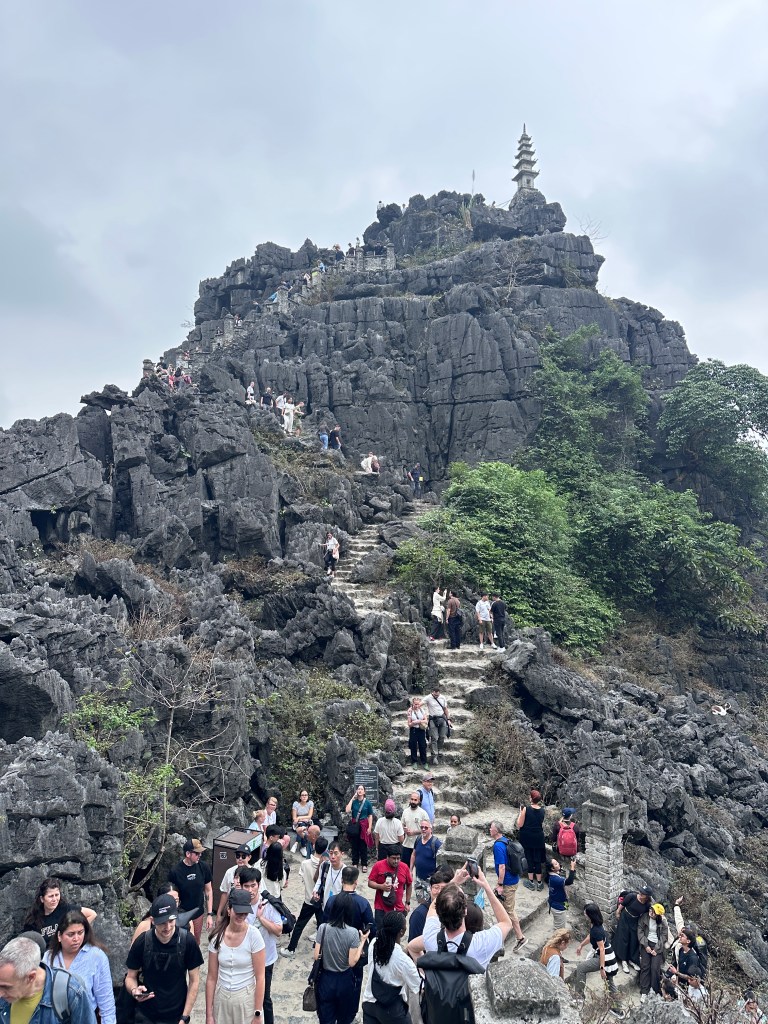
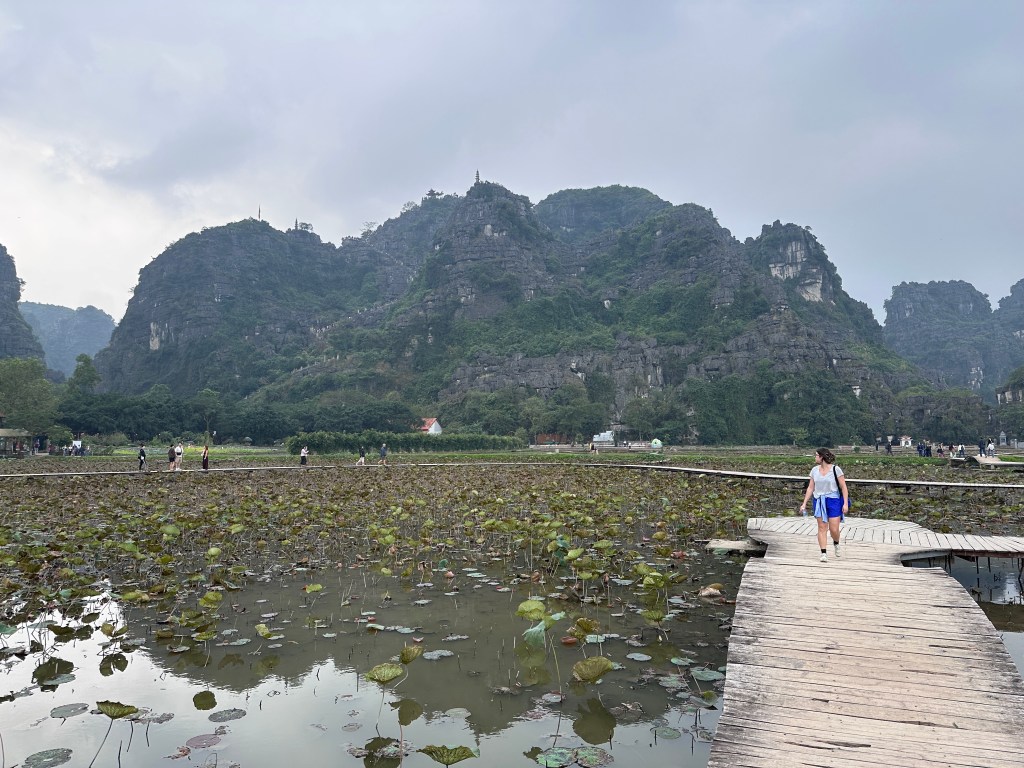
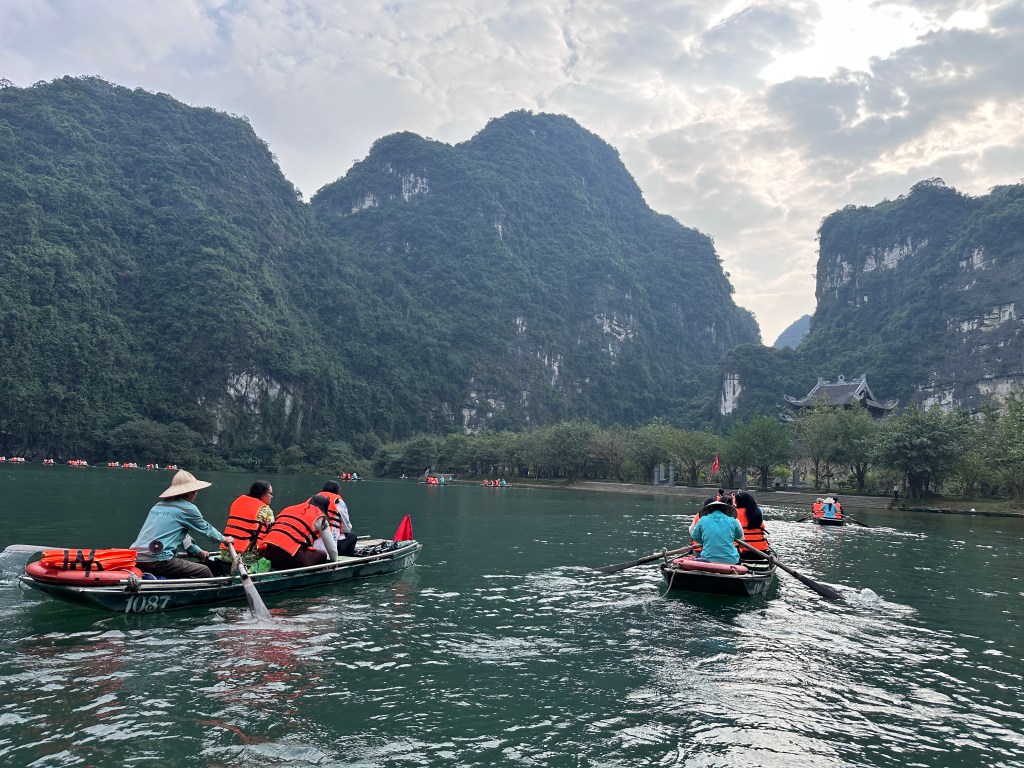
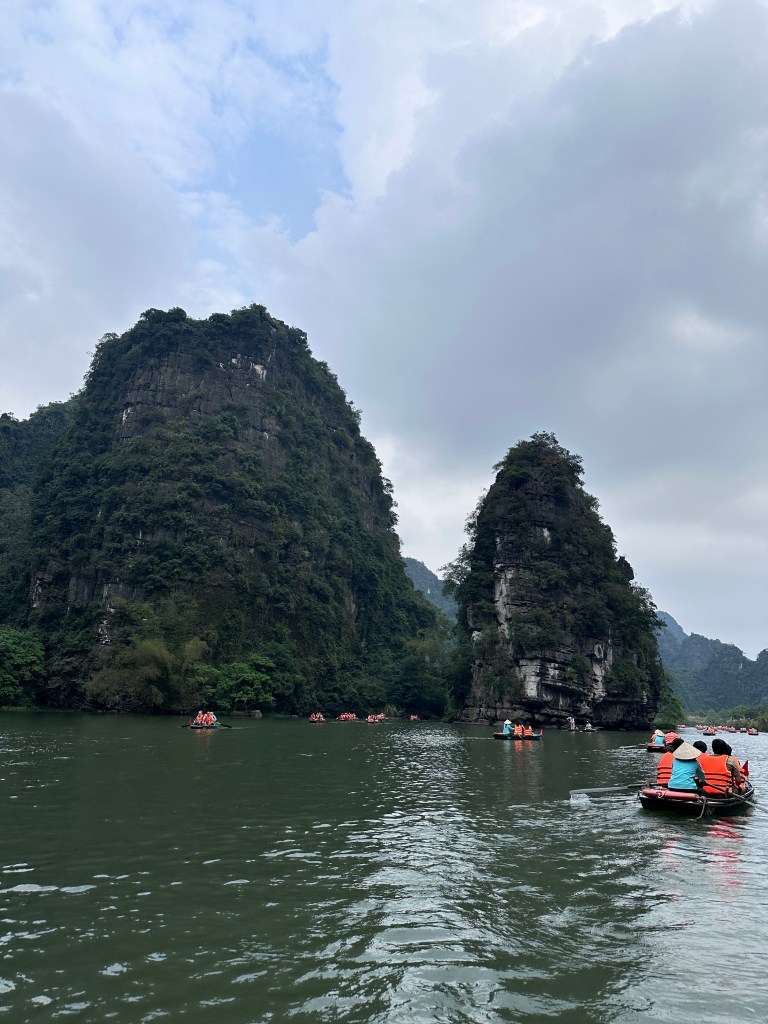
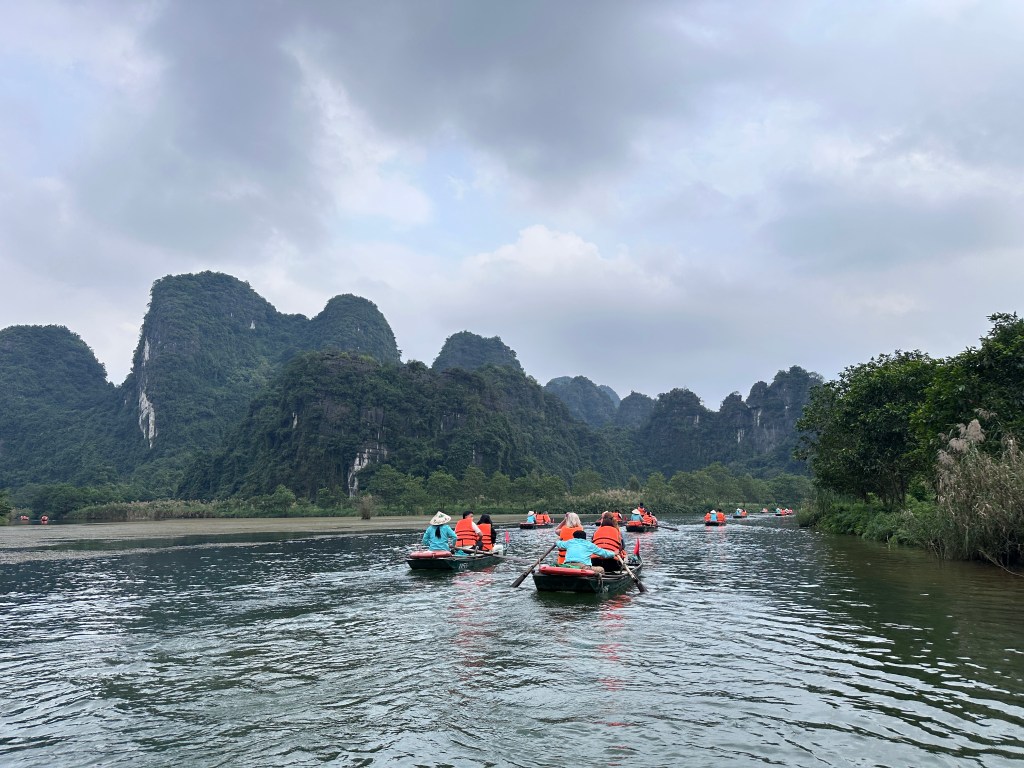
From Hanoi, most visitors head to Ha Long Bay. We chose Ninh Binh instead, often referred to as Ha Long on land for its limestone karst formations. Trang An’s scenery was breathtaking, but the conveyor belt style boat tours diluted the experience. Efficiency came at the cost of connection. The same held true at Lying Dragon Mountain in the Mua Cave complex. The views of river and rice fields were rewarding after the steep climb, but jostling through crowds on the way up made it feel more like queue management than discovery. An overnight stay might have restored some of that charm.
6. Religion exists, but differently
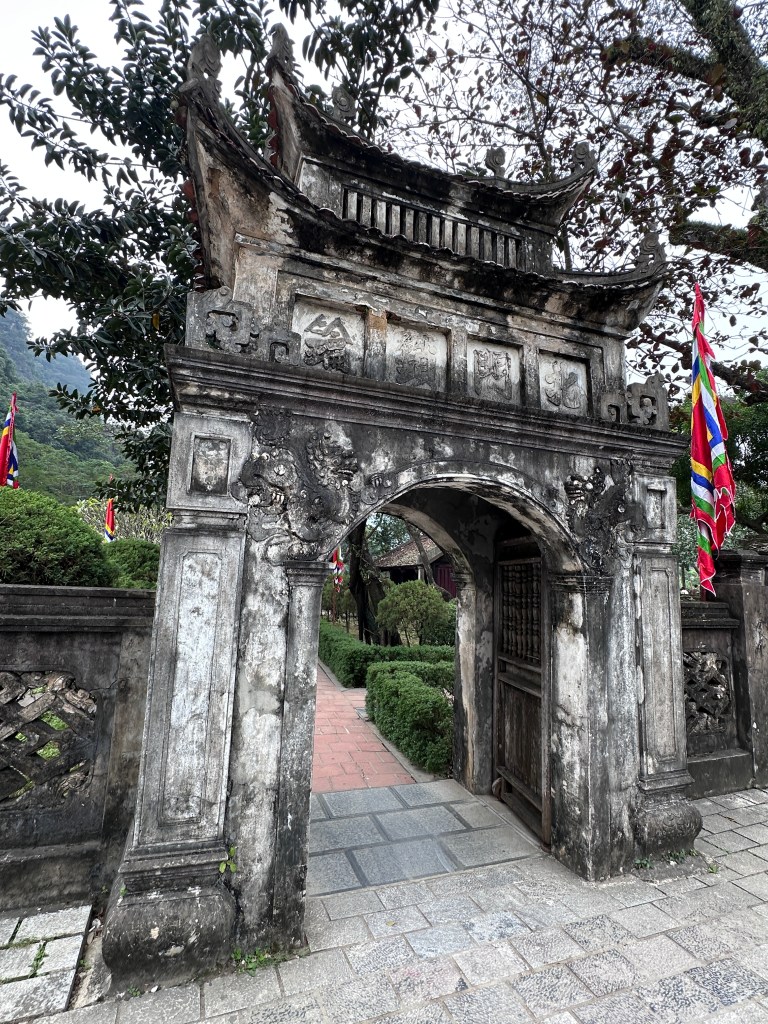
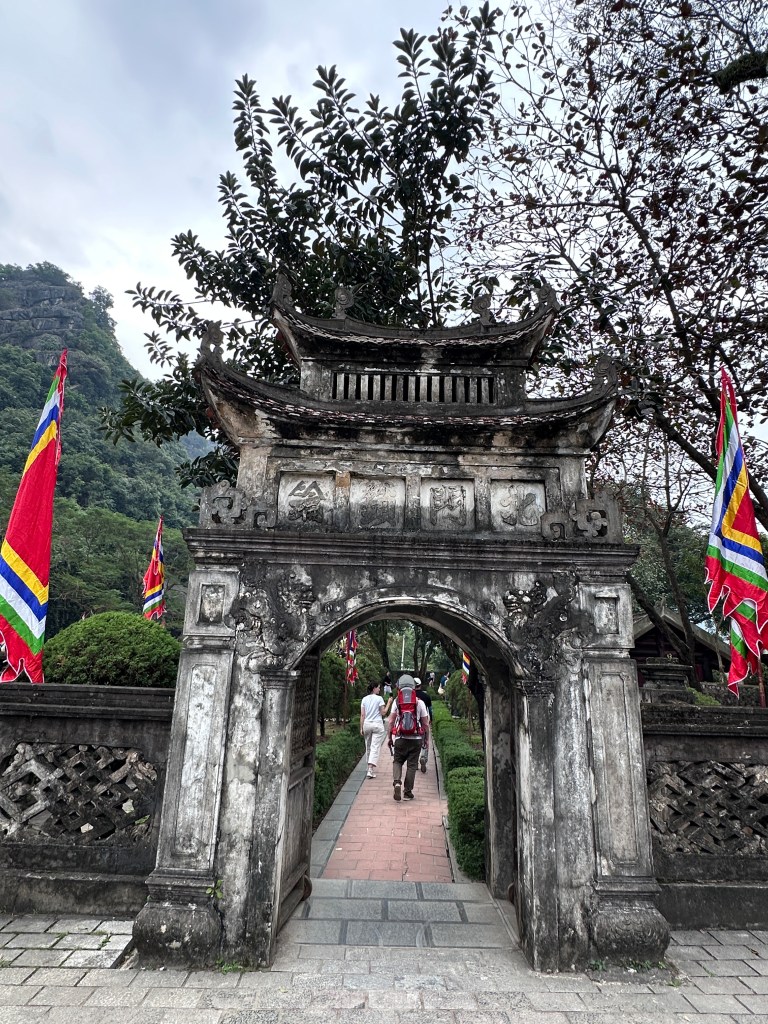
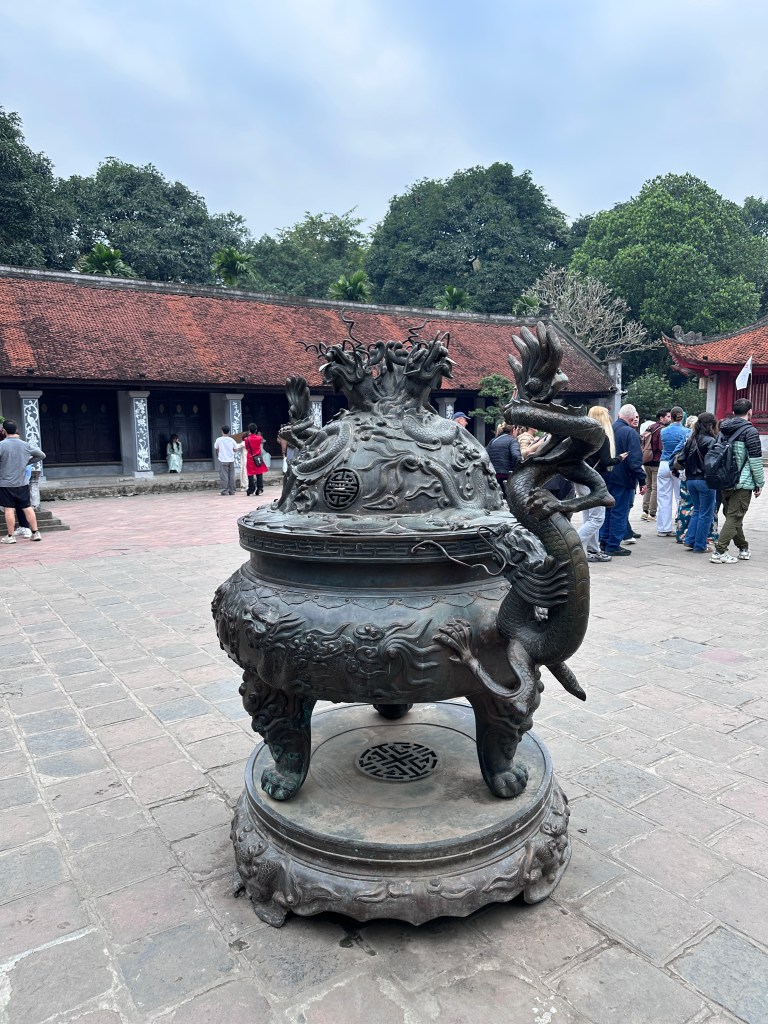
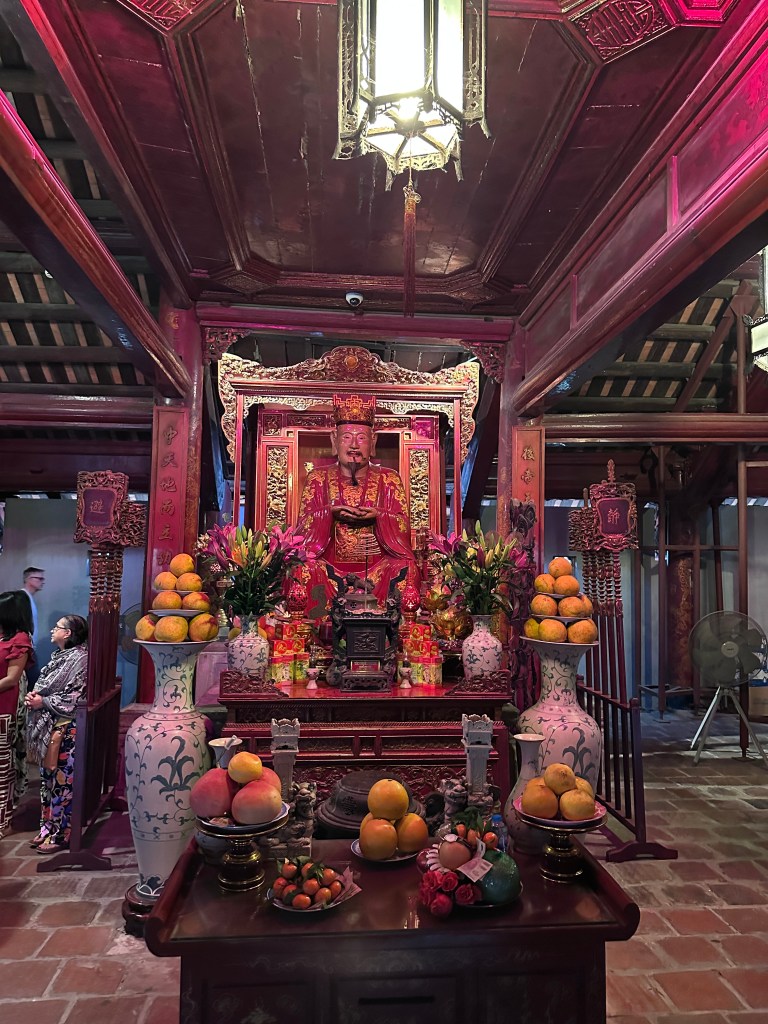
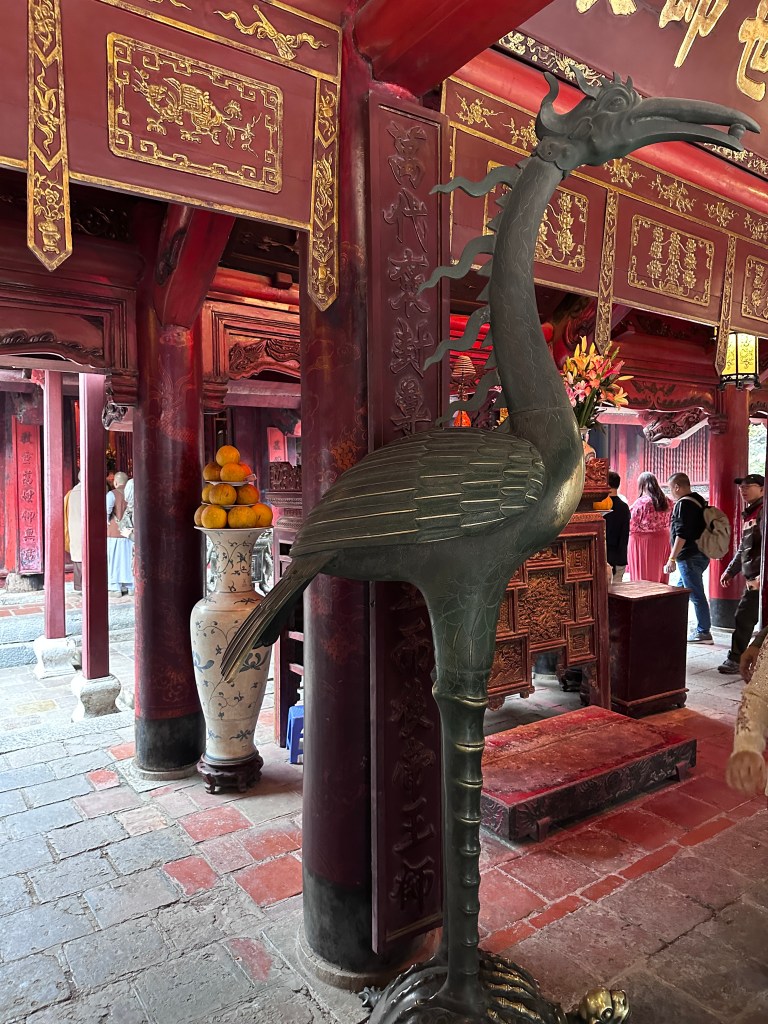
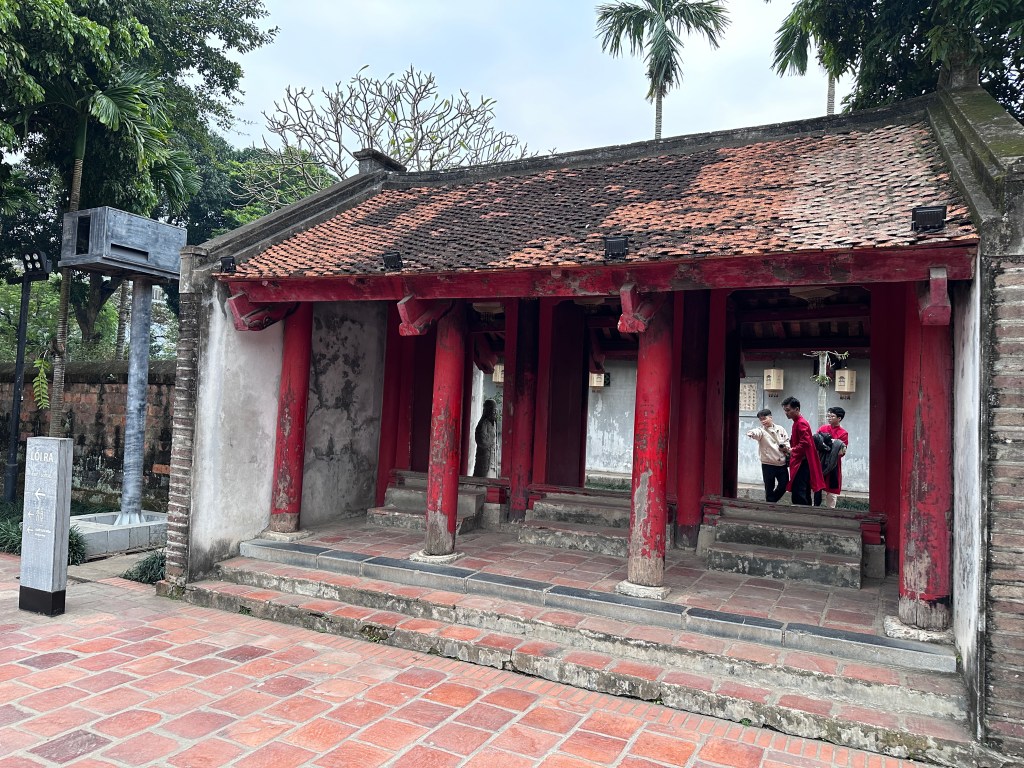
Vietnam is officially about 80 percent non-religious, with Buddhism and Christianity making up most of the remainder. Yet spirituality is visible everywhere. Temples are often dedicated not to gods, but to scholars, royals, or masters of craft. The Temple of Literature, founded in 1070 and once Vietnam’s first national university, is dedicated to Confucius and scholars. It feels less like worship and more like reverence for learning and hierarchy.
7. Ho Chi Minh City runs on velocity
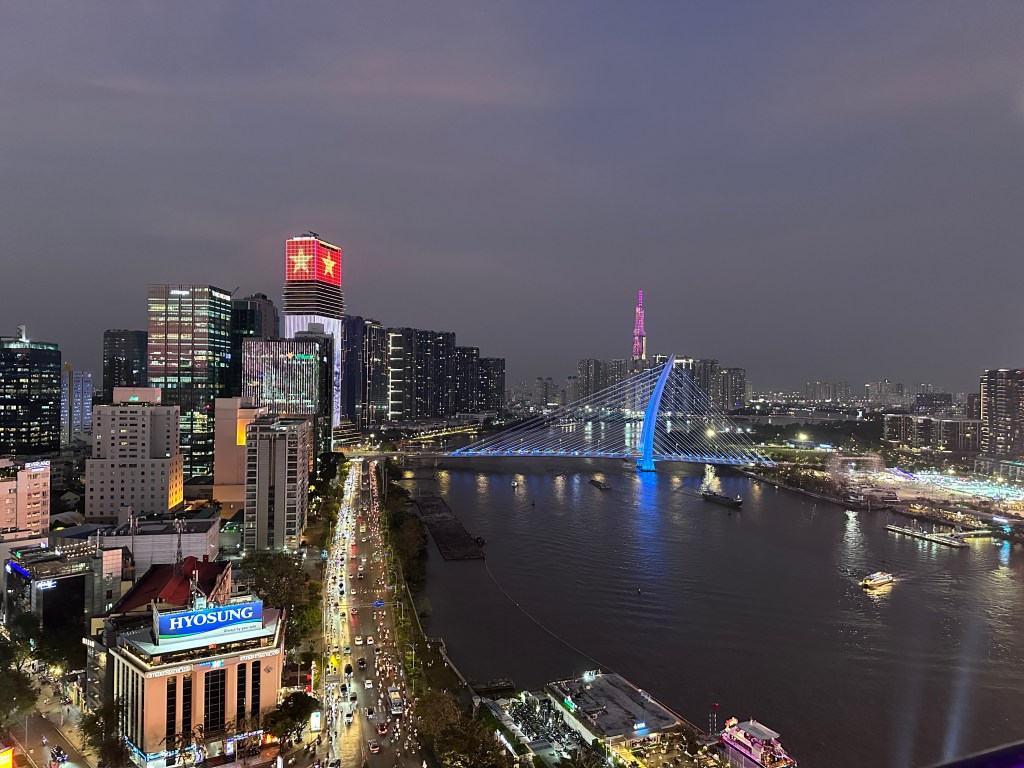
Ho Chi Minh City feels more intense than Hanoi, even with wider roads. The traffic is relentless and the air carries a distinct sense of ambition. Unlike Hanoi, there is less visible ancient heritage shaping everyday commerce. The city feels oriented toward modern growth rather than historical preservation. It reminded me of Mumbai in its dynamism, urgency, and willingness to embrace scale.
8. Colonial beauty and communist memory coexist
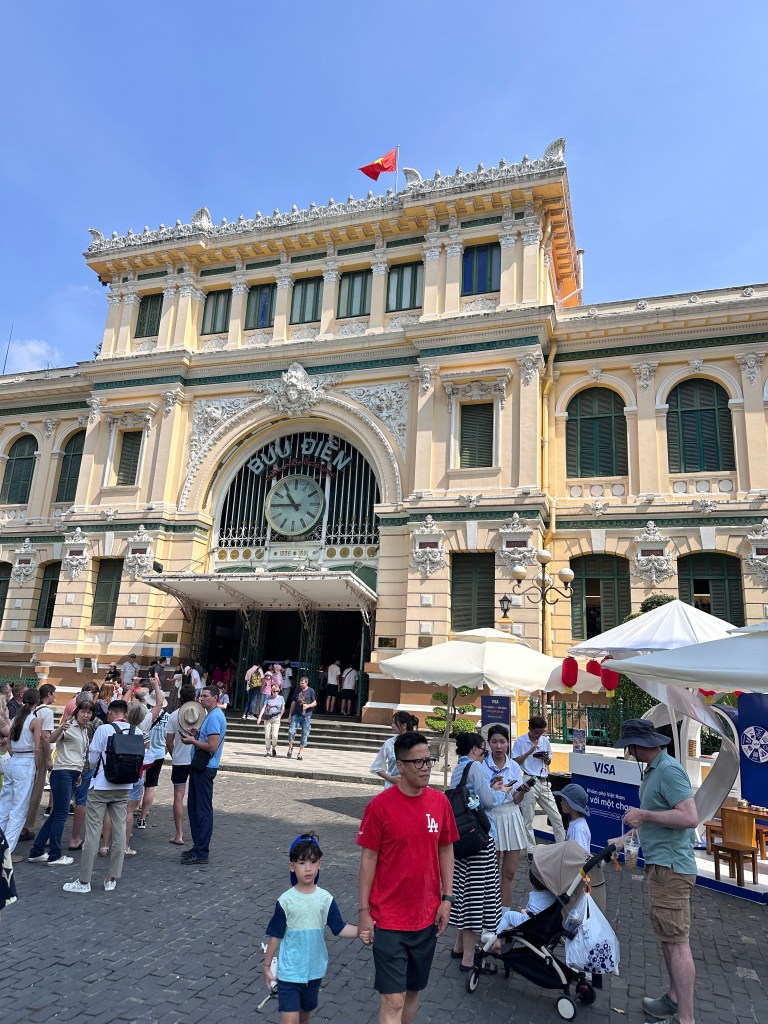
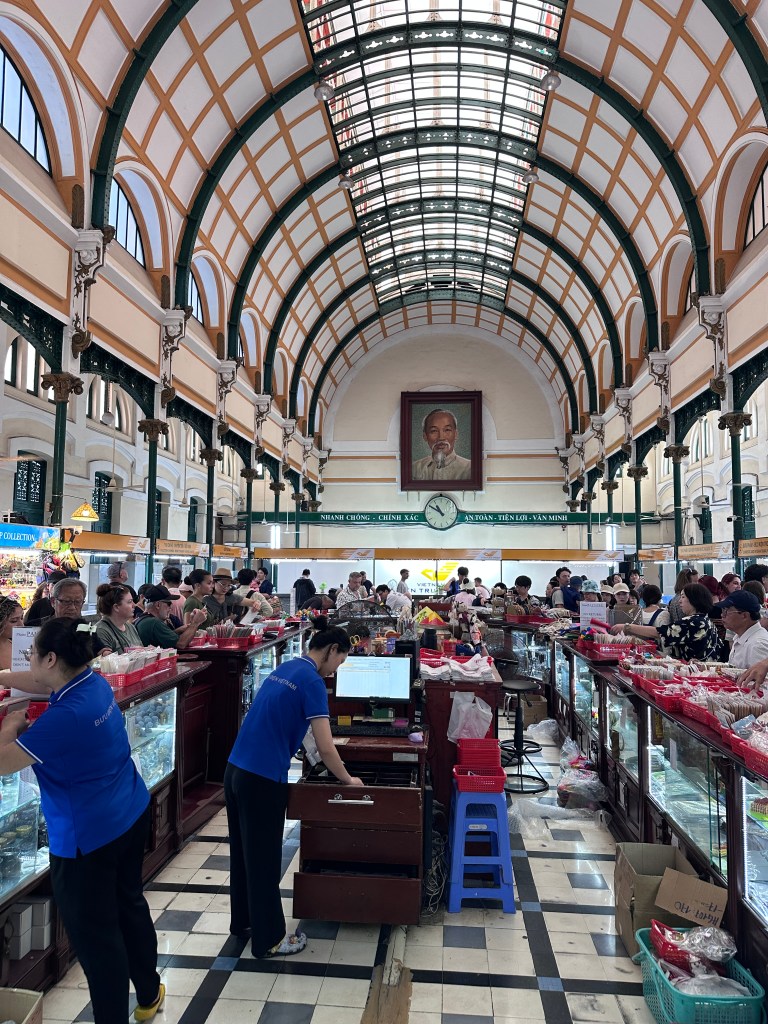
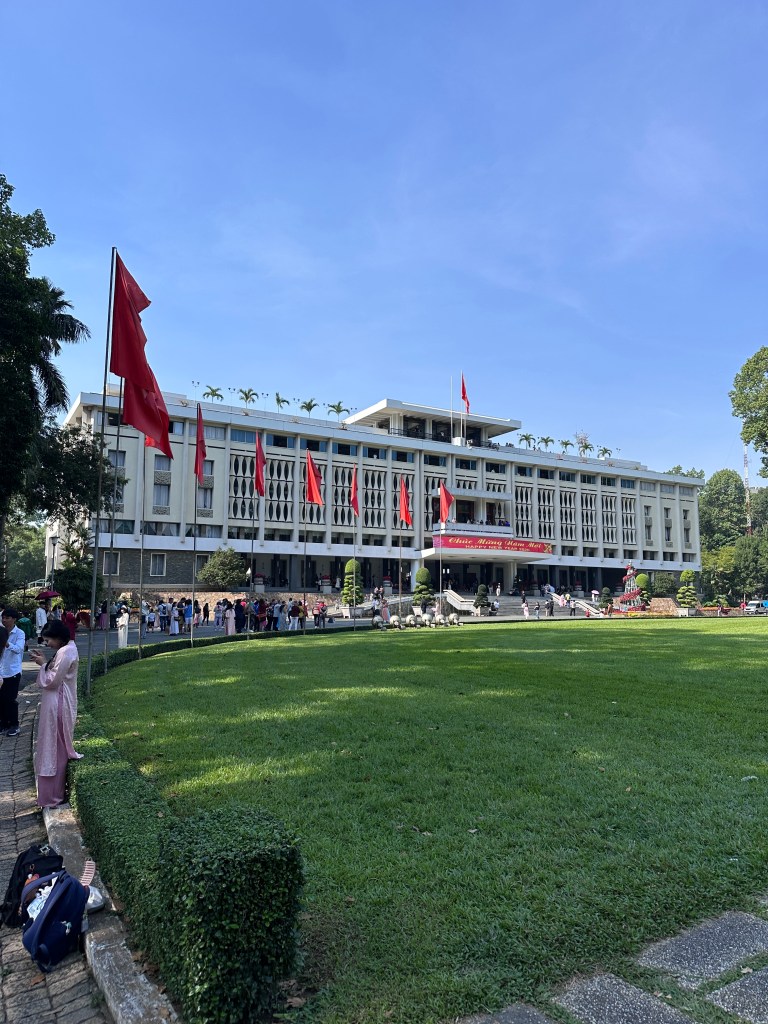
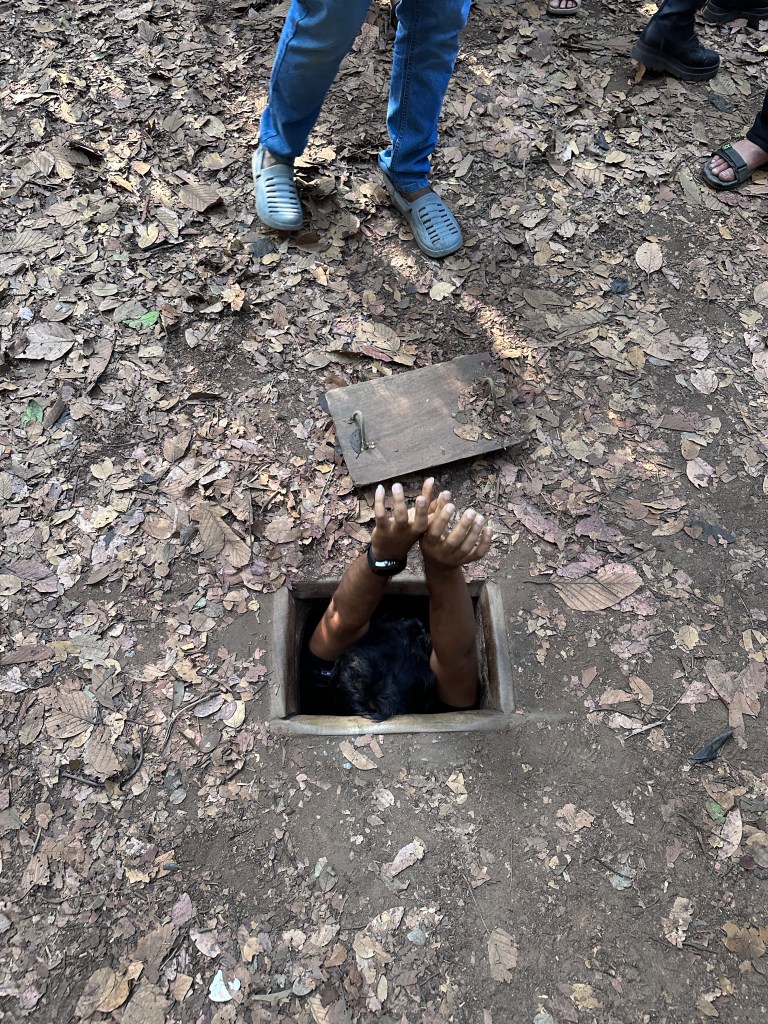
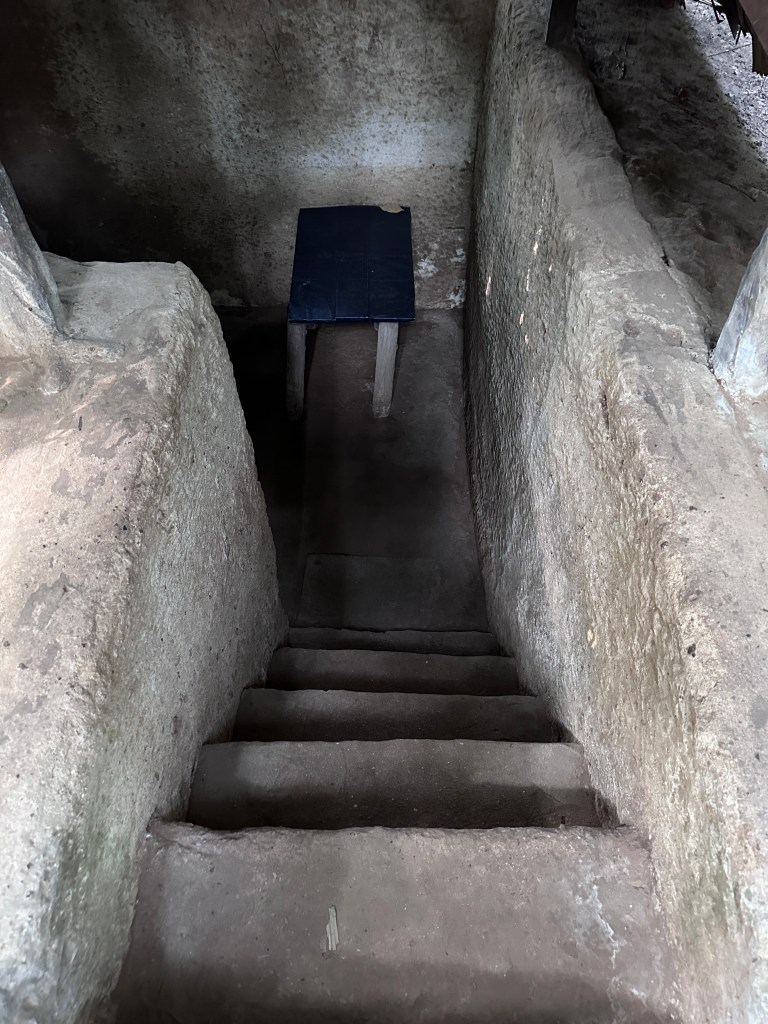
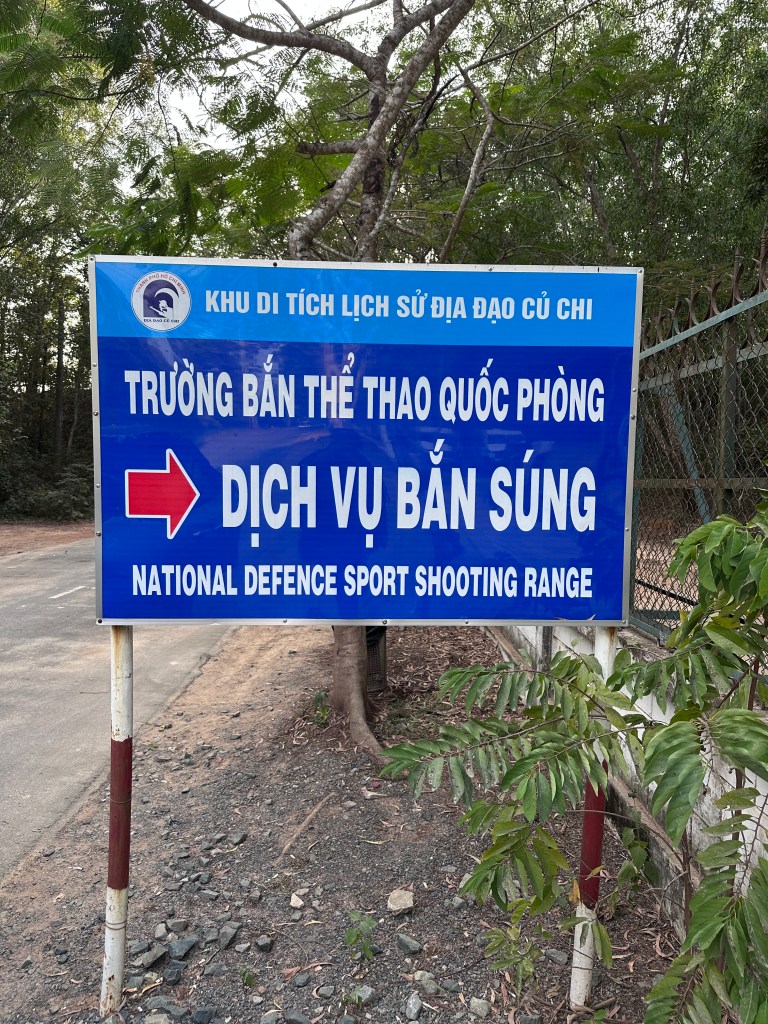
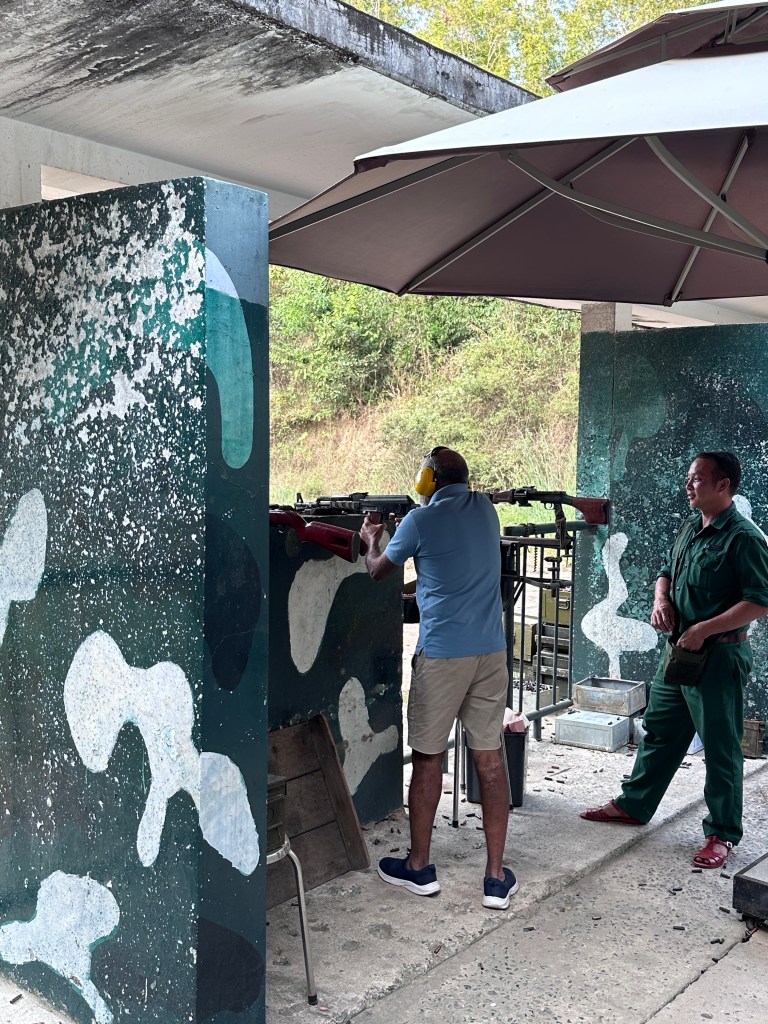
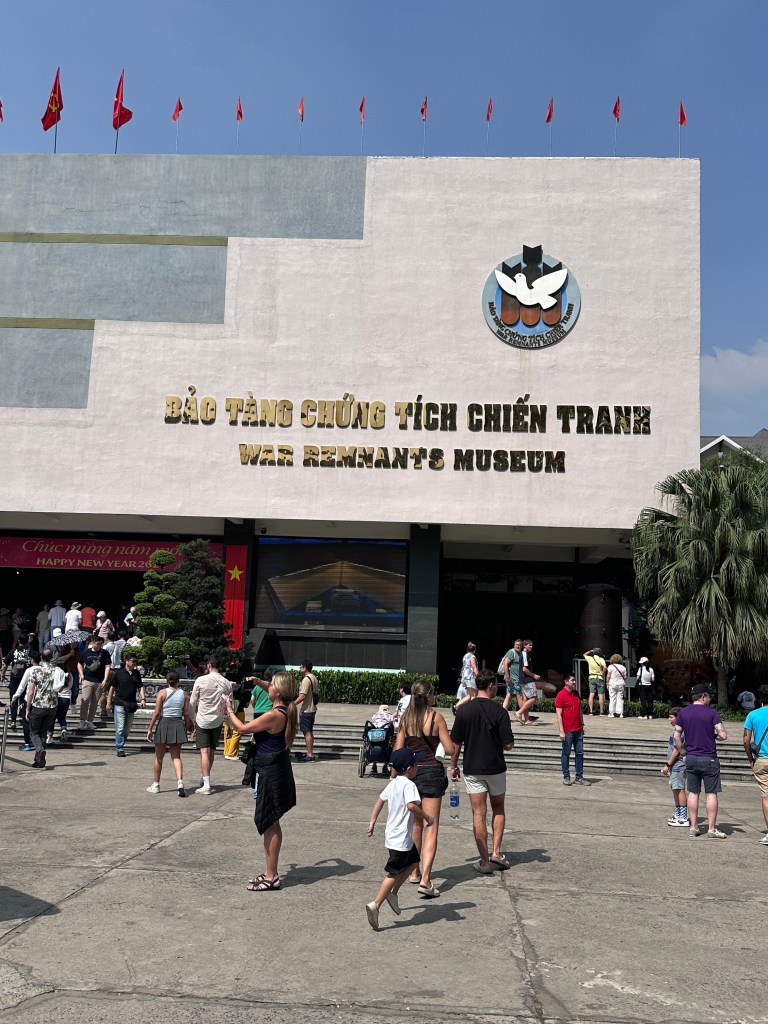
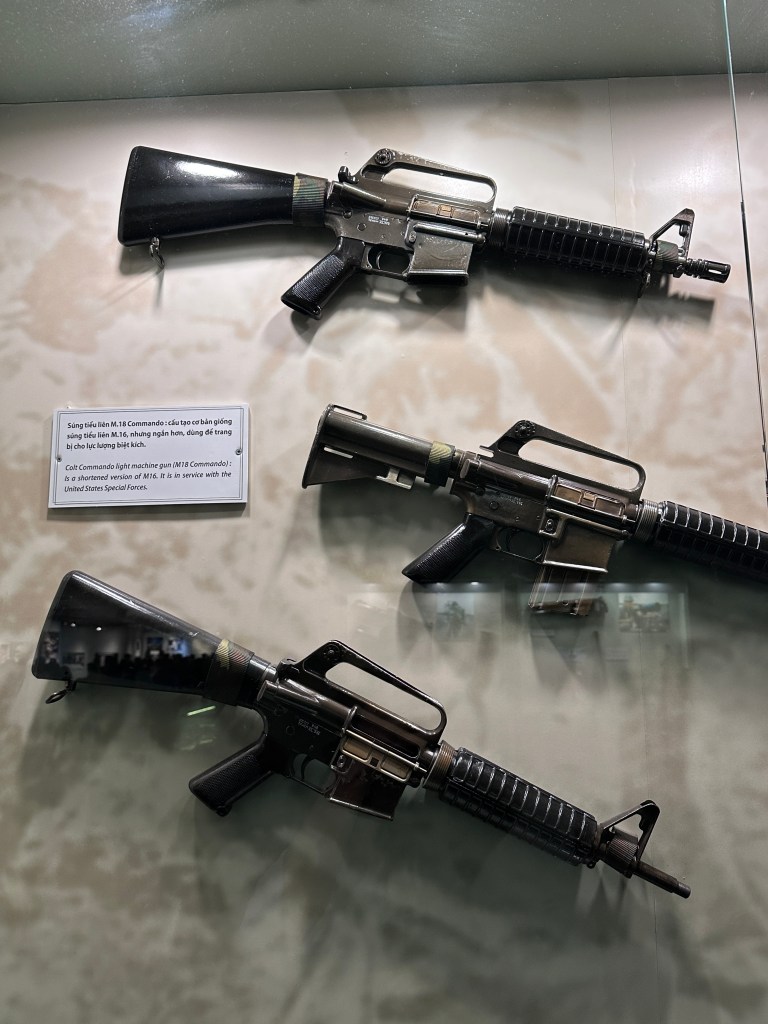
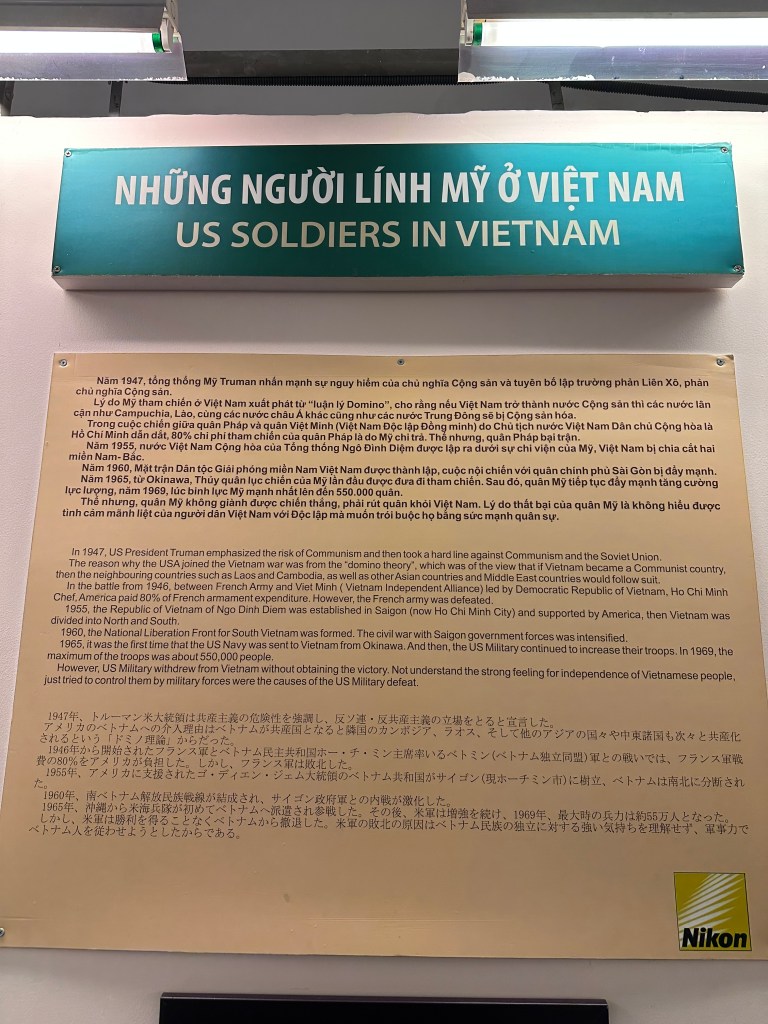
Ho Chi Minh City’s landmarks reflect both French colonialism and communist history. The Opera House, People’s Committee Building, and Central Post Office are elegant remnants of French rule. In contrast, the War Remnants Museum is heavy and confronting. At times it leans into ideological framing, but the documentation of destruction is detailed and sobering.About 90 minutes outside the city, the Cu Chi Tunnels make for a worthwhile day trip. This 250 kilometer network, built and used by the Viet Cong during guerrilla warfare, is both claustrophobic and impressive in its engineering. Crawling through sections of the tunnels gives a visceral sense of the conditions fighters endured. The adjacent shooting range allows tourists to fire high-caliber weapons. Shooting an AK-47 in that context feels surreal.
9. Coffee is infrastructure
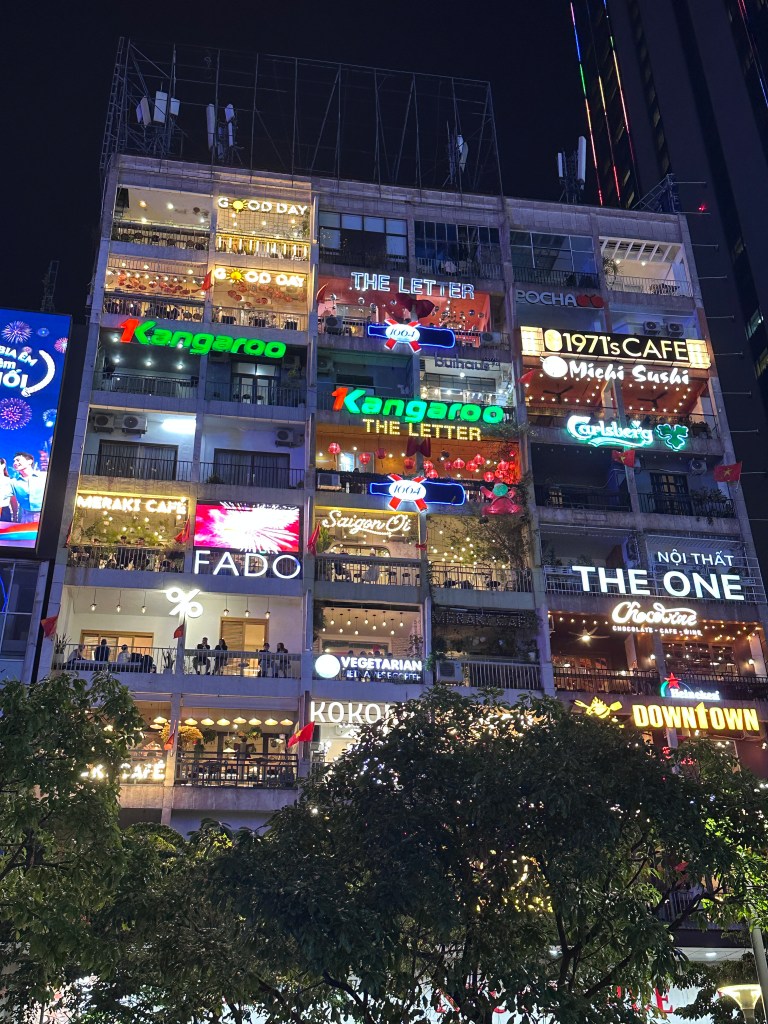
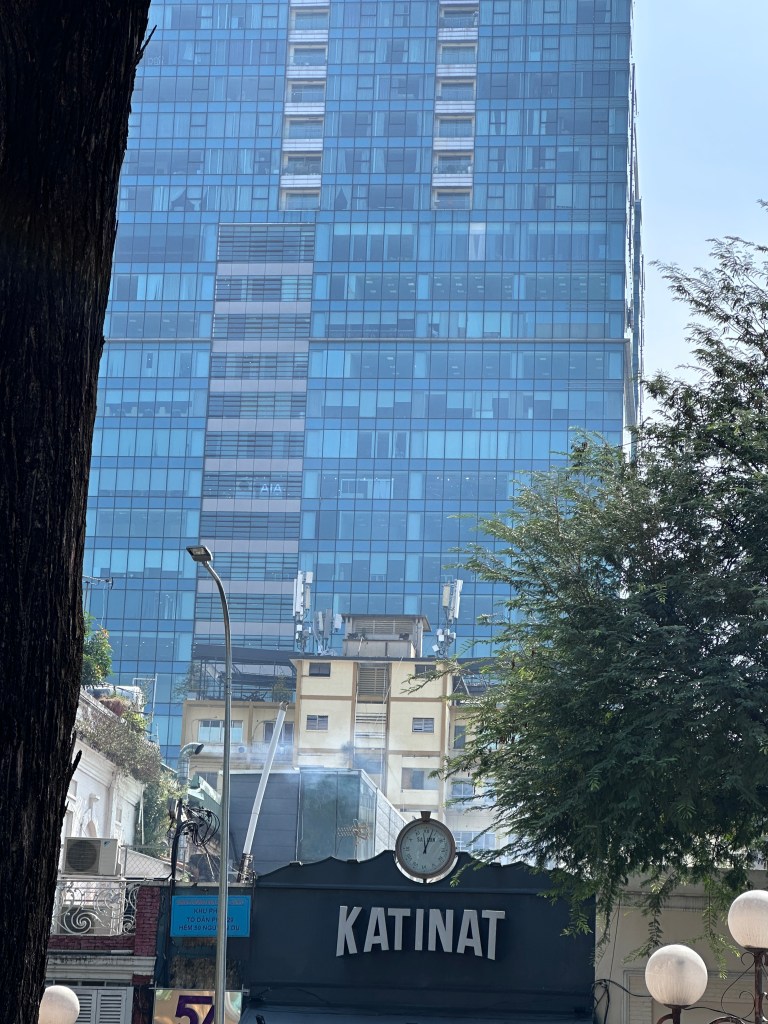
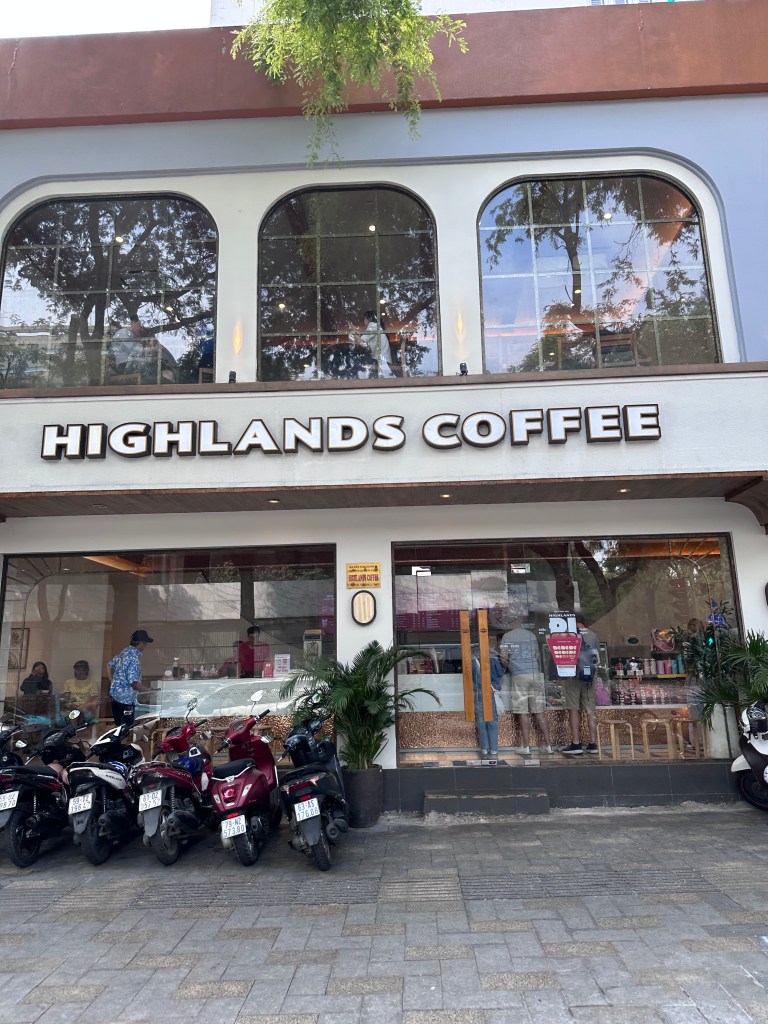
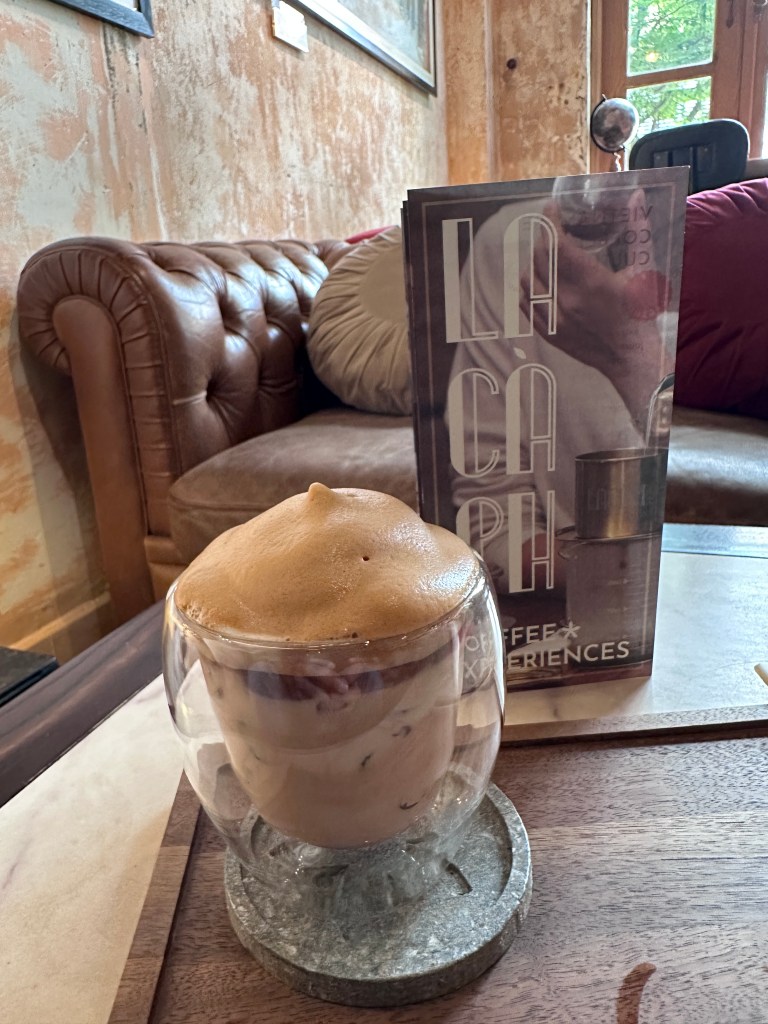
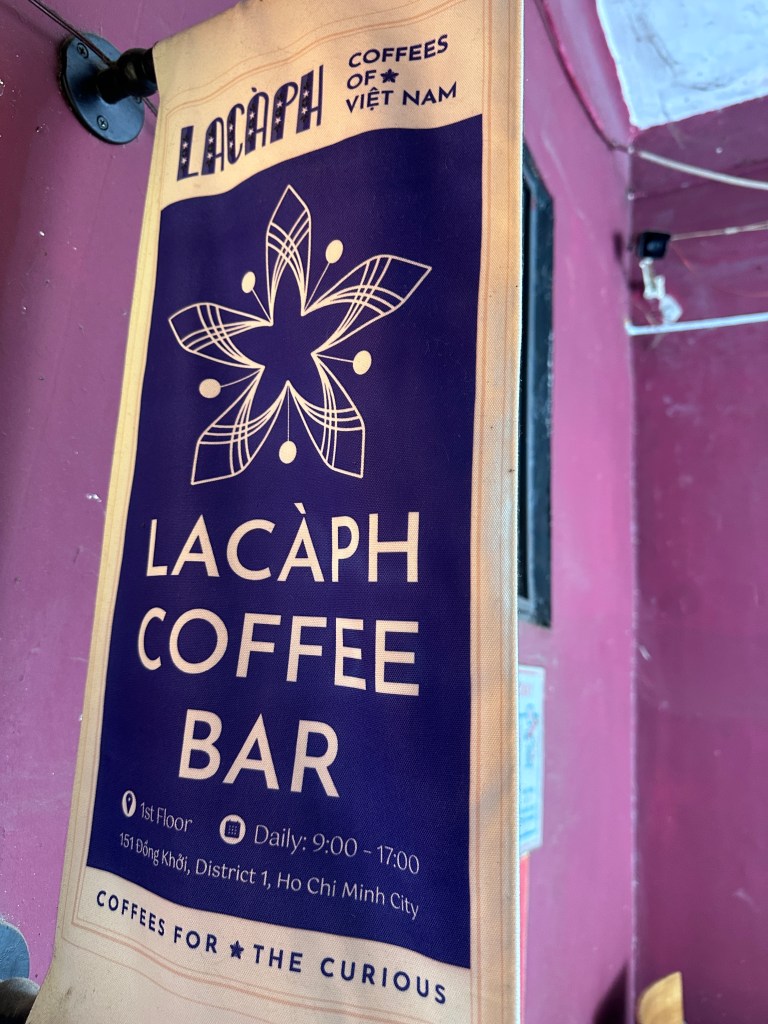
Vietnam is the world’s second-largest coffee producer, primarily robusta beans. Robusta carries a harsher reputation compared to arabica, but it underpins the country’s distinct brewing styles and fuels a massive domestic café culture. The coffee scene is expansive. Chains like Highlands and Katinat are everywhere, while boutique roasters such as Lacaph and The Runner Bean add craft depth. Ho Chi Minh City even has an entire “coffee building,” stacked floor by floor with independent cafés. Egg coffee may have started as improvisation, but today coffee in Vietnam operates at industrial scale.
10. The best food sits low to the ground
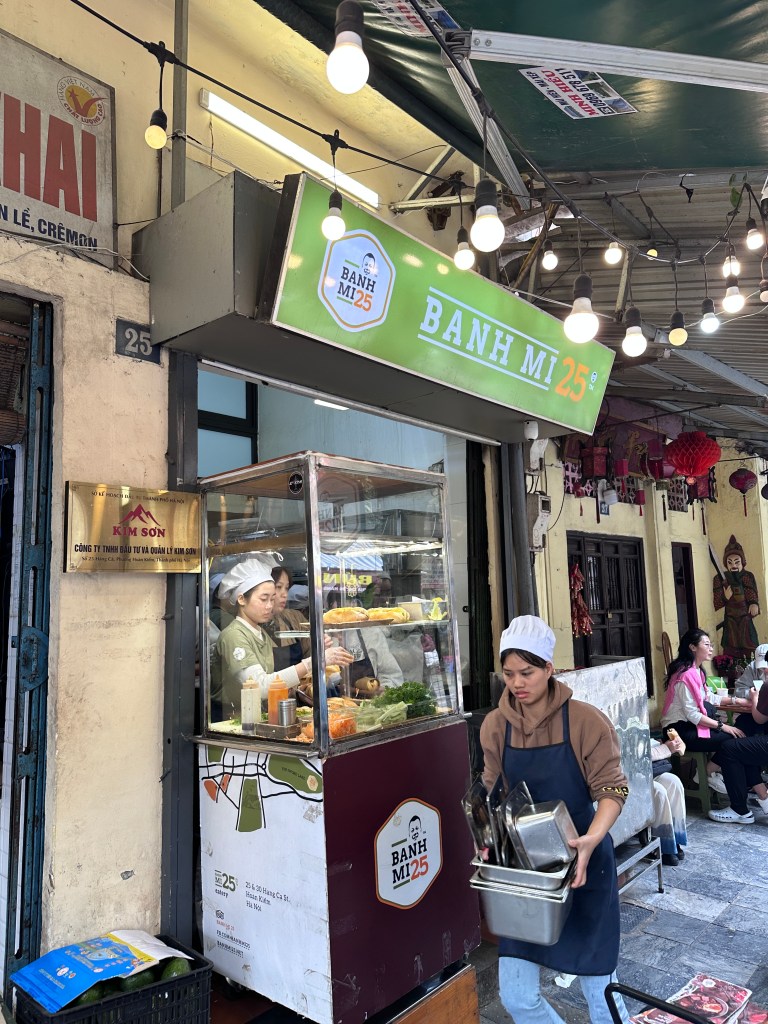
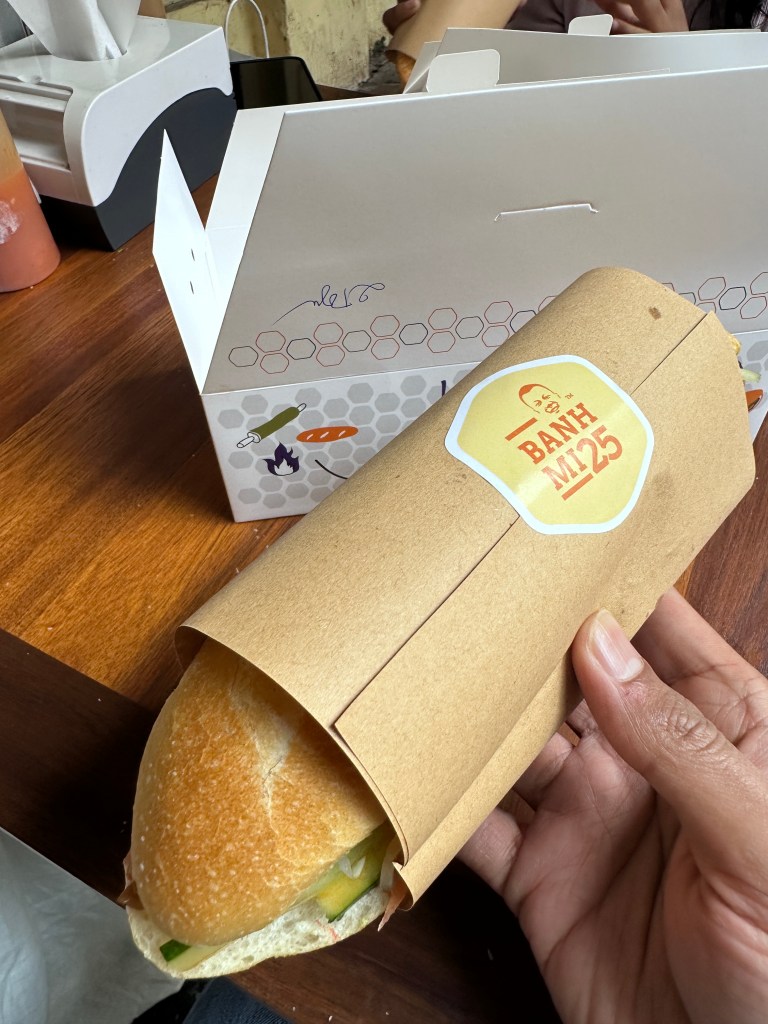
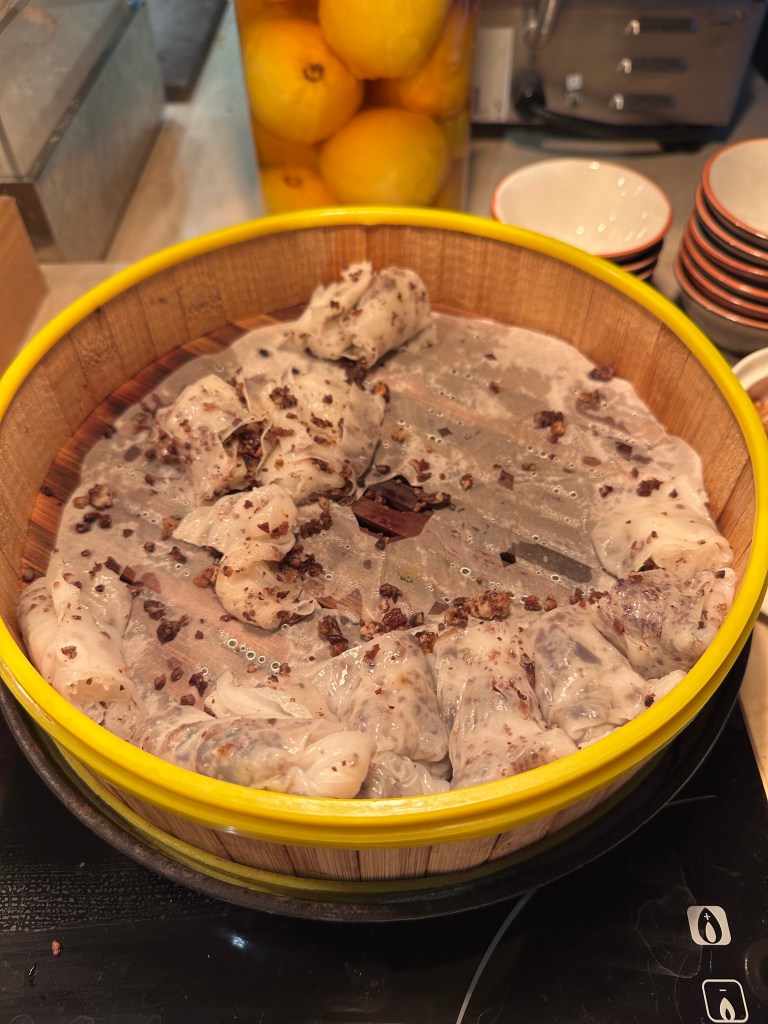
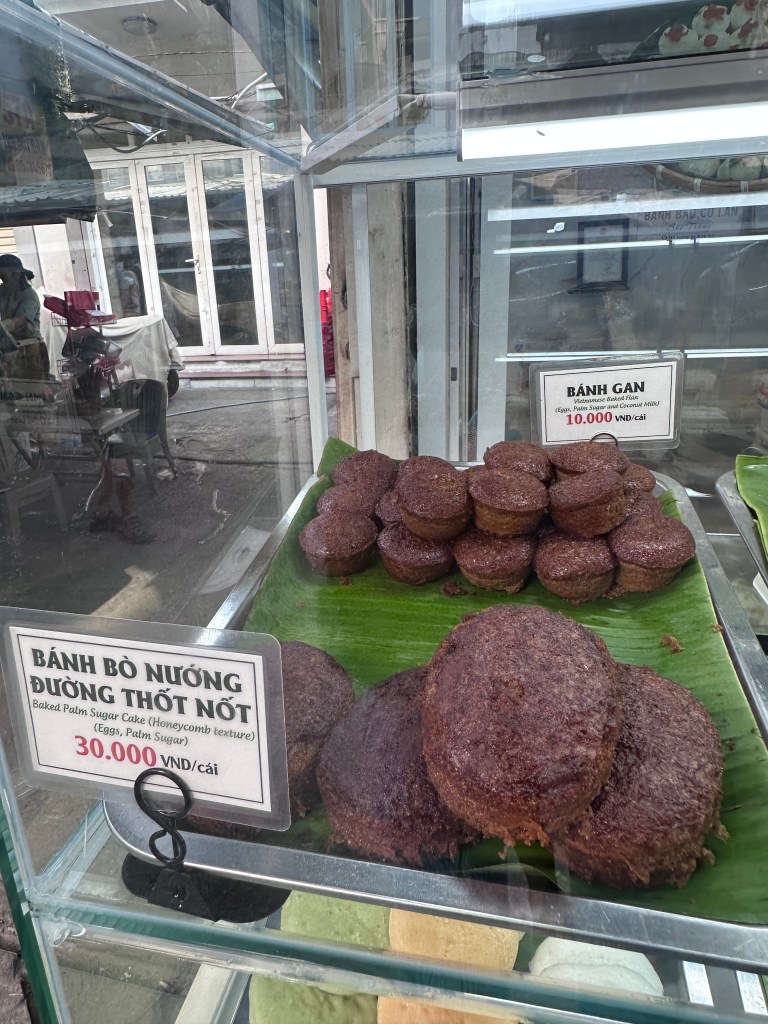
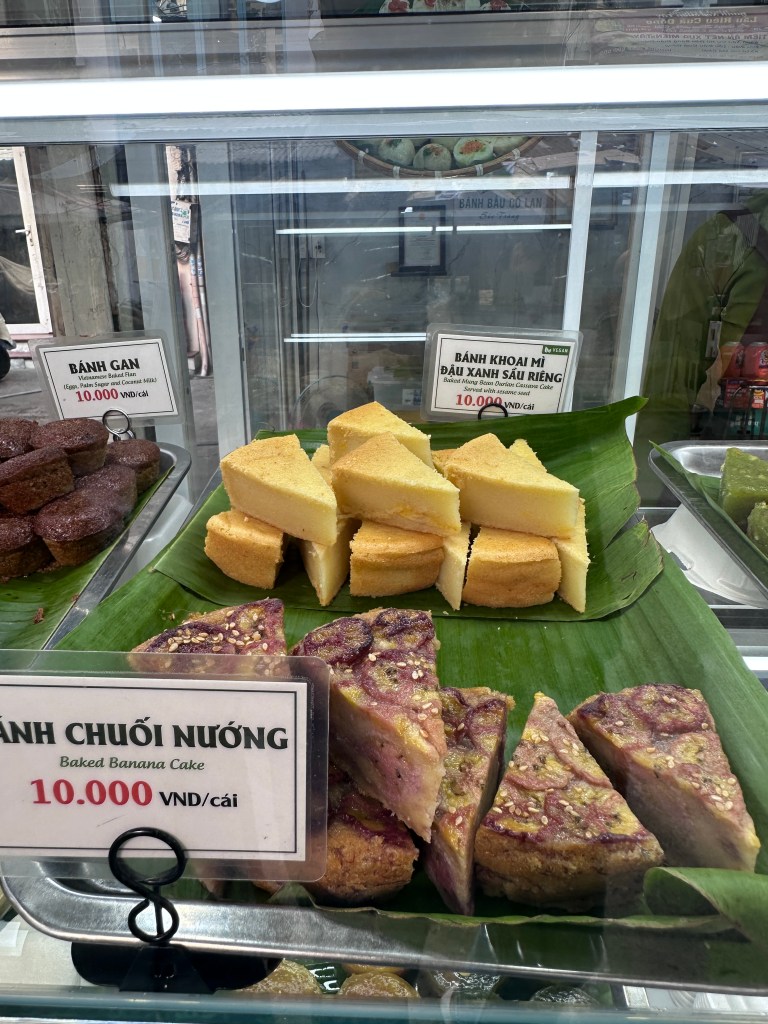
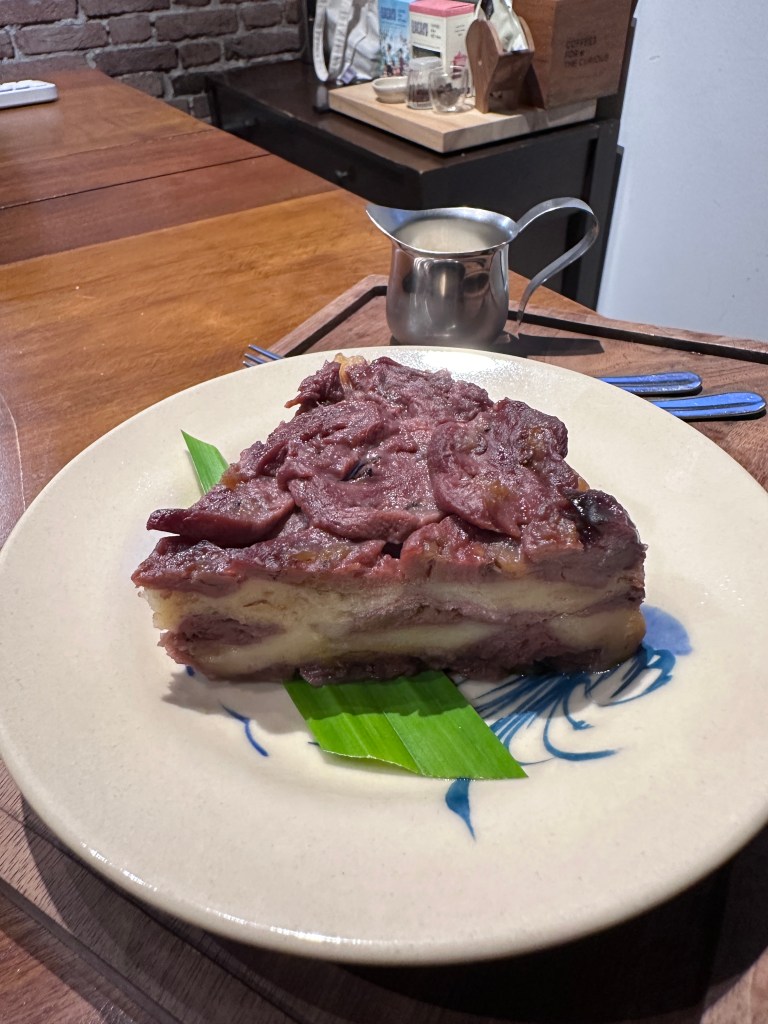
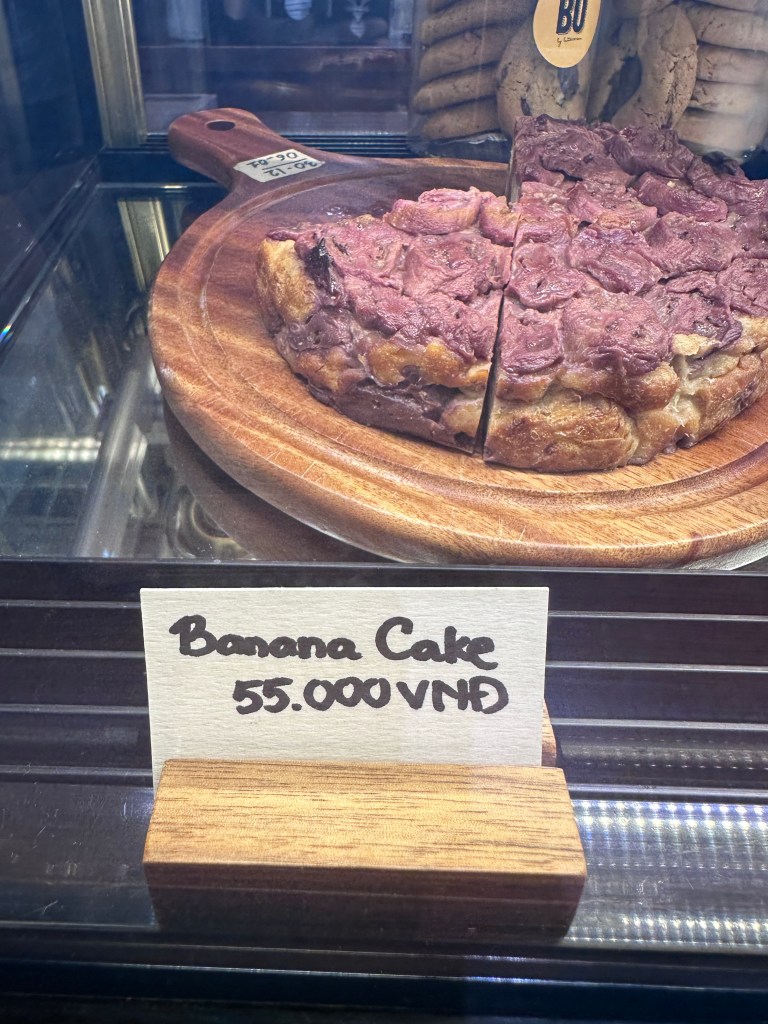
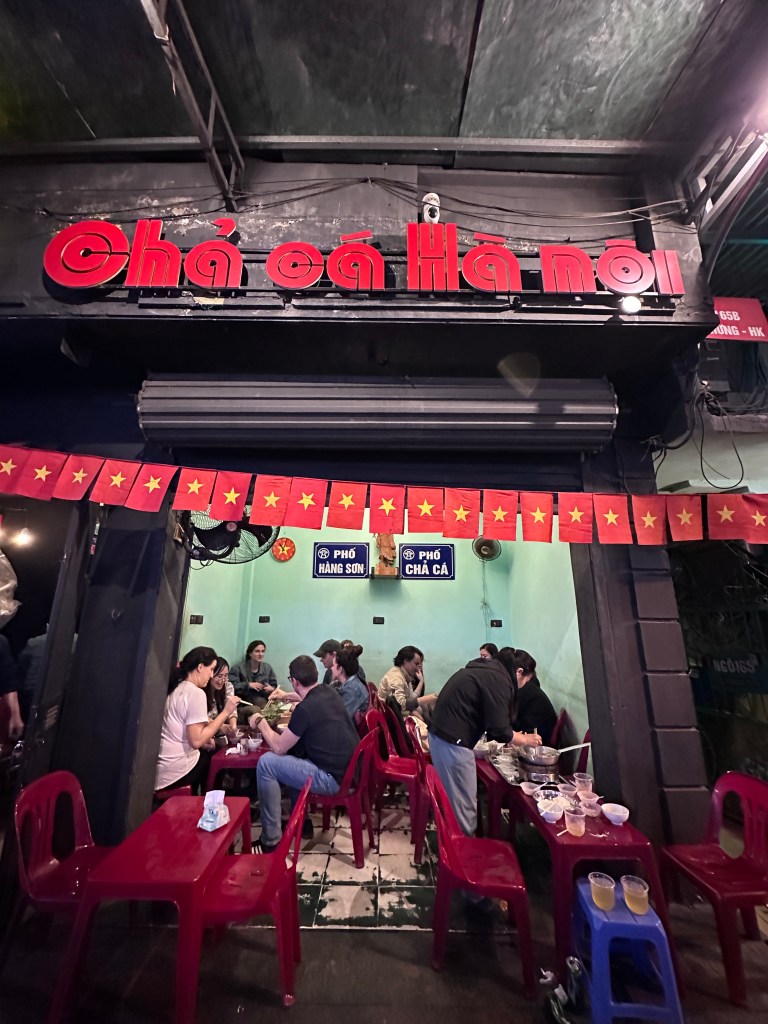
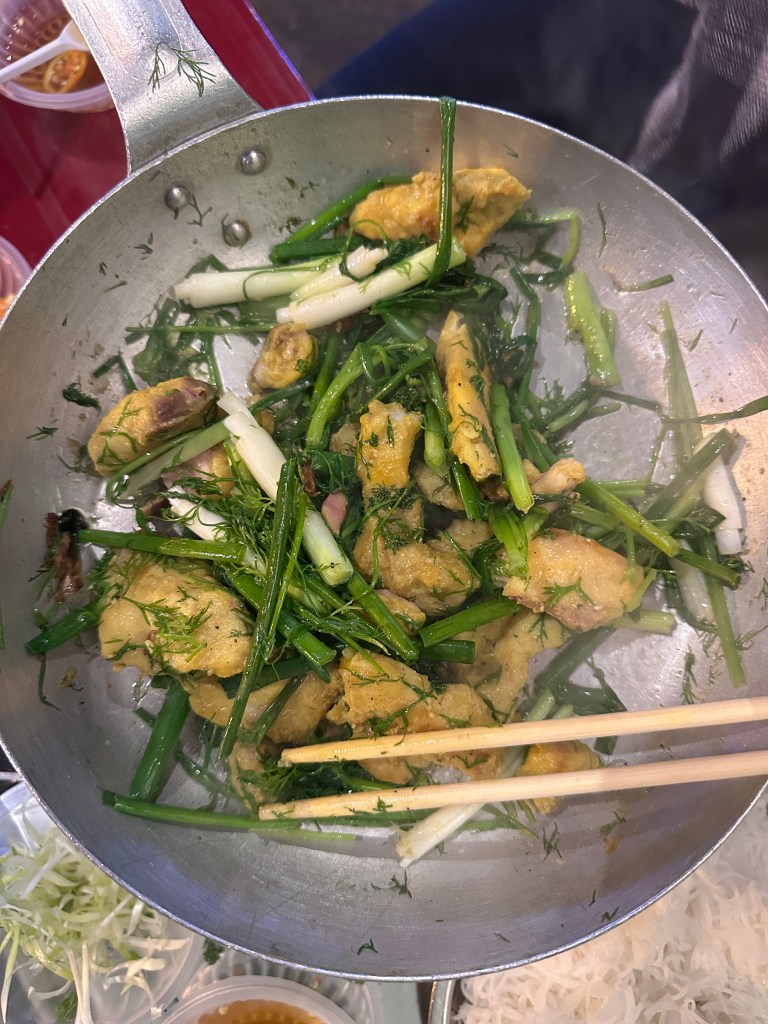
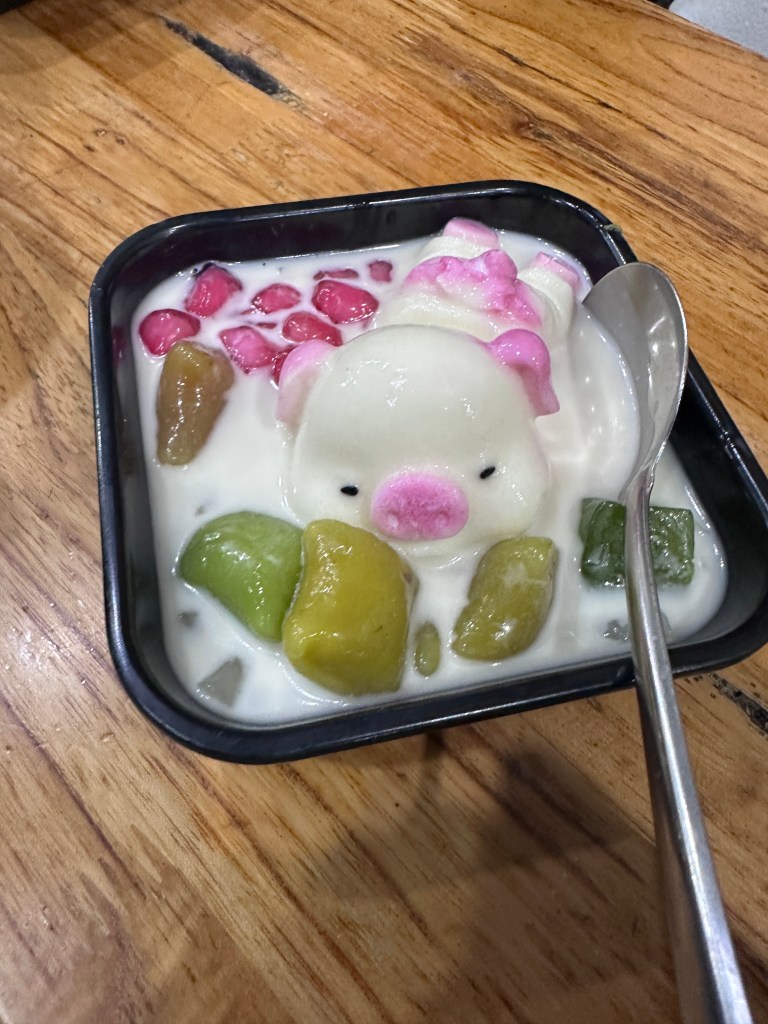
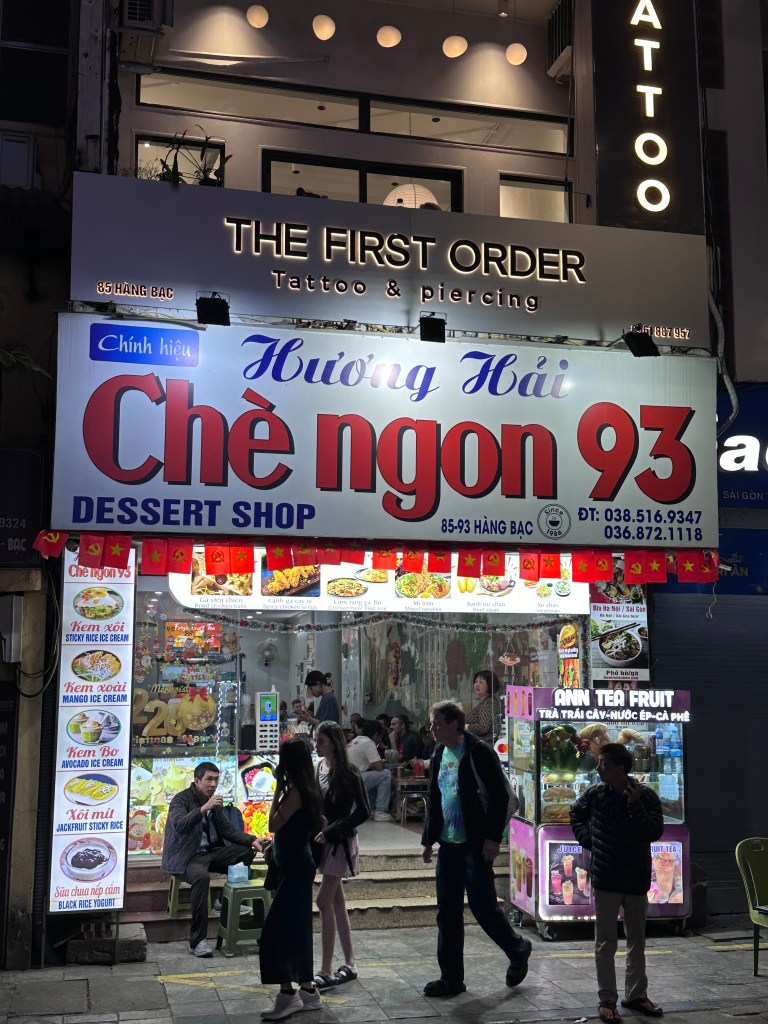
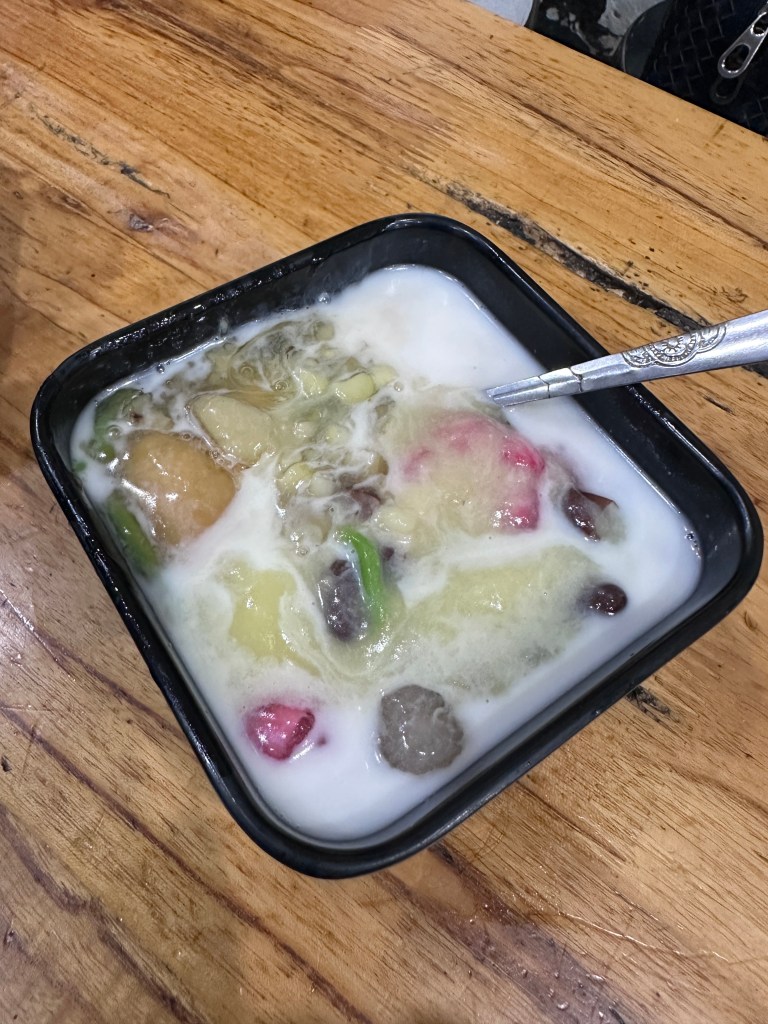
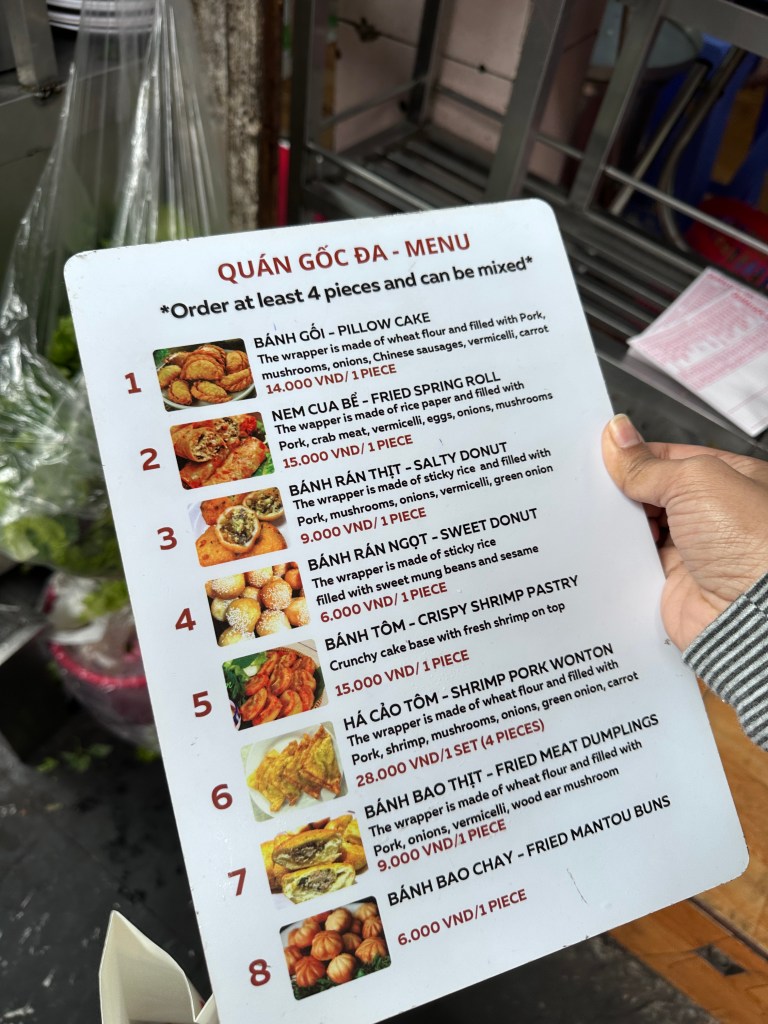
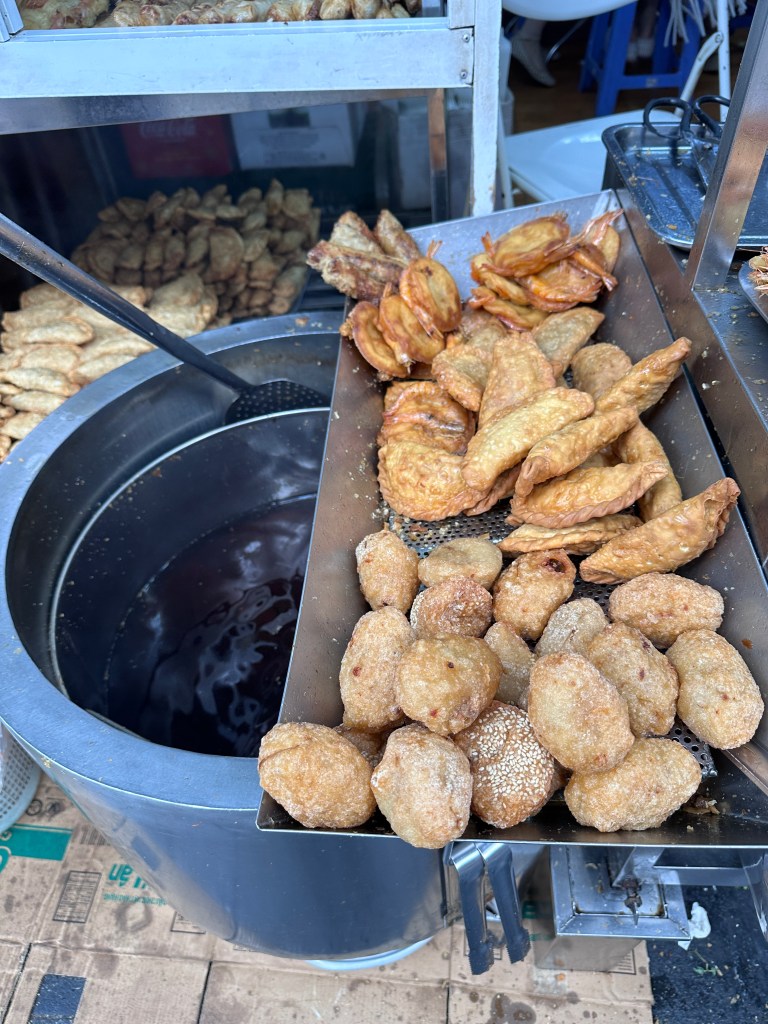
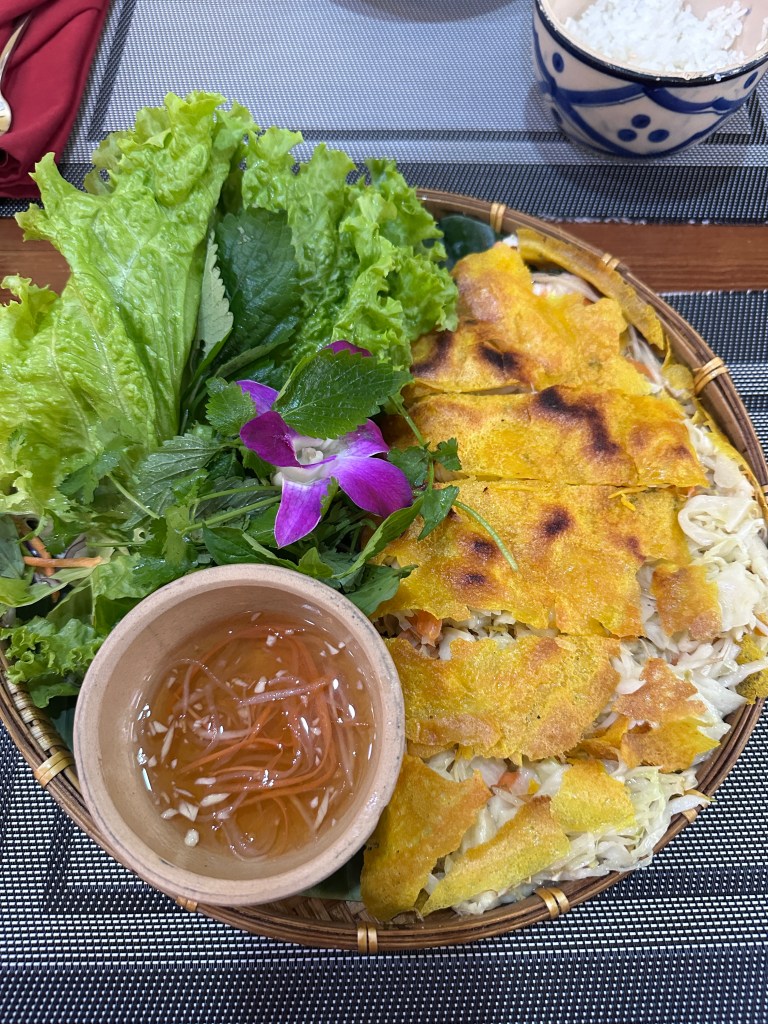
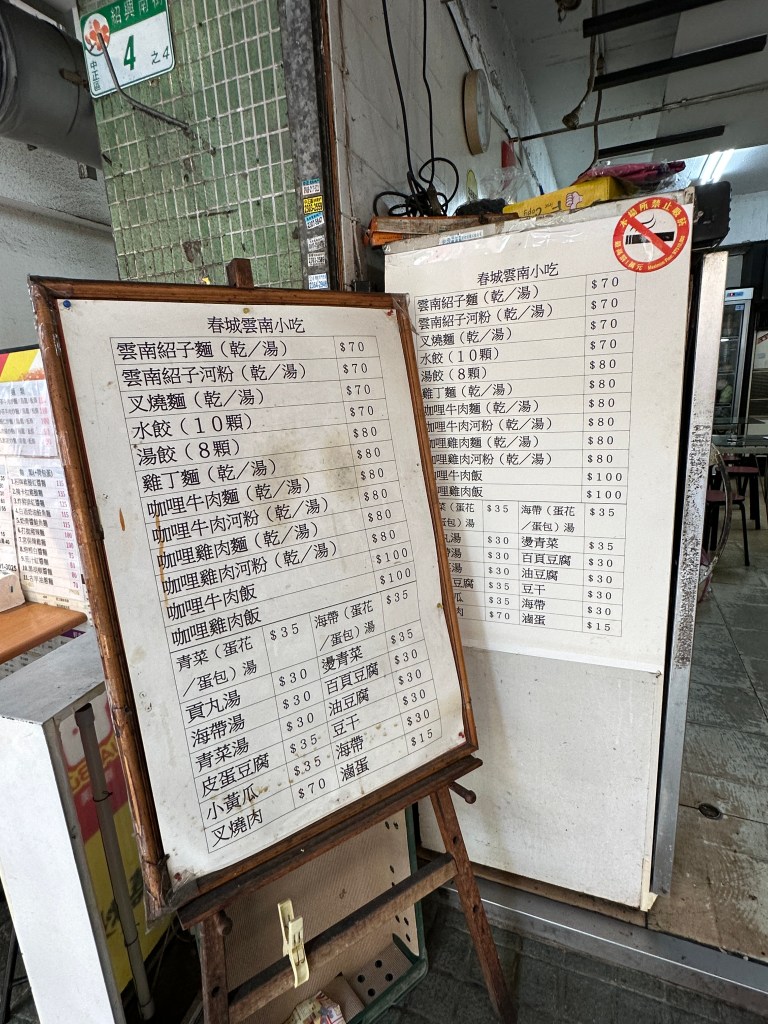
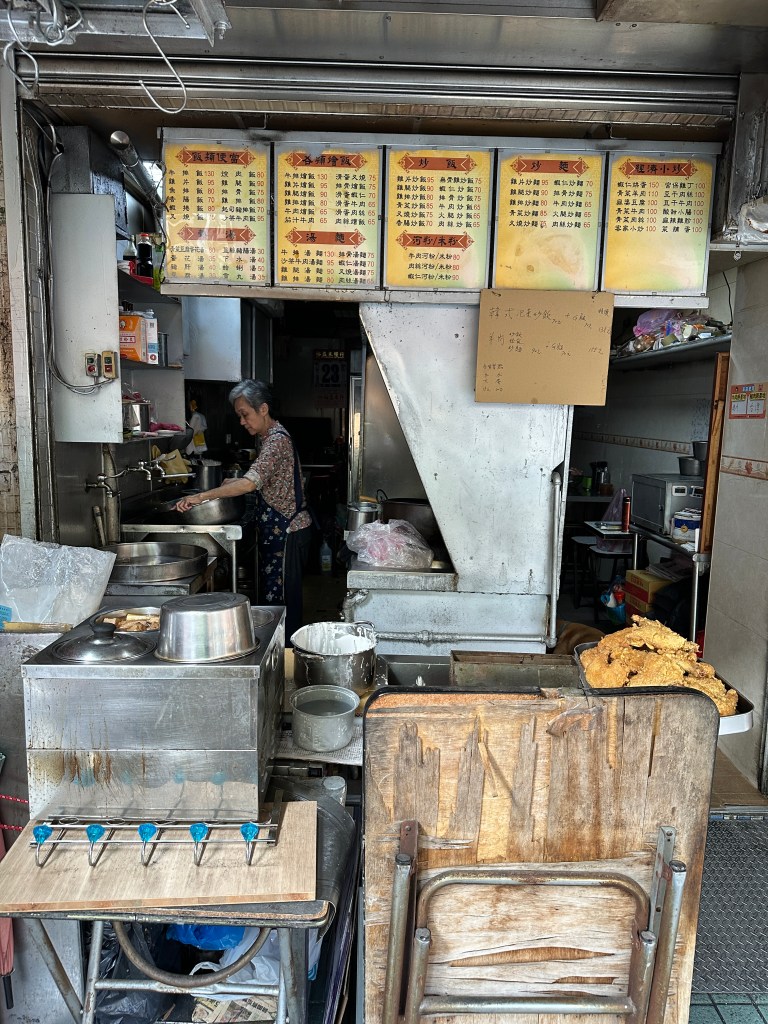
Bánh mì, bánh cuốn, chè, and chả cá were highlights. The best turmeric fish we had came from a tiny place overlooking Train Street. The best chè was from a street corner in the Old Quarter. The Instagram-famous spots and polished chains were good, but they did not stand out. In Vietnam, the best meals often require a low plastic stool, a wobbly metal table, and a willingness to trust the place that looks the least curated.








 flagsandforks