5 things about Kotor, Montenegro 

1. Montenegro, like many of its neighbors, has a shared heritage that stretches back to the Illyrians, Romans, Ottomans, and more recently, the Yugoslav communists. What makes it especially interesting is its modern political journey. When Yugoslavia broke up, Serbia and Montenegro remained together as a separate country. It wasn’t until 2006, after an independence referendum, that Montenegro became a fully independent nation. Today, it’s known less for its politics and more for its stunning Adriatic coastline and scenic seaside towns like Budva, Herceg Novi, Sveti Stefan, Tivat, and Ulcinj. 

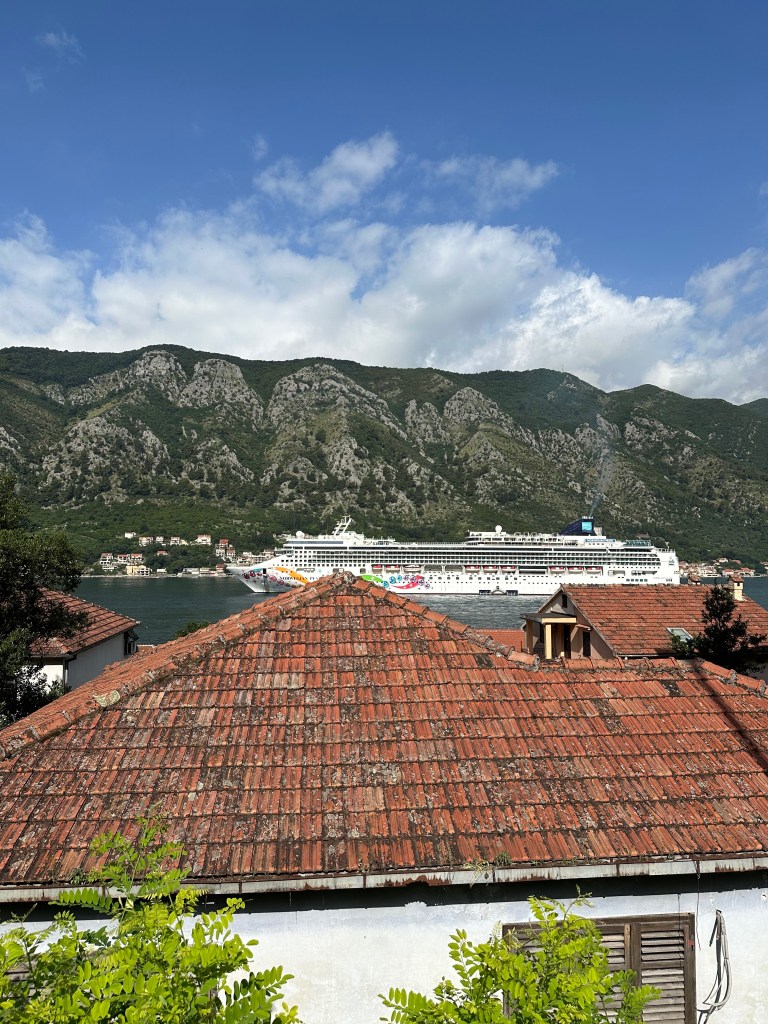
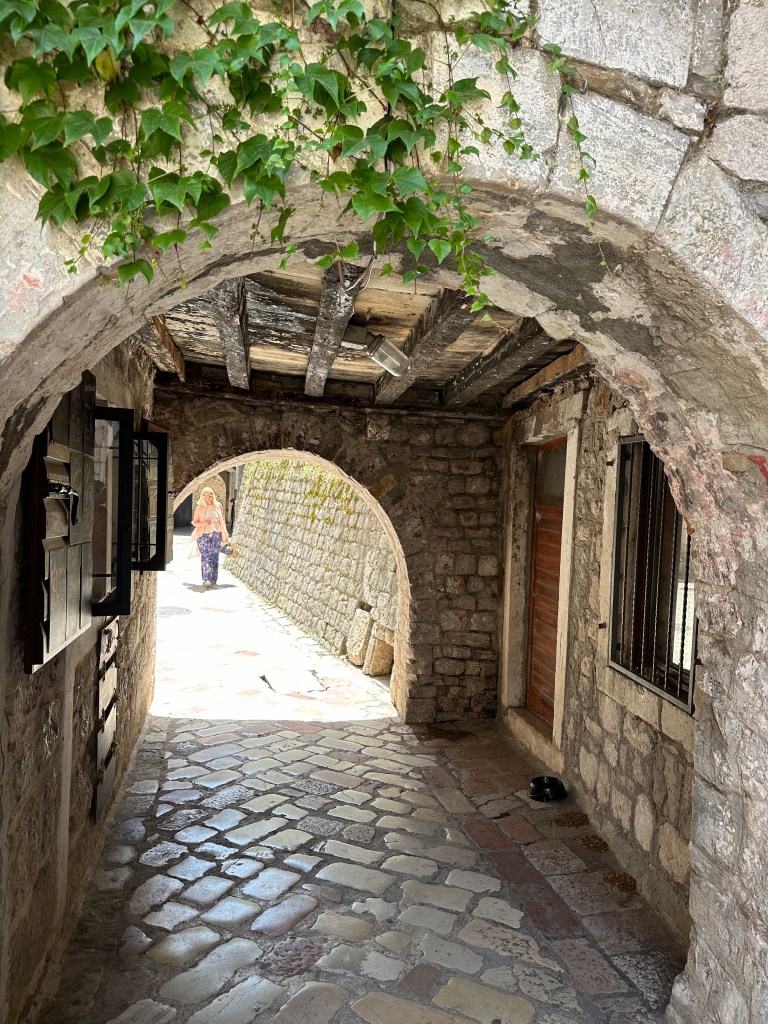
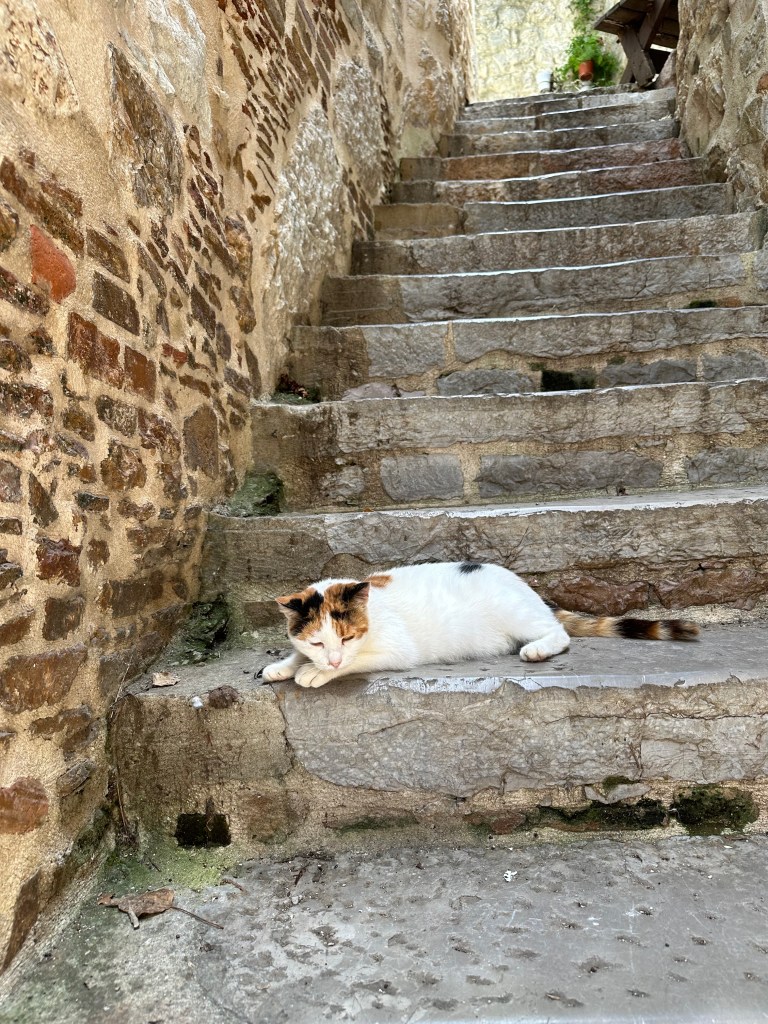
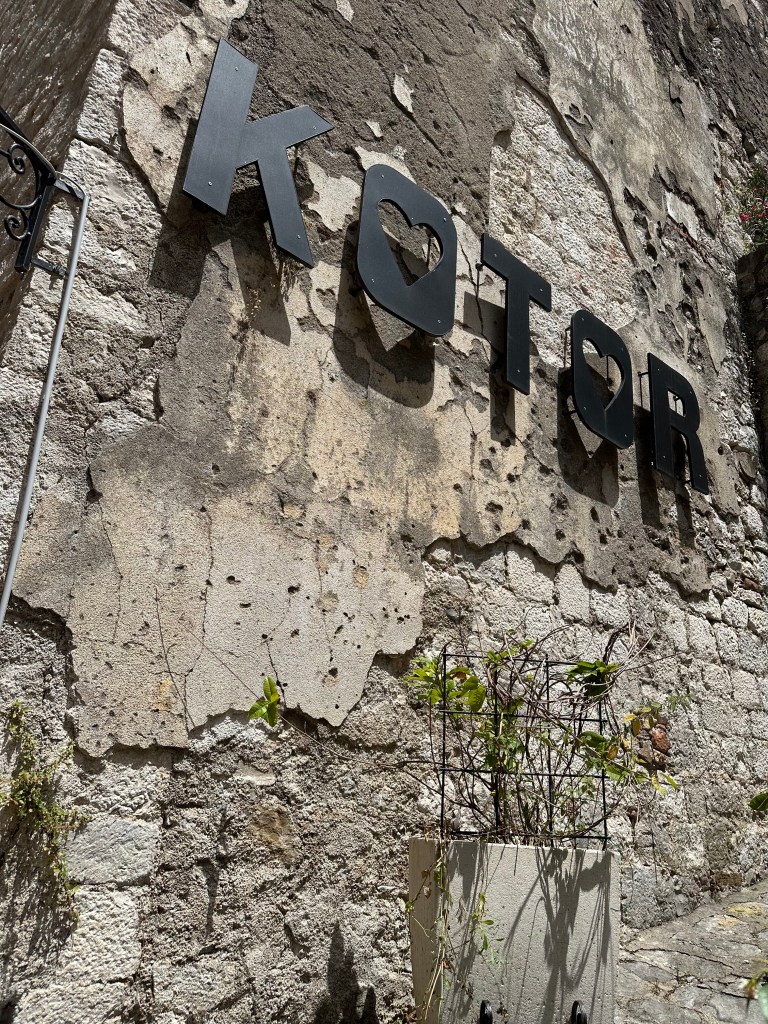
2. Kotor, one of the jewels of the coast, is best known for its incredibly well-preserved medieval old town. The original fortifications date back to the Illyrian period and were later rebuilt by Emperor Justinian I in the 6th century. But it was the Venetians who shaped most of what you see today. Entering through the imposing Sea Gate, or Gurdic Gate, feels like stepping into another time. Inside, the Cathedral of Saint Tryphon and the old clock tower are standout landmarks. Kotor gets packed when cruise ships dock, but if you’re lucky enough to visit on a quieter day, the atmosphere is magical — cobbled streets, fortress walls, and a surprising number of cats. In fact, cats are a symbol of the city. You’ll find cat-themed shops, a cat museum, and even a square unofficially known as Cats’ Square.
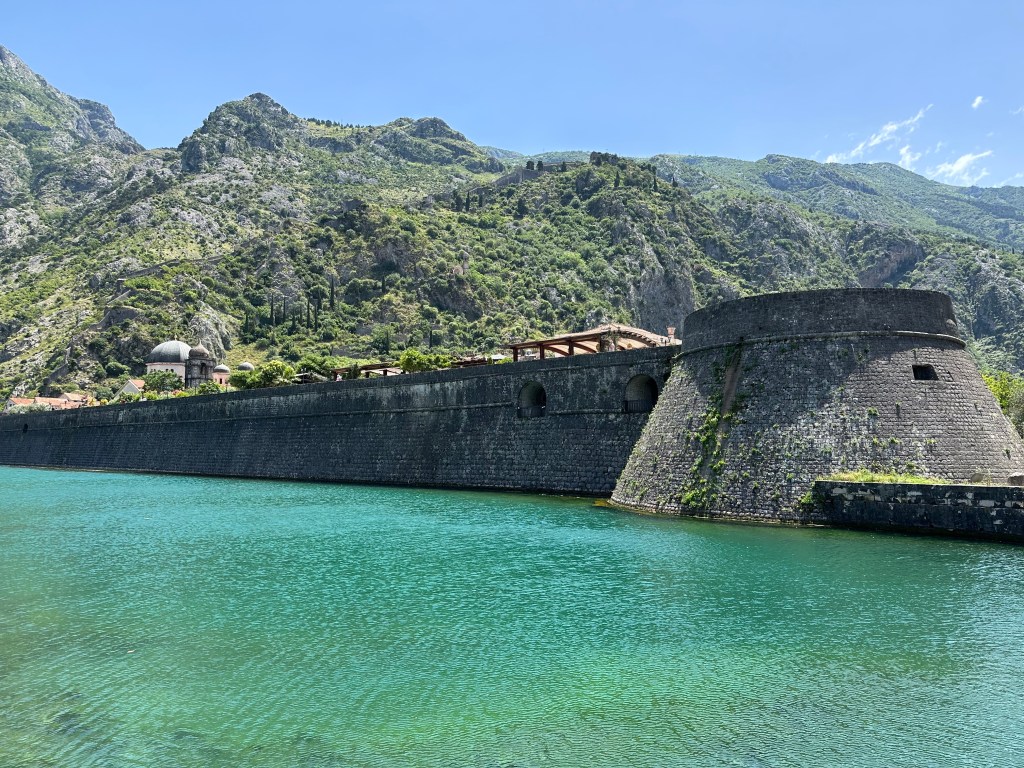
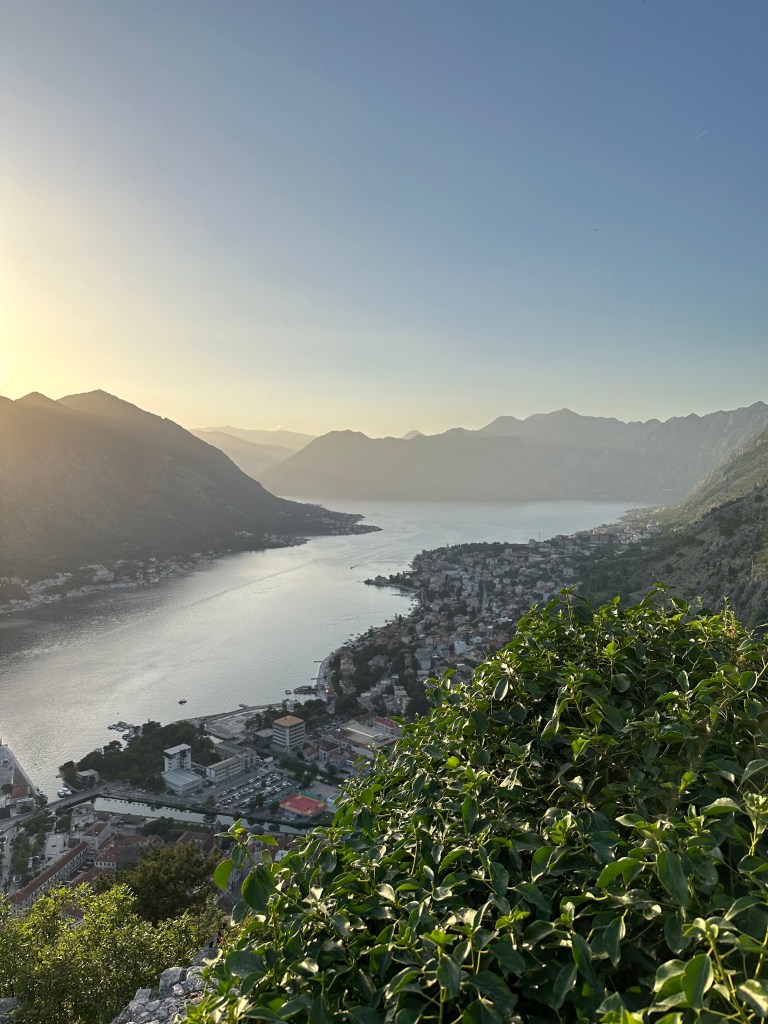
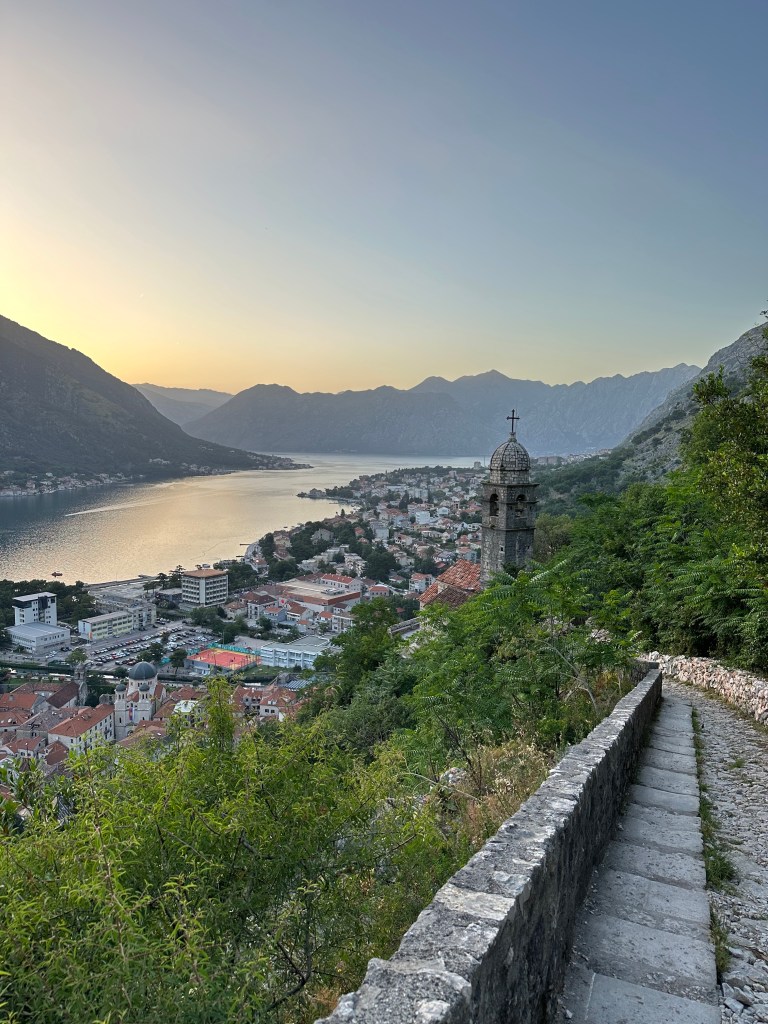
3. One of the best things to do in Kotor is hike the fortress walls, often referred to as the Ladder of Kotor. The views over the Bay of Kotor are absolutely worth the climb. I took the easier trail that starts from the old town, and it took about two hours round-trip. There’s also a steeper, more rugged version — the traditional “ladder” — that takes a bit longer. At the top are the ruins of the Castle of San Giovanni, offering panoramic views that make the climb feel more than worth it.

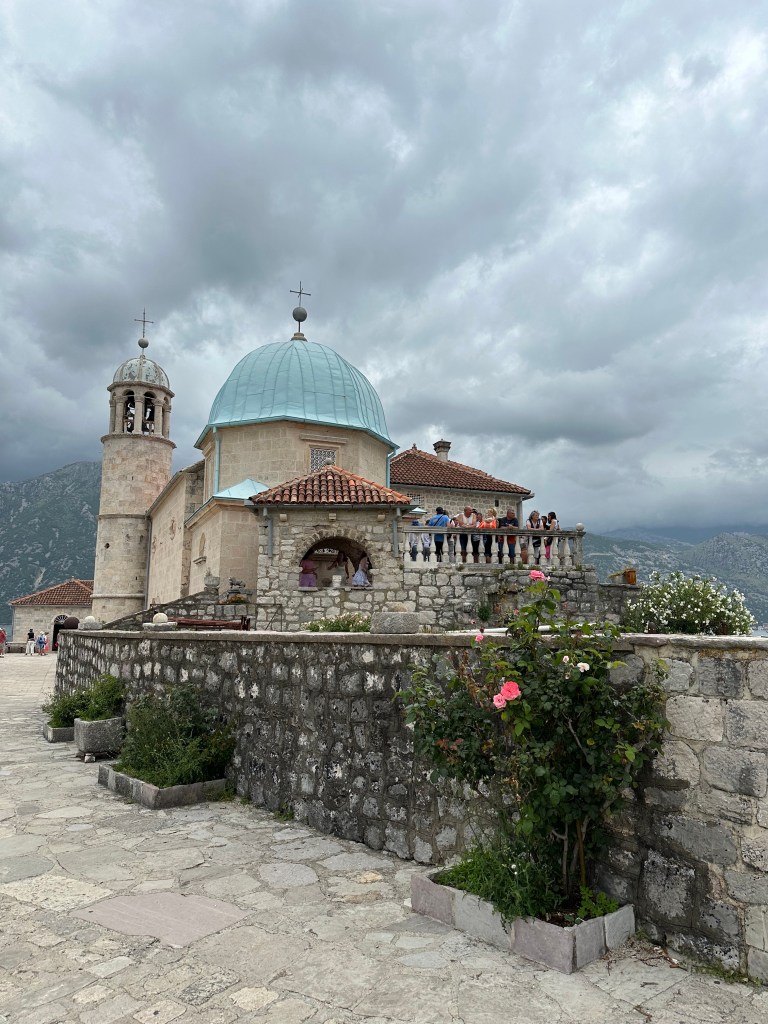
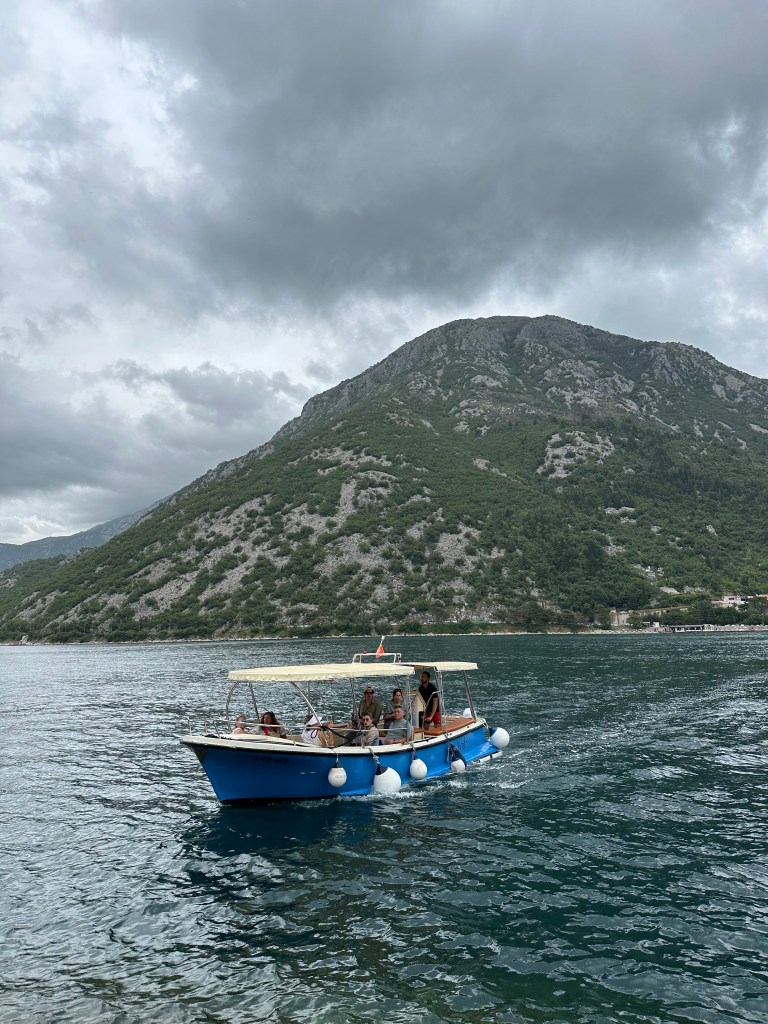
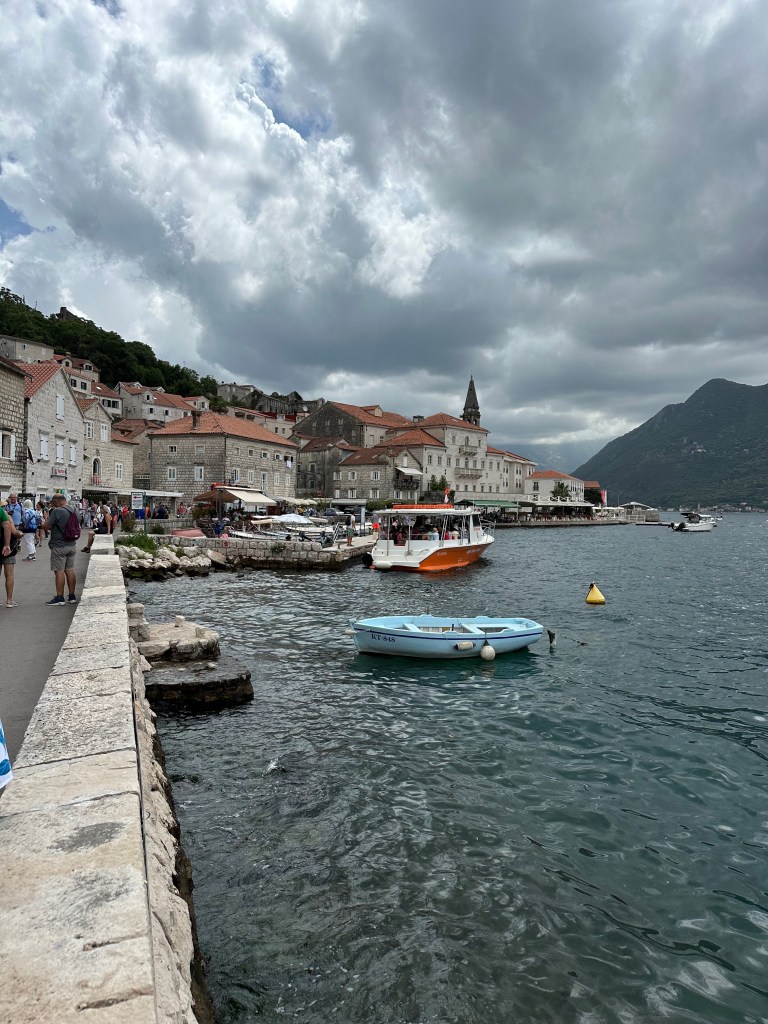
4. Not far from Kotor is the small village of Perast, a peaceful spot with a laid-back vibe. What makes it special are the islets just off its coast, especially Our Lady of the Rocks — the only man-made island in the Adriatic. Legend has it that two Venetian sailors saw an image of the Virgin Mary on a rock, and the island was gradually built around that spot. A short boat ride from Perast gets you there. There’s not much on the island besides a small church and museum, but the joy is really in the journey  gliding across the still waters of the bay, surrounded by mountains.
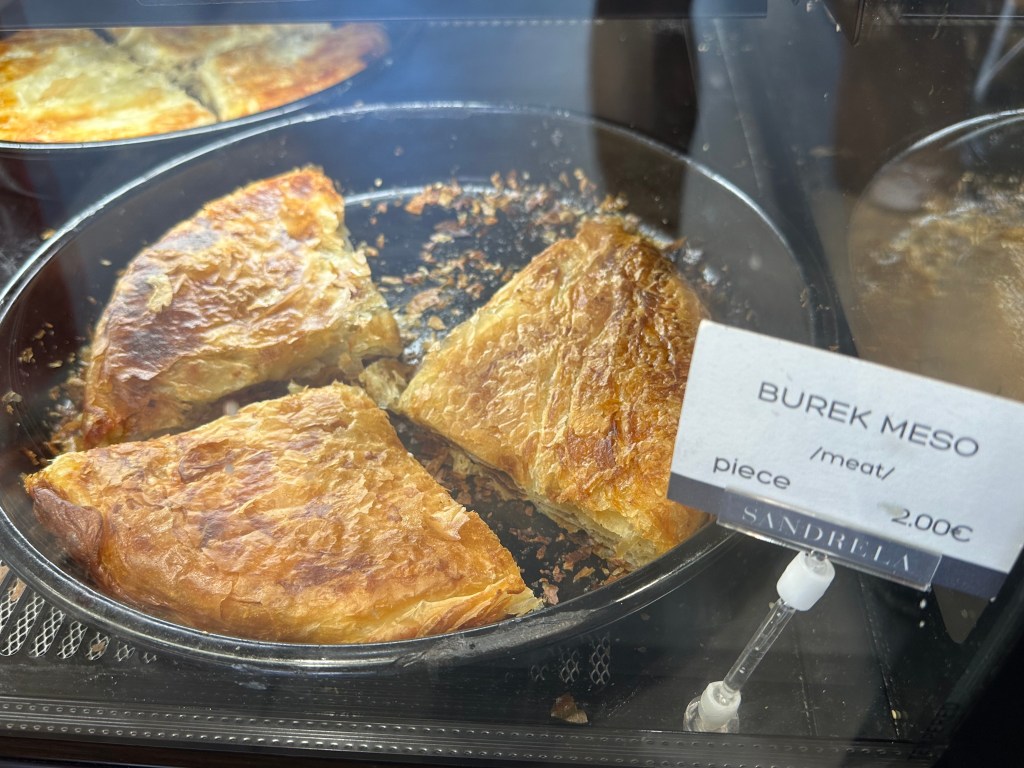
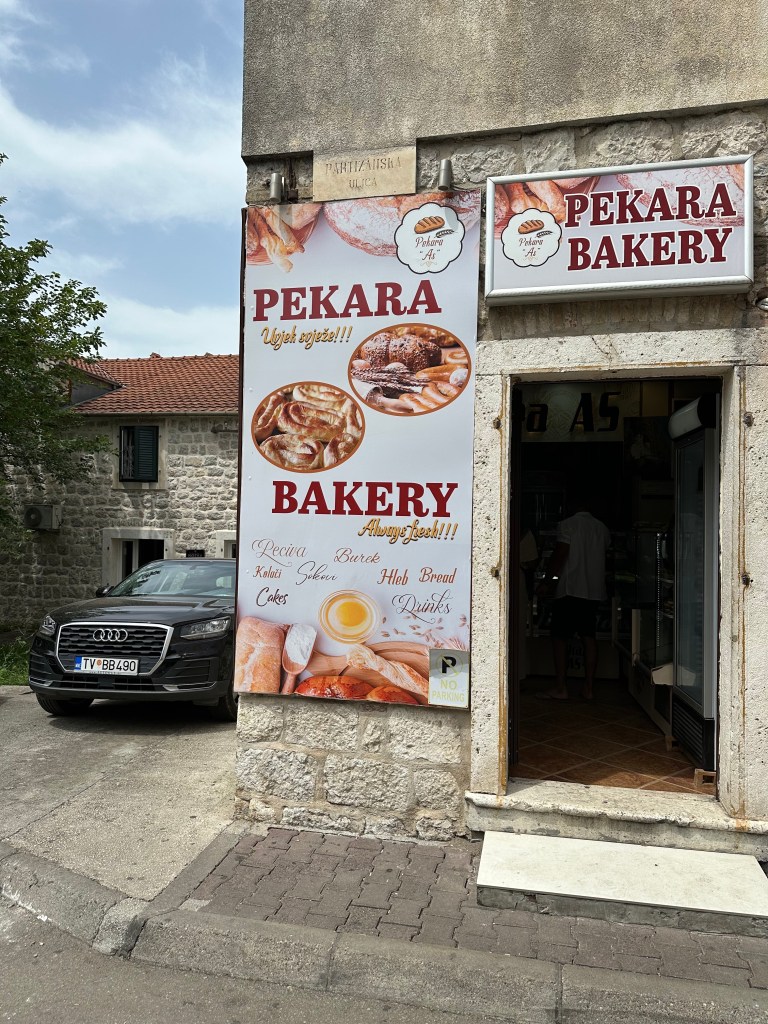
5. As for the food, I didn’t find anything particularly unique or standout compared to its Balkan neighbors. There were plenty of bakeries selling burek, but most lacked the finesse and flavor I’d found in Bosnia. One exception was a meal at Bastion, a well-regarded seafood spot in Kotor. I had the freshest, most delicate seabass there, simply prepared with barely a touch of salt, letting the fish speak for itself.  
5 things about Kotor, Montenegro 

5 things about Tirana, Albania 

1. Tirana has a fascinating mix of Greek, Ottoman, and native Albanian influences. The area was once part of the Ancient Greek kingdom of Illyria before becoming a Roman territory. Modern-day Tirana was officially founded in 1614 by an Ottoman-Albanian general, Sylejman Pasha Bargjini. His legacy lives on in the city’s old architecture and layered history.

2. Skanderbeg Square is the heart of Tirana. It’s named after Albania’s national hero, Gjergj Kastrioti better known as Skanderbeg who led a rebellion against Ottoman rule in 1444 and formed an alliance with the Venetians. Around the square, you’ll find the Et’hem Bey Mosque, a beautiful 18th-century remnant of Ottoman times that somehow endured years of political turmoil. Just a short walk away are the ruins of Tirana Castle. Though only fragments of the original Byzantine-era structure remain, the area has been transformed into a lively hub of restaurants, bars, and cafés. 

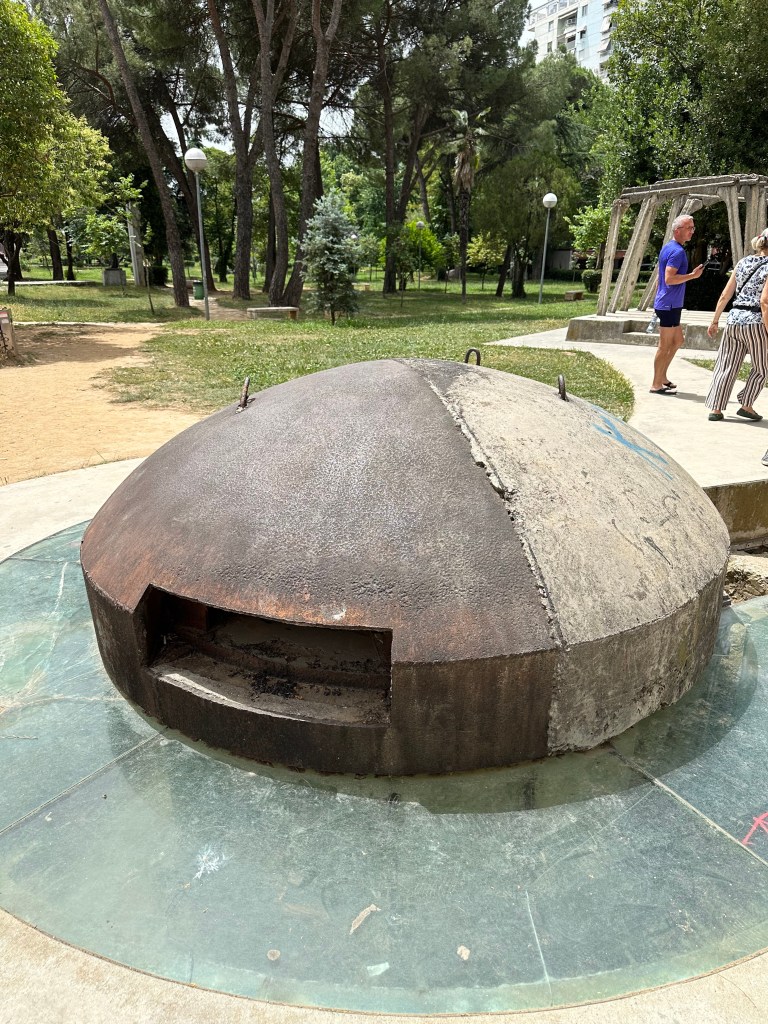
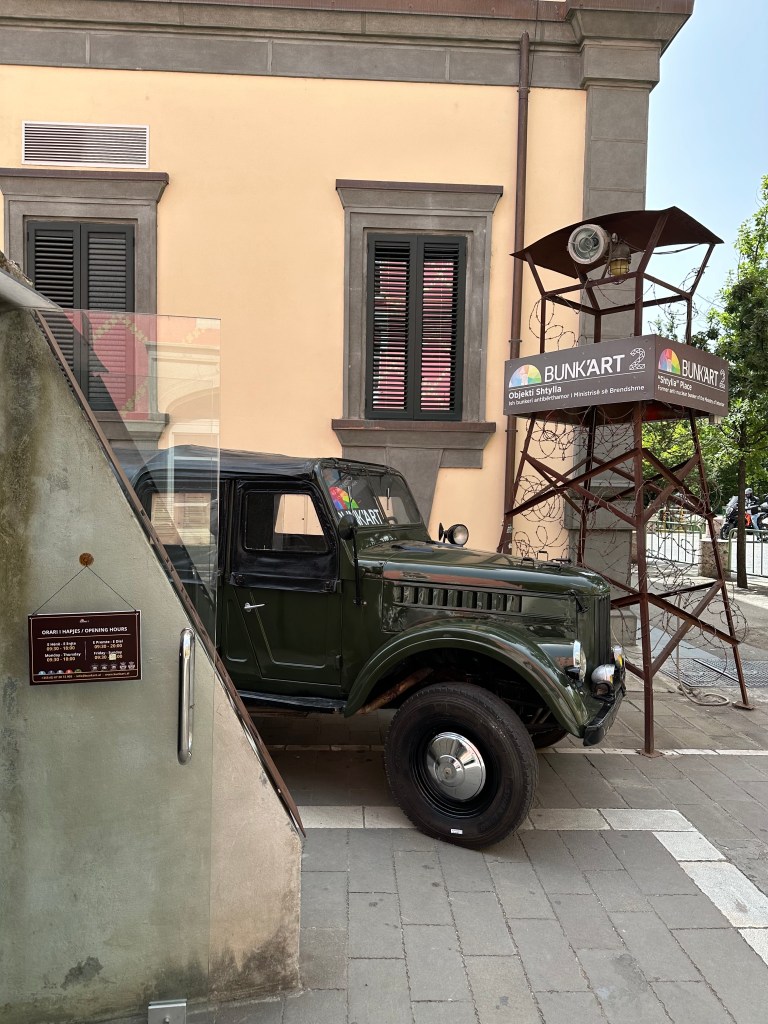
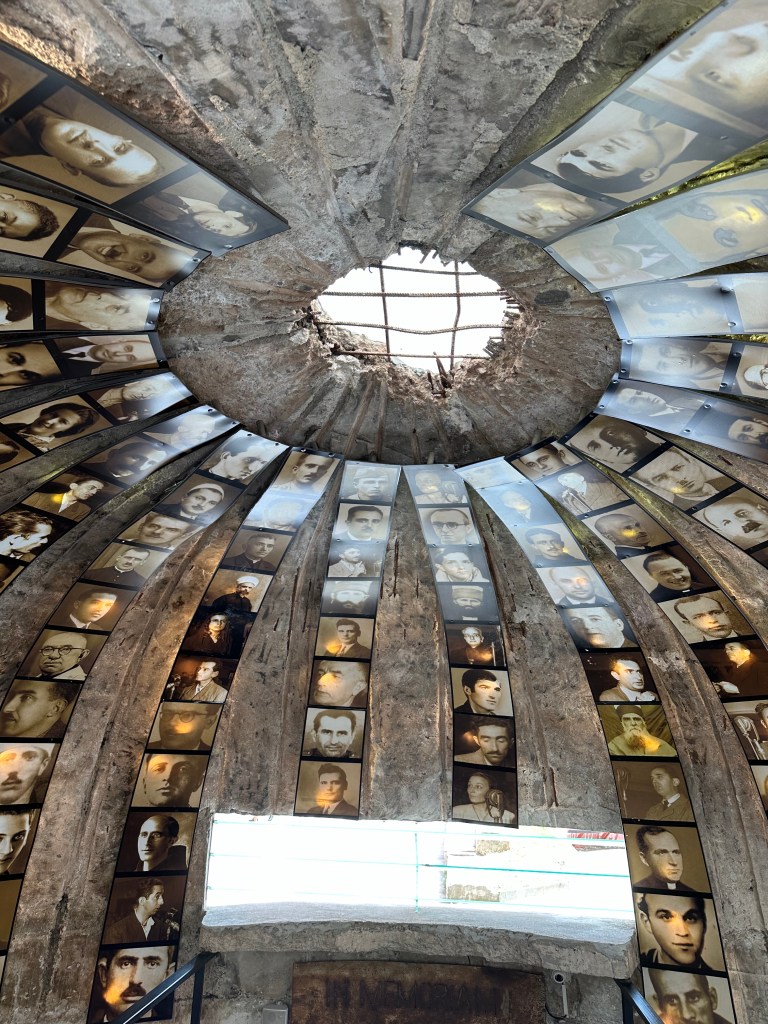
3. After WWII, Albania became a Communist state under Enver Hoxha, who ruled with an iron grip from 1946 onward. He adopted an extreme form of Marxist-Leninism, eventually severing ties with both the USSR and China. Albania became one of the most isolated countries in the world. While some modernization efforts were made to improve living standards, they came at the cost of intense political repression. One of the most bizarre legacies of this era is the construction of over 750,000 bunkers across the country. Hoxha maintained frosty relations with neighboring Yugoslavia and Greece and grew increasingly paranoid about potential invasions. The bunkers were part of a massive fortification strategy—never used, but a significant drain on national resources. Today, two excellent museums—Bunk’Art and Bunk’Art 2 dive into this dark chapter, exploring both the bunkerization of Albania and the broader political climate of the time.

4. Fast forward to the present, and there’s a palpable sense of renewal and optimism in Tirana. A powerful symbol of this shift is the Pyramid of Tirana—once a lavish, controversial monument to Hoxha’s legacy, it has now been repurposed into TUMO, a vibrant youth center focused on creative technologies. Walk around the city center and you’ll notice striking new buildings reshaping the skyline, including one with a pixelated silhouette of the Albanian map—a favorite among locals and visitors alike.

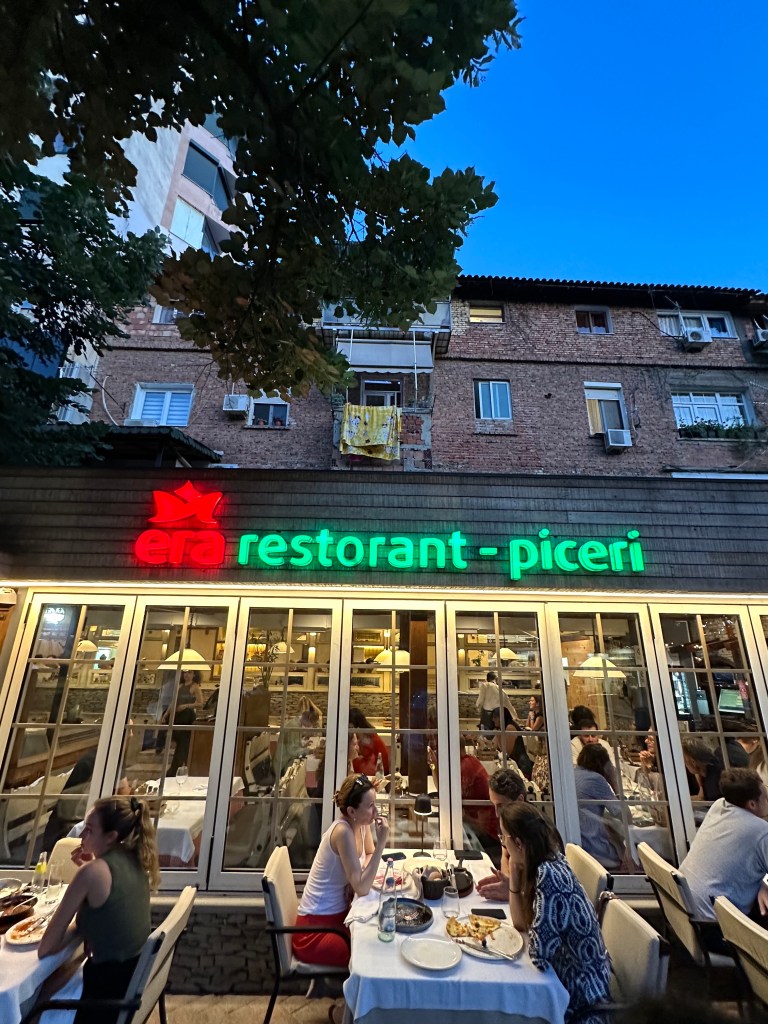
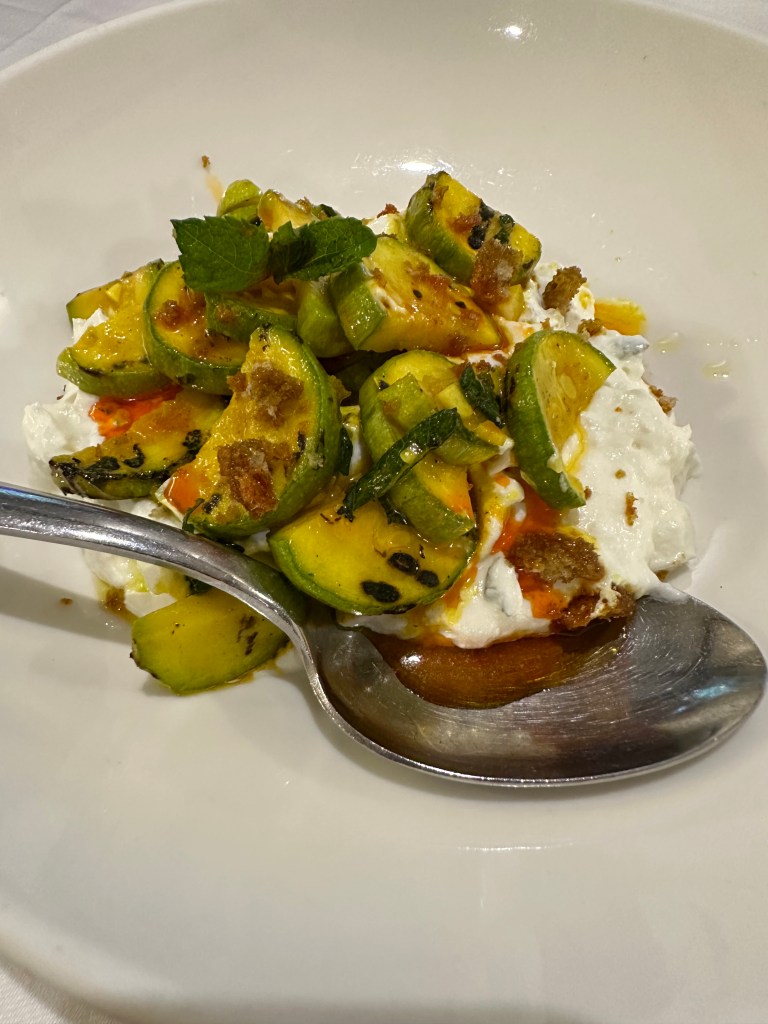
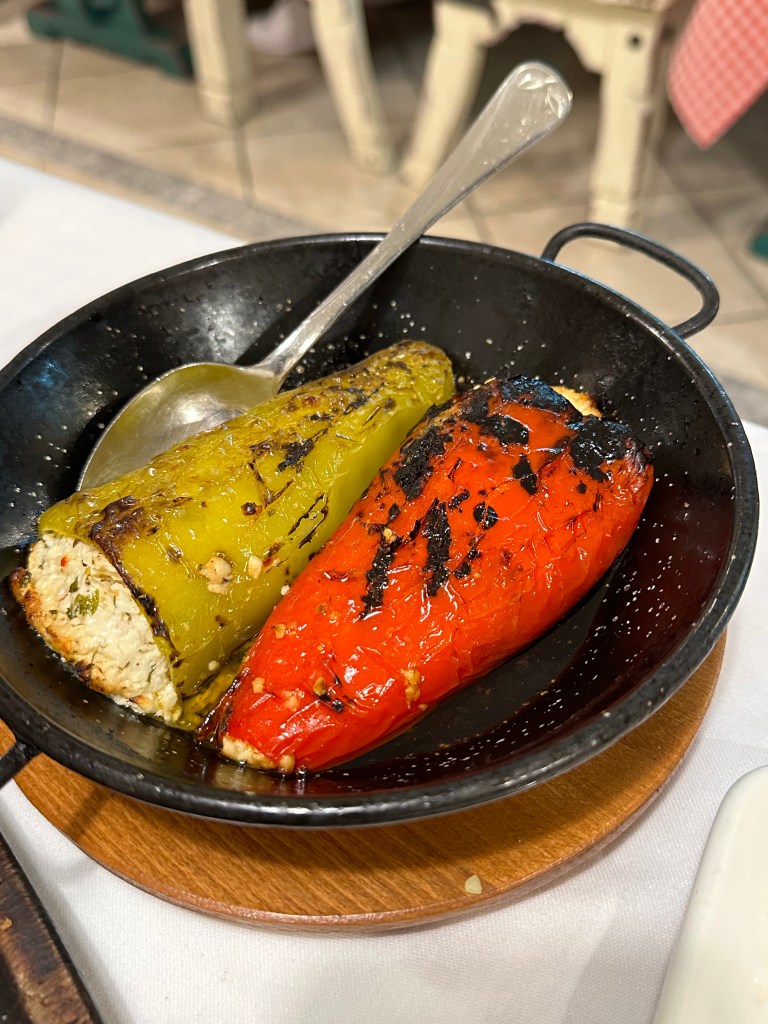
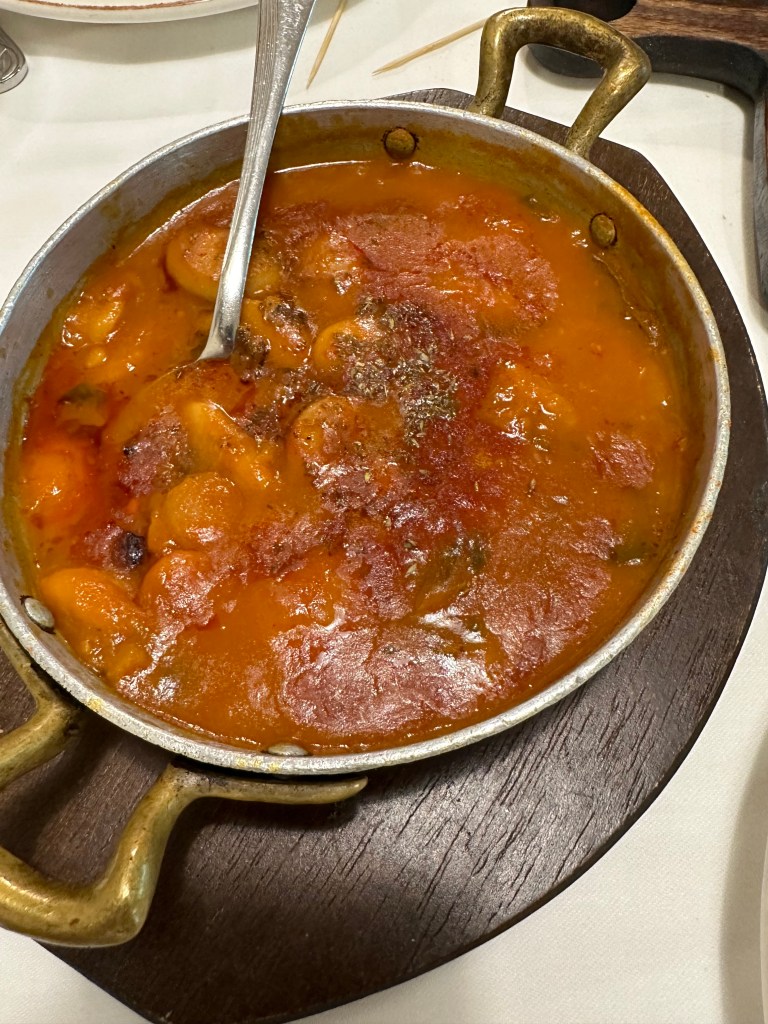
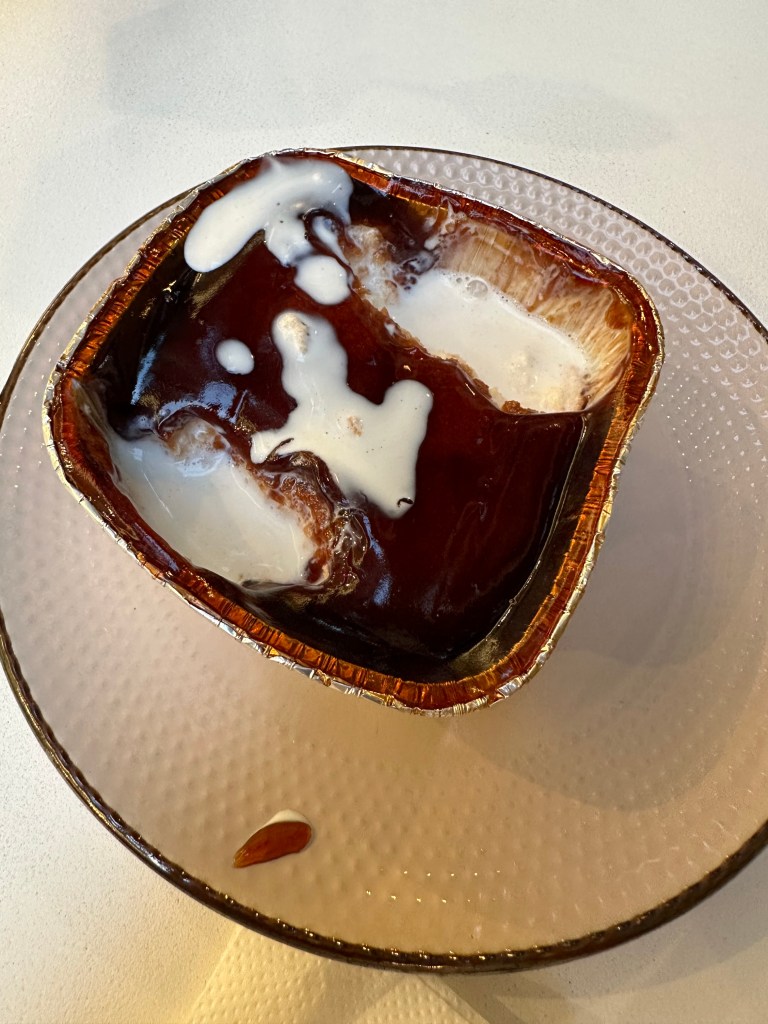
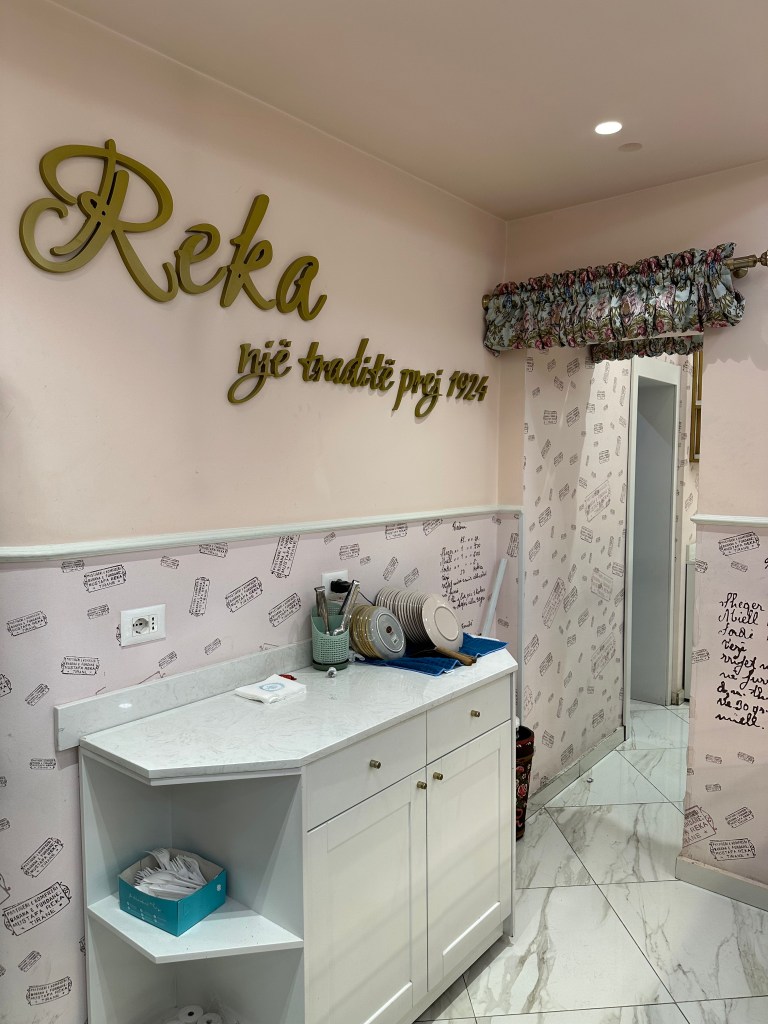
5. Albanian cuisine feels familiar if you’ve had Greek food—think lots of cheese, dairy, and vegetables. At Restaurant Piceri Era in the Blloku neighborhood, we couldn’t pick a favorite and ended up sampling most of the menu over multiple visits. Tirana also has a thriving café culture, it’s practically a national pastime—with Mulliri and Mon Cheri as local staples. One unexpected standout? The trilece at Patisserie Reka. It’s easily one of the best milk cakes I’ve ever had, rivaling the top bakeries in Turkey and the Middle East. The sponge was luscious and moist, and the caramel glaze struck that elusive balance of sweet and slightly bitter.

5 things about Tirana, Albania