7 things about Antigua, Guatemala 

1. Antigua is a charming Spanish colonial town about an hour from Guatemala City. Founded in 1543 by Spanish Conquistadors as Santiago de los Caballeros, it served as the capital of the Kingdom of Guatemala, which included modern-day Belize, Costa Rica, El Salvador, Guatemala, Honduras, Nicaragua, and Mexico’s Chiapas state. The city was built in a square grid pattern, with key buildings surrounding the central plaza.  

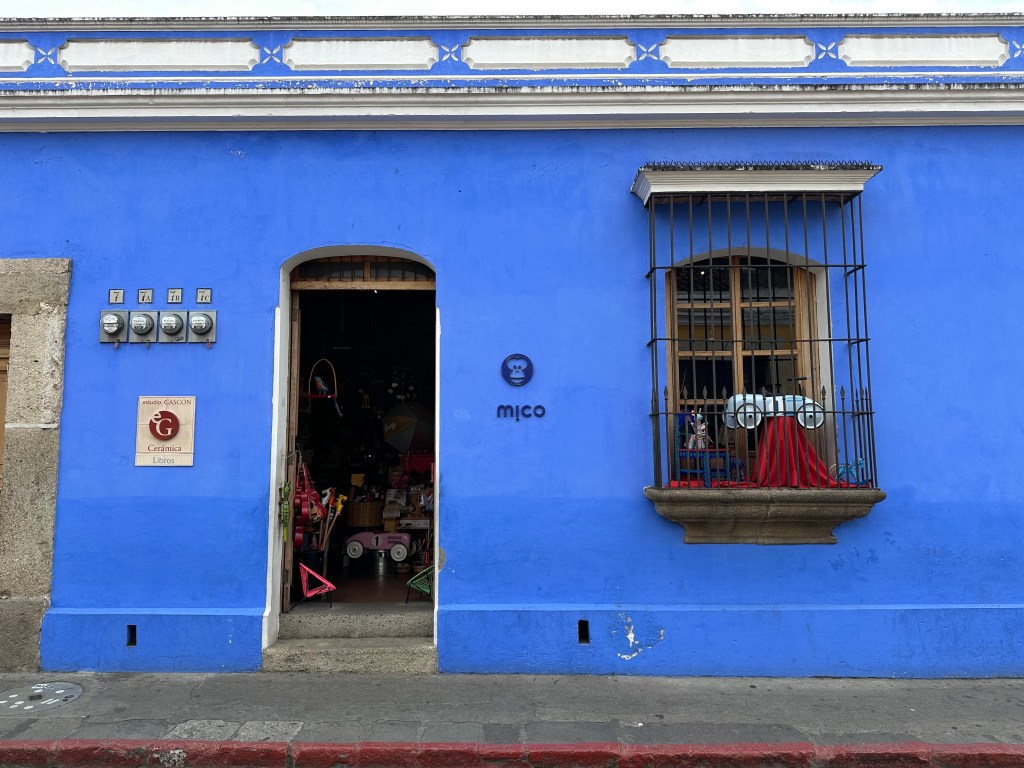
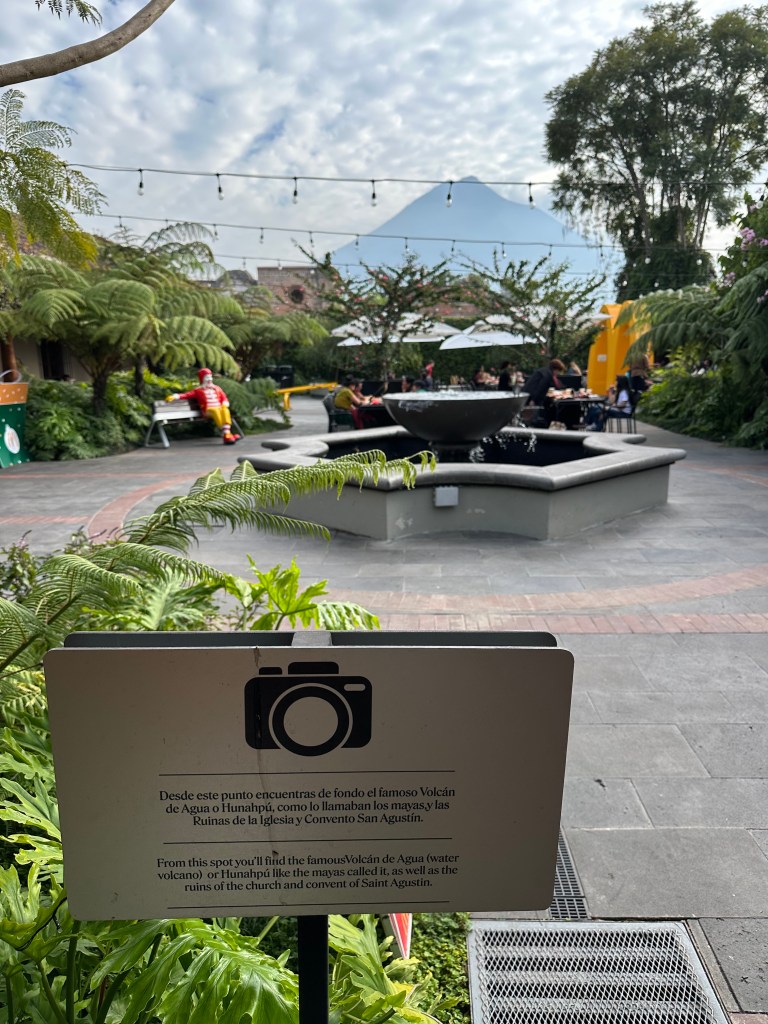
2. Today, Antigua is tourist central and serves as the gateway for volcano hikers and history lovers on the Mayan trail. The city bustles with boutiques, coffee shops, and restaurants. It’s fascinating to see how global chains have adapted to the city’s Spanish colonial architecture—McDonald’s, Starbucks, and Taco Bell in Antigua have some of their most aesthetically designed spaces worldwide. 

3. Spanish Baroque architecture arrived in Antigua but quickly evolved to address local realities—namely, frequent earthquakes. The Santa Catalina arch exemplifies this practical adaptation with its thicker walls, lower bell tower, and restrained ornamentation. Originally, the arch served a specific purpose: creating a private passage for nuns traveling between Santa Catalina convent and a school across the street without breaking their isolation vows. Today, the distinctive yellow arch with its weathered clock stands as Antigua’s postcard-perfect landmark, drawing photographers while showcasing colonial ingenuity.

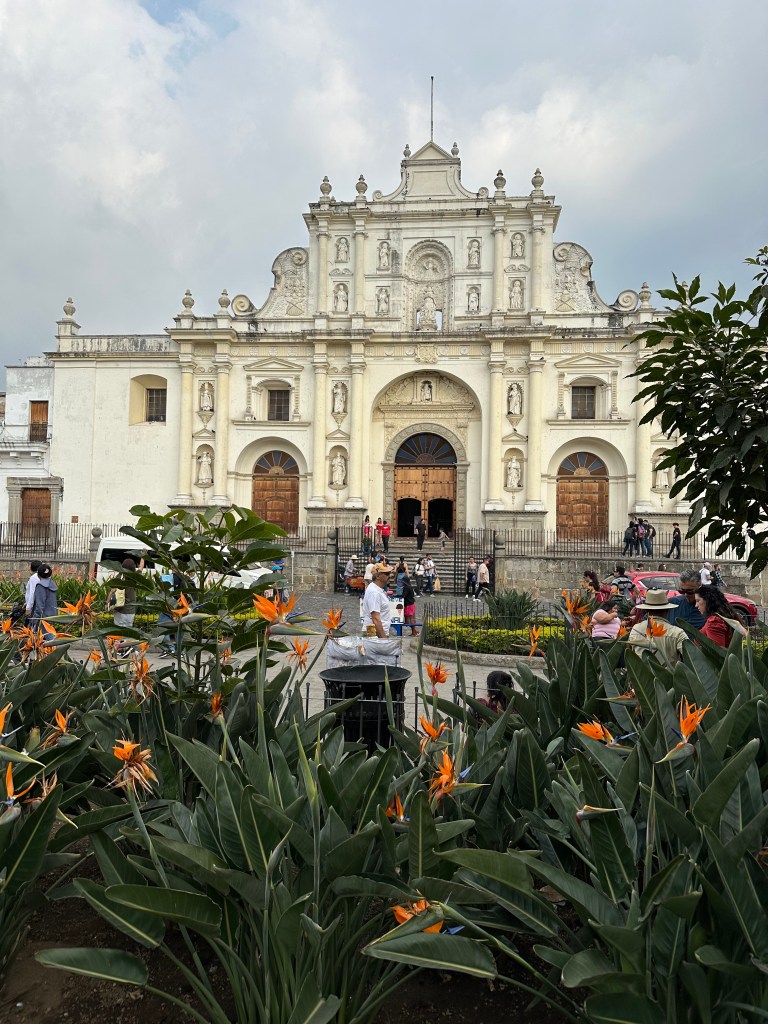
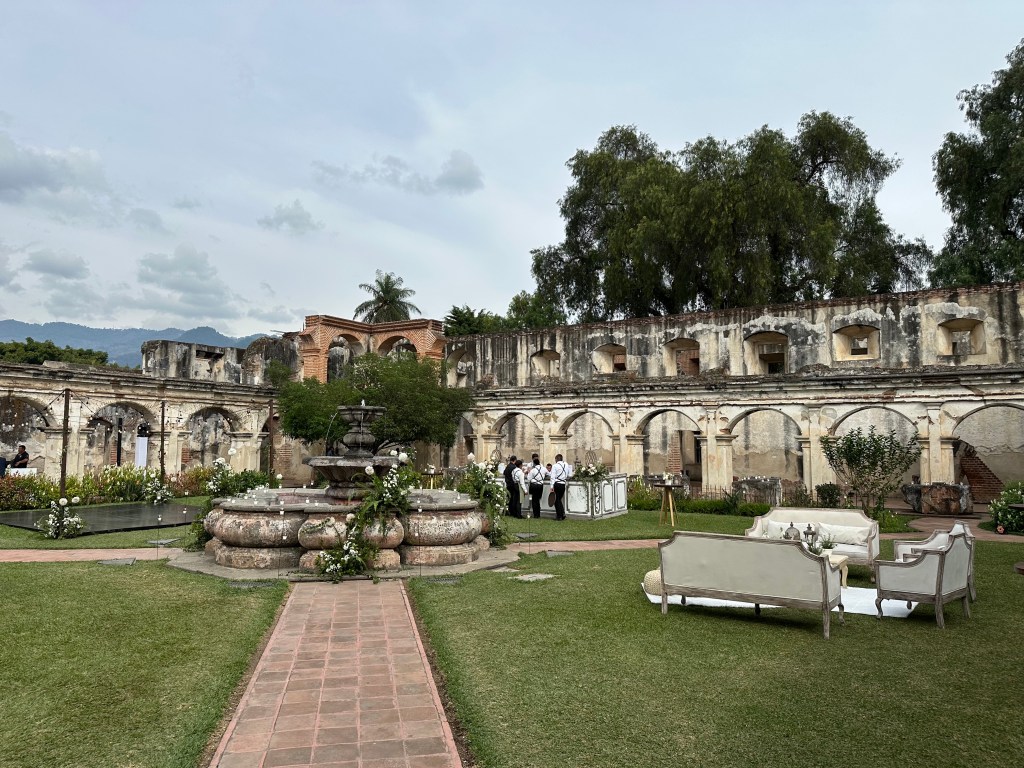
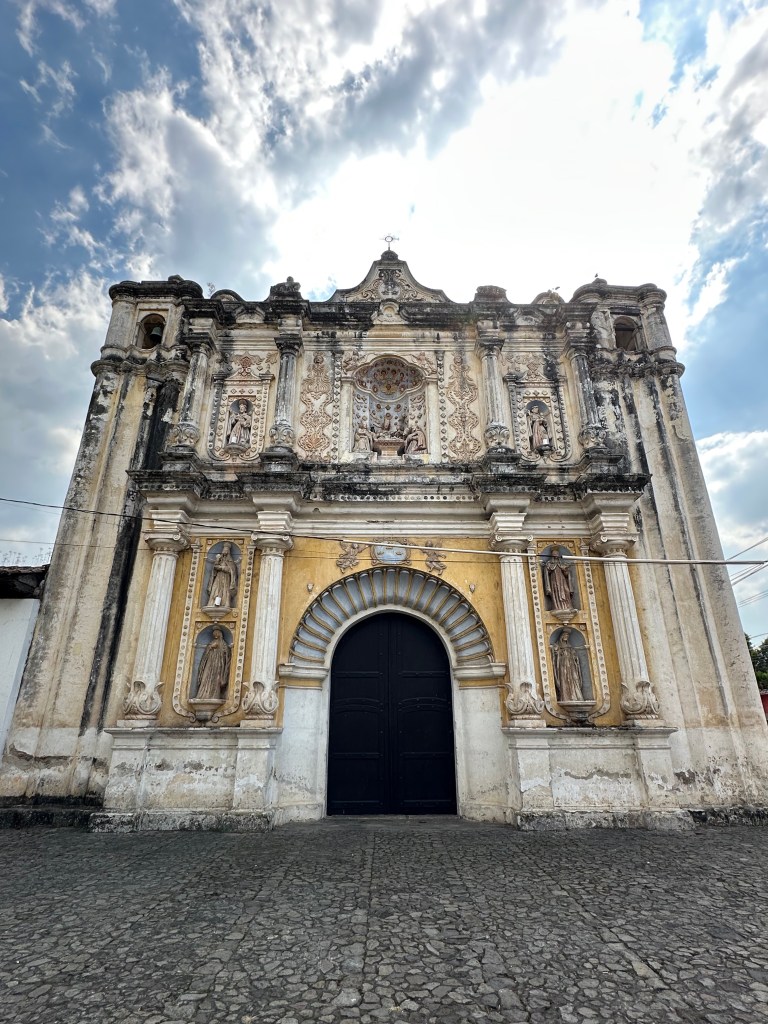
4. Antigua’s churches are attractions themselves, symbolizing significant events in the city’s history. As a colonial hub, it attracted many religious orders establishing infrastructure to evangelize, educate, and serve indigenous communities. While few original churches survived the 1773 earthquake, La Merced Church was an exception thanks to seismic reinforcements completed years before. Among the ruins, Convento Santa Clara is a must-visit for its picturesque grounds and stunning main chapel. Across the street is Tanque la Union, a colonial-era public wash basin built for locals. The Convento de Capuchinas ruins are smaller but charming. Other noteworthy churches include Iglesia de San Pedro Apóstol, Iglesia Escuela de Cristo, Iglesa Calvario, and Iglesia y Convento de la Compañía de Jesús.
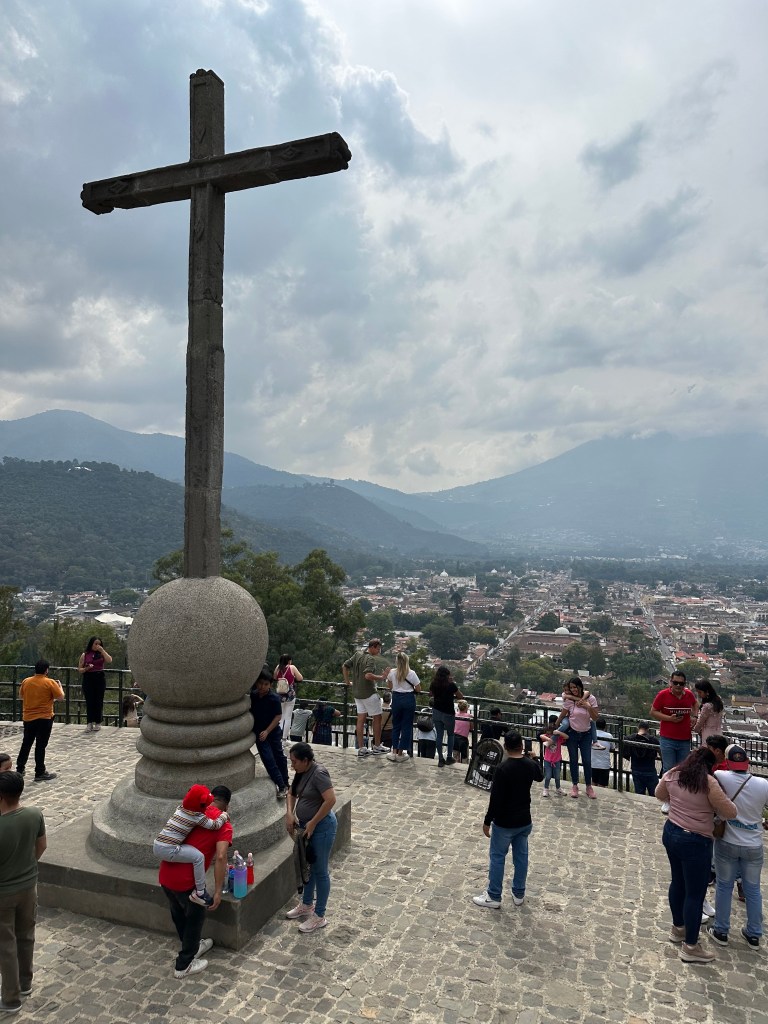
5. Cerro de Cruz offers a popular viewpoint with a bird’s-eye view of the city. On clear days, Volcan Agua creates a dramatic backdrop for the Baroque buildings below. The viewpoint is accessible via a short hike or private transport and attracts locals who come for picnics or to watch the sunset. There’s plenty of seating and some food options available.
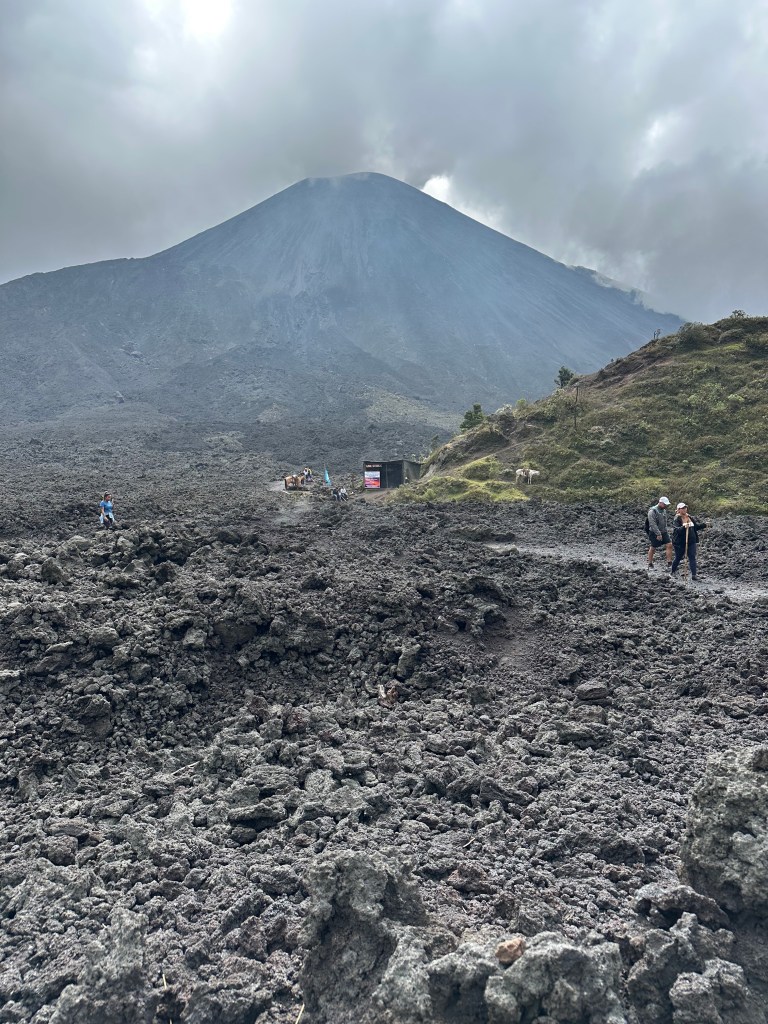
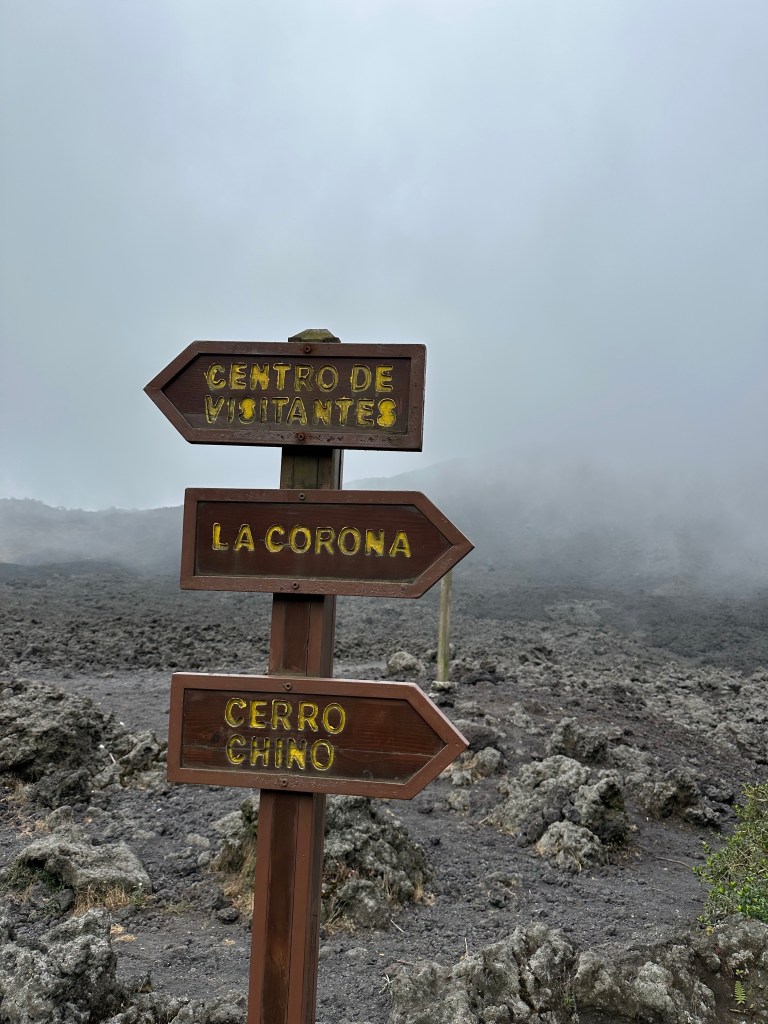
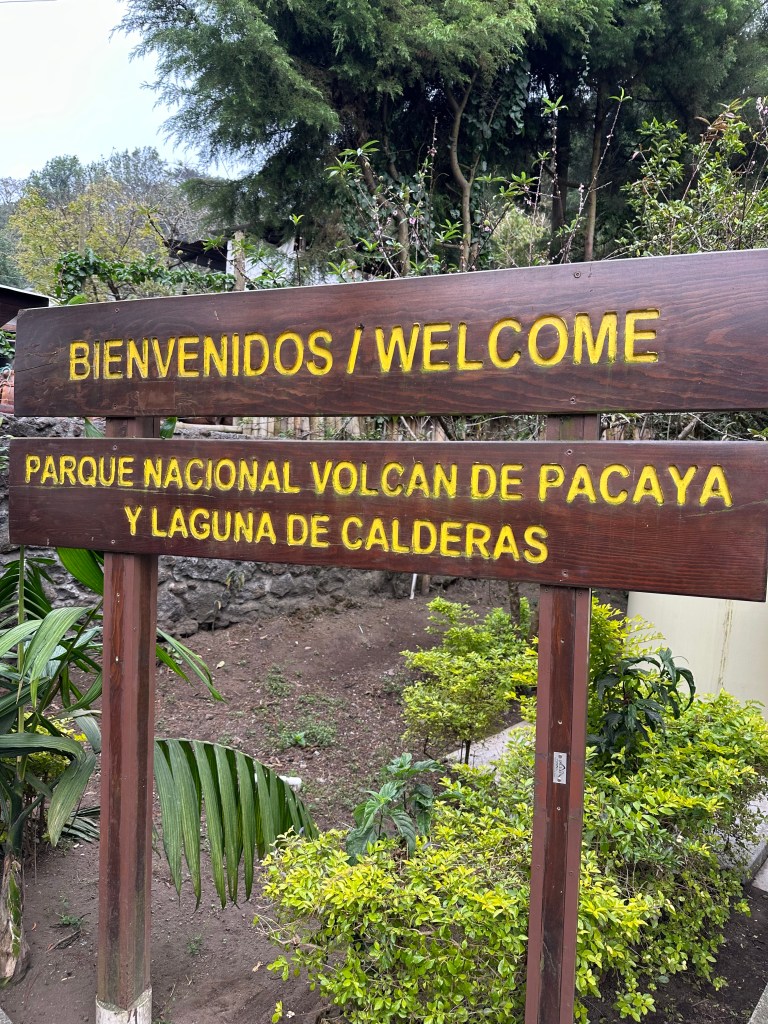
6. The area surrounding Antigua features four volcanoes—Agua, Fuego, Acatenango, and Pacaya. Fuego remains the most active, constantly spewing lava and ash, while Pacaya has been relatively quiet since 2021. Volcan Agua overlooks the town, a constant reminder of nature’s power. Thrill-seekers climb Acatenango to witness Fuego in action, while the less adventurous opt for Pacaya with its lava fields. The Pacaya hike takes only a few hours round-trip and offers a unique reward: roasting marshmallows in hot vents. While guided tours aren’t mandatory, transportation logistics make organized tours worthwhile. 
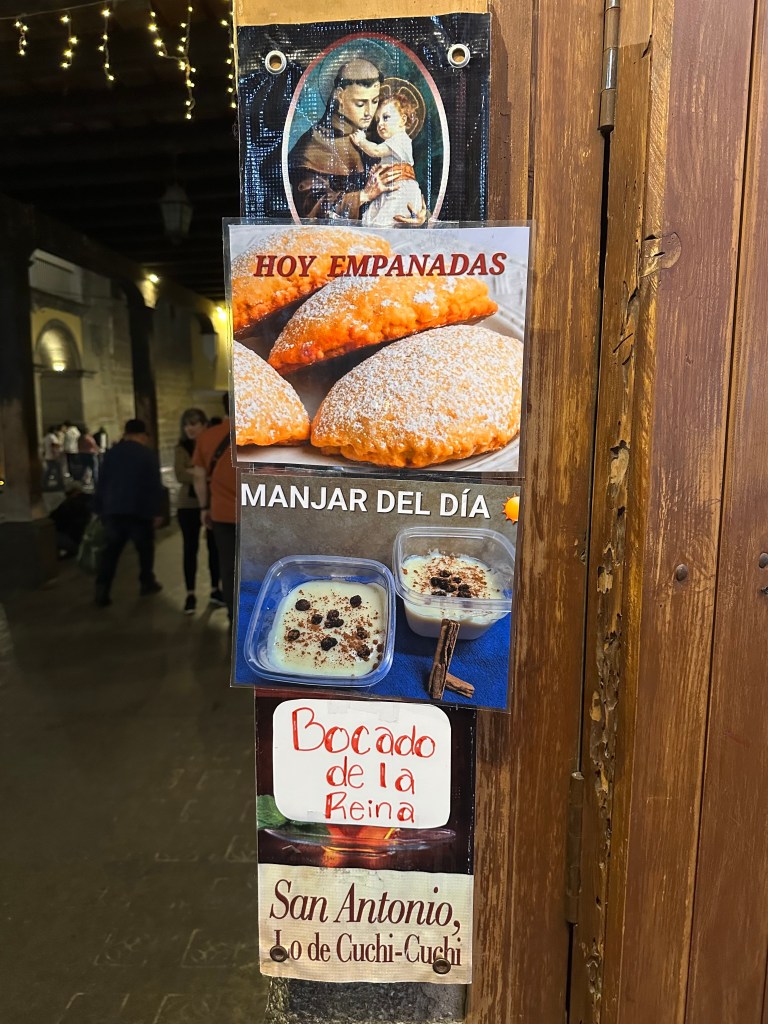
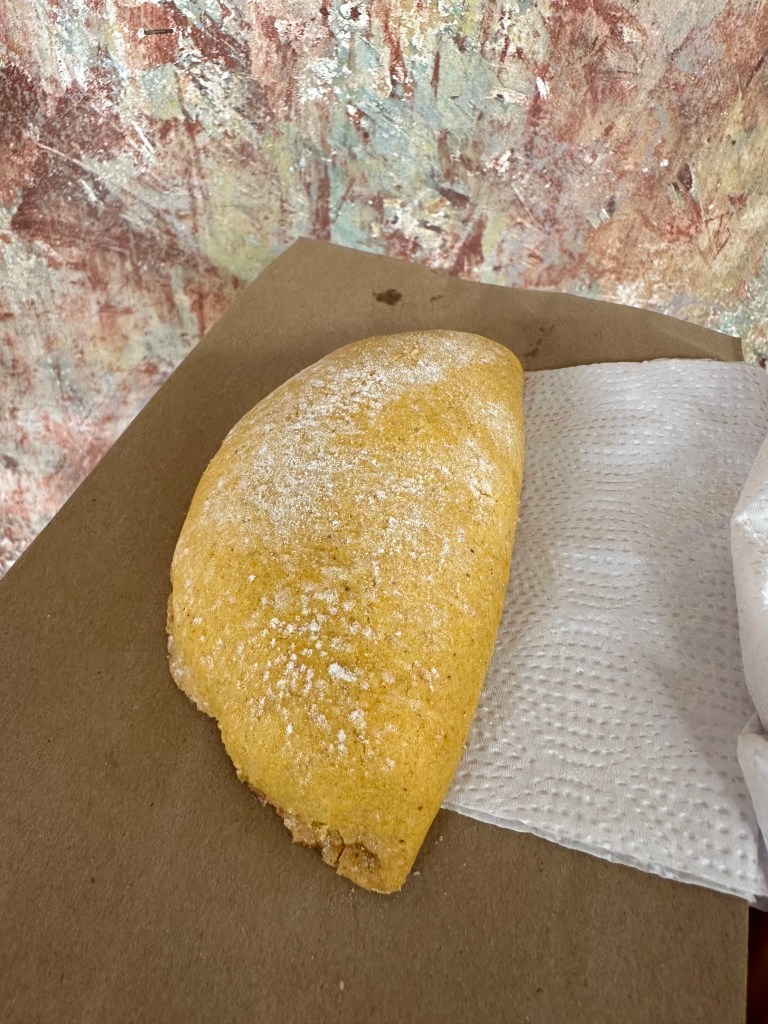
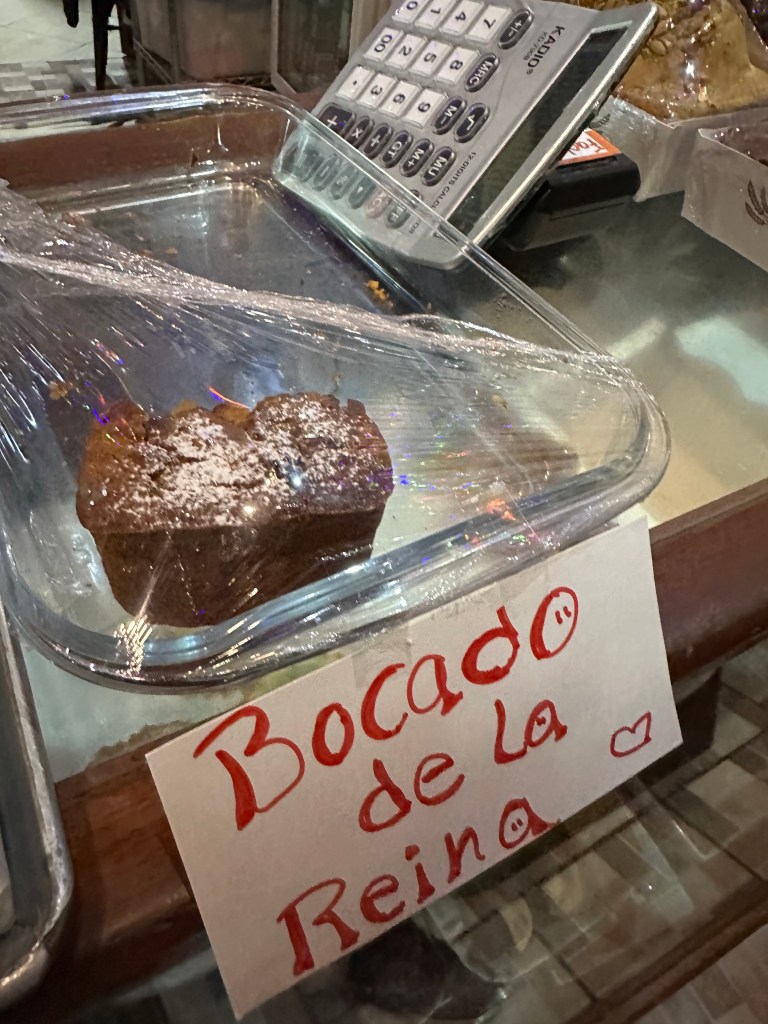
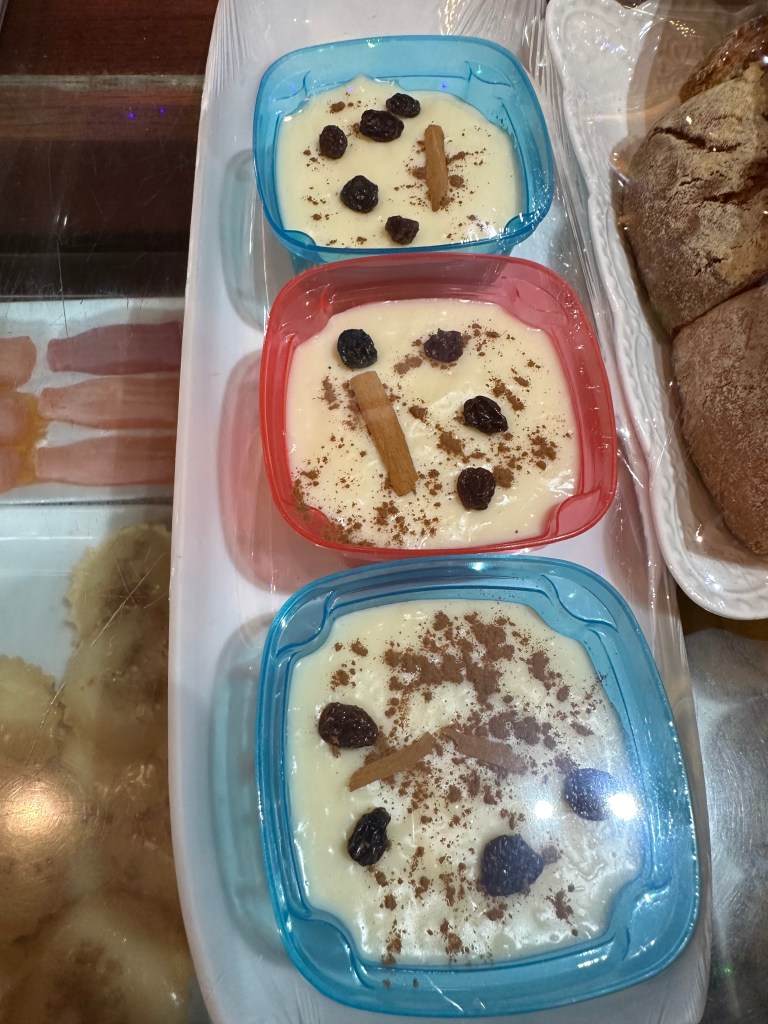
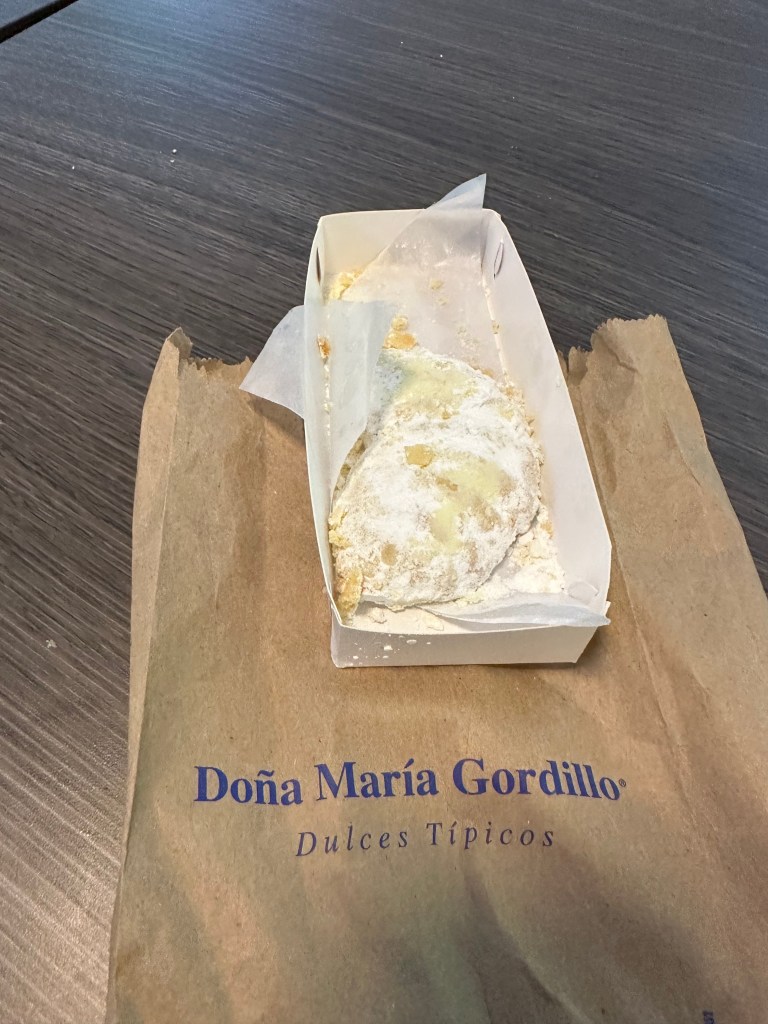
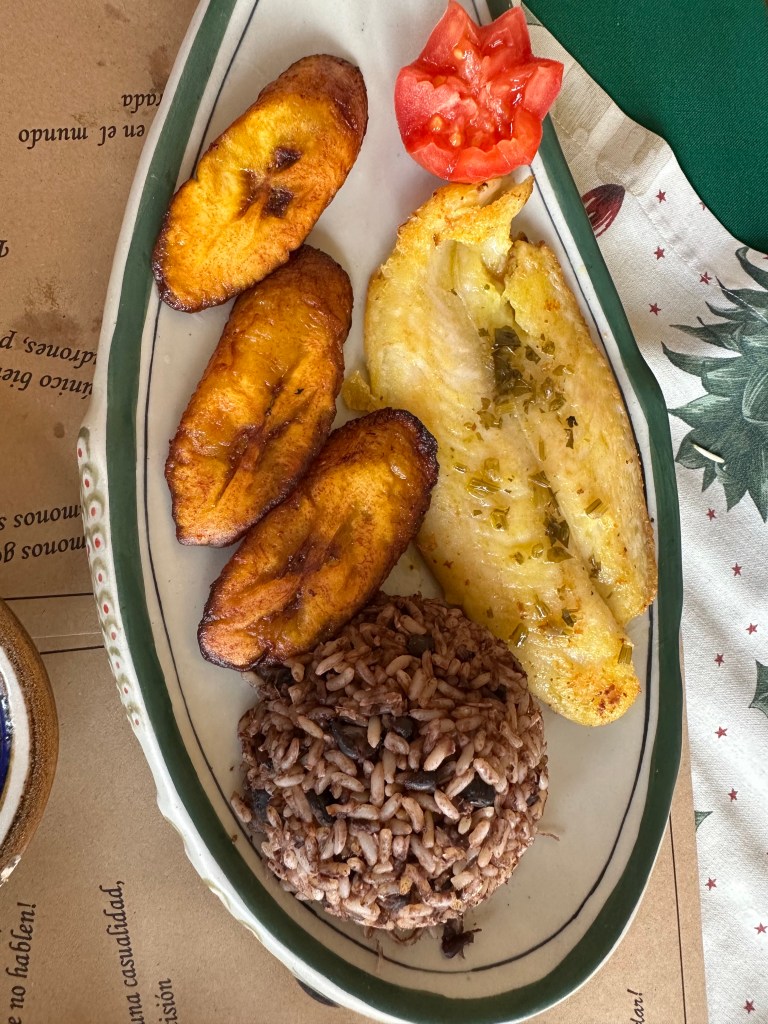
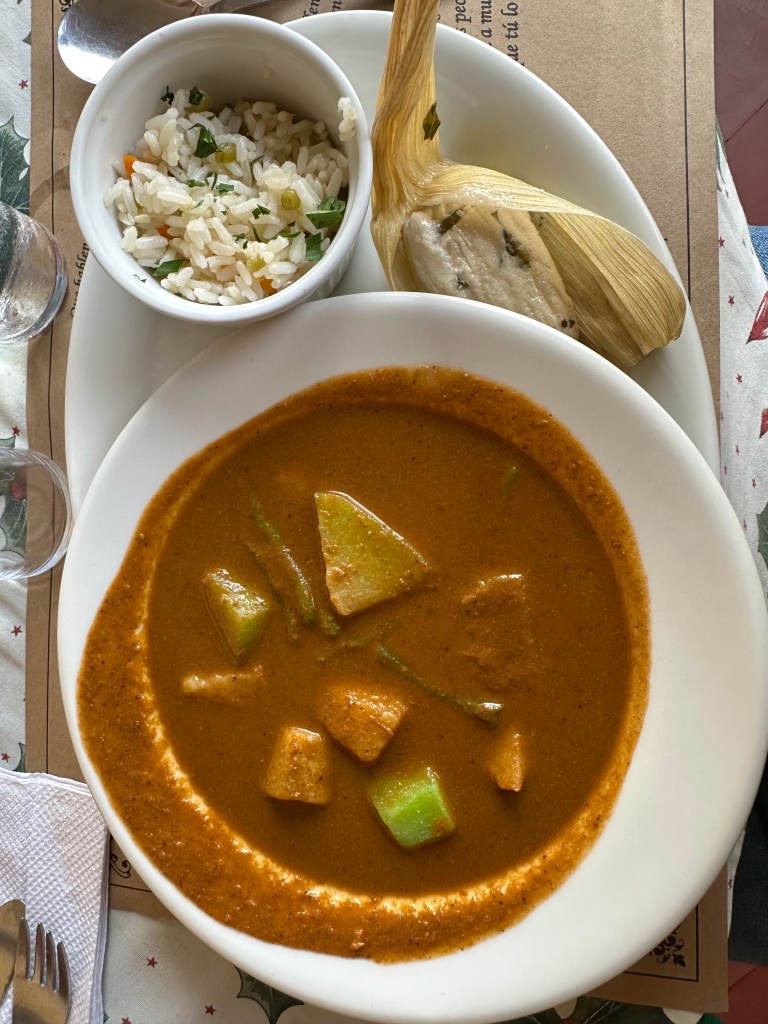
7. Guatemalan cuisine was a pleasant surprise. While not as complex and diverse as Mexican food, it stands above other countries in the region. Pepián is one of the most recognizable Guatemalan dishes—a meat stew made with native ingredients like tomatoes, tomatillos, cinnamon, and seeds from pumpkin, gourd, and sesame. The flavor is distinct, similar to a nutty tomato chutney. Guatemalan mole is served as dessert, more chocolate-forward with significantly less chile and spices than its savory counterparts. Antigua’s coffee scene caters to tourists but didn’t particularly impress me. The bakeries fared better, crafting classic Spanish sweets with skill—never too sweet or greasy. The Bocado de Reina (Guatemalan bread pudding) and Manjar de Dia (Guatemalan rice pudding) at San Antonio de Cuchi were scrumptious, as were the Polvorones (wedding cookies) at Doña Maria.
7 things about Antigua, Guatemala 

5 things about San Ignacio, Belize

    1. Belize stands out as an English-speaking country in predominantly Spanish-speaking Central America, a legacy of its colonial past as British Honduras. While known for its world-class diving sites along the Caribbean coast like Hol Chan Marine Reserve and the Great Blue Hole, the country also shares rich Mayan heritage with its neighbors. The Cayo district near the Guatemalan border is home to some of Belize’s best archaeological sites, many of which remain under the radar compared to those in neighboring countries.

    2. San Ignacio was more economically modest than I anticipated, with most consumer goods being imported. The local business landscape reveals interesting patterns: grocery stores are predominantly operated by Chinese immigrants, while clothing shops are largely run by Indian merchants. These businesses maintain a straightforward approach—store names are typically anglicized versions of Chinese names without attempting to blend into local culture.

    Chinese run grocery stores

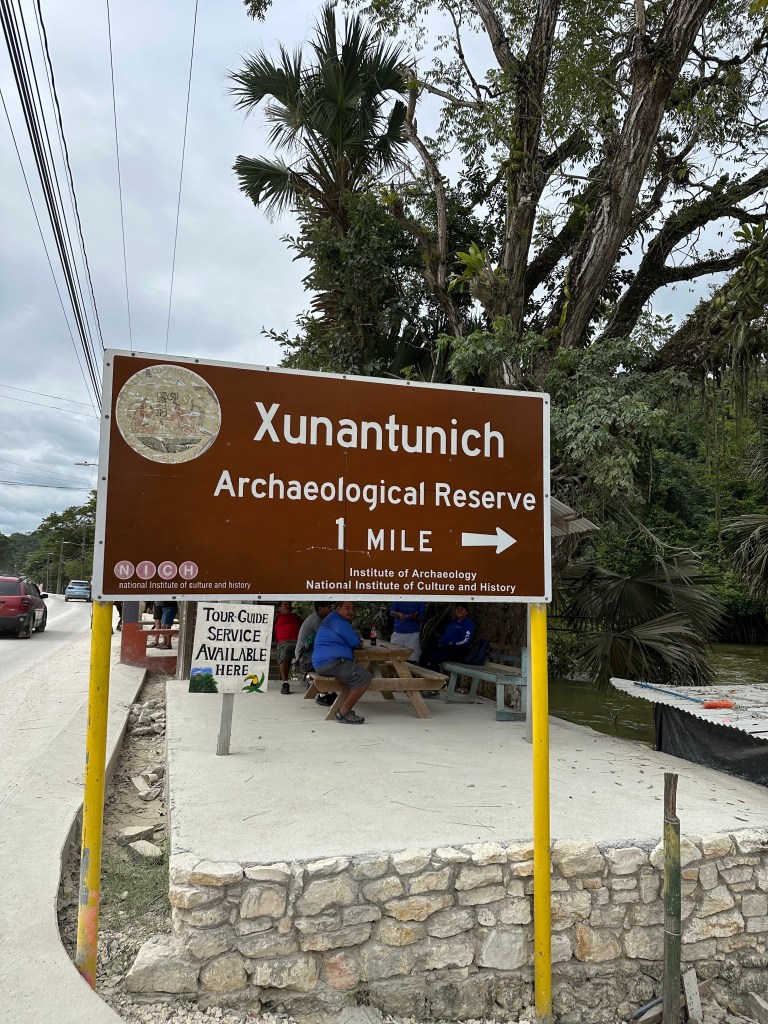
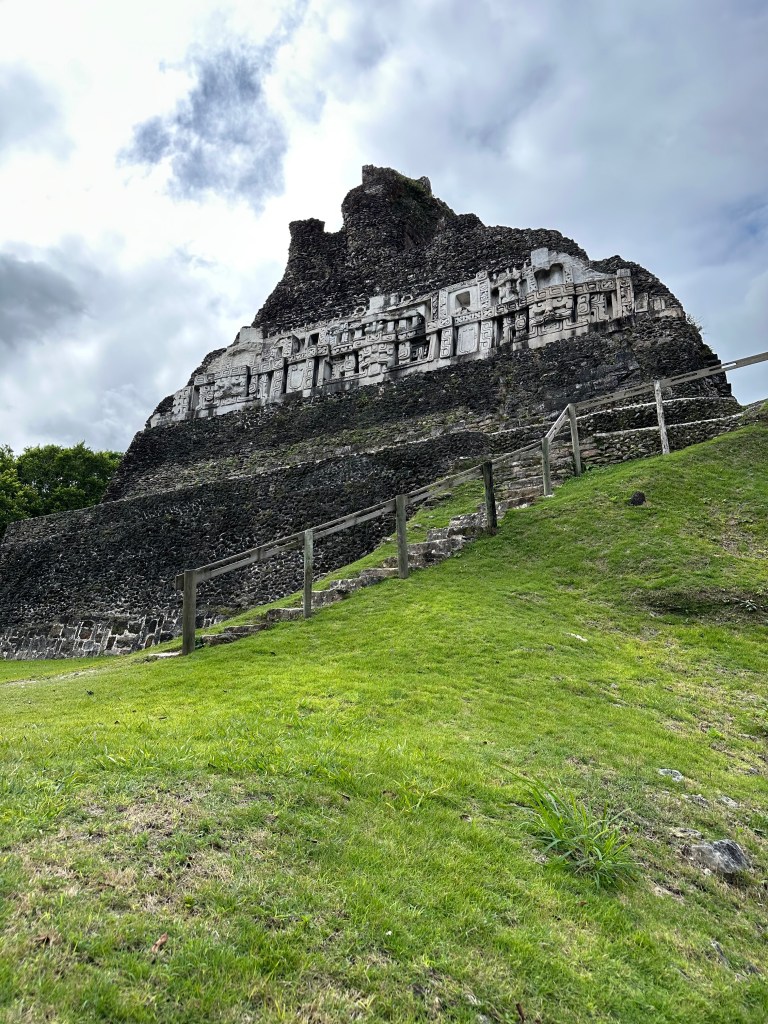
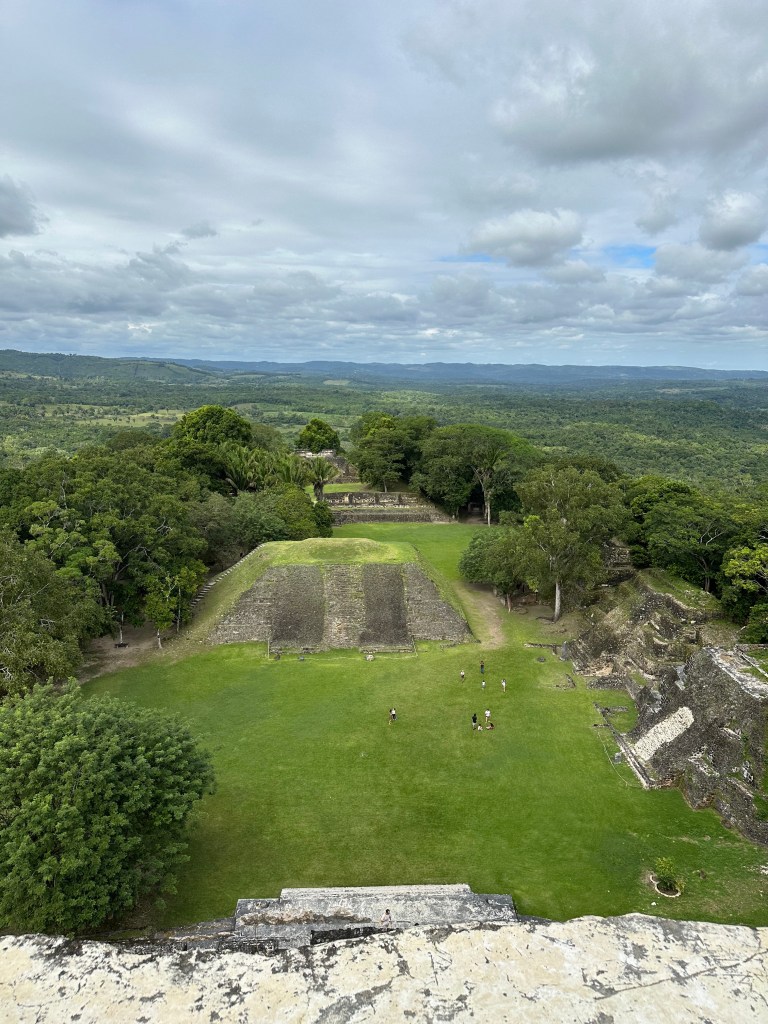
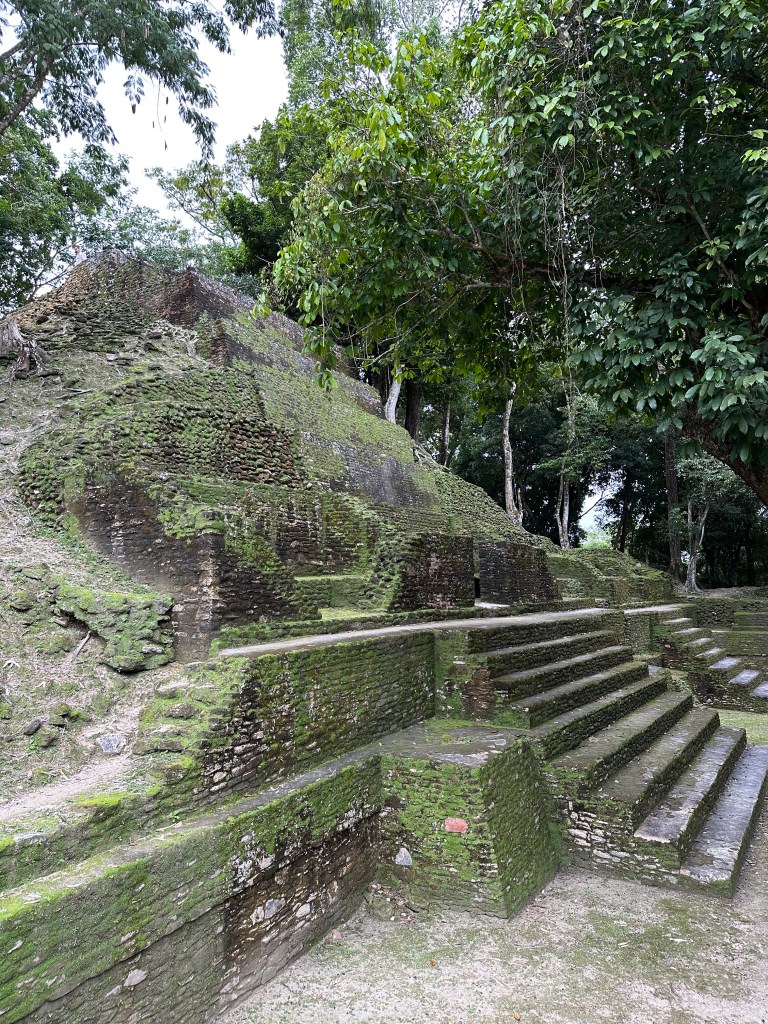
    3. The biggest draw of San Ignacio is its proximity to exceptional Mayan ruins. Cal Pech sits right within town limits and dates back to 1200 BCE, making it one of the oldest sites in the region. Just 8 miles west, Xunantunich impresses as the area’s largest complex, featuring the second-tallest structure in Belize. The panoramic view from atop El Castillo alone makes the trip worthwhile. The site includes six plazas with temples, palaces, and classic Mayan structures like the ceremonial ball court. The journey to Xunantunich adds to the adventure—a short hand-cranked ferry across the Mopan River followed by a 1-mile hike through lush jungle canopy.

    El Castillo

    View from the Castillo

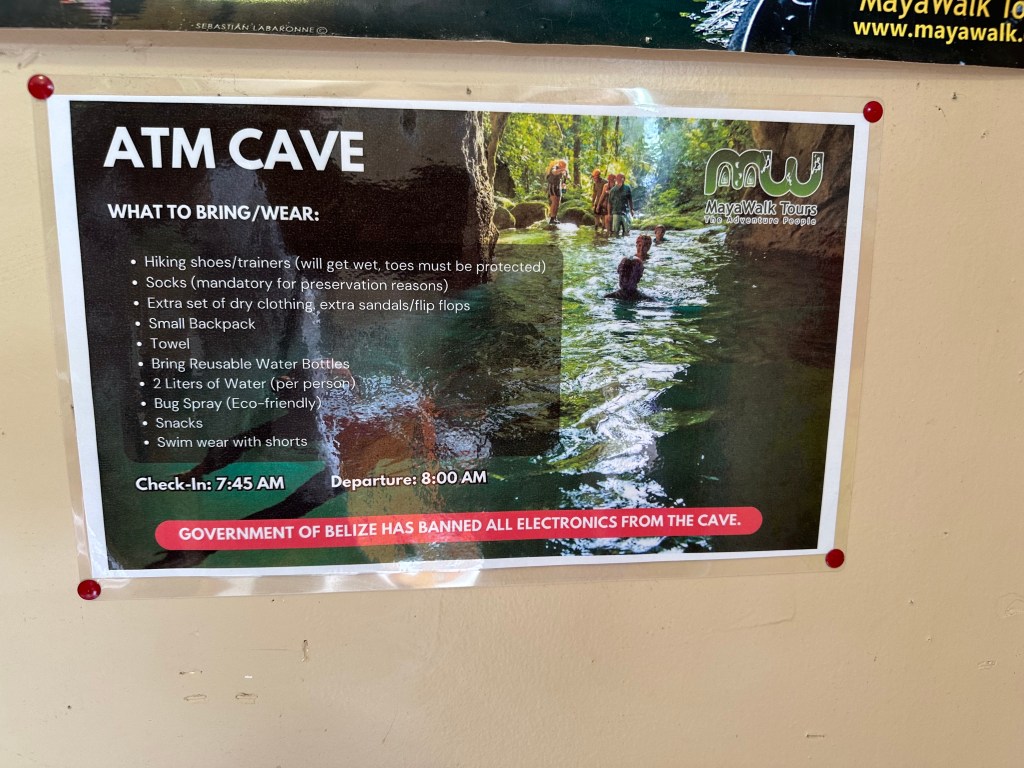
    4. The ATM (Actun Tunichil Muknal) cave tour offers a thrilling archaeological adventure just 45 minutes from town. The main attraction is seeing Mayan artifacts preserved in an underground cave system, culminating in the “Crystal Maiden” chamber containing fully intact skeletal remains of sacrifice victims. While large tour groups can sometimes diminish the mystique, the full experience—involving a 45-minute jungle hike, multiple river crossings, and cave swimming—creates an unforgettable expedition. Be aware that the physical demands are significantly more challenging than advertised, even for active adults, primarily due to narrow passageways with sharp rocks.

    ATM Cave

    Cave tour is the only option to visit the cave

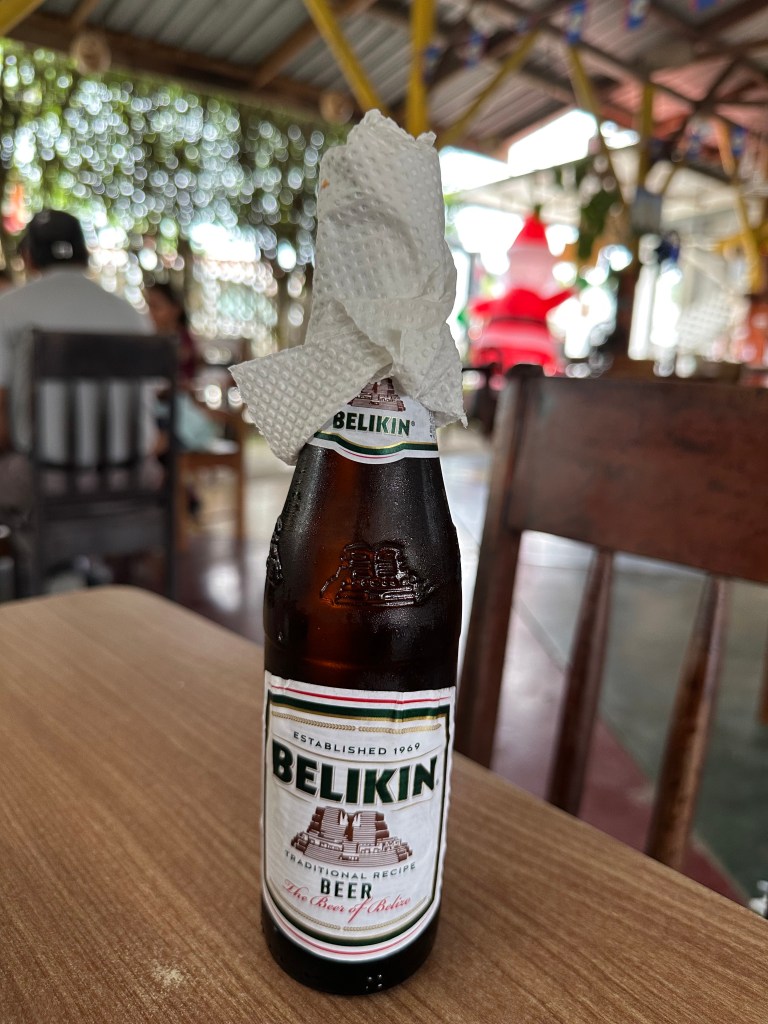
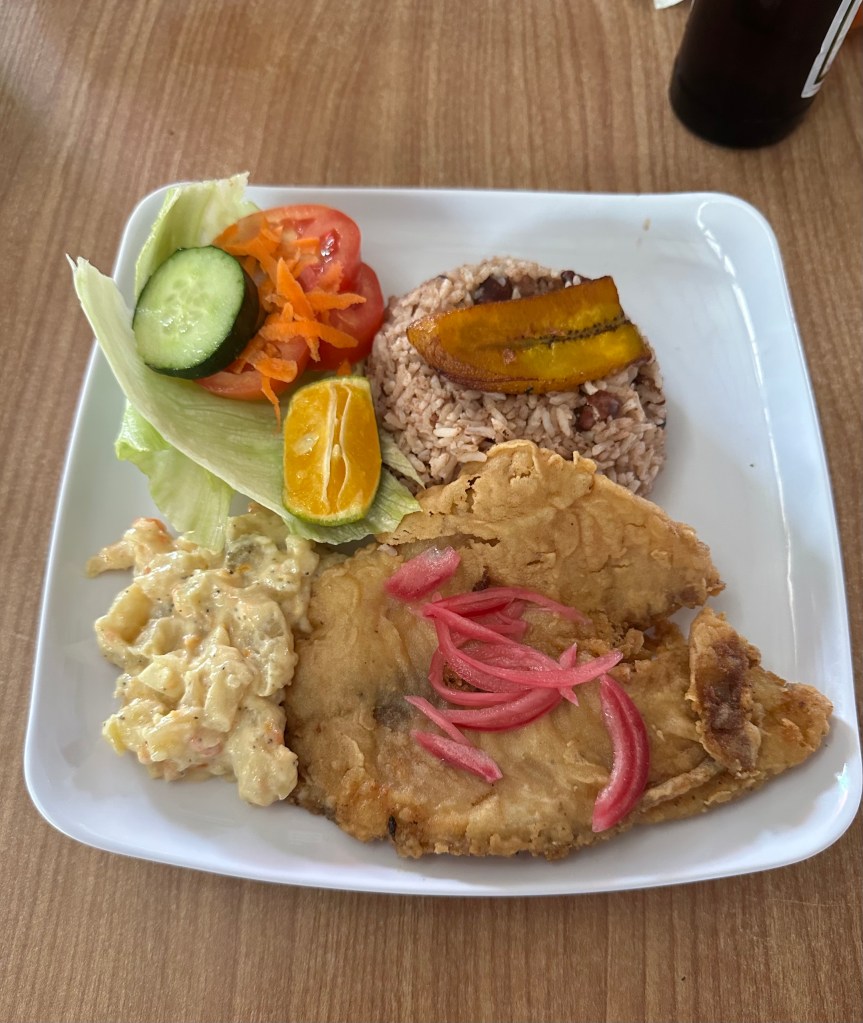
    5. Central American cuisine rarely earns international acclaim, and Belizean food was surprisingly understated even within the region. The national dish of rice and beans lacked the depth and flavor I’ve enjoyed elsewhere. Nevertheless, food at mom and pop restaurants is freshly made, with Benny’s Kitchen offering solid meals. The true culinary highlight was Belikin beer—one of the best mass-produced beers I’ve tried. This European-style lager achieves a perfect balance of crispness and malty flavor. It’s puzzling how Belize perfected its beer recipe before mastering its rice and beans.

    Belikin beer

      Typical Belizean lunch

      5 things about San Ignacio, Belize

      5 Things about San Salvador, El Salvador 

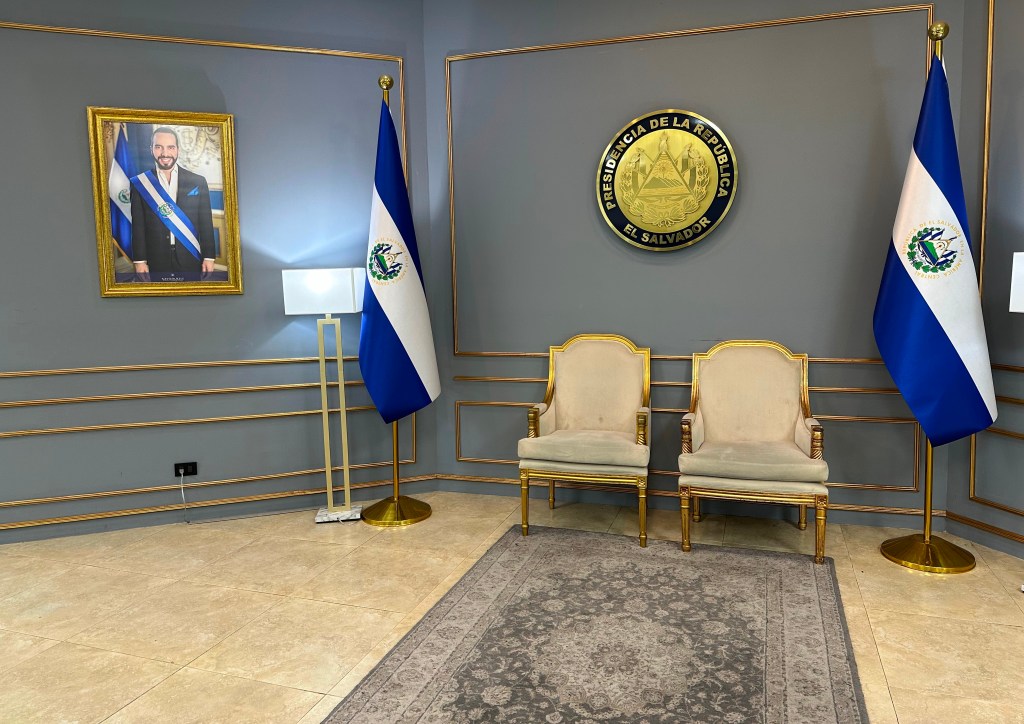
      1. El Salvador has recently captured global attention through its enigmatic President Nayib Bukele. Known for his bold moves, Bukele has garnered international recognition for two major initiatives: his aggressive campaign to combat gang violence, which has dramatically transformed the country’s security landscape, and his controversial decision to make Bitcoin legal tender – a world first that put this small Central American nation in the financial spotlight.

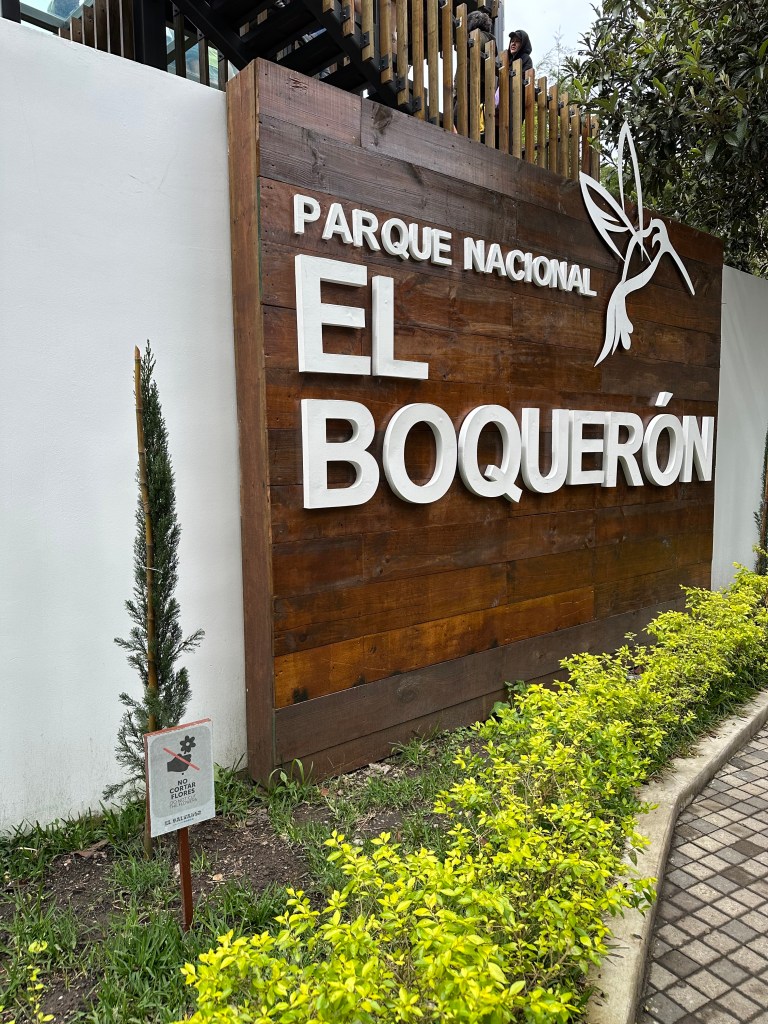
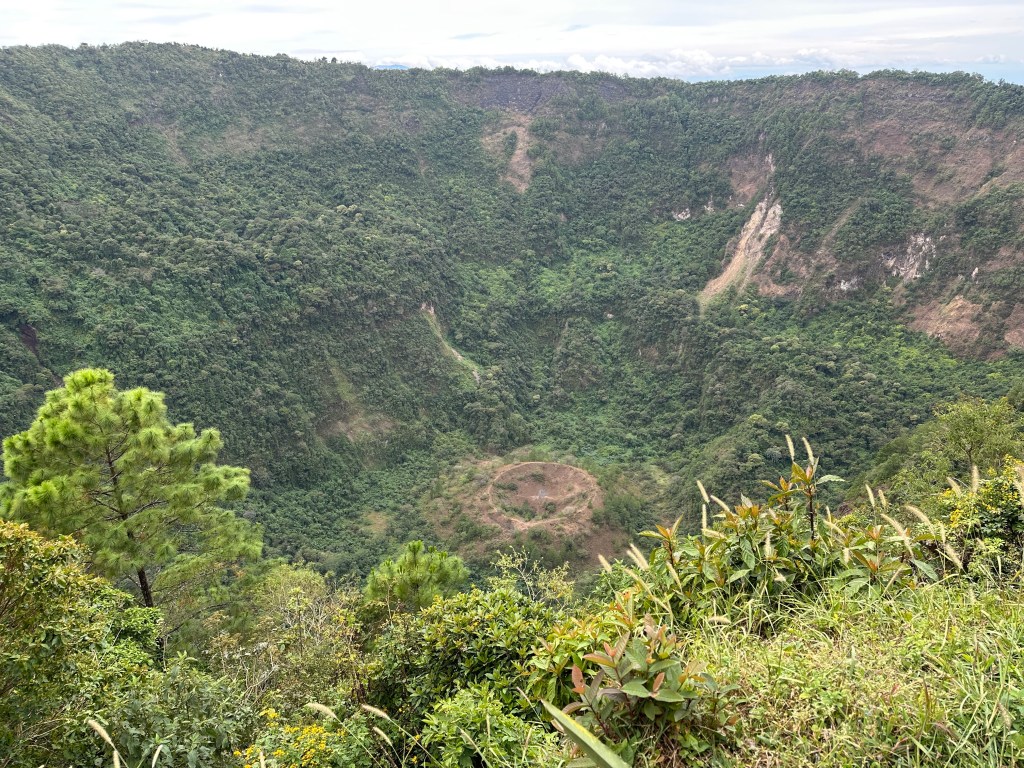
      2. Beyond its contemporary politics, El Salvador’s landscape tells an ancient story through its 200+ volcanoes, 36 of which remain active today. These fiery giants so dominated the region that even the mighty Mayans, despite their attempts to settle here, eventually retreated to other parts of Central America due to the constant eruptions. Today, the majestic San Salvador Volcano watches over the capital city, offering visitors a spectacular natural attraction at El Boquerón National Park. A leisurely hike leads to breathtaking views of the massive crater, with a glass walkway adding an extra thrill for adventure seekers.

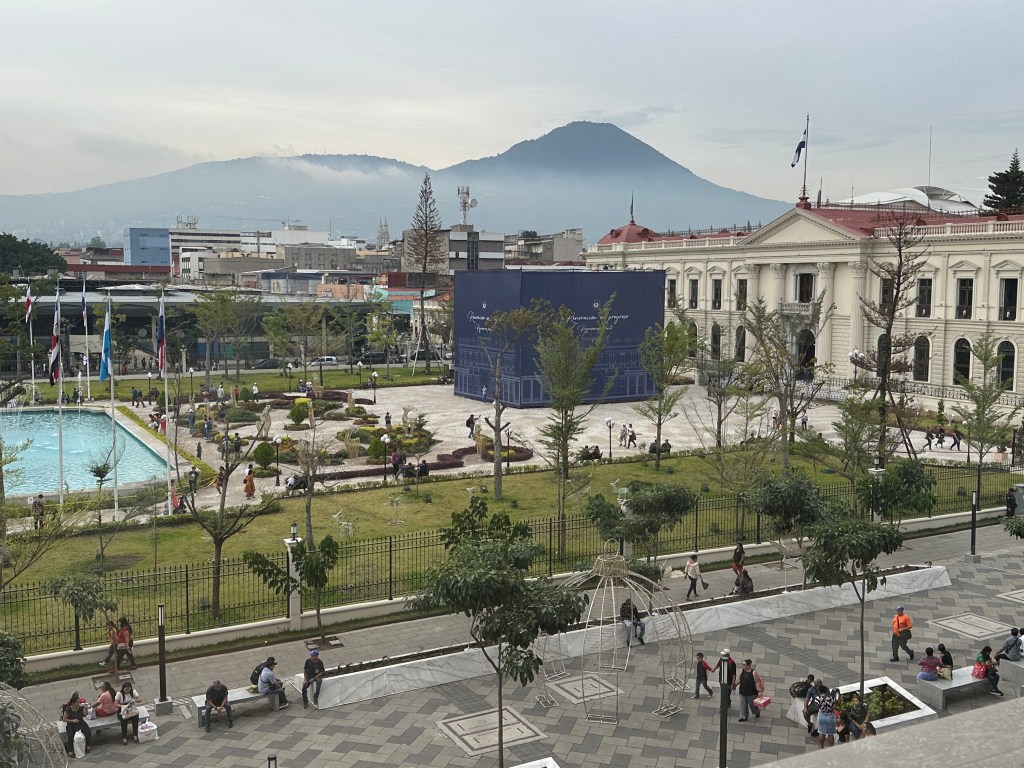
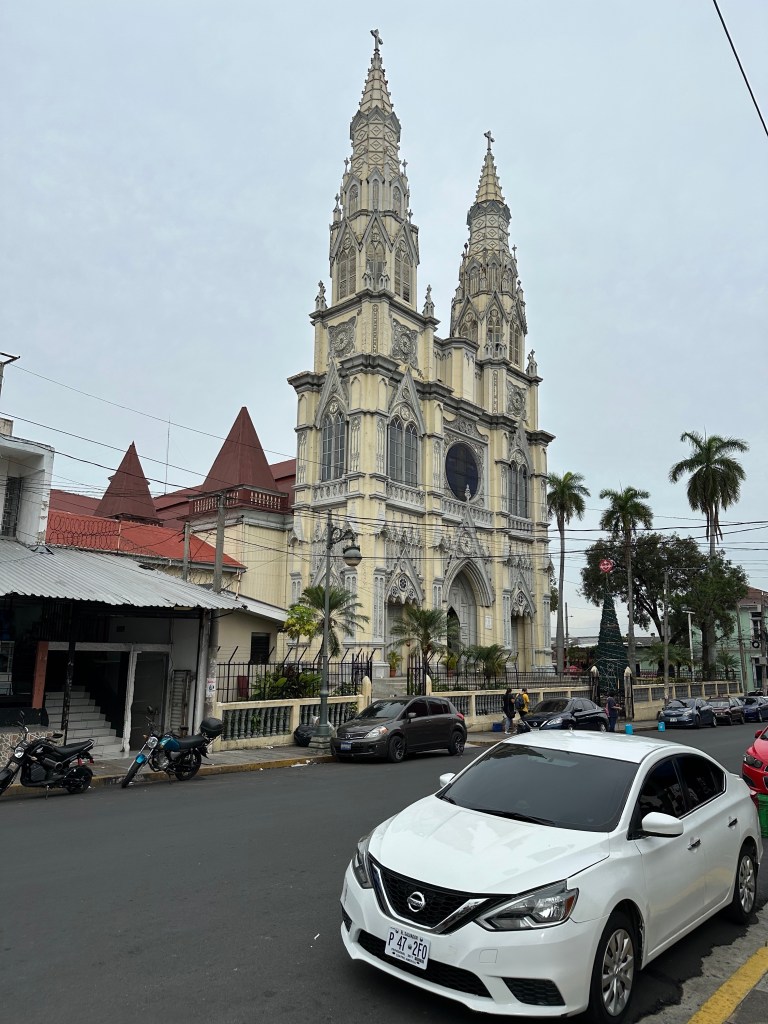
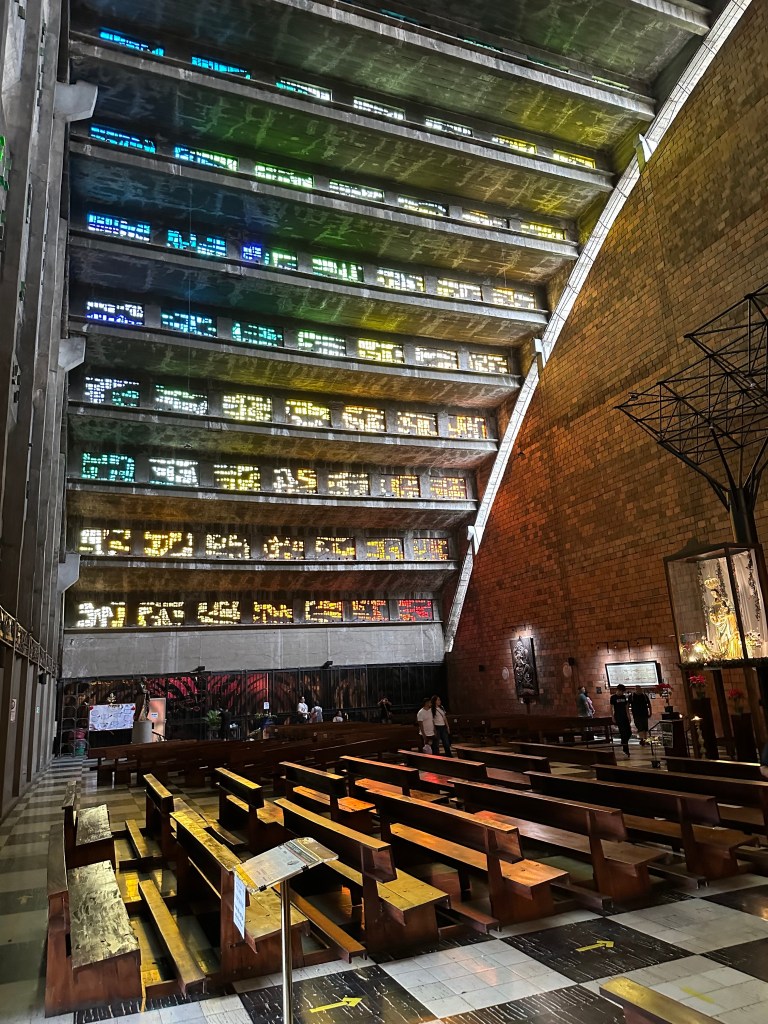
      3. In the heart of the capital, San Salvador’s Historic Downtown is experiencing a renaissance. Plaza Libertad showcases elegant Art Deco architecture that hints at the city’s golden age, while Plaza Gerardo Barrios forms a cultural nucleus with the former Presidential Palace, the Chinese-donated National Public Library, and the National Church. The city’s religious architecture proves particularly fascinating, blending innovation with tradition. The Basilica Sagrado Corazón stands out with its unique all-metal façade, while the El Rosario Church, built in 1964, surprises visitors with its modernist design – featuring a stepped roof and stunning stained glass that wouldn’t look out of place in contemporary Dubai. 

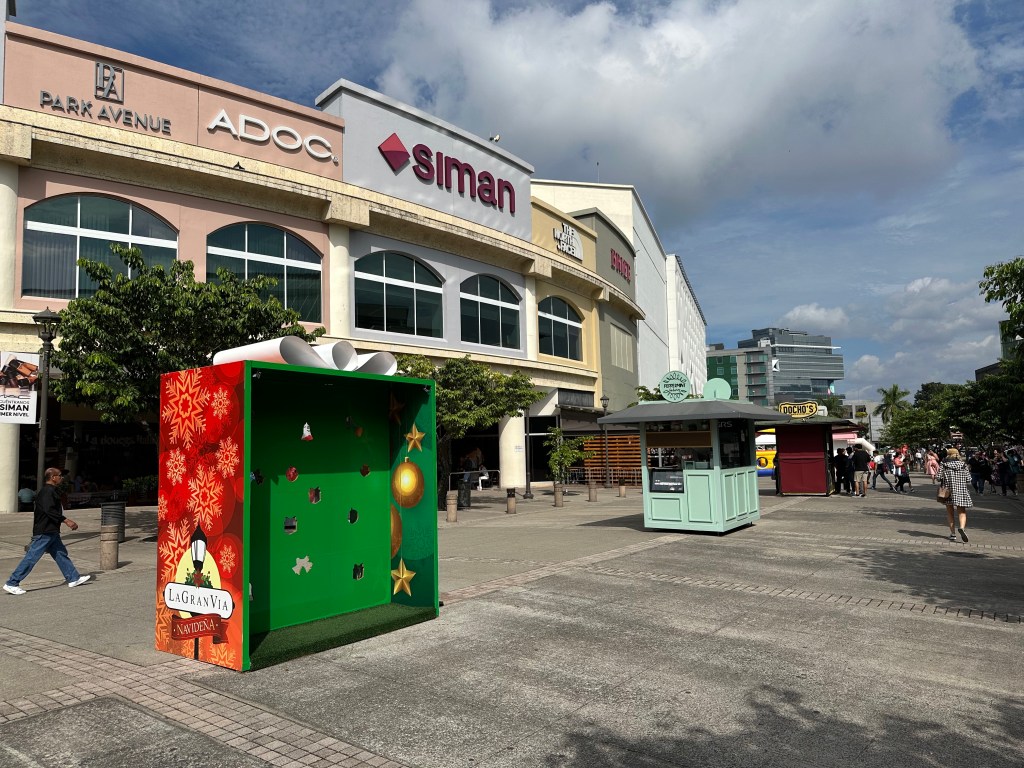
      4. Modern San Salvador presents an interesting contrast through its upscale malls, which serve as peaceful sanctuaries from the city’s grittier areas. While the economics of luxury shopping centers in a middle-income country might raise eyebrows, these air-conditioned oases have become integral to urban life. 

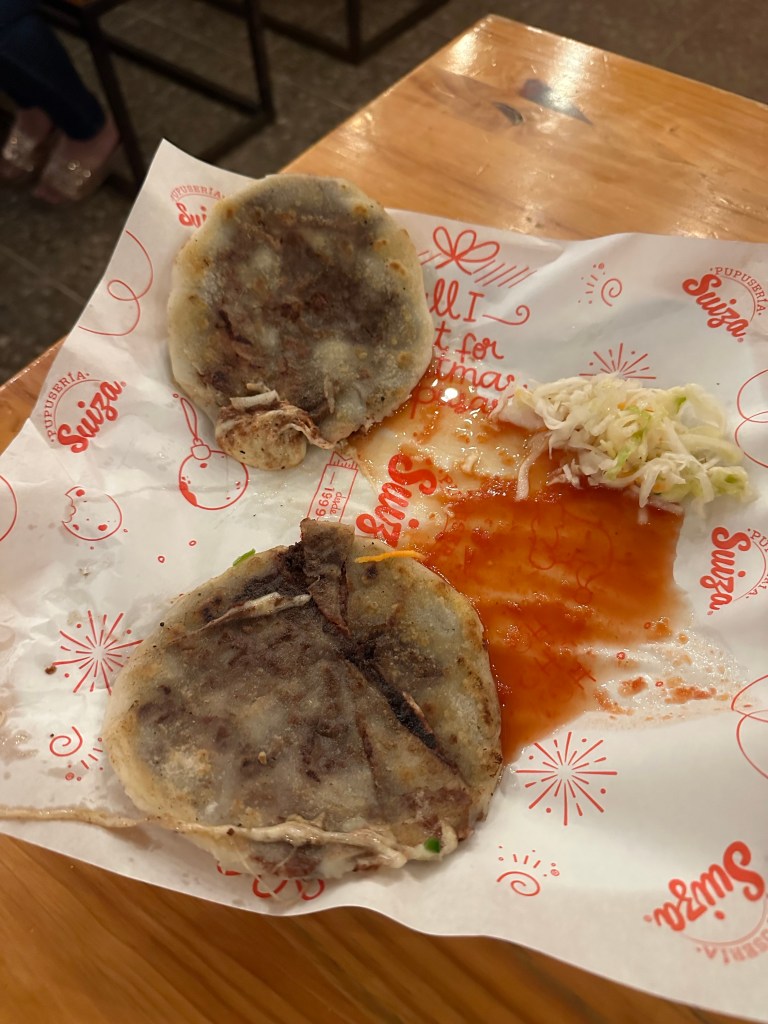
      5. No visit to El Salvador is complete without experiencing pupusas, the country’s beloved national dish. These grilled corn flour pancakes come stuffed with various fillings – cheese, meat, or beans – and are served with a light tomato salsa and curtido, a tangy slaw made from cabbage, carrots, and onions. The best pupusas are enjoyed fresh off the griddle, with melted cheese oozing from the edges. Interestingly, these delicacies follow strict cultural timing – they’re perfectly acceptable for breakfast or dinner, but never for lunch. While locals passionately debate their favorite pupuserías, often championing small neighborhood establishments, my personal highlight was Pupuseria Suiza, which served the finest pupusas I’ve tasted – even compared to those I’ve tried in California.

      5 Things about San Salvador, El Salvador