7 things about Bucharest, Romania

1. History and identity

Romania’s history is one of repeated absorption and re-formation. The land that is now Romania was first inhabited by the Dacians and later folded into the Roman Empire. Over the centuries, the region saw successive waves of control by the Cumans, the Ottomans, and later the Habsburgs, even as a Romanian identity began to take shape under figures like Michael the Brave. Medieval principalities such as Wallachia and Moldavia eventually consolidated into a modern Romanian state in the late nineteenth century. After World War II, Romania became a socialist republic under Soviet influence. When that system collapsed, it re-emerged once again as a modern republic. That sense of continuity under repeated disruption is central to understanding the country.

2. The city itself

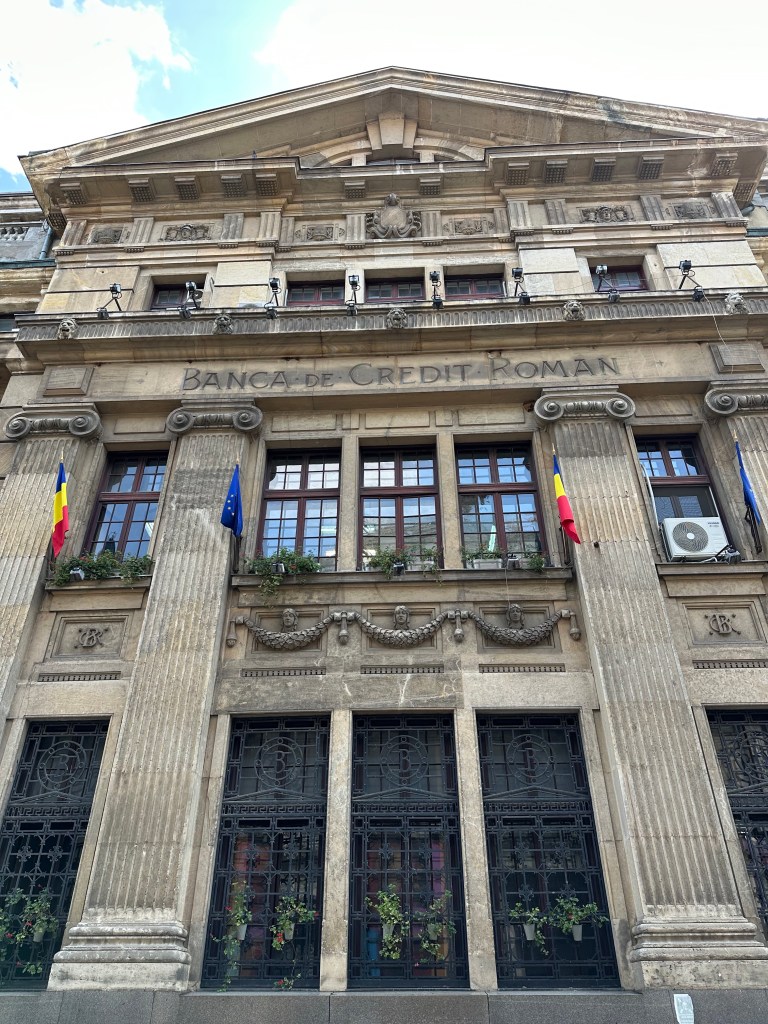
Bucharest was better than I expected. It feels dense and sprawling at the same time. Parts of the city reminded me of Mexico City, perhaps because of Herăstrău Park, a vast green space in the center that plays a role similar to Chapultepec. The wide boulevards reflect Soviet-era urban planning, and the brutalist buildings reinforce that impression. Bucharest has been the capital since the formation of the Romanian state, and its coat of arms is derived from that of Wallachia, another reminder of how deeply history is embedded in the city.

3. The Palace of Parliament

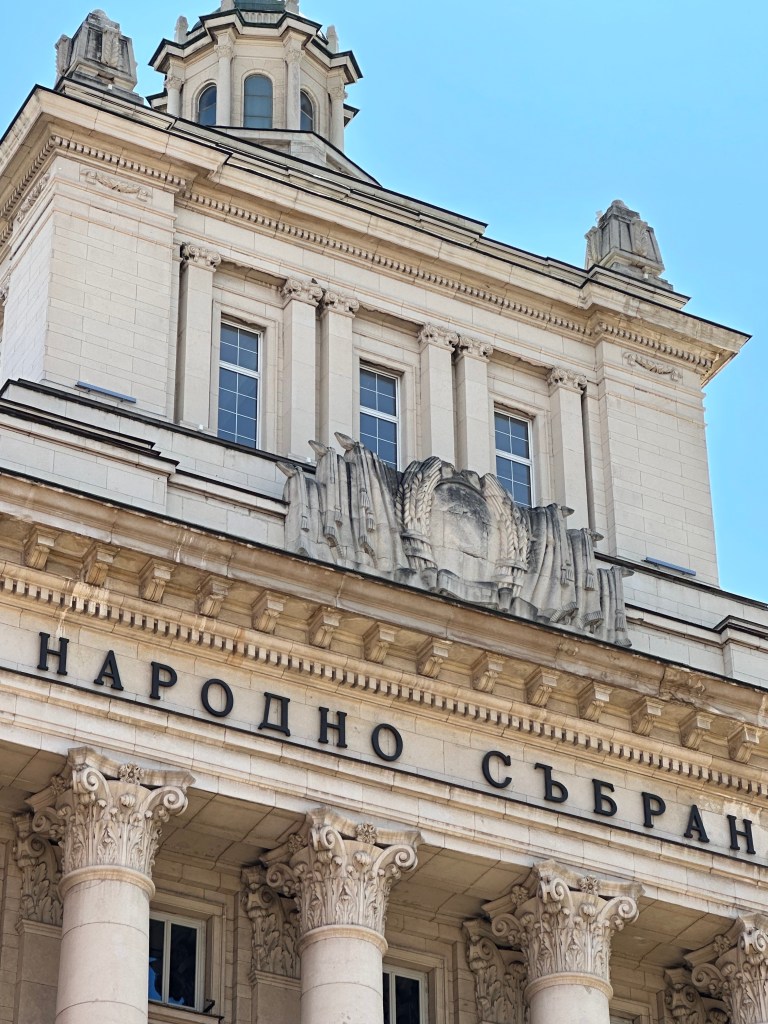
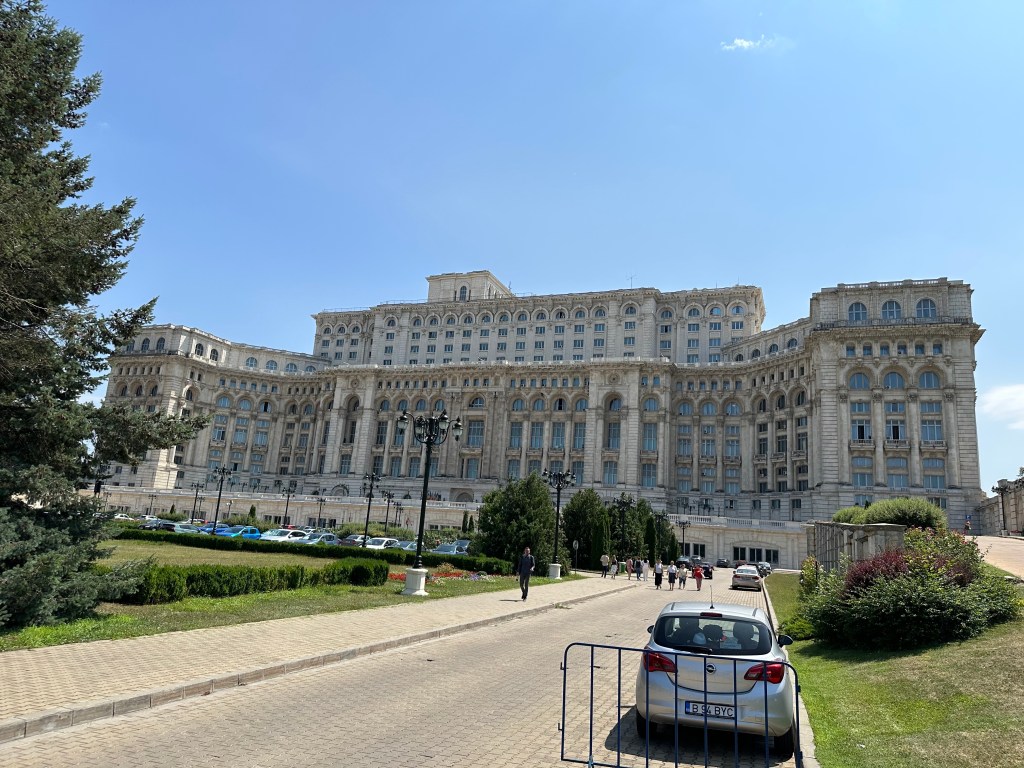
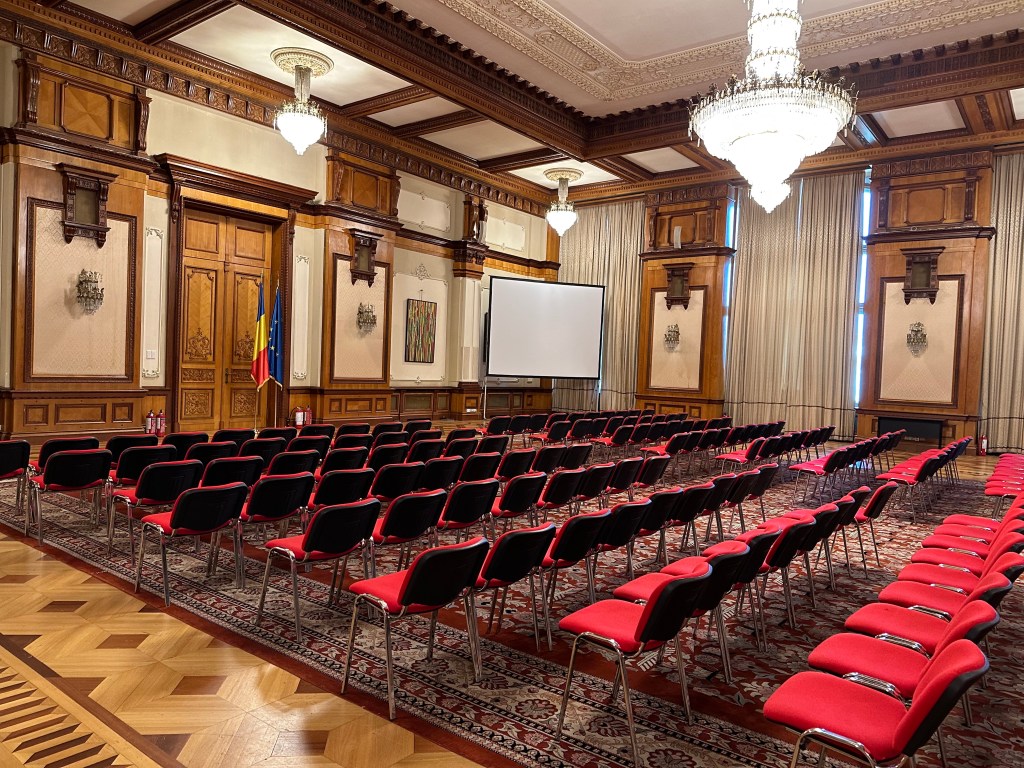
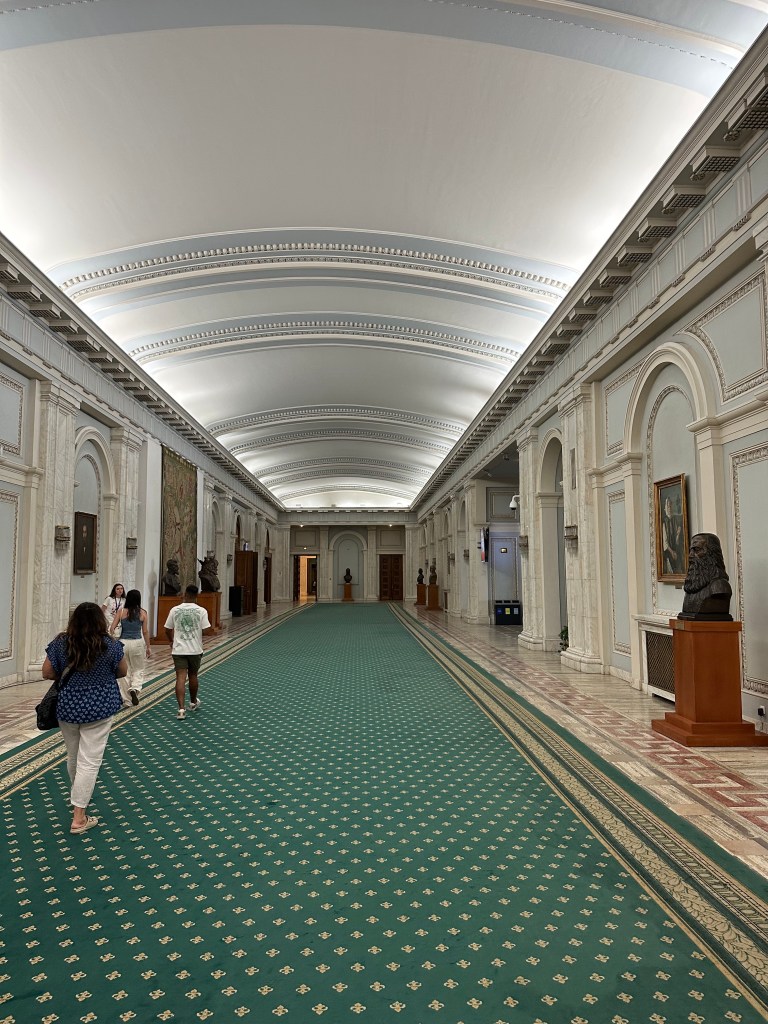
Also known as the People’s House, the Palace of Parliament is excess made physical. What it lacks in taste, it attempts to compensate for with scale. It is the largest civil administrative building in the world and also the heaviest. Built between 1984 and 1997 during the communist era, it houses the Parliament, the Constitutional Court, and several museums. Despite this, it is estimated that nearly seventy percent of the building remains unused. Tours are offered daily and tend to sell out during the summer, which says something about our fascination with monuments to ambition.

4. Music and architecture

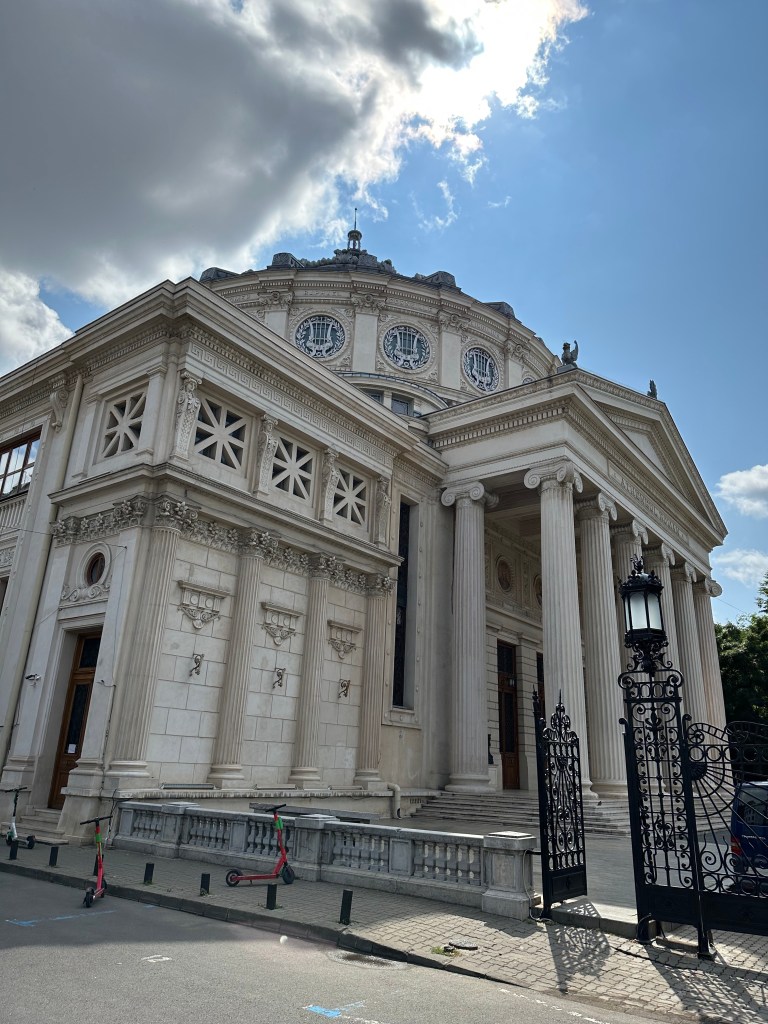
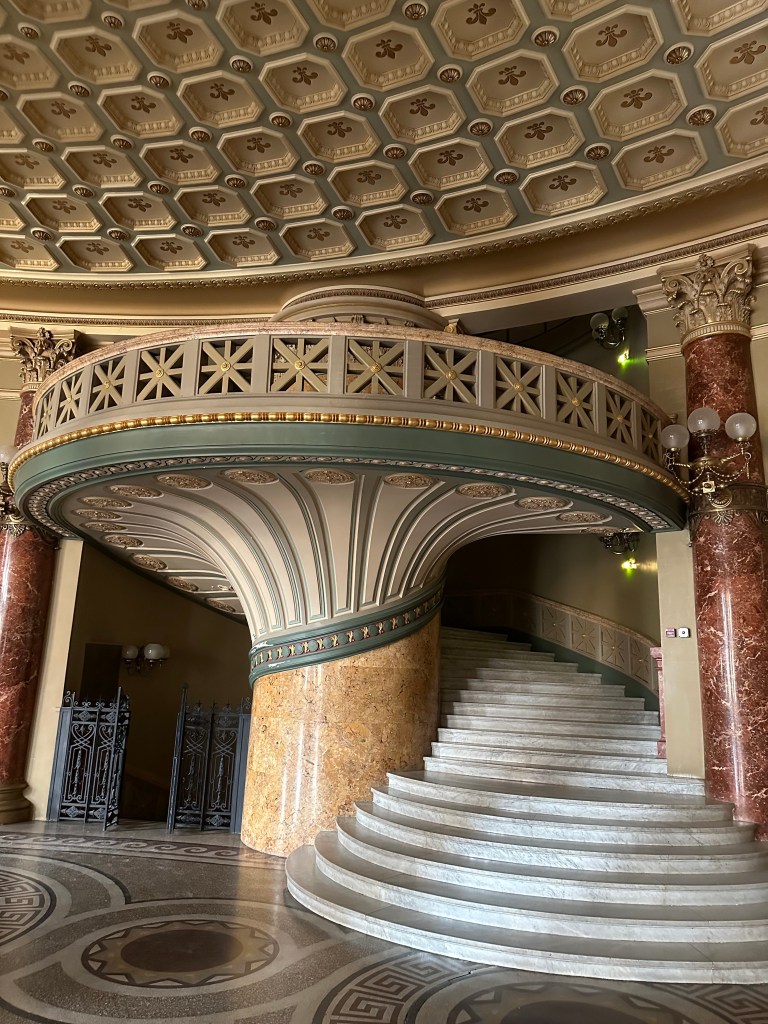
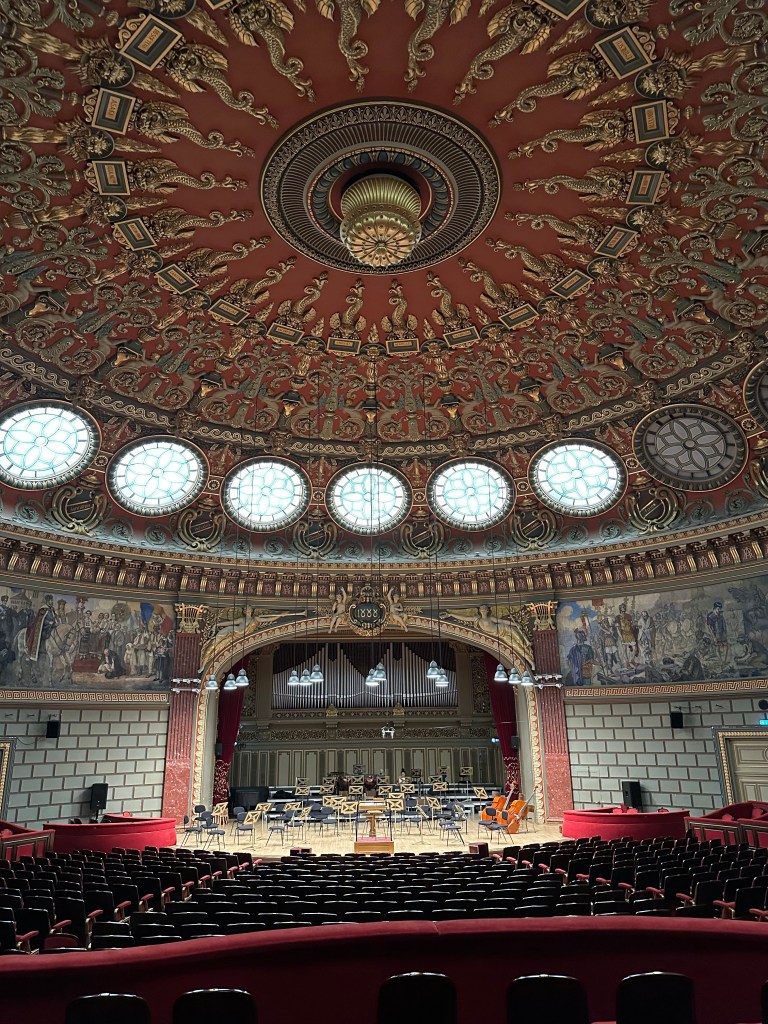
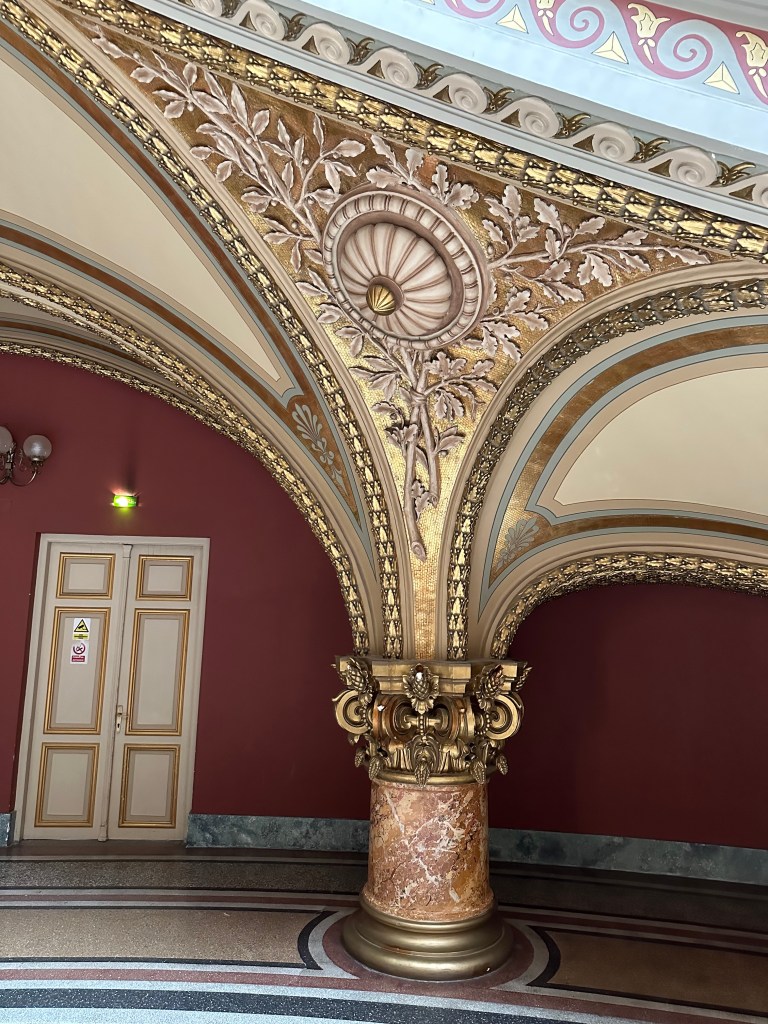
The Romanian Athenaeum, or Ateneul Român, was built in 1888 by the Romanian Athenaeum Cultural Society and remains one of the city’s architectural highlights. The neoclassical exterior is regal without feeling overwhelming, and the ornate domed roof stands out immediately. Inside, the entry halls and staircases create a sense of ceremony before opening into the main concert hall. It feels like a building designed not only for music, but for occasion.

5. Old Town and living history

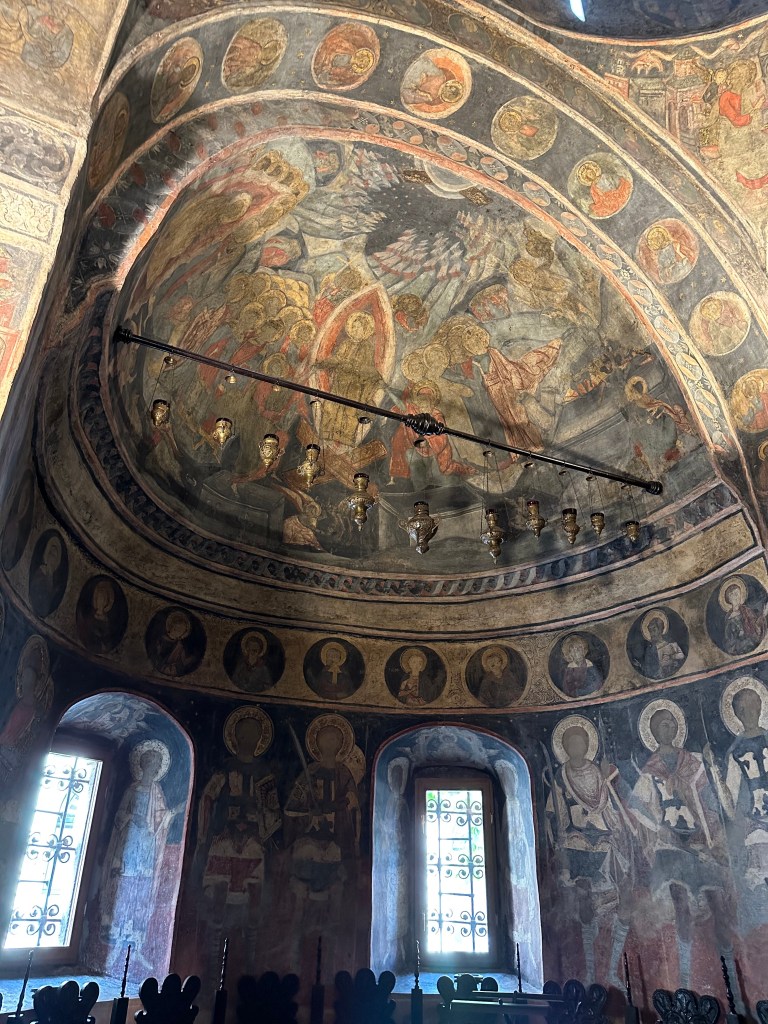
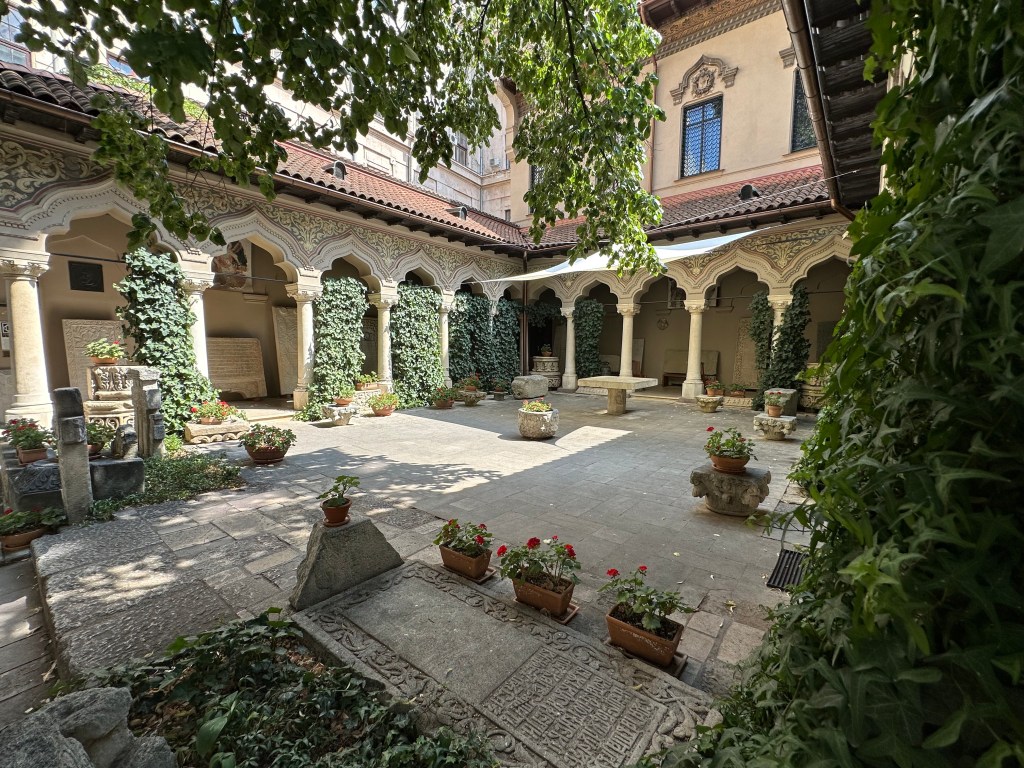
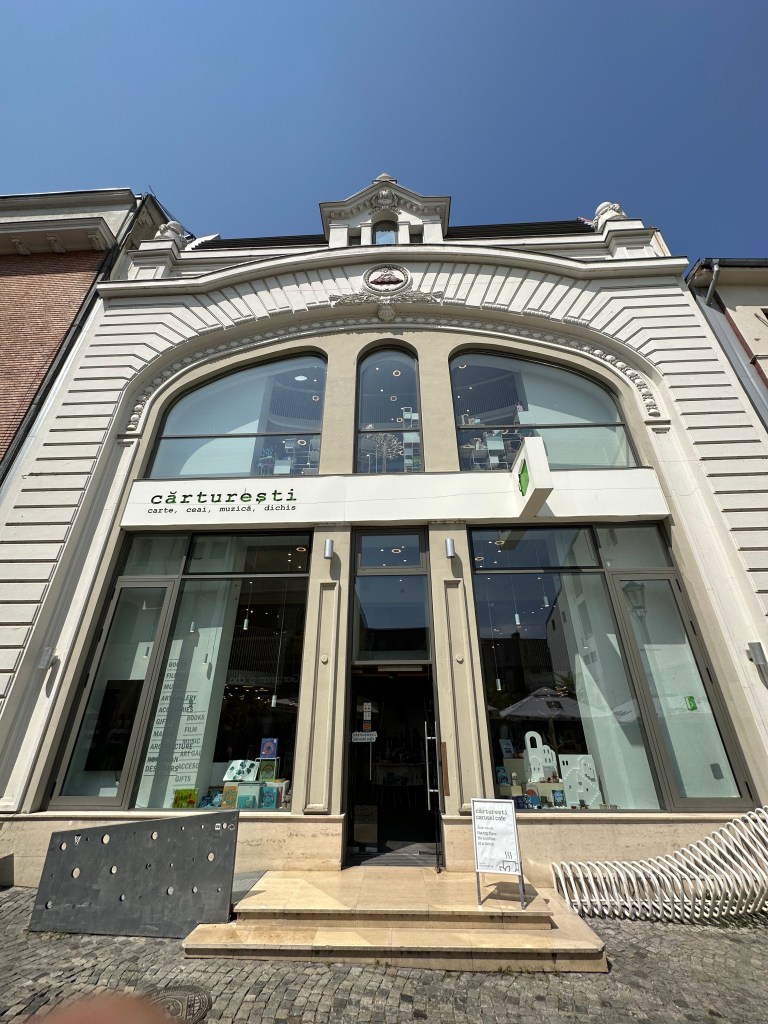
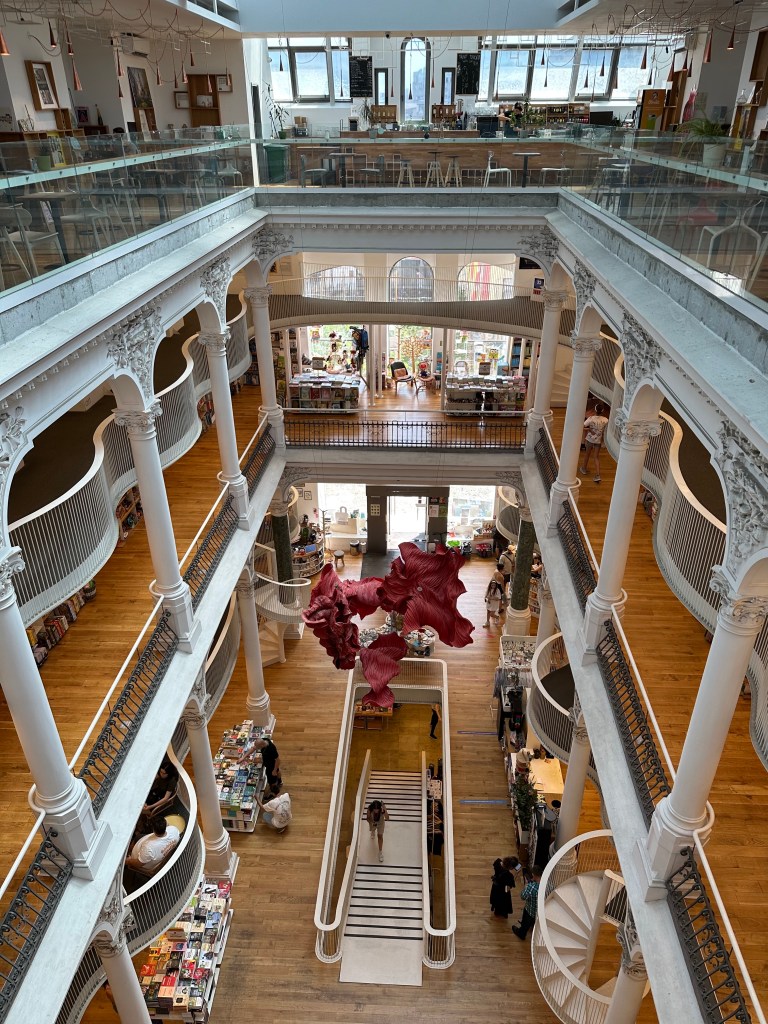
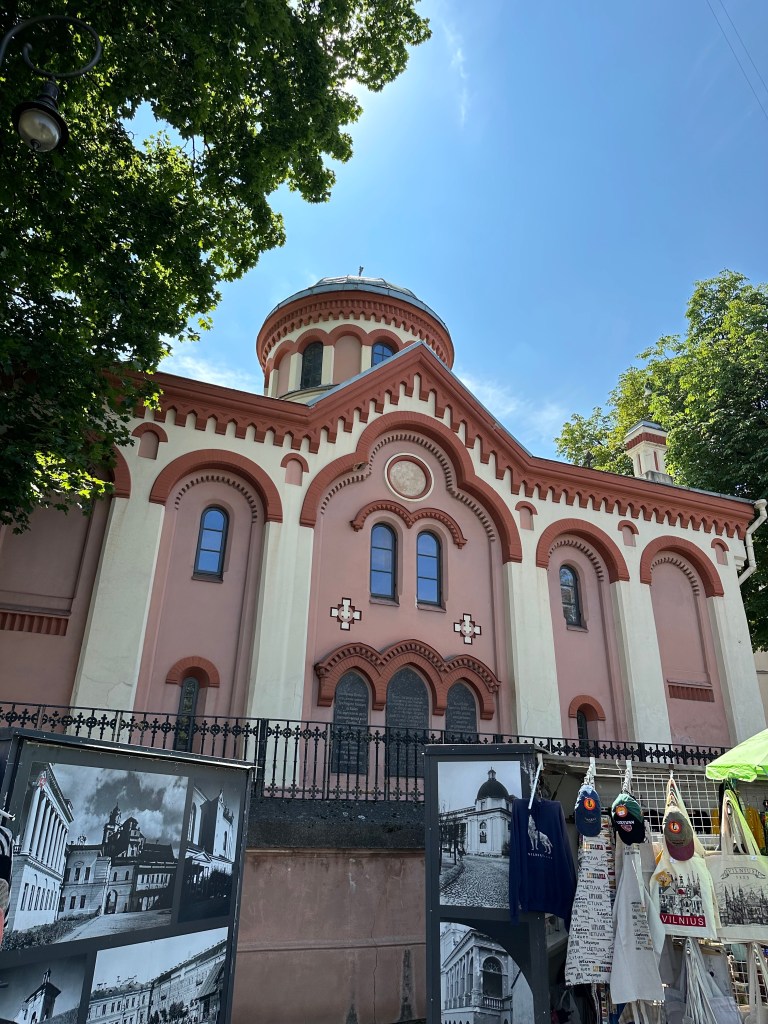
Bucharest’s Old Town is relatively compact and dominated by heritage buildings owned by government bodies and local institutions. The Stavropoleos Monastery feels like an anachronism. Built in 1724 by the Greek monk Ioannikios Stratonikeas, it began as a monastery supported by an inn, which was common at the time. Earthquakes and nineteenth-century demolitions destroyed most of the complex, but the church endured. Today it is complemented by a twentieth-century building housing rare icons, fresco fragments, and a small library. Nearby, Cărturești’s Old Town location stands out for its bright, open interiors and layered floors. It is an easy place to linger and a good stop for thoughtful local souvenirs.

6. A day in Transylvania

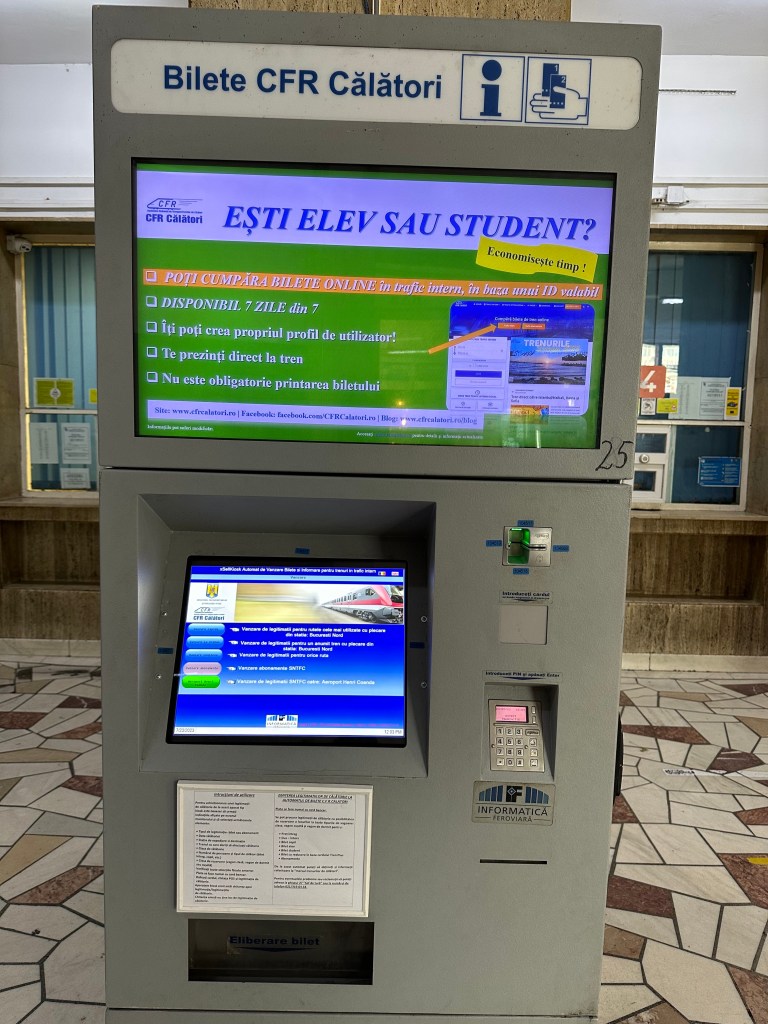
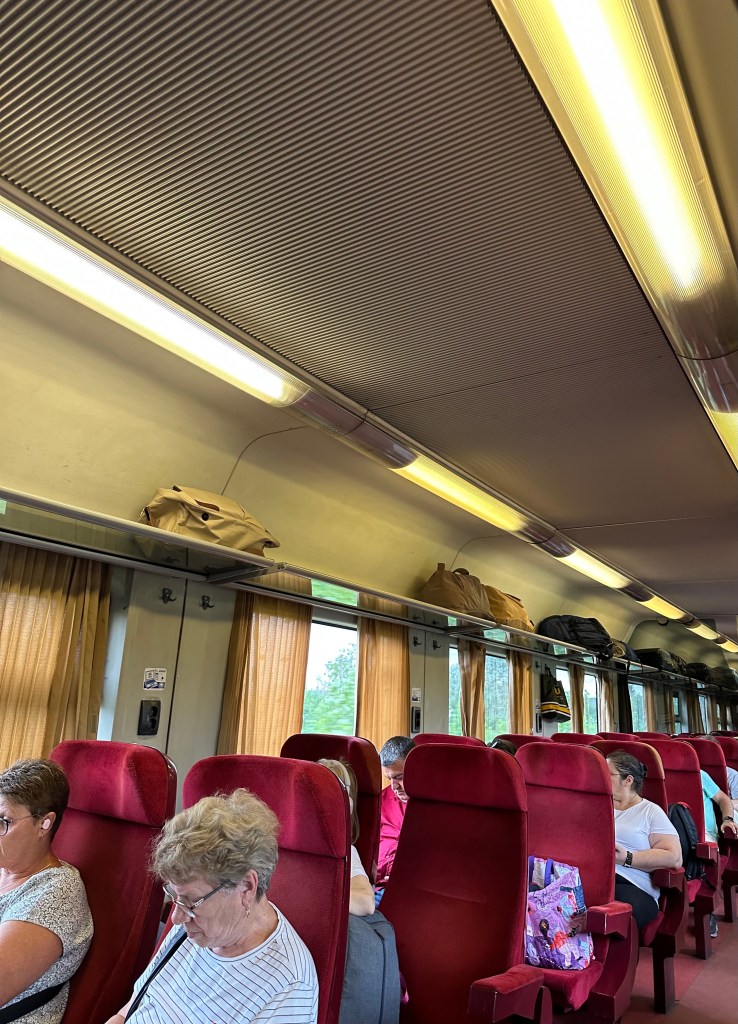
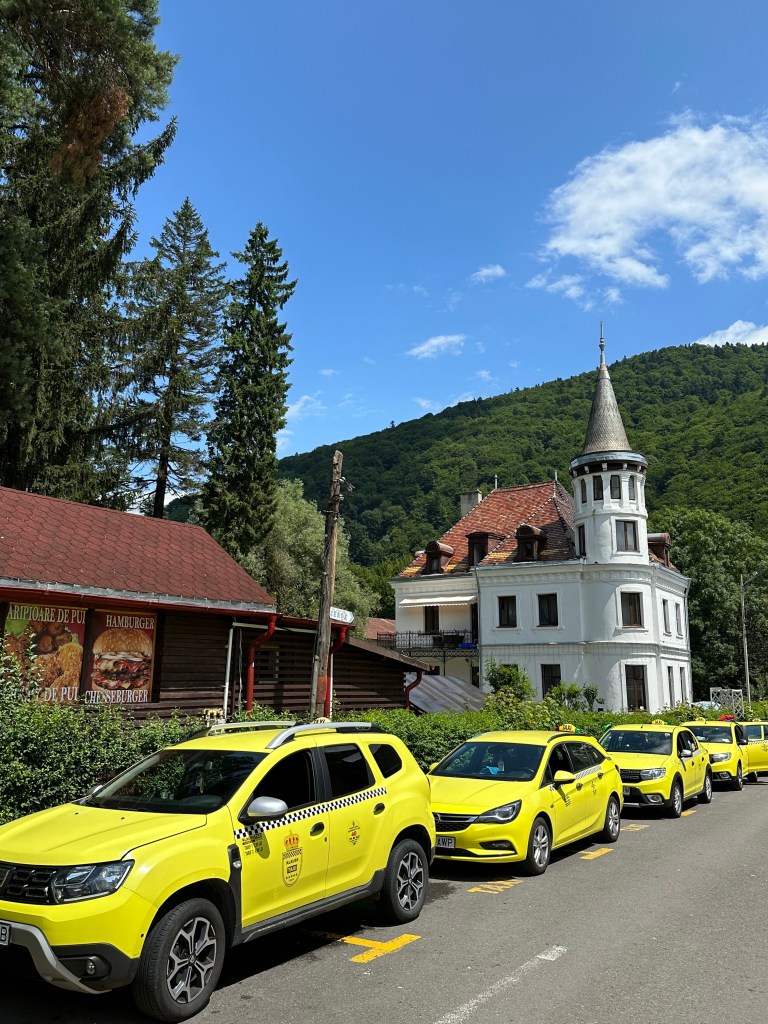
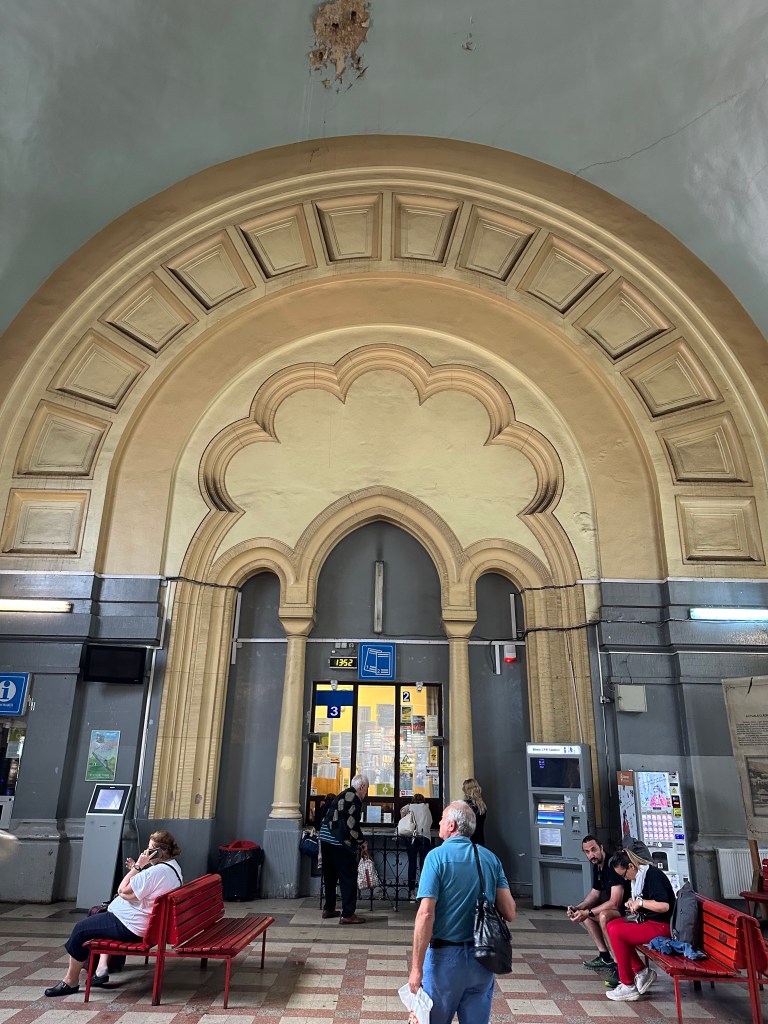
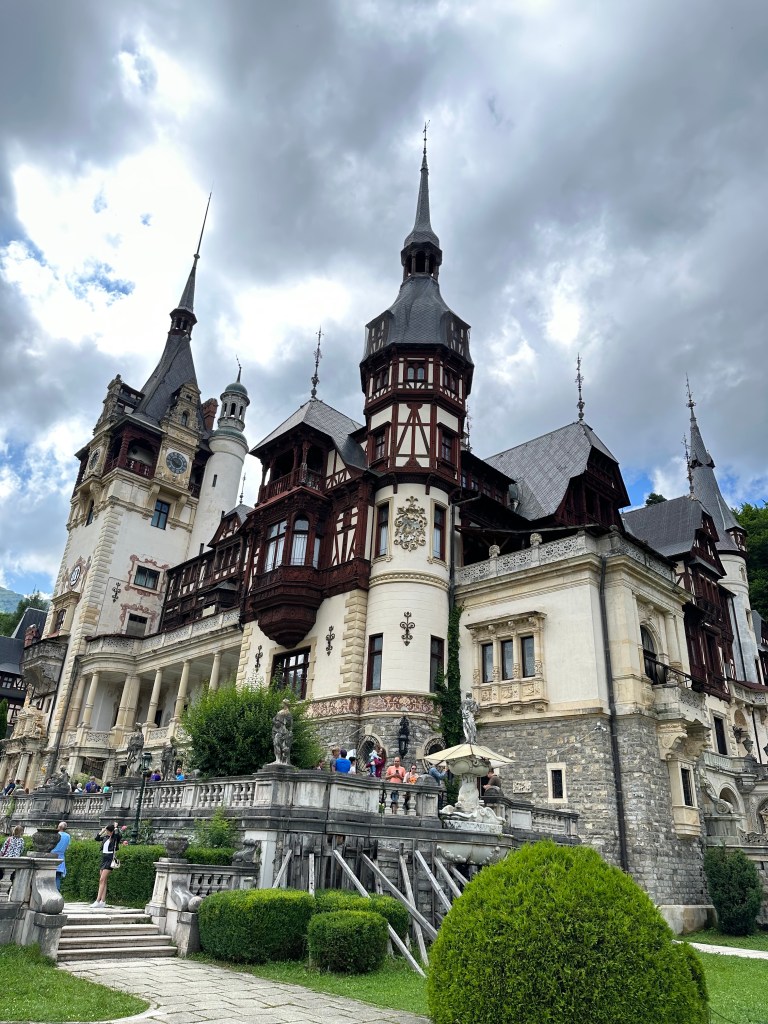
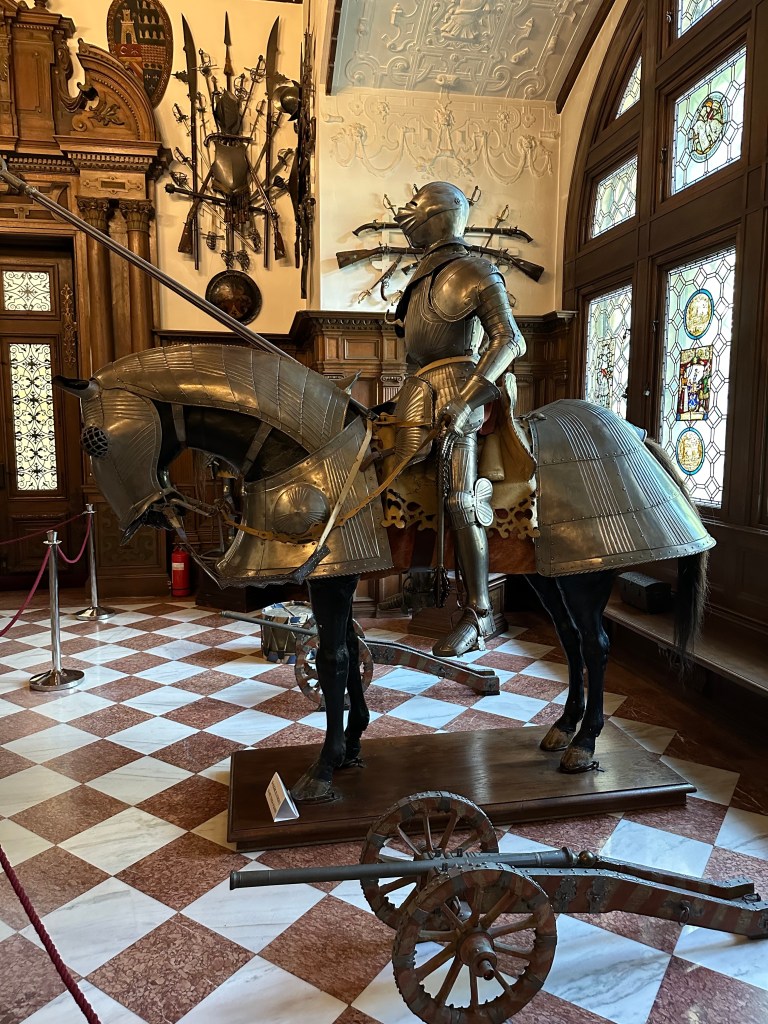
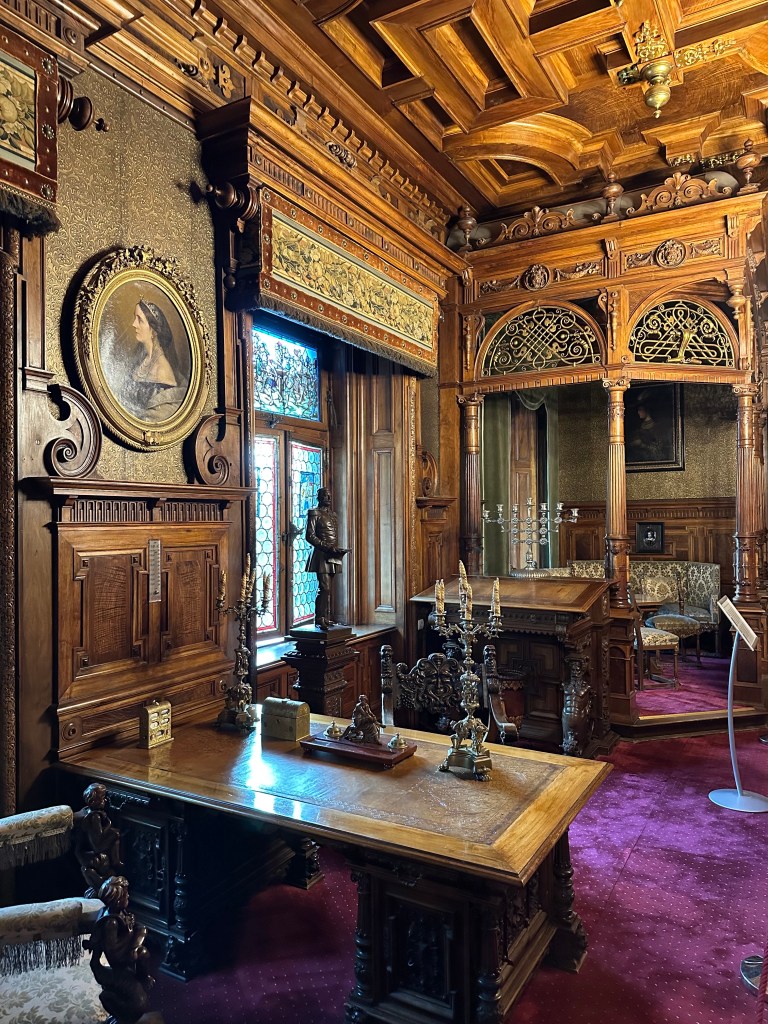
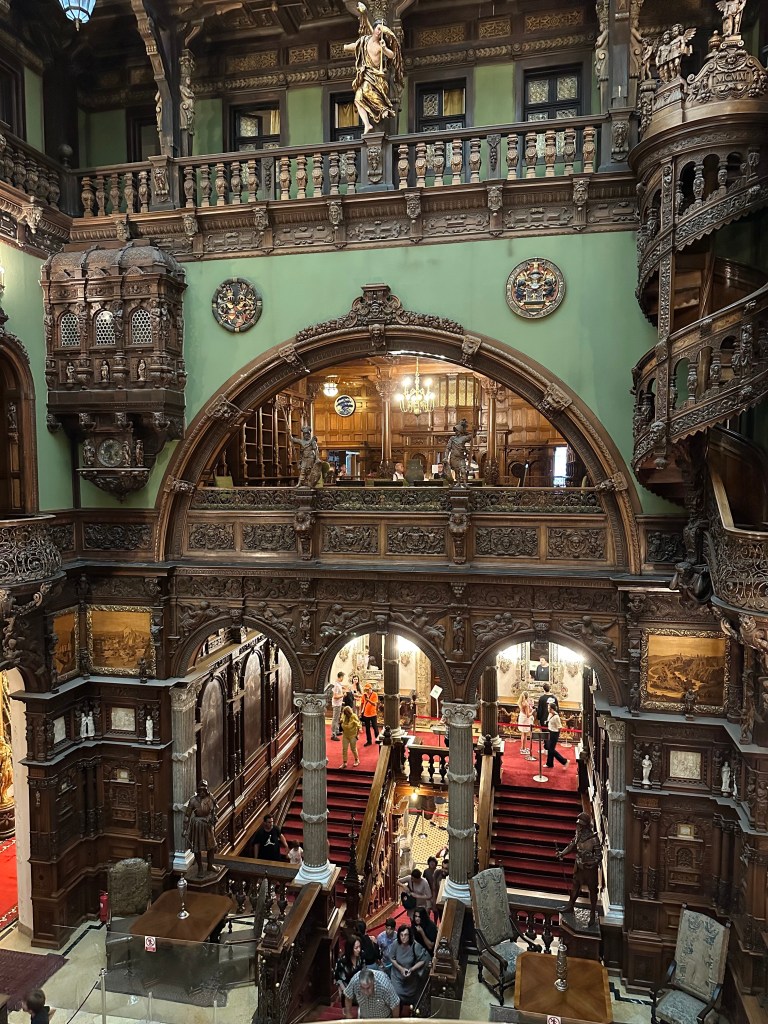
Exploring Transylvania was one of the things I was most looking forward to, but travel delays forced me to cut Brașov from my itinerary. I still managed a day trip. Romania’s train system feels like a holdover from the Soviet era. It is not glamorous, but it is functional and reliable. Sinaia, the gateway town, has the feel of a hill station, with cooler weather and greenery that offered relief when Bucharest was reaching forty-four degrees Celsius. I skipped Bran Castle, often marketed as Dracula’s Castle, because of its Disney-like reputation and the weak historical link to the legend. Peleș Castle, on the other hand, was worth the effort. Once the summer retreat of King Carol I, it is opulent without feeling kitsch. Technically a palace, it blends Neo-Renaissance and Gothic Revival styles reminiscent of Neuschwanstein, with Saxon and Baroque influences throughout. Its one hundred and seventy richly decorated rooms showcase themed interiors and an extraordinary collection of art, arms, and decorative treasures.

7. Food and small surprises

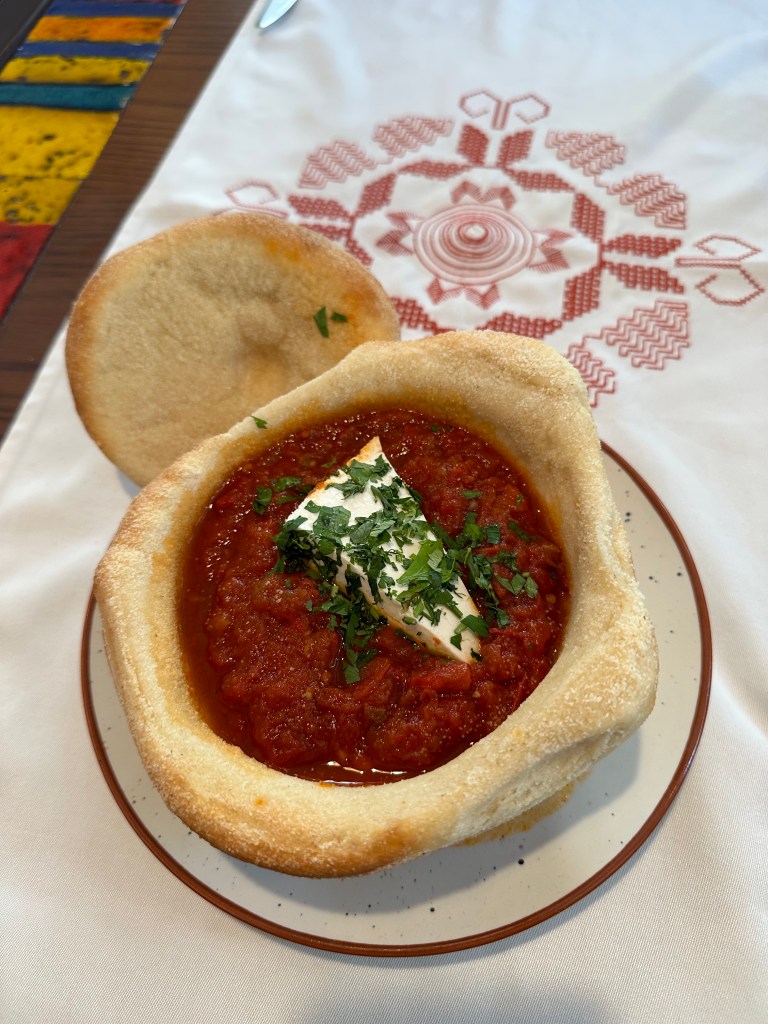
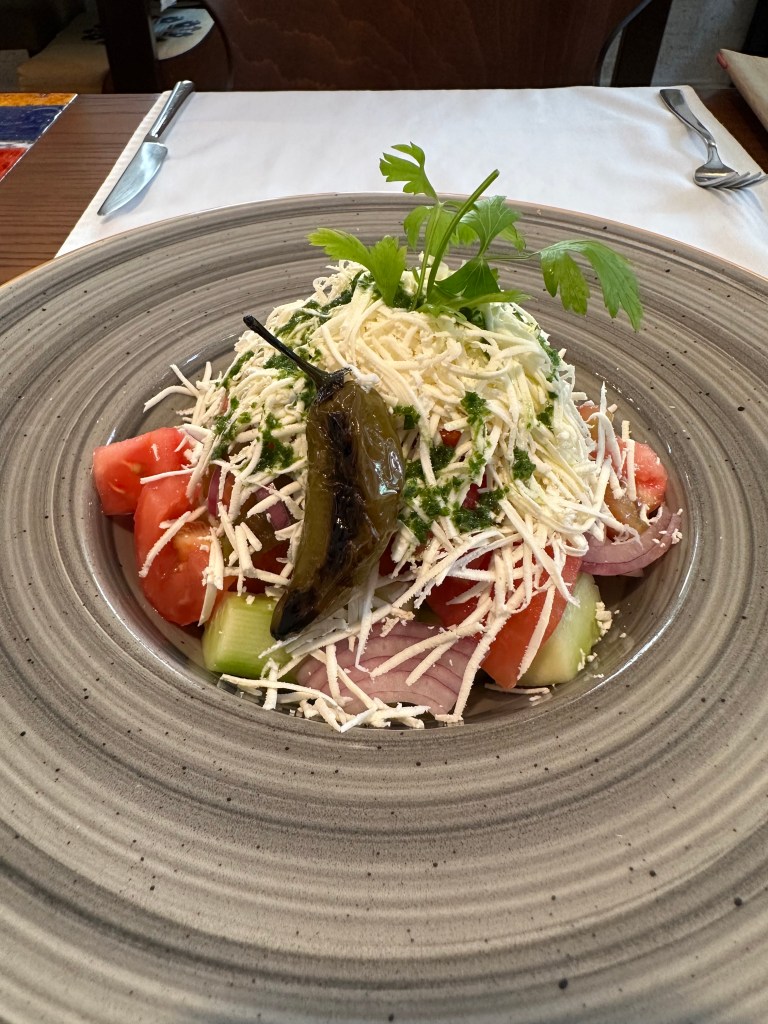
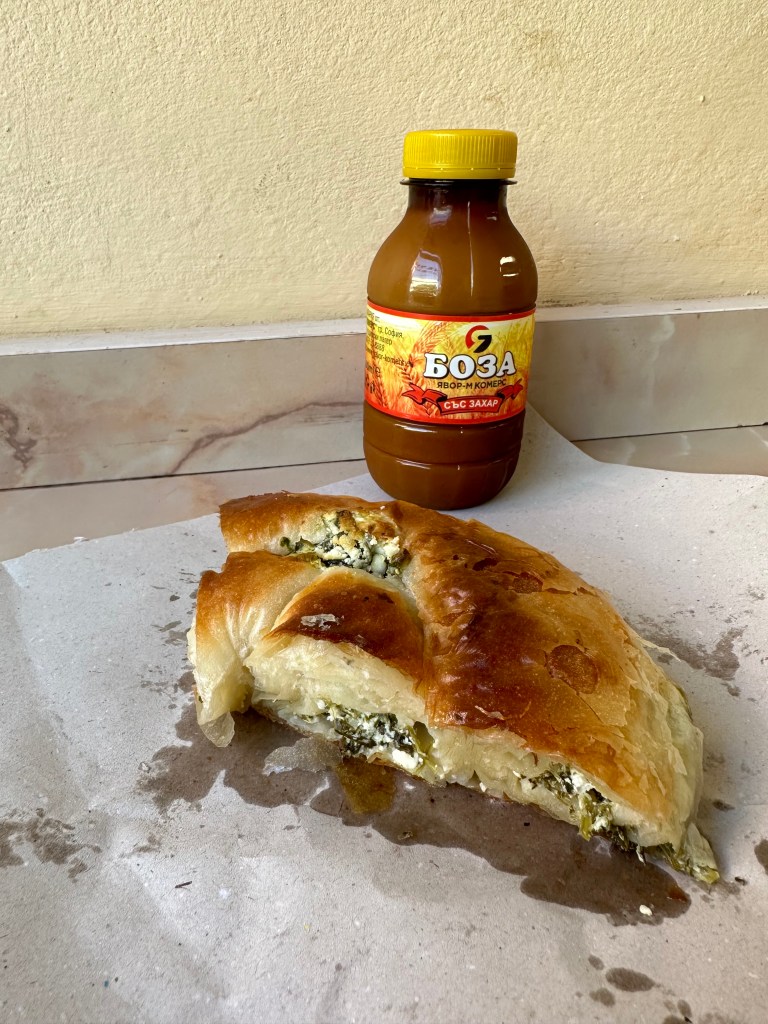
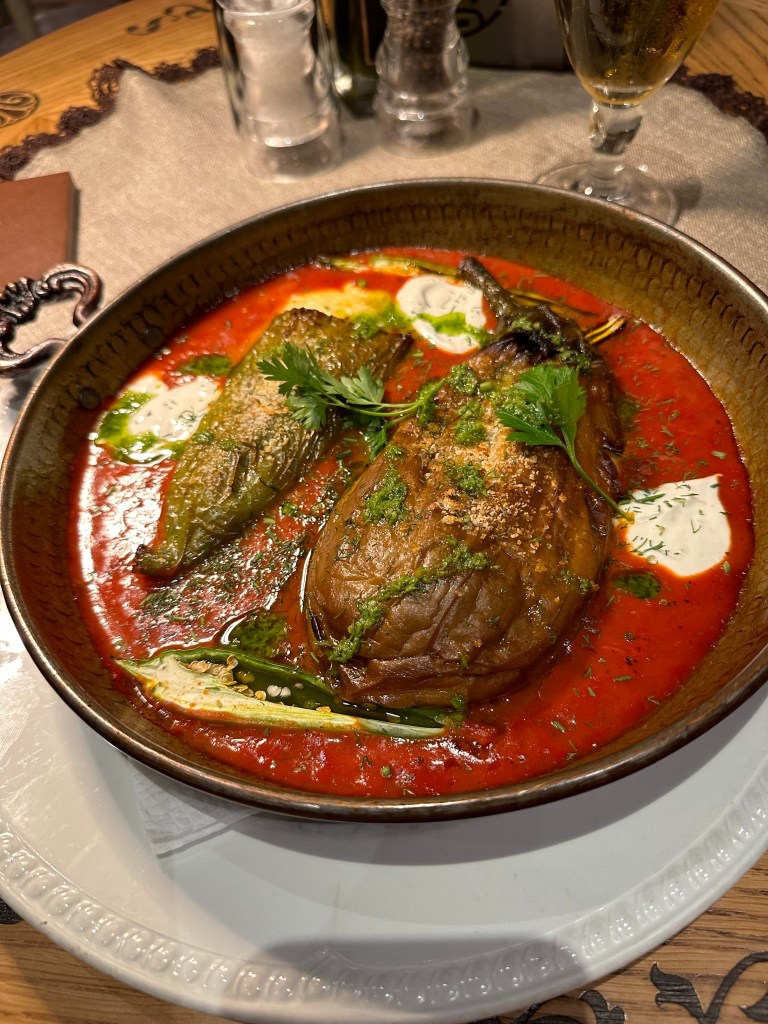
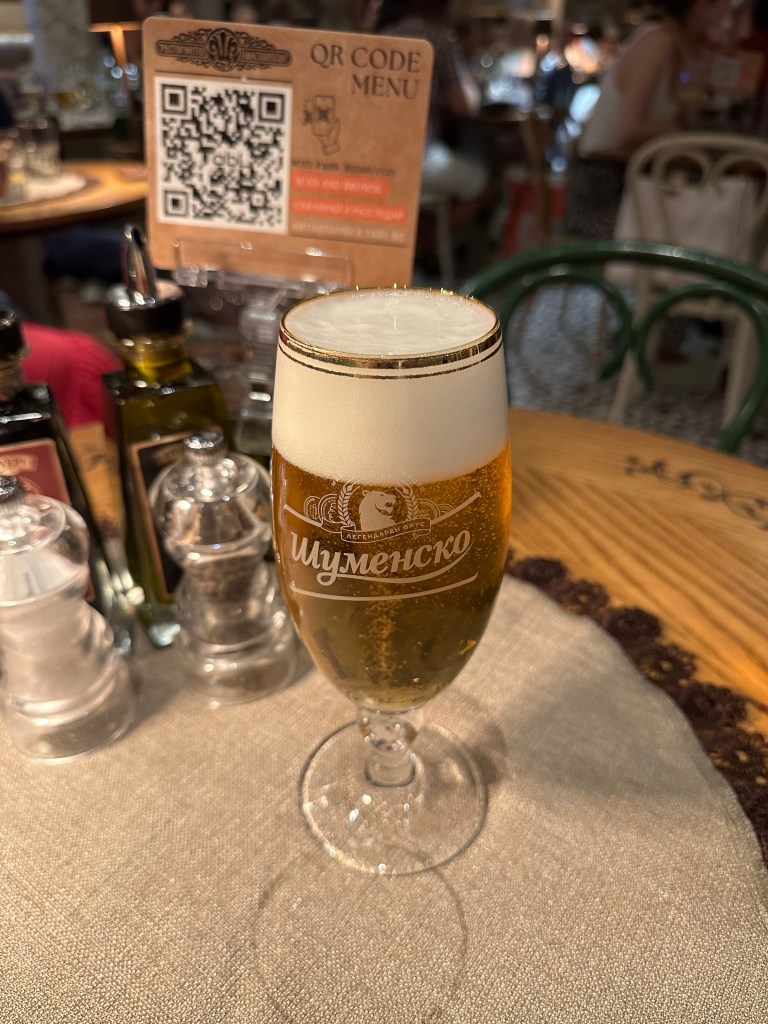
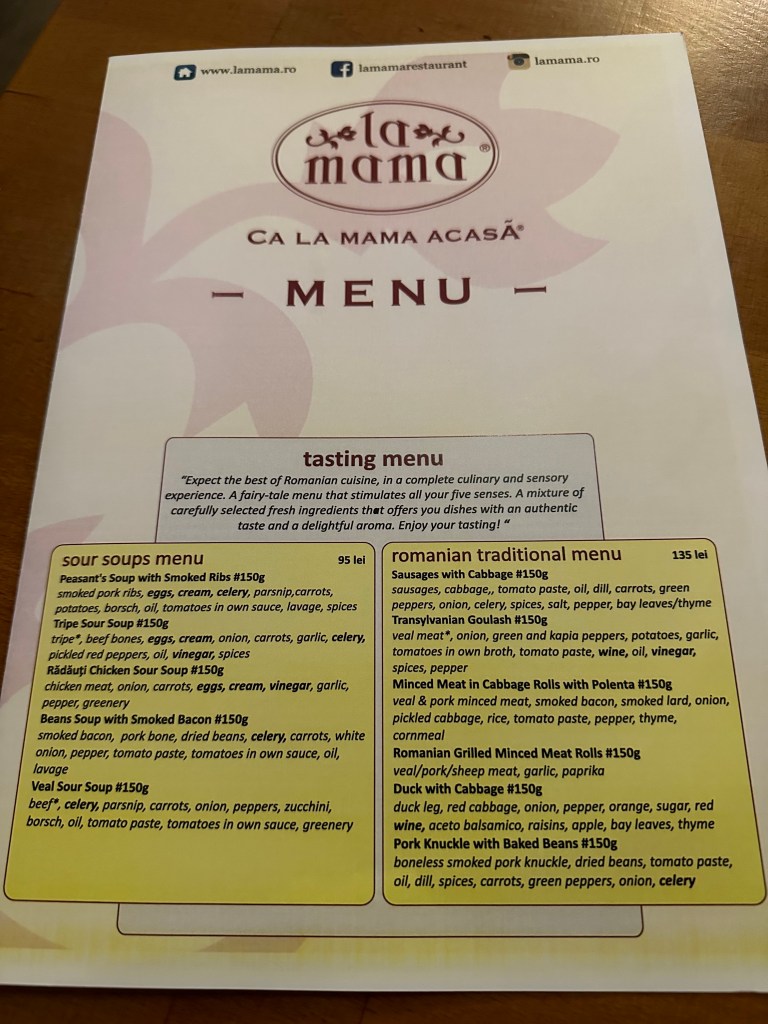
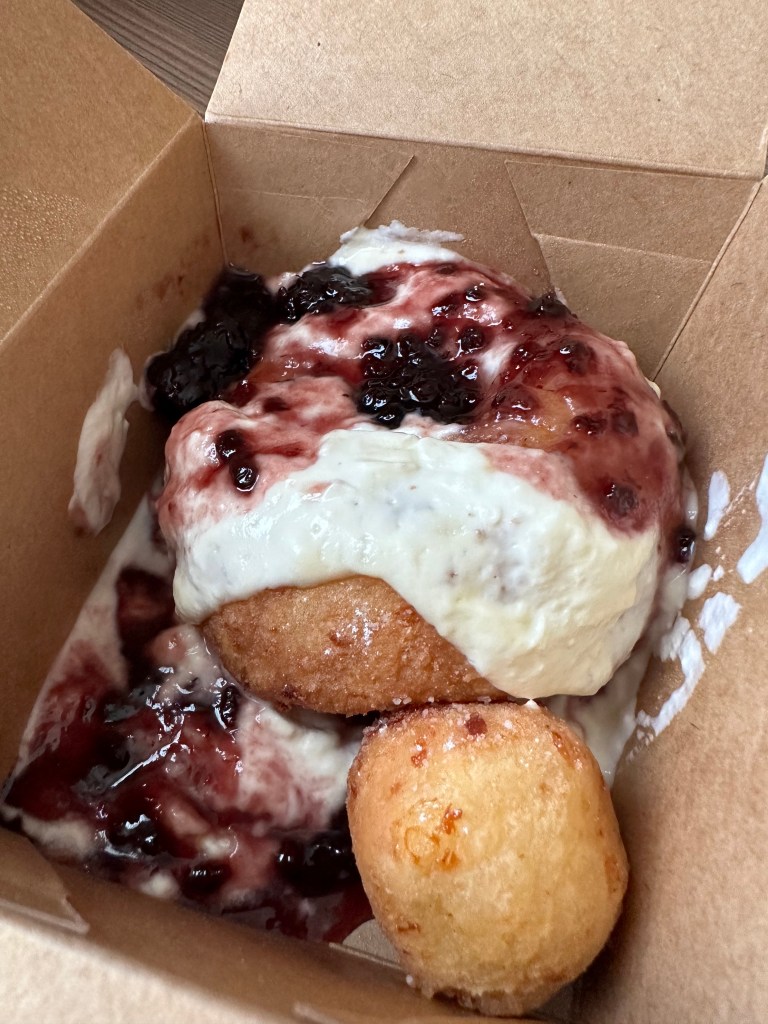
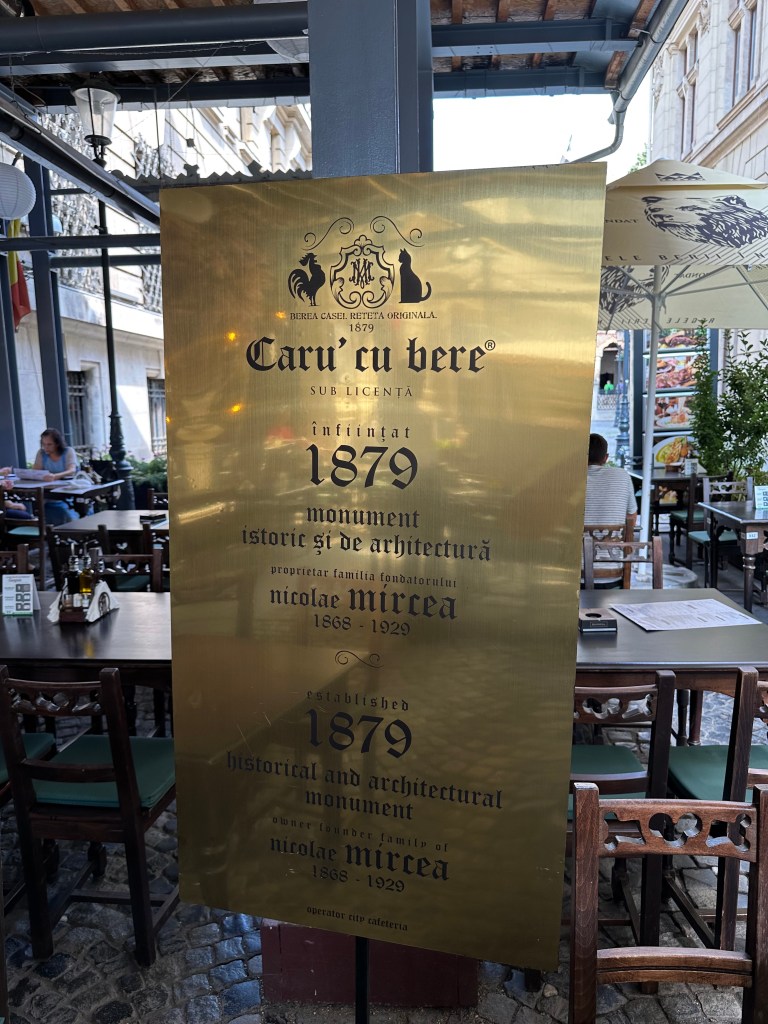
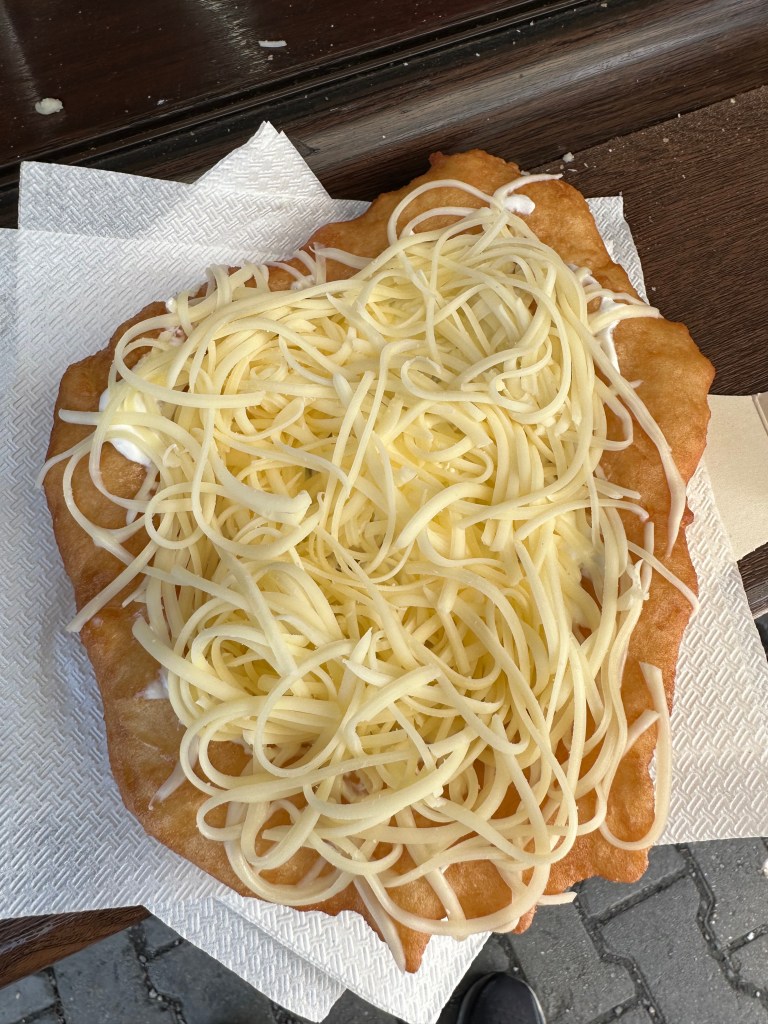
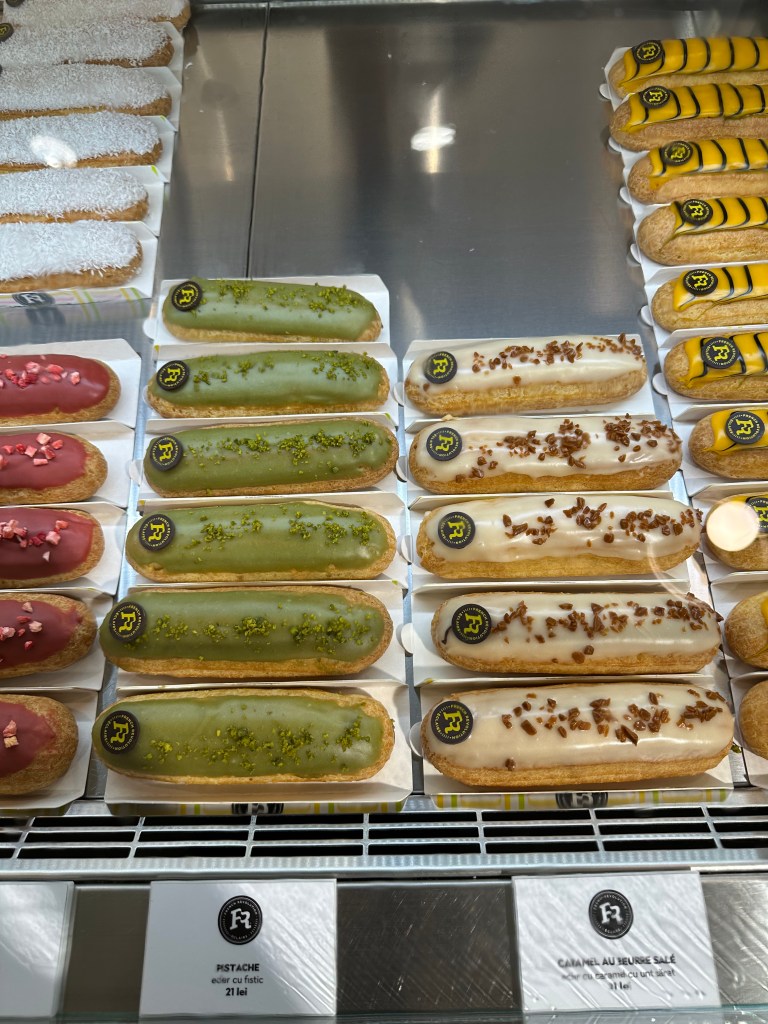
Romanian cuisine is unapologetically meat-forward, shaped by agrarian roots and cross-cultural influences, particularly from Greece. Many classic dishes are rich and filling, often paired with polenta. Caru’ cu Bere, a historic beer hall in Bucharest’s Old Town, is more about atmosphere and beer than exceptional food, but the setting alone makes it worth a visit. In Transylvania, the cuisine shifts closer to Hungarian flavors, with dishes such as langoși and colaci. A completely non-traditional highlight was French Revolution, a patisserie in Bucharest. The éclairs, especially the pistachio, were exceptional and could easily hold their own against the best in Paris.

7 things about Bucharest, Romania

5 things about Luxembourg City, Luxembourg 

1. Luxembourg is a tiny landlocked country tucked between Belgium, France, and Germany, and it’s still officially the Grand Duchy of Luxembourg. Its history reads like a revolving door of European powers: once part of the Holy Roman Empire, then under the Habsburgs, then France, then partitioned multiple times, losing territory bit by bit until regaining independence in 1867. Today it’s small but globally relevant: a financial hub, a founding member of the EU, and home to the Court of Justice of the European Union.

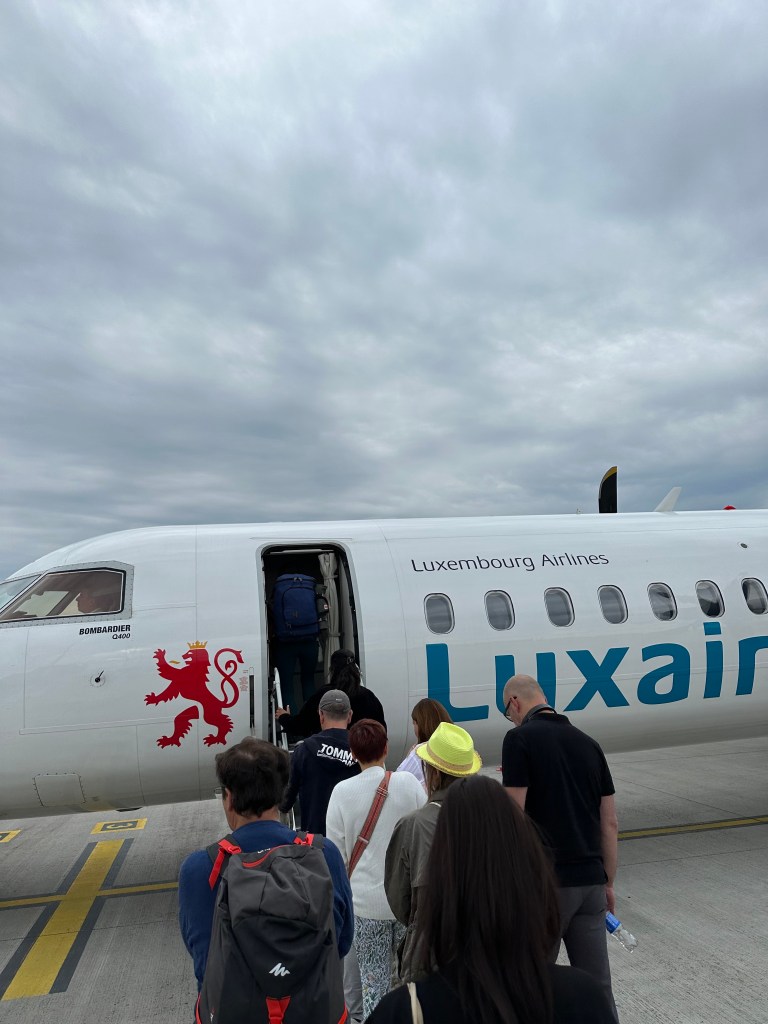
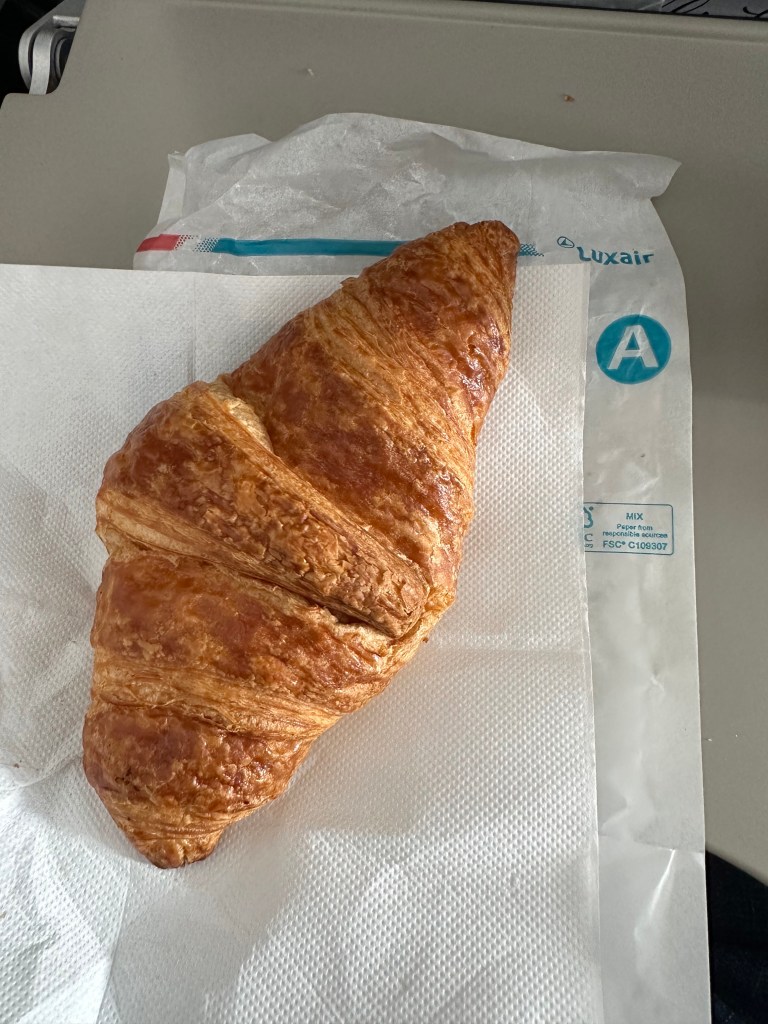
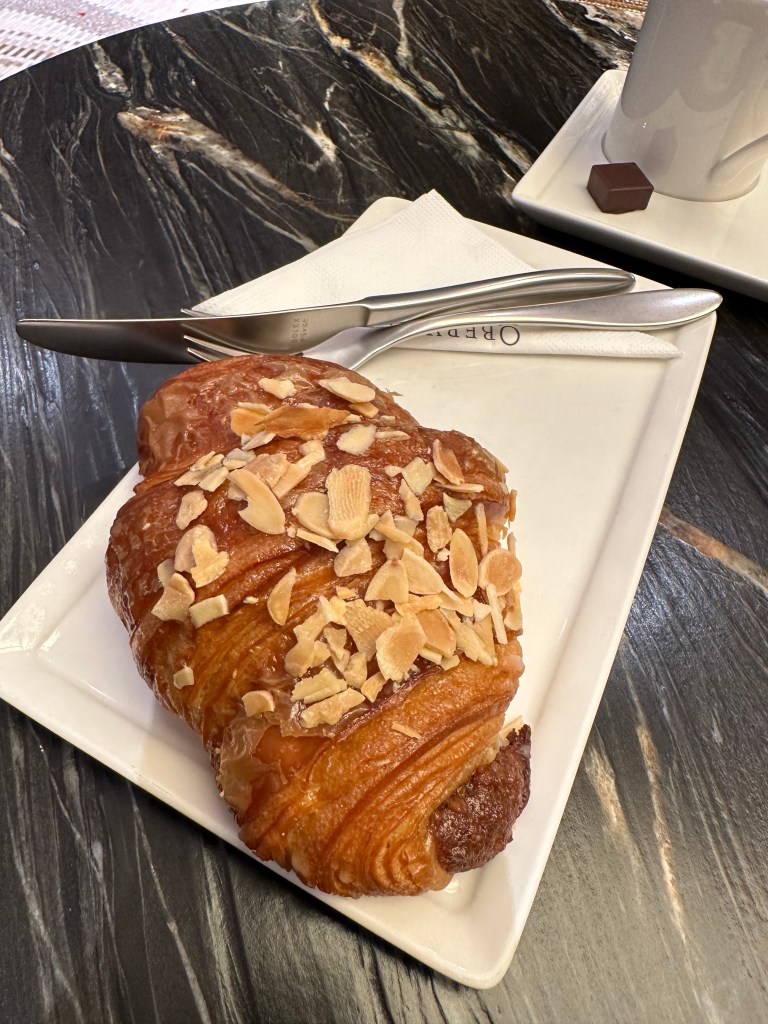
2. I didn’t expect Luxembourg to feel this French. The feeling began on LuxAir with a croissant so buttery and warm that it rivaled the best from Parisian patisseries. In the city, parts of Luxembourg look like an upscale, immaculately restored French town—elegant façades, quiet streets, and pastry shops with polished marble counters. At one patisserie, I got politely but firmly corrected for how I was taking a photo—an unexpectedly charming “you must do it properly” moment that felt very French in spirit. 

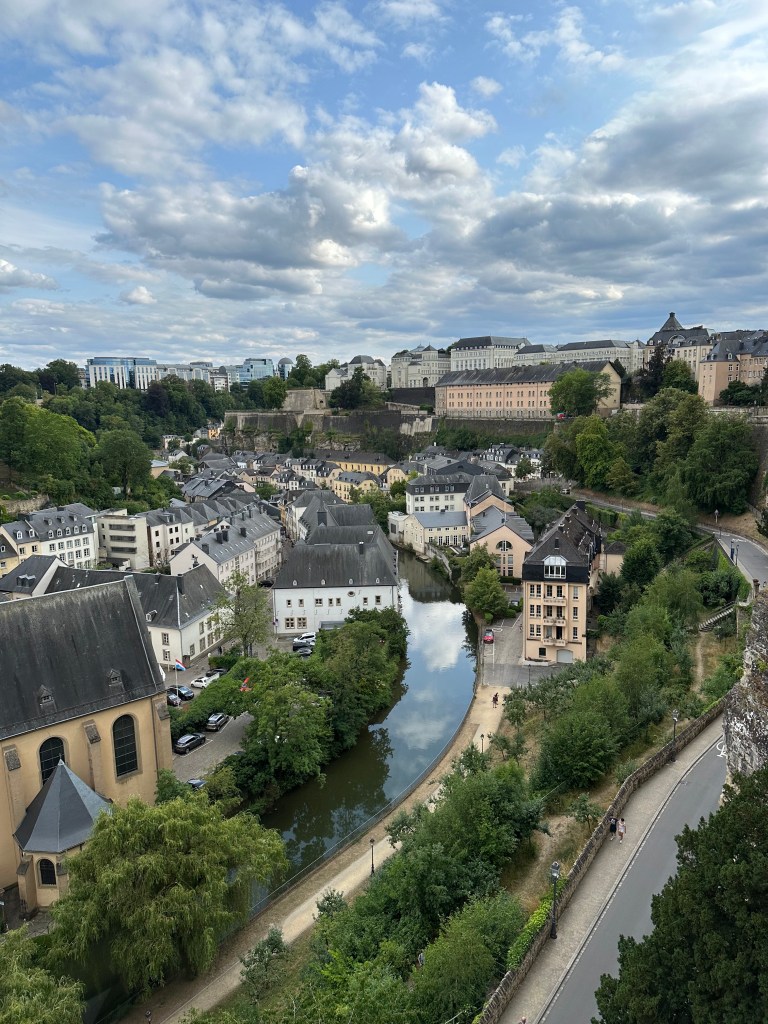
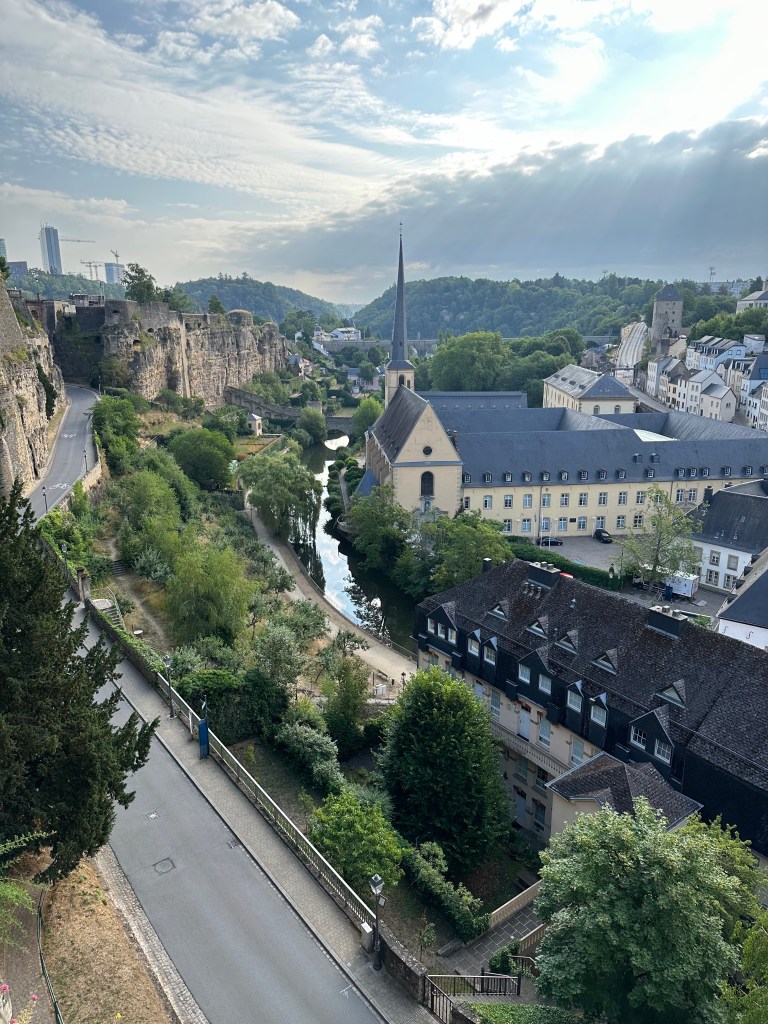
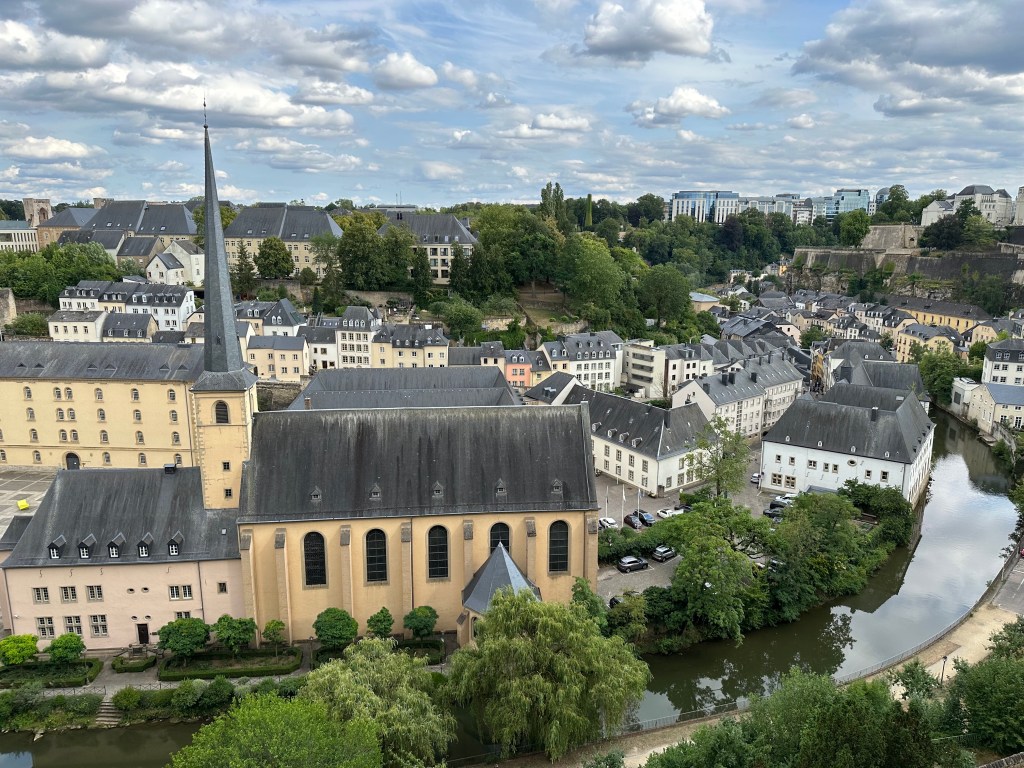
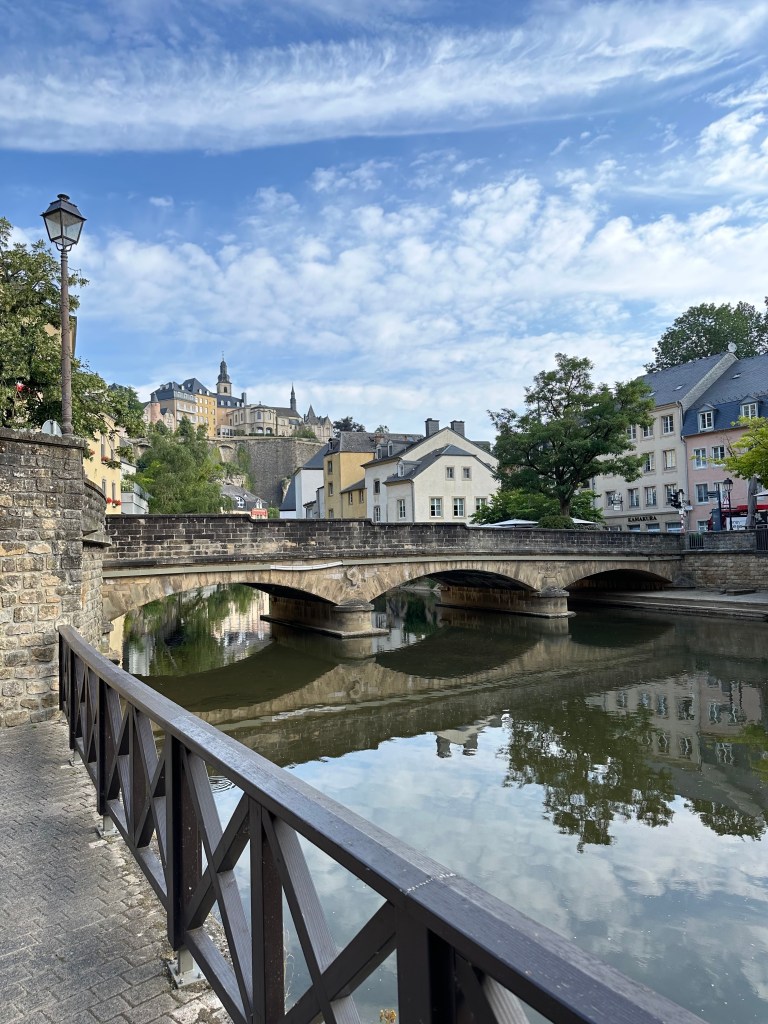
3. The views in Luxembourg City are phenomenal and genuinely feel like stepping back in time. Chemin de la Corniche offers the best panorama in the city. The walk down into the Grund, a historic district in the valley below, was serene and full of postcard-perfect houses tucked into greenery and stone terraces. From there I continued toward Vallée de la Pétrusse, crossed Pont Adolphe, looped back to Place de la Constitution and passed by the Grand Ducal Palace. I eventually ended in Pfaffenthal looking back across the Grund valley, which is one of those scenes you hold onto long after.

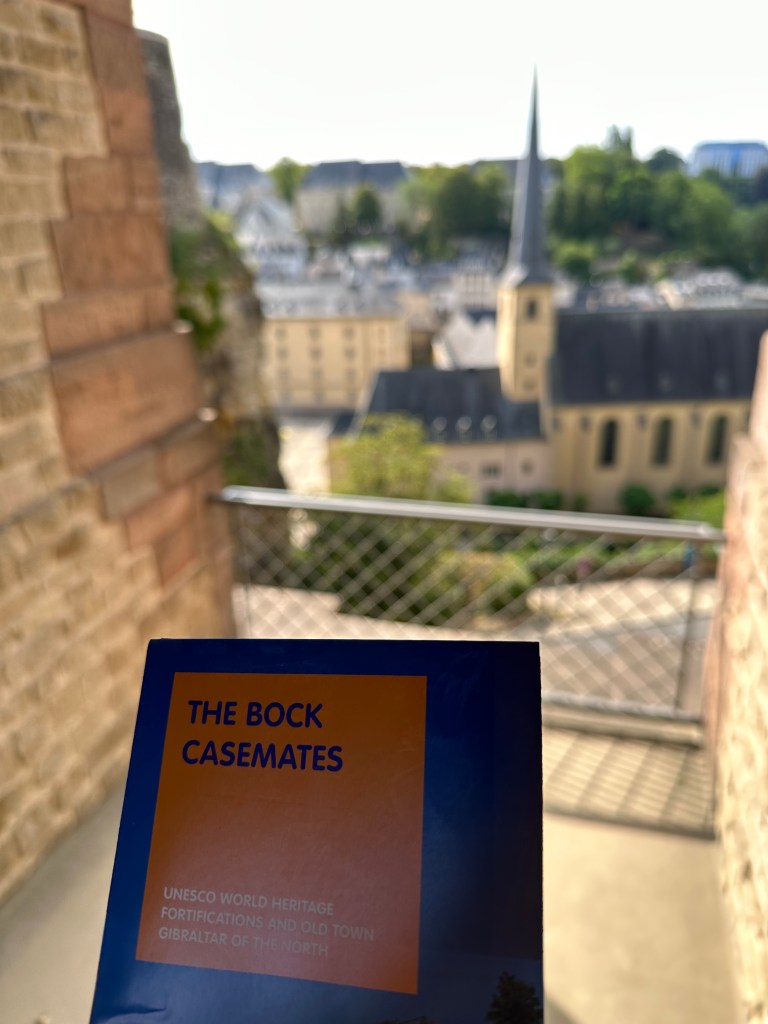
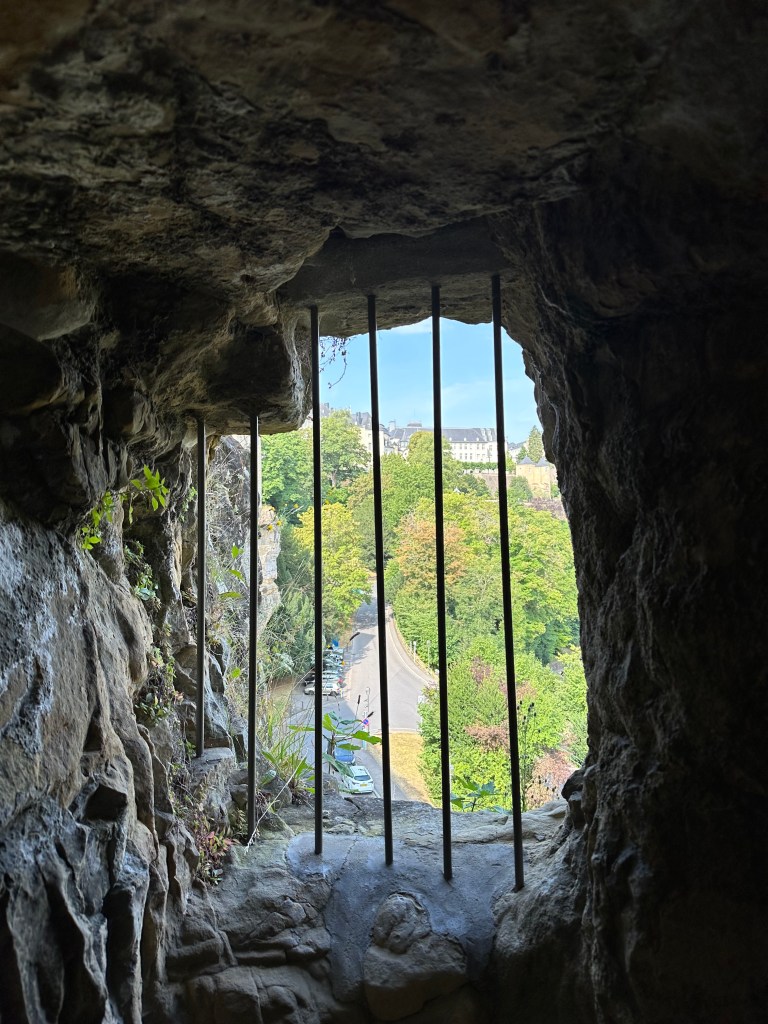
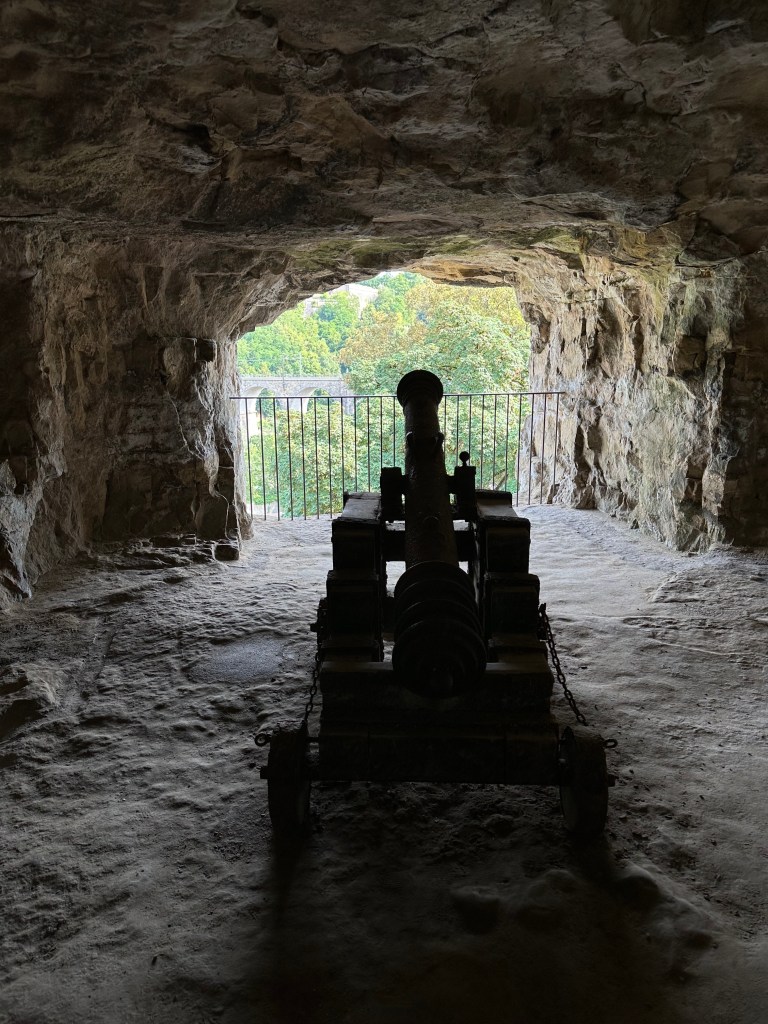
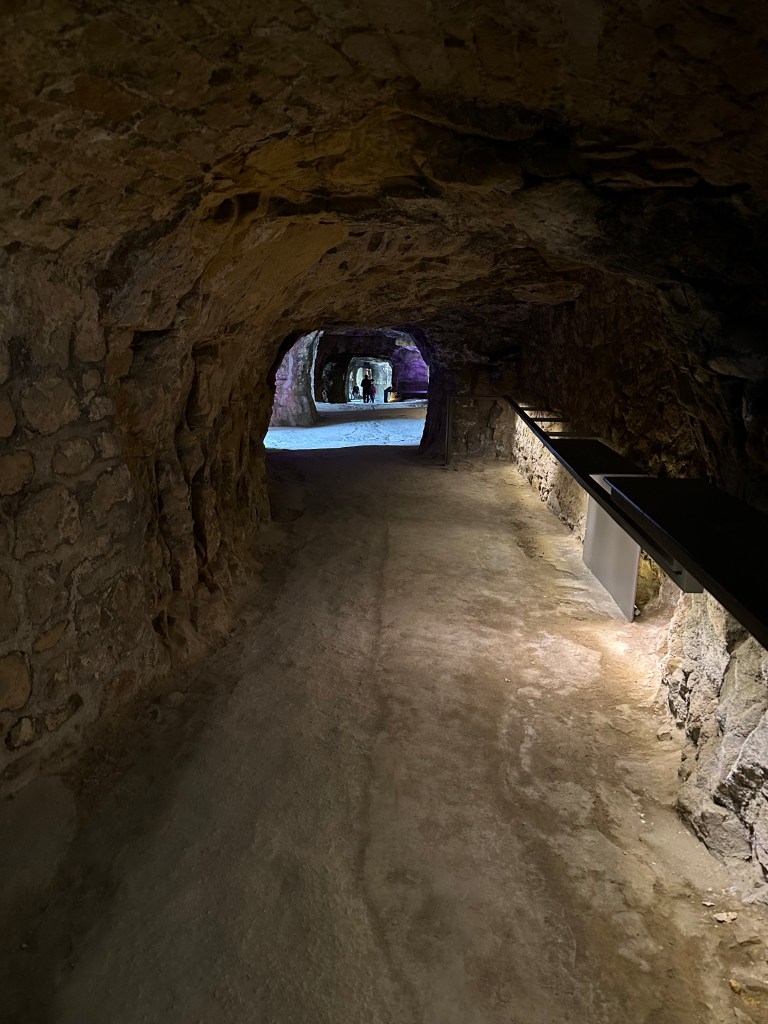
4. Casemates du Bock is the main tourist attraction, consisting of underground tunnels carved into the rock in the 17th century to defend the city. I found the idea more compelling than the experience itself and came away slightly underwhelmed. However, the elevated river views from the upper fortifications afterward were absolutely worth the stop and offered a clearer sense of how dramatic the city’s cliffs and valley structure really are.

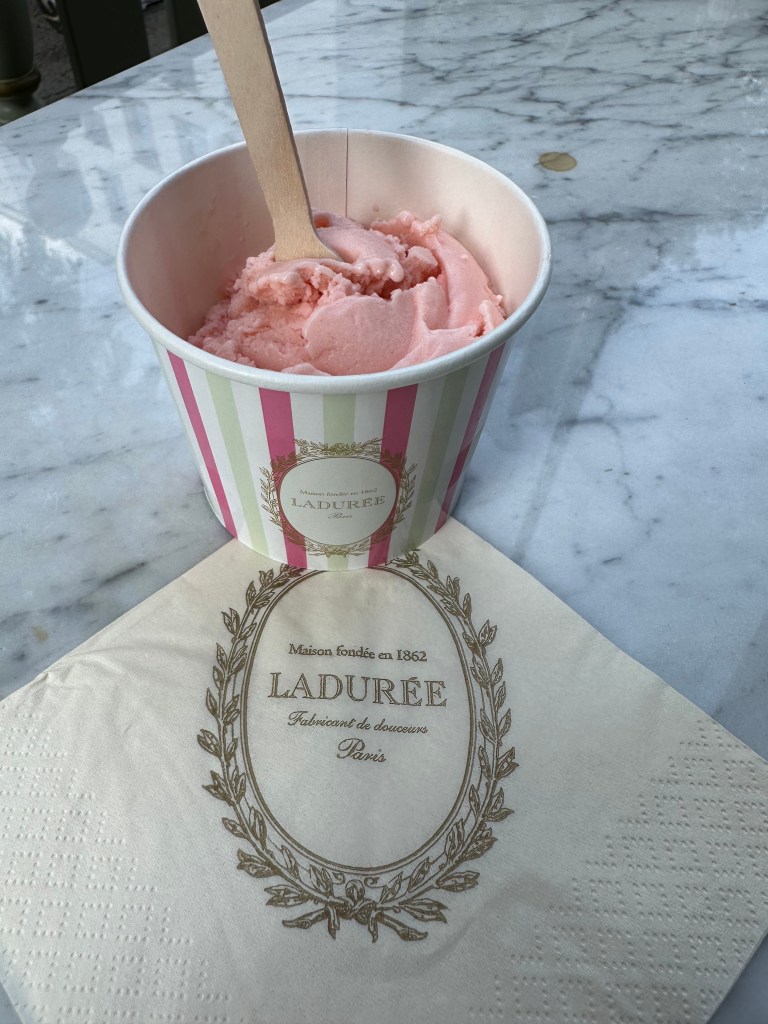
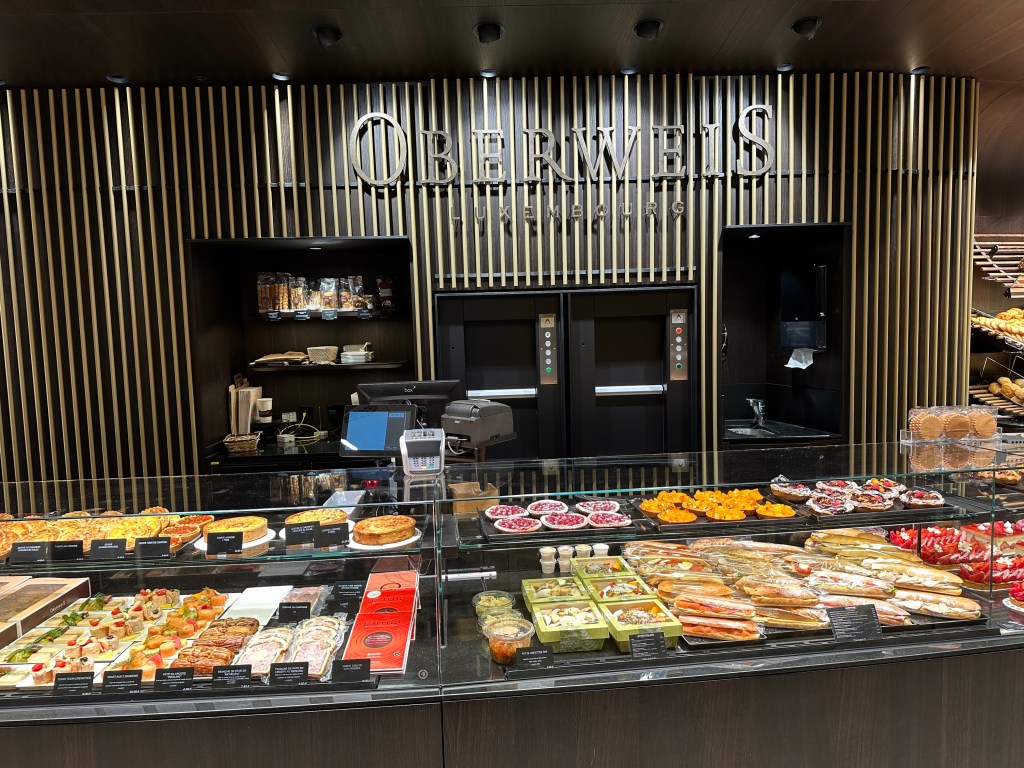
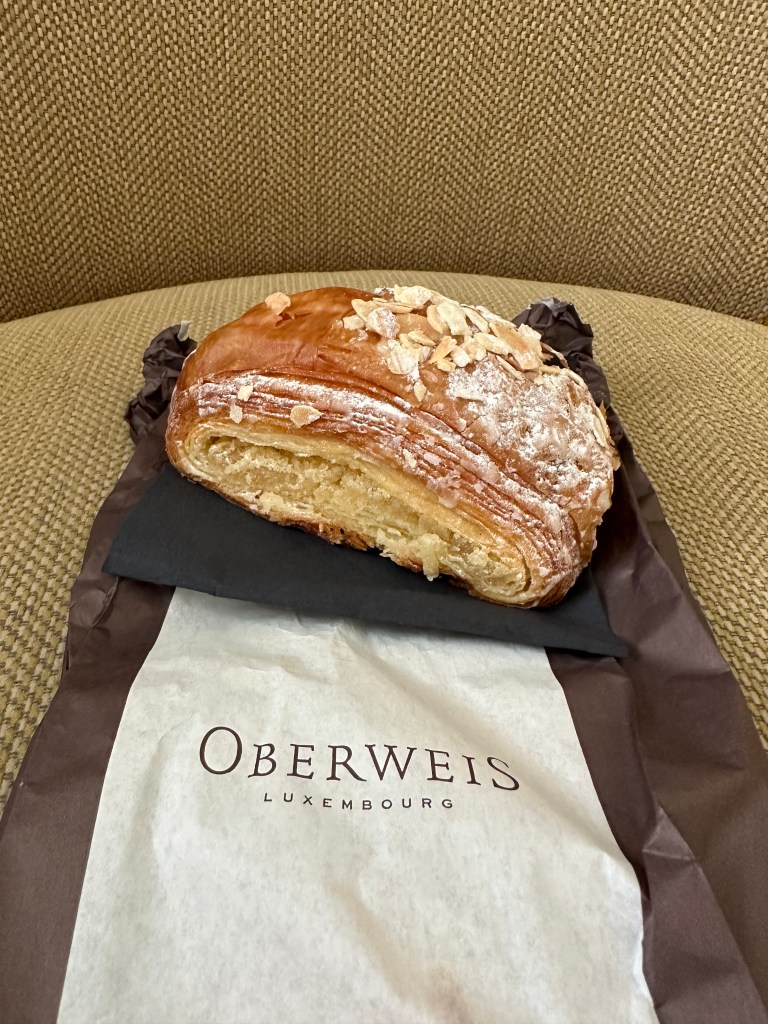
5. Luxembourg’s food scene isn’t globally famous, but the French culinary influence is unmistakable. There are excellent patisseries and chocolate shops, including Ladurée and Pierre Marcolini, but Oberweis is the local institution that stands out. Its viennoiseries genuinely match quality you would find in Paris. The highlight was their dacquoise, with layers of almond meringue, crème pâtissière, and ganache. The textural contrast, especially from the nuts, made it one of the most distinct pastries I tried on the trip.

5 things about Luxembourg City, Luxembourg 

5 things about Vilnius, Lithuania  

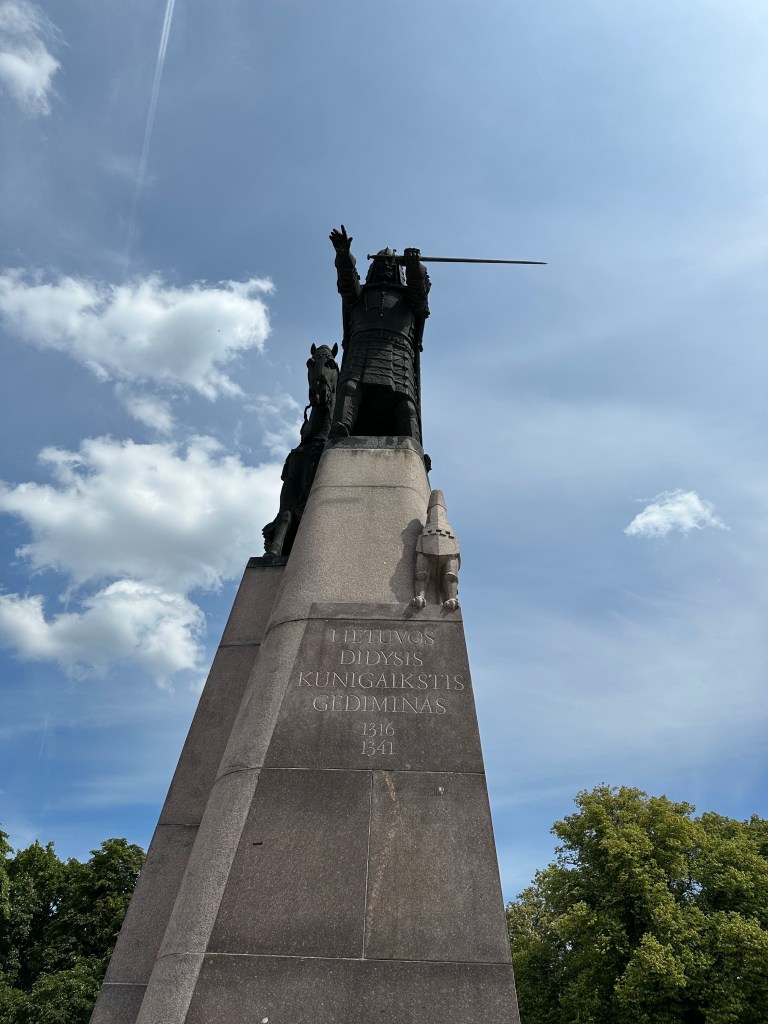
1. Vilnius is the largest city in the Baltics, home to over 600,000 people and a magnet for students from across Lithuania and neighboring countries thanks to affordable housing and generous student subsidies. According to the 2024 World Happiness Report, Lithuanians under 30 are the happiest people on Earth, and it shows in the city’s easy, upbeat vibe. Vilnius traces its origins to Grand Duke Gediminas, who founded it with a modest wooden castle and invited merchants to settle in the area. Granted city rights in 1387, it became the heart of the Grand Duchy of Lithuania before centuries of Russian and Soviet influence shaped its history.

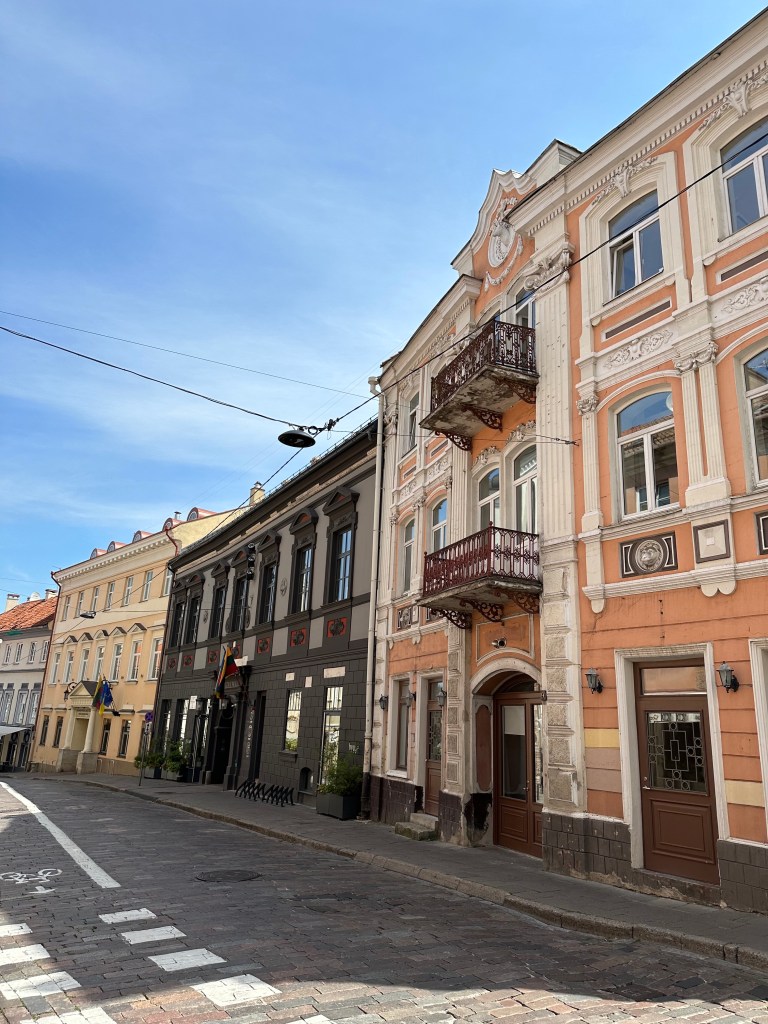
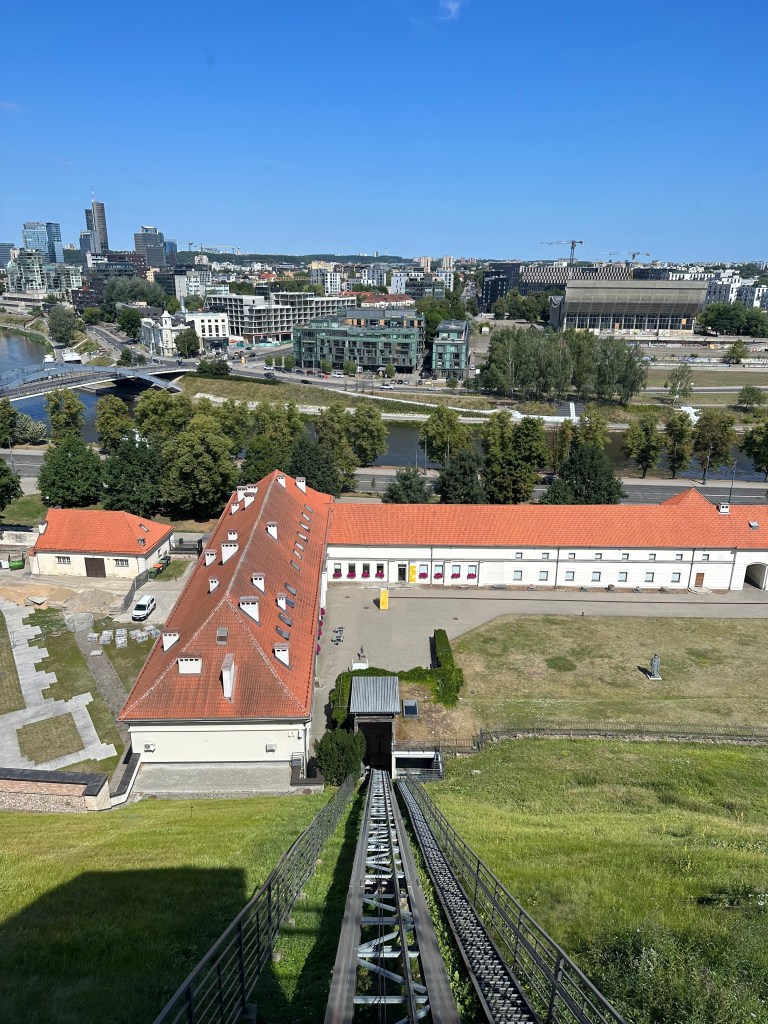
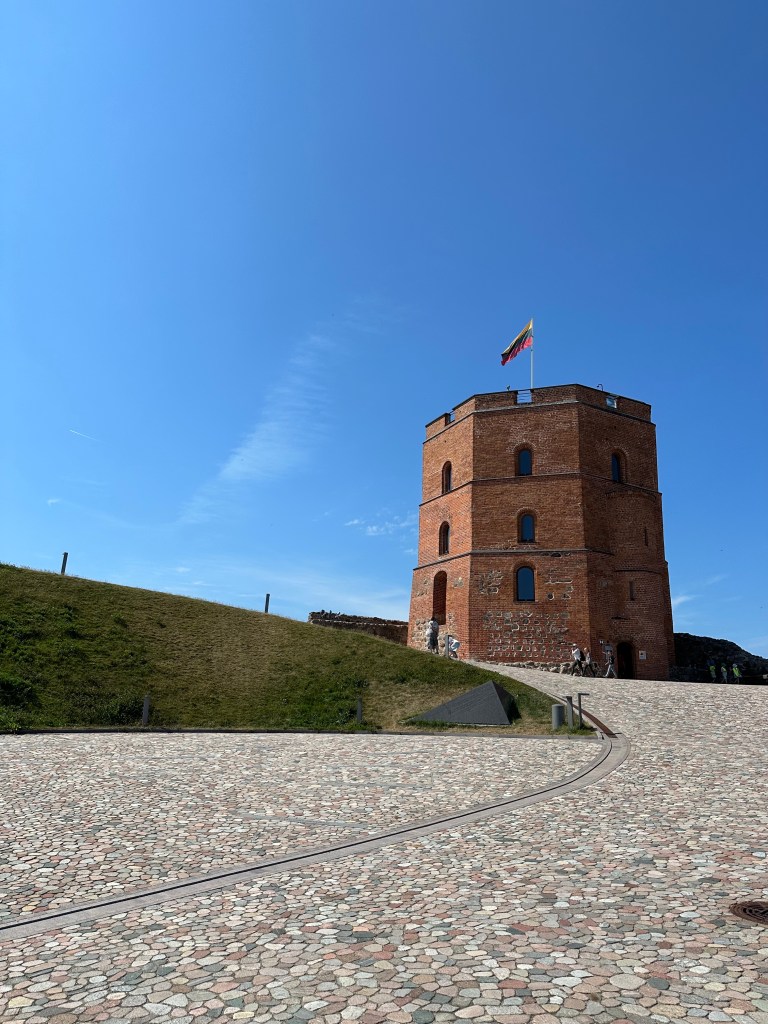
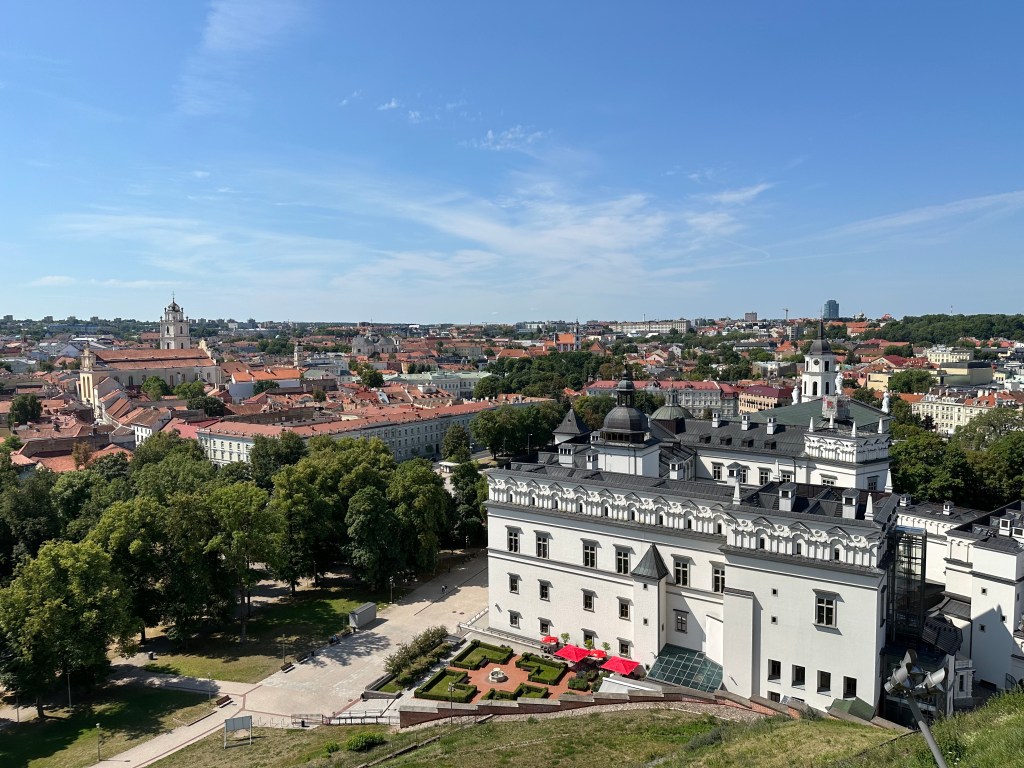
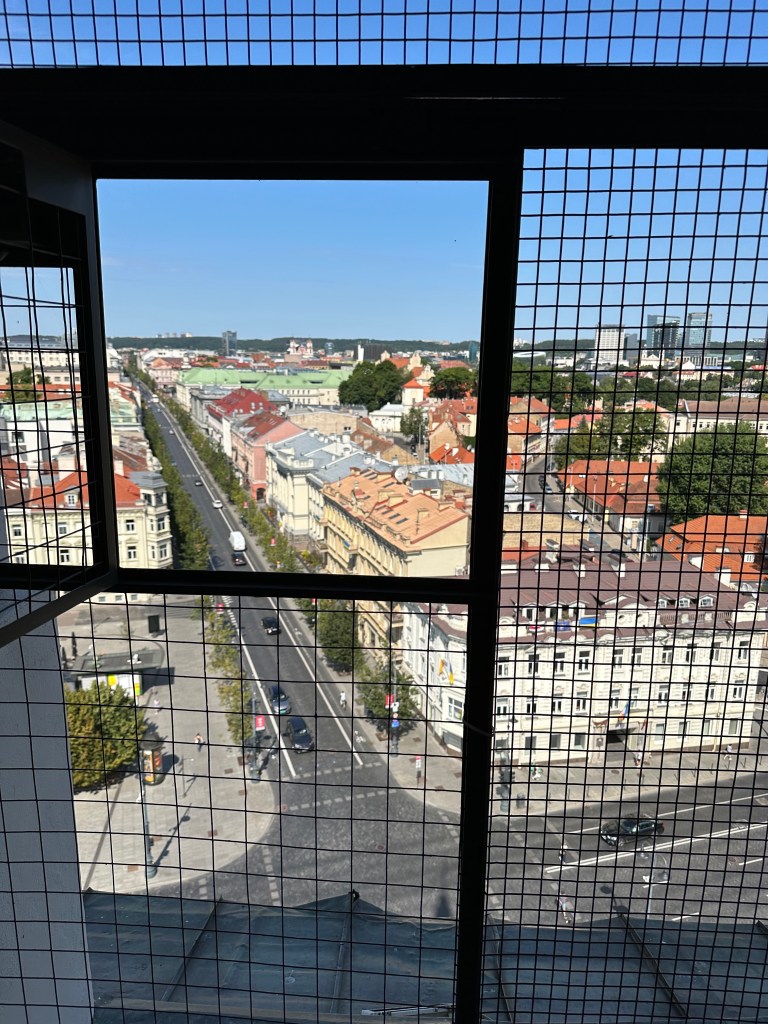
2. Vilnius’s Old Town, a UNESCO World Heritage Site since 1994, has seen a remarkable transformation in recent years. Many heritage buildings have been restored and repurposed into lively mixed-use spaces, driven by a tourism boom and government support. The Gediminas Tower, part of the Vilnius Castle Complex, is worth visiting; the original 15th-century brick fort was expanded in 1933, and the top offers sweeping views of the Old Town and the Neris River. I also enjoyed wandering through Vilnius University’s historic campus, where Gothic, Renaissance, and Baroque buildings coexist beautifully.

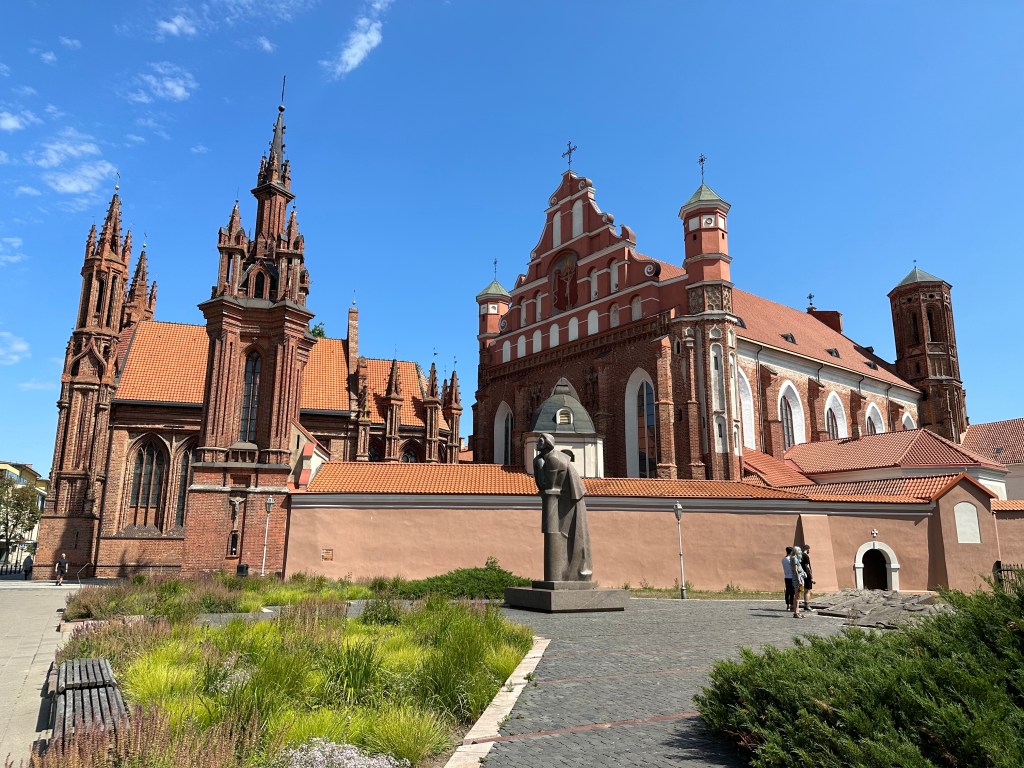
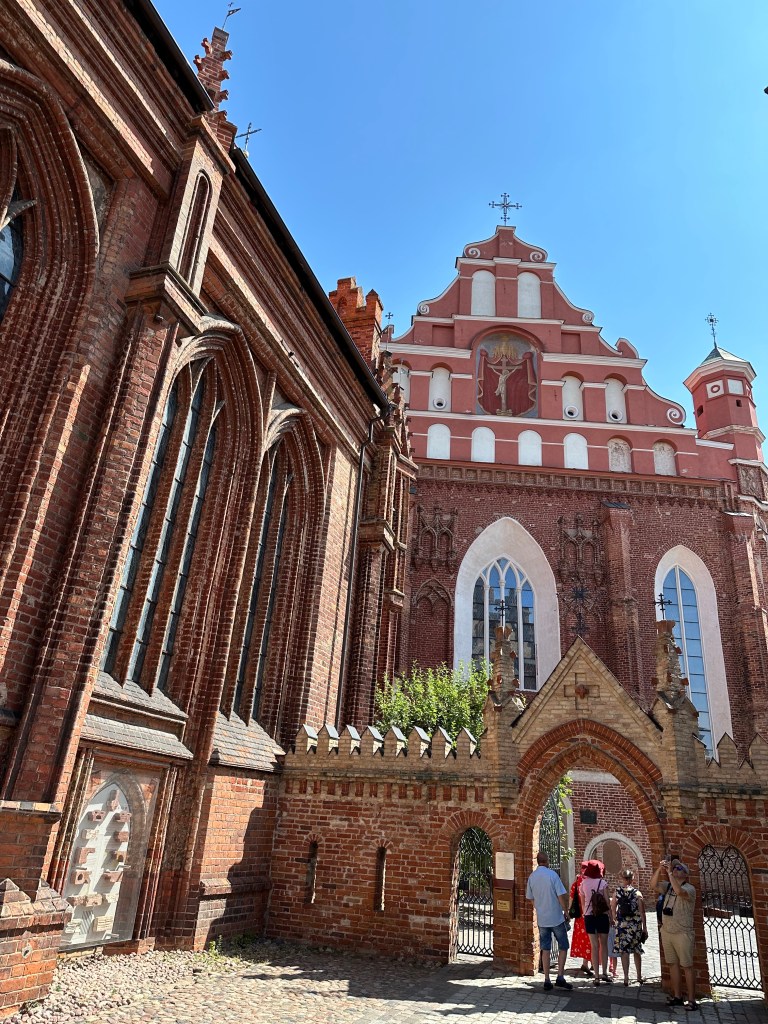
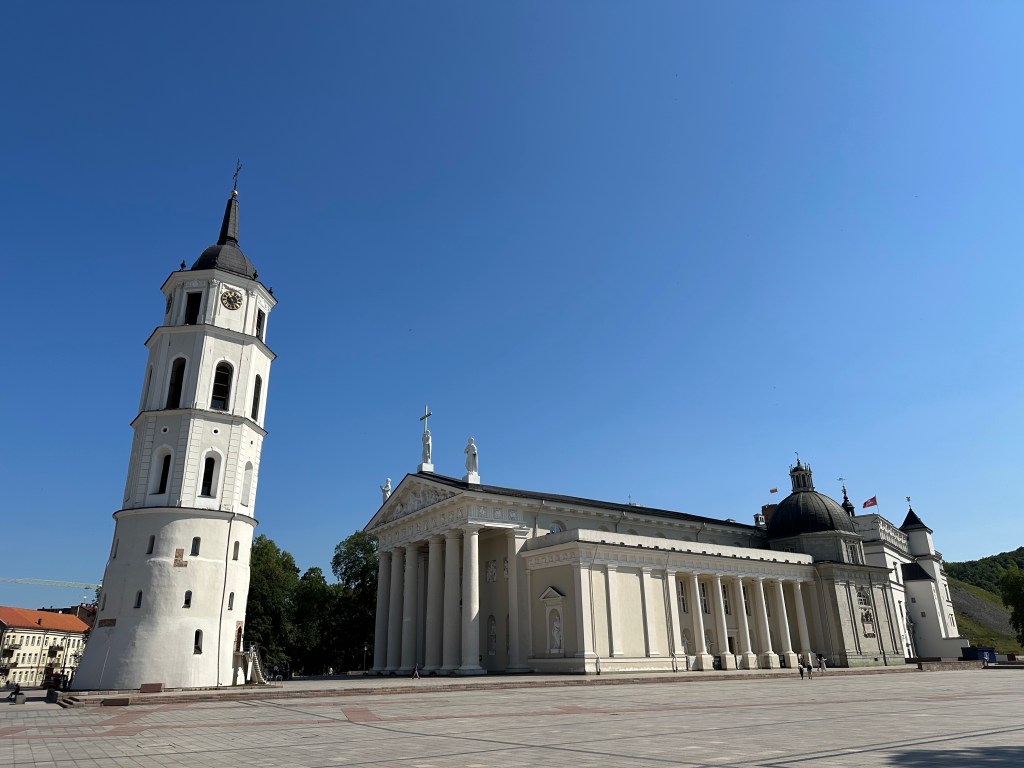
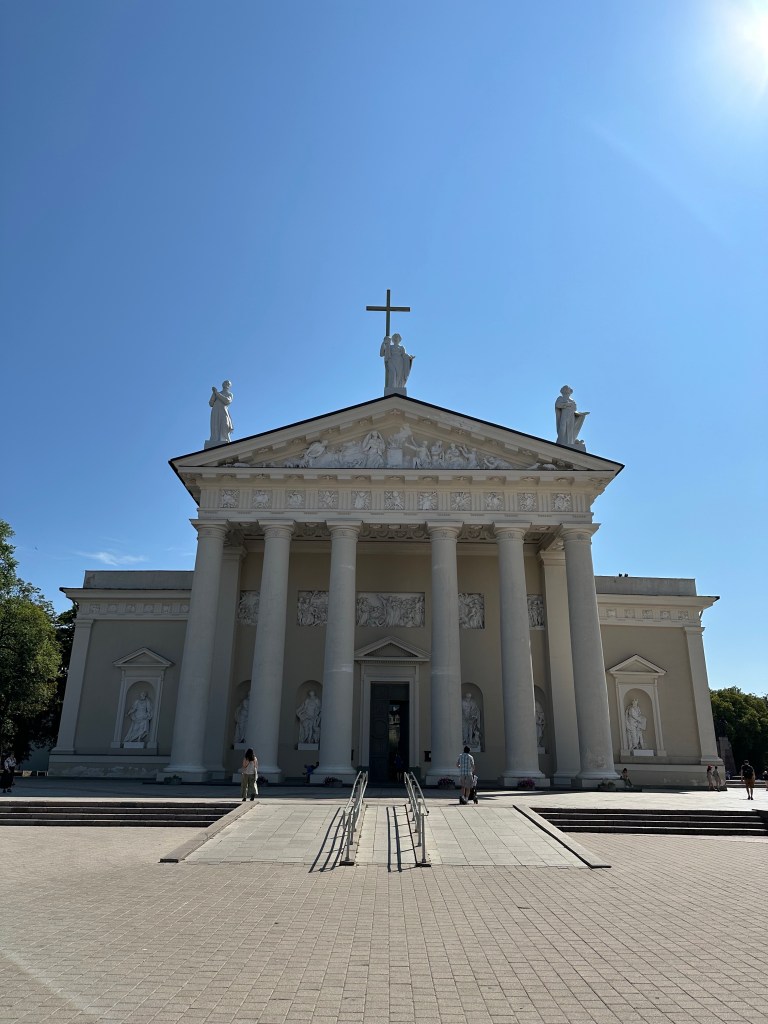
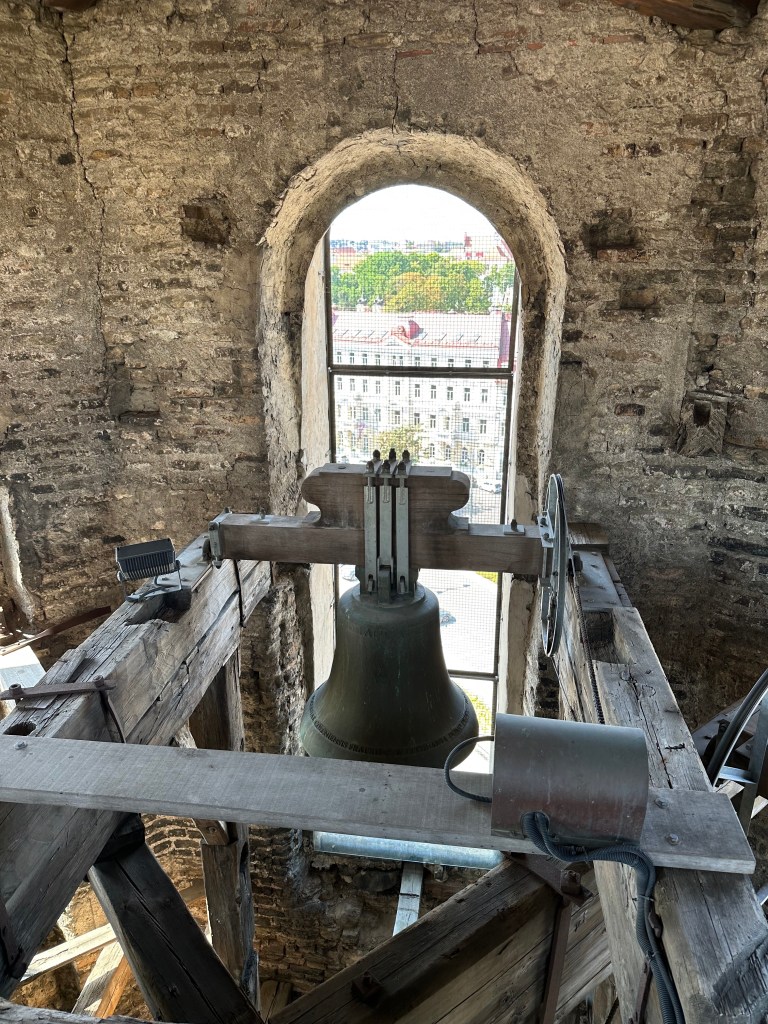
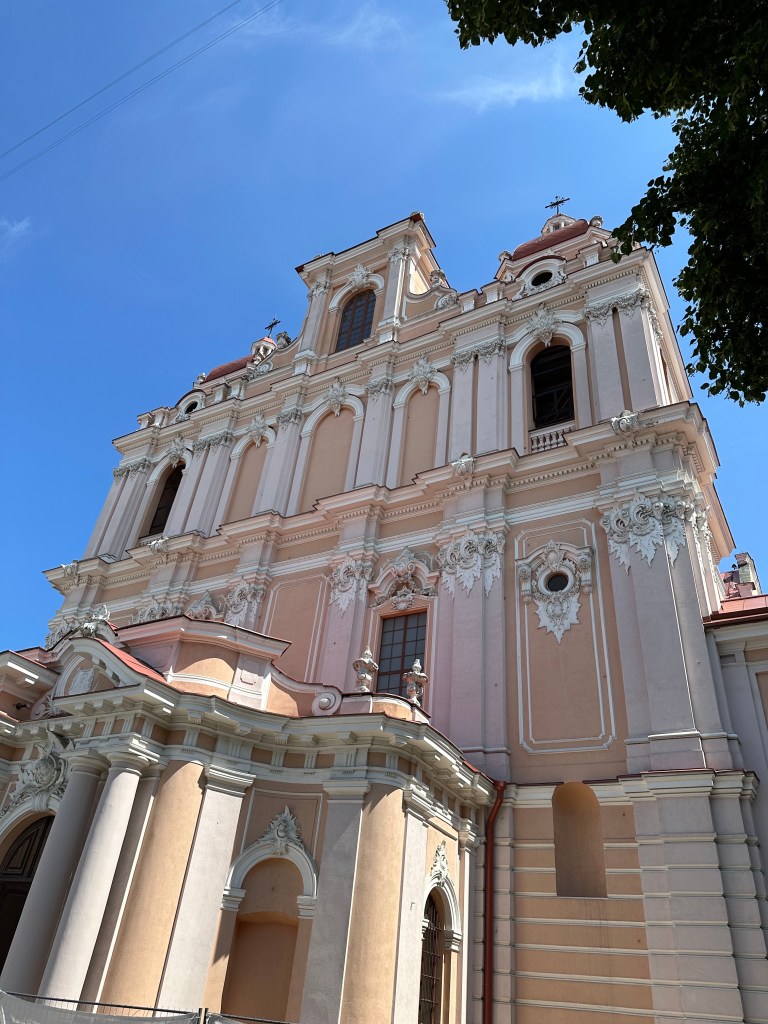
3. After Lithuania converted to Christianity in 1387, church building flourished, leaving Vilnius with a skyline rich in spires. St. Anne’s Church, with its red-brick Gothic façade, was my favorite. The nearby Vilnius Cathedral stands out for its simplicity, while the bell tower next door offers lovely views of the city. Saint Casimir’s Church in Rotušės Square, painted in pink-orange tones, adds yet another burst of charm to the Old Town.

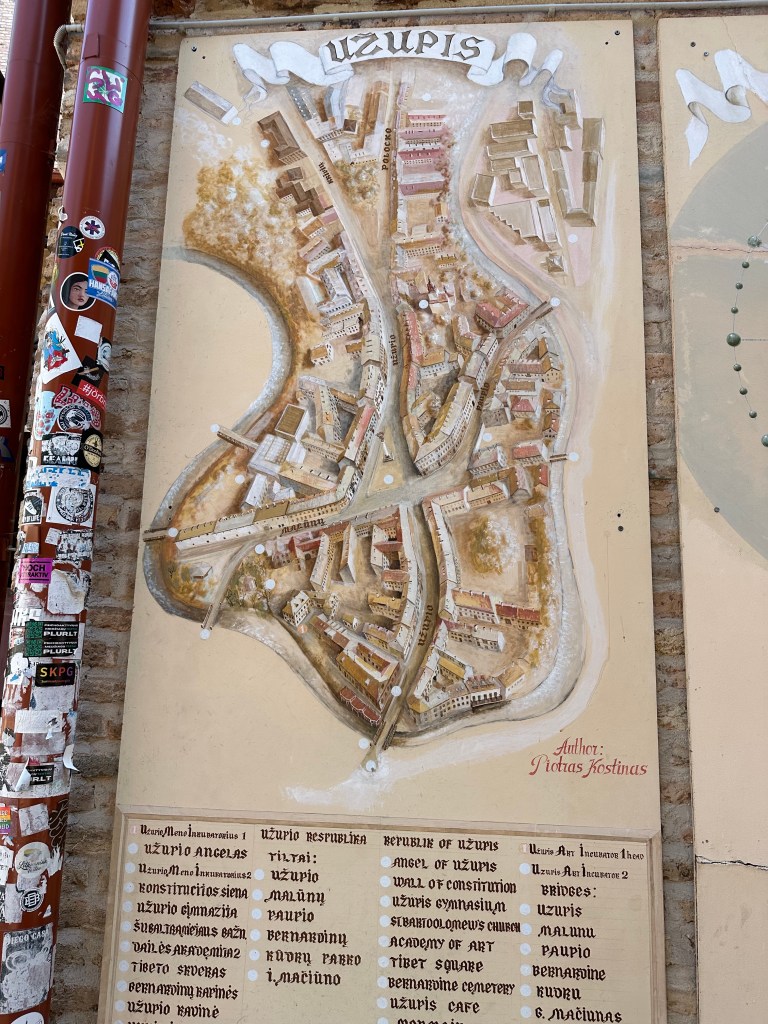
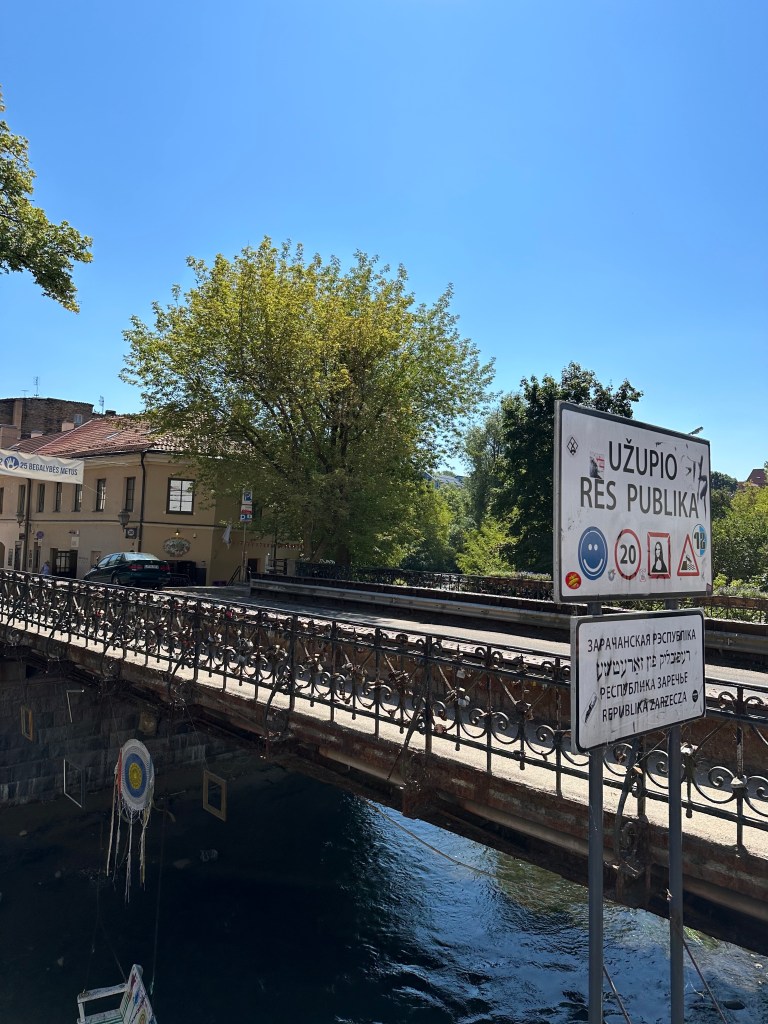
4. Across the river from Old Town lies Užupis, a bohemian enclave that reminded me of Copenhagen’s Freetown Christiania, though with a lighter and more whimsical character. Founded by artists, Užupis declared itself an independent republic in 1997, complete with its own constitution, currency, and president, though all in playful spirit. Its national day is celebrated on April 1st, a nod to its sense of humor. Once a neglected area, Užupis was revived by artists and is now filled with galleries, cafés, and quirky public art. It even has honorary ambassadors, including the 14th Dalai Lama, and a small Tibet Square named in his honor.

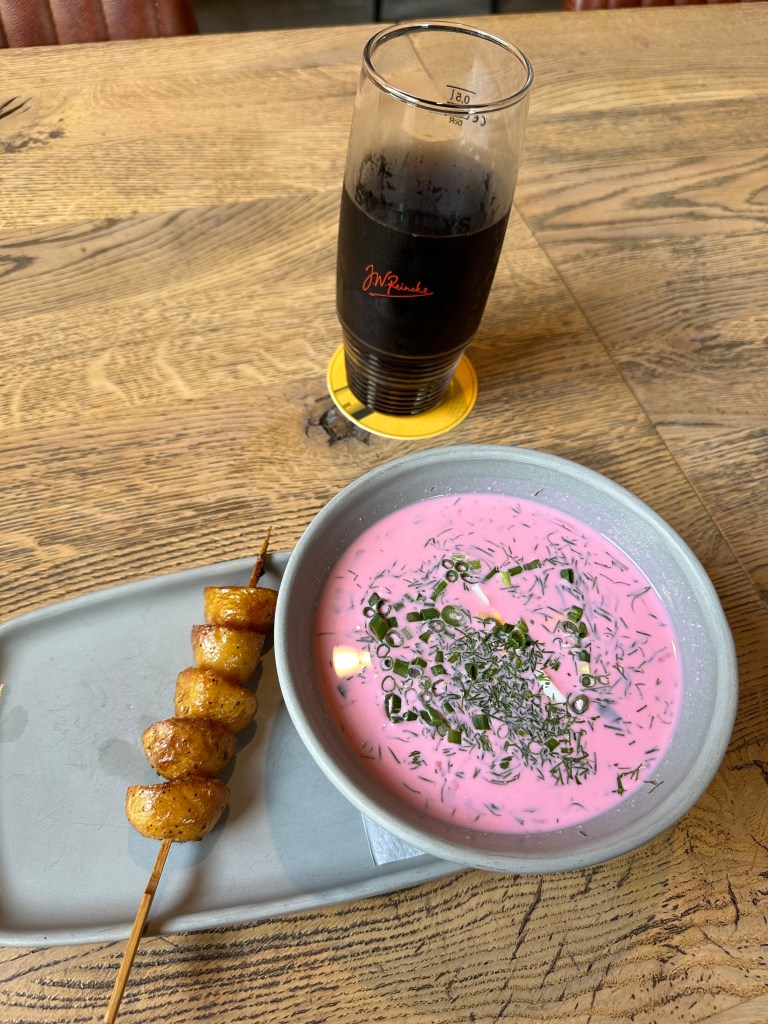
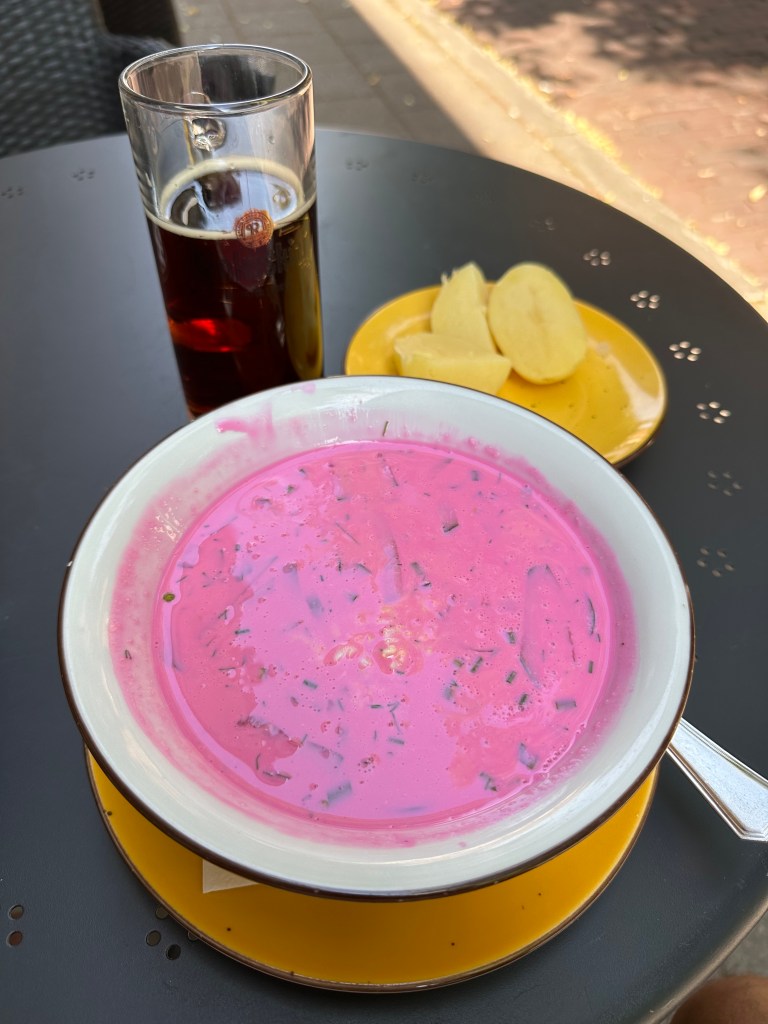
5. Lithuanian food is rich and comforting, full of fried doughs, potatoes, and meats, but the pink soup (Šaltibarščiai) is a standout both in flavor and appearance. Made from kefir and beets, and topped with cucumbers, dill, and hard-boiled eggs, it’s refreshing and visually striking. Another local staple is kvass, a fermented rye-bread drink that is sweet, malty, and surprisingly addictive. Both are great introductions to Lithuania’s hearty yet soulful food culture.

5 things about Vilnius, Lithuania  

7 things about Riga, Latvia 

1. Riga is the largest city in Latvia and the second largest in the Baltics, just behind Vilnius. The region was first settled by the Livs, a Finnic tribe of fishermen and traders. But it was in the 12th century that trade truly began to flourish, drawing attention from the north. As Christianity spread, traders were followed by crusaders eager to convert the Livonians from paganism. After several failed attempts, the Church finally found success under Bishop Albert, who established Riga as a trading post in 1201 and secured its recognition as a city in 1225.

2. Riga’s strategic location made it a key part of the Hanseatic League, a powerful network of merchant cities. The alliance brought stability, prosperity, and architectural ambition. The iconic House of the Black Heads was originally built for a merchant guild during this era. The version standing today is a reconstruction from the late 1990s, as the original was destroyed during World War II but it still captures the grandeur and spirit of the city’s mercantile past.

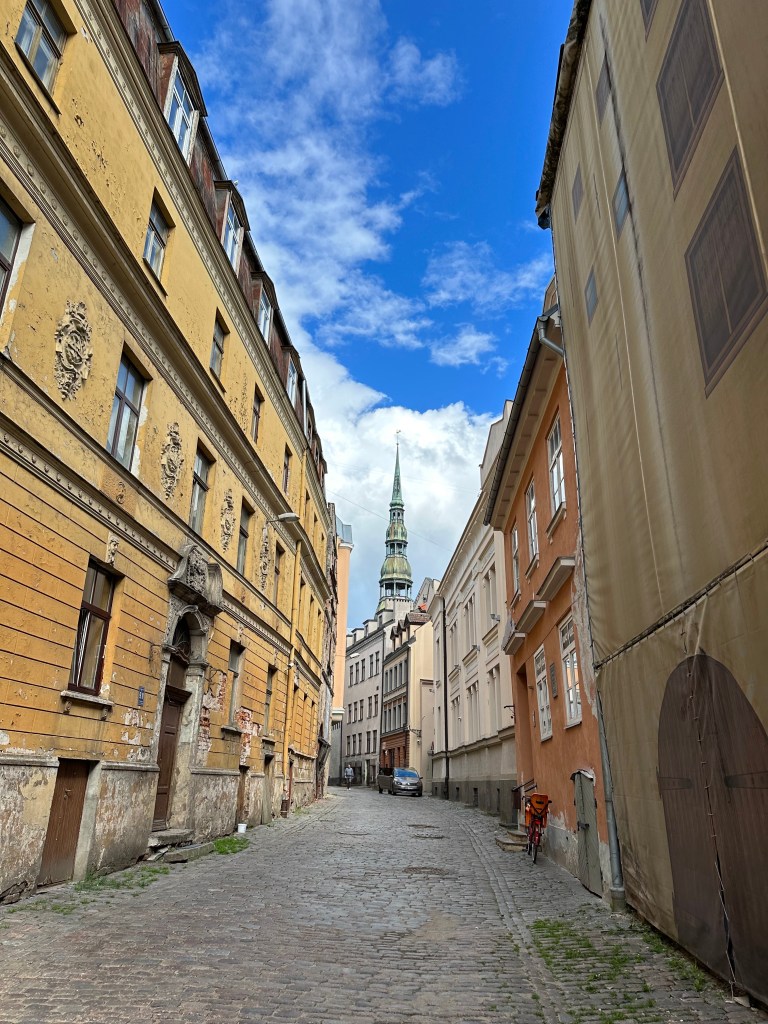
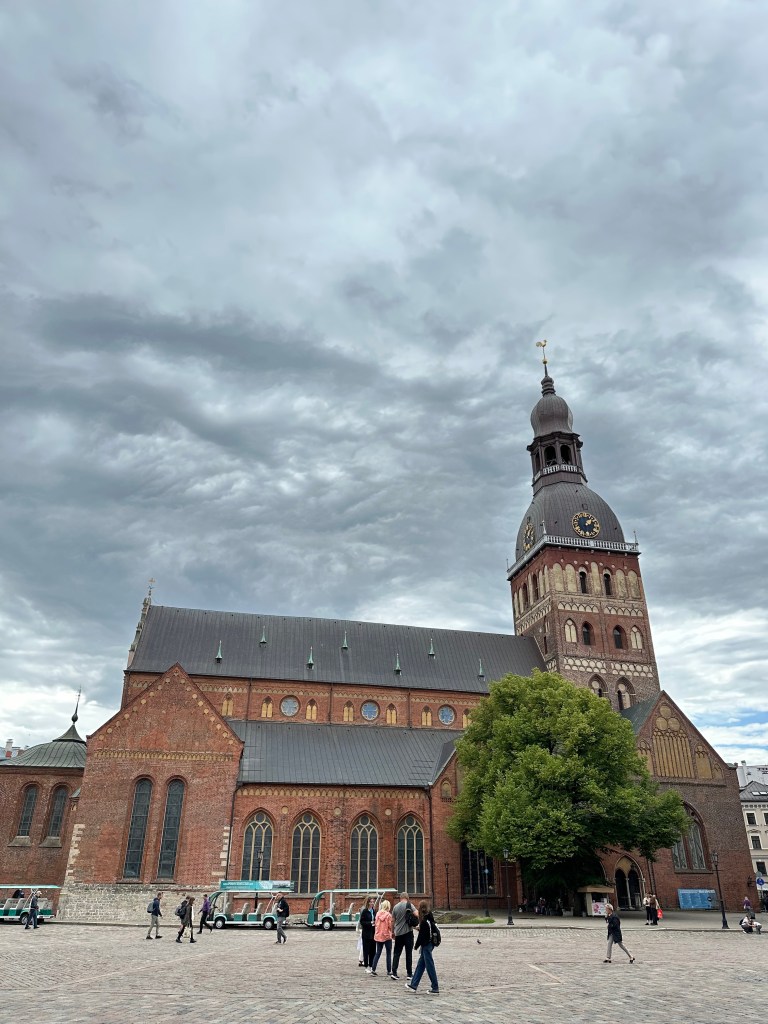
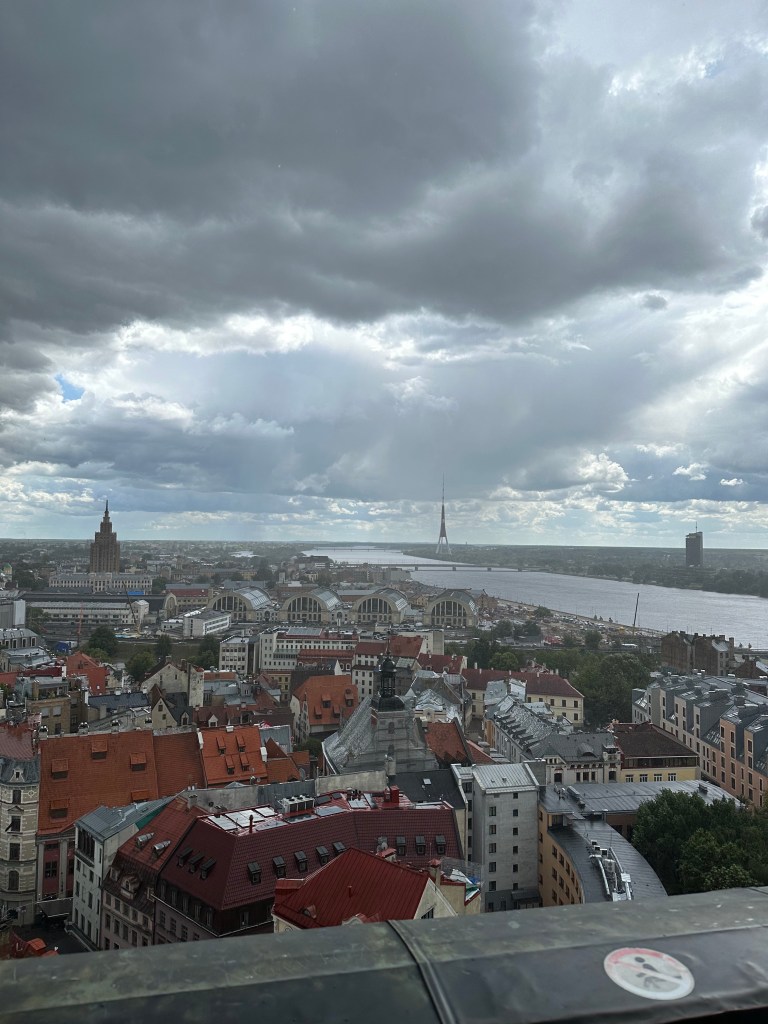
3. The Old Town offers a glimpse of how a thriving medieval city once looked. St. Peter’s Church, with its striking red-brick façade, stands out as one of its most recognizable landmarks. The viewing platform atop its tower provides a sweeping 360-degree view of the city. Nearby, the Riga Cathedral dates back to the same era and was considered one of the largest churches in the Baltics at the time. The Three Brothers, a row of adjoining houses, might look like just another photo stop, but they hold the distinction of being among the oldest surviving residential buildings in Riga. 

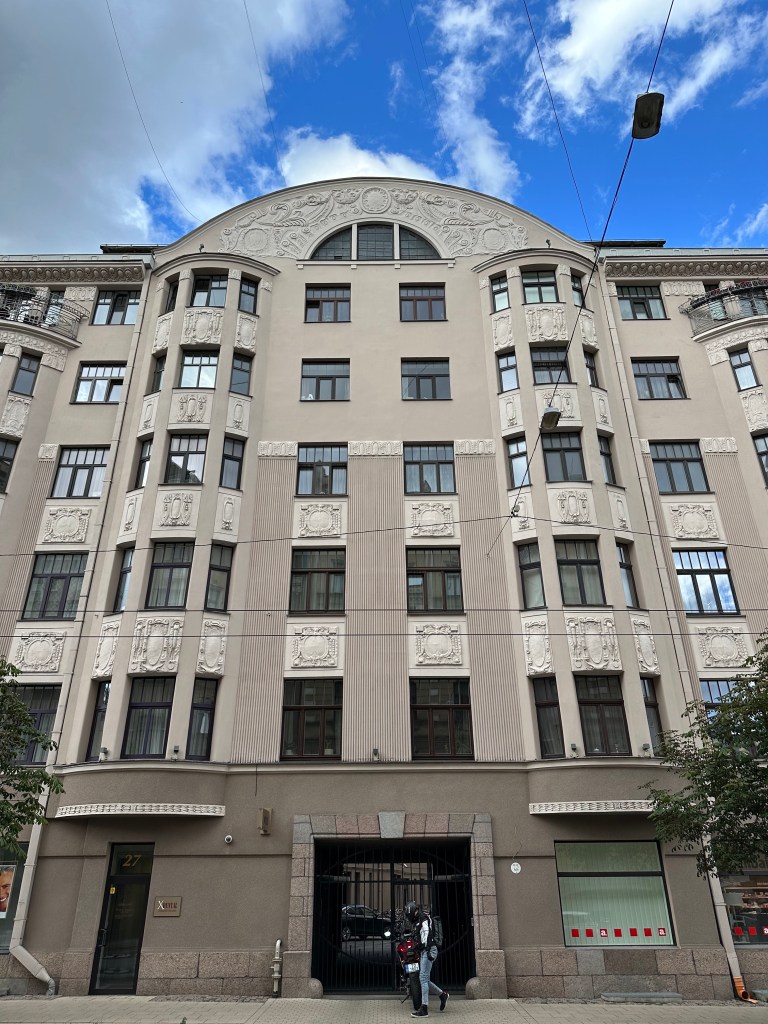
4. Riga was part of the Russian Empire from the early 1700s to the early 1900s. During this time, it grew into one of the empire’s most important economic centers and busiest ports. Towards the end of this period, the city experienced an extraordinary architectural boom. It became home to one of the largest collections of Art Nouveau buildings in the world, most of which were constructed between 1904 and 1914.

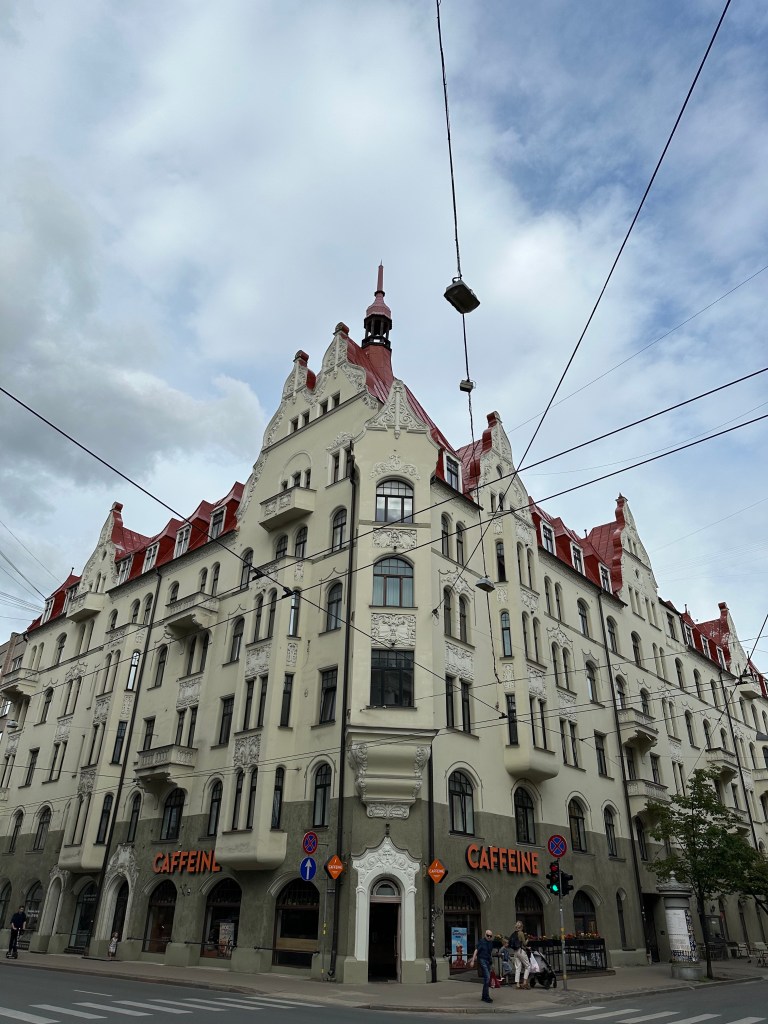
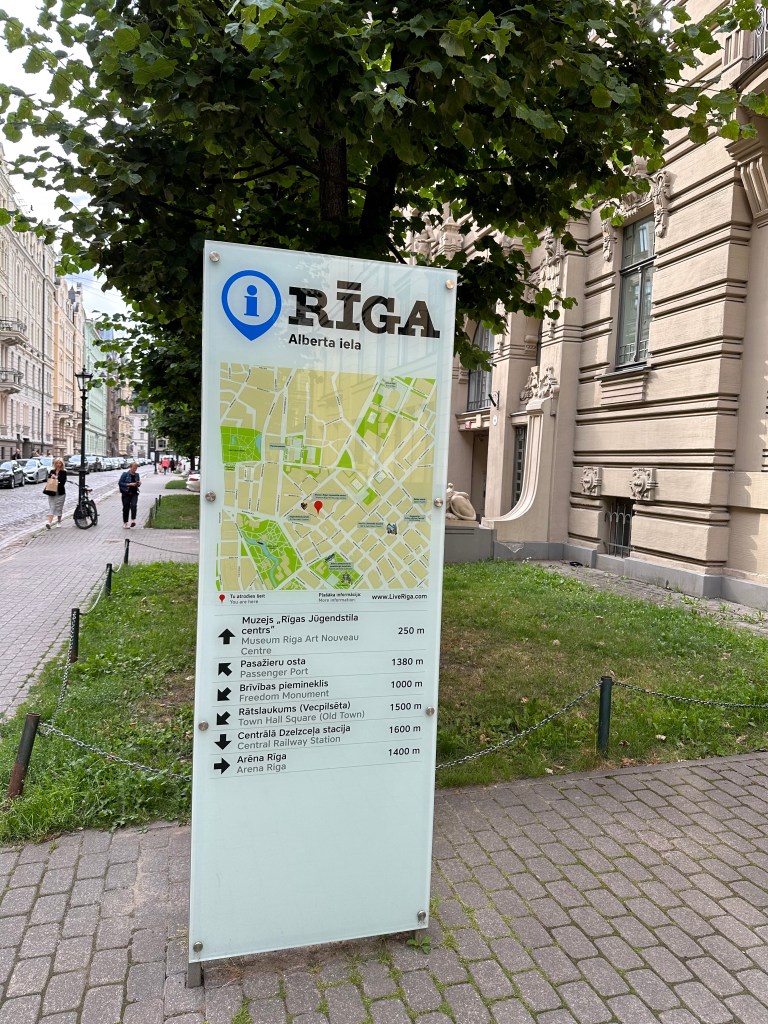
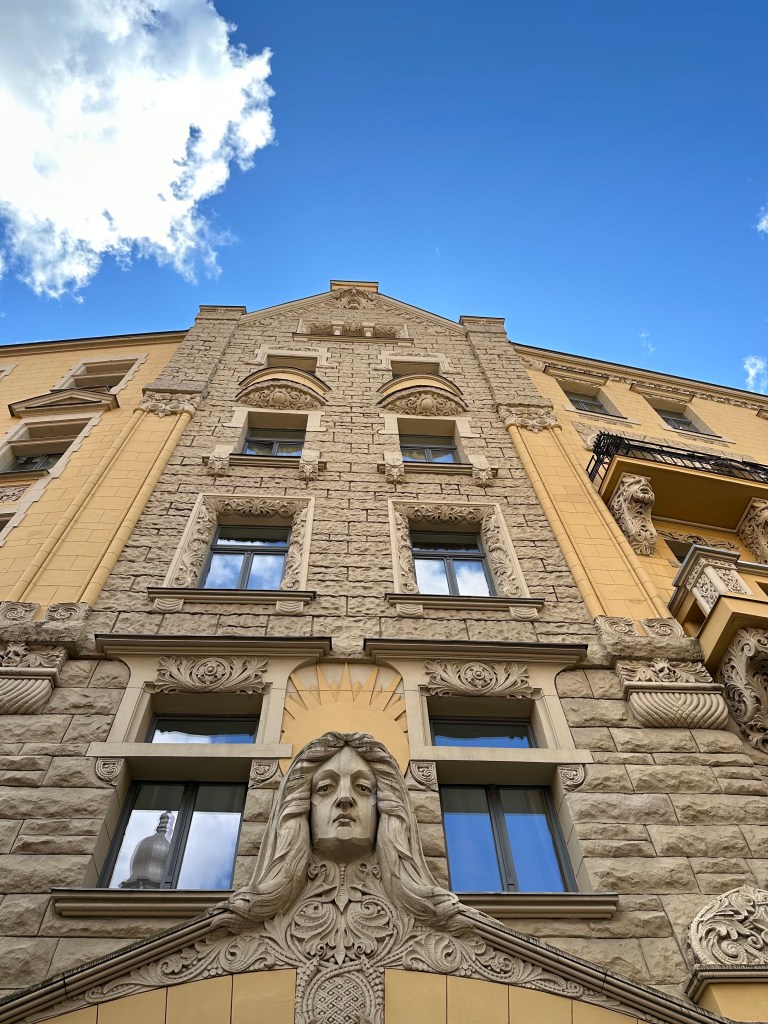
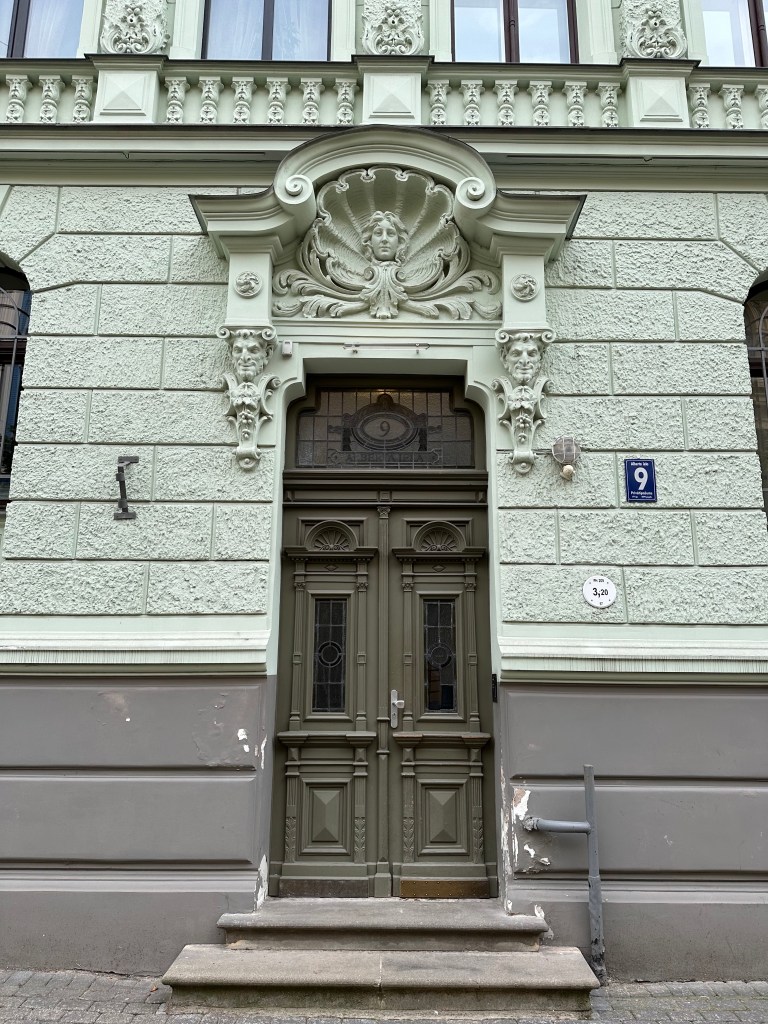
5. Art Nouveau was inspired by natural forms such as plants and flowers, characterized by flowing lines, asymmetrical curves, and stylized figures. About a third of the buildings in Riga’s city center are built in this style, making it impossible to miss. Walking down Alberta iela, an open-air gallery of Art Nouveau architecture, I couldn’t help thinking about how modern design has become so focused on function and minimalism that we’ve lost some of that artistic soul. Interestingly, even artists from that era like Eugène Viollet-le-Duc felt the same about the architectural trends of their time, which helped spark the movement in the first place. The facades on these buildings are genuinely breathtaking, and every detail, from sculpted faces to swirling vines, feels alive.

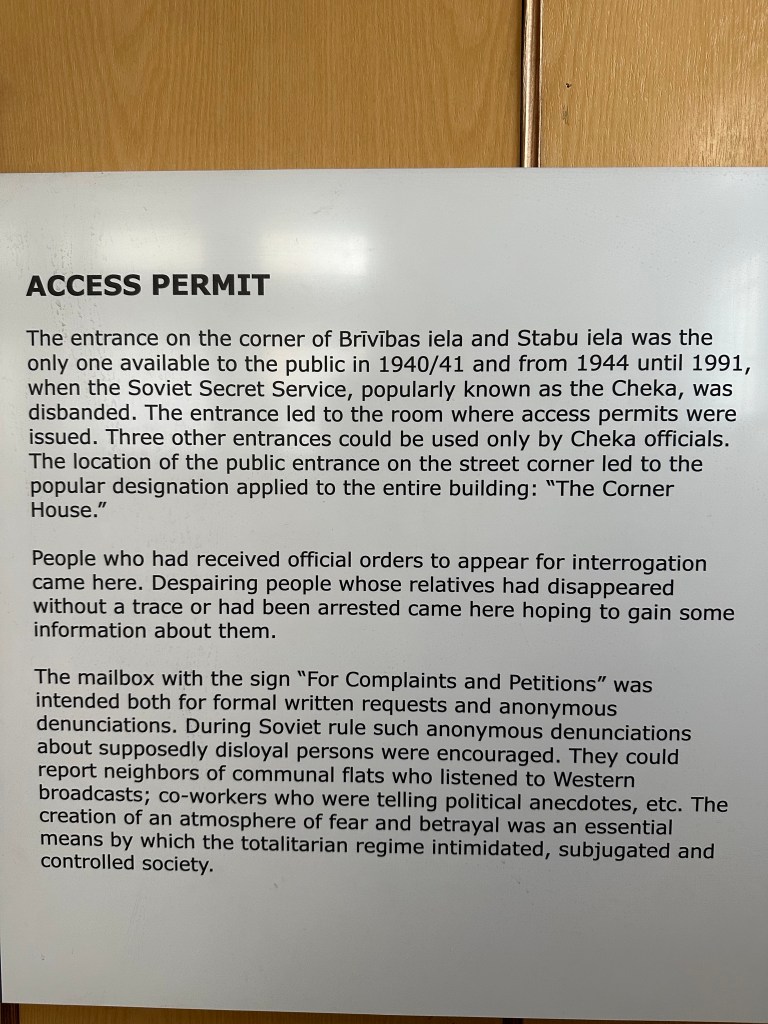
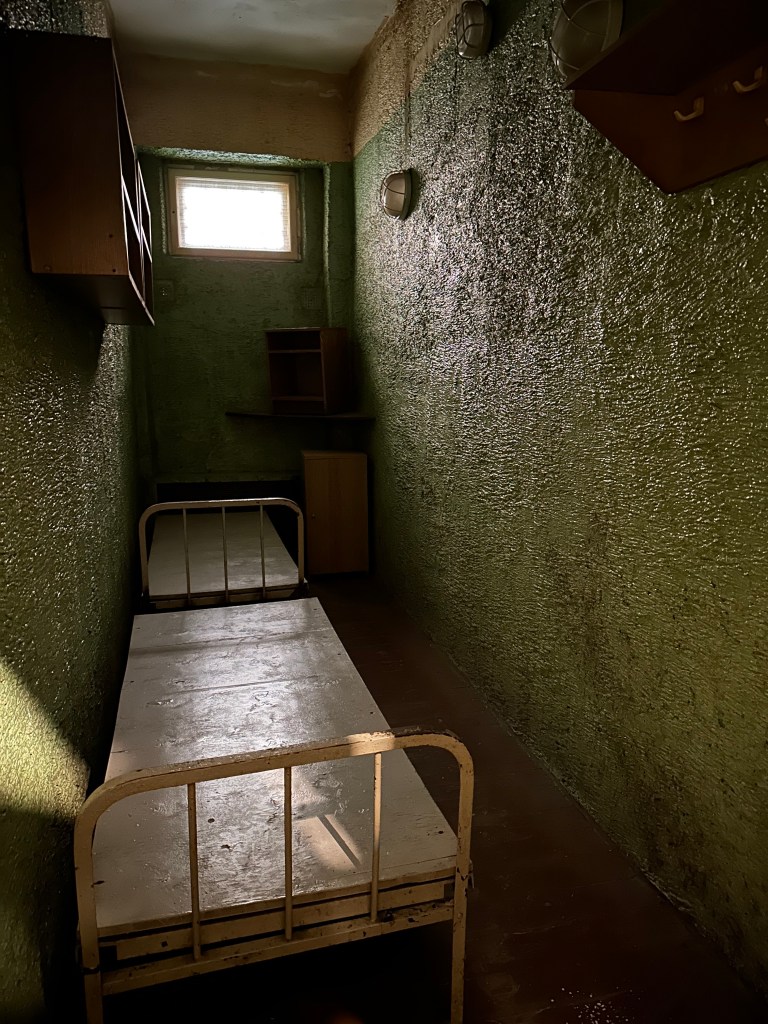
6. The KGB building, locally known as the Corner House, is a haunting reminder of Latvia’s communist past. It was once occupied by the Soviet secret police during the height of Soviet rule. Touring it was deeply moving; the narrow, dimly lit corridors and cramped cells evoke an almost physical sense of the fear and repression people endured. 

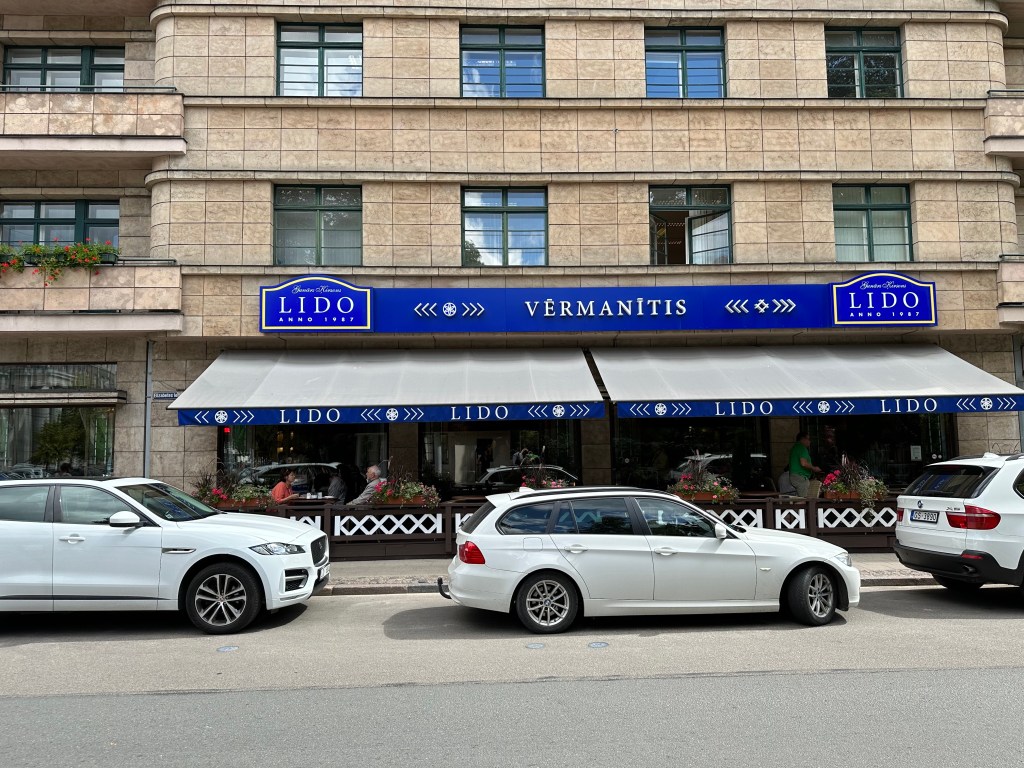
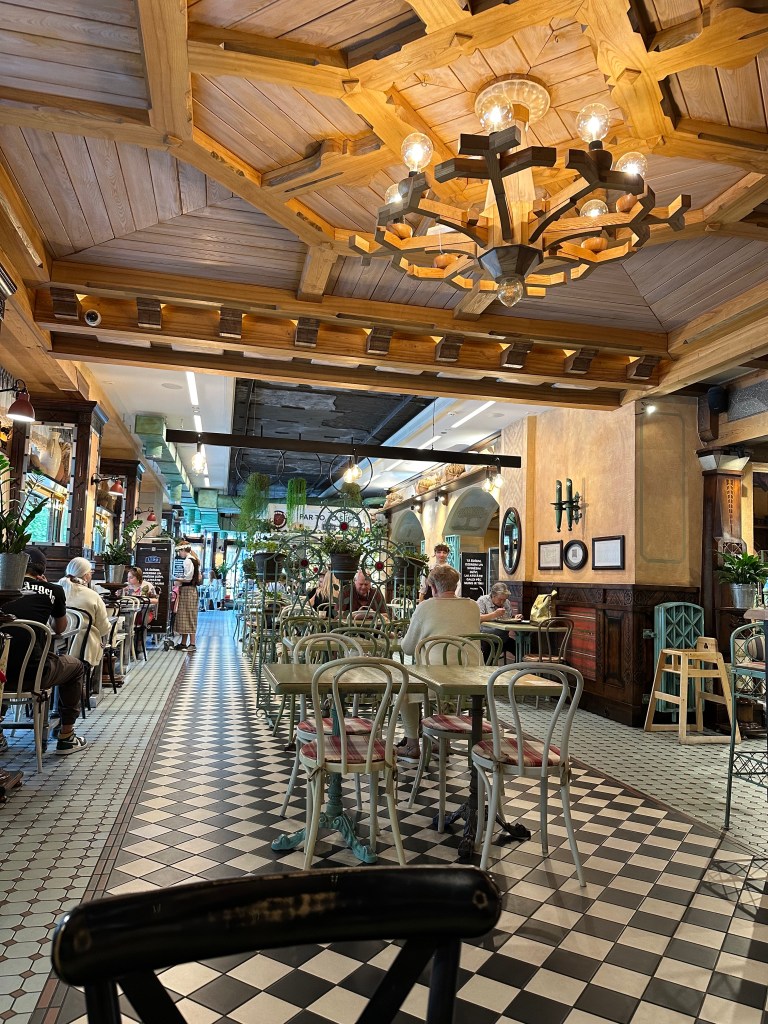
7. LIDO, practically an institution in Riga’s food scene. At first glance, it looks like an upscale buffet, perhaps a Baltic cousin of Sweet Tomatoes, but it’s much more than that. The menu is full of simple, hearty dishes made in a home-style way, nourishing, unpretentious, and comforting. The atmosphere feels just right: cozy and inviting without crossing into kitsch. A meal there pairs perfectly with a taste of Latvia’s national drink, Black Balsam, a liqueur made from 24 botanicals including ginger root and peppermint, blended with high-proof alcohol, honey, caramel, and fruit juices. I expected a sharp, licorice-like flavor, but it turned out surprisingly smooth, rich, and complex, with a warmth that lingers long after.

7 things about Riga, Latvia 

10 things about Berlin, Germany 

1. Berlin began along the River Spree in the 12th century when German settlers under Albert the Bear turned a stretch of marshland into a small trading center. Two towns grew side by side: Berlin on the north bank and Cölln on an island that is now Museum Island. They shared bridges, markets, and families, slowly becoming one community. By 1432, the two officially joined as Berlin-Cölln, setting the stage for a city that would keep reinventing itself for centuries to come.

2. By the early 1700s, Berlin was no longer a cluster of river towns. In 1709, nearby settlements like Friedrichswerder and Friedrichstadt were brought together under one administration, creating Greater Berlin. Under Frederick the Great, the city filled with palaces, wide avenues, and cultural life. The Industrial Revolution gave it new momentum, and when Bismarck united Germany in 1871, Berlin became the capital of a growing empire. Its population exploded from under a million to four million by the 1920s. Even today, Berlin feels different from cities like Munich. It is gritty, diverse, and full of contradictions. I know it is an unfair comparison but its soul feel so different from that of a typical German city. 

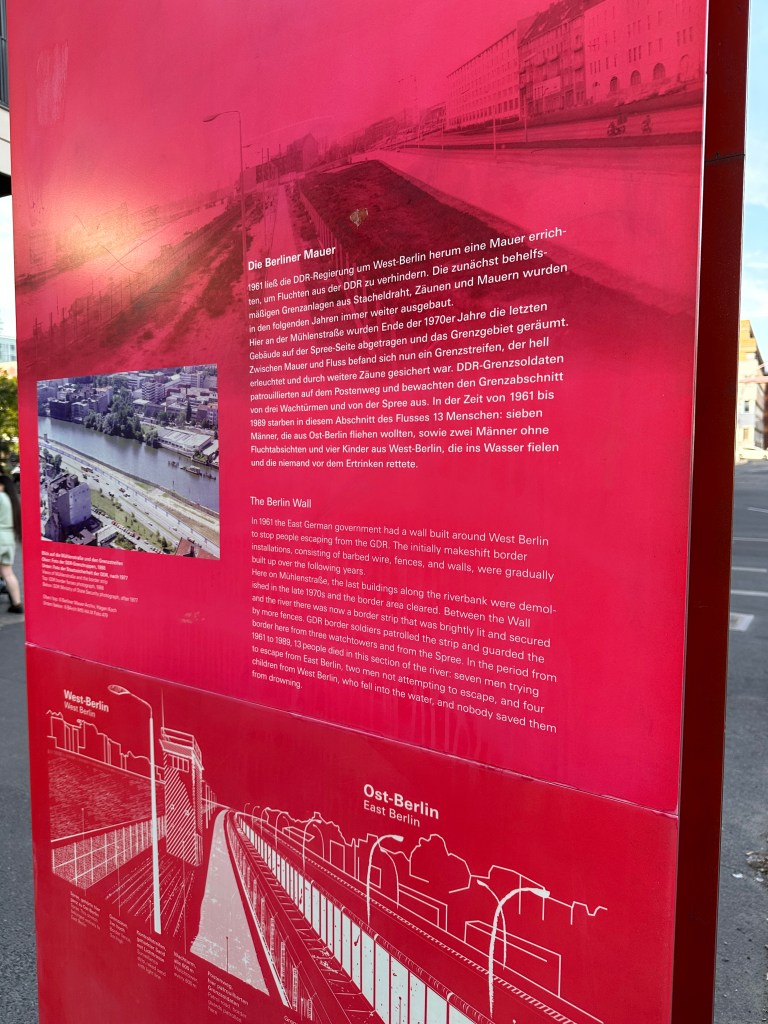
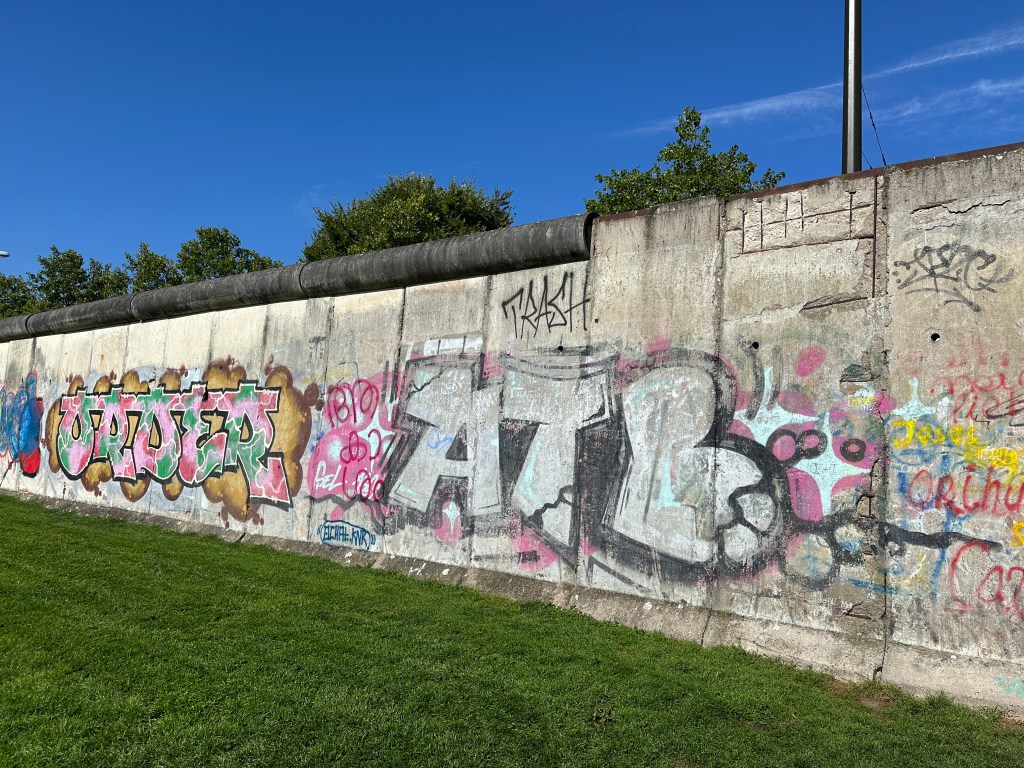
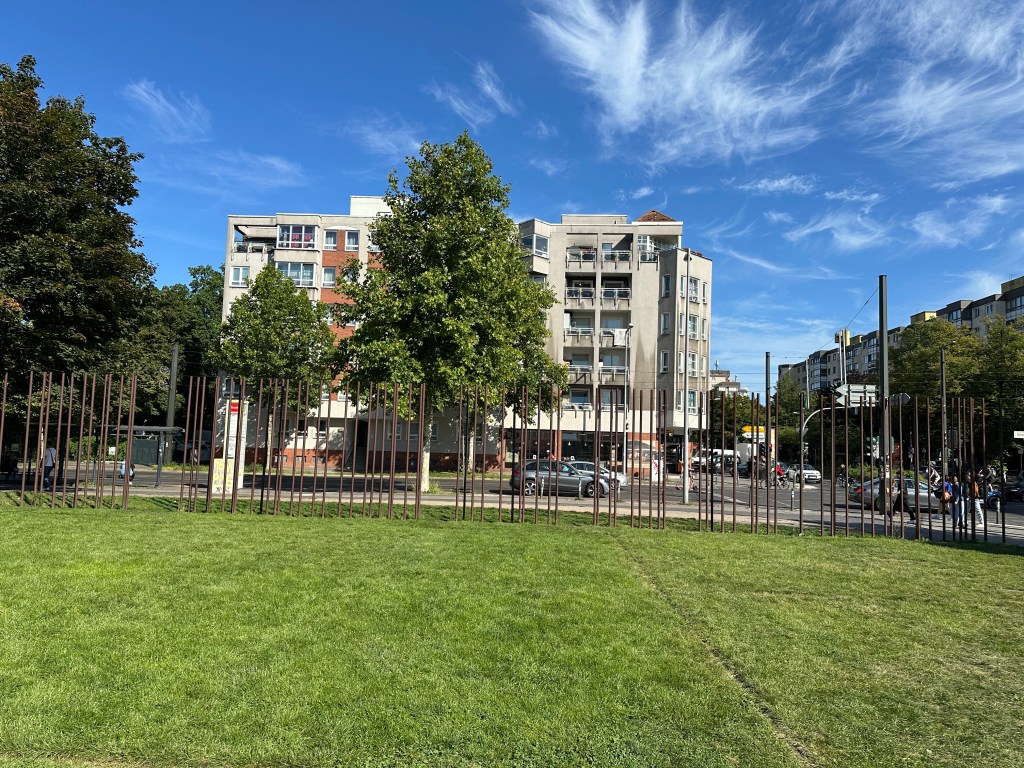
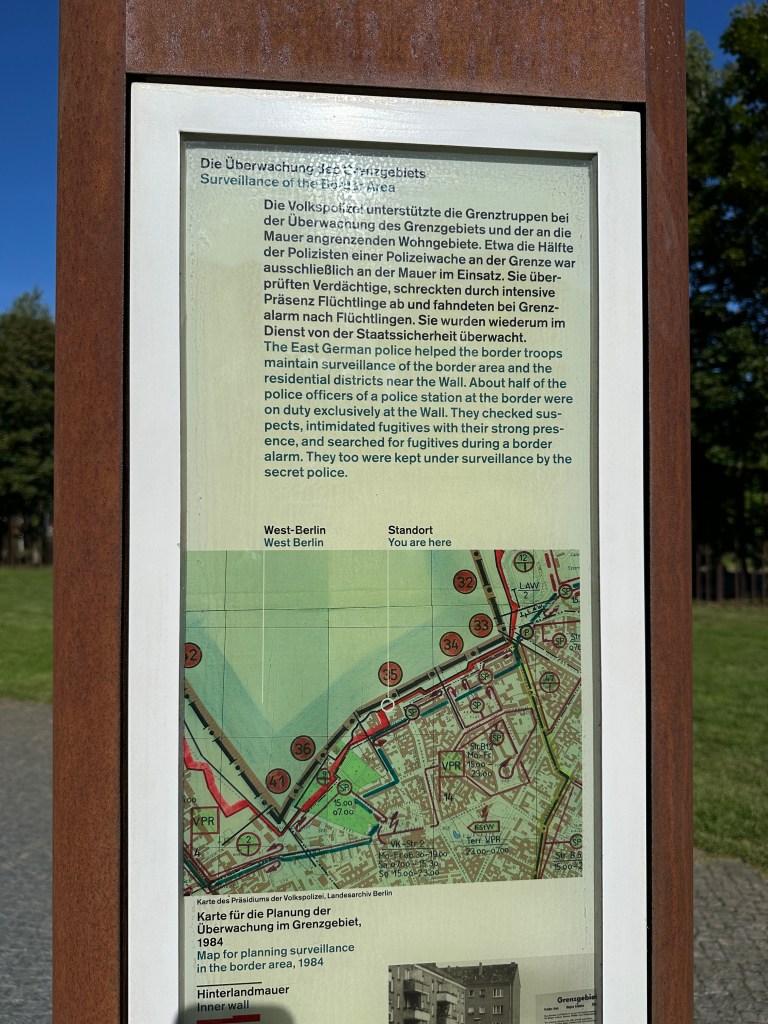
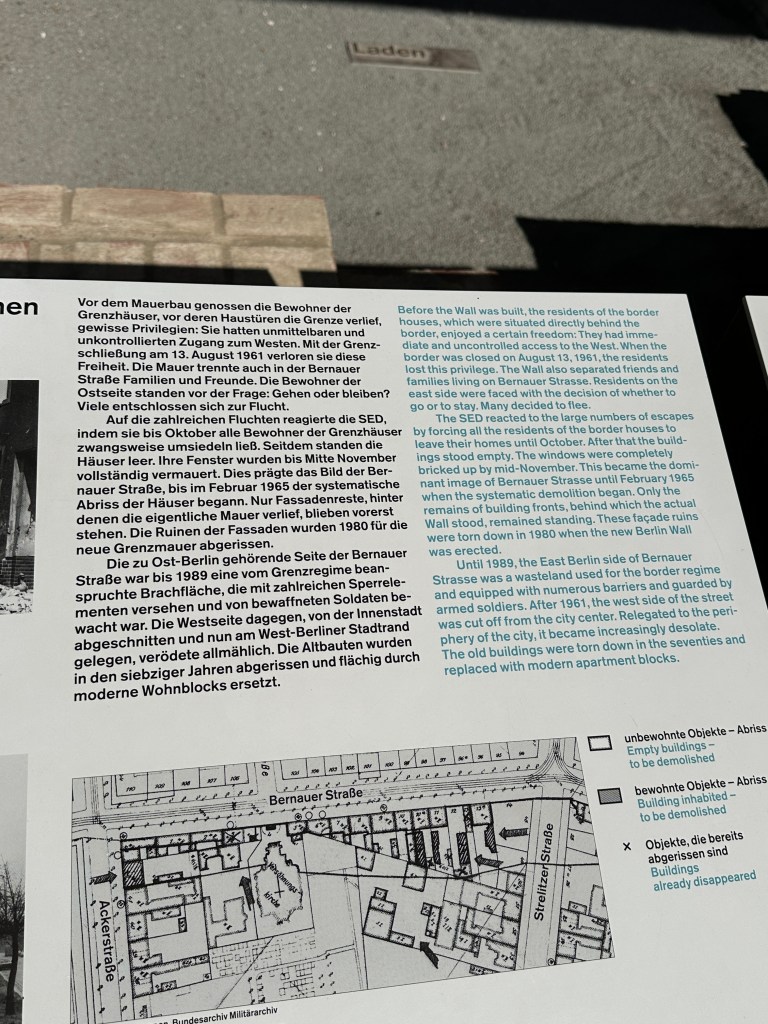
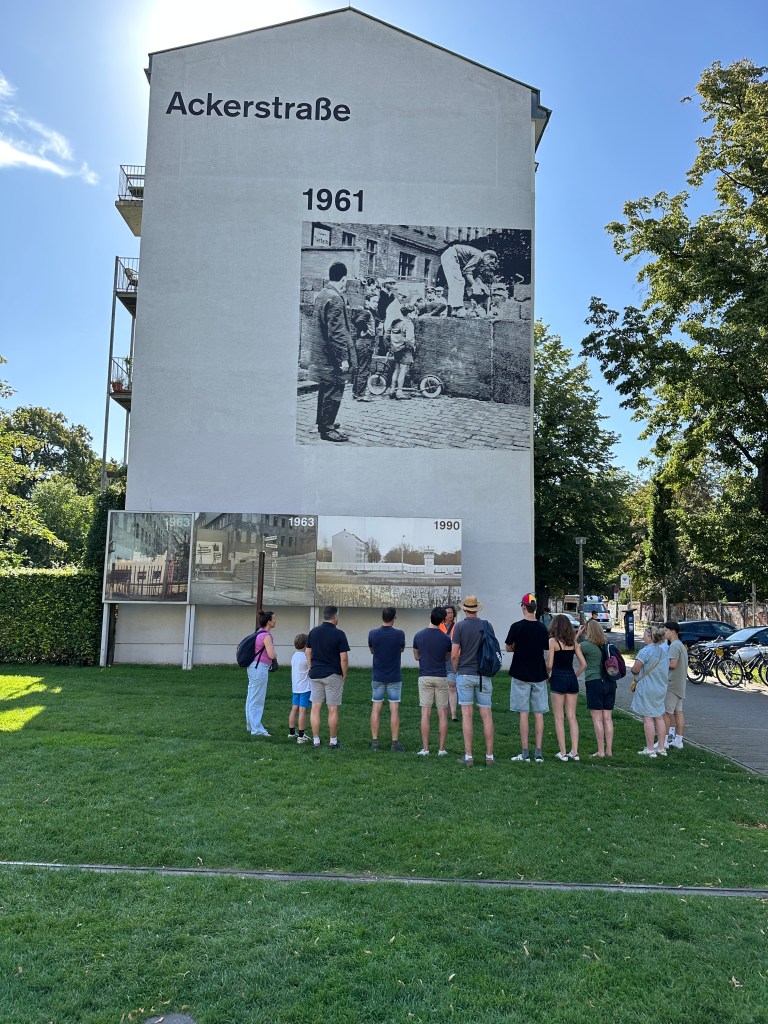
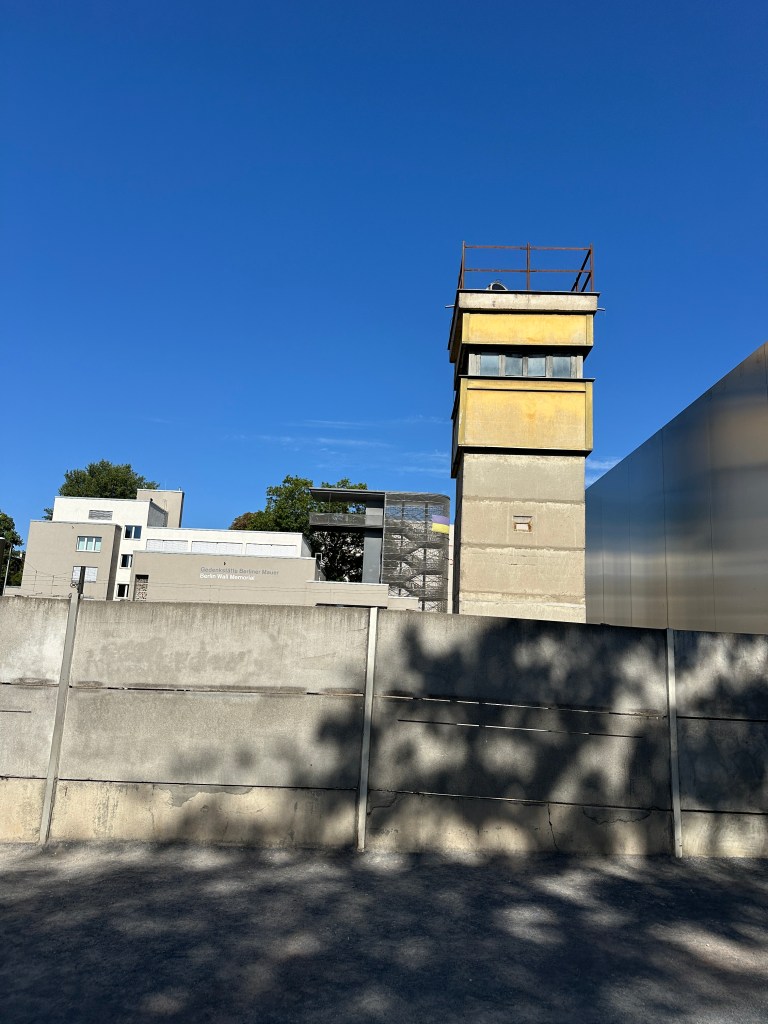
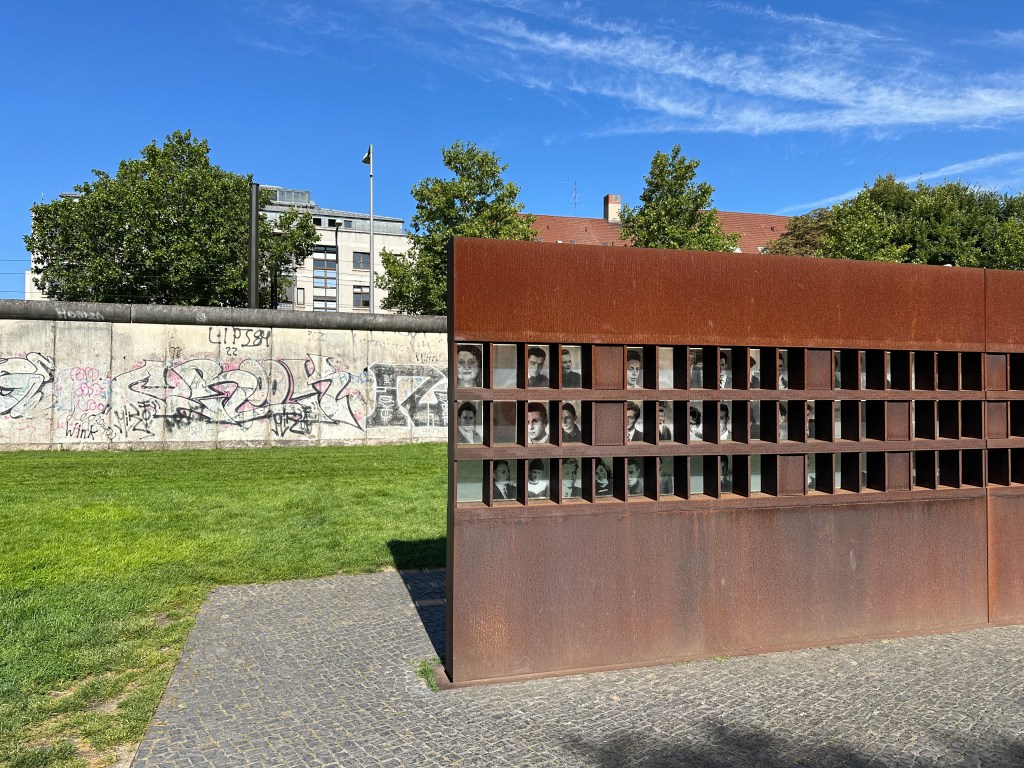
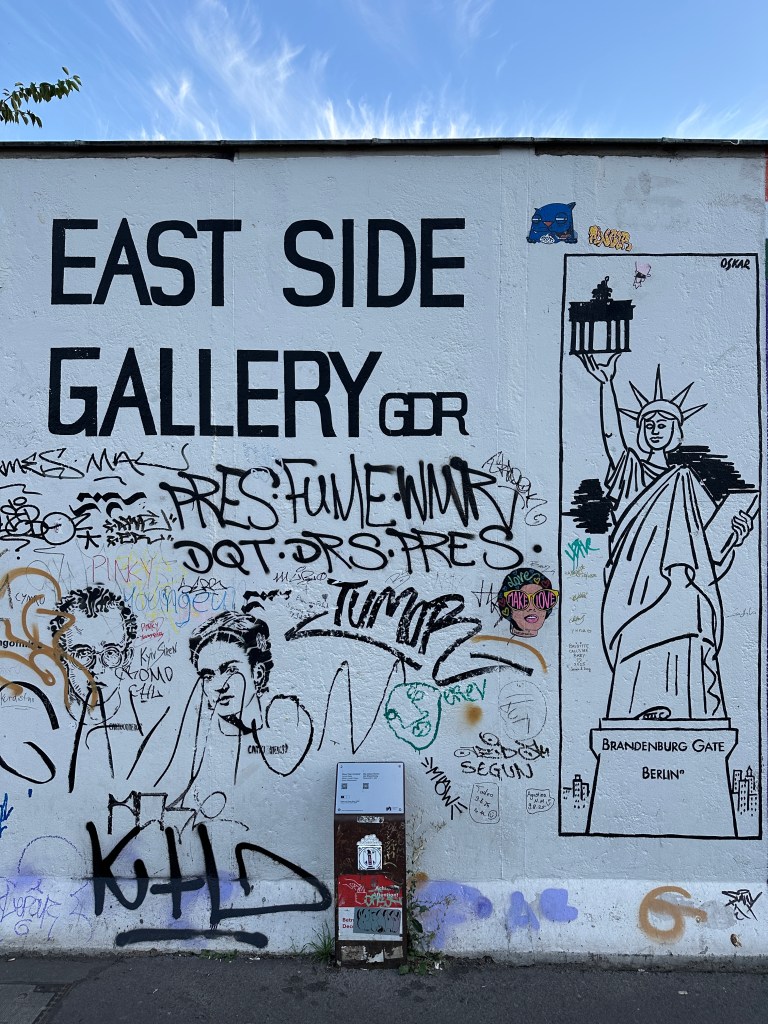
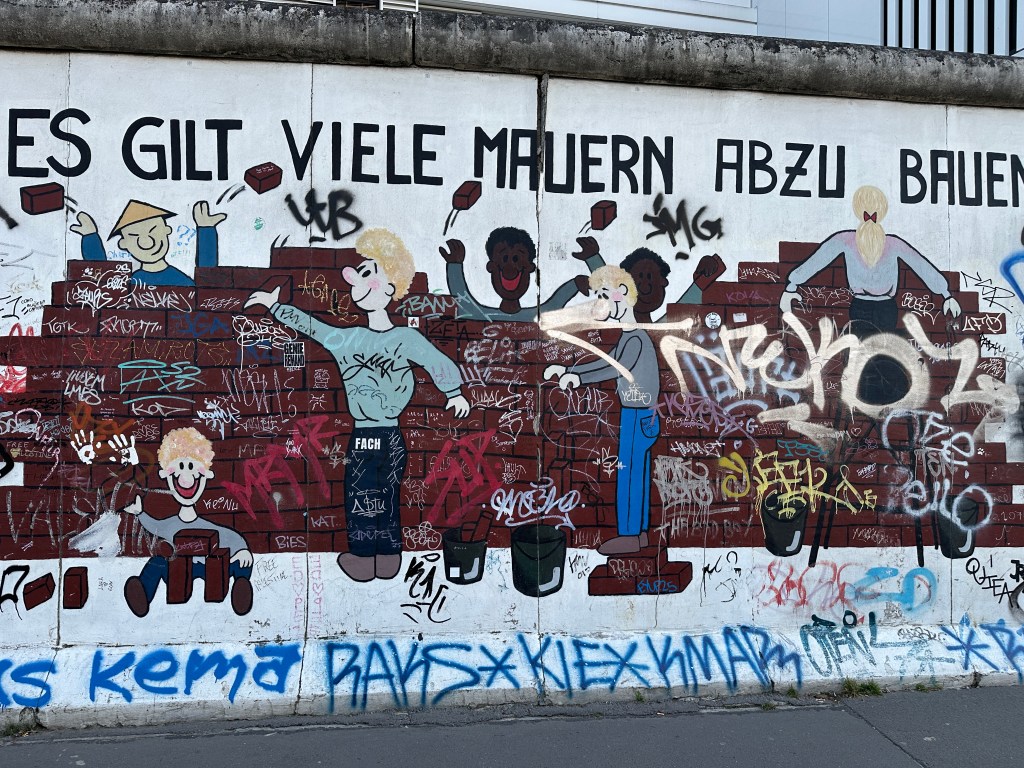
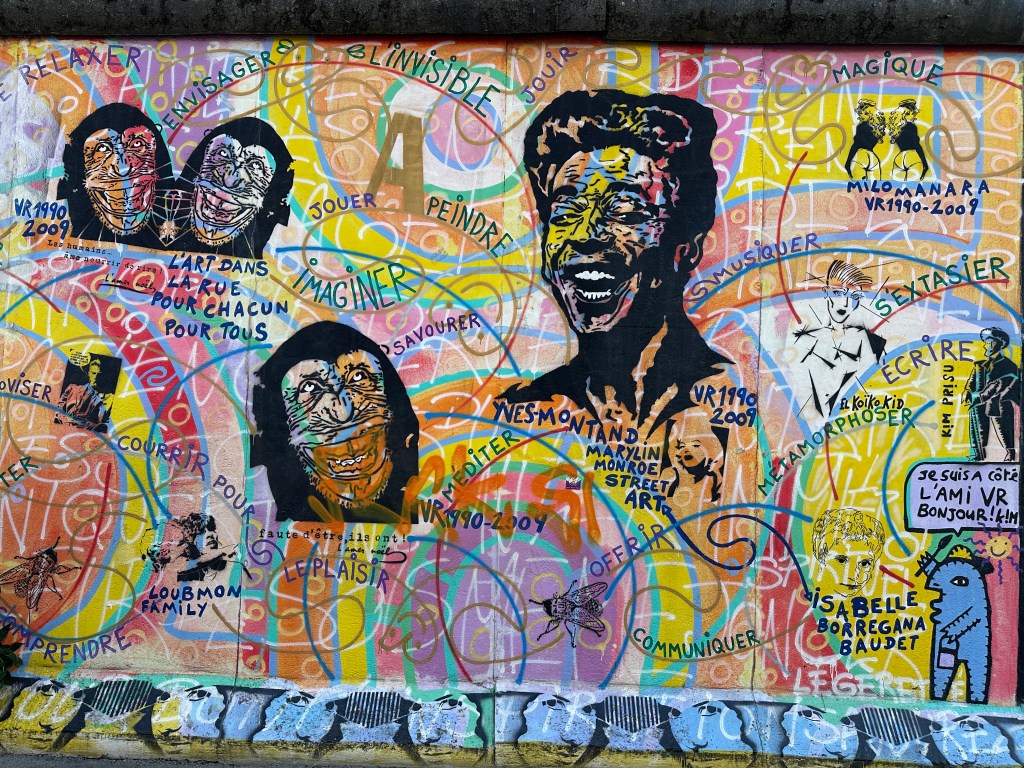
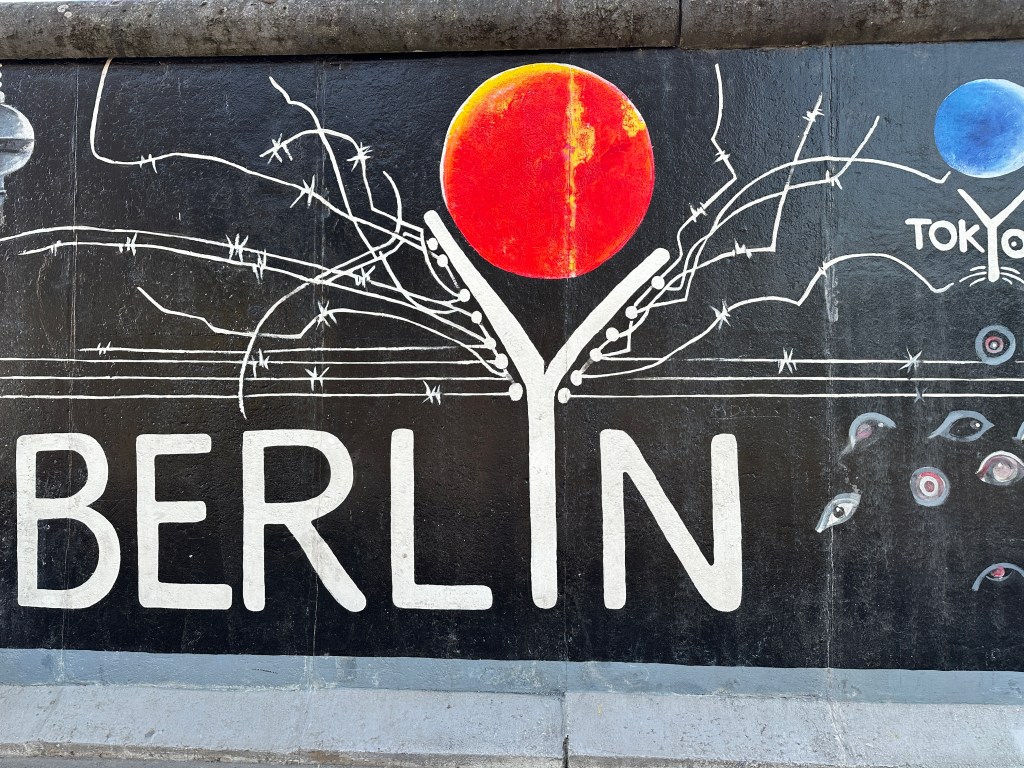
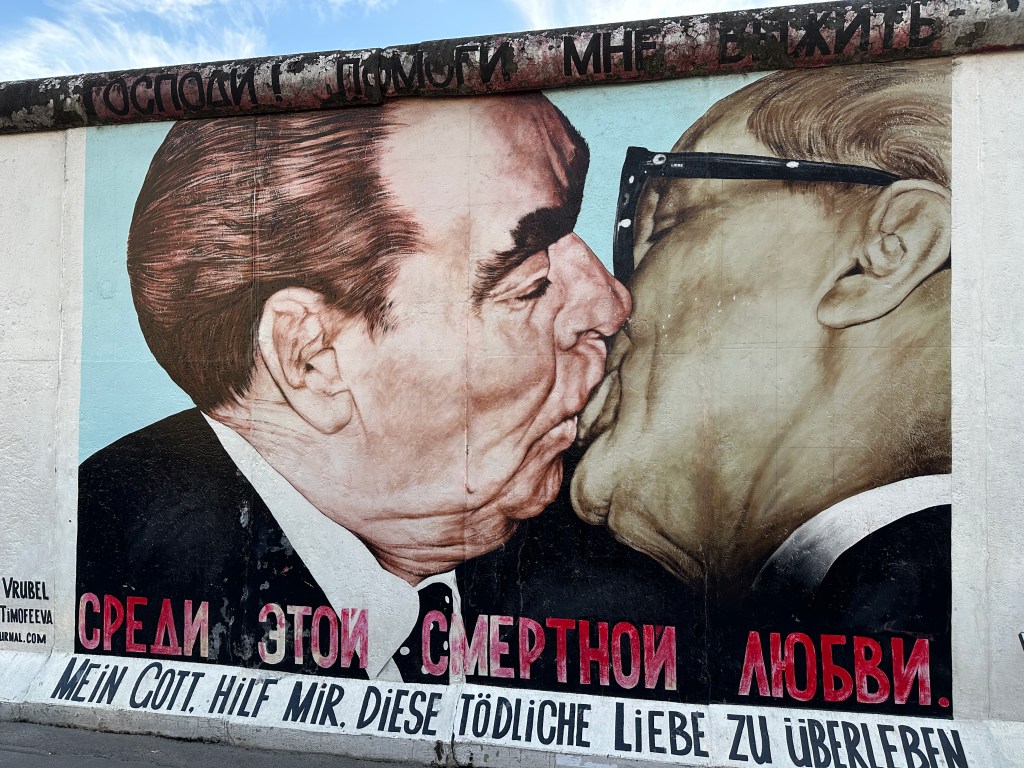
3. Berlin was once the epicenter of so many historic events leading up to World War II. It has tried to move on from many painful memories but preserved just enough as a reminder not to repeat those mistakes. The stretch of the Berlin Wall along Bernauerstrasse, culminating in the Berlin Wall Memorial, documents the lives of ordinary Germans who were affected by the wall. The stories were so well presented that they put me in the shoes of those who lost agency, faced harsh realities, and even perished during that time. Another section of the wall, now called the East Side Gallery, has been turned into an open-air art installation, almost as if the wall’s weight has been transformed into creative expression. The Memorial to the Murdered Jews of Europe is another moving monument dedicated to the Jewish lives lost to the Nazi regime. 

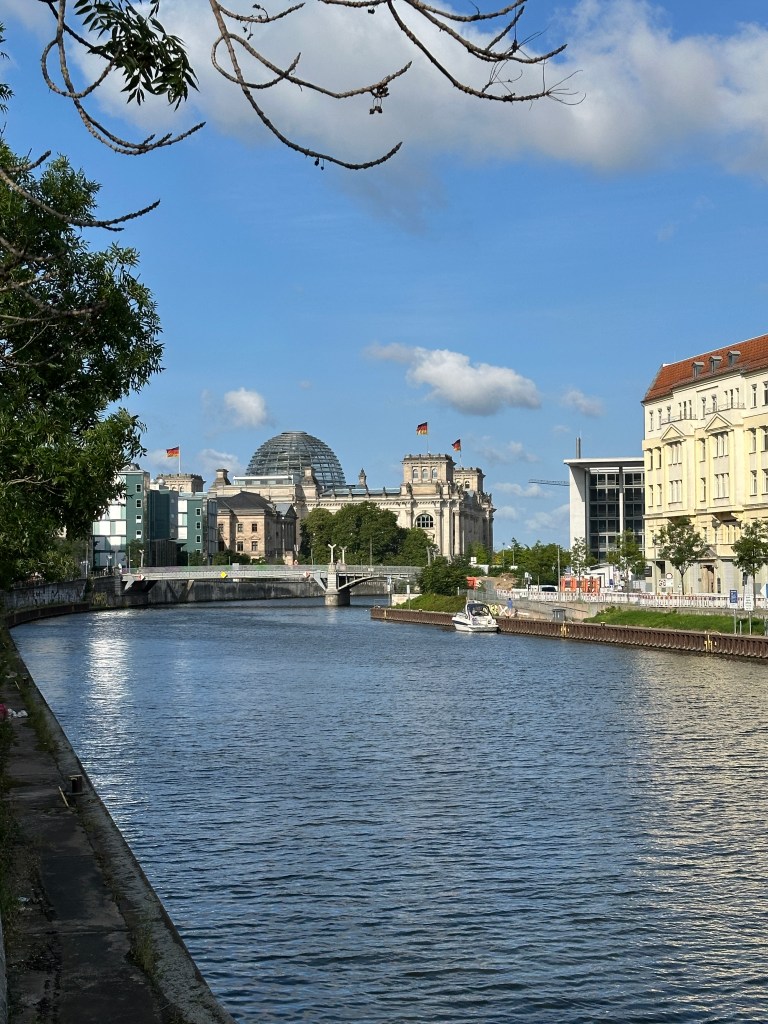
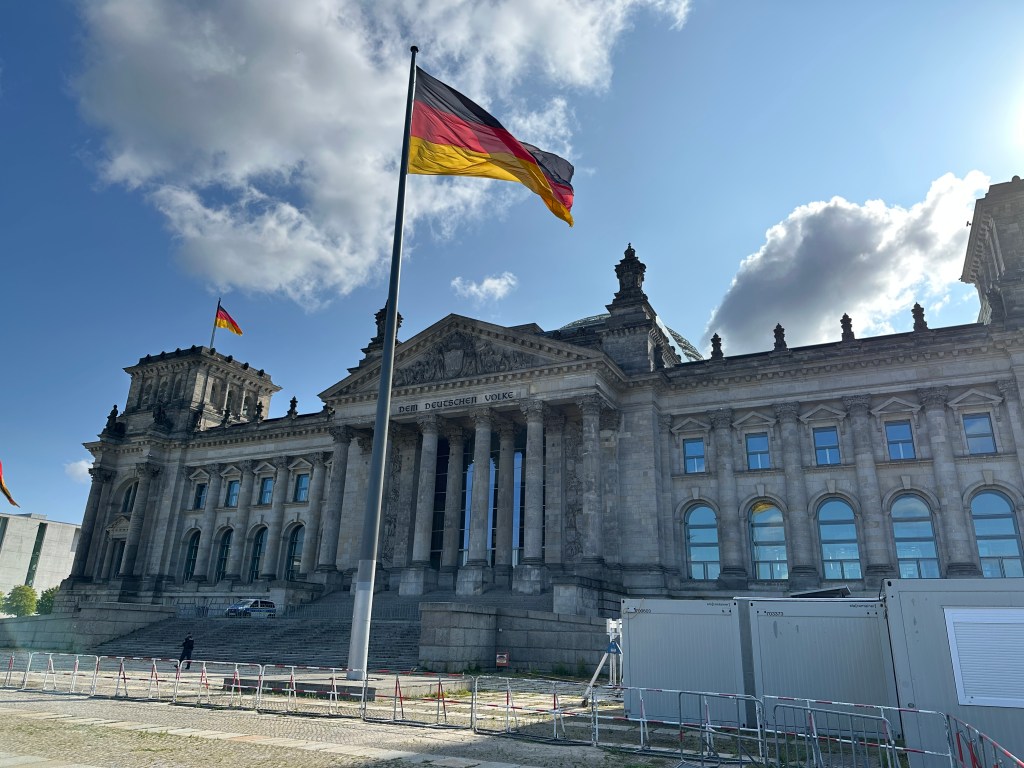
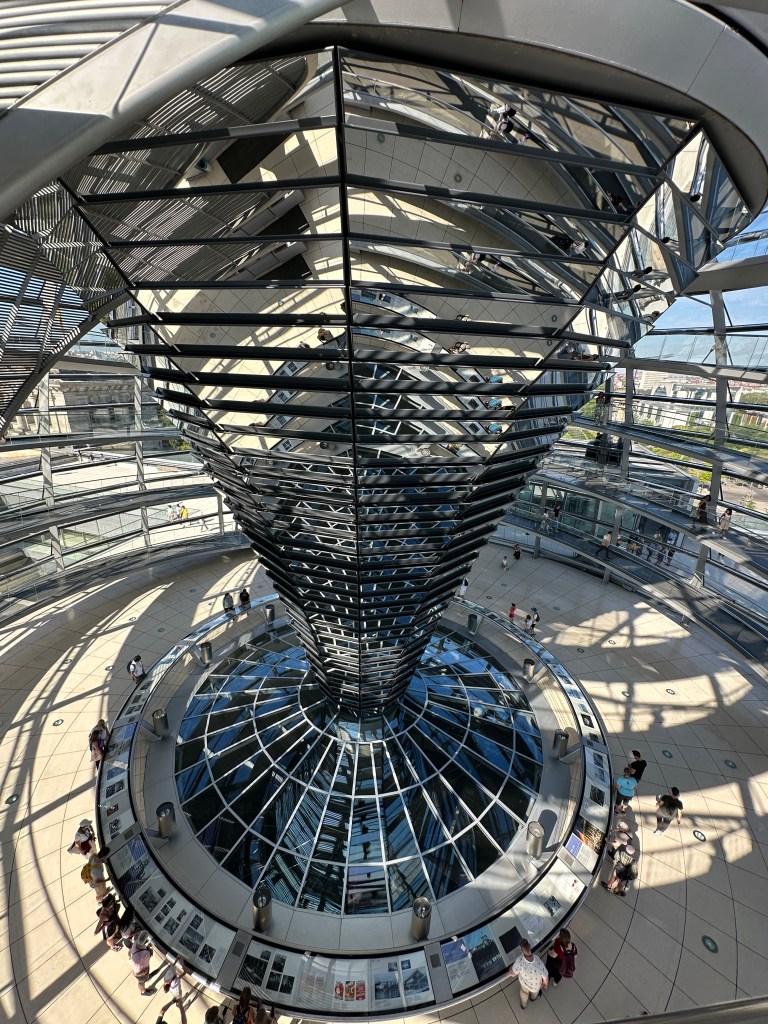
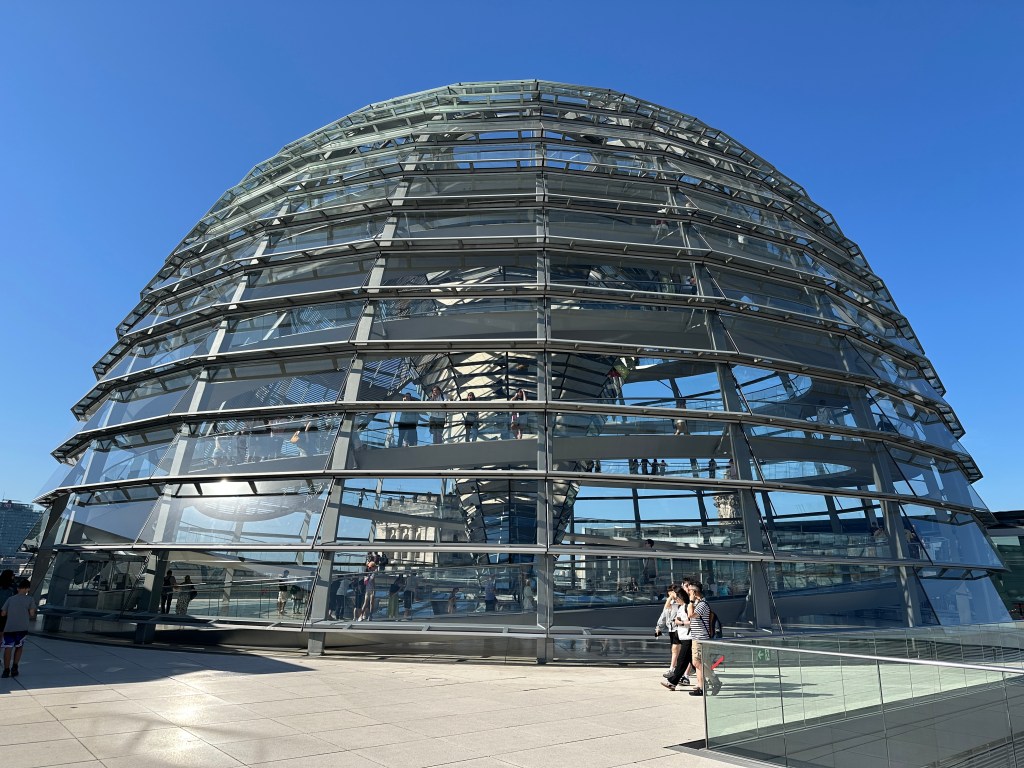
4. The Reichstag is the German parliament building. It was constructed between 1884 and 1894 and served as the legislature of the German Empire, the Weimar Republic, and later Nazi Germany. A fire in 1933 forced the legislature to move out, and although it was restored after World War II, its location in West Berlin prevented its use as a parliamentary building for decades. After reunification, the building was redesigned by Norman Foster and re-commissioned in 1999. Its most striking feature is the glass dome, symbolizing transparency between lawmakers and the public. The dome is a beautiful piece of architecture, and visitors including foreigners  can visit it for free.

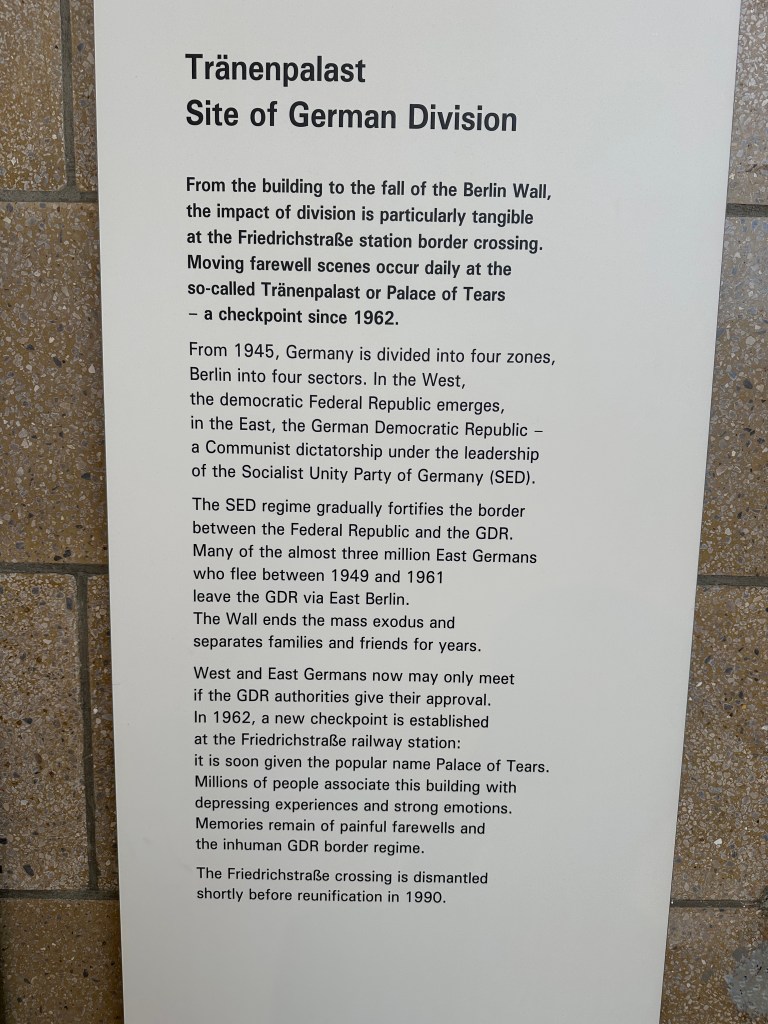
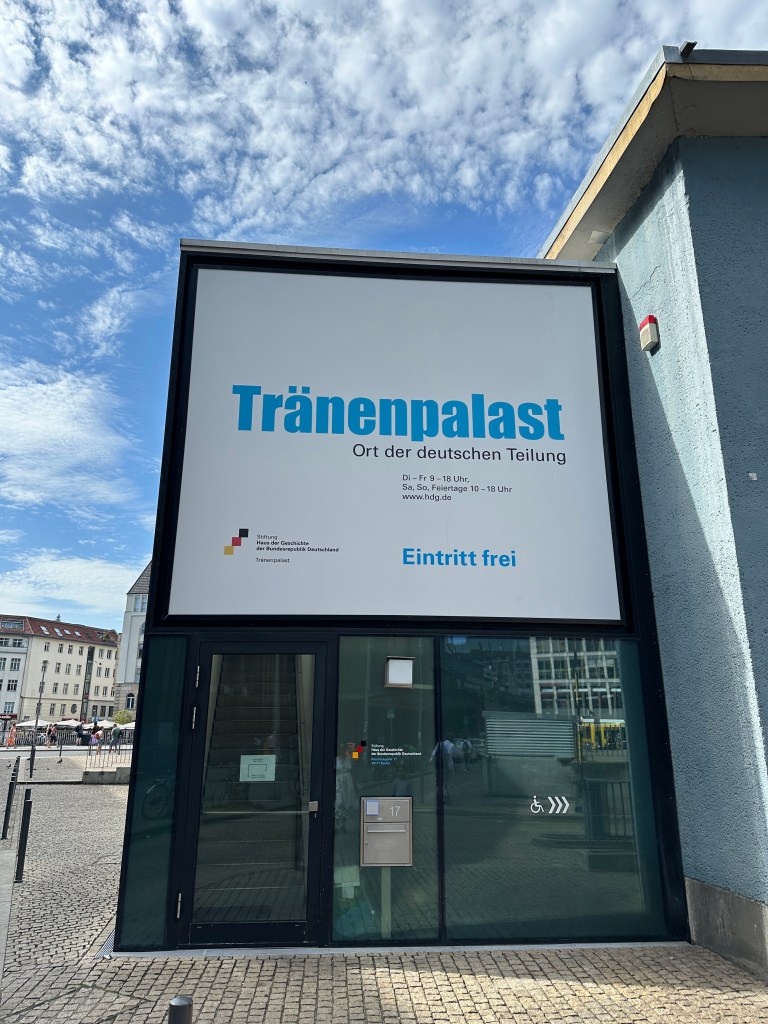
5. Berlin is a city of museums, in fact it has 170 of them. It even has an entire island block, Museum Island, home to some of the best ones like the Pergamon and Neues Museum. Tränenpalast is a small museum at Friedrichstrasse that punches above its weight. Originally a border checkpoint connecting East and West Germany, it has been mostly left as it was. The stories of people who passed through are deeply emotional, and its name fittingly translates to “Palace of Tears.” 

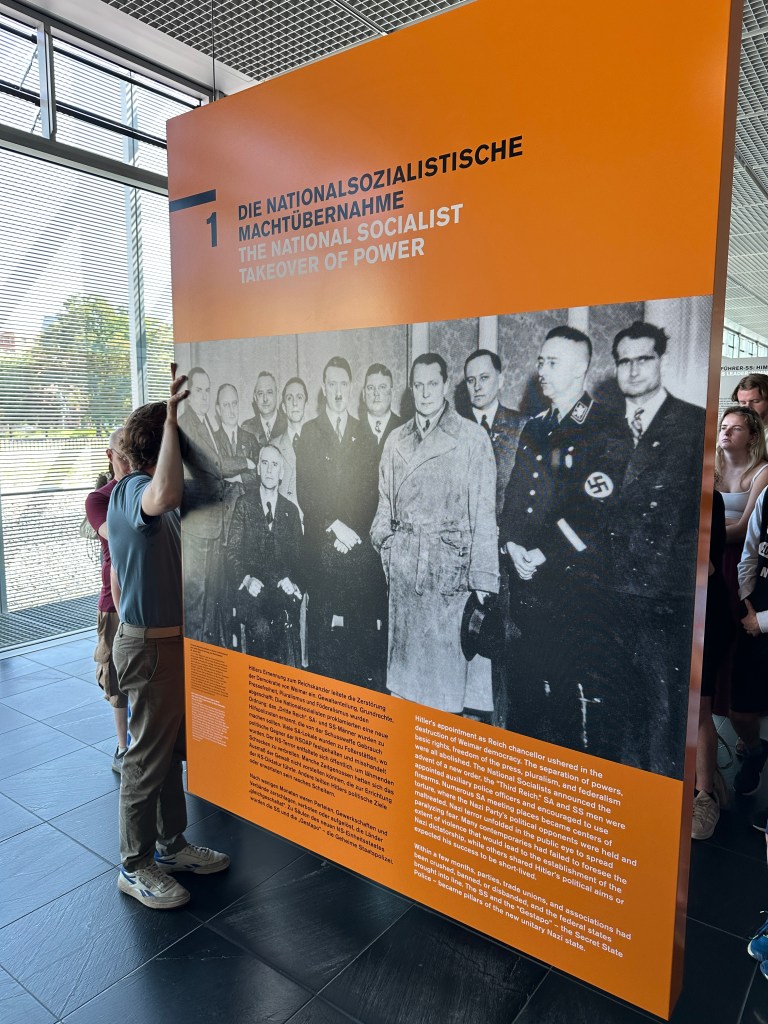
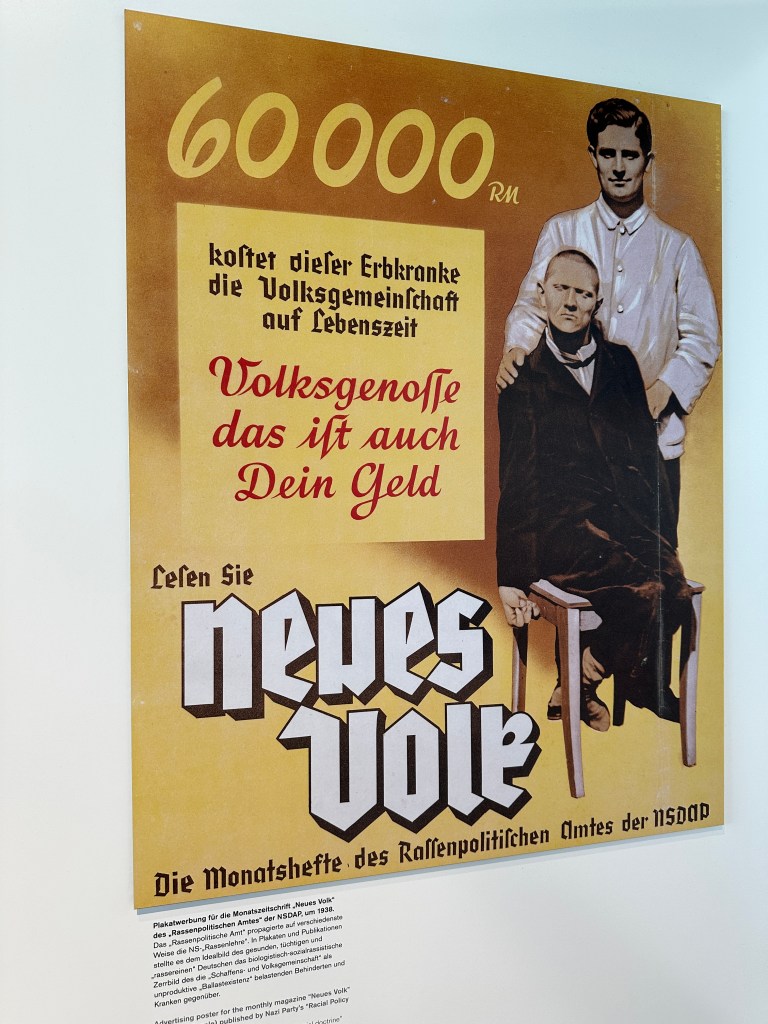
6. The Topography of Terror museum is a powerful and detailed documentation of the systemic violence inflicted by the Nazi regime through the Schutzstaffel (SS) under Himmler. It’s revealing to see how a seemingly ordinary protection squad evolved into the primary enforcer of the regime’s discrimination and extermination policies. The museum is text-heavy, but the free guided tour helps make sense of the narrative.

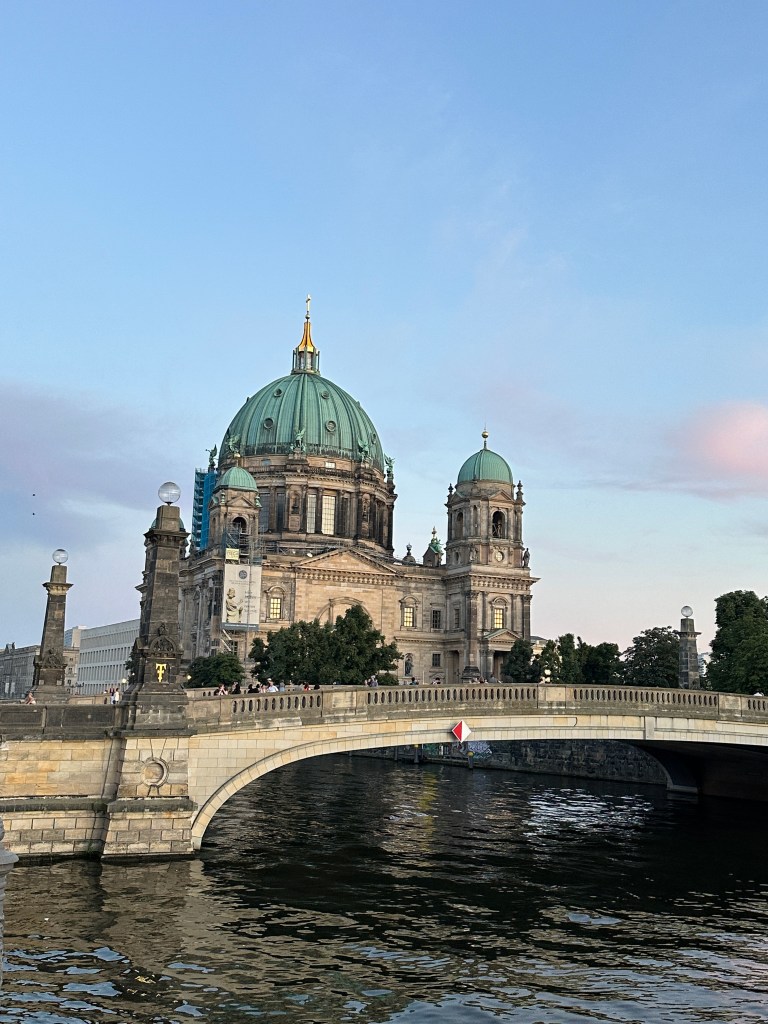
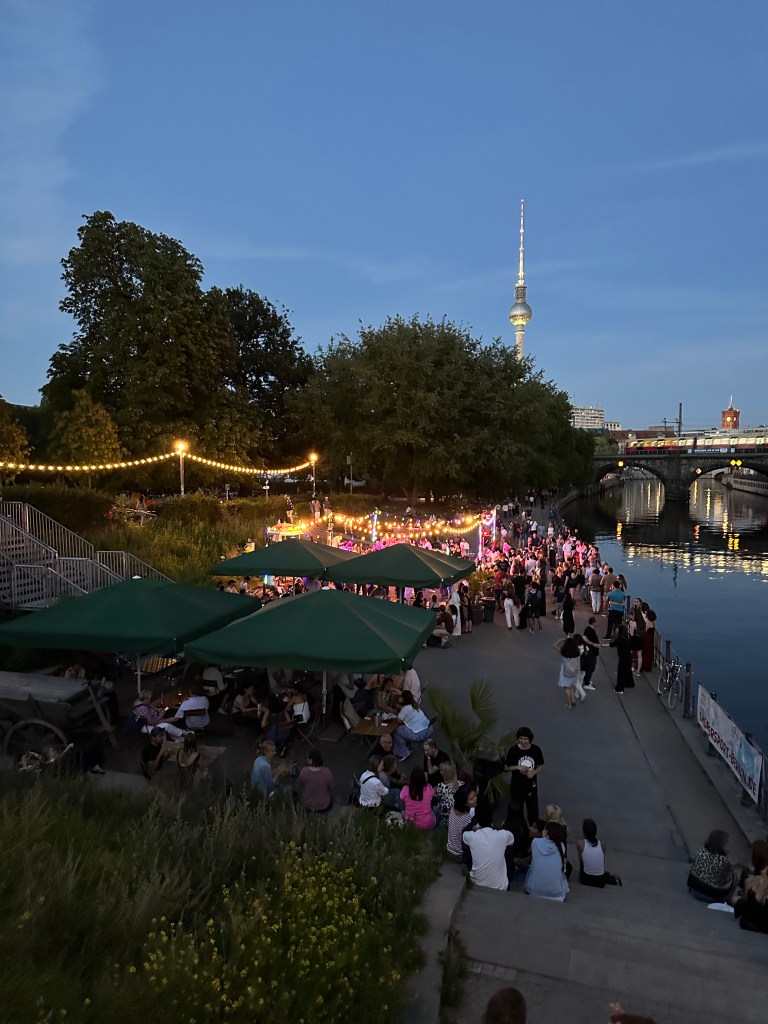
7. The city truly comes alive at night, especially along the Spree near the Berlin Cathedral. People picnic, dance, or simply relax by the water. Berlin has a unique energy after dark that feels spontaneous and free, and I’m not even talking about its spectacular club scene. Urban decay isn’t really a European phenomenon, and certainly not in Berlin.

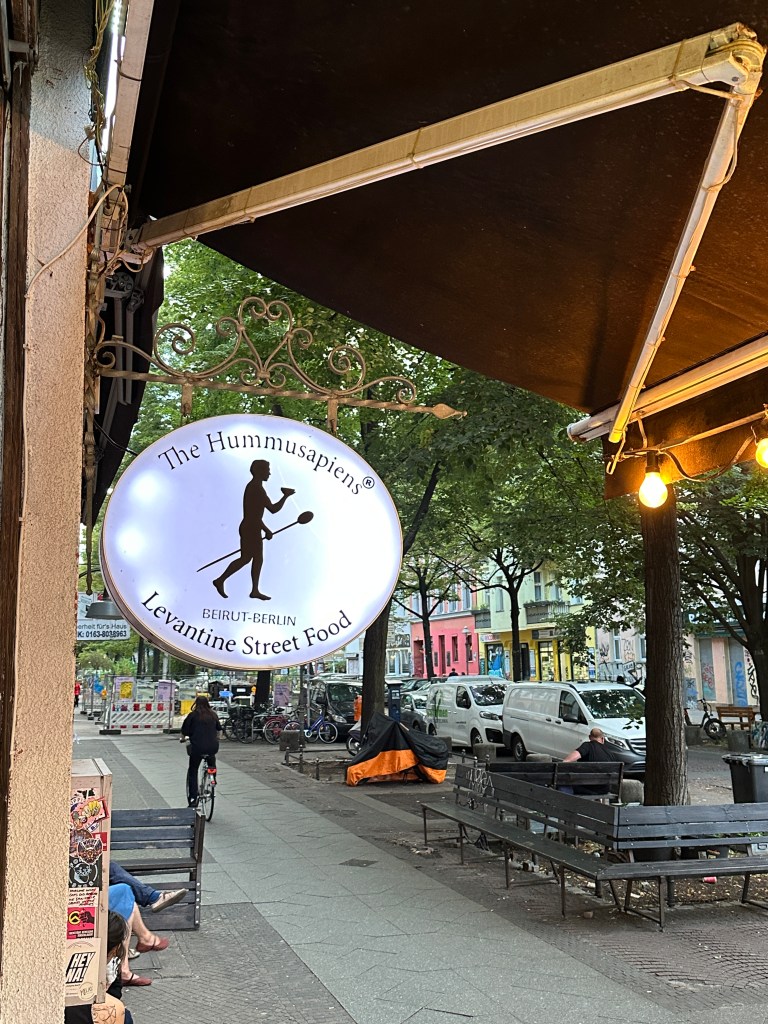
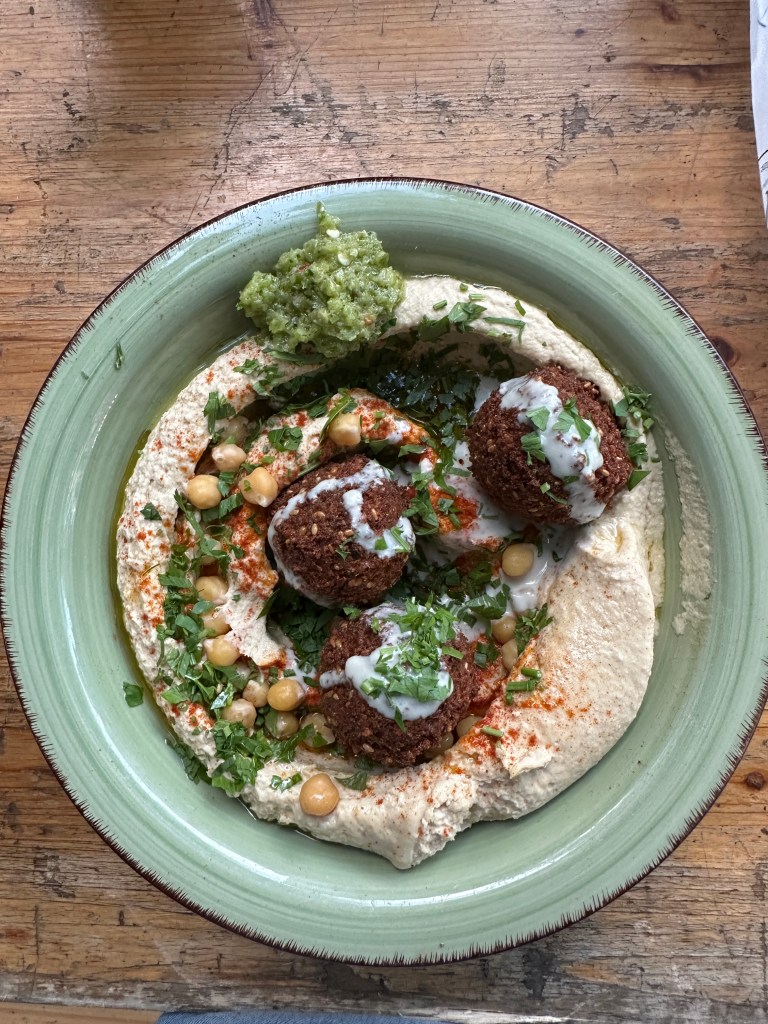
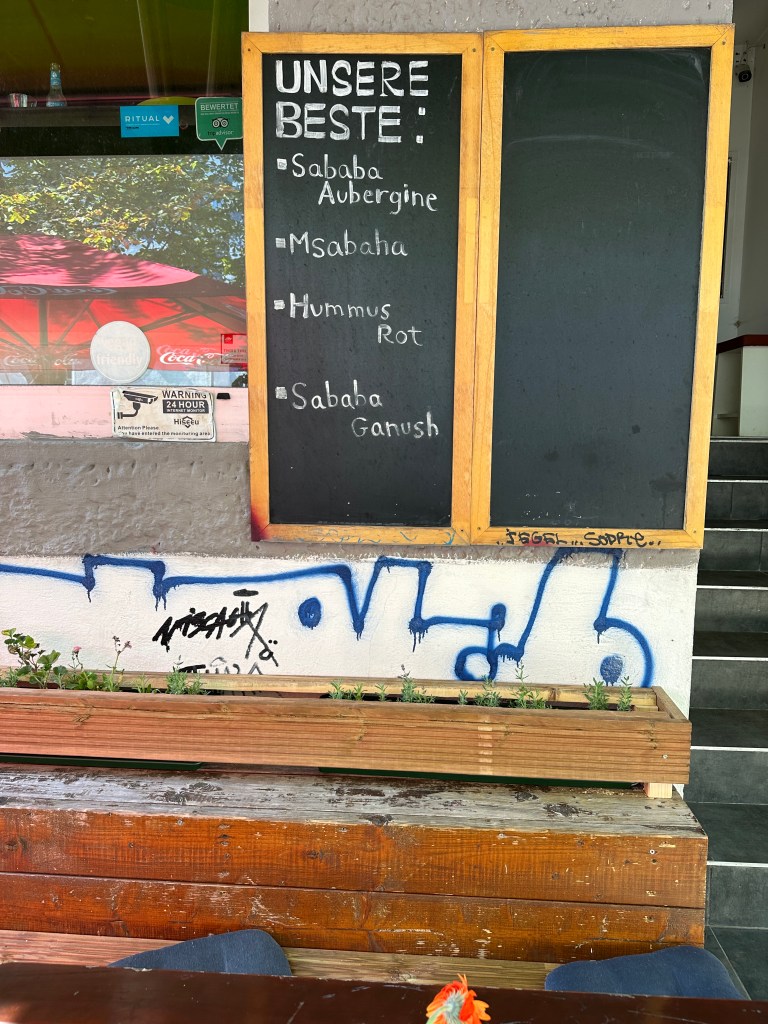
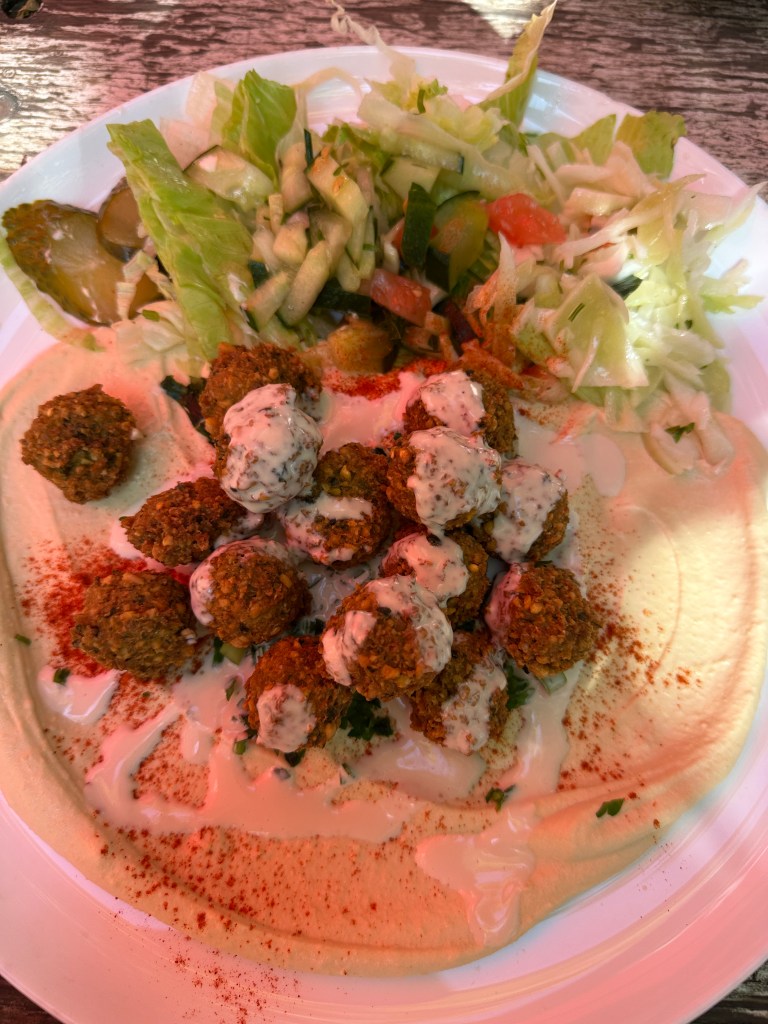
8. The food scene is wonderfully diverse, covering everything from regional Chinese cuisines to Lebanese, Indian, Vietnamese, Somali, and Ethiopian. Kreuzberg is the best neighborhood for food lovers, closely followed by Prenzlauer Berg, Friedrichshain, and Charlottenburg. We missed the Sudanese falafel place (Sahara Imbiss), but the Levantine food at The Hummussapiens was as authentic as it gets. The aubergine at Sababa in Prenzlauer Berg could easily have come from a café in Tel Aviv.

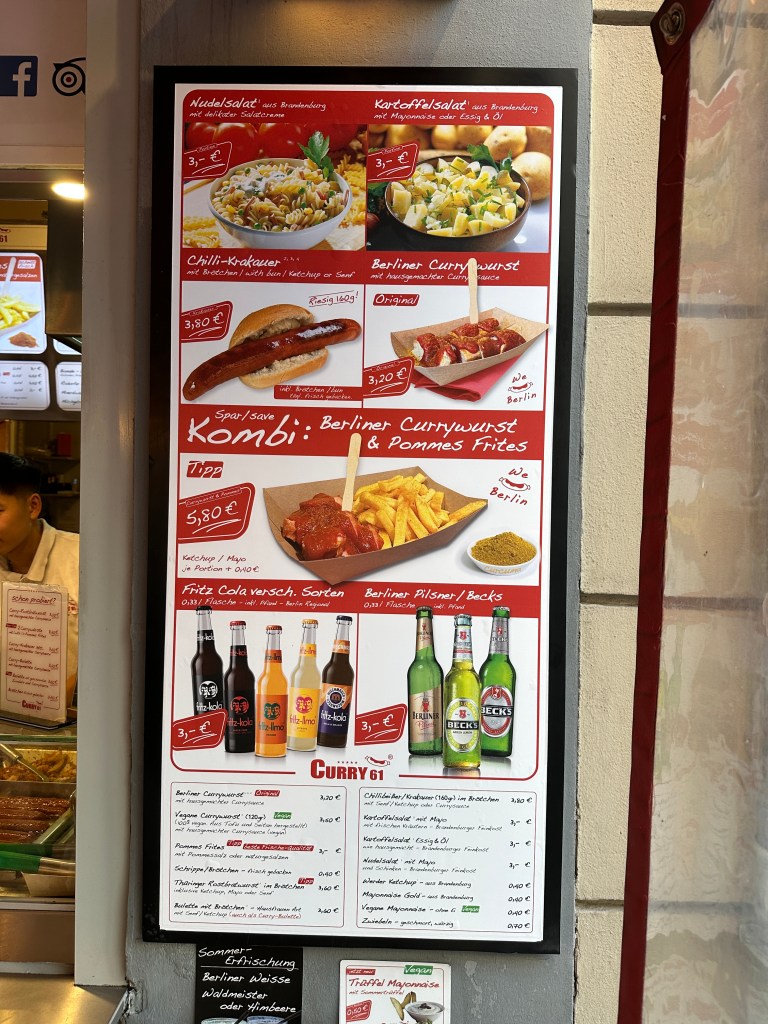
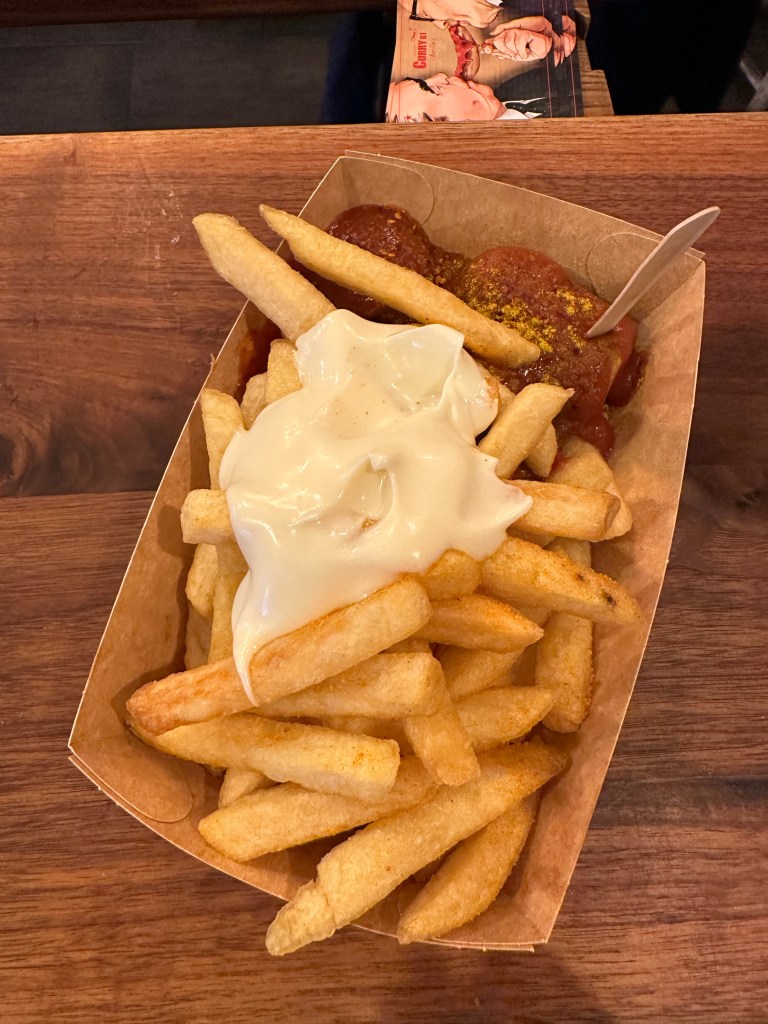
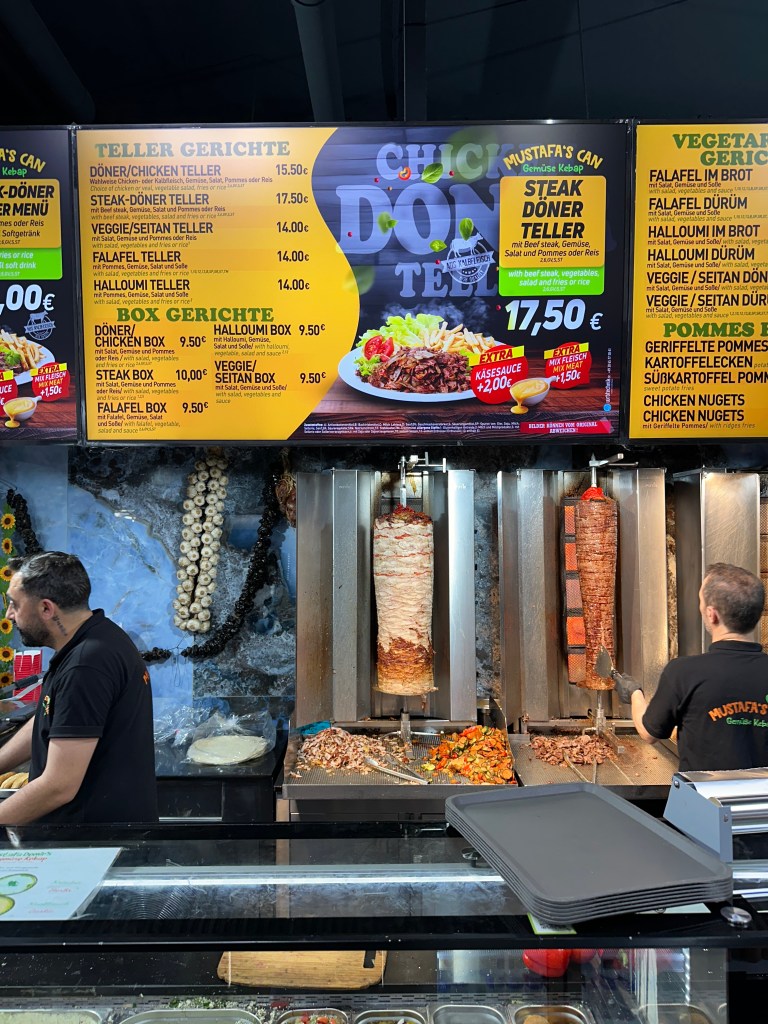
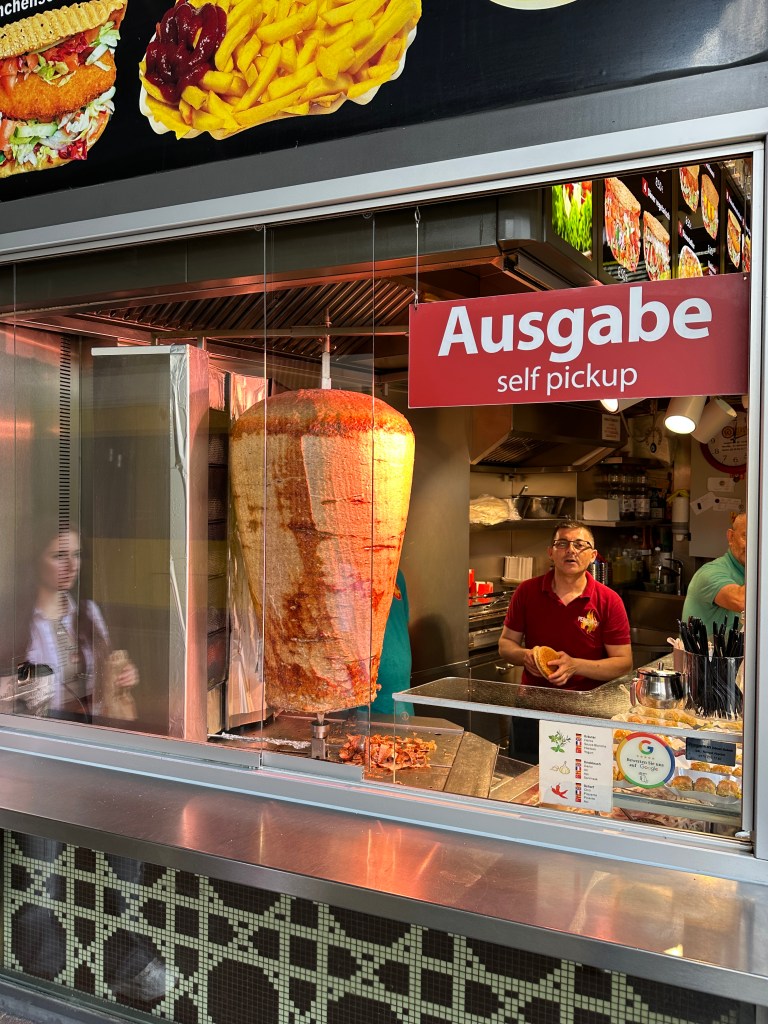
9. Berlin’s native culinary invention is the currywurst — a sliced sausage covered in curry sauce and dusted with curry powder. It perfectly captures the city’s melting-pot spirit. I tried the vegan version at Curry61, and it was better than any I’ve had before. Another Berlin staple is the döner kebab, a Turkish import turned local classic. It’s believed to have originated in the Ottoman Empire, where vertical meat roasting began, but became popular in Germany during the wave of Turkish immigration in the 1960s and 70s. Made with roasted meat (or falafel as a substitute), salad, and garlic or spicy sauce in a cut-open flatbread called pide. It is the perfect street food – affordable, filling, and full of flavor.

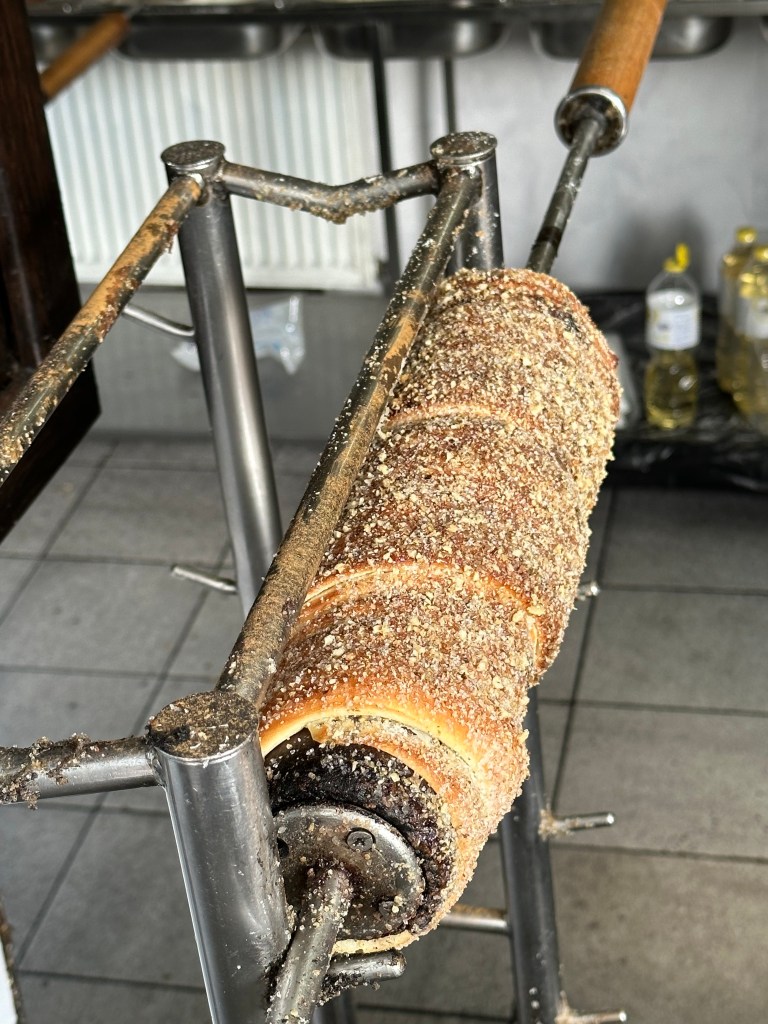
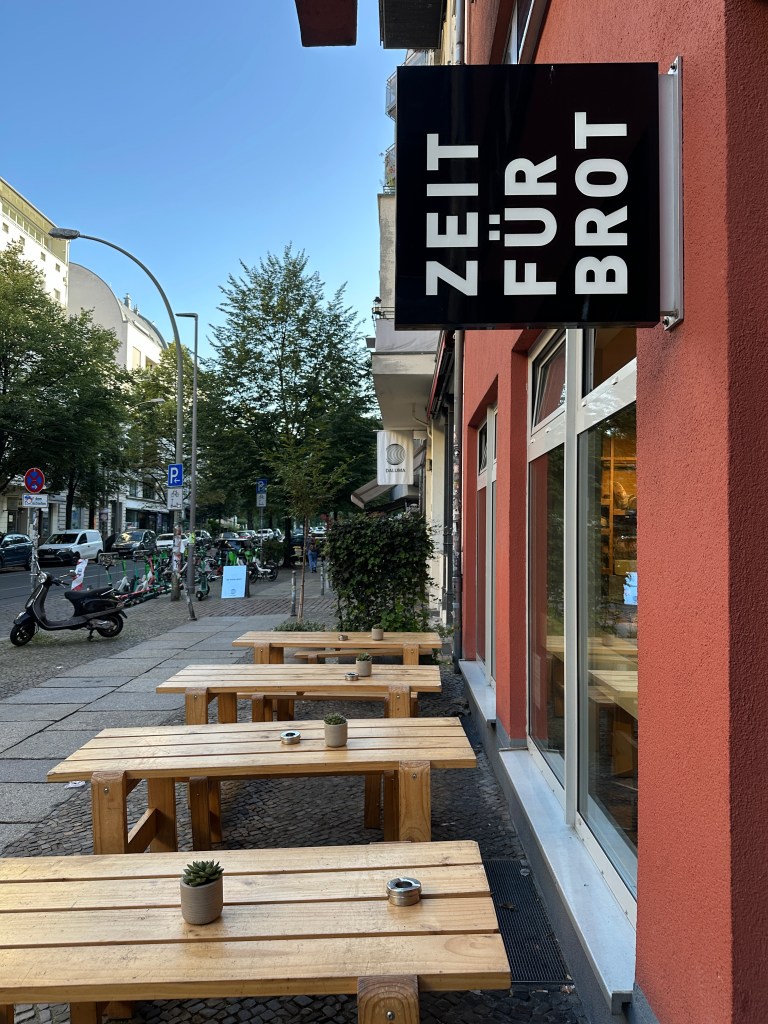
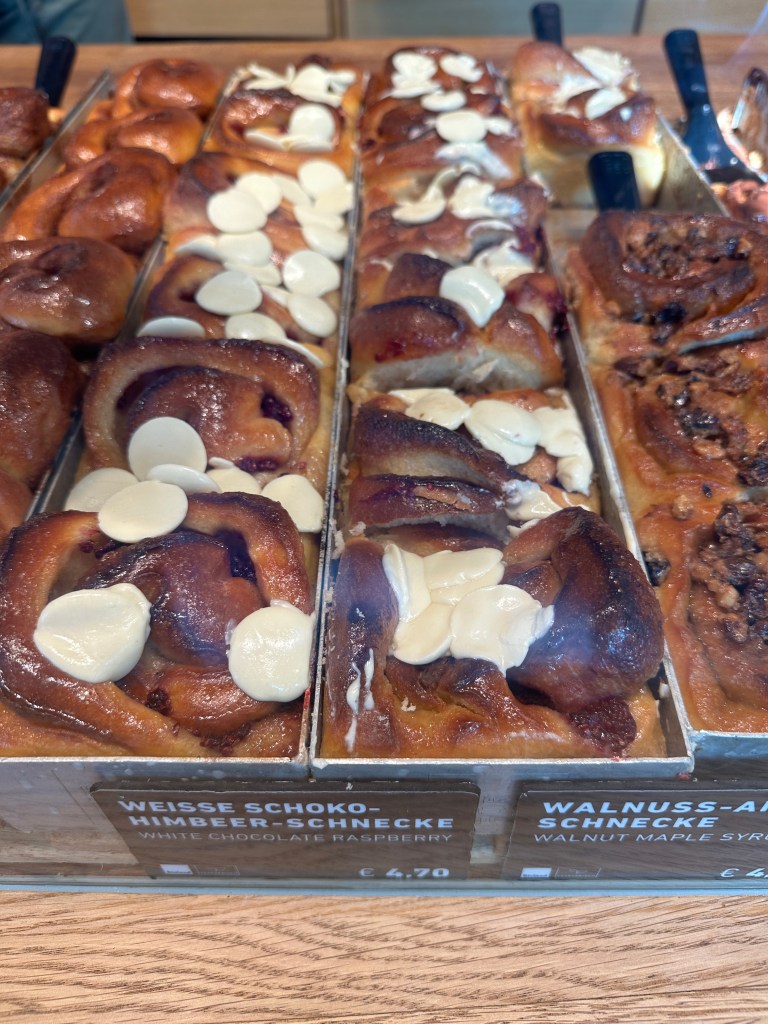
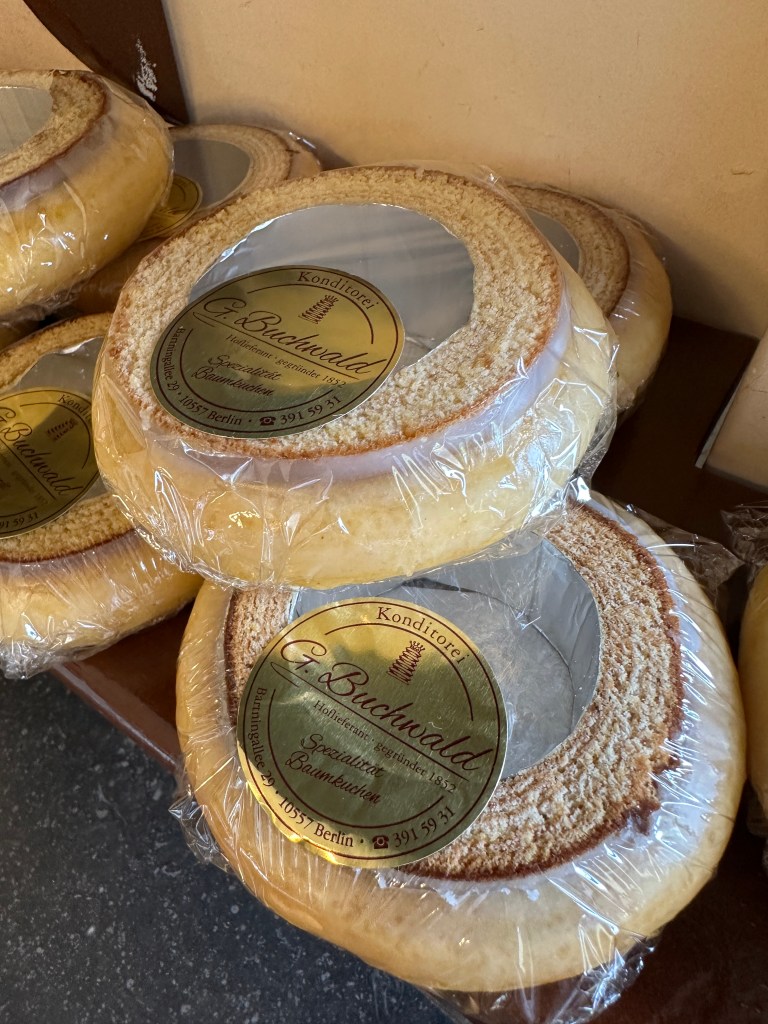
10. German bread is great, but Berlin has its own baking culture. Zeit für Brot is a local favorite known for its Schnecken – spiral-shaped sticky buns layered with cinnamon and raisins, or modern flavors like white chocolate and raspberry. Baumkuchen is another local specialty, a “tree cake” baked on a rotating spit that gives it its signature rings. It’s a simple butter cake layered with patience, and Konditorei Buchwald makes the best version in the city. 

10 things about Berlin, Germany 

5 things about Andorra

1. Andorra, officially the Principality of Andorra, is a tiny country wedged between France and Spain. Legend has it that Charlemagne granted independence to its people in gratitude for their support against the Moors. That gift later sparked a dispute between his successors, the Bishop of Urgell and the Count of Foix, who eventually agreed to share power as co-princes. The arrangement still exists today. Since the Count’s title eventually passed to the French head of state, the President of France is technically a co-ruler of another country. The role is mostly ceremonial now, as Andorra became a parliamentary democracy in 1993. 

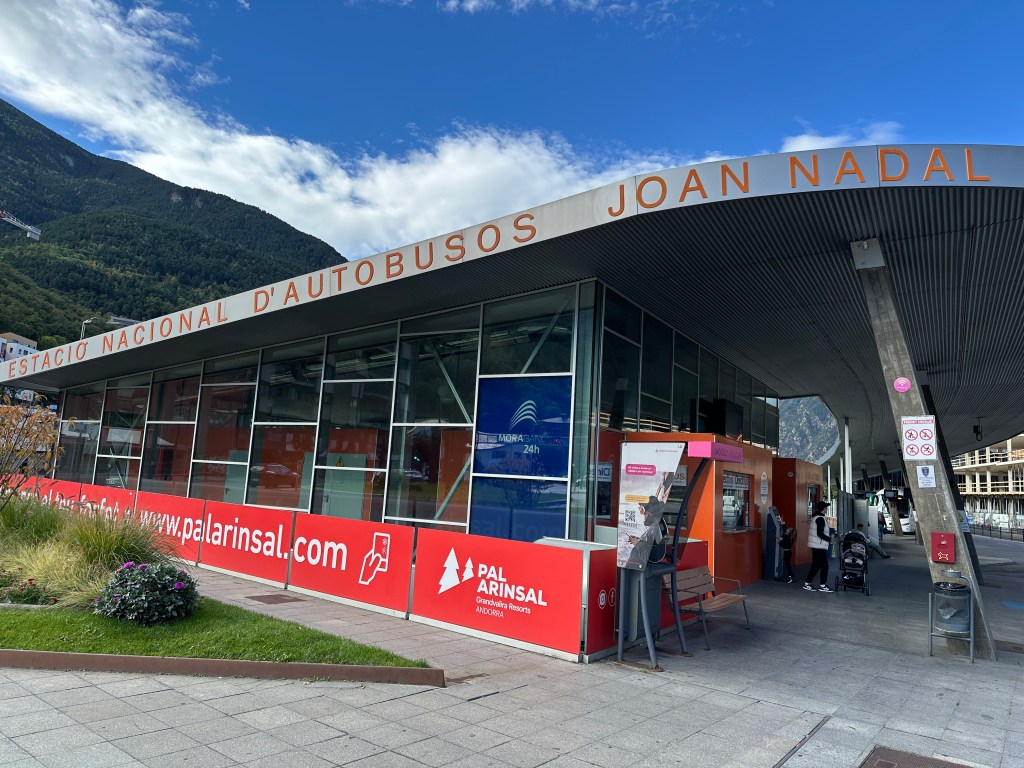
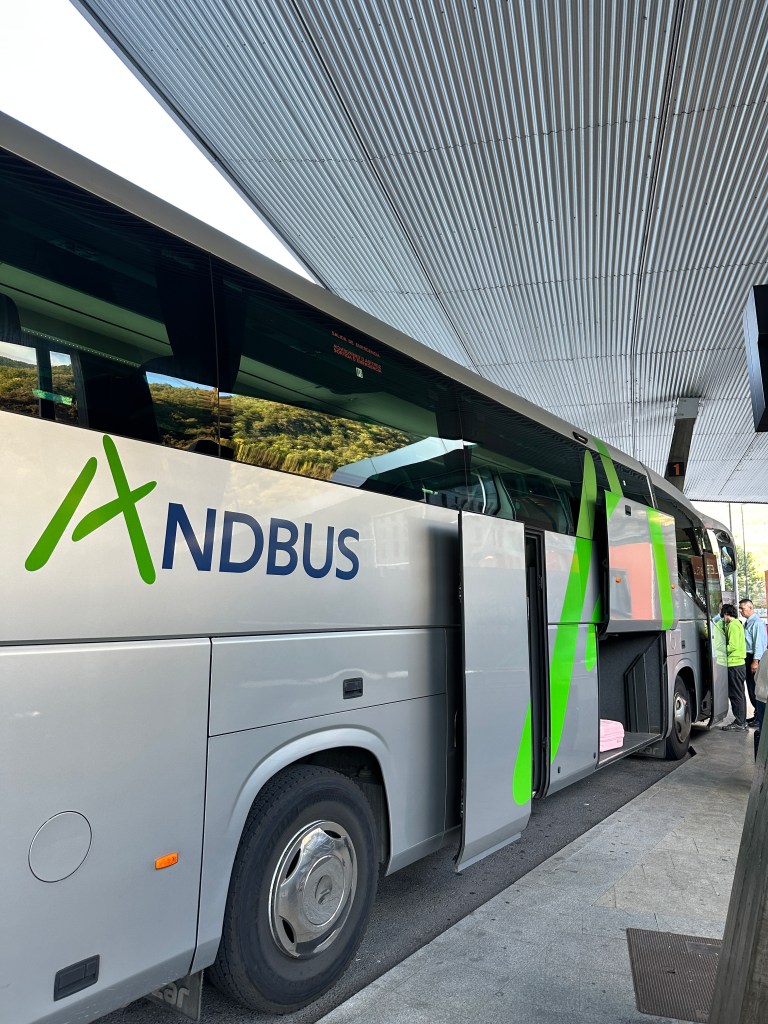
2. Andorra is reachable only by road. The drive itself is scenic, winding through mountain passes with glimpses of the Pyrenees’ peaks. Buses connect it efficiently to France and Spain, and the country is divided into six parishes. Canillo is the largest and home to Grandvalira, the main ski resort. Tourism drives the economy, shifting between ski season and shopping season throughout the year.

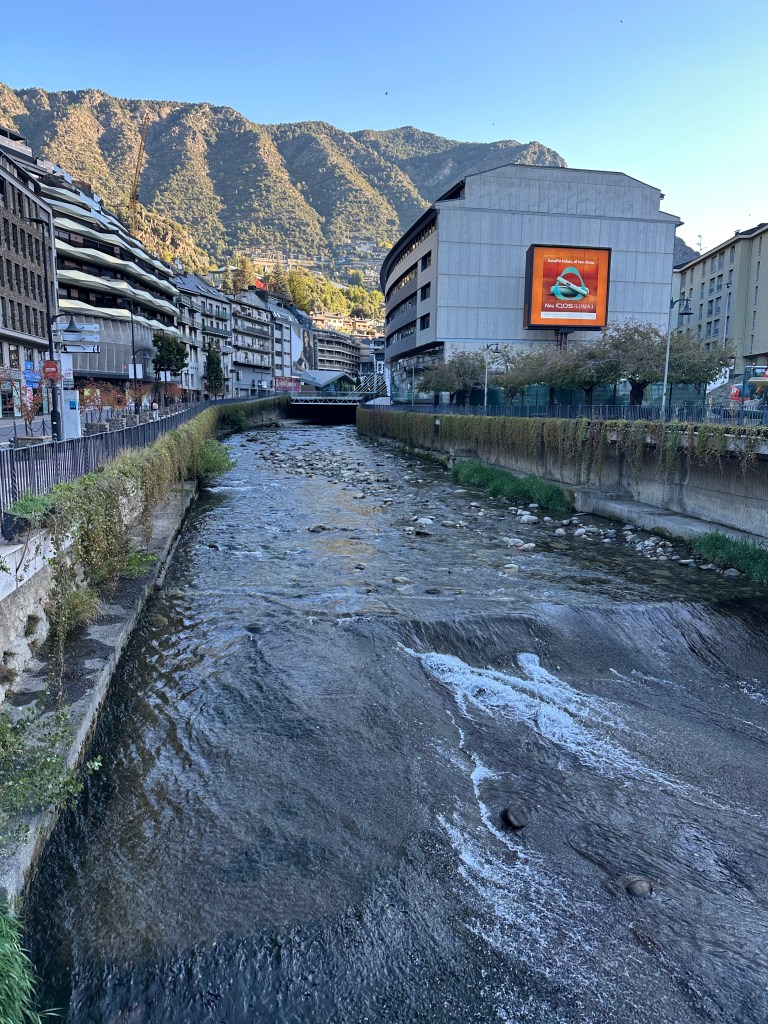
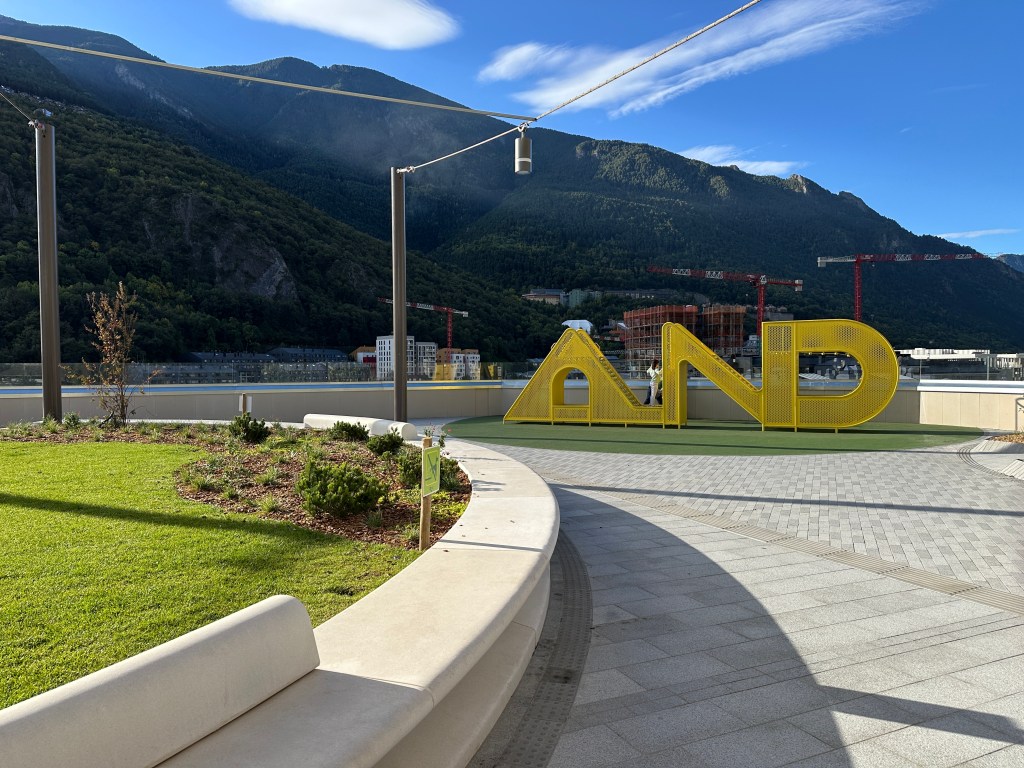
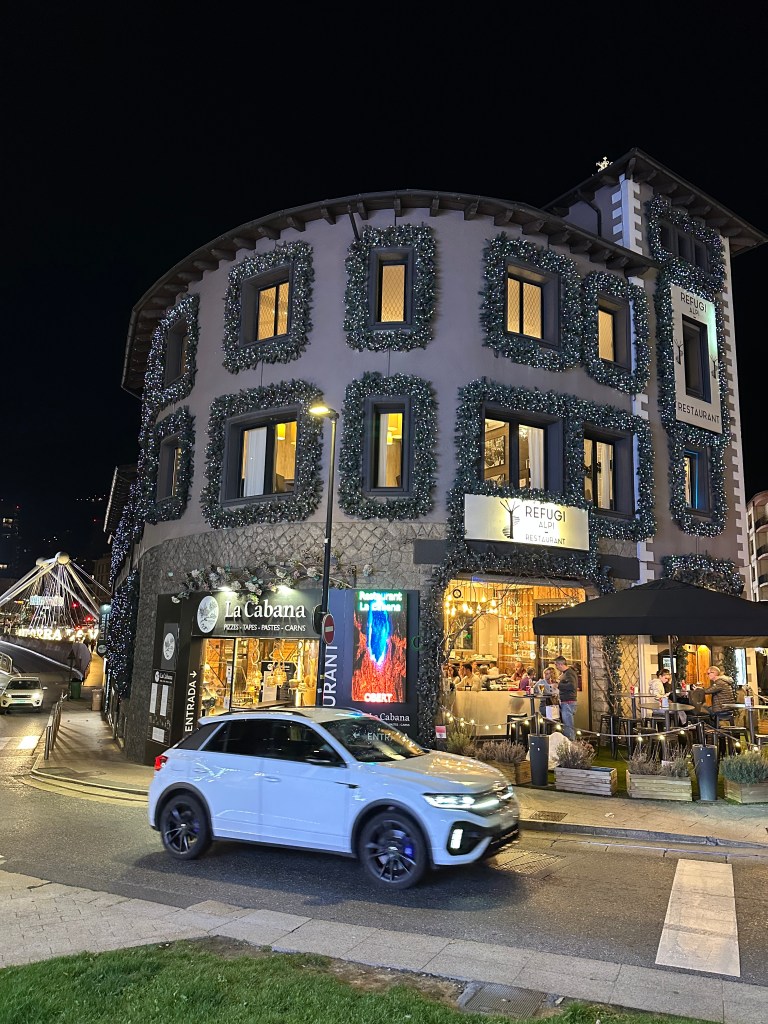
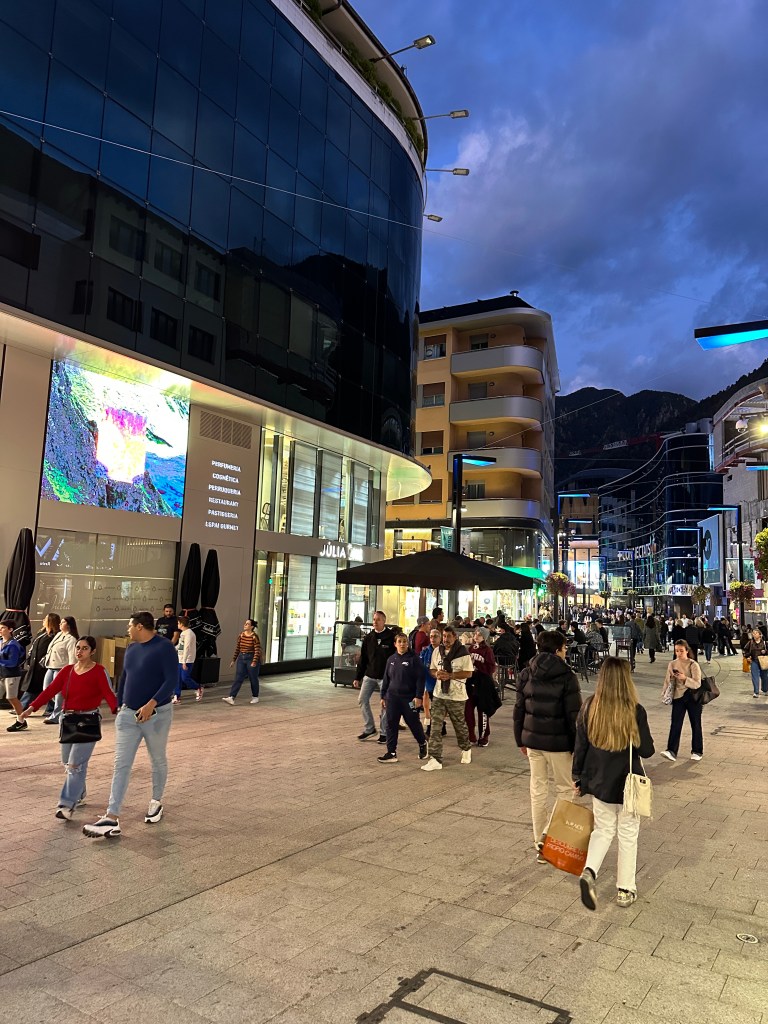
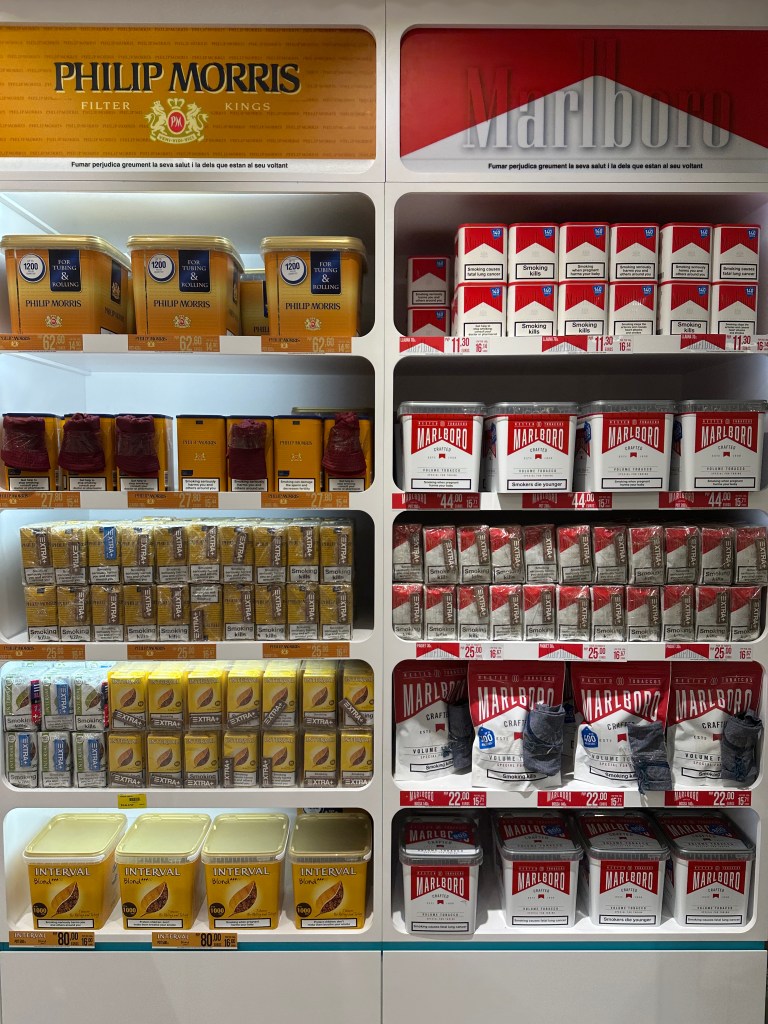
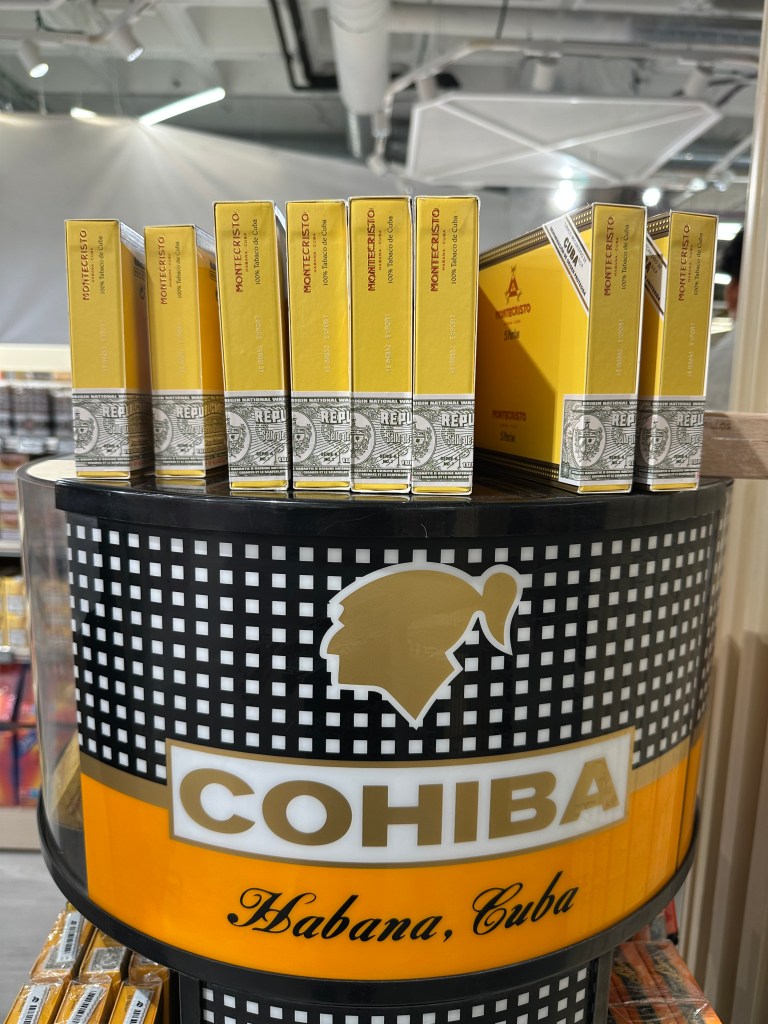
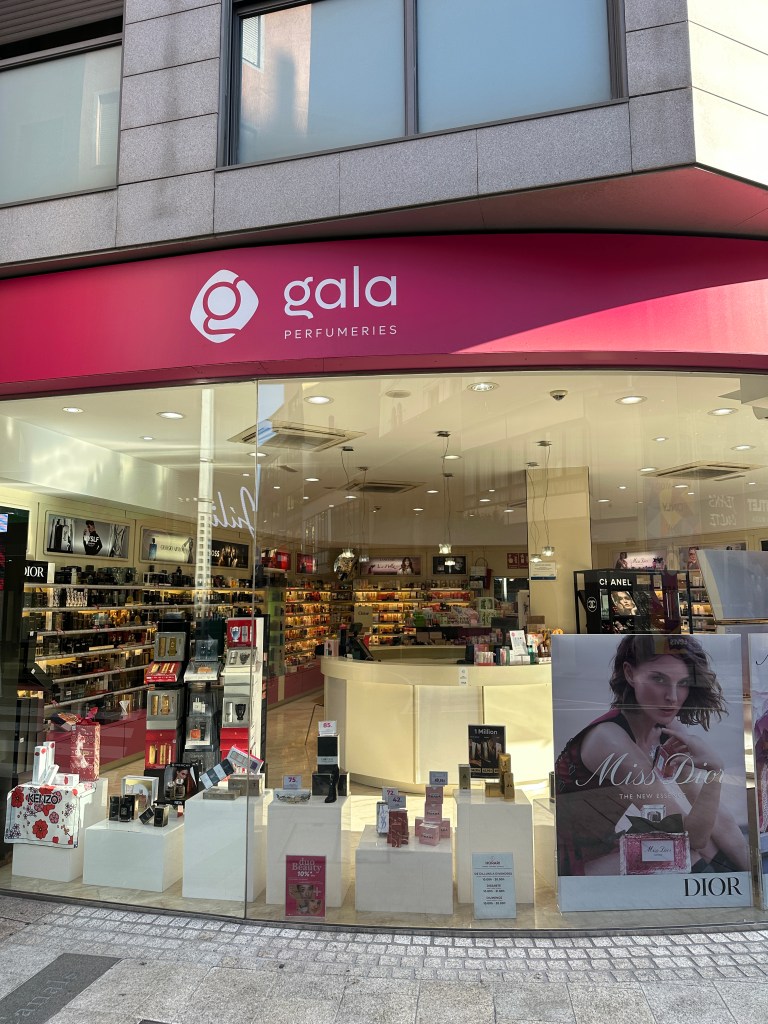
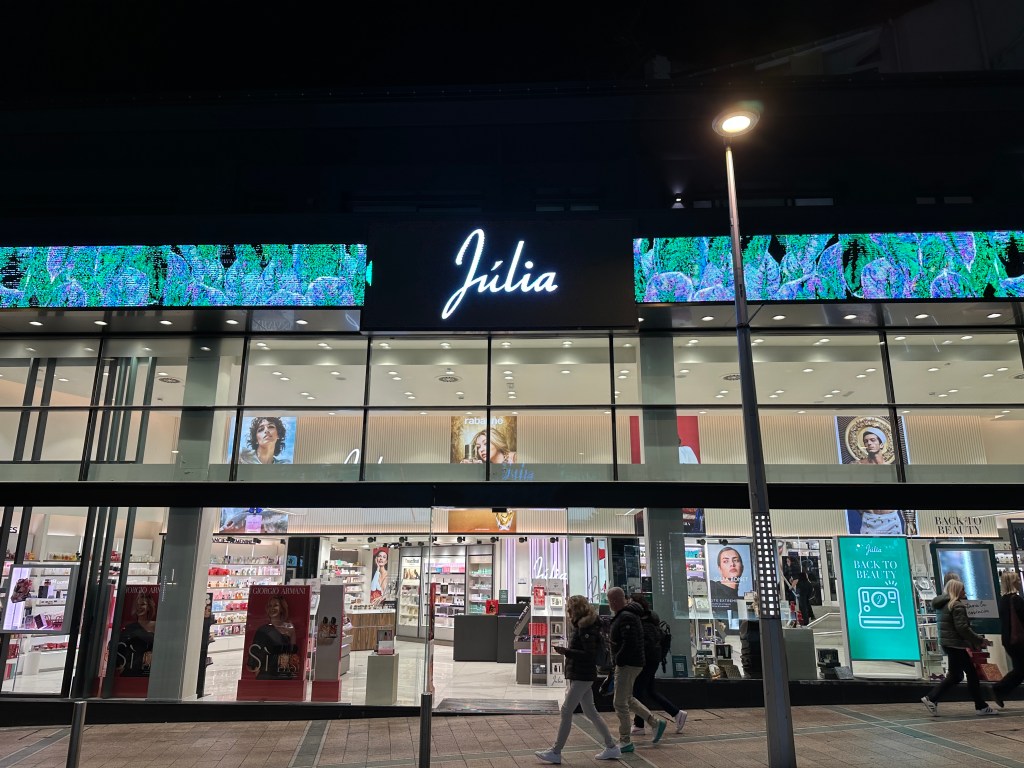
3. Andorra la Vella, the capital and most populous city, feels more like an overbuilt ski town. Shiny new apartments fill the narrow valley, and much of the city resembles a sprawling open-air shopping mall. Still, there’s an undeniable buzz on Friday and Saturday evenings when people pour in from nearby border towns to take advantage of Andorra’s duty-free status. Most shops focus on luxury apparel, cosmetics, alcohol, or tobacco.

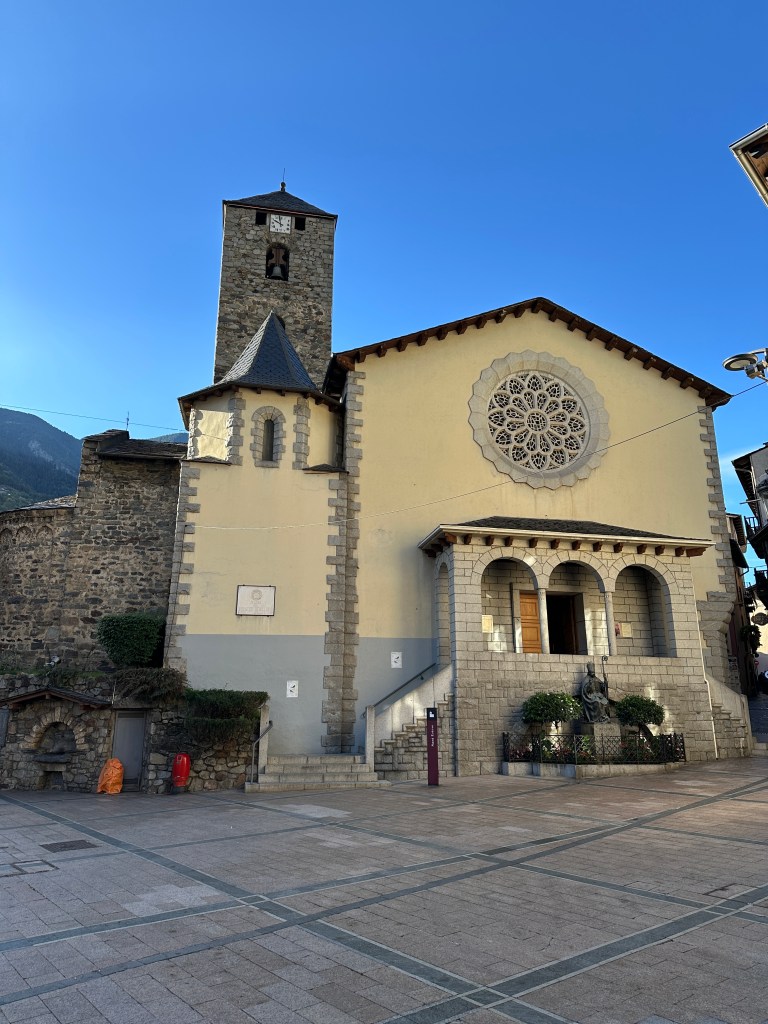
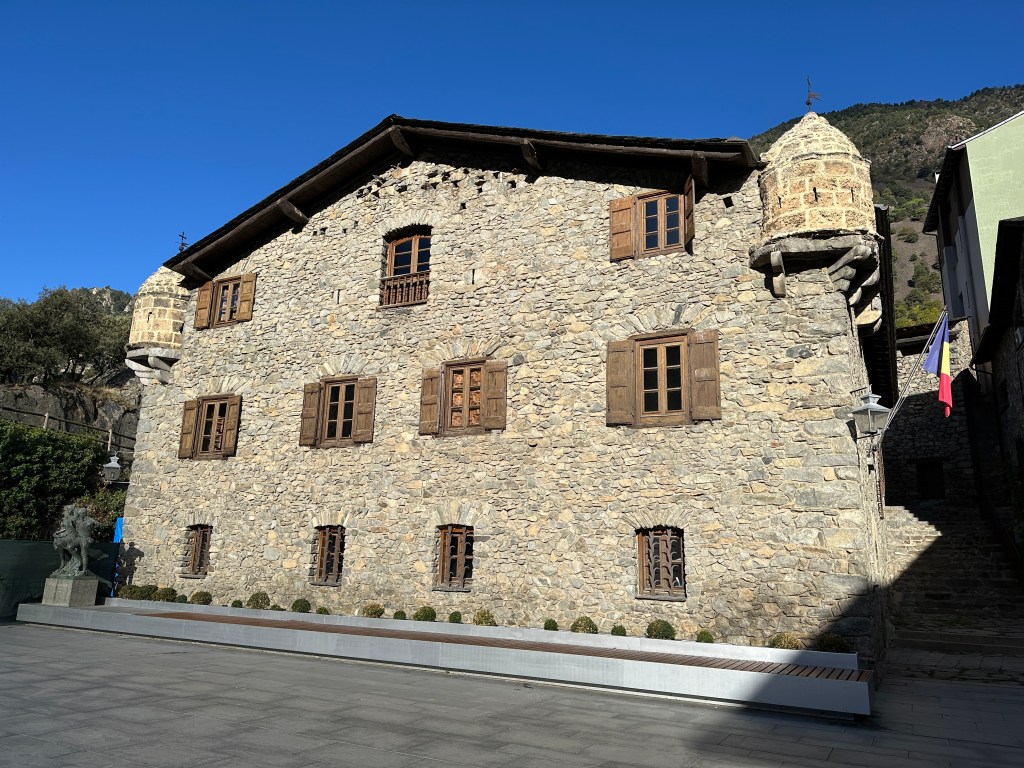
4. The old town of Andorra la Vella is small but worth a short wander. The stone Sant Esteve church and Casa de la Vall hint at an older Andorra beneath the modern facades. For a quick escape into nature, Roca de Solà offers a pleasant 4 km round trip with lovely valley views, while Mirador Roc del Quer near Ordino, about 30 minutes away, offers an even better panorama.

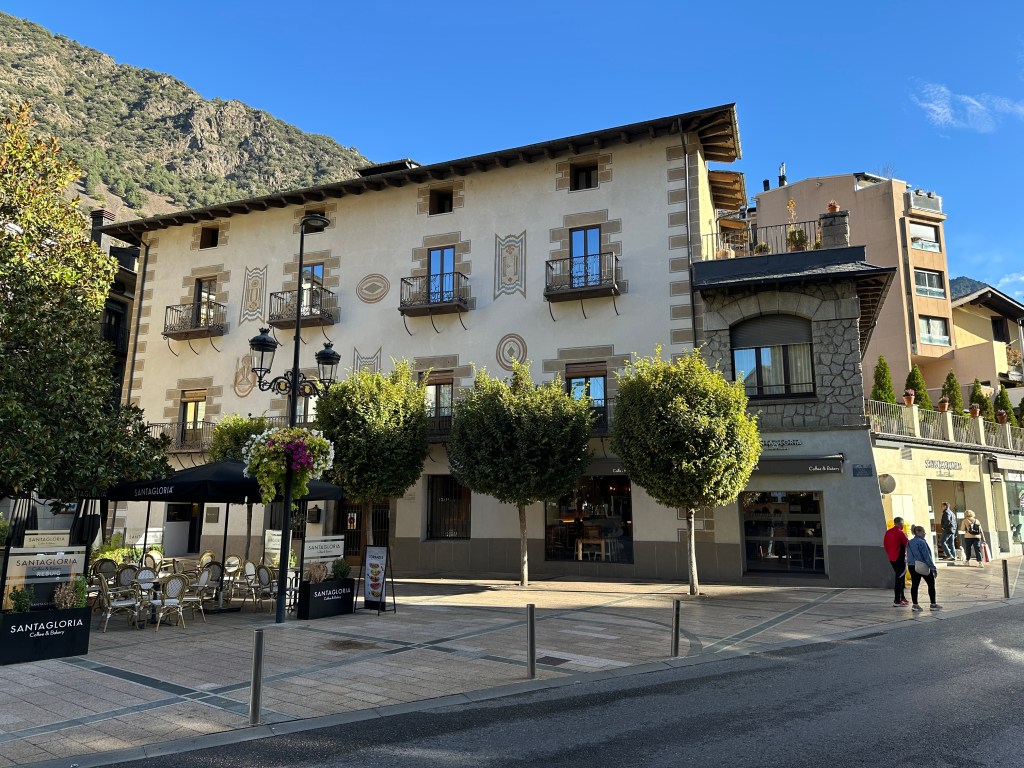
5. The official language of Andorra is Catalan, making it the only country in the world where that’s the case.I noticed it at a local bakery where the entire menu was in Catalan. It’s a small detail but one that stands out, showing how this tiny nation manages to keep its distinct cultural identity between two much larger neighbors.

5 things about Andorra

10 things about Norway

1. Norway is famously known as the land of the Vikings, world explorers with a well-earned reputation for discovering new territories. In the 9th century they stumbled upon Iceland and even Newfoundland while sailing toward the Faroe Islands. Later, Harald Fairhair united the Viking tribes and became the first king of Norway. The country’s story took many turns over the centuries. In the 14th century, King Olaf Haakonsson inherited the Danish throne, bringing Denmark and Norway together. His mother, Margaret, later added Sweden to form the Kalmar Union. Sweden eventually broke away in 1521, but Norway remained under Danish rule until 1814 before passing under Swedish control. Independence finally came in 1905. For decades Norway was the poor cousin of its neighbors, until the discovery of offshore oil in 1967 transformed its future. The benefits didn’t materialize until the late 1990s, but instead of splurging, Norway invested wisely in its sovereign wealth fund, which is now worth a staggering $1.8 trillion.

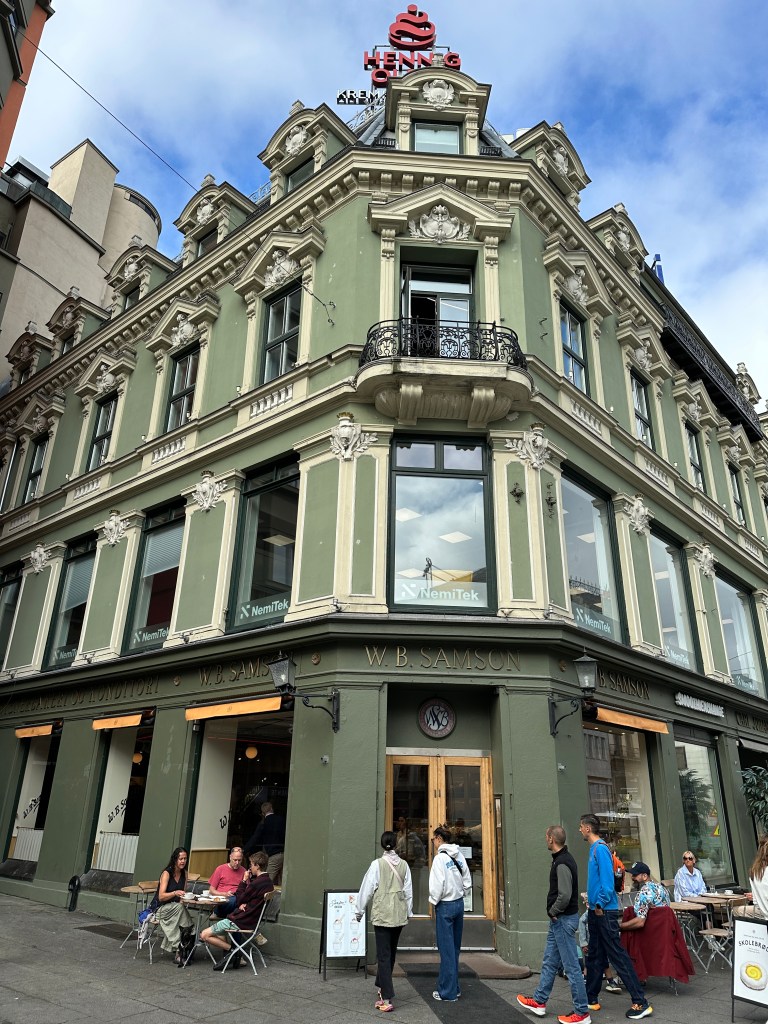
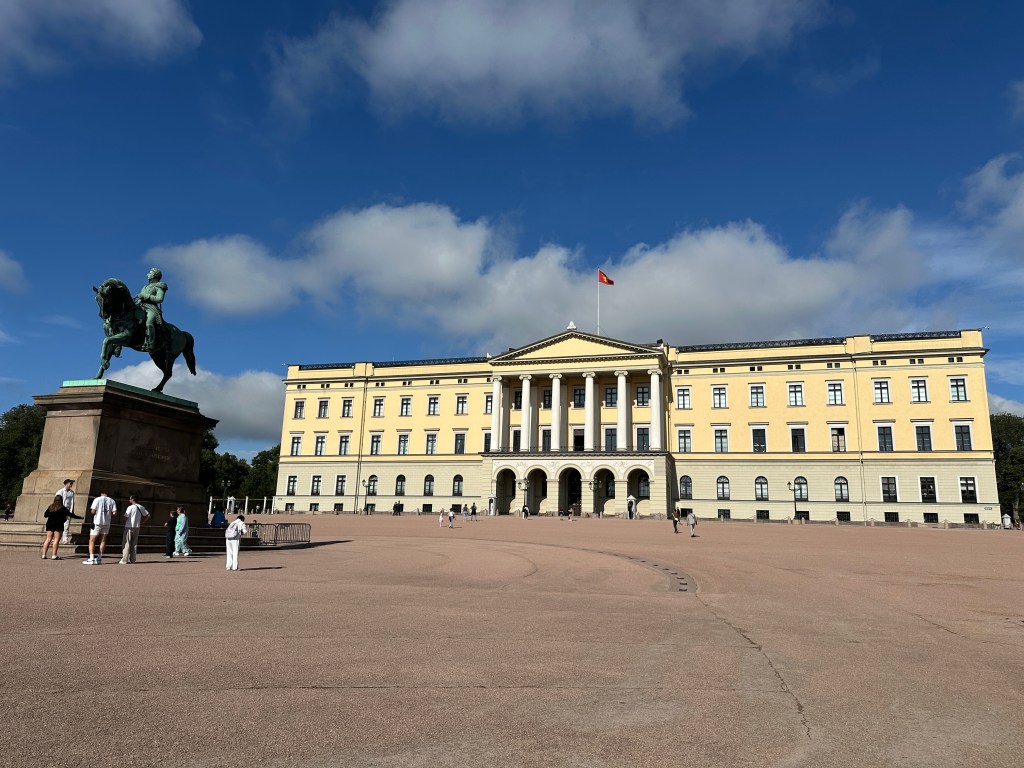
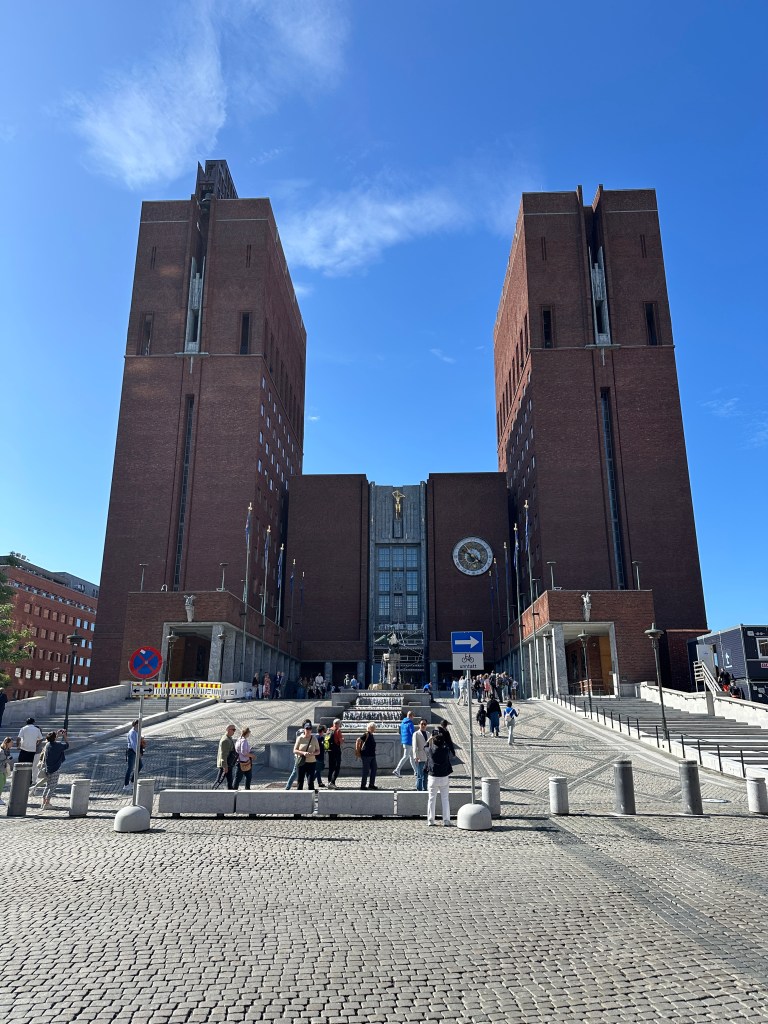
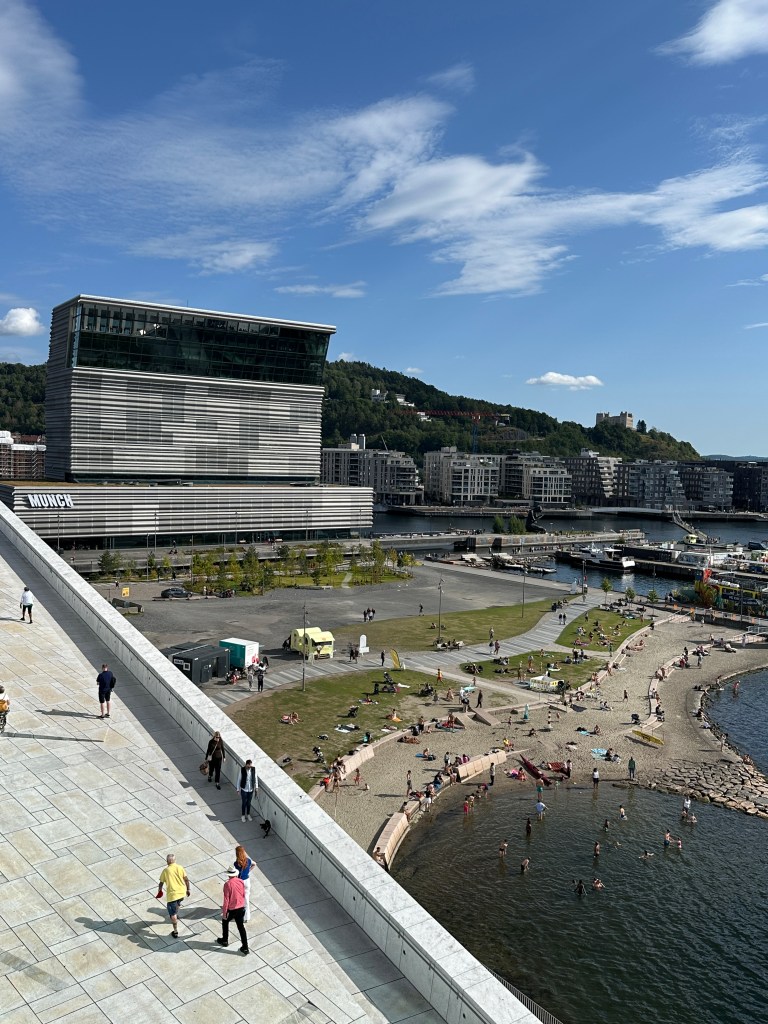
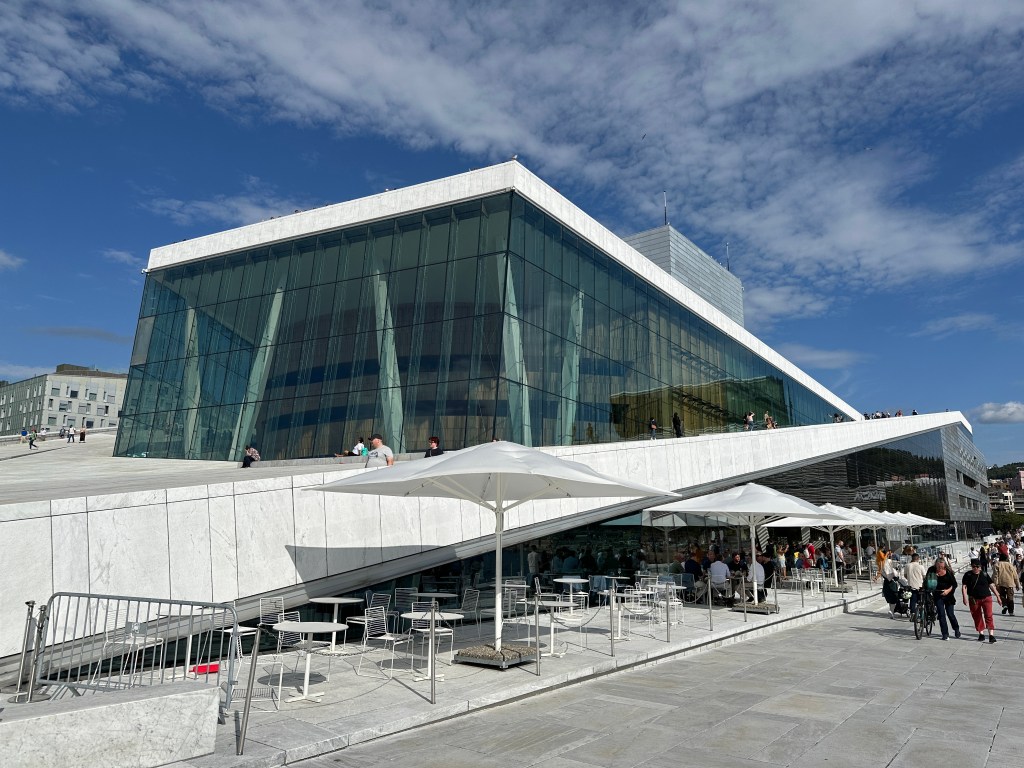
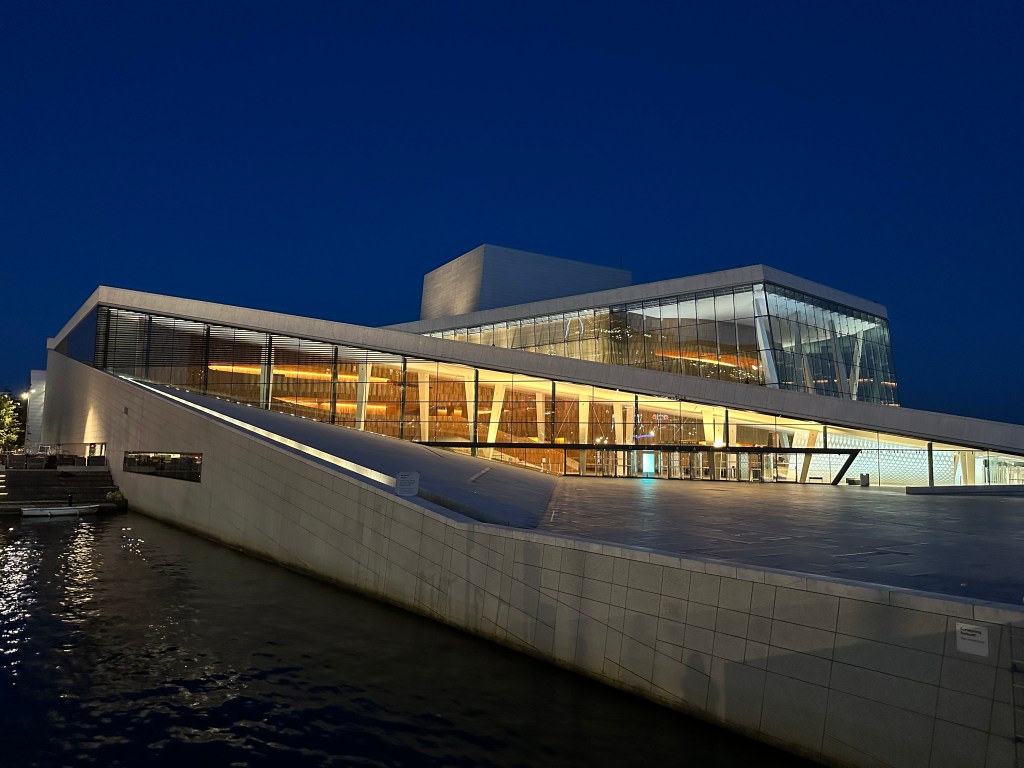
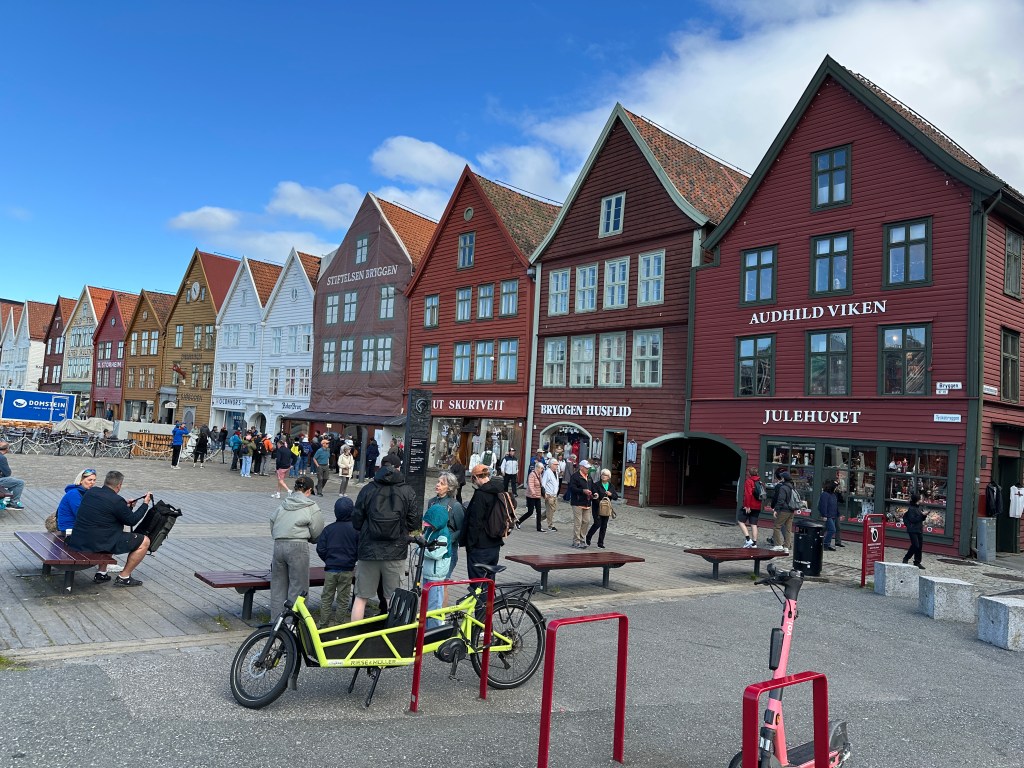
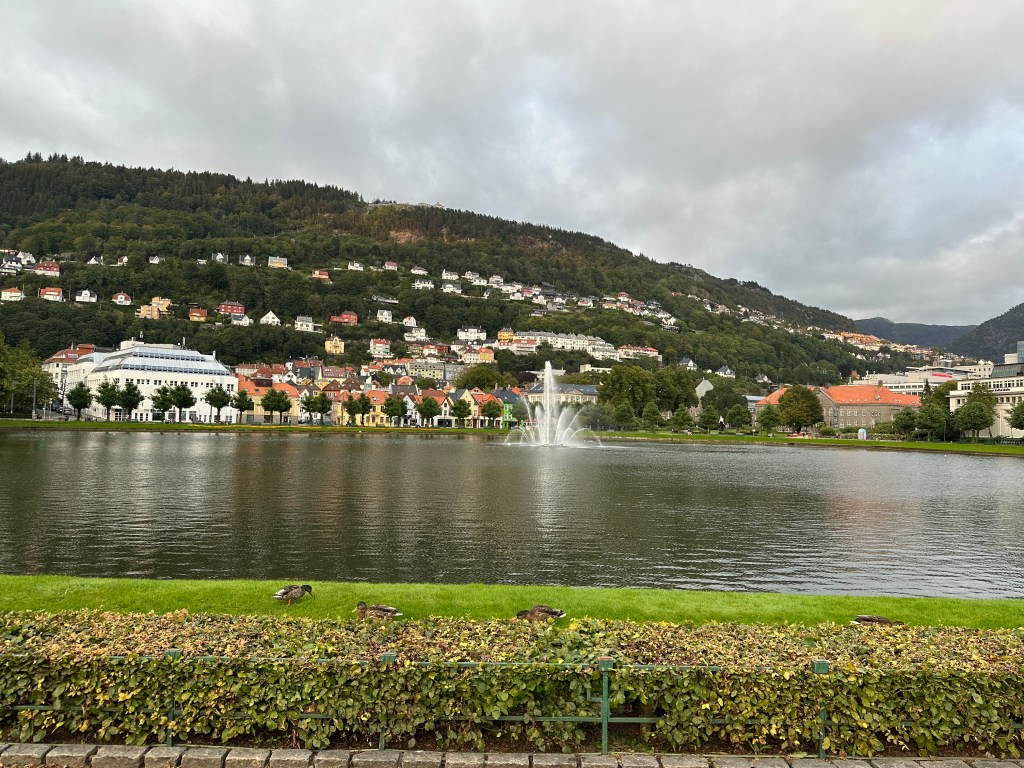
2. Oslo felt compact, clean, and quietly charming in that distinct Scandinavian way. The downtown core holds the Royal Palace, Parliament, and University buildings, alongside lively shopping streets. The modern Opera House is a highlight, and walking its rooftop for sweeping coastal views is a must on a sunny day. The city’s museums are equally compelling, especially the Munch Museum, dedicated to Edvard Munch, best known for The Scream. Bergen, by contrast, struck me as more of a working city. While it offered fewer sights, it was no less expensive. Most travelers use it as a base for the Norway in a Nutshell tour, so “tourist pricing” is definitely at play.

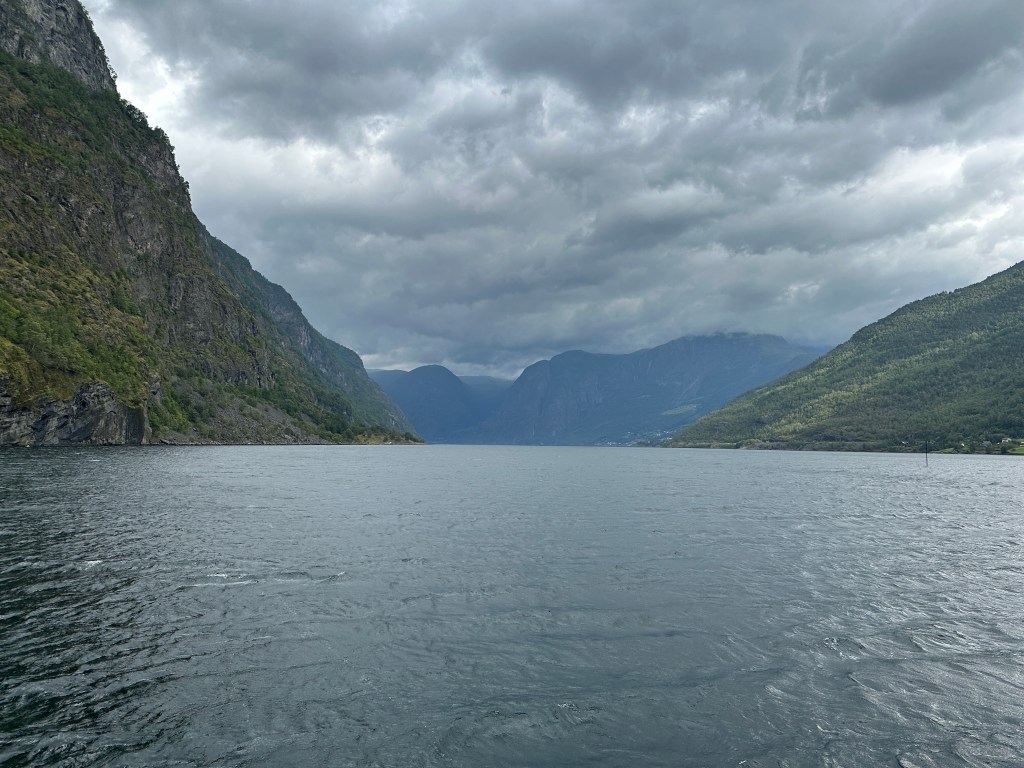
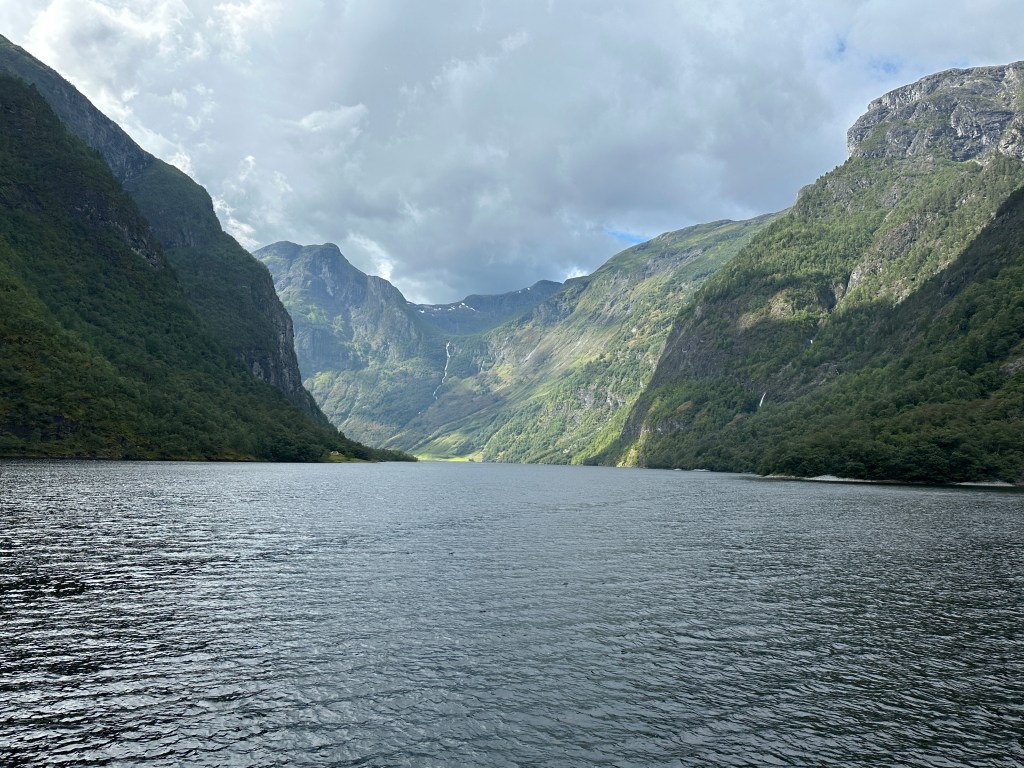
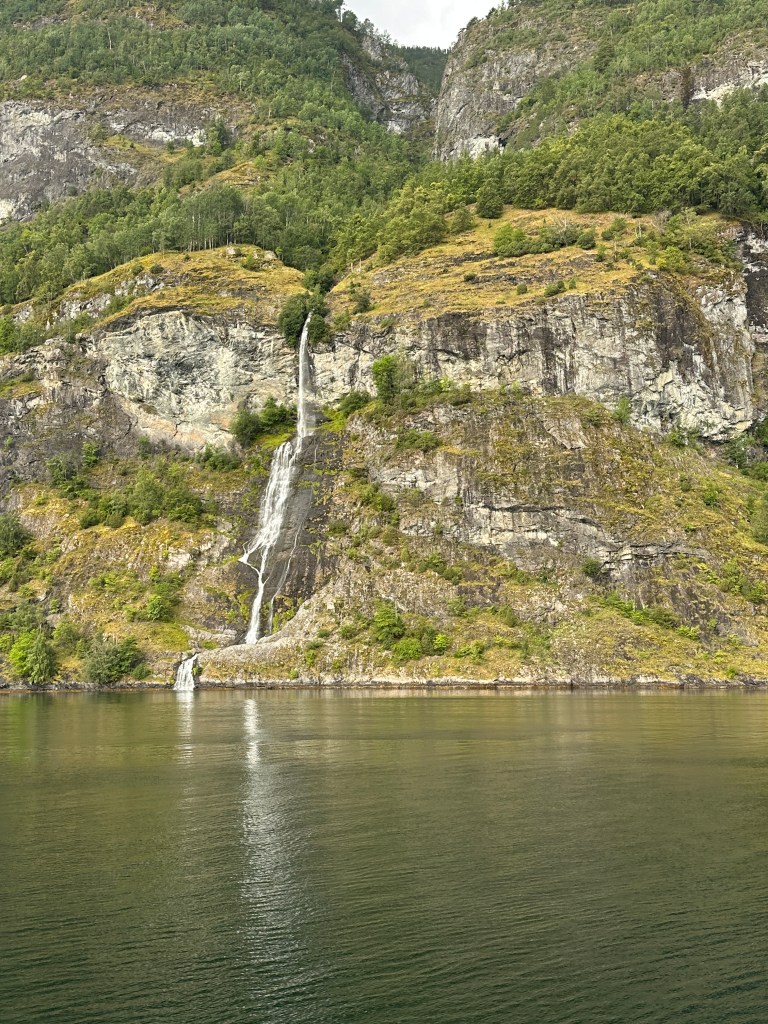
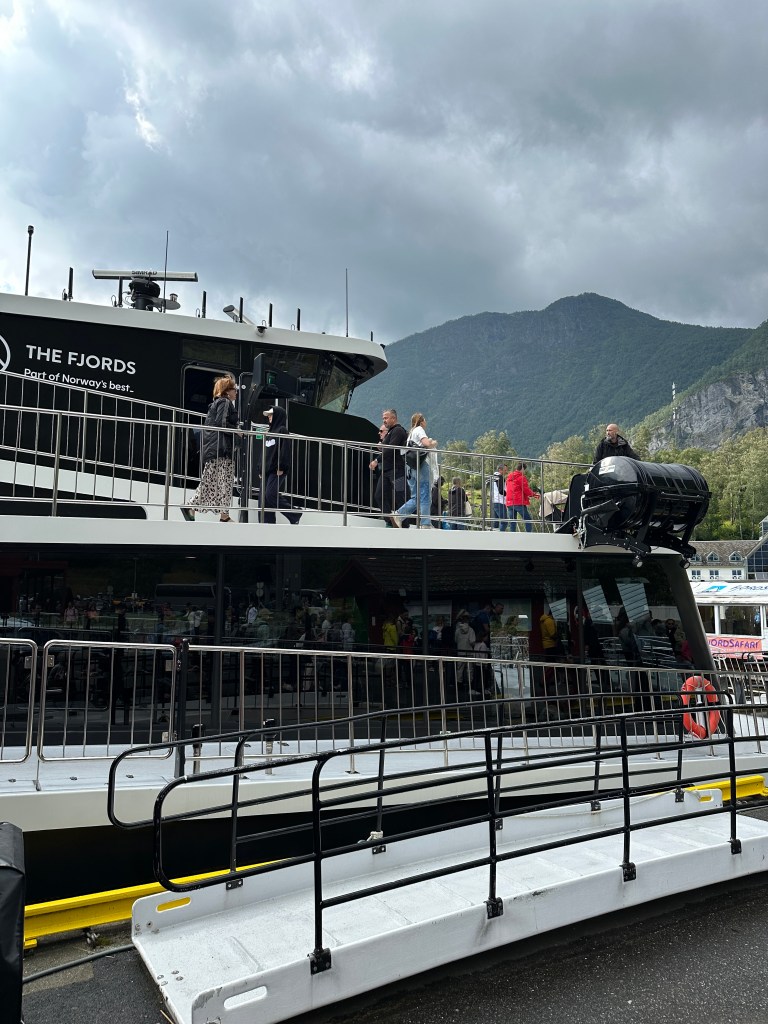
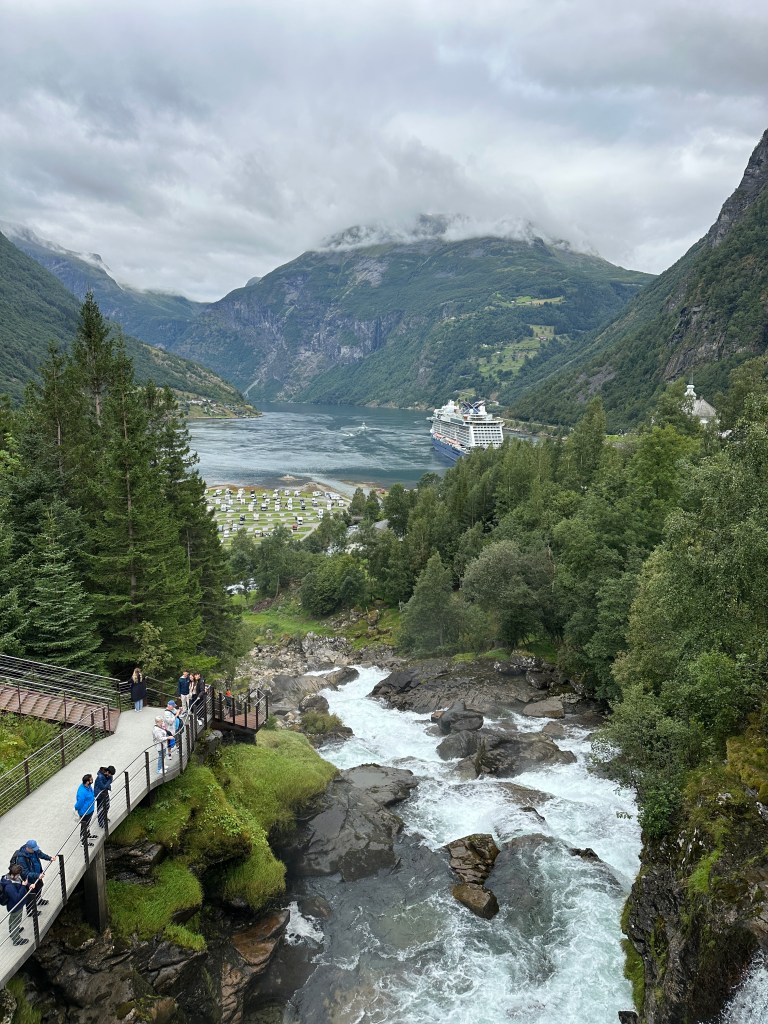
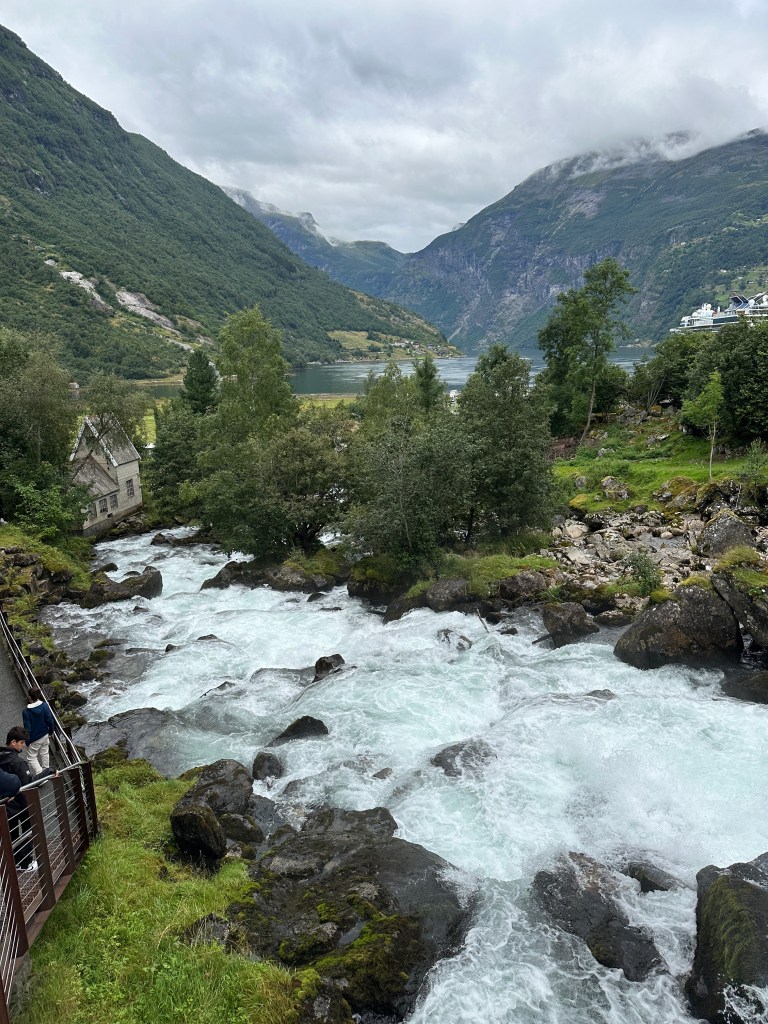
3. The fjords are the biggest reason to visit Norway in summer. A fjord is a long, narrow sea inlet with steep cliffs carved by glaciers. While they exist in places like Alaska, Chile, Antarctica, and New Zealand, in Norway they are everywhere and often breathtaking. The country has over 1,700 named fjords, each with its own character. The most visited are Sognefjord, Naeroyfjord, and Geirangerfjord, partly because they are more accessible to cruise ships. I took the Naeroyfjord cruise from Flam to Gudvangen, and although the modern boat with its floor-to-ceiling windows was packed with tourists, the narrowness of the fjord made the experience unforgettable. In contrast, the Geirangerfjord ferry felt more like a commuter ride — far less crowded, though also less dramatic.

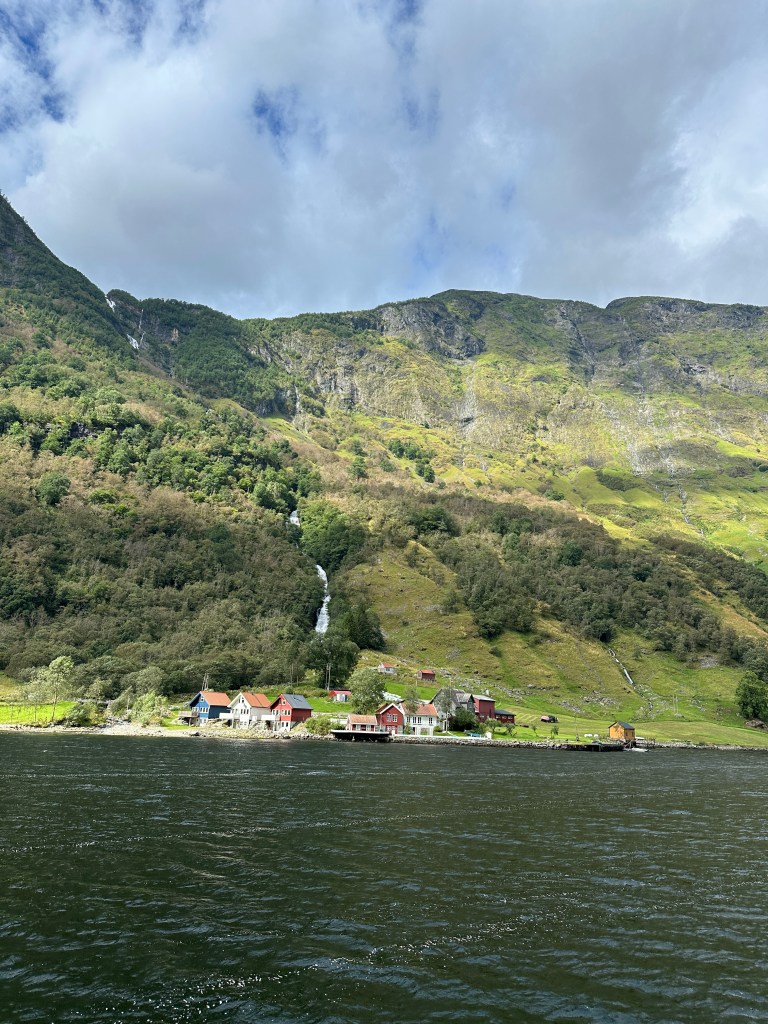
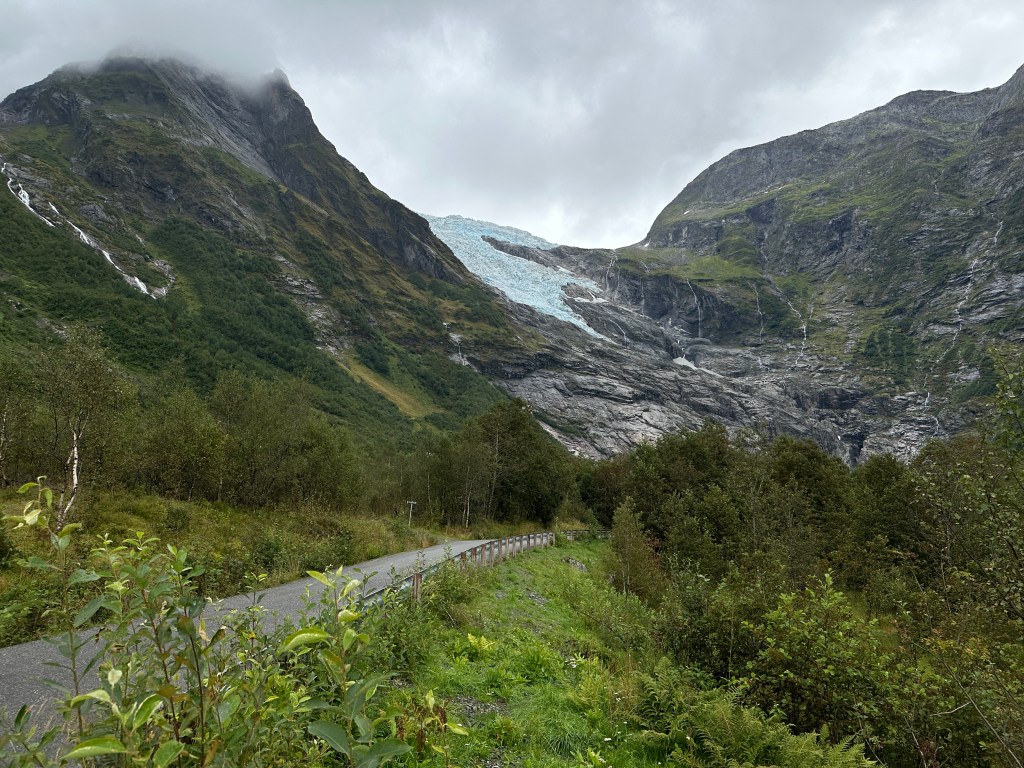
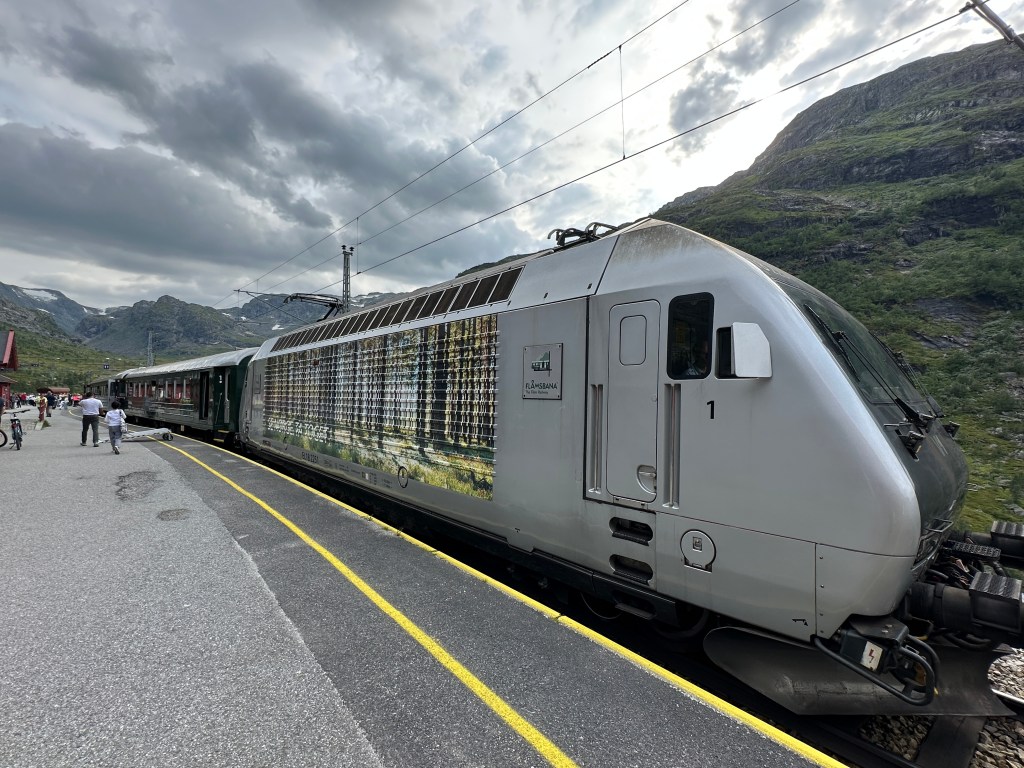
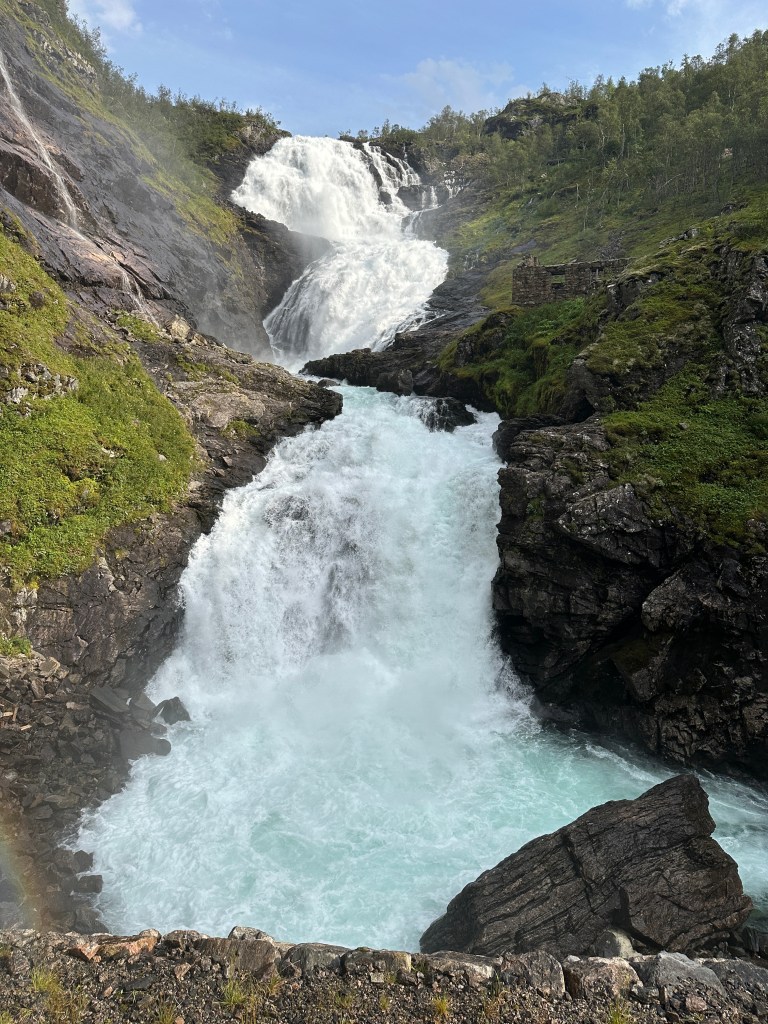
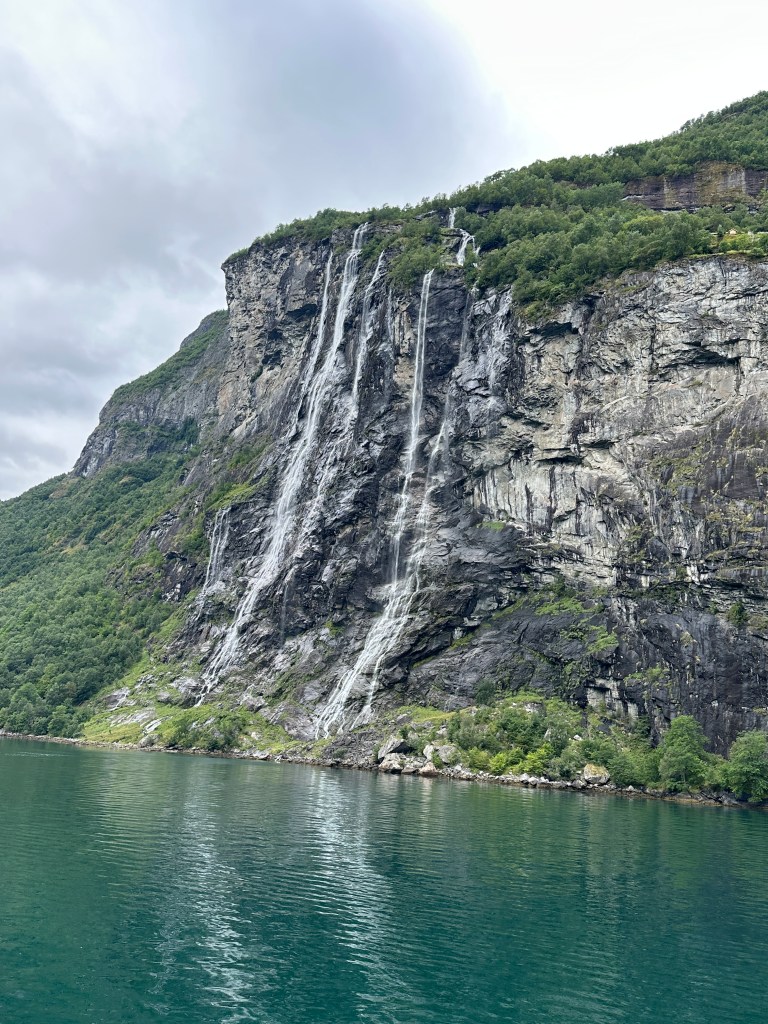
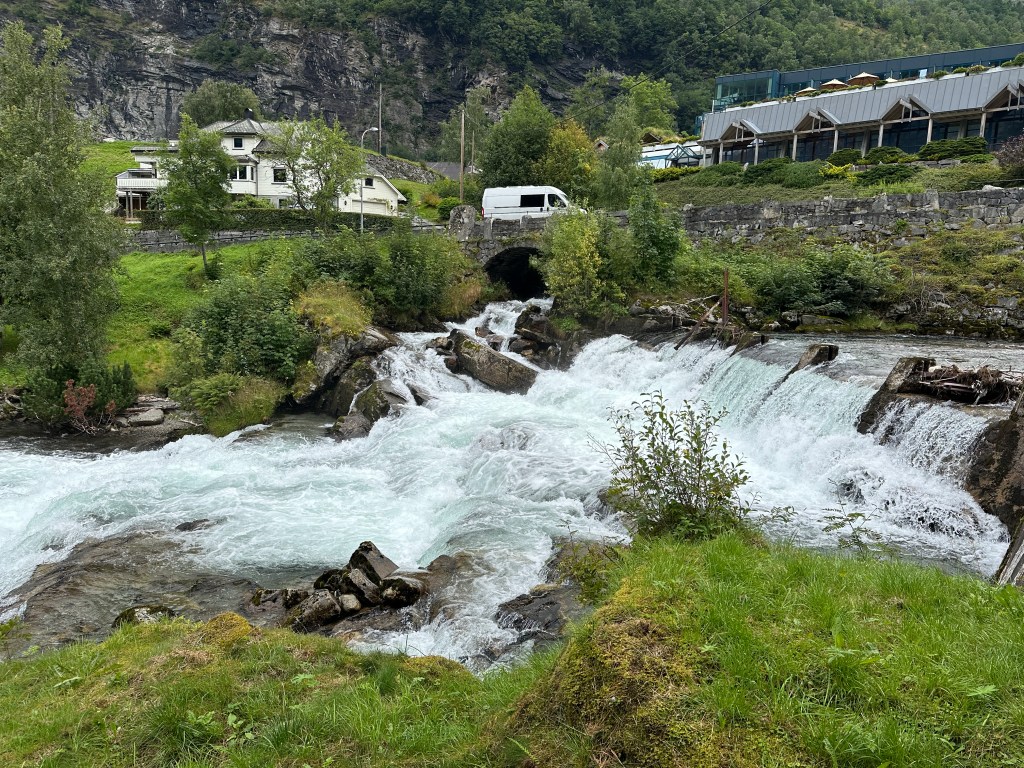
4. Norway’s glaciers feed hundreds of waterfalls, so many that you almost become numb to them after a while. At one point, I stopped counting. Boyabreen, a glacier visible right from the highway, was a reminder of just how close nature sits to daily life here. Among the waterfalls, a few stood out: Kjosfossen, which appears as a surprise stop on the Flåmsbana Railway, was both dramatic and perfectly staged. Laegdafossen tumbling into Naeroyfjord and Bridal Veil Falls on Geirangerfjord were spectacular in their own ways. In Geiranger town, Storsæterfossen offered the rare chance to walk behind the cascading water, making for one of the most memorable encounters.

5. Norway’s rugged terrain makes road-building a challenge, and the solution has been tunnels. The country has more than 1,260 of them stretching over 1,550 kilometers in total. Many run for multiple kilometers, and the engineering is world-class. The Lærdal Tunnel is the longest in the world at 24.5 kilometers, while the Gudvanga Tunnel, on the tourist route between Gudvangen and Flam, stretches 14 kilometers. Designers even added streaks of mood lighting to make the drives less monotonous. 

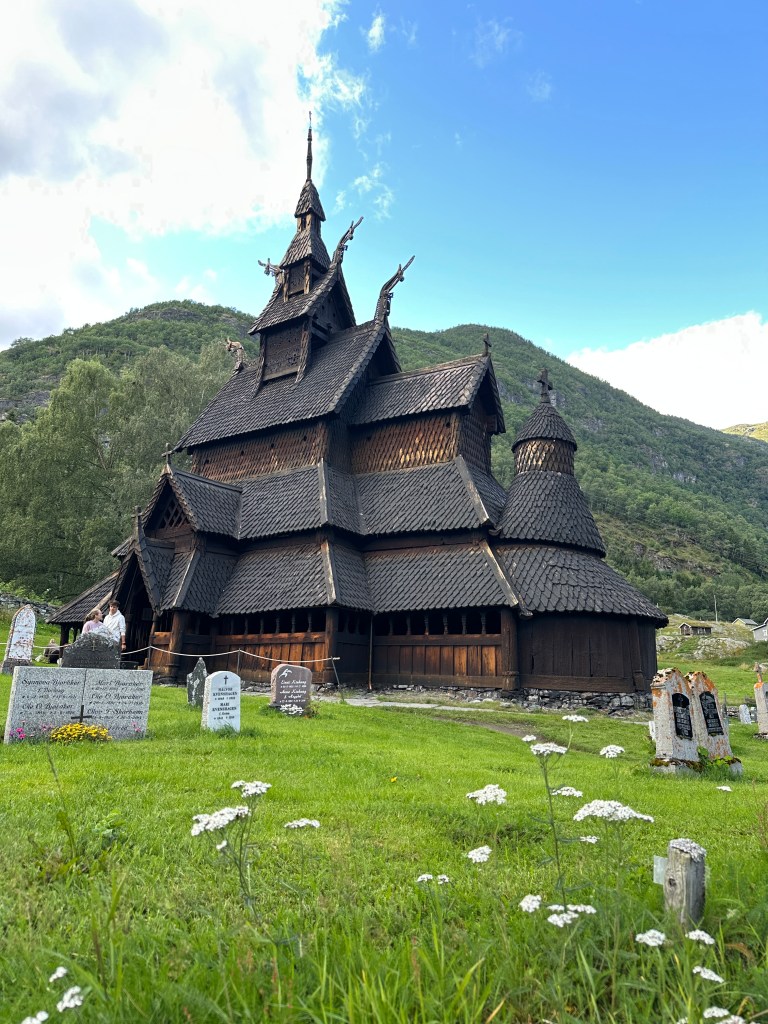
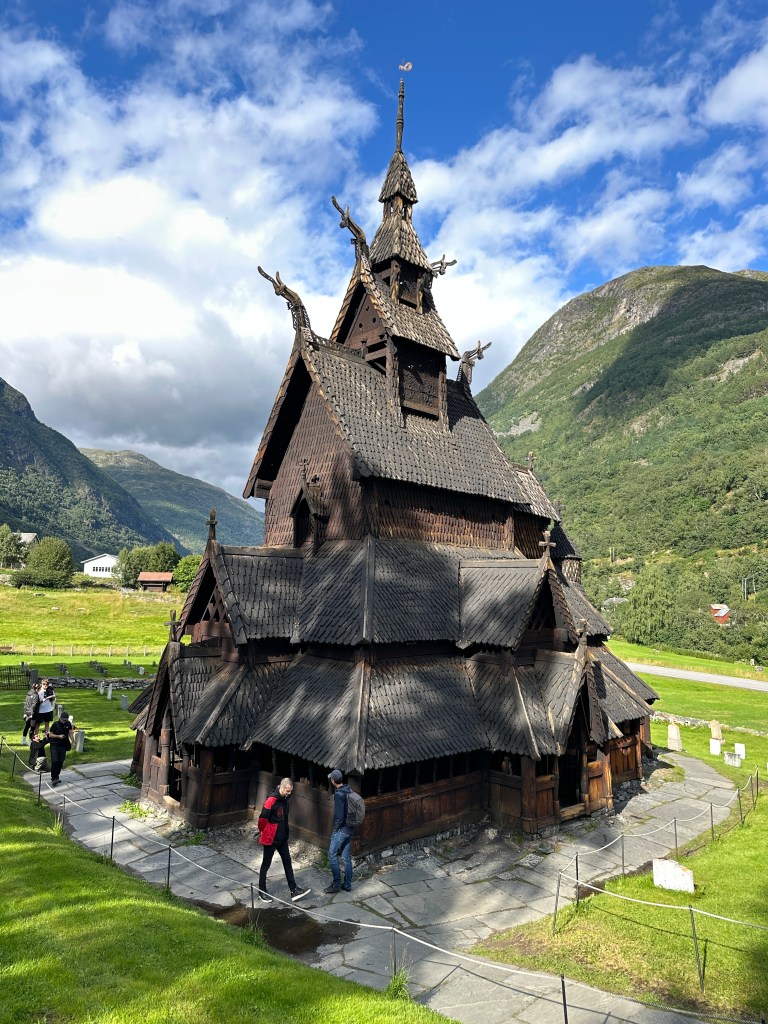
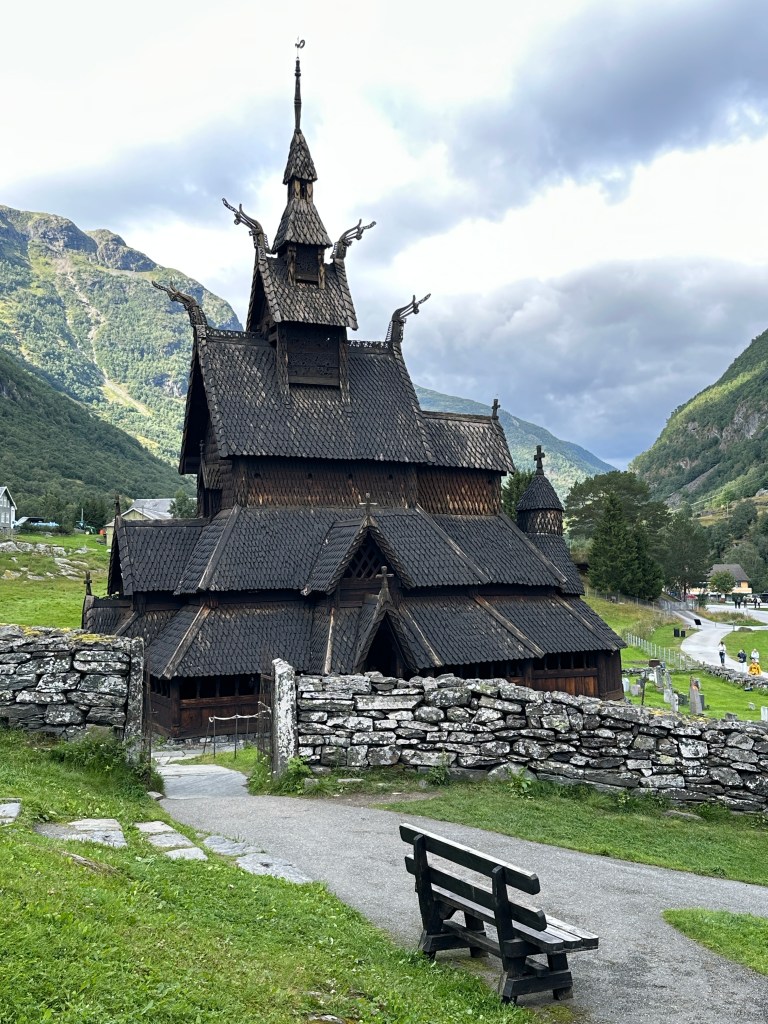
6. Stave churches are another distinctive part of Norway’s heritage, remnants of its medieval Christian era built with Viking craftsmanship. Once widespread, only 28 remain. The Borgund Stave Church is the most iconic. Built around 1180, its striking black exterior, originally a protective sealant, gives it a dramatic presence. I found myself marveling at its intricate details, which have stood the test of time for centuries.  

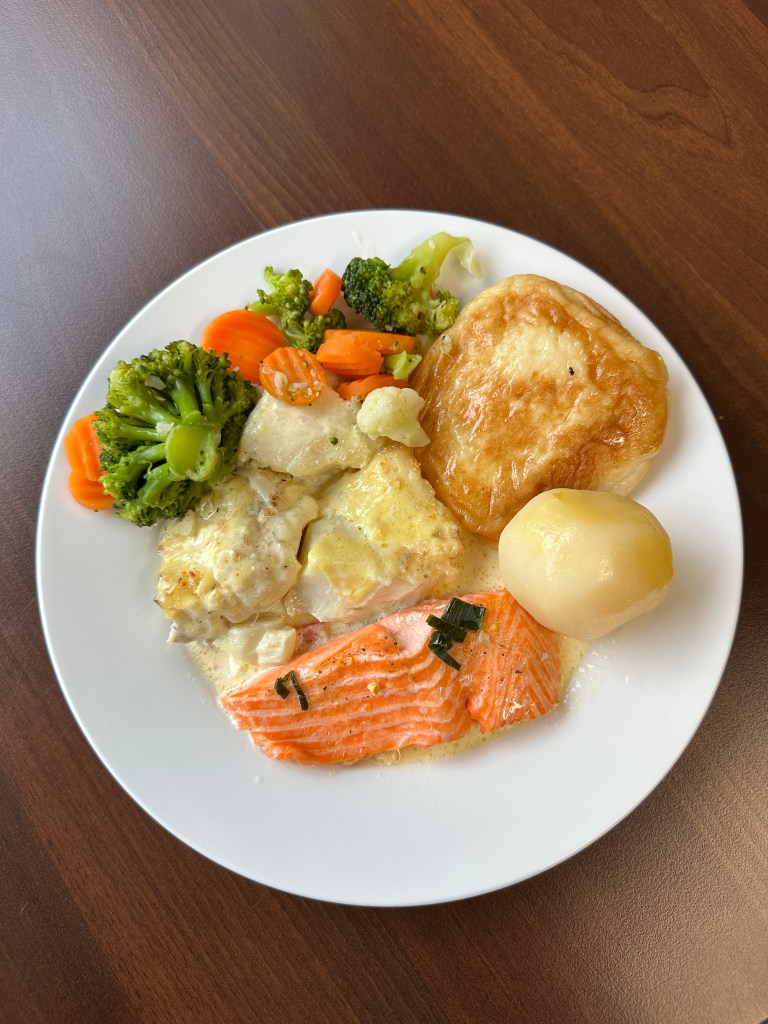
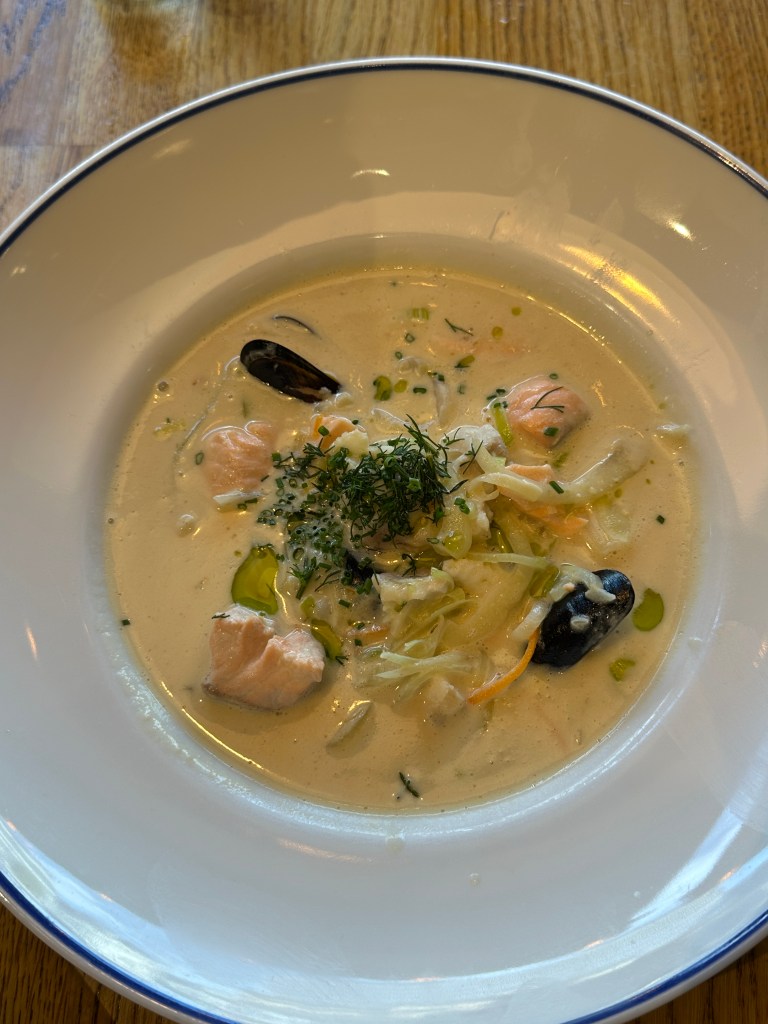
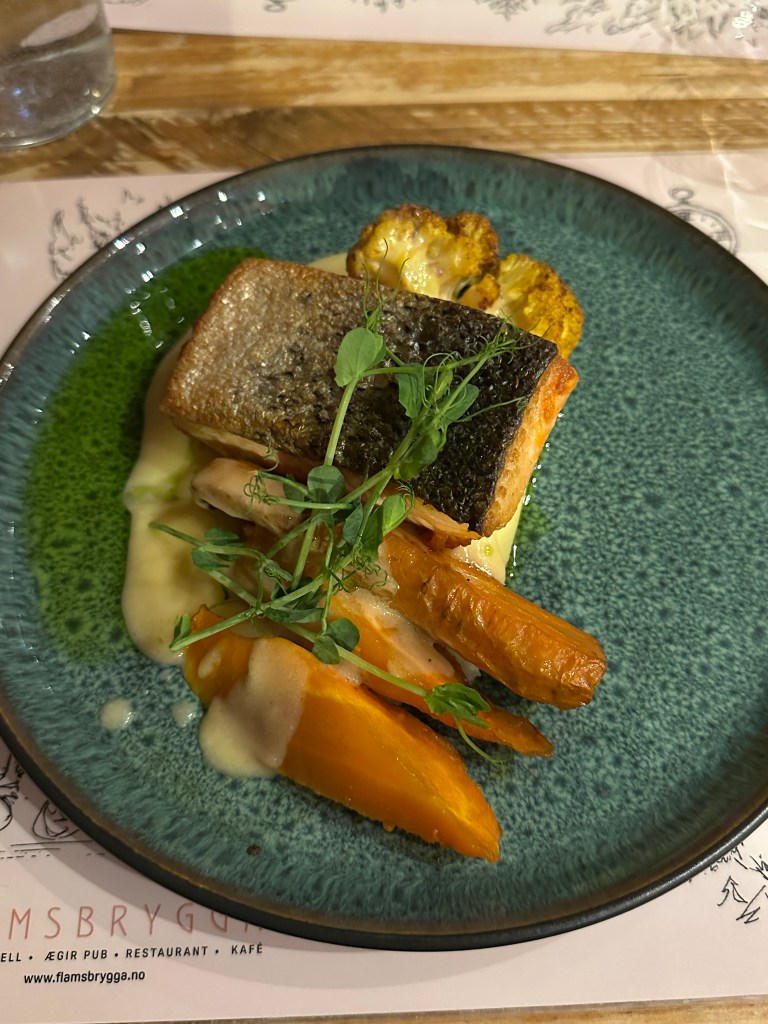
7. It’s nearly impossible to go wrong with salmon in Norway. The freshness and quality are consistently excellent, but the salmon I had at O L Brekke AS in Stryn was especially memorable, buttery, delicate, and melt-in-your-mouth. Fish cakes are also common, a clever way to ensure no part of the catch goes to waste.

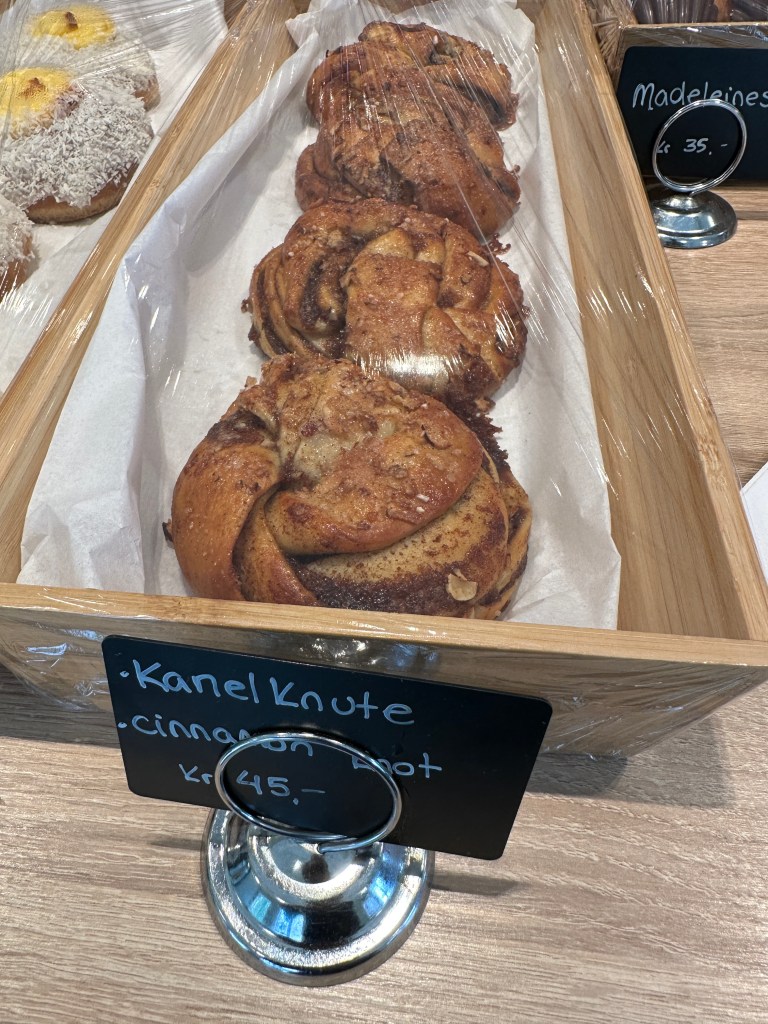
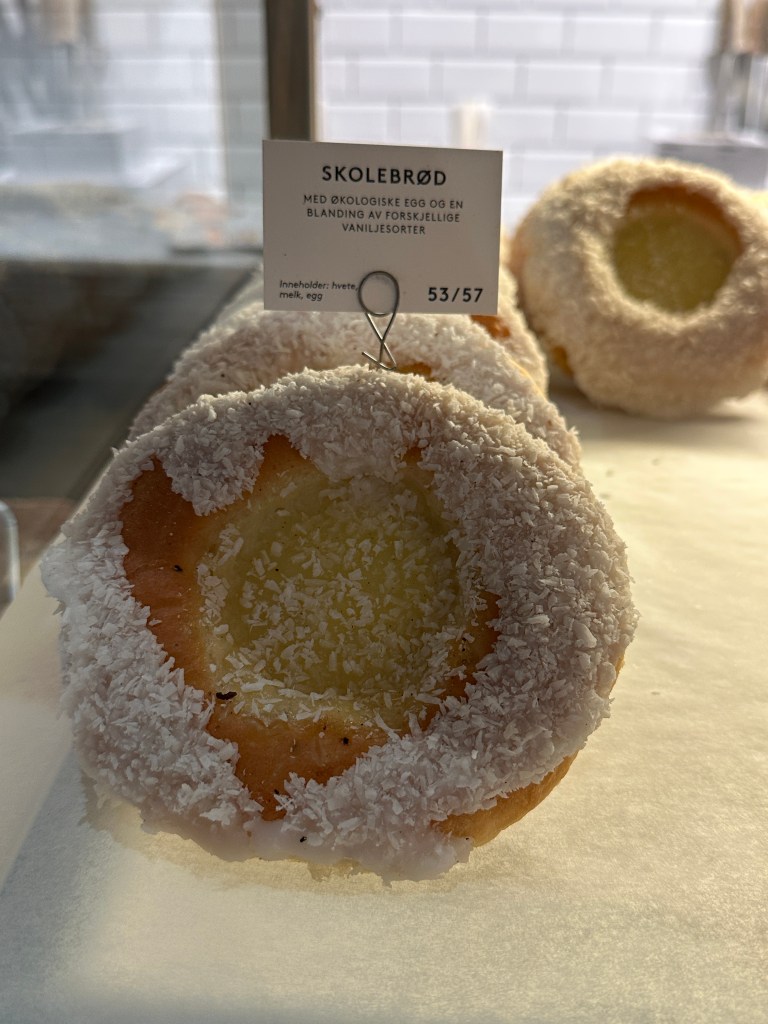
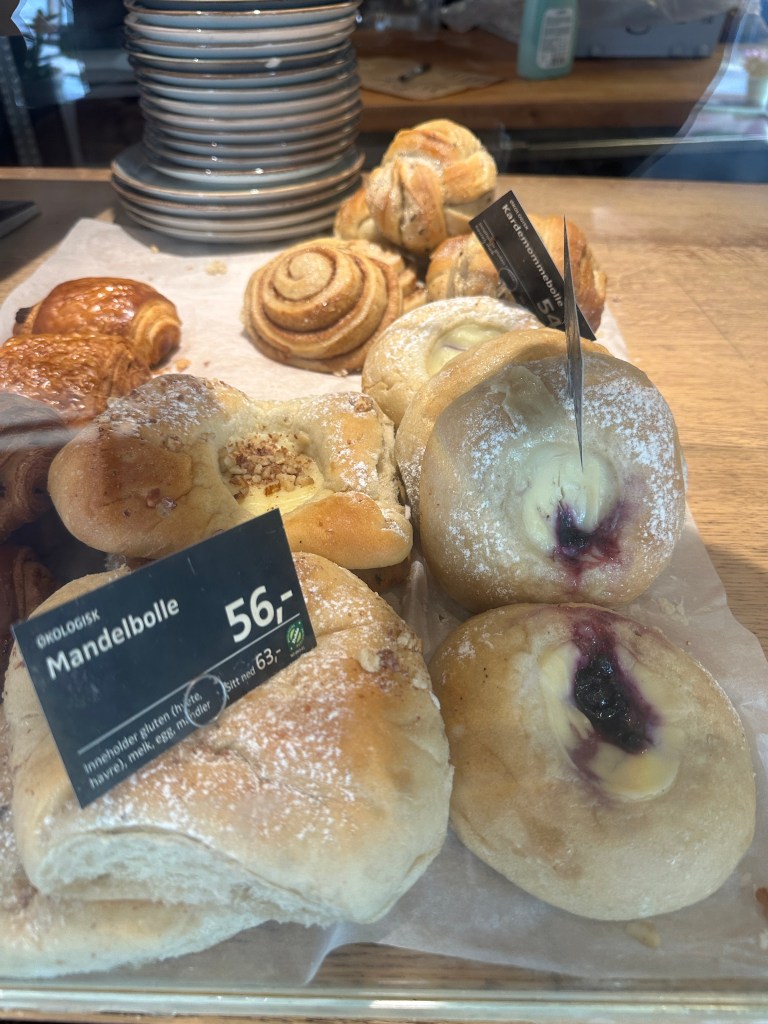
8. Norwegians may not indulge in sweets often, but their baked goods are worth seeking out. Cinnamon and cardamom buns are reliable staples, but the more unique ones stood out for me. Skolebrød (school buns), Solboller (sun buns), and Mandelbolle (almond paste buns) were delicious yet on the sugary side, perhaps because sweets are treated as occasional indulgences. Among them, Skolebrød was my favorite. The cardamom-scented bun filled with custard struck the perfect balance, although the coconut frosting made it a little too sweet and I found myself scraping some off.

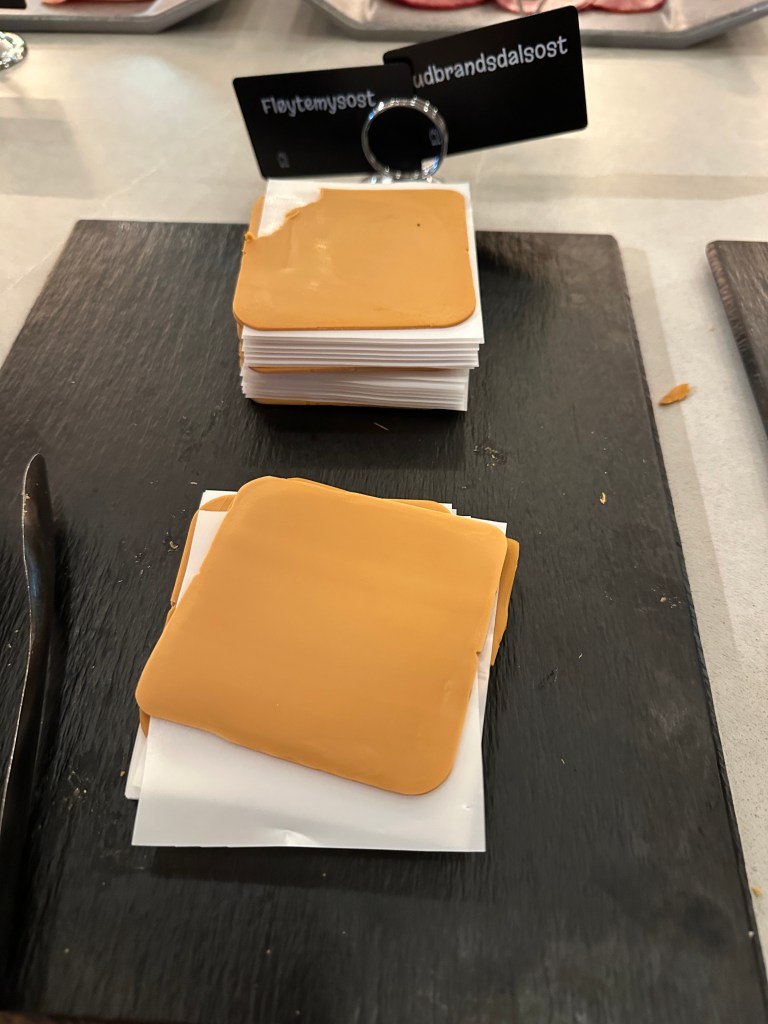
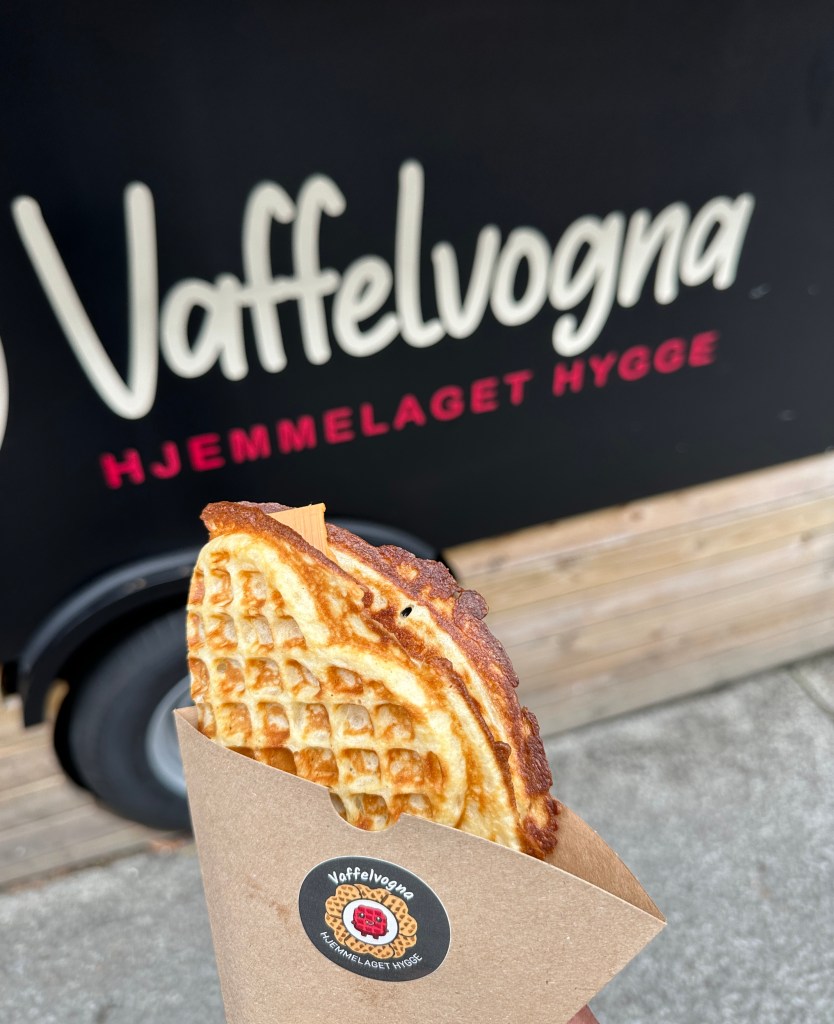
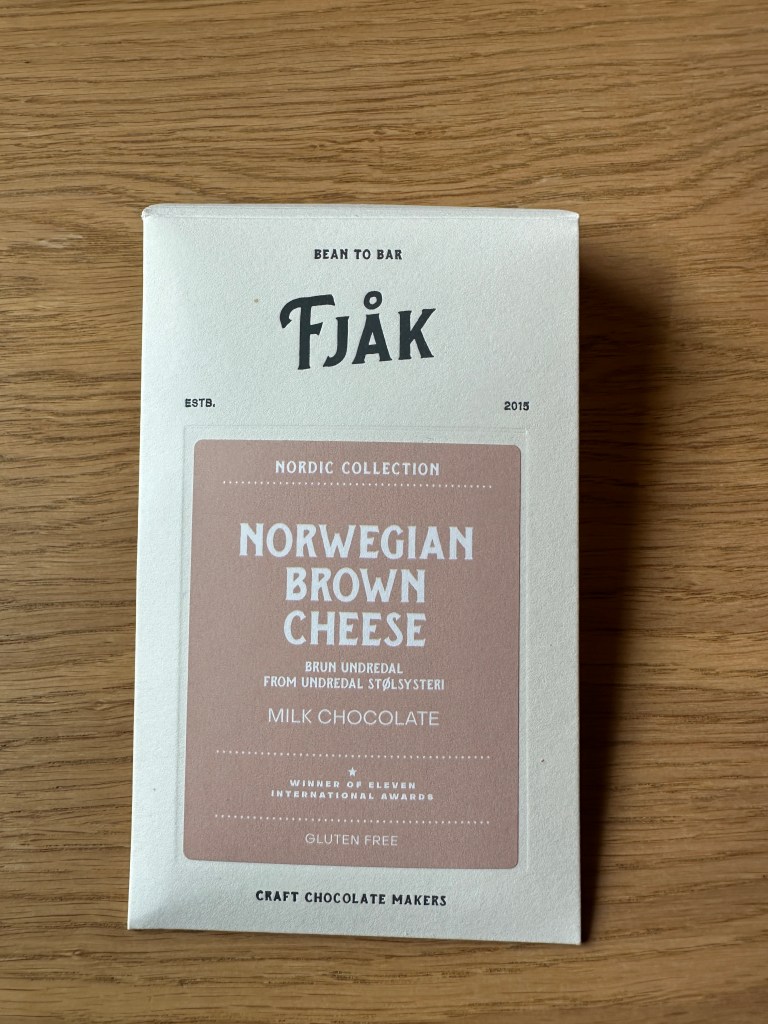
9. Brunost or brown cheese, is another Norwegian specialty. Despite its name, it isn’t technically cheese but a byproduct of cheesemaking. Leftover whey is boiled with cream until the sugars caramelize, giving it its caramel-butterscotch flavor and signature brown color. Smooth and velvety, it’s popular on waffles and even pairs surprisingly well with chocolate.  

10. For all its culinary highlights, coffee is not Norway’s strong suit. Across Oslo, Bergen, and Sogndal, every cup I tried, whether from chains or independent cafes, was either burnt or overly acidic. It was so consistently disappointing that it became memorable for the wrong reasons. I still wonder where Norwegians get their caffeine fix

10 things about Norway

10 things about Croatia 

1. Croatia’s history stretches back to the Illyrians. The Dalmatae, a powerful Illyrian tribe, formed Dalmatia, which later became a Roman province. The Croatian identity began to take shape in the 7th century when Slavic tribes took over Dalmatian lands. Starting in the 13th century, Croatia came under the rule of powerful neighbors, including the Kingdom of Hungary, the Habsburgs, and the Ottomans. After World War I, it became part of Yugoslavia before regaining independence in 1991.

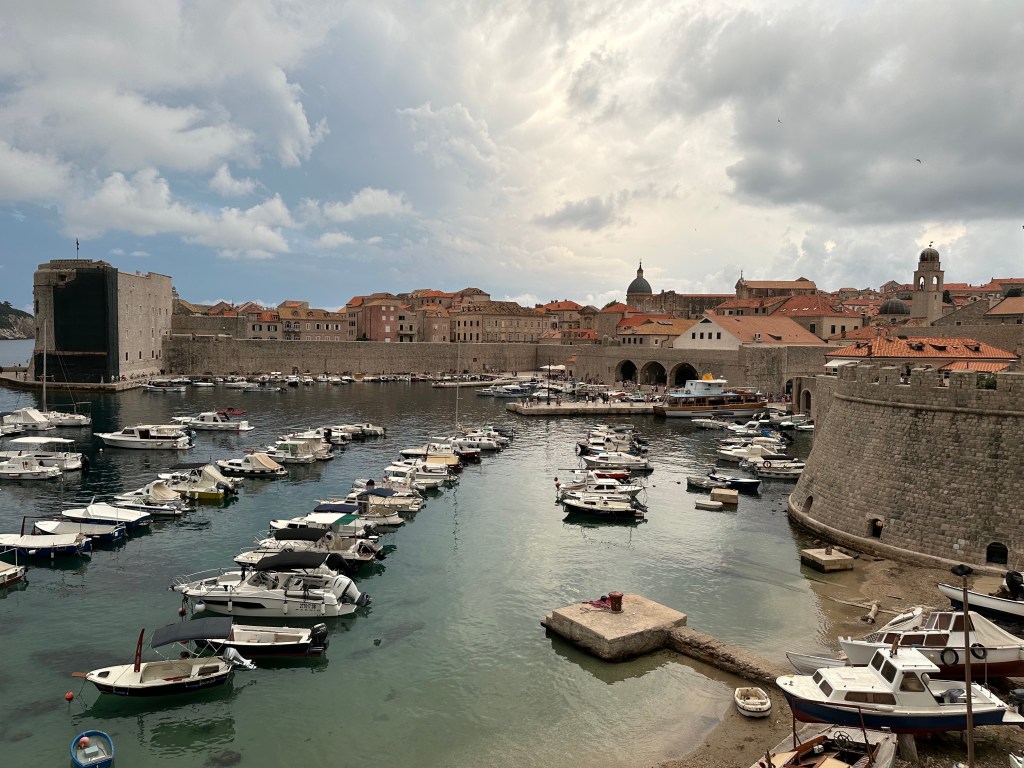
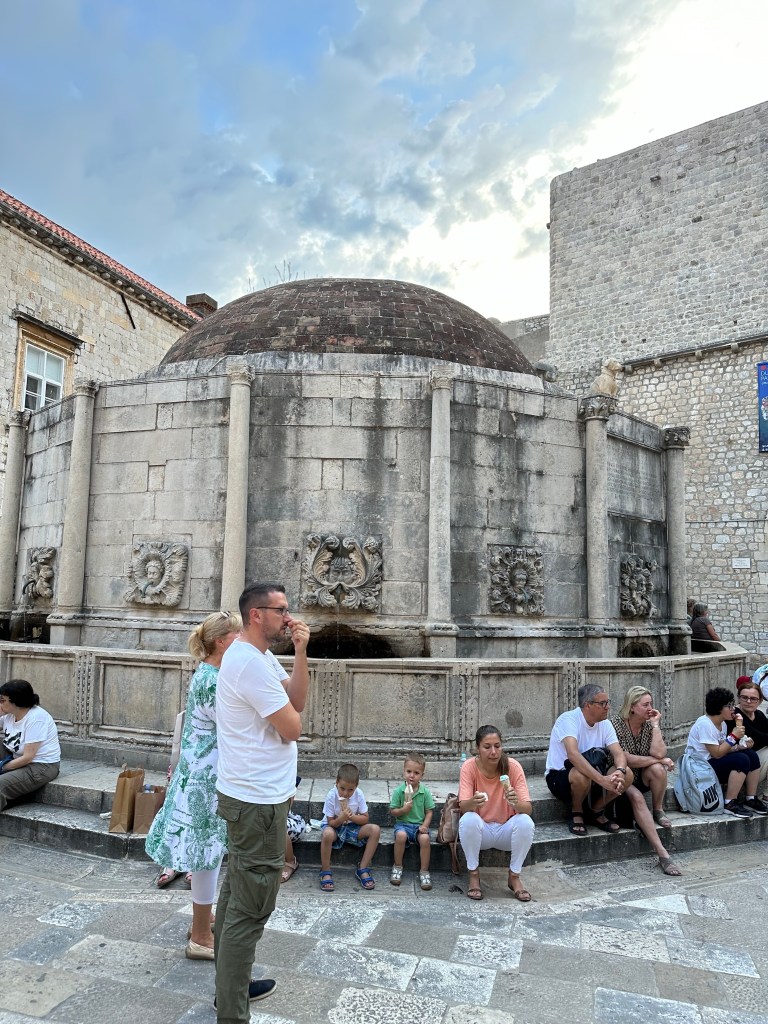
2. Game of Thrones may have put Croatia on the global map, but Dubrovnik’s real-life history is just as compelling. Once called Ragusa, the city was a master of diplomacy—striking deals with powerful kingdoms like the Venetians and Ottomans not out of loyalty, but to protect its trading interests and wealth. It prioritized independence and prosperity, functioning as a self-governed city-republic for centuries. That foresight allowed it to invest in public works that were rare for the time, including accessible hospitals and urban planning that elevated quality of life.

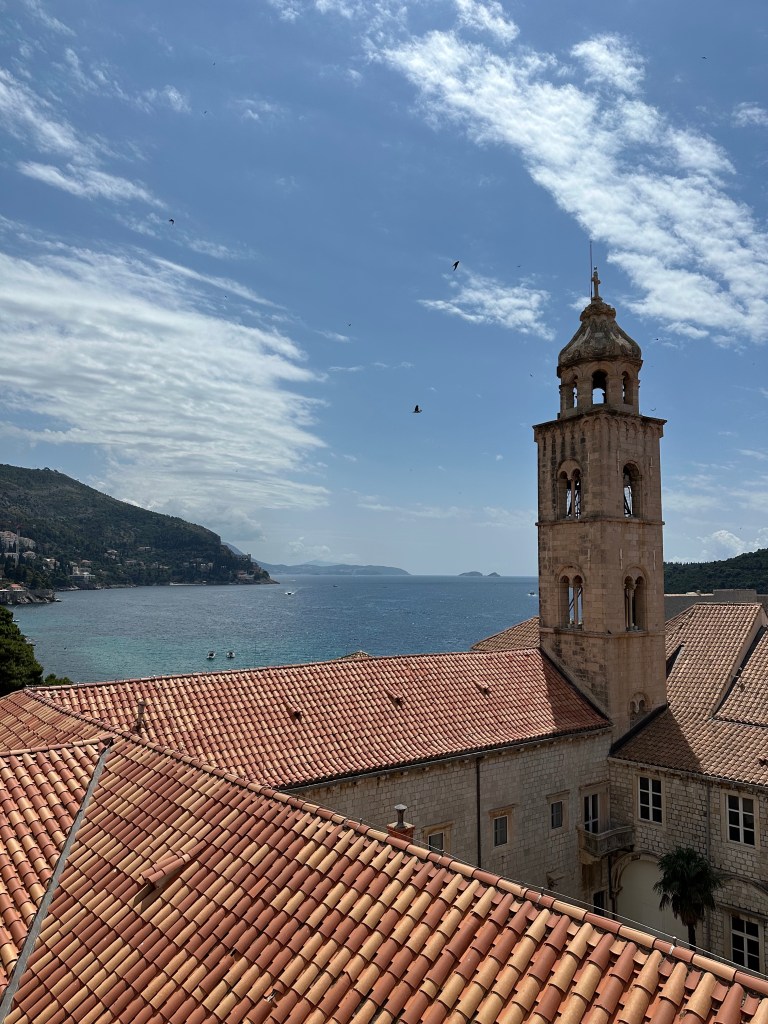
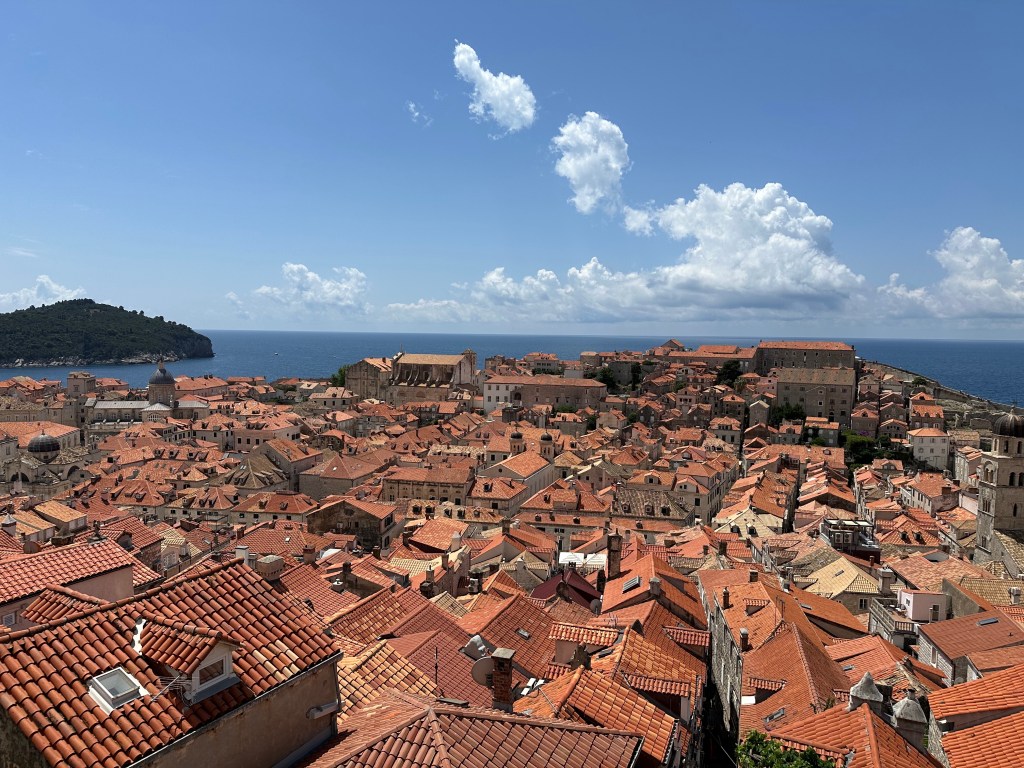
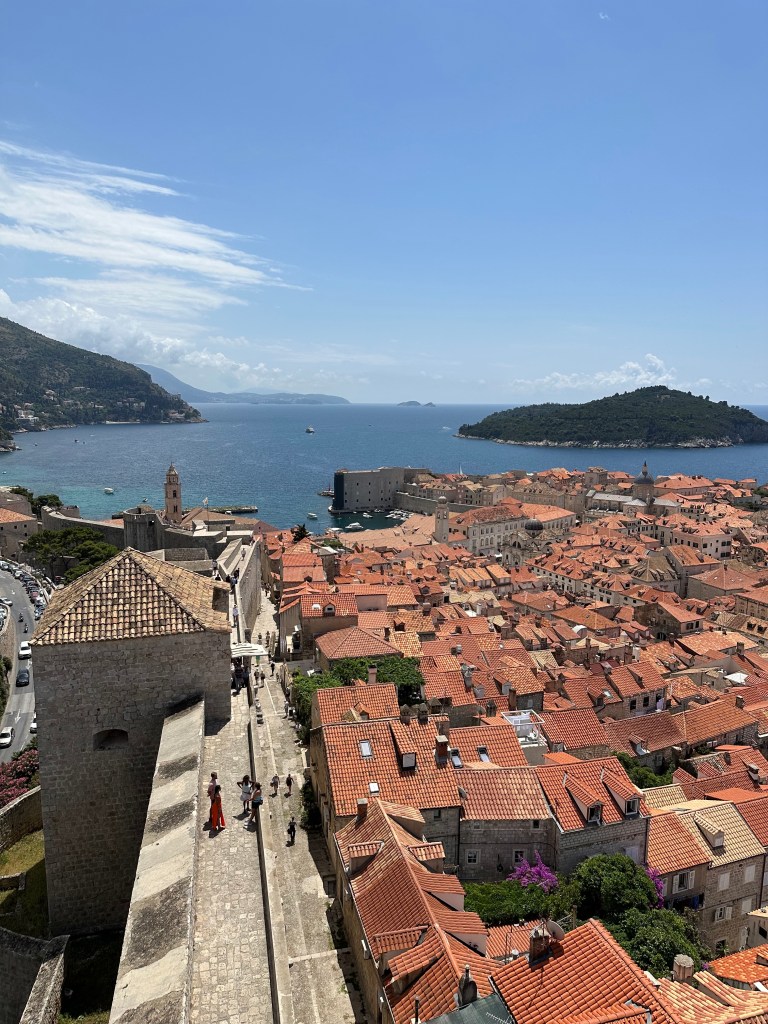
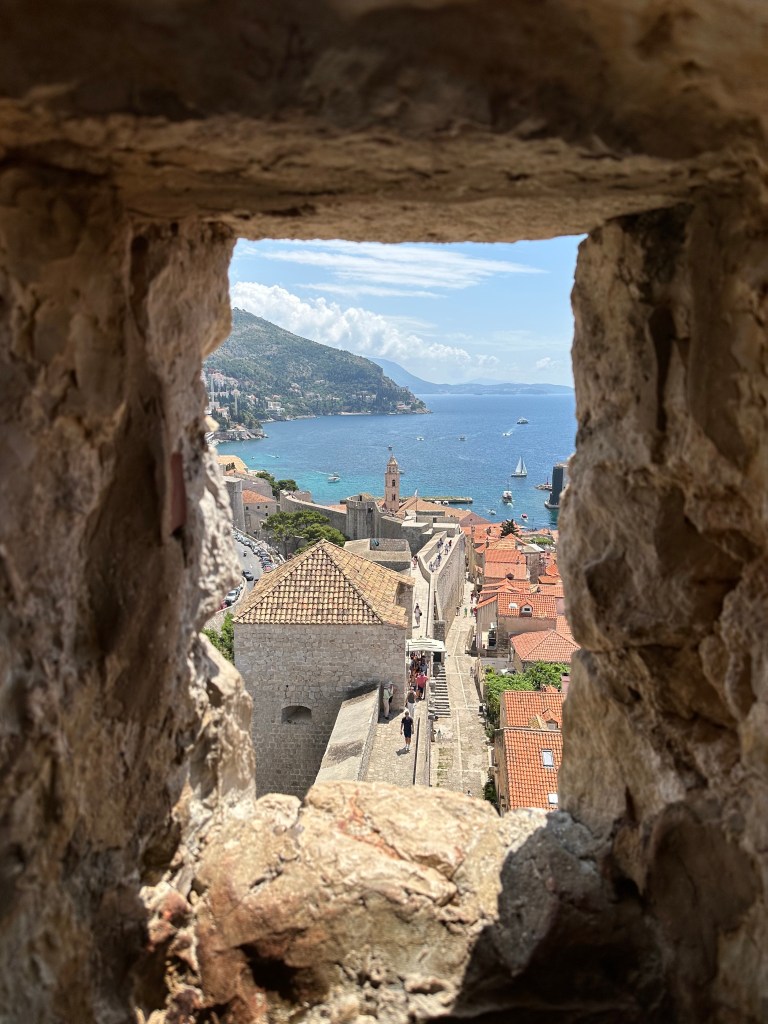
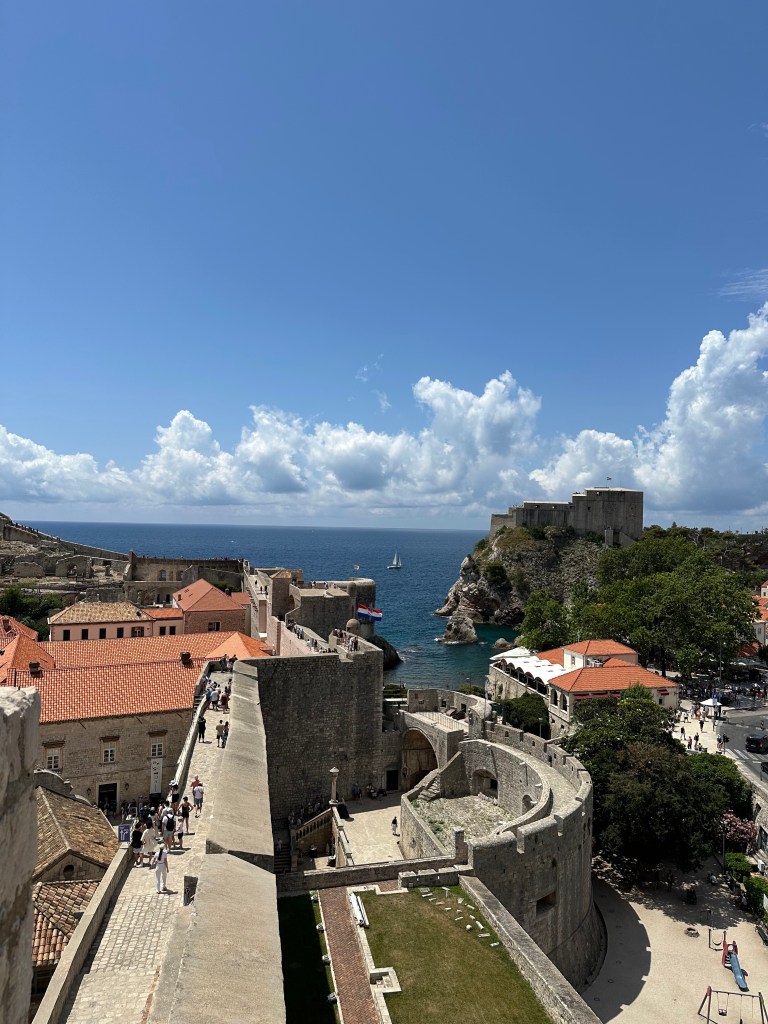
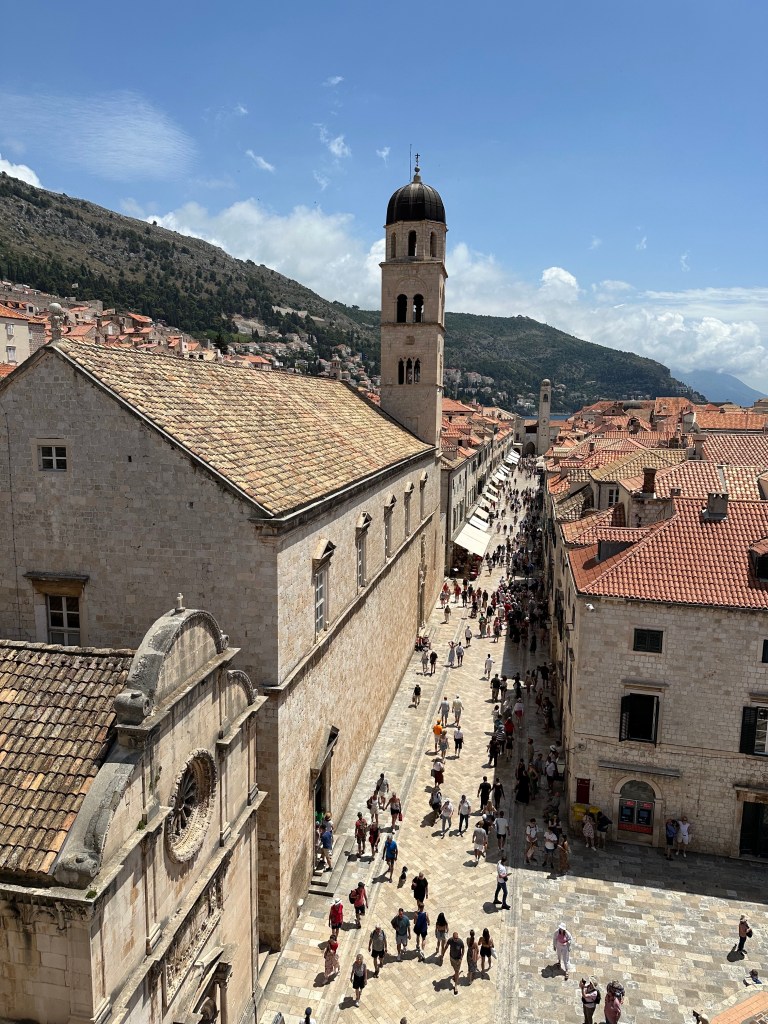
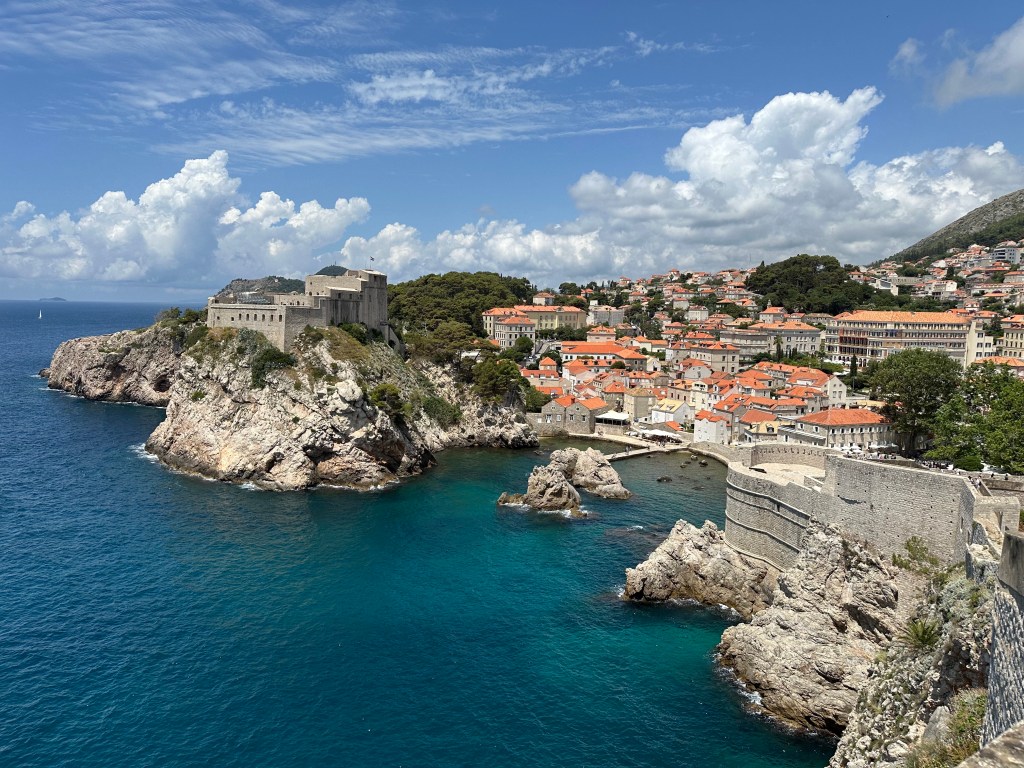
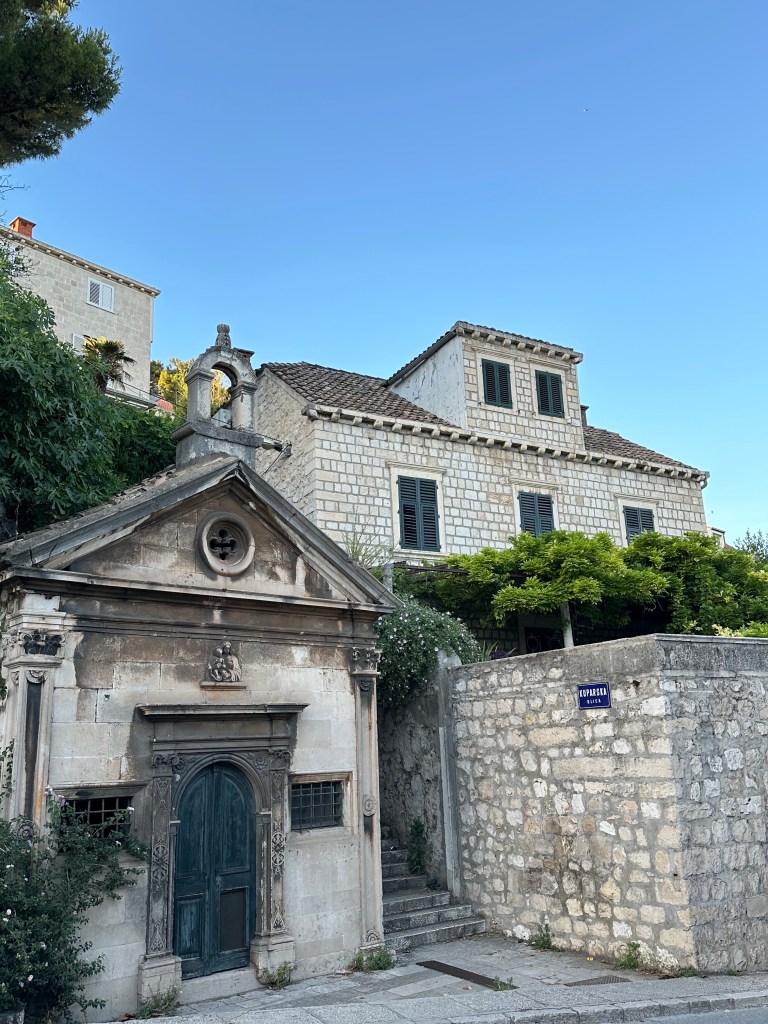
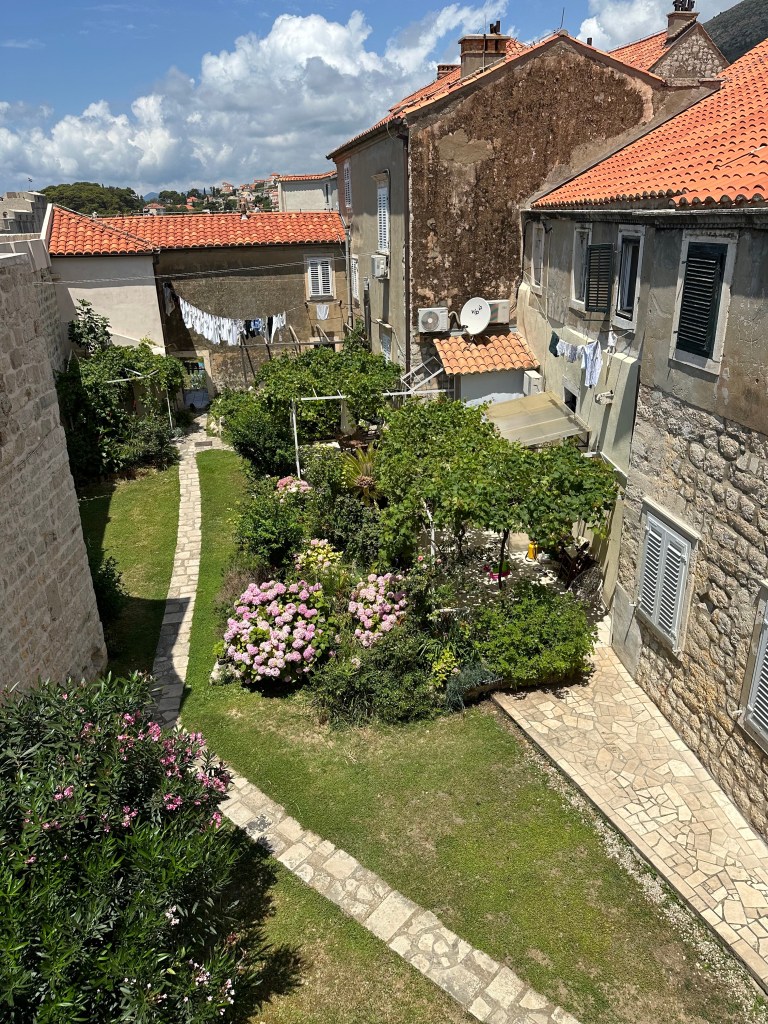
3. Dubrovnik’s Old Town is one of the most beautifully preserved medieval centers in Europe. Walking along its ancient stone walls offers a cinematic sweep of burnt-orange rooftops set against the dazzling backdrop of the Adriatic Sea. Built between the 13th and 17th centuries, the walls stretch over 6,000 feet and were designed to keep invaders like the Venetians from breaching the city. Along the way, you’ll pass towers, forts, and lookout points that offer panoramic views of a city built to endure.

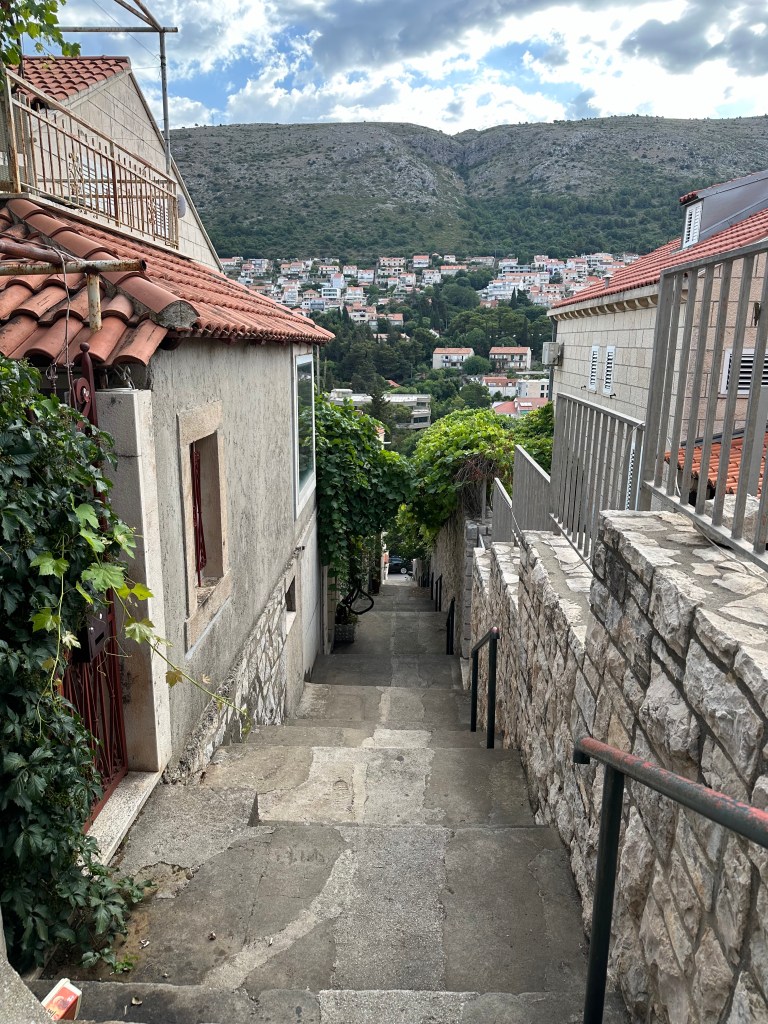
4. While noble homes reflect Venetian influence, everyday houses were built for practicality. They were made of stone and had small, well-placed windows designed to maximize light and regulate indoor temperatures. Functional, yes—but still charming in their simplicity.

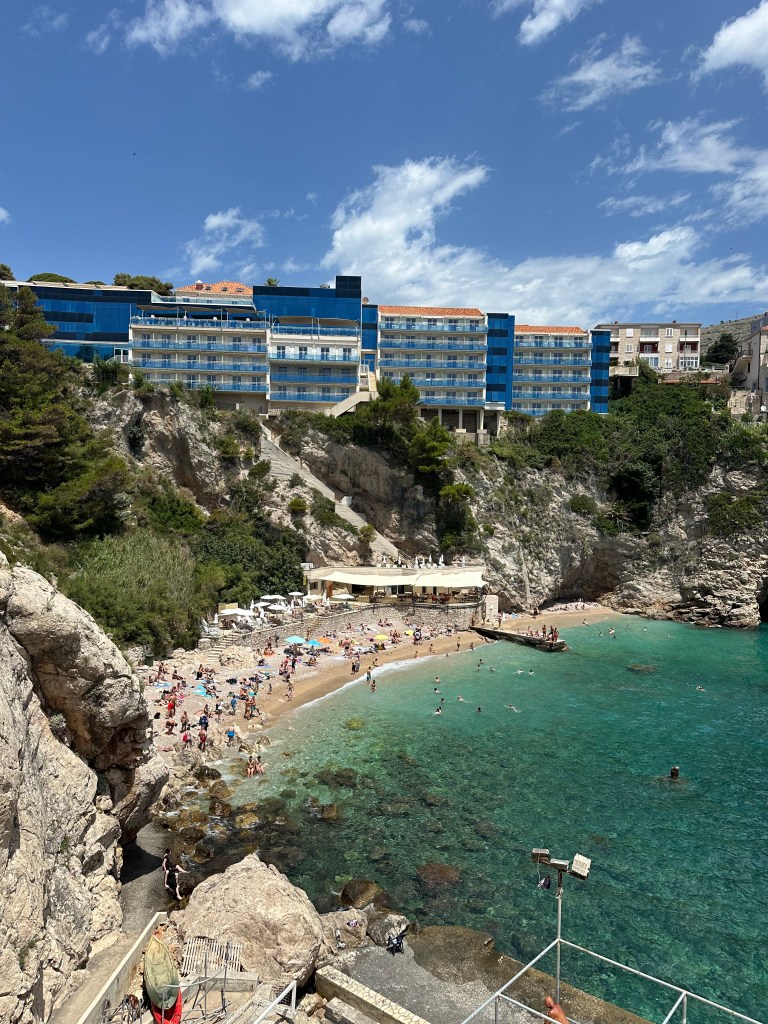
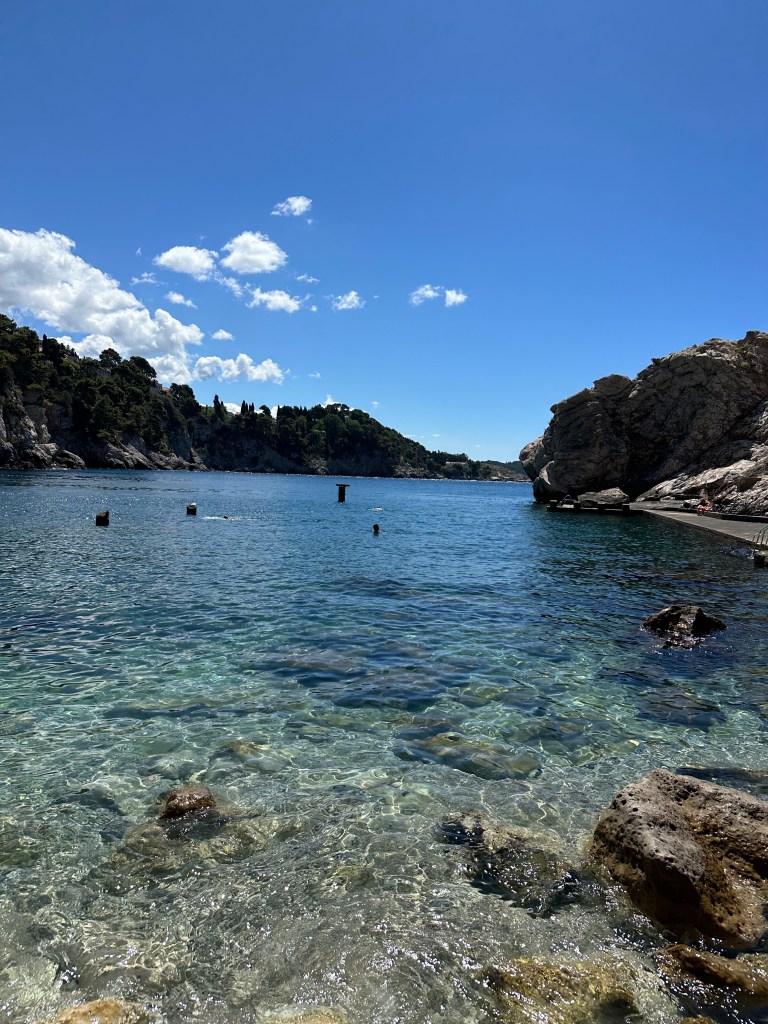
5. The beaches along the Adriatic are beautiful, though not sandy in the tropical sense. Dubrovnik is a beach destination too, with spots like Sveti Jakov, Srebreno, and Lapad offering plenty of sun. Bellevue Beach, nestled under a cliff near Old Town, is small but unforgettable. The turquoise water, perfect temperature, and dramatic setting make it hard not to dive in.

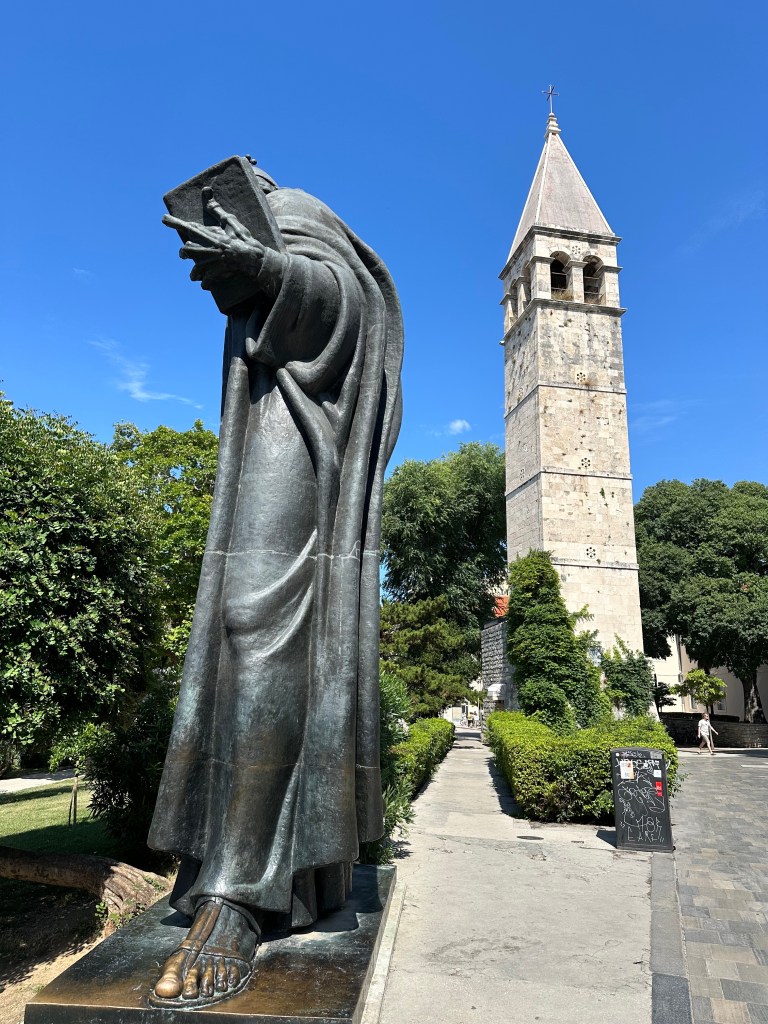
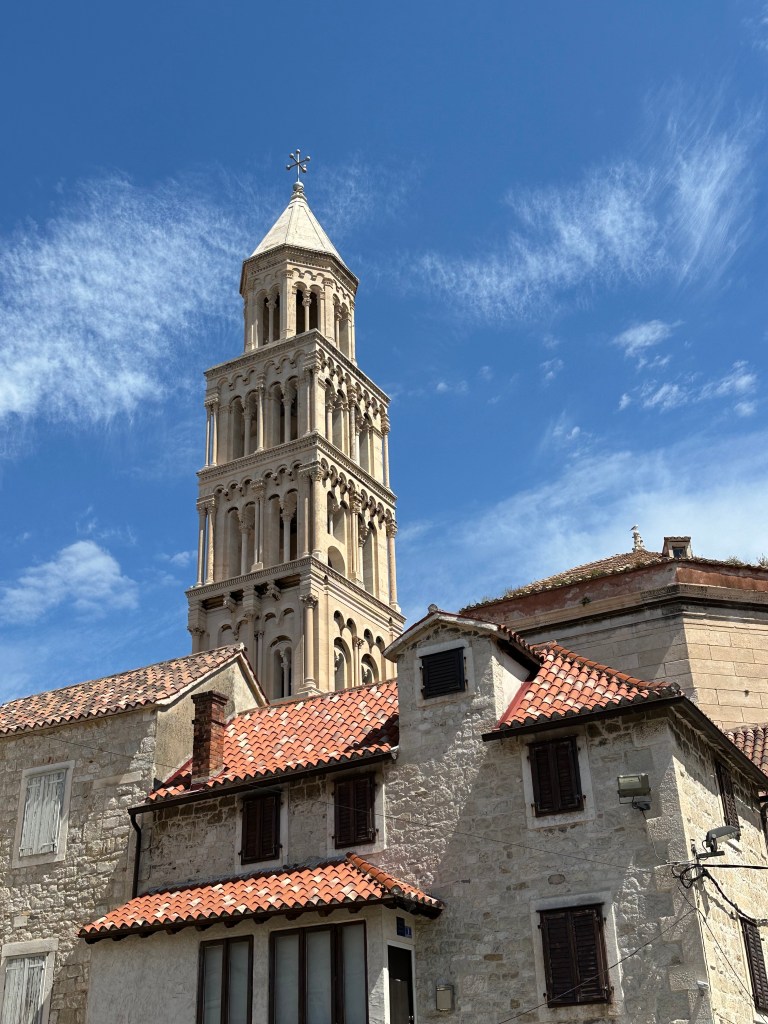
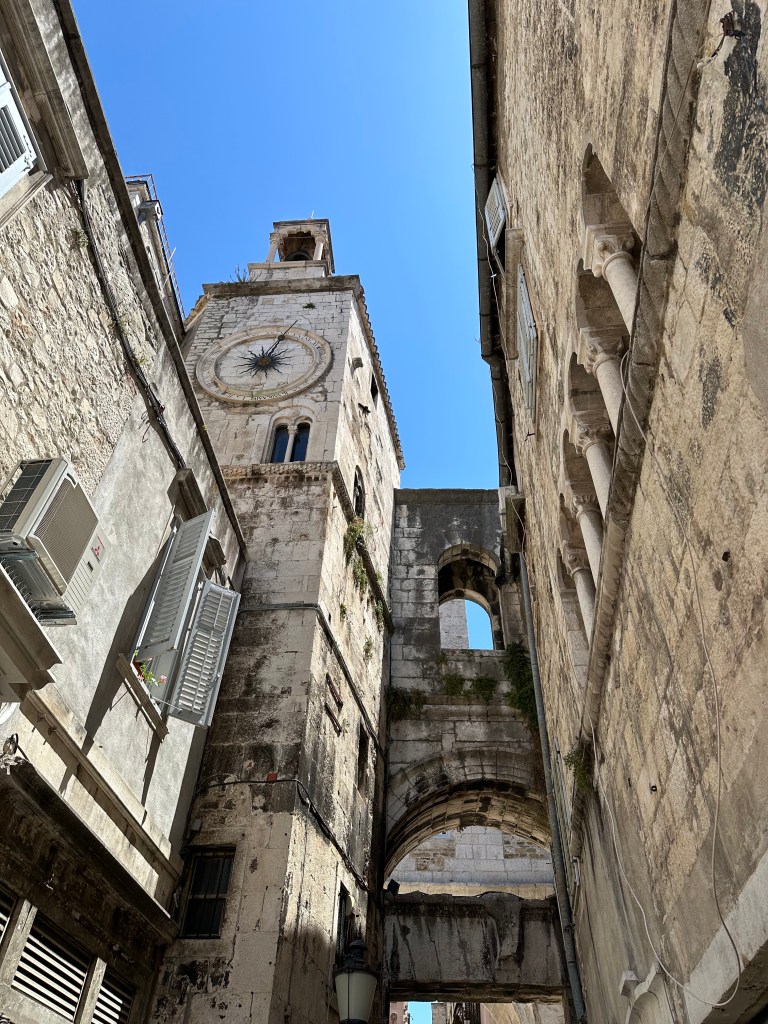
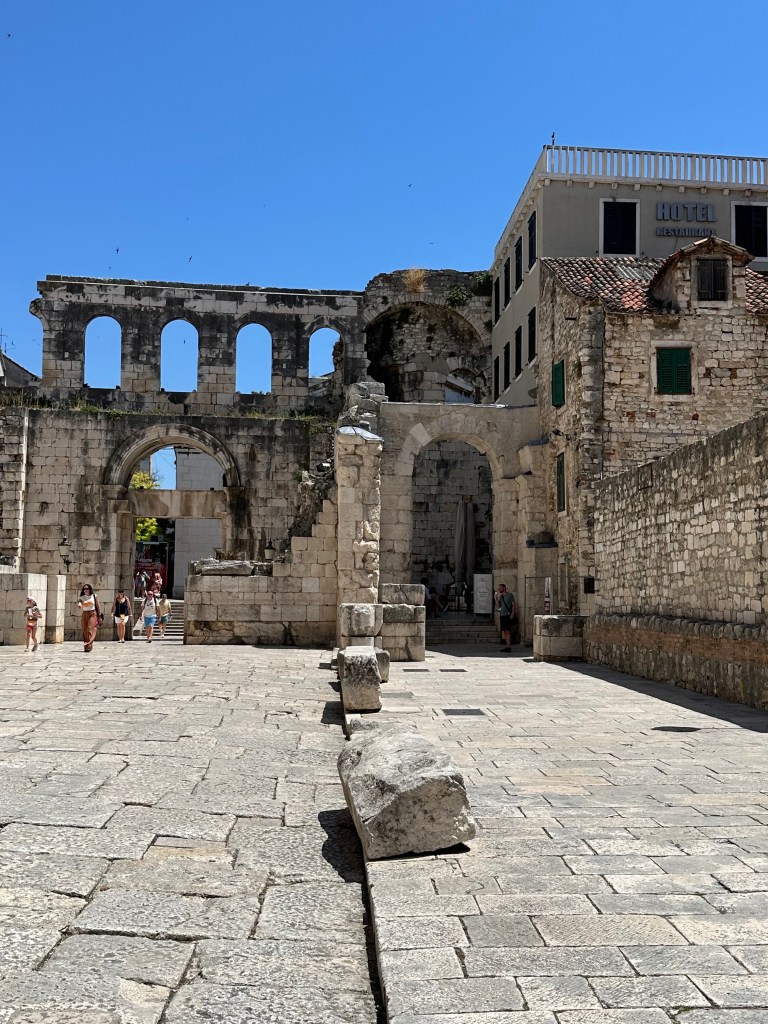
6. The cityscapes of Croatia were similar to other living cities in Europe. Among the top two largest cities, Split had a tad more charm. It owes its origin and fame to Diocletian, Roman Emperor. He was the son of the soil, rose through the Roman military ranks serving under emperors Aurelian, Probus and Carus before becoming an Emperor itself. Diocletian was a great administrator and even introduced the tetrarchy system to manage the vast empire. However, he was the first emperor to abdicate his throne and retired to his homeland to lead quiet life on the Dalmatian coast. The ruins of his palace is now a popular tourist attraction. 


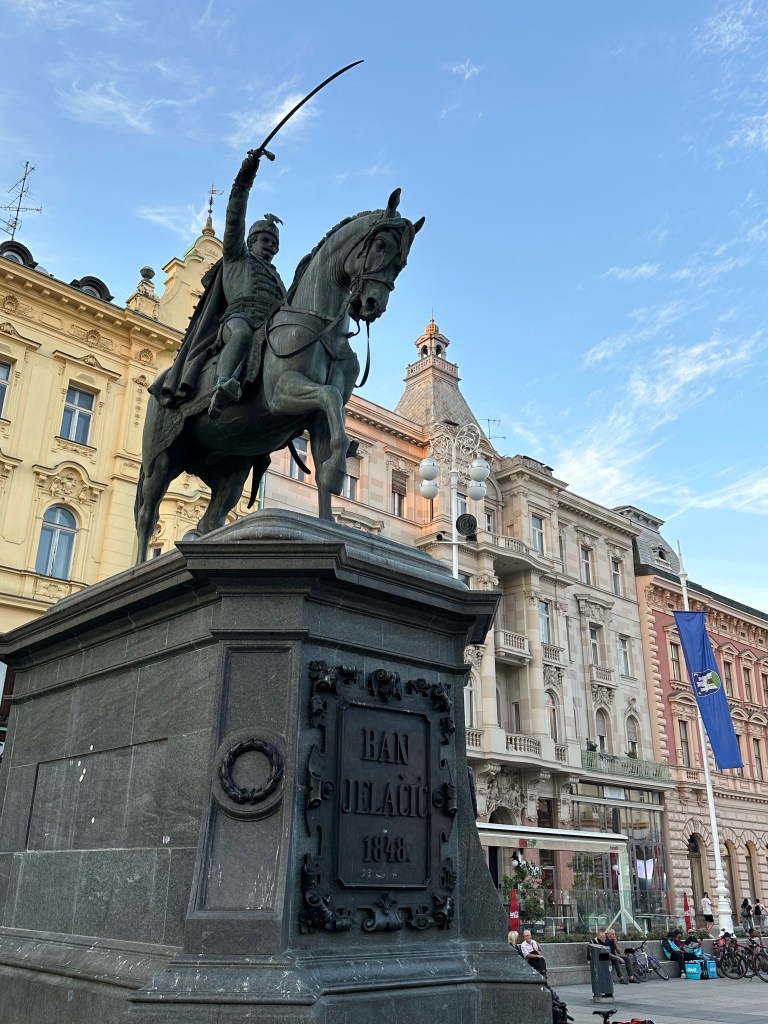
7. Zagreb had a different energy—more of a working city than a tourist draw. Outside of a few charming pockets in the old town, the city has a distinct Soviet-era vibe, with wide boulevards and dense residential blocks. It’s gritty in places, but that’s part of its character.

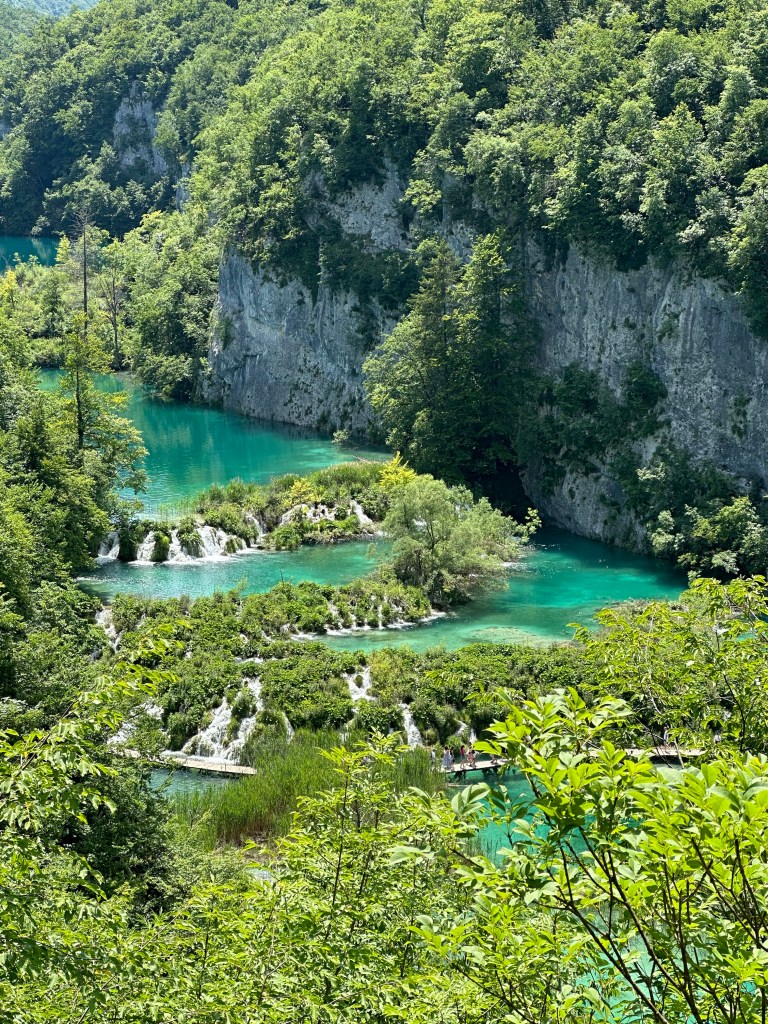
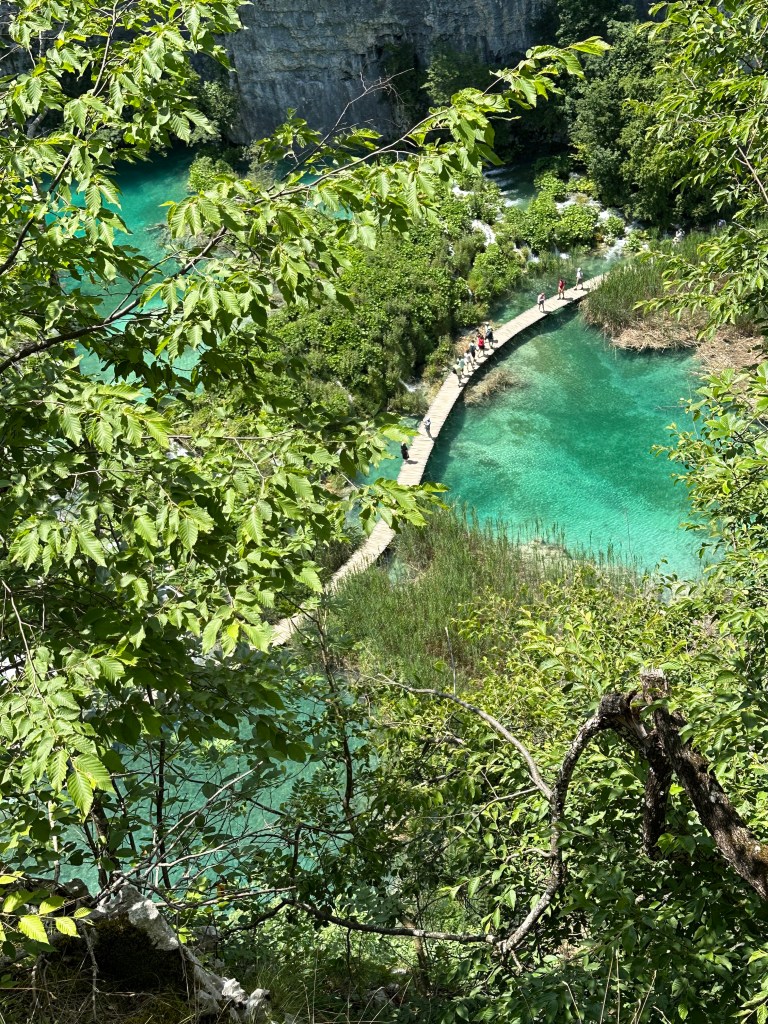
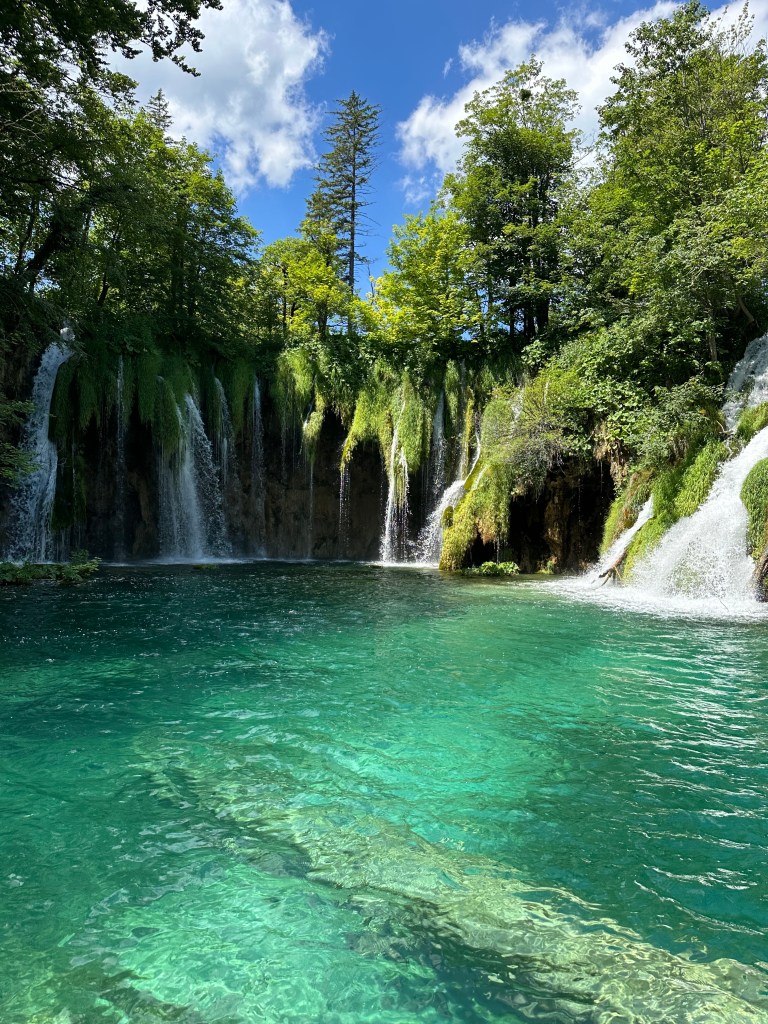
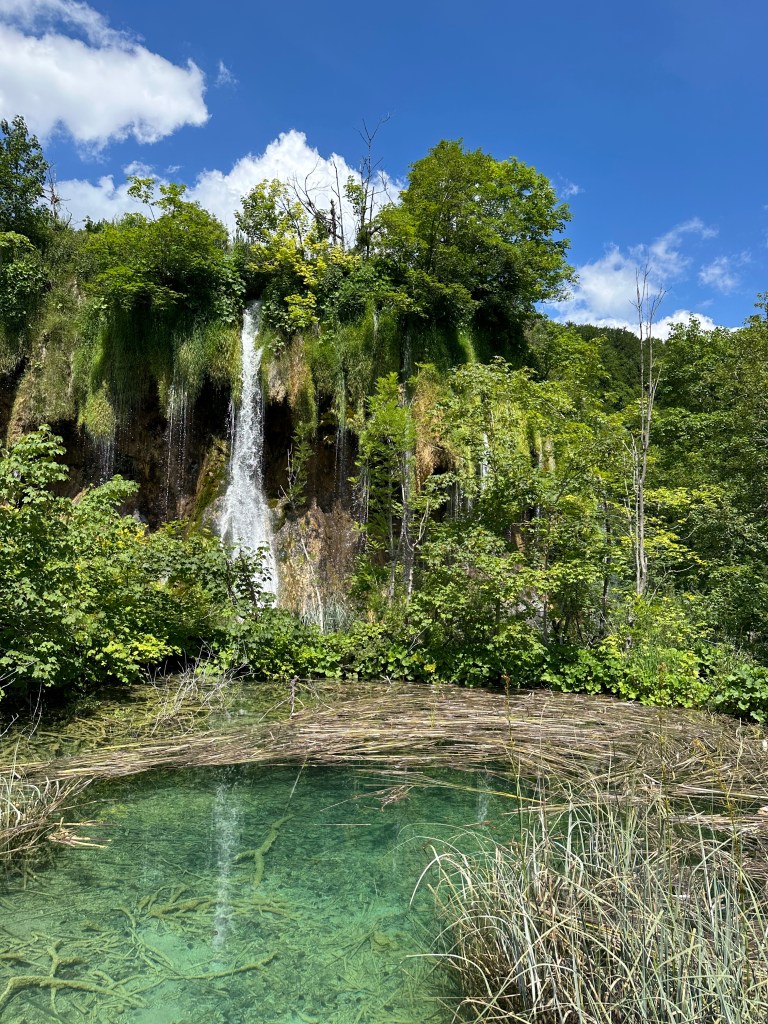
8. Plitvice Lakes National Park is surreal. There were moments I genuinely had to pause and take it in, unsure if what I was seeing was real. Yes, there are crowds, but many areas are still peaceful and just as stunning. Starting early, with the upper lakes and moving downward, makes the experience even better. Krka is a quieter alternative, but Plitvice felt truly special.

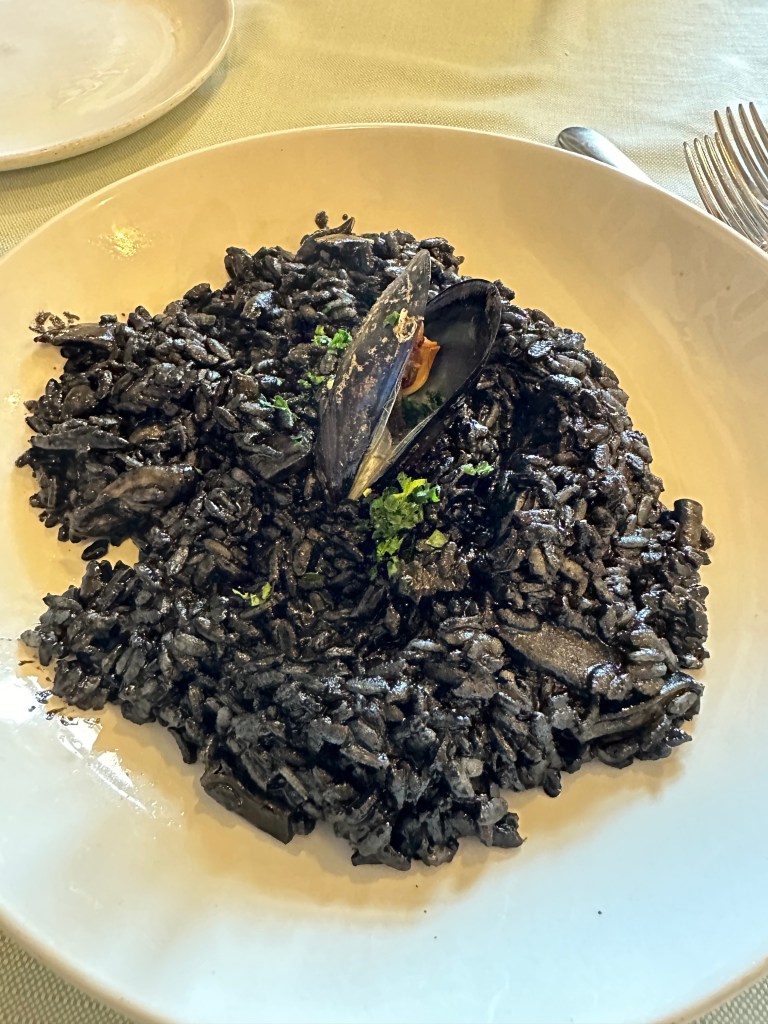
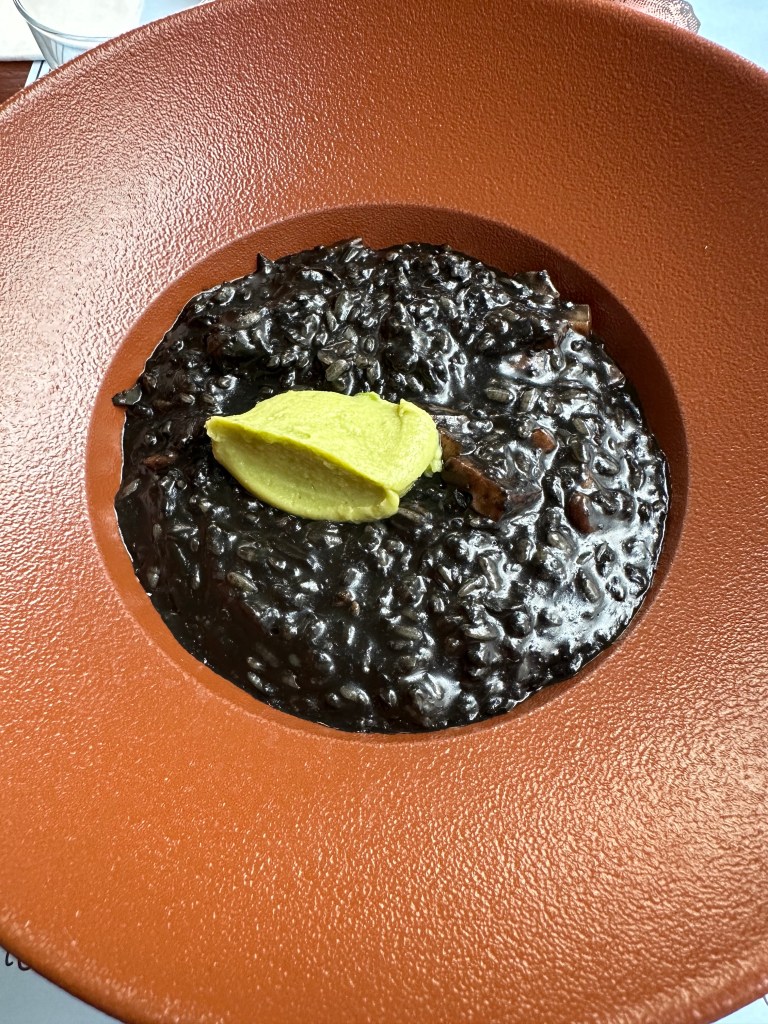
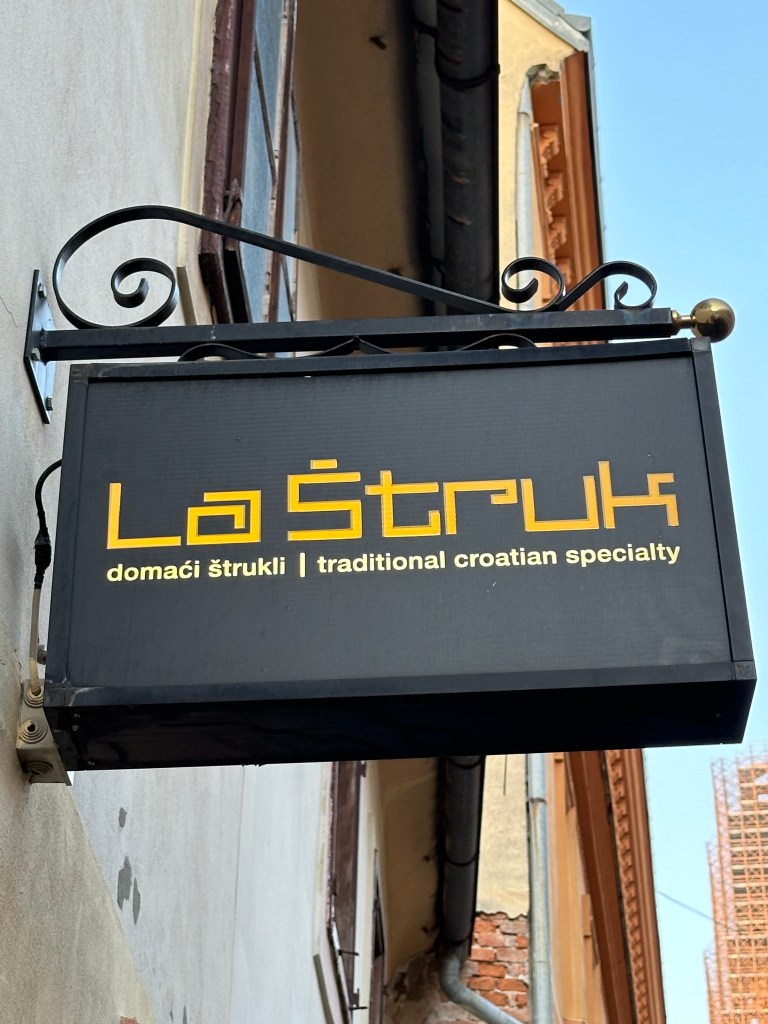
9. Two traditional dishes really stood out: black risotto and štrukli. The risotto, made with cuttlefish ink, isn’t unique to Croatia but reflects its shared heritage with Italy. I tried several versions, and the one at Bokeria in Split was the best—rich, creamy, and subtly oceanic. Štrukli is a thin-layered dough dish filled with local cheese, served sweet or savory. La Štruk in Zagreb does it best; the walnut and honey version was unforgettable.

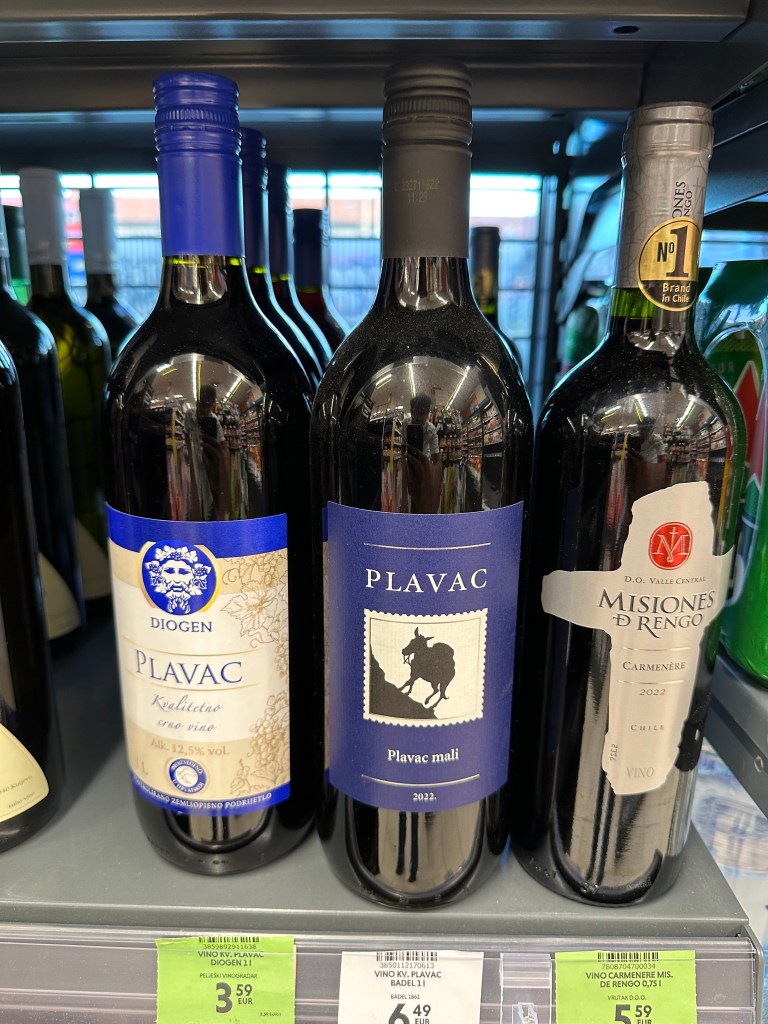
10. Croatian wine was an unexpected highlight. Winemaking here dates back to the Ancient Greeks, and that long tradition shines through. While most local wines are white, I especially loved the Plavac Mali red. It was fruity and full-bodied without being heavy. If I’d had checked baggage, I definitely would’ve brought a few bottles home.

10 things about Croatia 

5 things about Kotor, Montenegro 

1. Montenegro, like many of its neighbors, has a shared heritage that stretches back to the Illyrians, Romans, Ottomans, and more recently, the Yugoslav communists. What makes it especially interesting is its modern political journey. When Yugoslavia broke up, Serbia and Montenegro remained together as a separate country. It wasn’t until 2006, after an independence referendum, that Montenegro became a fully independent nation. Today, it’s known less for its politics and more for its stunning Adriatic coastline and scenic seaside towns like Budva, Herceg Novi, Sveti Stefan, Tivat, and Ulcinj. 

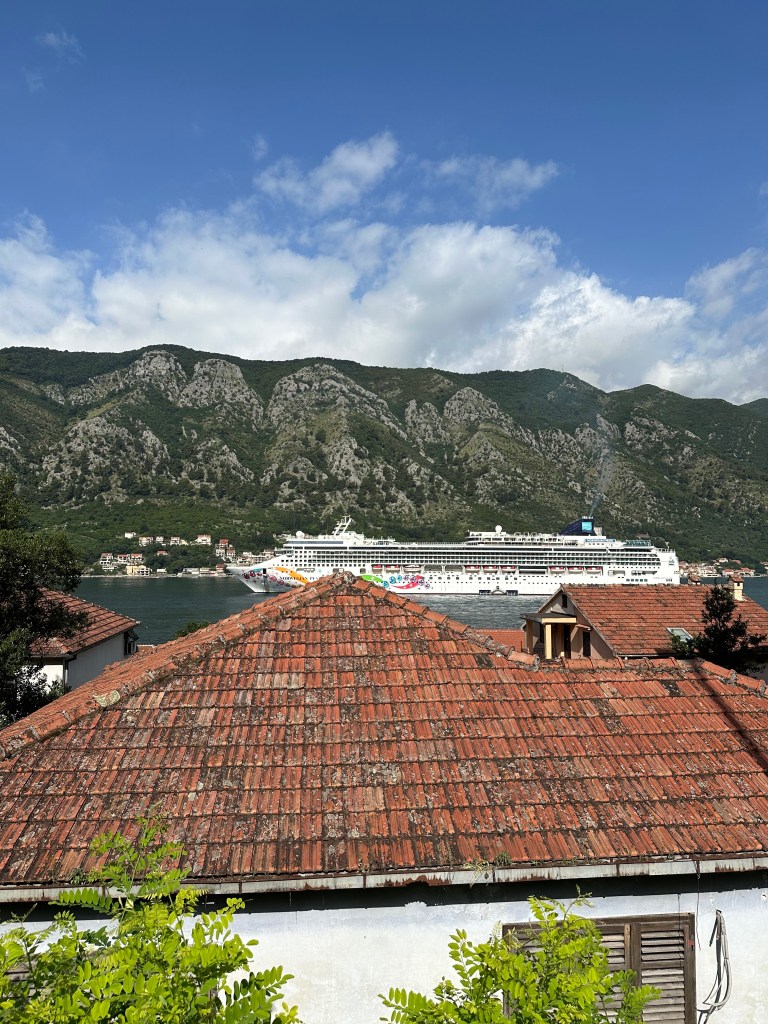
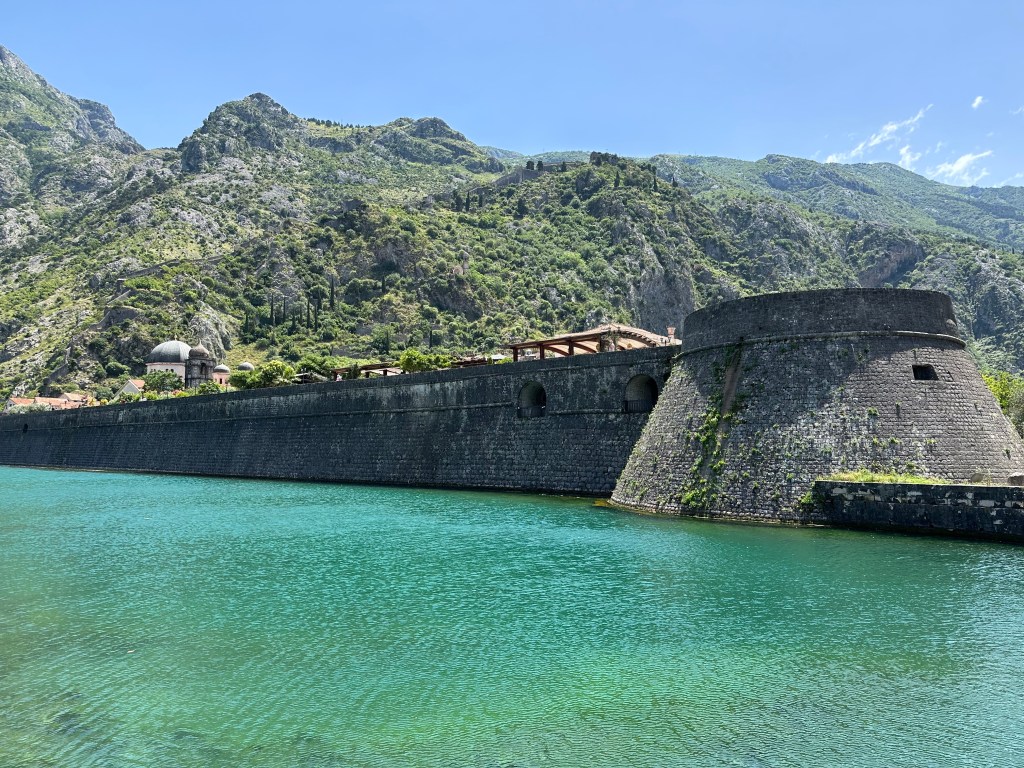
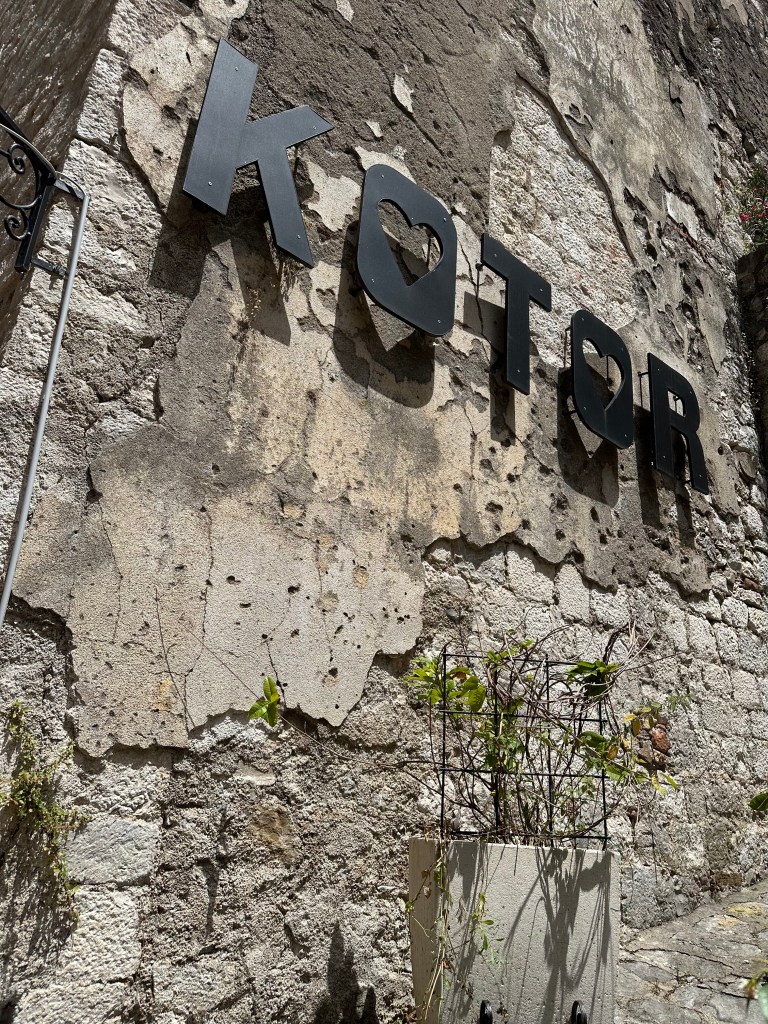
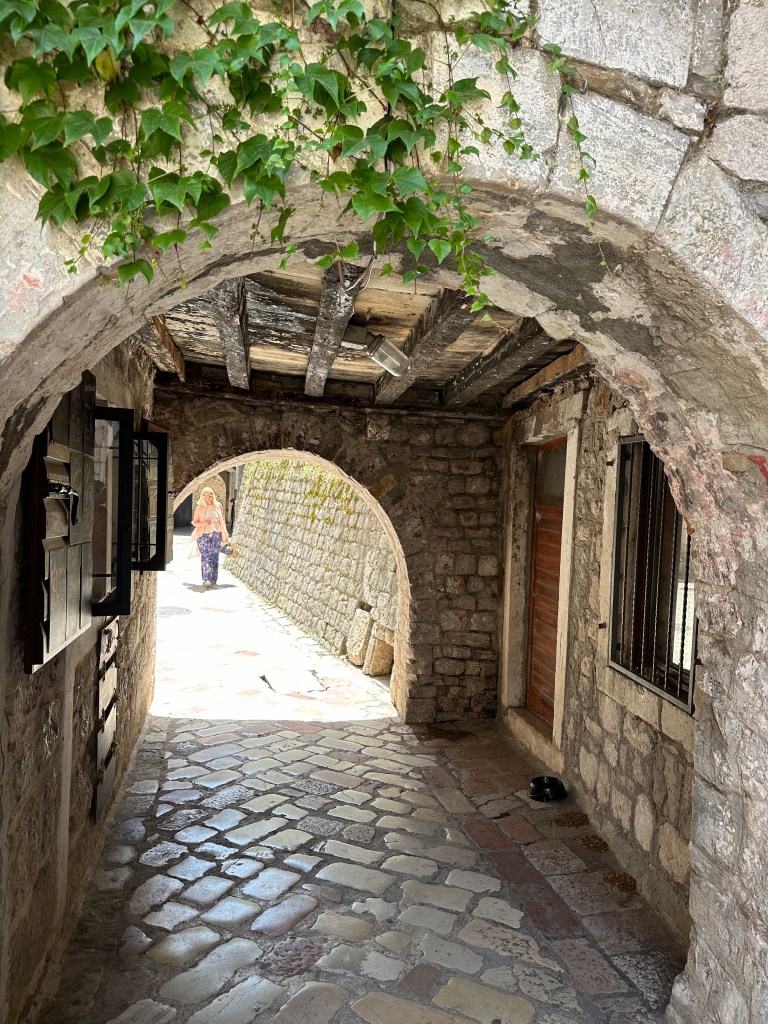
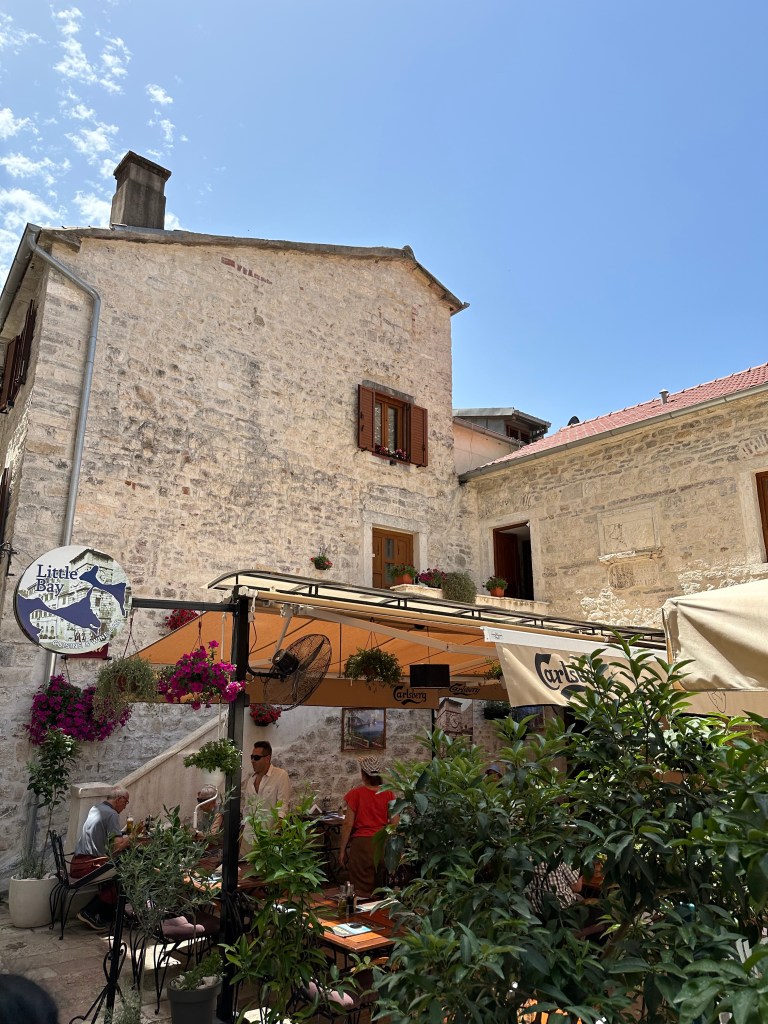
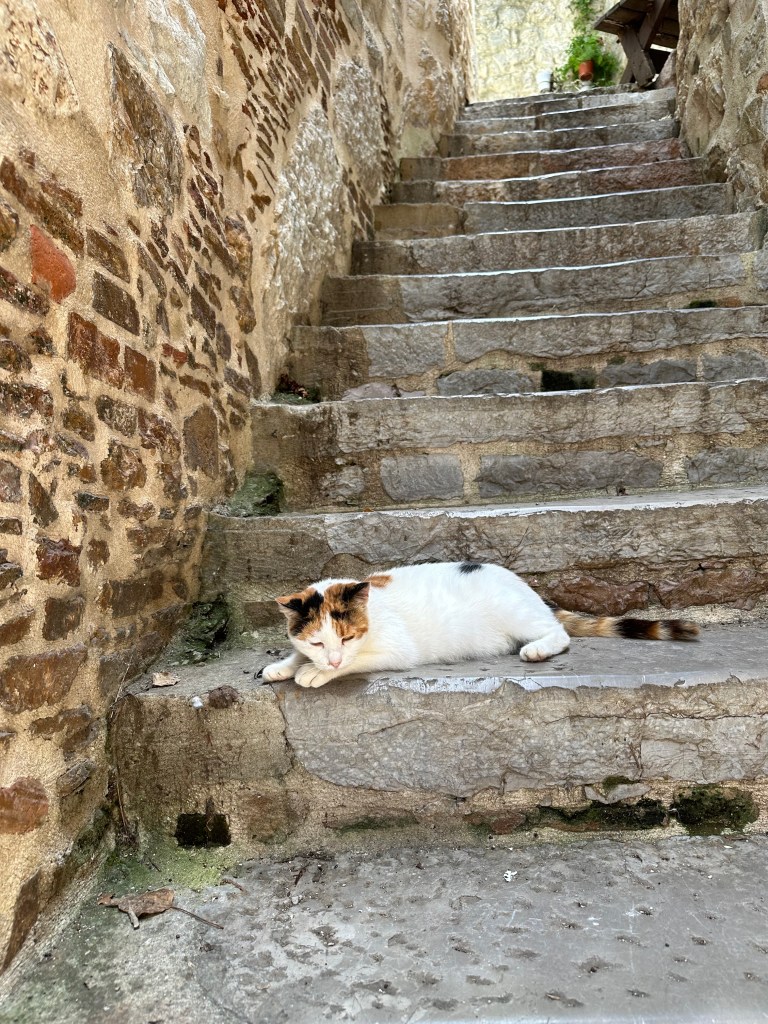
2. Kotor, one of the jewels of the coast, is best known for its incredibly well-preserved medieval old town. The original fortifications date back to the Illyrian period and were later rebuilt by Emperor Justinian I in the 6th century. But it was the Venetians who shaped most of what you see today. Entering through the imposing Sea Gate, or Gurdic Gate, feels like stepping into another time. Inside, the Cathedral of Saint Tryphon and the old clock tower are standout landmarks. Kotor gets packed when cruise ships dock, but if you’re lucky enough to visit on a quieter day, the atmosphere is magical — cobbled streets, fortress walls, and a surprising number of cats. In fact, cats are a symbol of the city. You’ll find cat-themed shops, a cat museum, and even a square unofficially known as Cats’ Square.

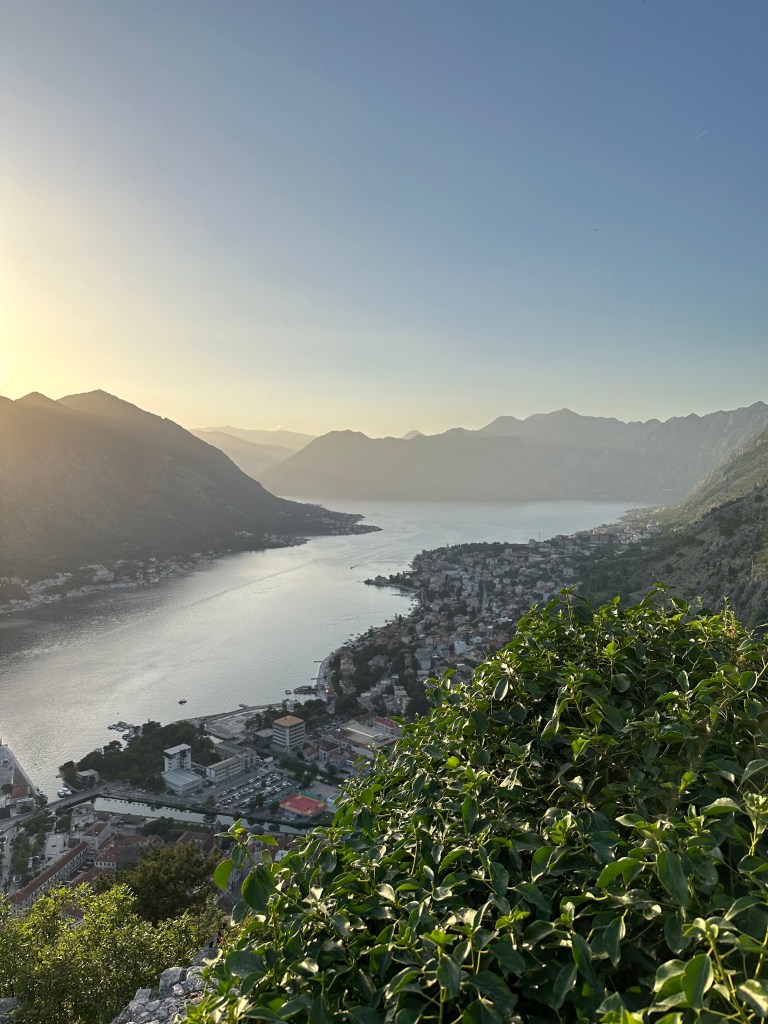
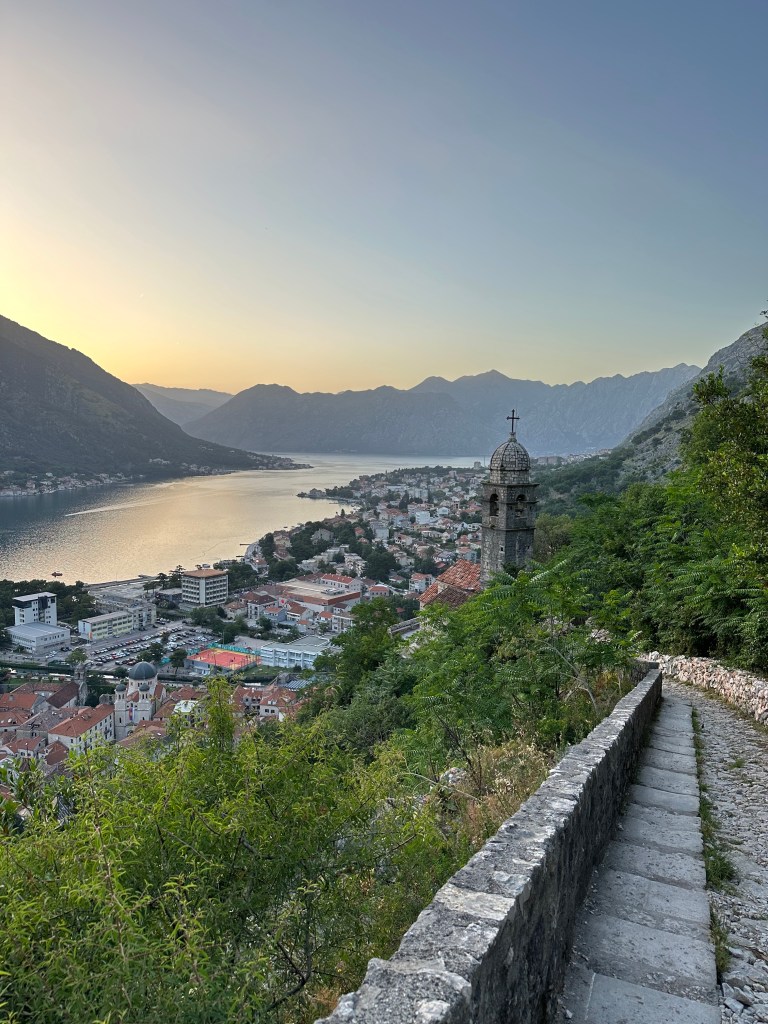
3. One of the best things to do in Kotor is hike the fortress walls, often referred to as the Ladder of Kotor. The views over the Bay of Kotor are absolutely worth the climb. I took the easier trail that starts from the old town, and it took about two hours round-trip. There’s also a steeper, more rugged version — the traditional “ladder” — that takes a bit longer. At the top are the ruins of the Castle of San Giovanni, offering panoramic views that make the climb feel more than worth it.

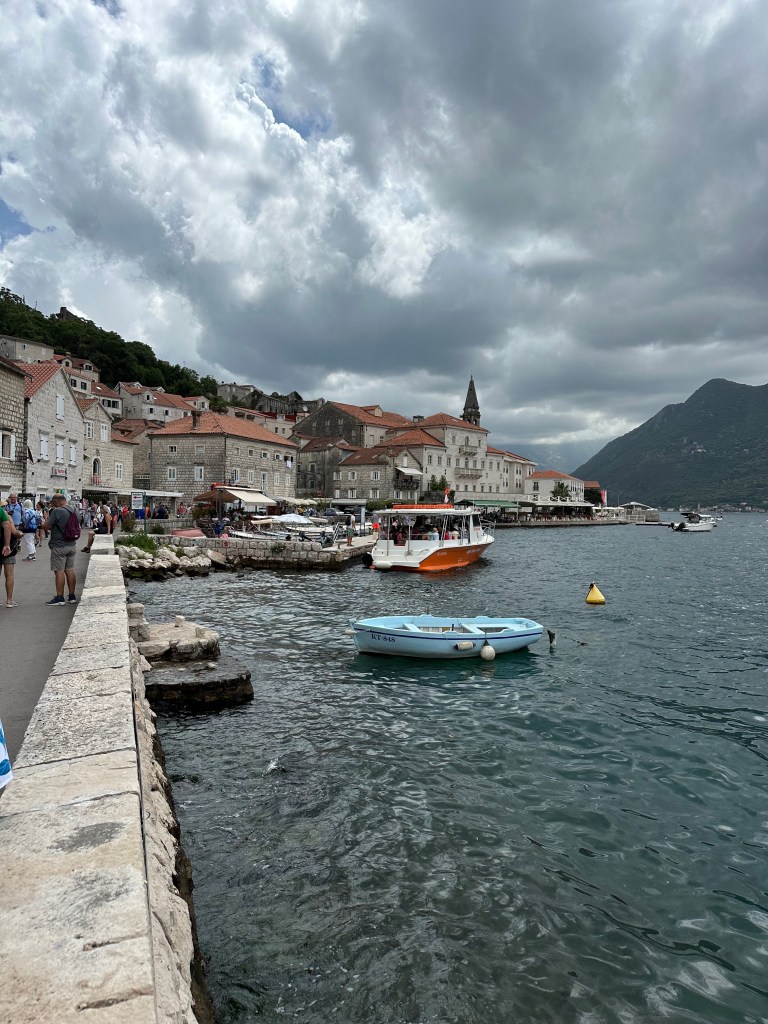
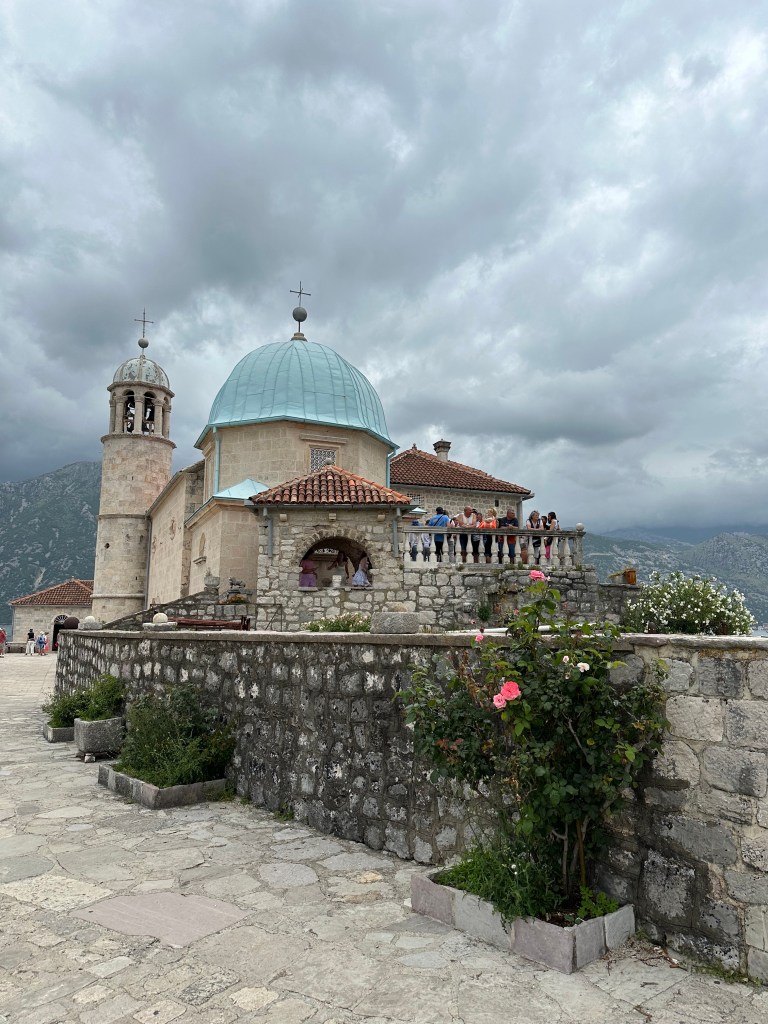
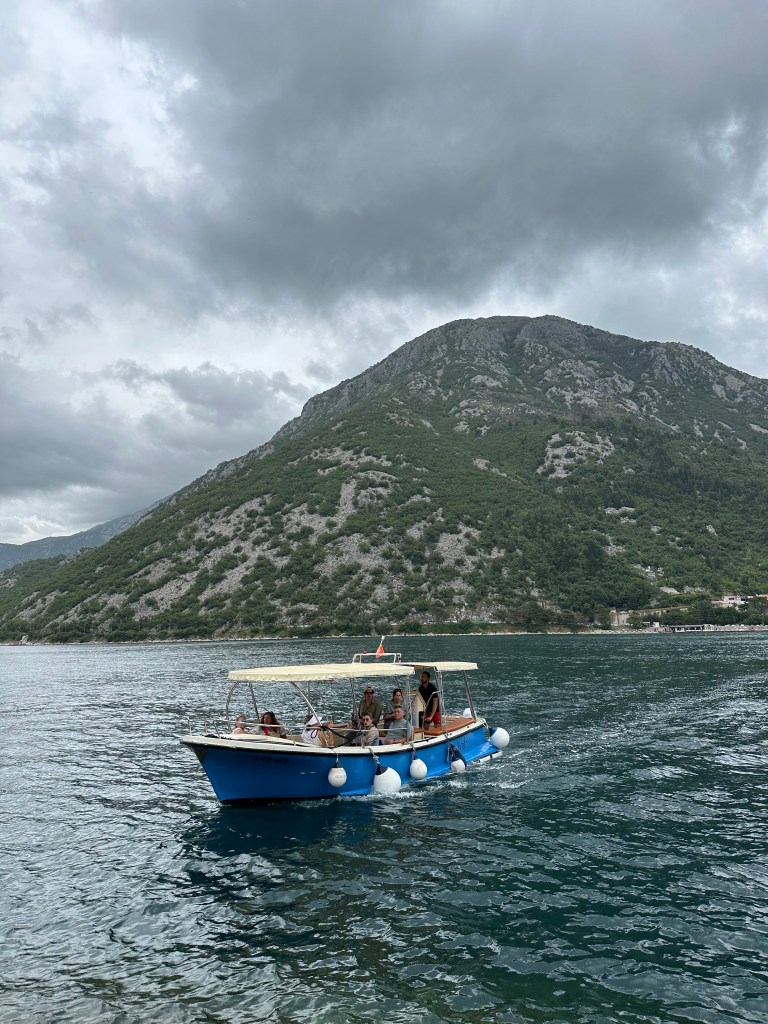
4. Not far from Kotor is the small village of Perast, a peaceful spot with a laid-back vibe. What makes it special are the islets just off its coast, especially Our Lady of the Rocks — the only man-made island in the Adriatic. Legend has it that two Venetian sailors saw an image of the Virgin Mary on a rock, and the island was gradually built around that spot. A short boat ride from Perast gets you there. There’s not much on the island besides a small church and museum, but the joy is really in the journey  gliding across the still waters of the bay, surrounded by mountains.

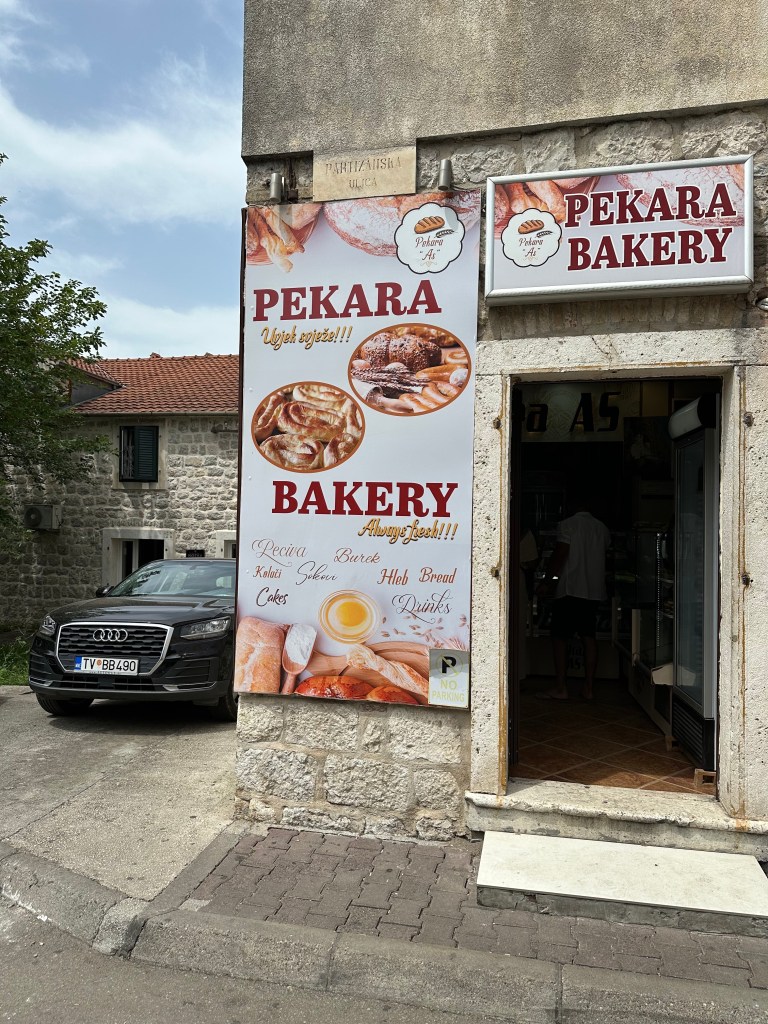
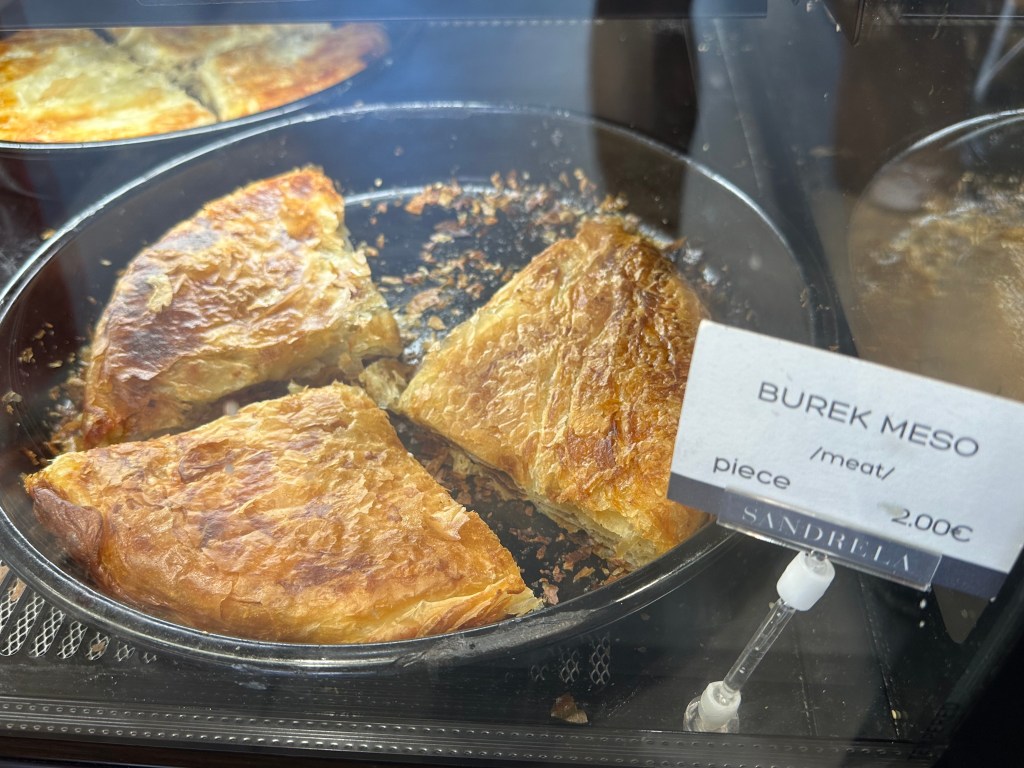
5. As for the food, I didn’t find anything particularly unique or standout compared to its Balkan neighbors. There were plenty of bakeries selling burek, but most lacked the finesse and flavor I’d found in Bosnia. One exception was a meal at Bastion, a well-regarded seafood spot in Kotor. I had the freshest, most delicate seabass there, simply prepared with barely a touch of salt, letting the fish speak for itself.  

5 things about Kotor, Montenegro 

5 things about Ohrid, North Macedonia

1. Very few countries still carry the identity of a civilization from over 2,000 years ago. Macedonia takes its name from the ancient kingdom of Macedon, where King Philip II—father of Alexander the Great—once ruled. The name itself carries weight and pride, though not without controversy. Due to Greece’s long-standing objections over shared cultural heritage, the country officially renamed itself to North Macedonia in 2019.

2. Though only the eighth-largest city in North Macedonia, Ohrid holds immense cultural significance. It began as Lychnidos, a name you’ll find in ancient Greek texts, and has been shaped by everyone from the Illyrians and Romans to the Ottomans and Yugoslav communists. It’s most famously known for having once had 365 churches—one for each day of the year. That number is much smaller now, but as you walk through the old town, it really does feel like there’s a church around every corner. 

3. The Ancient Theatre of Ohrid is one of the oldest and best-preserved Hellenistic amphitheaters still standing. Sheltered by surrounding hills, its acoustics remain remarkably clear. During Roman times, it was repurposed for gladiator fights and public punishments, including the persecution of Christians. Locals were so repulsed by that legacy that they buried the theater after the Roman era. It remained hidden until the late 1980s, which helps explain its exceptional condition today.

4. The Church of St. John at Kaneo sits quietly on a cliff overlooking the lake, and it’s one of the most striking sights in Ohrid. Built in a cruciform style and dedicated to John of Patmos (who many believe was also John the Apostle), it’s both humble and timeless. The frescoes inside date back to the Byzantine era and have somehow survived through centuries of weather and conflict. The view alone is worth the visit.
5. Lake Ohrid is one of the oldest lakes in the world, formed by tectonic activity millions of years ago alongside Lake Baikal and Lake Titicaca. Its deep blue waters are shared with neighboring Albania, and the whole area feels incredibly serene. I took a boat ride on a warm afternoon, and it was easily one of the most peaceful experiences of my trip. The water shimmered under the sun, and for a moment, it felt like the rest of the world had paused.

5 things about Ohrid, North Macedonia