1. Very few countries still carry the identity of a civilization from over 2,000 years ago. Macedonia takes its name from the ancient kingdom of Macedon, where King Philip II—father of Alexander the Great—once ruled. The name itself carries weight and pride, though not without controversy. Due to Greece’s long-standing objections over shared cultural heritage, the country officially renamed itself to North Macedonia in 2019.
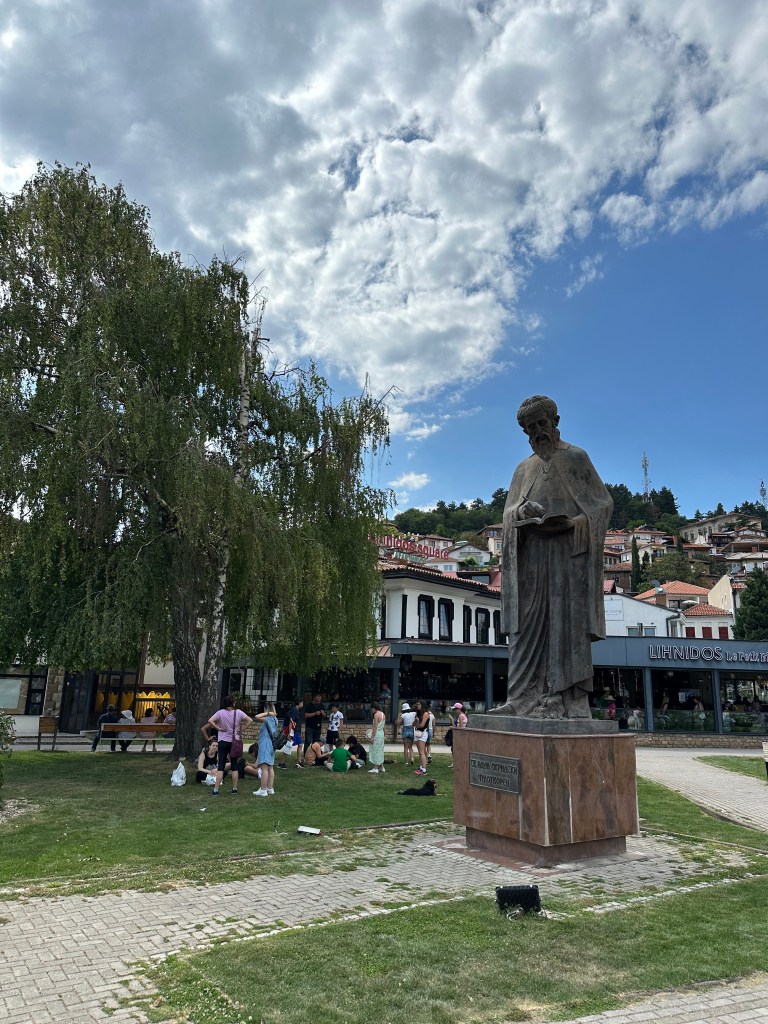
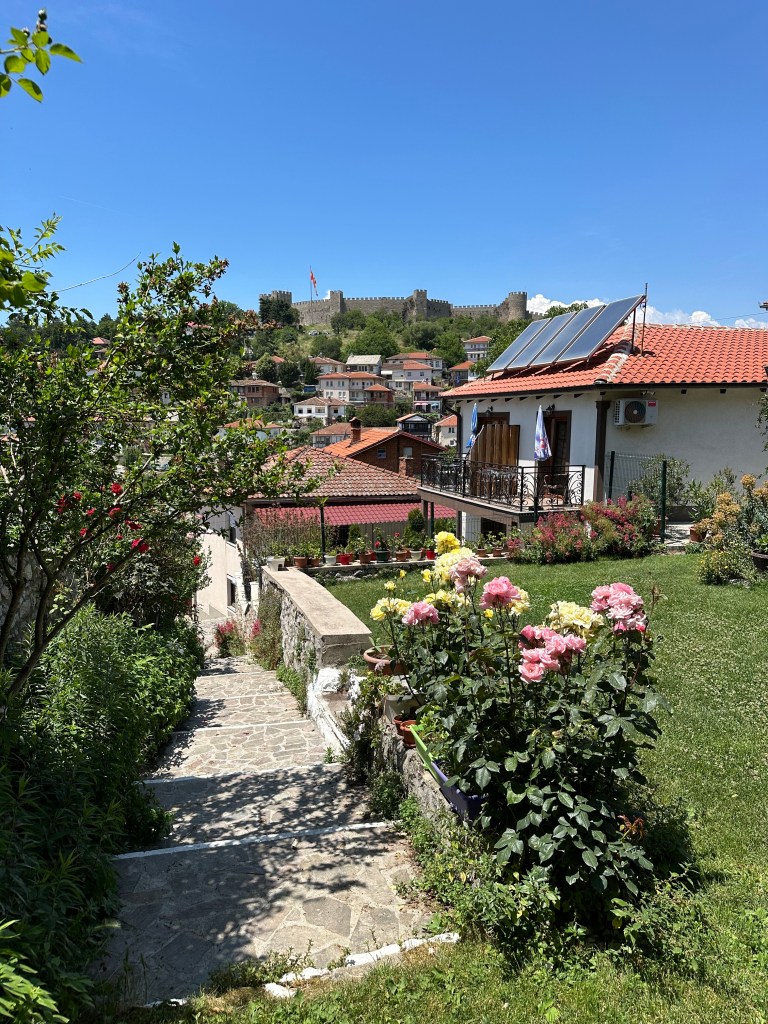
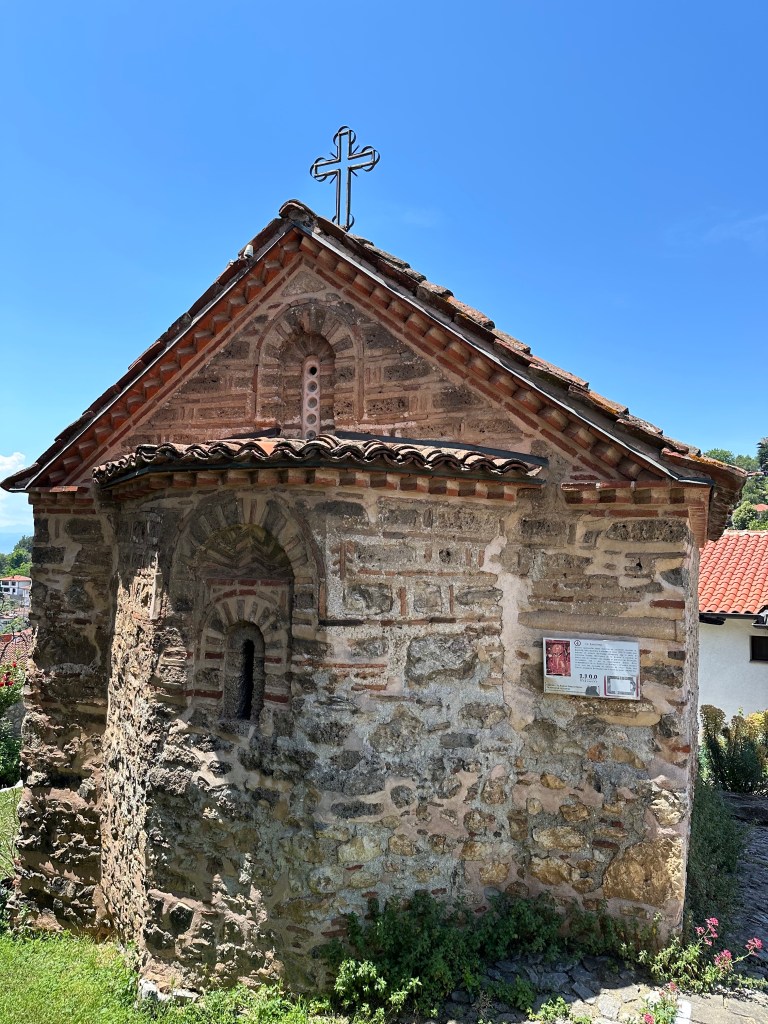
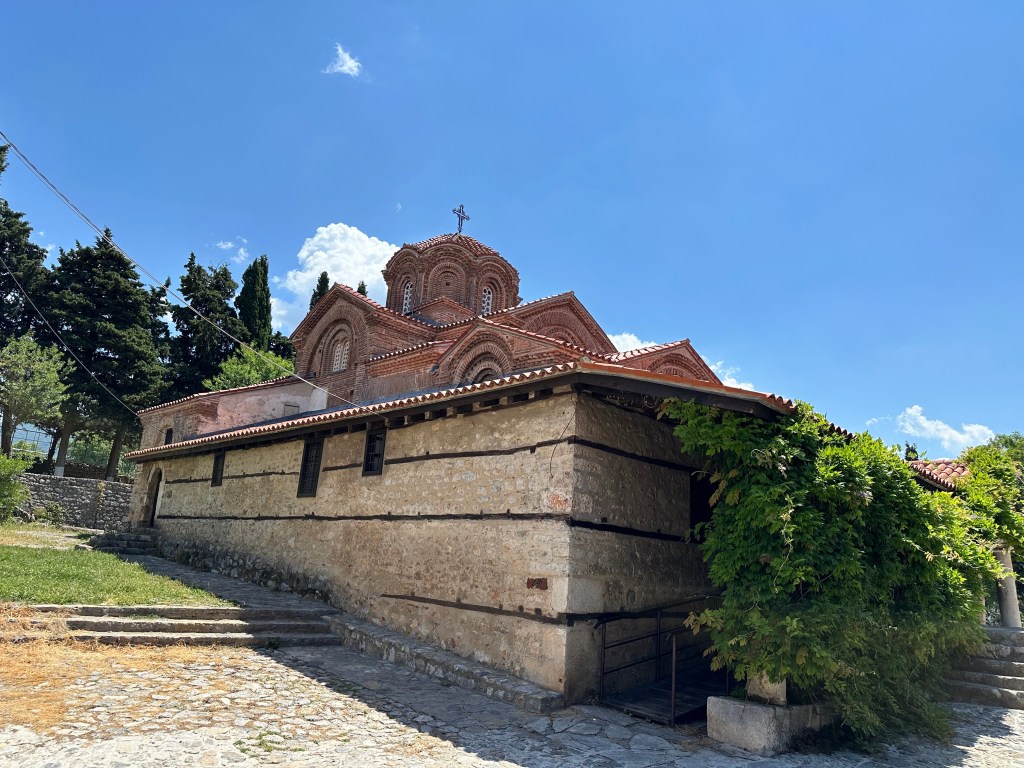
2. Though only the eighth-largest city in North Macedonia, Ohrid holds immense cultural significance. It began as Lychnidos, a name you’ll find in ancient Greek texts, and has been shaped by everyone from the Illyrians and Romans to the Ottomans and Yugoslav communists. It’s most famously known for having once had 365 churches—one for each day of the year. That number is much smaller now, but as you walk through the old town, it really does feel like there’s a church around every corner.
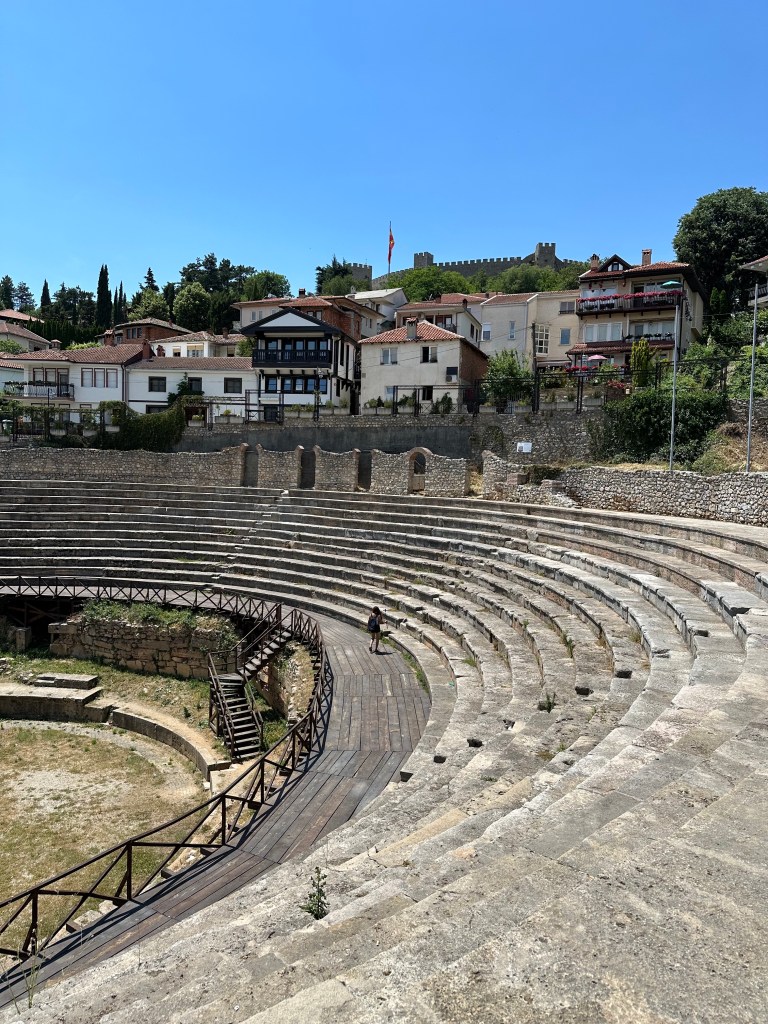
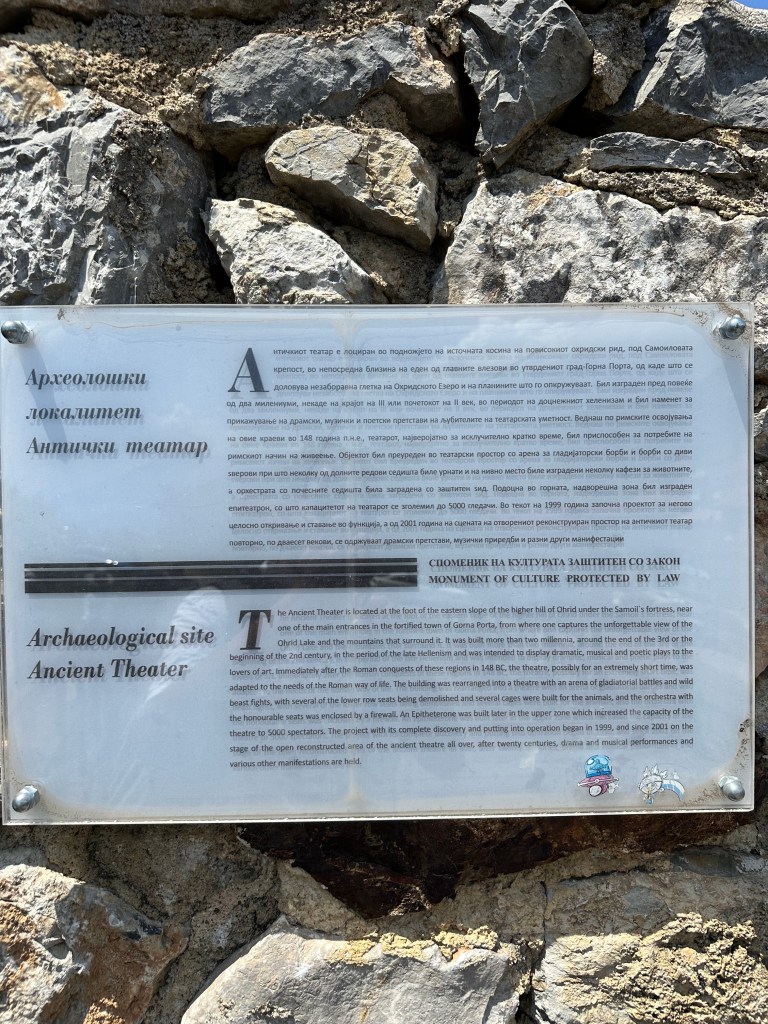
3. The Ancient Theatre of Ohrid is one of the oldest and best-preserved Hellenistic amphitheaters still standing. Sheltered by surrounding hills, its acoustics remain remarkably clear. During Roman times, it was repurposed for gladiator fights and public punishments, including the persecution of Christians. Locals were so repulsed by that legacy that they buried the theater after the Roman era. It remained hidden until the late 1980s, which helps explain its exceptional condition today.
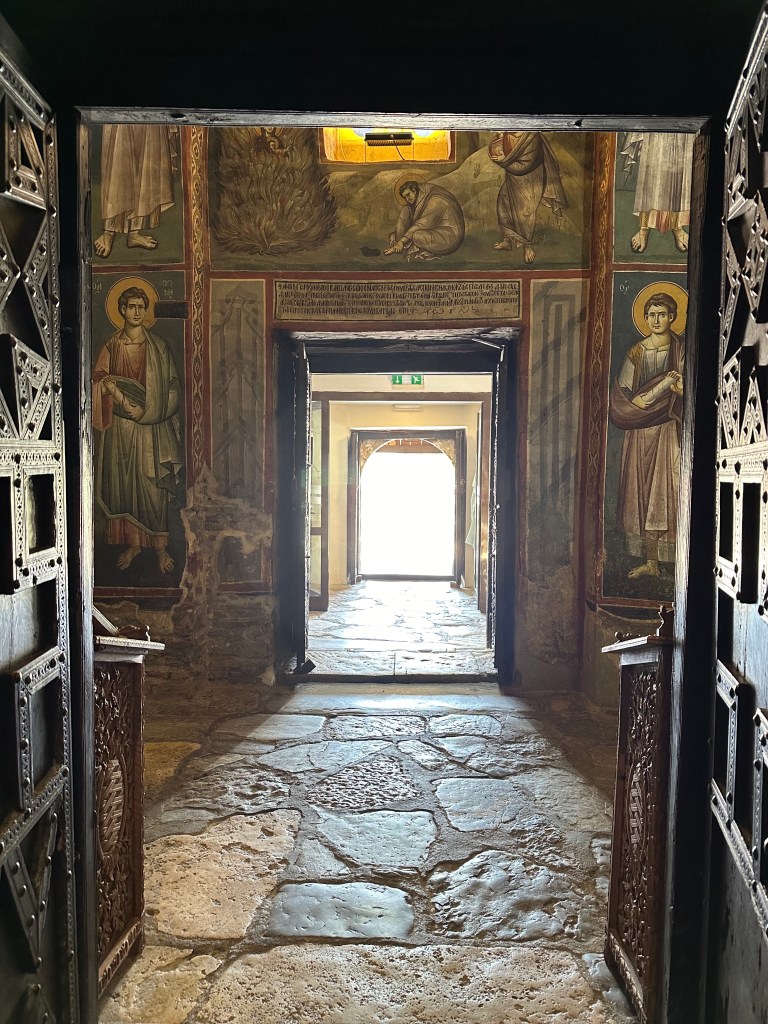
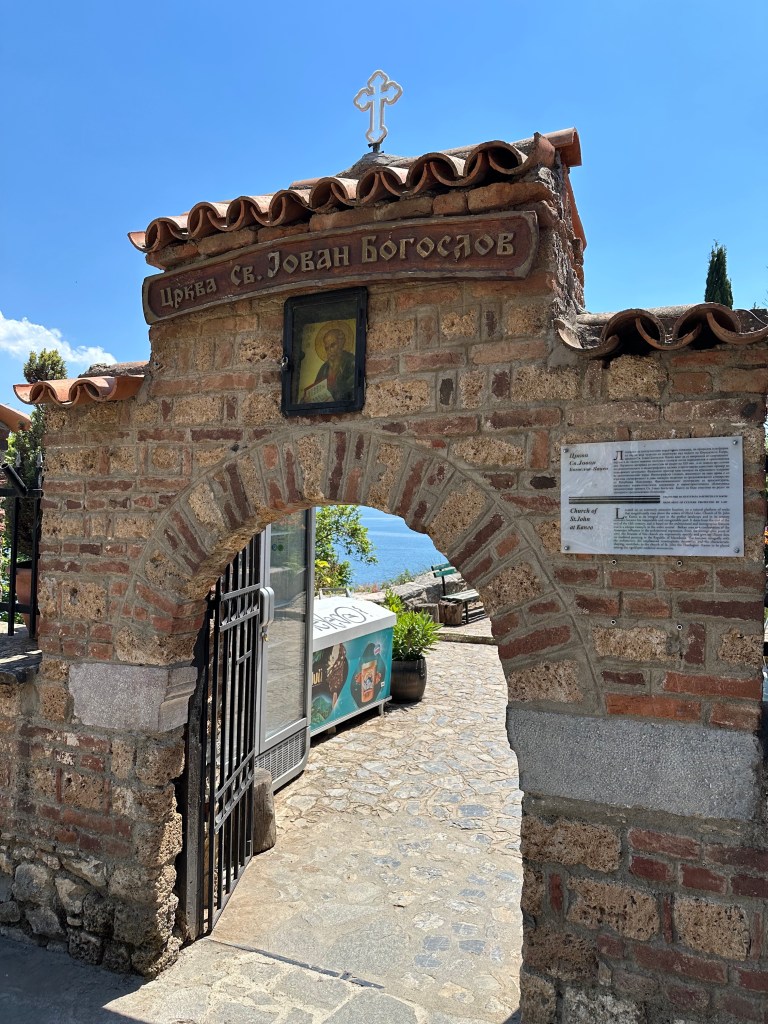
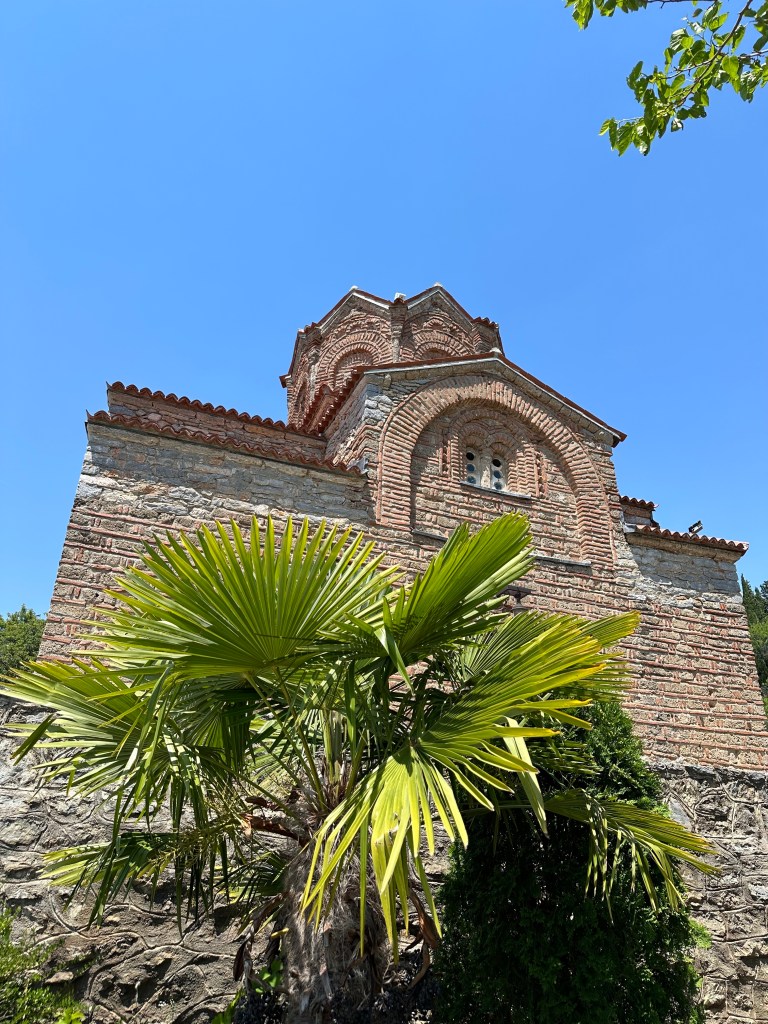
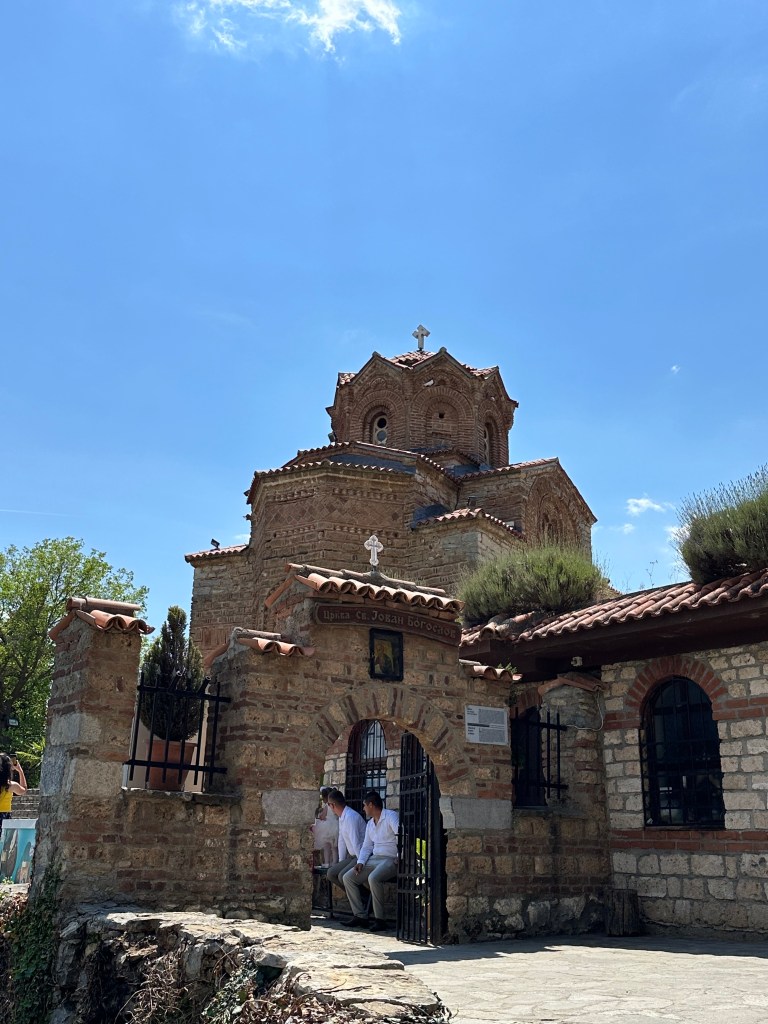
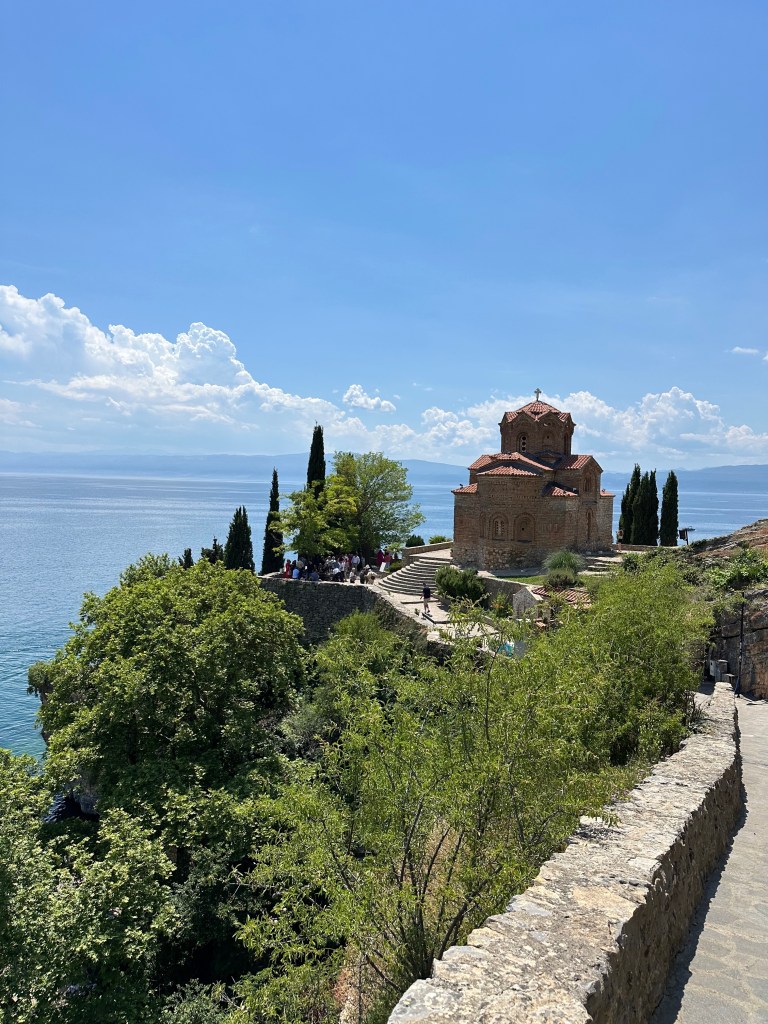
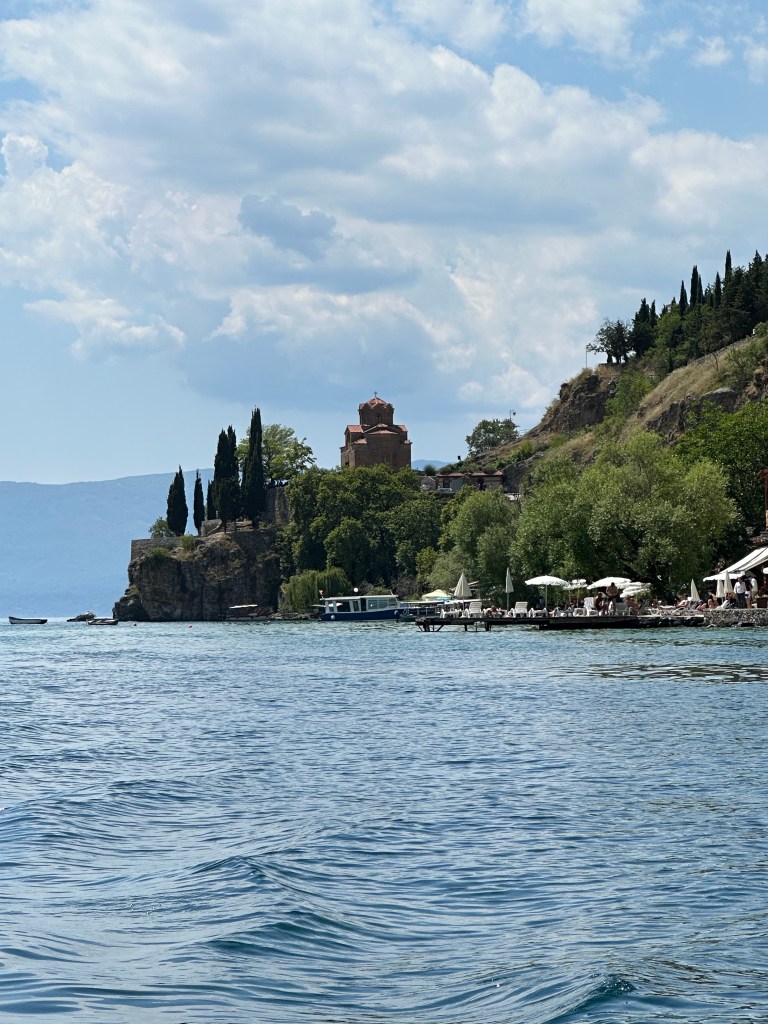
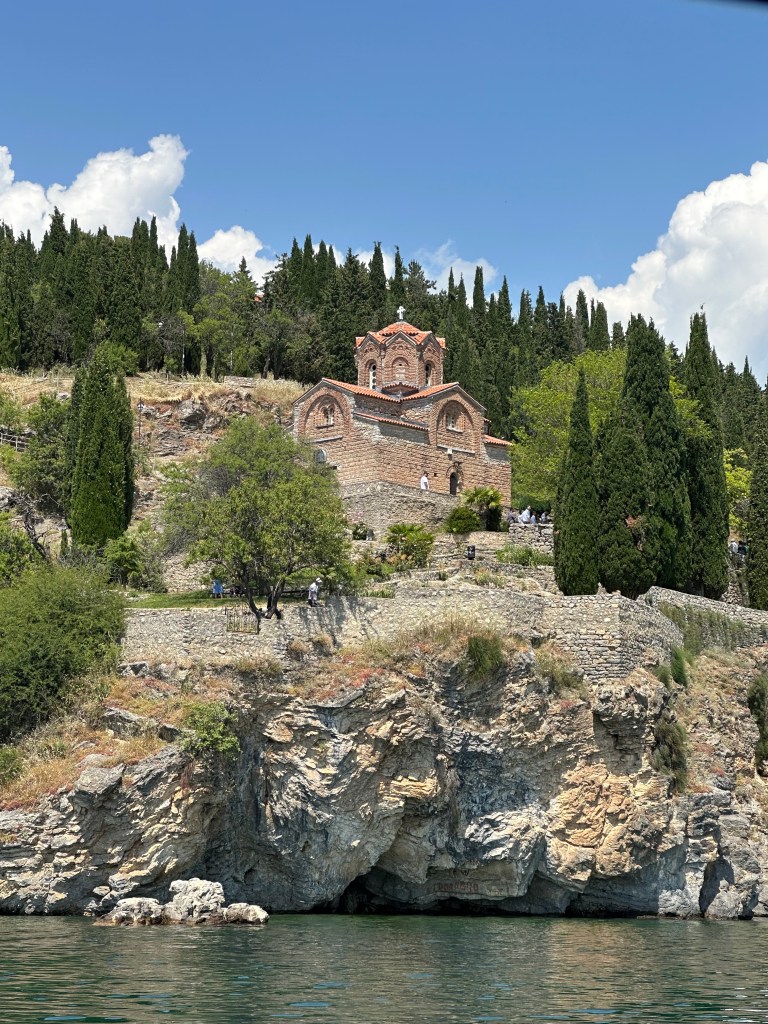
4. The Church of St. John at Kaneo sits quietly on a cliff overlooking the lake, and it’s one of the most striking sights in Ohrid. Built in a cruciform style and dedicated to John of Patmos (who many believe was also John the Apostle), it’s both humble and timeless. The frescoes inside date back to the Byzantine era and have somehow survived through centuries of weather and conflict. The view alone is worth the visit.
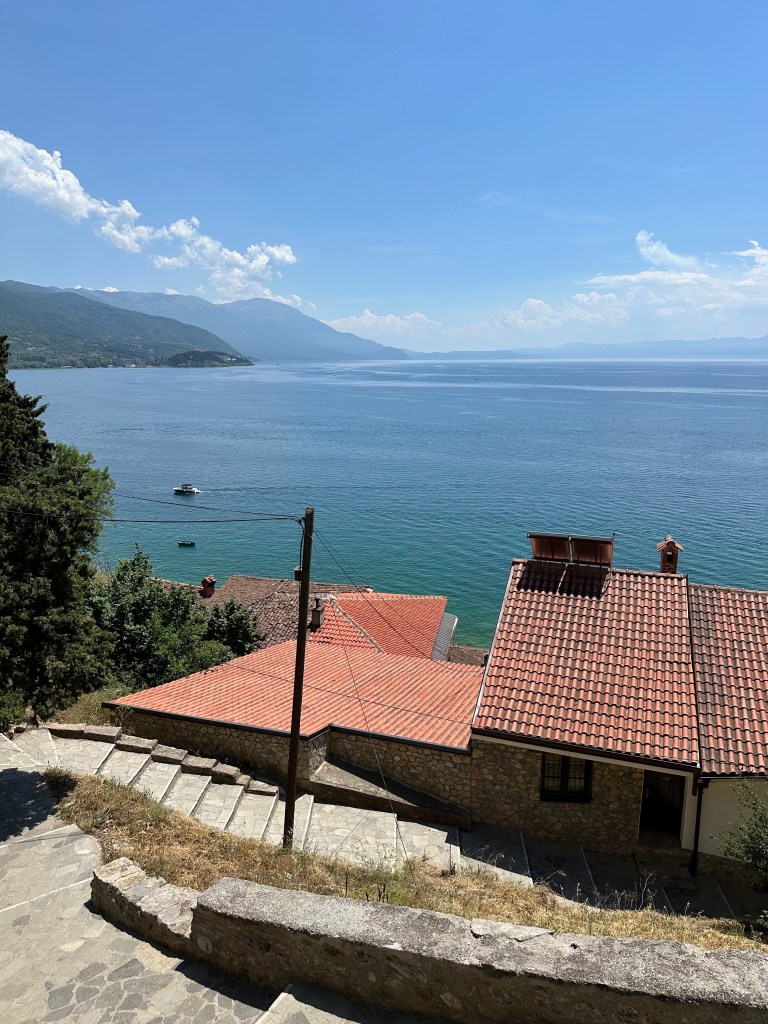
5. Lake Ohrid is one of the oldest lakes in the world, formed by tectonic activity millions of years ago alongside Lake Baikal and Lake Titicaca. Its deep blue waters are shared with neighboring Albania, and the whole area feels incredibly serene. I took a boat ride on a warm afternoon, and it was easily one of the most peaceful experiences of my trip. The water shimmered under the sun, and for a moment, it felt like the rest of the world had paused.
1. Tirana has a fascinating mix of Greek, Ottoman, and native Albanian influences. The area was once part of the Ancient Greek kingdom of Illyria before becoming a Roman territory. Modern-day Tirana was officially founded in 1614 by an Ottoman-Albanian general, Sylejman Pasha Bargjini. His legacy lives on in the city’s old architecture and layered history.
2. Skanderbeg Square is the heart of Tirana. It’s named after Albania’s national hero, Gjergj Kastrioti better known as Skanderbeg who led a rebellion against Ottoman rule in 1444 and formed an alliance with the Venetians. Around the square, you’ll find the Et’hem Bey Mosque, a beautiful 18th-century remnant of Ottoman times that somehow endured years of political turmoil. Just a short walk away are the ruins of Tirana Castle. Though only fragments of the original Byzantine-era structure remain, the area has been transformed into a lively hub of restaurants, bars, and cafés.
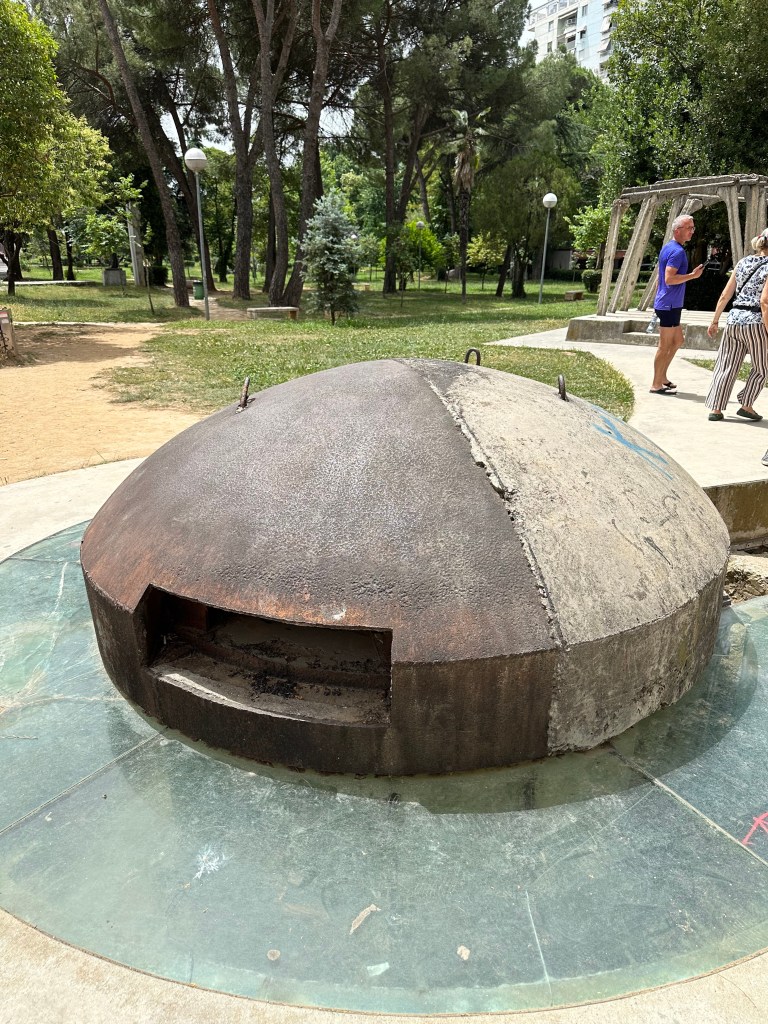
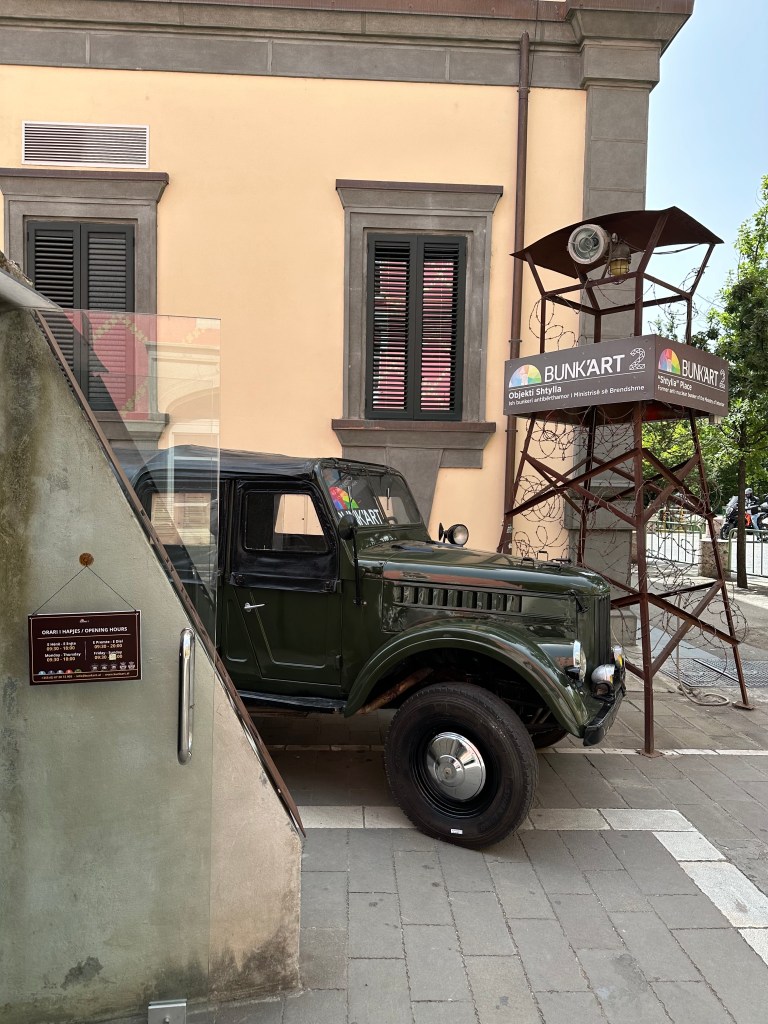
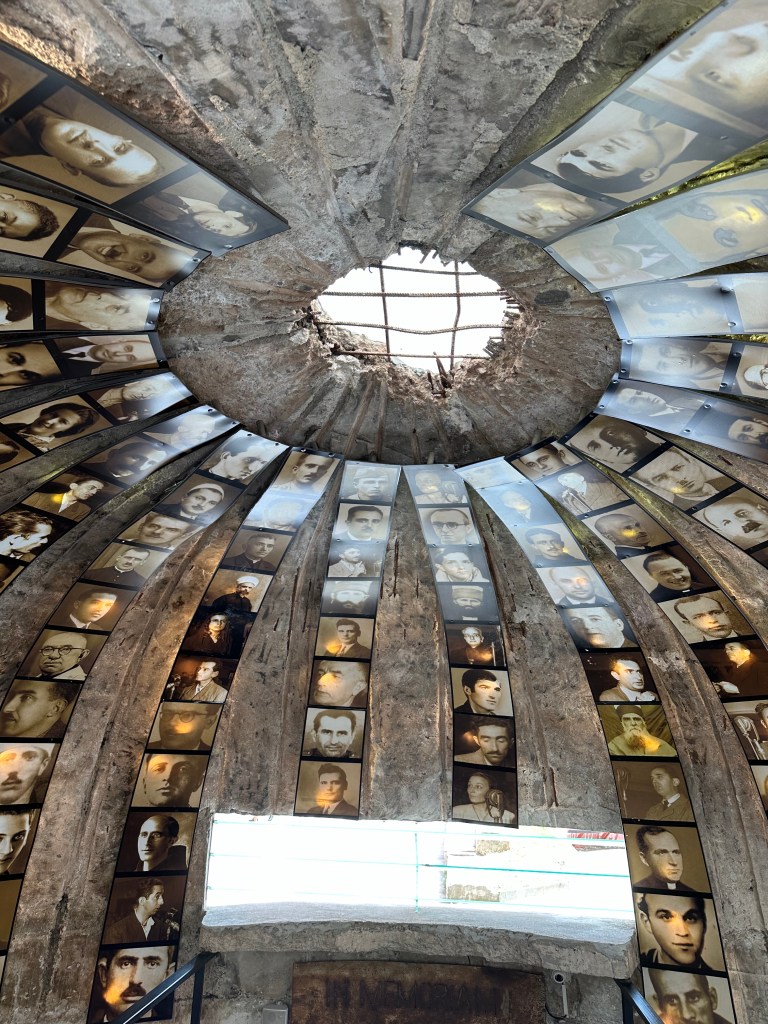
3. After WWII, Albania became a Communist state under Enver Hoxha, who ruled with an iron grip from 1946 onward. He adopted an extreme form of Marxist-Leninism, eventually severing ties with both the USSR and China. Albania became one of the most isolated countries in the world. While some modernization efforts were made to improve living standards, they came at the cost of intense political repression. One of the most bizarre legacies of this era is the construction of over 750,000 bunkers across the country. Hoxha maintained frosty relations with neighboring Yugoslavia and Greece and grew increasingly paranoid about potential invasions. The bunkers were part of a massive fortification strategy—never used, but a significant drain on national resources. Today, two excellent museums—Bunk’Art and Bunk’Art 2 dive into this dark chapter, exploring both the bunkerization of Albania and the broader political climate of the time.
4. Fast forward to the present, and there’s a palpable sense of renewal and optimism in Tirana. A powerful symbol of this shift is the Pyramid of Tirana—once a lavish, controversial monument to Hoxha’s legacy, it has now been repurposed into TUMO, a vibrant youth center focused on creative technologies. Walk around the city center and you’ll notice striking new buildings reshaping the skyline, including one with a pixelated silhouette of the Albanian map—a favorite among locals and visitors alike.
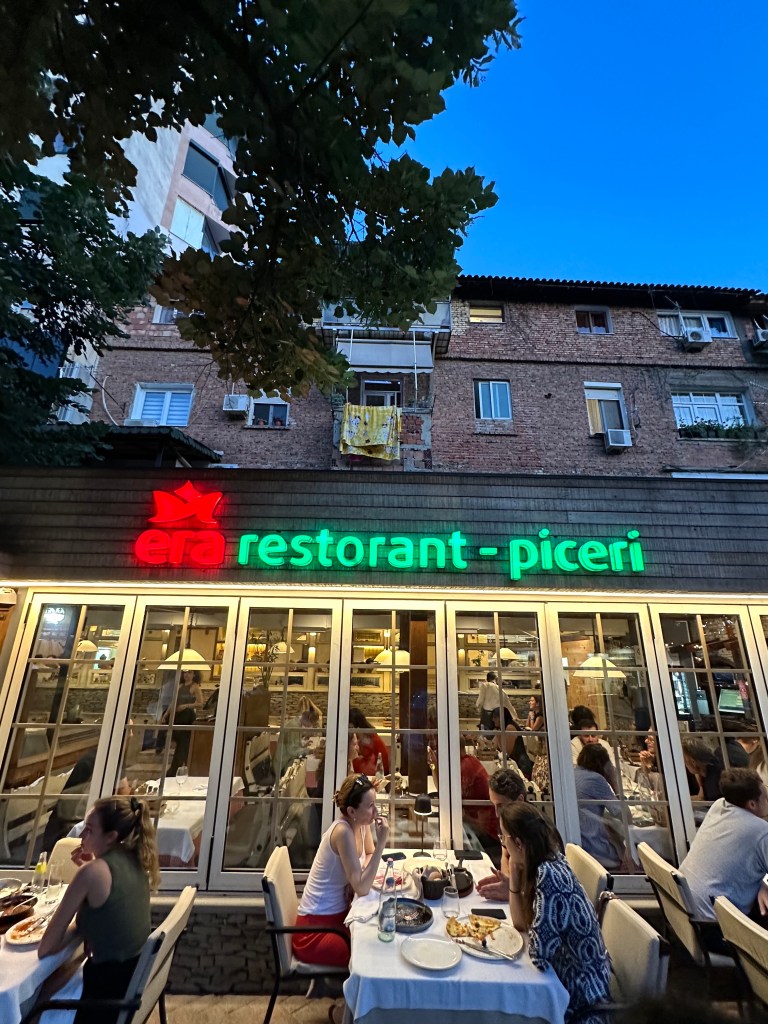
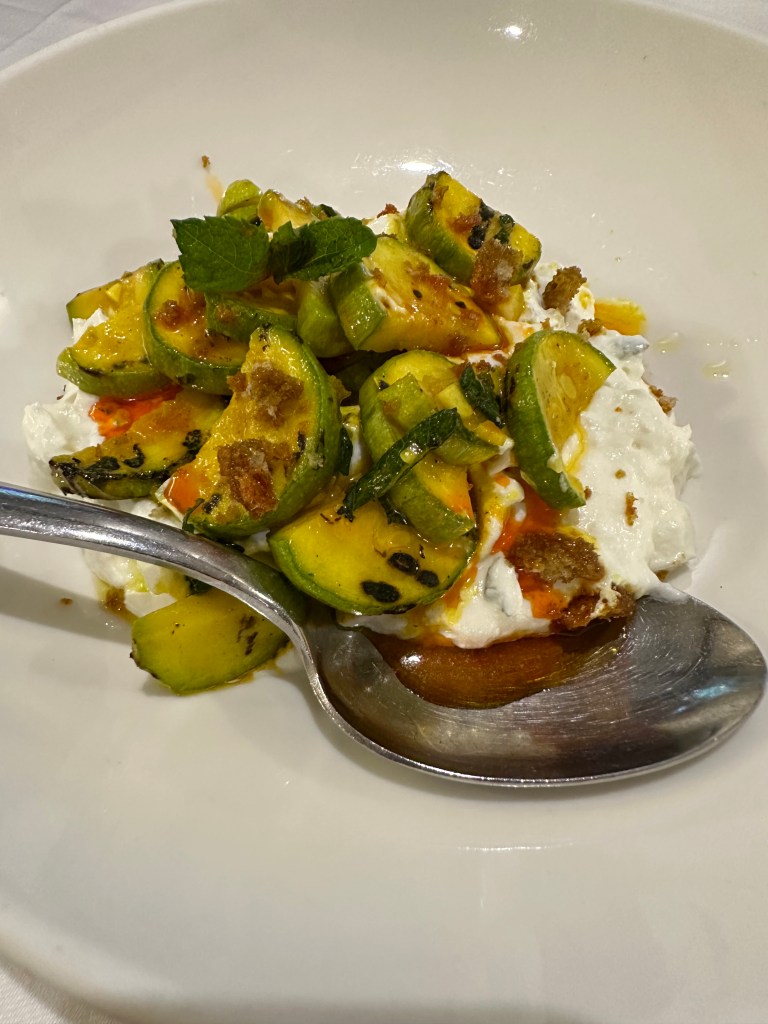
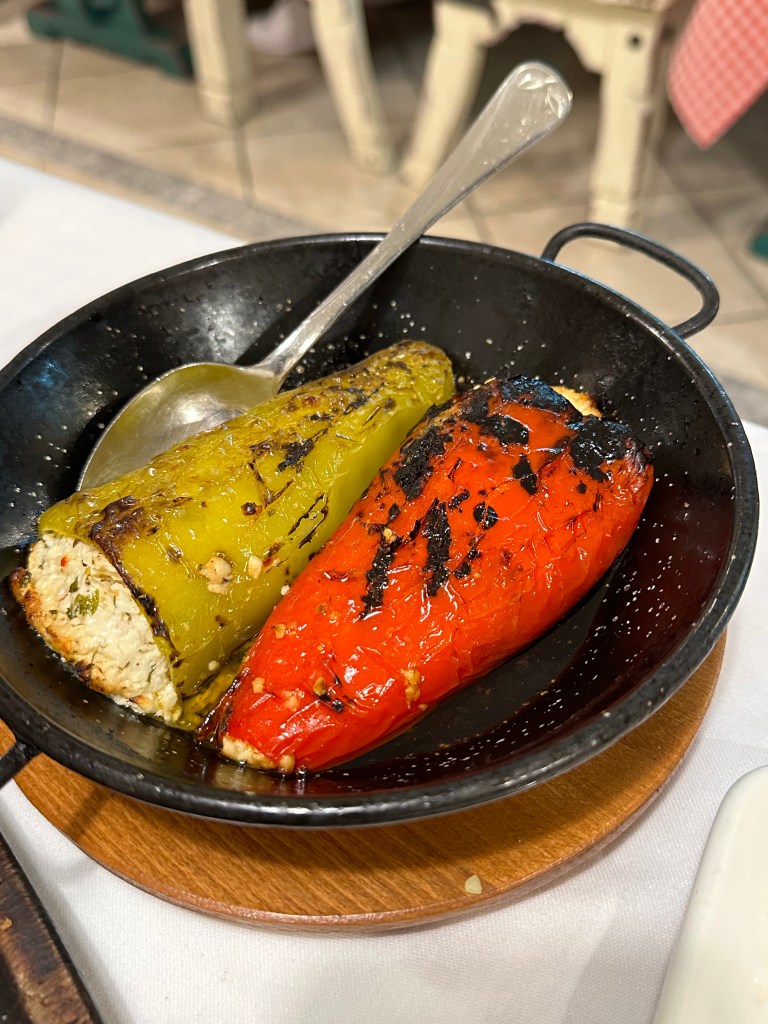
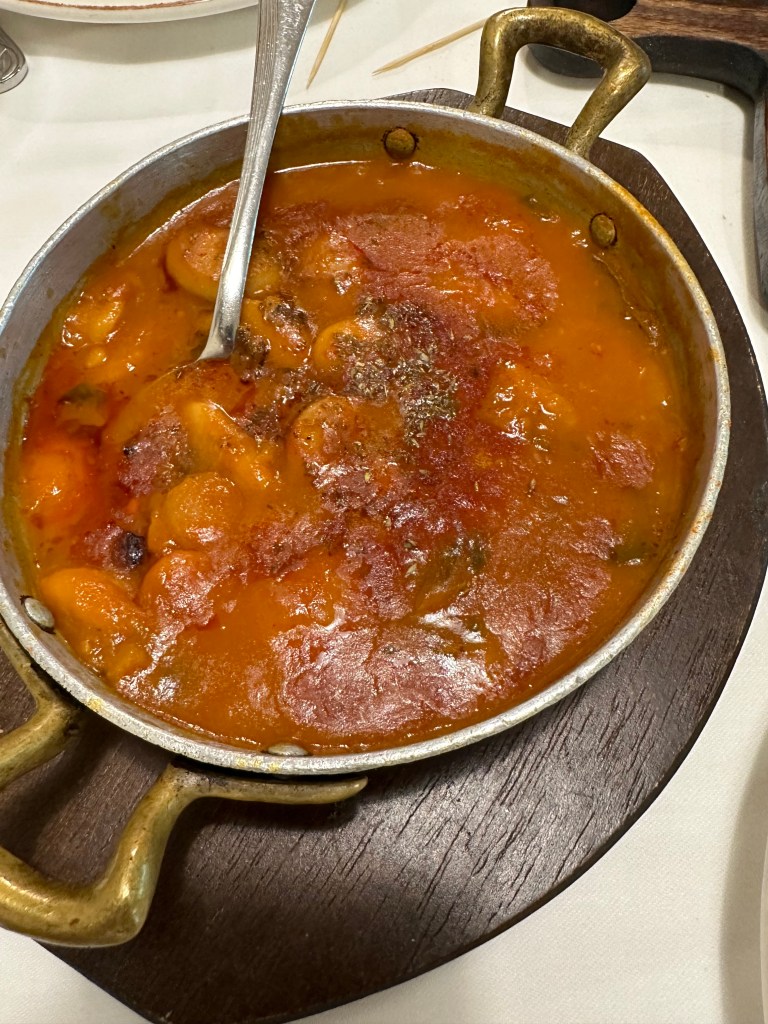
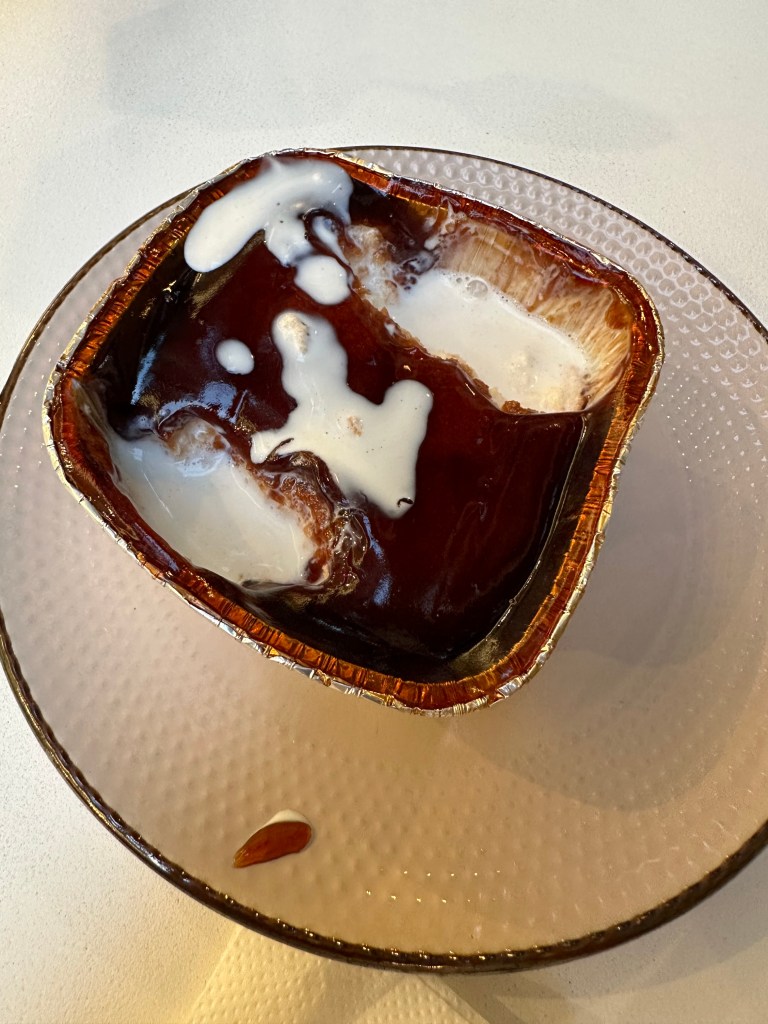
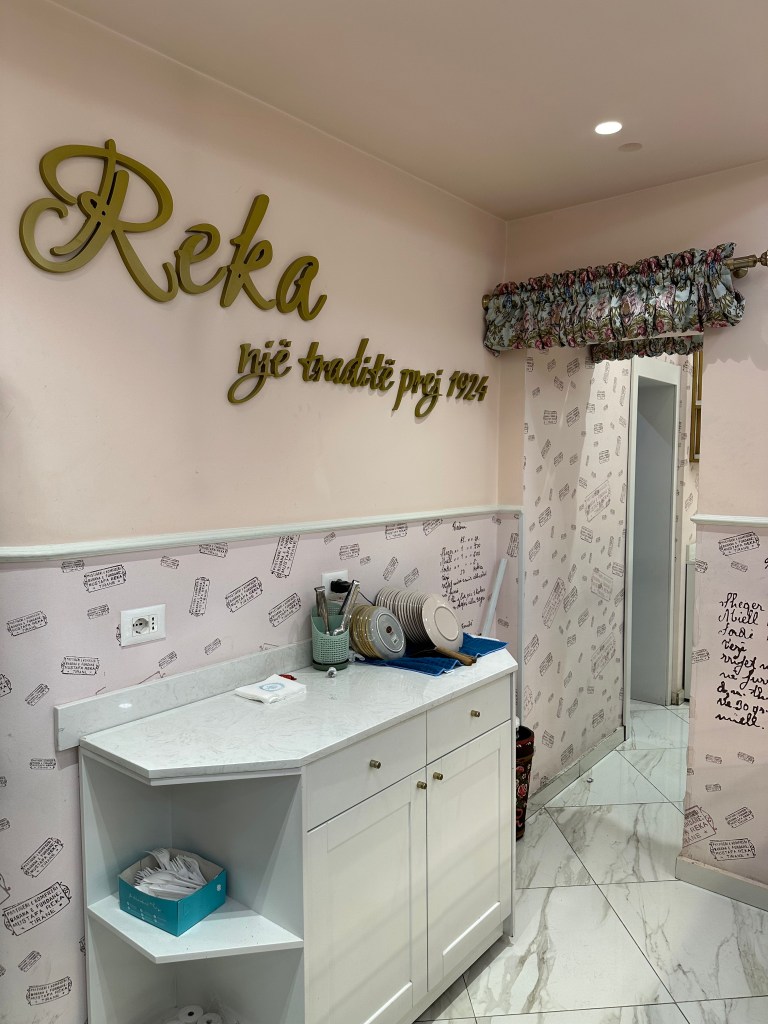
5. Albanian cuisine feels familiar if you’ve had Greek food—think lots of cheese, dairy, and vegetables. At Restaurant Piceri Era in the Blloku neighborhood, we couldn’t pick a favorite and ended up sampling most of the menu over multiple visits. Tirana also has a thriving café culture, it’s practically a national pastime—with Mulliri and Mon Cheri as local staples. One unexpected standout? The trilece at Patisserie Reka. It’s easily one of the best milk cakes I’ve ever had, rivaling the top bakeries in Turkey and the Middle East. The sponge was luscious and moist, and the caramel glaze struck that elusive balance of sweet and slightly bitter.
1. Paris is a grand city—it’s clear it was built to impress. But what many don’t realize is that this urban beauty didn’t exist until the mid-19th century. With a population boom that outpaced its medieval layout, Napoleon III ordered a full-scale transformation. He appointed a young bureaucrat, Georges-Eugène Haussmann, to lead it. In 1859, the first major intersection—la grande croisée de Paris—was introduced, followed by wide, tree-lined boulevards that still define the city today.
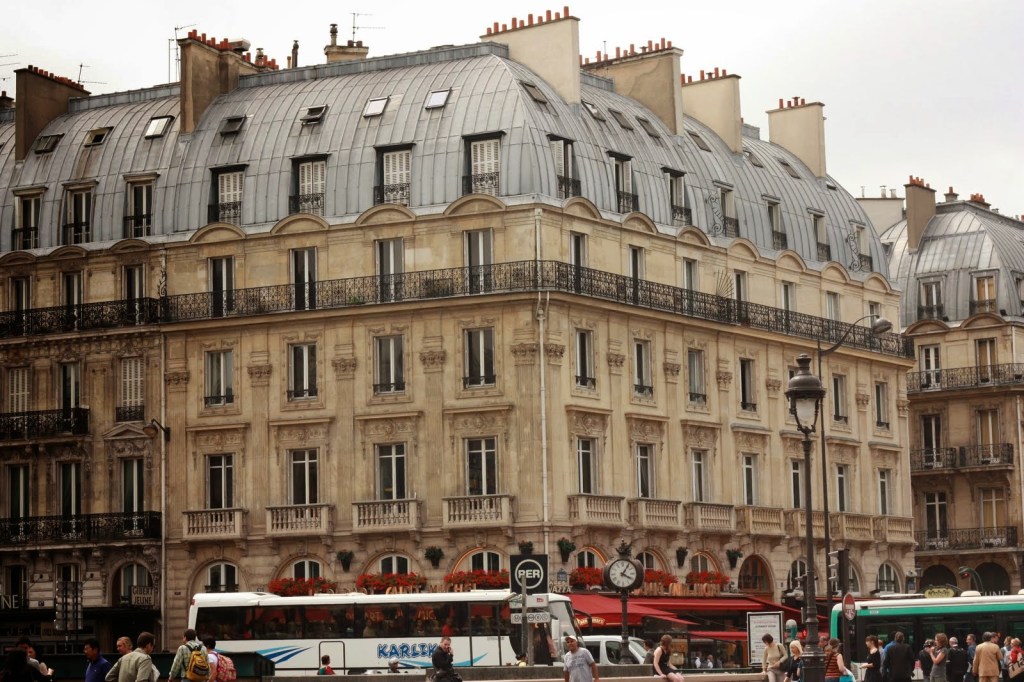
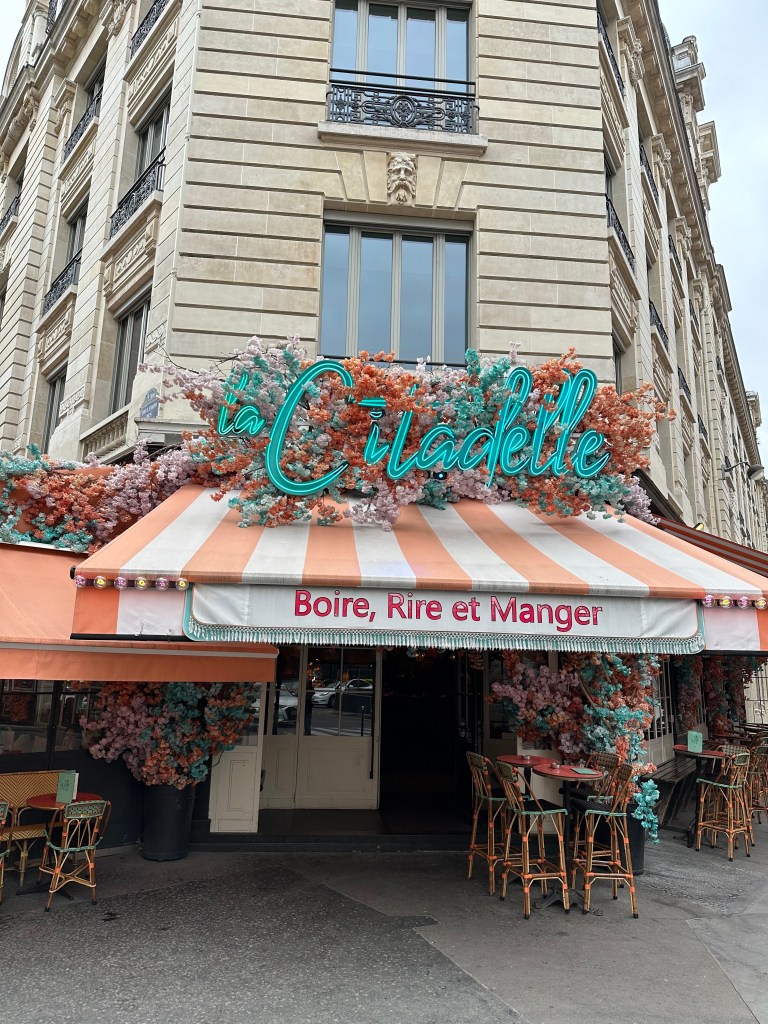
2. Haussmann’s impact went beyond roads—he redefined the look of the city. Uniform cream-colored façades, locally sourced limestone, mansard roofs, and strict height limits created a harmonious, timeless skyline. Ground floors became home to shops and cafés, upper floors for residences. Walking those streets, it struck me how Paris mastered mixed-use urban planning long before it became trendy elsewhere.
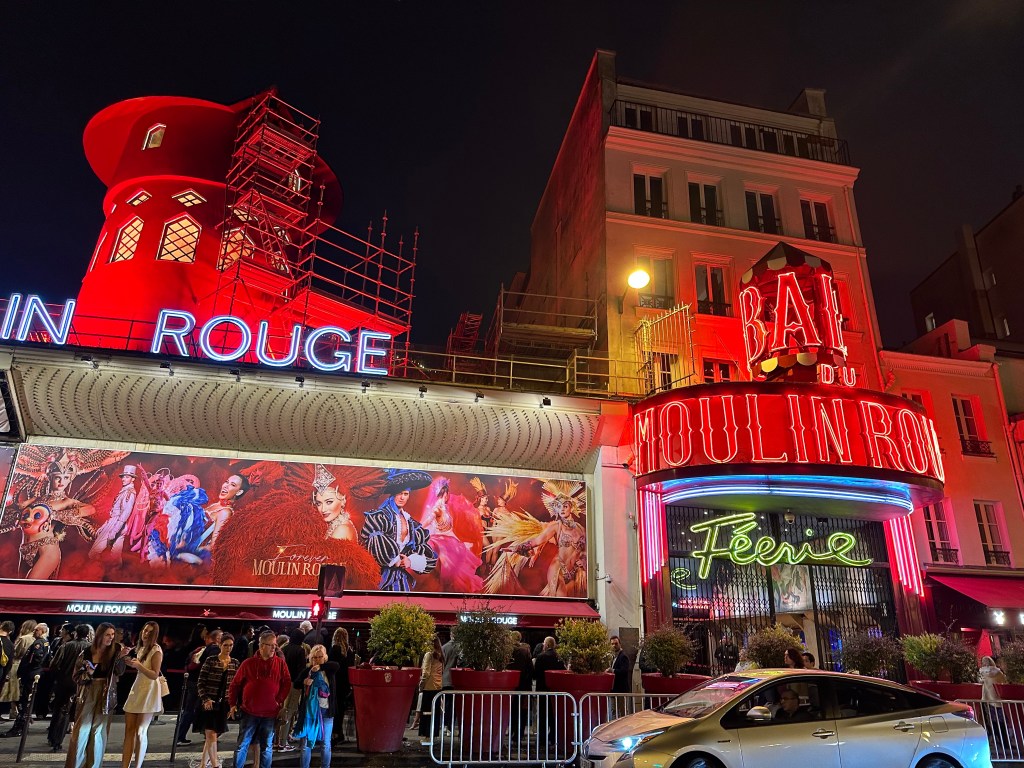
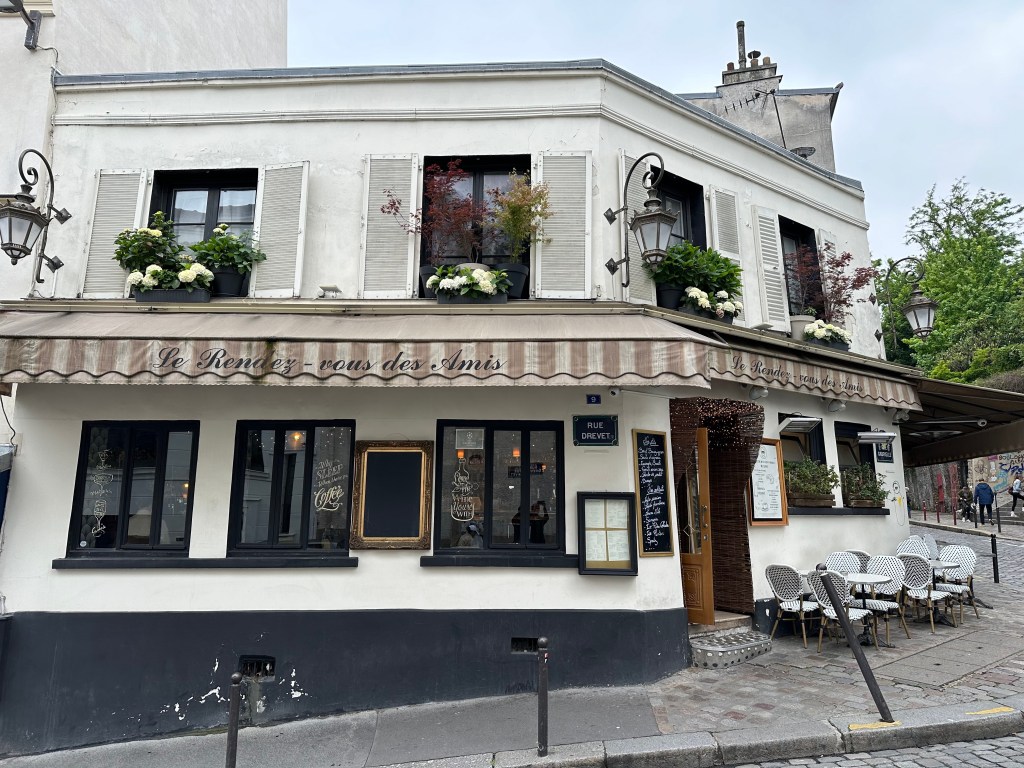
3. Paris is a city of neighborhoods—each “arrondissement” has its own personality. Montmartre’s winding streets felt like a painting come to life—bohemian, romantic, and a little gritty. The 1st was regal and museum-rich, Le Marais was buzzing with food and life, the Latin Quarter was intellectual and vibrant, and Saint-Germain felt refined and effortlessly cool. One of my favorite things to do was just wander. Despite the clichés, I found Parisians kind and open—even when I led with English. Of course, there are gritty corners too, especially near Gare du Nord and Saint-Denis.
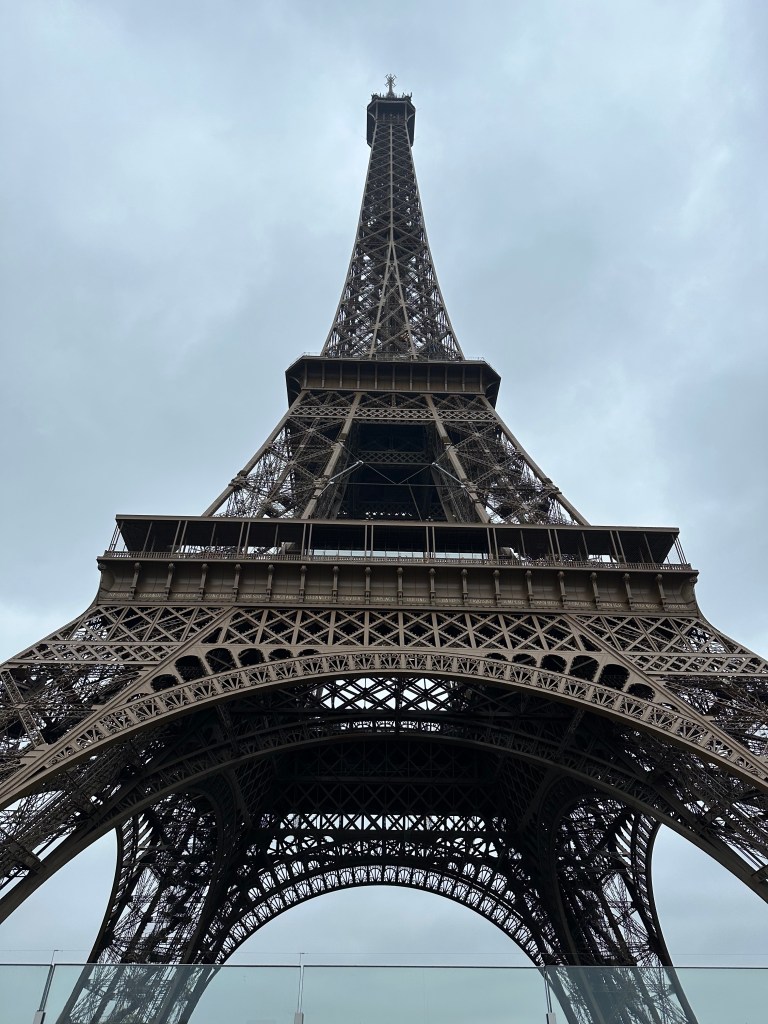
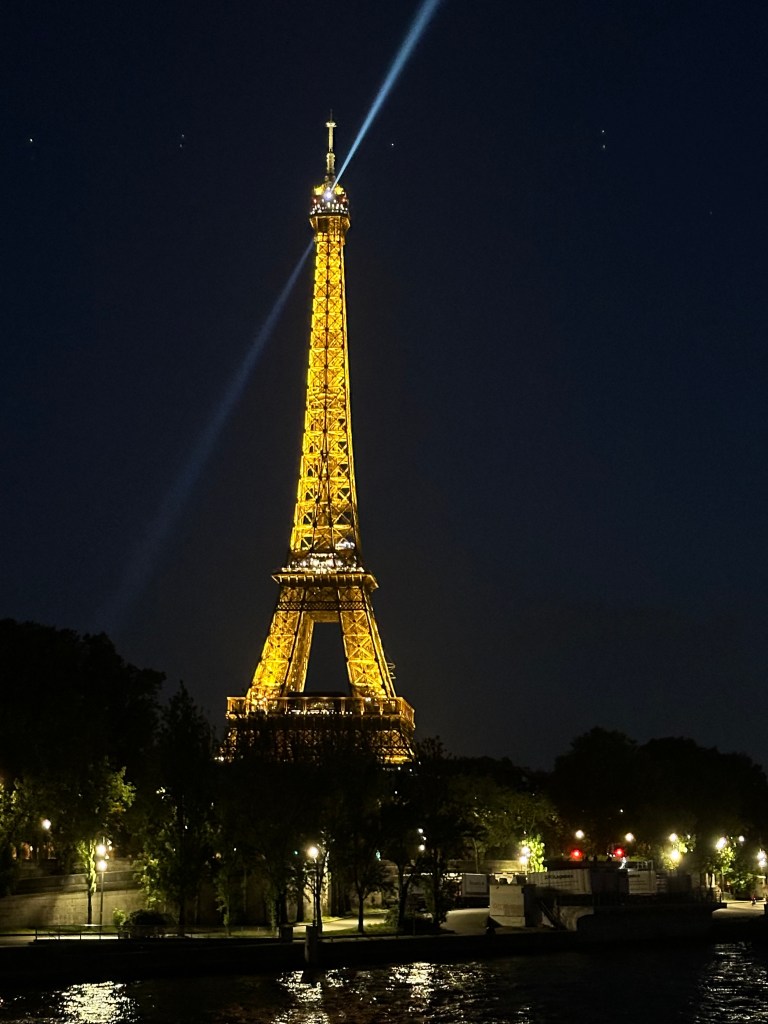
4. The Eiffel Tower is exactly as romantic as you’d hope—but better admired from a distance. Seeing it in full from the Trocadéro Gardens, without crowds or lines, was a highlight. It’s an engineering marvel that somehow feels delicate and monumental at once. Sitting there with a snack, watching the light show, and doing absolutely nothing? Le farniente at its finest.
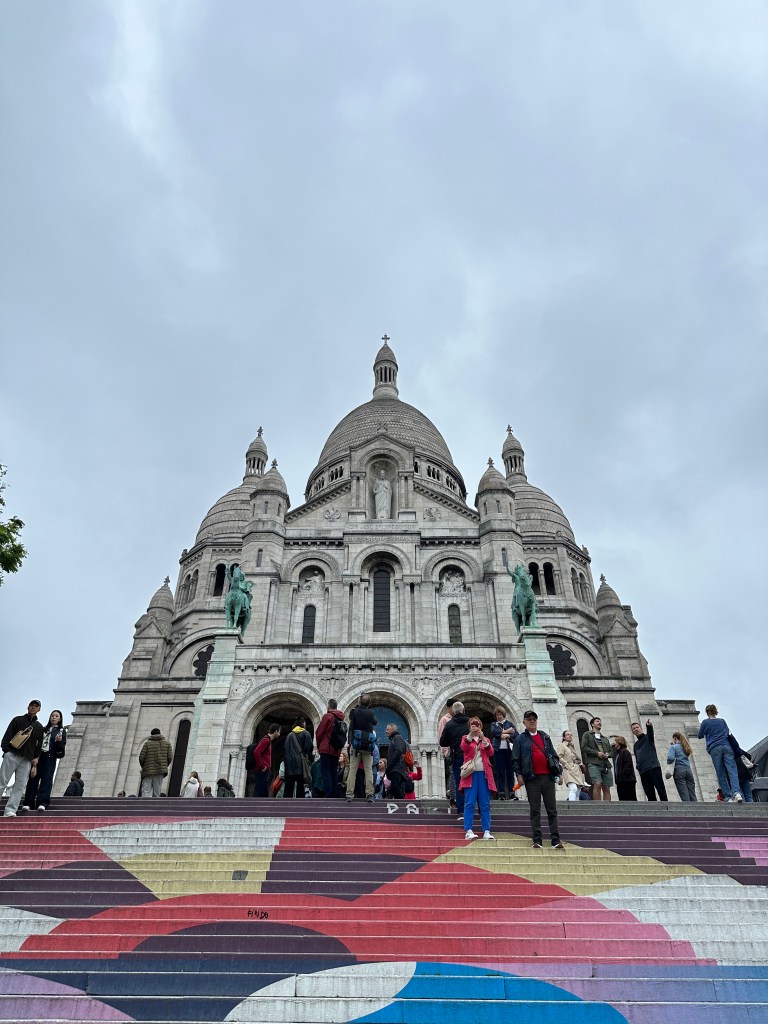
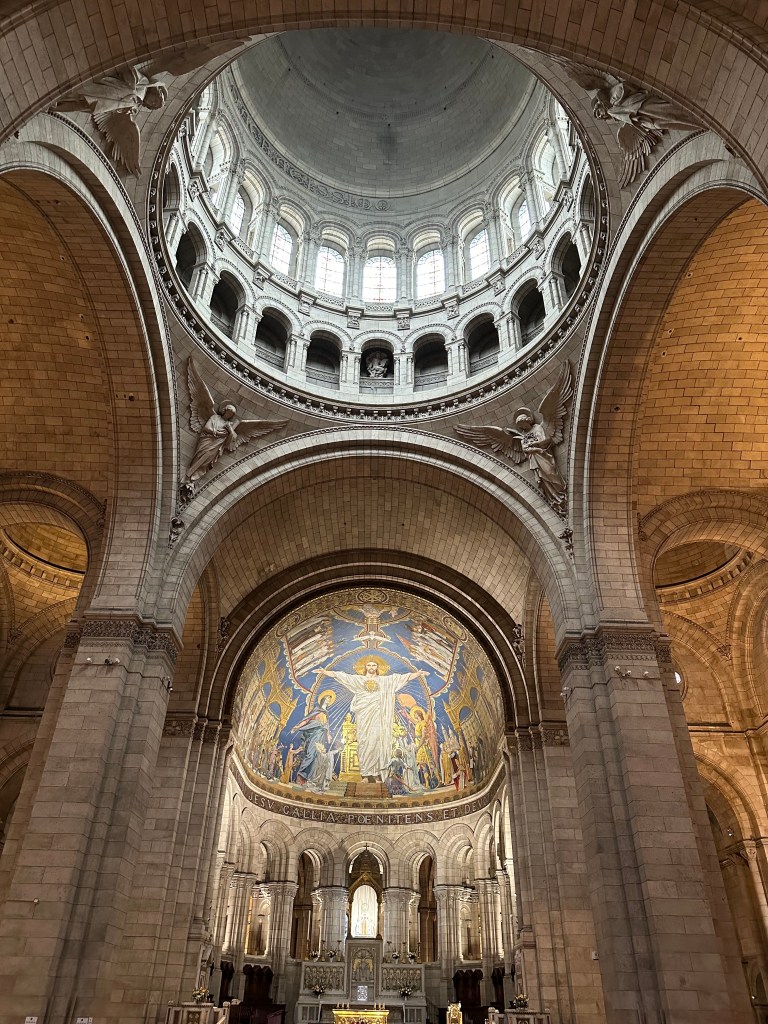
5. Paris is home to some of the world’s most striking cathedrals, each reflecting a different era. Notre-Dame, a Gothic icon, features gargoyles, flying buttresses, and intricate stained glass—centuries of history etched into stone. Its ongoing restoration after the 2019 fire has come to symbolize resilience. In contrast, Sacré-Cœur atop Montmartre stands out with its bright white domes and Romano-Byzantine design. Built in the late 1800s after France’s defeat in the Franco-Prussian War, it was meant to inspire hope. Today, it’s both a place of worship and one of the city’s most popular viewpoints, surrounded by Montmartre’s creative energy.
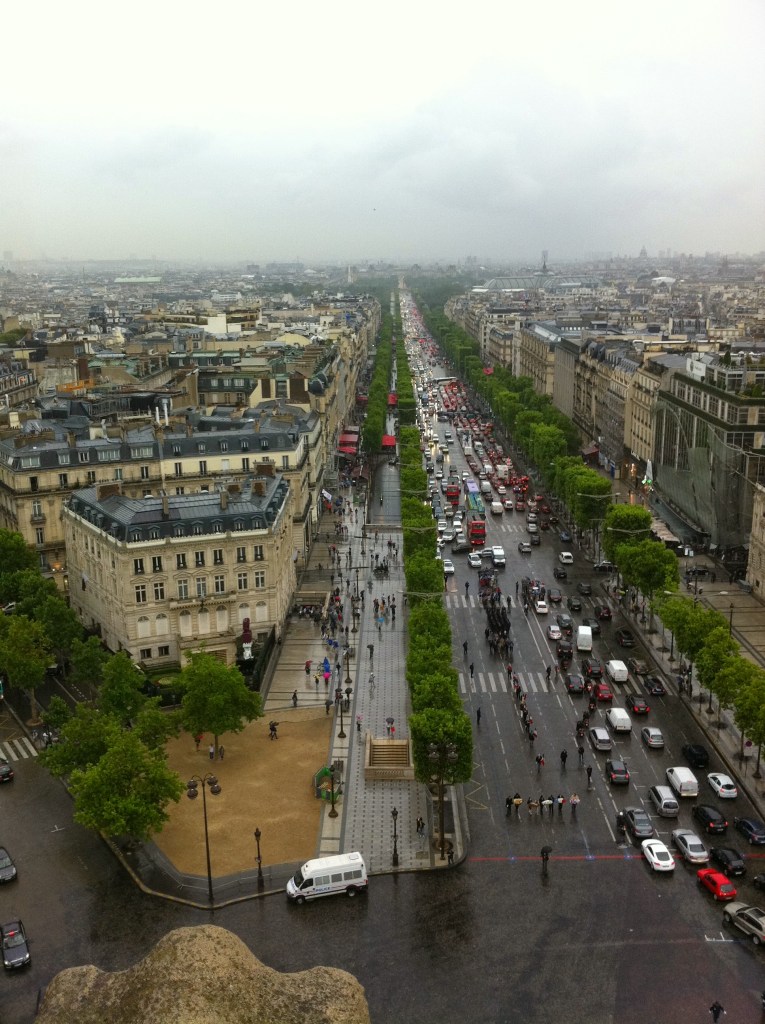
6. Champs-Élysées is one of the world’s most iconic boulevards. Just over a mile long, it stretches from Place de la Concorde to Place Charles de Gaulle and is lined with luxury stores, cafés, and theaters. While branded shopping is now everywhere, Champs-Élysées was once the heart of global luxury. At its western end stands theArc de Triomphe, honoring France’s military history with panoramic views from the top. On the other end, Place de la Concorde features the Luxor Obelisk, a 3,000-year-old Egyptian monument. Not far off, the Opéra Garnier dazzles with its ornate interiors and remains a symbol of Parisian grandeur.
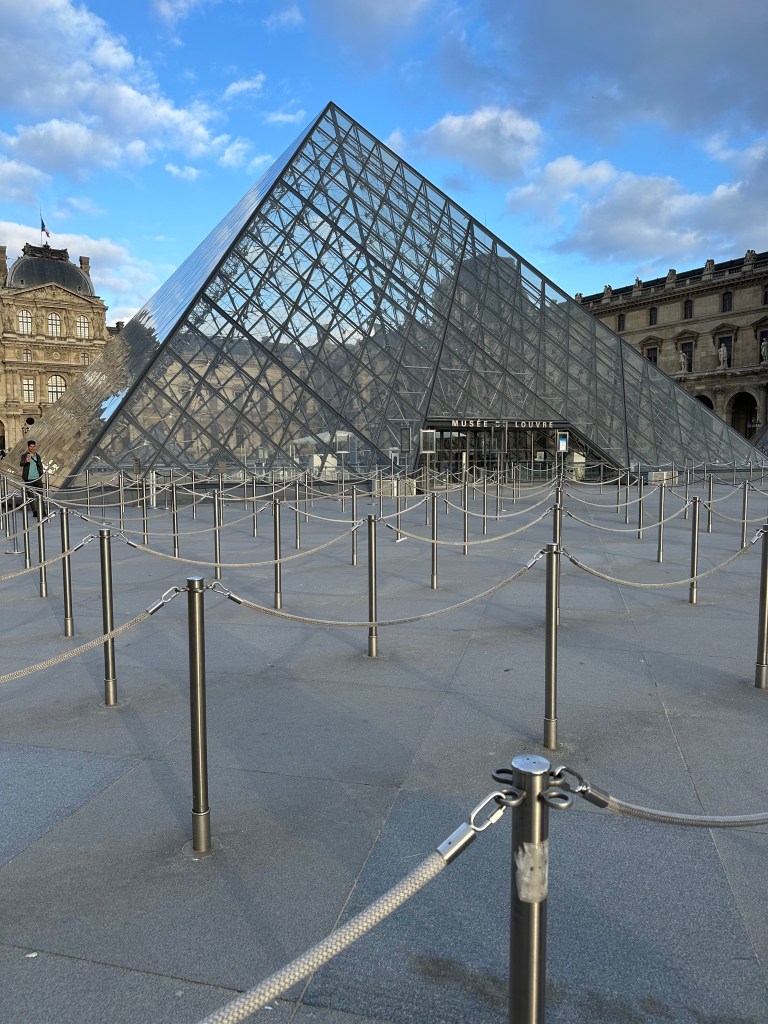
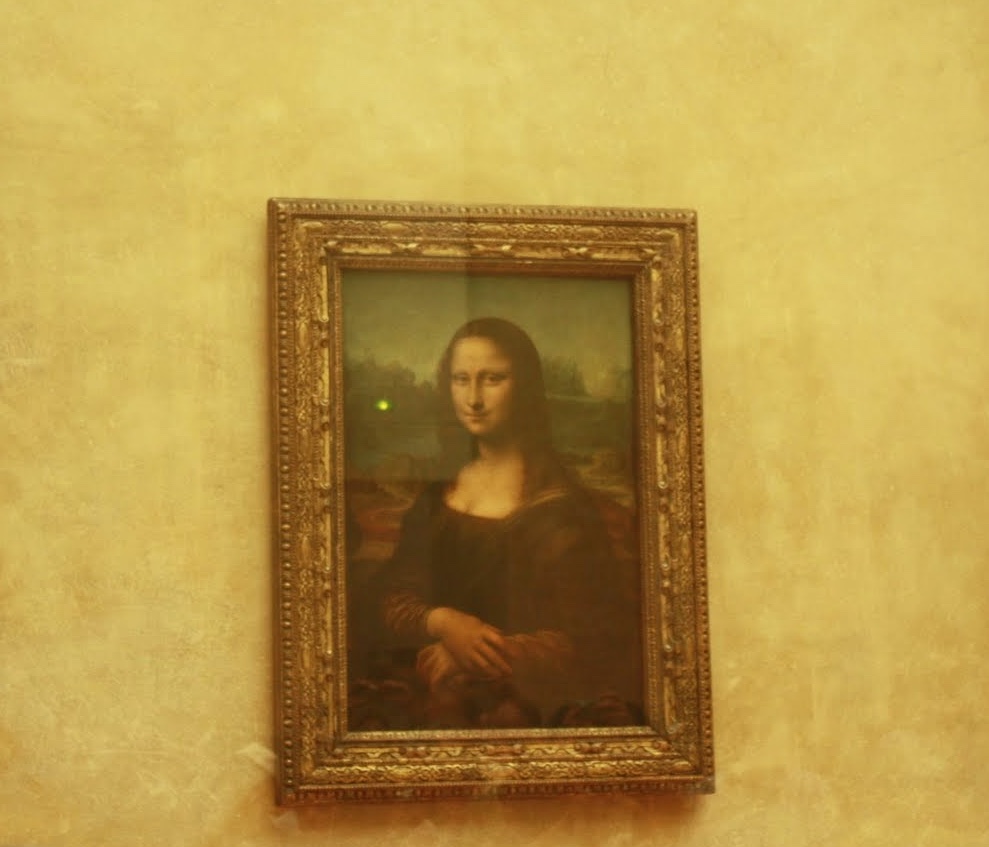
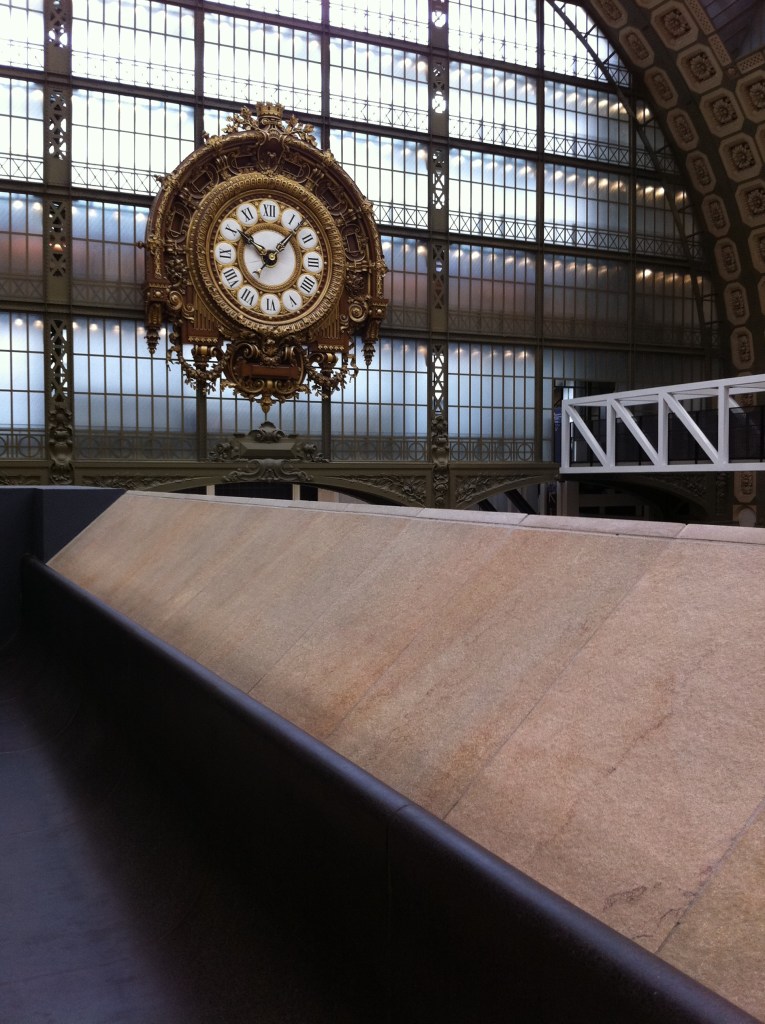
7. Paris is a museum lover’s paradise. With over 300 museums, it’s impossible to see them all. The Louvre is overwhelming in the best way—not just for the Mona Lisa but for the quiet corners and overlooked gems. I did the highlights tour, which helped a lot. Musée d’Orsay’s Impressionist collection was a favorite—Cézanne, Van Gogh, Monet in one place. I missed the Orangerie, Rodin, and Dalí museums, but they’re on my list for next time.
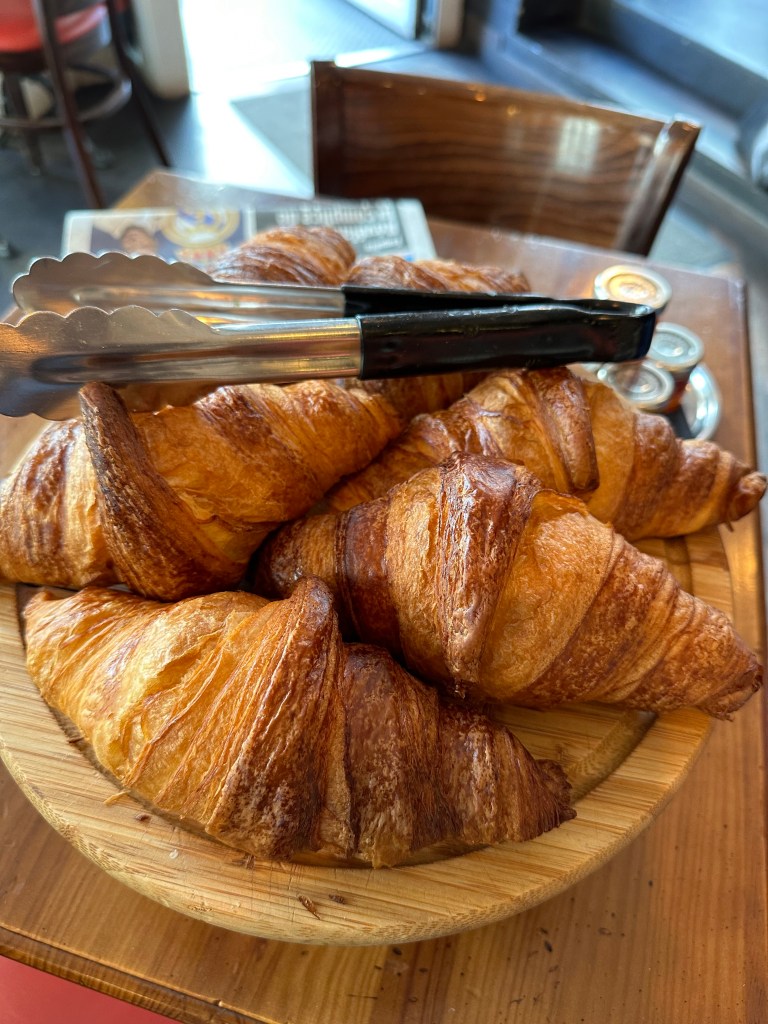
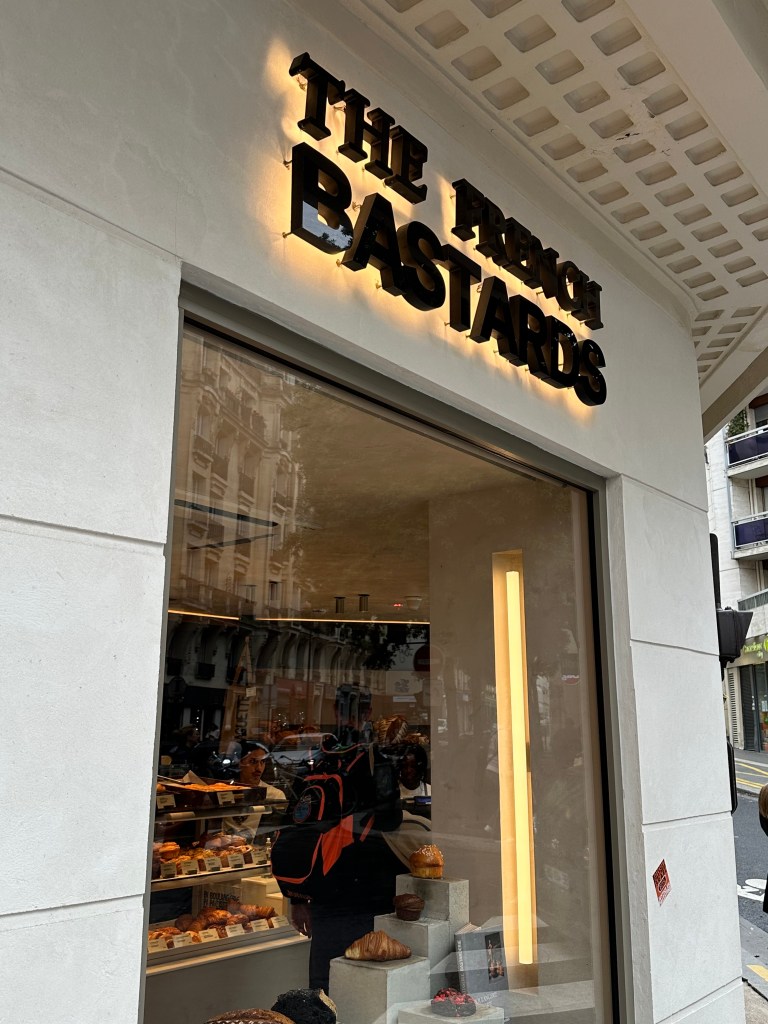
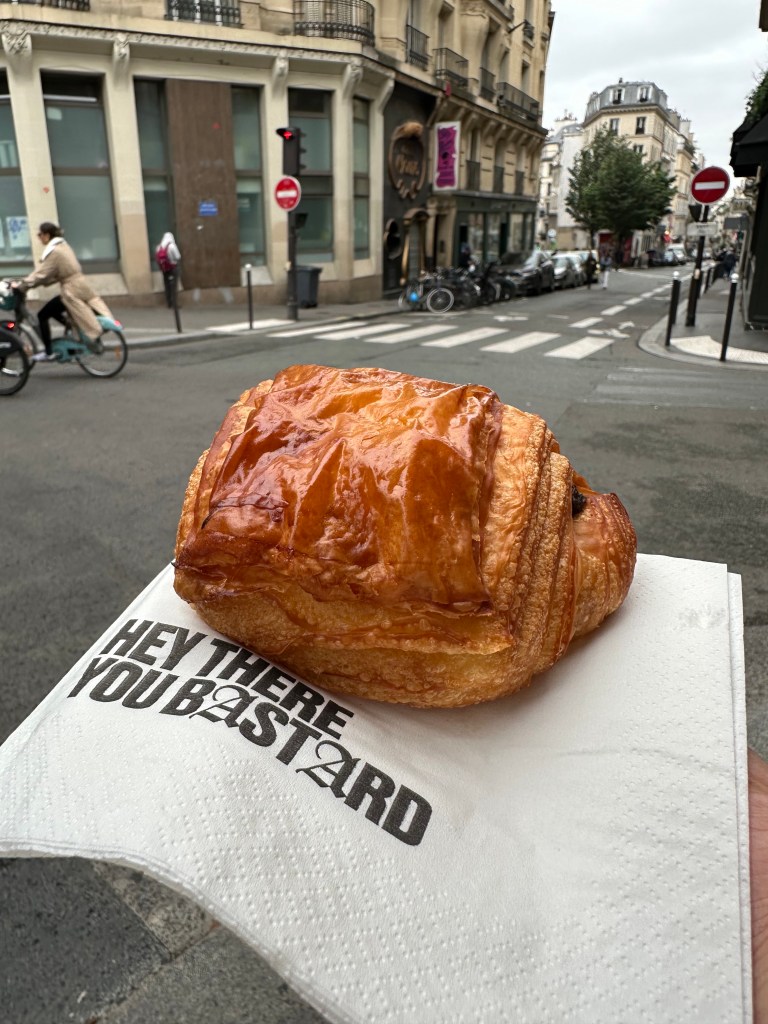
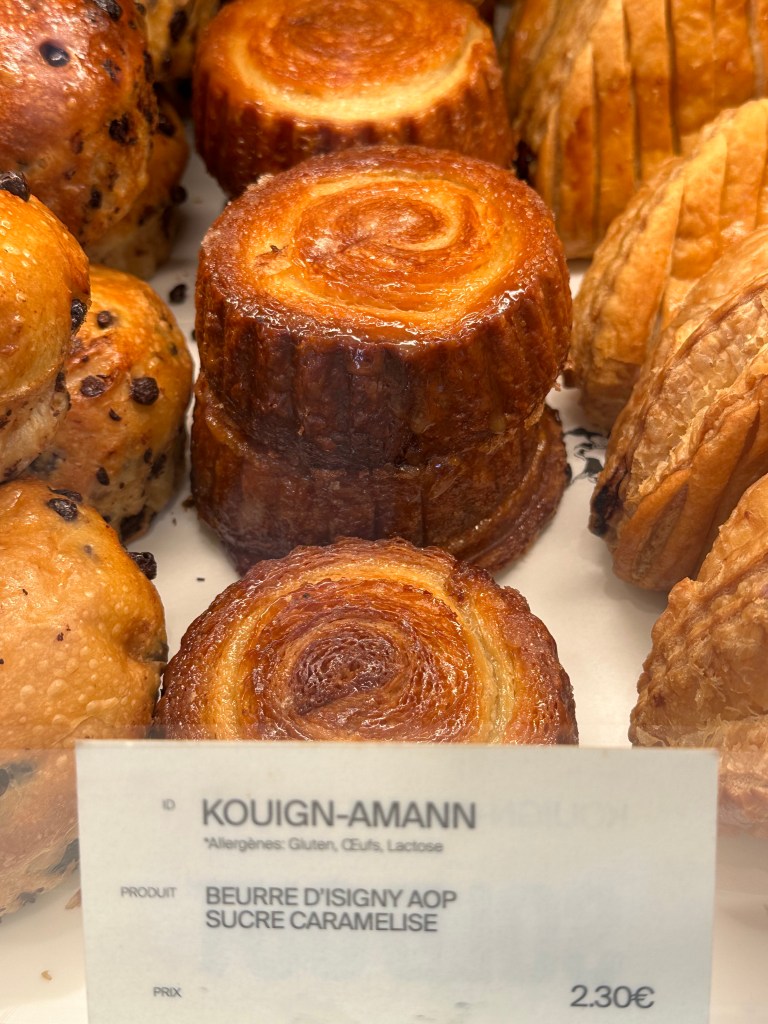
8. The French truly adore their neighborhood boulangeries. Bread is an essential part of every meal, and it’s almost a daily ritual to pick up a fresh baguette or two. It felt like everyone had their favorite local spot. Croissants were consistently excellent, even from humble neighborhood bakeries, but I also tried the classics—Ble Sucré, Du Pain et Des Idées, Poilâne, and Stohrer. Each has its own specialty and legacy. That said, newer places like Cédric Grolet, Mamiche, and French Bastards are giving the old guard a real run for their money.
9. Ladurée and Pierre Hermé introduced me to the wonder that is the macaron—and I’ve been spoilt ever since. Nothing else really compares. The almond cookie shell is feather-light with just the right amount of crunch, and the fillings are ethereal. I’m partial to Pierre Hermé, especially for his rose-flavored macaron—floral flavors are tough to balance, but this one is near perfect. If it’s too subtle, you can’t taste it; if it’s too strong, it feels artificial. Hermé nails it. His signature Ispahan—a blend of rose, lychee, and raspberry—is a standout. It’s worth noting that Hermé was once the head pastry chef at Ladurée before launching his own brand. While you can now find both brands at luxury stores around the world, having them in Paris just hits differently.
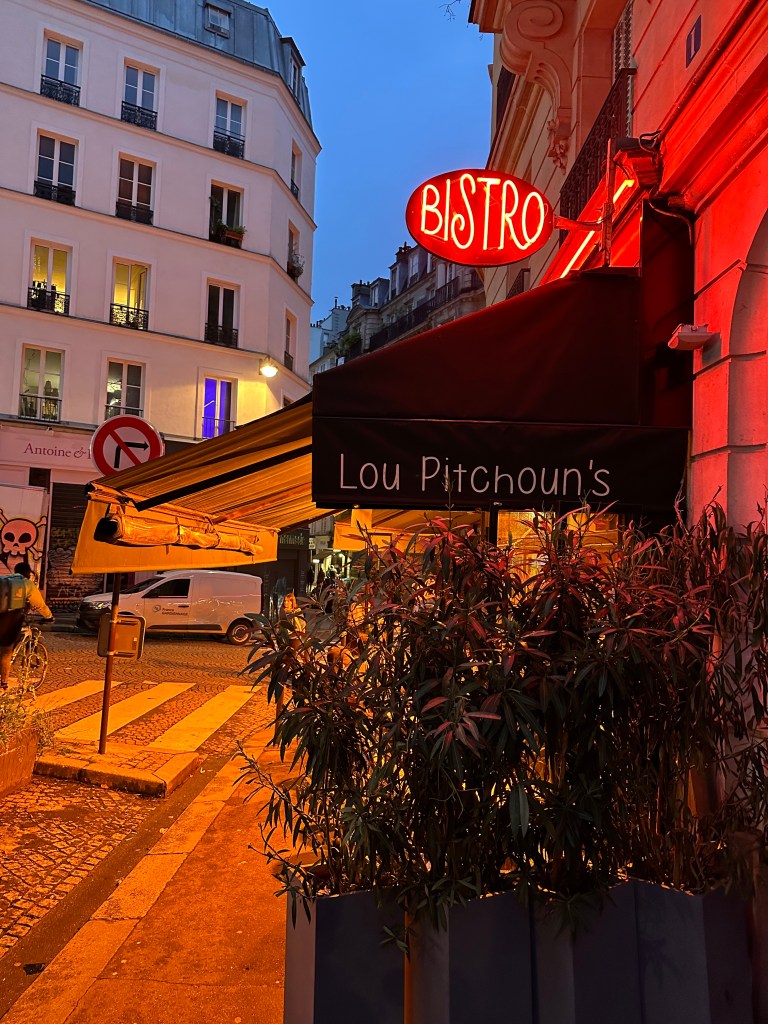
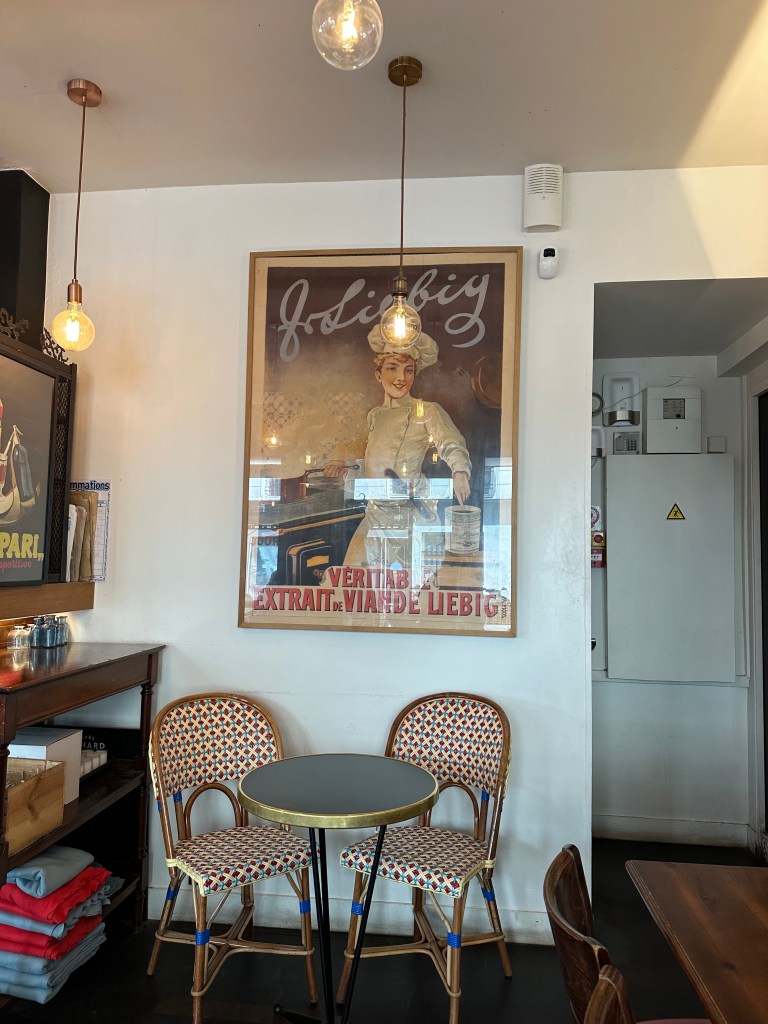
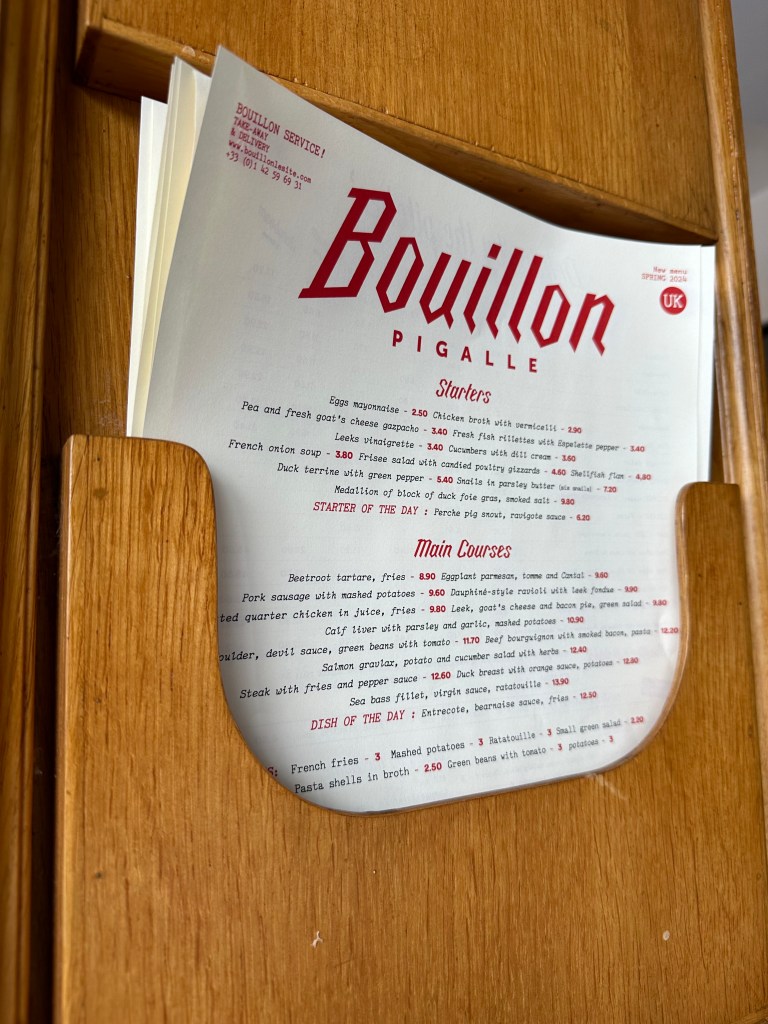
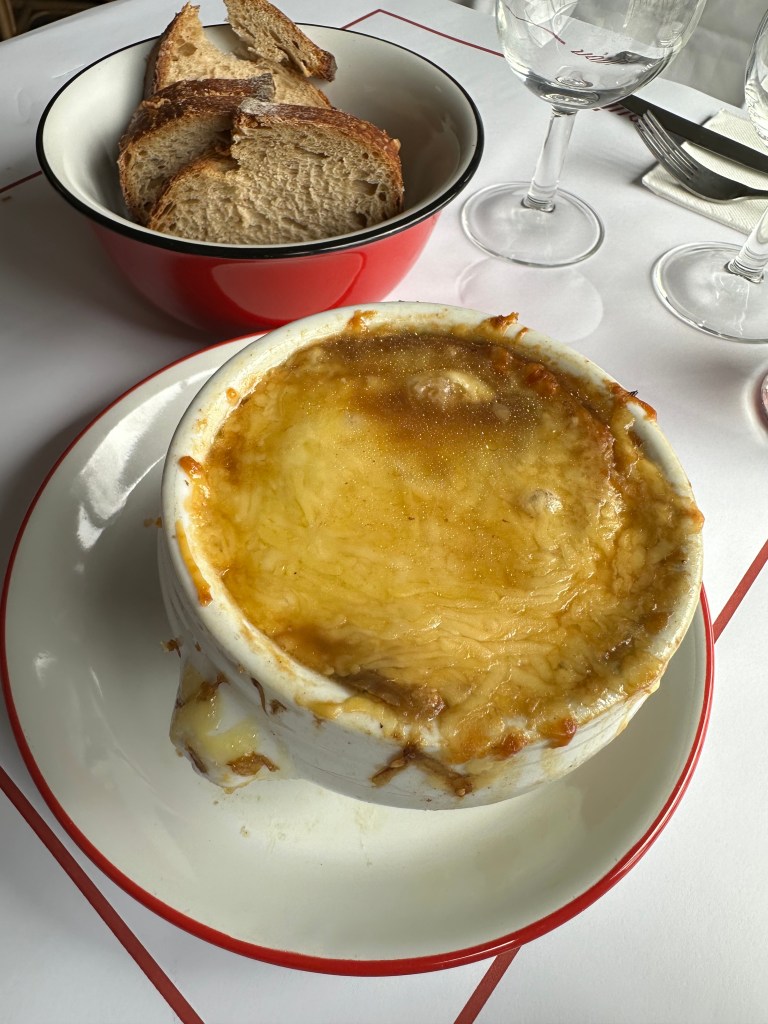
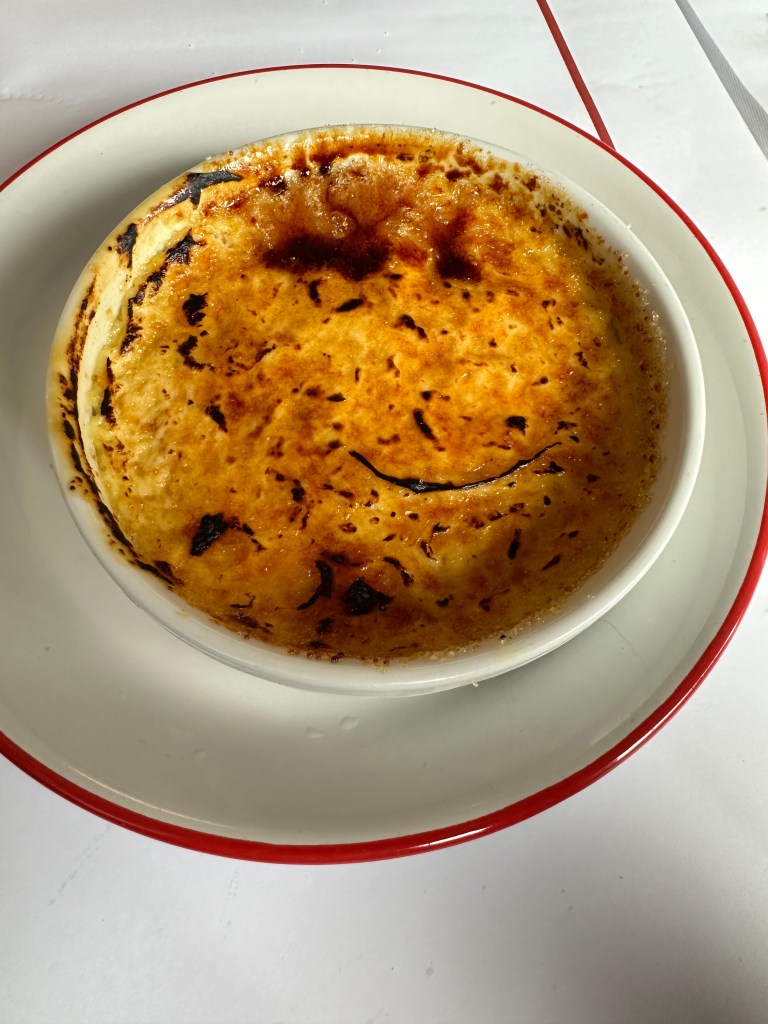
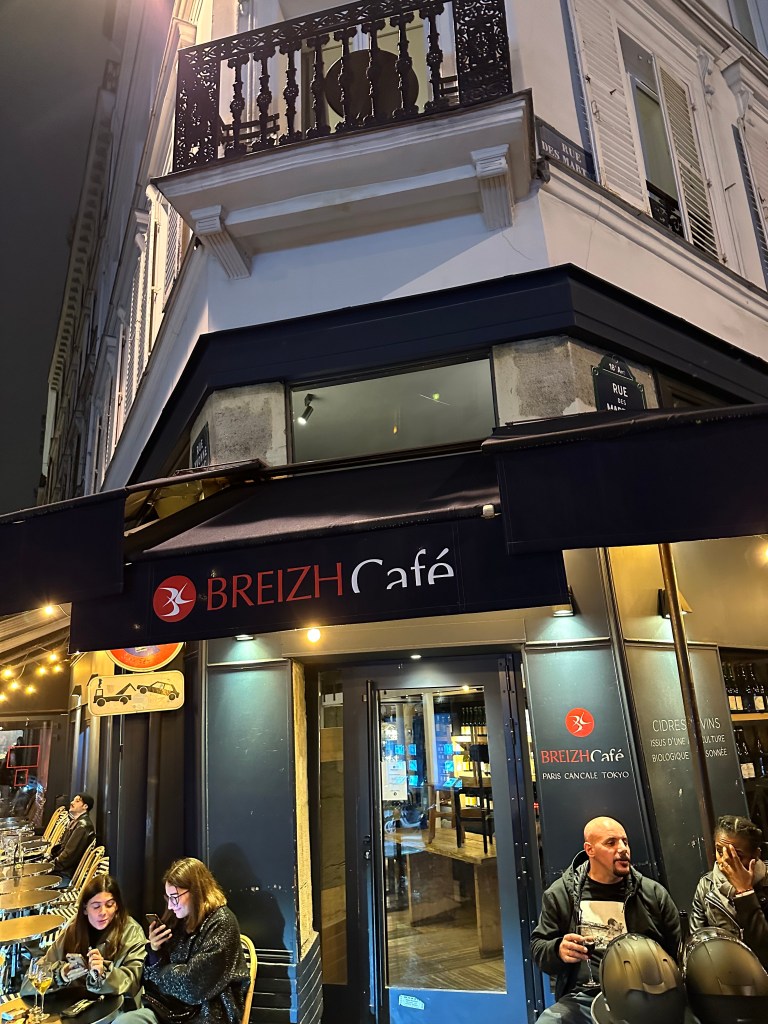
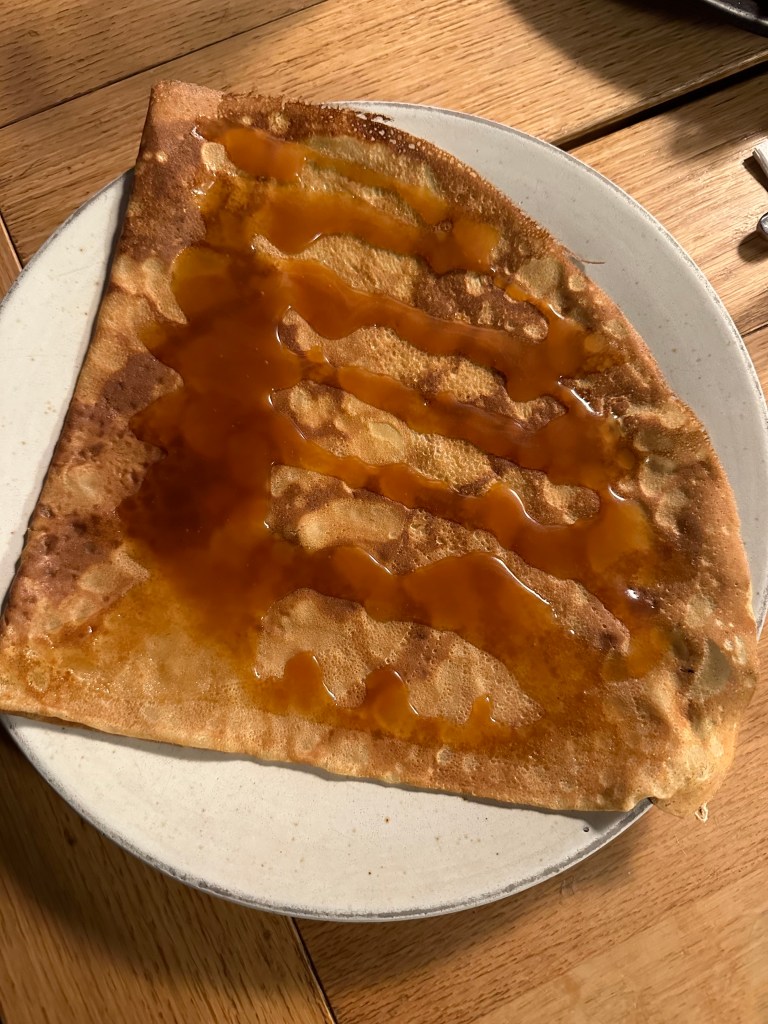
10. Parisians take dining culture seriously—and I quickly learned there’s a whole vocabulary to it. A brasserie is for all-day dining and beer on tap; a bistro is more casual but still offers multi-course meals; a café is a wine bar with small plates or light fare; and a restaurant leans toward more refined cooking. I loved how every spot had a personality. Bouillon stood out for how it brought fast-casual dining to French classics—great execution at very reasonable prices. The long lines of both locals and tourists are a testament to its popularity. And then there are creperies. Breizh Café was a highlight, serving traditional buckwheat galettes paired with apple cider. Both savory and sweet options were great, but their salted caramel crepe was unforgettable. One thing that surprised me: there’s very little street food, and that’s by design. The French treat meals as a pleasure to be lingered over, not rushed.
1. Bosnia and Herzegovina is a Muslim-majority country that emerged after the breakup of Yugoslavia. Its early years of independence were marked by one of the most brutal conflicts in recent European history. Between 1992 and 1995, sectarian tensions between Bosniaks (Bosnian Muslims), Serbs, and Croats escalated into war, with all sides pursuing ethnic cleansing strategies.
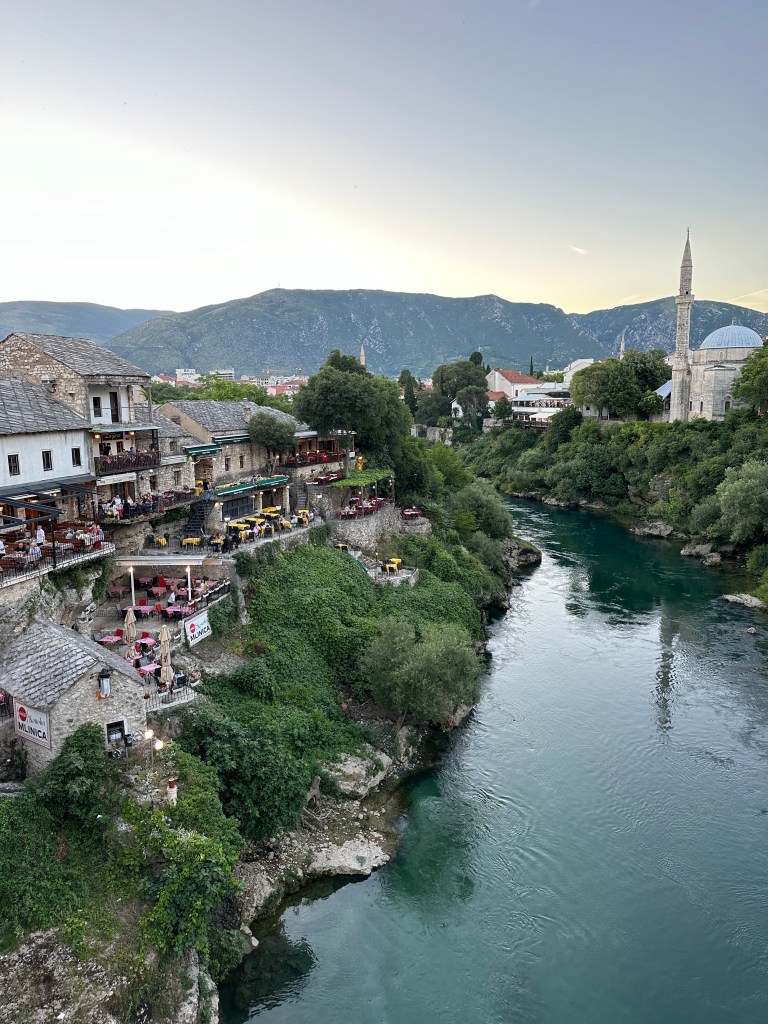
2. Mostar is a picturesque town, popular as a day trip from Dubrovnik (which is how we got there too). Historically, it stood out as a place of relative religious coexistence—Muslims, Orthodox Christians, and Catholics lived here side by side. Along the drive, you’ll pass several historic monasteries, including the cliffside Blagaj Dervish Monastery and the Žitomislić Orthodox Monastery, which has been beautifully restored.
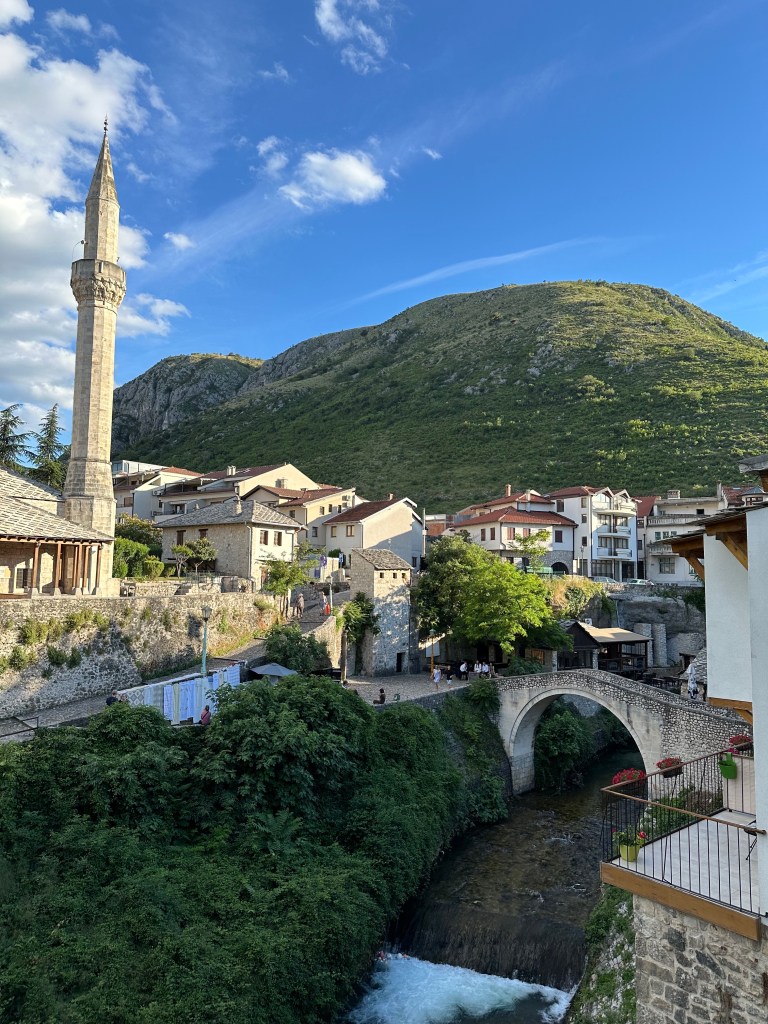
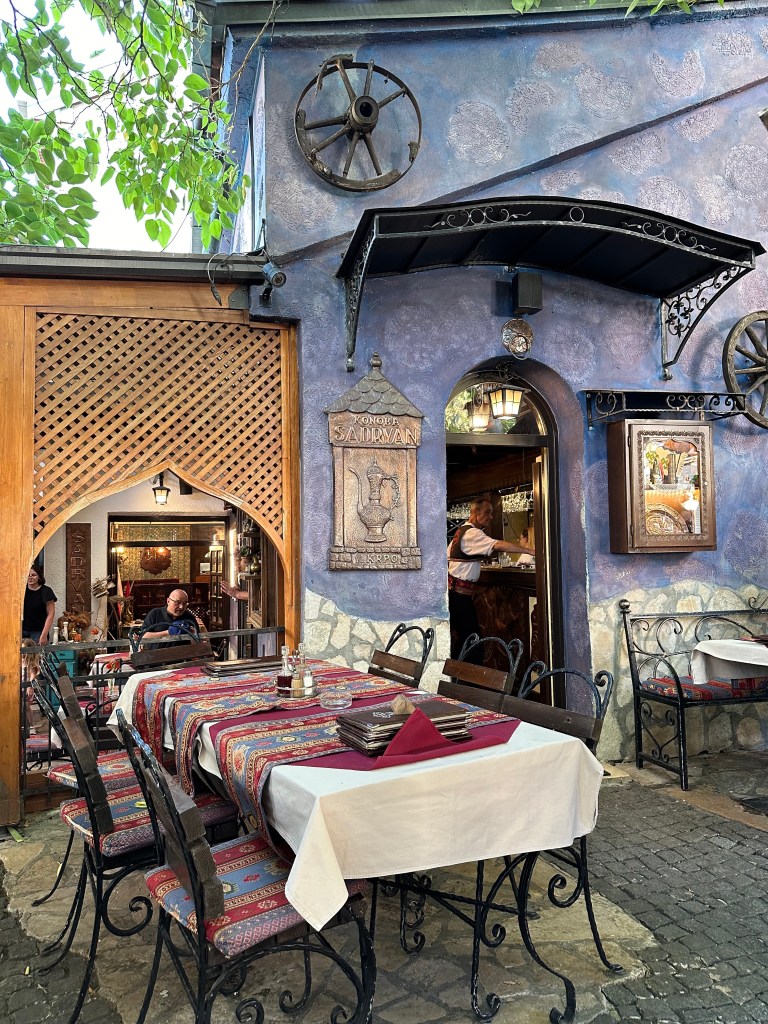
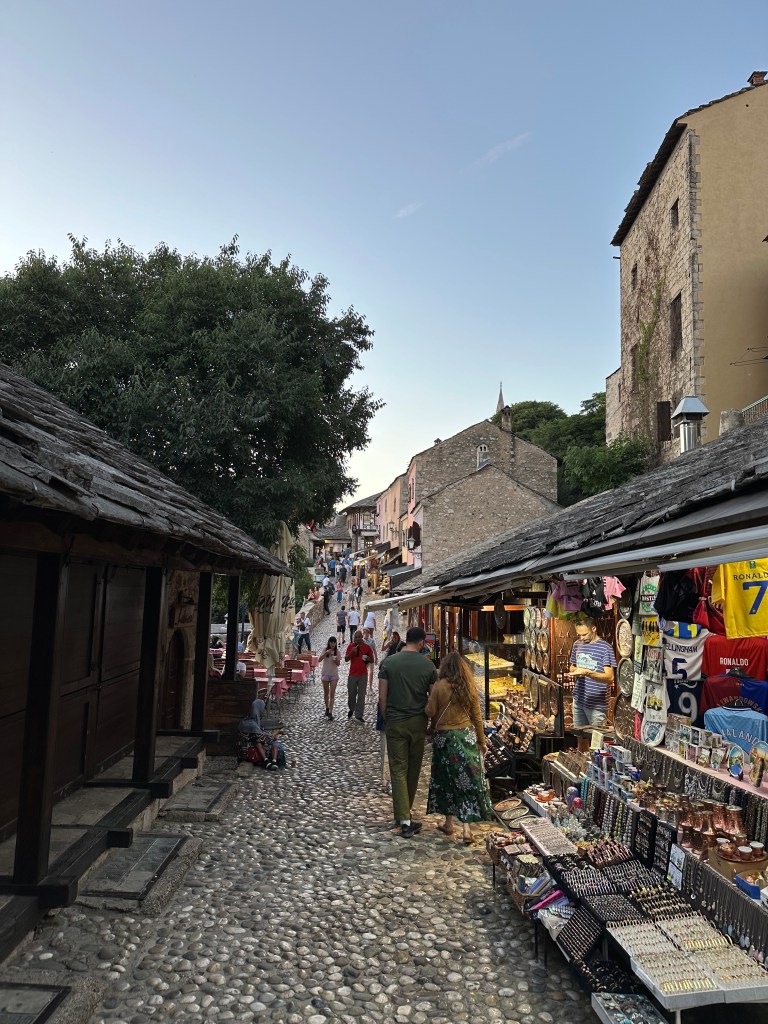
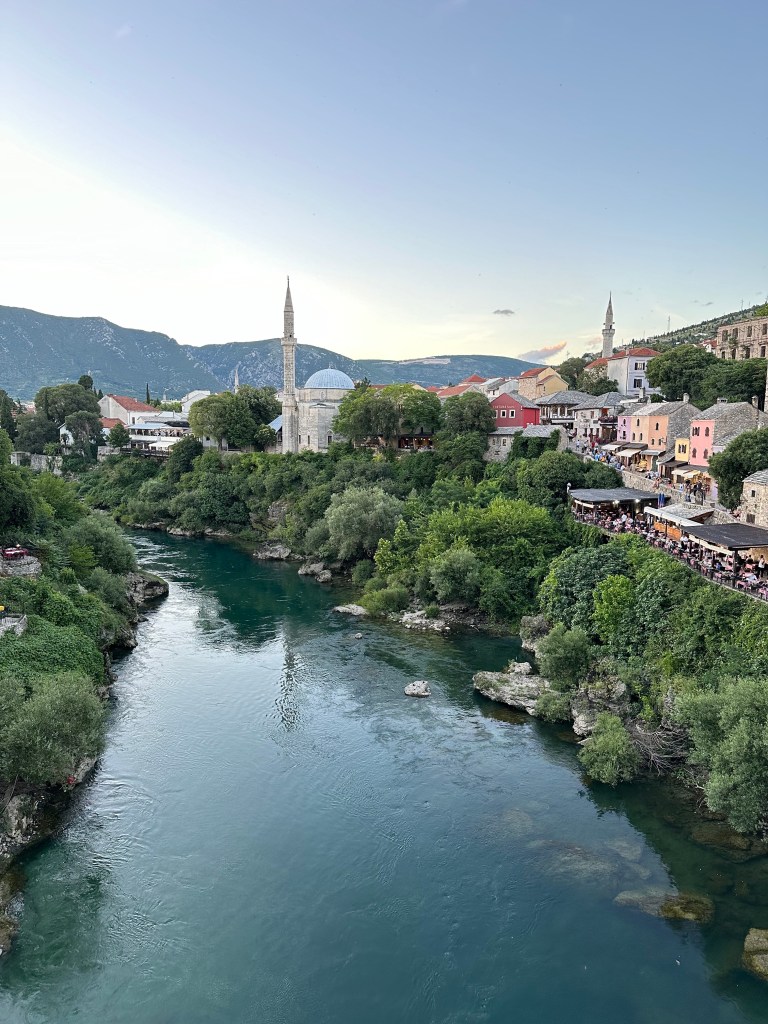
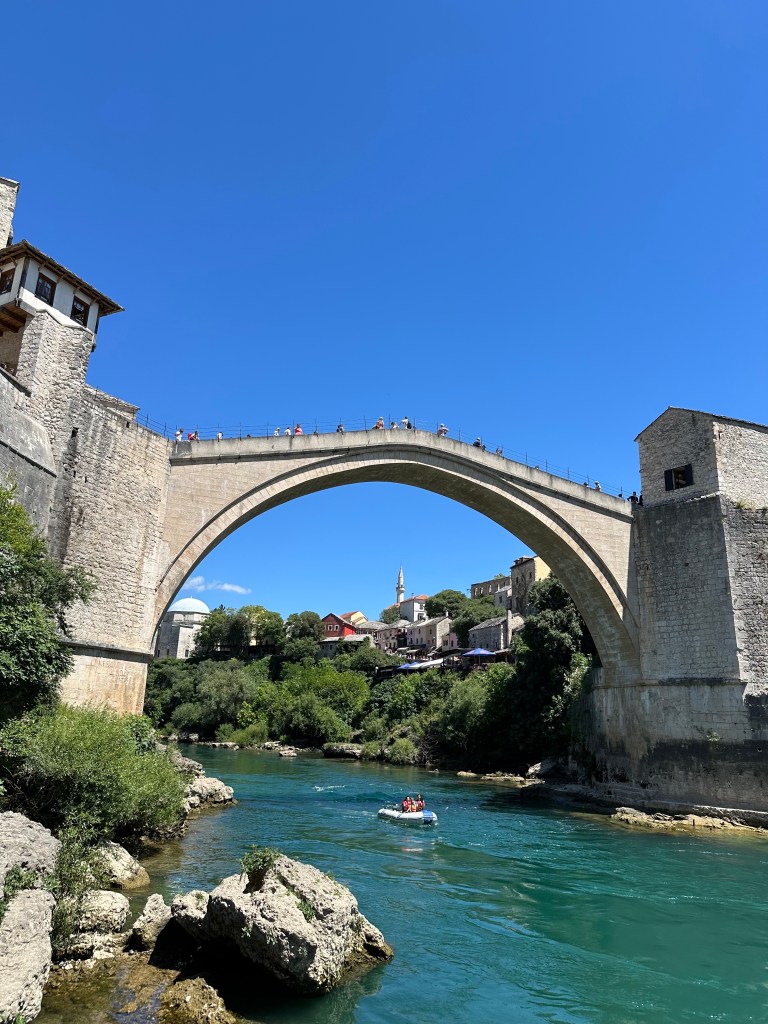
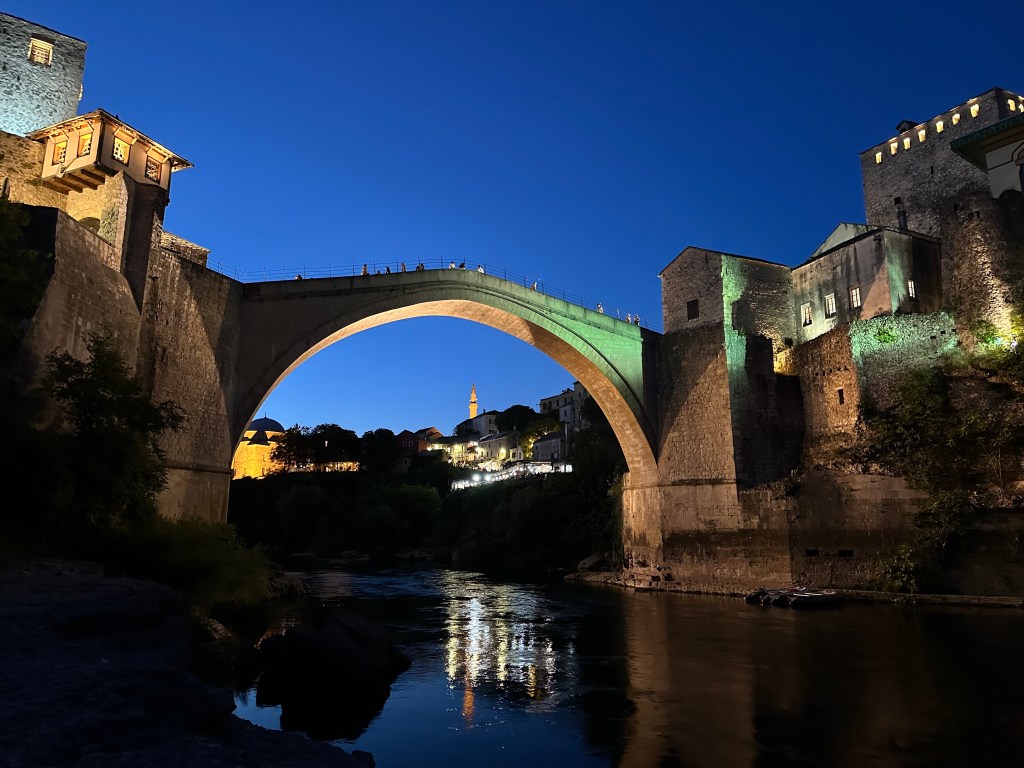
3. Mostar’s Old Town feels frozen in time. With its cobblestone streets, Ottoman-style buildings, and mix of mosques and churches, it has just enough tourism-driven commerce (souvenirs, restaurants) without feeling overdone. The centerpiece is the Old Bridge (Stari Most), built in 1557 on the orders of Ottoman Sultan Suleiman the Magnificent. The town’s name actually comes from the Mostari, or bridge keepers who guarded it. The original bridge was destroyed in 1993 during the Bosnian Croat war but was painstakingly rebuilt and reopened in 2004.
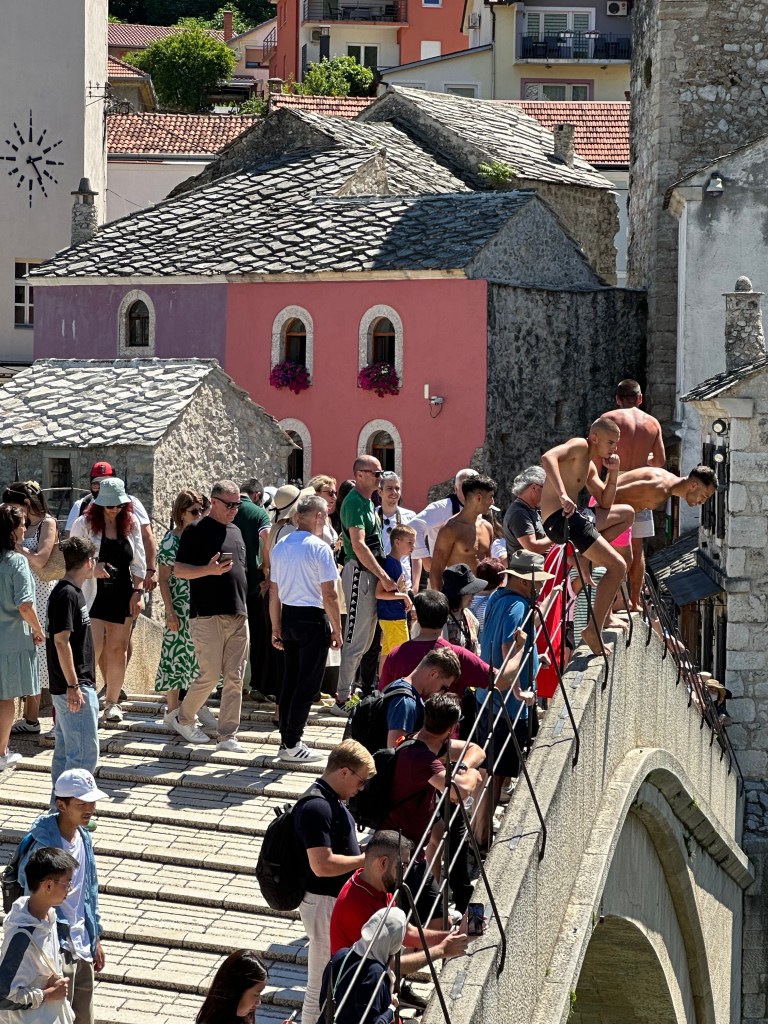
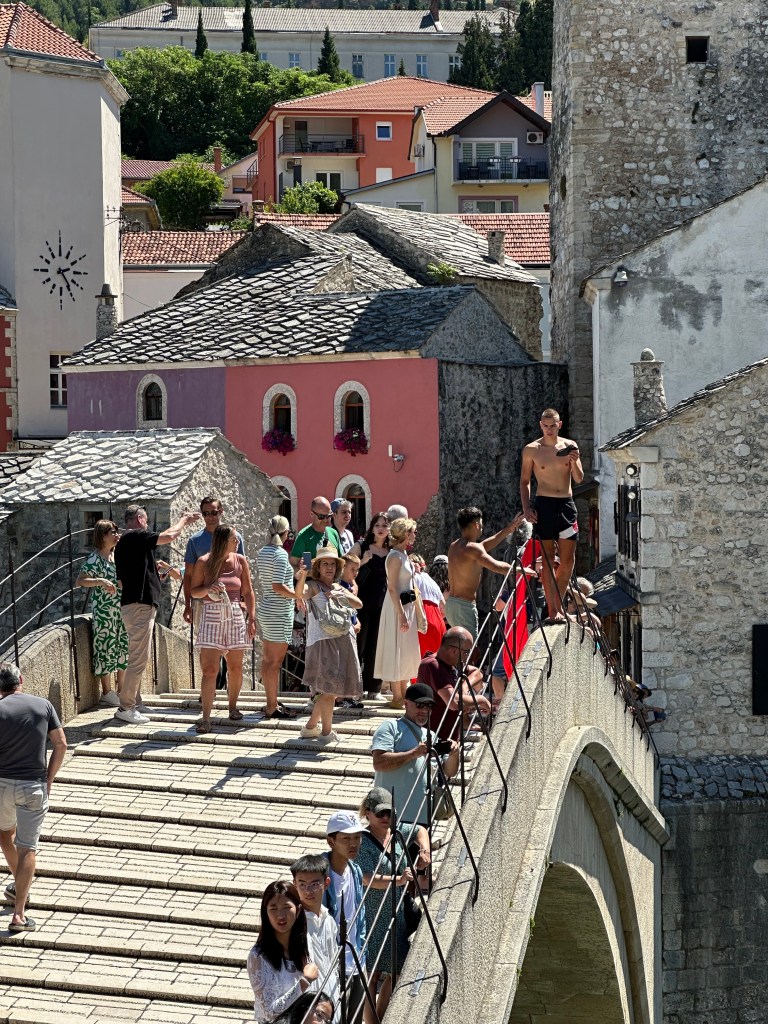
4. These days, it’s the thrill-seekers diving off the Old Bridge who steal the show. You’ll often spot one working the crowd for tips before leaping into the icy turquoise waters of the Neretva River. In summer, the view of the bridge is straight out of a postcard—especially with that unreal blue water flowing below.
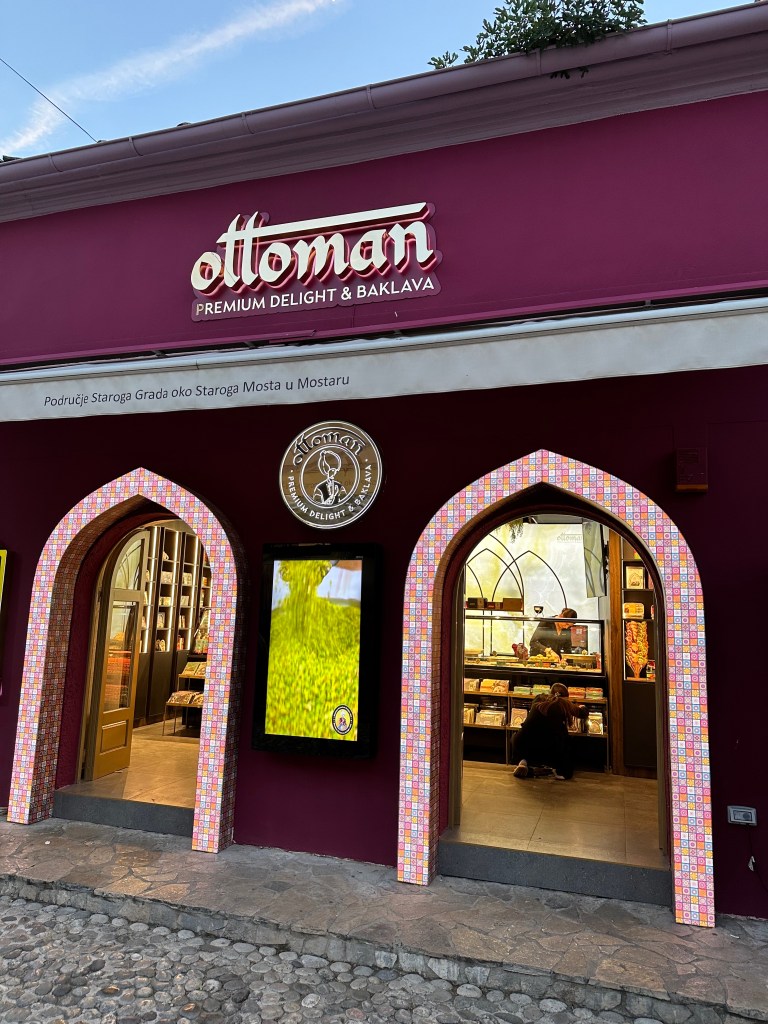
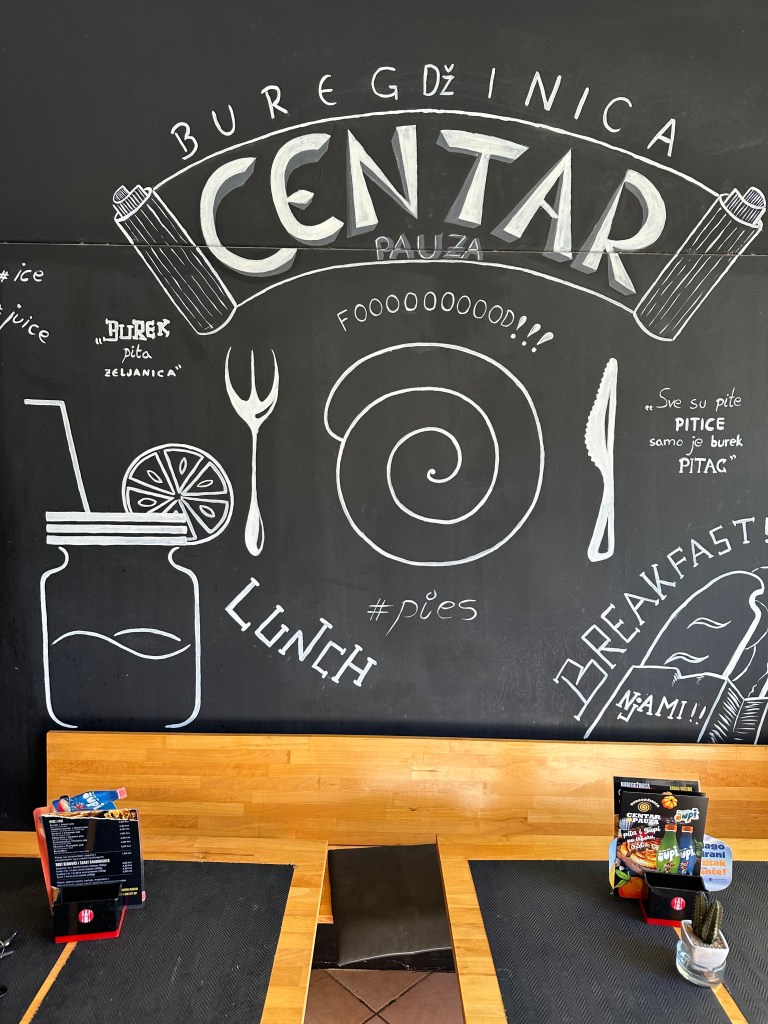
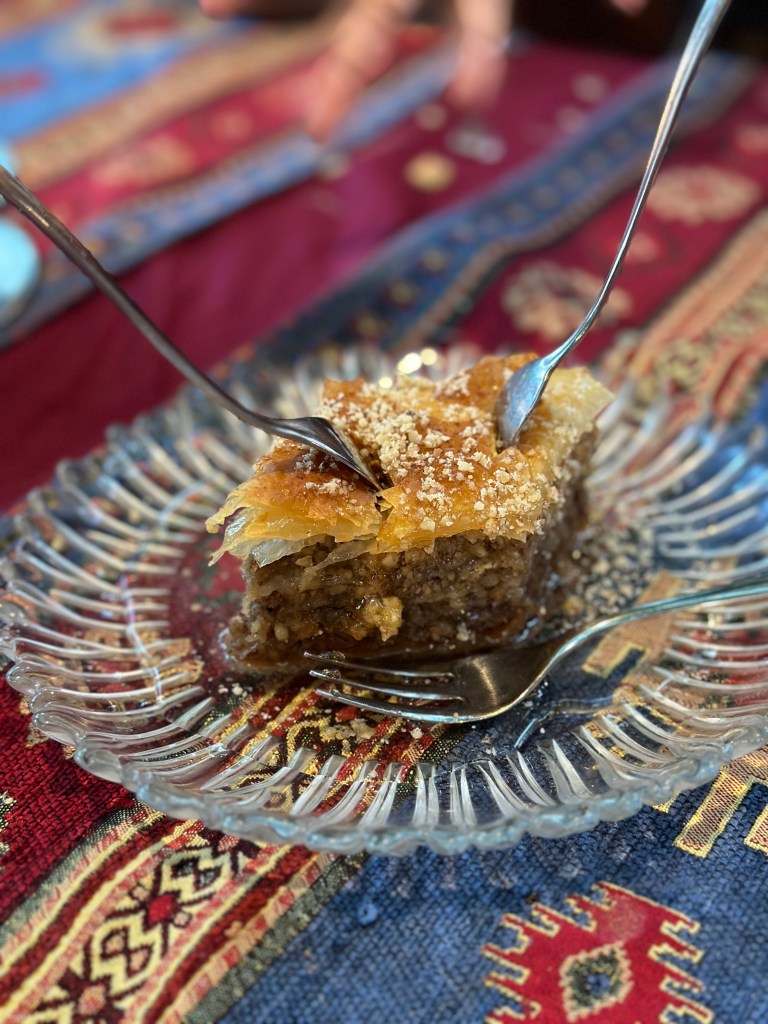
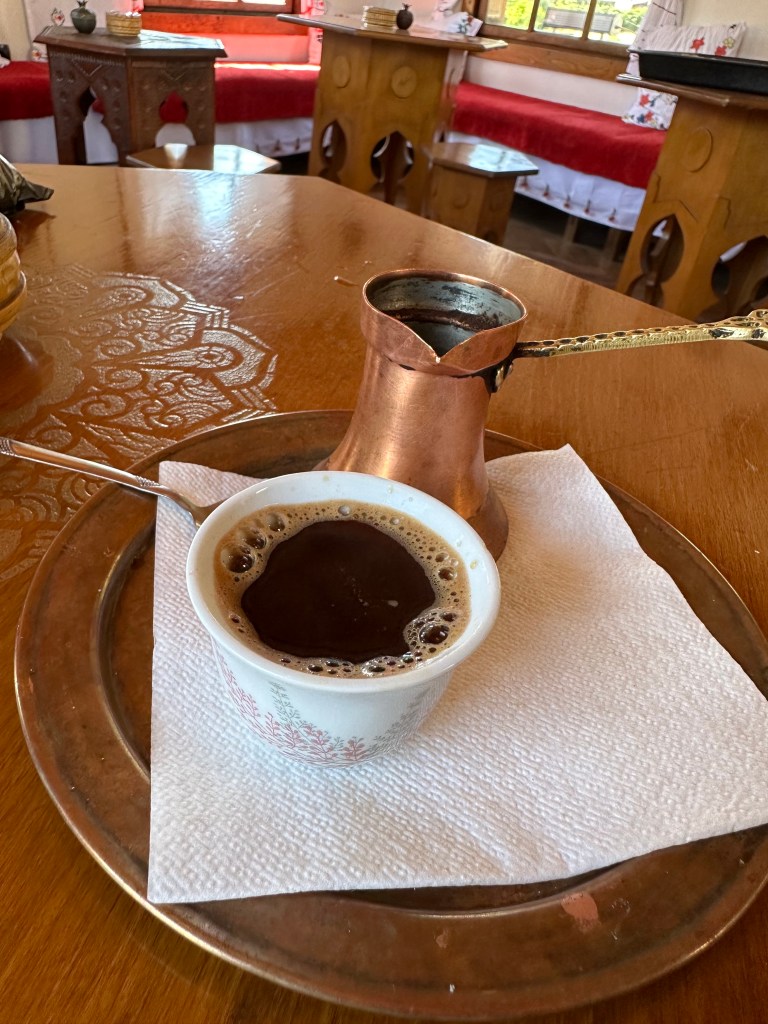
5. Ottoman culture has left a deep imprint on Mostar’s food. We had some of the best burek (savory filled pastry) of our Balkan trip here. Turkish-style coffee is the default brew, and the baklava—double-layered with walnuts—leans closer to the Turkish version than the flaky, syrupy style you might find elsewhere in the Balkans.
1. Liechtenstein is a micro-state that is flanked by Switzerland and Austria. It is 6th smallest country in the world with a limited monarchy. Like most tiny countries, it is a tax haven. It has one of the highest GDPs in world thanks to its financial services sector which likes the country’s low tax rates.
2. Liechtenstein’s history traces back to its Roman roots within Raetia. Over time, it passed through various hands, including Charlemagne and the Holy Roman Empire. Vaduz and Schellenberg, now forming Liechtenstein, changed ownership multiple times before being acquired by the House of Liechtenstein, driven by their ambition within the Holy Roman Empire under Charles VI. Uniting Vaduz and Schellenberg strengthened their power, elevating the territory to an Imperial Principality—a status it maintains today. Liechtenstein also had stints in the Confederation of the Rhine and the German Confederation before gaining full independence in 1866.
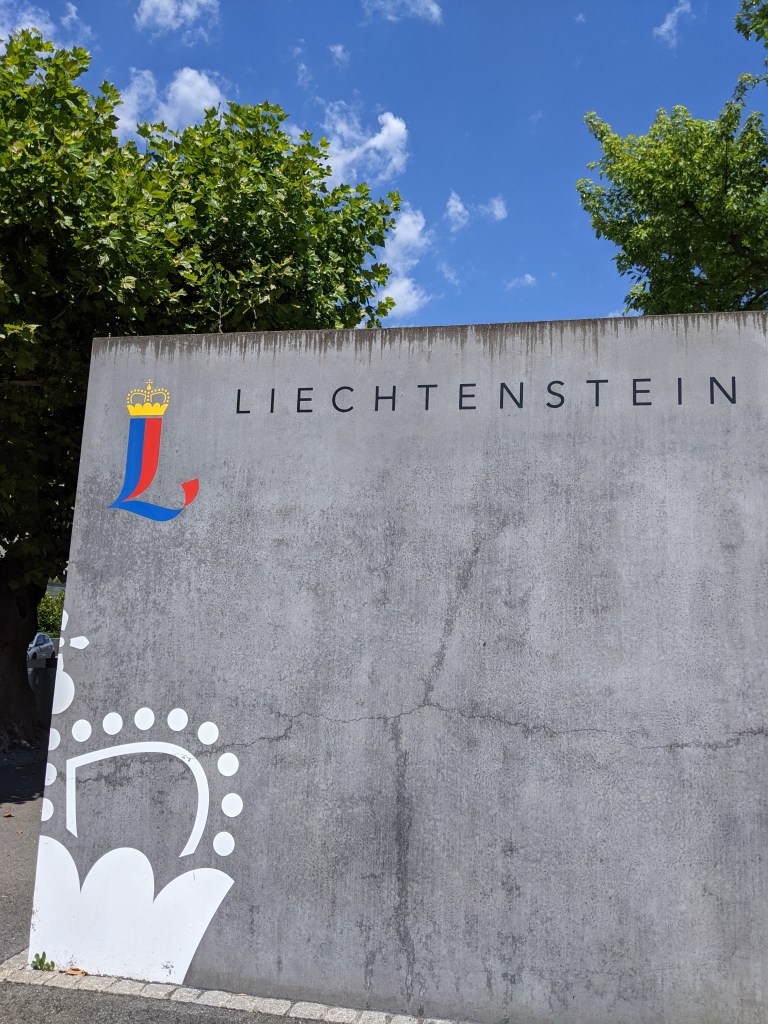
Liechtenstein
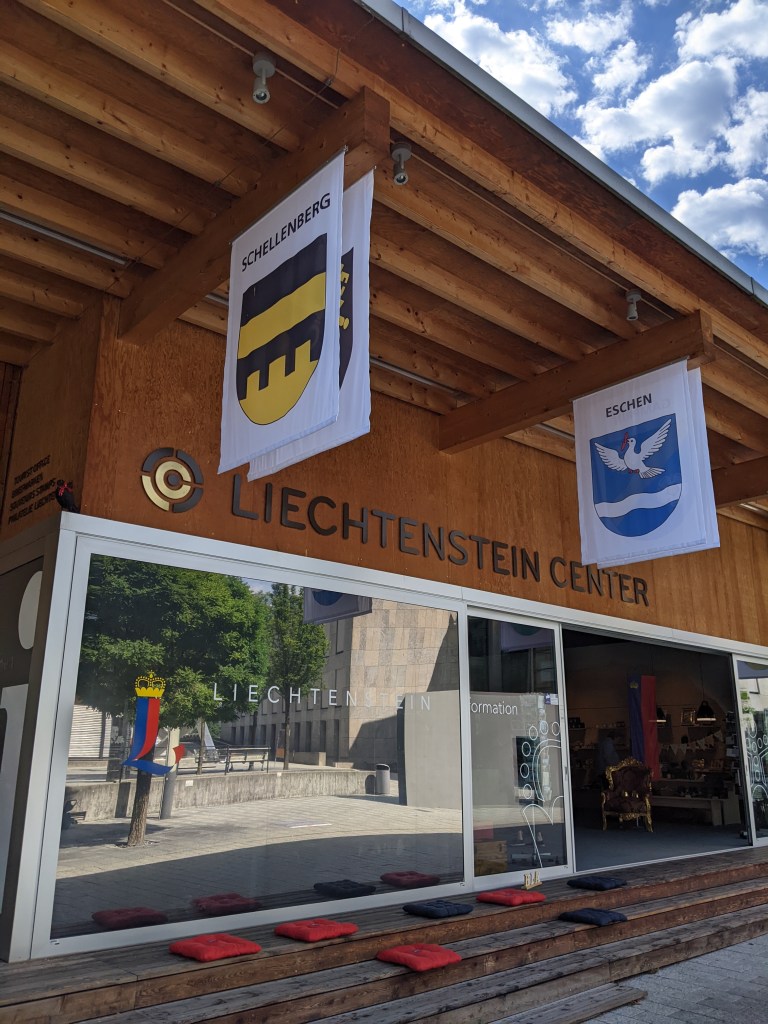
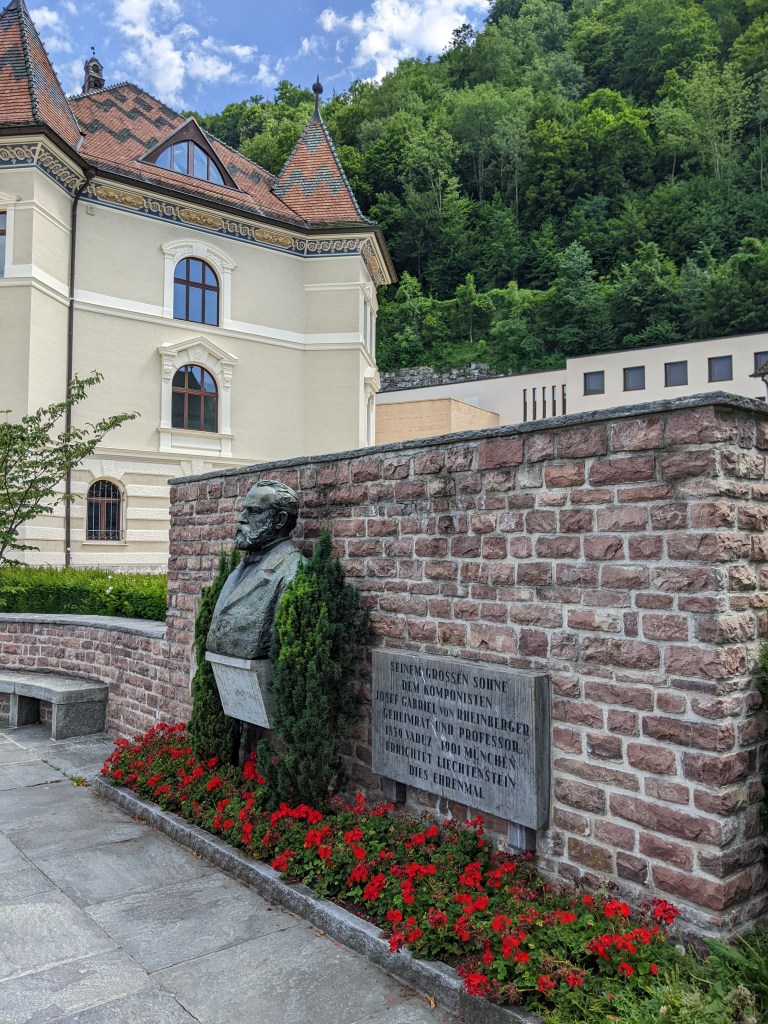
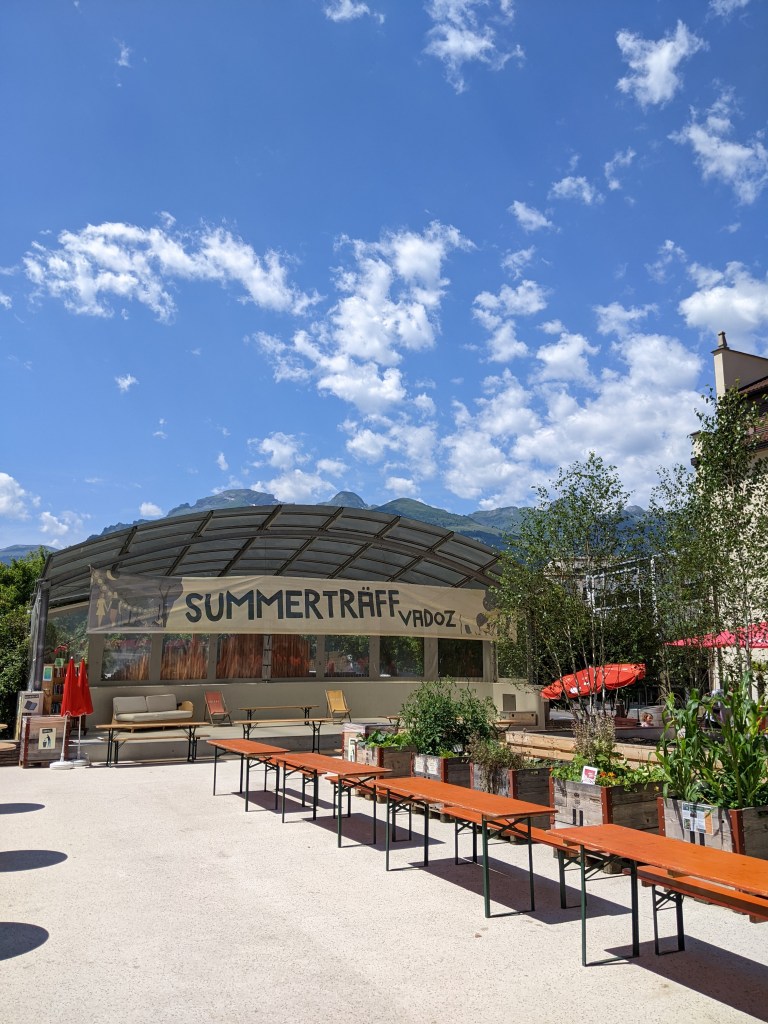
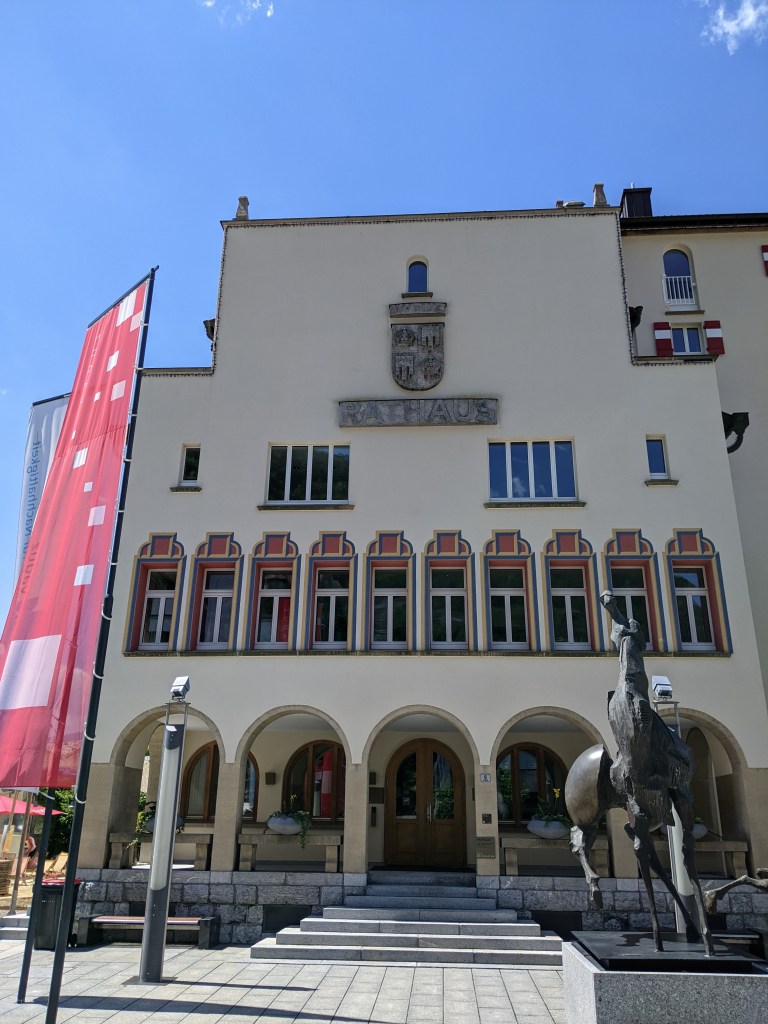
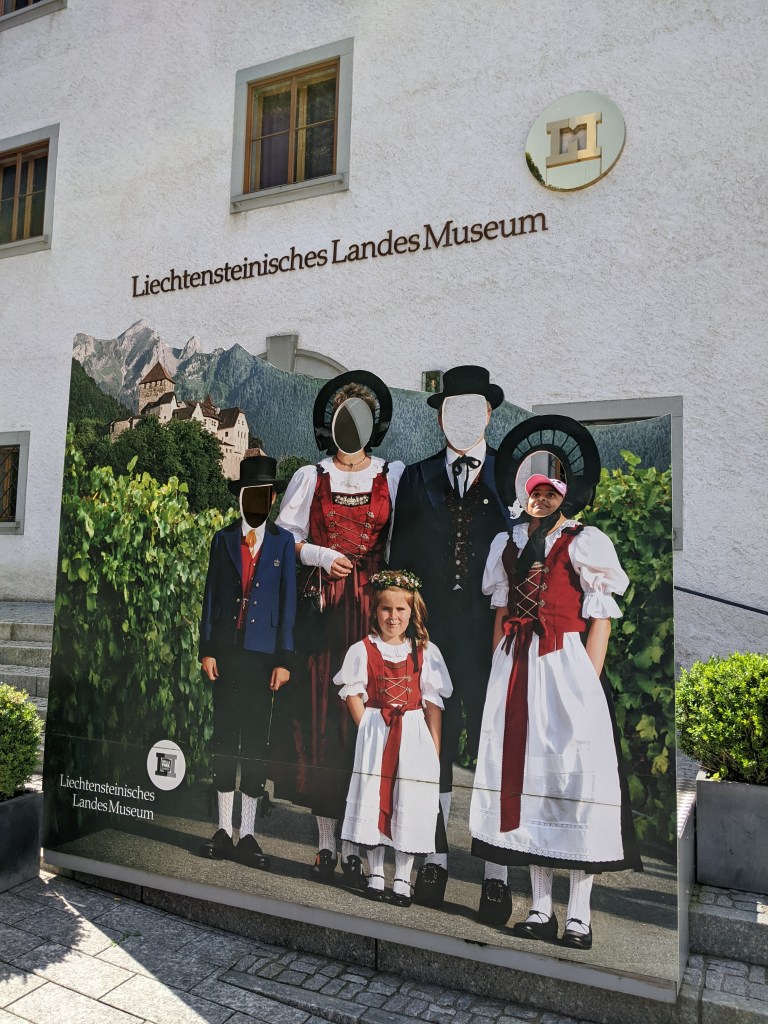
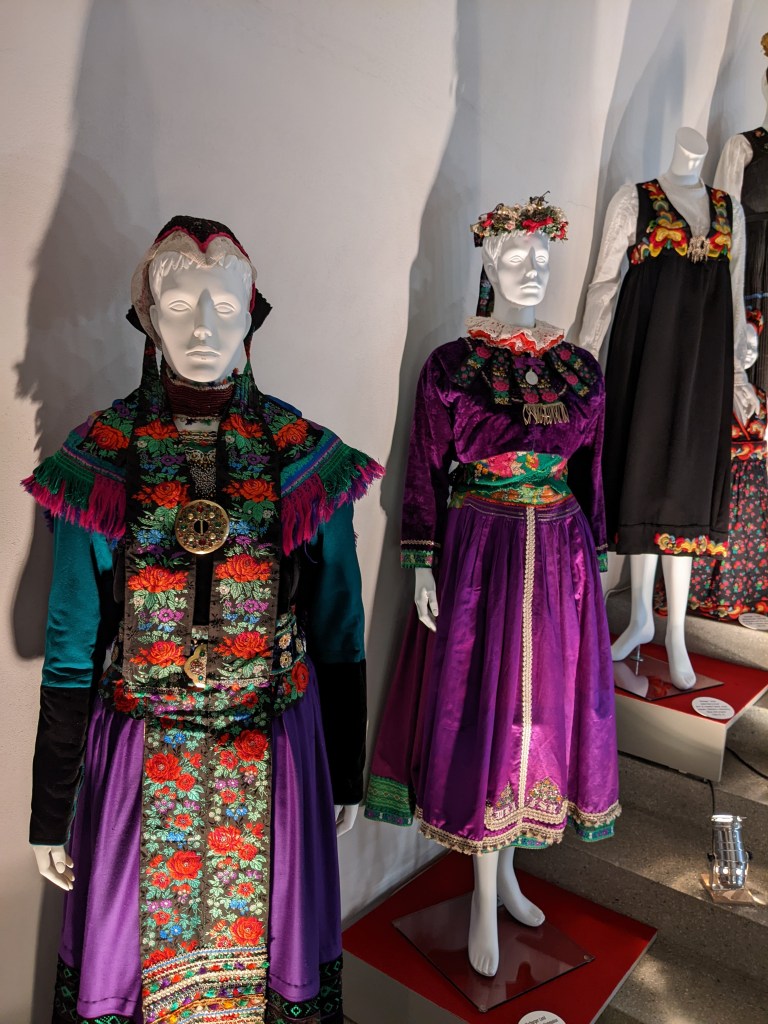
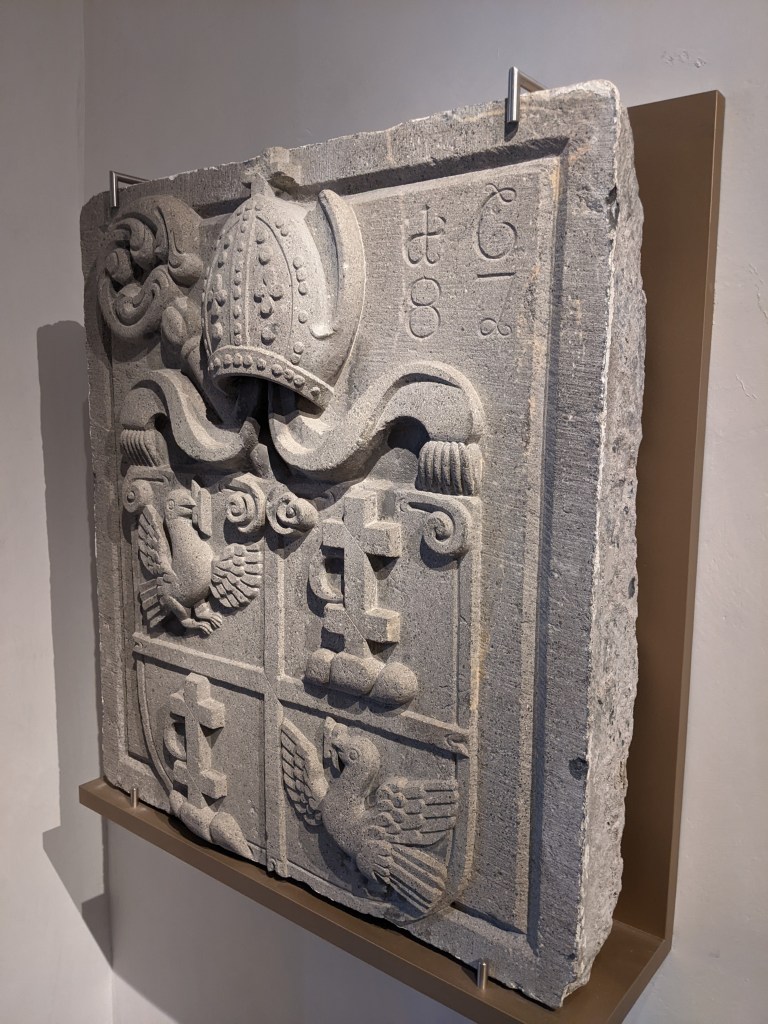
3. Vaduz, the capital, is a picturesque, compact town that can be leisurely explored in under an hour. The Städtle, the main thoroughfare, is home to a plethora of hotels, restaurants, and museums. A quirky delight at the Liechtenstein Center is the opportunity to receive Liechtenstein passport stamps, a curiosity given the nation’s lack of international airports or border controls. The friendly staff at the information desk are always ready to assist. Don’t miss the Liechtenstein National Museum, offering a captivating overview of the country’s rich history and culture.
Liechtenstein Center Städtle, VaduzStädtle, VaduzRathaus, VaduzLiechtenstein National MuseumTraditional Liechtenstein dressLiechtenstein Coat of Arms
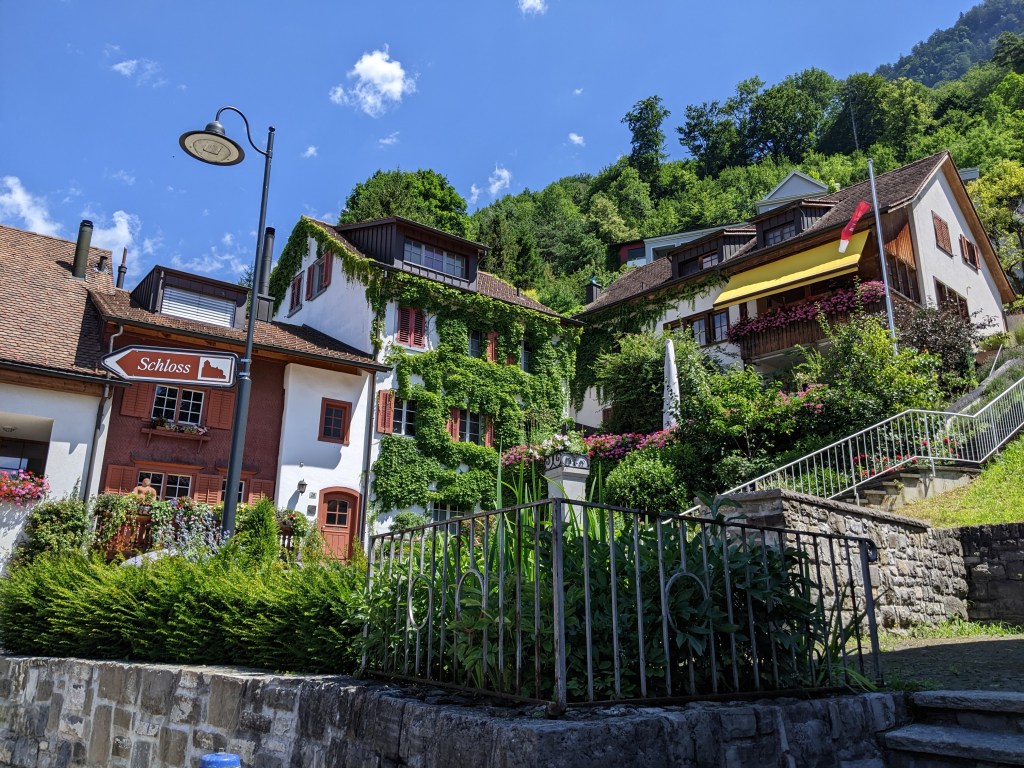
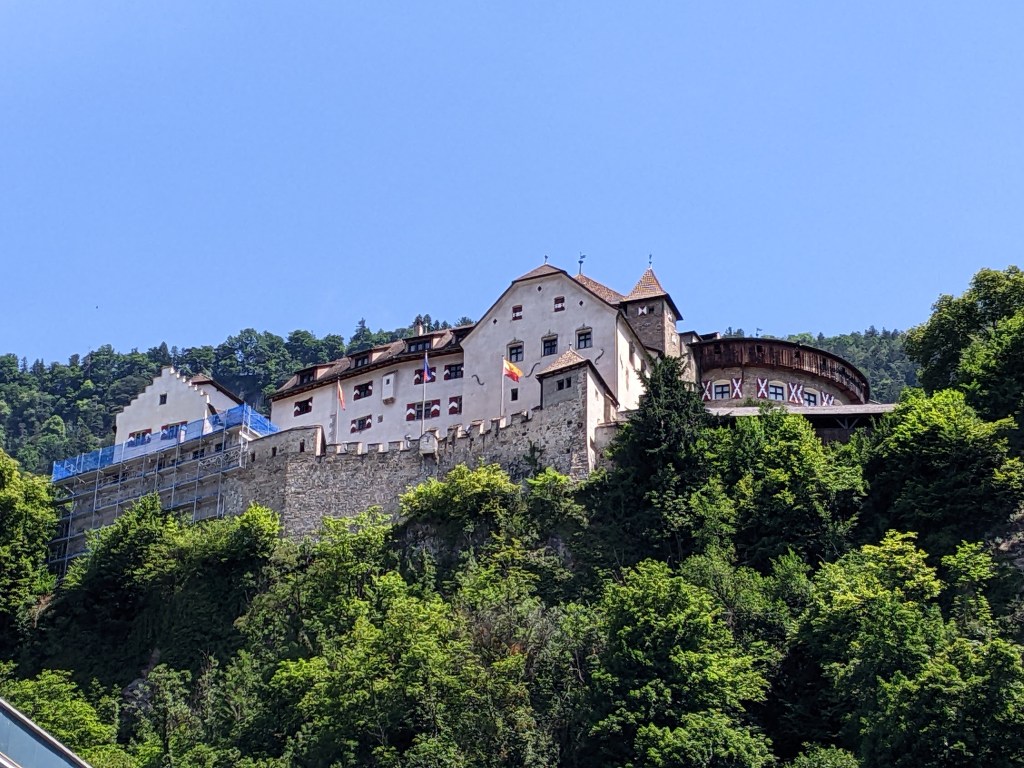
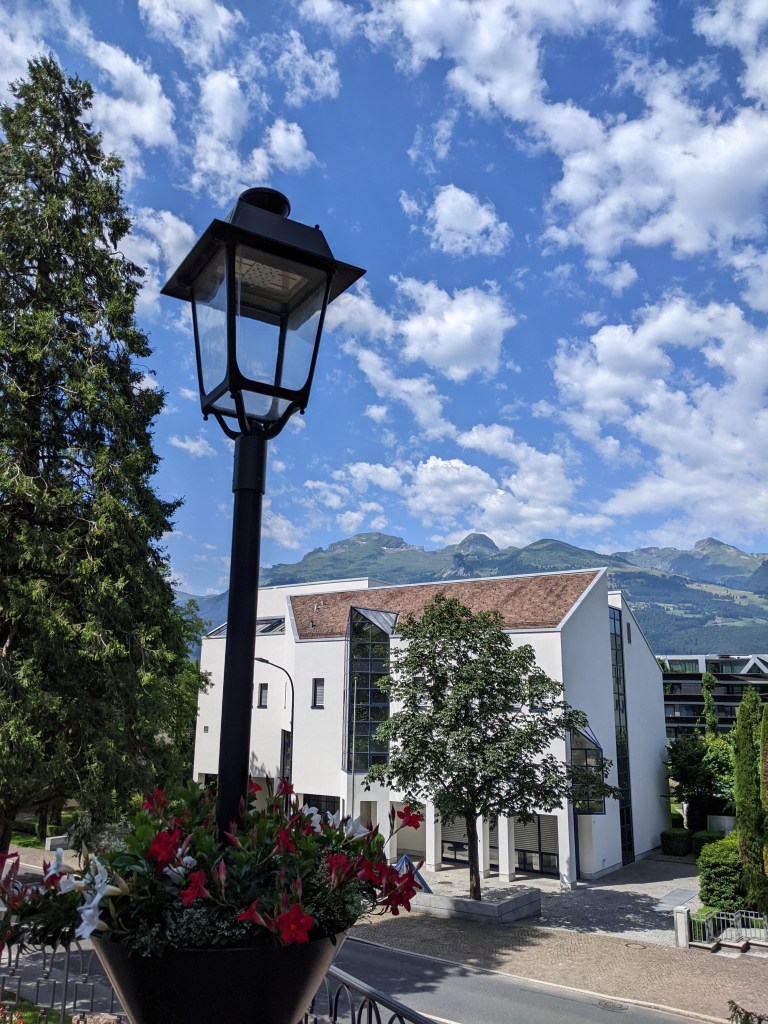
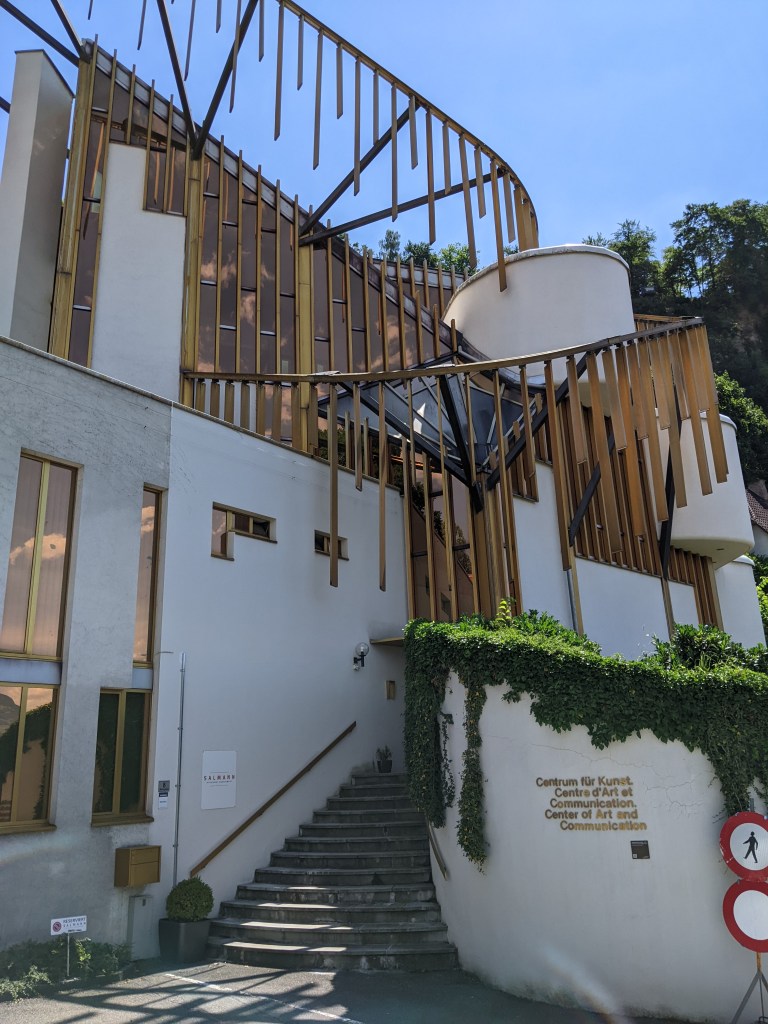
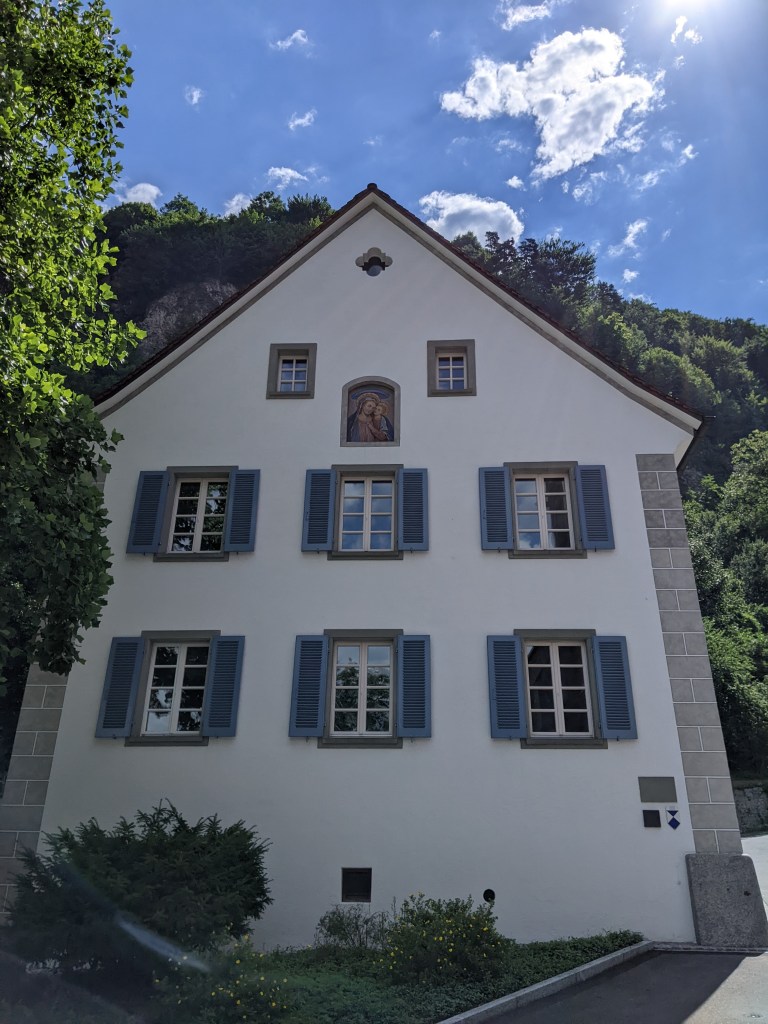
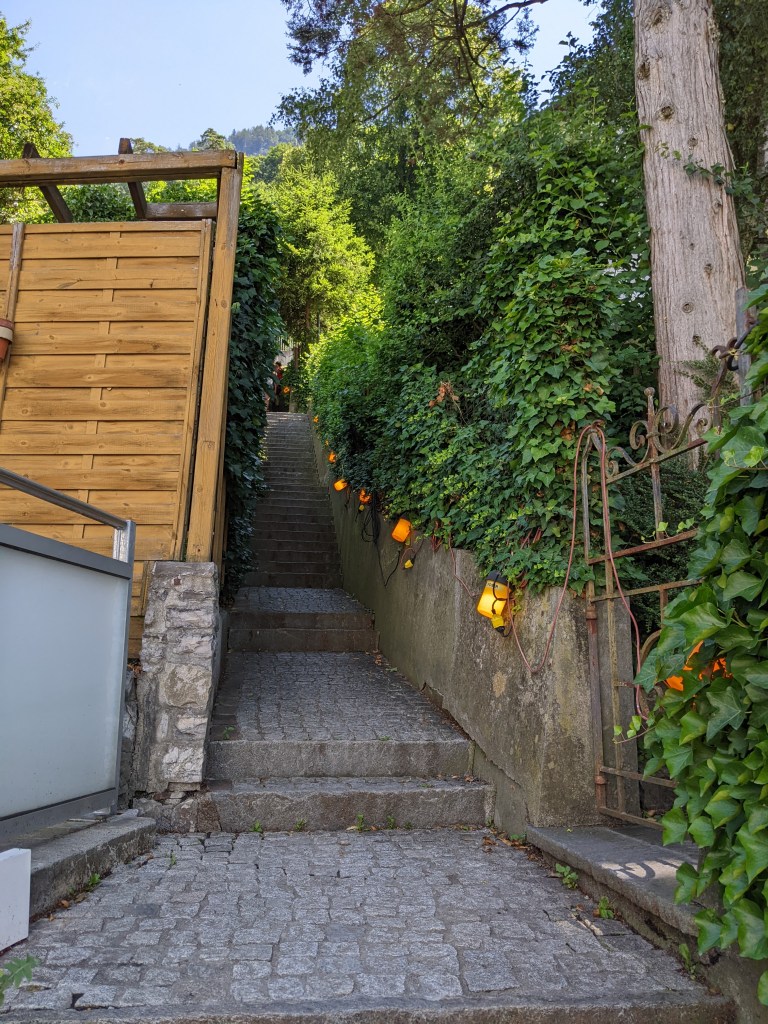
4. For an enjoyable urban adventure, consider taking a short hike to Vaduz Castle. While the castle itself isn’t open to visitors, the journey presents numerous charming corners and lookout points, perfect for capturing memorable photographs.
Walk to CastleVaduz CastleMountain view from the castle pathCenter of Art and CommunicationQuaint buildings on the way to castleStairway to castle
5. Just outside Vaduz lies Alte Rheinbrucke, a quaint wooden bridge dating back to 1901, spanning the Rhine River and connecting Liechtenstein to Switzerland. The international border lies approximately at the midpoint of the bridge, allowing you to experience the novelty of standing in two countries at once.
























 flagsandforks