1. Antigua is a charming Spanish colonial town about an hour from Guatemala City. Founded in 1543 by Spanish Conquistadors as Santiago de los Caballeros, it served as the capital of the Kingdom of Guatemala, which included modern-day Belize, Costa Rica, El Salvador, Guatemala, Honduras, Nicaragua, and Mexico’s Chiapas state. The city was built in a square grid pattern, with key buildings surrounding the central plaza.
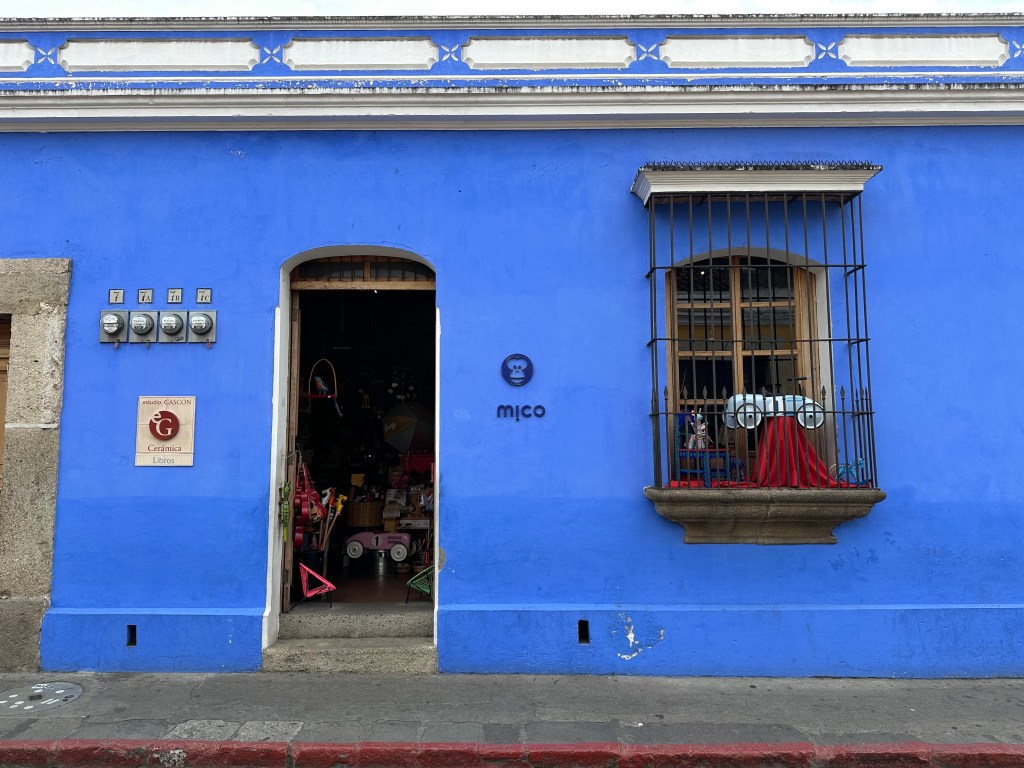
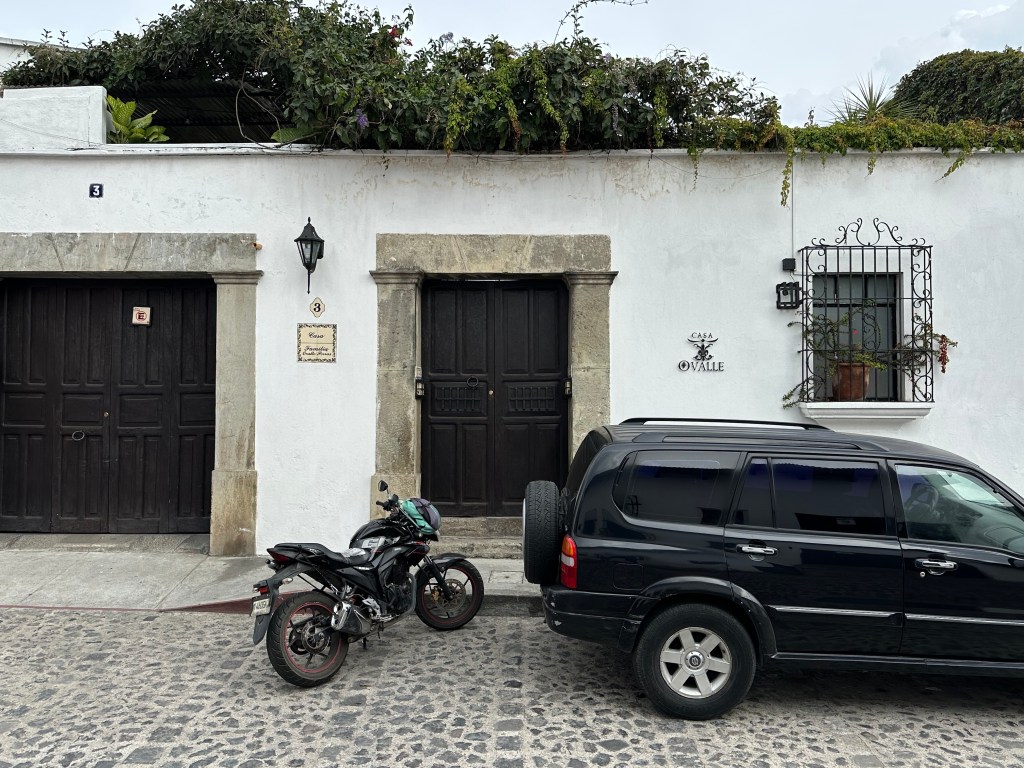
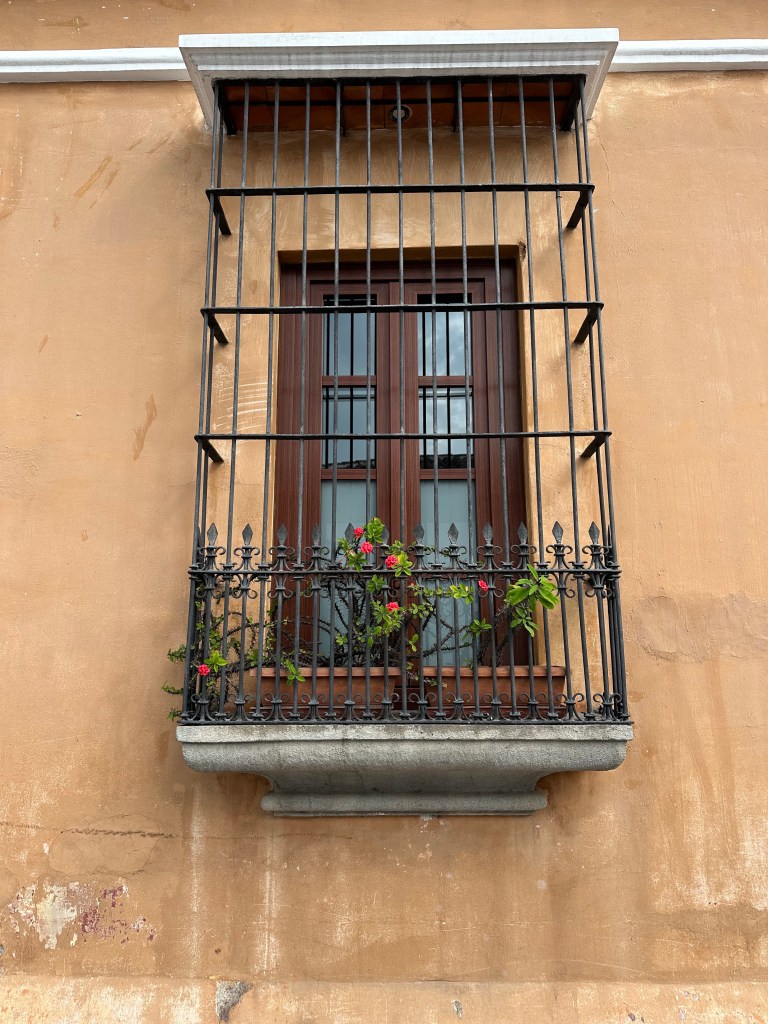
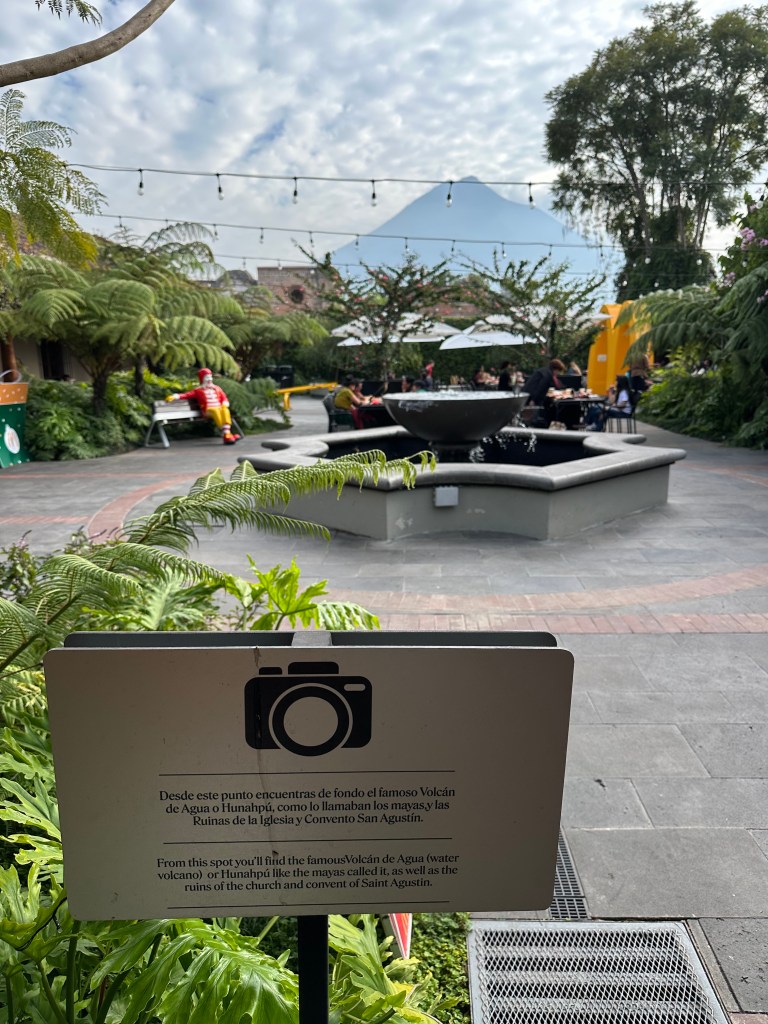
2. Today, Antigua is tourist central and serves as the gateway for volcano hikers and history lovers on the Mayan trail. The city bustles with boutiques, coffee shops, and restaurants. It’s fascinating to see how global chains have adapted to the city’s Spanish colonial architecture—McDonald’s, Starbucks, and Taco Bell in Antigua have some of their most aesthetically designed spaces worldwide.





3. Spanish Baroque architecture arrived in Antigua but quickly evolved to address local realities—namely, frequent earthquakes. The Santa Catalina arch exemplifies this practical adaptation with its thicker walls, lower bell tower, and restrained ornamentation. Originally, the arch served a specific purpose: creating a private passage for nuns traveling between Santa Catalina convent and a school across the street without breaking their isolation vows. Today, the distinctive yellow arch with its weathered clock stands as Antigua’s postcard-perfect landmark, drawing photographers while showcasing colonial ingenuity.


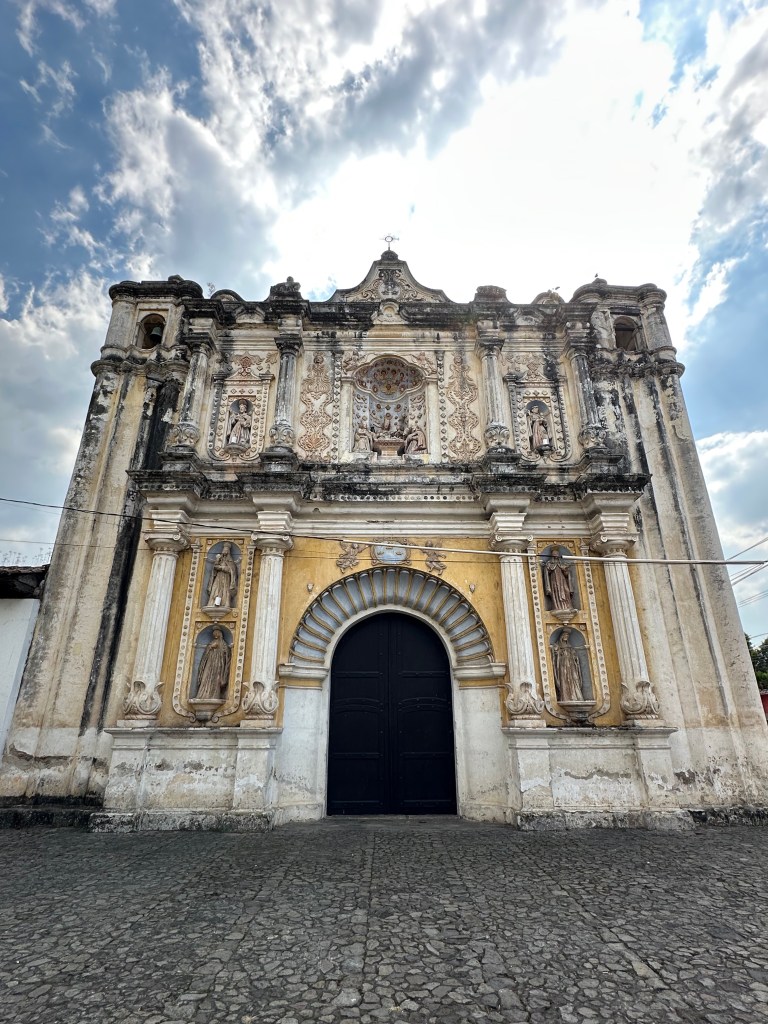
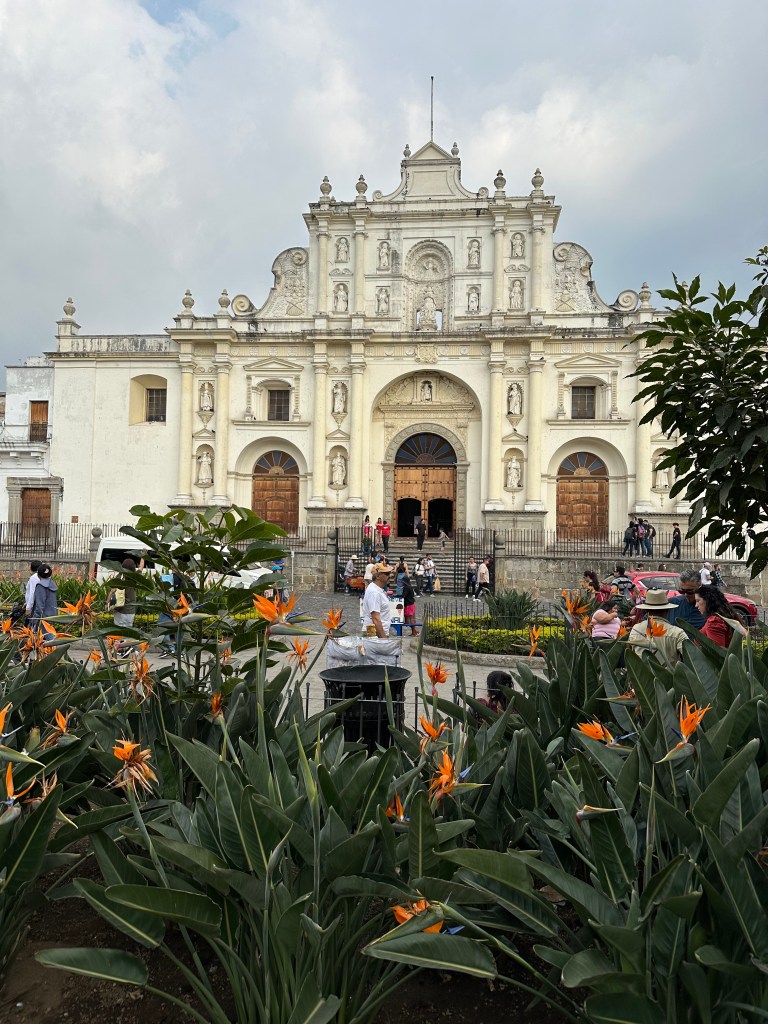
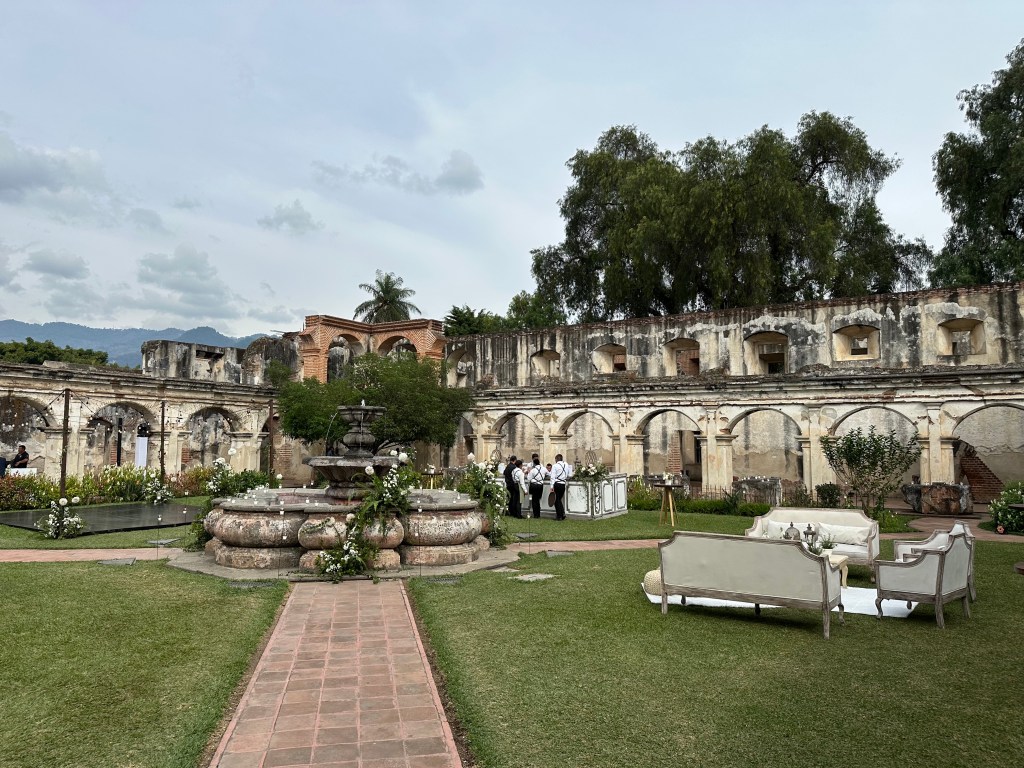
4. Antigua’s churches are attractions themselves, symbolizing significant events in the city’s history. As a colonial hub, it attracted many religious orders establishing infrastructure to evangelize, educate, and serve indigenous communities. While few original churches survived the 1773 earthquake, La Merced Church was an exception thanks to seismic reinforcements completed years before. Among the ruins, Convento Santa Clara is a must-visit for its picturesque grounds and stunning main chapel. Across the street is Tanque la Union, a colonial-era public wash basin built for locals. The Convento de Capuchinas ruins are smaller but charming. Other noteworthy churches include Iglesia de San Pedro Apóstol, Iglesia Escuela de Cristo, Iglesa Calvario, and Iglesia y Convento de la Compañía de Jesús.


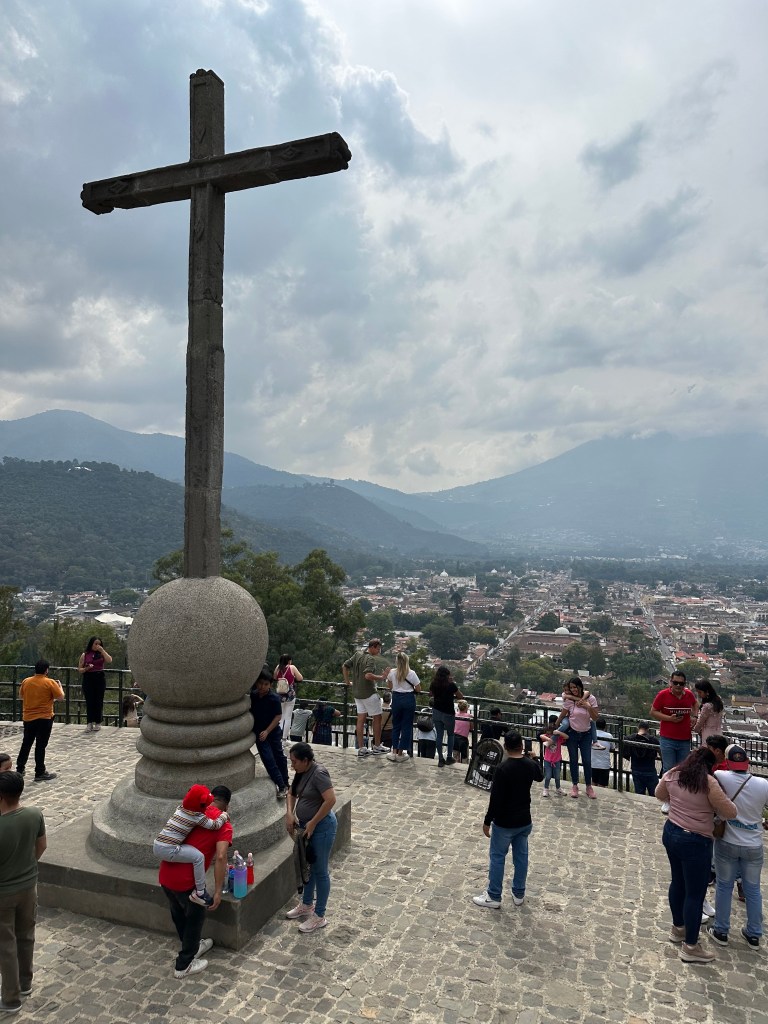
5. Cerro de Cruz offers a popular viewpoint with a bird’s-eye view of the city. On clear days, Volcan Agua creates a dramatic backdrop for the Baroque buildings below. The viewpoint is accessible via a short hike or private transport and attracts locals who come for picnics or to watch the sunset. There’s plenty of seating and some food options available.

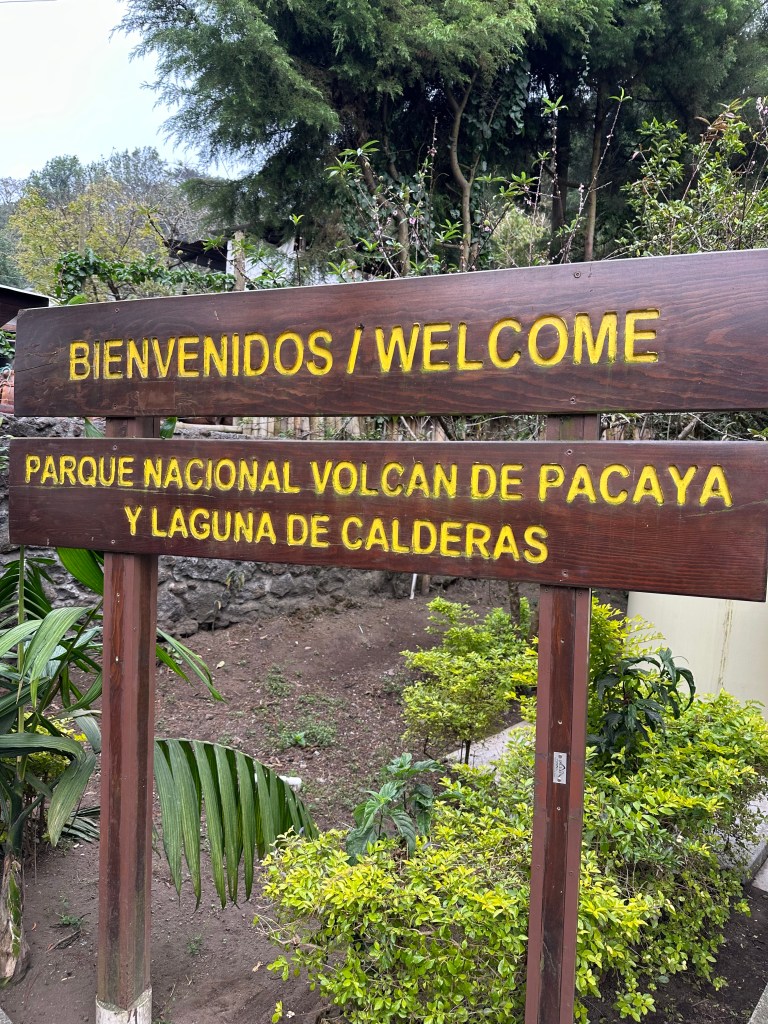
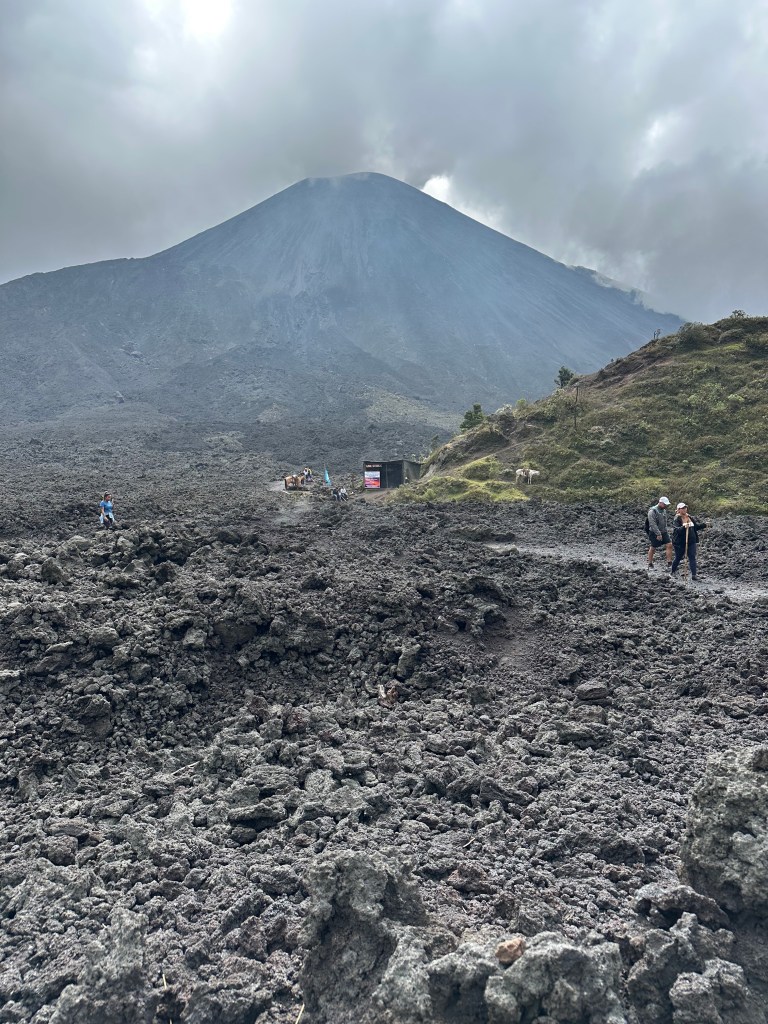
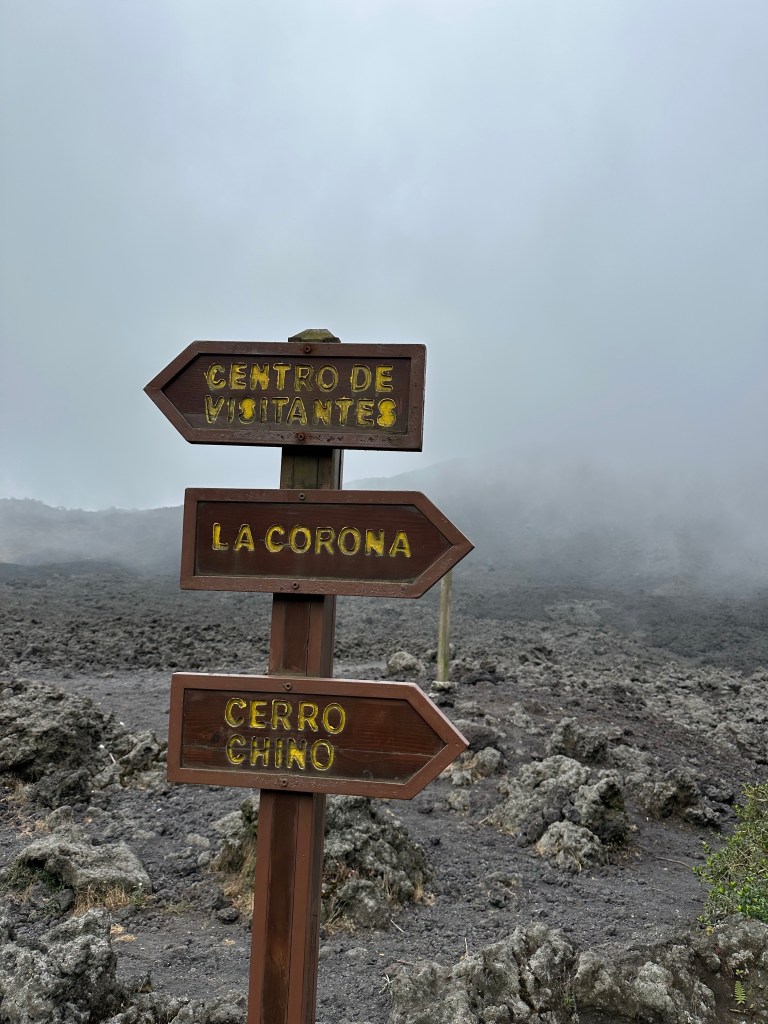
6. The area surrounding Antigua features four volcanoes—Agua, Fuego, Acatenango, and Pacaya. Fuego remains the most active, constantly spewing lava and ash, while Pacaya has been relatively quiet since 2021. Volcan Agua overlooks the town, a constant reminder of nature’s power. Thrill-seekers climb Acatenango to witness Fuego in action, while the less adventurous opt for Pacaya with its lava fields. The Pacaya hike takes only a few hours round-trip and offers a unique reward: roasting marshmallows in hot vents. While guided tours aren’t mandatory, transportation logistics make organized tours worthwhile.

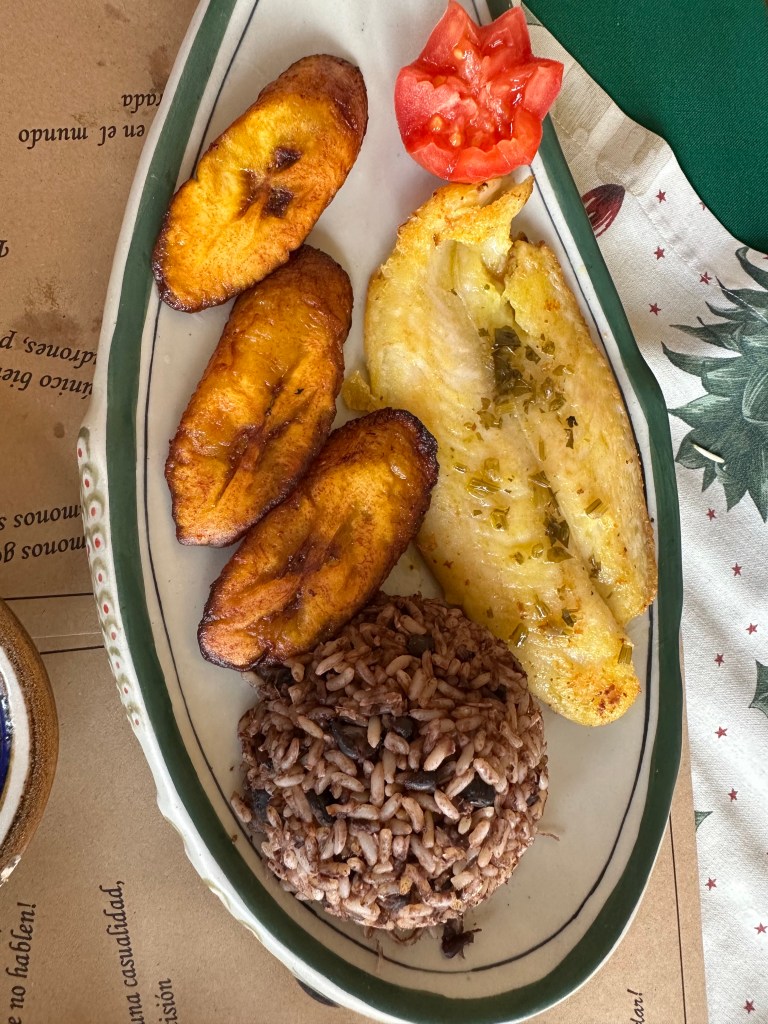
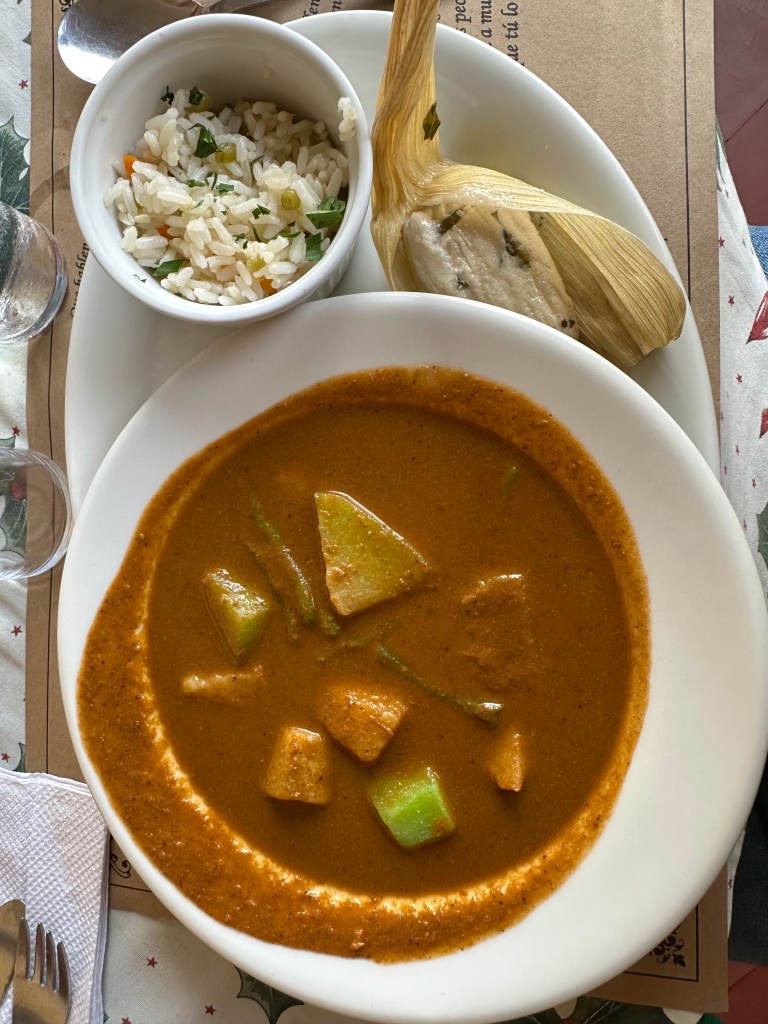
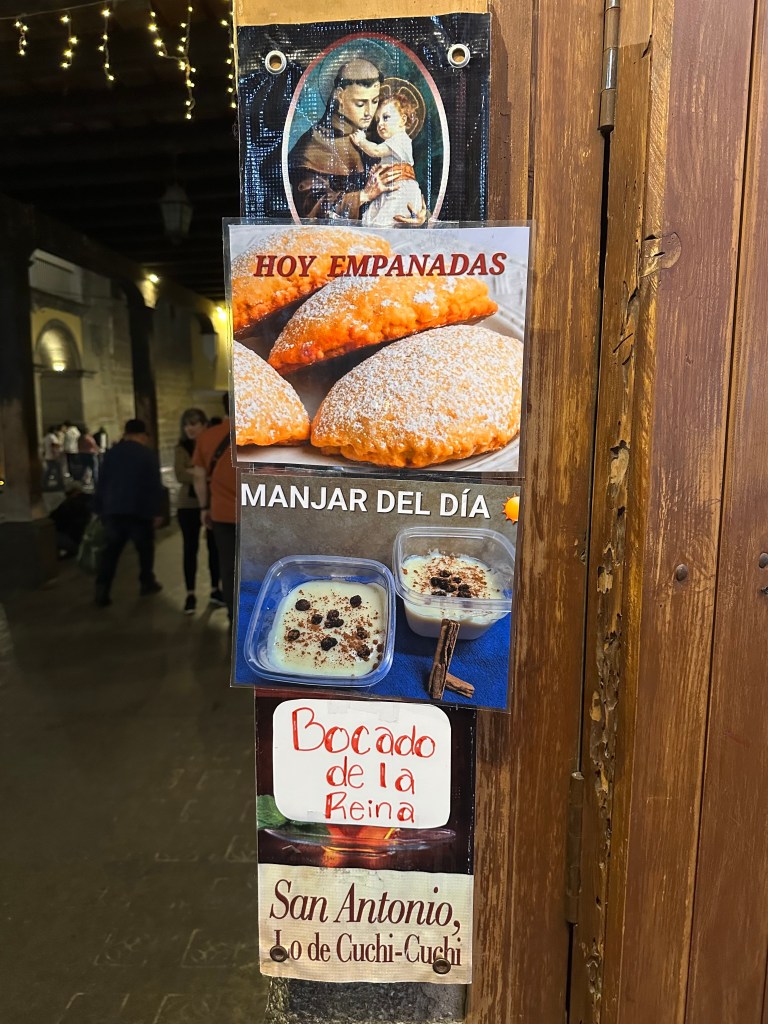
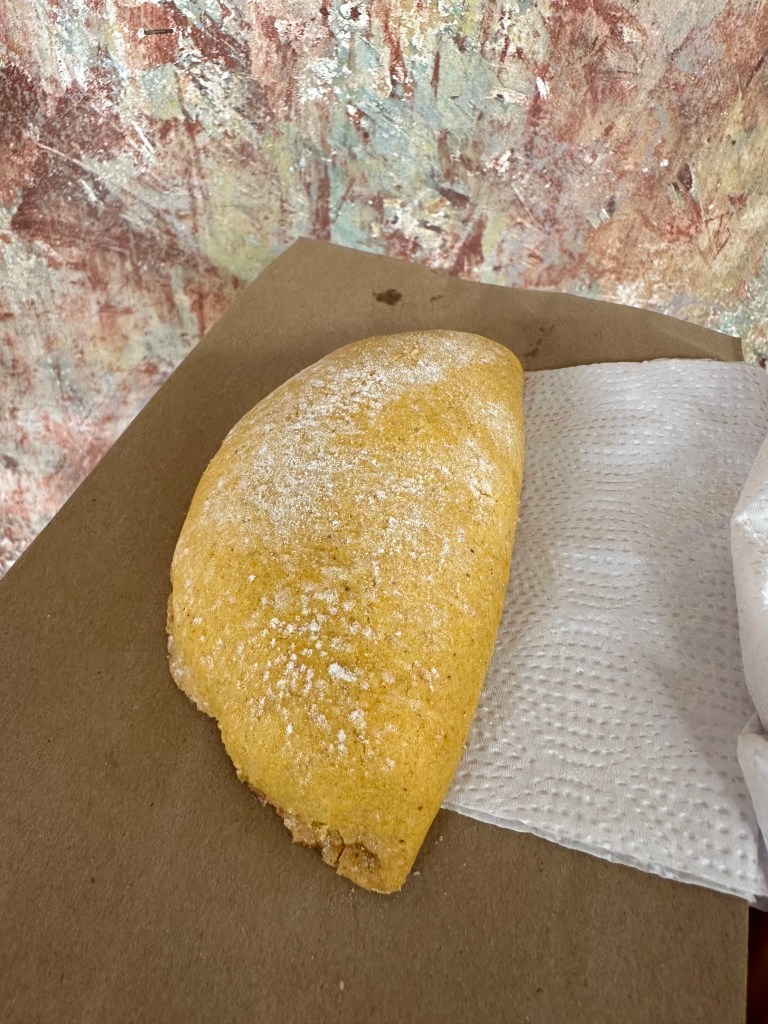
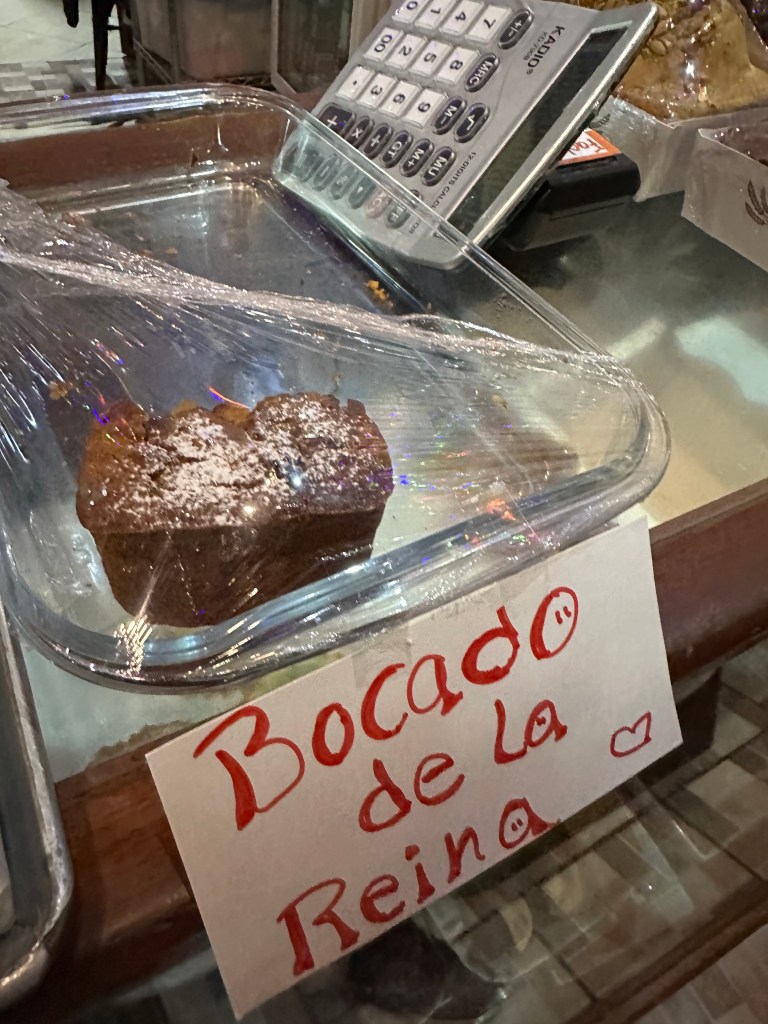
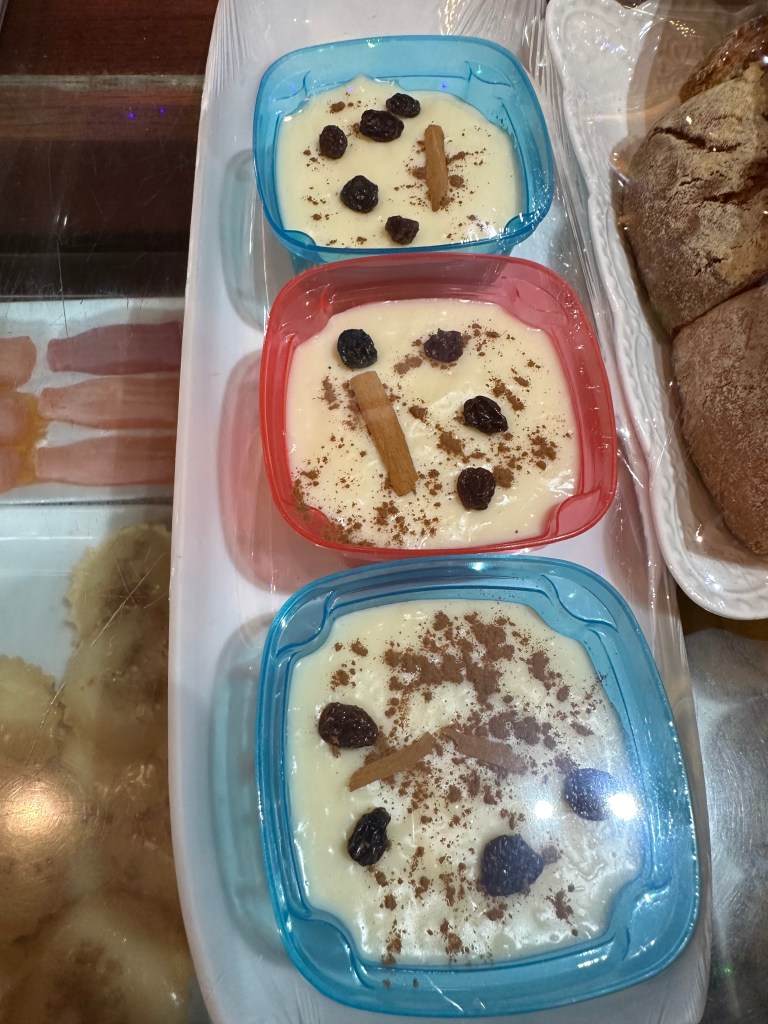
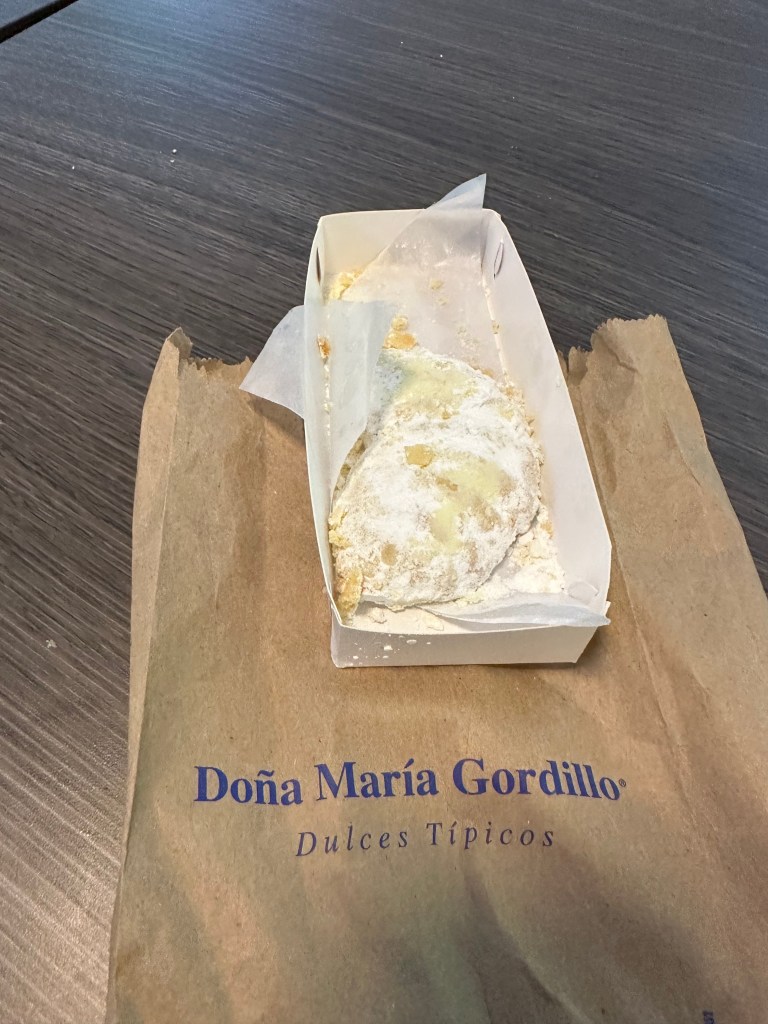
7. Guatemalan cuisine was a pleasant surprise. While not as complex and diverse as Mexican food, it stands above other countries in the region. Pepián is one of the most recognizable Guatemalan dishes—a meat stew made with native ingredients like tomatoes, tomatillos, cinnamon, and seeds from pumpkin, gourd, and sesame. The flavor is distinct, similar to a nutty tomato chutney. Guatemalan mole is served as dessert, more chocolate-forward with significantly less chile and spices than its savory counterparts. Antigua’s coffee scene caters to tourists but didn’t particularly impress me. The bakeries fared better, crafting classic Spanish sweets with skill—never too sweet or greasy. The Bocado de Reina (Guatemalan bread pudding) and Manjar de Dia (Guatemalan rice pudding) at San Antonio de Cuchi were scrumptious, as were the Polvorones (wedding cookies) at Doña Maria.

 flagsandforks