5 things about Doha, Qatar 

1. Qatar’s emergence as a nation-state was shaped by its position between two competing empires—the Ottoman Turks and the British. Its founder, Jassim bin Mohammed Al Thani, united the tribes and skillfully navigated these power dynamics to establish a self-managed entity. Most of today’s towns began as fishing and pearl-diving settlements. That changed dramatically in the early 1900s with the discovery of oil, which now contributes around 60% of the GDP and 85% of exports. Doha, the capital, is being actively developed to mirror the scale and ambition of Dubai. This transformation is powered by a large immigrant workforce from the Philippines, Nigeria, India, and Bangladesh, who are present across every visible sector—concierge desks, construction sites, retail stores, and taxis. Malayalam, like in much of the Gulf, often feels like the second most spoken language—I heard it far more than Arabic during my visit.

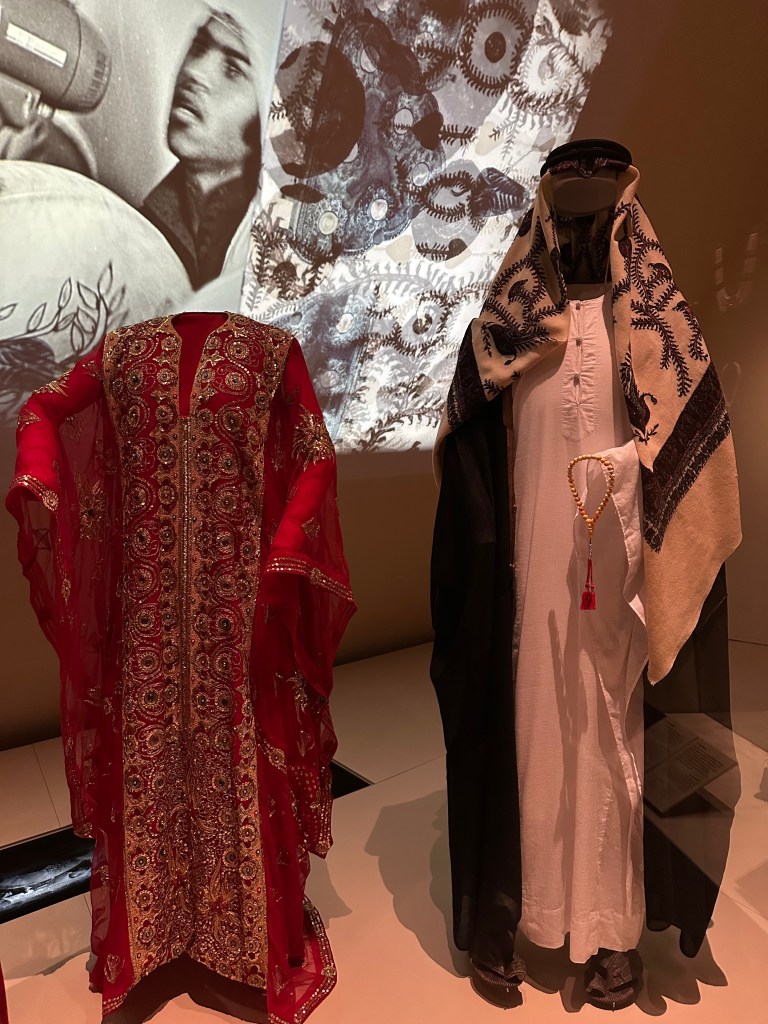
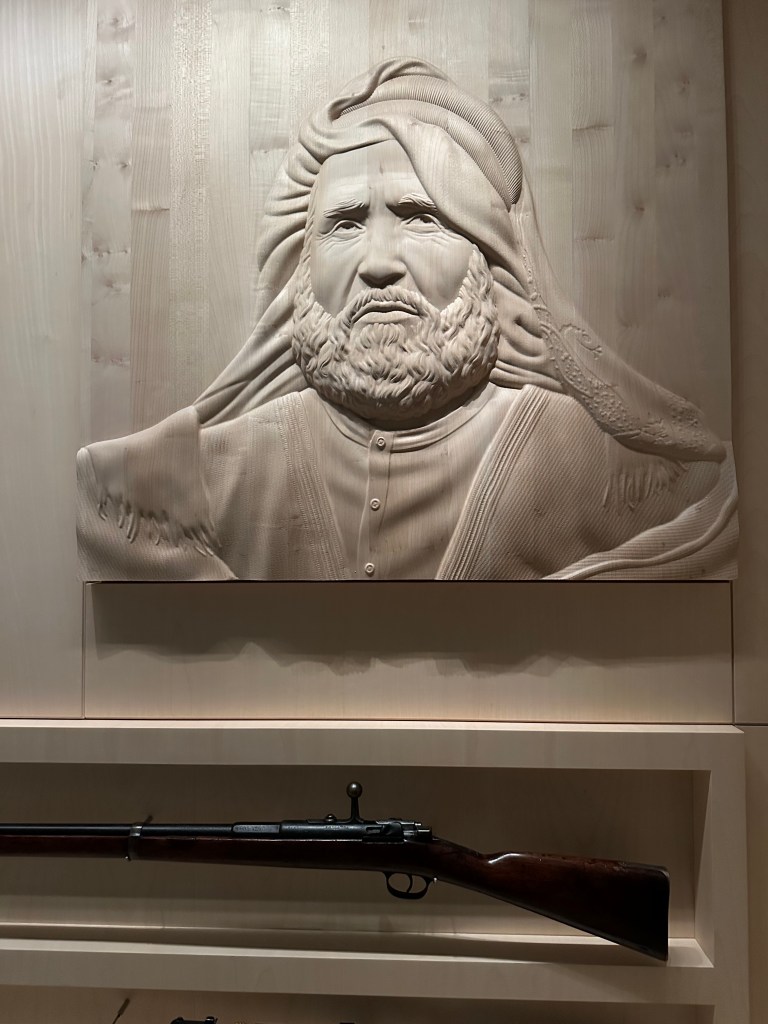
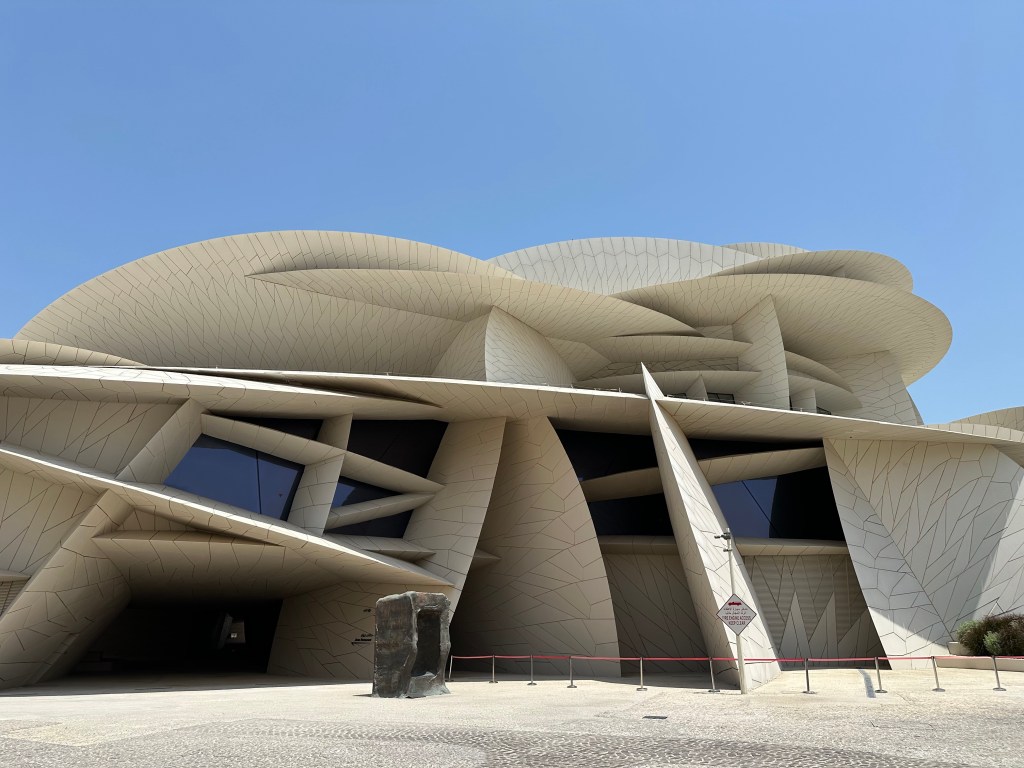
2. Oil wealth is also being channeled into cultural investments. Both the Museum of Islamic Art and the National Museum of Qatar are bold architectural statements. The latter, designed by French architect Jean Nouvel, takes the form of a desert rose—an arid-region flower known for surviving with little water. While the building itself is stunning, the exhibits inside were slightly underwhelming. The curation does a solid job showcasing local history and culture, but the layout and storytelling could be more engaging and accessible for visitors.
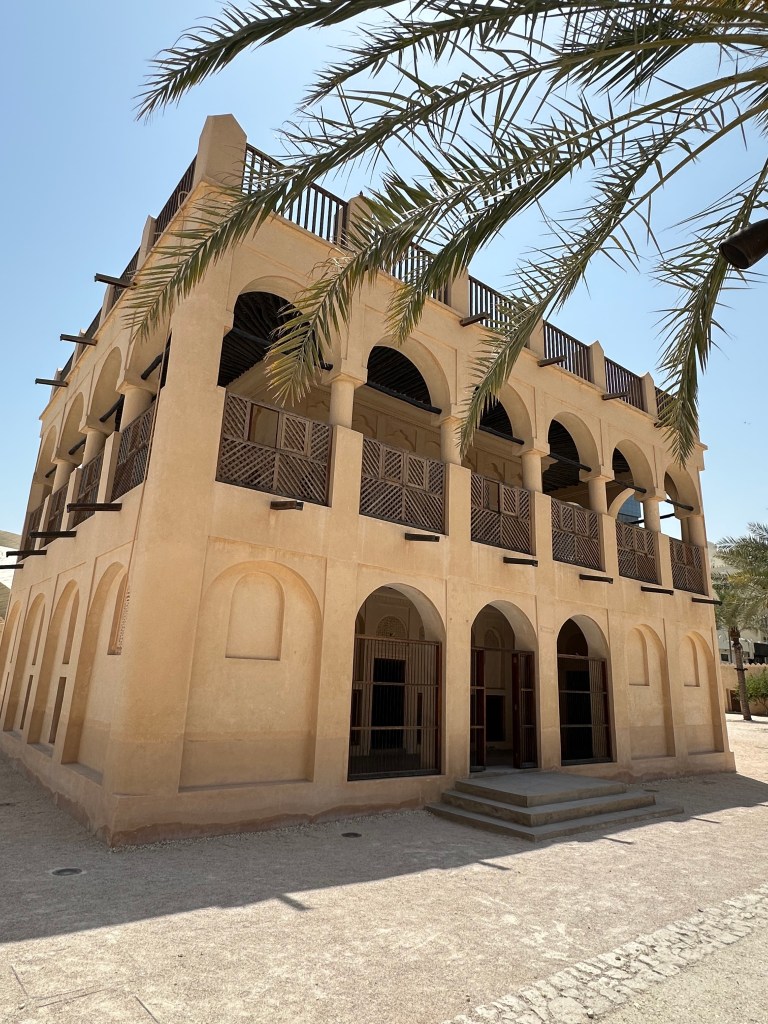
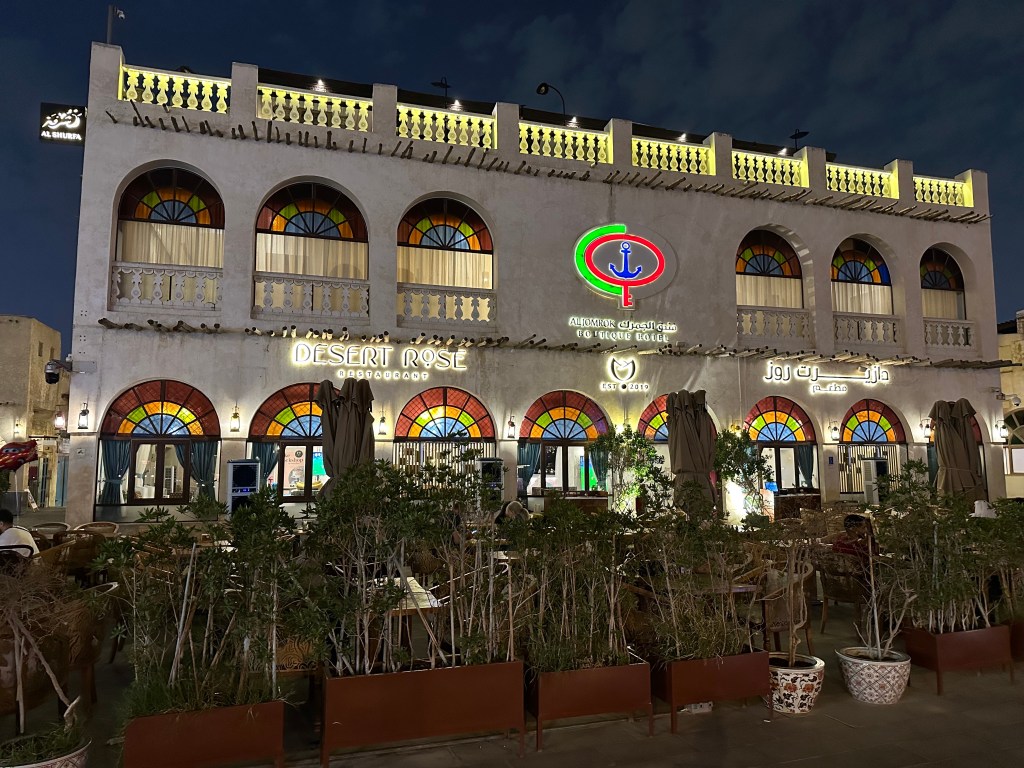
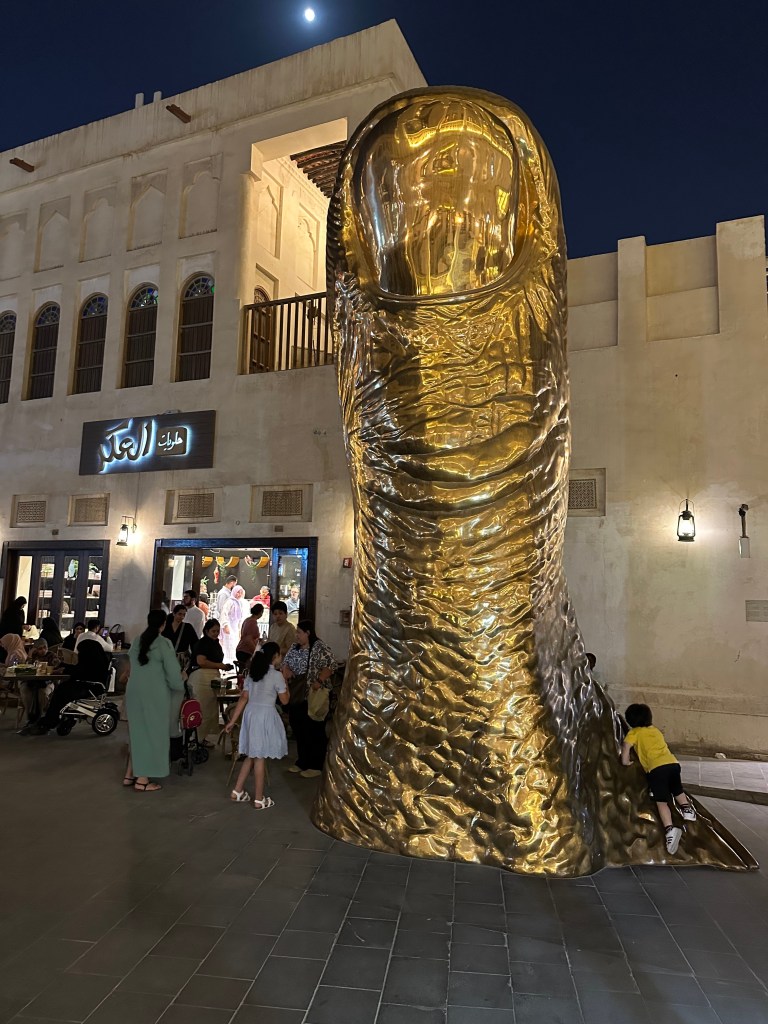
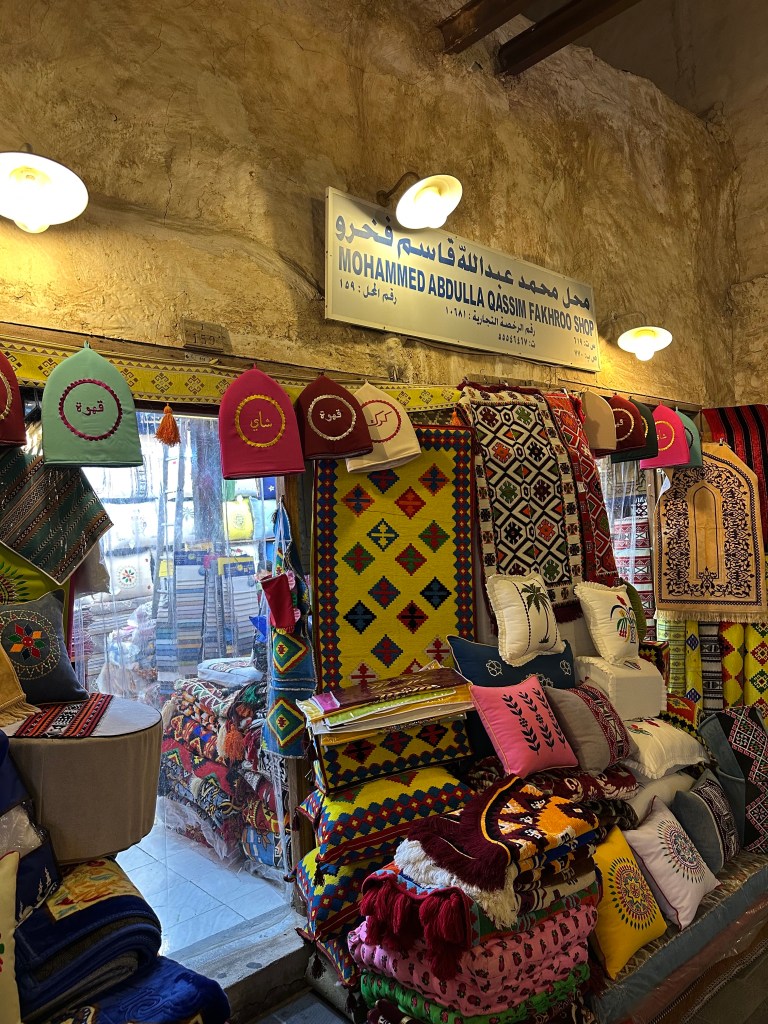
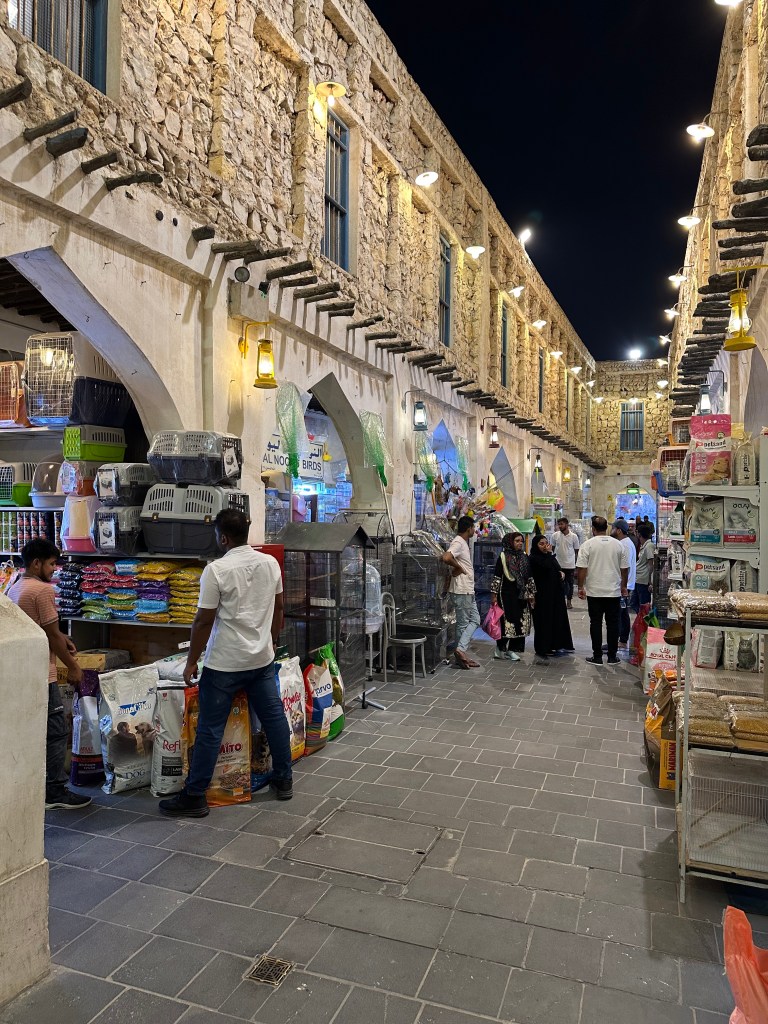
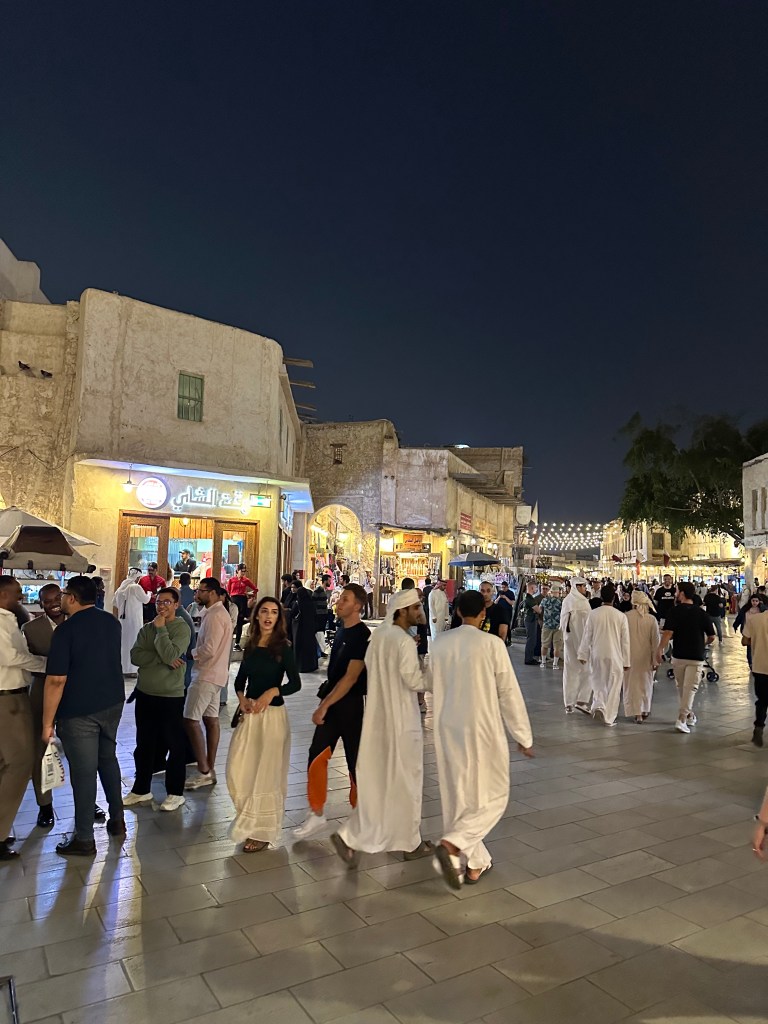
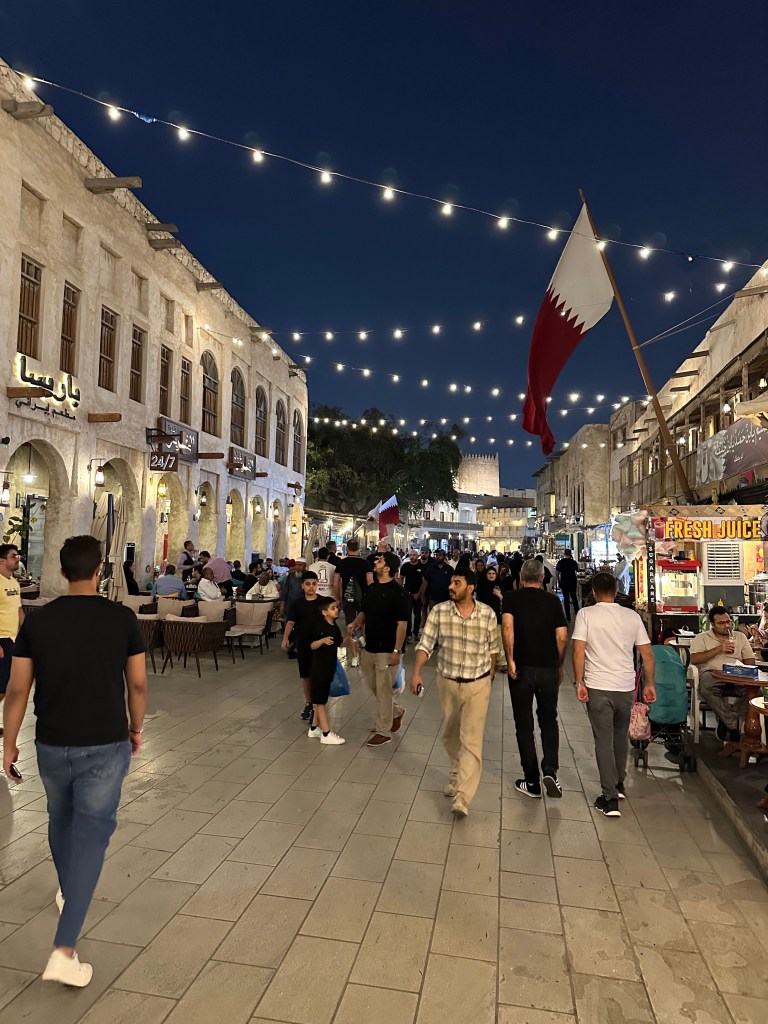
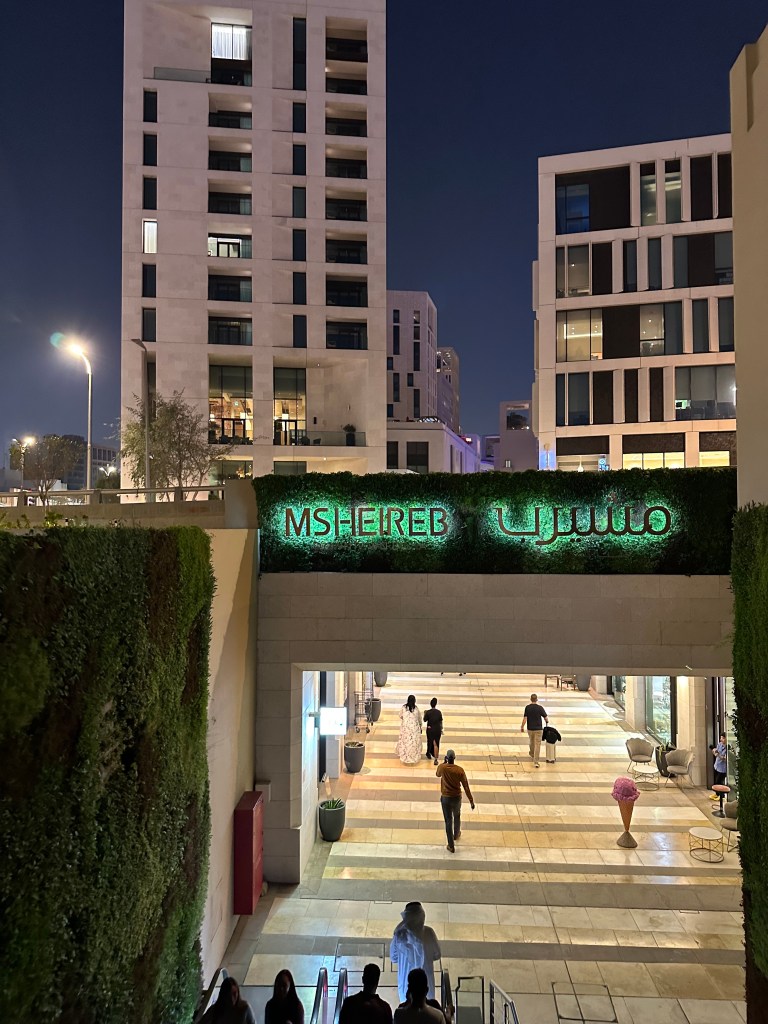
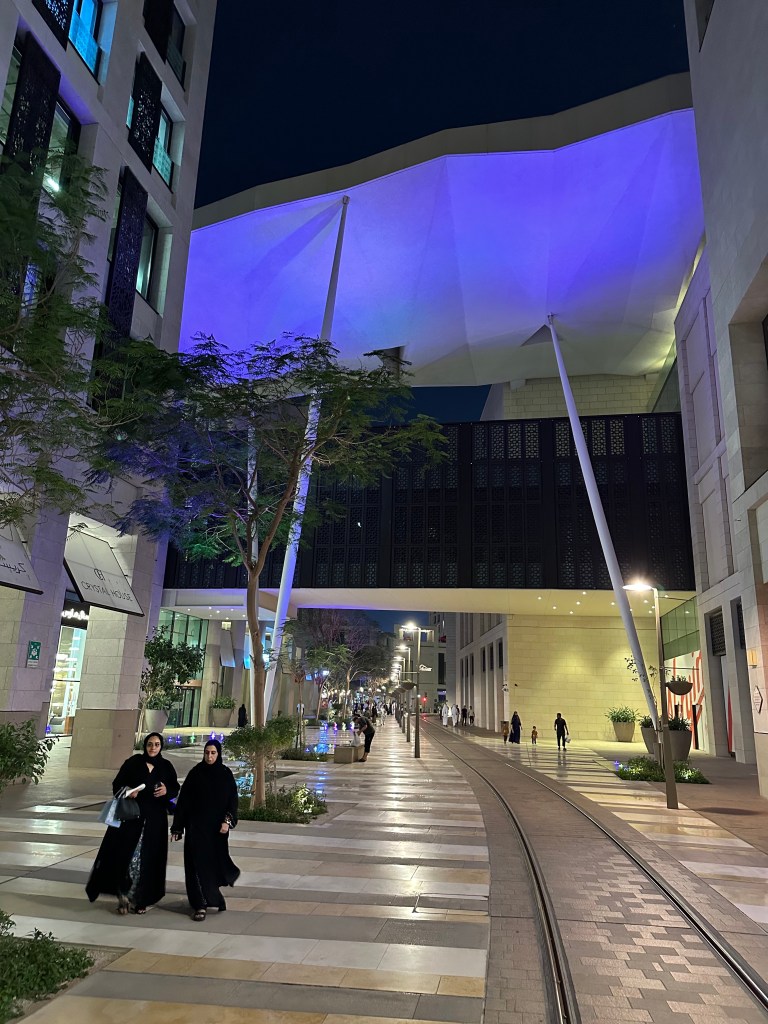
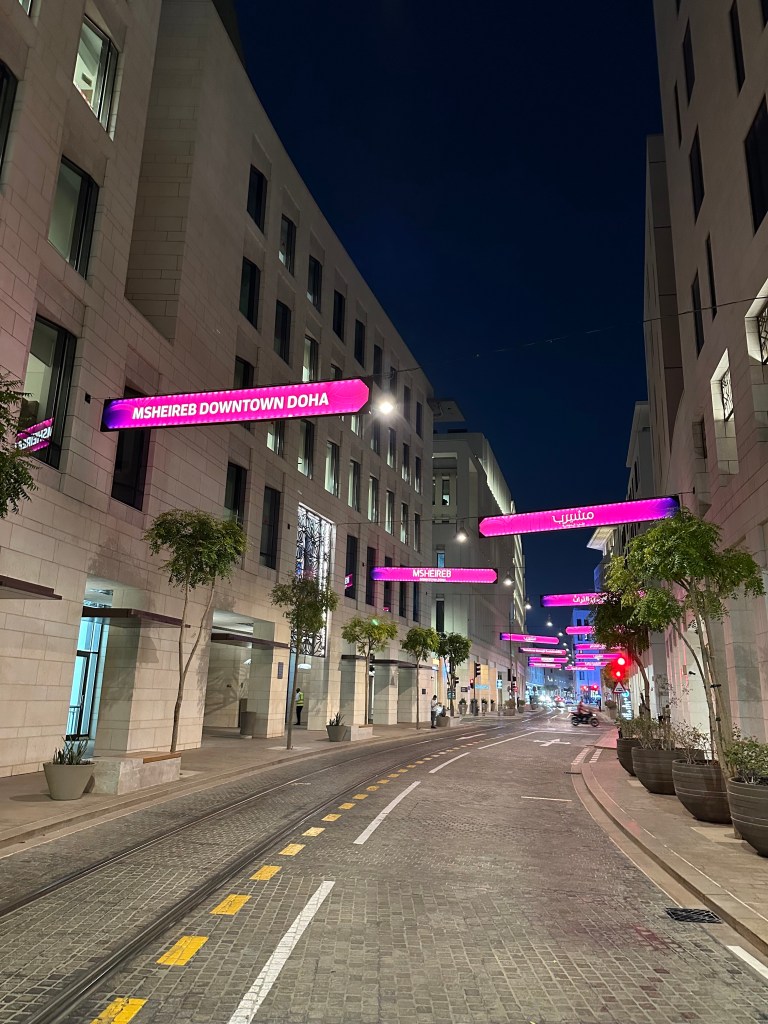
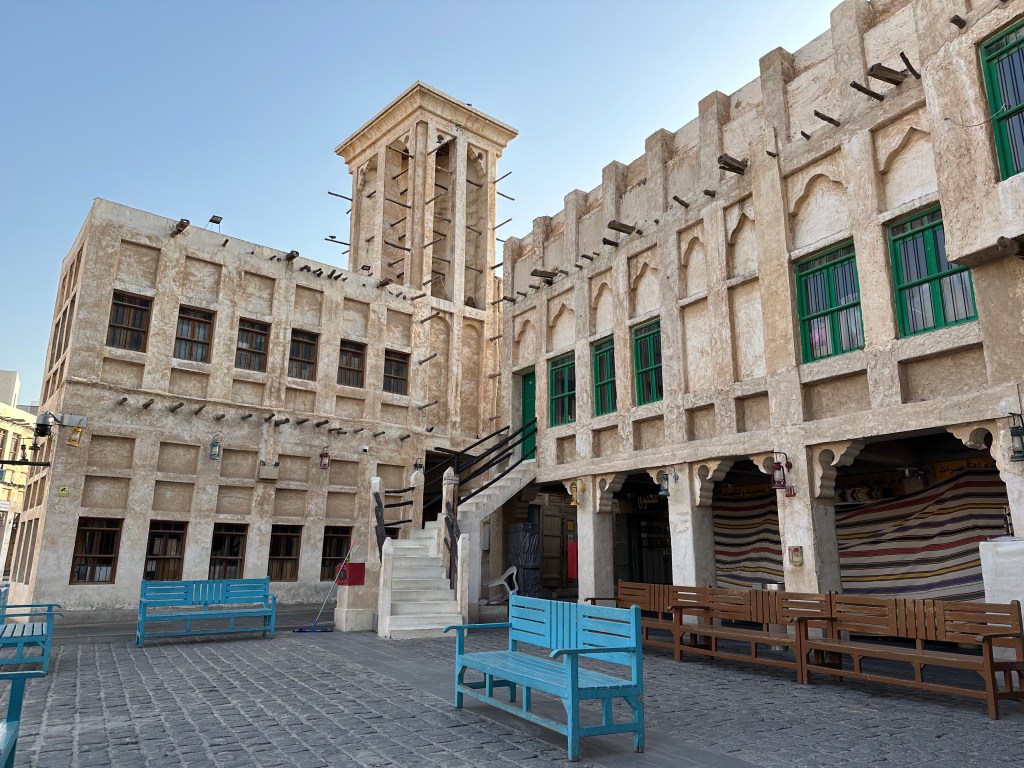
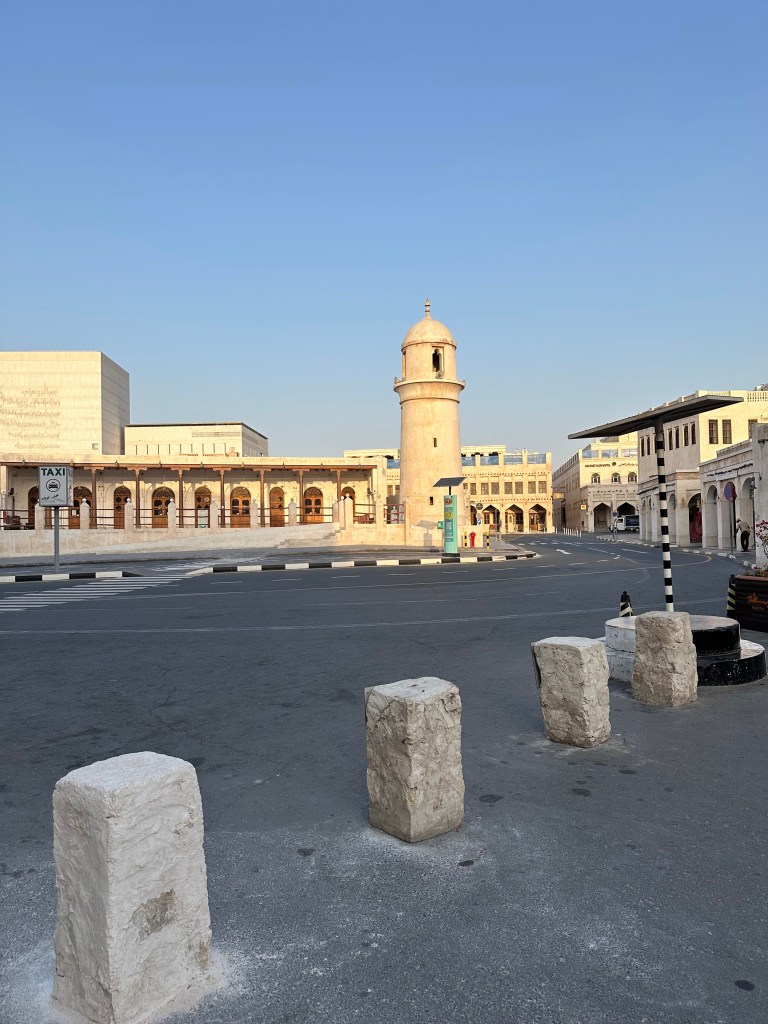
3. Souq Waqif, located in the Al Jasra neighborhood, is a maze of shops built on the foundations of an actual historic market that dates back to the late 19th and early 20th centuries. After falling into disrepair, it was carefully restored in 2006 to preserve its original character. The souq is divided into sections—clothing, cookware, perfumes, pets, spices, and food—and is kept spotlessly clean, with end-of-day cleanups that erase the day’s hustle. Despite its polished appearance, it retains an old-world charm that makes wandering through its narrow alleyways feel like stepping back in time. On weekend nights, the energy picks up as locals and tourists flock in to eat, shop, and unwind. Just adjacent to it, the sister neighborhood of Msheireb is being developed as a modern downtown district, filled with sleek architecture, high-end retail, global restaurant chains, and even its own tram system. I loved the way the old blends into the new—from the traditional textures of Souq Waqif to the gleaming streets of Msheireb. It makes for a seamless and memorable walk, especially at night when both districts are beautifully lit and buzzing with activity.
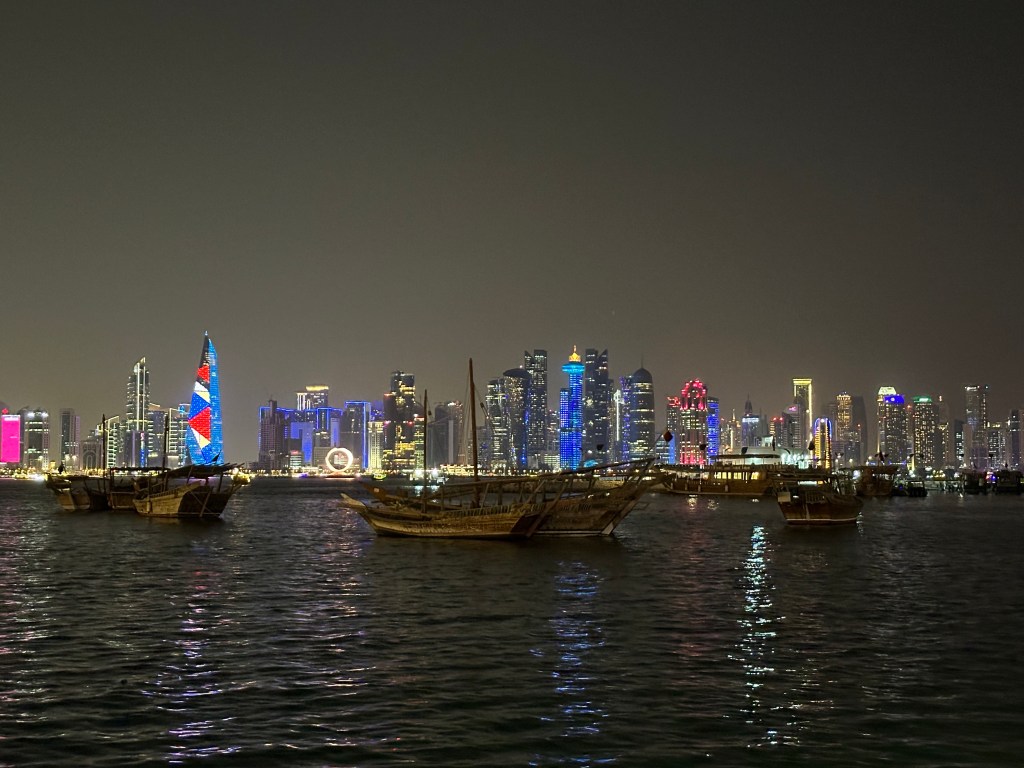
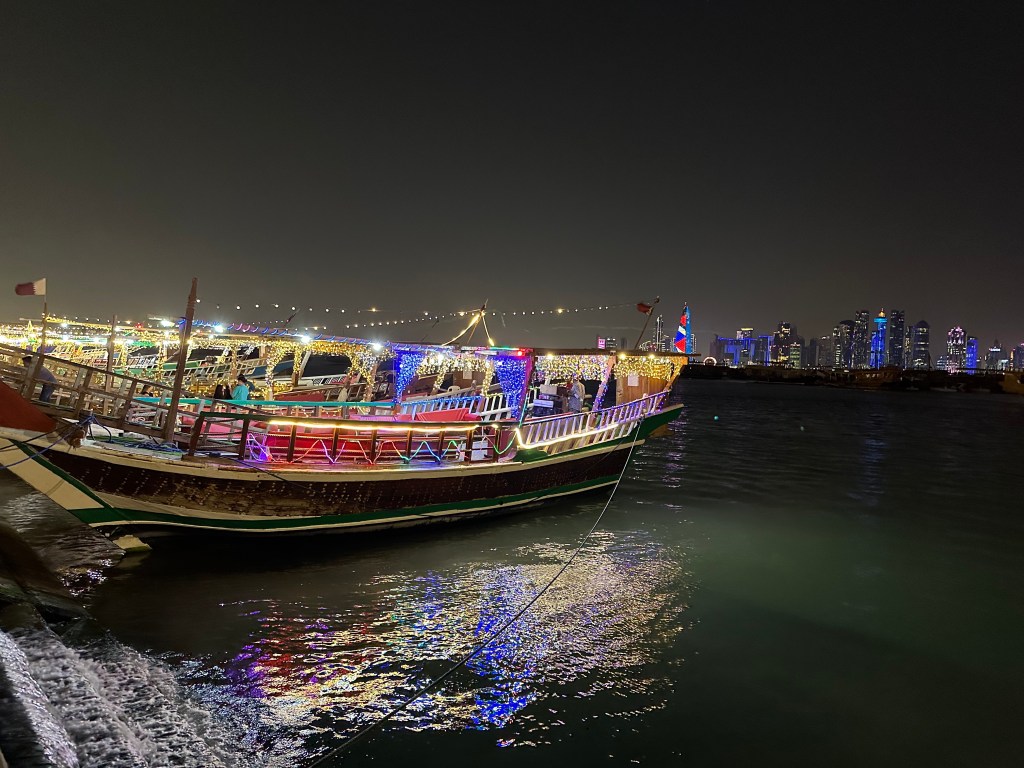
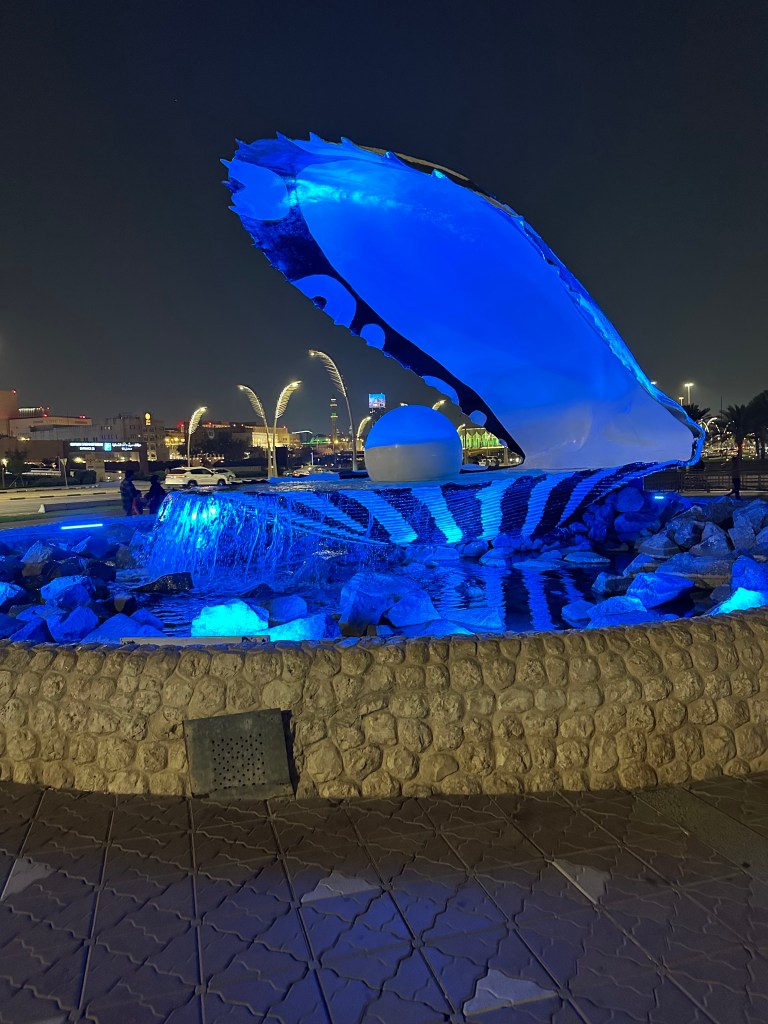
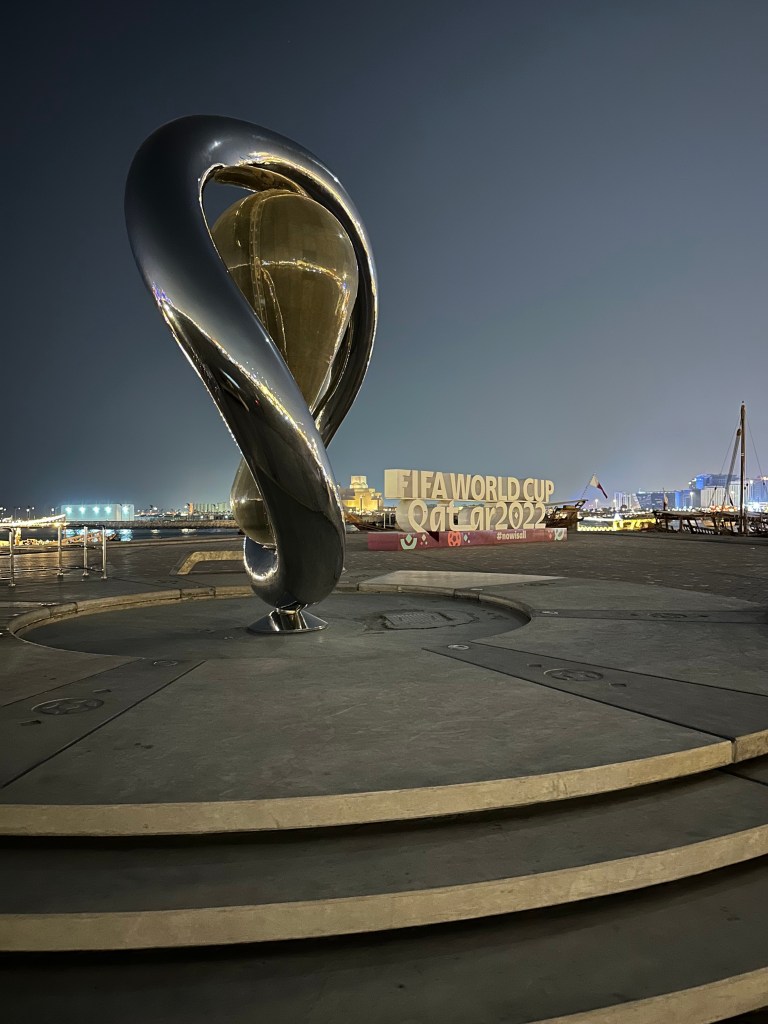
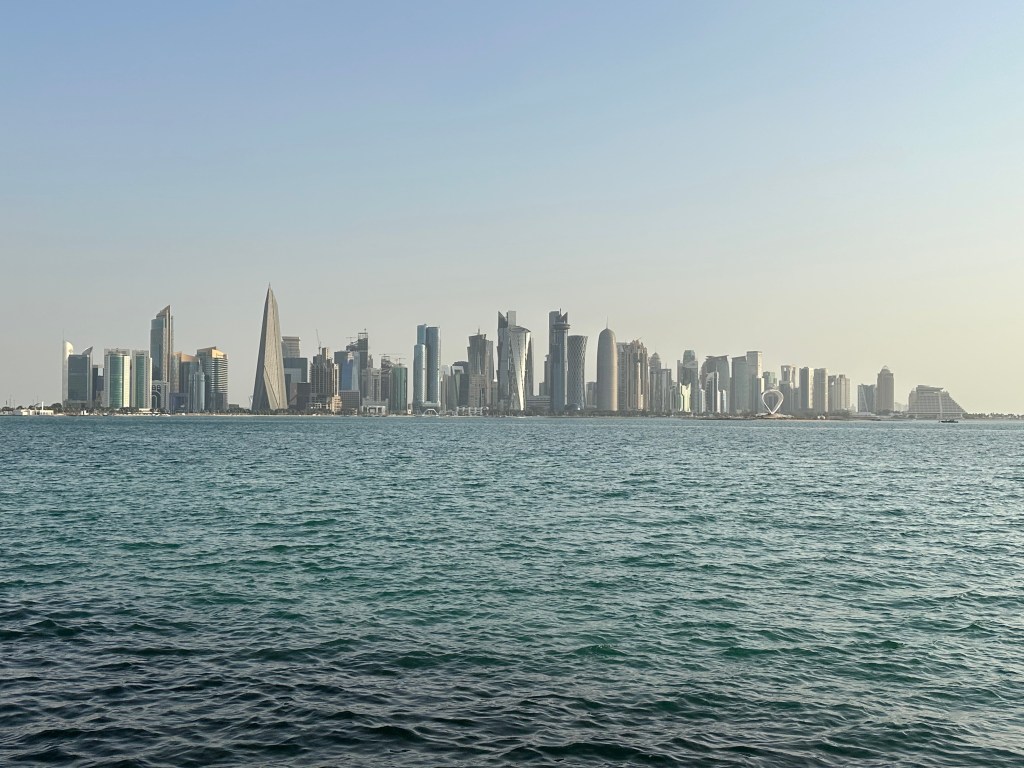
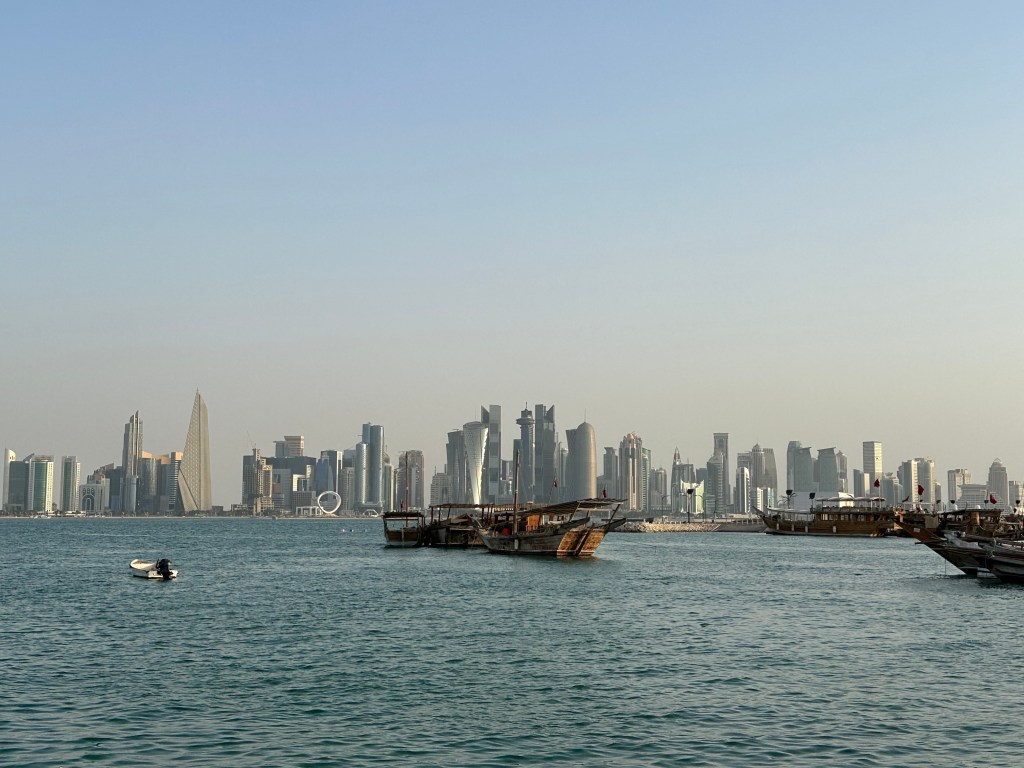
4. The Corniche is a 4.5-mile-long promenade that hugs Doha Bay and offers sweeping views of the downtown skyline. Along the way, you’ll find a handful of public art installations—the large pearl sculpture stands out as a nod to the city’s origins before oil wealth. The Dhow port nearby offers short cruises on traditional wooden boats that once carried goods across the Gulf. These boats now cater to visitors, though many seem past their prime. The wear-and-tear on the boats, coupled with loud Bollywood music, undercut what could have been a nostalgic and serene experience.
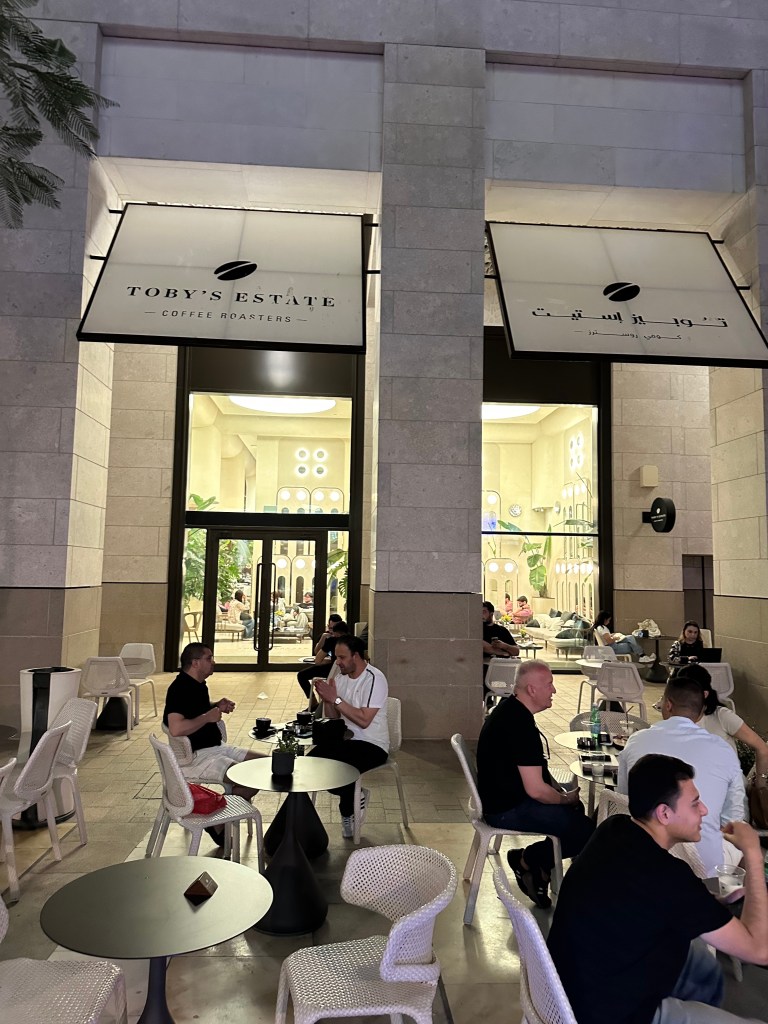
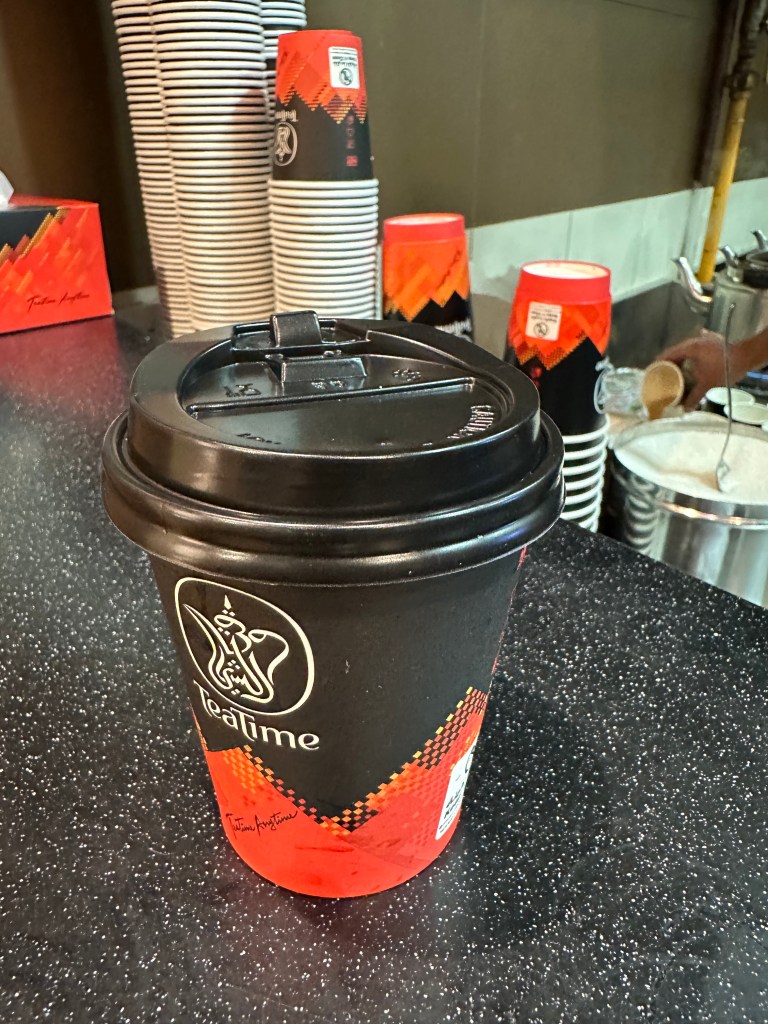
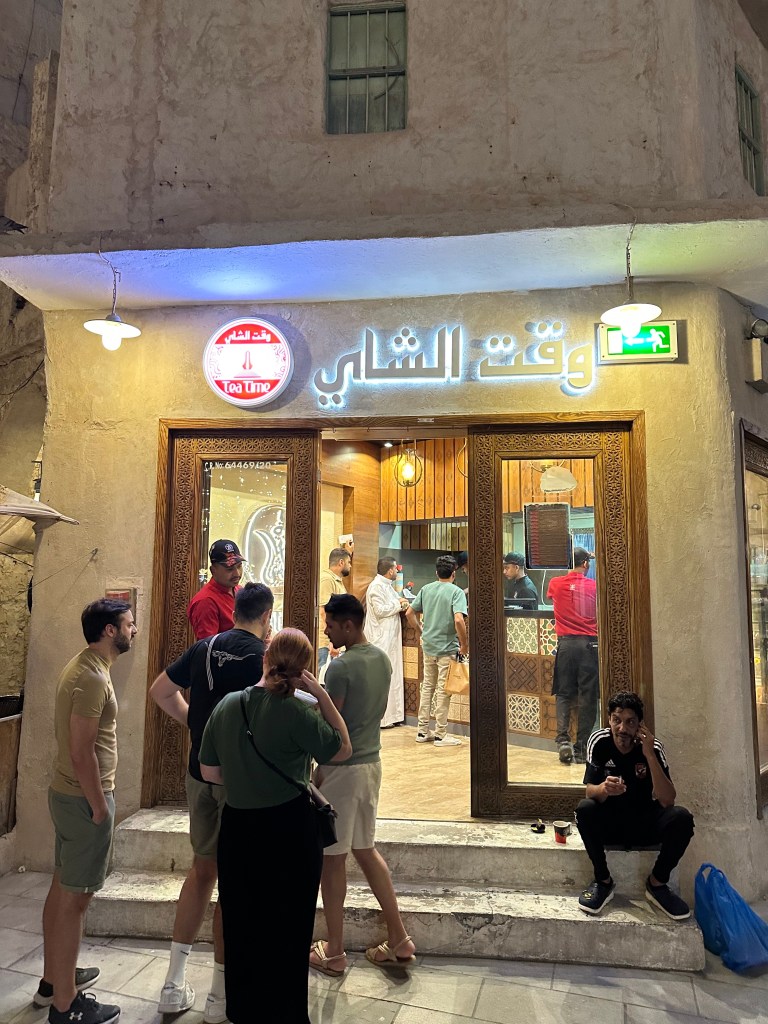
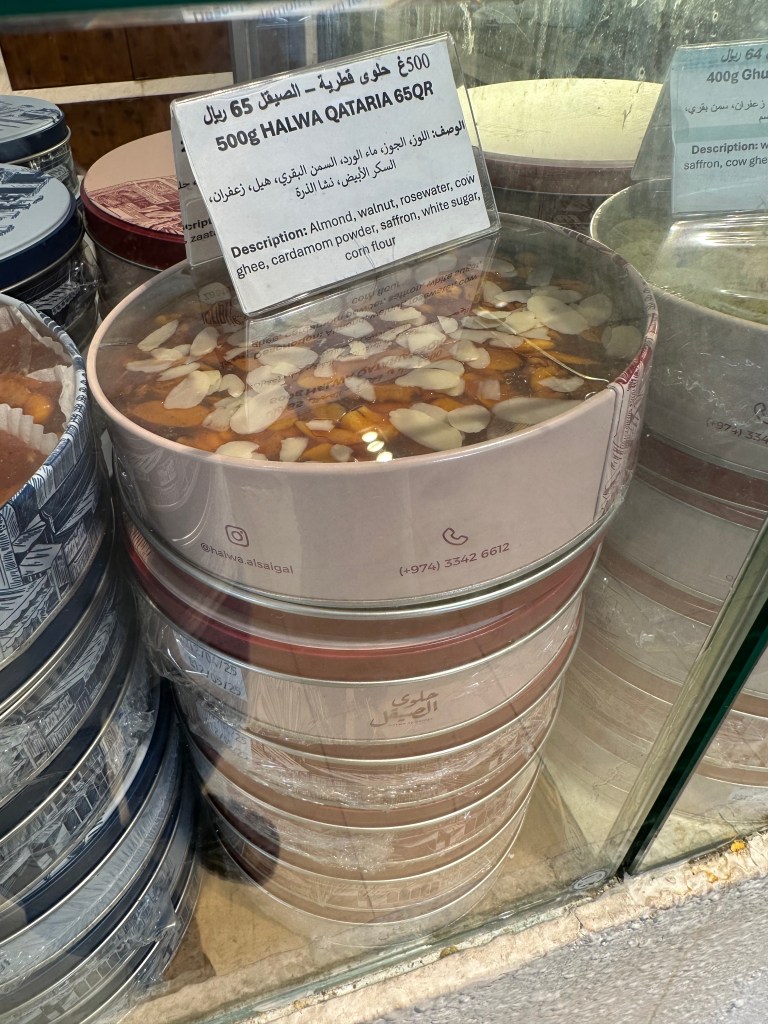
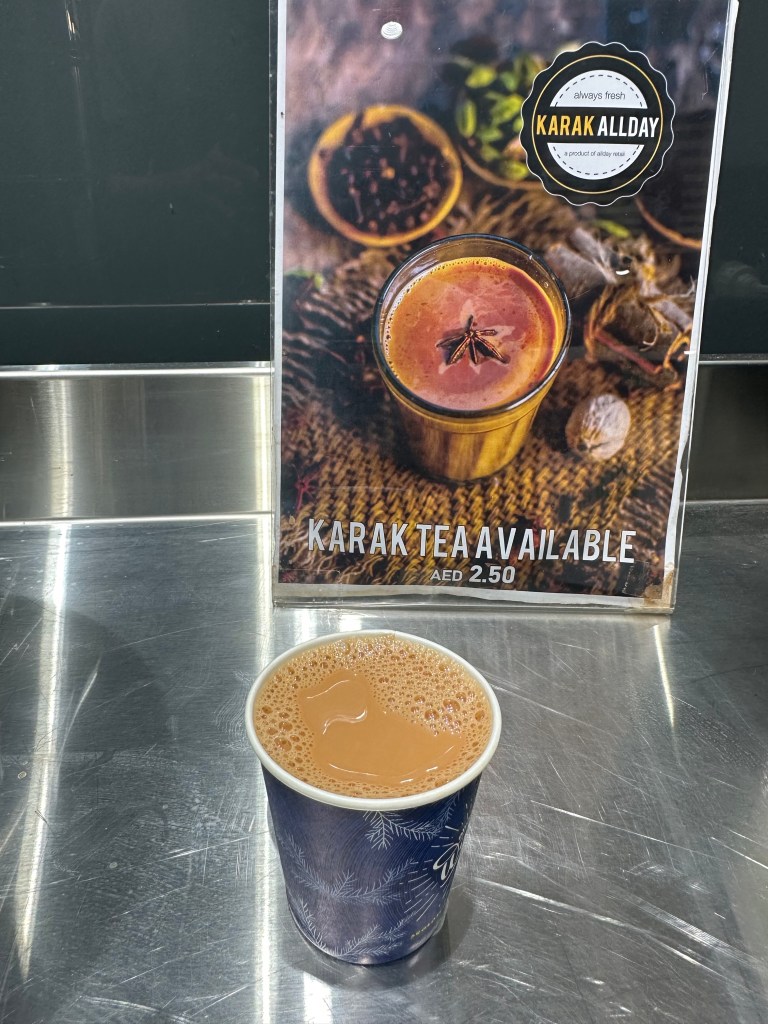
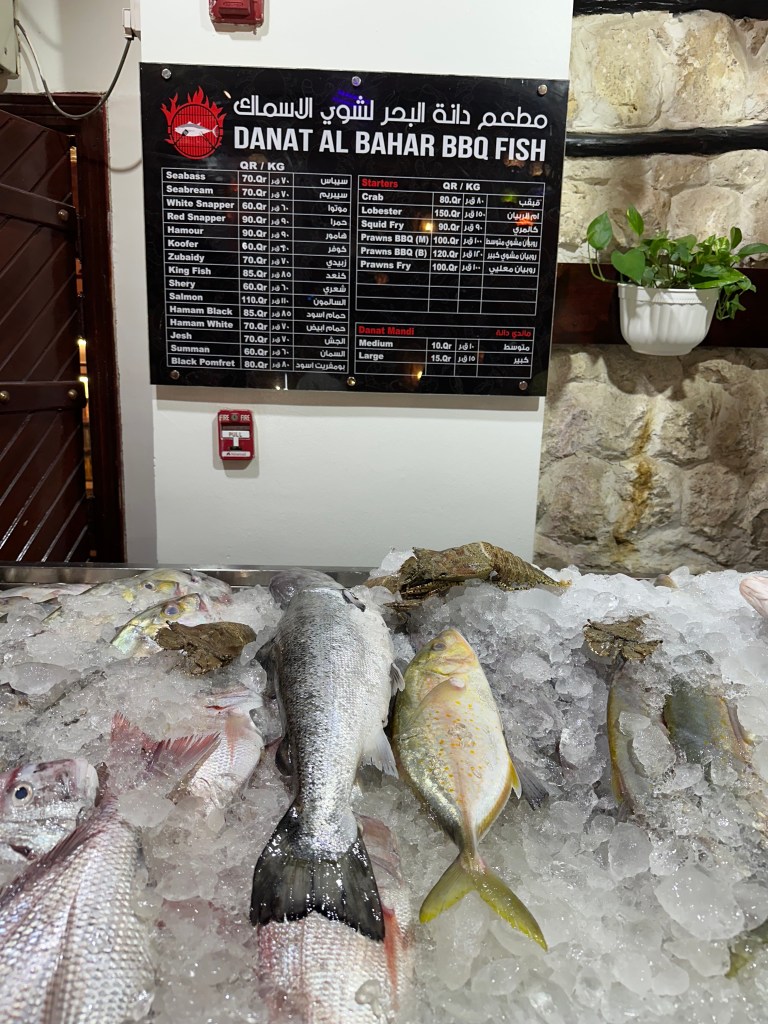
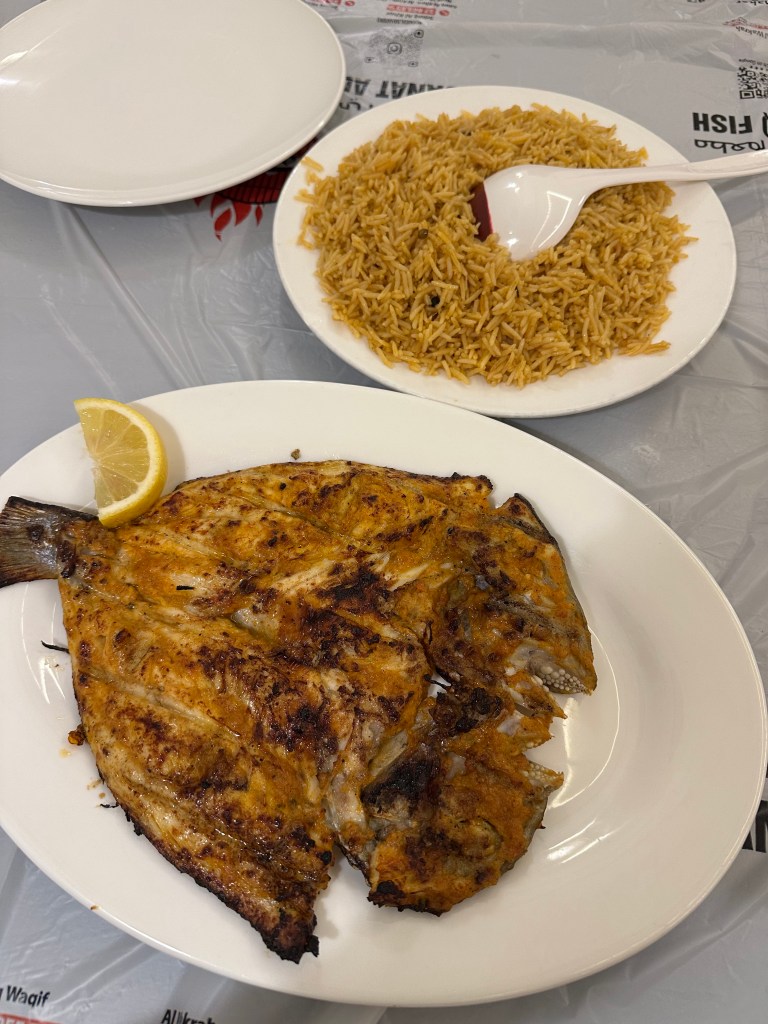
5. Qatari cuisine blends local and regional influences, with a strong showing of seafood. Machboos, a spiced meat and rice dish, is the national staple—akin to biryani, but with its own flavor profile. Yemeni dishes like mandi, grilled fish platters, and spiced stews are also popular. One drink that stands out is karak tea—imported from India and now deeply embedded in Qatari culture much like its neighbors. It’s strong, sweet, and slightly smoky, and available everywhere as a more affordable alternative to Arabic coffee. For dessert, try Qatari halwa, made from cornstarch, saffron, sugar, and nuts. Its gelatinous texture and flavor reminded me of Bombay halwa from India—possibly another culinary echo of the region’s long history of trade. And if you’re craving Arabic sweets, head to Al Aker. Their kunafa is world-class—crisp, gooey, and perfectly balanced—easily holding its own alongside the famed kunafa from Al Aqsa in Nablus.
5 things about Doha, Qatar 

7 things about Dubai, UAE

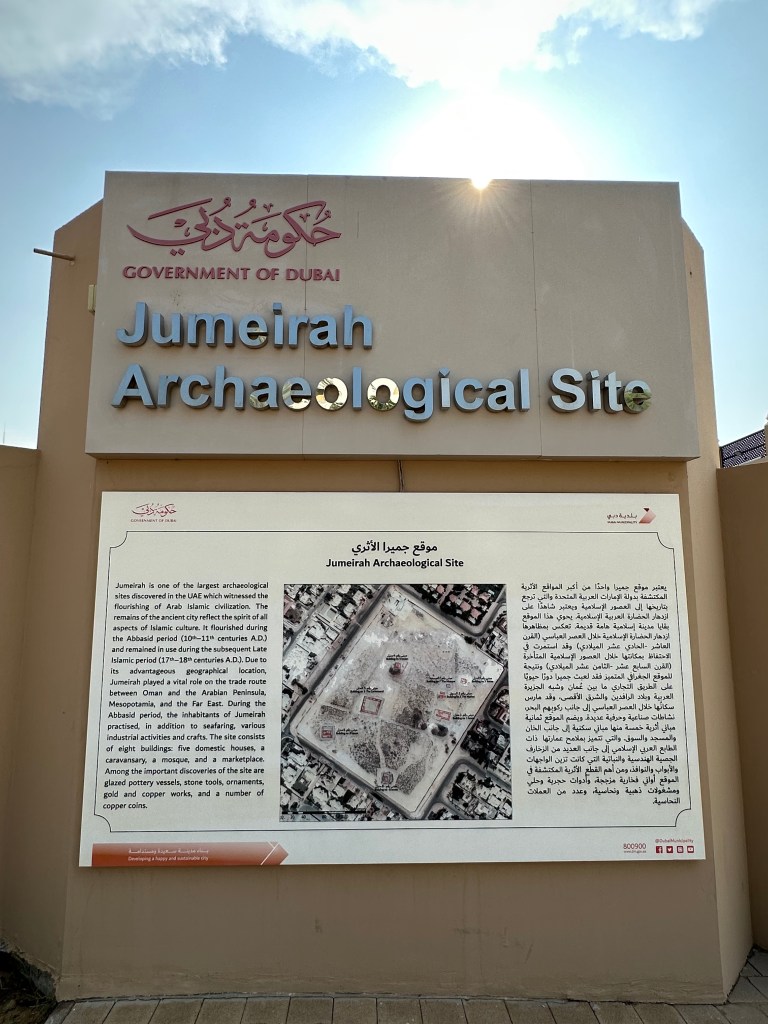
1. Dubai was once a fishing village dependent on pearl trade from the late 16th century until the mid-20th century. Key political events occurred during that period. In 1793, Dubai became a dependency under the rule established by the Bani Yas tribe in Abu Dhabi. In 1833, Maktoum bin Butti of the same tribe declared independence from the rulers in Abu Dhabi, but the Dubai economy remained largely the same. The invention of artificial pearls in Japan devastated the city’s economy until it struck oil in 1966. This newfound fortune completely changed Dubai’s trajectory. Sheikh Rashid bin Saeed Al Maktoum, then ruler of Dubai from the Maktoum family, led its transformation into a modern city and port.

Jumeirah Archaeological Museum
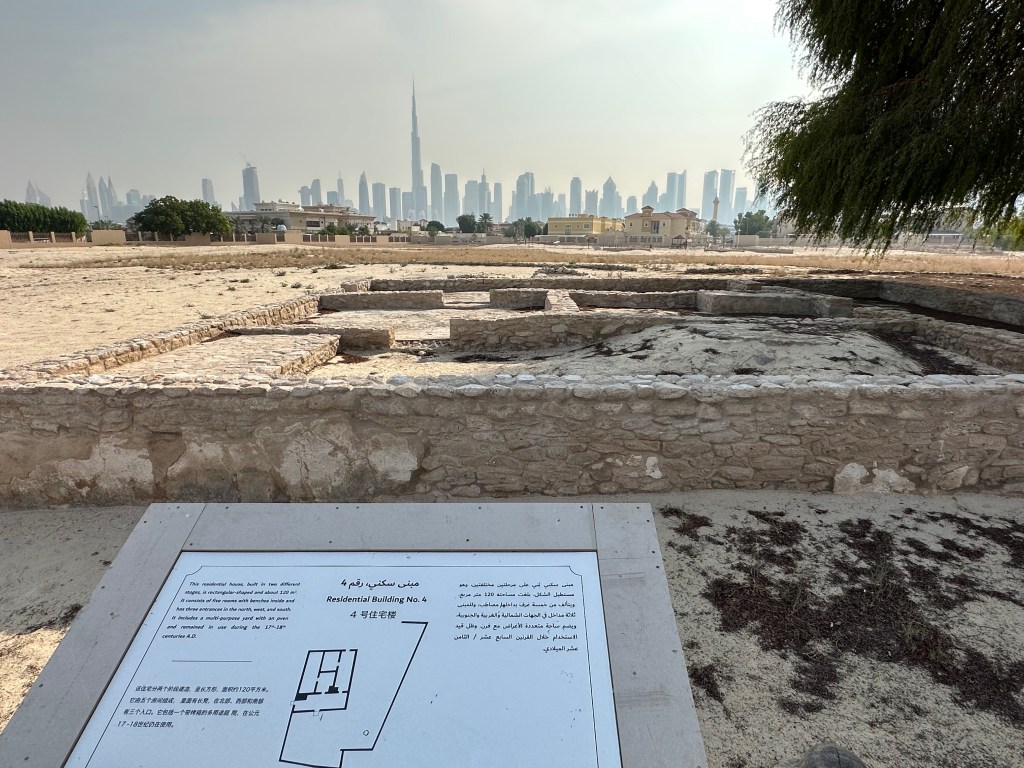
Downtown View from Jumeirah Archaeological Site

2. Tourism significantly contributes to the city’s economy and prestige, fostering some of the world’s highest service standards. Beyond mere professionalism, there is a genuine warmth, a rarity in today’s world. While Dubai may be known for its expensive offerings, the accompanying service expectations are met. Interestingly, in comparison to several Western countries, where expenses are high but service quality is lacking, the Emiratis seem to have mastered the balance, though the exact explanation eludes me.

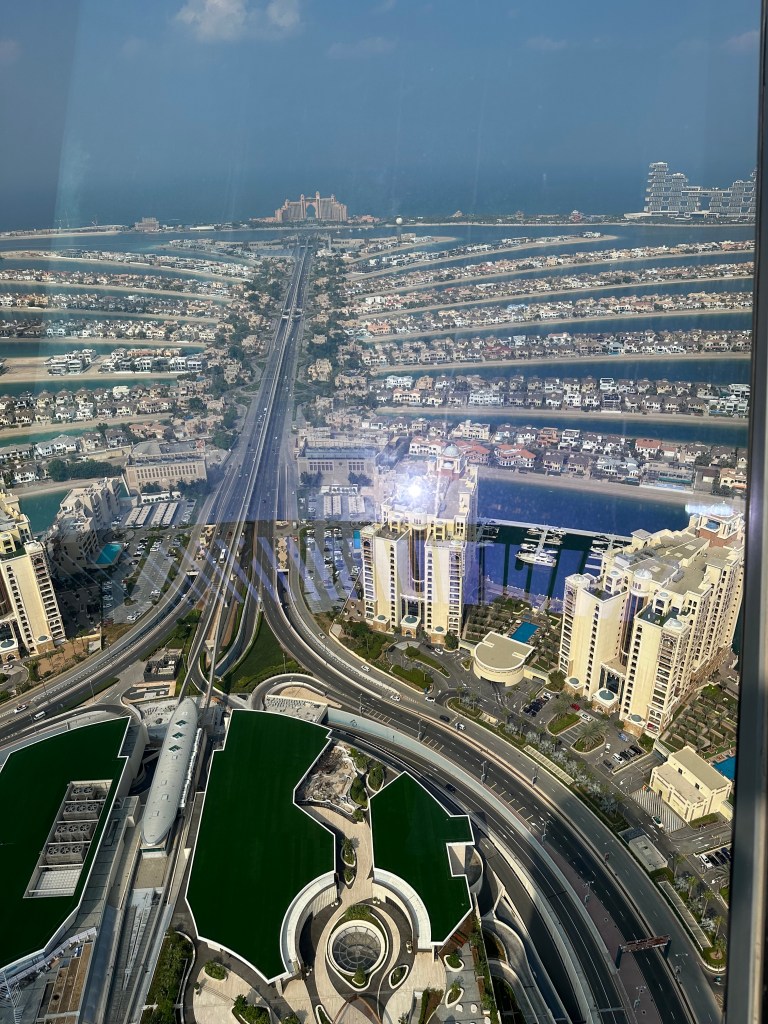
3. Big is better in Dubai, where every building is meant to be a statement. While it’s impressive to see Dubai pushing the boundaries of modern architecture, it’s hard to ignore the profligacy. The Palm Islands, one such undertaking, put Dubai on the luxury tourism map. Constructing almost 56 km of net new coastline, equivalent to the city’s natural coastline, takes courage. For a breathtaking view of these man-made islands, the observation deck on the 52nd floor of the Palm Tower is unparalleled. Despite hefty entry fees, the spectacular views make it a top attraction, often bustling with visitors. Consider an upgrade for access to the 54th floor to escape the crowds. However, the awe of such grandeur is accompanied by a lingering question of whether this excess can be justified. Unlike infrastructure projects aimed at improving the living standards of millions, these developments seem more like trophy assets for the elite of the elite. For a close-up experience, the Palm monorail is the ideal way to explore both the island and the popular Atlantis resort.

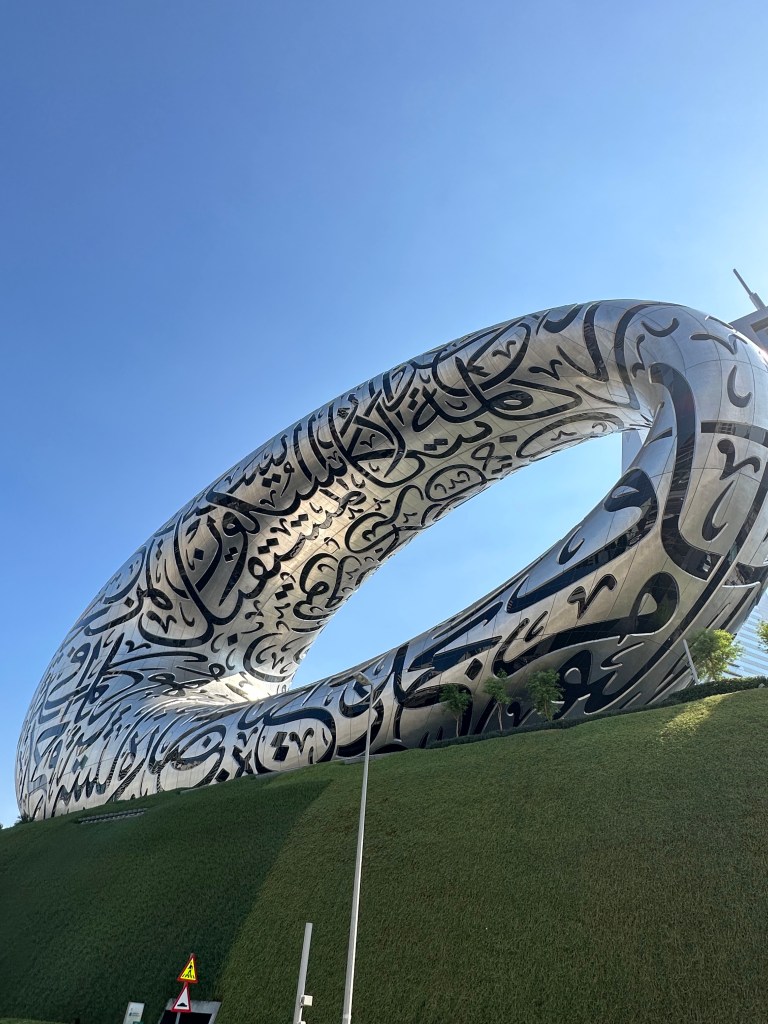
Museum of the Future
Fancy Building
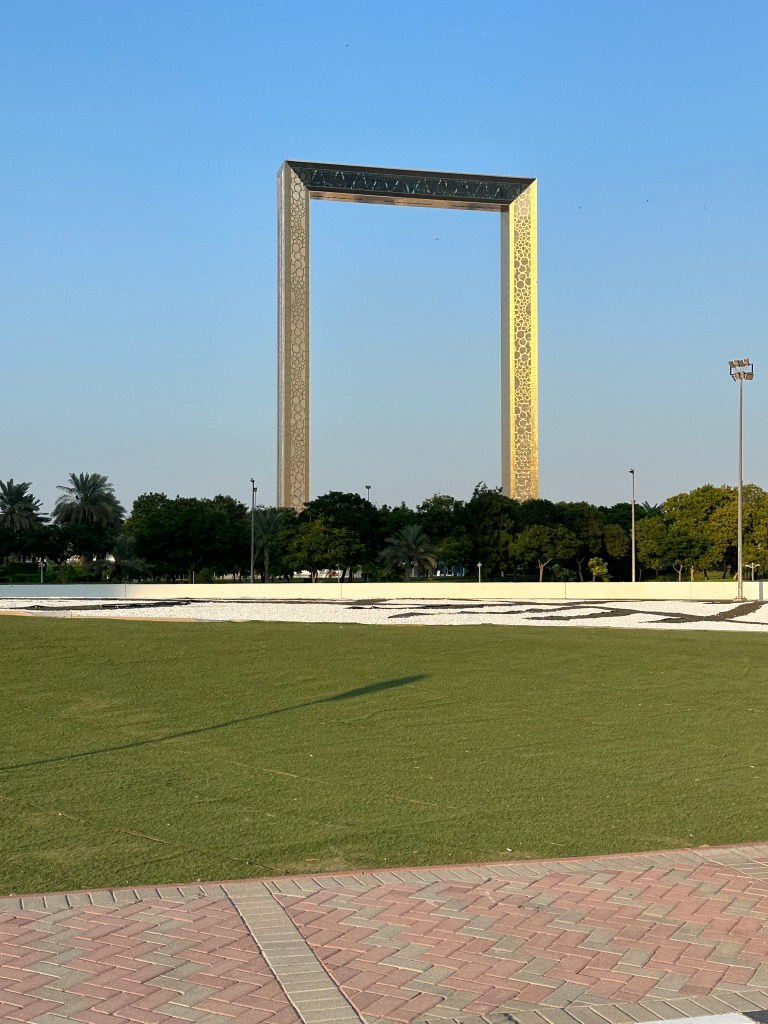
Dubai Frame

View of Palm Islands

View of Palm Islands
Atlantis The Palm Dubai

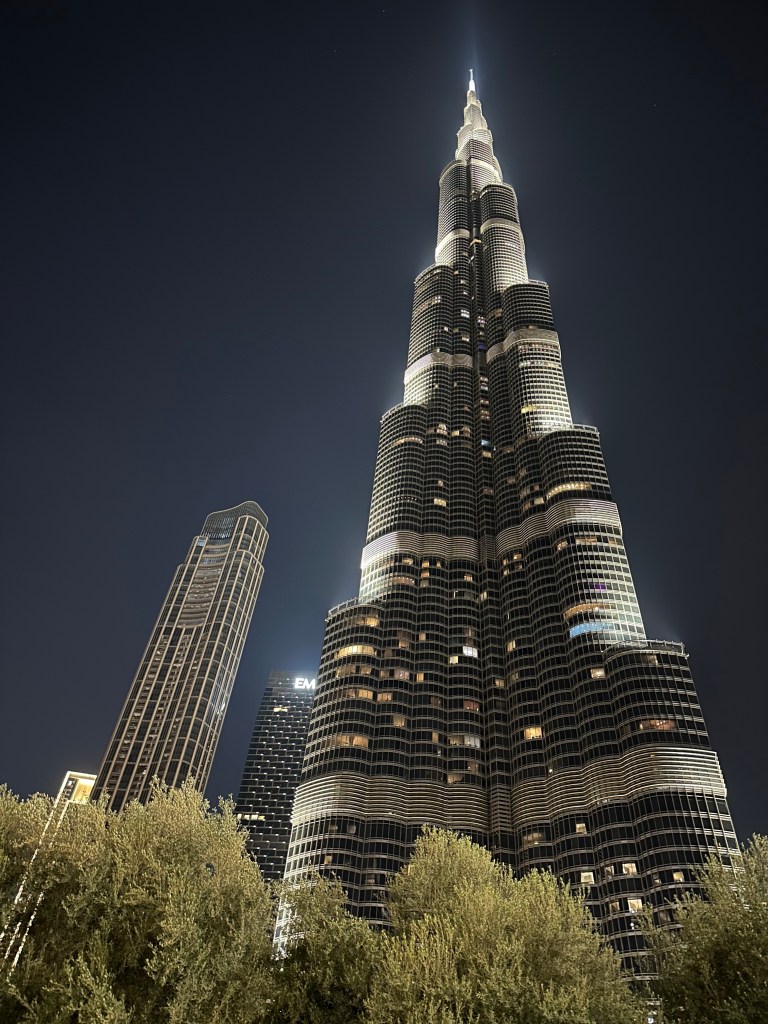
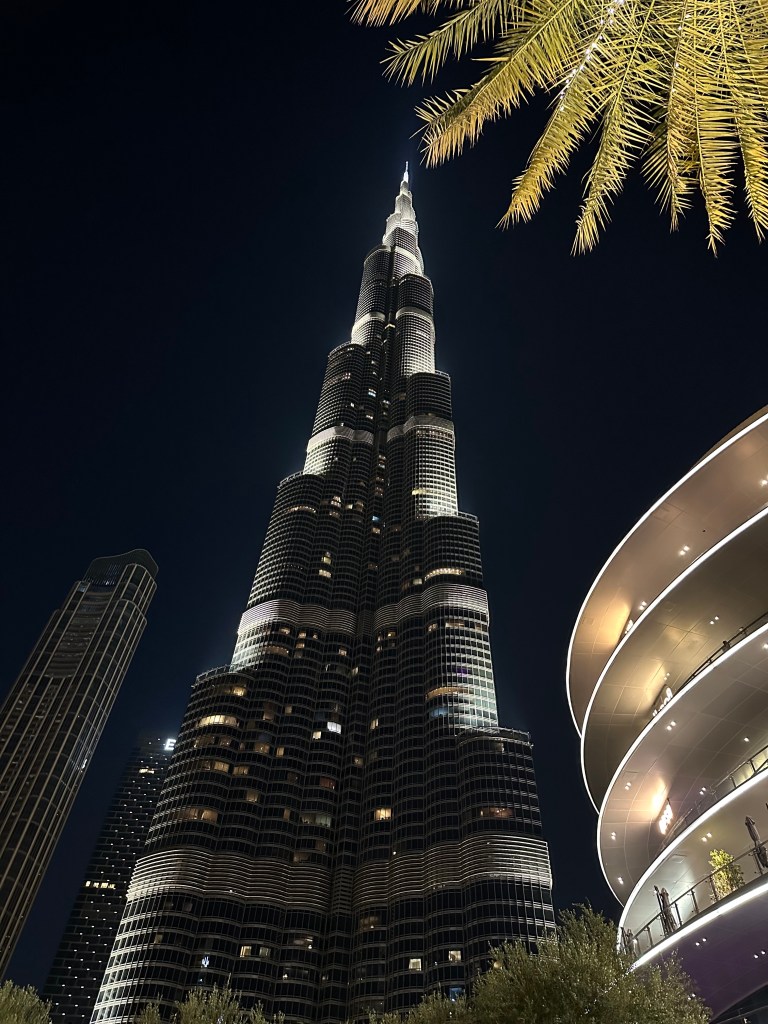
4. The Burj Khalifa needs no introduction. As the tallest man-made structure globally at 2,722 feet, it is an engineering marvel. Developed to anchor tourist entertainment in downtown Dubai and part of the country’s diversification from oil, it was named after Sheikh Khalifa bin Zayed, then ruler of the UAE. The building was designed was by the same architects as that of the Sears tower and built by the Samsung C&T which also built other tall buildings like Taipei 101 and Petronas Towers. The design is itself is inspired from the Great Mosque of Samarrah in Iraq as well as the Tower Palace III in South Korea. There are a few observatories –  on the 124th floor, 148th and 152th floor with the cheapest tickets starting at $170 AED (~50 USD). The tower looks its dazzling best when the sun goes down.

Burj Khalifa
Burj Khalifa

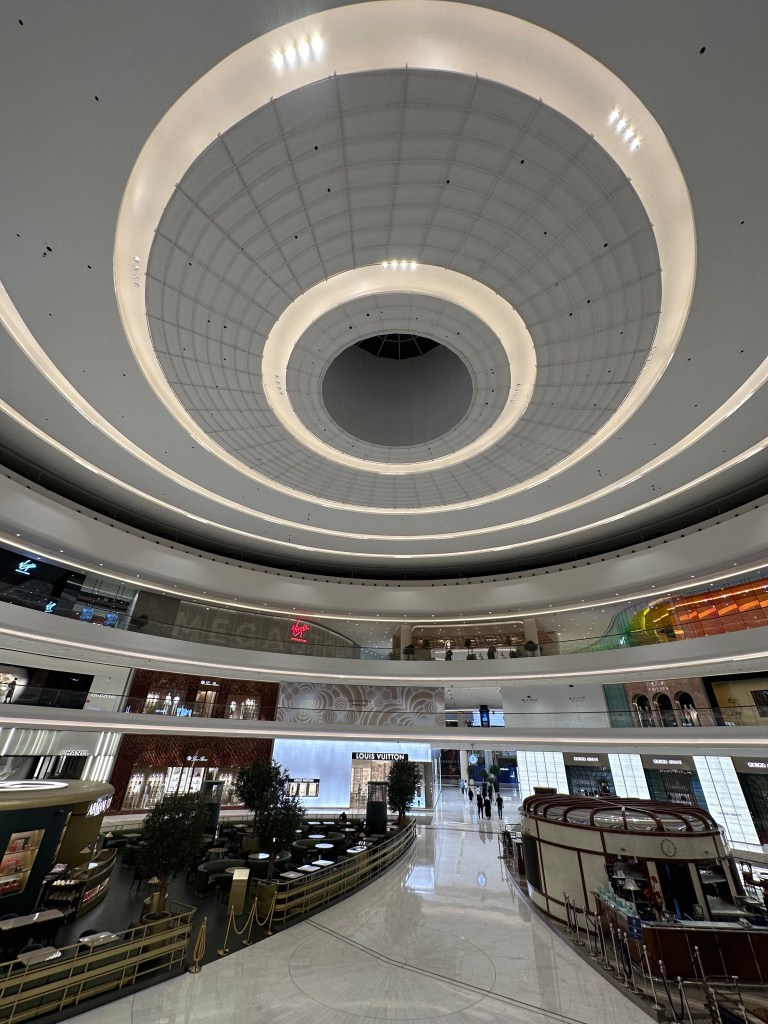
5. Mall culture in Dubai is not just a trend but a lifestyle necessity, especially due to the extreme weather. The Dubai Mall, boasting an impressive 1,200 stores and an exclusive zone for ultra-luxury brands known as Fashion Avenue, is akin to a city within itself. Adjacent to it, the Dubai Fountains add to its allure, making it a must-visit destination. Each major mall in Dubai comes with its own distinctive attraction. For instance, the Mall of the Emirates features a full-scale indoor ski slope, providing a unique recreational experience. On the other hand, the Nakheel Mall offers access to The Palm viewing deck, allowing visitors to enjoy panoramic views of this iconic man-made marvel.

Dubai Mall
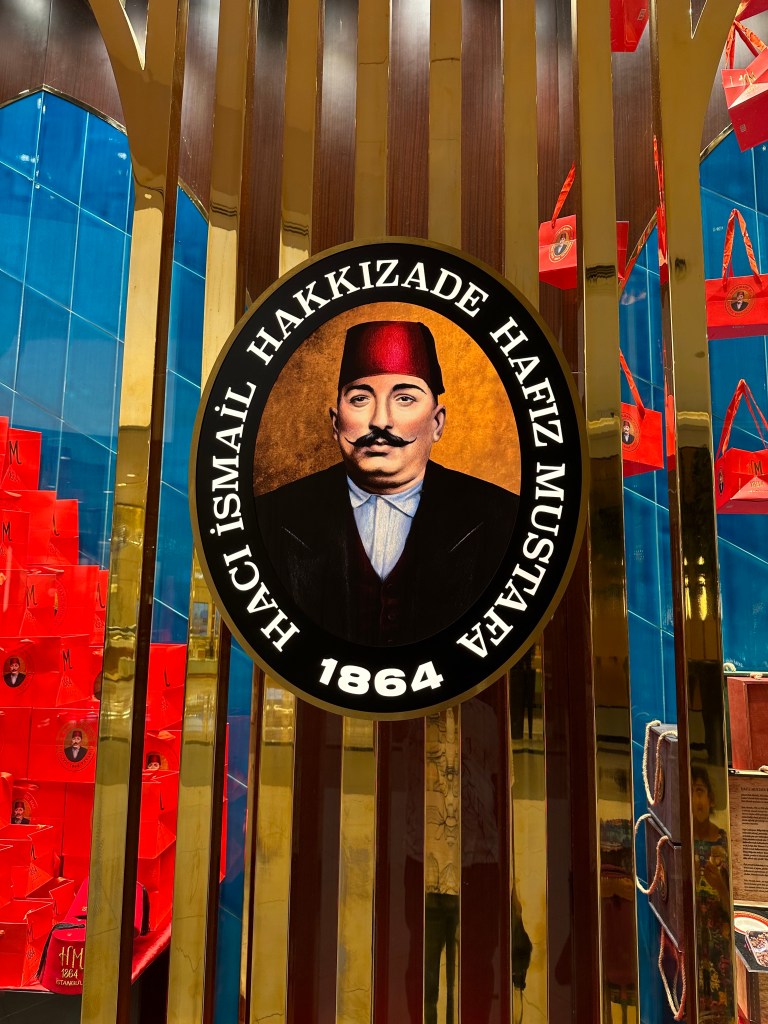
Hafiz Mustafa Dubai Mall
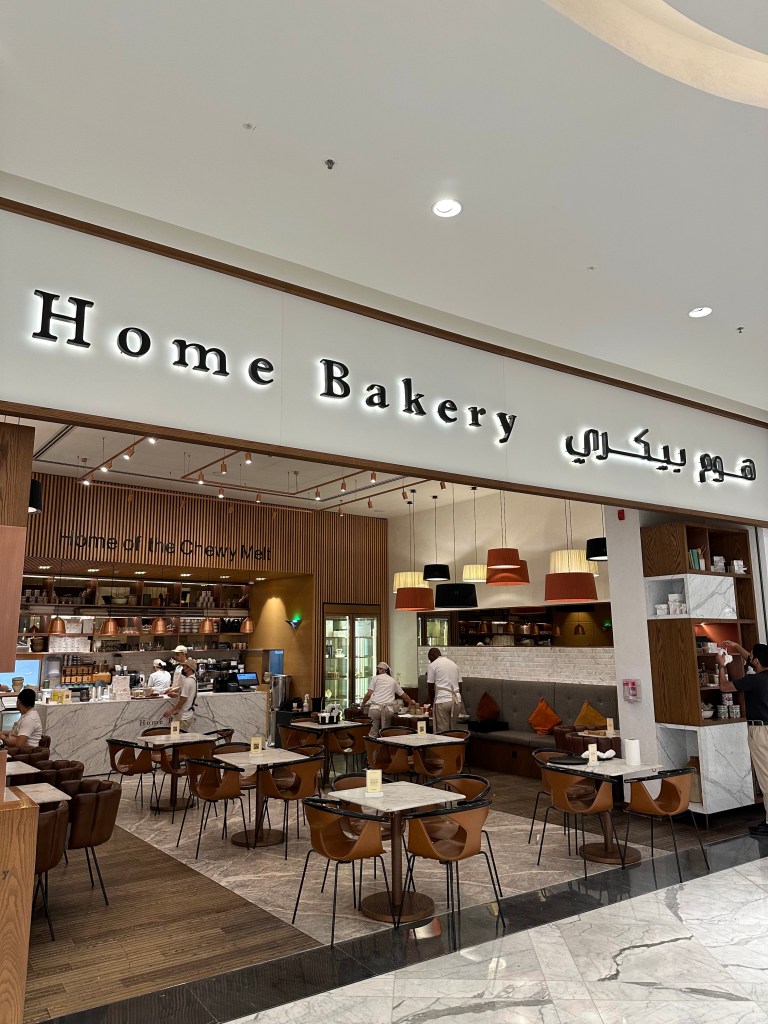
Home Bakery Dubai Mall
Dubai Creek View – Dubai Mall

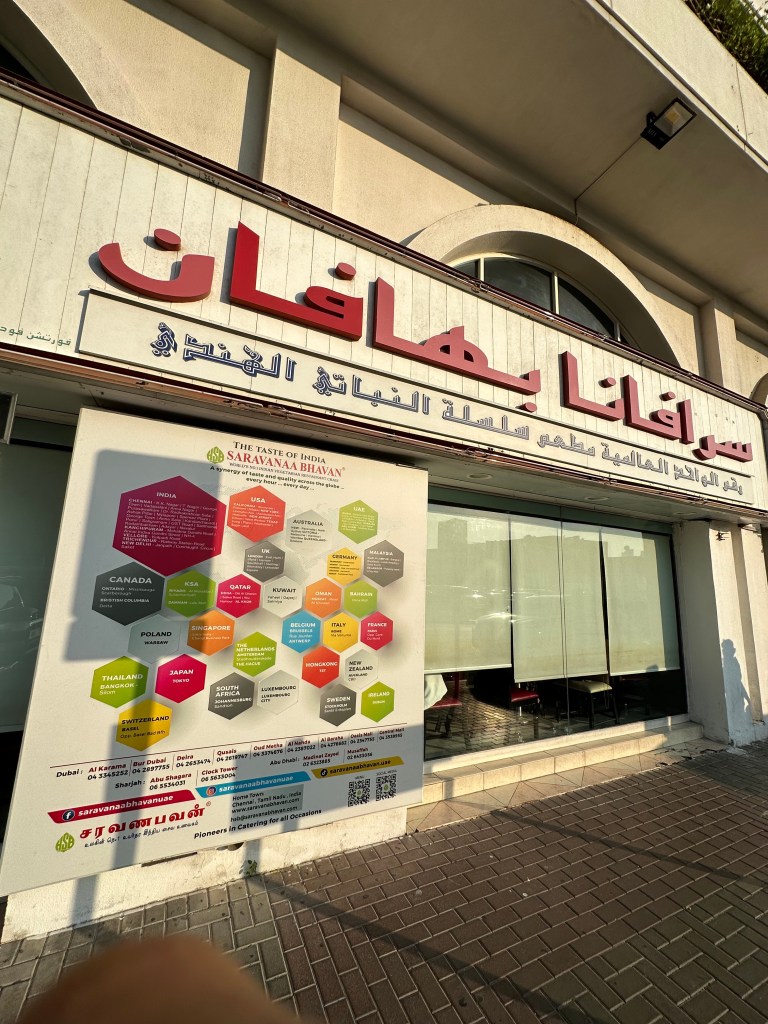
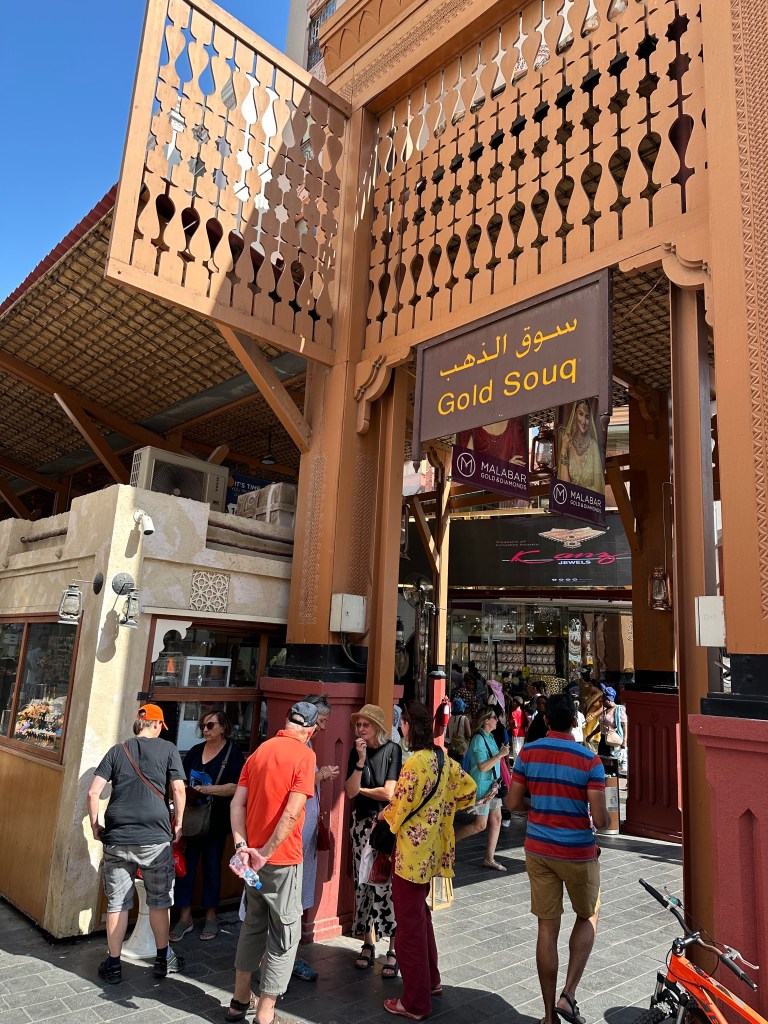
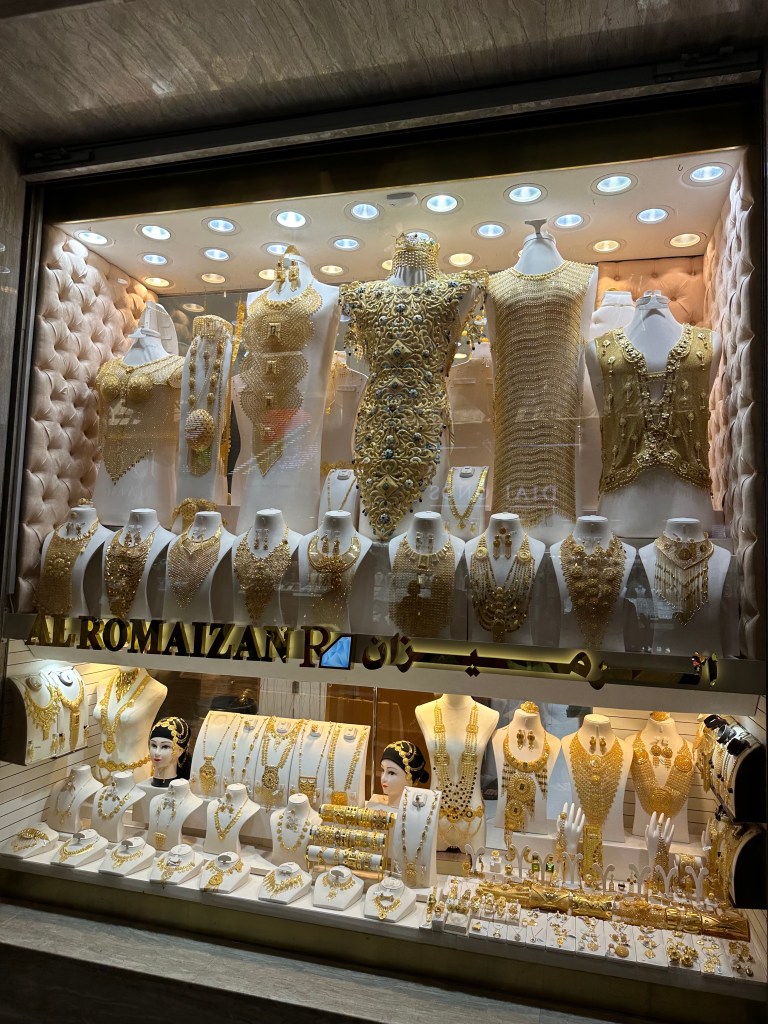
6. The neighborhoods of Al Karama and Deira offer a fascinating glimpse into the lives of migrants and the secondary economy that caters to their needs. Al Karama, a more developed area, stands as a foodie paradise for the South Asian community. In contrast, Deira, situated across the creek, preserves original fishing village features with its narrow, meandering streets adorned with spice shops. Deira is also home to the Gold Souk, an extended alleyway boasting numerous jewelry stores. While most establishments are small-scale, family-run businesses, they might not warrant a detour for every visitor. However, for those seeking an authentic experience, the 1 AED Abra ferry from Deira to Bur Dubai is worth considering, especially if the weather is conducive.

Indian food at Al Karama
Spice Shops Souq
Gold Souq
Gold Store at the Gold Souq

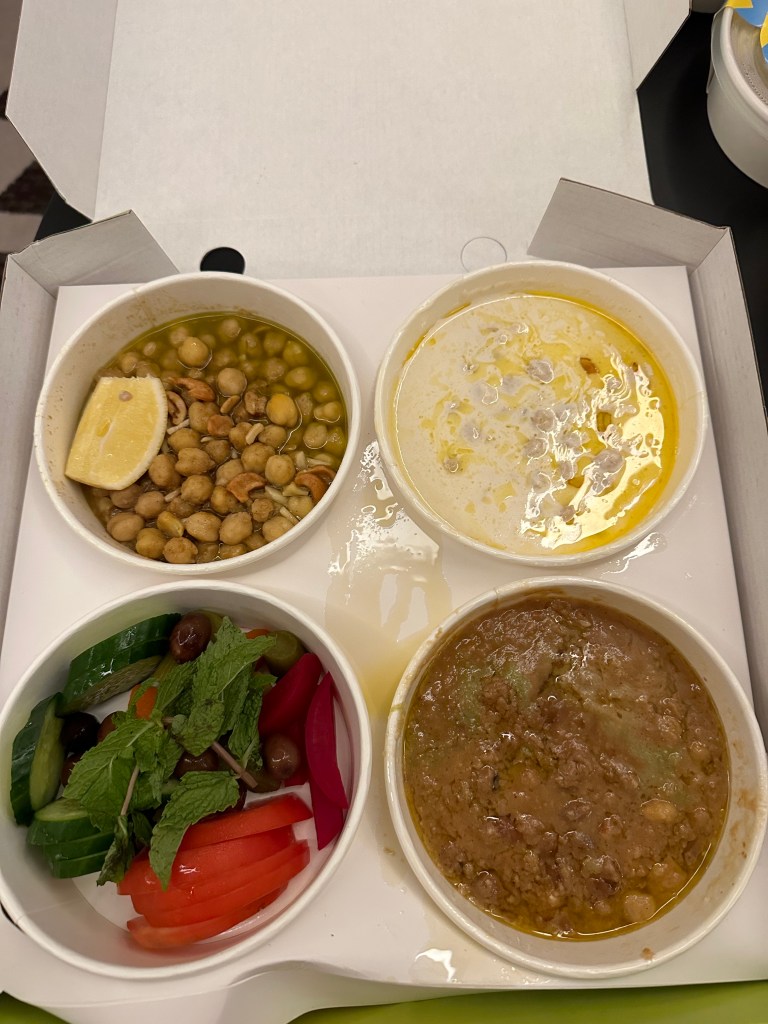
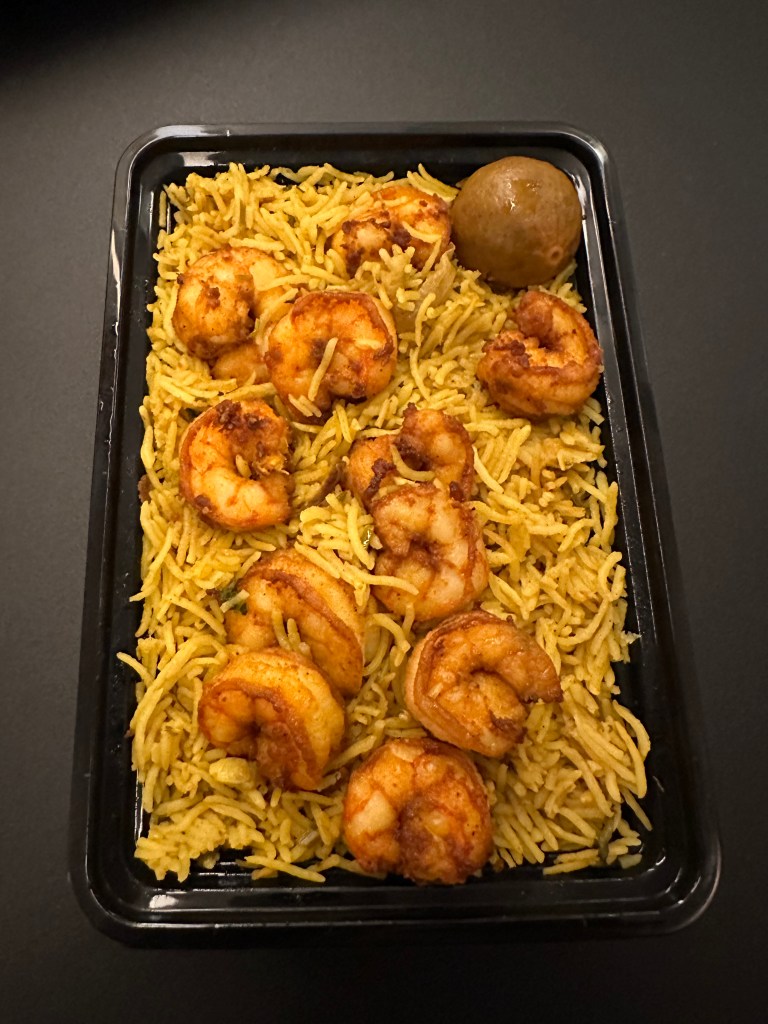
7. Dubai is now a cosmopolitan city with world-class cuisine. High-end restaurants from New York, London, and Paris coexist with excellent Lebanese and Indian food scenes. Emirati cuisine, unfortunately, remains in the shadows. A staple in Emirati cuisine is Macboos, a rice and meat dish akin to its close cousin, biriyani. The use of an Arabic spice blend called Baharat, along with preserved limes, imparts a distinct flavor to this dish. Nashef, a curry made with tomato sauce and the same spice blend, features variations with chicken, lamb, or preserved fish (Maleh). Thareed, a classic dish, involves simmering bread with a meat stew, reminiscent of a one-pot wonder, rooted in the nomadic lifestyles of ancient Arabs. For dessert, the sweet indulgence of Luqaimat, mini donuts served with date syrup, adds a perfect finishing touch. While Emirati restaurants are scarce, Al Fanar stands tall among them. The Emirati breakfast is a true delight, featuring a spiced vermicelli dish topped with an omelet (Balateet), an assortment of breads (Chebab, Khameer, and Tannour), date molasses, local cheeses, and baked beans—a culinary journey reflecting the rich flavors of Emirati traditions. Indulge in Karak tea, a pocket-friendly and ubiquitous milk tea akin to Indian chai. In contrast, Arabic coffee, a drip coffee scented with cardamom, is more of a sit-down experience. 

Lebanese Breakfast Dubai/Zaroob
Macboos
Luqaimat
Arabic Coffee
Karak Tea
7 things about Dubai, UAE