1. Belize stands out as an English-speaking country in predominantly Spanish-speaking Central America, a legacy of its colonial past as British Honduras. While known for its world-class diving sites along the Caribbean coast like Hol Chan Marine Reserve and the Great Blue Hole, the country also shares rich Mayan heritage with its neighbors. The Cayo district near the Guatemalan border is home to some of Belize’s best archaeological sites, many of which remain under the radar compared to those in neighboring countries.
2. San Ignacio was more economically modest than I anticipated, with most consumer goods being imported. The local business landscape reveals interesting patterns: grocery stores are predominantly operated by Chinese immigrants, while clothing shops are largely run by Indian merchants. These businesses maintain a straightforward approach—store names are typically anglicized versions of Chinese names without attempting to blend into local culture.

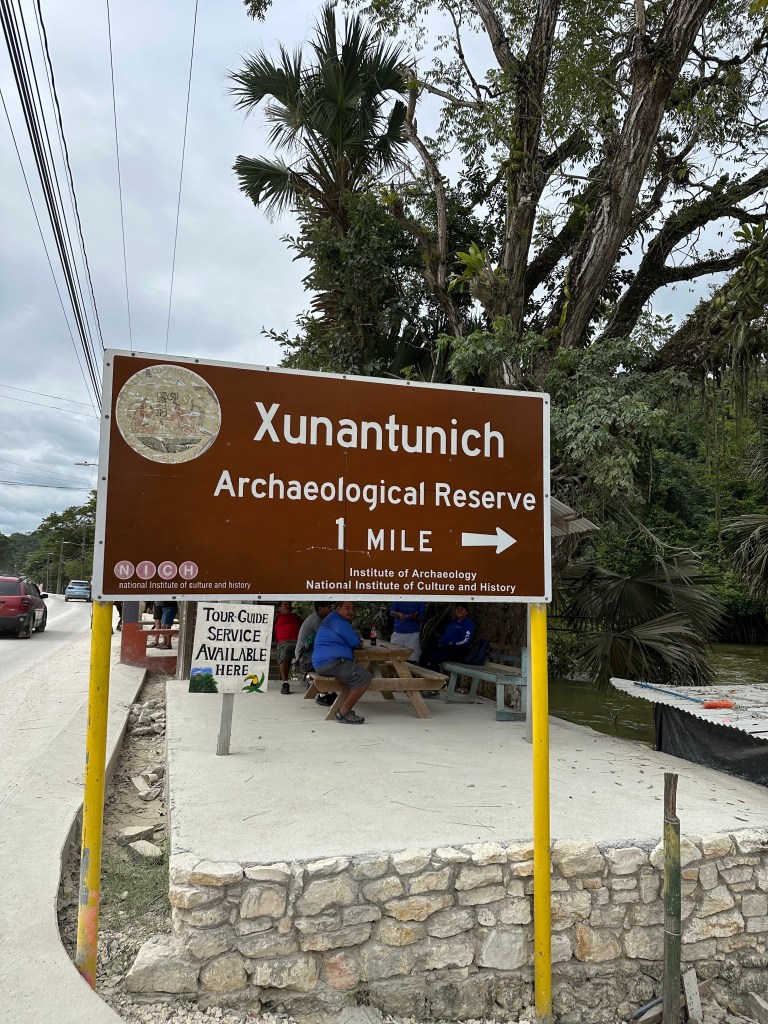
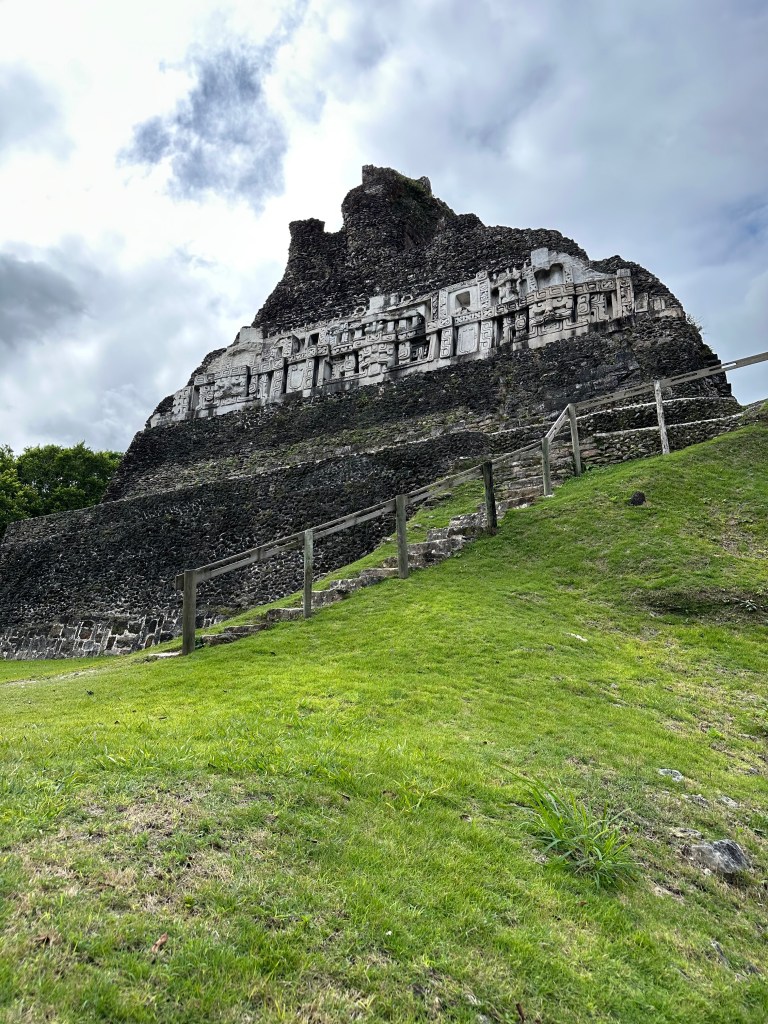
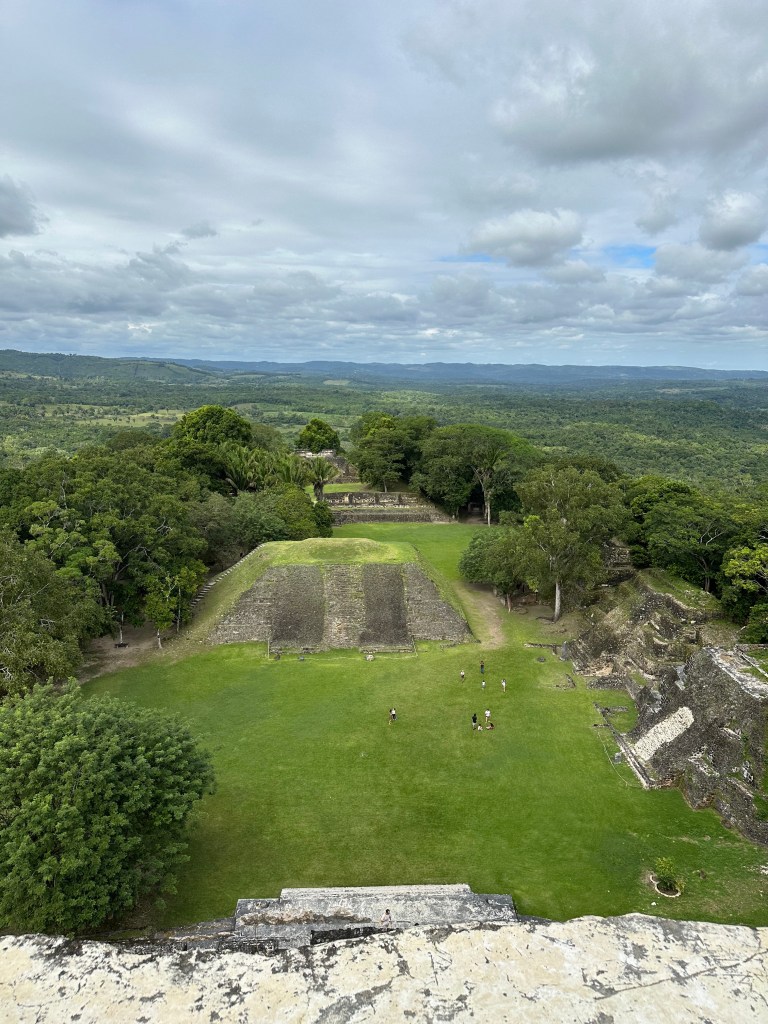
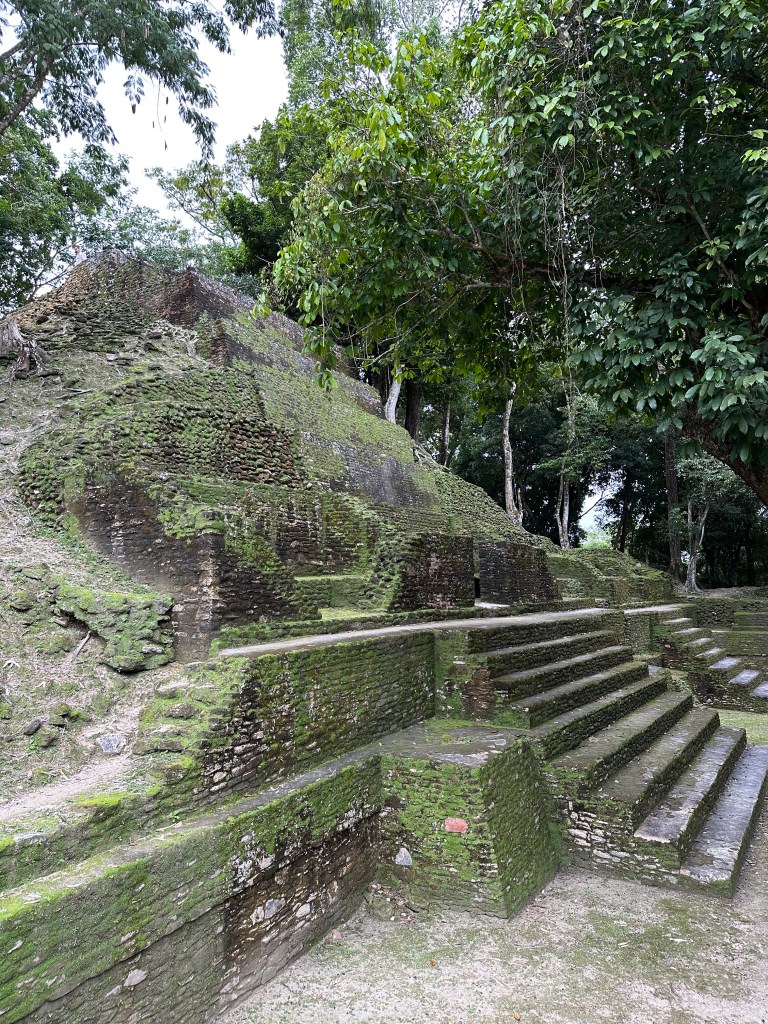
3. The biggest draw of San Ignacio is its proximity to exceptional Mayan ruins. Cal Pech sits right within town limits and dates back to 1200 BCE, making it one of the oldest sites in the region. Just 8 miles west, Xunantunich impresses as the area’s largest complex, featuring the second-tallest structure in Belize. The panoramic view from atop El Castillo alone makes the trip worthwhile. The site includes six plazas with temples, palaces, and classic Mayan structures like the ceremonial ball court. The journey to Xunantunich adds to the adventure—a short hand-cranked ferry across the Mopan River followed by a 1-mile hike through lush jungle canopy.


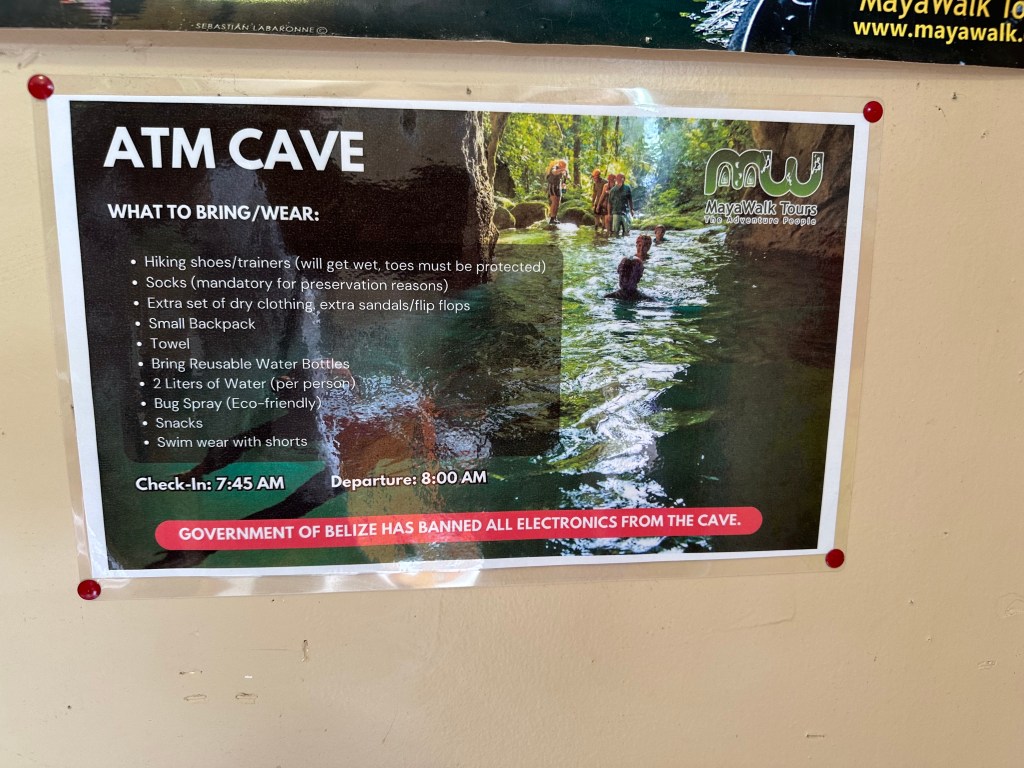
4. The ATM (Actun Tunichil Muknal) cave tour offers a thrilling archaeological adventure just 45 minutes from town. The main attraction is seeing Mayan artifacts preserved in an underground cave system, culminating in the “Crystal Maiden” chamber containing fully intact skeletal remains of sacrifice victims. While large tour groups can sometimes diminish the mystique, the full experience—involving a 45-minute jungle hike, multiple river crossings, and cave swimming—creates an unforgettable expedition. Be aware that the physical demands are significantly more challenging than advertised, even for active adults, primarily due to narrow passageways with sharp rocks.

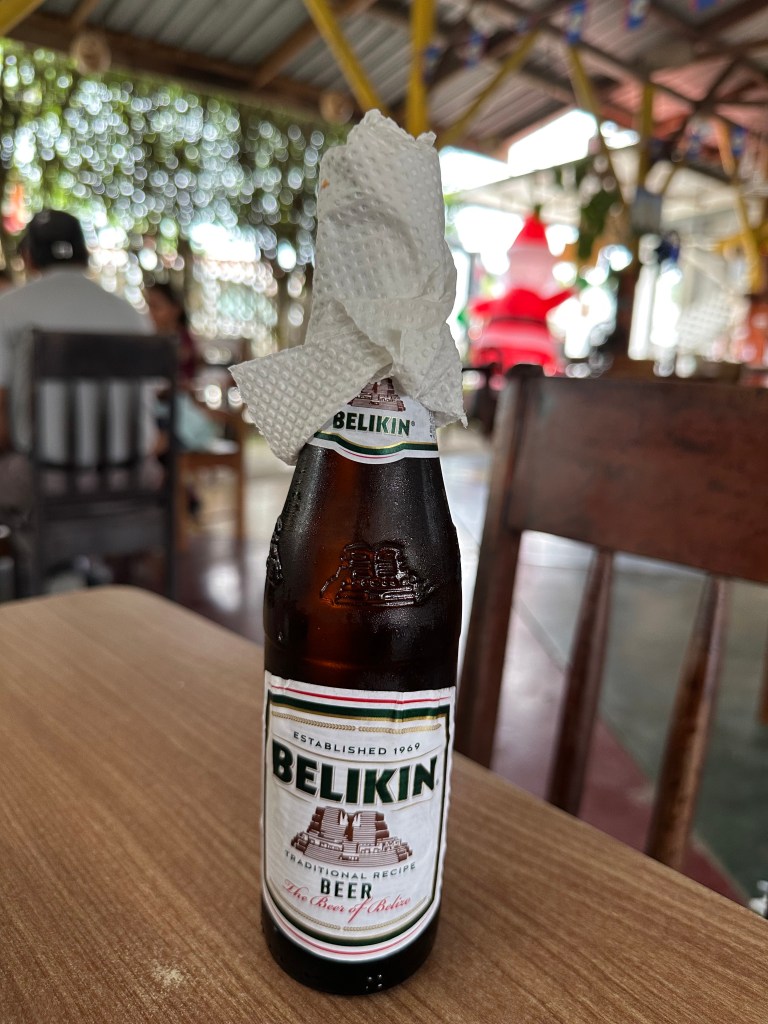
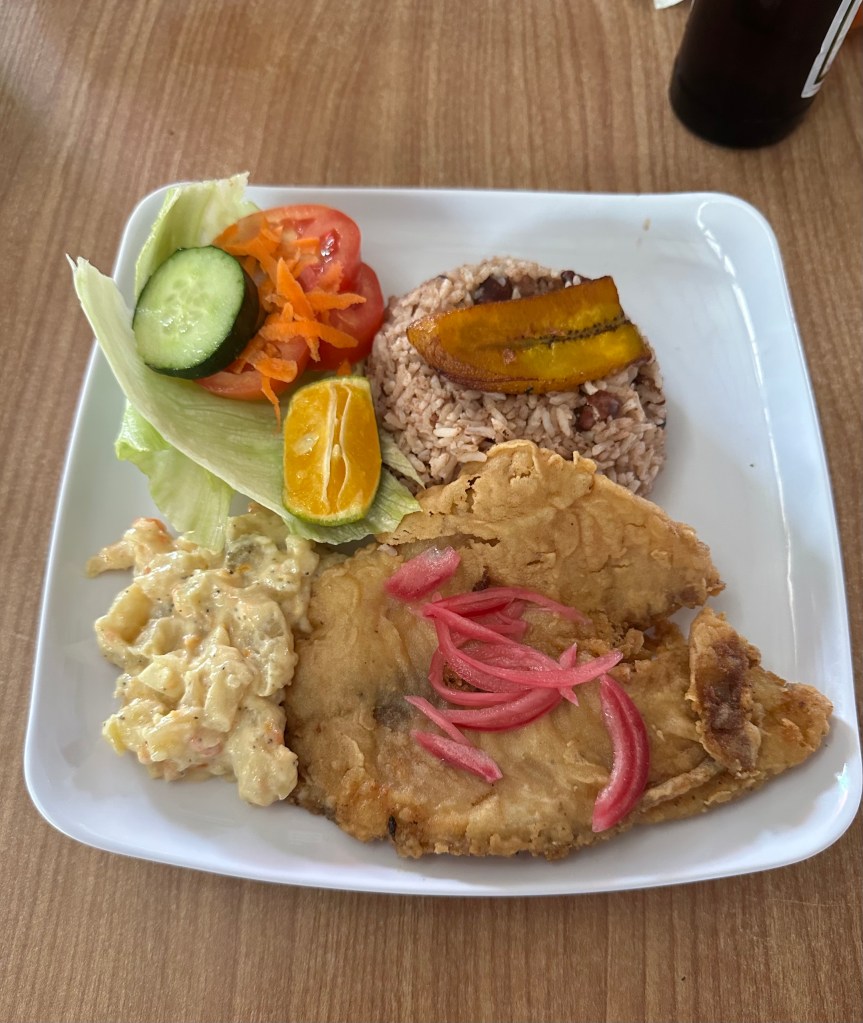
5. Central American cuisine rarely earns international acclaim, and Belizean food was surprisingly understated even within the region. The national dish of rice and beans lacked the depth and flavor I’ve enjoyed elsewhere. Nevertheless, food at mom and pop restaurants is freshly made, with Benny’s Kitchen offering solid meals. The true culinary highlight was Belikin beer—one of the best mass-produced beers I’ve tried. This European-style lager achieves a perfect balance of crispness and malty flavor. It’s puzzling how Belize perfected its beer recipe before mastering its rice and beans.
 flagsandforks