1. Montenegro, like many of its neighbors, has a shared heritage that stretches back to the Illyrians, Romans, Ottomans, and more recently, the Yugoslav communists. What makes it especially interesting is its modern political journey. When Yugoslavia broke up, Serbia and Montenegro remained together as a separate country. It wasn’t until 2006, after an independence referendum, that Montenegro became a fully independent nation. Today, it’s known less for its politics and more for its stunning Adriatic coastline and scenic seaside towns like Budva, Herceg Novi, Sveti Stefan, Tivat, and Ulcinj.

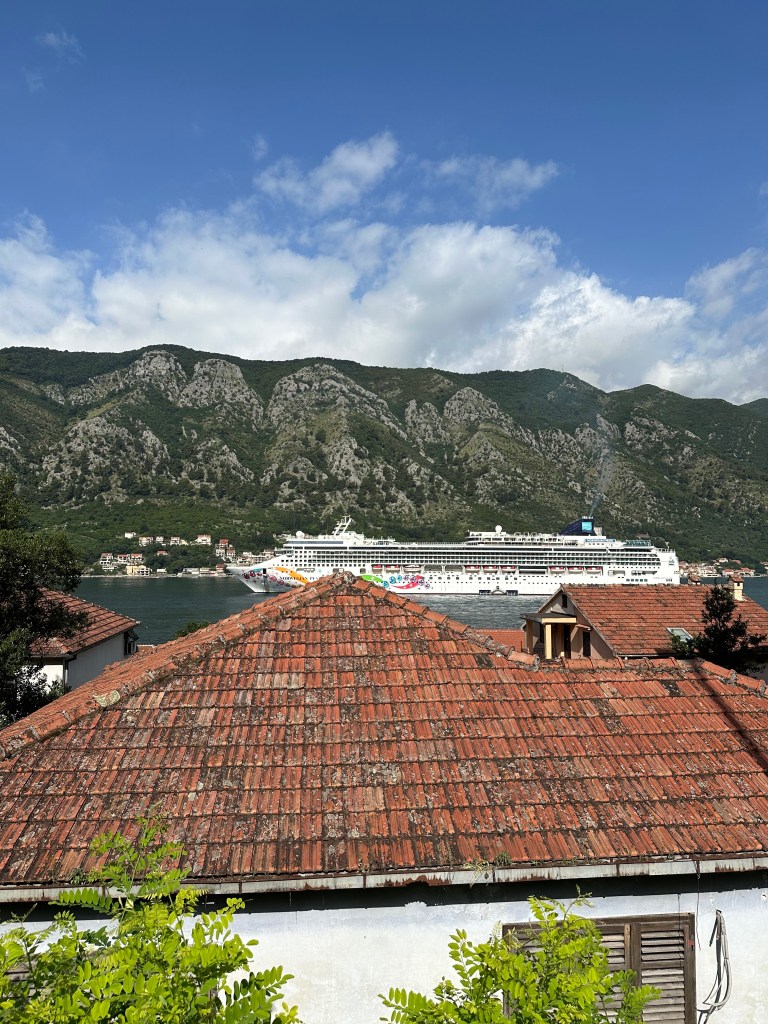
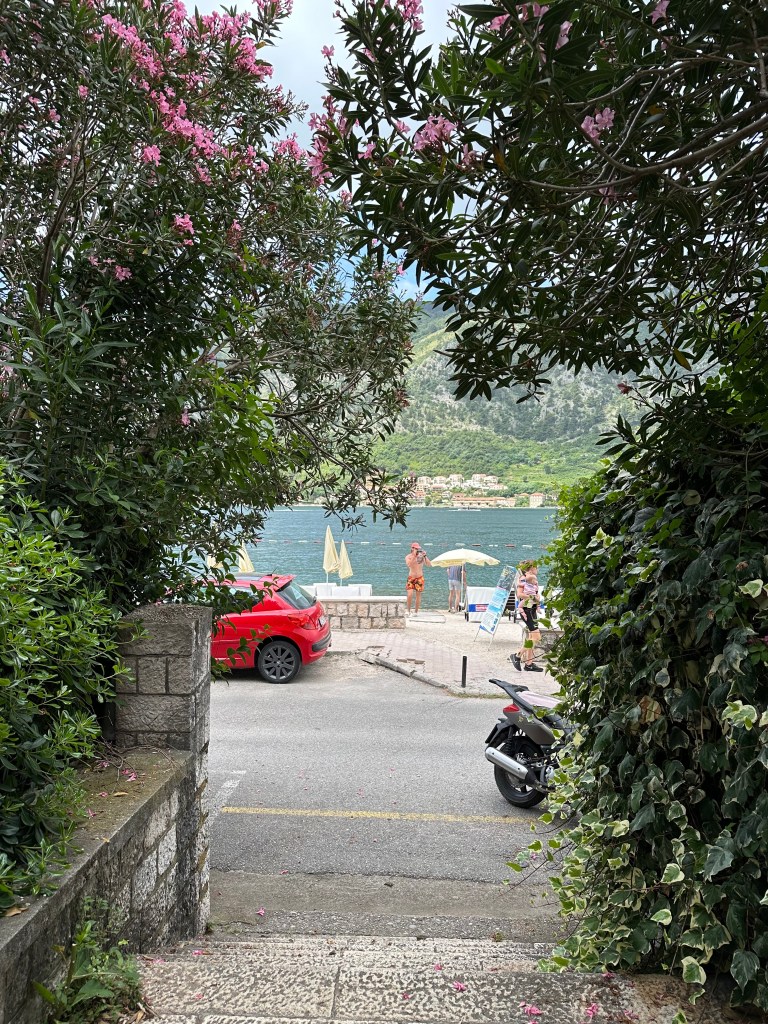
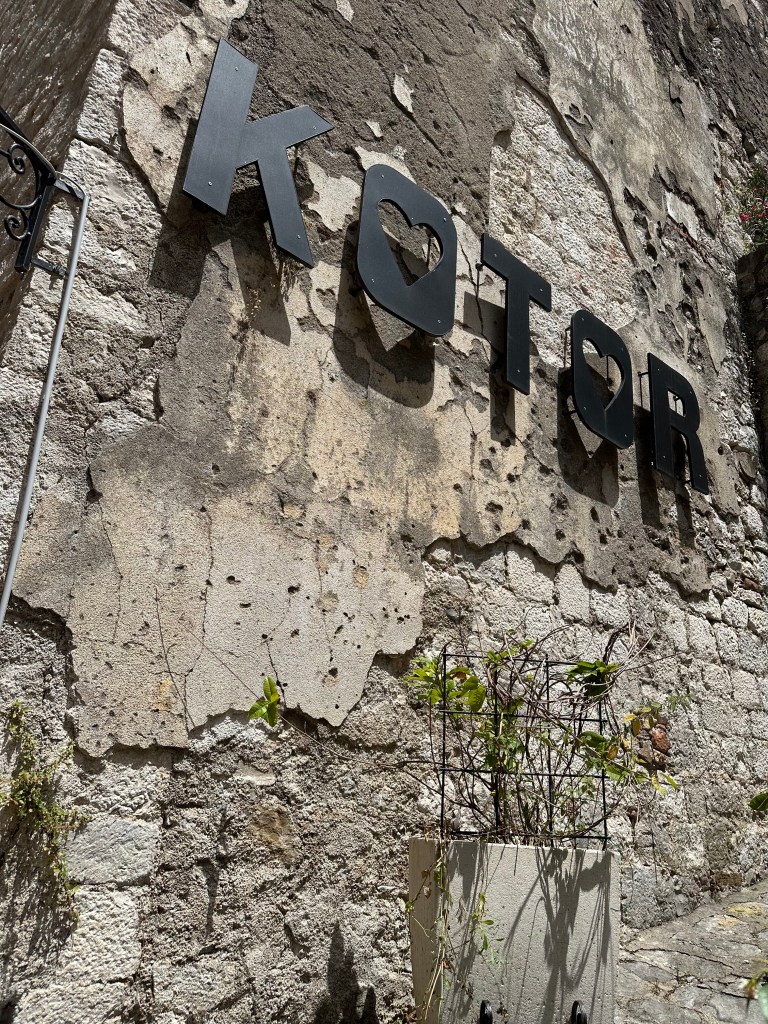
2. Kotor, one of the jewels of the coast, is best known for its incredibly well-preserved medieval old town. The original fortifications date back to the Illyrian period and were later rebuilt by Emperor Justinian I in the 6th century. But it was the Venetians who shaped most of what you see today. Entering through the imposing Sea Gate, or Gurdic Gate, feels like stepping into another time. Inside, the Cathedral of Saint Tryphon and the old clock tower are standout landmarks. Kotor gets packed when cruise ships dock, but if you’re lucky enough to visit on a quieter day, the atmosphere is magical — cobbled streets, fortress walls, and a surprising number of cats. In fact, cats are a symbol of the city. You’ll find cat-themed shops, a cat museum, and even a square unofficially known as Cats’ Square.
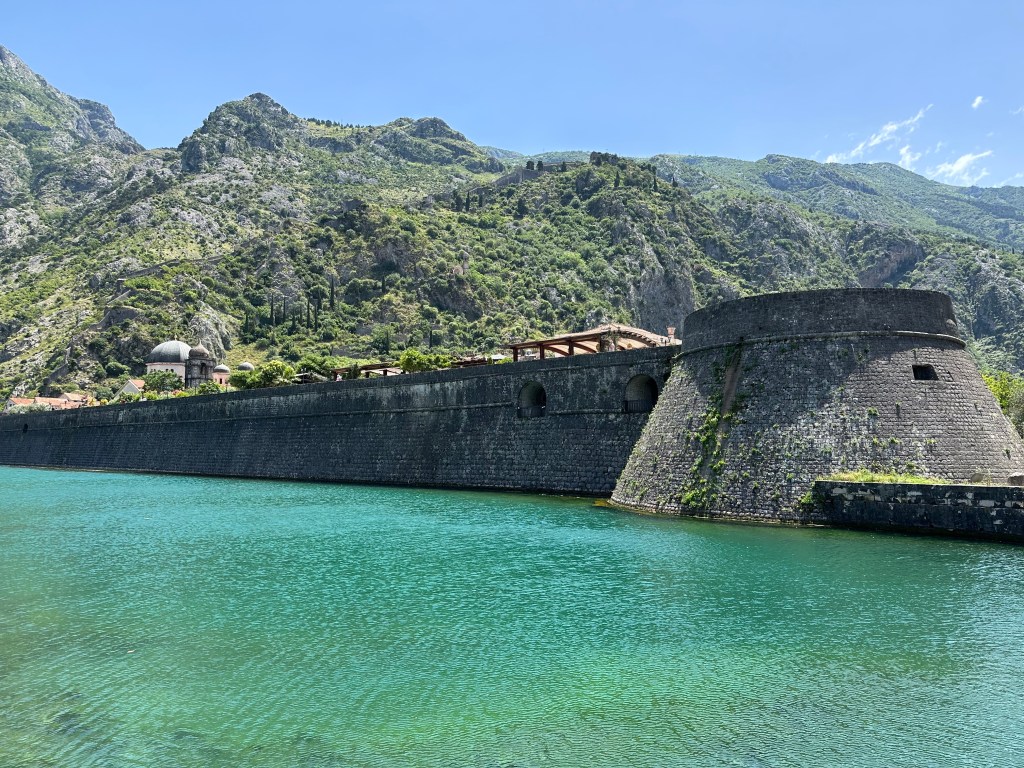
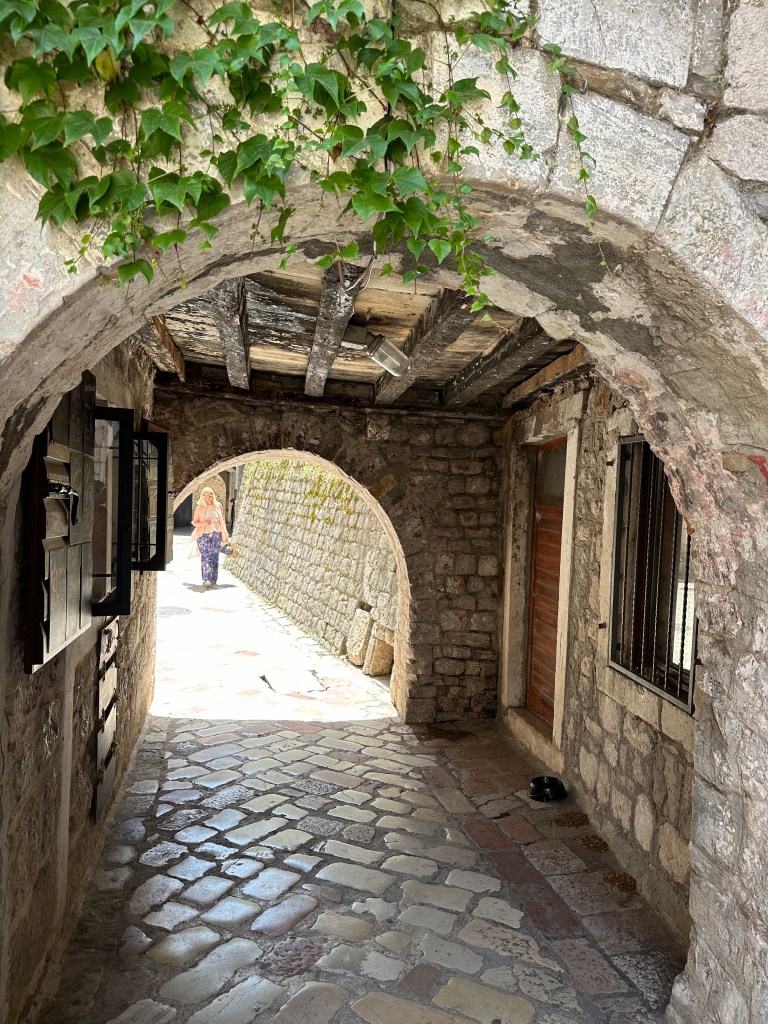
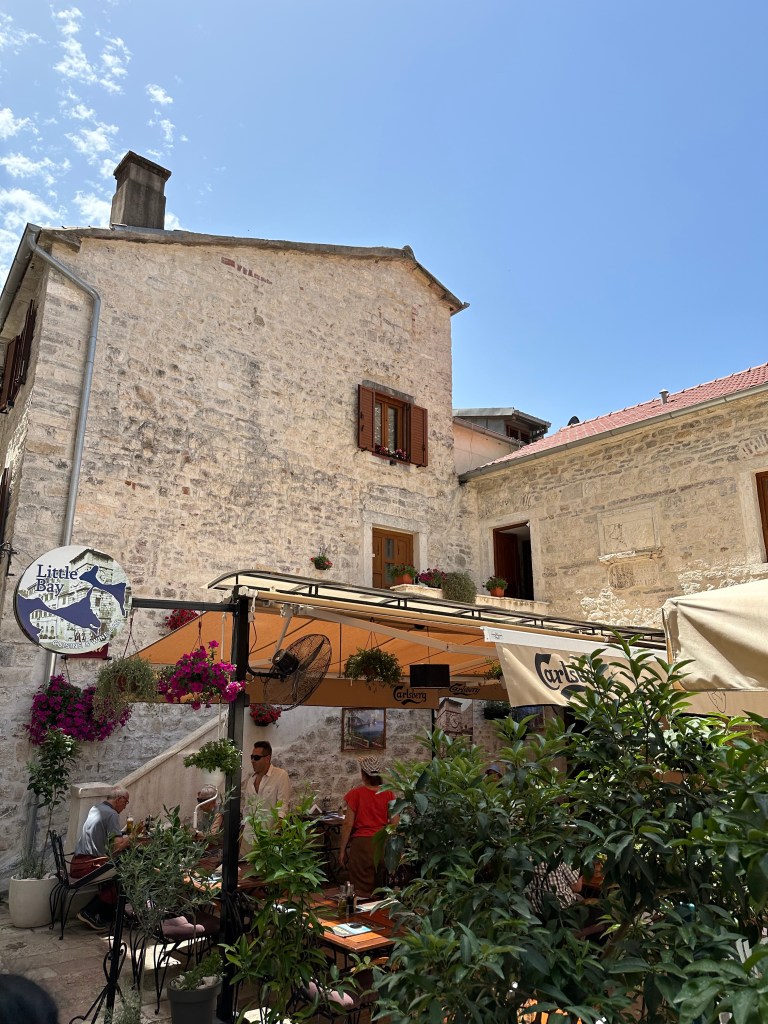


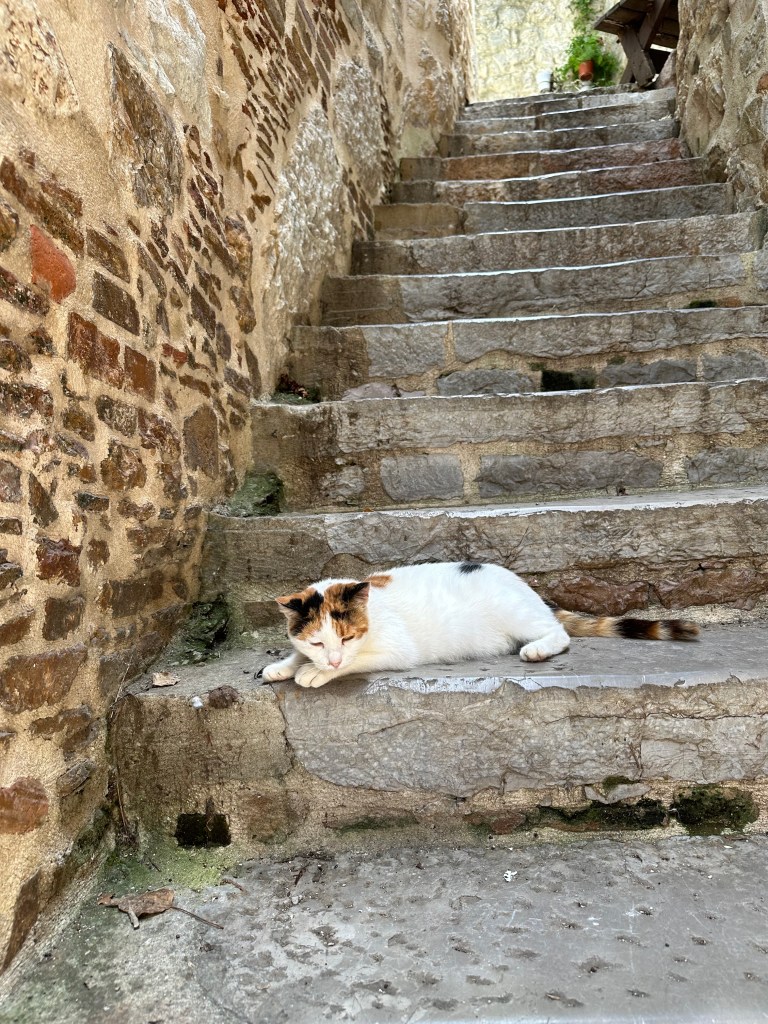
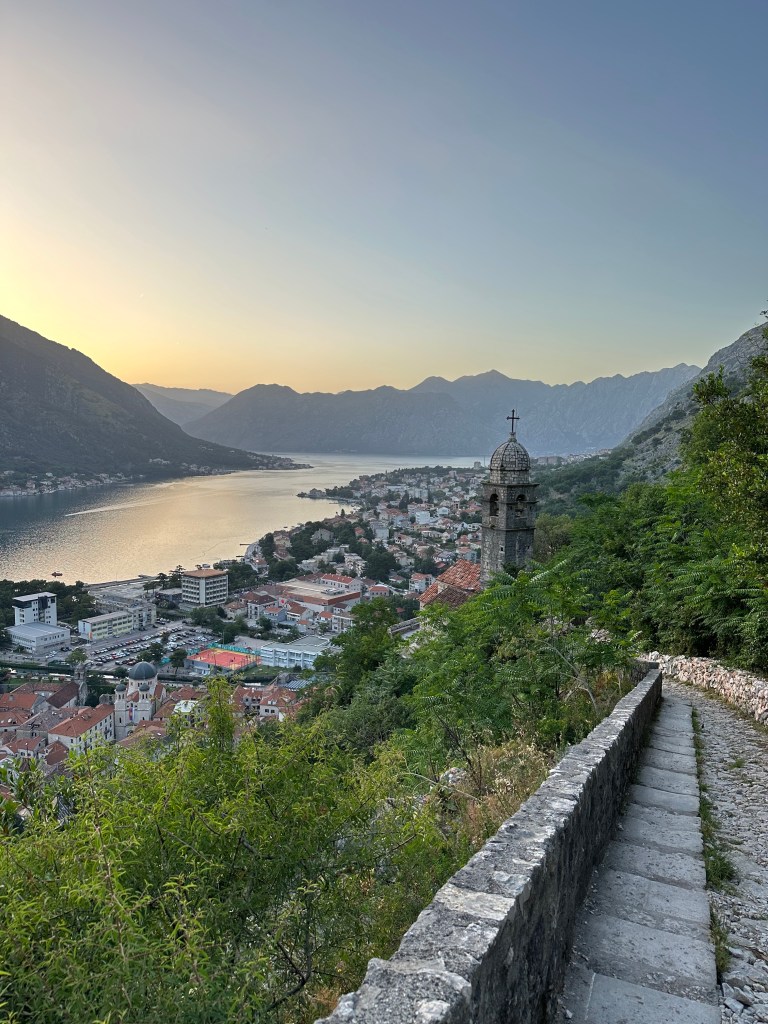
3. One of the best things to do in Kotor is hike the fortress walls, often referred to as the Ladder of Kotor. The views over the Bay of Kotor are absolutely worth the climb. I took the easier trail that starts from the old town, and it took about two hours round-trip. There’s also a steeper, more rugged version — the traditional “ladder” — that takes a bit longer. At the top are the ruins of the Castle of San Giovanni, offering panoramic views that make the climb feel more than worth it.


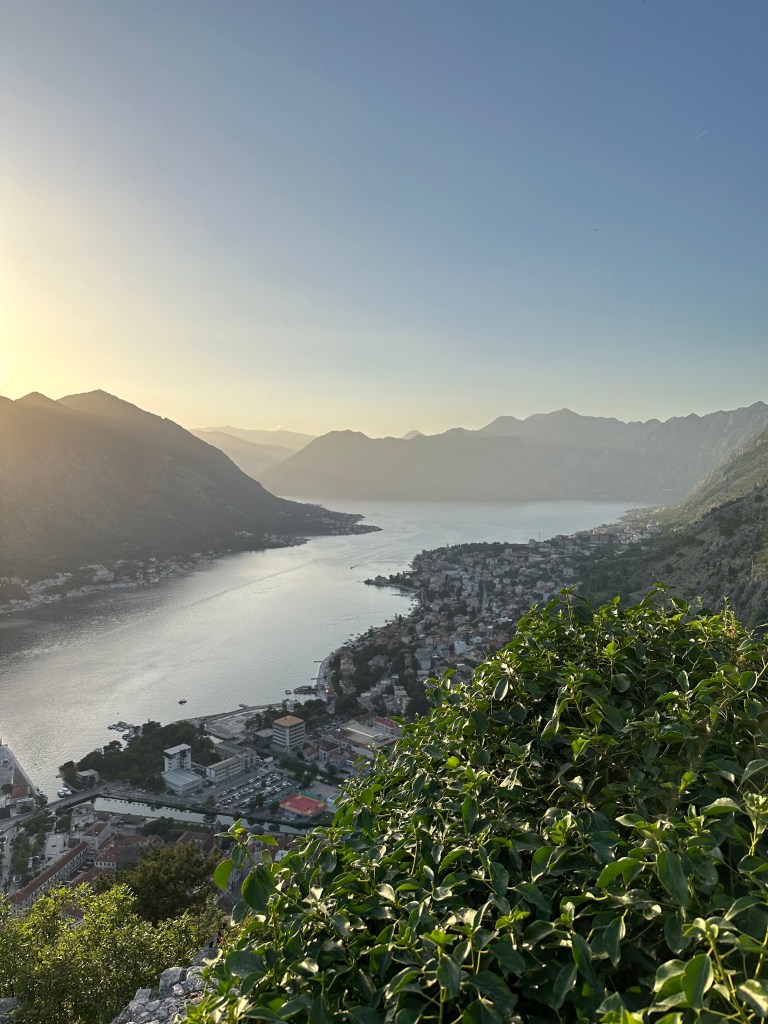
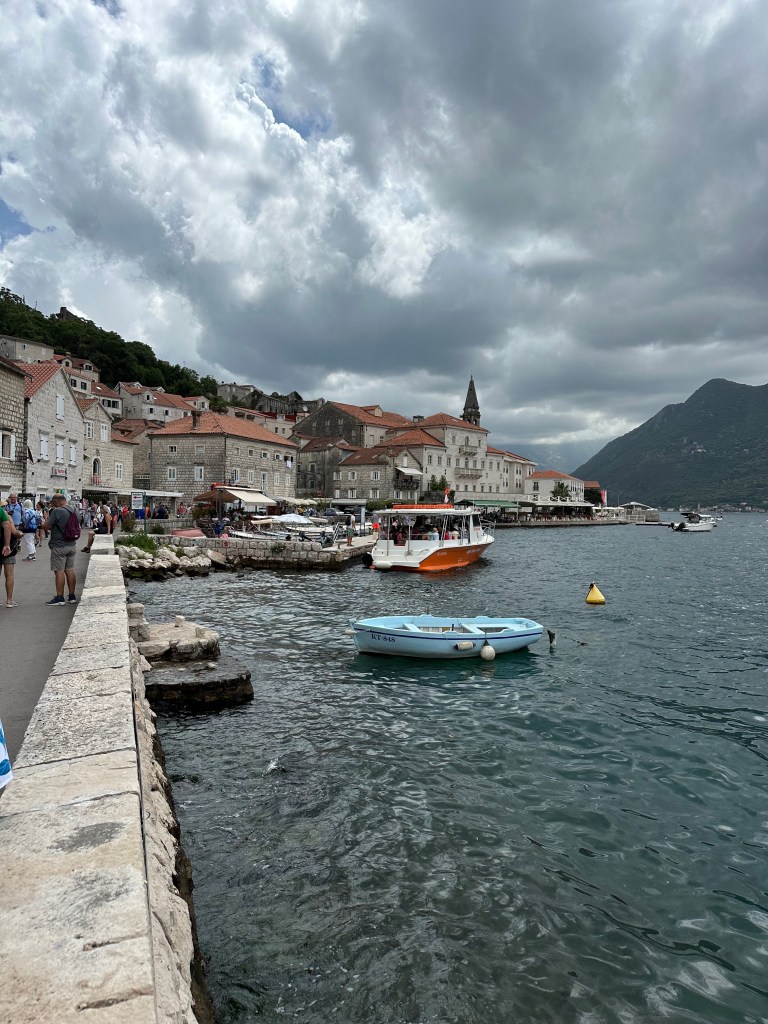
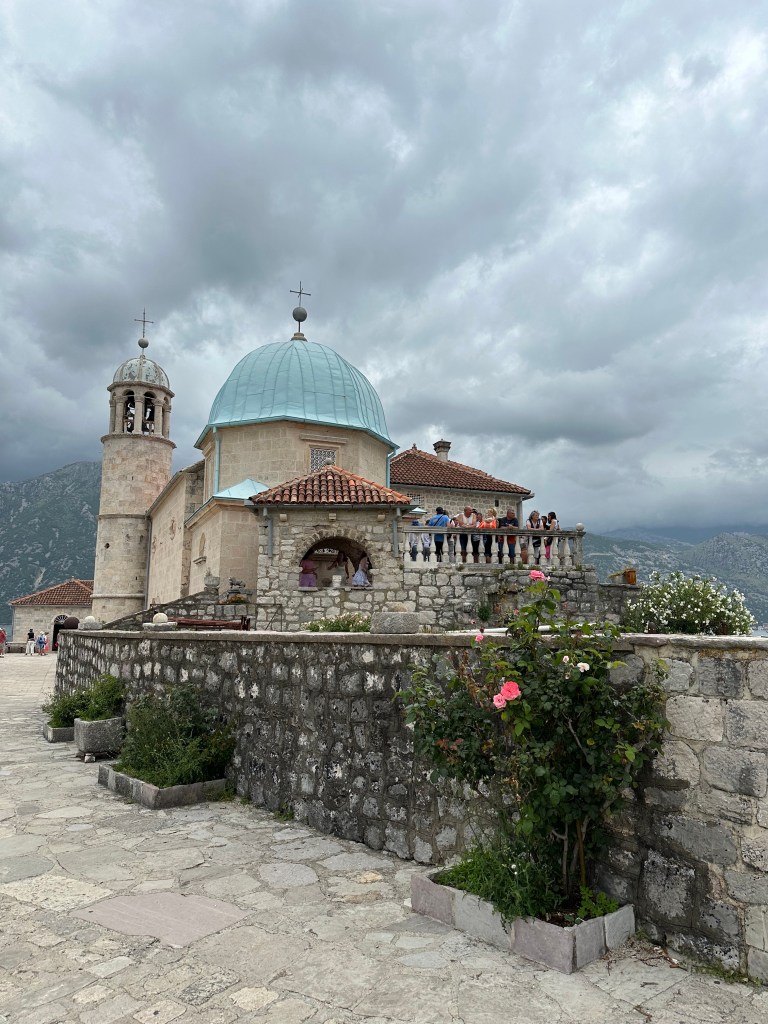
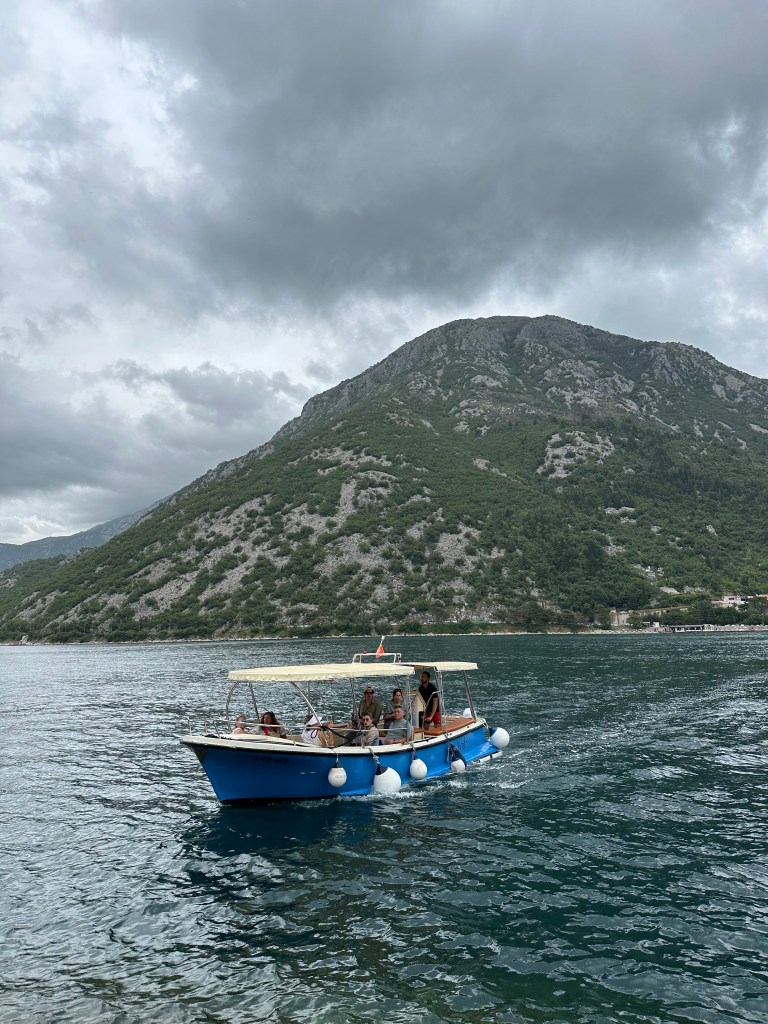
4. Not far from Kotor is the small village of Perast, a peaceful spot with a laid-back vibe. What makes it special are the islets just off its coast, especially Our Lady of the Rocks — the only man-made island in the Adriatic. Legend has it that two Venetian sailors saw an image of the Virgin Mary on a rock, and the island was gradually built around that spot. A short boat ride from Perast gets you there. There’s not much on the island besides a small church and museum, but the joy is really in the journey gliding across the still waters of the bay, surrounded by mountains.



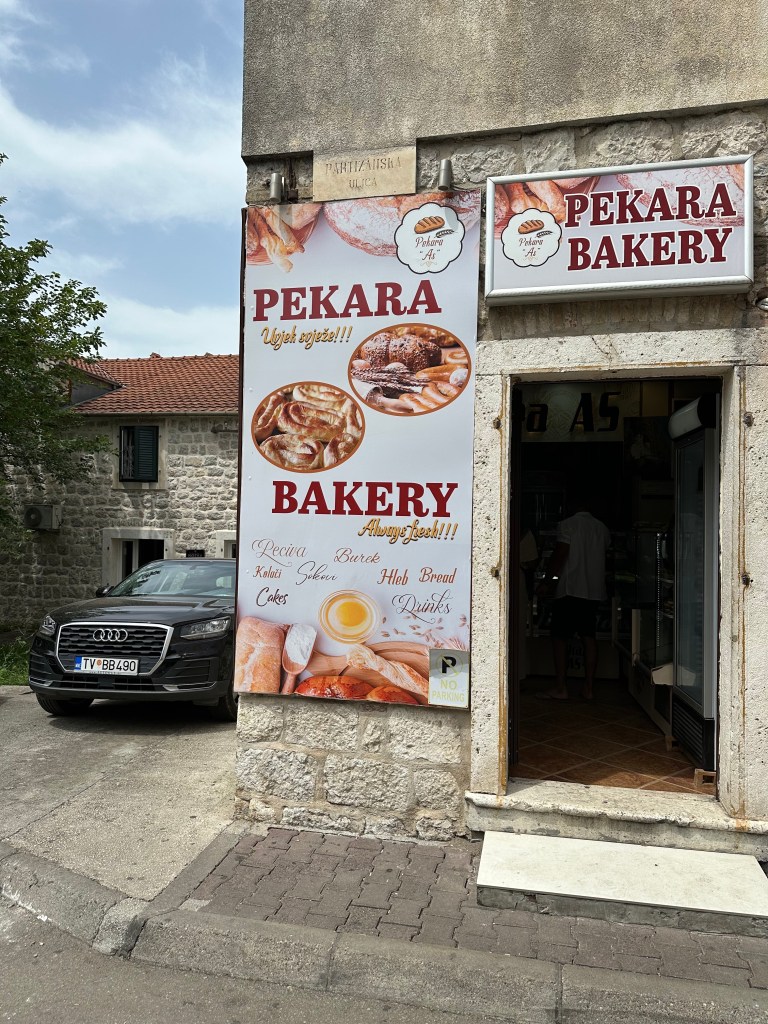
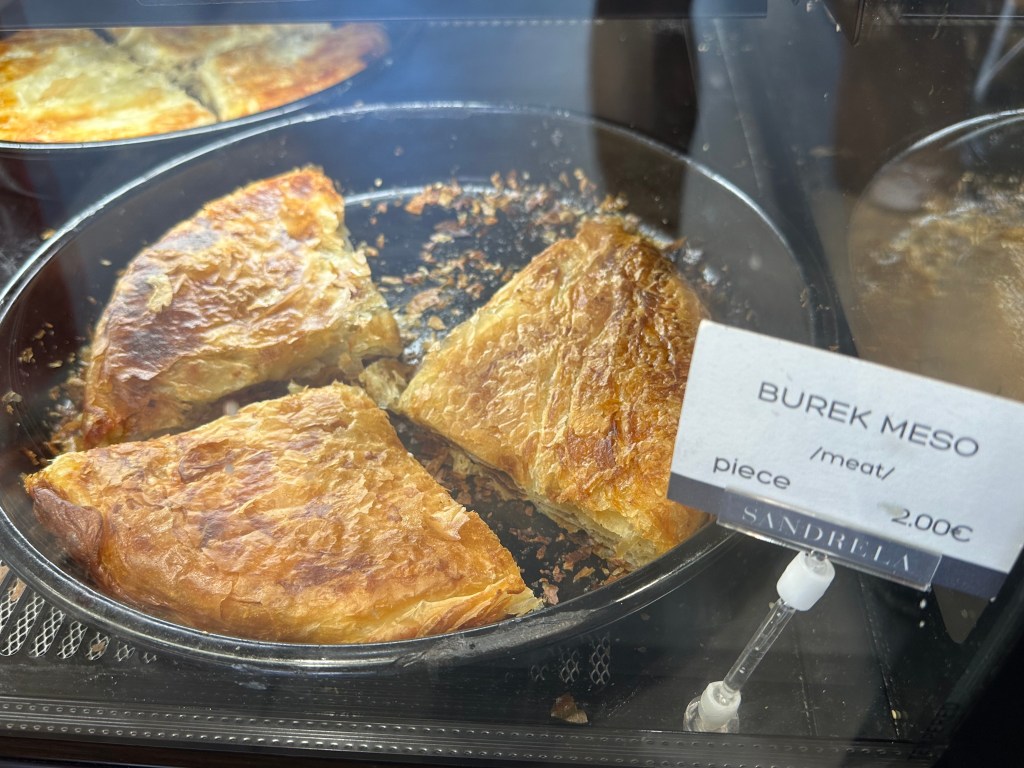
5. As for the food, I didn’t find anything particularly unique or standout compared to its Balkan neighbors. There were plenty of bakeries selling burek, but most lacked the finesse and flavor I’d found in Bosnia. One exception was a meal at Bastion, a well-regarded seafood spot in Kotor. I had the freshest, most delicate seabass there, simply prepared with barely a touch of salt, letting the fish speak for itself.


 flagsandforks