1. Bosnia and Herzegovina is a Muslim-majority country that emerged after the breakup of Yugoslavia. Its early years of independence were marked by one of the most brutal conflicts in recent European history. Between 1992 and 1995, sectarian tensions between Bosniaks (Bosnian Muslims), Serbs, and Croats escalated into war, with all sides pursuing ethnic cleansing strategies.

2. Mostar is a picturesque town, popular as a day trip from Dubrovnik (which is how we got there too). Historically, it stood out as a place of relative religious coexistence—Muslims, Orthodox Christians, and Catholics lived here side by side. Along the drive, you’ll pass several historic monasteries, including the cliffside Blagaj Dervish Monastery and the Žitomislić Orthodox Monastery, which has been beautifully restored.
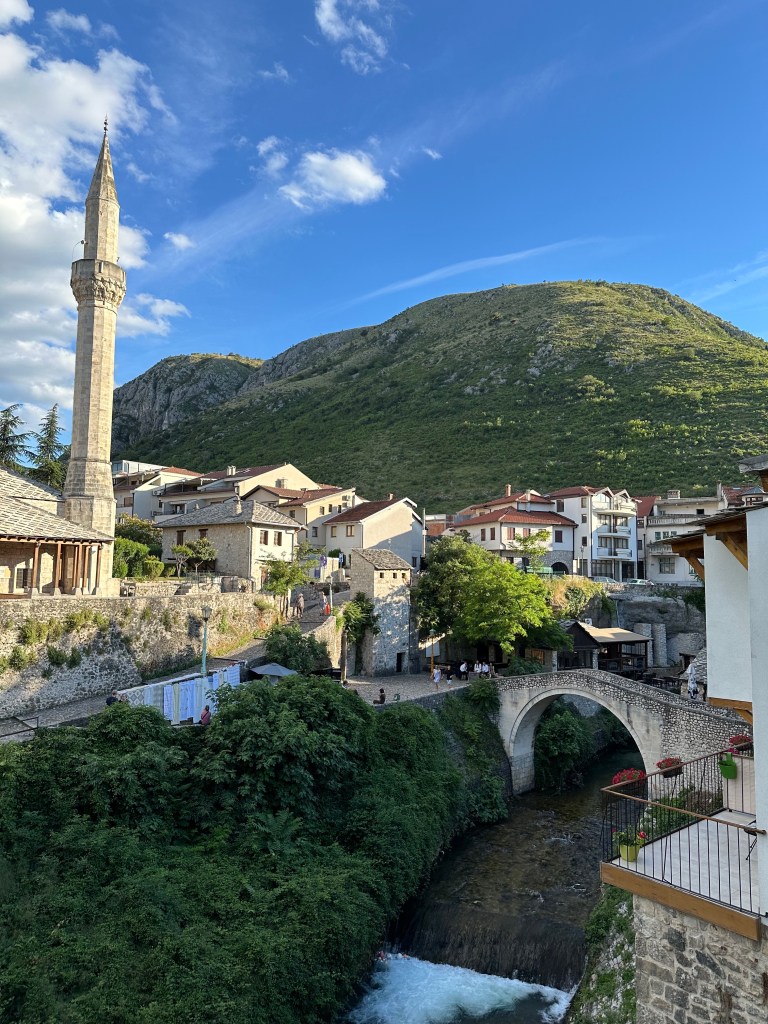
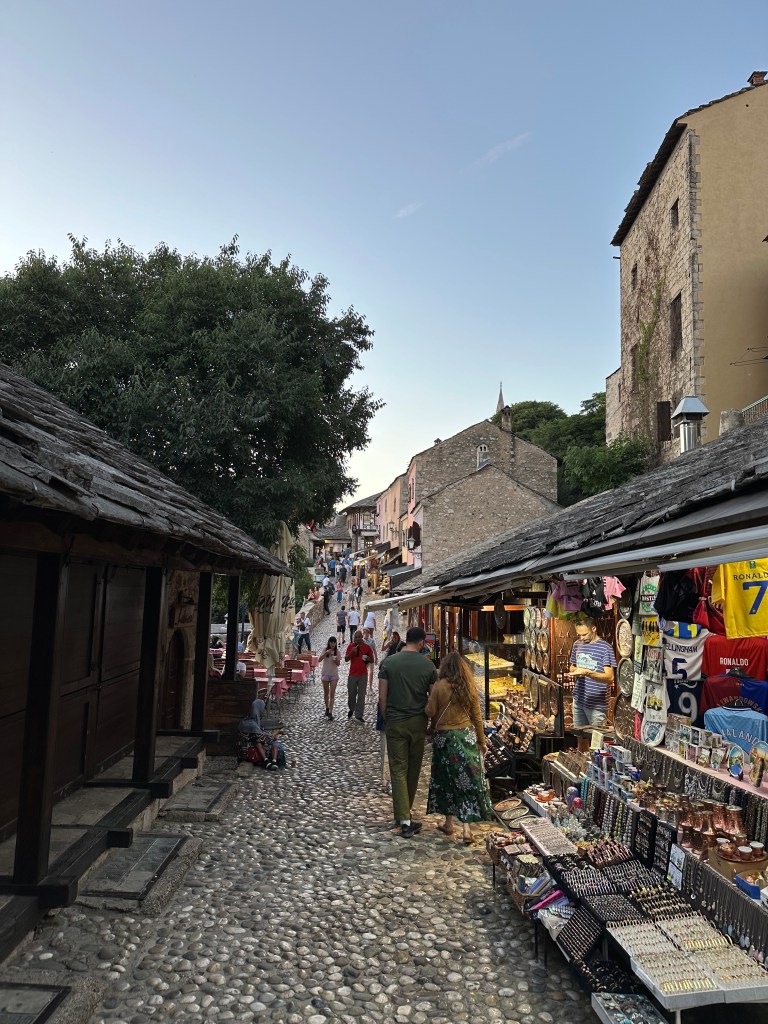
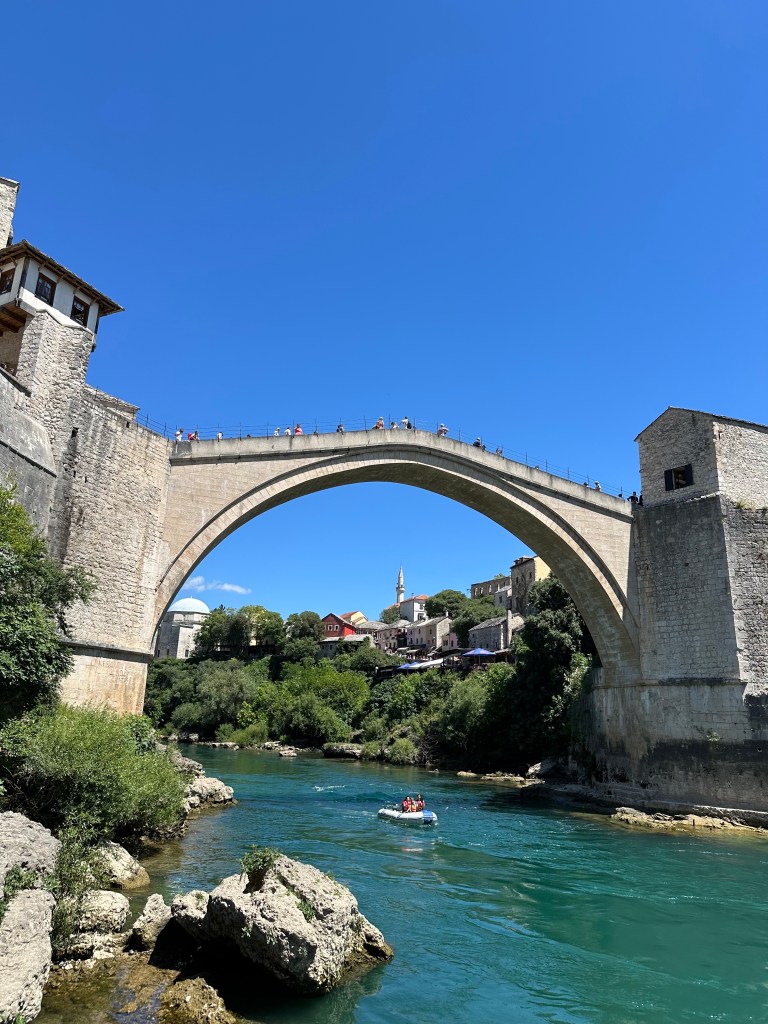
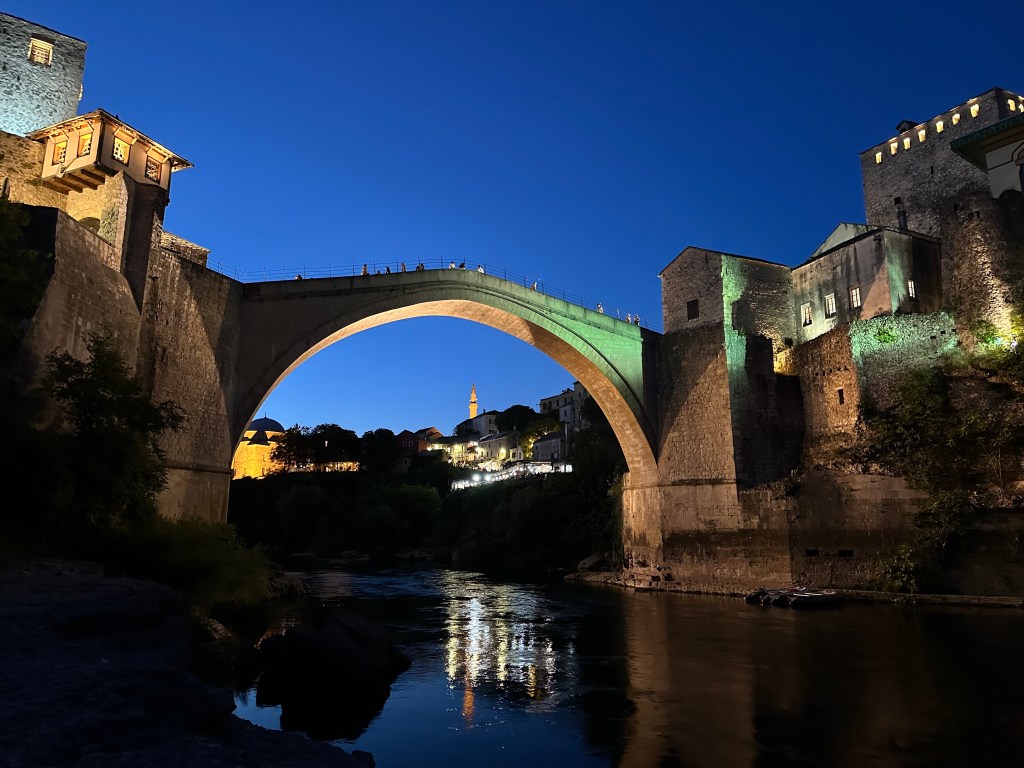
3. Mostar’s Old Town feels frozen in time. With its cobblestone streets, Ottoman-style buildings, and mix of mosques and churches, it has just enough tourism-driven commerce (souvenirs, restaurants) without feeling overdone. The centerpiece is the Old Bridge (Stari Most), built in 1557 on the orders of Ottoman Sultan Suleiman the Magnificent. The town’s name actually comes from the Mostari, or bridge keepers who guarded it. The original bridge was destroyed in 1993 during the Bosnian Croat war but was painstakingly rebuilt and reopened in 2004.

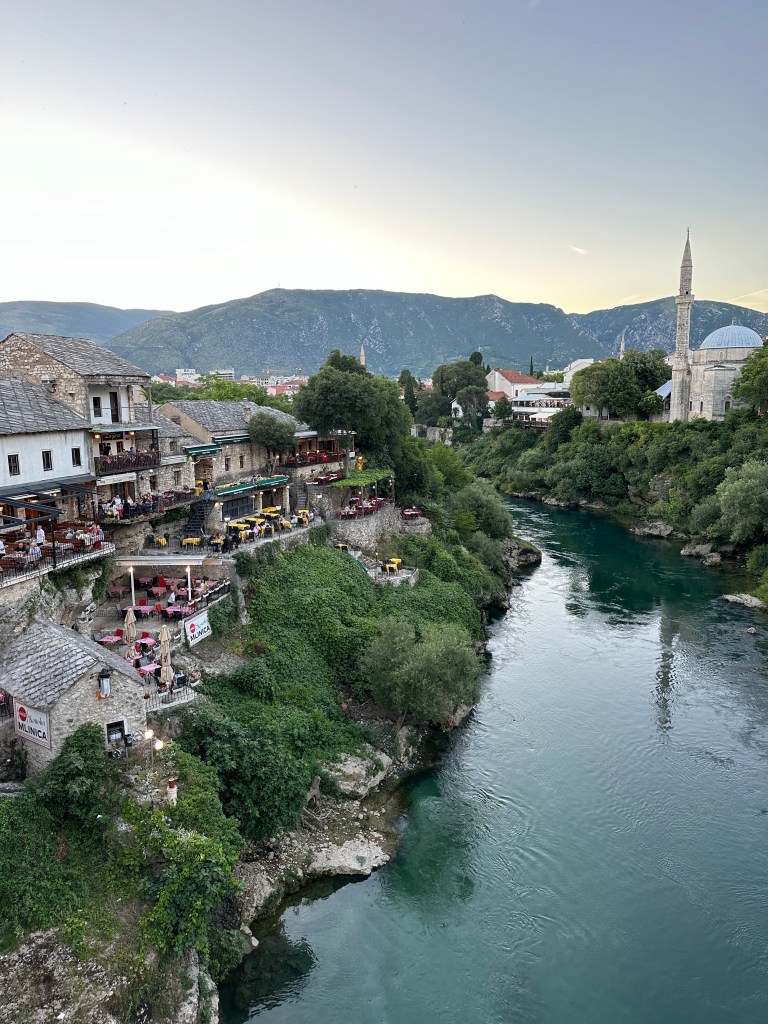
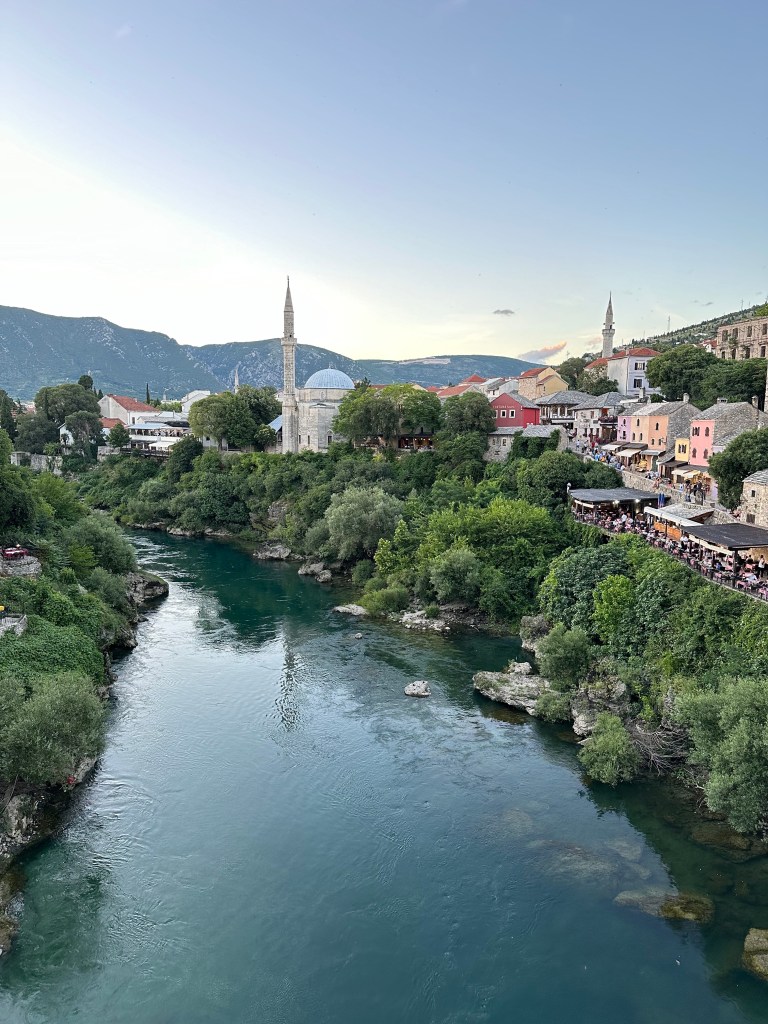
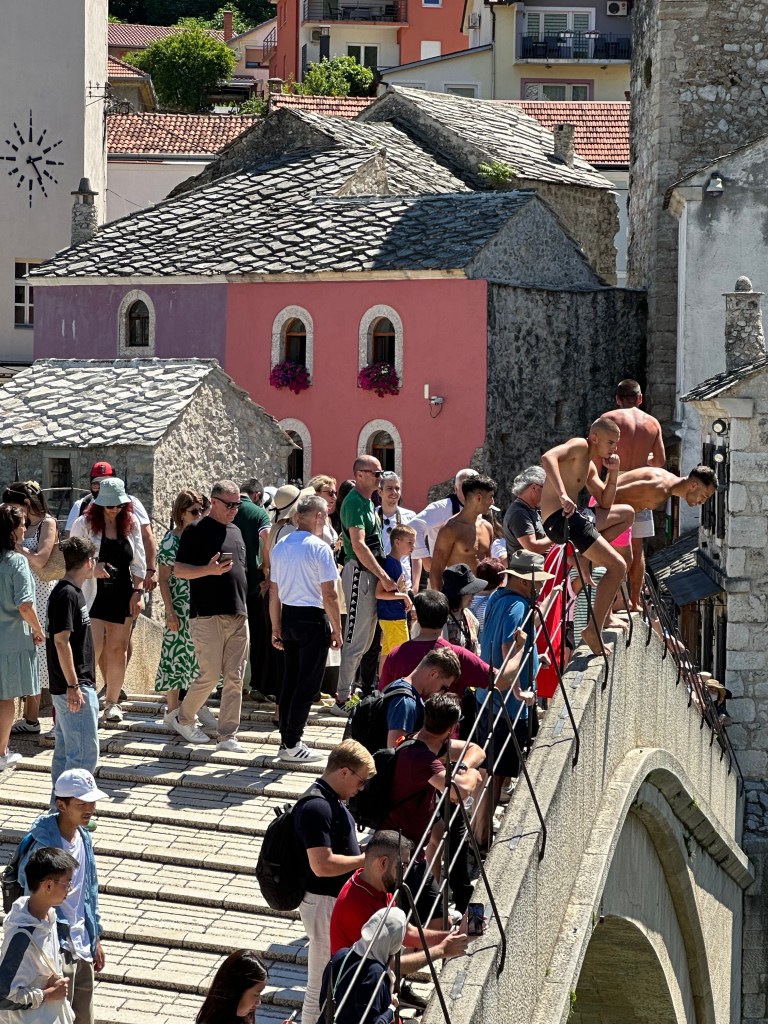
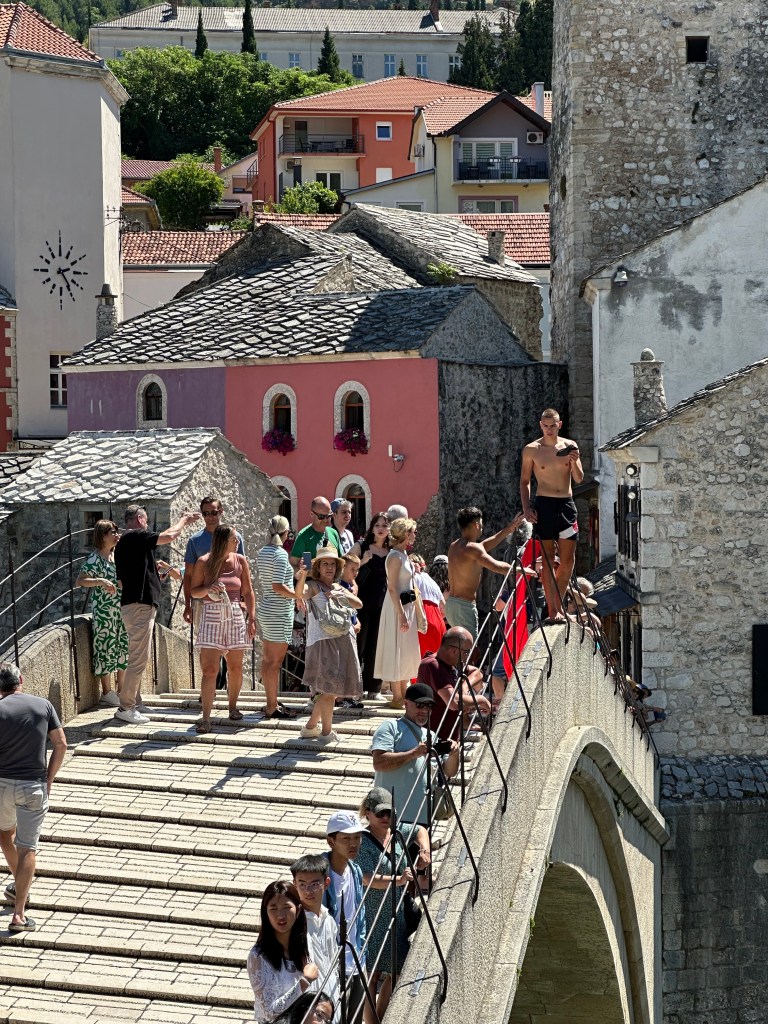
4. These days, it’s the thrill-seekers diving off the Old Bridge who steal the show. You’ll often spot one working the crowd for tips before leaping into the icy turquoise waters of the Neretva River. In summer, the view of the bridge is straight out of a postcard—especially with that unreal blue water flowing below.
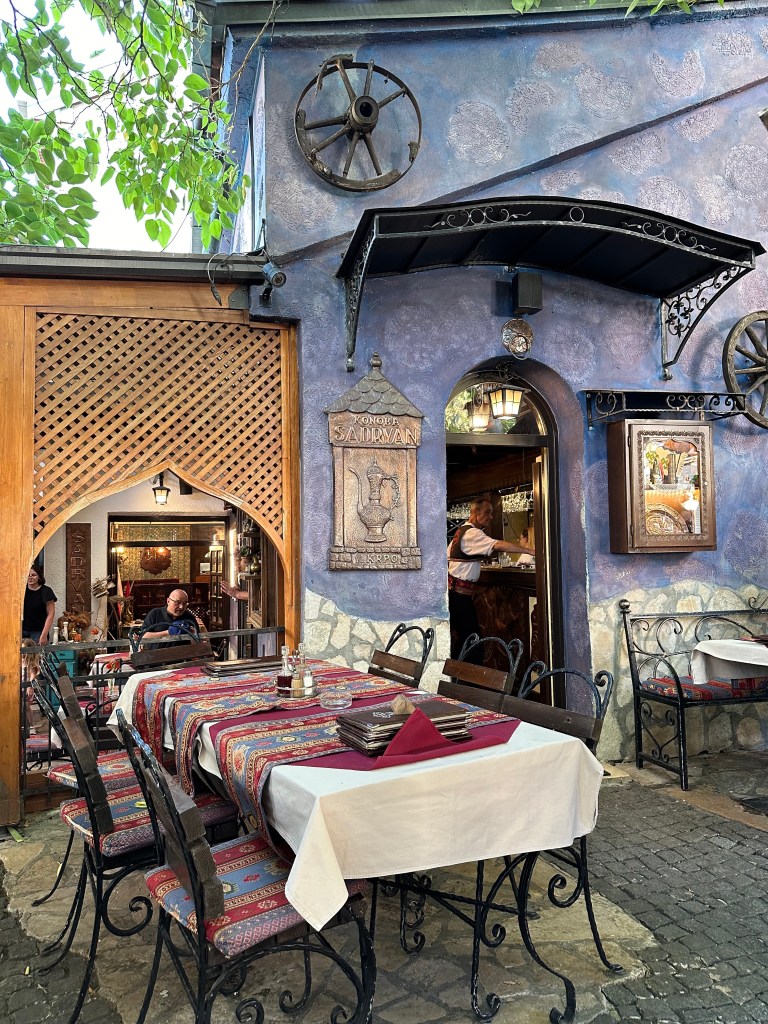
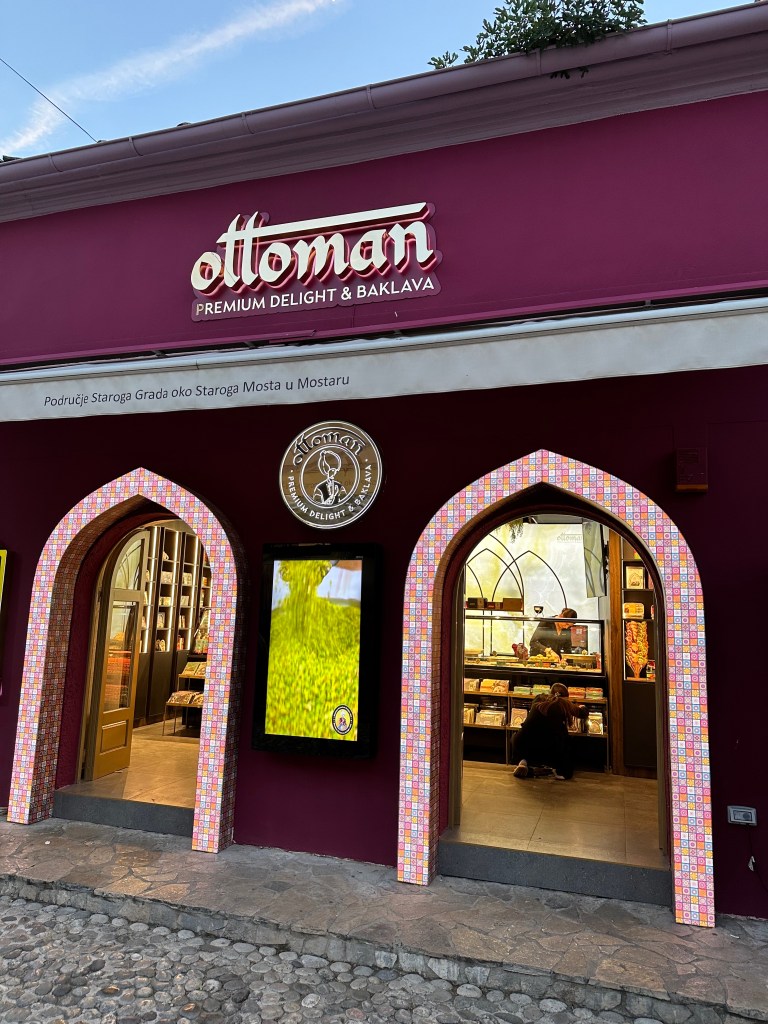
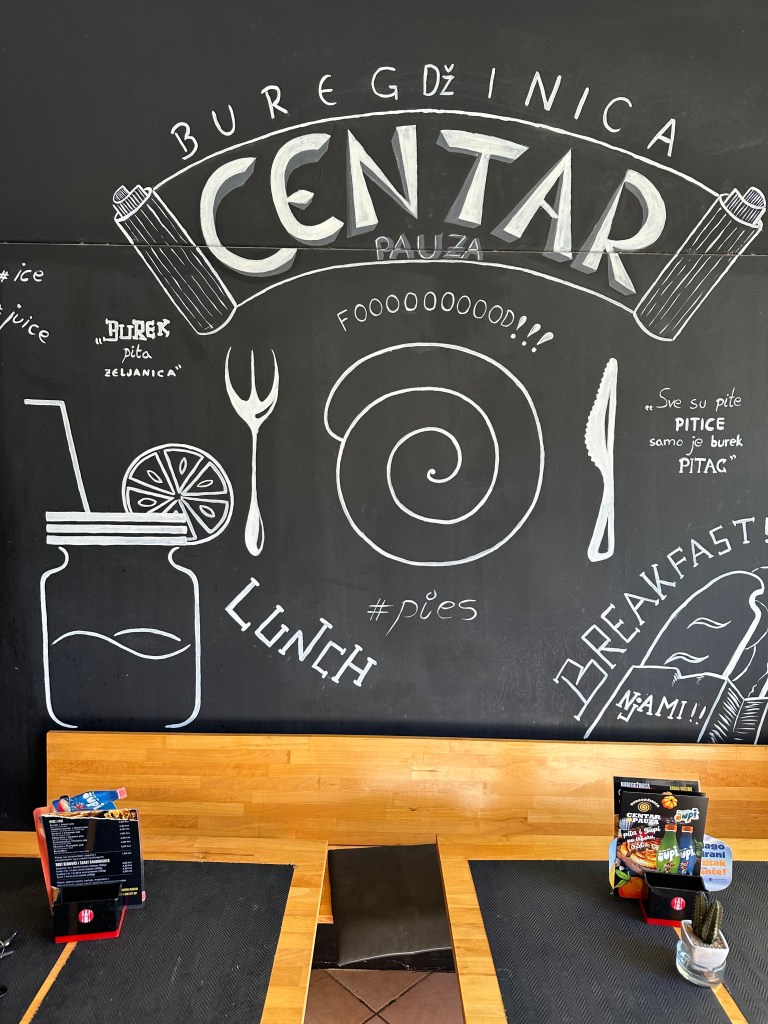
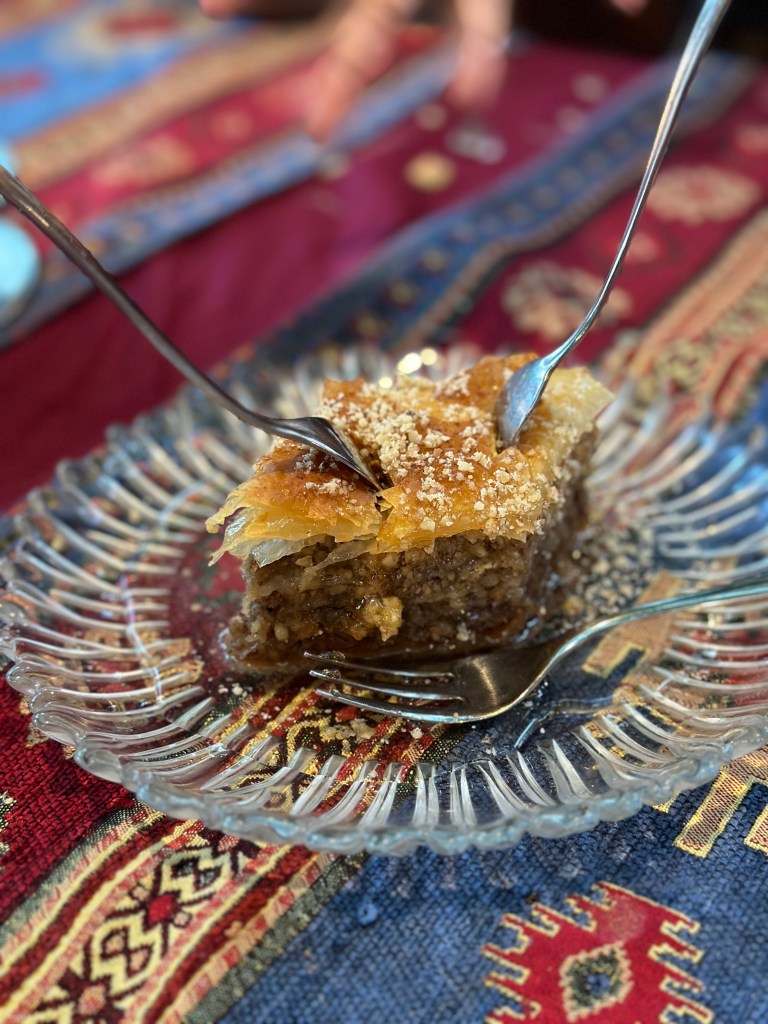
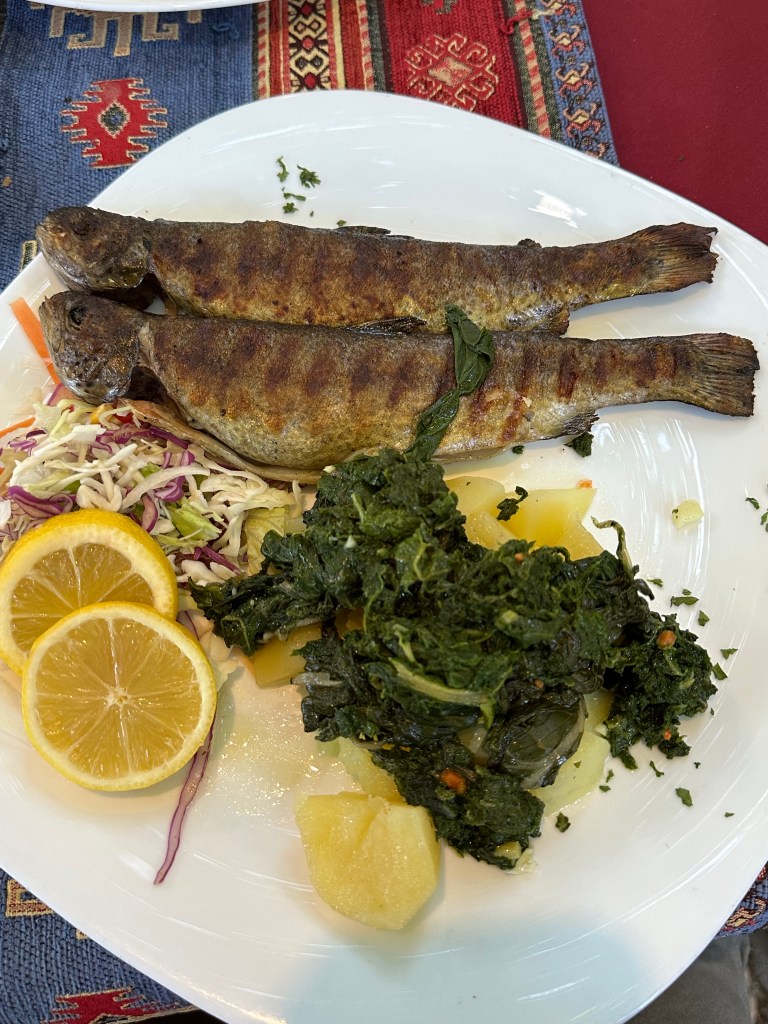
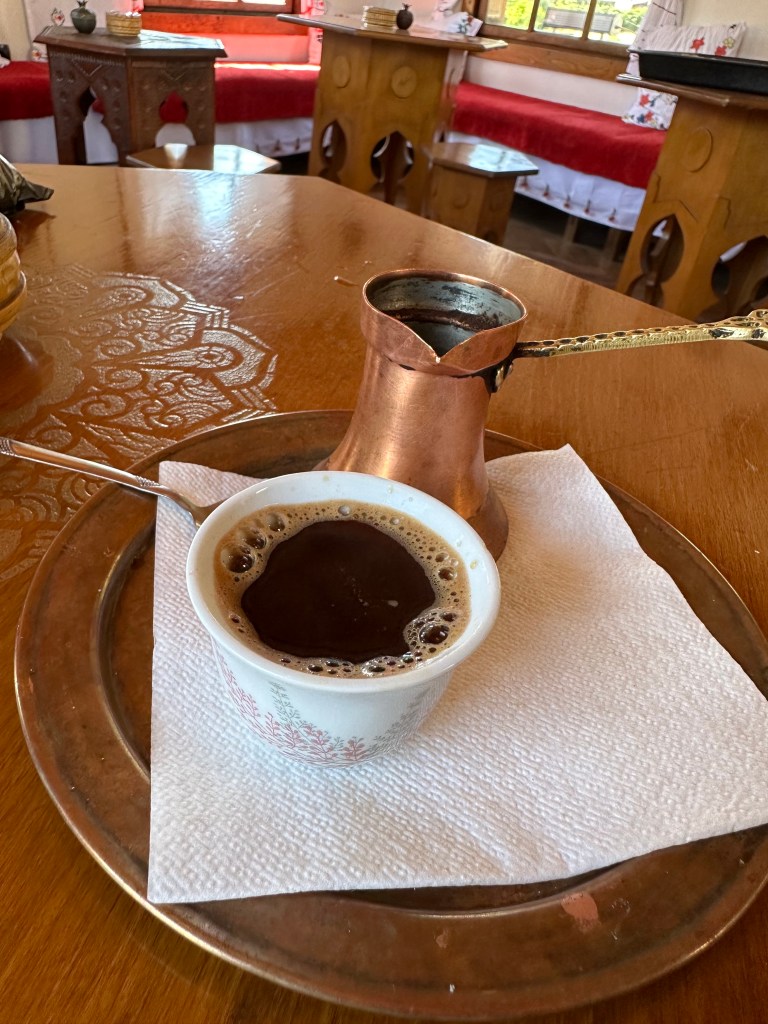
5. Ottoman culture has left a deep imprint on Mostar’s food. We had some of the best burek (savory filled pastry) of our Balkan trip here. Turkish-style coffee is the default brew, and the baklava—double-layered with walnuts—leans closer to the Turkish version than the flaky, syrupy style you might find elsewhere in the Balkans.

 flagsandforks