1. Switzerland was once home to the Helvetii, a Celtic tribe, until the Romans took over in the 1st century BC. Back then, life revolved around farming and livestock. Fast forward to 1848—a pivotal moment in Swiss history—when the country adopted a federal constitution after a short civil war. Inspired by the political systems of the U.S. and France, Switzerland became a federal republic made up of 26 cantons. Industrialization and a commitment to neutrality during the world wars helped it evolve into one of the world’s most stable and prosperous economies.
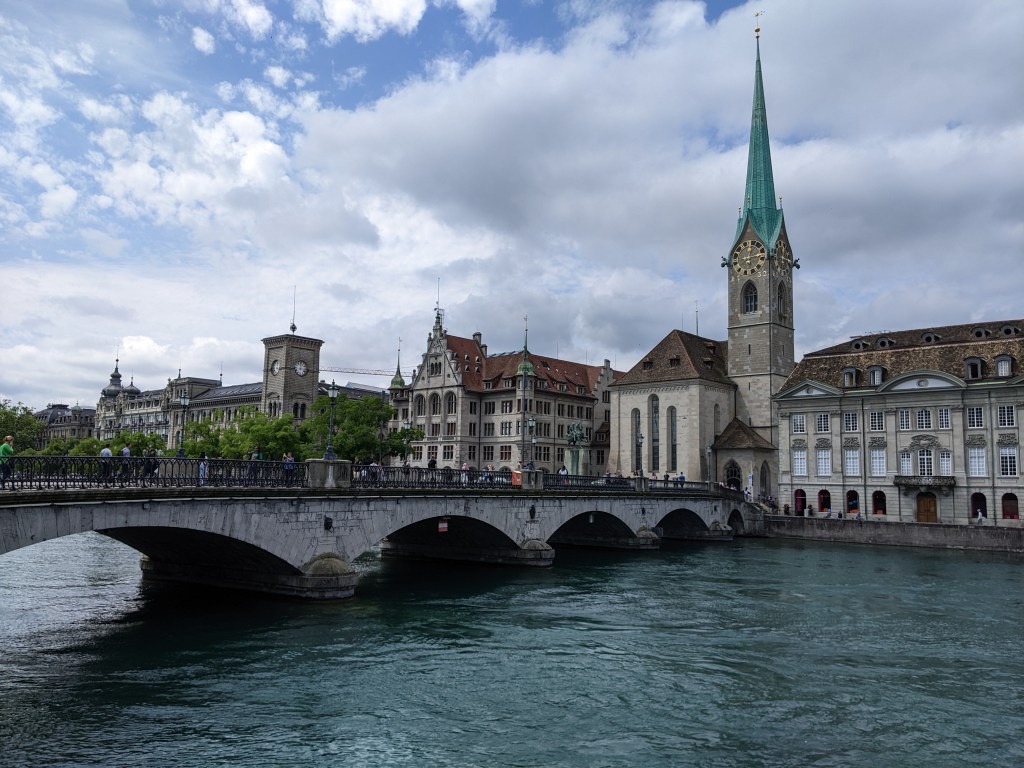
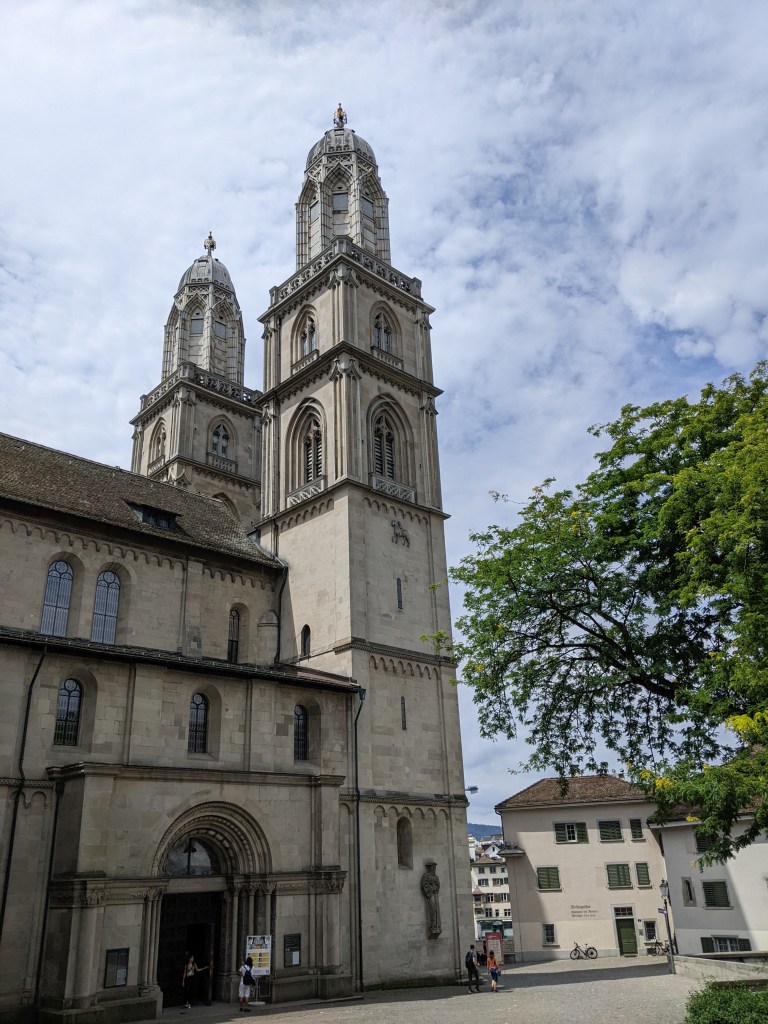
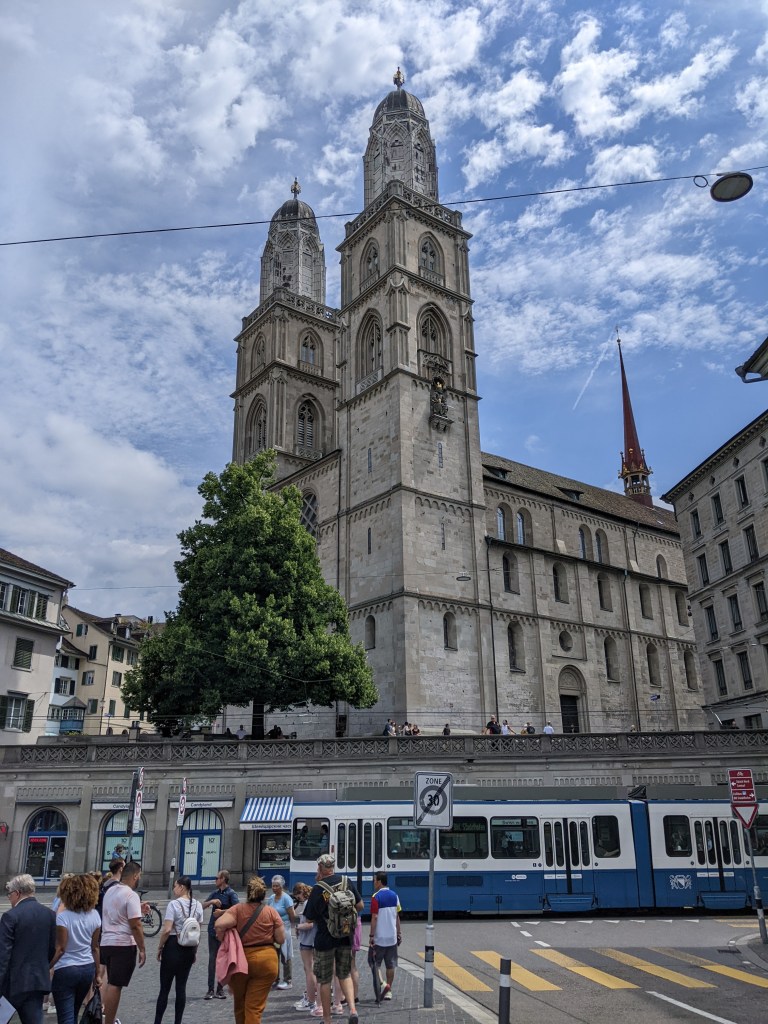
2. Zurich is the financial powerhouse of Switzerland, dotted with banks and insurance firms, yet still unmistakably Swiss. Its compact old town has historic charm, especially with landmarks like Fraumünster and Grossmünster churches. The Limmat River, running right through the city, glows a brilliant blue on sunny days. Zurich also has an enviable lakefront, and locals love the stretch of parks along Mythenquai and Zürichhorn.

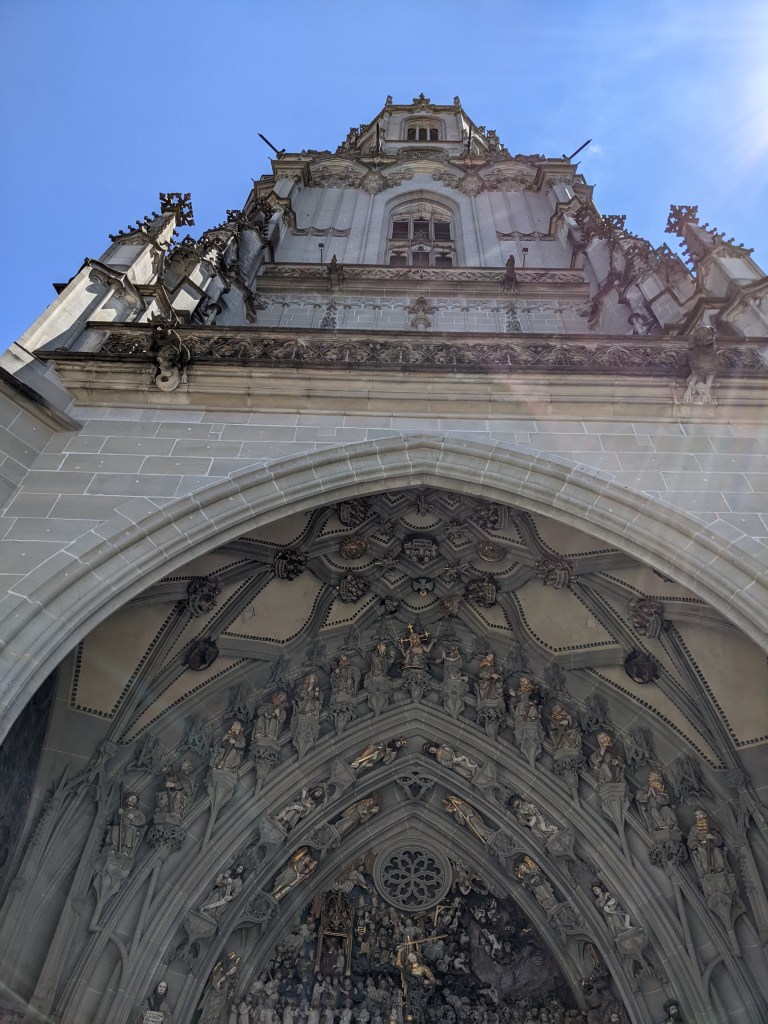
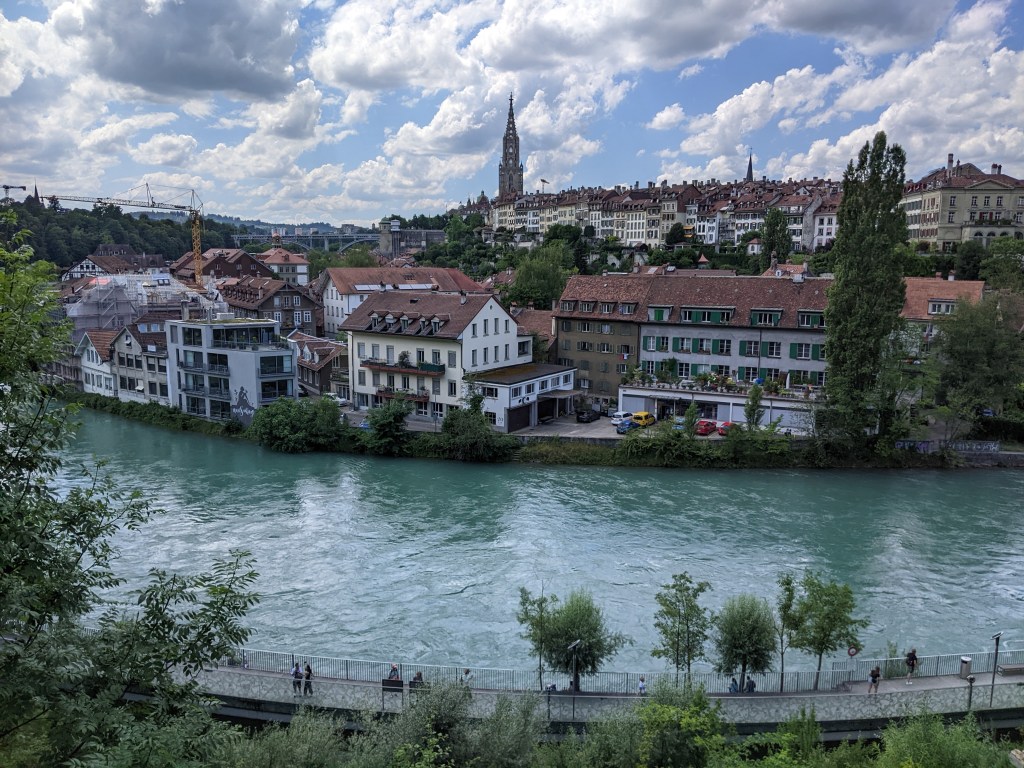
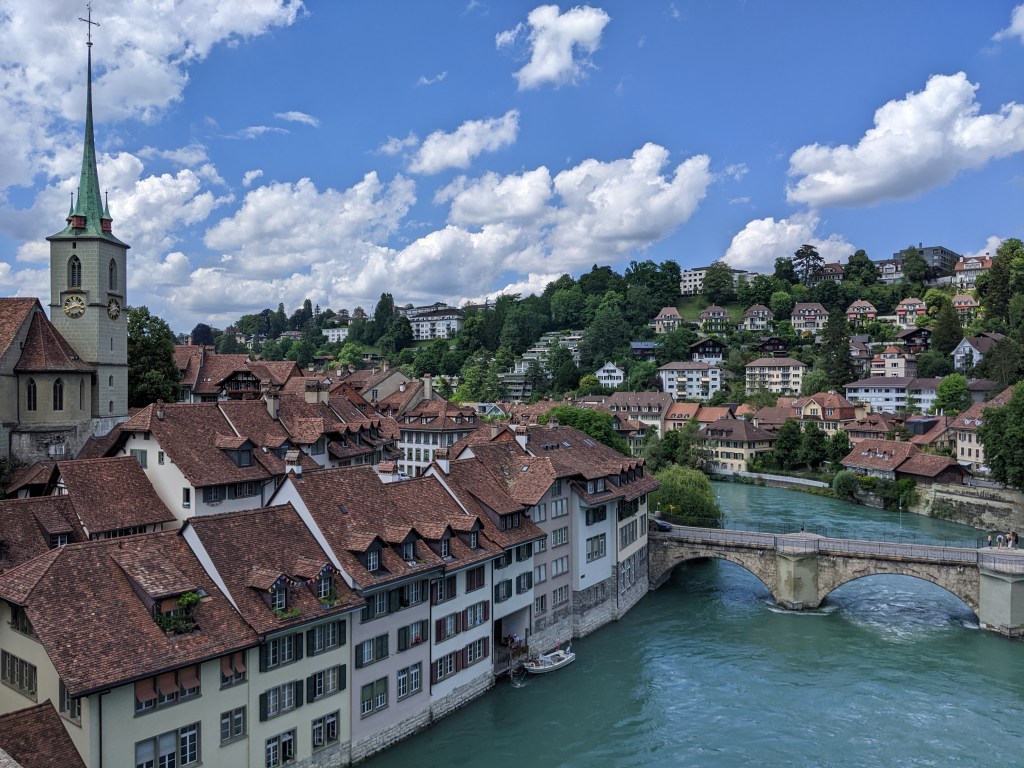
3. Bern, the capital, surprised me. I had expected a sterile government city—but it was nothing of the sort. The old town was packed with personality and crowned by a stunning Gothic church with the tallest spire in the country. The Zytglogge—an astronomical clock—puts on a mechanical performance every hour. Fun fact: Albert Einstein spent a chunk of his adult life in Bern, not far from where I stayed.
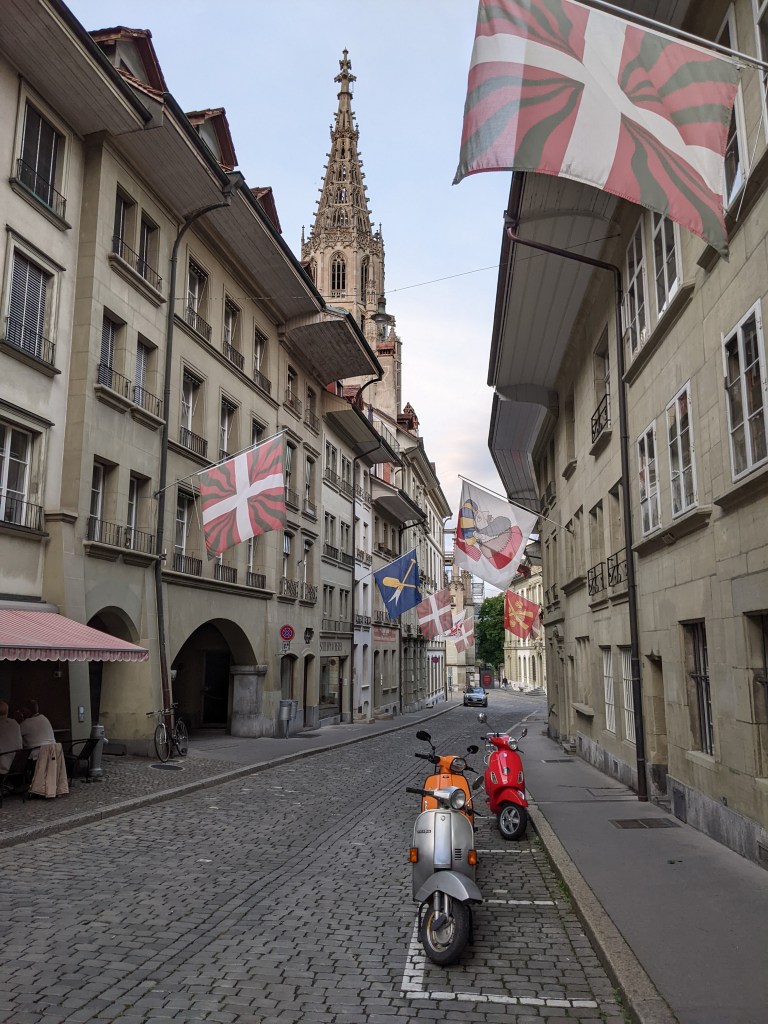
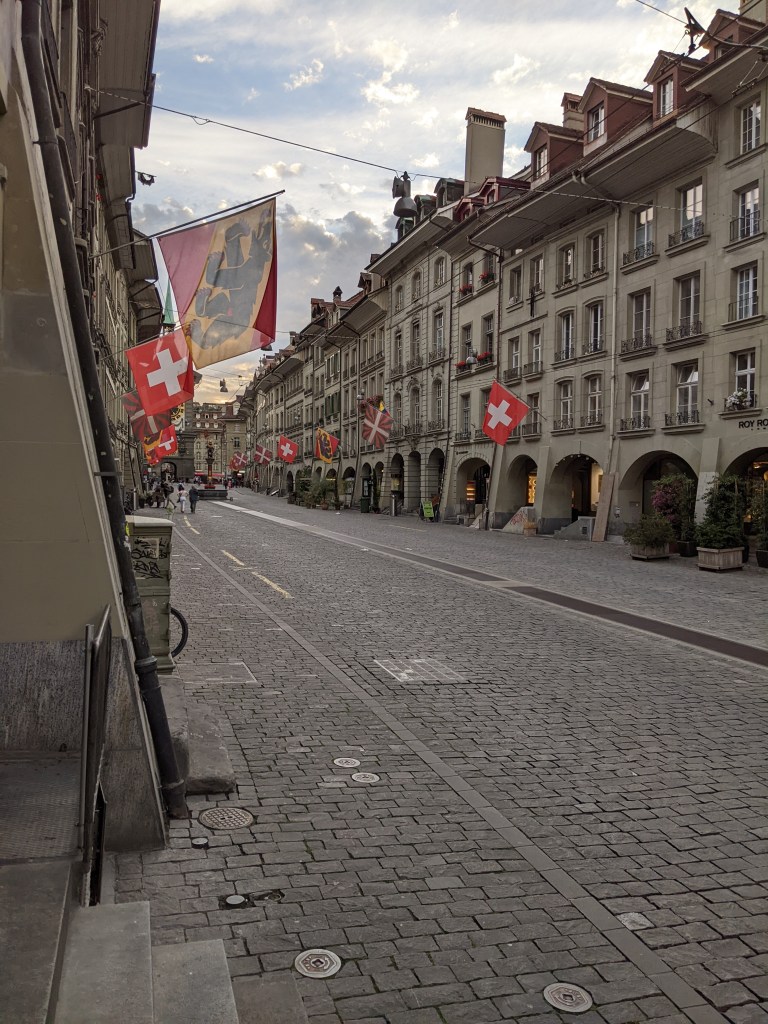
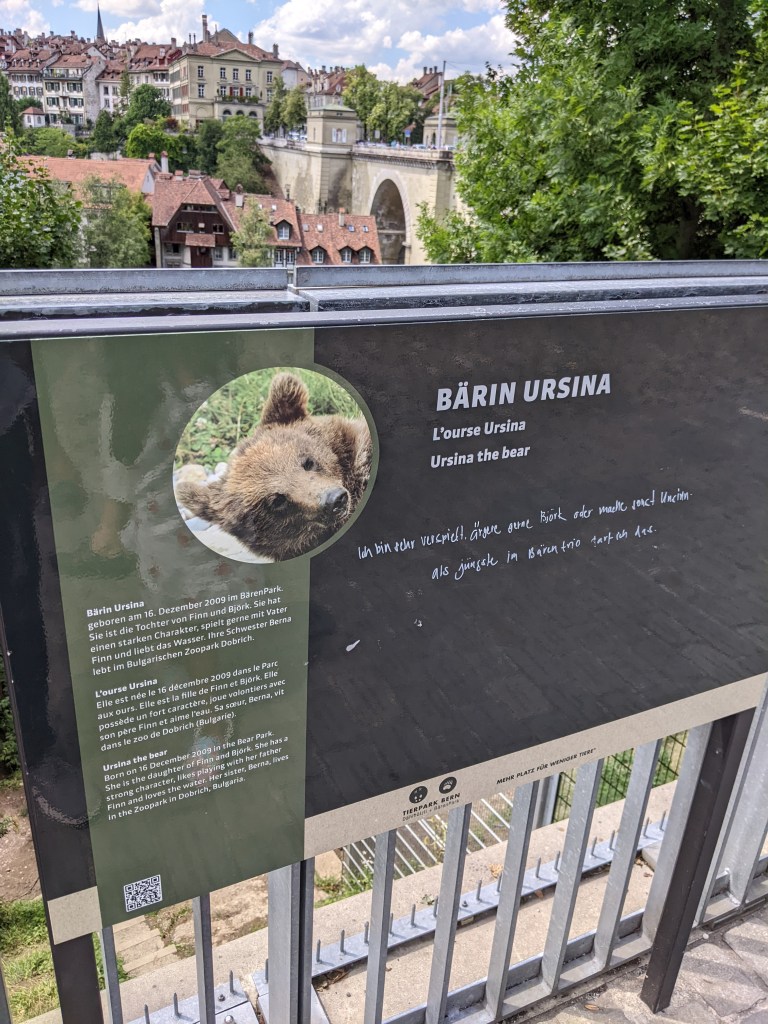
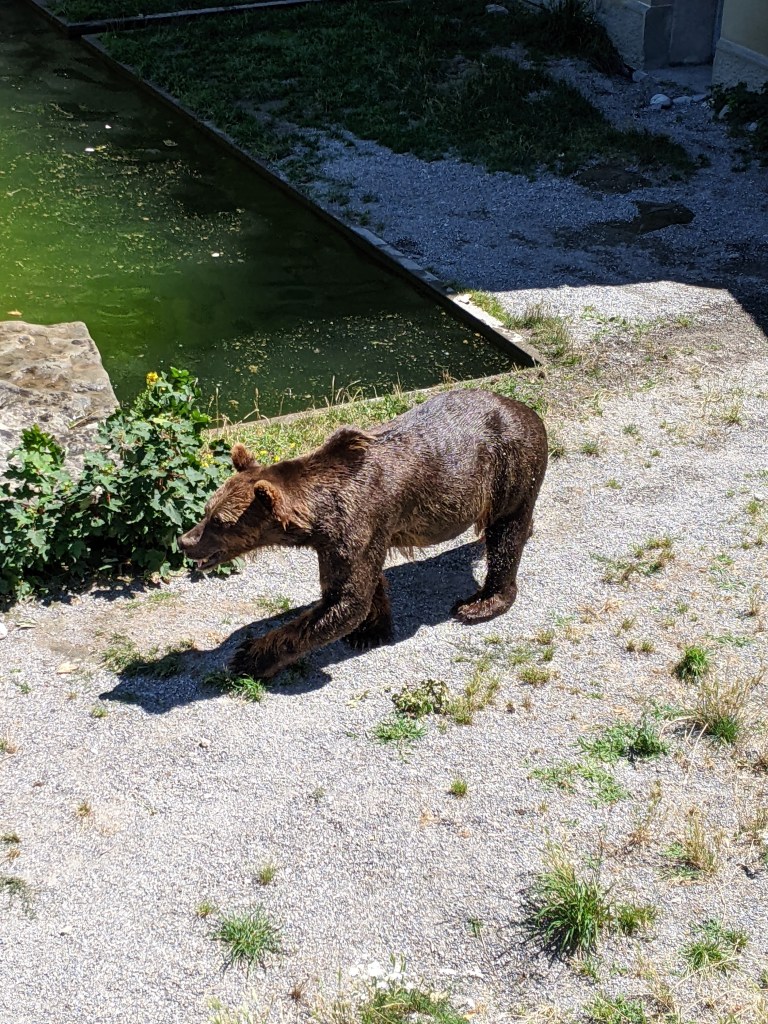
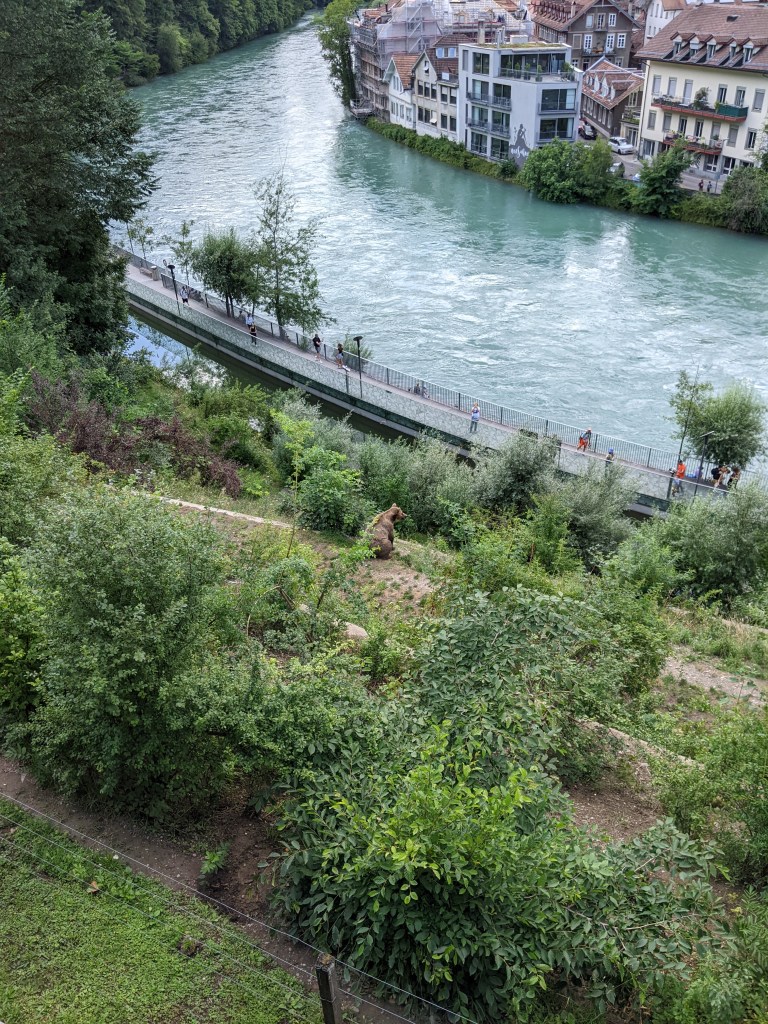
4. The city’s name comes from the German word for “bear.” According to legend, its founder, Duke Berchtold V of Zähringen, killed a bear on a hunt and named the city after it. Bears still feature prominently on the coat of arms, and there’s even a small bear enclosure in the city center. Another thing that gives Bern its magic is the Aare River. Its turquoise waters are especially dazzling in summer. My favorite memory of Bern is simply sitting by the river, doing nothing at all.
5. The Jungfrau region forms a triangle of sorts, connecting Interlaken, Grindelwald, and Lauterbrunnen. It’s all shaped by the valleys south of Interlaken. Of the three iconic peaks—Eiger, Mönch, and Jungfrau—the Jungfrau is the tallest at 4,158 meters. Lauterbrunnen is the main gateway into the alpine villages and is home to 72 waterfalls. Staubbach Falls is the most famous—Switzerland’s highest free-falling waterfall. That said, some of the smaller falls had dried up when I visited—maybe due to climate change or the season. Trümmelbach Falls is another highlight, with thundering water rushing through underground caverns.
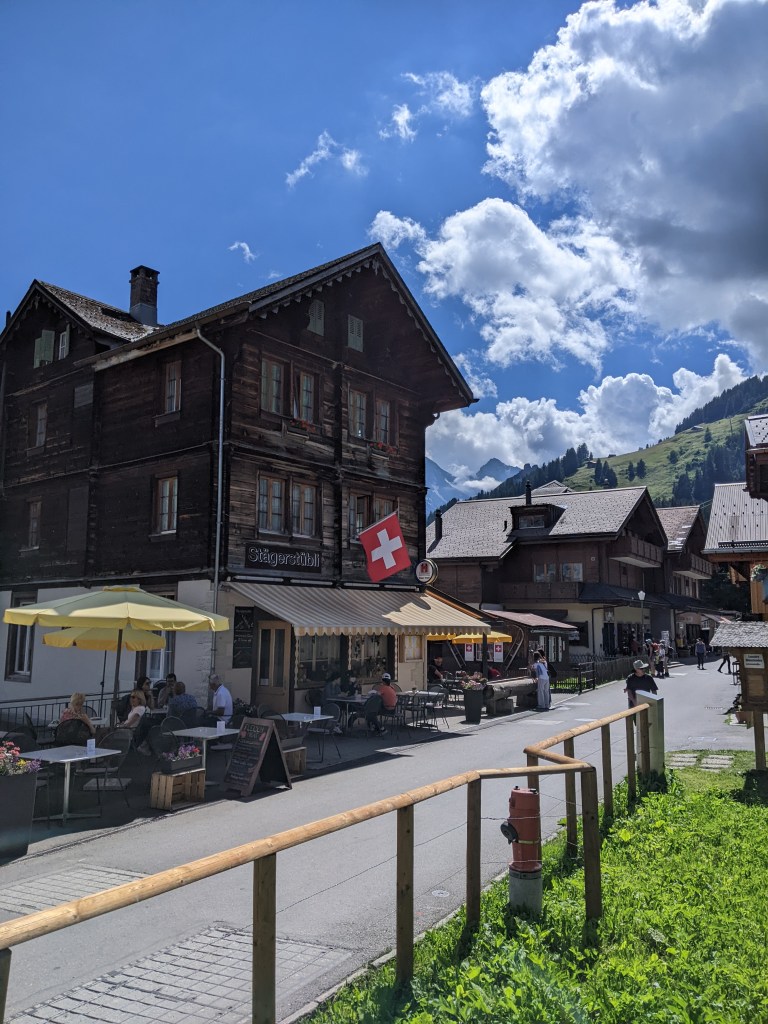
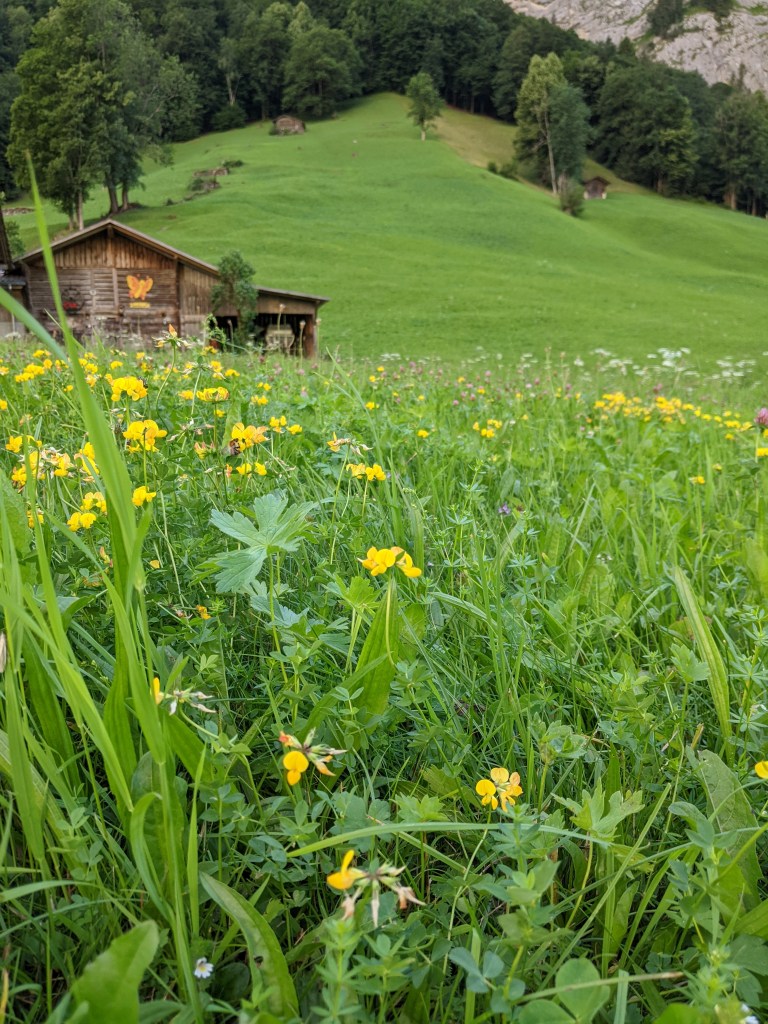
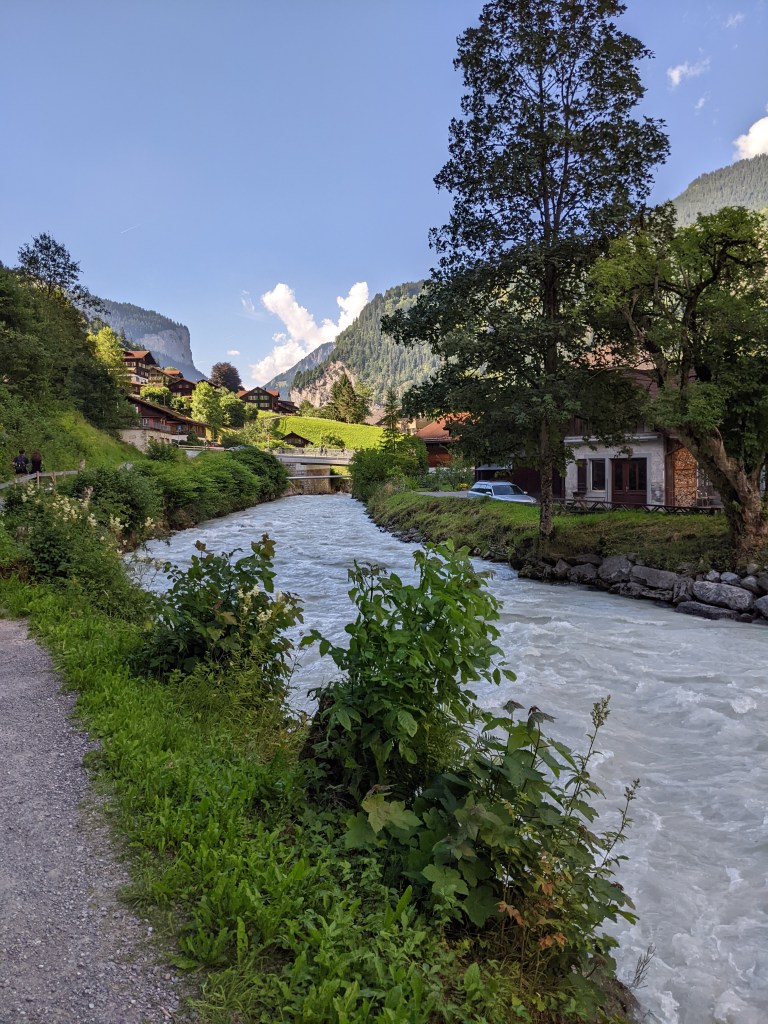

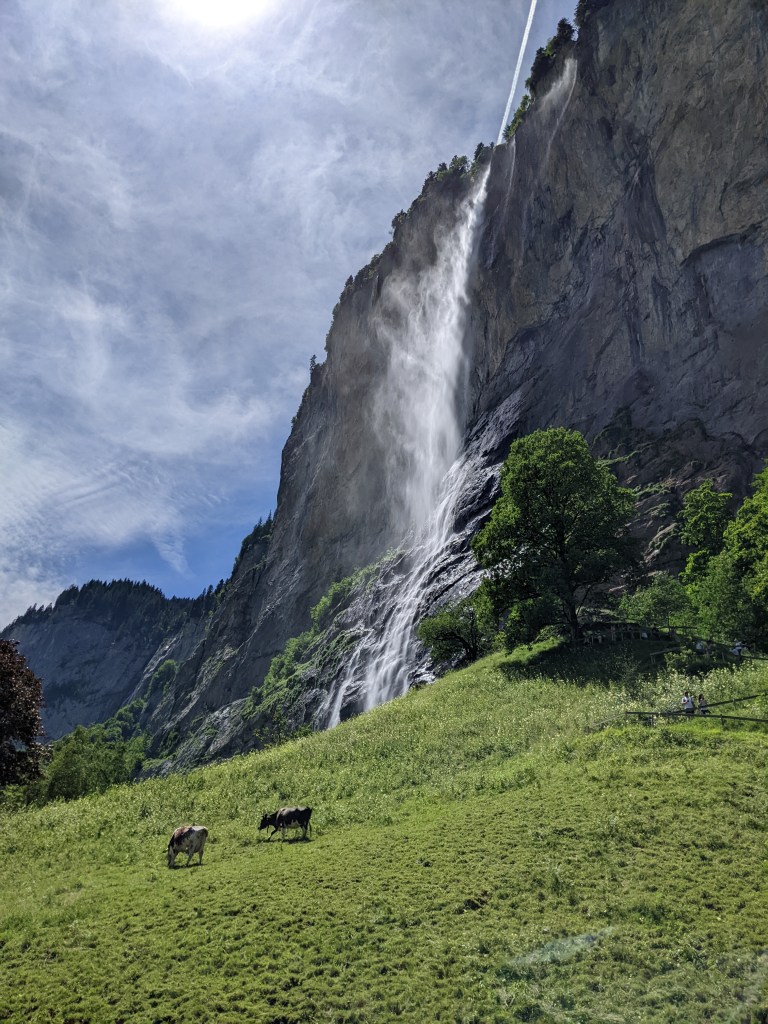

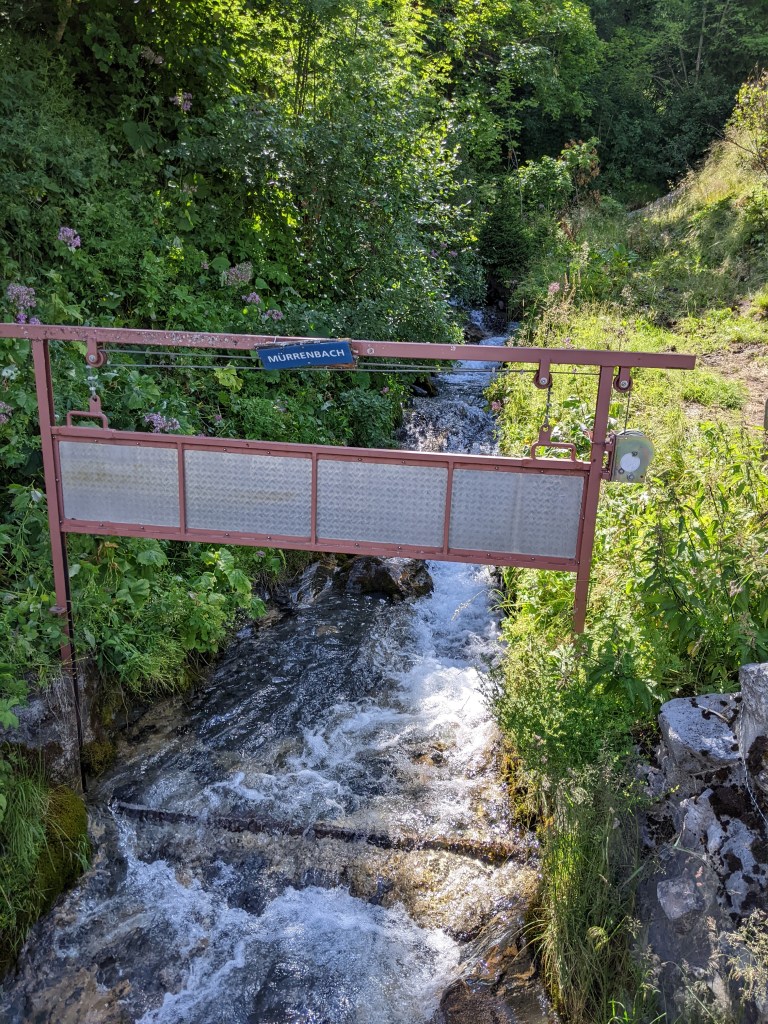
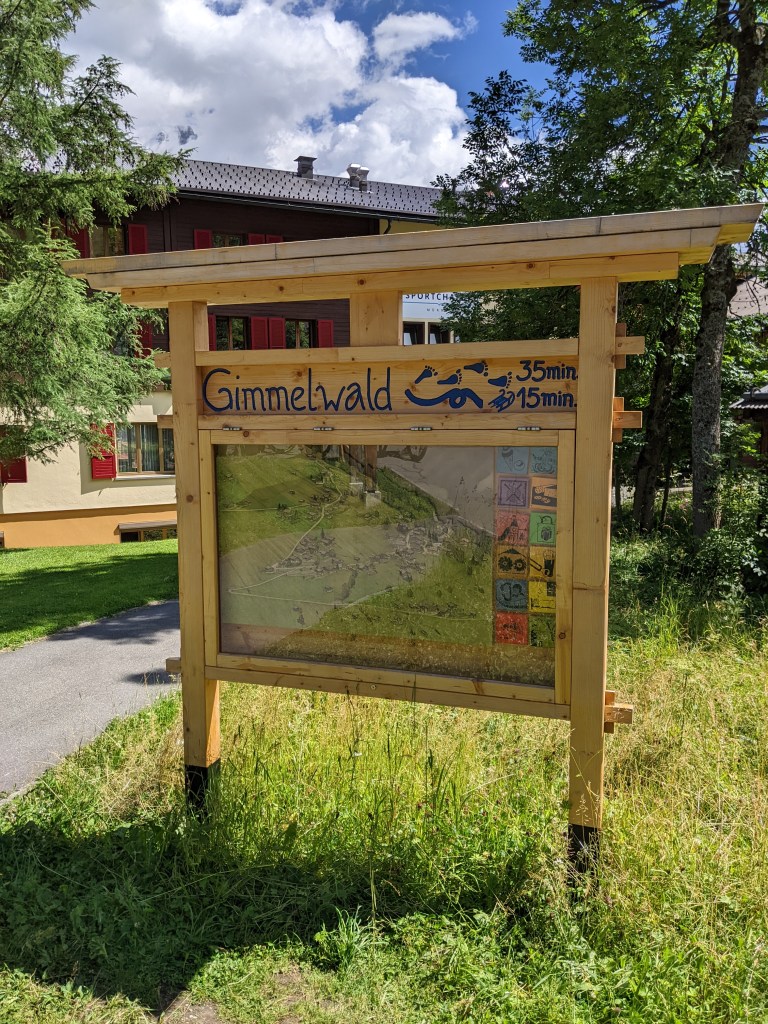
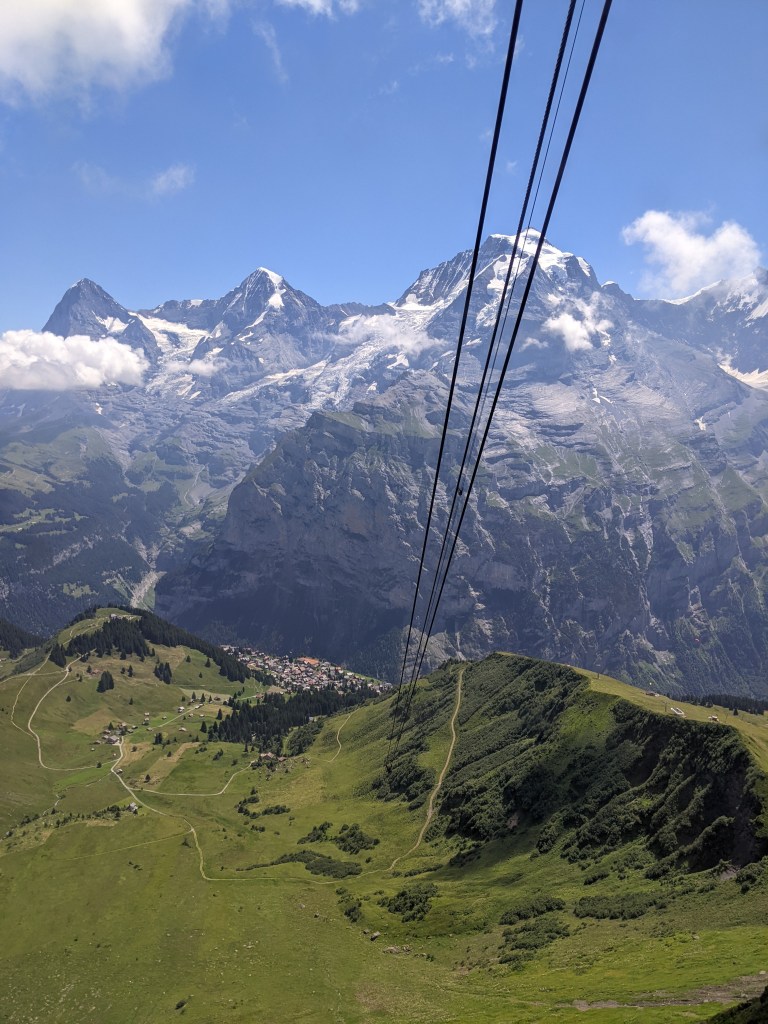
6. The alpine villages are storybook-perfect, especially Mürren. The views are so spectacular it almost feels unfair. The air is crisp and fresh, with a slightly sweet scent that makes you want to breathe in a little deeper. The hikes here are world-class. One of my favorites was from Mürren to Gimmelwald—an easy trail, but I was constantly stopping to pick my jaw up off the ground.

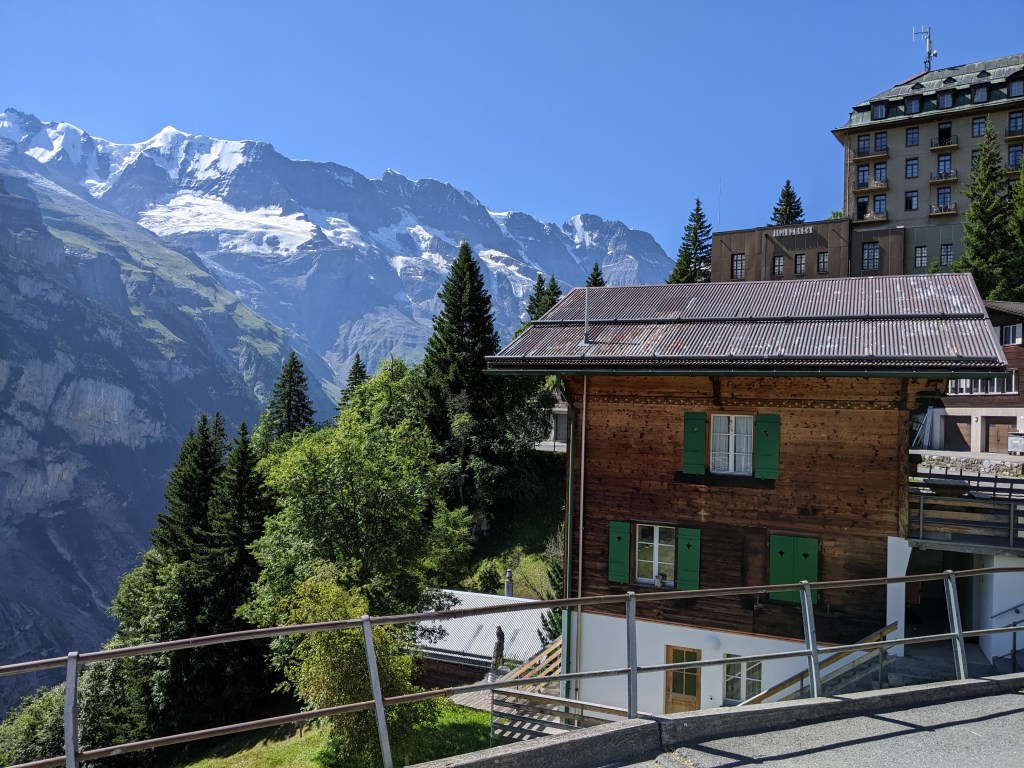
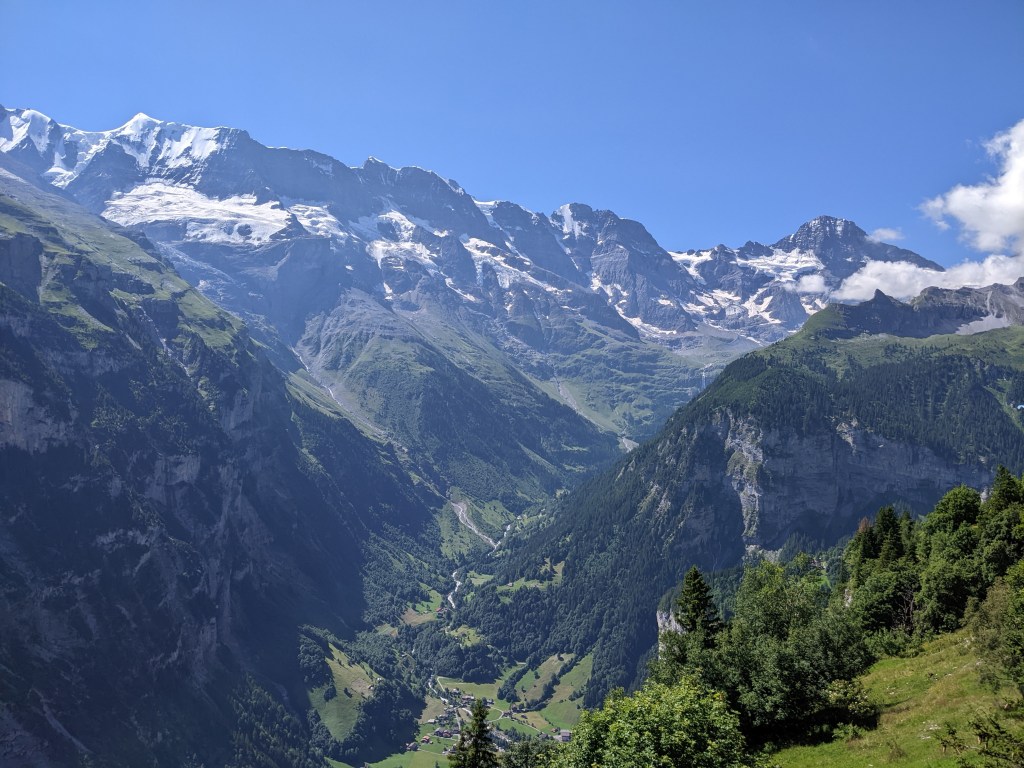
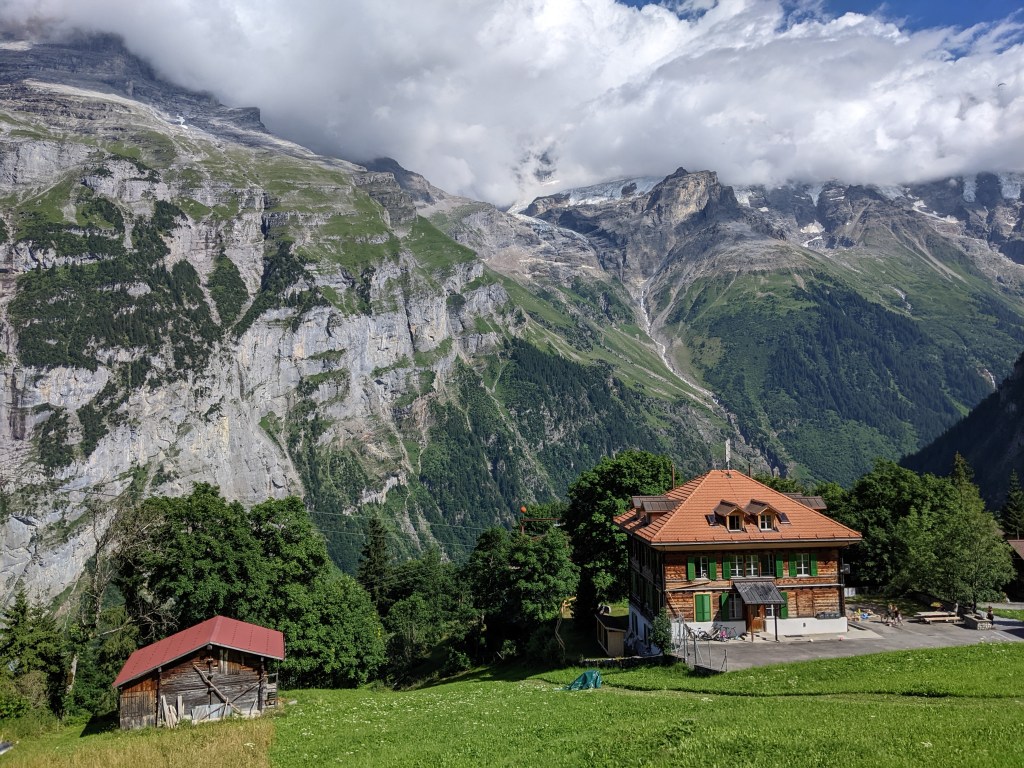
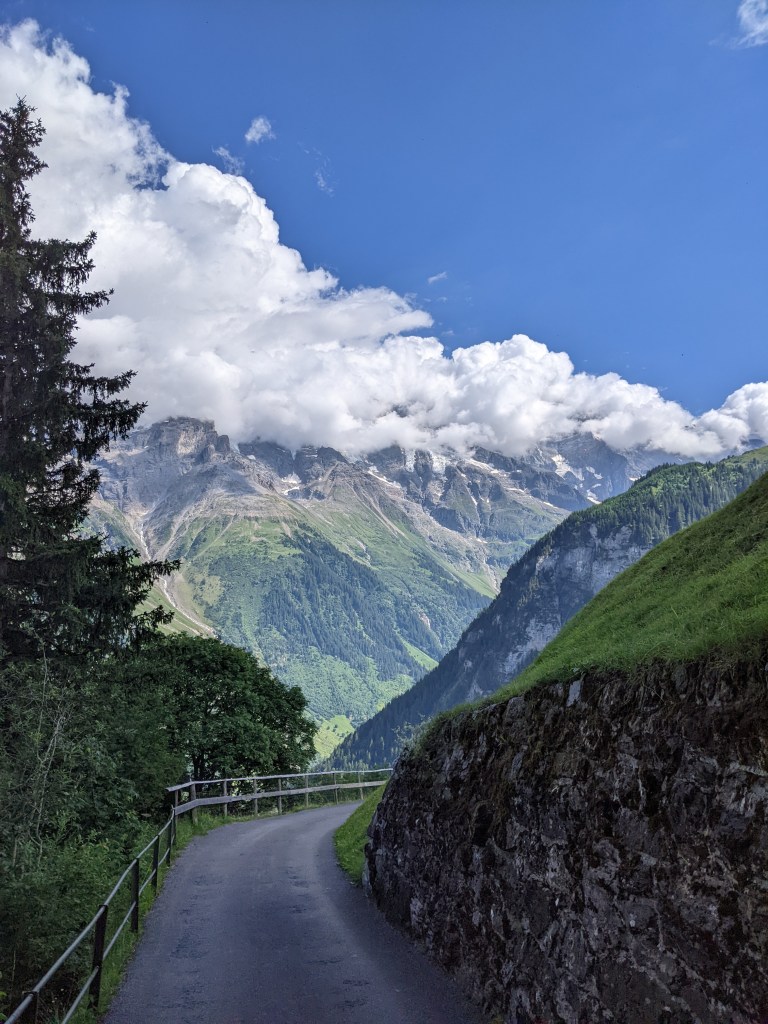

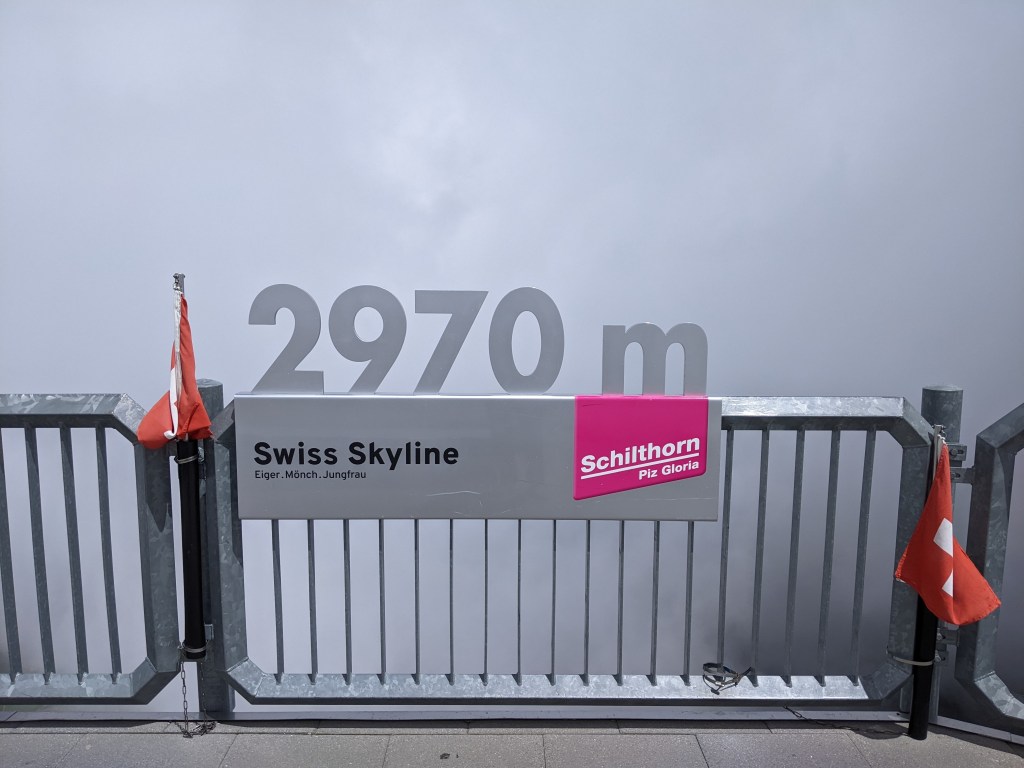
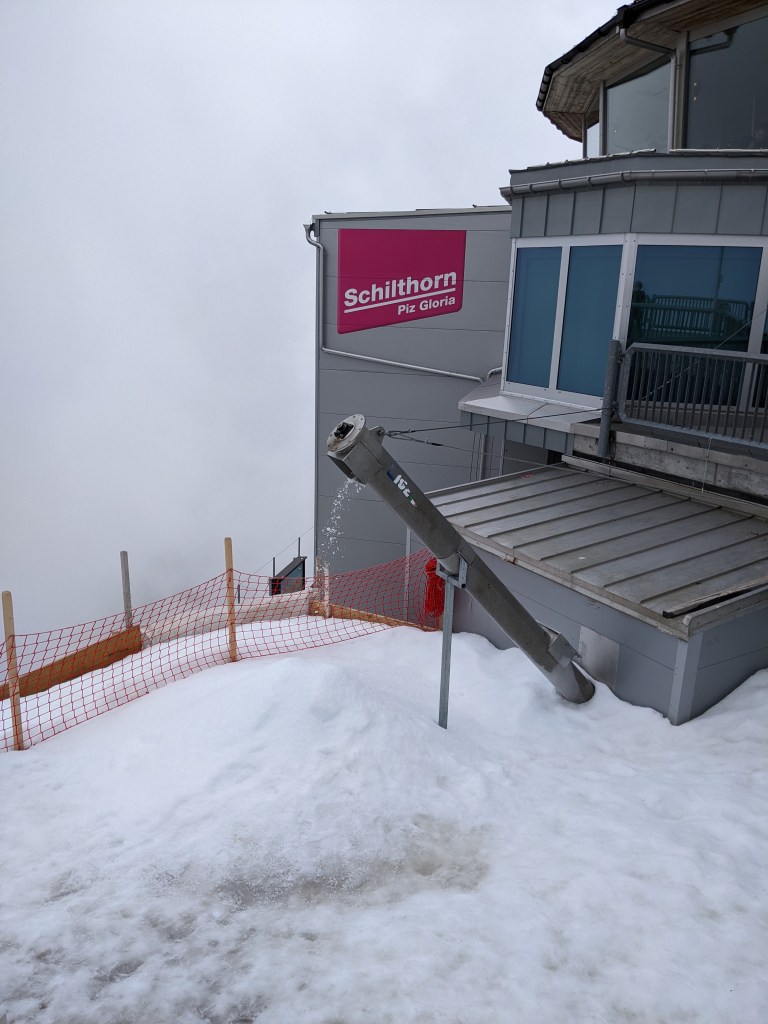
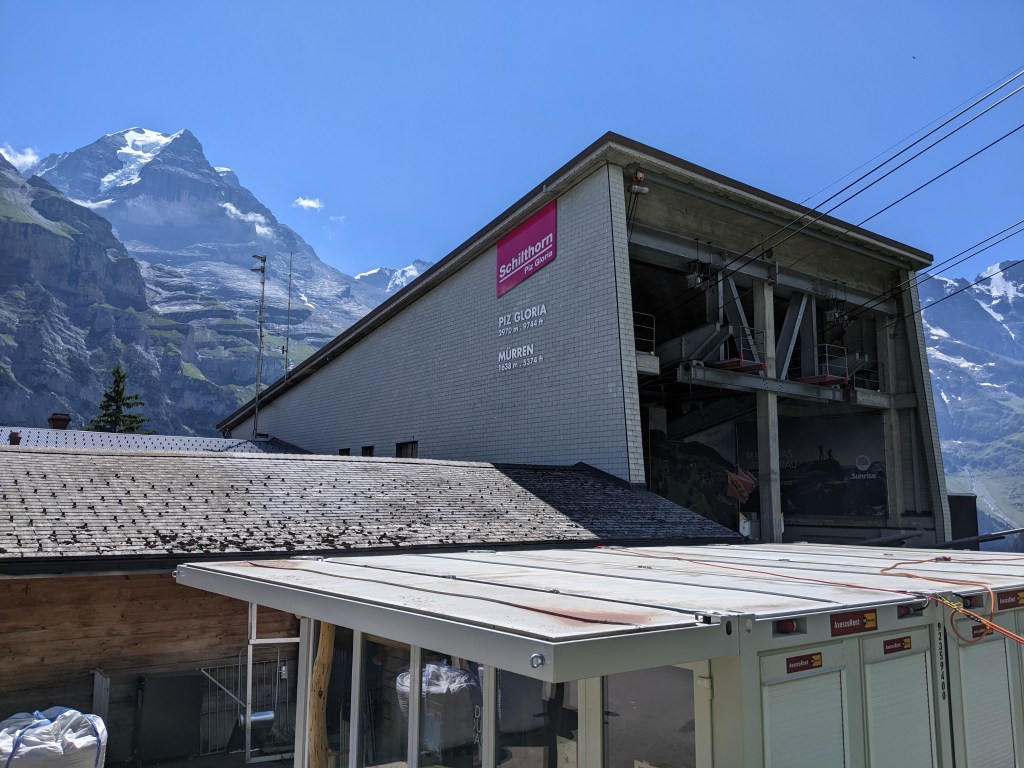
7. If you’re looking for an alternative to the more popular Jungfraujoch, head to Schilthorn. It’s less crowded but still offers jaw-dropping views. The Piz Gloria restaurant on top was featured in the 1969 James Bond film On Her Majesty’s Secret Service, and there are playful references to the movie throughout. The only letdown? Seeing artificial snow being pumped out—it took away from the magic a bit.


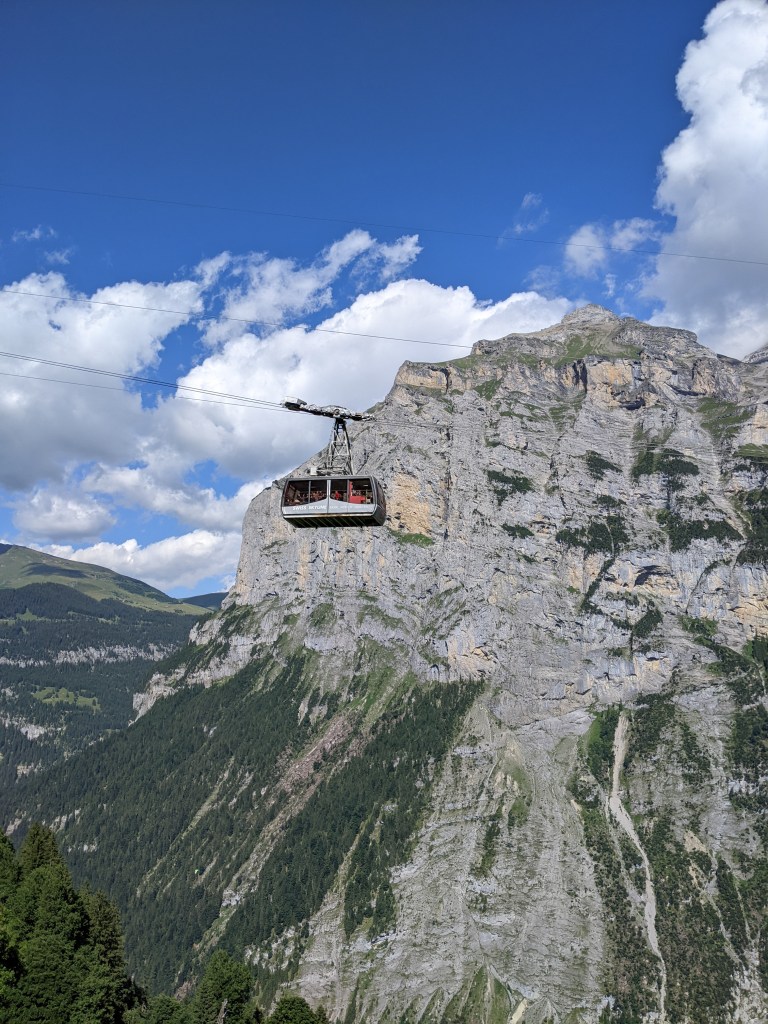
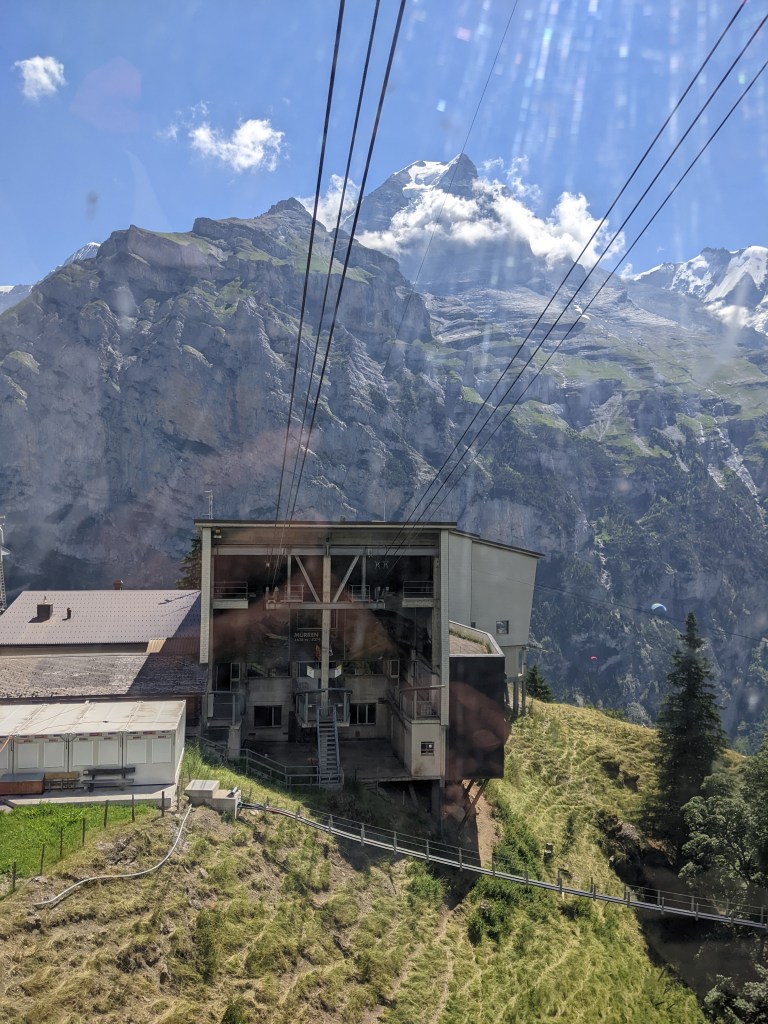
8. Switzerland’s cable car system is genuinely impressive. These feats of engineering effortlessly carry people up and down steep, rugged slopes. Yes, they’re expensive—but the ride quality and safety standards are top-notch. They’re part of the Swiss experience.
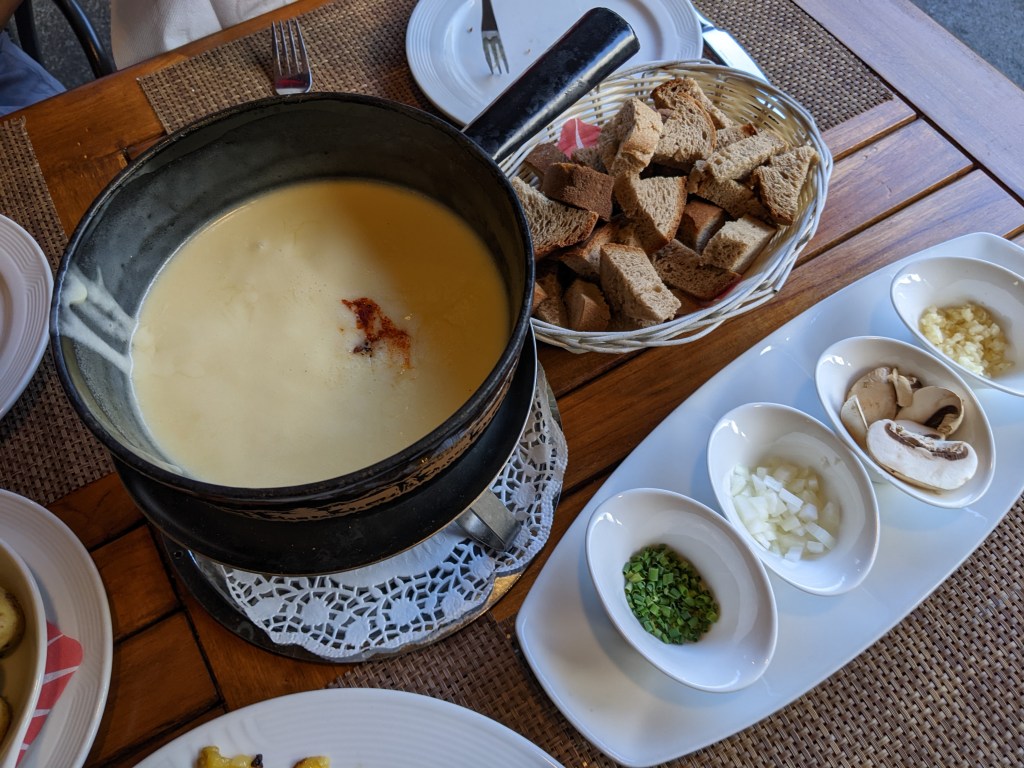
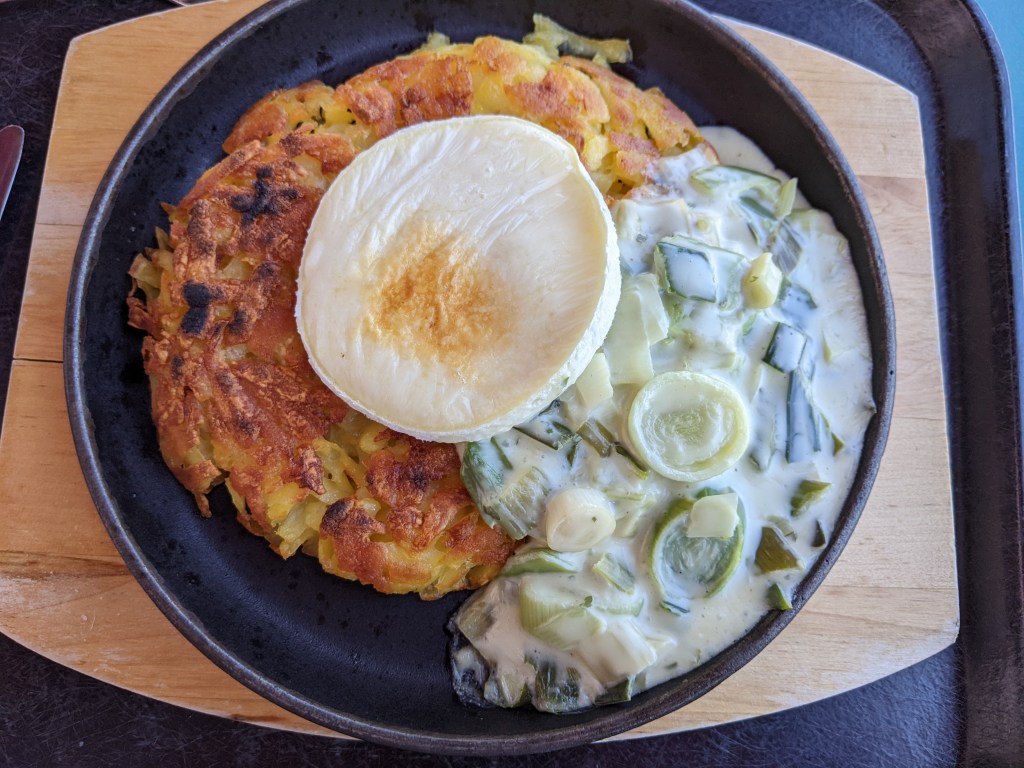
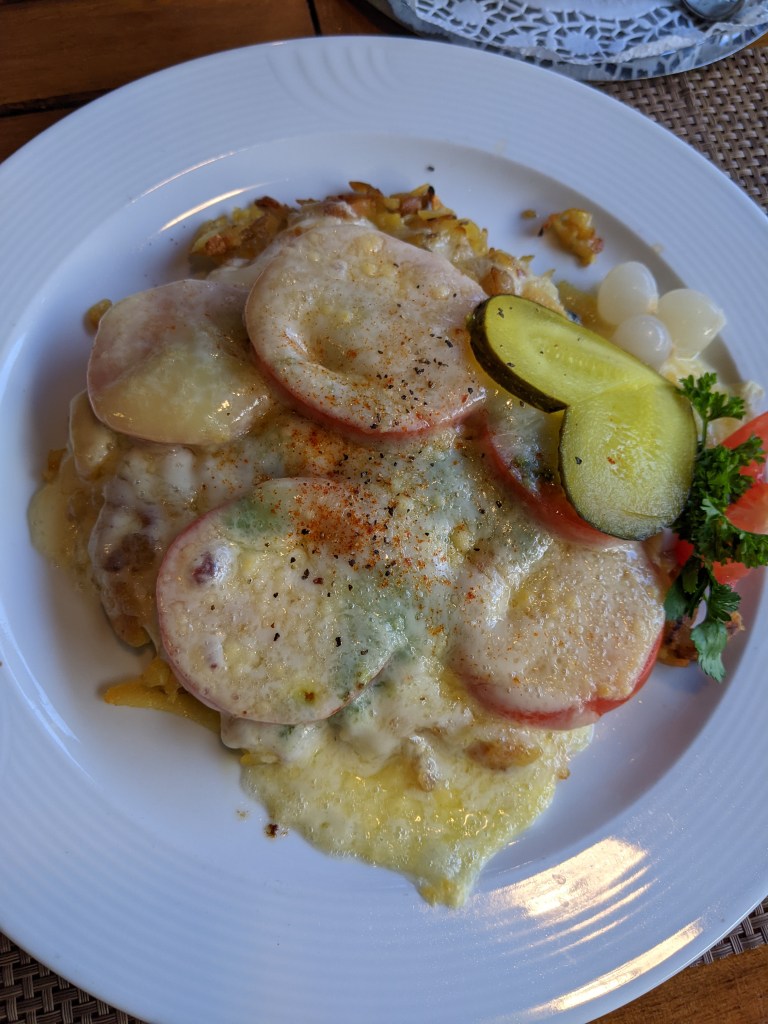
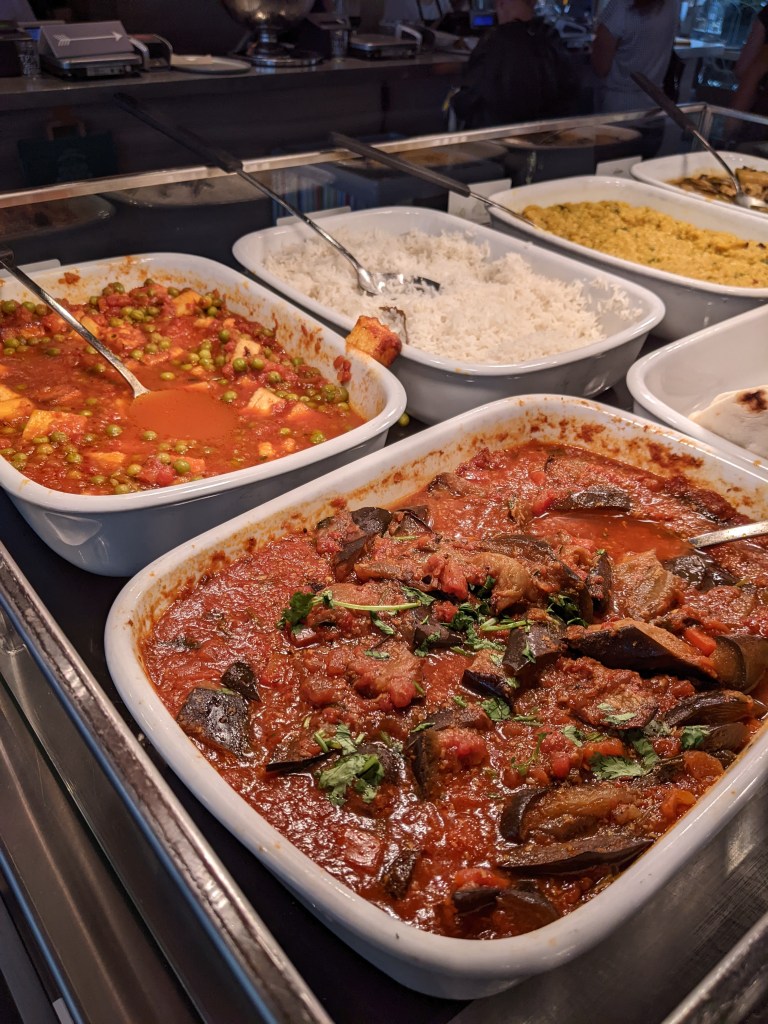
9. Swiss food is rustic, hearty, and built on amazing ingredients. Fondue needs no explanation—melting cheese and toasted bread is a near-perfect pairing. Rösti, the Swiss version of hash browns, is even better when topped with melted cheese—delicious and indulgent. If you need a break from cheese-heavy meals, the Asian food scene is surprisingly decent in Bern. Zurich is more diverse food-wise. Hiltl, a well-known vegetarian spot, is like a Whole Foods salad bar on steroids. Be warned though—you pay by weight, and it adds up fast.

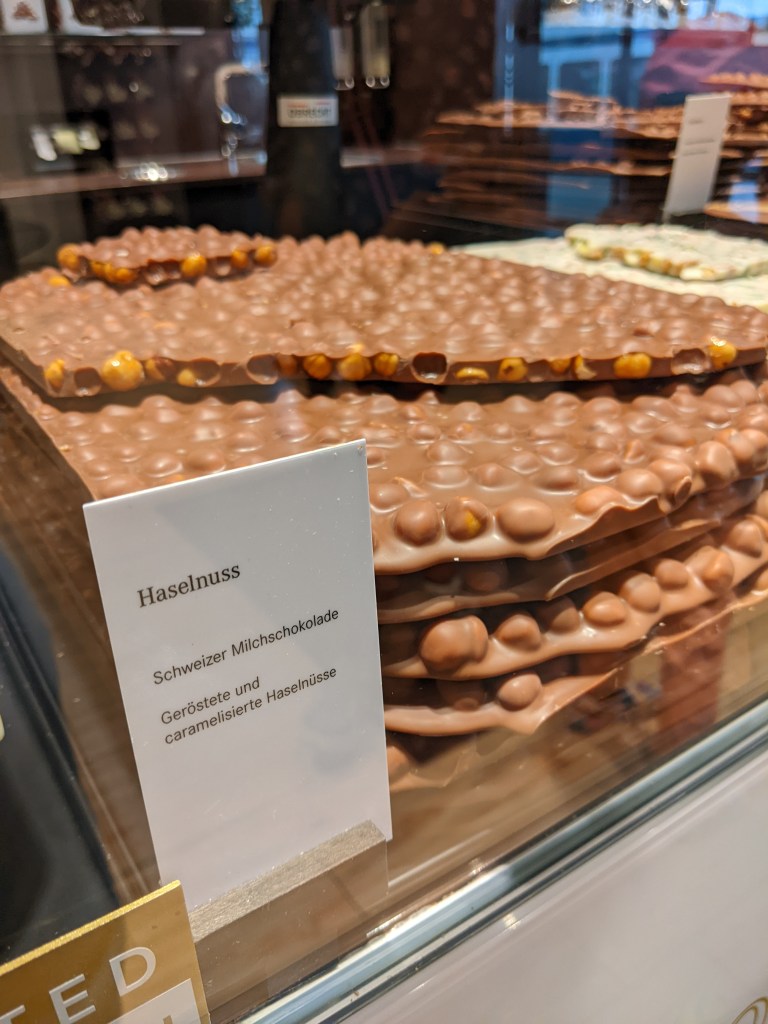
10. Sprüngli, famous for its Swiss-style macarons, didn’t quite live up to the hype for me. The cookies were fine, but the cream was overly sweet and lacked depth. On the other hand, Läderach’s dark chocolate with hazelnuts was everything I hoped for. I did expect to find more boutique chocolatiers given Switzerland’s chocolate reputation, but maybe I just didn’t stumble onto the right spots.


 flagsandforks