10 things about Croatia 

1. Croatia’s history stretches back to the Illyrians. The Dalmatae, a powerful Illyrian tribe, formed Dalmatia, which later became a Roman province. The Croatian identity began to take shape in the 7th century when Slavic tribes took over Dalmatian lands. Starting in the 13th century, Croatia came under the rule of powerful neighbors, including the Kingdom of Hungary, the Habsburgs, and the Ottomans. After World War I, it became part of Yugoslavia before regaining independence in 1991.

2. Game of Thrones may have put Croatia on the global map, but Dubrovnik’s real-life history is just as compelling. Once called Ragusa, the city was a master of diplomacy—striking deals with powerful kingdoms like the Venetians and Ottomans not out of loyalty, but to protect its trading interests and wealth. It prioritized independence and prosperity, functioning as a self-governed city-republic for centuries. That foresight allowed it to invest in public works that were rare for the time, including accessible hospitals and urban planning that elevated quality of life.
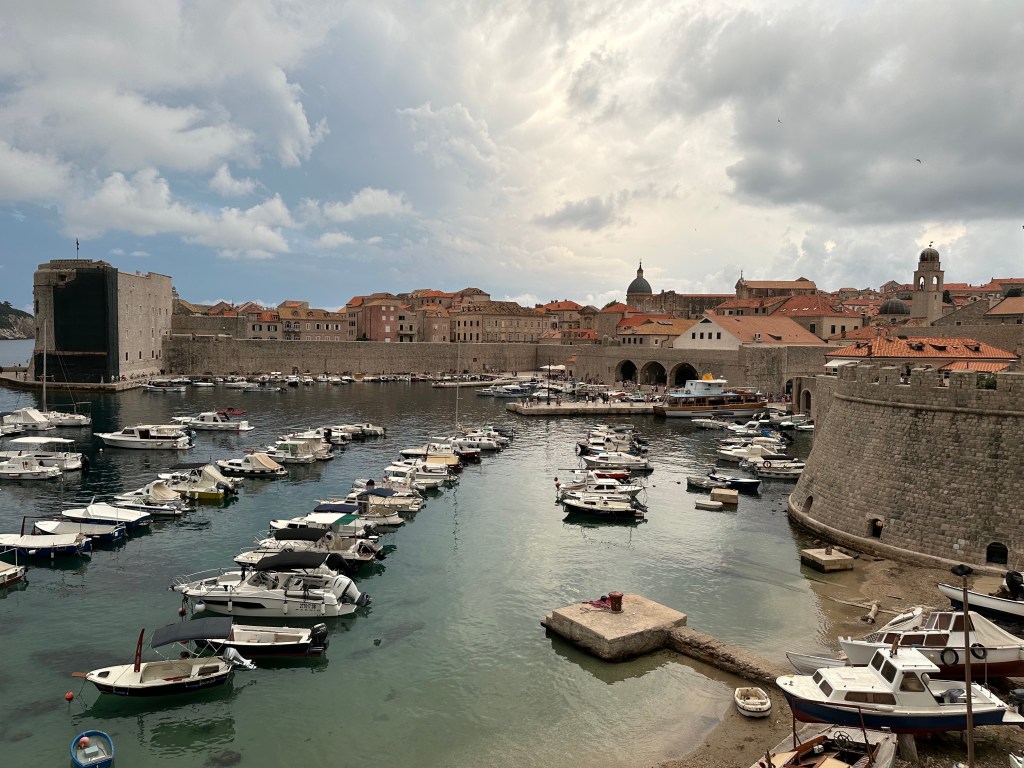
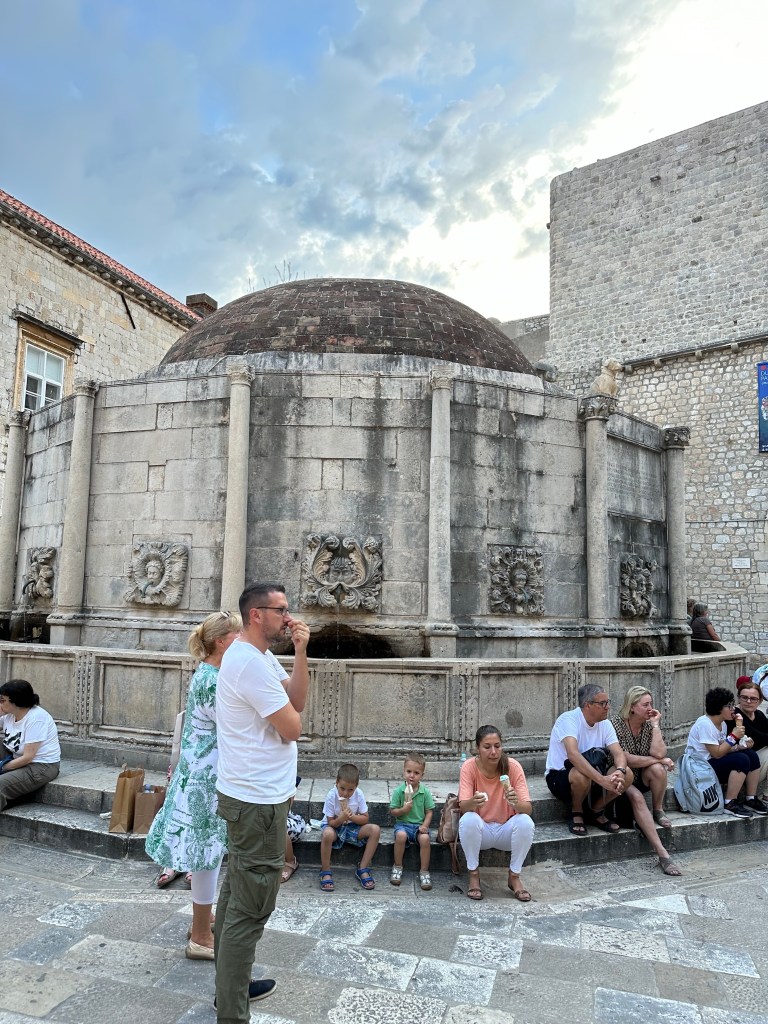
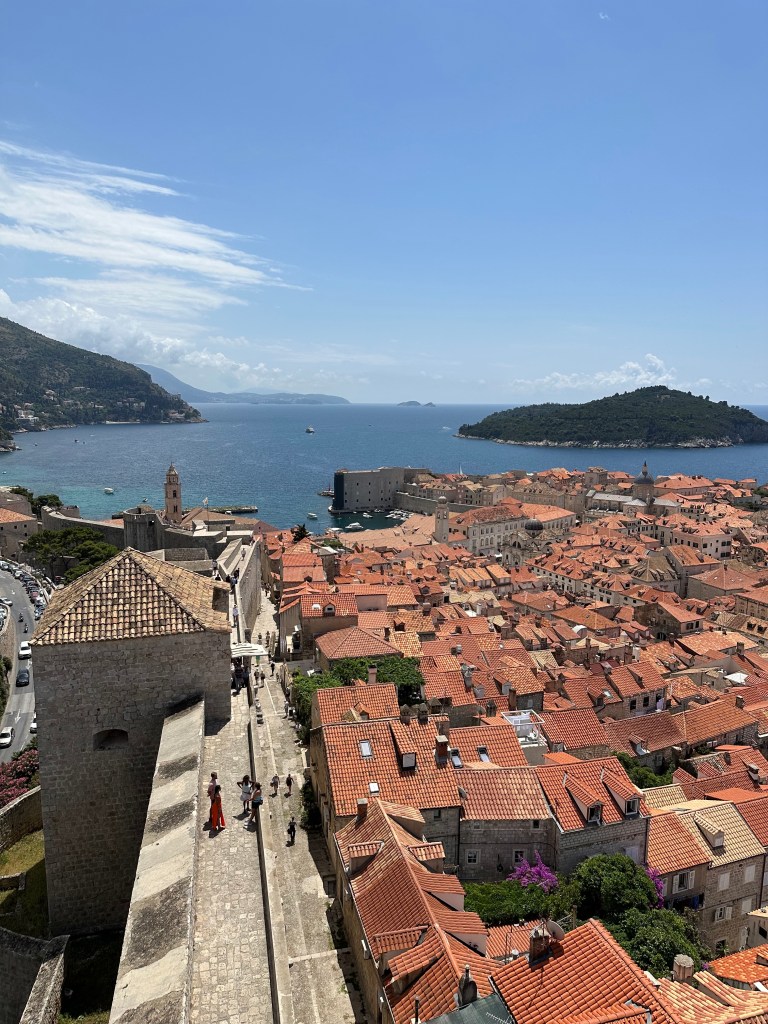
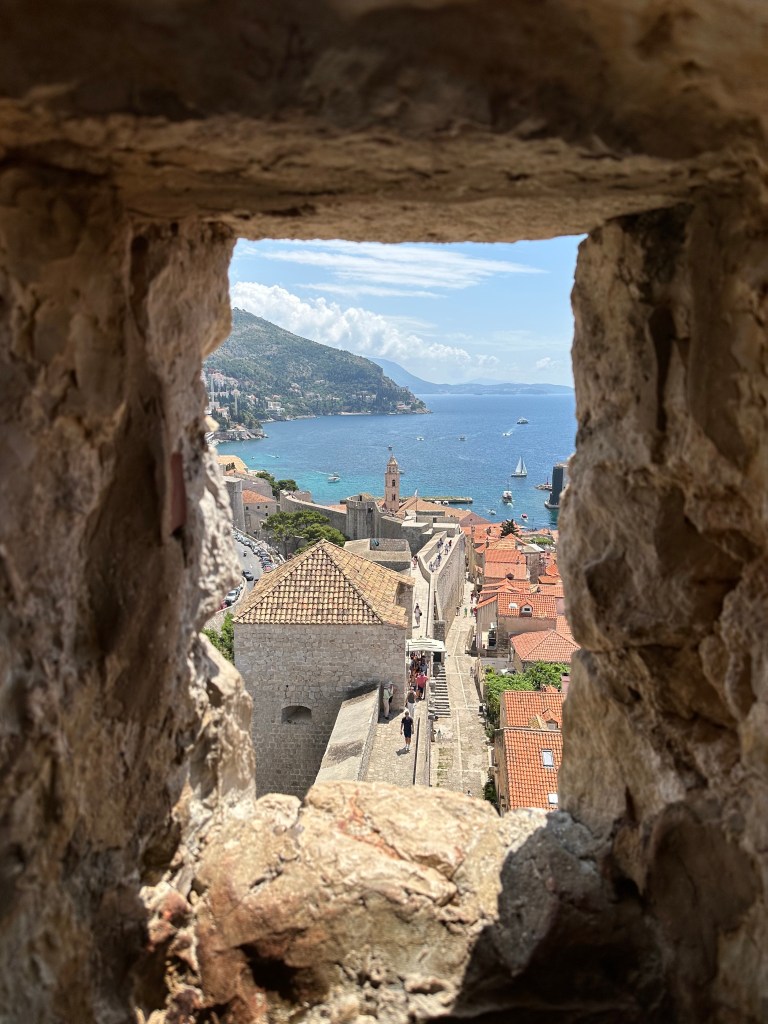
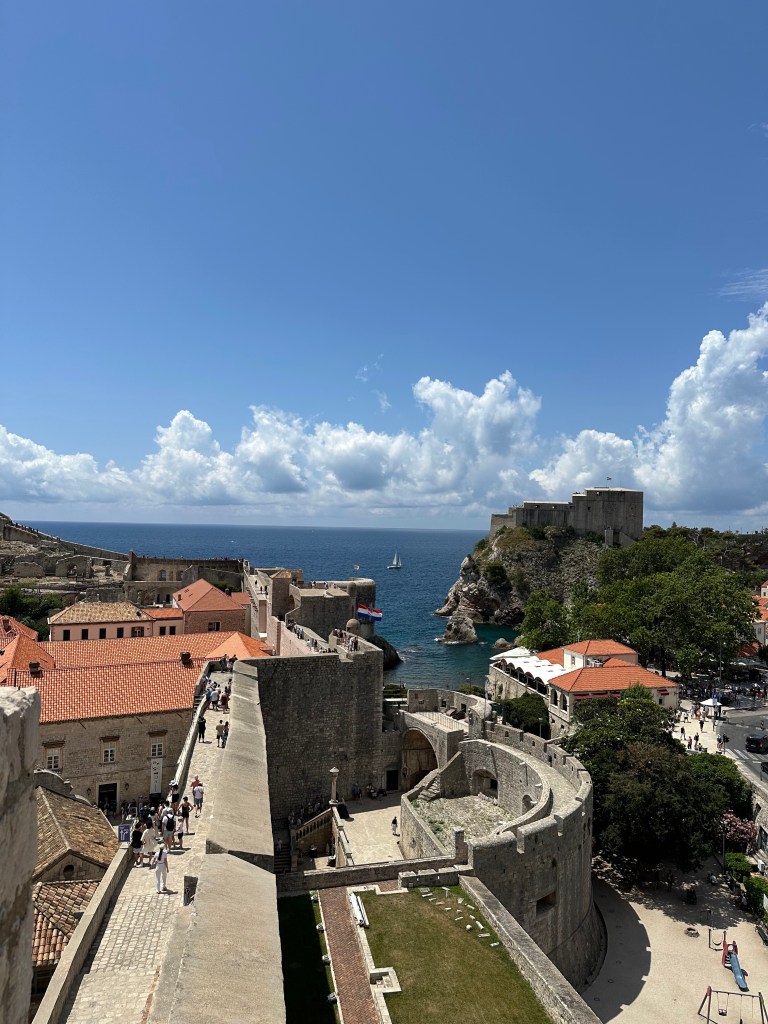
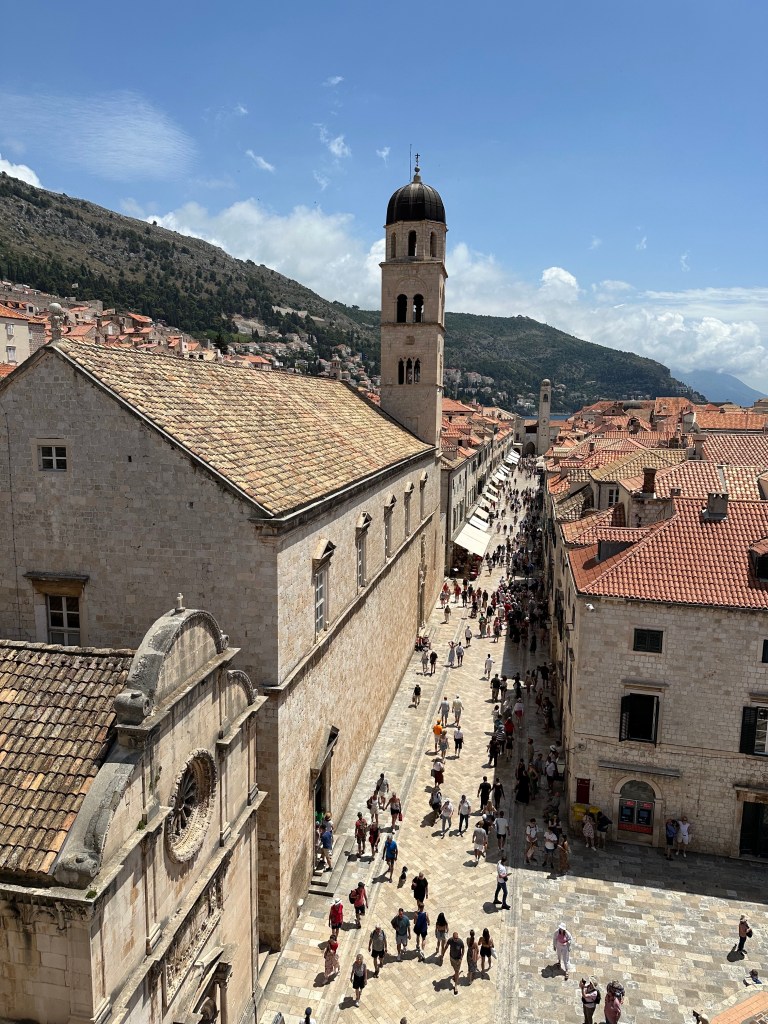
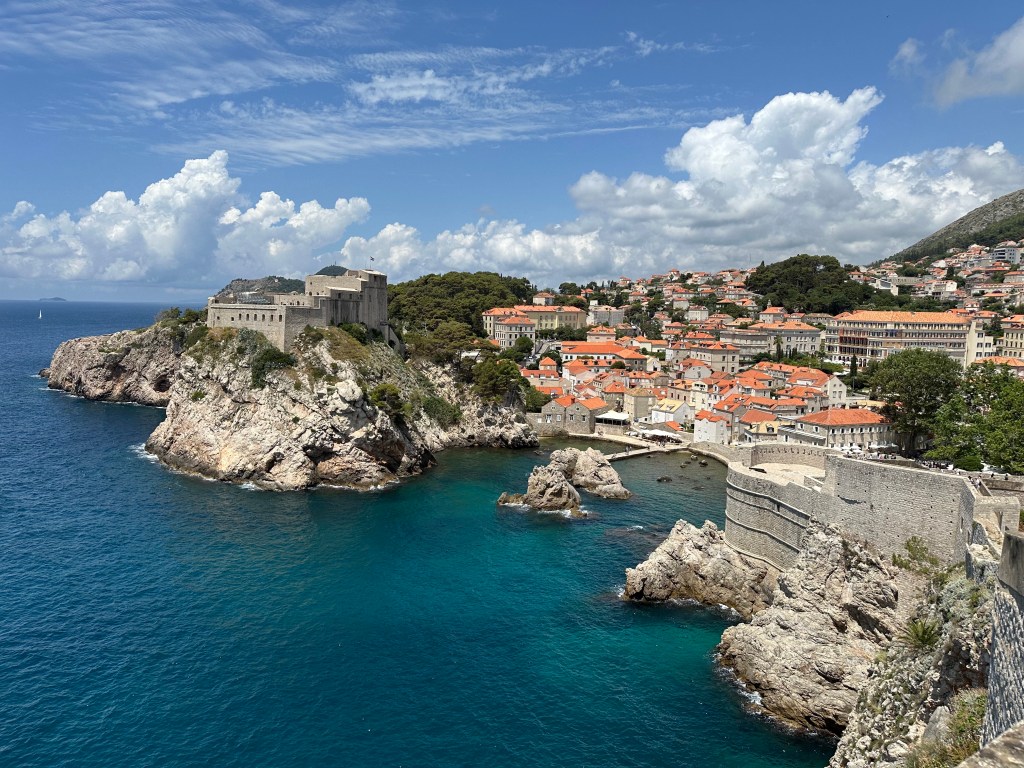
3. Dubrovnik’s Old Town is one of the most beautifully preserved medieval centers in Europe. Walking along its ancient stone walls offers a cinematic sweep of burnt-orange rooftops set against the dazzling backdrop of the Adriatic Sea. Built between the 13th and 17th centuries, the walls stretch over 6,000 feet and were designed to keep invaders like the Venetians from breaching the city. Along the way, you’ll pass towers, forts, and lookout points that offer panoramic views of a city built to endure.
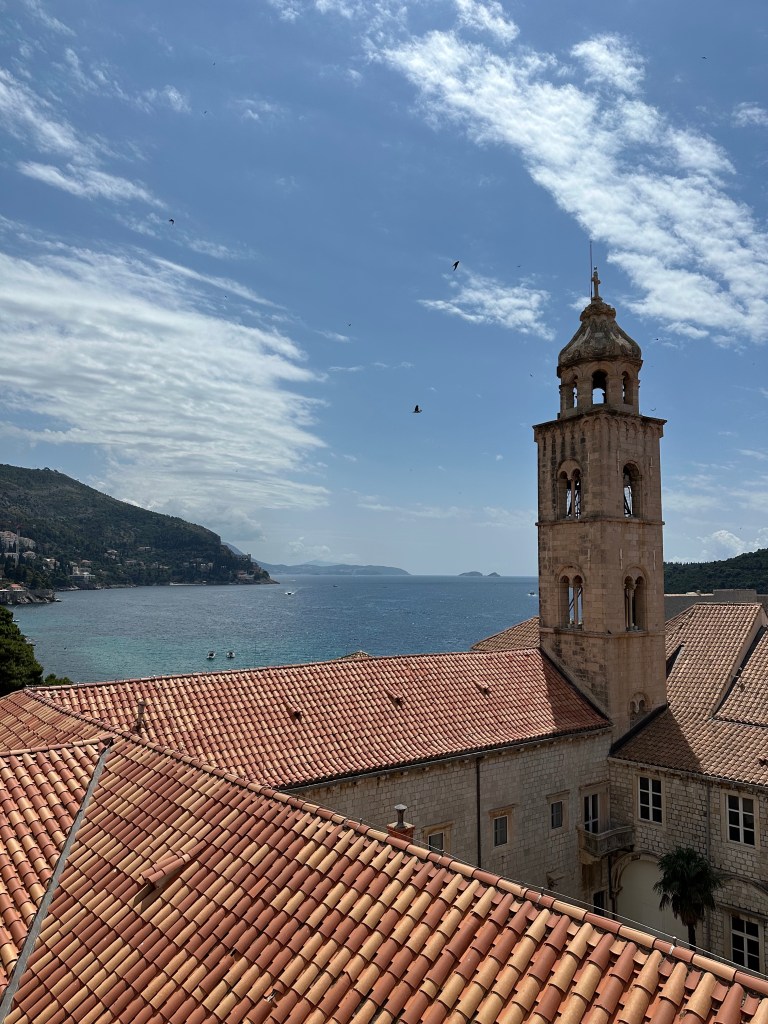
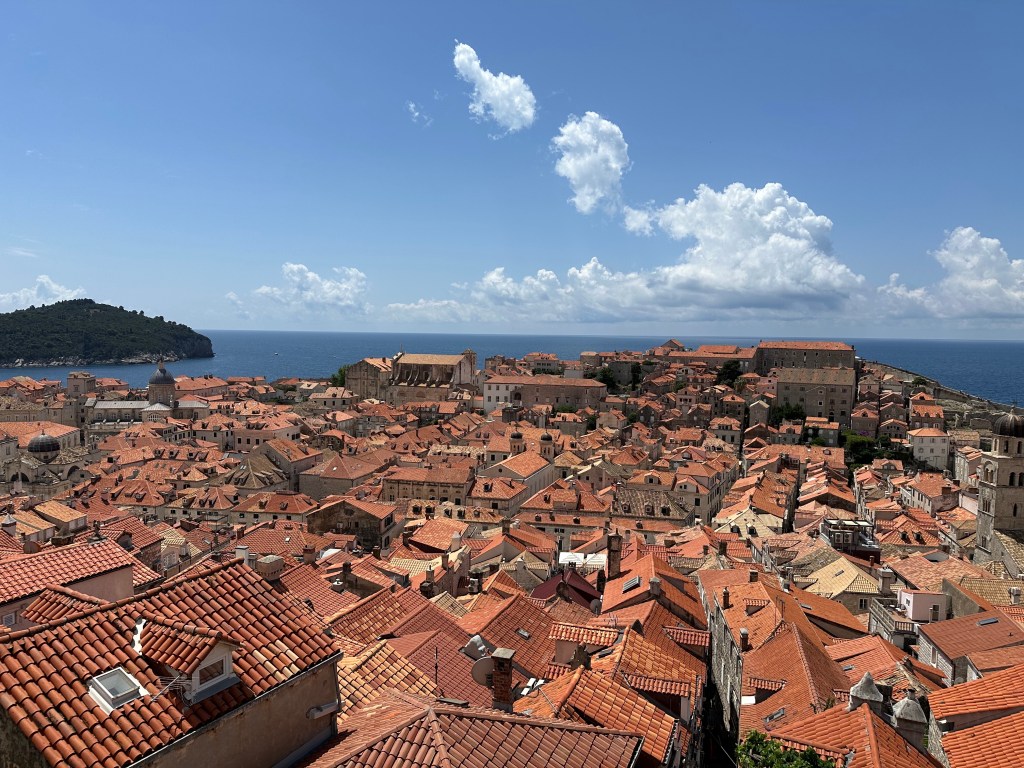
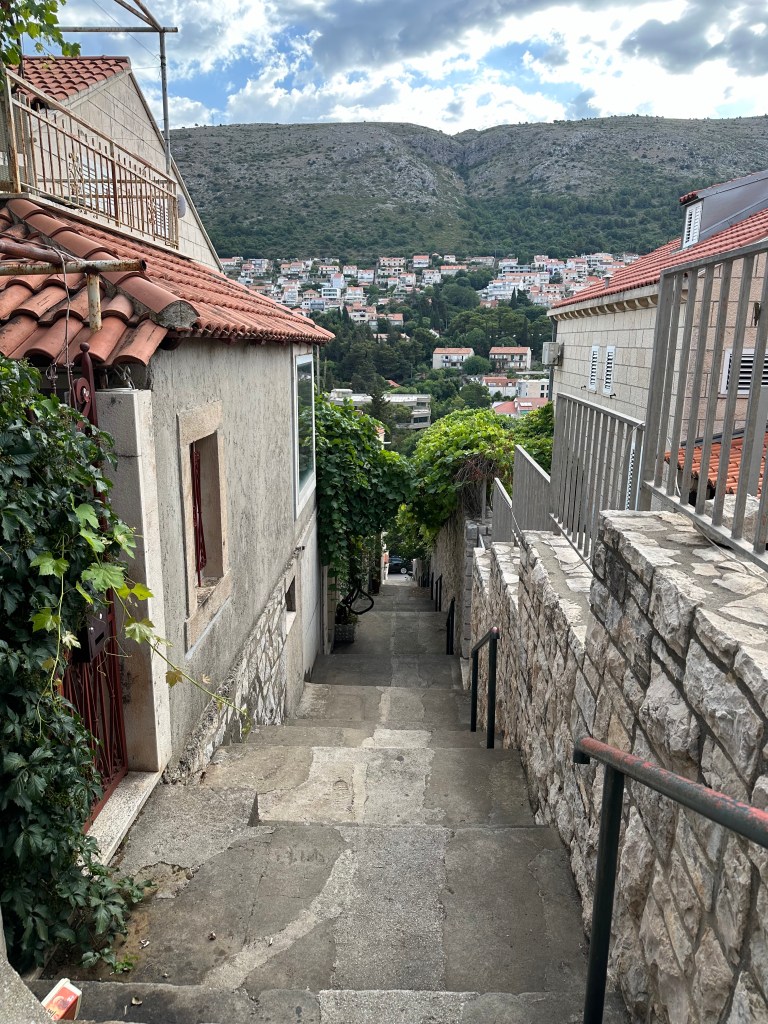
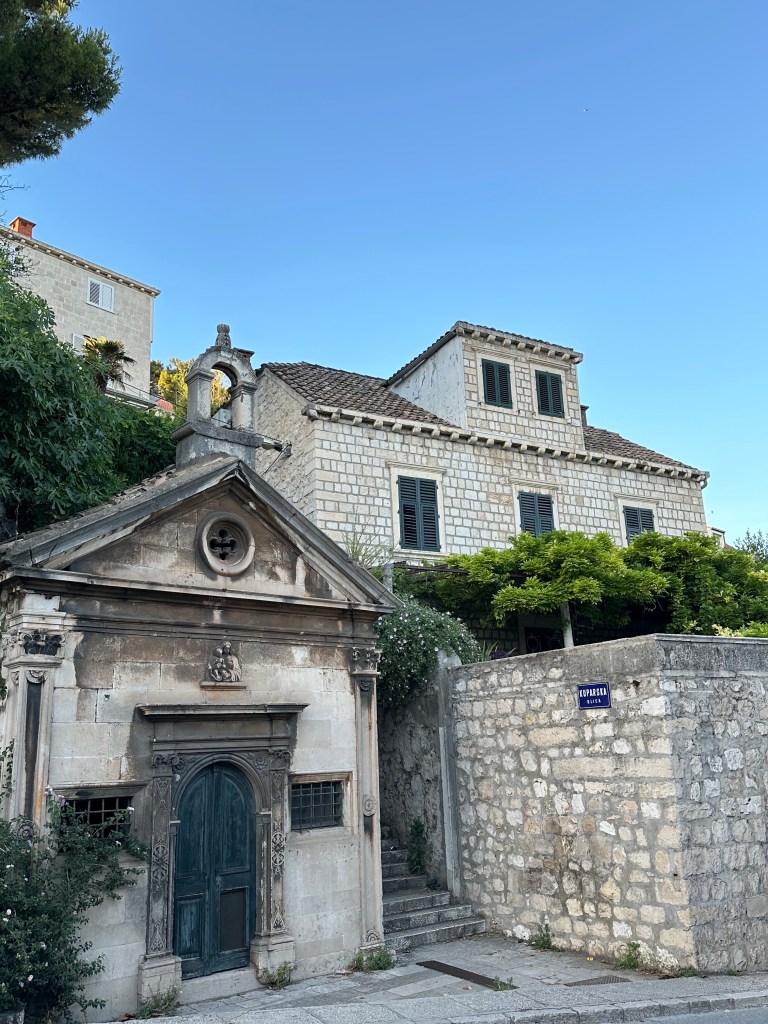
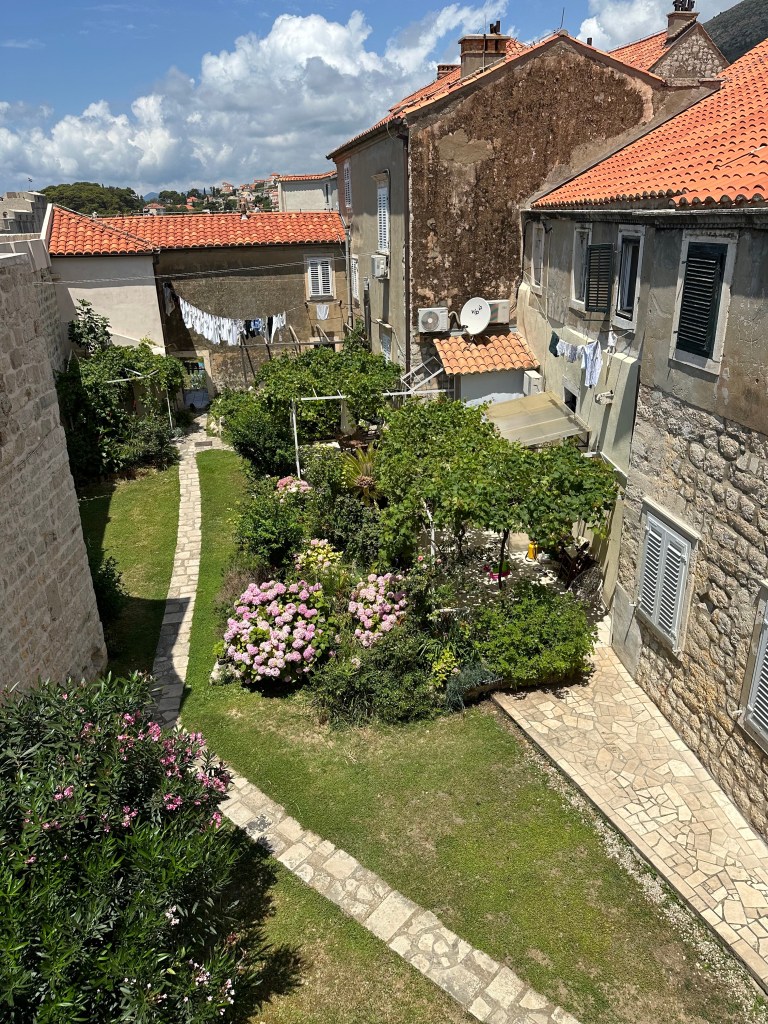
4. While noble homes reflect Venetian influence, everyday houses were built for practicality. They were made of stone and had small, well-placed windows designed to maximize light and regulate indoor temperatures. Functional, yes—but still charming in their simplicity.
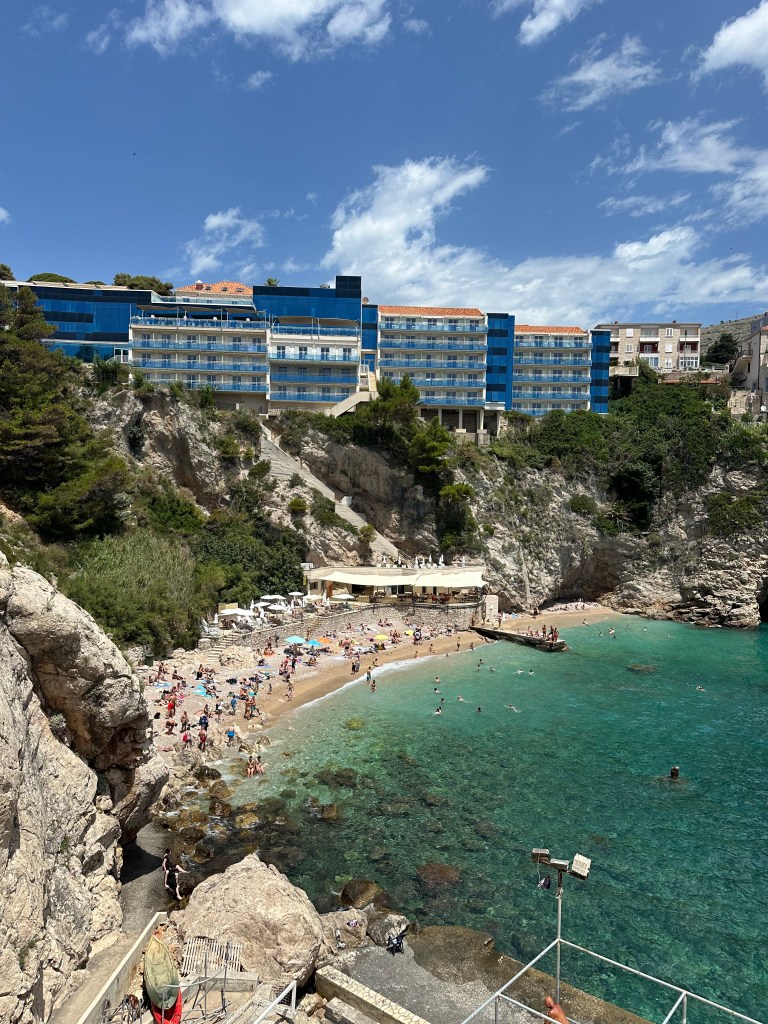
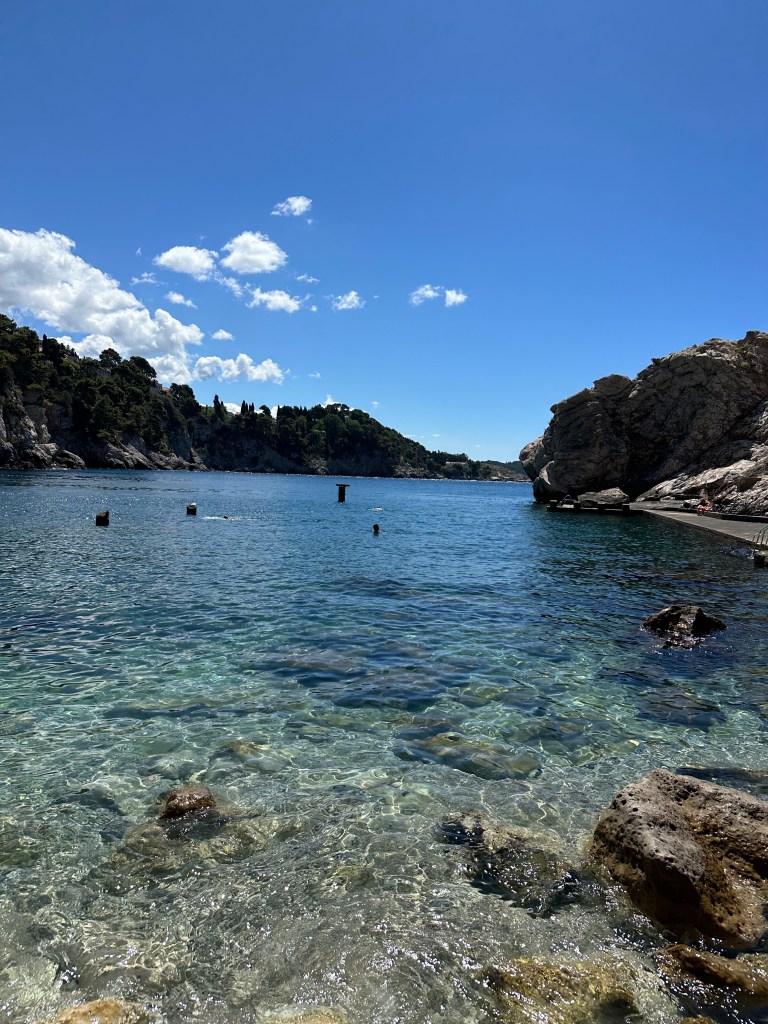
5. The beaches along the Adriatic are beautiful, though not sandy in the tropical sense. Dubrovnik is a beach destination too, with spots like Sveti Jakov, Srebreno, and Lapad offering plenty of sun. Bellevue Beach, nestled under a cliff near Old Town, is small but unforgettable. The turquoise water, perfect temperature, and dramatic setting make it hard not to dive in.
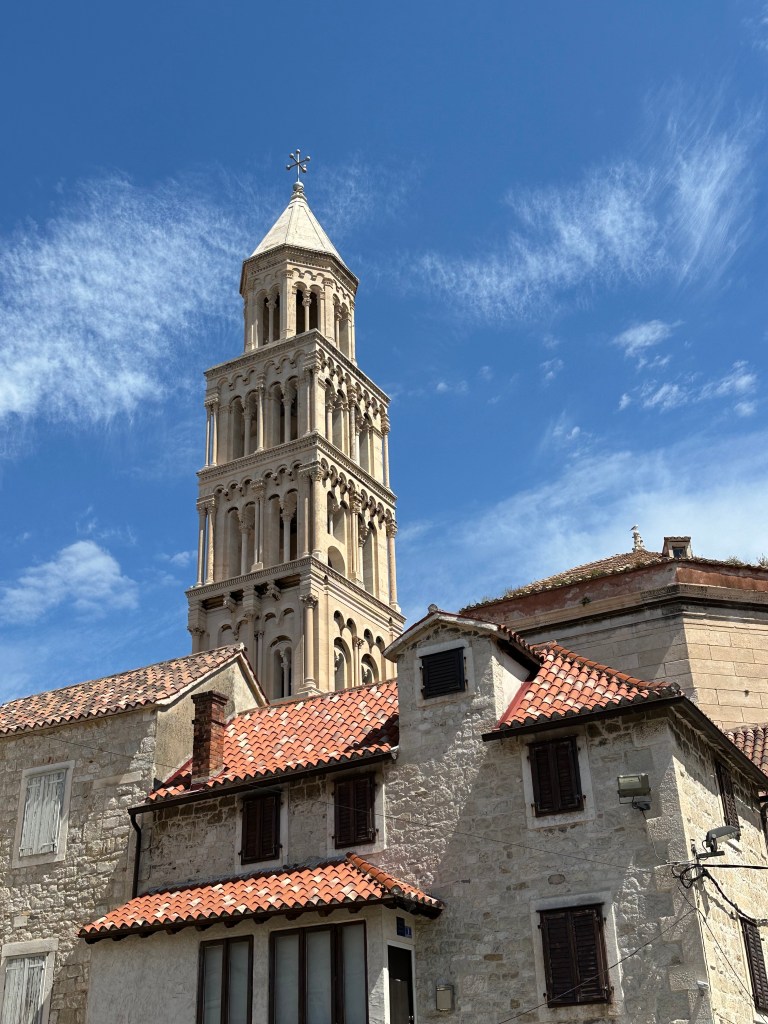
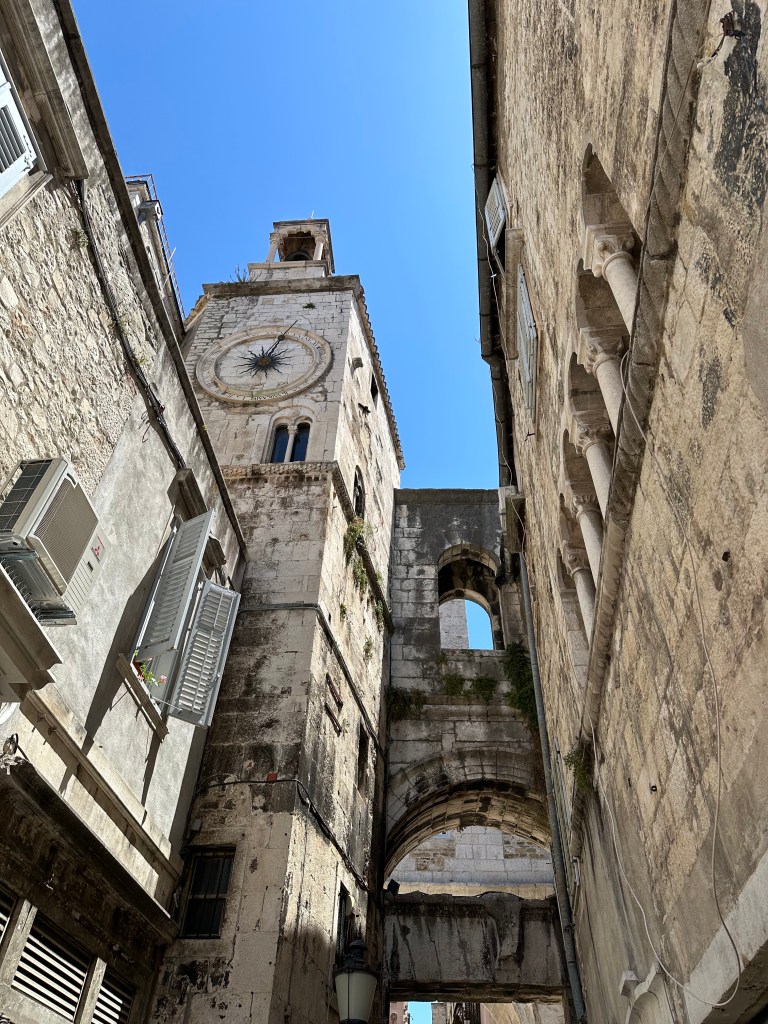
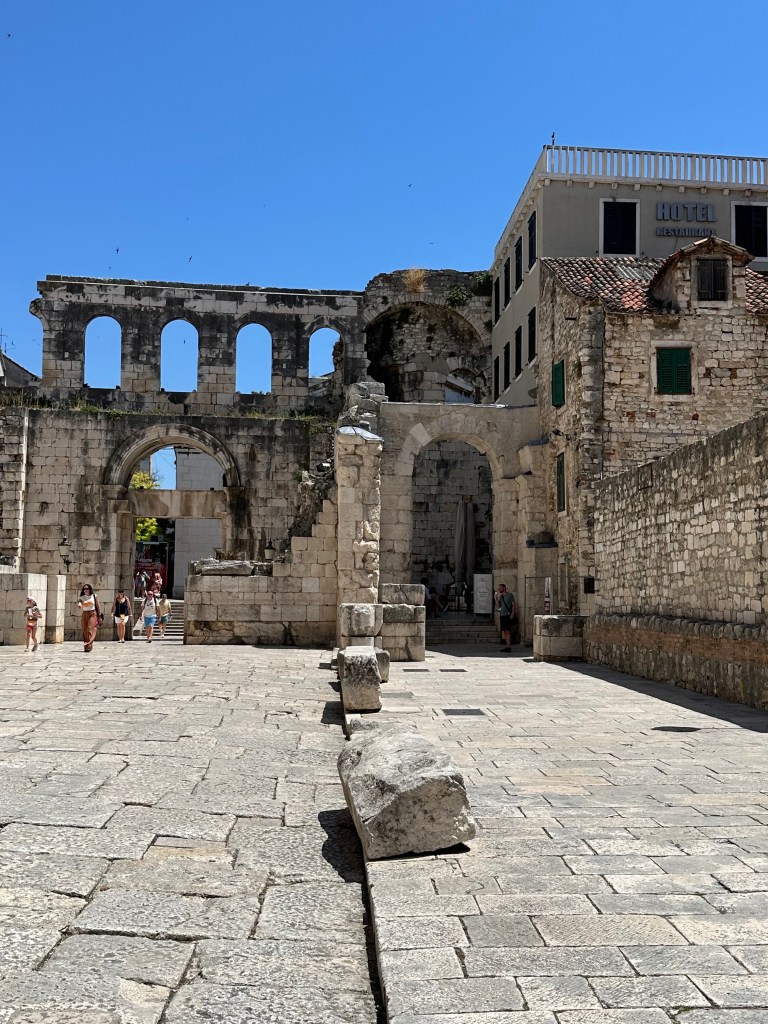
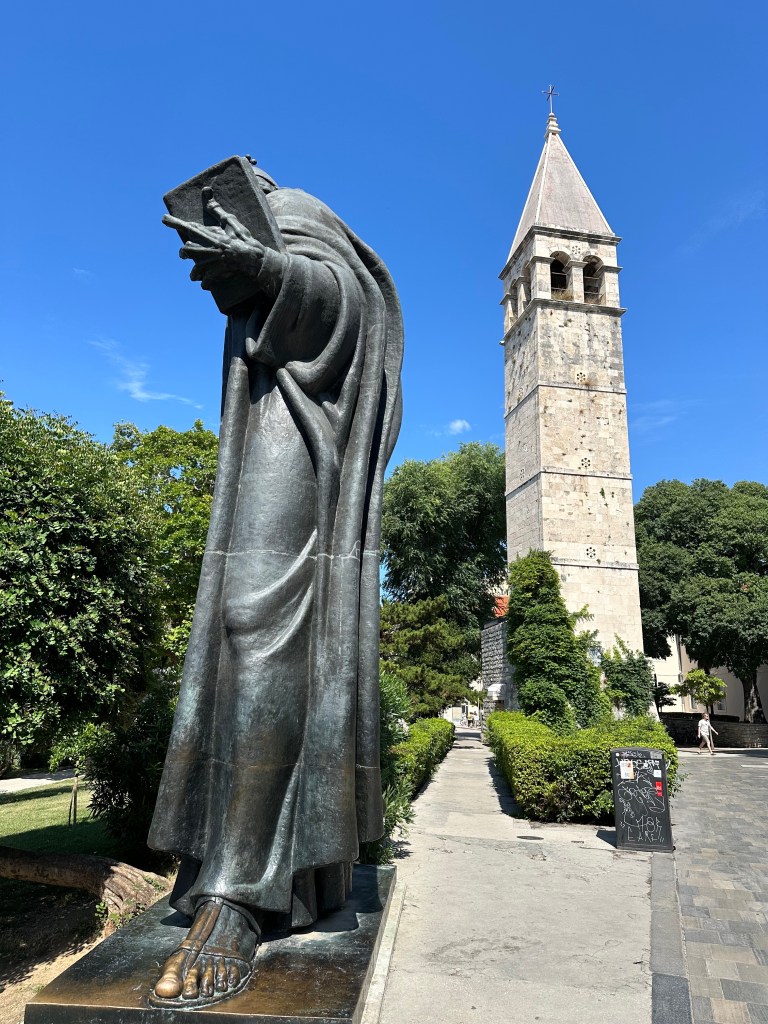
6. The cityscapes of Croatia were similar to other living cities in Europe. Among the top two largest cities, Split had a tad more charm. It owes its origin and fame to Diocletian, Roman Emperor. He was the son of the soil, rose through the Roman military ranks serving under emperors Aurelian, Probus and Carus before becoming an Emperor itself. Diocletian was a great administrator and even introduced the tetrarchy system to manage the vast empire. However, he was the first emperor to abdicate his throne and retired to his homeland to lead quiet life on the Dalmatian coast. The ruins of his palace is now a popular tourist attraction. 

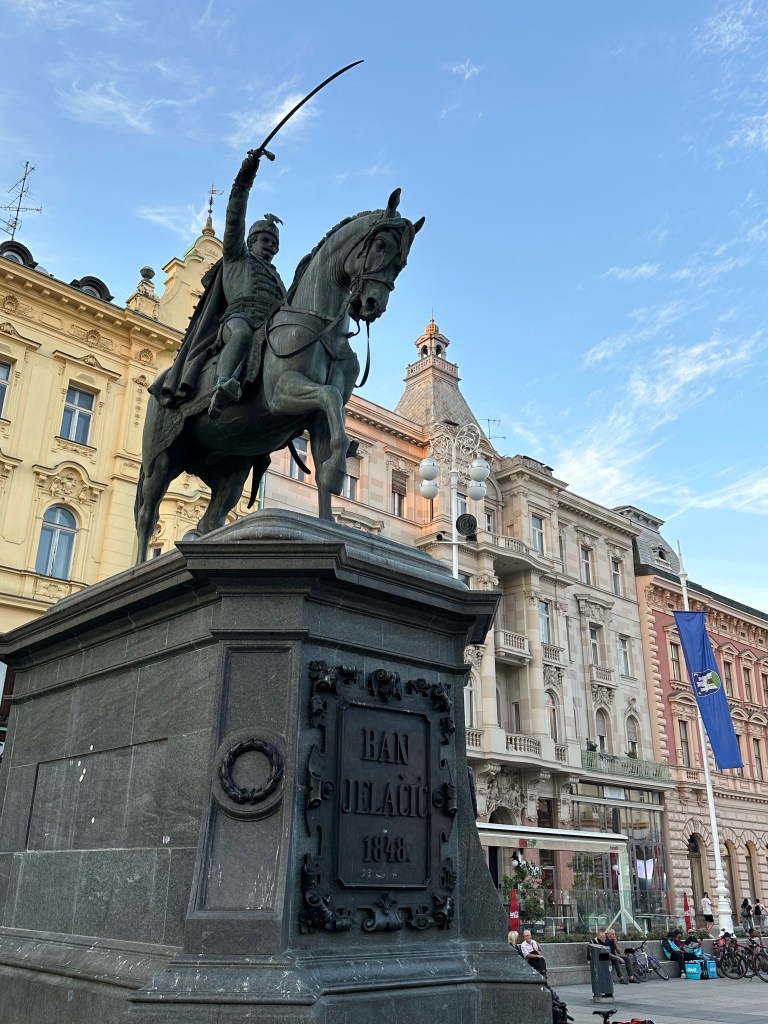
7. Zagreb had a different energy—more of a working city than a tourist draw. Outside of a few charming pockets in the old town, the city has a distinct Soviet-era vibe, with wide boulevards and dense residential blocks. It’s gritty in places, but that’s part of its character.
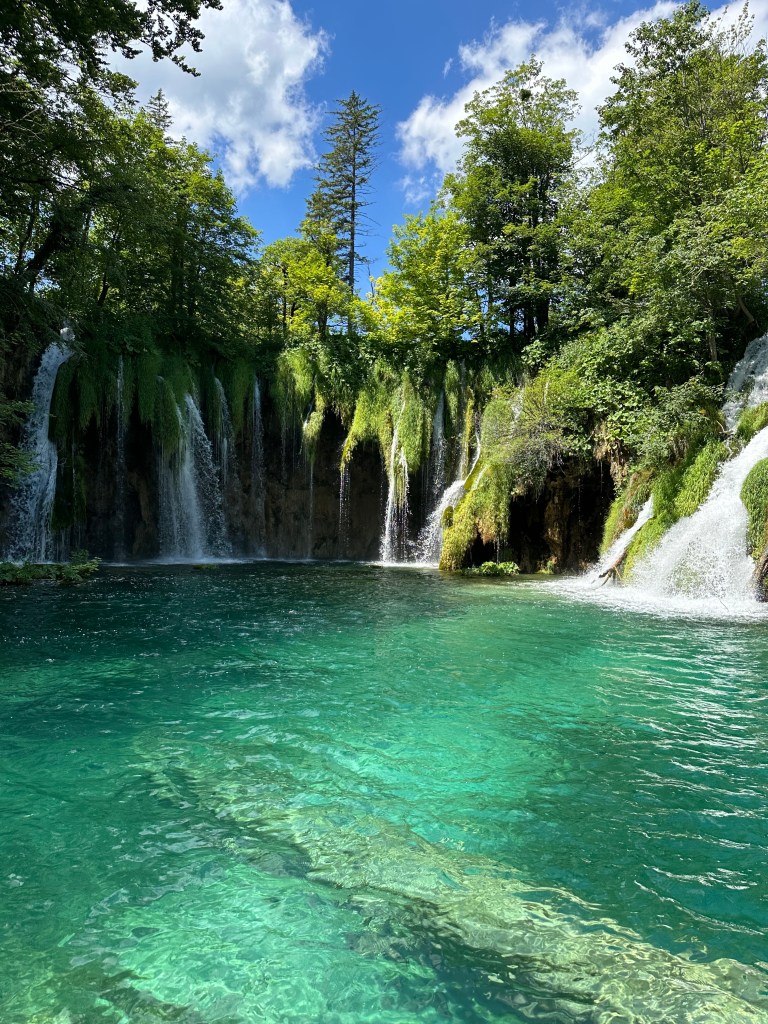
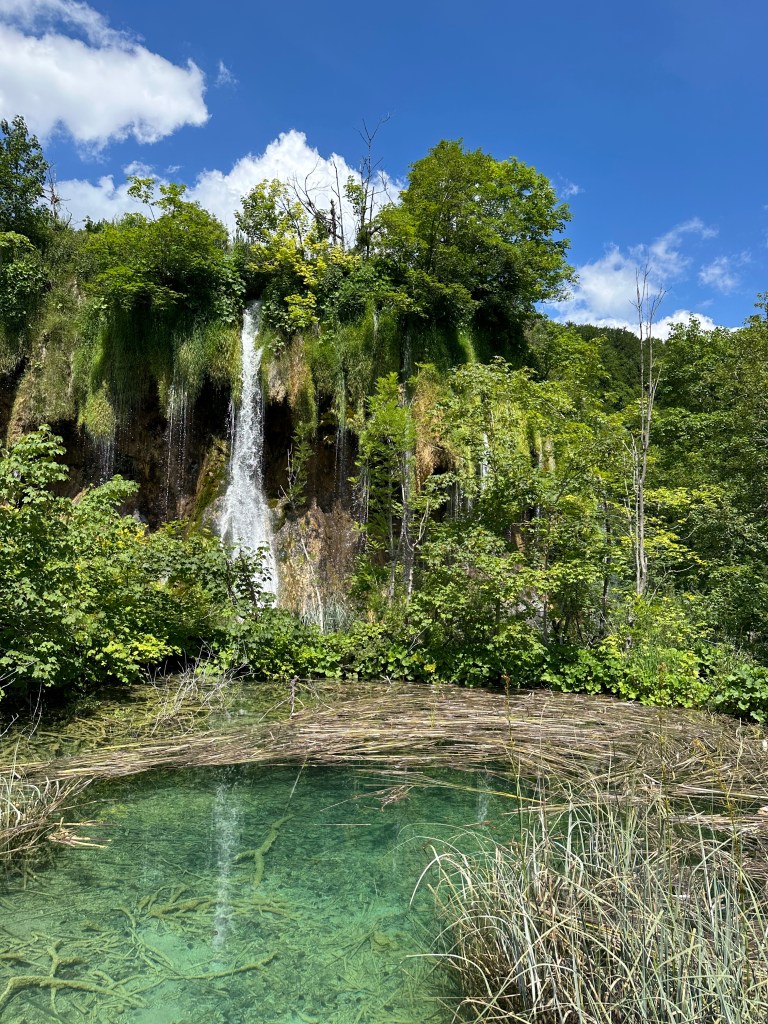
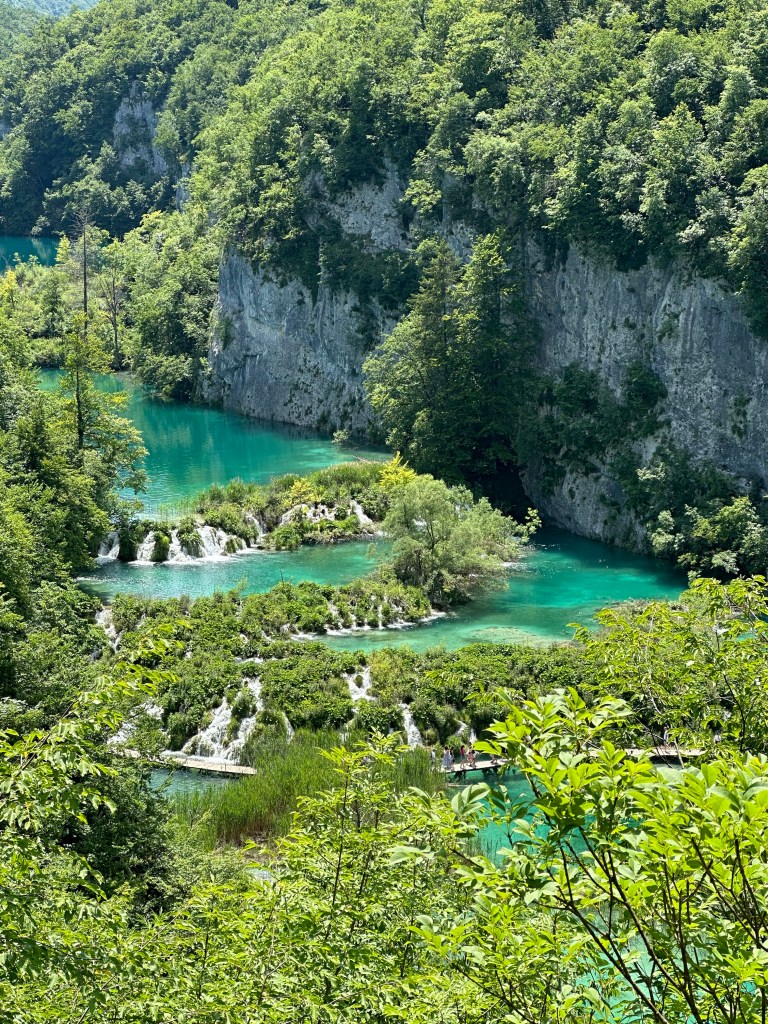
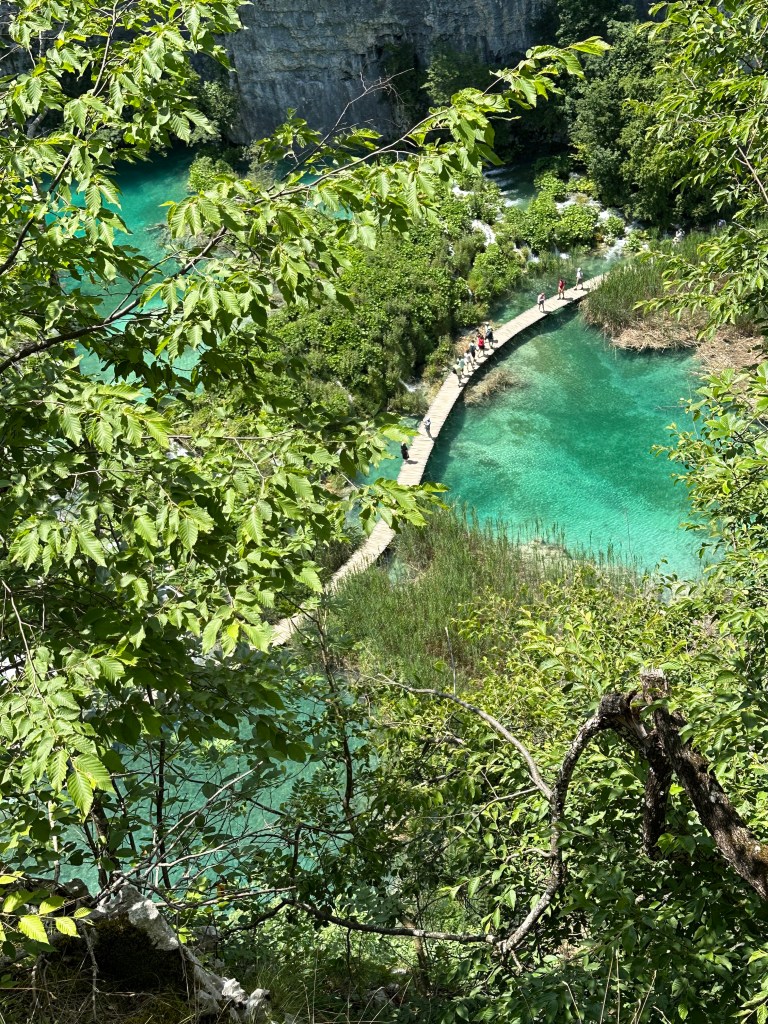
8. Plitvice Lakes National Park is surreal. There were moments I genuinely had to pause and take it in, unsure if what I was seeing was real. Yes, there are crowds, but many areas are still peaceful and just as stunning. Starting early, with the upper lakes and moving downward, makes the experience even better. Krka is a quieter alternative, but Plitvice felt truly special.
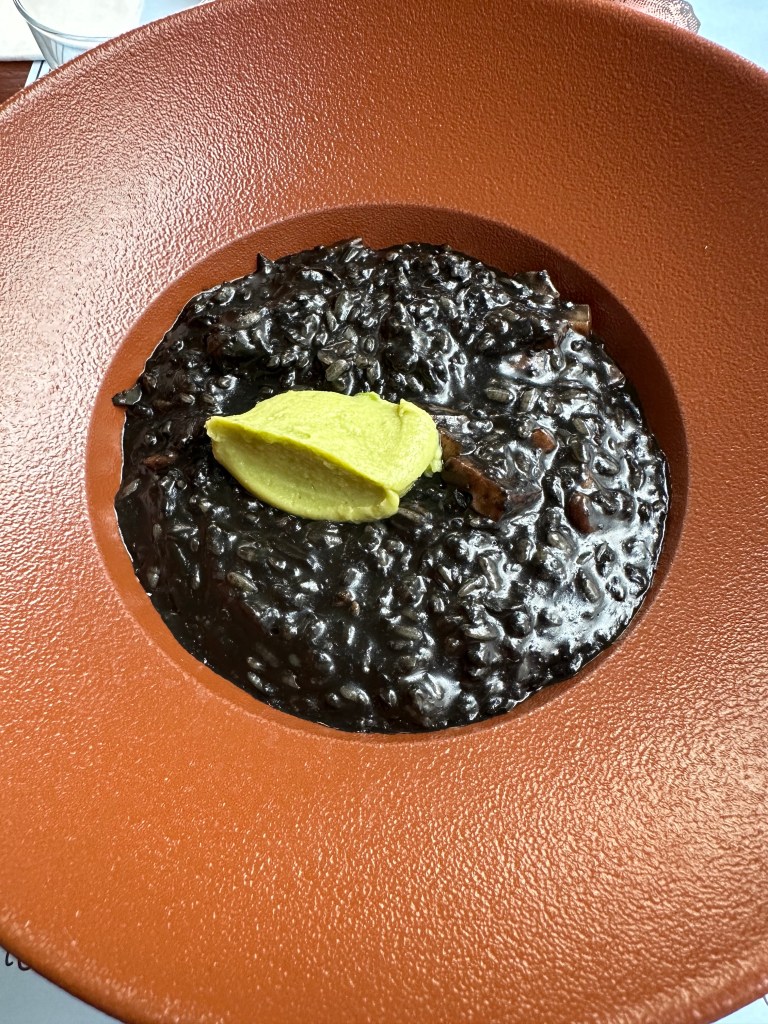
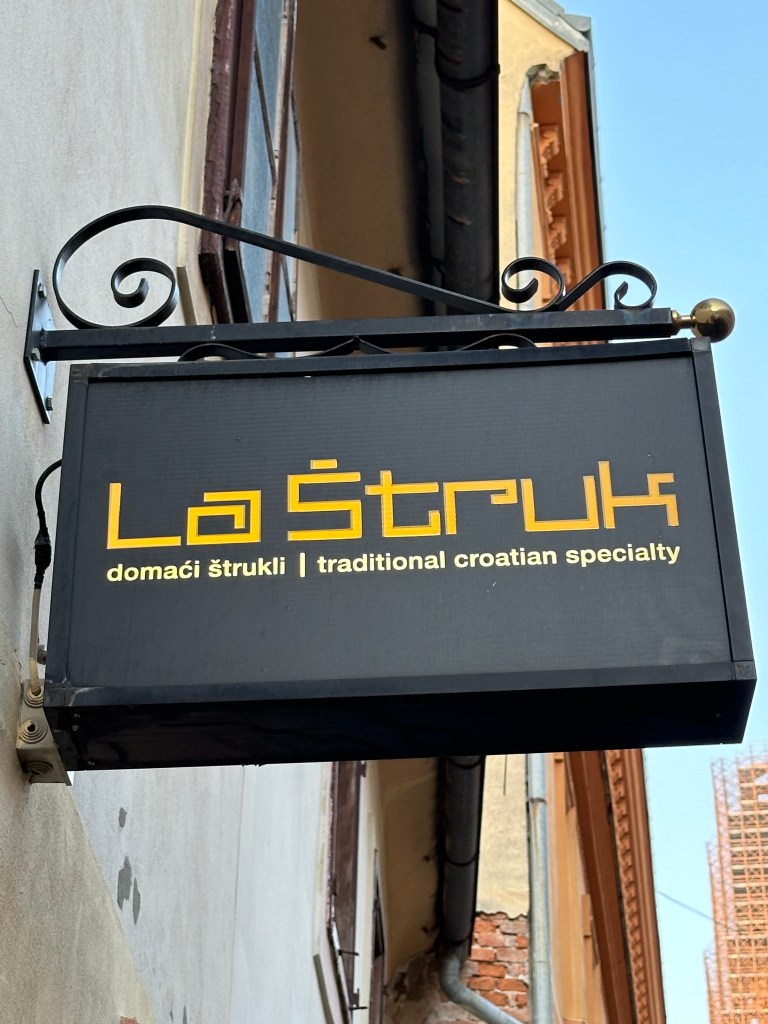
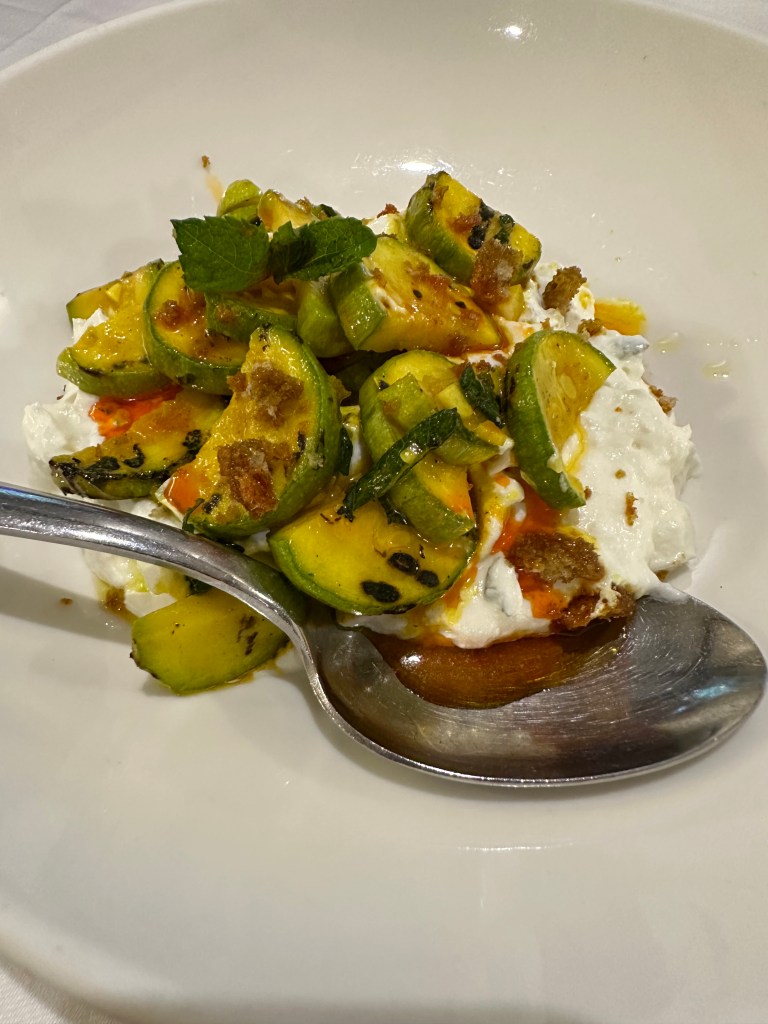
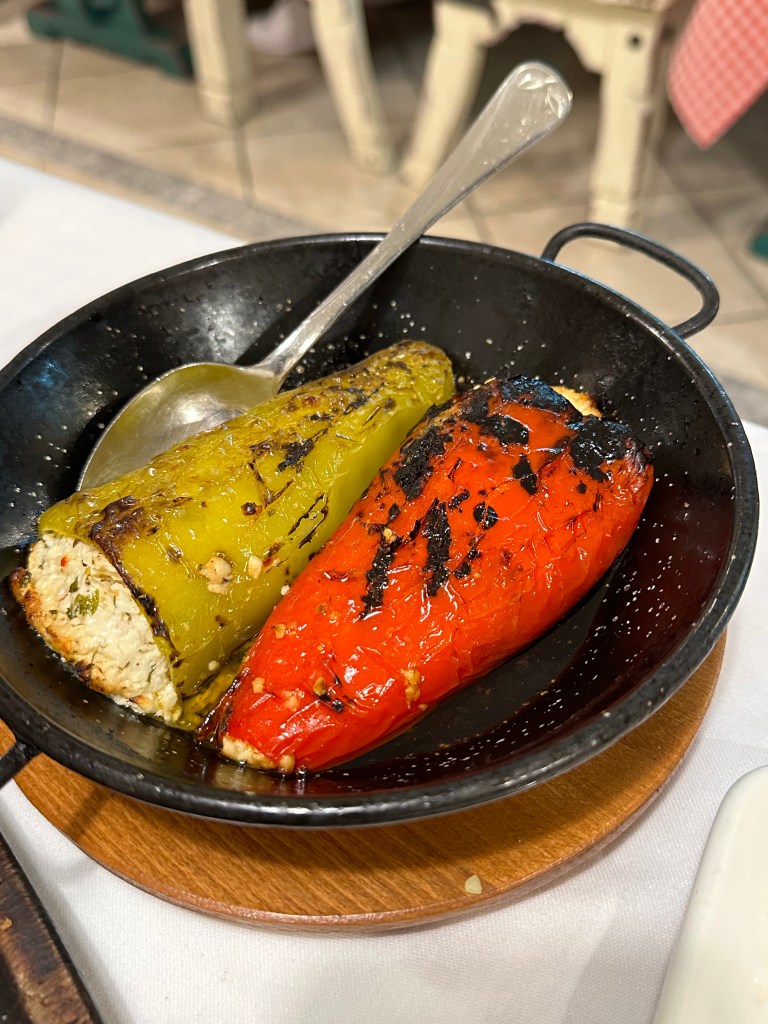
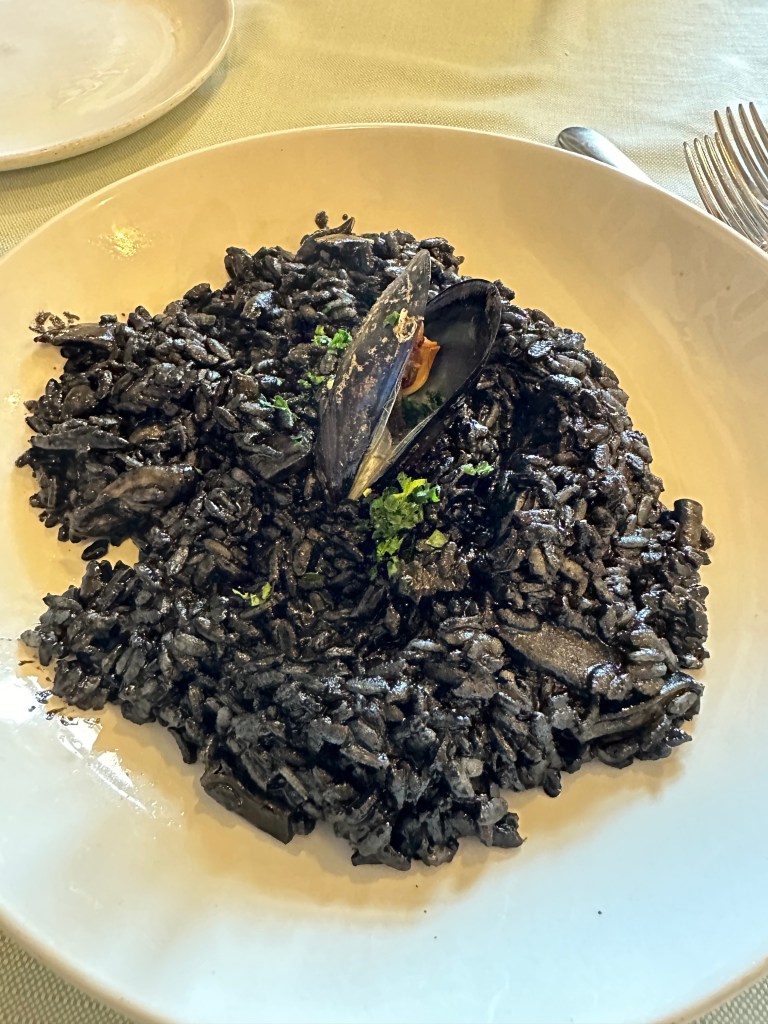
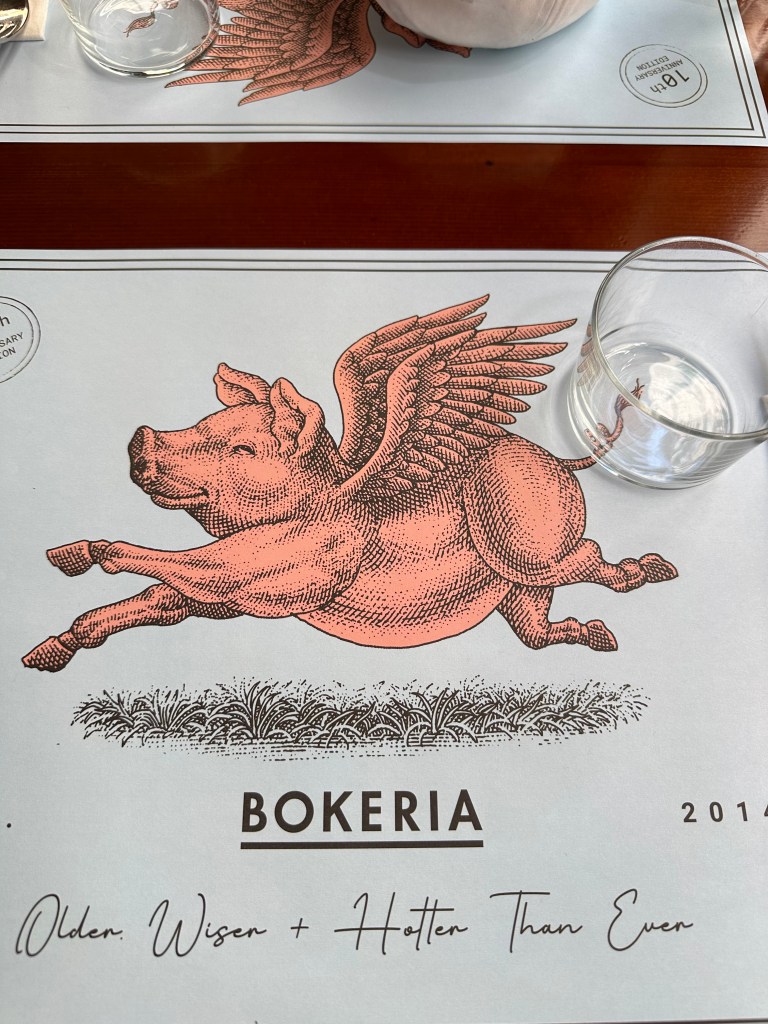
9. Two traditional dishes really stood out: black risotto and štrukli. The risotto, made with cuttlefish ink, isn’t unique to Croatia but reflects its shared heritage with Italy. I tried several versions, and the one at Bokeria in Split was the best—rich, creamy, and subtly oceanic. Štrukli is a thin-layered dough dish filled with local cheese, served sweet or savory. La Štruk in Zagreb does it best; the walnut and honey version was unforgettable.
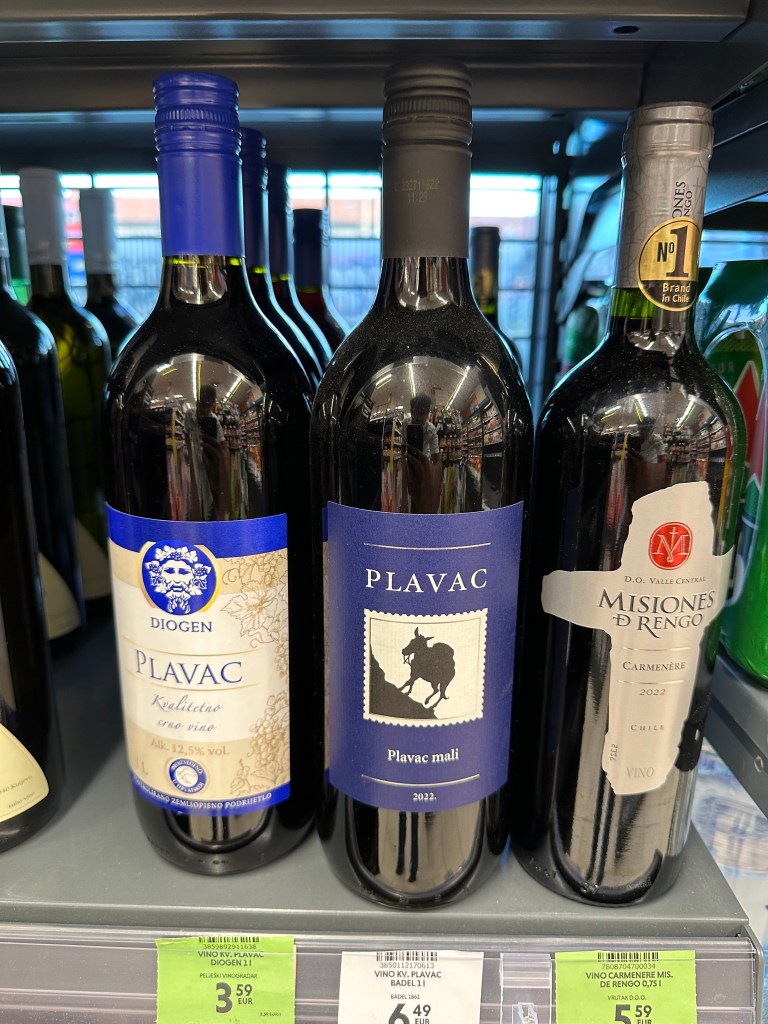
10. Croatian wine was an unexpected highlight. Winemaking here dates back to the Ancient Greeks, and that long tradition shines through. While most local wines are white, I especially loved the Plavac Mali red. It was fruity and full-bodied without being heavy. If I’d had checked baggage, I definitely would’ve brought a few bottles home.

10 things about Croatia 

5 things about Kotor, Montenegro 

1. Montenegro, like many of its neighbors, has a shared heritage that stretches back to the Illyrians, Romans, Ottomans, and more recently, the Yugoslav communists. What makes it especially interesting is its modern political journey. When Yugoslavia broke up, Serbia and Montenegro remained together as a separate country. It wasn’t until 2006, after an independence referendum, that Montenegro became a fully independent nation. Today, it’s known less for its politics and more for its stunning Adriatic coastline and scenic seaside towns like Budva, Herceg Novi, Sveti Stefan, Tivat, and Ulcinj. 

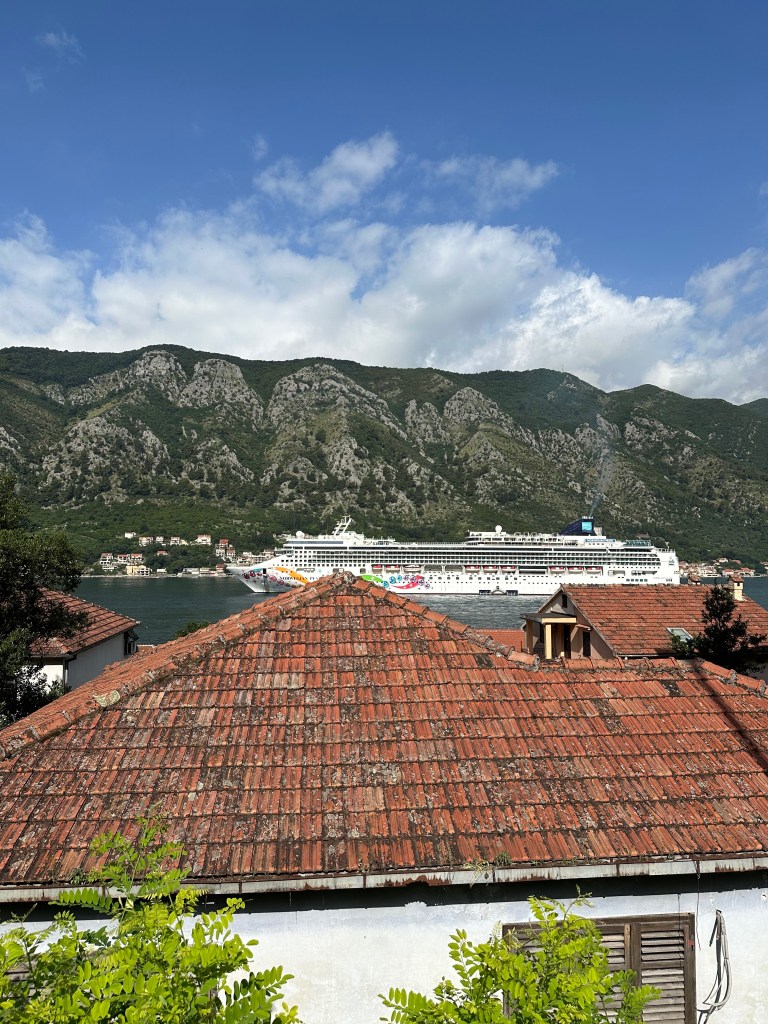
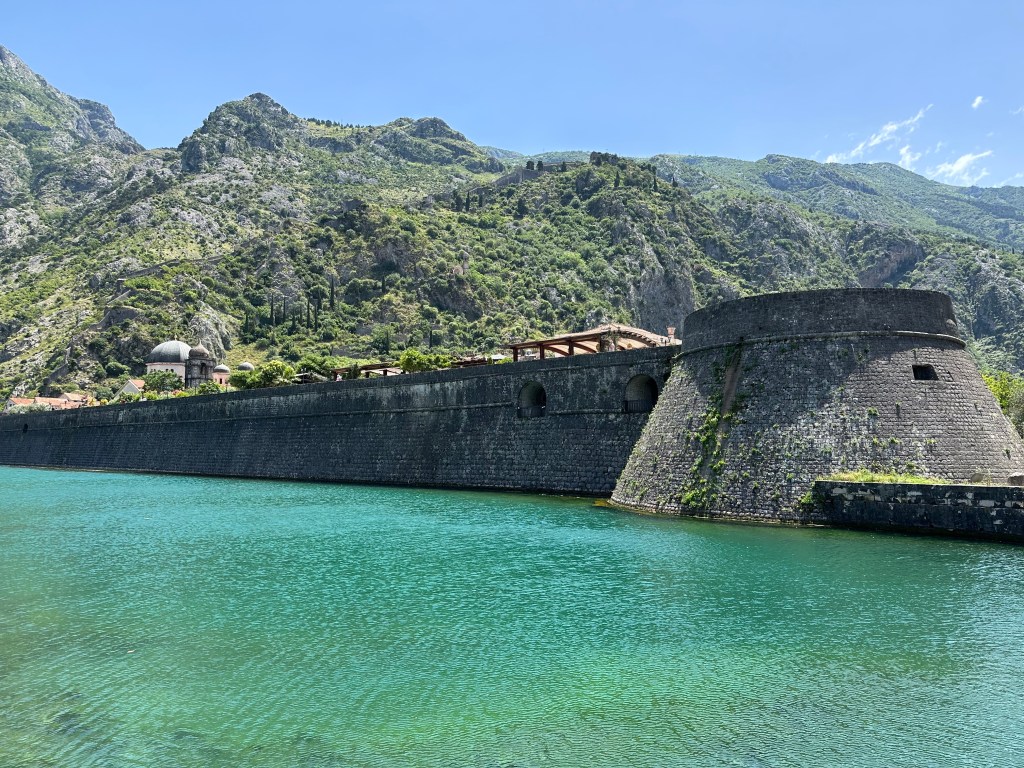
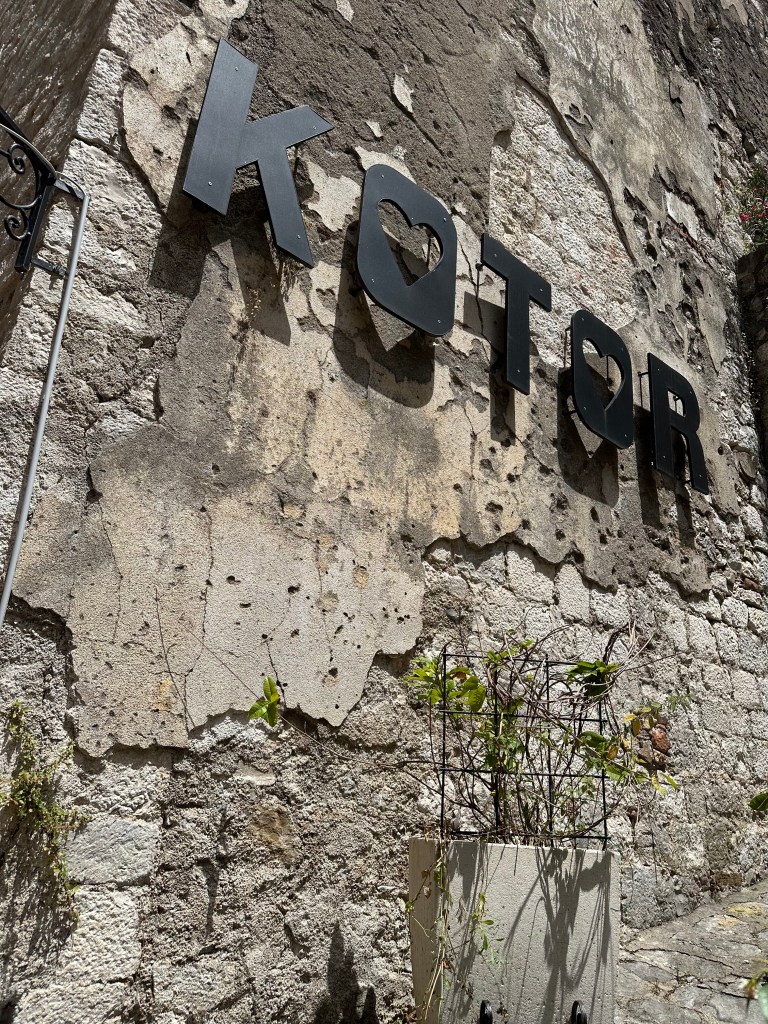
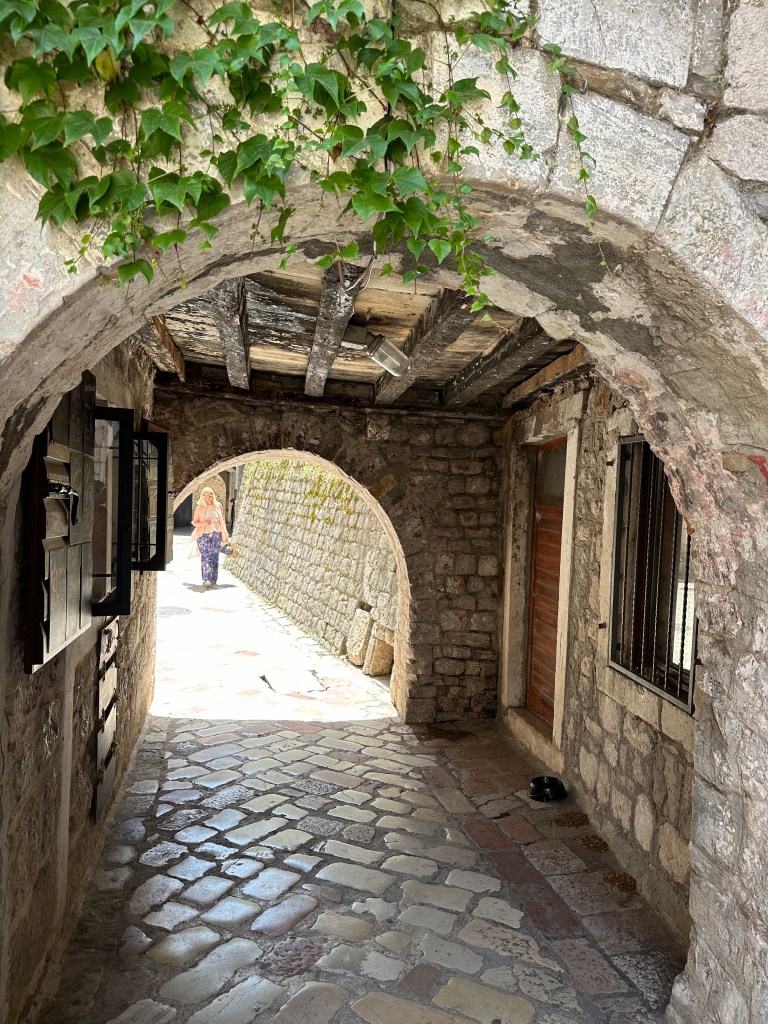
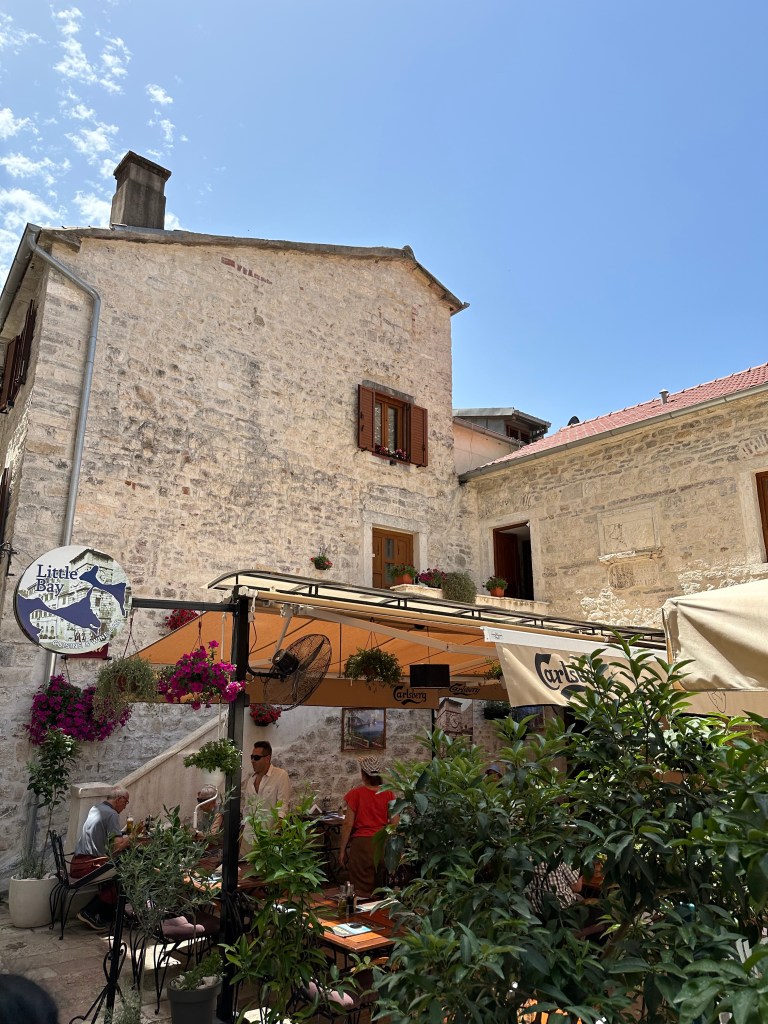
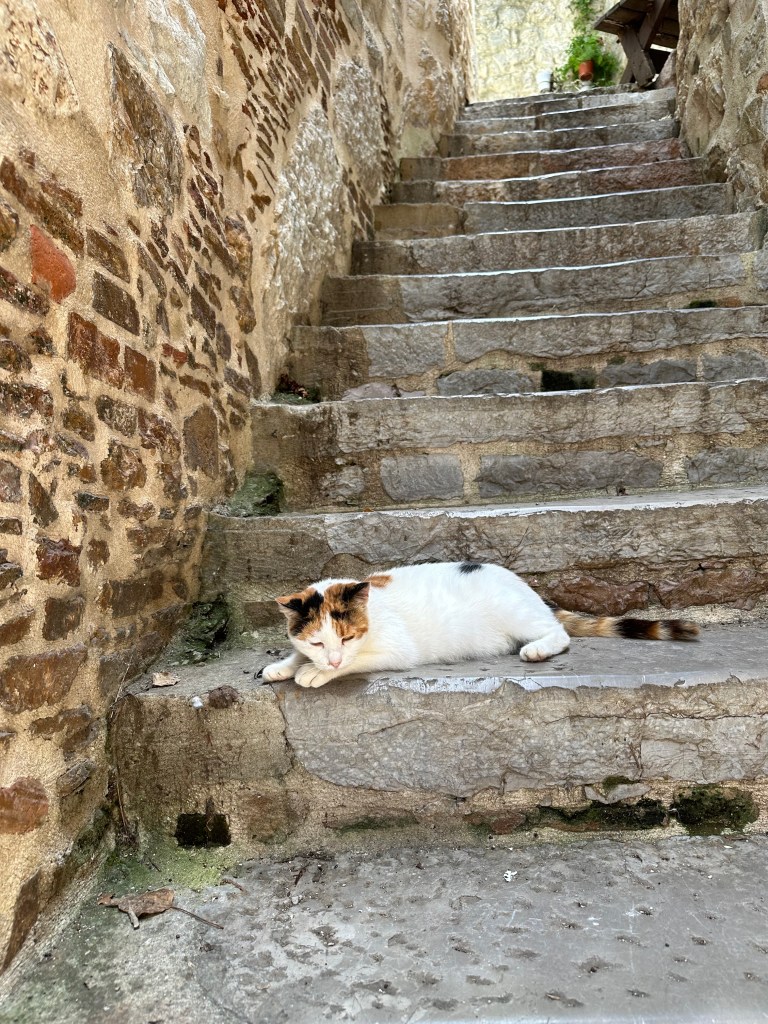
2. Kotor, one of the jewels of the coast, is best known for its incredibly well-preserved medieval old town. The original fortifications date back to the Illyrian period and were later rebuilt by Emperor Justinian I in the 6th century. But it was the Venetians who shaped most of what you see today. Entering through the imposing Sea Gate, or Gurdic Gate, feels like stepping into another time. Inside, the Cathedral of Saint Tryphon and the old clock tower are standout landmarks. Kotor gets packed when cruise ships dock, but if you’re lucky enough to visit on a quieter day, the atmosphere is magical — cobbled streets, fortress walls, and a surprising number of cats. In fact, cats are a symbol of the city. You’ll find cat-themed shops, a cat museum, and even a square unofficially known as Cats’ Square.

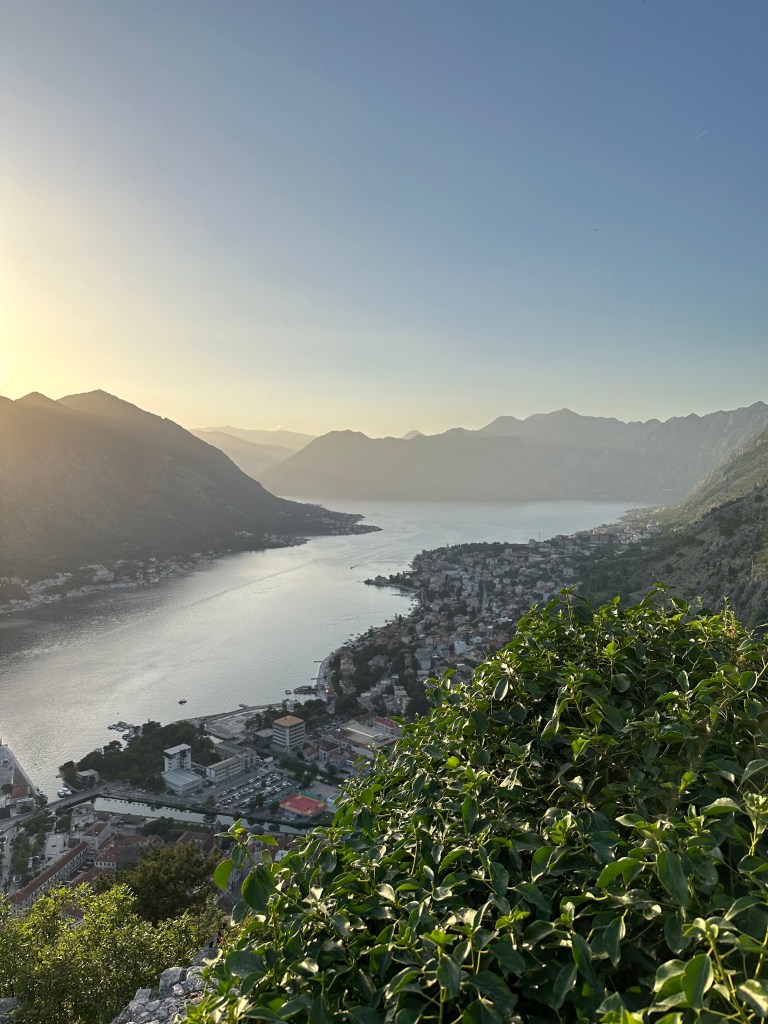
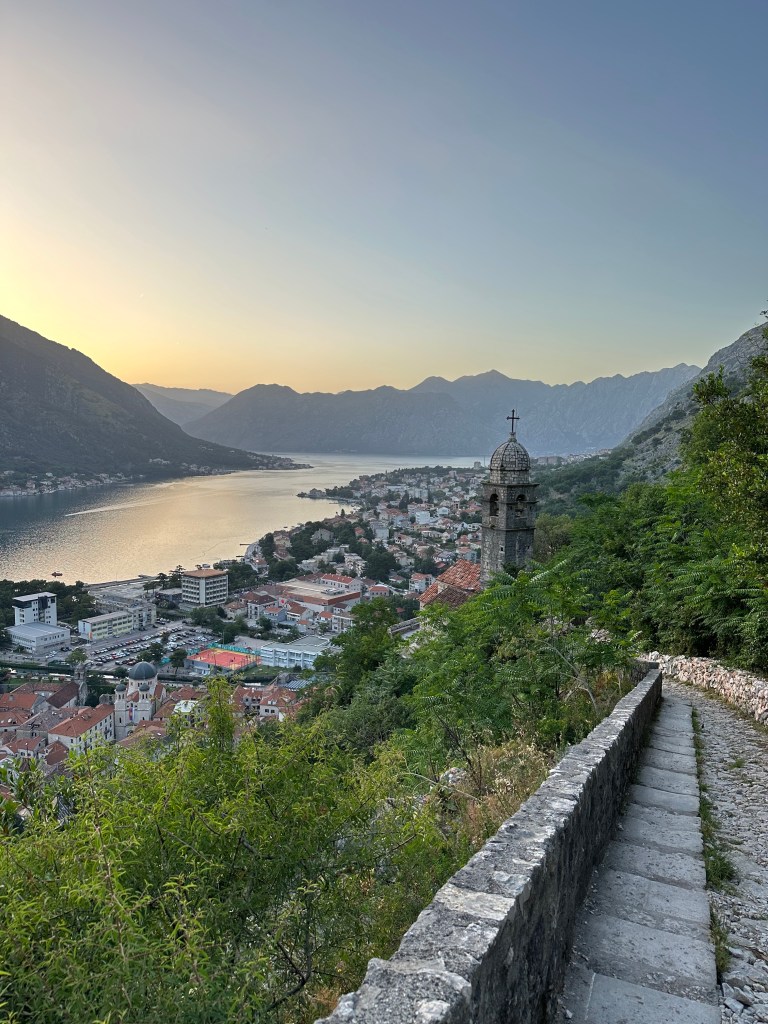
3. One of the best things to do in Kotor is hike the fortress walls, often referred to as the Ladder of Kotor. The views over the Bay of Kotor are absolutely worth the climb. I took the easier trail that starts from the old town, and it took about two hours round-trip. There’s also a steeper, more rugged version — the traditional “ladder” — that takes a bit longer. At the top are the ruins of the Castle of San Giovanni, offering panoramic views that make the climb feel more than worth it.

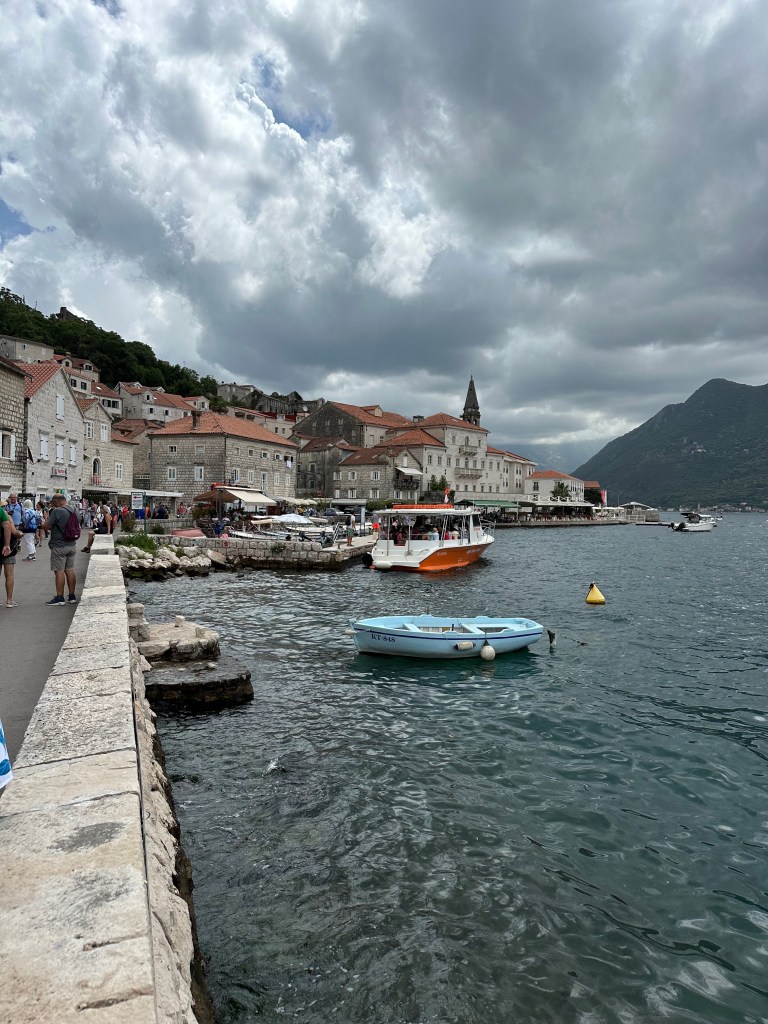
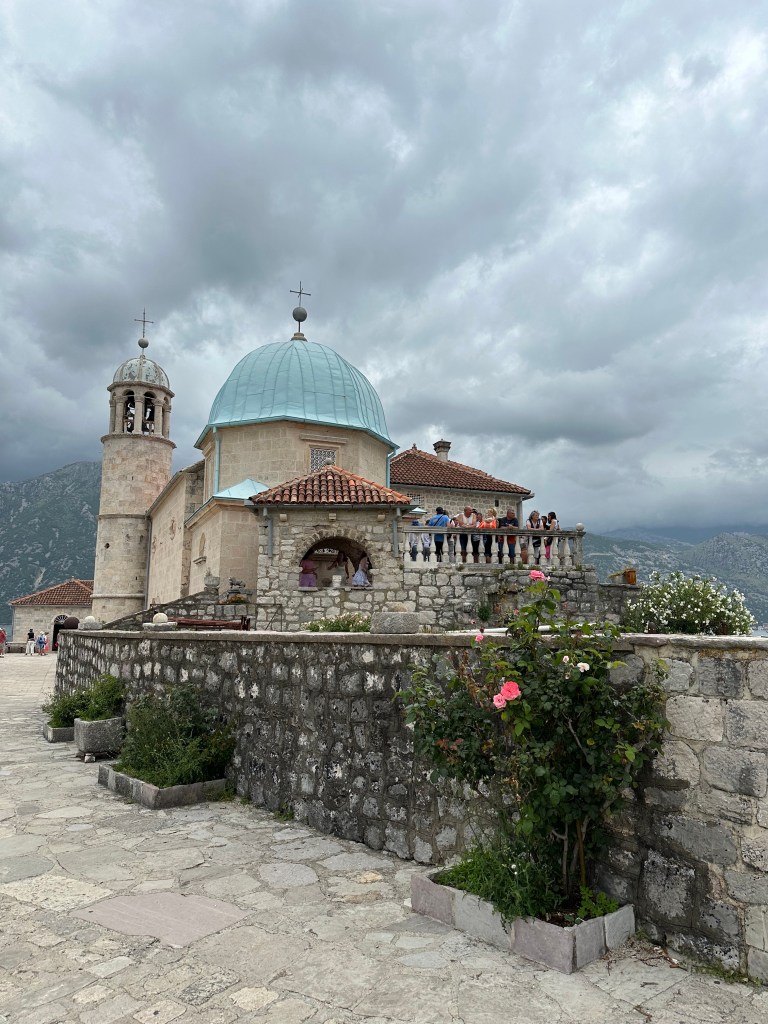
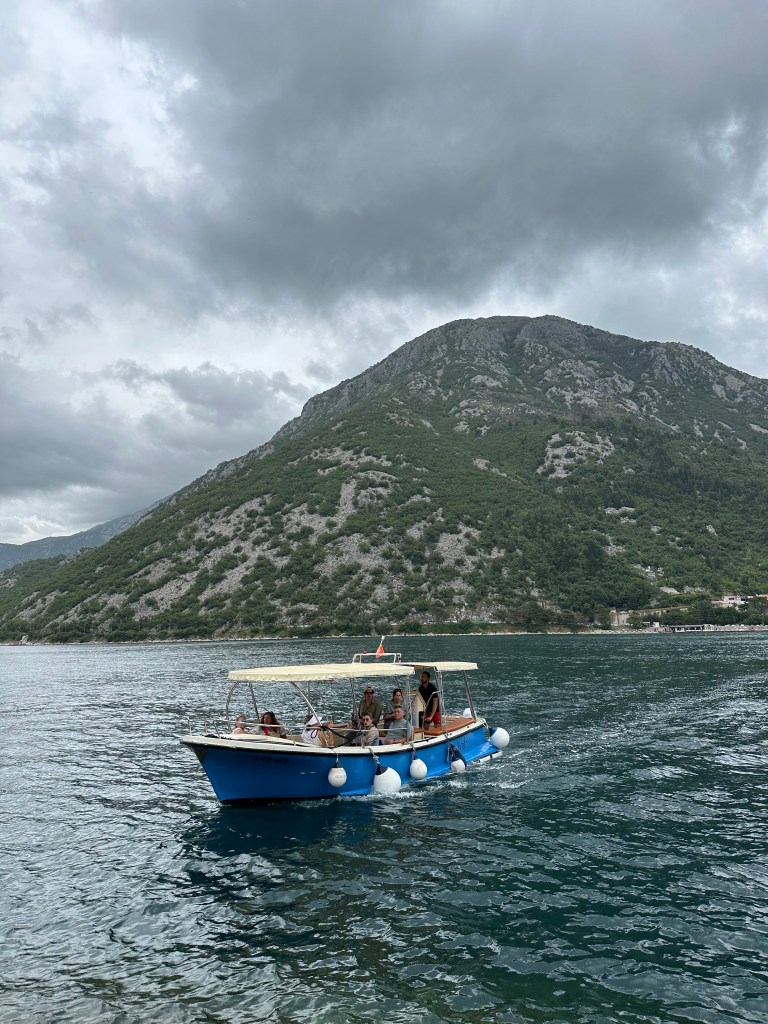
4. Not far from Kotor is the small village of Perast, a peaceful spot with a laid-back vibe. What makes it special are the islets just off its coast, especially Our Lady of the Rocks — the only man-made island in the Adriatic. Legend has it that two Venetian sailors saw an image of the Virgin Mary on a rock, and the island was gradually built around that spot. A short boat ride from Perast gets you there. There’s not much on the island besides a small church and museum, but the joy is really in the journey  gliding across the still waters of the bay, surrounded by mountains.

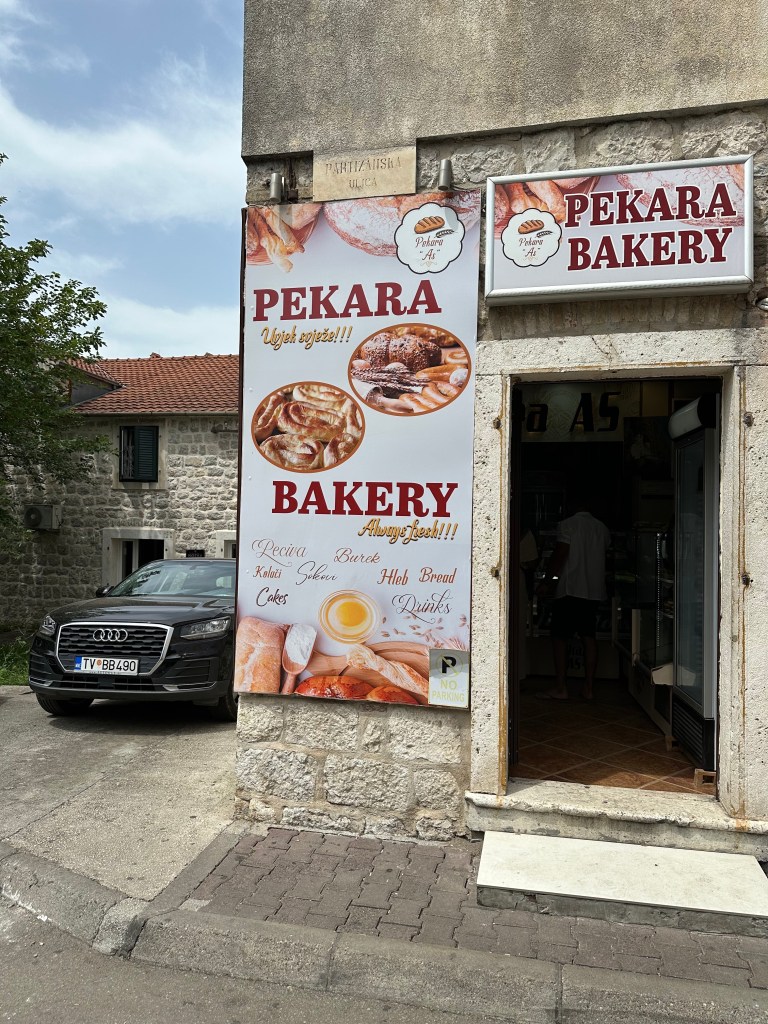
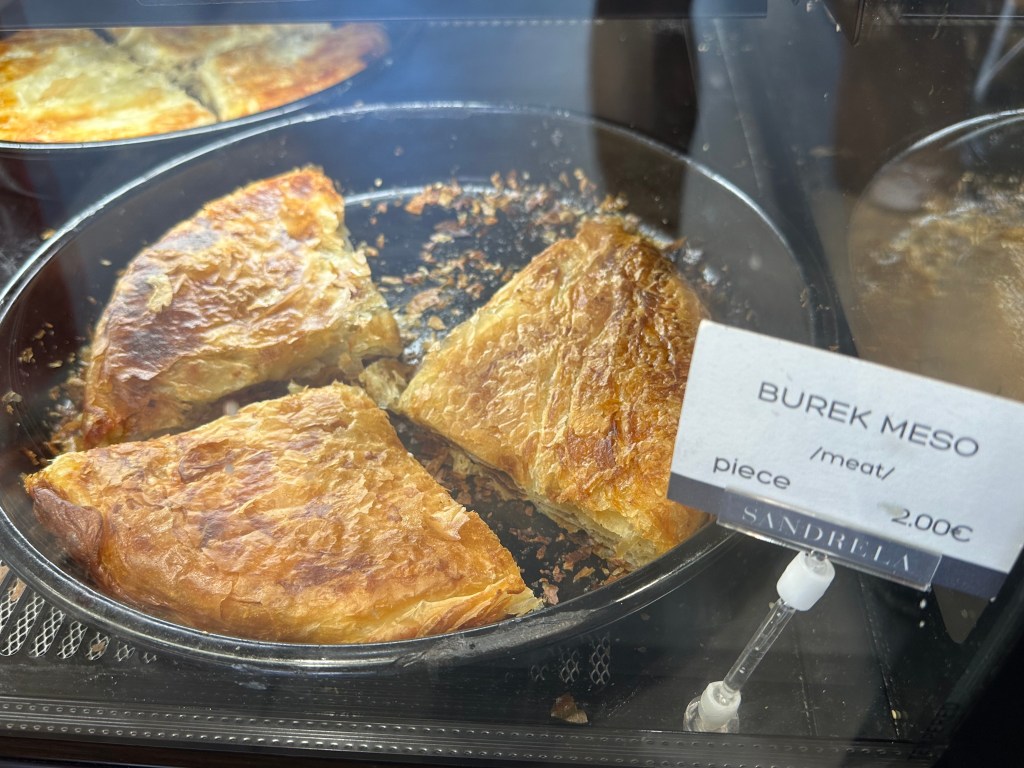
5. As for the food, I didn’t find anything particularly unique or standout compared to its Balkan neighbors. There were plenty of bakeries selling burek, but most lacked the finesse and flavor I’d found in Bosnia. One exception was a meal at Bastion, a well-regarded seafood spot in Kotor. I had the freshest, most delicate seabass there, simply prepared with barely a touch of salt, letting the fish speak for itself.  

5 things about Kotor, Montenegro 

5 things about Ohrid, North Macedonia

1. Very few countries still carry the identity of a civilization from over 2,000 years ago. Macedonia takes its name from the ancient kingdom of Macedon, where King Philip II—father of Alexander the Great—once ruled. The name itself carries weight and pride, though not without controversy. Due to Greece’s long-standing objections over shared cultural heritage, the country officially renamed itself to North Macedonia in 2019.

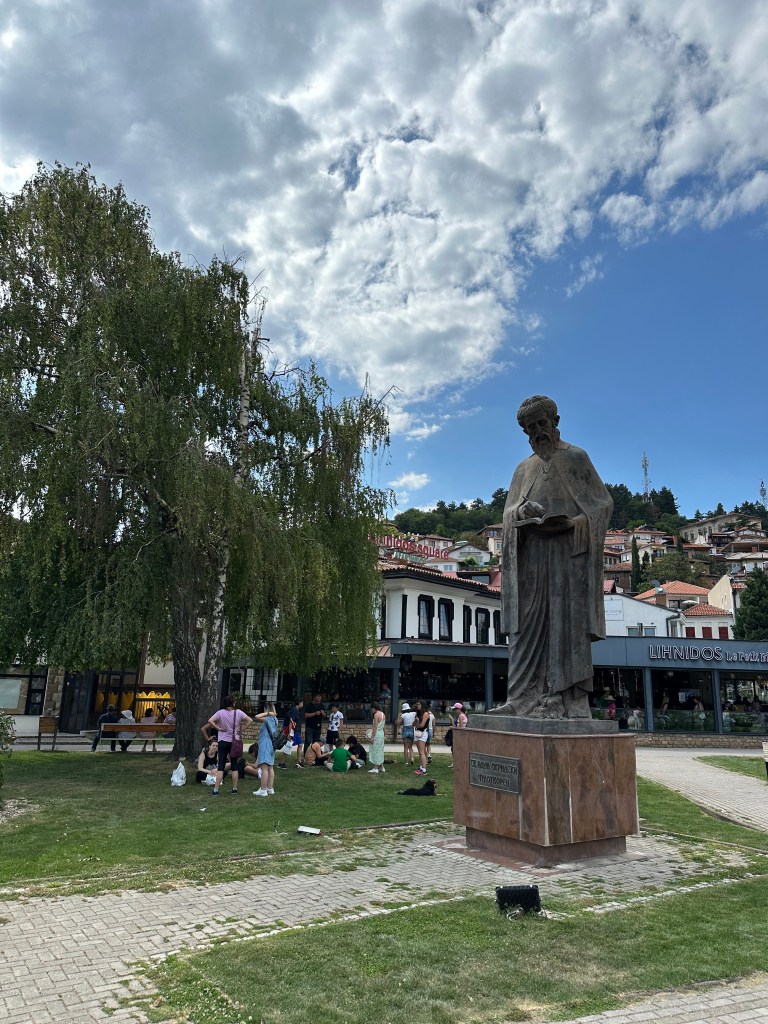
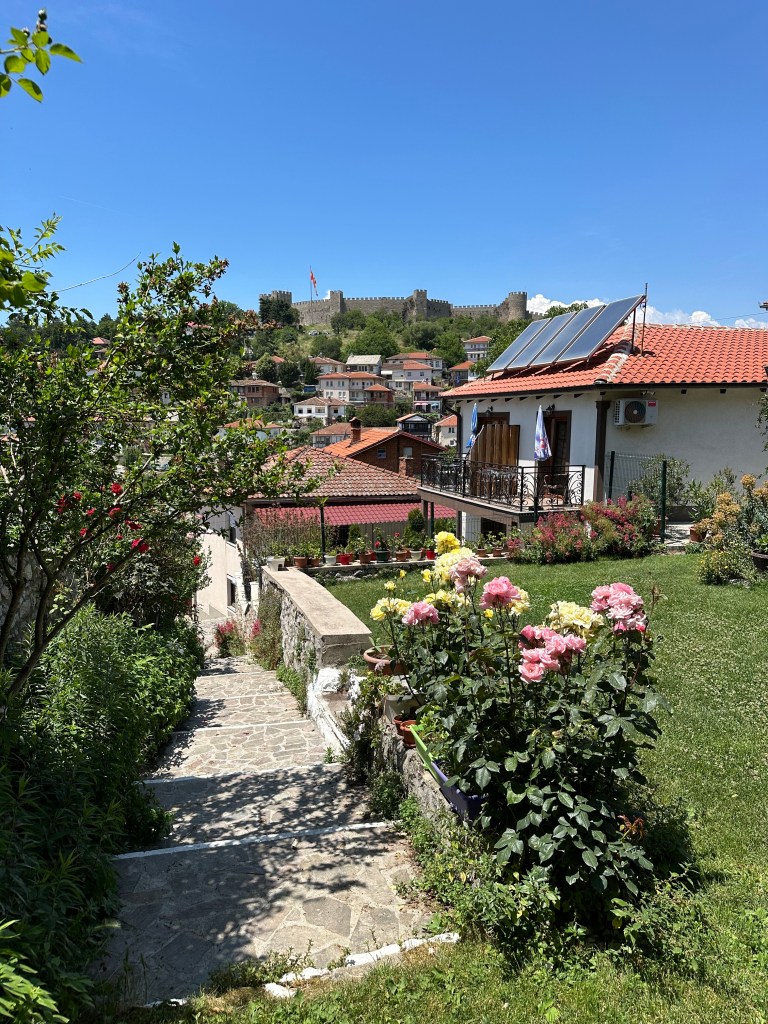
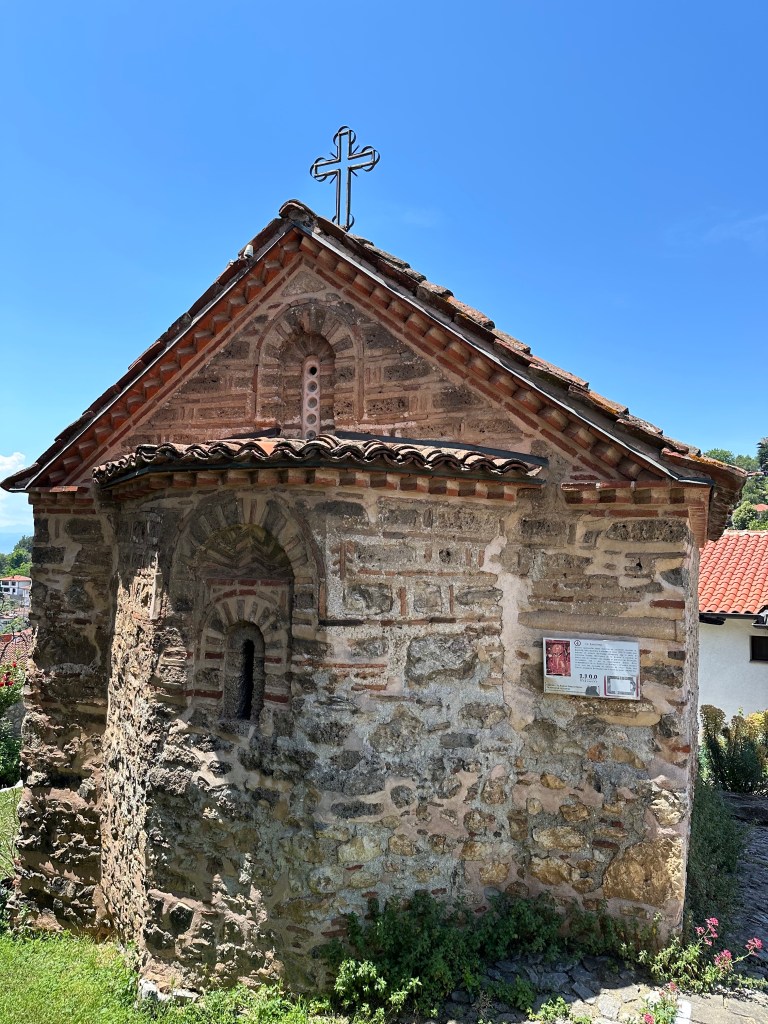
2. Though only the eighth-largest city in North Macedonia, Ohrid holds immense cultural significance. It began as Lychnidos, a name you’ll find in ancient Greek texts, and has been shaped by everyone from the Illyrians and Romans to the Ottomans and Yugoslav communists. It’s most famously known for having once had 365 churches—one for each day of the year. That number is much smaller now, but as you walk through the old town, it really does feel like there’s a church around every corner. 

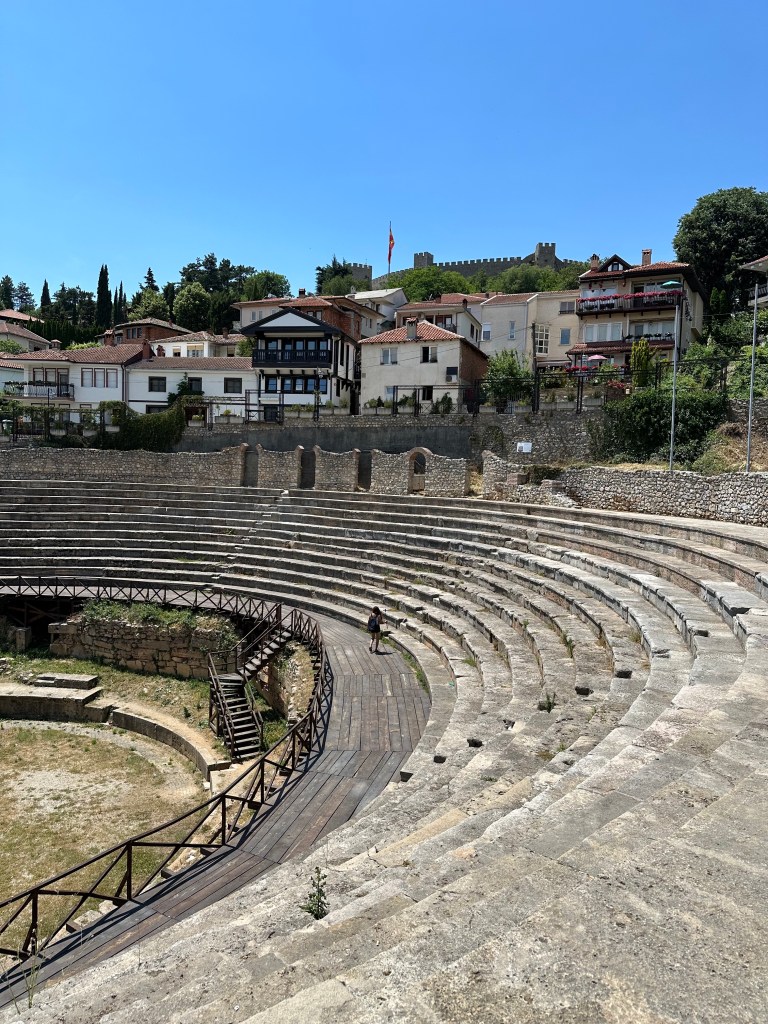
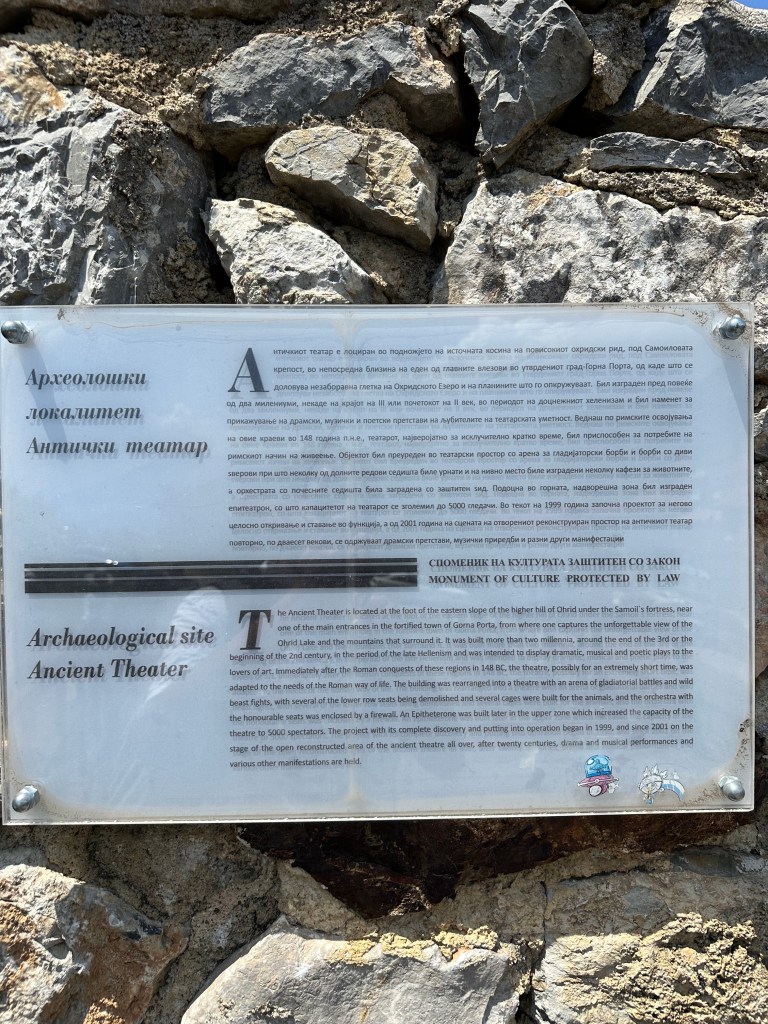
3. The Ancient Theatre of Ohrid is one of the oldest and best-preserved Hellenistic amphitheaters still standing. Sheltered by surrounding hills, its acoustics remain remarkably clear. During Roman times, it was repurposed for gladiator fights and public punishments, including the persecution of Christians. Locals were so repulsed by that legacy that they buried the theater after the Roman era. It remained hidden until the late 1980s, which helps explain its exceptional condition today.

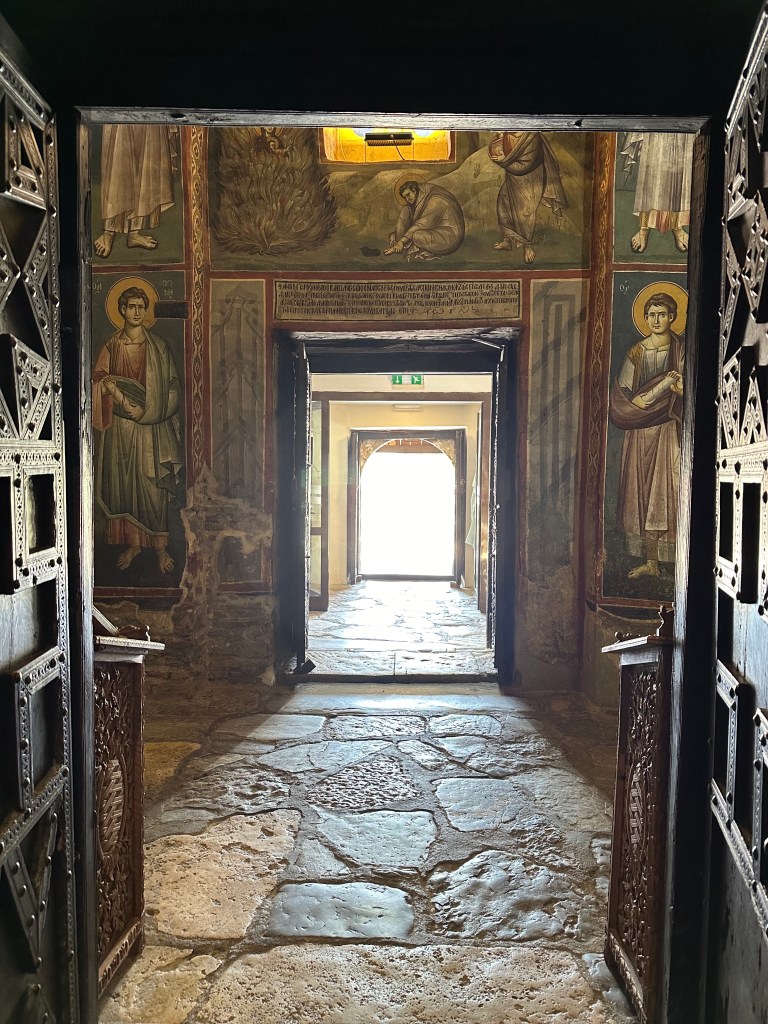
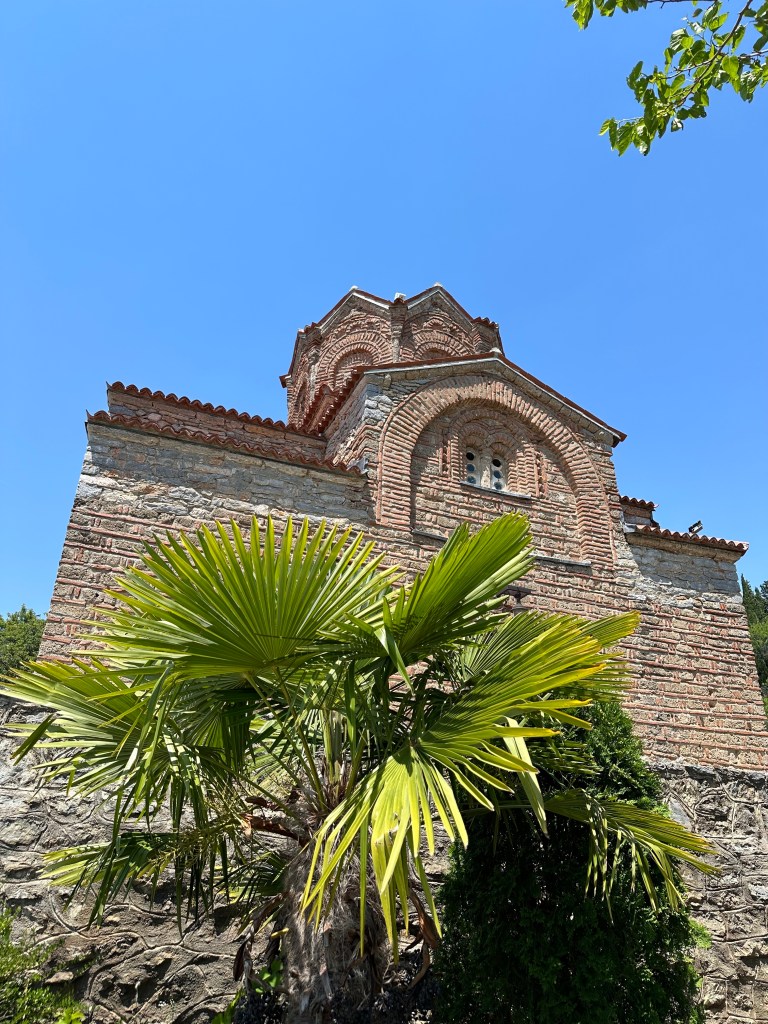
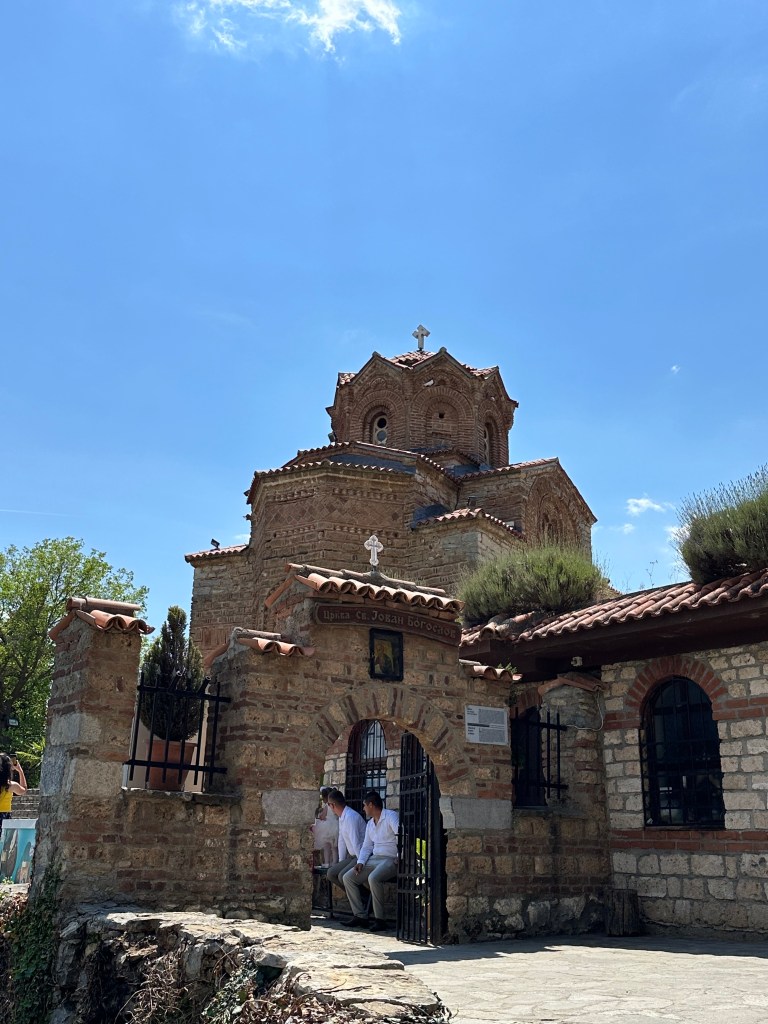
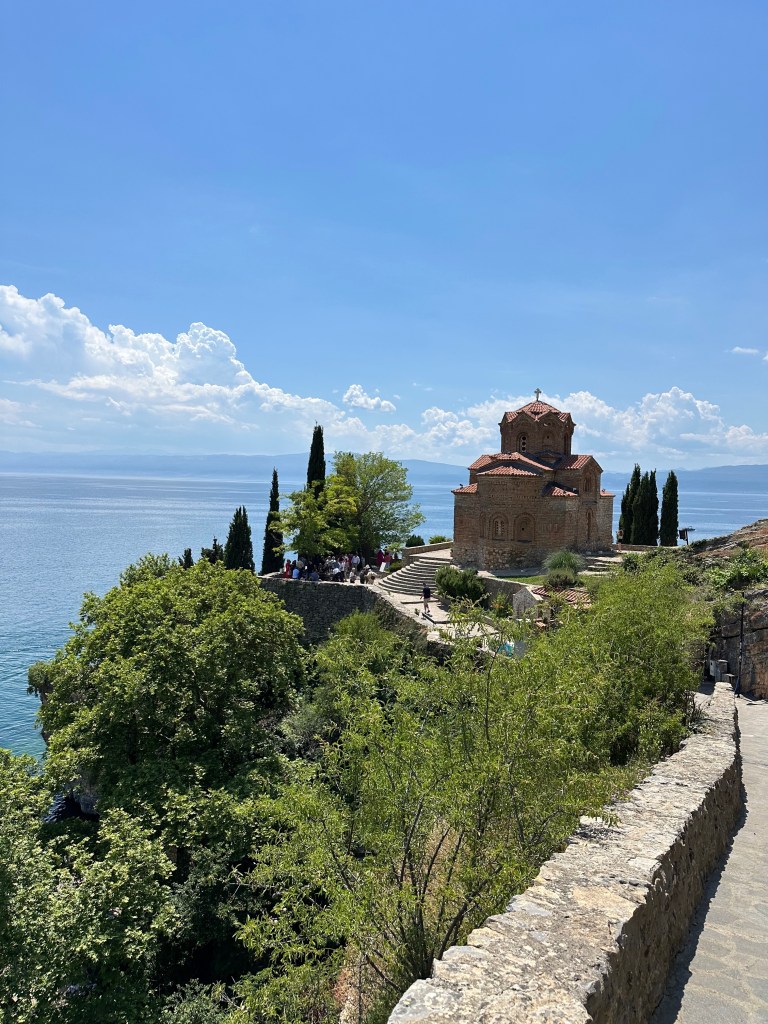
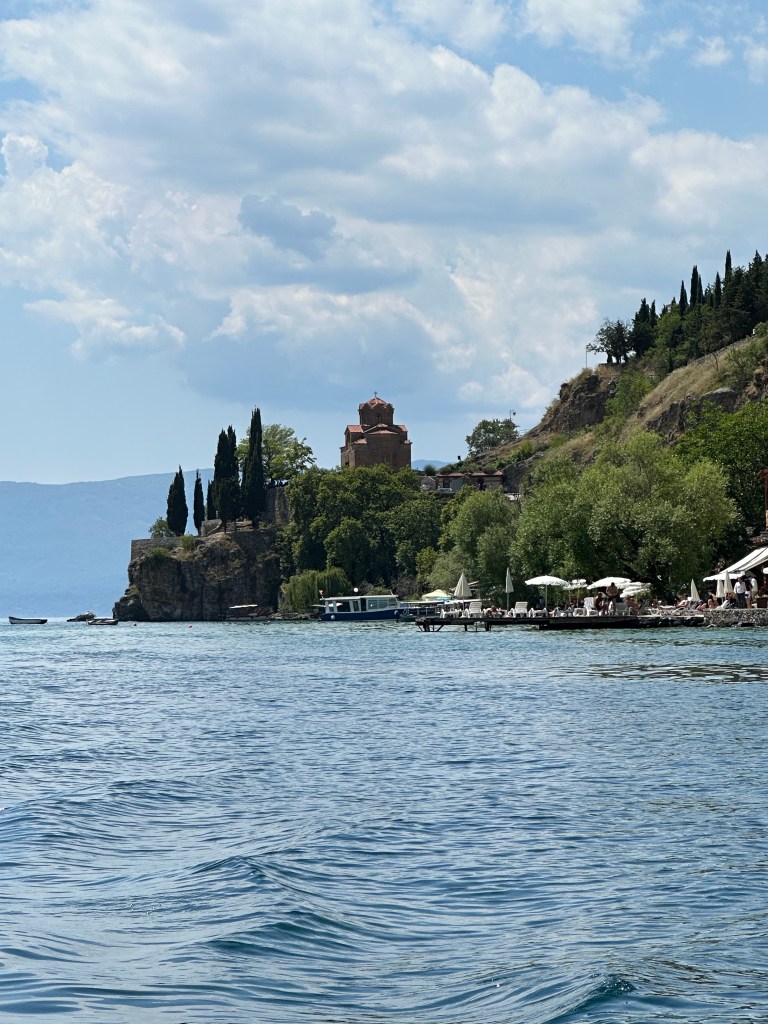
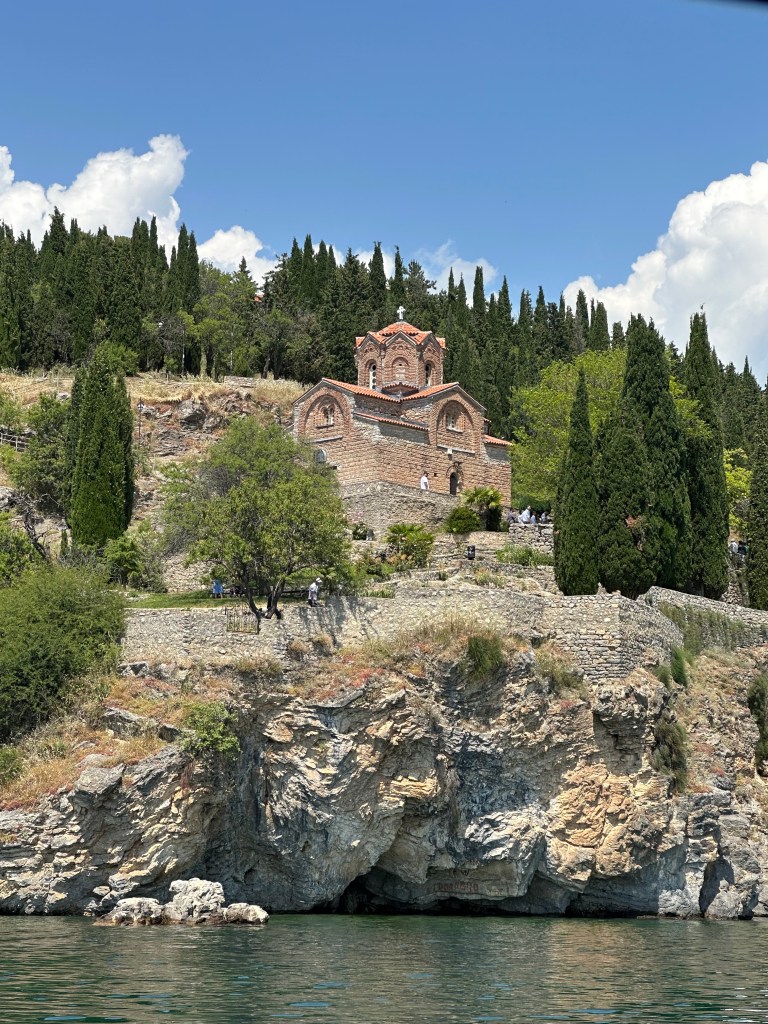
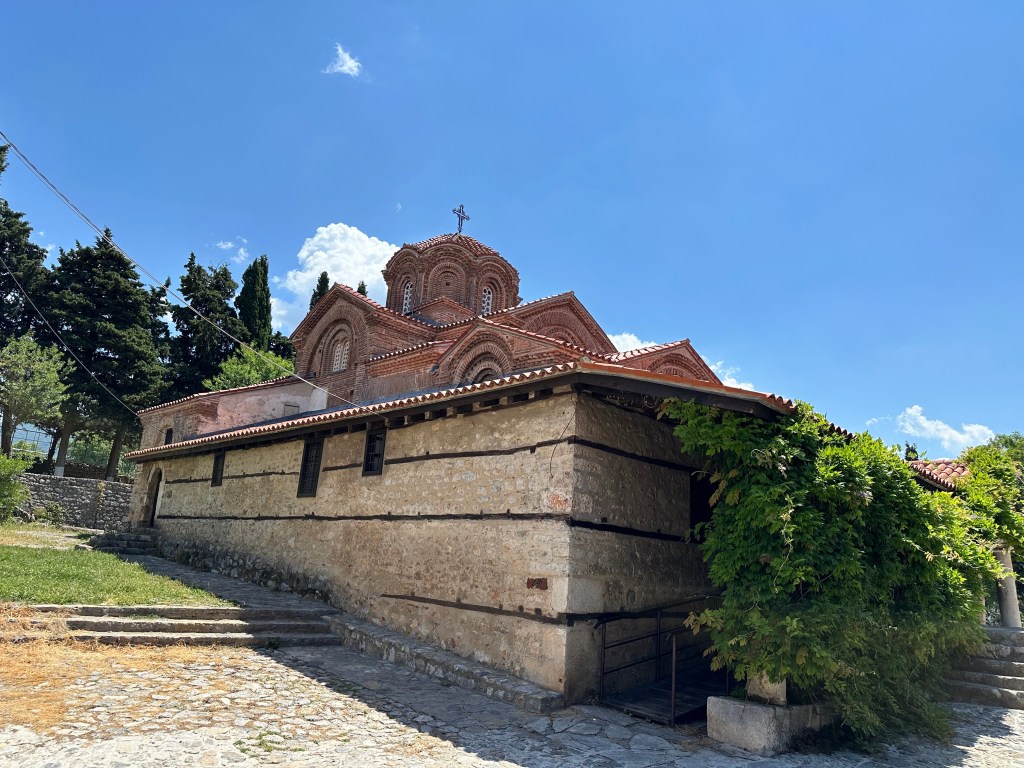
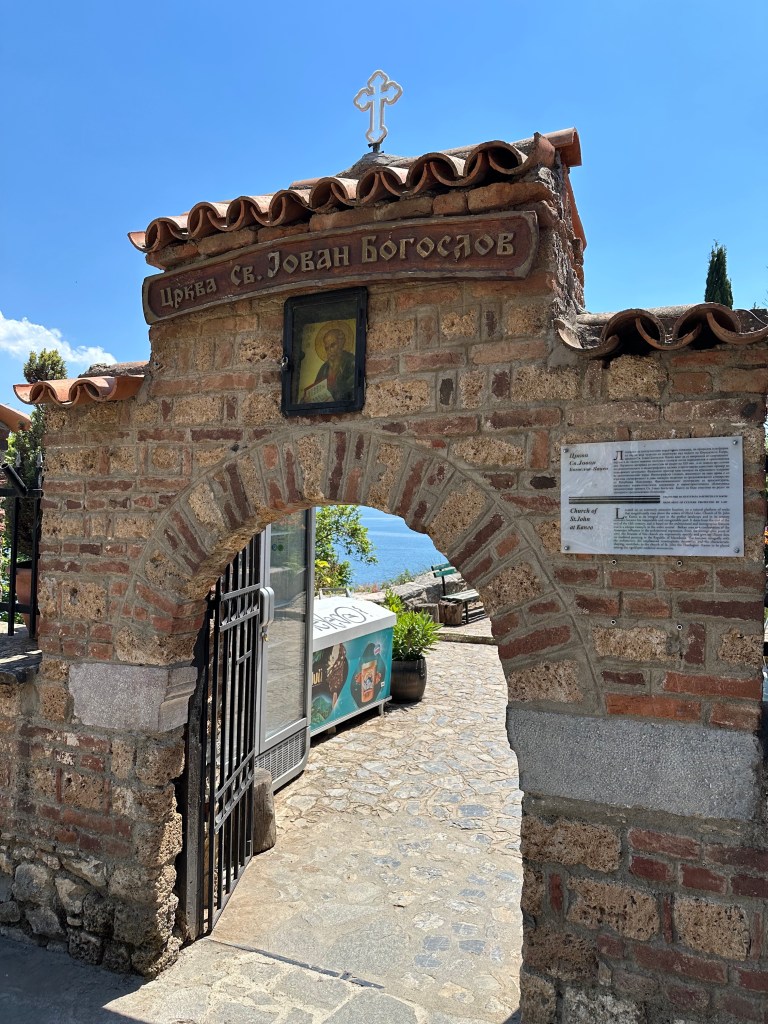
4. The Church of St. John at Kaneo sits quietly on a cliff overlooking the lake, and it’s one of the most striking sights in Ohrid. Built in a cruciform style and dedicated to John of Patmos (who many believe was also John the Apostle), it’s both humble and timeless. The frescoes inside date back to the Byzantine era and have somehow survived through centuries of weather and conflict. The view alone is worth the visit.

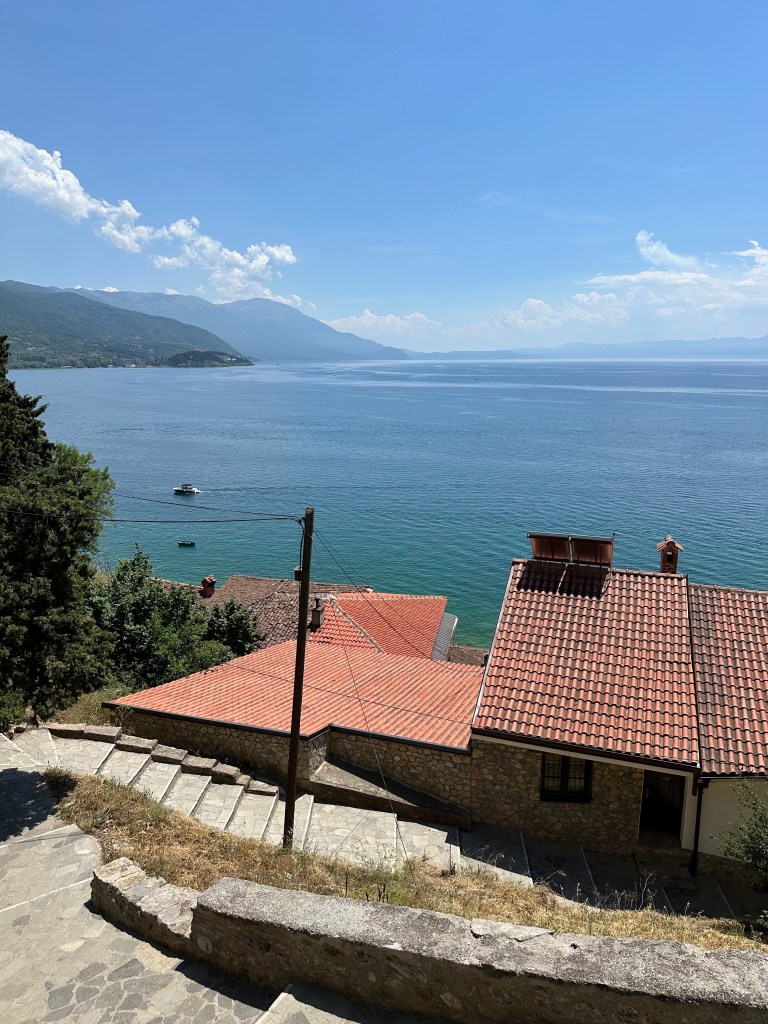
5. Lake Ohrid is one of the oldest lakes in the world, formed by tectonic activity millions of years ago alongside Lake Baikal and Lake Titicaca. Its deep blue waters are shared with neighboring Albania, and the whole area feels incredibly serene. I took a boat ride on a warm afternoon, and it was easily one of the most peaceful experiences of my trip. The water shimmered under the sun, and for a moment, it felt like the rest of the world had paused.

5 things about Ohrid, North Macedonia

5 things about Tirana, Albania 

1. Tirana has a fascinating mix of Greek, Ottoman, and native Albanian influences. The area was once part of the Ancient Greek kingdom of Illyria before becoming a Roman territory. Modern-day Tirana was officially founded in 1614 by an Ottoman-Albanian general, Sylejman Pasha Bargjini. His legacy lives on in the city’s old architecture and layered history.

2. Skanderbeg Square is the heart of Tirana. It’s named after Albania’s national hero, Gjergj Kastrioti better known as Skanderbeg who led a rebellion against Ottoman rule in 1444 and formed an alliance with the Venetians. Around the square, you’ll find the Et’hem Bey Mosque, a beautiful 18th-century remnant of Ottoman times that somehow endured years of political turmoil. Just a short walk away are the ruins of Tirana Castle. Though only fragments of the original Byzantine-era structure remain, the area has been transformed into a lively hub of restaurants, bars, and cafés. 

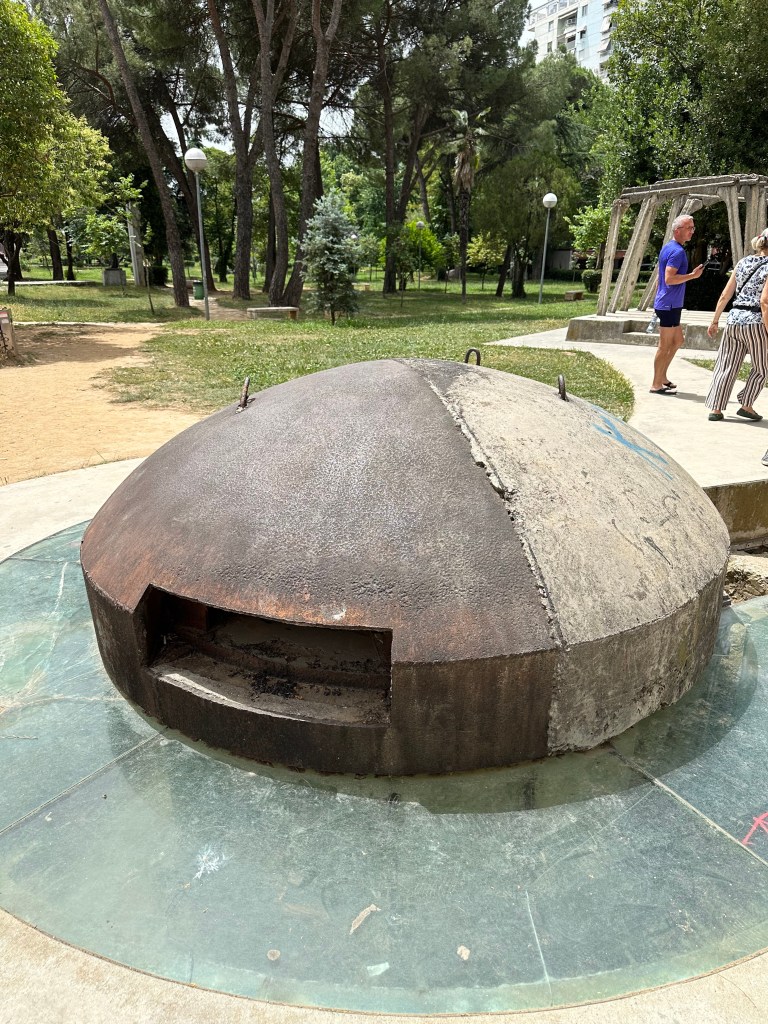
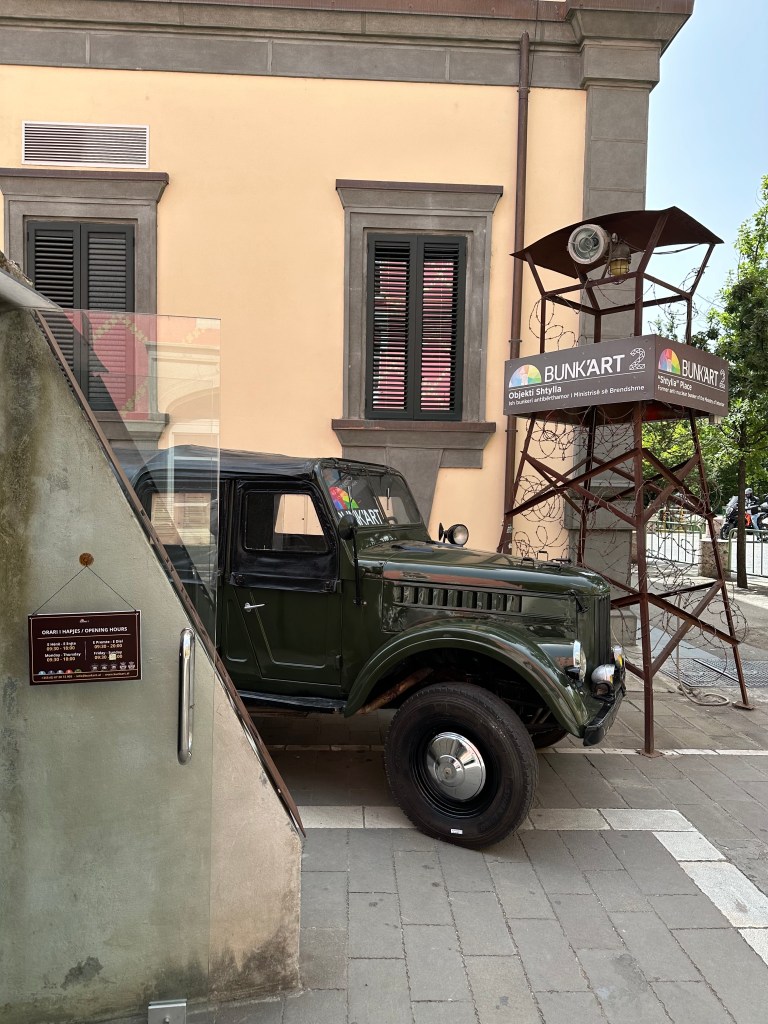
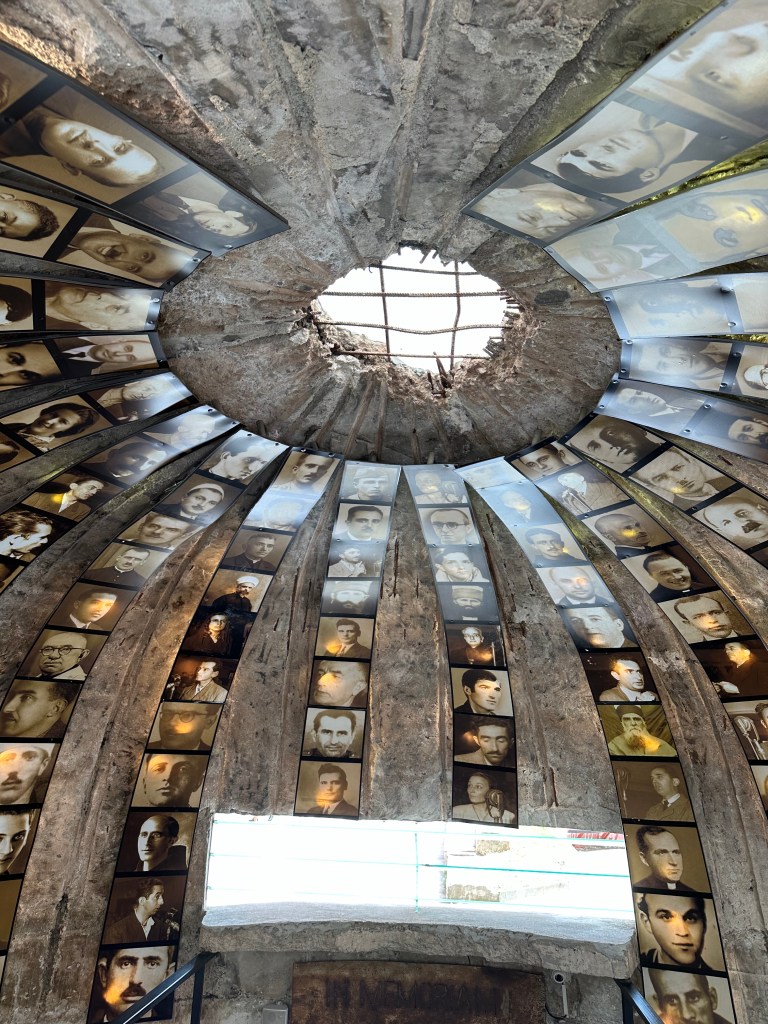
3. After WWII, Albania became a Communist state under Enver Hoxha, who ruled with an iron grip from 1946 onward. He adopted an extreme form of Marxist-Leninism, eventually severing ties with both the USSR and China. Albania became one of the most isolated countries in the world. While some modernization efforts were made to improve living standards, they came at the cost of intense political repression. One of the most bizarre legacies of this era is the construction of over 750,000 bunkers across the country. Hoxha maintained frosty relations with neighboring Yugoslavia and Greece and grew increasingly paranoid about potential invasions. The bunkers were part of a massive fortification strategy—never used, but a significant drain on national resources. Today, two excellent museums—Bunk’Art and Bunk’Art 2 dive into this dark chapter, exploring both the bunkerization of Albania and the broader political climate of the time.

4. Fast forward to the present, and there’s a palpable sense of renewal and optimism in Tirana. A powerful symbol of this shift is the Pyramid of Tirana—once a lavish, controversial monument to Hoxha’s legacy, it has now been repurposed into TUMO, a vibrant youth center focused on creative technologies. Walk around the city center and you’ll notice striking new buildings reshaping the skyline, including one with a pixelated silhouette of the Albanian map—a favorite among locals and visitors alike.

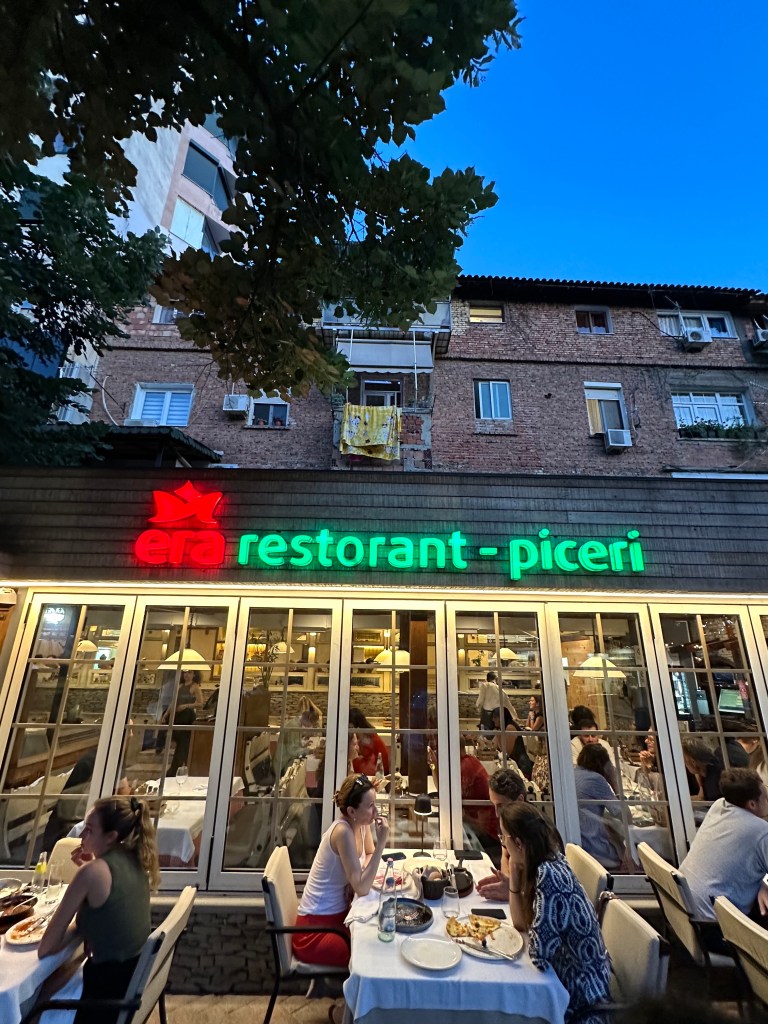
5. Albanian cuisine feels familiar if you’ve had Greek food—think lots of cheese, dairy, and vegetables. At Restaurant Piceri Era in the Blloku neighborhood, we couldn’t pick a favorite and ended up sampling most of the menu over multiple visits. Tirana also has a thriving café culture, it’s practically a national pastime—with Mulliri and Mon Cheri as local staples. One unexpected standout? The trilece at Patisserie Reka. It’s easily one of the best milk cakes I’ve ever had, rivaling the top bakeries in Turkey and the Middle East. The sponge was luscious and moist, and the caramel glaze struck that elusive balance of sweet and slightly bitter.

5 things about Tirana, Albania 

10 things about Paris, France 

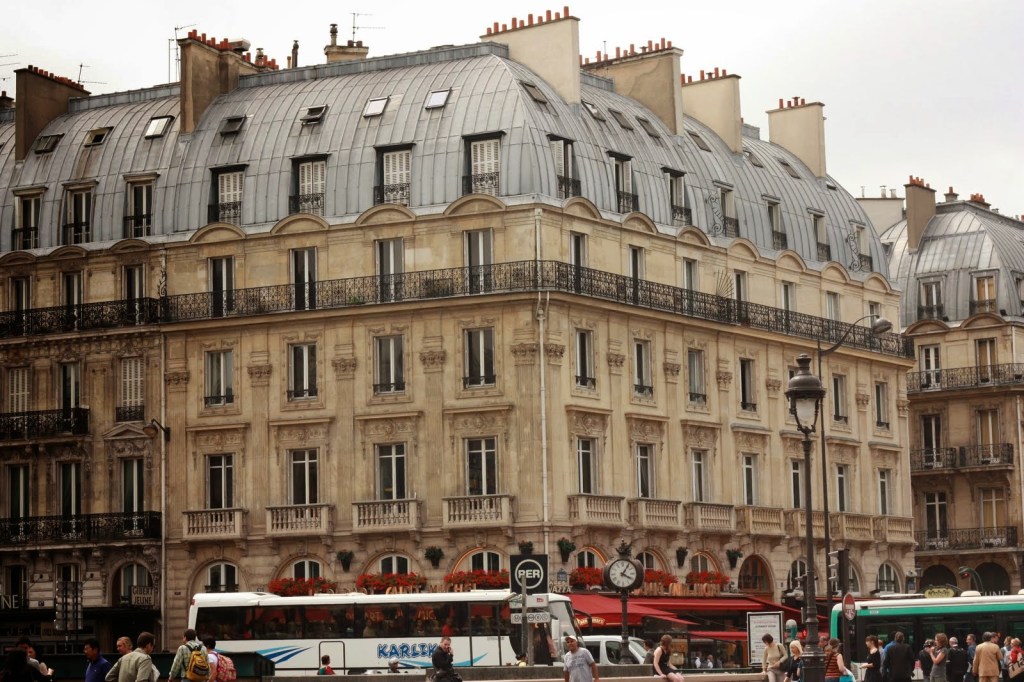
1. Paris is a grand city—it’s clear it was built to impress. But what many don’t realize is that this urban beauty didn’t exist until the mid-19th century. With a population boom that outpaced its medieval layout, Napoleon III ordered a full-scale transformation. He appointed a young bureaucrat, Georges-Eugène Haussmann, to lead it. In 1859, the first major intersection—la grande croisée de Paris—was introduced, followed by wide, tree-lined boulevards that still define the city today. 

2. Haussmann’s impact went beyond roads—he redefined the look of the city. Uniform cream-colored façades, locally sourced limestone, mansard roofs, and strict height limits created a harmonious, timeless skyline. Ground floors became home to shops and cafés, upper floors for residences. Walking those streets, it struck me how Paris mastered mixed-use urban planning long before it became trendy elsewhere.

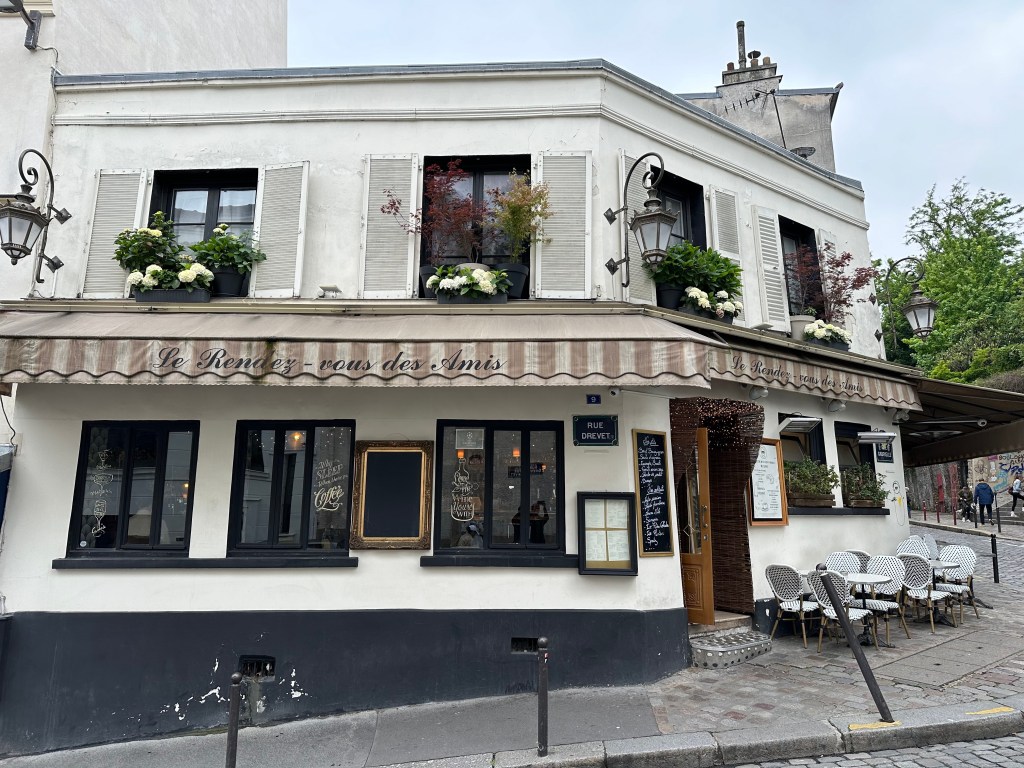
3. Paris is a city of neighborhoods—each “arrondissement” has its own personality. Montmartre’s winding streets felt like a painting come to life—bohemian, romantic, and a little gritty. The 1st was regal and museum-rich, Le Marais was buzzing with food and life, the Latin Quarter was intellectual and vibrant, and Saint-Germain felt refined and effortlessly cool. One of my favorite things to do was just wander. Despite the clichés, I found Parisians kind and open—even when I led with English. Of course, there are gritty corners too, especially near Gare du Nord and Saint-Denis.

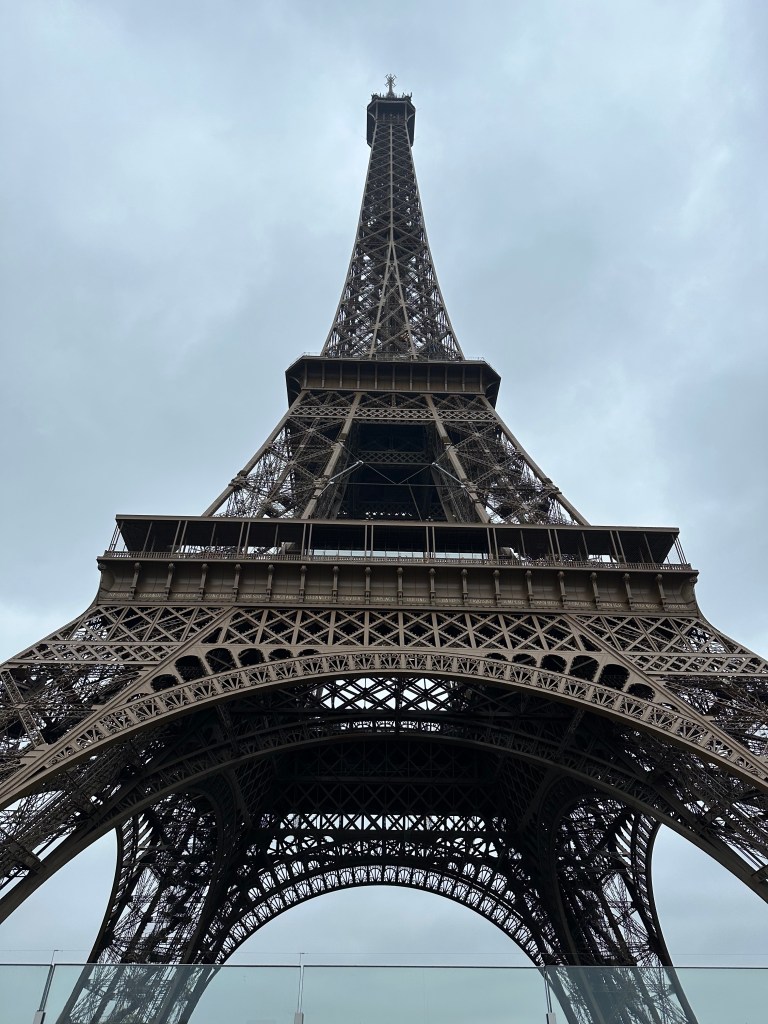
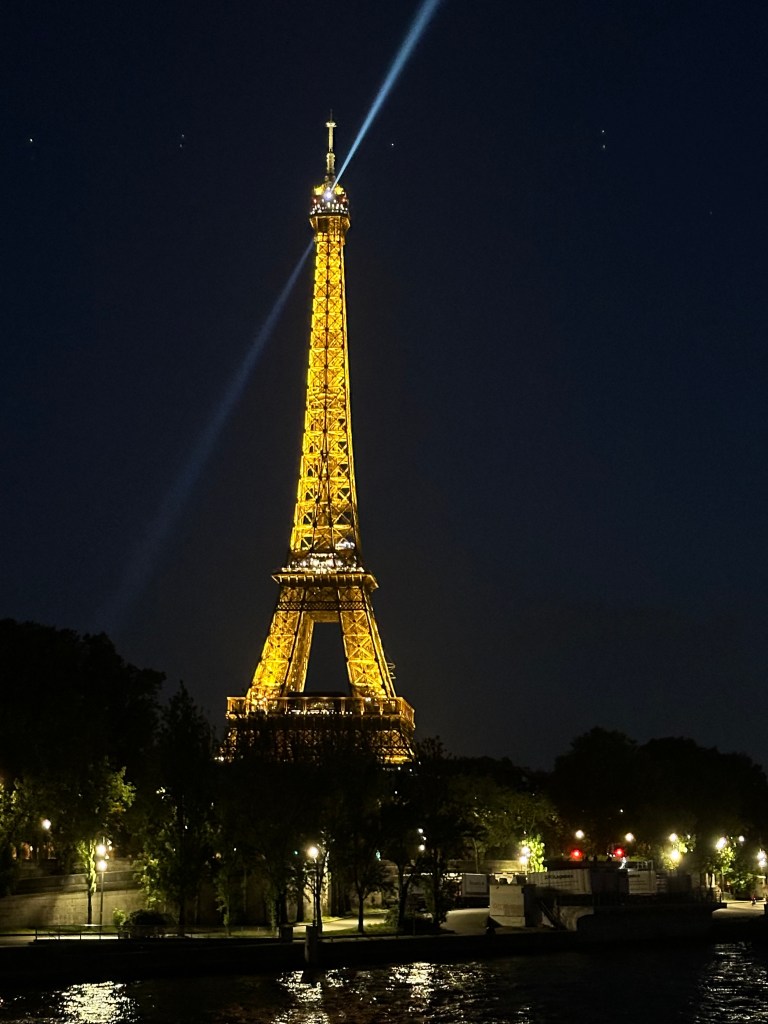
4. The Eiffel Tower is exactly as romantic as you’d hope—but better admired from a distance. Seeing it in full from the Trocadéro Gardens, without crowds or lines, was a highlight. It’s an engineering marvel that somehow feels delicate and monumental at once. Sitting there with a snack, watching the light show, and doing absolutely nothing? Le farniente at its finest.

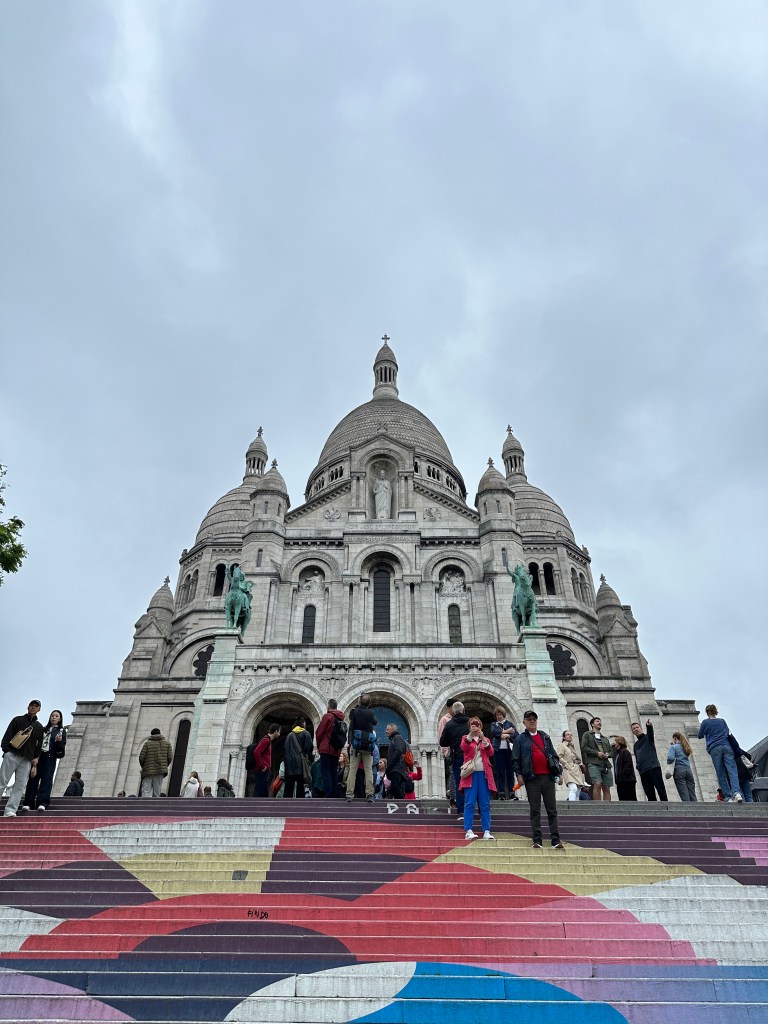
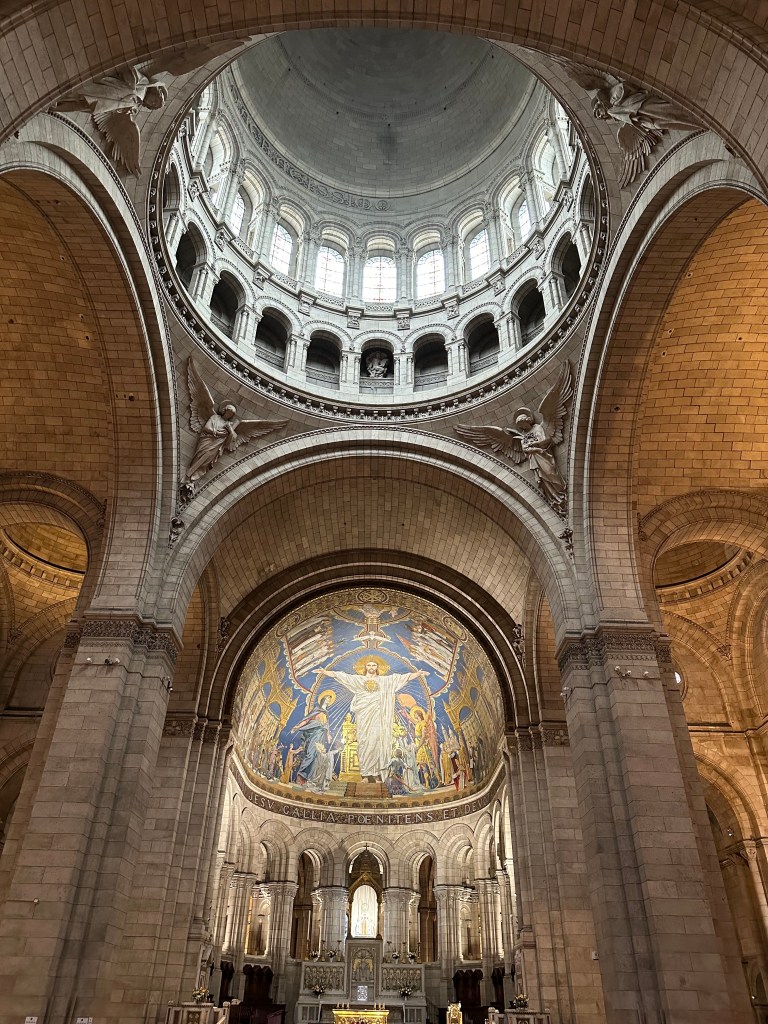
5. Paris is home to some of the world’s most striking cathedrals, each reflecting a different era. Notre-Dame, a Gothic icon, features gargoyles, flying buttresses, and intricate stained glass—centuries of history etched into stone. Its ongoing restoration after the 2019 fire has come to symbolize resilience. In contrast, Sacré-Cœur atop Montmartre stands out with its bright white domes and Romano-Byzantine design. Built in the late 1800s after France’s defeat in the Franco-Prussian War, it was meant to inspire hope. Today, it’s both a place of worship and one of the city’s most popular viewpoints, surrounded by Montmartre’s creative energy.

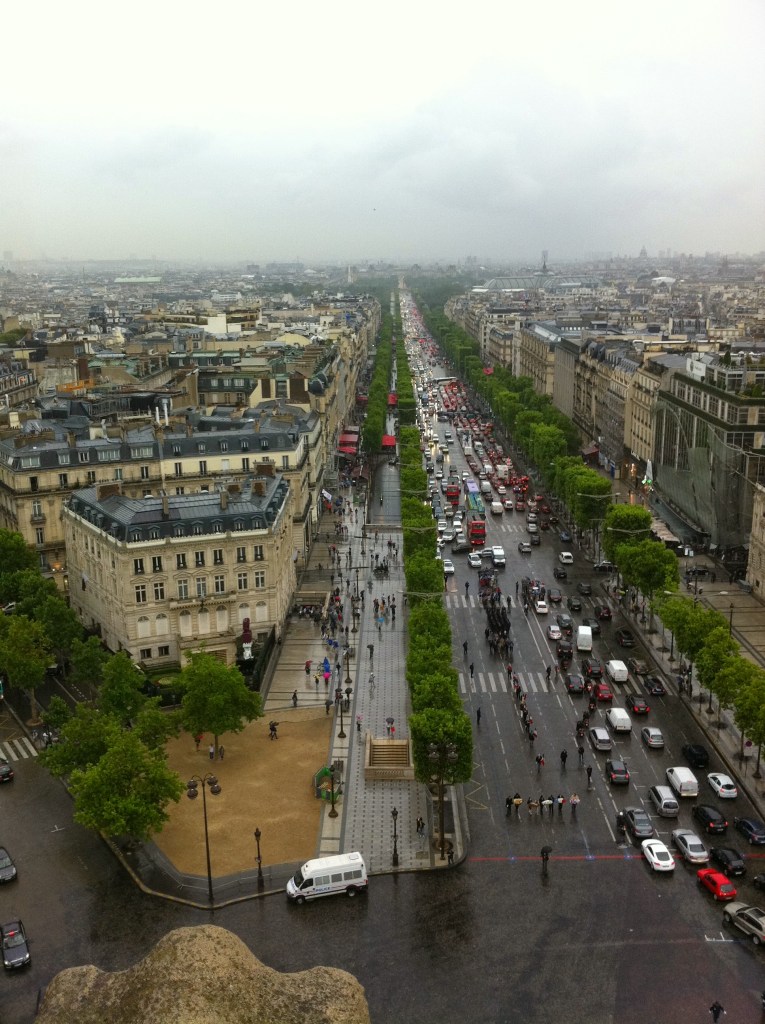
6. Champs-Élysées is one of the world’s most iconic boulevards. Just over a mile long, it stretches from Place de la Concorde to Place Charles de Gaulle and is lined with luxury stores, cafés, and theaters. While branded shopping is now everywhere, Champs-Élysées was once the heart of global luxury. At its western end stands theArc de Triomphe, honoring France’s military history with panoramic views from the top. On the other end, Place de la Concorde features the Luxor Obelisk, a 3,000-year-old Egyptian monument. Not far off, the Opéra Garnier dazzles with its ornate interiors and remains a symbol of Parisian grandeur.

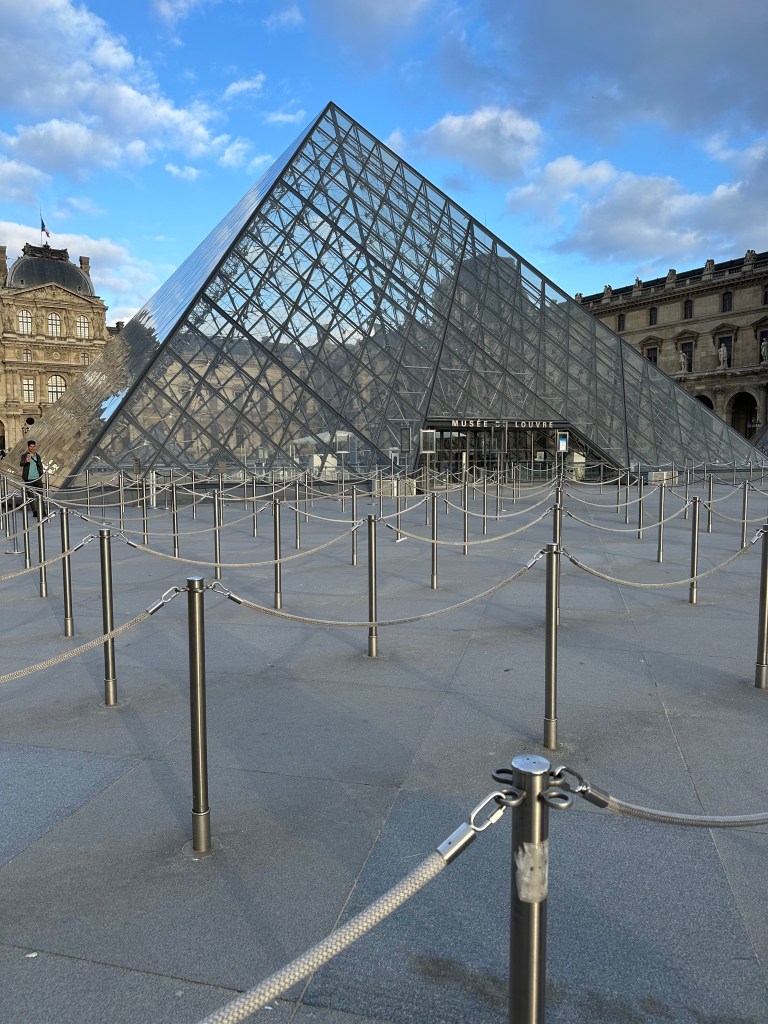
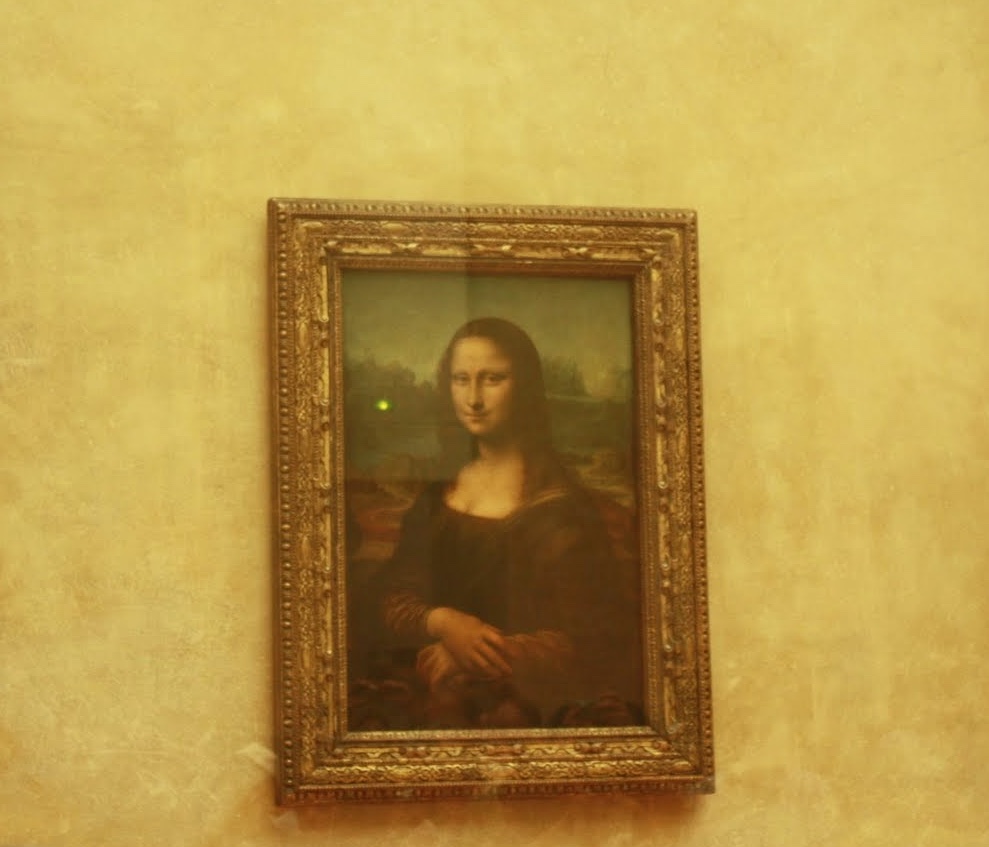
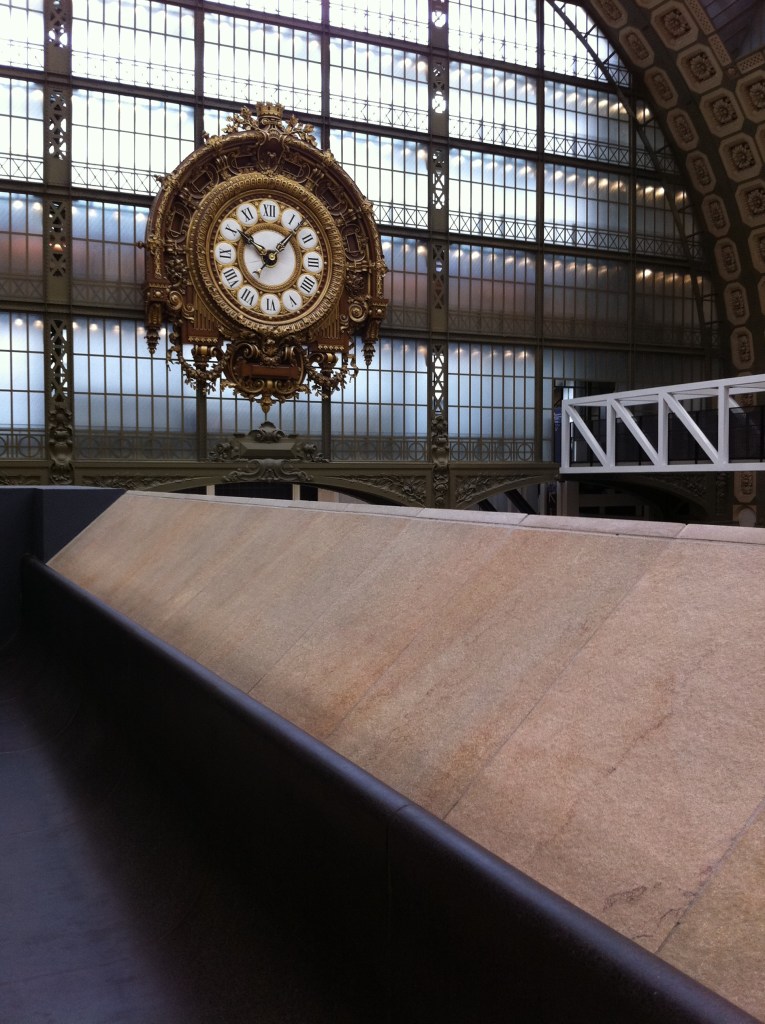
7. Paris is a museum lover’s paradise. With over 300 museums, it’s impossible to see them all. The Louvre is overwhelming in the best way—not just for the Mona Lisa but for the quiet corners and overlooked gems. I did the highlights tour, which helped a lot. Musée d’Orsay’s Impressionist collection was a favorite—Cézanne, Van Gogh, Monet in one place. I missed the Orangerie, Rodin, and Dalí museums, but they’re on my list for next time.

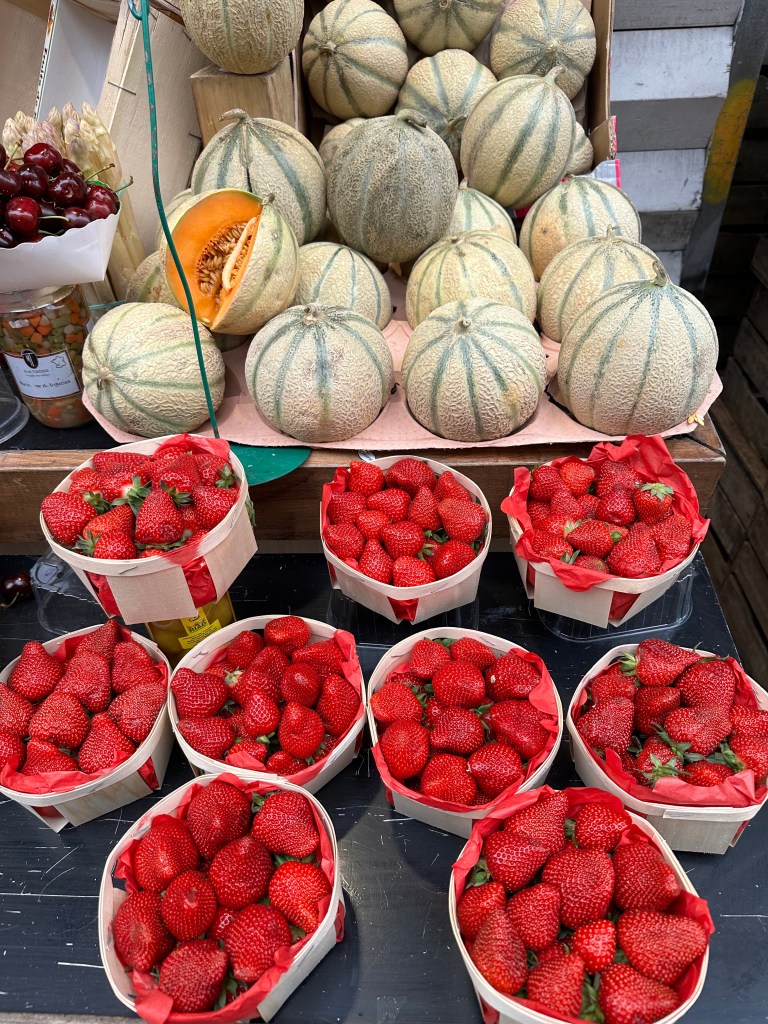
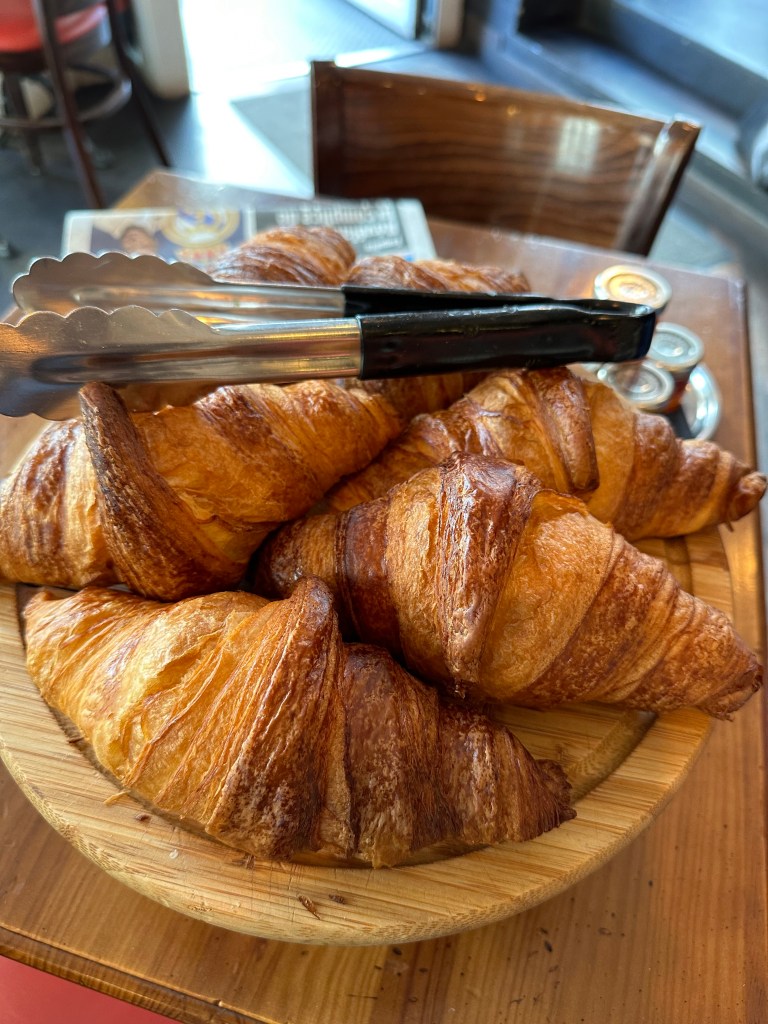
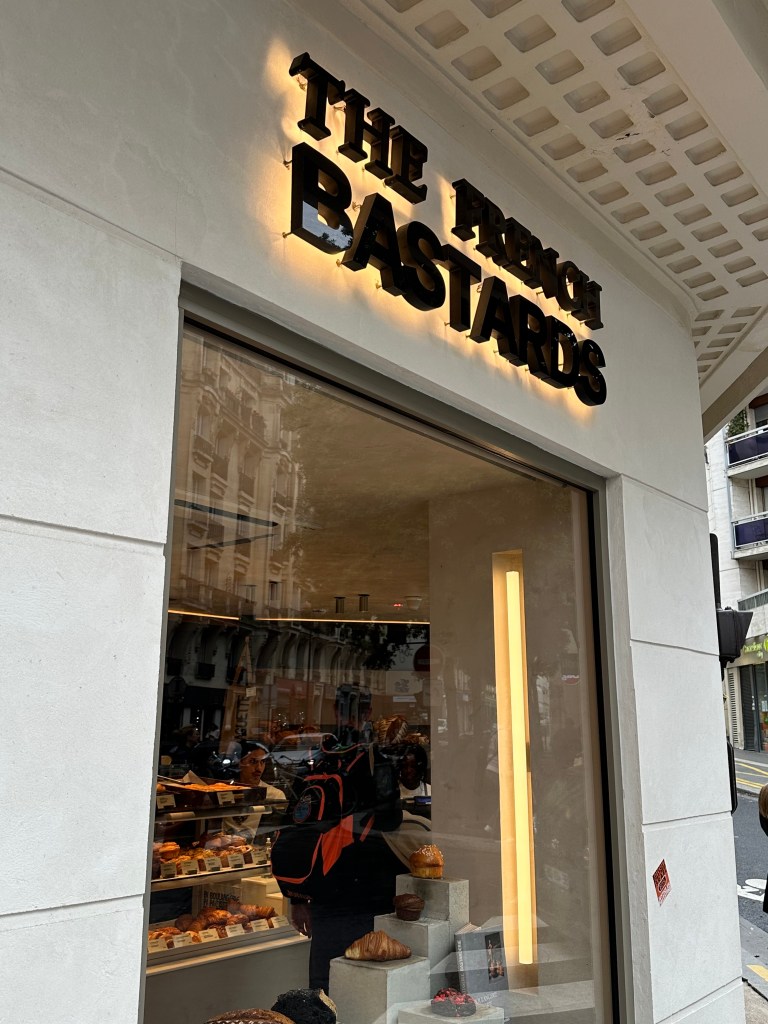
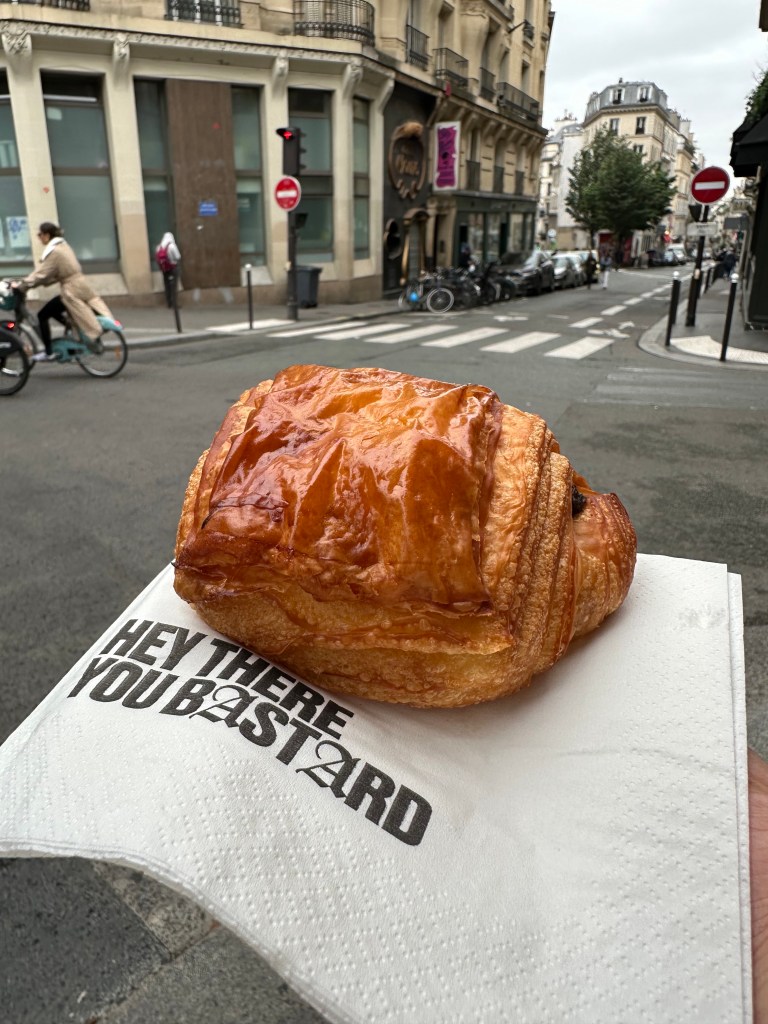
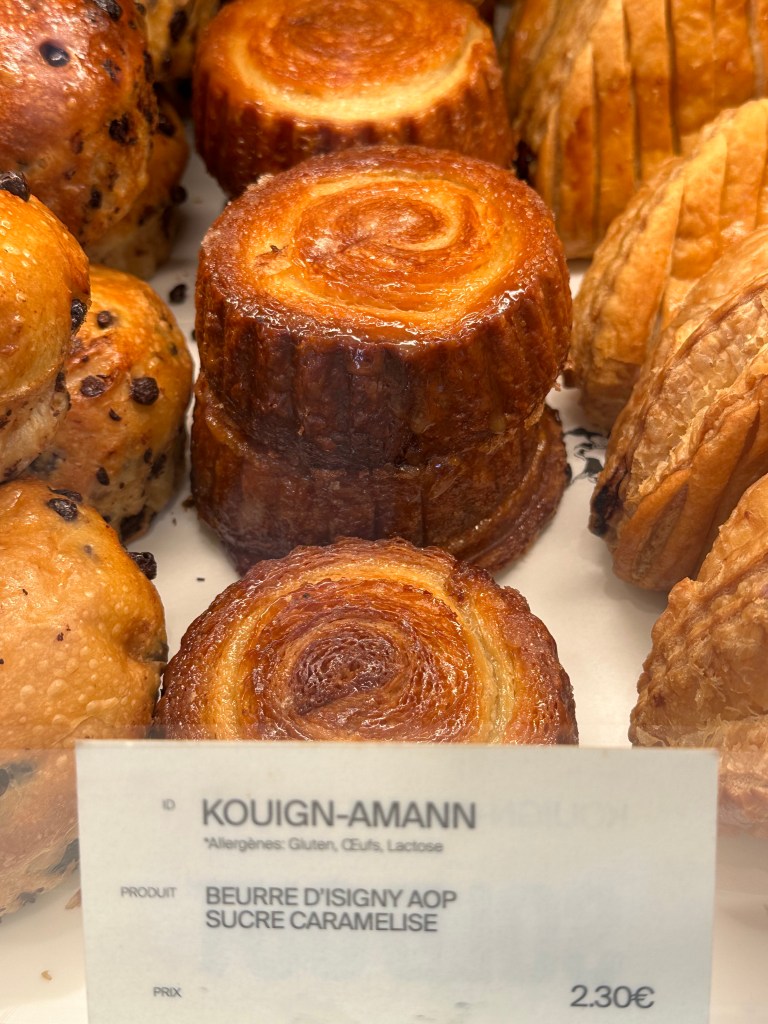
8. The French truly adore their neighborhood boulangeries. Bread is an essential part of every meal, and it’s almost a daily ritual to pick up a fresh baguette or two. It felt like everyone had their favorite local spot. Croissants were consistently excellent, even from humble neighborhood bakeries, but I also tried the classics—Ble Sucré, Du Pain et Des Idées, Poilâne, and Stohrer. Each has its own specialty and legacy. That said, newer places like Cédric Grolet, Mamiche, and French Bastards are giving the old guard a real run for their money.

9. Ladurée and Pierre Hermé introduced me to the wonder that is the macaron—and I’ve been spoilt ever since. Nothing else really compares. The almond cookie shell is feather-light with just the right amount of crunch, and the fillings are ethereal. I’m partial to Pierre Hermé, especially for his rose-flavored macaron—floral flavors are tough to balance, but this one is near perfect. If it’s too subtle, you can’t taste it; if it’s too strong, it feels artificial. Hermé nails it. His signature Ispahan—a blend of rose, lychee, and raspberry—is a standout. It’s worth noting that Hermé was once the head pastry chef at Ladurée before launching his own brand. While you can now find both brands at luxury stores around the world, having them in Paris just hits differently.

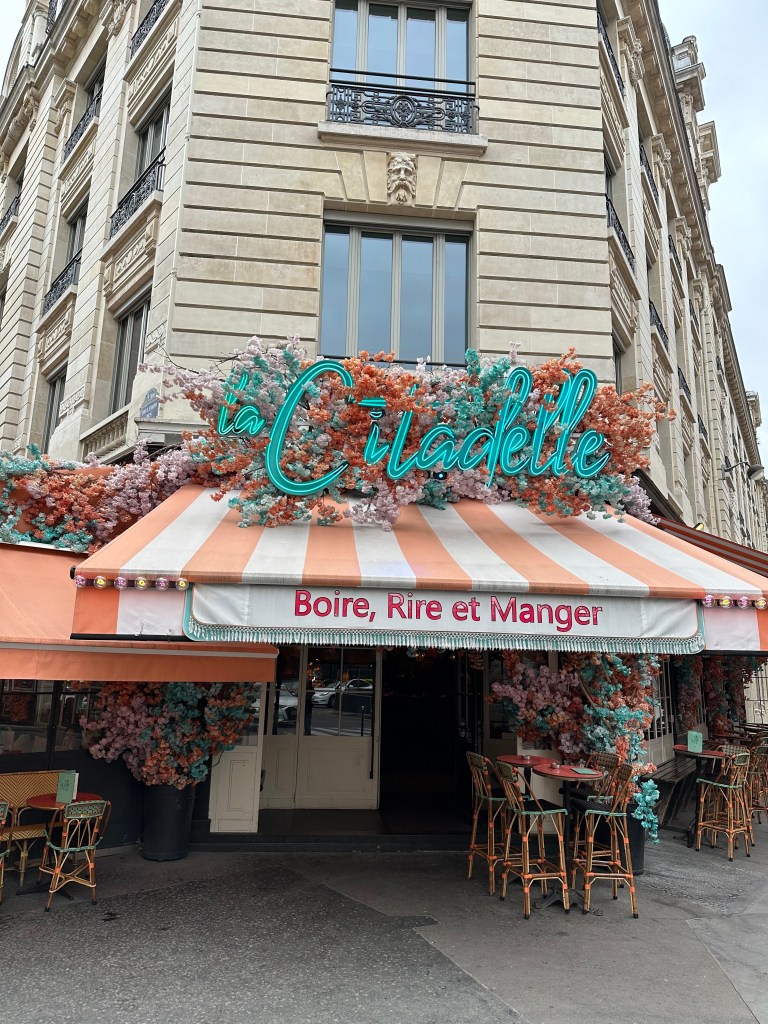
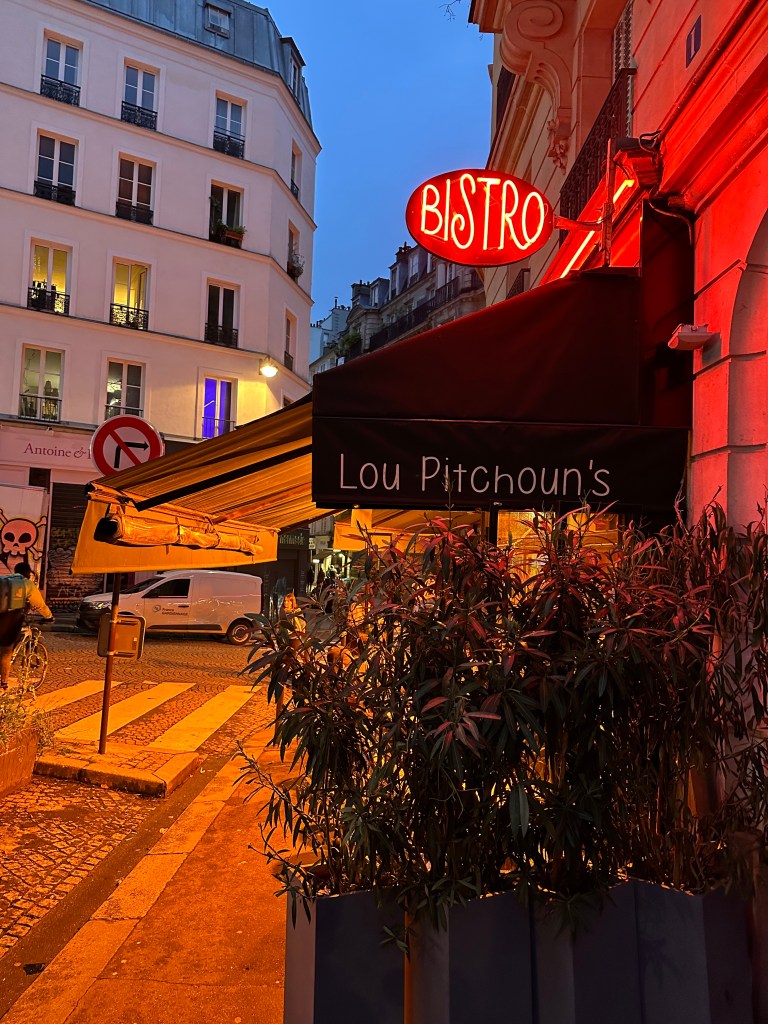
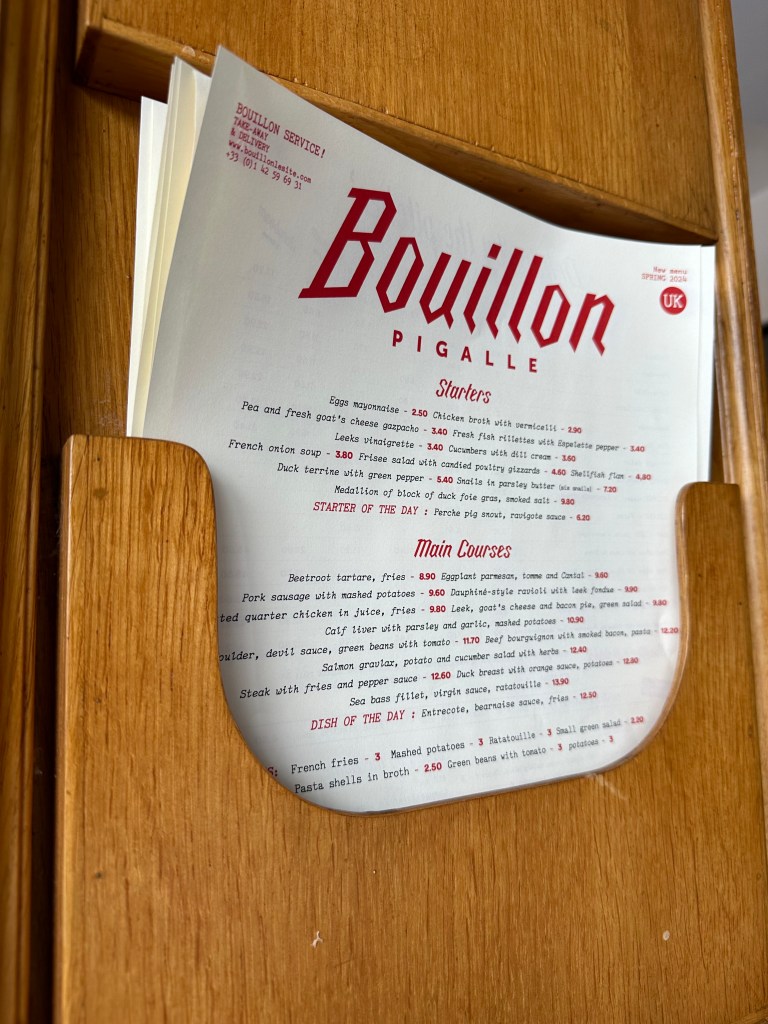
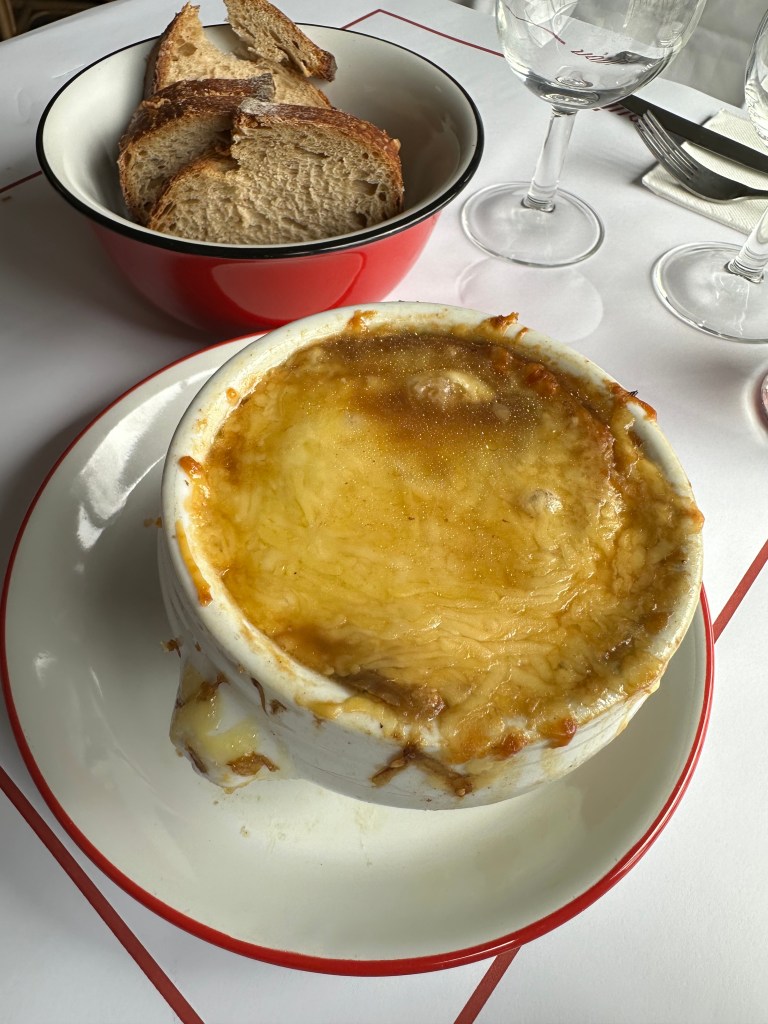
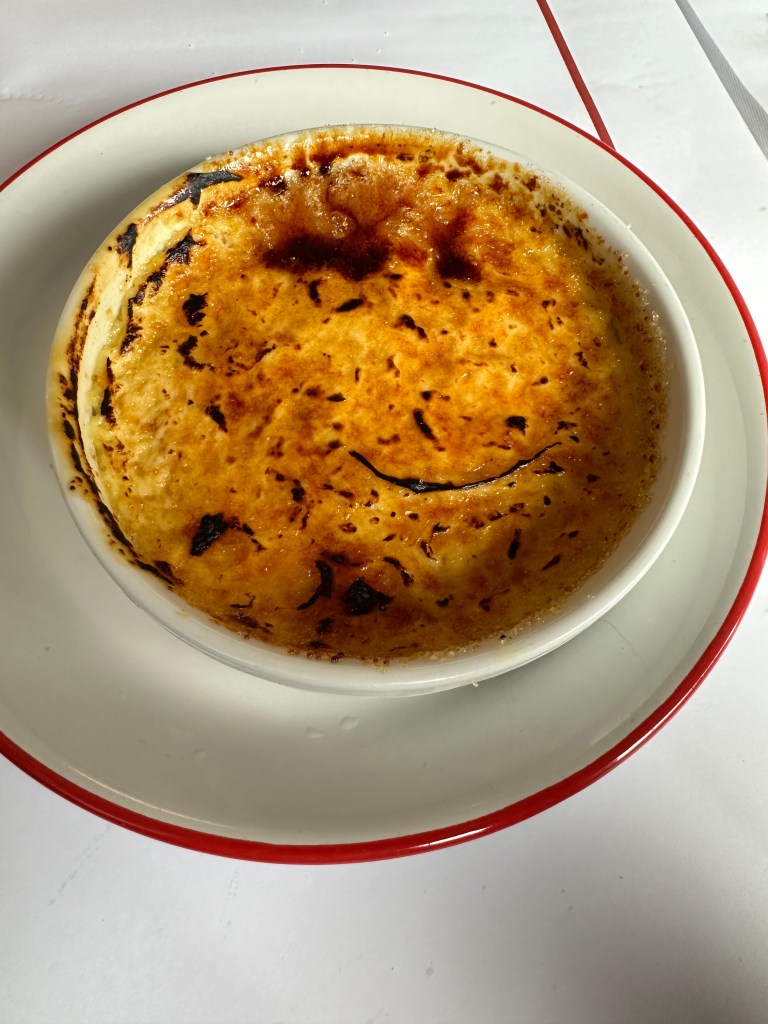
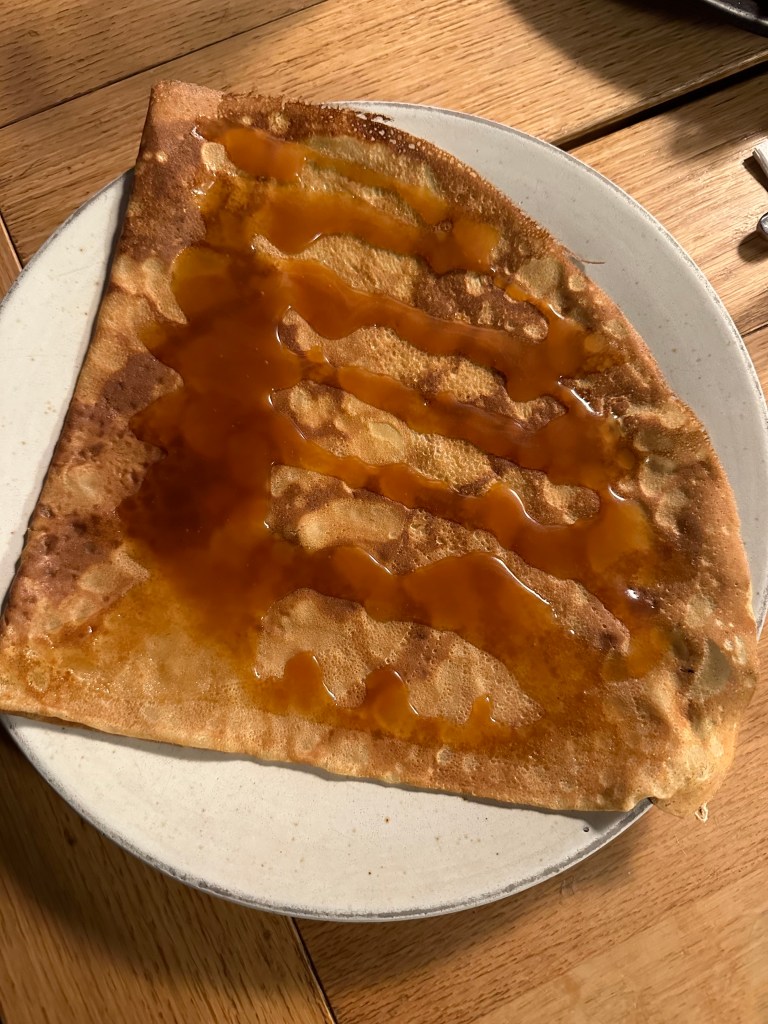
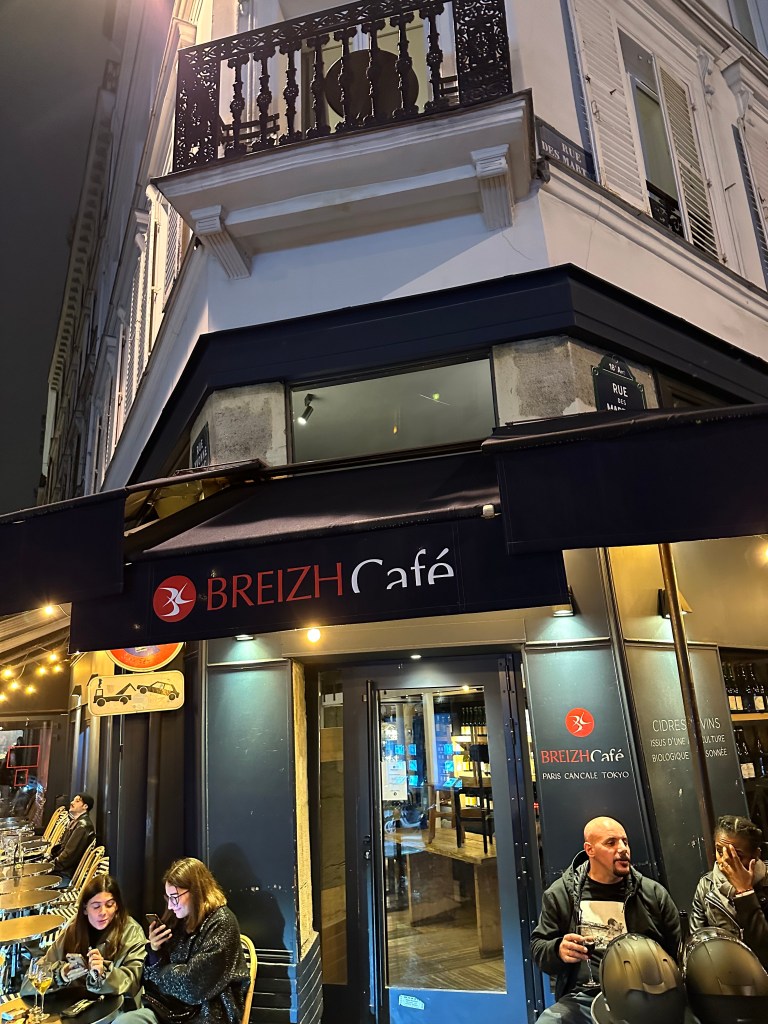
10. Parisians take dining culture seriously—and I quickly learned there’s a whole vocabulary to it. A brasserie is for all-day dining and beer on tap; a bistro is more casual but still offers multi-course meals; a café is a wine bar with small plates or light fare; and a restaurant leans toward more refined cooking. I loved how every spot had a personality. Bouillon stood out for how it brought fast-casual dining to French classics—great execution at very reasonable prices. The long lines of both locals and tourists are a testament to its popularity. And then there are creperies. Breizh Café was a highlight, serving traditional buckwheat galettes paired with apple cider. Both savory and sweet options were great, but their salted caramel crepe was unforgettable. One thing that surprised me: there’s very little street food, and that’s by design. The French treat meals as a pleasure to be lingered over, not rushed.

10 things about Paris, France 

5 things about Mostar, Bosnia and Herzegovina

1. Bosnia and Herzegovina is a Muslim-majority country that emerged after the breakup of Yugoslavia. Its early years of independence were marked by one of the most brutal conflicts in recent European history. Between 1992 and 1995, sectarian tensions between Bosniaks (Bosnian Muslims), Serbs, and Croats escalated into war, with all sides pursuing ethnic cleansing strategies.


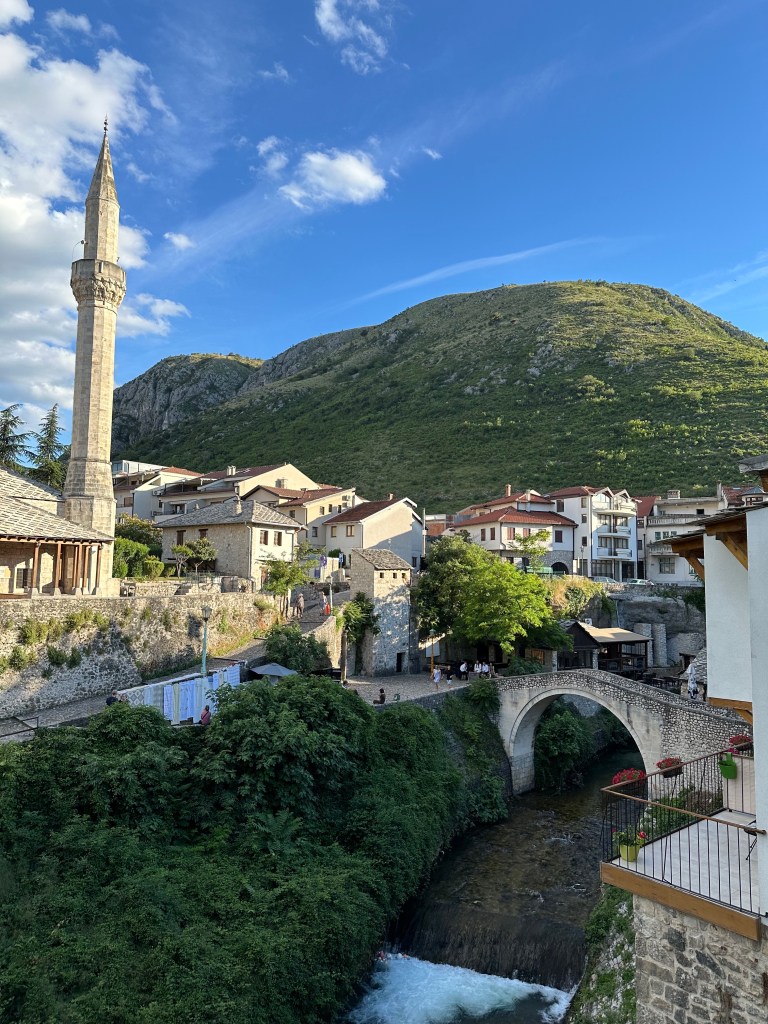
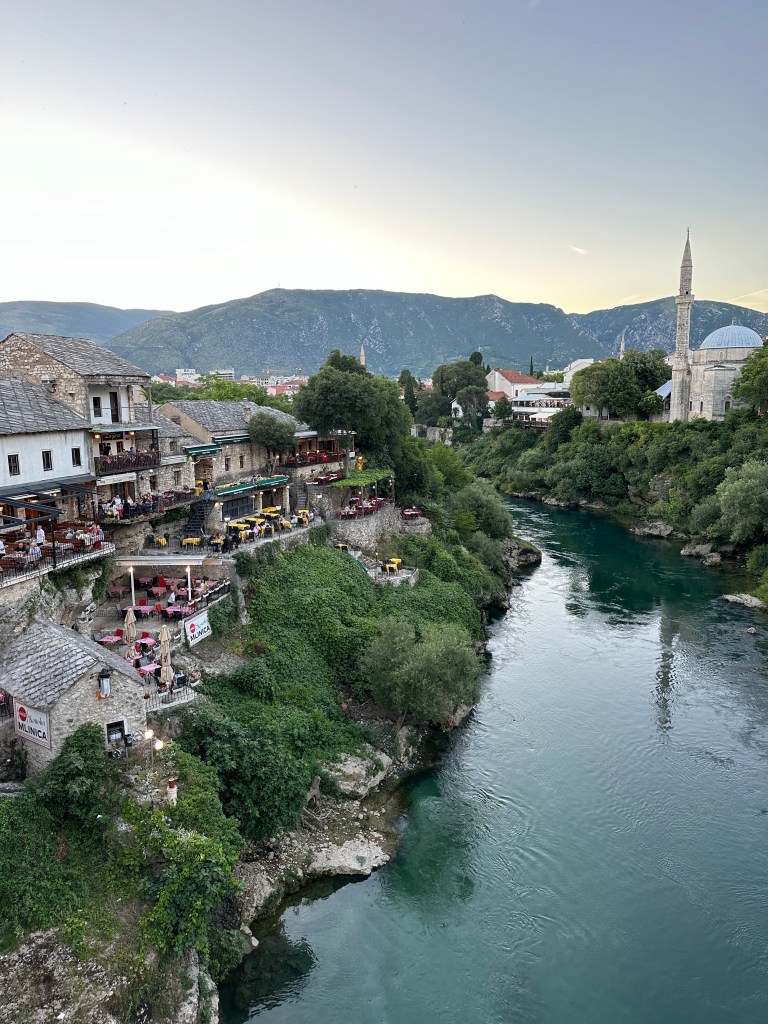
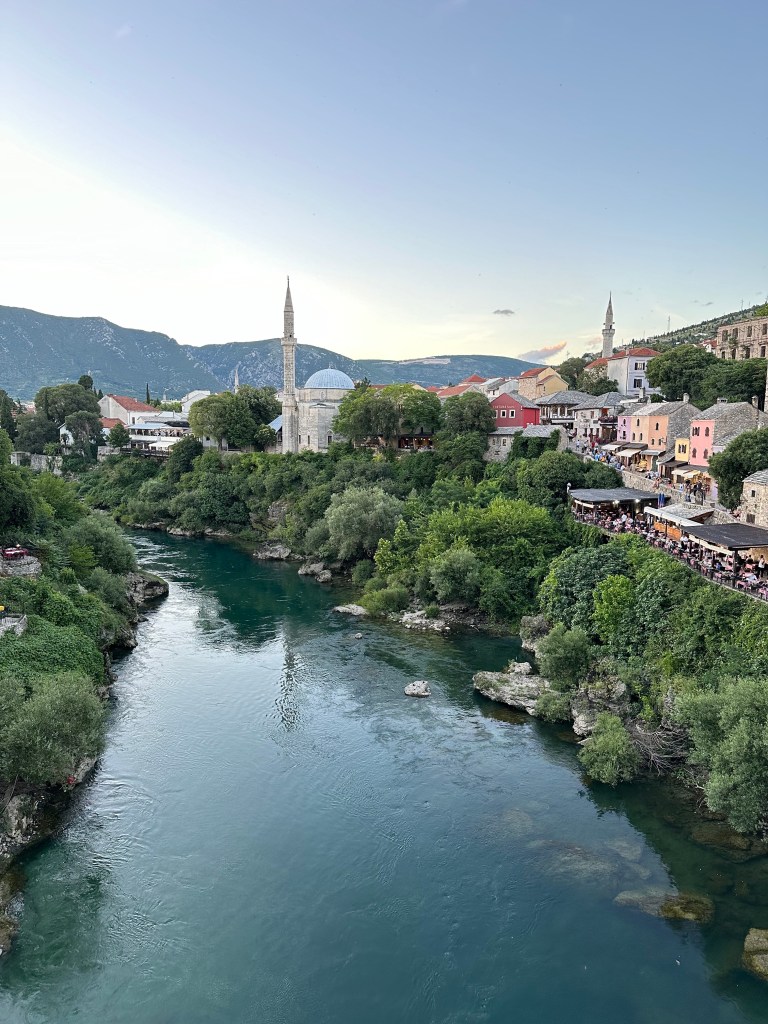
2. Mostar is a picturesque town, popular as a day trip from Dubrovnik (which is how we got there too). Historically, it stood out as a place of relative religious coexistence—Muslims, Orthodox Christians, and Catholics lived here side by side. Along the drive, you’ll pass several historic monasteries, including the cliffside Blagaj Dervish Monastery and the Žitomislić Orthodox Monastery, which has been beautifully restored.


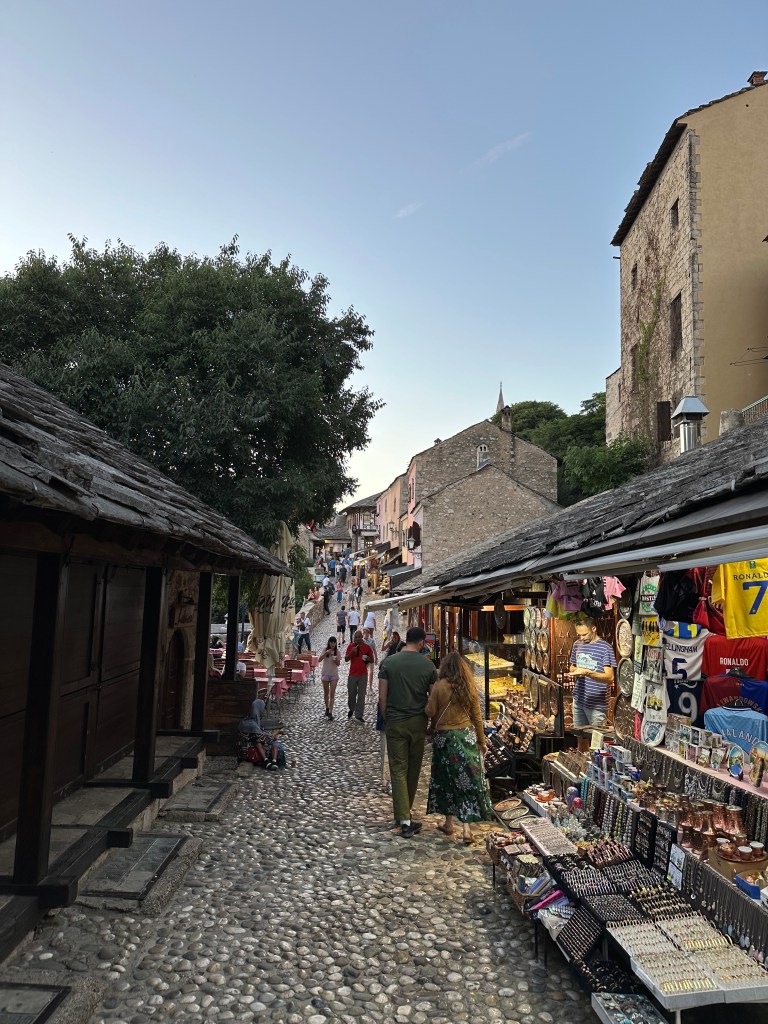
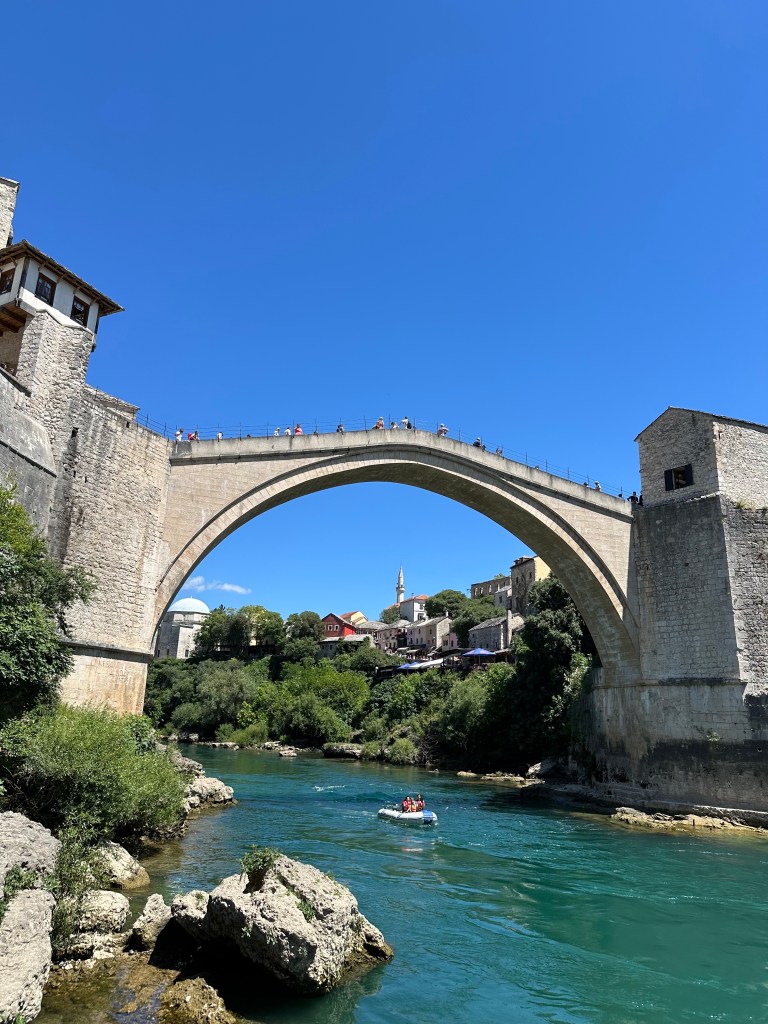
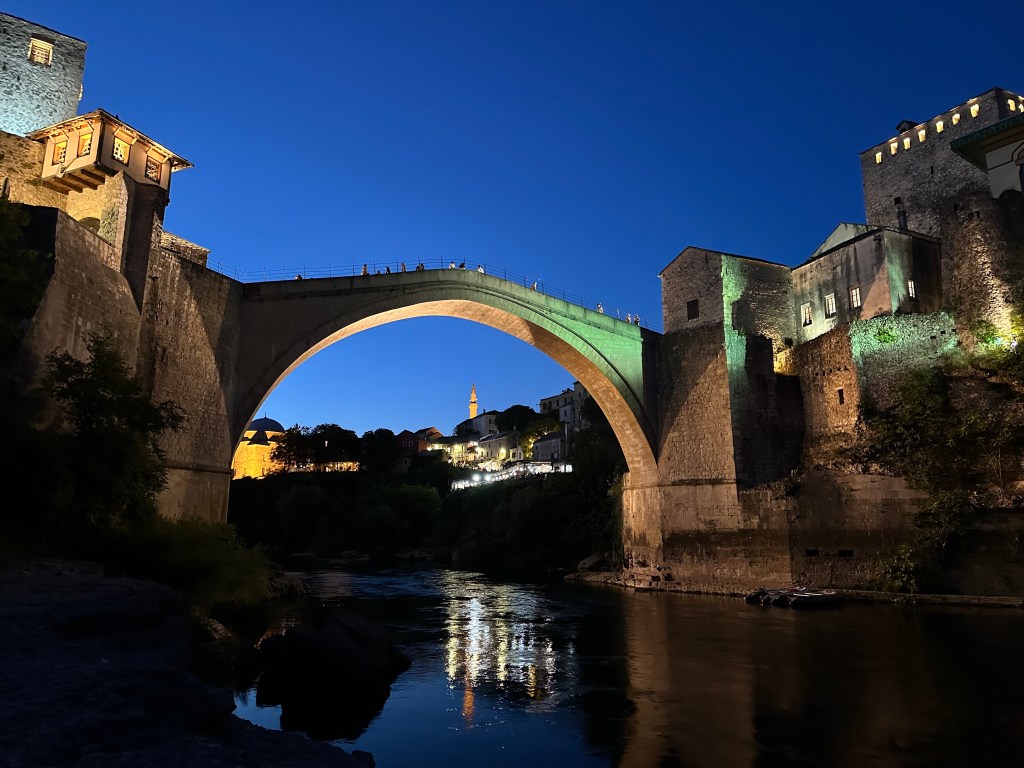
3. Mostar’s Old Town feels frozen in time. With its cobblestone streets, Ottoman-style buildings, and mix of mosques and churches, it has just enough tourism-driven commerce (souvenirs, restaurants) without feeling overdone. The centerpiece is the Old Bridge (Stari Most), built in 1557 on the orders of Ottoman Sultan Suleiman the Magnificent. The town’s name actually comes from the Mostari, or bridge keepers who guarded it. The original bridge was destroyed in 1993 during the Bosnian Croat war but was painstakingly rebuilt and reopened in 2004.


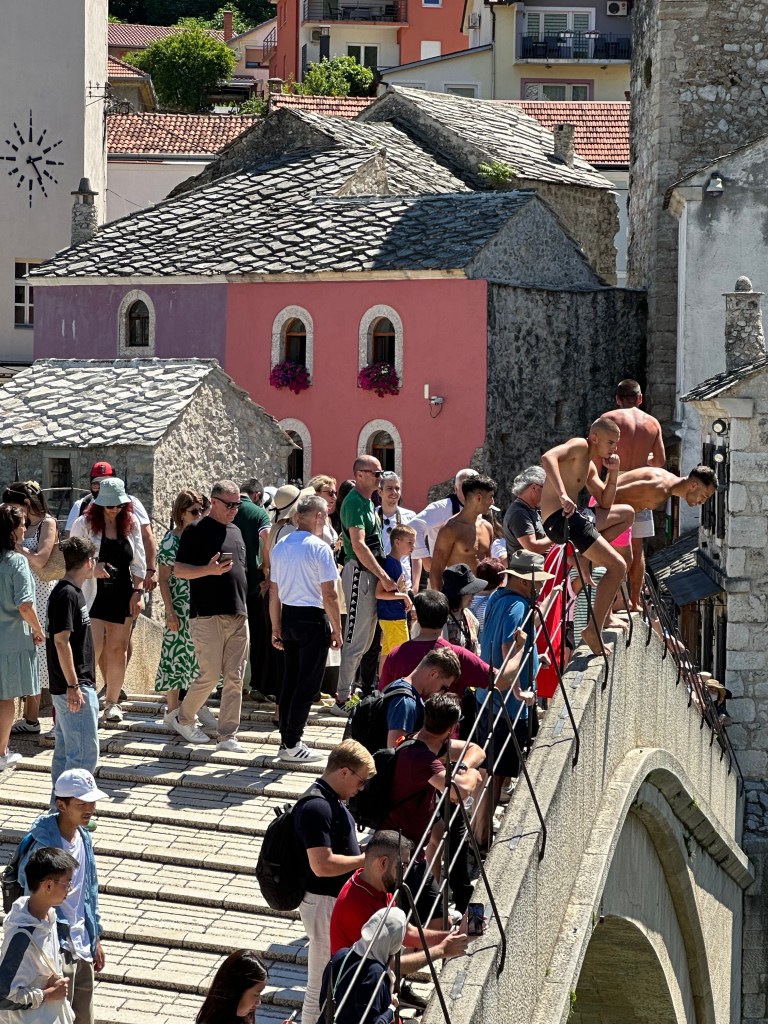
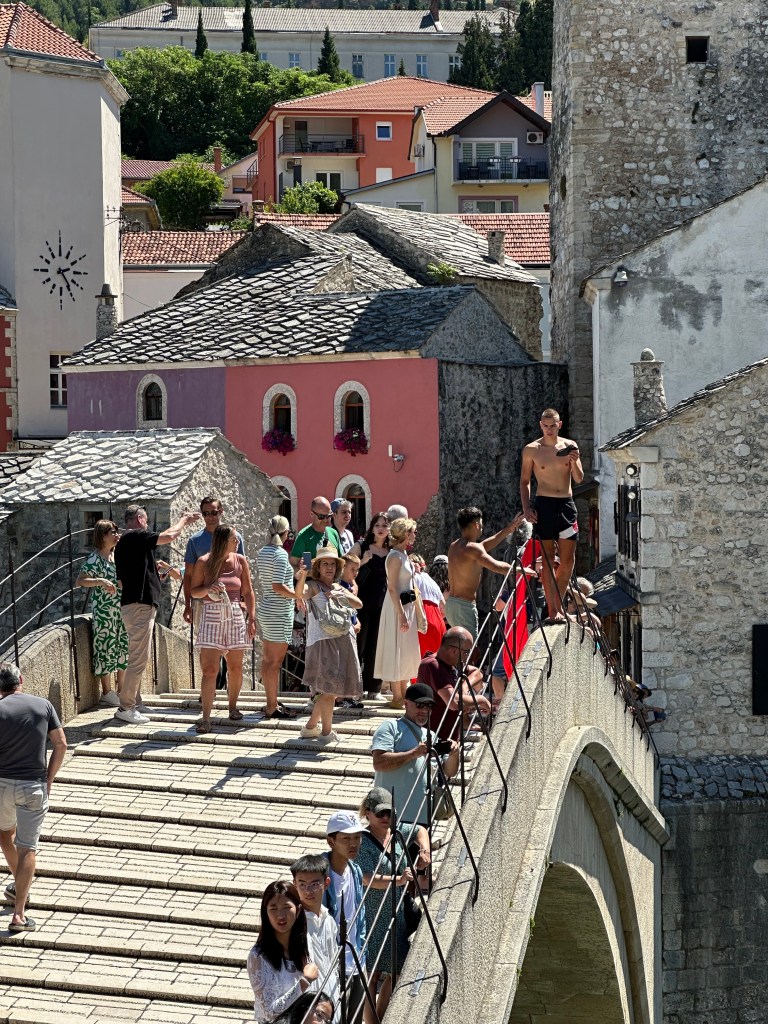
4. These days, it’s the thrill-seekers diving off the Old Bridge who steal the show. You’ll often spot one working the crowd for tips before leaping into the icy turquoise waters of the Neretva River. In summer, the view of the bridge is straight out of a postcard—especially with that unreal blue water flowing below.


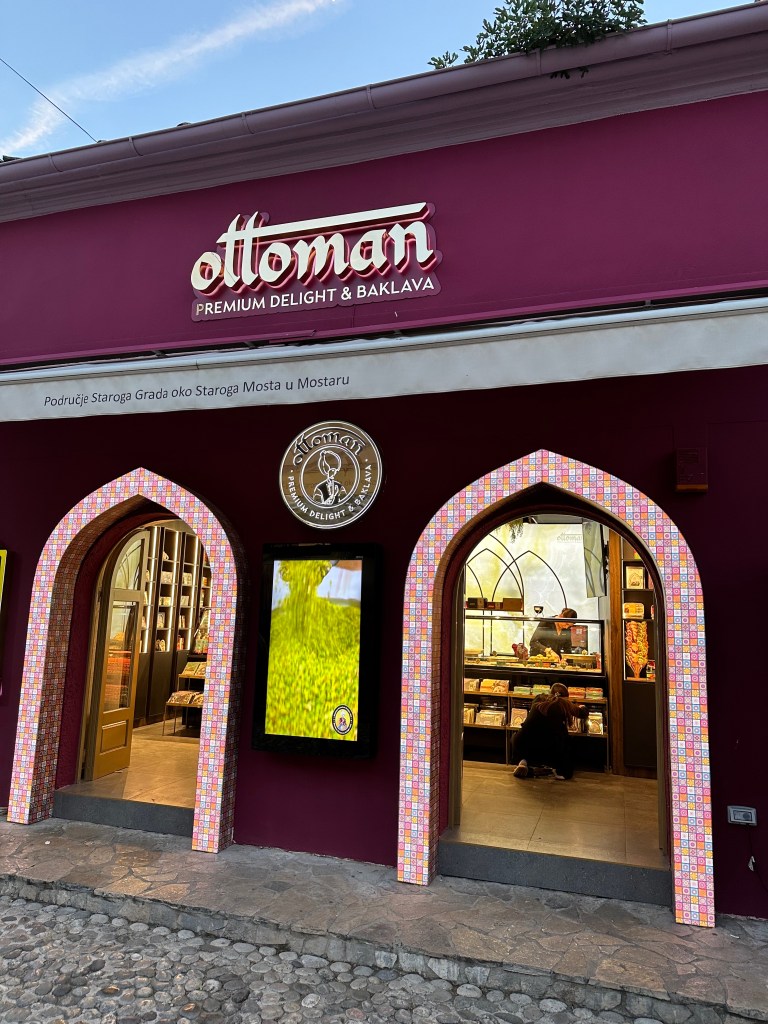
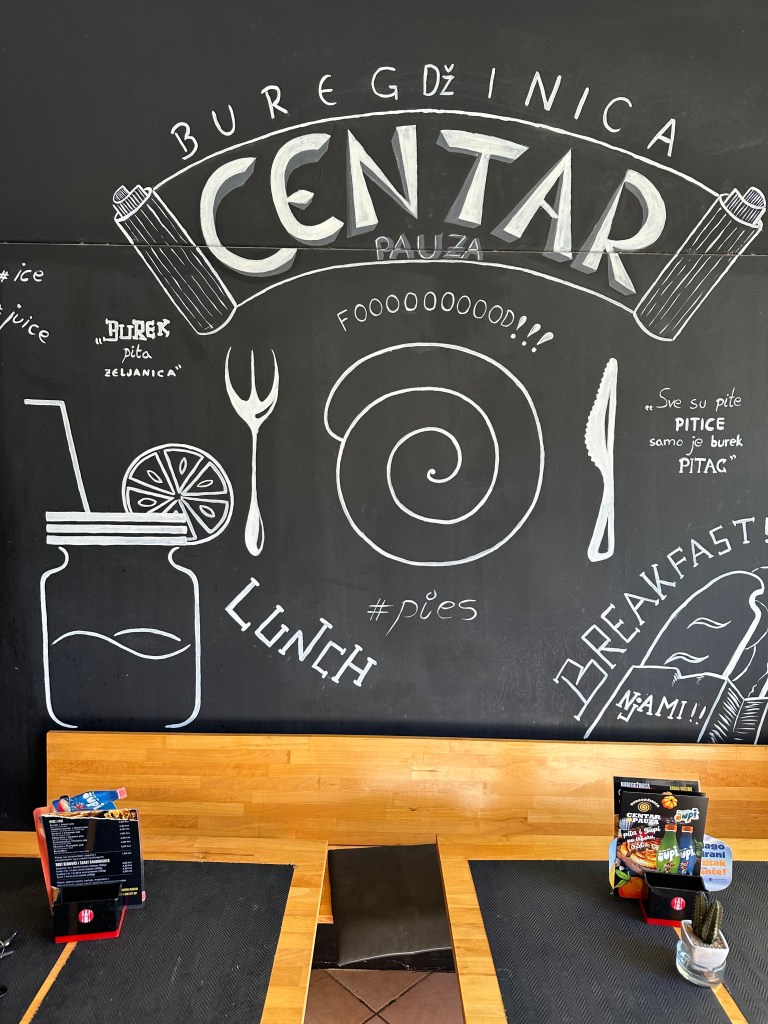
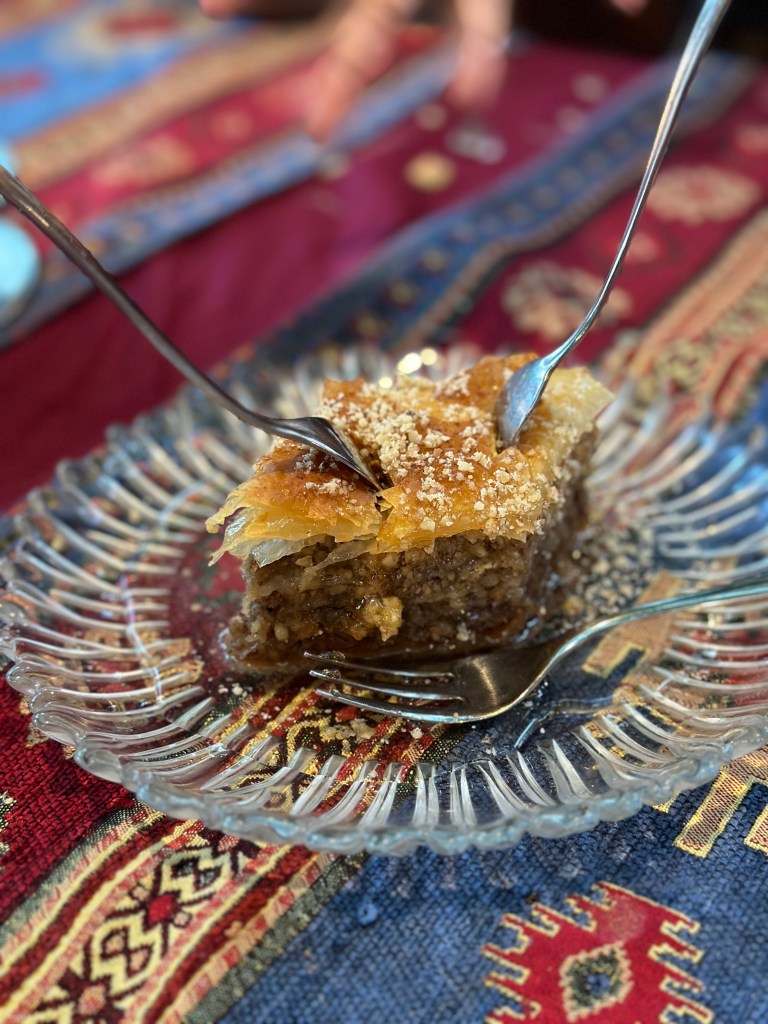
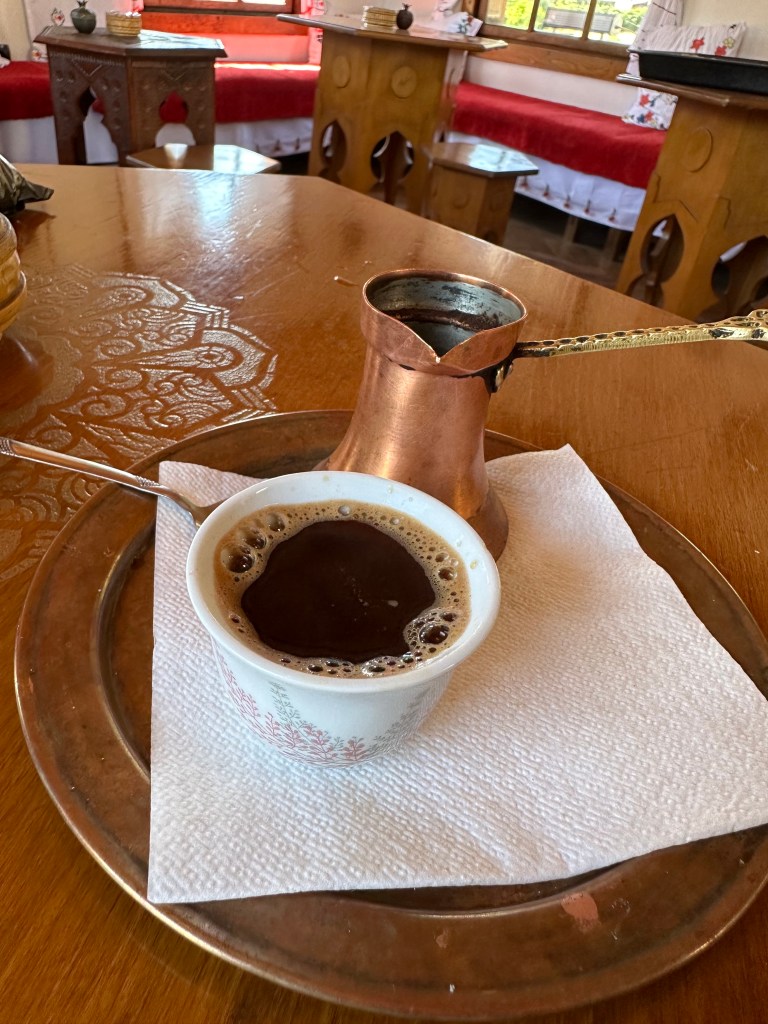
5. Ottoman culture has left a deep imprint on Mostar’s food. We had some of the best burek (savory filled pastry) of our Balkan trip here. Turkish-style coffee is the default brew, and the baklava—double-layered with walnuts—leans closer to the Turkish version than the flaky, syrupy style you might find elsewhere in the Balkans.

5 things about Mostar, Bosnia and Herzegovina

7 things about Marrakesh, Morocco 

1. Marrakesh derives its name from the Berber phrase amur n akush, meaning “land of God.” Founded in the 11th century by the Almoravids, a Berber dynasty that unified warring tribes and expanded their empire into the Iberian Peninsula, the city became a coveted prize passed through multiple ruling dynasties. The Almohads took control, followed by the Marinids who relocated the capital to Fes, before the Alawites reclaimed Marrakesh as a strategic military outpost. French colonial forces controlled it as part of their protectorate until Morocco’s independence in 1956, leaving architectural and urban planning influences that remain visible today.

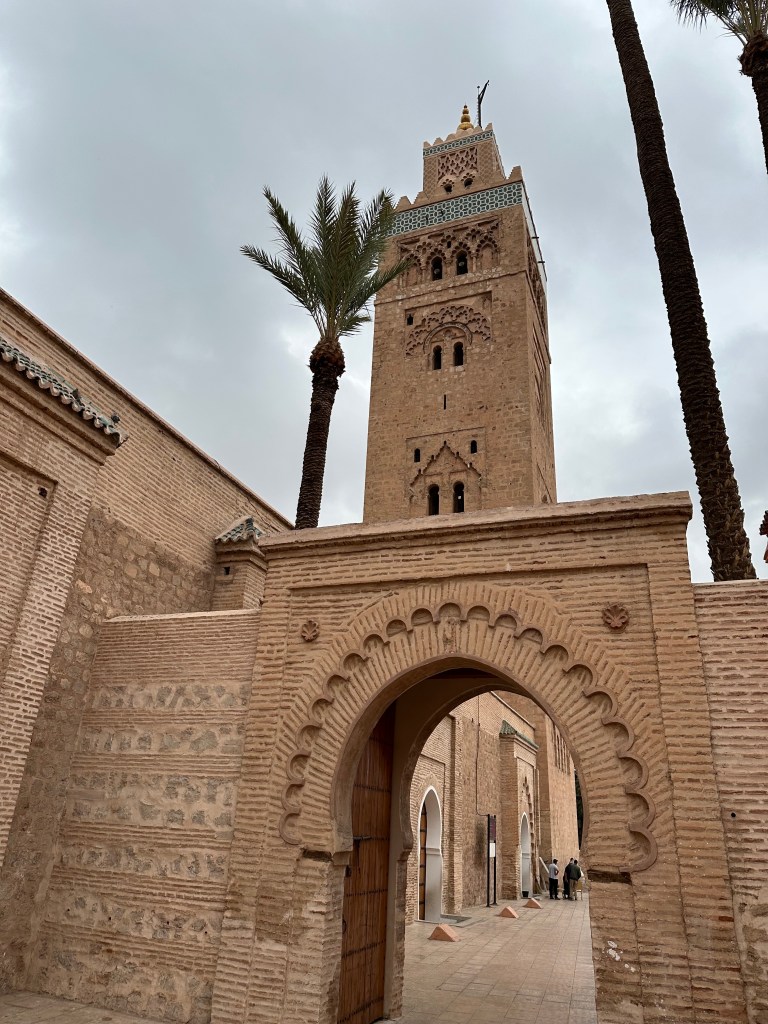
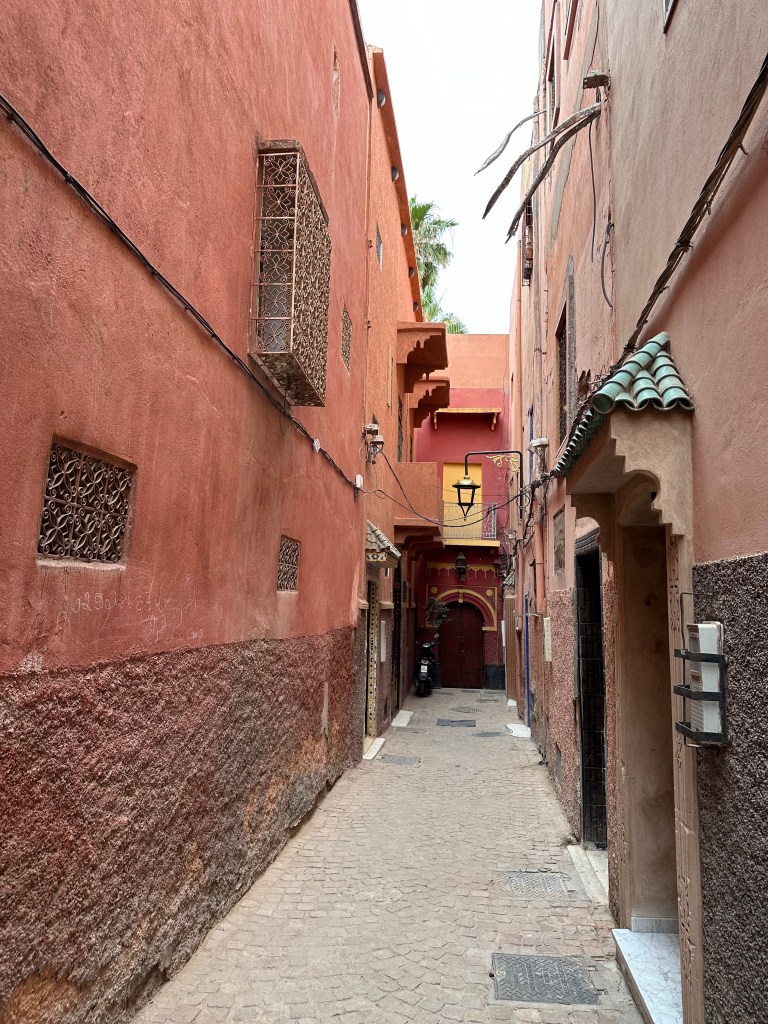
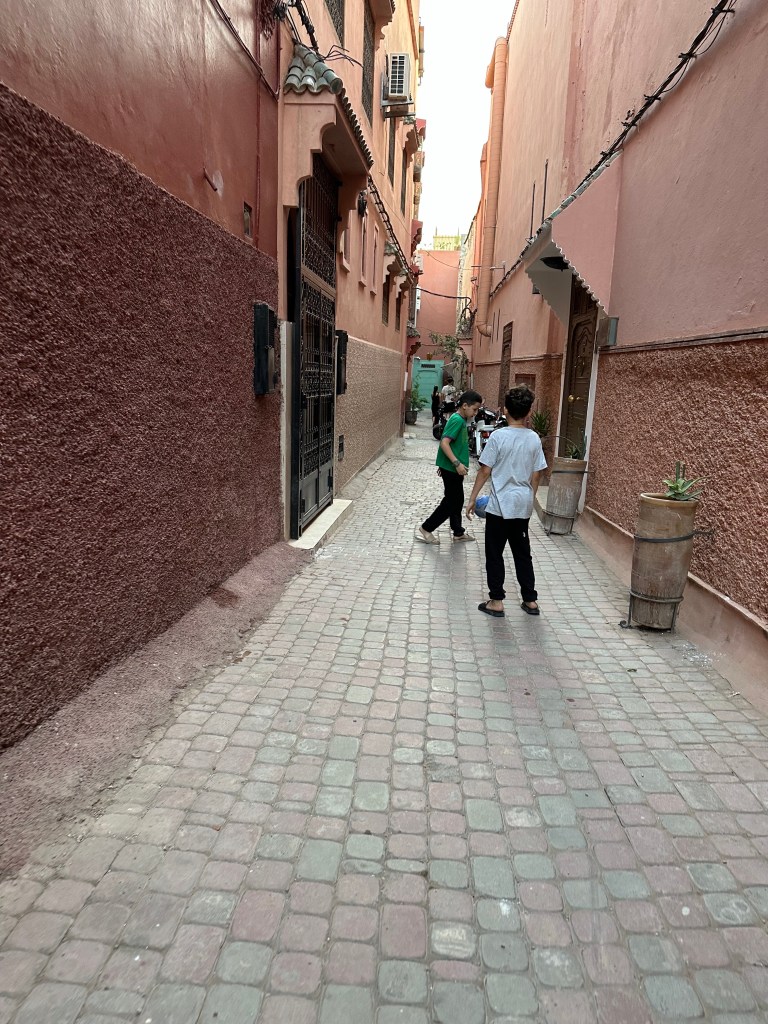
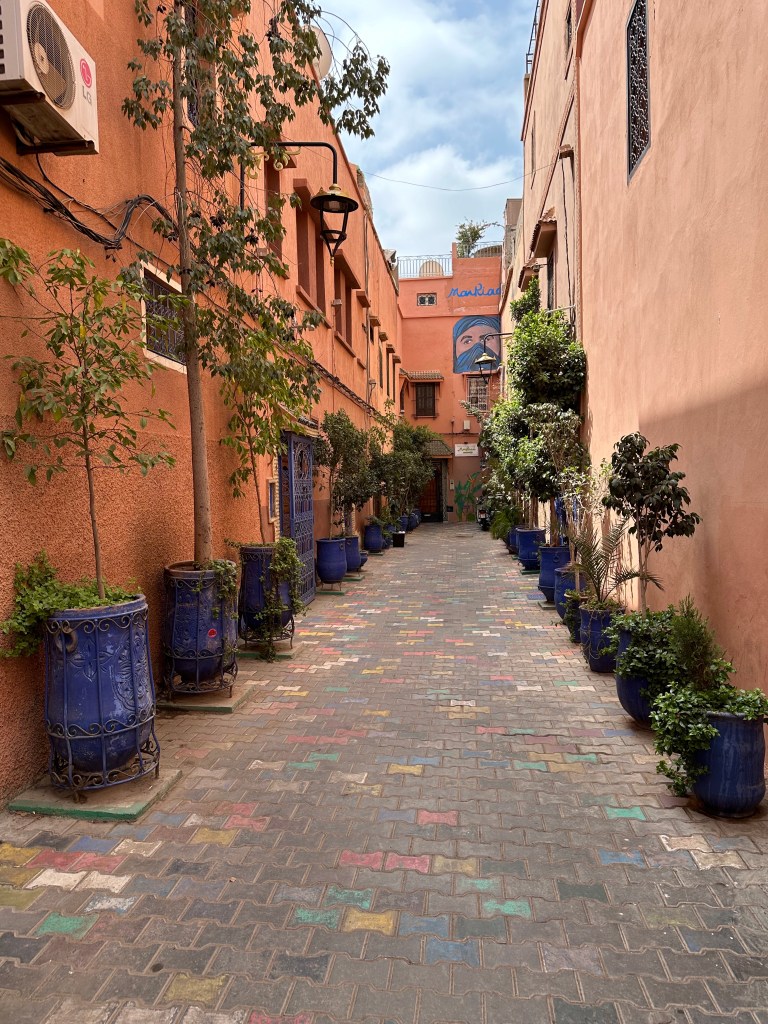
2. The Medina, Marrakesh’s walled old city, represents living history. The iconic walls, constructed from orange-red clay and chalk, create the distinctive pink hue that earned the city its “Red City” moniker. Modern regulations require all buildings to maintain this traditional red ochre color, preserving the city’s visual heritage. Beyond the landmarks like Jemaa el-Fnaa square, the souks, and Koutoubia Mosque, the Medina remains an active residential area. Navigating its labyrinthine alleys—best done with a local guide or reliable offline map—offers glimpses of daily life: children playing in small squares, residents conducting daily commerce, and scenes of domestic life unfolding in courtyards.

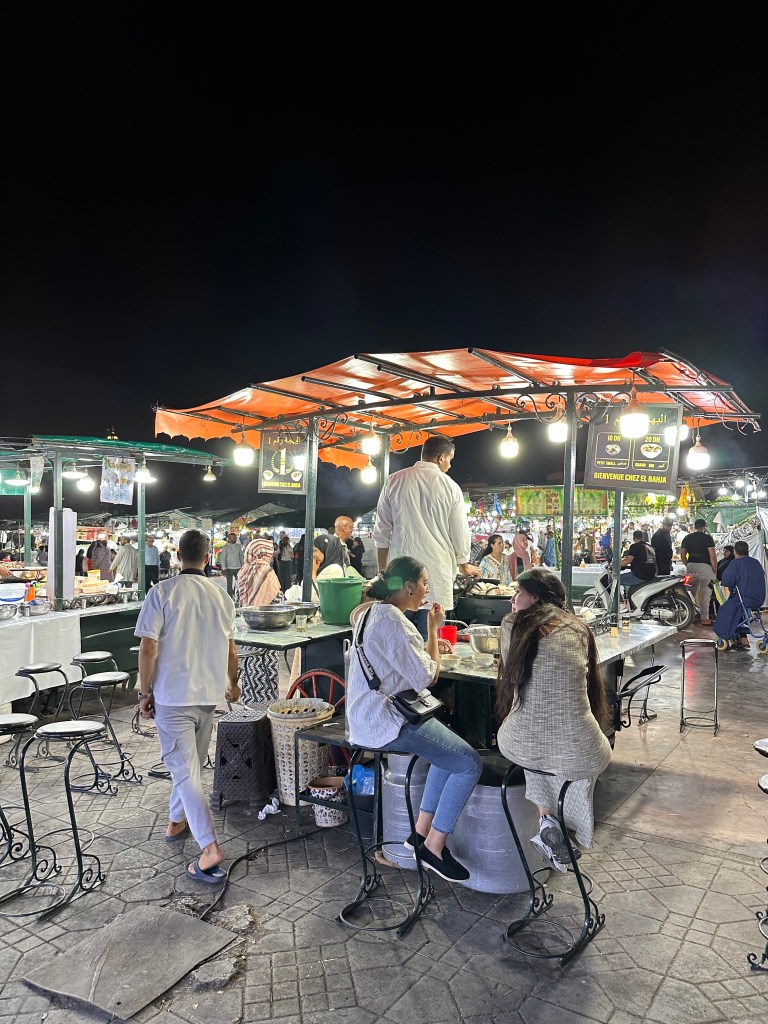
3. Jemaa el-Fnaa undergoes a dramatic transformation at nightfall. Food vendors establish their stalls, entertainers draw crowds, and the traditional snake charmers continue their ancient practice. Despite the tourist traffic, merchant interactions were generally respectful, allowing for uninterrupted exploration. The square’s name has dark historical roots—roughly translating to “Assembly of the Dead”—likely referencing its past use as a site for public executions.

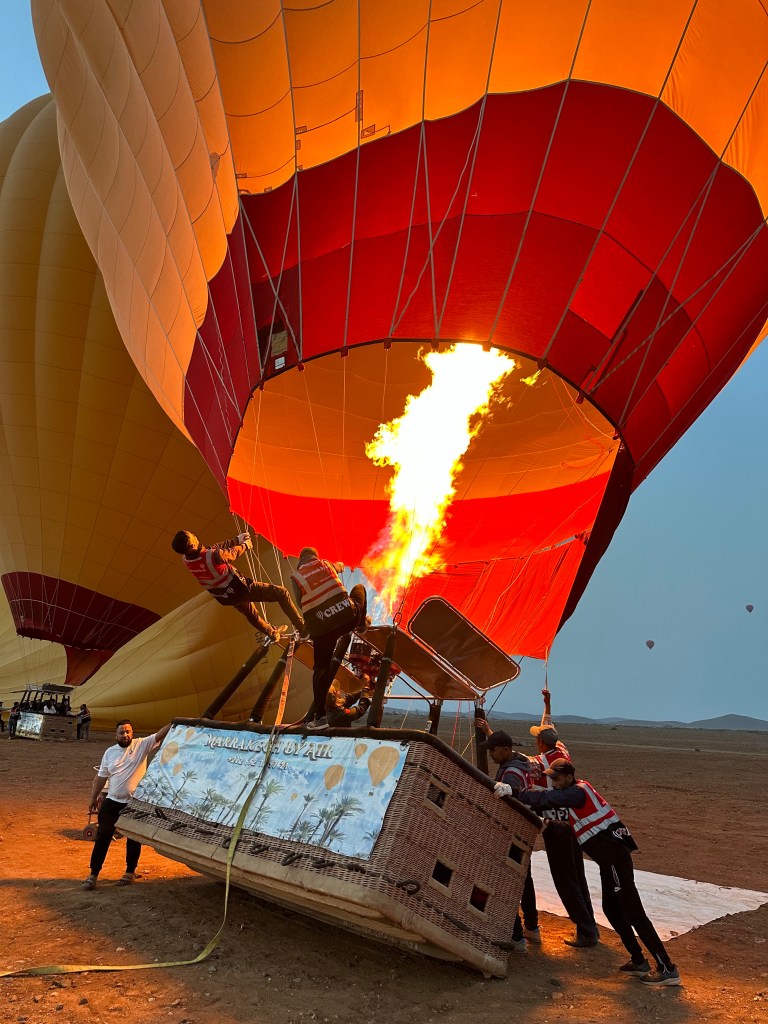
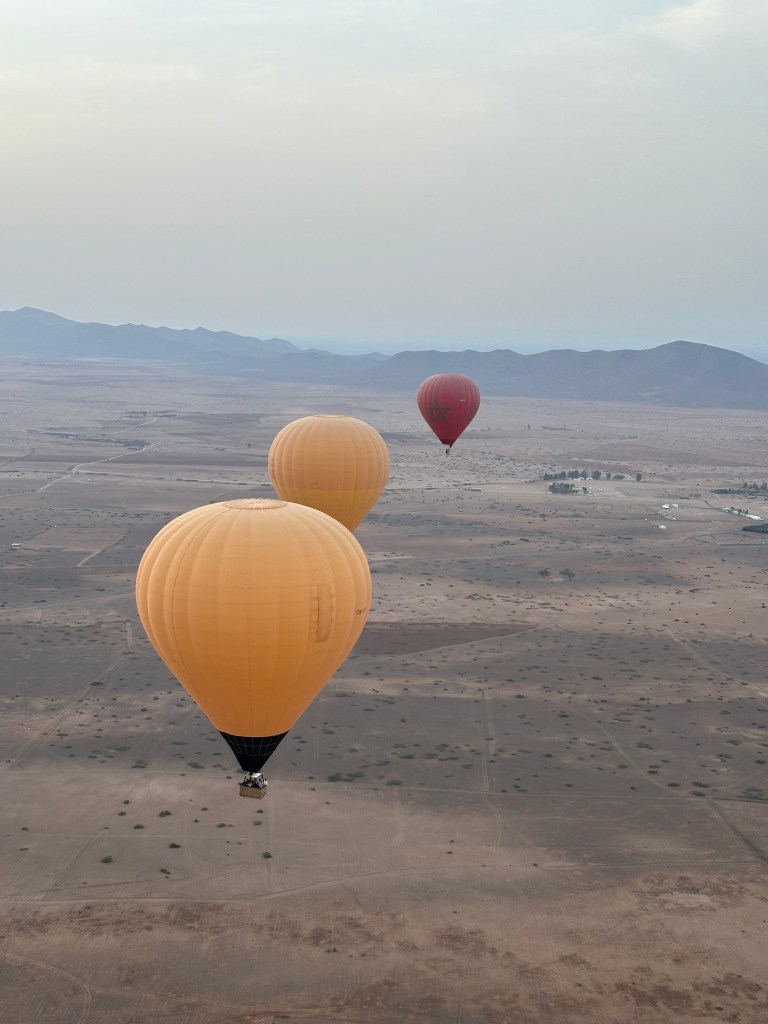
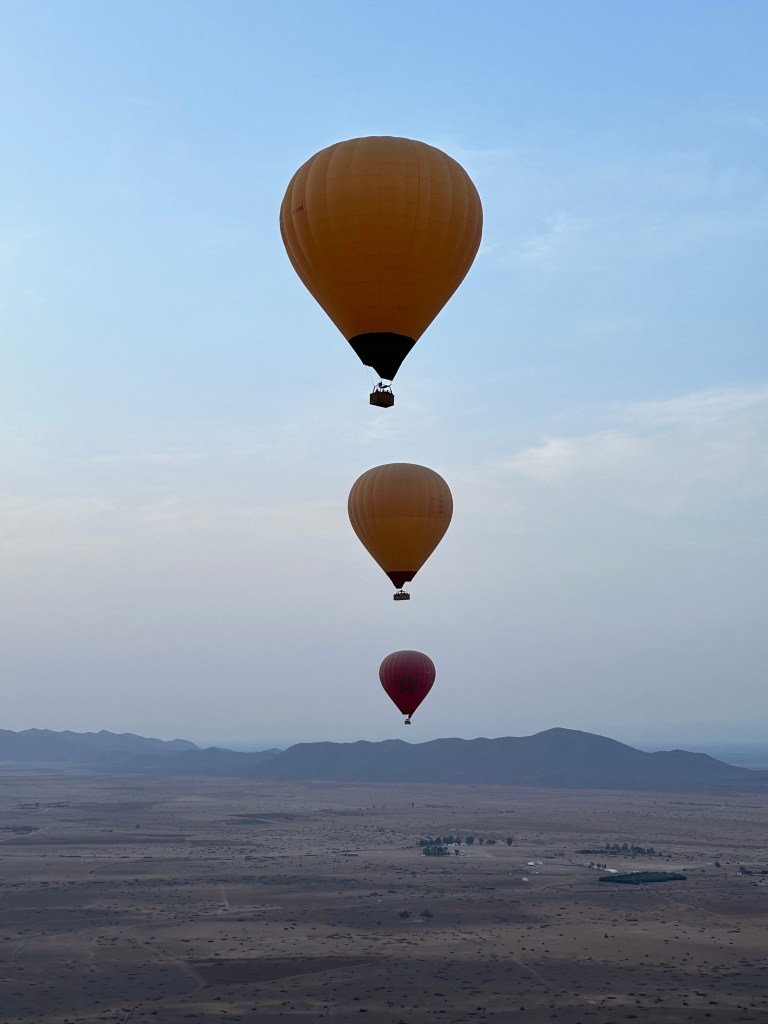
4. While Marrakesh doesn’t possess Cappadocia’s unique landscape, hot air balloon excursions offer exceptional views of the Atlas Mountains and provide welcome respite from the city’s intensity. The operators demonstrated exceptional professionalism and hospitality, contributing to an experience marked by serenity and well-appointed pre and post-flight service.

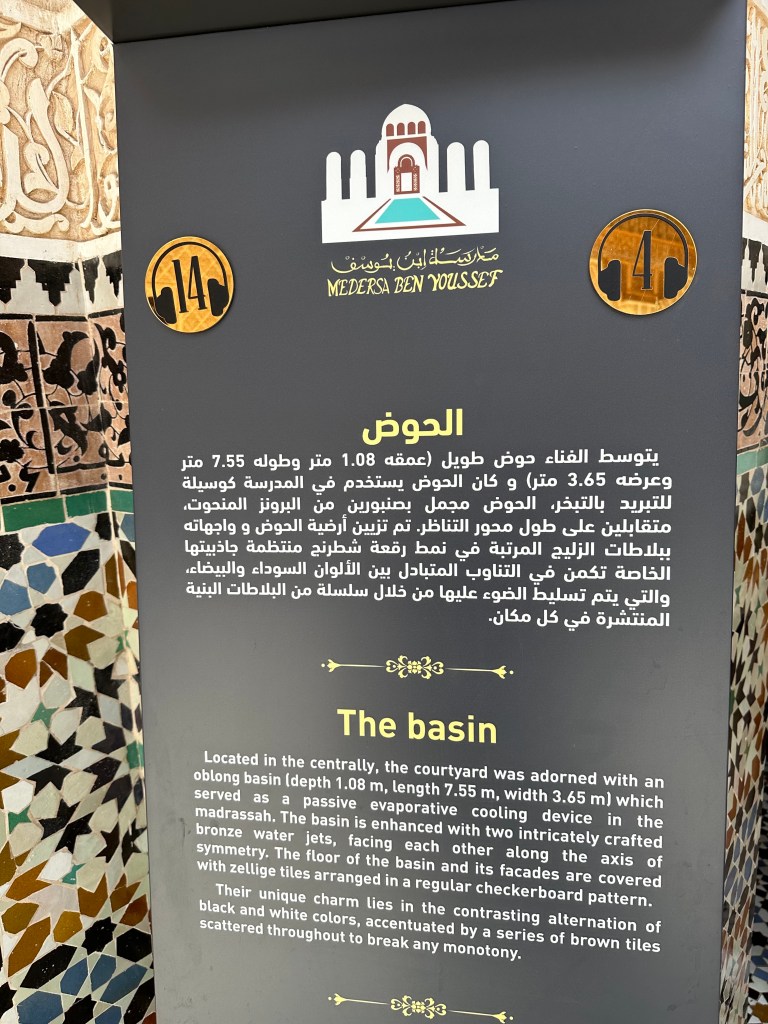
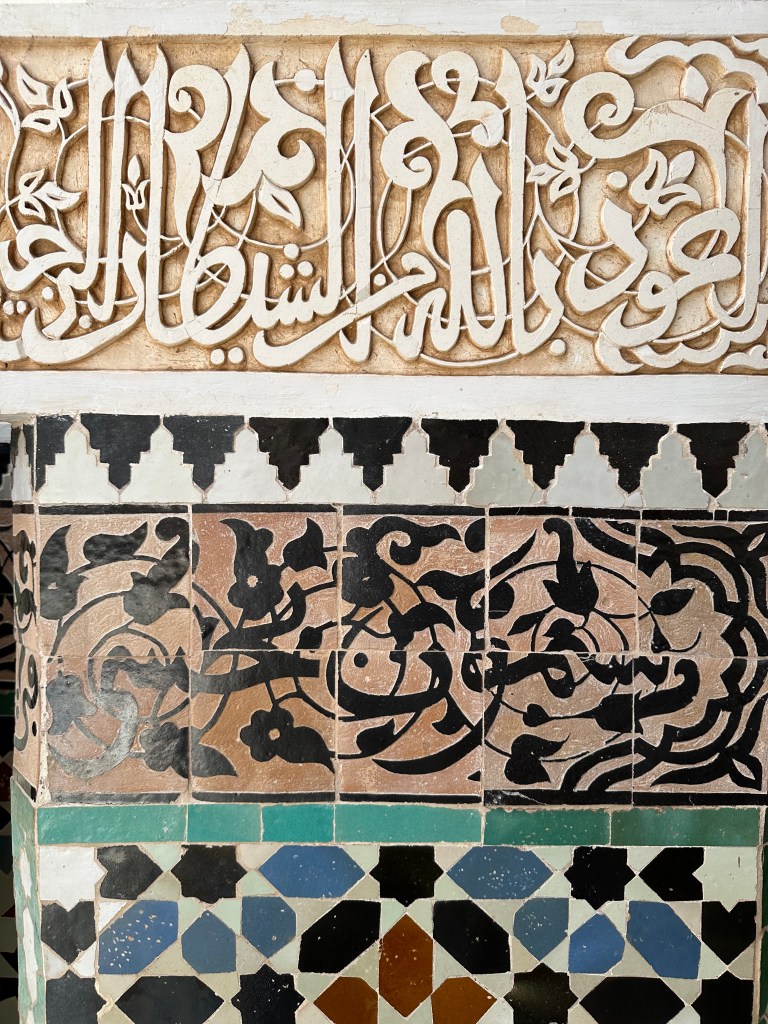
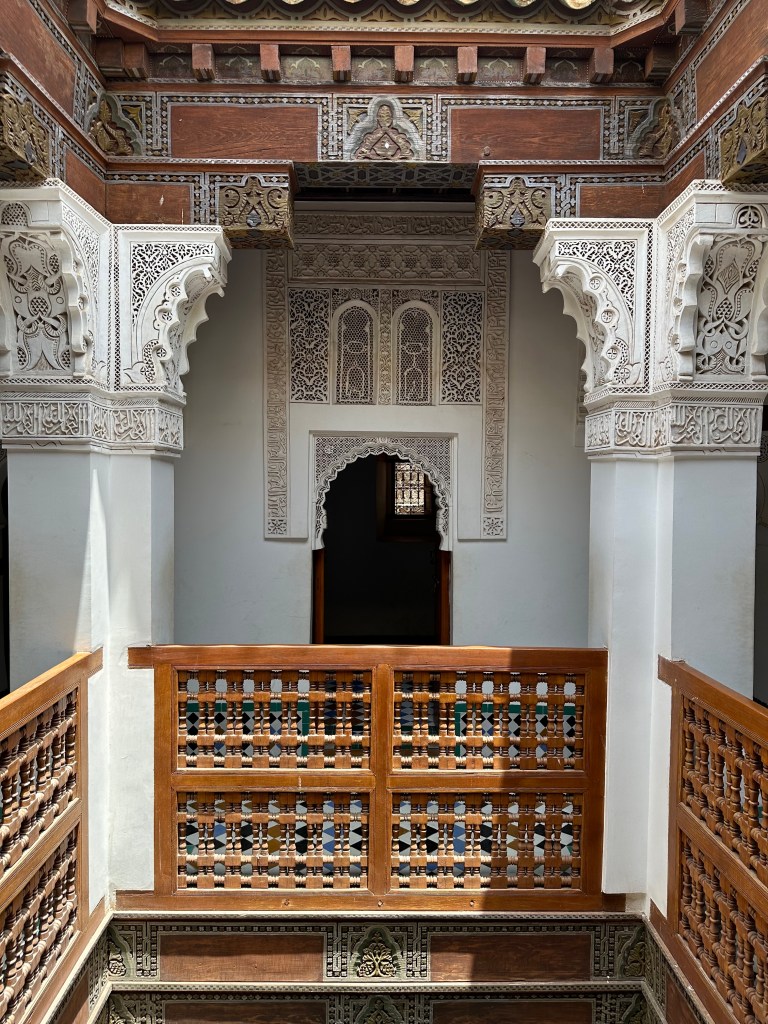
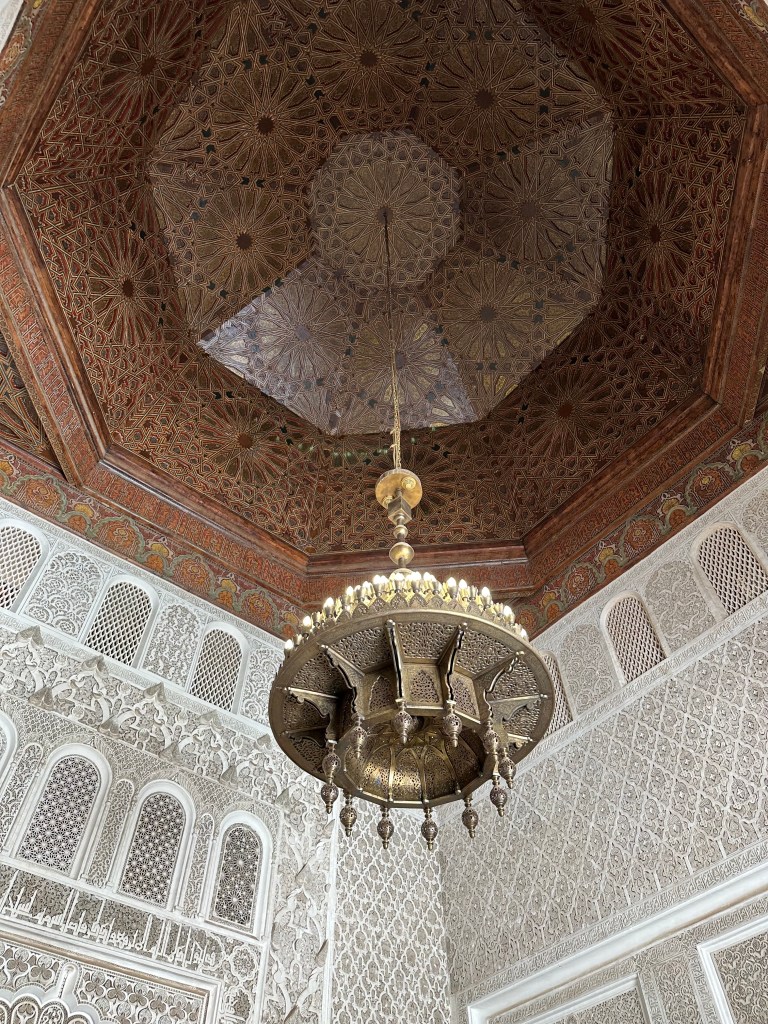
5. Marrakesh’s architectural heritage showcases the sophistication of Islamic geometric design. Zellij tilework, a technique refined since the 10th century, involves cutting glazed terracotta into precise geometric shapes and arranging them into complex mathematical patterns. Each piece is unique, yet together they create perfect tessellations. The Ben Youssef Madrasa exemplifies this craftsmanship, featuring hand-cut tiles forming intricate star and polygon motifs alongside delicate carved plaster work. Many traditional riads have been restored as boutique accommodations, preserving these architectural treasures for contemporary visitors.

6. Fragrance holds significant cultural importance in Morocco. Incense and perfumes are commonly used in homes to promote positive energy and dispel negative influences, extending beyond religious practices. Traditional perfume markets offer established varieties: Amber, White Musk, Oud, Jasmine, and Patchouli. Oud commands premium pricing due to its production process—it’s derived from aquilaria tree resin that forms only when the tree combats fungal infection, resulting in a complex, prized scent requiring extensive processing.

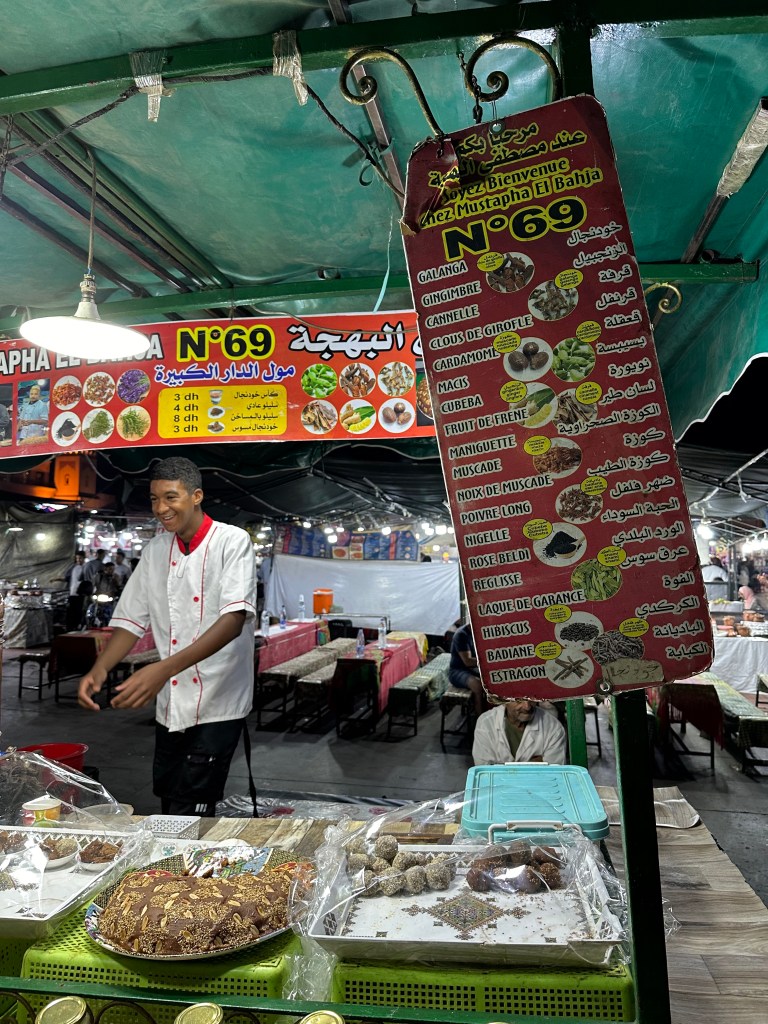
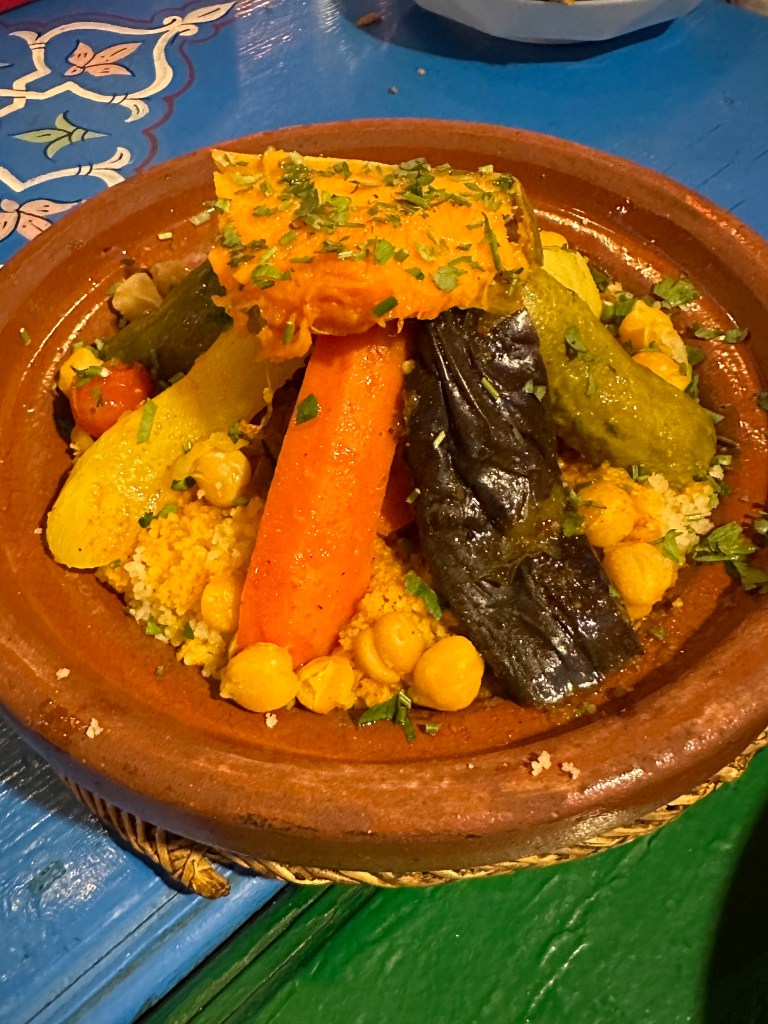
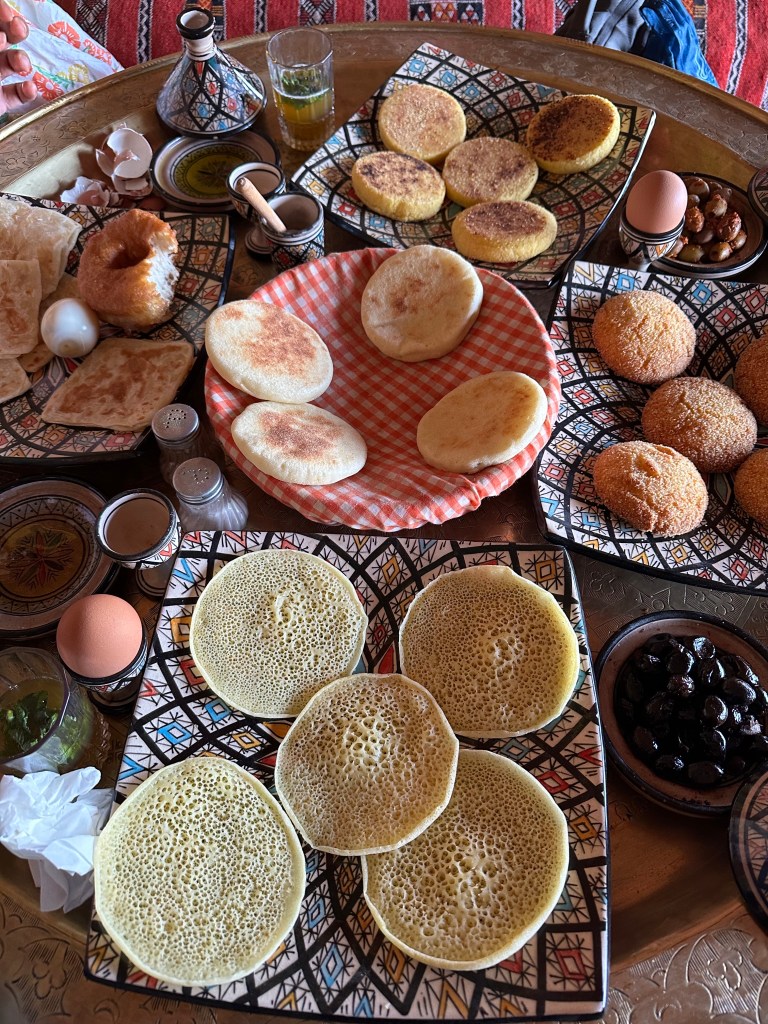
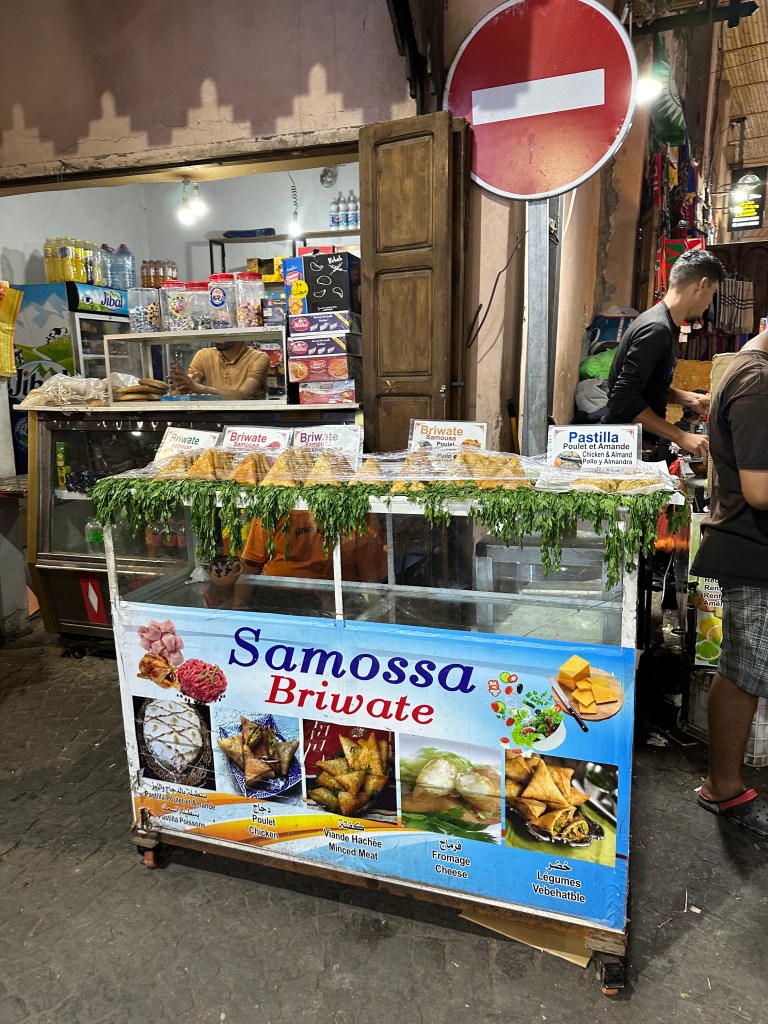
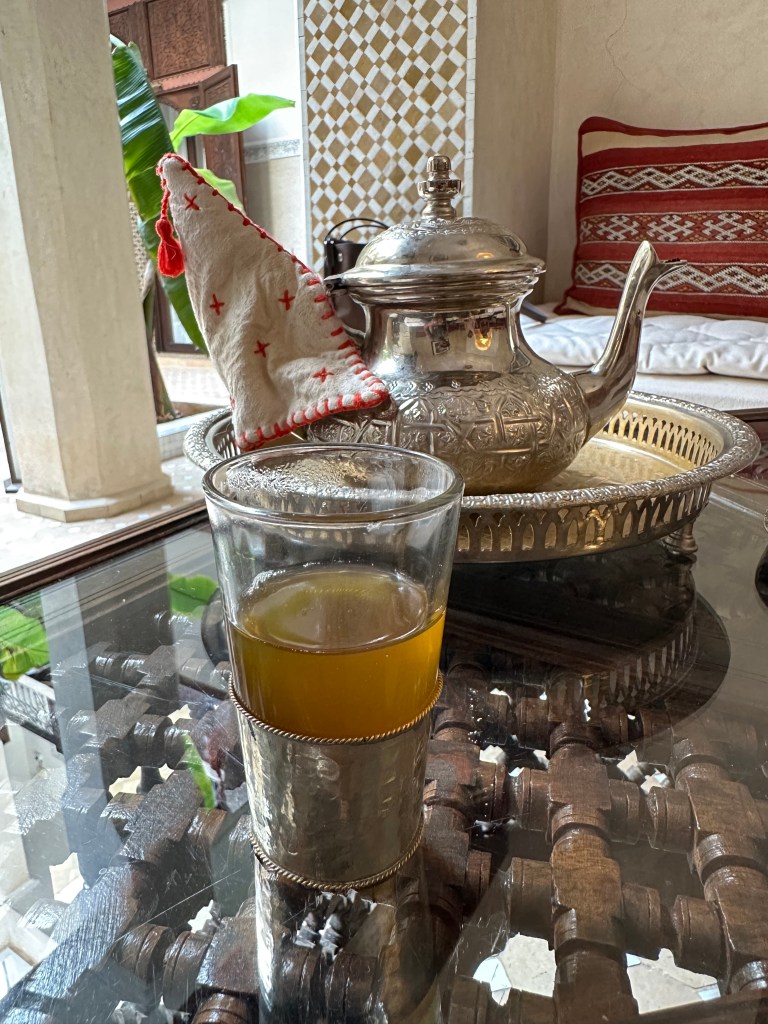
7. The tagine is Morocco’s signature dish, named after the distinctive clay pot used to cook it. This cone-shaped vessel works like a natural pressure cooker, slowly steam-cooking ingredients to perfect tenderness. Traditional versions combine lamb with couscous, caramelized onions, prunes, and seasonal vegetables. Briwat can be confusing—it’s used for both sweet and savory pastries, though the sweet ones with nuts and almond paste are street food favorites. Moroccan breakfasts are feasts in themselves: an array of breads, cheeses, and jams. Beghrir (honeycomb pancakes made with semolina) soak up honey beautifully, while zalabiya offers familiar comfort for those who’ve tried Indian jalebi. Mint tea is ubiquitous here, though the standard sugar levels can be overwhelming—don’t hesitate to ask for less sweetness. 

7 things about Marrakesh, Morocco 

5 things about Doha, Qatar 

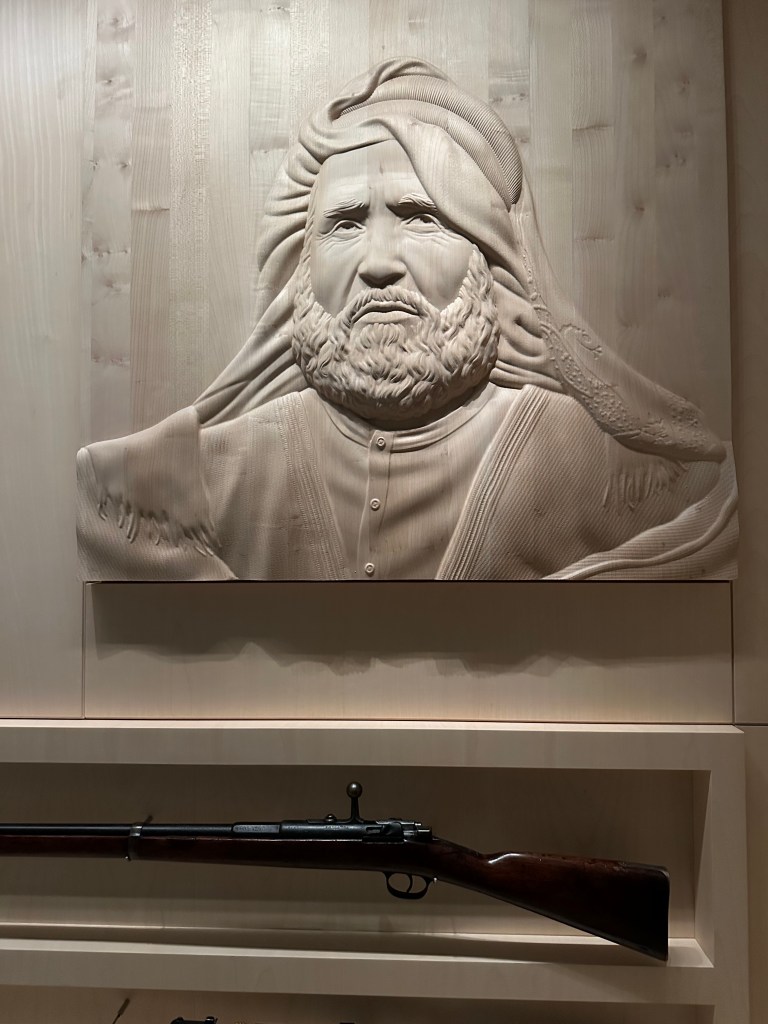
1. Qatar’s emergence as a nation-state was shaped by its position between two competing empires—the Ottoman Turks and the British. Its founder, Jassim bin Mohammed Al Thani, united the tribes and skillfully navigated these power dynamics to establish a self-managed entity. Most of today’s towns began as fishing and pearl-diving settlements. That changed dramatically in the early 1900s with the discovery of oil, which now contributes around 60% of the GDP and 85% of exports. Doha, the capital, is being actively developed to mirror the scale and ambition of Dubai. This transformation is powered by a large immigrant workforce from the Philippines, Nigeria, India, and Bangladesh, who are present across every visible sector—concierge desks, construction sites, retail stores, and taxis. Malayalam, like in much of the Gulf, often feels like the second most spoken language—I heard it far more than Arabic during my visit.

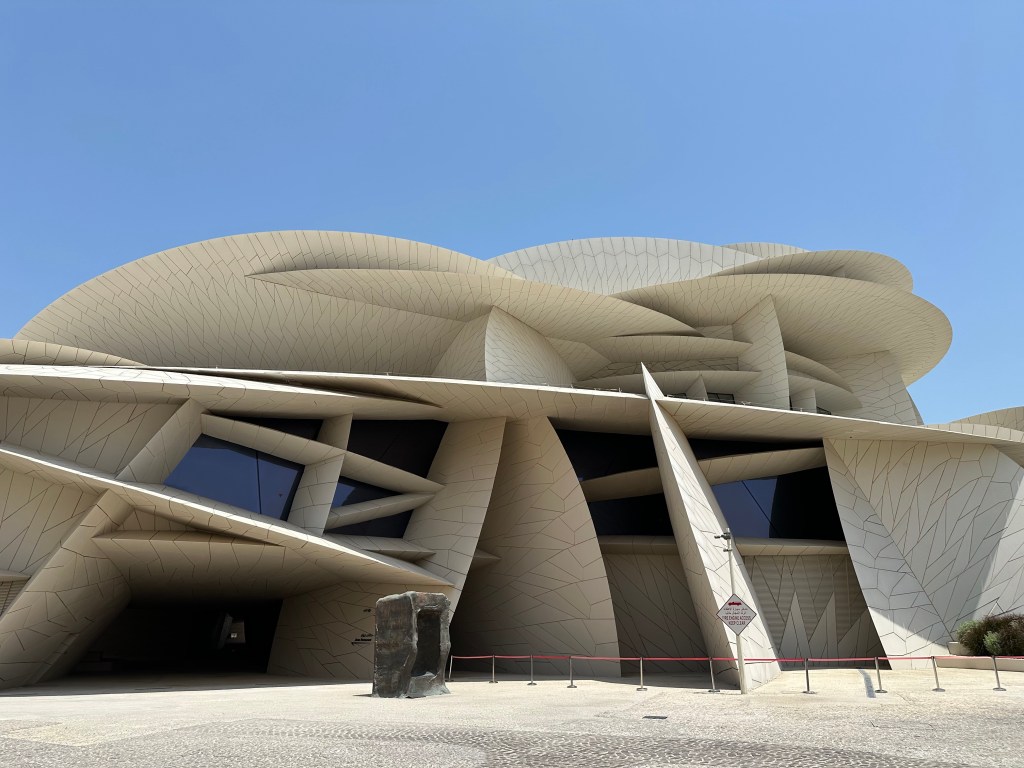
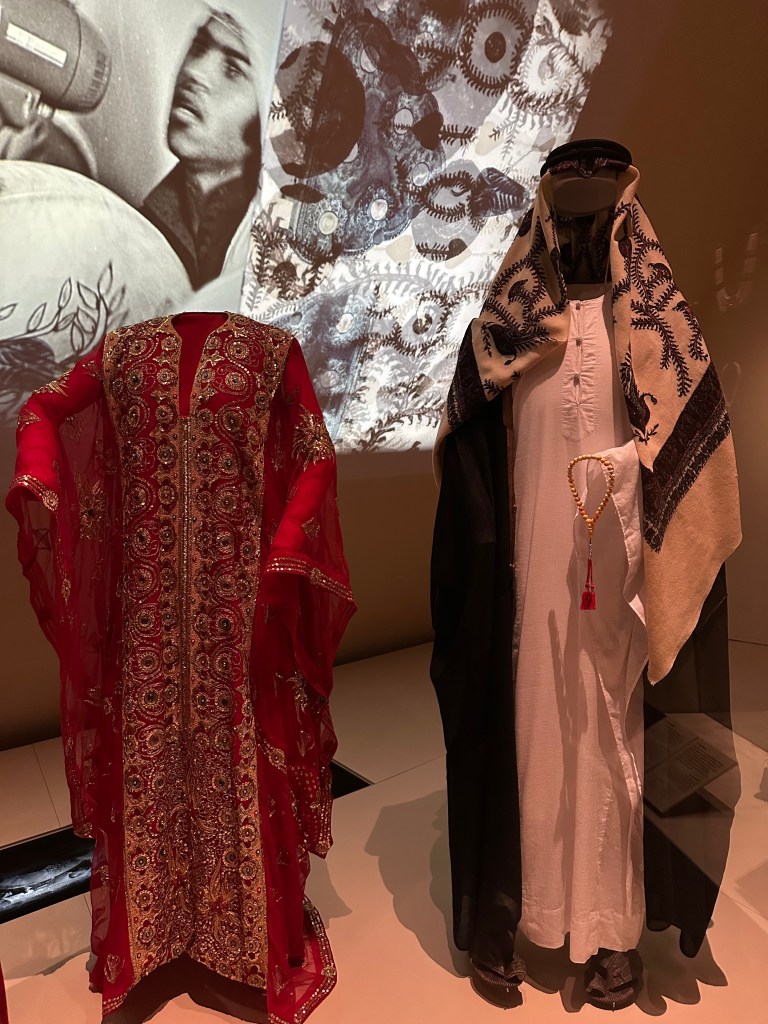
2. Oil wealth is also being channeled into cultural investments. Both the Museum of Islamic Art and the National Museum of Qatar are bold architectural statements. The latter, designed by French architect Jean Nouvel, takes the form of a desert rose—an arid-region flower known for surviving with little water. While the building itself is stunning, the exhibits inside were slightly underwhelming. The curation does a solid job showcasing local history and culture, but the layout and storytelling could be more engaging and accessible for visitors.

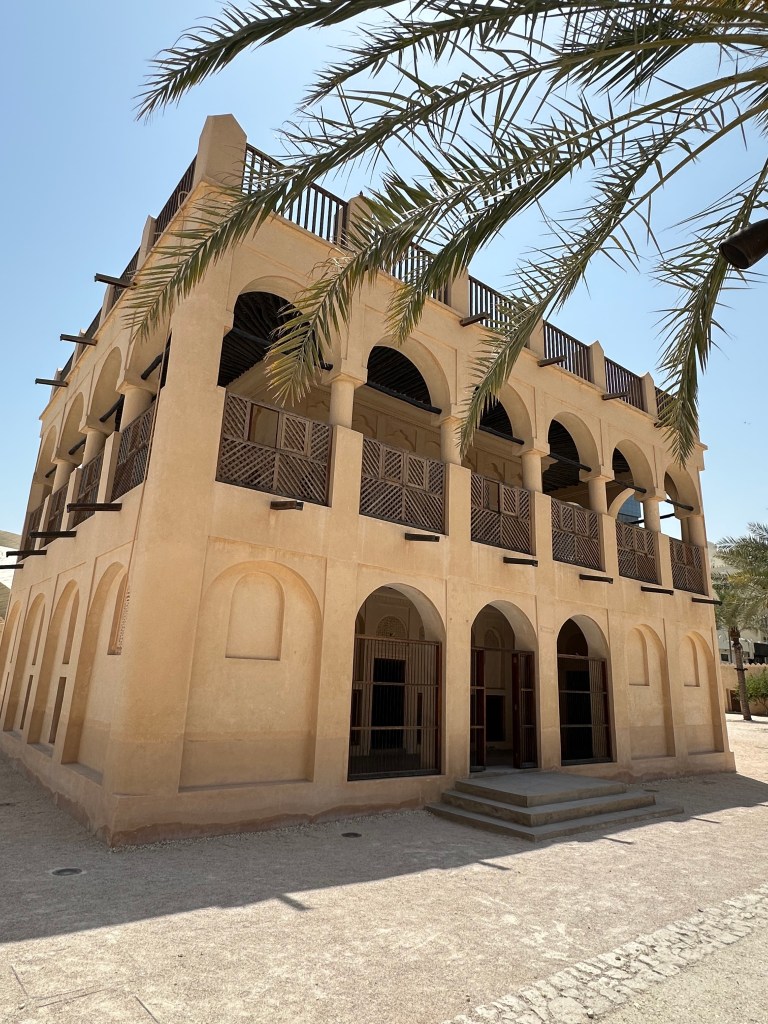
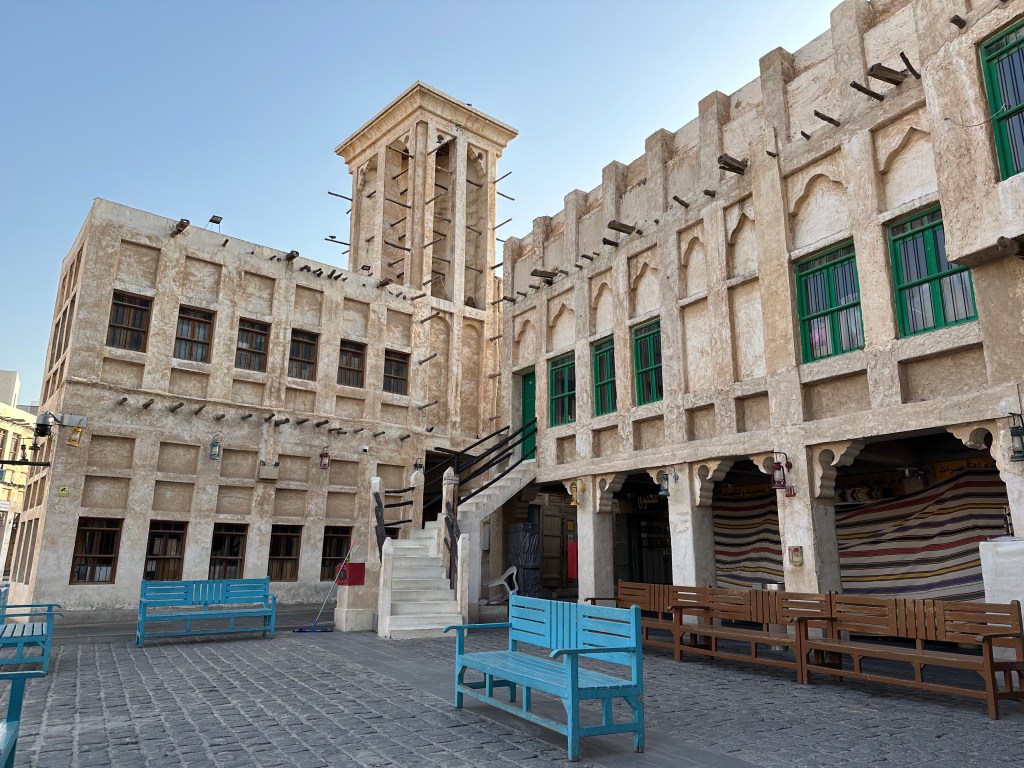
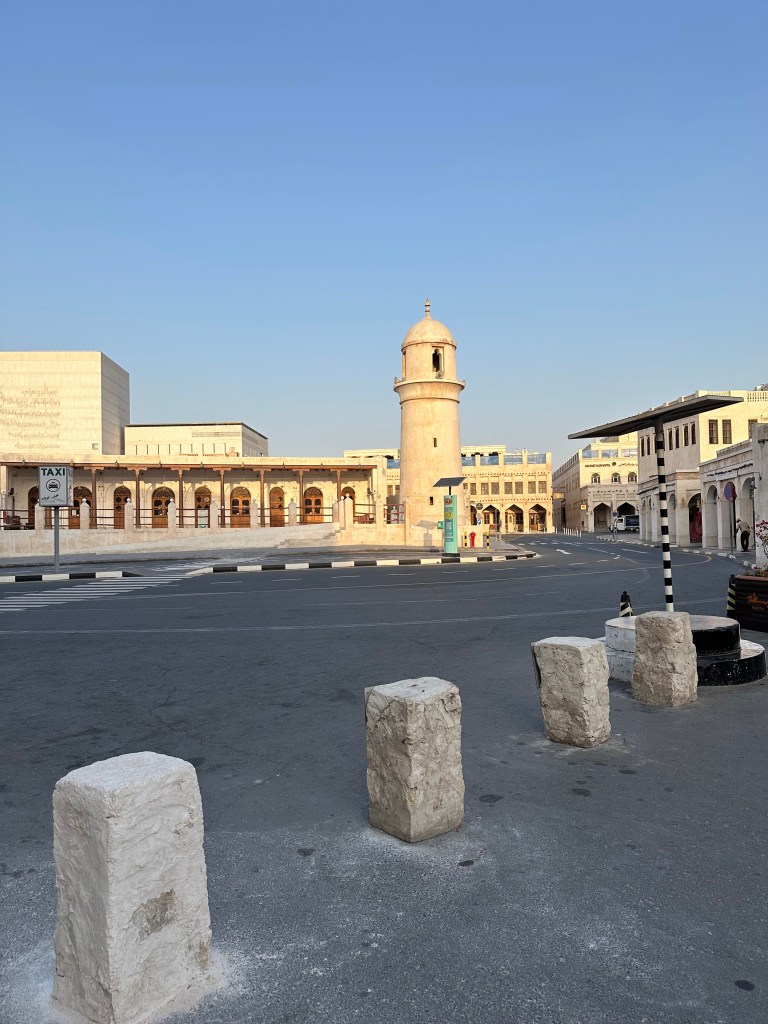
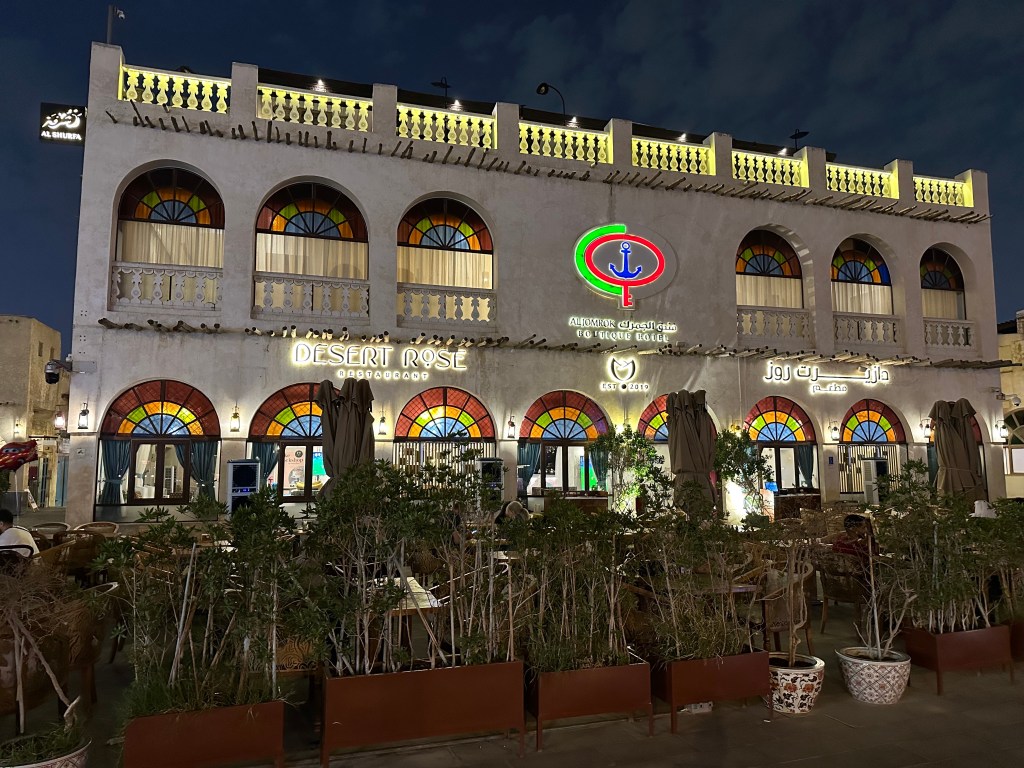
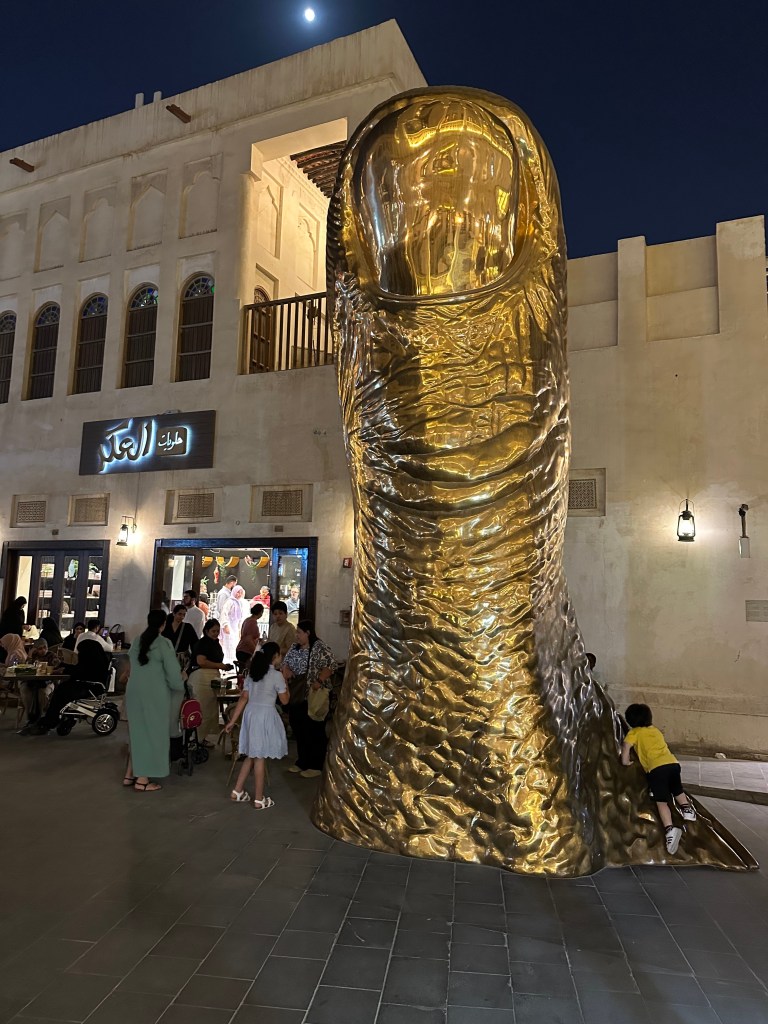
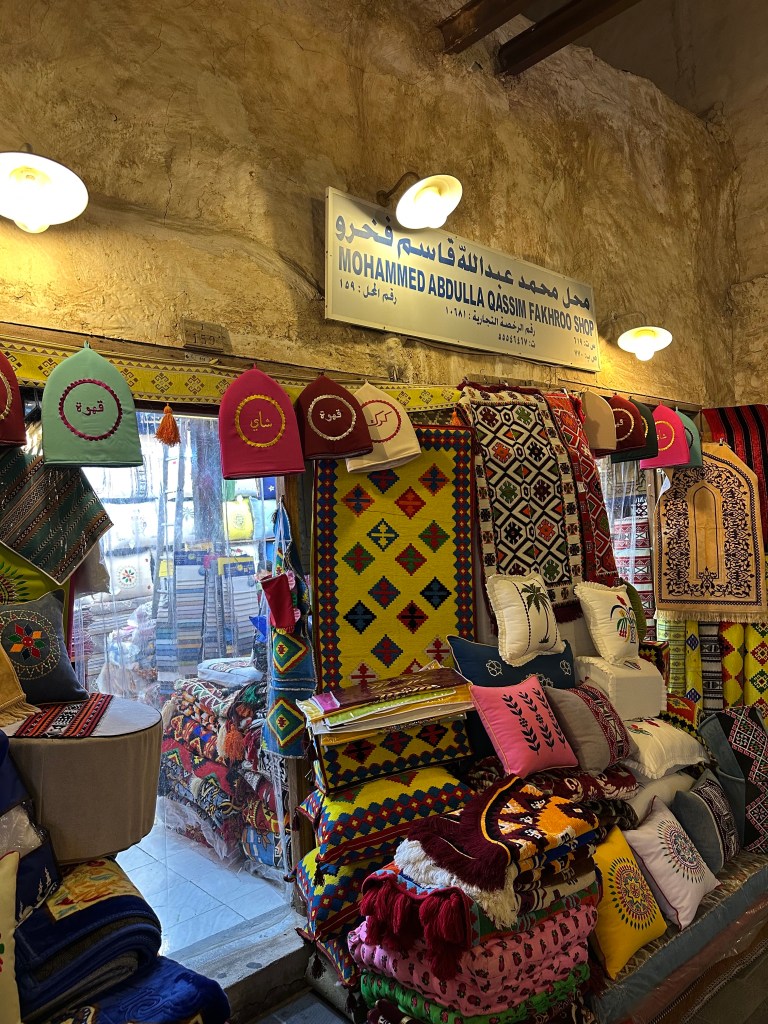
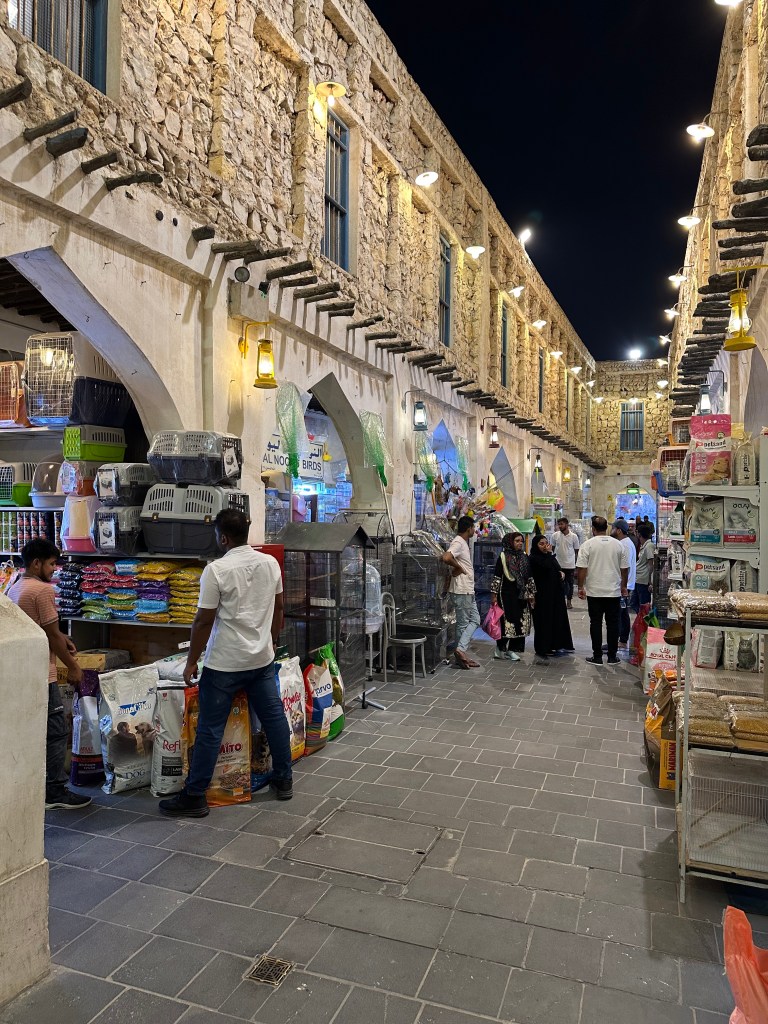
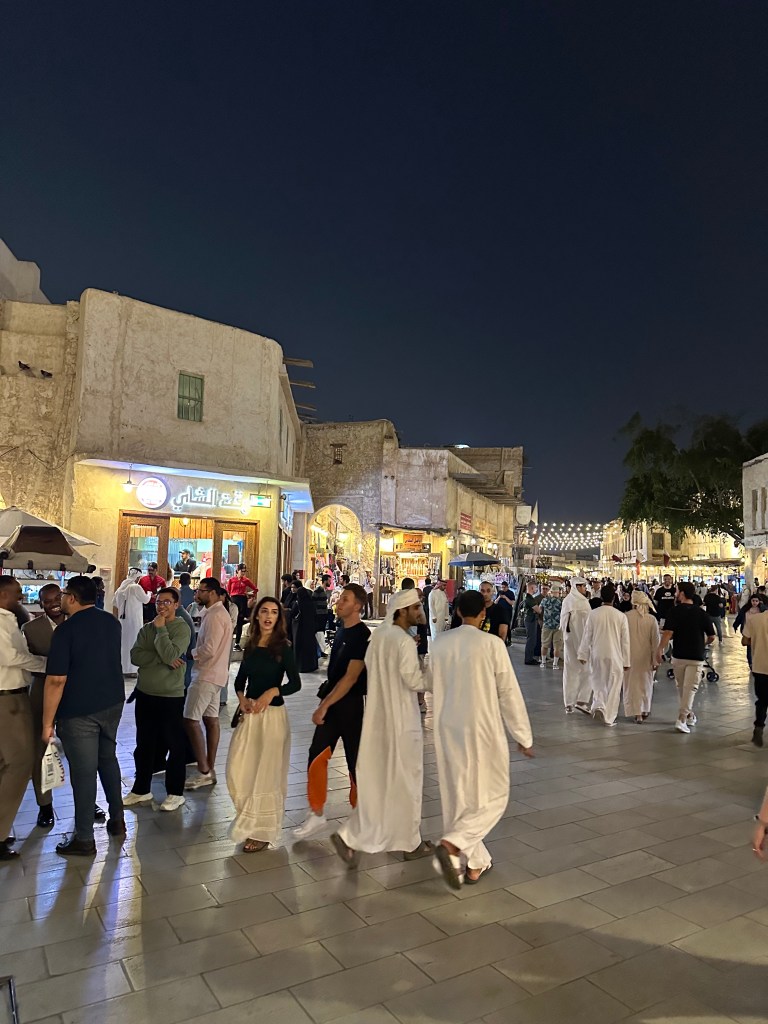
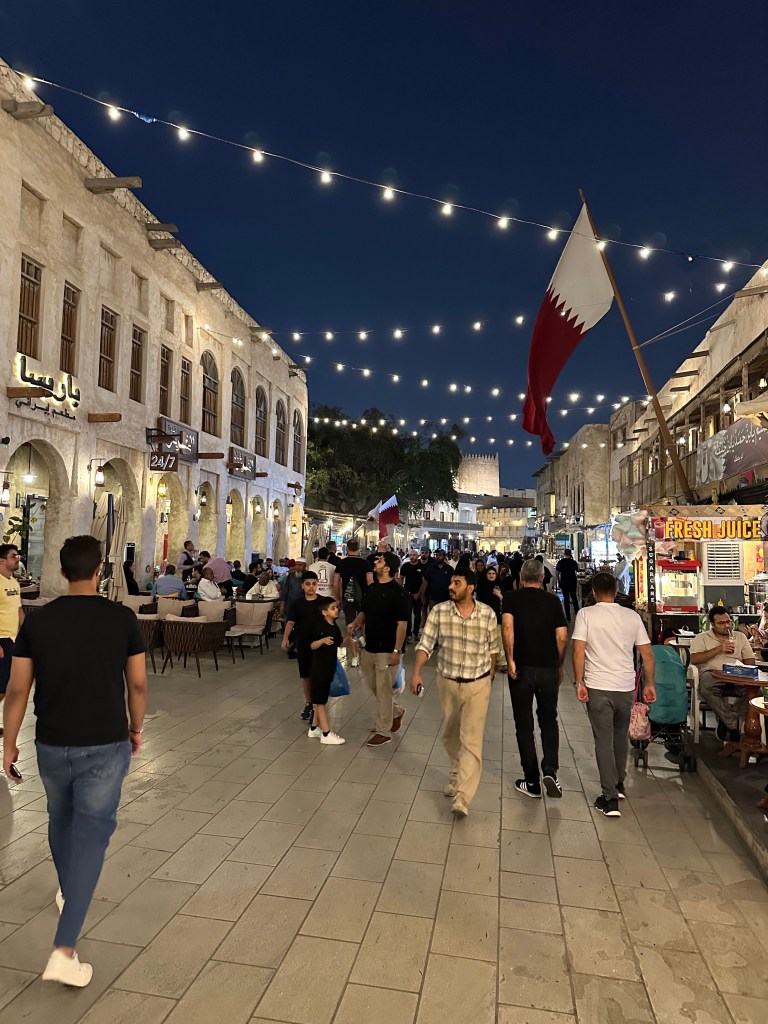
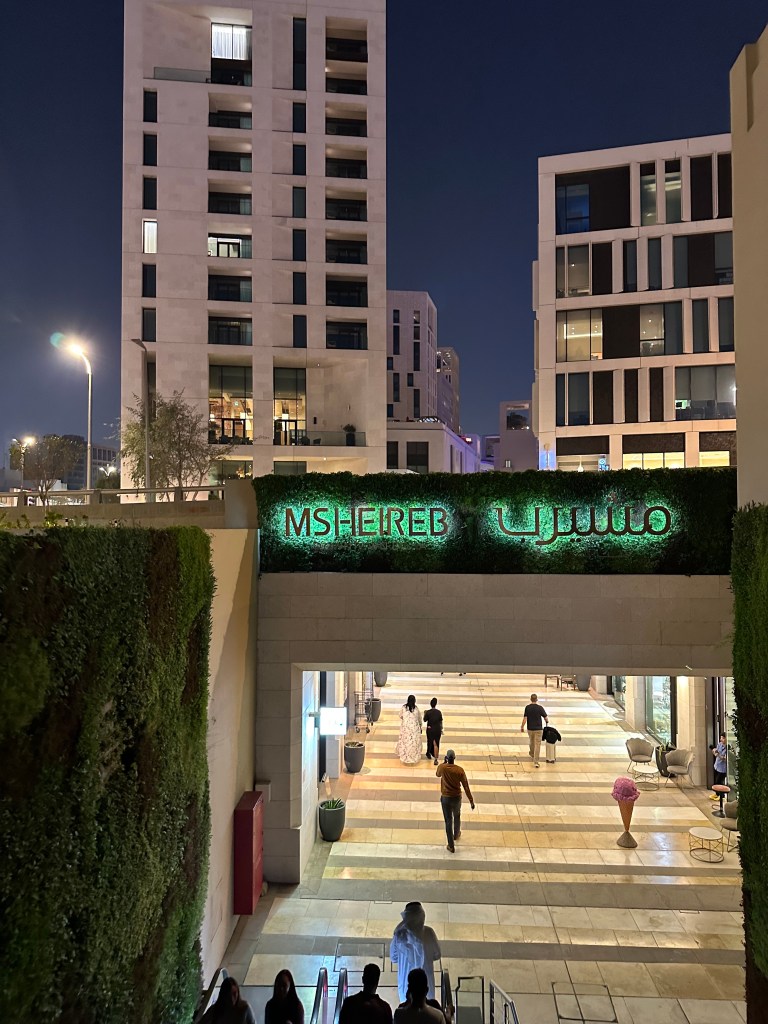
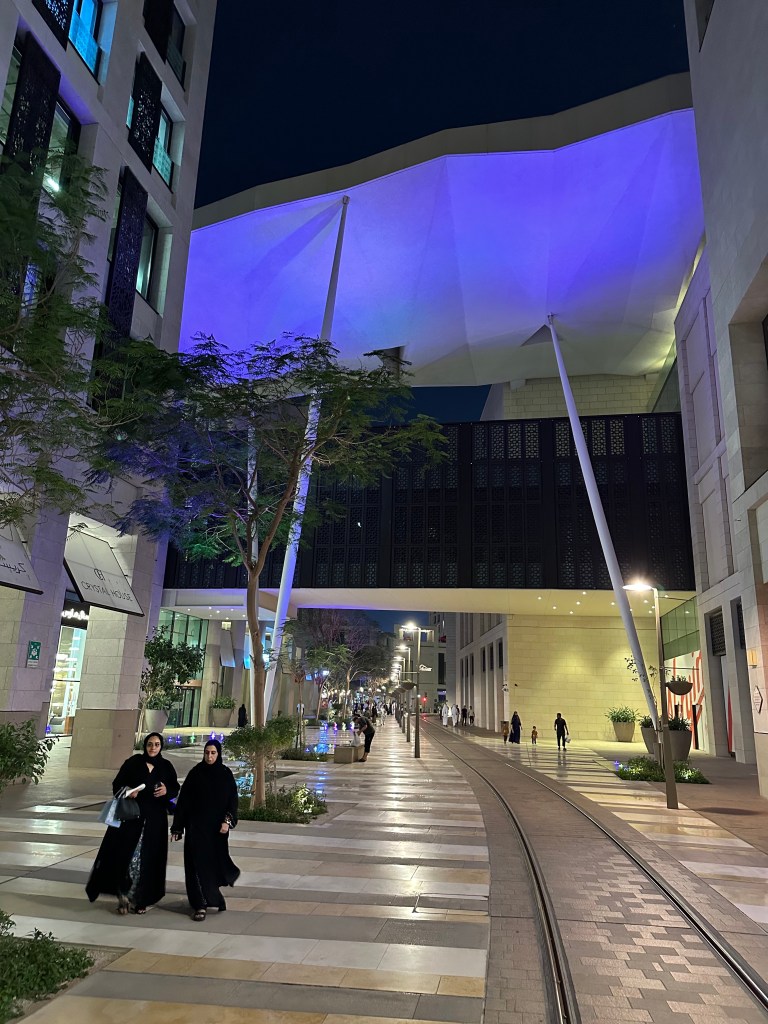
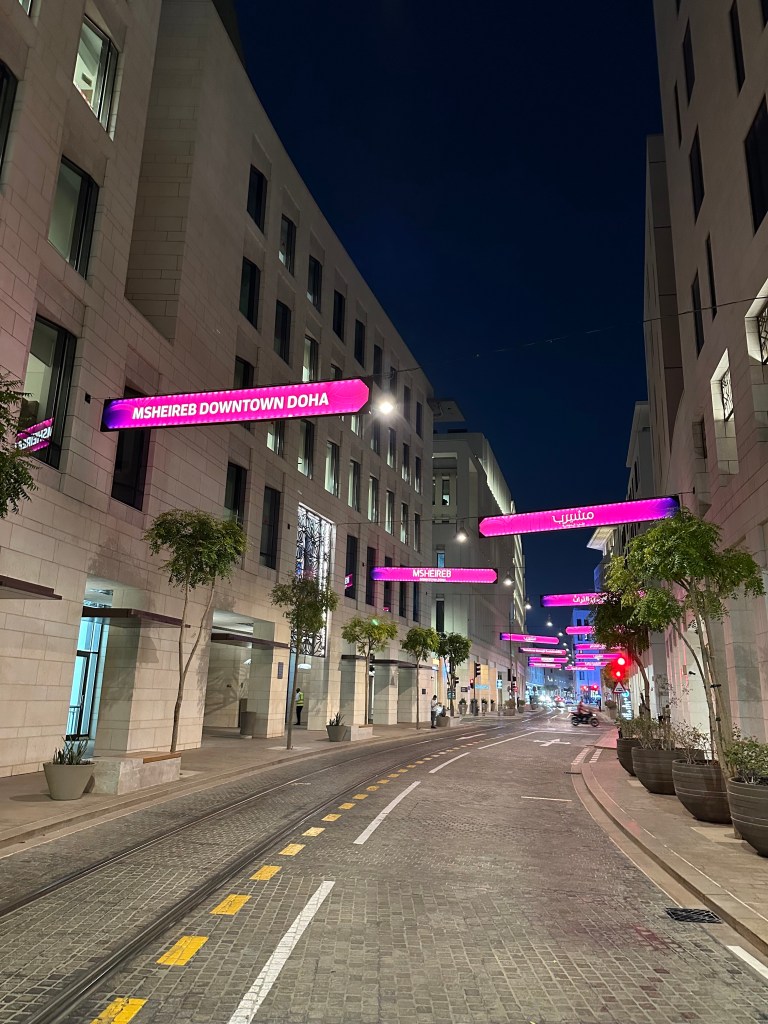
3. Souq Waqif, located in the Al Jasra neighborhood, is a maze of shops built on the foundations of an actual historic market that dates back to the late 19th and early 20th centuries. After falling into disrepair, it was carefully restored in 2006 to preserve its original character. The souq is divided into sections—clothing, cookware, perfumes, pets, spices, and food—and is kept spotlessly clean, with end-of-day cleanups that erase the day’s hustle. Despite its polished appearance, it retains an old-world charm that makes wandering through its narrow alleyways feel like stepping back in time. On weekend nights, the energy picks up as locals and tourists flock in to eat, shop, and unwind. Just adjacent to it, the sister neighborhood of Msheireb is being developed as a modern downtown district, filled with sleek architecture, high-end retail, global restaurant chains, and even its own tram system. I loved the way the old blends into the new—from the traditional textures of Souq Waqif to the gleaming streets of Msheireb. It makes for a seamless and memorable walk, especially at night when both districts are beautifully lit and buzzing with activity.

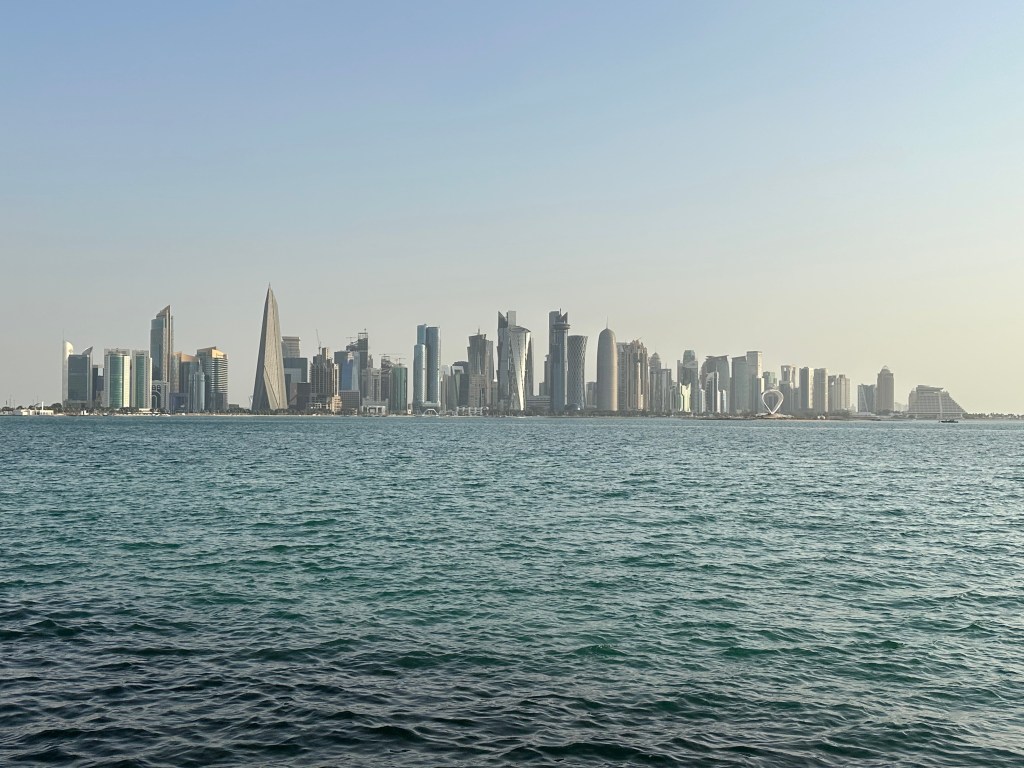
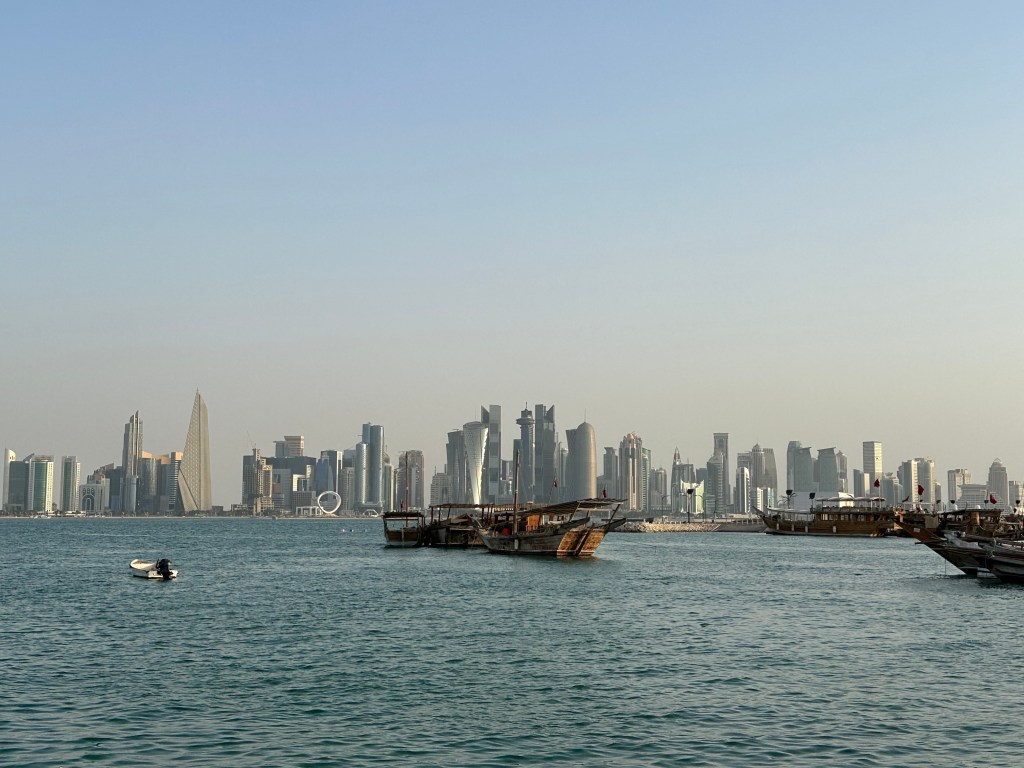
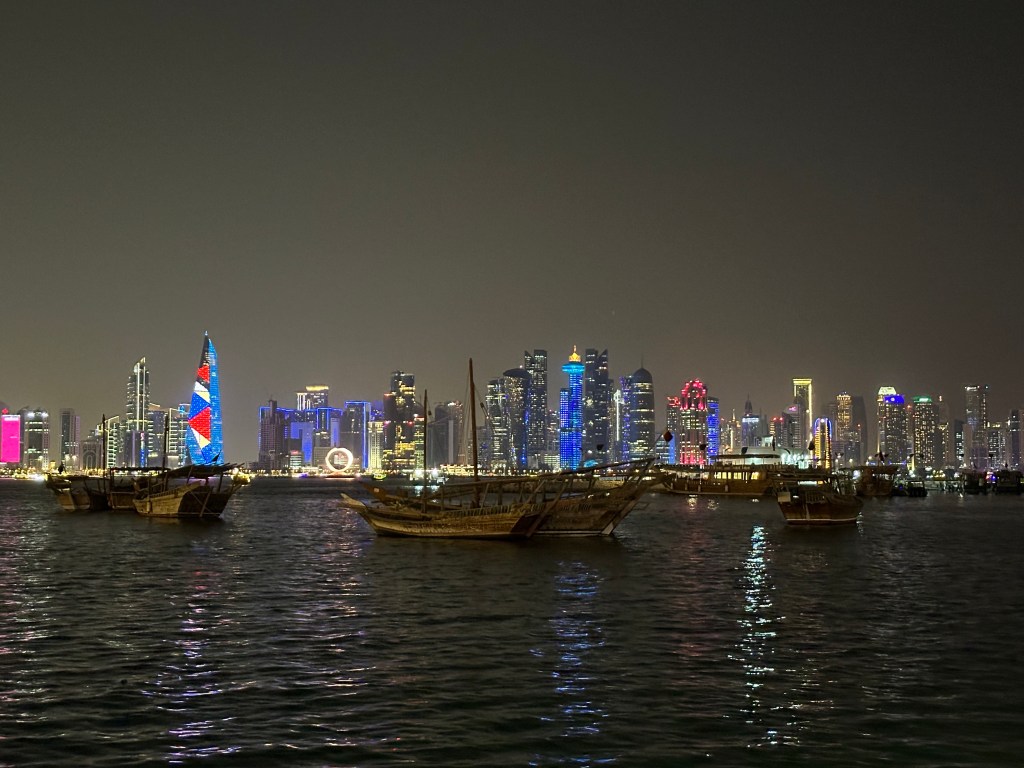
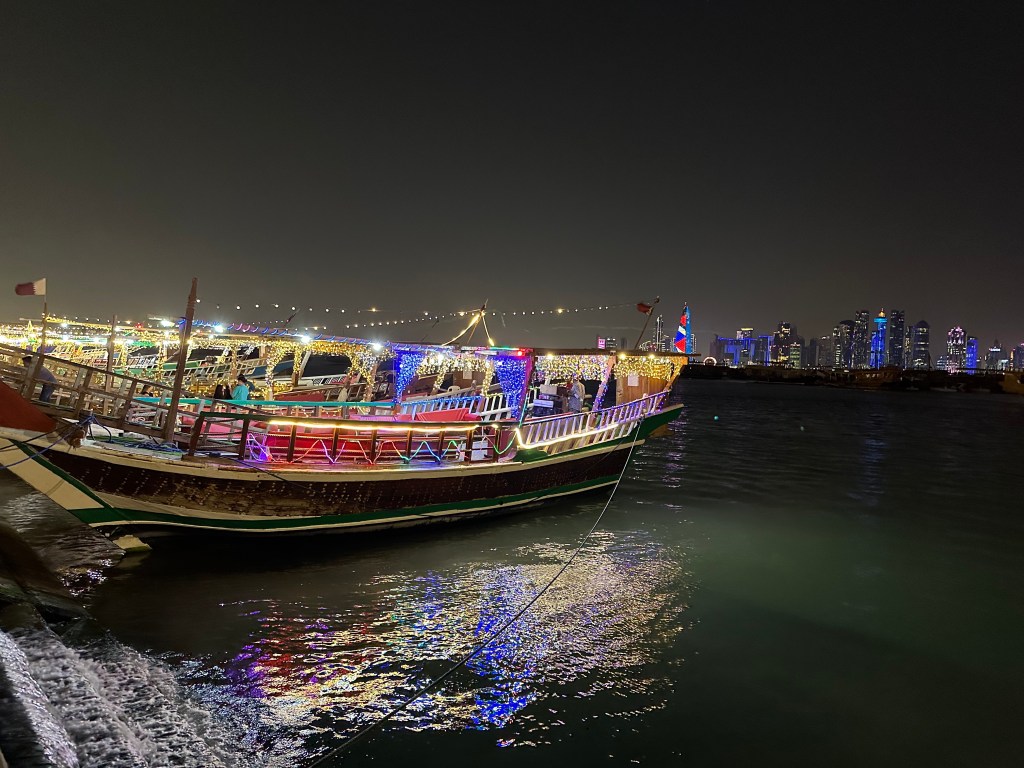
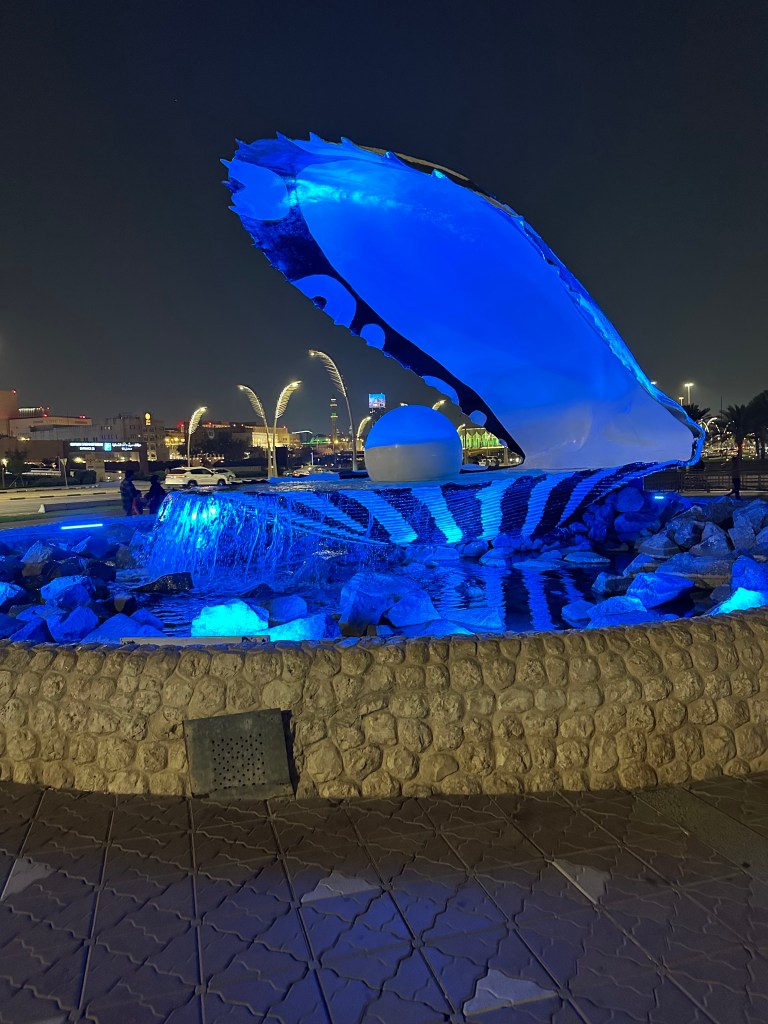
4. The Corniche is a 4.5-mile-long promenade that hugs Doha Bay and offers sweeping views of the downtown skyline. Along the way, you’ll find a handful of public art installations—the large pearl sculpture stands out as a nod to the city’s origins before oil wealth. The Dhow port nearby offers short cruises on traditional wooden boats that once carried goods across the Gulf. These boats now cater to visitors, though many seem past their prime. The wear-and-tear on the boats, coupled with loud Bollywood music, undercut what could have been a nostalgic and serene experience.

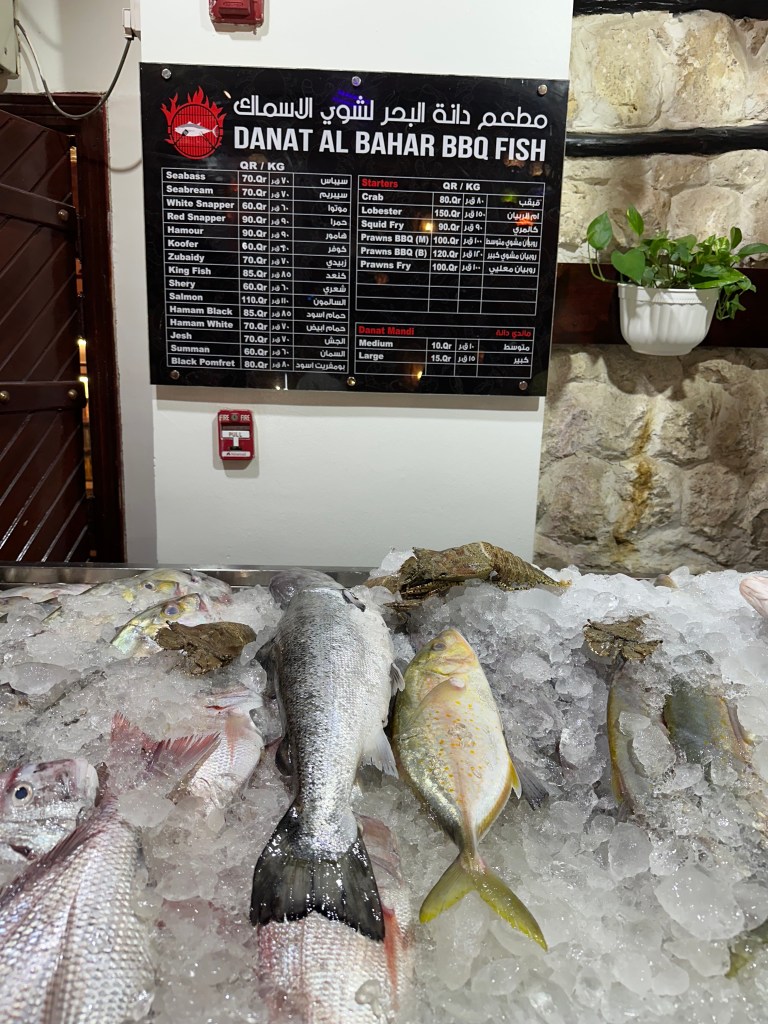
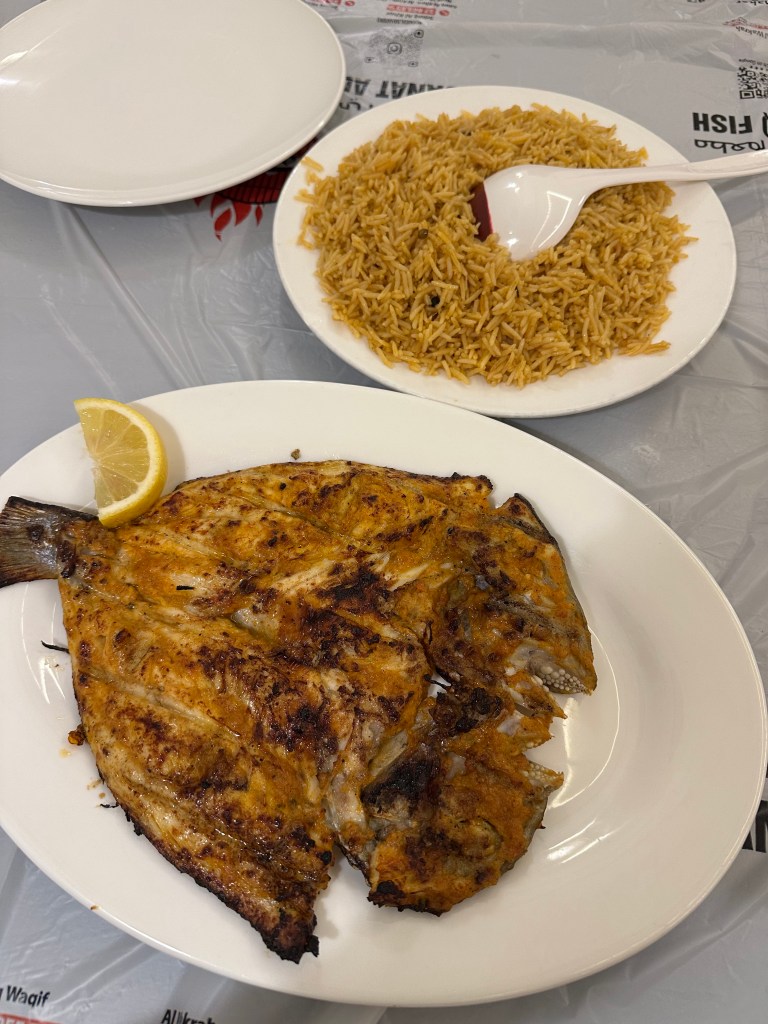
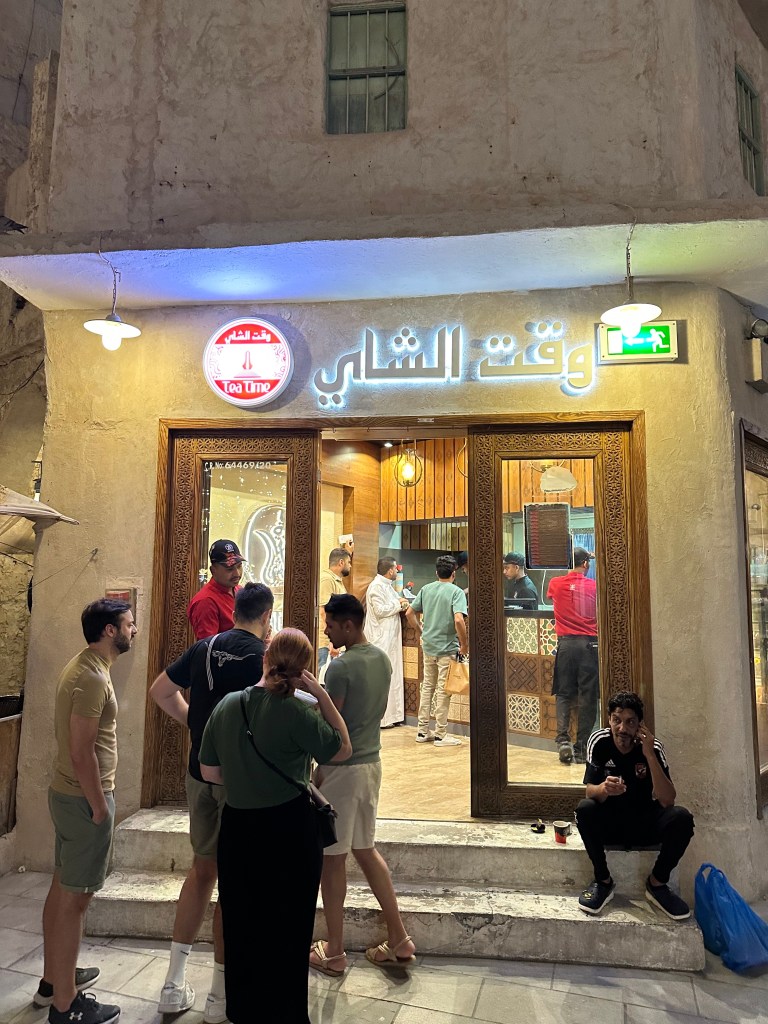
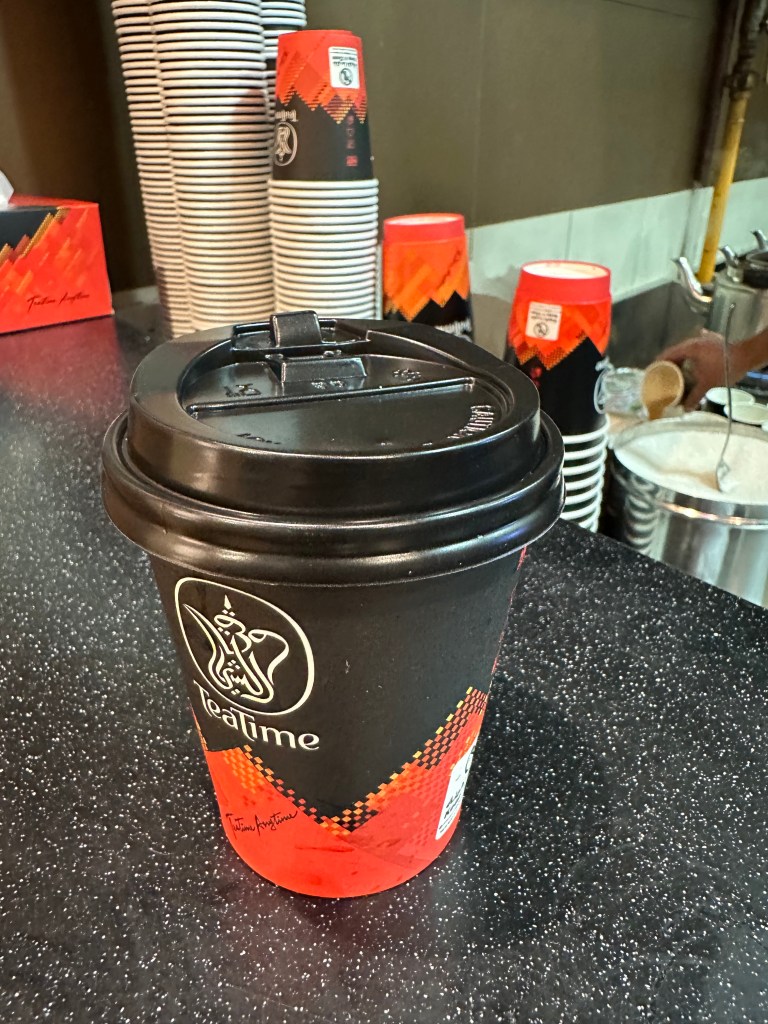
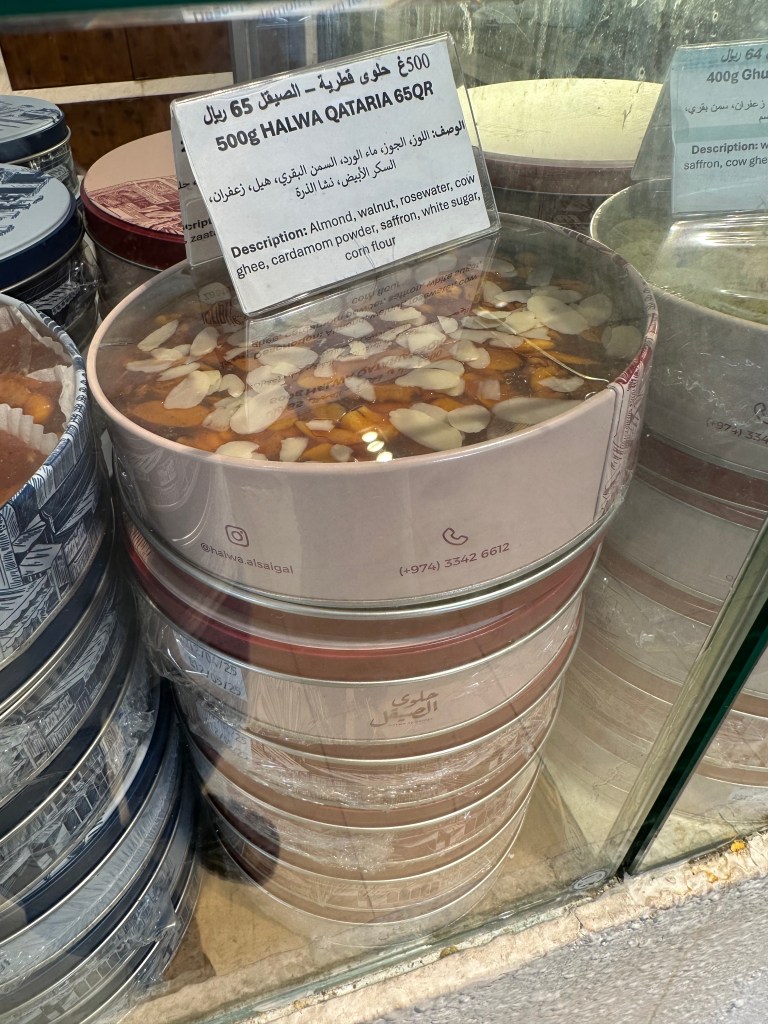
5. Qatari cuisine blends local and regional influences, with a strong showing of seafood. Machboos, a spiced meat and rice dish, is the national staple—akin to biryani, but with its own flavor profile. Yemeni dishes like mandi, grilled fish platters, and spiced stews are also popular. One drink that stands out is karak tea—imported from India and now deeply embedded in Qatari culture much like its neighbors. It’s strong, sweet, and slightly smoky, and available everywhere as a more affordable alternative to Arabic coffee. For dessert, try Qatari halwa, made from cornstarch, saffron, sugar, and nuts. Its gelatinous texture and flavor reminded me of Bombay halwa from India—possibly another culinary echo of the region’s long history of trade. And if you’re craving Arabic sweets, head to Al Aker. Their kunafa is world-class—crisp, gooey, and perfectly balanced—easily holding its own alongside the famed kunafa from Al Aqsa in Nablus.

5 things about Doha, Qatar 

7 things about North Island, New Zealand 

1. New Zealand was discovered and inhabited by Polynesian settlers starting in the 13th century. After repeated excursions by European explorers, it became an official British colony in 1841, then a dominion in 1907, and finally an independent country in 1947. Today, it’s a developed nation known for its high quality of life. Much of its early economic growth was fueled by the export of agricultural products—especially meat and dairy—which still account for a significant share of trade. China is now New Zealand’s biggest trading partner. That influence was subtly visible even at the airport, where shelves prominently featured President Xi Jinping’s book. Not necessarily a bad thing if the book’s a global hit—but still a bit surprising.

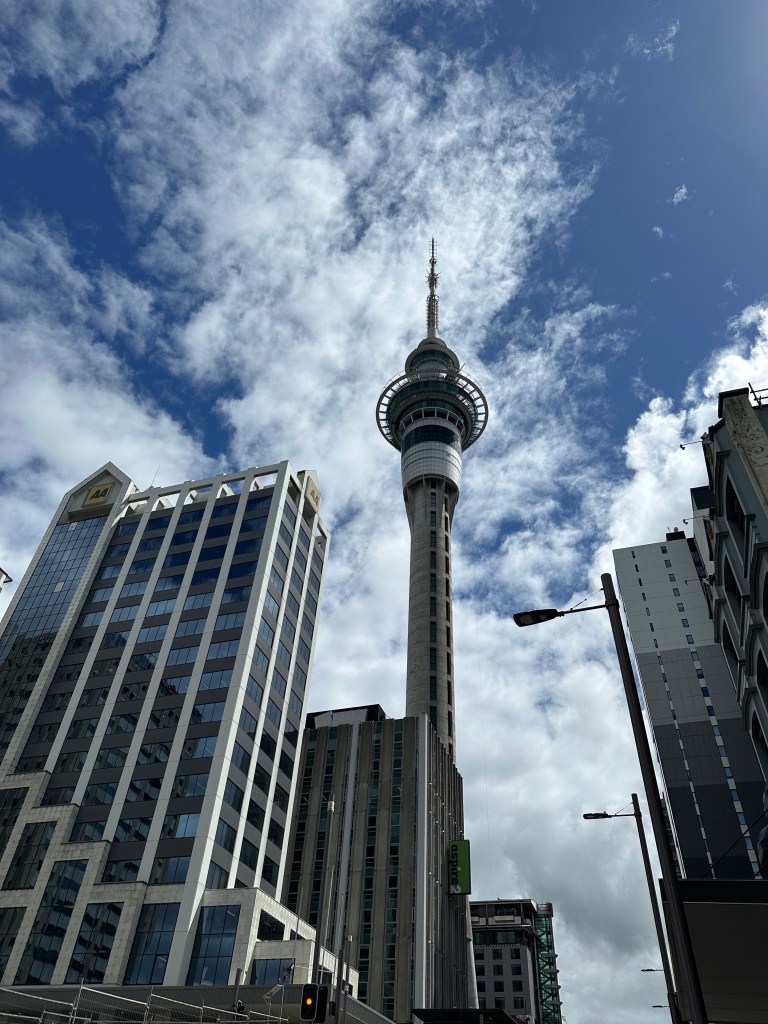
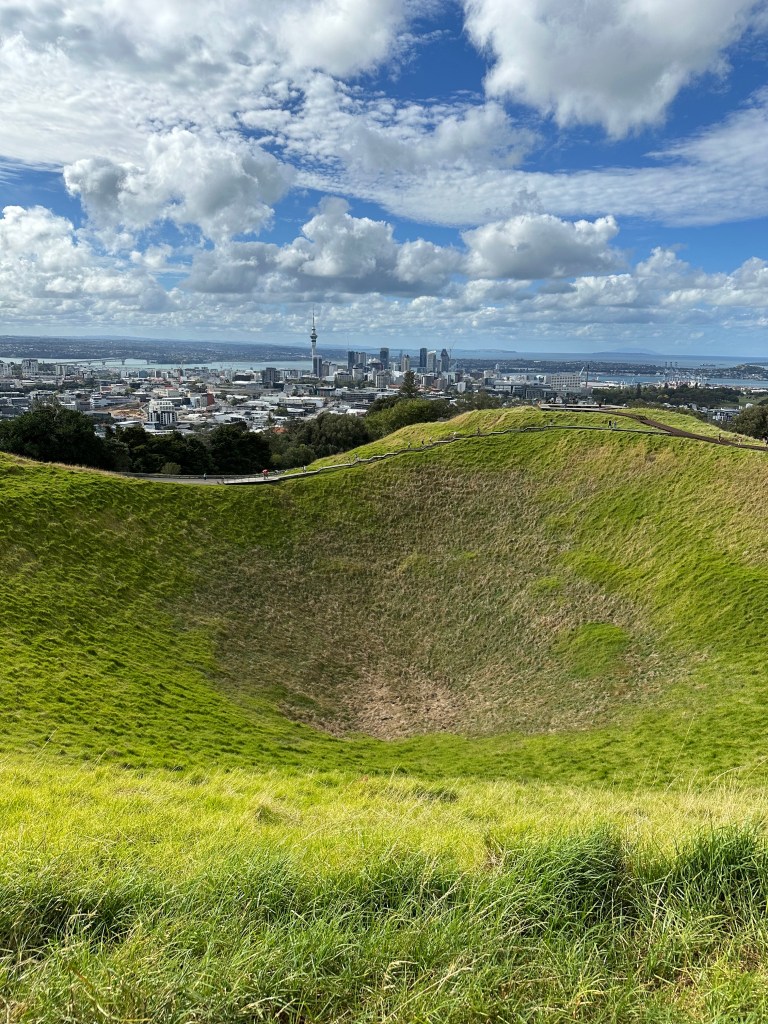
2. Auckland is the country’s biggest city, but it feels more like a sleepy town despite its 1.7 million residents. The downtown core—Queen Street, Hobson Street, and the areas leading to the harbor—was unexpectedly quiet and lacked the buzz you’d expect from a major city. Maybe the locals just prefer to spend their time outdoors, given the natural abundance around. Mt. Eden, a city park built around a volcanic crater, offers one of the best views of Auckland’s skyline. The boardwalk that wraps around the crater’s rim adds a nice touch and makes the short walk even more worthwhile.

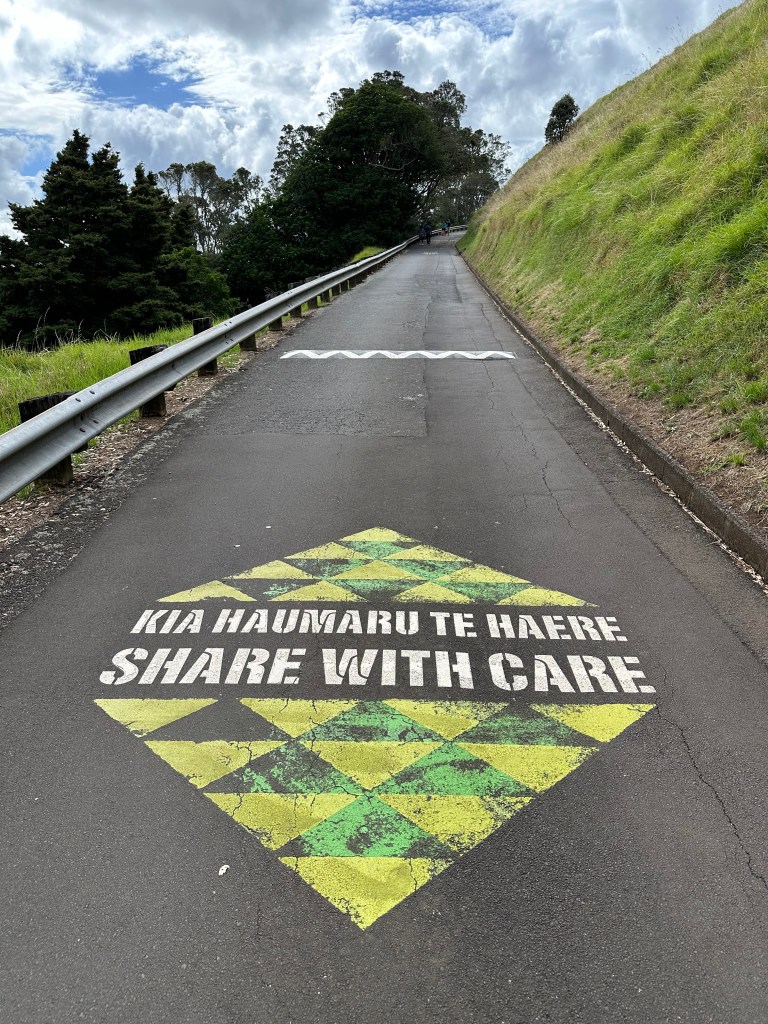
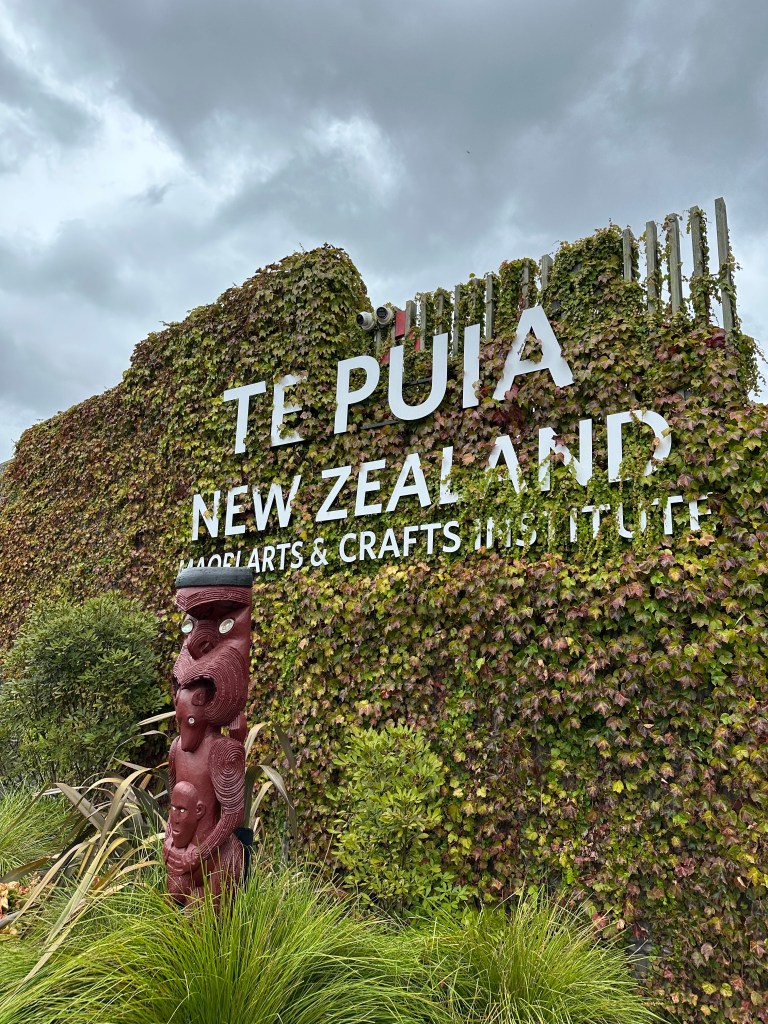
3. Māori are widely recognized as the native people of New Zealand, descended from the original Polynesian settlers. While they are the second-largest ethnic group in the country, they’ve historically faced limited opportunity and poor health outcomes—similar to Indigenous communities in North America. In recent decades, successive governments have made meaningful investments not just to improve outcomes, but to celebrate Māori culture. This is visible everywhere—from bilingual street signs to cultural representation in politics and public life.

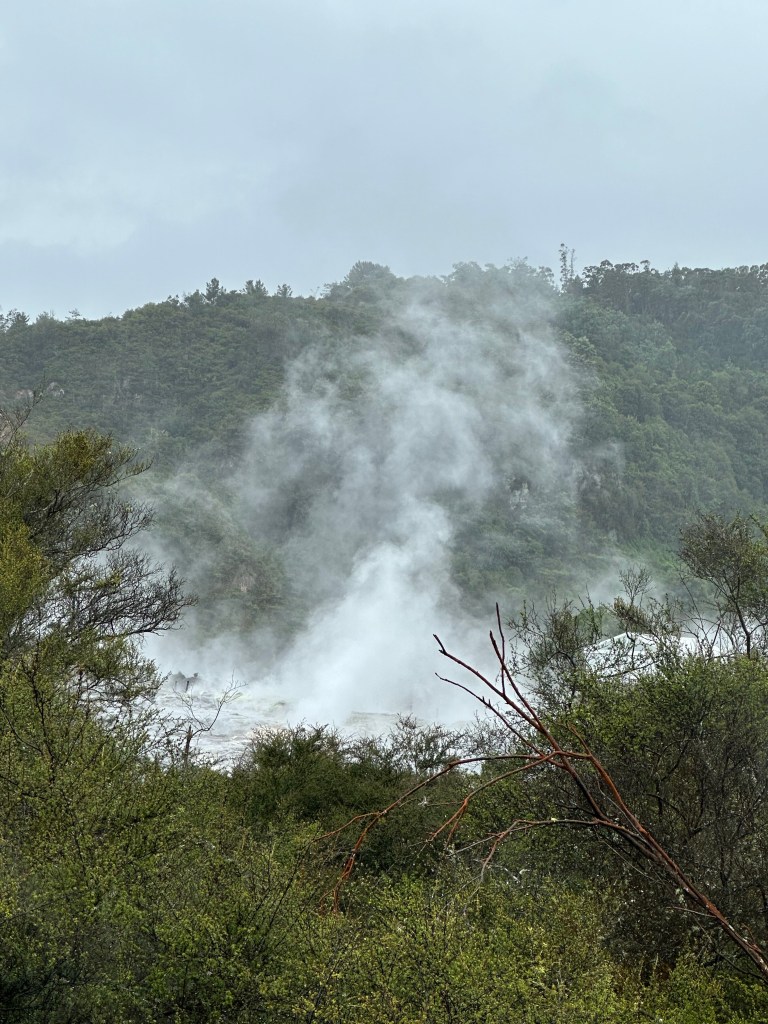
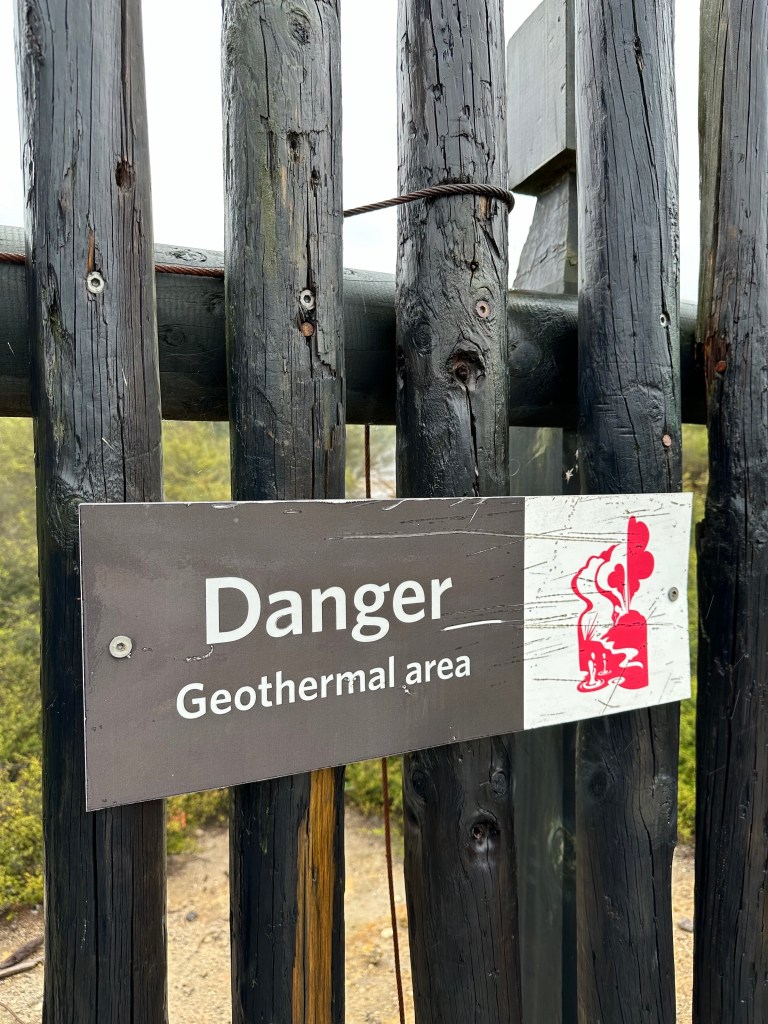
4. Rotorua is the epicenter of geothermal activity in New Zealand, filled with bubbling pools, steaming vents, and hot springs rich in sulphur. The smell of sulphur ranges from mildly off-putting to full-on rotten eggs—or, on bad days, an open sewer. But surprisingly, your nose adapts quickly. It wasn’t intolerable, just consistently unpleasant in the background. Still, the geothermal features are fascinating and absolutely worth experiencing.

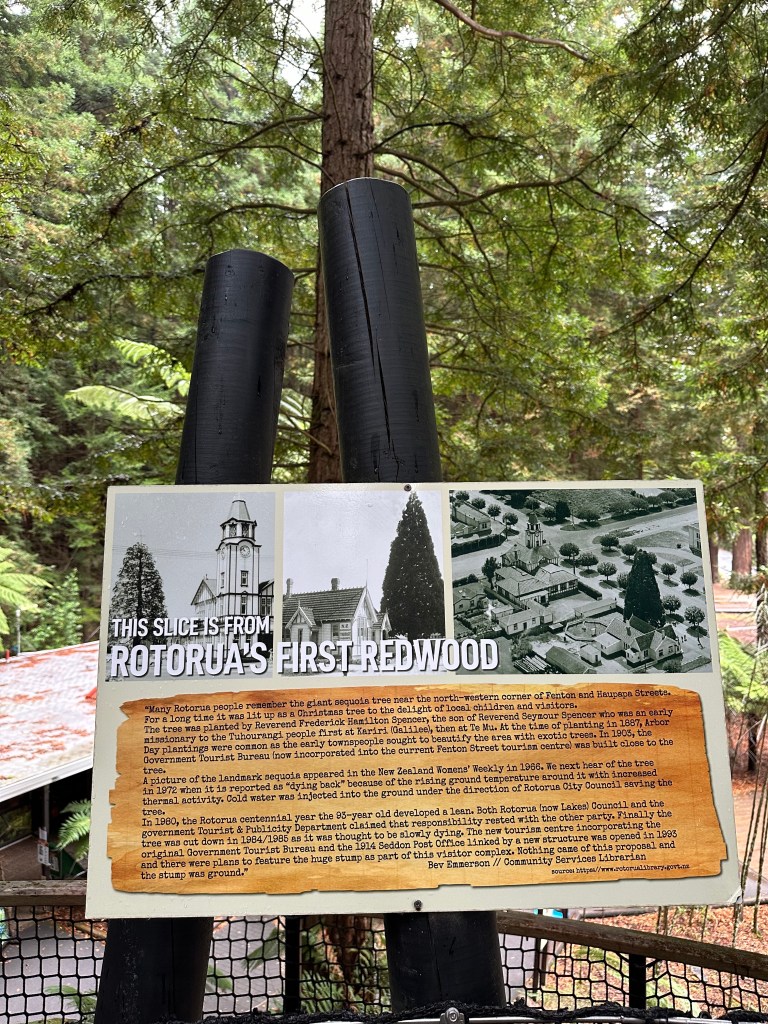
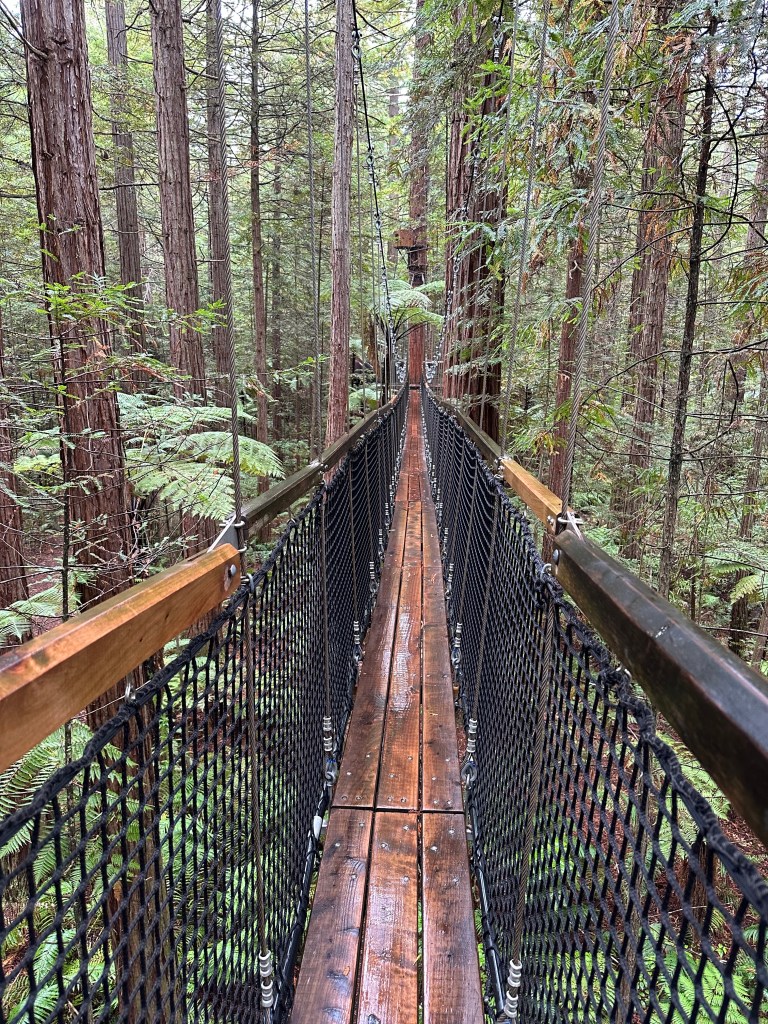
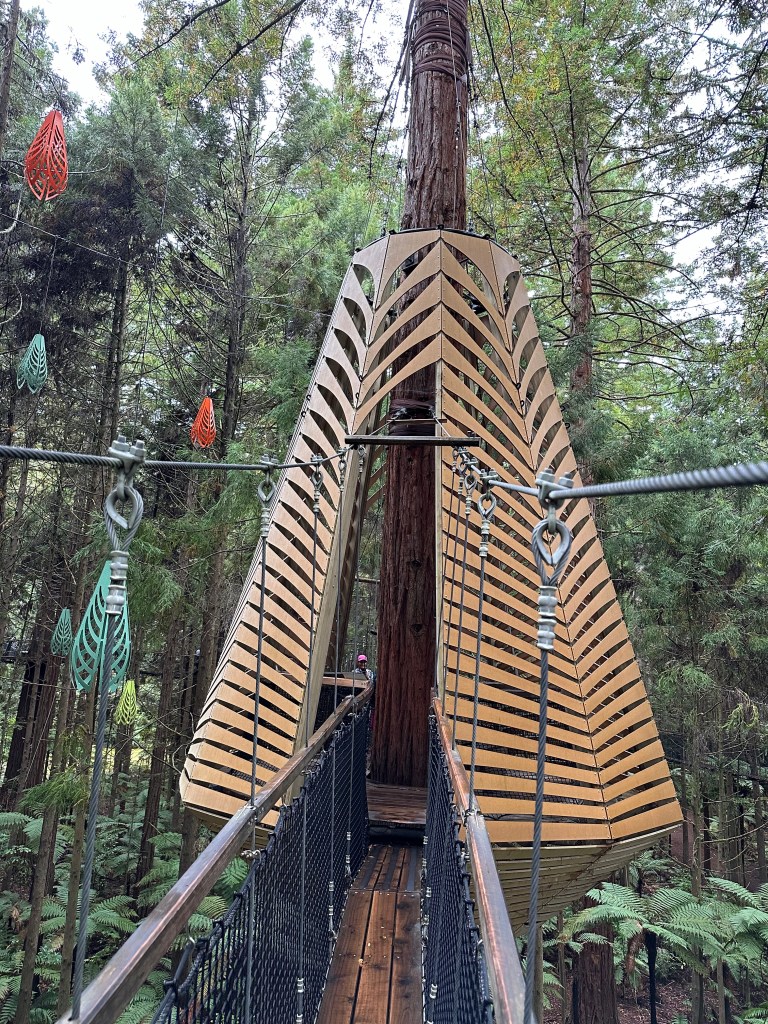
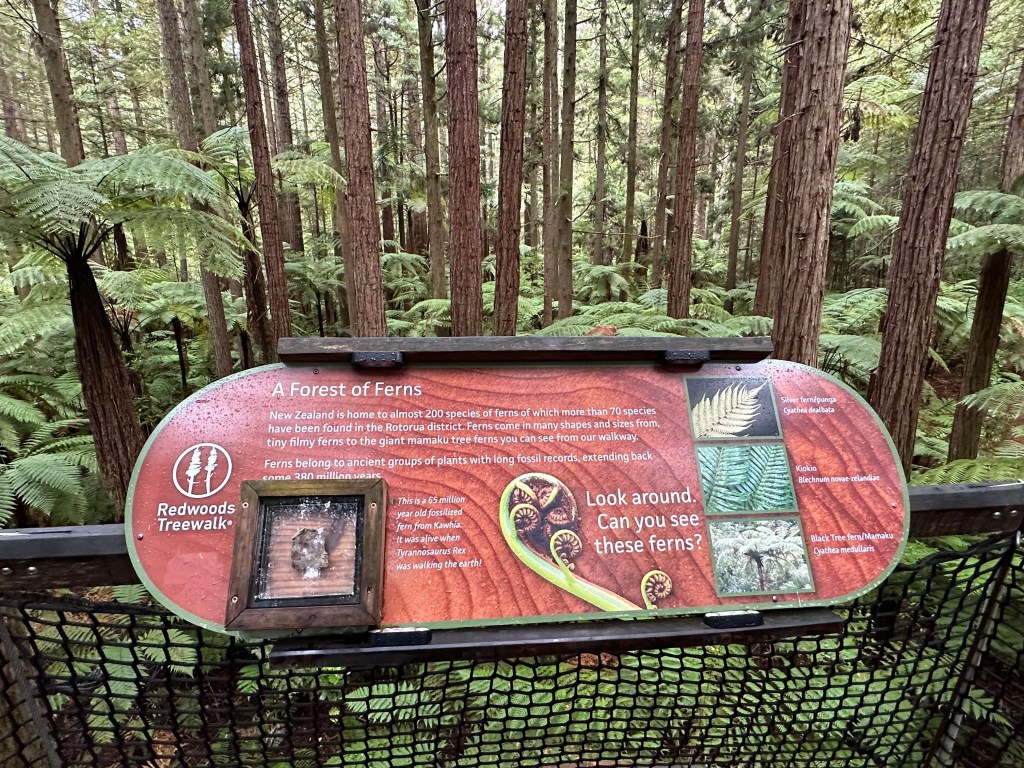
5. The tree walk in the Redwoods at Whakarewarewa Forest was a fun and peaceful experience. Although the Redwoods aren’t native to New Zealand, they’ve thrived in the temperate climate. The elevated walkway gives you the feeling of being inside the forest canopy, while the massive native ferns below add a lush, almost rainforest-like atmosphere. It was a calm, immersive way to spend an afternoon.

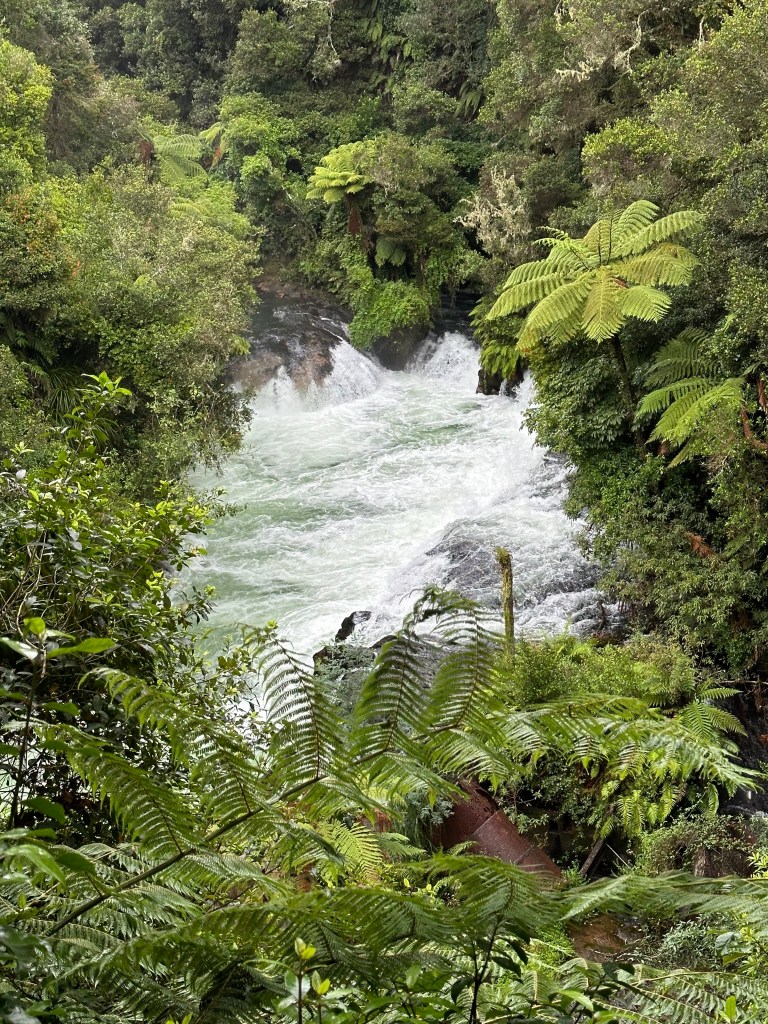
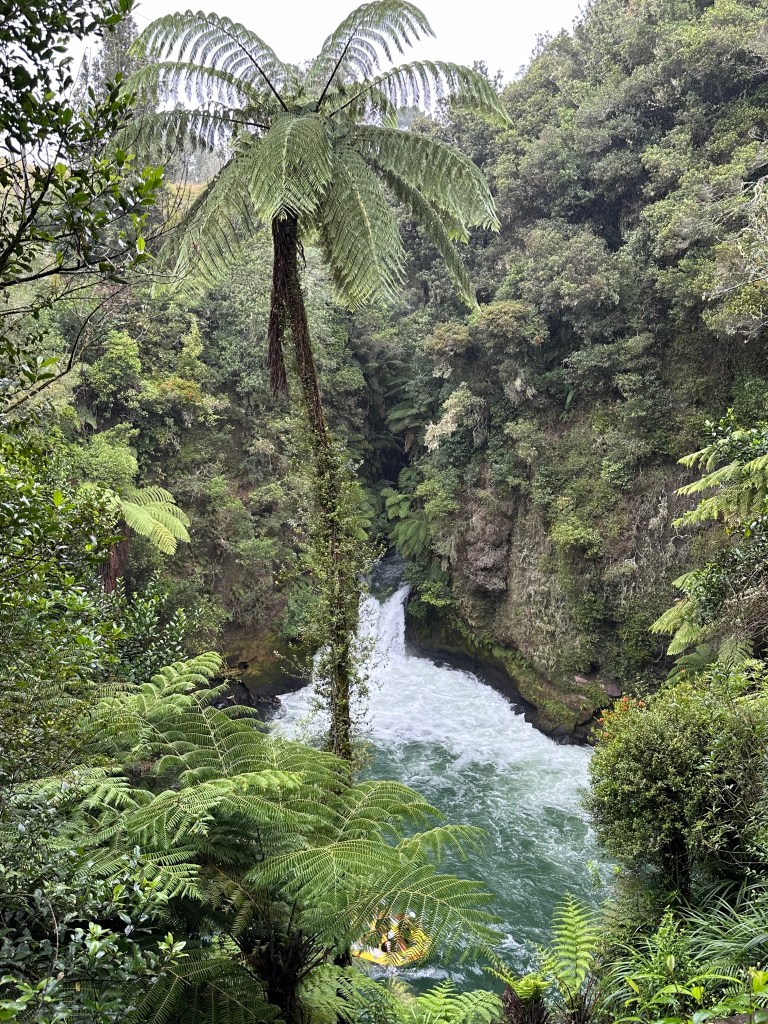
6. New Zealand receives consistent rainfall throughout the year, which explains its many pristine lakes and waterfalls. Lake Taupō is the largest in the country and is popular with local tourists for its water sports. Nearby Huka Falls on the Waikato River is another standout—it’s short but incredibly powerful and photogenic. Rotorua itself has crater lakes like Lake Rotorua and Lake Rotoiti, which are a bit less scenic but still pleasant. The nearby Okere and Tutea Falls are also worth a visit, and if you’re into adventure sports, white-water rafting on the Kaituna River—complete with a 7-meter drop over Tutea Falls—is a thrill not to be missed.

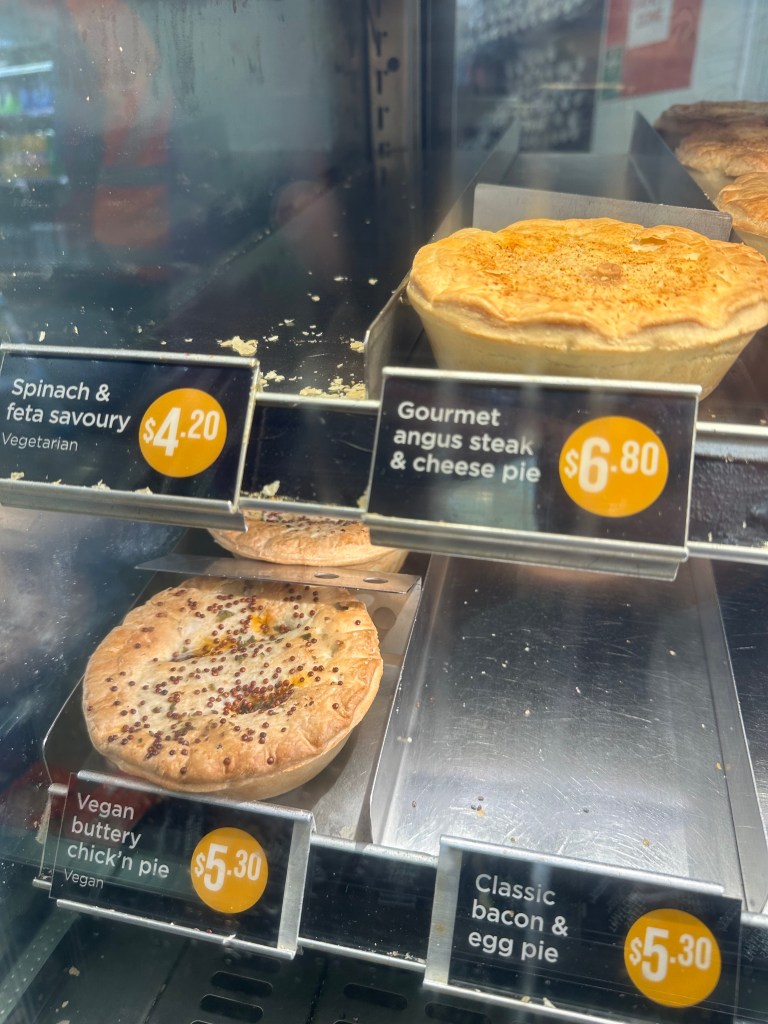
7. The local produce, especially dairy, was world-class. Regular full-fat milk tasted like a milkshake—rich and creamy, likely due to higher default fat content. It was oddly addictive. The broader cuisine was a bit underwhelming, though in fairness, I didn’t go out of my way to explore it in depth. That said, even the café inside a BP gas station had better coffee and meat pies than many U.S. chains. The wine was a pleasant surprise too—a $20 local red was fruity, slightly tart, and honestly better than most bottles I’ve picked up at specialty stores back home. Maybe beginner’s luck, but a happy discovery nonetheless.
7 things about North Island, New Zealand 

7 things about Sydney, Australia 

1. Sydney began as a penal colony under British orders. Admiral Arthur Phillip established the first settlement at a cove he named after Thomas Townshend, 1st Viscount Sydney. That cove — now Circular Quay — remains central to city life. The city expanded quickly with convict labor fueling the economy. British settlers were drawn by offers of free land, free labor, and guaranteed export markets. Fast forward to today, Sydney is a cosmopolitan hub that regularly features on global “best cities” lists and is a major economic player in the region. 
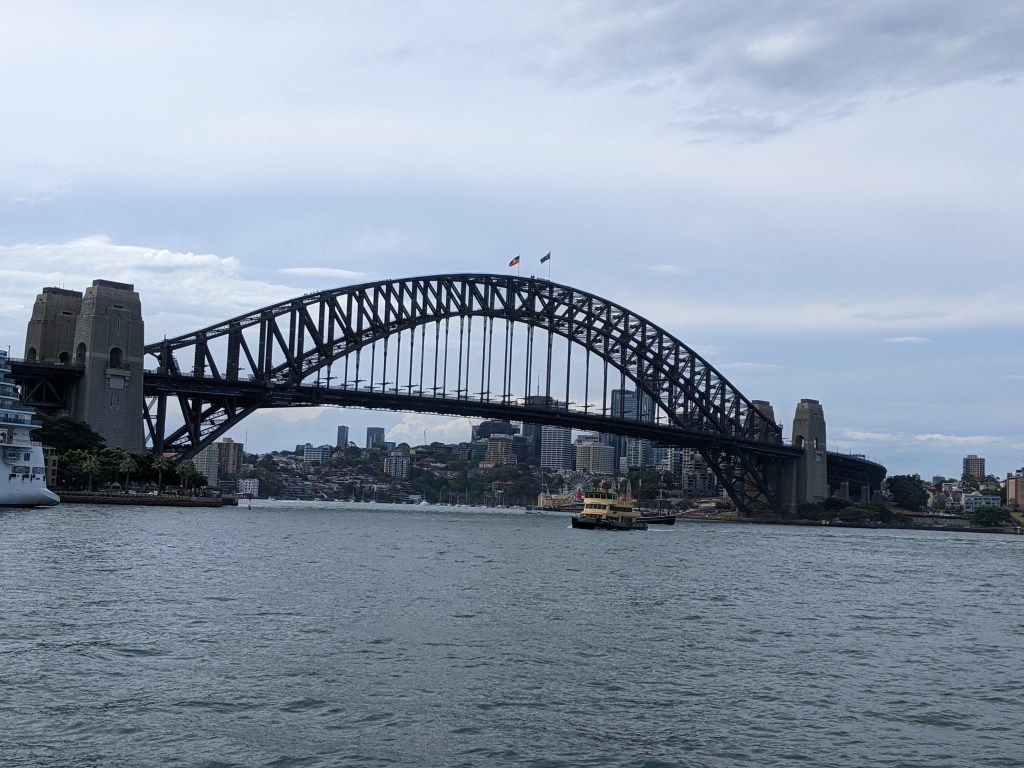
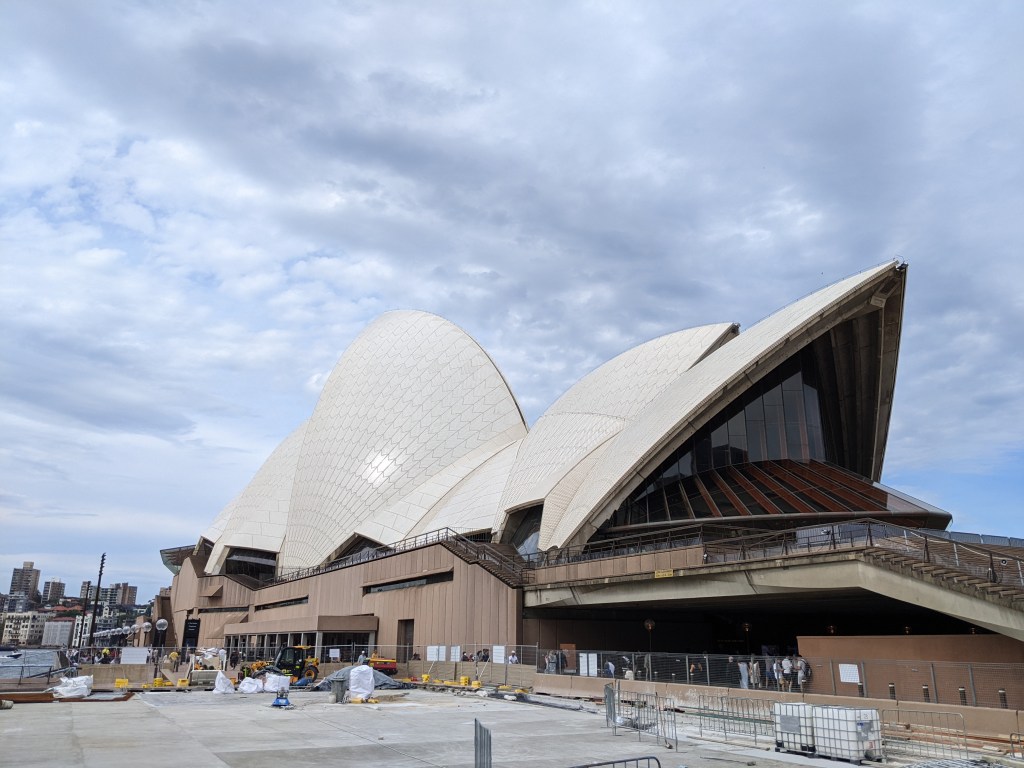
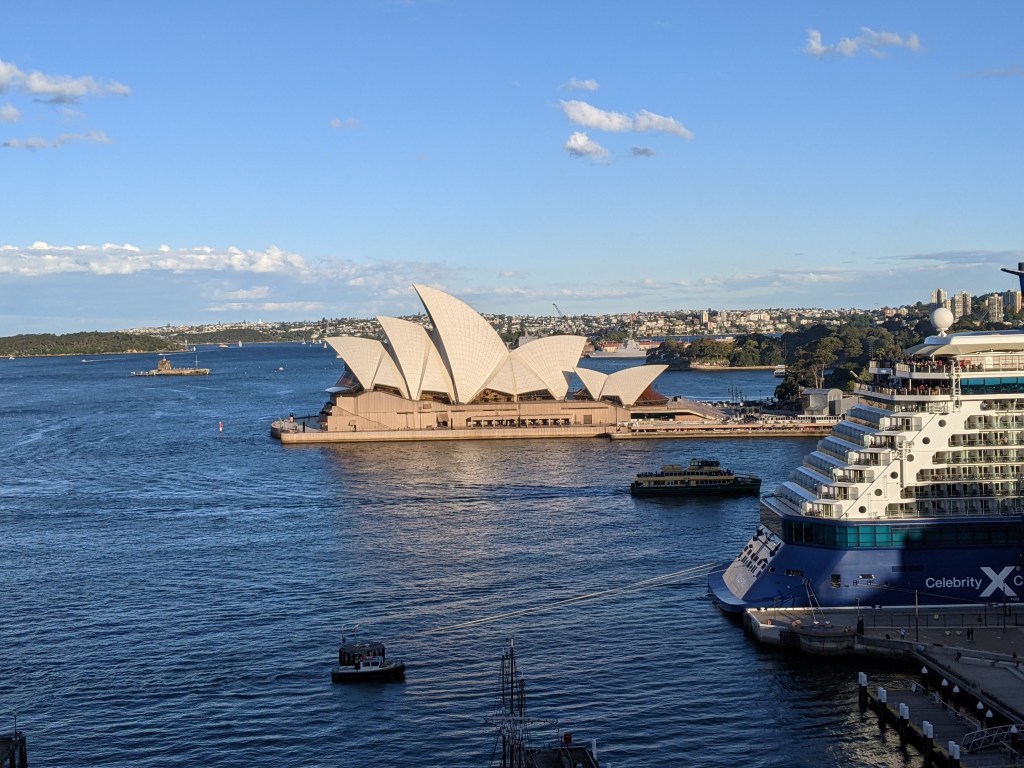
2. Sydney Harbor Bridge and the Opera house are two landmarks are synonymous with Sydney. The Harbour Bridge, commissioned just before the Great Depression, took eight years to build and opened in 1932. Its massive stone pylons — while visually striking — serve no structural purpose and weren’t in the original plans. The Pylon Lookout and Museum in the southeast pylon offers sweeping views of the harbor and tells the story of the bridge’s creation. For thrill-seekers, climbing the bridge is a splurge-worthy experience. If that’s too intense, walking its length still delivers amazing views. On the far side is Kirribilli, an upscale neighborhood with cozy cafes and one of the best lookouts for a full view of the bridge, Opera House, and CBD skyline.
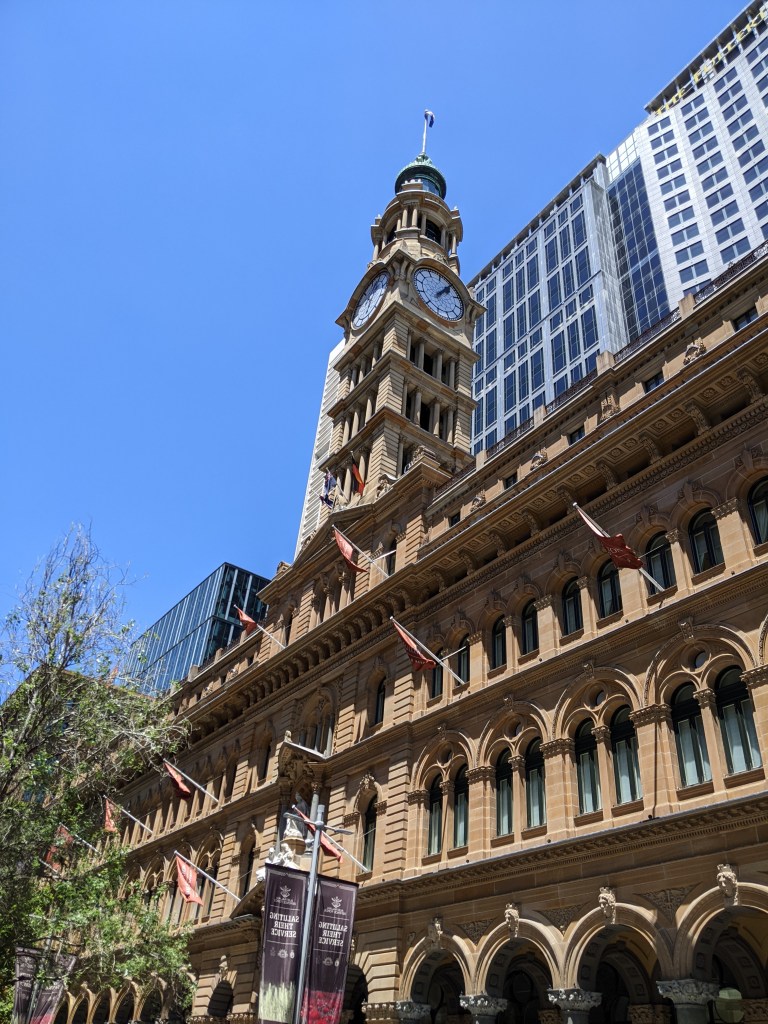
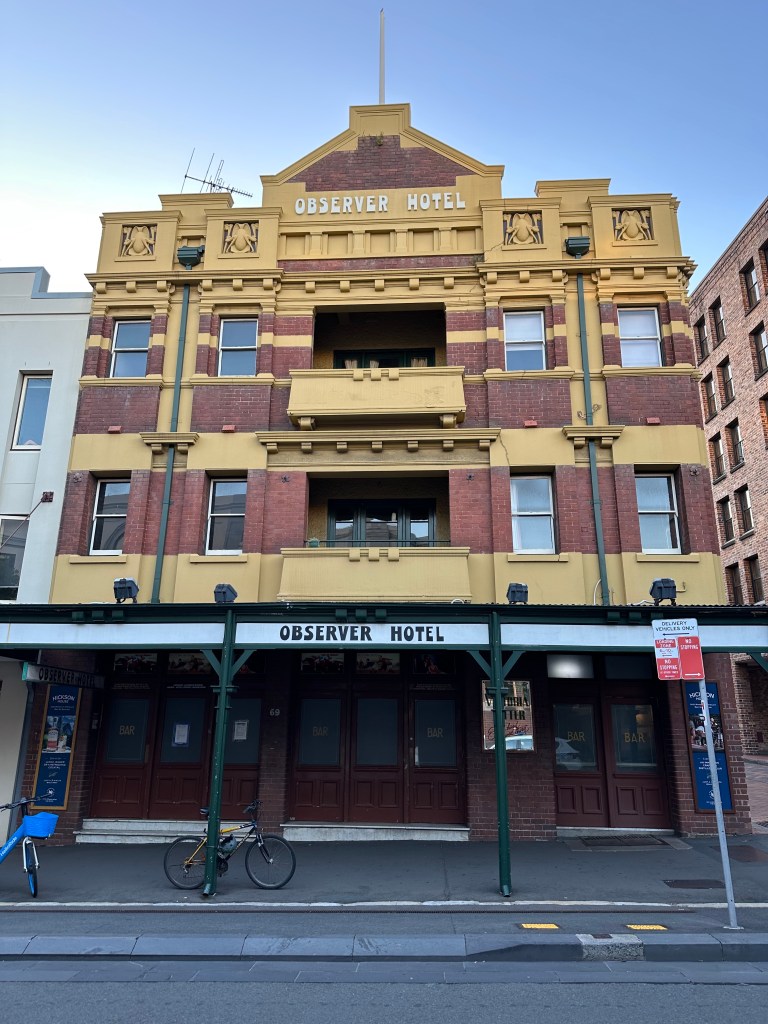
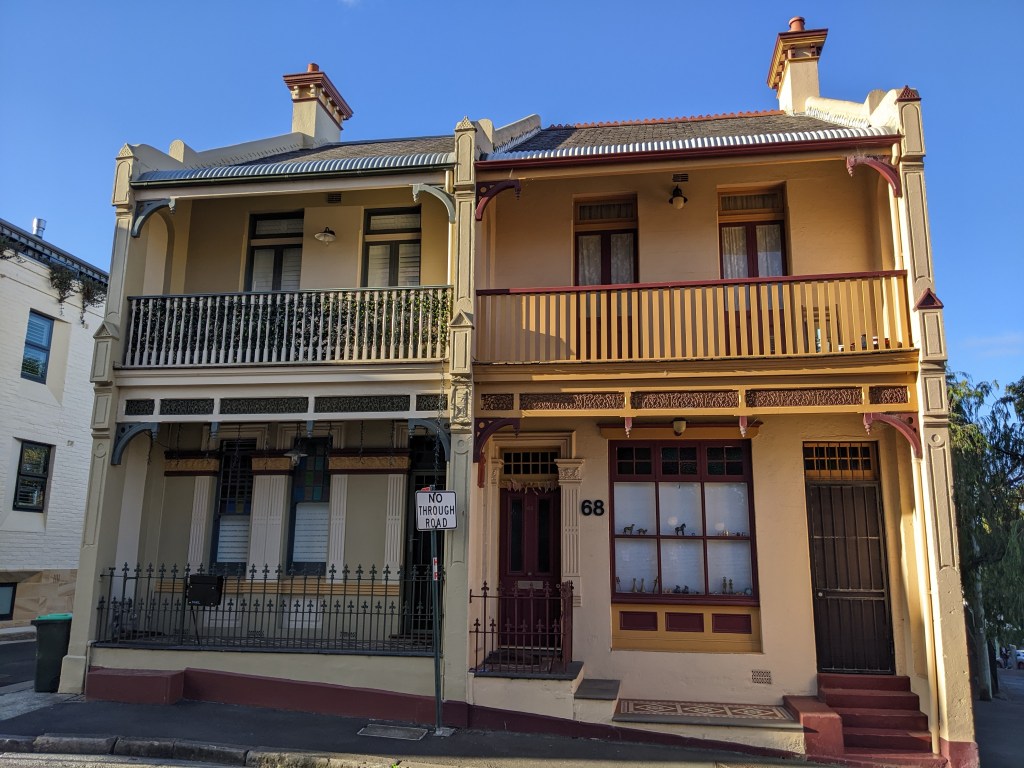
3. Sydney’s British colonial roots show up in government buildings and historic neighborhoods like The Rocks and Surry Hills. The homes here echo British row houses but are adapted for Australia’s climate — think enclosed patios and cast-iron balconies that blend function with charm.

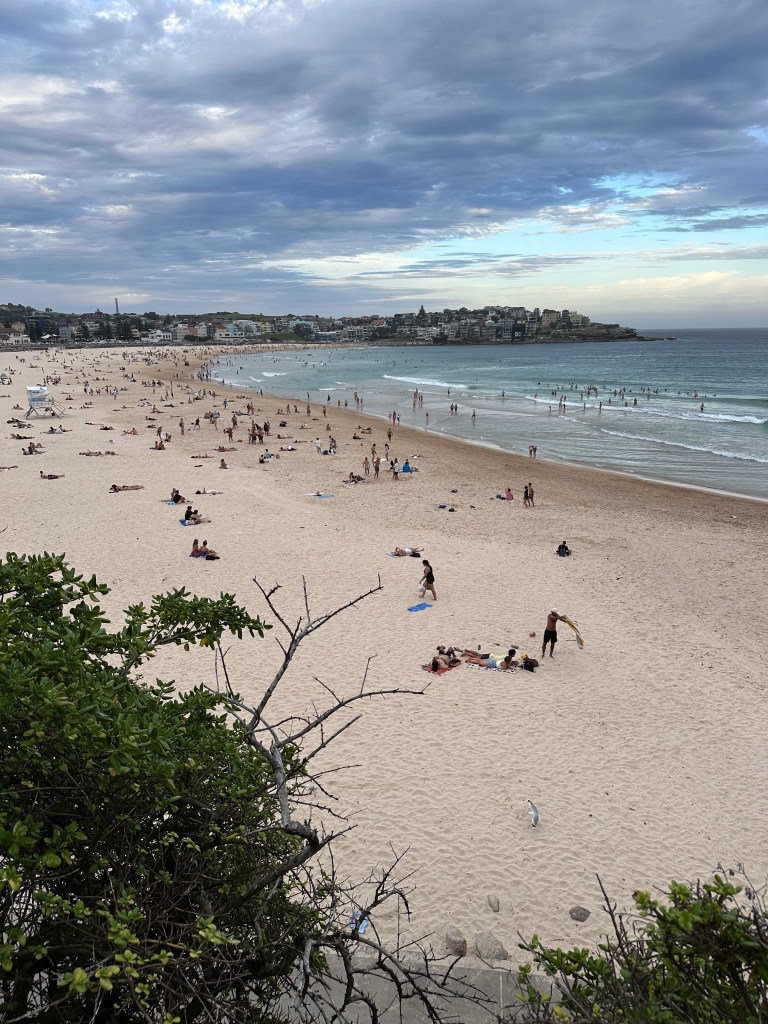
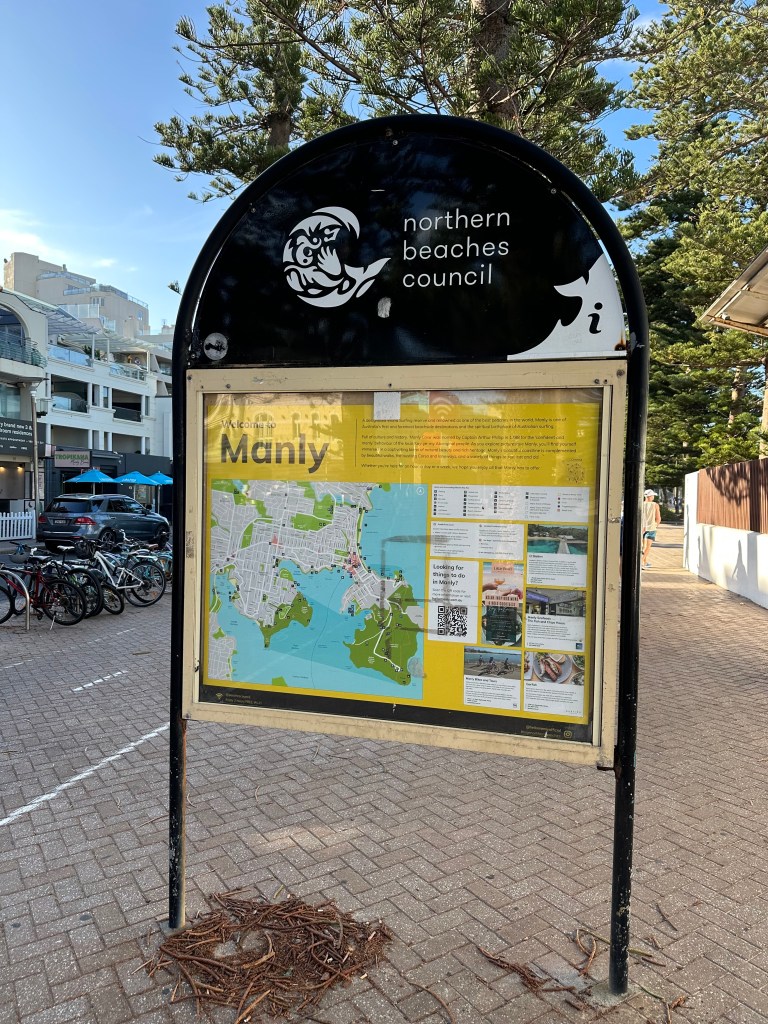
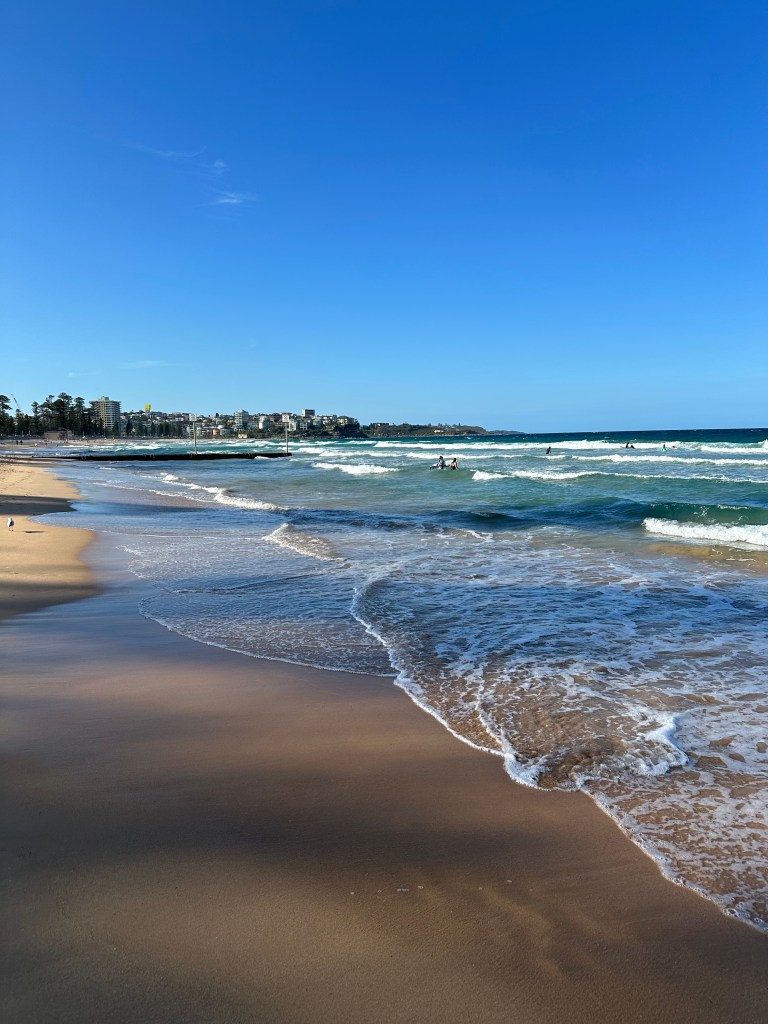
4. Being a coastal city on an island continent means Sydney has no shortage of beaches. Bondi is the most popular, the Australian equivalent of Miami Beach with its youthful party vibe. Manly is its tamer cousin with similar views and a more family-friendly scene. Both are city beaches easily accessible by public transport. The ferry to Manly especially is a fun ride offering great views of Sydney harbor, but there are better beaches all along the coast.

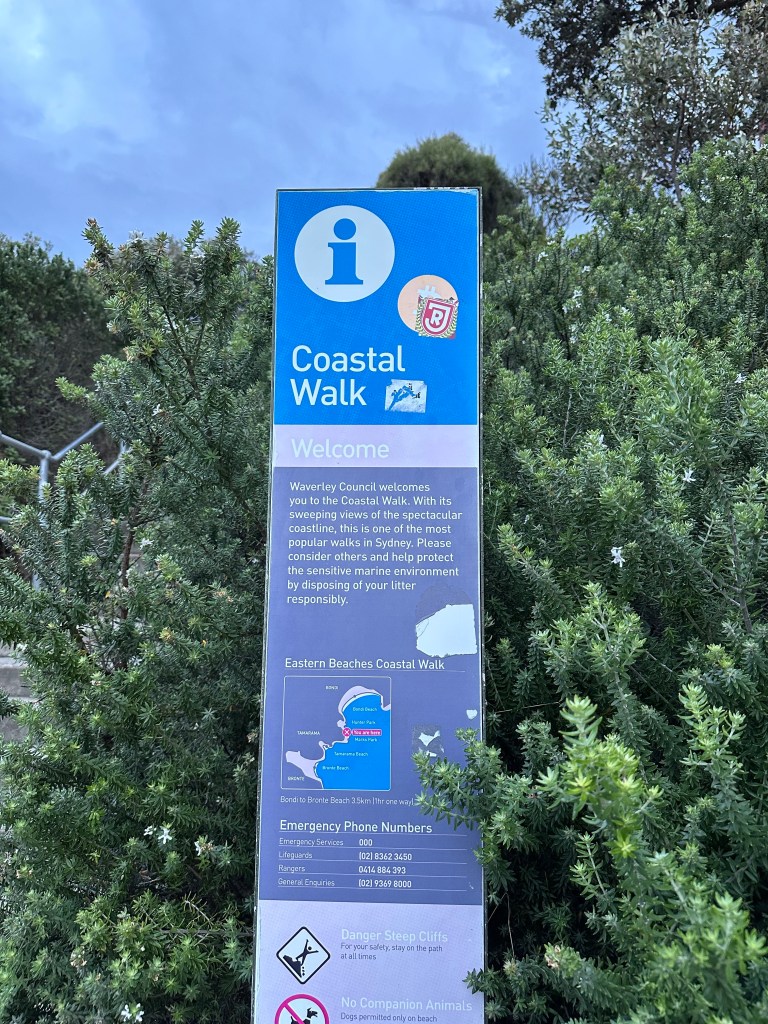
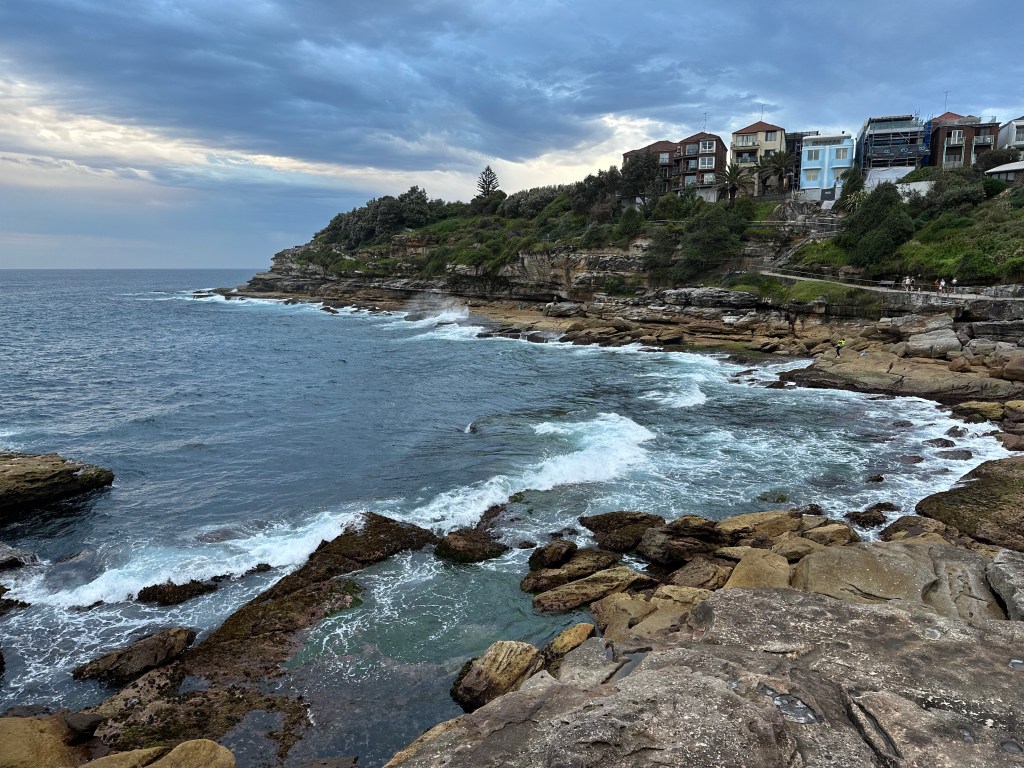
5. Coastal walks are a Sydney staple. The Bondi to Coogee trail is a scenic clifftop route connecting beaches, parks, and lookout points. It’s best enjoyed at sunrise or sunset when the light hits the water just right. Along the way, you’ll find plenty of places to eat, drink, and take a break.

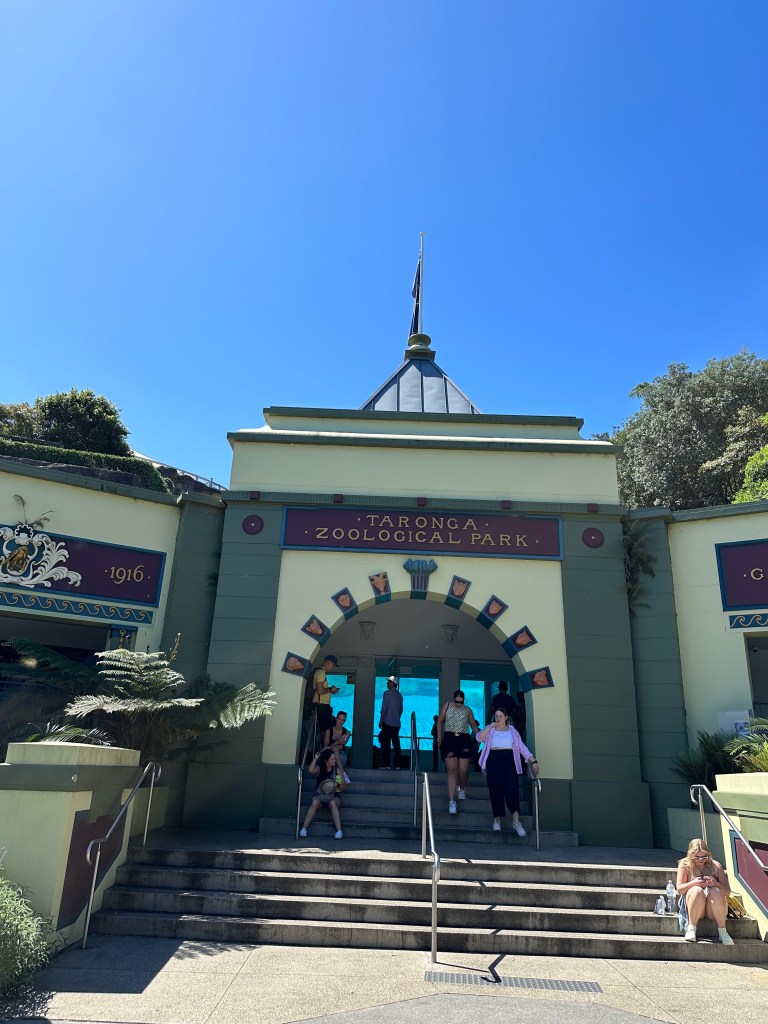
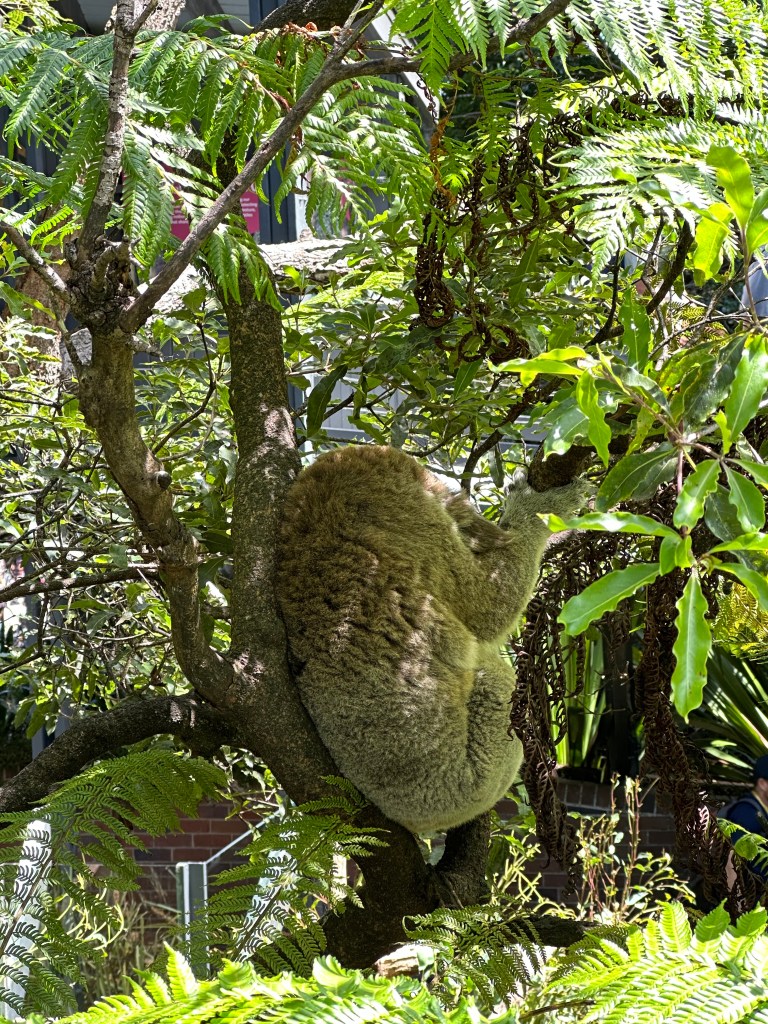
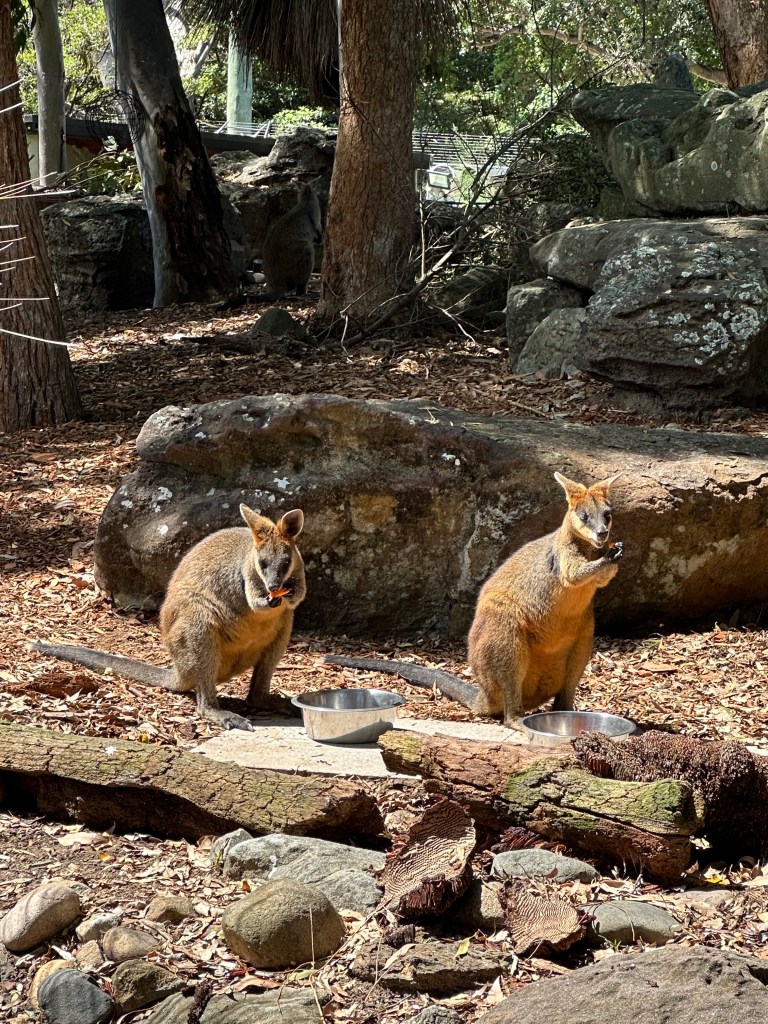
6. Located in North Sydney, Taronga Zoo offers a chance to see Australia’s unique animals up close. Koalas are crowd favorites — not just because they’re cute, but because their slow lifestyle (they live off moisture-rich eucalyptus leaves) makes them easy to spot. Wallabies, often mistaken for baby kangaroos, stand out with their multi-toned fur and smaller size.  

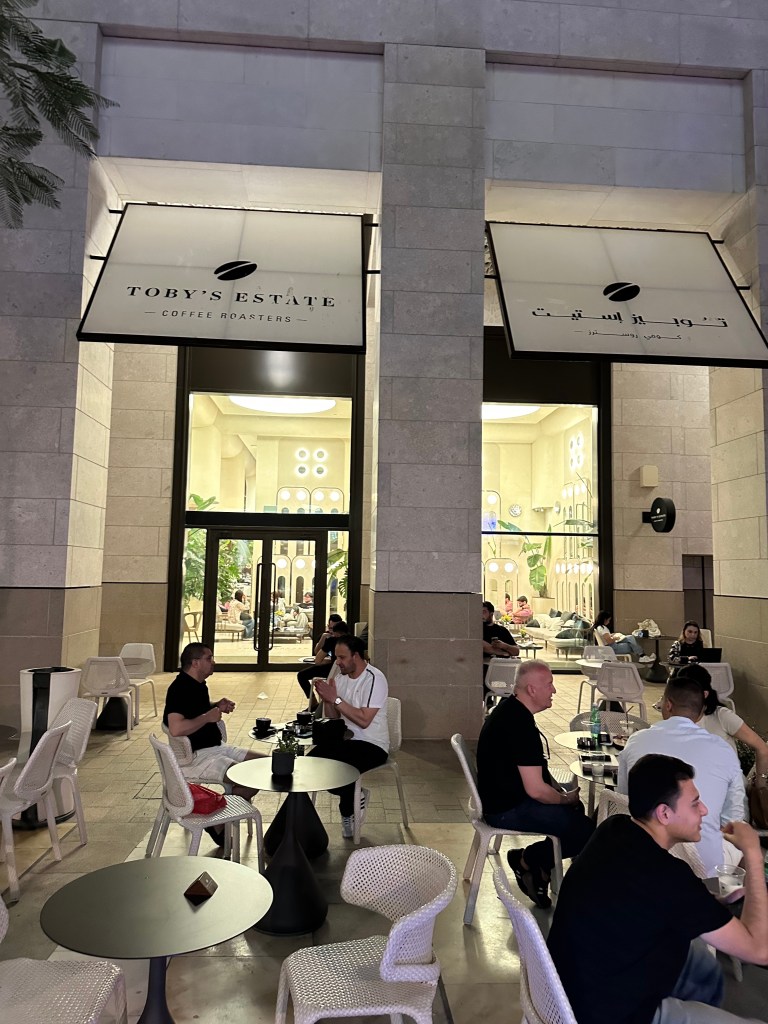
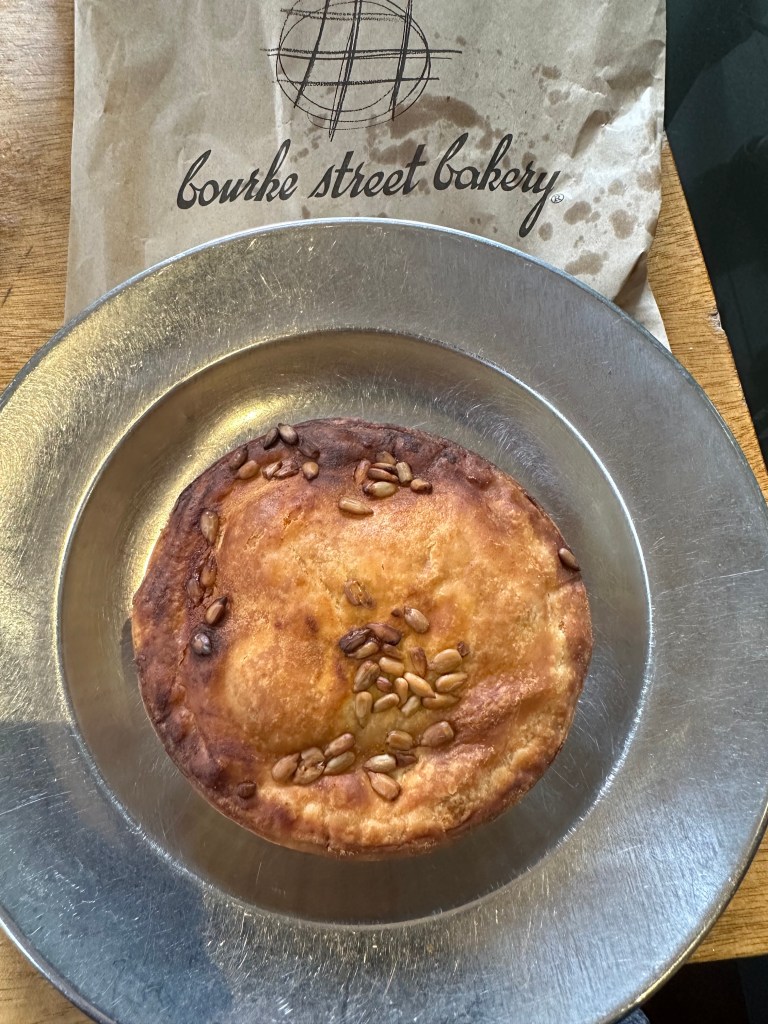
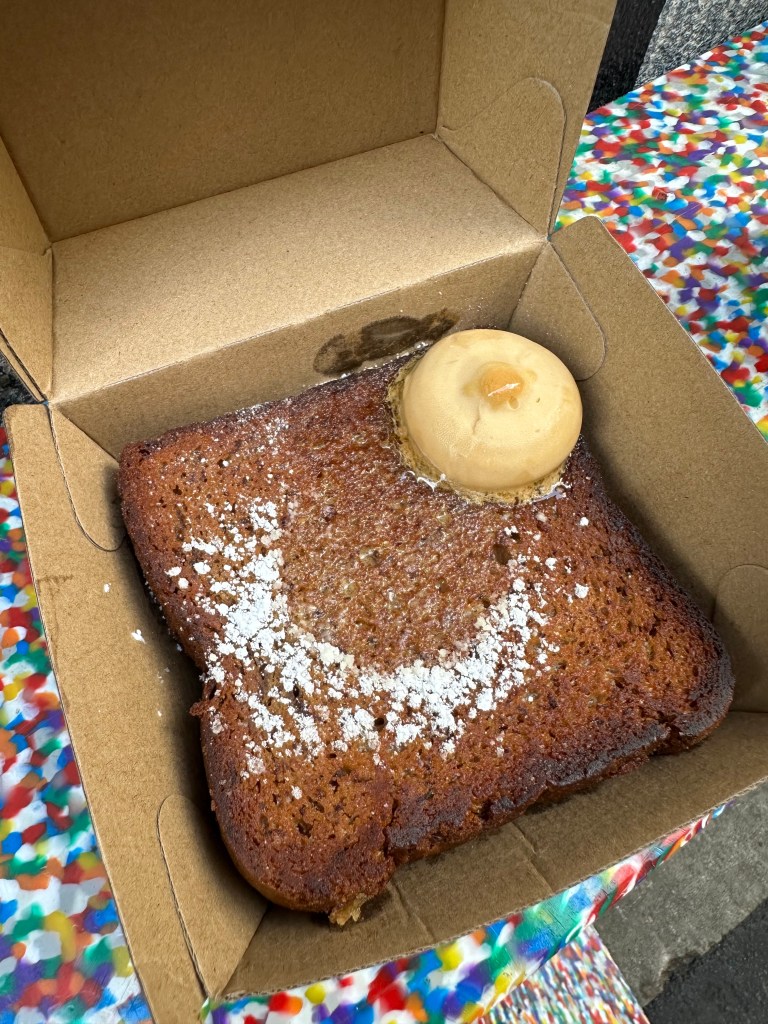
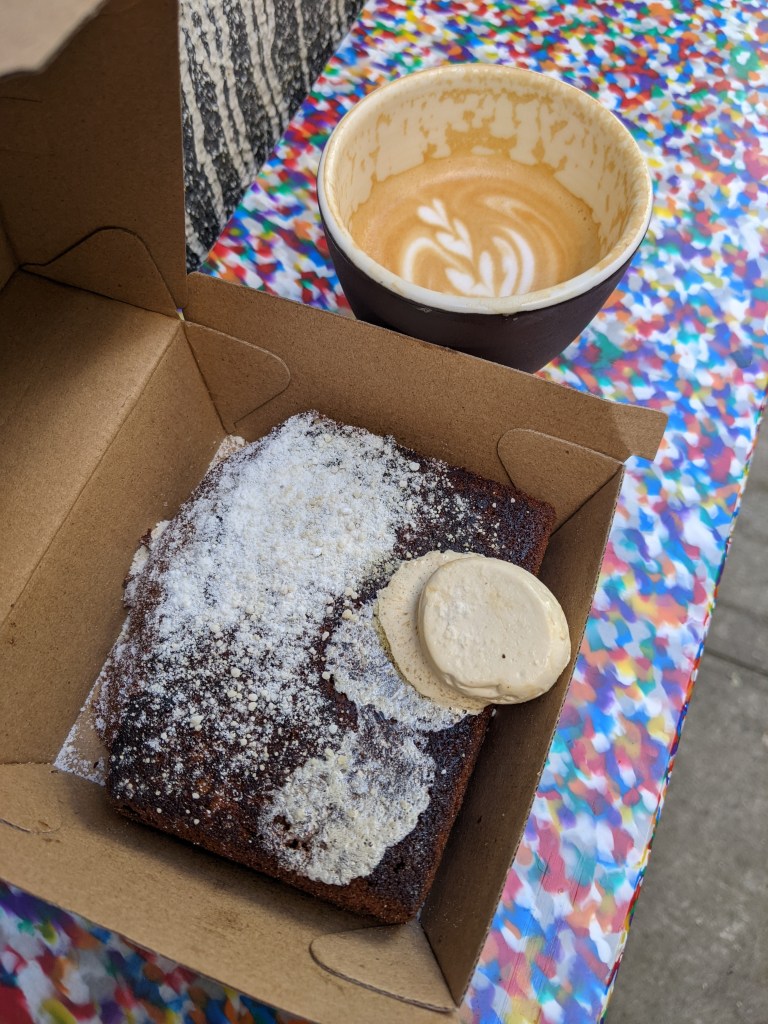
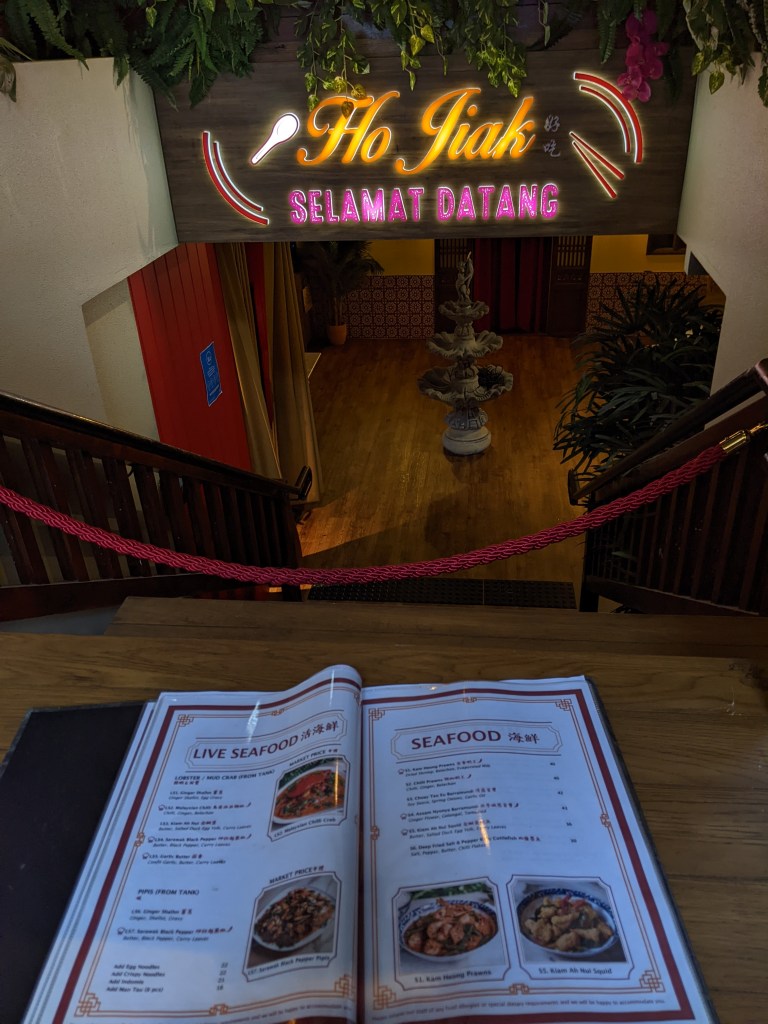
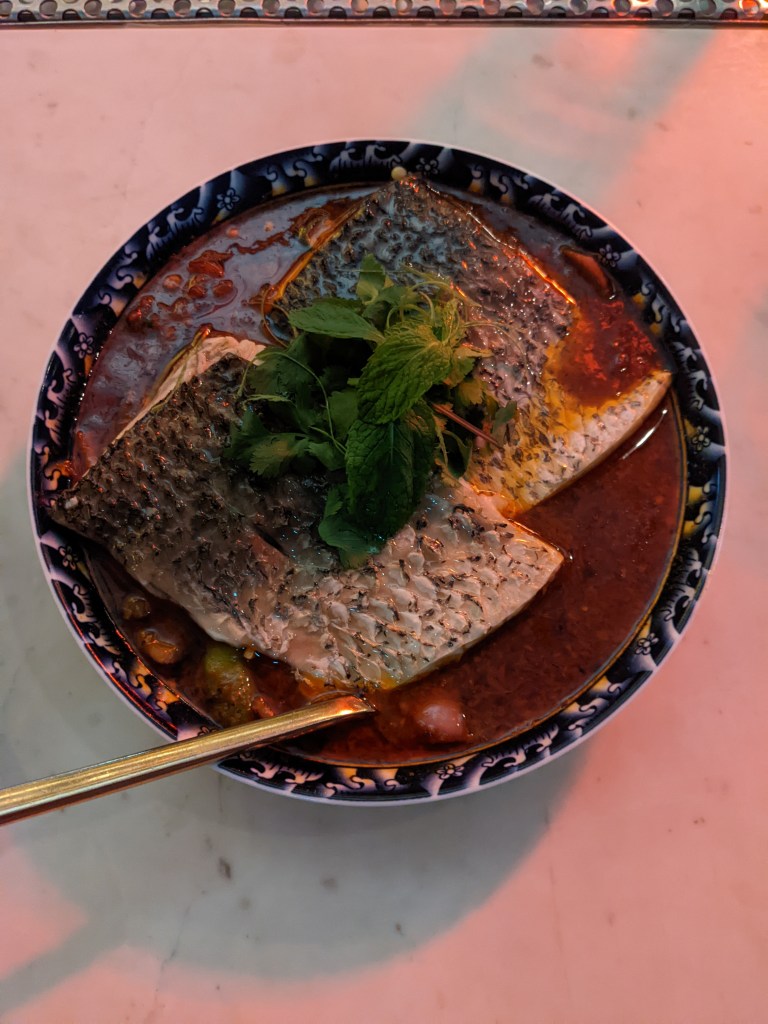
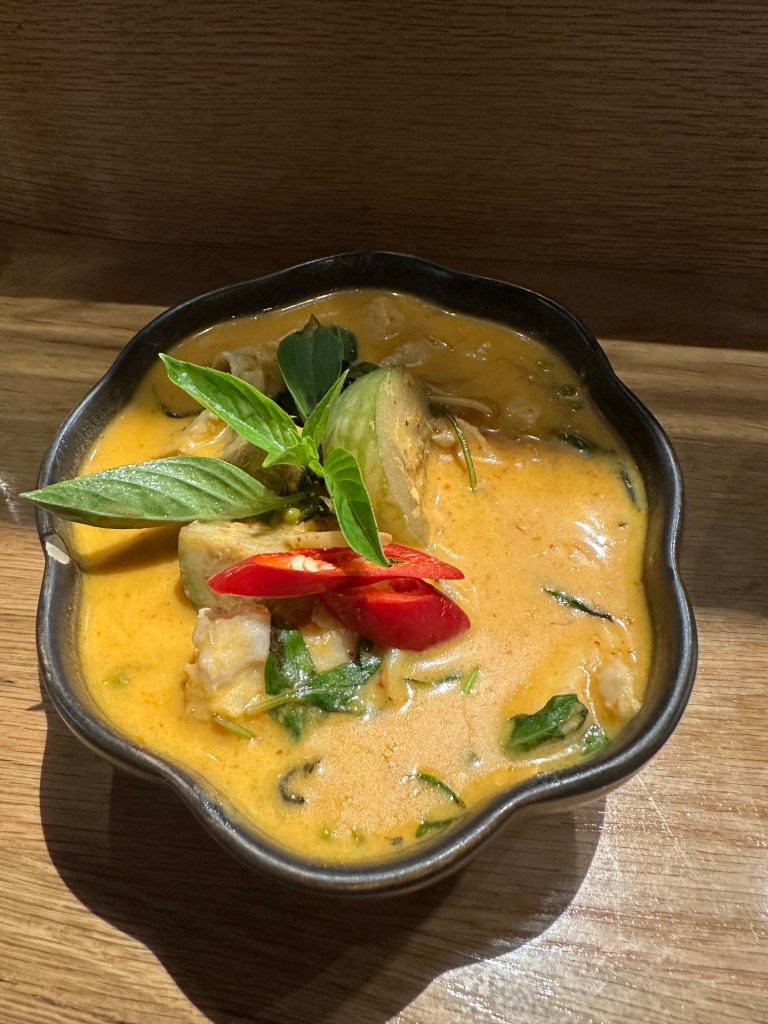
7. Sydney’s coffee culture is second to none. The flat white — Australia’s smoother, less foamy answer to the cappuccino — is the go-to. Skittle Lane, Single O, and Toby’s Estate all consistently deliver. Avocado toast is everywhere, but Aussies aren’t precious about it — it might be simply sliced avo on sourdough or a dressed-up version with microgreens. Banana bread is another staple, and most places will toast it for you. Single O’s take, served with espresso butter, is a standout. On the food front, Sydney shines especially when it comes to Asian cuisine. Malaysian and Thai restaurants, particularly Ho-Jiak and Chat Thai in Haymarket, are a cut above. For more upscale or eclectic options, check out Surry Hills or Newtown. Suburban spots like Marrickville and Parramatta are where you’ll find deeply authentic ethnic eats. 

7 things about Sydney, Australia