1. Malta has been ruled by a who’s who of Mediterranean powers
Few places have changed hands as often as Malta. Sitting at the crossroads of the Mediterranean, the islands have been ruled by a who’s who of conquerors including the Phoenicians, Romans and Arabs. Christianity returned with the Norman conquest of neighboring Sicily in the 11th century, bringing Malta back into the Latin world. The defining chapter of Maltese history began in 1530 when the Order of St. John arrived. Originally founded as a hospital order in Jerusalem before evolving into one of Europe’s most formidable military forces during the Crusades, the Knights had already been driven out of Jerusalem and Rhodes before being granted Malta. After repelling the Ottomans during the Great Siege of 1565, they decided Malta was no longer a temporary refuge but their permanent home. Napoleon expelled the Knights in 1798, but French rule proved deeply unpopular. The Maltese appealed to Britain, which drove out the French in 1800. Malta remained under British rule until gaining independence in 1964 before becoming a republic in 1974. For such a small island, Malta has played an outsized role in Mediterranean history.
2. Valletta was built to survive another siege
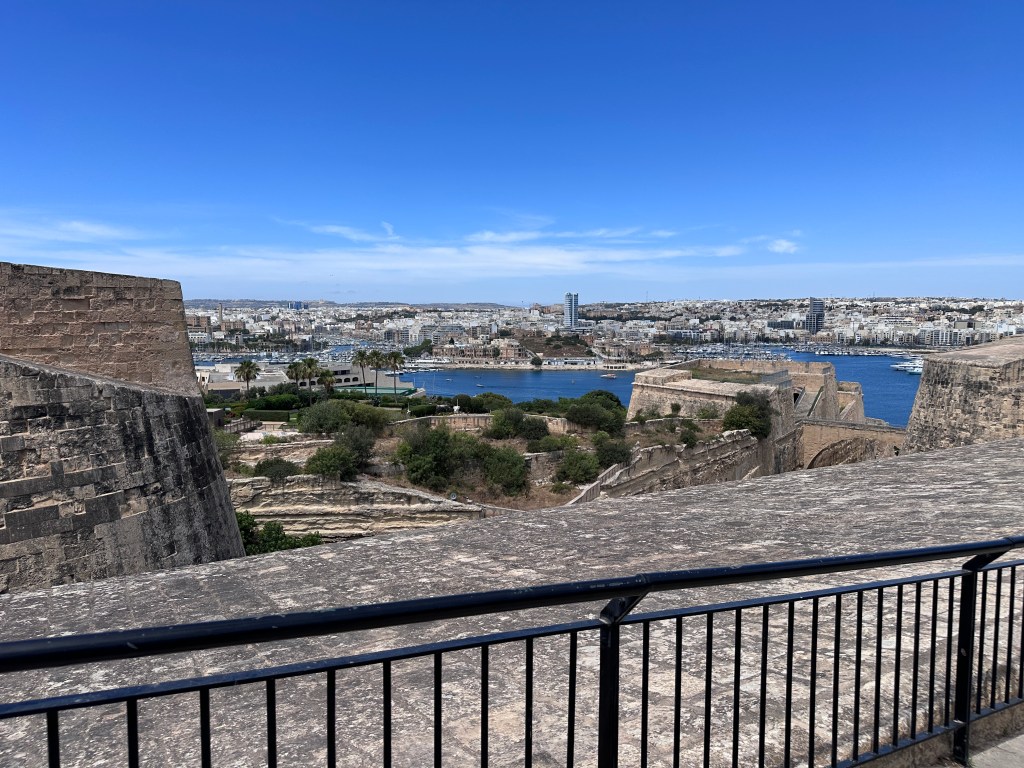
The Great Siege convinced the Knights that Malta needed more than strong fortifications. Under Grand Master Jean Parisot de Valette, they built an entirely new city that still bears his name. Valletta’s bastions rank among the finest examples of Renaissance military engineering. Standing in Hastings Gardens overlooking St. Michael’s and St. John’s Bastions, it is hard to imagine any 16th-century army breaching those walls.

3. Valletta is the prettiest, but the Three Cities feel more authentic
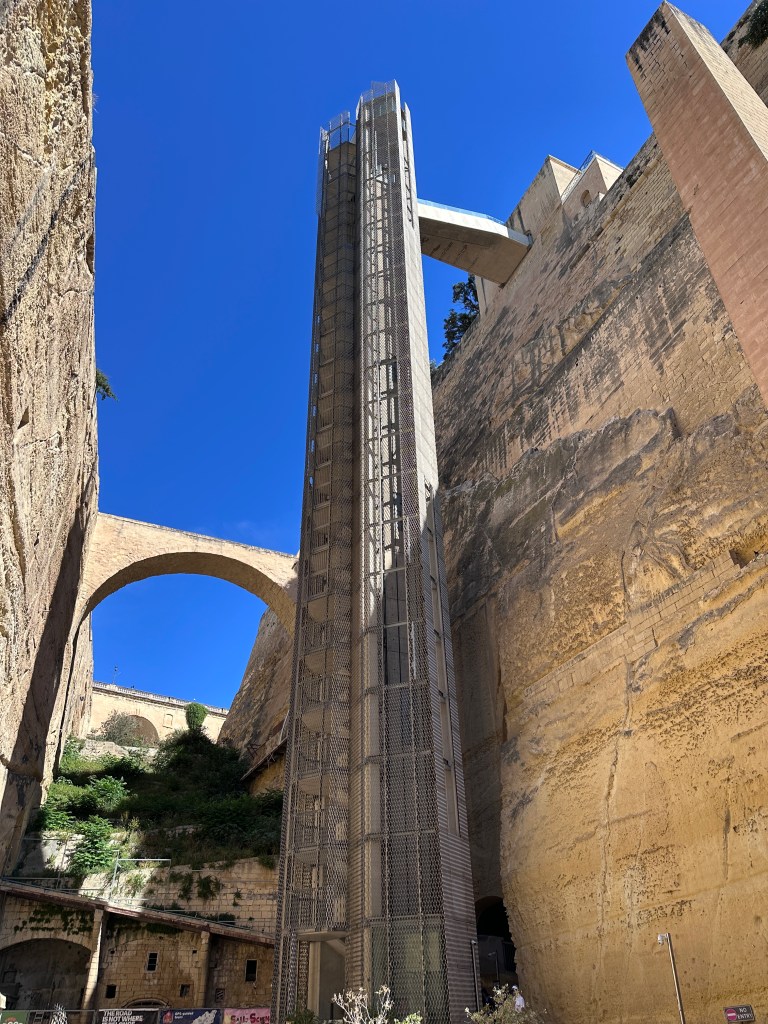
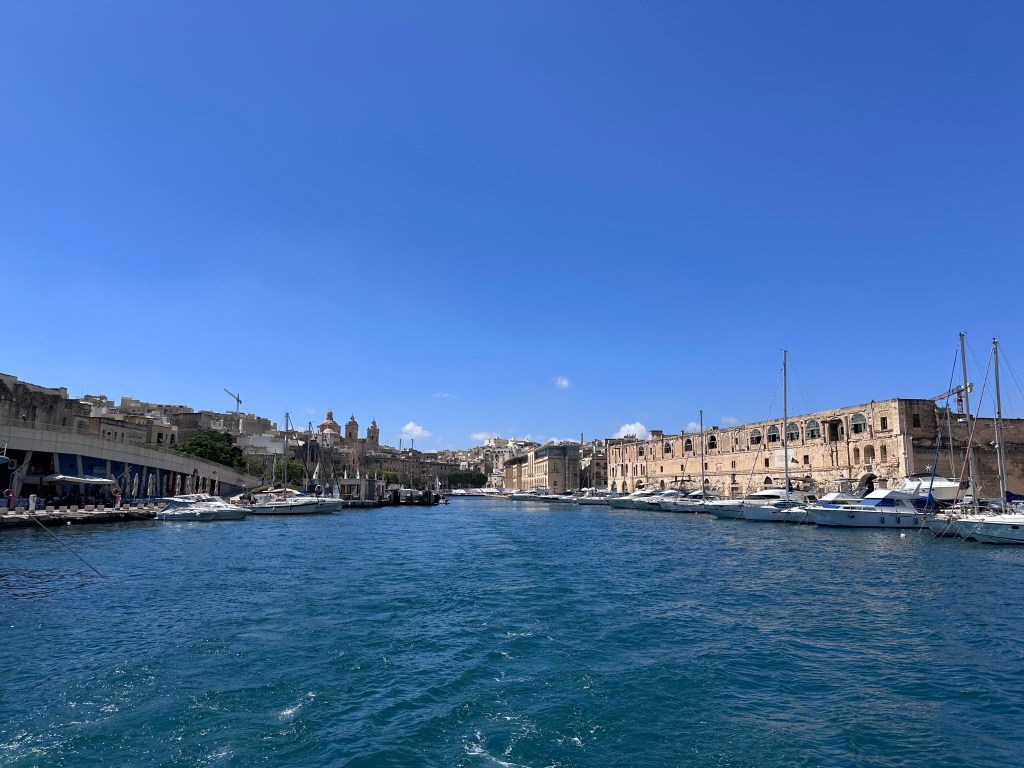
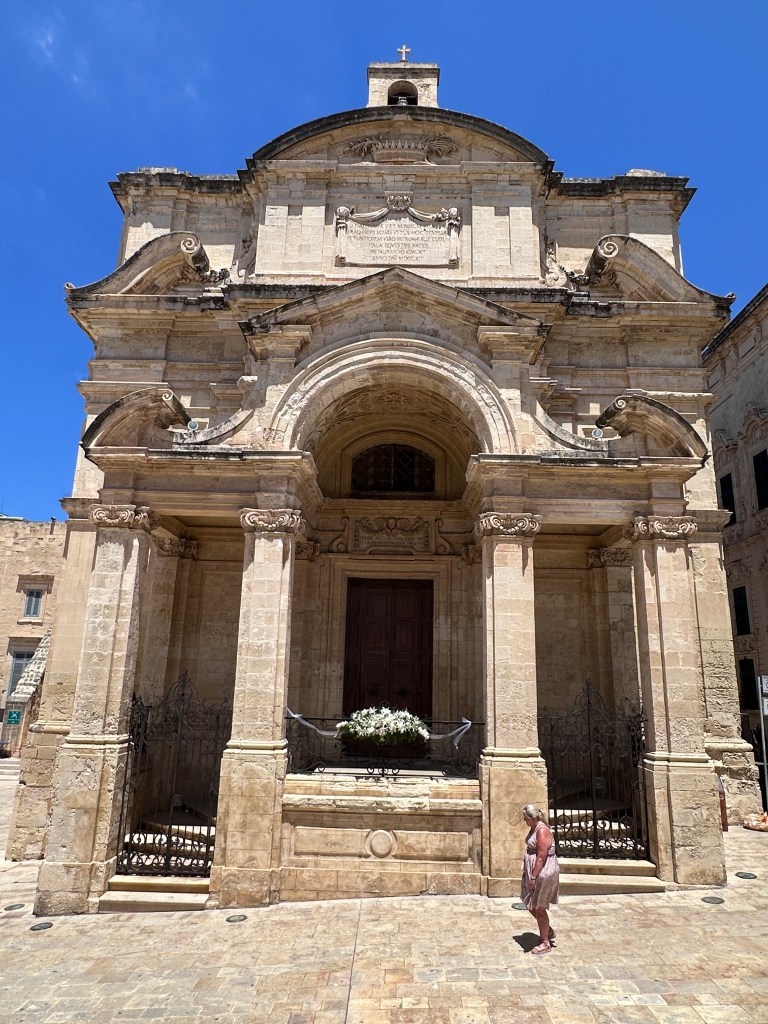
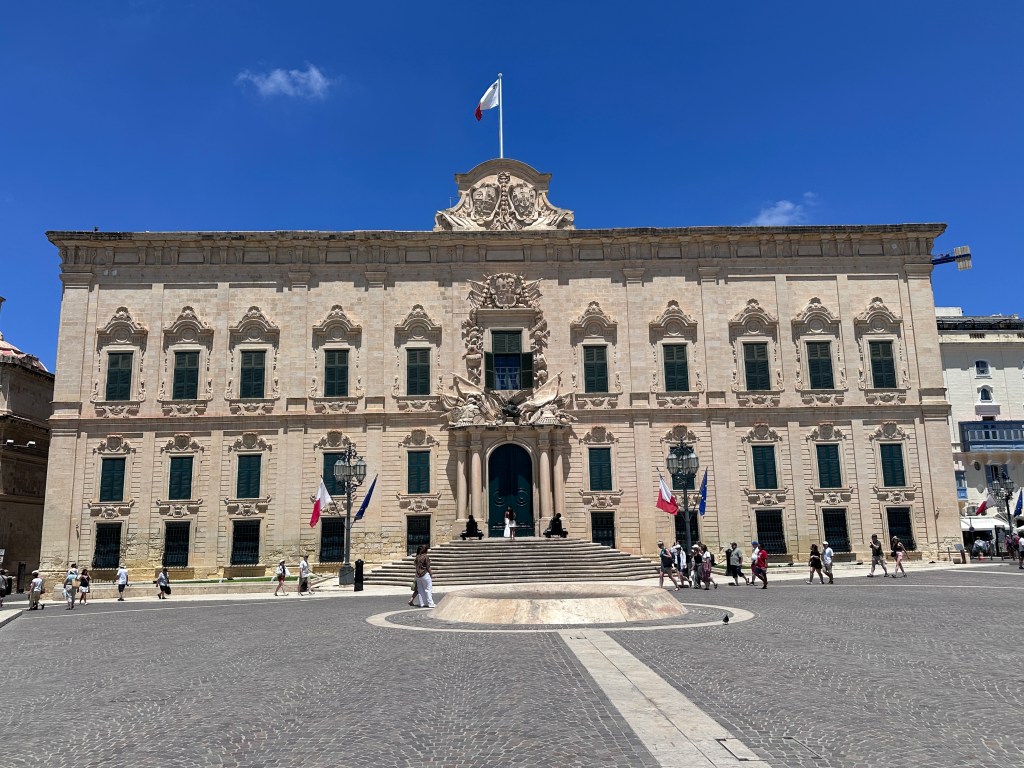
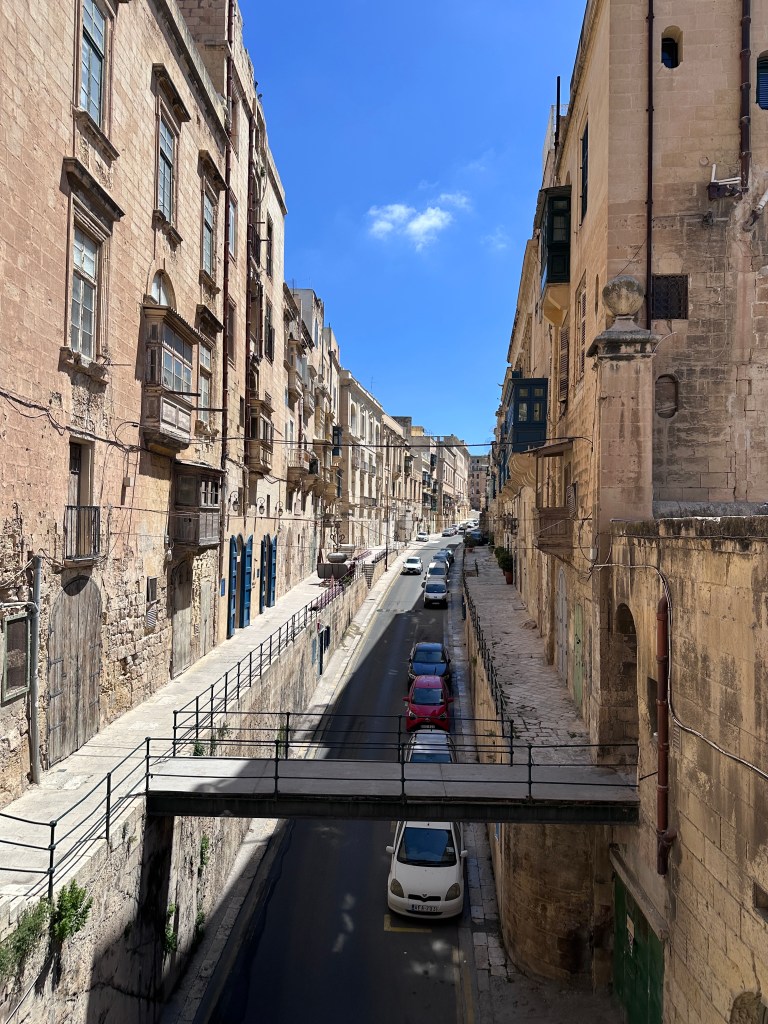
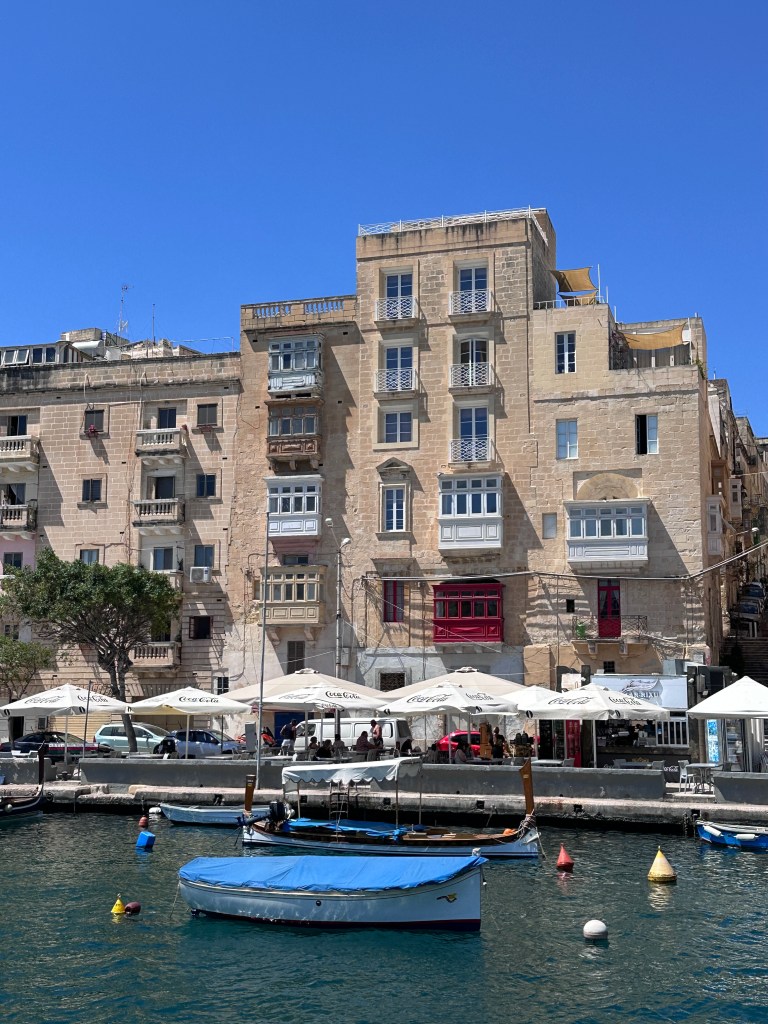
Valletta and the Three Cities of Vittoriosa (Birgu), Senglea (Isla) and Cospicua (Bormla) rise from the turquoise waters of the Grand Harbour in the same honey-colored limestone that defines Malta. The Upper Barrakka Gardens offer the best panorama of both. The Three Cities have a more lived-in feel, but Valletta is the more rewarding place to explore. Its dramatic peninsula setting and remarkable concentration of churches, museums and palaces make it one of Europe’s most walkable historic cities.

4. St. John’s Co-Cathedral is Malta’s crown jewel
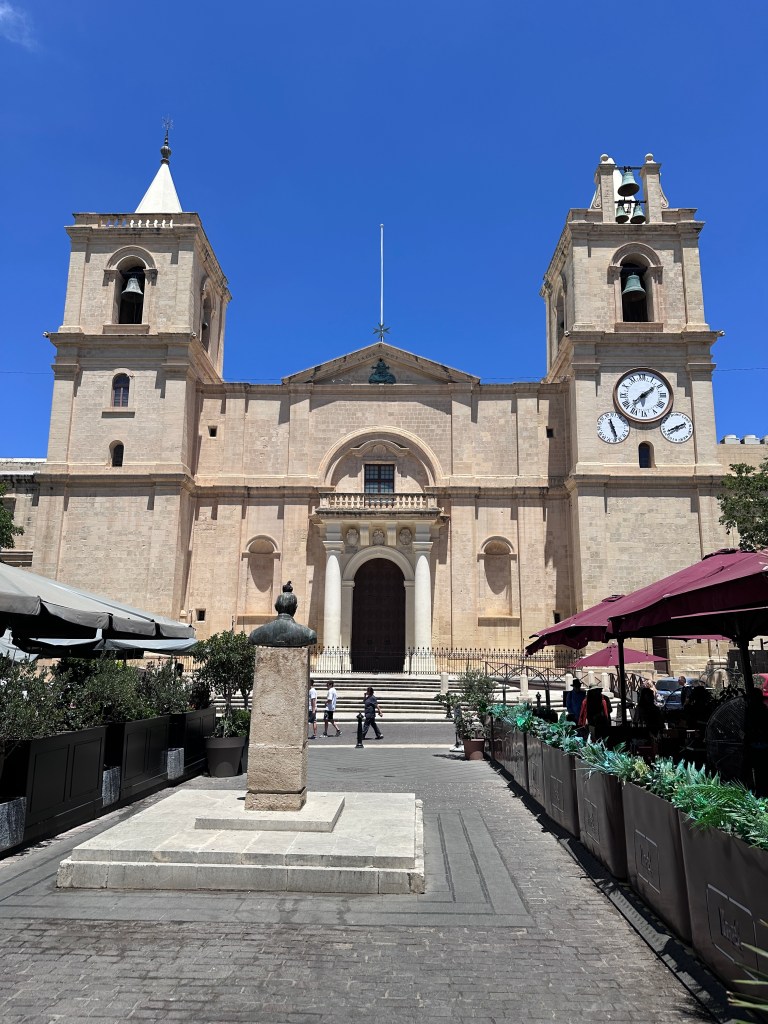
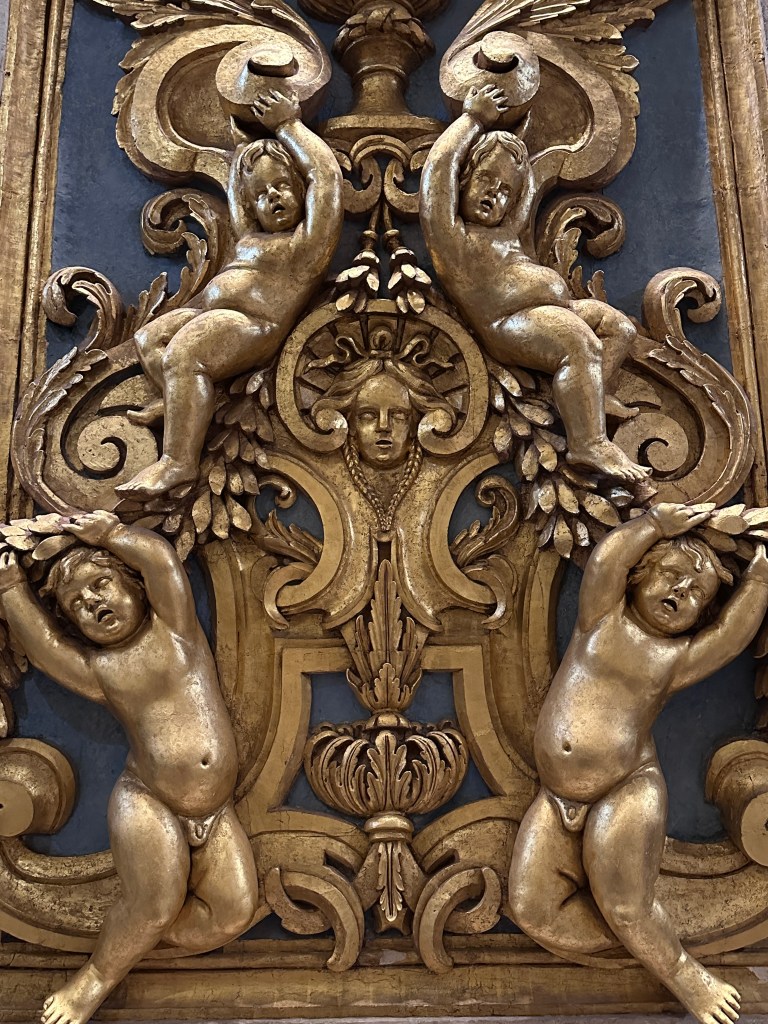
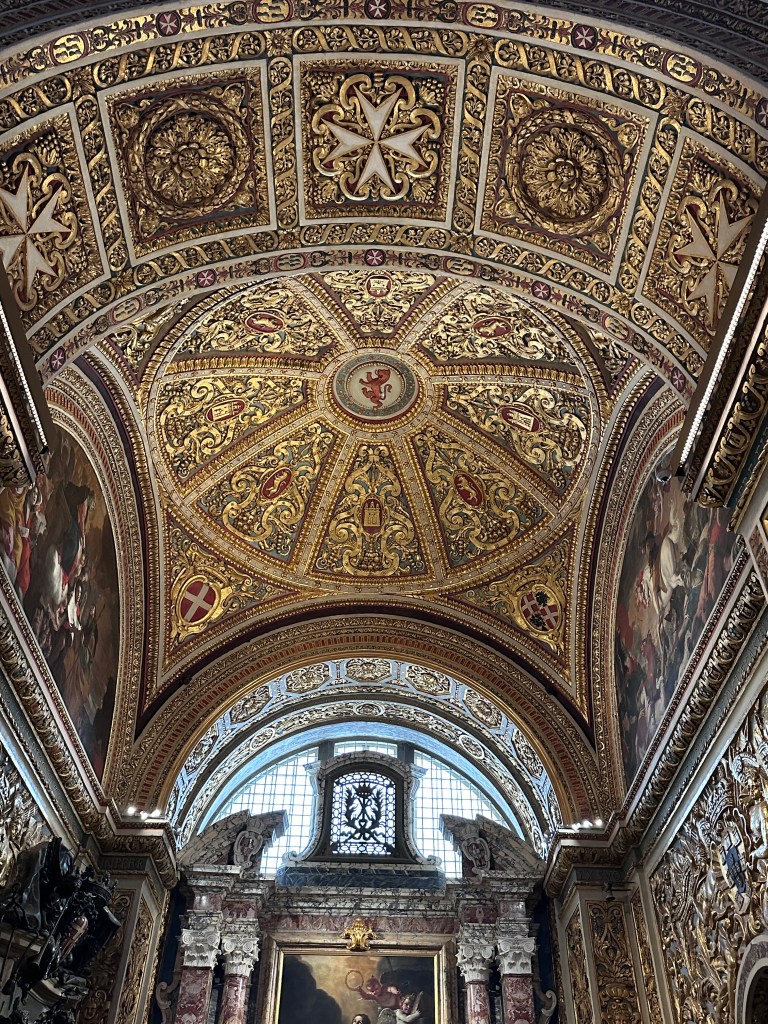
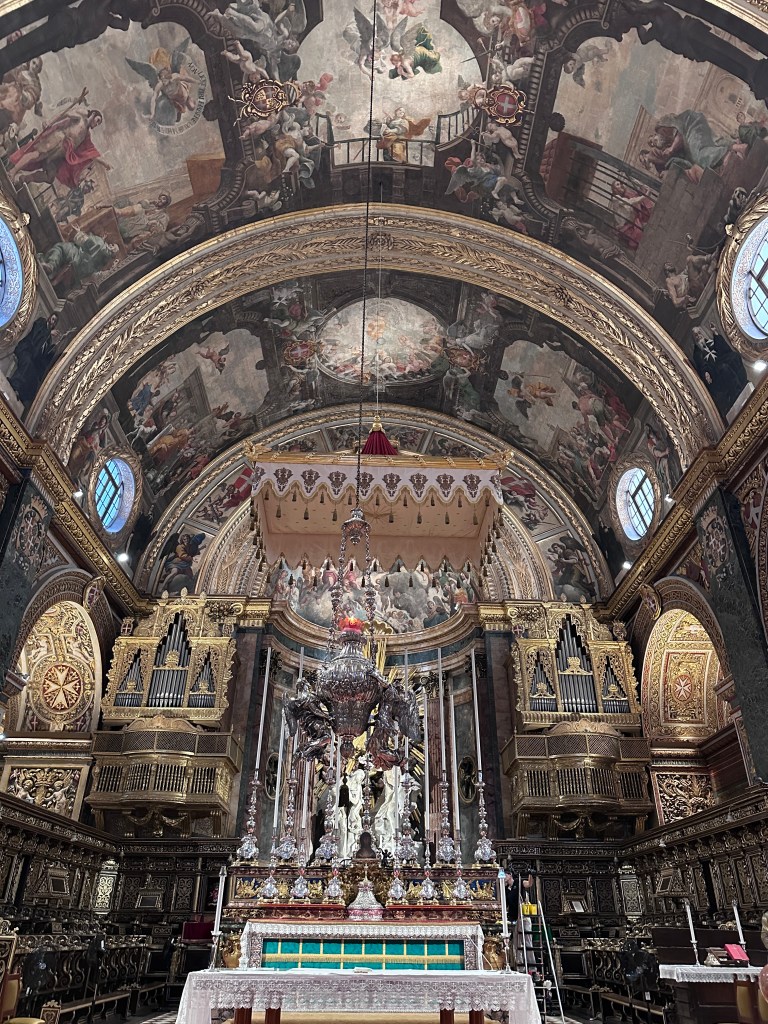
If there is one attraction that lives up to the hype, it is St. John’s Co-Cathedral. Built by the Order of St. John at the height of its power, its plain limestone façade hides one of Europe’s most spectacular Baroque interiors. Gilded carvings, painted ceilings and marble tombs cover almost every surface. It also houses two Caravaggio masterpieces painted during his brief and turbulent stay in Malta after fleeing Rome, making it one of the country’s greatest artistic treasures.

5. Malta’s colorful balconies have become its signature
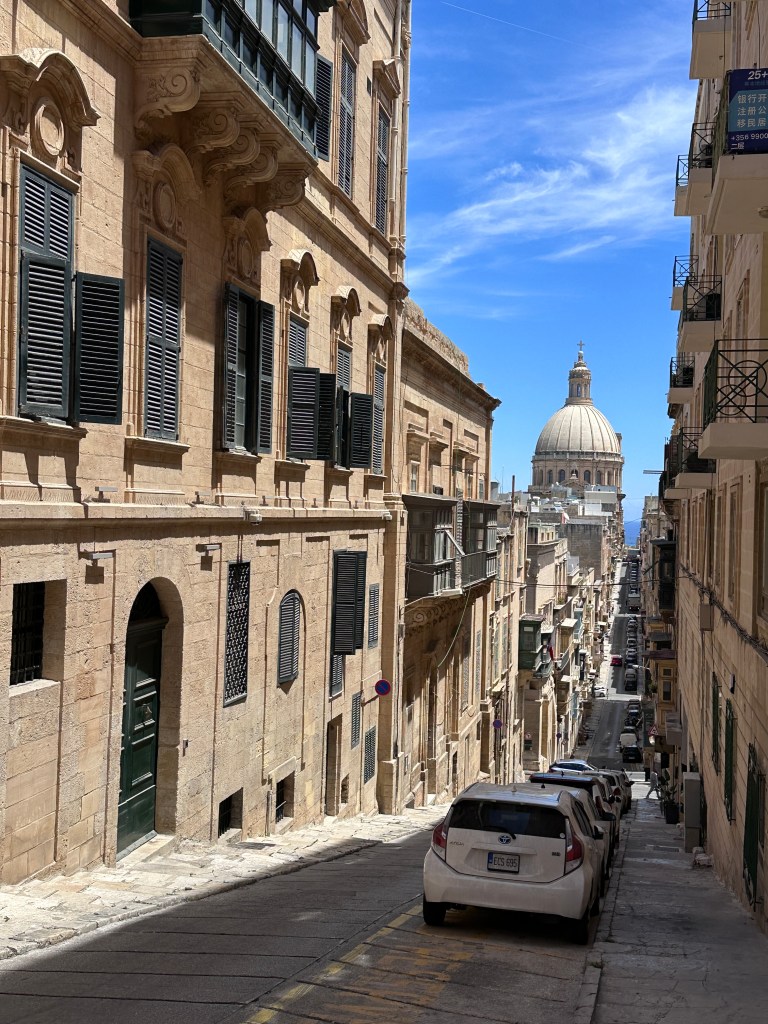
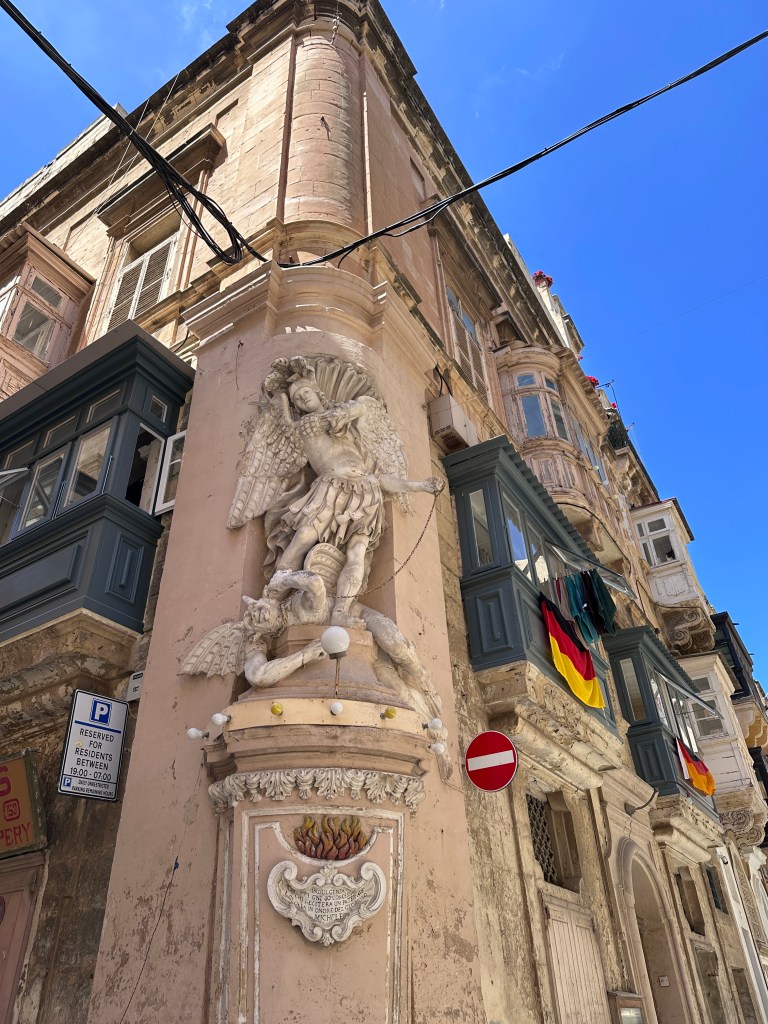
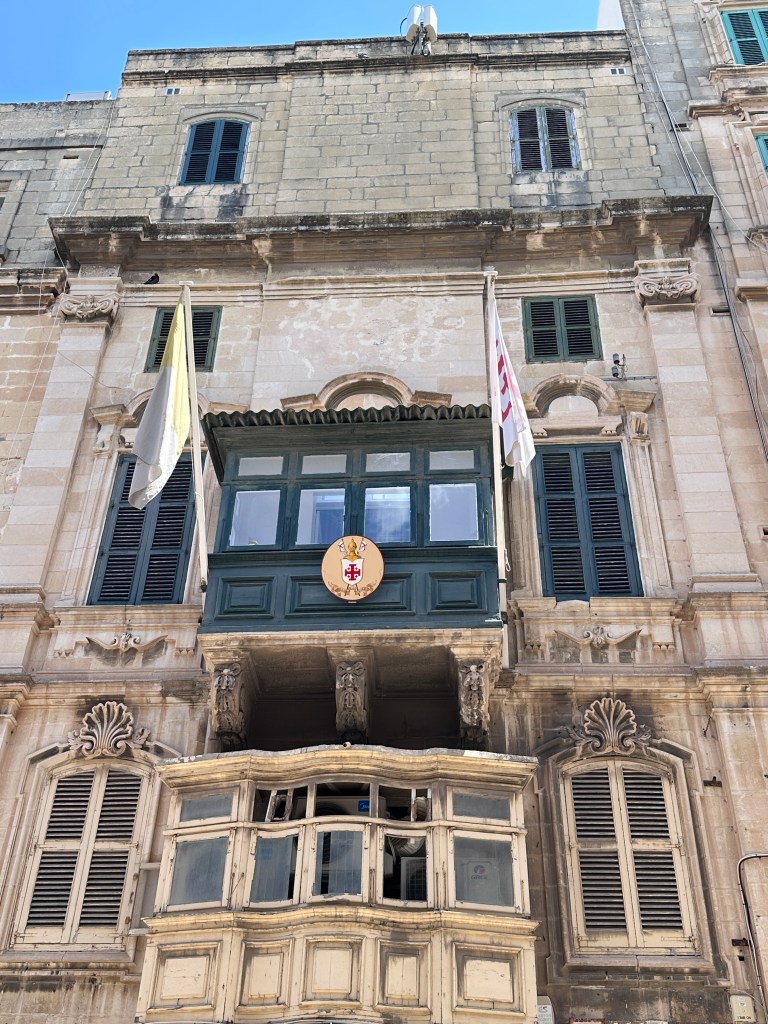
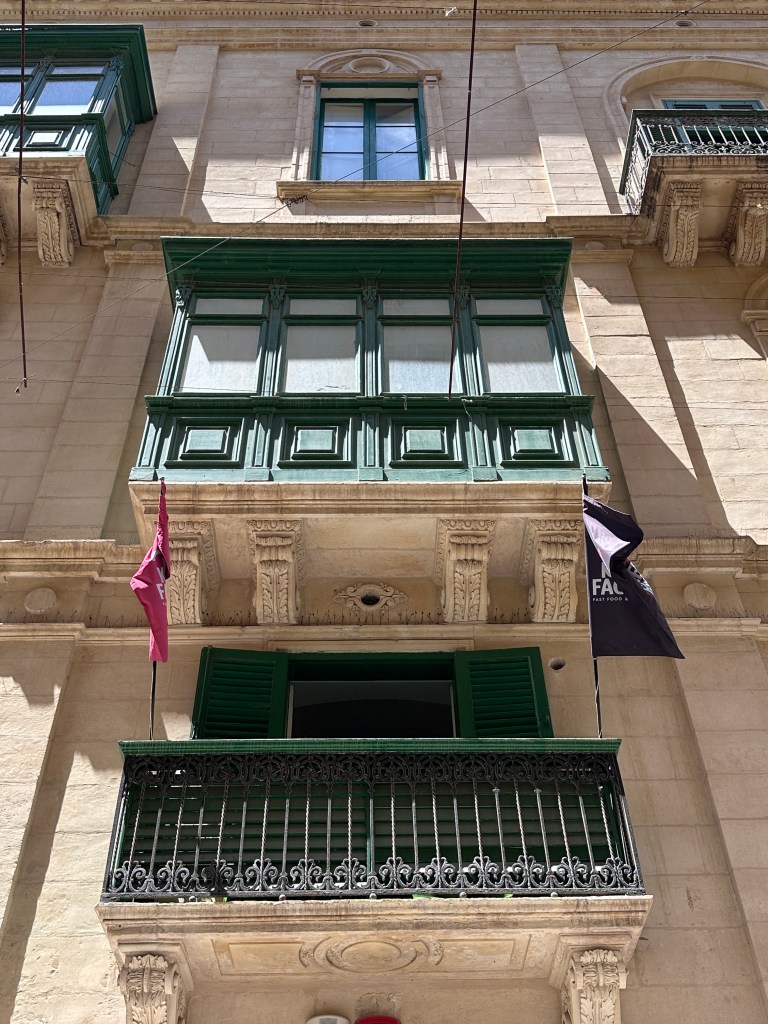
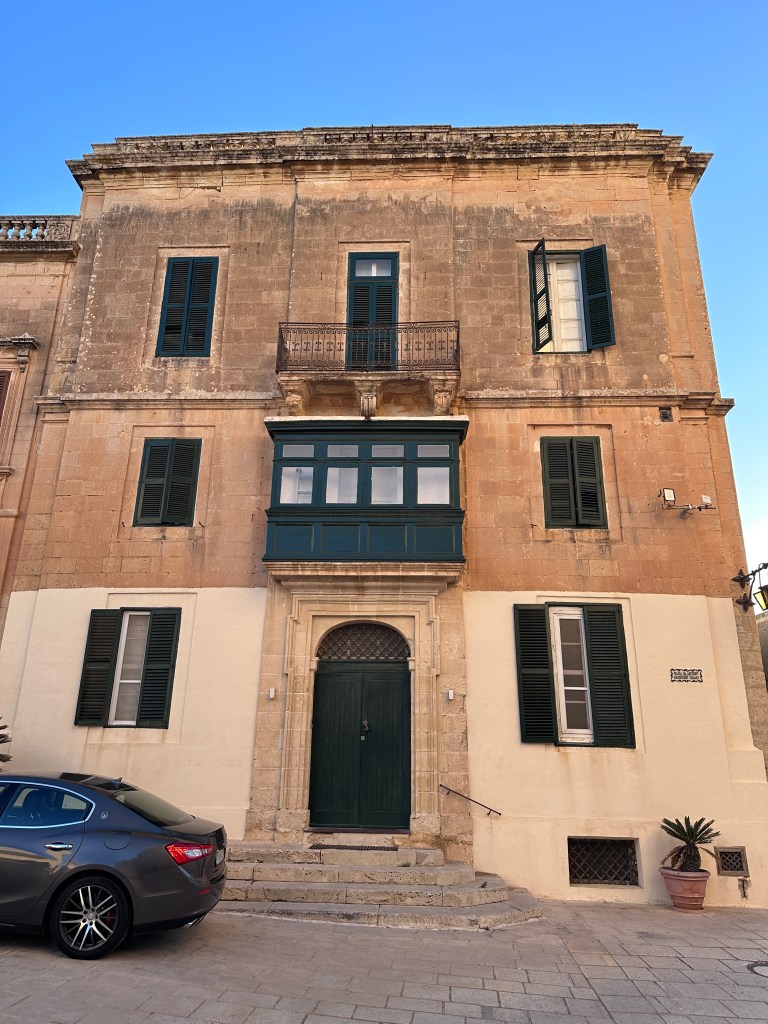
Against a backdrop of beige limestone buildings, the colorful enclosed balconies known as gallariji immediately stand out. Originally built to create extra living space while providing shade and privacy, they gradually evolved into one of the defining features of Maltese architecture. Their exact origins remain debated, but by the 17th century they had become an unmistakable part of Malta’s streetscape.
6. Mdina’s greatest attraction is its silence
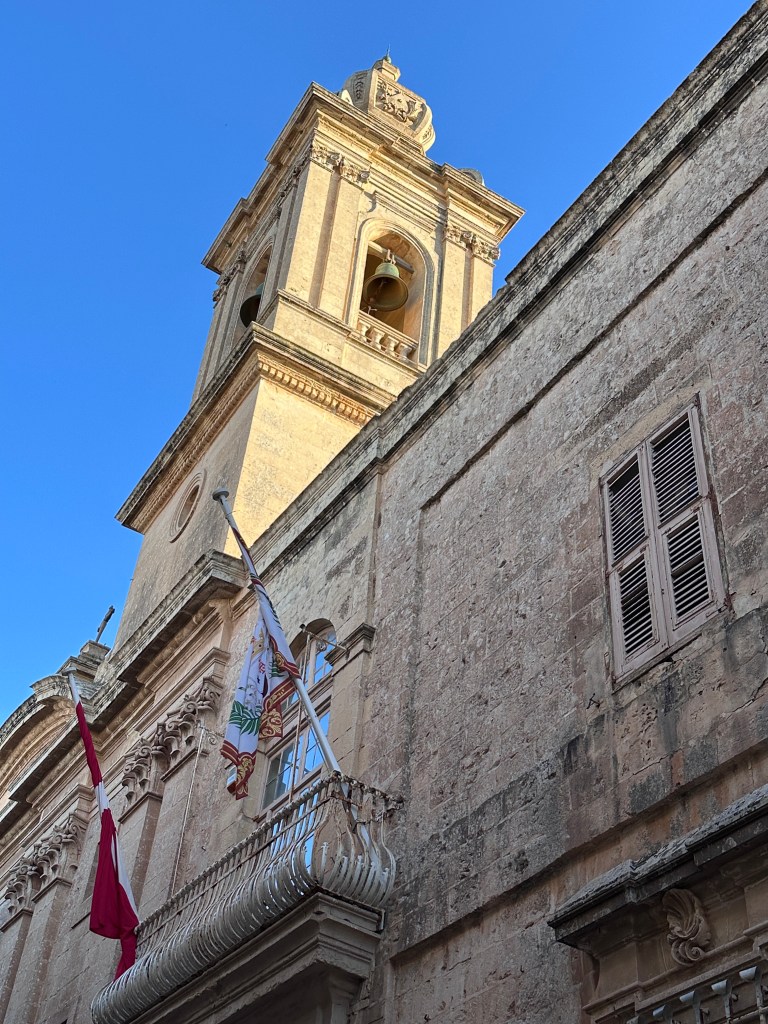
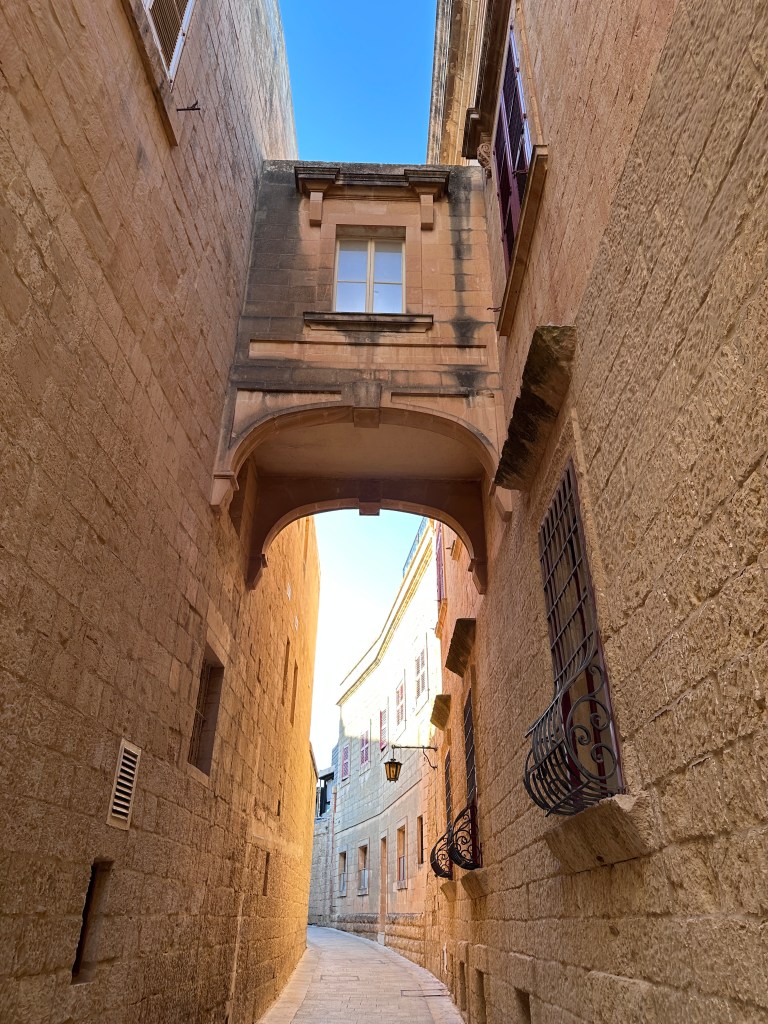
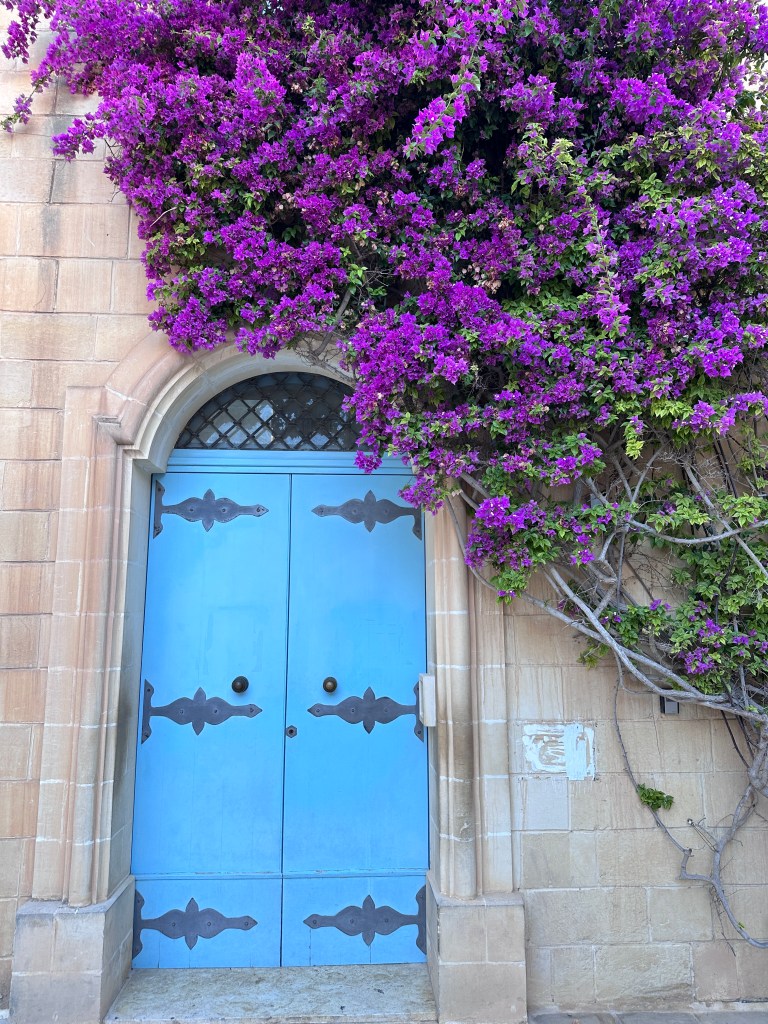
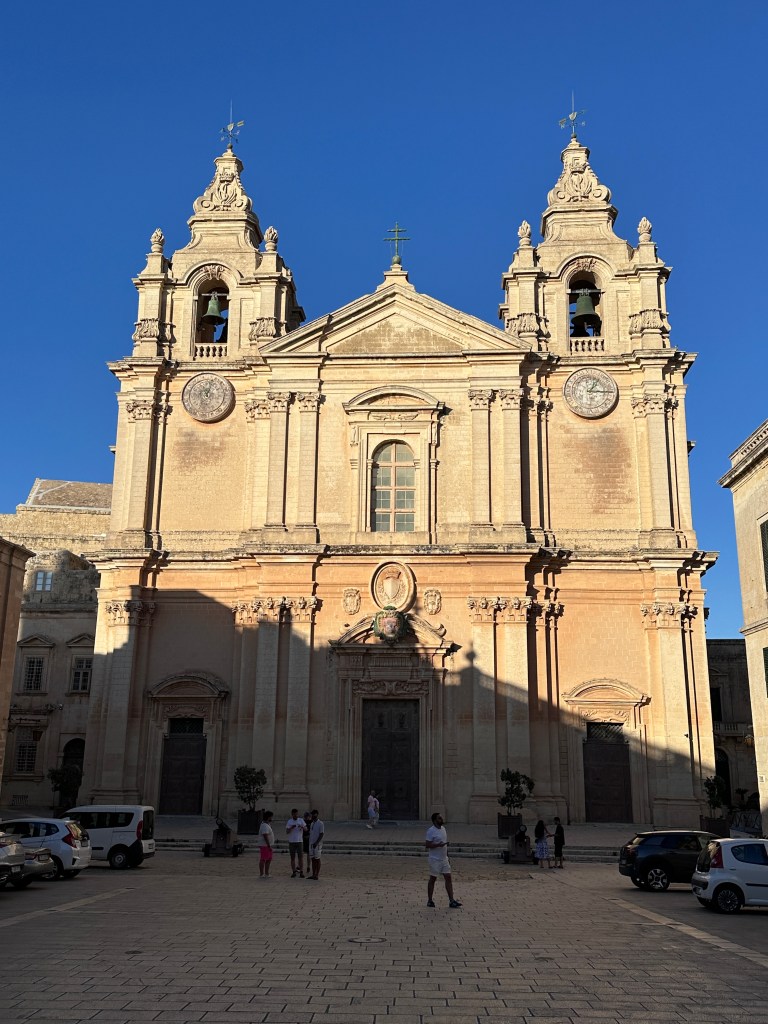
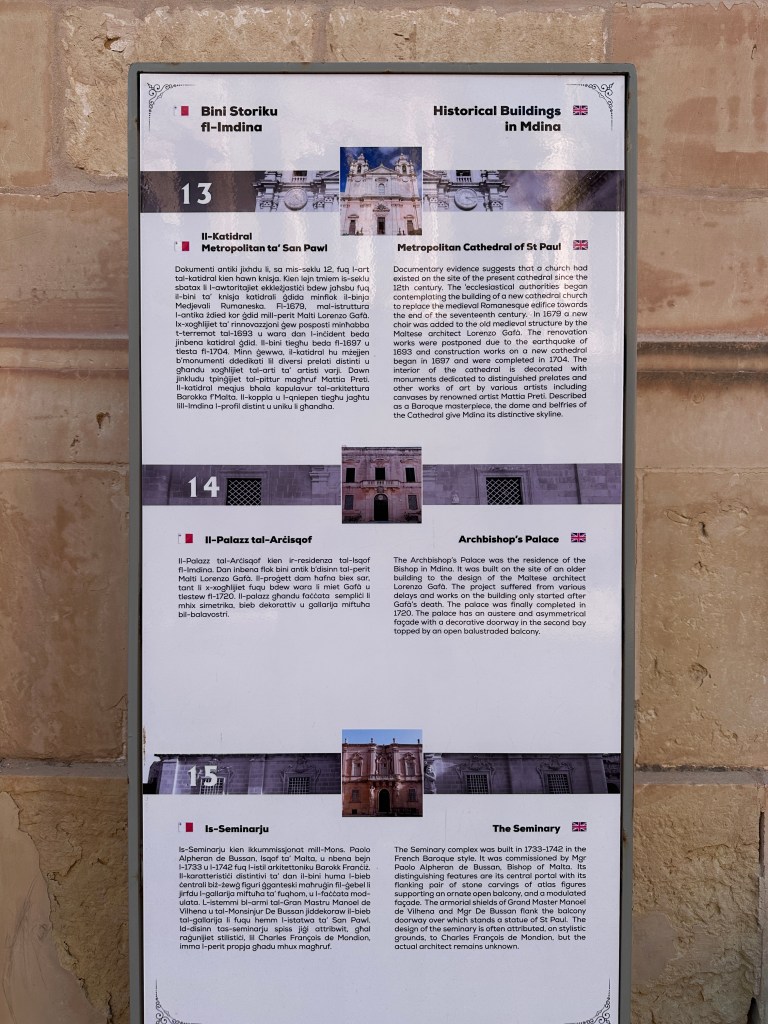
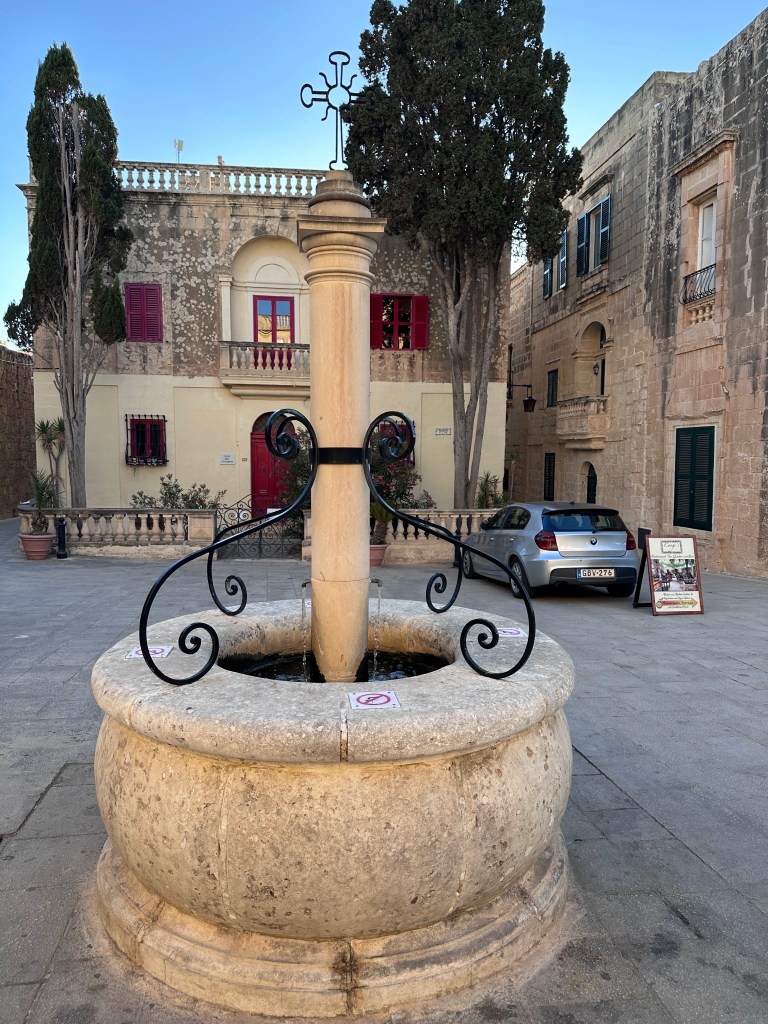
Long before Valletta existed, Mdina was Malta’s capital. Known as Melite under the Romans, it was revived by the Arabs, who renamed it Madīnah and made it their seat of power before the Knights shifted the island’s political center to Birgu. Today, Mdina is beautifully restored and undeniably photogenic, but I found it slightly underwhelming beyond its visual appeal. The real attraction isn’t the architecture but the silence. Visit early in the morning or after the day-trippers have left and the “Silent City” finally lives up to its name.

7. Malta isn’t really a beach destination
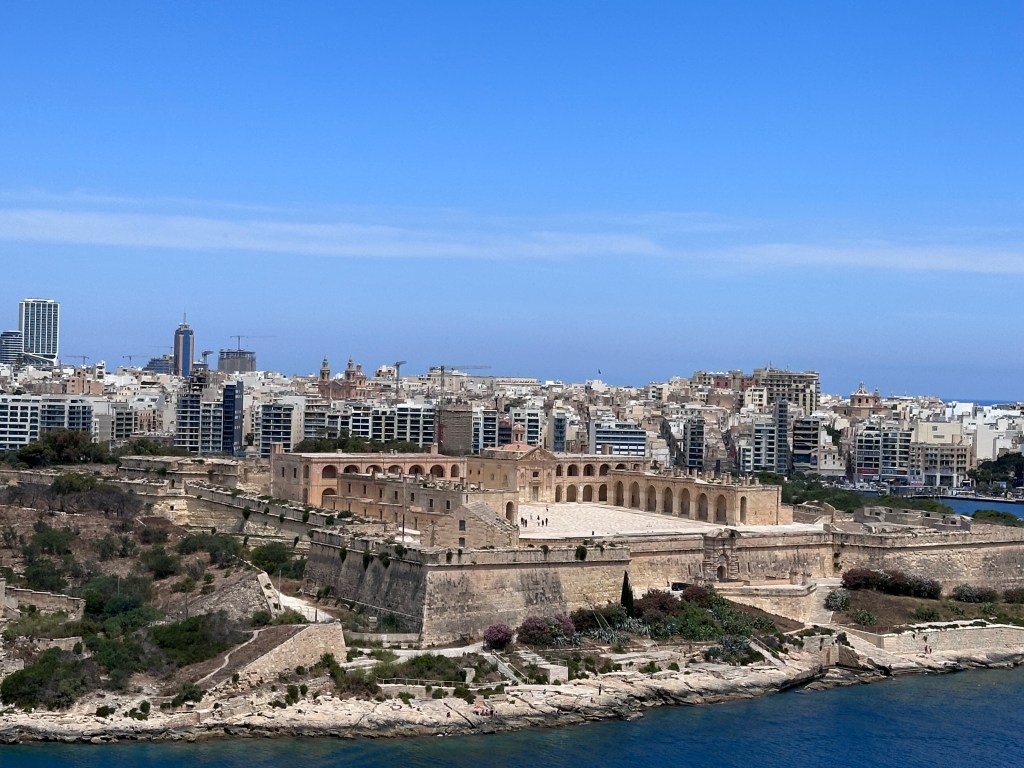
Malta is no Caribbean, but for an island nation it has surprisingly few sandy beaches. Decades of tourism-led construction have squeezed many of the island’s small sandy coves. Nowhere is this more obvious than St. Julian’s Bay, where high-rise apartments, hotels and entertainment venues cater to modern tourism. The development has brought jobs and economic growth, but it has also become a source of frustration for many locals who complain about traffic, overcrowding and overdevelopment.
8. Malta relies heavily on foreign workers
One thing that surprised me was Malta’s changing demographics. An ageing population and the emigration of younger Maltese have created labor shortages across the economy.Filipinos and South Indians are especially visible in hospitality, retail and healthcare. I even saw an Indian bus driver, a small but telling reminder of how dependent Malta has become on foreign workers to keep everyday services running.
9. Maltese is unlike any other European language
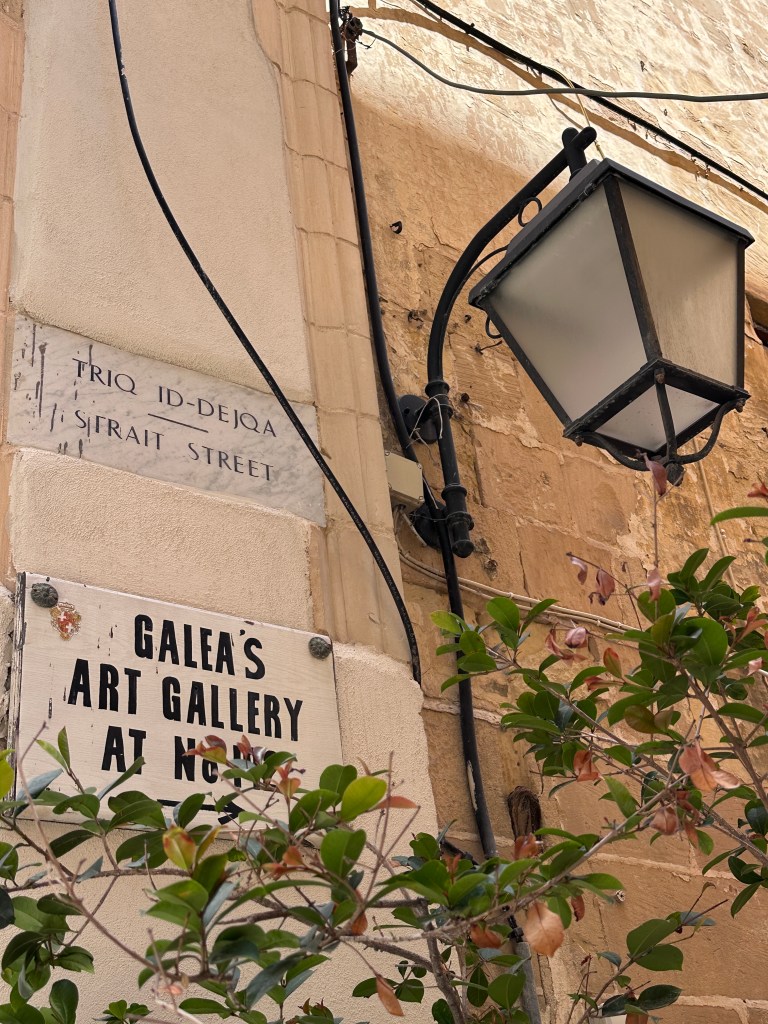
Malta’s language reflects its history better than any monument. Maltese is the only Semitic language written in the Latin alphabet. Its grammar descends from Siculo-Arabic while centuries of contact with Italy have filled it with Romance vocabulary. Seeing Arabic-derived words written in Latin script is initially jarring, but it perfectly captures Malta itself: European on the surface, Middle Eastern at its core.
10. Maltese cuisine tells the story of the island
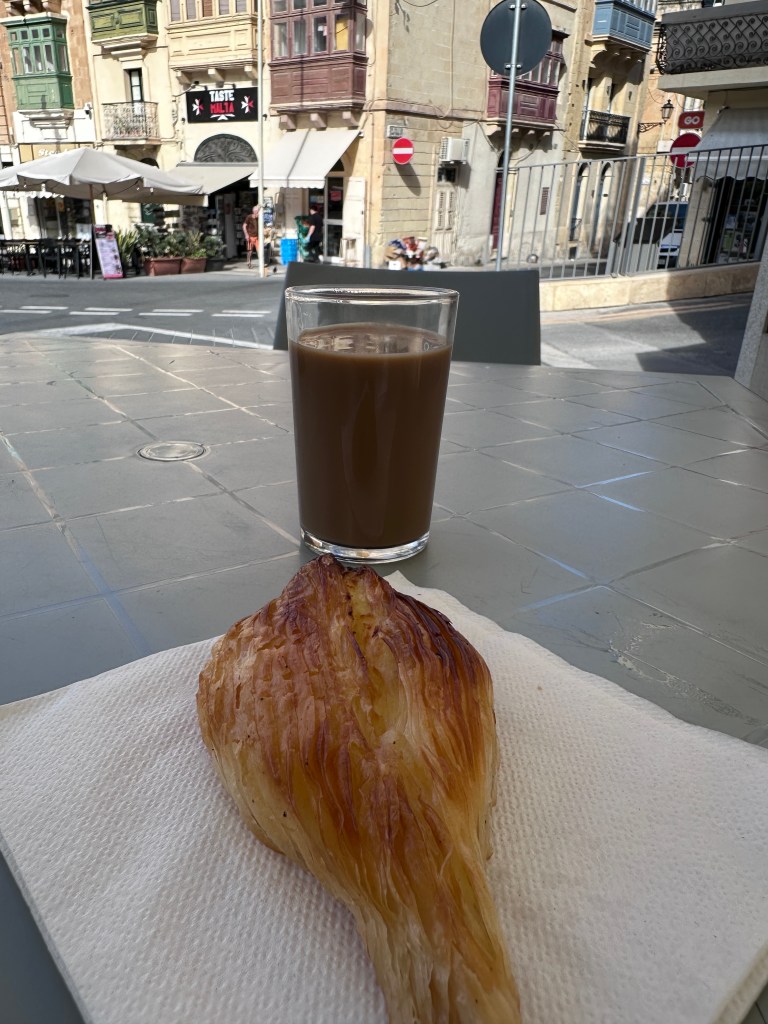
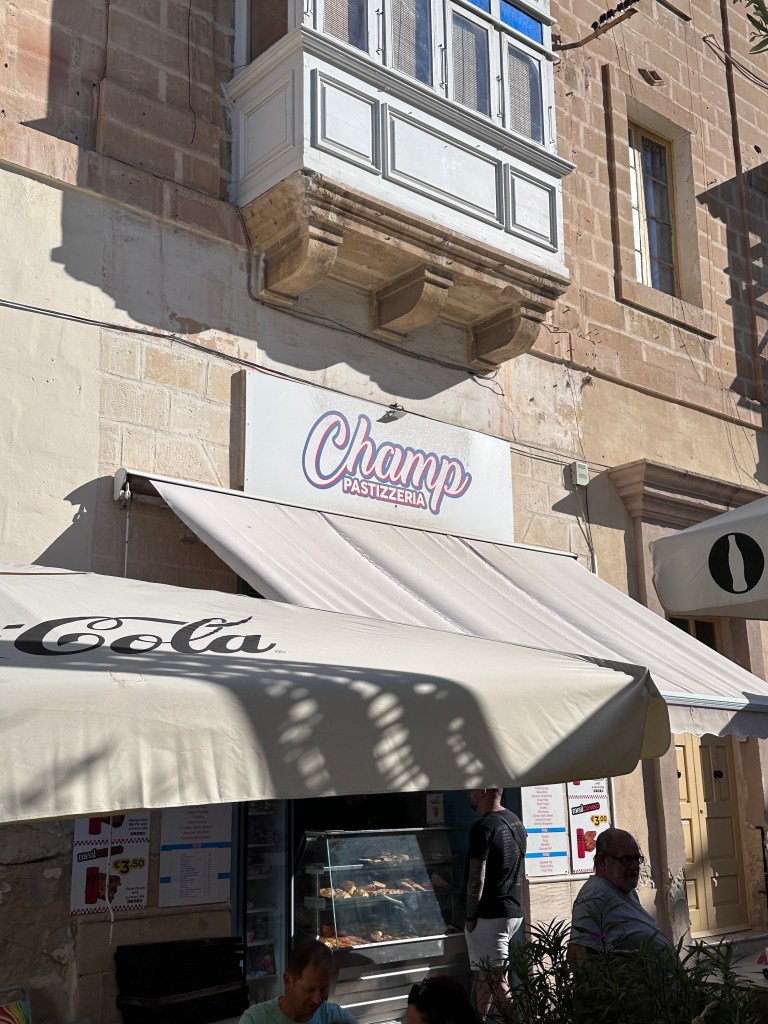
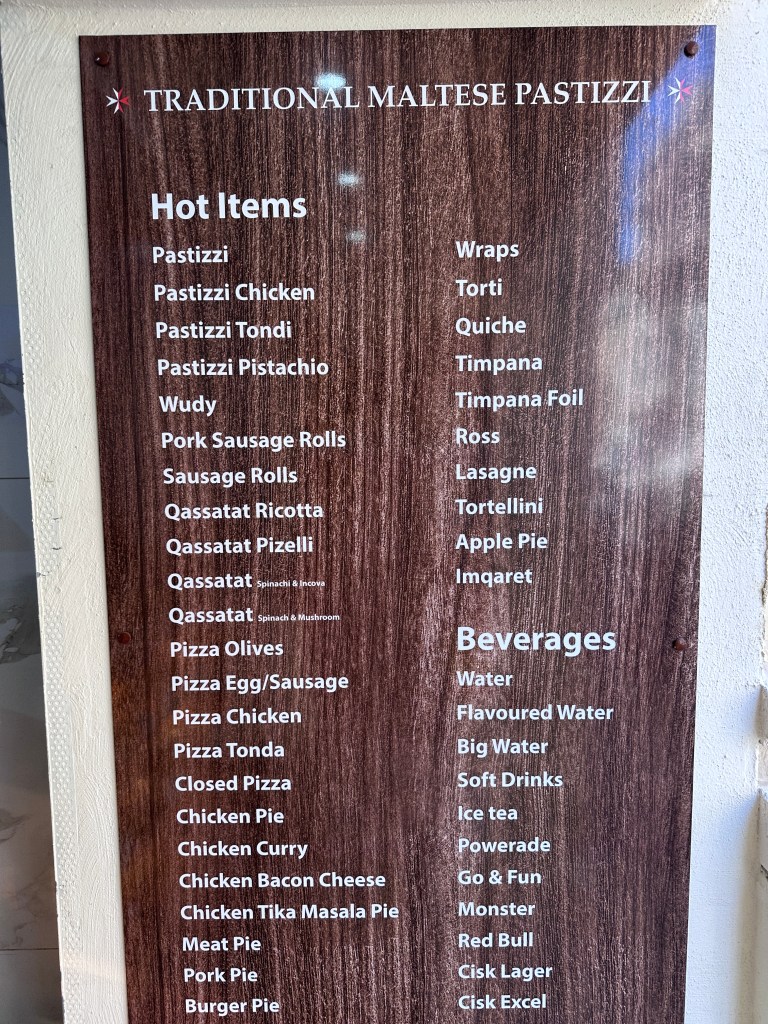
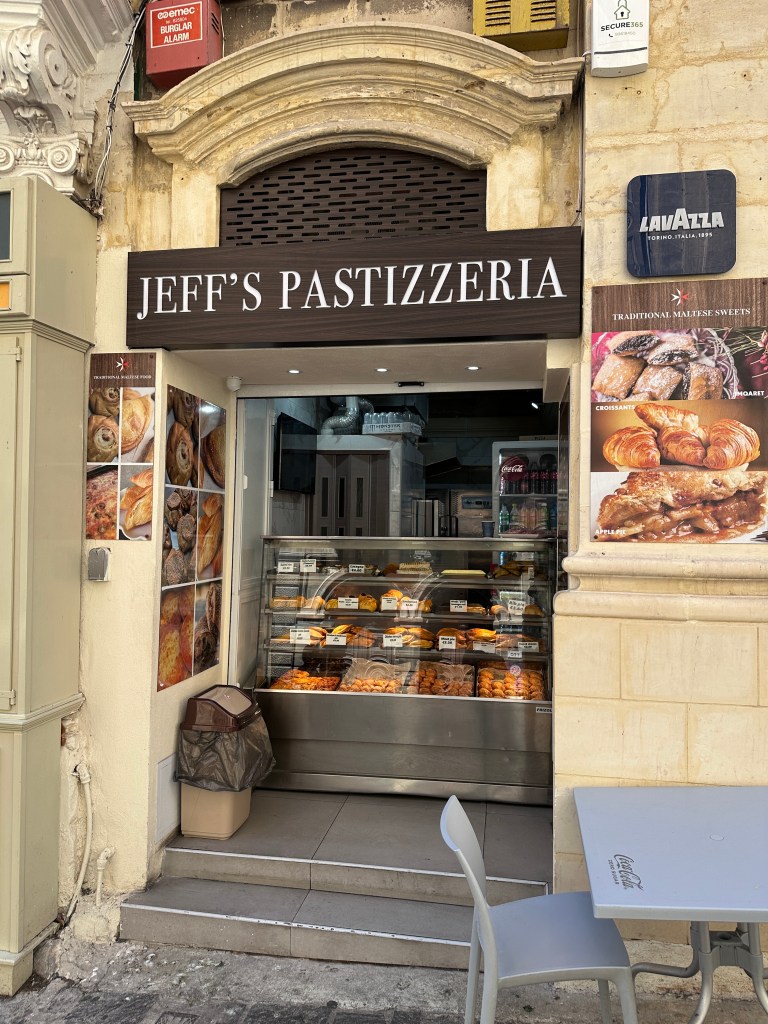
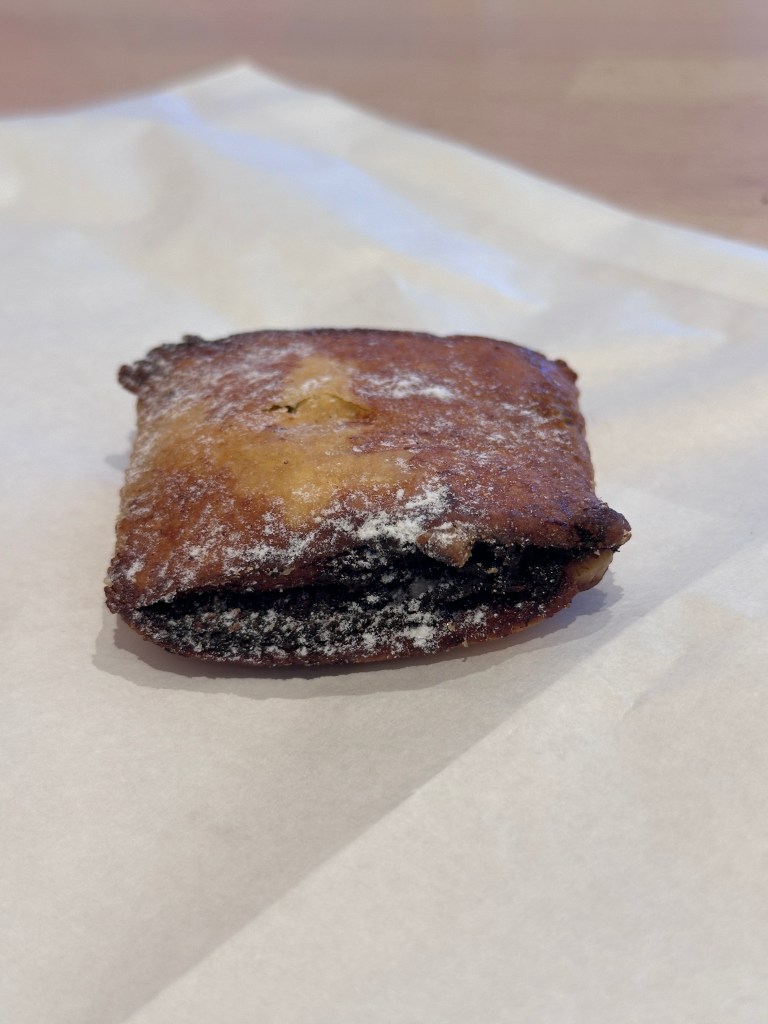
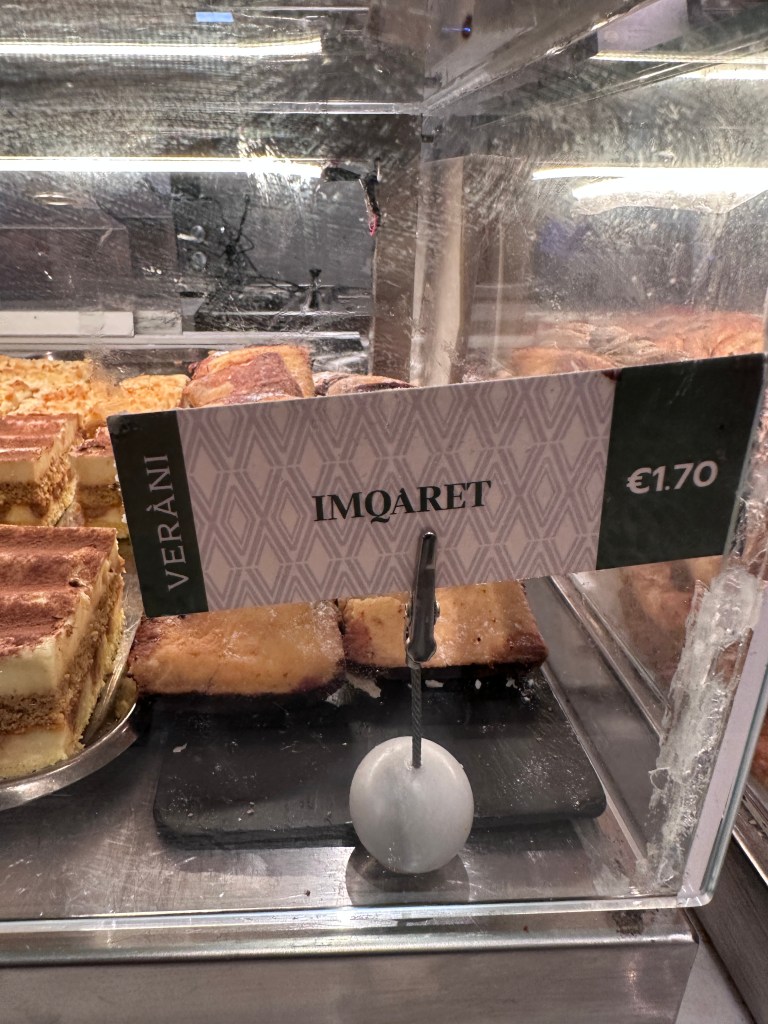
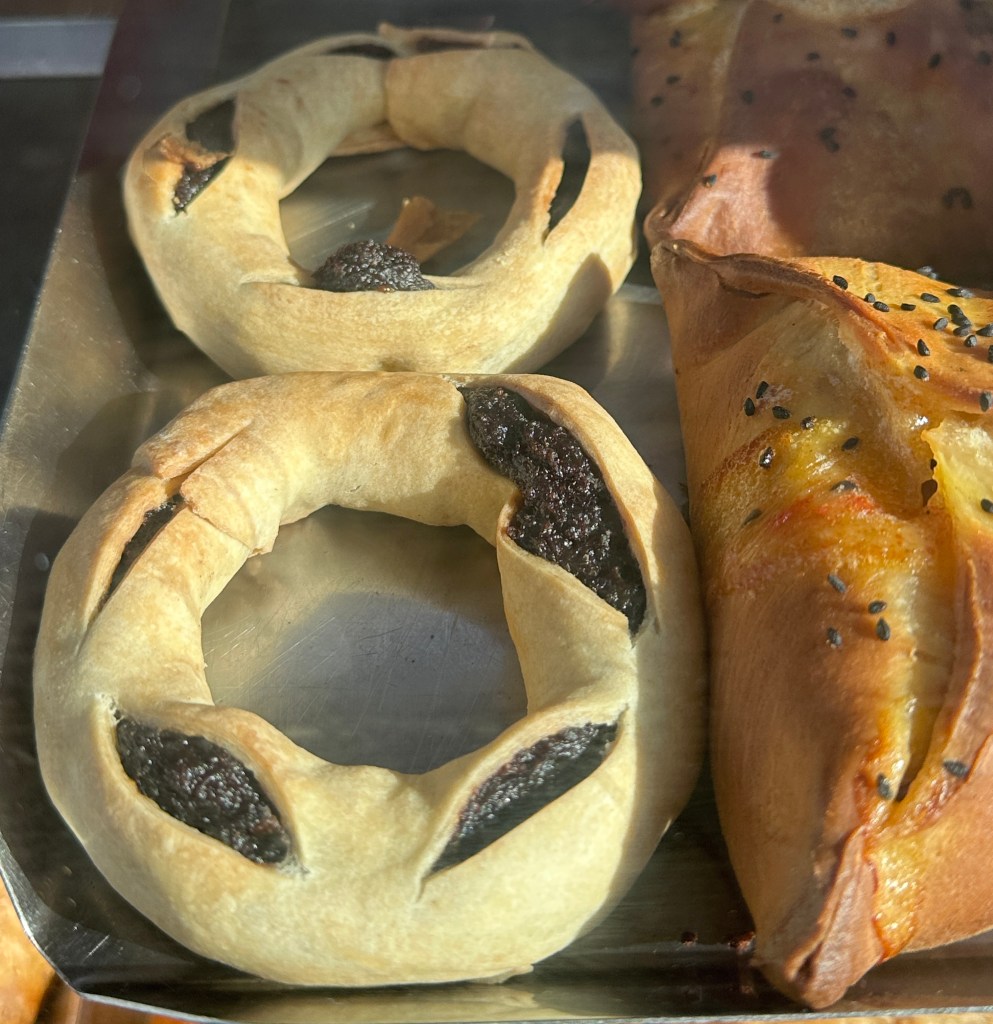
Like its language and architecture, Maltese cuisine reflects centuries of outside influence. Sicilian, Arab and British traditions all find their way onto the table. Pastizzi are the undisputed national snack. These flaky pastries, usually filled with ricotta or curried peas, cost well under a euro and are eaten throughout the day. The ricotta points to Sicily while the curried peas hint at British influence. Champs and Jeff’s are among the island’s best-known pastizzerias. Rabbit remains Malta’s traditional national dish, although today it is more associated with family gatherings than everyday meals. Ftira, a ring-shaped bread often served as a filled sandwich, is another local staple. Arab influence is most obvious in desserts. Imqaret are pastries filled with date paste, while honey rings combine treacle with orange peel, aniseed and spices. Then there is Kinnie, Malta’s iconic bittersweet soft drink made with orange bitters and wormwood. I couldn’t think of another soda that tastes remotely like it.