5 things about Siem Reap, Cambodia

1. Khmer is the largest ethnic group in Cambodia. Informally, people of Cambodia are called Khmer.  The official language is also called Khmer and so is the cuisine. The Khmer were both polite and friendly. Apparently, the Cambodian government while keen on growing the tourist economy is also serious about keeping the flesh trade outside their border.

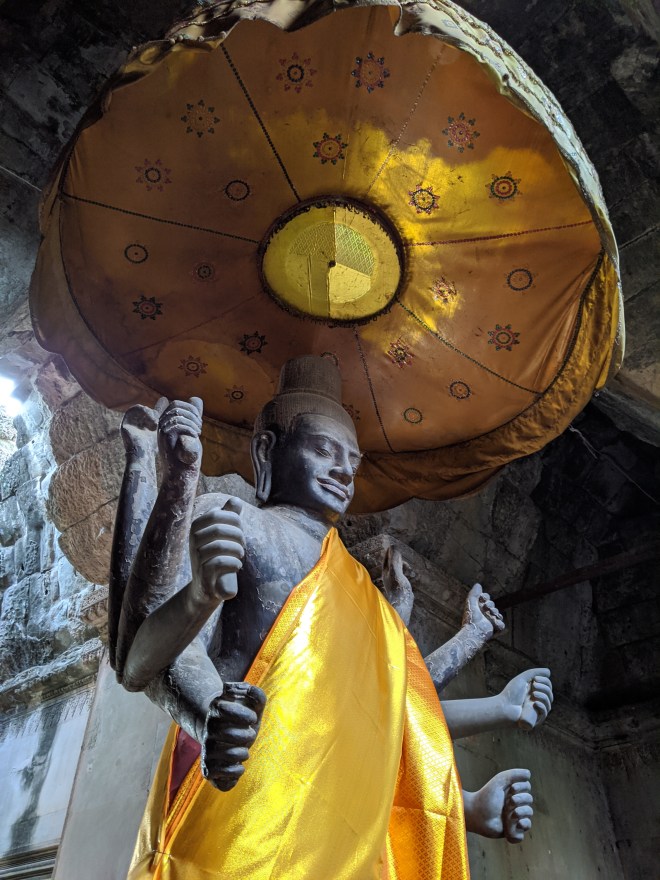
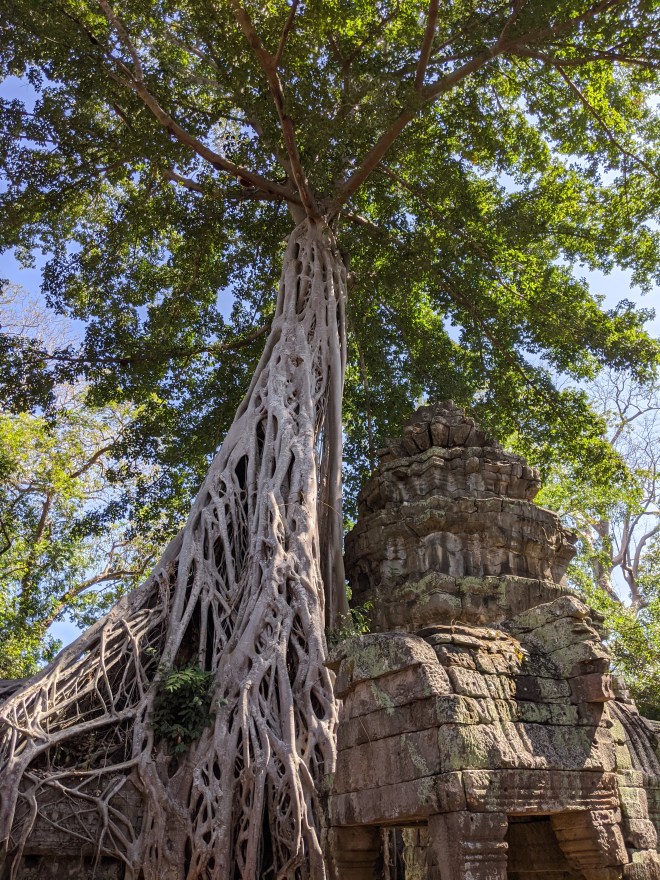
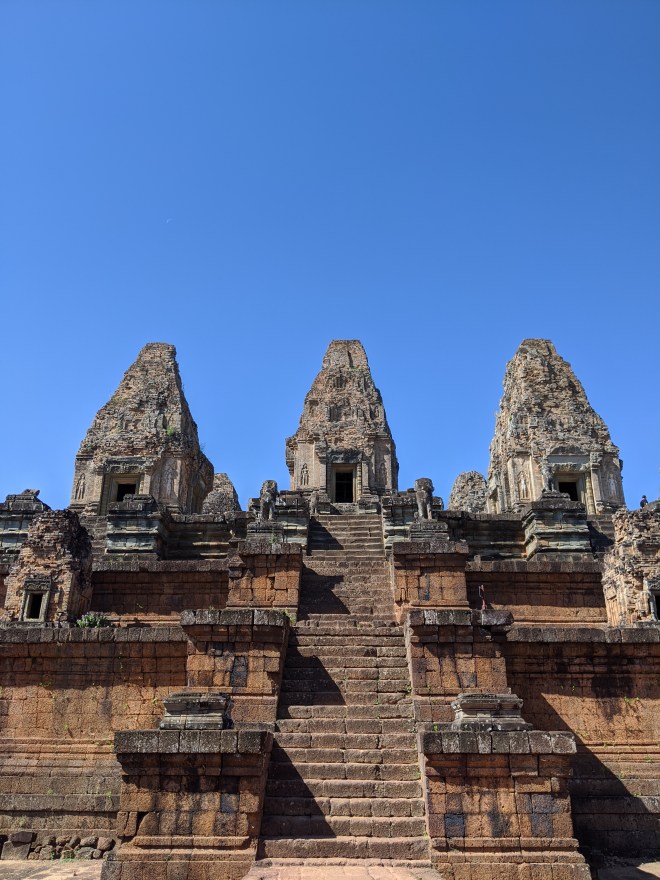
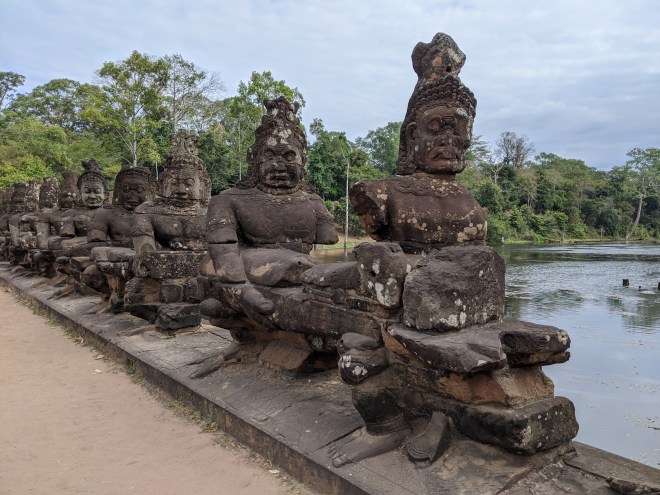
2. The Temple of Angkor Wat is very important to the Khmers. So much so that it is also on the national flag.They take immense pride in their cultural roots. The temple is grand and imposing. It captures the waxing and waning of religious orders in Cambodia. The first Khmer empire – Angkor started out as Hindu Shaivite Kingdom established by Jayavarman ll in the 9th century. Suryavarman ll built the Angkor Wat as a Vishnu Temple as a break from their Shaivite tradition in early 12th century. In the latter half of 12th century under Jayavarman Vll became a Mahayana Buddhist kingdom. The Vishnu Temple Angkor Wat was converted to a Buddhist temple. After a short tryst again with Shaivite Hinduism, Khmer empire transitioned into the popular Theravada Buddhism in the 13th century. The Angkor complex has several other monuments but the Bayon temple is surreal. The Ta Prohm temple got its fame thanks to Tomb Raider. Among the smaller temple, Ta Keo, Mebon, Pre Rup are all worth visiting. They all have the hallmarks of the Angkor architecture – central sanctuary, prangs, enclosures and gopuras.
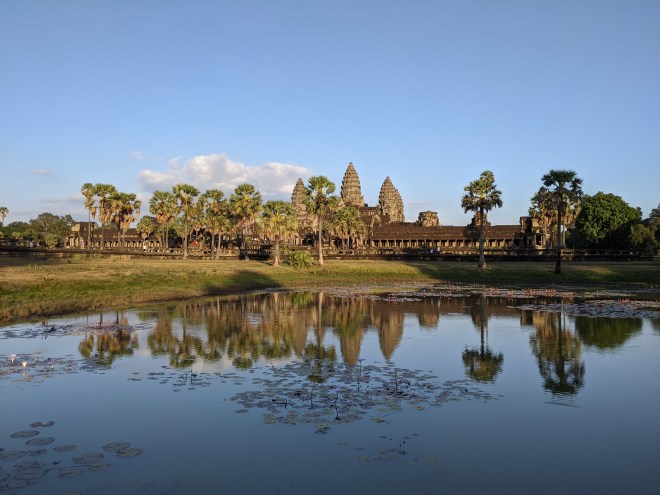
AngkorWat Siem Reap

Angkor Wat#2 Siem Reap

Angkor Wat Siem Reap

AngkorWat #5 Siem Reap

Ta Prohm Siem Reap

East Mebon Siem Reap

3. The word ‘Angkor’ means the Capital City. It is said to have been derived from the Sanskrit word ‘nagara’. The founder of Angkor empire even crowned himself ‘Chakravarthin’ meaning lord of the universe, also borrowed from Sanskrit. The Hindu roots are visible even more at Bantaey Srei( 20 km from Siem Reap) which resembles an ancient temple in South India depicting scenes from Hindu Mythology. It is also unique that it wasn’t ordered by a King but a courtier in Rajendravaraman’s court. Kbal Spean archaeological site is home to stone carvings of myriads of lingams (Symbol of Lord Shiva) as well as other Hindu gods. The Khmers are proud of their mixed heritage (Hindu and Buddhist).
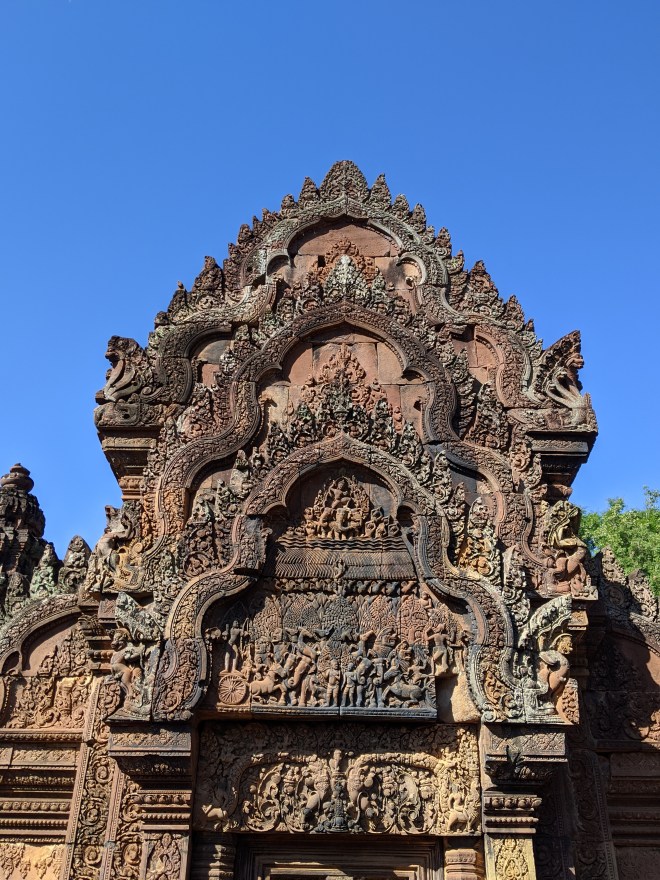
Banteay Srei Siem Reap

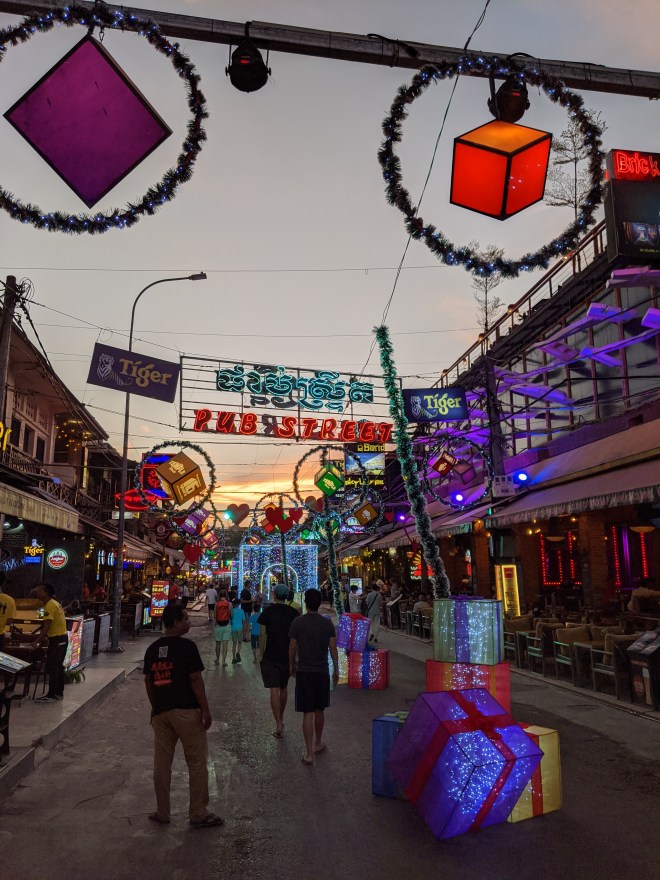
4. The city of Siem Reap is actually a living city. It is fully equipped with super markets, pharmacies and even some popular brand stores. The pub street is tourist central for eating out and shopping. Prices for tourists listed in USD can be a bit jarring. Things aren’t as cheap as one might think but still goes a long way. There is an official local currency but even ATMs spit out US dollars.
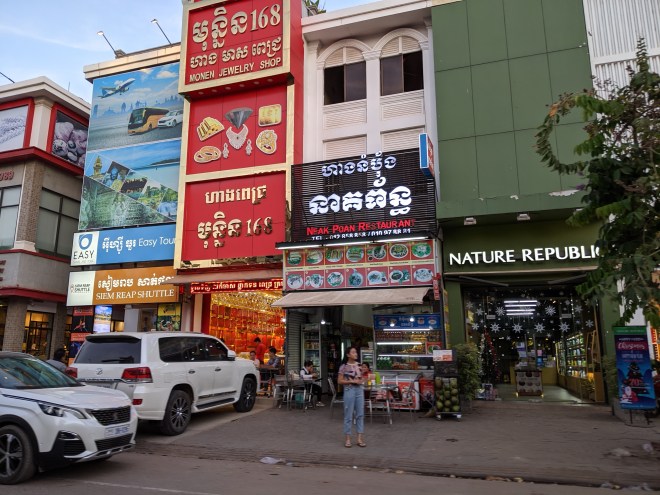
City Siem Reap

Pub Street Siem Reap

5. Amok is a classic Khmer Dish. It is kind of custardy steamed fish in a coconut milk curry. Although very similar to a Thai curry preparation(coconut milk, chilly, kaffir lime,galangal,lemongrass, fish sauce), the key difference is the generous addition of noni leaves. The noni leaves have a bitter aftertaste but is known to have a slew of health benefits including its anti-inflammatory and anti-oxidant properties.

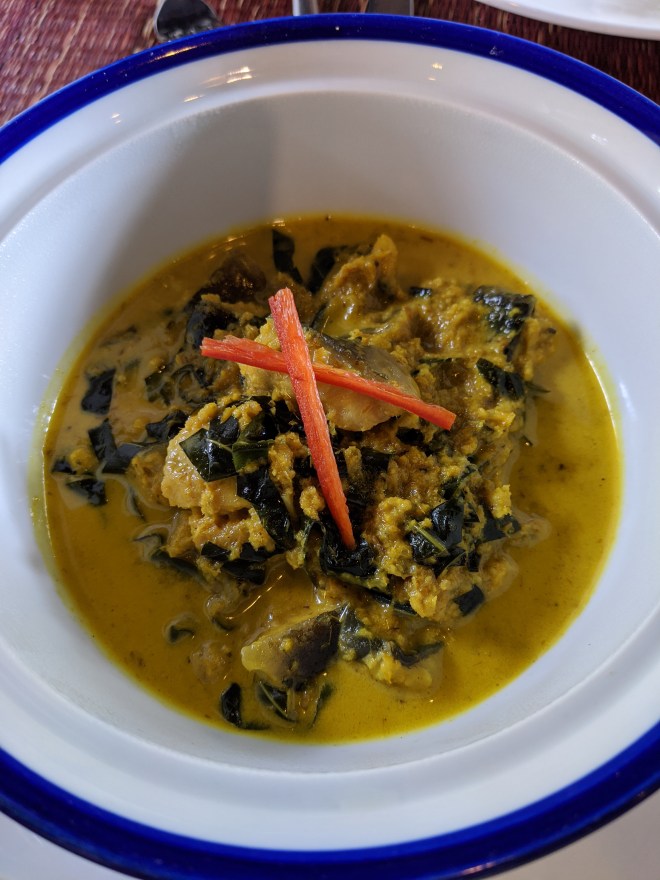
Amok#1 Siem Reap

Amok#2 Siem Reap

5 things about Siem Reap, Cambodia

7 things about Bangkok, Thailand

1. Although Thailand transitioned from an absolute monarchy almost 90 years ago, the king wields  considerable influence over the civil society. The most visible aspects of this influence are the little shrines embedded in Thai buildings with pictures of the King and Queen. This is despite the King’s rather bizarre lifestyle. So, I can’t piece together if this influence was earned or forced. It is likely a bit of both given that the previous king, Bhumibol was one of the longest serving monarchs in the world and Thailand also has one of the harshest lese majeste laws in the world.

Reverance King Bangkok

2. Bangkok is a sprawling metropolis with pockets of posh high rises and abject poverty at the other end. The hotel districts in Sukhumwit, Silom and Khao San Road are safe and well maintained but beware of petty theft and bar bullies which are not uncommon in other parts of world.

City of Bangkok

3. There is lot said about Thai street food. Almost every bit is true. It is a way of life here. Every vendor has their own twist or speciality and the set up on the sidewalks is well thought through. We tried our hand at Thai cooking in a class and the curries turned out to be great. The secret ingredient is fish sauce but the fresh ground Thai Chili paste is essential. Also, Pad Thai is truly a kitchen sink dish, you can put almost anything and get way with it. I absolutely loved the mango sticky rice and wasn’t disappointed by any version of it.

Street Food Bangkok

Thai Curry Bangkok

Sticky Rice Bangkok

4. The Thai temples are truly stunning. I was equally impressed with the Wat Phra Kaew and Wat Pho.The former has such ornate architecture and latter with its beautiful pagodas and triads of buddha statues.The marquee attractions at emerald buddha(Wat Phra Kaew) and reclining buddha (Wat Pho) are always overcrowded but are also overhyped. Wat Arun is another popular temple across the river known for its great views of sunrise/sunset.

Emerald Buddha Bangkok

Wat Pho Bangkok

Wat Pho Pagoda Bangkok

5. The paintings at Wat Phra Kaew  highlighted the strong Hindu influences on Thai Culture. The epic Ramayana known as Ramekien is a source of national pride for Thailand. When a number of written versions of epic were lost when Ayuuthaya fell to the Burmese in 1767, then king Rama I ( founder of the ruling Chakri Dynasty) commissioned that Ramekien be rewritten for posterity. Although the main plot is identical to the Indian version, there are plenty of Thai influences sprinkled in.

Ramakien Bangkok

6. Sex tourism is in your face no matter where you go in the city. Seeing odd ball couples (white senior with a young Thai woman) will leave you with varying degrees of unpleasantness. But it is just business for those vulnerable Thai women trying to making a living when the opportunities for subsistence are limited. I heard that flesh trade is lucrative relative to most semi-skilled professions. Although not entirely surprising but a sad reality.

Sex Tourism Bangkok

7. For better or worse,Thailand is now known for its massages. Although they have developed a seedy reputation over time, it is said to have roots in healing practices practiced in ancient Thailand. It is now regulated by Thai department of public health and certified practitioners need to have significant training in order to be licensed. I am not even a massage person but I enjoyed the experience at Asia Herb Association, a mini chain in Bangkok.

7 things about Bangkok, Thailand

7 things about Stockholm, Sweden

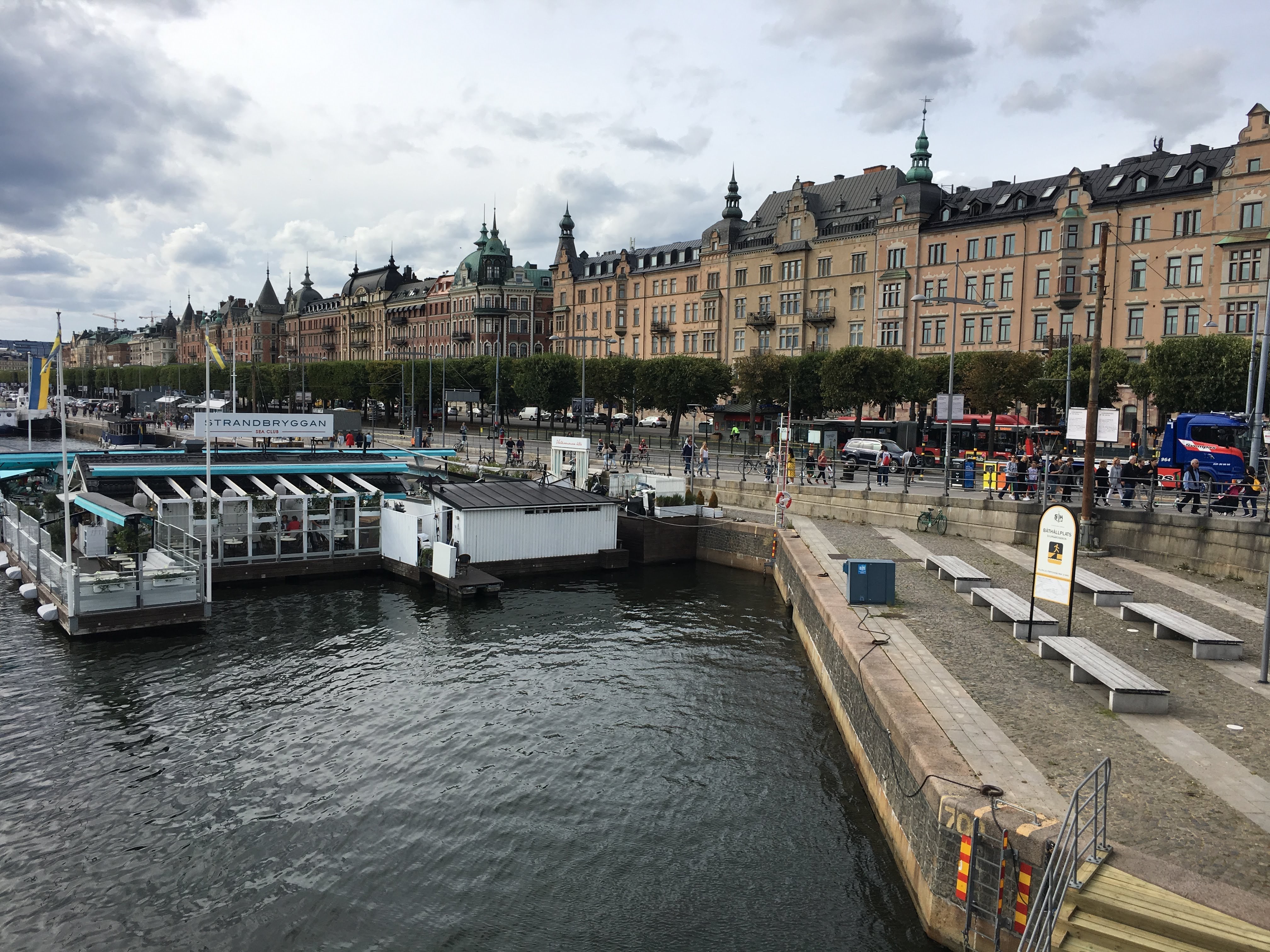
1. The city itself is beautiful and is actually composed of 14 islands. Söderströmriver flows through central Stockholm connecting Lake Mälaren with the Baltic Sea. I loved walking along the river banks from Normalm(commercial centre) to Gamla Stan(Old Town) and Djurgården (Museum Island).

city-of-stockholm

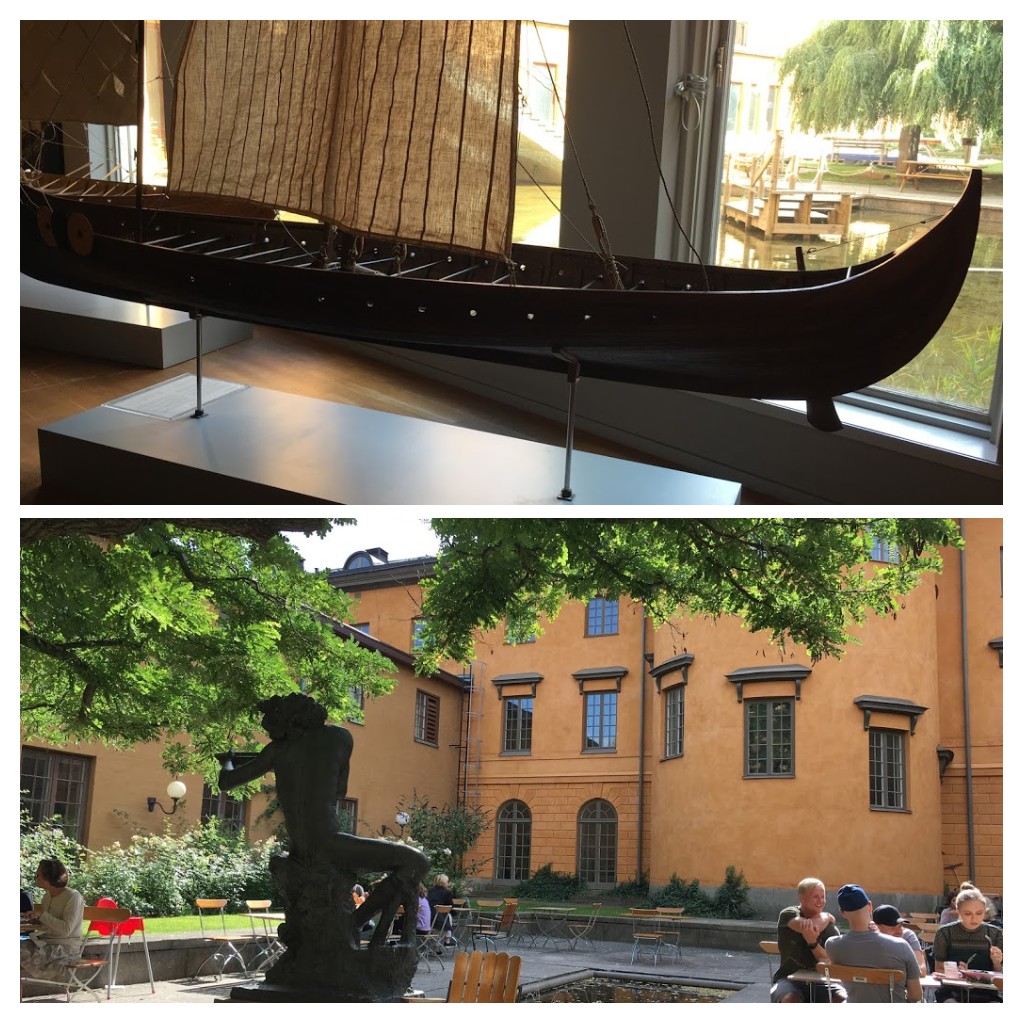
2.The Vikings were first and foremost raiders. They pretty stole anything they could. This was all possible because of their superior long ships. Light and fast, they were equally at home both in open sea and on rivers inland. The Kings of medieval France and England paid off Vikings and even ceded territory at times to avoid constant pillaging. The Swedish History Museum has a separate section on the Vikings. 

viking-mueseum-stockholm3. The Vasa museum is built around a ship that wasn’t even sea worthy but they have done a amazing job of preserving and maintaining the ship for centuries now. Try the tour and learn more the rich naval history of the Nordics and the hidden details about what ultimately led the Vasa to be chained to the harbor.
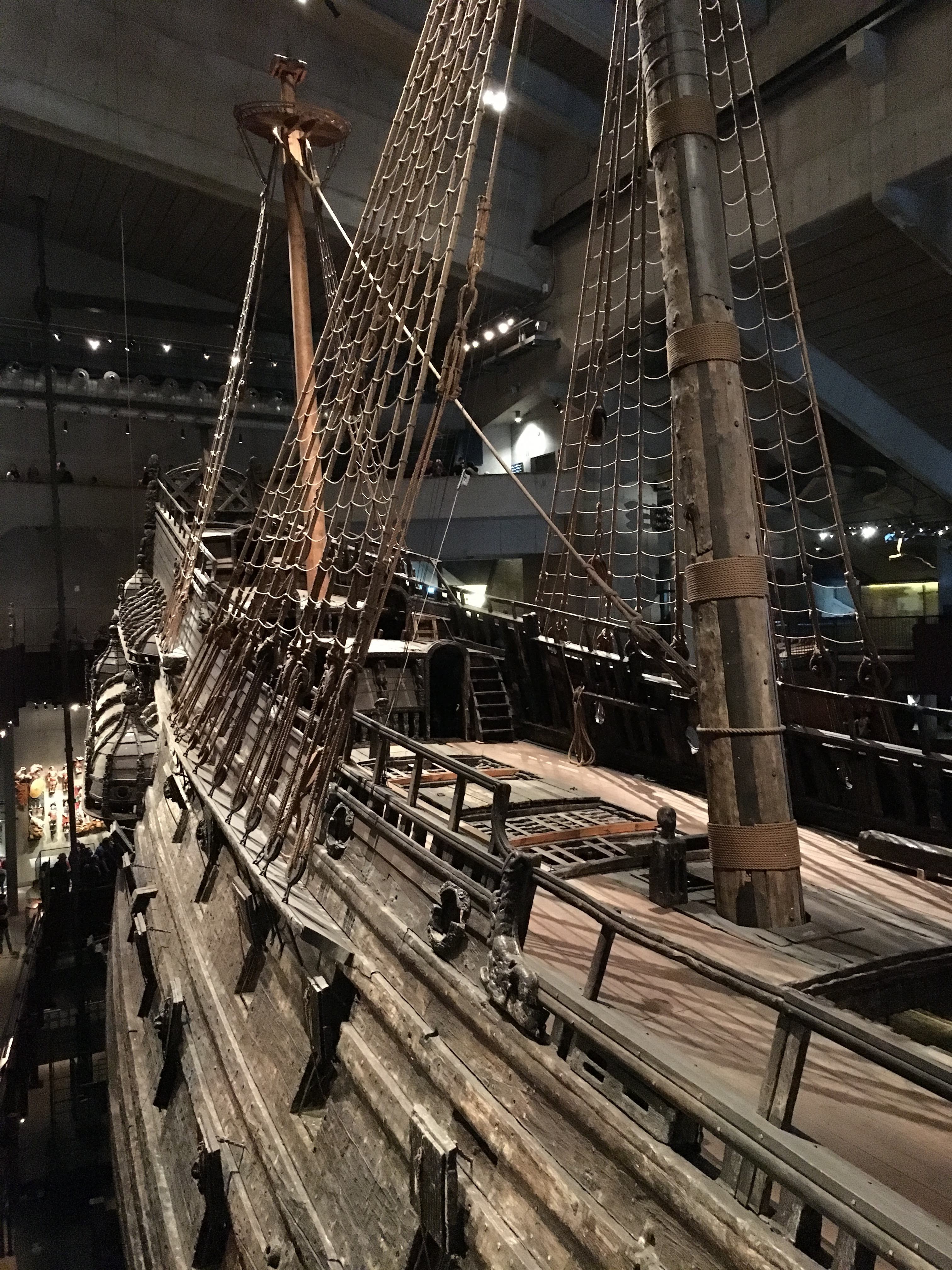
vasa-stockholm

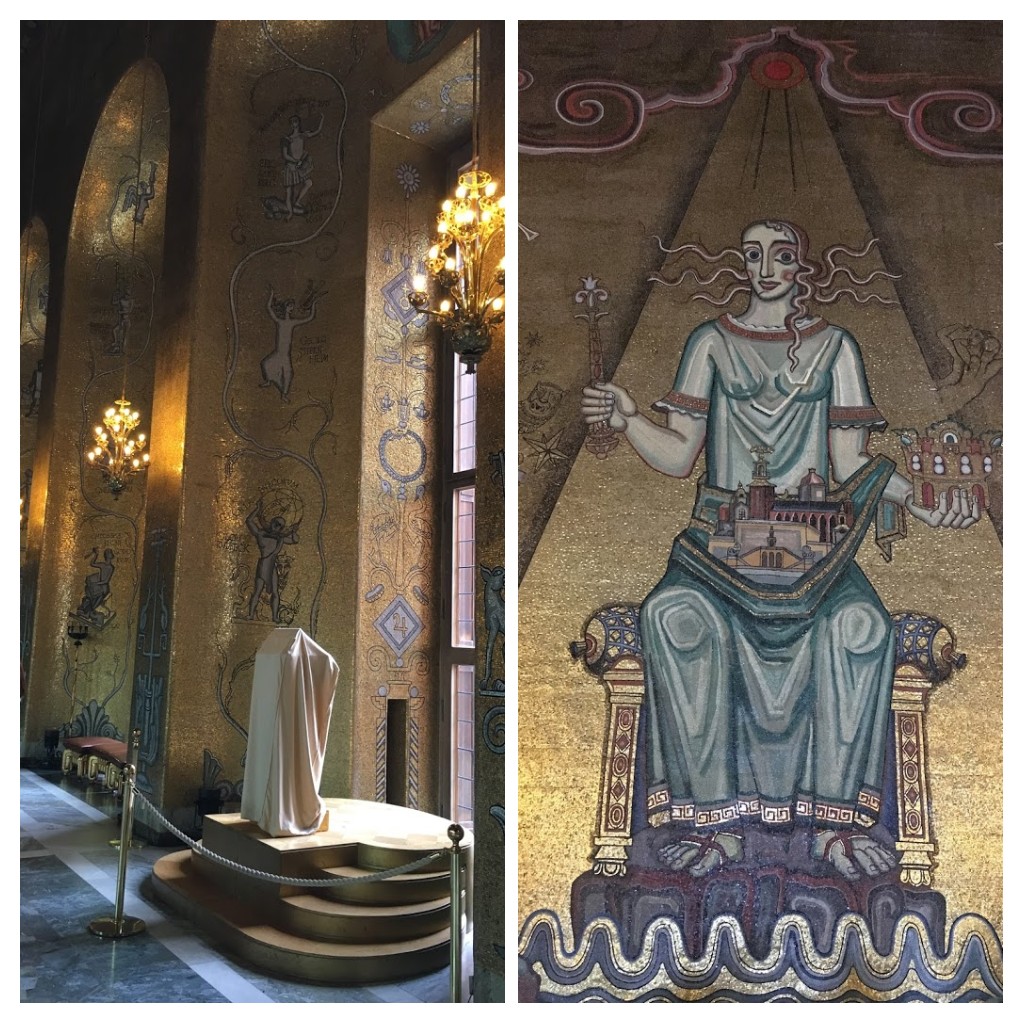
4. The Stockholm City Hall is worth a visit just for the Golden Room. It is Swedish opulence at its finest. Also, the Nobel Prize dinners are hosted here. So, you can claim to have walked the same corridors some of the brightest minds in the world have passed through.

city-hall-stockholm

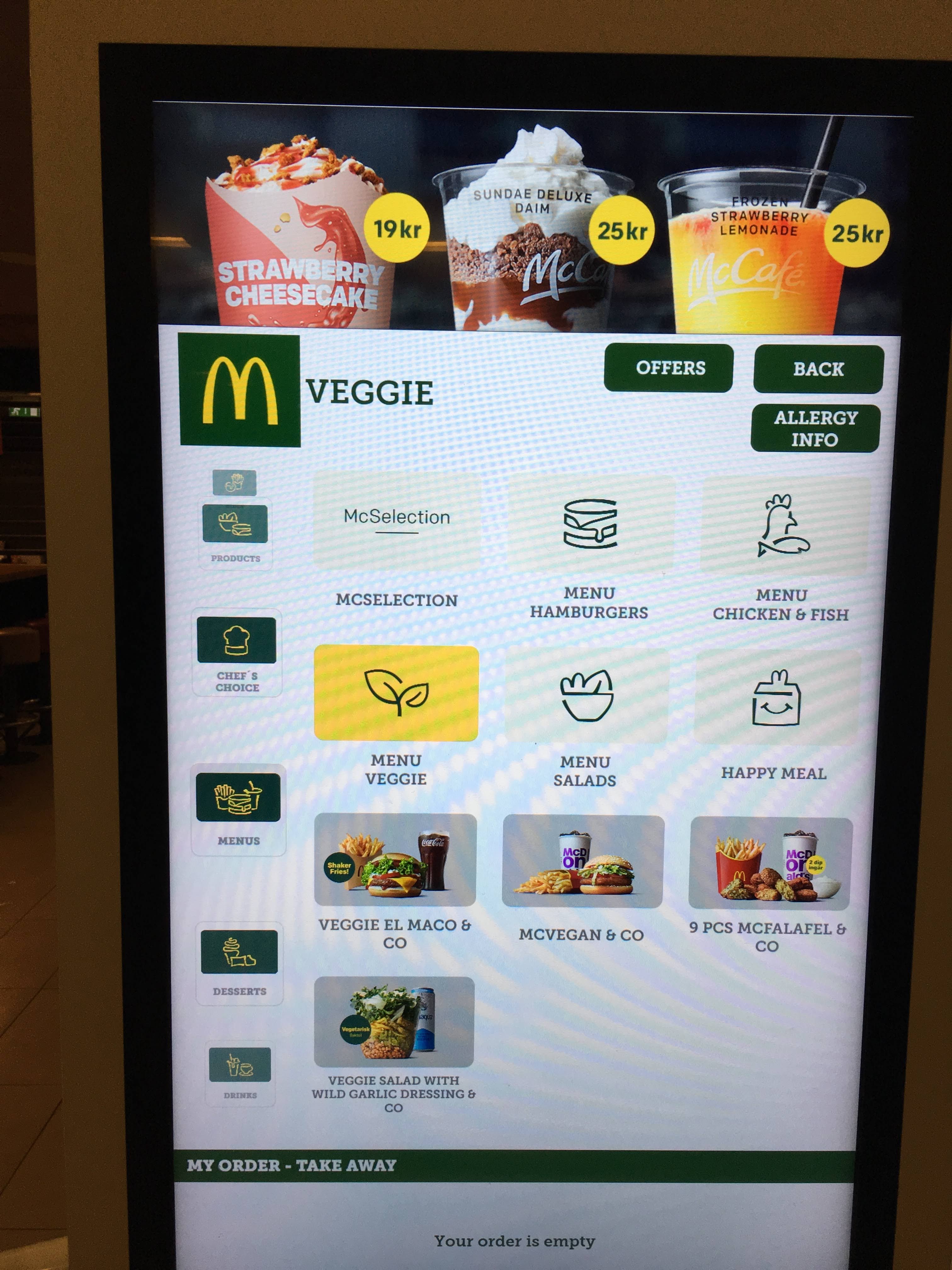
5. Stockholm was surprisingly vegetarian friendly among all the countries in Scandinavia. Even McDonalds had not one but three solid veggie options – Veggie burger, Vegan burger and Falafel nuggets. There are a tons of falafel and Shawarma shops all over Stockholm thanks to recent to the middle eastern diaspora. Maxos Falafel was my favorite. Helmed by Nidal Kersch, it aims to showcase his Arabic heritage to the Swedes  by bringing food from Jerusalem.

mcd-stockholm

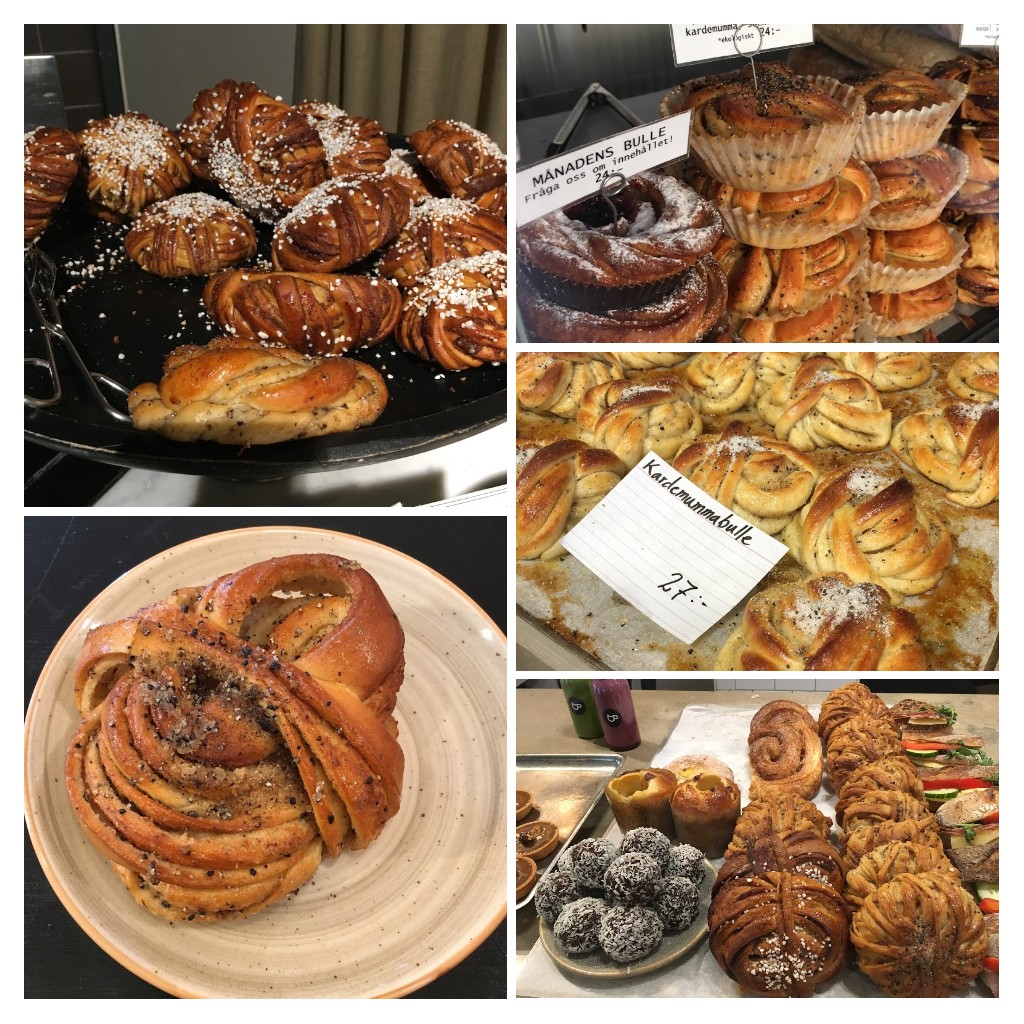
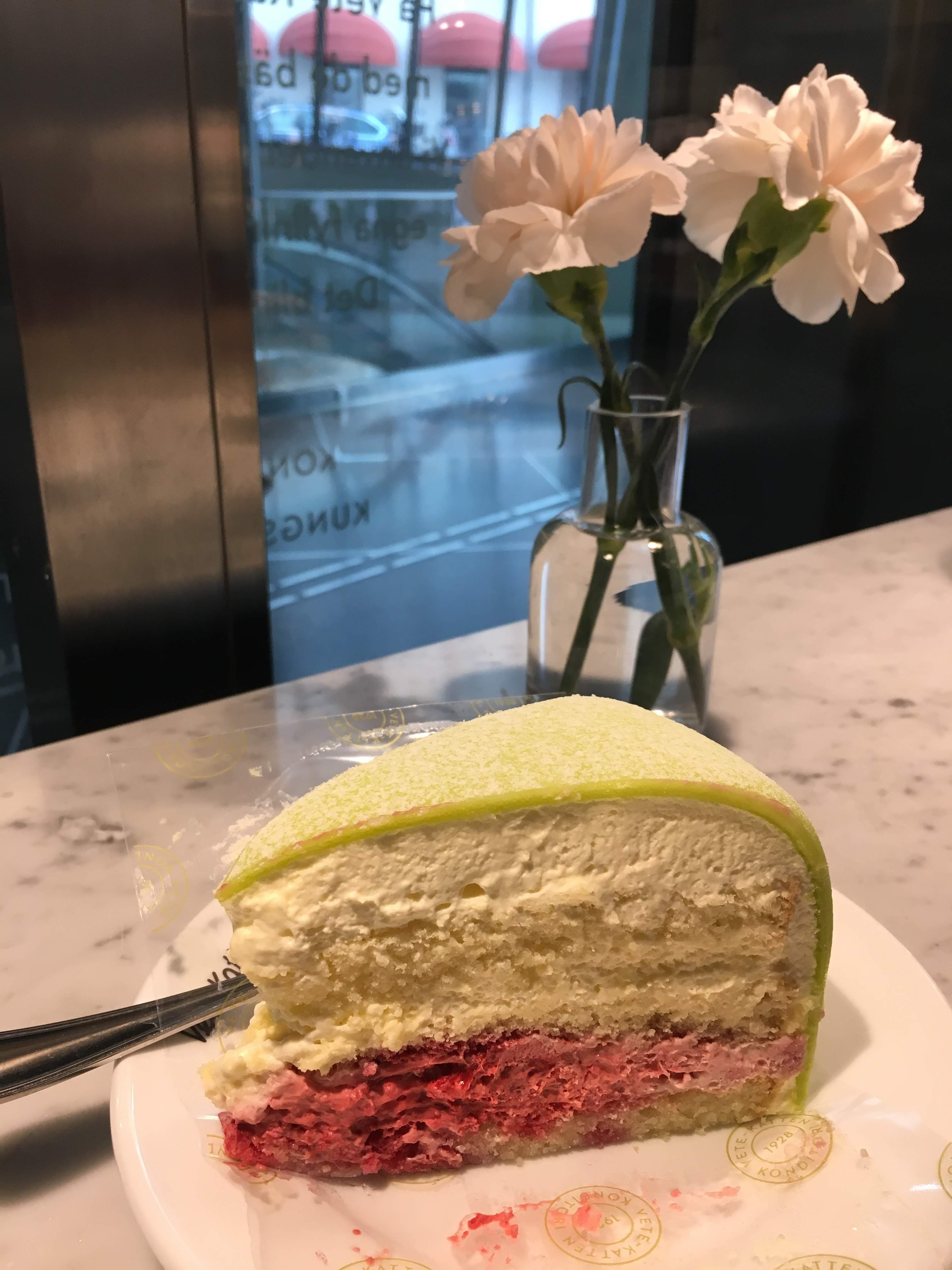
6. The viennoiseries and cakes in Sweden are second to none. It seems under rated compared to French or even Italian recipes. We remained steadfast to the Fika tradition every single day of our stay alternating between buns and princess cakes. I absolutely loved the Cardamon buns and pretty much anything from Vete-Ketten.

cardamom-bun-stockholm

princess-cake-stockholm

7. Stockholm seems to be most cosmopolitan of all the Scandinavian capitals I have visited. It helps that Stockholm is the tech hub of Scandinavia thanks to massive recent successes of Spotify and Klarna. Sweden it also home to Ericsson, Assa Abloy, Electrolux, Volvo, Skanska and IKEA.  


7 things about Stockholm, Sweden

5 things about Copenhagen, Denmark

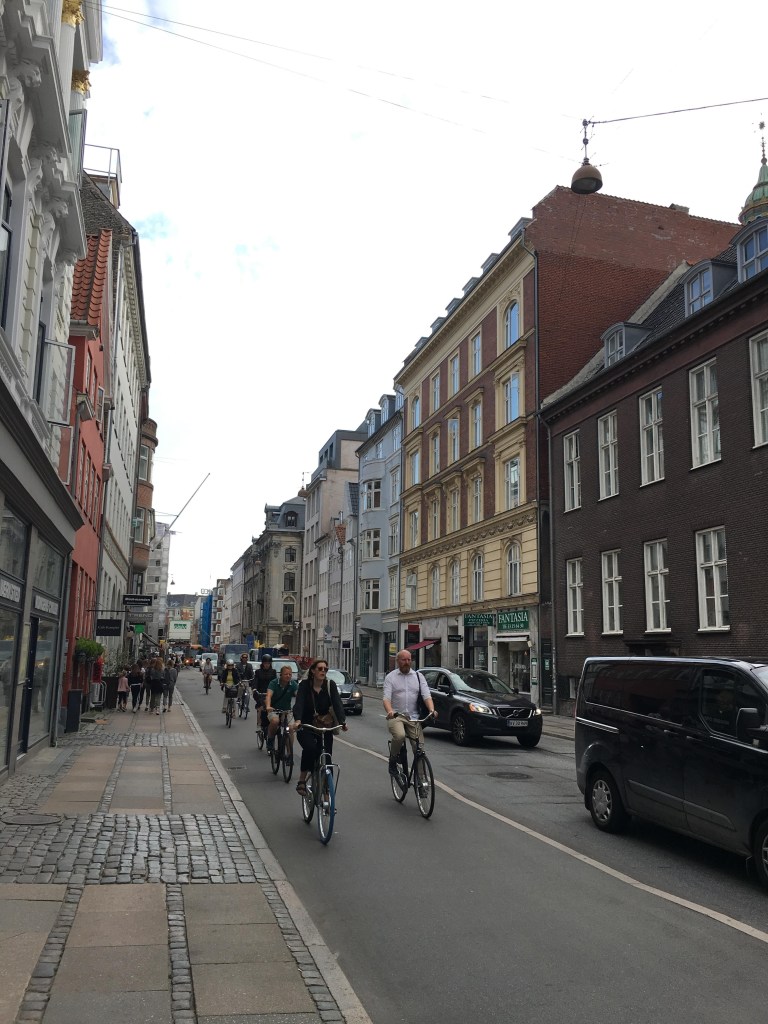
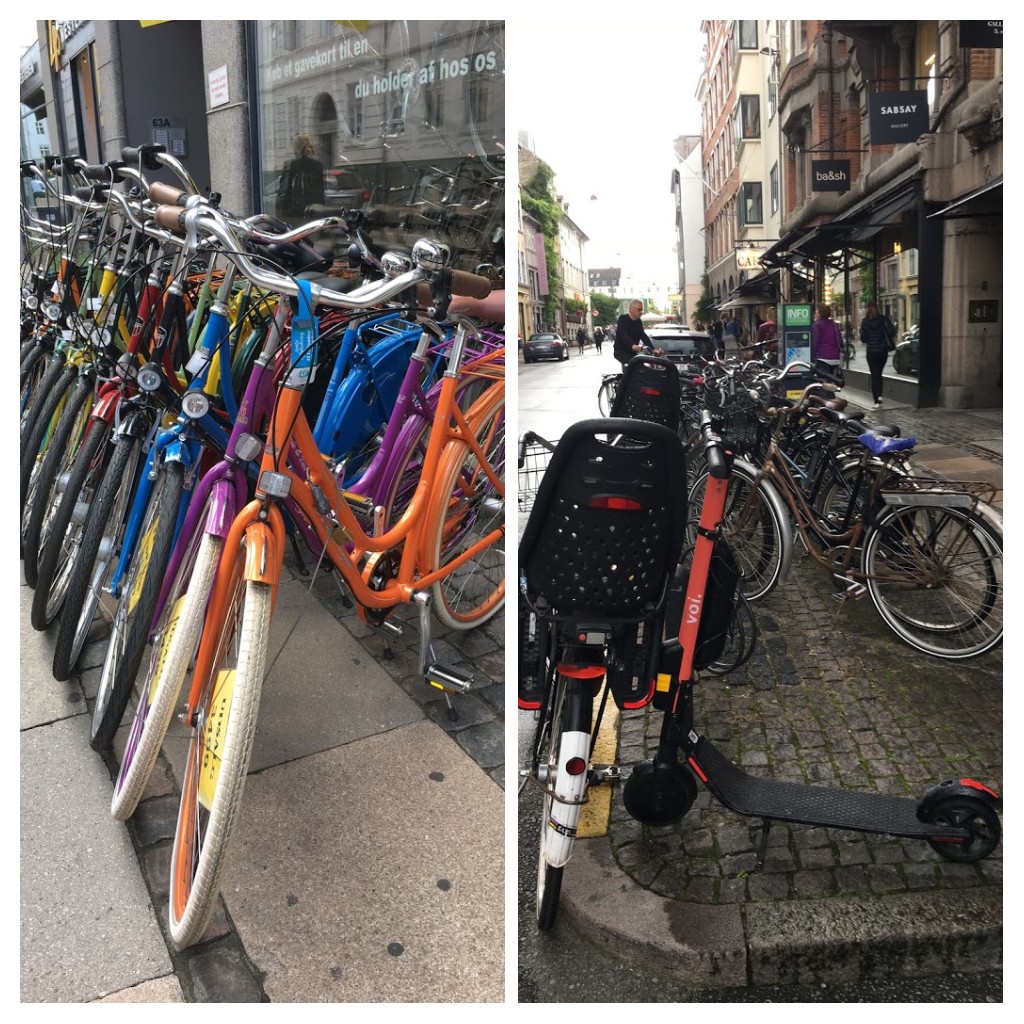
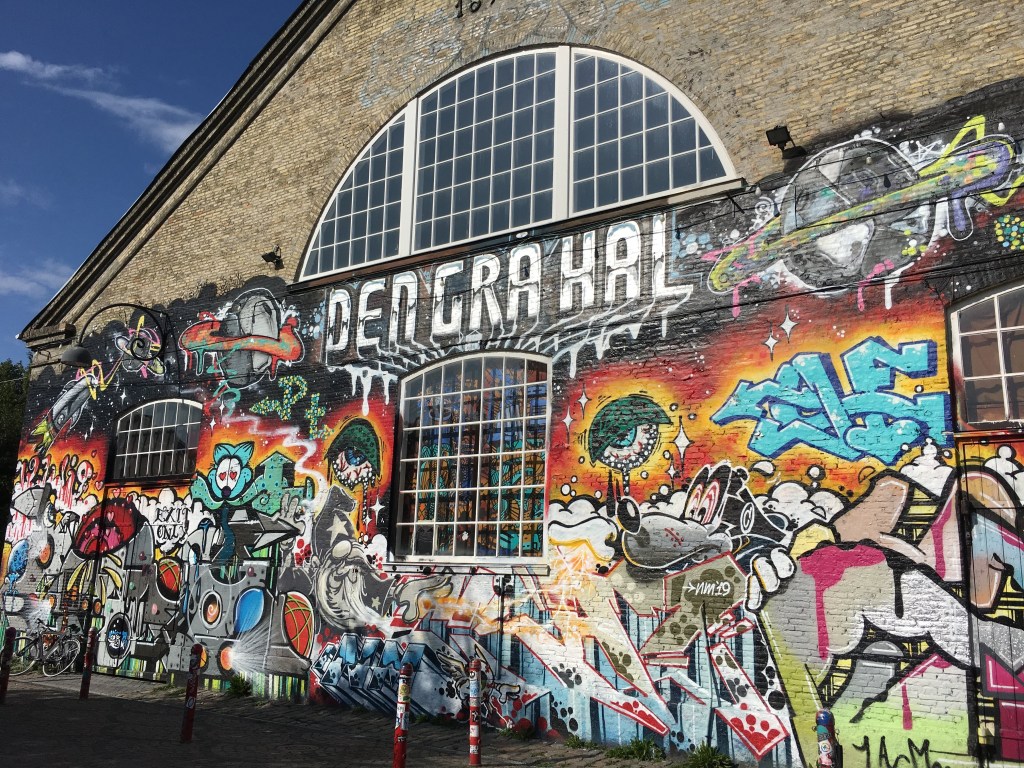
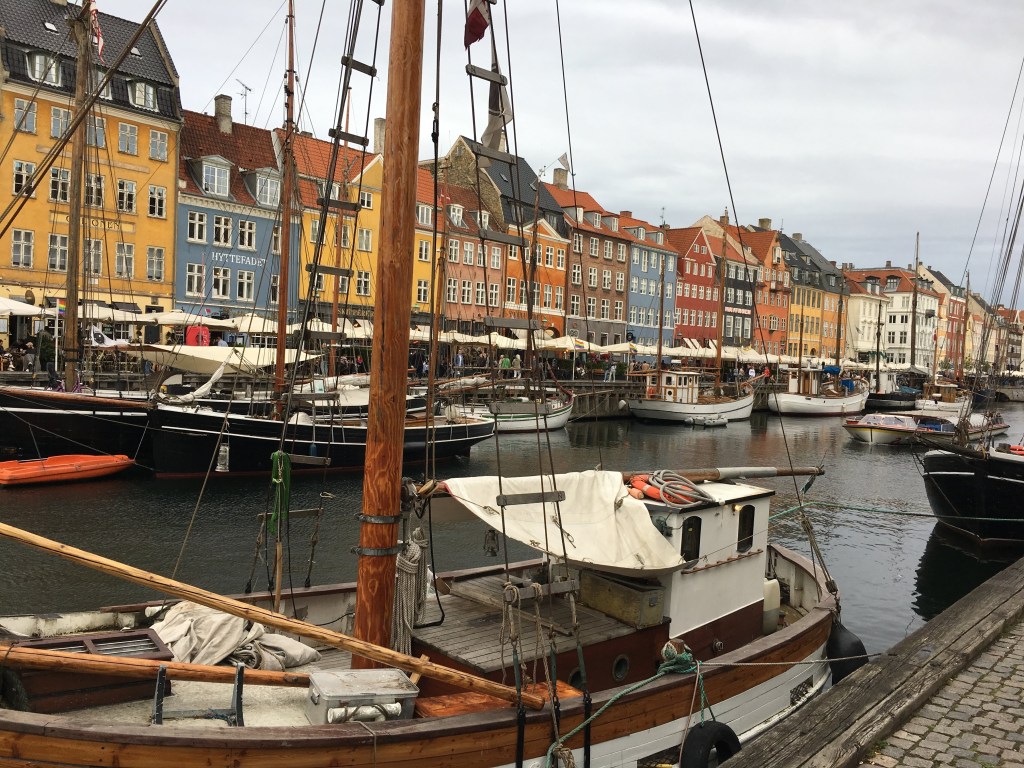
1. Danes obsession with bicycles is well known but it was not until I saw the rush hour traffic in Copenhagen that I understood the relevance of it. The cycling lane was packed, much more than car lanes in certain place. The true reason for the adoption is that cycling lane is actually functional and thoughtfully designed to maximize safe usage. It also helps that Copenhagen is flat and compact. I really enjoyed biking across various neighborhoods, my favorite was biking from Nyhavn to Freetown Christinia. 

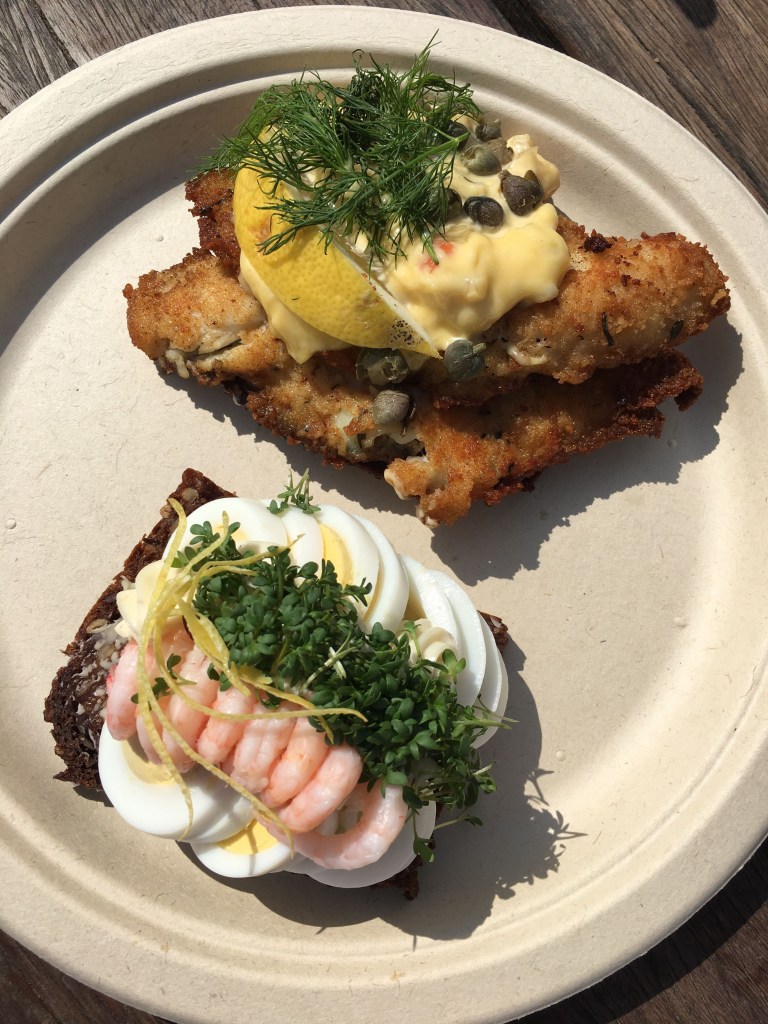
2. Smörrebröd is a Danish staple and it is versatile enough that it can eaten for breakfast, lunch and dinner. We tried at the trendy Hallernes Smorrebrod. Although the portions look small, it was very filling and rich thanks to the generous use of butter and mayo. Danish Rye bread with Lurpak® butter can be a nutritious and tasty meal on its own. I also picked up some unconspicous ice cream from the super market and it turned out the creamiest ice cream ever. I didn’t dare to read the nutrition facts. 

3. Carlsberg beer was founded and is still headquartered in Copenhagen. The founder of Carlsberg, Jacobsen even set up a lab dedicated to science of brewing. In fact, this lab helped identified the year species that is used to make pale lager. A century and a half later, hobby brewers Bjergsø and Keller founded the Mikkeller brewing company to produce craft brews that are now sold across the globe. Mikkeler bars in Cophengen are super laid back and the beer is unique.

4. Denmark is usually rated as one of the happiest countries in the world. Like most western European countries, Denmark is welfare state, high taxes are put to good use in terms of universal free healthcare and education. The term Hygge is part of Danish culture, it refers to feelings of cosiness, comfort and contentment. It is also used as verb – hyggelig to describe things that create hygge. Candles, Fireplace, Blankets, Comfort food are on top of the list. I experienced my share of Hygge by cosying up in cafes to escape some unwelcome summer downpours.

5. Danish design aesthetic is well respected. I knew about Bang and Olufsen but it was interesting gazing at the boutique stores downtown specially the ones selling furniture. The designs felt timeless but hefty prices though. 

5 things about Copenhagen, Denmark

5 things about Tallinn, Estonia

1. Estonia has long been a leader in delivering services online to its citizens. Everything from voting in elections, paying taxes and this was done much before major developed economies embraced it. No wonder Skype and Transferwise were founded by Estonians.They famously offer an e-residency that is particularly useful for nomadic business owners.

2. The name Tallinn apparently is derived from Taani linna (Danish town or castle) according to one urban legend .The more popular legend is that Dannebrog, the Danish national flag was born at the Battle of Lindanise against the Estonians, falling from the sky during an important moment in the fight and helping the Danes win.The date of the battle (June 15th) is even celebrated as national flag day in Denmark.

3. The Old Town is certainly charming but certain parts were devoid of locals. There is a lot of renovation happening to provide those picturesque backdrops that tourists are looking for. As we explored parts of Toompea hill, things felt more alive. The Linna museum is alright but the views from outside the museum are among the best. The Nevsky Cathedral was my favorite piece of architecture in town. It is a Russian Orthodox church that was built to last and project grandeur.

Tallinn Old Town

Tallinn Nevsky Church

4. The towers in Old Town are most preserved among medieval old towns in Europe. They are mostly horseshoe shaped, some four sided ones and bartizans.

Tallinn Towers

5. Rataskeavu 16 and its sister restaurant Väike Rataskaevu single handily saved the day with great food and friendly service to match. Everything that we ordered was amazing. I had sampled Kvass in the past but I totally fell in love with one here. It was so refreshing after a long day on foot around town. I made a quick stop over at a supermarket to sample some local delicacies where I discovered Kalev Marzipan bars. Made with Vana Tallinn liqueur, it was boozy chocolatey delight.

Tallinn Food

Tallinn Kalev

5 things about Tallinn, Estonia

5 things about Singapore

1. The name Singapore comes from the Malay words ‘Singa’ for lion and ‘Pura’ for city. Sir Stamford Raffles is credited to be the architect of Singapore. In 1818, he was tasked to find a port to protect the naval interests of the East India Company’s burgeoning spice trade from the advances made by the Dutch. Raffles identified Singapore and developed it alongside Penang and Malacca as the Straits Settlements by 1826.

2. Today, Singapore is a city state that resembles any developed western country economically but it is a nanny state with a one party democracy. The state builds (and partly) subsidizes housing for almost 80% of the population. Consequently, Singapore has highest home ownership rate in the world after Romania. Cars are obscenely expensive but fantastic public transport makes it easy for the most part. While code of conduct for citizens may be a mile long, the country is cleaner, safer and prosperous than most.

Singapore housing.JPG

3. Singapore is one of the few places where the airport is by itself is a place of interest. It even has a movie theater. The Merlion statue was much smaller than I imagined to be but the view of Marina Bay Sands from there is pretty cool. Orchard road is like 5th Ave of NYC, it is worth a visit if your into shopping global brands.

Singapore Aiport.JPG

Singapore Merlion.JPG

Singapore MBS.JPG

4. Singaporean cuisine is best represented by the likes of Laksa, Roti Prata, Chicken Rice, Fish Head Curry. These dishes bring together the culinary prowess of Chinese, Malay and Indian cultures. Laksa may feel like a kitchen sink dish at first but it is an explosion of complex flavor. it is a cousin to pho and ramen but usually made with coconut milk or tamarind as a base, fish and shrimp variants are also popular. Kaya toast is another local favorite – toast with kaya jam is made with coconut milk, eggs and sugar and a healthy dose of butter.

Singapore Laksa.JPG

Singapore Kaya toast.JPG


5. Singapore is yet another city built along a river – Singapore river. Once a heavily trafficked trading port, it now exists mostly to provide aesthetic appeal to the developments along its banks. It now drains into the Marina Bay reservoir instead of the sea. Clarke Quay, Boat Quay and Roberston are remnants of the trading heritage of Singapore. Quays are platforms built along the banks of a river to help move people and goods off the boats. Singapore’s quays have all been repurposed as water front entertainment areas.

Singapore Clarke Quay.JPG

5 things about Singapore

7 things about Havana, Cuba

1. From moment I stepped outside the airport till the end of my trip, I couldn’t help shake the feeling that this city had seen better days. There were constant reminders –  the 80s era vintage cars, the grand facades of dilapidated buildings, pre-paid internet cards.

Havana Airport.JPG

2. Scarcity is real and in your face. Things which we take for granted elsewhere are not available or unreasonably expensive. I saw aisles of bare shelves for the first time in 20+ years; I had some vague memories of similar scenes in a pre-globalization era in India. Fresh milk and eggs are almost impossible to find, we barely managed to snag one of the few imported packets of shelf-stable milk.

3. Weather couldn’t be any better in late December, just the perfect temperature and humidity. Anything more than shorts and t-shirt made me feel overdressed.

4. Cuban cuisine is utilitarian. A typical meal consists of rice, beans, fried plantains, meat or fish. The beans are actually tasty but I got bored of it as it served with almost every single meal. Be prepared to pay $$$ if you want to each good (but not great) food even at the nicer places in Havana. The fresh out of the fryer plantain chips at Frente and O’Reilly 304 were amazing, while the seafood was fresh and solid. Drinks are very affordable, mint mojitos were A+ but I soon realized that the magic in them is basically sugar. Do load up on cigars if you are into it, there are governments authorized distribution centers like the Partagas factory that guarantee authenticity.

Havana food.JPG

5. People were very friendly and helpful despite their hard personal circumstances. The museo de revolution is all propaganda but you can understand the Cuban perspective of the revolution and what the people were led to believe.

6. The Spanish Quarter in Havana has been recently spruced up to cater to the day trippers from Caribbean cruises. It is indeed picturesque and provides a lot of good photo ops but is no different than any city colonized by Spain. But it is hardly a good representation of the city.

Havana Spanish Quarter.JPG

7. Walk along the Malecon, rent a vintage taxi and drive through the neighborhoods like Vedado away from the tourist bustle, learn about Al Capone’s legendary parties with the likes of Frank Sinatra at the Hotel Nacional or stroll through the majestic Paseo del Prado imagining the vibrant life in its hey day.

Bonus: Currency of visitors is CUC. You can go into this unique money exchange ATMs called cadecas. USD for CUC. 1 CUC = 1 USD.

Havana Cadecas.JPG

In this day and age, Cuba feels like(is) a socialist experiment that went wrong.The effects of suppression and poor policies are so obvious. The grand facades start to feel less romantic.Yet, life goes on.The well educated ones have immigrated or looking for a way out, the enterprising ones run Airbnbs or build ingenious businesses by trading rare goods. I left with an overwhelming feeling of gratitude not just for the physical comforts that I had back home but for those imperfect democracies that we all love to hate.

7 things about Havana, Cuba

5 things about Helsinki, Finland

1. I usually dread train rides from the airport into the city during my travels. The ride from Helsinki airport was as pleasant as it gets – ample luggage space, oversized windows with woody forest views. Finland is a nature lover’s dream with 75% land area covered by forest and a whopping 188,000 lakes.

2. Sauna is much more than a tradition in Finland, it is a part of life. After failing to snag a reservation at Loyly, I was disappointed. However, I wasn’t so sure of being naked around strangers. So, I half heartedly tried a few other local places before giving up all together.

Helsinki Sauna.JPG

3. The Helsinki Ferry Terminal is stunning and competes with some of the best airports in the world. Built with Scandinavian design aesthetic, it opens up to views of the sea. For design enthusiasts, the Helsinki Central Library Oodi is a must visit. It was chosen as the best public library in the world.

Helsinki Ferry.jpg

4. Salmon is soft and buttery, fish soup with salmon is a standby.The Finns are fascinated with licorice, it is put in lot of things. I tried licorice ice cream, it was weirdly addictive.The baking heritage is similar to the Swedes but the buns weren’t as good though. Cafe Esplanade boasts of making one of the best Korvapuusti (cinnamon rolls) in Helsinki but I was much more impressed with the cozy retro booth seating and coffee.

Helsinki food .jpg

5. Helsinki is considered to be a good day trip from the bigger cities in Scandinavia. The Helsinki Cathedral, Uspensky Cathedral, Senate Square and the Market Hall are all worth a visit. If you are up for a ferry ride, Suomenlinna fortress is only a short hop away.

Helsinki Senate Square.JPG

Helsinki Uspensky.JPG

5 things about Helsinki, Finland

7 things about Seoul, South Korea

1. The first thing that struck me was the overall cleanliness of the city. Of course, there are always going to be exceptions but on an average the city was cleaner than most if not all American and European cities that I had been to. I could only think of Tokyo being better.

2. There is a lot to be said about stereotypes that Koreans cares a lot about their appearance. The sheer number of cosmetic stores per capita for both genders provides strong supporting evidence to that stereotype. Every third shop in the touristy Myeong-dong shopping street is about cosmetics, skin improving face masks are especially popular. Koreans also seem to dress very well. Their style is almost European but with Asian twists, expect lots of black and grey. I felt very under-dressed in almost every occasion. I saw many high end brands like Gucci, Prada enforcing staggered entry over the weekends to manage the demand. Such is the need to standout.

3. The Korean economy is dominated by the Chaebols – large conglomerates owned and managed by powerful family groups. Samsung, Hyundai, LG, SK, Hanjin and Lotte being the heavy hitters.Their interests are very diverse – construction, shipping, manufacturing, technology, entertainment and even shopping malls. There is a a historical reason as to how the state built up these private entities with cheap loans and granted monopolies in strategic areas to grow and boost the economy after the war with Japan. It is inspiring to see how much they pulled their economy forward within a couple of generations from virtually nothing. However, these conglomerates are more powerful than ever today and have an out sized influence over the government due to their size and output. But for an average Korean, getting a job at one of these conglomerates is a guarantee to climb the economic and social ladder.

4. Seoul has some historical monuments – the 5 palaces. It is sad that almost all of them were ransacked by Japanese invasions and were either completely rebuilt or restored extensively. I thought the Gyeongbokgung was a shell of its glorious past  but I enjoyed Changdeokgung and the adjacent Changgyeonggung palace much more. The Huwon garden in Changdeokgung is also popular and requires special reservation.The Bukchon village was a pleasant surprise, walking through the winding narrow lanes and absorbing the traditional architecture was one of he nicest memories from my whole trip.

IMG_9344.JPG

Palace 3.JPG

Bukchon.JPG

5. Korean food is much more than Kimchi stews and BBQ. In fact, BBQ is special occasion food. Regular daily meals are very healthy and are typically composed of a meat based soup/stew accompanied by an assortment of fresh or lightly cooked seasonal vegetables.The dessert menu does not exist but is replaced by coffee. The Street scene is very vibrant. Tteokbokki (Rice cakes in spicy sauce), Kimbap(Rice Rolls), Hotteok(Sweet Pancakes), Gyeran-ppang (Egg Bread), Bindae-tteok(Mung Bean Pancakes) are all wildly popular. Walk along Insa-dong, Myeong-dong or visit the Gwangjang Market to try these.  Also, there is an abundance of bakeries and cafes with Instagram friendly interiors.

D8850611-C4B7-4CBE-9965-DC320EDE9FDA.JPG

6. Apparently, anything from Jeju island is a kind of quality stamp. Everything from green tea to water is better if it comes from there. There is also this obsession with banana milk and weird cola drinks – milkis (milk flavored cola) and mccol (barley soda). Banana milk is traditionally a post sauna treat, it tastes good but very sweet. On the other hand, I couldn’t get through the sodas.

Korean drinks.jpg

7. Beware of social drinking practices in Korea, it is customary to pour soju shots for friends or colleagues. Koreans have built up a rather large tolerance to this high ABV spirit and you will not be able to out drink them. Same can also be said about Karaoke, another popular social activity and is considered a national past time.

(Bonus)

Like Japan, smart toilets with bidets are standard in most workplaces and hotels. Your derrière will experience unparalleled luxury.

IMG_20191213_063838.jpg

7 things about Seoul, South Korea

5 things about Kuala Lumpur, Malaysia

1. KL is every bit tropical. My flight landed closer to midnight in the middle of December. I was ready to ditch my hoodie 10 minutes into my cab ride from the airport. The humidity came as a relief after the long flight. On my second day, there was intermittent rainfall. Although, it made the traffic worse I enjoyed getting drenched in the warm weather. It brought back memories from my childhood in India.

Tropical Rain.jpg

2.As an Indian, I felt very disappointed to see many lower end jobs staffed mostly by Indian origin Malaysians. Malaysia is very racially segregated and the state and its policies are brazenly skewed to serve native Malays. Indians who originally showed up in Malaysia as plantation workers received the short end of the stick and were marginalized akin to African Americans in America. I heard that things are improving considerably for the Malaysian Indian community as they organize and gain more political representation.

3. Malaysian food is an interesting fusion of Malay, Chinese and Indian food. Tea Tahrik –  pulled tea was my favorite.They took the Indian Chai and made it even better by adding condensed milk. It is sort of a cousin to HK milk tea but less bitter. I was so addicted to this. Even other Indian dishes have been infused with traditional Malay flavors like Sambal. Grab food delivery is your friend, sample a wide variety of foods.

Malaysian food.jpg

4. The famous Petronas twin towers are located right in the middle of downtown KL and looks every bit stunning as seen in photos. As for other places of interest, I really enjoyed the Batu caves much more that I thought. The temple inside the cave was well maintained. I was lucky enough to witness an archana service and it was very calming. The area around KLCC is great for strolls but be prepared to handle the humidity.

Petronas.jpg

Batu Caves.jpg

5. KL is no HK or NYC but still has substantial number of skyscrapers, many with interesting architecture styles too.

Skyscrapers.jpg

5 things about Kuala Lumpur, Malaysia